OnePlus has begun officially teasing its upcoming flagship device ahead of its expected October release window. Built to deliver top-notch performance, it will compete with the iQOO 16, which is set to break cover on Sept. 29 in China. Here’s a look at the official details about the OnePlus 16 confirmed so far by the brand.
OnePlus 16 variants, color options revealed
OnePlus 16
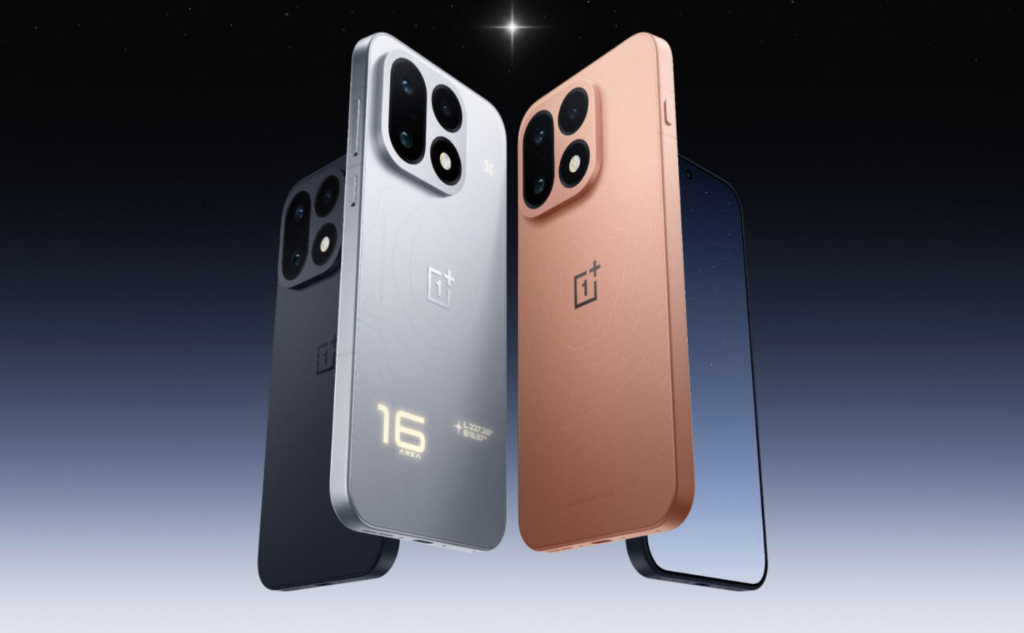
The official pre-order listing for the OnePlus 16 reveals that the device will come in three colorways: Tomorrow Starlight, Dark Forest, and Martian Masterpiece. The Tomorrow Starlight edition stands out by incorporating an interactive breathing light embedded within the rear panel that illuminates the branding and celestial coordinates.
Buyers will be able to pick from multiple configurations, such as 12GB+256GB, 12GB+512GB, 16GB+512GB, and 16GB+1TB. In terms of design, the device features a square metal camera island, large rounded corners, and a customizable AI key on the left edge.
As per recent reports, the OnePlus 16 will feature a BOE X4 flat OLED panel, offering a system-wide 165Hz refresh rate that climbs up to 185Hz during optimized gaming sessions. The device will run on the Snapdragon 8 Elite Gen 6 Pro flagship processor and ColorOS 17-based Android 17.
Powering these features is a massive 9,000mAh battery paired with Oppo energy management silicon for low-voltage efficiency. Recharging options include rapid 100W wired charging along with convenient 50W wireless charging support.
On the back, it will house a versatile triple-camera array. A 200-megapixel primary sensor measuring 1/1.4 inches anchors the setup, accompanied by a 50-megapixel ultrawide lens and a 50-megapixel periscope telephoto camera with a 1/1.95-inch sensor size.
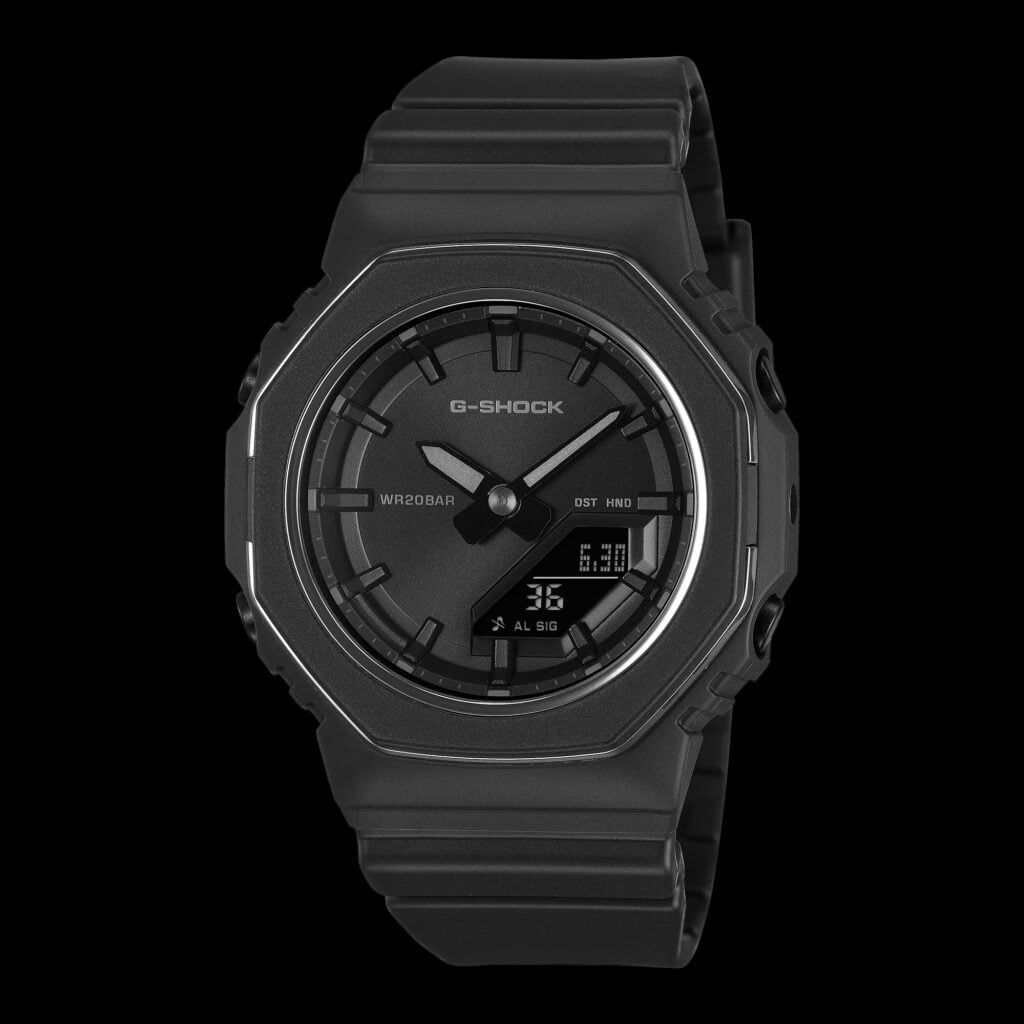
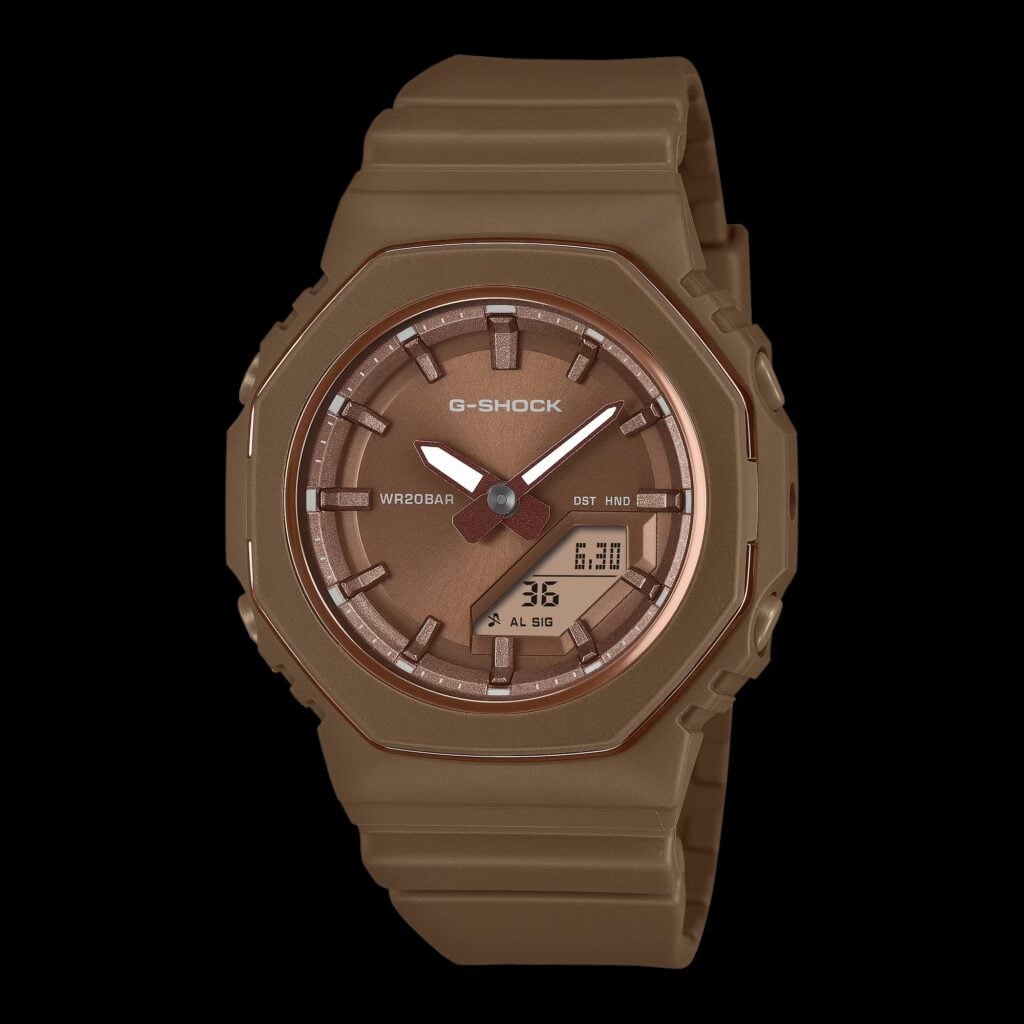
Casio has launched two new G-Shock watches in India, the GMA-P2110B-1A and GMA-P2110B-5A. Both models are priced at ₹9,195 ($96) and are currently available for purchase directly through the Casio India website.
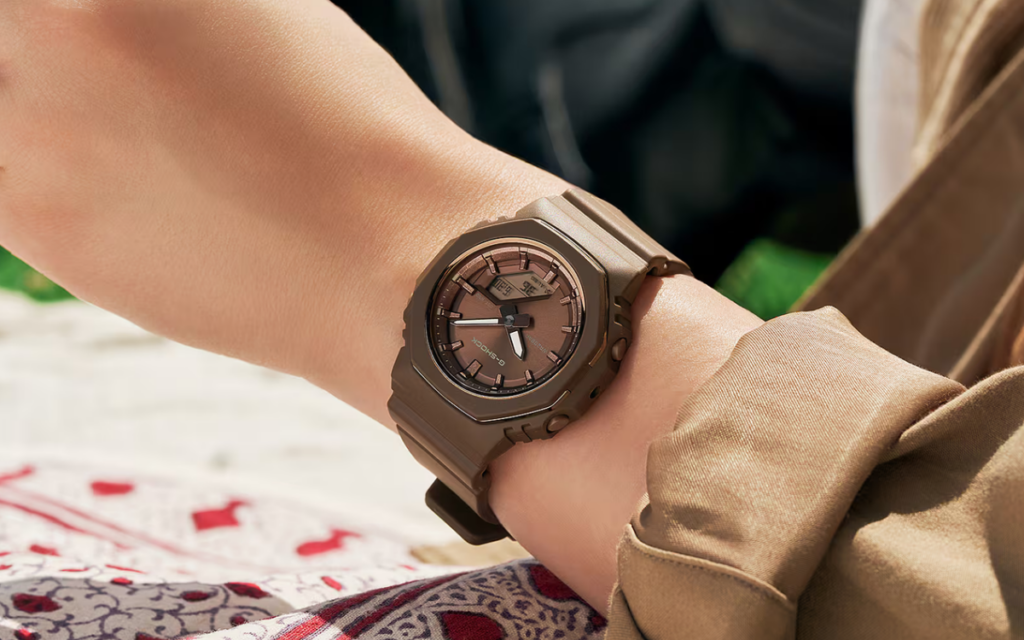
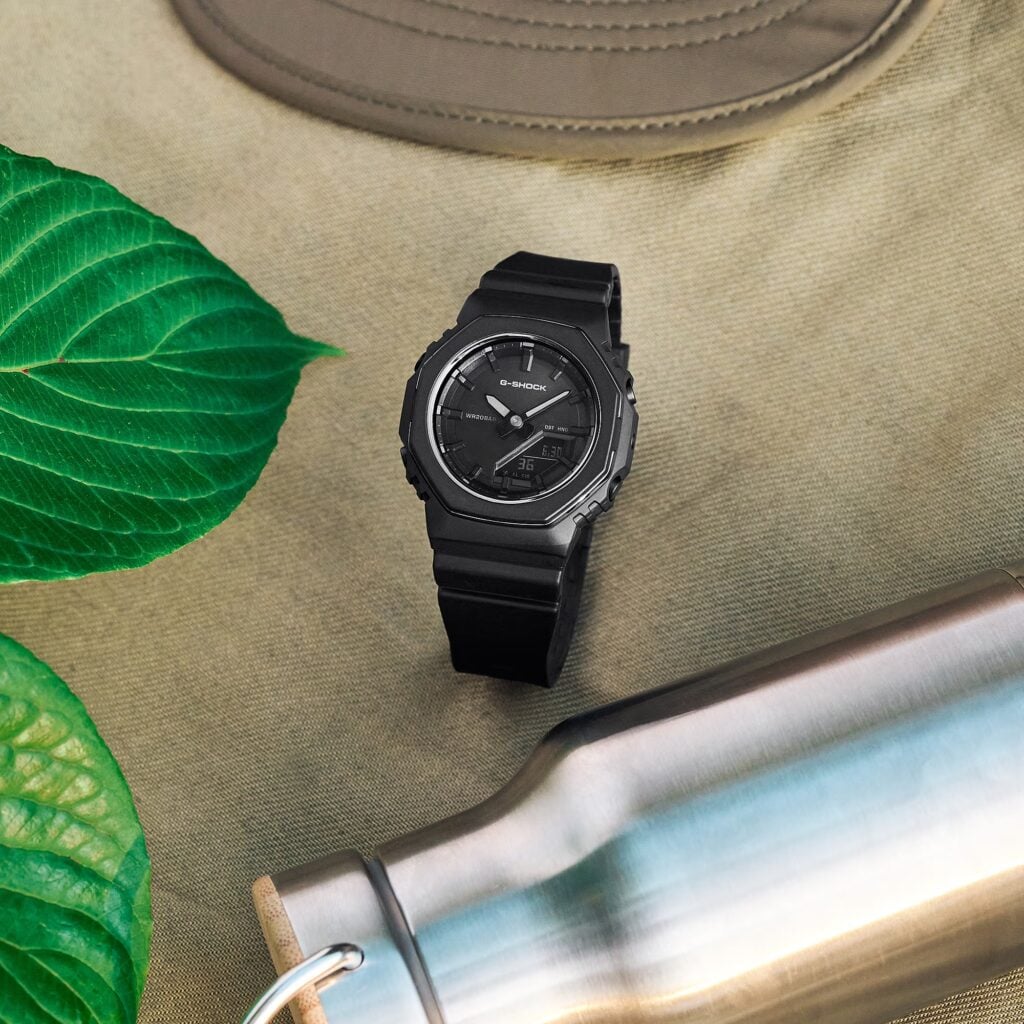
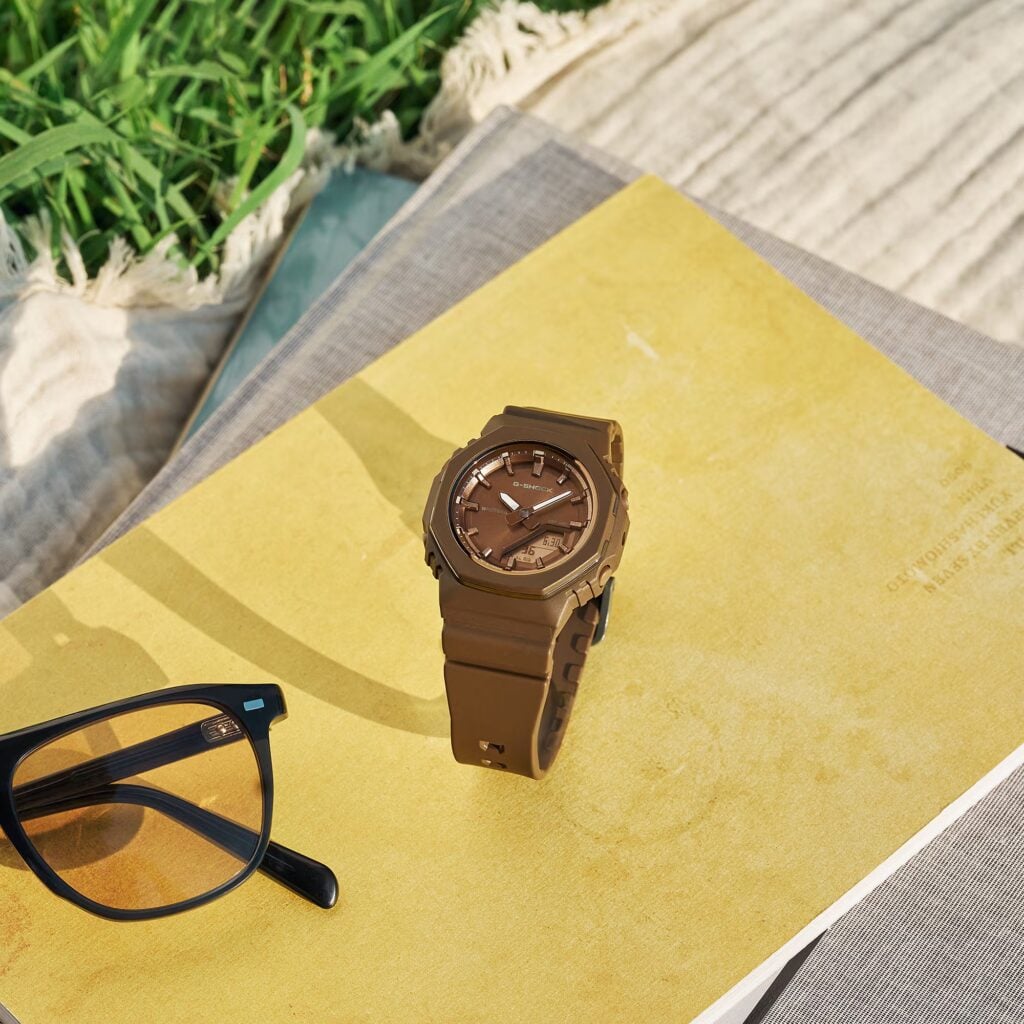
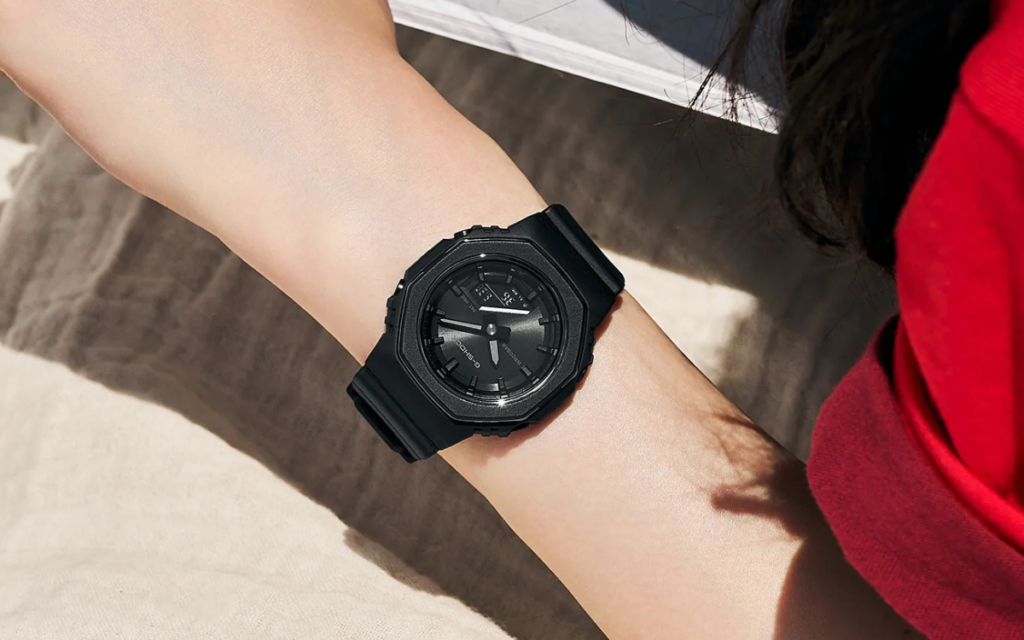
The new GMA-P2110B series takes the octagonal bezel design of the standard G-Shock 2100 line and reduces the overall dimensions. The case measures 46 x 40.5 x 11.3 mm, and the watch weighs 37 grams.
This smaller footprint is intended to fit narrower wrists and provides a lighter alternative to traditional, bulkier G-Shock models. The watches are available in two single-color options: black (GMA-P2110B-1A) and brown (GMA-P2110B-5A). Each features a metallic bezel ring that provides a slight visual contrast to the matte finish of the case and band.
For the exterior materials, Casio is using bio-based resin for both the bezel and the band. This material is derived from renewable organic resources, which the company says is part of an ongoing effort to lower the environmental impact of its manufacturing processes.
Despite the smaller size, the GMA-P2110B series maintains standard G-Shock durability specifications. The watches are shock-resistant and water-resistant up to 200 meters (20 bar). The display is covered by mineral glass, and the analog hands feature a Neobrite coating for basic visibility in low light.
The dial uses an analog-digital layout. It includes a hand-shift function that temporarily moves the analog hands away from the digital LCD screen when users need to read the digital data. For active illumination, the watch uses a double LED system that lights up both the analog dial and the digital display, with selectable durations of 1.5 or 3 seconds.
The watch includes standard digital functions such as world time covering 31 time zones and 48 cities, a 1/100-second stopwatch, a 24-hour countdown timer, five daily alarms, and a full auto-calendar. It runs on a standard CR1025 battery, which Casio rates for approximately three years of operation before needing replacement.
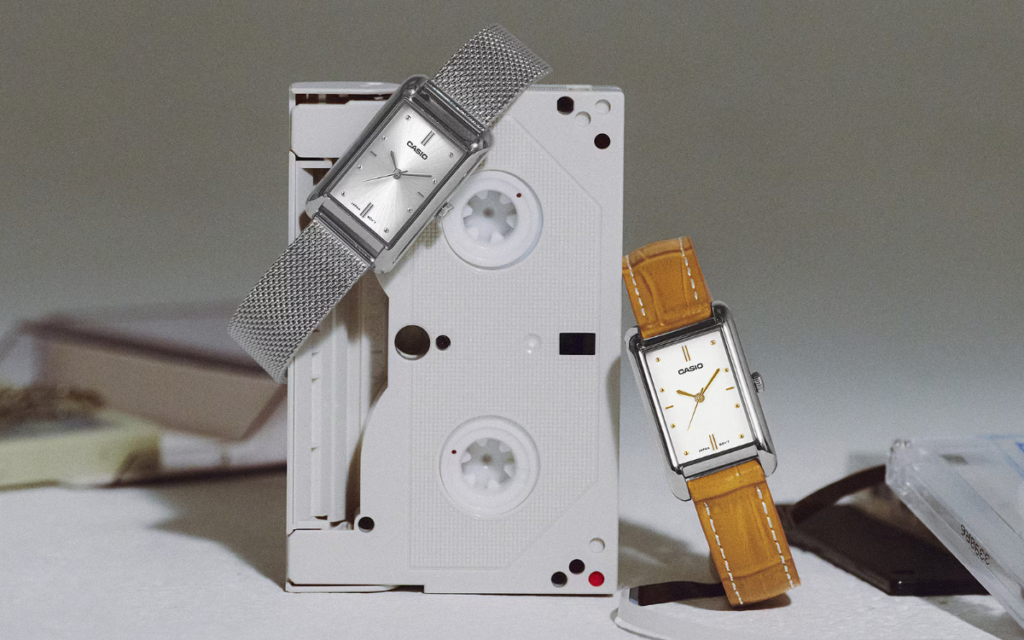
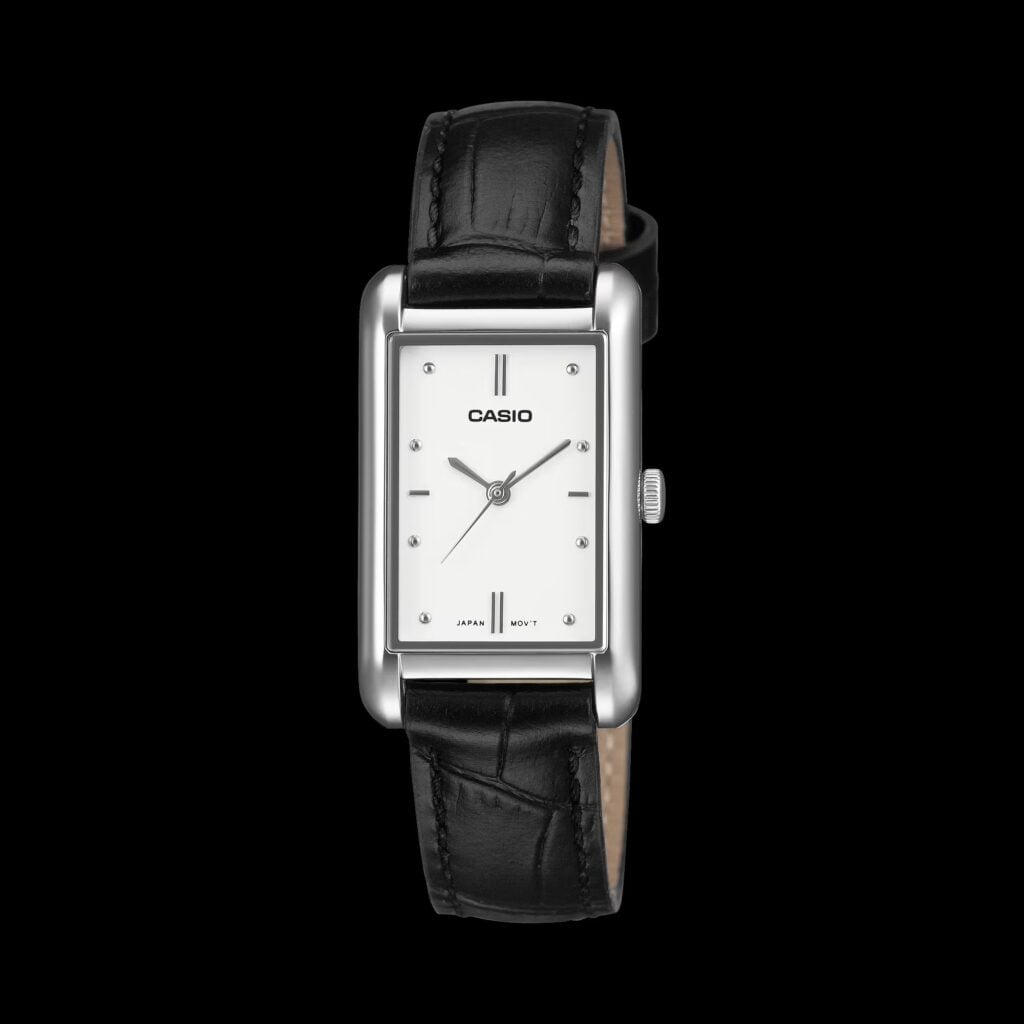
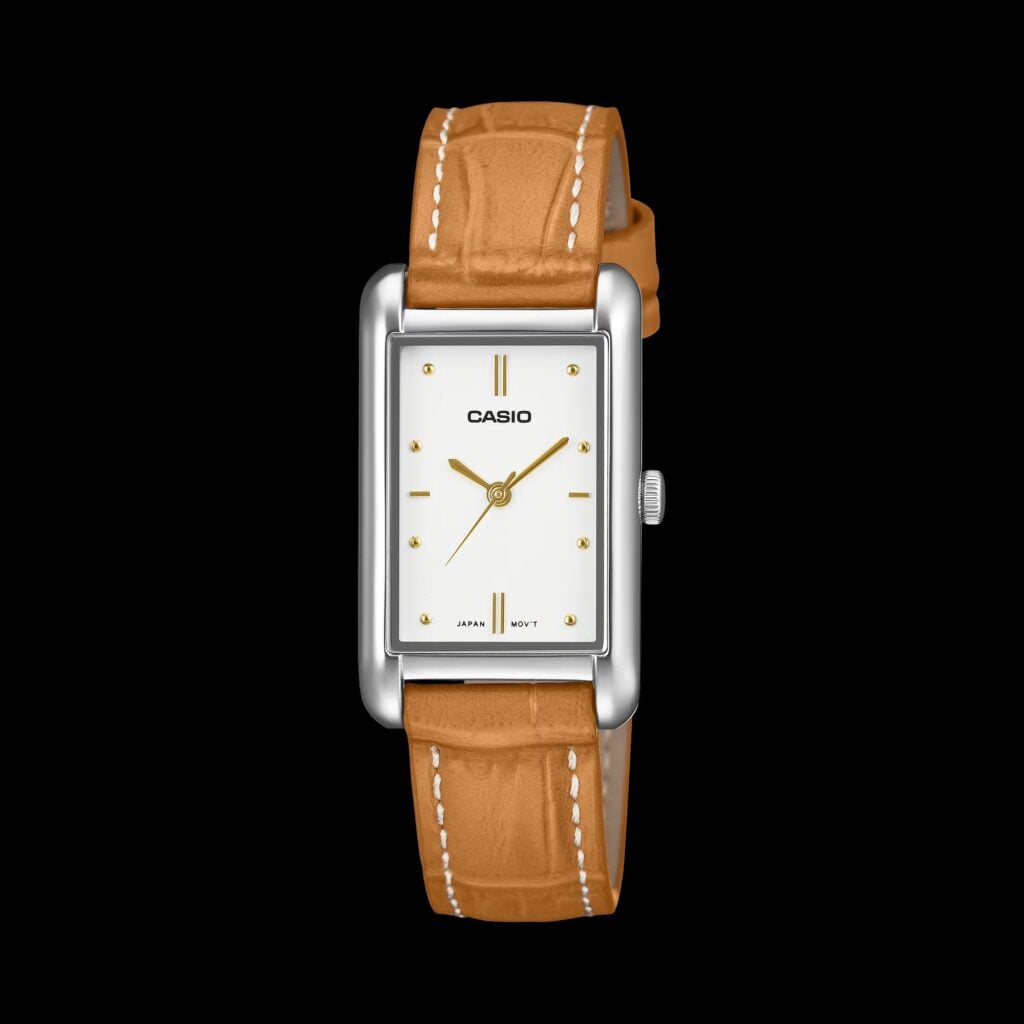
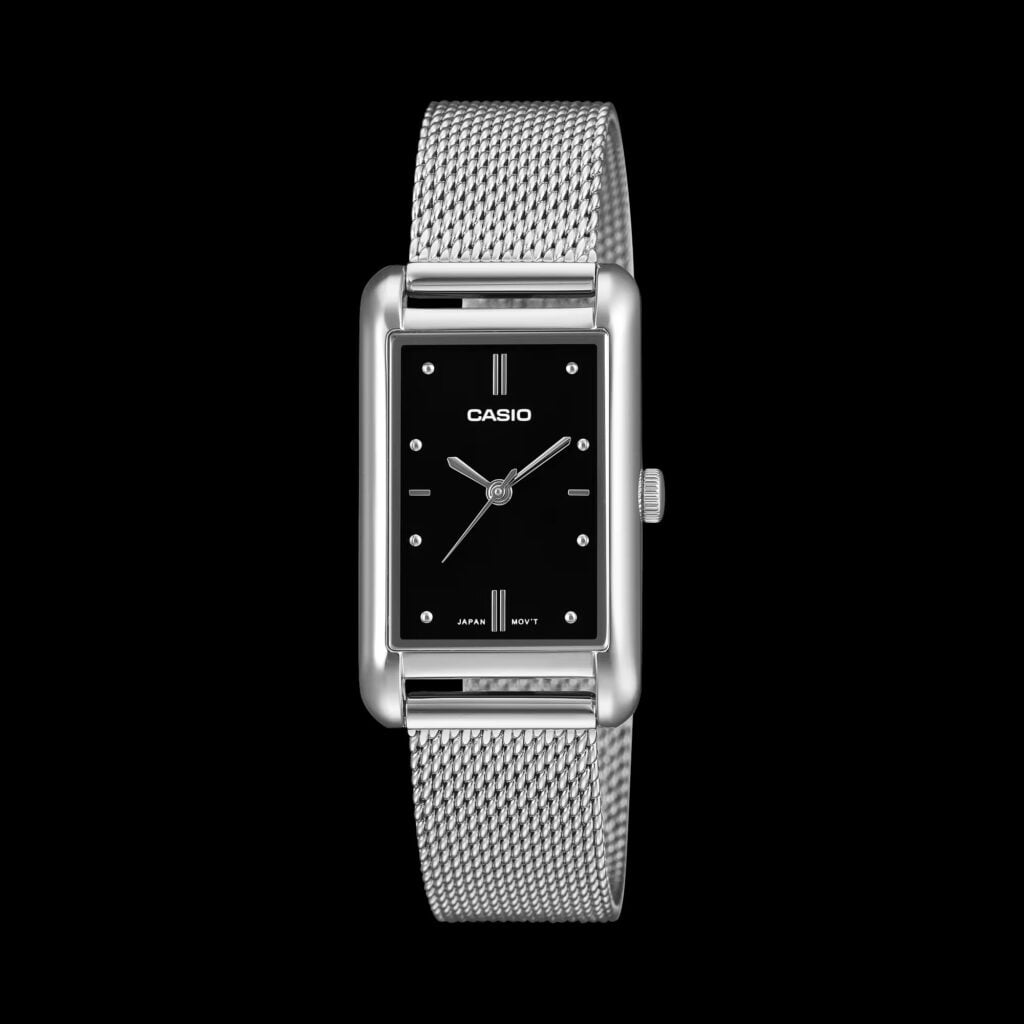
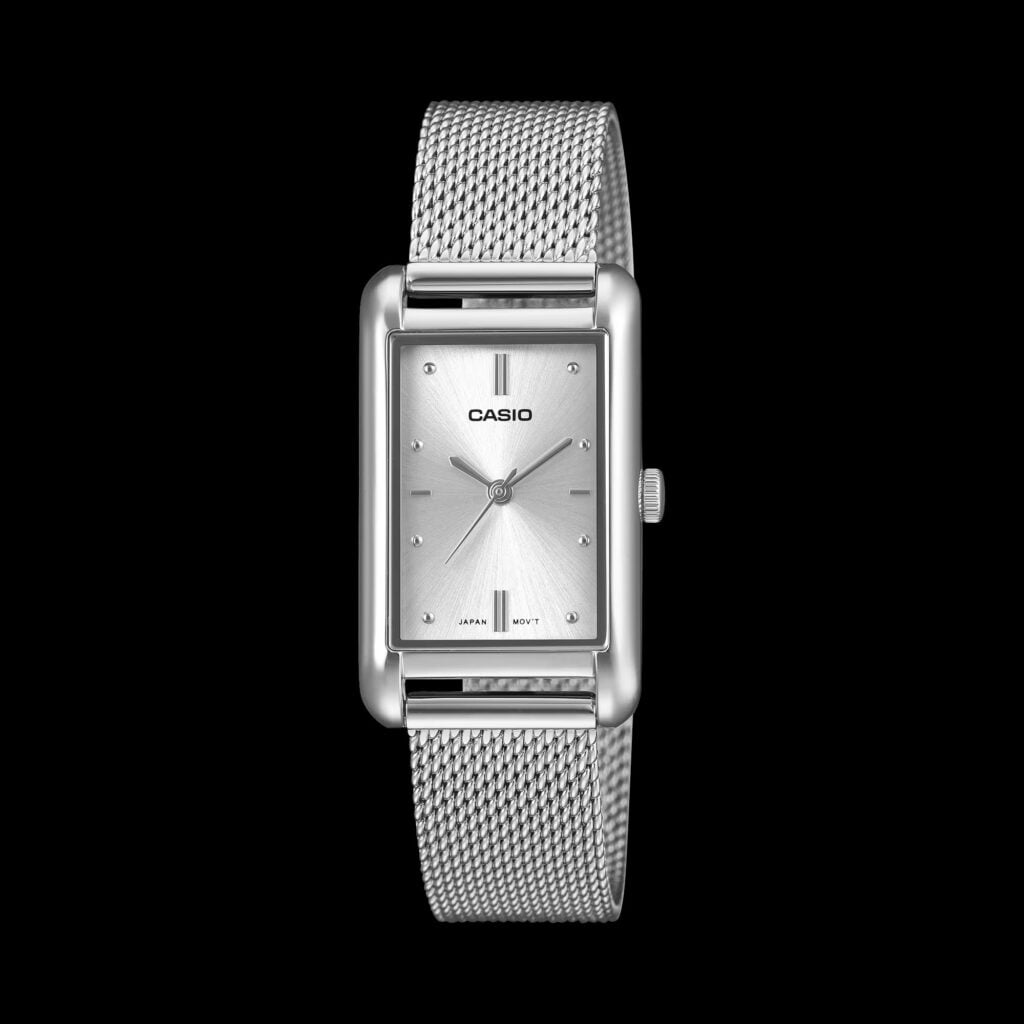
Casio has expanded its watch lineup in India with the release of four new analog models under the LTP-B171 series. The new watches are currently listed for sale on the official Casio India website. The release focuses on a basic, minimal design, offering standard timekeeping without the addition of digital displays, date windows, or smart connectivity.
Design Details
The four models are divided into two categories based on their strap materials: the LTP-B171L models, which use leather bands, and the LTP-B171M models, which feature stainless steel mesh bands.
All four watches share the exact same stainless steel case, which measures 34 millimeters in length, 20.5 millimeters in width, and 7 millimeters in thickness. The front of the watch is covered by standard mineral glass. The dial features a simple three-hand analog setup, displaying only the hour, minute, and second.
Internally, the series operates on a standard quartz movement. They are powered by an SR626SW battery, which Casio estimates will last for about three years before needing a replacement. The accuracy of the watches is rated at ±20 seconds per month, which is standard for analog watches in this price bracket. Additionally, all models come with basic water resistance. They are capable of withstanding minor splashes or rain, but they are not rated for submersion or swimming.
The LTP-B171L-7A1 and LTP-B171L-7A2 represent the leather strap variants. Because leather is a lighter material, these models weigh just 24 grams. They are designed to accommodate wrist sizes between 130 and 180 millimeters. Both of these leather models are priced at ₹5,495 ($57).
The LTP-B171M-1A and LTP-B171M-7A are the stainless steel mesh variants. These models include an adjustable clasp for sizing. The use of a metal band increases the overall weight of the watch to 41 grams, and they fit a slightly different wrist size range of 125 to 185 millimeters. The mesh models are priced slightly higher at ₹5,995 ($62).
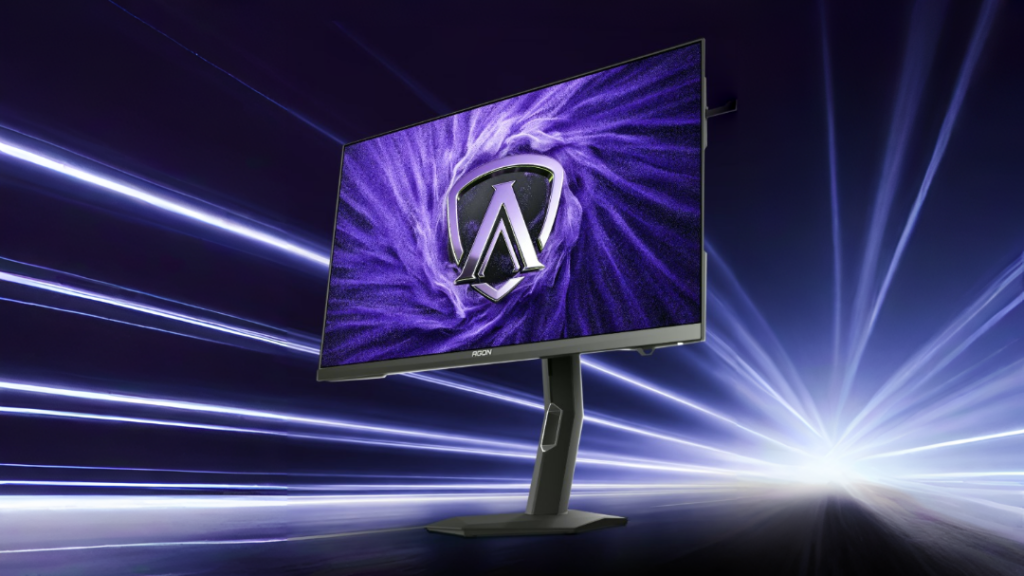
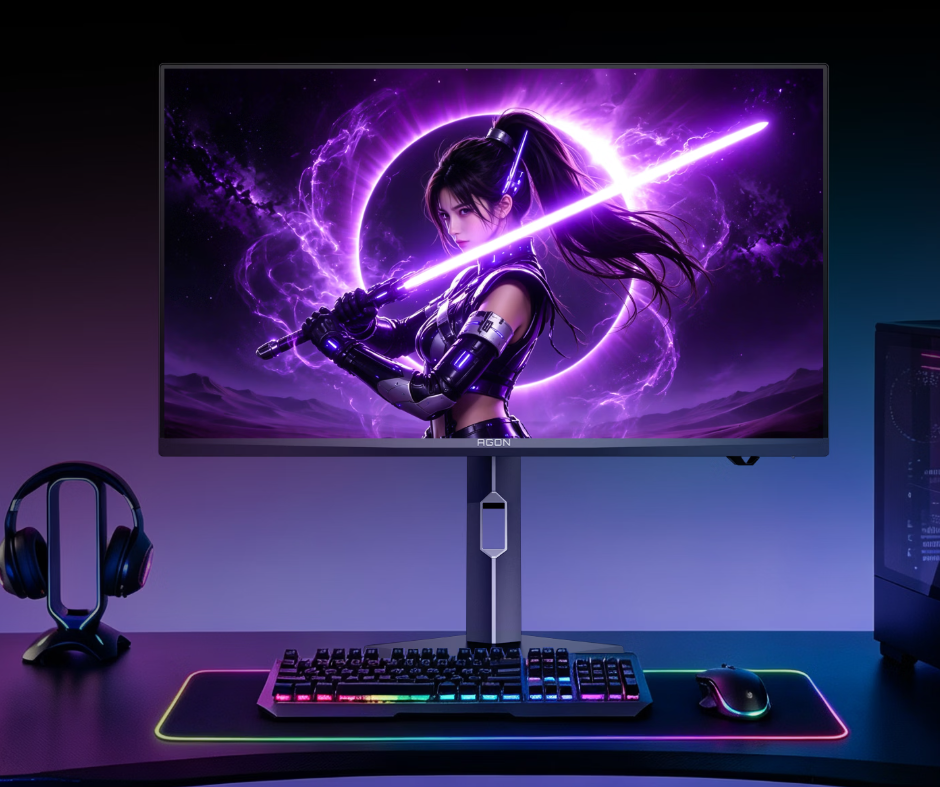
AOC has launched its latest gaming monitor, the Agon AG277QSD, in China. The monitor is priced at 3,160 yuan ($472), while local subsidies bring the price down to 2,799 yuan ($418). It features a 26.5-inch 1440p QD-OLED panel with a high refresh rate and factory color calibration, including dedicated calibration for HDR content.
The monitor is built around an EL Gen.3 QD-OLED panel. This generation uses a five-layer tandem light-emitting structure, which is a hardware update from the previous four-layer design. By utilizing three blue layers and two green layers, the panel is designed to increase luminous efficiency by 30% and extend the display’s overall lifespan. To help manage heat and reduce the standard risk of OLED burn-in, AOC has also included a graphene-based thermal cooling system.
For gaming, the AG277QSD features a 2560 x 1440 resolution with a 320Hz refresh rate and a native 0.03ms gray-to-gray response time. It comes with Nvidia G-Sync Compatible certification and supports Display Stream Compression (DSC) through both HDMI and DisplayPort. AOC also equips the monitor with flexible display scaling options for competitive gaming, including a 24.5-inch viewing mode and a 4:3 mode at 1280 x 960 with pixel-to-pixel mapping.
The company says that the AG277QSD is the first monitor to include factory HDR color calibration. Each unit ships with an individual calibration report, and AOC claims an average Delta E of less than 2 in DisplayHDR mode (which accounts for brightness deviation) and less than 1 in the standard DCI-P3 mode. The 10-bit panel covers 99% of the DCI-P3 color gamut and includes a 12-axis color adjustment system for manual tuning.
The display is VESA DisplayHDR True Black 500 certified. It can reach 515 nits of brightness. The screen also features a DarkShield Black anti-reflective coating, which is designed to cut down ambient light reflections by 40% compared to older QD-OLED panels while providing a 3H hardness rating for better scratch resistance.
Port selection includes two HDMI 2.1 ports (48Gbps), one DisplayPort 1.4 (32.4Gbps), a three-port USB 3.2 Gen 1 hub, and a 3.5mm audio jack. The monitor sits on an ergonomic stand with height, tilt, swivel, and pivot adjustments. Additionally, it includes a built-in retractable headphone hanger, a mouse cable clip, and rear ambient lighting that syncs with Windows 11 Dynamic Lighting.
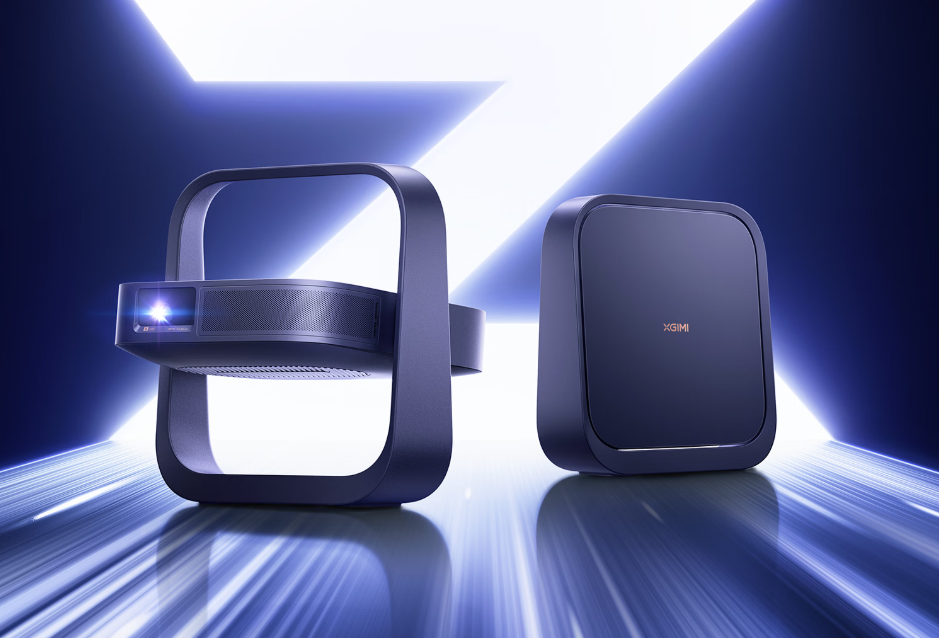
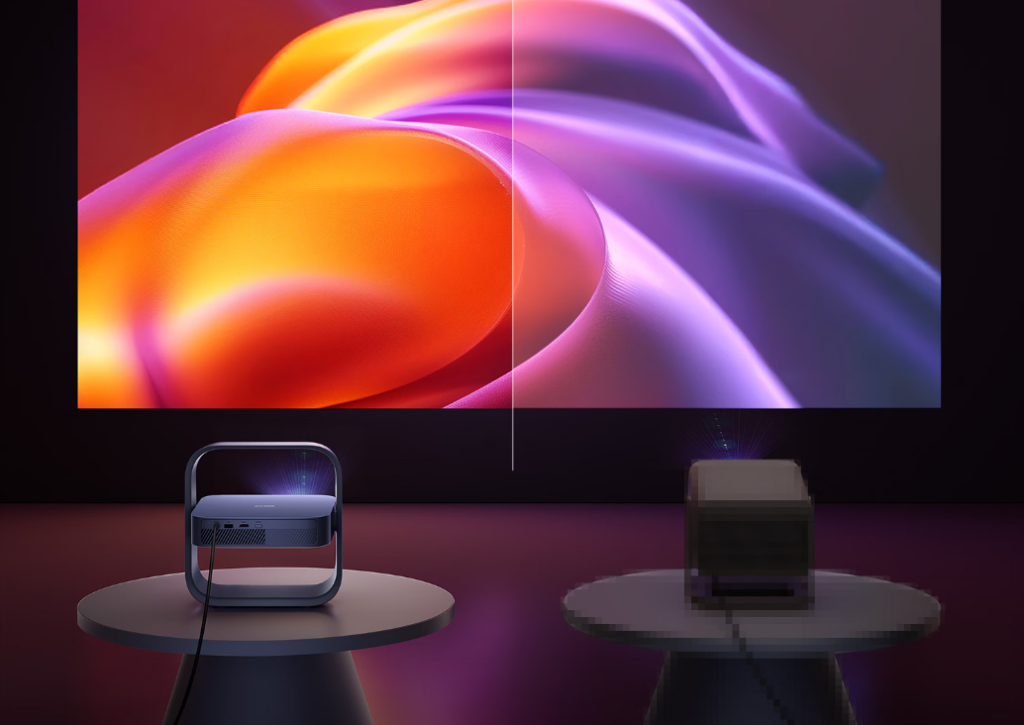
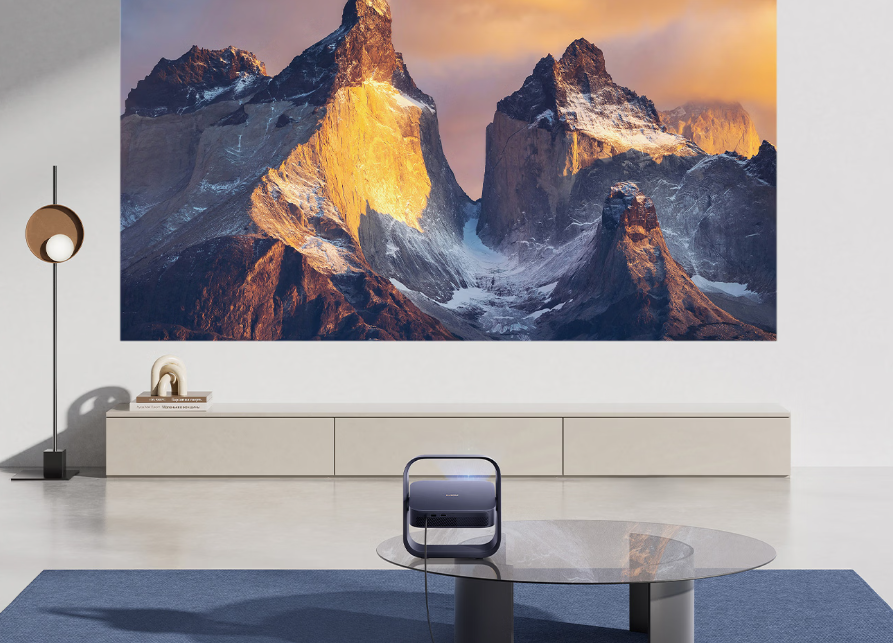
Xgimi has released the 2026 version of its Z6X Pro projector. It is available for an introductory price of 2,399 yuan ($358). The main update for this year’s model is the brightness, which has increased to 1,500 CVIA lumens (or 1,600 ISO lumens). For context, the 2025 version was capped at 910 CVIA lumens.
To achieve that extra brightness, the projector uses the QuaLas 42 RGB tri-color laser. The company says this light source is more efficient and runs cooler than the previous generation, which should help keep brightness steady during long viewing sessions. The projector relies on a 0.23-inch DMD chip to display a native 1080p resolution with a standard 1.2:1 throw ratio.
For color and contrast, it covers 110% of the BT.2020 color space and has a native contrast ratio of 1,600:1. There is an AI light control feature that adjusts black levels dynamically, which Xgimi says can bring the dynamic contrast up to 30,000:1. It also comes with HDR Vivid support. For eye protection, the projector automatically lowers its brightness when it detects someone passing in front of the lens.
Inside, the Z6X Pro runs on a MediaTek MT9660 processor, 1.5GB of RAM, and 64GB of storage. It uses Xgimi’s GMUI 6.0 software. The projector handles the initial setup automatically. It uses a built-in NPU to focus the image, adjust the keystone, align with a projector screen, and avoid obstacles on the wall. It also includes MEMC to smooth out motion in fast-paced videos.
If you plug in a console like a Nintendo Switch, PlayStation, or Xbox, the projector recognizes it and opens a specific gaming menu. This includes a 21:9 ultrawide mode, a virtual crosshair, and a night vision setting. For audio, it features a single 7W Harman Kardon speaker that supports Dolby Audio.
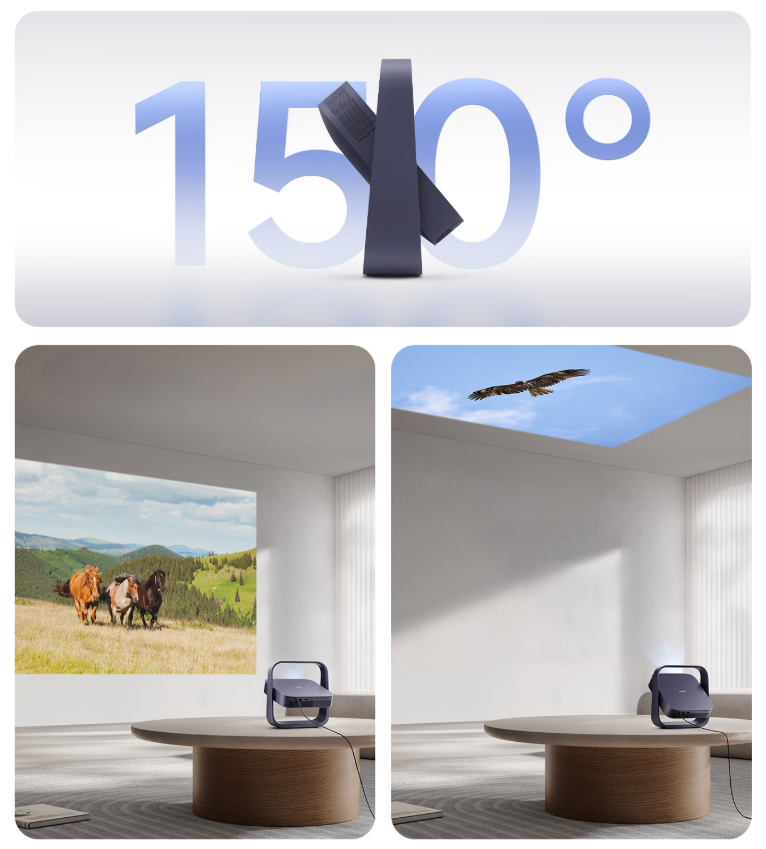
The physical design is relatively compact. It comes in a purple finish, weighs 1.28kg, and is 7.5cm thick. The base functions as a built-in gimbal that tilts up to 150 degrees, allowing you to point the projector at the ceiling without needing a separate mount.
In terms of ports, the projector includes one HDMI with eARC, one USB, and a power jack. It connects wirelessly via Wi-Fi 5 and Bluetooth 5.1, and it supports Apple AirPlay, DLNA, and Xiaomi’s Mijia app.
In related news, Dangbei has recently launched the X9 Ultra, a 4K triple-laser projector with 6,100 ISO lumens and 1ms gaming, alongside the X9 Max with 4K resolution, 5,000 ISO lumens of brightness, and 240Hz gaming support.
Changing the batteries in a bathroom scale is a chore you only remember when the display goes blank. Xiaomi has a fix for that. The Mijia Body Fat Scale 4 Pro is the first rechargeable body fat scale in the Mijia lineup, so you can charge it instead of replacing batteries.
Xiaomi Mall announced the new scale on Weibo and opened crowdfunding reservations through Xiaomi Mall and Xiaomi Youpin. The reservation period runs from September 21 at 10:00 to September 23 at 9:59:59 China time. During crowdfunding, the scale costs 129 yuan (about $18), while after it, you’ll have to spend 199 yuan (about $28).
Charging replaces the battery compartment
The Mijia Body Fat Scale 4 Pro has a built-in lithium battery that charges through a USB Type-C port. Xiaomi says a single charge can last up to 150 days. The company doesn’t say how often you need to use the scale to reach that figure, so it is best treated as a maximum estimate.
For comparison, Xiaomi quoted the same 150-day battery life for the Mijia Body Fat Scale S400 Pro in 2024, based on three weigh-ins per day. It had four AA batteries and launched at a crowdfunding price of 179 yuan.
The Mijia Body Fat Scale 4 Pro also adds body data trends, allowing you to track how your measurements change over time instead of looking at individual readings.
There is also a pet-holding weighing mode. Xiaomi’s promotional image shows someone sitting on the floor with a cat, but the company hasn’t explained how the feature works. More details should become available when the product page goes live, or people get their hands on the scale.
For measurements, the scale uses dual-frequency bioelectrical impedance, and Xiaomi claims a correlation with DEXA of above 0.93. DEXA is a scan used to measure body composition and is commonly used as a reference when evaluating these types of devices.
Xiaomi previously quoted a correlation of 0.932 or higher for the Mijia Smart Body Fat Scale S400 in 2023. However, this is a figure reported by Xiaomi and not the result of an independent test.
Price and availability
The Mijia Body Fat Scale 4 Pro costs 129 yuan (about $18) during crowdfunding, which is 70 yuan less than its 199-yuan (about $28) suggested retail price.
Crowdfunding reservations are open in China from September 21 at 10:00 to September 23 at 9:59:59 China time. Xiaomi has not mentioned a global release for the scale yet.
For more daily updates, please visit our News Section.
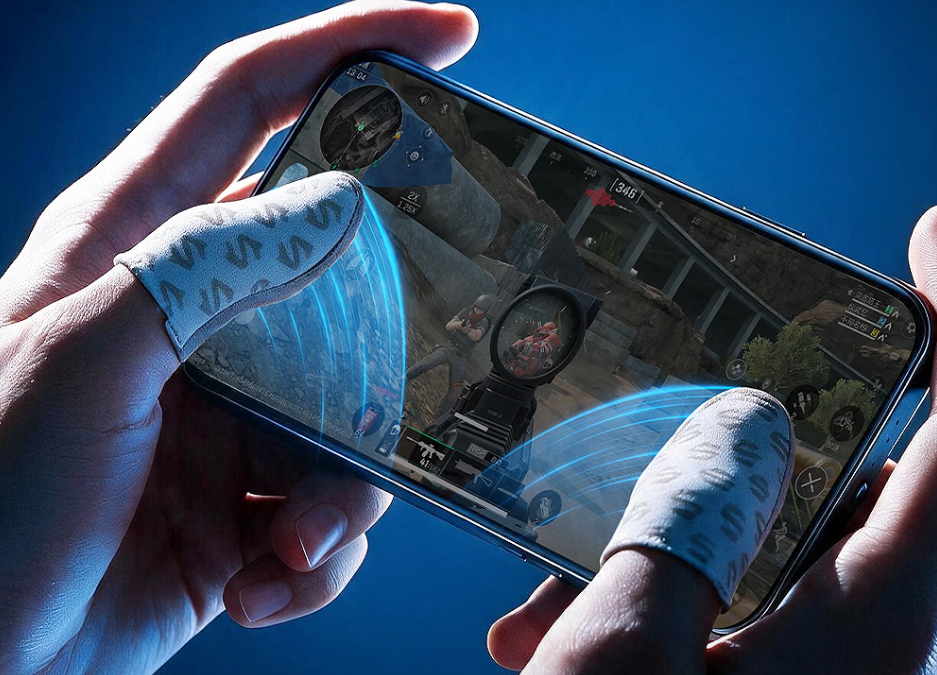
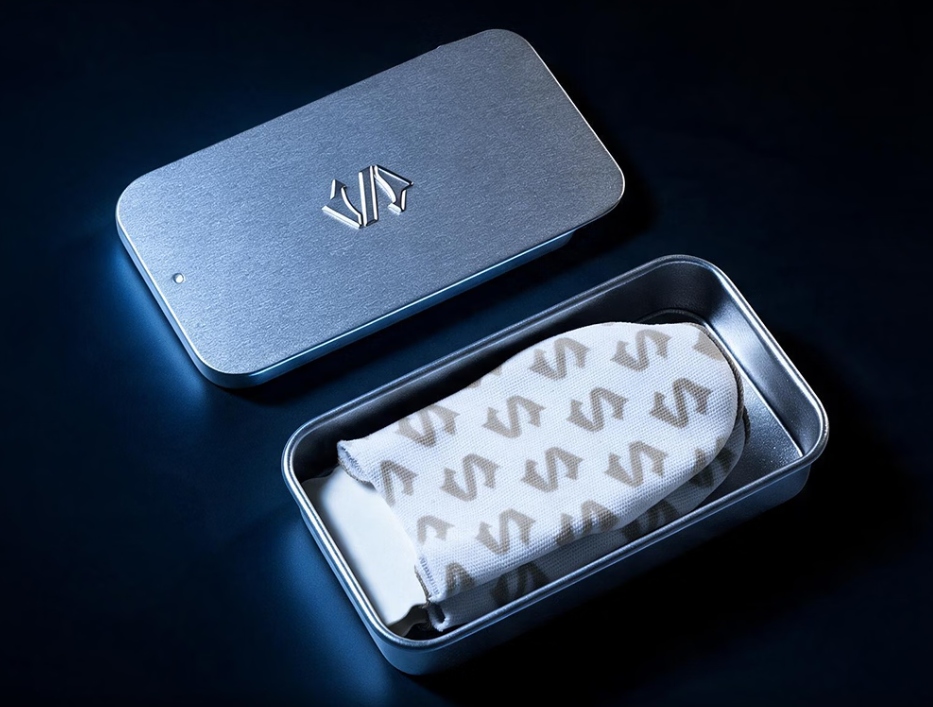
Black Shark has released a new mobile gaming accessory in China: the Silver Blade Gaming Finger Sleeves 3 Pro. The finger sleeves are currently available on JD.com for 29.9 yuan, which converts to roughly $4.46, and are sold in packs of two.
Finger sleeves are generally used by mobile gamers to reduce friction on the glass and manage sweat during longer sessions. For this specific release, Black Shark has focused on updating the materials. The sleeves are constructed from a silver-threaded fabric that measures 0.28mm thick on the side that touches the screen, and 0.58mm thick on the side displaying the company logo.
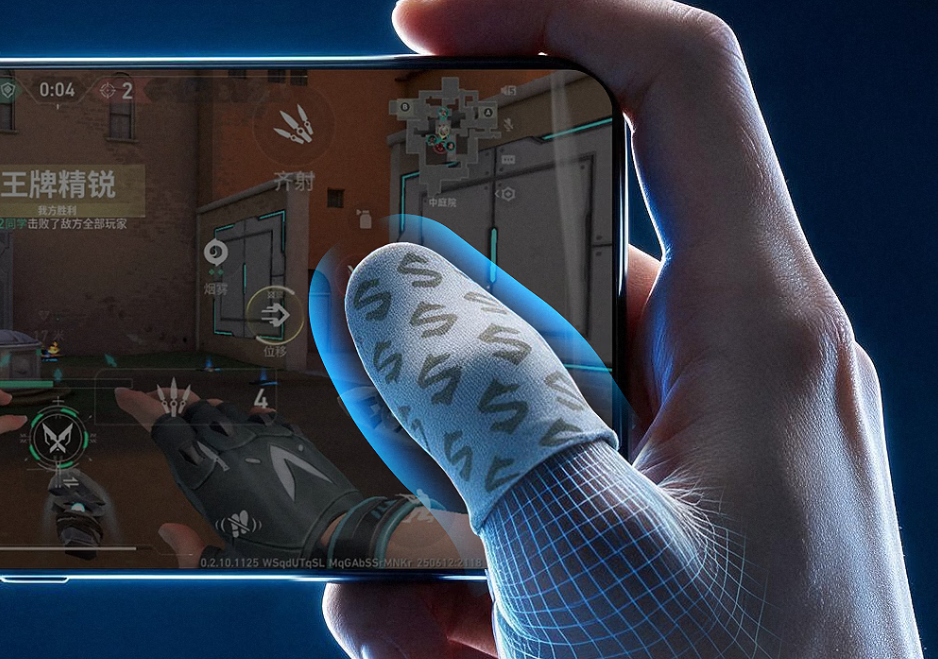
Compared to the previous Silver Blade 3, this updated version contains 15% more silver and uses a denser weave for the silver fibers. Because modern smartphone touchscreens rely on electrical conductivity to register taps and swipes, increasing the amount of silver is intended to help the screen pick up inputs more reliably. The goal is to reduce instances where a swipe doesn’t register or the touch input drifts.
In terms of sizing, each sleeve measures 46 x 23mm. They are manufactured using a 3D cut designed to follow the natural curve of a finger. The fabric is elastic, allowing it to stretch and stay securely in place. Black Shark says this tight fit minimizes the air gap between the skin and the display, while the thin material prevents the sleeves from feeling too restrictive.
To handle sweaty hands, the fabric is woven with fine pores meant to absorb moisture and allow it to evaporate. This dense weaving technique improves the overall durability of the sleeves, making them more resistant to stretching out over time. The company claims a lifespan that is five times longer than its previous models, though it has not provided the specific testing data to back up that metric.
Alongside the two finger sleeves, the retail package includes a small metal storage case measuring 60 x 35mm. The case has a sliding lid and provides a rigid shell to protect the sleeves from getting damaged, stretched out, or lost when carried in a pocket or backpack.
In related news, ARC has recently launched the X1 Android gaming handheld with a Snapdragon G2 Gen 2 chipset, 120Hz display, and a massive 9,300mAh battery.
For more daily updates, please visit our News Section.
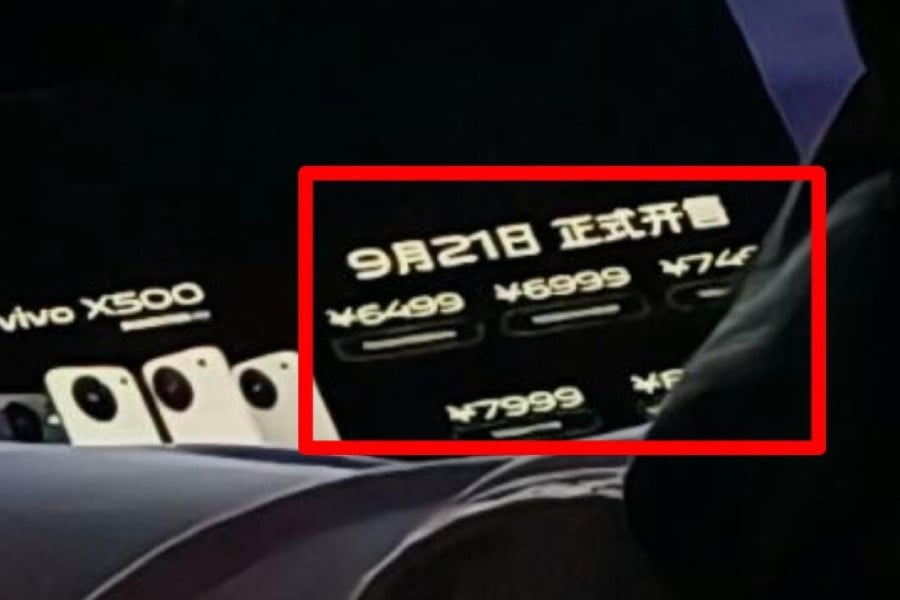
A blurry photo that appears to show a Vivo presentation slide lists the Vivo X500 with a starting price of 6,499 yuan (~$970). And if that’s true, it’s a lot!
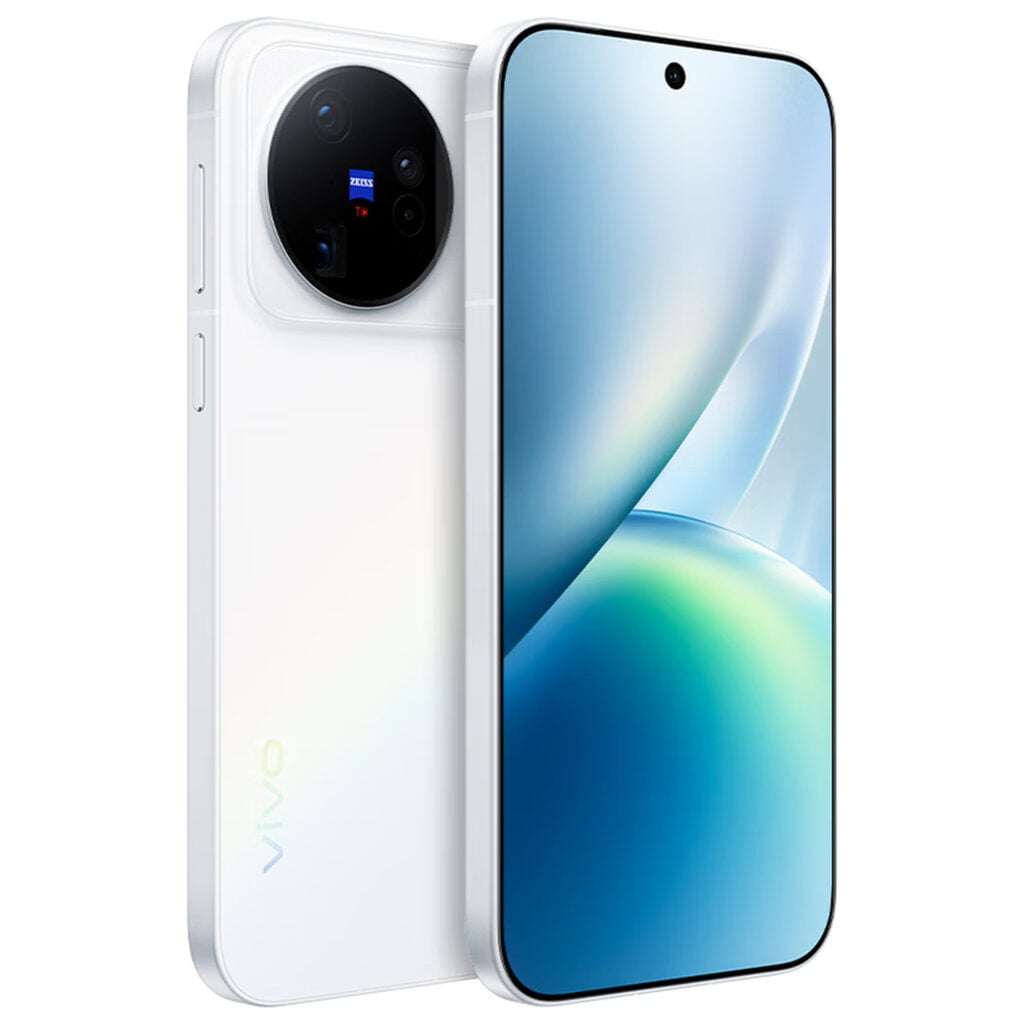
The photo was taken at an angle, and some of the text is difficult to read. Still, it’s not difficult to guess this is the standard Vivo X500 given the left-aligned camera module and the name itself on the slide.
The slide lists five prices below the launch date. The base model starts at 6,499 yuan (~$970), followed by 6,999 yuan (~$1,045), 7,499 yuan (~$1,119), and 7,999 yuan (~$1,193) for higher-tier variants. The fifth price is cut off in the photo.
How it compares with the Vivo X300
The Vivo X300 launched in China at 4,399 yuan (~$605) for the 12GB + 256GB version. The top 16GB + 1TB model cost 5,799 yuan (~$800).
If the leaked 6,499 yuan starting price is accurate, the Vivo X500 would start 2,100 yuan (~$313) higher than the base Vivo X300. That is an increase of roughly 48%. Also, all the prices in the leaked slide are higher than the launch price of the highest-end Vivo X300 configuration.
Vivo X500
Vivo is not the only phone maker raising prices in China this year. Huawei, Xiaomi, and Honor have all increased prices on their phones as a result of rising memory costs. However, if the Vivo X500 really starts nearly 50% higher than its predecessor, that would be a much bigger increase.
The higher price of the Vivo X500 cannot be explained by its chipset as well. A Geekbench listing shows the phone with 12GB of RAM and a Dimensity 9500 or 9600M chipset. This is the more affordable chip in the regular Vivo X500.
Vivo will launch the Vivo X500 series in China on September 21. The lineup is expected to include the Vivo X500, Vivo X500 Pro, and Vivo X500 Pro Max. Our Vivo X500 series roundup covers the specifications and other leaks reported so far.
For now, we suggest treating the 6,499 yuan (~$970) starting price with skepticism. Vivo’s launch event should give us the official numbers.
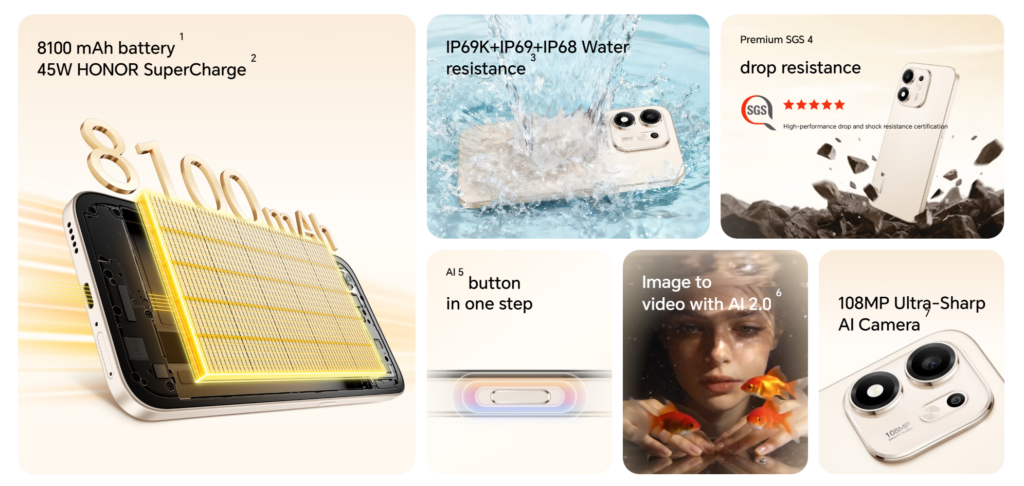
The Honor 600 Elite 5G is now listed on Honor’s LATAM website, marking the fourth addition to the Honor 600 lineup for the global market. It joins the Honor 600, Honor 600 Pro and Honor 600 Elite, all of which launched earlier this year. The new model focuses on long battery life and durability, packing an 8,100mAh battery, IP69K-rated protection, SGS-certified drop resistance and a range of AI features.
Honor 600 Elite 5G specifications and features
Honor 600 Elite 5G
The Honor 600 Elite 5G’s biggest highlight is its 8,100mAh battery, with a nominal capacity of 7,900mAh. It supports 45W Honor SuperCharge and is designed to operate across temperatures ranging from -30°C to 50°C. Honor also claims six years of durability and performance for the device.
On the front, the phone has a 6.87-inch TFT LCD with a 1592 x 720-pixel resolution, 120Hz refresh rate and up to 1,020 nits HBM brightness. It is powered by the Snapdragon 4 Gen 4 chipset, paired with 8GB RAM and 256GB storage. Honor RAM Turbo provides up to 16GB of virtual RAM for a claimed 24GB equivalent memory experience. The phone runs MagicOS 10.0 based on Android 16.
Honor 600 Elite 5G key feautres
For photography, there is a 108-megapixel f/1.75 primary rear camera with an auxiliary lens, while selfies are handled by a 5-megapixel front camera. AI 2.0 can turn images into videos, while the dedicated AI Button provides quick access to features such as AI Summary, AI Writing, Circle to Search and AI Memory.
The 600 Elite also features a side-facing fingerprint sensor and dual speakers with 400 percent volume boost support. Connectivity features include 5G, 4G LTE, dual Nano SIM support, dual-band Wi-Fi, Bluetooth 5.1, USB-C, and a 3.5mm headphone jack.
Honor 600 Elite 5G
When it comes to durability, the phone carries IP68, IP69 and IP69K ratings, with protection against water and dust under controlled laboratory conditions. Honor says it can withstand water temperatures of up to 85°C and has been tested through 10,000 water exposure cycles. It has SGS-certified drop and crush resistance and is claimed to withstand drops from up to 2.5 metres under Honor’s laboratory testing conditions.
Honor 600 Elite 5G price and availability
Honor has not announced the price or sale date for the Honor 600 Elite 5G. The listed configuration is 8GB+256GB, with Desert Gold, Velvet Black and Meteor Silver colour options. Details about sales channels and availability in individual global markets are also yet to be confirmed.
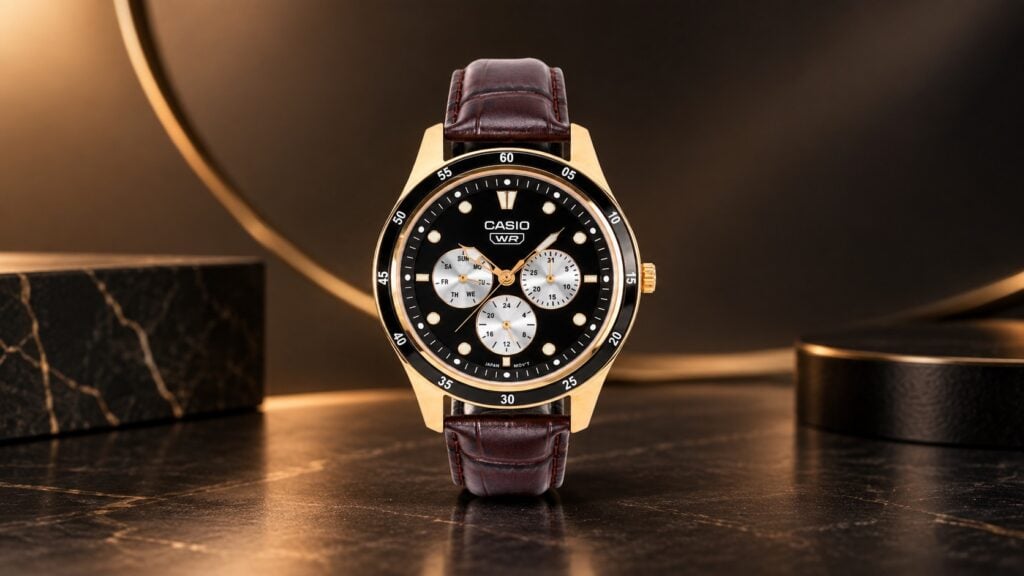
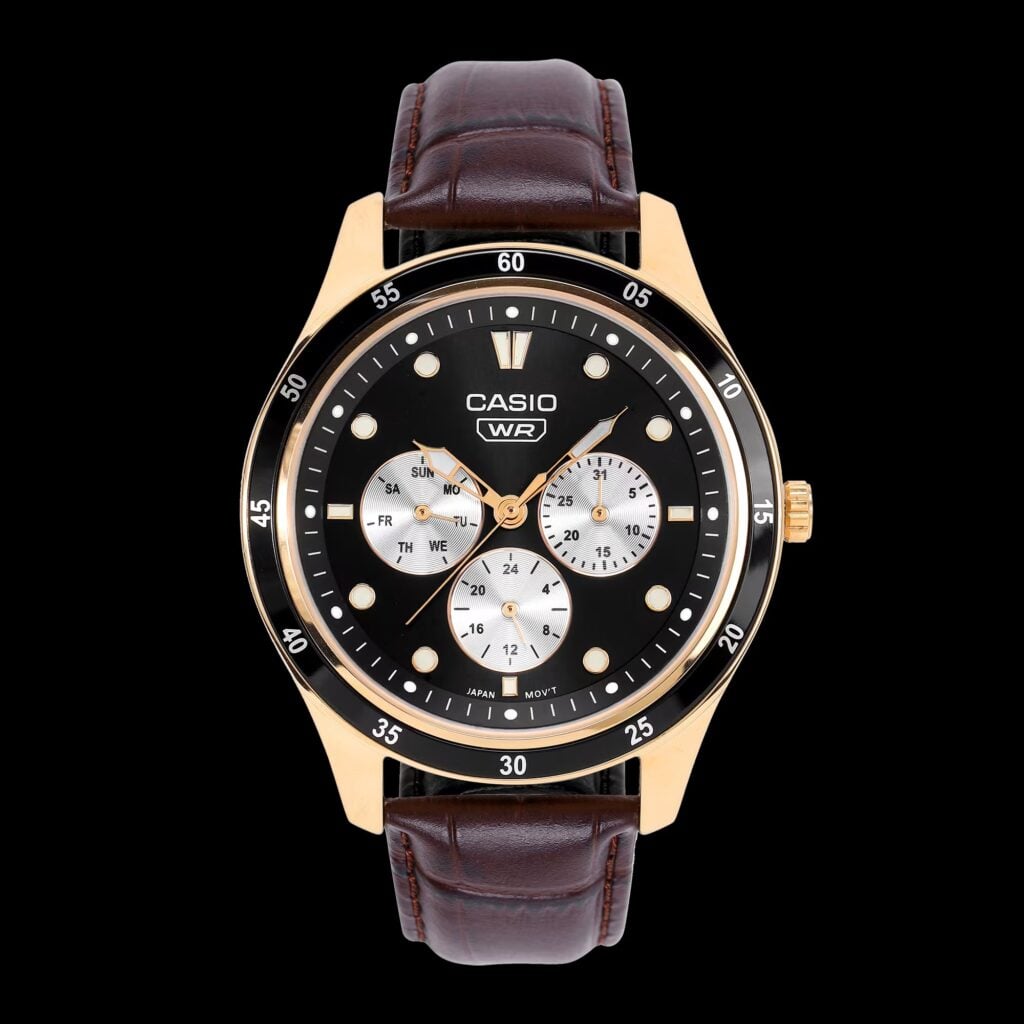
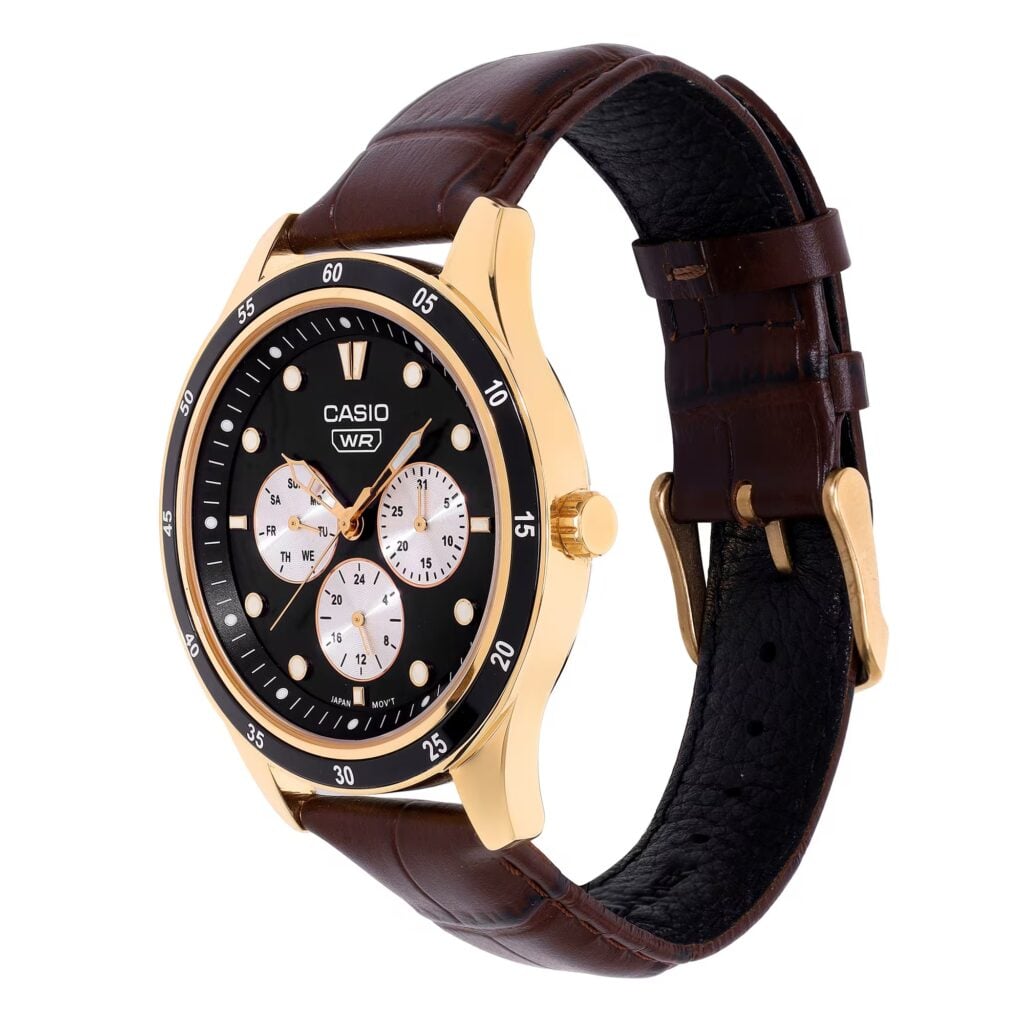
Casio has expanded its analog watch lineup in India with the new MTP-SN4KRL-1A, priced at ₹5,495 ($57). The design may look familiar, as the new model is essentially a leather-strap version of the MTP-SN4K steel watches that we covered earlier today.
Instead of a metal link bracelet, this version ships with a genuine leather band. The change in strap shifts the watch from a casual, everyday metal piece to something that leans a bit more toward a traditional dress watch. Because it swaps out the steel band for leather, it is also quite light, weighing in at just 60 grams.
The case itself measures 50.5 by 41.2 mm, but the most practical dimension is its thickness. At 8.15 mm thick, it has a relatively slim profile that will easily slide under a shirt cuff. The case features a standard ion-plated finish, highlighted by a rose gold-tone bezel that frames the dial, while standard mineral glass protects the face.
On the dial, Casio is using a multi-dial layout. While it might look like a chronograph at a quick glance, the three sub-dials are actually dedicated to calendar and time tracking.
Alongside the main hour, minute, and second hands, the smaller dials display the date, the day of the week, and a 24-hour readout. It is a straightforward setup for people who want a bit more information on their wrist without relying on a digital display or a smartwatch.
Inside, the watch runs on a standard quartz movement with an accuracy rating of ±20 seconds per month. It is powered by an SR621SW battery, which Casio estimates will last for about two years before needing a replacement.
As for durability, the MTP-SN4KRL-1A comes with a basic 30-meter water resistance rating. This means it will easily survive rain or washing your hands, but it is not built for swimming or showering.
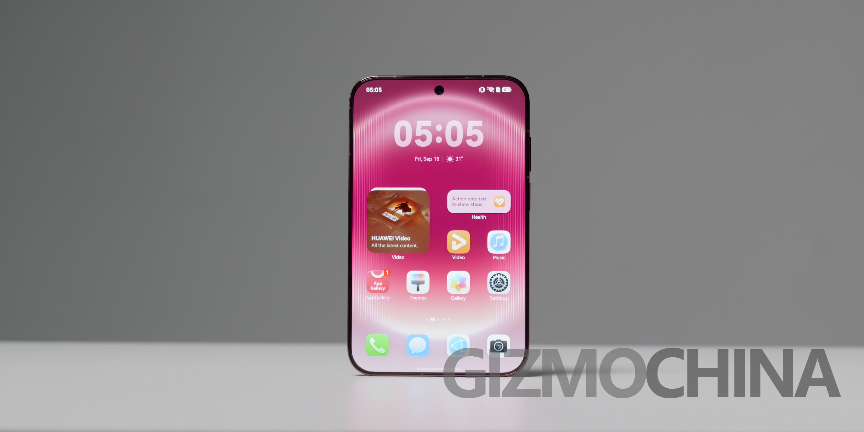
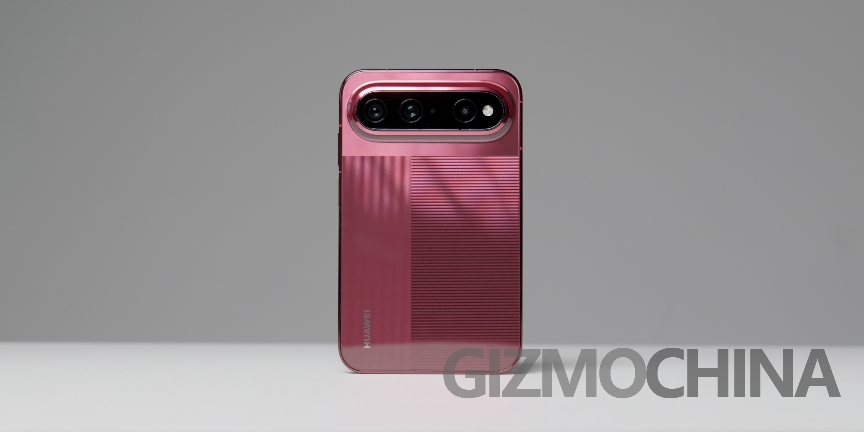
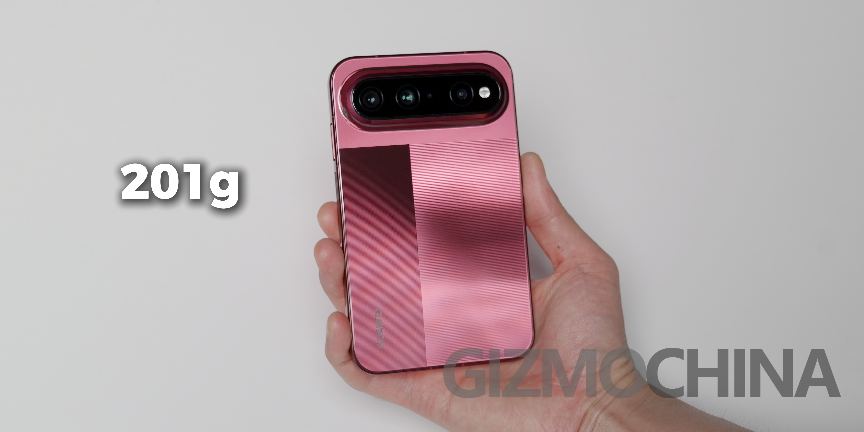
Last year, there was the HUAWEI Pura X, then the Pura X Max, now this is the Pura X View. These are the phones with the new form factors, that HUAWEI has been experimenting with. I say experimenting, but actually they are not exactly new, I think BlackBerry was the brand that’s known for wide phones. And interestingly, the Pura X View is a lot like those. Here in this review, we will do a very quick hands-on. And since we are not sure if this will be released globally, you can purchase the Chinese version from Geekwills.
Form Factor
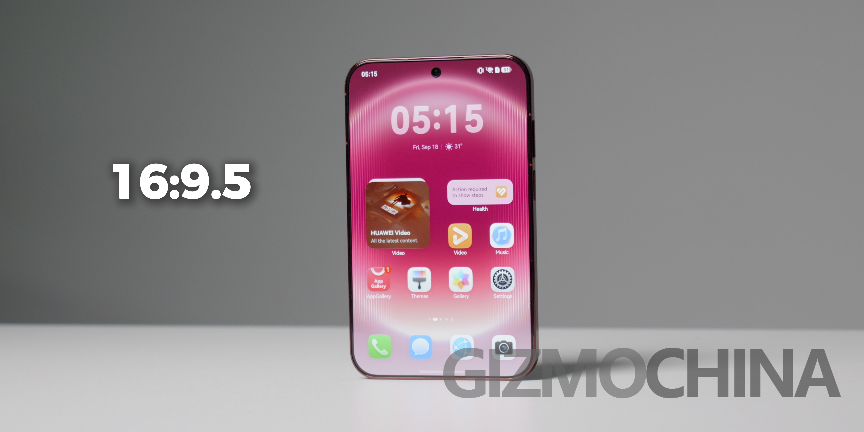
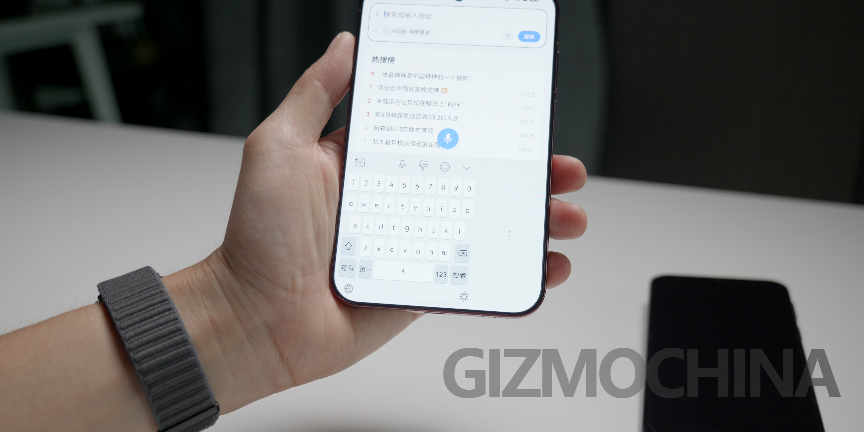
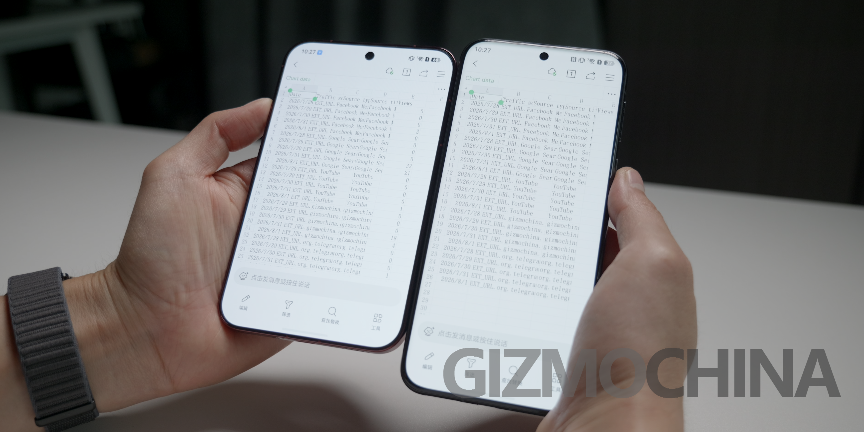
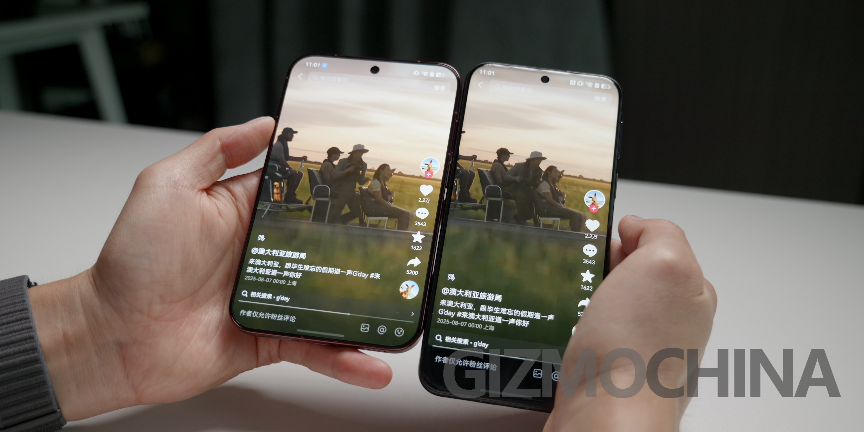
Now this phone is sort of like the non-foldable sibling of the Pura X, they share almost the same size of inner screen. The aspect ratio of the screen is 16:9.5, which means, it is just a bit wider up and down than regular 16:9 videos we watch all the time.
And it weighs about 201g, a very light phone actually. And unlike the regular flagship that has a heavy camera module on top, holding in the hand is very comfortable. It’s hard to describe it with words, you will know when you really hold it in your hand.
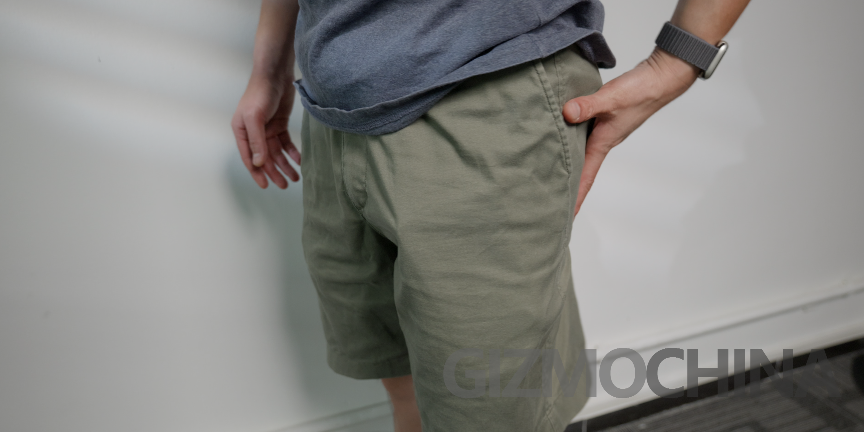
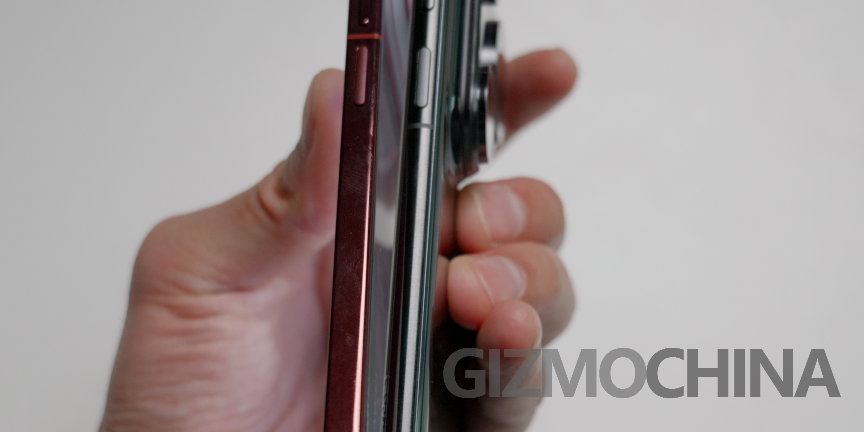
And although it is wider, there is no problem putting it in the pocket, and you won’t feel uncomfortable at all. And also because it is wider, it can be made thinner, it is indeed a bit thinner than other flagships. One thing I personally am not quite fond of is, since the frame is thin and glossy, it is a bit hard to grab it from the desk, but maybe a better case can fix this problem. It packs a 7000mAh big battery, again thanks to the wider body.
With this wider screen, it is better for typing, dealing with docs, reading, watching content, even gaming. Let me show you these one by one.
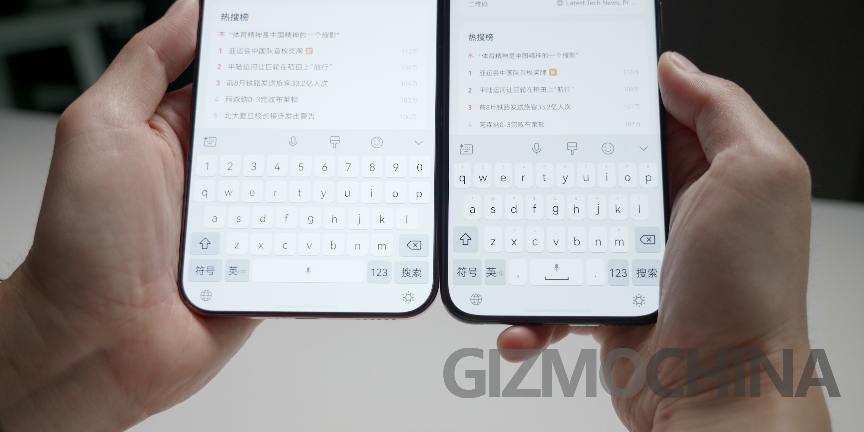
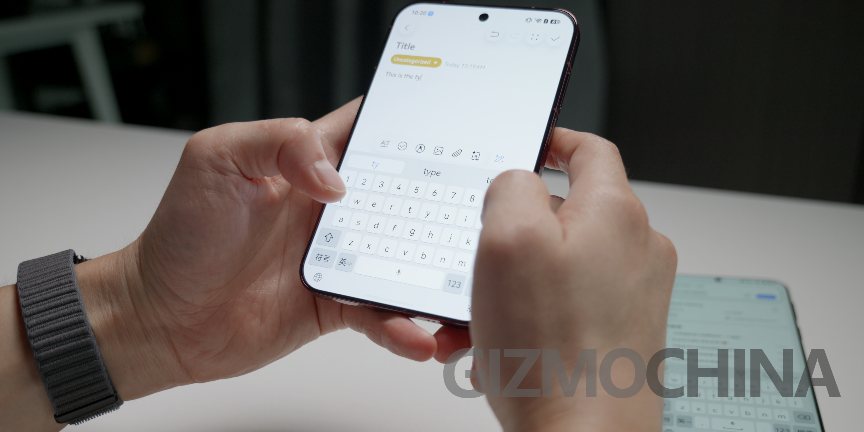
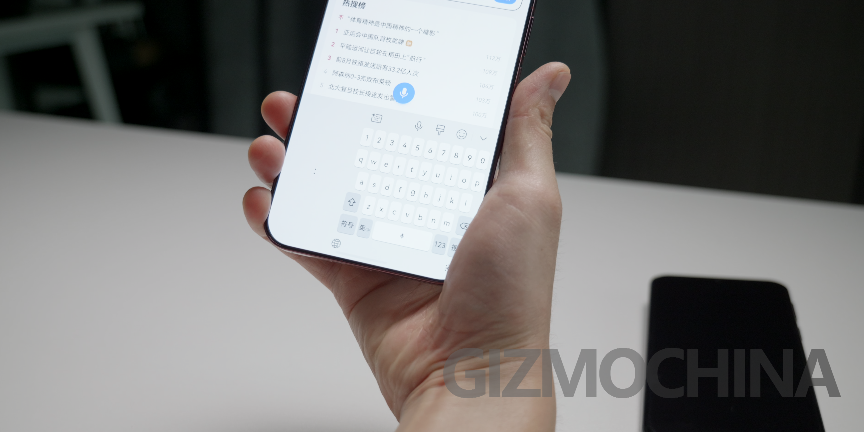
As you can see, each key is wider than on regular phones, so the chances you mistype are a lot lower, therefore your productivity is better. But to get that productivity, you have to type with both hands. If you do want to use only one hand, there is a one-hand mode. It can also recognize which hand you are using, then move the keyboard to that side.
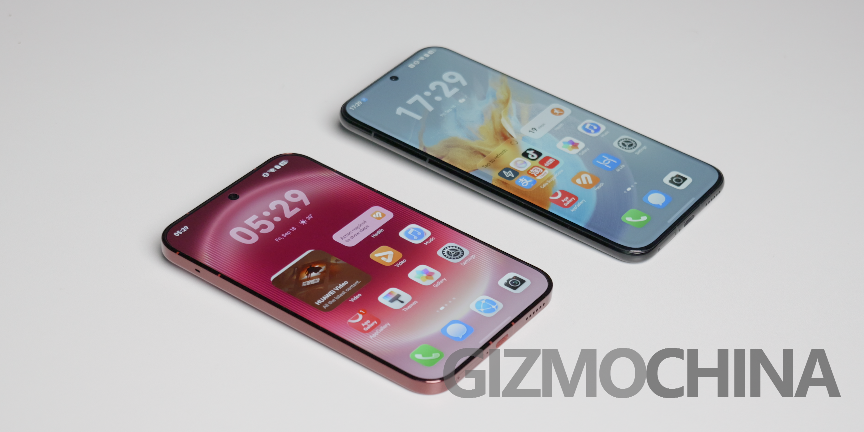
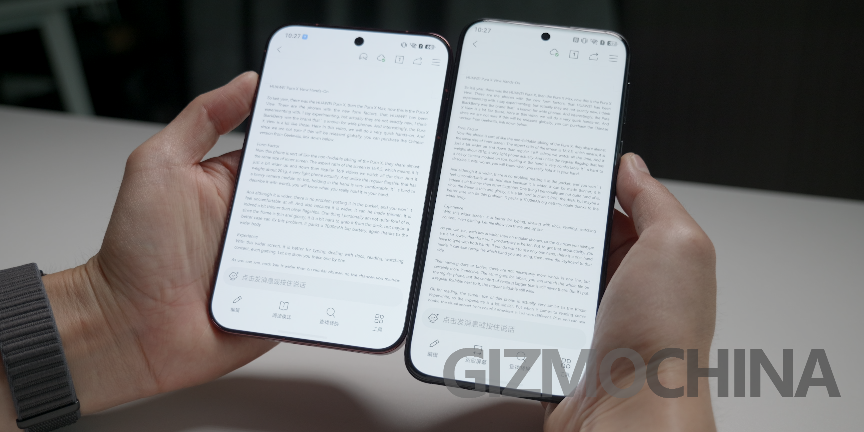
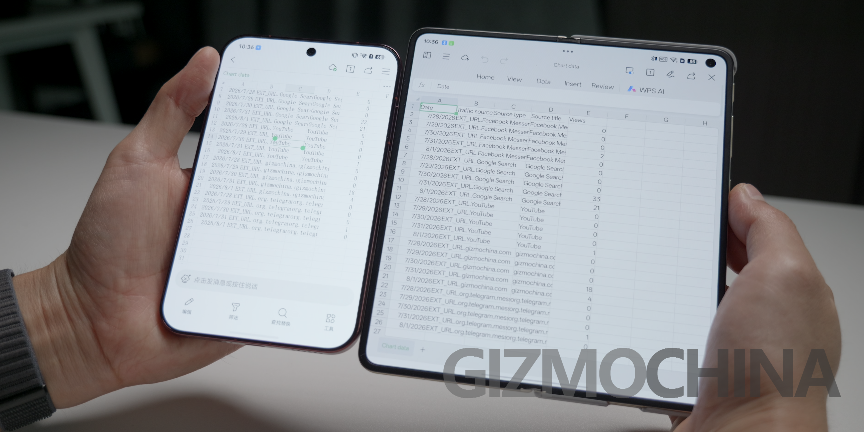
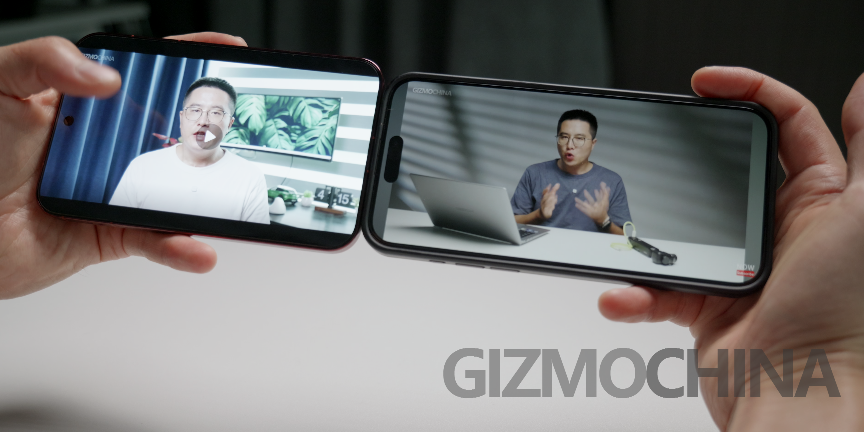
Then viewing docs or tables, there are not necessarily more words in one line, but certainly more immersive. The same goes for tables, you can stretch the whole file on the regular phone, but the comfort of reading bigger text is still never there. But if I put a regular foldable next to it, the regular foldable still wins.
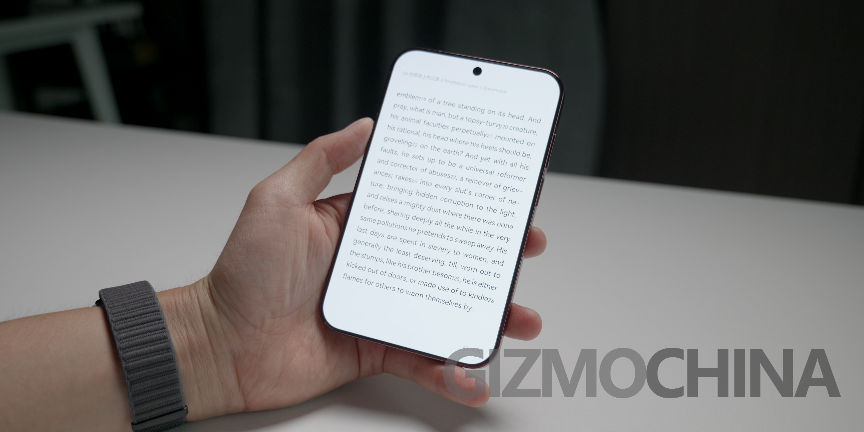
Ok for reading, the screen size of this phone is actually very similar to the Kindle Paperwhite, so the experience is a lot similar. But when it comes to reading comic books, the visual impact from colorful drawings is just very different. Plus, you can use the power button to turn pages, and it is more pocketable than the Kindle.
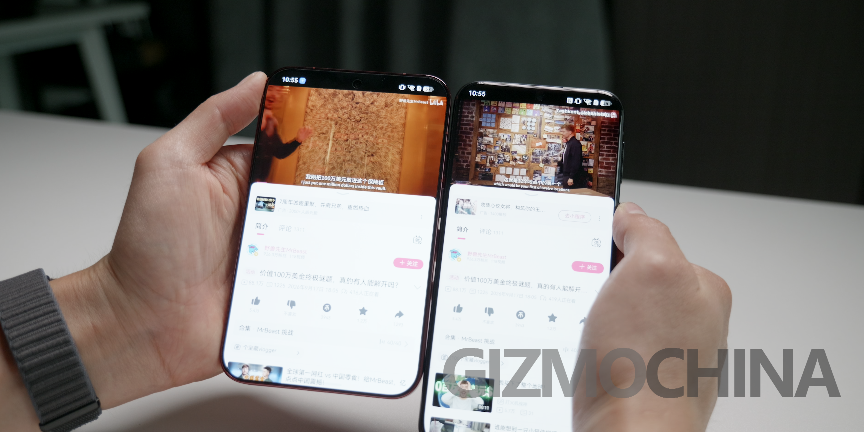
16:99:1616:92:1
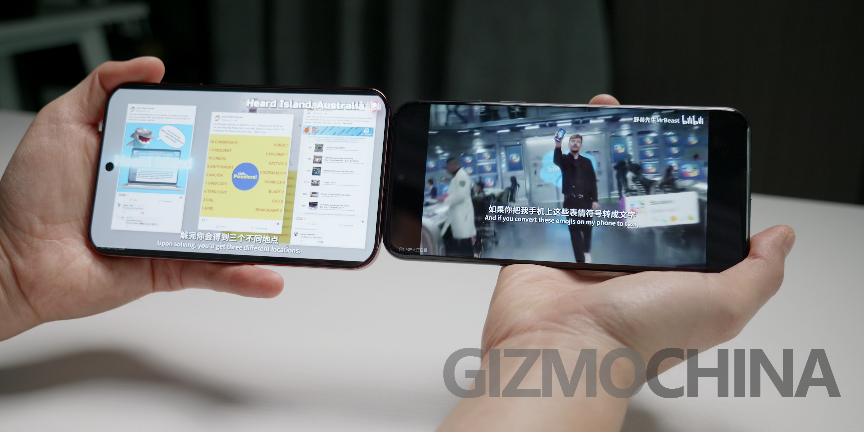
When watching the most common 16:9 video, you get a bigger viewing area when you hold the phone vertically. And more content left and right for TikTok 9:16 content. When watching content horizontally, there are just tiny black bezels up and down, versus a big empty space left and right on the regular phone. We switched to a 2:1 ratio format for our YouTube videos a while ago. In this situation, the black bezel up and down is bigger, but the left and right are filled, still better than regular phones. Personally, I think it looks better on the Pura X View. If you have access to IMAX movies, this screen will still give you a better viewing experience.
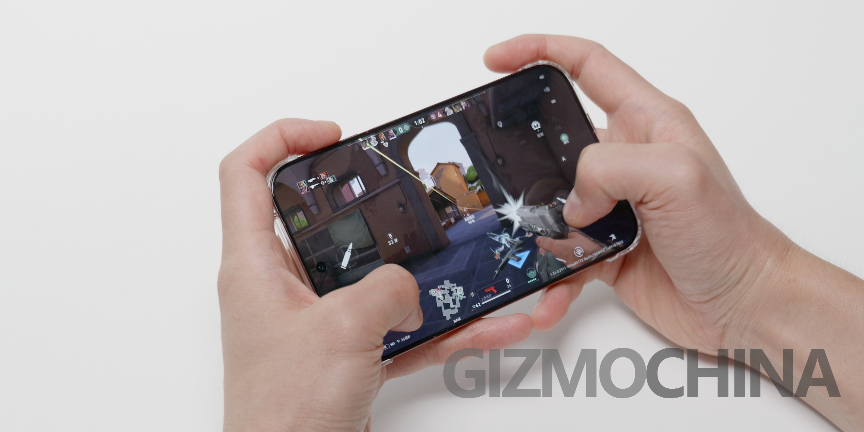
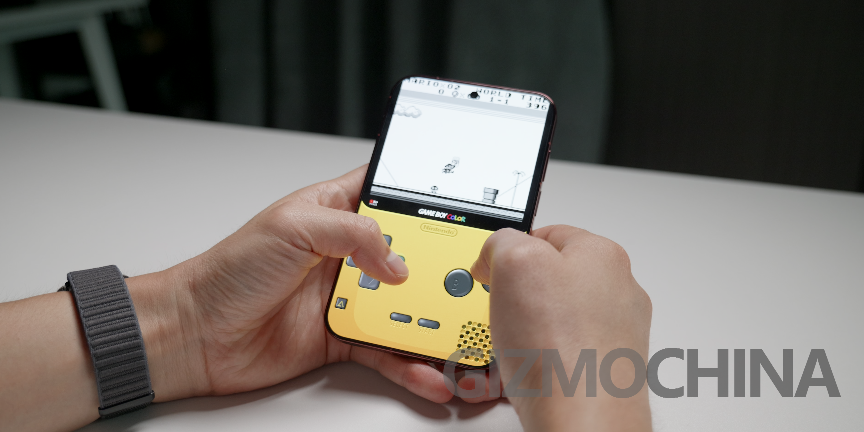
What about gaming? Not sure why Genshin Impact can’t be installed, so I tried Valorant instead. Indeed there is more content up and down, and it is kind of more immersive if you are playing some battle-type games. And one thing to mention here, the cooling plate is bigger, so it is cooler when playing games for a long session. And again because of the screen size, it can simulate a Game Boy, with a screen on the top, and the buttons at the bottom. There is a good App in the App Store that can do that, you just need to download the games from somewhere else.
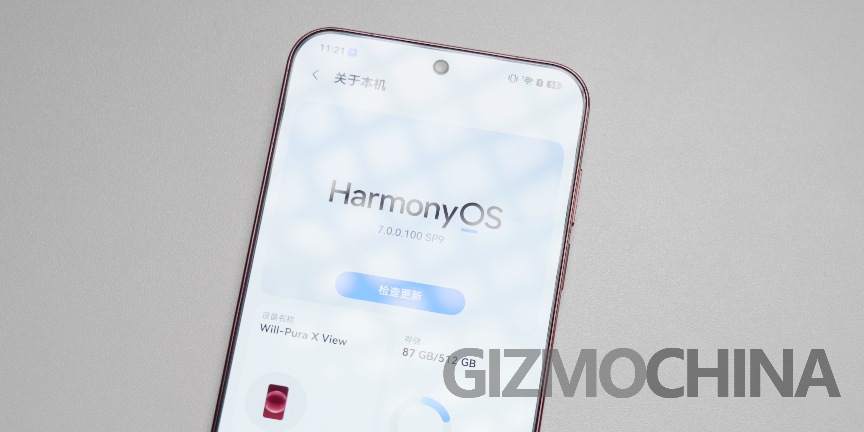
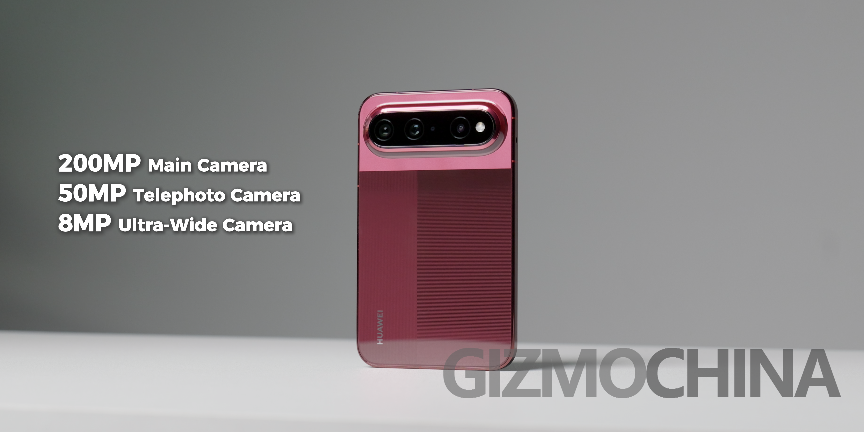
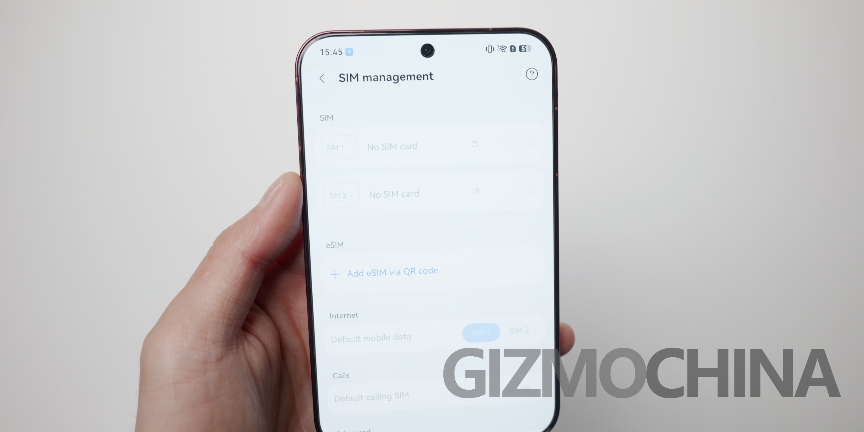
Some other info about this phone. It is powered by the Kirin 9030S chip, with 12GB of RAM, and runs HarmonyOS 7. The cameras are very good, too. There is the 200MP main camera, 50MP telephoto, and 8MP ultra-wide, with a second-gen RYYB sensor for accurate colors. The front camera is 50MP also. The screen is OLED, FHD+ with 406 PPI, and protected by Kunlun glass. It supports IP68 protection. It can support 2 SIM cards, and also eSIM. Battery is 7000mAh, 66W wired charging, 50W wireless charging.
Summary
So overall, I love this phone a lot. Even after so many years with the bar phones we have, the second I pick it up, it feels so good in the hand. That’s why I feel like using it all the time, it really is a fresh experience you can only get when you get your hands on it. If you ask me who this phone is for, I will say everyone, literally everyone. The only uncertain thing is how it is going to be optimized for the global market, whether it is going to be EMUI still, and whether it will have support for popular Apps. So wait until it gets launched globally, or if you want it now, you can head to Geekwills to buy it.
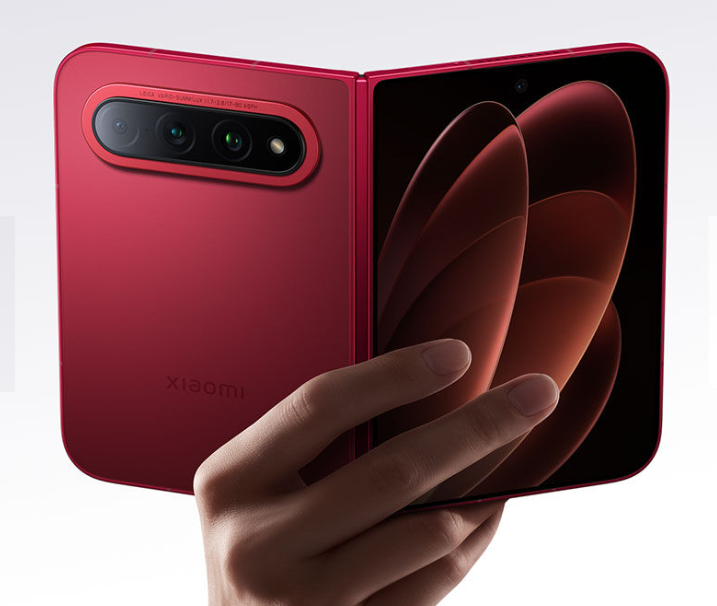
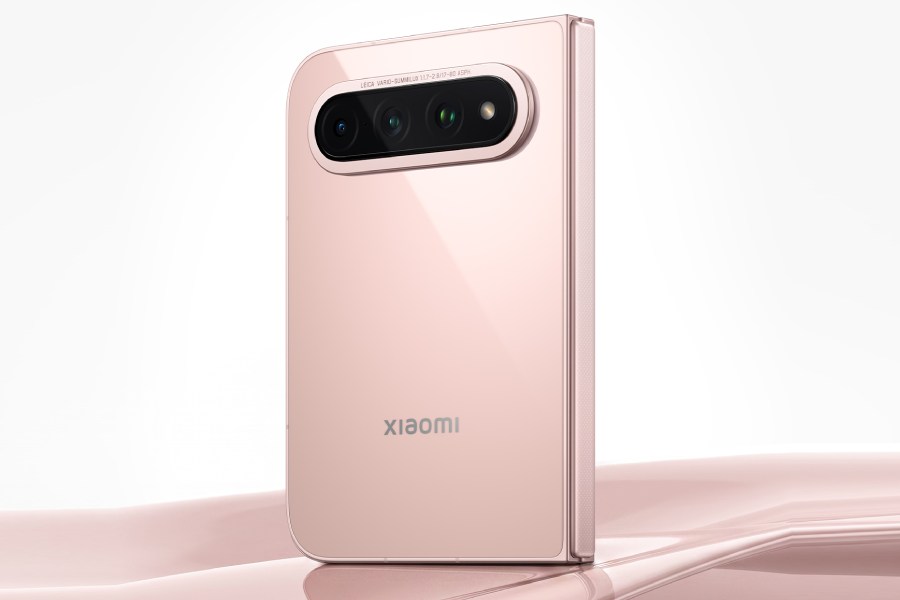
Xiaomi today shared the spare parts prices for the Xiaomi 18 Fold, which launched in China earlier this month. The 18 Fold is already an expensive phone at 10,999 yuan (~$1,639), and repairing the foldable won’t be cheap either. The inner display and motherboard are likely to be the most expensive parts to replace.
Xiaomi 18 Fold
According to Xiaomi, the foldable’s inner screen costs 3,600 yuan (~$536), while the outer screen is priced at 750 yuan (~$112). The motherboard is even more expensive, with the price depending on the RAM and storage configuration:
The 16GB+1TB motherboard costs more than the retail price of some non-folding flagship phones. The Xiaomi 18 Fold with the same configuration costs 14,999 yuan, meaning the motherboard alone accounts for almost 40% of the phone’s price.
The ceramic edition costs more to repair
If you have the Xiaomi 18 Fold Ceramic Special Edition, replacing the back panel will cost more. The special edition uses a silicon nitride ceramic battery cover, and its replacement costs 1,045 yuan (~$156). For comparison, the back cover on the regular model costs 250 yuan (~$37).
Xiaomi 18 Fold Ceramic Edition
Other parts are much cheaper. A replacement for the 6,000mAh battery costs 259 yuan (~$39). The front camera is priced at 40 yuan (~$6), while the rear wide-angle, telephoto, and ultra-wide cameras cost 200 yuan (~$30), 190 yuan (~$28), and 55 yuan (~$8), respectively.
Long gaming sessions on a phone usually end the same way: the frame rate slips, the back panel warms up, and the phone starts holding back to protect itself. OnePlus may have a fix in the works for the Ace 7 series, according to a new leak by Digital Chat Station.
Digital Chat Station is the same tipster behind the earlier OnePlus Ace 7 leaks, which covered a 185Hz display, up to 16GB of RAM, and active cooling. This time, the tipster says the Ace 7 series will use the Snapdragon 8 Elite Gen 5 and debut a new technology that pushes the chip’s performance further. They didn’t say what that technology is.
Some people online have a guess. They think OnePlus may be pairing an extra-large cooling fan with its Wind Chaser gaming kernel to lift performance.
If the guess is right, the Ace 7 series would be OnePlus’s first performance phone with active cooling. The OnePlus Ace 6 Ultra, for example, uses a Glacier Cooling System built around a 6,000mm² vapor chamber.
A passive setup spreads heat across the phone and lets it escape through the body. A fan moves air through the device and pushes heat out, so the processor can hold full output for longer before it throttles. In a long match, that means steadier frame rates.
In fact, a May leak from the same tipster already tipped the fan on a test unit; however, it said it was unclear whether it would reach the retail version. The new leak suggests it’s likely happening.
Chip and software
Qualcomm launched the Snapdragon 8 Elite Gen 5 last year, and it still ranks among the top chips in the industry. It uses Qualcomm’s third-generation Oryon CPU, with two 4.6GHz cores and six 3.62GHz cores, and TSMC builds it on a 3nm process. You’d be getting a step up from the Snapdragon 8 Elite in the OnePlus Ace 6.
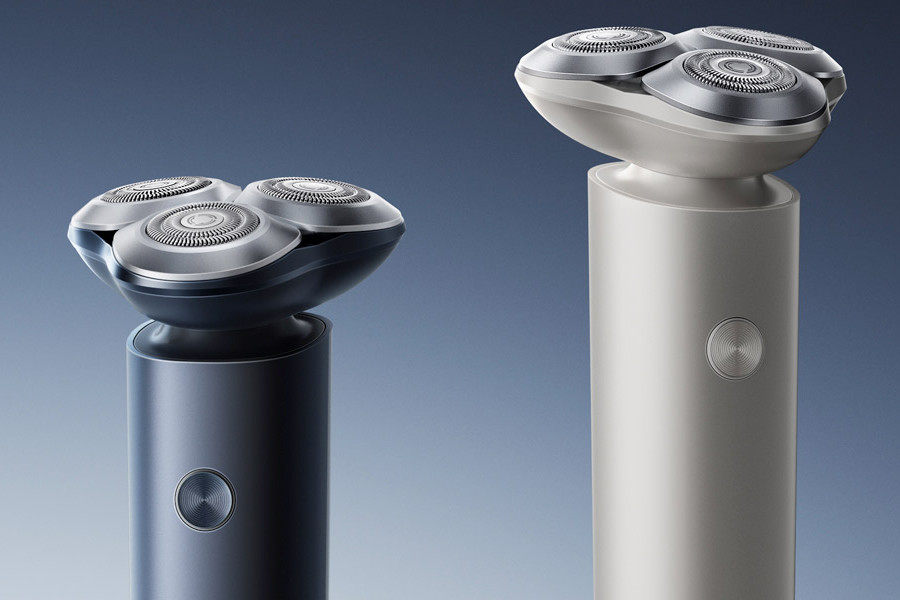
Xiaomi is adding a second model to its Cloud Pattern Blade shaver lineup. About a month after unveiling the Mijia Electric Shaver S100 Cloud Pattern Blade Edition, the company today announced the Xiaomi Mijia Electric Shaver S101 Cloud Pattern Blade Edition on Xiaomi Youpin for crowdfunding.
Crowdfunding for the new shaver will start on September 21. The Xiaomi Mijia Electric Shaver S101 Cloud Pattern Blade Edition will be available for 105 yuan (about $15) during crowdfunding. Its suggested retail price is 149 yuan (about $22).
The shaver comes in two colors: Twilight Blue and Rock Gray.
Xiaomi Mijia Electric Shaver S101 Cloud Pattern Blade Edition specs
The S101 uses a blade made with metal injection molding (MIM). This process allows Xiaomi to create a double-ring cloud pattern on the blade. The company says the design provides a larger shaving area and better efficiency than a straight-groove blade.
The blade works with concave stainless steel blades to create a wraparound cutting structure. This allows hair to be cut as soon as it enters the blade, helping reduce missed spots and pulling. It is also designed to catch hair that lies flat against the skin, leaving less stubble behind.
The same basic approach was used on the Mijia Electric Shaver launched in July. That model uses an MIM-made dual-ring foil with concave stainless steel blades and costs 249 yuan. The S101 brings a similar blade setup to a lower price of 149 yuan.
The S101 has three independently floating blades that can provide a six-way close shave while following different face shapes. The shaving head can also be removed from the main body for easier cleaning.
The shaver has an IPX7 waterproof rating, so it can handle exposure to water. Xiaomi also includes intelligent speed control, which is designed to maintain strong motor power even when the battery is running low.
Charging is handled through a Type-C port, and a full charge takes about 1.5 hours. Xiaomi claims the shaver can last up to 60 days on a single charge when used for one minute per day.
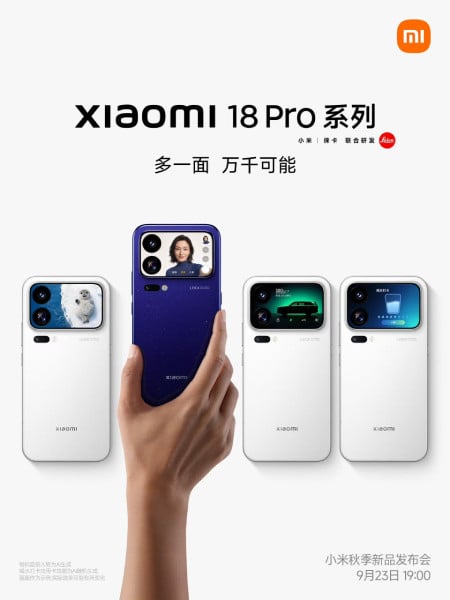
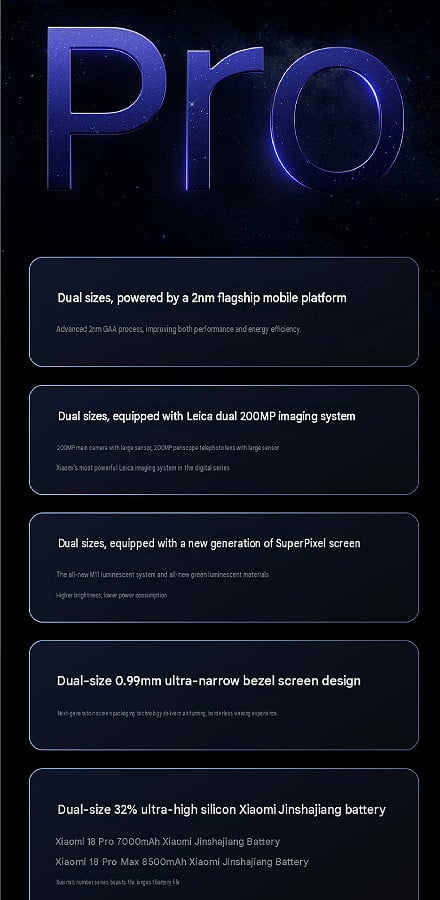
Xiaomi has now set a launch date for the phones it teased earlier this month. The company previously confirmed the Xiaomi 18 Pro series would launch in September. It has now announced it will unveil the phones at its autumn new product launch event on September 23 at 19:00 China time.
Xiaomi also shared a teaser poster with the headline “Full Upgrade,” highlighting five key features. All five apply to both models, meaning the Xiaomi 18 Pro and Xiaomi 18 Pro Max will share the same chip platform, camera setup, and display technology. The main difference between the two will be battery capacity.
2nm chip, but the name is still unknown
Xiaomi says both phones will use a 2nm flagship mobile platform made with a 2nm GAA process. The company claims the new chip will improve both performance and power efficiency, but it has not revealed its name yet.
The phones will also feature a Leica camera system with two 200MP sensors. One will be a large-sensor main camera, while the other will be a large-sensor periscope telephoto camera. Xiaomi says this is the most advanced Leica camera setup it has used on a numbered flagship series.
For the display, Xiaomi is using a new-generation Super Pixel panel with its M11 light-emitting system and a new green light-emitting material. The company says the new technology can deliver higher brightness while using less power. It has also reduced the bezels to just 0.99mm with a new screen packaging process.
Another upgrade is in the battery. Both phones will use Xiaomi’s GSR VIII battery technology with 32% silicon content. The Xiaomi 18 Pro will have a 7,000mAh battery, while the Xiaomi 18 Pro Max will get an 8,500mAh cell.
The launch poster does not mention charging speeds. However, a 3C certification from August showed 100W wired charging for two Xiaomi models believed to be part of the new series.
Honor is getting ready to expand its mid-range X series in Malaysia with a new model that puts extreme battery life and toughness front and center.
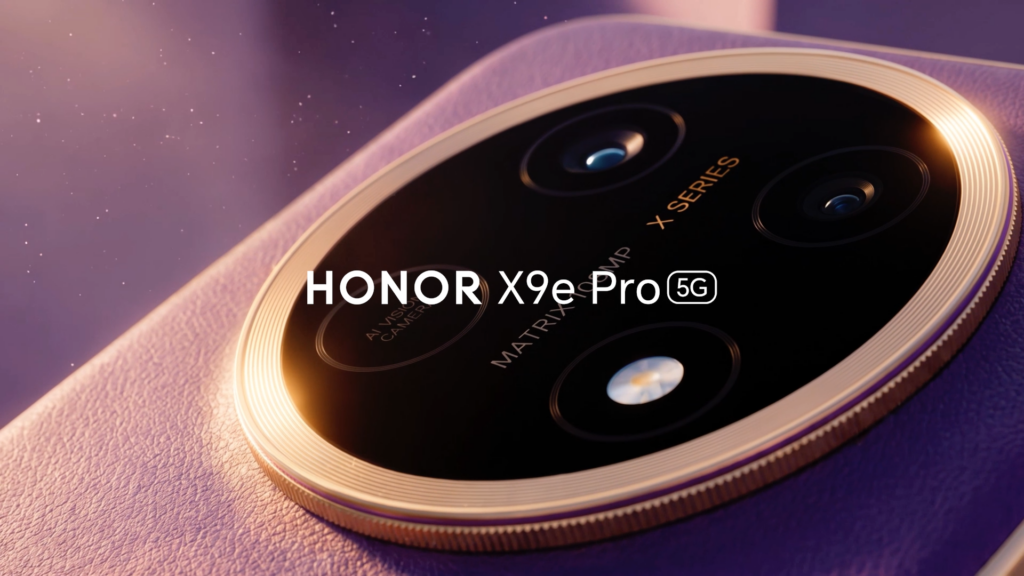
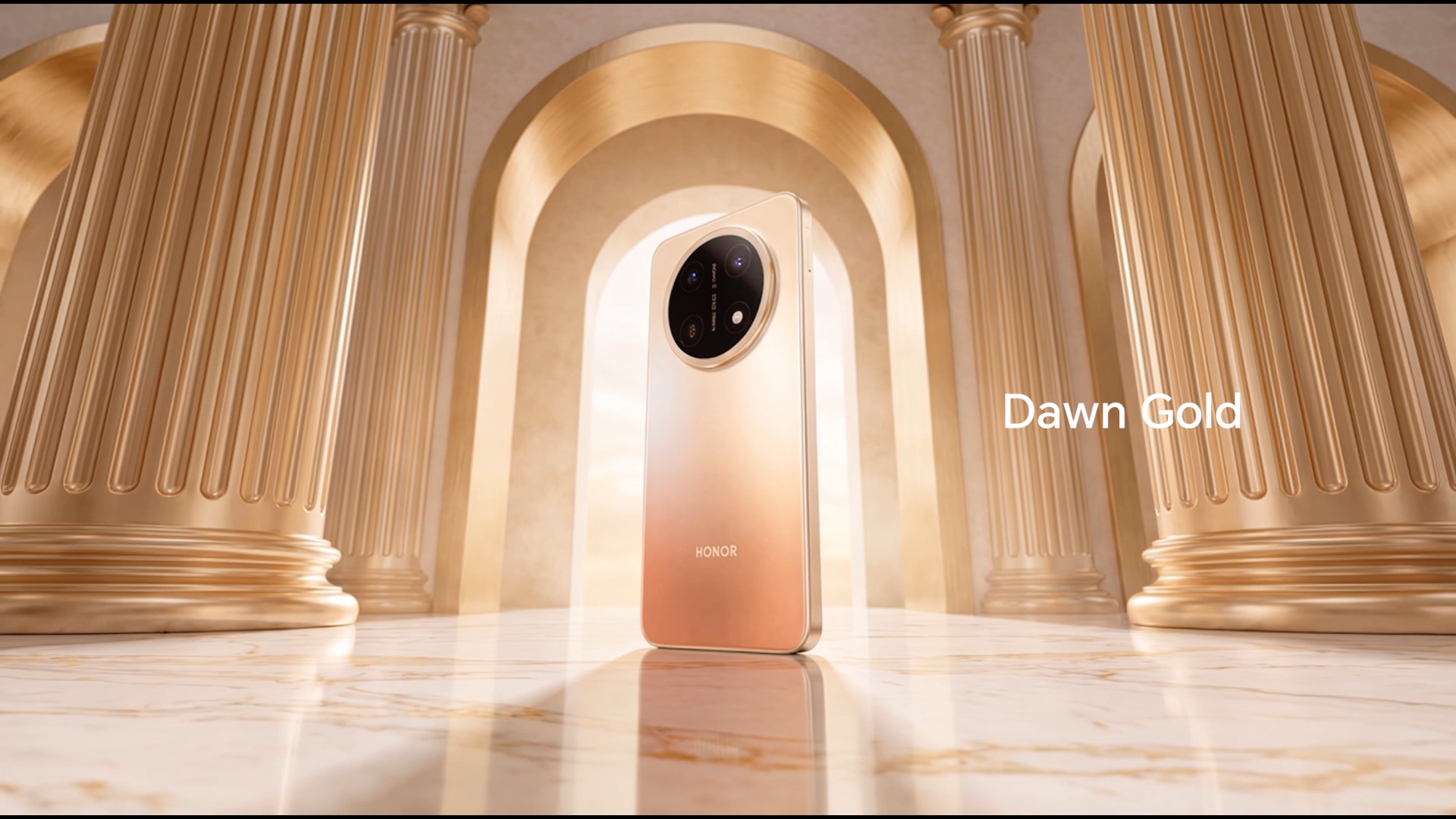
The Honor X9e Pro is set to launch in Malaysia on September 24, according to the official Honor Malaysia website. The company has been teasing it on social media, and a few key details have already come out. It will come in four colors: Dawn Gold, Midnight Black, Reddish Brown, and Royal Purple.
Durability is a big part of the pitch. Honor has shown the phone being dunked in hot water and is highlighting how well it can handle rough conditions. Reports point to high water and dust resistance ratings, IP68, IP69, and even IP69K, plus extra drop protection. That puts the X9e Pro in more of a rugged everyday category than a typical mid-range phone.
On the camera side, teasers confirm a dual-rear setup led by a 108MP main sensor. Details on the second camera are still scarce. The display is another highlight: local reports say it can hit a peak brightness of up to 10,000 nits, which should make it very usable outdoors in bright sunlight if that number holds up at launch.
The real head-turner is the battery. The X9e Pro is expected to pack an 11,000mAh cell with 80W wired fast charging. Some reports also mention 27W reverse wired charging so it can top up other devices. That capacity is a lot bigger than what most phones in this class offer and continues Honor’s recent push toward long-endurance models.
Full specs, including the processor, exact display size and type, memory options, and pricing, should be revealed at the official launch event. Whether the phone will show up outside Malaysia hasn’t been confirmed yet.
With a massive battery, high peak brightness, and a high-resolution main camera, Honor seems to be positioning the phone as a practical all-day phone for the Malaysian market. We’ll get the complete picture once it’s officially unveiled next week.
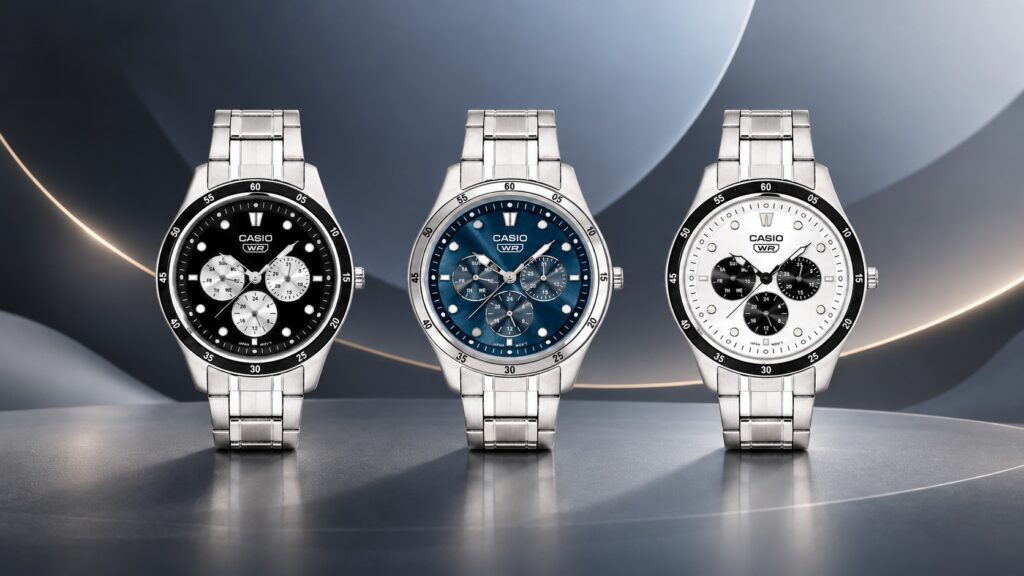
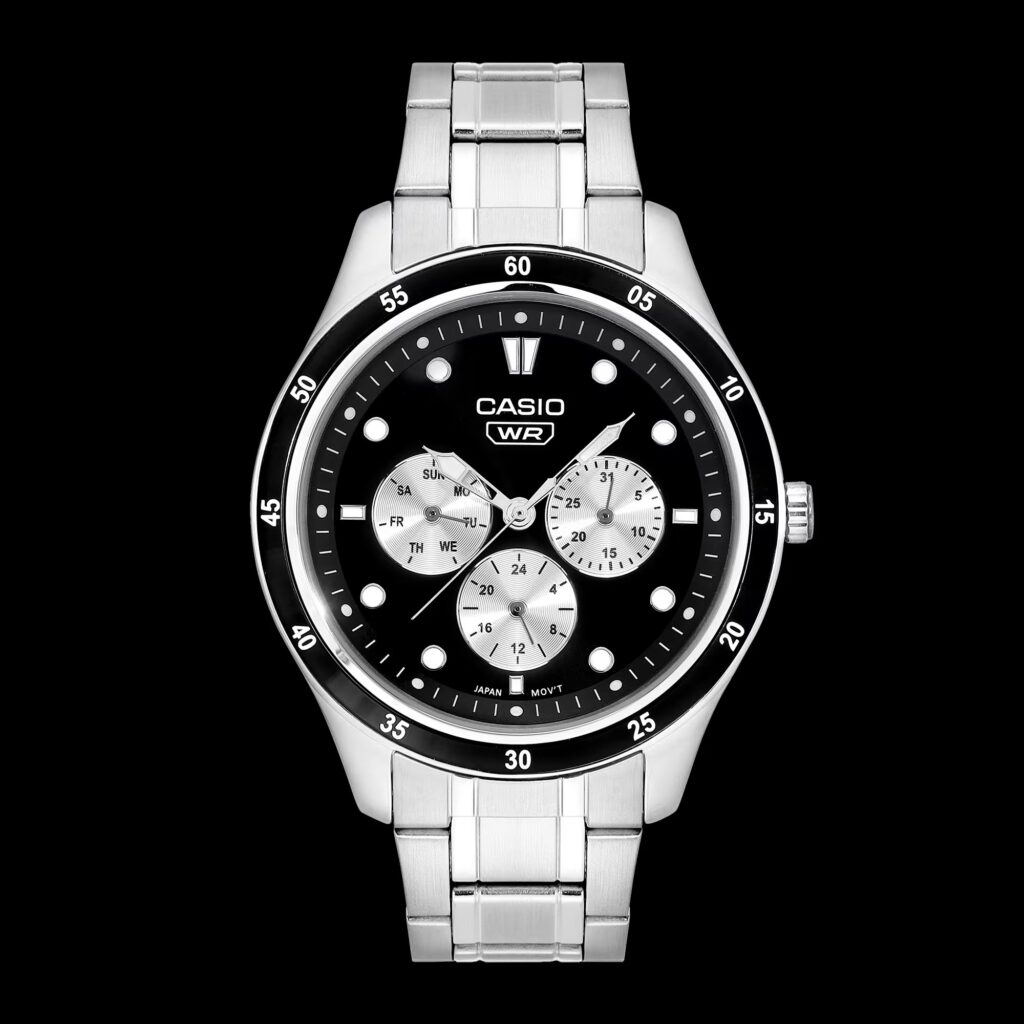
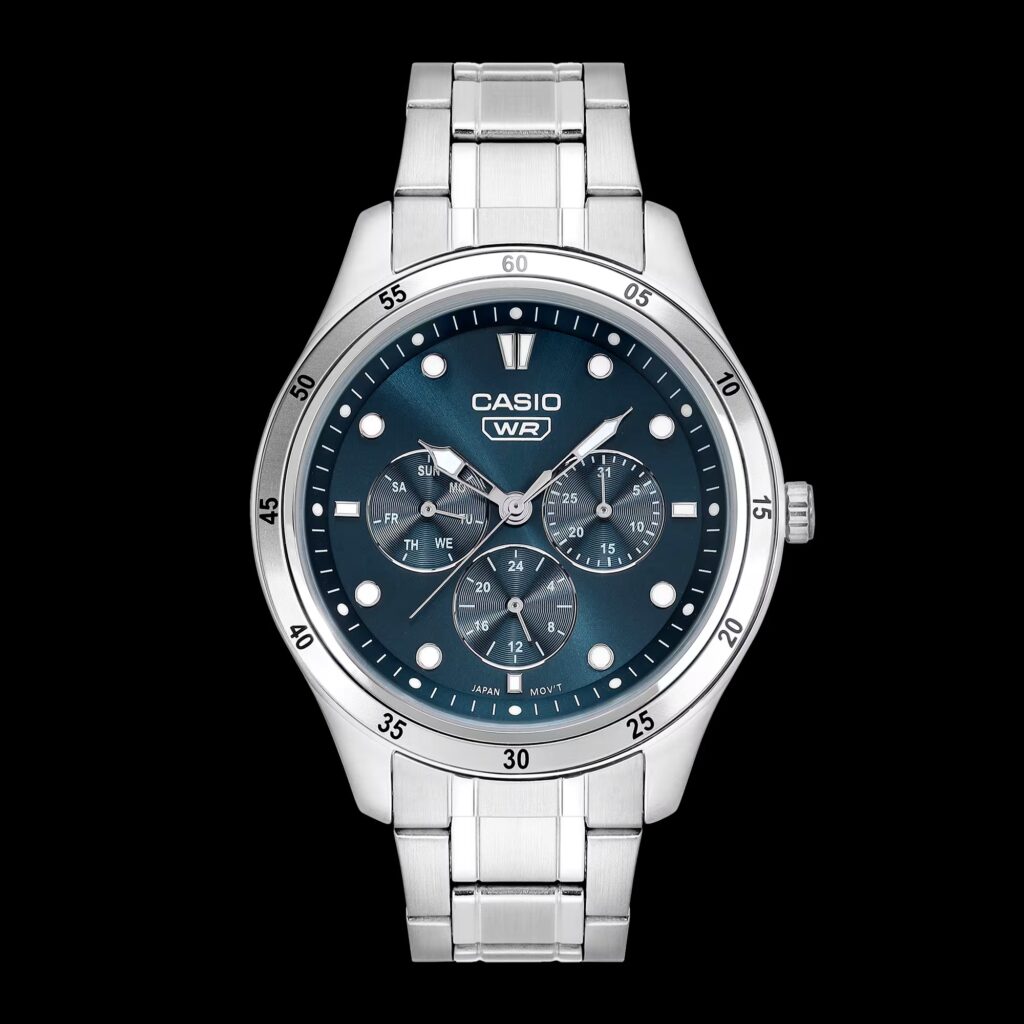
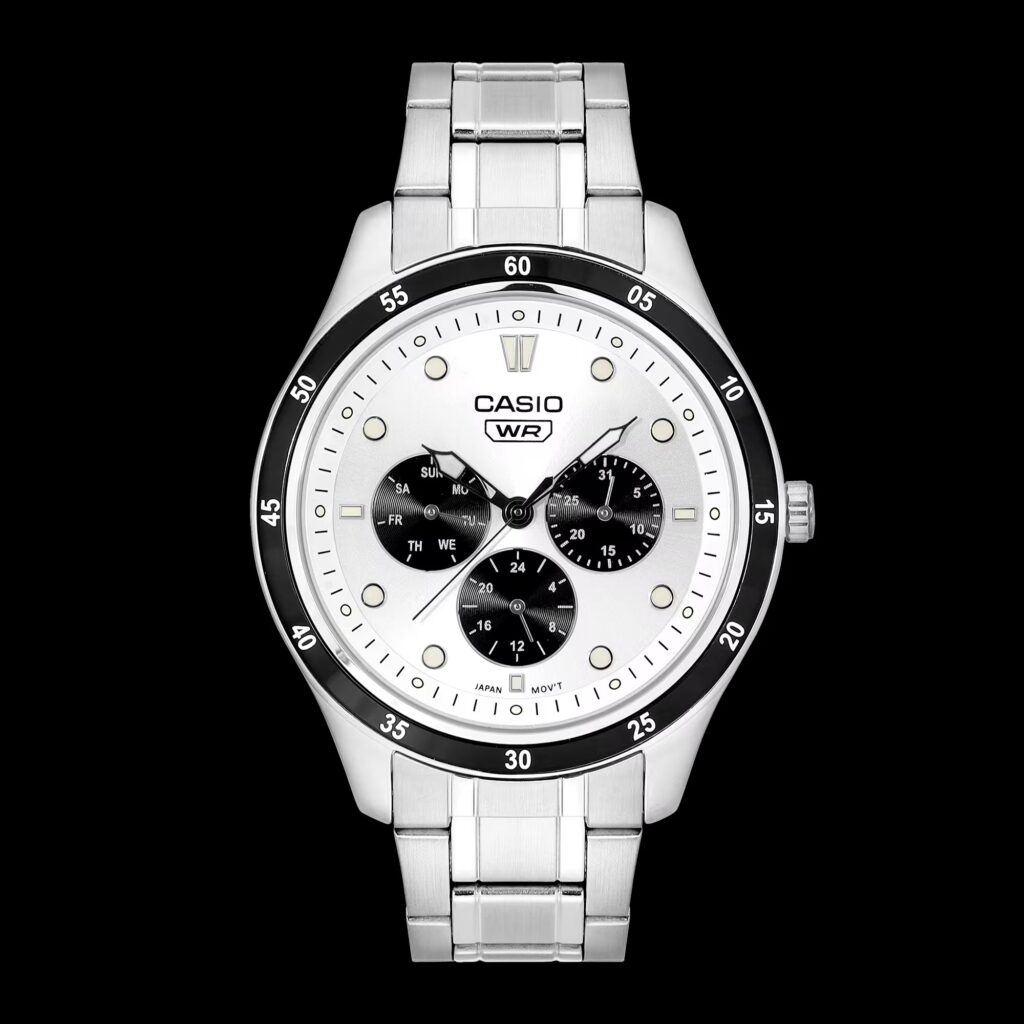
Casio has quietly added three new analog watches to its Indian store, expanding its budget-friendly classic lineup. The new models, the MTP-SN4KD-1A, MTP-SN4KD-2A, and MTP-SN4KD-7A, are available directly through the Casio India website. All three are priced at ₹4,995 ($52), placing them firmly in the entry-level segment for everyday steel watches.
If you are familiar with Casio’s traditional analog offerings, the design here is exactly what you would expect. The company is leaning into a straightforward, classic aesthetic. The three variants share identical dimensions, measuring 50.5 by 41.2 mm with a relatively slim thickness of 8.15 mm. At 105 grams, they have enough weight to feel solid on the wrist without being overly heavy for daily wear.
The case and bezel feature an ion-plated finish, and the watch comes with a standard stainless steel band secured by a one-touch, three-fold clasp. Casio says that the band is adjustable for wrist sizes ranging from 145 to 215 mm. For screen protection, the watches use mineral glass, which is standard for this price bracket and provides basic defense against everyday scratches.
The main draw of the MTP-SN4KD series is the multi-dial layout. Instead of a simple three-hand face, the watch includes three smaller sub-dials that display the date, the day of the week, and a 24-hour clock. It gives the watch a busier, chronograph-style look, even though it doesn’t actually feature stopwatch functionality.
On the inside, things are kept simple. The watches run on a standard quartz movement powered by an SR621SW battery, which Casio says should last about two years before needing a swap. Accuracy is rated at ±20 seconds per month.
For durability, the series includes a 30-meter water resistance rating. This is strictly for basic splash protection, it will survive washing your hands or getting caught in light rain, but it isn’t built for swimming or showering.
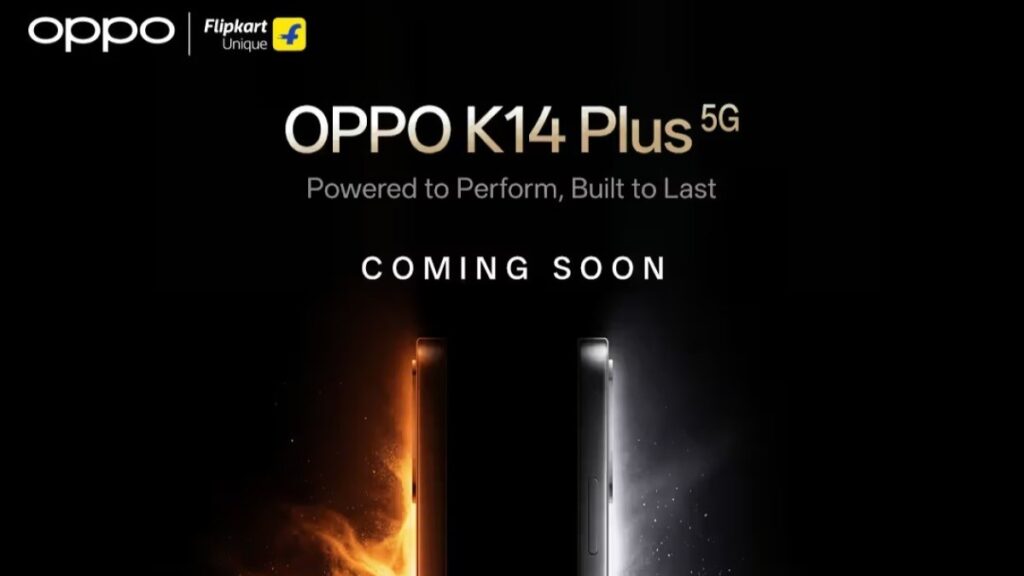
After recently launching the K14 Lite, the company has started teasing the Oppo K14 Plus 5G. The lineup already includes the K14 and K14x, both released earlier this year. Oppo dropped a short teaser on social media and set up a dedicated Flipkart microsite, confirming the phone will go on sale through the platform.
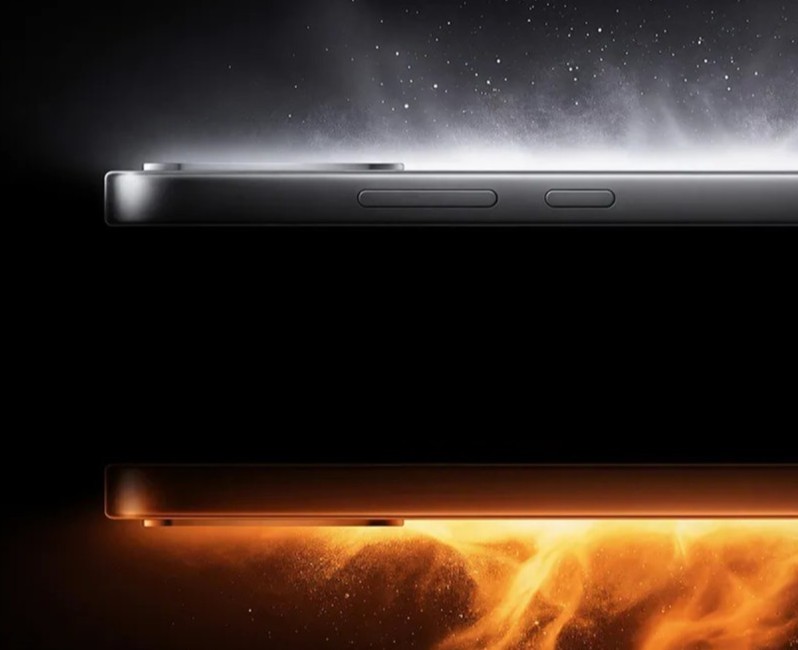
The promo material uses the tagline “Powered to Perform, Built to Last,” which points to a focus on solid everyday performance and durability. The teaser image shows a side profile with a flat frame and physical buttons. Color options look like they include at least orange and a gray or silver finish.
The “Plus” name has people expecting a bigger battery or larger display compared with the other models in the series, something Oppo has done before when differentiating variants.
For context, the original Oppo K14 5G launched in March 2026 with a 7,000mAh battery, MediaTek Dimensity 6300, 45W SUPERVOOC charging, and a 120Hz display, starting at ₹17,999. It’s now priced at ₹25,999. The K14x currently starts at ₹21,999 and the newer K14 Lite at ₹16,999. The K14 Plus is expected to sit above them and may land around or above ₹30,000, though that’s still just speculation until official details drop.
Sales will center on Flipkart, the same strategy Oppo has used for other recent K-series phones. As usual with these teases, more information – processor, cameras, exact battery size, and pricing – should start appearing closer to the official announcement.
The K14 Plus continues Oppo’s habit of offering several versions within one series to cover different price points and preferences in India’s competitive mid-range market.
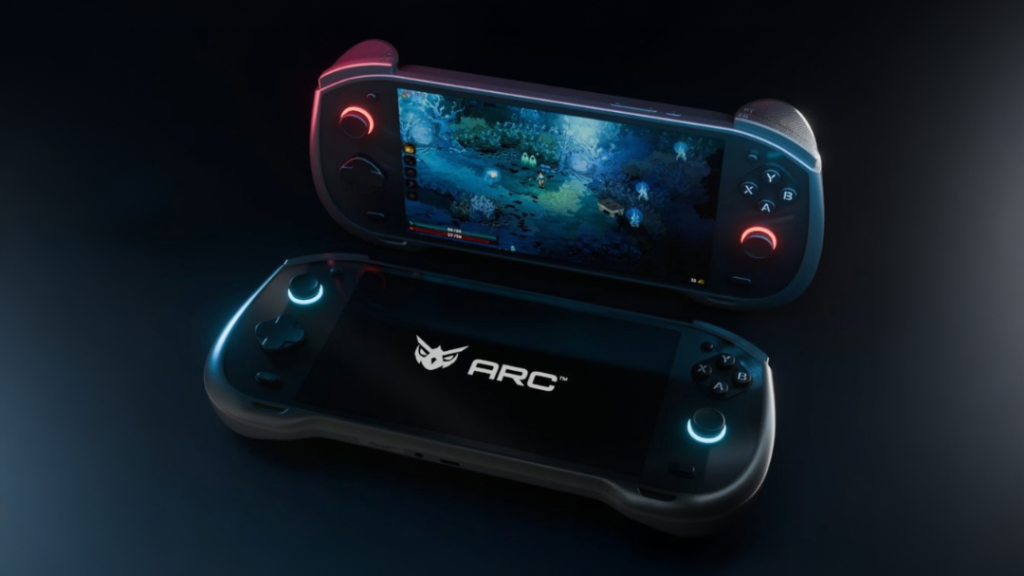
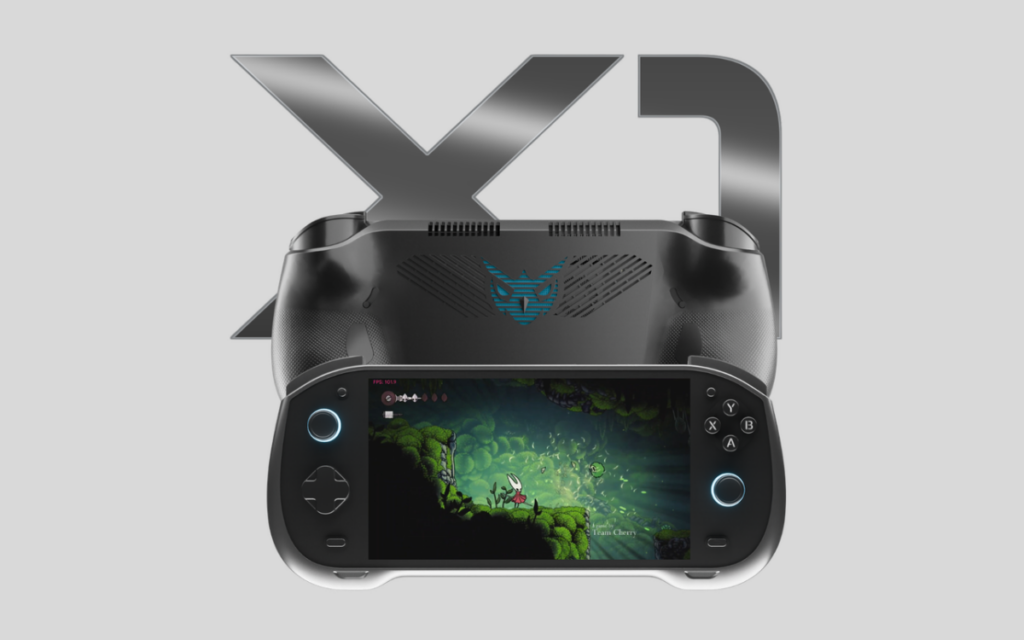
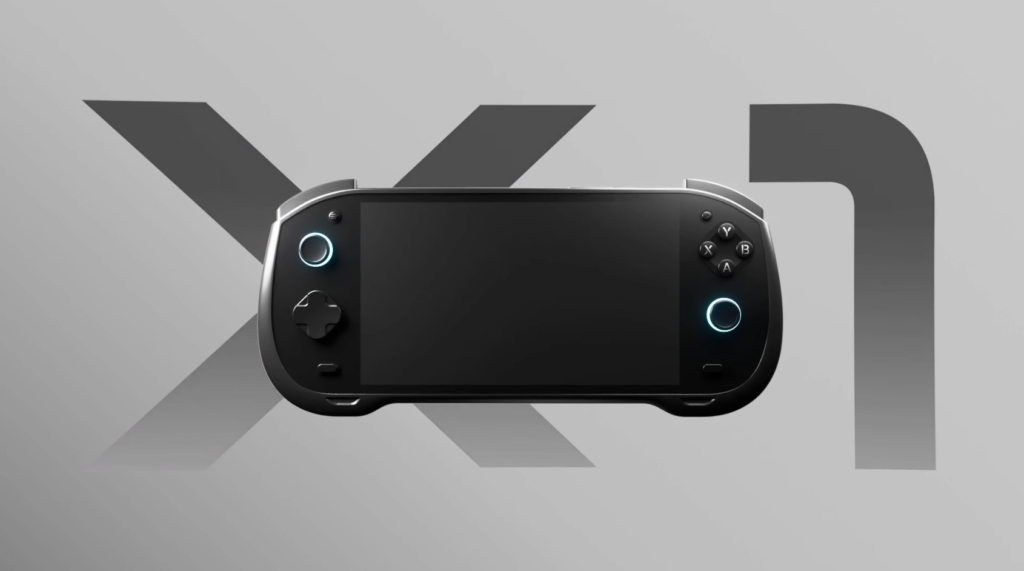
ARC, the Indian gaming hardware brand, has introduced its first Android gaming handheld, the X1. The company has been working on the device for several months, and it is finally ready to make its debut.
ARC X1 Handheld Specifications
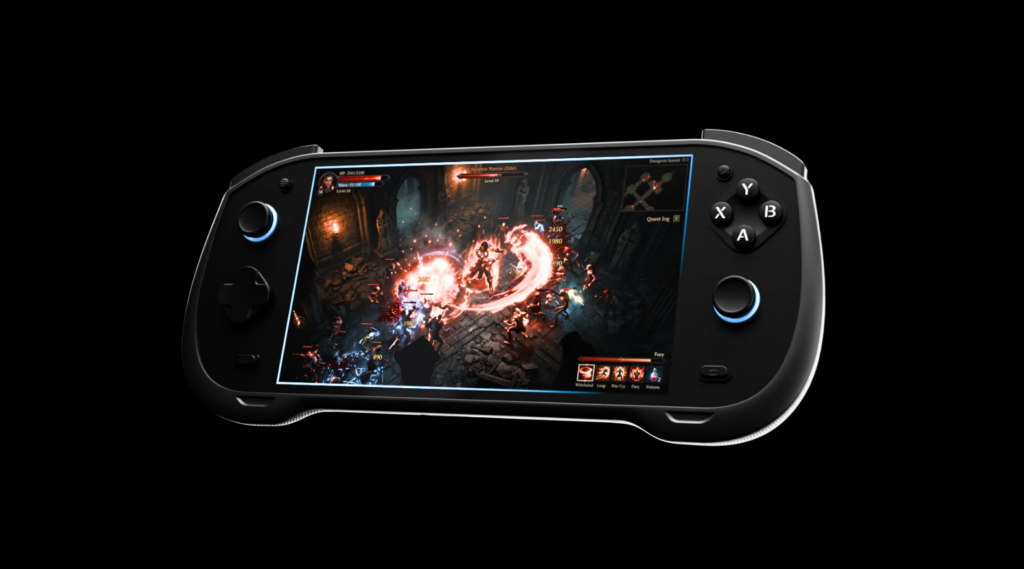
The X1 features a 7-inch, 1080p LCD screen with a 120Hz refresh rate and a standard 16:9 aspect ratio. Inside, the handheld is powered by the Snapdragon G2 Gen 2 chipset, paired with 8GB of memory and 128GB of internal storage.
If you need more space, there is a microSD card slot with support for up to 1TB of additional storage. ARC has also equipped the X1 with an active cooling system that uses a fan to draw cool air in from the back and exhaust hot air through vents at the top.
For the joysticks, ARC is using Tunnel Magnetoresistance (TMR) sensors. TMR is an alternative to the more common Hall-effect sticks, designed to avoid stick drift over time while using less power.
The face buttons and D-pad use microswitches, and the analog triggers have mechanical locks if you prefer a shorter pull distance for certain games. There are also two programmable buttons on the back of the grips, and dual linear resonant actuators (LRAs) handle the vibration feedback.
The X1 runs on OwlOS, which is based on the Android Open Source Project. It bypasses the usual touch-first Android home screen in favor of a unified launcher that aggregates native Android games, cloud streaming apps, and emulators. The software includes standard features for modern handhelds, such as per-game performance profiles, an FPS overlay, and a quick resume function.
The system is powered by a 9,300mAh battery. ARC says this can provide up to eight hours of playtime on the device’s lowest power setting, though actual battery life will vary depending on screen brightness and the specific game being played. It charges via a 27W USB-C connection and includes an 80% charge limit option to help preserve battery health over time.
The X1 weighs between 450 and 500 grams. ARC notes that the device is designed to be repairable, featuring a user-replaceable battery and analog sticks, along with modular internal boards. For connectivity, it includes Wi-Fi 6E, Bluetooth 5.4, a standard headphone jack, and a USB-C port that supports external displays.
Pricing and Availability
The handheld will be available for early access orders starting October 2 at ₹29,500 ($308) if you’re on the company’s waitlist, while the general retail price is set at ₹33,500 ($349).
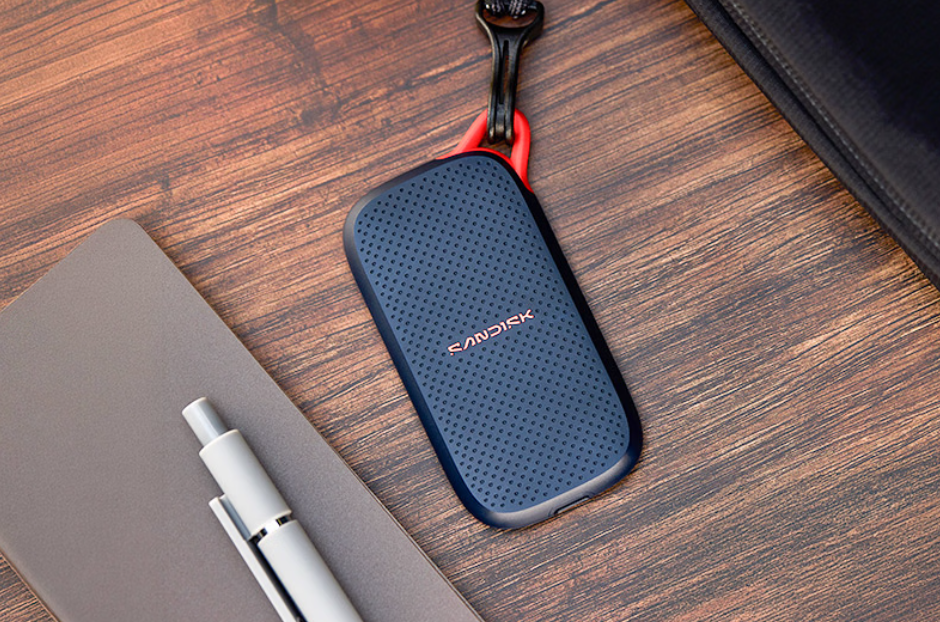
SanDisk has announced the E31, a new USB-C portable solid-state drive in China. It is scheduled to go on sale on September 21. The drive is built for people who need to store and transfer large files, such as high-resolution photos, videos, and project archives.
SanDisk E31 SSD Specifications
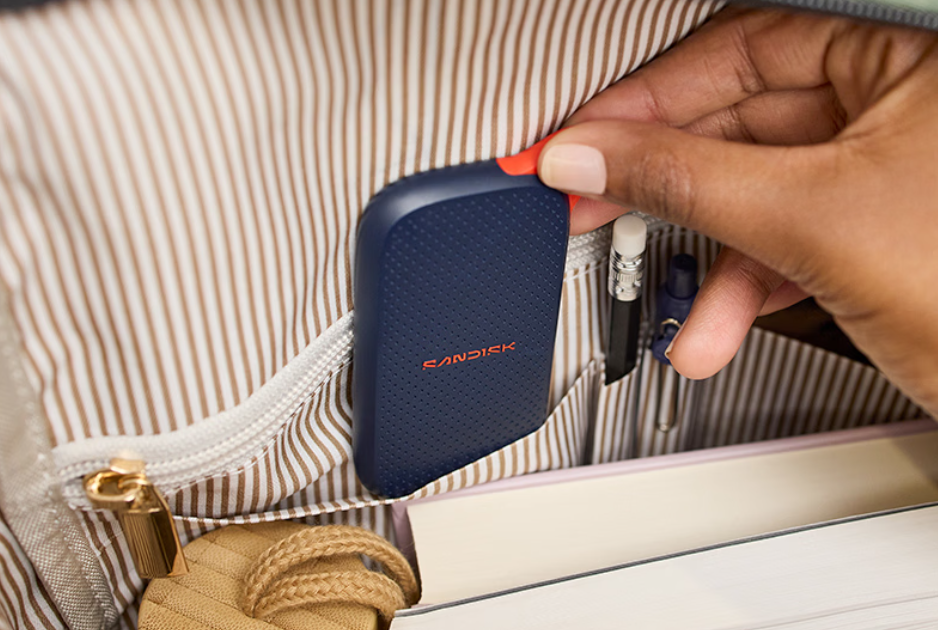
The physical design of the E31 is compact. It measures approximately 85mm long, 45mm wide, and 10mm thick, and weighs about 33.2 grams. This form factor makes it easy to carry in a pocket, a small bag, or a laptop sleeve.
The SSD can survive drops from heights of up to two meters. It is also designed to operate in temperatures ranging from 0°C to 45°C and can be safely stored at temperatures between -20°C and 85°C.
Internally, the E31 uses a USB 3.2 Gen 2 interface that supports a bandwidth of up to 10Gbps. According to SanDisk, the drive is capable of sequential read speeds of up to 1,000MB/s. For users moving large files, this transfer rate is about five times faster than what is typically seen with standard portable mechanical hard drives.
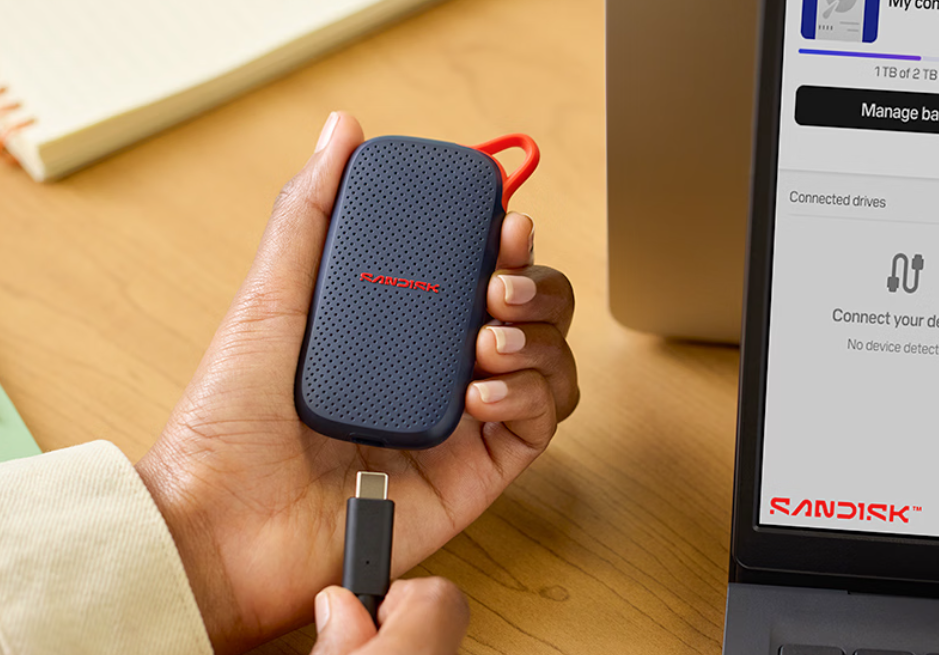
The drive connects via a standard USB Type-C port, supporting plug-and-play use with compatible laptops, tablets, and smartphones. It has broad software compatibility, working with Windows 10 and macOS 13 or later, as well as mobile devices running Android 13, iOS 15, and iPadOS 15 or newer.
iPad users can access their stored files directly through the native iPadOS Files app. For other platforms, SanDisk provides the Memory Zone application, which offers basic tools for file management and data backups.
SanDisk is offering the E31 in three storage capacities to accommodate different user needs. The base 500GB model has a pre-sale price of 829 yuan ($124). The 1TB version is priced at 1,239 yuan ($184), and the 2TB model costs 2,199 yuan ($328). All versions of the E31 come with a three-year limited warranty from the manufacturer.
In related news, Aigo has recently launched the PL10 flash drive with Lightning and USB-C connectors alongside physical write protection, while Lexar has unveiled the world’s thinnest portable SSD with a clever magnetic design and 1,050MB/s speeds.
We use cookies on our website to give you the most relevant experience by remembering your preferences and repeat visits. By clicking “Accept”, you consent to the use of ALL the cookies.
This website uses cookies to improve your experience while you navigate through the website. Out of these, the cookies that are categorized as necessary are stored on your browser as they are essential for the working of basic functionalities of the website. We also use third-party cookies that help us analyze and understand how you use this website. These cookies will be stored in your browser only with your consent. You also have the option to opt-out of these cookies. But opting out of some of these cookies may affect your browsing experience.
Necessary cookies are absolutely essential for the website to function properly. This category only includes cookies that ensures basic functionalities and security features of the website. These cookies do not store any personal information.
Any cookies that may not be particularly necessary for the website to function and is used specifically to collect user personal data via analytics, ads, other embedded contents are termed as non-necessary cookies. It is mandatory to procure user consent prior to running these cookies on your website.