POCO is gearing up to launch a new budget smartphone in India soon. The POCO C71 has just been leaked, revealing its full design in a shiny gold color option. But that’s not all, the latest information has even revealed the possible India launch date.
POCO C71 India Launch & Full Design Revealed
The latest leak arrives from known tipster Sanju Choudhary who shared the details on X (formerly Twitter). In his tweet, he claimed that the POCO C71 is set to launch in the Indian market soon, arriving as early as 4th April 2025. If this is true, the upcoming budget phone might be released within a weeks time. Along with this, the tipster also shared an image that showcased the device in gold.
POCO C71
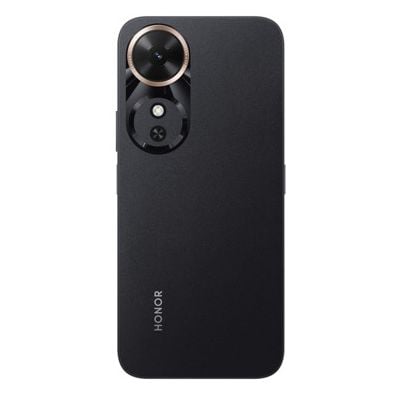
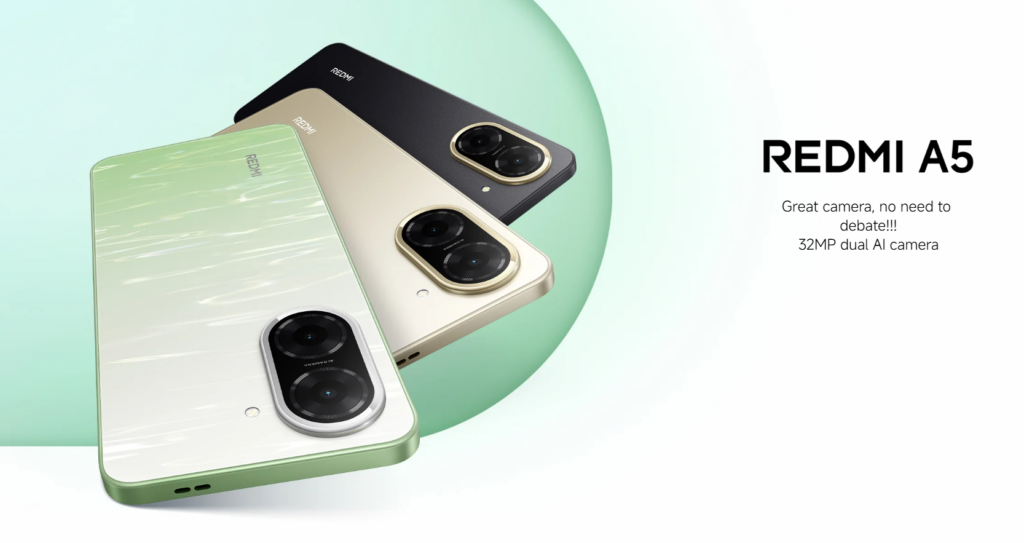
We can see a dual tone design on the rear panel with a shiny golden rim on the pill shared camera module. The POCO C71 grabbed the BIS certification in India back in February 2025. To recall, the C71 model could also be a rebranded Redmi A5. Xiaomi’s Redmi A5 sports a tall 6.88-inch display with up to 120Hz refresh rate and 240Hz touch sampling rate. Under the hood, this model is equipped with the UNISOC T7250 SoC, which is paired with 4Gb of RAM and 128GB of internal storage.
This model even arrived with 4GB of virtual RAM expansion. A large 5,200mAh battery pack powers this device, which supports 15W wired charging. For optics, the rear has a 32MP AI rear camera, with the front pack housing an 8MP selfie shooter. You also get a fingerprint scanner and face unlock for security.
For more daily updates, please visit our News Section.
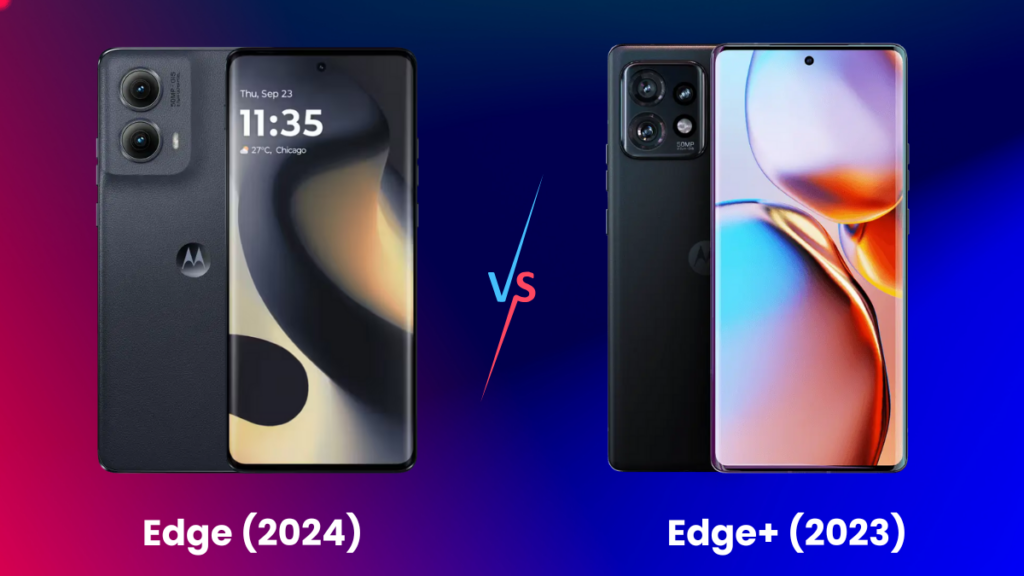
The Motorola Edge (2024) brings a clean and polished design while offering a great display, a capable chipset, and a robust battery that lasts all day. It has gained considerable attention among smartphone seekers. The Edge Plus (2023), on the other hand, is a more premium offering featuring the powerful Snapdragon 8 Gen 2 chipset, a triple-camera setup, and advanced connectivity features.
The two Motorola phones have a pricing difference of $100, but there’s a big difference on the spec sheet. So, which Motorola phone should you choose? Here, we break down the key differences between the Edge (2024) and Edge Plus (2023) to help you make an informed decision.
Motorola Edge (2024) vs Edge Plus (2023): Design and build
Both smartphones sport a premium design with aluminum frames. The Edge (2024) adopts Motorola’s new design language, which extends the camera module into the rear panel for a cleaner look. It features a silicon polymer back that enhances grip and reduces fingerprint smudges.
In contrast, the Edge Plus (2023) has a textured glass back that is nearly immune to fingerprint smudges. It is also more durable, thanks to Corning Gorilla Glass Victus protection on both the front and back, offering better drop and scratch resistance than the Gorilla Glass 3 found on the Edge (2024).
Both models have IP68 rating for the same level of water and dust protection. In terms of size, the Edge Plus (2023) is slightly taller, thicker, and a little heavier than the Edge (2024).
Both Motorola phones feature high-quality curved OLED displays with support for over a billion colors and 1,300 nits peak brightness. The Edge (2024) has a 6.6-inch screen, while the Edge Plus (2023) is marginally larger at 6.7 inches. The 2023 model also has a slightly higher refresh rate, though the screen resolution and screen-to-body ratio remain the same.
Additionally, the Edge (2024) includes DC Dimming and PWM for better eye protection.
Motorola Edge (2024) vs Edge Plus (2023): Performance and software
Here’s where the biggest difference lies. The Edge (2024) is powered by a mid-range Snapdragon 7s Gen 2 chipset, while the Edge Plus (2023) packs the flagship Snapdragon 8 Gen 2, offering significantly better performance and battery efficiency.
Here are the benchmark results:
AnTuTu (v10) performance
Edge (2024)
Edge+ (2023)
AnTuTu score
601,428
1,472,745
CPU
198,727
339,588
GPU
117,371
552,853
Memory
133,253
293,250
UX
152,077
287,054
Geekbench (v6) performance
Edge (2024)
Edge+ (2023)
Single core
1,012
1,985
Multi core
2,843
5,276
The Edge Plus (2023) outperforms the Edge (2024) by a large margin. It scores more than twice the AnTuTu score of Edge (2024) and achieves nearly 90% better Geekbench scores.
For everyday tasks like browsing and social media, the Edge (2024) feels smooth and responsive. It can also handle casual gaming but may struggle with high-end titles that the Edge Plus (2023) runs effortlessly.
The software promise isn’t impressive, though. The Edge (2024) will only get two Android updates and three years of security patches. The Edge Plus (2023) will get an extra OS update and an additional year of security patches. Since the 2023 model was released with an older version of Android, both phones would receive Android 16 as their last major OS upgrade.
Motorola Edge (2024) vs Edge Plus (2023): Camera
The Edge Plus (2023) has an overall superior camera setup than the Edge (2024). It has a 13MP telephoto sensor, which is lacking on the Edge (2024). The 2023 model also benefits from a higher resolution ultrawide camera for better clarity. Both models share a 50MP primary sensor, though.
There’s also a notable difference in the video recording. The Edge (2024) lets you do up to 4K/30fps recording, while you can do up to 8K/30fps or 4K/60fps on the Edge Plus (2023).
On the other side, you get a 32MP selfie shooter on Edge (2024) and a 60MP on the Edge Plus (2023). The latter lets you do up to 4K/60fps recording, which is limited to 1080p/30fps on the Edge (2024).
In short, the Edge Plus (2023) offers better zoom capabilities, higher-resolution ultrawide shots, and superior video recording options.
Motorola Edge (2024) vs Edge Plus (2023): Battery and charging
The Moto Edge (2024) has a 5,000mAh cell inside that easily lasts for a day on regular usage. And, using the 68W adapter, you can refill it well within an hour.
The Edge Plus (2023) has a slightly larger 5,100mAh battery. While the difference in capacity isn’t huge, Snapdragon 8 Gen 2’s superior efficiency extends battery life by a few extra hours.
The Edge+ (2023) also supports 68W wired and 15W wireless charging, just like the Edge (2024). But the Edge Plus (2023) also includes 5W reverse wired and reverse wireless charging for topping up your earbuds, smartwatches, or other smartphones in emergencies.
Motorola Edge (2024) vs Edge Plus (2023): Connectivity
The Edge Plus (2023) offers Wi-Fi 7 for faster speeds and better performance in congested networks, compared to Wi-Fi 6E on the Edge (2024). It also has newer-generation Bluetooth and USB standards, ensuring more reliable connectivity and faster data transfer speeds.
Overall, the Edge Plus (2023) is more future-proof with its advanced connectivity features.
Motorola Edge (2024) vs Edge Plus (2023): Conclusion
The Edge (2024) is a solid mid-range option with a sleek design, vibrant display, decent battery life, and good overall performance. However, the Edge Plus (2023) is the clear winner in almost every aspect — it has a far more powerful chipset, superior cameras, future-proof connectivity, stronger Gorilla Glass protection, and better battery efficiency.
With only a $100 price difference, the Edge Plus (2023) offers significantly better value for power users and those looking for long-term performance.
Samsung might be bringing a notable upgrade to the cover display of the Galaxy Z Flip 7 to rival its competition. Fresh renders leak have revealed a larger external screen, while the protective case was also revealed. So let’s check it out.
Is the Samsung Galaxy Z Flip 7 getting a larger cover screen?
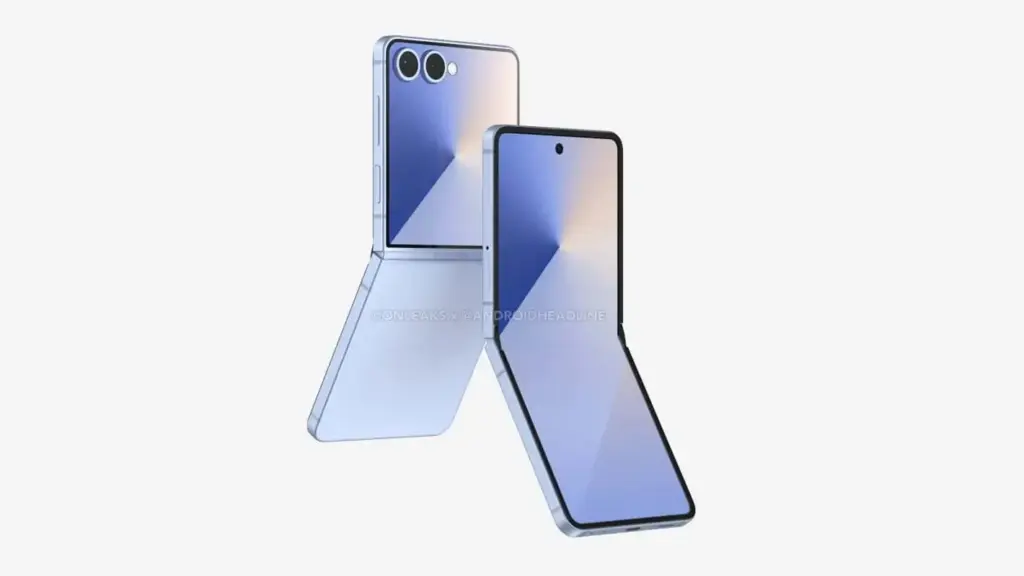
Samsung Galaxy Z Flip 7 Leaked Render
Just recently, AndroidHeadlines and OnLeaks shared renders of Samsung’s upcoming flagship flip phone (Via MySmartPrice). Looking at these pictures, the Galaxy Z Flip 7 appears similar to the Motorola Razr 50 Ultra with the external screen going around the cameras at the back. This is an upgrade over the cover display on last year’s Galaxy Z Flip 6 as the bezels are slimming down in this next gen foldable phone.
Known tipster Ice Universe also shared a tweet earlier this week, revealing the protective cases of the new Galaxy Z Flip 7. These also showcase a larger cutout, which also hints at the Galaxy Z Flip 7. Based on what we know so far, the Galaxy Z Flip 7 is also getting a 4,300mAh battery pack, which is larger than the Z Flip 6’s 4,000mAh cell. Under the hood, it is rumored to be equipped with the Snapdragon 8 Elite SoC.
Cover for the Samsung Galaxy Z Flip 7
Pairing the latest Qualcomm flagship chipset with the larger battery could allow the Samsung Galaxy Z Flip 7 to offer better battery life overall. Other notable features likely include Galaxy AI and Android 15 OS based OneUI 7 custom skin out of the box. Unfortunately, this is all the information we have at the moment, so stay tuned for more.
For more daily updates, please visit our News Section.
The iQOO Z10 is a highly anticipated budget smartphone that is set to launch in India soon. But ahead of its official announcement, a fresh teaser has confirmed its chipset along with its pricing details, revealing an aggressive strategy from the brand. So let’s check it out.
iQOO Z10 India Price & Chipset Teased
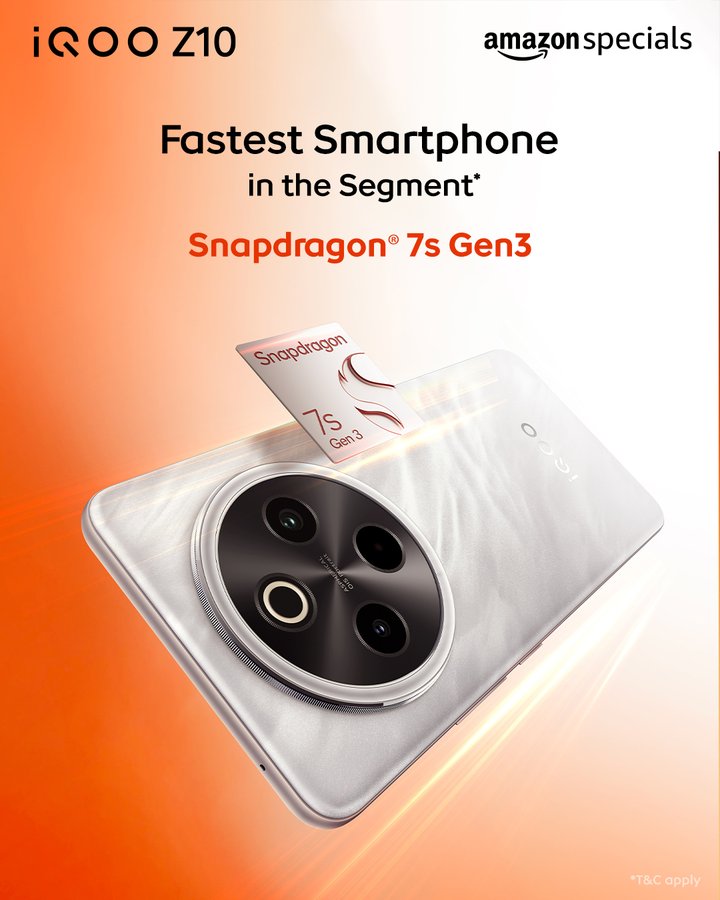
The Chinese smartphone maker’s upcoming iQOO Z10 features some impressive specs despite its rumored price tag. In previous teasers, the smartphone was confirmed to house a massive 7,300mAh battery pack, which supports 90W wired fast charging. Now, we know that the device is also equipped with the Qualcomm Snapdragon 7s Gen 3 SoC, which makes it the fastest smartphone in its segment (claimed by iQOO).
iQOO Z10 with the Snapdragon 7s Gen 3
The iQOO Z10 was recently spotted getting a score of 765,324 points in the AnTuTu benchmark as well. The price segment in which the iQOO Z10 will launch is under Rs 22,000. This makes it a great deal as you get a capable processor, a huge battery, impressive charging speeds, and a quad curved AMOLED display. iQOO could likely launch the smartphone for a starting price tag of Rs 21,999 for the 128GB model, while higher end options cost slightly more.
The company is gearing up to unveil this model on 11th April 2025 and it is confirmed to launch in two color options, namely Stellar Black and Glacier Silver. Other notable features may include UFS 2.2 storage and up to 12GB of RAM. The iQOO Z10 is set to go on sale from the brand’s official website and Amazon India. This is all the information we have at the moment, so stick around for more as we will be covering the launch event next month.
For more daily updates, please visit our News Section.
Portronics has just announced a brand new smart LED projector in the Indian market. The company’s latest model is the Portronics Beem 520, which features a portable design, an attractive launch price tag, and much more. So here are all the details.
Portronics Beem 520 Smart LED Projector Specs
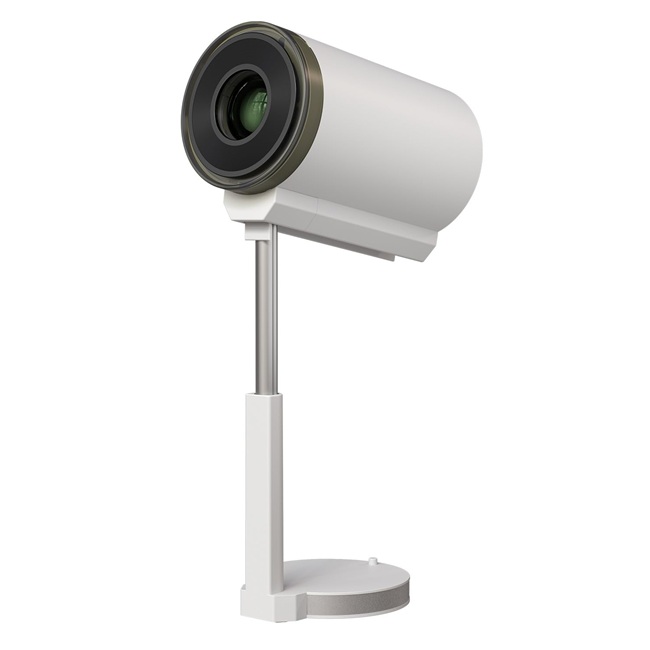
Right off the bat, you can tell that the Portronics Beem 520 arrives with a compact form factor that makes it easy to carry around. But that’s not all, it also features a built-in telescopic stand that makes it convenient for users to setup. The Beem 520 has a peak brightness of 2200 Lumens from its LED projector, which can project up to 62 inches from a distance of 2 meters and 88 inches if it’s 2.8 meters away.
Portronics Beem 520 Smart LED Projector
The latest projector arrives with support for native 720p (HD) resolution. You also get support for UHD or 4K resolution. For audio, the Portronics Beem 520 Smart LED projector houses a 3W speaker setup. It can pair wirelessly with Bluetooth and WiFi support, but it even offers HDMI, USB, and AUX ports as well. This model comes preloaded with popular streaming platforms, including Amazon Prime Video, YouTube, Netflix, and Disney+ Hotstar.
Please Note: When you buy something using the links in our articles, we may earn a small commission at no cost to you.
Pricing and Availability
The projector was just announced in a single white color option for an introductory price tag of just 6,999 INR. This makes it quite affordable and accessible for those on a tight budget. However, its actual MRP is 19,999 INR. You can purchase the Portroics Beem 520 from the brand’s official website, Amazon India, and offline retailers. In related news, the company announced a 1600W high speed hair dryer earlier this month.
For more daily updates, please visit our News Section.
OnePlus might finally be working on a compact flagship. Multiple reports over the past few weeks have pointed to the possibility of a smaller OnePlus phone, and earlier today, the company’s president also acknowledged that such a device could be in the pipeline. Rumors suggest it may launch as the OnePlus 13T.
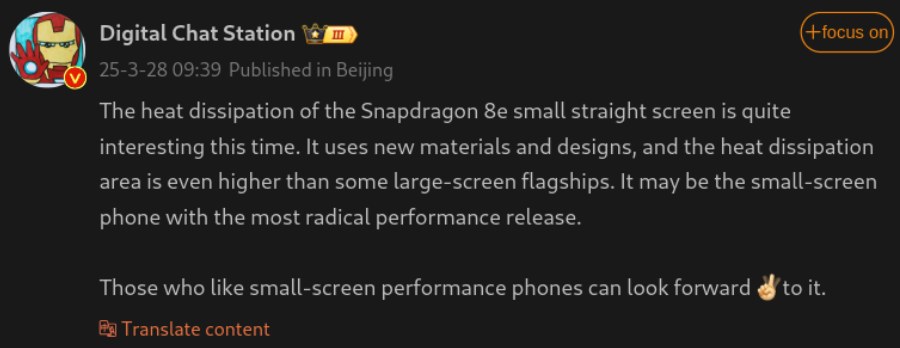
Adding to the growing pile of leaks, tipster Digital Chat Station now claims that the OnePlus 13T will deliver “the most radical performance” for a small-screen smartphone. According to the tipster, the phone will be powered by Qualcomm’s Snapdragon 8 Elite, the same chip as the OnePlus 13.
But what’s more interesting is how OnePlus reportedly plans to manage heat inside the smaller chassis. The company is said to be using new materials and an updated internal design, with a heat dissipation area that’s larger than what you’ll find in some big-screen flagships. Compact phones typically struggle with sustained performance due to limited cooling space, but it looks like OnePlus is trying to address that.
What else?
The OnePlus 13T is also rumored to pack a surprisingly large 6,200mAh battery. That’s possible thanks to silicon-carbon battery tech, which allows for higher energy density in a smaller footprint. The phone is said to support 80W fast charging as well.
On the outside, the 13T could feature a metal frame and glass back, along with a premium finish. A leaked real-world image of the device also surfaced today.
Alleged OnePlus 13T
Up front, the phone is expected to sport a 6.31-inch flat OLED display with a 1.5K resolution and 120Hz refresh rate. On the camera side, leaks suggest a 50MP main sensor with OIS and a 50MP telephoto lens with 2x optical zoom.
The OnePlus 13T is likely still a few months away from launch. The device started to appear in certifications only recently. If the leaks are accurate, it could make its debut sometime in April or May.
For more daily updates, please visit our News Section.
Honor introduced the Honor Play 60 Plus in June 2024, featuring an IP64-rated design, a 120Hz LCD display, a Snapdragon 4 Gen 2 chipset, a 50-megapixel dual-camera setup, and a 6,000mAh battery. Now, the Honor Play 60 seems to be on the way, as a device carrying the model number NIC-AN00 has surfaced in China Telecom’s product library. The listing suggests an impending launch while also revealing key specifications, pricing, and color options.
Honor Play 60 pricing and color variants
Honor Play 60 Honor Play 60
According to the listing, the Honor Play 60 may be available in three colors: Xiaoshan Green, Moyan Black, and Yulong Snow. The device is expected to come in multiple configurations, with the 6GB + 128GB variant priced at 1,699 Yuan (~$235), the 8GB + 256GB model at 2,199 Yuan (~$300), and the 12GB + 256GB version at 2,599 Yuan (~$360). However, these prices may not be final as Honor has yet to make an official announcement.
Additionally, the listing suggests that another variant, the Honor Play 60m, could be in the works, similar to how Honor previously launched the Honor Play 50 and Play 50m. However, it remains unclear how the Play 60m will differ from the standard Play 60.
Honor Play 60 specifications (rumored)
The Honor Play 60 is expected to feature a 6.61-inch LCD HD+ display with a 1604 x 720 resolution. For optics, it may house a 5MP front camera for selfies and a 13-megapixel rear camera for photography. The device will likely measure 163.95 x 75.6 x 8.39mm and weigh 197 grams.
Under the hood, the phone is said to be powered by the MediaTek Dimensity 6300 chipset, paired with up to 12GB of RAM and 256GB of storage. A 6,000mAh battery with 15W charging support will keep the device running.
On the software front, the Honor Play 60 is expected to run Android 15 with MagicOS 9.0. It may also feature a side-mounted fingerprint scanner for security. While Honor has not confirmed any details yet, the China Telecom listing suggests that it will debut today (March 28) in the home market.
For more daily updates, please visit our News Section.
Nothing’s latest mid-range lineup, the Phone (3a) series, introduced a new hardware shortcut called the Essential Key. Located below the power button, the Essential Key allows users to quickly capture screenshots, record voice memos, or open a new software hub called Essential Space with a single, double, or long press.
Essential Space is designed to help users collect and organize ideas, notes, and other on-the-go content. Nothing says it plans to expand the feature set over time, and the interface already uses some AI-based tools for content organization. But it seems the company could be planning to put some of those features behind a paywall.
Code strings hint at paid subscription for Essential Space
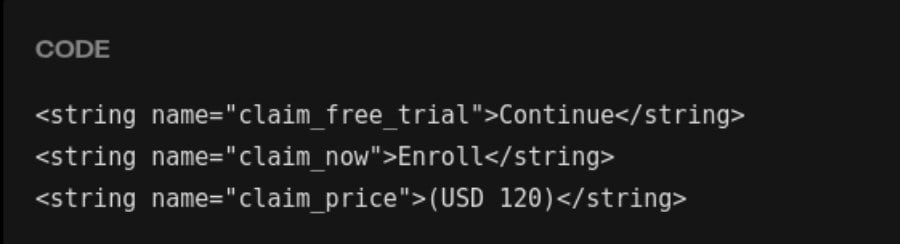
Android Authority found code strings in the latest version of the Essential Space app that hint at possible monetization. The code mentions terms like “free trial” and “AI credits,” suggesting that certain features may eventually require payment.
The strings specifically mention tools such as Smart Collections, Focused Search, Flip to Record, and Camera Capture alongside references to a one-year free trial.
What’s ridiculous, however, is that one line even mentions a $120 fee to enroll in the program. As Android Authority points out, it’s unlikely to be the price of a monthly subscription as that would be too high. Instead, it could be an annual or even lifetime subscription fee.
Still, it feels a little early for Nothing to start monetizing these features. Essential Space is in its early stages and is mostly limited to basic functions like screenshots and voice recordings. Even these are currently in beta.
In response to the report, a Nothing spokesperson told Android Authority that “no decisions have been made yet around potential pricing” and that the company is currently focused on improving the product.
Even if the company is serious about monetization, it may need to offer something more substantial than what’s available today.
For more daily updates, please visit our News Section.
Vivo is teasing a couple of new phones in China. These include the Y300 Pro+ and Y300t, which are slated to go official on March 31, and the Vivo X200S and X200 Ultra that are poised to debut in the second half of April. Today, Vivo Product Manager Han Boxiao released the first official image of the X200 Ultra.
Vivo X200 Ultra’s dedicated camera shutter down
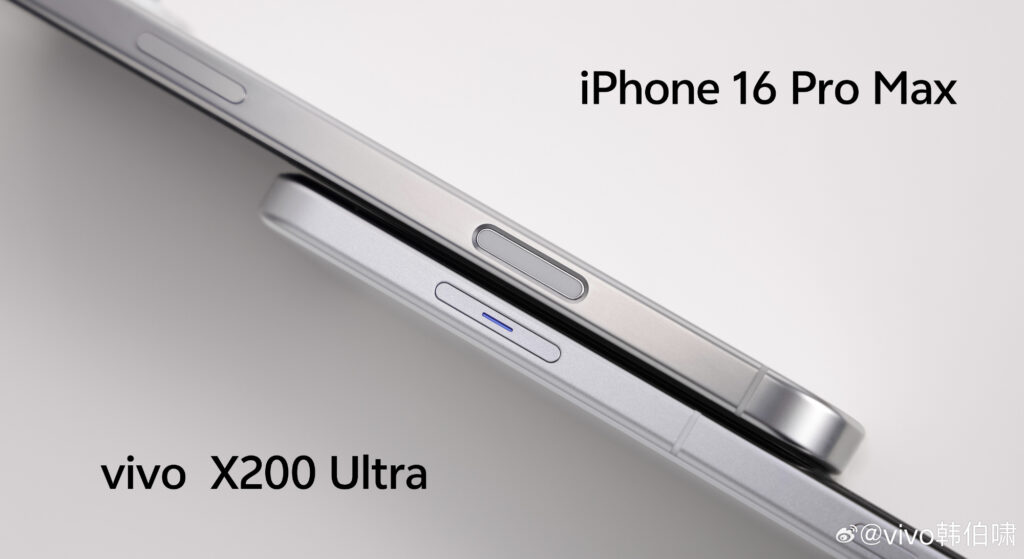
Vivo X200 Ultra’s first teaser
As can be seen, instead of showcasing the Vivo X200 Ultra’s front or rear design, its official image reveals its right side equipped with the dedicated camera button. This will be Vivo’s first smartphone to feature this new hardware key. Additionally, the image suggests that the Vivo X200 Ultra will be slimmer than the iPhone 16 Pro Max.
The new button has a distinct appeal, featuring a blue strip for added visual contrast. The dedicated camera shutter button, positioned lower on the frame, is not just a standard press-down key, but it appears to support a sliding action. This design enhances the photography experience, especially when shooting in landscape mode or adjusting settings. The sliding mechanism may allow users to precisely control zoom, focus, or exposure for better shot composition.
It goes without saying that the photography will be the Vivo X200 Ultra’s major highlight. Reports have revealed that the device will feature a triple camera setup equipped with an OIS-enabled 50-megapixel Sony LYT-818 primary camera, a 50-megapixel Sony LYT-818 ultra-wide lens, and a 200-megapixel Samsung HP9 periscope telephoto camera.
For an enhanced photography experience, the X200 Ultra will feature the Vivo S1 pre-processing chip and the V3+ post-processing chip. It is also said to come with a triple LED flash, which further enhances low-light photography.
For more daily updates, please visit our News Section.
Earlier this month, the Redmi A5 (4G) went official in Bangladesh in its offline market, but the device is yet to be listed on Xiaomi Bangladesh’s official website. Now, the company has officially launched the Redmi A5 in Indonesia, introducing a budget-friendly smartphone that combines a large display, capable cameras, and a robust battery. Here’s a look at the specifications, features, and price of the company’s latest entry-level phone.
Redmi A5 specifications and features
Redmi A5
The Redmi A5 (4G) measures 171.7 x 77.8 x 8.26mm and weighs 193 grams. It features a sizable 6.88-inch display with a resolution of 1640 x 720 pixels, delivering a pixel density of 260ppi. The screen supports a refresh rate of up to 120 Hz and offers a brightness of 450 nits. For user security, the device is equipped with a side-mounted fingerprint sensor and supports AI facial recognition.
Under the hood, the Redmi A5 is powered by the Unisoc T7250 (previously known as Unisoc T616) processor, built on a 12 nm process and featuring an octa-core CPU clocked up to 1.8 GHz. It comes with 4 GB of LPDDR4X RAM and 128 GB of eMMC 5.1 internal storage. The device houses a substantial 5,200 mAh battery that supports 15 W fast charging through its USB Type-C port.
Redmi A5
The Redmi A5 has an 8-megapixel front camera and a 32-megapixel rear camera with LED flash. The smartphone runs on Android 15 (Go Edition) and offers features such as 4 GB of virtual RAM and a dedicated microSD slot. Connectivity options include dual SIM, 2.4GHz-5GHz dual-band Wi-Fi, Bluetooth 5.2, and a 3.5 mm headphone jack.
Redmi A5 price and availability
The Redmi A5 (4G) is available in Indonesia in a single 4GB+128GB configuration. It comes in three color options: Midnight Black, Sandy Gold, and Lake Green. The device is priced at IDR 1,199,000 (~$72) and can be purchased through Xiaomi’s official online and offline channels across the country. Speculations are rife that the A5 may be rebranded as the Poco C71 in some countries, including India.
For more daily updates, please visit our News Section.
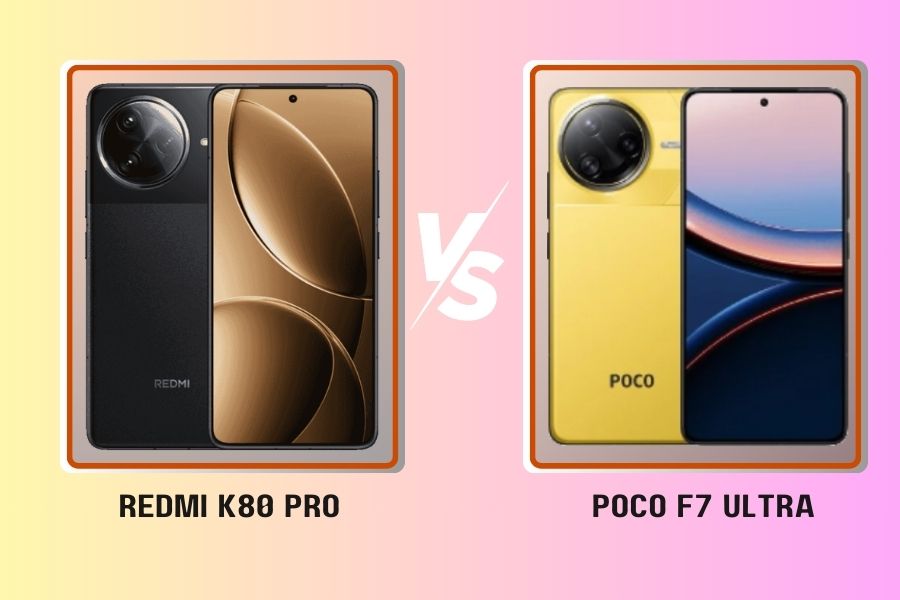
The Poco F7 Ultra and Redmi K80 Pro are, at their core, siblings under Xiaomi’s umbrella. But as usual with Xiaomi’s strategy, they’re targeted at slightly different audiences and priced differently across markets.
On paper, both these phones appear nearly identical, to the point where you’d wonder if there’s any real difference beyond the logos stamped on their backs. But when you dig deeper, the small differences can matter. Let’s break it down.
When you hold either phone, you won’t feel much of a difference. Both phones share the exact same dimensions — 160.3 x 75 x 8.4 mm — and both weigh around 212 grams (the K80 Pro has a slightly heavier variant at 217g depending on configuration). Their frames are aluminum which keeps both the front and back glass panels in pace. And the phones are IP68 water and dust resistance making them capable of surviving in up to 2.5 meters of water for 30 minutes.
However, the glass protection is where the two differ. The Poco F7 Ultra uses Poco Shield Glass, while the Redmi K80 Pro relies on Longjing Glass 2. On paper, both are designed to resist scratches and cracks, but we can not say for sure which offer better protection here.
2. Display
In the display department, you’re essentially looking at the same panel. Both phones feature a 6.67-inch AMOLED with support for 68 billion colors, Dolby Vision, HDR10+, and a 120Hz refresh rate. Peak brightness hits a blinding 3200 nits, which is more than enough to stay visible even under harsh sunlight.
Resolution is flagship-grade too — 1440 x 3200 pixels, translating to a sharp 526 ppi pixel density. Both phones use an under-display ultrasonic fingerprint sensor, a more reliable and faster tech than optical sensors.
So if display quality is your deciding factor, there’s no real winner here. Both phones deliver equally well.
3. Performance
Under the hood, both phones are powered by Qualcomm’s Snapdragon 8 Elite chipset, built on a 3nm process. The CPU layout is the same: 2x Cortex Oryon V2 Phoenix L at 4.32 GHz and 6x Oryon V2 Phoenix M at 3.53 GHz, with the Adreno 830 GPU handling graphics.
Both phones ship with Android 15 layered with HyperOS 2. In real-world use, this chipset is more powerful than most users will need. Whether you’re multitasking, gaming, or editing videos, you won’t notice much lag or stutter.
The phones are available in slightly different memory configurations. The Poco F7 Ultra starts with a 12GB RAM base paired with 256GB storage while the top-tier model has 16GB RAM and 512GB storage. Memory is LPDDR5X while the storage is UFS 4.1.
The Redmi K80 Pro also starts at 12/256GB base but the highest configured model has 16GB RAM and 1TB storage. However, it’s worth noting that it uses UFS 4.0, slightly slower than Poco’s UFS 4.1.
In practice, the difference between UFS 4.0 and 4.1 is negligible for day-to-day tasks. But if you’re particular about having the fastest storage or need a 1TB option, the K80 Pro has a clear edge.
4. Cameras
The rear camera setup is identical on both phones:
50MP main camera (f/1.6, OIS, 1/1.55” sensor)
50MP telephoto with 2.5x optical zoom and OIS
32MP ultrawide with a 120° field of view
Both phones can shoot up to 8K at 24fps and support advanced stabilization and high frame rate modes — including 4K at 60fps and even slow-motion at 1920fps in 720p.
Where the difference appears is on the front camera. The Poco F7 Ultra uses a 32MP selfie camera, while the Redmi K80 Pro opts for a 20MP shooter. In good lighting, you might not notice much difference, but for those who rely heavily on front cameras — whether for video calls, content creation, or social media — Poco’s higher resolution sensor has the upper hand, at least on paper.
That said, the K80 Pro supports gyro-EIS on the front camera for smoother videos, a feature missing in the spec sheet of the F7 Ultra.
5. Battery and Others
Battery capacity is one area where these phones go in different directions.
The Poco F7 Ultra packs a 5300mAh battery, while the Redmi K80 Pro uses a larger 6000mAh silicon-carbon battery. Both phones support 120W wired charging and 50W wireless charging.
As for the audio, both have stereo speakers but you don’t get a headphone jack support. Connectivity options include Wi-Fi 7, Bluetooth 6.0, NFC, and an Infrared blaster. And the positioning systems are also identical with support for NavIC, GPS (L1+L5), GLONASS, BDS, Galileo, and QZSS.
The under-display ultrasonic fingerprint scanner and a full suite of sensors (accelerometer, gyroscope, compass, proximity) are also common to both.
6. So, Which One Should You Buy?
Now as you can tell, both phones are strikingly similar. The Redmi K80 Pro has a few key advantages over Poco as it packs a massive 6,000mAh battery for longer endurance and offers up to 1TB of storage. While the F7 Ultra has a higher-res selfie camera.
These differences are minor, but price could be a major deciding factor for users. And fortunately, you can get the Redmi K80 Pro for $100 less at starting than the Poco F7 Ultra. It starts at $549 for the 12GB RAM, 256GB storage model, while the Poco F7 Ultra costs $649 for the same configuration. If you’re looking to grab the K80 Pro at that price, it’s available on Giztop.
For more daily updates, please visit our News Section.
The Oppo Find X8s, a compact flagship phone equipped with the Dimensity 9400 Plus, is all set to debut on April 10 in China. Recent reports have revealed that the country will also receive a Snapdragon 8 Elite-powered compact flagship phone called the OnePlus 13T next month. Its arrival seems imminent, and OnePlus President Louis Lee has started teasing its launch. At the same time, new images have appeared on Weibo, giving an idea of the 13T’s rear design.
OnePlus 13T’s arrival seemingly teased
OnePlus President has seemingly teased the arrival of a compact flagship phone
OnePlus President is acknowledging the excitement and anticipation from users regarding a compact flagship phone. He mentions that he has received many requests urging him for an update on the matter. He then asks the audience for their opinions on what usage scenarios they think would benefit the most from a small-screen smartphone.
OnePlus 13T rear design
An upcoming Oppo K13 series phone
Tipster Digital Chat Station has released the above image in a recent Weibo post. While the image showcases an upcoming Oppo 13 series device, DCS claims that the OP13T’s design will be very similar to this phone. At the same time, a new image is being circulated on the Chinese social media platform, claiming to show the 13T.
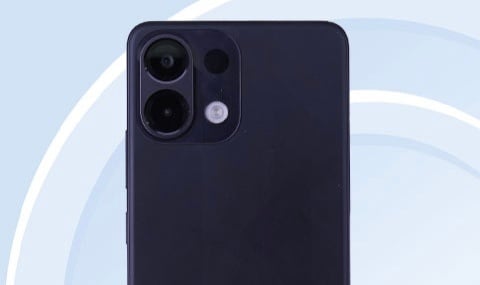
Alleged OnePlus 13T
The device can be seen sporting a square camera island with two vertically positioned cameras. Alongside it, there is an LED flash and an unknown sensor. For those who are unaware, reports have claimed that the 13T will be equipped with a 50-megapixel + 50-megapixel (telephoto) dual-camera system.
Reports have revealed that like the OnePlus 13T will feature a 6.31-inch flat OLED screen that offers a 1.5K resolution, a 120Hz refresh rate, and a short-focus in-screen fingerprint sensor. Under the hood, the 13T is expected to feature the Snapdragon 8 Elite chip and a 6,200mAh battery with 80W fast charging support. In terms of build, it will have a metal frame and a glass back.
For more daily updates, please visit our News Section.
Yesterday, Oppo confirmed that the Oppo Find X8s and Find X8s+ will be the first phones to feature the upcoming Dimensity 9400+ chipset. The brand has also released a few posters confirming other specs of the device. Here’s a look at the X8s’ details that the brand has revealed so far.
Oppo Find X8s’ key details officially confirmed
Oppo Find X8s front design
The first image in this post showcases the Find X8s’ beautiful front design. As can be seen, its compact 6.31-inch display is surrounded by ultra-thin bezels on all four sides. The brand is yet to reveal the rear design of the smartphone.
Under the hood, it features the Dimensity 9400+ chipset, which clocks at 3.73GHz. The performance of the new chip has already been revealed through its Geekbench listing. Earlier this week, the company officially confirmed that the X8s will be available in four configurations: 12GB+256GB, 12GB+512GB, 16GB+512GB, and 16GB+1TB.
Oppo has also revealed that the Find X8s will pack a 5,700mAh battery inside an IP68/69-rated chassis. The 3C certification of the device has revealed that it may support 80W wired charging. A recent leak suggested that it will also support 50W wireless charging.
The device will come preinstalled with ColorOS 15-based Android 15. For the cameras, the brand will continue to offer Hasselblad optimizations on its premium flagship phones. However, the camera details haven’t been officially confirmed yet. Reports have revealed that it will be equipped with an OIS-enabled 50-megapixel main camera, an 8-megapixel ultra-wide lens, and a 50-megapixel Samsung JN5 periscope telephoto camera.
The X8s will launch with other Oppo devices, such as the X8s Plus, X8 Ultra, Pad 4 Pro, Watch X2 Mini, and Enco Free 4 on April 10 in China.
For more daily updates, please visit our News Section.
Vivo is set to redefine smartphone photography with the X200 Ultra, which is set to launch in April 2025. In the latest news, a company executive has revealed that this flagship will pack not one, but two dedicated imaging chips—the vivo V3+ and the new VS1—designed to elevate photo quality to professional SLR levels. It will be paired with a redesigned triple flash system.
vivo X200 Ultra leaked real-life image
The VS1 is a “pre-processing chip”
The X200 Ultra’s camera setup hinges on a clever division of labor. The VS1 acts as a “pre-processing chip” or “PreISP”, which tackles initial processing tasks like exposure, focus, and image stacking. Not to mention, it is intended to improve the overall reliability of the camera system, something iPhones have long been praised for. It’s good to see Vivo going all in to improve the consistency and reliability of the X200 Ultra’s imaging system.
Canon 5D Mk IViPhone 16 Pro Max
vivo X200 Ultra
The VS1 chip is designed to cooperate with the V3+ post-processing chip that handles heavy lifting like noise reduction and detail enhancement. This dual-chip approach, paired with the Snapdragon 8 Elite’s capable ISP, promises much-improved image processing—crucial for a device aiming to rival standalone cameras.
While this “PreISP” tech isn’t new (think Google’s Tensor chips or Apple’s Deep Fusion), vivo’s implementation could set it apart, especially with the VS1’s algorithms trained on tens of thousands of SLR photos for pinpoint lighting accuracy.
Another notable feature of this Ultra phone is the triple flash system, also referred to as Zoom Flash, which perfectly covers the field of view and properly exposes the subject. It isn’t possible with a single LED flash of a smartphone camera.
The company exec also shared low-light image samples taken from the vivo X200 Ultra, Canon 5D Mk IV, and the iPhone 16 Pro Max. The vivo X200 Ultra’s sample is not only brighter that the latest and best iPhone, but upon closer inspection, it also reveals much better details on the subject.
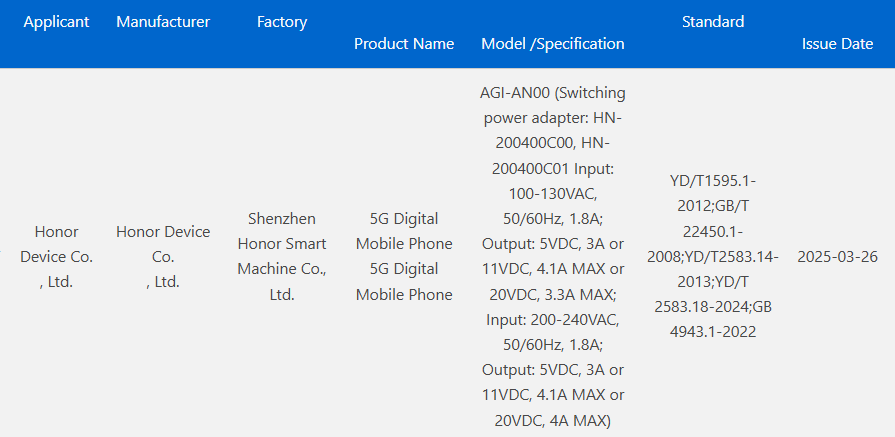
Honor is gearing up for the launch of a new smartphone, as a device with model number AGI-AN00 has recently appeared on China’s 3C certification platform. While the listing does not reveal the phone’s name, it is speculated to be the Honor GT Pro, an enhanced version of the Honor GT, which debuted in December 2024 with the Snapdragon 8 Gen 3 chipset. Here is a look at the details that have emerged.
Alleged Honor GT Pro 3C certified
Honor AGI-AN00 3C certified
The Honor AGI-AN00 smartphone has been certified by China’s 3C regulatory body, confirming its support for 80W fast charging. Although the certification does not disclose further details, reports suggest that this device could be the Honor GT Pro, which is expected to offer notable upgrades in performance, display, and battery life compared to the standard GT model.
Honor GT Pro specifications, launch timeframe (rumored)
According to reports, the Honor GT Pro is rumored to feature the Snapdragon 8 Elite chipset, positioning it as a performance-centric device. It is expected to sport a 6.78-inch flat OLED 1.5K display with a high refresh rate, catering to users who prefer a flagship-level screen experience.
Battery life is another key upgrade, with reports indicating a capacity between 5,500mAh and 6,300mAh, ensuring prolonged usage. While the phone may support 80W wired fast charging, wireless charging may not be included.
For photography, the Honor GT Pro may feature a 50-megapixel primary camera. Like the GT model, the Pro edition may continue to feature a 12-megapixel ultra-wide snapper. For security, it will be equipped with an ultrasonic in-screen fingerprint sensor.
To recall, the Honor GT was priced between 2,199 Yuan (~$290) and 3,299 Yuan (~$440) at launch. Therefore, the Pro model equipped with the Snapdragon 8 Elite could be priced at 3,200 Yuan (~$425). If Honor follows its usual launch cycle, the GT Pro could be announced in April 2025, making it one of the brand’s most exciting releases of the year.
For more daily updates, please visit our News Section.
Apple is reportedly preparing to enter the foldable smartphone market with a groundbreaking hinge design. According to renowned analyst Ming-Chi Kuo, Apple will utilize liquid metal technology for its foldable iPhone’s hinge mechanism.
Advantages of using liquid metal in the hinge
The liquid metal hinge, sourced from Chinese manufacturer Dongguan EonTec for $9 to $14 per unit, promises two key benefits over conventional designs:
Enhanced durability for a longer product lifespan
Improved screen flatness to minimize the visible crease
In fact, the crease is one of the biggest problems of foldable display devices to date, which not only affects the lifespan of the expensive foldable display panel but also diminishes the visual appeal.
The foldable iPhone, expected to launch in 2026, will directly compete with Samsung’s Galaxy Z Fold 8. Industry sources suggest Apple’s version could carry at least a 20% price premium over Samsung’s flagship foldables. The liquid metal hinge could become a key differentiator in this high-end competition.
Although, this won’t be Apple’s first experience with liquid metal. The company has previously used the material for small iPhone components like SIM ejector tools. However, this would represent its most substantial application to date.
While Apple’s entry validates the foldable market, it may face significant hurdles. Apple will need to establish the reliability of its first-generation foldable iPhone, which will likely be compared to the 8th generation Galaxy Fold in terms of software features catered to multitasking and the slick foldables from China in terms of crease and overall hinge mechanism. But it won’t likely have to justify the already expected premium price tag.
That said, this move could initiate an industry-wide shift toward liquid metal components for the hinge, potentially forcing Android OEMs to follow suit. Almost all the Android foldable smartphone makers have already addressed the durability concerns. But they are yet to solve the crease problem, It will be interesting to see how much success Apple achieves with the new hinge.
Meizu is gearing up for its next smartphone launch, and recent developments suggest that the brand is preparing to introduce two new devices in the coming months. While Meizu has opened early reservations for its upcoming Note 16 series in China, its flagship Meizu 22 series is set to debut later this summer. Here’s a closer look at what to expect.
Meizu Note 16 series launch event set for next month
Meizu Note 16 series launch dateMeizu Note 16 series is launching in April in China
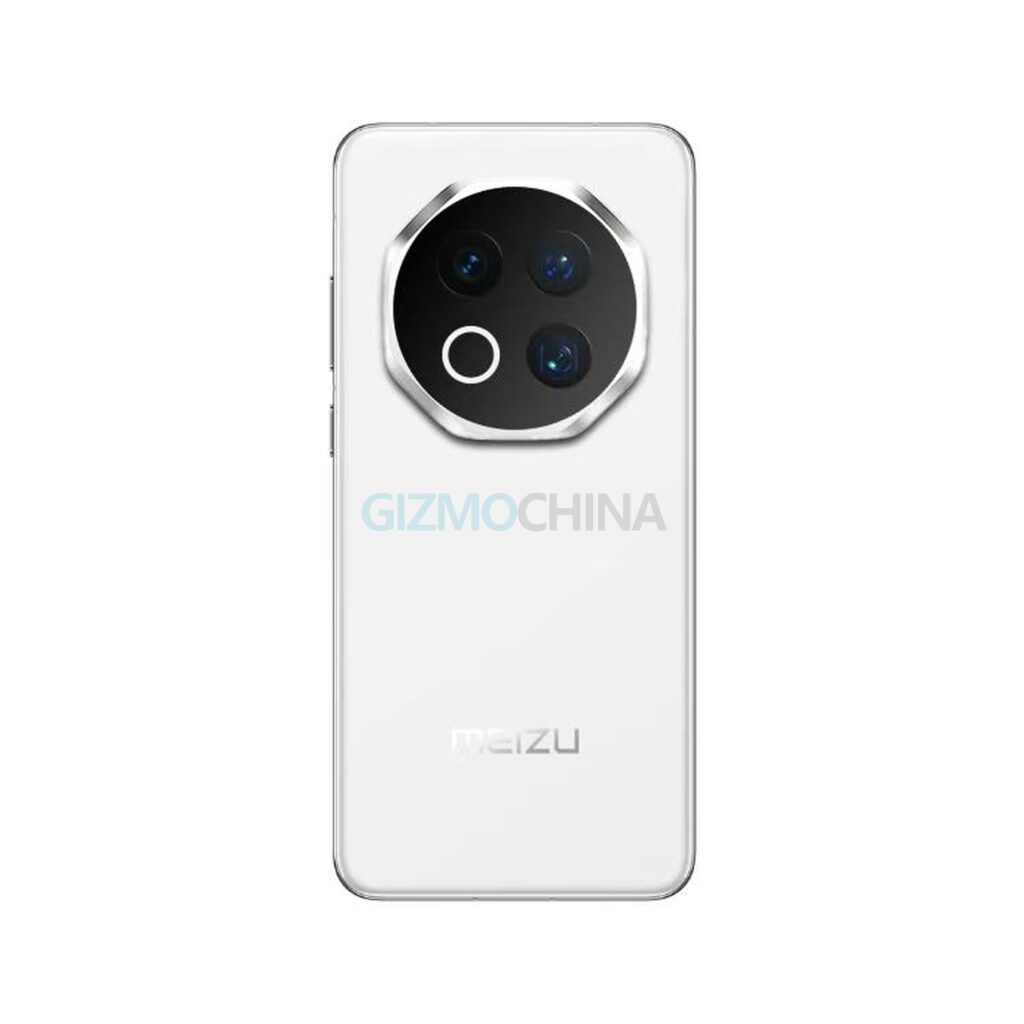
The Meizu Note 16 series is expected to be the company’s next midrange offering, with early reservations now live via Meizu’s official online store and select retail partners. The promotional material for the device highlights a distinctive octagonal camera module, a flat-frame design, and a dedicated AI button. The launch event is scheduled for next month in China, though Meizu has yet to reveal a specific date.
The Note 16 series marks Meizu’s continued efforts to strengthen its presence in the smartphone market following its global return at MWC Barcelona. While key specifications remain under wraps, the design elements suggest a modern aesthetic, possibly with AI-driven features aimed at enhancing user experience.
Meizu 22 series to arrive this summer
Meizu 22 render
In addition to the Note 16 series, Meizu has confirmed plans to launch its flagship Meizu 22 series later this summer. The company had previously showcased the Meizu 22 at MWC Barcelona, where reports suggested an April release. However, the flagship lineup is now expected to arrive a few months later, with a strong emphasis on AI-driven capabilities.
The Meizu 22 series is rumored to feature the Snapdragon 8 Elite chipset, advanced camera systems, and a suite of AI-powered functionalities designed to compete with other premium offerings. More details on both the Note 16 and Meizu 22 series are likely to emerge as the launch dates approach.
For more daily updates, please visit our News Section.
OpenAI’s GPT-4o, launched about a year ago, just got a major upgrade: image generation with stunningly accurate text rendering. This latest feature lets users create detailed, high-quality images from language prompts and tweak them conversationally until they match the vision in their head—no more gibberish signs or squiggly non-letters that plagued older AI models.
Best of ~8
The text in the images shared by OpenAI is perfectly legible
Unlike traditional image generation, where you refine a single prompt, GPT-4o takes a dynamic approach. You start with a basic request—say, a cat—then chat with it to match your vision: a detective hat, a monocle, or whatever you want.
Best of 1Best of 1Best of 8
Examples from OpenAI show this in action: users build and modify scenes step-by-step, like stacking elements from multiple images into one cohesive result. The model shines at rendering legible text on signs or objects, a leap from the garbled output of previous AI image generation models.
Notably, OpenAI also admits some cherry-picking—many images are “best of 2” or “best of 8”—but the results still impress, especially with a dead-simple interface. GPT-4o can even start with your photo and layer on changes, handling 10-20 objects in a scene where rivals falter at 5-8. Last week, I was trying to breathe life into the end scene from the novel The Count of Monte Cristo, and it was fairly difficult to get it right. Now, with GPT-4o image generation, not only will the generated images have readable text, but it will also be much easier to bring your imagination to reality.
It’s not flawless, though. OpenAI notes quirks like bottom cropping, lingering hallucinations, struggles with non-Latin text, and hiccups beyond 20 objects. But the ability to craft complex, text-rich images through plain English sets GPT-4o apart. If you’re designing a poster, this tool delivers precision and flexibility that older models could only dream of.
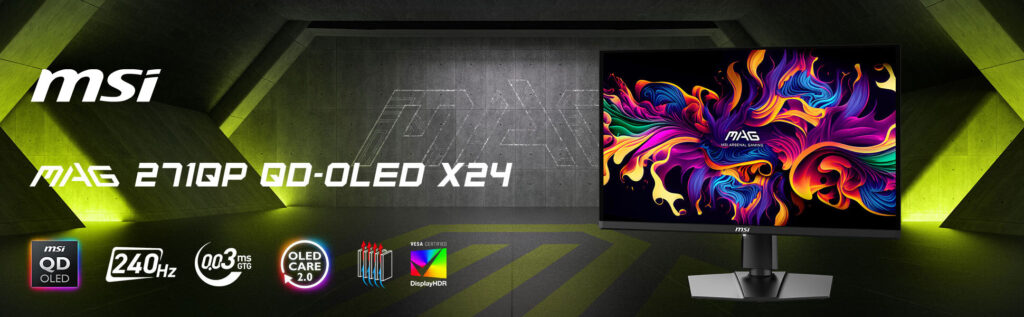
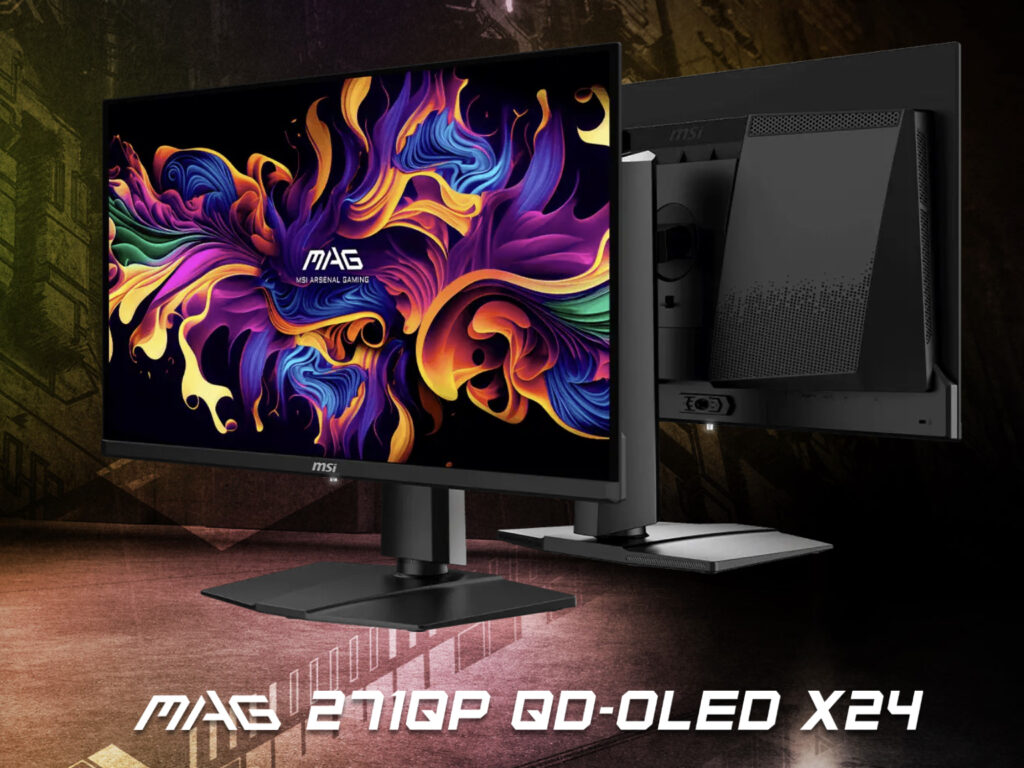
MSI has introduced the MAG 271QPX X24, a 26.5-inch QD-OLED gaming monitor, now available on Newegg for $679.99. The flat-panel display targets competitive gamers with high refresh rates and OLED-level contrast.
The monitor features a 2560×1440 (WQHD) resolution QD-OLED panel that delivers 98% Adobe RGB and 99% DCI-P3 color coverage. It offers a 240Hz refresh rate and a 0.03ms gray-to-gray response time, designed to reduce motion blur during high-speed gameplay. The 1,500,000:1 contrast ratio and VESA DisplayHDR True Black 400 certification enable deep blacks and peak brightness up to 1,000 nits (3% APL).
To address OLED longevity, MSI includes OLED Care 2.0, a passive cooling system using a graphene film, and a custom heatsink. This eliminates fan noise while preserving panel health.
Connectivity includes two HDMI 2.1 ports and one DisplayPort 1.4a, all supporting 240Hz refresh rates. The monitor lacks USB ports but includes a 3.5mm audio jack and a Kensington lock slot.
The stand offers full ergonomic adjustments: tilt (-5° to 20°), swivel (-30° to 30°), pivot (-90° to 90°), and height (up to 110mm). A 100x100mm VESA mount is also included. With the stand, the monitor measures 609 x 242 x 416mm. Features like 10-bit color depth, anti-glare coating, and Adaptive-Sync support round out the package.
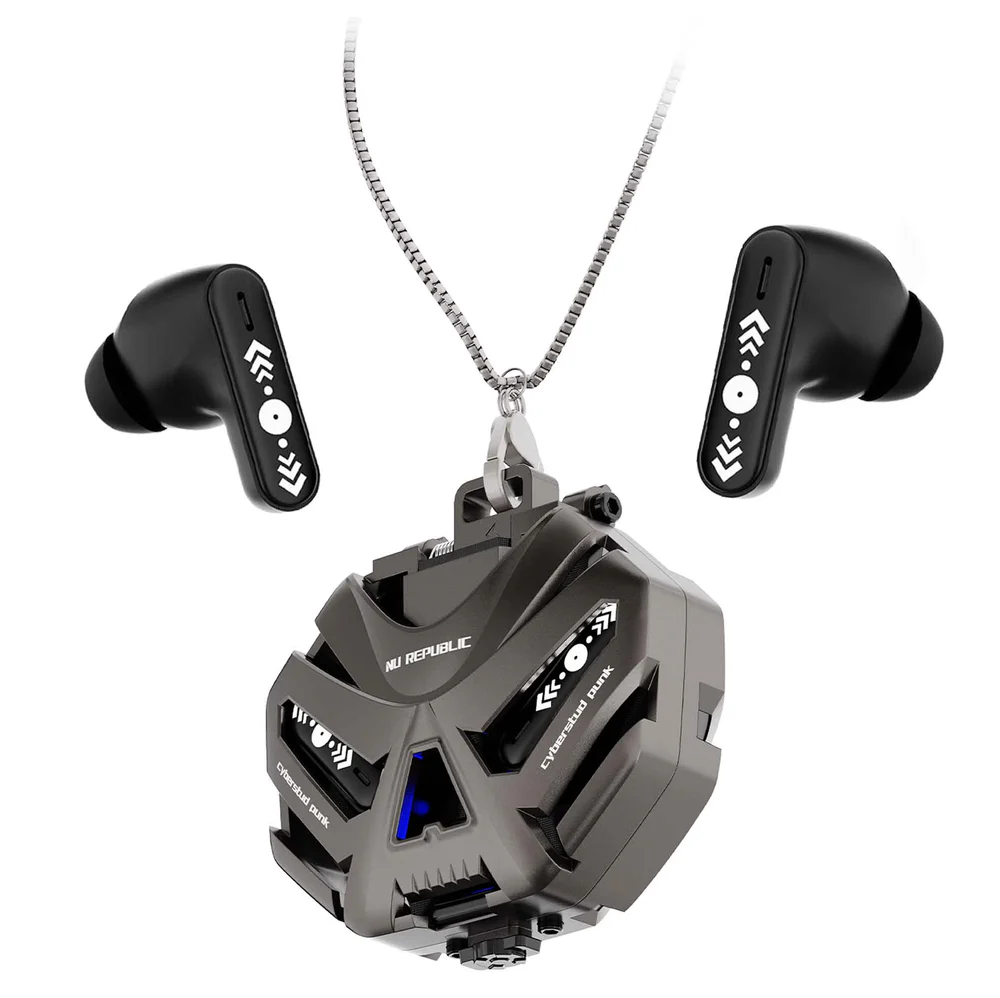
Nu Republic has unveiled the Cyberstud Punk True Wireless Earbuds, combining a bold punk look with practical audio performance. The earbuds feature a detachable metal chain design, an industrial-inspired matte-black finish, and a one-handed flip-case mechanism for quick access. Splash and sweat resistance add durability to active lifestyles.
Audio is driven by 13mm dynamic drivers with Xbass technology, emphasizing deep bass and balanced mids. Users get up to 70 hours of total playtime (8 hours per charge, extended via the case) and USB-C fast charging, which delivers 200 minutes of playback from a 10-minute charge.
Gaming mode reduces latency to 40ms for synchronized audio, while Bluetooth 5.3 ensures stable connectivity up to 10 meters. Dual-mic Environmental Noise Cancellation (ENC) enhances call clarity by filtering background noise. Touch controls manage playback, calls, and voice assistants (Siri/Google), with auto-pairing simplifying setup.
Pricing & availability
The Cyberstud Punk True Wireless Earbuds have a price tag of INR 1,599 and are backed by a 6-month warranty. They are available to buy through Nu Republic’s official website.
If you are looking for a pair of gaming headphones then the brand has also recently launched the Nu Republic Starboy 6 wireless headphones, featuring gamer inspired aesthetics like LED lighting. The headphones have 40mm neodymium drivers, 42ms latency in game mode, and Environmental Noise Cancellation for crisp and clear calls. You can also check out our review of the Nu Republic Starboy 6 headphones.
For more daily updates, please visit our News Section.
We use cookies on our website to give you the most relevant experience by remembering your preferences and repeat visits. By clicking “Accept”, you consent to the use of ALL the cookies.
This website uses cookies to improve your experience while you navigate through the website. Out of these, the cookies that are categorized as necessary are stored on your browser as they are essential for the working of basic functionalities of the website. We also use third-party cookies that help us analyze and understand how you use this website. These cookies will be stored in your browser only with your consent. You also have the option to opt-out of these cookies. But opting out of some of these cookies may affect your browsing experience.
Necessary cookies are absolutely essential for the website to function properly. This category only includes cookies that ensures basic functionalities and security features of the website. These cookies do not store any personal information.
Any cookies that may not be particularly necessary for the website to function and is used specifically to collect user personal data via analytics, ads, other embedded contents are termed as non-necessary cookies. It is mandatory to procure user consent prior to running these cookies on your website.