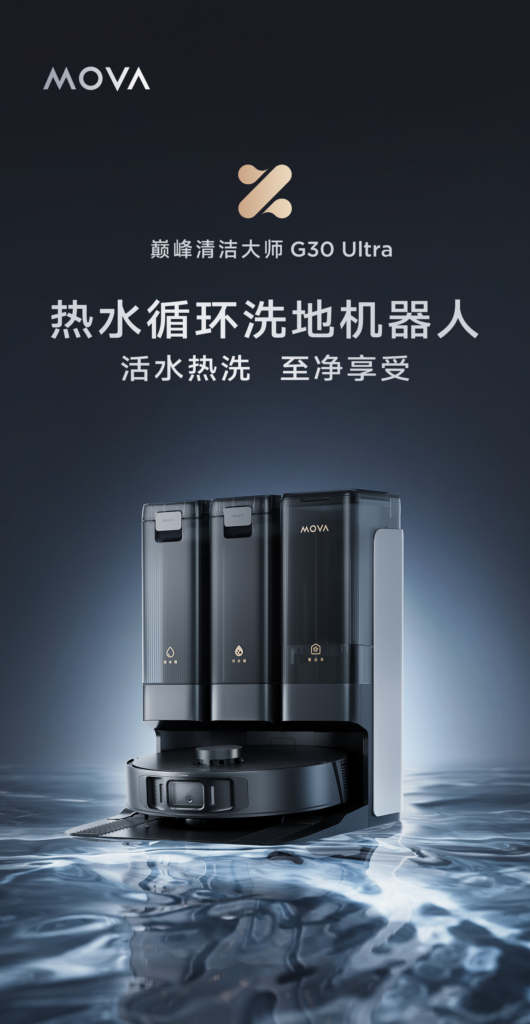
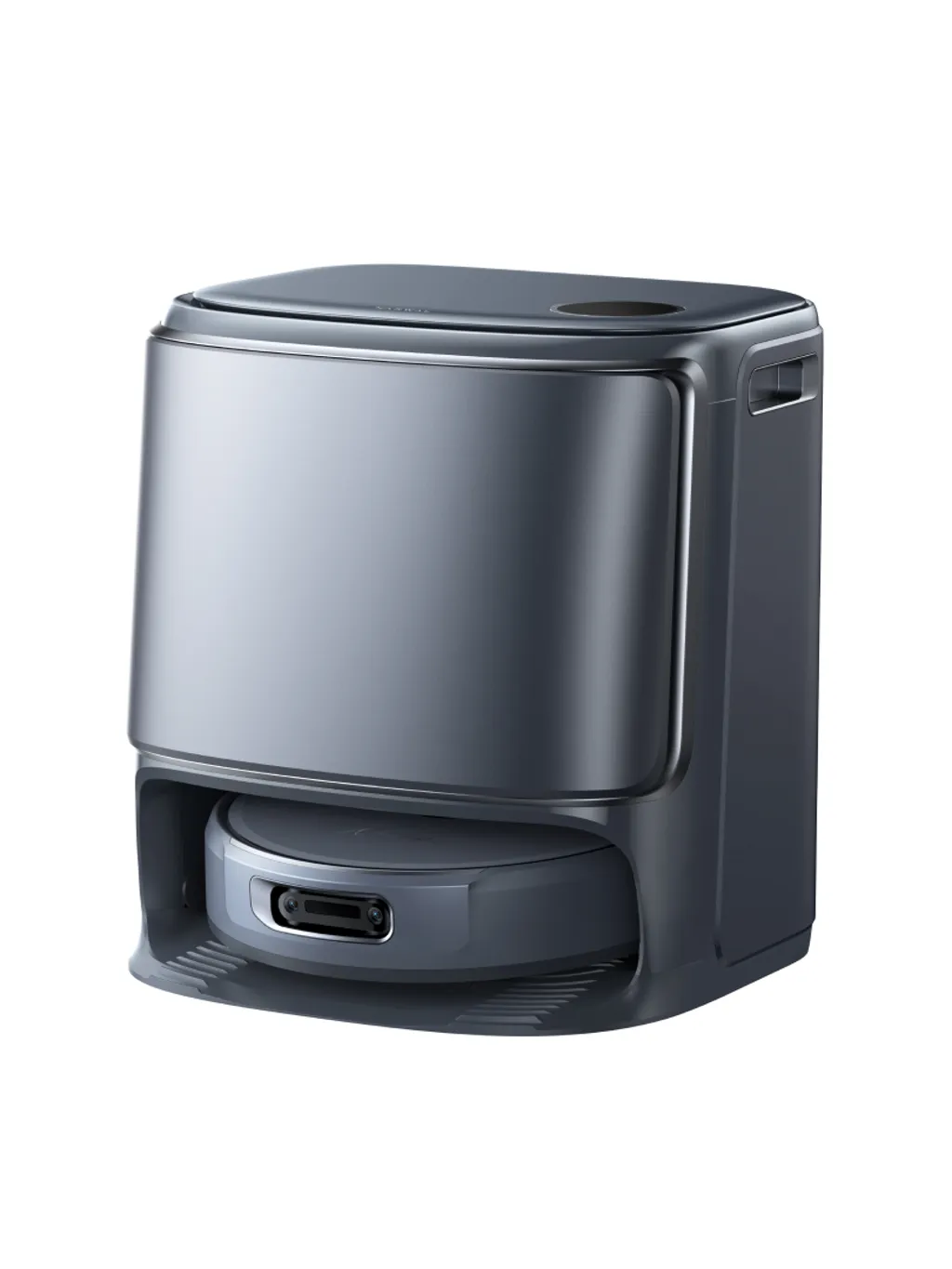
Dreame has launched its latest all-in-one robot vacuum mop called Mova G30 Ultra in the Chinese market. The product is priced at 5,599 yuan ($764) and is now available on JD.com. Let’s check out its key specs.
Dreame Mova G30 Ultra Specifications
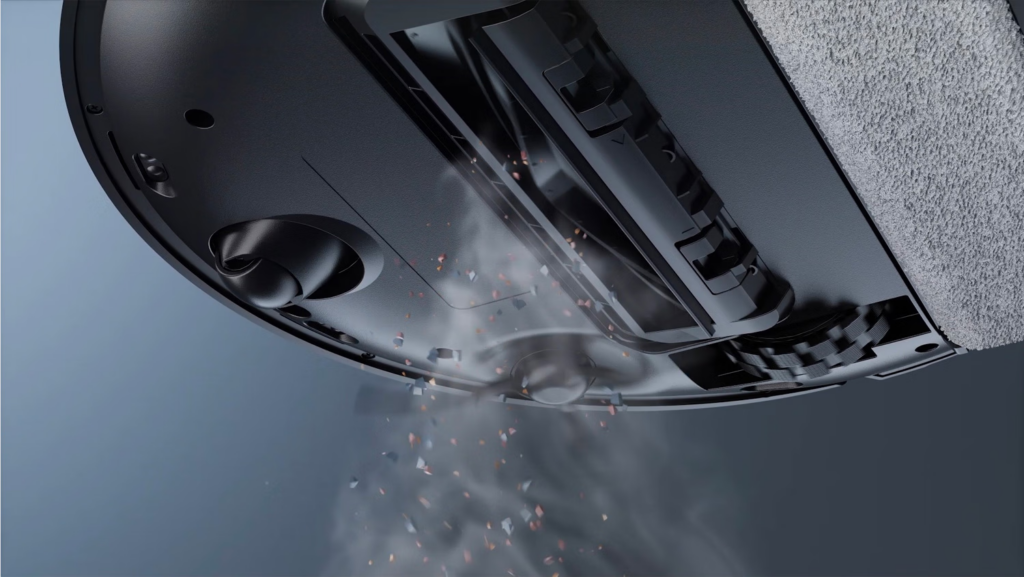
The Mova G30 Ultra equips a 13000Pa ultra-powerful suction capability, which can easily handle dust, debris, pet hair, and even deep-seated dirt in carpets. Its V-shaped soft rubber roller brush is specially designed to prevent hair tangles, with an active hair-cutting mechanism that tackles pet or long hair effortlessly.
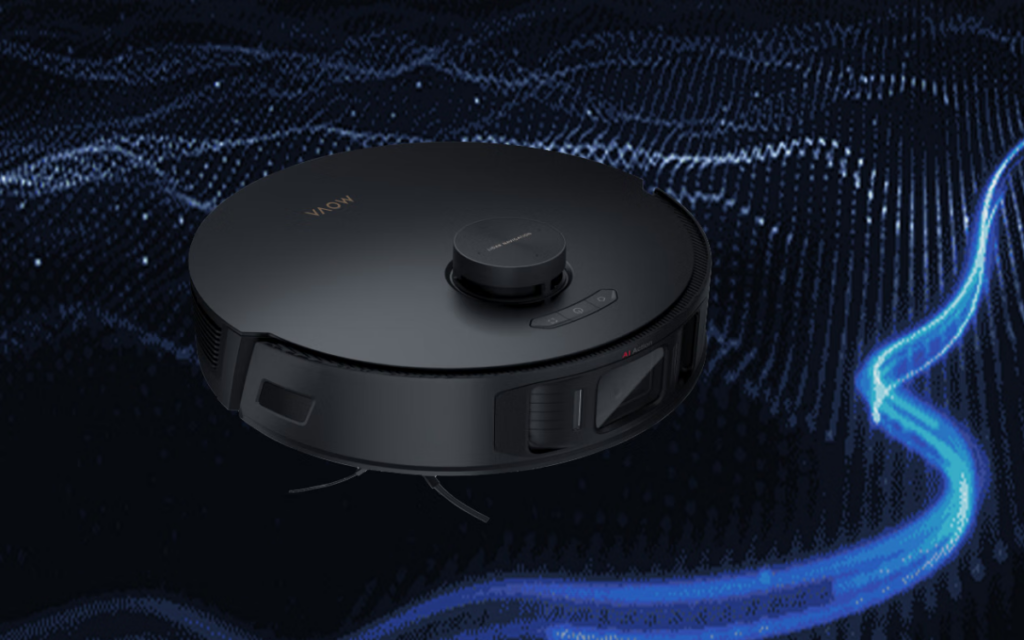
It sports an AI-driven millimeter-level obstacle avoidance cleaning strategy, utilizing advanced Al Sage algorithms and 360° laser navigation. These allow it to recognize room types, furniture, and flooring materials while dynamically adjusting its cleaning mode for optimal results. It also includes a pet-friendly mode that ensures messes like spilled food or cat litter are thoroughly cleaned without disturbing pets.
The G30 Ultra features a hot water circulation system that utilizes 36°C warm water spray and 60°C hot water cleaning to tackle tough stains like oil and coffee effectively. Its all-in-one cleaning station supports multiple functions, including 60°C hot water mop washing, self-drying, automatic water refilling, waste water discharge, and dust collection with a 4L antibacterial dust bag.
It boasts a 99.99% antibacterial air path and comes standard with a 99% silver ion sterilization module and cleaning solution. This advanced system minimizes maintenance and enables a hands-free cleaning experience for up to 120 days.
Designed for versatility, it supports multiple cleaning modes such as pure sweeping, pure mopping, or simultaneous sweep-and-mop operations. With its smart carpet detection, it can lift the mop to avoid wetting carpets and adjust suction strength based on the type of surface.
The G30 Ultra also features DreameGPT technology, an AI-powered assistant that offers personalized cleaning recommendations, voice-command functionality, and even remote video monitoring.
You must also check out the top 10 coolest tech announcements from CES 2025 in our Best of CES roundup.
Huawei’s MatePad Pro 13.2, unveiled in China in November 2025, is now set to make its global debut. The global variant of the tablet has been spotted on Indonesia’s SDPPI certification website, listed under model number WEB-W09 and certificate number 106940/SDPPI/2025. While the database does not reveal new details, it indicates that the international launch is imminent.
Huawei MatePad Pro 13.2 2025 SDPPI certification
Key Specifications of the MatePad Pro 13.2 (Chinese Variant)
The MatePad Pro 13.2 2025 model features a 13.2-inch OLED display with a 2880×1920 resolution, 144Hz refresh rate, and P3 wide color gamut. It boasts a peak brightness of 1000 nits and includes anti-reflection and anti-large-screen technologies, enhancing visual performance.
The tablet is equipped with a dual-camera setup on the rear, featuring a 50MP main sensor and an 8MP ultra-wide lens. The front-facing 16MP camera supports high-quality selfies and video calls. It also includes a fingerprint scanner for secure unlocking.
Weighing 580g and measuring 5.5mm in thickness, the MatePad Pro 13.2 is lightweight and ultra-slim. It supports multi-window functionality, allowing users to multitask efficiently. It offers up to 16GB of RAM and 1TB of internal storage, catering to heavy users. The device is powered by a dual-cell 5050mAh battery and runs on HarmonyOS 4.3.
Connectivity options include Bluetooth 5.2, dual-band WiFi, and a USB Type-C port. The tablet also features stereo speakers with Huawei Sound technology for an enhanced audio experience.
Color Options and Availability
The MatePad Pro 13.2 is available in Black, White, and Gold. While no official date has been announced for its global launch, the SDPPI certification suggests it will be soon.
In a significant development that marks the end of an iconic chapter in mobile history, HMD Global has officially discontinued all Nokia-branded smartphones. The once-revered brand, synonymous with durability and innovation, has now exited the smartphone space entirely under HMD’s stewardship. Even the Nokia XR21, lauded for its rugged build and reliability, has been quietly retired. The Nokia smartphones have been moved to a separate category on HMD’s website, symbolizing their formal departure from HMD’s active product portfolio.
HMD Bids Farewell to Nokia Smartphones
Nokia was once a titan in the mobile phone industry, dominating the market with its feature phones and innovative devices. However, the rise of iOS and Android smartphones in the late 2000s saw Nokia’s fortunes decline. In 2017, HMD Global acquired the rights to manufacture and market Nokia-branded phones, fueling hopes of a resurgence. The company launched devices like the Nokia 6, which garnered attention for its build quality and stock Android experience.
Over the years, despite valiant efforts to compete with industry giants like Apple, Samsung, and Google, Nokia-branded smartphones struggled to regain their former glory. While the devices offered unique features, like the infamous nine-camera Nokia 9 PureView, the brand failed to keep pace with rapidly evolving consumer expectations and aggressive competition.
The writing was on the wall when HMD announced its multi-brand strategy in 2024, focusing on developing its own line of devices. The slow phase-out of Nokia smartphones was inevitable, with their absence from major announcements and dwindling presence on HMD’s global website. Now, the discontinuation of all Nokia-branded smartphones signals HMD’s complete pivot to its in-house brand.
While Nokia-branded smartphones are now a thing of the past, the Nokia name endures in the feature phone segment. HMD continues to sell Nokia-branded dumb phones, which are still popular in certain markets. Moreover, Nokia, as a company, has successfully transitioned into the network infrastructure and telecommunications space. Today, it is a leader in 5G technology, cloud computing, and the Internet of Things, proving its resilience and ability to adapt.
Nokia’s departure from the smartphone market is a bittersweet moment. While it may no longer grace our hands as a smartphone, its legacy as a pioneer in the mobile industry remains etched in history. The Nokia brand, synonymous with reliability and innovation, will forever hold a special place in the hearts of tech enthusiasts worldwide.
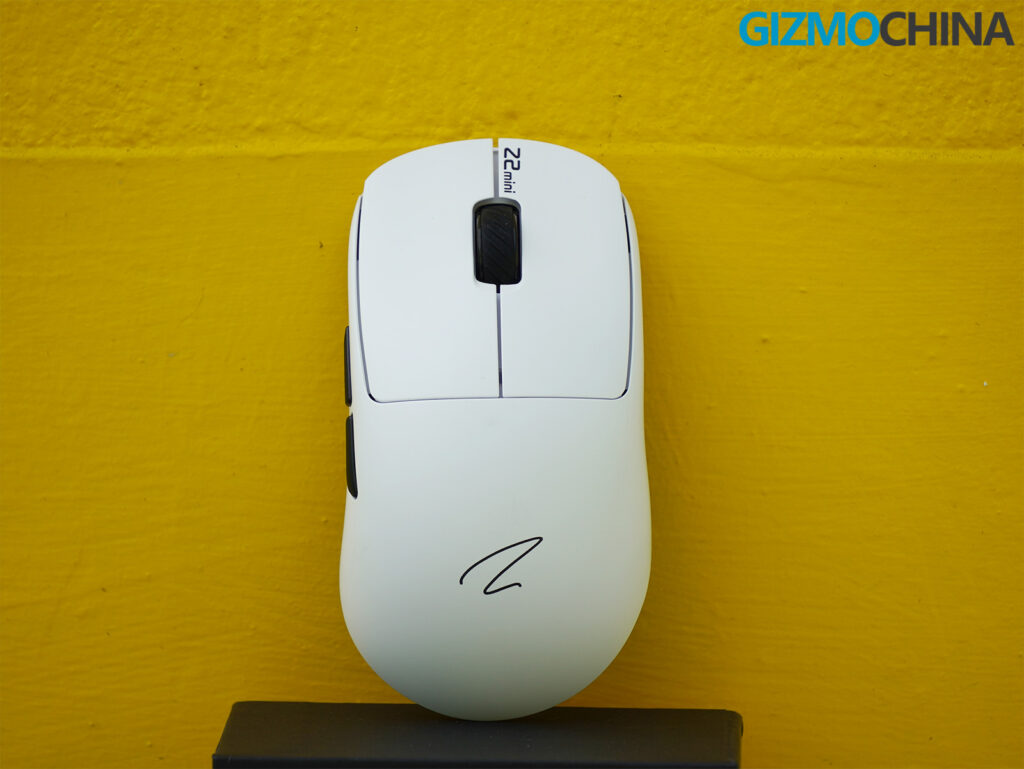
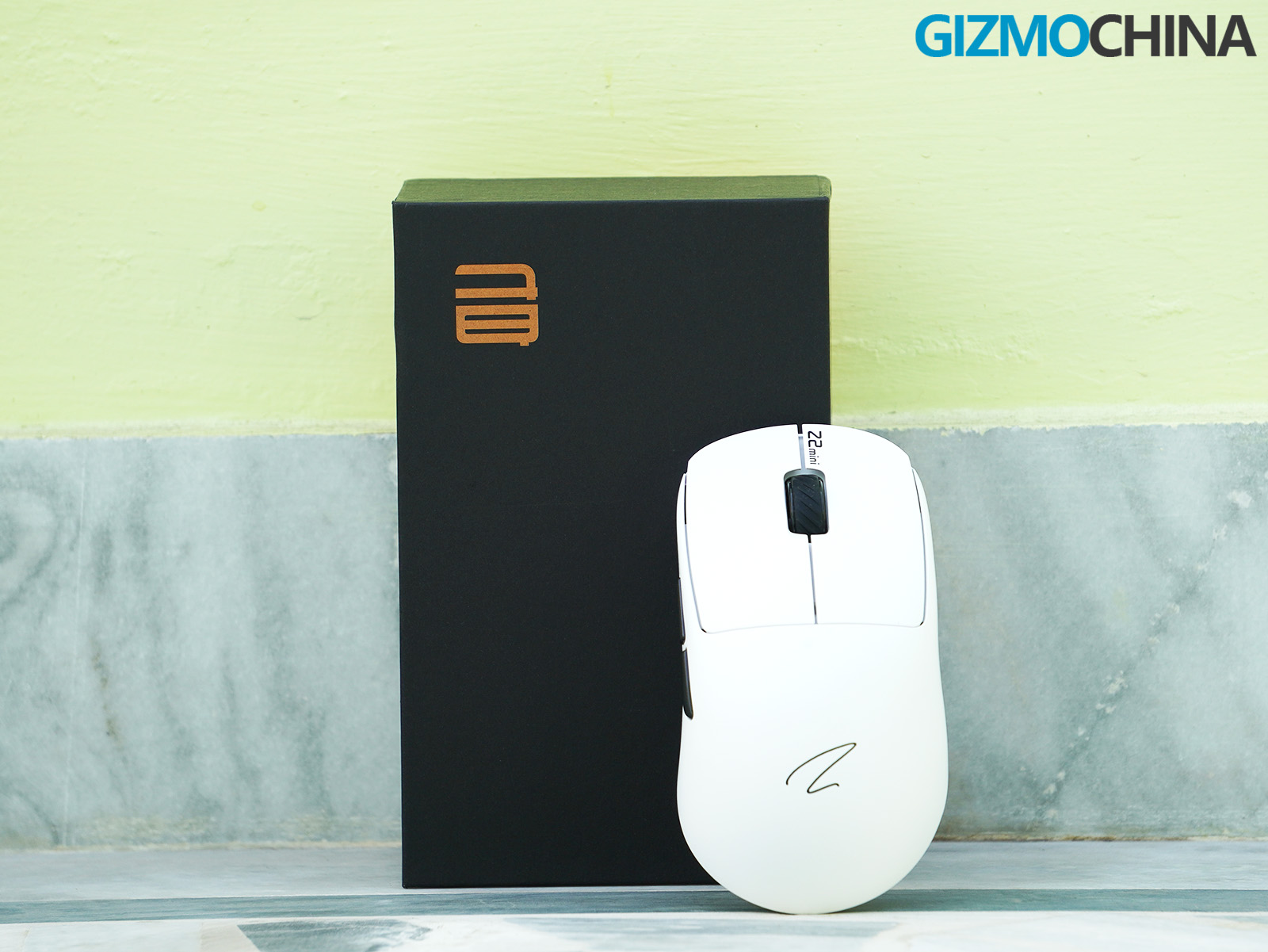
When it comes to finding the right gaming mouse, size, performance, and comfort are key factors. After testing a variety of options last year, I finally landed on the Zaopin Z2 Mini.
This compact gaming mouse is tailored for small to medium hands and offers a range of features designed to enhance gaming performance without breaking the bank. Here’s my detailed take on the Zaopin Z2 Mini, covering everything from unboxing to overall experience.
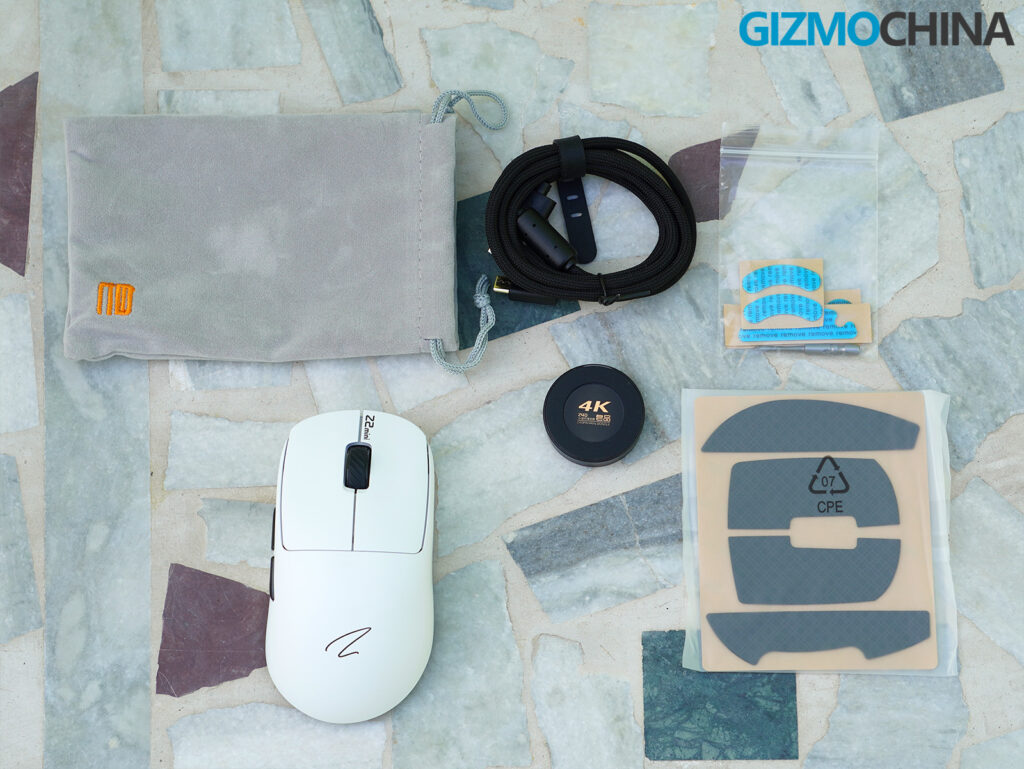
Well, before diving into the actual review let’s check out what we will get inside the box.
Zaopin Z2 Mini 4K Gaming Mouse
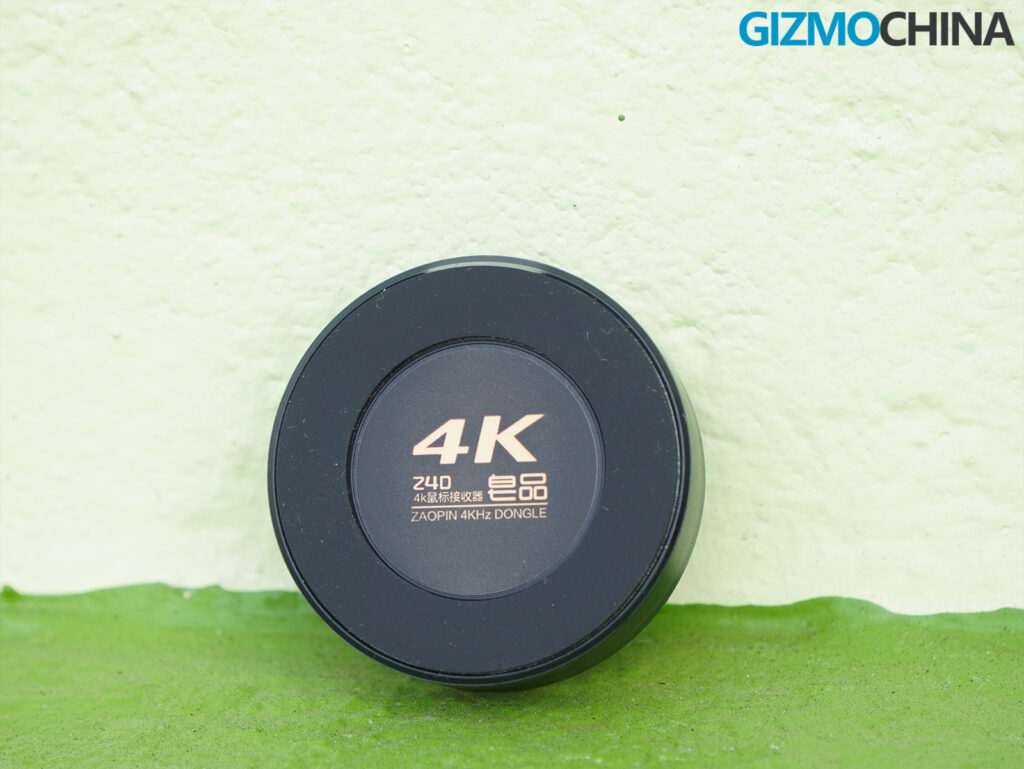
4K Dongle
USB Type-C Cable
Replacement Skates and Grip Tapes
A Pouch for Carrying the Mouse
Quick-Start Guide
2. Design and Build Quality
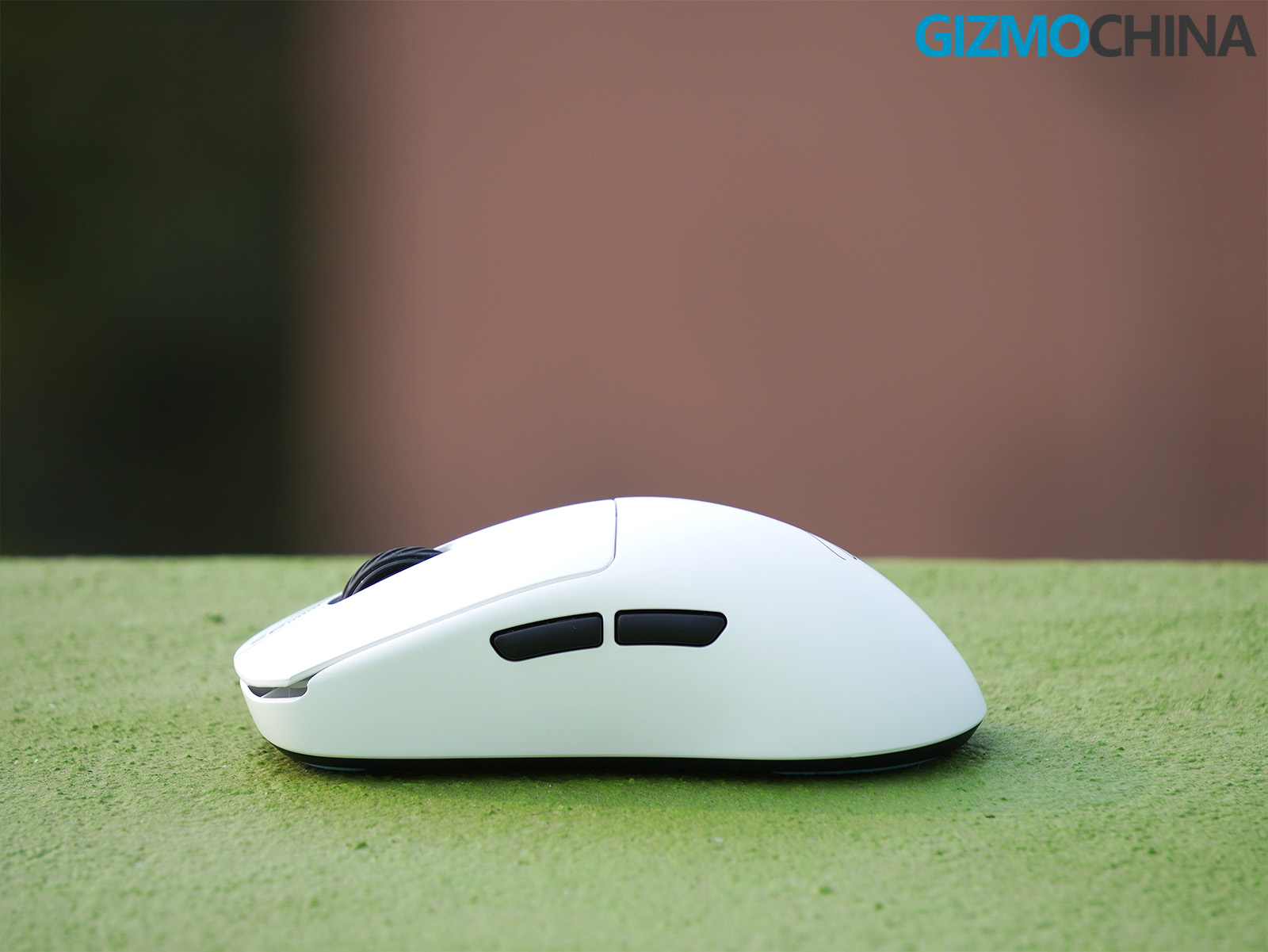
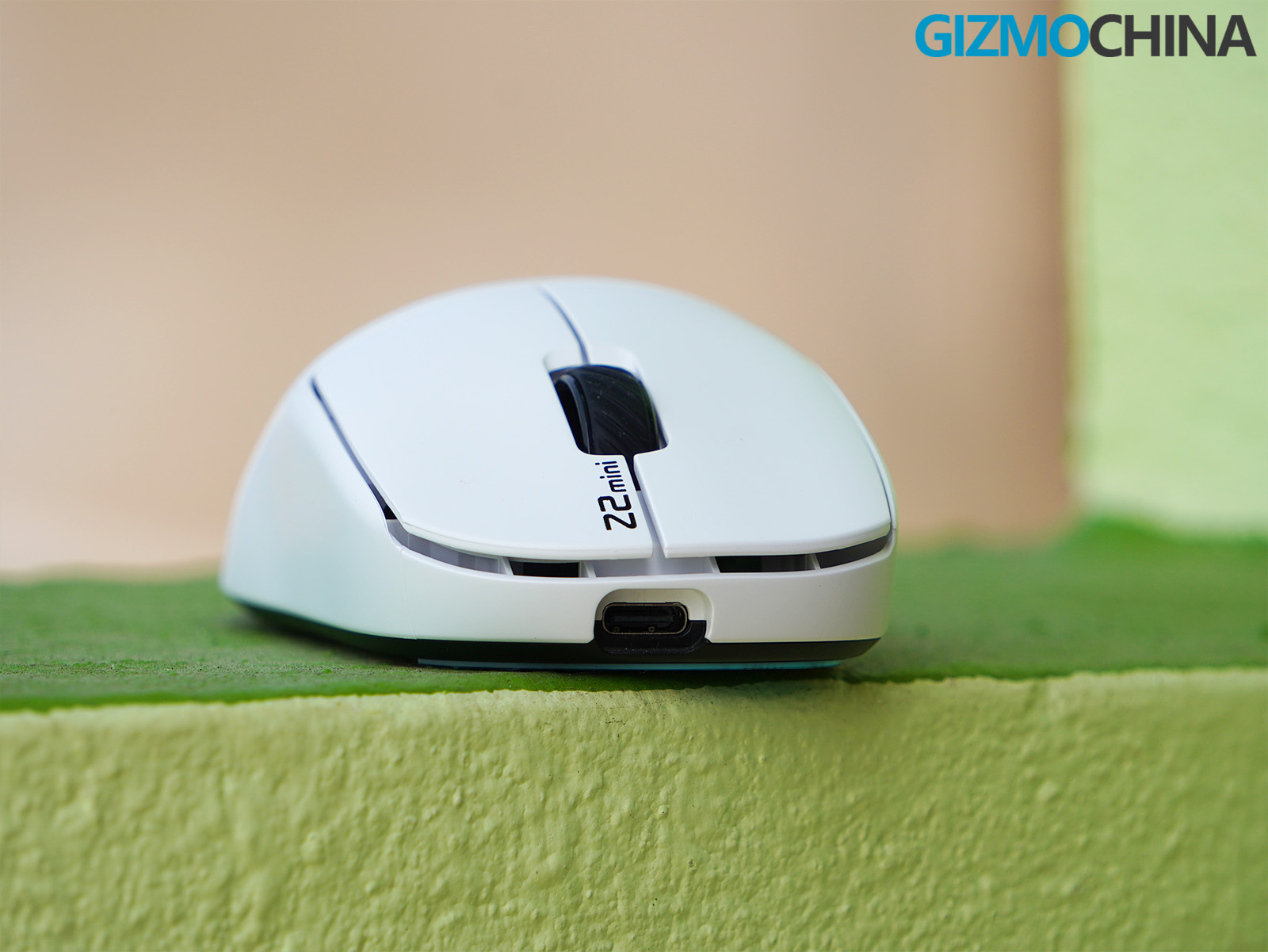
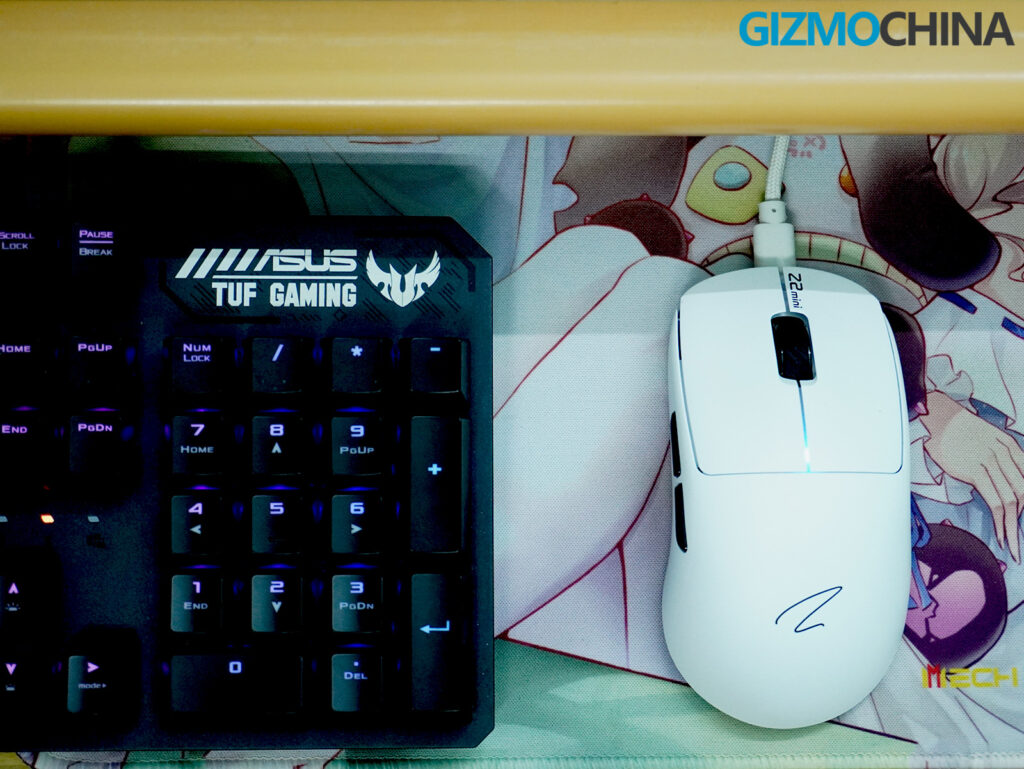
The Zaopin Z2 Mini stands out with its compact dimensions of 116.5x62x37.8mm and lightweight design, weighing just about 56 grams. The mouse feels sturdy and well-built, with no loose parts or creaky joints. Its shape caters specifically to small to medium hands, making it comfortable to use for extended gaming sessions.
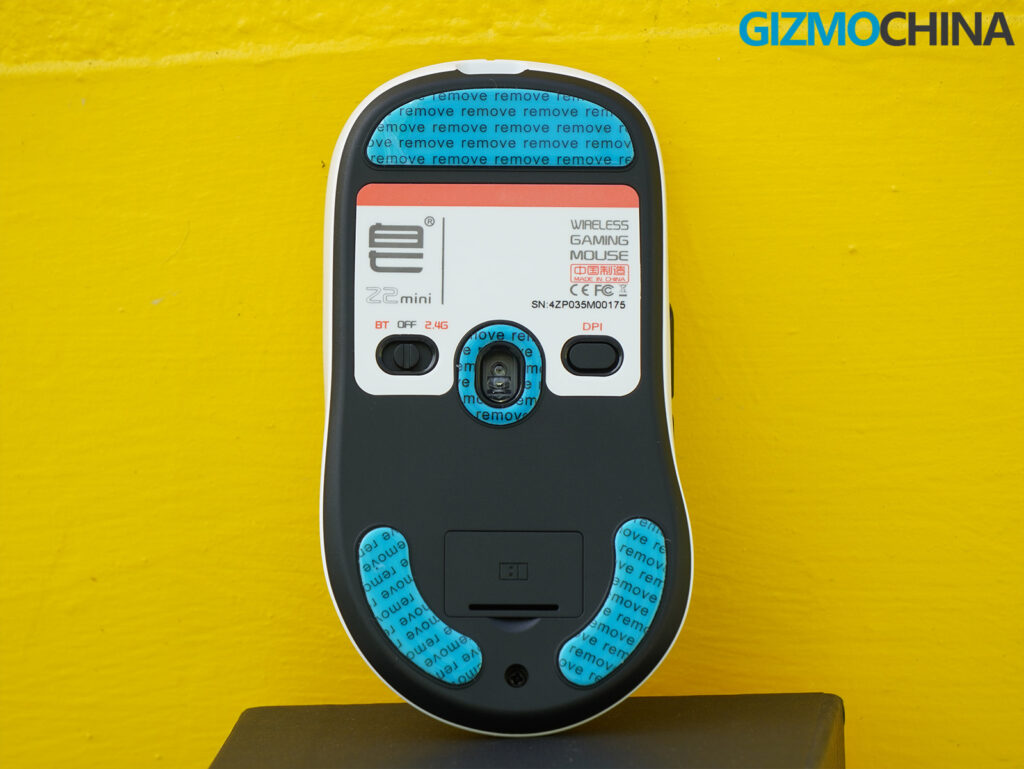
The surface is coated with BZ Protein Membrane Coating, which feels smooth to the touch and does an excellent job of resisting dust and oil stains. This coating adds a premium touch and reduces the need for constant cleaning. The mouse features two side buttons on the left, the standard left and right-click buttons, a scroll wheel, and a DPI button at the back. There’s also a Bluetooth/2.4GHz mode switch and a compartment to store the dongle.
The design leans on simplicity rather than over-the-top aesthetics. It’s not overly flashy but still has a modern look that fits well on any gaming desk.
3. Features and Performance
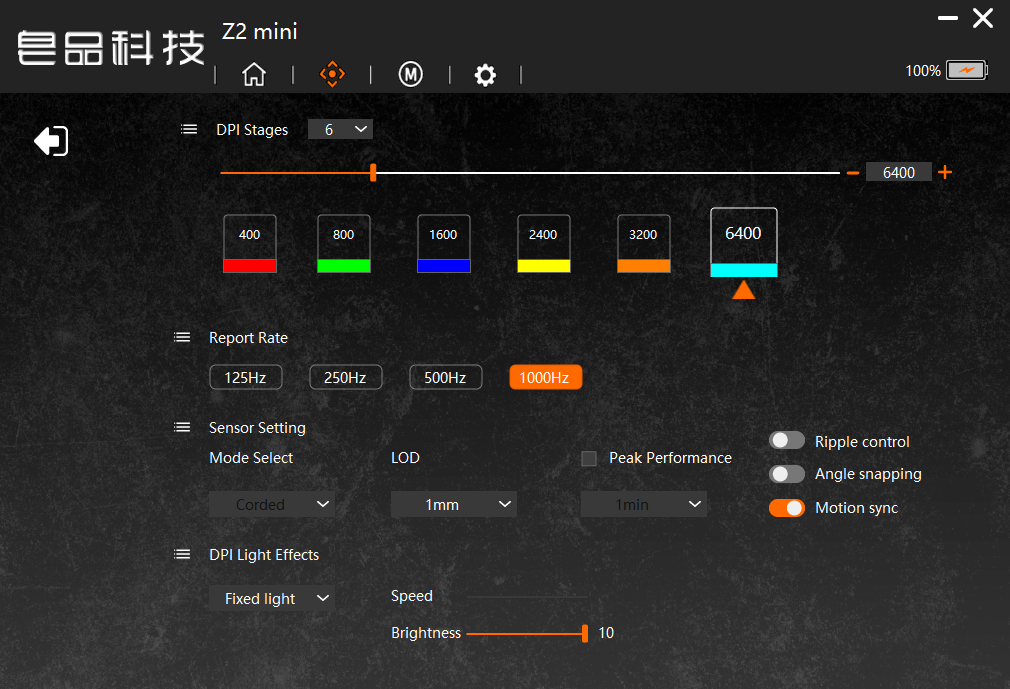
The Z2 Mini 4K comes equipped with the PAW3395 sensor, a high-end optical sensor designed for gaming enthusiasts. It features a maximum DPI of 26,000 with six preset DPI levels (400, 800, 1600, 2400, 3200, and 6400), more than sufficient for any gaming scenario. While I didn’t max out its DPI settings, I found the tracking to be highly accurate and consistent, especially during intense FPS sessions.
This mouse sports a 4K dongle, enabling a 4000Hz polling rate for ultra-responsive performance. Although it will not match the 8000Hz polling rate of the Z2 Mini Max, the snappiness and reliability during gameplay were impressive and felt lag-free.
The mouse also features hot-swappable switches. The default switches, Huano Green Transparent White Dot, offer a crisp click with a soft sound profile. They’re rated for 100 million clicks, which speaks to their durability. Although I haven’t swapped the switches yet, the design makes it straightforward with a bit of unscrewing. This level of customizability is rare in this price range.
The Z2 Mini 4K supports three connection modes: Bluetooth 5.1, 2.4GHz wireless, and wired via the included Type-C cable. Switching between these modes was seamless in my experience, and I didn’t encounter any lag or connection drops. The 2.4GHz wireless mode, paired with the dongle, delivers the most responsiveness, making it ideal for gaming, while Bluetooth is perfect for everyday use.
It features high-quality skates that ensure smooth and effortless gliding across surfaces. Plus, the inclusion of replacement skates guarantees long-term functionality. The grip tapes, another thoughtful addition, provide a more tactile feel for those who prefer extra grip during their gaming sessions.
4. Software and Battery Life
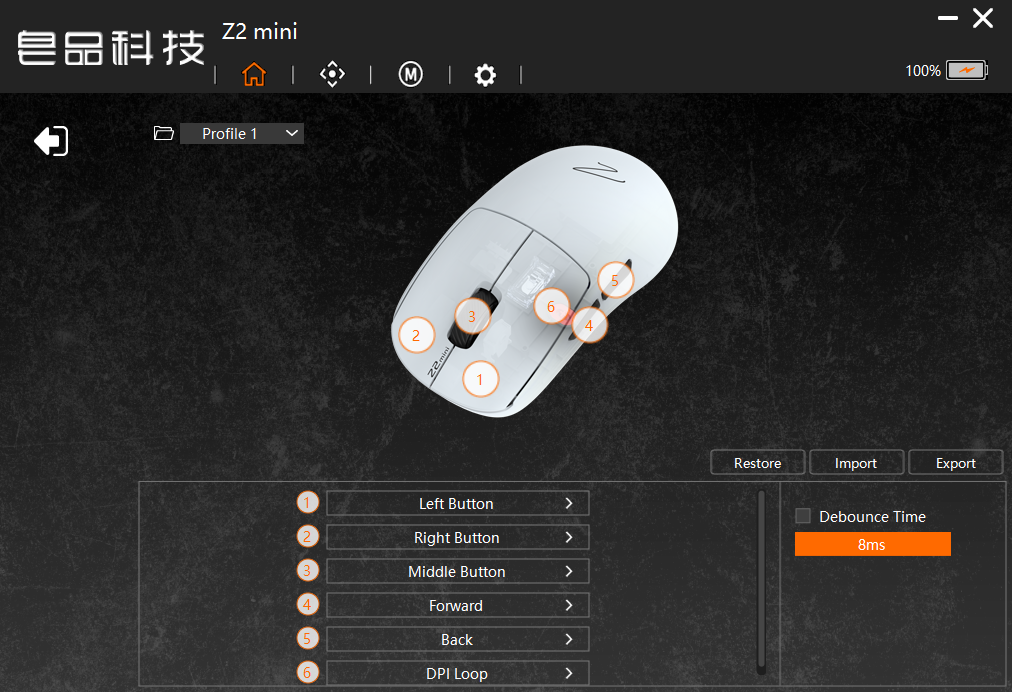
The Z2 Mini 4K comes with software support that allows for customization of DPI levels, polling rates, key mappings, macros, and lighting effects. While the software is functional and gets the job done, I couldn’t help but notice that the interface feels a bit outdated and could benefit from a modern redesign. That said, setting up custom profiles and tweaking the settings was straightforward, even if it lacked the polish I’ve seen in software from other major brands.
Battery life is impressive, thanks to the Nordic 52840 chipset, which is known for its low power consumption. With moderate use in 2.4GHz mode, I went several days without needing to charge the 500mAh battery. Wired mode is always an option if you run out of charge mid-session.
5. Verdict
After spending weeks with the Zaopin Z2 Mini, it has become my go-to gaming mouse. Its compact design and lightweight build make it ideal for users with small to medium hands, while the inclusion of high-performance features like the PAW3395 sensor and 4K polling rate ensures it doesn’t compromise on gaming performance. The addition of swappable switches, high-quality skates, and three connectivity options make it versatile and customizable.
The only real drawback is the software’s dated UI, which could use an upgrade to match the mouse’s overall quality. However, given its performance and affordability, the Zaopin Z2 Mini offers excellent value for money. It’s a solid choice for gamers looking for a compact, feature-packed mouse that delivers without unnecessary frills.
6. Pricing and Availability
The Zaopin Z2 Mini mouse is available in various colors, including White (Black Bottom), White (Grey Bottom), Black, Purple, Blue, Yellow, Red, Orange, and White (Orange Bottom). Priced at $59.99, it comes with a 4K dongle and is now available for pre-order on Mechkeys.com.
Apple‘s grip on the Chinese market, once a major growth engine for the iPhone giant, seems to be loosening. According to Ming-Chi Kuo, a prominent industry analyst, the iPhone has seen a significant decline in sales in the mainland, and Kuo’s insights suggest the trend might not reverse anytime soon.
Kuo’s report reveals that iPhone shipments in China fell by 10-12% year-over-year in December 2024, even as the overall smartphone market in the country remained stable.
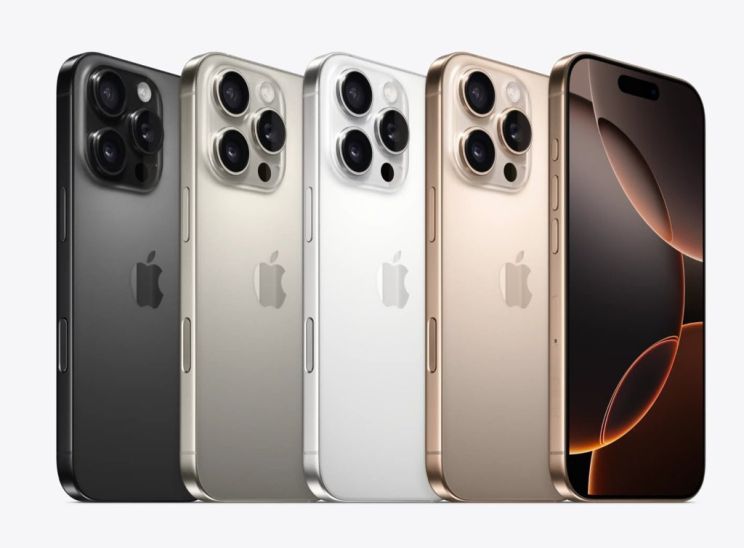
iPhone 16 Pro Max
The decline is likely due to the perceived lack of innovation in Apple’s latest models. The iPhone 16 series introduced only minor changes, such as a slightly modified camera lens bump that left consumers in China and beyond unimpressed.
“In December 2024, overall smartphone shipments in China were about flat, iPhone shipments dropped by about 10-12% YoY, reflecting a continued slide in Apple’s Chinese market share.” – says Ming-Chi Kuo.
Apple’s planning for 2025
As a result, Kuo says that Apple has taken a cautious approach toward 2025 production planning for iPhones. Projections for the first half of 2025 (1H25) indicate a year-on-year (YoY) shipment decline of about 6%.
This follows a relatively flat shipment performance in the first quarter of 2025 (1Q25), which Kuo attributes to preemptive stocking in January ahead of anticipated tariffs under the Trump administration. The second quarter (2Q25), however, is expected to see a noticeable dip.
Looking ahead, Apple’s rumored ultra-thin iPhone 17 and foldable iPhone models, slated for the second half of 2025, could face additional hurdles. Both devices are expected to feature eSIM-only designs, a challenge in China, where carrier support for eSIM remains limited. Kuo notes that unless Apple adjusts the designs to accommodate physical SIM cards, these models may struggle to gain traction.
Even the launch of the iPhone SE4 in mid-2025 might not turn the tide. Kuo suggests it’s unlikely to offset broader shipment declines due to its limited impact on the overall lineup.
For 2024, Kuo estimates iPhone shipments will total approximately 220 million units, with a slight increase to 220–225 million in 2025—both figures falling short of market expectations of over 240 million units annually.
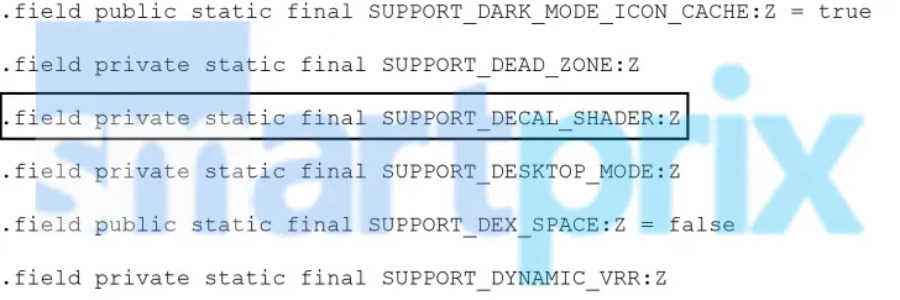
However, it seems that Samsung isn’t far behind in software development for One UI based on Android 16. SmartPrix has reportedly found references to One UI 8 (One_UI_8_0) based on Android 16 in various places in Samsung’s software ecosystem.
It’s actually typical for a smartphone manufacturer to start testing future updates early. And these references to One UI 8 means the software is right on track with the development of Android 16.
One UI 8 may come with Decal Shader
Interestingly, the report suggests Samsung could include a feature called “Decal Shader,” marking the return of elements reminiscent of Samsung’s TouchWiz era. Decal Shader, largely absent since the transition to One UI, is speculated to enhance visual transitions on the home screen compared to the current One UI 7.
The exact implementation of the feature, however, remains unclear. Well-known leaker Ice Universe suggests it might function as a new lock screen animation with a ripple effect, offering a modern twist on older design principles.
If true, the feature could introduce smoother and more visually engaging animations to Samsung’s interface, complementing its existing focus on customization and fluidity.
Despite these early leaks, One UI 8 is still far from release. Samsung is set to launch the Galaxy S25 series with One UI 7 on January 22, and the company may reserve the One UI 8 update for a mid-cycle software rollout, giving it ample time to refine the feature.
Oppo’s latest flagship lineup, the Find X8 series, has reportedly added an impressive new feature that’s sure to grab attention—“Powered Off Finding.” As the name suggests, this innovative functionality allows users to locate their phone even if it’s turned off.
Introduced with the Pixel 8 series by Google, this feature is now expanding to other flagships. Back in November last year, the feature was discovered in OnePlus’ Android 15-based OxygenOS 15 custom skin. Now it’s rolling out to Oppo’s Find X8 and Find X8 Pro. Here’s everything you need to know about it.
Oppo Find X8 Pro
The Oppo Find X8 and X8 Pro, which were launched in India last November featuring MediaTek’s Dimensity 9400 chipset, are reportedly the first Oppo phones to adopt Google’s new Find My Device Network feature.
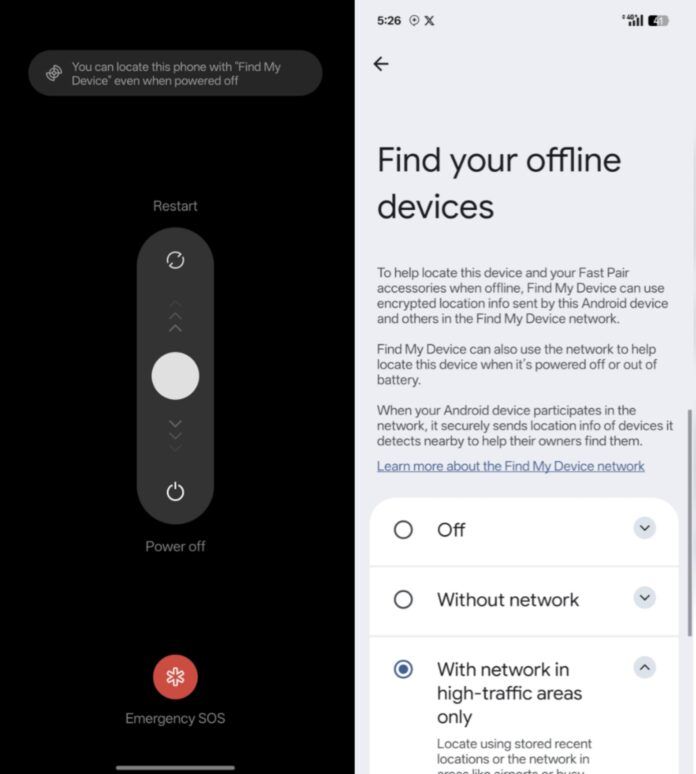
Credit: Smartprix
The Power Menu on the Find X8 series now displays a message stating, “You can locate this phone with ‘Find My Device’ even when powered off.” Similarly, the ‘Find My Device’ section in the settings adds, “Find My Device can also use the network to help locate this device when it’s powered off or out of battery.” This ensures that users have an extra layer of security to locate their lost or stolen phones, even under challenging circumstances.
How does the feature work?
Powered Off Finding feature tackles one of the biggest limitations in Android—a phone’s inability to broadcast its location when turned off or dead. Here’s how it works:
The feature lets the phone store pre-computed Bluetooth beacons. This is how the phone continues to transmit encrypted location data even when its turned off. The data is then processed via the Find My Device Network and relayed to the device’s owner.
For this to function, the phone reportedly relies on a reserve battery system that powers essential components like Bluetooth and ultra-wideband chips, even after the main battery is depleted.
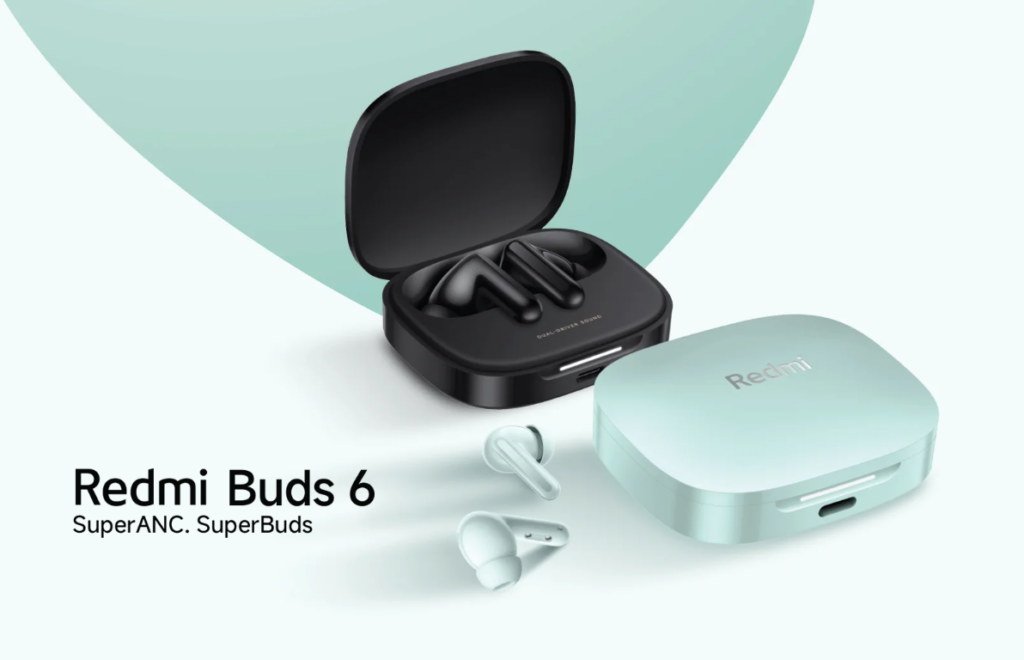
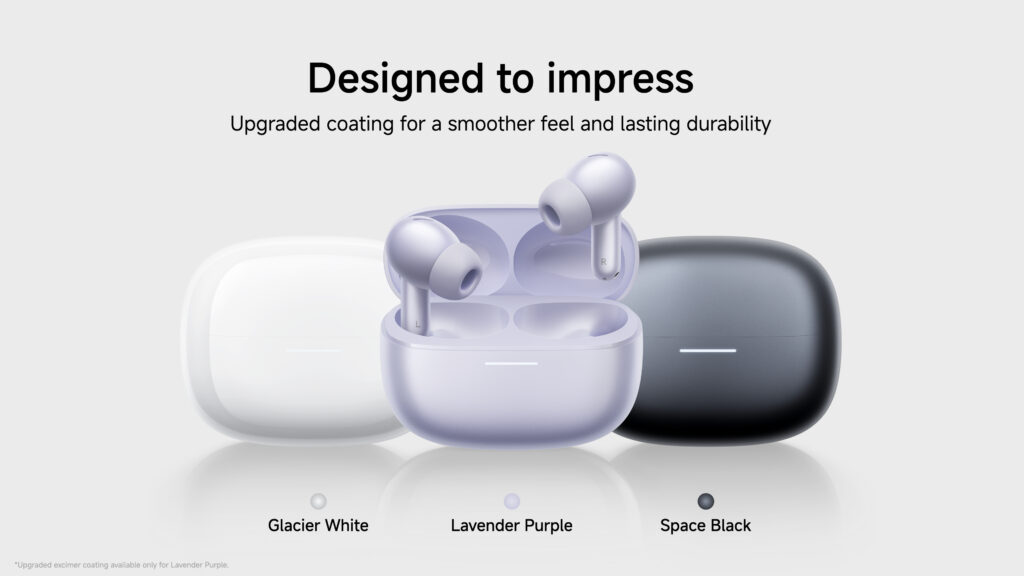
Xiaomi has introduced the Redmi Buds 6 and Redmi Buds 6 Pro to the global market, providing two wireless earbud options to suit different user needs. Both models come with advanced features and competitive pricing, making them appealing to a wide range of users.
Redmi Buds 6: Budget-Friendly with Key Features
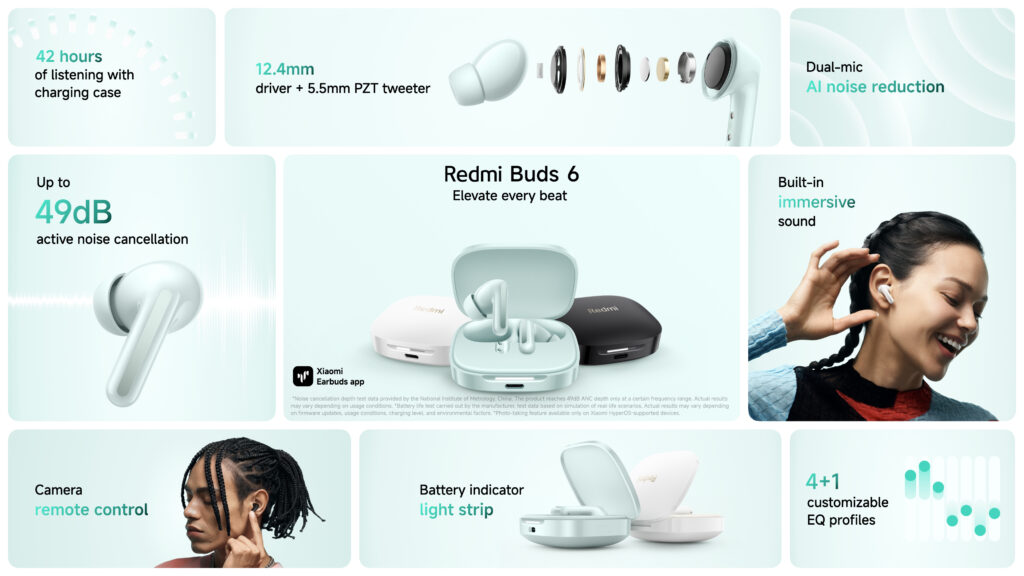
The Redmi Buds 6 are priced at £34.99 (~$43) and focus on delivering reliable audio performance. They use a dual-driver setup with a 12.4 mm titanium-coated dynamic driver and a 5.5 mm piezoelectric tweeter for clear and balanced sound.
These earbuds feature Active Noise Cancellation (ANC) that reduces noise by up to 49 dB, making them suitable for noisy environments like traffic or offices. The adaptive transparency mode adjusts noise cancellation levels based on the surroundings, and 360-degree spatial audio adds a layer of immersion for movies and games.
The Redmi Buds 6 supports Bluetooth 5.4 and comes with a dual-mic setup that uses AI noise cancellation for clear calls. They offer up to 42 hours of total playback time when used with the charging case, ensuring long-lasting usage.
Redmi Buds 6 Pro: Premium Audio and Features
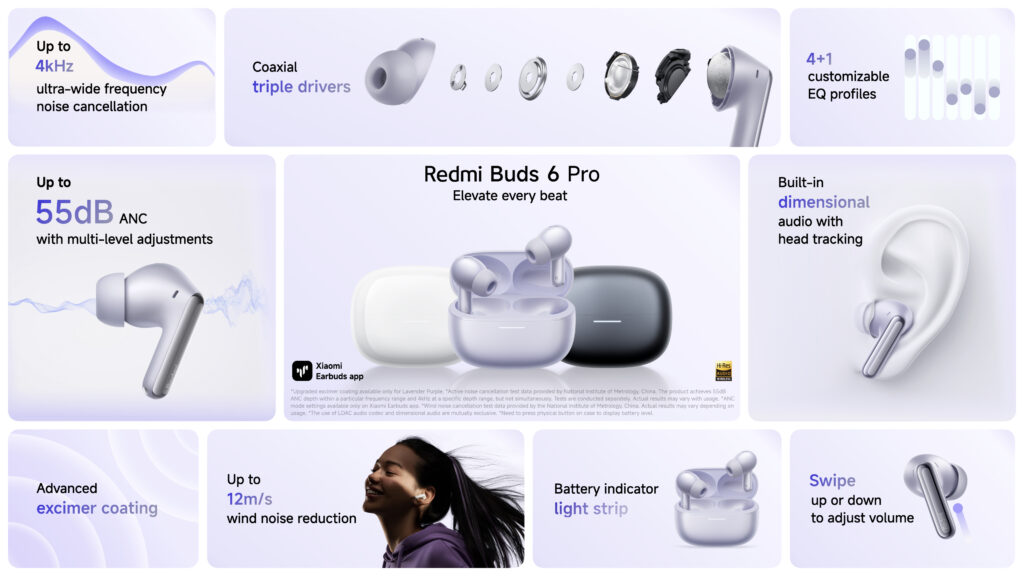
The Redmi Buds 6 Pro are priced at £64.99 (~$81) and are designed for users seeking more advanced audio options. They use a triple-driver system, including dual PZT tweeters and an 11 mm titanium diaphragm driver, to provide sharp highs and deep bass.
The Pro model offers ANC that reduces noise by up to 55 dB, handling mid-to-high frequency noise effectively. It supports hi-res audio codecs like LDAC and LC3, and features dimensional audio with head tracking for an immersive experience.
The battery life of the Buds 6 Pro is rated at 9.5 hours on a single charge, with a total of 36 hours when paired with the charging case. An AI-powered three-microphone setup ensures clear calls, while customizable EQ modes allow users to adjust the sound to their preferences.
Availability
Both models will be available starting January 15 through Xiaomi’s official channels and authorized retailers.
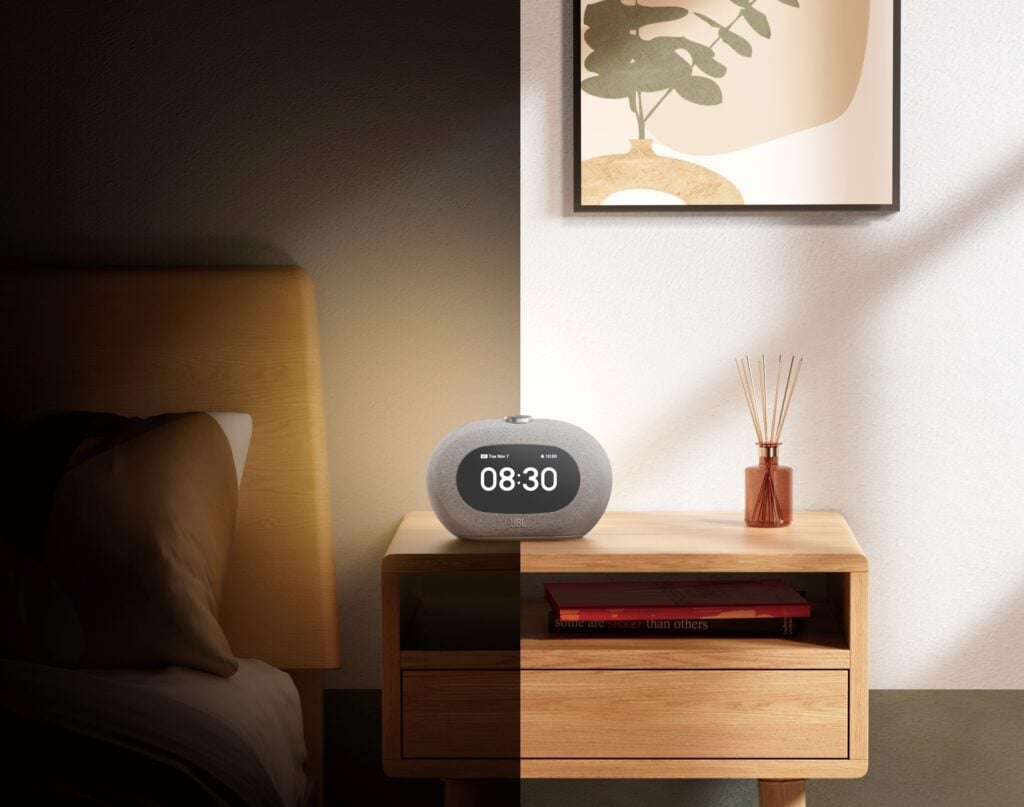
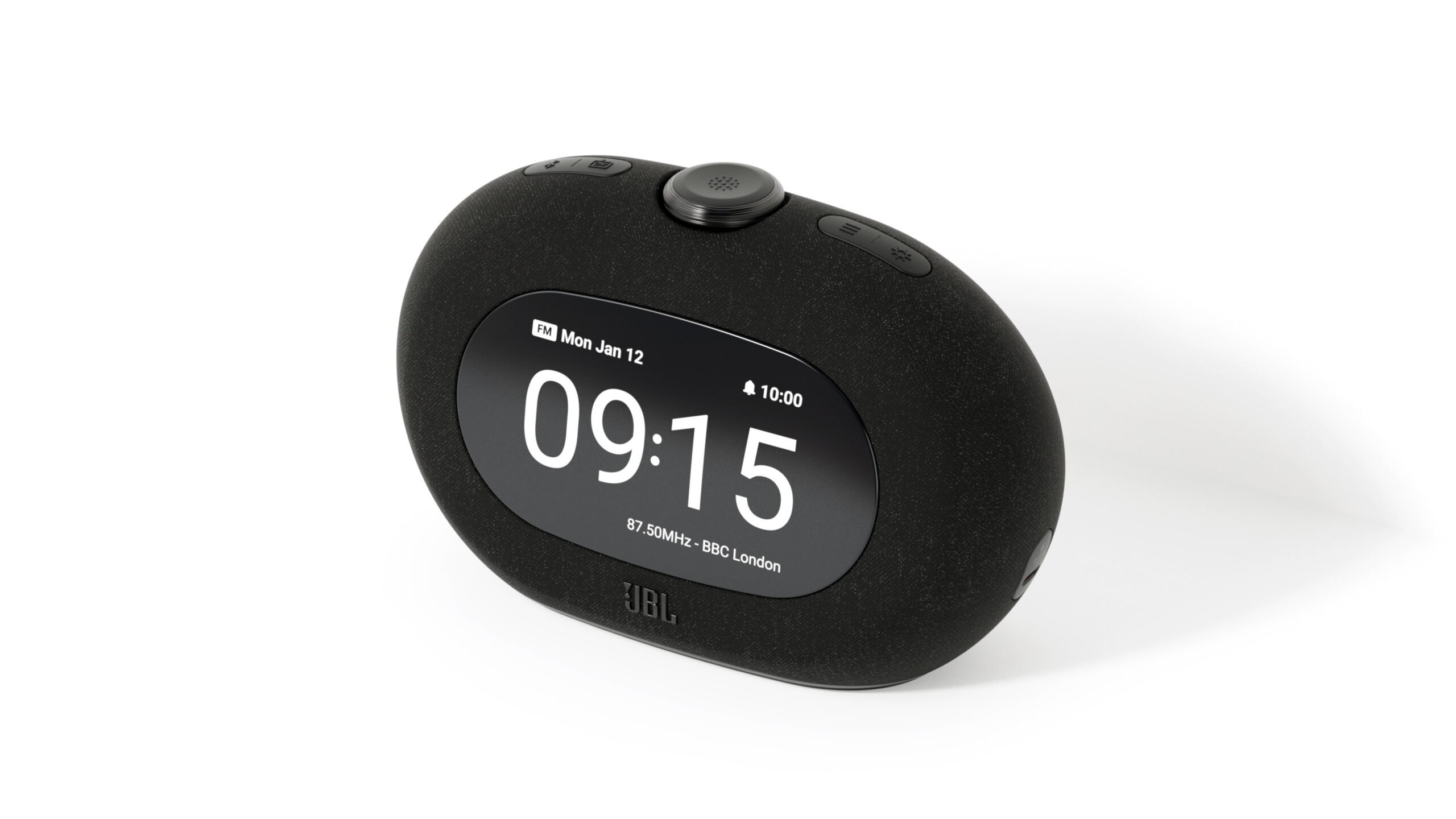
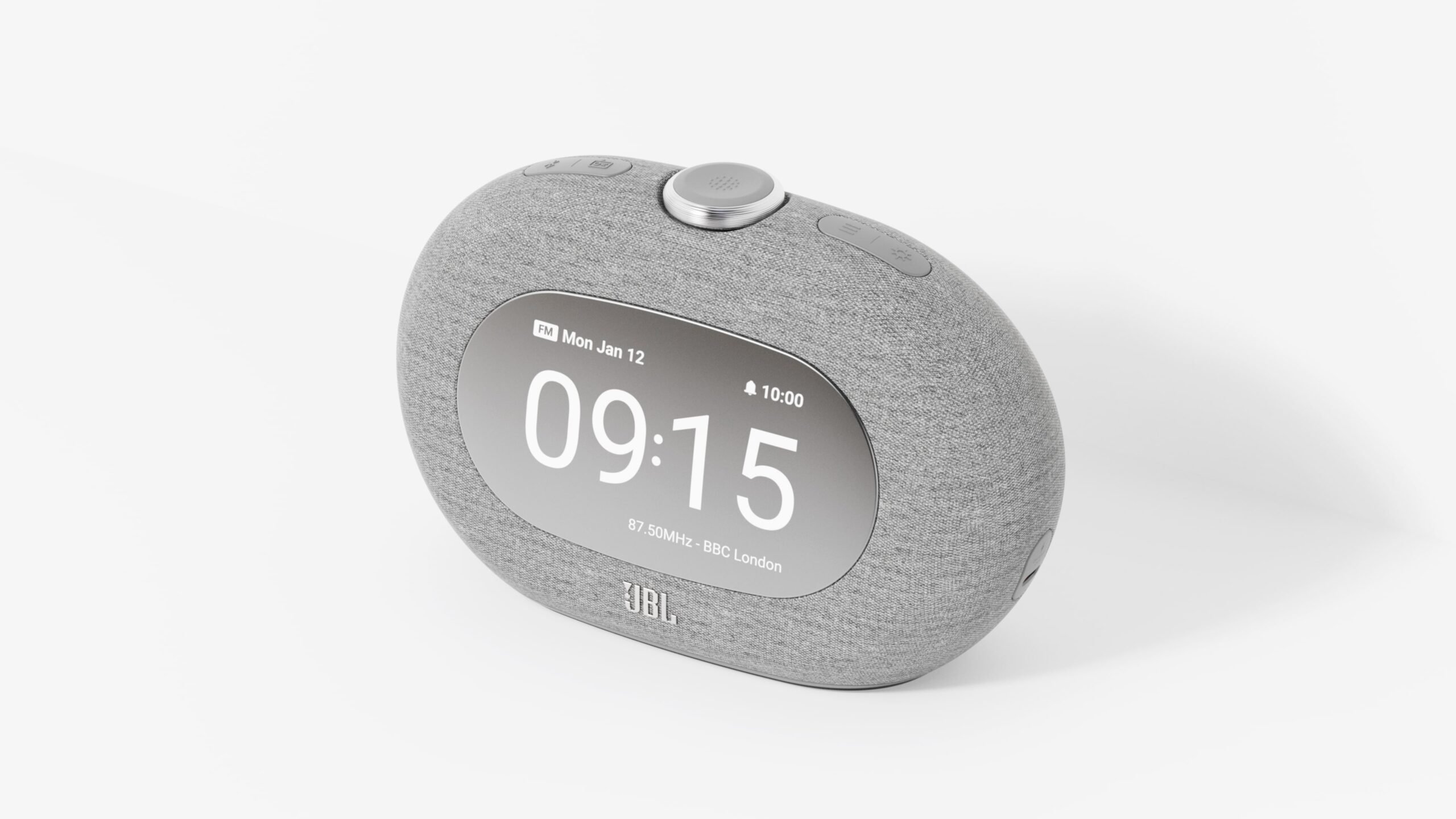
JBL has announced the JBL Horizon 3, an audio device designed to improve sleep and simplify daily routines. Launching in May 2025 at €139.99, it combines quality sound with features aimed at enhancing sleep and wake-up experiences.
JBL Horizon 3 features
The Horizon 3 delivers JBL’s stereo sound using dual 1.5-inch full-range transducers and passive radiators for deep audio. It supports Bluetooth 5.3 for stable streaming and Auracast technology for connecting multiple speakers. Users can stream music or listen to FM radio with reliable sound quality.
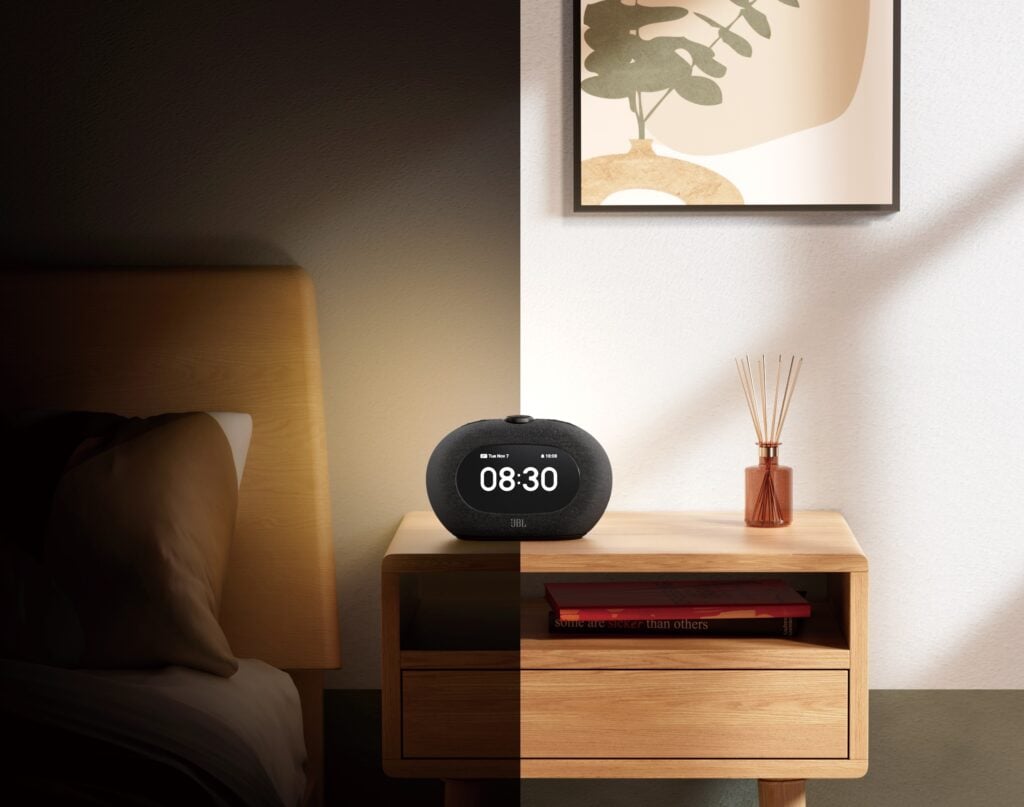
To support better sleep, the Horizon 3 offers adjustable ambient lighting and nature sounds. The lighting’s brightness and color temperature can be customized, and a sunrise alarm helps regulate sleep patterns. The device has dual alarms and a large control knob for easy use. It also works with the JBL One App, allowing users to adjust alarm settings, EQ, and lighting.
Practical features include a USB-C port for fast device charging. The Horizon 3’s design, with soft edges and a frosted display, fits into any bedroom setup. It is available in grey and black.
“The JBL Horizon 3 is built to improve daily routines with reliable sound and useful features,” said Carsten Olesen, President of Consumer Audio at HARMAN.
Key features include JBL stereo sound, Bluetooth 5.3, Auracast connectivity, customizable lighting, dual alarms, JBL One App integration, and a USB-C port. It provides a straightforward way to manage audio, lighting, and alarms, offering a balance of functionality and convenience at an affordable price.
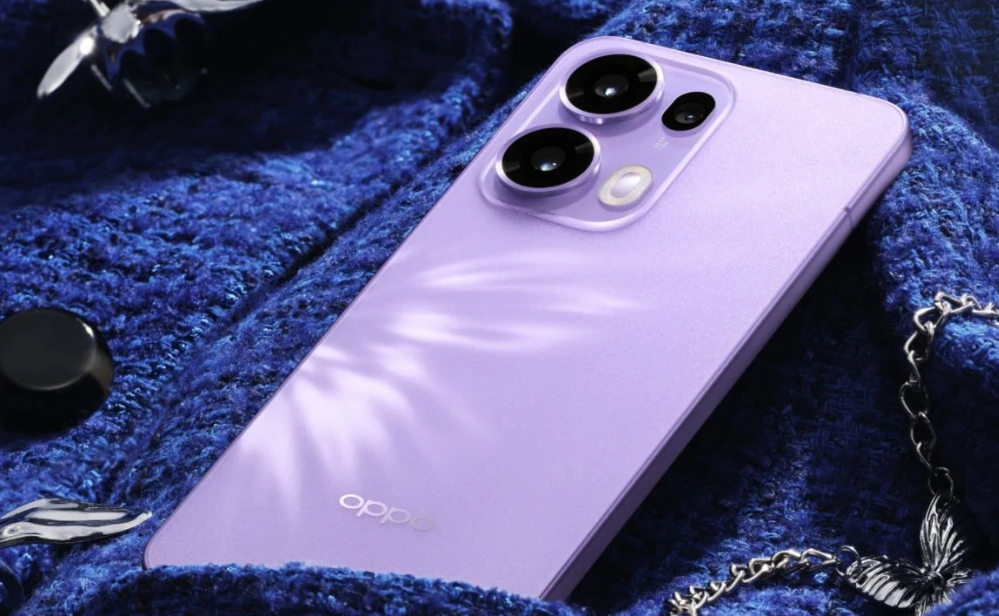
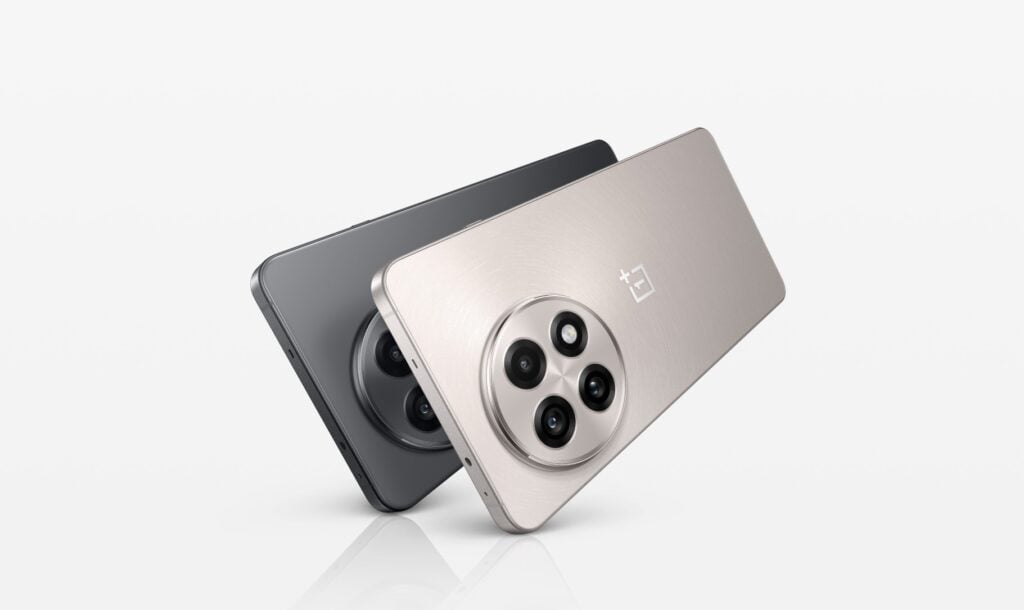
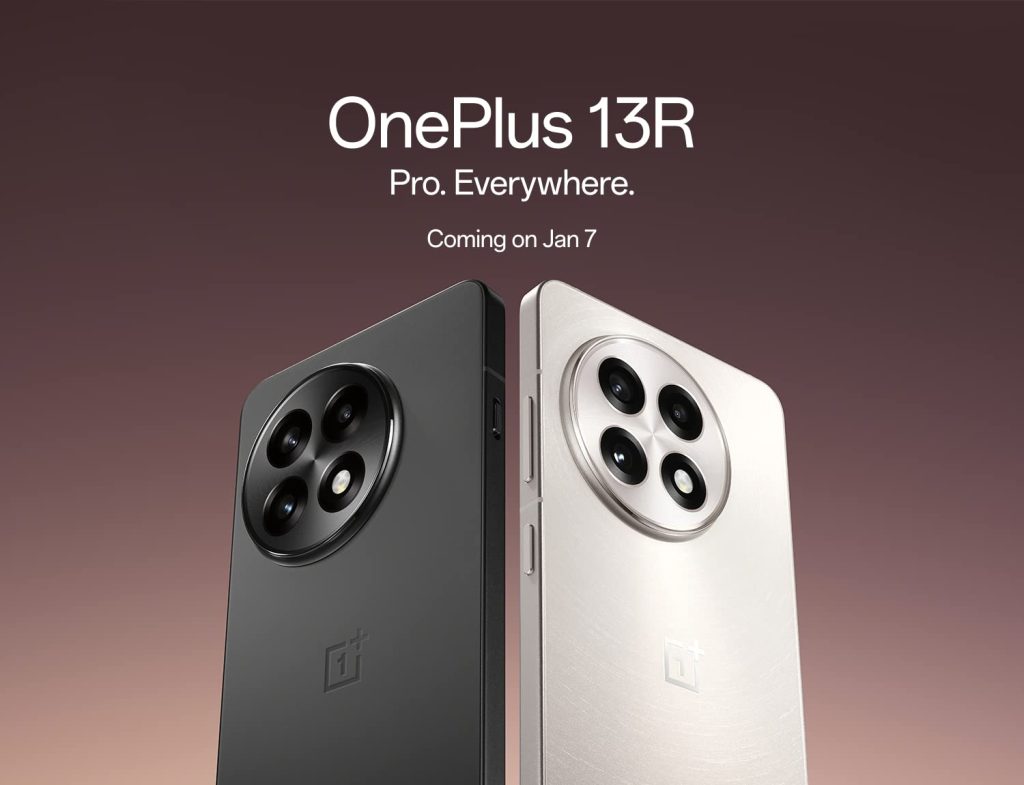
Oppo and OnePlus have recently unveiled their sub-premium smartphones in India. Oppo’s offering is the Reno 13 Pro, while OnePlus counters with the 13R as a direct competitor. Both companies present compelling devices, but each caters to slightly different user preferences. Here’s a detailed comparison to help you decide which smartphone suits your needs.
While the phones have different visual designs, they use nearly identical materials on the front and back. The Reno 13 Pro is a slim and lightweight machine, measuring only 7.6 mm thick and weighing 195 grams.
It has a Gorilla Glass 7i shield on the front which connects with aluminum frames on the sides. The phone also has an IP68/IP69 rating for protection against water and dust.
The OnePlus 13R, on the other hand, weighs slightly more (206 grams) and features a similar Gorilla Glass 7i and aluminum frame design. However, it settles for an IP65 rating.
While that’s a step down in water resistance compared to the Reno 13 Pro, it should be more than capable of withstanding everyday splashes and dust exposure. However, Oppo’s lighter build and superior water resistance give it a slight edge in terms of design.
2. Display
The Reno 13 Pro features a 6.83-inch AMOLED display with a peak brightness of 1200 nits and a standard refresh rate of 120Hz. The display has a good screen-to-body ratio of 90.9% and an FHD+ resolution of 450 ppi.
OnePlus 13R
The OnePlus 13R features a 6.78-inch AMOLED display with 120Hz LTPO refresh rate. This means that the screen can refresh at a rate ranging from 1Hz to 120Hz depending on the content. OnePlus also has a higher peak brightness of 4500 nits and supports Ultra HDR.
3. Performance
Performance is where the differences start to widen. The Reno 13 Pro is powered by the MediaTek Dimensity 8350, a capable chipset built on a 4nm process. While its octa-core CPU and Mali G615 GPU are efficient for multitasking and casual gaming, it lacks the raw power seen in flagship devices.
The OnePlus 13R takes a leap ahead with the Snapdragon 8 Gen 3, Qualcomm’s last year’s high-performance chipset. It offers faster processing speeds, thanks to its advanced Cortex-X4 cores, and the Adreno 750 GPU on the SoC offers a much better gaming experience.
Moreover, OnePlus has committed to four major Android updates, compared to Oppo’s promise of three years of updates, giving the 13R a clear advantage in software longevity.
4. Cameras
Both devices feature impressive camera setups. The Oppo Reno 13 Pro houses a 50 MP wide-angle camera with OIS, a 50 MP telephoto lens that offers 3.5x optical zoom, and an 8 MP ultrawide camera.
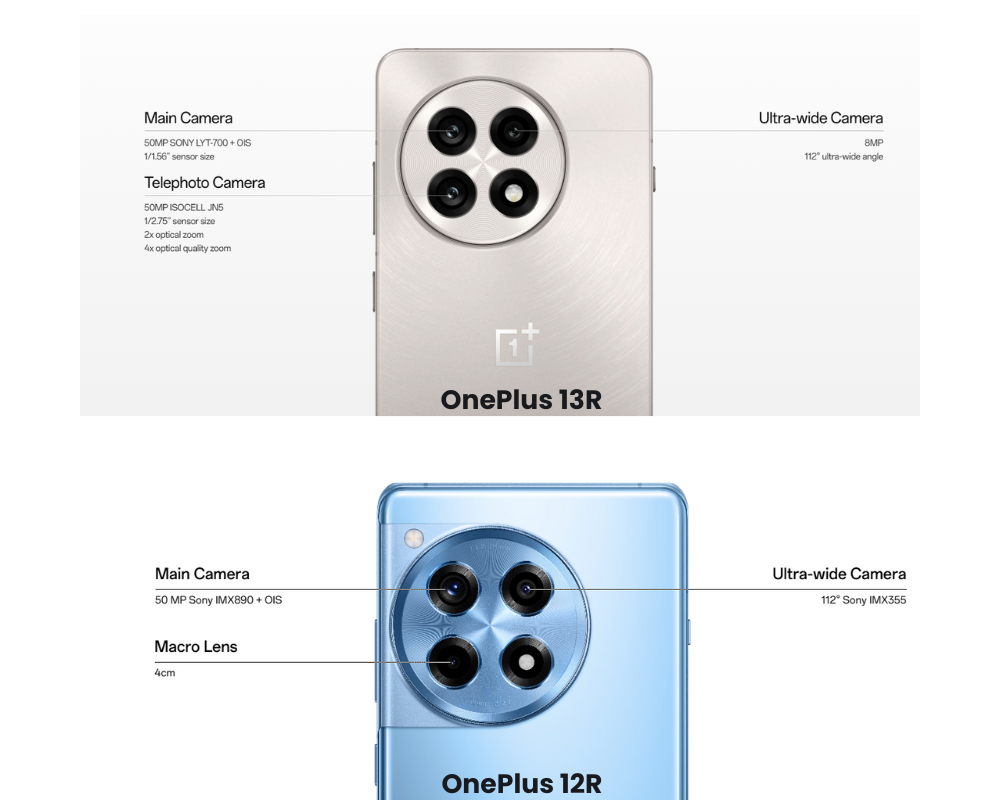
The OnePlus 13R also includes a 50 MP primary camera with OIS, a 50 MP telephoto lens but with 2x optical zoom, and an 8 MP ultrawide camera. While its zoom range is limited compared to Reno 13 Pro, it should serve you well to capture distant objects.
Selfies on the Oppo Reno 13 Pro are handled by a 50 MP front camera with autofocus and 4K video support. The OnePlus 13R has a 16 MP front-facing camera that lacks autofocus and tops out at 1080p video, making it less competitive in this area.
5. Battery and Charging
As for the battery, Oppo ships the phone with a 5800mAh battery and 80W wired and 50W wireless charging supports. It also supports reverse wired charging, adding a layer of convenience for users who own multiple devices.
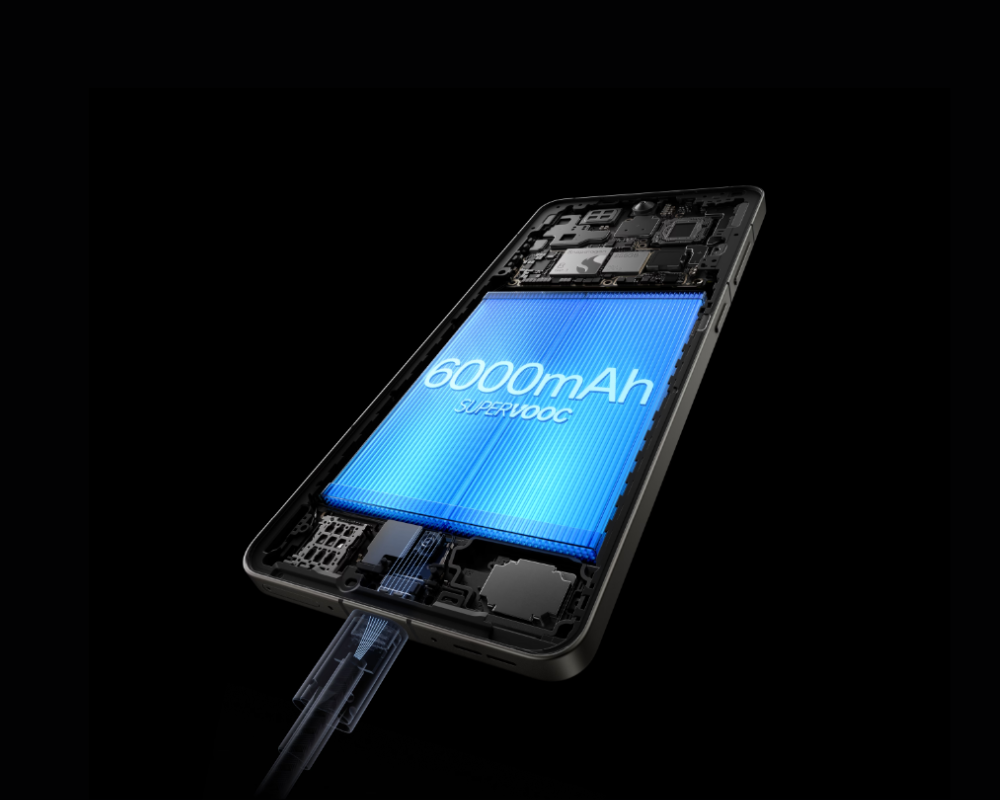
The OnePlus 13R offers a slightly larger 6000mAh Si/C battery that supports 80W wired charging capable of reaching 50% in 20 minutes. However, it lacks wireless charging, which may be a dealbreaker for some.
If wireless charging matters to you, the Reno 13 Pro is a clear choice, while the OnePlus 13R holds an advantage in pure capacity.
6. Storage and Connectivity
The Reno 13 Pro offers up to 1TB of storage paired with 16GB of RAM. The OnePlus 13R maxes out at 512GB with 16GB of RAM, which is still competitive but less expansive.
However, the real difference here is in the memory and storage technologies. The OnePlus 13R features LPDDR5x RAM and UFS 4.0 storage across all variants, In contrast, while the Reno 13 Pro also uses LPDDR5x RAM, it is paired with the older UFS 3.1 standard.
For connectivity, both phones feature Wi-Fi 6e, Bluetooth 5.4, NFC, and USB Type-C. The OnePlus 13R adds future-proofing with Wi-Fi 7 support (market-specific) and a superior GPS configuration.
7. Price and Value
The Reno 13 Pro starts at Rs 49,999 in India while the 13R is more affordable at Rs 42,999. Both phones come in a variety of colors, with Oppo leaning towards a softer aesthetic (Graphite Grey, Plume Purple, Pink) and OnePlus offering a bolder palette (Astral Trail, Nebula Noir).
8. Conclusion
Choosing between the Oppo Reno 13 Pro and the OnePlus 13R ultimately depends on your priorities:
Pick the Oppo Reno 13 Pro if:
You value a lighter, slimmer design.
Telephoto zoom and selfie quality are crucial.
Wireless charging is a must.
Opt for the OnePlus 13R if:
You want reliable performance and gaming capabilities.
Future-proof connectivity is a priority.
Longer software support is important.
Price
Both phones offer tremendous value, but the OnePlus 13R edges out as the better all-rounder for most users, while the Reno 13 Pro caters more to niche preferences like cameras and wireless charging.
Just three days after its global and Indian launch on January 7, 2025, OnePlus has rolled out the OxygenOS 15.0.0.403 update for its OnePlus 13R model. The update polishes up many aspects of the new device, focusing on camera improvements, personalized features, and system stability.
The rollout, announced today, is being deployed across India, Europe, North America, and other global regions. Firmware versions include IN: CPH2691_15.0.0.403(EX01), EU/GLO: CPH2645_15.0.0.403(EX01), and NA: CPH2647_15.0.0.403(EX01). Full deployment is expected to take 1–2 weeks.
Key Changes in OxygenOS 15.0.0.403
As mentioned above, the OxygenOS 15.0.0.403 update for the OnePlus 13R brings polish to various aspects of the device. In the camera department, issues with overexposure in the rear camera Photo mode have been resolved, while color accuracy in images captured with the main and telephoto lenses has been enhanced. Additionally, overall camera performance and stability have been improved. The Photos app now includes personalized watermarking functionality, adding a creative touch to photo editing.
Communication and connectivity upgrades introduce “Touch to Share,” enabling seamless file sharing with iOS devices, alongside improved stability and compatibility for Wi-Fi and Bluetooth. System updates include the integration of charging status into Live Alerts for a more streamlined user experience, enhancements to overall performance and stability, and the inclusion of the December 2024 Android security patch for better device security.
OxygenOS 15.0.0.403 official changelog
Apps
Adds a new feature to Photos for personalized watermarks.
Communication & interconnection
Adds a Touch to share feature that supports iOS devices. You can share photos and files with a touch.
Improves the stability of Wi-Fi connections for a better network experience.
Improves the stability and expands the compatibility of Bluetooth connections.
Camera
Fixes an issue where photos might be too bright when taken with the rear camera in Photo mode.
Enhances the colors in photos taken with the main camera and telephoto lens in Photo mode.
Improves camera performance and stability for a better user experience.
System
Adds charging status to Live Alerts for a better user experience.
Improves system stability and performance.
Integrates the December 2024 Android security patch to enhance system security.
Update Details and Bug Reporting
Users who receive the update early can report bugs via the OnePlus community thread or, for Indian users, by dialing *#800# and submitting feedback through the menu. If you have not received the update yet, you can head to Settings app > About Device > Tap on the “OxygenOS” blue ribbon.
We just saw a bunch of bizarre and weird tech products being unveiled at the Consumer Electronics Show (CES) 2025. Now, here’s a list of some of the best announcements during the major event. These are the top 10 coolest of the tech products that were showcased. So let’s check them out.
First on the list, we have Honda’s 0 EV concept cars. These include two body types, namely an SUV and a saloon. While these are still concepts, their final versions are expected to hit production later this year. The lineup will also bring 30 new electric car models, which include both single and dual electric motor setups.
The former can generate around 241bhp of power, while the latter brings up to 482bhp of power. Honda is even expected to release 4 wheel drive variants as well. But one of their most notable aspects is undoubtedly the futuristic design.
2. Narwal Flow
Narwal Flow
During the CES 2025 event, Narval, a robotic vacuum cleaner, unveiled the new Narwal Flow series of models. The brand promises to offer a cutting edge all-in-one cleaning solution via these new robovacs. Its Flow lineup features dual RGB cameras along with an AI chip that can detect and even identify over 200 different objects.
Thanks to the new FlowWash mopping system and EdgeReach technology, users can expect consistent and effective cleaning. The new robo vacuums even adapt in self cleaning methods real time. It can go up to 120 days before needing to be emptied. Narwal’s Flow features a track mop and dual water tanks along with a dynamic side brush that directs hair to a floating roller that can prevent tangling of hair that could lead to blockages.
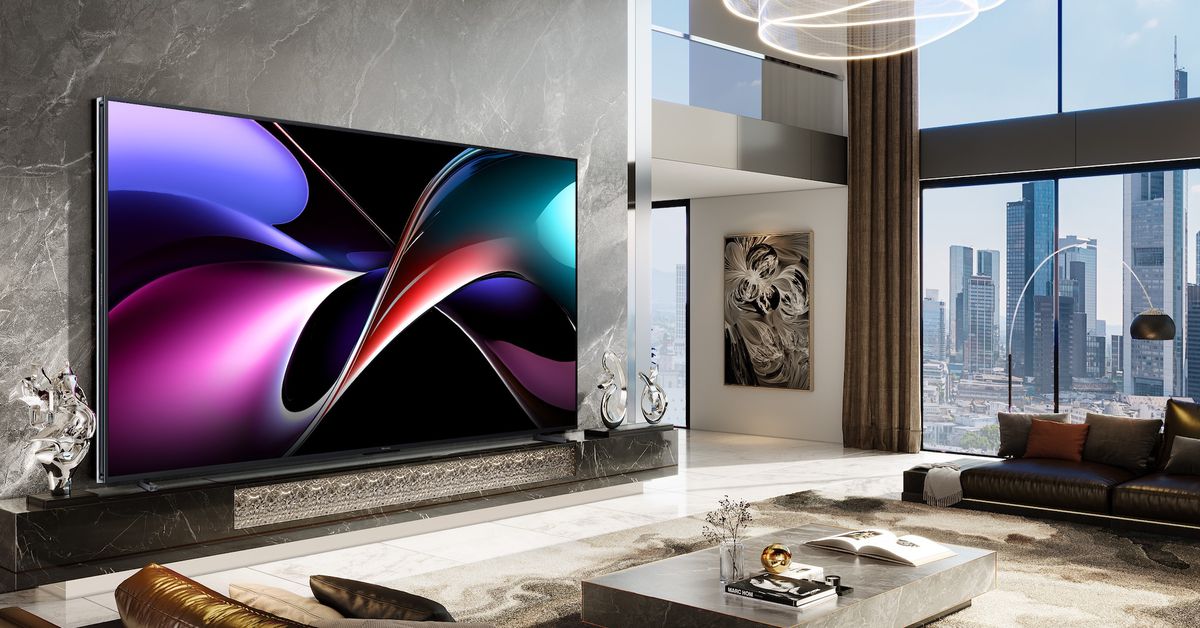
3. Hisense 116UX TriChroma LED TV
Hisense 116UX TriChroma LED TV
Hisense had a couple of notable announcements during CES 2025, but the Hisense 116UX TriChroma LED TV was definitely a highlight. It utilized what the brand calls RGB Local Dimming technology, which is basically a new backlight system. Rather than a traditional white or blue light, each lens now has a dedicate red, blue, and green LEDs.
It is the first of its kind and brings a jaw dropping peak brightness of 10,000 nits. Thanks to the Hi-View AI Engine X chipset, the TV promises to be fast and efficient. As the name suggests, the Hisense 116UX TriChroma LED TV sports a massive 116-inch panel, which can hit 97% of the BT.2020 color space.
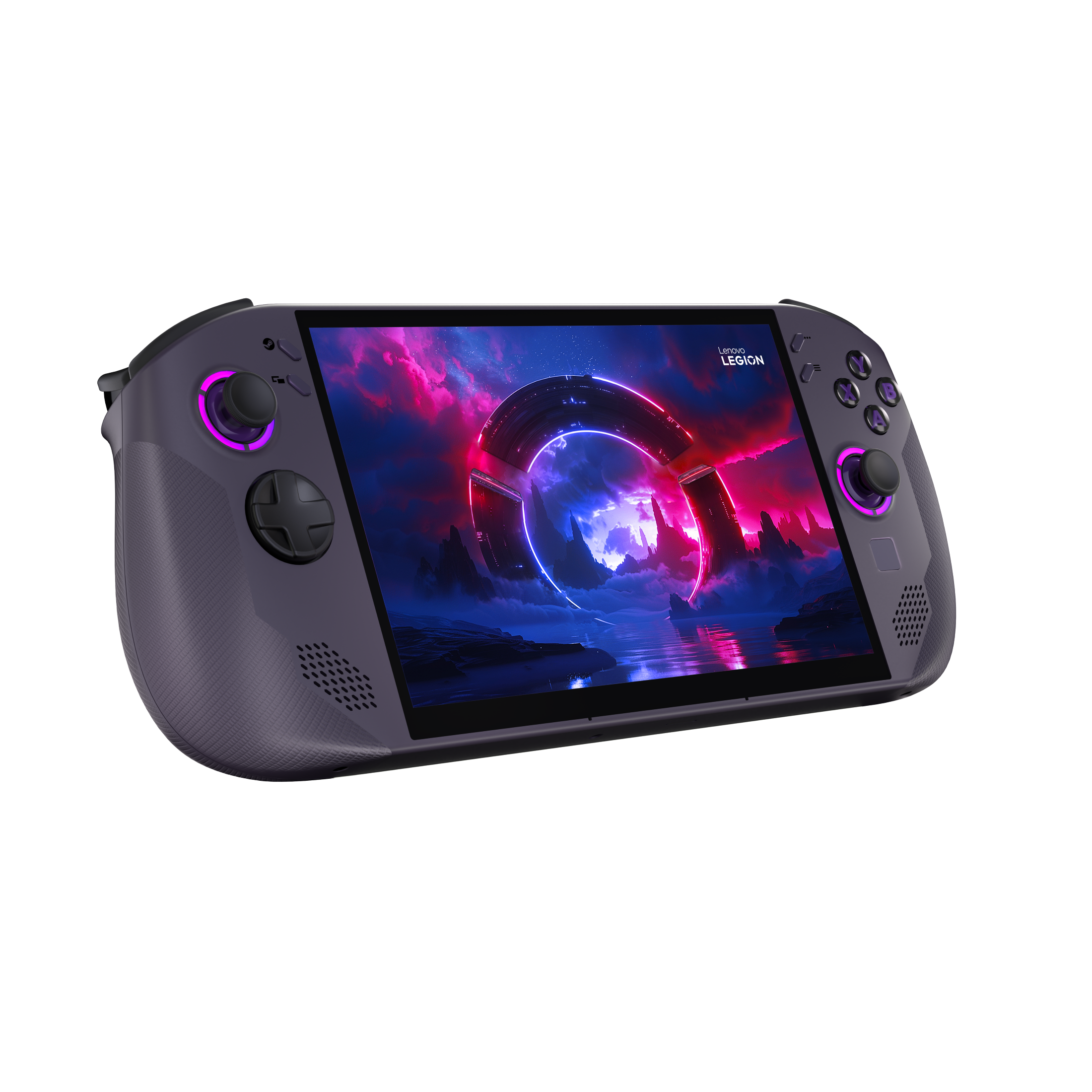
4. Lenovo Legion Go S
Lenovo Legion Go S Steam Version
Lenovo expanded its handheld gaming console lineup with the new Legion Go S. It brings capable performance in a portable form factor with a great 8-inch 120Hz LCD display. It is powered by the AMD Ryzen Z1 extreme chip and Radeon 700M series GPU.
But the part that makes it unique is the software front. It is available in two OS variants, which include a Windows option and a SteamOS variant. This makes the Legion Go S the only other handheld console outside of the Steam Deck with this operating system. Unlike Windows, SteamOS is designed for gaming and brings a seamless console like experience and optimizations.
5. Timekettle W4 Pro
Timekettle W4 Pro
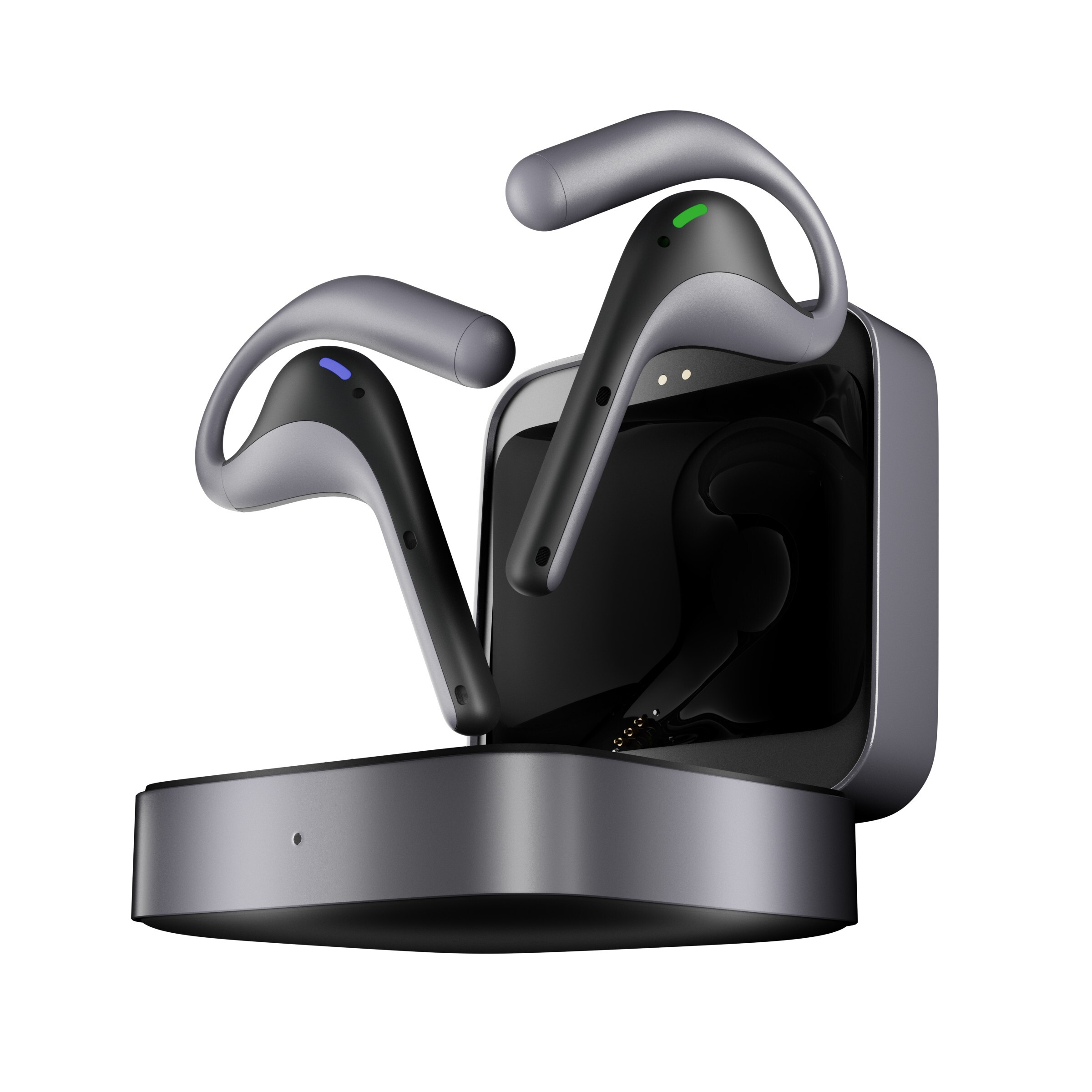
Timekettle, a known figure in AI powered communication, has just introduced the W4 Pro earbuds for $449. These are a pair of truly wireless earbuds that feature bidirectional call functionality. It features Babel OS and offers seamless two way real time translation during phone and video calls on any communication platform.
Timekettle launched the W4 Pro with an elegant design but the AI powered translation is by far one if its highlighting features. The earbuds support over 40 languages and can understand 93 accents as well. There is only a 3 to 5 second delay between the original speech and translation. One can simply put them on their ear and have a face-to-face conversation with someone, listen to an audio and have it translated, or speak into the earbud and have it broadcast through their smartphone’s speaker.
6. Lenovo ARM Mini PCs
Lenovo IdeaCentre Mini x
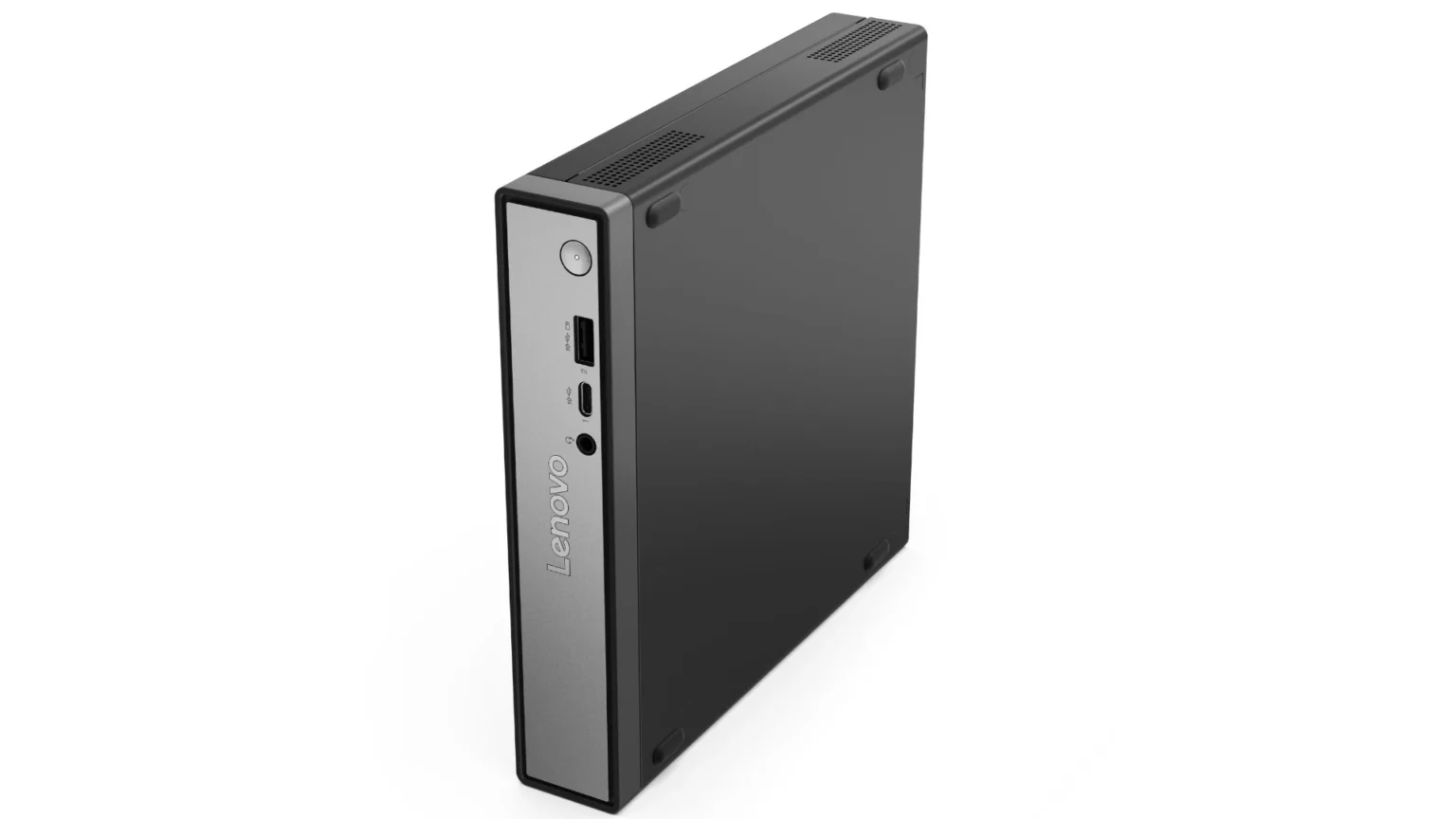
Taking on Apple, Lenovo announced a bunch of new ARM Mini PCs. The brand-new lineup of tiny PCs include the ThinkCentre Neo 50q and IdeaCentre Mini x. Both models are powered by Qualcomm’s Snapdragon X series processors that aim to offer performance on a portable and price effective budget.
The IdeaCentre Mini x is a 1 liter sized desktop, which is designed for creatives who need a PC that is quiet for productive tasks. On the other hand, the ThinkCentre neo 50q was made for small and medium businesses, although it still offers similar specsas the IdeaCentre. These start from $659 and are a great alternative to the Apple Mac mini.
7. Lenovo’s Rollable Laptop
Lenovo ThinkBook Plus Gen 6 Rollable CES 2025
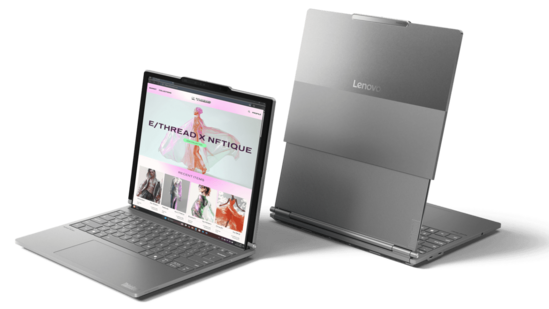
Pushing the innovation in laptops was Lenovo with its ThinkBook Plus Gen 6 Rollable. It features a flexible display that rolls to extend the total screen real estate. The futuristic laptop can basically extends its display from a common 14-inch to a taller 16.7-inch panel.
This makes it more practical than some foldable laptops that we saw last year. It is still a concept model, but we can expect such technologies to make it to their notebook lineup in the near future. Another announcement that showcased a unique design was the Yoga Book 9i with a dual display setup.
8. ASUS Zenbook A14
ASUS Zenbook A14
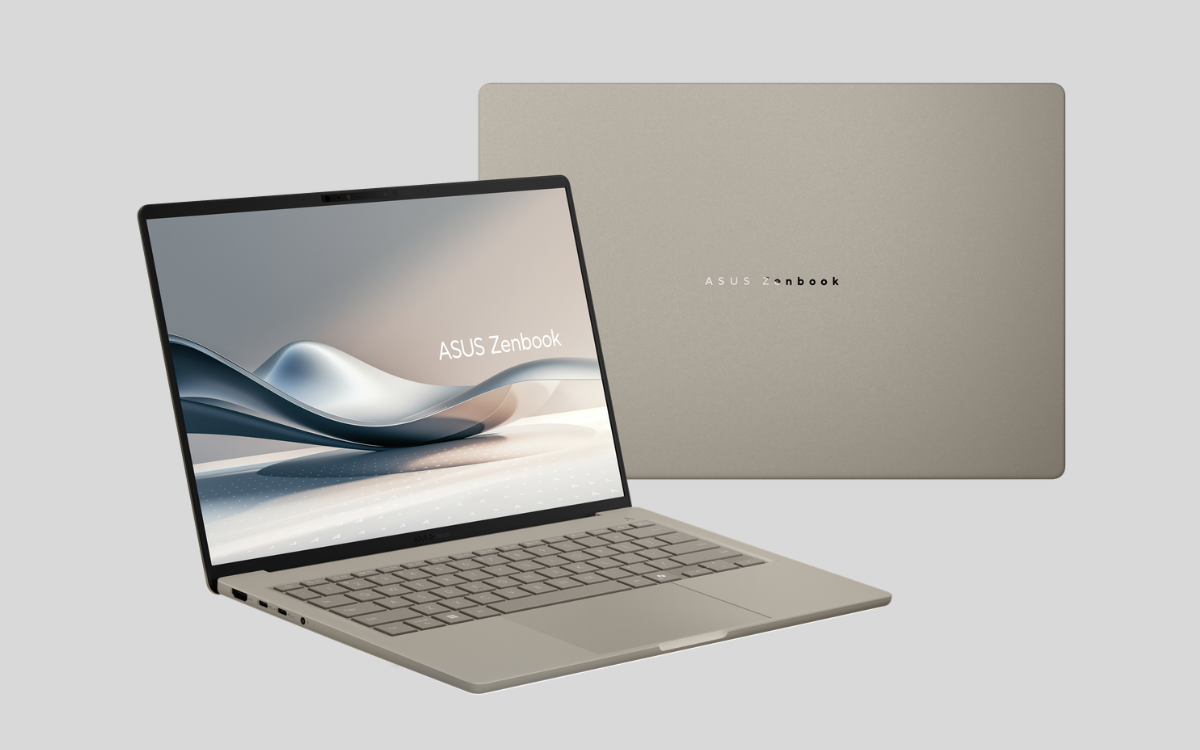
We may finally have a Macbook Air killer from ASUS. The brand unveiled the Zenbook A14, which positions itself as a great ultrabook that blends a premium light design with good performance. The Zenbook A14 measures just under 1 kilogram (0.98 kg), making it lighter than the MacBook Air.
But that’s not all, it is equipped with the Snapdragon X series processors as well, which offer great power efficiency without compromising on performance. Thanks to its 70Wh battery pack, ASUS claims that you can get up to 32 hours of video playback or 19.5 hours of web browsing on a single full charge.
9. ASUS ROG XG Mobile eGPU
ASUS ROG XG Mobile eGPU
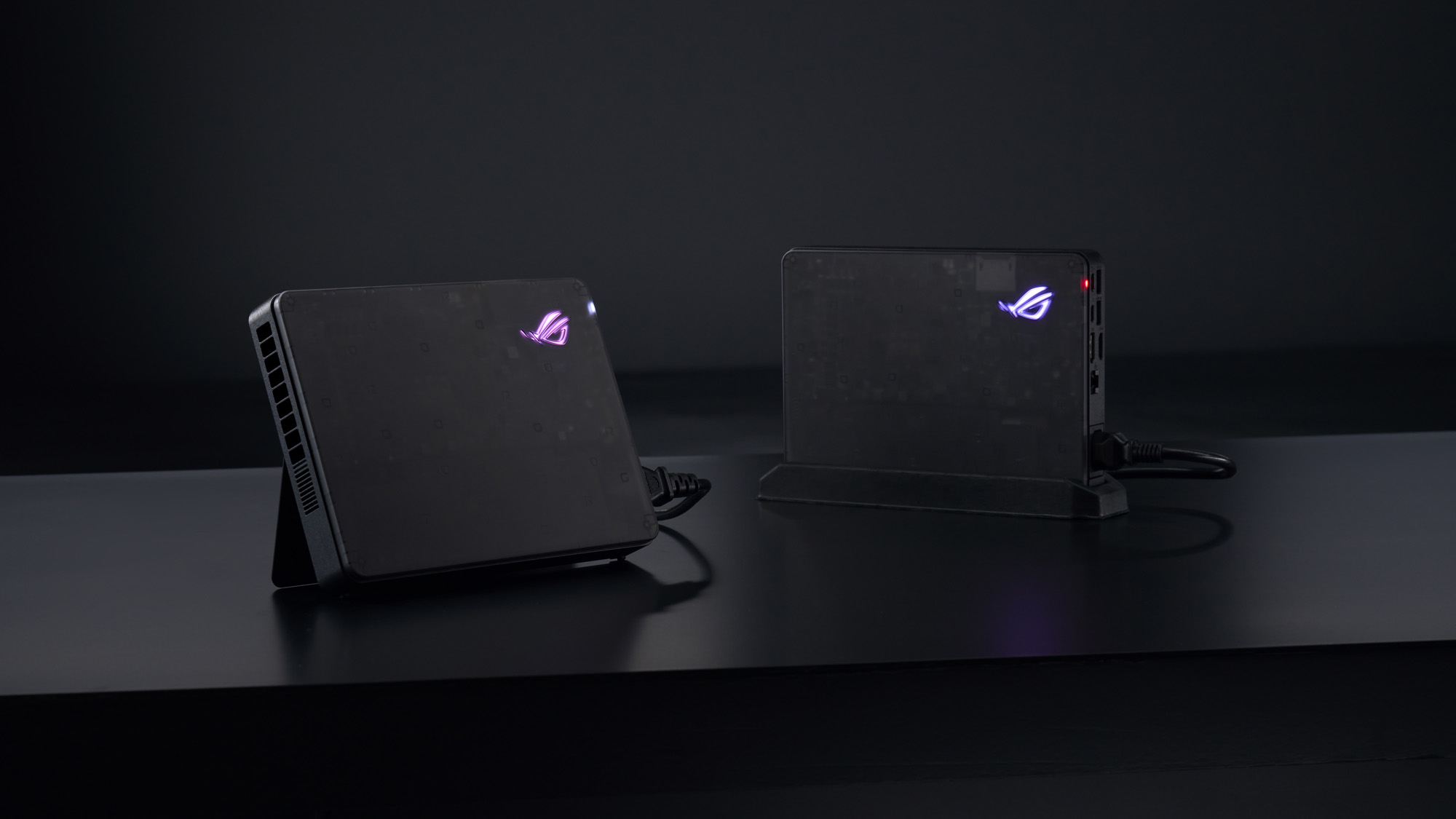
Another ASUS product that made the list has been getting added to many gamers’ wishlists. The 2025 ROG XG Mobile eGPU was announced at CES 2025 that offers next-gen performance via an NVIDIA GeForce RTX 5080 laptop GPU and Thunderbolt 5 connectivity.
This external graphics card brings performance in a portable form factor. Thanks to the redesigned vapor chamber, the 2025 ROG XG Mobile has 150 percent more cooling surface area, ensuring efficient thermal management. So it is great for both gamers and people that need the extra horsepower.
10. NVIDIA Project DIGITS
NVIDIA Project DIGITS
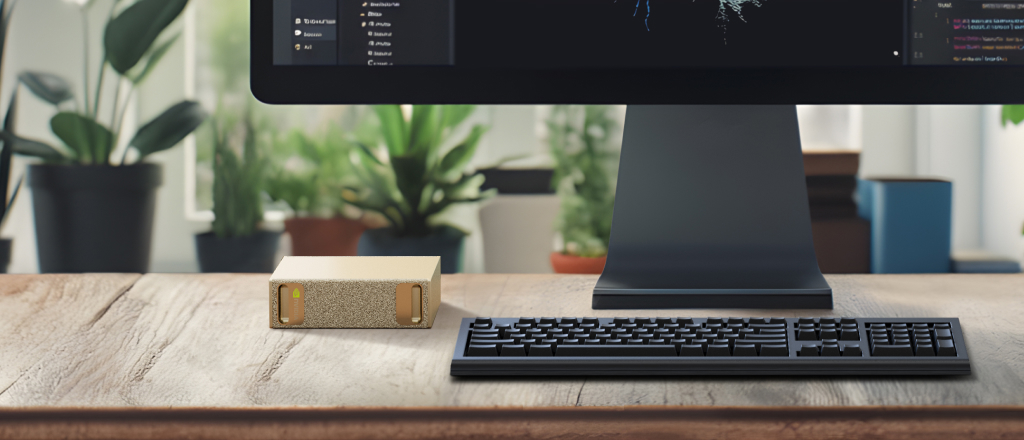
NVIDIA is changing the game once again with the new Project DIGITS. For those of you who missed the announcement, the renowned chipmaker is literally bringing a Grace Blackwell AI Supercomputer to your desktop.
It is powered by the NVIDIA GB10 Grace Blackwell Superchip, which delivers a petaflop of AI performance in a power-efficient, portable form factor. You get 128GB of LPDDR5X memory 20 Arm cores, 4TB SSD, and support for WiFi, Bluetooth USB, and more.
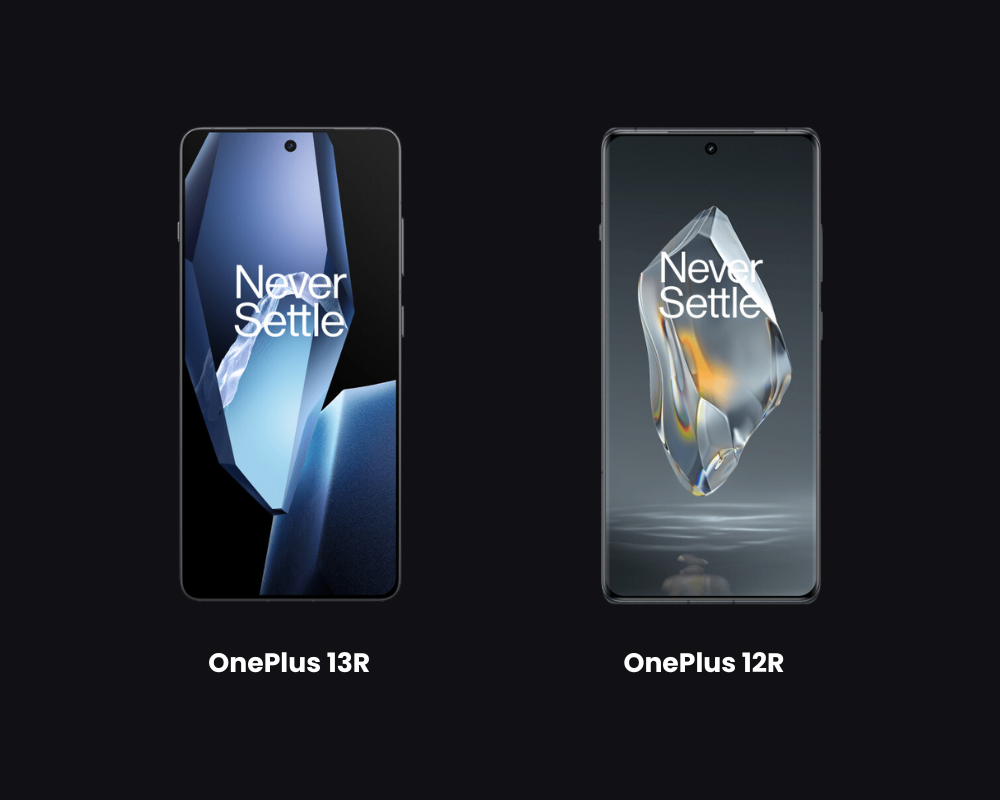
OnePlus 13R has just been launched globally, and it doesn’t look like a promising upgrade over last year’s OnePlus 12R. Yes, there are many improvements to the OnePlus 13R, but it also has some downgrades that could make it a less lucrative deal, depending on your priorities.
If you think the OnePlus 13R could be your next smartphone upgrade, read this article until the end to make an informed purchase decision. We’ll go through the upgrades and downgrades, as well as areas where the OnePlus 13R could have done better.
OnePlus 13R vs OnePlus 12R: Upgrades, Downgrades, and Missing Improvements
Design & Display
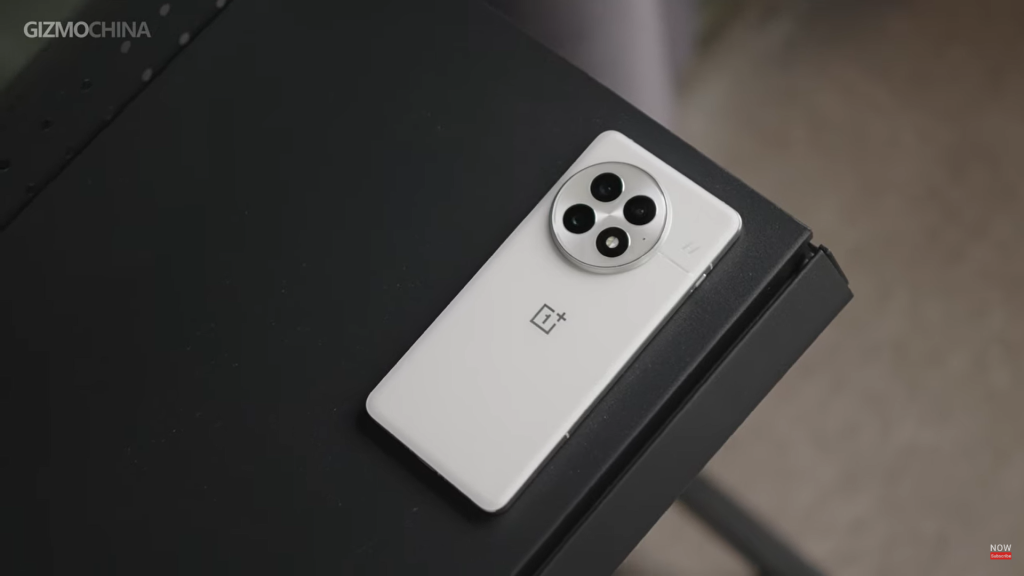
OnePlus has finally revamped the camera module — it’s still circular but doesn’t extend to the frame. It looks cleaner than before. Would it have been better if OnePlus had repositioned it to the center? Let me know what you think.
The other side doesn’t have many changes. The 13R weighs essentially the same at 206g and is 0.8mm slimmer than the 13R. It’s also 1.5mm shorter but 0.5mm wider. The device protection rating has got better, though, from IP64 to IP65.
The display is unchanged—it’s still a 6.78-inch AMOLED with a 120Hz refresh rate and 4500 nits peak brightness. However, the display protection is a bit downgraded. The OnePlus 13R’s screen is equipped with Gorilla Glass 7i, while the 12R has Gorilla Glass Victus 2 with better drop protection.
Performance
The OnePlus 13R rocks the Snapdragon 8 Gen 3, which brings significant CPU and GPU improvements over the Snapdragon 8 Gen 2 that’s inside the OnePlus 12R. Read the Snapdragon 8 Gen 3 vs. 8 Gen 2 comparison for more details. The newer model also gets faster UFS 4.0 storage (vs. UFS 3.1 on the 12R).
The already larger vapor chamber is now 8.6% bigger, which promises an additional 1.5°C reduction in temperature over the 12R. Both smartphones smoothly handle everyday tasks. However, when it comes to handling resource-intensive tasks such as gaming, the 13R does a better job.
Camera
The rear camera setup has been upgraded. The 50MP Sony IMX890 primary sensor is replaced with a 50MP Sony LYT-700 sensor, promising improvements. Another big change is the addition of a 50MP telephoto camera with 2x optical zoom. The high-resolution sensor allows it to capture 4x zoom without sacrificing image quality. It doesn’t have OIS, though.
The 8MP ultrawide camera is still there. The OnePlus 13R has a 16MP selfie camera on the front, just like the 12R.
In short, the OnePlus 13R cameras perform better in zoom shots, while other aspects are almost the same.
Software
OnePlus has also improved the software update policy for the 13R. It promises four Android updates, while the 12R would only get three. In other words, the newer model will get OS updates until Android 19, but for the 12R, Android 17 would be the final major upgrade.
While four OS upgrades are generous, OnePlus doesn’t match Google and Samsung support.
Connectivity
The OnePlus 13R adds Wi-Fi 6e support and a newer Bluetooth v5.4 standard. However, it still uses Type-C 2.0. Even cheaper phones nowadays come with Type-C 3.2, which offers significantly faster data transfer over a USB cable.
Battery & Charging
The OnePlus 13R packs a massive 6,000mAh battery, a big jump from the 5,500mAh on the 12R. That’s great, but the charging speed has been reduced from 100W to 80W.
OnePlus 13R
According to OnePlus, the 13R takes 20 minutes to reach 50%, while the 100W charging on the 12R only takes 26 minutes to fully charge the battery. Yes, the 13R has a bigger battery, but still, that’s a massive difference in the charging time.
OnePlus should have added wireless support on the 13R. Wireless charging is no longer exclusive to expensive phones. It’s already present on many mid-range phones, such as the Nothing Phone (1), Galaxy S21 FE, and Motorola Edge 50 Neo. The OnePlus 13R is priced higher than these phones, and therefore, I strongly feel the need for wireless charging support.
OnePlus 13R vs 12R: Conclusion
OnePlus 13R is a great mid-range phone that brings necessary upgrades to the camera, performance, battery capacity, and software support. However, there are some downgrades as well, such as weaker Gorilla Glass protection and slower wired charging compared to 12R (review).
The two areas where the OnePlus 13R could have done better are: improving the USB data transfer rate (should have been upgraded to type-C 3.2) and adding wireless charging support. The OnePlus 13R is an excellent value-for-money smartphone, otherwise.
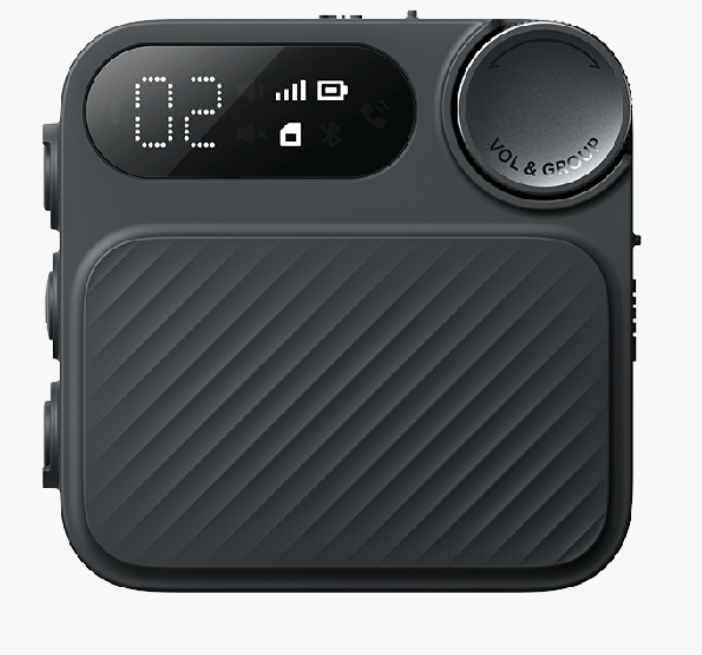
Xiaomi Sport Walkie Talkie is a lightweight, compact, and powerful communication device designed for adventure enthusiasts and professionals. With cutting-edge features such as 4G full-network access and an impressive intercom range, it redefines connectivity for outdoor activities, travel, and team coordination. You can get the Xiaomi Sport Walkie Talkie for $89.99 at Geekwills.
Clear Communication Anywhere
Equipped with a built-in independent noise reduction chip, the Xiaomi Sport Walkie Talkie ensures clear communication even in challenging conditions. The chip reduces wind noise effectively, making it an ideal companion for activities like skiing at 60 km/h or cycling at 40 km/h. Whether you are on the slopes or the road, you can count on uninterrupted voice clarity.
Seamless 4G Connectivity
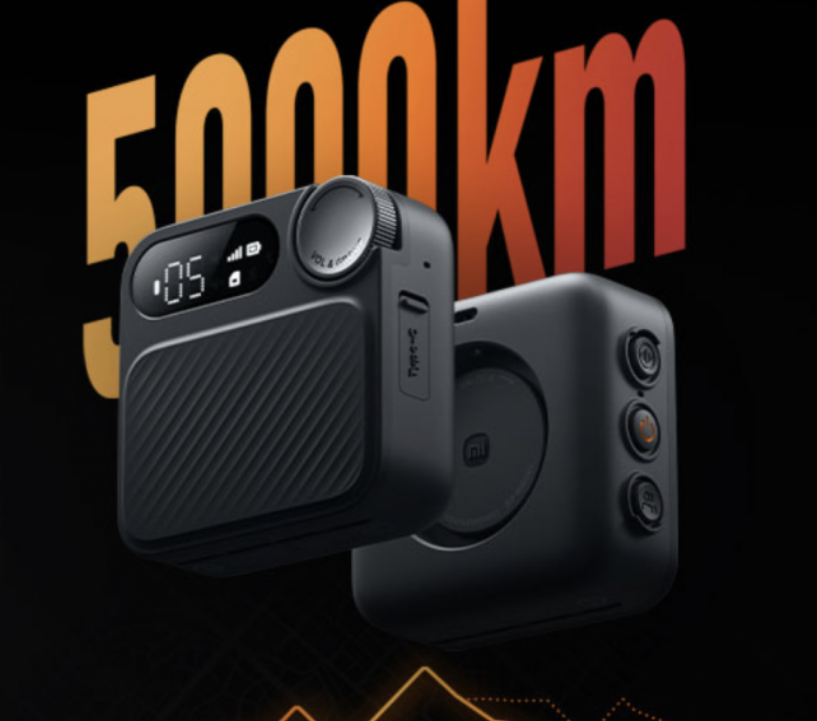
With full-network 4G access, the walkie-talkie provides seamless connectivity across China Mobile, China Unicom, and China Telecom networks. This feature allows users to stay connected even over long distances. The intercom range of up to 5,000 kilometers is perfect for cross-country communication, whether you need to talk one-to-one or in a group.
Versatile and Smart Features
This device offers more than just intercom capabilities. It functions as a Bluetooth smart speaker, allowing you to enjoy music or access a voice assistant with a single click for hands-free operation. The team formation button makes it easy to set up groups, and users can share real-time locations via a mobile app. This ensures seamless coordination, making it ideal for group activities like hiking, camping, or team sports.
Long-Lasting Battery and Durability
The Xiaomi Sport Walkie Talkie is powered by a 1030mAh lithium-ion polymer battery, delivering up to 36 hours of standby time and 24 hours of continuous use. Designed for extreme conditions, its ultra-low-temperature battery performs effectively in environments as cold as -30°C. The Type-C interface ensures convenient charging and supports earphone sharing.
Key Specs:
Communication Network: 4G (China Mobile/China Unicom/China Telecom)
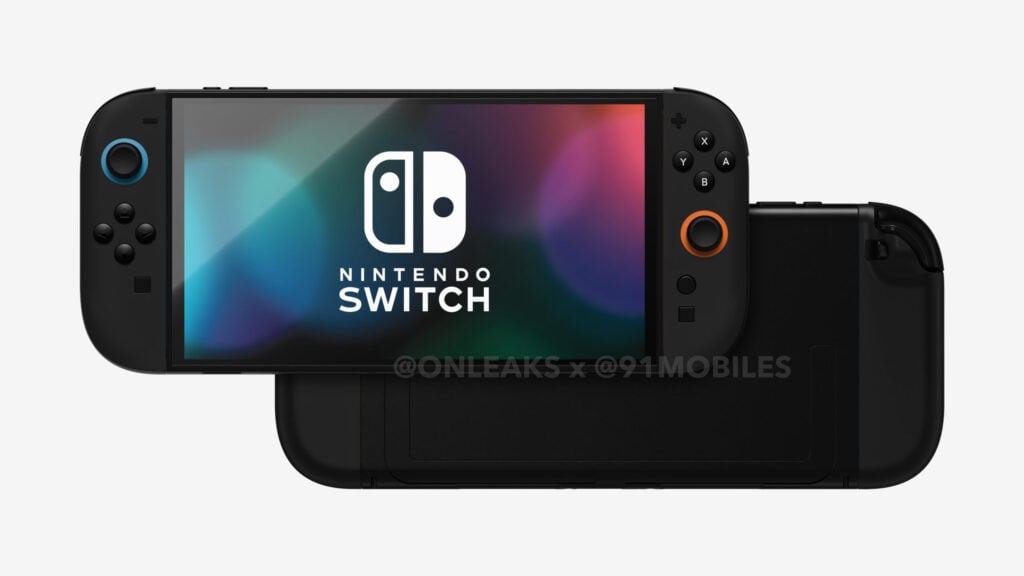
The Japanese console giant has been tight-lipped about its next-generation console, but leaks haven’t stopped peering into it. The Nintendo Switch 2 logo has also been leaked recently, which looks very similar to the last one.
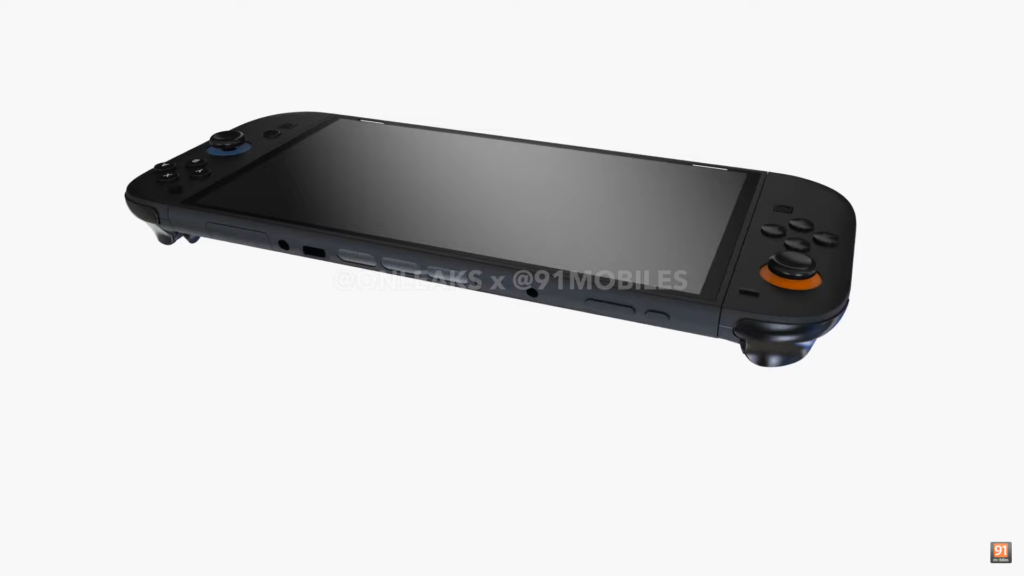
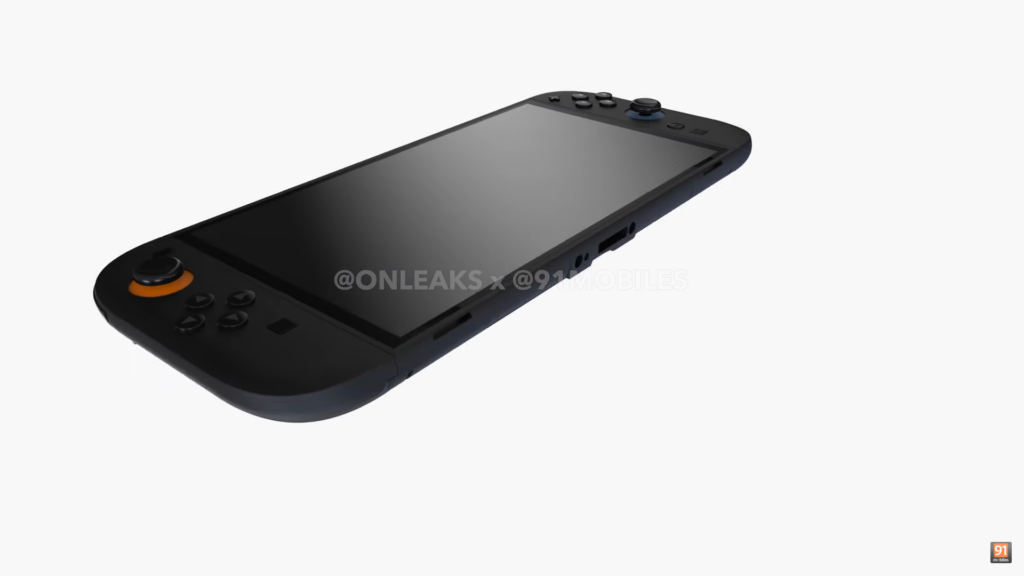
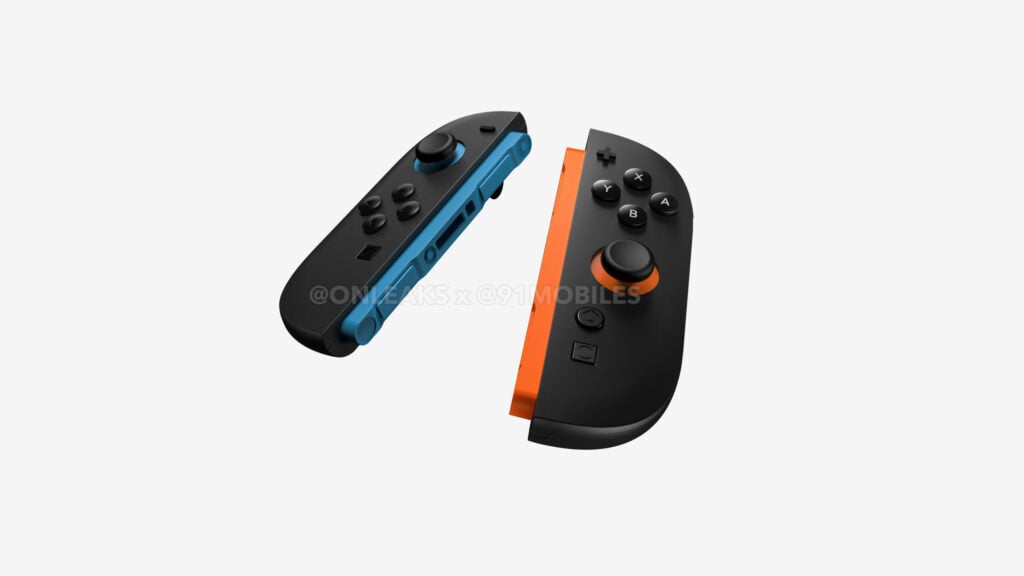
Thanks to 91mobiles and OnLeaks, we now have high-quality renders and a 360-degree video of the highly awaited Nintendo Switch 2. The much-anticipated Nintendo Switch 2 with a larger screen, bigger controllers, and several design tweaks seems to take things to the next level.
What the renders reveal
Leaks have shown an in-depth view of the new design. On top, it features a power button and volume rocker on the right, with the game card slot located on the left. This hints at the fact that Switch 2 is probably going to have backward compatibility with titles that exist in the existing Switch – a real gamer’s delight if he has an enormous library.
A 3.5mm headphone jack also makes an appearance, perfect for users who still cherish their wired headphones. Right next to it is a USB Type-C port, expected to handle charging. This addresses a common complaint with the current Switch design, which makes charging cumbersome, especially in tabletop mode. There’s also a mysterious sensor on the top—possibly an ambient light sensor.
The console has a minimalist bottom that is a central dock with guide pins on both sides and has two speaker openings on both sides of the setup. On the back of the device is a strong ‘U’ kickstand, much improved over the Switch OLED’s kickstand that itself was an improvement over the flimsy stand on the original Switch.
The Joy-Cons retain the same layout as before; there are the ‘+’ and ‘-‘ buttons, D-Pad, and sticks. But they are slightly bigger and now carry a mystical new button above the ‘Home’ button on the right Joy-Con. On the back side, there’s a new trigger button beside ‘ZL’ and ‘ZR’ to detach the Joy-Cons. The tight placement of these buttons could be an issue during gameplay.
A much larger display
According to OnLeaks, the Nintendo Switch 2 will pack a significantly larger 8.4-inch display. For context, the current Switch OLED has a 7-inch screen, and the standard Switch comes in at 6.2 inches. This is probably going to enhance the handheld gaming experience even further.
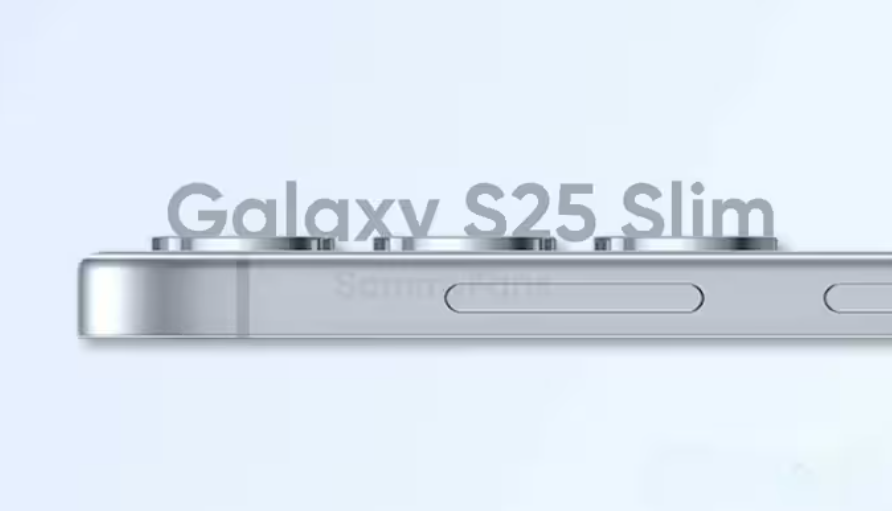
The Galaxy S25 Slim has appeared on Geekbench, and it is raising speculations that this smartphone might be presented at Samsung‘s Galaxy Unpacked event scheduled on January 22. Again, the South Korean tech giant has its lips sealed tight on this matter. Still, the benchmark listing gives some interesting cues about what it could bring to the table.
Galaxy S25 Slim scores nearly 7000 in Geekbench multi-core test
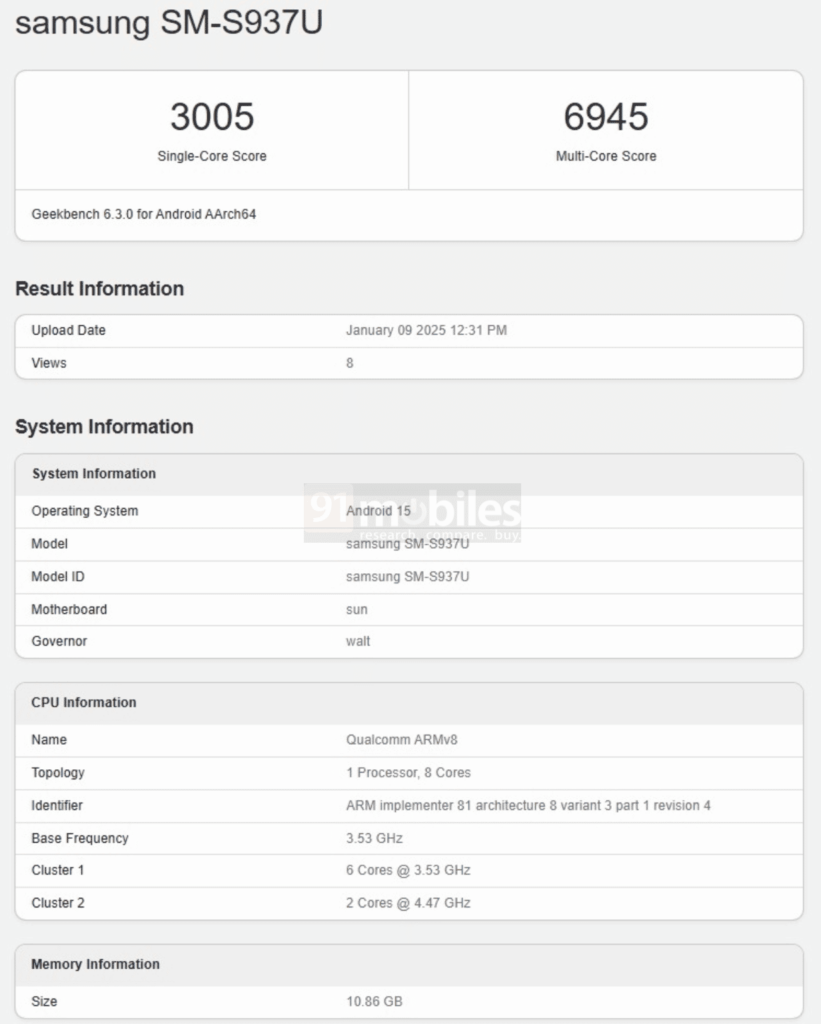
The Samsung Galaxy S25 Slim (model number SM-S937U) has surfaced on Geekbench and features some interesting hardware. The motherboard, which goes by the code name ‘sun,’ makes one suspect a Qualcomm Snapdragon 8 Elite in this device. The other three models are already pretty much confirmed to use the same chip.
According to the listing, the chipset provides a six-core setup at a speed of 3.53 GHz and two performance cores at a crazy high speed of 4.47 GHz. Equipped with 12GB RAM, the device scores 3,005 points in single-core and 6,945 in multi-core tests respectively.
It is to be noted that the performance figures aren’t that impressive for the Snapdragon 8 Elite, possibly due to a conservative approach toward performance. To be fair, other Galaxy S25 models have already popped up several times on the benchmarking platform. The base Galaxy S25 hit 9,355 points in the multi-core test and a similar single-core score of 2,986 points. The Ultra model performed even better, with 3,148 points in the single-core and a whopping 10,236 points in the multi-core test.
As per the listing, the Galaxy S25 Slim will ship with Android 15 right out of the box, which will likely include the One UI 7 skin on top. While the Geekbench listing doesn’t tell much else, the specs seem to indicate that the Galaxy S25 Slim won’t skimp on performance despite its focus on being a thinner, sleeker alternative.
Will it launch alongside the other models?
For months, the Galaxy S25 Slim has been marred by rumors and leaks. The new Galaxy Unpacked event invite just added to the hype, with four corners showing on the image. Many now think that perhaps the S25 Slim will also make an unexpected debut along with the standard, Plus, and Ultra models.
Interestingly, earlier reports had indicated that the Galaxy S25 Slim would be launched in Q2 2025, so an announcement this month would be ahead of schedule. Samsung appears to be positioning the S25 Slim as a direct competitor to Apple’s upcoming iPhone 17 Air, which is also focused on delivering a slim and lightweight design. You can check out some of the rumored specifications of the Slim model here.
Last review we focused on the POCO X7 Pro version, and in this story, it’s the turn of the POCO X7 standard variant. The X7 Pro is designed for those who like extreme performance but don’t want to spend too much money. Then the non-Pro version of the X7 is designed for those who have a much smaller budget, and don’t play much heavy games on their phone either. Without further ado, let’s check if it’s worth a high rating like what we gave to the Pro model.
Design
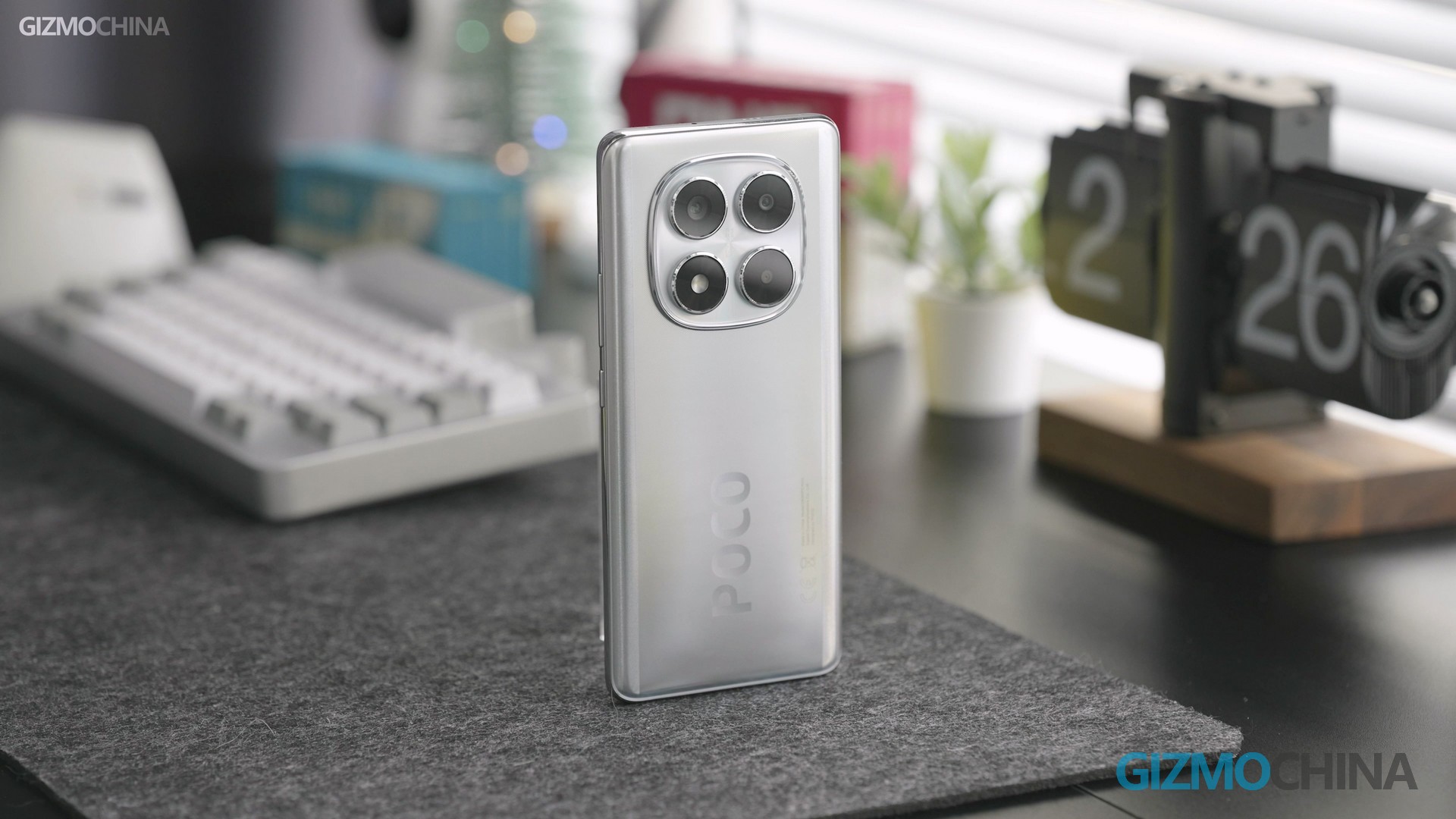
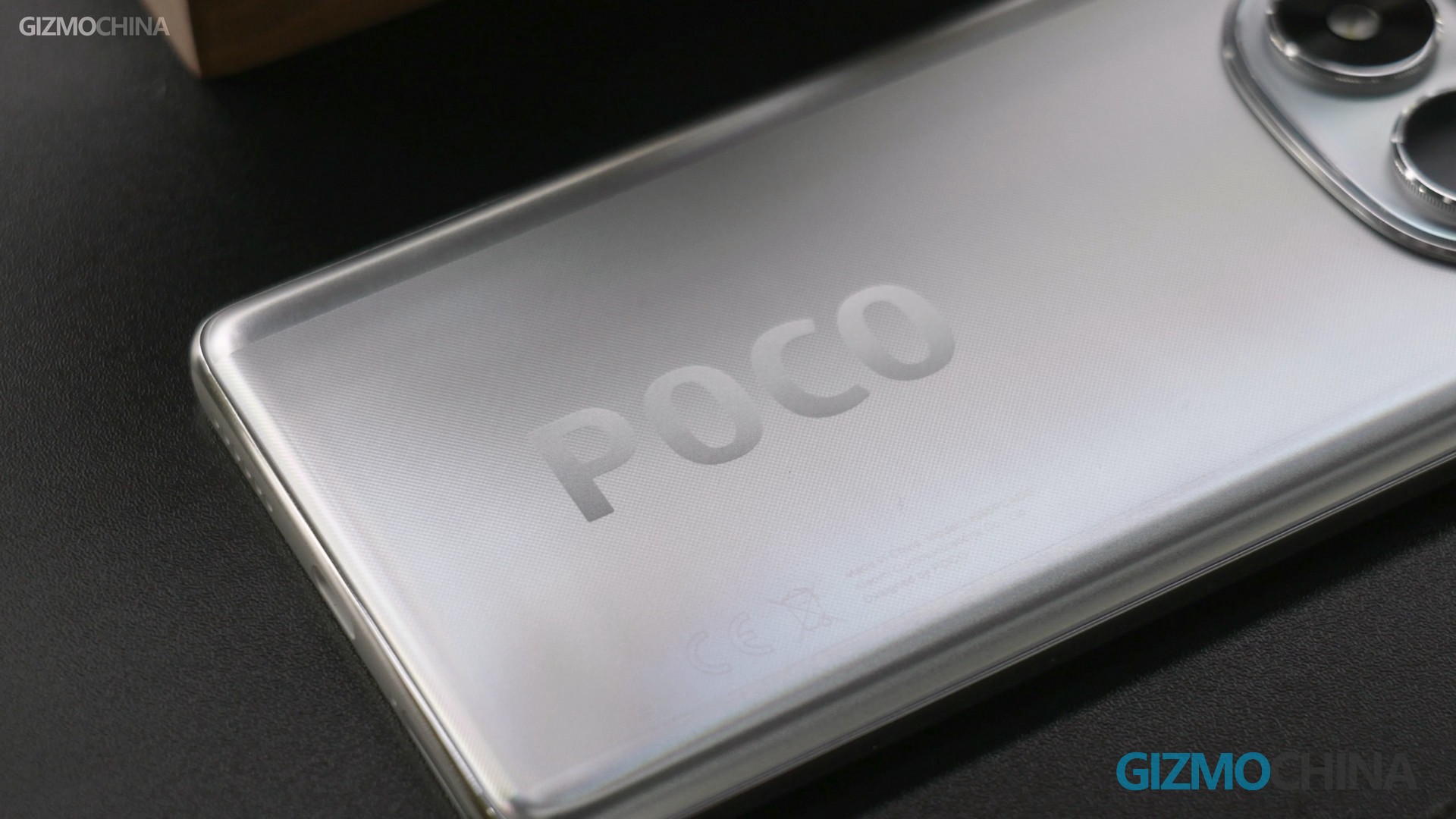
Although it’s from the same series, the design is hugely different from the Pro version. This silver color variant is already the most minimalist version of the X7, but I would still have liked it to be a bit more minimalist. Especially the large logo, which some people might like, but definitely not me.
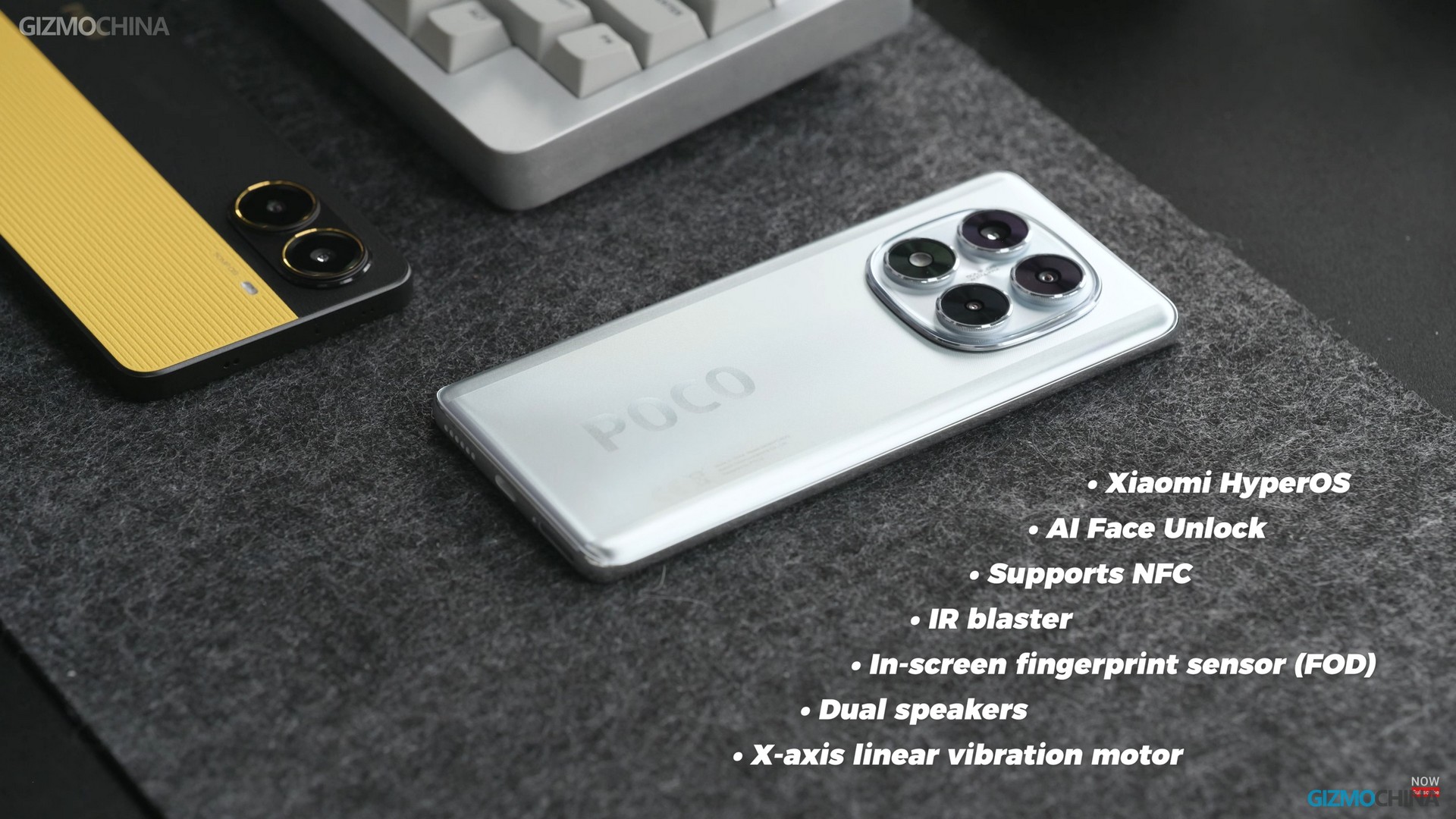
Other than that, POCO hasn’t neutered anything in terms of functionality, it has all your favorite features except for the headphone jack, of course.
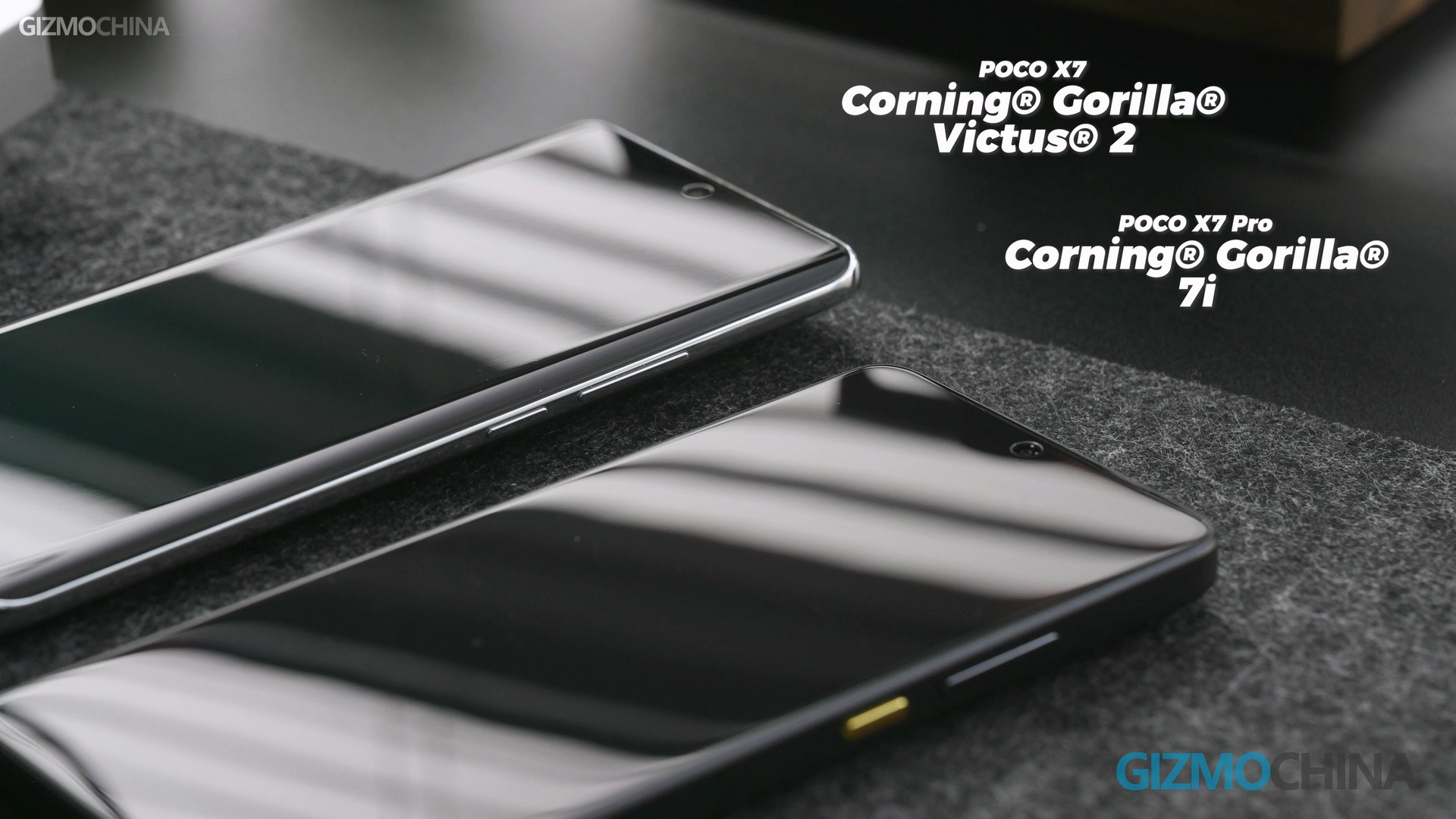
This time, POCO has upgraded the rugged sturture of the X7. Inside, the introduction of the new cushioning structure inside the device further boosts its capacity to withstand drops. It is certified for IP68 dust and water resistance, on par with the pro version. The screen protection glass also got Corning Gorilla Victus 2. So those who have the butterfingers, this time you finally won’t be using a phone with a broken display every day… I mean, not that easy (Do not test purposely).
Display
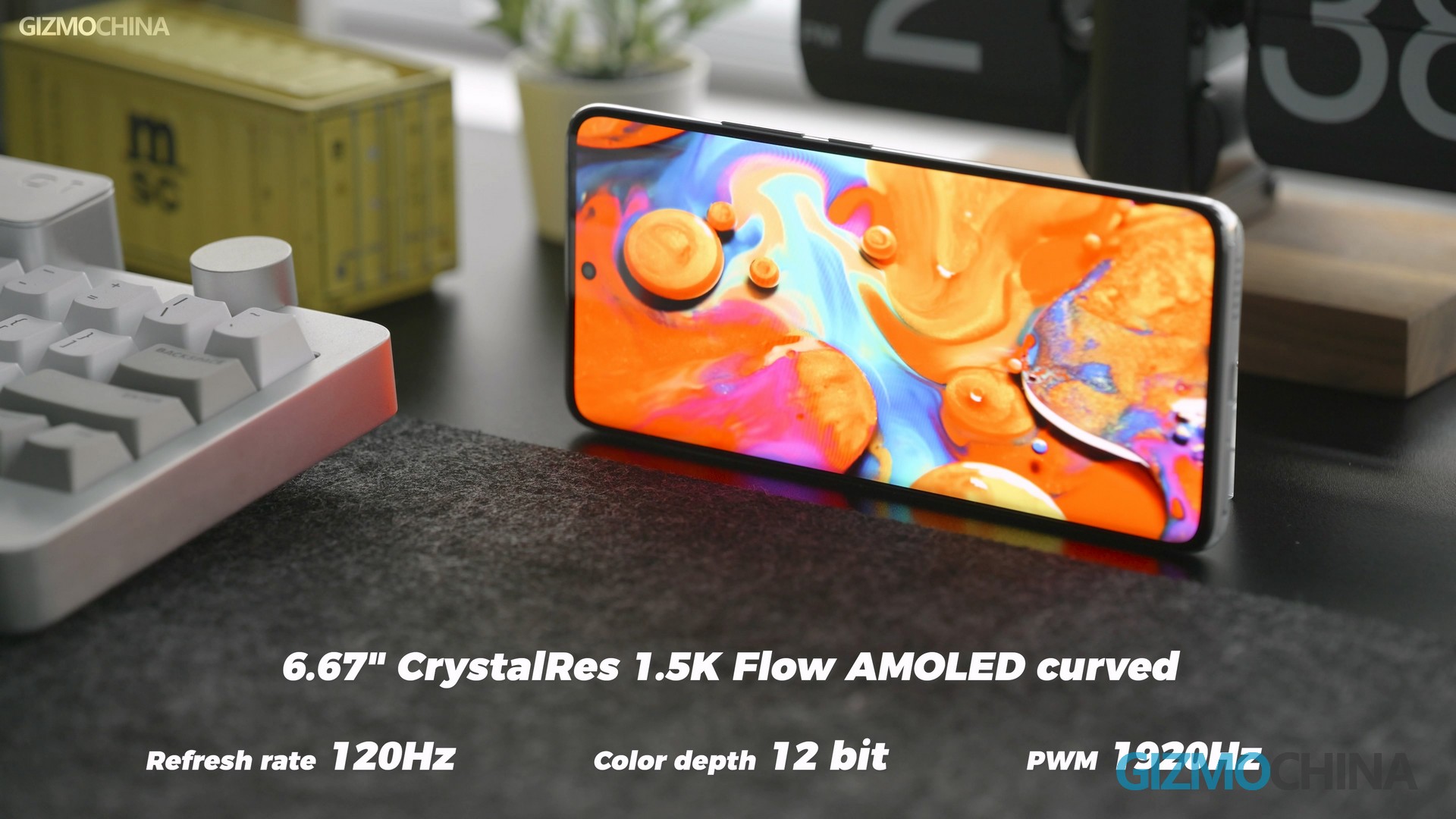
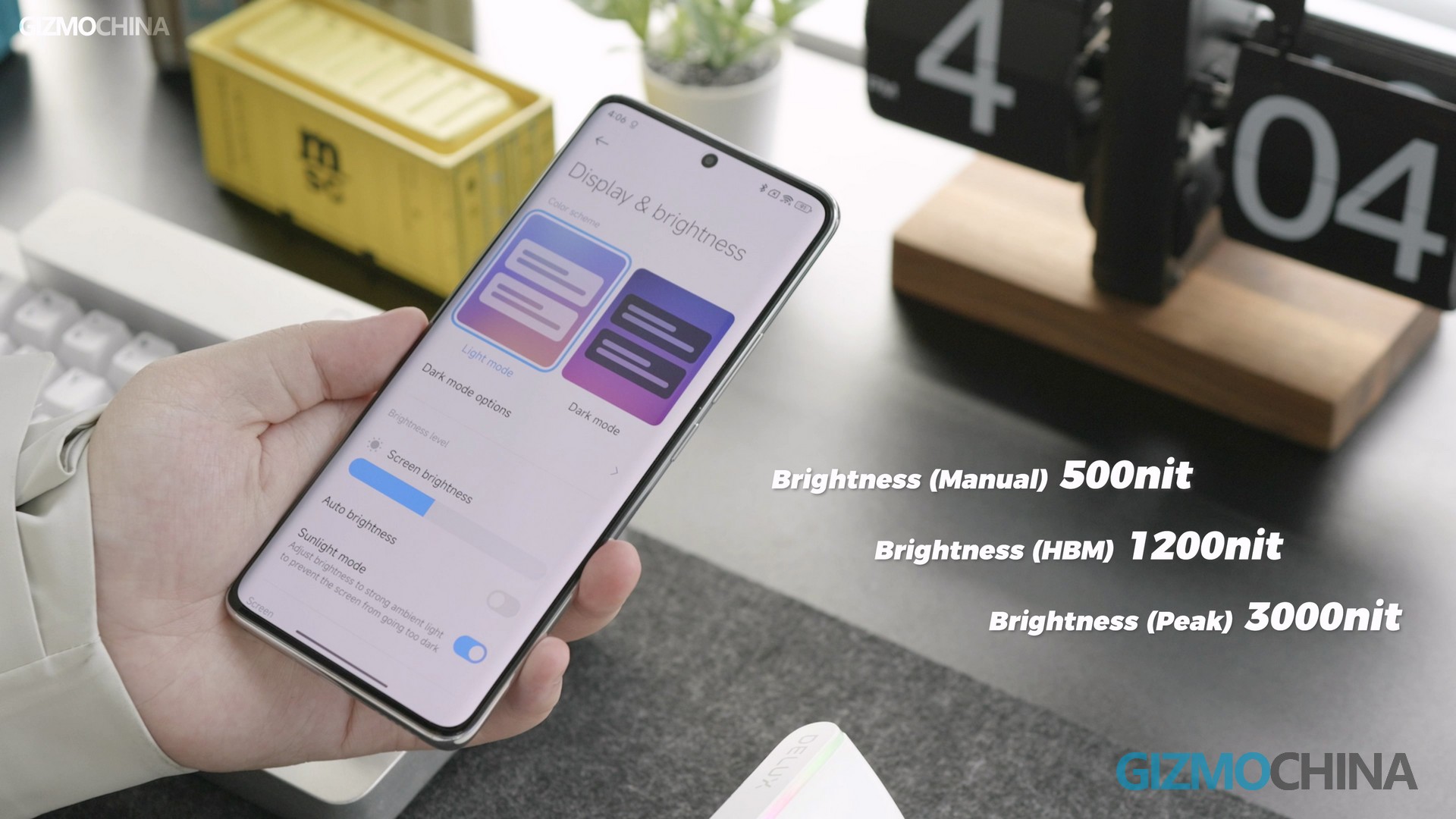
The display specs of the POCO X7 on paper are good. There are no obvious shortcomings, at a fine level that should be in a budget phone. The manual maximum brightness is 500nit, and the High Brightness mode is 1200nit. Low brightness PWM dimming is 1920Hz, good for eyes at night.
There is also an under-screen fingerprint recognition, although the position is a little lower. Together with the Victus 2 cover glass just mentioned, all in all, there are no drawbacks that can be pointed out with this screen at this price point. If you’re hoping for a better screen, then you’ll have to up the ante for a more expensive phone, such as its brother, the POCO X7 Pro.
Performance
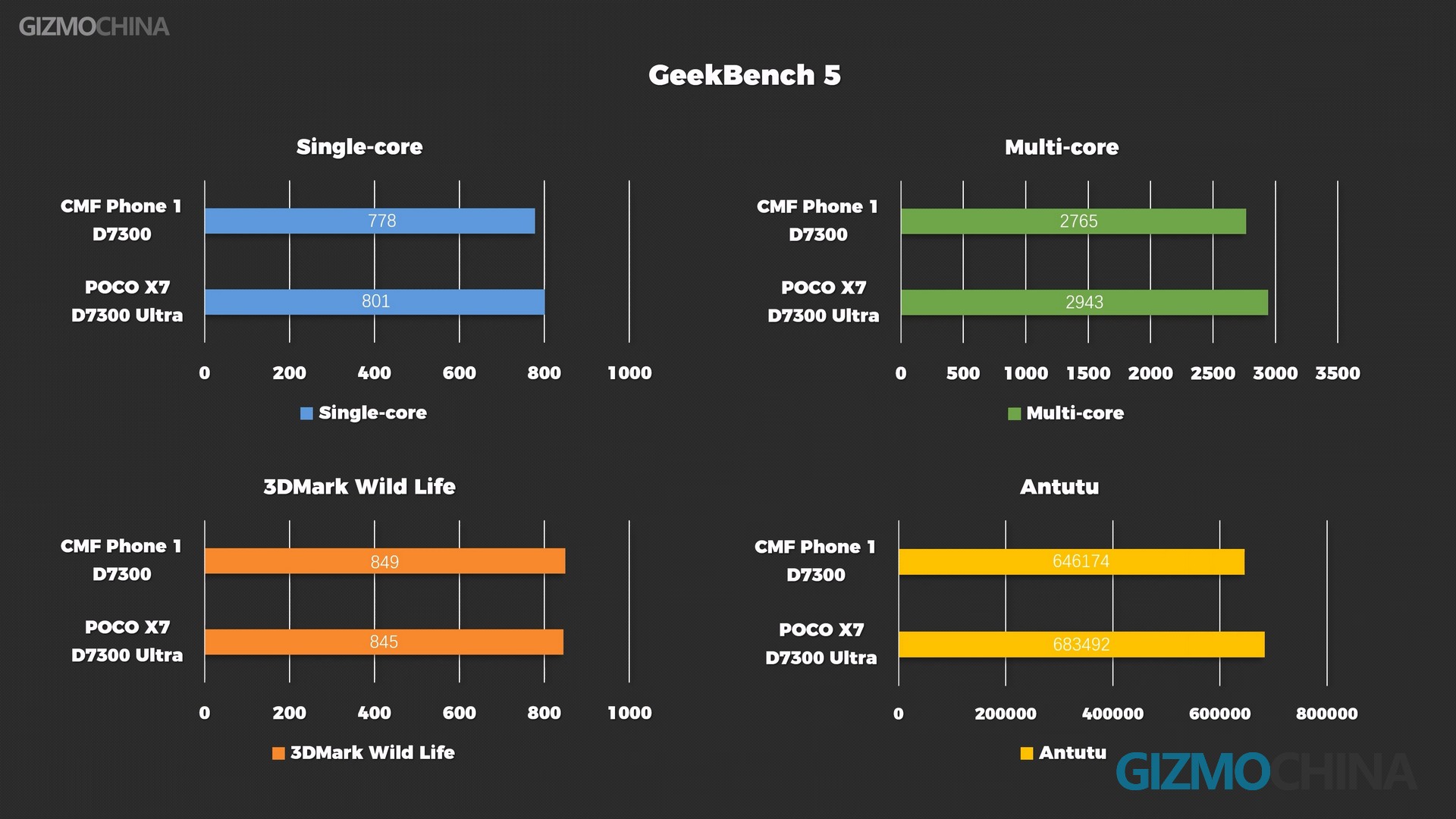
We all know that budget phones all need to save money in different aspects to cut the selling price. So what has the X7 sacrificed to save costs? The answer is performance, the Dimensity 7300-Ultra is an entry-level processor, slightly better than the non-Ultra version. You can understand that they picked the best units from the same chipsets and focused on slightly optimizing their extreme performance (2-5% improved).
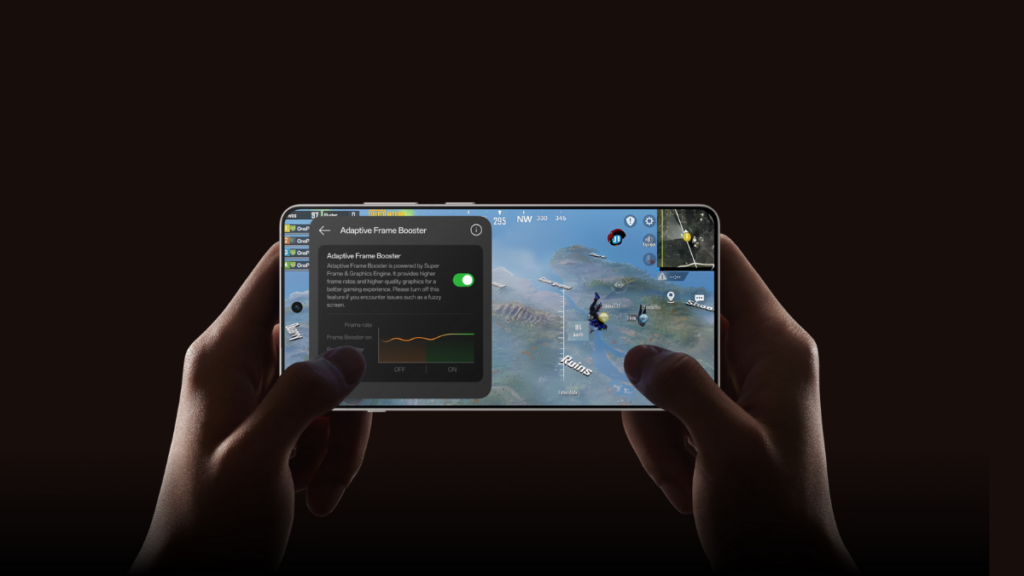
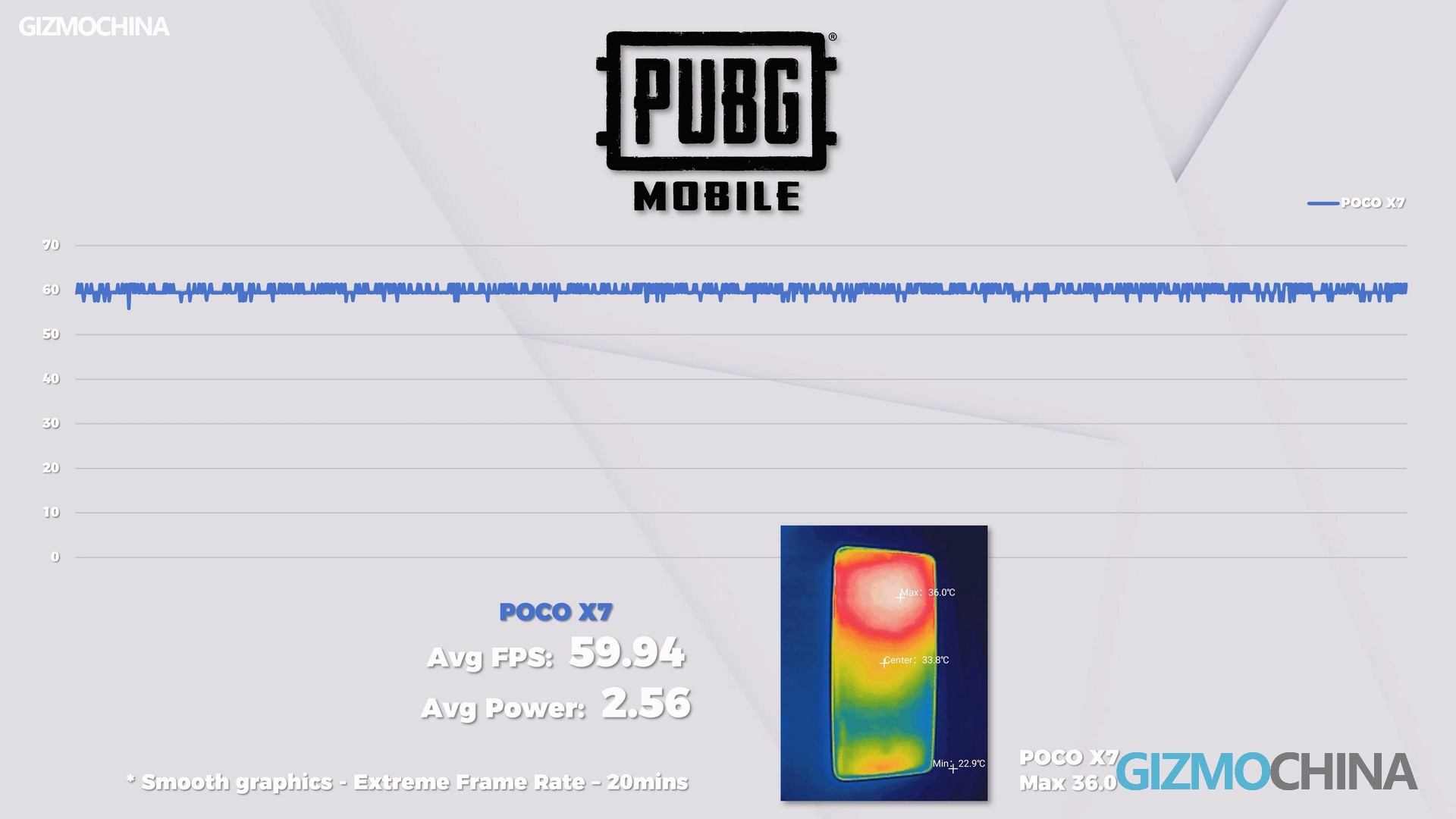
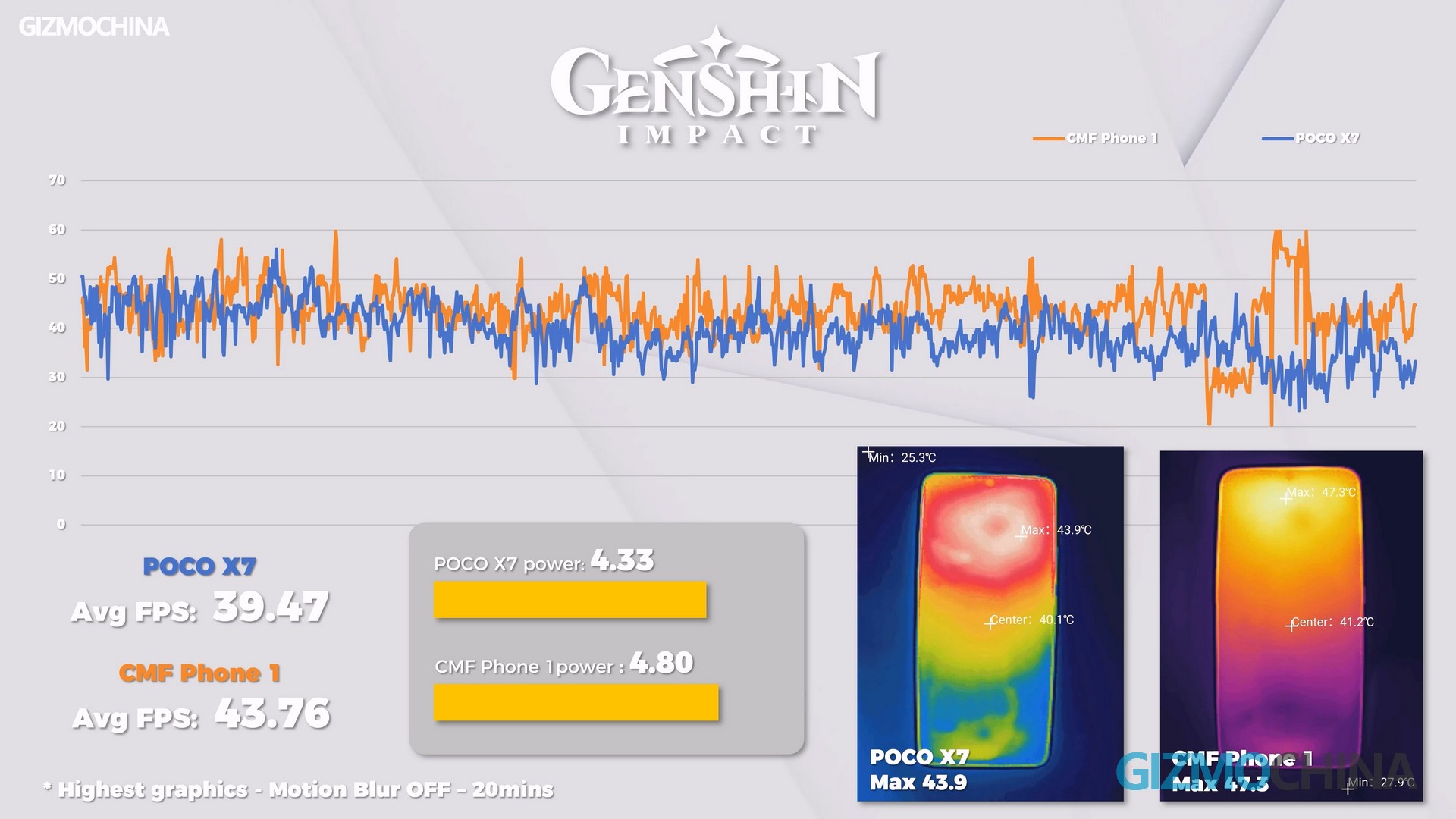
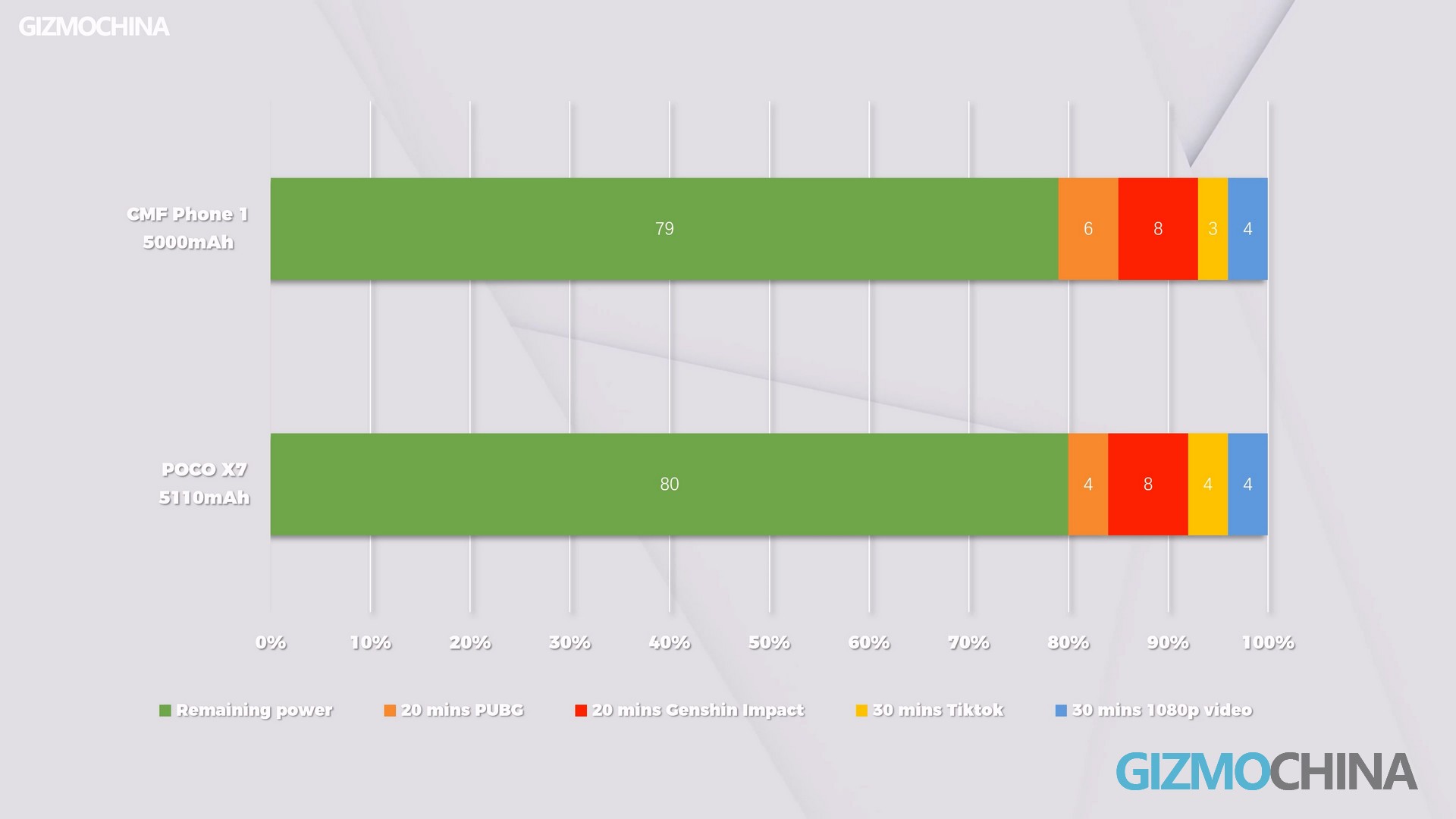
Some mainstream games can still run smoothly, such as PUBG Mobile. there is no lag in smooth graphics. Power consumption and temperature are pretty low. Games with higher loading, such as Genshin Impact, are not as smooth. It should have no problem completing daily tasks, and meanwhile users would gain such well-controlled temperature and power consumption. As an ambitious budget phone, it really does a good job.
Gaming space, like the REDMI K80, also adds FPS monitoring.
All in all, the X7 is a phone that takes care of daily applications. As long as the tasks you work on it aren’t that heavy, it does its job well.
Camera
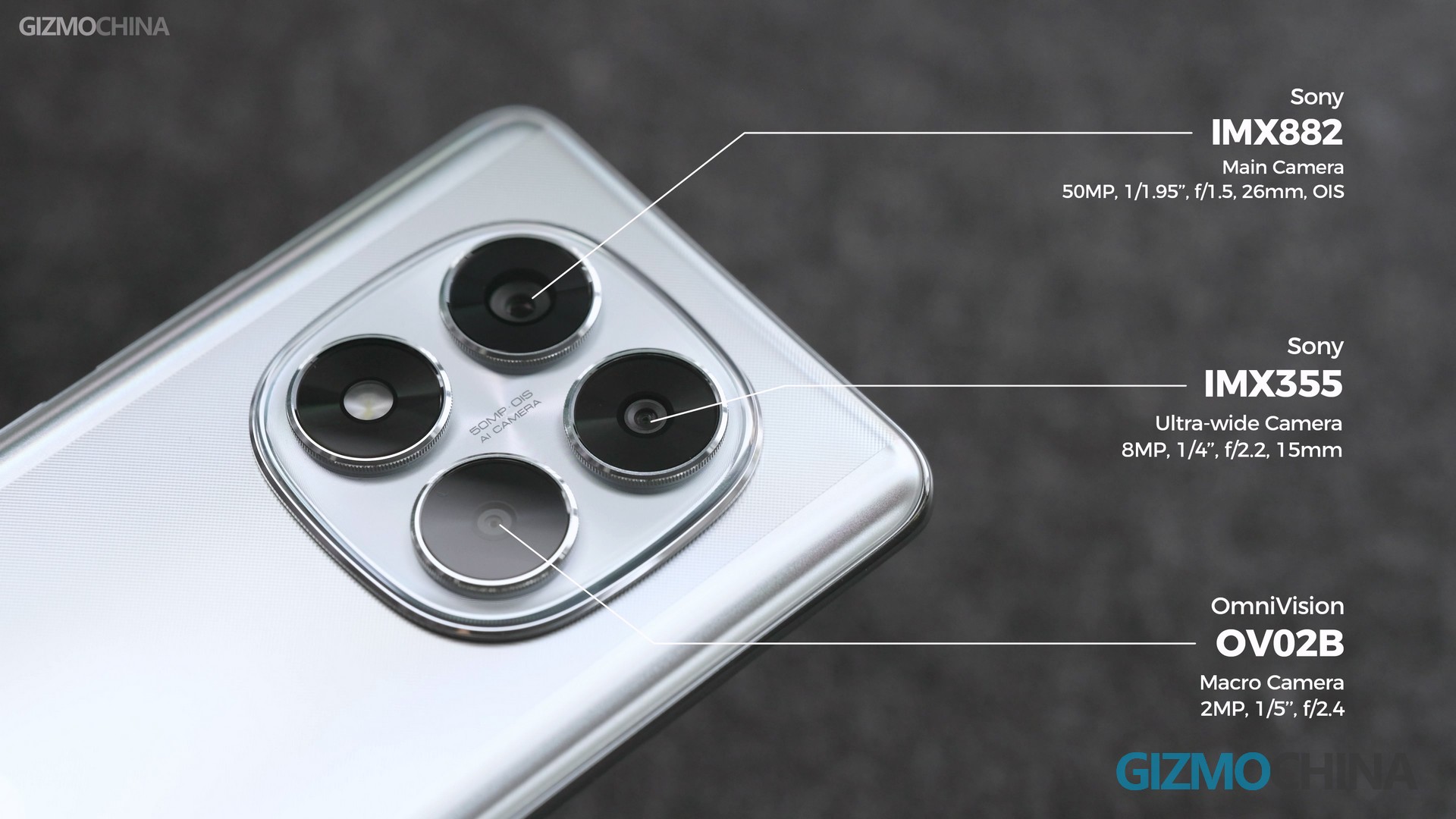
The X7’s three cameras are our old favorites: the main camera’s sensor is a Sony IMX882, and the ultra-wide camera and macro camera are 8MP and 2MP respectively. It seems to have done its best.
To be honest, the photos shot on it are better than I expected. Of course, as a budget phone, the X7 has a lot of common problems that other phones in the same price range have, such as the purple-fringing issue and the loss of clarity in dark light. But if you lower your expectations a bit, not comparing it to the flagship phones, then it can still delight you with good photos. In-sensor-zoom will take effect at more than 2 times the zoom, so it can hold slightly farther away objects as well.
The Ultra-wide camera didn’t disappoint me either, except for the purple-fringing issue which is still as much of a problem as ever. Again, this issue is present in all mid-range phones, not just the X7. Night details are also fine, an improvement over previous POCO phones.
As for that 2 MP macro camera, just pretend you don’t have it. Actually the main camera can shoot just as well as what it can shoot, and even with better image quality. You don’t have any reason to use it to take pictures, so forget about it.
The X7’s 20 MP front camera is also surprisingly good. It’s not just that it takes clear selfies and keystrokes well enough. Rather, it can actually record 1080P 60fps video with EIS. The detail is good too, so at least you won’t have any problem recording 1080P Vlogs with it.
The main camera can record 4K video, but the ultra-wide camera can only record 1080P. The frame rate is only 30 for both, but the footage is stable and the sharpness is acceptable. For a early-2025 phone in this price range, this is more than enough.
Battery & Charging
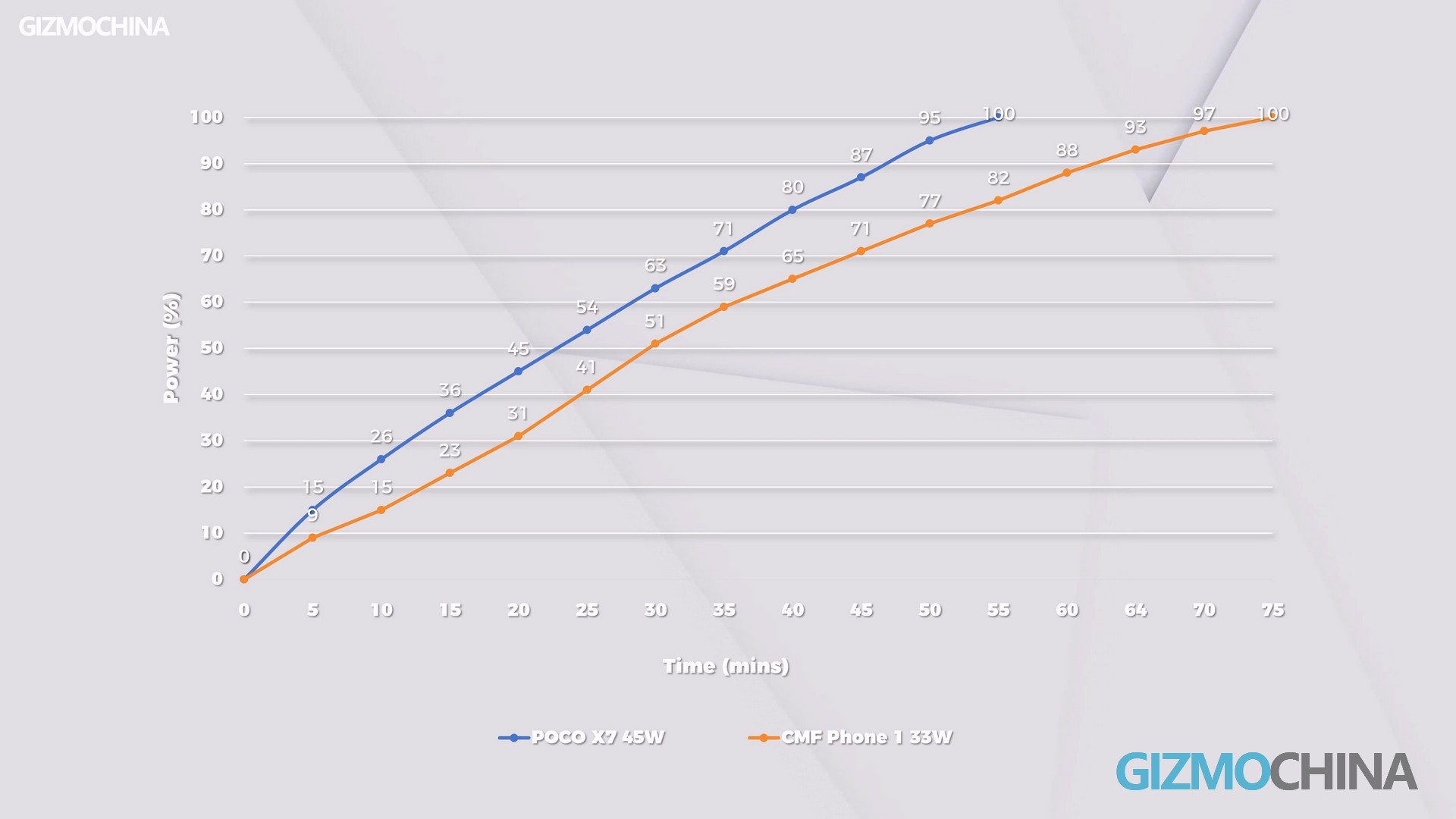
Like the REDMI Note 14 Pro, the POCO X7 has a wired charging power of 45 W. 10 minutes for a 26% charge, and 55 minutes for a full charge. But unlike the Note 14 Pro, the X7’s battery is only 5,110mAh.The battery capacity isn’t shockingly large, but the good news is that the processor is power-efficient enough.
By the way, POCO X7 is equipped with Solid-state electrolyte technology. The device can make voice calls at -10°C for up to 24 hours and standby for 66 hours.
Verdict
The POCO X7 is not quite like other POCO phones. Most POCO phones are emphasizing in leaping performance, but relatively mediocre in other parameters. But the X7 is only conservative in performance, while other features are well done. For those groups who have a limited budget and don’t play games on their phones, this phone will be perfect for them.
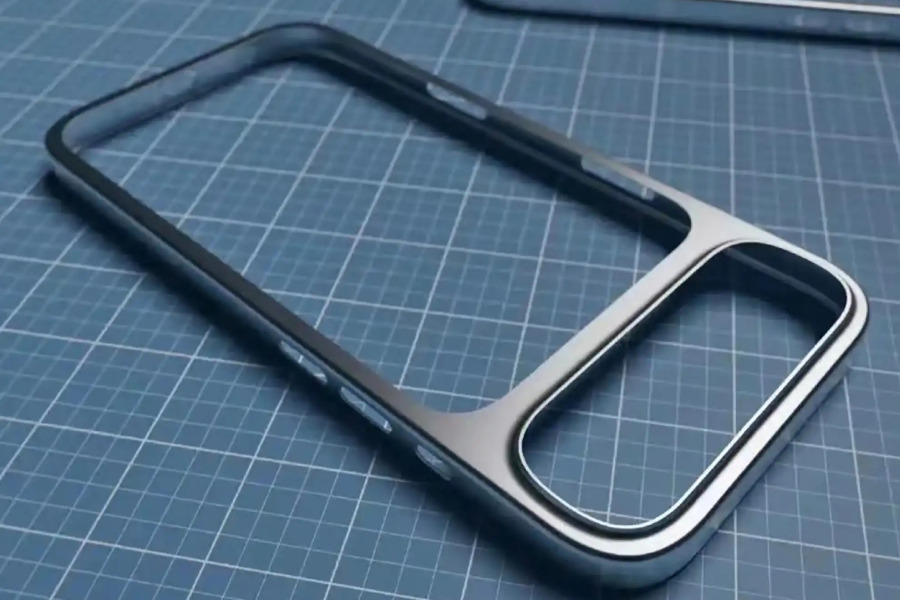
Apple is reportedly preparing to change the back design of its iPhone 17 series. According to reports, the phone will feature a rectangular camera bump instead of the current square bump that has been used for many generations.
A chassis leaked for the iPhone 17 Pro from the supply chain even gives us a glimpse of the design, which resembles a Pixel-like camera visor. However, while the company appears to be changing the camera design, those hoping for a major camera overhaul with the iPhone 17 Pro series might be disappointed.
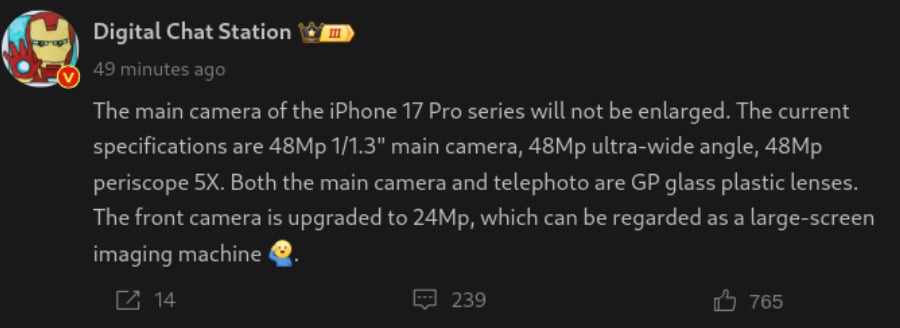
According to a leak from reliable tech insider Digital Chat Station (DCS), Apple is likely to stick with the same camera system that debuted in the iPhone 16 Pro series.
iPhone 17 Pro Camera Specs
In a leak today, DCS claims that the iPhone 17 Pro will retain the triple-lens rear camera setup of its predecessor. That is, a 48-megapixel main sensor, a 48-megapixel ultrawide sensor, and a 48-megapixel periscope telephoto lens offering 5x optical zoom.
The report also suggests that both the main and telephoto lenses will continue to use a combination of glass and plastic elements, known as GP lenses.
There could, however, be an upgrade to the selfie camera, according to the leak. DCS suggests that the phone’s front-facing camera will be upgraded from the current 12-megapixel sensor to a 24-megapixel one.
While the lack of major camera upgrades might be underwhelming for some, it wouldn’t be a huge surprise, considering Apple often adopts a multi-year approach to introduce significant camera upgrades on its smartphones.
The company made substantial changes to its camera hardware with the recent iPhone 16 Pro series. For instance, the lineup introduced a new 48MP fusion camera, an updated 48MP ultrawide camera, and a dedicated camera control button.
It is likely that these specs will be carried over to the iPhone 17 Pro models. However, it’s possible that the iPhone 17 Pro will feature improvements in software processing, even if the hardware setup remains the same.
We’ll likely have to wait for Apple’s official announcement to know for sure what the iPhone 17 Pro has in store for photographers. But based on this leak, it seems Apple is confident in its current camera system and might be focusing its efforts on other areas of improvement for the next generation of iPhones.
OnePlus officially made the global debut of the OnePlus 13 series in India. The lineup consists of the OnePlus 13 and OnePlus 13R. While the latter is going on sale next week, the true flagship OnePlus 13 has finally gone on sale in the region. So here are its pricing and launch offers.
OnePlus 13 First Sale: India Price & Launch Offers
The OnePlus 13 was announced in three colors options, namely Black Eclipse, Midnight Ocean, and Arctic Dawn. So here are the prices for the different storage configurations:
12GB + 256GB – 69,999 INR
16GB + 512GB – 76,999 INR
24GB + 1TB – 89,999 INR
OnePlus 13
As of right now, it is available for purchase on the brand’s official Indian website, OnePlus Store app, Amazon India, offline retail partners, OnePlus Experience Stores, Reliance Digital, Vijay Sales, Croma, Bajaj Electronics, and others. ICICI Bank Credit Card holders can avail an instant back discount of up to 5,000 INR. In exchange for their older smartphones, customers can also avail a discount of up to 18,000 INR.
You can even couple this discount with a special exchange bonus of up to 7,000 INR. Adding up the instant discounts with the exchange bonuses, you can get your hands on the OnePlus 13 for just 39,999 INR. There is also a plan that allows free 180 phone replacement if you face any hardware issues on the OnePlus 13.
The company is bringing the Green Line Worry Free solution as a part of Project Starlight which gives a lifetime warranty for any phone that suffers from this issue. OnePlus India is offering discounts to corporate workers through their corporate employee program as well. There are also two complimentary airport lounge access, no cost-EMI options, and free premium access to 10 OTT apps for 6 months.
Xiaomi previously teased the Pad 7’s India launch back in December 2024. Now, it has officially debuted the Xiaomi Pad 7 in the region with some notable specs and features. The brand’s latest tablet features a premium design and capable hardware. So here is everything you need to know.
Xiaomi Pad 7: Every Key Specs
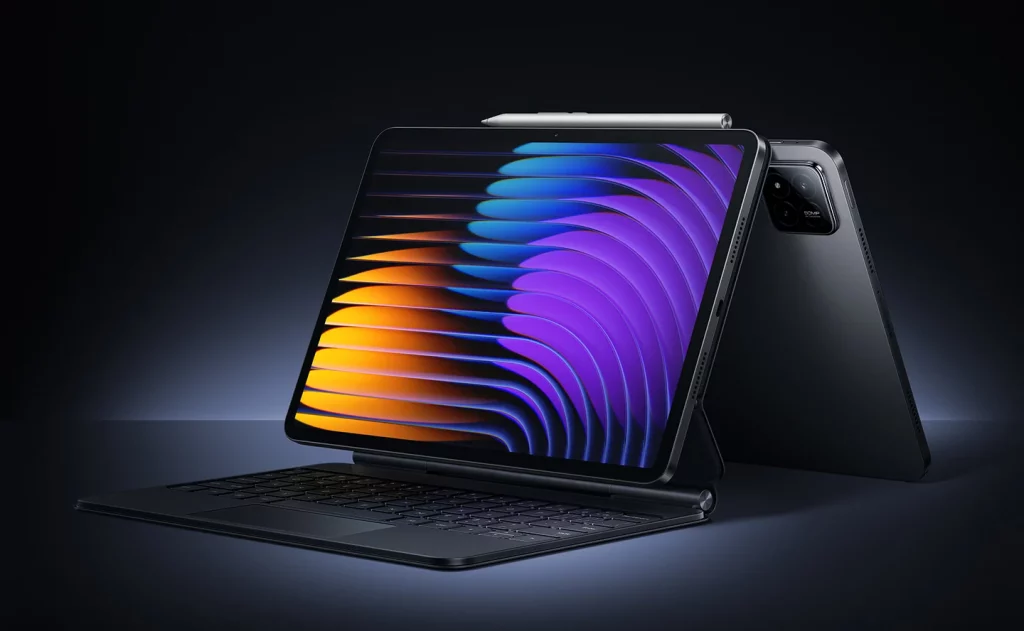
The Xiaomi Pad 7 was announced with a tall 11.2-inch LCD display that has a 3.2K resolution, a 144Hz refresh rate, Nano Texture Display, anti glare, and anti reflective features. The screen has a 3:2 aspect ratio, TÜV Rheinland certification for low blue light certification, HDR 10, and Dolby Vision.
Xiaomi Pad 7
Xiaomi built this new tablet with a metal unibody, adding to its premium design that matches the Apple iPad series. Under the hood, it is equipped with the Snapdragon 7+ Gen 3 SoC, which is paired with up to 12GB of RAM and 256GB of internal storage. A massive 8,850mAh battery pack powers this device, which supports 45W wired fast charging. For optics, the rear has a 13MP rear camera, while the front house has an 8MP selfie shooter.
This tablet runs on the Android 15 OS based HyperOS 2 custom skin. The OS brings support for various AI powered features like AI Writing, AI Live Subtitles, and Xiaomi Creations features. Other notable features include a 6.18mm slim body that weighs 499 grams, IP52 water and dust resistance, WiFi 6E, Bluetooth 5.4, Workstation Mode, Focus Keyboard support, and a quad speaker setup.
Pricing and Availability
The Xiaomi Pad 7 was just announced in three color options, namely Mirage Purple, Sage Green, and Graphite Gray. There are also multiple storage configurations like 8GB + 128GB, 12GB + 256GB, and 12GB + 256GB Nano Texture Display Edition. These carry 27,999 INR, 30,999 INR, and 32,999 INR price tags respectively.
We use cookies on our website to give you the most relevant experience by remembering your preferences and repeat visits. By clicking “Accept”, you consent to the use of ALL the cookies.
This website uses cookies to improve your experience while you navigate through the website. Out of these, the cookies that are categorized as necessary are stored on your browser as they are essential for the working of basic functionalities of the website. We also use third-party cookies that help us analyze and understand how you use this website. These cookies will be stored in your browser only with your consent. You also have the option to opt-out of these cookies. But opting out of some of these cookies may affect your browsing experience.
Necessary cookies are absolutely essential for the website to function properly. This category only includes cookies that ensures basic functionalities and security features of the website. These cookies do not store any personal information.
Any cookies that may not be particularly necessary for the website to function and is used specifically to collect user personal data via analytics, ads, other embedded contents are termed as non-necessary cookies. It is mandatory to procure user consent prior to running these cookies on your website.