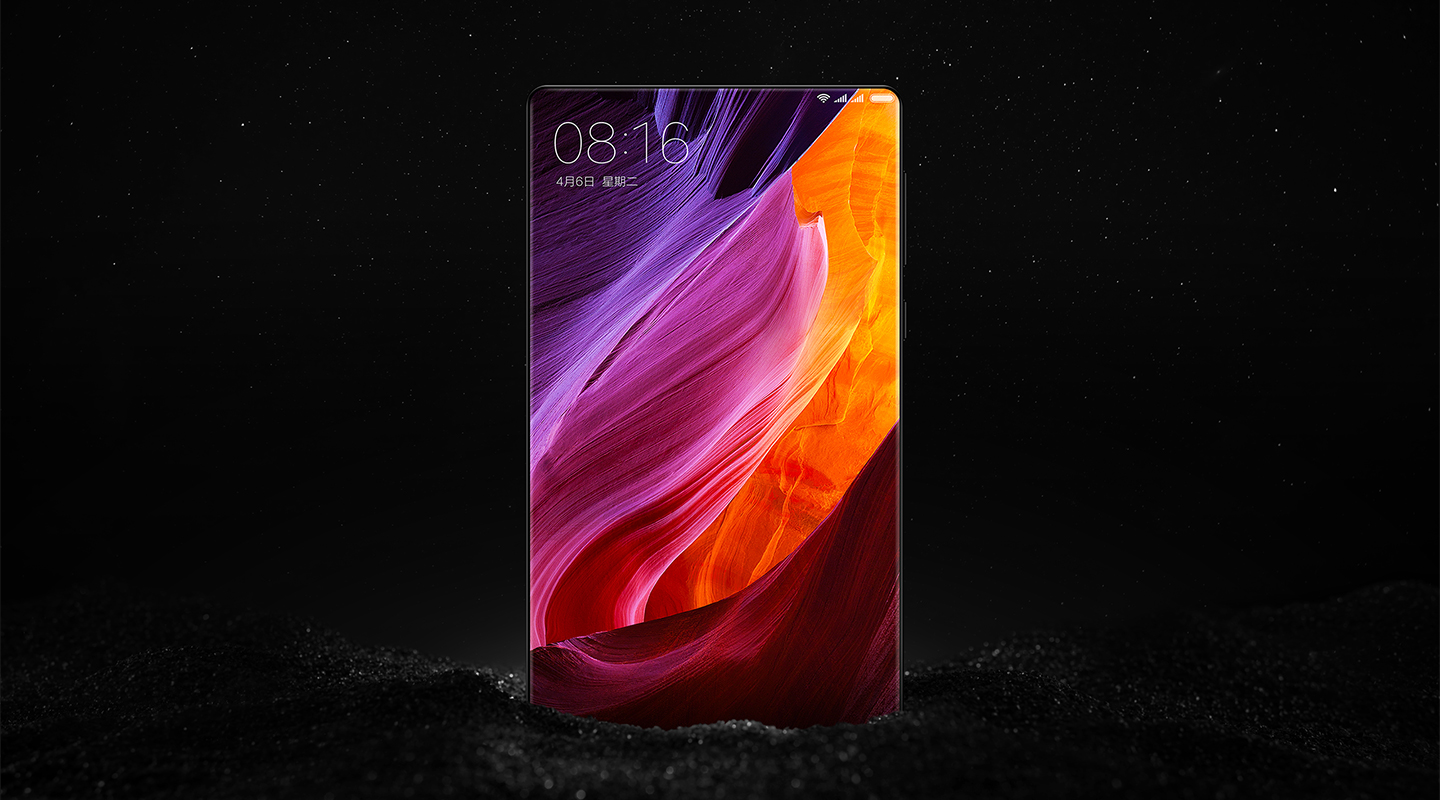
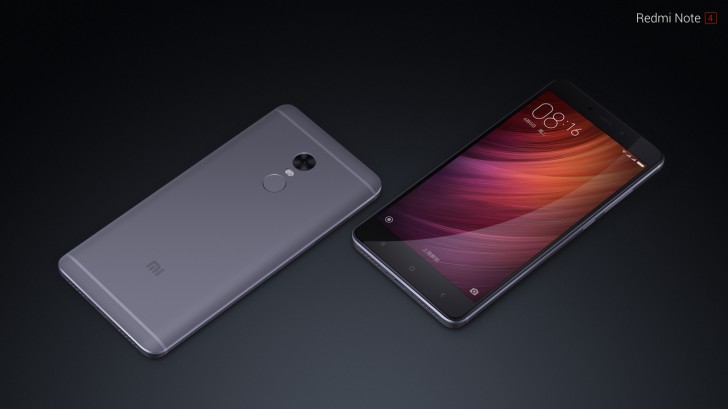
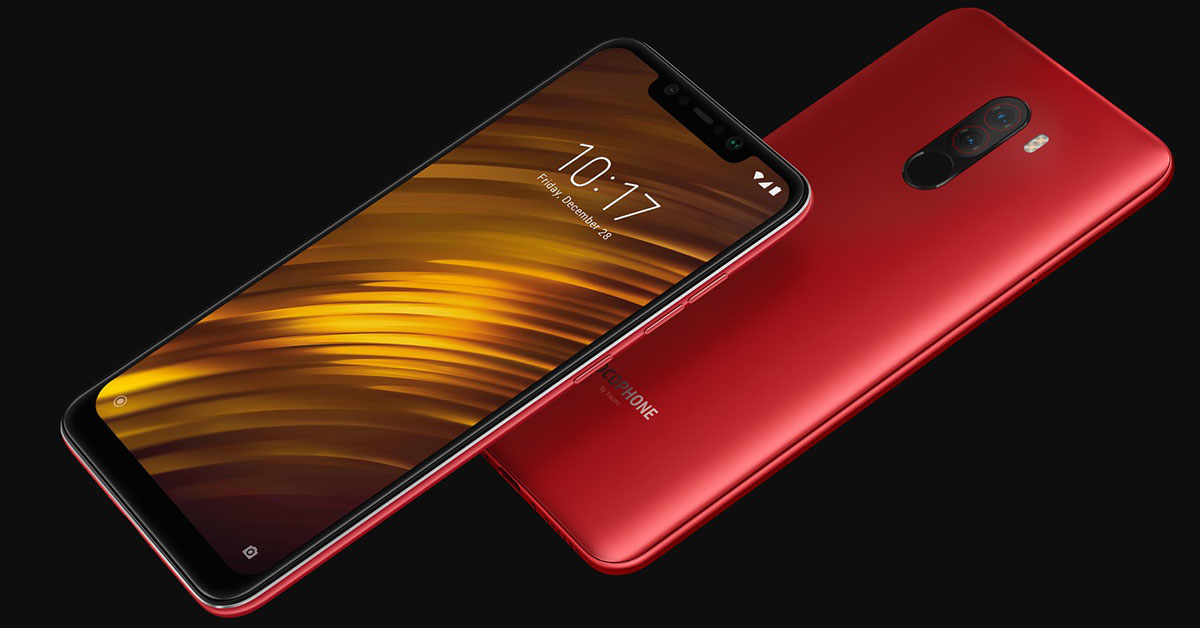
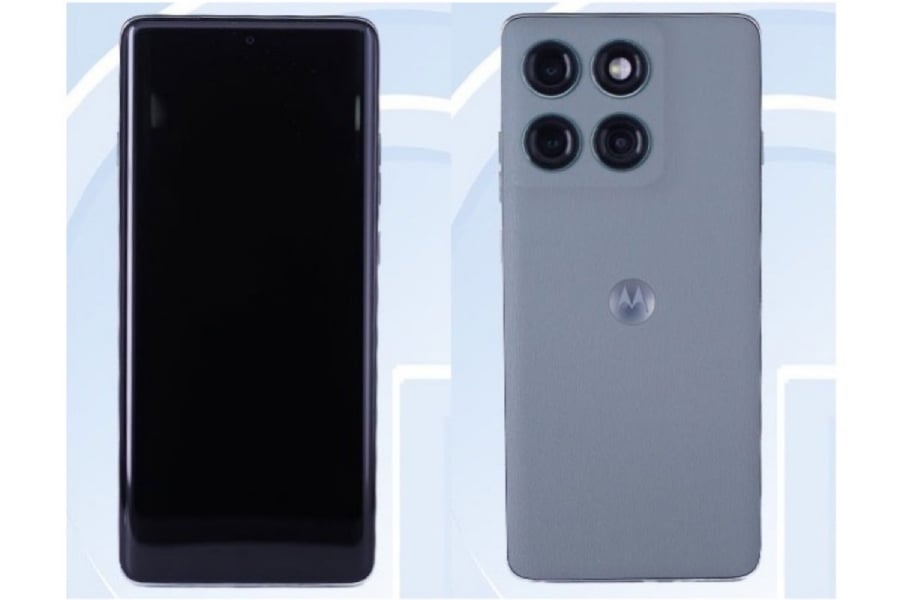
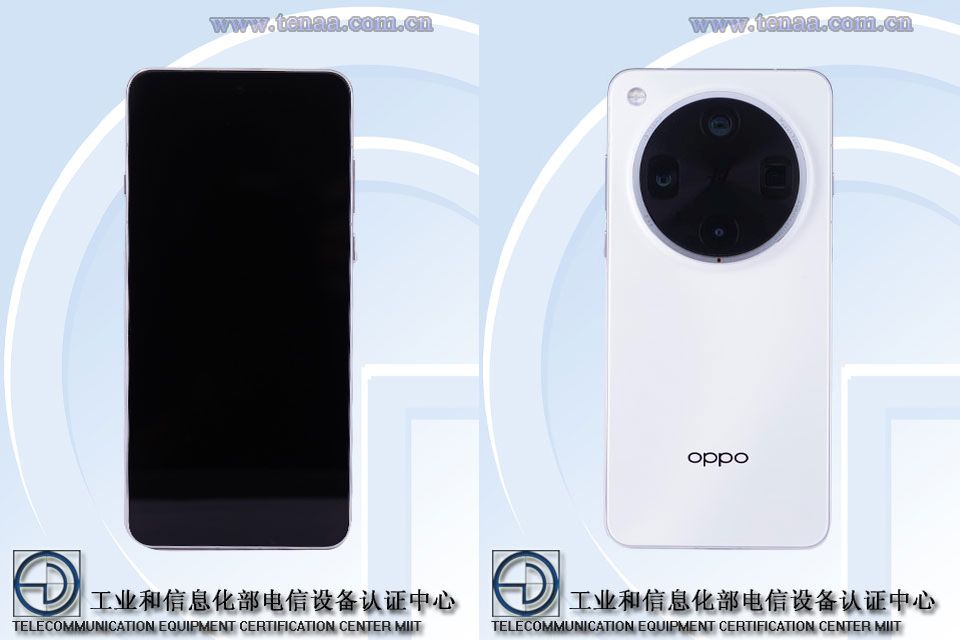
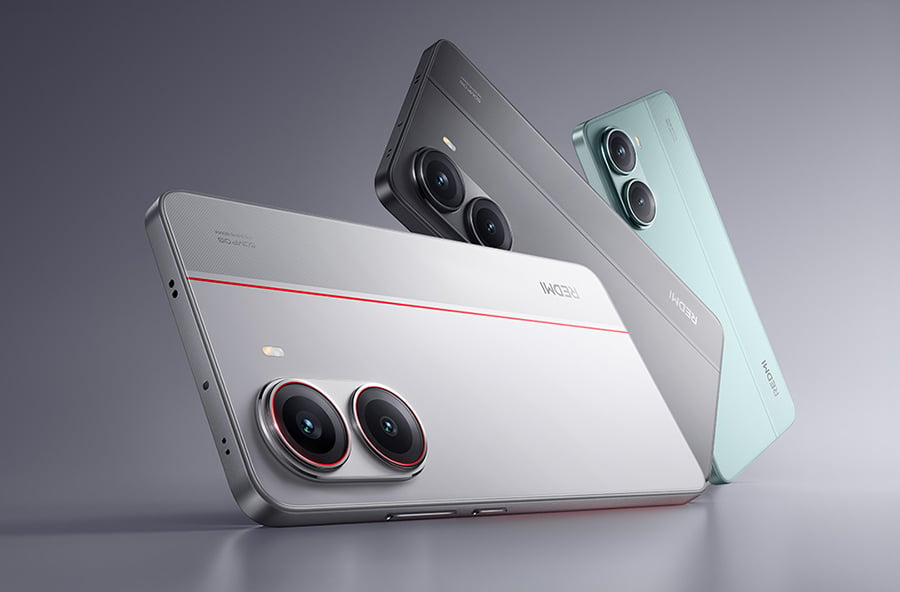
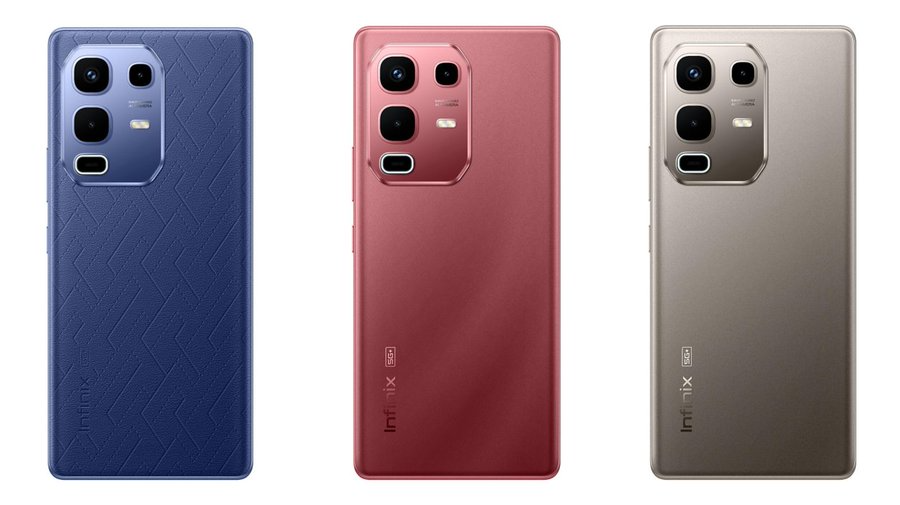
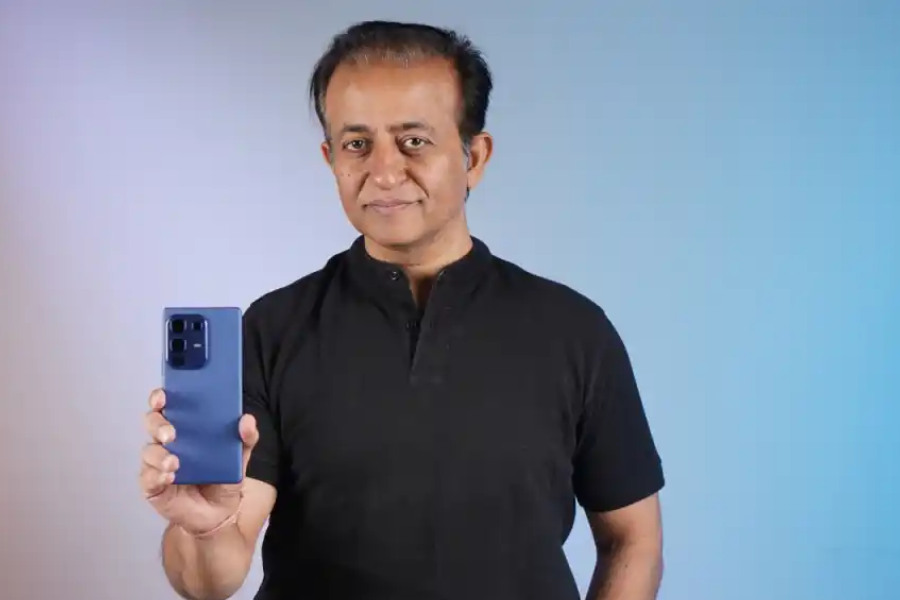
The Xiaomi Mix Flip 2 was spotted on the EEC certification platform two weeks ago. Soon after that, known tipster Digital Chat Station revealed some key details regarding the Xiaomi Mix Flip 2. The tip claimed that the Mix Flip 2 will debut in the first half of 2025 with Snapdragon 8 Elite, which is an upgrade over the Snapdragon 8 Gen 3 on the original Mix Flip.
Xiaomi Mix Flip
Now, more information has surfaced about more upgrades over its predecessor from a tipster on X (@That_Kartikey/ Via TheTechOutlook). He claimed that the upcoming Xiaomi Mix Flip 2 will pack a larger battery capacity of around 5600 to 5700mAh, which is a noticeable improvement over the 4780mAh battery that powers the Mix Flip. But that’s not all, the brand is packing the larger cell in the Mix Flip 2 without increasing the size or thickness of the flip phone.
Rather, Xiaomi is apparently managing to fit this large battery size in a slimmer body. The Mix Flip 2 is even getting lighter than the first gen model. To recall, the Xiaomi Mix Flip features a 7.6mm body and weighs around 190 grams. Keep in mind that this is just speculation at this moment. So take this news with a grain of salt for now and stick around for more updates.
On January 1, 2025, Chinese tech giant Baidu, best known for its search engine celebrated its 25th anniversary. In a letter to employees, co-founder and CEO Robin Li reflected on the company’s journey and laid out an ambitious vision for the future of artificial intelligence (AI).
Key Milestone: 40 Million Paying Users for Baidu Wenku Robin Li highlighted Baidu Wenku, the AI-powered content creation platform, as a standout success. With over 40 million paying users and 70 million monthly active users as of November 2024, Wenku exemplifies Baidu’s strategy of leveraging large-scale applications to unlock technological potential.
Investing in Innovation For years, Baidu has allocated more than 20% of its revenue to research and development, a commitment Li reaffirmed in his letter. He emphasized that technological breakthroughs often result from scaled applications, not the other way around. Examples include advancements in generative AI and autonomous driving, driven by extensive real-world use.
Explosive AI Growth Anticipated in 2025 Baidu forecasts rapid growth for AI-native applications across industries in 2025. While the concept of “super apps” remains unrealized, AI penetration is accelerating, powered by large language models and innovative platforms like Wenku. The company expects AI’s influence to deepen across diverse scenarios.
Staying at the Forefront of Technology Robin Li underscored Baidu’s resilience in navigating the risks of pioneering innovation. The company remains committed to experimentation, even amid failures, adjusting quickly to ensure progress. He characterized 2024 as a microcosm of Baidu’s history—marked by both challenges and breakthroughs, such as its image-based retrieval enhancement technology and MiaoDa code generation tool.
Outlook for 2025 As AI competition intensifies, Baidu aims to solidify its leadership in the sector. The seeds of innovation planted in recent years are expected to flourish in 2025, driving market recognition and adoption.
Robin Li concluded with a call for continued perseverance and innovation, positioning Baidu to “ride the wind and waves” into a future where AI transforms industries and enriches lives.
Xiaomi has just debuted a brand-new budget smartphone in India. For a sub Rs 10,000 price tag, the company released the Redmi 14C with some decent and capable specs and features. So here’s everything you need to know.
Redmi 14C Specs
The Chinese tech giant’s new Redmi 14C has a flat design on the front and back with rounded corners and a large circular camera module on the rear. It sports a tall 6.88-inch LCD display with an HD+ resolution, a 120Hz refresh rate, up to 600 nits of peak brightness, DC dimming, and TÜV Rheinland Low Blue Light. Under the hood, it is equipped with the Qualcomm Snapdragon 4 Gen 2 SoC, which is paired with up to 6GB of RAM and 128GB of internal storage.
Redmi 14C 5G
The smartphone runs on the Android 14 OS based Xiaomi’s HyperOS custom skin out of the box. You get a 50MP main camera along with a secondary sensor on the rear, while the front houses an 8MP shooter for selfies and video calls. A large 5,160mAh battery pack powers this device, which supports 18W wired fast charging. Other notable features include a 3.5mm audio jack, FM Radio, IP52 splash and dust resistance, and Dual SIM support with a microSD card slot.
Pricing and Availability
The Redmi 14C has just been unveiled in multiple color options, namely Starlight Blue, Stargaze Black, and Stardust Purple. It has a starting price tag of Rs 9,999 for the 4GB + 64GB variant, while the 6GB + 64GB and 6GB + 128GB versions cost Rs 10,999 and Rs 11,999 respectively. It will go on sale on 10th January 2025 via Flipkart, Amazon, and even offline retail stores.
Realme has officially confirmed the launch date for its Realme 14 Pro 5G series in India. The smartphones, including the Realme 14 Pro and Realme 14 Pro+ 5G, will debut on January 16 at noon IST.
Alongside their global color options of Pearl White and Suede Grey, the devices will feature two India-exclusive shades: Bikaner Purple and Jaipur Pink.
The Realme 14 Pro 5G series is set to bring some notable advancements to the mid-range segment. Both devices will sport 1.5K quad-curved displays with ultra-thin 1.6mm bezels, which Realme claims are the slimmest in the segment. Additionally, they will feature the world’s first triple-flash camera setup, adding to their photographic appeal.
Expected Specifications
Tipster Paras Guglani shared promotional posters that revealed key specifications of the two models. The Realme 14 Pro 5G will be powered by a MediaTek Dimensity 7300 Energy chipset and support 45W SuperVOOC charging.
It will also feature a 50-megapixel Sony IMX882 primary rear sensor with optical image stabilization (OIS) and 4K video recording, accompanied by a 16-megapixel front camera.
The Realme 14 Pro+ 5G, on the other hand, is expected to include a Snapdragon 7s Gen 3 SoC and support faster 80W SuperVOOC charging.
The camera setup is more versatile, with a 50-megapixel main sensor, a 50-megapixel telephoto lens offering up to 3x optical zoom, and a 112-degree ultrawide shooter. On the front, it will house a 32-megapixel camera for selfies.
Both models will pack 6,000mAh batteries and feature IP66, IP68, and IP69 ratings for water and dust resistance. Realme has also introduced a cold-sensitive color-changing technology that transforms the Pearl White variant to a vibrant blue when exposed to temperatures below 16°C.
The Realme 14 Pro 5G series will be available via Flipkart and the Realme India e-store, with more details on pricing and availability expected at launch.
Xiaomi is gearing up to release its latest flagship, the Xiaomi 15 Ultra, which promises exciting upgrades for photography enthusiasts. The phone is expected to include a macro camera with an impressive minimum focus distance of around 10cm and a redesigned photography kit.
Xiaomi 14 Ultra
The Xiaomi 15 Ultra will reportedly feature a macro camera capable of focusing as close as around 10cm, according to a Weibo post by a trusted tipster, Digital Chat Station. This enhanced macro capability will allow users to capture intricate details with ease. Additionally, the phone’s camera module is said to include a red-ring design and a new coating for the telephoto lenses. While DCS didn’t reveal much about the new coating, it generally suggests less lens flare and improved clarity.
Xiaomi 15 Ultra to offer a new photography kit
According to the tipster, the phone is also expected to come with a new photography kit. This kit aims to enhance the overall user experience and make up for the absence of plain leather designs in this series. Furthermore, Morandi-style phone cases will be available for this flagship lineup.
The Xiaomi 15 Ultra has already received 3C certification, confirming 90W fast charging support. It is also designed as a “satellite mobile terminal,” capable of standard Tiantong satellite calls and Beidou satellite text messaging. These features position the phone as a versatile tool for both urban and remote environments.
Rumored specifications include a massive battery, potentially the largest on a Xiaomi flagship. While the Xiaomi 15 Pro boasts a 6100mAh battery, the 15 Ultra is expected to push those boundaries even further. Fast charging options include 90W wired and 50W wireless charging.
On the photography front, the Xiaomi 15 Ultra is said to feature a 200MP periscope telephoto, another 50MP ‘medium-telephoto’, and a 1-inch main sensor with an f/1.63 aperture. These upgrades should solidify its position as a top-tier camera phone.
Xiaomi Group spokesperson Wei Siqi has confirmed that the Xiaomi 15 Ultra will officially launch in February.
Samsung Display, the world’s leading OLED panel manufacturer, has unveiled its fourth-generation QD-OLED TV panels, boasting a peak brightness of 4,000 nits. This marks a significant leap from the previous generation’s 3,000 nits, reinforcing Samsung‘s dominance in the OLED technology space. Alongside these panels, the company also introduced innovative rollable and foldable displays designed for smartphones and other devices, setting the stage for CES 2025 in Las Vegas next week.
QD-OLED panels: brighter and more vivid
Samsung’s fourth-generation QD-OLED panels offer more than a 30% increase in brightness, making them among the brightest OLED panels currently available. This advancement is attributed to “advanced panel driving technology and new organic materials.” Unlike LG Display’s WOLED panels, which rely on white sub-pixels, Samsung’s QD-OLED panels achieve superior brightness and color purity through their red, green, and blue sub-pixels.
At CES 2025, Samsung Display plans to showcase a 77-inch prototype TV equipped with the new panel. To demonstrate its capabilities, the company will also unveil “QD Jungle,” an immersive media art installation leveraging the high brightness and vibrant colors of the new technology to create a lifelike forest experience.
Although this new technology is expected to be incorporated into Samsung’s future OLED TVs, market factors might lead to adjusted panel performance, meaning consumer models may not fully reach the 4,000-nit peak brightness.
Expanding QD-OLED applications
In addition to TV panels, Samsung Display has expanded its QD-OLED portfolio with next-generation monitor panels, offering sizes ranging from 27 inches to 49 inches. These panels are designed to cater to diverse scenarios, including gaming, productivity, and content creation. They are expected to feature in Samsung’s Odyssey series and Smart Monitor series, enhancing user experiences with superior brightness and color performance.
Samsung also revealed groundbreaking flexible display innovations. These include a 5-inch rollable display for smartphones and an 18-inch foldable panel, showcasing the company’s commitment to pushing the boundaries of display technology. These advancements indicate Samsung’s vision for future smartphones and other devices that prioritize versatility and immersive viewing experiences.
Casio is best known for its rugged G-Shock series of watches. While some offer smart functionality, they are more popular for their classic/analogue watches. So if you want a few more modern features, we have compiled a short list of three smartwatches with a Casio G-Shock like design.
Amazfit unveiled the Active Edge in early 2024 with a bunch of smart features. Right off the bat, you can see that the Active Edge is a smartwatch with a rugged design true to its name. ‘Active’ in smartwatches usually implies outdoor or sporty and the brand’s Active Edge fits perfect with its rugged design. It sports a 1.32-inch circular LCD display with 10 ATM water resistance. This makes it perfect for diving up to 100 meters.
You also get support for over 130 sports modes, including automatic detection for seven activities, including outdoor and indoor running, walking, outdoor cycling, and elliptical training, along with auto-detection for 25 strength exercises. Thanks to the BioTracker PPG biometric sensor, users get access to heart rate, blood oxygen, sleep, and stress tracking as well. It was announced in India for Rs 12,999 while the global price is set for $140.
Please Note: When you buy something using the links in our articles, we may earn a small commission at no cost to you.
2. Amazfit T-Rex 3
Amazfit T-Rex 3
We have another smartwatch model from Amazfit and it is a part of its T-Rex lineup of ‘Adventure’ wearables. Back in September 2024, the company unveiled the Amazfit T-Rex 3 as the latest model in their popular series. It features military grade durability with various smart features. It sports a 1.5-inch AMOLED display with an impressive peak brightness of 2000 nits.
The T-Rex 3 brings Zepps OS 4 with OpenAI’s GPT-4o integration. You get skin temperature measurement alongside the usual heart rate, blood oxygen, stress, and sleep tracking. All of this packed in a body with 10 ATM water resistance. Furthermore, you also get Corning’s Gorilla Glass protection and a glove mode for those winter hikes. There is also support for GPS, up to 27 days of battery life on typical use and a whopping 81 days in basic watch mode. You can buy this rugged smartwatch for around $299.
Please Note: When you buy something using the links in our articles, we may earn a small commission at no cost to you.
3. Garmin Instinct Crossover Solar
Garmin Instinct Crossover Solar Rugged Hybrid Smartwatch
Over a year ago, Garmin debuted the Instinct Crossover series in India with a wide range of smartwatches built for the active users. In this lineup, the Instinct Crossover Solar is a great model to check out. For $449.99, this is a hybrid outdoor smartwatch with GPS support. As the name suggests, you can get up to 28 days of battery life or 70 days with solar charging enabled.
But that’s not all, the Garmin Instinct Crossover Solar even offers pulse OX blood oxygen, a 10ATM water resistance rating, heart rate tracking, respiration rate mapping, women’s health, sleep cycle tracking, stress monitoring, and much more. Despite being a hybrid smartwatch, you can also connect it to your smartwatch for access to smart notification, Find My Phone, Find My Watch, and various sports tracking.
The Oppo Find X8 series, which currently includes the standard and Pro models, may soon expand with the addition of the Find X8 Mini. This rumored device aims to offer a flagship experience in a smaller, more compact design.
According to a recent leak by industry insider Digital Chat Station, the Find X8 Mini is expected to feature a 6.31-inch LTPO OLED display with a 1.5K resolution, similar in size to the Vivo X200 Mini, which is currently limited to the Chinese market.
The Find X8 Mini is also rumored to focus on camera performance. While the standard Find X8 uses a 50MP Sony LYT-700 sensor, the Mini model may include a primary sensor from Sony’s premium IMX9 series, potentially enhancing image quality. The phone is also expected to retain the 50MP periscope zoom camera found in the larger models.
The Find X8 Mini is rumored to feature a metal frame and glass back, offering a combination of durability and a sleek, premium design. Earlier reports suggest that the Find X8 Mini might debut alongside the Find X8 Ultra in the first half of 2025. Additionally, a recent listing in the UFSC charging database revealed that the Find X8 Mini will house a sizable 5,600mAh battery, despite its compact form factor.
GIGABYTE has unveiled two new QD-OLED monitors, the AORUS FO27Q5P and the GIGABYTE MO27U2, designed to cater to gamers and professionals seeking top-of-the-line display performance.
The AORUS FO27Q5P features an unprecedented 500Hz refresh rate, making it the fastest monitor in its category. With support for DP2.1 UHBR20 bandwidth, it ensures smooth and responsive gameplay while minimizing motion blur. The monitor is also set to meet the upcoming ClearMR 21000 standard, highlighting its commitment to visual clarity and performance. Additionally, it supports VESA DisplayHDR™ True Black 500, delivering deep contrast and vivid visuals, making it an ideal choice for esports professionals and fast-paced gaming.
The GIGABYTE MO27U2 combines 4K resolution with a high 240Hz refresh rate, providing sharp, detailed visuals. Its 27-inch display offers a density of 166 PPI, delta E≤2 color accuracy, and Pantone Validated® certification for precise and vibrant colors. This makes it suitable for gaming, content creation, and professional tasks requiring accurate color reproduction.
Both monitors include innovative features such as GIGABYTE OLED Care, an AI-powered system designed to prevent burn-in and extend panel lifespan. Other enhancements include Tactical Switch 2.0 for quick resolution changes, Night Vision for improved visibility in darker scenes, and Black Equalizer 2.0 for enhanced detail in shadowed areas.
More details about these monitors will be revealed at CES 2025, which is scheduled to kick off on January 7. MSI has also unveiled its 2025 lineup of gaming monitors which will also debut at CES. Highlights include the MPG 272URX QD-OLED, the world’s first 27-inch 4K 240Hz monitor with a 5-layer tandem OLED panel for improved efficiency, and the MPG 272QR QD-OLED X50, a 27-inch QHD monitor with a 500Hz refresh rate and 0.03ms response time.
Xiaomi recently launched the Redmi Turbo 4 smartphone in China, which is also rumored to debut as the POCO X7 Pro in the global market next week. The Turbo 4 comes with a new chipset out of the MediaTek camp called the Dimensity 8400, which is expected to go head-to-head with Qualcomm’s mid-range SoCs like the Snapdragon 7+ Gen 4. Now, @TECHINFOSOCIALS has shared the device’s benchmark results, providing a clear view of its performance.
In AnTuTu’s CPU test, the Dimensity 8400 scores 1,799,330, ahead of the Snapdragon 8s Gen 3 (1,654,675) and the Snapdragon 7+ Gen 3 (1,497,646). GPU performance is another strength, with the Dimensity 8400 scoring 4,086 on 3DMark’s WildLife Extreme test, exceeding the Snapdragon 8s Gen 3 (3161). On AnTuTu’s GPU test, the Redmi Turbo 4 scores 658,114, well above the Snapdragon 8s Gen 3 (506,197) and the Snapdragon 7+ Gen 3 (472,913).
As for Geekbench 6, the Dimensity 8400 achieves a single-core score of 1639 and a multi-core score of 6500. While single-core performance shows only a slight improvement over the Dimensity 8300 (1548), multi-core performance is stronger, outperforming chipsets like the Snapdragon 7+ Gen 3 and Snapdragon 8s Gen 3, which powers its predecessor, the Redmi Turbo 3.
Redmi Turbo 4
The Dimensity 8400 offers superior multi-core and GPU performance compared to its closest Qualcomm rivals, though its single-core performance, while competitive, is less impressive. When compared to older Qualcomm flagship chipsets, it surpasses the Snapdragon 8 Gen 2 in both CPU and GPU capabilities but falls short of the Snapdragon 8 Gen 3. The Redmi Turbo 4 is set to launch globally as the POCO X7 Pro on January 9, with a rumored starting price of EUR 369. If accurate, this pricing positions it as an appealing, performance-focused smartphone for gamers on a budget.
With January 22 rapidly approaching, Samsung is gearing up to clear out last year’s inventory to make space for new products. Consequently, the Galaxy S24 Ultra is now available at an attractive price of $449, thanks to instant discounts and trade-in savings.
This offer presents an excellent opportunity for those looking to upgrade their devices while taking advantage of significant savings. As the time for new launches draws near, savvy shoppers can benefit from these reductions. Don’t miss the chance to snag this premium device at an unbeatable price as Samsung prepares for the upcoming releases.
To enhance your savings up to an impressive $850, ensure a quality device is available for trade-in. This could lead to an astonishing total of $750 off when combined with Samsung’s exciting instant discount of $100.
Samsung is rolling out an enticing offer for everyone: a $250 instant discount paired with an additional $100 off, making this a deal you won’t want to miss. Even if trading in your device isn’t on your agenda, you can still seize a fantastic opportunity to save $350 on your new phone today, bringing the total down to a jaw-dropping $949. It’s the perfect time to upgrade and enjoy these impressive savings.
The Galaxy S24 Ultra stood out as a premier smartphone in 2024, and even as we step into 2025, one can wholeheartedly recommend it as it embodies the pinnacle of the Samsung experience for good reason.
Please Note: When you buy something using the links in our articles, we may earn a small commission at no cost to you.
Samsung’s Galaxy S25 series is expected to make its debut at the Unpacked event on January 22. As we inch closer to the launch, leaks continue to give us a clearer picture of what to expect.
Now, we at Gizmochina have gotten our hands on one of the color variants of the Galaxy S25 Plus and Galaxy S25 Ultra. The images offer a closer look at the design and confirm a few rumored features we have been hearing about.
New Colors and Design Refinements
The images reveal the Blue variants of the Galaxy S25 Plus and S25 Ultra, which are likely to be dubbed “Icy Blue” and “Titanium Blue,” respectively.
As the names suggest, the two shades are visibly different. Both devices are encased in transparent Spigen Crystal Flex cases, offering us a clear view of their design.
Galaxy S25Galaxy S25 UltraGalaxy S25 Ultra
One of the standout features is the impressively thin bezels on both models. The edges appear slimmer than what we’ve seen on any recent flagship, including Apple’s iPhone 16 Pro Max.
This aligns with earlier claims from reputable leaker Ice Universe, who suggested the Galaxy S25 series would have the slimmest bezels on the market.
The exact measurement of the bezels has yet to surface, but they do indeed look slimmer than most rival phones. However, the overall dimensions of both phones seem consistent with their predecessors.
MagSafe-Like Wireless Charging, With a Caveat
The images also reveal a MagSafe-style ring on the back of both devices. Samsung is reportedly adopting magnetic wireless charging for its flagship series. However, some reports also suggest the feature will rely on an external accessory rather than being built into the phones.
This means the Galaxy S25 series likely won’t include the built-in magnets required for Qi2 wireless charging. Instead, users must purchase a dedicated “Magnet Case” to enable this feature.
Galaxy S25Galaxy S25 Ultra
While the case will allow compatibility with MagSafe accessories and Qi2 wireless charging, it adds an extra cost for users looking to leverage this functionality.
This is a first for Samsung’s flagship lineup. In the past, the company avoided magnetic cases due to potential interference with the S Pen. The Galaxy S25 series appears to have resolved this issue, allowing Samsung to compete with brands like OnePlus and Oppo, which offer similar solutions for their devices.
As more leaks surface, it’s clear that Samsung is refining its flagship lineup while addressing consumer demands for modern features like magnetic wireless charging. We’ll have to wait until January 22 to see how these features perform in real-world use.
Redmi Note 14 Pro Plus is a powerhouse smartphone that combines cutting-edge technology with user-friendly features. Designed to meet the needs of both casual and power users, it offers impressive performance, a high-quality display, and exceptional battery life. You can now get $50 OFF on the Redmi Note 14 Pro Plus at Giztop. The phone is now available for a starting price of $299 only.
Design and Display
The Redmi Note 14 Pro Plus stands out with its 6.67-inch OLED display that offers stunning visuals. With a high resolution of 2712×1220 pixels, the screen delivers sharp, vibrant images. It supports Dolby Vision and HDR10+, enhancing your viewing experience, whether you’re watching movies or scrolling through social media. The display also features a smooth 120Hz refresh rate, making every interaction feel seamless and responsive. Plus, its peak brightness of 3,000 nits ensures visibility even in bright outdoor conditions.
Powerful Processor and HyperOS
At the heart of the Redmi Note 14 Pro Plus is the Qualcomm Snapdragon 7s Gen 3 processor, which brings a high level of performance for gaming, multitasking, and everyday use. With advanced AI capabilities, this phone can handle complex tasks efficiently. It runs on Xiaomi HyperOS, based on Android 14, giving you the latest software features with a clean and fast interface.
Impressive Camera Setup
One of the highlights of this phone is its triple-camera system. The primary 50MP camera, supported by Optical Image Stabilization (OIS), ensures crisp and clear photos even in challenging conditions. Additionally, the 50MP telephoto lens captures detailed close-ups, while the 8MP ultra-wide camera gives you a broader field of view. For selfie lovers, the 20MP front camera delivers excellent shots with rich detail and vibrant colors.
Battery Life and Fast Charging
The 6200mAh battery of the Redmi Note 14 Pro Plus is built to last, making it perfect for heavy users. Whether you’re gaming, streaming, or using the camera, the large battery ensures you don’t run out of power during the day. And when it’s time to recharge, the 90W Fast Flash Charge technology quickly refuels the battery, minimizing downtime.
Connectivity and Additional Features
This phone is future-proofed with support for 5G networks, ensuring you stay connected at high speeds. It also supports dual SIM cards, offering the flexibility to use two phone numbers or carriers simultaneously. Other connectivity features include Bluetooth 5.4, Wi-Fi 6, NFC 3.0, and an infrared sensor for controlling devices at home. The inclusion of a 3.5mm headphone jack is a pleasant surprise, catering to users who prefer wired audio options.
Cameras: Triple camera – 50MP (main with OIS) + 50MP (telephoto) + 8MP (ultra-wide), 20MP front camera
Battery: 6200mAh with 90W fast charging
Operating System: Xiaomi HyperOS (based on Android 14)
Connectivity: 5G, Dual SIM, Bluetooth 5.4, Wi-Fi 6, NFC 3.0
Storage: Ample storage space (exact storage details not specified)
Other Features: 3.5mm headphone jack, infrared sensor, Dolby Vision support
Redmi Note 14 Pro Plus is designed for users who demand the best in performance, display, and battery life, all wrapped in a sleek package. Whether you’re into photography or gaming, or just need a reliable phone for daily tasks, this model has it all.
In today’s fast-paced digital world, smartphones have become indispensable tools, and artificial intelligence (AI) is revolutionizing their capabilities. AI-powered features are transforming how we interact with our devices, making them more intuitive, efficient, and personalized. Let’s explore some of the must-use AI features that are enhancing the smartphone experience:
In an age of information overload, AI summarization is a game-changer. This feature uses natural language processing (NLP) to condense lengthy articles, documents, and web pages into concise summaries. Whether you’re trying to grasp the main points of a news article or quickly review a research paper, AI summarization can save you valuable time and effort.
Please Note: When you buy something using the links in our articles, we may earn a small commission at no cost to you.
2. AI Photo Editing
AI has significantly elevated smartphone photography. AI-powered photo editing tools can automatically enhance images, adjust lighting and color balance, remove unwanted objects, and even suggest creative edits. Features like portrait mode, scene recognition, and AI filters empower users to capture stunning photos with minimal effort.
3. Circle to Search
Circle to Search is an AI-powered search feature that allows you to search for anything on your screen simply by circling it with your finger or stylus. This intuitive search method eliminates the need to type out queries, making it incredibly convenient for finding information about images, objects, or text directly from your screen.
4. AI Predictive Text and Typing
AI predictive text and typing have become integral to our messaging experience. By learning your writing style and frequently used words, AI can accurately predict your next word or phrase, saving you time and keystrokes. This feature also helps to correct typos and grammatical errors, ensuring clear and efficient communication.
5. AI Voice Assistants
AI voice assistants like Google Assistant and Siri have become ubiquitous on smartphones. These intelligent virtual assistants can perform a wide range of tasks, from setting alarms and reminders to answering questions and controlling smart home devices. With natural language understanding, they can comprehend your requests and provide helpful responses, making your life more convenient.
6. AI Rewriter
AI rewriter tools can help you refine your writing by suggesting alternative phrasing, improving sentence structure, and correcting grammatical errors. Whether you’re crafting an email, writing a social media post, or working on a document, AI rewriter can elevate your writing quality and ensure your message is clear and impactful.
7. Real-time Language Translation
AI-powered real-time language translation has made it easier than ever to communicate with people from different linguistic backgrounds. By leveraging machine learning, these tools can instantly translate spoken or written language, facilitating seamless cross-cultural communication. Whether you’re traveling abroad or connecting with international colleagues, real-time translation can bridge language gaps and foster understanding.
8. Conclusion
These AI-powered features are transforming smartphones into intelligent and versatile tools that enhance our daily lives. As AI technology continues to evolve, we can expect even more innovative and transformative features to emerge, further revolutionizing the smartphone experience.
Samsung’s Galaxy S series has long been the benchmark for Android flagship smartphones, and the upcoming Galaxy S25 series is shaping up to be no exception. We’re still a few weeks away from the launch, but most of the details are already out, thanks to leaks, which kept coming despite Samsung taking strict actions to stop them, including firing a bunch of its employees.
There will be hardware upgrades, like a new chipset, camera sensor, and more. But the software will also play a crucial part, as it’s undergoing significant improvements, probably the biggest in recent years. While we wait for the official unveiling, let’s look at what’s already known about the Galaxy S25 series so far.
Samsung Galaxy S25 Series Roundup: Everything You Need to Know
According to a leaked Galaxy Unpacked banner, the event may take place on January 22nd, where the much-anticipated Galaxy S25 series will be uncovered. One UI 7 will also be announced at the event, which will come preinstalled on the newest Galaxy flagships.
1. Rounded Corners, More Comfort
Samsung has been consistent with its design language for the Galaxy S series, and the S25 series will be no different. That means no major design changes. Leaked renders from reputed sources verify the same. However, there are notable upgrades to improve the look and feel.
The Galaxy S25 Ultra may have rounded corners, not the sharp edges you see on the S24 Ultra. While sharp corners give the S24 Ultra a stylish look, they tend to dig into the palm, making it uncomfortable to hold for a longer duration. The rounded design of the S25 Ultra gives it a refined look while also making it comfortable to hold.
The Ultra will get the titanium backing, again, while other models will have to satisfy themselves with an aluminum frame. We also expect an S Pen slot at the bottom for the Ultra model, just like its predecessors.
2. Bigger and Brighter Screen
The Galaxy S25 series, at least the Ultra model, is getting display upgrades. According to prolific tipster Ice Universe, the S25 Ultra’s screen measures 6.86 inches, slightly bigger than the S24 Ultra’s 6.8 inches.
Notably, the new smartphone will be 77.6mm wide (less than S24 Ultra’s 79mm), but Samsung has somehow managed to shrink the bezels to 2.3mm to achieve a bigger display. So, the S25 Ultra will have a higher screen-to-body ratio that will certainly improve the visual experience. The base Galaxy S25 might also have a slightly bigger 6.36-inch screen that matches iPhone 16 Pro’s.
Smartphone brands are emphasizing on screen brightness as a key feature to attract customers, and Samsung wants to leave no stone unturned. The S25 Ultra will reportedly match Pixel 9 Pro’s 3000 nits peak brightness while handsomely beating the iPhone 16 Pro’s 2000 nits offering.
In addition to a bigger screen, the Galaxy S25 Ultra will reportedly feature a more powerful second-generation Corning Gorilla Armor Glass with anti-reflective properties. The rest of the display specs will largely remain the same: an LTPO panel, 120Hz refresh rate, and a 1440p resolution.
3. No Exynos Chip This Time
Yes, you read that right. All S25 models, including the vanilla and Plus, are tipped to get the Snapdragon 8 Elite chip for all markets, including India. While Samsung has not confirmed it, South Korean media reports believe the company has production issues with the Exynos 2500 chip, leaving Samsung no choice but to go for Snapdragon.
The Snapdragon 8 Elite is a powerful chip with strong CPU and GPU capabilities. It beats Apple’s fastest A18 Pro Bionic on popular benchmarking platforms, narrowing the performance gap between Android and iPhones.
Samsung is reportedly ditching the 8GB RAM version for the entire S25 lineup. All of them are likely to ship with 12GB RAM as standard, which would be a significant upgrade over the Galaxy S24.
4. Batter Cameras
Cameras are going to be better on the Galaxy S25 series as anyone would expect. According to a recent leak, the S25 Ultra would use the same 200MP sensor. The 12MP (with 3x optical zoom) and 50MP (5x optical zoom) are also identical to the Galaxy S24 Ultra.
The only notable camera upgrade on the spec sheet is the new 50MP ultrawide sensor, a jump from the 12MP on the S24 Ultra. The sensor size looks to have increased as well, which would allow more light to pass through it, resulting in better images.
There are not enough details about the S25 and S25+ cameras. However, if leaks are to be believed, they will not receive significant camera upgrades.
5. Battery and Charging
Samsung will reportedly make no changes to the battery capacity and charging speed for the S25 series, not even for the Ultra model. So, we’re likely going to see the same (4000mAh, 25W) on the S25, (4900mAh, 45W) on the S25+, and (5000mAh, 45W) on the S25 Ultra.
There’s one big change, though. The Galaxy S25 models will reportedly support the Qi2 wireless charging standard, which is lacking in the S24 series. Tipster @chunvn888 revealed that the phones will support the EPP Qi2 (without magnet) profile with up to 25W wireless charging speeds, which is a considerable upgrade over the 15W limit on the S24 series.
Samsung is also said to be working on a new Battery AI feature that can extend the battery life by limiting the processor and the 5G modem.
5. A Slim Model on the Way
Samsung might unveil four Galaxy S25 models at the upcoming Galaxy Unpacked event. The fourth one is not the S25 FE but the Galaxy S24 Slim. While we’re still waiting for an official confirmation on this, industry experts believe that a Galaxy S25 Slim might be in the pipeline to compete with the yet-to-be-announced iPhone 17 Air.
If you look closely at the leaked Galaxy Unpacked banner, it shows four Galaxy smartphones, which further leads to believe that there might be a Slim model as well.
6. Launch Date and Pricing
Samsung has not announced the launch date for the Galaxy S25 series. However, a recently leaked banner suggests that the Galaxy Unpacked 2025 might happen on January 22nd. This is when new Galaxy flagships might be announced. They might go on sale starting February 7th.
While there are no concrete details around pricing, some reports suggest a price hike as Qualcomm is reportedly charging up to $190 for each Snapdragon 8 Elite application processor (AP).
TCL’s subsidiary Ffalcon has introduced its latest QD-MiniLED office monitor, the Thunderbird U6, in the Chinese market. It is priced at 1,499 yuan ($204) and is now available for purchase on JD.com. Here’s a look at its key specifications.
Ffalcon Thunderbird U6 Specifications
This 27-inch monitor features a stunning 4K UHD resolution (3840×2160) with a 60Hz refresh rate, delivering exceptional clarity and immersive visuals. It comes with Quantum Dot (QD) wide color gamut technology, offering an impressive 98% DCI-P3 and 99% sRGB color coverage for vivid and lifelike colors. Additionally, it sports PANTONE Validation and color accuracy of Delta E < 2, making it perfect for design and creative professionals.
It equips MiniLED backlighting technology with 180 local dimming zones, enhancing brightness and contrast for deeper blacks and brighter whites. The display features a peak brightness of 600 nits, certified by DisplayHDR 600, and a dynamic contrast ratio of 1,000,000:1, ensuring stunning visuals. Furthermore, it comes with Demura pixel-level calibration, ensuring uniform brightness and color consistency across the screen.
For eye comfort, the monitor features TÜV Rheinland low blue light certification, reducing strain during extended usage. It also sports flicker-free 10KHz PWM dimming, ensuring a more comfortable viewing experience.
The monitor comes equipped with a comprehensive array of connectivity options, including 2 HDMI 2.1 ports, 1 DisplayPort 1.4, 1 USB Type-C with 65W power delivery, 2 USB-A ports, 1 USB-B upstream port, and a headphone jack. The Type-C port features high-speed data transfer and reverse charging capabilities, making it highly versatile for modern workflows.
It features an ergonomic stand that supports tilt (-5° to 15°), height adjustment (125mm), horizontal swivel (±20°), and vertical rotation (-90° to +90°), allowing users to find the ideal viewing angle. The monitor sports a minimalist design with a sleek white finish, perfectly blending into any professional workspace.
Additionally, it equips dual 3W speakers, providing clear audio for meetings and multimedia playback. Each monitor comes factory-calibrated, ensuring top-notch performance and accuracy right out of the box.
Last month, TCL unveiled the TCL C11K Lingxi QD-Mini LED TV, featuring 3000 nits of brightness, a 288Hz refresh rate, and advanced AI capabilities. Additionally, the company introduced the T6L 4K QD-Mini LED TVs, equipped with Fuxi AI, a 288Hz refresh rate, and XDR 1300 nits brightness.
Xiaomi has launched a new product, the Sports Walkie-Talkie, in the Chinese market. It is priced at 399 yuan ($54) and is now available for pre-order on Xiaomi Youpin. This isn’t the first time Xiaomi has ventured into the walkie-talkie market. In 2023, the company launched the Xiaomi Walkie Talkie 2S, featuring an impressive 120 hours of standby time.
Xiaomi Sports Walkie-Talkie Specifications
The Sports Walkie-Talkie offers a range of impressive features designed for outdoor enthusiasts and adventure seekers. It comes with TD-LTE wireless data technology, ensuring dependable communication across long distances.
It equips nationwide 4G network support from major carriers like China Mobile, China Unicom, and China Telecom. It also sports an exceptional communication range of up to 5000 kilometers, enabling seamless connectivity during outdoor adventures.
This walkie-talkie sports a compact and lightweight design, with a body measuring 54 x 55.6 x 22.3 mm and weighing just 67 grams (excluding accessories). Despite its small size, it packs a powerful 1030mAh lithium-ion polymer battery that delivers up to 24 hours of continuous usage or 36 hours of standby time. Its advanced low-temperature battery ensures operation in extreme conditions as low as -30°C, making it suitable for skiing, hiking, cycling, and more.
The device features an independent noise-canceling chip that minimizes wind noise, ensuring clear communication even at speeds of 60 km/h. It comes with a dedicated team button offering tactile feedback, enabling quick group formation even while wearing gloves. It equips IP65-rated water and dust resistance, providing durability in challenging environments.
The device features Xiaomi’s magnetic quick-detach system, providing versatile wearable and portable mounting options such as magnetic goggle clips, armbands, and lanyards. It comes with the flexibility to securely attach to various gear, offering hands-free convenience for users.
The device integrates seamlessly with the Xiaomi Walkie-Talkie app, offering features like team management, location sharing, and OTA updates. It also comes with Bluetooth connectivity, allowing it to double as a speaker or activate your smartphone’s voice assistant with a double press of the function button. Additionally, it features a “Lost Mode,” enabling users to trigger an alarm to locate misplaced devices remotely.
The Xiaomi Sports Walkie-Talkie features Type-C charging support and a robust design built for durability. It also comes with accessories such as magnetic clips and snow-lock clips, enhancing its functionality.
Xiaomi recently expanded its product lineup with the launch of the Xiaomi Mijia Top-Flow Pro Air Conditioner as well, featuring rapid cooling and heating capabilities along with HyperOS integration. Additionally, the company introduced the MK71 Pro mechanical keyboard, boasting a 71-key layout, triple-mode connectivity, and a powerful 7800mAh battery.
The Realme GT 7 Pro was one of the cheapest flagship phones with the new Snapdragon 8 Elite chipset. But now, it seems like a base variant is also in the works. It seems that a Realme GT 7 was spotted on a major Chinese certification platform, revealing some of its key specs and design.
Is it really the Realme GT 7?
Unfortunately, the TENAA listing does not reveal the device’s name (Via TheTechoutlook). But it does confirm the RMX5090 model number. Some of its key specifications were also revealed in the online database. The Realme GT 7 sports a tall 6.78-inch AMOLED display that offers 2780 x 1264 resolution (1.5K). We can expect it to offer high brightness and high refresh rate as well. Apart from this, we also have some specs for the processor.
The chipset has an octa core chip with a clock speed of 4.3GHz. To recall, this seems quite close to the Snapdragon 8 Elite SoC, although this is just speculation at the moment. But if this is true, it might once again be the most affordable Snapdragon 8 Elite powered flagship in the market. The TENAA listing confirms that the processor is paired with 8GB, 12GB, 16GB, or 24GB of RAM along with 128GB, 256GB, 512GB, and 1TB of internal storage.
Lastly, the rear will reportedly have a 50MP + 8MP dual camera setup, while the front has a 16MP selfie camera. Under the hood, a massive 6,310mAh battery pack powers this device. Other notable features include Bluetooth, Infrared, an in-display fingerprint scanner, and a face unlock feature. One of the reasons why this might be the Realme GT 7 is also its design. The certification lists some pictures of the supposed Realme GT 7, which has a design reminiscent of the GT 7 Pro.
Looks like the dominance of Chinese smartphone manufacturers in adopting silicon-carbon (Si-C) batteries may have put global giants like Samsung and Apple under increasing pressure to innovate.
As you might know, Chinese brands are already equipping their devices with batteries exceeding 6,000mAh. Samsung and Apple, on the other hand, remain capped at a 5,000mAh limit, even for their flagship models like the Galaxy S24 Ultra.
However, a fresh rumor suggests that both companies may now be working to overcome this limitation by developing silicon-carbon battery technology.
A report from yeux1122 on the Korean blogging platform Naver claims that Samsung is directly involved in the material development of silicon-carbon batteries. However, there’s no clarity on when the technology might make its way into a commercial device.
Apple, on the other hand, seems to be taking a cautious approach, consistent with its history of adopting new technologies at a slower pace.
Why Si-C batteries?
Silicon-carbon batteries have higher energy densities which means you can get bigger battery capacities within the same physical footprint. As a result, it addresses a key concern for premium smartphones—balancing battery life with performance and feature integration.
Flagship devices like the iPhone 16 Pro Max and Galaxy S24 Ultra are stuffed with numerous components, leaving little room for batteries. Engineers must carefully manage this limited internal space to ensure larger batteries do not compromise performance, thermal management, or other essential features.
While Si-C batteries are a great solution to this problem, Samsung and Apple could still face hurdles in bringing this technology to their flagship lines. Beyond the engineering challenges of fitting larger batteries into slim designs, the cost of development and manufacturing is likely to be substantial.
Although software optimizations and power-efficient components have extended battery life, the limits of current lithium-ion technology are becoming more apparent. For Samsung and Apple, adopting silicon-carbon batteries seems like a much-needed step going forward, but whether this innovation materializes soon remains an open question.
Samsung might be working on a nifty feature for its Galaxy smartphones. A new patent sighting has revealed that the company might be using artificial intelligence to bring a new weather changing wallpaper feature. So here’s everything you need to know.
Samsung Galaxy AI Wallpaper With Weather Changing Effect
The patent was spotted by 91Mobiles at the United States Patent Application Publication. Looking at the patent filing, Samsung has a unique take on wallpapers that bring both form and function. The South Korean tech giant’s new AI powered wallpaper can apparently change the background design that changes based on the time and weather of the day. There are even sketches of this wallpaper that showcase the idea in practice.
Samsung Galaxy S24 Ultra
We can see the wallpaper change automatically based on the time of the day like dawn, morning, afternoon, evening, and night. Thanks to weather detection, this feature may change the background from sunny, foggy, cloudy, rainy, or snowy, based on the current weather in the users’ area. This function might likely include integration with a weather tracking platform. Notably, the patent images also revealed that the feature will push out an alert that suggests users to carry an umbrella if it detects rain.
Finally arriving at the AI bit, Samsung would employ Generative AI to read the image/wallpaper background to identify the area, its time, and the weather. It can then generate modified images to reflect the changes in time and weather on top of the original background. This is a pretty unique concept that might add an intuitive layer to wallpapers. Although, it is still in the patent phase so it’s still unclear if the company is actually working on such a feature.
We use cookies on our website to give you the most relevant experience by remembering your preferences and repeat visits. By clicking “Accept”, you consent to the use of ALL the cookies.
This website uses cookies to improve your experience while you navigate through the website. Out of these, the cookies that are categorized as necessary are stored on your browser as they are essential for the working of basic functionalities of the website. We also use third-party cookies that help us analyze and understand how you use this website. These cookies will be stored in your browser only with your consent. You also have the option to opt-out of these cookies. But opting out of some of these cookies may affect your browsing experience.
Necessary cookies are absolutely essential for the website to function properly. This category only includes cookies that ensures basic functionalities and security features of the website. These cookies do not store any personal information.
Any cookies that may not be particularly necessary for the website to function and is used specifically to collect user personal data via analytics, ads, other embedded contents are termed as non-necessary cookies. It is mandatory to procure user consent prior to running these cookies on your website.