Anker has introduced the Solix EverFrost 2, a battery-powered portable fridge designed for outdoor use. Unveiled at CES 2025, it features a larger battery, faster cooling, and enhanced iOS integration. Pre-orders are now open in the US, with shipments beginning May 31.
Anker EverFrost 2 Specifications
The EverFrost 2 features Anker’s FrostFlow 360° air cooling system, a compressor-based technology that rapidly cools its interior. It can lower the temperature from 25°C to 0°C in 15 minutes and supports a range from -20°C to 20°C, making it suitable for frozen meals, fresh produce, and beverages.
Anker has packed the EverFrost 2 with a 288Wh LiFePO4 battery, capable of delivering up to 52 hours of cooling on a single charge. For longer trips, users can add a second battery, extending the runtime to 104 hours.
That’s more than four days of cooling without needing a power source. The battery can be recharged through multiple methods, including AC power, USB-C, car sockets, and a 100W solar panel, making it ideal for off-grid adventures.
Beyond refrigeration, the battery doubles as a power bank. It features a 60W USB-C output, allowing users to fast-charge iPhones, iPads, and even MacBooks, alongside a 12W USB-A port for older devices and accessories.
The EverFrost 2 is built for portability, featuring sturdy wheels, a retractable handle, and a fold-down tray for extra surface space. With an IPX3 water resistance rating, it can handle light rain and splashes.
Unlike traditional coolers, it offers full app-based temperature control via iOS, allowing users to monitor and adjust settings remotely. The largest 58L model includes two independent cooling zones, enabling simultaneous chilling and freezing, both manageable through the app.
Pricing
The EverFrost 2 is available in three sizes: 23L for $799.99, 40L for $899.99, and 58L for $1,099.99.
For more daily updates, please visit our News Section.
Xiaomi is getting serious about AI-powered computing. During a recent livestream focused on the upcoming Xiaomi 15 Ultra, the company’s President, Lu Weibing, confirmed that Xiaomi is launching its first AI PC.
While he kept the official name under wraps, he did reveal one standout feature: a 99Wh battery, carefully designed to sit just below the airline-imposed limit for carry-on electronics.
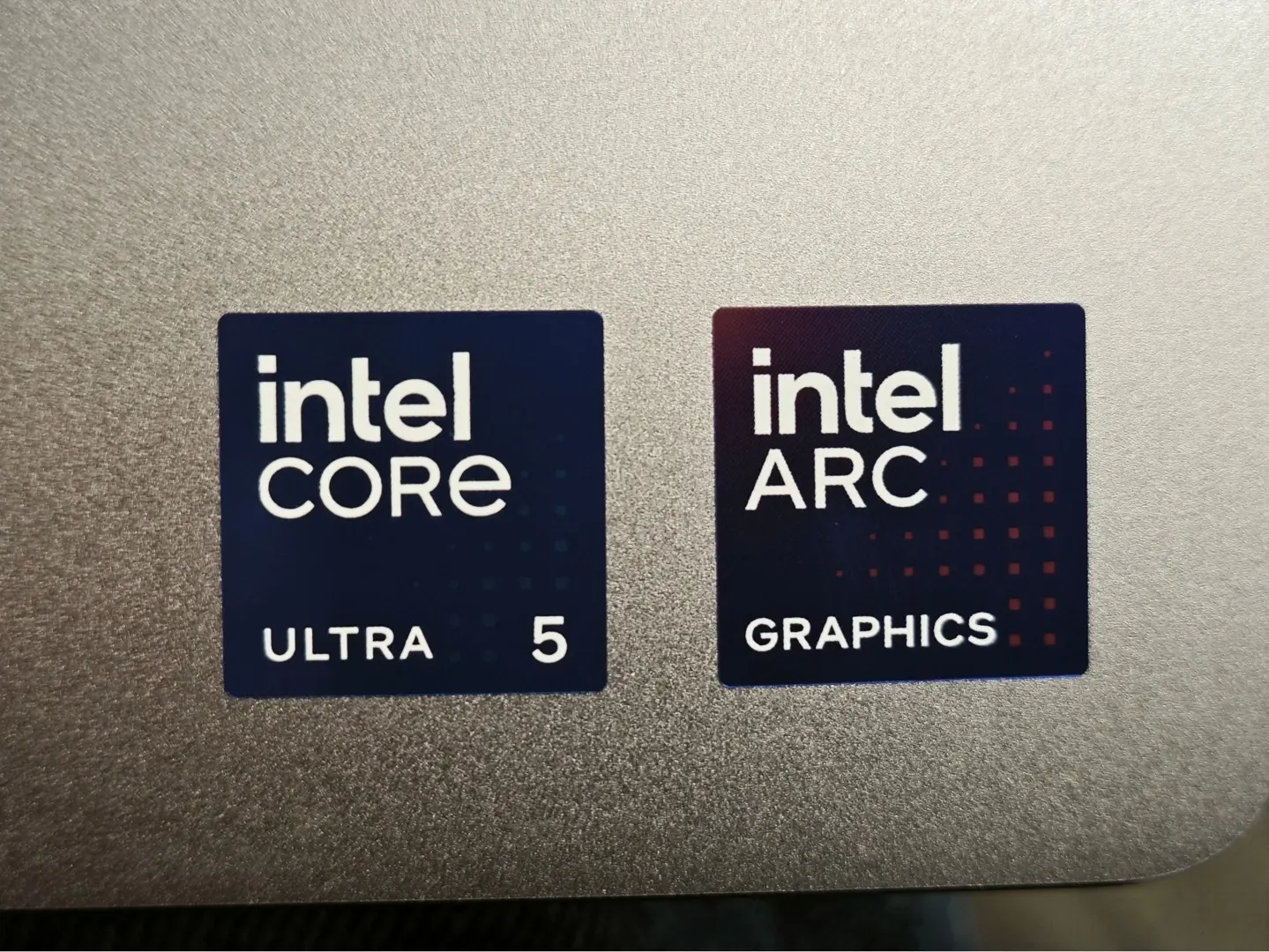
The announcement comes just days after Ma Zhiyu, Product Marketing Director at Xiaomi Communications Technology, shared an image of a new Redmi laptop packaging. This device, likely the Redmi Book Pro 2025, is rumored to be powered by an Intel Core Ultra 5 processor, though the exact model remains unclear.
Redmi Book Pro 2025 with Intel Core Ultra 5
The upcoming laptop is expected to integrate deeply with Xiaomi HyperOS Smart Connect, which means seamless interaction with the company’s ecosystem of smartphones, tablets, and even smart home devices. It will also come preloaded with Xiao AI Assistant and the Xiaomi PC Manager, hinting at a software experience optimized for AI-driven productivity and automation.
Beyond AI smarts, the leaked specs suggest this laptop will have solid gaming chops. Ma Zhiyu shared performance benchmarks while running Black Myth: Wukong, one of the most anticipated Chinese-developed action RPGs. The laptop reportedly delivered an average frame rate of 67 fps, peaking at 75 fps and never dipping below 59 fps. These numbers suggest a well-optimized cooling system and a GPU that can handle demanding workloads.
Xiaomi’s laptop strategy has always been a bit sporadic, especially when compared to its more established competitors. However, Ma Zhiyu clarified that Xiaomi-branded laptops will receive updates, just not in the immediate future. This suggests the company is focusing its efforts on the Redmi lineup for now.
Last month, Xiaomi launched the Redmi Book 14 and 16 2025 laptops, featuring Intel Core 5-220H processors, up to 32GB LPDDR5X RAM, and 1TB PCIe 4.0 SSD storage. The 14-inch model sports a 2.8K 120Hz display, while the 16-inch variant has a 2.5K 120Hz screen, both with TÜV Rheinland certification. With a 72Wh battery, 100W GaN fast charging, HyperOS 2 optimizations, and Xiaomi HyperOS Connect, these laptops offer extended battery life and seamless device integration. They also include a sleek metal chassis, a range of connectivity options, and premium features like Dolby Atmos audio and a 1080p camera.
For more daily updates, please visit our News Section.
China Post has introduced the Hi Nova 12z in China, expanding its lineup of rebranded Huawei smartphones. The device features a sleek design, an OLED display, and a 108MP main camera, positioning it as a mid-range offering. Like previous Hi Nova models, the 12z is expected to remain exclusive to the Chinese market.
Hi Nova 12z Specifications
The Hi Nova 12z sports a 6.67-inch OLED display with a 1080 × 2400 resolution, 100% P3 color gamut, and support for 10.7 billion colors. It comes with a 395 PPI density and multi-touch support for up to 10 points, ensuring smooth interactions and vibrant visuals. It also equips a centered punch-hole cutout for the selfie camera, keeping the bezels minimal for a modern design.
The smartphone runs on an octa-core processor, though China Post has not specified the exact chipset. It runs on Android and features gesture navigation, a floating navigation bar, and an intelligent assistant. The Nova 12z also includes various smart functionalities, such as large folders, a payment protection center, and a seamless phone cloning tool for easy data transfers.
In terms of the optics, it sports a dual-camera setup on the rear, featuring a high-resolution 108MP primary sensor with an f/1.9 aperture and a 2MP depth sensor for portrait shots. The camera supports 10x digital zoom and includes electronic image stabilization (EIS) for smoother videos.
It also comes with multiple photography modes, including night mode, AI-enhanced photography, and slow-motion capture. On the front, the phone has a 32MP selfie camera with an f/2.45 aperture, supporting AI beauty enhancements and gesture-based captures. Both front and rear cameras can record videos at a maximum resolution of 1920 × 1080 pixels.
The Nova 12z sports a 4500mAh battery with 66W fast charging, reaching full charge in about 36 minutes. It comes with Huawei’s SuperCharge technology for broad charging compatibility and equips a USB Type-C port for charging and data transfer, though it lacks a 3.5mm headphone jack, relying on Type-C digital audio output instead.
The phone is equipped with 8GB of RAM and 256GB of internal storage. It supports dual-SIM functionality with 4G LTE. For wireless connectivity, the phone includes dual-band Wi-Fi (2.4GHz/5GHz), Bluetooth 5.1, and multiple global positioning systems, including GPS, BeiDou, and Galileo. It also features basic splash and dust resistance but lacks stereo speakers.
Pricing and Availability
The Hi Nova 12z is priced at 2,199 yuan (~$305) and is currently listed on Vmall in a single 8GB + 256GB configuration. However, as of now, the phone is out of stock. The device is available exclusively in the Yaokin Black color variant.
For more daily updates, please visit our News Section.
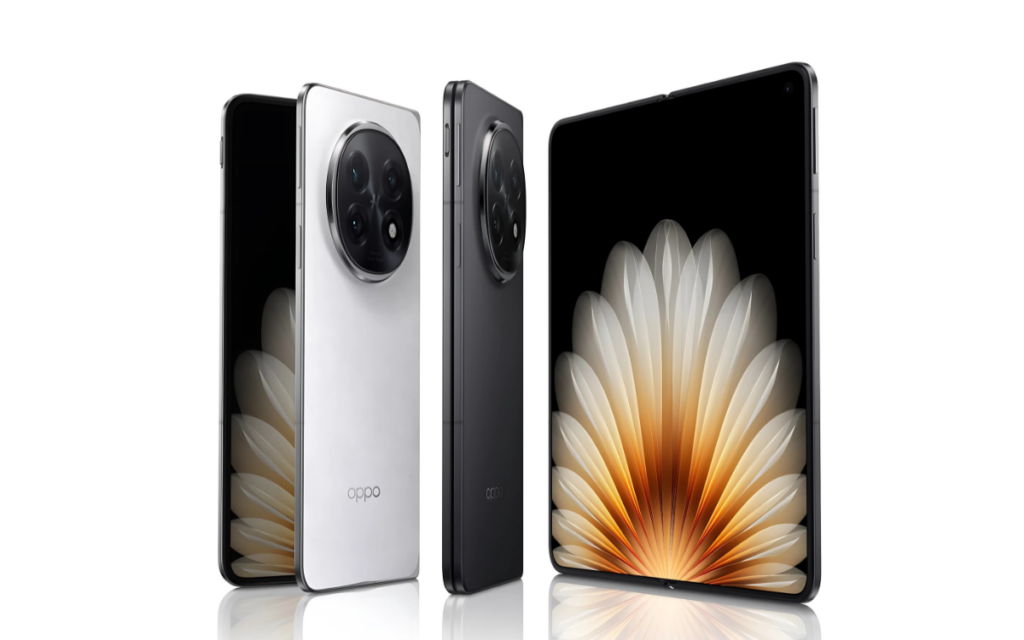
Oppo recently unveiled the Find N5 foldable phone in China and some Asian markets. Reports suggest that the brand is now gearing up to launch the Find X8 Ultra in March in China. Adding to the anticipation, Oppo Find series product manager Zhou Yibao recently shared a Weibo post highlighting the Find X8 Ultra’s exceptional low-light photography capabilities.
At the same time, the device has secured radio certification in China, indicating that its launch may be imminent. Additionally, live images of what appears to be the Find X8 Ultra have surfaced, offering the first glimpse of its design.
Oppo Find X8 Ultra: A new benchmark for night photography
According to Zhou Yibao, night photography is often considered the “Everest” of mobile imaging. He noted that with the Find X6 Pro, Oppo made significant strides in this area by incorporating a large sensor to capture clearer night shots. However, achieving the ultimate night photography experience isn’t just about sharpness—it’s also about delivering vibrant, true-to-life colours, particularly when photographing people.
For the Find X8 Ultra, Oppo has taken this a step further. The new lens will allow for significantly improved light intake, while an entirely new hardware feature will ensure more accurate colour reproduction in low-light conditions. As per reports, the X8 Ultra will have a 50-megapixel LYT-900 primary camera, a 50-megapixel Sony IMX882 ultra-wide lens, a 50-megapixel Sony IMX906 telephoto camera with 3x optical zoom, and a 50-megapixel Sony IMX882 periscope telephoto camera with 6x optical zoom.
Oppo Find X8 Ultra: Live shots and radio certification
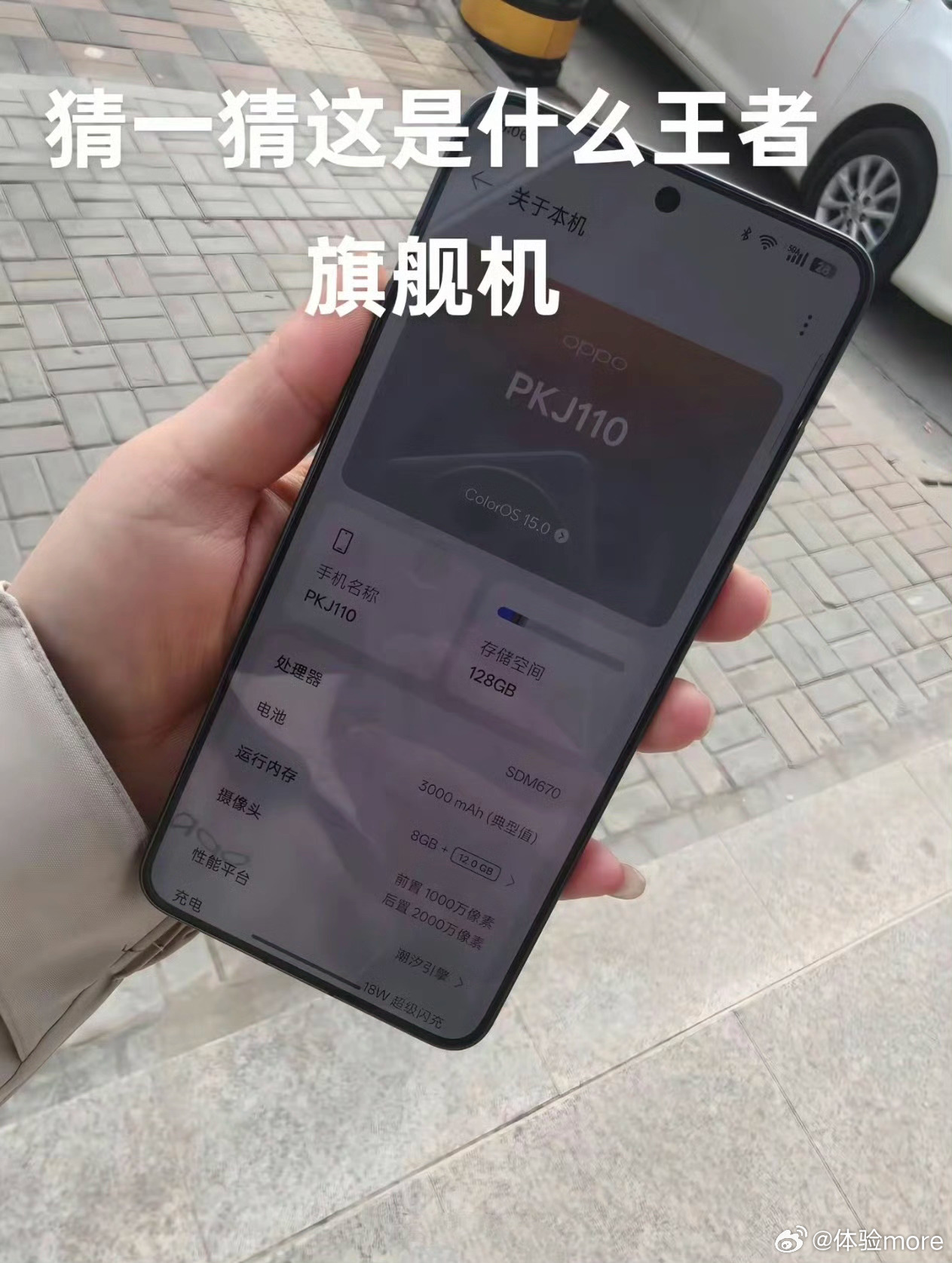
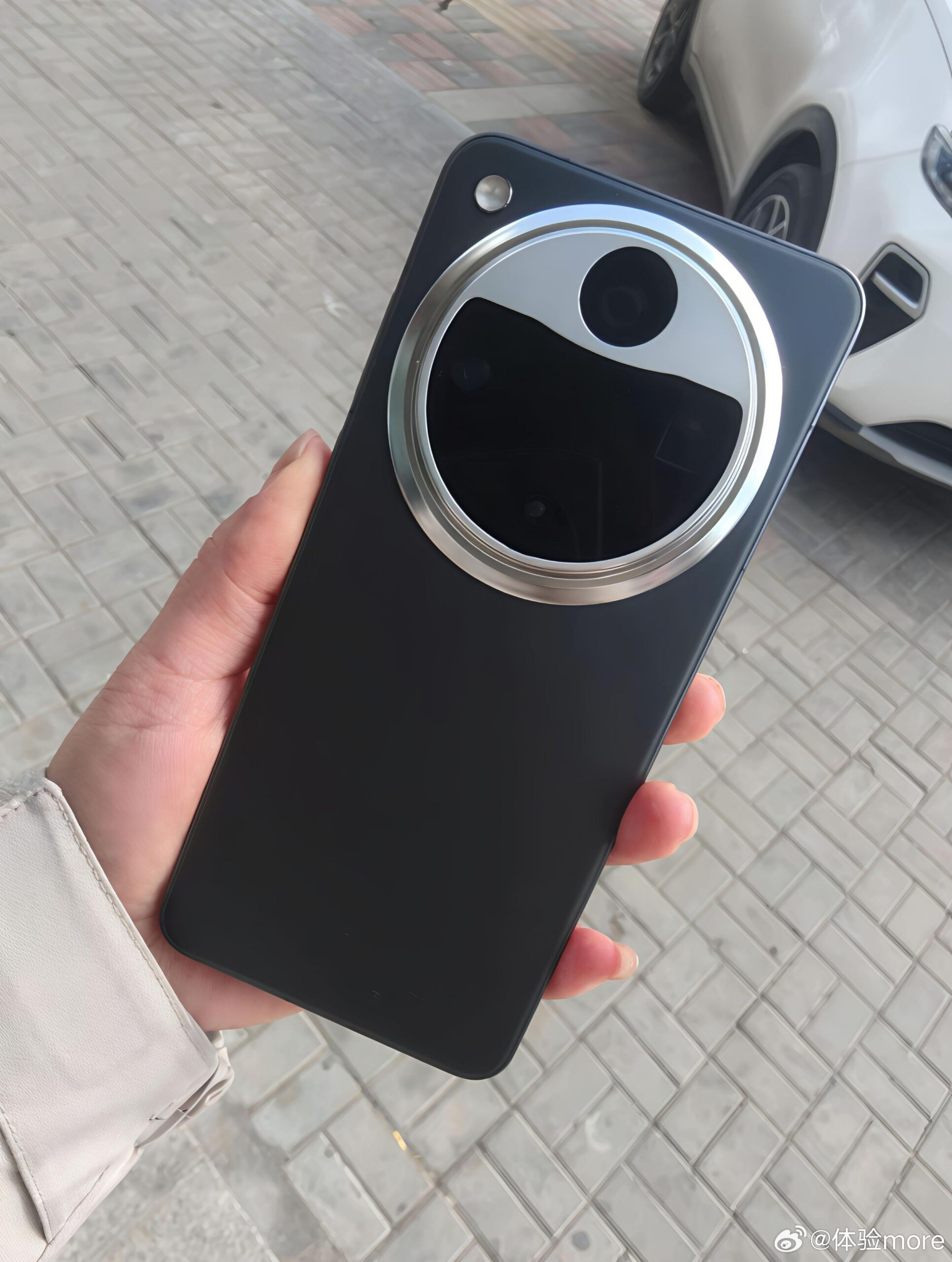
The images shown above are the alleged live shots of the Oppo Find X8 Ultra. Reports have claimed that it is the only “Ultra” branded phone to feature a flat display as compared to its competitors like the Xiaomi 15 Ultra and Vivo X200 Utlra which are expected to feature a micro-quad-curved screen.
The camera module in the other image showcases a distinctive circular design with a sophisticated dual-tone finish. A polished silver outer ring creates a raised, layered effect, enhancing its premium aesthetic. It houses a single camera, which appears to be the 6x periscope zoom camera, while the dark section below houses the primary camera, a 3x periscope camera with a squarish design, and an ultra-wide lens positioned at the bottom. An LED flash sits near the top-left corner of the device. The overall design exudes a futuristic appeal, hinting at advanced camera capabilities. The leaked image aligns with a recent rear camera module schematic of the phone.
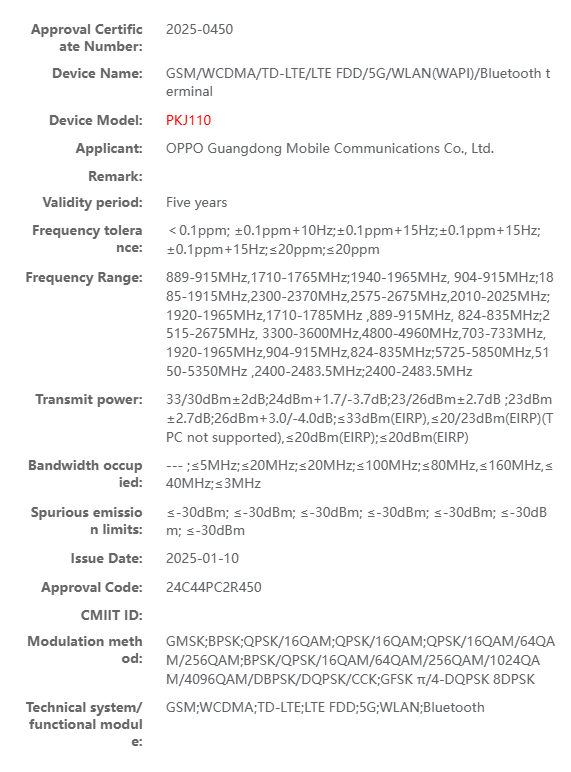
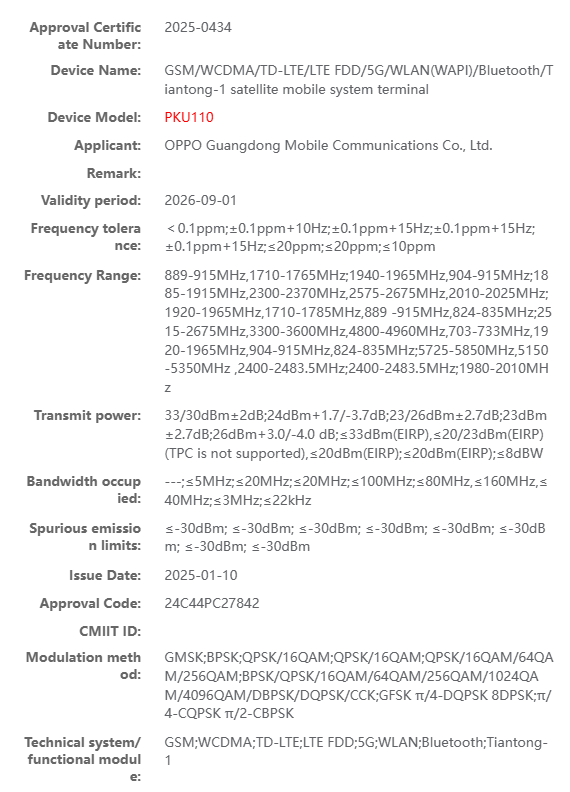
Oppo PKJ110 – Find X8 Ultra Oppo PKU110- Find X8 Ultra Satellite Communication Version
The device shown does not seem to be the final version of ColorOS that it will ship with. This explains why the specifications mentioned on it may not be accurate. However, the model number PKJ110 is indeed associated with the X8 Ultra. Speaking of model numbers, the PKJ110 edition has received radio certification in China. Additionally, its satellite communication variant, bearing the model number PKU110, has also received radio certification.
For more daily updates, please visit our News Section.
Foldable phones have come a long way from their clunky, first-gen iterations. But let’s be real—most still come with trade-offs. They’re either too bulky, too fragile, or just not practical enough for everyday use. Oppo’s Find N5, however, feels like a major leap forward. With an ultra-slim design, a significantly improved hinge, a battery that actually lasts, and AI-driven multitasking, Oppo’s latest foldable might just be the one that makes foldables mainstream.
The Slimmest Foldable Yet—And It’s Actually Durable
At 8.93mm folded and 4.21mm when open, the Find N5 is the thinnest book-style foldable on the market. For comparison, the Honor Magic V3, the previous record-holder, was 4.35mm unfolded and 9.3mm folded. Oppo didn’t just shave off some millimeters, it re-engineered the whole hinge mechanism to get there.
The Titanium Flexion Hinge is 26% smaller than its predecessor while also being 36% more rigid, thanks to a mix of 3D-printed titanium alloy and ultra-high-strength steel. The result? A foldable that doesn’t feel like it’s going to snap in half. And if crease-free displays are your thing, Oppo claims the Find N5 is the first to get TÜV Rheinland’s Minimized Crease Certification, meaning you’ll see fewer screen distortions when watching videos or scrolling through apps.
Beyond just durability, the Find N5 is also built to handle the elements with an industry-leading IPX6, IPX8, and IPX9 water resistance rating. This means it can withstand high-pressure water jets, submersion, and extreme conditions, making it one of the most resilient foldables available today.
A Foldable with a Real Battery
Battery life has been a major weak point for foldables, but Oppo is flipping the script with a 5600mAh silicon-carbon battery—the biggest in any foldable yet. That’s a huge jump from the Galaxy Z Fold 6’s 4400mAh unit, meaning you won’t have to baby this thing through the day.
And when it does need a charge, Oppo’s 80W SuperVOOC wired and 50W AirVOOC wireless charging make sure you’re back to full power fast. No more foldable battery anxiety.
Displays That Actually Make Sense
On the inside, the Find N5 boasts an 8.12-inch LTPO OLED display with a 1-120Hz adaptive refresh rate and a peak brightness of 2,100 nits. The outer screen is a 6.62-inch panel with a 20.7:9 aspect ratio, which makes it feel more like a regular phone when folded.
Both displays support the Oppo Pen stylus, which adds a level of versatility that’s rare in foldables. Whether you’re sketching, taking notes, or just scrolling through social media, the Find N5 makes it feel seamless.
Plus, Oppo threw in 2160Hz PWM dimming to reduce eye strain, which means less flickering and a better viewing experience for long screen sessions.
AI-Driven Multitasking That Doesn’t Feel Gimmicky
Powering the Find N5 is Qualcomm’s Snapdragon 8 Elite chipset, a 3nm processor with 45% better AI efficiency and 40% faster GPU performance. But the real magic is Oppo’s software.
The new Boundless View feature lets you run up to three apps simultaneously in split-screen mode, making full use of the larger display. And if you’re a Mac user, Oppo’s O+ Connect lets you transfer files and remotely access your computer with minimal friction.
Cameras That Do More Than Just Look Good on Paper
Foldables usually compromise on cameras, but Oppo’s Hasselblad Master Camera System says otherwise. The Find N5 packs a 50MP main sensor, a 50MP periscope telephoto lens with 3x optical zoom, and an 8MP ultra-wide sensor. AI-powered features like AI Telescope Zoom ensure lossless zoom, while AI Eraser, AI Unblur, and AI Clarity Enhancer clean up your shots automatically.
Translation: You’re getting flagship-level camera performance in a foldable that doesn’t feel like an afterthought.
The Future of Foldables?
If the Find N5’s battery wasn’t already a big enough flex, rumors suggest that Oppo and OnePlus are working on an 8000mAh silicon-carbon battery for future devices. That could be a game-changer, pushing battery life to new heights and making foldables even more practical.
Should You Care About the Oppo Find N5?
Foldables have always been cool, but the Find N5 makes them actually make sense. It’s thinner, stronger, lasts longer, and packs some genuinely useful AI and multitasking features. It’s not just a tech flex—it’s a device that could change how we use smartphones.
The big question: Is this the foldable that finally gets you to switch, or are you still waiting for something even bigger?
For more daily updates, please visit our News Section.
iQOO has already rolled out its flagship iQOO 13, powered by Qualcomm’s latest Snapdragon 8 Elite. Now, it’s time for the brand to expand its more affordable and mid-range lineup.
The company is gearing up to expand its lineup with several new devices. The company is set to launch the iQOO Neo 10R in India this March, followed by the iQOO Z10 series and iQOO Neo 11 series later this year. Here’s what we know so far.
iQOO Neo 10R
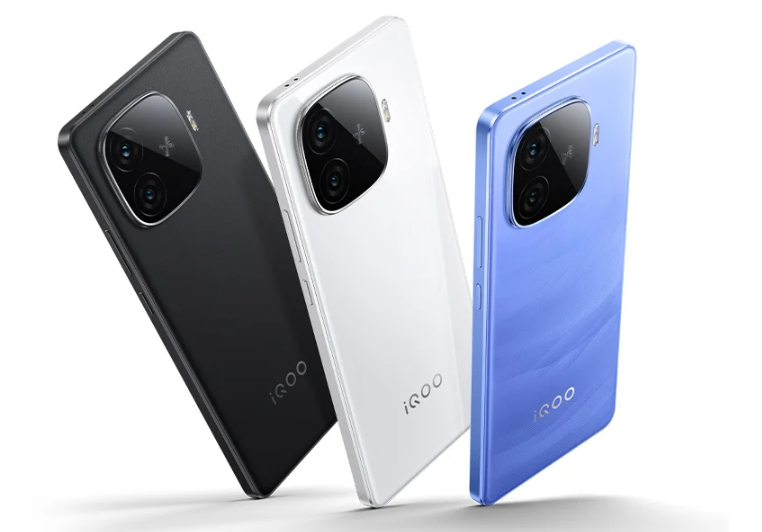
Scheduled to launch on March 11, 2025, the iQOO Neo 10R is the company’s latest performance-centric offering for the Indian market. The device is powered by Qualcomm’s Snapdragon 8s Gen 3 chipset and is geared toward gamers, offering 90fps gameplay and a 2,000Hz instant touch sampling rate. It will be available in two colors—Moonlight Titanium and Raging Blue, the latter featuring a dual-tone finish.
iQOO Neo 10R in Raging Blue
On the camera front, the Neo 10R packs a dual rear camera setup, headlined by a 50MP primary sensor. For selfies and video calls, there’s a 16MP front-facing shooter.
The device boasts a hefty 6,400mAh battery with 80W fast charging. It’s expected to launch with 8GB of RAM and 256GB of internal storage. Up front, there’s a 6.78-inch flat AMOLED display with a 1.5K resolution and a 144Hz refresh rate. The phone runs on Funtouch OS 15, based on Android 14, and features an in-screen fingerprint sensor.
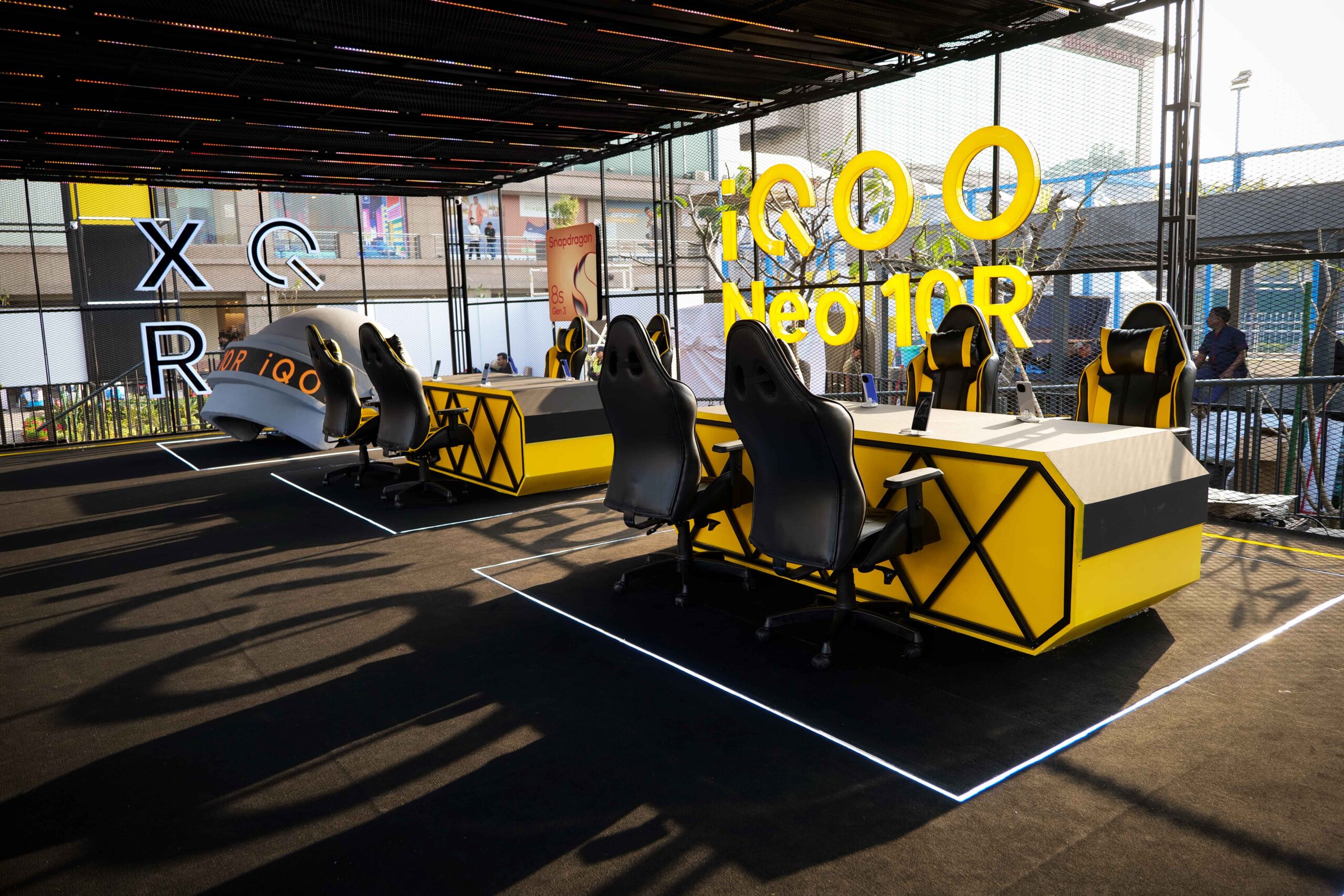
To build hype ahead of launch, iQOO has opened its first-ever pop-up store, the iQOO Arena, at Select City Walk Mall in Saket, New Delhi. Running from February 21 to 23, 2025 (11 AM to 7 PM), the venue gives potential buyers a hands-on look at the Neo 10R—especially its gaming-focused features, including 90fps support.
iQOO Z10 Series
iQOO Z10 is the company’s upcoming line of smartphones with four models reportedly in the works: the Z10x, Z10, Z10 Turbo, and Z10 Turbo Pro.
A standout feature across the lineup could be massive battery capacities as the phones in the lineup are expected to pack up to 7,000mAh.
iQOO Z9 Turbo Endurance Edition
At the top of the line, the Z10 Turbo Pro is rumored to be in testing with Qualcomm’s upcoming Snapdragon 8s Elite processor. Meanwhile, the standard Z10 Turbo is expected to run on MediaTek’s Dimensity 8400 SoC. Both models will feature 1.5K LTPS flat displays with a 144Hz refresh rate, along with a dedicated independent graphics chip for enhanced performance.
Beyond that, details on the Z10 series remain scarce. But from what’s surfaced so far, it looks like iQOO is putting a strong emphasis on battery life for its next wave of Z-series phones.
iQOO Neo 11
While official details are scarce, leaks suggest the iQOO Neo 11 series is in development and could bring some notable upgrades over its predecessors.
One of the biggest rumored improvements? A massive 7,500mAh battery—a significant jump from the 6,100mAh cell in the iQOO Neo 10. This boost in battery capacity would be beneficial for users who engage in power-intensive activities such as gaming or streaming.
However, charging speeds are expected to stay the same, meaning while battery life will improve, the time required for a full charge likely won’t see a major reduction.
iQOO 14 Series
We’re still months away from an official iQOO 14 reveal—expected in October—but leaks are already surfacing. Like the Neo 11 and Z10 series, the iQOO 14 and 14 Pro are rumored to pack 7,000mAh batteries.
Under the hood, the phones are expected to feature Qualcomm’s next-gen Snapdragon 8 Elite successor. Another interesting shift could be the display—rumors suggest iQOO might ditch BOE and Visionox OLED panels in favor of flat Samsung OLED screens, potentially improving brightness, efficiency, and overall display quality.
While details on other hardware remain under wraps, it’s safe to expect iQOO to bring high-refresh-rate displays, upgraded cameras, and improved connectivity to compete with other flagship devices. More leaks should fill in the gaps as we get closer to launch.
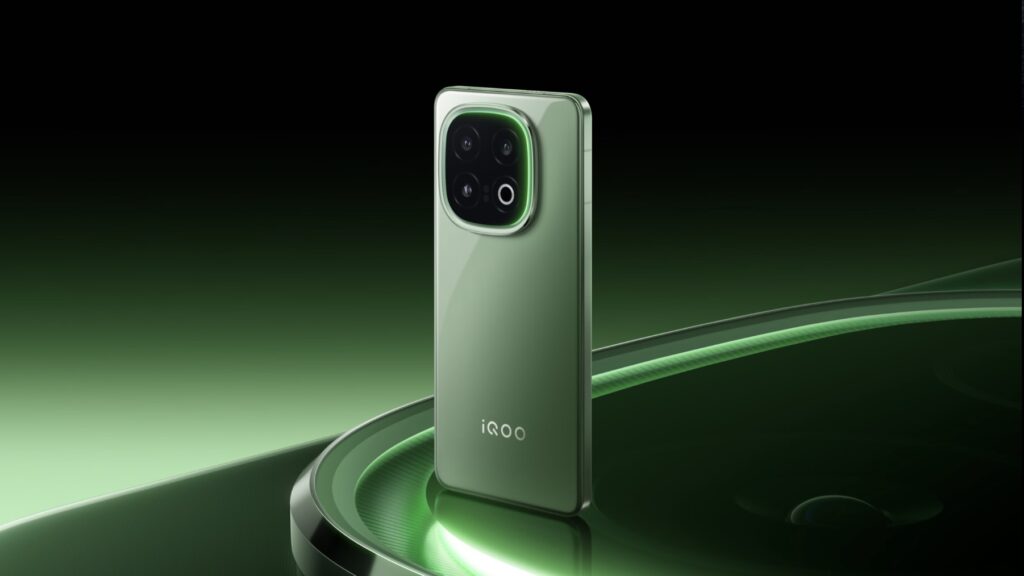
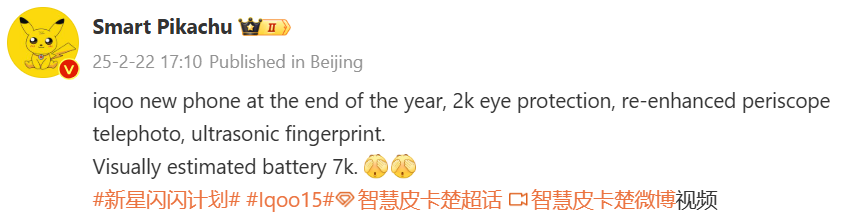
Smartphone brands are reportedly gearing up to launch new flagship devices in China by the end of this year, and iQOO is no exception. The brand is expected to introduce a Snapdragon 8 Elite 2-powered smartphone in Q4 2025. In previous years, iQOO’s numbered flagship series always included both a standard and a Pro model. However, the iQOO 13 launched without a Pro version last year. Speculation suggests that its successor will mark the return of the Pro variant, offering both standard and Pro editions.
Interestingly, rumours indicate that iQOO might skip the number 14 and name its next flagship the iQOO 15, as the number 4 is considered unlucky in some Asian cultures. Adding to this speculation, a recent leak from tipster Smart Pikachu has revealed key specifications while referring to the device as the iQOO 15 instead of iQOO 14.
iQOO 15 Pro key specifications (rumored)
Alleged iQOO 15 Pro leak
According to the tipster, the iQOO 15 series phone will feature a flat OLED panel with a 2K resolution, eye protection features, and an ultrasonic in-screen fingerprint scanner. The device is said to pack a massive 7,000mAh battery and include a periscope telephoto camera. While the leak does not explicitly mention it, the iQOO 15 is expected to be powered by the Snapdragon 8 Elite 2, which is set to launch in October this year.
However, this leak seems to primarily refer to the iQOO 15 Pro rather than the standard iQOO 15. This assumption is based on an earlier revelation by tipster Experience More, who previously stated that the standard version lacks a periscope camera, whereas the Pro model includes it.
For more daily updates, please visit our News Section.
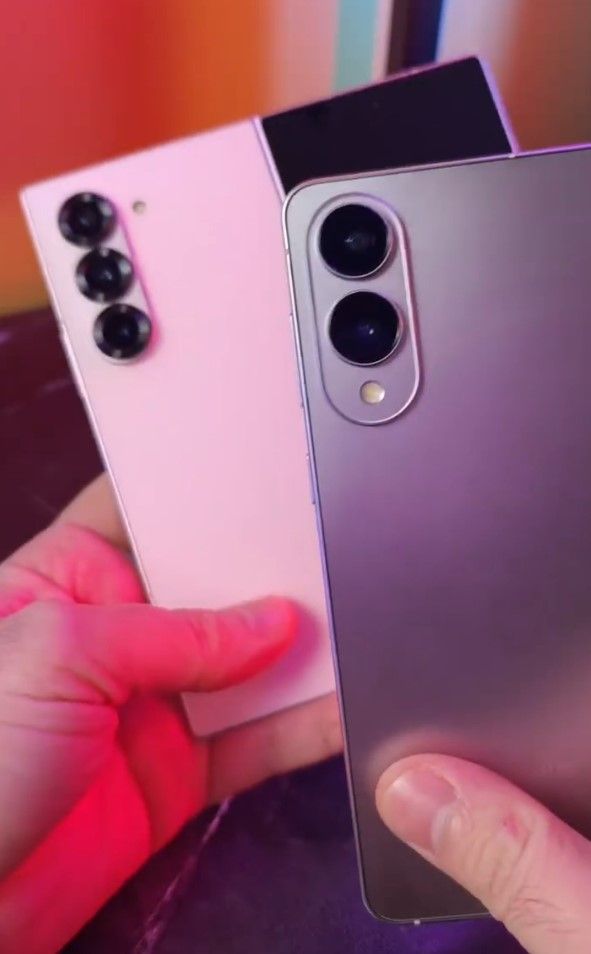
A leaked video has given the first real look at Samsung’s upcoming Galaxy S25 Edge, which was showcased at the Galaxy S25 series launch event held last month. The hands-on footage, originally posted by YouTuber Alexis Garza, compared the device to the Galaxy Z Fold 6 and revealed its slim profile. The video, which has since been taken down, highlighted its ultra-thin design and key hardware details.
A closer look at the Galaxy S25 Edge
Galaxy Z Fold 6 (behind) and Galaxy S25 Edge (front)
The Galaxy S25 Edge is expected to be one of Samsung’s thinnest phones, reportedly measuring just 5.48mm in thickness. In the video, it was placed next to the unfolded Galaxy Z Fold 6, which is 5.6mm thick in its unfolded state. A recent report revealed that the device will come with a ceramic back, giving it a premium feel. The design of the S25 Edge’s camera module looks like a smaller version of the camera island available on the Z Fold 6.
The S25 Edge’s design comes with trade-offs, as the phone houses a relatively small 4,000mAh battery. According to rumours, the device will feature a 6.7-inch screen. In comparison, despite featuring a smaller 6.2-inch screen, the Galaxy S25 packs the same battery capacity as the S25 Edge.
Despite its slim build, the S25 Edge doesn’t compromise on performance. The AIDA app shown in the video reveals that the device runs on the Snapdragon 8 Elite (for Galaxy) chipset, coupled with 12GB of RAM and 256GB of storage. Camera details remain uncertain, as the AIDA64 app displayed three 12-megapixel sensors, though reports suggest a 200-megapixel + 12-megapixel dual-camera setup. The app also reveals support for Bluetooth 5.4 connectivity.
Samsung has yet to announce an official launch date, but rumors suggest the Galaxy S25 Edge could debut at MWC 2025 in early March. However, other reports have claimed that it will be unveiled in May.
For more daily updates, please visit our News Section.
Lu Weibing, Partner and President of Xiaomi Group, as well as the General Manager of the Xiaomi brand, recently held a live broadcast in China to confirm official details of the Xiaomi 15 Ultra ahead of its expected launch next week. He highlighted Xiaomi’s strategy of expanding its premium product lineup across various categories and mentioned that product launch events alone are often too short to showcase every product in detail. To address this, Xiaomi will increasingly adopt a combination of launch events and live broadcasts to provide users with more insights into product details and the thought process behind them. Today, Digital Chat Station shared a Weibo post summarizing the key highlights from yesterday’s live broadcast.
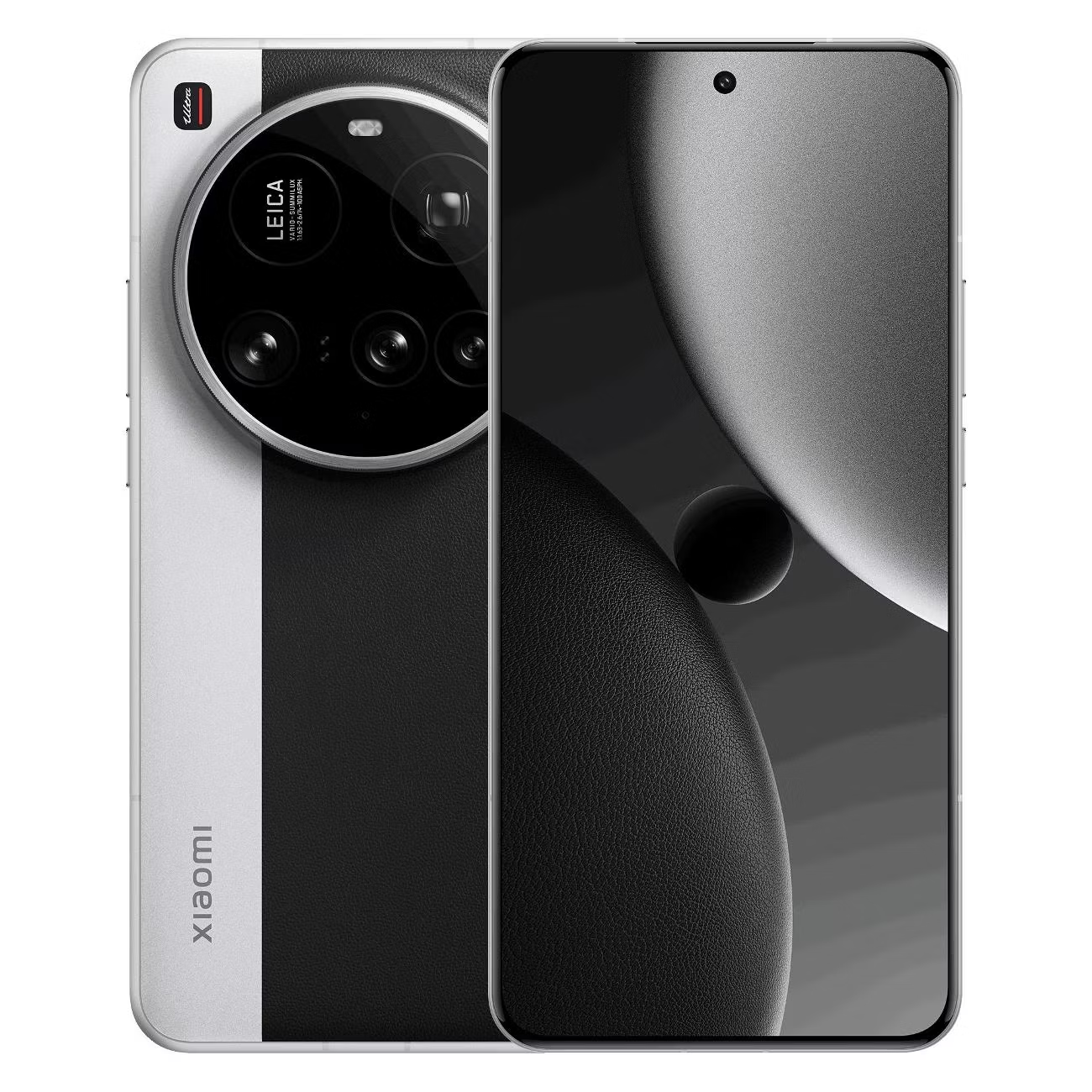
Xiaomi 15 Ultra camera specifications
Xiaomi 15 Ultra
One of the biggest revelations was the full camera specifications of the Xiaomi 15 Ultra. The device will feature a quad-camera system featuring the following camera sensors:
50-mgeapixel telephoto camera (70mm, f/1.8) with 10cm telephoto macro
200-megapixel periscope telephoto camera (1/1.4-inch, 100mm, f/2.6). Supports in-sensor zoom (ISZ) with lossless output at 200mm and 400mm, offering multiple focal lengths including 0.6x, 1x, 2x, 3x, 4.3x, 8.7x, and 17.3x.
The Xiaomi 15 Ultra aims to overcome the limitations of night photography through an “ultra-pure optical system” and is designed to set a new benchmark in mobile imaging. Interestingly, this generation will not feature a variable aperture.
Xiaomi has upgraded the 15 Ultra’s positioning from an imaging flagship to a “pinnacle imaging technology flagship,” packing the best hardware available. However, this will also increase pricing. In addition to camera advancements, the device will showcase Xiaomi’s top-tier technology in battery, display, and connectivity.
Another significant announcement was the first-ever public reveal of the Xiaomi Imaging Lab. The lab is a real-world setup that costs over 20 million Yuan to build, featuring detailed recreations of environments like cafés, museums, jewellery stores, luxury boutiques, and restaurants. This is just the first phase, with the second phase expected to include artificial sunlight and water systems. The scale of investment in the lab explains why Xiaomi no longer prioritizes DXOMARK rankings.
Upcoming Xiaomi products
The upcoming Xiaomi 15 Ultra launch event will see the arrival of several other products. These include the Mi Home Central Air Conditioner, the Pro variant of the Mijia Washer and Dryer Set, a dual-system refrigerator Pro, the Super XiaoAI Speaker, an inverter dehumidifier, the Xiaomi Buds 5 Pro, and the RedmiBook 2025 Pro.
For more daily updates, please visit our News Section.
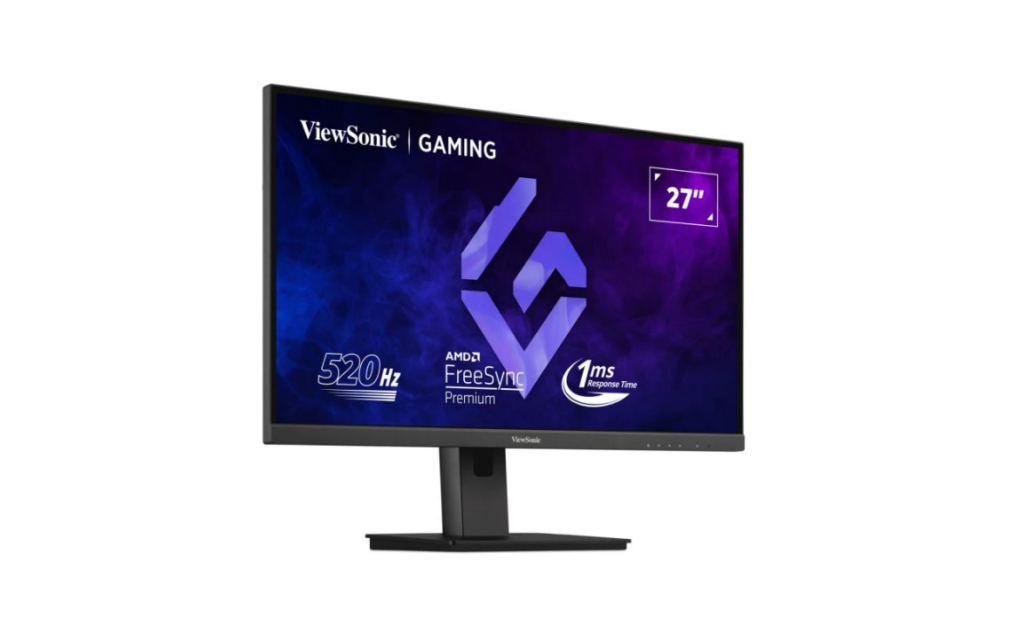
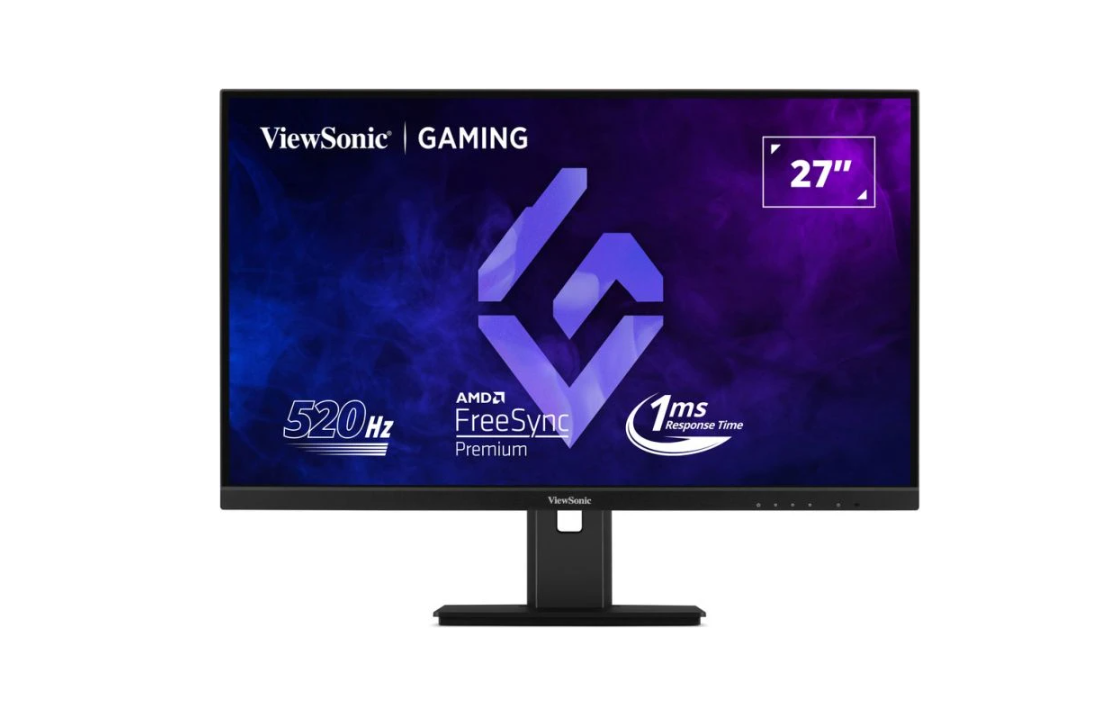
ViewSonic has officially introduced its XG2737 gaming monitor, a 27-inch screen with a 520Hz refresh rate—one of the highest available for consumer displays. However, the monitor’s focus on speed comes with a trade-off: it maxes out at Full HD (1920 x 1080) resolution.
The XG2737 is geared toward esports players who value quick response times over detailed visuals. With a 1ms gray-to-gray response time and support for AMD FreeSync Premium, the monitor aims to reduce motion blur and screen tearing, which are critical for fast-paced games like Counter-Strike 2 or Valorant.
The monitor uses an IPS panel, covering 99% of the sRGB color space and reaching 400 nits brightness—sufficient for everyday gaming or media use. However, its 1,000:1 contrast ratio and 6-bit + FRC color depth may not meet the needs of creative professionals or those seeking advanced HDR performance.
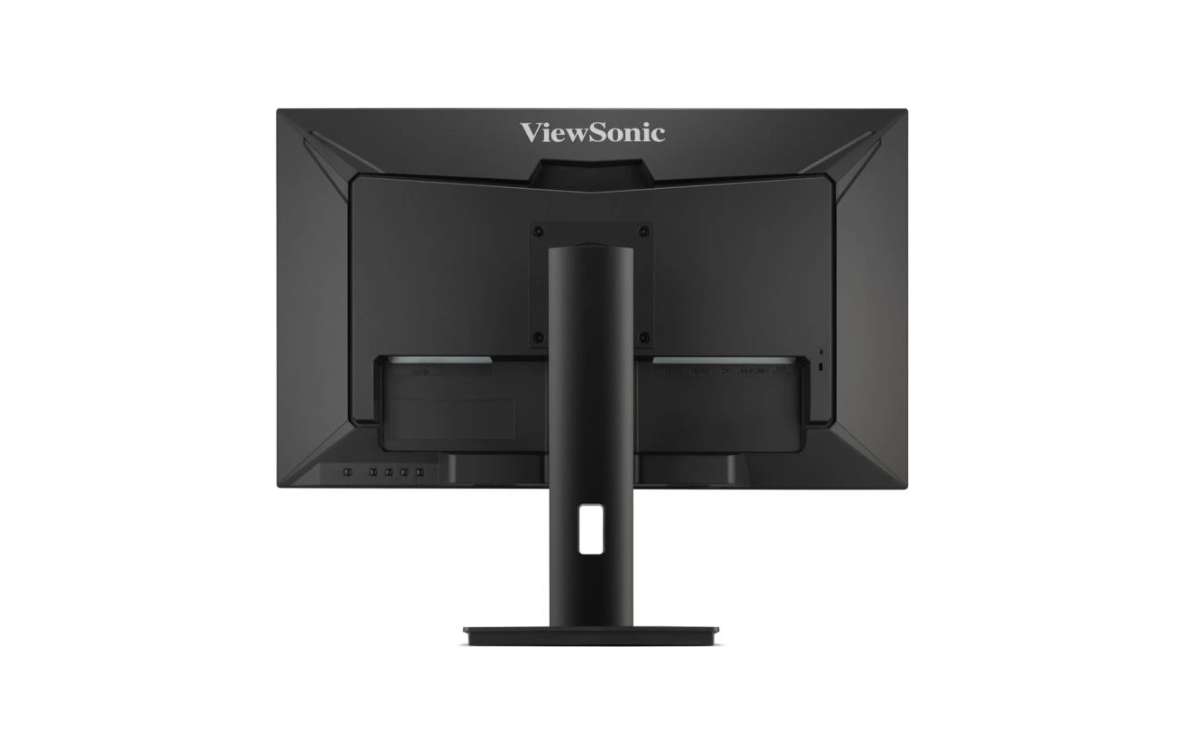
For connectivity, the XG2737 includes two HDMI 2.1 ports, one DisplayPort, and a USB hub with two Type-A ports. The absence of a KVM switch (used to manage multiple devices) might be a drawback for streamers. Basic features like 2W speakers, a 3.5mm headphone jack, an adjustable stand, and VESA mounting support are included.
Availability and Pricing
The XG2737 is not yet on the market, and its price has not been disclosed. If priced competitively, it could appeal to esports enthusiasts. It will compete with models like the ASRock PG27FFX2A and AOC AGON AG276FK, both featuring a 520Hz refresh rate and similar specifications. When the AGON AG276FK was announced in November, it was priced at €659 in Europe and £499.99 in the UK.
For more daily updates, please visit our News Section.
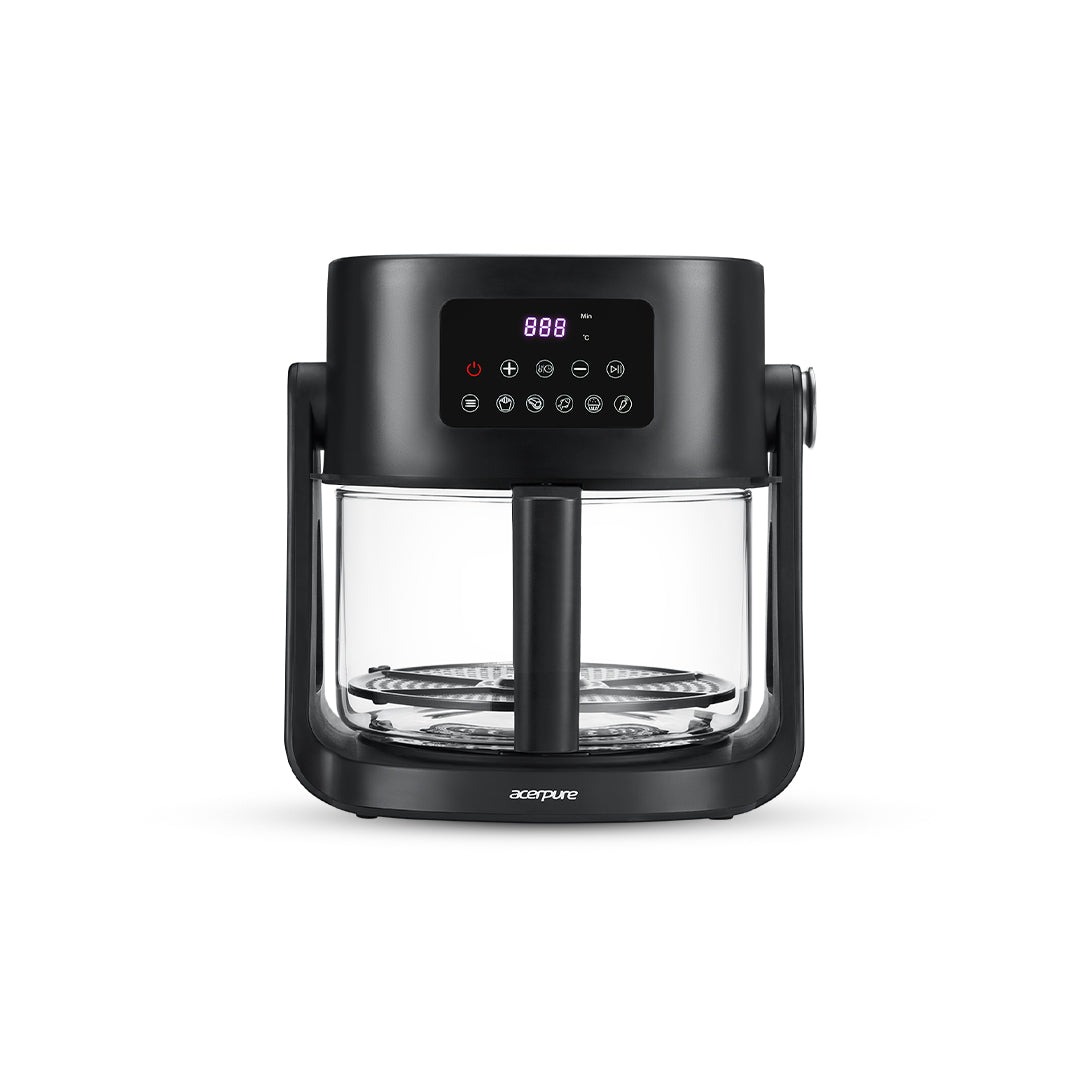
Acerpure India has launched the Chef 2-in-1 Flip Air Fryer, targeting urban households and small kitchens. Priced at ₹10,990, the appliance merges air frying, grilling, and hot pot functions into a single unit.
Acerpure Chef 2-in-1 Flip Air Fryer features
The device utilizes 360° Turboheat Air Fry Technology, which Acerpure claims reduces oil consumption by up to 80% compared to traditional deep frying. This claim is based on laboratory tests conducted using frozen fries. The Chef boasts a 5.5L air fryer basket and a 2.5L cooking pot, accommodating a range of culinary needs from snacks to complete meals. Users can adjust temperatures between 80–200°C for air frying and 80–220°C for the pot function. Five preset modes—frying, meat, seafood, baking, and vegetables—are available, and controlled via an LED touch panel.
A flip mechanism, tested over 3,000 times to ensure durability, prevents food residue buildup. The air fryer’s borosilicate glass basket resists odors, while the nonstick pot eases cleaning. Safety certifications from Germany’s LFGB and the U.S. FDA confirm compliance with health standards.
The package includes a pot lid, silicone clip, heat-resistant gloves, and a 1.2-meter power cord. Weighing 5.8 kg, the appliance operates at 1500W and measures 31 x 33 x 30 cm in air fry mode.
As mentioned in the beginning, the Chef 2-in-1 Flip Air Fryer costs ₹10,990 and is available to buy in matte black and white through Acerpure’s online store.
For more daily updates, please visit our News Section.
OnePlus has begun sending out the OxygenOS 15 update to its 2022 OnePlus 10R 5G, in India—a milestone that marks the end of major software upgrades for the device. True to its original promise, the phone will now receive only security updates until 2025. While the update skips the AI features rolling out to newer models, it focuses on refining the basics, leaving users with a mix of appreciation and resignation.
A Focus on Stability
OxygenOS 15 prioritizes optimizing the user experience rather than introducing new features. OnePlus highlights a new “parallel rendering architecture” designed to reduce lag when switching between apps. Animations for swiping, scrolling, and exiting apps have been adjusted for smoother transitions, addressing occasional performance inconsistencies from previous versions.
The update also introduces “Flux Themes,” allowing users to customize the always-on display, lock screen, and home screen with dynamic animations. The “Private Safe” feature now organizes hidden files into categories such as photos, videos, and documents for easier access. Other additions include a battery-saving “Charging Limit” that stops charging at 80% and improved file-sharing compatibility with iOS devices.
AI Features Left Out
AI-powered tools available on newer OnePlus models, such as AI photo retouching and smart reply suggestions, are not included in this update. OnePlus has not confirmed whether these features will be added later, leaving users uncertain about future additions.
Some 10R users have expressed mixed reactions. One user on X commented, “It’s a stable update, but it feels like we’re being left behind—no AI, no major changes.” Others appreciate the refinements, with a Reddit user noting, “My phone feels faster, and the battery stays cooler. Stability matters more to me.”
What’s Next? With no more OS upgrades planned, the 10R 5G’s future hinges on quarterly security patches. For users craving cutting-edge features, it’s a nudge toward newer devices. But for those prioritizing stability, the update offers a dignified send-off.
The rollout is underway in phases for Indian users, identified by version numbers CPH2423_15.0.0.501(EX01) and CPH2411_15.0.0.501(EX01). OnePlus expects all devices to receive the update within two weeks.
The recent reports of Google exploring the integration of Bitcoin wallets into its ecosystem have sent shockwaves through the cryptocurrency community. If true, this move could potentially open the floodgates for mass adoption, allowing Google’s vast user base to access their Bitcoin holdings through their existing accounts. However, the news has also raised serious concerns about the implications for privacy, security, and the core principles of decentralization that underpin the cryptocurrency movement.
At first glance, Google’s proposed approach appears to offer a user-friendly entry point into Bitcoin. By embedding wallets within its platform and potentially incorporating crypto payments into Google Pay, the company could lower adoption barriers for the average user. Additionally, the use of advanced encryption technologies, such as Zero-Knowledge Proofs, may help address security concerns and improve trust between blockchain-based and traditional financial systems.
However, some in the cryptocurrency space are cautious about the idea of entrusting Bitcoin holdings to a large, centralized entity like Google. The company’s data collection practices have been a longstanding concern, and linking Bitcoin wallets to user identities raises privacy and censorship-related questions. Security is another major consideration, as past breaches in both the technology and cryptocurrency sectors highlight potential risks of hacking or unauthorized access to funds.
Storing private keys on Google’s servers would also challenge the principle of self-custody, which is central to Bitcoin’s philosophy. The phrase “not your keys, not your coins” is widely embraced within the community, reflecting the belief that users should have full control over their digital assets. Handing over custody to a third party could undermine this principle and shift Bitcoin’s usage toward a more traditional financial model.
Despite these concerns, Google’s involvement could also have positive effects on mainstream adoption. For those unfamiliar with cryptocurrency, the ability to access Bitcoin through a widely used platform could significantly improve ease of use. If Google can effectively address security and privacy challenges, its entry into the space may help expand cryptocurrency adoption and contribute to further innovation.
For more daily updates, please visit our News Section.
iQOO has opened its first pop-up store, iQOO Arena, in India at Select City Walk Mall, Saket, New Delhi. The store will operate from February 21 to 23, 2025, between 11 AM and 7 PM. Visitors can preview the iQOO Neo 10R before its official March 11 launch, exploring its high-performance gaming features.
The pop-up offers a hands-on experience through gaming zones, highlighting the Neo 10R’s stable 90 FPS gameplay for up to five hours. Powered by Snapdragon 8s Gen 3, the device features a 6400mAh battery and 80W Flashcharge, ensuring efficient long-duration performance. It will arrive in Moonknight Titanium and India-exclusive Raging Blue.
Nipun Marya, Chief Executive Officer at iQOO, said, “As we approach the iQOO Neo 10R launch, we’re thrilled to give customers an exclusive preview. Our first-ever iQOO Arena lets us directly engage with the youth seeking high-performance gaming. We believe the Neo 10R’s power will exceed expectations.”
Alongside the Neo 10R, the iQOO Arena also showcases the iQOO 13. Consumers can book the iQOO 13 at the store, and online buyers receive free TWS earbuds. Students can register for the iQOO Students Programme to win special giveaways.
Attendees can test device capabilities in real-world settings and explore new ways to enhance their gaming sessions. iQOO Arena underscores the brand’s commitment to performance, innovation, and user engagement.
The event provides a hands-on glimpse of the Neo 10R’s leading features ahead of its official launch, appealing to mobile gamers and tech enthusiasts alike. With direct demonstrations of high-FPS capabilities, iQOO sets out to reinforce its reputation as a performance-centric brand.
For more daily updates, please visit our News Section.
JBL has introduced the Flip 7, an upgraded portable Bluetooth speaker with AI-enhanced sound and improved wireless features. It comes in a gift box edition priced at 1,349 yuan ($186), with pre-orders starting on February 24 and an early-bird offer lowering the price to 1,149 yuan ($158).
JBL Flip 7 Specifications
JBL has enhanced the Flip series with AI-powered audio tuning through its JBL AI Sound Boost algorithm, which optimizes sound in real-time. The Flip 7 features a high-performance acoustic chamber with an independent tweeter, a race-track shaped mid-bass driver, and dual passive radiators. This setup ensures well-balanced audio with deep bass, clear mids, and crisp highs, delivering an immersive experience in any environment.
It comes with an IP68-rated dustproof and waterproof design, making it suitable for both indoor and outdoor use. The rugged fabric mesh and sturdy construction ensure resistance against dust, water immersion, and accidental drops. The Flip 7 is designed to withstand harsh weather conditions, whether it’s heavy rain, sandstorms, or being submerged in up to 1.5 meters of water for 30 minutes.
The Flip 7 is powered by Bluetooth 5.4, providing faster pairing speeds, lower latency, and improved energy efficiency. Additionally, it supports Auracast, allowing users to pair multiple compatible JBL speakers for a stereo experience or synchronized multi-speaker playback. This feature enables users to create an expansive soundstage, perfect for parties and outdoor events.
For those seeking lossless audio, the Flip 7 includes a USB Type-C audio input integrated with a high-quality DAC chip, ensuring a premium listening experience when connected to computers or compatible devices.
The Flip 7 sports a fast-detachable carrying accessory system with JBL’s innovative Pushlock mechanism, making it easy to attach and remove accessories like a wrist strap or carabiner.
It is powered by a high-capacity lithium-ion polymer battery, offering up to 14 hours of continuous playback, with an additional 2 hours using Playtime Boost mode. Charging is via USB Type-C, while Playtime Boost extends battery life by adjusting bass and disabling EQ settings.
In terms of dimensions, the JBL Flip 7 measures 182.5 x 69.5 x 71.5 mm and weighs 0.56 kg (1.23 lbs), making it compact and portable. The packaging includes a custom gift box, a handbag, a red Flip 7 speaker, and a 10 cm plush mascot keychain.
In related news, Mechrevo has introduced the Soul MK01 Bluetooth speaker, which features a 52mm driver, Bluetooth 5.3, and a 1,800mAh battery.
For more daily updates, please visit our News Section.
OnePlus fans in India are getting their hands on the shiny new OxygenOS 15 update for the Nord CE 3 this week—except “shiny” might not be the right word. While the rollout promises AI features, smoother animations, and flashy themes, early adopters are hitting more potholes than perks.
Here’s what’s new
Let’s start with the positives: The update does bring some neat tricks. The AI Retouch tool lets you wipe reflections off photos, and the new battery “Charging Limit” stops charging at 80% to save your battery’s lifespan. Multitaskers might cheer for smoother split-screen gestures, and iPhone users can finally share files directly via OnePlus Share.
But here’s the catch—the headline AI features? Missing. The much-hyped AI reply tool for messages? Nowhere to be found. The “Circle to Search” shortcut? Ghosted. Even basic stuff, like the volume slider, has pulled a disappearing act for some. Users are reporting green and yellow lines flickering when switching screens, apps crashing randomly, and the camera struggling to keep up during 60fps video recording.
“It’s like getting a birthday cake without the frosting,” grumbled a Nord CE 3 owner on X. “The AI tools were why I updated, but half of them aren’t even here.”
Did OnePlus Rush the Update? The Nord CE 3 Lite got its OxygenOS 15 update first, but the CE 3’s rollout feels…unfinished. Promised “flux themes” are MIA, Live Alerts glitch out in landscape mode, and Quick Settings tiles behaving like moody teenagers. OnePlus hasn’t said when fixes are coming, though a patch is likely in the works.
The irony isn’t lost on users. Buried in the update is a cheeky easter egg in the Calculator app (type “1+=” to see it).
OnePlus Nord CE3 5G OxygenOS 15 update Changelog
Animations
System-wide swipe consistency is extended to third-party apps, including WebView interfaces, for a uniform scrolling experience across the entire system.
Improves the animations when opening or exiting apps, swiping, flipping pages, and more, as well as adds animation settings for fluency.
AI Retouch
The Enhance clarity feature is added to restore detail to blurred images, making cropped, zoomed-in or low-quality photos appear clearer and more defined.
With AI Reflection Eraser, blurred photos regain their sharpness, color accuracy, and lighting, ensuring that special moments with pets, kids, and others are vividly preserved.
The new Remove reflections feature eliminates unwanted reflections from glass, allowing you to capture more natural photos when shooting through windows.
AI Notes
The new AI writing suite offers features such as continued writing, text polishing, and style enhancement to help you draft and improve your content to spark creativity effortlessly.
The new Format feature arranges fragmented content into structured and readable ones that are more attractive and reader-friendly.
The new Clean up feature refines voice recordings by eliminating filler words for better sentence clarity without altering the original audio.
Themes
The new flux themes feature a vast array of high-quality themes, allowing customization with system wallpapers and personal photos for a personalized touch.
Extensive customization is added for Always-On Display, the Lock screen, and the Home screen. Flux and classic modes are supported for Always-On Display. Clock color blending, blurred wallpapers, AI depth effects, AI auto-fills, and more are supported for the Lock screen. Blurred wallpapers, and more are supported for the Home screen.
Introduces flux themes with one-take transition animations, enabling seamless and smooth transitions between Always-On Display, Lock screen, and Home screen, significantly enhancing visual continuity.
Live Alerts
The new Live Alerts design is concentrated on efficient information visualization, positioned centrally for a balanced and streamlined display.
The new Live Alerts interaction allows capsules to expand into detailed cards with a tap, providing efficient access to multiple live activities by swiping in the status bar.
The new Live Alerts animation system brings a fluid, elastic design and dynamic blurring effects in real time, making card visuals smoother and more refined.
Now you can see the status of the torch on Live Alerts.
Now you can see the charging information on Live Alerts.
Fixes a display issue with existing icons on the status bar when a Live Alerts capsule is displayed.
Improves the layout of Spotify on Live Alerts and adds smart recommendations.
Photo editing
The new globally reversible photo editing capability saves previous edit settings for seamless subsequent edits, ensuring uninterrupted creative flow.
Adds Fresh, Emerald, and Clear film filters to Photo mode and Portrait mode.
The integration between Camera and filters is enhanced, allowing for the post-editing, changing, or removing of applied filters in Photos.
Floating Window and Split View
The new Floating Window gestures: you can swipe down a notification banner to open a floating window, swipe down to enlarge it, swipe up to close it, and swipe sideways to hide it.
Now you can drag a floating window to change it to full screen.
The resizable Split View windows allow you to drag the divider or tap the window for a more extensive display area.
Notifications & Quick Settings
The new Split mode allows separate access to the notification drawer (top-left swipe) and Quick Settings (top-right swipe), with swipe left or right to switch.
Quick Settings is revamped with a more visually appealing and consistent layout, along with refined and enhanced animations.
OnePlus Share
The new file transfer capability with iOS devices, easily connecting and sharing files through OnePlus Share.
Battery & charging
The new “Charging limit” feature halts charging at 80%, helping to extend battery life and minimize degradation.
The new battery protection reminder activates the Charging limit feature if the device remains charging for too long, enhancing battery protection.
More
Exclusive OxygenOS Always-On Displays and Lock screen clock styles are added for a unique visual experience.
The new Home screen clock widget gives you the flexibility to resize as desired.
An easter egg is added in Calculator and will pop up when you input “1+=”, embodying OnePlus’s enduring “Never Settle” mentality.
New wallpapers are added to infuse your device with OnePlus’s signature style.
Exclusive app icon designs for OxygenOS are added, offering a fresh visual experience.
Now you can swipe up to the left to quickly enable Split View when an app is displayed in full screen.
Adds the Voice Translate app that supports live translation, text translation and multilingual translation.
Now you can migrate live photos from iOS devices with Clone Phone.
Retouch appearance in video calls now supports more apps.
Boarding passes can now be recognised in Photos and added to Google Wallet.
The style and visuals of the Notes widgets are enhanced, making them more appealing and practical.
Apps in large folders can now be displayed in 3 × 3 grids.
Optimizes the widgets of Clock on the Home screen.
Optimizes the widgets of Notes on the Home screen.
The multitasking experience is enhanced by automatically guiding you to the last used app in the recent tasks view for easier app switching.
The Drawer mode is optimized to keep the existing Home screen app layout upon initial entry.
Privacy
The Private Safe is optimized by implementing categorized views for images, videos, and documents, simplifying data management.
A new Home screen entry is added for hidden apps, allowing quick access by tapping the folder and verifying your privacy password.
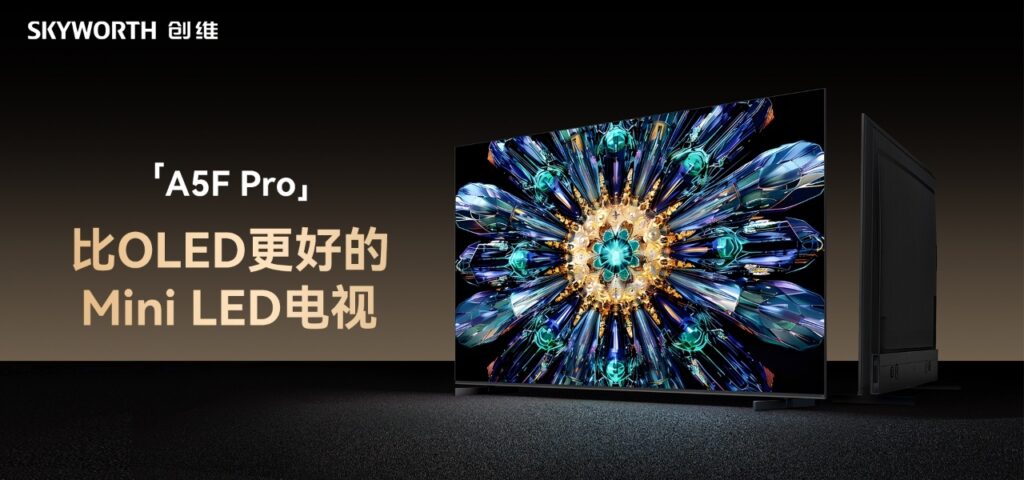
Skyworth has introduced the A5F Pro Mini LED TV, developed in collaboration with BOE. It features an industry-first Ultra Black Wide-Angle Paper-Like Screen for enhanced display performance. Available in 65, 75, 85, and 100-inch sizes, the TV is set to launch on March 7 in China. Pricing details have not yet been announced.
Skyworth A5F Pro Mini LED TV Specifications
At the heart of the A5F Pro is a QD-Mini LED panel featuring 1,056 dimming zones, ensuring precise backlight control and deep, OLED-like blacks. Traditional Mini LED screens sometimes suffer from halo effects and light leakage, but Skyworth’s proprietary Full-Link AI Halo Control minimizes these issues, delivering crisp visuals with unparalleled contrast.
The Ultra Black Wide-Angle Paper-Like Screen, developed in collaboration with BOE, introduces a triple-layer system that includes an LR low-reflection layer, an STW compensation layer, and an AG25 anti-glare layer. This combination ensures zero reflections, making it one of the most visually immersive displays on the market. Even in brightly lit rooms, the TV maintains deep blacks, rich contrast, and OLED-level color accuracy across all viewing angles.
The panel also integrates Quantum Dot technology, achieving 99% DCI-P3 color gamut coverage, and utilizes six-primary-color blue light enhancement to refine color reproduction.
Under the hood, the A5F Pro is equipped with a powerful AI image processing chip, ensuring top-tier upscaling, motion smoothing, and HDR tuning. It runs on the CoolAI Smart System, which incorporates DeepSeek AI, the first deep-learning AI engine in a TV, enabling smart home control, voice interaction, and real-time image enhancements.
The A5F Pro features an AI-powered processing engine that optimizes brightness, contrast, and HDR for enhanced visuals. It comes with adaptive motion smoothing to reduce stutter and blur in fast-paced scenes. Sporting a 288Hz refresh rate, it delivers smooth, fluid motion, making it a great choice for gaming and high-speed content.
Skyworth has elevated the audio experience with an industry-first built-in physical 4.2-channel soundbar, delivering 200W peak power. This Harman Audio EFX-tuned system features a three-way audio design, with dedicated high, mid, and low-frequency drivers ensuring a rich, immersive soundstage. The system integrates 12 acoustic drivers, creating a true cinematic surround sound experience without the need for external speakers.
Skyworth has also prioritized eye comfort and long-term viewing safety. The A5F Pro is certified with S++-grade eye protection, backed by both German TÜV and Chinese national safety standards. The display incorporates flicker-free technology, ambient light sensing, and low blue light emission, ensuring a comfortable viewing experience even during extended use.
Additionally, the A5F Pro supports an innovative high-bitrate frame-sharing theater function, allowing seamless content sharing across multiple screens without quality loss. This makes it an excellent choice for large households or multi-device streaming setups.
In related news, Konka recently launched the G9W Mini AI-LED Wallpaper TV, featuring a 165Hz display and an ultra-thin design. Meanwhile, Xiaomi’s latest Redmi Smart TVs offer 4K resolution, 120Hz MEMC, and AI-powered features at a budget-friendly price.
For more daily updates, please visit our News Section.
Infinix has just announced a brand new QLED TV in the Indian market. This is the Infinix 40Y1V model that carries an affordable price tag despite its noteworthy features. So here’s everything you need to know about this TV like its specs, features, pricing, and other details.
Infinix 40Y1V QLED TV: Specs and Features
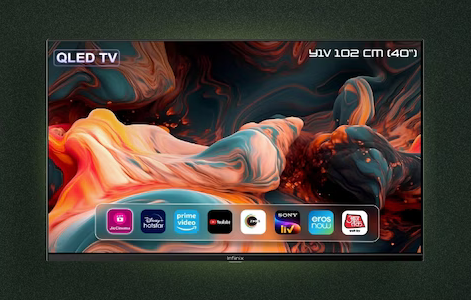
The smartphone maker’s latest product is the 40Y1V QLED TV which sports a 40-inch panel as the name suggests. It has a Full HD resolution (1920 x 1080p), a 60Hz refresh rate, 300 nits of peak brightness, and a near bezel less display. Infinix promises to offer sharp visuals with deep contrast with this new QLED TV. For audio, there is a dual 16W stereo speaker setup, which supports Dolby Audio for a more immersive audio-visual experience.
Infinix 40Y1V QLED TV
Under the hood, the Infinix 40Y1V QLED TV is equipped with a quad core CPU and a Mali-G31 GPU. This allows for an improved user experience while running the apps or navigating the UI. The chipset is paired with 4GB of internal storage that houses popular streaming platforms like Amazon Prime Video, YouTube, JioHotstar, Sony Liv, and more. Connectivity options include two HDMI ports, two USB, LAN port, built-in WiFi, an RF port, an AV in port for older devices, a 3.5mm audio jack, and digital optical audio support.
Pricing and Availability
The Infinix 40Y1V QLED TV has just been unveiled in India for an introductory price tag of just 13,999 INR. So the price might see a slight bump after the initial release, but it is easily one of the most affordable QLED TVs out there. The company will kick off the first sale of the smart TV on 1st March 2025 from authorized retailers and popular e-commerce platforms. This launch arrives a few weeks after the brand launched the Infinix Smart 9 HD in the region.
For more daily updates, please visit our News Section.
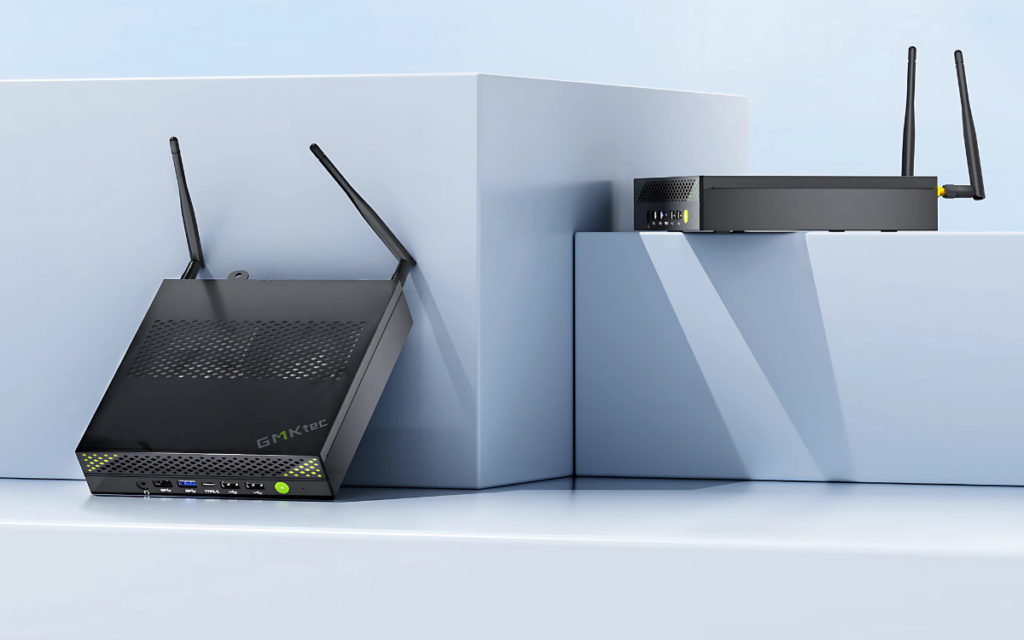
GMK has introduced its latest mini PC “GMK K10” in the Chinese market. It is available as a barebone unit or with 32GB RAM and a 1TB SSD. Sales start on March 1, with prices at 2,699 yuan ($372) for the base model and 3,699 yuan ($510) for the fully equipped version.
GMK K10 Mini PC Specifications
At the heart of the GMK K10 is the Intel Core i9-13900HK, a 13th-generation powerhouse with 14 cores and 20 threads, capable of reaching a turbo frequency of 5.4GHz. With Intel’s hybrid architecture, the chip balances performance and efficiency cores, delivering seamless multitasking across demanding applications. The processor’s 24MB Smart Cache further optimizes data access speeds, making the mini PC an attractive option for professionals working in data-intensive fields.
Performance potential doesn’t stop there. The GMK K10 supports up to 96GB of DDR5-5200MHz RAM, providing ample memory for heavy workloads such as virtualization, 3D rendering, and industrial automation. Storage capacity is equally impressive, with three M.2 2280 slots allowing for up to 12TB of SSD storage. This configuration makes the GMK K10 a compelling choice for users dealing with large datasets or content creation workflows.
Graphics performance is handled by Intel Iris Xe integrated graphics, supporting a dynamic frequency of 1.50GHz. The system also features multi-display support with four independent screen outputs and even 8K resolution capability through its Type-C port. These features position the mini PC as a viable solution for creative professionals needing high-resolution output, from video editing to CAD modeling.
Efficient heat dissipation is crucial in a compact system like this, and GMK has equipped the K10 with a high-flow turbine fan and superconducting copper cooling system. The machine also includes three power modes: Silent, Balanced, and High-Performance, allowing users to fine-tune performance according to workload requirements.
Connectivity is another strong suit of the GMK K10. The device offers an extensive range of ports, including an RJ45 2.5G Ethernet port, dual HDMI 2.0 ports, a DisplayPort, and a Type-C output. It also includes eight USB-A ports (four USB 3.2 and four USB 2.0) and a COM port, making it well-suited for industrial and embedded applications. Wireless connectivity is just as robust, with support for WiFi 6 and Bluetooth 5.2, ensuring fast and reliable connections.
Despite its compact form factor measuring just 188.6 x 178 x 38.9mm, the GMK K10 is built for stability and server-grade network transmission. It also includes a 3.5mm headphone jack, catering to users who require additional audio options.
The mini PC comes preloaded with Windows 11 Pro, though users will need to activate the operating system separately. GMK offers long-term technical support, including remote assistance and video tutorials, to ensure a smooth user experience.
In related news, Gigabyte recently introduced the GB-BRU5-225H mini PC, featuring an Intel Ultra 5 CPU, while Aoostar launched the GT37 Mini PC, equipped with an AMD Ryzen AI9 HX 370 processor, 32GB RAM, and a 1TB SSD.
For more daily updates, please visit our News Section.
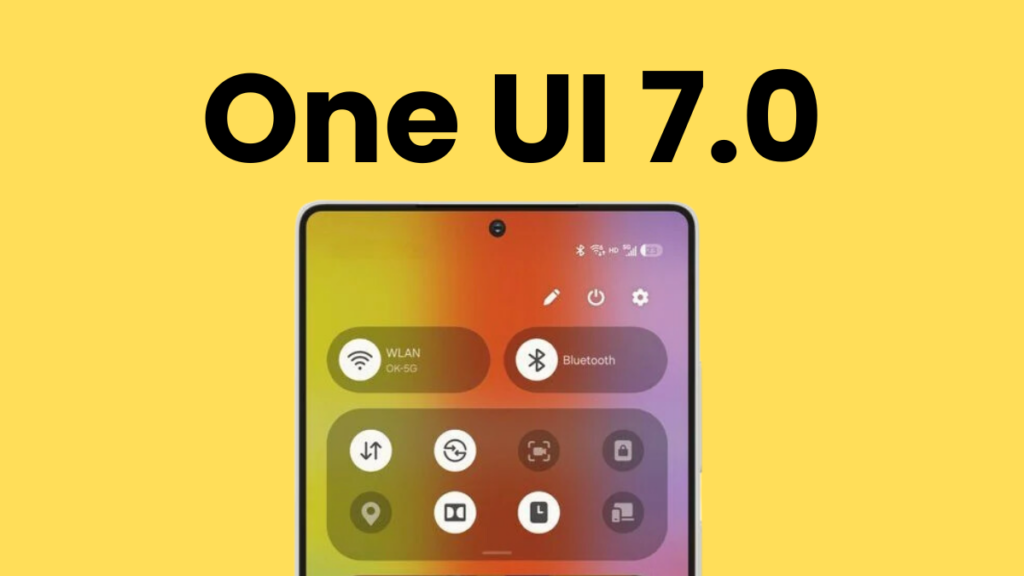
We are just a week away from entering March 2025 yet Samsung hasn’t updated a single Galaxy device to stable One UI 7. The brand hasn’t even announced a rollout timeline as to when Galaxy owners can expect to receive the update. This is really disappointing from a brand that has raised the bar high for software updates in recent years.
Samsung has a large portfolio of devices, and it keeps adding dozens every year. Rolling out software updates in a timely manner to those devices is always going to be challenging, as the process requires extensive effort in planning, developing, testing, and deployment. However, Samsung has made remarkable strides in refining its update process over the years to deliver a significantly improved software experience to its Galaxy users.
The impressive work Samsung has done over the years has made it arguably the best Android brand when it comes to software updates. It has now become a routine for the brand to release newer security patches even ahead of Google, and its major update rollouts have been impressive, too.
Samsung typically launches the beta program at the beginning of Q4 and rolls out the stable version for several Galaxy flagships before the year ends. This has been the story in recent years, but that completely changed with Android 15 — and for bad reasons. The One UI 7 beta program kicked off in early December for the Galaxy S24 series with a slight delay. The more disappointing thing is that Samsung didn’t expand the beta program to any other device, leaving them with no option other than waiting for the stable update.
At the annual developer conference held in October 2024, Samsung revealed that there won’t be a stable release before 2025. But now we’re approaching March 2025, and the stable update is yet to be seen on any Galaxy device. This seems pretty unreasonable, particularly when the Galaxy S25 released in January runs the stable One UI 7, and the recently launched Galaxy A06 5G (a $110 phone) ships with One UI 7 from the factory.
While the reason behind this massive One UI 7 delay is unclear, many believe that this is being done intentionally to push Galaxy S25 sales. Whatever the reason is, this delay is hurting Samsung’s goodwill it has created over the year with its commendable software update policy and rollout speed. I see many Galaxy users talking about shifting to other brands because of this delayed rollout on Samsung’s subreddit and other forums.
This significant delay in rolling out the One UI 7 update is reportedly pushing Samsung to cancel One UI 7.1 because there won’t be enough time to make it happen without affecting future updates. Software is one of the biggest strengths of Galaxy devices, and any significant delay in updates could undermine the trust Samsung has built over the years. The brand should properly address any delays and announce its software plans more transparently, which will help build stronger ties with users.
We use cookies on our website to give you the most relevant experience by remembering your preferences and repeat visits. By clicking “Accept”, you consent to the use of ALL the cookies.
This website uses cookies to improve your experience while you navigate through the website. Out of these, the cookies that are categorized as necessary are stored on your browser as they are essential for the working of basic functionalities of the website. We also use third-party cookies that help us analyze and understand how you use this website. These cookies will be stored in your browser only with your consent. You also have the option to opt-out of these cookies. But opting out of some of these cookies may affect your browsing experience.
Necessary cookies are absolutely essential for the website to function properly. This category only includes cookies that ensures basic functionalities and security features of the website. These cookies do not store any personal information.
Any cookies that may not be particularly necessary for the website to function and is used specifically to collect user personal data via analytics, ads, other embedded contents are termed as non-necessary cookies. It is mandatory to procure user consent prior to running these cookies on your website.