The Xiaomi 15 series of flagship smartphones has already made its debut in China. But while an official date for the global launch is still unknown, a fresh report hints that the premium devices or the Redmi 14 5G could be unveiled in India next month.
Xiaomi 15 series or Redmi 14 5G India launch imminent
According to known tipster Abhishek Yadav, the Chinese tech giant is apparently planning on releasing the Xiaomi 15 series or Redmi 14 5G in the Indian market in February. For those unaware, the Xiaomi 15 series consists of the Xiaomi 15 and Xiaomi 15 Pro. Recent rumors have also revealed that the company is working on a Xiaomi 15 Ultra as well as a Xiaomi 15S Pro model.
Xiaomi 15
Notably, the company did unveil the Xiaomi 14 and Xiaomi 14 Ultra variants in India but skipped the Xiaomi 14 Pro. Xiaomi released in the region back in March 2024. So the Xiaomi 15 series could be arriving in the Indian market a month earlier than its predecessor. Unlike these higher end devices, the other device that could launch in India is a budget friendly smartphone from the brand’s subsidiary Redmi.
The Redmi 14 5G is the other model that was talked about in Abhishek’s tweet. As the name suggests, the Redmi 14 5G is a successor of the Redmi 13 5G, which was released in mid-2024. Meaning, that even this model is arriving earlier than expected. Keep in mind that this is still just an unconfirmed report, so take this news with a pinch of salt for now and stay tuned for more.
For more daily updates, please visit our News Section.
POCO has been rumored to be working on the POCO F7 series of smartphones. The lineup is expected to consist of the POCO F7, POCO F7 Pro, and POCO F7 Ultra. While all of these devices have been spotted in rumors and certifications, a fresh leak offers some bad news for POCO fans in India.
POCO F7 Series Skipping India Launch in 2025?
The Chinese brand is expected to debut the POCO F7 series soon. But before its official announcement in China, known tipster Yogesh Brar claimed that the POCO F7 Pro and POCO F7 Ultra will not be launching in India this year. If this is true, then Indian buyers would only get the base model and not the higher end Pro and Ultra variants of the POCO F7. Although, it seems like POCO has some ambitious plans, according to Brar.
Redmi K80 Pro
Based on our earlier reports, the POCO F7 Ultra is a rebranded Redmi K80 Pro model. Meanwhile, the POCO F7 is a renamed version of the Redmi Turbo 4 Pro. It is unclear why POCO might be making this move. There’s a chance that the F7 Pro and F7 Ultra may launch under a different name in the region. However, this isn’t completely surprising as the brand made a similar move last year as well.
For those unaware, the POCO F6 series made its global debut in Dubai, but only the base model made its way to the Indian market. Although POCO might have other plans for India, which could be related to a new product launch. This is all the information we have at the moment, so stick around for more.
For more daily updates, please visit our News Section.
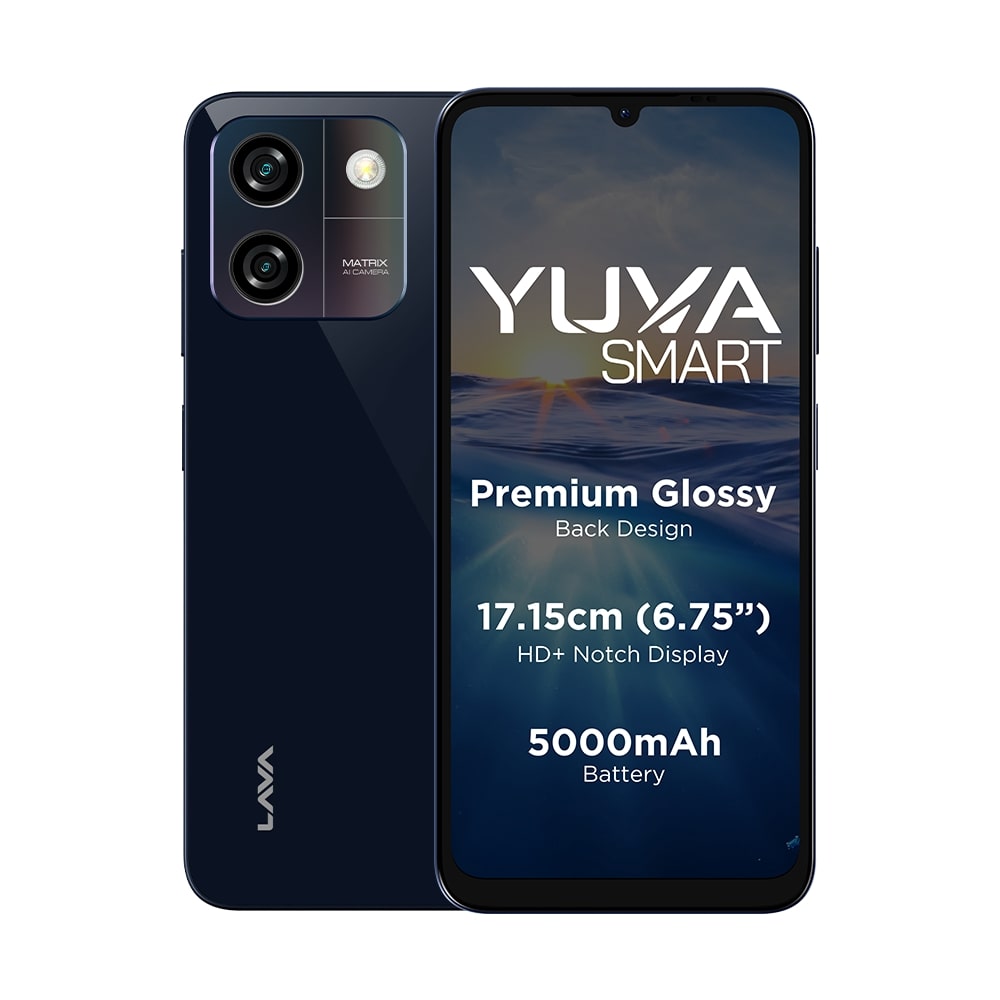
Lava, the Indian smartphone company, has added another device to its Yuva lineup targeting budget-conscious consumers. The Lava Yuva Smart is a 4G offering that follows last month’s launch of the 5G-enabled Lava Yuva 2. Let’s get into the details here.
Lava Yuva Smart Specifications
The Yuva Smart is powered by the Unisoc 9863A processor, a 28nm octa-core chip paired with the PowerVR GE8322 GPU. It runs on Android 14 Go edition, a lightweight version of the Android operating system optimized for devices with lower RAM.
The phone comes in a single storage option of 3GB RAM and 64GB storage, but expandable storage up to 512GB with a microSD card is available. Lava has also thrown in 3GB of virtual RAM to help with multitasking.
On the front, the device houses a 6.75-inch LCD display with an HD+ resolution (720 x 1600 pixels) and a standard 60Hz refresh rate. The display is protected by 2.5D glass. On the back, you’ll find a 13MP AI dual camera system, while a 5MP camera handles selfies and video calls.
Keeping the lights on is a 5000mAh battery, which should offer decent endurance on a single charge. The phone supports 10W wired fast charging.
The Lava Yuva Smart is equipped with standard connectivity options, including 4G/3G/2G network support, Wi-Fi 5, Bluetooth 4.2, GPS, and a USB Type-C port. It also has a 3.5mm headphone jack for wired audio, FM radio, a bottom-firing speaker, and a side-mounted fingerprint reader for security. The phone measures 164.96 x 76.1 x 8.8 mm and weighs 193.3 grams.
Price and Availability
Lava has launched the Yuva Smart at an introductory price of INR 6,000 (roughly $70), making it a very affordable option in the Indian market.
The phone comes in three color options: Glossy White, Glossy Blue, and Glossy Lavender. Lava is also offering a one-year warranty and free home service for the Yuva Smart.
For more daily updates, please visit our News Section.
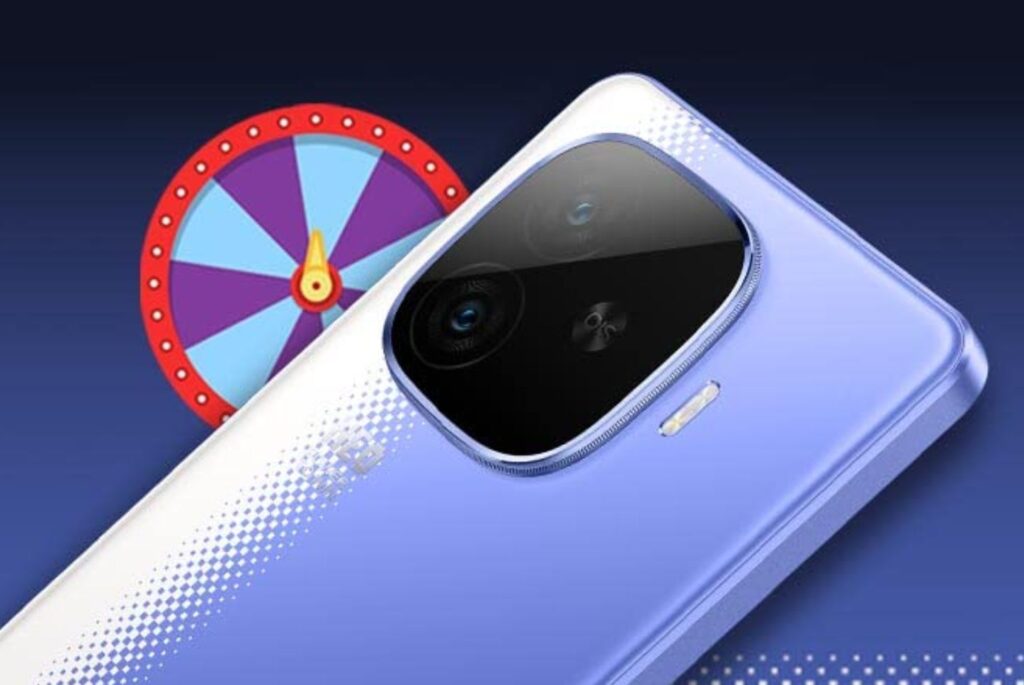
Over the last few days, iQOO shared teasers for the iQOO Neo 10R. This upcoming smartphone is expected to launch in the Indian market soon. But ahead of its official debut, the iQOO Neo 10R has just been spotted in a new leak, which revealed some of its features. So let’s check it out.
iQOO Neo 10R Gaming and Video Recording Capabilities Revealed
The news arrives from a MySmartPrice report, which revealed a few details regarding the iQOO Neo 10R. As per sources close to the matter, the iQOO Neo 10R will offer support for 4K 60fps video recording from its cameras. You’re also getting support for 90fps in gaming as well. It can offer higher framerate thanks to the Snapdragon 8s Gen 3. To recall, the Chinese company previously teased the upcoming smartphone with the Snapdragon 8s Gen 3.
iQOO Neo 10R 5G
This teaser also confirmed its design as well. Based on what we know so far, the iQOO Neo 10R features a rectangular camera layout with rounded corners. This module houses a dual camera setup, with the module confirming OIS support (Optical Image Stabilization). The Neo 10R is expected to launch in two storage configurations, namely 8GB + 256GB and 12GB + 256GB variants.
On the front, the device is rumored to sport a tall 6.78-inch AMOLED display with a 144Hz refresh rate, 1.5K resolution, and a 16MP selfie shooter. The rear packs a 50MP Sony LYT600 main camera along with an 8MP ultra-wide-angle lens. A massive 6,400mAh battery pack powers this device, which supports 80W wired fast charging. Rumors have hinted that the iQOO Neo 10R may launch for around 30,000 INR, so it would likely compete with devices like the POCO X7 Pro.
For more daily updates, please visit our News Section.
Samsung has consistently been able to deliver updates quicker than most other brands until last year, when it significantly delayed the One UI 7 release. Many brands, such as Motorola, OnePlus, and Vivo, have already delivered the Android 15 update to many of their devices, but Samsung still hasn’t begun the rollout. That’s disappointing for sure, but the brand could make a strong comeback with One UI 8.
While Samsung is busy preparing for the Android 15-based One UI 7 rollout, Google is already many steps forward in Android 16 development. After two developer preview builds, one in November and another in December, Google recently announced the first public beta of Android 16.
According to the official timeline, there will be a second beta in February, followed by the third one in March when Android 16 reaches Platform Stability. Beta 4 is scheduled to go live around April or May, with the possibility of a few minor betas along the way before the stable release.
Android 16 is planned for release sometime in the second quarter of 2025. While we don’t have an official release date yet, one leak says it’ll be June 3. Unlike last year, Android 16 might be pushed to Android Open Source Project (AOSP) and Google Pixels on the same day.
While Samsung hasn’t shared any details on One UI 8.0, a recent leak uncovered references to ‘OneUI_8_0’ in the internal code of some system apps. The leak didn’t reveal much detail except the presence of the ‘Decal Shader’ feature. We are not sure, but this could also mean Samsung is already working on One UI 8.0 development.
Interestingly, One UI 7.1 was not mentioned in the internal codes. Does this mean Samsung is skipping the ‘x.1’ update this year? This could be true as Android 16 is releasing earlier than previous versions. This gives Samsung less time for the development and rollout of One UI 7.1, making it more practical to directly focus on One UI 8.0 instead.
The One UI 7.0 development took longer to incorporate big changes, making it one of the most significant updates in recent years. However, the next iteration — One UI 8.0 — will likely focus on refinements and improvements rather than drastic changes. As a result, the development time for One UI 8.0 could be shorter, which could allow Samsung to release it soon after Android 16 goes public.
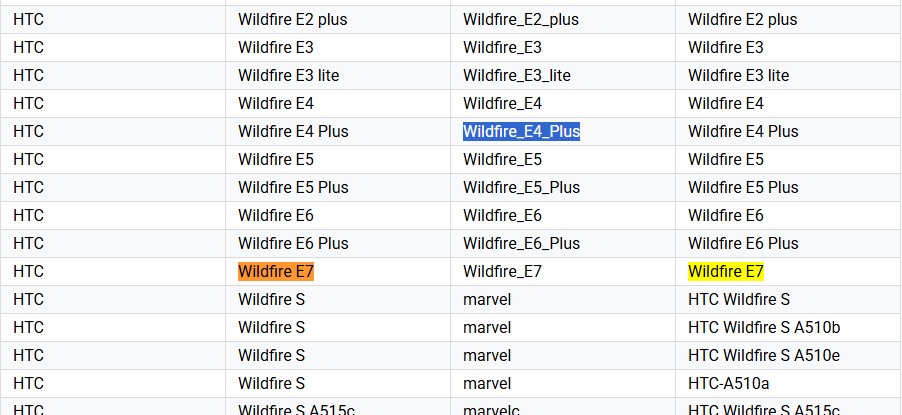
HTC appears to be preparing for the launch of two new smartphones, the Wildfire E4 Plus and Wildfire E7, in 2025. Both models were recently added to the Google Play Console Supported Devices List, suggesting they may be nearing release.
The listing does not provide specific details about the features or specifications of the devices. However, their appearance indicates that HTC is moving closer to officially introducing them. Previously, the brand has launched devices like the Wildfire E3, the Wildfire E2 Plus, and the Wildfire E2 Play.
The Wildfire E3 debuted back in 2021, while the E2 models debuted in 2023. The entire lineup till now has consisted of budget-oriented smartphones. We expect the upcoming Wildfire E4 Plus and E7 models to also be budget-oriented. To get an idea of what we can expect, let’s take a look at the specifications of the HTC Wildfire E2 Play.
HTC Wildfire E2 Play specs
The HTC Wildfire E2 Play was released in April 2023, featuring a 6.82-inch IPS LCD display with a teardrop notch. The screen has an HD+ resolution of 720 x 1640 pixels, a 20.5:9 aspect ratio, a 60Hz refresh rate, a 1500:1 contrast ratio, and 450 nits of brightness. It is powered by the Unisoc T606 chipset and comes with 8 GB of RAM.
The device includes 128 GB of internal storage, with the option to expand it using a microSD card. It runs on Android 12 and offers security features like a rear-mounted fingerprint scanner and AI face unlock.
For photography, the Wildfire E2 Play has an 8-megapixel front camera for selfies. Its rear camera setup includes a 48-megapixel main camera, a 5-megapixel ultra-wide lens, a 2-megapixel macro lens, a 2-megapixel depth sensor, and an LED flash.
In August 2024, Vivo launched the Vivo V40 and V40 Pro in India. The brand has been following a biannual release pattern for its V-series, with a six-month gap between launches. Now, it appears that Vivo is preparing to introduce the V50 series. However, according to a recent leak, while the standard V50 is expected to arrive in India soon, the launch of the V50 Pro has reportedly been delayed.
Vivo V50 India launch timeframe
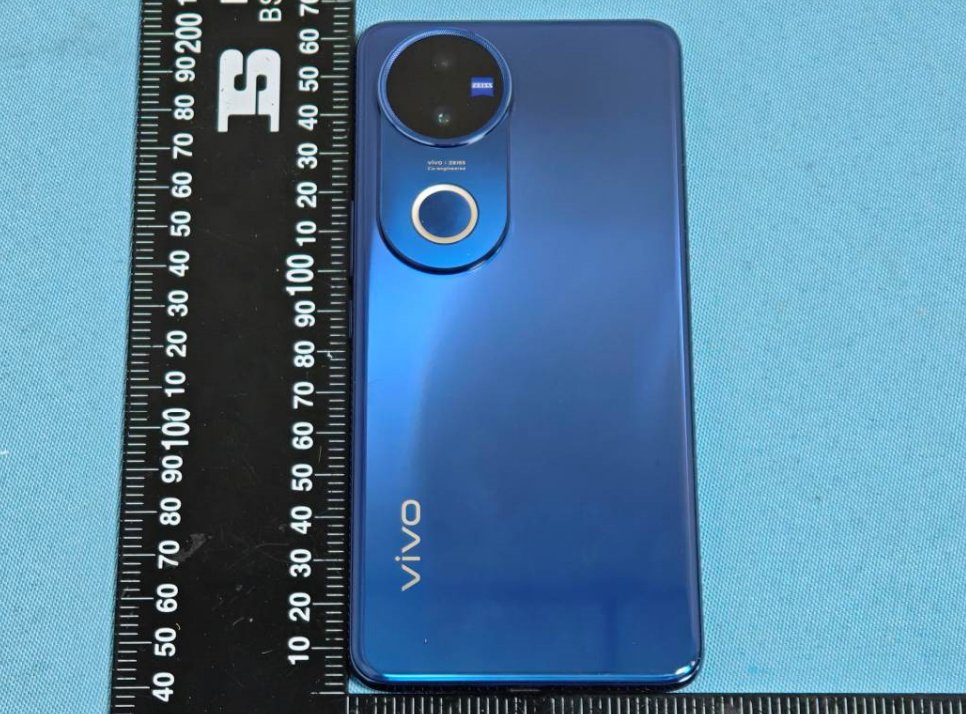
Vivo V50’s image via NCC certification in Taiwan
According to tipster Abhishek Yadav, the Vivo V50 will debut next month (February) in India. However, this time around, the company may not launch the Pro variant alongside the V50. Probably, the Pro variant may debut separately.
The leak further mentions that the Vivo V50 will feature the Snapdragon 7 Gen 3 chip. It will arrive in three configurations, such as 8GB+128GB, 8GB+256GB, and 12GB+256GB. It will be sold in shades like blue, rose, red, and grey. While the leak has no information about the other specs of the device, it is speculated to be a rebranded or tweaked version of the Vivo S20, which debuted in December 2024 in China.
The Vivo S20 specs sheet includes a 6.67-inch 120Hz AMOLED panel that offers a 1.5K resolution. The Snapdragon 7 Gen 3-powered phone comes with up to 16 GB of LPDDR5 RAM and 512 GB of UFS 2.2 storage in China.
The S20 has a 50-megapixel front-facing camera with autofocus support. It has a 50-megapixel primary camera with OIS support and an 8-megapixel ultra-wide lens. The device packs a 6,500mAh battery with 90W fast charging.
Apart from India, the Vivo V50 is expected to be released in multiple markets, as it has recently received certifications in countries like Thailand, Malaysia, Taiwan, and the UAE.
For more daily updates, please visit our News Section.
Lava has expanded its Yuva series with the launch of the Yuva Smart in India, following the success of the Yuva 2 5G, which debuted in December 2024. Designed for first-time smartphone users, the Yuva Smart combines essential features like a long-lasting battery and dual cameras at an affordable price. Let’s take a closer look at what this new device offers.
Lava Yuva Smart specifications and features
Lava Yuva Smart
The Yuva Smart boasts a 6.75-inch HD+ notch display with a resolution of 720 x 1600 pixels and a 60Hz refresh rate, providing a smooth and immersive viewing experience. For photography, it features a 13-megapixel AI dual rear camera with LED flash and a 5-megapixel front camera with screen flash.
Under the hood, the device is powered by a Unisoc 9863A octa-core processor, paired with 3GB of RAM and 3 GB of virtual RAM. It offers 64 GB of internal storage, expandable up to 512 GB via a microSD card. Running on the Android 14 Go edition, the phone is optimized for smooth performance on entry-level hardware.
Other highlights include a 5000mAh battery with 10W Type-C fast charging, a mono speaker, and a glossy design available in Blue, White, and Lavender color options. Security features include a side-mounted fingerprint sensor and face unlock. Lava is also offering regular security updates to ensure a safe and reliable user experience.
Lava Yuva Smart price in India, Availability
The Yuva Smart is priced at an introductory rate of Rs 6,000 and comes in three color variants: Glossy Blue, Glossy White, and Glossy Lavender. It will be available for purchase starting soon, with a 1-year warranty and free service at home for added convenience.
Tech brands in China are expected to take a break starting tomorrow as the Lunar New Year begins. Operations are expected to resume by mid-February. During this period, several new device launches are anticipated. Oppo is likely to announce the Find N5, Xiaomi is expected to unveil the Xiaomi 15 Ultra, and the Realme Neo 7 SE is also expected to debut around the same time. These devices are slated for release in February. In March, Huawei is rumored to launch the Pocket 3, a flip-style smartphone designed with a focus on female users.
Pura 80 series delayed, Pocket 3 heading for March launch
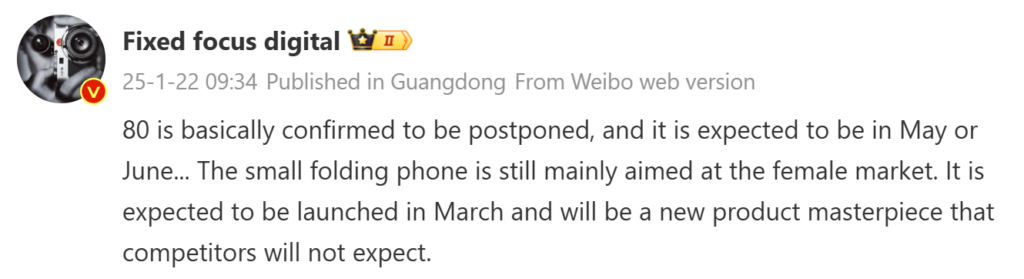
Huawei unveiled the Pura 70 series of flagship phones in April 2024. According to tipster Fixed Focus Digital, the Huawei Pura 80 series is expected to face a delay, with its release likely pushed back to May or June. This is in line with a previous leak by DCS who claimed that the Pura 80 lineup will be unveiled in Q2 this year.
On the other hand, the Pocket 3, Huawei’s flip-style foldable phone targeting the female market, is still on track for a March release. The Pocket 3 is rumored to be a groundbreaking device that could surprise competitors with innovative features or design elements.
In a newer Weibo post, a tipster revealed that Richard Yu (referred to as “Big Mouth,” a well-known nickname for him in Chinese tech circles and media), the CEO of Huawei’s Consumer Business Group, hinted at the launch of a new phone in March. According to Yu, the device will be affordable, with the statement, “A new phone will be launched in March, and everyone can afford it.” While this one appears to be the Pocket 3, no concrete details about the device’s specifications have been disclosed yet.
All that is known so far about the Pocket 3 is that it will be thinner, lighter, and more compact compared to its predecessor. Additionally, it is rumored to come in two versions, though specific details about these variants remain under wraps. Stay tuned for more updates as the launch approaches!
For more daily updates, please visit our News Section.
Xiaomi launched its last “S Pro” smartphone, the Xiaomi 12S Pro, back in 2022. The company didn’t follow it up with a successor in the Xiaomi 13 and 14 series, but it looks like we can finally expect one in 2025 with the Xiaomi 15 series.
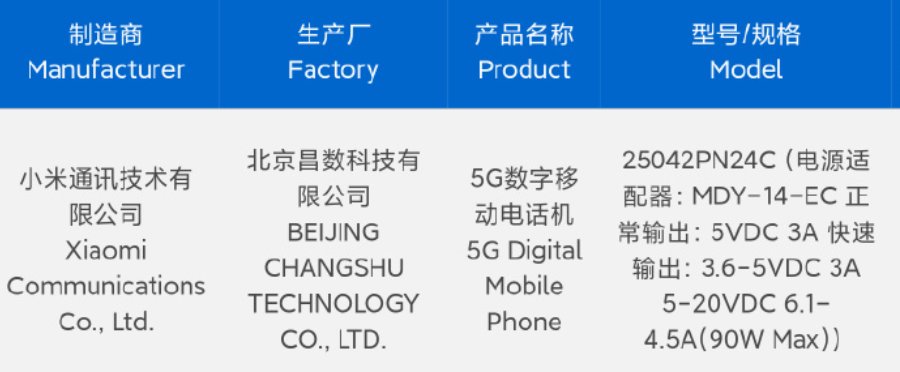
The Xiaomi 15S Pro has been circulating in the rumor mill for a while now. Back in August, an IMEI listing revealed the device’s existence with the model number 25042PN24C and the codename “dijun.”
Xiaomi 15S Pro 3C certification
The same model number has now appeared on the 3C certification site, confirming a key detail: the phone will feature 90W fast charging, the same as the Xiaomi 15 Pro.
However, one feature missing from the certification details is satellite communication. For context, the Xiaomi 15 Pro supports two-way satellite communication, but whether the 15S Pro will follow suit remains unclear.
While the certification provides some insights into the device, key details such as its design, hardware, and potential upgrades remain unknown. The model number starting with “2504” could suggest an April 2025 release, but Xiaomi has yet to make anything official.
Xiaomi, however, has a busy schedule ahead, as it’s expected to launch the flagship Xiaomi 15 Ultra in February. This suggests that the Xiaomi 15S Pro could arrive at a separate event later in the year.
Xiaomi introduced the 12S Pro as a more premium version of the Xiaomi 12 Pro. It featured a Snapdragon 8+ Gen 1 chipset instead of the Snapdragon 8 Gen 1 found in the Xiaomi 12, along with upgrades in camera and display. If the Xiaomi 15S Pro follows the same strategy, it could bring refinements and features that differentiate it from the standard Xiaomi 15 Pro.As of now, speculation surrounds the device, and Xiaomi hasn’t shared specific details about its plans. However, with 3C certification in place, the Xiaomi 15S Pro seems to be steadily moving closer to an official debut.
If you’re planning to upgrade your tech, this Republic Day presents an excellent opportunity with significant discounts on premium gadgets. A special sale by Lava offers feature-packed smartwatches and high-performance earbuds at budget-friendly prices, but these deals are available for a limited time and while stocks last.
What’s on Offer?
The sale, which started yesterday, offers the first 100 units of the smartwatch and earbuds will be available for just Rs 26 each. After this initial offer, all variants will be discounted by 76% on their MRP, celebrating 76 years of India’s Republic.
To grab these deals, use the coupon codes “Prowatch” for the smartwatch and “Probuds” for the earbuds on the brand’s official e-store.
Prowatch ZN
The Prowatch ZN is a stylish and functional smartwatch available in two color options: Valyrian Grey and Dragon Glass Black. It features a 1.43-inch AMOLED display with Corning Gorilla Glass 3 protection, ensuring durability and clarity.
With a 7-day battery life and an IP68 rating, it’s designed to keep up with your active lifestyle. Health enthusiasts will appreciate its heart rate monitoring, SpO2 tracking, and sleep analysis features. Plus, it comes with a 2-year warranty, highlighting its reliability.
Please Note: When you buy something using the links in our articles, we may earn a small commission at no cost to you.
Probuds T24
The Probuds T24, launched in December 2024, is designed for those who demand both style and functionality. Equipped with 10mm drivers, they deliver rich sound with enhanced bass, while quad-mic ENC ensures crystal-clear calls.
With Bluetooth V5.4 and ultra-low latency (35ms), it is suitable for gaming and multitasking. The earbuds also support dual device pairing and offer up to 45 hours of playtime, making them a versatile choice for everyday use.
Head to Lava’s official e-store to explore these deals and grab them before they sell out.
For more daily updates, please visit our News Section.
Samsungofficially launched the Galaxy S25 series, powered by the new Snapdragon 8 Elite for Galaxy chip. At the launch event, the company made bold claims about its gaming prowess but remained quiet on the specifics. Now, early benchmark tests are filling in the gaps—and things aren’t looking great for Apple’s iPhone 16 Pro Max.
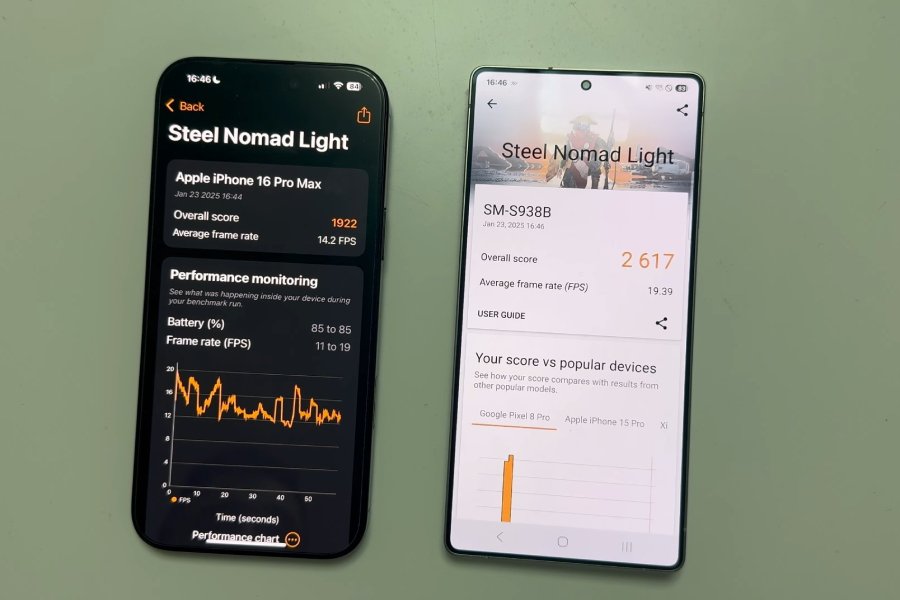
One of the more revealing comparisons comes from the 3DMark Steel Nomad Light benchmark, a widely used test for evaluating GPU performance under rasterization workloads.
Samsung Galaxy S25 Ultra vs iPhone 16 Pro Max Benchmark
In a test shared by @Techinfosocials on X, the S25 Ultra scored 2,617 points, while the iPhone 16 Pro Max lagged behind at 1,922. That’s a striking 36% lead in favor of Samsung’s latest flagship.
Frame rates tell a similar story. The S25 Ultra managed an average FPS of 19.39, compared to the iPhone 16 Pro Max’s 14.2. That’s a noticeable gap, especially for users who prioritize gaming performance.
Of course, raw numbers don’t tell the whole story. Samsung’s improved cooling system could play a role in sustaining high performance, helping it avoid throttling better than its competitors.
It’s also important to note that this benchmark focuses purely on GPU performance, leaving out CPU stress. That means we don’t have a full picture of overall system performance yet.
Still, if gaming is a priority, the Galaxy S25 Ultra might just be the more compelling pick for this generation. Apple’s A18 Pro could have other strengths in real-world usage, but in this test, at least, the Snapdragon-powered Samsung flagship takes the crown.
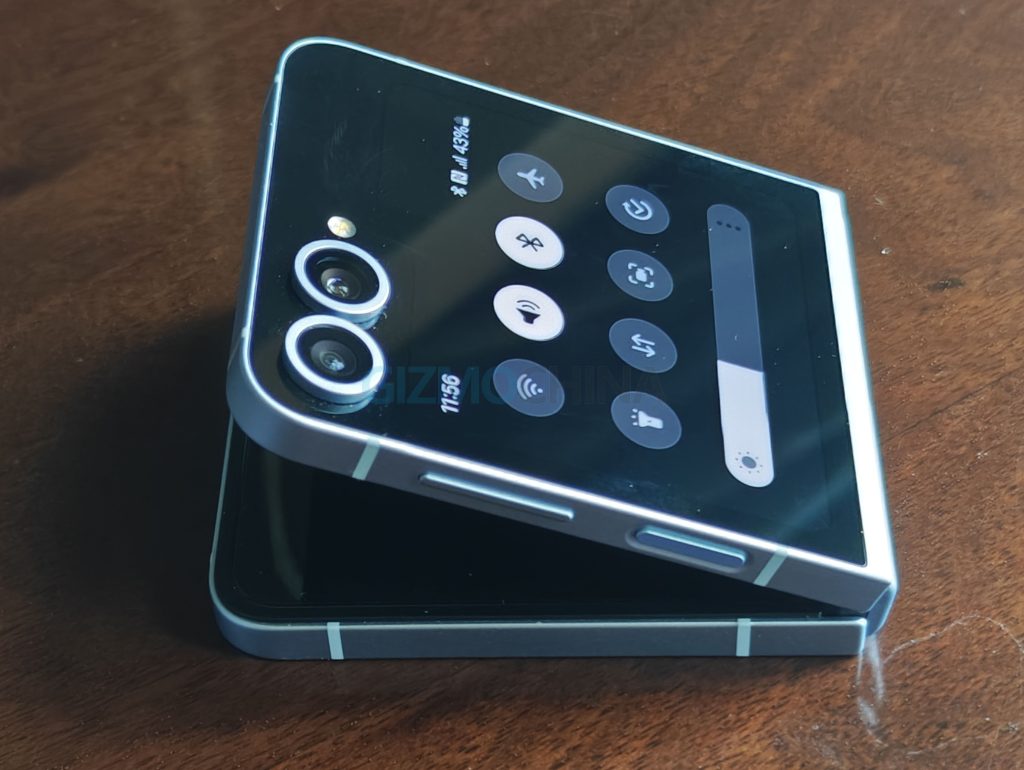
Samsung launched the Galaxy S25 series bringing an end to the rumors, which are now available for pre-order and will be available for sale starting February 7th. The next foldables have already entered the rumor mill though. In the latest news, GalaxyClub shares the camera specifications of the Galaxy Z Flip 7.
According to the report, the camera specifications are quite disappointing. As for the hardware, the Z Flip 7 uses a 50MP main camera, paired with a 12MP ultrawide and a 10MP front camera. For those who don’t recall, the numbers are the same as that of the Z Flip 6. Although the report didn’t reveal the sensor size, so we cannot confirm if these (or at least the main and ultrawide) are upgraded sensors with the same resolution. It’s also unlikely that Samsung will add a telephoto or an under-display camera, notes GalaxyClub.
Similar or same cameras with AI-enhanced image processing
Reportedly, Samsung is focusing on software-based camera enhancements for the foldables—the same approach the company took with the S25 series.
To give you an idea of what to expect, Galaxy S25 Ultra’s imaging performance is only slightly different than its predecessor. And the reason I am saying ‘different’ is that it’s not particularly better in every scenario. While the skin tones appear to be more accurate, the images often appear as darker than last year’s model.
Pre-order Samsung Galaxy phones now & get up to $1,250 off + a chance to win $5,000 credit (US only) – https://howl.link/erlejlgnge89i
Of course, these are minor issues and shouldn’t be too difficult for Samsung to fix. But then again, the company has been using the camera hardware (both for the S and Z series flagships) for quite a while, and therefore, they have had plenty of time to optimize their image processing system for the sensors. Sure Samsung introduced some new terms this year such as the improved ProVisual Engine, which will also be a part of the next foldables.
The company will most likely focus on AI-powered camera features such as “Best Face” to compensate for sensor upgrades. We have already started seeing real-world comparisons, and it will be interesting to see how Samsung’s AI-backed approach stacks up against competitors that still allocate resources to hardware upgrades.
Unlike the S25 series, the Z Flip 7 will be powered by the company’s in-house Exynos 2500 chip. You can check out more details about the chipset here.
The tech industry has always been a battleground for innovation, and nowhere is this more evident than in the semiconductor space. Apple’s relentless pursuit of cutting-edge technology has set new benchmarks for performance, efficiency, and integration, forcing competitors like Qualcomm and MediaTek to step up their game.
By 2025, Apple‘s success with its custom silicon, particularly the M-series chips, has not only redefined consumer expectations but also pushed its rivals to innovate at an unprecedented pace. This article explores how Apple’s dominance is driving Qualcomm and MediaTek to rethink their strategies and accelerate their technological advancements.
Apple M-Series Chips
Apple’s transition from Intel processors to its custom-designed M-series chips marked a turning point in the semiconductor industry. The M1, M2, and subsequent iterations have set new standards for performance-per-watt, integrating CPU, GPU, and neural engines into a single system-on-a-chip (SoC).
These chips have delivered desktop-class performance in ultra-thin laptops and tablets, challenging the traditional x86 architecture dominated by Intel and AMD. Apple’s vertical integration, combining hardware and software optimization, has given it a significant edge, leaving competitors scrambling to catch up.
The M-series chips have also demonstrated the power of ARM-based architectures in high-performance computing, proving that they can compete with and even surpass traditional x86 chips. This has forced Qualcomm and MediaTek, both of which primarily focus on ARM-based designs, to rethink their approach to performance, efficiency, and scalability.
Qualcomm’s Response
Qualcomm, a leader in mobile processors, recognized the need to innovate beyond its Snapdragon lineup to compete with Apple’s silicon. In 2021, Qualcomm acquired Nuvia, a startup founded by former Apple engineers who had worked on the A-series chips. This acquisition was a strategic move to bolster Qualcomm’s capabilities in designing high-performance, power-efficient CPUs.
By 2024, the fruits of this acquisition were evident in Qualcomm’s Snapdragon X Elite and Snapdragon X Plus chips. These processors, built on Nuvia’s custom Oryon CPU cores, are designed to rival Apple’s M-series chips in both performance and efficiency.
The Snapdragon X series targets not only laptops but also desktops and even servers, signaling Qualcomm’s ambition to expand beyond mobile devices. The company has also focused on improving AI capabilities and GPU performance, areas where Apple has excelled.
Qualcomm’s partnership with Microsoft to optimize Windows for ARM-based processors has further strengthened its position. By 2025, Qualcomm-powered Windows laptops are offering battery life and performance that rival Apple’s MacBooks, thanks to the Snapdragon X series.
However, Qualcomm’s innovation wasn’t limited to PCs. In 2024, the company unveiled the Snapdragon 8 Elite chipset, a groundbreaking mobile processor that redefined the smartphone era. Built on Nuvia’s Oryon architecture, the Snapdragon 8 Elite delivers unprecedented performance and efficiency, closing the gap with Apple’s A-series chips and even surpassing them in certain benchmarks.
The custom Oryon cores in the Snapdragon 8 Elite offers a 40% improvement in single-threaded performance compared to its predecessor, making it the fastest mobile CPU on the market. This allows Android flagship devices to compete head-to-head with Apple’s iPhones in terms of raw power.
The Snapdragon 8 Elite also features a next-generation AI engine capable of 75 TOPS (trillions of operations per second), enabling advanced on-device AI applications like real-time language translation, enhanced photography, and personalized user experiences.
Its Adreno GPU set new standards for mobile gaming, supporting ray tracing and 8K gaming at 60 FPS, making it a favorite among gamers and content creators alike. Despite its incredible performance, the Snapdragon 8 Elite was remarkably power-efficient, thanks to its 3nm manufacturing process, allowing smartphones to deliver all-day battery life even under heavy workloads.
The Snapdragon 8 Elite not only elevates Android flagship devices but also now forces Apple to accelerate its own innovation cycle.
MediaTek’s Strategy
MediaTek, traditionally known for its mid-range and budget-friendly chips, has also been forced to innovate in response to Apple’s success. The company has shifted its focus toward high-performance processors, aiming to compete in the premium segment dominated by Apple and Qualcomm. MediaTek’s Dimensity series, initially targeted at smartphones, has evolved to include chips for Chromebooks, tablets, and even automotive applications.
Since 2024, MediaTek is leveraging its expertise in AI and 5G to differentiate itself. The company’s latest Dimensity chips feature advanced neural processing units (NPUs) that rival Apple’s Neural Engine, enabling faster and more efficient AI-driven tasks. MediaTek has also invested heavily in heterogeneous computing, combining CPU, GPU, and NPU resources to deliver a seamless user experience.
While their current flagship chip, the Dimensity 9400, performs on par with the Snapdragon 8 Elite, the upcoming Dimensity 9500 is a prime example of MediaTek’s ambition to disrupt the high-performance chip market. Rumored to adopt a ‘2 + 6’ CPU cluster with ARM’s next-generation Cortex-X930 and Cortex-A730 cores, the chip may lack custom cores like Qualcomm’s Oryon but compensates with other innovations.
Built on TSMC’s cutting-edge 3nm N3P process, the Dimensity 9500 promises improved thermal efficiency and up to 20% multi-core performance gains. These advancements position MediaTek as a serious contender in the premium segment, with the official launch expected later in 2025.
Additionally, MediaTek is focusing in other markets, such as smart home devices and IoT, to reduce its reliance on the highly competitive smartphone market. By diversifying its product portfolio, MediaTek aims to create new revenue streams while continuing to innovate in the processor space.
The Broader Impact on the Industry
Apple’s success in driving ARM-based innovation with its M-series chips has not only challenged the dominance of x86 processors but also sparked a shift across the semiconductor industry. The company’s lead in single-core performance has set a high bar, compelling competitors like Qualcomm and MediaTek to step up their game.
The rumored Snapdragon 8 Elite Gen 2 and Dimensity 9500, both built on TSMC’s cutting-edge 3nm ‘N3P’ process, are prime examples of this competitive push. These chipsets are expected to achieve Geekbench 6 single-core scores of 4,000, potentially matching or even surpassing Apple’s upcoming M4 chip.
Beyond raw performance, the industry is also embracing ARM’s Scalable Matrix Extension to enhance efficiency in handling complex workloads, a feature both Qualcomm and MediaTek plan to integrate into their latest SoCs.
While the final performance of these chips in retail devices remains to be seen, this competitive landscape shows the growing shift toward custom silicon designs. As more players enter the ARM-based market, the ripple effects of Apple’s pioneering efforts are likely to fuel further innovation across the industry.
For more daily updates, please visit our News Section.
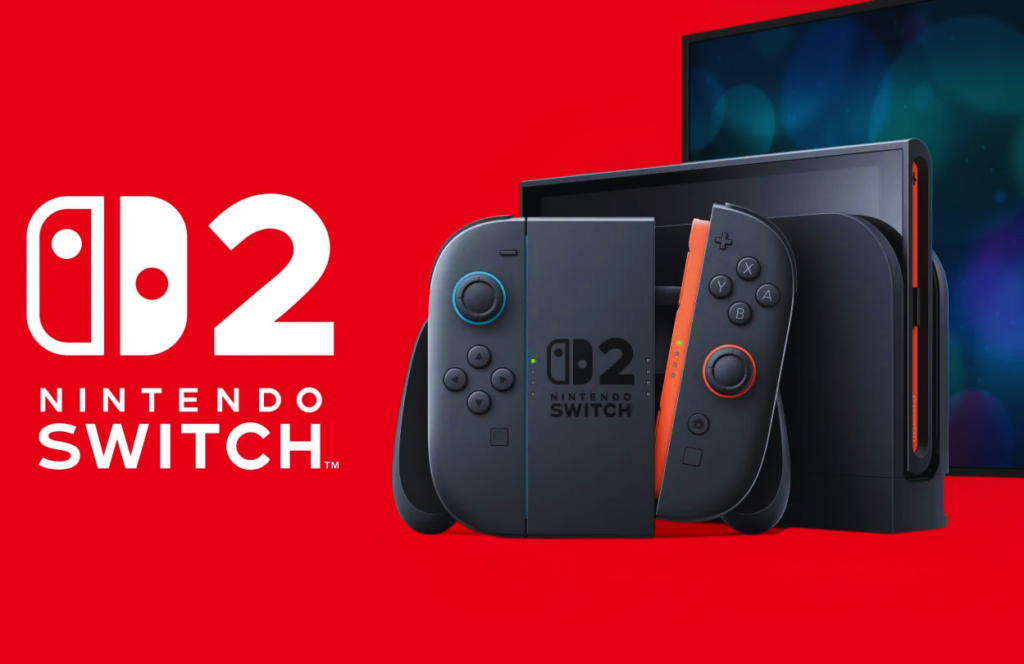
Nintendo’s upcoming console, the Switch 2, has gamers buzzing. Since its announcement on January 16th, most of the talk has centered around one big question: how much will it cost?
Nintendo Switch 2
It looks like Switch 2 will be more expensive than the original Switch, which launched at $299 in 2017. Rumors and leaks suggest a price range between $399 and $499. The increase isn’t too surprising, considering the expected upgrades and factors like inflation and import tariffs.
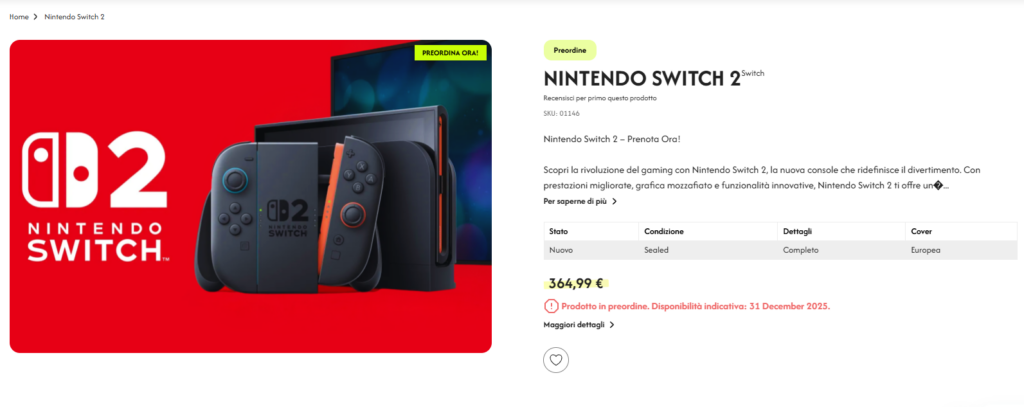
An Italian retailer, GamesandMovies.it, recently listed the console for pre-order at €364.99 (about $383 USD). If that’s accurate, the U.S. price might land closer to $350 since consoles are usually cheaper in the American market. On the flip side, some leaks, including one from insider @Shpeshal_Nick, suggest the price could go as high as $449 or $499, especially if Nintendo offers bundles like a Mario Kart package.
The higher price is likely tied to hardware improvements, such as a bigger, possibly OLED screen and more powerful processing. These features would justify the jump in cost, but economic pressures like inflation might also play a role.
It’s worth noting that retailers often use placeholder prices to gauge interest, and this could be the case with the GamesandMovies.it listing. For now, everything is up in the air until Nintendo’s Nintendo Direct event on April 2nd, where they’re expected to reveal the console’s features, release date, and price.
The original Switch sold over 130 million units, so expectations for the Switch 2 are high. While the upgrades may warrant a higher price, Nintendo will need to find a sweet spot to appeal to both dedicated fans and casual players who helped make the first console such a hit.
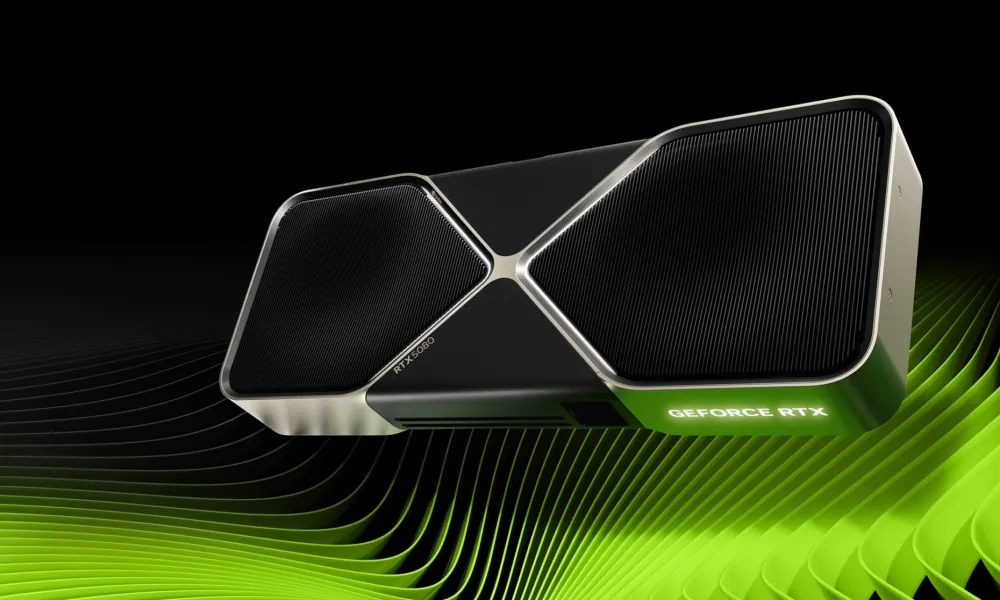
Nvidia‘s GeForce RTX 5080, which is set to launch alongside the flagship RTX 5090 on January 30, has already been spotted in benchmark platforms. For those interested about the 80-class GPU, these benchmarks might help you decide – or leave you scratching your head.
Spotted on Geekbench
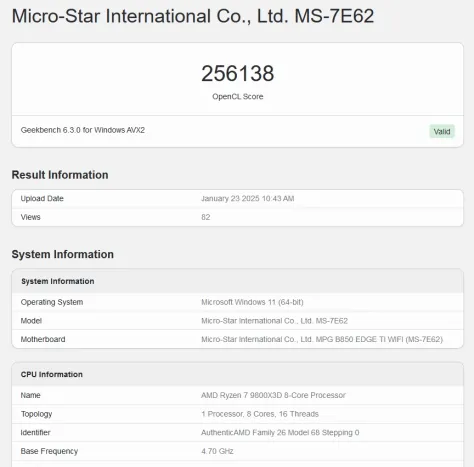
The numbers spotted on Geekbench browser (via Benchleaks) gives us a sneak peak at what to expect from the RTX 5080.
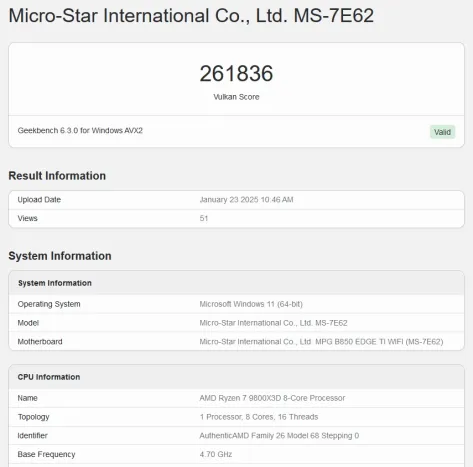
First things first, the test environment included an AMD Ryzen 7 9800X3D processor, 32GB of DDR5-6000 memory, and an MSI motherboard.
In the Vulkan test, it scored 261,836 points. This is about 22% better than the RTX 4080. Not bad, right? But then we look at the OpenCL results: 256,138 points. This is just a 6.7% improvement—a bit underwhelming if you ask me.
Here’s the crux of it: Nvidia’s 80-class GPU generations have always outperformed the previous generations’ 90-class models. But this time, the RTX 5080 hasn’t reached the same heights as the RTX 4090. That’s quite surprising, and not a good omen for those who harbor hopes for a sub- or under-performance king.
Also spotted on Blender Open Data platform
If you’re into Blender, the RTX 5080 showed up on the platform too. According to Reddit user TruthPhoenixV, it scored 9,063.77—around 9.4% faster than the RTX 4080 and 8.2% ahead of the RTX 4080 Super. To be fair these are decent gains, but nothing that screams “next-gen revolution.”
The RTX 5080 is solid on the spec sheet though. The card’s based on Nvidia’s Blackwell architecture that leverages 10,752 CUDA cores. This is paired with 16GB of GDDR7 memory and rated AI performance at 1,801 TOPS. And it all starts at $1,000.
Should you be excited? That’s the big question. These leaks offer a decent preview, but they’re not the full story. Nvidia’s 5080 seems like a solid step up from the 4080, but not a game changer—especially if you’re eyeing that RTX 4090-level performance.
The RTX 5080 will debut on January 30, 2025. And for now, it’s best to wait until reviews drop after the launch. Until then, keep your expectations balanced. The RTX 5080 might not be the giant leap forward that we’ve seen from Nvidia in the past, but it still could be a contender for gamers looking for solid upgrade.
In related news, the RTX 5090 leak has revealed a staggering 46% performance improvement. On the other hand, the giant has also responds to concerns about RTX 5090 melting power connectors
Samsung has launched the Galaxy S25 series with new AI features, and some more new AI features. While the company was kind enough to reshape the corners and replace the VC cooling and ultrawide camera with slightly better ones, it clearly wasn’t enough to satisfy people who took their time to watch the hour-long AI-focused Unpacked event.
But Samsung did mention some image processing improvements. So how does the Galaxy S25 Ultra stacks up with its competitors? Fortunately, some YouTube creators have already tested the camera capabilities of the S25 Ultra side-by-side with its predecessor and the iPhone 16 Pro Max.
How does it compare with the iPhone 16 Pro Max?
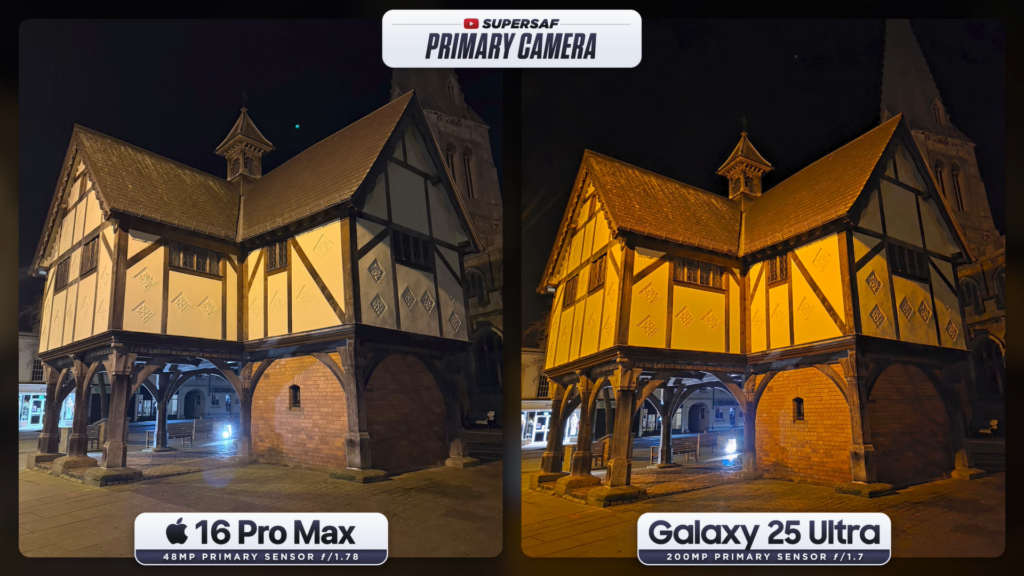
Youtube creator SuperSaf and MrWhosetheBoss both tested Samsung’s 2025 top-of-the-line flagship with the iPhone 16 Pro Max. The low light sample from the S25 Ultra appears to have a very warm tone.
The high-resolution ultrawide on the S25 Ultra does seem to offer some benefit though: ultrawide shots from a Samsung flagship finally appear to math the level of detail captured by the one on the latest iPhone. The right side of the house looks dark on the S25 Ultra. Although, the sample from the iPhone isn’t flawless either – it seems a bit too flat.
Pre-order Samsung Galaxy phones now & get up to $1,250 off + a chance to win $5,000 credit (US only) – https://howl.link/erlejlgnge89i
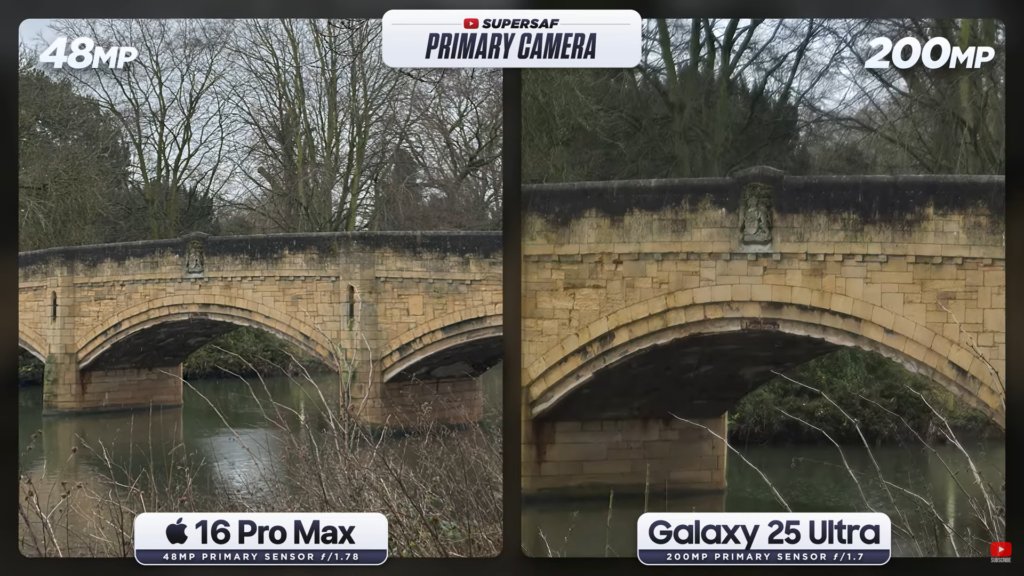
The iPhone 16 Pro Max captures images at 24-megapixels by default where it’s still set to 12-megapixel in the S25 Ultra.
Just as last year, the default 1x shots from the iPhone has more detail than the Galaxy. But, the S25 Ultra packs a 200MP sensor and you have the option to ramp up the resolution and shoot at either 50MP or 200MP mode, both of which let you save more detail than the iPhone can.
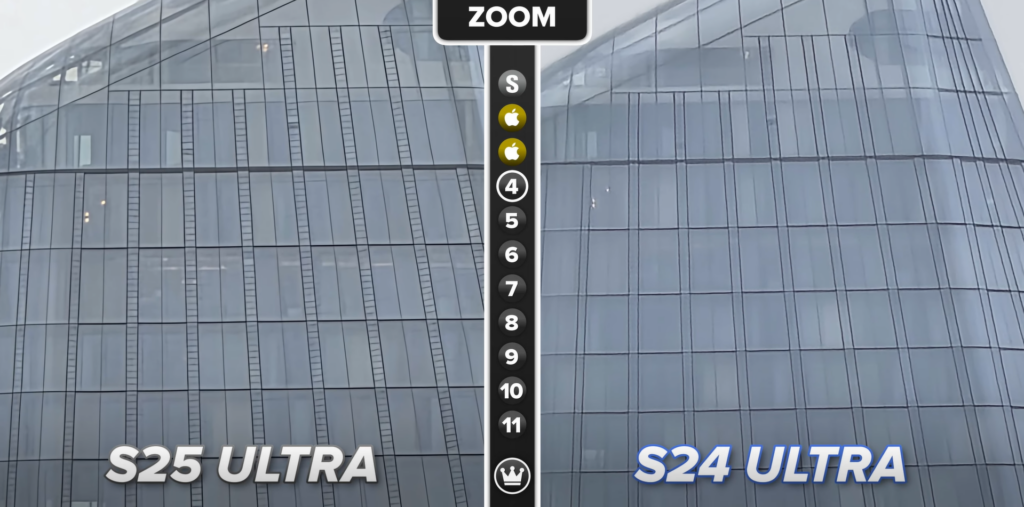
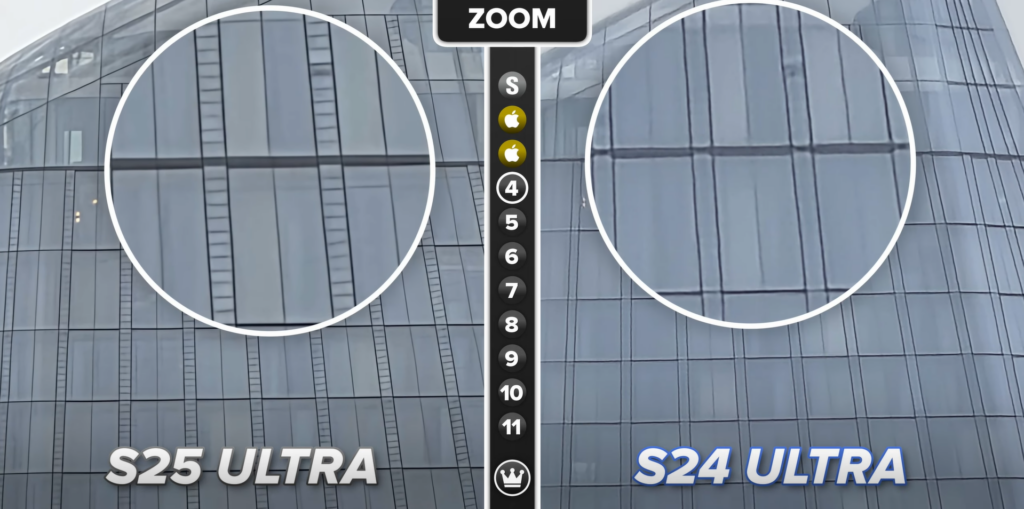
The Galaxy S25 Ultra’s samples are not much different as compared to its predecessor. Most of the daylight shots have a slightly warmer tone and the low-light shots have less lens flare. However, the AI-enhanced zoom shots now offer significantly better details.
For more daily updates, please visit our News Section.
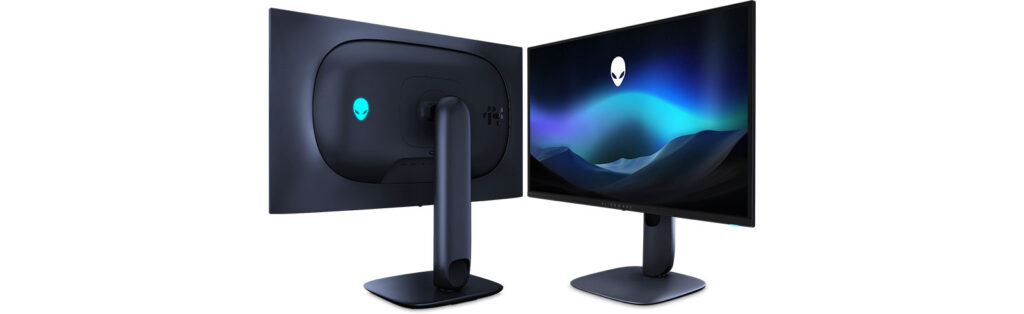
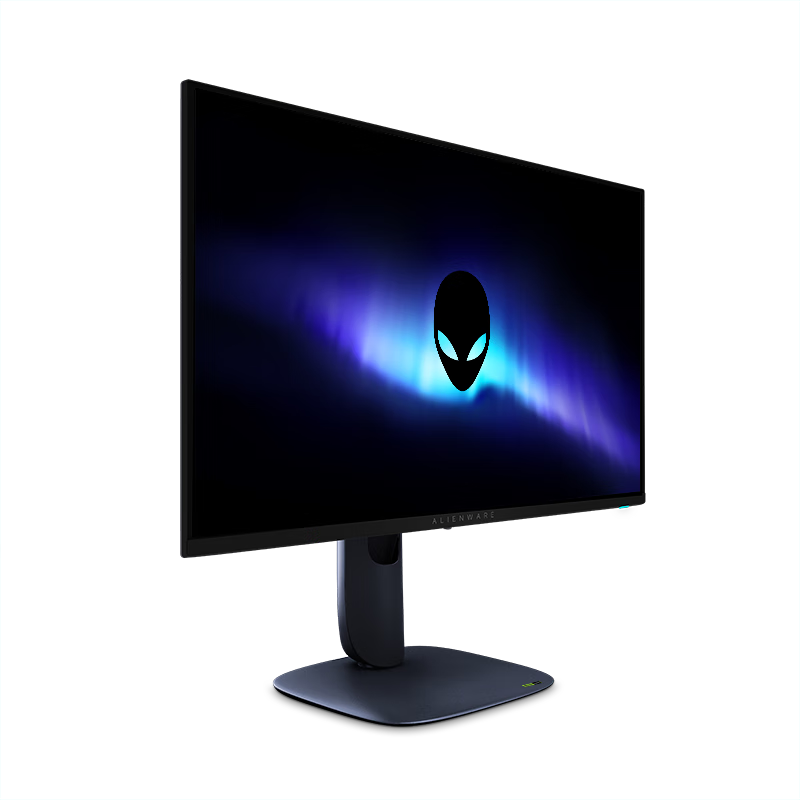
Dell‘s gaming division Alienware launched its latest monitor model, the Alienware AW2725Q, today in China via the online e-commerce platform JD.com. The monitor was announced in the global market earlier this month.
Alienware AW2725Q features
The AW2725Q is a 26.5-inch QD-OLED monitor with a 4K resolution and 240Hz refresh rate. It boasts 99% DCI-P3 color gamut coverage and Delta E<2 color accuracy. The display’s infinite contrast ratio, combined with Dolby Vision HDR and VESA DisplayHDR True Black 400 certifications, delivers exceptional HDR performance, making it suitable for gaming and content creation.
The monitor includes a Creator Mode, enabling users to switch between DCI-P3 and sRGB color spaces and adjust gamma settings for maximum versatility. While the typical brightness is 250 nits, HDR mode peaks at 1000 nits, offering rich highlights in varied lighting conditions.
Designed for smooth gameplay, the AW2725Q supports AMD FreeSync Premium Pro, NVIDIA G-Sync, and VESA Adaptive-Sync Display 240 standards, eliminating screen tearing and ensuring fluid motion.
The monitor includes AI-based burn-in prevention technology and an anti-burn-in graphite layer to improve OLED durability. Alienware offers a three-year warranty covering burn-in issues, underscoring its reliability.
The AW2725Q features a sleek design with improved cable management and a compact base to optimize desk space. It offers versatile adjustability, including vertical rotation from -90° to 90°, horizontal rotation from -20° to 20°, height adjustment from 0 to 110 mm, and tilt angles ranging from -5° to 21°. Additionally, it includes an intuitive On-Screen Display interface and supports Alienware Command Center 6.6 for personalized settings.
The monitor is equipped with a DisplayPort 1.4, two HDMI 2.1 ports capable of 4K at 240Hz, and eARC support for Dolby Atmos passthrough. While it lacks USB-C video input, it compensates with a USB-A hub and a USB-C port offering 15W charging.
Pricing & availability
The Alienware AW2725Q monitor is priced at 6,999 yuan ($966), reduced from its original price of 7,499 yuan ($1,035), and is available on JD.com. In the US, it is priced at $900, while in Canada, it costs CAD 1,230. The monitor will launch in Asia-Pacific markets in March and in EMEA regions in April.
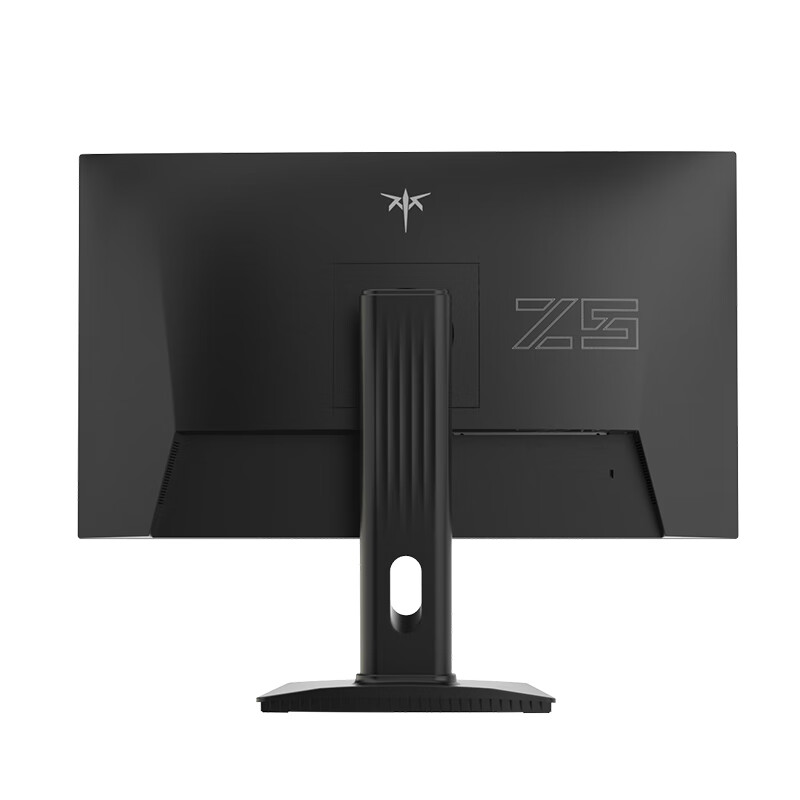
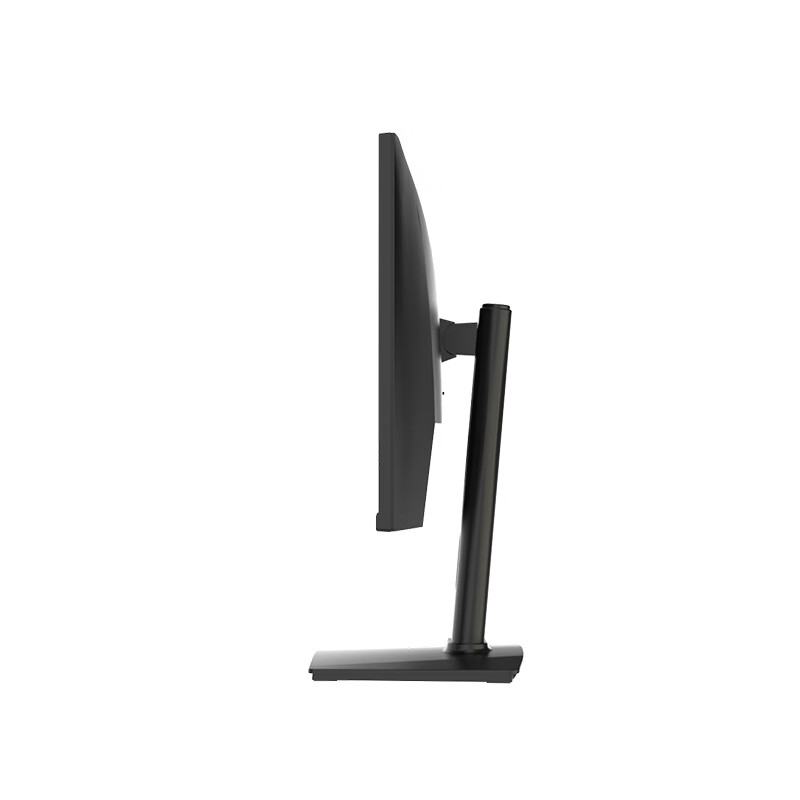
KTC has launched its second-generation H25T7 monitor in the Chinese market, featuring a 1080p display with a 200Hz refresh rate. It is available at a discounted price of 499 yuan ($69), making it one of the most budget-friendly 200Hz monitors. Let’s check out its key specs.
KTC H25T7-2 Specifications
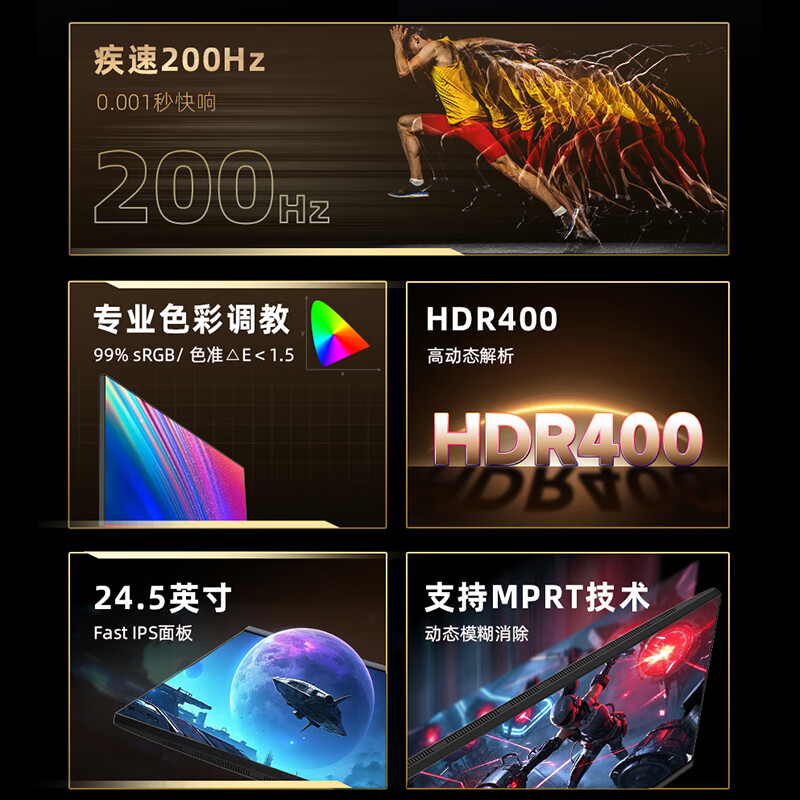
The KTC H25T7-2 features a 24.5-inch Fast IPS panel with a 200Hz refresh rate, making it ideal for competitive gaming. The monitor comes with a 1ms response time, ensuring ultra-smooth gameplay with minimal motion blur, perfect for fast-paced action.
It also supports HDR400, providing enhanced contrast and brightness for more vivid and lifelike visuals. In terms of color accuracy, it features 99% sRGB and 90% DCI-P3 color gamut coverage, making it suitable for professional uses and multimedia tasks.
The monitor equips hardware-level low blue light technology, which filters harmful blue light without distorting color accuracy, ensuring eye comfort during extended use. It also supports AMD FreeSync and Nvidia G-Sync technologies, eliminating screen tearing and stuttering for a seamless gaming experience. Additionally, it features MPRT (Moving Picture Response Time) technology, which reduces motion blur, allowing players to track fast-moving objects with precision.
The H25T7-2 sports a versatile ergonomic stand that offers height, tilt, swivel, and rotation adjustments, enabling users to find the most comfortable viewing angle. It also includes a dynamic OD (OverDrive) feature, which optimizes response times based on the game’s frame rate, ensuring smooth and clear visuals.
For gamers who prioritize detail in dark scenes, the monitor features dark balance enhancement, which brightens shadowy areas without overexposing highlights, giving players a competitive edge in visually demanding games.
In terms of connectivity, the monitor comes with DisplayPort 1.4, HDMI 2.0 ports, and a 3.5mm headphone jack, allowing for easy connection to multiple devices. It also includes a 5-way joystick control for intuitive navigation through the OSD menu. The monitor is backed by a 3-year warranty, ensuring long-term reliability.
Earlier today, Titan Army also launched a 200Hz gaming monitor, unveiling a 24.5-inch Fast IPS display with 1080p resolution and a 1ms GTG, all for an impressive price of just $76.
For more daily updates, please visit our News Section.
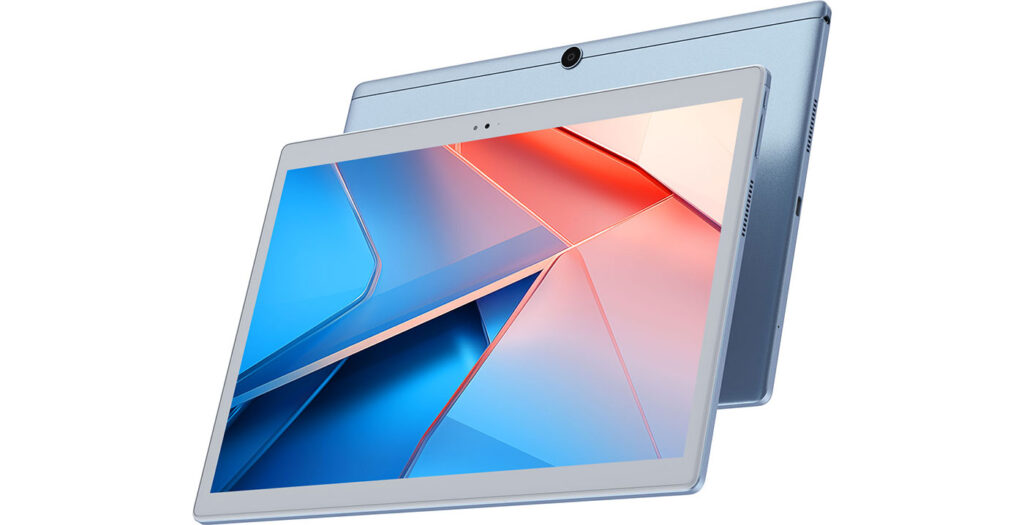
Alldocube has unveiled the iPlay 60 OLED tablet to the international market, an upgraded version of the previously released iPlay 60. This new model boasts enhanced specifications, including a high-resolution display and a Qualcomm chipset, making it a promising choice for users seeking a premium yet affordable tablet.
Alldocube iPlay 60 OLED Specifications
The iPlay 60 OLED boasts a 10.5-inch Super AMOLED display with a 2560×1600 resolution, 287 PPI, and 105% NTSC color gamut for vivid and accurate visuals. It includes On-Cell technology and an oleophobic coating for better touch sensitivity and fewer smudges, while its AMOLED panel reduces blue light for comfortable extended use.
Under the hood, the tablet is powered by the Qualcomm Snapdragon 660 octa-core processor paired with an Adreno 512 GPU, ensuring good enough performance for daily tasks and casual gaming. It includes 4GB of RAM and offers storage options of 128GB or 256GB, which can be expanded using a microSD card.
The tablet is expected to run Android 13, though conflicting details on the official website suggest it might ship with Android 12. Either way, it will provide a modern interface and broad app compatibility for productivity and entertainment.
In terms of camera, it is equipped with an 8MP rear camera with autofocus for casual photography and document scanning. On the front, there is a 5MP selfie camera, sufficient for video calls and virtual meetings.
The device features a 6000mAh battery with 18W fast charging via USB Type-C and supports Qualcomm Quick Charge 3.0, offering convenient, all-day usage for browsing and streaming.
In terms of connectivity, the tablet supports dual SIM 4G LTE, allowing users to stay connected while traveling. It also includes dual-band Wi-Fi (2.4GHz and 5GHz) and Bluetooth 5.0 for seamless wireless connectivity.
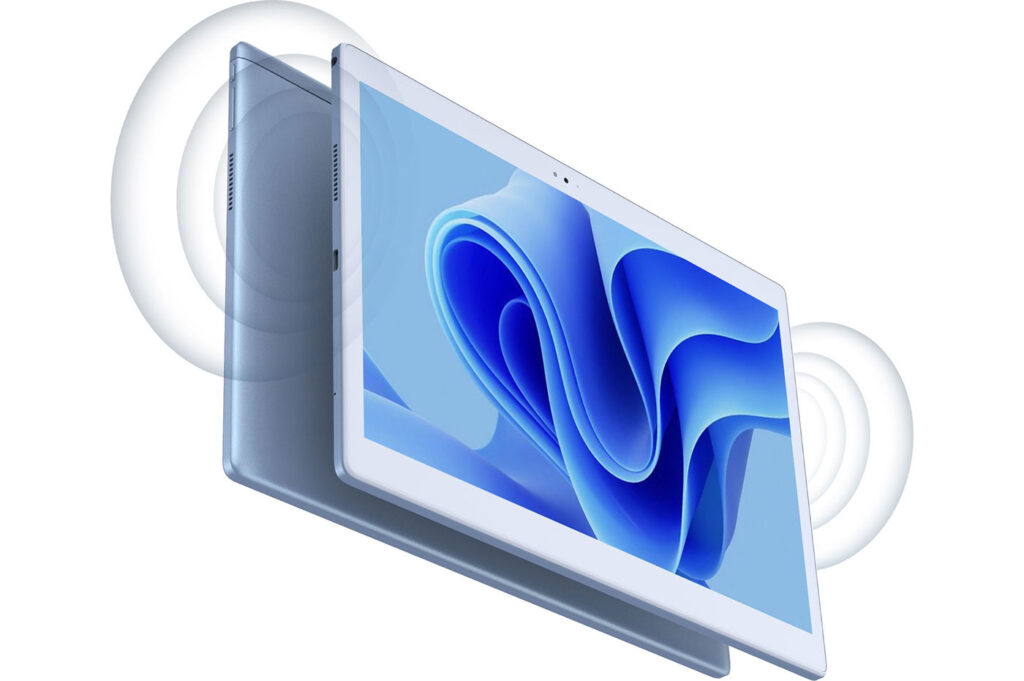
The iPlay 60 OLED is lightweight, measuring just 7.3mm in thickness and weighing 485 grams, making it portable and travel-friendly. The tablet features dual speakers with independent amplifiers for an enhanced audio experience, and a 3.5mm headphone jack is also present.
The pricing for the iPlay 60 OLED hasn’t been announced yet, but it is expected to launch soon on major e-commerce platforms globally. Alldocube, known for its affordable products, is likely to position the tablet competitively in the budget market.
For more daily updates, please visit our News Section.
We use cookies on our website to give you the most relevant experience by remembering your preferences and repeat visits. By clicking “Accept”, you consent to the use of ALL the cookies.
This website uses cookies to improve your experience while you navigate through the website. Out of these, the cookies that are categorized as necessary are stored on your browser as they are essential for the working of basic functionalities of the website. We also use third-party cookies that help us analyze and understand how you use this website. These cookies will be stored in your browser only with your consent. You also have the option to opt-out of these cookies. But opting out of some of these cookies may affect your browsing experience.
Necessary cookies are absolutely essential for the website to function properly. This category only includes cookies that ensures basic functionalities and security features of the website. These cookies do not store any personal information.
Any cookies that may not be particularly necessary for the website to function and is used specifically to collect user personal data via analytics, ads, other embedded contents are termed as non-necessary cookies. It is mandatory to procure user consent prior to running these cookies on your website.