Apple has officially addressed the class-action lawsuit alleging that some Apple Watch bands contain harmful levels of “forever chemicals” known as PFAS (per- and polyfluoroalkyl substances). The company firmly stated that all its watch bands undergo strict quality testing and meet regulatory safety standards, assuring users that they are safe for everyday wear.
Apple Responds to PFAS Concerns in Watch Bands
In a statement shared by Macrumors, Apple emphasized its commitment to user safety: “Users can wear Apple Watch bands with confidence and safety. Before the Apple Watch leaves the factory, it undergoes rigorous testing. Additionally, we collaborate with independent laboratories to conduct thorough analysis of the materials used in our products, including Apple Watch bands.”
This response comes amid rising scrutiny following a lawsuit filed in California, which claims that Apple’s Sport Band, Ocean Band, and Nike Sport Band contain hazardous levels of PFAS. Often referred to as “forever chemicals,” PFAS are widely used for their resistance to water and oils but are linked to severe health risks, including cancer, immune system suppression, and developmental harm.
Research from the University of Notre Dame in 2024 identified elevated PFAS levels in multiple smartwatch bands, including some from Apple. The study highlighted the potential for these chemicals to penetrate the skin during exercise, with sweat and open pores increasing absorption risks.
Apple previously pledged in 2022 to eliminate PFAS from its products and acknowledged the challenges involved in finding alternatives that meet its stringent performance requirements. Despite this pledge, the lawsuit accuses the company of knowingly selling bands containing PFAS while failing to inform consumers about the potential dangers.
The legal battle has prompted Apple to reiterate its commitment to safety and transparency. Critics have continued to call for tighter regulations and safer manufacturing practices. Consumers seeking alternatives may want to explore PFAS-free or silicone bands for added safety.
You can also read our article on how smartphone chips are transforming on-device AI, with advancements like Neural Processing Units (NPUs) enabling faster, energy-efficient AI tasks while enhancing privacy and security. Leading manufacturers like Apple, Qualcomm, MediaTek, and Samsung are driving innovations in performance, thermal management, and localized data processing.
For more daily updates, please visit our News Section.
Samsung has just launched its Galaxy S25 series globally, featuring the powerful Snapdragon 8 Elite chipset. Last year, the company faced significant challenges in maintaining a seamless chipset manufacturing process. Issues in both organizational structure and fabrication led to speculation that Samsung might shut down its flagship chipset division entirely.
However, the company managed to recover, and rumors about its upcoming Exynos 2500 chipset have been circulating since last year. Initially, there were reports that Samsung intended to use this chipset in the S25 series, but production yield issues prevented this.
Exynos 2500 Chipset Details
Later, leaks suggested that Samsung plans to debut the Exynos 2500 in the upcoming Galaxy Z Flip 7. This information was supported by a series of leaks in December 2024. Now, a tipster named Jukanlosreve has shared further details on X (formerly Twitter), revealing the architecture and key specifications of the chipset.
According to the leak, the Exynos 2500 will feature a 10-core CPU, similar to the Exynos 2400 but with a new 1+2+5+2 configuration. The CPU will include one Cortex-X925 core clocked at 3.3GHz for peak performance, two Cortex-A725 cores running at 2.75GHz for demanding tasks, five Cortex-A725 cores at 2.36GHz for balanced performance, and two Cortex-A520 cores at 1.8GHz to maximize energy efficiency.
The chipset will also integrate Samsung’s new Xclipse 950 GPU, based on AMD’s RDNA3.5 architecture. This GPU features eight custom Work Group Processors running at 1.3GHz, promising significant improvements in graphics and computing performance.
Samsung is pairing this chipset with high-performance memory and storage solutions, including 9.6Gbps quad-channel LPDDR5X memory and UFS 4.x storage for ultra-fast data access. The Exynos 2500 will also include an NPU capable of 56 TOPS, support for a 320MP ISP, and the ability to record 8K videos at 60fps. However, the Galaxy Z Flip 7 is unlikely to feature such high-resolution cameras.
Expected to launch in late 2025, the Galaxy Z Flip 7 is positioned as a flagship testbed for Samsung’s 3nm GAA manufacturing process. With a limited production run of just 3 million units, the foldable device will serve as a proving ground for Samsung Foundry’s advanced node capabilities. If successful, the Exynos 2500 could mark a significant resurgence for Samsung in the premium chipset market. Whether it can compete with the Dimensity 9400 or Snapdragon 8 Elite remains to be seen.
For more daily updates, please visit our News Section.
iQOO is gearing up to launch the Neo 10R smartphone in India soon. The first teaser dropped just yesterday, and the brand has confirmed the phone’s design and chipset via Amazon.
iQOO Neo 10R Design and Chipset
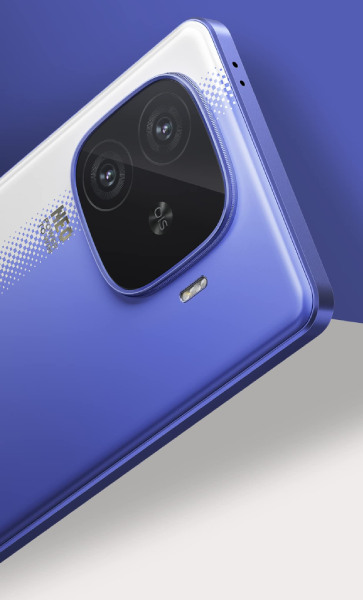
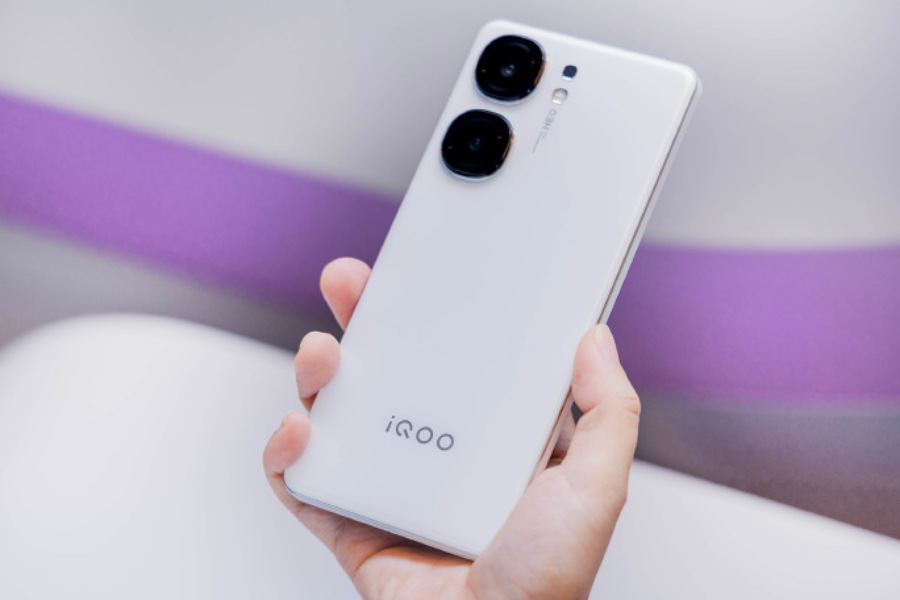
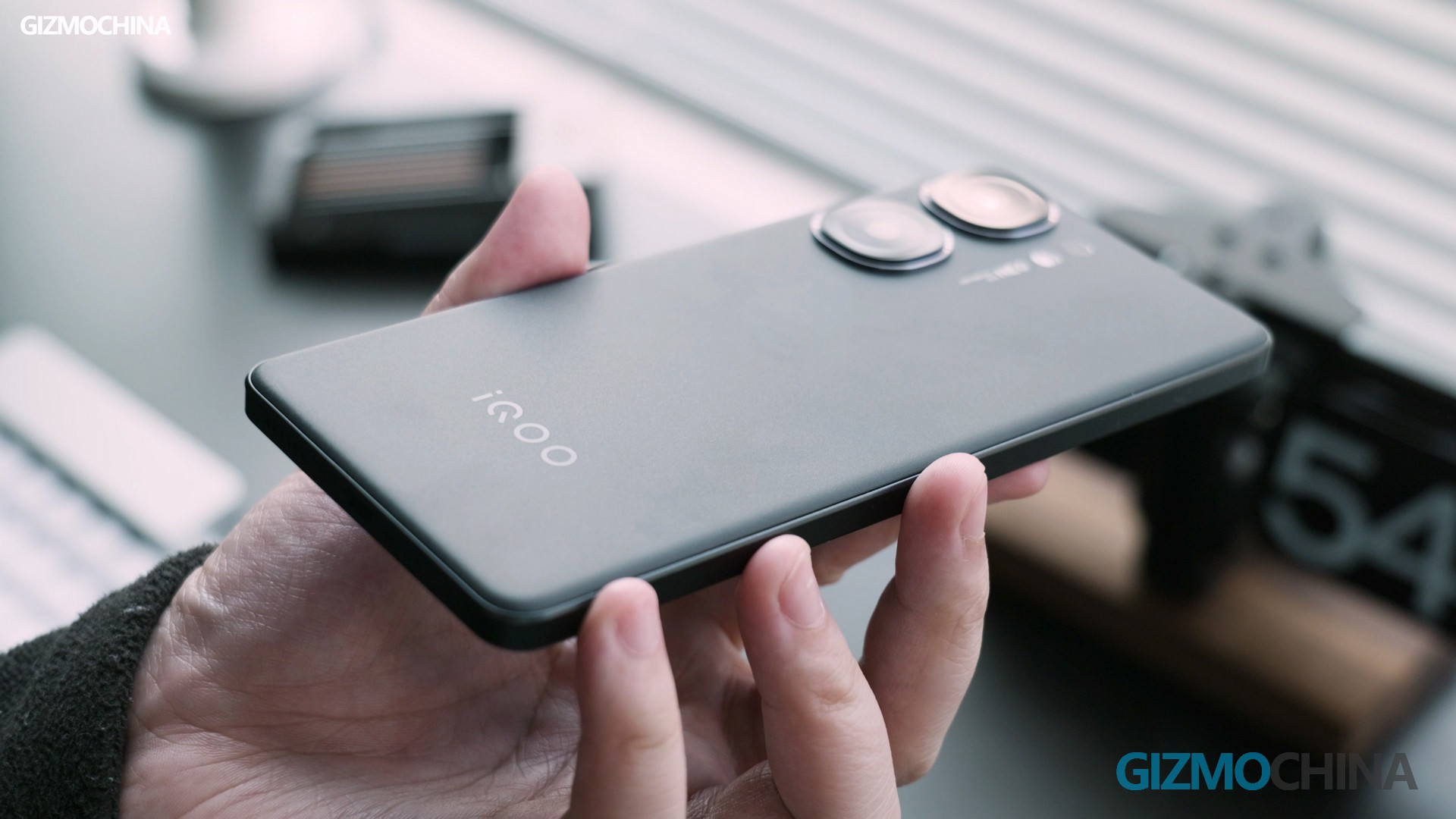
The Neo 10R features a distinct design compared to the Neo 10 and Neo 10 Pro, which were launched in China in November. While the latter have a rectangular camera layout, the Neo 10R opts for a square module with rounded edges to house its dual-camera setup.
The LED flash is positioned on the left, outside the module. Additionally, an imprint of “OIS” confirms that the main lens will support optical image stabilization.
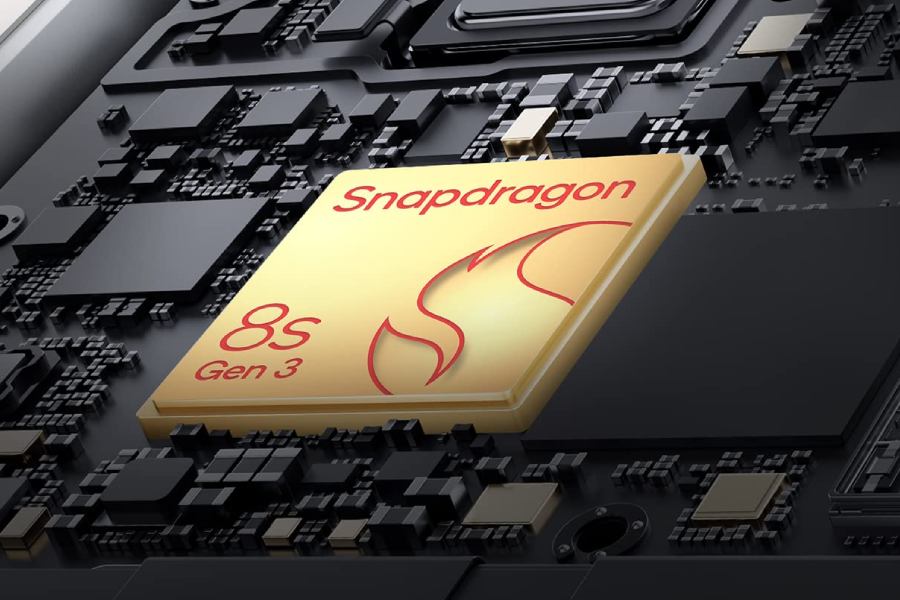
More importantly, another teaser confirms that the phone will be powered by the Snapdragon 8s Gen 3 SoC. The processor consists of one Cortex-X4 core clocked at 3GHz, four Cortex-A720 cores at 2.8GHz, and three Cortex-A520 cores at 2GHz.
Rest of the specs
According to a previous report, iQOO will pair the Snapdragon 8s Gen 3 with two RAM and storage options: 8GB + 256GB and 12GB + 256GB.
On the front, the device will feature a 6.78-inch AMOLED panel with a 144Hz refresh rate and a 16MP selfie camera. On the back, it will sport a 50MP Sony LYT-600 primary sensor alongside an 8MP ultrawide lens.
Powering the device will be a massive 6,400mAh battery, supported by 80W fast charging. The Neo 10R is expected to launch in two color options: Blue White Slice and Lunar Titanium.
The device is expected to be priced under INR 30,000. At this price point, the Neo 10R 5G will compete with devices like the recently launched POCO X7 Pro, powered by the Dimensity 8400 (check out our Dimensity 8400-Ultra vs. Snapdragon 8s Gen 3 for a detailed comparison), as well as the POCO F6 and Motorola Edge 50 Pro.
For more daily updates, please visit our News Section.
Back in November 2024, LG launched the UltraGear GX7 (27GX790A), a record-breaking 480Hz QHD OLED gaming monitor in some markets including the US. The monitor is now also available to buy in China.
LG UltraGear GX7 features
The GX7’s standout feature is its 480Hz refresh rate and 0.03ms Gray-to-Gray (GTG) response time, making it the fastest QHD (2,560 x 1,440) OLED monitor currently available.
Powered by LG’s WOLED technology, the monitor offers vibrant colors, deep blacks, and an infinite contrast ratio. It is certified with VESA DisplayHDR True Black 400, resulting in exceptional HDR performance, while its 98.5% DCI-P3 color gamut ensures accurate color reproduction. The monitor has an AGLR coating that reduces glare and reflections in well-lit environments.
The GX7 features a minimalist design with a virtually borderless 27-inch screen, maximizing immersion. Its ergonomic L-shaped stand saves desk space and provides a range of height, tilt, and pivot adjustments for optimal comfort during extended use.
Key gaming features include NVIDIA G-SYNC and AMD FreeSync Premium Pro, which eliminate screen tearing and stuttering for smoother gameplay. Connectivity options include DisplayPort 2.1 and HDMI 2.1, future-proofing the setup for high refresh rates and resolutions. Additionally, a 4-pole headphone jack with DTS headphones delivers 3D spatial audio.
Pricing & availability
The LG GX7 model “27GX790A” comes with an 8,499 yuan ($1,173) price tag in China, and is available to buy through JD.com. In the US, the monitor is priced at $1,000.
Acer has introduced a new line of Chromebooks designed to improve educational experiences for K-12 students. These devices combine durability, innovative features, and cost-effectiveness to meet the needs of students, teachers, and administrators.
New Chromebook Models for Education
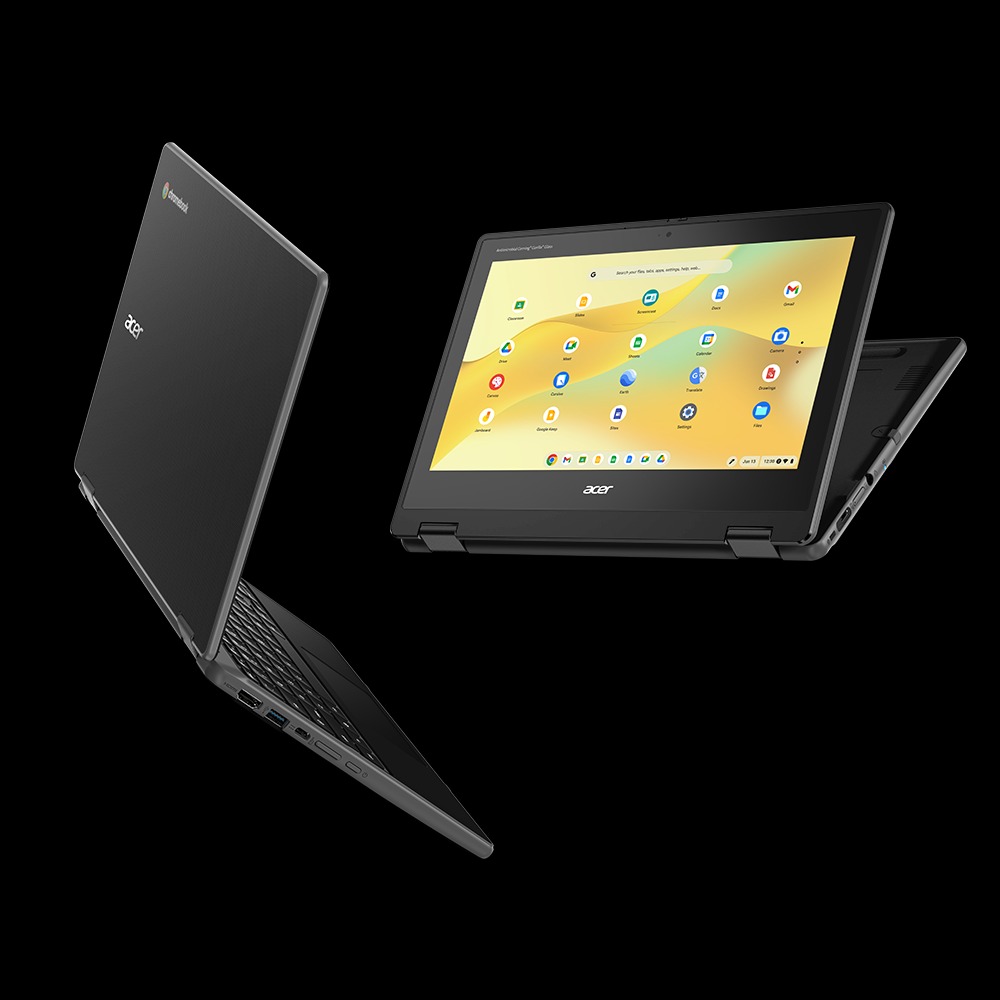
Acer’s updated Chromebook lineup includes the Chromebook Spin 512 (R857T), Chromebook Spin 511 (R757T), and Chromebook 511 (C737). Each model is powered by Intel N250 processors and provides features tailored for classroom use and rugged durability.
Acer Chromebook 511Acer Chromebook Spin 511
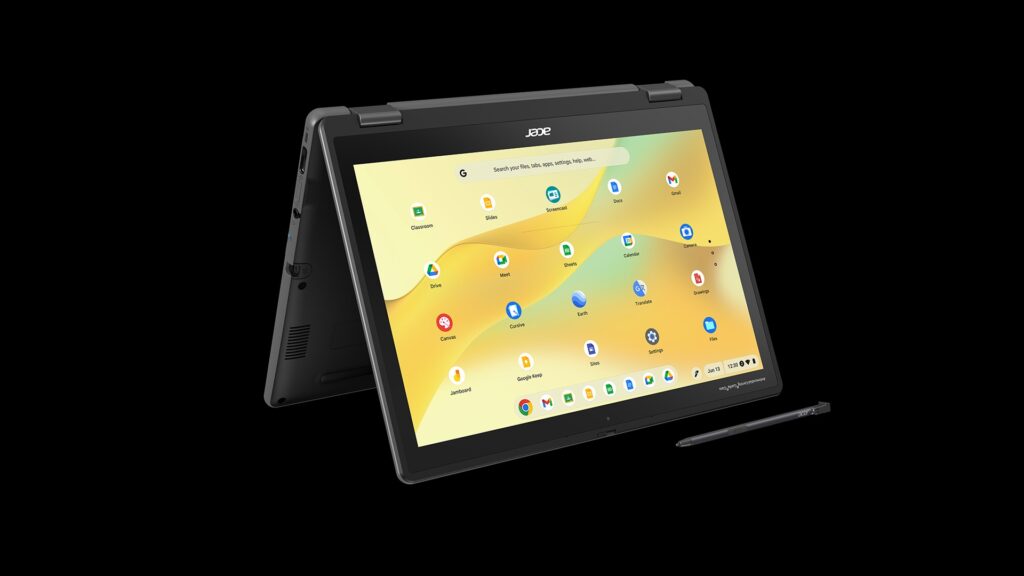
The Chromebook Spin 512 features a 12.2-inch WUXGA (1920×1200) IPS display with a 16:10 aspect ratio. The Chromebook Spin 511 offers an 11.6-inch IPS display available in either FHD (1920×1080) or HD (1366×768) resolutions. Both models are convertible with 360-degree hinges, enabling tablet mode for reading and note-taking. They are built to meet MIL-STD 810H standards, ensuring resistance to drops and rough handling. Antimicrobial Corning Gorilla Glass reduces bacteria buildup on the touch displays. An optional USI 2.0 stylus can be stored in an integrated garage for easy access. Both devices provide up to 10 hours of battery life, and the Spin 512’s display is TÜV Rheinland Eyesafe-certified to minimize harmful blue light.
Acer Chromebook Spin 512
The Chromebook 511 is a compact clamshell model with an 11.6-inch LED-backlit display available in HD and FHD resolutions. It is lightweight and easy to transport, making it ideal for younger students and 1:1 programs. It includes shock-absorbent bumpers and a spill-resistant keyboard with mechanically anchored keys to withstand demanding classroom environments. This model also complies with MIL-STD 810H standards for durability.
Acer has reinforced these Chromebooks to handle heavy usage in schools. LCD panels and I/O ports are strengthened to minimize damage from rough handling. The serviceable keyboards can be replaced by removing just two screws, reducing repair time and costs. The spill-resistant design protects internal components from up to 330 ml of liquid, while rubber bumpers offer additional shock absorption to guard against drops from up to 122 cm. Modular USB Type-C ports simplify repairs and lower the total cost of ownership.
Connectivity options include Wi-Fi 7 or Wi-Fi 6E for fast and reliable internet access. Optional 4G LTE is available for schools without consistent Wi-Fi connectivity. The Chromebooks feature 1080p webcams with Blue Glass Lens and Temporal Noise Reduction technology, delivering high-quality visuals even in low-light settings. HDMI and dual USB Type-C ports provide flexible connection options, while screen casting is straightforward, enabling collaboration in classrooms.
Pricing and Availability
The new Acer Chromebooks will be available in North America starting in Q1 2025. The Chromebook Spin 512 will start at $529.99 USD, the Chromebook Spin 511 at $499.99 USD, and the Chromebook 511 at $429.99 USD.
It wasn’t long ago that premium features and performance were reserved for the best smartphones around—devices that often cost north of $1,000. They deliver the best in terms of performance, design, and innovation, but not everyone needs—or wants—to pay top dollar for those upgrades.
This is where “budget” flagships, or sub-flagship phones, come into play. These devices offer many of the same premium features found in high-end smartphones but at a much more digestible price. The rise of budget flagships has made it possible for consumers to get a flagship-like experience without the hefty price tag. But are these more affordable alternatives truly worth the trade-offs?
A budget flagship is essentially a device that sits between mid-range and premium-tier smartphones. It typically includes flagship processors, solid build quality, and competitive cameras, but avoids premium extras like advanced telephoto lenses, flagship-level displays, or wireless charging. These devices are designed for users who want strong performance and good cameras but can live without top-tier features.
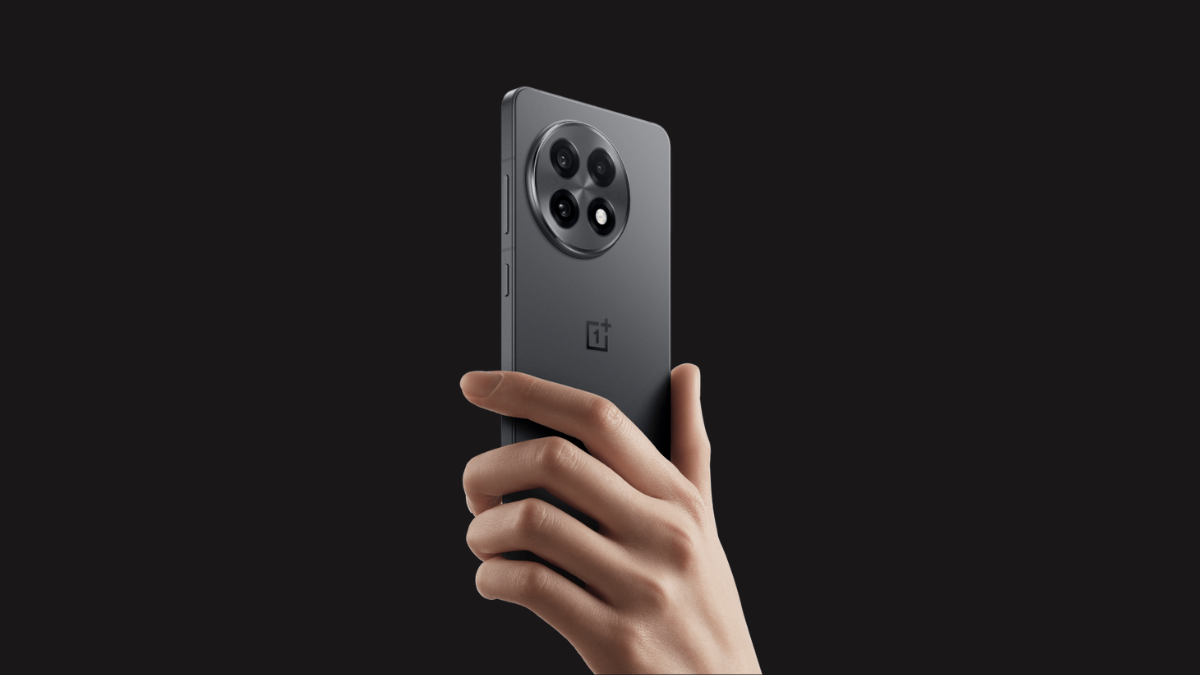
For example, the OnePlus 13R features Qualcomm Snapdragon 8 Gen 3 SoC, a chipset that powered last year’s flagships. At the same time, brands cut costs in areas like camera sensors, display quality, or software support to maintain lower price points.
2. Handling your everyday tasks — and then some
Performance is a key selling point for budget flagships. They typically include high-end processors, making them ideal for gaming, multitasking, and demanding apps. However, these devices often use last-generation chipsets rather than the latest ones found in true flagship models.
For instance, the Snapdragon 8 Gen 2 in the iQOO Neo 9 delivers excellent day-to-day performance, but it may lack the efficiency gains or AI features of newer chipsets like the Snapdragon 8 Gen 3 or 8 Elite.
This difference might not matter to casual users, but for gamers or professionals seeking the best, the trade-off becomes noticeable. Still, the majority of users will find these processors more than capable of handling their needs.
3. Capturing your best moments
Cameras are another area where these affordable flagships shine—but only to a point. These devices often include a solid main sensor, sometimes borrowed from older flagship models, but they usually skimp on secondary sensors.
Take the Pixel 8a, for example. It delivers excellent still photography thanks to Google’s computational photography algorithms, but it lacks a telephoto lens for those crisp portrait shots. Similarly, devices like the OnePlus 13R include a good 50MP primary sensor but offer a mediocre 8MP ultrawide lens.
This makes budget flagships great for everyday photography but less versatile than premium flagships, which often include advanced zoom and ultra-wide capabilities.
4. A premium-ish look
When it comes to design, budget flagships do a decent job of mimicking premium devices. Glass backs, metal frames, and slim bezels are increasingly common. However, these phones often make small compromises, such as using plastic frames or skipping advanced durability features like IP68 water resistance.
While these trade-offs might not matter to everyone, they can make a difference over time. Premium flagships with Gorilla Glass Victus and ceramic builds tend to hold up better against wear and tear, whereas affordable flagships might start showing signs of use sooner.
5. Software
Software is arguably one of the most significant trade-offs for budget flagships. While brands like Samsung and Google offer extended software support even for mid-range devices, others don’t.
For instance, Poco and iQOO typically promise two or three major OS updates for their budget flagships, compared to four or five years of updates on premium devices.
Additionally, software experiences on budget flagships often include bloatware or lack the polish found in true flagships. If you’re someone who values timely updates and a clean user experience, this is worth considering.
6. Price vs. Value
The biggest draw of budget flagships is their price. Devices like the OnePlus 13R and Pixel 8a offer flagship-grade processors and decent cameras for nearly half the cost of premium models. But do the savings justify the trade-offs?
For many users, the answer is yes. Budget flagships strike a balance that works for those who want high performance without spending $1,000 or more. However, if you prioritize features like advanced cameras, premium materials, or extended software support, the trade-offs might outweigh the benefits.
7. Who Should Buy a Budget Flagship?
Budget flagships are ideal for users who:
Prioritize performance and value over premium features.
Don’t mind settling for last year’s processors or scaled-back cameras.
Prefer spending less upfront, even if it means upgrading sooner.
On the other hand, if you’re someone who values durability, software updates, or cutting-edge features, it’s worth saving up for a true flagship—or even considering older flagship models, which often offer better hardware and longer support at a similar price point.
For more daily updates, please visit our News Section.
Foldable smartphones have captured plenty of headlines over the past few years, thanks to their futuristic designs and promises of versatility. But despite all the hype, they remain a questionable choice for most buyers.
If you’re considering spending your hard-earned money on one, you might want to take a step back and evaluate the practical realities of owning a foldable device. Here’s why you should hold off.
The most obvious issue with foldable phones is their durability. Foldable displays are made of ultra-thin glass or plastic, which is inherently more fragile than the glass used in conventional smartphones.
Scratches, dents, and even permanent creases can appear much sooner than you’d expect—and that’s if you handle the phone carefully. Accidental drops or exposure to everyday dust and debris can also cause significant damage to the foldable display.
And let’s not forget about hinges. The backbone of any foldable isn’t impervious to wear and tear. Over time, the mechanism can loosen or become stiff, impacting the smoothness of the folding experience. For people living in dusty or humid environments, hinge degradation can accelerate, leaving you with an expensive device that doesn’t feel premium anymore.
2. Price vs. Practicality
Foldables are expensive. Whether it’s Samsung’s Galaxy Z Fold series, the Huawei Mate X, or any other foldable on the market, you’re often looking at a price tag that’s double or even triple that of a conventional smartphone. For the same price, you could buy a high-end flagship device and still have enough left over for a mid-range phone or tablet.
This steep cost wouldn’t be a problem if foldables offered unmatched utility, but that’s rarely the case. While the larger screen might seem like a productivity dream, most foldable software isn’t optimized to make full use of the extra space. Multitasking on foldables often feels clunky and inconsistent compared to using a laptop or tablet. Unless you’re someone who’s deeply invested in a specific use case, the premium price is hard to justify.
3. Software Issues Persist
Speaking of software, foldables aren’t as polished as traditional smartphones. Android developers have only recently begun optimizing apps for larger, foldable screens, and even then, the experience can be hit or miss.
Many apps either don’t scale well or don’t take full advantage of the unique form factor. This lack of optimization becomes especially frustrating when you’re trying to use multiple apps simultaneously, which is supposed to be a foldable’s main selling point.
4. Questionable Longevity
Smartphones are long-term investments for most people. We expect them to last three, four, or even five years. But foldables are unproven in this regard. The combination of fragile screens, complex hinges, and limited repairability raises questions about their longevity.
While manufacturers have made strides in improving durability, foldables still don’t have the track record of traditional smartphones.
Repair costs are another factor to consider. If you crack the inner display or damage the hinge, the repair bill can be astronomical. For example, replacing the main screen on a Galaxy Z Fold 6 costs $429. You can get a decent mid-range phone at that price.
5. Battery Life Trade-offs
Foldables often struggle to match the battery life of traditional smartphones. The larger screens and complex designs consume more power, yet these devices are often constrained by smaller batteries due to their form factor.
While manufacturers try to mitigate this with optimizations and dual-battery setups, real-world usage often falls short of expectations. If you’re someone who relies on all-day battery life, a foldable might not keep up.
6. Limited Accessories and Cases
Another downside of foldables is the lack of third-party accessories. While conventional smartphones have an abundance of cases, screen protectors, and other add-ons, foldables have fewer options.
Even when cases are available, they’re often bulky and expensive, detracting from the sleek look and feel of the device. And given the fragility of foldable, going without a case isn’t a practical option for most people.
7. Better Alternatives Exist
If you’re tempted by the idea of a foldable because of its larger screen, it’s worth considering other options. Tablets like the iPad or Samsung Galaxy Tab series offer larger displays, better battery life, and a wider selection of optimized apps—all at a fraction of the cost.
If you’re looking for multitasking capabilities, a standard smartphone paired with a laptop or tablet often provides a more seamless and cost-effective experience.
8. The Foldable Market Is Still Evolving
Foldables are an exciting glimpse into the future of smartphones, but they’re still very much a work in progress. Manufacturers are constantly iterating on designs, addressing flaws, and experimenting with new features.
While these advancements are promising, they also mean that today’s foldable could feel outdated much sooner than conventional smartphones. If you’re set on owning a foldable, it might make sense to wait until the technology matures further.
9. Who Are Foldables Really For?
At the end of the day, foldables aren’t for everyone. They cater to a niche audience—enthusiasts who are willing to pay a premium for cutting-edge designs and don’t mind dealing with the associated drawbacks. For the average consumer, though, the compromises in durability, software, and price make them hard to recommend.
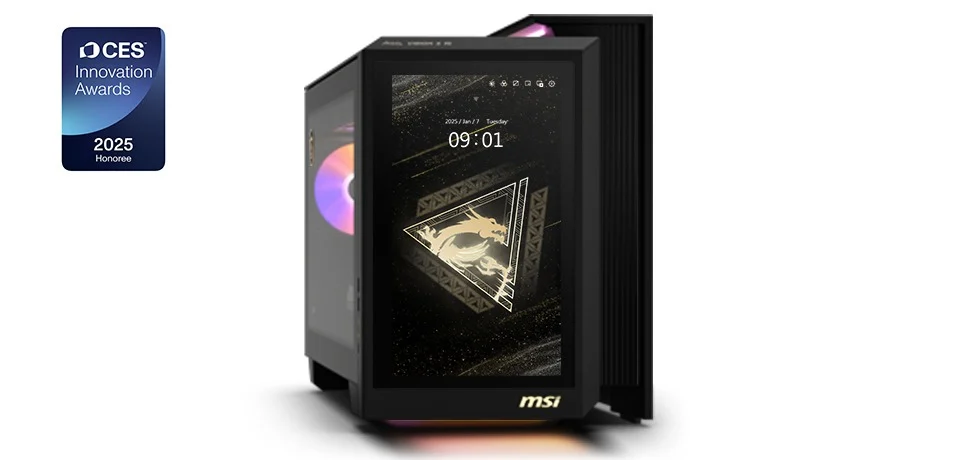
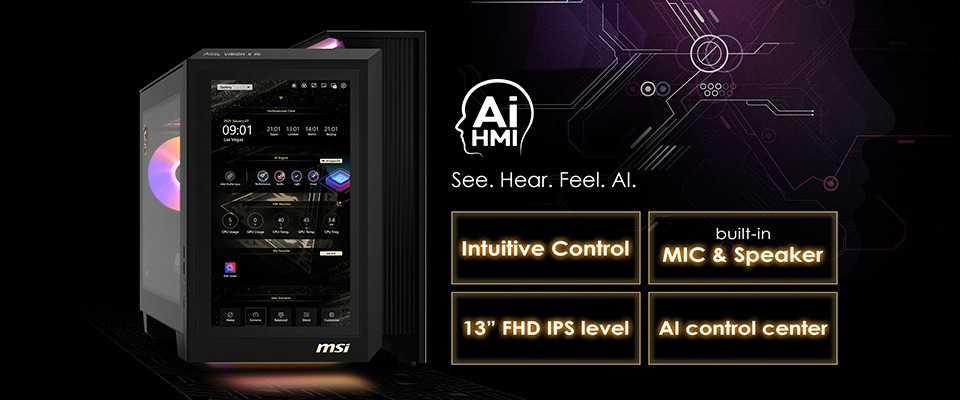
MSI‘s second-generation MEG VISION X AI Phantom desktop PC is now available in China via JD.com. The machine was unveiled earlier this month at the CES tech show. In China, this PC is priced at 29,999 yuan (~US$4,141). This high-performance desktop boasts cutting-edge hardware and an innovative design, targeting enthusiasts and professionals.
MEG VISION X AI Phantom desktop features
The MEG VISION X includes a 13-inch FHD AI HMI touchscreen that acts as a control hub for MSI’s AI applications. The screen, which has built-in speakers and a microphone, can also function as a secondary display for improved productivity. Users can customize the interface using widgets, while AI features adjust settings automatically based on usage patterns.
The desktop is equipped with an 8-core Intel Core Ultra-9 285K processor and NVIDIA GeForce RTX 5080 GPU. It comes with 48GB of DDR5 RAM and a 2TB SSD, leveraging SSD Gen 5.0 technology to improve AI model training speeds by 1.18x. An 8-pin PCIe power connector provides stable power to the GPU for demanding applications.
MSI’s Silent Storm Cooling AI system uses a dedicated air chamber, AI-regulated fans, and SSD temperature monitoring to manage heat effectively. Glacier Armor heatsinks reduce component temperatures by 25%, supporting consistent performance during heavy workloads.
The desktop features Wi-Fi 7, which allows transfer speeds of up to 5.8 Gbps—a 2.4x increase over earlier standards. This upgrade supports faster streaming, quicker file transfers, and reliable wireless performance for users with high bandwidth needs.
Availability
The MEG VISION X is currently available in China, with global pricing and availability details yet to be shared.
For more daily updates, please visit our News Section.
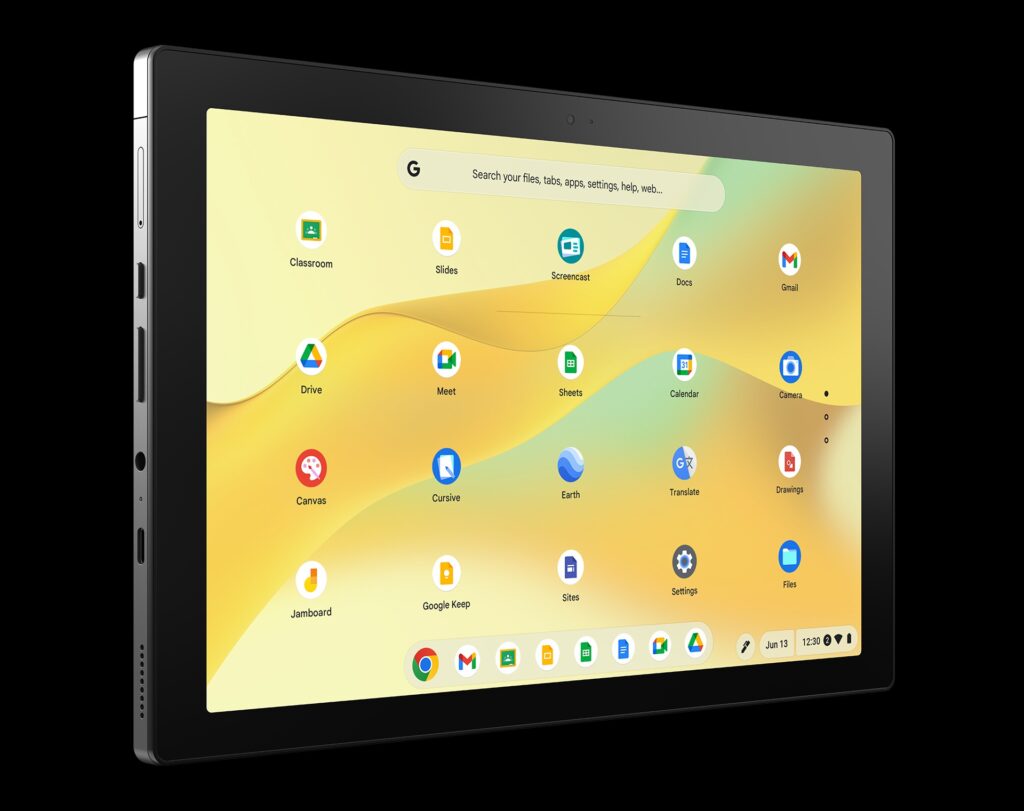
Acer has introduced the Chromebook Tab 311, a tablet designed to meet student’s needs with its durability, portability, and practical features. It’s built to handle school and everyday tasks effectively.
Features and Performance
Acer Chromebook Tab 311
The Tab 311 comes with a 10.95-inch WUXGA (1920×1200) IPS touch display, offering clear visuals for studying and creative tasks. Its in-cell touch panel makes navigation simple. The tablet is powered by a MediaTek Kompanio 520 processor, which is powerful enough to ensure smooth multitasking and app performance. An 8,000 mAh battery provides over 10 hours of use, lasting through the school day. It offers up to 8 GB of RAM and up to 128 GB of storage, with the option to expand up to 2 TB using a MicroSD card.
Durability and Portability
Acer Chromebook Tab 311
The Chromebook Tab 311 meets MIL-STD 810H standards, making it resistant to drops and everyday wear. Despite its rugged design, it is lightweight at 610 grams and slim at 9.05 mm, making it easy to carry between classes.
Accessories for Flexibility
Optional accessories include the USI 2.0 dockable stylus for note-taking and drawing, a folio keyboard for typing, and a portfolio case for added protection and adjustable viewing angles.
Connectivity and Cameras
The tablet supports Wi-Fi 6 and Bluetooth 5.3 for reliable connectivity. An optional 4G LTE feature provides internet access beyond Wi-Fi zones. It has dual stereo speakers, a 2 MP front-facing camera for video calls, and a 5 MP rear camera for photos and videos.
Pricing and Availability
The Chromebook Tab 311 will be available in Q2 2025 at USD 329 in North America, EUR 329 in EMEA, and AUD 349 in Australia.
For more daily updates, please visit our News Section.
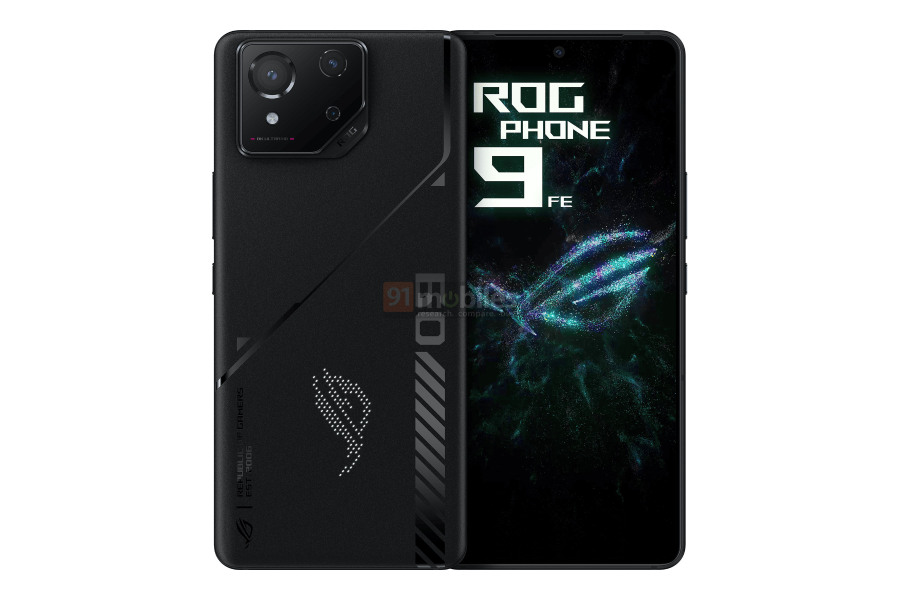
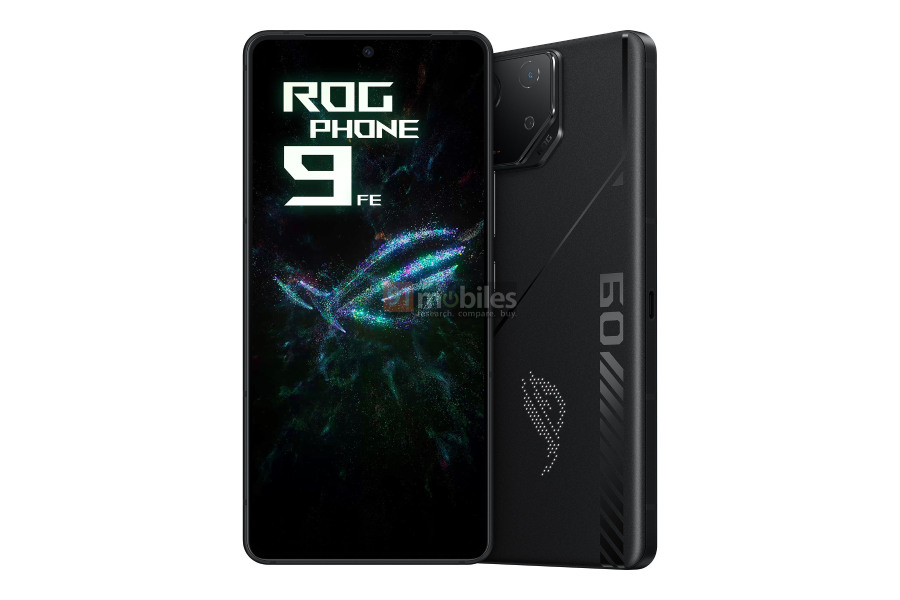
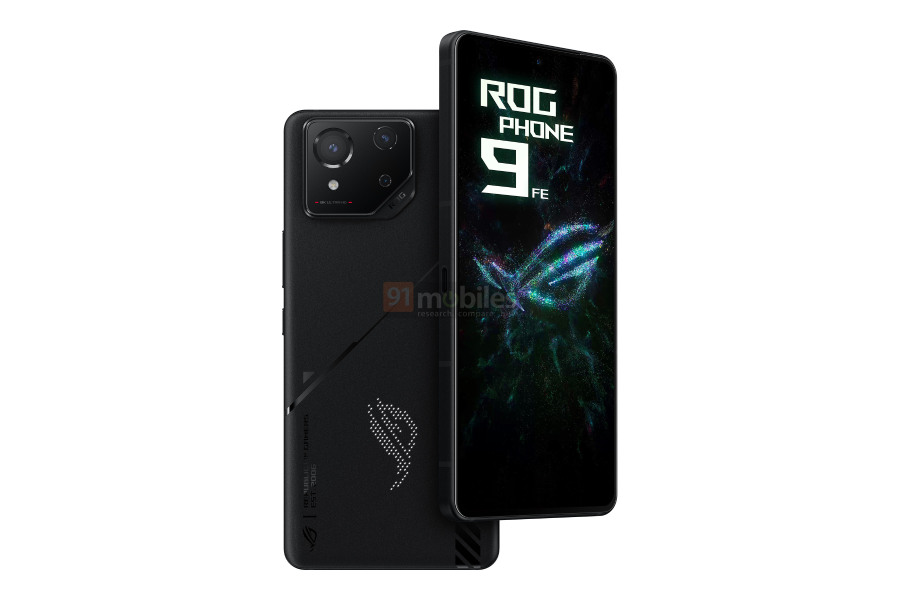
The Asus ROG Phone 9 FE has been in the news for a while now, and this week a certification hinted that its launch might be imminent. Asus has yet to officially announce anything about the phone, but thanks to a new leak, we now have the official images and specs of it, leaving little to the imagination.
Asus ROG Phone 9 Specifications
From the leaked images, the ROG Phone 9 FE appears to share a similar design to the ROG Phone 9 Pro. It’s expected to be available in at least one color option: Phantom Black. The phone will reportedly be 8.9mm thin, weighs 225g, and retains the signature AirTrigger controls for in-game actions.
The display is said to be a 6.78-inch FullHD+ LTPO AMOLED panel with a 165Hz refresh rate that can be boosted to 185Hz in Game Genie mode. The leak also mentions a peak brightness of 2,500 nits (with 1,600 nits in HDR mode) and Gorilla Glass Victus 2 protection for added durability.
Under the hood, the ROG Phone 9 FE is said to be powered by the Snapdragon 8 Gen 3 SoC. It will boot Android 15 and come with a generous 16GB of LPDDR5X RAM and 256GB of UFS 4.0 storage.
On the camera front, the ROG Phone 9 FE is rumored to sport a quad-camera system consisting of a 50MP Sony IMX890 primary sensor with optical image stabilization (OIS), a 13MP ultrawide sensor, a 5MP macro sensor, and a 32MP selfie camera.
Powering the device will be a hefty 5,500mAh battery with support for 65W wired charging. Wireless charging is also said to be on board.
Other noteworthy features include stereo speakers, a 3.5mm headphone jack, Hi-Res Audio support, Wi-Fi 7, and an in-display fingerprint reader for secure unlocking. The phone is also said to be IP68-rated, meaning it can withstand dust and water immersion.
For more daily updates, please visit our News Section.
The Vivo V50 has just been spotted in another certification platform. The brand’s upcoming premium mid-range phone made its way to Malaysia’s SIRIM, which could hint at its imminent release. So here’s everything that was revealed.
Vivo V50 Visits SIRIM: Launch Seems Imminent
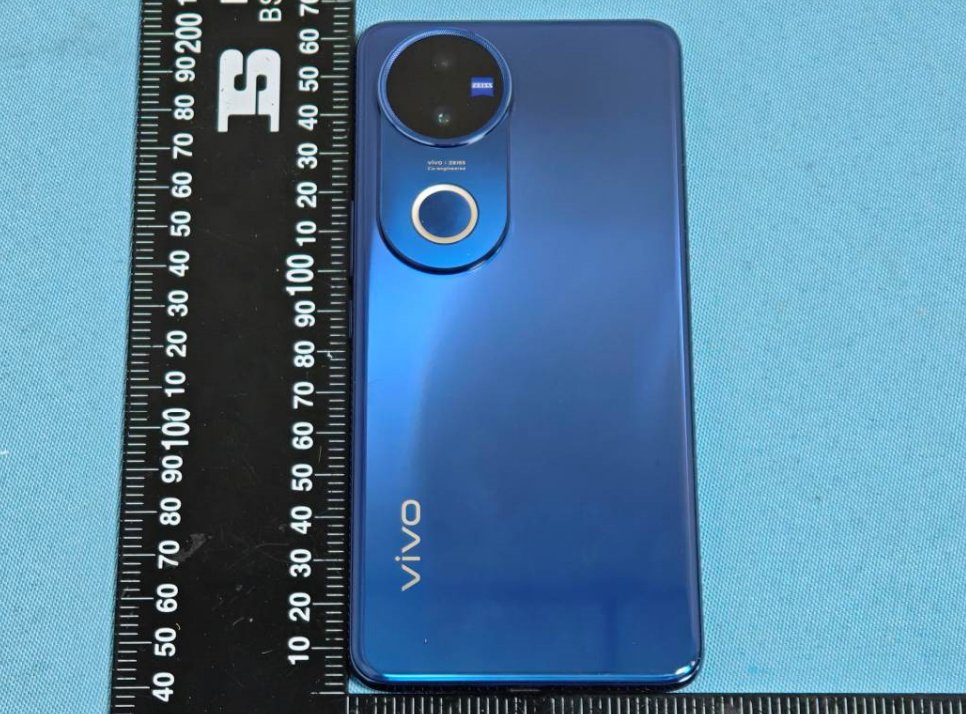
The Chinese brand’s upcoming Vivo V50 was spotted on the SIRIM database carrying the V2427 model number. Before this, this upcoming device has already been sighted in various other certification, so its official announcement could be right around the corner. Apart from confirming its global launch and Malaysian availability, finer details regarding this device are still unclear. Although some of our older reports does confirm more details.
Vivo V50 as spotted on Taiwan’s NCC certification
The Vivo V40 was certified in EEC (Europe), BIS (India), TDRA (UAE), and NBTC (Thailand). It even visited Taiwan’s NCC< which revealed its design and some of its key specs. The device appears to have a similar pill shaped camera module as its predecessor along with a Zeiss branding for the camera setup. In other words, it is a true successor to the Vivo V40 series and the Zeiss collaboration in the previous model wasn’t a one-off deal.
The Vivo V50 is rumored to be a rebranded version of the Vivo S20 but with a smaller battery and thinner design. The NCC certification confirmed two storage configurations as well, namely 12GB RAM + 256GB storage and 12GB RAM + 512GB storage. A massive 6,000mAh battery pack would power this device, which supports 90W wired fast charging. Other notable features include Android 15 OS based FuntouchOS 15, WiFi 6, Bluetooth, NFC, and GPS.
For more daily updates, please visit our News Section.
Xiaomi’s15 series launched in China last year sporting the Snapdragon 8 Elite chip. While its global release is still up in the air, the Chinese tech giant is preparing to add an Ultra model to the lineup.
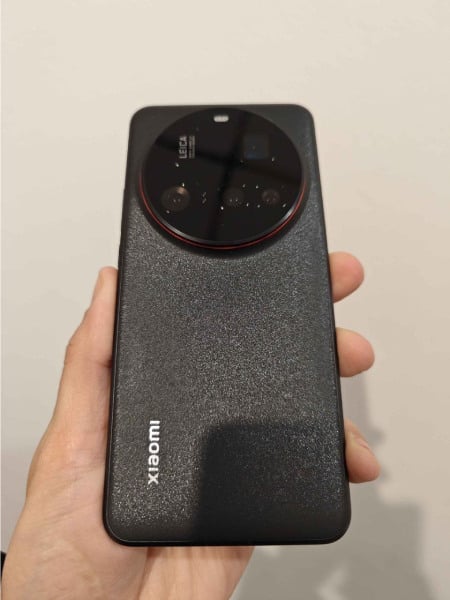
Reports suggest Xiaomi will launch the 15 Ultra simultaneously in Chinese and global markets, likely alongside the regular Xiaomi 15 for global audiences. With the launch expected next month, a real-life image of the Xiaomi 15 Ultra has already surfaced on X (formerly Twitter).
Xiaomi 15 Ultra real-life image
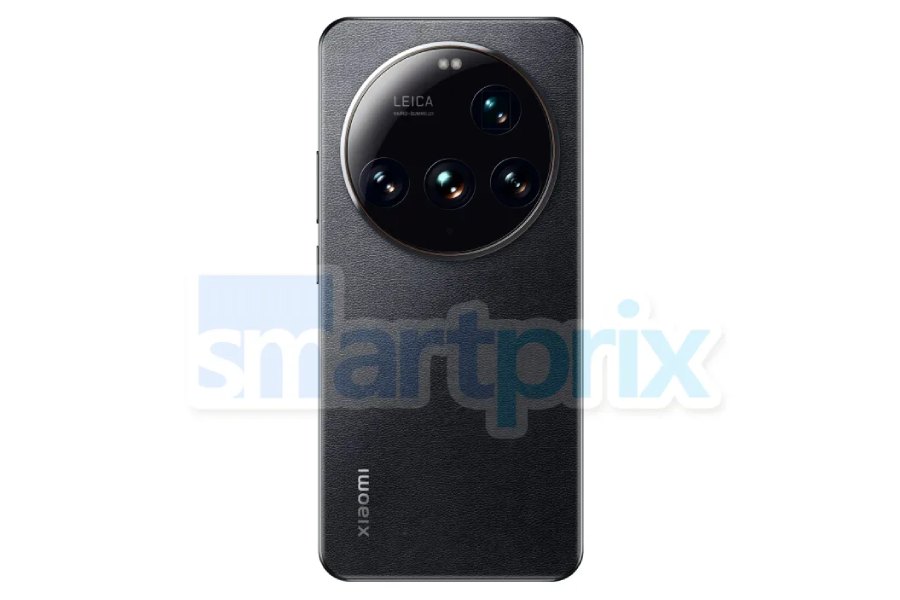
Posted by the user Kartikey Singh, the 15 Ultra unsurprisingly looks different from the rest of the 15 series. It ditches the square camera module for Xiaomi’s iconic circular design.
The leaked image reveals a triple-camera layout within the circular module. The primary sensor is likely a massive 1-inch 50MP shooter, accompanied by a 50MP ultra-wide sensor and a 50MP telephoto lens with 3x zoom capability.
According to previous reports, nestled above these three sensors is the LEICA branding on the left, while a 200MP periscope telephoto lens with macro capability and 4.3x zoom sits on the right. An LED flash completes the camera setup at the top.
The leaked image shows a red accented outer ring for the camera module contrasting with a black vegan leather rear panel. Rumors suggest Xiaomi might also offer glass or ceramic back panel options in the 15 Ultra.
Interestingly, there are some discrepancies between this leaked image and earlier CAD-based renders. The LEICA branding appears vertical in the leaked image, whereas the renders showed it horizontally positioned. Additionally, the renders depicted a dual rear flash setup, while the leaked image suggests a single LED flash.
What to expect
According to reports, the Xiaomi 15 Ultra will come equipped with a 6.73-inch AMOLED panel that features a micro-quad-curved design. It will offer a 2K resolution, a 120Hz refresh rate, and an ultrasonic in-screen fingerprint sensor. The device will run on HyperOS 2-based Android 15.
Under the hood, the Xiaomi 15 Ultra is expected to feature the Snapdragon 8 Elite chip and a 6,000mAh battery with 100W wired and 50W wireless charging support. The 15 Ultra is expected to arrive with up to 16 GB of LPDDR5x RAM and up to 1 TB of UFS 4.0 storage.
Sony has announced the complete discontinuation of its recordable media production by February 2025. This marks the end of an era for Blu-ray Discs, MiniDiscs, and MiniDV cassettes. The decision, confirmed in January 2025, is attributed to the declining demand for physical media as digital solutions dominate the market.
Which products are affected?
The discontinuation includes Blu-ray recordable formats such as BD-RE and BD-R across 11 models. MiniDiscs for audio recording, MD data storage media like the “MDW80T” and “MMD-140B,” and MiniDV cassettes, including the 70-minute version and multi-packs, will also no longer be produced. While existing stock remains available at Sony stores, no replacement products will be launched.
Reasons for Discontinuation
Sony cited a shift toward video streaming services, cloud storage solutions, and other digital technologies as the primary reasons for the production halt. The company acknowledged the evolving market landscape, where physical media is increasingly being replaced by digital alternatives.
The decision was first hinted at in July 2024, when Sony announced plans to phase out its storage media business. By January 2025, the company confirmed the complete halt, expressing gratitude to customers for their years of support.
Implications for the industry
Sony’s decision shows the rapid decline of physical media in a digital-first world. While enthusiasts and preservationists may lament the loss of these formats, the move aligns with industry trends favoring digital distribution. Sony’s statement emphasized its gratitude, stating, “There will be no successor models.”
Sony was instrumental in popularizing Blu-ray technology, especially with the PlayStation 3’s role as an affordable Blu-ray player. This announcement signifies the end of a significant chapter in the history of physical storage formats, highlighting the industry’s ongoing transition to digital media.
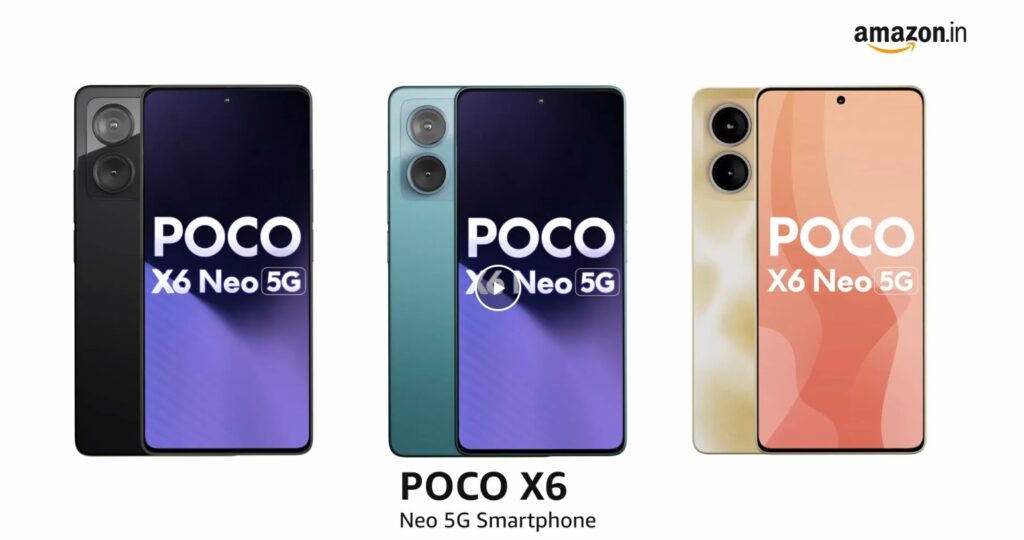
Republic Day 2025 is just a couple of days from now. Many Online retailers are giving some interesting discounts on various products. Similarly, Amazon is hosting a Fab Phone Fest in which select smartphones are available to buy with attractive discounts. Poco X6 Neo 5G is available for just ₹10,999 effectively.
The main highlight of Poco X6 Neo 5G is its camera setup which includes the 108 MP sensor. At this price, the smartphone is the best deal if you’re looking for a budget phone.
Poco X6 Neo 5G Deal Details
The smartphone was launched for the price ₹15,999. Now the Poco X6 Neo 5G is listed with a price tag of ₹11,999 on Amazon India. However, if you make a payment with an SBI Credit Card (non-EMI transaction), you will get a discount of ₹1000. So, the effective price of Poco X6 Neo 5G will be just ₹10,999.
Please Note: When you buy something using the links in our articles, we may earn a small commission at no cost to you.
Poco X6 Neo 5G Specification and Features
Poco X6 Neo features a 6.67-inch AMOLED display with a resolution of 1080 x 2400 pixels, 120Hz refresh rate and it is protected by Corning Gorilla Glass 5. It is powered by the octa-core processor MediaTek Dimensity 6080 chipset along with a Mali-G57 MC2 GPU. The smartphone is paired with 8GB/12GB RAM and 128GB/256GB storage options. Moreover, the storage is expandable up to 1TB via a microSD slot.
Now coming to the camera, it is packed with a dual camera setup including a 108 MP wide lens and a 2 MP depth sensor. On the front, there’s a 16 MP wide lens for selfies. Poco X6 Neo supports a 5G network for faster connectivity. The smartphone has a 5000 mAh battery with 33W fast charging support. Poco X6 5G runs on Android 13-based MIUI 14 out of the box.
In the deals section, of Gizmochina there are more attractive deals are listed, you should check them out.
Noise has officially unveiled a brand new pair of wireless headphones in the Indian market. The Noise Airwave Max 5 has just debuted with some impressive specs for relatively affordable pricing. So let’s check out its specs, pricing, and more.
Noise Airwave Max 5 Specs
The company’s Airwave Max 5 has officially been unveiled with a premium design. It packs a 40mm audio drivers that supports HiFi audio and 3D spatial audio as well for a more theatre like experience. These hearables offer Adaptive Hybrid ANC (Active Noise Cancellation) of up to 50 decibels. Apart from an improved audio e xperience, the Noise Airwave Max 5 also offers an impressively long battery life. On a single full charge, the headphones can bring up to 80 hours of audio playback.
Noise Airwave Max 5 in Carbon Black
Thanks to a quad microphone setup, you also get ENC support for an improved calling experience. The wireless headphones can connect via Bluetooth 5.4 and support a 30ms ultra low latency mode. Other notable features include Siri and Google Assistant support, an IPX5 rating for water resistance, fast charging, and dual pairing with seamless switching between these devices. The Airwave Max 5 launch arrives mere days after the brand unveiled the ColorFit Pro 6 series of premium smartwatches.
Pricing and Availability
The Noise Airwave Max 5 eadphones has just been unveiled in three color options. This includes Carbon Black, Calm Beige, and Calm White. These have a 4,999 INR price tag (roughly 60 US Dollars). Although, they are currently selling for just 4,699 INR on Amazon India. Noise has released the new headphones on its official website and Flipkart as well.
For more daily updates, please visit our News Section.
An executive from iQOO India has just shared a teaser that might hint at the launch of an upcoming smartphone. The device in question could be the iQOO Neo 10R. The company is expected to release a couple of new devices soon. So here’s what we know so far.
iQOO Neo 10R arriving in India soon?
The teaser was shared by iQOO India CEO Nipun Marya who shared a tweet that suggests that a new R model is in the works. His tweet reads “A𝐫e you 𝐫eady fo𝐫 the fi𝐫st 𝐫ema𝐫kable iQOO 𝐫eveal of 2025? 𝐑e𝐫ead – it might be 𝐫ight in the tweet!” The emphasis on the letter “r” clearly suggests that the iQOO Neo 10R might be making its debut in the Indian market soon.
iQOO Neo 10 Pro
To recall, the iQOO Neo 10 series was first unveiled in China, consisting of the Neo 10 and Neo 10 Pro models. But earlier this week, a big leak revealed a lot of details regarding the iQOO Neo 10R. It will reportedly be equipped with a tall 6.78-inch AMOLED display with a 144Hz refresh rate and 16MP selfie shooter on the front, while the rear packs a 50MP (Main) + 8MP (Ultrawide) dual camera setup on the rear.
The Chinese brand is expected to launch the smartphone in two color options, namely Blue Shite Slice and Lunar Titanium. iQOO’s Neo 10R model could launch next month for around 30,000 INR. Although rumors point at three storage variants, which include 8GB + 128GB, 8GB + 256GB, and 12GB + 256GB. This is still just an unconfirmed report, so take this news with a pinch of salt.
For more daily updates, please visit our News Section.
Xiaomi has announced that it’s recalling 30,931 SU7 electric sedans in China due to a software issue affecting the car’s autonomous parking system. The company is rolling out a free over-the-air (OTA) update to address the problem, eliminating the need for owners to visit a service center.
The issue stems from a bug that can cause the autonomous parking system to malfunction. According to Xiaomi, the problem arose on November 14, 2024, when a customer reported that their SU7 experienced unexpected behavior during the autonomous parking process. The car’s detection system was compromised, leading to scratches and collisions during the parking maneuver.
Xiaomi SU7 Recall Details
The recall specifically targets 30,931 units of the SU7 Standard variant manufactured between February 6, 2024, and November 26, 2024. Vehicles with internal numbers BJ7000MBEVR2, XMA7000MBEVR2, and XMA7000MBEVR5 are included in this recall.
Xiaomi traced the cause of the malfunction to a timing synchronization issue within the cloud service that supports the autonomous parking system. The company has implemented corrective measures on the cloud side and added additional safeguards to the smart parking assistance system itself. These steps, according to Xiaomi, effectively eliminate the risk of the issue recurring.
Convenient OTA Update for SU7 Owners
Following two months of testing and verification to ensure the solution’s effectiveness, Xiaomi is rolling out a software update via OTA. This means SU7 owners can get their vehicles fixed without the hassle of scheduling service appointments or visiting a service center. They will be notified about the update and can easily install it over the air through their car’s built-in internet connection.
For more daily updates, please visit our News Section.
OnePlus Nord CE4 Lite 5G with 8GB RAM and 128GB storage is now retailing at the price of Rs 15,999, inclusive of bank discounts. The smartphone is currently listed for the price of Rs 17,998. There’s around Rs 2000 discount on all ICICI Bank Credit Cards, RBL Bank Credit Cards, and OneCard Bank Credit Cards. However, there’s around a Rs 1200 instant discount on the Amazon ICICI Bank Credit Card.
OnePlus Nord CE4 Lite 5G smartphone bundles a lot of exciting features that make it worth grabbing a smartphone at such a price. It is now available in three color options Ultra Orange, Mega Blue, and Super Silver. Depending on the use case, the users can choose between two storage options 8GB RAM + 128GB and 8GB RAM + 256GB storage.
OnePlus Nord CE 4 Lite 5G delivers an impressive mix of performance and value, setting a new standard for budget smartphones. Its 6.67-inch AMOLED display with a smooth 120Hz refresh rate offers vibrant visuals, while the Qualcomm Snapdragon 695 5G chipset ensures reliable performance for everyday tasks.
The 50 MP Sony LYT-600 camera with Optical Image Stabilization (OIS) captures crisp and stable shots, making it a standout feature. With a robust 5,500 mAh battery and 80W SUPERVOOC fast charging, staying power throughout the day is effortless.
Practical additions like a 3.5mm headphone jack and expandable storage of up to 2TB make it a versatile choice for users seeking affordability without compromise. The Nord CE 4 Lite isn’t just a budget phone — it’s a well-rounded device that punches above its weight.
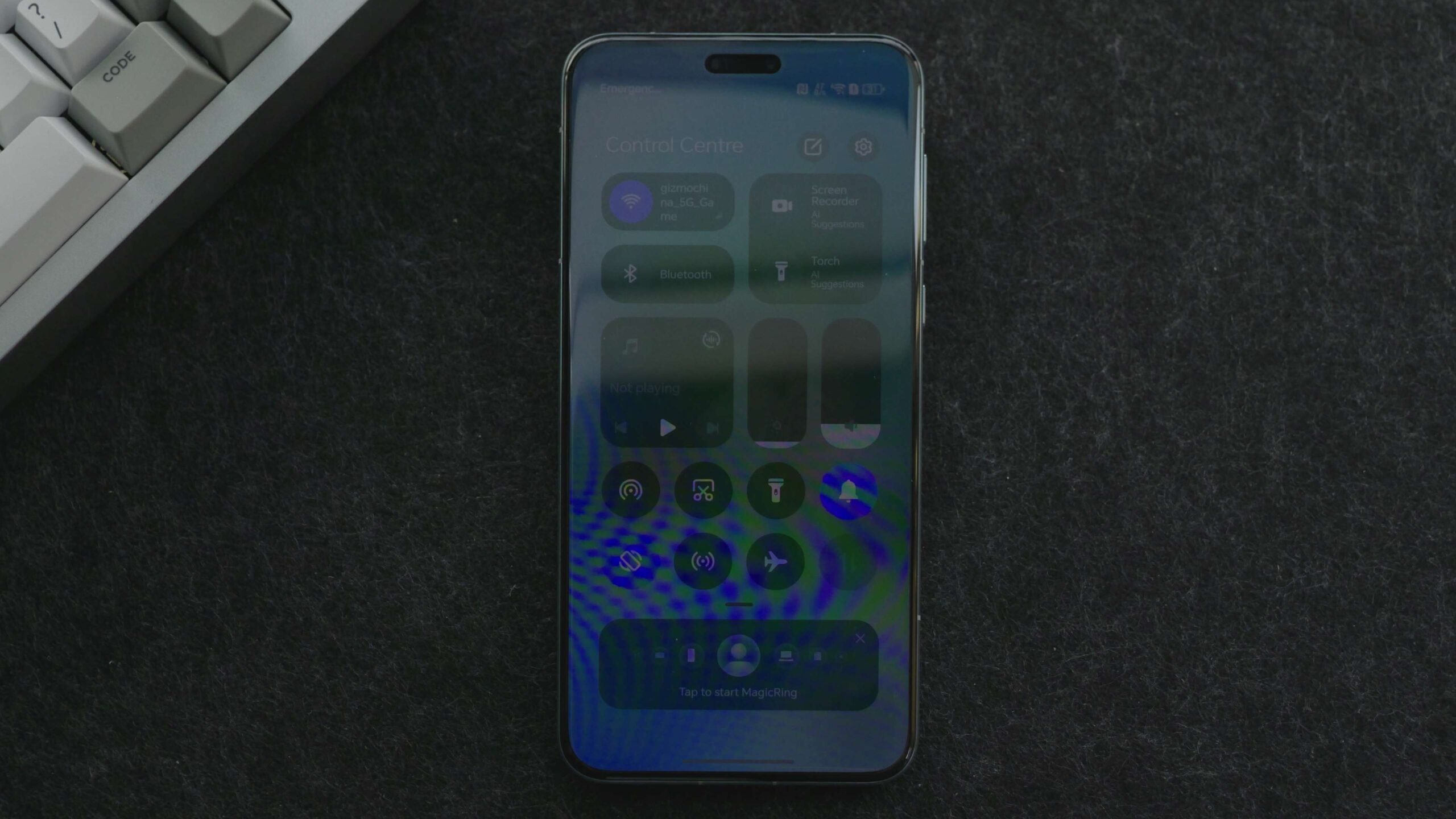
Among all the flagship models released lately, the Honor Magic 7 Pro is our most anticipated phone. The Chinese version hit the market back in November, but let’s be real—everyone’s been waiting for the global launch. So once the global Magic 7 Pro arrived in the studio, we just couldn’t wait diving into the Honor flagship. The big question on everyone’s mind is: Can this flagship phone really justify its price tag? Let’s break it down.
Design:
The Honor Magic 7 Pro is starting to show some serious continuity in design, just like other top Chinese smartphones. But they’ve really stepped it up with the details.
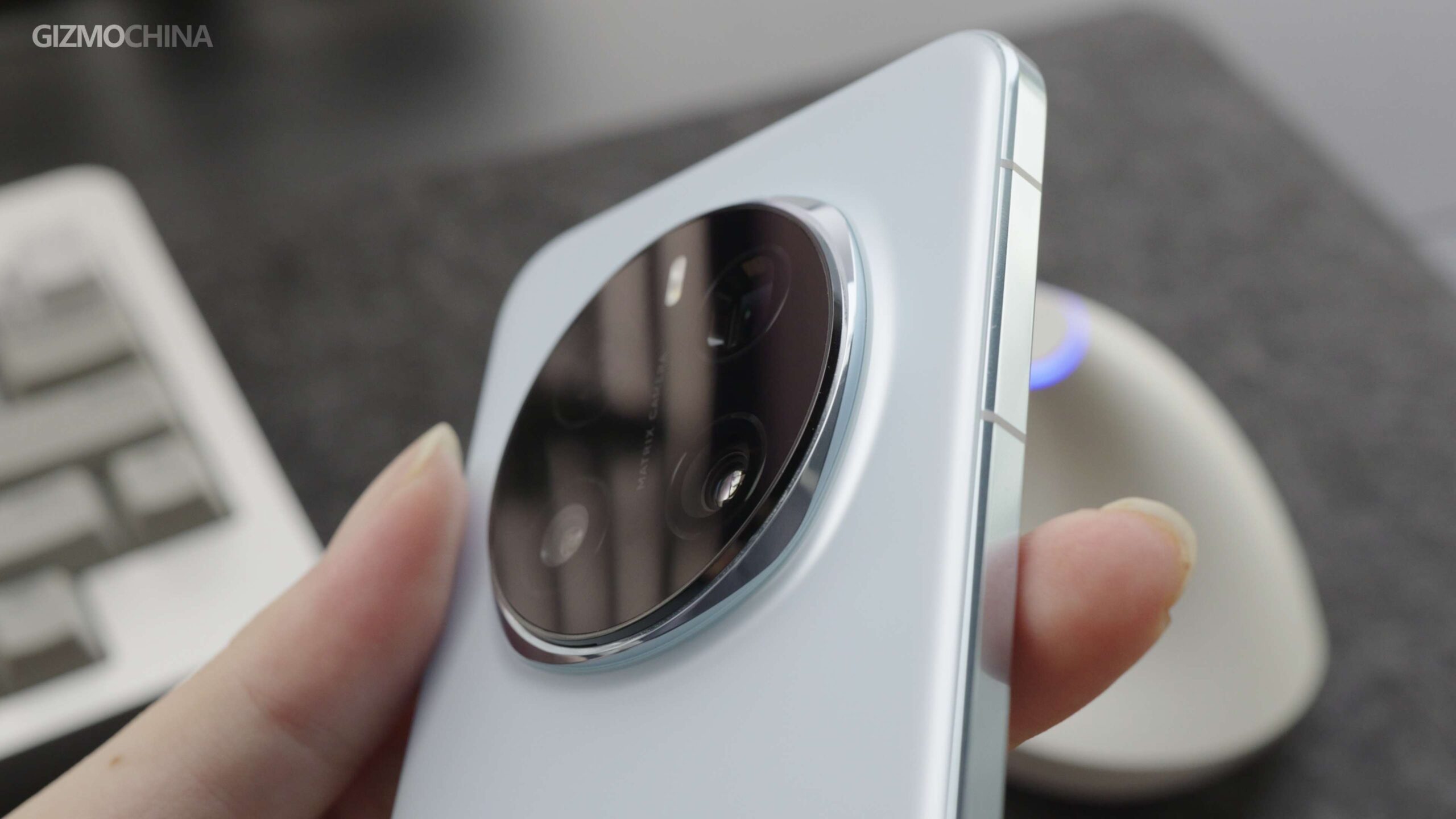
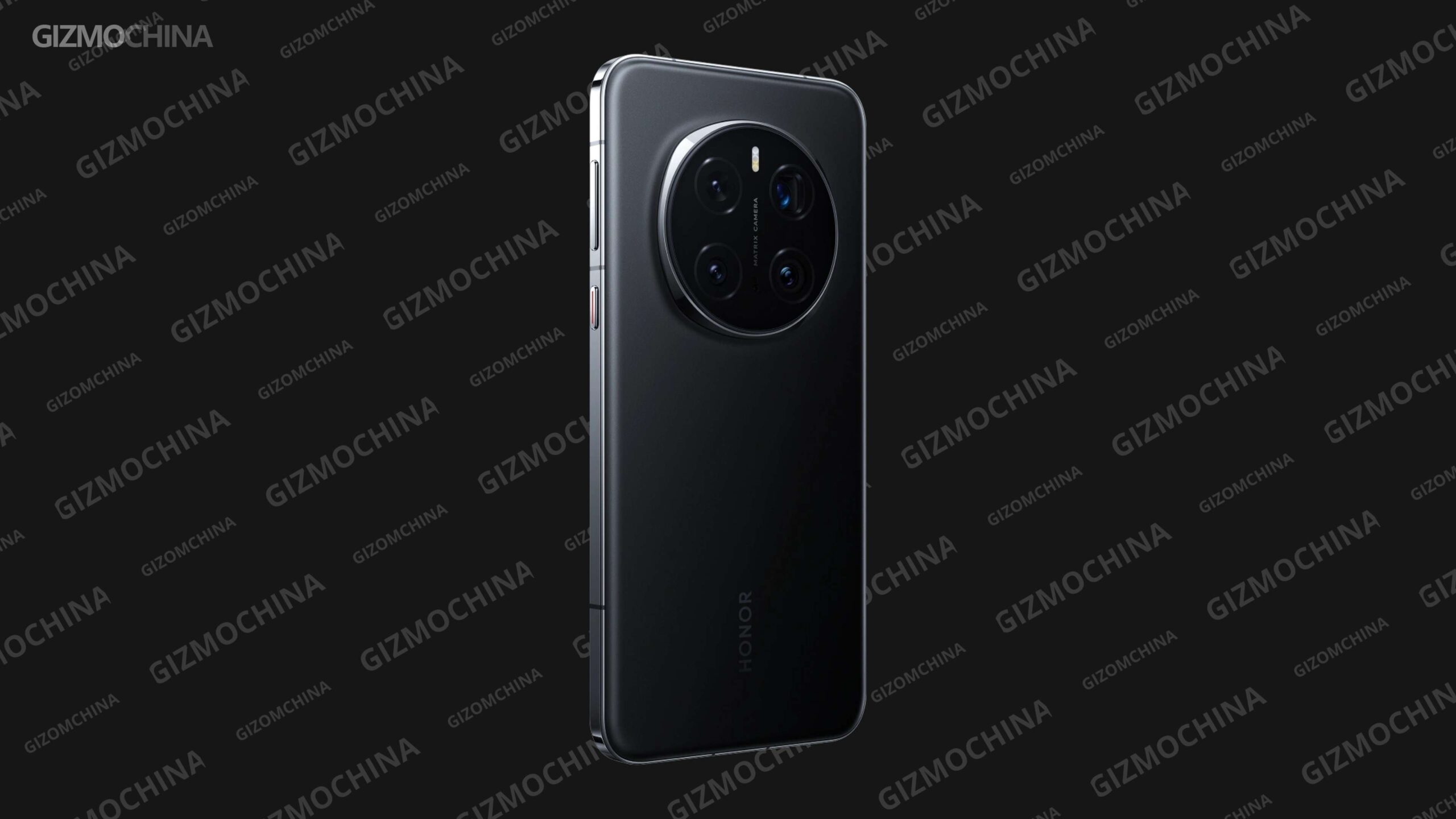
For example, the metal ring around the camera module is way smaller, making the transition from the camera to the rest of the phone super smooth. It gives the back a more integrated look, and it’s sleek and modern from every angle.
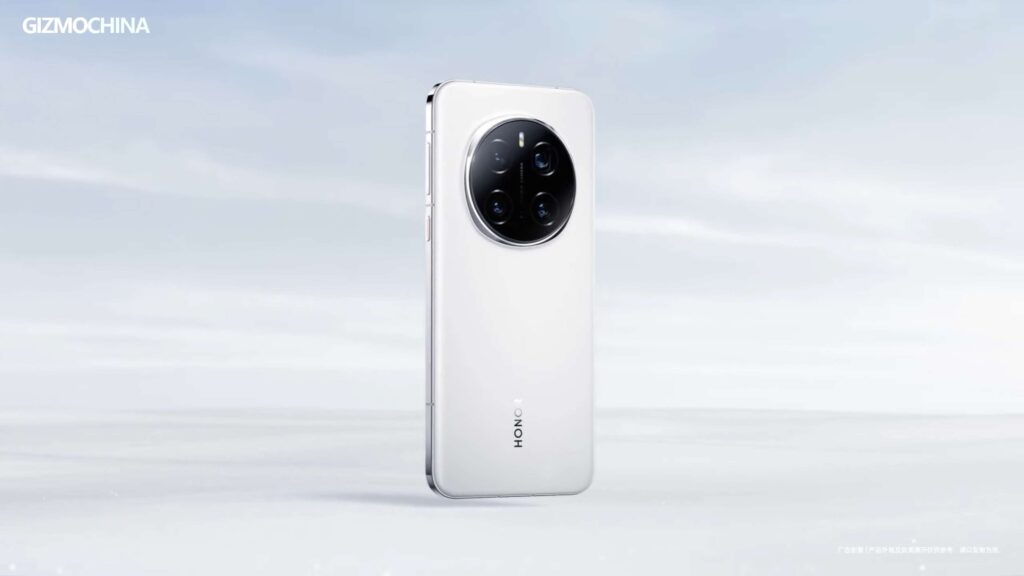
We’ve got the Breeze Blue version here, which is a super fresh and light blue. It just screams peace and elegance. But if blue isn’t your thing, there are other options like Black, White, and Lunar Shadow Grey. The latter has that cool water flow texture we’ve seen before.
On the front, the Magic 7 Pro still packs a 6.8-inch quad curved floating screen. Visually, the bezels are super narrow, and the whole thing feels really rounded. Now, Honor knows a lot of folks aren’t fans of curved screens, so they’ve kept the curvature super subtle. It gives you that curved-screen feel without losing the flat-screen look.
Performance:
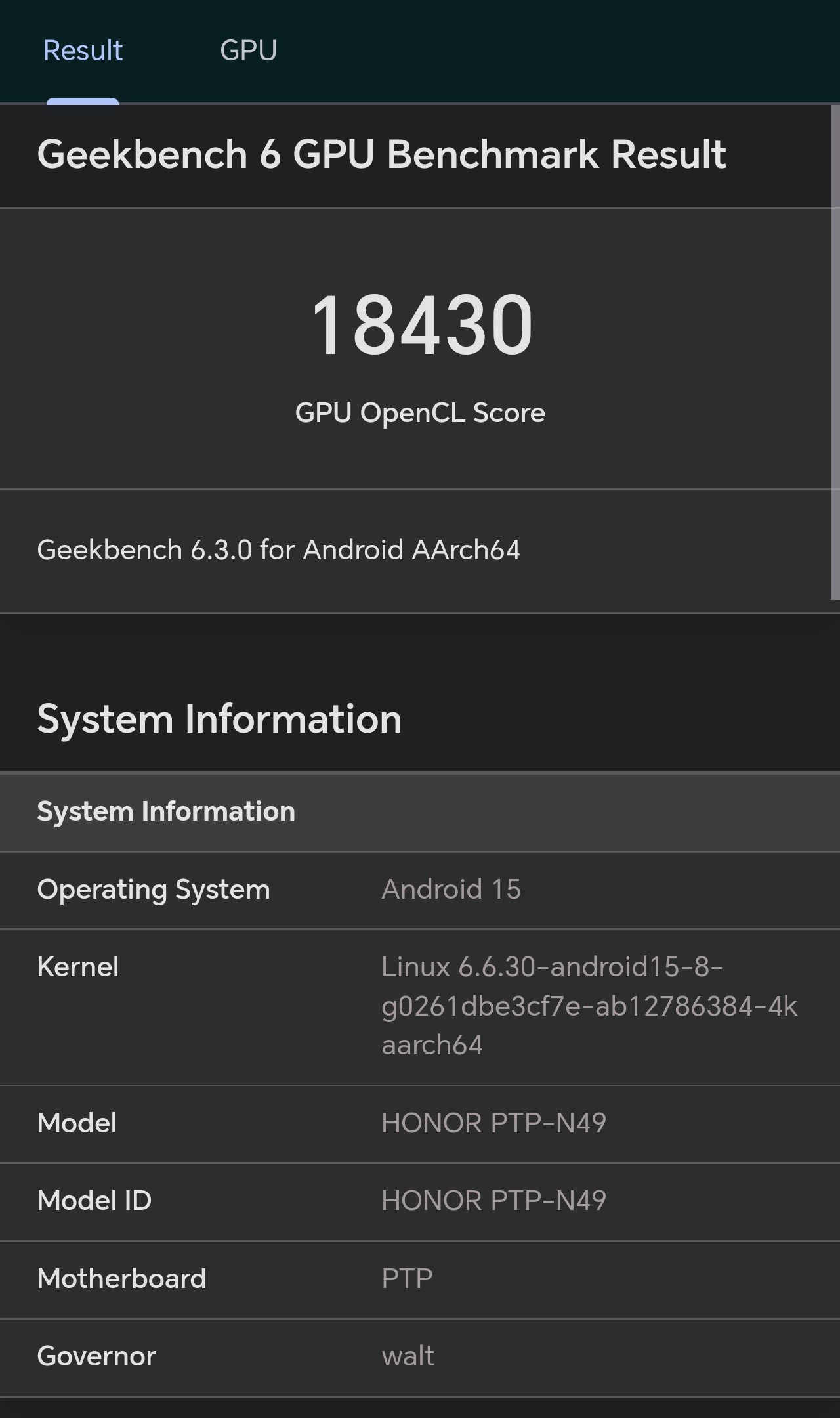
When it comes to performance, let’s cut to the chase. Even the base model with 12GB of RAM and 256GB of storage is more than enough for most people. It holds its own in Geekbench 6 tests.
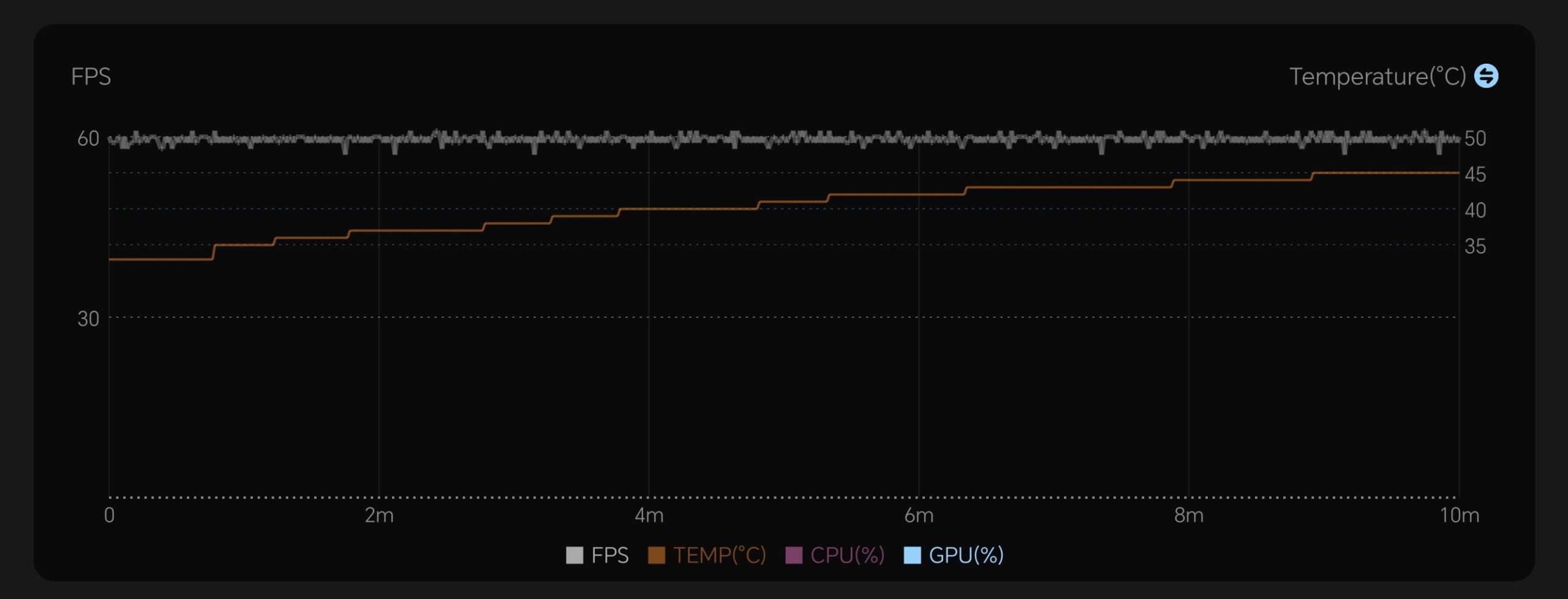
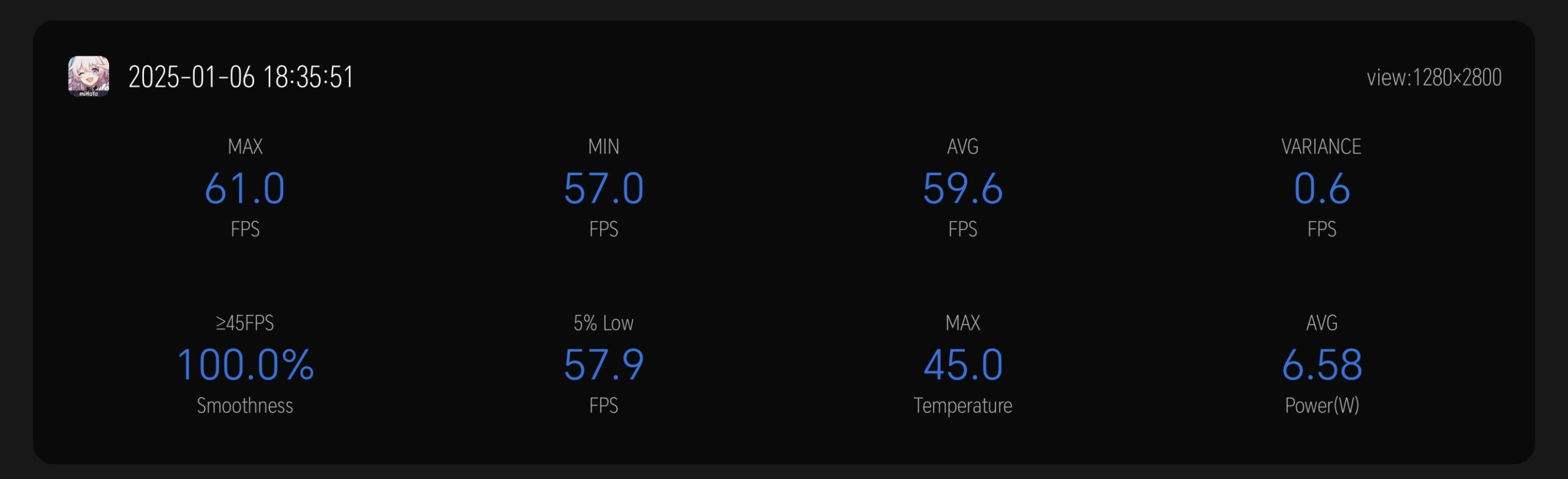
And in games like “Honkai: Star Rail,” even in the most intense scenes, the frame rates stay solid.
Touch response speed is also crucial for gaming, and the Magic 7 Pro doesn’t disappoint. You can see it in the camera playback—it’s super quick. So yeah, performance-wise, you’ve got nothing to worry about.
Audio-Visual Experience:
Screen:
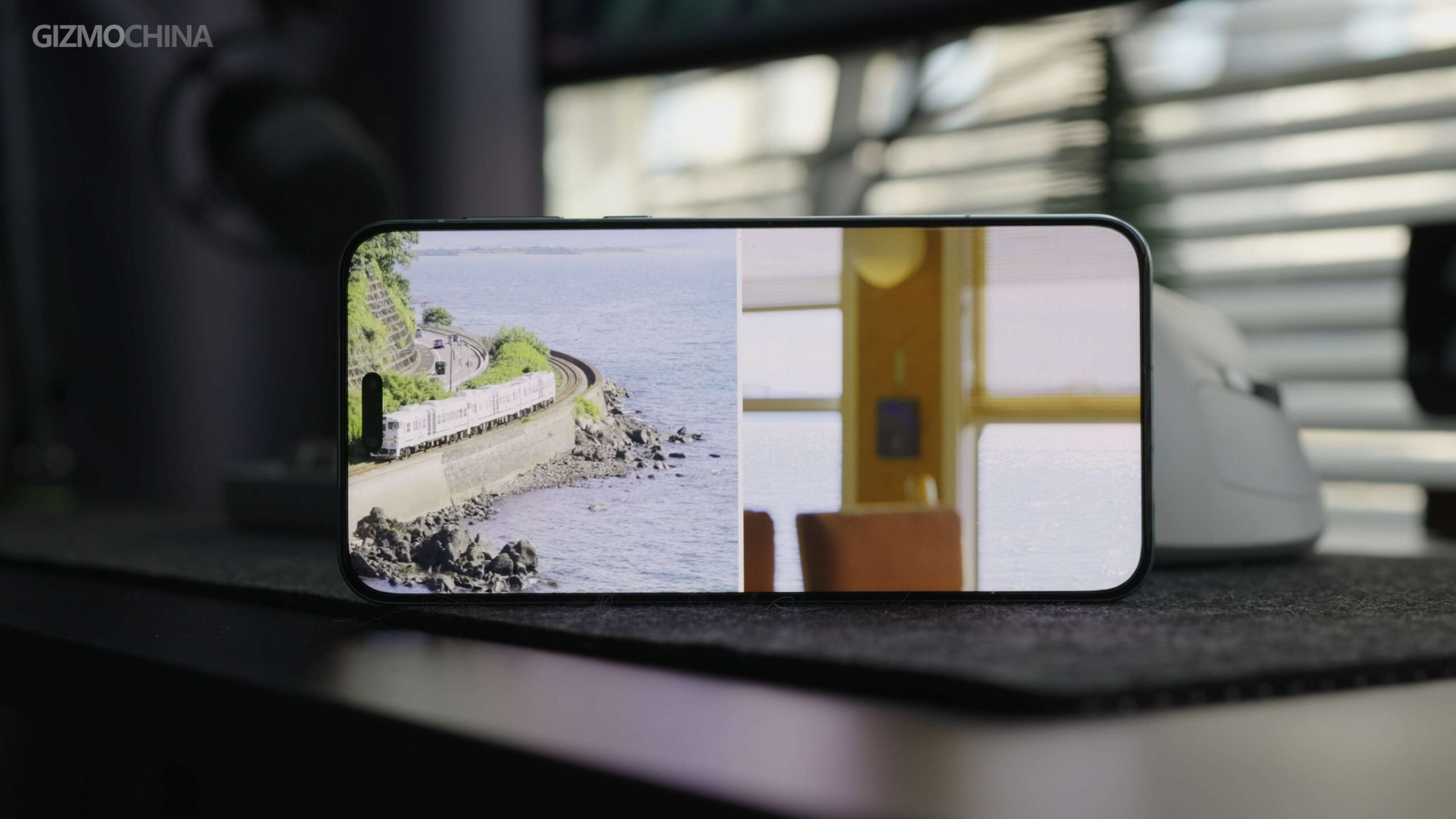
Let’s talk about the screen. It’s a 20:9, 6.8-inch full equal-depth micro-curved screen from Visionox, a top-notch screen manufacturer.
It’s got a 1-120Hz LTPO adaptive refresh rate, which means it adjusts the refresh rate based on what you’re doing, giving you smooth visuals and saving battery life.
The pixel density is a whopping 453PPI, and the screen-to-body ratio is 92.96%. The picture is just crystal clear. Plus, the screen has an HDR peak brightness of 5000 nits and a global peak brightness of 1600 nits.
Honor also added some cool eye-care features. At super low brightness, the screen switches to a 4320Hz PWM dimming mode. That’s way more comfortable than the low-frequency PWM dimming you get on iPhones. If you’re sensitive to screen flicker, the Magic 7 Pro might just be your new best friend.
Speakers:
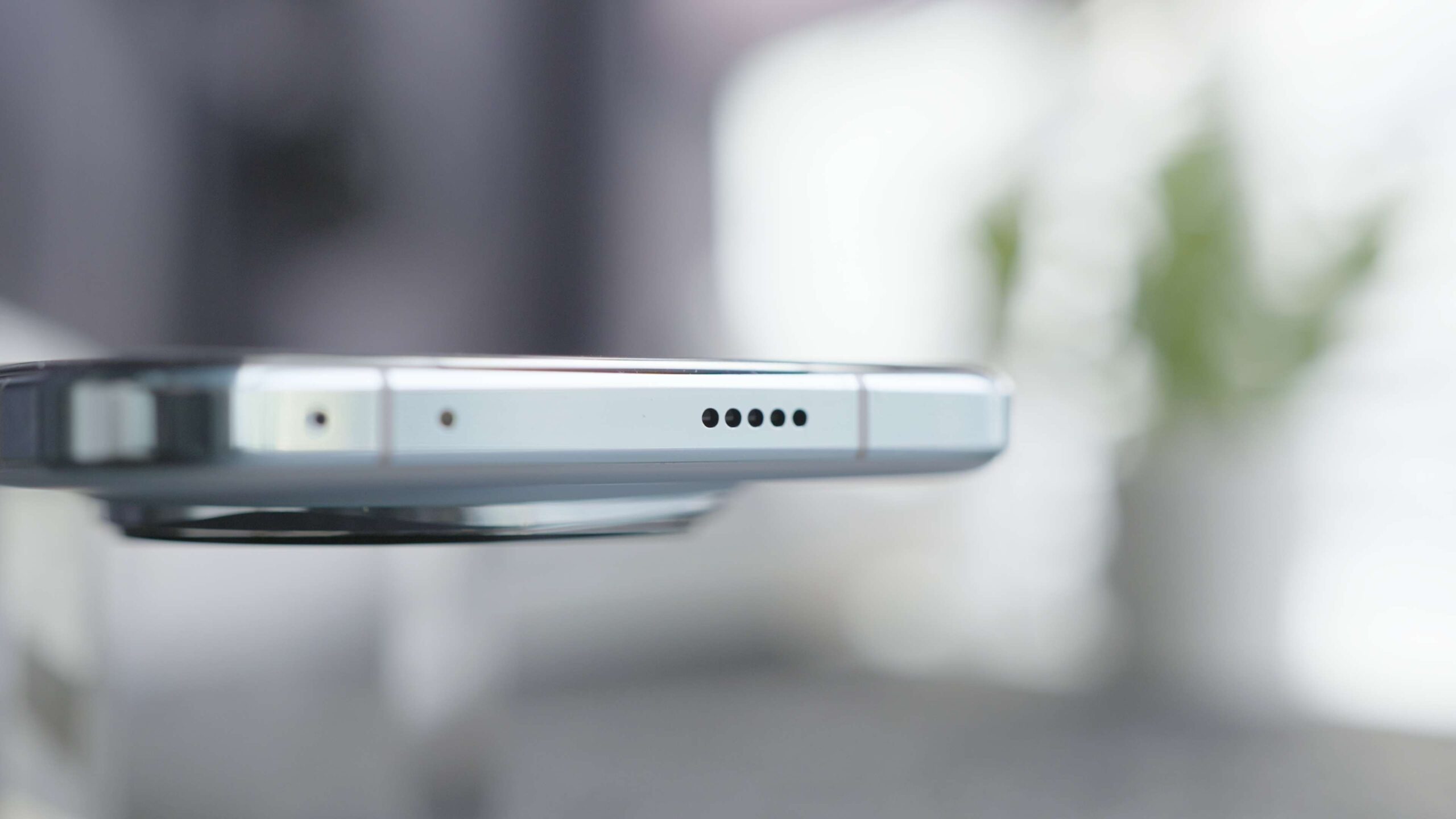
But here’s what really blew me away: the speakers. Chinese teardowns show this phone’s got two big speakers inside.
With some fancy bass enhancement algorithms and sound compensation, the audio is powerful and balanced. When you’re listening to music or watching videos, the sound is loud, deep, and the bass is just killer.
Imaging:
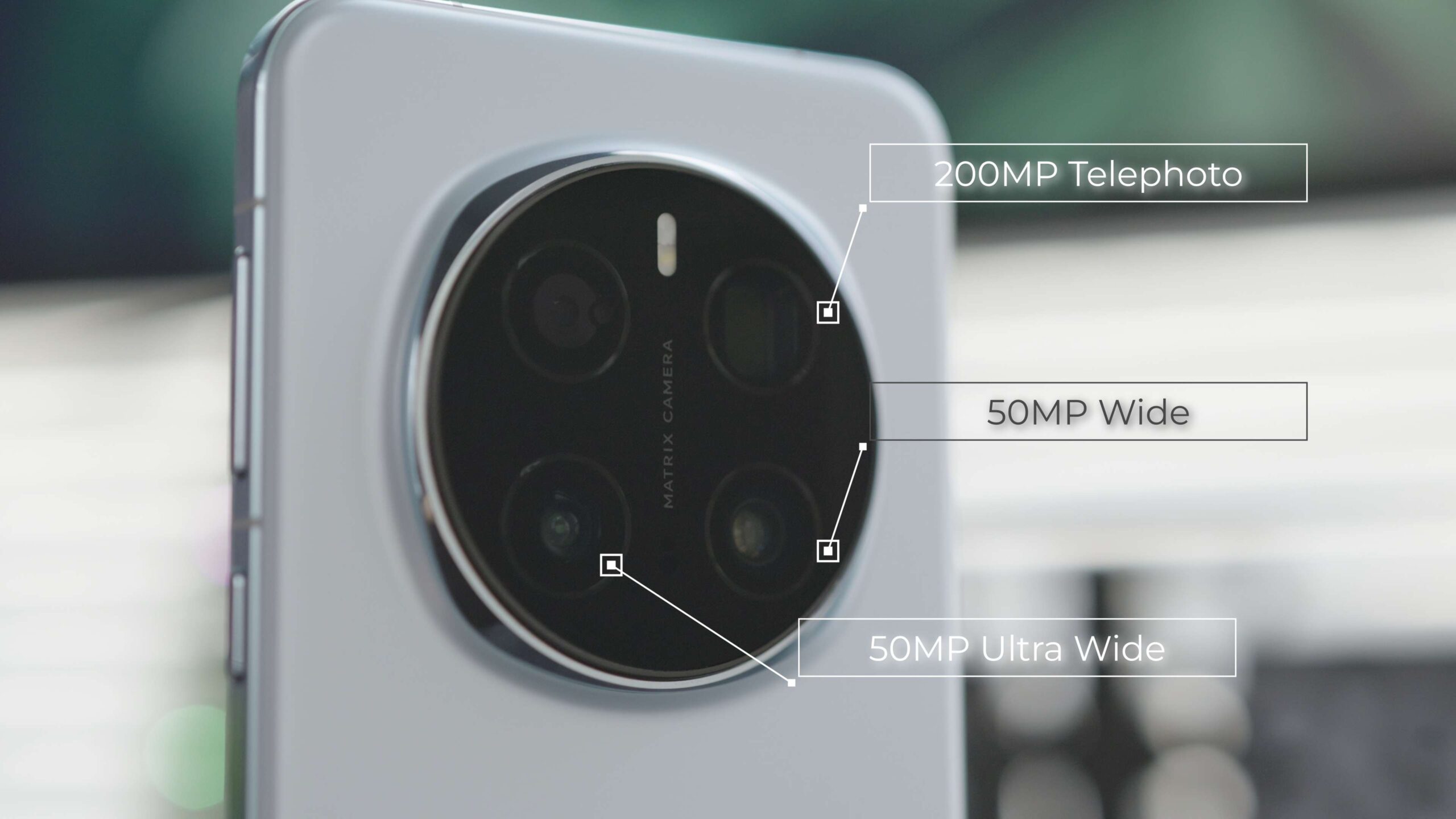
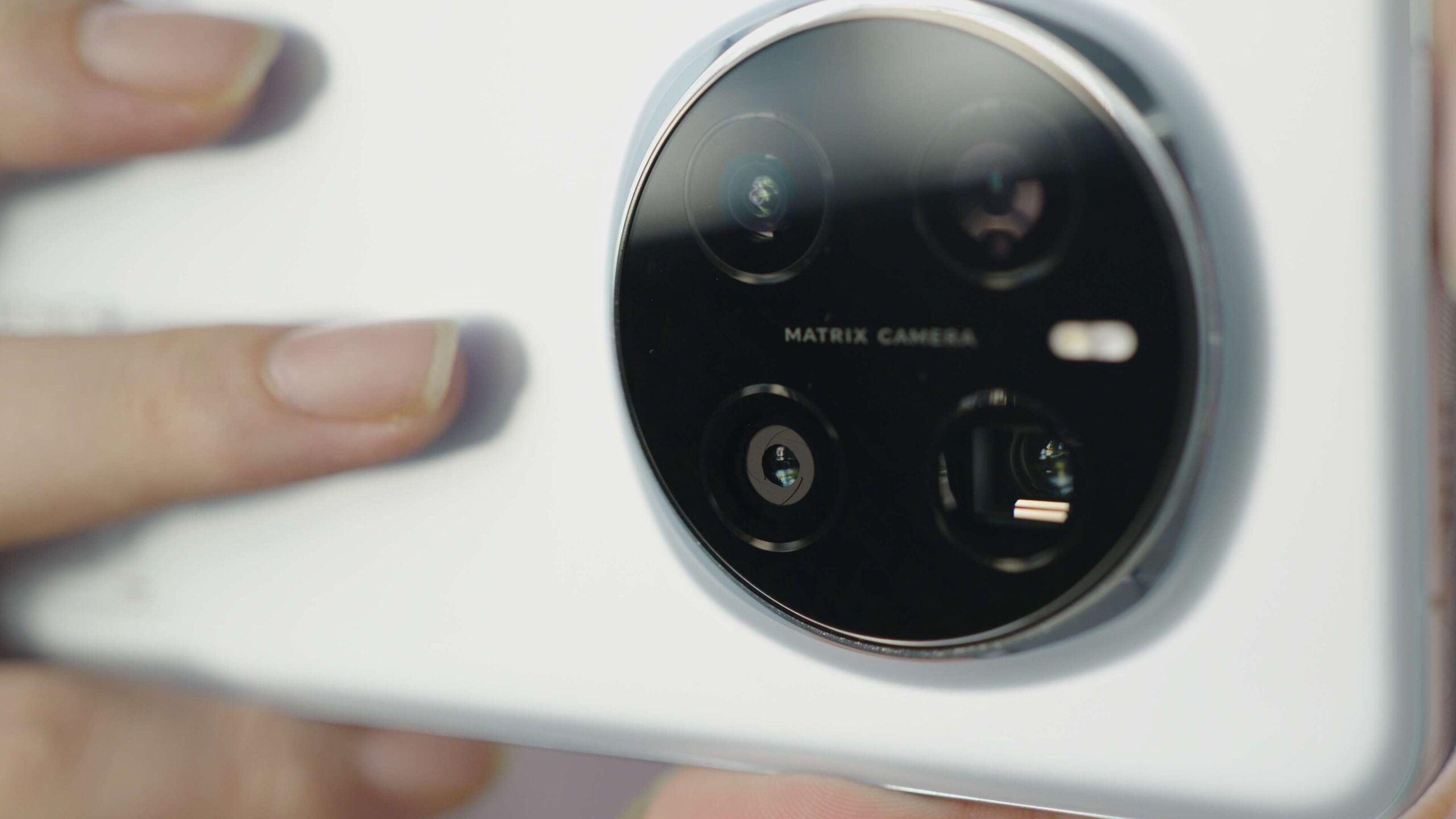
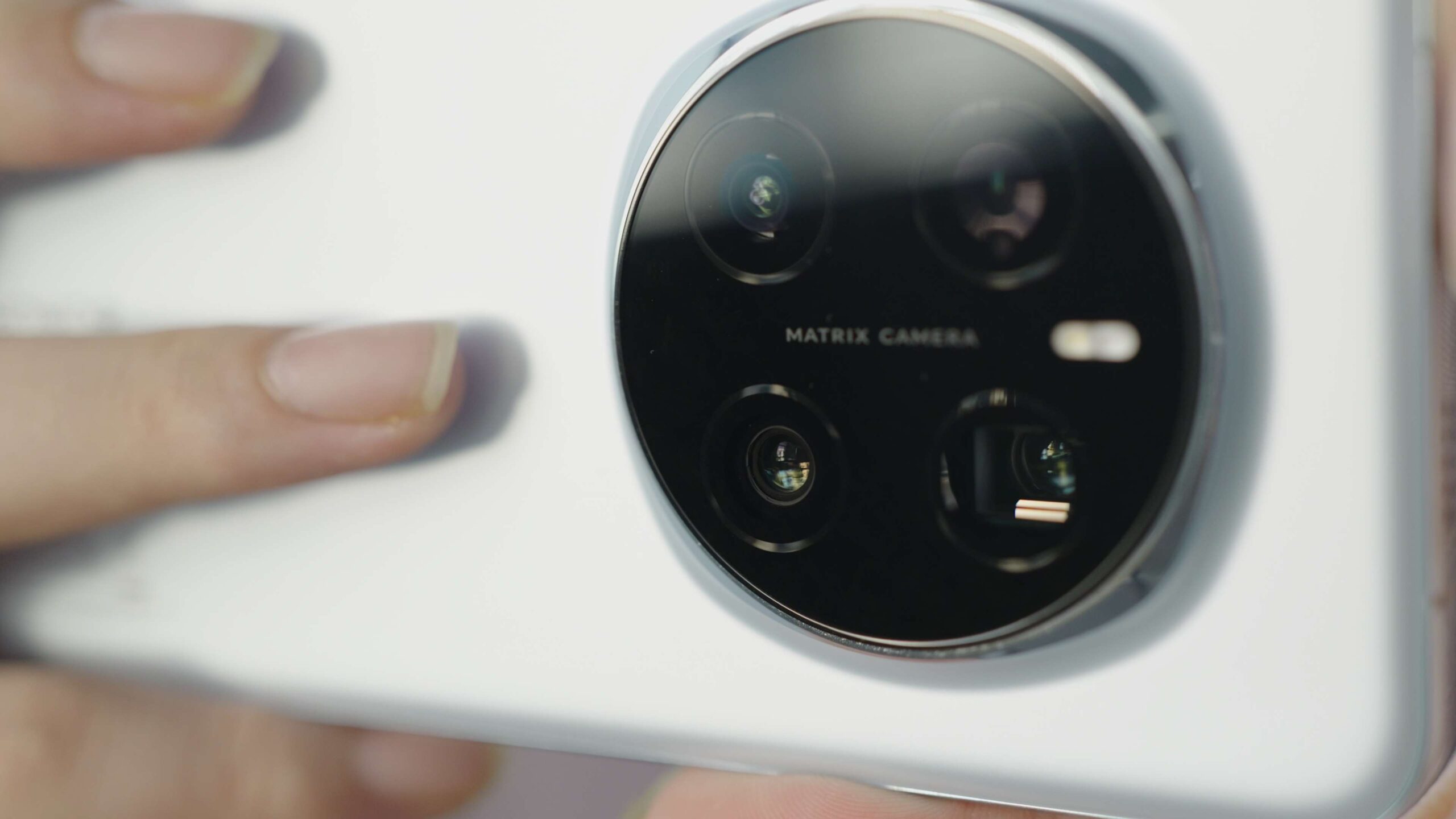
Now, let’s talk cameras. The Magic 7 Pro has a 50MP wide-angle camera, a 50MP ultra-wide-angle camera, and a 200MP ultra-high-definition telephoto camera.
The wide-angle camera uses a 1/1.3-inch sensor and supports variable aperture, which is awesome for low-light shots.
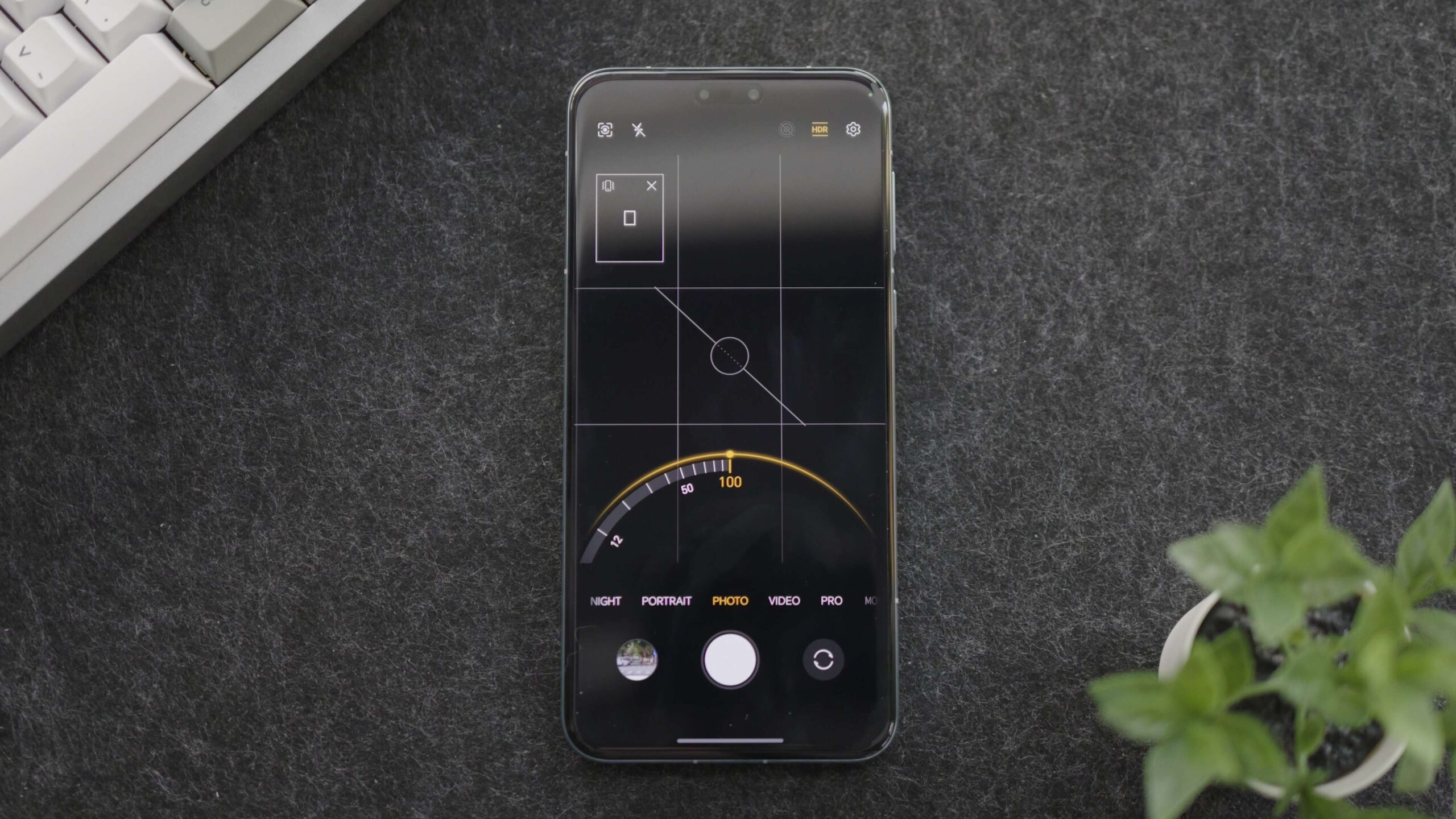
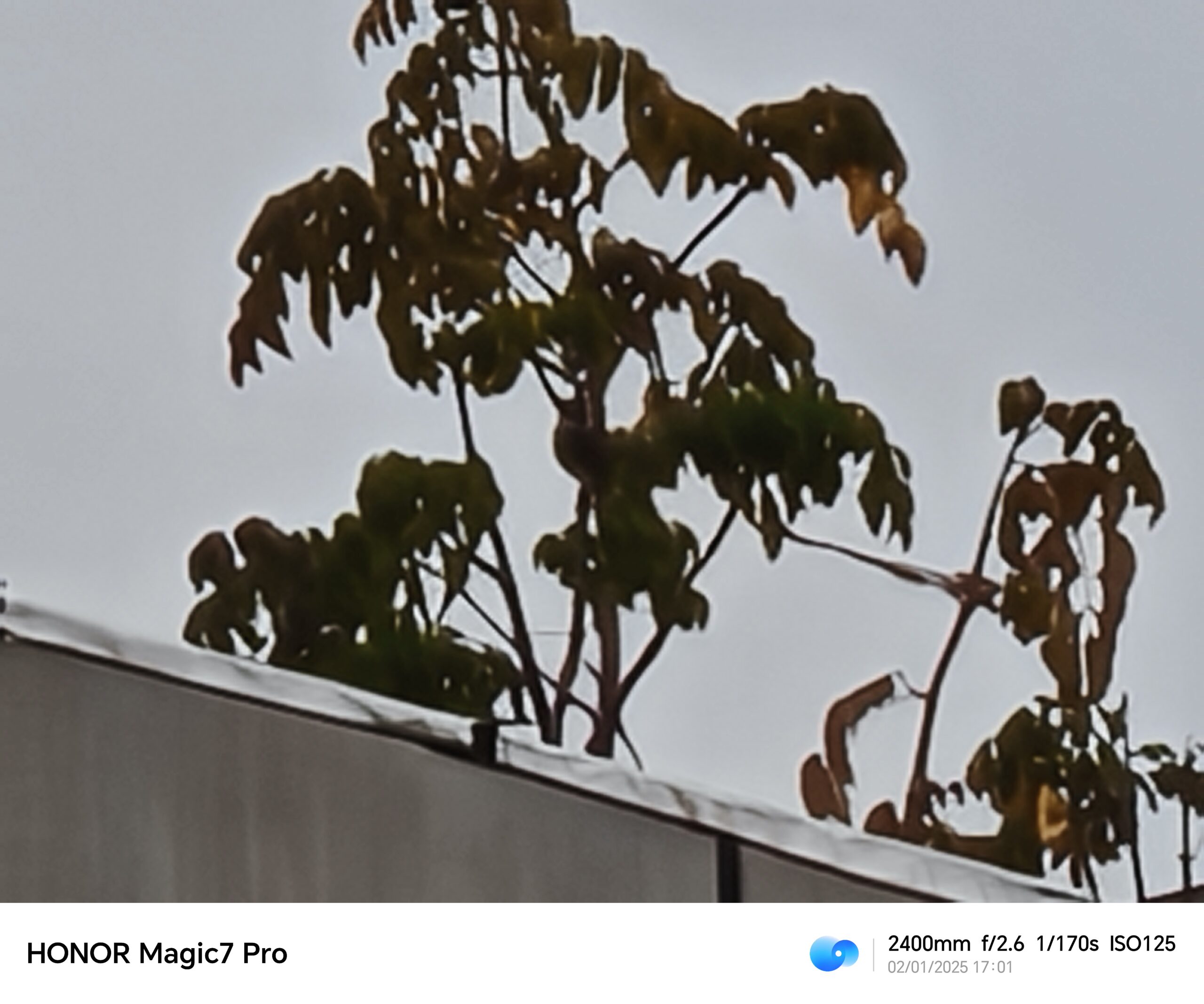
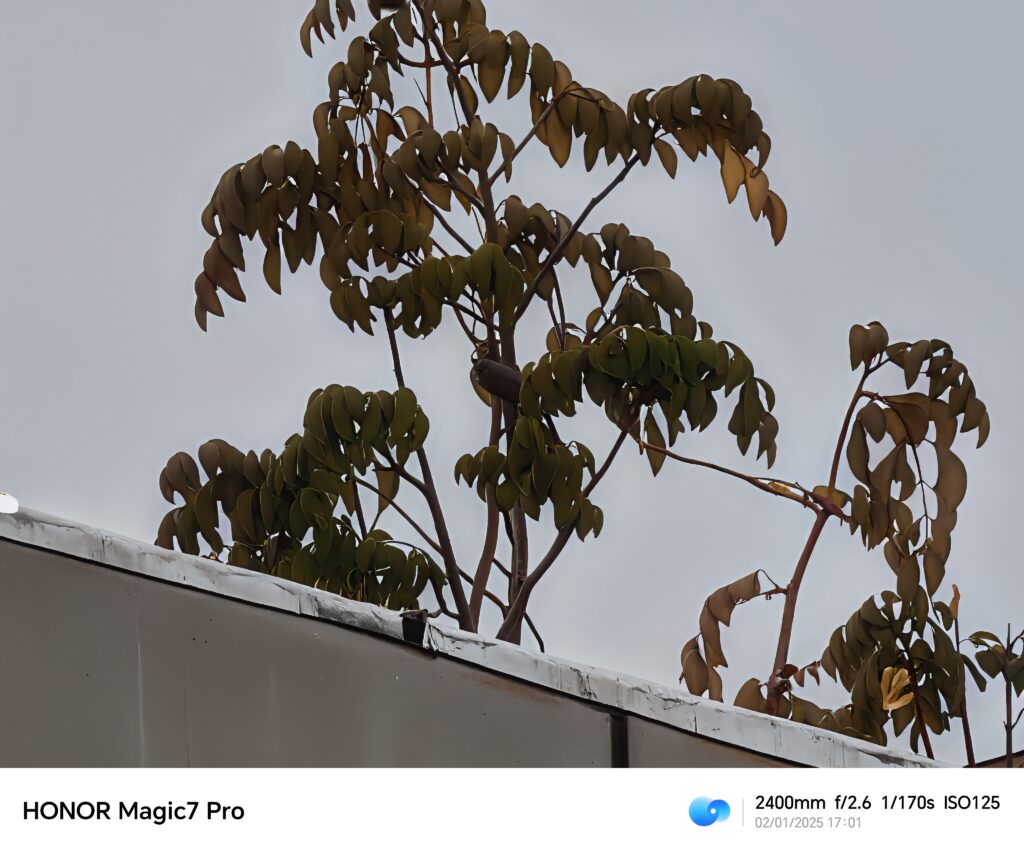
The ultra-wide-angle camera has a 122° field of view and can do macro shots as close as 2.5cm. The 200MP telephoto camera supports 3x optical zoom and up to 100x digital zoom. That’s like having a 72-2400mm lens!
And let me tell you, I’ve been using that telephoto camera a lot. For example, at 3x zoom, the image quality is outstanding. The colors are vibrant, the textures are detailed, and the background is clear and natural.
Even at 6x zoom, the details are super sharp. You can see the texture of a pigeon’s feathers and the details of its feet. The colors are natural, and the depth of field effect really makes the subject pop. The exposure and white balance are spot-on, and there’s no noticeable noise. Even at night, the camera holds up.
But I’d say stick to zoom levels below 30x; otherwise, the image quality drops. However, if you turn on AI Super Zoom, you’ll be amazed. After a bit of processing, the image quality is just as good as 3x or 6x. You can even preview the before-and-after in the gallery in real-time. It’s seriously impressive.
Battery Life/Charging:
Charging:
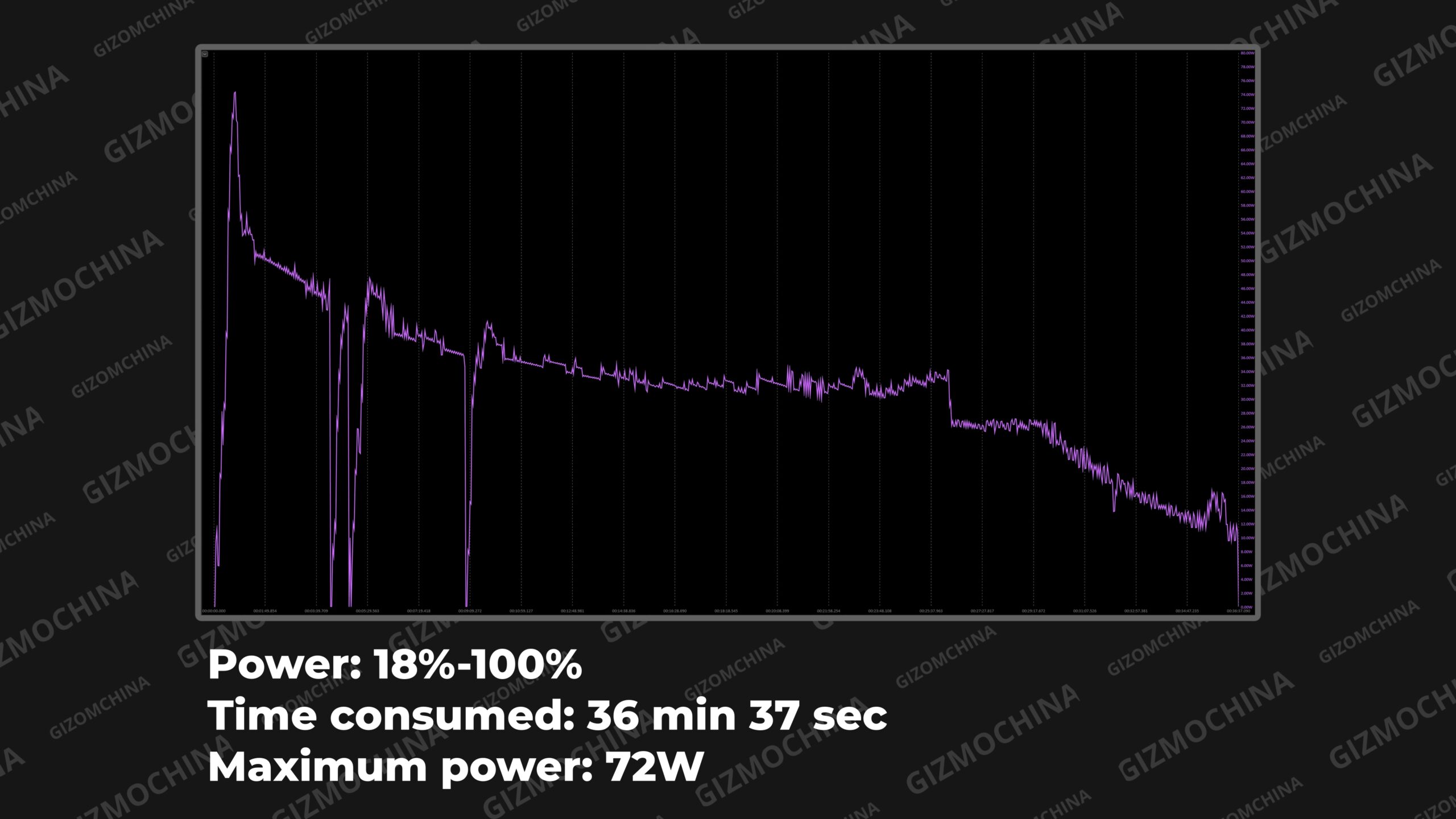
This phone packs a 5850mAh battery, which is Honor’s 3rd Gen Silicon Carbon Battery. It supports up to 100W wired charging and 80W wireless charging, but you’ll need the official Honor SuperCharge brick.
Unfortunately, the charger isn’t included in the box, so you’ll have to buy it separately. Just make sure your voltage is between 200-240V; otherwise, you’ll max out at 66W. We tested it with a PPS-compatible charger, and here are the results.
Others:
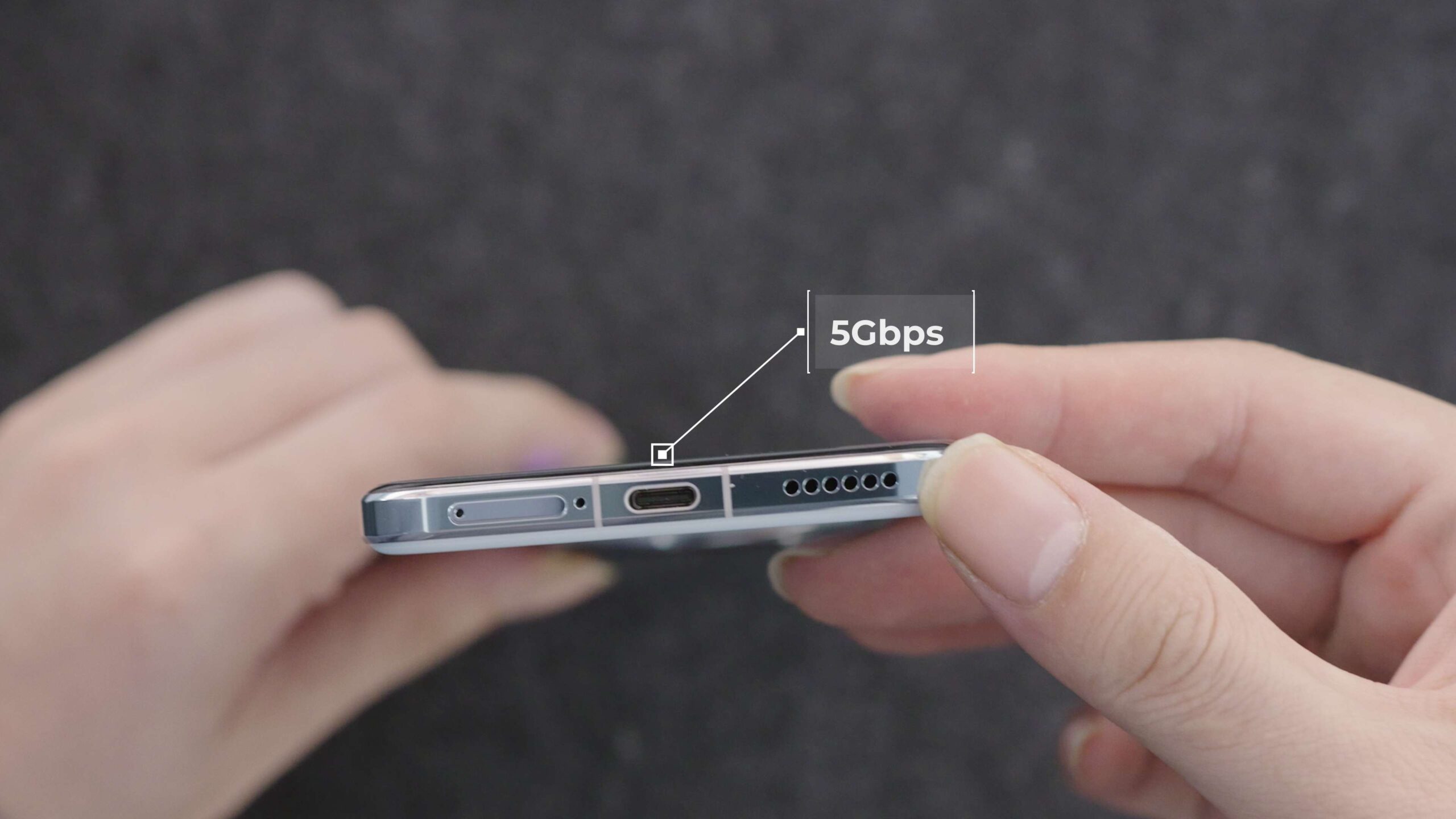
This phone supports USB 3.2 Gen1, which means it can transfer data at 5Gbps.
In our tests, copying a 19.8GB video file took just 47 seconds at a speed of 431MB/s. It also supports DisplayPort 1.2, so you can hook it up to an external 4K 60Hz monitor and use it in Desktop Mode.
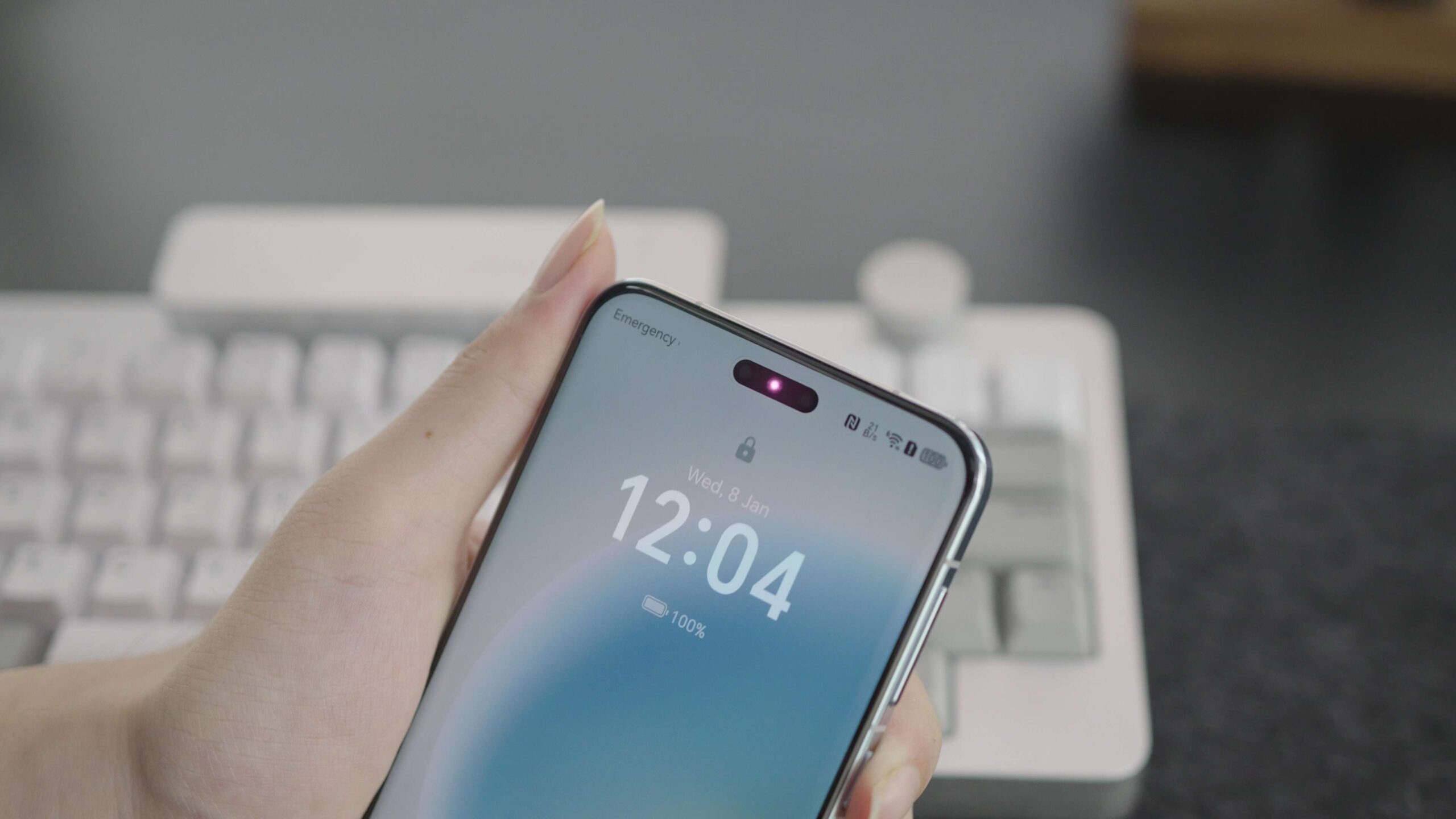
The Magic 7 Pro also has two super convenient features: ultrasonic fingerprint unlocking and 3D face recognition. If you’ve ever used a regular optical face unlock phone, you know that flash can be annoying in the dark. But this phone, with its 3D face solution, doesn’t have that problem.
It runs on MagicOS 9.0, based on Android 15, and gets monthly security updates. We don’t have official info on how many years of OS updates it’ll get, but based on recent trends, the Magic 7 Pro should get at least three major Android upgrades and five years of security patches.
Summary:
So, what’s the verdict? The Honor Magic 7 Pro is a seriously powerful flagship phone. The only downside is that it doesn’t come with a charger.
But other than that, it’s hard to find any flaws. It’s got the Snapdragon 8 Elite chipset for performance, a high-dynamic-range screen that’s also friendly for eyes, and it supports IP68/IP69, infrared remote control, NFC, ultrasonic fingerprint, 3D face recognition, symmetrical dual speakers, and Type-C video output. This is one seriously stacked device.
Realme Narzo 70x 5G with 6GB RAM and 128GB storage is retailing at a limited-time sale price of Rs 10,499, a significant drop from its regular price of approximately Rs 12,499. The smartphone offers a remarkable blend of performance and features, making it an excellent value-for-money choice for budget-conscious consumers. You can avail of certain other bank offers during the checkout.
Additionally, buyers can take advantage of various bank offers during checkout, providing even more savings. For instance, there’s a cashback available for Amazon ICICI Bank Credit Card users, along with the option to benefit from no-cost EMI plans, ensuring affordability and flexibility for a broader audience.
Realme Narzo 70x 5G smartphone comes bundled with MediaTek Dimensity 6100+ processor 5G and up to 8GB RAM and 128GB storage. There’s a 6.72-inch IPS LCD display that offers a 120Hz refresh rate and sports a 1080 x 2400 pixels resolution. It houses a dual rear camera featuring a 50MP primary sensor and a 2MP secondary depth camera. An 8MP primary sensor sits on the front for selfies and video calling.
In terms of connectivity, the Realme Narzo 70x 5G features dual-band WiFi, Bluetooth 5.3, GPS, NFC, USB Type-C. A 5000 mAh battery is present with support for 45W fast wired charging. It is available in Ice Blue and Forest Green color options. The phone measures 165.6 x 76.1 x 7.7 mm and weighs around 188g.
Surprisingly, you will get a Free Charger within the box.
We use cookies on our website to give you the most relevant experience by remembering your preferences and repeat visits. By clicking “Accept”, you consent to the use of ALL the cookies.
This website uses cookies to improve your experience while you navigate through the website. Out of these, the cookies that are categorized as necessary are stored on your browser as they are essential for the working of basic functionalities of the website. We also use third-party cookies that help us analyze and understand how you use this website. These cookies will be stored in your browser only with your consent. You also have the option to opt-out of these cookies. But opting out of some of these cookies may affect your browsing experience.
Necessary cookies are absolutely essential for the website to function properly. This category only includes cookies that ensures basic functionalities and security features of the website. These cookies do not store any personal information.
Any cookies that may not be particularly necessary for the website to function and is used specifically to collect user personal data via analytics, ads, other embedded contents are termed as non-necessary cookies. It is mandatory to procure user consent prior to running these cookies on your website.