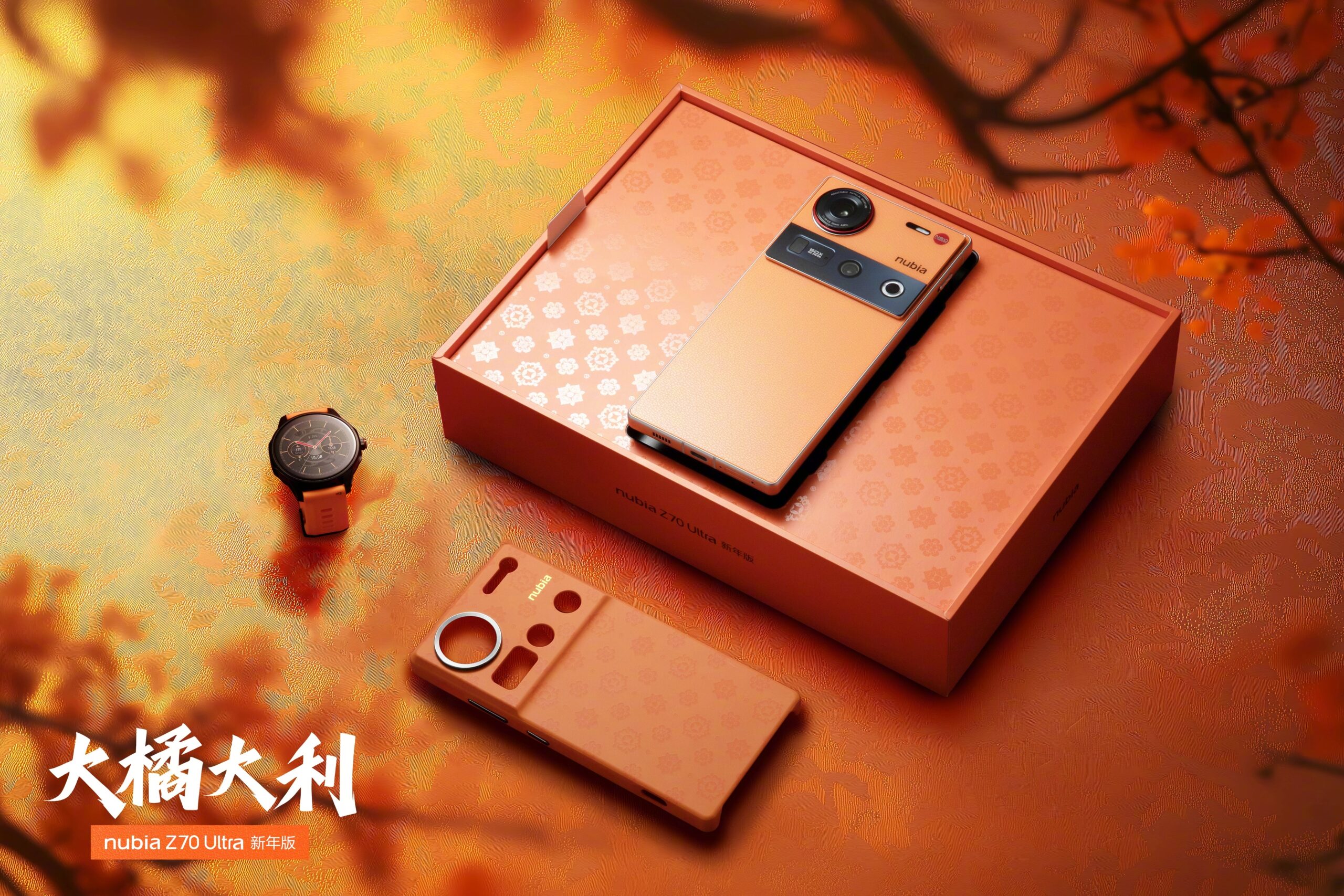
ZTE has introduced a new version of its Nubia Z70 Ultra to mark the Chinese New Year. Named the Nubia Z70 Ultra New Year Edition, the device features a new design and additional accessories while keeping the core hardware unchanged. The standard model, released less than two months ago in the global market, starts at $729 in the US, £649 in the UK, and €749 in the EU.
Nubia Z70 Ultra New Year Edition
The New Year Edition comes in a single-color option with a silver frame and an orange faux leather back. ZTE includes a complimentary smartwatch, an exclusive case, and special packaging with the limited edition.
The hardware remains identical to the regular Nubia Z70 Ultra. It has a 6.85-inch 1.5K OLED BOE Q9+ display with a 144Hz refresh rate, a 95.3% screen-to-body ratio, and a touch sampling rate of up to 960Hz. It supports 10-bit color, covers the DCI-P3 color gamut, and reaches a peak brightness of 2000 nits.
The device is powered by the Snapdragon 8 Elite processor with LPDDR5X RAM and UFS 4.0 storage. The phone runs Android 15 with Nebula AIOS, which includes AI-driven features for an improved user experience.
The camera setup includes a 50MP main sensor with a variable aperture (f/1.59 to f/4.0) and OIS, a 50MP ultra-wide lens with a 120-degree field of view and macro capabilities, and a 64MP periscope telephoto lens with OIS. The 16MP under-display front camera provides a seamless design and good image quality.
The Nubia Z70 Ultra is equipped with a 6150mAh battery that supports 80W fast charging. It has IP68 and IP69 ratings for dust and water resistance, offering durability in various conditions.
The New Year Edition has only been announced for the Chinese market and will go on sale on January 16th. There is no confirmation on whether it will be released globally, even though the standard Nubia Z70 Ultra was made available internationally in November.
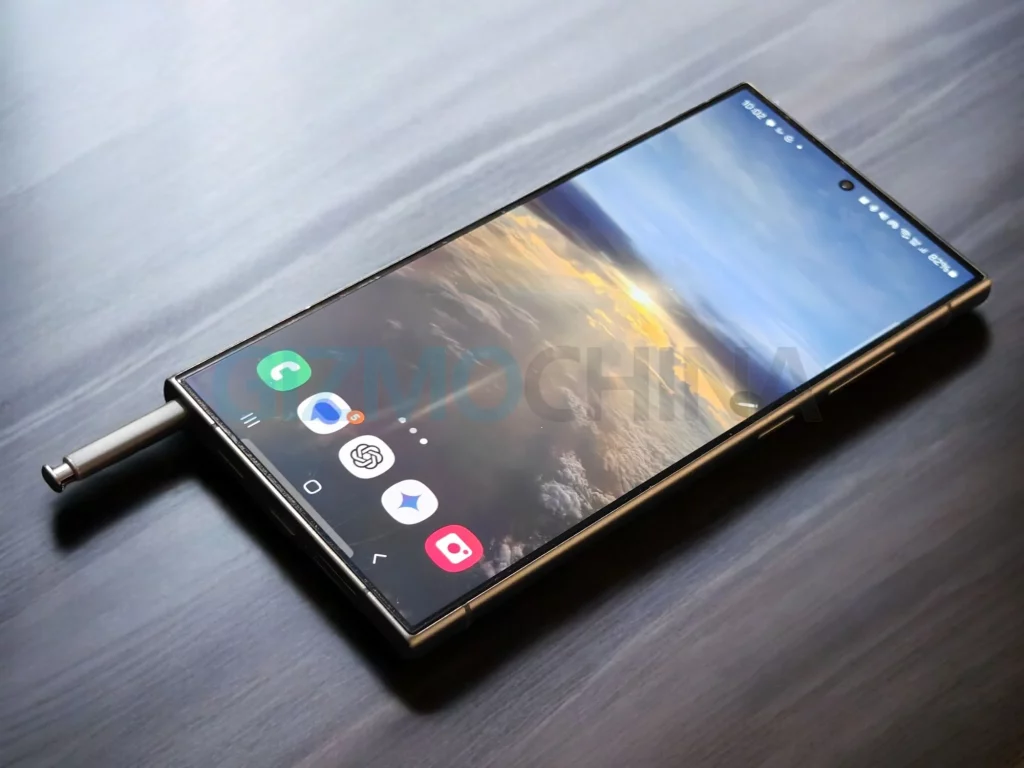
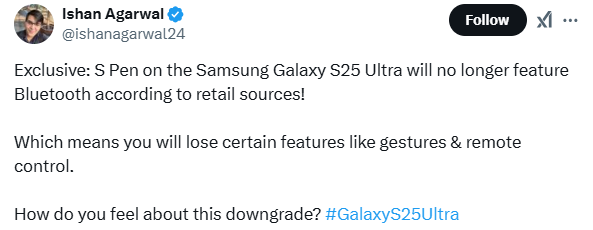
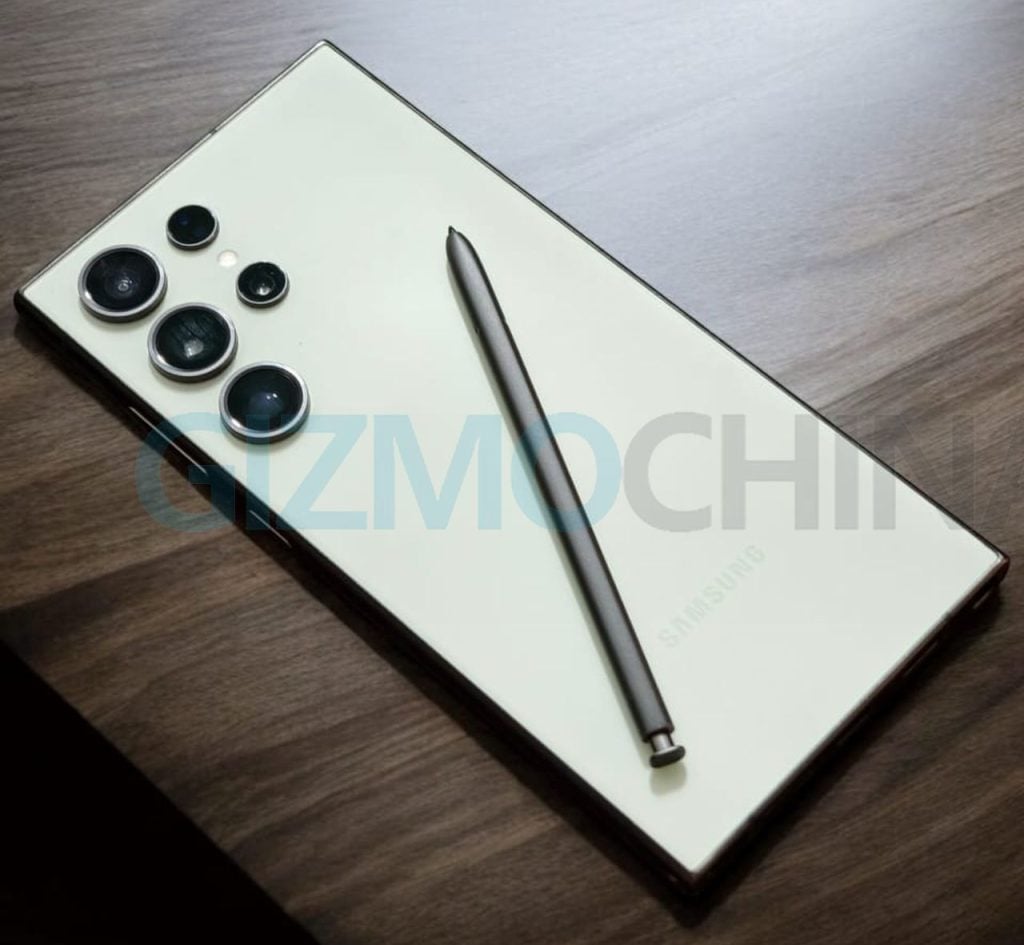
Samsung’s Galaxy S25 Ultra is generating a lot of buzz, but there may be a downside. A rumor from tipster Ishan Agarwal suggests that the S25 Ultra’s S Pen could lose its Bluetooth connectivity. If this turns out to be true, it could change the way users engage with the stylus. This rumor is based on Agarwal’s claims from unnamed “retail sources.”
The tipster indicates that the Galaxy S25 Ultra’s S Pen might completely lose Bluetooth, which would mean losing advanced features like gesture controls and remote operation. But why is Samsung removing the feature?
According to reports, removing Bluetooth from the S Pen might reduce the power requirement and slightly enhance the Galaxy S25 Ultra’s battery life. However, the reported increase of only 15 to 20 minutes of battery life seems like a small trade-off for the loss of important features. As per 9to5Google, this could be a cost-saving strategy for Samsung.
What the loss of Bluetooth could mean for users
One significant feature that could be affected is the S Pen’s ability to remotely control the camera shutter—a popular function among photographers. Additionally, the removal of Bluetooth might eliminate the S Pen’s pairing capability, which currently allows users to switch between styluses with enhanced functionalities.
Without Bluetooth, the S25 Ultra’s S Pen can still be used for basic writing and note-taking, but users might miss the convenience of gestures and remote control features. For instance, the ability to take photos or control presentations from a distance with the stylus could be lost, which may limit its usefulness in professional and creative settings.
Although Samsung hasn’t officially confirmed this change, it could indicate a shift in how the S Pen is utilized within the Ultra lineup. Whether this potential compromise is viewed as an acceptable trade-off for slightly improved battery life is yet to be confirmed. For now, fans of the Galaxy Ultra series will need to wait for official announcements (scheduled for January 22) to find out how the S25 Ultra’s S Pen compares to its predecessors.
Honor is preparing to launch the Magic 7 Pro smartphone in the European market on January 15. Pre-order listings of the device have gone up on multiple Honor websites across Europe. Official pricing has been kept under wraps for the time being, however, a new report from Dealabs has revealed how much this flagship smartphone will cost, alongside its launch offers.
Honor Magic 7 Pro
Honor Magic 7 Pro leaked pricing & features
According to the report, the smartphone will be priced at €1,299 (approximately £1,099) for the 12GB RAM and 512GB storage model. Early buyers can take advantage of a €300 discount, lowering the price to €1,000 (around £800). A high-speed charger will also be included with purchases while supplies last.
The European version of the Magic 7 Pro largely mirrors the Chinese variant. It features a Snapdragon 8 Elite processor and a 6.8-inch LTPO OLED display with a 120Hz refresh rate. The display supports brightness levels of up to 1,600 nits for regular use and 5,000 nits for HDR content.
The camera system includes a 50MP main sensor with a variable aperture, a 50MP ultrawide lens, and a 200MP periscope camera offering 3x optical zoom. The front camera is a 50MP sensor paired with a time-of-flight (ToF) sensor for secure 3D face unlock. An in-display ultrasonic fingerprint scanner is also available.
One difference in the European model is the battery capacity, which is reduced to 5,270mAh compared to the 5,850mAh silicon-carbon battery in the Chinese version. Despite this, the device maintains solid battery performance with fast charging support.
Honor is offering additional promotions at launch. Customers in France who purchase the device between January 16 and December 31, 2025, can claim a free Honor case and charger, valued at €29.90 and €69.90 respectively, by completing a form on Honor’s website. Honor is also offering a €300 early bird discount through its official site, requiring users to register and claim the coupon online.
The Honor Magic 7 Pro will be available in black and gray from Honor’s website and select retailers, including Fnac, Boulanger, and Orange.
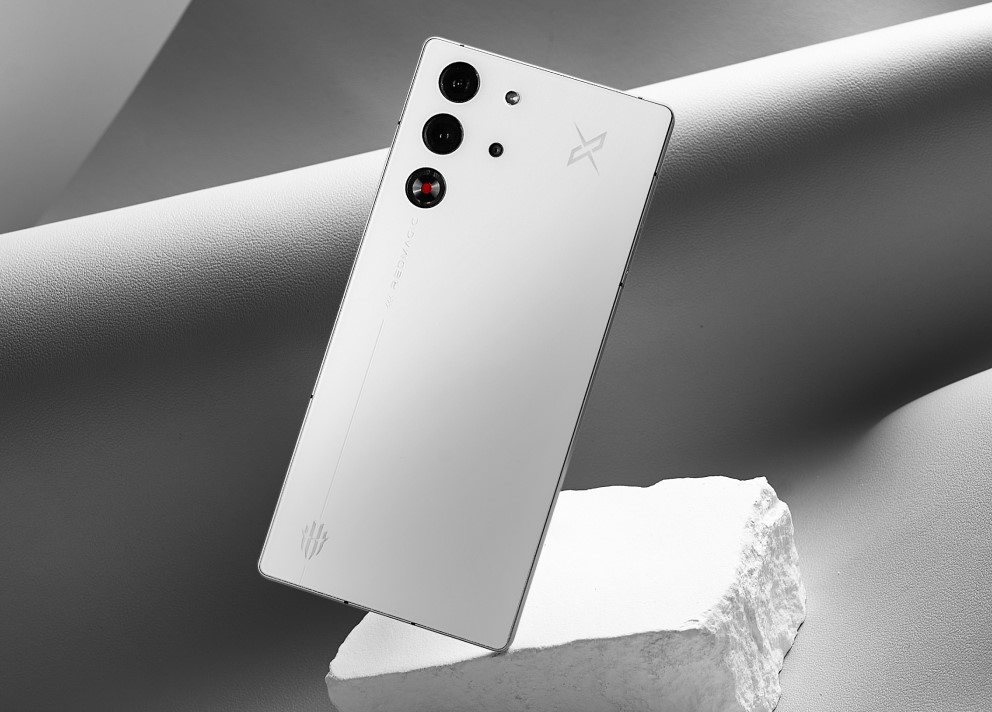
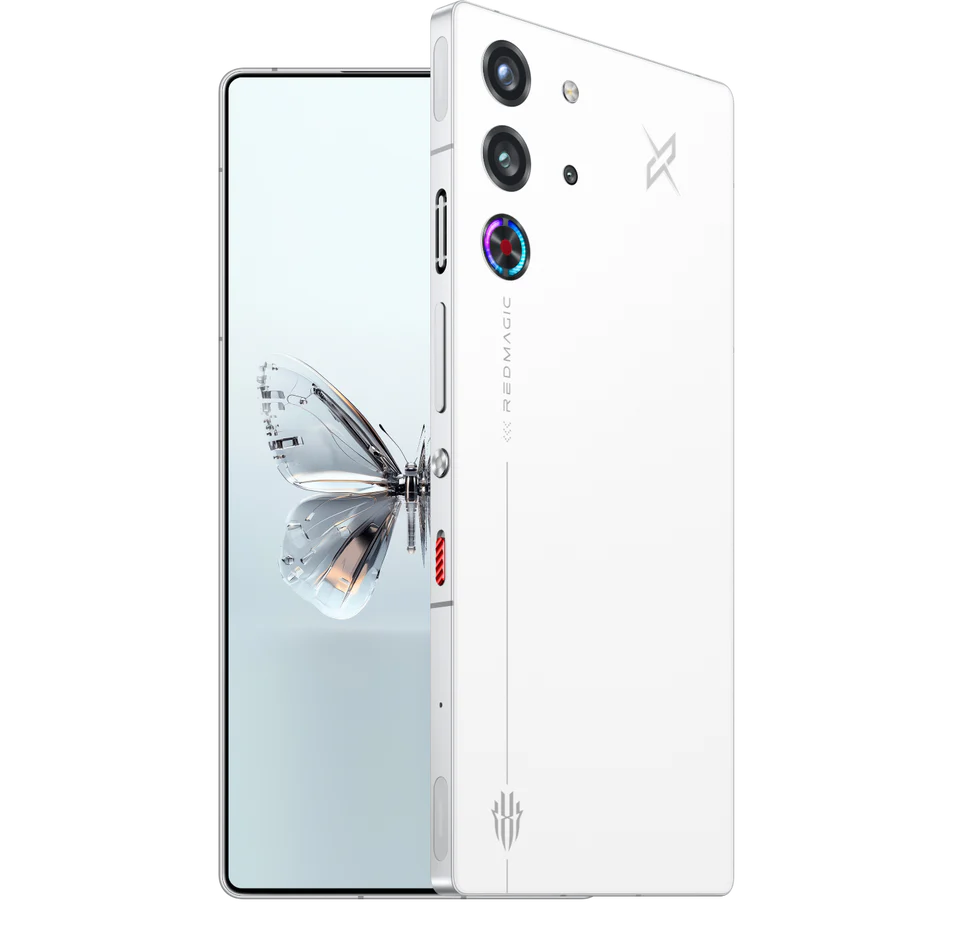
Red Magic has introduced the Red Magic 10 Pro gaming smartphone, which focuses on performance and design and has an under-display selfie camera that gives it a full-screen feel. The brand has launched a new color option for the device called the Red Magic 10 Pro Lightspeed edition.
The latest “Lightspeed” edition brings a fresh look to the lineup. It comes with 12GB of RAM and 256GB of storage for $649. A higher-end variant with 24GB of RAM and 512GB of storage is available in a gray transparent Dusk finish for $999.
Under the hood, the Red Magic 10 Pro is powered by the Snapdragon 8 Elite chipset running at 4.32GHz, paired with the Adreno 830 GPU. It’s designed to handle the most demanding games and multitasking without breaking a sweat, and it is currently leading the performance charts on the AnTuTu benchmark. The triple-camera setup includes dual 50MP sensors (main and ultrawide) and a 2MP macro lens, with a 16MP front camera tucked neatly under the display.
To keep things cool during intense gaming sessions, the phone features an advanced ICE 13.5 liquid-cooling system with 10 layers and a high-speed fan. The massive 6500mAh battery supports 80W fast charging, so you can get back in the game quickly. It also has 520Hz shoulder triggers for precise controls and runs on Red Magic OS 10.0 for a smooth gaming experience. Dual stereo speakers with 96kHz lossless audio ensure rich sound.
Honor recently launched its Magic 7 Pro series in the Malaysian market following its initial release in the Chinese market last year. Alongside the phone, the company has introduced a new pair of earbuds called the Honor Earbuds Open.
The earbuds are now listed on Hong Kong’s official website, but pricing details have not been disclosed. However, in the Malaysian market, they are priced at RM699 ($155). The earbuds are expected to launch in other markets soon. Let’s take a look at their key specifications.
Honor Earbuds Open Specifications
Honor Earbuds Open are lightweight and feature an ergonomic, crescent-shaped design made with food-grade silicone for comfort. They include a nickel-titanium memory alloy C-bridge for durability and flexibility, making them suitable for extended wear and compatible with glasses. The earbuds measure 49.22 x 39.52 x 15.6 mm, weigh 7.9g each, and come with a charging case measuring 80.44 x 61.02 x 20.45 mm and weighing 52.5g.
The earbuds feature a 16mm multi-magnetic circuit dynamic driver with a high-elastic TPU composite diaphragm and titanium-plated dome tweeter for immersive sound. They also support spatial audio and are IP54-rated for water and dust resistance.
The Earbuds Open feature AI-powered real-time translation, making them perfect for international travelers and professionals. The “Shared Mode” enables bilingual communication, while the translation feature enhances understanding during lectures and meetings.
The earbuds also feature a triple-microphone hybrid active noise cancellation system, effectively reducing ambient noise for both music playback and voice calls. Additionally, they come with an AI Privacy Call feature that minimizes sound leakage, ensuring confidential conversations even in quiet environments.
The Honor Earbuds Open support Bluetooth 5.2 with dual-device pairing for stable connectivity and seamless audio switching. They also feature intuitive touch controls, including double-tap, triple-tap, swipe, and long press.
The earbuds provide up to 6 hours of playback on a single charge and 22 hours with the charging case. They support fast charging, providing 2 hours of playback with just a 15-minute charge, and the case fully recharges in approximately 110 minutes.
The earbuds come in two color options: Polar Gold and Polar Black.
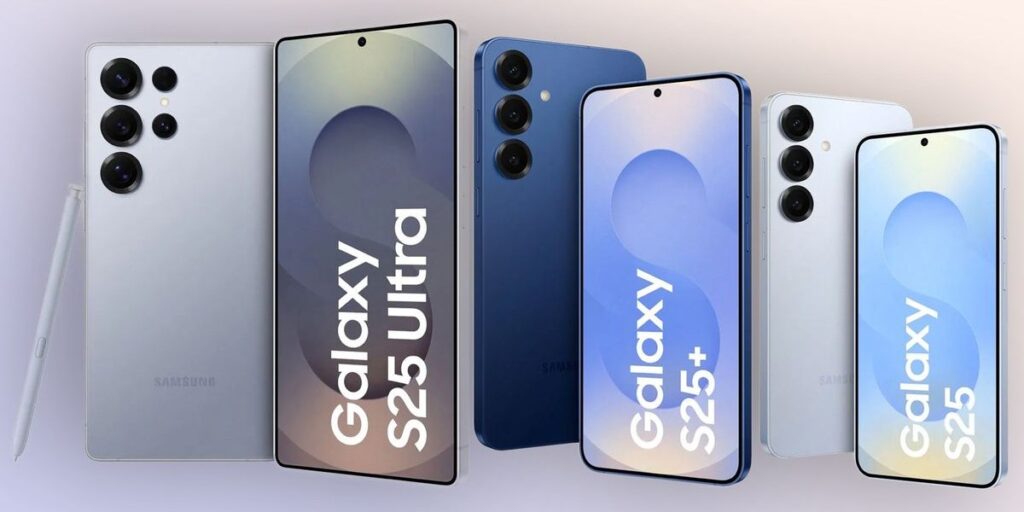
The anticipation of Samsung’s upcoming flagship smartphones grows as next-gen devices from Chinese competitors have already hit the market. So ahead of the January 22nd launch date, here’s a complete roundup of the Galaxy S25, Galaxy S25+, and the Galaxy S25 Ultra.
The Galaxy S25 and Galaxy S25+ are the quite similar in many ways. The base model is a compact premium phone, while the Plus variant is more in line with most flagship devices in terms of size. Both models are equipped with a Snapdragon 8 Elite SoC for Galaxy, which is basically an overclocked variant of Qualcomm’s high end chip. This is paired with a higher base RAM of 12GB and possibly higher. A 4,000mAh cell may power the base model and the S25+ houses a 4,900mAh battery. There is no word yet for an Exynos variant so far.
The former supports 25W wired fast charging, while the latter brings 45W wired fast charging. Samsung might have users pay for Qi2 wireless charging support. On the front, the base model may get a slightly larger 6.36-inch AMOLED display that will offer a 120Hz refresh rate, FHD+ resolution, and more. Meanwhile, the Galaxy S25+ could sport a 6.7-inch panel with a higher QHD+ resolution. For optics, the duo will offer a 50MP (Main) + 10MP (Telephoto) + 12MP (Ultra Wide) cameras on the rear and a 12MP selfie shooter on the front.
2. Samsung Galaxy S25 Ultra
Arriving at the true flagship model of Samsung, we have the Galaxy S25 Ultra. This model boasts the best of the best. You can see this in the build quality as well. Samsung employs glass and titanium for the Galaxy S25 Ultra. The brand is even making it slightly narrower, slimmer, and lighter compared to its predecessor. But while the overall size is smaller, it is getting a sizeable 6.9-inch LTPO AMOLED display with a 1440p resolution, 120Hz refresh rate, and second-generation Corning Gorilla Armor Glass.
Under the hood, it is equipped with the overclocked Snapdragon 8 Elite along with 12GB of base RAM offering. The camera system isn’t seeing a massive change, with the rear featuring the same 200MP (Main) + 12 MP (Telephoto) + 50MP (Periscope Telephoto) + 50MP (Ultra Wide). For selfies and video calls, the front may feature a 10MP shooter. A large 5,000mAh battery pack could power this device, which supports 45W wired fast charging and Qi2 wireless charging as well.
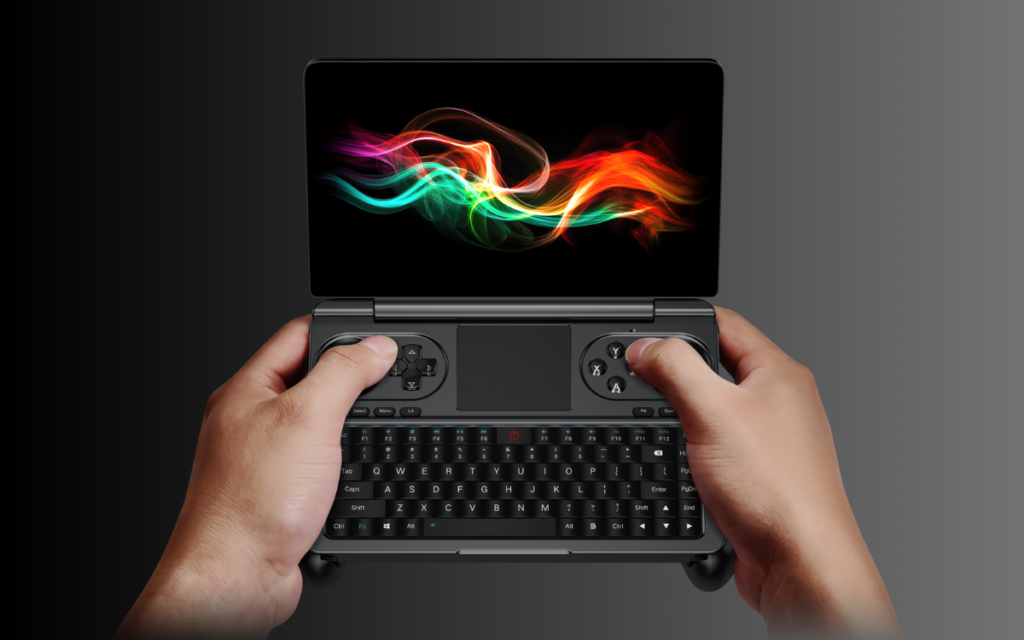
GPD has launched its latest gaming handheld the Win Mini 2025. The handheld comes with multiple processor options, delivering exceptional gaming and multitasking performance. It also comes with an exclusive limited-edition white variant, limited to just 240 units. Let’s check out the key specs.
GPD Win Mini 2025 Specifications
The Win Mini 2025 features three powerful processor options: AMD 8840U, Ryzen AI 9 365, and the flagship Ryzen AI 9 HX 370. It comes with the Radeon 890M GPU, based on RDNA 3.5 architecture, delivering an impressive 11.88 TFLOPS of graphical performance.
It equips up to 64GB of LPDDR5x RAM, ensuring unmatched speed and seamless multitasking. The flagship Ryzen AI 9 HX 370 sports a 4nm Zen 5 architecture with 12 cores, 24 threads, 35W TDP, and a clock speed of up to 5.1GHz, offering exceptional computational power for demanding tasks and games.
The Mini 2025 is slightly larger than its predecessor, featuring a 120Hz LTPS display with 500 nits brightness, 100% sRGB color gamut, and Corning Gorilla Glass Victus for durability. The screen supports AMD FreeSync Premium, ensuring tear-free gaming with VRR (Variable Refresh Rate) for smooth visuals. Its slightly redesigned body now incorporates front-facing speakers and an ergonomic detachable grip with a snap-lock design for enhanced comfort.
The device offers storage options of up to 2TB M.2 PCIe Gen 4 SSDs with 5000MB/s read/write speeds, along with a microSD card slot for expandable storage.
To enhance control, the GPD Win Mini features drift-free Hall-sensing joysticks, linear L2/R2 triggers, and programmable macro keys. It also features a high-precision touchpad, a white backlit keyboard for intuitive use, dual linear motors for immersive haptics, and a 6-axis gyroscope for motion control in compatible games.
The Mini 2025 offers robust connectivity with USB4 (40Gbps), a full-featured USB Type-C (10Gbps), USB-A, Wi-Fi 6E, and Bluetooth 5.3. Its 44.24Wh polymer battery provides up to 50% longer life than previous models and supports 65W PD fast charging.
Weighing around 555g, the GPD Win Mini features a durable aluminum alloy and PC chassis. It also comes with an optional ergonomic detachable grip for added comfort during long gaming sessions. The device is preloaded with Windows 11 Home and features DTS:X Ultra sound technology for immersive audio experiences.
Pricing and Availability
The GPD Win Mini 2025 is available for pre-order in the Chinese and global markets starting at 4,800 yuan ($654), with shipping set for February 10, 2025.
You might also be interested in exploring “3 Unique Games You Might Have Missed in 2024,” a curated list highlighting hidden gems from the past year that are worth your attention.
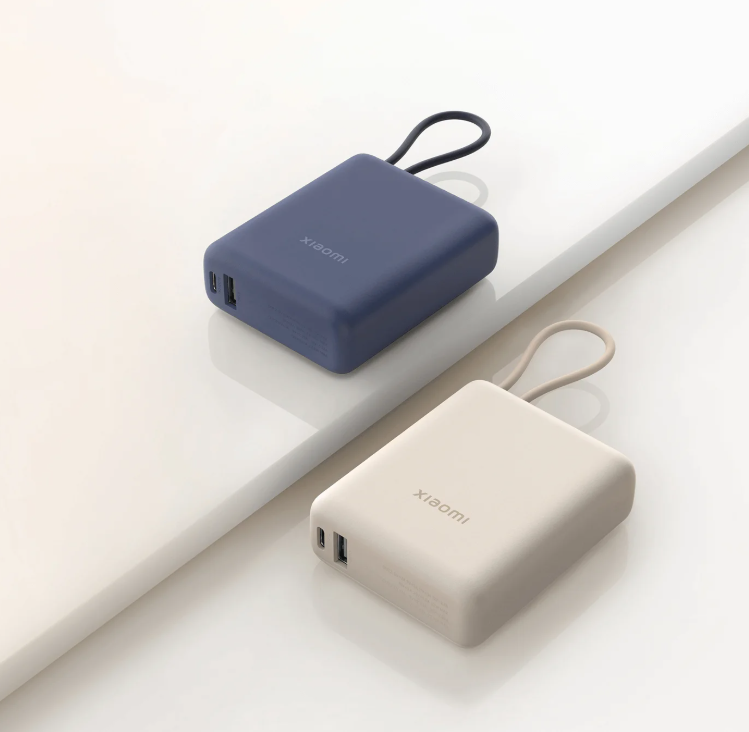
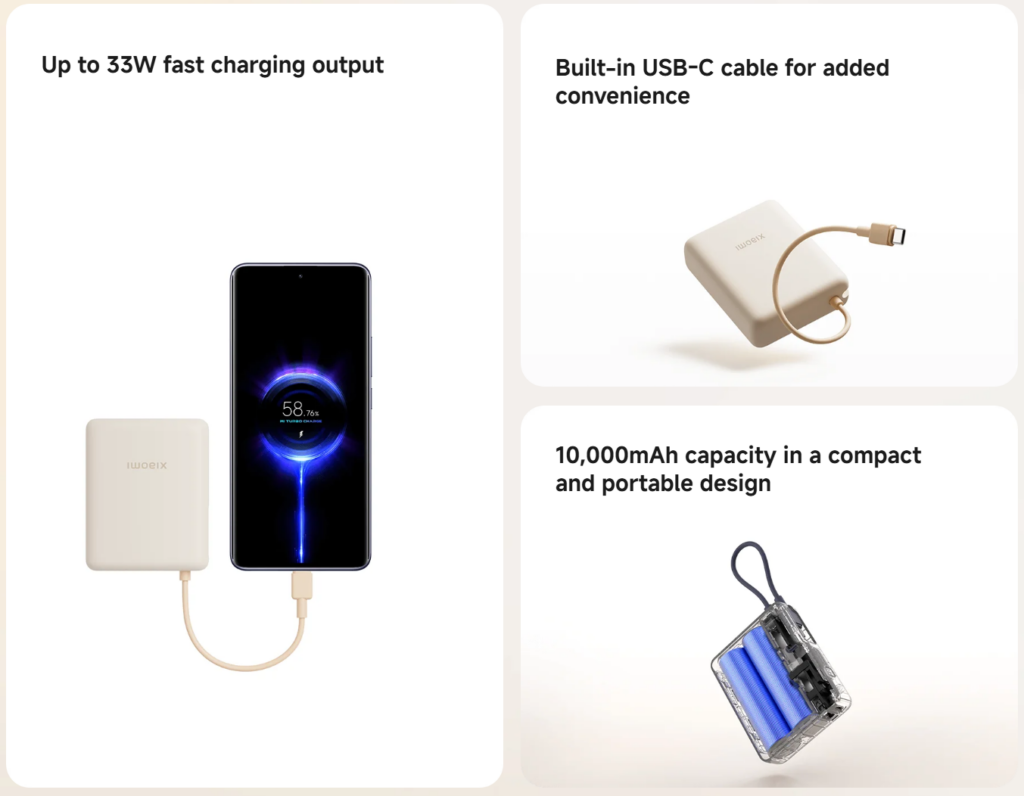
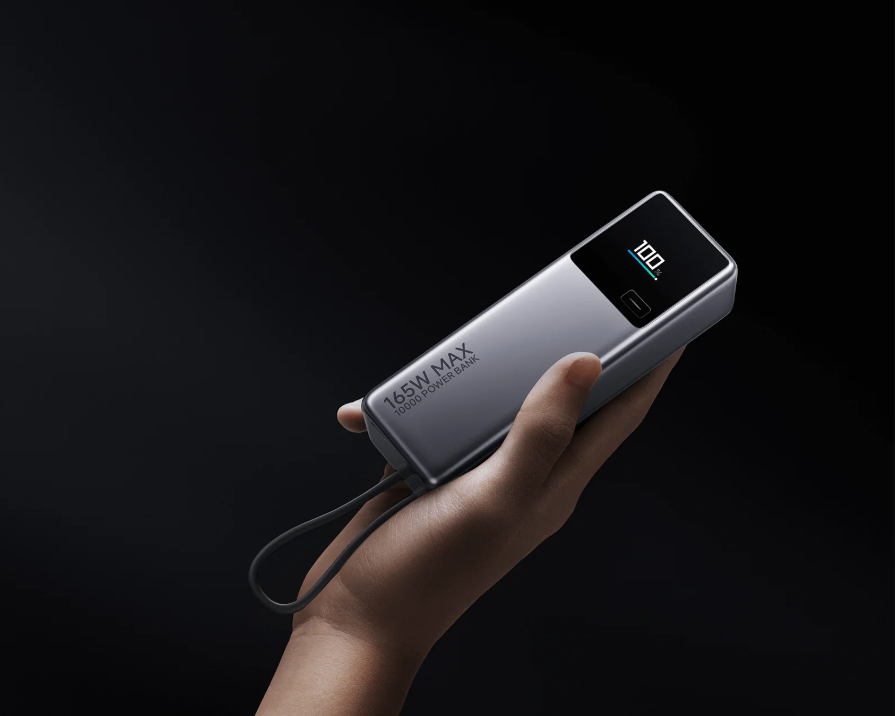
Xiaomi has launched two new power banks, the Xiaomi 33W Power Bank 10000 and the Xiaomi 165W Power Bank 10000. These power banks, with their compact and functional designs, cater to different charging requirements.
Xiaomi 33W Power Bank 10000
The Xiaomi 33W Power Bank is a portable option, weighing 210g. It includes an integrated USB-C cable and supports 33W fast charging. Key features are:
One USB-C port for 33W fast charging.
A USB-A port with power allocation up to 22.5W.
Dual 5000mAh battery cells and smart identification technology to optimize current output.
This power bank is priced at 24.9 Euros (~$25) and is suitable for air travel.
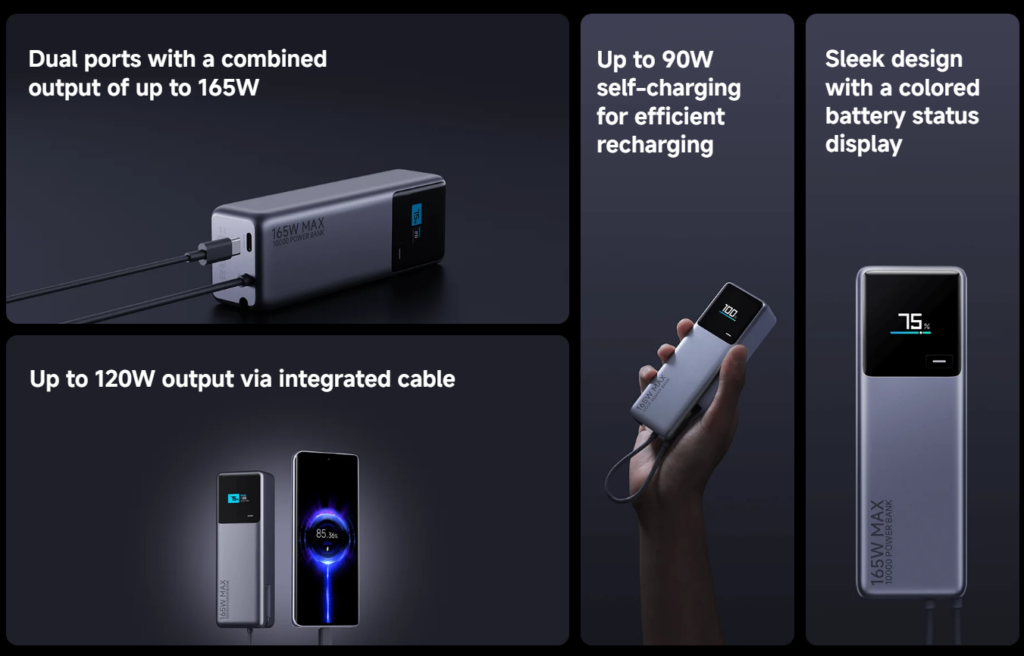
Xiaomi 165W Power Bank 10000
The Xiaomi 165W Power Bank is designed for faster charging and higher output. It offers:
Integrated USB-C cable with a 120W output.
Dual USB-C ports provide a combined output of 165W.
Ability to charge two devices simultaneously at 120W and 45W.
90W self-charging, achieving 75% charge in 15 minutes and a full charge in 35 minutes.
It weighs 318g and measures 143 x 48 x 36mm, with a capacity of 10,000mAh (four 2500mAh cells) and a display indicating battery status. It is priced at 49.9 Euros (~$51).
Availability
Both power banks are available in select markets in Europe and Asia. Their practical designs and range of features make them versatile options for charging on the go.
In other news, Xiaomi has also introduced the Redmi Buds 6 and Buds 6 Pro globally. The Redmi Buds 6 features a dual-driver system for clear audio, ANC reducing noise by up to 49 dB, and up to 42 hours of playback with the case. The Redmi Buds 6 Pro includes a triple-driver setup for premium sound, ANC reducing noise by up to 55 dB, support for hi-res codecs like LDAC, dimensional audio with head tracking, and a 36-hour total battery life.
Samsung has just made it easier for Galaxy users in South Korea to sell their old phones. The company is introducing a new initiative called “Galaxy Easy Compensation,” allowing users to sell their old Galaxy devices directly through Samsung’s official website.
Representative image of ‘Galaxy Easy Compensation’
What’s even better? There’s no need to buy a new Galaxy device as part of the process. So, they will be able to switch to a different brand, after selling their old phone directly to Samsung. The program officially kicks off on January 14.
A hassle-free way to make the most out of your old Galaxy phone
With “Galaxy Easy Compensation,” Samsung is redefining what users do with their old phones. Here’s how it works: users can head to Samsung’s official website to check the estimated resale value of their eligible Galaxy devices.
If satisfied with the price, they can send their phones to Samsung via courier for evaluation. After inspection, Samsung will categorize the device into three conditions: “Excellent,” “Good,” and “Recycle,” based on the condition.
After that, the user will receive the appropriate compensation. As of now, the following Galaxy S series and Z series phones are eligible for the program:
Galaxy S20 series: S20, S20+, S20 Ultra
Galaxy S21 series: S21, S21+, S21 Ultra
Galaxy S22 series: S22, S22+, S22 Ultra
Galaxy S23 series: S23, S23+, S23 Ultra
Galaxy Z Flip series: Z Flip 3, Z Flip 4, Z Flip 5
Galaxy Z Fold series: Z Fold 3, Z Fold 4, Z Fold 5
What’s Missing?
Interestingly, Samsung’s latest flagship models, like the Galaxy S24 series and latest foldables, are excluded from the program. This could be Samsung’s way of emphasizing the value and relevance of its newest offerings. Additionally, more affordable Galaxy A and M series devices, as well as Galaxy tablets, laptops, and smartwatches, are not yet part of the initiative.
However, Samsung’s VP, Jeong Ho-jin, has hinted at plans to expand the program beyond South Korea in near future, although, no timeline or specific countries have been announced yet. Nonetheless, this move definitely enhances the long-term value of Galaxy products.
Baseus has launched its latest TWS earbuds called “BD1” in the Chinese market. The earbuds are priced at 109 yuan ($15) and are now listed on JD.com. Let’s check out its key specs.
Baseus BD1 TWS Specifications
The BD1 earbuds sport a lightweight, bean-shaped design, weighing only 3.8g per earbud. The compact charging case and earbuds are ergonomically crafted for a snug fit, ensuring comfort during prolonged use without causing discomfort or ear fatigue.
The earbuds feature a dopamine-inspired jelly-like finish in vibrant colors like Starry White, Interstellar Black, Starlight Purple, and Ocean Blue. Their sleek design is enhanced by durable ABS and PC materials, combining style with functionality.
The BD1 features an 8.6mm magnetic driver with a PEEK+PU composite diaphragm for exceptional sound clarity, deep bass, and crisp highs. It also includes AI-powered dual-mic noise cancellation for clear call quality in noisy settings.
The BD1 features Bluetooth 5.4 for stable connections and enhanced performance, along with a 60ms low-latency mode for seamless audio-visual synchronization, perfect for gaming and videos. It also includes smart dual-connect feature for effortless switching between two devices.
The earbuds provide up to 8 hours of playback on a single charge, extending to 35 hours with the charging case. It also offers fast charging, delivering 2 hours of playback with just 10 minutes of charging for uninterrupted use.
These earbuds sport an IP55 dust and sweat resistance rating, making them suitable for outdoor activities and intense workouts. They come equipped with advanced app integration through the Baseus app, which allows for real-time battery monitoring, customizable touch controls, and a “Find My Earbuds” feature. The app also enables firmware updates via OTA, ensuring the earbuds remain optimized over time.
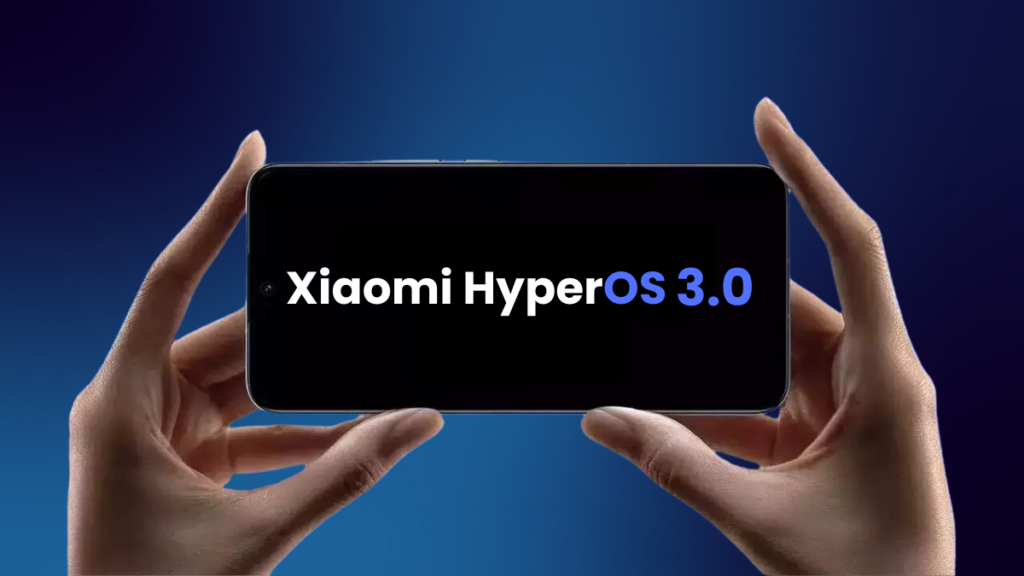
While the HyperOS 2 rollout is incomplete, Xiaomi may have already started working on the next big upgrade, HyperOS 3.0. This should be based on Android 16. We can expect performance upgrades, design tweaks, a more powerful Xiaomi ecosystem, AI enhancements, and a lot more improvements and new features.
The upcoming HyperOS 3 update could be released sooner than last year as Android 16 is making quick progress. So, you would want to ensure that your Xiaomi device is eligible for the next major upgrade. XiaomiTime has created the following list of Xiaomi phones and tablets that are likely to get the HyperOS 3.0 update.
Xiaomi HyperOS 3 eligible devices
Xiaomi devices
[Xiaomi 15 Series]
Xiaomi 15
Xiaomi 15 Pro
Xiaomi 15 Ultra
[Xiaomi 14 series]
Xiaomi 14
Xiaomi 14 Pro
Xiaomi 14 Ultra
[Xiaomi 13 series]
Xiaomi 13
Xiaomi 13 Pro
Xiaomi 13 Lite
[Xiaomi 12 series]
Xiaomi 12
Xiaomi 12 5G
Xiaomi 12 Pro
Xiaomi 12 Pro (Dimensity)
Xiaomi 12 Lite
Xiaomi 12 Lite NE
Xiaomi 12T
Xiaomi 12T Pro
Xiaomi 12S
Xiaomi 12S Pro
Xiaomi 12S Ultra
Redmi devices
[Redmi Note series]
Redmi Note 14 (4G/5G)
Redmi Note 14 Pro (4G/5G)
Redmi Note 14 Pro+ (4G/5G)
Redmi Note 13 (4G/5G)
Redmi Note 13 Pro (4G/5G)
Redmi Note 13 Pro+
Redmi Note 13R
Redmi Note 13R Pro
Redmi Note 12 4G
Redmi Note 12 4G NFC
Redmi Note 12S
Redmi Note 12 Turbo
Redmi Note 12T Pro
[Redmi number series]
Redmi 12
Redmi 13
Redmi 13C
Redmi 14C
Redmi 14C 5G
[Redmi A series]
Redmi A3 Pro
Redmi A4 5G
[Redmi K series]
Redmi K80
Redmi K80 Pro
Redmi K70
Redmi K70 Pro
Redmi K70 Ultra
Redmi K70E
Redmi K60
Redmi K60 Pro
Redmi K60 Ultra
Redmi K60E
Redmi K50 Ultra
[Redmi Turbo series]
Redmi Turbo 4
Redmi Turbo 3
Poco devices
[Poco F series]
Poco F7
Poco F7 Pro
Poco F7 Ultra
Poco F6
Poco F6 Pro
Poco F5
Poco F5 Pro
[Poco X series]
Poco X7
Poco X7 Pro
Poco X7 Pro (Iron Man edition)
Poco X6 5G
Poco X6 Pro 5G
[Poco M series]
Poco M7 Pro 5G
Poco M6 Pro (4G/5G)
Poco M6 (4G/5G)
[Poco C series]
Poco C75 (4G/5G)
Poco C65
[Xiaomi MIX and foldables]
Xiaomi Mix Fold 4
Xiaomi Mix Fold 3
Xiaomi Mix Fold 2
Xiaomi Mix Flip
Xiaomi Mix Flip 2
[Xiaomi and Redmi tablets]
Xiaomi Pad 7
Xiaomi Pad 7 Pro
Xiaomi Pad 6S Pro
Xiaomi Pad 6 Pro
Redmi Pad SE
Redmi Pad Pro
Redmi Pad SE 8.7
Redmi Pad Pro 5G
This is an initial list of Xiaomi devices likely to get the HyperOS 3.0 update. The official list may be slightly different from this one. So, if yours is not on the list, wait for the official list to come out.
The Android 15-based HyperOS 2.0 rollout kicked off in October and is still being rolled out to eligible devices. However, the next version, HyperOS 3.0, will be released much quicker, thanks to speedier Android 16 development.
Google has already released the first Android 16 developer preview, with the second scheduled for this month. According to the official release timeline, there’ll be a few public betas until March, and then Android 16 will enter the platform stability phase.
Google hasn’t shared the release date yet. However, leaks suggest that Android 16 will be released in early June. Last year, Android 15 was released in October. So, the new OS is coming way too early, and other brands, including Xiaomi, will also gear up to bring the Android 16-based HyperOS software as soon as possible.
While we don’t have the HyperOS 3.0 release date yet, we can definitely make a calculated assumption. Xiaomi usually releases the new version of HyperOS in the same month as the Android OS release. Take HyperOS 2.0, for example; it was released on October 29, a week after the Android 15 release. So, if everything goes the same way, HyperOS 3.0 should be released in June 2025.
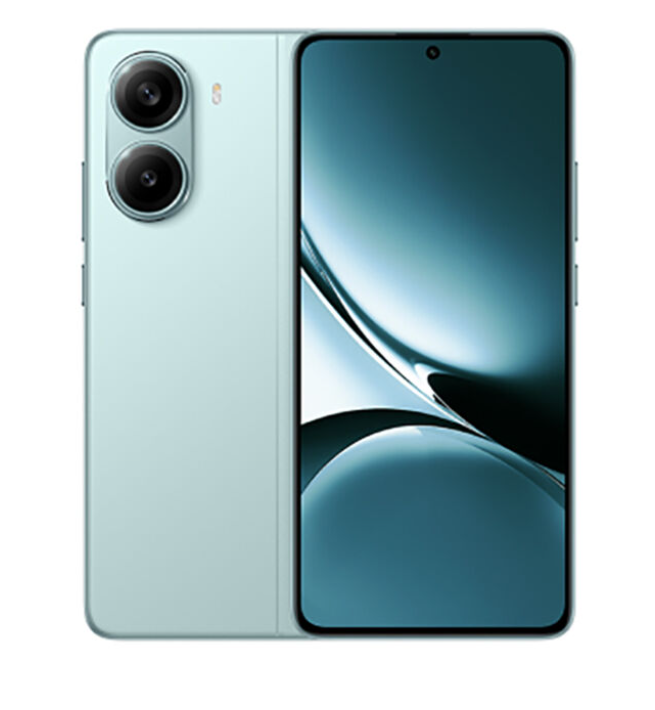
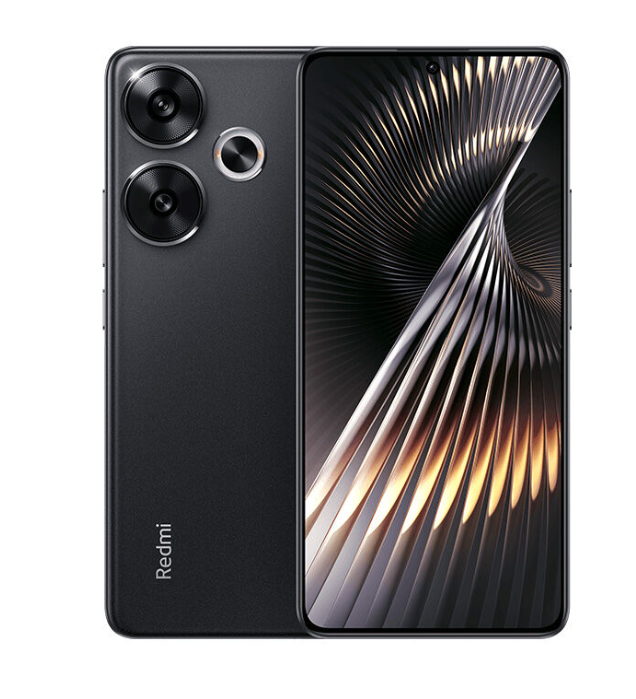
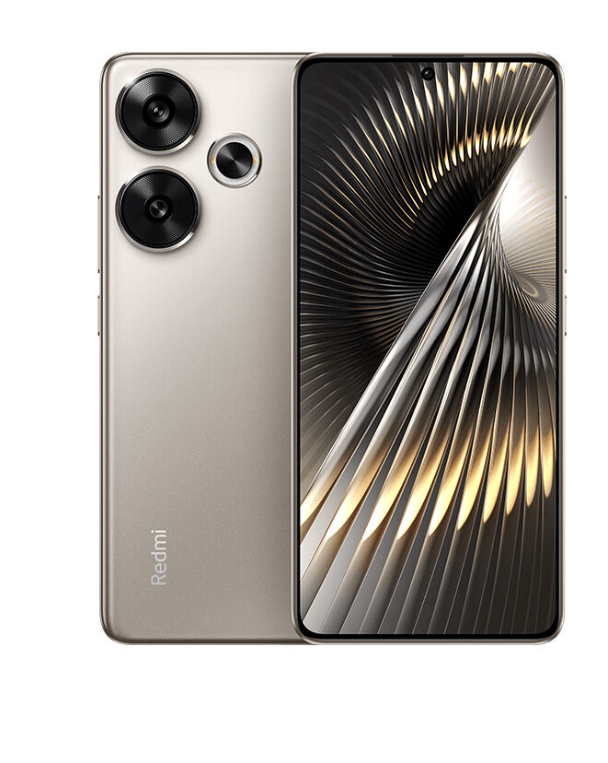
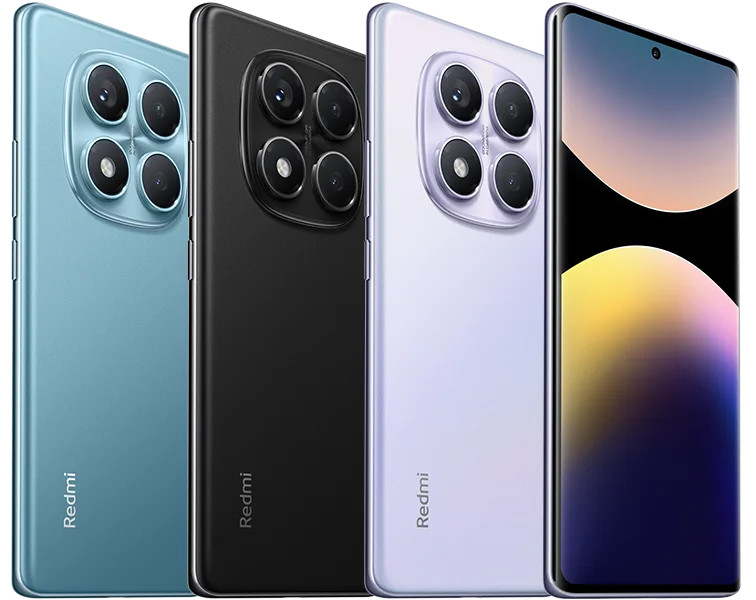
Redmi Turbo 4 and Turbo 3 are two standout options in the mid-range smartphone market, each with its strengths. As newer models often bring subtle yet impactful upgrades, comparing these two helps you understand what truly matters, be it durability, performance, or features. This guide dives into the key differences to help you make an informed choice based on your priorities.
The Redmi Turbo 4 and Turbo 3 share a sleek, modern design, but the materials set them apart. The Turbo 4 features a Gorilla Glass Victus front, plastic frame, and plastic back, striking a balance between durability and a lightweight build. It also has an IP68 rating, offering superior dust and water resistance, making it better suited for outdoor use compared to the Turbo 3’s IP64 rating. Both phones feature 6.67-inch AMOLED displays with a 120Hz refresh rate and vibrant color accuracy. However, the Turbo 4’s peak brightness of 3200 nits surpasses the Turbo 3’s 2400 nits, ensuring excellent visibility even under harsh sunlight.
The Turbo 4’s improved durability and higher brightness make it a better choice for users who value ruggedness and outdoor usability. However, both models deliver immersive display experiences.
2. Specifications
Redmi Turbo 3
The Turbo 4 is powered by the MediaTek Dimensity 8400 Ultra chipset, delivering faster clock speeds and improved multitasking compared to the Snapdragon 8s Gen 3 in the Turbo 3. Both devices offer UFS 4.0 storage for faster data transfer speeds, with configurations up to 16GB RAM. Additionally, the Turbo 4 matches the Turbo 3 with a maximum of 1TB storage, ensuring ample space for data-intensive users. The Turbo 4’s 6550mAh Si/C battery offers significantly more capacity than the Turbo 3’s 5000mAh Li-Po battery. Both phones support 90W fast charging, ensuring quick top-ups.
The Turbo 4’s larger battery and efficient performance make it a superior option for heavy users, while its equivalent storage and RAM options provide parity with the Turbo 3 for those needing extensive capacity.
3. Camera
Redmi Turbo 4
Both devices feature a dual-camera setup, with a 50MP primary sensor and an 8MP ultrawide. The Turbo 4 has a wider aperture (f/1.5) for better low-light photography, while the Turbo 3 uses f/1.6. The Turbo 4 also records 4K at up to 60fps with enhanced gyro-EIS stability, while the Turbo 3 offers HDR support for selfies.
The Turbo 4 edges ahead for videographers and low-light enthusiasts, though the Turbo 3 still excels in balanced photography performance.
4. Pricing
Redmi Turbo 3
The Redmi Turbo 4 is priced at approximately $295, slightly higher than the Turbo 3’s $280. This price difference reflects the Turbo 4’s superior battery, brightness, and ruggedness.
The small price increase for the Turbo 4 feels justified, given the upgrades in durability and performance.
Redmi Turbo 4’s standout features include an IP68 rating, brighter display, larger battery, and better low-light camera performance. It also offers up to 1TB of storage and 16GB RAM, ensuring ample capacity for power users.
For those seeking a durable, high-performance smartphone with extended battery life and massive storage options, the Turbo 4 is the clear winner.
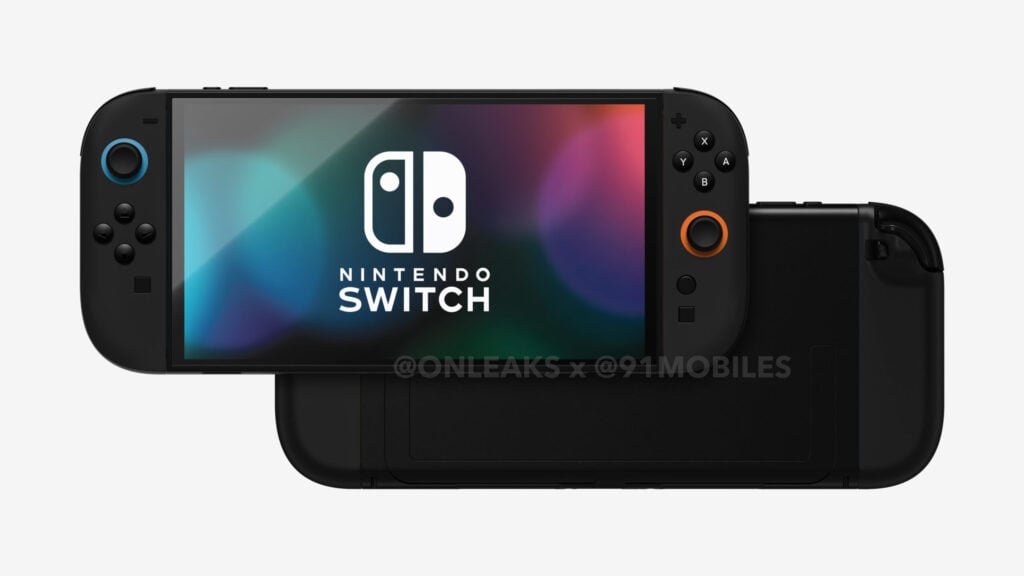
We are getting closer to the Nintendo Switch successor. Nintendo has long been rumored to be working on the Nintendo Switch 2 with recent reports and leaks hinting at its imminent launch. So now, here’s a round up of everything we know about this upcoming handheld gaming console.
Just earlier this week, the Nintendo Switch 2 had its complete design revealed via a fresh render leak. The 360 degree renders reveal a bid display flanked by Joy Con controllers. These controllers are detachable just like their predecessors. The Joy-Cons retain the same layout as well, featuring the ‘+’ and ‘-‘ buttons, D-Pad, and sticks.
The Nintendo Switch 2 features a power button on the top, while the volume rockers are on the right and game card slot is situated on the left. There is also a 3.5mm headphone jack along with a USB Type C port for charging. The console also arrives with a central dock with guide pins on both sides and has two speaker openings. The back of the device has a ‘U’ kickstand, which is an improvement over the Switch OLED’s kickstand.
2. A Bigger Display
According to recent leaks, the Nintendo Switch 2 will sport a new and improved display on the front. It may feature a taller 8.4-inch display. To recall, the current Switch OLED has a 7-inch screen, while the standard Switch comes in at 6.2 inches. A larger screen would likely enhance the gaming experience, although it may include an LCD screen over an OLED panel but with a higher resolution.
3. Improved Performance
We already know that Nintendo is planning a sizeable performance uplift with the Nintendo Switch 2. The original Switch has been running games in lower resolution and was announced with outdated specs even during launch.
But the successor could be getting a notable performance upgrade, which might have it nearly match the PS4 or Xbox One. This new chipset could possibly outperform even the Steam Deck and might offer 12GB of RAM alongside higher storage capacity.
4. Launch Timeline & Rumored Pricing
Recent reports have hinted that Nintendo is already in the final stages of development for the Switch 2. Furthermore, the highly anticipated console could release in early 2025. While the exact launch date is still at large, there are chances of it being unveiled in March or April of this year.
The pricing details of the Nintendo Switch 2 are still at large, but there are estimates of the console possibly launching for around €400 or €500. This would make it more expensive than the original Switch, but still more affordable than current gen consoles.
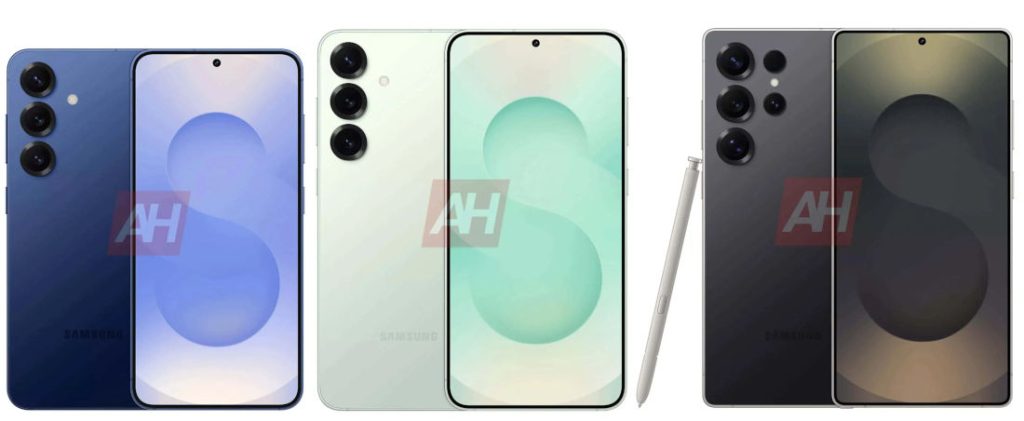
Samsung is nearing the release of the highly anticipated Galaxy S25 series of flagship smartphones. These devices are set to release next week, but ahead of the official announcement, a fresh leak has revealed the press renders of the upcoming premium phones. So let’s check them out.
Samsung Galaxy S25 Series Press Renders in Full Display
The South Korean tech giant’s upcoming Galaxy S25, Galaxy S25+, and Galaxy S25 Ultra were spotted in fresh leaks. AndroidHeadlines shared this press render leak. Looking at the image, we can see that the Galaxy S25 lineup isn’t bringing any major redesign over its predecessor. But there are some slight improvements overall. The bezels on the front seem more slimmer with the overall weight reportedly being reduced as well.
Notably, Samsung is also working on a Galaxy S25 Slim, which features an ultra thin body. A recent leak even revealed the pricing of the Galaxy S25 series, which reportedly starts from $999 for the Galaxy S25. Meanwhile, the Galaxy S25+ and Galaxy S25 Ultra may cost around $1,169 and $1,449 respectively. Keep in mind that this pricing is for the Vietnamese market, so the global pricing is likely different.
ASUS launched the Zenfone 11 Ultra back in March last year. The successor, the Zenfone 12 Ultra, appeared in the IMEI database back in Q3 last year. Finally, the brand has confirmed the launch date of the device, and its February 6th at 14:30 (GMT+8), a month earlier than its predecessor.
Zenfone 12 Ultra to use AI for improved imaging experience
“Zenfone 12 Ultra unlocks the power of AI” the company notes in its teaser and also reveals that one of the aspects of the phone that benefits from the addition is photography. It will be interesting to see how much of an improvement is there as compared to the predecessor.
The teaser image shared by the brand also hints at 4K video recording capabilities and a possible focus-tracking feature for videos. Not to mention, it hints at significant addition of new features and an overall improvement in image quality.
The company has shifted away from the compact Zenfone design starting last year. It’s clear that the brand is embracing larger, more feature-packed devices moving forward. While specific details about the Zenfone 12 Ultra remain under wraps, the company is expected to share more teasers leading up to the launch event.
What else to expect?
For those looking for hints, it’s worth recalling the Zenfone 11 Ultra, which was essentially a slightly rebranded version of the ROG Phone 8. If ASUS follows a similar strategy this time, the Zenfone 12 Ultra could share much of its DNA with the ROG Phone 9, which was unveiled last November.
The ROG Phone 9 is powered by the Snapdragon 8 Elite chipset chip, which is paired with up to 24GB of RAM and a massive 1TB of storage, making it a beast in terms of performance. It remains to be seen if ASUS will carry over these specifications or offer something different with the Zenfone 12 Ultra.
Unfortunately, the Zenfone 11 Ultra didn’t make its way to the Indian market, though the ROG Phone 8 Pro did debut with a starting price of Rs 94,999. Whether the Zenfone 12 Ultra will follow a similar path remains unclear.
Xiaomi has just debuted its popular Redmi Note 14 series in the global market. The Redmi Note 14 Pro series launched in India a month ago, and now, the base Note 14 and Note 14 Pro have been released in select markets in Europe and Asia. So read on to find out its price and specs.
Redmi Note 14 & Note 14 Pro Specs
The Redmi Note 14 series includes a pair of mid-range smartphones that offer great specs for their pricing. However, these global models are not the same as the versions that launched in India and China. Xiaomi’s higher-end Redmi Note 14 Pro model sports a 6.67-inch curved AMOLED display with a 120Hz refresh rate, FHD+ resolution, 1800 nits of peak brightness, PWM dimming, and Gorilla Glass Victus 2 for protection.
Redmi Note 14 Pro Global Model
Under the hood, it is equipped with the MediaTek Dimensity 6100 Ultra SoC, unlike the Dimensity 7300 Ultra in India. Even the camera setup is different with the rear featuring a 200MP triple camera setup. Although, it is also powered by a 5,500mAh battery pack with 45W wired fast charging.
Similarly, the base Redmi Note 14 is also slightly different. The front sports a 6.67-inch FHD+ AMOLED display with a 120Hz refresh rate, PWM dimming, and 1800 nits of peak brightness. But it is equipped with the MediaTek Helio G99 Ultra SoC. To recall, the Redmi Note 14 was launched in China with the Dimehnsity 7025 Ultra SoC. For photography, the smartphone features a 108MP dual camera setup. Interestingly, the Redmi Note 14 global version has a 5,500mAh battery pack that is larger than the 5110mAh cell on the Chinese variant.
Pricing & Availability
The Redmi Note 14 arrives in four color options, namely Mist Purple, Midnight Black, Ocean Blue, and Lime Green. It has a starting price tag of 199 US Dollars. Meanwhile, the Redmi Note 14 Pro was announced in Aurora Purple, Ocean Blue, and Midnight Black and is selling for a 299 US Dollar starting price. It is already rolling out in a few regions in Europe and Asia.
MediaTek’s Dimensity 8400 Ultra was announced in December 2024 as the world’s first all big core chip for the upper mid-range smartphone segment. It’s a powerful chip that brings strong multi-core performance and stands tough against premium chips like the Snapdragon 8s Gen 3. We’ve compared the two chipsets in this article.
All big core CPU design serves the higher performance needs of users than other chipsets. This is not the first of its kind chip from MediaTek. The flagship Dimensity 9400 also features all big CPU cores, and now it’s time for the mid-range segment.
Let’s look at the Dimensity 8400 Ultra’s performance on popular benchmarking tools, including AnTuTu and Geekbench.
MediaTek Dimensity 8400 Ultra Benchmarks
[Note: We performed these benchmark tests on the Poco X7 Pro. Results may vary slightly from device to device because of software optimizations, cooling systems, etc.]
Dimensity 8400 Ultra AnTuTu score
AnTuTu is a popular benchmarking tool to assess different aspects of a device, such as CPU, GPU, memory, and UX performance. The AnTuTu score represents the addition of all values.
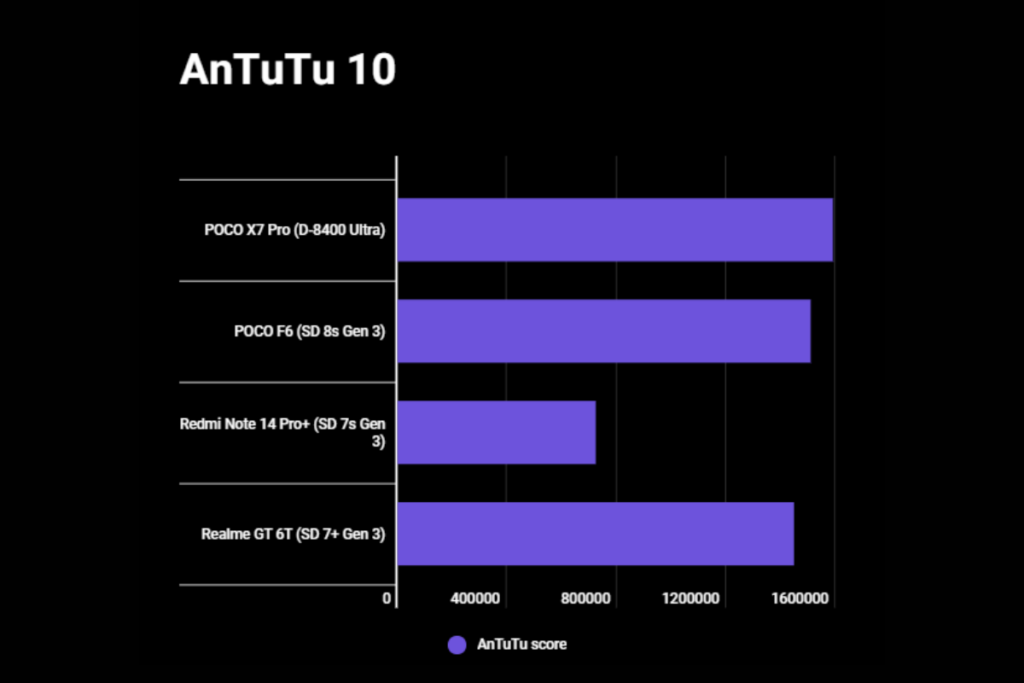
On AnTuTu v10, the Dimensity 8400 Ultra has scored 1,590,202 AnTuTu points. That’s an impressive score for a mid-range chipset.
The Dimensity 8400 Ultra beats the popular Snapdragon 7+ Gen 3 chipset and even the flagship Snapdragon 8s Gen 3. The data looks impressive.
AnTuTu score
Poco X7 Pro (D-8400 Ultra)
1,590,202
Poco F6 (SD 8s Gen 3)
1,509,243
Redmi Note 14 Pro+ (SD 7s Gen 3)
725,812
Realme GT 6T (SD 7+ Gen 3)
1,448,726
Here’s the breakdown of Dimensity 8400 Ultra AnTutu score:
Total AnTuTu score: 1,590,202
CPU: 370,994
GPU: 567,384
Memory: 329,331
UX: 322,493
Geekbench score
Geekbench evaluates a device’s performance through a series of tests designed around practical scenarios. The tests include image processing, compression (text & image), speech recognition, PDF rendering, and more.
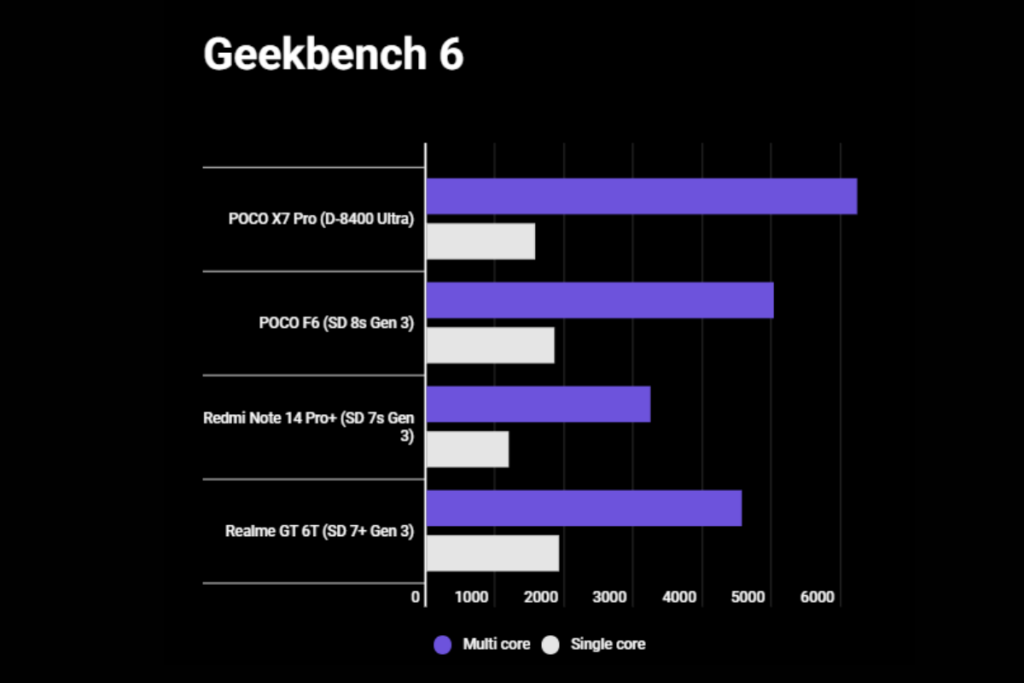
On Geekbench v6, the Dimensity 8400 Ultra gets 1,579 single-core points, which is pretty average among mid-range chipsets, but the score significantly jumps to 6,238 in the multi-core test, and that’s because of all big CPU cores.
Single core
Multi core
Poco X7 Pro (D-8400 Ultra)
1,579
6,238
Poco F6 (SD 8s Gen 3)
1,857
5,034
Redmi Note 14 Pro+ (SD 7s Gen 3)
1,193
3,234
Realme GT 6T (SD 7+ Gen 3)
1,924
4,571
While the Dimensity 8400 Ultra’s single-core performance is just like any of its competitors, the multi-core performance makes a real difference, where the Dimensity 8400 Ultra takes a good lead.
3D Mark WildLife Extreme Stress Test
3D Mark is a popular benchmark tool to test the gaming performance of a device/chip. The WildLife Extreme Stress test evaluates the performance under sustained heavy loads.
Overall score
Poco X7 Pro (D-8400 Ultra)
4,086
Poco F6 (SD 8s Gen 3)
2,823
Redmi Note 14 Pro+ (SD 7s Gen 3)
3,087
Realme GT 6T (SD 7+ Gen 3)
2,737
Here, the Poco X7 Pro rocking the Dimensity 8400 Ultra did a better job than its peers, suggesting strong GPU performance. So, you’ll most likely have a better gaming experience with the Dimensity 8400 Ultra than most mid-range chips. However, that also depends on software optimizations, cooling techniques, and more.
MediaTek Dimensity 8400 Ultra spec sheet
Announced
December 2024
Process node
4nm
Manufacturer
TSMC
Cores
8
CPU architecture
1 x Cortex-A725 — 3.25 GHz 3 x Cortex-A725 — 3 GHz 4 x Cortex-A725 — 2.1 GHz
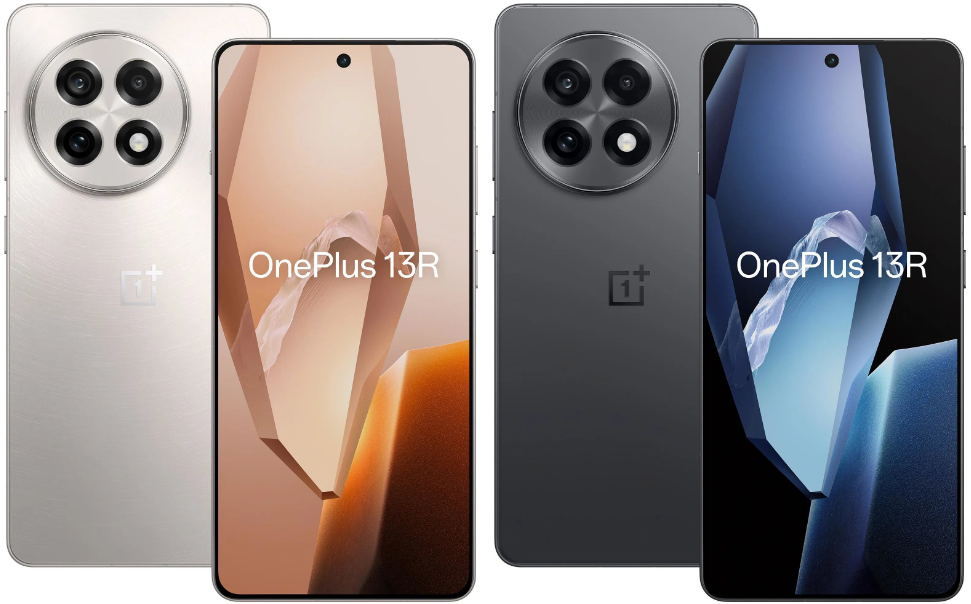
OnePlus launched the OnePlus 13R last week, positioning it in the Rs 40,000 to Rs 50,000 price segment in India. The 13R addresses some of the limitations of its predecessor, the OnePlus 12R, with notable improvements such as the addition of a telephoto camera and a larger 6,000mAh battery.
OnePlus 13R
The OnePlus 13R is available in two variants in India: 12GB + 256GB priced at Rs 42,998, and 16GB + 512GB priced at Rs 49,998. Here’s a detailed comparison of the best alternatives to the OnePlus 13R, offering similar or even superior specifications in areas like performance, camera quality, and pricing.
Starting with the Realme GT 6, this device is currently available in two configurations on Flipkart: 12GB RAM with 256GB storage for Rs 34,999 and 16GB RAM with 512GB storage for Rs 38,999. The Realme GT 6 is powered by the Snapdragon 8s Gen 3, offering excellent performance for gaming and multitasking. Its AMOLED display with a 120Hz refresh rate ensures that visuals are smooth and vibrant.
The camera system, equipped with a 50-megapixel primary sensor, delivers crisp images and is complemented by an 8-megapixel ultra-wide and versatile telephoto lens. With its curved screen design and a robust 5,500mAh battery supporting 120W fast charging, the Realme GT 6 stands out for those seeking a blend of performance and style without breaking the bank.
Please Note: When you buy something using the links in our articles, we may earn a small commission at no cost to you.
2. iQOO 12
iQOO 12
Next up is the iQOO 12, available on Amazon with options of 12GB RAM + 256GB storage for Rs 45,999 and 16GB RAM + 512GB storage for Rs 50,999. This phone leverages the power of the Snapdragon 8 Gen 3, offering a significant boost in raw processing power compared to some competitors.
The iQOO 12 features a 6.78-inch AMOLED display with a 120Hz refresh rate, making it a treat for the eyes. Its camera setup includes a 50-megapixel primary sensor, a 50-megapixel ultra-wide, and a 64-megapixel telephoto lens, ensuring you can capture moments in high detail from various perspectives. With a 5,000mAh battery and 120W fast charging, this device is designed for those who need their phone to last through a busy day.
Please Note: When you buy something using the links in our articles, we may earn a small commission at no cost to you.
3. Xiaomi 14 Civi
Xiaomi 14 Civi
The Xiaomi 14 Civi, available on Flipkart, offers two variants: 8GB RAM + 256GB storage for Rs 39,999 and 12GB RAM + 512GB storage for Rs 44,999. This device is a gem for photography enthusiasts, featuring a Leica-tuned triple camera setup that includes a 50-megapixel primary sensor. For selfies, it has a dual 32-megapixel front camera setup.
The design of the Xiaomi 14 Civi is sleek, with a slim profile and a curved display that adds to its aesthetic appeal. Performance is handled by the Snapdragon 8s Gen 3, ensuring you won’t feel shortchanged in terms of speed. With a 4,700mAh battery and 67W fast charging, it manages to provide all-day power, although it’s slightly less capacious compared to some competitors.
Please Note: When you buy something using the links in our articles, we may earn a small commission at no cost to you.
4. Xiaomi 14
Xiaomi 14
For those looking for a compact yet powerful option, the Xiaomi 14 at 12GB RAM + 512GB storage for Rs 49,998 on Amazon is worth considering. This model steps up with the Snapdragon 8 Gen 3, offering top-tier performance.
The camera system is similar to the Civi but with some enhancements, including better low-light performance. Its 6.36-inch AMOLED screen with a 120Hz refresh rate provides a vivid viewing experience in a more manageable size. Battery life is supported by a 4,610mAh battery with 90W fast charging, ensuring quick recharge times.
5. Motorola Edge 50 Ultra
Motorola Edge 50 Ultra
Lastly, the Motorola Edge 50 Ultra, priced at Rs 49,999 for 12GB RAM and 512GB storage on Flipkart, brings a unique blend of features. It’s powered by the Snapdragon 8s Gen 3, matching the performance of its peers.
The Edge 50 Ultra boasts a 6.7-inch OLED display with a 144Hz refresh rate for an ultra-smooth experience. Its camera system is designed for versatility, with a 50-megapixel main sensor, a 50-megapixel ultra-wide, and a 64-megapixel periscope telephoto lens. Coupled with a 4,500mAh battery and 125W fast charging, this phone is perfect for users who value both aesthetics and functionality in their devices.
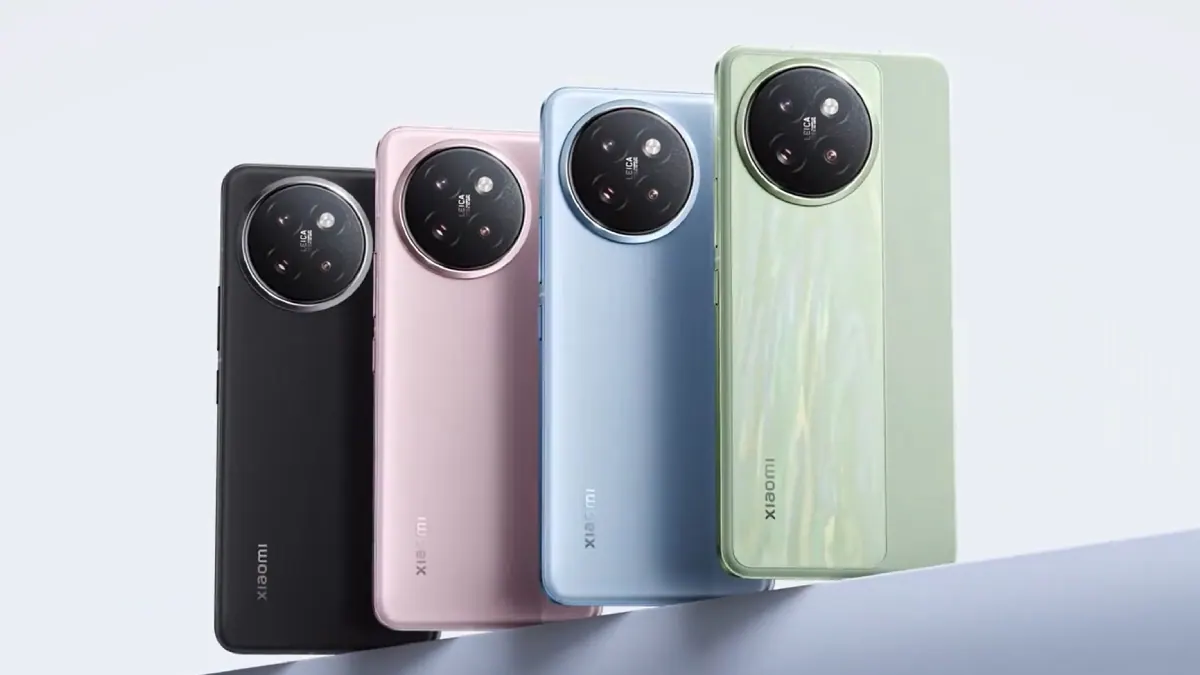
Honor is known for launching its number series of smartphones twice a year in China. In December 2024, the brand announced the Honor 300 lineup, which included the Honor 300, Honor 300 Pro, and Honor 300 Ultra. Likely, the brand will unveil the Honor 400 series in the first half of this year. A new leak by a Chinese tipster appears to have revealed initial details about the battery size and build of the Honor 400 series.
Honor 400 series battery size tipped
Honor 400 series leak
The above leak reveals that Honor has adopted a big battery strategy for its 2025 smartphones. Regarding the upcoming number series, which seems to be the Honor 400 series, the tipster hinted that it would feature a 7,000mAh+ battery and a metal frame for improved durability.
Likely, the Honor 400 series may launch in May 2025 and may comprise of three models, such as the Honor 400, 400 Pro, and 400 Ultra. Unfortunately, nothing else is known about the Honor 400 series.
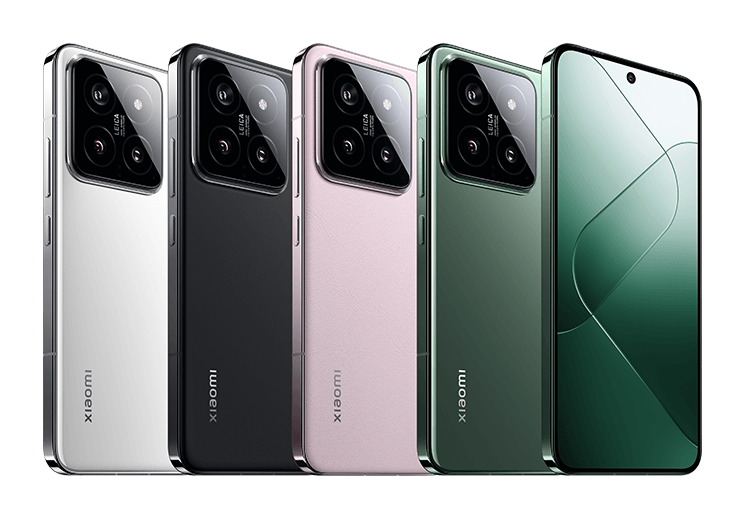
To recall, while the Honor 300 Ultra and 300 Pro have the Snapdragon 8 Gen 3, the Honor 300 features the Snapdragon 7 Gen 3. There’s a possibility that the upcoming Honor 400 Pro and 400 Ultra may feature the upcoming Snapdragon 8s Elite chip.
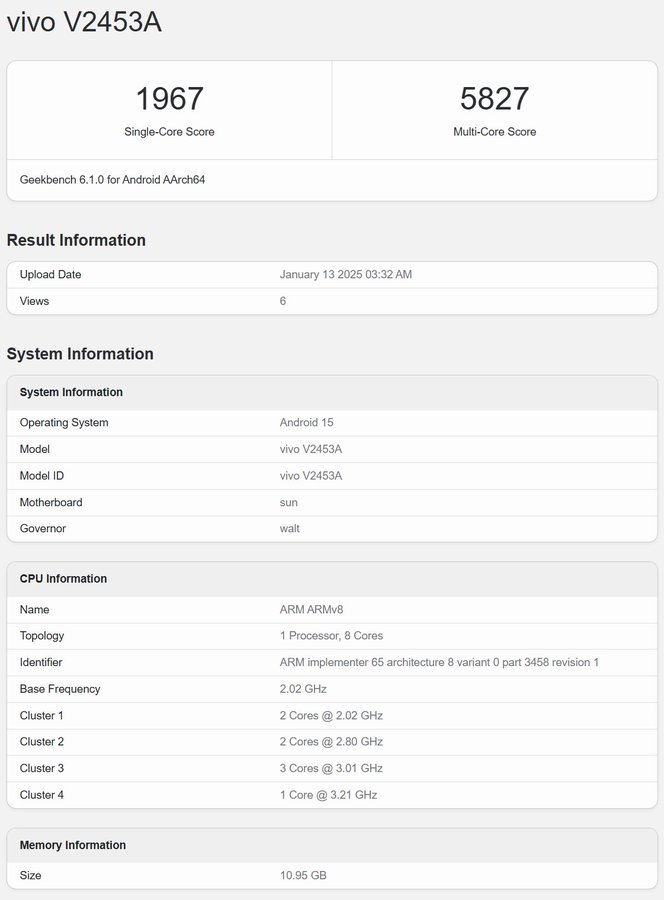
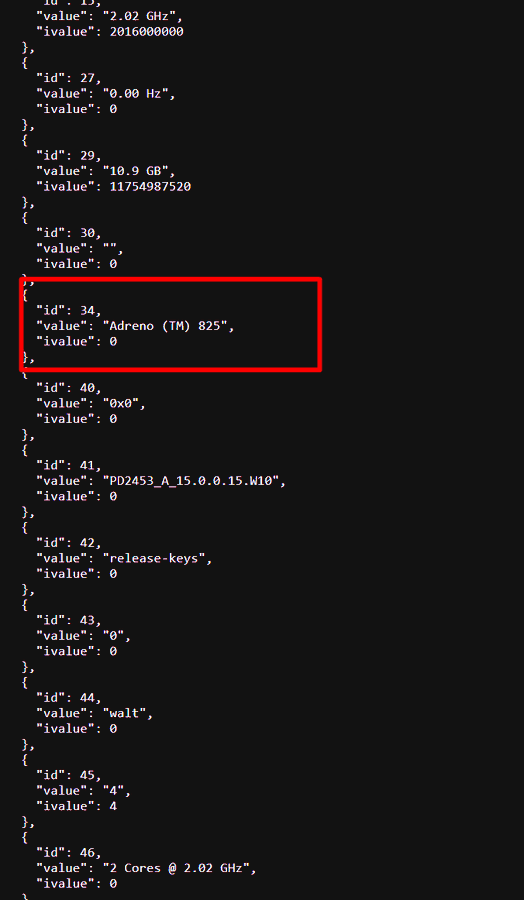
A recent Geekbench listing revealed that the configuration of the Snapdragon 8s Elite chip is as follows: 1 core at 3.21GHz, 3 cores at 3.01GHz, 2 cores at 2.80GHz, and 2 cores at 2.02GHz, paired with the Adreno 825 GPU. The said chip is expected to power other phones, such as the iQOO Z10 Turbo / Turbo Pro, Redmi Turbo 4 Pro, Poco F7, and Xiaomi Civi 5 Pro.
Qualcomm is reportedly working on the Snapdragon 8s Elite, a toned-down version of the Snapdragon 8 Elite chip. This new chip, which is expected to debut in Q2 2025, will succeed last year’s Snapdragon 8s Gen 3. The SD8sG3 powered the likes of Realme GT 6, Realme GT Neo 6 (China), Motorola Edge 50 Ultra, Poco F6, Xiaomi Civi 4 Pro, Civi 14 Pro, Redmi Turbo 3, Honor 200 Pro, and iQOO Z9 Turbo. It is speculated that the upcoming Snapdragon 8s Elite will power the successor edition of these smartphones. In a new development, a Vivo / iQOO phone featuring the unannounced chip has emerged in Geekbench’s database. The listing has revealed its CPU and GPU details.
As can be seen, a new Vivo / iQOO phone with the V2453A model number has emerged on Geekbench. The Qualcomm chip that powers the device has a 1+3+2+2 configuration with a prime CPU core working at 3.21GHz. It is accompanied by three CPU cores clocking at 3.01, two CPU cores working at 2.80GHz, and two CPU cores operating at 2.02GHz. For graphics, the chip is equipped with an Adreno 825 chip.
These details do not match with any of the existing Qualcomm chips, which indicates that it is an upcoming chip. According to tipster Digital Chat Station, it is the upcoming Snapdragon 8s Elite, which has the SM8735 part number. The tipster previously mentioned that the Snapdragon 8s Elite’s architecture would remain X4 + A720, featuring a 1+3+2+2 configuration, akin to the Snapdragon 8 Gen 3.
The Geekbench listing further reveals that the device runs on Android 15 and has 12 GB of RAM. While the identity of the phone is not known yet, it could be the iQOO Z0 Turbo or Turbo Pro, which is expected to debut as one of the first phones powered by the Snapdragon 8s Elite chip.
Apart from the Z10 Turbo, the Snapdragon 8s Elite is expected to power other phones, such as the Redmi Turbo 4 Pro, Poco F7, Xiaomi Civi 5 Pro, and a Realme flagship.
We use cookies on our website to give you the most relevant experience by remembering your preferences and repeat visits. By clicking “Accept”, you consent to the use of ALL the cookies.
This website uses cookies to improve your experience while you navigate through the website. Out of these, the cookies that are categorized as necessary are stored on your browser as they are essential for the working of basic functionalities of the website. We also use third-party cookies that help us analyze and understand how you use this website. These cookies will be stored in your browser only with your consent. You also have the option to opt-out of these cookies. But opting out of some of these cookies may affect your browsing experience.
Necessary cookies are absolutely essential for the website to function properly. This category only includes cookies that ensures basic functionalities and security features of the website. These cookies do not store any personal information.
Any cookies that may not be particularly necessary for the website to function and is used specifically to collect user personal data via analytics, ads, other embedded contents are termed as non-necessary cookies. It is mandatory to procure user consent prior to running these cookies on your website.