Advertisement

Lenovo Legion G7 gaming controller for smartphones & tablets launched: features Hall effect joysticks & analog triggers

Lenovo has officially launched the Legion Y700 tablet along with the Legion G7 gaming controller. The Legion G7, compatible with both smartphones and tablets, comes with a built-in USB-C plug for a direct connection and zero latency.

Lenovo Legion G7

Featuring Hall effect joysticks, the Legion G7 offers improved precision, durability, and minimized stick drift compared to traditional mechanical joysticks. It also has a replaceable faceplate, and its ABXY buttons can be customized via bundled software for broader game compatibility.

Lenovo Legion G7

The controller includes Hall effect analog triggers for a gaming experience similar to that of PC and consoles, as well as two customizable back buttons. It also supports passthrough charging via a built-in USB-C port and includes a 3.5mm audio jack.

Pricing & availability

The Lenovo Legion G7 is available for pre-order in China at CNY 499 ($71), with global availability yet to be confirmed.

In related news, Lenovo has launched its next-gen Legion Y700 (2024) gaming tablet, designed for gaming enthusiasts. It features an 8.8-inch display with a 2560 x 1600 resolution, 165Hz refresh rate, DCI-P3 color gamut, and 500 nits of brightness. Powered by the Snapdragon 8 Gen 3 processor with LPDDR5X RAM and UFS 4.0 storage, it ensures fast performance. The tablet includes a 10,004mm² vapor chamber for efficient cooling and supports a Super Control Dynamic screen to reduce glare and reflections.

(Source)

Redmi K70 Ultra with 24GB RAM & 1TB storage now on sale for $556

Xiaomi has added a 24GB RAM variant to its Redmi K70 Ultra lineup, featuring 1TB of storage. The Redmi K70 Ultra debuted in July 2024, featuring the Mediatek Dimensity 9300+ processor.

Redmi-K70-Ultra-24GB

Redmi K70 Ultra specs

The Redmi K70 Ultra features a 6.67-inch OLED 8T LTPS display with a 1.5K resolution and a 144Hz refresh rate. It is equipped with the Dimensity 9300+ chipset, a D1 graphics chip, LPDDR5x RAM, UFS 4.0 storage, and a 5,500mAh battery that supports 120W fast charging.

For selfies, the K70 Ultra includes a 20-megapixel front camera. On the rear, it boasts a 50-megapixel Sony IMX906 main camera with OIS, an 8-megapixel ultrawide lens, and a 2-megapixel macro camera. Additional features include dual speakers, an x-axis linear motor, an in-display fingerprint scanner, an IR blaster, a metal frame, and an IP68-rated body.

Pricing & availability

The Redmi K70 Ultra smartphone with 24GB RAM and 1TB storage will be available for purchase in China starting today. The device is priced at 3,899 yuan ($556).

In related news, the Redmi K80 and K80 Pro are set to launch in November, possibly rebranded as Poco F7 and F7 Pro outside China. Both models will feature a 50MP main camera, with the K80 Pro offering a 50MP 3x zoom telephoto lens. Both phones will have IP69 dust and water resistance. The K80 Pro may use the upcoming Snapdragon 8 Gen 4 chip aka the Snapdragon 8 Elite, offering significant performance upgrades.

(Source)

Xiaomi Soundbar 2.0ch with two 15W speakers unveiled globally

Xiaomi has recently listed the Xiaomi Soundbar 2.0ch on its global website, hinting at an upcoming global launch. While specific availability and pricing details remain undisclosed, the soundbar’s features suggest it will likely be a budget-friendly option positioned below the Xiaomi Soundbar 3.1ch, which launched back in 2022.

Xiaomi Soundbar 2.0ch

As a 2.0 channel soundbar, the Xiaomi Soundbar 2.0ch does not include an external or internal subwoofer. Instead, it relies on two Racetrack speakers, each delivering 15 W of power and covering a frequency range of 70 Hz to 20 kHz.

Xiaomi Soundbar 2.0ch

Connectivity options include optical digital input, coaxial input, SPDIF In, and 3.5 mm AUX In. While HDMI is not supported, Bluetooth 5.3 ensures wireless connectivity. A wall bracket is included for flexible installation.

In other news, Xiaomi has recently launched the Xiaomi Buds 5 in the global market. The earbuds feature 11mm dual-magnet drivers with Harman AudioEFX tuning, Qualcomm aptX Lossless, and Hi-Res Audio certification for immersive sound. They come with a half-in-ear design that includes advanced ANC, customizable modes, AI options, and triple-mic technology for clear calls. The earbuds offer up to 39 hours of total battery life and support fast charging. They are IP54-rated for dust and water resistance, ideal for workouts.

(Source, via)

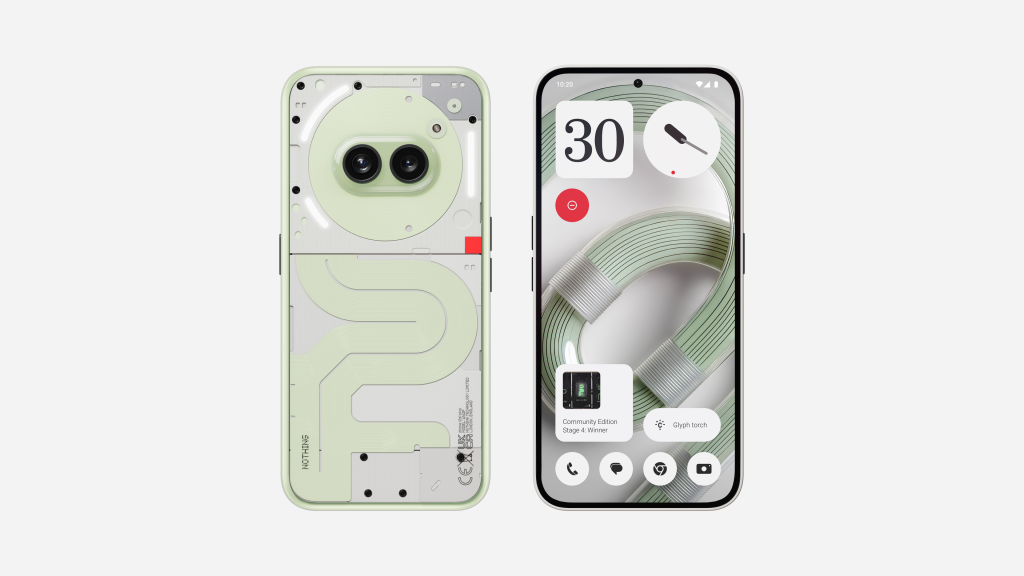
Nothing Phone (2a) Plus October update is already out: Here’s everything new

As September ends, the Nothing Phone (2a) Plus is receiving the October security patch (Nothing OS U2.6-240924-2223), which also includes several key improvements.

Nothing Phone (2a) Plus
Nothing OS U2.6-240924-2223

This 51.21MB update brings multiple changes. Connectivity has been improved with better 5G standalone network availability and faster SIM2 VOLTE registration. Issues with MMS sending and data roaming status display have also been fixed.

For the camera, users will notice better HDR effects, sharper zoom clarity, and more stable night video recording. System updates include a refined battery icon, fixes for unresponsiveness, and overall system stability improvements. You can check out the complete official changelog below.

Nothing Phone (2a) October update changelog

  • Connectivity enhancements:
    • Improved availability of 5G standalone network option
    • Optimised SIM2 VOLTE registration speed after exiting Airplane Mode
    • Fixed MMS sending issue in certain scenarios
    • Corrected data roaming status display
  • Camera optimisations:
    • Enhanced HDR effects for front and rear cameras
    • Improved zoom clarity in certain scenarios
    • Resolved lag issues during night video recording
  • System improvements:
    • Optimised battery icon display in Status Bar
    • Resolved instances of system unresponsiveness
    • Enhanced overall stability and smoothness
    • Updated Android Security Patch to October

The October update for the Nothing Phone (2a) Plus is being released in stages, so it may take a few days to arrive on your device. To see if it’s available, navigate to Settings > System > System Update.

In other news, Carl Pei and Yuri Levin recently revealed Nothing OS 3.0’s features on the company’s YouTube channel. These include a refreshed Android interface, the addition of the “Nothing Gallery” app, and a Smart Drawer that uses AI to organize apps based on usage. Users can also pin frequently used apps for easier access. Visual updates include a redesigned Quick Settings panel, a lock screen clock, smoother animations, and a new dot matrix style for the Weather app icon.

(Source)

Xiaomi adds 2 more popular older smartphones to the EOL list

Xiaomi has officially updated the list of devices that will no longer receive firmware updates. This includes important updates such as security patches. This process is called “End of Life” (EOL) and means that certain devices will stop receiving new features or security patches. Devices on this list are usually older models, usually two or three years old. These devices have reached the end of their support lifecycle, meaning Xiaomi will no longer provide updates for them.

Xiaomi Civi and POCO C31 added to the EOL List

On September 26, 2024, Xiaomi added two more devices to its EOL list. These devices will no longer get updates from Xiaomi, whether it’s security patches or new software versions. The two devices added to this list are the Xiaomi Civi and POCO C31.

Xiaomi Civi is one of the new devices on the list. The last update this phone received was in February 2024. This update was for Xiaomi’s new interface HyperOS. After that, the Xiaomi Civi will not receive any more updates, so users will no longer receive new features or security fixes.

The POCO C31 is another device that Xiaomi has stopped updating. This phone last got the MIUI 12.5 update in July 2023. With this new EOL announcement, the POCO C31 will not get any future updates. This means users of the POCO C31 will no longer receive new Android or MIUI versions, as well as security patches.

While smartphones will continue to work, they will not receive new software features and without regular security patches, they may become less secure over time. Users should keep this in mind and consider upgrading to a newer Xiaomi, Redmi, or POCO device if staying up-to-date is important to them.

Xiaomi becomes the first brand to release October 2024 security update

Xiaomi has begun releasing the October 2024 security update. The first device to get this update is the Xiaomi Pad 6, and the company plans to bring new updates to other models soon. So, what new features and improvements come with this update for the Xiaomi Pad 6?

Xiaomi Pad 6 HyperOS October Update

The main goal of this update is to improve system performance and optimize the device’s functions. The update is being introduced gradually, starting with the Xiaomi Pad 6. Soon, a new October 2024 security update will also be available on more Xiaomi, Redmi, and POCO devices. The company first rolled out this update for the Xiaomi Pad 6, which runs on the Snapdragon 870 processor. Many users are now curious about when the update will be available for their devices.

The version of the update for the Xiaomi Pad 6 has the build number OS1.0.11.0.UMZCNXM. This specific version is currently only available in China and is limited to users who are part of the HyperOS Pilot Tester program.

The October 2024 update comes with a file size of 25MB for the Xiaomi Pad 6. While the security patch is the main focus, the update also fixes several bugs and improves the device’s performance.

Xiaomi, Redmi, and POCO models will start receiving the new October 2024 security update in the coming weeks. So, if you own a different model from one of these brands, you don’t need to worry. Your device should get the update soon.

Samsung Galaxy S23 Ultra starts receiving new camera fix update

With the release of One UI 6.1.1, Galaxy S23 Ultra users experienced some issues with the camera. Today, the South Korean company has released a new update to Galaxy S23 Ultra users in Korea and this update is expected to fix the previous camera issue. In addition, the new update includes the September 2024 security patch. We will see how well this update works, which both increases system security and fixes bugs.

Galaxy S23 Ultra starts receiving new fix update

The Galaxy S23 Ultra received this update first in Korea and the build update number ends with XI1. This is the same build number suffix as the new update we recently reported on our website. Samsung is working hard to fix bugs and is also preparing to release the first Beta of One UI 7.0. As long as there are no major issues, updates may contain some bugs, and the brand may detect and fix them in the next updates. Samsung has prepared the new OTA package within 2 weeks and is gradually rolling out the update to users.

This update is based on One UI 6.1.1 and includes the new Galaxy AI features. The size of the update for Korea is 376MB. The update size may vary by region. Samsung is expected to roll out this new update to other regions in a few days. Users are not happy with the camera issues and are wondering when the new update will arrive. The released update includes the September 2024 security patch, which improves system security. We will share users’ opinions about the new update. If any new bugs are detected, we will write a new article about it.

The Galaxy S23 Ultra was one of the most notable smartphones of 2023 and the device packs the Snapdragon 8 Gen 2 SoC at its heart. Still powerful and smooth running, this smartphone features a 200MP ISOCELL HP2 camera sensor. Capable of taking the best photos in any environment, the Galaxy S23 Ultra continues to make its users happy.

Xiaomi launches new Mijia Air Conditioner with top airflow, HyperOS, self-cleaning & more

Xiaomi has launched the Mijia Natural Wind Pro Air Conditioner with Top Airflow 1.5 HP in the Chinese market, offering a central air conditioning-like experience. Let’s check out its key specs.

Xiaomi Mijia Natural Wind Pro Air Conditioner

Xiaomi Mijia Natural Wind Pro Air Conditioner Specifications

The Mijia air conditioner boasts a powerful 830m³/h airflow, making it capable of cooling rooms between 16-20m² quickly and efficiently. It features top airflow technology, which mimics the effect of central air conditioning. This design ensures the air circulates throughout the room, providing consistent comfort without direct airflow hitting the occupants.

The air conditioner comes with an APF (Annual Performance Factor) rating of 5.65, ensuring ultra-high energy efficiency that translates into significant power savings over time.

Equipped with a dual-cylinder compressor and a double-row condenser, the device enhances cooling and heating efficiency, increasing the heat exchange area by 82% and low-frequency stability by 30%. The unit is designed to reduce noise by up to 5%, offering quiet and smooth operation.

For smart functionality, the Mijia Natural Wind Pro is fully integrated with Xiaomi’s HyperOS Connect, enabling seamless control through the Mijia app and Xiao Ai voice assistant. The air conditioner supports 2.4GHz Wi-Fi but doesn’t work with 5GHz networks.

Additionally, the Mijia Natural Wind Pro includes self-cleaning capabilities. Both the indoor and outdoor units feature high-temperature drying and self-cleaning functions, ensuring sterilization and the removal of dust and contaminants.

The outdoor unit uses condensation water to flush the heat exchanger, improving performance and extending the life of the air conditioner. The air conditioner also comes with an anti-bacterial and anti-mold filter, which includes a smart clogging reminder to ensure optimal filtration and healthy air quality.

Pricing & Availability

The Mijia Natural Wind Pro Air Conditioner will be available for crowdfunding starting October 2 at a price of 3499 Yuan ($498). Following the crowdfunding period, the suggested retail price will be set at 3999 Yuan ($569).

The air conditioner is available in Star Satin Silver and features a sleek, translucent, skin-like panel, adding a touch of elegance to any room decor.

Xiaomi has also launched two new home appliances recently: the Mijia M40 robot vacuum mop, featuring 12,000Pa suction and HyperOS for efficient cleaning, and the Mijia Smart Range Hood P2, also powered by HyperOS, with advanced smoke and odor purification technology.

Exclusive: Nubia Z70 Design leaked

ZTE has started developing the new Nubia Z70 Design. Gizmochina has spotted the Nubia Z70 Design in the IMEI database. With the Nubia Z70 Design, the brand is preparing to scare its competitors in the smartphone market.

Nubia Z70 Design

ZTE is preparing to launch the Nubia Z70 Design in the near future. The Nubia Z70 Design will be the new addition to the Nubia Z series. According to the IMEI database, the Nubia Z70 Design will have the model number NX734J. However, there is no other information about this smartphone apart from the model number.

The new Nubia Z70 Design will heat up the competition in the smartphone market. The Nubia Z70 Design will probably be the most affordable model in the Nubia Z70 series. Therefore, we can’t predict the features of the new Nubia Z70 Design.

ZTE has not yet announced the official launch date of the Nubia Z70 Ultra. However, the Nubia Z60 Ultra was launched in December 2023. Therefore, it’s likely that the Nubia Z70 Ultra smartphone will also be released before the end of this year. Keep in mind that this is still a guess. More detailed information is likely to follow in the future. We look forward to seeing what this flagship smartphone has to offer.

Exclusive: Nubia Music 2 revealed, expected to be unveiled in 2025

ZTE’s upcoming ‘Nubia Music 2’ smartphone has been spotted in the IMEI database. ZTE launched the Nubia Music smartphone, which attracted attention with its price. The Gizmochina team discovered the new Nubia Music 2 in the IMEI database. We expect the new Nubia Music 2 to be an entry-level smartphone like its predecessor Nubia Music.

Nubia Music 2 is coming

The Nubia Music 2 is a new smartphone that will be the successor to the Nubia Music, and while its specifications are not yet known, we expect the Nubia Music 2 to be a budget smartphone like the Nubia Music. The Nubia Music 2 has been spotted with model number Z2460.

The previously unveiled Nubia Music was a budget smartphone at launch. With a Unisoc SC9863A processor and a 5000 mAh battery, Nubia Music also has a 50MP main camera to meet everyday needs. Also featuring a 6.6-inch IPS LCD display with a 90Hz refresh rate, Nubia Music offers enough features for those looking for an entry-level smartphone

When ZTE will launch the new Nubia Music 2 is not yet known. However, the Nubia Music model was launched in the first quarter of 2024. We believe that the Nubia Music 2 will also be launched in the Q1 of 2025 and we can’t wait to see what the new Nubia Music 2 has to offer.

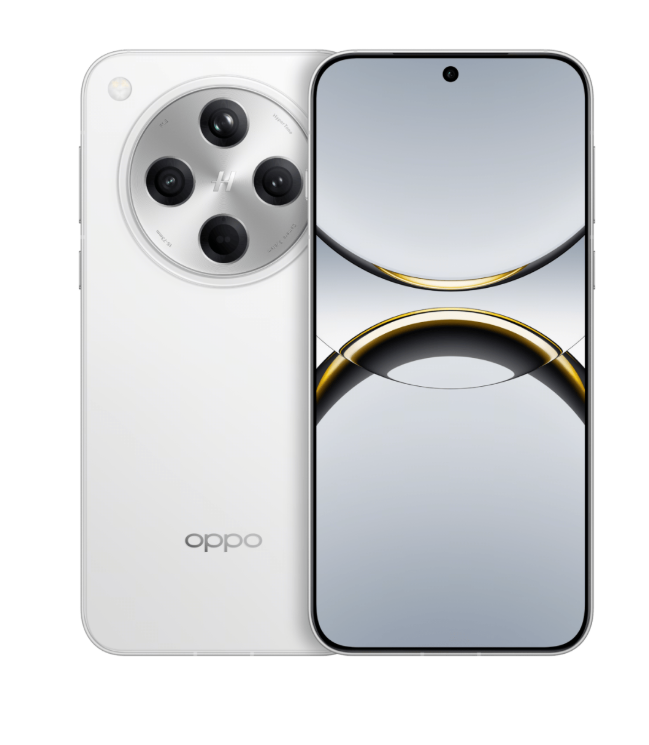
Oppo Find X8 gets its specs revealed via company’s official

It seems we no longer need to rely on leaks to learn more about the Oppo Find X8 series. Just a day after teasing new software features, Zhou Yibao, head of the Oppo Find series, is back again with a long list of key specifications for the standard Find X8.

Oppo Find X8 Specifications

According to Zhou, the phone will sport a flat screen with narrow bezels of uniform width on all sides. And this will be held in place by a metal frame. 

As for the build, the phone is said to have a noticeably thinner and lighter design compared to its predecessor. 

Zhou didn’t share exact measurements but revealed that the phone will have a thickness of around 7mm and weight starting with prefix 1, meaning it will weigh less than 200 grams. This gives the phone what he calls a “golden-size feel.”

Oppo Find X8 Series
Oppo Find X8 design

The camera bump on the back will also be smaller than its predecessor, and we will get a periscope telephoto lens in it. Additionally, the phone is now confirmed to get both IP68 and IP69 dust and water resistance rating.

The reveal also touches on the Find X8’s wireless charging capabilities. Zhou confirmed support for 50W wireless charging and reverse charging capabilities. 

Additionally, the Find X8 will have iPhone’s MagSafe-like magnetic charging support. Zhou even released a video showing a 5000mAh magnetic power bank charging the device at 50W. And thankfully, he confirmed that the phone will come with a compatible magnetic protective case in the box.

Moreover, classic features like infrared remote control, smart NFC, and a three-stage mute button also find their place in the Find X8’s spec sheet.

As for the Find X8 Pro, Zhou explicitly states that details for the Pro version will be revealed after National Day. China’s National Day is on October 1, so we can expect Find X8 Pro details a day or two after.

(Source)

Funtouch OS 15 launched for Vivo & iQOO smartphones: Complete list of devices getting the update

Vivo has launched Funtouch OS 15, a major update based on Android 15, aimed at providing a smoother and more personalized user experience. This latest version brings enhancements in performance, new customization options, and improved productivity features.

What’s New in Funtouch OS 15

Funtouch OS 15

1. Faster Performance and Improved Fluidity

Funtouch OS 15 focuses on speed and smoother operation. It introduces a Priority Scheduling model that makes app startup 15% faster by prioritizing tasks running in the foreground. The update also includes a Memory Enhancement Technology that uses an optimized zRAM compression method, which speeds up compression by 40% and lowers GPU memory use for background apps, allowing for better multitasking.

The update also comes with improved animations. The Origin Animation feature makes the interface feel more fluid, and the Lightning-Speed Engine promises to boost app launch speeds by another 20%. To add a touch of visual appeal, the Aqua Dynamic Effect is inspired by natural movements, offering a fresh feel to interactions.

2. More Ways to Personalize Your Device

Funtouch OS 15 brings over 3,800 redesigned elements to let users customize their devices. These include new system themes, wallpapers (static, immersive, and video), and options to change app icons’ styles and sizes. Users can choose from nine different system themes to give their phone a fresh look.

Additionally, new fingerprint recognition animations have been added, allowing users to match their phone’s look to their preferences.

3. Productivity Tools to Get More Done

The new AI Image Lab provides tools to automatically enhance photos and remove shadows from document scans, making editing quicker and easier. The update also introduces the Memory Movie feature for better photo and video management.

For gamers, the Ultra Game Mode allows quick access to game settings without interrupting gameplay. Additionally, the Link to Windows feature makes it simple to connect a Vivo device to a PC, supporting real-time content syncing and file sharing.

Rollout Timeline for Funtouch OS 15

The rollout of Funtouch OS 15 Beta begins with the iQOO 12 in India. Other Vivo models will receive the update starting mid-October 2024 and will continue until June 2025. Vivo has released a detailed timeline for when each model will get the upgrade.

Here’s the timeline for the Android 15 Beta update:

Vivo Smartphones

Funtouch OS 15 Beta launch timeline
  • Mid-October 2024: X Fold3 Pro, X100 Pro, X100.
  • Mid-November 2024: X90 Pro, X90.
  • Mid-December 2024: V40 series, V30 series, Y200 Pro 5G, T3 Ultra, and more.
  • Mid-January 2025: X80 series, V27 series, T3 Pro 5G, T3 5G.
  • Mid-February 2025: Y300 5G, Y200 Plus 5G, T3x 5G.
  • Mid-March 2025: Y200e 5G, Y100 series, T2 Pro 5G, T2 5G.
  • Mid-April 2025: Y200 5G.
  • Mid-May 2025: Y58 5G, Y56 5G, Y29 5G, and others.
  • Mid-June 2025: Y36, Y28 5G.

iQOO smartphones

  • Mid-October 2024: iQOO 12
  • Mid-November 2024: iQOO 11
  • Mid-December 2024: iQOO Neo9 Pro
  • Mid-January 2025: iQOO 9 Pro, iQOO 9T, iQOO Z9s Pro 5G, iQOO Z9s 5G, iQOO Z9 5G
  • Mid-February 2025: iQOO Neo7 Pro, iQOO Neo7, iQOO Z9x 5G
  • Mid-March 2025: iQOO Z7 Pro 5G, iQOO Z7 5G, iQOO Z7s 5G
  • Mid-May 2025: iQOO Z9 Lite 5G

(Source 1, 2)

Exclusive: Vivo is already developing the Vivo X Fold4

Vivo’s new foldable smartphone Vivo X Fold4 has been spotted in the IMEI database. The brand is working on the next Vivo X Fold model. The Gizmochina team spotted the Vivo X Fold4 in the IMEI database, and, it’s an indication that this device will be introduced in the near future. Presumably, Vivo will unveil the X Fold4 in the Q1 of 2025. The foldable smartphone is expected to come with a Snapdragon 8 Gen 4 processor and a 6000mAh battery.

Vivo X Fold4 spotted on the IMEI database

The existence of the Vivo X Fold4 has been revealed through our IMEI database. Vivo is actively developing the Vivo X Fold4. Expectations are that the new foldable device will offer improved performance and a better user experience compared to the previous X Fold3 model. A few days ago, DCS leaked the specifications of a Vivo foldable smartphone. The name of this leaked smartphone will be Vivo X Fold4.

The Vivo X Fold4 will have the model number V2429. DCS had indicated that there would only be one Vivo foldable smartphone. Now we can confirm that the leaked device is called Vivo X Fold4. The Vivo X Fold4 will come with a triple 50MP rear camera and will have a periscope lens. We also expect the smartphone to support wireless charging as in previous Vivo X Fold models.

The Vivo X Fold4 is expected to be around 8mm thick (when folded) and around 210 grams. Of course, the specifications of the devices have not yet been officially confirmed by Vivo. We will see the veracity of the leaked specifications in the future. In this article, we confirm the existence of the Vivo X Fold4, which will be unveiled in the near future. The Vivo X Fold4, set to be unveiled in the Q1 of 2025, is eagerly awaited. We look forward to seeing what the brand has to offer.

Upcoming Smartphones in October 2024: Vivo, Oppo, Xiaomi, OnePlus, and More

A new month is upon us and so are new smartphones. A number of high-profile smartphone launches are expected in October of 2024.

Almost all leading Chinese OEMs are anticipated to debut their next-gen flagship phones in the next few days. Some of them have already started teasing the arrival of these devices.

These upcoming handsets will debut new-gen premium chipsets from MediaTek and Qualcomm. They will compete not only among themselves but also with the iPhone 16 lineup.

These products will be targeted at different audiences with varying features. Let’s have a look at them one by one.

Upcoming Smartphones in October 2024

1. Vivo X200 Series

Vivo X200

The Vivo X200 series is scheduled to launch in China on October 14. The lineup is expected to include three devices, namely Vivo X200, Vivo X200 Pro, and Vivo X200 Pro Mini.

These three handsets will be powered by a MediaTek Dimensity 9400 chipset. Unsurprisingly, they will arrive with a Zeiss camera system laid out in a circular fashion like the previous-gen phones.

The new flagships from Vivo will drop traditional curved displays in favor of micro curved flat panels. Additionally, they will come with bigger batteries and better camera sensors.

2. Oppo Find X8 Series

Oppo Find X8 Series

Oppo has not revealed the launch date for the Find X8 series, however, the phones are expected to be released in October. There will be two models called Oppo Find X8 and Oppo Find X8 Pro.

The duo will house a MediaTek Dimensity 9400 SoC. It will feature a Hasselblad-tuned camera system and a ‘Quick Button’ similar to the ‘Camera Control’ key on the iPhone 16 series.

The phone will also support 50W Qi2 magnetic wireless charging. Oppo will announce several first-party accessories to make use of this feature.

3. Xiaomi 15 Series

Xiaomi 14 series

According to an alleged poster, the Xiaomi 15 series will go official in China on October 23. The two devices, namely Xiaomi 15 and Xiaomi 15 Pro, will debut the Qualcomm Snapdragon 8 Elite chip (previously known as Snapdragon 8 Gen 4).

The handsets are tipped to feature an ultrasonic fingerprint sensor. They are also said to come with Qi2 magnetic wireless charging support, bigger batteries, and an IP69 rating.

Just like the last few generations, the Xiaoomi 15 series is also expected to sport Leica-tuned cameras. The Pro model, in particular, is rumored to offer a telephoto camera from Xiaomi 13 Ultra.

4. Honor Magic 7 Series

Honor Magic 6 Pro

The Honor Magic 7 series is rumored to launch in China in October. The lineup is anticipated to include four main handsets, such as Magic 7, Magic 7 Pro, Magic 7 Ultimate, and Magic 7 RSR Porsche Design.

All these devices are expected to be powered by Qualcomm Snapdragon 8 Elite (formerly Snapdragon 8 Gen 4) mobile platform. The top models are said to retain the pill-shaped display cutout for the facial recognition system.

Officially, Honor has confirmed AI Agent for these phones. We look forward to learning more about these products in the coming days.

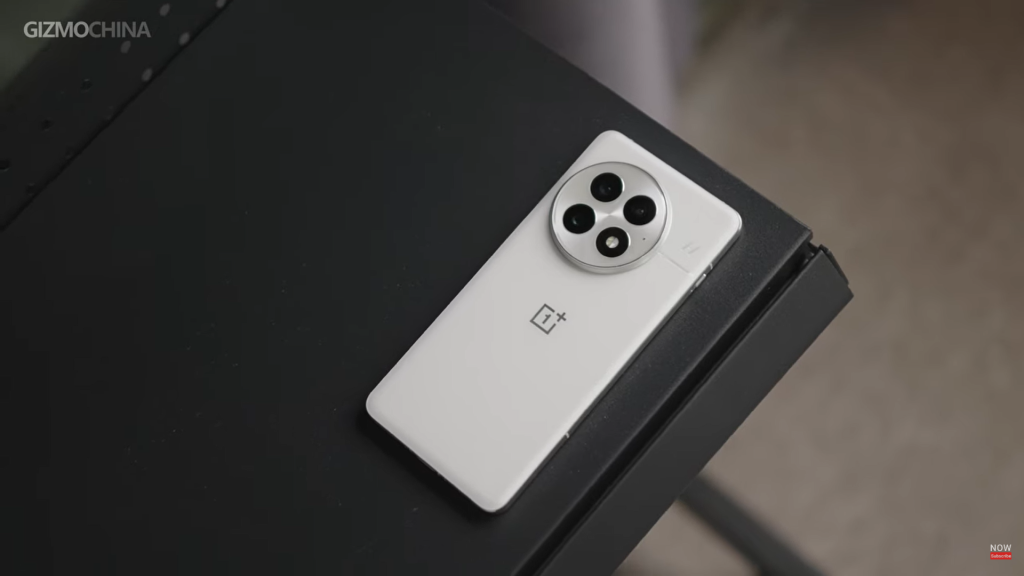
5. OnePlus 13

OnePlus 13

The OnePlus 13 is anticipated to go official sometime later in October. As per leaks, the device will arrive with a new design and upgraded specs.

Just like its predecessors, the handset will be powered by the latest Qualcomm chip, which happens to be Snapdragon 8 Elite (formerly Snapdragon 8 Gen 4) in its case. It has been officially confirmed to sport a second-gen BOE Oriental display.

Further, expect the return of the Hasselblad-tuned camera system. Rumors suggest that the phone will come with a larger 6,000mAh battery and an IP69 rating.

6. iQOO 13

iQOO 12 Series

The iQOO 13 could also get announced before October ends. It will be powered by a Qualcomm Snapdragon 8 Elite SoC (formerly Snapdragon 8 Gen 4).

The handset will flaunt a new BOE flat OLED display with lower power consumption and better brightness levels. There will be an ultrasonic fingerprint sensor underneath this screen.

As for other specs, the device is said to arrive with 50MP triple rear cameras (wide, ultrawide, and 2x telephoto), an IP68 rating, and a 6,150mAh battery.

Exclusive: ZTE’s 2 new Nubia Focus models Nubia Focus 4G and Nubia Focus 2 5G leaked

Chinese tech giant ZTE is working on new entry-level phones. Gizmochina spotted these smartphones in the IMEI database. After unveiling the Nubia Focus 5G a few months ago, the brand aims to increase competition in the smartphone market by starting work on the Nubia Focus 4G and Nubia Focus 2 5G.

New ZTE Nubia Focus smartphones coming

ZTE plans to increase competition in the low-cost phone market. The company is set to announce affordable Nubia Focus models in the near future. According to the IMEI database, the new Nubia Focus 4G will have the model number Z2455, while the Nubia Focus 2 5G will have the model number Z2462N. The specifications of the new smartphones are not yet known.

There is no information yet about when these smartphones will be unveiled and their specifications. However, compared to the previous Nubia Focus 5G, the new Nubia Focus smartphones are expected to be slightly improved. So, let’s take a look at the specifications of the previous model Nubia Focus 5G.

The Nubia Focus 5G comes with a 6.56 inch 120Hz IPS LCD display. The device has 12GB of RAM and 256GB of storage. Additionally, the Nubia Focus 5G is powered by the Unisoc T760 chipset. We think that the new Nubia Focus 4G will be introduced with downgraded specifications than the Nubia Focus 5G, while the Nubia Focus 2 5G will be introduced with various innovations and improvements.

The official launch date of the Nubia Focus is not yet known, but it is possible that more detailed information will appear in the future. These smartphones are already poised to be a much sought-after entry-level product. We look forward to seeing what these new smartphones have to offer.

Honor Pad X8a Nadal Kids Edition with 11-inch 90Hz display, Snapdragon 680 launched in India

Honor has launched the Pad X8a Nadal Kids Edition in India, a child-friendly version of the Honor Pad X8a. It features a durable, kid-safe design with parental controls and learning-focused features, making it ideal for families seeking a secure and versatile tablet for children.

Honor Pad X8a Nadal Kids Edition

Honor Pad X8a Nadal Kids Edition Specifications:

Honor Pad X8a Nadal Kids Edition retains many of the specifications from its regular version, including an 11-inch 90Hz display with a resolution of 1920 x 1200 pixels and a 16.7 million color gamut.

The screen delivers a peak brightness of 400 nits and a pixel density of 207 ppi, providing vibrant colors and sharp visuals. Additionally, it offers TUV Rheinland certification for low blue light and flicker-free usage, ensuring comfort for children’s eyes.

The tablet is powered by the Snapdragon 680 4G processor, with two storage options: 64GB and 128GB. The device also includes 5MP cameras on both the front and rear.

Honor Pad X8a Nadal Kids Edition

The tablet features four speakers with Honor Histen sound support. It runs on Magic OS 8.0, based on Android 14, and offers smooth multitasking with RAM Turbo X, ensuring seamless app performance in the background. It also supports multi-window functionality for enhanced productivity, enabling users to work across multiple apps simultaneously.

The Pad X8a Nadal Kids Edition also features an 8300mAh battery, providing up to 14 hours of cartoon playback and 56 days of standby, ensuring uninterrupted usage during learning sessions or playtime.

The tablet is designed with children’s well-being in mind. It features a shockproof, food-grade silicone case offering three modes for versatility: Sketching, Handle, and Video. It includes a Doodle Pen for creative activities and comes pre-loaded with Google Kids Space, Honor Notes, and Family Link for parental supervision and content management. It also comes with eye-comfort features such as Eye Comfort Mode and Ambient Light Care, which reduce blue light exposure and eye strain.

Pricing and Availability

Honor Pad X8a Nadal Kids Edition is now available at a special launch price of Rs. 10,999 ($131), reduced from its original price of Rs. 13,999 ($167). It comes in 64GB and 128GB storage options and is available through major retail outlets and online platforms.

Galaxy Z Fold 6 (Special Edition) pre-order date leaks

We know that Samsung is working on a Special Edition Galaxy foldable, though no official details have been released yet. However, an X (formerly Twitter) user shared an image from a Korean retailer, T-store, revealing the estimated pre-order date for the device.

Tentative Z Fold 6 (Special Edition) release leaks

The image from the retailer shows that the pre-order period will run until October 24, 2024, with pre-orders likely opening on October 18. Delivery is expected to begin on October 25.

Samsung Galaxy Z Fold 6 Special Edition India

More importantly, the image lists the phone’s name as the “Galaxy Z Fold 6 (Special Edition)” – not “Galaxy Z Fold (Special Edition)” as hinted by previous leaks. So the device still seems to be a part of Samsung’s sixth-generation foldable line.

However, since this information comes from a third-party retailer, it may not be entirely accurate. It’s best to take it with a grain of salt.

It could also be that it’s not the Special Edition phone we’ve been expecting of Samsung since a “Special Edition” labeled Galaxy Z Fold 6 appeared on the Samsung India website, which actually is an Enterprise Galaxy Z Fold 6. Samsung just named it “Special Edition” on their Indian site, which may lead to confusion.

What’s revealed so far

While we are still left without any official detail from Samsung’s side, leaks have shown a render of the foldable with a larger camera island on the back compared to the regular fold. The camera module has a squircle shape instead of the usual oval.

The rest of the design appears to follow Samsung’s typical style. The power button, likely doubling as a fingerprint sensor, is on the right side, with the volume rocker positioned above it.

The rear panel has a brushed metal appearance, unlike the matte finish on the Fold 6, though it could be textured glass designed to feel like metal.

As for the specs, reports suggest the Z Fold Special Edition will feature a larger 6.5-inch cover display and an 8-inch inner foldable panel, slightly bigger than the Fold 6’s 6.3-inch cover and 7.6-inch inner screen.

Infinix Hot 50 4G Goes Official With Helio G100, 120Hz Display, And More

Earlier this month, Infinix launched the Hot 50 5G (first impressions) smartphone in India. Now, the brand has announced the 4G variant of the device in some global markets. There are a few differences between the two models with the obvious being the processor. Let’s find out what the phone offers out of the box. 

Infinix Hot 50 4G specs

The Infinix Hot 50 4G has a 6.78-inch IPS LCD display bearing an FHD+ resolution which is an upgrade from the 5G version. It features a 120Hz refresh rate and a bumped up 800 nits peak brightness. Infinix says that the screen is responsive to wet and greasy fingers. The device comes with the same design as the Hot 50 5G with a pill-shaped camera module on the back panel and a power button that doubles up as a fingerprint scanner. 

The Infinix Hot 50 4G packs a dual rear camera setup comprising of a 50MP main sensor with f/1.6 and a secondary lens. Up front, there is an 8MP selfie snapper. 

On the hardware front, the Infinix Hot 50 4G is powered by a MediaTek Helio G100 processor. It packs up to 8GB RAM and 256GB storage expandable via microSD card slot. The device is backed by a 5,000mAh battery unit with support for 18W fast charging. Software-wise, it runs on Android 14-based XOS 14.5 out of the box. The device packs various AI features like AI wallpaper, AI cutouts, AI voice capture, and more. 

The Infinix Hot 50 4G comes in Sleek Black, Sage Green, Titanium Grey colors. It costs UAH 6,800 (~$165) in Ukraine

5 Phones You Can Buy Instead of Vivo V40

Vivo V40 Alternatives

Vivo V40 was released this year as a premium mid-range smartphone boasting excellent cameras, a high-quality display, and a high-performance Snapdragon chip. It also has a massive 5,500mAh battery capacity with 80W fast charging support.

The Vivo smartphone is currently selling for Rs. 34,999 for the 8GB + 128GB base variant and goes all the way up to Rs. 41,999 for the 12GB + 512GB top-end model. While it’s an excellent smartphone at this price point, there are better phones in the market with more features and high performance.

Here, I’ll show you five top alternatives to the Vivo V40 you can consider.

Before that, let’s take a quick look at the Vivo V40 spec sheet:

Vivo V40
Body164.2 x 75 x 7.6mm
190g
Display6.78″ 120Hz AMOLED screen
1260 x 2800 pixels resolution
HDR10+, 4,500 nits (peak)
ChipSnapdragon 7 Gen 3 (4nm)
Adreno 720 GPU
Rear camera50MP (main): OIS, f/1.9, 1/1.56″
50MP (ultrawide): f/2.0, 119° FOV
Video: 4K @ 30fps, 1080p/720p @ 30/60fps
Front camera50MP (wide): f/2.0
Video: 4K @ 30fps, 1080p/720p @ 30/60fps
RAM/Storage8GB/12GB LPDDR4X RAM
128GB/256GB/512GB UFS 2.2 storage
Battery5,500mAh battery
80W charging
SoftwareAndroid 14, Funtouch OS 14
3 Android upgrades
Connectivity5G/4G/3G/2G
Bluetooth 5.4
Wi-Fi 802.11 a/b/g/n/ac
USB Type-C 2.0
Xiaomi 14 Civi

1. Xiaomi 14 Civi

Xiaomi 14 Civi
Body157.2 x 72.8 x (7.5-7.7) mm
177.6-179.3 g
Display6.55″ 120Hz Quad Curved AMOLED screen
1236 x 2750 pixels resolution
HDR10+, Dolby Vision, 3000nits (peak)
ChipSnapdragon 8s Gen 3 (4nm)
Adreno 735 GPU
Rear camera50MP (main): OIS, f/1.63, 1/1.55″
50MP (telephoto): f/2.0, 2x optical zoom
12MP (ultrawide): f/2.2, 120° FOV
Video: 4K @ 24/30/60fps, 1080p @ 30/60fps
Front camera32MP (wide): f/2.0, 78° FOV
32MP (ultrawide) – f/2.4, 100° FOV
Video: 4K @ 30fps, 1080p @ 30/60fps
RAM/Storage8GB/12GB LPDDR5X RAM
256GB/512GB UFS 4.0 storage
Battery4,700mAh battery
67W charging
SoftwareAndroid 14, HyperOS
3 Android upgrades
Connectivity5G/4G/3G/2G
Bluetooth 5.4
Wi-Fi 6, NFC
USB Type-C 2.0

Xiaomi 14 Civi (review) a compact and lightweight flagship phone powered by the Snapdragon 8s Gen 3 chipset, which offers significantly better performance and efficiency than the Snapdragon 7 Gen 3 inside the Vivo V40.

Both smartphones have an AMOLED panel, but there are some differences. For instance, the Vivo V40 has a higher peak brightness, whereas the Xiaomi 14 Civi offers Dolby Vision support and a better resolution. Notably, the Xiaomi phone doesn’t have an IP rating but tougher Gorilla Glass protection.

The Xiaomi 14 Civi also has an excellent camera setup. On the rear side, you get a 50MP primary sensor, a 12MP ultrawide lens, and a 50MP telephoto lens with 2x optical zoom. There’s no telephoto lens on the Vivo phone, which means better zoom shots on the other device.

On the front, the Vivo V40 has a single 50MP camera, whereas the Xiaomi 14 Civi has two 32MP sensors — one acts as a wide sensor and the other as an ultrawide sensor. Both smartphones can record up to 4K videos using their rear and selfie cameras.

Both smartphones have similar connectivity features, except the Xiaomi phone has Wi-Fi 6 support, which is lacking in the Vivo V40. However, the latter has a higher battery capacity and faster wired charging.

You can buy the Xiaomi 14 Civi over the Vivo V40 for better performance, a higher-resolution screen, and better zoom shots.

Please Note: When you buy something using the links in our articles, we may earn a small commission at no cost to you.

OnePlus 12R

2. OnePlus 12R

OnePlus 12R
Body163.3 ×75.3 × 8.8 mm
207 g
Display6.78″ LTPO4 AMOLED ProXDR display
1264 x 2780 pixels resolution
120Hz dynamic refresh rate
HDR10+, Dolby Vision, 4500 nits (peak)
ChipQualcomm Snapdragon 8 Gen 2 (4nm)
Adreno 740 GPU
Rear camera50MP (main): OIS, f/1.8, 1/1.56″
8MP (ultrawide): f/2.2, 112° FOV
2MP (macro): f/2.4
Video: 4K/1080p/720p @ 30/60fps
Front camera16MP: f/2.4, 89.6° FOV
Video: 1080p/720p @ 30fps
RAM/storage8GB/16GB LPDDR5X RAM
128GB/256GB UFS 3.1 storage
Battery5,500mAh capacity
100W (wired)
SoftwareAndroid 14, OxygenOS 14
3 Android upgrades
Connectivity5G/4G/3G/2G
Wi-Fi 7
Bluetooth 5.3
NFC (supported)

It also has an AMOLED panel, like the Vivo V40, and comes with Dolby Vision and LTPO4 technology for a dynamic refresh rate, lacking in the Vivo phone. The Vivo phone has a better IP rating, though. Both have different display protection — Gorilla Glass Victus 2 on the OnePlus phone and Schott Alpha on the Vivo V40.

The OnePlus 12R is fueled by the Snapdragon 8 Gen 2, which has higher CPU and GPU performance than the Snapdragon 7 Gen 3 that drives the Vivo phone. Not only a better chipset, the OnePlus phone has faster RAM and storage, too.

Equipped with a triple camera setup, the OnePlus phone includes a 50MP primary camera, an 8MP ultrawide, and a 2MP macro lens. On the Vivo phone, the ultrawide sensor offers a broader field of view, capturing more in each shot.

Both devices can record up to 4K videos using their rear cameras. However, the selfie video on the OnePlus 12R is limited to 1080p resolution. Notably, the OnePlus phone supports Wi-Fi 6 and Wi-Fi-7, while the rest of the connectivity features are similar.

While both phones have the same battery capacity, the OnePlus 12R has a faster wired charging support.

You can buy the OnePlus 12R over Vivo V40 for a better display, a high-performance chipset, and faster charging support.

Please Note: When you buy something using the links in our articles, we may earn a small commission at no cost to you.

Realme GT 6

3. Realme GT 6

Realme GT 6
Body162 x 75.1 x 8.65mm
199g
Display6.78″ 120Hz LTPO AMOLED screen
1264 x 2780 pixels resolution
HDR10+, Dolby Vision, 6000nits (peak)
Corning Gorilla Glass Victus 2
ChipSnapdragon 8s Gen 3 (4nm)
Adreno 735 GPU
Rear camera50MP (main): OIS, f/1.69, 1/1.4″, 85° FOV
50MP (telephoto): f/2.0, 1/2.8″
8MP (ultrawide): f/2.2, 1/4″, 112° FOV
Video: 4K/1080p/720p @ 30/60fps
Front camera32MP (wide): f/2.45, 90° FOV
Video: 4K/1080p/720p @ 30fps
RAM/Storage8GB/12GB/16GB LPDDR5X RAM
256GB/512GB UFS 4.0 storage
Battery5,500mAh capacity
120W wired charging
SoftwareAndroid 14, Realme UI 5.0
3 Android upgrades
Connectivity5G/4G/3G/2G
Bluetooth 5.4
Wi-Fi 6, NFC
USB Type-C 2.0

Realme GT 6 is another solid alternative to the Vivo V40. It has the same screen size as the other phone but features a significantly higher peak brightness for better outdoor visibility. The Realme phone has an LTPO panel to support dynamic refresh rate, lacking on the Vivo V40.

The Realme phone performs better than the Vivo V40, thanks to the flagship Snapdragon 8s Gen 3 chipset, which easily outperforms the Snapdragon 7 Gen 3.

In addition to a 50MP primary camera and an 8MP ultrawide shooter, the Realme GT 6 has a 50MP telephoto lens for better zoom shots. On the front, it houses a 32MP selfie snapper that can record 4K videos, like its rear cameras. The connectivity part goes in favor of the Realme phone because of Wi-Fi 6 support.

The Realme GT 6 has the same battery capacity as the Vivo V40 but supports significantly faster wired charging.

You can buy the Realme GT 6 over the Vivo V40 for a better display, flagship performance, better zoom shots, and faster charging.

Please Note: When you buy something using the links in our articles, we may earn a small commission at no cost to you.

Poco F6

4. Poco F6

Poco F6
Body160.5 x 74.4 x 7.8mm
179g
Display6.67″ 120Hz AMOLED screen
1220 x 2712 pixels resolution
HDR10+, Dolby Vision, 2400nits (peak)
Corning Gorilla Glass Victus
ChipSnapdragon 8s Gen 3 (4nm)
Adreno 735 GPU
Rear camera50MP (main): OIS, f/1.59, 1/1.95″
8MP (ultrawide): 1/4.0″
Video: 4K/1080p @ 30/60fps
Front camera20MP: f/2.2, 1/4″
Video: 1080p @ 30/60fps, 720p @ 30fps
RAM/Storage8GB/12GB LPDDR5X RAM
256GB/512GB UFS 4.0 storage
Battery5,000mAh capacity
90W (wired)
SoftwareAndroid 14, HyperOS
3 Android upgrades
Connectivity5G/4G/3G/2G
Wi-Fi 802.11 a/b/g/n/ac/6
Bluetooth 5.4
NFC supported
USB Type-C 2.0

If you do a lot of gaming, the Poco F6 (review) might be a solid buy over the Vivo V40, and it’s comparatively cheaper.

The Poco smartphone is powered by the flagship Snapdragon 8s Gen 3 chipset. It delivers superior performance than the Snapdragon 7 Gen 3 chip packed into the Vivo V40. Furthermore, the Poco phone has a good cooling system, faster RAM and storage, and is well-optimized for gaming.

Both devices have AMOLED screens with HDR10+ support and a 120Hz refresh rate. However, the Poco phone has a lower peak brightness, but it brings support for Dolby Vision. Overall, both have excellent displays with minor differences.

The Poco F6 also features a dual camera setup, which includes a 50MP primary sensor and an 8MP ultrawide sensor. On the front, there’s a 20MP selfie snapper. Only the rear cameras of the Poco F6 can record 4K videos, while the selfie camera is limited to 1080p recordings.

The Poco phone has slightly less battery capacity but supports faster wired charging than the Vivo V40.

Poco F6 is a solid gaming phone under Rs. 30,000. This should be the only reason to pick it over Vivo V40.

Please Note: When you buy something using the links in our articles, we may earn a small commission at no cost to you.

Google Pixel 8

5. Google Pixel 8

Google Pixel 8
Body150.5 x 70.8 x 8.9mm
187g
Display6.2″ 120Hz OLED screen
1080 x 2400 pixels resolution
HDR10+, 2000 nits (peak)
Corning Gorilla Glass Victus
ChipGoogle Tensor G3 (4nm)
Immortalis-G715s MC10 GPU
Rear camera50MP (main): OIS, f/1.7, 1/1.31″
12MP (ultrawide): f/2.2, 125.8° FOV
Video: 4K/1080p @ 24/30/60fps
Front camera10.5MP: f/2.2, 95° FOV
Video: 4K @ 24/30/60fps
RAM/Storage8GB LPDDR5X RAM
128GB/256GB UFS 3.1 storage
Battery4,575mAh capacity
27W (wired)
18W (wireless)
Reverse wireless
SoftwareAndroid 14
7 Android upgrades
Connectivity5G/4G/3G/2G
Wi-Fi 6. Wi-Fi 6e, Wi-Fi 7
Bluetooth 5.3
NFC supported
USB Type-C 3.2

Google Pixel phones are more about software than hardware. You get to experience the purest version of Android.

The Pixel 8 has a better-quality display than the Vivo V40’s with Gorilla Glass Victus protection. One of the best things about this Pixel is that it will get seven Android upgrades, while the Vivo V40 only promises three. So, the Google Pixel will stay relevant for many more years to come.

The Pixel 8 also has dual rear cameras — a 50MP primary camera and a 12MP ultrawide lens with a greater field of view. Its 10.5MP selfie camera is housed inside the punch-hole cutout. Both rear and selfie cameras on the Pixel 8 can shoot up to 4K videos, just like the Vivo V40.

The smartphone is powered by Google’s Tensor G3 chipset, which has better CPU and GPU performance than the Snapdragon 7 Gen 3. It also has faster RAM and storage, which contributes to better performance.

The Pixel 8 edges out the Vivo V40 in terms of connectivity features. It supports Wi-Fi 6e and Wi-Fi 7, lacking on the Vivo phone. Further, the Pixel 8 supports faster USB data transfer. However, it has a slightly lesser battery capacity and slower fast charging.

The Google Pixel 8 is a better choice over the Vivo V40 for a great software experience, longer software support, and better connectivity.

So, these were some of the top alternatives to Vivo V40. Would you still go for Vivo V40 or pick any of these alternatives? Share your thoughts in the comments below.

POCO X7 will launch with a 50MP Sony IMX882 main camera

We have already given you the first information about the POCO X7 series. The POCO X7 was expected to be a rebranded version of the Redmi Note 14 Pro 5G. Yes, the POCO X7 will largely be similar to the Redmi Note 14 Pro 5G, but there will be some changes at the camera point. The brand has changed the camera sensor on the smartphone to make the POCO X7 cheaper. While the Redmi Note 14 Pro 5G will have a 200MP Samsung ISOCELL HP3 camera sensor, the POCO X7 will have a 50MP Sony IMX882 camera sensor. We accept this change as normal, classic Xiaomi logic.

POCO X7 already revealed, will come with 50MP main camera

Although it’s not yet known when the POCO X7 will be unveiled, we have some information about the smartphones Xiaomi will introduce. It was revealed that the POCO X7 will be a rebranded version of the Redmi Note 14 Pro 5G. Both these smartphones will have the code name “malachite”. And the POCO X7 will feature the Dimensity 7300 Ultra processor.

While earlier leaks indicated that the Redmi Note 14 Pro+ would get a MediaTek processor, it turns out that those leaks were not true. Also, the Redmi Note 14 Pro 5G was expected to come with Snapdragon 7s Gen 3. Xiaomi has made some changes and improved the smartphones a lot compared to last year’s models. Pro+ models will now have a Qualcomm processor and Pro models will come with a MediaTek processor.

At first, this change made us think that the POCO X7 would come with Snapdragon 7s Gen 3. But as a result of the change, it has been confirmed that the POCO X7 will come with a MediaTek processor. The POCO X7 will be powered by the MediaTek Dimensity 7300 Ultra. This is a significant upgrade compared to the previous POCO X6 5G.

Another change is that the POCO X7 will come with a 50MP main camera. Products introduced under the POCO brand are usually performance-oriented and aim to keep the price at a low level with less attention to the camera. The POCO X7 follows this strategy. The smartphone will come with a Sony IMX 882 camera sensor, and this is identical to the Chinese variation of the Redmi Note 14 Pro. Meanwhile, the Redmi Note 14 Pro series will feature a 200MP Samsung ISOCELL HP3 camera sensor, exclusive to models in the Global market. Click here for more information on this.