Tecno has officially launched its latest budget-friendly smartphone, the Spark 30. The device boasts a large 6.78-inch FullHD+ display with a 90Hz refresh rate and a centered punch-hole for the 13MP selfie camera.
Under the hood, the Spark 30 is powered by the MediaTek Helio G91 chipset, paired with 8GB of RAM and 128GB or 256GB of storage. The phone runs Android 14 out of the box, although the duration of software updates remains undisclosed.
On the back, the Spark 30 features a circular camera module housing a 64MP primary sensor. The device also packs a 5,000mAh battery with 18W fast charging, dual speakers with Dolby Atmos, IP64 water and dust resistance, USB-C connectivity, and NFC.
While the Spark 30 is currently listed on Tecno’s Tanzanian website in Orbit White and Orbit Black color options, pricing and availability details for other markets have yet to be announced.
In other news, Lenovo has revealed the design of its upcoming Legion Y700 (2024) gaming tablet, featuring a sleek matte black finish and straight-edge design. The tablet is expected to include dual rear cameras with at least a 13MP sensor and a Snapdragon 8 Gen 3 processor, an upgrade from its predecessor’s Snapdragon 8+ Gen 1. It was spotted on Geekbench with impressive scores, suggesting a significant performance boost. The device is likely to have 12GB of RAM for gaming and other demanding tasks.
Sony has introduced a new Smoky Pink color option for its award-winning 1000XM5 noise-canceling headphones. This sleek and stylish addition offers a fresh take on the popular over-ear and in-ear models.
Both the WH-1000XM5 over-ear headphones and the WF-1000XM5 earbuds feature industry-leading noise-cancellation technology, ensuring a distraction-free listening experience. The new Smoky Pink color adds a touch of elegance and personality to these already impressive devices.
Sony WH-1000XM5 specs:
The WH-1000XM5 headphones come with advanced noise-canceling technology, using two processors and eight microphones to block out background noise. The Auto NC Optimizer adjusts noise cancellation based on your environment, ensuring the best possible performance in different settings. The headphones also improve voice pickup, thanks to four beamforming microphones and an AI-based noise reduction system, making calls clearer, even in noisy places.
With noise cancellation enabled, the WH-1000XM5 provides up to 30 hours of battery life, and this extends to 40 hours when it’s turned off. A quick charge feature gives three hours of playback from just a three-minute charge, making them easy to use on the go. Additionally, they support multipoint connections, so you can easily switch between different devices.
Sony WF-1000XM5 specs:
The WF-1000XM5 earbuds also offer strong noise cancellation, using Sony’s Integrated Processor V2 and HD Noise Cancelling Processor QN2e to reduce low-frequency noise and create a more focused listening experience. Each earbud has three built-in microphones to improve noise cancellation further.
For sound quality, the WF-1000XM5 features the Dynamic Driver X, which delivers a wider range of sound, deeper bass, and clearer vocals. The earbuds support High-Resolution Audio Wireless via LDAC and use DSEE Extreme to upscale your music in real time for better quality.
In addition, the WF-1000XM5 earbuds include useful features like head-tracking for more immersive audio, AI-based noise reduction for clearer calls, and an ergonomic design that is 25% smaller and 20% lighter than the previous model, making them comfortable for long-term use.
Other key features of the WF-1000XM5 include Adaptive Sound Control, Speak-to-Chat, multipoint connection, voice assistant support, and up to 8 hours of battery life per charge. The quick charge feature provides up to an hour of use after a 3-minute charge. The earbuds are IPX4 water-resistant and support Qi wireless charging, making them suitable for various uses and environments.
Foldable smartphones are becoming the new frontier in mobile innovation, offering versatility and the ability to multitask like never before. The Pixel 9 Pro Fold and the OnePlus Open are two of the latest foldable, but they cater to different needs and preferences. While both offer cutting-edge hardware, powerful cameras, and immersive displays, each device has its strengths and potential drawbacks. Let’s break down their features under various key parameters to determine which one is the better buy for you.
Design
The design of a foldable smartphone significantly impacts its usability and overall experience. Both the Pixel 9 Pro Fold and the OnePlus Open boast premium materials and aesthetics, but their durability and build quality differ.
Features
Pixel 9 Pro Fold: This phone is constructed with a glass front (Gorilla Glass Victus 2) when folded and a plastic front when unfolded, paired with a Gorilla Glass Victus 2 back. Its aluminum frame ensures rigidity, and it is IPX8 water-resistant, meaning it can survive submersion in water for extended periods.
OnePlus Open: Built with a Ceramic Guard glass front when folded and plastic when unfolded, the OnePlus Open offers either a glass or eco-leather back, depending on your preference. The aluminum frame adds durability, but its water resistance is limited to IPX4, providing only splash resistance.
Similarities
Both devices offer glass fronts when folded and plastic fronts when unfolded, a typical design choice for foldable phones. The aluminum frames contribute to their structural integrity, and neither device includes a 3.5mm headphone jack.
Differences
The Pixel 9 Pro Fold is significantly more water-resistant with its IPX8 rating, offering greater protection in wet conditions compared to the OnePlus Open’s IPX4 splash resistance. Furthermore, OnePlus provides the option for an eco-leather back, giving it a slight edge in terms of customization and premium feel.
Advantage
In terms of water resistance and overall durability, the Pixel 9 Pro Fold comes out ahead. However, the OnePlus Open’s eco-leather back might appeal to users looking for a more stylish or tactile experience.
Display, Media, and Software
Foldable phones are largely about the display experience, and this is where the Pixel 9 Pro Fold and OnePlus Open shine. Let’s look at how their screens and software stack up.
Features
Pixel 9 Pro Fold: The Pixel 9 Pro Fold features an 8.0-inch Foldable LTPO OLED display with a 120Hz refresh rate, HDR10+ support, and a peak brightness of 2700 nits. Its cover display is a 6.3-inch OLED panel with 1080 x 2424 resolution, also offering 120Hz refresh rate and up to 2700 nits of brightness.
OnePlus Open: The OnePlus Open sports a slightly smaller 7.82-inch LTPO3 Flexi-fluid AMOLED main display with a 120Hz refresh rate, Dolby Vision support, and a higher peak brightness of 2800 nits. Its cover display is similarly top-tier, a 6.31-inch LTPO3 Super Fluid OLED screen with a resolution of 1116 x 2484 pixels and peak brightness of 2800 nits.
Similarities
Both phones deliver cutting-edge foldable OLED displays with high refresh rates, HDR support, and peak brightness levels that make them ideal for both indoor and outdoor viewing. Their cover displays are equally impressive, offering similar dimensions and features to provide a seamless experience when the device is folded.
Differences
The Pixel 9 Pro Fold has a slightly larger internal display (8.0 inches compared to OnePlus’s 7.82 inches), which might appeal to users who want the largest possible canvas for multitasking. On the other hand, the OnePlus Open offers Dolby Vision support and slightly higher peak brightness (2800 nits vs 2700 nits), giving it an edge in HDR video content playback.
Advantage
While both displays are superb, the OnePlus Open edges ahead due to its support for Dolby Vision, higher peak brightness, and slightly denser resolution. These features make it better suited for media consumption, particularly for HDR content lovers.
Performance and Battery
Under the hood, both phones pack powerful hardware, but they cater to different kinds of users in terms of performance and power efficiency.
Features
Pixel 9 Pro Fold: Powered by the Google Tensor G4 chipset, this phone features an octa-core processor with a maximum clock speed of 3.1 GHz. It comes with 16GB RAM and UFS 3.1 storage in configurations of up to 512 GB. It’s equipped with a 4650mAh battery supporting 21W wired and 7.5W wireless charging.
OnePlus Open: Equipped with the Qualcomm Snapdragon 8 Gen 2 chipset, the OnePlus Open features an octa-core processor with a 3.2 GHz Cortex-X3 core. It offers configurations of up to 1TB storage with UFS 4.0 and 16GB of RAM. The battery is slightly larger at 4805mAh, supporting 67W wired charging, which can fully charge the phone in just 42 minutes.
Similarities
Both phones feature octa-core processors, 16GB of RAM, and are built on 4nm architectures, providing powerful performance for demanding apps, multitasking, and gaming. Neither phone includes a microSD card slot, and both offer 16GB RAM as standard.
Differences
The OnePlus Open’s Snapdragon 8 Gen 2 processor is more powerful and efficient than the Google Tensor G4, offering better overall performance, especially in gaming and demanding applications. Furthermore, the OnePlus Open supports faster charging (67W vs 21W), and its larger 4805mAh battery should last longer, especially with the Snapdragon’s power efficiency.
Advantage
In terms of performance and battery life, the OnePlus Open is the clear winner, with a faster processor, quicker charging, and a larger battery.

Cameras
Cameras are often the deciding factor for many smartphone buyers. Both the Pixel 9 Pro Fold and OnePlus Open bring a triple-camera setup to the table but with distinct features.
Features
Pixel 9 Pro Fold: The camera setup includes a 48MP wide lens with OIS, a 10.8MP telephoto with 5x optical zoom, and a 10.5MP ultrawide lens. It supports 4K video recording at 60fps and various advanced features such as Pixel Shift, Ultra-HDR, and Best Take for enhancing image quality.
OnePlus Open: The OnePlus Open features a 48MP wide lens, a 64MP telephoto with 3x optical zoom, and a 48MP ultrawide lens. It also supports Hasselblad Color Calibration for better color accuracy, and it offers 4K video recording with Dolby Vision and HDR10+.
Similarities
Both phones offer impressive triple-camera setups with optical image stabilization (OIS), high megapixel counts, and advanced features for photography enthusiasts. They both excel in low-light photography and provide multiple zoom options.
Differences
The OnePlus Open has a higher resolution telephoto lens (64MP vs 10.8MP) but only 3x optical zoom compared to the Pixel 9 Pro Fold’s 5x zoom. The OnePlus Open also supports Hasselblad Color Calibration, making it the better option for color accuracy in photos, while the Pixel 9 Pro Fold excels in computational photography with Google’s advanced software features like Best Take and Zoom Enhance.
Advantage
For color accuracy and overall photo versatility, the OnePlus Open has the upper hand, especially with its Hasselblad collaboration. However, for zoom capabilities and software-enhanced photography, the Pixel 9 Pro Fold might appeal more to users who prioritize telephoto performance.
Please Note: When you buy something using the links in our articles, we may earn a small commission at no cost to you.
Conclusion
Both the Pixel 9 Pro Fold and the OnePlus Open are outstanding foldable smartphones, each excelling in different areas. The Pixel 9 Pro Fold stands out with its water resistance, larger internal display, and software enhancements in photography. On the other hand, the OnePlus Open offers superior performance with its Snapdragon 8 Gen 2 chipset, faster charging, and Dolby Vision support for an immersive multimedia experience.
The Pixel 9 Pro Fold is the better buy for those who prioritize durability, telephoto zoom, and Google’s clean Android experience.
The OnePlus Open is the superior option for those who value raw performance, faster charging, media consumption, and camera color accuracy.
Our Opinion:
Ultimately, the choice between these two devices depends on what matters most to you. If you’re looking for a well-rounded foldable with a bit more water protection and a stronger emphasis on software-driven photography, go for the Pixel 9 Pro Fold. If you’re after a performance beast with better battery life, quicker charging, and a more polished media experience, the OnePlus Open is the way to go.
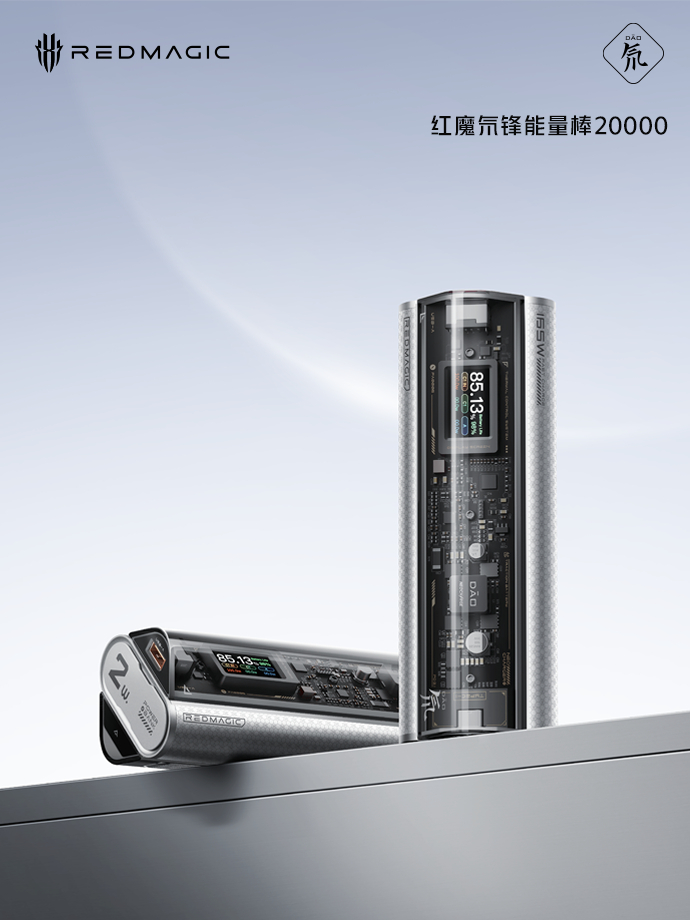
Xiaomi recently launched a new power bank with a 10,000mAh capacity and an impressive 165W maximum output. It’s finally available for purchase in its home country for just 199 Yuan (around USD 30).
The power bank itself looks fairly standard on the outside, with a sleek design that incorporates a handy display. This display shows you what’s happening under the hood, keeping you informed on charging information and the current battery level.
But the magic lies within. Xiaomi claims the power bank can juice up compatible Xiaomi smartphones at a blistering 120W, while simultaneously charging a second device at 45W. That’s enough muscle to keep both your phone and a friend’s phone topped up on the go.
The power bank itself can be refueled at a speedy 90W, reaching a 55% charge in just 15 minutes. That means less downtime waiting for the power bank to be ready to tackle your next charging challenge.
Compatibility is another strong point. The power bank supports a wide range of charging standards, including PD 3.0, PPS, and QC 3.0. This means it can be used to breathe life back into a variety of devices, from your phone and tablet to your laptop – yes, that includes the ever-demanding Apple MacBook Pro.
There’s also a built-in USB-C cable, a thoughtful addition to eliminate the need to carry around a separate cable for charging the power bank itself. It’s a small touch, but one that can make a big difference when you’re juggling multiple devices and cables in your bag.
Although it’s currently available for purchase in China, it’s uncertain if Xiaomi plans to release it in other markets. You can order it in its home market via JD.com.
A recent Weibo post by the prominent leaker Digital Chat Station has shed light on the gaming prowess of the upcoming iPhone 16 Pro series. In a series of Genshin Impact tests, the iPhone’s A18 Pro chipset was pitted against the Snapdragon 8 Gen 3 and Dimensity 9300+.
The results, while preliminary, suggest that Apple’s A18 Pro offers superior efficiency. All three chipsets were able to maintain a consistent 60fps frame rate during the game, but the A18 Pro achieved this while consuming significantly less power. The A18 Pro used 4.05 watts, compared to 5.81 watts for the 8 Gen 3 and 5.61 watts for the 9300+.
However, the story doesn’t end there. The post also includes thermal imaging shots that reveal a surprising detail: the iPhone 16 Pro’s rivals appear to be prototypes. Their camera modules are blurred out, suggesting these are the phones that are yet to be officially announced.
Despite the blurred camera modules, we can still glean some information from the images. The camera housing design of one of the prototypes resembles the iQOO Z9 Turbo, hinting at the possibility of an upcoming Turbo+ model which will be powered by the Dimensity 9300+.
The other prototype features a round camera module similar to the OnePlus 12 or its Ace 3 Pro variant. However, there’s a bit of a tweak in the design here. It doesn’t have frame side accents in the camera module like recent OnePlus flagships.
So this could be the highly anticipated Ace 5, a smartphone rumored to debut with the Snapdragon 8 Gen 3 and be rebranded as the 13R for global markets. The display of the Ace 5 also seems to be flat, aligning with previous rumors about the 13R’s design.
That’s a guess we made based on rumors, so we suggest you to take these details with a pinch of salt.
The competition in the smartphone market is fiercer than ever, with brands continually pushing the envelope to offer the best value for consumers. Two such contenders are the Vivo V40 Pro and the OnePlus 12R. Both devices are packed with impressive features, but when it comes to deciding, which one should you choose? This detailed comparison will break down the key aspects of both phones to help you make an informed decision.
Design
Features: The Vivo V40 Pro and OnePlus 12R boast premium designs, yet they cater to slightly different aesthetics. The Vivo V40 Pro is slim and lightweight, with dimensions of 164.4 x 75.1 x 7.6 mm and a weight of 192 g. It features a glass front and back, providing a sleek, high-end feel, and it is IP68/IP69 certified, offering robust protection against dust and water.
In contrast, the OnePlus 12R is slightly bulkier, measuring 163.3 x 75.3 x 8.8 mm and weighing 207 g. It also features a glass front and back but with a more durable aluminum frame and Gorilla Glass Victus 2 protection. The OnePlus 12R is IP64 certified, which provides basic dust and water resistance but is not as comprehensive as the Vivo’s rating.
Similarities: Both phones utilize a glass construction for the front and back, which not only enhances durability but also adds a touch of elegance. The dimensions are similar, making them comfortable to hold and use despite the slightly different thicknesses.
Differences: The Vivo V40 Pro is lighter and thinner, which might appeal to those who prefer a more minimalist design. The OnePlus 12R, however, offers a more rugged build with a stronger frame and superior glass protection, making it a better choice for those prone to dropping their devices or working in more demanding environments.
Advantages: The Vivo V40 Pro’s IP68/IP69 rating provides superior protection against the elements, making it ideal for users who require a more resilient device. On the other hand, the OnePlus 12R’s Gorilla Glass Victus 2 offers better drop protection, catering to those who prioritize durability over slimness.
Which is Better? For those who value a slim, lightweight phone with top-notch water and dust resistance, the Vivo V40 Pro is the winner. However, if you need a sturdier device with superior drop protection, the OnePlus 12R is the better choice.
Display, Media, and Software
Features: Both the Vivo V40 Pro and OnePlus 12R come equipped with stunning displays that offer vibrant colors and smooth performance. The Vivo V40 Pro features a 6.78-inch AMOLED display with HDR10+ support, a 120Hz refresh rate, and an impressive peak brightness of 4500 nits. The resolution stands at 1260 x 2800 pixels, providing sharp visuals and an immersive viewing experience.
The OnePlus 12R also boasts a 6.78-inch LTPO4 AMOLED display, supporting HDR10+, Dolby Vision, and a 120Hz refresh rate. Its peak brightness matches the Vivo’s at 4500 nits, but it offers a slightly lower resolution of 1264 x 2780 pixels. However, the OnePlus 12R’s display is protected by Corning Gorilla Glass Victus 2, making it more resistant to scratches and minor impacts.
Similarities: Both devices offer HDR10+ support and a 120Hz refresh rate, ensuring smooth scrolling and vibrant colors. They also share the same peak brightness, making them ideal for use in bright sunlight.
Differences: While both displays are of similar size and brightness, the Vivo V40 Pro uses Schott Xensation Alpha protection, while the OnePlus 12R opts for the more widely recognized Gorilla Glass Victus 2. The OnePlus 12R also supports Dolby Vision, offering a slight edge in video playback quality.
Advantages: The Vivo V40 Pro’s display is slightly more pixel-dense, which could make a difference for those who prioritize resolution. However, the OnePlus 12R’s Dolby Vision support and stronger display protection may appeal more to media enthusiasts and those who prioritize durability.
Which is Better? For media consumption, the OnePlus 12R’s Dolby Vision support gives it a slight edge. However, if resolution and pixel density are more important to you, the Vivo V40 Pro might be the better choice.
Performance and Battery
Features: Under the hood, the Vivo V40 Pro is powered by the Mediatek Dimensity 9200+ chipset, an octa-core processor that includes a Cortex-X3 core clocked at 3.35 GHz. It comes with up to 12GB of RAM and 512GB of UFS 3.1 storage. The battery is a robust 5500 mAh unit, supporting 80W wired charging and reverse wired charging capabilities.
The OnePlus 12R, on the other hand, is equipped with the Qualcomm Snapdragon 8 Gen 2 chipset, also featuring an octa-core processor with a Cortex-X3 core, but clocked slightly lower at 3.2 GHz. It offers up to 16GB of RAM and 256GB of UFS 3.1 storage. The battery is similarly sized at 5500 mAh, but the OnePlus 12R supports faster 100W wired charging, promising a full charge in just 26 minutes.
Similarities: Both devices offer powerful processors with Cortex-X3 cores and similar battery capacities, ensuring they can handle demanding tasks with ease. They also share the same storage technology, UFS 3.1, which offers fast read/write speeds.
Differences: The key difference lies in the chipset and charging capabilities. The Vivo V40 Pro’s Mediatek Dimensity 9200+ chipset offers slightly higher clock speeds, which may translate to marginally better performance in certain tasks. However, the OnePlus 12R’s Snapdragon 8 Gen 2 is a proven performer, and its 100W fast charging is significantly quicker than the Vivo’s 80W.
Advantages: The Vivo V40 Pro’s slightly faster processor might appeal to those who need every ounce of performance. However, the OnePlus 12R’s faster charging and higher RAM options (up to 16GB) make it a more compelling choice for power users.
Which is Better? For those who need the fastest possible charging and more RAM, the OnePlus 12R is the better option. However, if you’re looking for slightly higher CPU performance, the Vivo V40 Pro might have the edge.
Camera
Features: Camera performance is a critical factor for many users, and both the Vivo V40 Pro and OnePlus 12R offer impressive setups. The Vivo V40 Pro features a triple-camera system with three 50 MP sensors, including a wide, telephoto, and ultrawide lens. This setup is complemented by Zeiss optics and advanced stabilization features, making it a powerful tool for photography enthusiasts.
The OnePlus 12R, in contrast, also features a triple-camera system but with a different configuration: a 50 MP wide lens, an 8 MP ultrawide lens, and a 2 MP macro lens. While it offers a versatile shooting experience, the lower resolution of the ultrawide and macro lenses is a noticeable downgrade compared to the Vivo.
Similarities: Both phones feature a 50 MP wide lens with optical image stabilization (OIS), ensuring sharp and stable images in most conditions. They also support 4K video recording and have front-facing cameras capable of capturing detailed selfies.
Differences: The Vivo V40 Pro stands out with its triple 50 MP camera setup, offering superior versatility and image quality, especially in telephoto and ultrawide shots. The OnePlus 12R, while competent, doesn’t match the Vivo’s capabilities in these areas, particularly with its lower-resolution ultrawide and macro lenses.
Advantages: The Vivo V40 Pro is clearly the superior choice for photography enthusiasts, thanks to its higher-resolution sensors and Zeiss optics. The OnePlus 12R, while still offering good camera performance, is more suited for casual users who don’t need top-tier photographic capabilities.
Which is Better? If photography is a priority, the Vivo V40 Pro is the clear winner. However, if you’re satisfied with solid but not exceptional camera performance, the OnePlus 12R will still serve you well.
Our Opinion:
Both the Vivo V40 Pro and OnePlus 12R are excellent smartphones, each with its strengths. The Vivo V40 Pro excels in design, and camera performance, and offers slightly better protection against the elements. It’s ideal for users who prioritize photography, a sleek design, and a device that can withstand harsher conditions.
On the other hand, the OnePlus 12R stands out with its faster charging, more robust build, and support for Dolby Vision, making it a better choice for power users and media enthusiasts. Its Snapdragon 8 Gen 2 chipset, combined with up to 16GB of RAM, ensures it can handle any task you throw at it.
Which is the Better Buy?
Vivo V40 Pro: Best for photography enthusiasts who need a phone that captures stunning images and withstands tough conditions.
OnePlus 12R: Ideal for those prioritizing fast charging, strong performance, and a superior media experience.
Both phones excel in their areas, so choosing between them depends on what features matter most to you.
AOC has launched its latest 27-inch gaming monitor, the Q27G12ZE/D in the Chinese market. The monitor is now available on JD.com for 1549 yuan ($220). Let’s check out its key specs.
AOC Q27G12ZE/D Monitor Specifications:
The Q27G12ZE/D features a 27-inch Fast IPS display with a 2K resolution (2560×1440), providing sharp and clear visuals. Its standout feature is the 240Hz refresh rate, which ensures smooth motion and responsiveness, especially during fast-paced gaming sessions. The monitor also offers a 1ms (GtG) response time, helping to reduce motion blur and ghosting.
Additionally, the monitor comes with Adaptive Sync technology, which helps eliminate screen tearing and stuttering by synchronizing the refresh rate with the GPU’s output. The monitor also features G-MENU software, which allows for custom adjustments such as color accuracy and brightness levels tailored to specific games, as well as macro setup and gaming mode switching.
In terms of color accuracy, the monitor covers 99% of the sRGB color space and 92% of the DCI-P3 color gamut. This level of color reproduction ensures that images are vibrant and accurate, making it suitable for content creators, designers, and gamers.
The monitor supports HDR10, enhancing dynamic range for better contrast and more vivid colors. It also comes with 300 nits brightness and a 1000:1 static contrast ratio, offering a balanced viewing experience
When it comes to connectivity, the Q27G12ZE/D includes 2 HDMI 2.0 ports and 2 DP 1.4 ports, offering multiple options for connecting gaming consoles, PCs, or other devices. It also has a 3.5mm audio jack, providing a convenient way to connect external speakers or headphones.
Design-wise, the monitor comes with a quick-release stand, allowing for easy setup and adjustment. It also supports VESA 100x100mm wall mounting for those who prefer to mount their display. The monitor comes with a sleek and modern design with a black finish that complements most gaming setups.
Lenovo has officially unveiled the design of its next-generation Legion Y700 (2024) gaming tablet, highlighting a sleek matte black finish and a straight-edge design.
The device features a rectangular camera module housing dual rear cameras including at least a 13MP sensor and a prominent “Legion” logo centered on the back, with the Lenovo logo at the bottom. The tablet promises a premium “Pro” experience in a compact form, offering an 8.8-inch screen size.
As per the company, the Lenovo Legion Y700 2024 is powered by the Snapdragon 8 Gen 3 processor, an upgrade from its predecessor’s Snapdragon 8+ Gen 1 chip. The device was recently spotted on Geekbench, showing a single-core score of 2,209 and a multi-core score of 6,509, indicating a significant performance boost. It is also expected to include 12GB of RAM, further enhancing its capability for gaming and other demanding tasks.
While Lenovo has not yet disclosed details about display specifications, storage options, or battery capacity for this new model, it is expected to build upon the foundation set by the previous generation.
The Lenovo Legion Y700 (2023) model, for example, came equipped with an 8-inch display offering a resolution of 2560 x 1600 pixels, 343 PPI pixel density, 100% DCI-P3 color gamut, and a peak brightness of 500 nits. It also featured a 144Hz refresh rate, making it suitable for fast-paced gaming.
In terms of cameras, the Y700 (2023) model included a 13MP dual rear camera system and an 8MP front camera. Powering the tablet was a 6550mAh battery that supported 45W Super Flash Charging, along with dual USB Type-C ports for simultaneous charging and headphone use. This model also featured bypass charging technology to help protect the battery and maintain performance during gaming sessions.
The new Lenovo Legion Y700 2024 gaming tablet has not been confirmed, though it is anticipated to be revealed on September 29th in China, possibly aligning with the holiday shopping season.
As a tech reviewer, I’ve had the opportunity to test a wide range of products across various categories, and security cameras are no exception. Recently, I got my hands on the Baseus N1 Outdoor Security Camera Kit, a system designed for those seeking reliable outdoor surveillance with top-notch features.
After spending some time with it, I must say that the product offers a well-rounded package, combining durability, ease of use, and solid performance. Here’s a detailed breakdown of my experience.
Here’s a list of what’s inside the box for the Baseus N1 Outdoor Security Camera Kit:
Two Baseus N1 Outdoor Security Cameras
HomeStation Hub
Two mounting brackets and hardware
AC adapter (for the hub)
LAN cable (for the hub)
USB charging cable (for the cameras)
Quick start guide / user manual
This kit includes everything needed for setup and installation.
2. Build Quality and Design
Right out of the box, the Baseus N1 cameras exude a sense of durability. The build quality immediately stood out to me as one of the camera’s strongest aspects. The cameras feature a robust, weatherproof design (IP67 rating) capable of withstanding harsh outdoor environments like rain, dust, and extreme temperatures ranging from -20°C to +50°C. The compact design, coupled with its clean black-and-white color scheme, ensures that it blends well in any outdoor setting without being too obtrusive.
Each camera weighs 262 grams and measures 90 x 67 x 50 mm, making it a bit heavier than some other models on the market, but this added weight actually reinforces the product’s durability. I particularly appreciated how the cameras felt sturdy enough to endure long-term use in challenging conditions.
3. Seamless Setup Experience
As a reviewer who often deals with complex installations, I was pleasantly surprised by how straightforward the experience was with the Baseus Security App. The app walks you through the process step by step, from connecting the home station to syncing the cameras. Within 15 minutes, I had both cameras up and running, monitoring my outdoor spaces seamlessly.
The home station, which serves as the central hub for the cameras, connects to your router via an Ethernet cable. This wired connection ensures stable performance, which is crucial for continuous security monitoring. Once the cameras were synced to the home station, I could immediately start adjusting settings through the app, including configuring motion detection, setting up zones, and toggling between day and night modes.
4. Daytime Performance
When it comes to image quality, the Baseus N1 performs exceptionally well during the day. With its 2K recording resolution (2304 x 1296 pixels) and a 145-degree field of view, the camera delivers sharp, crystal-clear footage. The wide field of view was especially handy for covering large areas without requiring additional cameras, which could have otherwise increased costs.
I was able to monitor key areas like my driveway and backyard with minimal blind spots, capturing every detail in the frame. The colors were vibrant, and the clarity of the image impressed me the most. Even when zooming in with its 8x digital zoom, I could still make out important details such as license plates or the faces of people entering the premises.
5. Night Performance
Screenshot from Video
While the daytime performance was outstanding, I found the night performance to be just about average but still more than sufficient for most use cases. The camera switches to black-and-white night vision in low-light environments, and the quality is decent enough to identify people and objects.
The camera also comes with a 100-lumen spotlight that can be activated for full-color night vision, which helps improve clarity, but the colors were of course not as vibrant as they were during the day.
In my tests, the spotlight illuminated my backyard effectively, allowing me to capture color footage even after dark. However, if you’re someone who requires high-detail night footage, you might find it limited compared to high-end models.
6. Durability and Battery Life
As someone who values products that can last in outdoor conditions, I was pleased with the durability of the Baseus N1 cameras. The IP67 rating means they are fully waterproof and dustproof, so I had no concerns about leaving them outside, even in harsh weather conditions.
Another key highlight is the impressive 7,800mAh battery life. According to the specs, each camera can last up to 210 days on a single charge, depending on usage patterns. While I haven’t had the cameras long enough to test the full 7 months of battery life, the system has held up well so far without requiring a recharge, even with regular daily use. For users in areas where power access is limited, this long battery life is a significant advantage.
7. Smart Detection and Storage
The camera uses smart motion detection to differentiate between people, vehicles, and objects, minimizing false alarms. You can also define specific zones in the app to monitor areas that are of particular concern, such as entry points to your home.
Unlike many competitors that require a monthly subscription for cloud storage, the Baseus N1 provides local storage that can be expanded up to 16TB. This is a massive advantage, especially if you’re not interested in recurring fees for cloud services. The home station comes with 16GB of built-in storage, which can last for up to 3 months, depending on how frequently your cameras record.
8. Two-Way Audio and Additional Features
The two-way audio system was another feature I enjoyed testing. It allows you to communicate with anyone on the camera feed in real-time, which is particularly useful for addressing visitors or deterring potential intruders. The audio quality was clear on both my end and the receiving end.
Additional features include integration with Alexa and Google Assistant, making it possible to control the system with voice commands. While the lack of support for Apple HomeKit and IFTTT might be a downside for some users, the overall feature set still makes the Baseus N1 a compelling choice.
9. App Experience
The Baseus Security App provided a great user experience. From real-time monitoring to adjusting camera settings, the app offers a wide range of customization options, including power modes and motion sensitivity adjustments. Notifications were prompt, and I appreciated how the app minimized false alarms by accurately detecting motion from relevant sources, like human movement, rather than small animals or wind-blown debris.
10. Final Thoughts
The Baseus N1 Outdoor Security Camera Kit is an excellent solution for anyone in need of a robust, durable, and reliable outdoor security system. With high-resolution video, a long battery life, expandable local storage, and advanced detection features, it offers a well-rounded package that is ideal for home and office environments alike.
Pros:
Excellent build quality and durability Sharp 2K video resolution Long-lasting battery life No recurring storage fees Seamless app experience and setup
Cons:
Night performance could have been better Lacks integration with Apple HomeKit or IFTTT
11. Pricing and Availability
For a starting price of around $199, the Baseus N1 is a great investment for those looking for an affordable yet feature-rich security solution. Whether you’re a homeowner, office manager, or even a tech enthusiast like me, this camera kit delivers excellent value.
QIDI has launched its flagship product in the Plus series, the QIDI Plus4, a consumer-grade, all-around large 3D printer designed to enhance your creative potential. Building on the success of the Plus3, this model introduces several significant upgrades, making it a versatile and powerful machine for both beginners and experienced users. With a focus on improving accuracy, compatibility, and ease of use, the QIDI Plus4 stands out in the world of FDM (Fused Deposition Modeling) 3D printers.
Unmatched Specifications for High-Performance Printing
The QIDI Plus4 offers impressive upgrades, including a maximum print temperature of 370°C, which expands its compatibility with a wide range of high-performance filaments such as ABS, PLA, PC, and PA. Additionally, the printer’s larger build volume of 305 x 305 x 280 mm enables the creation of bigger models, providing users with more flexibility for various projects.
These upgrades make the Plus4 a solid choice for those looking to push the boundaries of what they can create, while ensuring a more user-friendly and accurate experience.
Second-Generation Active Chamber Heating
One of the key features of the QIDI Plus4 is its second-generation active chamber heating system. Fully upgraded from the previous model, the 400W chamber heating module reaches a temperature of 65°C in just 8 minutes. This rapid heating, combined with a new air circulation design and a powerful turbo fan, ensures that the temperature inside the chamber remains balanced, which is crucial when printing with high-temperature filaments like PC, ABS, and PA.
This enhanced temperature control significantly improves print accuracy, reduces warping, and ensures better layer adhesion, making it ideal for high-temperature, industrial-grade filaments.
Industrial-Grade Z-Axis Stability
Stability is critical for 3D printing, and the QIDI Plus4 addresses this with an independent dual Z-axis motor drive. Both the screw and optical axis have been upgraded from 8mm to 10mm, while the hot bed’s thickness has been increased from 3mm to 6mm. These upgrades boost the printer’s stability to an industrial-grade level, resulting in smoother, more reliable prints, especially when paired with the CoreXY structure, which further improves surface quality.
This enhanced Z-axis stability ensures precision in every print, making it suitable for complex projects where even the smallest detail counts.
Powerful Hot-End and Filament Compatibility
At the heart of the QIDI Plus4 is its high-performance hot-end, which delivers exceptional print quality. The maximum print temperature of 370°C and 80W heating power allows the printer to handle industrial-grade filaments such as PPS-CF with ease. Additionally, the integrated bimetallic nozzle offers broad filament compatibility, eliminating the need to switch nozzles when printing different materials.
Whether you’re working with standard filaments like ABS and PLA, or more specialized materials like ABS-GF, PA-CF, and PET-CF, the Plus4 ensures consistent, high-quality results.
Upgraded Operating System and Slicing Software
QIDI Plus4 comes equipped with a customized version of the V0.12.0 Klipper system, which is designed to be beginner-friendly while offering advanced capabilities for more experienced users. The updated system improves compatibility with various filaments and 3D models, making it easier for users to get started quickly.
Additionally, the new QIDI Studio slicing software delivers faster and more efficient 3D printing processes. The software optimizes slicing performance, enhancing print quality and overall results. Coupled with the nozzle self-cleaning system, which includes automatic waste wiping and filament auto-cutting, the Plus4 offers a fully automated, convenient 3D printing experience.
Perfect First Layer with Dual-Sensor Auto-Leveling
Achieving a flawless first layer is crucial for any 3D print, and the QIDI Plus4 excels in this area with its dual-sensor auto-leveling system. Featuring a proximity probe on the right side of the nozzle and four piezoelectric sensors under the hotbed, this system compensates for Z-axis offsets and completes the auto-leveling process efficiently. The result is a perfectly leveled build surface, ensuring accurate prints from the very first layer.
This technology not only improves the reliability of prints but also reduces the need for manual adjustments, saving users time and effort.
Price and Availability
The QIDI Plus4 is now available for $799 at the QIDI official store. As part of an Early Bird Giveaway, customers can also receive a Tungsten Carbide Nozzle (0.4mm) or a Bimetal hotend, enhancing the printer’s capabilities even further. Don’t miss out on this limited-time offer.
Huawei has begun shipping its innovative Mate XT Ultimate Design tri-fold phone in China, but for those outside the region, the wait for a global launch won’t be much longer.
According to the publication GSMArena and reviewer Ben Sin, the company is now planning a global rollout for the Mate XT Ultimate in the first quarter of 2025.
Ok Huawei had told me privately but I didn’t wanna tweet it until it’s official: but the Mate XT is going global (by global meaning Asia and Europe)
The news comes after initial uncertainty about the phone’s availability beyond China. The Mate XT Ultimate boasts the distinction of being the world’s first commercially available tri-fold phone, featuring a 10.2-inch folding OLED display that folds twice into a more compact size.
However, this cutting-edge technology comes at a premium. The starting price in China for the 16GB/256GB variant sits at CNY 19,999 (approximately USD 2,800 or EUR 2,550). The price tag will likely climb even higher in international markets, exceeding USD 3,000 or EUR 3,000, due to price fluctuations, taxes, and all.
Huawei Mate XT Ultimate Specifications
The Huawei Mate XT offers a versatile display that adapts to different uses. When closed, it acts as a 6.4-inch FHD+ phone. Unfolding halfway expands it to a 7.9-inch 2K screen, perfect for videos or emails.
Fully opened, it becomes a 10.2-inch 3K tablet, creating a desktop-like experience. Its slim profile is just 3.6mm when open and 12.8mm folded, slightly thicker than the Z Fold 6.
The camera setup includes a 50MP main sensor with variable aperture, a 12MP ultrawide, and a 12MP periscope telephoto lens. An 8MP front camera manages selfies and video calls.
Despite the complex hinge, Huawei packs a 5600mAh silicon carbon battery into the Mate XT. It supports 66W wired and 50W wireless charging and is claimed to be the world’s thinnest battery of its kind.
The device also pairs with a foldable touch keyboard for enhanced productivity. This feature turns the Mate XT into a functional tool for users seeking a desktop experience on the go.
Infinix has teased the launch of its first flip phone, the Zero Flip, but hasn’t announced a release date yet. However, leaks have been trickling details about it every now and then. In the most reliable leak so far, tipster Paras Guglani has revealed the phone’s key specs.
According to the leak, the phone will feature a 3.6-inch AMOLED cover screen with a 120Hz refresh rate and a resolution of 1056 x 1066 pixels.
Flipping it open will reveal a 6.9-inch AMOLED panel with 1080 x 2640 pixel resolution, 120Hz refresh rate, and also support for LTPO technology.
Unfolded, the Zero Flip is shown to be slim at just 7.64mm thick. However, in its folded state, it will not be as slim of a device as it measures 16.04mm—about 4mm thicker than the Samsung Z Fold 6.
The extra thickness allows to accommodate a larger battery, though. The Infinix Zero Flip is revealed to house a 4720mAh cell. It will be powered by a MediaTek Dimensity 8020 processor, paired with 8GB of RAM and 512GB of storage. Software-wise, it will run XOS 14.5 based on Android 14.
For cameras, the phone will feature a 50MP main lens and a 50MP ultrawide lens on the cover screen. There’s also a 50MP selfie camera on the main display. Colors for the Zero Flip include a Rock Black and a Blossom Glow (more like Pink) option. When it comes to connectivity, it will include 5G, Wi-Fi 6, Bluetooth 5.3, NFC, and a USB-C port.
Infinix Zero Flip image
Although this leak doesn’t confirm it, previous ones suggest the Zero Flip 5G will also feature stereo speakers, dual high-quality microphones, and support for DTS, Hi-Res Audio, and TUV certification. For security, it will be equipped with a side-facing fingerprint sensor.
Apple‘s latest iPhone 16 lineup arrived with a focus on incremental improvements rather than revolutionary leaps. The main highlight this year was “Apple Intelligence”, but that feature is in MIA. Besides this, the company touted improved battery life across the lineup.
The company claimed the iPhone 16 Pro Max delivers four extra hours of video playback compared to its predecessor, with the base iPhone 16 offering two additional hours. However, a recent test by popular tech YouTuber MrWhosetheboss sheds light on real-world battery performance.
The YouTuber put the new iPhones to the test, pitting them against their predecessors and the ever-present Android competitor, the Samsung Galaxy S24 Ultra. And the results are a mixed bag.
The test mimicked real-life scenarios, cycling through popular apps like social media, YouTube, and Slack. The Galaxy S24 Ultra, wielding a hefty 5,000 mAh battery, emerged the clear winner here, lasting a whopping 12 hours and 31 minutes.
The iPhone 16 Pro Max came in second with a respectable 11 hours and 22 minutes, a noticeable improvement over the iPhone 15 Pro Max’s 9 hours and 35 minutes.
The rest of the iPhone 16 lineup displayed a similar pattern. Both the Plus and Pro clocked in at 8 hours and 19 minutes, while the standard iPhone 16 matched that time. All the iPhone 16 models surpassed their iPhone 15 counterparts, but none quite reached the heights of the Galaxy S24 Ultra.
Here are the results:
Samsung Galaxy S24 Ultra: 12 hours 31 minutes
iPhone 16 Pro Max: 11 hours 22 minutes
iPhone 15 Pro Max: 9 hours 35 minutes
iPhone 16 Plus: 8 hours 45 minutes
iPhone 16 Pro: 8 hours 19 minutes
iPhone 16: 8 hours 19 minutes
iPhone 15: 7 hours 45 minutes
While the iPhone 16 series does offer better battery life, it still falls short of surpassing the S24 Ultra, despite Apple’s use of a second-gen 3nm chip, which is more efficient than the S24 Ultra’s 4nm chip.
The results are interesting to see, but note that the battery life can vary depending on individual usage patterns.
Apple has reportedly added a graphene thermal system to the iPhone 16 Pro models which helps dissipate the heat better and in turn, offers a more stable performance. The A18 Pro chipset is also more capable than last year’s chipset. But how do its performance and stability compare to flagship Android devices with superior heat dissipation systems?”
To test it out, the YouTube channel ‘极客湾Geekerwan’ ran Genshin Impact and similar heavy titles on the iPhone 16 Pro Max, some previous iPhones, and some Android flagships with last year’s Snapdragon 8 Gen 3 and Dimensity 9300+ chip.
The iPhone 16 Pro Max obtained a decent lead over the iPhone 15 Pro Max. However, the Red Magic 9S Pro, which was launched in July this year with the Snapdragon 8 Gen 3 managed to outperform Apple’s latest iPhone 16 Pro Max in the game. It’s important to mention that the Red Magic 9S Pro equips an active cooling system, which likely enable it use more power.
The A18 Pro running in the iPhone 16 Pro Max maintains a framerate of 55.5FPS in Genshin Impact, while the Snapdragon 8 Gen 3-powered Android flagship offered an average frame rate of 59.9fps. While the difference might not seem reasonably big, the gameplay was significantly more stable in the Red Magic 9S Pro.
It is also interesting to see that the same SoC powering the smaller iPhone 16 Pro managed to achieve only 49.5fps, and offered a significantly less stable performance as compared to the larger model. This is probably because of a relatively inferior heat dissipation system on the Pro model. However, the story is strangely different with the iPhone 16 and iPhone 16 Plus, as the A18 running in the smaller 6.1-inch handset obtains a higher framerate than its bigger 6.7-inch brother.
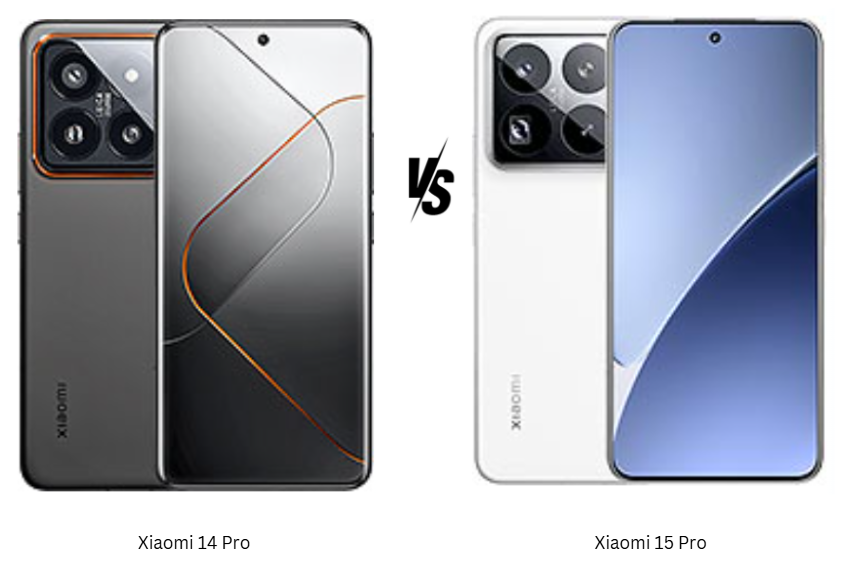
Notably, not all Android devices with the Snapdragon 8 Gen 3 performed the same. The Xiaomi 14 Pro, which also packs the Snapdragon 8 Gen 3 chip only managed to score an average frame rate of 38.9fps. It also hints at a difference in the heat dissipation system and performance tuning.
Motorola officially launched its highly anticipated foldable phone, the Razr 50, in India earlier this month. After its initial pre-order window, the Motorola Razr 50 is now live for sale in the country with a starting price as low as Rs. 49,999.
Motorola Razr 50 offer:
The Motorola Razr 50 is currently selling in a single 8GB + 256GB model in India ₹64,999. The brand is offering a special festival discount of ₹5000 on Motorola’s Indian website. Alongside the festive offer, the brand is also offering an instant discount of ₹10,000 for Axis and IDFC First Bank Credit Card users on both direct and EMI purchases. All these offers combined knock the effective price of the device down to ₹49,999.
Alternatively, Amazon India has a ₹5,000 coupon on the device along with a ₹8,750 Instant discount for SBI credit card users, bringing the effective price down to ₹51,249.
Motorola Razr 50 specs:
The Razr 50 is equipped with a 6.9-inch FlexView FHD+ pOLED display with a smooth 120Hz refresh rate, alongside a 3.6-inch external pOLED screen for quick notifications and essential functions. Powered by the MediaTek Dimensity 7300X processor, it pairs with 8GB of RAM and 256GB of internal storage, running on Android 14 with a guarantee of 3 years of updates.
For photography, the Razr 50 features a dual rear camera setup, including a 50MP main sensor and a 13MP ultra-wide lens, while a 32MP front camera handles selfies and video calls. The phone supports 5G connectivity, Wi-Fi 6, and Bluetooth 5.4, and is powered by a 4200mAh battery that supports 33W fast charging and 15W wireless charging. The foldable has an IPX8 water-resistant rating, ensuring protection against accidental splashes.
Vivo has officially launched the T3 Ultra smartphone in India, offering powerful performance and premium features at an attractive price point. The phone is now available for purchase on Flipkart, the vivo India e-store, and partner retail stores.
The Vivo T3 Ultra comes in three variants:
8GB RAM + 128GB storage: Rs. 31,999
8GB RAM + 256GB storage: Rs. 33,999
12GB RAM + 256GB storage: Rs. 35,999
HDFC Bank cardholders can enjoy a flat discount of Rs. 3,000, bringing down the effective prices to:
8GB RAM + 128GB storage: Rs. 28,999
8GB RAM + 256GB storage: Rs. 30,999
12GB RAM + 256GB storage: Rs. 32,999
Additionally, customers can avail up to 6 months of no-cost EMI.
Vivo T3 Ultra specs:
The Vivo T3 Ultra boasts a stunning 6.78-inch AMOLED display with a 120Hz refresh rate and a peak brightness of up to 4500 nits. Under the hood, the powerful Dimensity 9200+ processor delivers exceptional performance. With up to 12GB of RAM and 256GB of storage, the T3 Ultra offers ample space and a lag-free experience.
The T3 Ultra has a 50MP main camera with Optical Image Stabilization (OIS) and ZEISS optics for better image quality, an 8MP ultra-wide camera, and a 50MP front camera for selfies and video calls.
It has a 5500mAh battery, providing enough power for a full day’s use, and supports 80W fast charging. The phone is also IP68 rated for dust and water resistance and includes features like an in-display fingerprint sensor, USB Type-C audio, and stereo speakers.
In other news, Samsung is offering a significant discount on the Galaxy S23 during the festive season, pricing it at Rs 39,999—around 55% off its original launch price. This offer is available on Amazon and Flipkart, with additional discounts for HDFC and SBI cardholders.
Vivo has launched the Vivo Watch 3 globally, following its initial release in China. The global version, which is currently available in the Philippines keeps the same sleek design but offers improved battery life. Weighing 36g, the Vivo Watch 3 features a stylish design with a rotating crown and a large 3D curved glass display.
The AMOLED display of the watch measures 1.43 inches with a resolution of 466 x 466 pixels. It runs on BlueOS, providing a simple user interface with an Always On display feature.
Health tracking is a key feature, with multi-channel monitoring including 8-channel heart rate and 16-channel blood oxygen tracking. The watch also monitors stress levels, detects noise, and tracks sleep, with a Silent mode to aid rest. Fitness enthusiasts can take advantage of over 100 sports modes.
For connectivity, the Vivo Watch 3 offers Bluetooth calling, music control, and NFC access card support. Motion gestures can be used to answer calls or silence alarms. The battery lasts up to 16 days in Bluetooth mode, providing extended use.
Pricing & availability
The watch comes in two versions: Moon White with a leather strap for PhP 14,999, and Asteroid Black with a rubber strap for PhP 13,999. It is available for purchase on Vivo’s official website.
In other news, Xiaomi has teased the upcoming Redmi Buds 6 wireless earbuds, now available for pre-order ahead of their official launch on September 25 alongside the Redmi Note 14 series. The earbuds feature an in-ear design and come in green and white. Key upgrades include dual ceramic dynamic drivers for improved sound quality, advanced noise cancellation with a reduction depth of 49dB, and up to 42 hours of battery life. Global launch details of these earbuds are currently under wraps.
Longer Nano Pro 12W, launched on September 17th, 2024, is making waves in the world of laser engraving. This compact powerhouse is designed to meet the needs of both hobbyists and professionals, offering a perfect blend of portability and performance. Whether you’re a DIY enthusiast working on home projects or a professional artist creating intricate designs, this laser engraver is set to revolutionize your creative process.
One of the standout features of the Longer Nano Pro 12W is its incredible portability. This laser engraver is a breeze to carry around, weighing just 1.2 kg, about the same as a pair of football shoes. Its lightweight design means you’re no longer tied to a fixed workspace. You can easily take it to craft fairs, and workshops, or even use it in different rooms of your house. This flexibility is a game-changer for creators who love to work in various settings or those who don’t have a dedicated workspace at home.
Despite its small size, the Longer Nano Pro 12W doesn’t compromise on power. Available in both 6W and 12W models, this engraver packs a punch that rivals much larger machines. The 12W version, in particular, offers professional-grade engraving capabilities, allowing you to work on a wide range of materials with ease. Whether you’re etching intricate patterns on wood or cutting through acrylic for your latest project, this engraver has the power to bring your ideas to life.
Speed and precision are at the heart of the Longer Nano Pro 12W’s design. It features an advanced Galvo system that enables engraving speeds of up to 5000mm/s. This high-speed capability is paired with an impressive accuracy of 0.01mm, ensuring that even the tiniest details in your designs are captured perfectly. For artists and craftspeople who work on detailed projects, this level of precision is invaluable, allowing you to create complex designs with confidence.
One of the best things about the Longer Nano Pro 12W is its easy use. It’s compatible with popular engraving software like LightBurn and LaserGRBL, making it accessible for users of all skill levels. Beginners will appreciate the straightforward setup process, while experienced users will love the advanced features these software options provide. Additionally, LONGER has developed the LaserBurn app, which allows you to control the engraver directly from your smartphone. This user-friendly approach means you can start creating amazing projects right out of the box, regardless of your technical expertise.
The versatility of the Longer Nano Pro 12W makes it an excellent choice for a wide range of users. DIY enthusiasts will love its ability to handle various materials and project types. Small business owners can use it to create custom products or personalized gifts. Professional artists will appreciate its precision for creating detailed artwork. Even educators might find it useful for teaching design and manufacturing concepts in a hands-on way.
Longer Nano Pro 12W Portable Laser Engraver is a remarkable tool that brings professional-grade engraving capabilities to a portable package. Its power, precision, and ease of use make it stand out in the crowded field of laser engravers. Whether you’re looking to start a new hobby, expand your small business offerings, or take your professional designs to the next level, this engraver offers the flexibility and performance you need.
Redmi is playing its cards close to its chest regarding the exact launch date for the Note 14 series, but they’re happy to give us a glimpse of what’s to come in the color department. The company officially confirmed the color options for the Pro models, the Redmi Note 14 Pro and 14 Pro Plus.
The Note 14 Pro will be available in four flavors: Phantom Green, Twilight Purple, Mirror Porcelain White, and Midnight Black. The green and purple options lean into a two-tone finish, while the white has a more shiny finish. The black sticks to the classic matte look.
Redmi Note 14 Pro color options
The Note 14 Pro Plus keeps things a little more subdued, offering Sand Star Green, Mirror Porcelain White, and again, Midnight Black. Both Pro models share a sleek curved back design and a distinctive squircle camera island.
Redmi Note 14 Pro Plus color options
However, there’s a subtle difference in the camera layout. The Note 14 Pro has its lenses nestled discreetly within a glass panel, while the Pro Plus features more pronounced individual camera rings.
While these color options are confirmed, the full specifications for the Redmi Note 14 series remain a bit of a mystery. Rumors suggest there might be a vanilla Note 14 alongside the Pro and Pro Plus, offering a more affordable entry point.
The standard Note 14 is expected to sport a 1.5K AMOLED display, a step up from the Full HD panel on its predecessor. On the back, a 50MP triple camera system is rumored, along with a MediaTek Dimensity 6100+ chipset at the helm.
Stepping up to the Pro and Pro Plus models, things get a bit more exciting. Both are expected to boast a curved 1.5K OLED display with a smooth 120Hz refresh rate. The camera department is also rumored to be identical, featuring a 50-megapixel triple camera setup.
For processing power, the Pro might run on the recently announced Snapdragon 7s Gen 3 chip, while the Pro Plus could leverage the MediaTek Dimensity 7350 SoC.
With the official launch just around the corner, we shouldn’t have to wait much longer for the full picture of the Redmi Note 14 series. Stay tuned for the official specs and pricing details, which are expected to arrive next week.
Samsung has announced a price drop for its flagship Galaxy S24 smartphone, just in time for the festive season. Originally priced at Rs. 74,999, the device is now available at Rs. 59,999.
Samsung Galaxy S24 discount deal:
The Galaxy S24 is currently listed on Samsung’s website for Rs 62,999, down from its original starting price of Rs. 74,999. The offer includes a Rs. 12,000 cashback, with additional benefits like a Rs. 3,000 upgrade bonus or bank cashback, and No-Cost EMI options for up to 24 months. With the offers included you can get the device at Rs. 59,999.
The Galaxy S24 is available at a discounted price through the Samsung India online store, Samsung retail outlets, and online retailers like Amazon.in. The bank offer is expected to be available during the upcoming festive sale, which starts next week.
Samsung Galaxy S24 specs:
The Galaxy S24 comes with a 6.2-inch Dynamic AMOLED display, featuring a 1-120Hz adaptive refresh rate and a resolution of 2340×1080 pixels. The screen is bright, durable, and protected by Corning Gorilla Glass Victus 2.
Powered by Samsung’s Exynos 2400 processor with 8GB of RAM, the phone is available with storage options from 128GB to 512GB. For photography, it includes a 50MP main camera with optical image stabilization, a 12MP ultra-wide lens, and a 10MP telephoto lens with 3x optical zoom. The front camera is a 12MP sensor.
Running on OneUI 6.1, based on Android 14, the device offers seven years of software support. It also has a 4,000mAh battery with 25W fast charging, Qi wireless charging, and wireless PowerShare.
In related news, Samsung is also offering a massive discount on the Galaxy S23 this festive season, selling it at a discounted price of Rs 39,999, about 55% off its launch price. This deal is available through Amazon and Flipkart, with additional discounts on HDFC and SBI cards.
We use cookies on our website to give you the most relevant experience by remembering your preferences and repeat visits. By clicking “Accept”, you consent to the use of ALL the cookies.
This website uses cookies to improve your experience while you navigate through the website. Out of these, the cookies that are categorized as necessary are stored on your browser as they are essential for the working of basic functionalities of the website. We also use third-party cookies that help us analyze and understand how you use this website. These cookies will be stored in your browser only with your consent. You also have the option to opt-out of these cookies. But opting out of some of these cookies may affect your browsing experience.
Necessary cookies are absolutely essential for the website to function properly. This category only includes cookies that ensures basic functionalities and security features of the website. These cookies do not store any personal information.
Any cookies that may not be particularly necessary for the website to function and is used specifically to collect user personal data via analytics, ads, other embedded contents are termed as non-necessary cookies. It is mandatory to procure user consent prior to running these cookies on your website.