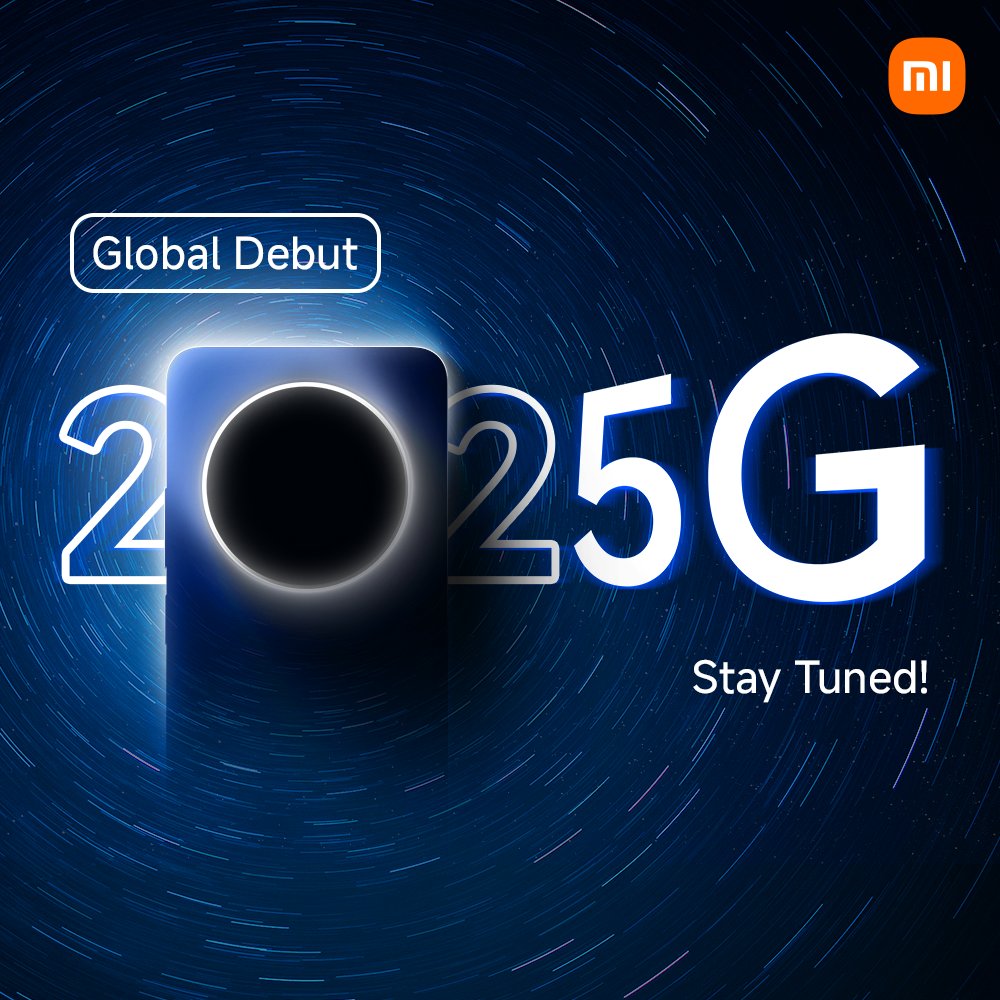
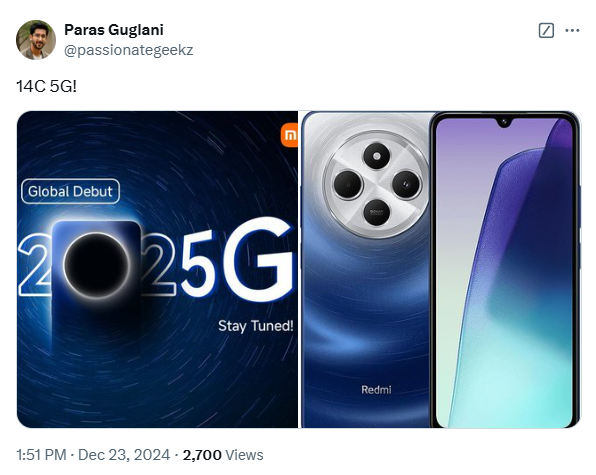
Redmi is planning to launch a new smartphone in the Indian market soon. The official X account (formerly Twitter) of the brand has teased a new device tagged “2025G,” hints at an upcoming smartphone launch early next year.
While the company has not officially named the device, tipster Paras Guglani suggests it will be the Redmi 14C 5G, targeting global and Indian markets. The Redmi 14C 5G, expected to be a global iteration of the Chinese Redmi 14R 5G, was spotted on Geekbench in October. The listing confirmed a Snapdragon 4 Gen 2 processor.
The Redmi 14R 5G’s specifications provide insights into the expected features of the 14C 5G. The device features a 6.88-inch display with a resolution of 1640 × 720 pixels, 600 nits peak brightness, and a 240Hz touch sampling rate. It supports DC dimming, eye protection, and functionality with wet hands.
Powered by the Snapdragon 4 Gen 2 chipset, the phone offers up to 8GB RAM and 256GB storage. It is equipped with a 13MP rear camera and a 5MP front camera. The device includes a 5160mAh battery with 18W charging support and measures 171.88mm x 77.8mm x 8.22mm.
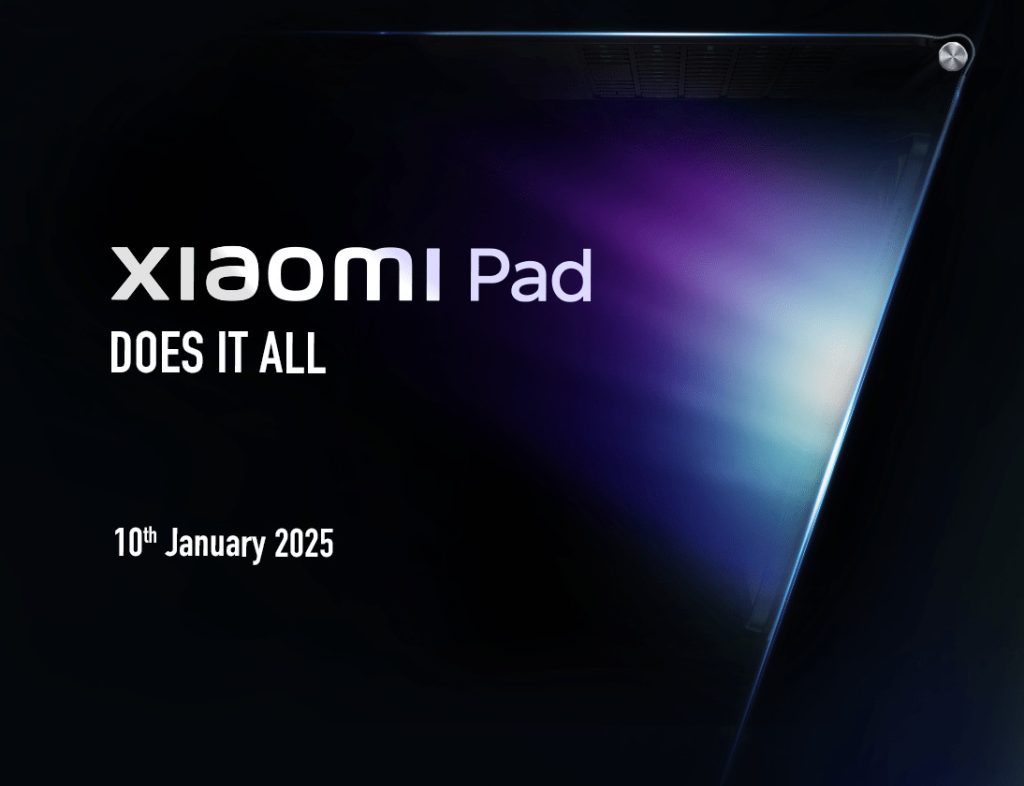
While the global version will likely retain these core features, regional adjustments could differentiate the Redmi 14C 5G. Details about pricing, specific features, and the official launch date remain unconfirmed, as Redmi has yet to make a formal announcement. All that said, it is possible that the brand will debut the device in India on January 10, alongside the launch of the Xiaomi Pad 7.
In other news, Xiaomi is preparing to debut the Redmi Turbo 4 in its domestic market, featuring the newly unveiled Dimensity 8400 processor. The phone is expected to feature a 1.5K resolution 6.67-inch LTPS OLED display, a massive 6,550mAh battery, and a plastic frame with a glass back finish. This device is expected to be rebranded as the POCO F7 in the global market.
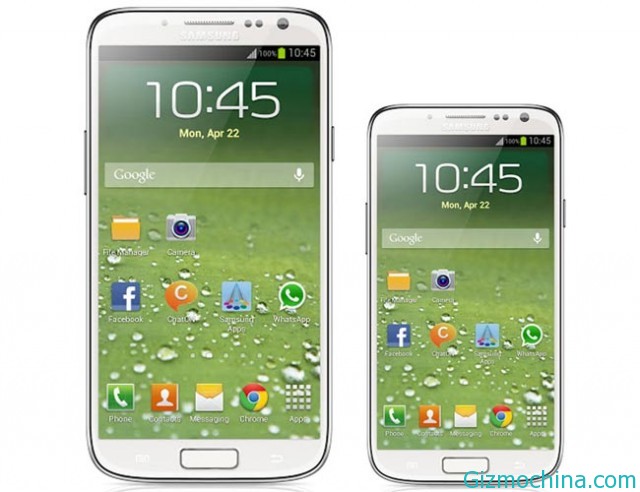
As technology advances, older devices often find it difficult to keep up with new software updates. WhatsApp, one of the most popular messaging apps in the world, is no exception. Starting January 1, 2025, WhatsApp will no longer support several older Android phones, marking the end of an era for devices released more than a decade ago.
WhatsApp to drop support for legacy Android devices
WhatsApp has officially announced the list of Android phones that will no longer be supported from January 1, 2025. The primary reason for this move is the app’s continuous evolution. With the recent integration of innovative features, such as Meta AI—allowing users to ask questions, generate images, and design content directly within the app—it has become increasingly difficult to maintain compatibility with older versions of Android.
Devices running Android KitKat (4.4), which was released in 2013, will lose access to WhatsApp. While the app will remain installed, users will be unable to connect to Meta’s servers, rendering it unusable for messaging and other features.
Motorola: Moto G (1st Gen), Razr HD, Moto E (2014)
HTC: One X, One X Plus, Desire 500, Desire 601
LG: Optimus G, Nexus 4, G2 Mini, L90
Sony: Xperia Z, Xperia SP, Xperia T, Xperia V
The full list includes devices released between 2012 and 2014, all of which are now considered outdated for WhatsApp’s evolving requirements.
WhatsApp regularly rolls out new features to improve user experience, but older Android versions pose limitations that hinder innovation. Continuing to support legacy devices would require WhatsApp to tailor its features to the constraints of outdated hardware, slowing down the app’s progress.
For users still relying on these older devices, the only solution is to upgrade to a newer Android phone capable of running modern software and supporting WhatsApp’s latest features.
Maybe it is finally time to upgrade
Given that these devices were released over 10 years ago, it’s highly likely that most users have already transitioned to newer phones. However, for those still using these devices as daily drivers, upgrading is essential to continue using WhatsApp and other modern applications seamlessly.
This move by WhatsApp highlights the importance of keeping up with technology to enjoy an uninterrupted user experience. If your phone is on the list, now is the perfect time to consider an upgrade to a more current Android device.
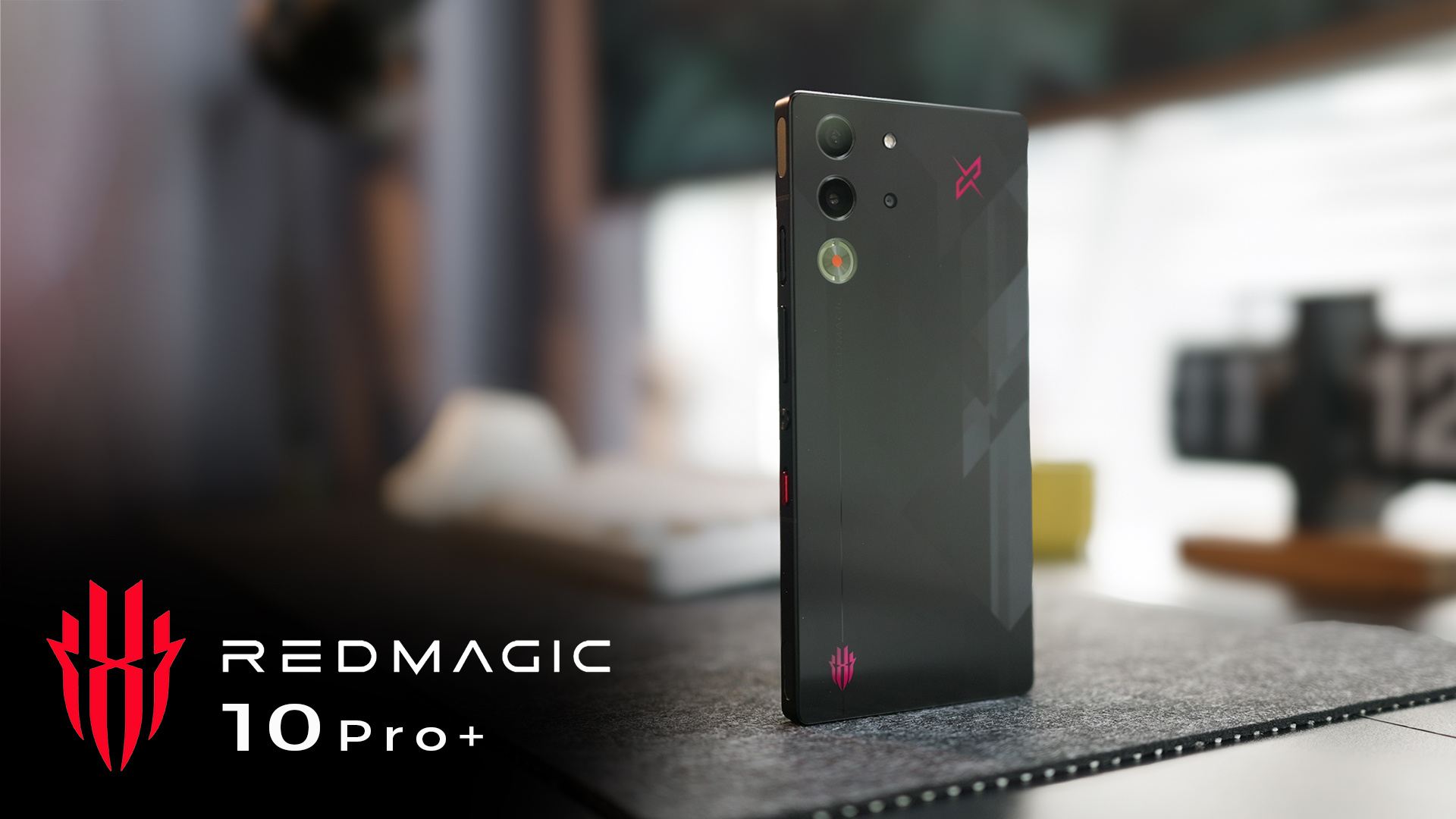
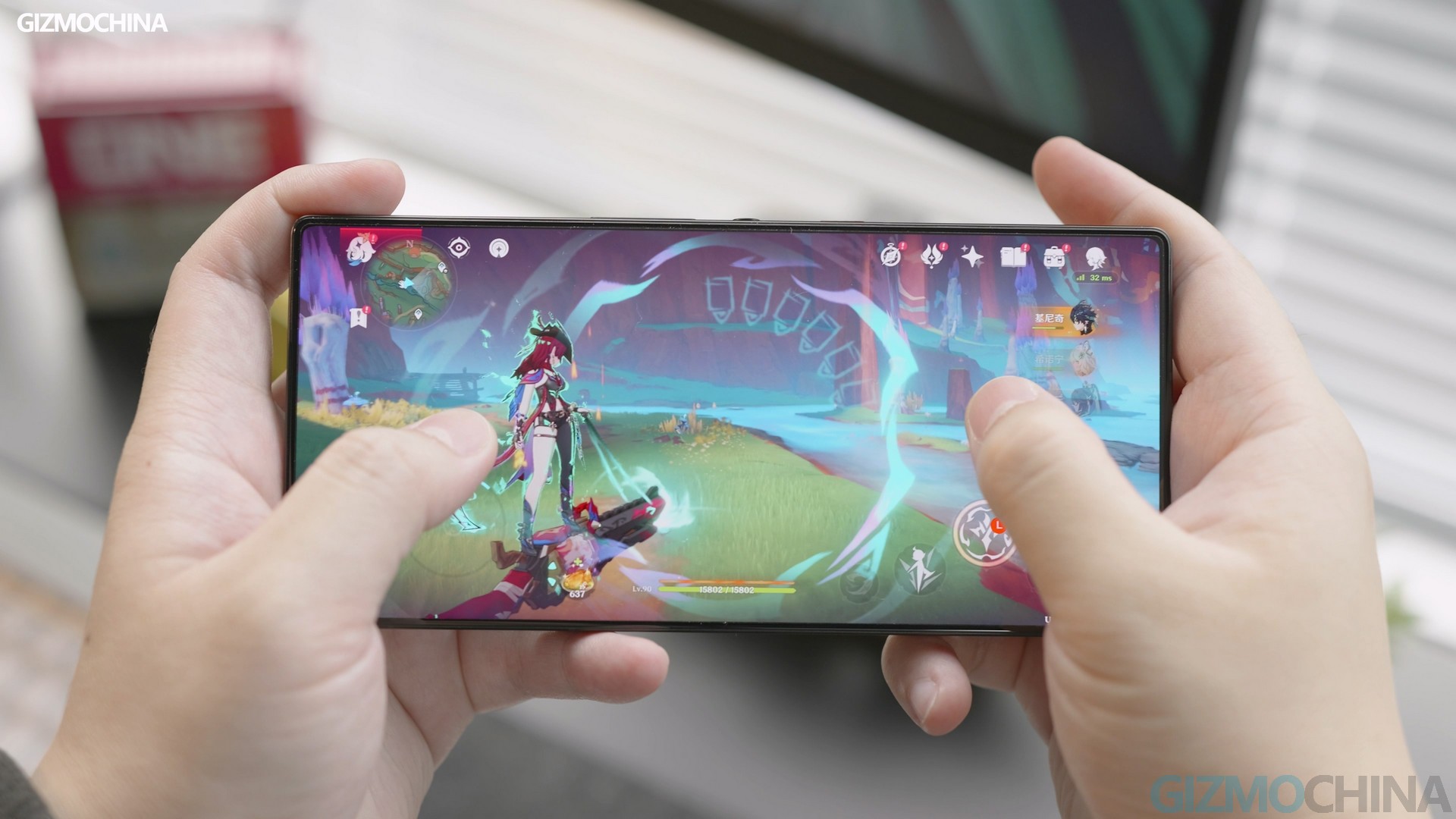
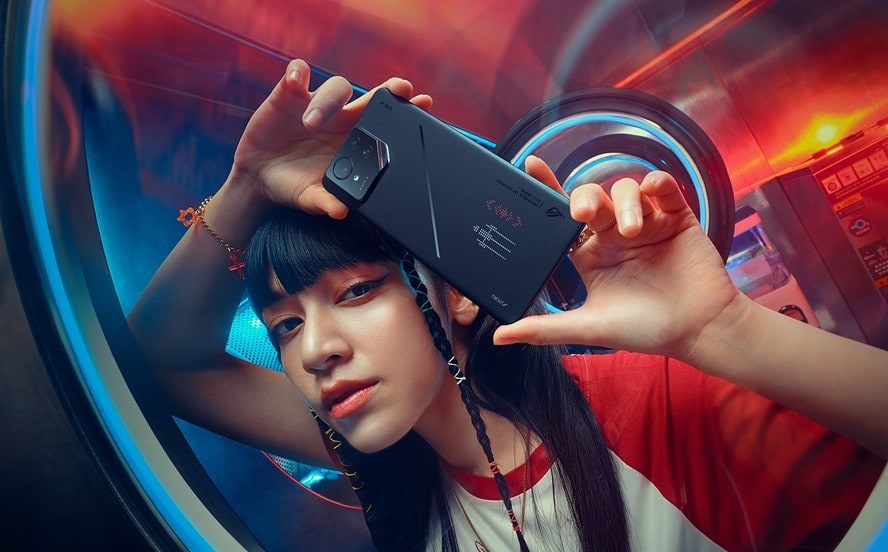
Gaming on smartphones has gotten better with each passing year, with several devices bringing cutting edge performance. Among the standout devices, theRed Magic 10 Pro+, ASUS ROG Phone 9 Pro, and Apple iPhone 16 Pro Max lead the pack as some of the best gaming smartphones of 2024. So here’s a quick breakdown of why these models dominate the gaming landscape this year.
The Red Magic 10 Pro+ is easily one of the best smartphones for mobile gaming fans. From the ground up, this smartphone is built specifically for gaming. There are various ways in which it has an advantage over its competitors thanks to the brand’s choices for its design and specs. It has a starting price tag of 5,999 Yuan (roughly 832 US Dollars). On the front, you get a tall 6.85-inch OLED display that offers a 1.5K resolution, a 144Hz refresh rate, and a 960Hz touch sampling rate. The screen has no punch hole cutout, so you’re also getting a seamless gaming experience on the big display.
Under the hood, the Red Magic 10 Pro+ is equipped with the Snapdragon 8 Elite, which makes it one of the fastest Android smartphones in the market. Performance is key, but so is the battery life. And the Red Magic 10 Pro+ doesn’t disappoint with its massive 7,050mAh battery pack, which supports 120W wired fast charging. For a better experience, the smartphone features 520Hz gaming shoulder keys. Cooling is key in high-end devices, and the phone optimizes gaming performance with composite liquid metal cooling along with a physical fan to avoid performance throttling in long gaming hours.
Soon after the Red Magic launch, ASUS also unveiled the ROG Phone 9 Pro. This model is a flagship-grade gaming phone that houses top-notch hardware. It packs a 6.78-inch AMOLED panel with up to 185Hz refresh rate and FHD+ resolution. But what makes it one of the best phones for gaming is its processor. Just like the Red Magic 10 Pro+, the ROG Phone 9 Pro also features the Snapdragon 8 Elite, which offers impressive upgrades in performance.
Gaming phones need to have a robust cooling system, and the ROG Phone 9 Pro features a 360° SoC Cooling System Gen 3 design for enhanced heat dissipation. For enhanced gameplay, this phone houses a subwoofer for 2.1 stereo surround and also packs hardware shoulder buttons. Since a smartphone isn’t as big as a controller, the shoulder buttons just give you an edge when gaming on a phone. This model has a starting price tag of 1,199 US dollars.
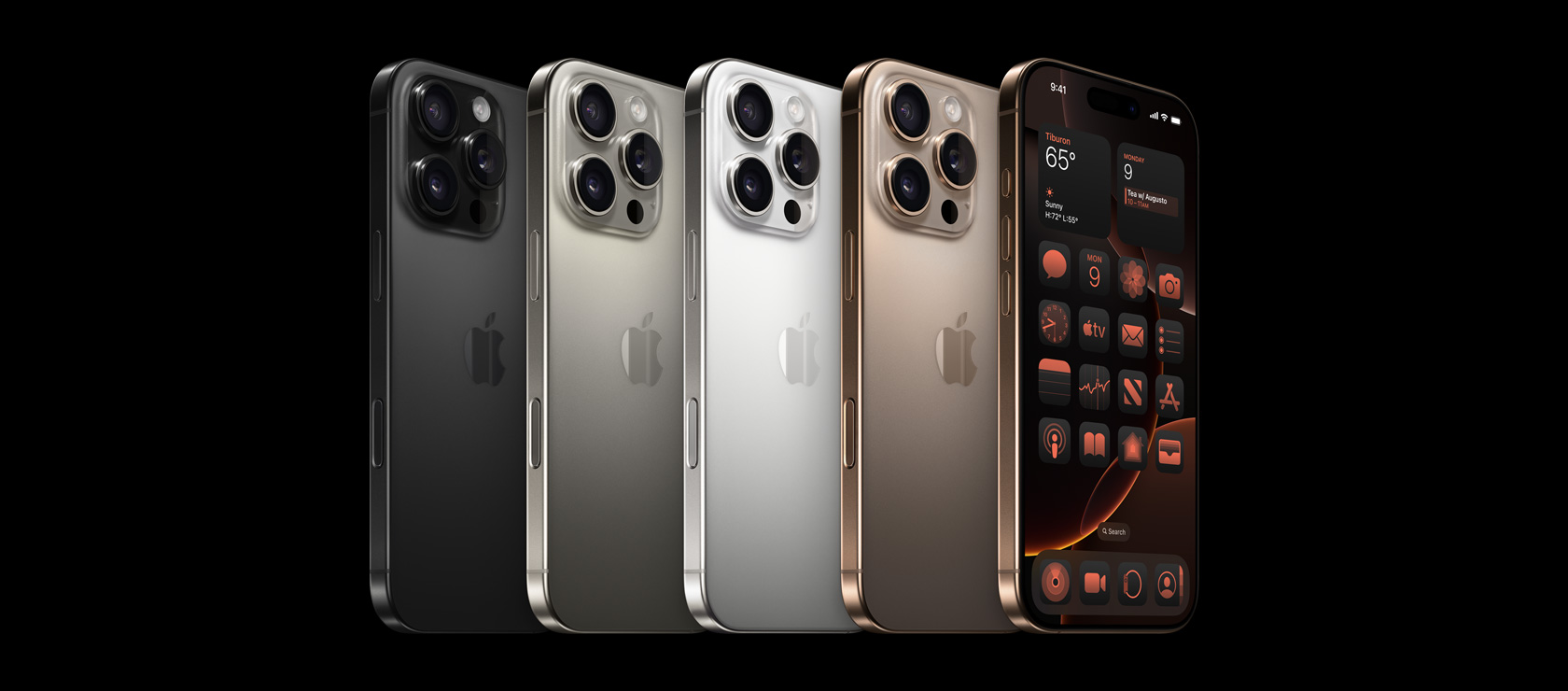
The other two models on this list were dedicated gaming smartphones, but the last on this list is a great all-rounder. Apple is one of the popular brands for professional mobile gamers, be it an iPhone or iPad. So this year’s iPhone 16 Pro Max is easily one of the best smartphones for gaming. It packs the A18 Pro Bionic chipset, which offers impressive performance. Keeping the experience ultra smooth, the iPhone 16 Pro Max sports a 6.9-inch LTPO Super Retina XDR OLED that offers a 120Hz refresh rate.
You miss out on the shoulder buttons, dedicated cooling mechanisms, super fast charging, and much more. But Apple makes up for it with flagship-grade camera performance, good battery life, and even Artificial Intelligence powered features. So if you’re not looking for a phone that screams gaming even from its design, prefer a versatile device, and want good cameras, the iPhone 16 Pro Max is a great pick. This model was first announced for a starting price of 1,199 US Dollars.
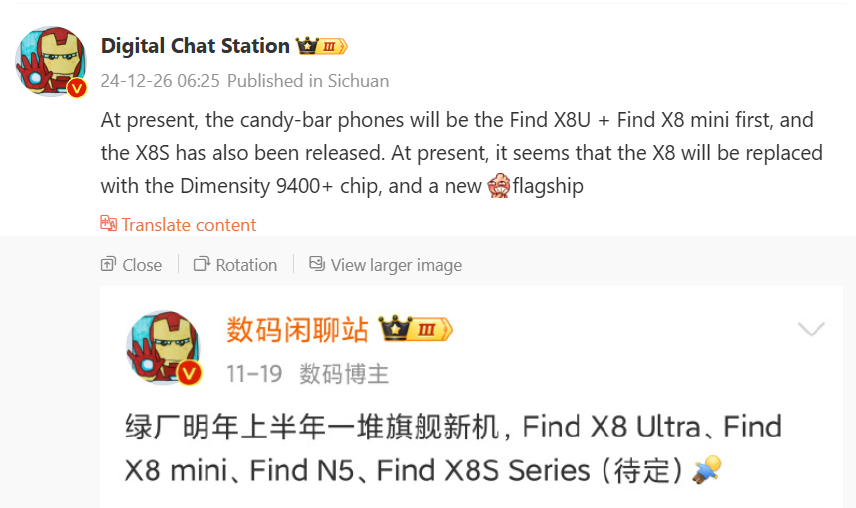
Tipster Digital Chat Station claimed in November that Oppo will launch several new flagship phones in China in the first half of 2025. These include the Find X8 Ultra, Find X8 Mini, Find N5, and Find X8S series. A new Weibo post from the same source has revealed new details about these devices.
In the latest leak, the tipster claims the initial launch will include the Find X8 Ultra and Find X8 mini, with the X8S in the pipeline. The X8S, which is said to be equipped with the upcoming Dimensity 9400+ chip, will replace the Find X8. There’s no clarity on whether the company plans to launch the Find X8S Pro.
The leak concludes by predicting the release of three new flagship models in the first half of the next year, each with a different screen size: 6.3 inches, 6.6 inches, and 6.8 inches. The leak suggests that the Find X8 Mini will feature a 6.3-inch screen, the Find X8S will sport a 6.6-inch display similar to the Find X8, and the Find X8 Ultra, a larger model, will sport a 6.8-inch screen.
According to recent leaks by DCS, the Find N5 foldable phone will break cover in February 2025. A launch event will follow, marking the arrival of the Find X8 Ultra and Find X8 Mini (also known as Find X8 Next). This event is likely to be held in March.
The Find X8 was announced in October. Given that incremental updates typically follow a biannual release cycle, it is expected that the Find X8s will arrive at least six months after the initial release of the Find X8. Therefore, it is likely that the Find X8S will be unveiled in April or May 2025.
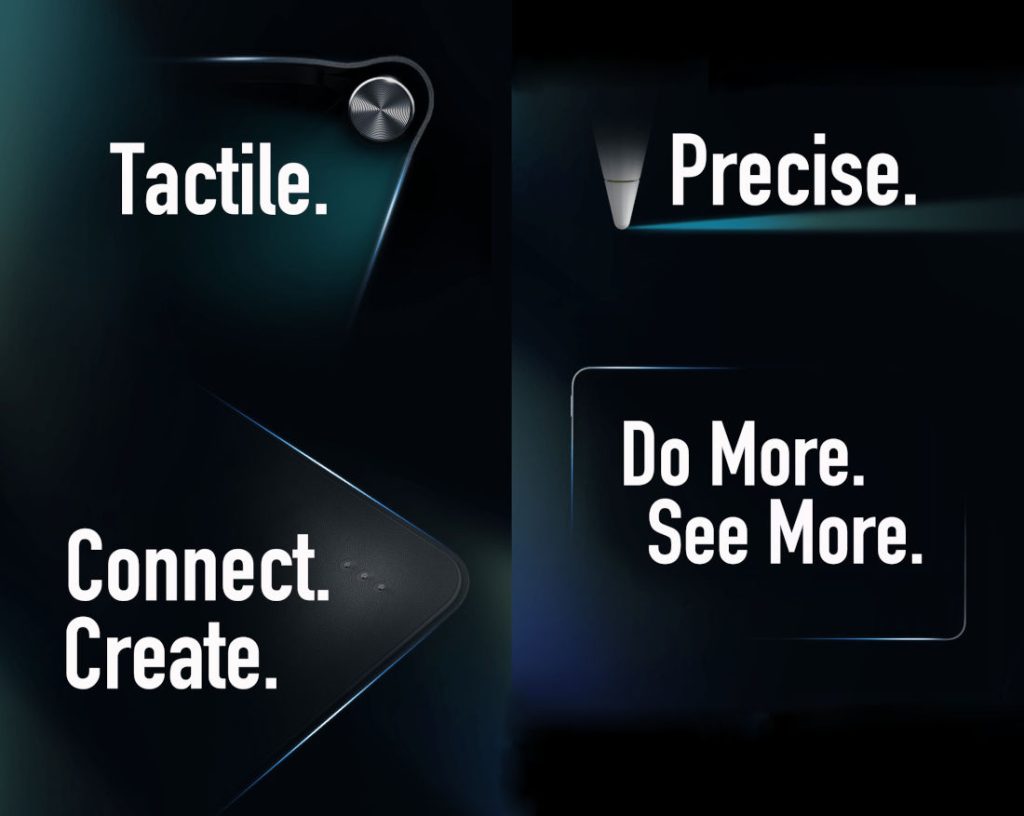
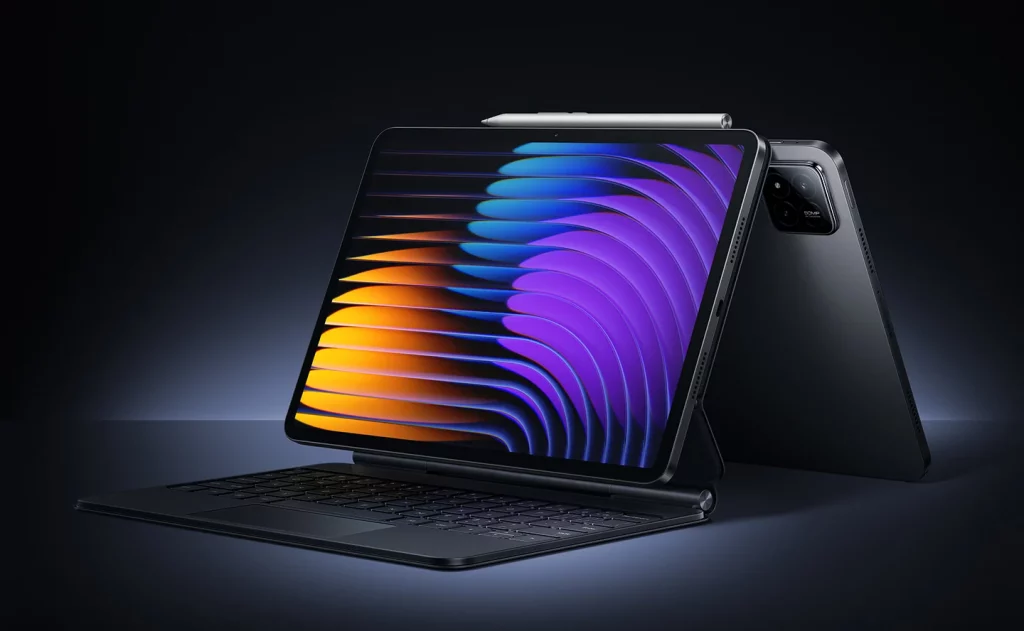
Xiaomi is set to launch its latest tablet, the Xiaomi Pad 7, in India on January 10, 2025. An Amazon India landing page confirms the launch date and teases features like magnetic floating keyboard compatibility via POGO Pins and stylus support, emphasizing its productivity-focused design.
The Xiaomi Pad 7, unveiled in China in October 2024, comes equipped with the Qualcomm Snapdragon 7+ Gen 3 chipset. A recent Geekbench listing has confirmed that the Indian variant will also feature the Snapdragon 7+ Gen 3 chipset along with 12GB of RAM The device scored 1877 points in single-core and 5106 points in multi-core tests, reflecting its upper mid-range capabilities. It will run Android 15 out of the box, offering a modern software experience.
The tablet features an 11.2-inch display with a 144Hz refresh rate, HDR10, a 240Hz touch sampling rate, and Dolby Vision for a premium visual experience. It includes a 13MP rear camera, while the Pro model offers a 50MP sensor. Powering the device is an 8,850mAh battery supporting 45W wired fast charging, ensuring longevity and quick recharges.
The Xiaomi Pad 7 and its Pro variant have received certification from several authorities worldwide, including the FCC and UAE databases. However, it remains uncertain whether the brand intends to release the Xiaomi Pad 7 Pro, featuring the Snapdragon 8s Gen 3 processor, in the global market. For a detailed look at the upgrades in the Xiaomi Pad 7 compared to its predecessor, the Xiaomi Pad 6, check out our comparison.
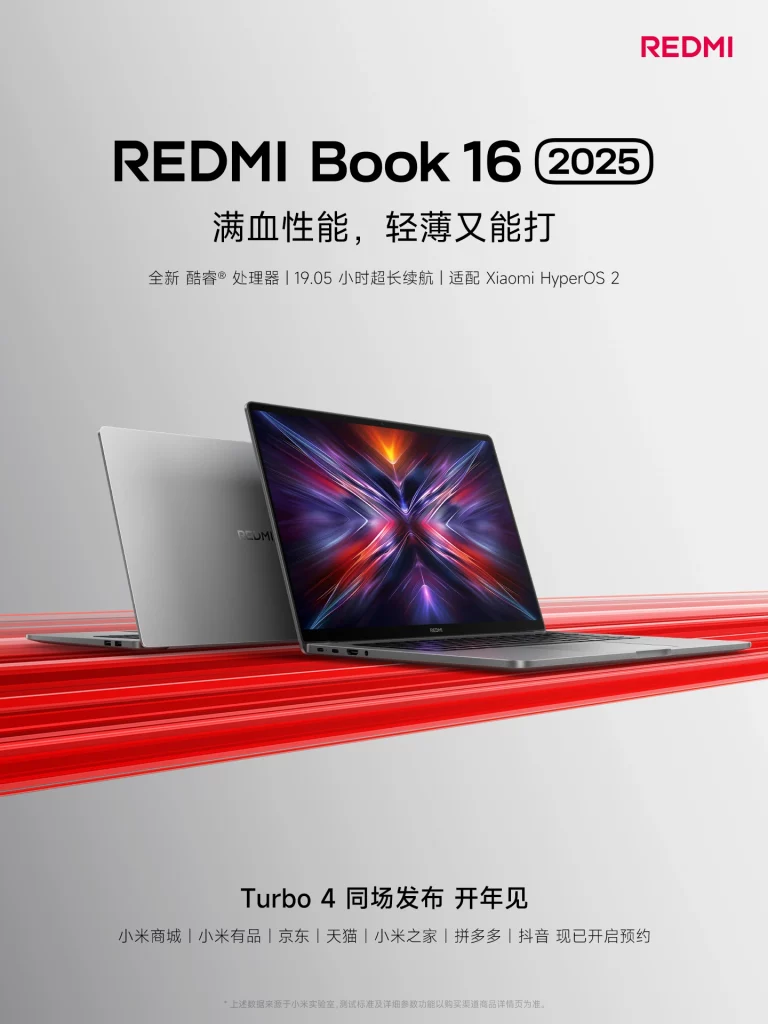
Redmi has unveiled the Redmi Book 16 2025 notebook, now available for pre-order ahead of its official debut at the Redmi Turbo 4, which is set to launch on January 1, 2025. Designed to balance lightness, performance, and battery life, the notebook features the latest Intel Core processor and boasts an impressive 19.05-hour battery life with AI scheduling for energy efficiency.
The device runs Xiaomi’s HyperOS 2 and integrates seamlessly with the Xiaomi Pengpai Zhilian ecosystem, enhancing compatibility with other Xiaomi smart devices. Other specifications are currently under wraps, however, we can expect incremental improvements over the last-gen Redmi Book 16 2024 model, which debuted in November 2023.
Redmi Book 16 2024 features
The Redmi Book 16 2024 laptop features a 16-inch 2.5K display with a 120Hz refresh rate, 100% sRGB color gamut, and 400 nits brightness. Its slim, lightweight metal body weighs 1.68kg and measures 15.9mm in thickness. The laptop is powered by the i5-13500H processor and includes dual fans with dual 8mm heat pipes. It comes with 16GB LPDDR5-6400 RAM and storage options include up to 1TB SSD, with an additional M.2 SSD slot for expansion.
The laptop has a 72Wh battery, with multiple connectivity options, including Thunderbolt 4, USB-A ports, HDMI, and a 3.5mm audio jack. The Redmi Book 2024 series includes a 100W GaN adapter for fast charging. The compact adapter supports bi-directional USB-C cables and PD fast charging, charging devices to 50% in 35 minutes.
As mentioned above, the event will also showcase the Redmi Turbo 4 smartphone, set to be the world’s first device powered by MediaTek’s Dimensity 8400-Ultra processor. The new chipset features eight Cortex-A725 large cores, achieving a maximum frequency of 3.25GHz. Compared to its predecessor, the Dimensity 8400-Ultra offers a 10% increase in single-core performance while reducing power consumption by 35%.
Oppo is preparing to launch its Reno 13 Series 5G smartphones in India and Malaysia, following their debut in China. While the official launch date remains unconfirmed, reservations for the series have started in Malaysia, and a dedicated microsite is live on Flipkart for Indian consumers.
The Reno 13 Series for the Indian market includes two models: Oppo Reno 13 5G and Oppo Reno 13 Pro 5G. Both models will feature an aerospace-grade aluminum frame and lightweight, slim designs. The Reno 13 measures 7.24mm to 7.29mm in thickness, while the Pro variant is slightly thicker at 7.5mm. Weighing 181 grams and 195 grams respectively, the devices also boast a one-piece sculpted glass back.
Ahead of the launch, Thetechoutlook has shared information about the storage configurations of the models coming to India. As per the report, the Indian Reno 13 5G model will include 8GB RAM with 128GB or 256GB storage options. The Pro model offers 12GB RAM paired with either 256GB or 512GB storage. Both devices feature OLED displays with Gorilla Glass 7i protection. The Reno 13 5G achieves a 93.8% screen-to-body ratio with 1.62mm bezels, while the Pro model offers a 93.4% ratio with 1.81mm bezels.
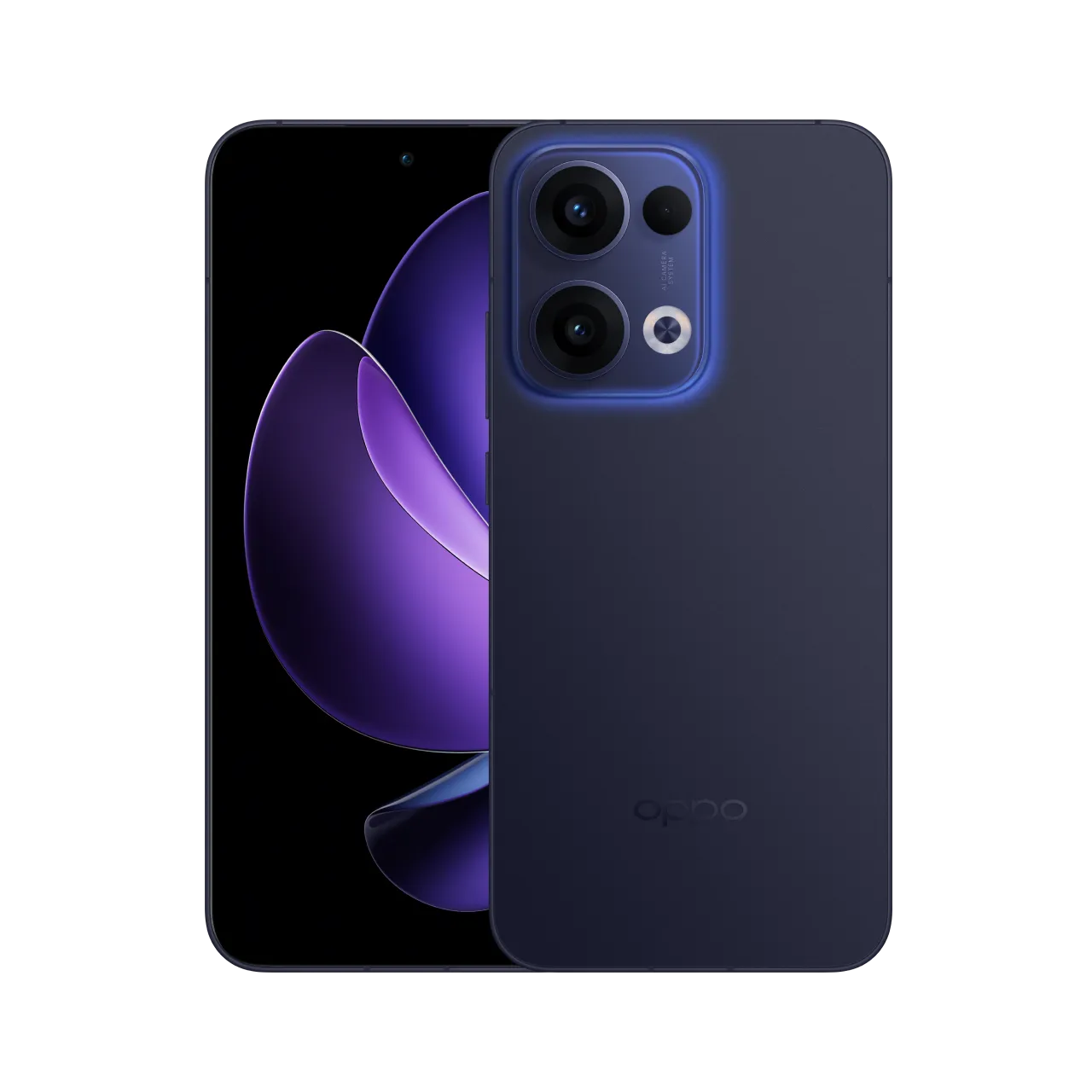
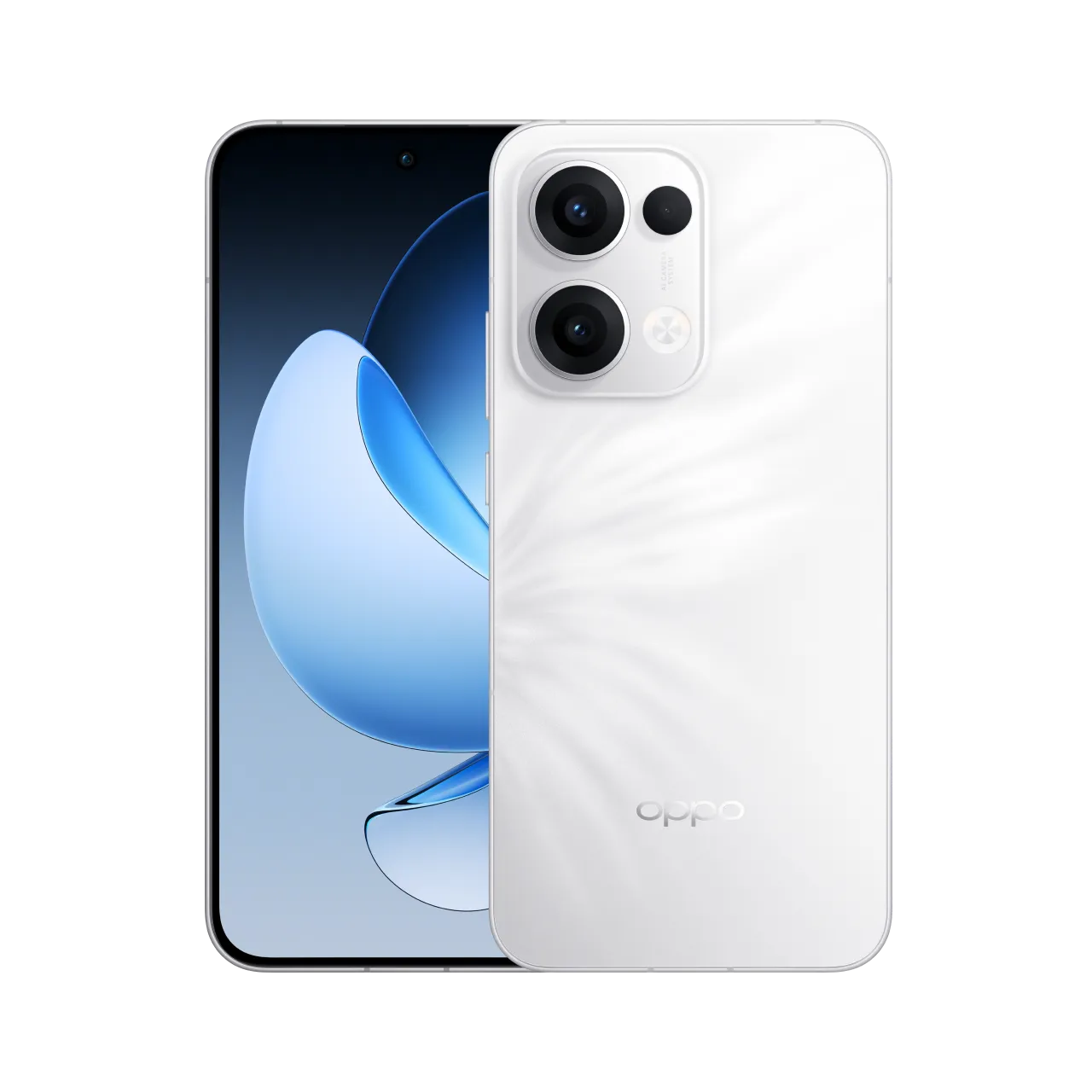
Color options for the Reno 13 5G in India include Ivory White and Luminous Blue, the latter featuring a reflective glow effect exclusive to the market. The Reno 13 Pro 5G will be available in Mist Lavender and Graphite Grey. The series also offers comprehensive durability with IP66, IP68, and IP69 ratings.
Under the hood, the global Reno 13 Pro is expected to feature either the Dimensity 8350 or Dimensity 8300 chipset, 12GB RAM, and Android 15, based on a Geekbench listing. More details are expected to arrive in the coming days, so stay tuned.
Samsung has firmly established itself as a leader in the Android ecosystem, setting benchmarks in hardware innovation, software optimization, and ecosystem integration. Its dominance is not merely a result of market share but a culmination of strategic investments in R&D, a robust supply chain, and a unique approach to software differentiation. Here’s an in-depth look at how Samsung maintains its edge over other Android manufacturers.
Samsung’s position as a hardware powerhouse stems from its vertical integration strategy. The company designs and manufactures critical components like OLED displays, Exynos processors, DRAM, NAND storage, and camera sensors in-house. This enables Samsung to innovate at a pace unmatched by competitors.
For instance, Samsung’s AMOLED displays are regarded as the gold standard in the industry, featuring not just in Galaxy devices but also in flagship smartphones from other brands.
Samsung’s innovation extends to its CMOS image sensors as well, such as the 200MP ISOCELL HP2, which features advanced pixel-binning, 8K video recording, staggered HDR, and ultra-fast autofocus. These sensors, used in both Galaxy smartphones and other brands, showcase Samsung’s leadership in camera technology.
In the foldable smartphone segment, Samsung is years ahead of the competition. The Galaxy Z Fold and Z Flip series have set the bar for durability, hinge mechanisms, and software optimization for foldable displays. Competitors like Xiaomi and Huawei have released foldables, but none match the global availability, reliability, and ecosystem support Samsung provides.
2. Software Ecosystem
Samsung’s One UI, built on the Android operating system, delivers a user-friendly interface with features designed to enhance usability. The latest version, One UI 6.1, brings refined aesthetics and improved functionality, setting it apart from other Android skins. This thoughtful customization ensures a seamless and cohesive user experience across Samsung’s diverse device lineup.
While other Android OEMs offer similar features, Samsung excels in usability and integration. The overall design of One UI strikes a balance, it’s neither overly flashy nor excessively minimal, making it widely appealing. Samsung also offers its own App Store with a variety of customization options. Furthermore, Samsung devices typically come with less bloatware and fewer ads, a significant advantage for consumers.
The software also offers features like the Edge Panel, advanced multitasking with split-screen and pop-up views, and Samsung DeX, which transforms your phone into a desktop-like experience, setting it apart from other ecosystems.
Moreover, Samsung has committed to providing up to seven years of Android updates and security upgrades for select smartphones, starting with the Galaxy S24 series. This extended support ensures that users receive the latest features and security enhancements, fostering long-term device reliability.
3. Seamless Device Integration
Samsung’s ecosystem extends beyond smartphones, encompassing tablets, smartwatches, earbuds, smart TVs, and home appliances. The Galaxy ecosystem offers seamless integration, with features like Quick Share for fast file transfers, Auto Switch for Galaxy Buds, and Samsung SmartThings for home automation. The integration with Windows via the “Link to Windows” feature allows Galaxy users to sync notifications, messages, and even mirror their phone screens on their PCs.
While other Android manufacturers like OnePlus, Xiaomi, and Oppo offer a range of devices, Samsung’s extensive portfolio and emphasis on interoperability provide a more cohesive ecosystem. This interconnectedness is comparable to, and in some cases rivals, the integration found within Apple‘s ecosystem.
4. Global Reach and Brand Trust
Samsung’s global reach and brand trust further solidify its position as a leader. Unlike some competitors that face challenges in certain markets due to geopolitical issues or limited service networks, Samsung enjoys a robust presence worldwide. Its extensive service network and consistent product quality ensure a reliable user experience.
5. Conclusion
Samsung’s dominance in the Android ecosystem stems from its innovative hardware, user-focused software, seamless ecosystem integration, and dedication to adopting emerging technologies.
While competitors like Google, Xiaomi, and OnePlus have made significant progress, Samsung’s comprehensive approach keeps it at the forefront. As the Android ecosystem evolves, Samsung is poised to maintain its leadership, consistently setting new industry standards.
What stands out most about Samsung is its willingness to embrace new ideas and never shy away from trying something different.
Nothing OS is one of the cleanest yet feature-rich Android skins. I also love the fact that this brand takes software things seriously. In fact, it was among the first brands to release early builds of Android 15. The stable build is already live for Nothing Phone (1) and Phone (2a), with the remaining models to get the treat in early 2025.
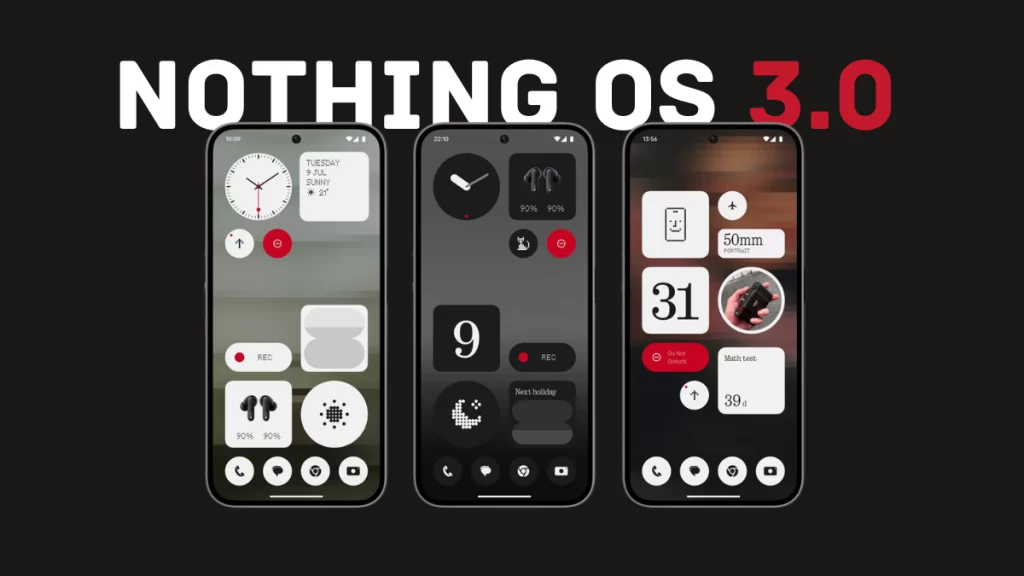
Nothing OS 3.0 is a major upgrade. It brings some exciting new stuff and plenty of minor changes and improvements that improve the overall experience. Here are the biggest changes in Nothing OS 3.0 you shouldn’t miss:
1. A native gallery app
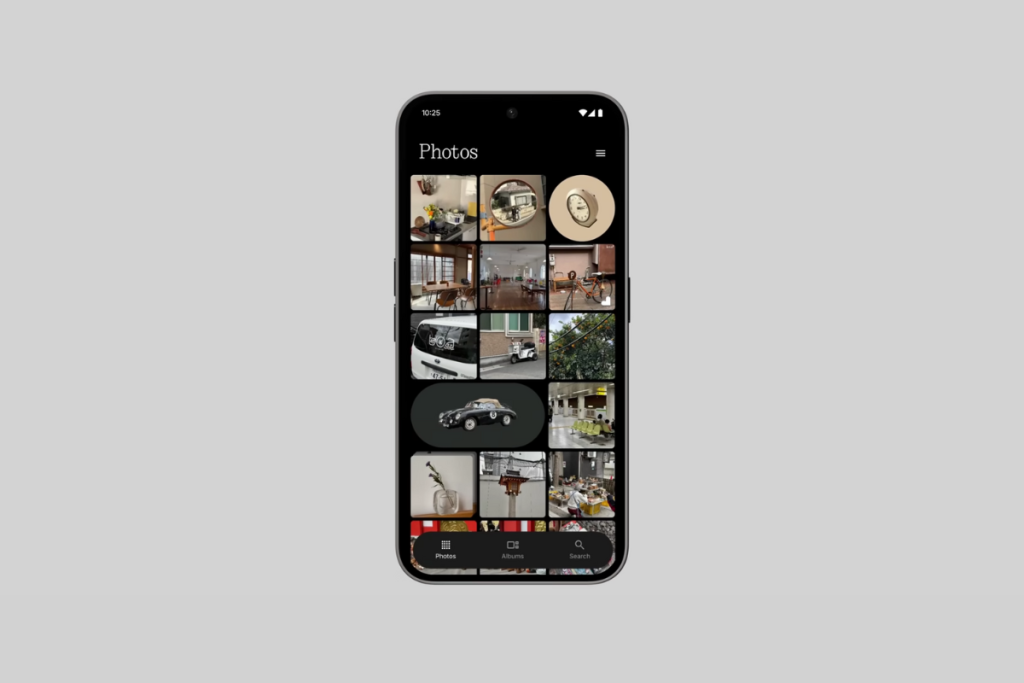
Nothing Gallery is finally here. Users have been requesting it for a very long time, and finally, it has arrived. The Gallery app also resembles Nothing’s design language. There’s a Photos section, an Album section, and a search section; navigating between them is fast enough.
The Gallery app is fast and uses AI to find key moments within the photos and displays them in bigger thumbnails to make them quickly noticeable. There’s also AI image segmentation that highlights key objects for easy identification.
During the Nothing OS 3.0 launch, the brand announced that it would add more AI features to the Gallery app in the future, including AI upscaling, AI super resolution, and AI image generation.
2. New dot-matrix animations
Nothing OS 3.0 brings some cool dot-matrix-style animations. First is the boot-up animation, which looks a lot better than before.
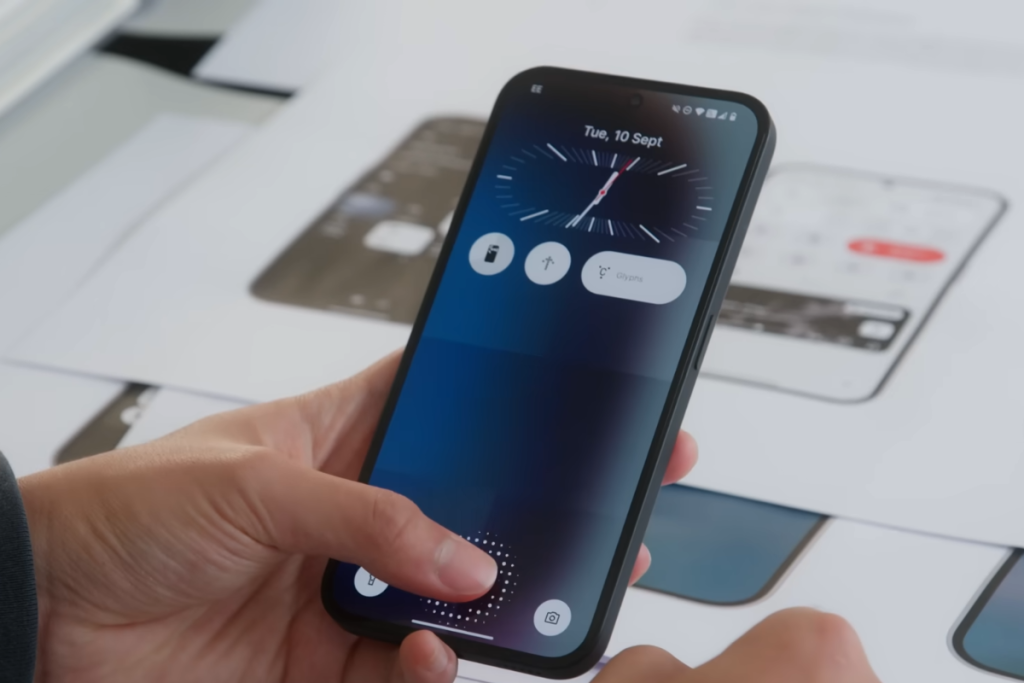
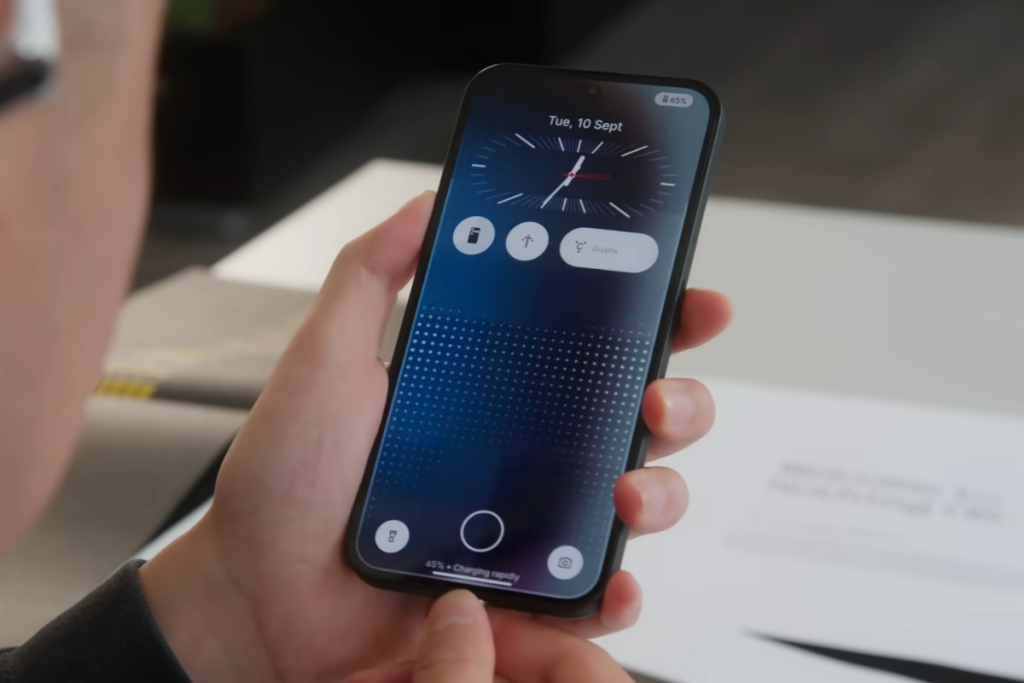
There’s also a new fingerprint-unlocking animation, where the dots move and breathe outwards when you press and hold your finger.
The new charging animation also resembles Nothing’s dot design language. When you connect the charger, the dots move from the bottom to the top. The weather icon inside the weather app also gets a dot-matrix design that can be animated.
These are nice additions to the software that make it more visually appealing.
3. More customizable lock screen
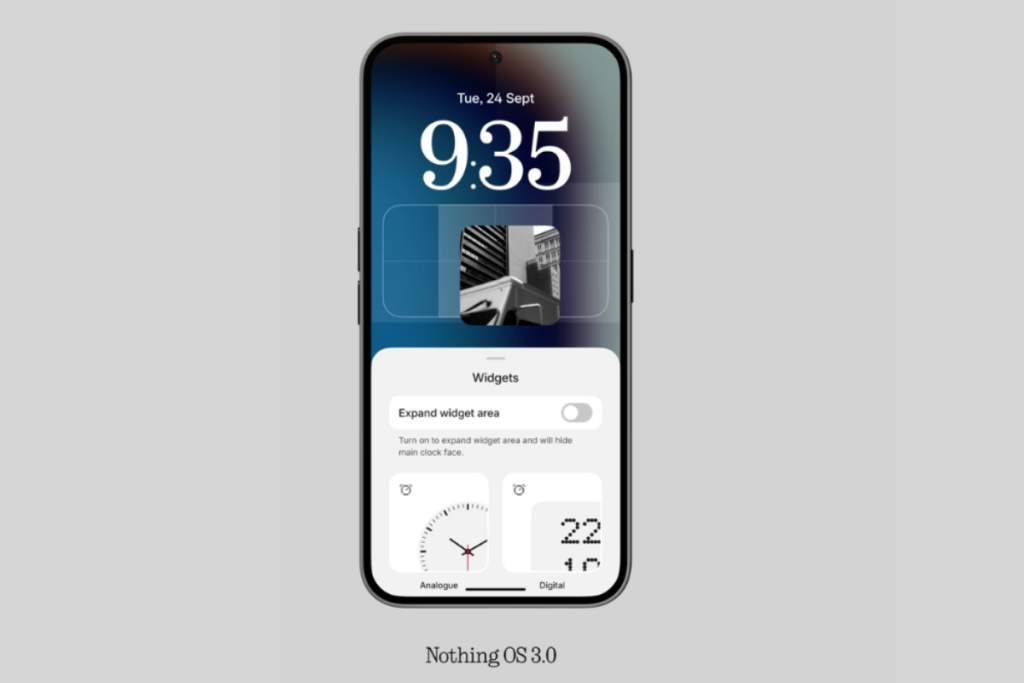
The lock screen is getting a major upgrade with Nothing OS 3.0, making it more customizable than ever before. First of all, there are many watch faces to choose from. Some of them are iOS-inspired, though.
You can now do more from the lock screen by adding more widgets. To do this, tap the widget area and toggle on “Expand widget area.” You can also customize the two shortcuts at the bottom.
4. Revamped quick settings panel
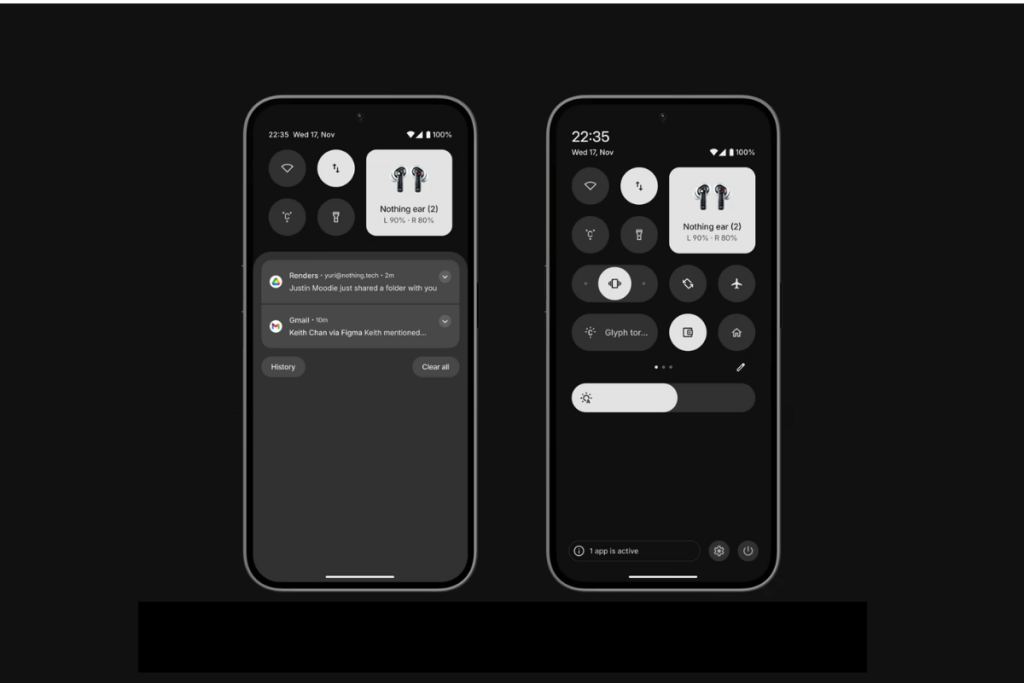
The revamped Control Center is cleaner and resembles Nothing’s design language. You can now customize the size of tiles, just like you do on the home screen. This is particularly useful for shortcuts that you use very often.
Some shortcuts offer more actions when their sizes are increased. For example, the 1×2 audio tile lets you switch the sound profile to normal, vibrate, or silent. The brightness slider has been moved below the Quick Settings tiles, which is the usual location on most Android phones. Another change to the brightness slider is that it now includes a shortcut icon to toggle adaptive brightness.
5. Smart app drawer
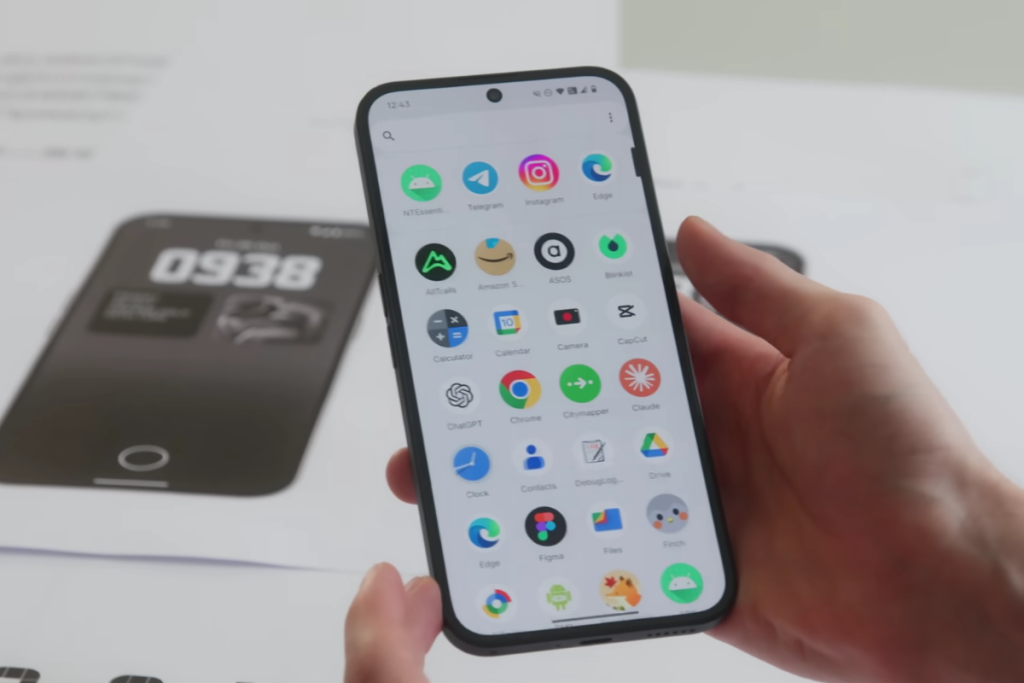
Nothing OS 3.0 is getting important changes to the app drawer as well. First, there’s a Smart Drawer to automatically categorize apps for quicker access. The app drawer also lets you pin your favorite apps at the top of the app drawer. This is particularly useful if you don’t want to clutter the home screen with many apps and still want quicker access to your most used apps.
6. Get more done with new widgets
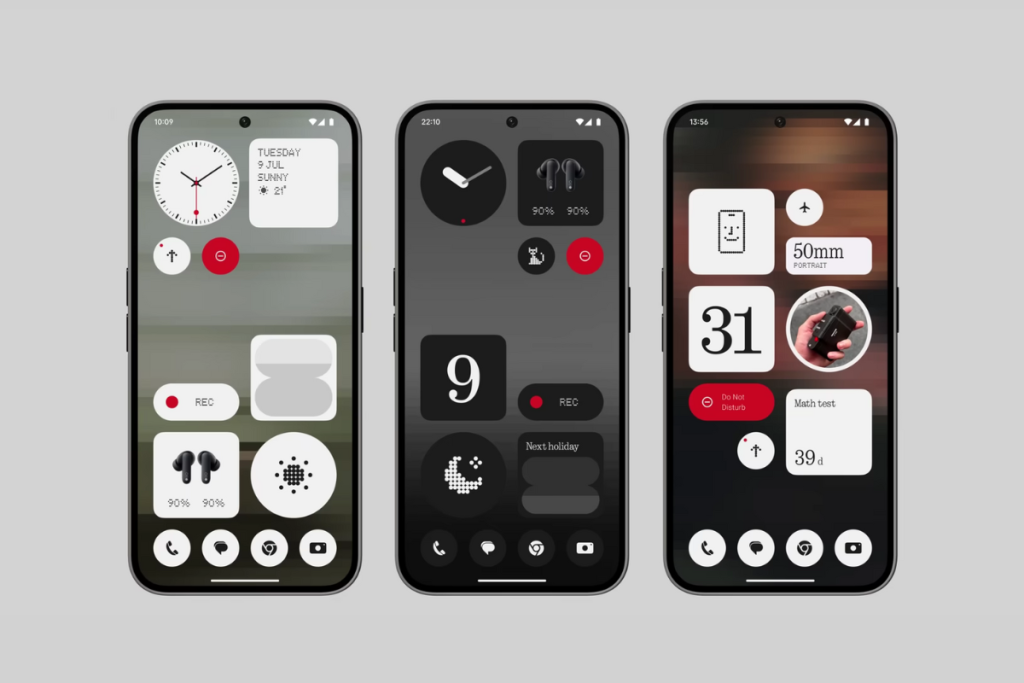
Widgets are useful. You can get a lot of things done without having to open apps. Nothing phones already have over 20 widgets, but the list keeps getting bigger with every major release. There’s a new countdown widget in Nothing OS 3.0 that lets you track time towards a specific date.
The camera widget now has been improved. You can now use it to open any camera mode or pro mode.
Nubia has introduced its latest open-ear earbuds, the LiveFlip, in the Chinese market. The earbuds are available at an introductory price of 179 yuan ($24), with the regular price set at 249 yuan ($34). Here’s a look at the key specifications.
Nubia LiveFlip Specifications
The earbuds feature an open ear design that prioritizes comfort, making them suitable for various scenarios such as commuting, exercising, and casual music listening.
The earbuds boast an ergonomic structure that snugly fits around the contours of your ear without intruding into the ear canal. This ensures stability during movement, making it perfect for active lifestyles. Its lightweight build, at just 7.6 grams per earbud, ensures a comfortable, almost weightless feel.
In terms of audio, they come equipped with a massive 15mm dynamic driver, ensuring rich and immersive sound quality. It features crystal-clear highs, precise mids, and deep, resonant bass, making it a perfect choice for music enthusiasts. Additionally, they sport Nubia’s professional acoustic tuning, delivering an enhanced listening experience across all frequency ranges.
The LiveFlip offers impressive battery life, making it ideal for extended use. It provides up to 10 hours of continuous playtime on a single charge, while the charging case extends the total playback time to an exceptional 40 hours.
Equipped with Bluetooth 5.4 technology, the earbuds ensure stable connections and low latency. They come with a range of up to 10 meters, offering flexibility in movement.
The LiveFlip also features ENC dual-mic noise reduction technology, delivering clear call quality even in noisy environments. Certified with IPX4 water resistance, the earbuds are designed to withstand sweat and light rain, making them perfect for outdoor activities. Additionally, the intuitive touch controls allow users to easily adjust volume, change tracks, answer calls, or access voice assistants with a simple tap.
Xiaomi has introduced a new addition to its Mijia lineup, the Smart Pet Water Dispenser 2. The main unit is priced at 199 yuan ($27), while the accompanying filter cartridge set is available for 39 yuan ($5.34). Here’s a look at its key specifications.
Mijia Smart Pet Water Dispenser 2 Specifications
The product is designed to provide a convenient and hygienic hydration solution for your beloved pets. This cutting-edge device combines intelligent features with thoughtful design to enhance your pet’s drinking experience.
The water dispenser features a 3L large-capacity reservoir, allowing it to hold enough water to meet your pet’s hydration needs for up to 15 days with just a single refill. Its four-stage filtration system ensures that the water remains clean and free from impurities, delivering safe and fresh water every time. The filtration process includes multiple layers to remove debris, hair, and other contaminants, providing high-quality drinking water.
This innovative dispenser sports three different water flow modes, catering to the unique drinking preferences of different pets. Whether your pet prefers a steady flow, a bubbling fountain, or gentle streams, this device has you covered. With its low-noise operation, it ensures a quiet and comfortable environment for both pets and owners, making it suitable for homes that value peace and tranquility.
The water dispenser has an IPX7 waterproof rating, enabling the entire unit to be safely washed and cleaned without concerns about water damage. Its sleek, minimalist body is engineered for effortless maintenance, ensuring hygiene remains a priority.
The device boasts a 4000mAh battery, providing up to 100 days of battery life. It is compatible with Xiaomi’s intelligent ecosystem, allowing users to monitor and control the dispenser through the Xiaomi Home app. This integration brings convenience and peace of mind, letting you check water levels, filtration status, and more.
Earlier this month, Xiaomi unveiled two new products in its Mijia lineup: the Mijia Dictionary Pen C1, featuring a 3.02-inch screen, advanced OCR capabilities, and tools for scientific learning, and the Mijia Smart Safe 30cm, boasting a robust build, six unlocking methods, and app-based control.
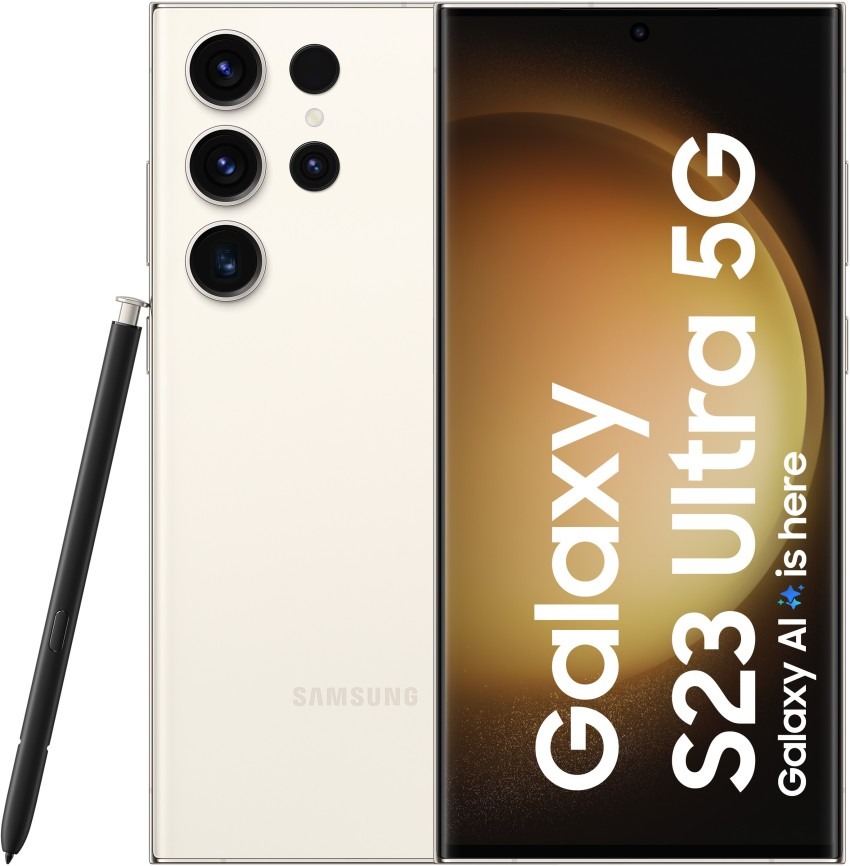
It’s Christmas today, and Samsung is offering a big discount on its flagship smartphone from last year, the Galaxy S23 Ultra. The smartphone was also sold earlier, with a price tag of Rs. 74,749. But the right Samsung Galaxy S23 Ultra is available to purchase on Amazon with the all-time lowest price, which is Rs. 72,999. Although there are discounts on many smartphones, still Galaxy S23 Ultra is the most tempting one.
Galaxy S23 Ultra Deal Details
Samsung Galaxy S23 Ultra is available on Amazon with a list price of Rs. 72,999. This is the lowest price ever for which the smartphone is available to purchase. Moreover, if you have Amazon’s ICICI credit card you will get up to 5% (Rs. 3649) of cashback as Amazon Pay Balance.
Please Note: When you buy something using the links in our articles, we may earn a small commission at no cost to you.
Samsung Galaxy S23 Ultra Features and Specs
The smartphone is a flagship device from Samsung launched back in 2023. Galaxy S23 Ultra features a 6.8-inch Dynamic AMOLED 2X display with a QHD+ resolution of 3088 x 1440 pixels and a buttery-smooth 120Hz adaptive refresh rate. The display is protected by Corning Gorilla Glass Victus 2. It is Powered by the Snapdragon 8 Gen 2 processor. Further, it is paired with up to 12GB of RAM and storage options ranging from 256GB to 1TB. The phone runs on Android 13 with Samsung’s One UI 5.1, offering a seamless and customizable user experience.
It is accompanied by a 200 MP primary camera, a 12MP ultra-wide lens, and two 10MP telephoto lenses with 3x and 10x optical zoom capabilities. There is a 12MP front-facing camera for stunning selfies. Samsung Galaxy S23 Ultra is equipped with a 5000mAh battery that supports 45W fast charging and 15W wireless charging, ensuring long-lasting usage. In connectivity options, the phone is packed with WiFi 6e, Bluetooth 5.3, GPS, NFC, USB Type 3.2, and OTG.
For more deals on Gadgets stay connected with our deals section.
OnePlus is set to introduce its Oneplus Ace 5 series in China, which will include a standard and a Pro model. The standard Ace 5 is expected to debut globally as the OnePlus 13R, bringing notable upgrades over its predecessor. Among these, a larger battery and a slimmer design are standout features, ensuring that users get extended battery life without compromising the phone’s sleek form factor.
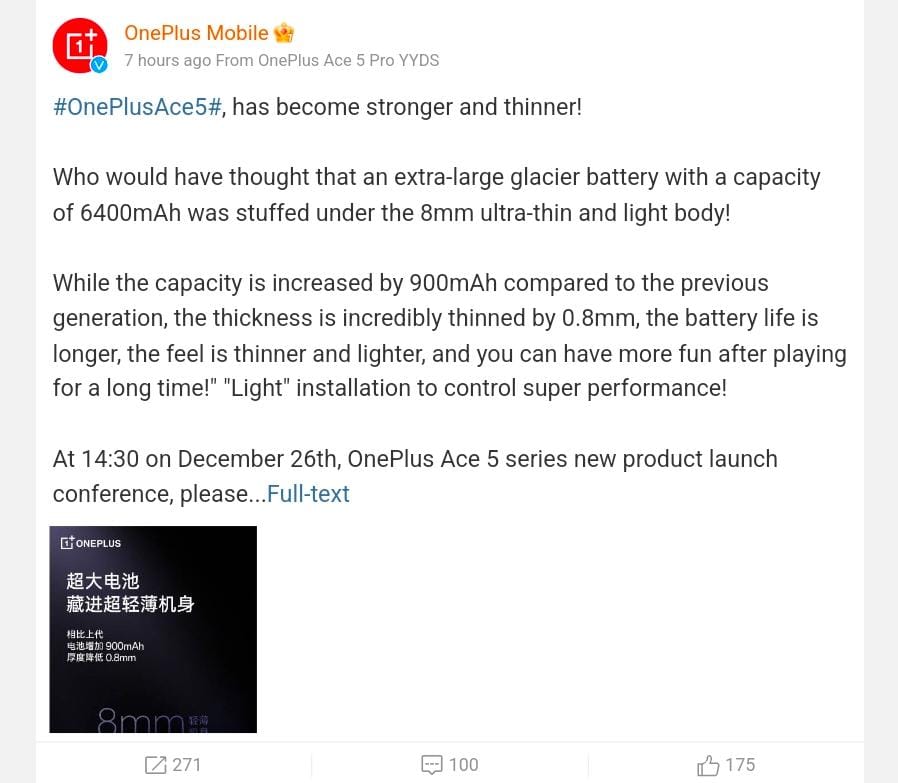
Hours ahead of the OnePlus Ace 5’s Chinese launch, the company revealed details about the device’s battery capacity and dimensions. The Chinese OnePlus Ace 5 (or OnePlus 13R globally) will feature a massive 6,400mAh battery—a significant jump from the 5,500mAh battery in the previous generation.
A bigger battery within a thinner body
What makes this even more impressive is that the Oneplus Ace 5 manages to pack the larger battery into a thinner body. At just 8mm thick, it’s slimmer than its predecessor, which measured 8.8mm. Despite the increased battery capacity, the device’s design remains sleek and lightweight.
OnePlus claims that the 6,400mAh battery can deliver 23 hours of video playback with some charge still remaining. This makes it a compelling choice for users seeking long-lasting battery performance without the need for frequent recharges.
The OnePlus Ace 5 is also set to feature the Snapdragon 8 Gen 3 processor, with customized tuning to offer what the company refers to as “8 Gen 3.5-grade performance.” This tuning is expected to optimize the phone’s capabilities, making it a powerful contender in its price segment.
OnePlus Ace 5
The device will come equipped with a 1.5K resolution display, providing vibrant visuals for gaming and media consumption. On the camera front, the Ace 5 is confirmed to sport a Sony IMX906 primary camera sensor, promising improved image quality and enhanced photography experiences.
The OnePlus Ace 5 series will make its debut in China on December 26, 2024. Meanwhile, the global launch of the OnePlus 13 series, which includes the rebranded Ace 5 as the 13R, is scheduled for January 7, 2025.
When shopping for a new phone, pricing is one of the biggest factors to consider. Mid-range smartphones are still a popular segment, striking a balance between good specs and pricing. But over the years, they have started becoming more expensive. So here’s why getting your hands on a used flagship phone might be a better value for money.
Flagship phones are designed to be premium. Brands use materials like metal (aluminum, titanium, and others) along with strengthened glass for a more luxurious feel. Meanwhile, mid-range devices cut corners in the build quality to keep pricing low, often using cheaper materials like plastic. So a pre-owned flagship basically retains its premium build quality and a robust design.
2. Better Performance
A premium phone is equipped with cutting edge hardware like the latest chipset, higher RAM capacity, and better GPUs. This makes them better in overall performance, which helps in improving the multitasking experience, gaming, or other intensive tasks. Mid-range smartphones can easily meet the demands of most users. However, better performance also makes it future proof and viable for more years. So you won’t need to upgrade in a year or two.
3. Superior Cameras
Flagship smartphones arrive with various improvements in camera technology that enhance the photography experience or bring a new feature entirely. But apart from all of this, the image quality is typically superior on flagship phones than most mid-range phones, even if it is a year old. The large sensors mean they perform better in low light, and OIS helps in stable videos and better pictures.
4. Longer Software Support
The standard in software support for smartphones usually brings two major OS updates and three years of security patches. However, brands like Google, Apple, and Samsung lead the pack with impressively long software support on their flagship phones. So even if the phone you get is more than a year old, it is likely to receive longer software updates compared to any new mid-range phone.
5. Pre-Owned or Refurbished: Cost Efficiency
There are a couple of ways to get your hands on a used flagship smartphone. This includes heading to second hand selling platforms, buying it from someone else directly (via official or unofficial channels), or getting a refurbished phone. The last option is the safest, considering how refurbished devices are thoroughly inspected, repaired (if needed), and tested to ensure they function like new. These even come with warranties as well. But getting a used phone might be the cheapest option. So without spending premium prices, you can get your hands on flagship phones that have slight wear and tear.
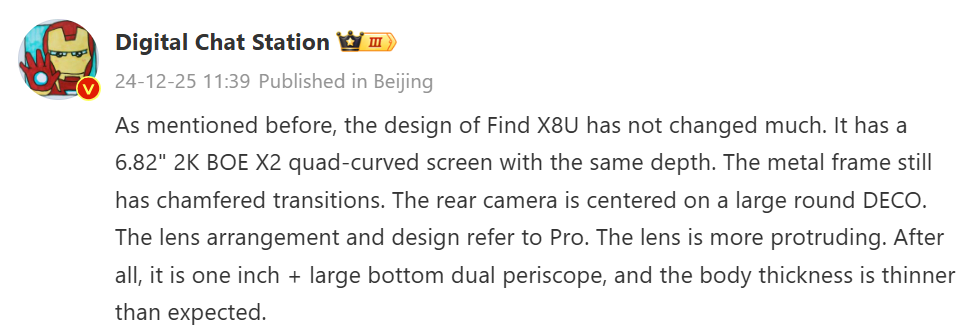
Oppo has multiple Find-series flagship phones lined up for launch in the first half of 2025. Recent leaks have revealed the existence of the Find N5 foldable phone, the Find X8 Ultra, the Find X8 Mini (or Find X8 Next), and a new leak, courtesy of tipster Digital Chat Station, reveals the existence of the Find X8s. Here’s a look at what to expect from these upcoming Find-series smartphones.
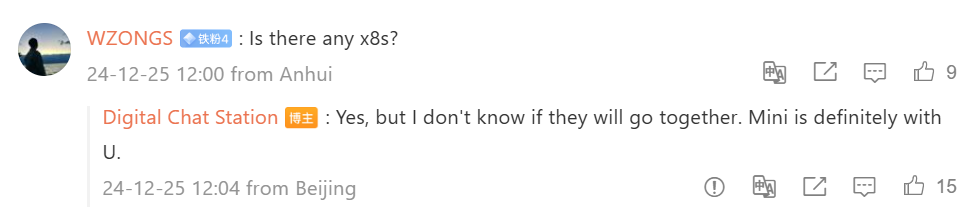
In the above leak, DCS has shared information about the Oppo Find X8 Ultra’s design and mentioned in the comments section that the Find X8 Mini and Ultra models will launch together.
For context, a recent leak from the same source indicated that the Find X8 Ultra will debut following the official launch of the Find N5 foldable phone in China in February. Therefore, it is likely that the Find X8 Ultra and X8 Mini may launch in March 2025.
Additionally, the tipster confirms that the brand also plans to launch the Find X8s. However, there is no clarity about its launch timeframe. It seems that it will be an incremental upgrade over the Find X8.
Oppo Find X8 Ultra design
Oppo Find X8 Pro
Regarding the design of the Find X8 Ultra, the tipster stated that it hasn’t undergone significant changes, likely in comparison to the Find X8 Pro. The new leak states the X8 Ultra will come with a 6.82-inch BOE X2 2K resolution display, featuring a micro-quad-curved design. Previous leaks predict that the Find X8 Ultra will have the same screen as the OnePlus 13.
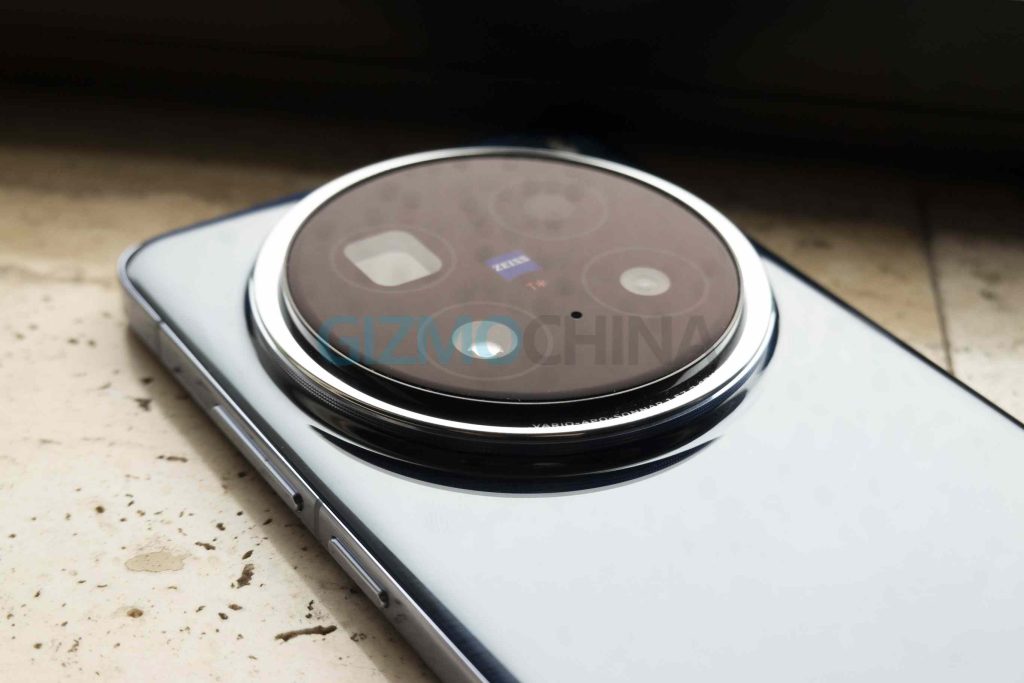
It will have a metal middle frame with chamfered transitions and a centrally positioned large circular camera module on the back. The camera lens arrangement and design are similar to the Find X8 Pro model, with more pronounced camera bumps due to the inclusion of a one-inch sensor and dual periscope lenses. Despite these features, the device is thinner than expected. To recall, the Find X7 Ultra measured 9.5mm and weighed 221 grams. Likely, the X8 Ultra will be thinner and lighter than its predecessor.
The countdown to the release of Samsung’s next flagship, the Galaxy S25, is on. While we are expecting the S25 series to bring the usual iterative improvements, we are now starting to wonder will it be enough to compete with Chinese rivals?
Despite its status as a tech giant, Samsung seems to be falling behind brands like Xiaomi, Oppo, and Vivo, which are advancing more quickly. Let’s dive into why the Galaxy S25 series might face tough competition from these rivals.
Battery
One of the areas where Samsung seems to be falling behind is battery life. Chinese manufacturers have embraced next-generation battery technology, like high-density silicon carbon batteries. These batteries can pack more capacity into a smaller form factor, allowing for slimmer phones with impressive battery life. For instance, the latest Vivo X200 Pro reportedly crams a whopping 6000mAh cell into a sleek 8.5mm body.
In contrast, rumors suggest the Galaxy S25 could feature the same battery capacity as the S24. There have been whispers for a while now about Samsung adopting stacked batteries in its flagship series, but there’s no strong evidence we’ll get them yet with the S25.
Meanwhile, multiple leaks suggests that Samsung will still go with a 5,000 mAh battery for the S25 Ultra. While a 5,000 mAh battery is nothing to scoff at, it might not be enough to compete with Chinese flagships offering superior battery technology and capacity in slimmer designs.
Charging Speed
It’s not just about battery life—Samsung also lags behind its Chinese competitors in charging technology.
Based on rumors, the Galaxy S25 series would retain the 25W wired charging for the base model (Galaxy S25 and S25+) and 45W for the Ultra variant. While these speeds aren’t slow, it’s certainly doesn’t come close to what the Chinse brands are offering.
For example, the OnePlus 13 offers 100W wired charging speeds, while Xiaomi’s recent offerings have topped out at 90W. And the faster the charging speed, the quicker you get your phone back to life.
Sure, Samsung might argue about the safety implications of ultra-fast charging, but some of its competitors seem to have addressed those concerns. The onus is now on Samsung to innovate or risk being left in the dust.
Camera Innovations
Camera technology is another area where Samsung has traditionally held an edge. But here too, the lines are blurring. Chinese manufacturers are pumping out phones with impressive camera specs, including 1-inch camera sensors, advanced image processing, and innovative features like zoom lenses with crazy telephoto capabilities.
While Samsung is likely to improve the camera system on the Galaxy S25 series, it remains to be seen if it can keep pace with all the improvements coming from Chinese competitors. There have been rumors about an upgraded ultrawide camera on the S25 Ultra, but that alone may not suffice to compete in the intensifying camera wars.
Can Samsung Reclaim the Crown?
It’s not all doom and gloom for Samsung. The company still has a lot going for it. The Galaxy S series has a loyal following, and Samsung is known for its gorgeous displays, reliable software, and sleek designs.
However, if Samsung wants to maintain its position as the king of Android phones, it needs to find a way to address these emerging concerns. Here are a few things Samsung could do to stay competitive:
Embrace faster charging: Samsung needs to find a way to offer faster charging speeds without compromising on safety.
Push the camera envelope: Significant camera upgrades are needed to stay ahead of the curve.
Offer more compelling features: Samsung needs to think outside the box and offer unique features that entice users to choose Galaxy over the competition.
The Galaxy S25 series launch is almost a month away, and there’s always the possibility that Samsung will surprise us with some hidden innovations. But based on the current rumors, it seems like Samsung might be playing a catch-up game this time around. Whether they can close the gap remains to be seen.
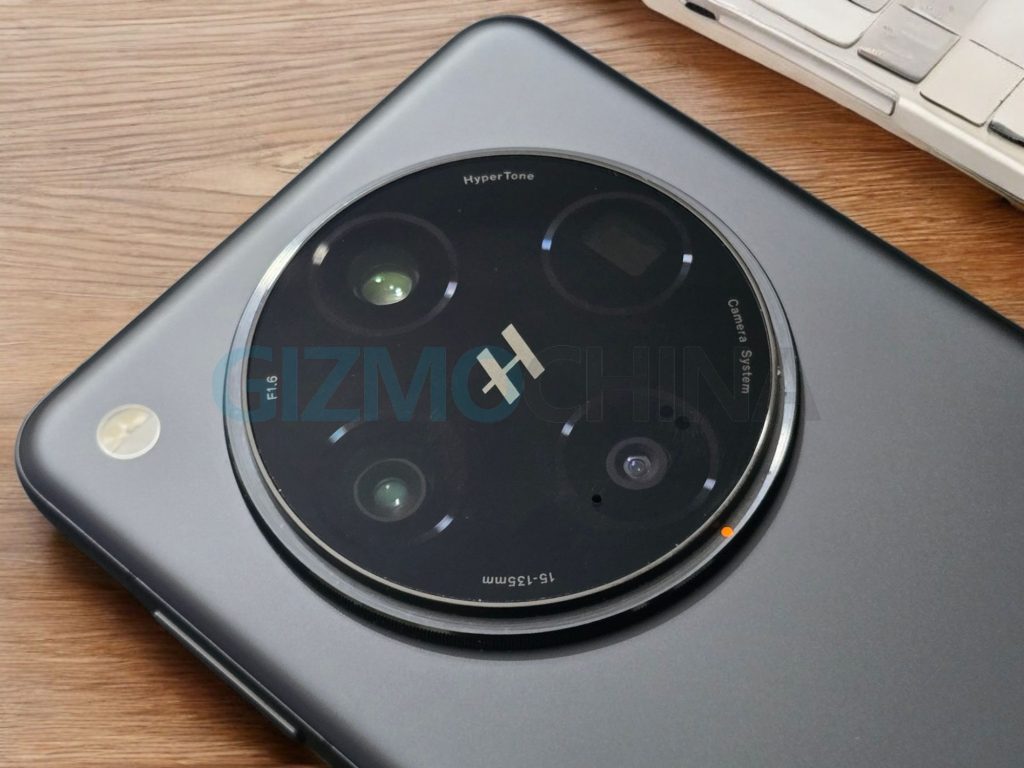
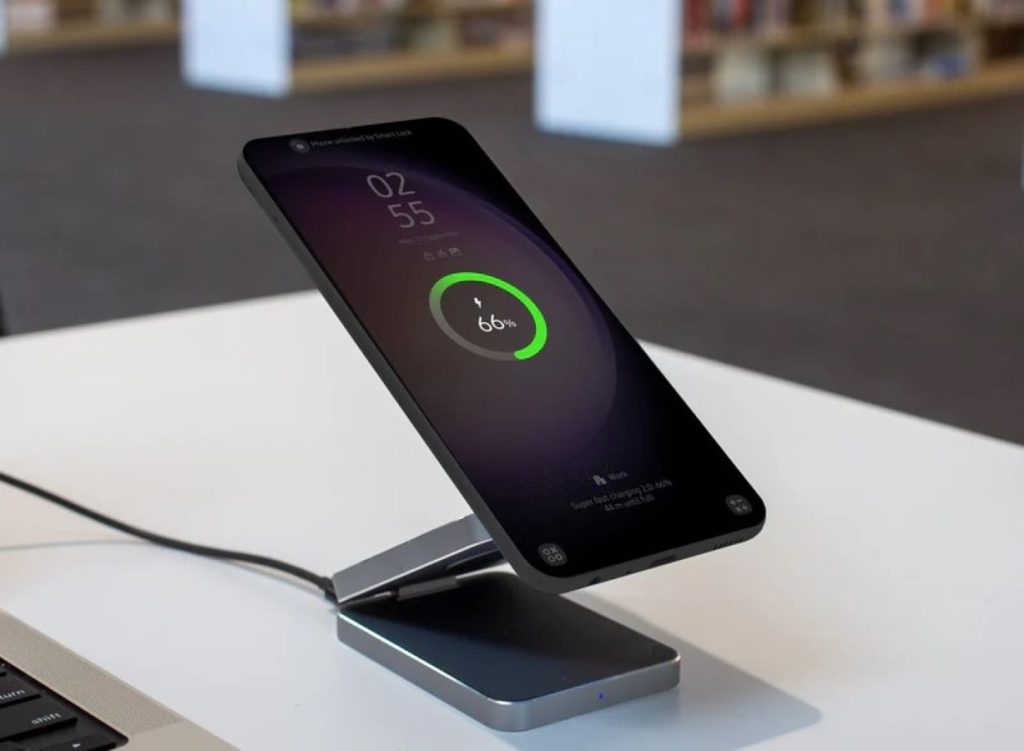
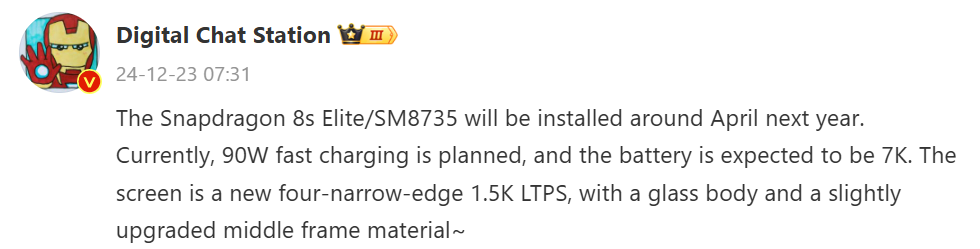
Recent Android flagship phones have started offering 6,000mAh to 6,500mAh batteries. The recently unveiled Realme Neo 7 sub-flagship phone packs an even bigger 7,000mAh battery. It is speculated that there will be a couple of high-end phones with 7,000mAh batteries next year. A new leak suggests that Redmi may unveil a 7,500mAh battery phone in 2025.
Redmi Turbo 4 Pro may feature 7,500mAh battery.
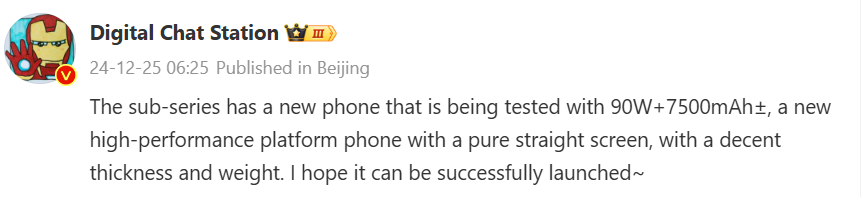
In the leak above, DCS discusses a sub-series of a prominent brand that is currently testing a phone equipped with a 7,500mAh battery and 90W fast charging. He asserted that it is a performance-focused phone, featuring a flat display and a reasonable thickness and weight.
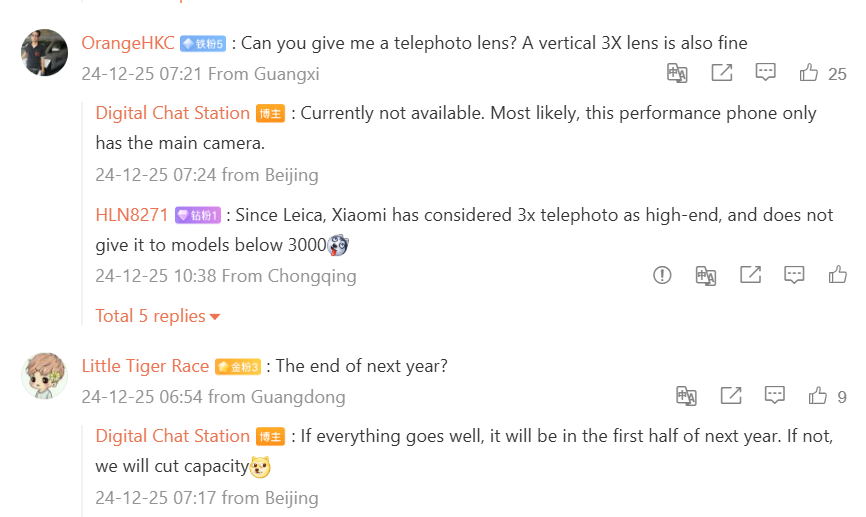
He further revealed that the device does not have a telephoto lens but does feature a decent primary camera. He also stated that the performance-focused phone will be announced in the first half of 2025. Additionally, he hinted at the possibility that the final product may have a reduced battery capacity.
Given its performance-focused phone, it appears that DCS may be referring to the Redmi Turbo 4 Pro, slated for launch in April 2025. DCS’ previous leak revealed that the Turbo 4 Pro will have an OLED LTPS screen with narrow bezels and support for 1.5K resolution.
Under the hood, the Turbo 4 Pro is expected to feature the Snapdragon 8s Elite chipset. In terms of design, the device is expected to arrive with a metal middle frame and a glass back.
As it is known that Redmi phones are rebranded as Poco smartphones in the global market, it is speculated that the Turbo 4 Pro may get rebranded as the Poco F7 in markets outside of China. The Poco F7 will replace the Snapdragon 8s Gen 3-powered Poco F6, which debuted earlier this year. To recall, the Poco F6 was available with the Redmi Turbo 3 moniker in China.
When the forthcoming Xiaomi 15 Ultra recently bagged approval from China’s 3C certification, it was speculated that it may launch earlier than its scheduled date in January 2025. However, a Xiaomi executive quickly refutes this rumor by revealing that the Xiaomi 15 Ultra will be unveiled in February 2025, like its predecessor, the Xiaomi 14 Ultra, which debuted in February of this year. A new leak, courtesy of tipster Digital Chat Station, suggests when in February the Xiaomi 15 Ultra could launch in the home market.
Xiaomi 15 Ultra launch timeframe (rumored)
According to the tipster, the Xiaomi 15 Ultra will be announced by the end of February. This indicates that the phone may get unveiled at the Mobile World Congress (MWC) 2025 in Barcelona, Spain. To recall, the Xiaomi 14 Ultra was also unveiled at the MWC 2024 this year in February.
Xiaomi 15 Ultra specifications (rumored)
According to reports, the Xiaomi 15 Ultra will come equipped with a 6.73-inch AMOLED panel that features a micro-quad-curved design. It will offer a 2K resolution, a 120Hz refresh rate, and an ultrasonic in-screen fingerprint sensor. The device will run on HyperOS 2-based Android 15.
Under the hood, the Xiaomi 15 Ultra is expected to feature the Snapdragon 8 Elite chip and a 6,000mAh battery with 100W wired and 50W wireless charging support. The 15 Ultra is expected to arrive with up to 16 GB of LPDDR5x RAM and up to 1 TB of UFS 4.0 storage.
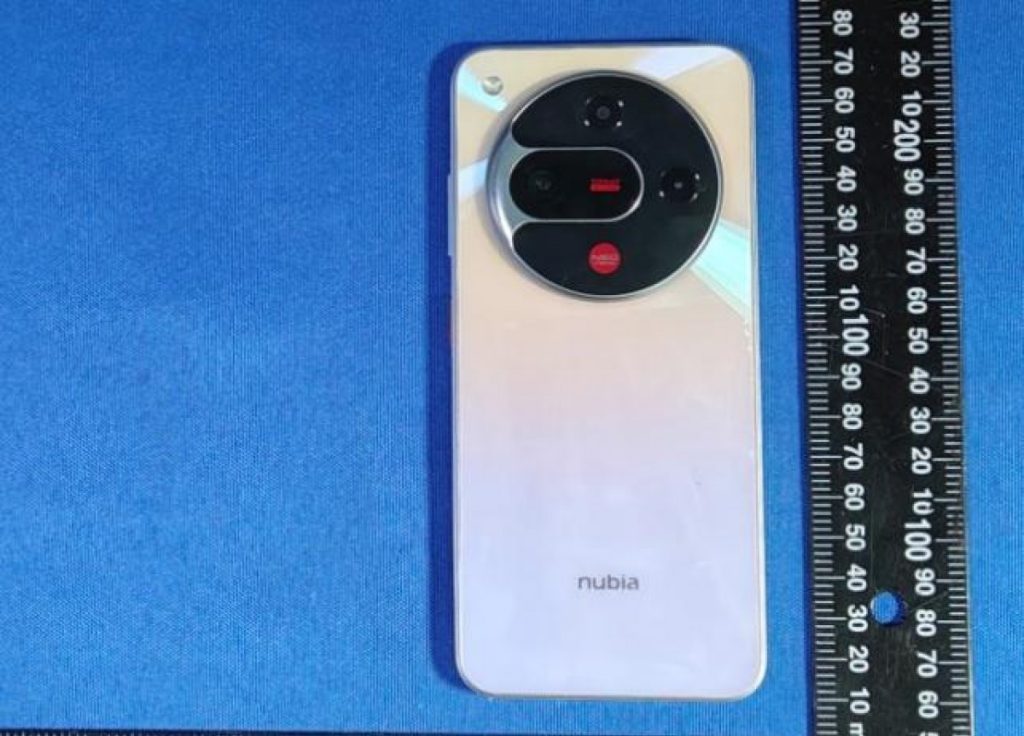
ZTE’s upcoming Nubia Focus 2 5G has surfaced online via certification documents, revealing early details about the device. The model (Z2462N) appears to follow in the footsteps of the original Nubia Focus, which launched earlier this year as an affordable smartphone featuring a 108MP camera and a 5,000mAh battery with 33W charging.
Upgraded Camera and Connectivity
A low-resolution image from the EU Declaration of Conformity hints at a triple-camera setup for the Focus 2, an upgrade from the dual-lens configuration of its predecessor. While specifics remain unclear, the inclusion of an ultra-wide lens alongside the 108MP main sensor seems likely.
The Wi-Fi certification reveals the device will run Android 15 (“Vanilla Ice Cream”) and support Wi-Fi 5 (ac) over both 2.4GHz and 5GHz bands. The Bluetooth certification offers no additional insights, but the Focus 2 is confirmed to support 5G, continuing the connectivity features of its predecessor. There are also indications of a 4G variant in development, potentially offering a budget alternative.
Previously, the brand introduced the Focus Pro 5G in Indonesia, a camera-centric smartphone first unveiled at MWC 2024. It features a 6.72-inch FHD+ 120Hz display, a sliding shortcut button for customizable functions, and a 108MP AI main camera with OIS, EIS, and five focal lengths. Additional features include 4K video recording, RAW Super Night Mode, and a 32MP selfie camera. Powered by a 2.2GHz 5G processor, the phone offers 20GB RAM (physical and virtual), 256GB storage, a 5000mAh battery, and 33W fast charging.
The launch date for the Nubia Focus 2 5G remains uncertain. However, it is possible that similar to last year’s model, the device could be unveiled at MWC, scheduled for March 3, 2025.
Vivo is gearing up to release its flagship smartphone for 2025, the Vivo X200 Ultra, and a recent leak has revealed some exciting details about its camera setup. Known for pushing boundaries in mobile photography, Vivo seems ready to take things to the next level with a 200 MP periscope telephoto lens, advanced video capabilities, and a revamped camera design.
Rear setup: 50MP+50MP+200MP
The Vivo X200 Ultra will reportedly feature a triple rear camera setup, consisting of a 50 MP main camera, a 50 MP ultrawide lens, and a 200 MP periscope telephoto camera. The main shooter will include optical image stabilization (OIS) and a large aperture, promising excellent performance in low-light conditions.
For video enthusiasts, the X200 Ultra is shaping up to be a powerhouse. It will support 4K video recording at 120 fps across all cameras and introduce seamless switching between lenses while filming. The phone will also debut a new generation of Vivo’s self-developed imaging chip, likely improving image quality and processing speed.
The design of the camera island has reportedly been refined to appear sleeker compared to its predecessor, the X100 Ultra (our review), which launched earlier this year in May.
Vivo X200 Pro
While the Vivo X200, X200 Pro, and X200 Pro Mini—released in October—use the MediaTek Dimensity 9400 chipset, the X200 Ultra will switch to Qualcomm’s Snapdragon 8 Elite (vs Dimensity 9400) platform. This ensures flagship-level performance and efficiency, making it a significant upgrade over the other models in the lineup.
In addition to its powerful internals, the X200 Ultra will boast a 2K resolution display with a 120Hz refresh rate, offering a superior viewing experience compared to the 1.5K screens on the base and Pro variants. The device could also house a robust 6,000mAh battery with support for 100W wired and 50W wireless charging.
Could remain exclusive to China
Unlike the Vivo X200 and X200 Pro, which are already available in global markets, the X200 Ultra is rumored to remain exclusive to China. Another notable change is the rumored shift to a smaller main camera sensor compared to the 1-inch sensor on its predecessor. This could be an attempt to reduce the camera module’s bulkiness, addressing concerns about its size on earlier models.
We use cookies on our website to give you the most relevant experience by remembering your preferences and repeat visits. By clicking “Accept”, you consent to the use of ALL the cookies.
This website uses cookies to improve your experience while you navigate through the website. Out of these, the cookies that are categorized as necessary are stored on your browser as they are essential for the working of basic functionalities of the website. We also use third-party cookies that help us analyze and understand how you use this website. These cookies will be stored in your browser only with your consent. You also have the option to opt-out of these cookies. But opting out of some of these cookies may affect your browsing experience.
Necessary cookies are absolutely essential for the website to function properly. This category only includes cookies that ensures basic functionalities and security features of the website. These cookies do not store any personal information.
Any cookies that may not be particularly necessary for the website to function and is used specifically to collect user personal data via analytics, ads, other embedded contents are termed as non-necessary cookies. It is mandatory to procure user consent prior to running these cookies on your website.