Xiaomi has unveiled the MIJIA Electric Sharpener in China. The device comes with a dual-mode lithium battery and plug-in setup. The launch of the Xiaomi MIJIA Electric Sharpener is coming on the heels of a successful crowdfunding campaign on Xiaomi Youpin. The model is open for pre-order ahead of its August 17 release date.
The Xiaomi MIJIA Electric Sharpener has a slim pen-shaped design and an anodized aluminum alloy body. The diameter of the sharpener is 2cm and it has a net weight of 310g. It has a brushless motor with a maximum speed of 22,000 rpm. The electric sharpener supports grinding, engraving, polishing, drilling, and more. The gadget has a one-button on/off setup and knob speed adjustment. The product does not require a wrench and you just need to unscrew the pen head to install and remove its accessories.
The MIJIA Electric Sharpener is equipped with an 800mAh lithium battery that provides up to 1 hour of operation on a full charge. The sharpener can also be used with a plug and features a pop-up storage box. The pop-up box has 16 grinding heads with a rod diameter of 2.35mm. the grinding heads include twist drill bits, wool brushes, rubber, diamond, and wool heads.
Pricing & Availability
The Xiaomi MIJIA Electric Sharpener has a retail price tag of 179 yuan ($25) and it is available for pre-order via JD.com. The product will go on sale on August 17. There are no global availability and pricing details yet for the sharpener.
Viewsonic has unveiled two new portable projectors, the M1X and M1S. The new projectors come with similar parameters with a few key differences. The models both feature a native resolution of 480 pixels and 360 nits of brightness.
The Viewsonic M1X differs from the Viewsonic M1S in that the M1X supports Bluetooth audio function and WiFi screen monitoring. Both projectors weigh about 800 grams and can be secured with a three-in-one smart bracket. The smart bracket allows the projector to achieve 360º vertical projection. The Viewsonic M1X/ M1S portable projectors are equipped with two built-in Harman Kardon 3W speakers. Connectivity options available for the projectors include USB-C, USB-A 2.0, and an HDMI 1.4 interface. A 3.5mm audio jack is also available in the new Viewsonic M1 series projectors.
The Viewsonic M1X/ M1S projectors have a 1,200mAh battery for enhanced versatility. The projectors support vertical/ horizontal keystone correction, and feature Cinema SuperColor+ image quality enhancement technology. The projectors cover 125% of the Rec.709 color gamut and have a contrast ratio of 120,000:1. The projection distance is between 0.64 and 2.66 meters with a maximum projection size of 100 inches. The projectors can be connected to game consoles and support mobile phone mirroring.
Pricing and full release information for the Viewsonic M1X and M1S portable projectors have not been released yet. The official product page of the models is yet to specify these details at this time. The Viewsonic M1X is expected to be more expensive than the M1S and there are speculations that the models may be premium-grade.
After months of speculation, Huawei‘s next-generation blood pressure monitoring smartwatch, the Watch D2, appears to be nearing launch. A recent leak on Weibo by tipster @UncleKanshan revealed that a Huawei wearablee has secured a Chinese medical device license.
This license, a requirement for selling medical equipment in China, signifies that the Watch D2 has undergone regulatory scrutiny and met specific medical device standards.
While the license itself doesn’t reveal the official name of the wearable, the listing refers to it as a “Wrist Ambulatory Blood Pressure Recorder. ” Also there are three watch variants in the license with model numbers LCA-B10, LCA-B11, and LCA-B12. All these details suggest that its the successor to the original Watch D.
We do not have much detail about the design or functionalities of the Huawei Watch D2. However, the licensing information confirms the presence of a main unit, a wristband, and a wireless charging base.
Feature-wise, its expected that the watch will be able to measure blood pressure, both systolic and diastolic blood pressure, alongside heart rate, in a static state for users aged 18 and above.
While not confirmed, Huawei D2 could launch alongside the upcoming Huawei Mate 70 flagship. This would align with previous rumors that placed the Watch D2’s release sometime this year.
Those familiar with the original Watch D can likely draw comparisons. The first iteration sported a boxy design with a 1.64-inch AMOLED display, offered features like blood pressure reminders and ECG analysis, and boasted a 7-day battery life.
It will be interesting to see how the Watch D2 builds upon this foundation. Will it offer improved battery life, a sleeker design, or introduce entirely new health-tracking features?
Huawei is offering free entertainment to encourage users to try the HarmonyOS NEXT beta. The company recently announced that developers and early adopters who upgraded to the latest beta version before June 21st, 2024, will receive 45-day free trials of Huawei Super Music VIP and Movie Membership.
This move is clearly aimed at incentivizing participation in the beta program. Huawei acknowledges its beta testers’ importance, saying, “Thank you for your company all the way. Since the launch of HarmonyOS NEXT beta, it has received the attention and love of a large number of users.”
However, there are some limitations. The offer is only valid for users who upgraded to the beta builds before the June 21st deadline. Those who joined the program after this date won’t be eligible for the freebies. Additionally, the complimentary subscriptions are temporary, lasting just 45 days, and expiring by September 30th, 2024.
Claiming the free trials is simple. Users just need to log in to the Huawei Video and Huawei Music apps with their registered IDs and accept the agreements. While the announcement doesn’t mention device compatibility, it’s likely the offers are available only on smartphones or tablets running the HarmonyOS NEXT beta.
There’s also a limit of one account per device, preventing users from creating multiple accounts to exploit the system. Huawei assures users that if they don’t receive the benefits instantly, they should wait until October 10th, 2024, as notifications about successful claims will be sent via email or phone number.
In addition to the music and movies, HarmonyOS NEXT beta testers can also get a free 3-month theme membership from the Themes store. This adds a touch of customization to the beta experience and offers the potential for early access to new features within the operating system.
While these freebies are a nice perk for existing beta users, it’s important to remember that beta software can be unstable and prone to bugs. Users should weigh the benefits of early access against the risks of software crashes or performance issues before deciding to join the program.
HIDIZS, known for crafting premium audio devices, introduces its latest innovation, combining high-fidelity audio with an eco-conscious approach. The HIDIZS MP143 Salt brings exceptional sound quality, user customization, and a sustainable design that stands out from the crowd.
Hi-Res Audio for Crystal-Clear Sound
This HIDIZS product delivers Hi-Res audio with unparalleled clarity and detail, allowing you to immerse yourself in every note and beat. From high-fidelity sound to broad audio format support, it’s designed for audiophiles who demand the best.
Customizable Sound Profiles
Tailor your listening experience with customizable sound settings that let you adjust bass, mids, and treble to your exact preferences. Whether you enjoy deep bass or a balanced mix, the device adapts effortlessly to your needs.
Whale-Inspired Design with Purpose
Inspired by the graceful curves of whales, the HIDIZS MP143 Salt features a sleek, flowing design that is not only visually appealing but also ergonomic. The whale motif is a nod to the product’s harmonious balance between nature and technology. Beyond aesthetics, the device is engineered for comfortable, long-term use.
Plastic-Free Packaging for a Greener Future
HIDIZS takes a significant step towards sustainability with this product’s plastic-free packaging. The eco-friendly materials used in the packaging reflect the brand’s commitment to reducing environmental impact, making this a conscious choice for those who care about the planet.
Enhanced Connectivity and Versatility
With both wired and wireless options, this device offers seamless compatibility across multiple devices. Whether you prefer Bluetooth for convenience or wired mode for lossless audio, the HIDIZS MP143 Salt delivers stable, high-quality performance.
Long Battery Life for Extended Listening
The extended battery life ensures that you can enjoy your music all day without interruptions. For those always on the move, the quick-charge capability adds convenience, making sure your device is ready when you need it.
Premium Build and User-Friendly Controls
With a robust build and intuitive controls, this product is designed to be durable and easy to use. From the ergonomic design to the user interface, every element has been crafted with care, making it a perfect companion for daily listening.
Limited Gold-Titanium Edition
For those seeking a more luxurious option, HIDIZS is also offering a special Gold-Titanium edition. This premium variant not only enhances the device’s durability with a sleek, high-end finish but also adds a touch of elegance. Available as part of the Kickstarter campaign, this edition is perfect for users who value both performance and style. With limited availability, the Gold-Titanium edition is a must-have for collectors and audio enthusiasts alike.
Kickstarter Campaign
The HIDIZS MP143 Salt is now available for pre-order through Kickstarter. You can secure it at a special Super Early Bird price of just $79.00. For those looking for even more value, the Super Early Bird Combo, which includes the MP143 Salt and the SD2 Dongle DAC, is available for $99.00. Both options are available exclusively on Kickstarter, starting August 8th, 2024. Don’t miss out on these limited-time deals.
Combining cutting-edge features, versatile functionality, a whale-inspired design, and eco-friendly packaging, the HIDIZS MP143 Salt is a standout choice for those who care about both performance and sustainability. Whether you’re a serious audiophile or a casual listener, this device elevates your experience while being mindful of the environment.
After teasing the arrival of the POCO Pad tablet in the Indian market earlier this month, the brand has now confirmed its launch date. POCO India’s head Himanshu Tandon recently shared a tweet confirming August 23 as the launch date of the POCO Pad 5G in India.
POCO Pad 5G launch details
Like many other POCO products, the POCO Pad 5G will be sold exclusively through Flipkart. The Flipkart landing page says the launch will happen at 12 PM on August 23. It also reveals that the tablet will feature a 12.1″ display with a 16:10 aspect ratio, 120Hz refresh rate, and 600 nits of brightness in high brightness mode. The display is capable of producing 68.7 billion colors and has TUV Rheinland Triple certification.
Other expected features
These specifications match the global market variant of the POCO Pad, which launched back in May 2024. With that in mind, we can expect the tablet to offer a 2.5K resolution, Dolby Vision support, and an 8MP front camera. The tablet will likely feature a metal body and a single 8MP camera on the back.
Under the hood, it will have a Snapdragon 7s Gen 2 processor coupled with up to 8GB RAM and 256GB storage. Battery will be a key selling point, as we can expect the POCO Pad 5G to arrive with a massive 10,000mAh capacity battery, supported by 33W fast charging. As for software, the tablet will likely feature HyperOS, based on Android 14 out of the box. We can also look forward to keyboard and stylus support as the teaser images have already confirmed it.
The Galaxy Tab S9 FE with S Pen, a mid-range Android tablet from the company, is on sale at a discount of Rs. 9,000. It was launched back in October last year, and it is the Fan Edition model of the high-end Galaxy Tab S9 series. However, Samsung has also launched Fan-Edition models for its flagship smartphones and tablets, and the Galaxy Tab S9 series is no different from others.
The Galaxy Tab S9 FE comes with S Pen, which is used for photo editing, note-taking, etc. However, the other companies charge you extra for S-Pen-like products. It was launched at a price of Rs. 36,999 price and the Galaxy Tab S9 FE Plus model retailed at Rs. 46,999.
Galaxy Tab S9 FE 10.9 inch Deal Details
The discount is available on the 6GB RAM and 128GB internal storage variant of the Galaxy Tab S9 FE. The company has reduced the normal price of Android tablets to Rs. 31,999, which is Rs. 5000 less than the launch price. Moreover, if you make a payment using an SBI credit card, you will get an instant discount of Rs. 4000. That will make Rs. 27,999 (Rs. 9000 off) the effective price of the Samsung Galaxy Tab S9 FE.
Please Note: When you buy something using the links in our articles, we may earn a small commission at no cost to you.
Samsung Galaxy Tab S9 FE 10.9 inch Specs and Features
Samsung Galaxy Tab S9 FE pairs with a 10.9-inch IPS LCD with 1440 x 2304 pixel resolution. For a smooth experience, the tablet’s display has a 90-Hz refresh rate. It has a main rear camera with an 8 MP lens, and on the front side, there is a 12 MP ultrawide lens for selfies and video chats.
Samsung Galaxy Tab S9 FE is powered by an Exynos 1380 SoC that is made on a 5nm process. It comes in two storage options, 6 GB of RAM with 128 GB of storage and 8 GB of RAM with 256 GB of storage which can be expanded up to 1 TB.
The connectivity includes the support for WiFi 6, Bluetooth 5.3, and USB Type-C 2.0. It has a huge 8000 mAh battery which has support for fast charging at 45W. Samsung Galaxy Tab S9 FE runs on Android 13 out of the box and it’s now upgradable to One UI 6 which is based on Android 14.
Find more interesting offers and deals on gadgets like smartphones, smartwatches, Laptops, etc. Just check out our GizmoChina Deals section.
Samsung has quietly launched its latest budget phone, the Galaxy A06, in Vietnam. Following a string of leaks, the official reveal confirms what many suspected: the A06 offers minimal improvements over its predecessor, the Galaxy A05. Let’s get into details here.
Samsung Galaxy A06 Specifications
The most notable change of the Galaxy A06 comes in the form of the display and design. While it retains the 6.7-inch display as its predecessor, the refresh rate has been bumped to 90Hz refresh rate, a subtle yet meaningful improvement over the A05’s 60Hz panel.
Design-wise, the phone has the “Key Island” aesthetic we’ve seen on previous Galaxy A-series phones. Key Island is a protrusion on the right frame of the phone, where you’ll find both the volume rocker and fingerprint sensor.
Internally, the A06 carries over the MediaTek Helio G85 chip from the A05. It offers storage options of 64GB or 128GB, paired with 4GB or 6GB of RAM. The camera system remains the same as well, with a primary 50MP sensor and a secondary sensor.
The company says the phone ships with the latest version of Android, which should be Android 14. There’s no mention of any AI feature though, if you’re curious about it. Security is handled by a side-mounted fingerprint scanner. Powering all these things is a 5000mAh battery that supports 25W charging.
Price and Availability
The Galaxy A06 is launched in Vietnam for VND 3,190,000 (roughly $127) for the 4GB+64GB variant, climbing to VND 3,790,000 (around $151) for the 6GB+128GB model.
Sales begin next week, and customers who order between August 22 and September 30 will receive a free 25W wall charger. This offer is particularly handy since Samsung does not include a charger in the box. Currently, there’s no information on the A06’s availability in other markets.
Android 15 could be one of the most exciting upgrades in recent years. We already have access to beta builds that have revealed plenty of details about the exciting new features and enhancements, such as satellite connectivity, theft lock detection, private space, and more (we’ll talk about it later).
Everyone is waiting for Google to release the stable version of Android 15. Meanwhile, users want to ensure their device is eligible for the upgrade once the brand rolls it out. Check out the Oppo Android 15 eligible devices list if you haven’t already done so. Sadly, this will be the final Android upgrade for many devices.
Here, I will share with you a curated list of Oppo phones that will stop receiving OS updates after Android 15. This will help you determine when to upgrade your smartphone to continue enjoying the latest features and enhancements.
Oppo Phones That’ll Receive Android 15 as Their Final OS Upgrade
Oppo Find X5 Pro
Oppo Find X5
Oppo Reno 10 Pro+
Oppo Reno 10 Pro
Oppo Reno 10
Oppo Reno 9 Pro+
Oppo Reno 9 Pro
Oppo Reno 9
Oppo Reno 8T 5G
Oppo Reno 8T
Oppo F23
Oppo K11x
Oppo K11
Oppo A60
Oppo A3 Pro
Oppo A3x
Oppo A3
This is not an official list by any means. We have prepared it after analysing the device update policy and past rollouts. This list only includes devices that run the ColorOS skin, not those with Origin OS, which is exclusive to China.
When Will Oppo Start Rolling Out Android 15 Update?
Android 15 is currently in the platform stability phase, which is the final development phase, where bugs and issues are resolved. However, the stable release is not too far from here.
The stable version of Android 15 will likely be released around October, as Google has been following the timeline as last year’s, so far.
The latest Google Pixels are usually the first phones to come with the new OS out of the box, and everyone expected the same this year with Android 15, but that didn’t happen. The recently-launched Pixel 9 series runs Android 14 instead of Android 15.
As soon as the stable build goes live, Google will start rolling it out to eligible Pixel models. Then, other Android brands will join the party after making adjustments to their custom skins (such as ColorOS), which can take a few days to weeks.
Last year, Oppo started rolling out the stable Android 14 update in November, and we’re expecting a similar timeline this year as well. If that seems like a long wait, you can join the Android 15 beta program to get early access to new features and other changes before the public. The beta program is currently live for Oppo Find N3, but it should expand to more devices in the coming weeks.
What’s New in Android 15?
Here are the top features of Android 15:
1. Theft Detection Lock
Find My Device network has been a great addition to Android, letting you find your lost devices using a crowdsourced network of billions of Android devices. Google is making another big change to Android that will make the task more challenging for thieves.
Android 15 is confirmed to introduce a Theft Detection Lock. It uses Google’s AI to determine when your device has been snatched from your hands. If it detects this, the device will lock itself automatically, preventing thieves from stealing your data. The best part is that thieves won’t be able to activate the device until they have your Google account details.
Snatching/stealing Android phones and selling them off for some money is a common practice among thieves, but Android 15 reduces the incentive by making the device unusable without the correct Google account details.
2. Satellite Connectivity
Android 15 “extends platform support for satellite connectivity.” It provides support for SMS, MMS, and native RCS apps to use satellite connectivity for sending and receiving messages. The OS also adds some UI elements to ensure a consistent user experience.
All Android 15 phones may not support satellite connectivity as they will likely require special chip and carrier support.
3. App Archiving
Similar to offloading apps on iPhones, Android 15 will allow users to uninstall unnecessary apps while keeping the user data around. There won’t be any data loss; you can continue where you left off after reinstalling/unarchiving the app.
Android already has app archiving via the Google Play Store. It lets you archive and restore those apps via the Google Play Store. But, Android 15 integrates this feature at the OS level, allowing users to archive/restore apps, even those installed outside of the Google Play Store.
4. Private Space
Android introduces Private Space, which lets you store apps, photos, videos, documents, and other files you don’t want others to access. It uses a different Google account for improved protection, and obviously, you can set a different lock to access your Private Space.
Any files you download inside the private space won’t be visible to other users.
5. Split Apps Shortcuts
This new Android 15 feature lets you create shortcuts for split-screen apps. When you tap the icon, the apps will open in the split-screen mode, saving you a lot of time.
Which Oppo smartphone do you have? And what are the Android 15 features you’re excited about the most? Share your thoughts in the comment section below.
OnePlus is set to launch the Buds Pro 3 in India on August 20. The company has been gradually revealing details of the earbuds leading up to the event. However, a premature listing on Flipkart has now leaked the price of the OnePlus Buds Pro 3 just days before their official release.
Tipster Sudhanshu Ambhoreon X (formerly Twitter) shared a screenshot of the listing, which reveals that the OnePlus Buds Pro 3 will cost ₹13,999 in India. This is a ₹2,000 price increase over its predecessor, the OnePlus Buds Pro 2, which launched at ₹11,999 in the country.
The Buds Pro 3 retains a similar design to its predecessor but has a more premium look with a faux leather finish on the case. The earbuds themselves will have a dual-tone finish with a metallic stem and a matte upper part. They will be available in two color options: Midnight Opus and Lunar Radiance.
Internally, the earbuds are expected to have the same 11mm woofer and 6mm tweeter setup as the previous model. OnePlus will continue its partnership with Dynaudio for sound tuning, so you can expect good sound quality.
The Buds Pro 3 may also offer improved noise cancellation as it’s said to offer up to 50dB ANC, slightly better than 48 dB on the Buds Pro 2. For gamers, the earphones reportedly have a latency of 94ms.
On the battery front, the Buds Pro 3 is said to offer up to 43 hours of playback time with the charging case. Additionally, a 10-minute quick charge will provide 5 hours of playback, which is a handy feature for users on the go. OnePlus has also confirmed support for wireless charging.
The Buds Pro 3 is also expected to support the LHDC 5.0 audio codec, which offers a 1Mbps transmission rate and can handle 192kHz/24bit lossless audio wirelessly. Other expected features include IP55 dust and water resistance, and Bluetooth 5.4 connectivity for improved stability.
The Redmi Note 14 series has been the subject of rumors for a while now. Today, a new leak has surfaced online which shows the possible design of the Redmi Note 14 Pro via a CAD render.
The render, shared by the publication TechBoilers, reveals a notable design shift for the Note 14 Pro. Its predecessor, the Redmi Note 13 Pro has its cameras positioned on the side without a dedicated module. However, the Note 14 Pro seems to have moved the cameras to the center and within a distinctive squircle module.
The phone can be seen with three cameras and an LED flash, though specific sensor details are still unknown. The CAD render also aligns with a design sketch of the Redmi Note 14 Pro series shared by reliable tipster Digital Chat Station a while ago. So while it may not be the final version, it’s likely the closest representation we’ve seen so far.
Redmi launched the Note 13 series in China last September, and rumors suggest a similar timeframe for the Redmi Note 14 lineup. This means we can expect an official announcement as early as next month.
We are expecting at least three smartphones in the Note 14 series initially: the standard Note 14, Note 14 Pro, and Note 14 Pro Plus. All models are rumored to feature a 1.5K AMOLED panel.
In terms of performance, the Redmi Note 14 Pro is expected to be powered by a Snapdragon 7s Gen 3 SoC, while the rumored Pro+ model could utilize the MediaTek Dimensity 7350 Pro SoC.
All three smartphones have also begun appearing in certification processes, starting with Radio certification in China. This likely indicates that Xiaomi is internally preparing for the launch of the Redmi Note 14 series. We’ll keep you updated on any new developments.
In May, Xiaomi introduced the Redmi Buds 6 Active in China. The brand has now added these earbuds to its global website, indicating that they will soon be available in the global market.
Redmi Buds 6 Active specs:
The Redmi Buds 6 Active features an ergonomic semi-in-ear design for comfort and stability during use. They come in a fresh blue color with a transparent box cover and a high-gloss decorative strip. The earphones are IPX4-rated for water resistance, making them suitable for sports and travel.
The Buds 6 Active has a 14.2mm dynamic driver unit for deep bass. They offer five built-in sound modes: Bass Boost, High Treble Boost, Vocal Boost, Volume Boost, and Default.
For clear calls, the earbuds have dual-microphone wind noise reduction technology, reducing environmental noise and wind noise up to 4m/s. They also support one-touch voice assistant wake-up.
The earbuds provide up to 30 hours of battery life with the charging case and up to 6 hours on a single charge. A 10-minute quick charge offers 1 hour of music playback.
The Redmi Buds 6 Active uses Bluetooth 5.4 for faster, more stable connections with 90ms ultra-low latency. They hold the NetEase Cloud Music hardware certification for optimized sound when used with the app.
Pricing & availability
The brand is yet to reveal details about the global launch of these earbuds. However, they are already available for purchase on Geekbuying for approximately 25 euros.
GoPro seems to be sticking to its yearly release schedule for its flagship action camera. The Hero 13 Black, the next in line, has been extensively leaked through an Amazon listing (via TechStoriesIndia), though the page has since been taken down.
The listing reveals that the new action camera will be released on September 16th, just weeks after DJI is expected to launch its rival, the Osmo Action 5 Pro.
Promotional images from the Amazon listing show that the Hero 13 Black closely resembles its predecessor, the Hero 12 Black. The focus this time appears to be on expanding accessory options rather than making significant hardware upgrades.
We can see a new Macro Lens Mod that’s expected to offer 3x magnification. There will also be an Ultra Wide Lens Mod that reportedly extends the field of view to an impressive 177 degrees.
Although these lens attachments target specific shooting scenarios, details about the Hero 13 Black’s core camera remain unclear. There’s no information yet on possible sensor improvements, frame rate capabilities, or other internal upgrades.
In addition to the lens mods, GoPro is said to be introducing new mounting solutions like the Magnetic Latch and Magnetic Latch Ball Joint. These will join existing accessories like the Floaty handgrip and Protective Sleeve.
The leak also suggests that a successor to the Hero 11 Black Mini might be on the way, though details about this camera are also sparse.
This iterative approach from GoPro might disappoint some action camera enthusiasts. While the new lens mods add extra functionality, the lack of core hardware improvements could make the Hero 13 Black a less attractive upgrade for those already using a Hero 12 Black.
We’ll have to wait for an official announcement from GoPro to confirm these leaks and get a clearer understanding of the Hero 13 Black’s features and potential price point.
Moto G64 5G, announced in April this year in India, is one of the top budget-friendly 5G phones available on the market. Typically, budget 5G phones in India range in price from Rs 10,000 to Rs 15,000. While there are many options in this price range, the Moto G64 stands out by offering features not commonly found among its competitors. Here are the top 10 reasons why you should consider the Moto G64 5G as your first 5G phone.
There are not many phones with ultrawide cameras under Rs 15,000. Apart from the Galaxy F34 5G, which debuted in August 2023, the Moto G64 5G is the only phone in the past twelve months to feature an 8-megapixel ultra-wide lens. With support for autofocus, the lens doubles as a macro camera.
The device’s primary camera is a Samsung S5KJNSl 50-megapixel camera, which also supports optical image stabilization. Portrait mode produces decent results, but there’s no support for zoom. For selfies, it is equipped with a 16-megapixel camera.
macro shotmacro shotPotrait modeUltrawide1x2xWiithoug night modeWith night modePotrait modePotrait mode (lots of unnecessary smoothness)2x1xUltrawide2x1xUltrawide (0.6x)
The Moto G64 5G is the only phone to feature MediaTek’s 6nm Dimensity 7025 chipset. It comes with up to 12 GB of LPDDR5x RAM and up to 256 GB of UFS 2.2 storage. With an AnTuTu benchmark score of around 500,000, it promises a solid performance experience. Among recent phones priced under Rs 15,000, the only other device offering 12 GB of RAM, and 256 GB of storage is the Infinix Note 40x 5G, which is equipped with the Dimensity 6300.
As far as gaming is concerned, the Moto G64 5G is decent enough to enjoy games in medium settings.
3. Clean UI experience
The G64 runs on Moto UX-based Android 14. Motorola has also committed to providing an Android 15 upgrade, expected to be available by next year. Additionally, the Moto G64 5G will receive three years of security updates. Like any other Motorola phone, the Moto G64 5G comes with annoying notifications.
Because it is a budget offering, the phone has several preloaded apps. The Shopping app is one of the apps that I found to be shady. It appears like a folder, but it is actually a third-party app store by Swish Apps, which also has other so-called “Folder” apps for Games Hub, Entertainment, and so on. The good thing is that these apps can be uninstalled.
4. Massive battery
Moto G64 5G
The Moto G64 5G draws power from a 6,000mAh battery. The device ships with a 33W fast charger, but the device supports 30W charging. While it takes around 1:30 hours to achieve a full charge, the device can easily last for two days on a single charge.
Motorola has done a good job keeping the weight of the device under 200 grams. It weighs 192 grams and has a thickness of 8.89mm.
5. Simple yet attractive design
Moto G64 5G
I have the Mint Green edition of the Moto G64 5G, which is also available in Pearl Blue and Ice Lilac. The phone has a matte finish on the back that effectively resists fingerprint marks, and the edges match the back’s color. It has an IP52 rating for splash resistance. On the front, the bottom bezel is slightly thicker compared to the other bezels. The display is shielded by a layer of Gorilla Glass 3. Overall, the Moto G64 5G offers a simple yet attractive design.
6. Decent display
The G64 packs a 6.5-inch IPS LCD panel that offers an FHD+ resolution and a 120Hz refresh rate. The peak brightness is only 560nits, which is sufficient for indoors, but it may not be very readable outdoors. The phone provides two color profiles: Natural and Saturated. Motorola claims that it supports a variable refresh rate ranging from 30Hz to 120Hz. The 30Hz is not an available option and it appears that the phone switches to it automatically in the Auto option. Apart from Auto, it offers 60Hz and 120Hz refresh rate options in the Settings page.
7. Good audio experience
Moto G64 5G
The Moto G64 can process and display HDR10 format content from streaming platforms like Netflix, Amazon Prime Video, and YouTube. The dual speakers onboard, one at the bottom and the other embedded in the earpiece, produce a decent stereo experience. It comes with support for Dolby Atmos and Motorola Spatial Sound.
8. Reliable 5G connectivity
Moto G64 5G
The Moto G64 5G promises impressive 5G connectivity features, including support for 14 5G bands, ensuring compatibility with various networks. It features three-carrier aggregation for faster data speeds and 4×4 MIMO technology for improved signal strength and reliability. Additionally, VoNR support allows for high-quality voice calls over 5G, enhancing the overall communication experience.
9. Other essentials
Most brands are getting rid of the 3.5mm audio jack, even on affordable smartphones. If you are someone who prefers a 3.5mm jack, the Moto G64 5G is a great choice, as it retains this feature, allowing you to use your wired headphones without needing an adapter.
The Moto G64 5G features a hybrid SIM slot for adding a microSD card. In addition, the device supports Wi-Fi 802.11ac and a side-facing fingerprint sensor. The device also supports up to 12 GB of virtual RAM, FM radio, and Bluetooth 5.3.
10. Value for money
Moto G64 5G
Motorola has priced the G64’s 8GB+128GB and 12GB+256GB variants at Rs 13,999 and Rs 15,999, respectively. Apart from Flipkart, the phone is also available for purchase in offline stores in India.

The Moto G64 was announced in April and it is likely that it may be available at a discounted price during the upcoming sales in India. So, if you are looking forward to purchasing your first 5G phone, the G64 could be a suitable choice.
The G64 debuted a couple of months ago to take on its rivals that were available on the market around that time. However, even after a couple of months, it still holds its ground with a solid combination of features, performance, and affordability, making it a strong contender in the budget 5G smartphone segment.
Who should not buy the Moto G64?
The Moto G64 might not be the best choice if you’re seeking a gaming-centric phone or a 5G device with an AMOLED display. Additionally, it lacks extended Android OS upgrade support.
Images of the upcoming Garmin Fenix 8 Solar Edition smartwatch have surfaced online, thanks to a leak by reliable tech insider Roland Quandt at WinFuture. The leak offers a first look at the design and features of Garmin’s next rugged outdoor watch.
The images reveal that the Fenix 8 will follow an evolutionary design approach, closely resembling the Fenix 7 Pro Sapphire Solar. It has a familiar five-button layout and the overall form factor appears largely unchanged. There were also rumors of a smaller 43mm variant previously, but the leaked images show only the 47mm and 51mm sizes.
A closer look at the back of the watch reveals what seems to be the Elevate 5 heart rate sensor, which could mean better health tracking than the previous model. The leaks also confirm the Fenix 8’s 10 ATM water resistance rating, making it suitable for swimming and recreational diving up to 40 meters.
The images show three possible color combinations for the Fenix 8 Solar Edition. The larger 51mm model comes in a dark gray stainless steel casing with a red accent and a black wristband. Likewise, a smaller 47mm version sports a lighter silver titanium casing paired with a bright yellow band. The other 47mm model has a darker titanium case with a black wristband.
The leak gives us an early sneak peek at Garmin’s next rugged smartwatch offering. It is expected to launch at IFA-2024 consumer electronics trade show in Berlin is set to begin on September 6th.
However, it’s important to remember that these are just leaks. Garmin has not yet confirmed any details about the Fenix 8 Solar Edition, so we’ll need to wait for an official announcement to learn more about its features, pricing, and availability.
Last month, Xiaomi unveiled the Xiaomi Mix Fold 4 and Mix Flip in China. The latter debuted as the company’s first flip-style phone with a foldable screen. There have been reports that claim that the Mix Fold 4 may remain exclusive to the Chinese market, whereas the Mix Flip will see a global release. Ahead of the expected launch, tipster Sudhanshu Ambhore has spotted the FAQ’s page of the Xiaomi Mix Flip’s global variant. The aforementioned page reveals key information about the device prior to its global launch.
Xiaomi Mix Flip RAM, storage, color variants (global version)
Xiaomi Mix Flip
The Xiaomi Mix Flip FAQ page reveals that its global version will be available in 12 GB and 16 GB LPDDR5x RAM variants. It will also come in UFS 4.0 storage options, such as 256 GB, 512 GB, and 1 TB. These storage variants will offer UFS storage expansion (virtual RAM) of 8 GB, 16 GB, and 32 GB.
The FAQs page also mentions that the black, white, and purple editions of the Mix Flip’s global variant will feature Panda-X glass. There will also be a Xiaomi Nylon Fiber special edition equipped with a fiberglass substrate and a nylon outer layer.
The appearance of the FAQs suggests that Mix Flip will be launching soon. It seems that the device will go official either this month or in September.
Xiaomi Mix Flip specifications
The Xiaomi Mix Flip has a 6.86-inch foldable LTPO AMOLED screen that offers 1224 x 2912 pixels of resolution. It has a 4-inch AMOLED screen that produces 1392 x 1208 pixels of resolution on the outside. Both screens support up to 120Hz refresh rate. The device is equipped with an aluminium frame and a stainless-steel hinge.
On the front, it has a 32-megapixel OmniVision camera. The rear-facing dual-camera setup has a 50-megapixel OmniVision OVX8000 Leica-engineered primary camera and a 50-megapixel OmniVision OV60A telephoto camera with 2x optical zoom. The phone runs on Android 14 and the HyperOS UI.
Under the hood, the Xiaomi Mix Flip has the Snapdragon 8 Gen 3 chipset and a 4,780mAh battery with 67W rapid charging. For security, it has a side-facing fingerprint scanner. There’s no word about the price of the global edition of the device. In China, it is available with a starting price of 5,999 Yuan (~$836).
Here’s a list of news that has been trending for the past 24 hours!
OnePlus’s New AI Features: Dive into OnePlus’s quiet introduction of three new AI capabilities. We’ll explore these features and discuss the implications of their limited initial rollout.
OnePlus Buds Pro 3 Teaser: Get a sneak peek at OnePlus’s upcoming flagship earbuds. We’ll examine the premium design choices and audio partnerships that could set these earbuds apart in a competitive market.
Google’s Market Expansion Strategy: Analyze Google’s ambitious plans with the Pixel 9 series launch. We’ll discuss how this early release could impact the global smartphone market dynamics.
Huawei’s Tri-Foldable Phone: Uncover new details about Huawei’s innovative tri-foldable device. We’ll examine the latest glimpses of this potentially game-changing smartphone and speculate on its impending launch.
Plus, don’t miss our roundup of other exciting stories, including Xiaomi’s ultrasonic fingerprint scanner plans, Samsung’s feature expansion to mid-range devices, Redmi’s quiet product launch in India, and the upcoming ColorOS 15 beta testing!
OnePlus introduced its first AI feature called AI Eraser earlier in April this year. Recently, the company quietly announced three new AI features in a community post. Those bring the ability to listen to articles, get summaries, and generate text. However, the catch is that the latest AI features are limited to only two Nord devices and in select markets. Although they are expected to arrive on other OnePlus phones in the near future, it’s kind of disappointing.
OnePlus recently confirmed the launch date for the OnePlus Buds Pro 3. These next gen flagship earbuds are set to be unveiled on the 20th of August 2024. But just ahead of its release, a fresh teaser has been shared revealing its premium design and audio prowess.
Google‘s strategic launch of the Pixel 9 series, including various models, positions the company for potential market share gains. By releasing these devices ahead of Apple’s iPhone 16 series launch, Google aims to capitalize on the upcoming holiday shopping season and capture a larger share of the global smartphone market, according to TechInsights.
Earlier this month, Huawei CEO for Consumer Business Group, Yu Richard was seen using the upcoming tri-foldable phone. The image gave a glimpse of the larger internal screen of the device. Now, Yu Richard has been spotted once again using the tri-foldable phone. This time around, the image showcases the device in the folded state.
Recently, tipster Digital Chat Station shared the display details of the upcoming Oppo Find X8 series. He also claimed that the Find X8 Ultra and the OnePlus 13 may feature the same display. Today, the tipster rolled out an image to showcase the front design of the Find X8 Pro, Find X8 Ultra, and OnePlus 13.
Oppo Find X8 Ultra/Pro and OnePlus 13 display design
The image released by DCS showcases a flat display with equal-depth quad-curved glass. The leak suggests that the actual OnePlus 13, Oppo Find X8 Ultra, and Find X8 Pro devices will resemble the image.
The tipster previously revealed that the OnePlus 13 and Oppo Find X8 Ultra may feature the same BOE-supplied LTPO OLED panel. Both phones are expected to have a 6.8-inch display with a resolution of 1440 x 3168 pixels. In contrast, the Find X8 Pro will come with a slightly smaller 6.78-inch LTPO OLED screen, offering a resolution of 1264 x 2780 pixels. The leaker also mentioned that these devices do not have a plastic bracket, and their bezels on all four sides are very thin.
Unlike the above-mentioned devices, the Find X8 will have a completely OLED panel that measures around 6.5 inches or 6.6 inches. It is said to support a resolution of 1256 x 2760 pixels.
The Find X8 and Find X8 Pro are expected to feature the Dimensity 9400 chipset. Both devices are expected to launch in October 2024. The Find X8 Ultra, featuring the Snapdragon 8 Gen 4 chipset, is expected to break cover in January 2025.
The OnePlus 13 is also expected to draw power from the Snapdragon 8 Gen 4 chip. It is expected to go official in October or November of this year.
Take a look at the cool model. Yup, though you see a brand-new color design, we got the Nubia Z60 Ultra back again. But it’s not the same one we reviewed before, it’s Nubia’s latest Leading Version. The Leading version is not very different from the regular Z60 Ultra in terms of regular specs. Therefore, we will also talk a bit more about the things that weren’t covered in the preview review.
If there’s something you care about that I didn’t mention, you can check out the regular Z60 Ultra review, where we also put a lot of effort.
Unboxing & Design
The accessories in the box are a manual, SIM card pin, 80W USB-C charger, cable, and a clear, half-wrapped PC case.
In terms of form factor, the Leading version doesn’t make any changes. The straight frame, the main camera with its red circle, and the customizable slider are all there. All the features, such as NFC, IP68 certification, and USB 3.1 Gen 1, have not been cut, and even the weight is the same. The vibration motor is pretty well tuned, and very crispy, which is relatively rare to see in a large-sized phone.
The only downside is that it doesn’t support storage expansion. However, there is a 1TB storage version available, which is a way to solve the storage problem. The only difference in design between the Leading version and the regular version is their color schemes. Obviously, the color scheme of the Leading version has been well-designed. They say the design is inspired by the snowy mountains, and I have to say it looks pretty good.
If you want to say what is ” Leading ” in the ” Leading Version “, undoubtedly, it is the processor.
Benchmark & Gaming
So why is this phone called the Z60 Ultra Leading version? The answer is actually that the processor’s name is also called the Leading version. Snapdragon 8 Gen 3 Leading version is simply an 8 Gen 3 overclocked version. The CPU and GPU peak clocking have been increased, but in terms of scores, there doesn’t seem to be much of an improvement.
And what about the gaming experience? Well, it’s not much of an improvement either. Can you tell which one is a bit flatter in these two lines? Even if you look at the average frame rate, that 0.05 difference is really negligible. Lower Power consumption and lower temperatures are probably the only advantages of this Leading version. Of course, there’s also the fact that Nubia has already tuned the regular 8 Gen 3 too well, so the difference between overclocking and not overclocking really doesn’t matter that much.
Whether it’s the Z60 Ultra Leading version or the regular version, it has a very, very large number of options for the gaming mode. In addition to Bypass charging and various auxiliary functions, you can also adjust the touch sampling rate, sensitivity, and other more detailed options.
There’s also Diablo mode, which is even more powerful than Rise mode, so turn it on and put on a phone cooler and you’ll get a gaming experience that rivals the gaming phones. All in all, it may still have flaws, but I’m sure of one thing: It has the best gaming experience of any non-gaming phone in the world.
Display
Even if we’re in the second half of 2024, there’s still no second brand in the world that insists on announcing a flagship phone without a punch-hole. Even if I’ve gotten used to having a black dot on my screen forever, I feel incredibly comfortable when I go back to the Z60 Ultra, both in terms of my eyes and my mind.
The current Under-Display camera technology doesn’t do a perfect job of hiding itself, but it’s still the same thing: you can’t even notice there’s a camera here when you’re using it on a day-to-day basis. I don’t know how many people still like such a complete screen, but those who do really don’t have much choice.
With a manual maximum brightness of 600nit, HBM around 1000nit, and a resolution close to 1200P. You don’t need to worry about the basic specs of this screen, what you need to worry about should be that camera down there. Honestly, it did a better job than I thought it would. This time they used a new AI algorithm, and selfies in better lighting conditions still look acceptable.
Camera
The leading version still has the same three cameras, I will not introduce them too much here.
The 35mm main camera is still good. Especially when taking photos of food, the 24mm main camera on a regular phone is too wide and you need to zoom in manually. But the field of view on Z60 Ultra’s main camera is just right, which is convenient. Clarity and dynamic range are top-notch, and sharpening is just right.
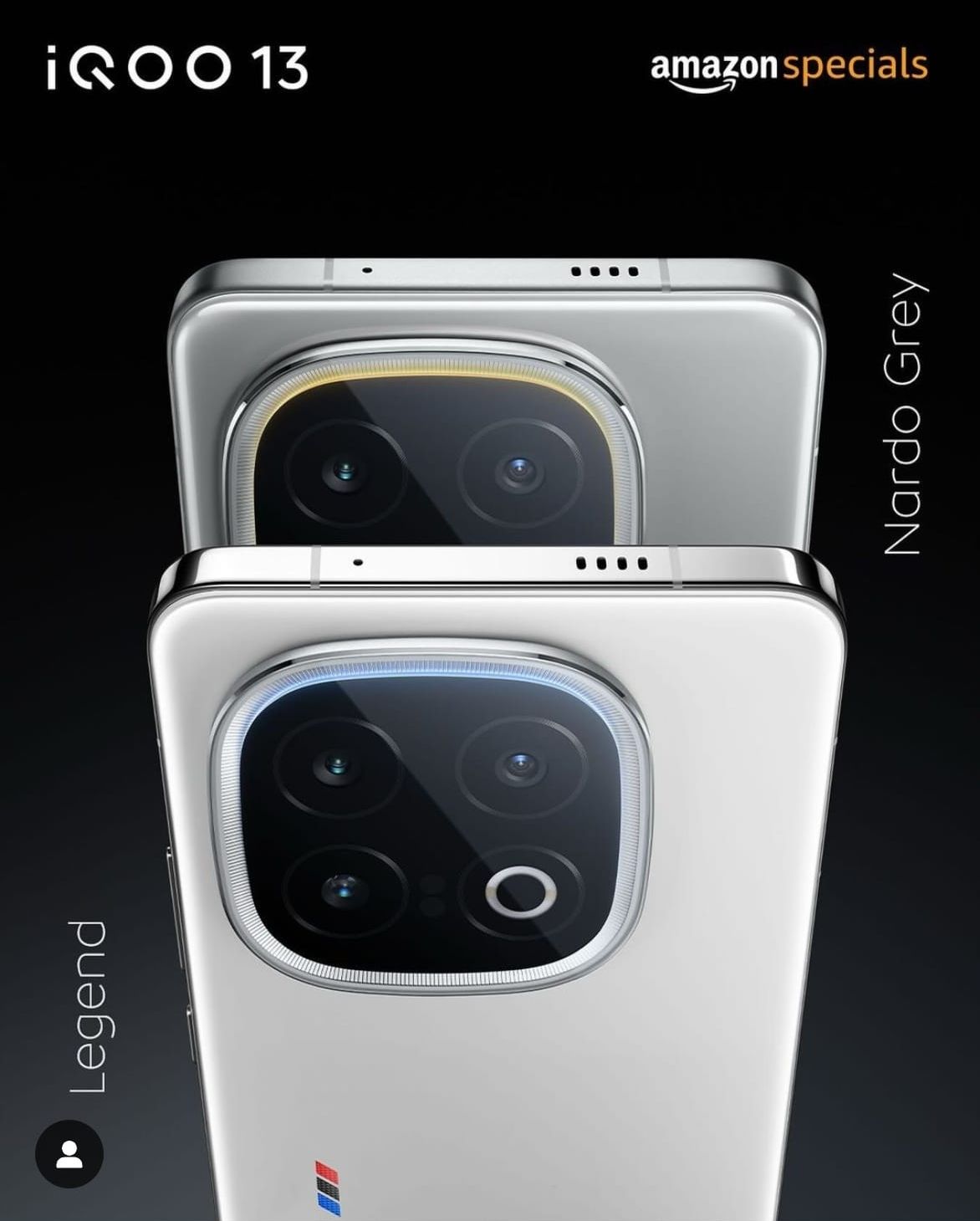
The telephoto camera is 85mm, and it excels at both portraits and landscapes. If you know a bit about photography, you should know how well these two focal lengths work. Then there’s this ultra-wide camera at 18mm. Please don’t forget, that it has OIS. Together with the extra large sensor, this camera should be the best ultra-wide camera in a flagship phone of 2024.
If you want to know more details about the camera performance of the Z60 Ultra Leading version, I recommend you to watch the previous review of the regular Z60 Ultra. Since they are almost the same, I won’t go into it again.
Because the field of view of the main camera is not as wide as other phones, plus the EIS crops the footage, the stabilization is not as good on the video. But after switching to this ultra-wide camera with OIS, the stabilization is much better. It still performs at night. Except for a little more noise, there is no obvious drawback. By the way, this time you can switch between the three cameras in 4k recording as well.
Please click on the video at the beginning of the article to watch a sample.
Battery & Charging
Before the release of the OnePlus Ace 3 Pro, the Z60 Ultra’s 6000mAh battery dominated the regular phone market for half a year. To this day it is still one of the phones with the biggest battery. The Leading version inherits this advantage. Although there is no difference in battery life with the regular version, it has been unbeatable.
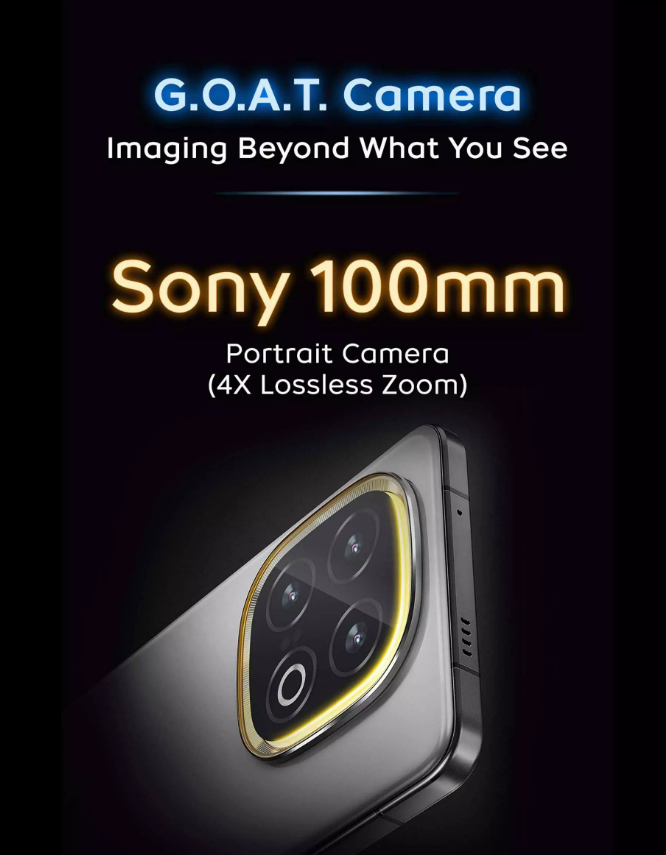
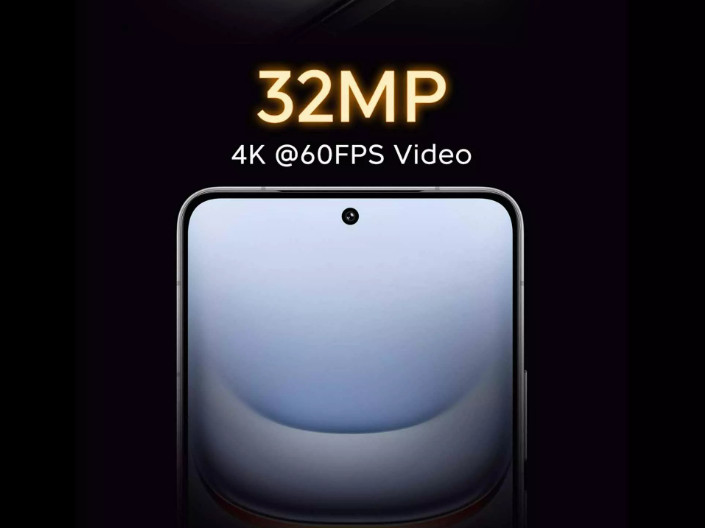
The charging power is 80W as always, and it takes 40 minutes to fully charge it, which is pretty good. The Leading version doesn’t have wireless charging, but it does support high-power PPS, which is one of the strengths of Nubia’s phones.
MyOS
The Z60 Ultra Leading version we have is the global version, so MyOS is also modified to be more like stock Android. except for a few MyOS-exclusive features like GameSpace and Camera, which are made by Nubia itself. Most of the operating logic and features are pretty much the same as stock Android, just the UI has been redesigned. So getting started with this phone should still be pretty easy.
Conclusion
Obviously, the Z60 Ultra Leading version is meant to replace the regular version. Surely you wouldn’t pay the same price for the regular version that was released last year, right? Not to mention that the Leading version does consume less power for gaming and the back cover color looks a bit better. With the help of AI, for example, the sharpened photos has also been enhanced in details.
The sweet points of the regular version have also been retained, such as the great gaming experience, the truly full screen, and the great camera system. You can certainly wait for the more powerful Z70 Ultra in the future, but if you’re already happy with the Z60 Ultra now, the Leading version will be an even more satisfying replacement.
Two brands have confirmed to release new smartphones in the next few days. These companies are iQOO and Motorola.
Both firms will debut new handsets in India. The former will unveil two devices, while the latter will announce a single product.
All three phones will be in the budget range. However, the iQOO products will be more expensive than the one from Motorola.
iQOO will announce a couple of handsets under the Z series as opposed to a Moto G series phone from Motorola. The trio will be made official on the same day.
The iQOO Z9s series is scheduled to launch in India on August 21 (Wednesday). There will be two devices in the lineup, namely iQOO Z9s and iQOO Z9s Pro.
The iQOO Z9s will come with a Dimensity 7300 SoC, a 120Hz curved OLED display, a 50MP Sony IMX882 camera, and a 5,500mAh battery.
On the other hand, the iQOO Z9s Pro will arrive with a Snapdragon 7 Gen 3 mobile platform and will share most of its specs with the standard version. It will also feature a 120Hz curved OLED display but with 4500 nits peak brightness level and the same camera as well as the battery.
2. Motorola Moto G45
Motorola has confirmed to debut the Moto G45 in India on August 21 (Wednesday). The handset will succeed the Moto G42 from 2022.
The device is expected to be powered by a Snapdragon 6s Gen 3 chipset. It is said to flaunt a 6.5-inch HD+ 120Hz display (LCD).
The phone will sport a 50MP main camera and a 16MP selfie camera. Lastly, it will draw energy from a 5,000mAh battery.
We use cookies on our website to give you the most relevant experience by remembering your preferences and repeat visits. By clicking “Accept”, you consent to the use of ALL the cookies.
This website uses cookies to improve your experience while you navigate through the website. Out of these, the cookies that are categorized as necessary are stored on your browser as they are essential for the working of basic functionalities of the website. We also use third-party cookies that help us analyze and understand how you use this website. These cookies will be stored in your browser only with your consent. You also have the option to opt-out of these cookies. But opting out of some of these cookies may affect your browsing experience.
Necessary cookies are absolutely essential for the website to function properly. This category only includes cookies that ensures basic functionalities and security features of the website. These cookies do not store any personal information.
Any cookies that may not be particularly necessary for the website to function and is used specifically to collect user personal data via analytics, ads, other embedded contents are termed as non-necessary cookies. It is mandatory to procure user consent prior to running these cookies on your website.