Samsung’s flagship Galaxy S23 series is receiving the new August 2024 security update. The Galaxy S23 series surprises users with its superior features. The Galaxy S23 series doesn’t have significant differences when compared to the latest Galaxy S24 series and they still work smoothly. The Galaxy S23 series has a Snapdragon 8 Gen 2 processor. Samsung promised 4 major updates for these smartphones and they will receive new Android updates until Android 17. The devices will also receive their last major update, Android 17.
The Galaxy S23 series received the August 2024 security patch, what’s next?
The Galaxy S23 series consists of 3 different models: Galaxy S23, S23+ and S23 Ultra. Yesterday, August 12, 2024, the Galaxy S23 series received the August 2024 security update. This update fixes important security vulnerabilities and improves system optimization. I use the Galaxy S23 Ultra in my daily life and I have the Thailand ROM.
Therefore, the build number of the update for Thailand will be as follows: S918BXXS6CXG9 / S918BOXM6CXFD/S918BXXS6CXG9. There may be some changes in the build number depending on the region. But when you see that the update has the August 2024 security patch, you will know that this is the newly released update.
Galaxy S23 series received the August 2024 security patch, so what’s next? We expect smartphones to receive the One UI 6.1.1 update within 2 weeks. At the same time, we should not forget the One UI 7.0 test, which is expected to start in the near future. Probably the Galaxy S23 series will be included in this testing phase and users will be able to experience the One UI 7 beta.
We are eagerly waiting to see what the new One UI 7 version will offer. Samsung is rumored to make significant changes with this update. Hopefully, One UI 7 will be a smooth update and will satisfy users. I will share my experiences when the Galaxy S23 Ultra receives the One UI 7 update.
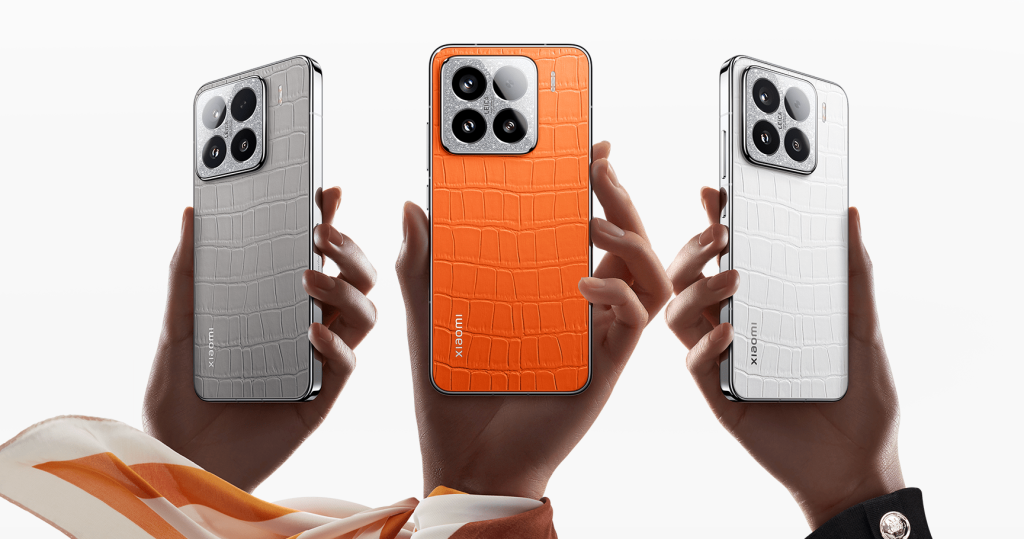
Xiaomi 14 Ultra starts receiving the August 2024 security patch. Xiaomi has quickly released a new update to its premium smartphone. This update brings a new security patch and includes important optimizations. It’s not surprising that the brand’s most popular device received this update so quickly.
Xiaomi 14 Ultra August 2024 Security Update
Xiaomi 14 Ultra has officially received the August 2024 security update in 3 different regions. Global, European and Indian ROMs continue to receive the update gradually. If you haven’t received the update yet, don’t worry. Xiaomi will be rolling out the new August 2024 security update to all users very soon. The build numbers of the update are OS1.0.11.0.UNAEUXM, OS1.0.10.0.UNAMIXM and OS1.0.9.0.UNAINXM respectively. “EU” stands for Europe, “MI” stands for Global, and “IN” stands for India.
The update size varies by region. It’s 401MB for India, 505MB for Europe and 628MB for Global. These small differences are normal. The new updates coming to the device are basically the same. The new August 2024 security update fixes system bugs and offers some optimizations. This is the 5th device Xiaomi has released the August security patch for, the Xiaomi 14 Ultra. Do you want to know more about the Xiaomi August 2024 security update? If so, you can click here.
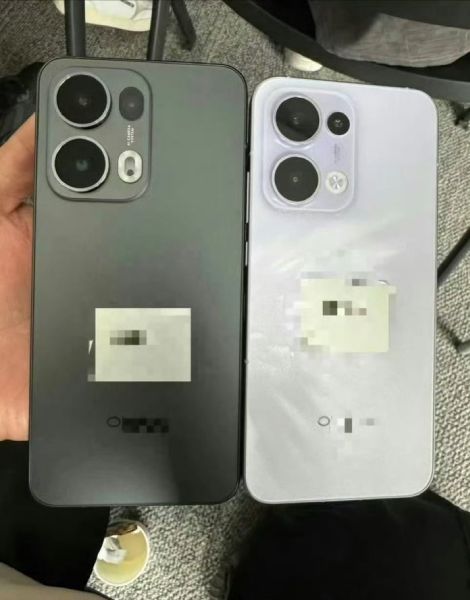
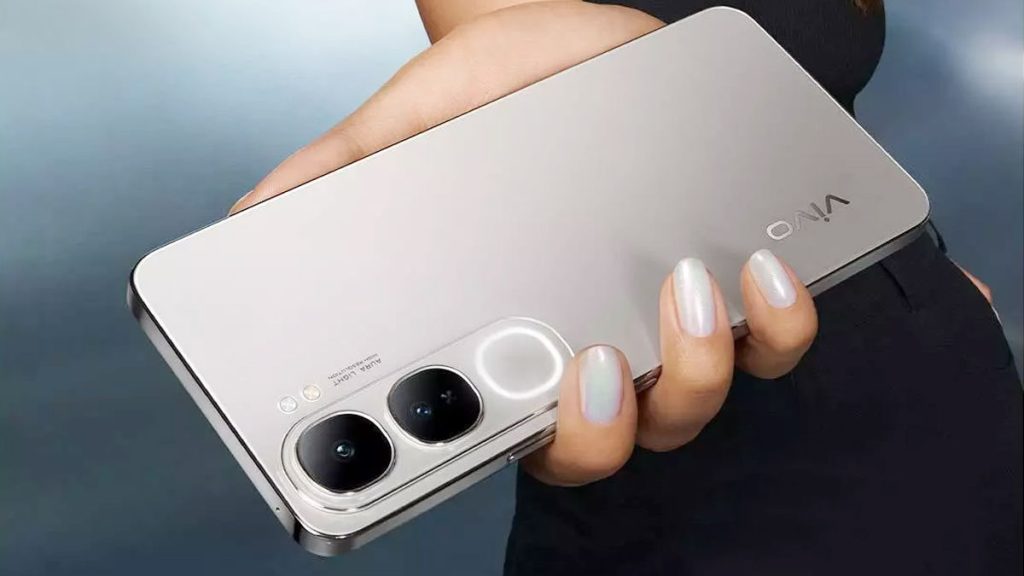
Vivo‘s T-series has seen a steady stream of releases in 2024, with the T3, T3 Lite, and T3x already available in some markets. A recent leak has revealed a new addition to the lineup, the Vivo T3 Pro, whose official-looking renders and some key specs have now surfaced online, courtesy of a report by SmartPrix.
Visually, the leaked image shows the phone doesn’t bear resemblance to any other T3 series phone. Rather the rear design is reminiscent of the iQOO 12, a phone from Vivo’s sub-brand. It has a squircle-camera island positioned on the left consisting of three camera lenses and a LED ring light.
Performance-wise, the T3 Pro is rumored to be powered by the Qualcomm Snapdragon 7 Gen 3 SoC. This positions it firmly in the mid-range segment, likely catering to users seeking a balance between affordability and performance.
Battery life could be another selling point for the T3 Pro. It is said to accommodate a sizeable 5,500mAh battery that should offer a full day or more of charge depending on usage patterns. Notably, the leaks claim the phone achieves this capacity while maintaining a thin profile of just 7.49mm.
The display remains unconfirmed, but it could be an AMOLED panel with a 120Hz refresh rate. As for the camera, it will be a 50MP main sensor with a Sony sensor.
As for the price, the Vivo T2 Pro was launched at INR 23,999 (around USD 290). The T3 Pro is likely to fall within a similar range. Vivo hasn’t yet revealed an official launch date for the smartphone, but the report suggests the phone could arrive in India sometime in September 2024.
Motorola has been quite active in the Indian smartphone market, especially in the under 20K segment. The recent launches of Moto G85 5G and Edge 50 Fusion have added to the company’s portfolio, offering consumers a range of options to choose from. Let’s break down these two models to help you decide which one suits your needs best.
Priced under 20K, the Moto G85 5G is Motorola’s offering for budget-conscious buyers who don’t want to compromise on essential features. It boasts a 6.67-inch FHD+ curved pOLED display with a 120Hz refresh rate and up to 1600 nits brightness, protected by Corning Gorilla Glass 5.
Under the hood, it comes with Snapdragon 6s Gen 3 chipset which ensures decent performance for everyday tasks and light gaming. For graphics, it features an Adreno 619 GPU. The device comes with options for 8GB or 12GB of RAM and 128GB or 256GB of UFS 2.2 storage. It runs on Android 14 with My UX.
The camera setup includes a 50MP Sony LYT-600 main sensor with OIS for stable shots, an 8MP ultra-wide camera, and a 32MP front-facing camera. While it might not match the camera capabilities of the Edge 50 Fusion, it still captures decent photos in good lighting conditions. The 5000mAh battery with 30W fast charging ensures you stay powered throughout the day.
The G85 5G shines in terms of its build quality and design. The vegan leather back adds a premium feel, and the IP52 water resistance offers some protection against splashes. It also comes with stereo speakers with Dolby Atmos support. With Android 14 out of the box and promised software updates, you can be assured of a smooth and up-to-date user experience.
Who is it for?
The Moto G85 5G is ideal for users who prioritize a good display, decent performance, and long battery life without breaking the bank. It’s a solid choice for students, young professionals, or anyone looking for a reliable daily driver.
Please Note: When you buy something using the links in our articles, we may earn a small commission at no cost to you.
2. Motorola Edge 50 Fusion: A Premium Experience
If you’re willing to stretch your budget a bit (by 1-2K), the Edge 50 Fusion offers a significant upgrade in terms of display, performance, and camera capabilities. It sports a curved 6.7-inch FHD+ pOLED display with a higher 144Hz refresh rate for even smoother visuals. The display also supports HDR10+, up to 1600 nits peak brightness, and is protected by Corning Gorilla Glass 5.
Powered by the Snapdragon 7s Gen 2 chipset with an Adreno 710 GPU, the Edge 50 Fusion offers strong performance, effortlessly handling demanding tasks and games. It comes with 8GB or 12GB of RAM and offers storage options of 128GB or 256GB. Like G85, the device also runs on Android 14 with My UX on top.
The camera system on the Fusion is a standout feature, with a 50MP Sony LYT-700C main sensor with OIS and a 13MP ultrawide camera capable of capturing impressive photos and videos. It also comes with a 32MP sensor on the front.
The Edge 50 Fusion features an IP68 rating for dust and water resistance, a luxurious vegan leather finish, and a large 5000mAh battery with 68W fast charging. It also includes an in-display fingerprint sensor and stereo speakers with Dolby Atmos.
Who is it for?
The Edge 50 Fusion is for users who want a proper midrange smartphone experience without breaking the bank entirely. It’s perfect for photography enthusiasts, gamers, and those who value a stylish design and robust build.
Please Note: When you buy something using the links in our articles, we may earn a small commission at no cost to you.
3. Which One Should You Choose?
Moto G85 5G is the clear winner if you have a strict budget of under 20K and prioritize a good display, decent performance, and long battery life. It offers excellent value for money.
Motorola Edge 50 Fusion is of course the better choice if you can stretch your budget a little and want a premium experience with a stunning display, powerful performance, and a superior camera system. It’s a great option for those who demand the best.
Ultimately, the best choice depends on your specific needs and priorities. Consider your budget, the features you value most, and the kind of usage you expect from your smartphone.
Recently, Realme C63 5G made its debut in India. The device is the 5G version of Realme C65 that was released a month ago.
The 4G-only model is priced at ₹8,999 for the sole 4GB + 128GB variant. On the other hand, the 5G version is offered in 4GB + 128GB, 6GB + 128GB, and 8GB + 128GB variants priced at ₹10,999, ₹11,999, and 12,999, respectively.
In our opinion, one should opt for the version with at least 6GB RAM if they intend to buy Realme C63 5G. This makes their purchase ₹3,000 more expensive than the LTE-only Realme C63.
So what do you get for paying a bit more? Let’s find out below.
Though Realme C63 and Realme C63 5G share the name, they look different from each other. Although both of them have a flat frame, their camera module and button placements are dissimilar.
The 4G variant has an iPhone-like camera placement. On the other hand, the 5G version’s camera island is inspired by the Huawei Mate 20 Pro.
The LTE model comes in Leather Blue and Jade Green color variants as opposed to Starry Gold and Forest Green variants of the 5G model.
2. Faster Chip
The regular Realme C63 houses a 12nm Unisoc T612 chipset. Whereas the Realme C63 5G is powered by a 6nm MediaTek Dimensity 6300 SoC.
The MediaTek chip inside the 5G variant is more powerful. At the same time, it offers a better battery life, at least on paper.
Both Realme C63 and Realme C63 5G are backed by an identical 5,000mAh battery. However, their charging speeds are different.
Despite being more expensive, the 5G variant is limited to standard 10W charging. Whereas the 4G version supports 45W SuperVOOC fast charging.
4. Better Display
The LTE-only Realme C63 sports a 6.7-inch HD+ (1600 x 720 pixels) display featuring a dewdrop notch. This LCD panel supports up to a 90Hz refresh rate, a 180Hz touch sampling rate, and 560 nits peak brightness level.
On the other hand, the Relam C63 5G arrives with a slightly smaller 6.67-inch centered punch-hole HD+ (1604 x 720 pixels) display. This LCD screen offers up to 625 nits peak brightness level, a 120Hz refresh rate, and a 240Hz touch sampling rate.
This means the display on the Realme C63 5G is smoother, brighter, and looks modern.
5. Lower Resolution Camera
Interestingly, the Realme C63 5G comes with a 32MP rear camera. This sensor is usually found on the front of mid-rangers.
While the 4G-only Realme C63 sports a standard 50MP main camera. As for selfies, both phones use an 8MP snapper.
Midea has unveiled its built-in dishwasher X6 Pro, which is now available for pre-sale on JD.com for a price tag of 5,499 yuan (~$766). This product reportedly comes with 15 sets of cutlery capacity, can hold 102 pieces of dishware, and is designed to effectively utilize the available space.
It comes with a spray that can thoroughly clean hard to reach parts of dishware
The dishwasher adopts Midea’s patented universal 720° vertical spray technology, with widened spray arms up and down to fully wrap the cavity for spraying. The spray has a water pressure of 50KPa, which can reportedly clean heard to reach areas of dishware without an issue.
For the operation, it equips a BLDC variable frequency motor and also supports 105℃ hot air drying. Thanks to the hot air drying functionality, it can also quickly dry wooden equipment that is generally difficult to dry. This whole process of washing, drying, and storage is also disinfected to a four-star standard.
In addition to all of that, the dishwasher X6 Pro supports forced drainage and can maintain a dry environment in the storage area for a long time. Notably, the interior comes with an integrated seamless design, and the entire storage area is covered with stainless steel. It has a dimension of 775mm.x 598mm x 576mm
The dishwasher X6 Pro can automatically detect the dirtiness of the dishware and can adjust the washing time and water volume accordingly. It comes with 6 different washing modes – smart washing, super washing, energy-saving washing, quick washing, disinfection washing, and standard washing. It also supports fruit washing, seafood washing, and self-cleaning.
The product comes with a rated power of 1828W and weighs 45.2kg.
Lenovo has expanded its lineup of curved gaming monitors with the release of the 31.5-inch “R32qc-30”, following the recent launch of a 27-inch version. This new model is now available for purchase on JD.com, priced at 1889 Yuan ($263).
Lenovo R32qc-30 Monitor Specifications:
The gaming monitor features a 31.5-inch screen with a resolution of 2560×1440, offering a clear and detailed 2K display. It comes with a 180Hz refresh rate, which is ideal for smooth and fluid visuals. The display also supports a 0.5ms (MPRT) response time, reducing motion blur and providing sharp images, which is crucial for competitive gaming.
The monitor features a 1500R curvature, enhancing immersion by curving around the user’s field of view. Combined with a VA panel, it improves visual depth and reduces distortion, making it ideal for AAA games with detailed environments.
The display also covers 99% of the sRGB color gamut, ensuring accurate color reproduction, which is useful for both gaming and professional tasks like photo editing and video work. The screen features native low blue light technology, which reduces harmful blue light while preserving color accuracy and protecting the eyes.
The “R32qc-30” is equipped with AMD FreeSync technology, which synchronizes the monitor’s refresh rate with the graphics card’s output, reducing screen tearing and stuttering.
The monitor includes Lenovo Artery software for adjusting scene modes, color settings, and other game effects, with pre-set modes like FPS and scenery enhancing the gaming experience. It also comes with game assistance tools, such as an on-screen crosshair and frame rate display which offer additional customization.
In terms of connectivity, the monitor includes two HDMI ports, one DisplayPort, and a 3.5mm audio jack, offering versatile options for connecting to different devices.
The stand of the monitor supports tilt adjustments from -5° to 22°, swivel, and height adjustments, allowing users to customize their viewing angle for maximum comfort. It also features a Kensington Lock for added security. Additionally, the monitor supports VESA 100x100mm wall mounting.
Apple is likely to launch the iPhone 16 series next month, which has already entered mass production. Now a recent report from an industry insider hints that the iPhone 16 series may not offer significant upgrades and that it could be better to wait for the iPhone 17 series.
Phone 17 Slim
The news comes from Bloomberg’s Mark Gurman who revealed that Apple has plans to release an ultra-thin iPhone 17 model, which may include “Air” in the model name. It could reportedly be a product between the iPhone 17 and iPhone 17 Pro. Gurman expects this new ultra-thin model to be “more popular” than the iPhone 12/13 mini and iPhone 14/15/16 Plus.
In addition to the “Air” model of the iPhone 17 series, Gurman also talked about some other future iPhone models. He speculated that Apple will want to incorporate the performance capability of the Pro iPhones into the smaller model, but the company may not be able to achieve this goal until at least 2027.
There could also be an “Ultra” model
He also revealed that there could be an “Ultra” iPhone model in the iPhone 17 series, that will also maintain a slim form factor. According to Gurman, the ‘Ultra’ model is more attractive than the speculated iPhone 17 Slim.
According to Ming-Chi Kuo, the new iPhone 17 Slim is anticipated to feature a 6.6-inch display that will have a resolution of approximately 2,740 x 1,260 pixels.
Thin and light mobile devices have an obvious limitation when it comes to battery capacity and performance, and the speculated Ultra model could become a more appealing option to many as compared to the rumored iPhone 17 Slim with comparatively better battery life and performance.
Gurman also talked about the iPhone SE 4, which will not only look like the iPhone 14 but will also support Apple Intelligence. If true, it means that the new phone is expected to be equipped with a high-performance chip that is capable of running the on-device LLM.
LG AI Research has announced the launch of South Korea’s first open-source AI model EXAONE 3.0. It makes South Korea’s entry into the global AI field dominated by American technology giants and emerging companies in China and the Middle East. Notably, it currently supports only two languages – English and Korean.
The EXAONE 3.0 is an open-source model, which is reportedly based on the Decoder-only Transformer architecture. It boasts 7.8B parameters and 8T of training data (tokens).
“Among the EXAONE 3.0 language model lineup built for various purposes, the 7.8B instruction adjustment model is being open-sourced in advance so that it can be used for research,” said an LG press release. The company hopes that the release of this model will help AI researchers in both the home country and abroad conduct more meaningful research and help the AI ecosystem move one step forward.
According to the company’s tests, the model’s English ability has reached the “world’s top-level”. The average score of real use cases reportedly ranks first, surpassing a number of models such as Llama 3.0.
When it comes to mathematical calculations and coding, EXAONE 3.0 also ranks first in average score and has strong reasoning ability.
Not to mention, EXAONE 3.0 ranked first in average scores for both actual use cases and single benchmarks in Korea. The model is claimed to reduce inference time by 56%, memory usage by 35%, and operating costs by 72% compared to its previous generation model.
The latest model has reportedly been trained on 60 million cases of professional data related to patents, codes, mathematics, and chemistry. The company plans to expand the training data to 100 million cases in various fields by the end of the year.
To reduce the power consumption of operating the AI model, LG AI Research focused on researching optimization technologies and making the model lightweight, in which they succeeded and reduced the size of the model by a whopping 97% while increasing performance compared to EXAONE 1.0.
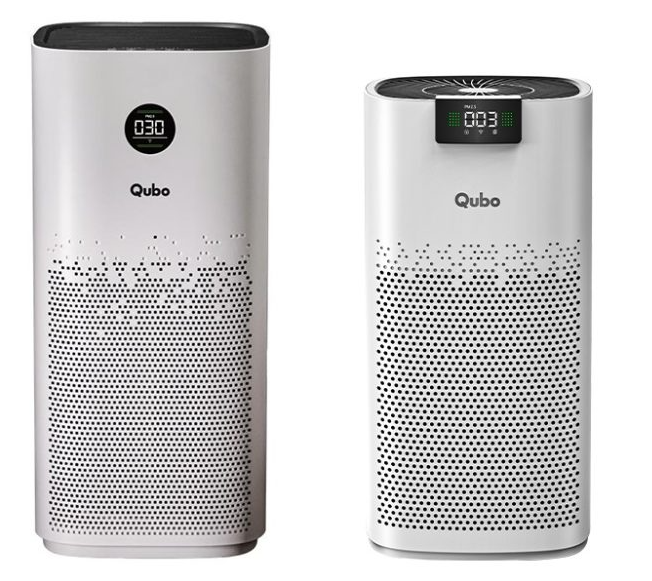
Xiaomi has unveiled the MIJIA Air Purifier 5 and has started accepting pre-orders for the device. The new device supports active dust monitoring and is offered at an introductory price of 999 yuan ($139). The opening of pre-sales for the product is coming a few days before its official release on August 15.
Features
The MIJIA Air Purifier 5 supports dust sensor monitoring, air status visualization, and several other functions. The dust function sensor can capture changes in coarse particles such as decoration dust, sandstorms, and airborne dust particles. The user can view the pollution status of the environment in real-time and this is displayed on the LCD color panel.
In terms of dust removal accuracy, the MIJIA Air Purifier 5 is rated to remove 98% of pollen allergens per hour and 99.98% of PM10 per hour. It is also capable of removing several common allergens, as well as having a 98.1% formaldehyde removal rate. The machine is equipped with a 12-month long-life filter and it adopts a low-noise design. The maximum operating noise level of the MIJIA Air Purifier 5 is 30.1dB and it supports HyperOS Connect. Thus, it can be controlled via the MIJIA app and XiaoAI.
The gadget has a detachable top cover and a magnetic door design. This design makes it convenient to easily replace the filter and clean the internal air duct or fan blades.
Pricing & Availability
The MIJIA Air Purifier 5 is offered at an introductory price of 999 yuan ($139) and is available from JD.com. There are no global availability and pricing details for the gadget yet.
When it comes to choosing a new smartphone, the decision often boils down to comparing two strong contenders that offer a blend of innovation, performance, and style. The Vivo V40 Pro and Oppo Reno 12 Pro are two such devices that have captured the attention of tech enthusiasts and casual users alike.
Both phones boast impressive specifications, from cutting-edge displays to powerful cameras, making the choice between them a challenging one. In this article, we’ll dive into a detailed comparison of the Vivo V40 Pro and Oppo Reno 12 Pro, breaking down their key features, similarities, differences, and advantages to help you decide which smartphone is the better buy for your needs.
Whether you’re after top-tier performance, exceptional design, or a versatile camera system, this comparison will provide the insights you need to make an informed decision.
Design: Premium Build vs. Lightweight Comfort
Features:
Vivo V40 Pro: Glass front and back, IP68/IP69 dust/water resistance.
Oppo Reno 12 Pro: Glass front with Gorilla Glass Victus 2, plastic frame, IP65 dust/water resistance.
Similarities:
Both phones support dual SIM (Nano-SIM, dual stand-by) and offer water and dust resistance.
Differences:
The Vivo V40 Pro has a premium glass build and a higher IP68/IP69 rating, offering superior protection against water and dust. The Oppo Reno 12 Pro, while lighter, uses a plastic frame and has a lower IP65 rating, making it less resistant to harsh conditions.
Advantages:
Vivo V40 Pro: Offers a more luxurious feel and better durability.
Oppo Reno 12 Pro: Lightweight and easier to handle, making it more comfortable for prolonged use.
Which is Better? Vivo V40 Pro takes the lead in design, offering a premium, durable build that is better suited for users who prioritize luxury and protection.
Please Note: When you buy something using the links in our articles, we may earn a small commission at no cost to you.
Display: Brightness and Clarity
Features:
Vivo V40 Pro: 6.78-inch AMOLED, 1260 x 2800 pixels, 120Hz, 4500 nits (peak).
Oppo Reno 12 Pro: 6.7-inch AMOLED, 1080 x 2412 pixels, 120Hz, 1200 nits (peak), Gorilla Glass Victus 2.
Similarities:
Both devices feature AMOLED displays with 1B colors, HDR10+ support, and a 120Hz refresh rate for smooth visuals.
Differences:
The Vivo V40 Pro offers a larger, brighter display with a higher resolution, making it superior for outdoor visibility and detailed viewing. The Oppo Reno 12 Pro, while slightly smaller and less bright, is protected by Gorilla Glass Victus 2, offering better durability against drops.
Advantages:
Vivo V40 Pro: Exceptional brightness and clarity, ideal for media consumption in bright environments.
Oppo Reno 12 Pro: Better screen protection with Gorilla Glass Victus 2, making it more resistant to scratches and drops.
Which is Better? Vivo V40 Pro is the better choice for those prioritizing screen quality and brightness, while the Oppo Reno 12 Pro offers better durability for more active users.
Performance and Battery: Powerhouse vs. Efficiency
Features:
Vivo V40 Pro: Mediatek Dimensity 9200+, Octa-core CPU, 5500 mAh battery, 80W wired charging.
Both phones are equipped with Mediatek chipsets, offer 80W wired charging, and have substantial batteries for all-day use.
Differences:
The Vivo V40 Pro is powered by a more advanced Dimensity 9200+ chipset, offering higher processing power and a slightly larger 5500 mAh battery. The Oppo Reno 12 Pro uses a Dimensity 7300 Energy chipset, focusing on efficiency rather than raw power, and comes with a 5000 mAh battery.
Advantages:
Vivo V40 Pro: Superior performance for gaming, multitasking, and intensive applications.
Oppo Reno 12 Pro: More energy-efficient, providing reliable performance for everyday tasks with slightly better battery management.
Which is Better? Vivo V40 Pro is ideal for power users who need top-tier performance, while the Oppo Reno 12 Pro is better suited for those who prefer efficiency and long-lasting performance.
Both phones offer triple camera setups with high-resolution sensors and OIS for stable photography, along with 50 MP selfie cameras.
Differences:
The Vivo V40 Pro stands out with its triple 50 MP lenses and Zeiss optics, providing more versatility and better image quality across different scenarios. The Oppo Reno 12 Pro has a simpler setup with a lower-resolution ultrawide lens, focusing more on user-friendliness than versatility.
Advantages:
Vivo V40 Pro: Ideal for photography enthusiasts who want high-quality images in various modes.
Oppo Reno 12 Pro: Simpler to use, perfect for casual photographers who value ease of use.
Which is Better? Vivo V40 Pro is the better choice for those who want a more versatile and high-quality camera system, while the Oppo Reno 12 Pro is great for users who prefer a straightforward camera experience.
Which One Should You Buy?
Both the Vivo V40 Pro and Oppo Reno 12 Pro are well-rounded smartphones with their strengths. The Vivo V40 Pro excels in design, display, performance, and camera versatility, making it the better choice for users who want the best of everything. While slightly less powerful, the Oppo Reno 12 Pro offers a lighter, more durable design and efficient performance, making it ideal for everyday use.
Please Note: When you buy something using the links in our articles, we may earn a small commission at no cost to you.
Our Opinion
If you prioritize premium build quality, top-tier performance, and versatile photography, the Vivo V40 Pro is the clear winner. However, if you prefer a lighter phone with efficient performance and better durability, the Oppo Reno 12 Pro is a strong contender. Ultimately, your choice should depend on what features matter most to you.
Sony WH-1000XM4, the popular premium sound headphones, is now retailing for the lowest price of $198 in the US. Interested users can head over to Amazon US to grab the exciting deal. It could be a limited-time deal, so we suggest grabbing it if you’re looking for good headphones.
Sony WH-1000XM4 Deal on Amazon US
The Sony WH-1000XM4 is equipped with high-quality active noise cancellation, and it usually costs around $348. With the ongoing discount, interested folks can get it for a discounted price of $198.
Sony WH-1000XM4 Specifications and Features
Sony WH-1000XM4 offers a tactile matte finish that feels smooth and comfortable to handle. The headphone offers a comfortable listening experience, along with powerful audio and punchy bass. The headphones are available in three color options: silver, blue, and black.
The headphones from Sony offer up to 20 hours of battery life with quick charging support. It can offer 5 hours of playback time after 10 minutes of charging time. Apart from the powerful headphones, the earphone offers some extensive multipoint connections, ambient sound control, touch sensor controls, a smart listening Sense engine, and others.
Meanwhile, if the user would like to enjoy the latest Sony WH-1000XM5, then these are also available at an 18% discount. It was retailing for the price of $400, but after a recent discount, it is down to $328. There are certain advantages over the XM4, but obviously, it comes at a massive price increase. Briefly, the new model features eight mics, and the V1 chip.
Still, the price gap looks more significant than the advantages the Sony WH-1000XM5 offers. We suggest grabbing the bargain deal without any further deals if you are already on the hunt for a new headphone.
Chinese tech giant Xiaomi has continued to release basic home products at pocket-friendly prices. The latest product is the MIJIA Automatic Fragrance Machine 2 Set which is making its debut under crowdfunding on Xiaomi Youpin.
The MIJIA Automatic Fragrance Machine 2 Set, like almost all Xiaomi products, adopts a minimalist design. The automatic fragrance machine is available in three colors: black, white, and pink. It supports automatic intermittent fragrance spraying, uses microporous atomization technology, and provides three adjustable concentration levels. The first level sprays the fragrance for 3 seconds every 20 minutes. The second level sprays the fragrance for 3 seconds every 15 minutes. The third and final level sprays fragrance for 3 seconds every 10 minutes.
In addition, it offers three customized “perfume-grade” fragrances, namely “Cypress Green Tea” which matches the white set, “Summer Rose Pink Lychee” which matches the pink set, and “Twilight Earth” which matches the black set.
For charging, there is a USB Type-C charging which delivers juice that can last for up to 50 days on a single charge. This expands the spaces it can be used without bothering about the charging port location. At the same time, it is equipped with a soft ambient light and supports low-decibel operation. Finally, it adopts a 135mL large capacity design and can be used for about 60 days.
Pricing & Availability
The MIJIA Automatic Fragrance Machine 2 Set will retail for 99 yuan ($14) but the device will be sold for 85 yuan ($12) during the crowdfunding exercise. The crowdfunding will start at 10:00 on August 14 and end at 10:00 on August 21.
Xgimi has launched a new High Brightness Edition of the popular projector Z7X in the Chinese market. The projector is currently available for pre-order at a price of 2999 yuan ($418). Customers who pre-order will also receive a complimentary light-resistant simple screen.
Xgimi Z7X High Brightness Edition Specifications:
The Z7X High Brightness Edition projector features a 0.33-inch DMD display chip for true 1080P resolution and is powered by the MediaTek MT9669 chipset with a quad-core Cortex-A73 CPU for smooth performance. It uses a custom LED light source with 880 CVIA lumens (920 ISO lumens) brightness, providing clear and vivid images in various lighting conditions.
The projector stands out with its 145° adjustable projection angle, allowing for flexible viewing, including ceiling projections. It also supports wall color adaptation for clear images on colored walls and features smart capabilities like automatic keystone correction, intelligent obstacle avoidance, and global automatic focus, ensuring easy setup and use in any environment.
For audio, the Z7X is equipped with Harman Kardon speakers, providing high-quality sound with support for Dolby Audio and DTS. The projector is lightweight, weighing approximately 1.9 kg, and compact with dimensions of 252 x 244 x 70 mm, making it portable and easy to install or store.
In terms of connectivity, the Z7X offers HDMI 2.0, USB 2.0, and a 3.5mm audio output, along with dual-band WiFi and Bluetooth 5.1 for wireless connections.
The device operates on the GMUI 6.0 system and supports various multi-screen interaction options like AirPlay and DLNA. The projector also includes a built-in MEMC algorithm for smoother motion in fast-moving scenes and supports HDR 10 and HLG for enhanced image quality.
Earlier this month, Xgimi also introduced its flagship level RS 10 Plus 4K projector, featuring 2700 CVIA brightness and a 360° rotating gimbal.
Over the years, the OnePlus Nord series went through a lot of changes. The newer models not only came with spec upgrades but also overhauled designs and price hikes.
The Nord 4 gets a price cut instead of a hike. It comes with a completely new design and uses a new build of materials. At the same time, it brings spec upgrades like its forerunners.
The device starts at ₹29,999, which makes it a sub-₹30,000 smartphone in India. This is the hottest category in the country for the last few years.
There are a number of alternatives. However, there are certain things that help OnePlus Nord 4 stand out from its competitors. Let’s have a look at them.
The OnePlus Nord 4 is the only metal unibody smartphone in India right now. Years ago, this was a norm until glass and plastic backs took over.
Metal phones are known to offer better durability. The device’s body may get dents or scratches but it would not crack like handsets with plastic or glass panels.
Additionally, the Nord 4 arrives with a dual finish on the back. The camera part of the panel uses glass like the first three generations of Google Pixel smartphones.
Talking about cameras, they are laid horizontally. Thus, it is easy to keep them free of smudges.
The product can be availed in three colors. You can go subtle with Obsidian Midnight or go fancy with either Mercurial Silver or Oasis Green.
2. Longest Software Support
The OnePlus Nord 4 boots OxygenOS 14 based on Android 14. The brand promises 6 years of software updates since release.
The software coverage includes 4 Android updates and 6 years of security updates. This means the phone will receive up to Android 18. Whereas security updates will be available until 2030.
This puts the Nord 4 ahead of any other phones in the segment. In fact, even the brand’s own OnePlus 12 is only guaranteed 5 years of software support.
On top of this, OnePlus claims 4 years of peak battery capacity. Even if the battery degrades, your can replace it at a much cheaper price than investing in a new smartphone.
3. Premium Experience
OnePlus is known for its premiumness in India. The brand has positioned itself in a way that it is compared with the likes of Apple and Samsung in the country.
The unboxing experience is unlike other brands. You get a color-matching high-quality case for most phones. The required adapter and cable for fast charging are bundled. You also get a Red Cable membership card and brand stickers.
Further, OnePlus is also known for its after-sales service. It is the only brand to offer assistance for the infamous ‘green line’ issue.
4. Better Deals With Ageing
OnePlus regularly discounts its products now. It wasn’t the case earlier.
The offers get much better as the devices get older. Also, these discounts are mostly available across both offline and online channels.
The OnePlus Nord 4 may start at ₹29,999 for 8GB + 128GB right now. But it won’t be the same in the next few months.
Going by historical data, the 8GB + 256GB (₹32,999) and 12GB + 256GB (₹35,999) variants could also go on sale for less than ₹30,000.
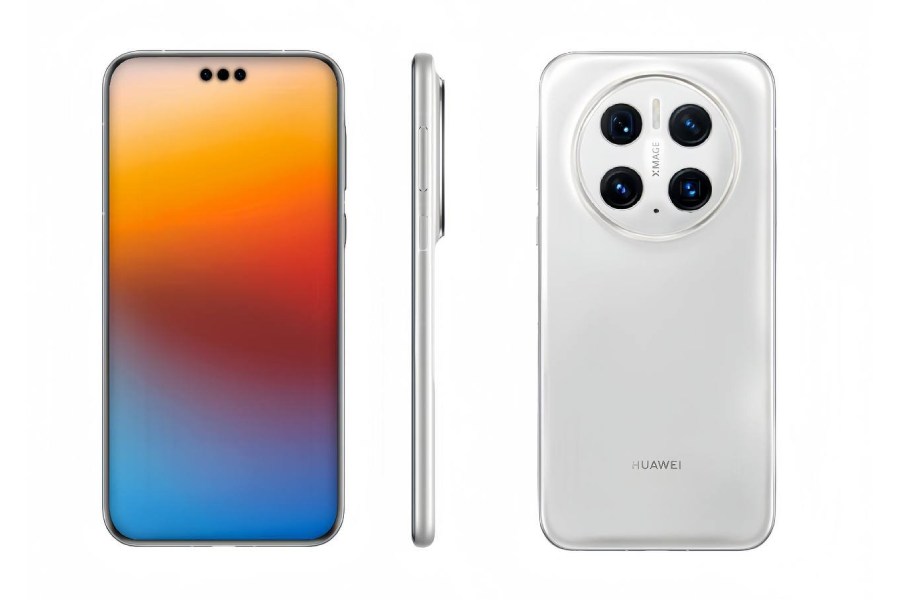
While the Huawei Mate 70 series hasn’t even launched yet, whispers of the next Mate lineup are already swirling. According to a recent leak, the Mate 80 from Huawei could boast an under-display 3D face recognition system.
This isn’t entirely surprising. Huawei has been steadily promoting face recognition technology in its flagships, and rumors have suggested the company’s eventual goal is a fully under-display solution. A Weibo tipster named Fixed Focus Digital recently shared a screenshot of a conversation hinting at the Mate 80 series sporting this very tech.
However, temper your excitement for the Mate 70. There are two key reasons why this under-display system might not debut on the upcoming phone, according to Huawei Central. First, the Mate 70 series is reportedly laser-focused on adapting the HarmonyOS NEXT software and integrating the new Kirin processor. It’s rumored to be in trial production already, potentially nearing mass production.
Second, Huawei’s in-display 3D face recognition is apparently still in its early stages. While testing has allegedly begun, implementing it for a seamless user experience likely requires more time. The Mate 80, therefore, seems like a more realistic candidate for this futuristic feature.
It’s worth noting that leaks can be inaccurate, and there’s still a significant wait before any confirmation. However, Huawei’s commitment to 3D face recognition is well-established. Since its introduction with the Mate 20 Pro in 2018, the company has consistently refined the technology across its flagship lines.
The under-display approach promises a more seamless design, eliminating the need for notches or punch-hole cameras. Exactly how Huawei intends to implement this technology remains to be seen.
With the Mate 70 series, the company might finally offer 3D face recognition across all models, unlike the Mate 60 lineup where the standard variant lacked the feature. 2024 could be the year Huawei closes the gap when it comes to face recognition across its flagship offerings.
OnePlus has confirmed the launch of their next flagship earbuds, the Buds Pro 3, arriving in India and other markets on August 20th. The launch event will kick off at 6:30 PM IST (9:00 AM EST, 2:00 PM BST, 3:00 PM CEST).
A recent leak about the upcoming OnePlus Buds 3 Pro reveals that the earbuds will be priced at €199, slightly higher than the previous model. They will feature an 11mm woofer and 6mm tweeter, with sound tuned by Dynaudio. The Buds 3 Pro will offer improved noise cancellation at 50dB, but may disappoint gamers due to a reported 94ms audio delay.
Battery life is expected to be strong, with up to 43 hours of playback with the case and a quick charge providing 5 hours in just 10 minutes. The earbuds will also support LHDC 5.0 for high-quality audio, have IP55 dust and water resistance, and feature Bluetooth 5.4.
Other than the above-mentioned details, the OnePlus Buds Pro 3 is rumored to feature a redesigned case, with a leather-like material. The brand will likely begin teasing the details of the Buds Pro 3 in the coming days.
In other news, Xiaomi’s Smart Band 9, launched in China last month, is expected to hit global markets soon, possibly at a starting price of €39.99 (~US$47). The band features a 1.62-inch AMOLED display with 1200 nits brightness, over 200 watch faces, and 150+ workout modes. It includes health tracking sensors and offers up to 21 days of battery life with AOD off.
Last month, ASUS officially announced its ROG Zephyrus G16 2024 gaming laptop in the global market. The brand has finally started selling these new laptops in the US market in three configurations:
The ROG Zephyrus G16 2024 model comes with a CNC-milled aluminum chassis and a stunning 16:10 ROG Nebula OLED display with a 2.5K resolution, 240Hz refresh rate, and G-SYNC support for ultra-smooth visuals. It is powered by the AMD Ryzen 9 HX 370 processor with 24 threads and an AMD Ryzen AI XDNA 2 NPU, delivering a combined 81 TOPS of AI performance.
The laptop offers up to 32GB of LPDDR5X-7500 memory and supports the latest SD Express 7.0 standard, making it ideal for creatives. For graphics, it features an NVIDIA GeForce RTX 4070 Laptop GPU, providing exceptional performance with 321 TOPS of AI power and support for DLSS 3. The ROG Intelligent Cooling system, featuring liquid metal and a tri-fan design, ensures efficient thermal management.
The G16 is also the first ROG laptop equipped with WiFi 7 for ultra-fast wireless connectivity. Additional features include Dolby Atmos audio, Hi-Res certification, Two-way AI noise cancellation, and a long-lasting 90Wh battery.
Samsung‘s upcoming FE device, the Galaxy S24 FE is expected to launch in October, which reportedly looks similar to the Galaxy S23 FE. Now the South Korean variant of the phone has surfaced on Geekbench, which has been spotted by MySmartPrice.
Exynos 2400e appears to be an underclocked version of the Exynos 2400
The test result shows that the phone equips an in-house s5e9945 motherboard and 10-core CPU. One of the CPU cores reaches a clock speed of 3.11GHz. It also reveals that the variant has 8GB RAM. The phone scored 1625 and 5698 in single and multi-core tests respectively. It’s also revealed that the chipset uses Xclipse 940 GPU.
The identifiers confirm that Samsung will debut the next-gen Galaxy S24 FE smartphone with an underclocked variant of the Exynos 2400 chip that powers the Galaxy S24 and Galaxy S24 Plus.
For context, here are the clock speeds of the CPU cores of the Exynos 2400 chip – the Cortex-X4 is clocked at 3.2GHz, two of the Cortex-A720 cores are clocked at 2.9GHz while three others are clocked at 2.6GHz, and four of the Cortex-A520 cores are clocked at 1.95GHz.
You can see that the Cortex-A720 and Cortex-X4 cores of the speculated Exynos 2400e run at slightly lower clock speeds. While it may not result in significantly lower peak performance, it could be done to manage the heat better as the FE model is likely not going to have the same cooling solution as the more premium models with the chip.
The S24 FE has also been previously leaked to equip a chipset that is a slightly underclocked version of the company’s latest flagship chipset Exynos 2400. This phone is expected to launch with OneUI 6.1.1 based on Android 14 out of the box with Galaxy AI features. It is also rumored that the phone will pack a 4,565mAh battery with a battery, which is the same as its predecessor.
Lenovo launched the Moto X50 Ultra in May this year with the Snapdragon 8s Gen 3 chip. Now the company has announced a price drop for the phone. The 12GB+512GB and 16GB + 1TB configurations of the phone will be priced at 3999 yuan and 4299 yuan respectively.
According to the company, this decision is made in order to let more people experience the success the company has achieved with its imaging system.
According to the company official, the phone equips “AI imaging architecture” that aids the camera system in capturing nice and colorful images. Notably, this phone has performed better than the Galaxy S24 Ultra and iPhone 15 in the DxoMark camera test.
This phone comes with a glass front, a wooden back or silicone polymer back, and an aluminum frame. It is also IP68 dust/water resistant. The device weighs 197 g and is 8.6mm thick. Unlike many of its competitors, it comes with curved front and back panels and slightly rounded edges and the phone feels premium in hand.
Moto X50 Ultra specifications:
The phone packs a 6.7 ” P-OLED display which supports 2500 nits peak brightness, 144Hz high refresh rate, and HDR10+. The panel has a resolution of 1220 x 2712 pixels and a pixel density of 444ppi.
Speaking of the camera hardware, this phone packs a total of three cameras on the back – a 50 MP 1/1.3″ (1.2µm pixels) main sensor with f/1.6 aperture, a 64 MP 3x telephoto (0.7µm), and a 50 MP ultrawide. There is a 50 MP centered punch-hole selfie camera on the front.
The Snapdragon 8s Gen 3 chip is paired with UFS 4.0 storage. There is a 4500 mAh battery which supports 125W wired and 50W wireless charging.
We use cookies on our website to give you the most relevant experience by remembering your preferences and repeat visits. By clicking “Accept”, you consent to the use of ALL the cookies.
This website uses cookies to improve your experience while you navigate through the website. Out of these, the cookies that are categorized as necessary are stored on your browser as they are essential for the working of basic functionalities of the website. We also use third-party cookies that help us analyze and understand how you use this website. These cookies will be stored in your browser only with your consent. You also have the option to opt-out of these cookies. But opting out of some of these cookies may affect your browsing experience.
Necessary cookies are absolutely essential for the website to function properly. This category only includes cookies that ensures basic functionalities and security features of the website. These cookies do not store any personal information.
Any cookies that may not be particularly necessary for the website to function and is used specifically to collect user personal data via analytics, ads, other embedded contents are termed as non-necessary cookies. It is mandatory to procure user consent prior to running these cookies on your website.