Advertisement

AOOSTAR launches TB4S-OC USB4 + OCuLink SSD Enclosure with 16TB Capacity and Thunderbolt 4 support

AOOSTAR has launched its latest high-performance storage solution, the TB4S-OC USB4 + OCuLink M.2 NVMe SSD Enclosure. Designed for speed and versatility, this enclosure is perfect for users seeking reliable data transfer and expanded storage capabilities. Compatible with USB4, Thunderbolt 4, and OCuLink ports, it meets the demands of modern laptops and mini PCs, offering seamless connectivity and impressive performance. You can get AOOSTAR TB4S-OC for $179 only at GeekWills.

Key Features and Performance

The TB4S-OC enclosure is powered by the advanced ASM2462PDX chip, allowing each of its four M.2 slots to achieve transfer speeds of up to 800MB/s+. Supporting PCIe 3.0 NVMe SSDs (backward compatible), this enclosure can host up to four 4TB SSDs, providing a massive 16TB of storage. The device’s robust aluminum alloy design ensures durability while maintaining a compact size of 10.7 x 10.7 x 2.9 cm, making it both portable and efficient in dissipating heat.

Seamless Connectivity and User-Friendly Features

This enclosure is equipped with a USB4 port, OCuLink port, and a DC power input, delivering broad compatibility with high-speed interfaces while excluding outdated ones like USB 3.0 and USB 2.0. The indicator light system offers simple, real-time status updates, turning green when a drive is inserted and blinking during data transfers.

Ideal for Professional Use

The AOOSTAR TB4S-OC is an excellent choice for professionals and power users who need extensive storage and rapid data transfers. Whether expanding your setup for a mini PC or boosting storage for your laptop, this enclosure offers cutting-edge performance and reliable storage management.

The AOOSTAR TB4S-OC USB4 + OCuLink M.2 NVMe SSD Enclosure is now available, providing an efficient, high-speed storage solution for today’s demanding digital environments.

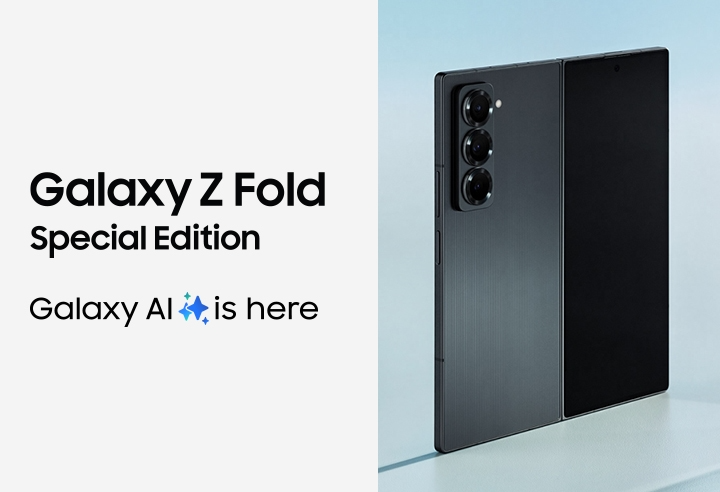
Galaxy Z Fold 6 Slim gets one step closer to its launch

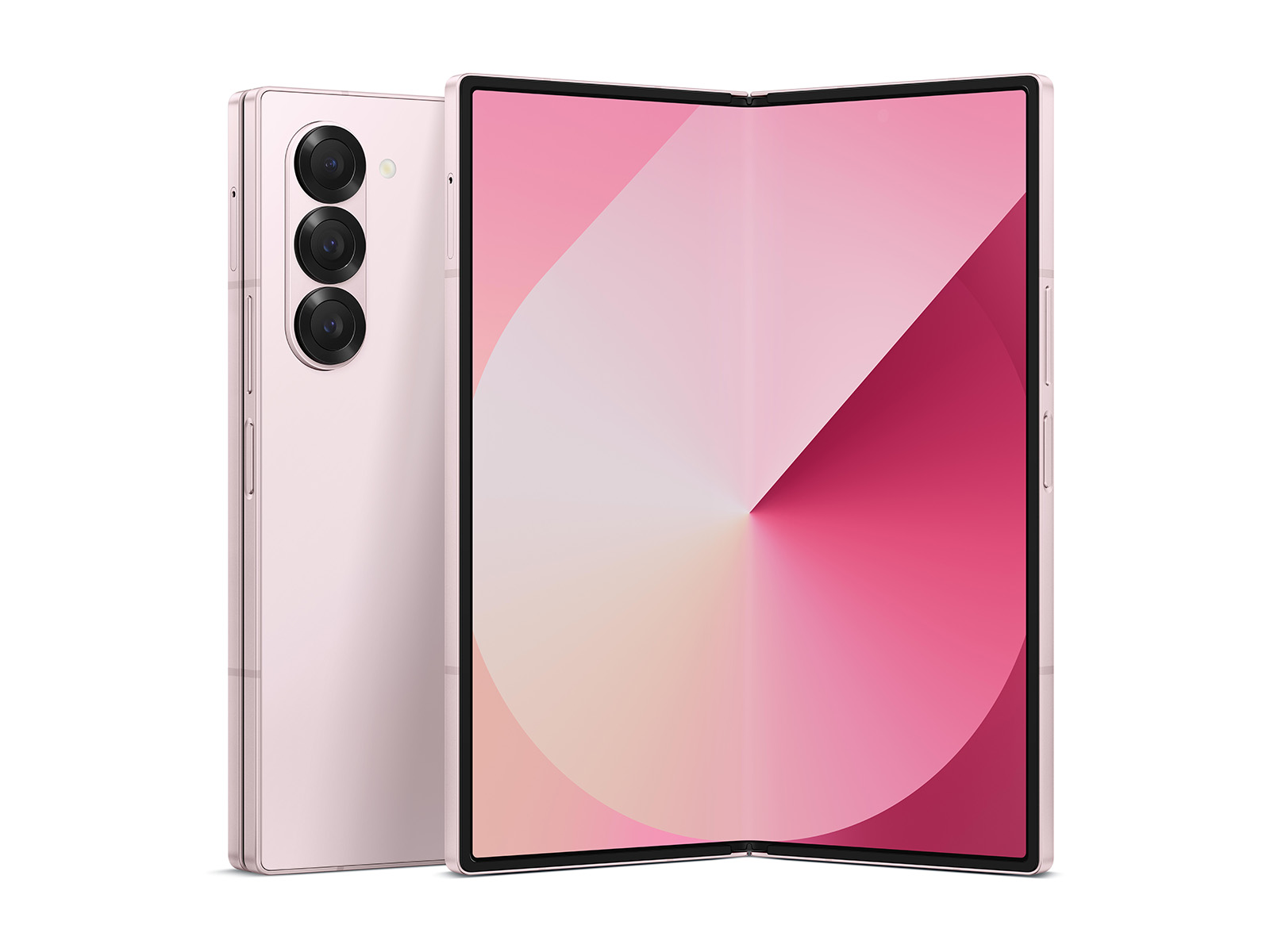
Samsung has consistently released one book-style foldable each year since 2019. Now, the company is expected to expand its lineup with a second book-style foldable in the sixth-generation series, likely named the Galaxy Z Fold 6 Slim.

In the latest news, a Samsung device with the model number SM-F958N was spotted on the Korean Testing & Research Institute for Chemical Industry (KTR) certification platform. This model number closely resembles the SM-F956N of the Galaxy Z Fold 6, suggesting that it could be the Galaxy Z Fold 6 Slim. This certification indicates that the device will be available in South Korea.

According to reports from South Korea, the Galaxy Z Fold 6 Slim might launch on September 25th in the country. It could also debut in China as the Samsung Galaxy W25, competing with upcoming foldables from brands like Huawei and Honor. Availability in the US and other markets remains uncertain.

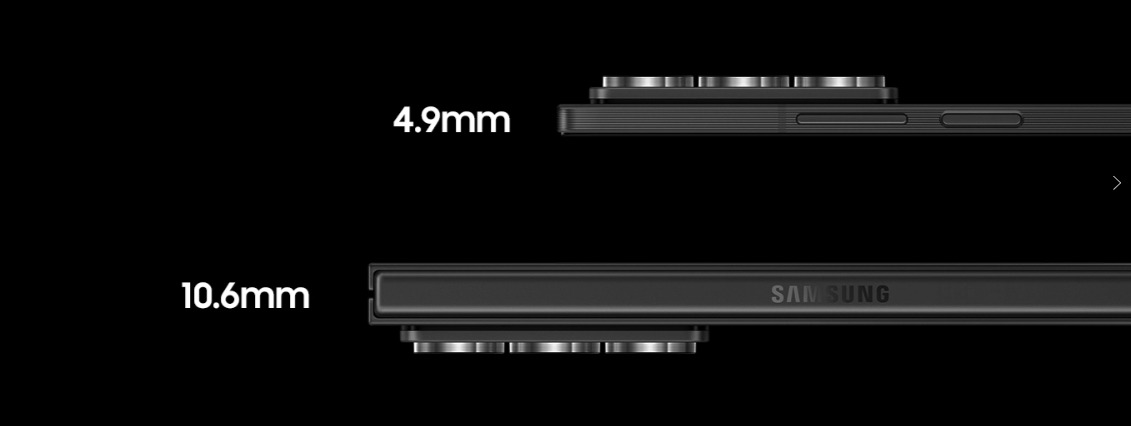
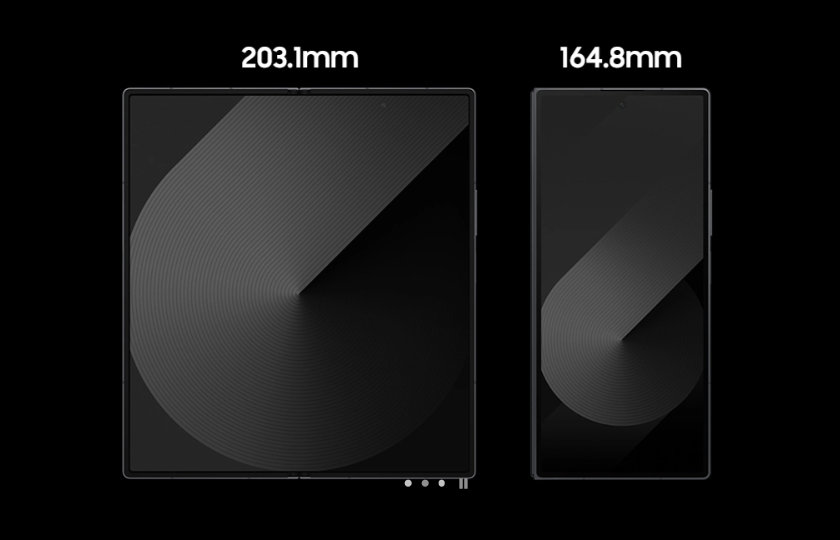
As the name implies, the Galaxy Z Fold 6 Slim is expected to be a thinner version of the recently released Galaxy Z Fold 6. It is likely to be Samsung’s thinnest foldable to date, although it may not be as slim as the Honor Magic V3. Rumors suggest that the Galaxy Z Fold 6 Slim could measure 10mm when closed, compared to 12.1mm for the Galaxy Z Fold 6.

Report claims the Galaxy Z Fold 6 Slim won’t support S Pen

To achieve this reduced thickness, Samsung has reportedly removed the S Pen compartment and the 0.3mm digitizer film necessary for S Pen functionality. While other manufacturers have managed to reduce thickness without sacrificing features, this move may be intended to further distinguish the Galaxy Z Fold 6 Slim from its sibling, the Galaxy Z Fold 6. Nonetheless, it’s still a rumor and readers should take this information with a pinch of salt.

(Source)

Honor Magic 6 Pro vs Xiaomi 14 Ultra: Which Flagship Android Phone Reigns Supreme?

There is great competition in the high-end Android smartphone market in India and Honor just entered the fight with the Magic 6 Pro. But for a similar price, there is another notable contender, which is the Xiaomi 14 Ultra. Both of these premium devices boast innovative specs, cutting-edge hardware, and more. So let’s dive into a comparison to determine, which one is the superior flagship.

Honor Magic 6 Pro vs Xiaomi 14 Ultra
Honor Magic 6 Pro (L) vs Xiaomi 14 Ultra (R)

Please Note: When you buy something using the links in our articles, we may earn a small commission at no cost to you.
1. Honor Magic 6 Pro vs Xiaomi 14 Ultra: Premium Design & Top Notch Displays

In terms of design, the two flagship Android phones offer a very similar experience. The duo arrives in either a glass back option or one with a vegan leather finish. The latter has become a popular option in the high-end segment, adding a premium feel. However, Xiaomi has an edge as it employs a grade 5 titanium or aluminum alloy frame. Both models are also rated with an IP68 rating for water and dust resistance.

While the overall designs are quite comparable, the displays are a different story entirely. The Magic 6 Pro sports a tall 6.8-inch curved LTPO OLED display with an FHD+ resolution, a 120Hz refresh rate, Dolby Vision, and 5,000 nits of peak brightness. Meanwhile, the Xiaomi 14 Ultra sports a 6.73-inch LTPO AMOLED display with a 120Hz refresh, QHD+ resolution, Dolby Vision, HDR10+, and 3,000 nits of peak brightness. So it’s an option between a slightly taller and brighter screen or a higher resolution, with the latter seeming more practical in day to day use.

2. Competitive Specs

Being flagship-grade smartphones, the Magic 6 Pro and the Xiaomi 14 Ultra feature top notch hardware. The two devices are equipped with Qualcomm’s Snapdragon 8 Gen 3 SoC. The chipset is coupled with 512GB of internal storage on both devices, but Honor only offers 12GB RAM while the Xiaomi 14 Ultra has a higher 16GB memory.

A large 5,600mAh battery pack powers the Magic 6 Pro, which supports 80W wired fast and 66W wireless fast charging support. On the other hand, the Xiaomi 14 Ultra has a marginally smaller 5,000mAh cell with support for 90W wired fast charging, 80W wireless fast charging, and 10W reverse wireless charging.

Other notable features of the Magic 6 Pro include Bluetooth 5.3, an in-display fingerprint scanner, stereo speakers, emergency SOS satellite communication, and RF enhancement chip C1+ for better network reception. On the Xiaomi 14 Ultra, users get Bluetooth 5.4, two-way satellite communication, an in-display fingerprint scanner, and HiRes wireless audio.

3. Camera

When it comes to photography, the Xiaomi 14 Ultra’s camera system was well received. The device carries a quad camera setup on the rear with a 50MP (Main) + 50MP (Telephoto, 3.2x optical zoom) + 50MP (Ultrawide) + 50MP (Periscope Telephoto, 5x optical zoom). Another notable aspect is the Leica lenses on the rear. Meanwhile, the front houses a 32MP selfie shooter.

The Magic 6 Pro only offers three sensors on the back, which consist of a 50MP (Main) + 180MP (Telephoto, 2.5x optical zoom) + 50MP (Ultrawide). Honor put extra effort into selfies as well, bringing a 50-megapixel front-facing shooter along with a TOF 3D sensor that also doubles as a biometrics sensor.

4. Pricing

The Xiaomi 14 Ultra appears to have a slight edge in almost every category, but that comes at a cost. It is currently listed for 99,999 INR, which is 10,000 INR more than the Magic 6 Pro. Honor’s latest flagship phone just went on sale for 89,999 INR. But unlike HTech, Xiaomi has special launch offers for the 14 Ultra. So depending on the deal, the Xiaomi 14 Ultra is a great option. Although, the Magic 6 Pro is a good alternative and it costs less as well.

Shanling launches MG20 In-Ear Headphones with 10mm DLC Diaphragm, Enhanced Bass Performance, and Hi-Res Audio Certification

Shanling has launched the MG20 in-ear headphones, designed to deliver premium audio performance with a 10mm diamond-like carbon (DLC) diaphragm. The flexible overhang enhances transient response and provides deep, dynamic low-frequency sound, ensuring rich and detailed audio across various music genres. You can now get the Shanling MG20 in-ear headphones for $39 only at GeekWills

DLC Composite Diaphragm and N52 Magnetic Circuit

Equipped with a DLC composite diaphragm moving coil unit, the MG20 earphones focus on delivering high-resolution sound with improved accuracy. Including N52 dual magnetic circuits and imported copper wire optimizes the acoustic curve, offering superior sound reproduction and Hi-Res Audio certification. The cambered cavity design further refines the audio output by optimizing the cavity structure.

Elegant and Functional Design

Weighing just 5.6g per earbud, the Shanling MG20 offers a comfortable fit with a sleek design. The earphones utilize a 0.78mm 2-pin interchangeable jack and a six-strand 12-core oxygen-free copper (OFC) cable. The cable also features a three-button remote with a high-quality microphone for clear call management, volume adjustments, and playback controls, enhancing user convenience.

Two Versatile Versions

The Shanling MG20 is available in two versions: a 3.5mm plug and a Type-C variant. The Type-C version includes an integrated audio decoding chip, supporting a sampling rate of up to 96kHz/24bit. This makes the MG20 versatile for use across multiple devices, including computers, smartphones, and iPads, providing seamless audio experiences in various scenarios.

Key Features:

  • Type: In-ear
  • Driver: Single Dynamic 10mm DLC Composite Diaphragm
  • Magnetic Circuit: N52 High-efficiency Dual Magnetic Circuit
  • Plug: 3.5mm gold-plated / Type-C with audio decoding chip
  • Cable Length: 1.3 m (Oxygen-free copper cable)
  • Impedance: 16Ω
  • Sensitivity: 116 ± 3 dB
  • Frequency Response: 20Hz – 40,000Hz
  • Weight: 5.6 g per earbud
  • Cable Features: 6 strands of 12-core OFC cable with a three-button remote and high-quality microphone
  • Type-C Version:
    • Sampling Rate: Up to 96kHz/24bit
    • Noise: 105dB
    • Dynamic Range: 105dB
    • Resolution: 65dB
    • Microphone: Omnidirectional

Overall, the Shanling MG20 in-ear headphones blend quality audio performance with a sleek, user-friendly design.

Samsung’s Flagship Tablets launch imminent: Galaxy Tab S10+ UK support page live!

Samsung is preparing to launch its next generation of flagship tablets soon. While there is no official word regarding its release date, an official support page for the Galaxy Tab S10+ hints that the premium tablet lineup is nearing its announcement.

1. Samsung Galaxy Tab S10+ existence finally confirmed?

Samsung-Galaxy-Tab-S10-Plus-render

The brand’s upcoming Galaxy S24 FE recently had its existence confirmed thanks to an official support page. Now, Samsung’s premium Galaxy Tab S10+ has also surfaced on a support page on the company’s official UK website. The new flagship tablet was spotted by 91Mobiles on the website carrying the SM-X820 and SM-X826B model numbers.

These two different model numbers are likely for the WiFi only and the version that supports cellular connectivity. Apart from this, Samsung’s website did not reveal any other key details like its specs, design, or pricing. But it does confirm that its launch is right around the corner.

2. What is the Galaxy Tab S10 series?

Samsung-Galaxy-Tab-S10-Plus-and-S10-Ultra-Promo

For those unaware, the Galaxy Tab S10 lineup is the company’s new premium tablets. These are expected to feature top notch specs and features, succeeding the Galaxy Tab S9 series. While the past included three models in the main series, the Galaxy Tab S10 lineup is expected to drop the base model. So only the Galaxy Tab S10+ and Galaxy Tab S10 Ultra are rumored to drop soon.

Earlier this week, the Galaxy Tab S10+ and Tab S10 Ultra surfaced in leaked promo materials. This offers us a look at its design, showcasing the Plus model in a Silver color option with two cameras at the back. China’s 3C certification confirmed the Tab S10 series’ support for 45W wired fast charging.

A popular benchmarking platform also revealed the chipset that powers the two flagship tablets. Both the Galaxy Tab S10+ and the Galaxy Tab S10 Ultra will be equipped with the MediaTek Dimensity 9300+ SoC. There’s still a chance that the Ultra model would pack the Snapdragon 8 Gen 3 SoC, but this is still just speculation at this point.

Pixel 9 Pro XL performs Worse than Pixel 7 Pro in Genshin Impact; but it’s Not all bad

Google has launched its latest flagship Pixel 9 series devices, which includes a total of four models – Pixel 9, Pixel 9 Pro, Pixel 9 Pro XL, and the Pixel 9 Pro Fold.

We have already seen benchmark results from numerous sources highlighting the fact that the Tensor G4 chip inherits the biggest problem of its predecessor, which is dialing down the performance in order to control the temperature. But does the performance throttling become noticeable in real-life use cases or is it only something you see in benchmark tests?

To find out, YouTube creator Dame Tech ran Genshin Impact in the highest settings for only slightly over 9 minutes. For those unfamiliar, this is an open-world, action role-playing game, which is heavy and is often used to measure the raw performance capabilities and overall performance improvements of flagships.

Similar to the benchmark results, the Pixel 9 Pro XL started dialing down the performance within seconds, which is not usual for a modern flagship with the latest and greatest chipset and other hardware. The phone was already reaching as low as 32fps within three minutes of gameplay. After the 9-minute gameplay, the average frame rate was 39.2 fps, which is even lower than the average frame rate of 45.3FPS of the Tensor G2-powered Pixel 7 Pro.

Speaking of other flagships, the Snapdragon 8 Gen 3 on the Galaxy S24 Ultra performs 31% higher, while the A17 Pro chip on the iPhone 15 Pro Max is 51% higher.

But Google seems to have finally solved the overheating issue

The phone didn’t get as hot as most of its competitors. After the 9-minute gameplay, the phone only reached 37°C. For reference, the iPhone 15 Pro Max and the Galaxy S24 Ultra reached 40°C and 43°C respectively. The Tensor G4 chip indeed comes with a higher raw power than its predecessors, however, the phone seems to limit its power usage (at least for some use cases) to control the temperature. The phone also offers a significant improvement in battery life.

(Source)

Samsung Galaxy Z Fold 6, Z Flip 6 receive first software update with August 2024 security patch

Samsung is rolling out the first ever update for its latest foldable smartphones. The Galaxy Z Fold 6 and Galaxy Z Flip 6 users in the brand’s home market of South Korea are getting the new update first. Although, a global release is expected to follow in the coming days.

Samsung Galaxy Z Fold 6 & Galaxy Z Flip 6 get August 2024 security patch

The latest update for the Galaxy Z Flip 6 was rolled out in South Korea with the firmware version F741NKSU1AXH7. On the other hand, the more expensive Galaxy Z Fold 6 is receiving the F956NKSU1AXH7 build. While these are the first software upgrades for the foldable phones, these are incremental updates with the only notable aspect being the August 2024 security patch.

For those unaware, the August 2024 security patch for Android fixes almost 50 security loopholes, which were discovered in the previous software version. The Galaxy Z Fold 6’s update is 408MB large (Via SamMobile), while the Galaxy Z Flip 6 has received a 398MB update.

Samsung Galaxy Z Fold 6 and Galaxy Z Flip 6

To recall, Samsung released the two foldable phones last month with the Android 14 OS based One UI 6.1.1 custom skin out of the box. So both the Galaxy Z Fold 6 and Galaxy Z Flip 6 had the newest software version and introduced the new Galaxy AI features with some minor improvements.

The update is expected to roll out to previous gen foldable phones from the brand next month. Once again, this update is only available to South Korean users at the moment. So if your device is eligible, you can check for the update by following these steps:

  • Open ‘Settings’
  • Head to the ‘Software update’
  • Check if there’s an update
  • If your device has received the update, you can go ahead and click ‘Download and install’

It is worth noting that you should update your smartphones with more than 30 percent battery.

Honor’s Flagship Magic 6 Pro finally on sale in India with this one launch offer

HTech officially announced the Honor Magic 6 Pro in India earlier this month. This smartphone arrives as the brand’s latest flagship model, which packs top notch specs and features. Now, it is finally available for purchase in the region, so here’s how much it costs, its launch offer, and its specifications.

1. Honor Magic 6 Pro: Flagship Phone with a Premium Price Tag

Honor Magic 6 Pro Android 15 Beta
Honor Magic 6 Pro

The Chinese brand’s Magic 6 Pro was unveiled in a single storage 12GB + 512GB configuration, which cost 89,999 INR (roughly 1,073 US Dollars). You can get it in two color variants, namely Black and Epi Green. The former has a glass back while the latter features a vegan leather finish for a more premium feel.

As of right now, it is listed on Amazon India and the official Honor online store. Unfortunately, HTech isn’t offering any instant discount via banks or exchange discounts with the Magic 6 Pro. But what customers do get is no-cost EMI options for up to 12 months.

Please Note: When you buy something using the links in our articles, we may earn a small commission at no cost to you.

2. Honor Magic 6 Pro Specs

Honor equips the Magic 6 Pro with a tall 6.8-inch curved OLED display with a 120Hz refresh rate, FHD+ resolution, HDR10+, PWM dimming, and 5,000 nits of peak brightness. The front houses a 50-megapixel selfie shooter and a 3D depth sensor. Meanwhile, the rear packs a 50-megapixel main camera along with a 50-megapixel ultra wide angle lens, and a 108-megapixel telephoto shooter.

Under the hood, the Magic 6 Pro features Qualcomm’s Snapdragon 8 Gen 3 SoC. A large 5,600mAh battery pack powers this model, which supports 80W wired fast charging and 66W wireless fast charging support. Other notable features include an IP68 rating for water and dust resistance, a C1+ chip for improved network reception, Dolby Vision, NanoCrystal shield on the display for durability, and Android 14 OS based MagicOS 8 custom skin out of the box.

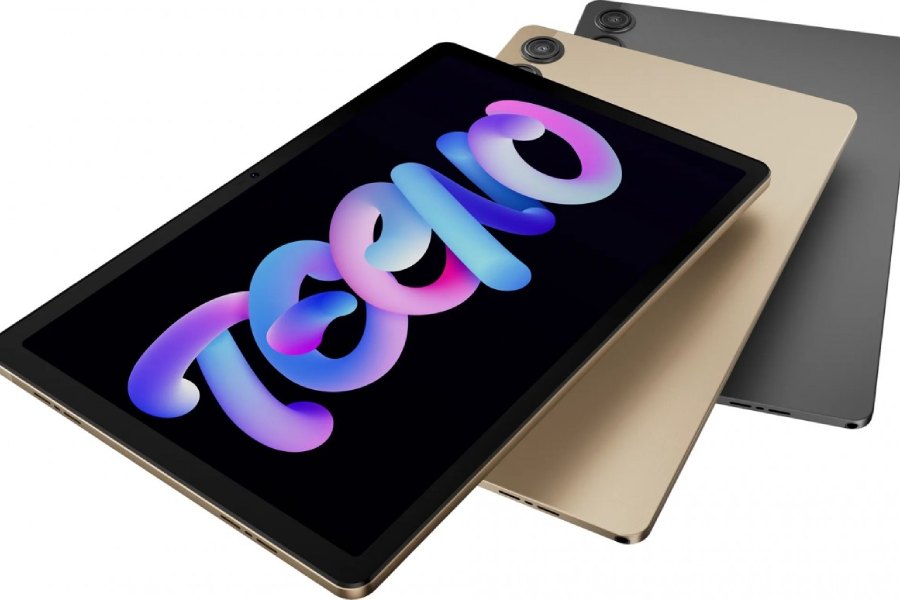
CMF Phone 1 Gets Second Software Update: Camera Enhancements, New Widgets, and More

Nothing‘s sub-brand CMF has released the second software update for its debut smartphone, the CMF Phone 1, a month after the Initial update. The first update got rid of some issues, improved the camera quality, and introduced a few new features including the July Android security patch.

CMF Phone 1

The second update is now live, which also brings a couple of new features, along with camera and general improvements. The update with firmware version U2.6-240813-2046 is 84.20MB in size. You can check out the complete changelog below.

CMF Phone 1 update

New features

  • Introduced the Community Widget for all Nothing Community updates.
  • Added option to show Pedometer and Battery Widgets on the lock screen.

Camera updates

  • Elevated overall camera performance.
  • Refined colour accuracy of back camera.
  • Enhanced photo quality in dark areas with HDR mode on.
  • Boosted front camera for better face lighting in backlit outdoor scenes.
  • Steadied back camera focus for portrait shots.

General improvements

  • Stabilised Atmosphere Wallpaper Effect when returning to the home screen.
  • Made photo switching smoother in Google Photos.
  • Introduced vibration alert when answering calls in power-saving mode.
  • Resolved system lag when taking screenshots in certain apps.
  • Affixed data icons and signal bars to the status bar.

Firmware rollouts are typically staggered, so not all users will receive the update at the same time. If you haven’t received the OTA update notification yet, you can expect it to arrive within the week.

Please Note: When you buy something using the links in our articles, we may earn a small commission at no cost to you.
(Source)

Redmi 14C design, display, camera, and battery details out, launching on August 31st

Xiaomi‘s Redmi brand is adding another budget option to its portfolio, the Redmi 14C. The device is confirmed to launch in Vietnam on August 31st. Ahead of the launch though, specs for the phone have been revealed via a Vietnamese retailer

Redmi often brings a fresh design with each new series, and the Redmi 14C is no exception. The phone has a large circular camera module on the back, completely different from its predecessor’s design. Instead, the 14C looks more reminiscent of the recently launched Oppo F27 5G in India. 

The Blue variant of the 14C even has an attractive gradient finish, giving it a more premium look. However, don’t be misled—this is still very much a budget device.

The camera module includes four rings; one houses a 50-megapixel main sensor, another likely holds a secondary sensor for depth information, and a third contains the LED flash. The fourth ring is purely decorative.

Aside from the Blue option, the Redmi 14C will be available in Green with a vegan leather finish and the plain Black shade.

The front features a large 6.88-inch LCD display with HD+ resolution and a 90Hz refresh rate. It also packs a substantial 5,160mAh battery, though fast charging is limited to 18W. For biometrics, the phone has a side-mounted fingerprint sensor.

The retailer listing has no mention of phone’s processor, but rumors suggest it could be the MediaTek Helio G91 Ultra. Storage options are confirmed — it will come with either 4GB of RAM and 128GB of storage or 8GB of RAM and 128GB of storage.

Unsurprisingly, the pricing details are also under wraps,  but it’s reasonable to expect the Redmi 14C to be a budget-friendly option. We’ll have to wait until the official launch on August 31st to confirm the price. 

Moto G45 5G best alternatives in India: iQOO Z9 Lite, Realme Narzo N65, Redmi 13C & more

Motorola recently launched the Moto G45 5G, their latest contender in the budget-friendly 5G smartphone market in India. While the Moto G45 5G boasts a 120Hz display, 50MP main camera, and a clean Android experience, you might be considering other options before making your final decision. Let’s delve into some compelling alternatives to the Moto G45 5G, all falling within a similar price range.

Well before we dive in, let’s check out the quick specs of the Moto G45 G5. The device features a 6.5-inch HD+ LCD screen with a 120Hz refresh rate, powered by the Snapdragon 6s Gen 3 SoC with up to 8GB of RAM and 8GB of virtual RAM. It has a 16MP front camera, a 50MP rear camera, and a 2MP macro camera.

Moto G45 5G

The phone runs Android 14 with a confirmed Android 15 update and three years of security updates. It includes a side-mounted fingerprint scanner, a 5000mAh battery with 18W fast charging, and Moto Connect features on the 8GB RAM model. The device is available in Brilliant Blue, Brilliant Green, and Viva Magenta, priced at Rs. 10,999 for the 4GB + 128GB model and Rs. 12,999 for the 8GB + 128GB model.

1. iQOO Z9 Lite 5G

iQOO Z9 Lite 5G

The iQOO Z9 Lite 5G (check out our first impressions of iQOO Z9 Lite 5G) presents itself as a strong competitor to the Moto G45. It features a 6.56-inch HD+ LCD screen with a 90Hz refresh rate, an 8MP front camera, and is powered by the MediaTek Dimensity 6300 SoC with up to 6GB of RAM (plus 6GB of virtual RAM).

The phone runs Android 14 and will receive 2 years of Android updates and 3 years of security updates. It has a dual rear camera setup with a 50MP primary camera and a 2MP depth sensor. The device includes a side-mounted fingerprint scanner, a 5000mAh battery with 15W fast charging, and is available in Aqua Flow and Mocha Brown colors. Pricing starts at Rs. 10,499 for the 4GB + 128GB model and Rs. 11,499 for the 6GB + 128GB model.

Please Note: When you buy something using the links in our articles, we may earn a small commission at no cost to you.
2. Realme Narzo N65 5G

Realme throws its hat into the ring with the Narzo N65 5G. It features a 6.67-inch HD+ display with a 120Hz dynamic refresh rate and is powered by the MediaTek Dimensity 6300 SoC with up to 6GB of RAM (and 6GB of virtual RAM). The phone comes with a 50MP rear camera and an 8MP front camera, runs Android 14-based Realme UI 5.0, and has a 5000mAh battery with 15W QuickCharge fast charging.

It sports a Light Feather design, side-mounted fingerprint sensor, and is IP54 rated for dust and water resistance. The Narzo N65 is available in two variants: 4GB+128GB for Rs. 11,499 (discounted to Rs. 10,499) and 6GB+128GB for Rs. 12,499.

3. Realme C65 5G

Realme doesn’t stop at just one option. It has another option called Realme C65 5G within the same price range. It features a 6.67-inch HD+ display with a 120Hz refresh rate. It is powered by the MediaTek Dimensity 6300 SoC, with up to 6GB of RAM and 6GB of virtual RAM. The phone includes a 50MP rear camera, an 8MP front camera, and runs on Android 14 with Realme UI 5.0.

It has a 5000mAh battery with 15W SuperVOOC fast charging and a side-mounted fingerprint sensor. The device is available in Feather Green and Glowing Black colors. The 4GB + 64GB variant is priced at Rs.9,999, the 4GB + 128GB variant at Rs. 10,999, and the 6GB+128GB variant at Rs. 11,499.

4. Poco M6 Pro 5G

Poco offers the M6 Pro 5G as an option in the sub-12k range. It comes with a 6.79-inch FHD+ 90Hz LCD screen with a center punch-hole. It is powered by the Snapdragon 4 Gen 2 SoC, with up to 6GB of RAM and 6GB of virtual RAM. The phone runs Android 13 with MIUI 14 out of the box and has a 50MP rear camera, an 8MP front camera, and a side-mounted fingerprint scanner.

It is 8.17mm slim, has an IP53 rating for dust and splash resistance, and comes with a 5000mAh battery that supports 18W fast charging. The M6 Pro 5G is available in Forest Green and Power Black colors, priced at Rs. 10,999 for the 4GB + 64GB model and Rs. 12,999 for the 6GB + 128GB model.

5. Redmi 13C 5G

The Redmi 13C 5G, launched in India last December, remains a solid option under 12k for Xiaomi fans. It features a 6.74-inch HD+ display with a 90Hz refresh rate and up to 600 nits brightness, protected by Corning Gorilla Glass. It is powered by the MediaTek Dimensity 6100+ SoC, with up to 8GB of LPDDR4X RAM and up to 256GB of UFS 2.2 internal storage, expandable up to 1TB via microSD.

The phone runs Android 13 with MIUI 14 out of the box and includes a 50MP rear camera and a 5MP front camera. It has a side-mounted fingerprint sensor, 3.5mm audio jack, and is dust and splash resistant. The device is equipped with a 5000mAh battery that supports 18W charging, though it comes with a 10W charger in the box.

The Redmi 13C 5G is available in Starlight Black, Startrail Silver, and Startrail Green colors. It is priced at Rs. 10,999 for the 4GB + 128GB version, Rs. 12,499 for the 6GB + 128GB version, and Rs. 14,499 for the 8GB + 256GB version.

6. Conclusion

The budget 5G smartphone market in India is highly competitive, offering a variety of options to suit different preferences and budgets. While the Moto G45 5G is a solid choice, the iQOO Z9 Lite 5G, Realme Narzo N65, Realme C65 5G, Poco M6 Pro 5G, and Redmi 13C 5G all present compelling alternatives. By considering factors like display, processor, camera, battery, software, and price, you can find the best 5G smartphone that meets your specific needs and requirements.

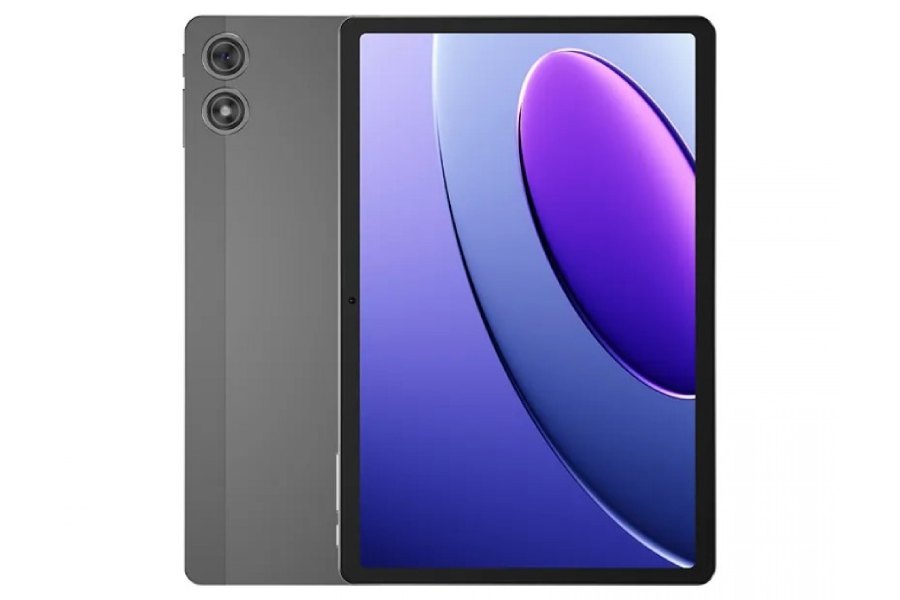
POCO Pad 5G Launched In India: Familiar Specs, Budget Price

POCO has entered the tablet segment in India. The Xiaomi sub-brand’s first offering is the POCO Pad 5G. The device has already debuted in the global markets and the Indian variant packs the same specifications. Additionally, it is also similar to the Redmi Pad Pro that debuted in the country earlier this month. The only difference between the two devices is in terms of pricing. Read on to find out all the details below. 

POCO Pad 5G specs

Poco Pad

The POCO Pad 5G has the same design as the Redmi Pad Pro. It has a flat frame with a metal unibody and two camera rings on the dual-tone back panel. The front of the device is surrounded by minimal bezels around the 12.1-inch screen. The display bears a 2.5K resolution, a 120Hz refresh rate, and 600 nits peak brightness. This ensures an immersive multimedia experience. 

The POCO Pad 5G is compatible with a stylus and keyboard. On the audio front, it is equipped with quad speakers with Dolby Atmos and also two microphones. The tablet has an 8MP rear camera and also an 8MP front-facing selfie snapper. 

Under the hood, the POCO Pad 5G houses the Snapdragon 7s Gen 2 processor. It packs up to 8GB RAM and 256GB storage. The tablet draws its power from a 10,000mAh battery unit with support for 33W fast charging. Software-wise, it runs on Android 14-based HyperOS out of the box. The device comes with Xiaomi Interconnectivity features like viewing phone apps on the tablet, cross-device notes app, network sync etc. 

The POCO Pad 5G comes with 5G connectivity, WiFi-6, USB-C port, Bluetooth, and GPS.

POCO Pad 5G pricing and availability

The POCO Pad 5G starts at Rs 22,999 for the base 8GB + 128GB variant and the 8GB + 256GB option costs Rs 24,999. It comes in Pistachio Green and Cobalt Blue colours. The tablet can be purchased from Flipkart starting August 27. The brand is providing free 1-year Times Prime membership and 6-months of MS Office 365. SBI, HDFC, and ICICI Bank cardholders can avail Rs 3,000 discount on the purchase.

iPhone 16 series camera spec leaks

The iPhone 16 series has been continuously making headlines recently. Today brings another update, as a new leak reveals the camera specs of the upcoming smartphones.

The iPhone 16 and 16 Plus appear to be receiving the most minor upgrades. These models will retain the same 48-megapixel main sensor as their predecessors, but the ultrawide camera will see a bump in aperture from f/2.4 to f/2.2. 

Notably, the leak suggests these non-Pro models will finally gain support for macro photography, a feature currently absent from base iPhones.

The iPhone 16 Pro and Pro Max are rumored to receive slightly more substantial updates. The main camera will likely stay the same as last year, but the ultrawide camera is expected to get a major improvement.

iPhone-16-Pro-Max-Promo-Materials-Leak

The resolution of the ultrawide camera is rumored to increase from 12-megapixels to 48-megapixels. It will also use pixel binning to take pictures. Each pixel will be 0.7 micrometers, which will effectively create a pixel size of 1.4 micrometers when using binning mode. You should also be able to capture 48-megapixel photos in Apple’s high-fidelity image format, ProRaw. 

Beyond the sensor upgrades, Apple is said to introduce a new photo format this year, JPEG-XL, and the Pro models will also support 3K video recording at 120fps with Dolby Vision. 

One of the more expected additions is the Capture button on all four iPhone 16 models. The button will be capacitive in nature, meaning you won’t have to physically press it to trigger an action, and it will be exclusive to camera apps, supporting both Apple’s apps and third-party options.

The button is also expected to support a force-sensitive half-press, allowing developers to use it for features like locking exposure and focus before taking a photo. Additionally, its capacitive nature might enable it to function as a trackpad.

(Source)

5 key features of Redmi Watch 5 Active to know before August 27 launch

Xiaomi recently confirmed that it will unveil its premium X-series Pro QLED TVs on August 27 in India. Now, its sub-brand has confirmed that the Redmi Watch 5 Active will also debut on the same date. The Redmi Watch 5 Active, as its name suggests, is the successor to the Redmi Watch 3 Active, which made its announcement in August 2023. This indicates that the company has decided to skip the Watch 4 branding and name it the Watch 5 Active.

Redmi Watch 5 Active

1. Long battery life

The Redmi Watch 3 Active offered a battery life of 12 days. Redmi has confirmed that the Watch 5 Active will last longer with a battery life of 18 days. However, Redmi has not confirmed the exact battery size.

2. Bluetooth calling

Like its predecessor, the Watch 5 Active will support Bluetooth voice calling. The “Clear+” text used by the brand to advertise the Bluetooth calling feature suggests that it may offer better voice clarity.

3. Larger display

The Redmi Watch 3 Active has a 1.83-inch display, whereas its successor, the Watch 5 Active, will feature a larger 2-inch display. The Watch 5 Active will also support over 140 sport modes, which is 40 more than its predecessor. This larger screen provides more space for viewing health and fitness data, making it easier for users to track their activities and stay informed about their progress.

4. HyperOS

The Redmi Watch 5 Active will be the first Redmi smartwatch to come with HyperOS preinstalled. This indicates a smoother user experience and offers seamless connectivity with Xiaomi/Redmi devices running on HyperOS.

5. Built-in Alexa

The Watch 5 Active comes with Alexa voice assistant support, which means it will allow users to interact with Amazon’s voice assistant directly from the smartwatch. This feature allows for hands-free control of smart home devices, setting reminders, checking weather updates, and more, all through voice commands.

Redmi Watch 5 Active price in India

The Redmi Watch 5 Active is expected to be priced similarly to the Watch 3 Active, which launched at Rs 2,999. Therefore, its price could be in the range of Rs 3,000 to Rs 3,500.

Redmi K80 series may pack a 6,500mAh battery

Xiaomi is expected to announce the Xiaomi 15 series of smartphones with the Snapdragon 8 Gen 4 chip onboard in October of this year. In November, its sub-brand Redmi is expected to unveil the Redmi K80 series to the Chinese market. Like the Redmi K70 lineup, the initial models in the K80 family could include the Redmi K80e, the Redmi K80, and the Redmi K80 Pro. Today, reliable tipster Digital Chat Station took to Weibo to claim that the K80 series is currently undergoing testing with high-silicon single-cell batteries.

Redmi K80 series battery size tipped

The above Weibo post by DCS suggests that the batteries being tested for the Redmi K80 series have capacities of 5,960mAh and 6,060mAh, with typical capacities reaching 6,100mAh and 6,200mAh. Under laboratory conditions, the maximum capacity could reach up to 6,500mAh.

This means that the Redmi K80 series could boast a single-cell battery with a capacity as large as 6,500mAh, making it the highest-capacity battery phone in its price range, with no other device coming close. Comparatively, the Redmi K70 and K70 Pro featured a 5,000mAh battery, while the recently announced K70 Ultra boasts a 5,500mAh battery.

While recent reports have revealed a lot about the Redmi K80 Pro, the details of the K80 have been scarce. According to a recent report, the Pro variant will have a 2K 120Hz OLED screen equipped with an ultrasonic in-screen fingerprint sensor. Its rear camera setup will include a 50-megapixel main camera, an ultra-wide lens, and a 50-megapixel 3x telephoto camera. The K80 series may support up to 120W fast charging.

Reports suggest that the Redmi K80 could incorporate the Snapdragon 8 Gen 3 chip and undergo a rebranding as the Poco F7 Pro in 2025. On the other hand, the Redmi K80 Pro may feature the Snapdragon 8 Gen 4. This device is likely to remain confined to the Chinese market.

GC Daily: Snapdragon 8 Gen 4 GPU Leak and iPhone 16 Pro Made in India

In today’s roundup, we have a bunch of exciting stories, including iPhone 16 Pro India made sticker, an analysis of Samsung’s Galaxy S24 FE, Caviar’s luxury custom phones, a comparison between the Google Pixel 9 and iPhone 15, and an update on the One UI 7 Beta with Android 15!

Today’s Highlights:

  1. iPhone 16 Pro “Made in India”: Dive into the latest leak seemingly confirming the rumor of iPhone 16 Pro models being manufactured in India.
  2. Realme’s Budget Tablet: Get the scoop on Realme’s upcoming budget-friendly tablet, the Realme Pad 3. We’ll discuss how this device might position itself in the competitive tablet market.
  3. Snapdragon 8 Gen 4 GPU Leak: Unpack the latest leak about the Snapdragon 8 Gen 4’s Adreno GPU clock speed. We’ll analyze how this could impact mobile gaming and overall smartphone performance in the next generation of flagship devices.
  4. Galaxy Z Fold 6 Slim Details: Examine the first camera details and potential launch date for Samsung’s rumored slimmer foldable, the Galaxy Z Fold 6 Slim. We’ll speculate on how this device might shake up the foldable phone market.

iPhone 16 Pro box sticker seemingly confirms “Made in India” rumor

A report earlier this week revealed that, for the first time, Apple is planning to manufacture the iPhone 16 Pro and 16 Pro Max in India, alongside China. 

In fact, Foxconn, a key Apple manufacturing partner, is said to have already begun training its workers at its Tamil Nadu facility in India. A new leak now adds further credibility to the rumors that the “Made in India” iPhone 16 Pro models are indeed on the way.

Read More


Realme Pad 3 Budget-Friendly Tablet arriving in India soon

Realme Pad 2

Realme is apparently working on a new budget tablet, which could be launching in India soon. The Realme Pad 3 has emerged getting certified in the region. It is the direct successor to the Realme Pad 2 which was first unveiled last year.

Read More


Snapdragon 8 Gen 4’s Adreno GPU clock speed tipped, is much faster than 8 Gen 3

Qualcomm Snapdragon 8 Gen 4 Phones

As we get closer to the October launch of the Snapdragon 8 Gen 4, more details about the processor are starting to come out. A leaked datasheet earlier this week revealed some key information about the SoC. Now, another leak from the usually reliable tipster, Ice Universe, shares details about the GPU.

Read More


Galaxy Z Fold 6 Slim’s first camera detail and launch date tipped

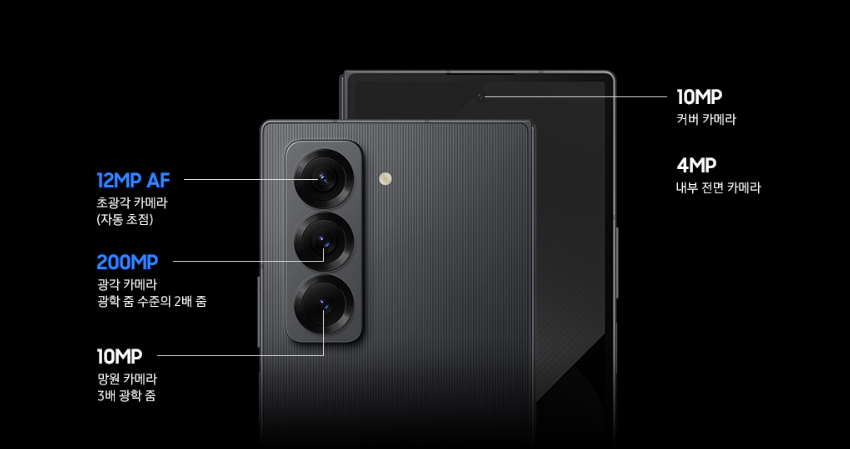
Samsung‘s foldable ambitions are likely to go beyond the recent Galaxy Z Fold 6, if the rumors are to be believed. The speculation centers on a slimmer, possibly more premium foldable phone, codenamed “Q6A,” which has been making the rounds for months. Now, a report by GalaxyClub offers some of the first details on its camera and a possible launch time frame. 

Read More


🔥More Top Stories You Might Have Missed

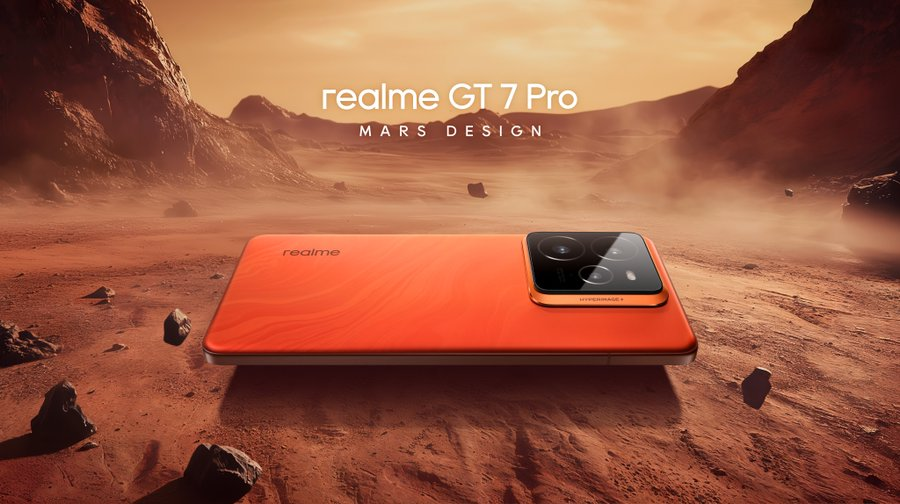
Realme GT 7 Pro leak reveals new BOE X2 display, LYT-600 3x periscope zoom lens, 100W charging

Realme has just launched the Realme 13 Pro series of smartphones in China. In the coming weeks, the brand is expected to announce a few Realme 13-branded phones in the home market. By late October or November, it is expected to take off covers from the Realme GT 7 Pro, which will feature the next-generation Snapdragon 8 Gen 4 chipset. Tipster Digital Chat Station has already revealed a lot of information about the GT 7 Pro. Today, the leaker posted more information about the device through his Weibo handle.

Realme GT 7 Pro specifications (rumored)

The emoji and specifications mentioned in the Weibo post strongly suggest that DCS is referring to the Realme GT 7 Pro, even though he hasn’t explicitly mentioned the name.  The post indicates that the Realme GT 7 Pro will feature the all-new BOE X2 screen, which looks flat despite having micro-curved edges on all four sides. To recall, the Realme GT 5 Pro, which debuted in December last year, featured the BOE X1 screen. The leaker added that the parameters of the screen can be customized and Realme may use a different branding to advertise the display.

While the leaker mentioned that the Realme GT 7 Pro’s screen will support a 1.5K resolution, he did not reveal the screen size. However, considering that the BOE X2 would likely be an improved version of the BOE X1, the Realme GT 7 Pro’s screen size could be 6.78 inches, similar to the GT 5 Pro.  

Under the hood, the Realme GT 7 Pro will feature the Snapdragon 8 Gen 4. It appears that the topmost variant of the device will have 16 GB of RAM and 1 TB of storage. The leak did not reveal the exact battery size, but it did mention that it would pack a high-capacity silicon battery with 100W charging support. The leaker has previously hinted that it may pack a 6,000mAh+ battery.  There is no clarity on whether the final device will support wireless charging. This is because the wireless charging feature cannot be activated on the device’s current engineering prototype.

The Realme GT 7 Pro’s rear camera setup might include a LYT-600 3X periscope lens, but it may lack a telephoto macro lens. A previous leak by the same source claimed that the device would support 10x hybrid zoom and 120x digital zoom. It may feature a 50-megapixel primary camera sensor.

The GT 7 Pro will have an IP68/69-rated dust- and water-resistant chassis. For security, it will feature a single-point ultrasonic in-screen fingerprint sensor.

Realme Narzo 70 Turbo 5G launching soon, RAM, storage, color options, camera details leaked

So far, Realme has launched the Realme Narzo 70x, Narzo 70, and Narzo 70 Pro smartphones in India this year. A new report reveals that the country will soon receive another Narzo 70-branded model. It also leaked the device’s configurations and color options.

Realme Narzo 70 Turbo 5G configurations, color variants leaked

realme-NARZO-70-5G

According to 91mobiles, Realme will soon unveil the Realme Narzo 70 Turbo 5G in India. The device’s rumored RMX5003 model number suggests that it may be a rebranded or tweaked version of the Realme 13+ 5G, which has the RMX5002 model number.

The report reveals that the Narzo 70 Turbo 5G will be available in three options, such as 8 GB RAM + 128 GB storage, 8 GB RAM + 128 GB storage, 8 GB RAM + 256 GB storage, and 12 GB RAM + 256 GB storage. It will come in three colors, such as purple, yellow, and green.

The Camera FV-5 platform has also revealed the Narzo 70 Turbo, suggesting a potential 50-megapixel primary camera with EIS support. The phone appears to have a 16-megapixel front-facing camera.

There is a possibility that its other specs could be identical to the Realme 13+ 5G, which is launching on Aug. 29 in India. Expected specifications for the 13+ include a 6.67-inch AMOLED FHD+ 120Hz display, a Dimensity 7300 Energy chipset, a 5,000mAh battery with 45W fast charging, a 16-megapixel front camera, and a 50-megapixel + 2-megapixel dual-camera setup on the back.

The Narzo 70 Turbo branding suggests that it will be positioned above the Pro model. The 8GB+256GB edition of the Pro is currently selling for Rs 21,999. It is likely that the Turbo model could be priced under Rs 25,000 in the country.

(source)

Google Pixel 9 Pro XL vs. iPhone 15 Pro Max: Which Is the Better Buy?

The battle between flagship smartphones often comes down to brand loyalty and preferences, but the Google Pixel 9 Pro XL and iPhone 15 Pro Max offer unique features that could sway undecided buyers. Both phones deliver premium design, cutting-edge technology, and powerful performance. In this comprehensive comparison, we’ll break down the key areas of design, display and software, performance and battery, and cameras to help you determine which device best fits your needs.

Google Pixel 9 Pro XL
iPhone 15 Pro Max
Pixel 9 Pro XL 5G (Hazel, 12 GB RAM 512Gb Storage) Smartphone..,
Apple iPhone 15 Pro Max (256 GB) - Blue Titanium
₹ 149,999
₹ 148,900
Google Pixel 9 Pro XL
Pixel 9 Pro XL 5G (Hazel, 12 GB RAM 512Gb Storage) Smartphone..,
₹ 149,999
iPhone 15 Pro Max
Apple iPhone 15 Pro Max (256 GB) - Blue Titanium
₹ 148,900

Please Note: When you buy something using the links in our articles, we may earn a small commission at no cost to you.
Design

The design philosophy of both phones represents the pinnacle of their respective ecosystems. The Google Pixel 9 Pro XL sports a modern, refined look with a glass front and back encased in Gorilla Glass Victus 2, paired with an aluminum frame. It retains the familiar camera visor at the back, adding an unmistakable visual signature. Meanwhile, the iPhone 15 Pro Max has a premium build featuring a titanium frame, with Corning-made glass on the front and back. The shift to titanium offers improved durability and a lighter feel compared to previous models.
Similarities:

  • Both devices boast premium glass materials, offering robustness and sleekness.
  • They carry IP68 dust and water resistance ratings, though the iPhone provides better water resistance (up to 6 meters for 30 minutes versus the Pixel’s 1.5 meters).

Differences:

  • The Pixel 9 Pro XL embraces a larger footprint with a 6.8-inch display, slightly bigger than the 6.7-inch display of the iPhone 15 Pro Max.
  • The iPhone’s use of titanium makes it lighter while maintaining strength, compared to the Pixel’s aluminum frame.
  • The iPhone 15 Pro Max has a more rounded design, while the Pixel 9 Pro XL keeps its angular edges for a bolder profile.

Advantages:

The choice between these two designs is subjective. The Pixel 9 Pro XL offers a more utilitarian, tech-forward design with enhanced Gorilla Glass protection, while the iPhone 15 Pro Max delivers a luxurious feel thanks to its titanium frame and polished aesthetics. For those prioritizing weight and premium materials, the iPhone edges out.

Which Is Better? The iPhone 15 Pro Max edges out the Pixel 9 Pro XL in terms of premium build quality and lightweight feel due to its titanium construction.


Display, Media, and Software

Displays play a crucial role in delivering immersive experiences. The Pixel 9 Pro XL comes with a 6.8-inch LTPO OLED panel boasting a 120Hz refresh rate, HDR10+ support, and a peak brightness of 3000 nits. On the other hand, the iPhone 15 Pro Max is equipped with a 6.7-inch LTPO Super Retina XDR OLED, also featuring a 120Hz refresh rate, Dolby Vision, and a peak brightness of 2000 nits.

Similarities:

  • Both devices feature LTPO OLED displays with adaptive 120Hz refresh rates, providing fluid animations and smoother scrolling.
  • Always-On Display is standard across both phones, ensuring you never miss critical updates.
  • HDR support is robust on both devices, making them ideal for media consumption and mobile gaming.

Differences:

  • The Pixel 9 Pro XL outshines with a peak brightness of 3000 nits, perfect for outdoor viewing, while the iPhone 15 Pro Max peaks at 2000 nits.
  • The iPhone excels with Dolby Vision, offering superior color accuracy and contrast in supported content, while the Pixel’s strength lies in its more neutral color tuning and ultra-bright HDR10+.

Advantages:

For display quality, the Pixel 9 Pro XL delivers an edge in peak brightness, catering to those who often use their phones in bright environments. However, if cinematic media consumption with Dolby Vision is your priority, the iPhone 15 Pro Max leads. In terms of software, the Pixel’s Android 14 offers unparalleled customization, while iOS 17 in the iPhone maintains a seamless and polished user experience. Ultimately, your preference between Android and iOS will guide your choice.

Which Is Better? For brightness and outdoor readability, the Google Pixel 9 Pro XL wins. However, for media consumption and overall software integration, the iPhone 15 Pro Max takes the lead.


Performance and Battery

When it comes to raw performance, the Google Tensor G4 in the Pixel 9 Pro XL and Apple’s A17 Pro in the iPhone 15 Pro Max both deliver top-tier experiences, though with different focuses. The Tensor G4 is tailored for AI-driven tasks, while the A17 Pro emphasizes GPU prowess for gaming and video rendering.

Similarities:

  • Both phones offer exceptional performance for daily tasks, multitasking, and intensive applications.
  • Neither device supports expandable storage, but they provide ample internal storage options, ranging up to 1TB.

Differences:

  • The Pixel 9 Pro XL houses 16GB of RAM across all storage variants, while the iPhone 15 Pro Max is limited to 8GB of RAM.
  • The iPhone’s A17 Pro, built on a 3nm process, edges out in energy efficiency and delivers better-sustained performance in graphically demanding scenarios like gaming.
  • The Pixel 9 Pro XL benefits from AI enhancements and machine learning, driving features like personalized app suggestions, and smarter photo editing.

Battery:

  • The Pixel 9 Pro XL packs a larger 5060 mAh battery compared to the iPhone’s 4441 mAh. In terms of charging, the Pixel supports 37W wired charging, faster than the iPhone’s 50% in 30 minutes with 20W.
  • Both devices support wireless charging, with the Pixel offering 23W on its Pixel Stand, whereas the iPhone provides up to 15W via MagSafe.

Advantages:

The iPhone 15 Pro Max offers more consistent performance in gaming and graphics-heavy tasks thanks to the A17 Pro. However, the Pixel 9 Pro XL excels in multitasking with more RAM and superior AI-driven features, making it a better choice for users who prioritize smart functionality. Battery life also tilts in favor of the Pixel due to its larger capacity and faster charging speeds.

Which Is Better? The iPhone 15 Pro Max offers better raw performance and battery management despite the smaller capacity, making it the winner in this category.


Cameras

Camera quality is often the deciding factor in choosing a smartphone. The Pixel 9 Pro XL features a triple-camera setup with a 50MP main sensor, 48MP periscope telephoto lens, and 48MP ultrawide lens. Google’s AI photography magic continues with features like Ultra-HDR, Best Take, and Zoom Enhance. On the other hand, the iPhone 15 Pro Max sports a 48MP main lens, a 12MP periscope telephoto lens, and a 12MP ultrawide sensor, along with a TOF 3D LiDAR scanner for depth.

Similarities:

  • Both devices offer advanced optical zoom and deliver exceptional photo and video quality in various lighting conditions.
  • 4K video recording is supported on both, with slow-motion, HDR, and high frame-rate options.

Differences:

  • The Pixel 9 Pro XL’s 48MP periscope telephoto offers 5x optical zoom, while the iPhone’s telephoto lens is limited to 5x but incorporates 3D sensor-shift OIS for added stability.
  • The Pixel provides more AI-driven enhancements, such as Pixel Shift and Zoom Enhance, which are especially beneficial for capturing distant subjects or enhancing details post-shot.
  • The iPhone introduces 3D spatial video recording, adding depth to video content for users interested in immersive media experiences.

Advantages:

For still photography, the Pixel 9 Pro XL stands out due to its computational photography strengths and advanced zoom capabilities. However, for those focused on video, the iPhone 15 Pro Max wins with Dolby Vision HDR and 3D spatial recording, offering a more versatile video experience.

Which Is Better? For photography, the Google Pixel 9 Pro XL edges out with its AI-driven enhancements and versatility. For video recording, the iPhone 15 Pro Max is superior.


Which is Better?

Both the Google Pixel 9 Pro XL and iPhone 15 Pro Max are outstanding devices that cater to different types of users. The Pixel 9 Pro XL shines in terms of AI features, multitasking, and camera versatility, making it ideal for users who prioritize smart functionality, customization, and top-tier photography. On the other hand, the iPhone 15 Pro Max’s strengths lie in its polished ecosystem, unparalleled video capabilities, and premium design with a lightweight titanium frame.

Our Opinion: For overall balance, the iPhone 15 Pro Max is the better buy, offering a premium design, superior software, and well-rounded performance. However, if you prioritize photography and Android’s flexibility, the Google Pixel 9 Pro XL is a strong contender. Ultimately, both devices are exceptional, and your choice should align with your personal needs and preferences.

Exclusive: Galaxy S25 series spotted on Samsung OTA server

Samsung is gearing up to introduce the Galaxy S25 series. The company has uploaded the Galaxy S25 series’ first One UI 7 test to the Samsung OTA server. Gizmochina has spotted that Samsung has started One UI 7 tests of the Galaxy S25 series. The smartphones will launch with the Android 15-based One UI 7 interface. Considering that the S25 series will be introduced in January 2025, it’s quite normal that preparations are already underway. Samsung wants to launch its devices without any problems. Since the Galaxy Note 7 disaster, South Korean brand have increased security measures and regularly tested their devices.

Galaxy S25 series’ first One UI 7 tests on Samsung OTA server

The Galaxy S25 series was previously spotted in the IMEI database. This series consists of 3 different smartphones respectively: Galaxy S25, Galaxy S25+ and Galaxy S25 Ultra. Furthermore, the IMEI database provided us with the model numbers of the devices: SM-S931, SM-S936 and SM-S938. Now, the discovery of these smartphones on the Samsung OTA server shows that the brand is speeding up its work on the Galaxy S25 series. Here is the information about the first One UI 7 tests of the Galaxy S25 series!

  • Galaxy S25:S931USQU0AXH4/S931UOYN0AXH4/S931USQU0AXH4
  • Galaxy S25+:S936USQU0AXH4/S936UOYN0AXH4/S936USQU0AXH4
  • Galaxy S25 Ultra:S938USQU0AXH4/S938UOYN0AXH4/S938USQU0AXH4

This information comes from the Samsung OTA server and is therefore reliable. The first One UI 7 tests for the US versions of the devices were uploaded to the OTA server by Samsung. The Internal One UI 7 builds are S931USQU0AXH4/S931UOYN0AXH4/S931USQU0AXH4/S931USQU0AXH4 for the regular Galaxy S25, S936USQU0AXH4/S936UOYN0AXH4/S936USQU0AXH4/S936USQU0AXH4 for the Galaxy S25+ and S938USQU0AXH4/S938UOYN0AXH4/S938USQU0AXH4/S938USQU0AXH4 for the Galaxy S25 Ultra.

These tests officially confirm Samsung’s focus on the Galaxy S25 series. Of course, it’s normal for them to test their new flagship, and it’s important that it’s already out there. It’s curious to see what Samsung will offer with the Galaxy S25 series.

The Galaxy S25 and S25+ will come with the Exynos 2500 processor, while the top-of-the-line S25 Ultra will be powered by the Snapdragon 8 Gen 4 for Galaxy processor. We can’t wait to find out what improvements the Exynos 2500 will bring compared to the previous Exynos 2400. We hope Samsung will improve power efficiency with the new processor and get one step closer to Qualcomm’s Snapdragon processors.

One UI 7 is already being tested for many smartphones. According to the latest news from Sammobile, the One UI 7 Beta has been postponed until September. There are many questions about what Samsung will offer with One UI 7. Our request from Samsung is to release One UI 7 beta a slightly earlier. Many users are curious about One UI 7 and want to test it on their devices. I am using Galaxy S23 Ultra and I am very excited about the new animations of One UI 7. If Samsung releases One UI 7 Beta early, we will be able to experience the new interface to the fullest.