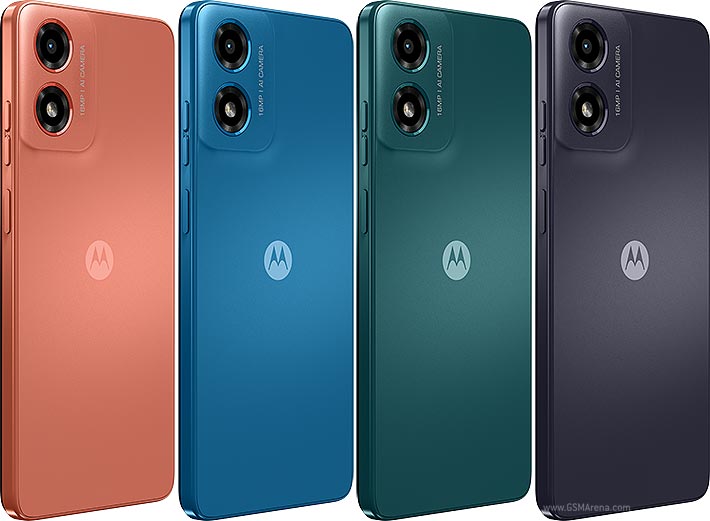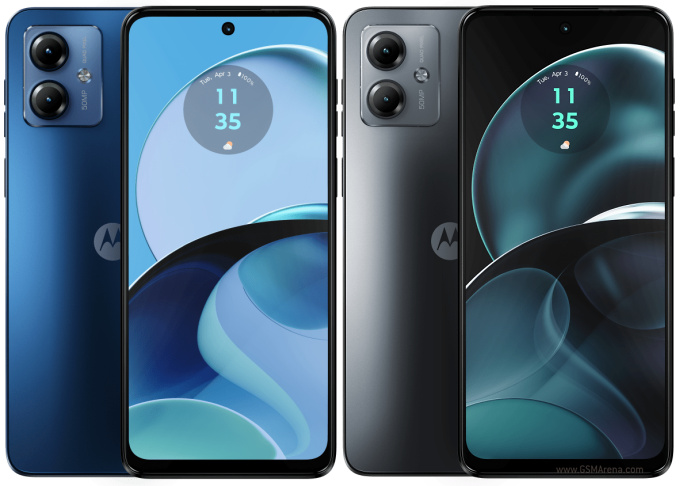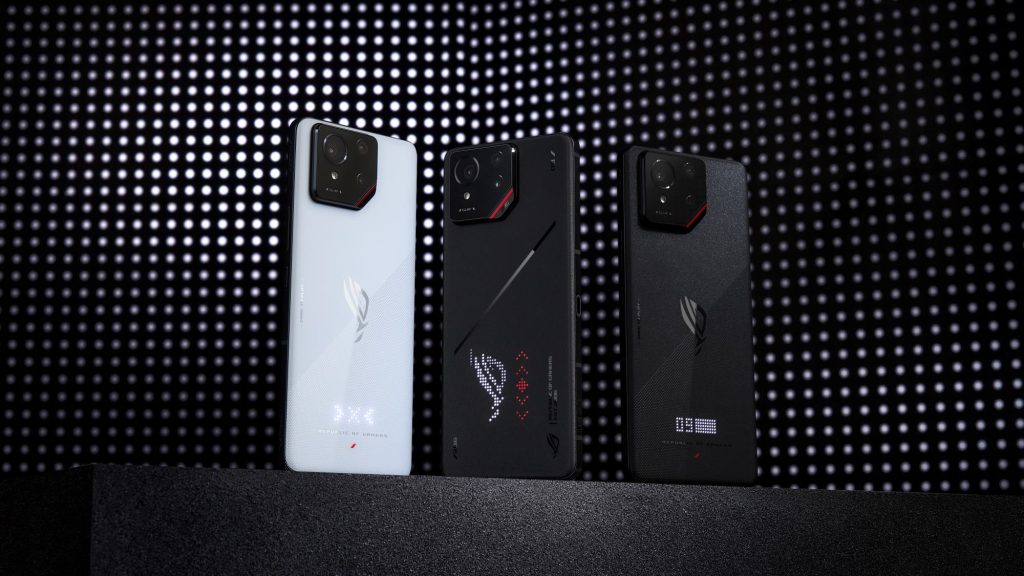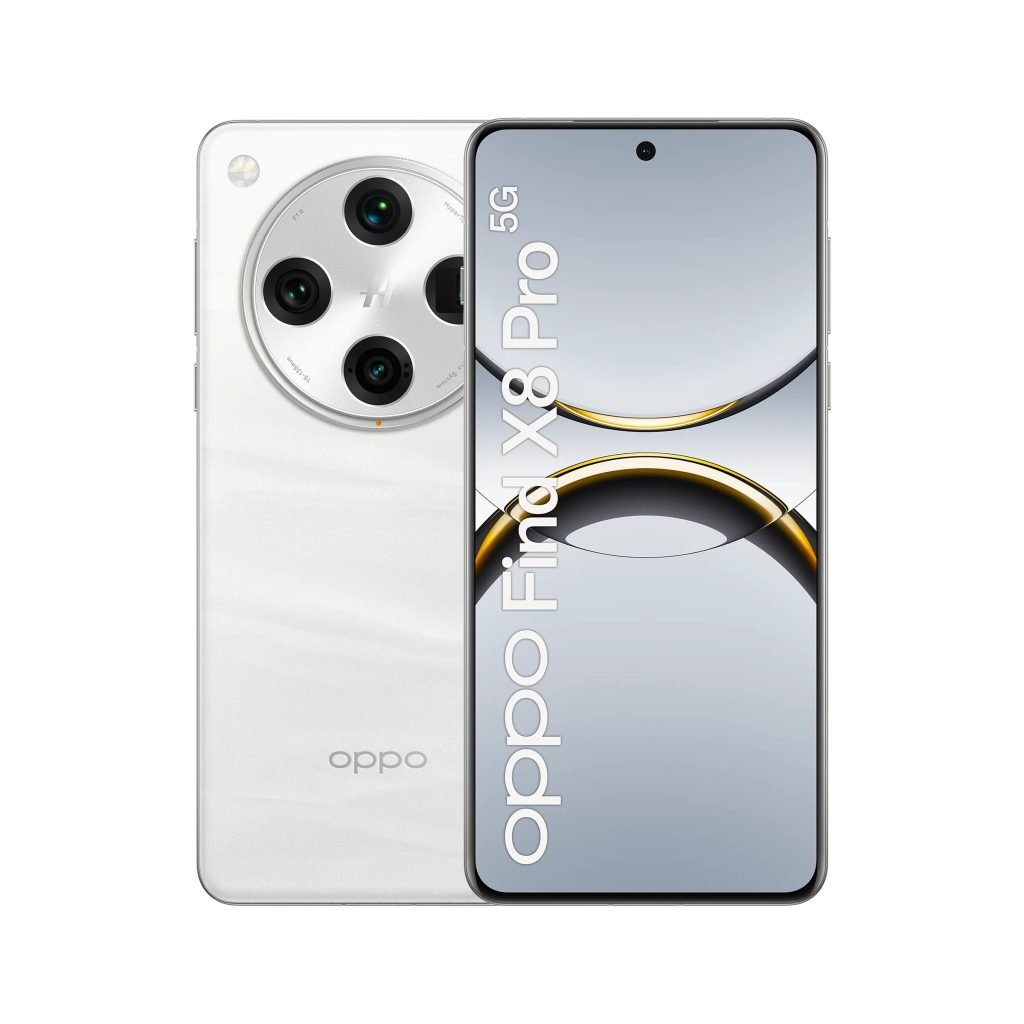
The Vivo V40 Pro was just announced in the Indian market earlier today. It is one of the latest devices from the Chinese smartphone maker and targets the affordable premium segment. So let’s see how it compares to the Reno 12 Pro from its rival brand Oppo.
1. Vivo V40 Pro vs Oppo Reno 12 Pro: Display & Design
Vivo V40 Pro
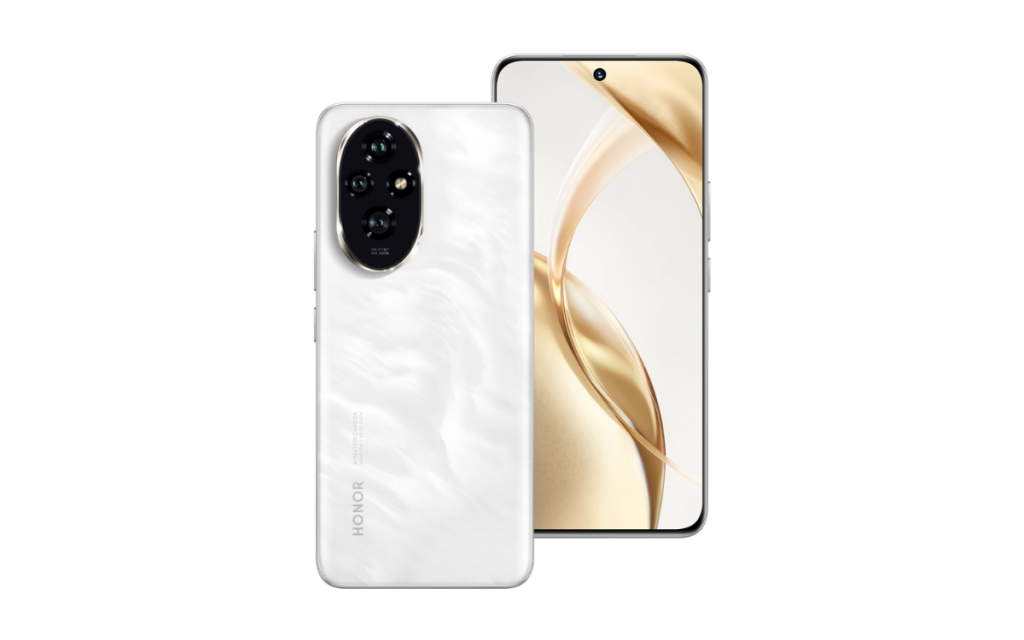
Oppo unveiled the Reno 12 Pro with a 6.7-inch curved AMOLED display that offers a 120Hz refresh rate, FHD+ resolution, HDR10+, and 1200 nits of peak brightness. This screen is protected by Corning’s Gorilla Glass Victus 2. On the back, it has a vertically stacked triple camera setup and has an All-Round Armor protection for drop resistance. It also has a High Strength Alloy Framework. Although, the rear and the frame use plastic. Users get an IP65 rating for water and dust resistance as well.
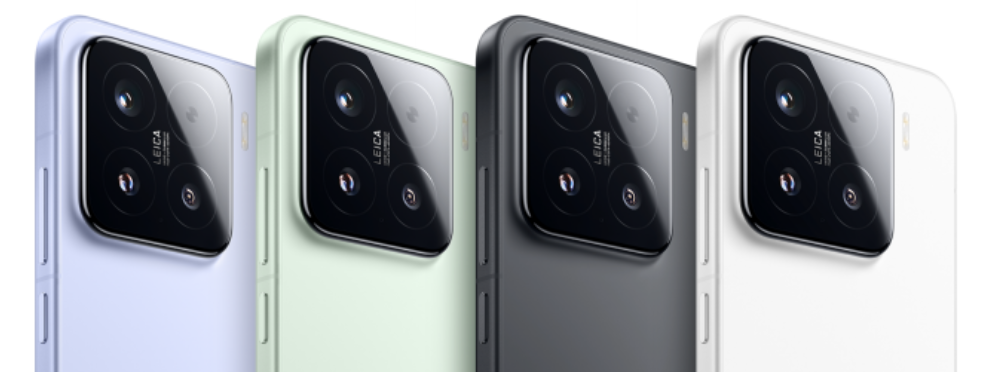
On the other hand, the Vivo V40 Pro has a taller 6.78-inch AMOLED display with an FHD+ resolution, a 120Hz refresh rate, and 4,500 nits of peak brightness. This model features a glass back that has a pill shaped raised camera module. So it would feel more premium compared to the Reno 12 Pro. It gets a higher IP68 rating for protection against water and dust.
2. Specs
OPPO Reno 12 Pro
The Vivo V40 Pro is an affordable flagship grade device and features MediaTek’s Dimensity 9200+ SoC. This is paired with up to 12GB of RAM and 512GB of internal storage. A large 5,500mAh battery pack powers this device, which supports 80W wired fast charging. It runs on the Android 14 OS based FuntouchOS custom skin. Other notable features include an in-display fingerprint scanner, smart Aura Light, and stereo speakers.
Meanwhile, the Oppo Reno 12 Pro is a true mid range phone that is equipped with the Dimensity 7300 Energy processor. This is coupled with up to 12GB of RAM and 512GB of internal storage. The chipset is capable but not as powerful as the one found in the V40 Pro. It also houses a slightly smaller 5,000mAh cell, but it charges just as fast at 80W wired fast charging. The Reno 12 Pro comes with ColorOS, which is Oppo’s custom skin based on the Android 14 OS. Other notable features include an in display fingerprint scanner, IR blaster, and dual speakers.
3. Camera
Both smartphones come with a 50-megapixel triple camera setup, although the sensors are different between the two. The Vivo V40 Pro has a 50-megapixel Sony IMX921 primary sensor with Zeiss lens along with a 50-megapixel ultra wide angle lens and a 50-megapixel Sony IMX816 telephoto shooter for 2x optical zoom. For selfies and video calls, it offers a 50-megapixel shooter.
Oppo equips the Reno 12 Pro with a 50-megapixel main sensor, an 8-megapixel ultra wide angle lens, and a 50-megapixel telephoto shooter with 2x optical zoom. The front houses a 50-megapixel selfie shooter. Notably, Oppo included various AI powered features like AI Eraser 2.0, AI Clear Face, and AI Best Face to enhance the photography experience on the Reno 12 Pro.
4. Pricing
So far, the Vivo V40 Pro seems to outclass the Reno 12 Pro in almost every area. But when we look at the pricing, this makes sense. The Vivo V40 Pro has a starting price tag of 49,999 INR (roughly 596 US Dollars). In other words, it is more expensive than the Reno 12 Pro, which costs just 36,999 INR (roughly 441 US Dollars). So depending on your budget and use, both models target different segments. The V40 Pro is a budget flagship phone, while the Reno 12 Pro is a mid range phone for those looking for a good deal without breaking the bank.
Finding a high-performance smartphone under ₹50,000 can be a game-changer, blending advanced technology with premium features. This price range offers a range of impressive options, from stellar battery life and top-notch performance to exceptional camera systems. Whether you’re looking for the best value, unparalleled speed, or a versatile camera setup, there’s a standout choice to meet your needs. Explore these top picks that balance cutting-edge features with cost-effectiveness, making them perfect for tech enthusiasts and everyday users alike.
Our Best Picks:
Category
Phone
Key Features
Buy Link
Overall Best Phone
Samsung Galaxy S23
With a 6.1-inch Dynamic AMOLED 2X display, Snapdragon 8 Gen 2, and a versatile camera system, the Galaxy S23 offers balanced performance and durability.
At ₹39,999, it offers a high-quality AMOLED display, Snapdragon 8s Gen 3, and a versatile camera setup, providing great value.
Samsung Galaxy S23
₹48420
The Samsung Galaxy S23 is a flagship phone that boasts IP68 dust/water resistance and an Armor aluminum frame, ensuring durability. The device features a 6.1-inch Dynamic AMOLED 2X display with a 120Hz refresh rate, HDR10+, and a peak brightness of 1750 nits, providing vibrant and smooth visuals. Powered by the Qualcomm Snapdragon 8 Gen 2 chipset and running on Android 13, upgradable to Android 14 with One UI 6.1, the Galaxy S23 offers top-notch performance. Its camera setup includes a triple rear camera system with a 50 MP wide lens, a 10 MP telephoto lens with 3x optical zoom, and a 12 MP ultrawide lens, alongside a 12 MP selfie camera. Additional features include stereo speakers tuned by AKG, 5G connectivity, and a 3900 mAh battery with fast charging capabilities.
Pros:
Display Quality: The Dynamic AMOLED 2X screen with 120Hz refresh rate provides an exceptional viewing experience.
Camera Performance: The versatile triple-camera system delivers high-quality photos and videos.
Durability: With IP68 resistance and an Armor aluminum frame, the phone is designed to withstand harsh conditions.
Cons:
No MicroSD Slot: The absence of a microSD card slot may be limiting for some users.
No 3.5mm Jack: The lack of a headphone jack could be inconvenient for those who prefer wired audio.
Battery Capacity: The 3900 mAh battery, while decent, may not be sufficient for power users.
The OnePlus 12R is designed for those who demand high performance and cutting-edge features in a smartphone. With an IP64 rating, it’s waterproof and dustproof, ensuring durability. The 6.78-inch LTPO4 AMOLED display supports 1 billion colors, 120Hz refresh rate, HDR10+, and Dolby Vision, offering stunning visuals with a peak brightness of 4500 nits. Powered by the Qualcomm Snapdragon 8 Gen 2 chipset and running on Android 14 with OxygenOS 14, it provides seamless and efficient performance. The phone comes with various memory options, including up to 256GB storage and 16GB RAM. The triple camera setup includes a 50 MP main sensor, an 8 MP ultrawide lens, and a 2 MP macro lens, delivering versatile photography options. The 16 MP front camera ensures high-quality selfies. Additionally, the 5500 mAh battery supports 100W wired charging, reaching 100% in just 26 minutes.
Pros:
Display Quality: The LTPO4 AMOLED screen with HDR10+ and Dolby Vision offers exceptional visual clarity and color accuracy.
Battery and Charging: A robust 5500 mAh battery with 100W fast charging ensures long-lasting power and quick recharges.
Performance: The Qualcomm Snapdragon 8 Gen 2 chipset paired with up to 16GB RAM provides top-tier performance for all tasks.
Cons:
No MicroSD Slot: The absence of expandable storage might limit space for users needing more than the provided options.
No 3.5mm Jack: The lack of a headphone jack could be inconvenient for those preferring wired audio.
USB Type-C 2.0: The older USB standard might result in slower data transfer speeds compared to newer versions.
The Xiaomi 14 Civi is a feature-rich smartphone that combines style with cutting-edge technology. It boasts a 6.55-inch AMOLED display with 68 billion colors, a 120Hz refresh rate, Dolby Vision, and HDR10+, delivering stunning visuals with a peak brightness of 3000 nits. The phone is powered by the Qualcomm Snapdragon 8s Gen 3 chipset, coupled with Android 14 and HyperOS, ensuring smooth and efficient performance. It offers ample storage options with 256GB and 512GB variants, paired with 8GB and 12GB of RAM, respectively. The triple camera setup includes two 50 MP sensors (wide and telephoto) and a 12 MP ultrawide lens, featuring Leica lenses for superior image quality. The dual 32 MP front cameras enhance selfie capabilities. Additional features include stereo speakers, Wi-Fi 6, Bluetooth 5.4, NFC, and a 4700 mAh battery with 67W fast charging, which fully charges the phone in just 40 minutes.
Pros:
Display Quality: The AMOLED screen with Dolby Vision and HDR10+ offers exceptional color accuracy and brightness.
Camera System: The triple camera setup with Leica lenses ensures high-quality photos and videos.
Fast Charging: The 67W wired charging quickly powers the 4700 mAh battery, providing convenience for busy users.
Cons:
No MicroSD Slot: The lack of expandable storage may be limiting for some users.
No 3.5mm Jack: The absence of a headphone jack could be inconvenient for those preferring wired audio.
USB Type-C 2.0: The older USB standard may offer slower data transfer speeds compared to newer versions.
The Realme GT 6 is a powerhouse smartphone designed for those who demand both performance and style. Featuring IP65 dust and water resistance, it is built to withstand the elements. The 6.78-inch LTPO AMOLED display supports 1 billion colors, a 120Hz refresh rate, HDR10+, and Dolby Vision, reaching an impressive peak brightness of 6000 nits. This display is protected by Corning Gorilla Glass Victus 2, ensuring durability. Running on Android 14 with Realme UI 5.0 and powered by the Qualcomm Snapdragon 8s Gen 3 chipset, the GT 6 delivers top-notch performance. It offers substantial storage options with 256GB to 512GB variants paired with 8GB to 16GB of RAM. The triple camera setup includes two 50 MP sensors (wide and telephoto) and an 8 MP ultrawide lens, ensuring versatile photography. The 32 MP front camera is perfect for high-quality selfies. The 5500 mAh battery supports 120W fast charging, reaching 50% in just 10 minutes.
Pros:
Display Quality: The LTPO AMOLED screen with 120Hz refresh rate and Dolby Vision provides exceptional visuals.
Fast Charging: The 120W wired charging rapidly powers the 5500 mAh battery, reaching 100% in just 28 minutes.
Camera System: The versatile triple camera setup with high-resolution sensors delivers excellent photo and video quality.
Cons:
No MicroSD Slot: The absence of expandable storage might limit space for users needing more than the provided options.
No 3.5mm Jack: The lack of a headphone jack could be inconvenient for those preferring wired audio.
USB Type-C 2.0: The older USB standard may offer slower data transfer speeds compared to newer versions.
The iQOO 12 is a high-performance smartphone that seamlessly blends cutting-edge technology with elegant design. Its 6.78-inch LTPO AMOLED display features 1 billion colors, a 144Hz refresh rate, HDR10+, and a peak brightness of 3000 nits, offering an immersive visual experience. Protected by Gorilla Glass, the screen has a resolution of 1260 x 2800 pixels, providing sharp and vibrant images. Powered by the Qualcomm Snapdragon 8 Gen 3 chipset and running on Android 14 with Funtouch 14 (international) or OriginOS 4 (China), the iQOO 12 ensures smooth and efficient performance. Storage options range from 256GB to 1TB, paired with 12GB or 16GB of RAM. The triple camera setup includes a 50 MP wide lens, a 64 MP periscope telephoto lens with 3x optical zoom, and a 50 MP ultrawide lens, delivering exceptional photo and video quality. The 5000 mAh battery supports 120W wired charging, ensuring quick power-ups.
Pros:
Display Quality: The LTPO AMOLED screen with 144Hz refresh rate and HDR10+ provides stunning visuals and smooth animations.
Camera System: The versatile triple camera setup, including a periscope telephoto lens, offers excellent photographic capabilities.
Fast Charging: The 120W wired charging rapidly powers the 5000 mAh battery, ensuring minimal downtime.
Cons:
No MicroSD Slot: The lack of expandable storage may be limiting for some users.
No 3.5mm Jack: The absence of a headphone jack could be inconvenient for those who prefer wired audio.
USB Type-C 2.0: The older USB standard may offer slower data transfer speeds compared to newer versions.
The Vivo V30 Pro is a premium smartphone designed to deliver top-notch performance and stunning visuals. It features a 6.78-inch AMOLED display with 1 billion colors, HDR10+, and a 120Hz refresh rate, ensuring a smooth and vibrant viewing experience. With a peak brightness of 2800 nits and Schott α glass protection, the screen is both bright and durable. Powered by the Mediatek Dimensity 8200 chipset and running on Android 14 with Funtouch 14, the device offers a seamless and responsive user experience. The triple camera setup, all 50 MP lenses (wide, telephoto, and ultrawide), includes Zeiss optics and a Ring-LED flash, providing exceptional photography capabilities. The 5000 mAh battery supports 80W wired charging, achieving a full charge in just 43 minutes, and also offers reverse wired charging. Storage options range from 256GB to 512GB, paired with up to 12GB of RAM, ensuring ample space and fast performance.
Pros:
Display Quality: The AMOLED screen with HDR10+ and a 120Hz refresh rate delivers vibrant and smooth visuals.
Camera System: The triple 50 MP camera setup with Zeiss optics ensures high-quality photos and videos.
Fast Charging: The 80W wired charging quickly powers the 5000 mAh battery, minimizing downtime.
Cons:
No Expandable Storage: The absence of a microSD card slot may limit storage expansion options.
No 3.5mm Jack: The lack of a headphone jack could be a drawback for users who prefer wired audio.
USB Type-C 2.0: The older USB standard may result in slower data transfer speeds compared to newer versions.
According to TrendForce, Nvidia is working on the next generation of B100 and B200 GPUs that are based on the Blackwell architecture. The new GPUs are expected to hit the market in the second half of this year and will be used for CSP cloud customers. For those unfamiliar, “CSP cloud customers” refers to customers who use Cloud Service Providers (CSPs) for their cloud computing needs. The company will also add a streamlined version of the B200A for OEM enterprise customers with edge AI needs.
It is reported that TSMC‘s CoWoS-L packaging capacity (that is used by the B200 series) continues to be tight. It is mentioned that the B200A will switch to the relatively simple CoWoS-S packaging technology. The company is focusing on the B200A to meet the requirements of the Cloud Service Providers.
B200A technical specifications:
Unfortunately, the technical specifications of the B200A are yet to be fully clear. For now, it can only be confirmed that the capacity of HBM3E memory is reduced from 192GB to 144 GB. It is also reported that the number of layers of the memory chip is halved from eight to four. Nonetheless, the capacity of a single chip is increased from 24GB to 36 GB.
Source: TrendForce
The power consumption of the B200A will be lower than the B200 GPUs and it will not require liquid cooling. The air cooling system of the new GPUs will also make them more easy to set up. B200A is expected to be supplied to OEM manufacturers around the second quarter of next year.
Supply chain surveys show that NVIDIA’s main high-end GPU shipments in 2024 will be based on the Hopper platform, with H100 and H200 for the North American market and H20 for the Chinese market. As the B200A will become available around the second quarter of 2025, it is expected to not interfere with the H200, which will arrive on or after the third quarter.
Varmilo, a popular brand known for mechanical keyboards, has introduced its latest gaming keyboard, the Muse65. This compact 65% keyboard stands out with its magnetic switches and an aluminum alloy case, designed for both aesthetic appeal and high performance.
Varmilo Muse65 Keyboard Specifications:
The mechanical keyboard is available in five themed designs inspired by natural elements and Viking culture, namely Ariel, Aurora, Sakura, Summit, and Asgard. Each theme reflects its unique style through the keycaps, metal case, and glass plate weight.
The Muse65 features two types of Gateron magnetic switches: Magnetic White and Magnetic Jade. These switches are designed to offer precise actuation and excellent tactile feedback.
The Magnetic White switches have an actuation range of 0.10-4.00mm, with an initial force of 30 ± 7gf and an end force of 50 ± 7gf, while the Magnetic Jade switches have a slightly shorter actuation range of 0.02-3.40mm, with the same force specifications. Both switches have a lifespan of up to 150 million clicks, ensuring durability for heavy gaming use.
The keyboard comes with a rapid trigger mode, which allows for swift and accurate key presses, making it ideal for fast-paced gaming, especially in first-person shooter (FPS) games. The keyboard also boasts a high polling rate of 8000Hz and a total latency of just 0.2ms, ensuring that each keypress is registered almost instantaneously.
The keyboard is built with a full CNC metal case, providing a sturdy and stable feel. It uses an aluminum plate and a tray mount with 15 screws, which, combined with silicone padding, delivers consistent sound quality without deformation. The Muse65 also includes RGB lighting, powered by independent Hall Effect chips that maintain sensitivity even when the lighting effects are at their maximum.
The Muse65 is hot-swappable, allowing users to customize their switches easily. It supports N-key rollover and is compatible with both MacOS and Windows, though the driver system is currently only available for Windows, with a web driver expected to be released in October. The keyboard also supports various customization options, including multimedia keys, RGB lighting, and macro keys, all accessible through the Varmilo HE Driver.
The Muse65 measures 31×11.2×1.9cm, weighs 1.2kg net (2.05kg gross), and has a 6.5° typing angle, making it a compact yet robust option for gamers looking for a high-performance keyboard with a unique design.
Pricing and Availability
The pricing starts at $155, positioning it as a premium option in the market. The keyboard is now available on Mechkeys and Varmilo’s official website.
Vivo continues to introduce more mid-range products with the expected launch of the new Vivo Y300 series. While the new Vivo Y300 series has not yet been officially announced, Gizmochina has spotted the Vivo Y300 5G in the IMEI database.
Given the successful sales of the Vivo Y200, we can predict that the Vivo Y300 5G will offer more enhanced features. The new smartphones will stand out in the mid-range smartphone market by offering users advanced features and extreme performance.
Vivo Y300
The most important smartphone of the Vivo Y300 series, the Vivo Y300 Pro 5G, was spotted a few months ago. We have already written an article about it. Now the regular model of the series, the Vivo Y300 5G, is revealed. Gizmochina has spotted the new smartphone with model number V2416. However, detailed specifications about the Vivo Y300 5G are currently unknown. Despite this, we can make some guesses about what to expect from the new model and for that we can examine the specs of the predecessor, the Vivo Y200.
The Vivo Y200 boasts impressive specs and has been a mid-range smartphone that has gained quite a bit of popularity. This device is powered by Snapdragon 4 Gen 1 and comes with 8GB of RAM and 128GB of internal storage. On the display side, the Y200 welcomes us with a 6.67-inch AMOLED display. This AMOLED panel also features an in-display fingerprint scanner and a 16MP selfie camera.
While we await the official launch date and detailed specifications of the Vivo Y300 series, it is clear that this model is poised to make a significant impact in the market. As more information becomes available, we will gain a clearer understanding of the Vivo Y300 series features and release timeline. For now, we eagerly anticipate the innovations Vivo will bring to users with this new smartphone.
As expected Vivo announced the V40 series smartphones in India today. Alongside, the brand also launched a TWS earphone. It is dubbed the Vivo TWS 3e. The audio device packs some impressive specifications and features at an affordable price tag. It competes against the likes of the Redmi Buds 5, Realme Buds Air 6, OnePlus Nord Buds 3 Pro, and more in the market. Read on to know what the Vivo TWS 3e offers out of the box.
Vivo TWS 3e specifications
The Vivo TWS 3e have an AirPods-like design with a long stem and earbuds with silicone ear tips. They are IP54-certified dust and splash-resistant. Users can perform various functions by tapping on the stem. The earphones feature wearing detection that automatically pauses the music when removed and resumes when they are plugged in.
In terms of audio, the Vivo TWS 3e are equipped with an 11mm bionic composite cashmere biofibre driver engineered by the Golden Ear Acoustics team. There is an intelligent active noise cancellation up to 30dB allowing the user to tune themselves in an uninterrupted listening experience by blocking out the surrounding noise. The TWS earphones also feature AI call noise reduction and wind noise elimination. The audio device has DeepX 3.0 sound effects for an immersive audio experience.
The Vivo TWS 3e is capable of connecting to two devices simultaneously and also comes with Google Fast Pair. There is an 88ms low latency mode and support for Find My Earphones. The audio device has 36 and 42 hours of battery life with ANC enabled and disabled respectively. Similarly, with the same preferences, each earbud is claimed to provide 8.5 and 10.5 hours of usage playback.
The Vivo TWS 3e is offered in Bright White and Dark Indigo colors. It carries a special launch price tag of Rs 1,899 and can be purchased today starting from Flipkart and the brand’s official site.
The Xiaomi Pad 6, the company’s high-end Android tablet, is currently available at the lowest price ever, with a discount of up to ₹6,000 on Amazon India. It was launched last year along with accessories, including the Xiaomi Smart Pen 2nd Generation, the Xiaomi Smart Pen 2nd Generation, and the Xiaomi Pad 6 Case.
At the time of launch, the Xiaomi Pad 6 was priced at ₹26,999 for the 6GB/128GB variant and ₹28,999 for the 8GB/256GB variant. The main highlight of this Android tablet is its affordable price. So if you’re looking for a good tablet in the ongoing Amazon Great Freedom Sale, the Xiaomi Pad 6 is one of the best.
Xiaomi Pad 6 Deal details
The deal is available with an 8GB RAM and 256GB storage variant of the Xiaomi Pad 6. You can get a discount of ₹6000 on the Xiaomi Pad 6. The company has reduced the normal price of the tablet to ₹25,999, which is ₹3000 less. Moreover, if you make a payment with an SBI credit card, you will get an additional ₹3000 instant discount. So the effective price of the Xiaomi Pad 6 for you will be ₹22,999.
Please Note: When you buy something using the links in our articles, we may earn a small commission at no cost to you.
Xiaomi Pad 6 Specifications and features
The Xiaomi Pad 6 features a huge 11-inch display with a resolution of 2880 x 1800 pixels. It supports a 144Hz refresh rate, and and the display is also capable of HDR10 and Dolby Vision content. Further, it is protected by Corning Gorilla Glass 3. Xiaomi Pad 6 is powered by a Qualcomm Snapdragon 870 SoC and paired with LPDDR5 8GB RAM along with 256GB UFS 3.1 storage.
Talking about the camera setup, it is packed with a 13MP main camera at the back. On the front side, there is an 8MP camera for video calls, etc. In the connectivity section, the Xiaomi Pad 6 includes WiFi 6, Bluetooth 5.2, and USB 3.2 Gen 1 (Type-C). It packs with huge 8840 mAh battery with up to 33W charging support and Qualcomm Quick Charge. The Xiaomi Pad 6 runs on MIUI 14 which is based on Android 13.
If you are interested in more useful deals on smartphones, smartwatches, and laptops. You can visit our dedicated deals section.
When the iPhone 13 was launched in 2021, it was praised for its powerful features and well-balanced design, making it a strong contender in the smartphone market. But now, with the iPhone 16 on the horizon in 2024, it’s time to reconsider whether the iPhone 13 is still a wise investment.
And why should you take my word for it? Because I personally own an iPhone 13 and use it as my primary phone.
One of the most significant issues I’ve noticed over time is the battery life. Initially, the iPhone 13 had a solid battery performance, but recent iOS updates have noticeably reduced its longevity. It’s frustrating to see the battery percentage drop significantly after just a few hours of regular use. For someone like me, who is always on the go, this has become a major inconvenience. The constant need to charge the phone, sometimes more than twice a day, detracts from the seamless experience. Although it’s been 2 years and the battery would naturally degrade too; I am currently sitting on 86%. While I might need to consider replacing the battery, having to do so within just 2 years doesn’t really make much sense.
2. Performance Issues
When I first got my hands on the iPhone 13, the performance was nothing short of impressive. But as time passed, I began noticing occasional lags and freezes, particularly when using certain apps like WhatsApp. There have been moments when the phone simply refused to respond, leaving me staring at a frozen screen for a few seconds. While it’s not a constant issue, it’s frequent enough to be bothersome, especially for a device that once boasted flagship performance.
3. Missing Features: Telephoto Lens and Refresh Rate
The camera on the iPhone 13 is undoubtedly one of its strong points, delivering sharp and detailed photos that I’ve come to rely on for both personal and professional use.
However, it’s important to think about the telephoto lens. While I know the base model iPhones lack this feature, many Android competitors in the sub-40k range include it. Opting for a phone in the 50k budget without a telephoto lens might not be the best choice. In today’s market, even mid-range Android phones come with telephoto lenses, providing more versatility in photography.
Another area where the iPhone 13 falls short is the display. While the Super Retina XDR display is stunning, it’s limited to a 60Hz refresh rate. With Android phones offering 120Hz and even 144Hz refresh rates at much lower prices, the iPhone 13 feels outdated in comparison. The difference in smoothness is noticeable, especially when scrolling through apps or playing games. For someone who appreciates a fluid and responsive display, this limitation is disappointing.
4. Storage Limitations
When I purchased the iPhone 13, I opted for the 128GB model, thinking it would be sufficient for my needs. However, I’ve found myself bumping up against the storage limit more often than I expected. While iCloud is a viable solution, it’s an additional cost that not everyone is willing to take on. If you’re considering the iPhone 13, I’d strongly recommend going for the 256GB model to avoid running out of space too soon.
5. Gaming and Heating Issues
Gaming on the iPhone 13 is a mixed bag. While the device delivers consistent frame rates, which is essential for competitive games like BGMI or PUBG Mobile, it also heats up quickly. After just 30 minutes of gaming, the phone tends to get uncomfortably warm, causing the display to dim and the overall gaming experience to suffer. This is particularly frustrating for someone who enjoys mobile gaming as a way to unwind.
6. Cable Dilemma
Another annoyance I’ve faced is with the durability of Apple’s cables. In just two years, I’ve had to replace two of them, despite not being a rugged user. In contrast, some of my older Android phone cables, which are nearly a decade old, are still functioning perfectly. While this issue isn’t specific to the iPhone 13, it’s an aspect of the Apple experience that continues to disappoint.
7. Final Verdict
As Apple gears up to launch the iPhone 16, the iPhone 13 is now three generations old. This means that while it will continue to receive software updates for a few more years, the newer models offer significantly better features, such as improved cameras, Dynamic Island, and higher refresh rates. Additionally, with the iPhone 13 available for around 50,000 INR on e-commerce platforms, there are Android phones in the same price range that offer more features, such as telephoto lenses and 144Hz displays.
In conclusion, while the iPhone 13 is still a capable phone, it’s not necessarily the best investment in 2024 unless you can find it for a significantly reduced price, ideally between 30,000 to 25,000 INR. For those willing to explore other options, the sub-50,000 INR segment offers plenty of fantastic Android alternatives that provide better value for money. If you’re only upgrading for the Apple logo, that’s a personal choice, but for those who prioritize features and performance, there are better options out there.
Qualcomm recently announced its new SoC, the Snapdragon 4s Gen 2. While this new processor is expected to be used in budget-friendly smartphones, still boasts some impressive features. However, it also raises some questions.
As you know, Qualcomm already has another model with a similar name, the Snapdragon 4 Gen 2. So, what are the differences between these two processors? If we have to choose, which one should we prefer? Let’s dive into the details to find the answer.
Snapdragon 4s Gen 2 vs. Snapdragon 4 Gen 2
When buying a new smartphone, the plethora of options can be overwhelming. If you’re already struggling with choosing among hundreds of models from dozens of brands, seeing Snapdragon 4s Gen 2 in one device and Snapdragon 4 Gen 2 in another might complicate things even further.
Although both processors are designed to power entry-level devices, their differences can significantly impact user experience. In this article, we will compare the Snapdragon 4 Gen 2 and Snapdragon 4s Gen 2 in terms of technical specifications, performance, and overall user experience.
Let’s start our comparison with the technical specifications. Both SoCs are developed with a 4nm manufacturing process, but there are differences. The Snapdragon 4 Gen 2 offers high performance with Kryo cores clocked up to 2.2 GHz and an Adreno 613 GPU, while the Snapdragon 4s Gen 2 features Kryo cores clocked up to 2.0 GHz and an Adreno 610 GPU.
Both models provide 5G connectivity for high-speed internet access. Regarding camera support, the Snapdragon 4 Gen 2 supports up to 108 MP, whereas the Snapdragon 4s Gen 2 supports up to 84 MP. However, this might not be a significant issue since smartphones in this price segment usually don’t have such high-resolution cameras.
Additionally, both models support Quick Charge 4+ technology for fast charging. The Snapdragon 4 Gen 2 supports Full HD+ displays with a 120 Hz refresh rate, while the Snapdragon 4s Gen 2 supports Full HD+ displays with a 90 Hz refresh rate.
Feature
Snapdragon 4 Gen 2
Snapdragon 4s Gen 2
Manufacturing Process
4nm
4nm
CPU
8x Kryo, 2.2 GHz
8x Kryo, 2.0 GHz
GPU
Adreno 613
Adreno 610
Connectivity
5G
5G
Memory Support
LPDDR4X, LPDDR5
LPDDR4X
Camera Support
108 MP
84 MP
Display Support
Full HD+ 120 Hz
Full HD+ 90 Hz
Charging Technology
Quick Charge 4+
Quick Charge 4+
2. CPU and GPU Performance
The Snapdragon 4 Gen 2, with its higher clock speeds and more advanced GPU, offers faster and smoother performance in daily use. The advantages of the Adreno 613 GPU become evident, especially in graphics-intensive applications and games.
3. Connectivity Features
Both processors offer 5G support, but the Snapdragon 4 Gen 2, with the Snapdragon X61 5G Modem-RF system, delivers higher speeds and better efficiency. This translates to faster internet connectivity and more reliable coverage.
4. Energy Efficiency and Battery Life
Snapdragon 4 Gen 2
Thanks to the 4nm manufacturing process, the Snapdragon 4 Gen 2 is highly efficient in terms of energy consumption. Lower power consumption extends battery life, allowing the device to be used longer. Additionally, it offers faster charging capabilities with Quick Charge 4+ technology.
Snapdragon 4s Gen 2
Also produced with the 4nm process, the Snapdragon 4s Gen 2 is quite efficient in energy consumption. However, it still provides decent performance and battery life for an entry-level device.
At the end of the day, although the two processors are quite similar to each other, the Snapdragon 4s Gen 2 offers very few advantages over its predecessor, aside from being newer. In many categories, the older model stands out.
It’s also worth noting that both processors offer similar experiences in daily use. Therefore, it would be best to choose based on the features and budget of the phone you plan to buy.
Google has announced the new Google TV Streamer 4K. This arrives as the official successor to the Chromecast, which it will be replacing. The Chromecast has reached the end, but the Google TV Streamer 4K will carry on this legacy with improved performance and built in AI functionality.
Google TV Streamer 4K
The search engine giant’s latest product arrives with a small set top box-like design. So you can expect to place it in front of your TV, rather than have it plug in somewhere in the back, which was the case with the Chromecast. However, apart from just performance improvements, the thing that sets the Google TV Streamer apart from the Chromecast is Gemini AI. Google’s new gadget is powered by Gemini AI, which is the brand’s generative AI that can help users with a variety of tasks. One can find answers or get full summaries, reviews, and more regarding the content they are about to watch with the Google TV Streamer.
Google TV Streamer 4K in Hazel
This model also features an improved processor that is 22 percent faster than its predecessor, along with 4GB of RAM (double from last gen), and 32GB of internal storage. Google has also claimed that the TV Streamer has faster app load times and has overall upgrades in performance. As the name suggests, it supports 4K HDR and you also get Dolby Vision and Dolby Audio for a more immersive experience. Connectivity options include a USB Type-C port, an HDMI 2.1 port, an Ethernet port, Bluetooth 5.1, and dual-band WiFi. Notably, it can also be doubled as a smart home hub with support for Google Home Panel that lets you control your smart home devices.
Pricing and Availability
The Google TV Streamer 4K was announced in two matte color options, namely Hazel and Porcelain. It has been announced in the US with a 99.99 US Dollar price tag. Pre-orders are currently live with the first sale set to kick off on 24th September 2024 and it can be purchased via the Google Store or offline retailers.
Vivo has finally announced the V40 and V40 Pro smartphones in India. The two new models are the first from the brand’s V series to feature Zeiss lenses for the cameras and pack some impressive specs and features. These target the segment below the flagship lineup, so here are its specs, pricing, and more.
The Vivo V40 Pro is the higher end model of the new lineup. It sports a tall 6.78-inch AMOLED display that offers an FHD+ resolution, HDR10+, 4500 nits of peak brightness, and a 120Hz refresh rate. Under the hood, it is equipped with the MediaTek Dimensity 9200+ SoC, which is paired with up to 12GB of RAM and 512GB of internal storage. A large 5,500mAh battery pack powers this device, which supports 80W wired fast charging.
This device runs on the Android 14 OS based Funtouch OS custom skin out of the box. For optics, the Vivo V40 Pro features Zeiss lenses for the 50-megapixel Sony IMX921 primary sensor. It also features a 50-megapixel ultra wide angle lens and a 50-megapixel Sony IMX816 telephoto shooter for 2x optical zoom. The rear also has a smart Aura Light. The front houses a 50-megapixel shooter for selfies and video calls. Other notable features include an an-display fingerprint scanner, ultra slim 7.58mm body, and an IP68 rating for water and dust resistance.
2. Vivo V40
Vivo V40
Vivo’s V40 is the base model that also sports a 6.78-inch AMOLED display with a 1.5K resolution, 120Hz refresh rate, up to 4,500 nits of peak brightness, and a 20:9 aspect ratio. Under the hood, the new handset features Qualcomm’s Snapdragon 7 Gen 3 chipset, which is coupled with up to 12GB of RAM and 512GB of internal storage. A sizeable 5,500mAh battery pack powers this device with support for 80W wired fast charging.
It also runs on the Android 14 OS based Funtouch OS custom skin out of the box. On the rear, users get a 50-megapixel main sensor with Zeiss lens and OIS (Optical Image Stabilization), and a 50-megapixel ultra wide angle lens. For selfies and video calls, the front packs a 50-megapixel camera. Other notable features include an IP68 rating for water and dust resistance, an in-display fingerprint scanner, Bluetooth 5.4, and a slim 7.58mm body.
3. Pricing and Availability
The Chinese company unveiled the Vivo V40 in three color options, namely Titanium Gray, Lotus Purple, and Ganges Blue. Meanwhile, the more expensive V40 Pro arrives in just two colors, which includes the Titanium Gray and Ganges Blue. So here is the pricing for the two devices:
Vivo V40
8GB + 256GB – 34,999 INR (roughly 417 US Dollars)
12GB + 512GB – 36,999 INR (roughly 440 US Dollars)
Vivo V40 Pro
8GB + 256GB – 49,999 INR (roughly 596 US Dollars)
12GB + 512GB – 55,999 INR (roughly 667 US Dollars)
Pre-bookings for the Vivo V40 series has already gone live earlier today (7th August 2024). The Vivo V40 Pro will be available for purchase on 13th August 2024, while the V40’s first sale kicks off on 19th August 2024.
Xiaomi has introduced its latest kitchen appliance, the Mijia Rice Cooker N1. The 4-liter rice cooker offers nine cooking modes, each with precise temperature control to optimize rice texture and flavor.
The rice cooker includes a six-layer black-gold composite inner liner
Designed for convenience, the N1 features a 28-minute quick cooking mode, allowing users to enjoy freshly cooked rice in a short amount of time. The rice cooker utilizes a double-row six-hole multi-circuit bubble extrusion system to prevent overflow during the boiling process.
Constructed with food-grade materials, including a six-layer black-gold composite inner liner, the N1 ensures durability and prevents sticking. The device also includes features such as 24-hour reservation, 12-hour heat preservation, and a simple control panel.
The Mijia Rice Cooker N1 is now available for purchase on Xiaomi Mall, with a suggested retail price of 189 yuan and an initial launch price of 179 yuan.
Xiaomi has launched its latest portable air compressor, the Mijia Inflator 2 Pro, offering improved performance and versatility over its predecessor. The device boasts a rapid inflation speed of 2.2 times faster than the original Mijia Inflator 2, capable of filling a car tire in just 45 seconds. This enhanced speed is attributed to a high-power magnetic motor and a precision-engineered alloy die-cast cylinder.
The device can inflate car tires approx 16 times on one full charge
Designed for convenience, the Inflator 2 Pro features multiple preset modes for various tire types and includes a built-in high-capacity lithium battery. The device can inflate car tires approximately 16 times, road bikes 30 times, or basketballs 138 times on a full charge. Real-time tire pressure monitoring and automatic shutoff ensure accurate and safe inflation.
In addition to its core functions, the Mijia Inflator 2 Pro incorporates a bright LED light with SOS and flashing modes for emergency use. The product is currently available for crowdfunding on Xiaomi Youpin, with a suggested retail price of 299 yuan and a crowdfunding price of 259 yuan.
At Computex 2024, Cooler Master gave us a sneak peek of their massive GP57ZS ultrawide gaming monitor, but most of the specifications were kept under wraps. Now, the brand has finally revealed all the details.
As per Cooler Master’s official website, this behemoth features a 57-inch curved VA panel (1500R curvature) with Mini LED backlight, offering a 120Hz refresh rate, 1ms GtG/MPRT response time, and a 32:9 aspect ratio.
The monitor boasts a high resolution of 7680×2160 pixels and covers 98% DCI-P3 and 99% sRGB color gamut. The standard peak brightness is capped at 400 nits and can go up to 1000 nits, as implied by its VESA DisplayHDR 1000 certification.
As for ports, the Cooler Master GP57ZS features a 3.5 mm jack, a DisplayPort 1.4, and two HDMI 2.1 ports (with specifications yet to be confirmed). Additionally, it offers four USB 3.2 Type-A ports, a USB Type-B port, and a USB Type-C port with 90 W Power Delivery. The pricing of the monitor is still unknown.
In other news, BenQ has launched a new flagship gaming monitor, the EX381U, which features a 38-inch 4K Fast IPS display with a 144Hz refresh rate and 1 ms response time. It shares the same panel as the ASUS ROG Swift PG38UQ and offers a 98% DCI-P3 color gamut and 600 nits peak brightness.
MSI has introduced its new MAG 275CQPF gaming monitor, featuring a 27-inch curved display with a 1500R curvature. The monitor boasts a 180Hz refresh rate, a 0.5ms response time, and Adaptive-Sync technology for smooth gameplay.
The monitor also features an intelligent crosshair for better precision while aiming
The MAG 275CQPF utilizes a Rapid VA panel with a 2560×1440 resolution, delivering vibrant colors and sharp visuals. The monitor offers a wide color gamut, covering 136% sRGB, 94% DCI-P3, and 90% Adobe RGB, ensuring accurate color reproduction.
Additional features include an intelligent crosshair for enhanced aiming precision, AI Vision for optimized image quality, and anti-flicker and low blue light technologies to reduce eye strain. The monitor provides connectivity options with two HDMI 2.0b ports and one DisplayPort 1.4a interface.
The MAG 275CQPF is designed to cater to gamers seeking a high-performance and immersive gaming experience.
After the launch of the Huawei Band 8 last month, the Chinese tech giant has now introduced the Huawei Watch Fit 2 in the Indian market, about two years after its initial launch in China. This smartwatch comes with a large rectangular display, some serious waterproofing, and a whole host of health and fitness features.
Huawei Watch Fit 2 specs:
The Huawei Watch Fit 2 has a built-in GPS that allows for accurate tracking during outdoor workouts. It also provides 97 different workout modes like running, swimming, cycling, and yoga. The watch is designed for active users, featuring 50m (5 ATM) water resistance, making it suitable for swimming and other water activities. It has a 1.74-inch HD rectangular AMOLED touch screen with Always-On watch faces, making it easy to view information at a glance.
As for health monitoring, the watch provides 24-hour heart rate tracking through HUAWEI TruSeen 4.0 technology, as well as blood oxygen (SpO2) monitoring. It can also track sleep patterns, stress levels with HUAWEI TruRelax, and menstrual cycles for female users.
The battery life extends up to 10 days with typical use and up to 7 days with heavy use, and the device weighs 26g for the Active Edition and 30g for the Classic and Elegant Editions.
Pricing & availability
The HUAWEI Watch Fit 2 is available in Midnight Black and is listed on Amazon.in for Rs. 9,998, with a promotional price of Rs. 8,999.
In other news, Huawei has recently launched some new devices in China including a new flip smartphone called the Huawei Nova Flip, and two tablets, named the MatePad Pro 12.2 and MatePad Air. Currently, the brand has not revealed any details about a global launch.
Nothing recently unveiled the Phone (2a) Plus smartphone in India. It debuted as the world’s first phone powered by the Dimensity 7350 Pro chipset. Starting today, the device is available for purchase in the country. Continue reading ahead to learn about the specifications, price, offers, and availability of the device for the Indian market.
Nothing Phone (2a) Plus price in India, offers
Nothing Phone (2a) Plus
The Nothing Phone (2a) Plus is priced at Rs 27,999 (~$333) for the 8GB+128GB variant and Rs 29,999 (~$357) for the 12GB+256GB variant. It comes in two shades, such as Updated Black and Metallic Grey. The phone will be available across Flipkart, Croma, Vijay Sales, and other retail partners in India. Buyers can avail of a Rs 2,000 discount using select bank cards.
Nothing Phone (2a) Plus specifications
The Nothing Phone (2a) Plus features a 6.7-inch AMOLED FHD+ display with a 120Hz refresh rate and 1300 nits of brightness. For security, it has an in-screen fingerprint sensor.
The Phone (2a) Plus is powered by the Dimensity 7350 Pro chipset and offers two LPDDR4x RAM options: 8GB and 12GB, along with UFS 2.2 storage capacities of 128GB and 256GB. The device features a 5,000mAh battery with 50W charging, though it does not include an in-box charger.
The front camera is a 50-megapixel sensor, while the rear setup includes a 50-megapixel Samsung S5KGN9 sensor with OIS and a 50-megapixel Samsung S5KJN1 ultrawide sensor. It runs on Android 14 with Nothing OS 2.6 and will receive three Android OS upgrades and four years of security patch updates.
The phone also includes a new three-part glyph interface, has an IP54 rating and is protected by Gorilla Glass 5. Additional features of the Nothing Phone (2a) Plus include an in-display fingerprint sensor, dual speakers, a linear motor, NFC, Wi-Fi 6, and Bluetooth 5.3. It measures 161.7 x 76.3 x 8.55 mm and weighs 190 grams.
Xiaomi is reportedly working on the Xiaomi 15 and 15 Pro for the Chinese market. Both phones are expected to debut in October as the world’s first phones powered by the Snapdragon 8 Gen 4 chipset. The Xiaomi 15 Ultra, featuring the same chip and better cameras, is expected to launch in the first half of 2025. A new leak, courtesy of tipster Ice Universe, has revealed a few key details about what appears to be the camera capabilities of the 15 Ultra.
Xiaomi 15 Ultra to feature 200MP telephoto camera
The above screenshots suggest that the tipster is talking about an upcoming Xiaomi phone featuring a quad-camera setup. The upcoming 15 and 15 Pro are rumored to feature a triple camera unit. Therefore, it seems that the above leak refers to the Xiaomi 15 Ultra.
The new leak suggests that the 15 Ultra will have a telephoto lens with 4.x optical zoom and a 200-megapixel resolution. Most likely, it will be a periscope telephoto camera. The tipster further stated that Xiaomi fans can expect significant satisfaction from the advanced camera setup of the 15 Ultra, which offers extensive zoom capabilities and comprehensive coverage for capturing various angles.
Recent reports have been gradually revealing details about the 15 Ultra. A recent leak revealed that the device will feature a dual-layer OLED panel with a 2K resolution. It will have an ultrasonic on-screen fingerprint sensor for security. The device is expected to run on HyperOS 2.0-based Android 15.
Last month, a report revealed the existence of the Motorola Edge 50 Neo. It was revealed that it would be a compact smartphone powered by the Dimensity 7300 chipset. It is speculated that the device will come in two options, such as 8GB+256GB and 12GB+512GB. It is also expected to come in shades, such as Grisaille (black), Nautical Blue, Poinciana (red) and Latte (beige). A new development suggests that the Chinese variant of the device bearing the XT2409-5 is also in the works. The aforementioned device, which may carry the Motorola S50 moniker at launch, has received approval from China’s TENA certification. Here is a look at the device specifications that have emerged through the certification process.
The upcoming Motorola S50 will have a 6.36-inch OLED FHD+ display with a resolution of 1200 x 2670 pixels and support for 10-bit colors. It will be powered by a 2.5GHz octa-core chip, which seems to be the Dimensity 7300. For security, it will have an in-screen fingerprint sensor.
The device will come in multiple RAM variants: 8GB, 10GB, 12GB, and 16GB. It will have available in storage choices of 128GB, 256GB, 512GB, and 1TB. However, all these variants may not be available at the time of the launch.
A 4,310mAh battery (rated value) will provide reliable power throughout the day. The front camera will feature a 32-megapixel sensor, perfect for high-quality selfies. The rear camera setup will include a 50-megapixel main sensor, a 13-megapixel ultrawide sensor, and a 10-megapixel telephoto lens with 3x optical zoom, offering versatile photography options.
Running on Android 14, the Motorola S50 will measure 154.1 x 71.2 x 8.1mm and weigh 172 grams. As per other reports, the device may offer an IP68-rated dust and water resistance.
Welcome to today’s edition of Gizmochina Daily, your go-to source for the latest developments in the fast-paced world of technology. Today’s lineup showcases a mix of new product launches, software innovations, and exciting leaks that highlight the ongoing evolution in the tech industry.
Today’s Highlights:
Huawei’s Ultra-Slim Tablet: Dive into the details of Huawei’s newly launched MatePad Air. We’ll explore its sleek design, improved specifications, and how it stacks up against its predecessors.
Flip Phone Face-Off: Get an in-depth comparison between the Huawei Nova Flip and Xiaomi Mix Flip. We’ll break down the pros and cons of these Chinese flip phones to help you decide which might be the better choice.
Lenovo’s Gaming Handheld: Learn about Lenovo’s hint at a new Legion Go gaming handheld. We’ll speculate on its features and what it could mean for the portable gaming market.
Plus, don’t miss our roundup of other exciting stories, including Redmi’s Note 14 certification, Xiaomi’s new tire inflator, Samsung’s AI plans for mid-range devices, and Huawei’s minimal laser printer series!
Huawei has just announced a new tablet from its popular MatePad series earlier today (6th August 2024). The latest model is a fresh variant in the MatePad Air lineup, bringing improved specifications and a taller display over the previous generation.
Xiaomi is reportedly preparing to launch HyperOS 2.0, the latest version of its Android-based operating system. While details about the new OS are scarce, XiaomiTime suggests it may include a feature to detect hidden cameras.
Flip phones have been quite popular in the foldable smartphone segment, and in this category, Chinese brands have launched some impressive flip phones recently. So here’s a comparison between two such flip phones from China, namely the Huawei Nova Flip and the Xiaomi Mix Flip.
Lenovo has hinted that it will release a new Legion Go gaming handle in the near future. The information comes from the company’s official website. It is expected to be a relatively compact device with a 7″ screen.
We use cookies on our website to give you the most relevant experience by remembering your preferences and repeat visits. By clicking “Accept”, you consent to the use of ALL the cookies.
This website uses cookies to improve your experience while you navigate through the website. Out of these, the cookies that are categorized as necessary are stored on your browser as they are essential for the working of basic functionalities of the website. We also use third-party cookies that help us analyze and understand how you use this website. These cookies will be stored in your browser only with your consent. You also have the option to opt-out of these cookies. But opting out of some of these cookies may affect your browsing experience.
Necessary cookies are absolutely essential for the website to function properly. This category only includes cookies that ensures basic functionalities and security features of the website. These cookies do not store any personal information.
Any cookies that may not be particularly necessary for the website to function and is used specifically to collect user personal data via analytics, ads, other embedded contents are termed as non-necessary cookies. It is mandatory to procure user consent prior to running these cookies on your website.