Advertisement

ANYCUBIC 3D Printers – Kobra 3 Combo & Photon Mono M7 Pro: FDM or Stereolithography (SLA)?

I know many of you may not know that much about 3D printing, and probably in many people’s minds, 3D printers are still an expensive and very complicated product to use. For a 10-hour print, it might take the same amount of time to set everything up and debug. But the truth is that, in 2024, they are amazingly user-friendly and widely applied in consumers’ family but not just industrial uses. Today let’s unbox two 3D printers from Anycubic, one is an FDM printer – Kobra 3 Combo, and the other is an SLA model – Photon Mono M7 Pro. In this review, I would like to share with you how I tried out with the both, and how easy it will be for you to get started with them.

Fused Deposition Modeling (FDM)

First lets talk about this Anycubic Kobra 3 Combo, it’s a FDM printer, it is very easy to understand the principle, the print head melts the filaments and stacks them layer by layer. This makes it the most popular type of printer.This new machine I got is capable of 600mm/s monochrome printing, which is in the top tier of the market anyway, let Unbox it.

Unbox Kobra 3 Combo

The Anycubic kobra3 comes in a large cardboard box filled with a lot of protection material, after removing these material you can see the printer right there, the Multi Color engine and some accessories.

The printer was preinstalled and calibrated before it left the factory, the only thing I had to do was install the print head screen, then connect the cable and tube, it took me about an hour and a half to complete the installation, the installation experience was pretty good and the tools and accessories were labeled.

My only complaint is that the number of screws is just about right, I would like to have some extra, just in case I lost some.

Once the installation was complete, it was time to tune the machine by the guide, it was basically automated anyway, and that is why I love it. Now that the machine is ready, but we still need two more things – filaments and models.

I used PLA filaments, PLA is a plant based material that is very easy to use in practice and has very low toxicity in the printing process, so this can be a good choice for average consumers. If you want to use other filaments you can also look up more info on the Anycubic wiki.

The models for printing are the easiest I think, you can download 3D models from Anycubic’s modelling community or third party modelling sites.

It’s ready to print once those models being imported into the software, and of course I can do more thanks to the Kobra 3 Combo’s Multi-Color support, for example I can customize the model’s colors very easily.

Now let’s try printing. After transferring the model to the printer over the network, this little screen shows the model is being printed and some parameters of it. Once the machine is up and running, all I have to do is wait.

Sometimes larger models can take up to ten hours to print, I can check the working status on the mobile app, and when there’s a malfunction it stops automatically and pushes a message to my phone. I’m sorry I can’t show you this feature as it hasn’t failed in the time I’ve been using it.

Now let’s check the final products of our kitten and octopus, I printed them using 0.2mm layer height and the surface is very smooth.

Of course I also printed some other stuff like this apple watch charging stand which works perfectly with my charger. And this Halloween pumpkin, which I now use to store my SD cards. And this dragon, really you can see the scales are so nicely done!

This Multi Color engine is actually very interesting, it has 3 functions, one is Multi Color print, which I demonstrated earlier.Anycubic claims to be exiting a new update at the end of August that will allow users to connect two ACE Pro multicolour systems to enable an 8-colour system, and I’m really looking forward to this! And if you use the same color filaments, it can get to the next roll them automatically when the last one runs out.

Of course the most important thing is that it can dry the material, And it can be done during the printing process, which is amazing!so it is very useful for me as I live in a high-humidity area.

Stereolithography (SLA)

This SLA printer is from the Anycubic Photon Mono M7 Pro, many of you may have heard of or used Anycubic’s SLA machines, they are one of the best selling machines on the market.

This machine creates a model by shining a light source through a liquid resin to harden it and curing it layer by layer. The accuracy of the print is determined by the screen that emits the light source, this M7 pro has a 14k resolution screen,  yes that is 13320*5120. you can see how sharp and detailed these models are, this machine is particularly well suited for printing Figures.

Unbox Photon Mono M7 Pro

The installation of this machine is even easier, you don’t even need any tools for the whole installation process. Now it’s done.

\ unlike the simplicity and convenience of the installation, there are a few things you need to be aware of before you use it. First of all, almost all resins are toxic, and have a nasty odour when you print them, so you need to protect yourself well and make sure the ventilation is good before printing them.

Pour in the resin, and as before, find a model, slice it and send it to the printer. Printing speed is 130mm/h with non-high-speed resins and 170mm/h with high-speed resins.

After the model is printed out, it needs to be cleaned with 95% alcohol and then fully cured, either with a UV light or simply sunlight.

As for the print quality, I can’t pick any flaws, the surface is smooth and the details of the model are fine. As I said before,this machine is just too good for printing Figure.SO let’s give a shout out to this 14k resolution screen!

The resin and alcohol can be reused after the print is finished. It is a bit of inconvenient to use this machine compared to the FDM, but there is no substitute for this machine, as the quality of the prints was a pleasant surprise for me.

Conclusion

Alright, that’s my experience with both printers and I’m impressed with the excellent print quality and ease of use of these printers. If you are interested in these two machines you can check here to learn more.

POCO Buds X1 With Hybrid ANC, Google Fast Pair Launched In India At An Affordable Price Tag

Alongside the launch of the POCO M6 Plus 5G, the Xiaomi sub-brand also announced a new TWS earphone. It is the second addition to POCO’s audio lineup and is dubbed the POCO Buds X1. They are an affordable offering under the Rs 2,000 price segment. The TWS earphones compete against the likes of Redmi, Realme, Noise, boAt, and more in the market. Read on to learn what the Buds X1 offers out of the box. 

POCO Buds X1 specifications and features

The POCO Buds X1 has an in-ear design with a stem and silicone ear tips. They are IP54-rated water-resistant. The earbuds support touch controls for music playback and answering or rejecting calls by tapping on the stem. 

In terms of audio, the POCO Buds X1 are equipped with a 12.4mm dynamic driver for powerful bass and crisp audio. The earbuds offer hybrid active noise cancellation up to 40dB. The transparency mode lets you stay aware of your surroundings. There is environmental noise cancellation and dual-mic AI noise cancellation for clear quality on calls. The TWS earphones also pack Xiaomi’s anti-wind noise algorithm to eliminate wind noise up to 6 m/s. They support SBC and AAC codecs. There are custom EQ modes along with standard, enhanced treble, enhanced voice, and enhanced bass. 

The POCO Buds X1 come with Bluetooth 5.3 connectivity and supports Google Fast Pair. Each earbud is backed by a 45mAh battery cell that are claimed to offer 7 and 4.5 hours of usage with ANC off and enabled respectively. With the charging and storage case, the battery life gets extended to 36 hours. They can be topped up via a USB-C port and are claimed to offer 2 hours of playback with 10 minutes of charging. 

The POCO Buds X1 cost Rs 1,799 and are offered in a Titanium color. They can be purchased starting August 5 from Flipkart. 

Huawei dominates China’s foldable market with nearly 50% market share, Samsung at fifth position

China’s foldable smartphone market saw significant growth in the second quarter of 2024, as reported by IDC. The market grew by 104% year-on-year, with Huawei leading the pack.

Huawei took the top spot with a commanding 41.7% market share, thanks to the popularity of its Mate X5 and Pocket 2 models. The Mate X5, launched last year, continues to be in high demand, while the newly released Pocket 2 has also attracted considerable attention. These two models cater to different segments, helping Huawei secure its top position.

Vivo came in second with a 23.1% market share. The X Fold 3 and X Fold 3 Pro, featuring advanced hinge technology, a lighter design, and impressive cameras, have driven Vivo’s growth. Additionally, Vivo’s strategy of offering a more affordable “vanilla” model in its foldable lineup has also contributed to its success.

Honor followed with a 20.9% market share. The company launched its new foldable phones—the Magic V Flip, Magic Vs3, and Magic V3—later in the quarter, so these figures aren’t included in the IDC report. However, these new models will boost Honor’s performance in the second half of the year.

Xiaomi, on the other hand, is playing catch-up. Its recently launched Mix Fold 4 and Mix Flip were not included in the second quarter data, but they might boost Xiaomi’s market share in the coming months.

Oppo, with no new foldable releases, maintained an 8.4% share mostly through clearing out existing inventory. Samsung, meanwhile, secured just 1.4% of the market.

The foldable smartphone market in China is evolving rapidly. While Huawei currently leads, the increasing number of competitors and new product launches shows growing interest in this space. Future growth will depend on how well manufacturers can address issues like pricing, durability, and user experience.

(Via)

Dell Latitude 7455 India Launch: Brand’s latest Copilot+ AI laptop

Every major PC brand is announcing new laptops with Copilot+ AI and Snapdragon X series chipset in the global market. These are now gradually being released in India as well. Now, the latest release is from Dell, bringing the Latitude 7455 model.

Dell Latitude 7455: Specs

The company unveiled this model in China just two days ago and it arrives in India with similar specs. It sports a 14-inch IPS touch display that offers a QHD+ (2560×1600) IPS touchscreen display with 400 nits of peak brightness. The screen has a 16:10 aspect ratio, sRGB 100 percent color gamut, and ComfortView Plus Low Blue Light. Under the hood, Dell equips the Latitude 7455 with either a Snapdragon X Elite or a Snapdragon X Plus chipset. These are paired with Adreno 740 graphics and Qualcomm Adreno NPU. For storage and memory, users get up to 32GB of LPDDR5x RAM and up to 1TB of M.2 SSD storage.

Dell Latitude 7455
Dell Latitude 7455 Copilot+ AI Notebook

Thanks to this, the laptop supports various AI related features like Cocreator that can create AI generated images, Live Captions, and Windows Studio Effects. On the front, you get an FHD IR camera for Windows Hello and spill resistant backlit keyboard. The audio setup includes quad speakers and two noise cancelling microphones. Connectivity options include WiFi 7, Bluetooth 5.4, 2x USB Type-C, a USB 3.2 Gen 1, a 3.5mm audio jack, and a microSD card reader. A 3 cell 54Wh battery pack powers the Dell Latitude 7455, which supports 65W USB Type C charging.

Dell Latitude 7455: Pricing and Availability

Dell has announced the new Latitude 7455 in India, however, the new model is exclusively available for business users. It has a starting price tag of 159,990 INR, which can be purchased right now by contacting Dell India directly.

Motorola Edge 50 vs Edge 50 Pro: Sibling rivalry in the mid-range

Motorola‘s Edge lineup has become a labyrinth of ever-so-slightly-different phones, and the recently launched Edge 50 and Edge 50 Pro are no exception. Both phones share a lot of DNA — the same big, beautiful pOLED display, and a similar camera system, among other closely matched features.

Motorola Edge 50 vs Edge 50 Pro

Despite what their names might suggest, the differences between these two phones are quite subtle. Let’s take a closer look to help you decide which one might be the better fit for you.

1. Display

In terms of display, there’s not much difference between the Motorola Edge 50 and the Pro model in most areas. Both feature a 6.7-inch pOLED AMOLED panel with a 1 billion color depth, a resolution of 1220 x 2712 pixels, and a 20:9 aspect ratio.

Motorola Edge 50 Pro

However, the Edge 50 has a 120Hz refresh rate, while the Pro model steps up to a 144Hz display. Both phones support HDR10+ and come with Gorilla Glass protection, but the exact generation of Gorilla Glass on the Pro variant isn’t specified, while the Edge 50 uses Gorilla Glass 5.

The Pro model offers a higher peak brightness of 2000 nits compared to the Edge 50’s 1600 nits and is the first smartphone with Pantone-validated colors for more accurate real-world colors and skin tones. However, this should make a very minimal difference in real-life usage.

Please Note: When you buy something using the links in our articles, we may earn a small commission at no cost to you.

2. Design and Durability

Both phones share a similar design language, featuring a sleek and modern look with a large display and minimal bezels. The Edge 50 comes in two finishes: vegan leather in the Jungle Green and Peach Fuzz color and vegan suede or PU finish in the Koala Grey color. 

The Edge 50 Pro, although being a premium option, also features a PU finish in the Moonlight Pearl variant. But Motorola says it is designed by the Italian design house Mazzucchelli 1849 which has a handmade acetate finish. The other two color options, Luze Lavender and Black Beauty come with a vegan leather finish.

Motorola Edge 50

Both phones also have an IP68 water and dust resistance rating, ensuring protection from splashes and accidental dips.  

One notable feature of the standard Edge 50 is its MIL-STD-810H certification, making it the world’s slimmest phone with this certification. Measuring just 7.79mm thick and weighing 180 grams, it has passed over 30 tests for extreme conditions, including temperature, moisture, dust, and drops. The Edge 50 Pro, though slightly thicker at 8.2mm and weighing 186 grams, remains a lightweight and convenient option.

3. Performance

Under the hood, both phones are powered by Qualcomm’s Snapdragon 7 series processors. The Edge 50 utilizes the Snapdragon 7 Gen 1, while the Pro gets the newer Snapdragon 7 Gen 3. While the Gen 3 offers a slight bump in performance, it’s unlikely to be a game-changer for everyday tasks. 

Both phones are paired with 8GB of RAM in their base configurations, though the Pro offers a higher-end 12GB option for those who crave extra multitasking headroom. Storage options are identical across both phones, with 256GB and 512GB configurations available.

On the software front, both devices run the Android 14-based Hello UX interface right out of the box. The OS has all the usual Motorola perks such as Smart Connect, Moto Gestures, Moto Secure with Thinkshield, and Family Spaces, which are consistent across both models. 

However, the Edge 50 Pro comes with a better software update policy with three years of Android OS updates and four years of security patches, compared to two years of Android updates and three years of security patches for the Edge 50.

4. Camera

Motorola Edge 50 Pro camera

The Edge 50 features a triple-camera setup: a 50MP main sensor, a 13MP ultrawide sensor, and a 10MP telephoto lens with 3x optical zoom. The Edge 50 Pro also has a 50MP main sensor and a 13MP ultrawide sensor, but it upgrades the telephoto lens to a high-resolution 50MP sensor with the same 3x optical zoom.

The Pro’s high-res telephoto should naturally deliver better portraits, but for wide and ultrawide shots you can expect similar results. Both phones also offer similar rear video recording capabilities, topping out at 4K at 30fps. For selfies, the Edge 50 features a 32MP lens, while the Pro model boasts a 50MP camera. 

5. Battery and Others

Despite its slim size, the Edge 50 has a bigger battery than the Pro model. It packs a 5000mAh cell compared to 4500mAh on the 50 Pro. However, the latter redeems itself with considerably faster charging support.

It supports 125W wired charging, which Motorola claims can juice up the phone to 100% in just 18 minutes. The Edge 50 offers a more modest 68W wired charging solution. They also support wireless charging, with the Pro model reaching 50W speeds compared to the Edge 50’s 15W.  

One notable difference between the Edge 50 and the Edge 50 Pro is that the latter has a USB 3.1 port with DisplayPort 1.4 support which allows for faster data transfer and high-resolution video output to external displays. In contrast, the Edge 50 uses a USB 2.0 port and does not support video output via USB.

Apart from this, the two models are quite similar. Both feature Wi-Fi 6E support, in-display fingerprint sensors, dual speakers with Dolby Atmos, and NFC.

6. Price and Verdict 

The Motorola Edge 50 is priced at Rs 27,999 for the 8GB/256GB model, while the Edge 50 Pro starts at Rs 31,999 for the same storage configuration. The higher cost of the Pro model is because of its higher refresh rate display, high-res telephoto lens, slightly better processor, faster wired and wireless charging, and a superior USB port.

If these improvements are important to you, the Edge 50 Pro could be worth the extra cost. However, if you’re looking for the best value without compromising on core performance, the Edge 50 is a no-brainer better deal. 

Below is a quick recap of the specifications in the table:

FeatureMotorola Edge 50Motorola Edge 50 Pro
Display6.7″ pOLED, 2712 x 1220 pixels, 120Hz, 1600 nits (peak), HDR 10+, Corning Gorilla Glass 56.7″ pOLED, 2712 x 1220 pixels, 144Hz, 2000 nits (peak), HDR 10+, Corning Gorilla Glass (unspecified)
ChipsetSnapdragon 7 Gen 1Snapdragon 7 Gen 3
RAM8GB LPDDR4X8GB/12GB LPDDR5
Storage256GB UFS 2.2128GB/256GB/512GB UFS 2.2
Rear Camera50MP main + 10MP telephoto + 13MP ultrawide50MP main + 50MP telephoto + 13MP ultrawide
Selfie Camera32MP50MP
Battery Capacity5000mAh4500mAh
Charging68W TurboPower, 15W Wireless125W wired, 50W wireless, 10W reverse wireless
Operating SystemAndroid 14Android 14
BiometricsIn-screen fingerprint readerIn-screen fingerprint reader
Connectivity5G, 4G, Wi-Fi 6E, Bluetooth 5.2, NFC5G, Wi-Fi 6E, Bluetooth 5.4, NFC
AudioDual stereo speakers with Dolby AtmosDual stereo speakers with Snapdragon Sound and Dolby Atmos
Price (India)Rs 27,999Rs 31,999 (8GB), Rs 35,999 (12GB)

Xbox Sky Cipher Special Edition Controller launched with a Transparent Blue design

Just a couple of weeks ago, Microsoft announced its plans to unveil a special edition Xbox controller dubbed the Sky Cipher. This controller went on pre-orders yesterday (31st July 2024) and has now been officially launched. It arrives with an eye catching see through design.

Xbox Sky Cipher Controller Launch

Microsoft’s Xbox Wireless Controller is now arriving with a transparent blue design in the Sky Cipher Special Edition. You can pre-order this model right now via the Microsoft Store for 69.99 US Dollars. Although, its official release is set for 13th August 2024. Looking at the controller, we see a distinct cool blue hue with a transparent design on the front. This design is pretty consistent except for the rear, grips, and buttons.

Xbox Sky Cipher Controller Launch
Microsoft’s Sky Cipher Special Edition Xbox Wireless Controller

The metallic triggers also get a blue makeover, which is also reflected on the D-pad, and bumpers. According to the official blog post, the Sky Cipher Xbox Controller is the first to feature environmentally friendly packaging, which skips single use plastic and replaces the paper manual with a digital quick start guide via a QR code. Microsoft also managed to reduce the packaging size by 22 percent and weight by 21 percent that helps to reduce the carbon footprint of the controller’s supply chain.

The unique design aside, the wireless controller is identical to the one shipped with the Xbox Series X or Series S. So users also get a 3.5mm audio jack, USB C, and up to 40 hours of battery life. Notably, this release from Microsoft also arrives a couple of days after Sony also launched its very own special edition PS5 DualSense controller, which is inspired by the upcoming PlayStation exclusive game Astro Bot.

iPhone 16 real-life image reveals color options and redesigned camera island

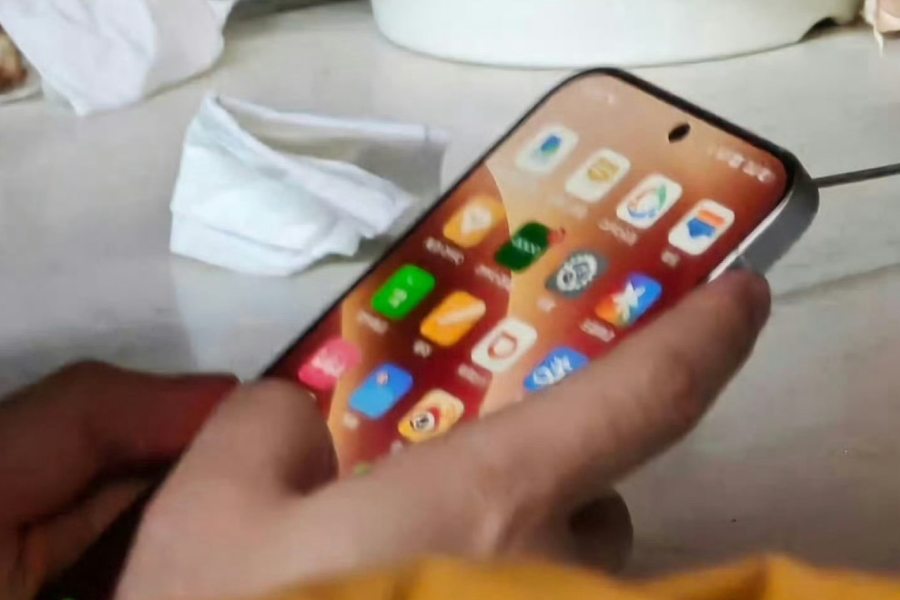
Apple is expected to launch the iPhone 16 series in September this year. However, a leaked real-life image of the base model has already revealed the color options. The image also confirms the rumored redesign of the camera island. You can check out the image below.

iPhone 16 to come with a White color option instead of Yellow

As you can see from the image, the iPhone 16 will be available in five different color options – White, Black, Blue, Green, and Pink. For reference, the iPhone 15 and iPhone 15 Plus is available in a Yellow option instead of the White one.

Apart from the color options, the back design looks significantly different as compared to the predecessor thanks to the rearranged camera layout. However, this isn’t really for a refreshed look, but for enhanced functionality of the camera system.

iPhone 16 is basically confirmed to support Spatial Video

As you might probably know, last year’s pro models can record Spatial Video thanks to the realignment of the ultrawide and telephoto. When the ultrawide and the main are placed vertically, the phone can record Spatial Video. last year’s non-Pro models offered a diagonal arrangement for the ultrawide and the main camera, which is not compatible with the video feature.

So the company has finally changed the camera arrangement for the iPhone 16 and iPhone 16 Plus to offer support for the feature.

Speaking of the camera resolution, it is expected to be 48MP for the main and 48 MP (1/2.6″) for the ultrawide. For context, last year’s non-Pro models come equipped with 12MP sensors for the ultrawide camera. While the main camera will offer the same resolution, it will reportedly use a larger 1/1.14″ sensor ( Sony IMX903 sensor) as compared to the 1/1.56″ one of the predecessors. The reported 1/1.14″ sensor is even bigger than the iPhone 15 Pro’s 1/1.28″ main sensor. Nonetheless, this is still a rumor and you should take it with a pinch of salt.

(Source)
Google, for the first time, will not ship the latest Android OS with Pixel 9 series

Google’s upcoming flagship phone series, the Pixel 9, is scheduled to launch worldwide on August 13th. With the launch date nearing, leaks have already revealed a lot of details about the new devices.

However, a recent report has introduced an unexpected twist — the Pixel 9 might not come with the anticipated Android 15 update at launch. Instead, it may ship with Android 14, breaking Google’s usual practice of releasing its phones with the latest Android version.

According to Android Headlines, all four models in the Pixel 9 series—the Pixel 9, Pixel 9 Pro, Pixel 9 Pro Fold (the successor to the Pixel Fold), and the new Pixel 9 Pro XL—are expected to come with Android 14.

Google released the final beta of Android 15 earlier this month, and the stable version should be coming soon. However, there’s no exact date for its release yet; it could be anytime between August and October. This means that Android 15 is still not ready for Pixel 9 to ship out of the box. 

This would be a first for Google. All the Pixel smartphones so far have launched with the latest Android version available at the time. For example, the Pixel 8 series, which debuted in October last year, came with Android 14 right out of the box.

However, the Pixel 9 series is launching two months earlier than usual, which is why it will not have Android 15 at launch. If it had followed the October timeline of its predecessors, it would likely have come with Android 15 from the start.

Despite this delay, Google is expected to maintain its commitment to software support. Starting with the Pixel 8 series, the company began offering up to 7 years of updates which include OS upgrades, security patches, and Pixel feature drops. This commitment is likely to extend to the Pixel 9 series as well, meaning the Pixel 9 should receive software support until 2031.

POCO M6 Plus 5G With 120Hz Display, Snapdragon 4 Gen 2 AE Launched In India

As expected, POCO has announced a new device in its M6 series that already comprises the standard and pro variants. The latest offering from the Xiaomi sub-brand is the POCO M6 Plus 5G. It packs upgraded specifications compared to the M6 Pro 5G. The device retains the same design as its other siblings. Read on to find out what the smartphone offers out of the box. 

POCO M6 Plus 5G specifications and features

The POCO M6 Plus 5G has a dual-tone pack panel with the top portion having a darker shade and the rest of the panel having a lighter hue. The device features two camera sensors along with an LED flash unit. There is a side-mounted fingerprint scanner embedded in the power button. The smartphone is IP53-certified dust and water-resistant. 

The POCO M6 Plus 5G features a 6.79-inch LCD display bearing an FHD+ resolution and a 120Hz refresh rate. It is shielded by Gorilla Glass for protection against damages and scratches. 

In the imaging department, the POCO M6 Plus 5G’s dual rear camera setup comprises of a 108MP main sensor and a 2MP depth lens. The former offers a 3x in-sensor zoom and a f/1.75 aperture. There is a 13MP front-facing selfie snapper. The camera packs HDR filters, auto night mode, and more. 

Internally, the POCO M6 Plus 5G is equipped with a Snapdragon 4 Gen 2 Accelerated Edition processor. It is offered in 6GB and 8GB RAM options coupled with 128GB internal storage. The smartphone is backed by a 5,030mAh battery unit with support for 33W fast charging. Software-wise, it runs on HyperOS based on Android 14. 

The POCO M6 Plus 5G is priced at Rs 12,999 for the base 6GB + 128GB variant whereas the 8GB + 128GB option costs Rs 14,999. It is offered in Misty Lavender, Ice Silver, and Graphite Black colors. The smartphone will be available for purchase starting August 5 from Flipkart and buyers can avail Rs 1,000 instant discount on eligible bank cards. 

Google Photos’ AI editing tools are now for everyone: Here’s how to make the most of it

Google added a number of AI-based photo editing features to Google Photos that were initially limited to select Pixel and Galaxy devices. However, back in April, the company announced that it would make the AI-based editing tools available for each and every Google Photos user. “It’s really exciting that so many more people will be able to use these tools,” says Google Photos senior product manager Selena Shang. Google has reportedly worked on the AI tools to make sure that they work properly on a variety of devices.

Image: Google

In a recent blog post, the company also explained how to make the most of tools such as Magic Editor, Magic Eraser, Photo Unblur, and more, which you can also find in this article.

Make the most of Magic Editor’s Erase tool and Magic Eraser:

Magic Editor comes with a suite of features, one of them being a generative AI-powered Erase tool. According to the company, both Magic Editor’s Erase feature and Magic Eraser can help you remove unwanted items from an image. However, they each excel in different ways.

“Magic Eraser works best for quick fixes on smaller portions of the photo,” Selena says. According to her, Magic Eraser could be appropriate for removing people or objects in the background of landscape shots. But if you have more prominent, complex foreground objects, or objects that take up a larger portion of the photo in general that you want to remove, Magic Editor’s generative AI is going to be more effective at filling the space, she explained. The latter one should offer better results with “more complex erases”.

When to tap, brush, or circle items in Magic Editor?

There are three different ways you can select an object while using Magic Editor – tapping, brushing or circling. According to the company, certain methods work best for certain types of selection. Objects with clear boundaries, like a water bottle in the foreground, are usually easier to tap. However, for objects with less distinct edges, like the leaves that make up a tree, it may be simpler to select them by circling or brushing. Users can also zoom in to select the object with a higher precision.

There is also a strength slider that lets you adjust the intensity of the edits. You can always play around with it to fine-tune the result. “After applying Portrait Light, I’ll play with the strength because sometimes I want the effect to be a little more subtle,” Selena says. This is also appropriate for Photo Unblur, where AI will make the subject look more detailed. However, you may prefer to leave a bit of fuzziness for an artistic look, for which you can adjust the strength of the effect.

Honor Introduces New Ikarao Bluetooth Speaker Mini, Priced at 79 yuan at Launch

Honor has introduced its new Ikarao Bluetooth speaker mini, offering a compact and affordable audio solution. Priced at 79 yuan (initial sale price), the speaker features a 4W full-range driver and an independent subwoofer diaphragm for enhanced audio quality.

The Bluetooth speaker mini has an 8-hour battery life

Designed with portability in mind, the Ikarao Bluetooth speaker mini boasts an 8-hour battery life and a compact form factor. The device supports Bluetooth 5.4 connectivity, ensuring stable wireless audio transmission.

With IP54 water resistance, the speaker is suitable for outdoor use. Additionally, the speaker offers TWS pairing, allowing users to create a stereo sound system with two devices.

The Ikarao Bluetooth speaker mini is available in three colors: red, black, and green.

(Via)

BingoMod Malware Threatens Android Users via SMS Phishing Campaigns

A new and highly dangerous Android malware, dubbed BingoMod, has emerged as a significant threat to mobile device security. Disguised as legitimate security applications, this malware employs sophisticated techniques to steal user data, initiate fraudulent transactions, and ultimately wipe infected devices.

The malware seeks permission to access accessibility services within the device

BingoMod is primarily distributed through SMS phishing campaigns, mimicking the appearance of well-known security apps to deceive unsuspecting victims. Once installed, the malware seeks permission to access accessibility services, granting it extensive control over the device.

By stealing login credentials, intercepting SMS messages, and taking device screenshots, BingoMod enables remote attackers to execute on-device fraud and drain victims’ bank accounts. To cover their tracks, the malware can remotely erase all device data, making recovery difficult.

Security experts urge Android users to exercise caution when clicking on links or downloading apps from unknown sources. Keeping devices and security software up-to-date is crucial in mitigating the risk of infection. As this threat continues to evolve, it is essential for users to remain vigilant and adopt best practices for mobile security.

(Via)

Thermaltake Expands Tower 300 Case Color Options to Peach Pink and Matcha Plum

Thermaltake has introduced two new color options for its popular Tower 300 PC case: peach pink and matcha plum. These join the existing palette of eight colors, providing greater customization choices for users.

The Steel Shadow S240 is priced at 139 yuan and available in black and white

The Tower 300 retains its distinctive octagonal column design and supports Micro-ATX motherboards. The case features tempered glass panels on the front, left, and right sides, showcasing the internal components. A unique feature is the ability to position the case horizontally using an optional stand, offering a different display perspective.

Designed for optimal airflow, the Tower 300 incorporates a chimney effect cooling solution and includes two pre-installed CT140 PWM fans. The case also features dust filters to maintain a clean interior environment.

With its versatile design, customizable aesthetics, and effective cooling, the Thermaltake Tower 300 continues to be a popular choice for PC enthusiasts.

The new color options are now available for purchase at a price of 679 yuan.

(Via)

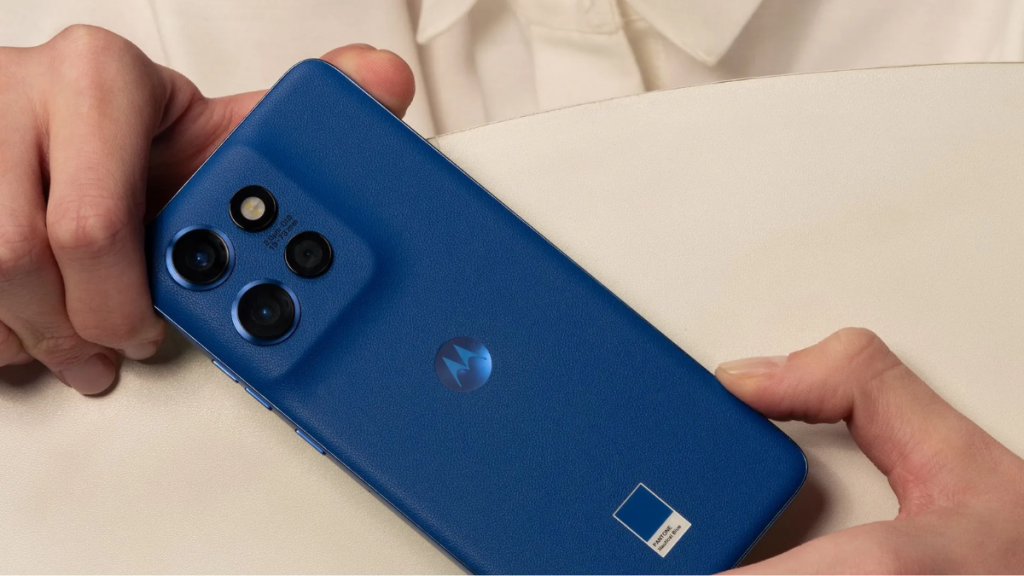
Motorola Edge 50 debuts as world’s slimmest phone with MIL-STD 810H certification

As scheduled, Motorola has officially launched the Edge 50 in India. It’s the fourth smartphone in the Edge 50 line and sits between the Edge 50 Fusion and Edge 50 Pro. Let’s walk through its specs, features, and price for the Indian market. 

Motorola Edge 50 Specifications

The Edge 50 is built around a 6.67-inch pOLED panel with a 120Hz refresh rate, 1,900 nits peak brightness HDR10+ support, and SGS Blue Light Reduction certification. 

There’s also support for Smart Water Touch technology, letting you use the phone even with wet hands, and the screen is protected by Corning Gorilla Glass 5. The phone itself has an IP68 rating, making it resistant to dust and water.

Motorola Edge 50 Launch Specs Price India

What’s even more impressive about the Edge 50 is that it’s the world’s slimmest phone to secure MIL-STD 810H certification. The device measures 7.79mm in thickness and weighs 181 grams. 

Design-wise, the phone has a metal frame and a back with a leather-like finish in Jungle Green or Pantone Peach Fuzz. There’s also a Koala Grey option with a vegan suede finish.

Powering the device is the Qualcomm Snapdragon 7 Gen 1 chipset, paired with 8GB of LPDDR4X RAM and up to 256GB of onboard storage.  It runs on Android 14 with Motorola’s Hello UI and comes with a promise of two years of software updates and three years of security patches.

The device also leverages Google AI for features like Magic Eraser, Photo Unblur, and Magic Editor. Motorola’s own AI enhancements include Adaptive Stabilization and Smart Color Optimization for improved image and video quality. 

Motorola Edge 50

In terms of optics, the smartphone features a 50MP primary camera with Sony’s Lytia 700C sensor, a 10MP 3x telephoto lens, and a 13MP ultra-wide camera. Selfies are handled by a 13MP front camera. 

The Edge 50 is fueled by a  5,000mAh battery that supports 68W fast charging, 15W wireless charging, and 5W reverse wireless charging. Additional features include Dolby Atmos, Hi-Res audio, and an in-display fingerprint sensor.

Price and Availability

The Motorola Edge 50 is priced at Rs 27,999 in India for the sole 8GB RAM and 256GB storage configuration. The smartphone will go on sale starting August 8th via Flipkart with an introductory discount of Rs 2,000 for Axis Bank credit card holders. 

Lenovo unveils Yoga Slim 7x with OLED touch display & Snapdragon X Elite in India

Lenovo launched the Yoga Slim 7x in the global market back in May 2024. Now, this AI powered laptop is also arriving in India as well. The device arrives with Qualcomm’s new Snapdragon X series chipset and other notable specs, all of which is packed in an ultra slim notebook.

Lenovo Yoga Slim 7x Specs

The company’s new Yoga Slim 7x sports a 14.5-inch PureSight OLED display that supports touch functionality, 3K resolution, Dolby Vision, and HDR 600. This panel has a peak brightness of 1000 nits and 100 percent DCI P3 color gamut. Under the hood, it is equipped with the Qualcomm Snapdragon X Elite processor, which is paired with 16GB of LPDDR55X RAM (soldered) and 512GB of M.2 SSD storage. This chipset also integrates Qualcomm’s Hexagon NPU that allows for generative AI.

A 4 cell 70Wh battery pack powers this device, which supports 65W charging. Lenovo’s new notebook runs on the Windows 11 Home OS out of the box. The front also houses a 1080p FHD IR Hybrid webcam with dual microphones and backlit keyboards that have a 1.5mm key travel and anti-oil coating. Connectivity options include 3x USB Type C ports, a 3.5mm audio jack, HDMI 2.1, WiFi 7, and Bluetooth 5.3. There is also a quad speaker setup for high quality audio. The Yoga Slim 7x laptop measures just 12.9mm in thickness and weighs just 1.28 kilograms.

Pricing and Availability

The Lenovo Yoga Slim 7x has been launched in India in a Cosmic Blue color. It has a starting price tag of 135,360 INR, which is available for purchase from the brand’s official website. The 32GB option costs another 7,000 INR and 1TB variant costs 4,800 INR more. Lenovo will start shipping on 19th August 2024. The company is even offering Lenovo Urban B535 Backpack, 1 year Premium Care with Onsite upgrade, 1 year Accidental Damage Protection, and Lenovo Yoga Mouse with Laser Presenter.

OnePlus Buds Pro 3 spec leaks and its disappointing news for gamers

A recent leak from the well-known tipster Digital Chat Station (DCS) has revealed some details about the upcoming OnePlus Buds Pro 3. According to the leak, OnePlus is planning to launch these true wireless earbuds alongside the OnePlus 13 smartphone.

The Buds Pro 3 is said to feature a dual dynamic driver setup, featuring an 11mm woofer and a 6mm tweeter. That’s the same driver setup as the Buds Pro 2 and OnePlus is also likely to continue collaborating with Dynaudio for audio tuning.

As for active noise cancellation (ANC), DCS suggests the Buds Pro 3 will offer a maximum noise reduction depth of 50 dB, which is just a slight increase from the Pro 2’s 48 dB. 

However, the Buds Pro 3 might not be ideal for gamers as the leak suggests it will have a latency of 94ms, considerably lower than the Buds Pro 2’s 54ms. It’s unusual to see a downgrade in latency with a new model, as we typically expect improvements.

Nonetheless, on the battery front, the Buds Pro 3 is said to offer up to 43 hours of playback time with the charging case. Additionally, a 10-minute quick charge will provide 5 hours of playback, which is a handy feature for users on the go.

OnePlus Buds Pro 2

The leak further suggests support for the LHDC 5.0 audio codec, which boasts a 1Mbps transmission rate and the ability to handle 192kHz/24bit lossless audio wirelessly. Other expected features include IP55 dust and water resistance, and Bluetooth 5.4 connectivity for improved stability. 

While the information comes from a credible source, it is still a leak, so it’s wise to approach these details with caution. The OnePlus 13 is expected to launch around December this year, which is also when we might see the release of the Buds Pro 3 if the leak holds true.

Huawei announces two new MatePad tablets launch on August 6

Huawei has announced that it will launch two new tablets in China—the MatePad Pro and MatePad Air—on August 6th. While details are limited, the company has teased their designs on Weibo and shared news of a major update for its GoPaint drawing application.

Huawei’s Weibo post included an image of the MatePad Pro which reveals a sleek tablet with a wide display and minimal bezels. The tablet will come with a stylus and keyboard, both of which are expected to use NearLink technology for a smooth wireless connection.

According to Huawei Central, the MatePad Pro might feature a 12.2-inch double-layer OLED screen. It’s also rumored to come in three colors: Inkstone Black, Xuan White, and Gold.

Huawei, on the other hand, teased the MatePad Air in all its four colors: White, Green, Sakura Pink, and Rose Gold. Its design appears to be quite different from the previous generation, featuring a horizontal lens setup similar to the Nova 12 Ultra on the back.

The MatePad Air is rumored to have an 11.95-inch display and support for 66W fast charging, though other specifications are not yet known.

Alongside the tablets, Huawei has announced a stable release of the GoPaint app, which is currently in beta testing on select Huawei tablets.

In other Huawei news, the company will launch its budget Nova Flip smartphone in China on August 5, just a day before the tablets. It’s unclear why Huawei chose to release these products on consecutive days, but that’s the plan.

Huawei Nova Flip is said to have a 6.94-inch LTPO OLED main display with a 120Hz high refresh rate, making it the largest foldable screen on a flip-style phone.

Complementing this is a 2.14-inch outer OLED screen for quick access to notifications and various functions. The device will be powered by a Kirin 9-series G-free chipset, with ample RAM and generous storage options. For photography, it will include a 50MP main camera, an 8MP ultrawide lens, and a 32MP front camera for selfies. Additionally, the Nova Flip will come with a 4400mAh battery and support 66W fast charging.

Tecno Phantom V2 Flip image leaks, have design similar to Xiaomi Mix Flip

Tecno is gearing up to launch its next-generation foldable smartphones, the Phantom V Fold 2 and the Phantom V2 Flip. 

The Fold 2 was recently spotted on the Google Play Console listing which reveals some key details of the book-style foldable. Today, we have our first look at its clamshell counterpart, thanks to an image shared by tipster Paras Guglani on X (formerly Twitter).

The image, though not very clear, shows only the phone’s rear design. Unlike the original V Flip, which had a small cover display within the camera ring, the V2 Flip features a cover display that covers half of the phone’s exterior. This design aligns with information gleaned from FCC listings.

The dual rear camera system is positioned on the left side, accompanied by an LED flash, further confirming the FCC details. The overall design is reminiscent of recent clamshell phones like the Xiaomi Mix Flip. Additionally, the visible antenna lines suggest a metal frame construction.

The FCC listing also revealed details on some of V2 Flip’s internal components. The phone will likely come with a dual-cell battery setup, with capacities of 3,410mAh and 1,180mAh, totaling 4,590mAh. This represents a 15% increase in battery capacity compared to the original V Flip.

The listing hints at 70W fast charging support, 8GB of RAM, and 256GB of storage. The V2 Flip is expected to measure 170 x 74 x 8mm when unfolded and 85 x 74 x 16mm when folded.

Further specifications from a Geekbench listing suggest that the V2 Flip will be powered by a Dimensity 8020 processor, paired with 8GB of RAM. The phone scored 814 in single-core and 2,866 in multi-core tests in the benchmark.

While we got a peek at the Phantom V2 Flip’s design today, Tecno has not yet confirmed the launch date, pricing, or full specifications. Stay tuned for more updates.

GC Daily: Nothing has a new Plus model for the global markets; Samsung confirms chip for Galaxy S25

Here are the highlights of what happened in the past 24 hours.

  1. Nothing’s Surprise Move: The tech world is buzzing with Nothing’s unexpected launch of the Phone (2a) Plus. We’ll explore how this enhanced version stands out from its predecessor.
  2. Tablet Showdown: Looking for alternatives to the Redmi Pad Pro? We’ve got you covered with our top 4 picks that offer compelling features at similar price points.
  3. Smartphone Market Surge: The global smartphone industry is showing strong signs of recovery. We’ll break down the latest shipment figures and what they mean for consumers and manufacturers alike.
  4. Foldable Phone Face-off: Google’s upcoming Pixel 9 Pro Fold is making waves with leaked dimensions suggesting it could be slimmer than Samsung’s offering.

Plus, don’t miss our roundup of other top stories, including Samsung’s chip strategy, Google’s wearable plans, and more!


Nothing Phone (2a) Plus Launched Globally With Minor Upgrades To SoC, Selfie Camera, And Charging

It seems that Nothing isn’t done with the Phone (2a). Since its launch earlier in March this year in Black and White color options, the brand later announced an India-exclusive Blue edition and then a Special edition with multi-colored back panel. This time, Nothing has released what is an enhanced version of the Phone (2a). Dubbed the Nothing Phone (2a) Plus, it packs various upgrades across the board. Read on to know what the latest offering has in store for us. 

Read More


4 Best Alternatives for the Redmi Pad Pro

Priced at Rs 21,999 for the base 6/128GB variant, the Redmi Pad Pro offers good value, but there are other compelling options from established brands within the same price range. Let’s explore some of the top alternatives available in the Indian market. Before diving into these alternatives, let’s take a quick recap of the full specifications of the Redmi Pad Pro’s specifications.

Read More


Global smartphone shipments surge 12% in Q2 2024, reaching 288.9 million units: Canalys

Global smartphone shipments soared 12% year-over-year to reach 288.9 million units in the second quarter of 2024, marking the third consecutive quarter of growth. According to market research firm Canalys, the industry is experiencing a resurgence driven by innovative product launches and improving economic conditions.Read More


Google Pixel 9 Pro Fold dimensions, weight leaked before launch, to be slimmer than Galaxy Z Fold 6

Google Pixel 9 Pro Fold is one of the devices that will debut on Aug. 13 across the globe. As the launch date nears, the rumor mill is actively spilling details about the Pixel 9 series. A new report by Android Headlines states that the Pixel 9 Pro Fold will be slimmer than the Samsung Galaxy Z Fold 6.

Read More


🔥More Top Stories You Might Have Missed

Google Pixel 9 Pro Fold dimensions, weight leaked before launch, to be slimmer than Galaxy Z Fold 6

Google Pixel 9 Pro Fold is one of the devices that will debut on Aug. 13 across the globe. As the launch date nears, the rumor mill is actively spilling details about the Pixel 9 series. A new report by Android Headlines states that the Pixel 9 Pro Fold will be slimmer than the Samsung Galaxy Z Fold 6.

Google Pixel 9 Pro Fold dimensions, weight (rumored)

Google Pixel 9 Pro Fold

Last year, Google entered the foldable phone market by launching the Google Pixel Fold in May. Recent reports suggest that the brand will not call the next foldable phone the Pixel Fold 2. Instead, it is expected to be dubbed the Pixel 9 Pro Fold.

The original Pixel Fold measured 139.7 x 158.7 x 5.8mm in the unfolded state and 139.7 x 79.5 x 12.1mm in the folded state. According to the latest report, the Pixel 9 Pro Fold has dimensions of 155.2 x 150.2 x 5.1mm in the folded state and 155.2 x 77.1 x 10.5mm in the folded state. The new dimensions of the Pixel 9 Pro Fold hint at a larger and slimmer design compared to the original Pixel Fold.

In comparison, the Samsung Galaxy Z Fold 6 is a slightly thicker device, measuring 153.5 x 132.6 x 5.6 mm in the unfolded state and 153.5 x 68.1 x 12.1 mm in the folded state. When it comes to weight, the original Pixel Fold weighed 283 grams, whereas the upcoming Pixel 9 Pro Fold is said to weigh 257 grams. To put into context, the Honor Magic V3 and Galaxy Z Fold 6 weigh 226 grams and 239 grams, respectively. Last year’s OnePlus Open weighed 239 grams.

The Pixel 9 Fold Pro is said to have a 6.3-inch OLED cover screen with an aspect ratio of 20:9. Opening the device will allow users to access its 8-inch foldable OLED screen. Both screens are said to support 1,600 nits of brightness for HDR content and a maximum brightness of up to 2700 nits.

(source)