Advertisement

GC Daily: Samsung Sidelined – Huawei Owns Half of China’s Foldable Phone Market

Here’s a quick overview of the top news stories from the past 24 hours.

Today’s Tech News Highlights:

  1. Huawei’s Foldable Triumph: Dive into how Huawei has captured a staggering 50% of China’s foldable market. We’ll explore how Mate X5 and Pocket 2 models have propelled them to the top.
  2. iPhone 16 Pro Max Color Speculation: Get a sneak peek at the potential color options for Apple’s next flagship. We’ll discuss the shift towards darker shades and what it might mean for the iPhone’s design language.
  3. Google’s Unexpected OS Move: In a surprising twist, learn why Google might not ship the latest Android OS with the Pixel 9 series.
  4. Motorola’s Slim Innovation: Discover how Motorola is pushing boundaries with the world’s slimmest phone, boasting military-grade durability. We’ll break down the specs and features of the new Edge 50.

Plus, don’t miss our roundup of other headline-grabbing stories, including OnePlus audio gear, Samsung’s security enhancements, and new tablet offerings from Huawei and Teclast!


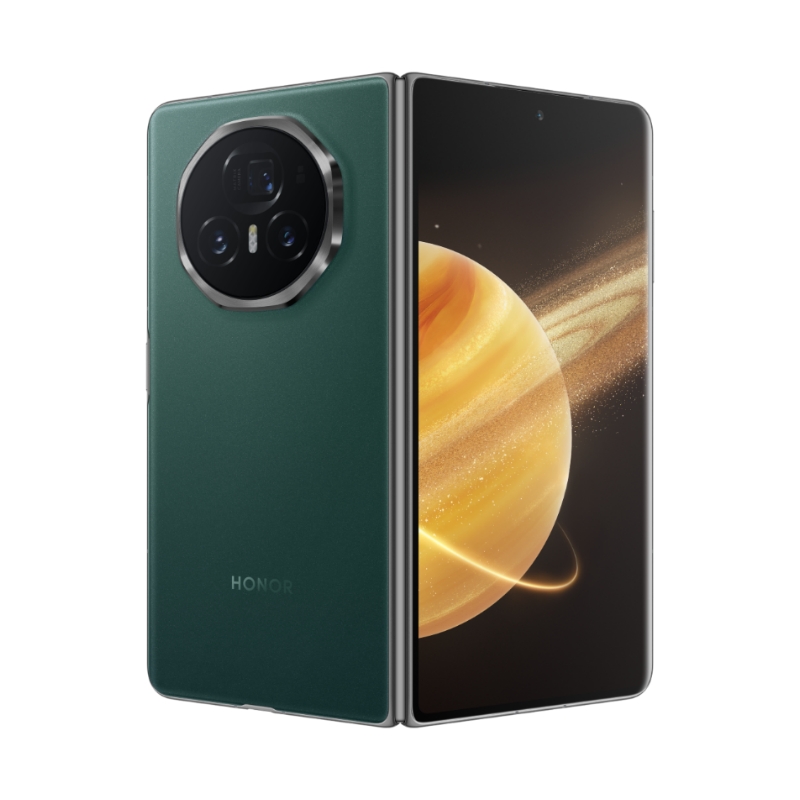
Huawei’s Foldable Dominance in China with 50% share

Huawei took the top spot in the foldable market in China with a commanding 41.7% market share, thanks to the popularity of its Mate X5 and Pocket 2 models. The Mate X5, launched last year, continues to be in high demand, while the newly released Pocket 2 has also attracted considerable attention. These two models cater to different segments, helping Huawei secure its top position.

Read More


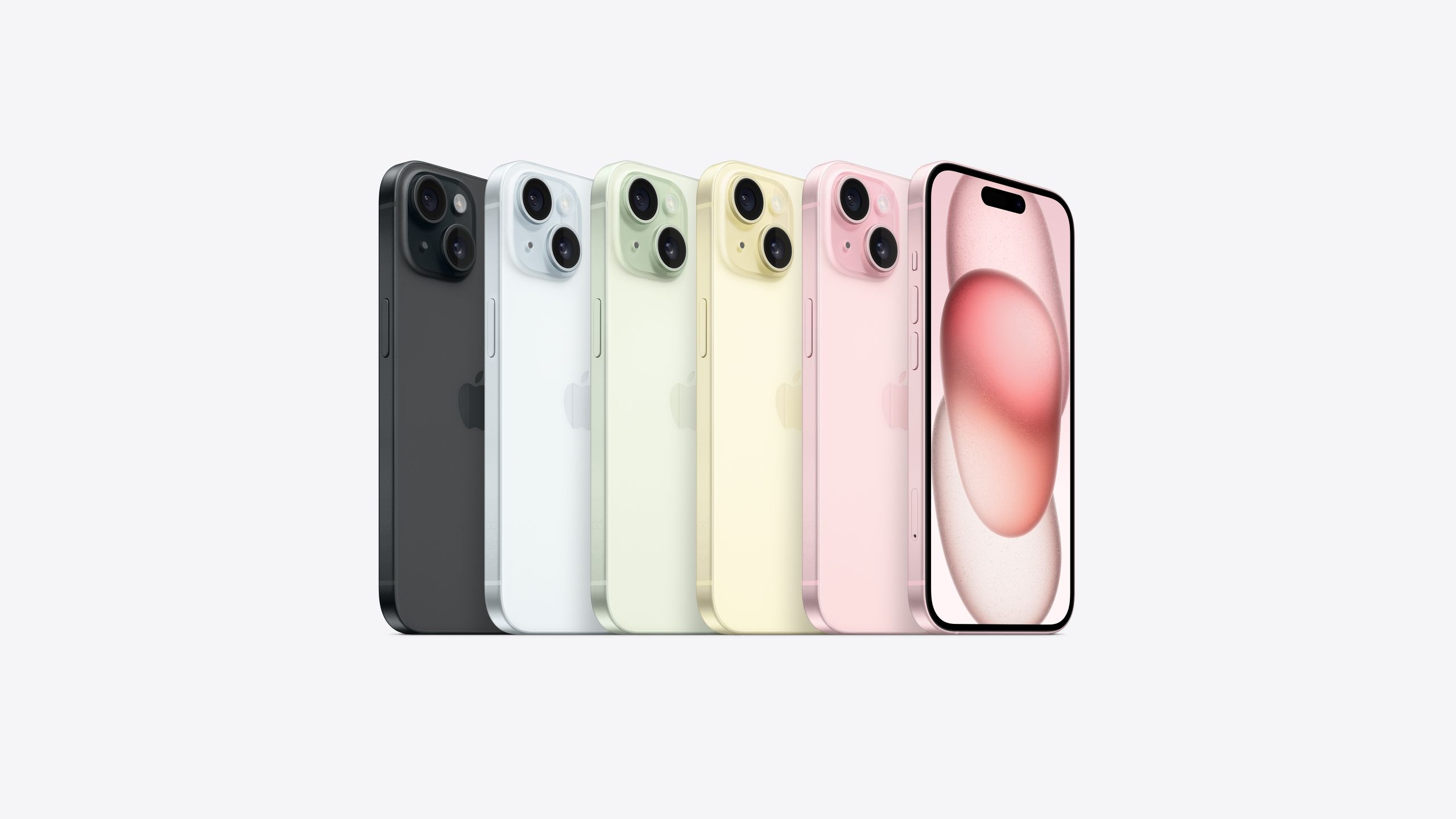
iPhone 16 Pro Max dummy units reveal color options; will come with darker shades

Apple is likely to launch the iPhone 16 series in September this year. However, a recent leak has already revealed the color options of the iPhone 16. The same tipster has now revealed the color options of the iPhone 16 Pro Max.

Read More


Google, for the first time, will not ship the latest Android OS with Pixel 9 series

Google’s upcoming flagship phone series, the Pixel 9, is scheduled to launch worldwide on August 13th. With the launch date nearing, leaks have already revealed a lot of details about the new devices. However, a recent report has introduced an unexpected twist — the Pixel 9 might not come with the anticipated Android 15 update at launch.

Read More


Motorola Edge 50 debuts as world’s slimmest phone with MIL-STD 810H certification

As scheduled, Motorola has officially launched the Edge 50 in India. It’s the fourth smartphone in the Edge 50 line and sits between the Edge 50 Fusion and Edge 50 Pro. Let’s walk through its specs, features, and price for the Indian market.

 Read More


🔥More Top Stories You Might Have Missed

Samsung leads India’s smartphone market value in Q2 2024: Counterpoint Research

Samsung has strengthened its position as the leading smartphone brand in India, securing a 25 percent value market share for the quarter ending June 2024, according to Counterpoint Research. This marks the second consecutive quarter that Samsung has led in value terms.

Focus on value over volume

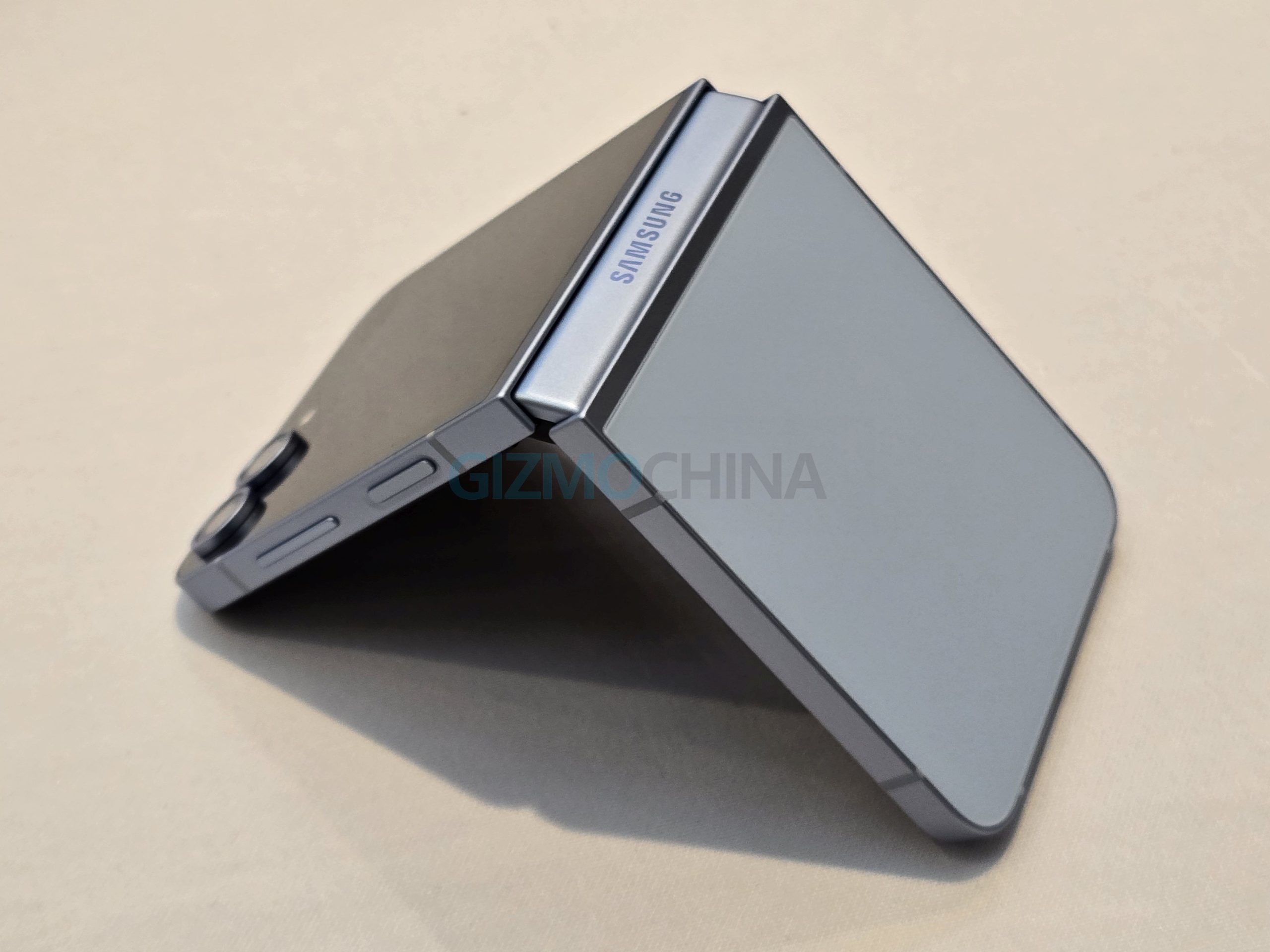
Samsung Galaxy Z Fold 6 and Galaxy Z Flip 6

Counterpoint Research highlighted that Samsung’s new Galaxy Z Fold 6 and Z Flip 6 are expected to maintain this leadership. The brand’s focus on value over volume has significantly impacted its ultra-premium segment (priced above Rs 45,000), which saw a 99 percent year-on-year growth in Q2 2024.

India’s smartphone market achieved its highest-ever Q2 value, driven by a trend towards premiumization. Consumers have been upgrading to higher-value smartphones, aided by better trade-in values and accessible financing schemes, according to Counterpoint. This trend resulted in a 24 percent year-on-year growth in the ultra-premium segment.

Shubham Singh, a Research Analyst with Counterpoint Research, noted, “The Rs 20,000 to 30,000 and Rs 45,000+ price bands saw the fastest growth at 25 percent and 24 percent year-on-year, respectively.”

Samsung’s continued emphasis on high-value products and consumer preferences for premium smartphones have played crucial roles in its sustained leadership in the Indian market.

Samsung introduced the Galaxy AI on the Galaxy S24 series at the beginning of this year. The Galaxy AI available on the recently announced Galaxy Z Fold 6 and Z Flip 6 offers enhanced AI features. Both foldables also come with the promise of seven years of Android OS upgrades and seven years of security updates. In the remaining months of this year, the brand is expected to announce a couple of other devices, including the Galaxy Tab S10 series and the Galaxy A16. The much-anticipated Galaxy S25 lineup is expected to debut in January 2025. 
Realme 13 5G full specifications emerge its bags TENAA certification

A Realme phone bearing the RMX3952 model number has been approved by China’s TENAA authority.  The same device was previously spotted at the 3C certification in the country. The images and specifications of the phone suggest that it could be called the Realme 13 5G when it arrives on the market. With important certifications under its belt, it appears that the Realme 13 may break cover in China within this month.

Realme 13 5G specifications (rumored)

Realme 13 5G TENAA images

As per the TENAA certification, the Realme 13 5G measures 165.6 x 76.1 x 7.79mm and weighs 190 grams. On the front, it has a 6.72-inch IPS LCD panel that offers an FHD+ resolution of 2400 x 1080 pixels. It appears to have a side-facing fingerprint sensor for security.

Under the hood, the device features an unknown 2.2GHz chipset. It could probably be equipped with one of the mid-range chipsets from MediaTek. The device is expected to arrive in RAM variants, such as 6 GB, 8 GB, 12 GB, and 16 GB. When it comes to storage, it will be available in storage choices, such as 128 GB, 256 GB, 512 GB, and 1 TB. For more storage, it will also have a microSD card slot.

The Realme 13 5G will house a 4,880mAh (rated value) battery, which suggests that its typical value could be 5,000mAh. According to the device’s 3C certification, it may come with support for 45W fast charging.

When it comes to photography, the Realme 13 5G will have a 50-megapixel + 2-megapixel dual-camera system on the back. For selfies, it will have a 16-megapixel front-facing camera. The device is expected to run on Realme UI 5-based Android 14.

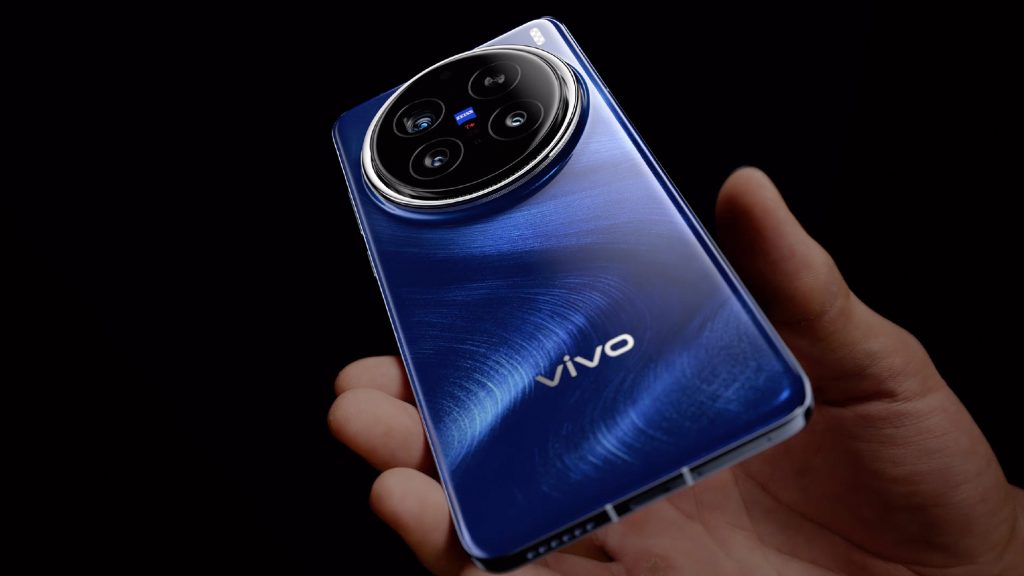
Vivo X200 Surfaces in Images Online, Featuring Centre Punch-hole display

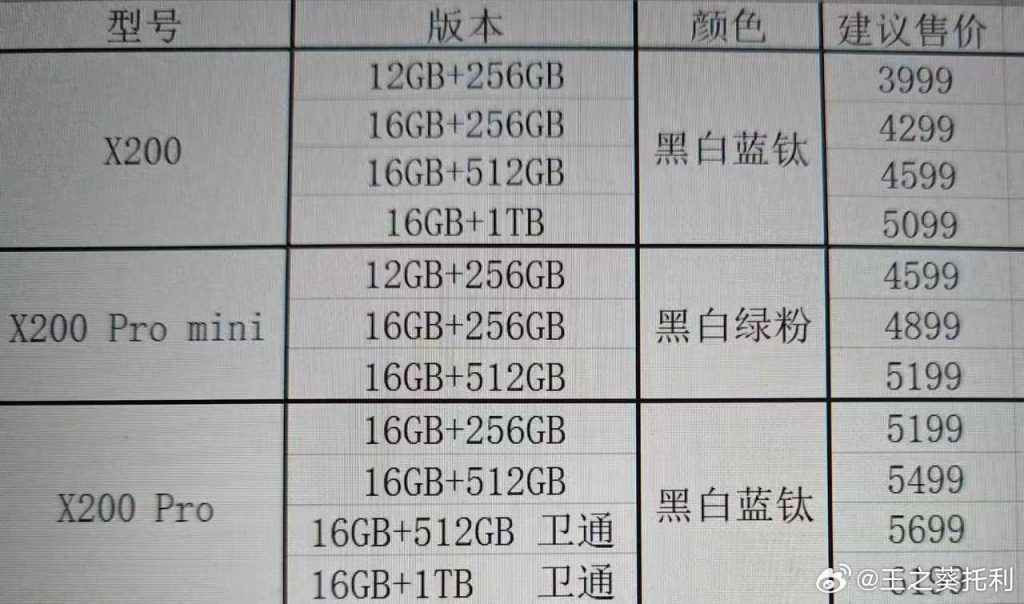
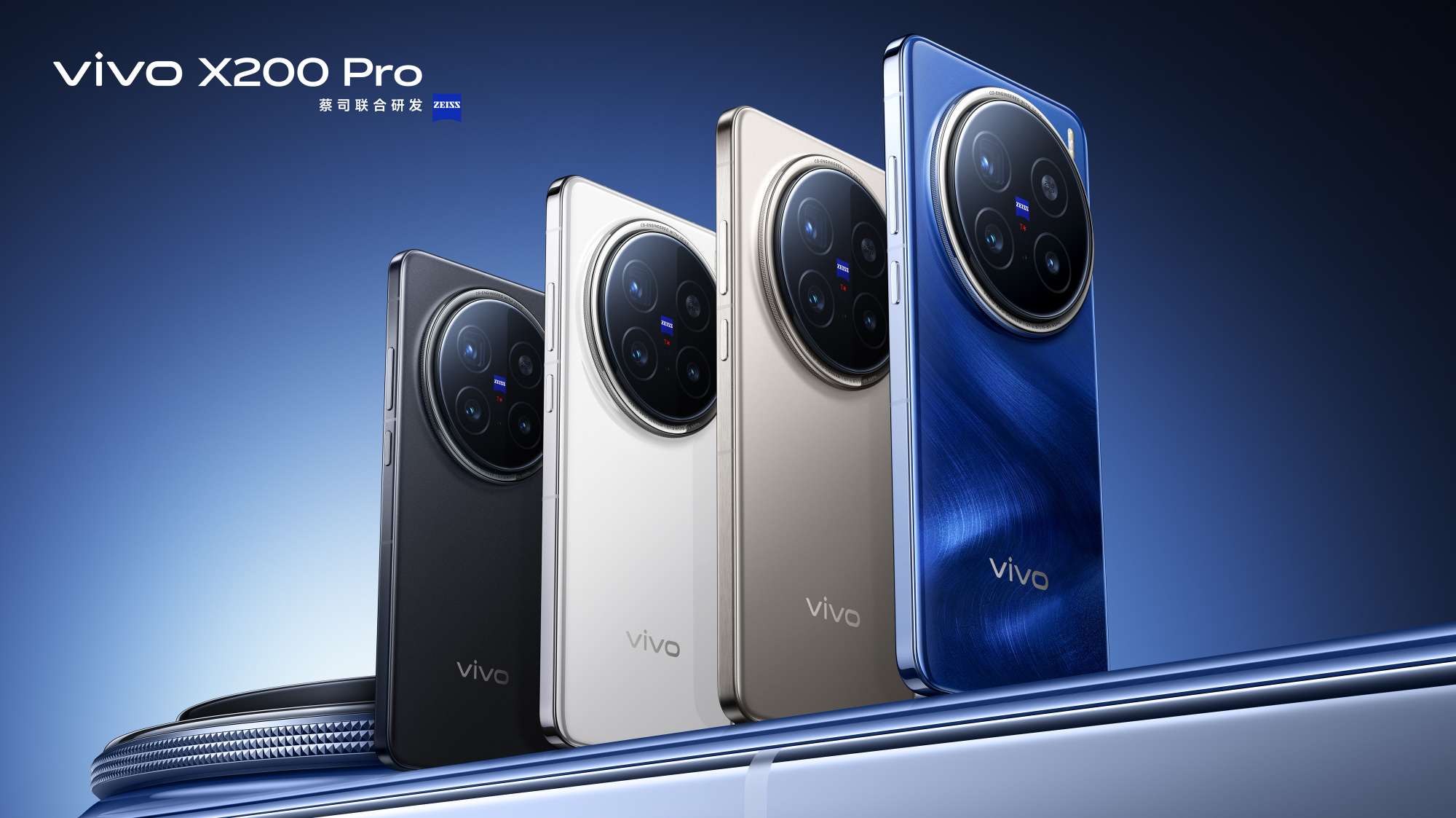
New images allegedly depicting the standard Vivo X200 model have surfaced online. The leaked renders showcase a device with a centered punch-hole display and a curved screen design. The rear panel features a circular camera module reminiscent of previous models.

The Vivo X200 series will be powered by the MediaTek Dimensity 9400

While the authenticity of these images cannot be confirmed, the leaked design aligns with previous rumors suggesting a premium build and a focus on camera capabilities. The X200 series is expected to be powered by the MediaTek Dimensity 9400 chipset and feature advanced camera technology, including a 50MP main sensor and a 3x telephoto lens.

Vivo is anticipated to unveil the X200 series officially in October.

(Via)

Toshiba Unveils New Z600NF Series Mini LED TVs, Features 4K at 144Hz and a quad-core processor, Starts at 3499 yuan ($483)

Toshiba has unveiled its new Z600NF series of MiniLED TVs, offering impressive picture quality and advanced features. The series boasts a peak brightness of 1600 nits and a stable 1300 nits, delivering vibrant and detailed visuals. With support for 4K 144Hz refresh rates, the Z600NF series caters to both entertainment and gaming enthusiasts.

The TVs range from 55 inches to 100 inches in terms of screen size

Equipped with a powerful quad-core A73 processor and ample storage, the TVs ensure smooth performance and seamless multitasking. The inclusion of two full-power HDMI 2.1 ports further enhances connectivity options.

Toshiba’s Z600NF series offers a range of screen sizes, from 55 inches to 100 inches, allowing consumers to choose the ideal TV for their space and viewing preferences. With a focus on image quality, sound performance, and smart features, the Z600NF series aims to deliver a premium viewing experience.

The series is now available for pre-order, with introductory pricing offering savings on all screen sizes.

(Via)

Huawei Unveils MateBook GT 14 Laptop with Intel Core Ultra 9 185H, 2.8K OLED and 140W fast charging

Huawei has introduced the MateBook GT 14, a high-performance laptop targeting professionals and gamers. The device features a 14.2-inch OLED display with a 2.8K resolution and supports a wide color gamut.

The laptop has ‘metalized graphene’ cooling technology

Powered by an Intel Core Ultra 9 185H processor, the MateBook GT 14 offers up to 32GB of RAM and a 2TB PCIe 4.0 SSD. The laptop includes Huawei’s Super Turbo 3.0 technology, enabling a peak performance of 115W. A 140W gallium nitride charger is included, supporting fast charging for compatible devices.

To manage thermal performance, Huawei has incorporated a new cooling system featuring a metalized graphene cooling technology. The system includes a rear exhaust structure, second-generation shark fin fans, and a ten-thousand-hole dot matrix air intake.

The MateBook GT 14 boasts a sleek design with a luminous logo and a 10.85mm screen lift when opened. Connectivity options include USB-C, HDMI, and SD card slots. The device is priced starting at 7,499 yuan and is now available for pre-order on Huawei’s official website.

(Source)

Edifier’s Huazai launches Halo Space headphones with head-tracking spatial audio, 45dB ANC, 50hrs battery

Edifier’s Chinese subbrand Huazai has introduced the Halo Space over-ear headphones, emphasizing advanced features such as head-tracking spatial audio and a tri-mode connection. These headphones are priced at 869 Yuan ($120), offering a blend of high-end audio technology and user-friendly design. Let’s delve into its key specs.

Edifier Huazai Halo Space

Edifier Huazai Halo Space Specifications:

The Halo Space headphones feature 40mm multi-layer composite diaphragm dynamic drivers, designed to deliver deep bass, smooth midrange, and clear high frequencies up to 40kHz. The drivers are complemented by an independent cavity structure that isolates external noise, enhancing the clarity and balance of the sound.

These headphones are Hi-Res Audio certified and support high-definition audio codecs like LDAC and LHDC 5.0, which enable high-resolution audio playback, maintaining the fidelity of the original sound.

The Halo Space headphones are equipped with head-tracking spatial audio technology that provides a 360° surround sound experience, dynamically adjusting the sound based on the user’s head movements. This feature enhances the immersion in gaming, movies, and music, making it a versatile option for various audio experiences.

Edifier Huazai Halo Space

The headphones also support a tri-mode connection, allowing users to switch between 2.4G wireless, Bluetooth 5.3, and wired connections. The 2.4G wireless mode offers ultra-low latency of 0.017 seconds, ensuring seamless audio-visual synchronization during gaming.

The headphones feature active noise cancellation (ANC), with a noise reduction depth of up to -45dB. The headphones offer four noise cancellation modes: deep noise cancellation for loud environments, comfort noise cancellation, wind noise resistance mode, and ambient sound mode. The ergonomic design of the headphones includes air-skin-friendly ear cushions and an adjustable headband for long-term comfort.

In terms of battery life, the Halo Space headphones offer up to 50 hours of playback with noise cancellation turned off and up to 30 hours with it on. They also support a quick charge feature, providing 11 hours of use from a 15-minute charge. Additionally, the headphones come with customizable RGB lighting effects and can be controlled via the Edifier Connect app or the PC client Edifier TempoHub, allowing users to adjust sound effects, lighting, and other settings.

The Halo Space headphones are available in two colors, Boundary Black and Dawn White, and have a net weight of approximately 327g. They are designed to be compatible with various devices, including smartphones, tablets, laptops, and PCs. The headphones also feature a detachable high-definition microphone and advanced AI noise cancellation for clear communication during calls and gaming.

AOC unveils AGON Pro AG276QZD2 gaming monitor with a 240Hz Samsung QD-OLED panel

AOC has expanded its AGON Pro lineup with the launch of the AG276QZD2 gaming monitor. This new model boasts a 26.5-inch Samsung QD-OLED panel, a significant upgrade from its predecessor’s LG WOLED display which launched in March this year.

AGON Pro AG276QZD2

AGON Pro AG276QZD2 Specifications:

The AG276QZD2 offers a 2K panel (2560 x 1440) with a high refresh rate of 240Hz, ensuring smooth gameplay, particularly for fast-paced action games. Additionally, it boasts an impressively low gray-to-gray (GTG) response time of 0.03ms, which minimizes motion blur and ghosting, essential for competitive gaming.

In terms of color performance, the AG276QZD2 supports native 10-bit color, which allows for more accurate and vibrant color reproduction. It covers 99.1% of the DCI-P3 color gamut and has a color accuracy of ΔE<2, making it suitable for both gaming and professional content creation.

The monitor also features a static contrast ratio of 1,500,000:1, ensuring deep blacks and bright whites, and is VESA DisplayHDR True Black 400 certified. This certification indicates that the monitor can display high dynamic range (HDR) content with excellent black levels and a typical SDR brightness of 250 cd/m².

AGON Pro AG276QZD2

For connectivity, the AG276QZD2 is equipped with a variety of ports, including two HDMI 2.0 ports, a DisplayPort 1.4, USB 3.2 Gen1-A ports, and a 3.5mm headphone jack. It also features built-in dual 5W speakers for basic audio output.

The monitor supports VRR (Variable Refresh Rate), PBP/PIP (Picture-by-Picture and Picture-in-Picture), and Adaptive-Sync technology, which is compatible with FreeSync to reduce screen tearing and stuttering during gaming.

Ergonomically, the AG276QZD2 offers a stand that allows for extensive adjustments. Users can rotate, tilt, and adjust the height to find their preferred viewing angle. The back of the monitor is designed with a polygonal aesthetic and features AOC’s Light FX RGB lighting, which provides customizable ambient lighting with 14 effects and over 100,000 color options.

Pricing:

In terms of pricing, the monitor is listed on AOC’s website for $599.99. In China, it is sold at 4299 Yuan by a third-party retailer.

(Via)

Xiaomi 12 series won’t get an important HyperOS feature

Xiaomi has confirmed that its Xiaomi 12 series will not be receiving the highly anticipated “Advanced Textures” feature, a key component of its new HyperOS interface. The decision comes after extensive testing revealed a significant trade-off between visual enhancements and overall device performance.

Xiaomi HyperOS

Xiaomi 12 is not getting HyperOS’s advanced textures feature

HyperOS, Xiaomi’s latest operating system, promises a revamped visual experience with features like global blur and refined rendering effects. The advanced textures feature is designed to elevate this aesthetic further, providing users with a more immersive and polished interface.

However, Xiaomi’s developers encountered challenges in optimizing the feature for the Xiaomi 12 series. Implementing advanced textures led to a substantial 10% decrease in battery life, a critical metric for smartphone users. Moreover, the feature impacted the system’s smoothness, particularly in frequently used areas like the notification drop-down, resulting in a performance drop of over 10%.

Given these performance implications, Xiaomi has made the decision to exclude the Xiaomi 12 series from receiving the “Advanced Textures” feature. This prioritization of battery life and overall system responsiveness aligns with the company’s focus on delivering a balanced user experience.

While the news might disappoint fans of the Xiaomi 12 series, it highlights the complexities involved in balancing visual appeal with practical performance considerations in smartphone development.

Previously, this feature was exclusive to Xiaomi and Redmi flagship devices equipped with powerful processors which include models like the Xiaomi 14, Xiaomi 14 Ultra, Xiaomi 13, and Xiaomi 13 Pro. Xiaomi is now testing out this feature on older and midrange devices as well and is gradually rolling out to global users on compatible devices.

Teclast unveils an 11-inch tablet with UNISOC T620 processor & 90Hz refresh rate

Teclast has announced its newest tablet powered by the UNISOC Tiger T620 processor. The Tiger T620 is an octa-core processor with a 2.2GHz peak frequency. The tablet has an 11-inch screen with an adaptive refresh rate of up to 90Hz. The lower refresh rate provides significant energy savings, according to the company. Teclast has not provided a name yet for the new tablet but the specs are captured in the official release information.

Teclast

The new Teclast tablet utilizes a metal body design and supports AI noise reduction. It has a dual SIM module with 4G network connectivity and runs on Android 14 out of the box. The tablet also supports high-speed dual-band WiFi connectivity. The pre-launch details also include that the model comes with a 8000mAh battery with support for convenient charging. The viewing angle of the tablet is 105 degrees while it features a 4-cavity stereo speaker.

Teclast

In terms of its size and weight, the new Teclast Android tablet is 7.8mm thick and weighs 520g. It has a one-piece metal body design and glitter bezel decoration. The tablet has a hidden antenna back-mounted structure.

The upcoming Teclast tablet is equipped with the UNISOC Tiger T620 processor with 6GB of RAM and 10GB of extended memory. There is also an optional 256GB of storage available on the tablet. The display resolution of the 11-inch Teclast tablet is 1920 x 1200 pixels and comes with TUV Rheinland low blue light certification. The tablet features the newly upgraded T-Colour 4.0 color optimization technology and its maximum brightness is 400 nits.

Teclast

The release date and pricing details of the new Teclast Android tablet are not available at this time.

Huawei Children’s Watch 5 Pro Photosensitive Colorful Edition with offline positioning & color-changing bezel launched

The Huawei Children’s Watch 5 Pro Photosensitive Colorful Edition is now available on pre-sale in China. The new Huawei Children’s Watch 5 Pro variant supports offline positioning. It also features a color-changing bezel that changes from silver to gold when under the sun.

Huawei Children’s Watch 5 Pro Photosensitive Colorful Edition

The Huawei Children Watch 5 Pro Photosensitive Colorful Edition adopts a dual-core processor design. When it is turned off due to low power, its independent “guardian core” will still be operational, providing location information for the smartwatch.

The new Huawei Children’s Watch 5 Pro Photosensitive Colorful Edition has a built-in outdoor energy storage dial. The dial automatically accumulates and changes patterns conditioned on the amount of time the child spends outdoors. The offline positioning 2.0 function of the children’s smartwatch allows it to be located even after five days of going off. It also supports floor positioning and real-time track query. It supports anti-addiction protection, so parents can set the screen usage time every day. After the expiration of the screen usage time in a day, the user is automatically restricted to guide against addiction due to excessive use.

Huawei Children’s Watch 5 Pro Photosensitive Colorful Edition

The smartwatch also supports bad content filtering, screen time management, audio time management, class disablement, and battery life management. Other features include a sleep mode, class disablement, application usage time, and WeChat/ QQ children’s version. The watch also supports Alipay for children’s watches. The gadget is rated 20ATM waterproof and features a swimming sports mode.

The Huawei Children’s Watch 5 Pro Photosensitive Colorful Edition is equipped with an 800mAh battery with support for magnetic fast charging. It features a 2MP front camera and a 5MP side camera. The watch supports AI object recognition, video calls, and scanning translation. It can record professional data such as swimming style, average stroke frequency, and speed.

The smartwatch is priced at 1,148 yuan ($59) and is available from JD.com.

Samsung improves the security of Galaxy devices with two new features

Over the past few years, Samsung has introduced security features like Knox and Secure Folder to Galaxy devices. Now the company has announced two new security features to the list – Quick Share Private Sharing and Samsung Cloud Enhanced Data Protection.

Quick Share Private Sharing

This is a built-in “privacy-preserving file-sharing function” that lets you share your data with peace of mind. You don’t have to worry about your files somehow ending up online or visible to anyone other than those you intended.

With this private sharing feature, users can ensure that only the designated recipients can open the files they share. Users can also set permissions and expiration dates for the data, so it’s only viewable for a limited amount of time. In addition to all of that, users can give read-only access without the ability to re-share, revoke the data access whenever they like, restrict screenshotting, and see when the recipient received and opened the file.

This feature allows the user to share up to 20 files at once with a total size of up to 200MB. According to the company, they are using blockchain-based encryption technology for this feature.

To use this feature, users can follow the steps – Select file > Quick Share > Three dots (more options) > Turn on Private sharing. Once the message has been sent, users can check what they’ve sent and change the expiration date or revoke sharing permissions.

Samsung Cloud Enhanced Data Protection

Samsung claims that with its Enhanced Data Protection, users can be confident that their data remains secure in the Samsung Cloud. Starting with the Galaxy S24, Enhanced Data Protection offers additional protection for Galaxy devices when the user data is synced or backed up with Samsung Cloud. It intends to mitigate data loss via end-to-end encryption (E2EE) and ensures that data can only be encrypted or decrypted on the user’s device and cannot be accessed by anyone else. In other words, the user data will remain safe even if the server is compromised or the account details are stolen.

During activation of this feature, users will need to write down a recovery code to help prevent data loss when the device is stolen or damaged. To activate this feature, users can follow the steps – Samsung Cloud > Three dots (more options) > Settings > Enhanced data protection. Alternatively, users can also go to Settings > Security and privacy > More security settings > Enhanced data protection.

(Source | Via)

Samsung launches 1TB Pro Plus and Evo Plus microSD cards with read speeds of up to 180MB/s

Samsung has recently introduced 1TB variants of its Pro Plus and Evo Plus microSD cards, designed to cater to the increasing need for high-capacity and high-performance storage solutions. These new offerings leverage Samsung’s eighth-generation V-NAND (V8) technology, enhancing their performance and reliability.

Samsung Pro Plus and Evo Plus microSD cards

Specifications:

In terms of performance, the Pro Plus microSD card offers impressive read speeds of up to 180MB/s and write speeds of up to 130MB/s. It also supports UHS Speed Class 3 and Video Speed Class 30, which are essential for high-quality content creation, particularly for 4K UHD video recording. Additionally, the Pro Plus card features A2 Application Performance, enhancing its efficiency.

The Evo Plus card, while slightly less powerful, still delivers strong performance with read speeds of up to 160MB/s. It also supports U3 Speed Grade and V30 video speed class, making it suitable for everyday data storage and multitasking. The Evo Plus card is also equipped with A2 Application Performance.

The new Pro Plus and Evo Plus microSD cards come in a range of capacities, from 128GB to a staggering 1TB. The Evo Plus even offers an additional 64GB option. This translates to storing a massive amount of data on the go. For example, users can store up to 400,000 4K UHD images or over 45 console games on a single 1TB card.

Both the Pro Plus and Evo Plus microSD cards are designed for durability, with the ability to withstand water exposure, high temperatures, X-rays, magnetic fields, drops, and general wear and tear.

Pricing and Availability:

The cards are now available for purchase on Samsung’s website and select global retailers, and they come with a 10-year limited warranty for peace of mind.

The Pro Plus microSD cards are priced starting at $24.99 for the 128GB model, and up to $153.99 for the 1TB model. The Evo Plus microSD cards start at $12.99 for the 64GB model, with the 1TB variant priced at $131.99.

Last week, Samsung also introduced their 512GB Type-C USB 3.2 flash drive in the Chinese market, offering read speeds of up to 400MB/s.

iPhone 16 Pro Max dummy units reveal color options; will come with darker shades

Apple is likely to launch the iPhone 16 series in September this year. However, a recent leak has already revealed the color options of the iPhone 16. The same tipster has now revealed the color options of the iPhone 16 Pro Max. You can check out the image below.

Judging from the image, the iPhone 16 Pro will be available in three colors – Natural Titanium, White Titanium, and Black Titanium. Earlier Apple analyst Ming-Chi Kuo reported that the 16 Pro and 16 Pro Max will also have a Rose Titanium color option.

For reference, the iPhone 15 Pro and 15 Pro Max are available in four color options – Natural Titanium, Blue Titanium, White Titanium, and Black Titanium. So the Rose Titanium will replace the Blue Titanium color option. A previous leak from Chinese microblogging site Weibo also talked about the Rose Titanium color option, a darker Black Titanium color option, and a slightly darker Natural Titanium shade. You can notice the darker Black and Natural Titanium color shades from the above image as well.

Although the image doesn’t have the Rose Titanium model, it could be because Apple hasn’t yet finalized the details for this one, seeing as it’s an entirely new color option. According to a report, the Rose Titanium color option is highly anticipated for the iPhone 16 Pro. This is because the iPhone 15 lineup was the first to exclude a gold finish since the iPhone XS. The Rose color option could be the titanium version of gold.

Apart from the color shades, the dummy units don’t show any changes to the camera island as compared to last year’s iPhone 15 Pro Max.

(Source)

Is Motorola Edge 50 really better than last year’s Edge 40?

Motorola recently launched the Edge 50, the latest addition to their Edge series. Let’s see how it stacks up against the Motorola Edge 40, which launched last year. Here’s a detailed comparison to help you decide which phone might be a better fit for you.

Motorola Edge 50

1. Display

Both phones boast large curved pOLED displays but with some key differences. The Edge 50 has a slightly bigger 6.67-inch screen compared to the Edge 40’s 6.55-inch display. The Edge 50 also boasts a higher resolution (2712 x 1220 pixels) compared to the Edge 40’s FHD+ (2400 x 1080 pixels) resolution. This translates to sharper visuals and a more immersive viewing experience on the Edge 50.

However, the Edge 40 takes the lead in refresh rate, offering a smooth 144Hz refresh rate compared to the Edge 50’s 120Hz refresh rate. While both offer a significant improvement over standard 60Hz displays, the difference might be negligible for most users.

Both phones come with Corning Gorilla Glass protection, however, the Edge 50 utilizes the newer Gorilla Glass 5 for potentially better scratch resistance. The Edge 50 also boasts a higher peak brightness of 1900 nits compared to the Edge 40’s 1200 nits, making it easier to view the display outdoors under bright sunlight.

Please Note: When you buy something using the links in our articles, we may earn a small commission at no cost to you.

2. Performance

The Edge 50 packs a punch with the Qualcomm Snapdragon 7 Gen 1 Accelerated Edition 4nm SoC. This is a newer and potentially more efficient processor compared to the MediaTek Dimensity 8020 6nm processor found in the Edge 40. While both processors can handle everyday tasks and multitasking with ease, the Snapdragon 7 Gen 1 might offer a slight edge in performance and power efficiency.

Both phones come with 8GB of RAM, which is ample for most users. However, it’s worth noting that the Edge 50 uses the faster LPDDR5 RAM compared to the LPDDR4X RAM in the Edge 40. This can lead to quicker app loading times and smoother multitasking on the Edge 50.

Both phones offer a single 256GB storage option, but while the Edge 40 features UFS 3.1, the Edge 50 has the older UFS 2.2, which is a downgrade in terms of storage technology.

3. Software

The Edge 50 runs the newer Android 14 operating system, while the Edge 40 comes with Android 13 out of the box. This means the Edge 50 will benefit from the latest features and security updates for a longer period. Motorola promises 2 years of Android updates and 3 years of security updates for both phones, so software support shouldn’t be a major deciding factor.

4. Cameras

The camera systems on both phones are quite similar, featuring 50MP main sensors with OIS. The Edge 50 is equipped with the Sony LYT-700C sensor, while the Edge 40 uses the OmniVision OV50A sensor.

However, the Edge 50 adds a telephoto lens with 3x optical zoom compared to the Edge 40 which lacks a dedicated zoom lens. This gives the Edge 50 an advantage for capturing sharper images at a distance.

Both phones offer a 13MP ultrawide sensor with macro capabilities and a 32MP front-facing camera. Overall, the camera systems are likely to deliver good results in most lighting conditions, with the Edge 50 offering a slight edge with the addition of the telephoto lens.

5. Battery

The Edge 50 packs a larger 5000mAh battery compared to the Edge 40’s 4400mAh battery. This could translate to longer battery life on the Edge 50. Both phones support the same 68W fast charging, allowing you to quickly top up your battery when needed. Additionally, both phones offer 15W wireless charging for convenience. The Edge 40 supports 5W reverse charging as well.

6. Durability and Design

Both phones have IP68 ratings for dust and water resistance, ensuring protection against spills and splashes. The Edge 50 also features MIL-STD-810H certification, making it more durable and able to withstand extreme conditions such as shocks, vibrations, drops, and temperature fluctuations. Motorola claims the Edge 50 is the world’s slimmest smartphone with this military-grade certification, having passed 16 rigorous durability tests.

Both the Edge 50 and Edge 40 boast sleek designs with a focus on premium materials. The Edge 50 offers a vegan leather finish in Jungle Green and Pantone Peach Fuzz variants, while the Koala Grey option comes with a vegan suede finish. The Edge 40, on the other hand, offers an acrylic back in Eclipse Black and vegan leather options in Nebula Green and Lunar Blue.

While both phones have a similar thickness, the Edge 50 is slightly heavier than the Edge 40. Both devices feature an in-display fingerprint sensor for convenient unlocking.

7. Pricing and Availability

The Motorola Edge 50 is priced at Rs. 27,999 for the 8GB + 256GB variant and will be available from August 8th onwards. The Edge 40, on the other hand, is priced at Rs. 26,999 for the 8GB + 256GB model and was launched in May 2023.

8. Conclusion

Both the Motorola Edge 50 and Edge 40 are excellent mid-range smartphones that offer a premium design, impressive features, and great value for money. However, if you’re looking for the latest software, a slightly larger display, and a more versatile camera system, the Edge 50 is of course the better choice.

OPPO A3x Launched Quietly In India, Packs A 120Hz Display, Durable Build, And More

OPPO has quietly announced a new smartphone in the Indian market. The latest offering is the OPPO A3x. It is a budget offering but packs impressive specifications including a high refresh rate display, military-grade durability, a capable processor, and more. Notably, this seems to be the first time the brand is announcing a smartphone in the A-series with ‘X’ moniker as there was no A2x in India. Let’s find out what the device offers out of the box. 

OPPO A3x specifications and features 

The OPPO A3x comes with a 6.67-inch LCD display bearing an HD+ resolution. It has a 120Hz refresh rate, 1,000 nits peak brightness, and a centre-aligned punch-hole cutout. The screen is said to be super responsive even if your fingers are wet or greasy. The OPPO A3x has passed military-grade MIL-STD 810H tests making it shock and drop-resistant. It is also touted to be resistant to different kinds of liquids so you don’t have to worry about accidental spillage on the device. The smartphone features a side-mounted fingerprint scanner and a squircle camera island on the back panel. 

The OPPO A3x has a single 8MP mains rear camera and a 5MP front-facing selfie snapper. 

On the hardware front, the OPPO A3x is powered by a MediaTek Dimensity 6300 processor. It packs 4GB RAM and is offered in 64GB and 128GB storage options. There’s also 4GB virtual memory onboard. The device is backed by a 5,100mAh battery cell with support for 45W fast charging. Software-wise, it ships with Android 14 OS out of the box. 

The OPPO A3x costs Rs 12,499 for the base 64GB variant. The 128GB option is priced at Rs 13,499. It is offered in Starry Purple, Sparkle Black, and Starlight White colors. The smartphone can be purchased starting August 7 from OPPO’s website and retail stores. 

Samsung Galaxy A16 5G Surfaces On Geekbench With 6GB RAM And Dimensity 6300

Samsung is working on a new Galaxy A-series smartphone. The Galaxy A16 5G has already been spotted on the IMEI database and the UK carrier EE. Now, the device has surfaced on the Geekbench benchmarking platform. The listing reveals key hardware details of the upcoming offering. The Galaxy A16 5G will arrive as the successor to the last year’s Galaxy A15 5G.  

Samsung Galaxy A16 5G appears on Geekbench

The Samsung Galaxy A16 5G is listed with model number SM-A166P on Geekbench. The database mentions a motherboard codenamed a16xm. It comprises of six cores clocked at 2GHz and two cores ticking at 2.40GHz. This suggests that the smartphone will be powered by a MediaTek Dimensity 6300 processor. It is listed with 6GB RAM onboard and we can expect more options at launch. The device will ship with Android 14 OS out of the box. 

In Geekbench’s single-core and multi-core test results, the Samsung Galaxy A16 5G scores 512 and 1,464 points respectively. The benchmarking platform does not reveal any additional details of the smartphone. As per the UK carrier listing, the Galaxy A16 is also expected to come in a 4G version. 

To recall, the Samsung Galaxy A15 5G features a 6.5-inch AMOLED display with a 90Hz refresh rate. It is equipped with a Dimensity 6100+ chipset with up to 8GB RAM and 256GB storage. The device is backed by a 5,000mAh battery unit with support for 25W charging. It has a triple rear camera setup comprising a 50MP main sensor, a 5MP ultra-wide-angle lens, and a 2MP macro unit. 

It’s possible that the Samsung Galaxy A16 5G could come with upgrades over its predecessor. 

Via

Exclusive: POCO C75 spotted in the GSMA database, coming soon

The POCO C75 has appeared in the IMEI database, signaling that POCO will launch the smartphone soon. The new POCO model will be the rebranded version of the previously spotted Redmi 14C. The POCO C75 is highly anticipated but will have similar specifications to the previous POCO C65.

POCO C75 is coming, but not immediately

The internal model numbers of the POCO C75 are “C3N” and “C3NL”. This is similar for the Redmi 14C with the same internal model numbers. According to the HyperOS source code, the POCO C75 will feature the MediaTek Helio G81 processor and will be the first device to use this chip. However, it’s possible that there is an error in the processor naming.

Considering that the previous model, the POCO C65, was equipped with the Helio G85, it’s certainly conceivable that Xiaomi might opt for a different processor name for the new model. Regardless of the exact name, this will be an MT6768-based processor and could also be labeled as “Helio G91 Ultra”. In any case, the performance of the POCO C75 is expected to be similar to that of the POCO C65.

On July 24th, we shared the first information about the Redmi 14C, exactly the same phone as the POCO C75. Everything is the same, from processors to screens, from cases to batteries. Even the codename of both devices is “lake”. The only difference between them is their names.

Other model numbers listed in the IMEI database associated with the POCO C75 are:

  • 2410FPCC5I
  • 2410FPCC5G

The POCO C75 will be launched in several markets, including Global and India. Out of the box, the smartphone will run Android 14-based HyperOS 1.0. The exact launch date is unknown, so stay tuned for more details.

Is the Motorola Edge 50 better than the upcoming Edge 50 Neo?

Motorola finally unveiled the Edge 50 in the Indian market earlier today (1st August 2024). This is the base model of the brand’s Edge 50 series. But there is another entry level model from the lineup in the works, dubbed the Edge 50 Neo. It has yet to be announced, but is the Edge 50 better than the Edge 50 Neo? Let’s see how they compare.

Motorola Edge 50

1. Leather vs Plastic

Motorola has become known for its use of eco leather and eco suede rear panels. This offers a premium feel, which is complemented by the aluminum frame that surrounds the back. Measuring just 7.8mm in thickness, it is the world’s slimmest phone with the MIL-STD-810H military standard. For water and dust protection, users also get an IP68 rating for water and dust resistance.

On the other hand, the upcoming Motorola Edge 50 Neo is expected to be a more affordable device that may feature a plastic frame and a plastic back. It is unclear that the military grade certification return, but it is rumored to launch with an IP68 rating for water and dust resistance.

Please Note: When you buy something using the links in our articles, we may earn a small commission at no cost to you.

2. Larger Screen Real Estate

The brand’s new Edge 50 was announced with a tall 6.7-inch pOLED display that offers an FHD+ resolution, a 120Hz refresh rate, HDR10+, 1900 nits of peak brightness, and SGS Blue Light Reduction certification. This screen also supports Smart Water Touch technology that lets you use the device with wet hands. The display is protected by a Corning Gorilla Glass 5.

Meanwhile, the Edge 50 Neo is expected to feature a smaller 6.55-inch pOLED display that likely comes with an FHD+ resolution, HDR10+, a 144Hz refresh rate, and Corning Gorilla Glass 3 for protection. This is still just speculation at the moment, so take this with a pinch of salt.

3. Specifications

Motorola Edge 50 Neo

Rumors have hinted that the Motorola Edge 50 Neo will be equipped with a MediaTek Dimensity 7030 SoC, which could be paired with up to 12GB of RAM and 256GB of internal storage. While the previous gen Edge 40 Neo packs a 5,000mAh battery pack, the Edge 50 Neo will reportedly be powered by a smaller 4,310mAh cell. It will likely support fast charging as well (possibly 68W).

On the other hand, the newly unveiled Edge 50 features the Snapdragon 7 Gen 1 AE SoC, which is paired with 8GB of RAM and up to 256GB of internal storage. A large 5,000mAh battery pack powers this phone that supports 68W wired fast charging, 15W wireless charging, and 5W reverse wireless charging. Other notable features include Dolby Atmos, Hi Res audio, and an in-display fingerprint scanner. Some of these features may also arrive in the Edge 50 Neo.

For optics, the Motorola Edge 50 features a 50MP primary camera with Sony’s Lytia 700C sensor, a 10MP 3x telephoto lens, and a 13MP ultra-wide camera. Reports have suggested that the Neo variant would launch an identical 50MP+10MP+13MP camera system.

4. Pricing

Back in July, the Motorola Edge 50 was officially announced for a price tag of around 599 EUR in Europe for the 12GB + 512GB variant. This makes it an upper mid range offering. So for a more affordable option, there is the Edge 50 Neo that packs was listed for 496.91 EUR for the same 12GB + 512GB variant. In other words, it is clear that the Edge 50 sits above the Edge 50 Neo in nearly every way.

iQOO Z9s Series Launching In India On August 21

iQOO has officially revealed the launch date of the Z9s series in India. The announcement has been shared by the Vivo sub-brand’s India CEO. The lineup is confirmed to include two new models. The Z9 series already comprises the Z9, Z9x, and Z9 Lite 5G. The upcoming offerings are already confirmed to be available from Amazon. Alongside the launch date, the teaser also reveals some key details. Read on to know below. 

iQOO Z9s series India launch date confirmed

The iQOO Z9s series smartphones are set to launch in India on August 21. The teaser poster said by the executive reveals the phone with a curved display. We assume that this is the iQOO Z9s Pro. It is touted to be the segment’s fastest curved-screen phone. There is a tiny text at the bottom left corner that reads AnTuTu score of 8.2 laks under Rs 25,000 as of launch. This suggests that the upcoming offering could be available under Rs 25,000 after all launch offers. Another previous teaser revealed that the iQOO Z9s series will feature a squircle camera island similar to the iQOO 12. 

The rest of the details of the iQOO Z9s series remain under the wraps. An unknown iQOO phone was spotted on the Geekbench database recently. It is speculated to be the Z9s Pro and is powered by Snapdragon 7 Gen 3 chipset coupled with 12GB RAM onboard. 

Rumors suggest that the iQOO Z9s and Z9s Pro will come with a 6.78-inch curved AMOLED display with a 120Hz refresh rate, FHD+ resolution, and a 50MP rear camera. The Z9s is tipped to be equipped with a Dimensity 7300 SoC. 

We expect more details to be revealed via teasers about the iQOO Z9s series in the days leading up to the launch event.