Xiaomi continues to work on releasing the September security patch. With the Xiaomi Pad 6 receiving the new update, other Xiaomi, Redmi, and POCO devices have started receiving the September 2024 security update. Smartphones such as Xiaomi 14 Ultra, MIX Flip, Xiaomi Pad 5, and Redmi K50 Gaming have been added to those who received this update. With the new security patch, system optimization will increase and will be more protected against security vulnerabilities.
Xiaomi 14 Ultra, MIX Flip, and more receive September 2024 security update
The Chinese manufacturer is getting ready to announce its new products, while at the same time not forgetting old smartphones. Released for 17 models, this new security patch fixes important security vulnerabilities in the system. The update does not stop there and improves the user experience by improving system optimization. At the moment, this update is available for users in certain regions, so you may not have received it yet. The brand is actively working to release the new update and the update will be released to the smartphone you are using. Here is a list of devices receiving the new update:
Redmi A1 / POCO C50
Redmi 13
Redmi Pad SE 8.7 4G
Xiaomi MIX Flip
Redmi 10C
Redmi A2 / Redmi A2+ / POCO C51
Redmi 13C 5G / Redmi 13R 5G
POCO F5 Pro
Xiaomi 14 Ultra
Xiaomi Pad 5
Xiaomi Pad 6
Redmi K50 Gaming
Xiaomi 12
The devices mentioned above have already received this update. Please note that the update is being rolled out gradually to all other regions, starting with priority countries for Xiaomi, such as China. We will bring you new developments, so don’t forget to follow us.
In a major development for the Indian smartphone market, the Competition Commission of India (CCI) has accused leading smartphone brands like Samsung and Xiaomi of colluding with e-commerce giants Amazon and Flipkart. The accusations center around exclusive product launches and unfair practices that violate antitrust laws.
Exclusive Launches and Preferential Treatment Raise Concerns About Fair Competition
According to regulatory reports obtained by Reuters, the CCI’s investigations found that Amazon and Flipkart prioritized certain sellers, offered deep discounts, and engaged in “exclusive” phone launches with companies like Samsung, Xiaomi, Motorola, Realme, OnePlus (Amazon), Vivo, and Lenovo (Flipkart). These practices are alleged to have stifled competition and harmed other businesses, particularly brick-and-mortar retailers.
The CCI reports, exceeding 1,000 pages each, detail how these exclusive launches “deliberately downplayed” competition and favored select sellers who received subsidized warehousing and marketing benefits. This preferential treatment is seen as a way to manipulate market share and potentially inflate prices for consumers.
The findings are a significant blow to both Amazon and Flipkart, who have been facing increasing scrutiny in India for their dominance in the e-commerce market. This is further compounded by the fact that India’s e-retail sector is booming, projected to reach $160 billion by 2028, according to Bain & Company. Losing consumer trust and facing potential fines could be a major setback for these online giants.
The allegations also raise concerns for smartphone manufacturers. Samsung and Xiaomi hold a combined market share of nearly 36% in India, and exclusive launches could give them an unfair advantage. These companies, along with others named in the reports, have been ordered to submit financial statements for the past three years to the CCI for further investigation.
The situation has been brewing for several years. The Confederation of All India Traders, representing millions of small retailers, filed a complaint in 2020 that triggered the CCI investigation. Indian sellers have long accused e-commerce platforms and smartphone brands of unfairly cutting them out of the latest phone launches, leaving them with outdated models and struggling to compete.
The CCI is expected to review any objections from the accused parties in the coming weeks. Potential consequences include fines and court-mandated changes to business practices. Whether this will lead to a more level playing field and fairer competition in the Indian smartphone market remains to be seen. This case also sets a precedent for other countries looking to regulate the growing influence of e-commerce giants and their impact on traditional retail.
In today’s fast-paced work environment, efficiency and productivity are paramount. If you’re a professional who constantly finds themselves multitasking or a tech enthusiast seeking a more immersive experience, having more screen real estate can significantly boost your workflow.
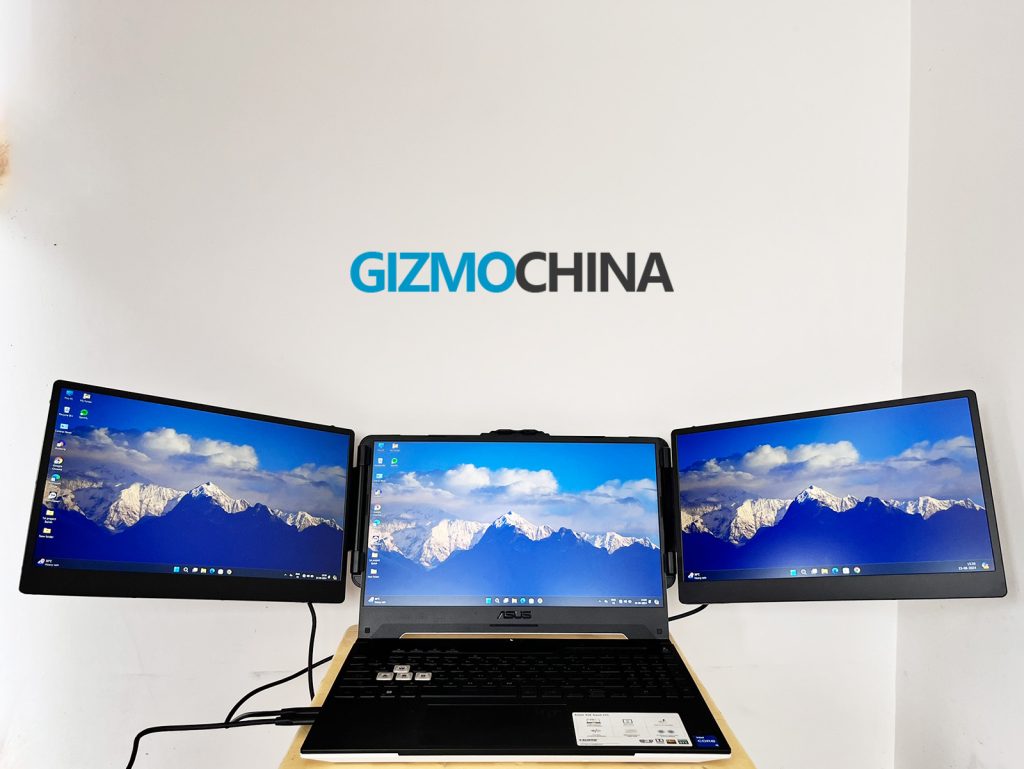
While desktop users often have the luxury of multiple screens, laptop users are typically limited to a single display, making multitasking more challenging. This is where the Teamgee 14-inch dual-screen monitor for laptops steps in, promising to deliver a seamless, multi-monitor setup on the go.
I recently had the chance to test out this product, and here’s a detailed look at how it performs in real-world scenarios.
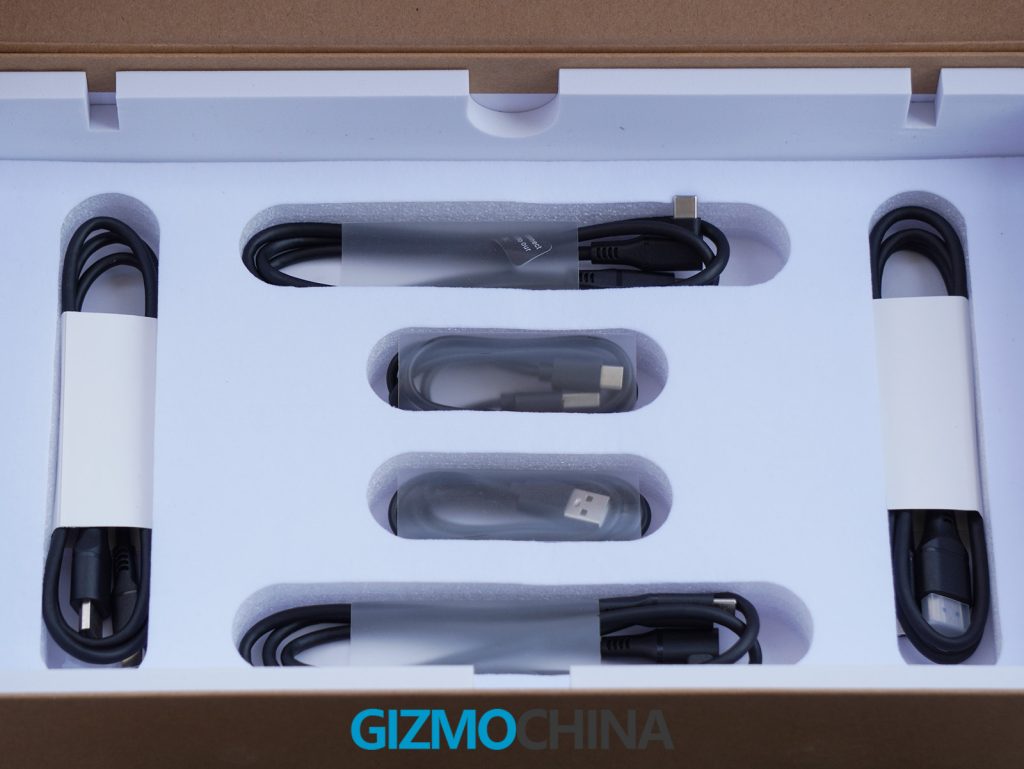
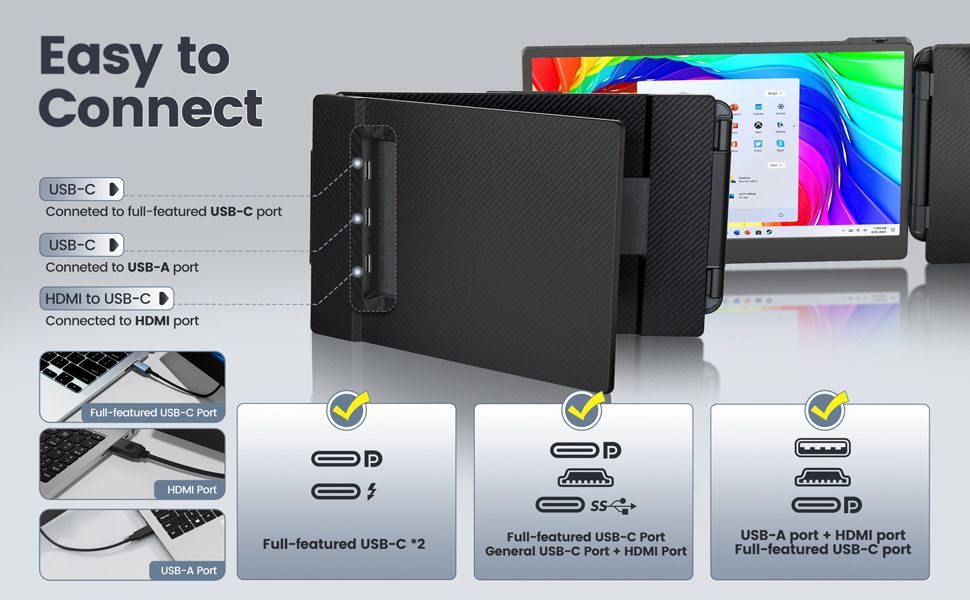
Upon unboxing the Teamgee monitor extender, it’s clear that portability and user convenience are top priorities. The packaging is neat and protective, ensuring that the two monitors arrive without any scratches or damage. Inside the box, you’ll find the two 14-inch Full HD screens, multiple connection cables (USB-C to USB-C, USB-C to HDMI, and USB-C to USB-A), and a user guide.
However, unlike what is shown in the product pictures, my review unit did not come with the carrying bag that’s advertised. While this was a slight letdown, given the portability of the monitors, it’s not a deal-breaker. The screens are lightweight and slim, with a thickness of just 0.9 mm and a weight of 2.1 lbs (0.95 kg), making them easy to transport in a standard laptop bag.
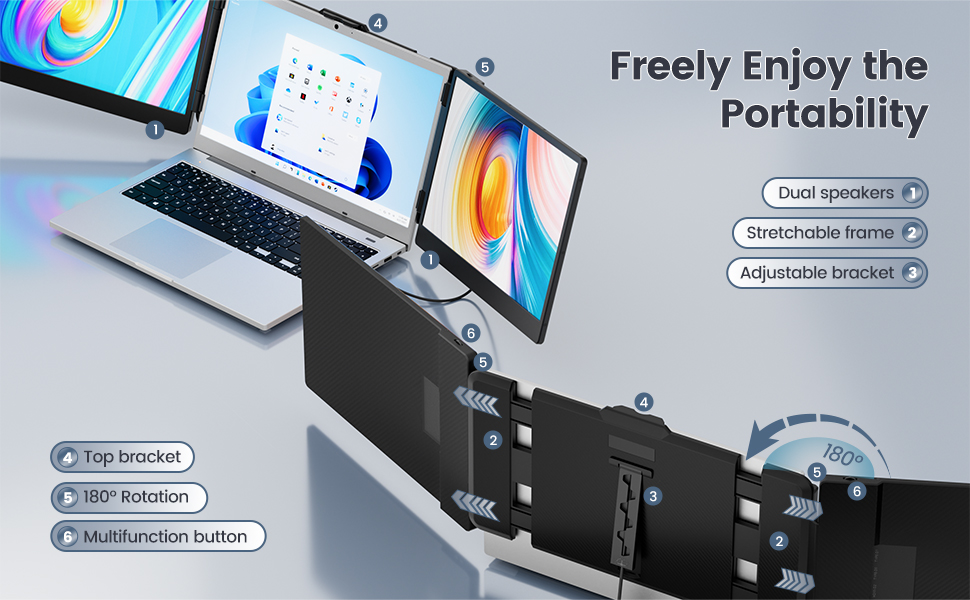
The monitors have a matte finish, reducing glare, and the build quality feels robust. It also comes with an adjustable built-in kickstand and rubber mats, which protect both your laptop and the monitors from scratches during setup. The overall design feels well thought out for mobile professionals.
2. Setting Up the Screens
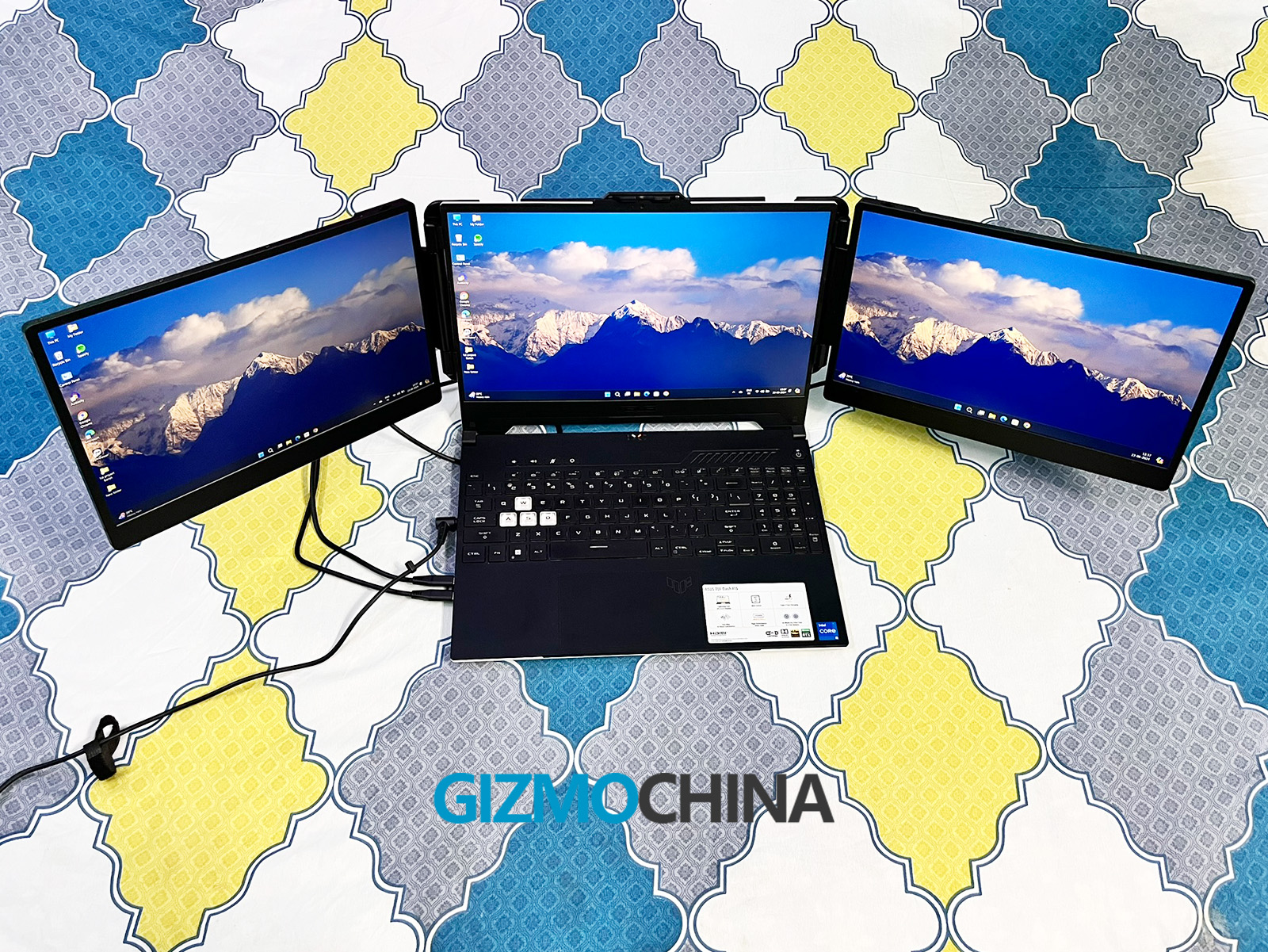
Setting up the Teamgee dual-screen monitor extender is remarkably straightforward, even for those who may not be familiar with additional display setups. The frame of the monitor is adjustable, allowing it to fit laptops between 13 to 17 inches. It uses a stretchable fixing frame, which securely attaches to your laptop. Once attached, the screens can be rotated 0-180°, giving you plenty of flexibility in terms of viewing angles and placement.
For connectivity, Teamgee offers two primary options: the USB-C and HDMI setup or the USB-A and HDMI setup. Since I tested this on a laptop with a full-featured USB-C port, I simply connected the monitors with the provided USB-C to USB-C cables, and both screens powered up immediately.
However, if your laptop doesn’t have a USB-C port, you’ll need to use the USB-A and HDMI setup, which is slightly more involved but still easy enough to manage.
If you’re using a MacBook with the M1, M2, or M3 chip, you’ll need a DisplayLink docking station due to hardware limitations with those models. Teamgee provides detailed instructions for such setups, and their support team is available if you need further assistance.
3. Performance and Display Quality
Once the monitors were up and running, I was impressed by the 14-inch Full HD IPS displays. The 1080×1920 resolution offers clear, sharp visuals with vibrant colors, thanks to its 72% NTSC color gamut and 300 nits of brightness. The screens also have a 1000:1 contrast ratio, which ensures that images and text appear crisp and well-defined, even in brightly lit environments.
What’s especially convenient is the multifunctional button on each monitor, which provides quick access to on-screen display controls. This allows you to adjust the brightness, contrast, and color settings directly from the monitor itself, without needing to navigate through your laptop’s settings.
The button is intuitive to use, making it easy to customize the viewing experience based on your environment or personal preferences. This feature is particularly handy for users who frequently switch between different lighting conditions or tasks.
Additionally, if you don’t need to use both screens at all times, the monitors offer flexibility in usage. You can opt to use just one screen in portrait mode, with the second screen acting as a base for stability. This is particularly useful for reading long documents or coding, where a taller display is more convenient than a wider one. The ability to switch between dual-screen and single-screen setups makes it a versatile tool for different tasks.
The wide 180-degree viewing angle is another standout feature, making it easy to share content with others during meetings or presentations without losing visibility. The screens also performed well during video conferences, where I used the expanded screen real estate to keep multiple windows open, enhancing my ability to multitask.
The monitor also comes with built-in dual speakers. While they do provide audio output, the sound quality is basic. For casual media consumption or video calls, they work fine, but for a more immersive audio experience, I would recommend using external speakers or headphones.
4. Boosting Productivity
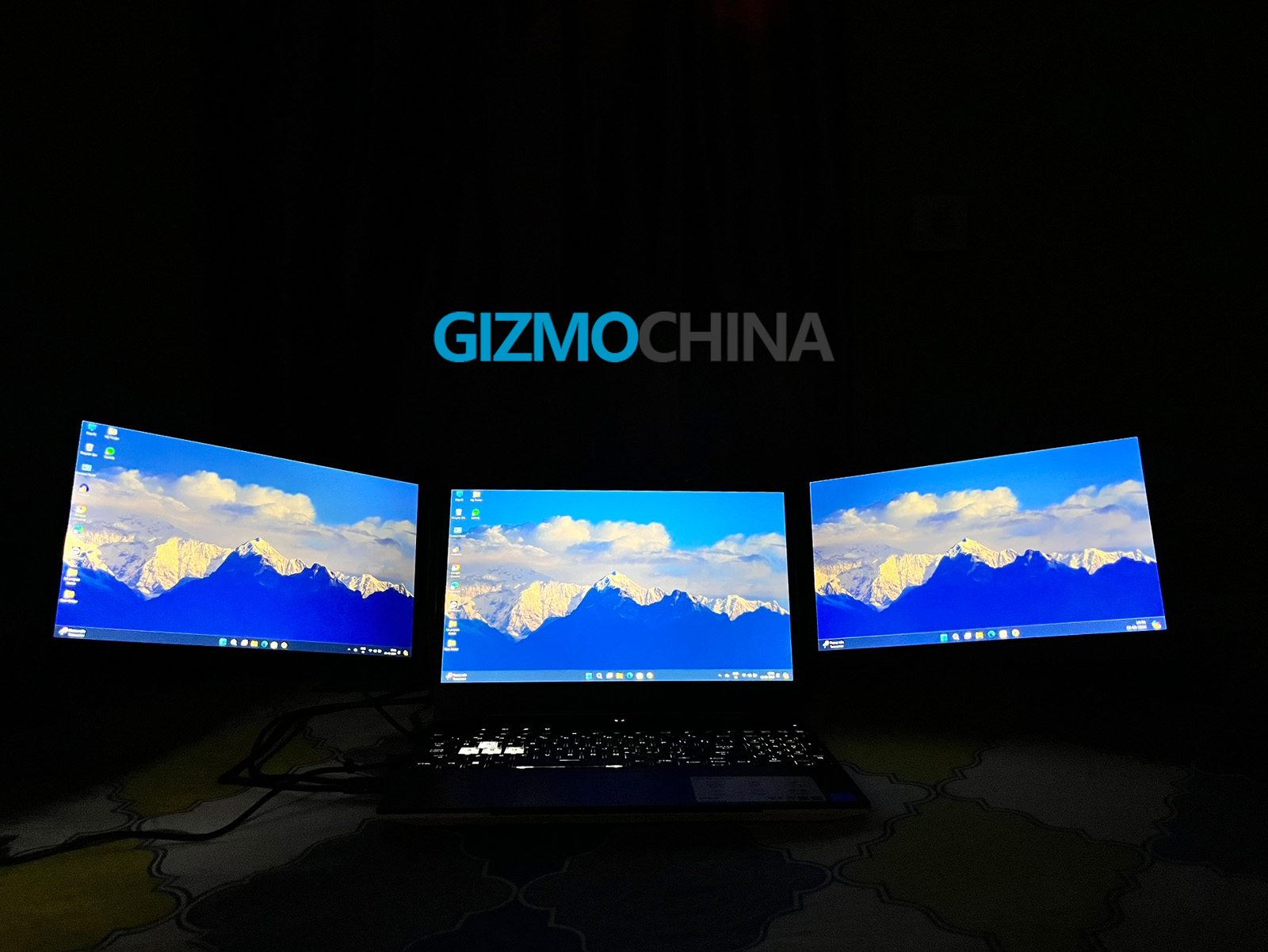
One of the main selling points of the Teamgee dual-screen setup is its ability to boost productivity, and this claim holds true in my experience. Being able to work on three different tasks simultaneously, one on each screen, without constantly switching between windows significantly improved my workflow. I could have my emails open on one screen, a document or spreadsheet on another, and a video call on the third screen. The added efficiency felt like a game-changer.
Teamgee claims a 200% productivity boost, and while that number may vary depending on the user, the real advantage here is the flexibility and ease of managing multiple tasks. For professionals who often juggle multiple projects or need more screen space for detailed work, such as video editing, coding, or data analysis, this setup is invaluable.
5. Who Should Buy It?
The Teamgee dual-screen monitor is ideal for anyone who regularly works on the go but still needs the functionality of multiple displays. It’s especially useful for remote workers, frequent travelers, and business professionals who need a more robust workspace without sacrificing portability. The versatility in terms of OS compatibility (supporting Windows, Mac, Android, and more) makes it accessible to a wide range of users.
6. Where to Buy It?
The Teamgee 14-inch dual-screen monitor can be purchased from Amazon.
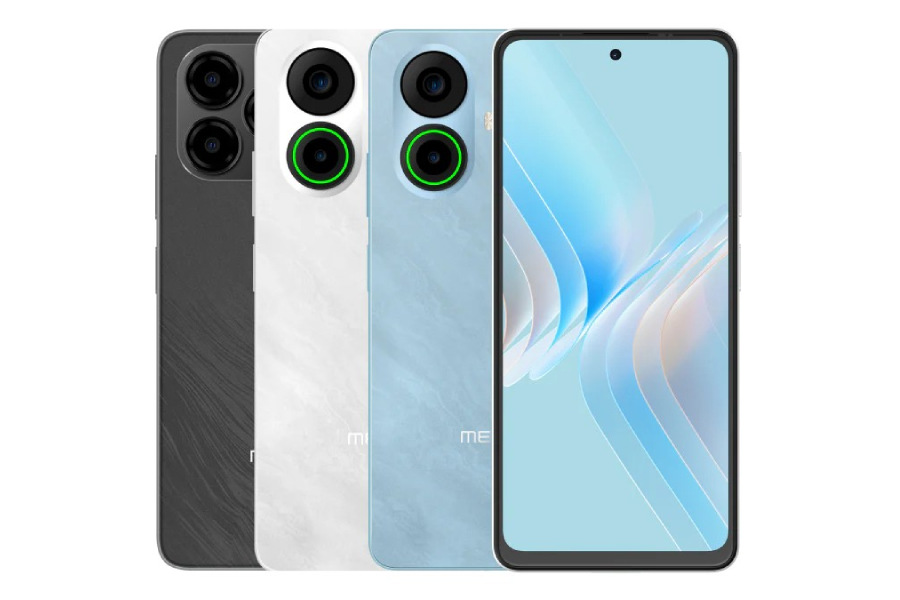
After a China-only launch earlier this year, Meizu is taking its latest offerings, the Note 21 and Note 21 Pro, international. Joining them is the Meizu 21, previously announced for the domestic market. Here’s a breakdown of what these mid-range contenders bring to the table.
Meizu Note 21, Note 21 Pro Specifications
Both Note 21 models sport large, FHD+ IPS LCD displays. The standard Note 21 offers a 6.74-inch panel with a 90Hz refresh rate, while the Pro bumps it up to a 6.78-inch display with a smoother 120Hz refresh rate. Selfie duties are handled by an 8MP camera on the Note 21 and a 13MP sensor on the Pro.
Flipping things around, the rear camera setups differ slightly. The standard Note 21 features a 50MP main sensor paired with a 2MP depth sensor. The Note 21 Pro steps things up with a 64MP main shooter and the same 2MP depth helper.
Meizu Note 21
Meizu remains tight-lipped about the specific eight-core chipset powering the standard Note 21. The Pro gets the MediaTek Helio G99, a processor typically found in budget phones. Both phones come with 8GB of RAM and 256GB of storage, expandable via microSD cards.
Interestingly, despite Meizu’s recent focus on AI, there’s no mention of AI-powered features on either phone. Software details are also scarce, but it’s safe to assume both will run Meizu’s FlymeOS.
Meizu Note 21 Pro
The battery situation presents a trade-off. The Note 21 boasts a hefty 6,000mAh battery paired with 18W charging, prioritizing longevity over speed. The Note 21 Pro opts for a smaller 4,950mAh battery with faster 30W charging.
Meizu 21 Specifications
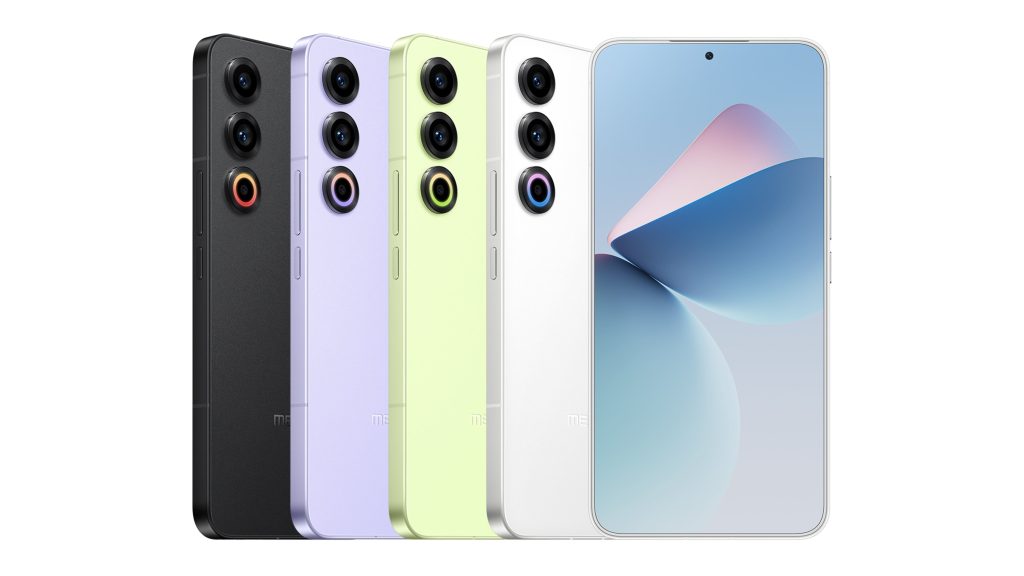
Talking about the Meizu 21, it is built around a 6.55-inch OLED FHD+ display with a 120Hz refresh rate and 1.74mm thin symmetrical bezels. Under the hood, the Meizu 21 has the Snapdragon 8 Gen 3 chip, LPDDR5x RAM, UFS 4.0 storage, and a 4,800mAh battery with 80W charging. It comes preinstalled with the Android 14 with Flyme 10.5.
On the back, the Meizu features an OIS-assisted 200-megapixel main sensor, a 13-megapixel ultrawide lens, and a 5-megapixel depth sensor. For selfies, it has a 32-megapixel front-facing camera. Other notable features include an Aicy smart RGB-LED ring on the rear, an ultrasonic in-display fingerprint scanner, an IR blaster, dual speakers, and an IP54-rated chassis.
Availability and Pricing
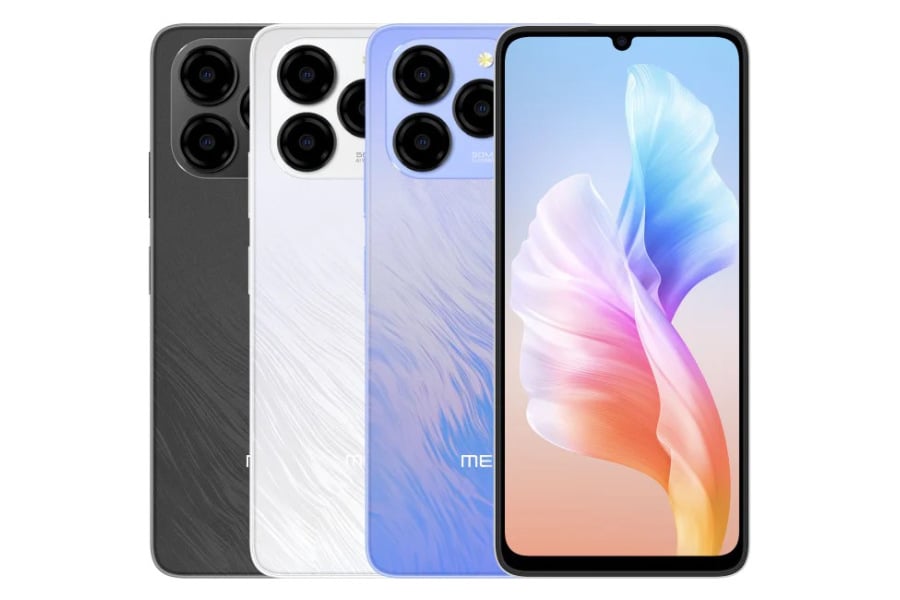
Currently, Meizu hasn’t revealed pricing or specific launch dates. The company promises more details soon. Color options include Gulf Blue, Diamond Black, and Ivory for the Note 21, and Bay Blue, Sandstone, and Marble for the Pro. The Meizu 21, on the other hand, will be available in Black, Purple, Green and White.
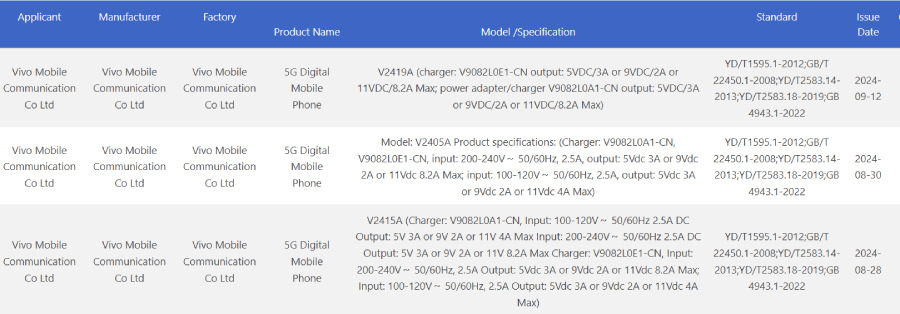
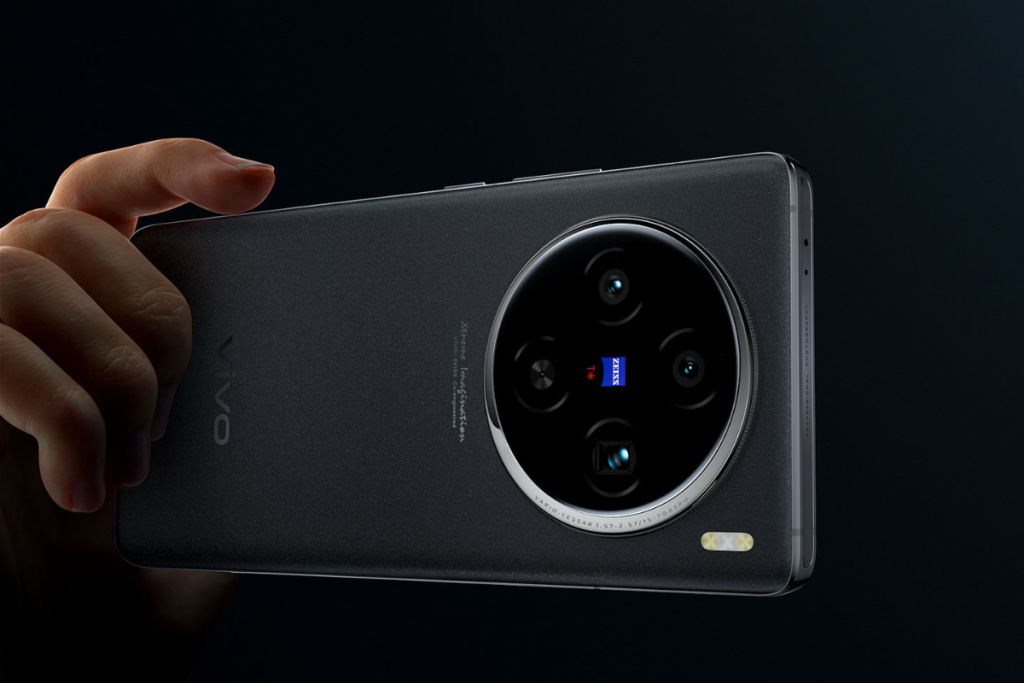
Vivo is gearing up to unveil its next generation of flagship smartphones, the X200 series, on October 14th in China. Ahead of the official announcement, the smartphone has surfaced on China’s 3C certification database.
The 3C listings reveal three upcoming Vivo phones with model numbers V2419A, V2405A, and V2415A. All three entries support 90W fast charging.
Based on industry speculation, the V2405A is believed to be the base model, X200. The V2415A, on the other hand, remains less clear. It could either be a more compact “Mini” variant, or a “Plus” model offering a slight upgrade over the standard X200. Finally, the V2419A aligns with expectations for the top-of-the-line X200 Pro.
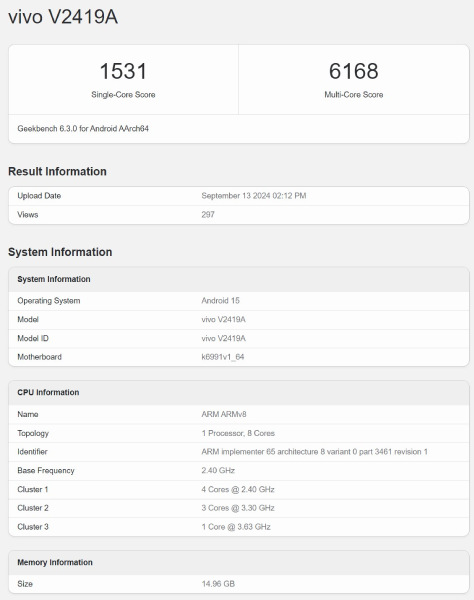
Vivo X200 Pro Geekbench
Further details regarding the X200 Pro have surfaced through Geekbench, a popular benchmarking platform. The listing confirms the phone’s processing power will be driven by MediaTek’s upcoming Dimensity 9400 chipset, paired with 16GB of RAM.
However, the listed benchmark scores for single-core and multi-core performance (1531 and 6168) seem inaccurate, as they are unusually low, even falling behind the Dimensity 9300 found in Vivo’s previous flagship series.
The Geekbench listing confirms the details of the Dimensity 9400, though. It aligns with the processor specs shown on the benchmarking site earlier this week.
The upcoming flagship SoC has an octa-core CPU with a single high-performance Cortex-X5 core running at 3.63 GHz, three Cortex-X4 cores at 2.80 GHz for additional power, and four Cortex-A725 cores at 2.10 GHz for handling everyday tasks.
Besides the Pro model, the vanilla and Mini/Plus model is also expected to share the same chip.
Vivo X200 series specifications
The base Vivo X200 is expected to feature a 6.3-inch flat OLED display with a 120Hz refresh rate and a 1.5K resolution. It will have a 50-megapixel main camera with a 22nm Sony sensor, a periscope lens with 3x optical zoom, and an ultrawide lens. The device will be powered by a 5,500mAh or 5,600mAh battery and will support both wired and wireless charging.
The X200 Pro, in contrast, is likely to come with a curved 1.5K resolution display with a 120Hz refresh rate. Its rear camera setup will include a 200-megapixel periscope telephoto lens, a 50-megapixel primary sensor (potentially the same 22nm Sony sensor), and a 50-megapixel ultra-wide lens. The Pro model may also feature a larger 6,000mAh battery, water resistance (rated IP68 or IP69), and an improved X-axis motor for enhanced haptic feedback.
The Mini variant is also expected to have a 1.5K resolution display, a 70mm periscope telephoto camera with 3x optical zoom, and a 5,500mAh or 5,600mAh battery.
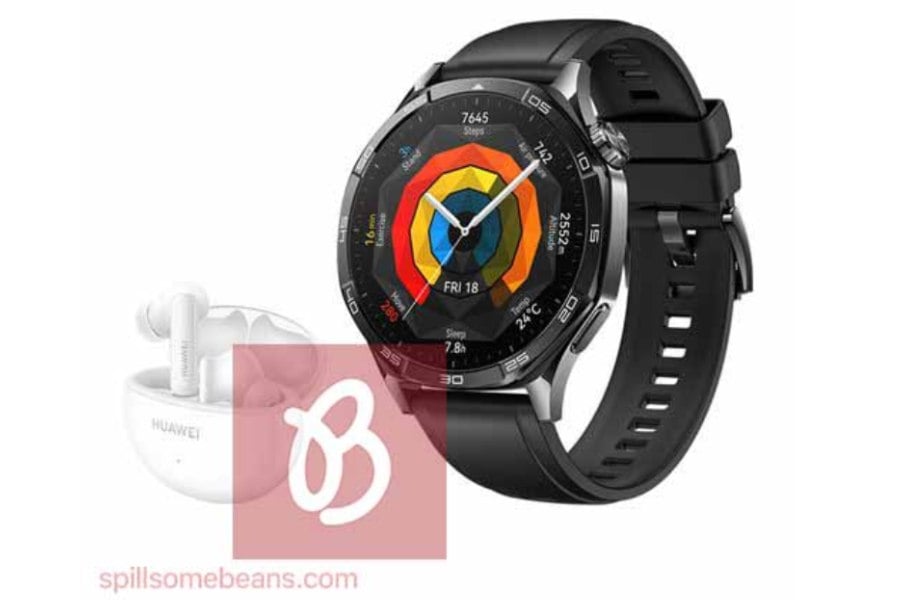
Huawei is just days away from launching the new Watch GT 5 series on September 19, 2024. The Chinese tech giant will unveil the smart wearable shortly after it launched the groundbreaking Mate XT tri-fold smartphone.
Ahead of the launch, renders and some key specifications of the Huawei Watch GT 5 have leaked through the publication SpillSomeBeans. The images show the watch in two sizes — 41mm and 46mm — and both mostly retain the design from last year.
Watch GT 5 (46mm)Watch GT 5 (41mm) – Jana BlueWatch GT 5 (41mm) – Jana BlueWatch GT 5 (41mm) – Jana GoldWatch GT 5 (41mm) – Jana Gold
Both models feature a rotating crown and a secondary programmable button, as earlier speculated. The 41mm variant seems to be available in two colors, Jana Blue and Jana Gold, while we can see the 46mm model only in Black.
The leak also reveals that the watches will have a metal bezel, a stainless steel body, and 5 ATM water resistance. The 41mm version will have a 1.32-inch AMOLED screen, while the 46mm model will sport a 1.43-inch AMOLED display. Their battery life is expected to last up to 7 and 14 days, respectively.
The new watches will likely include Huawei’s updated TruSense health monitoring system, unveiled last month in China. This system promises faster and more accurate health readings, allowing for precise monitoring of key metrics like heart rate, SpO2 (blood oxygen saturation), and body temperature.
The leak also reveals that Huawei will include a Health Glance feature that offers quicker health assessments. Users can check over 10 indicators, including ECG, arterial stiffness, stress levels, and cardiovascular risks, all within 60 seconds.
For fitness tracking, the smartwatch is expected to support over 100 sports modes and include built-in navigation (GPS, GNSS).
Pricing details for the Huawei Watch GT 5 are still under wraps, but it’s rumored to start at around €250 ($277).
The most shout-out feature for the iPhones this year is the new fancy “Camera Control button”. But it turns out, Apple isn’t the only brand working on it.
Major Chinese Android manufacturers are said to be working on similar buttons. Oppo’s upcoming Find X8 series flagships are rumored to include one, and Realme seemingly confirmed they are developing it too. In a recent Weibo video, Realme’s VP and CMO, Chase Xu, teased this feature for an upcoming Realme phone.
As you might have guessed, it’s a pressure-sensitive area on the phone’s frame, simulating a physical button with the help of a haptic motor. Its function aligns with Apple’s version — offering quick access to the camera app and built-in controls like zoom.
However, in the video, the current iteration lacks the smooth integration we saw on iPhones. The animations and responsiveness seem a bit clunky, but since this could be a pre-production device, the final version might be more polished.
Interestingly, Chase clarifies that this button won’t be on Realme’s upcoming flagship, the Realme GT7 Pro. While he doesn’t explicitly name the model in the video, his comment suggests this feature might appear on more widely available models, like mid-range phones. Realme 14 Pro series maybe?
Realme isn’t exactly copying Apple here. Pressure-sensitive buttons have been around for a while in various forms. However, integrating them with the camera app, especially for zoom functions, adds a new twist.
Whether this becomes a genuinely useful feature remains to be seen. Will it improve the camera experience or just add another bump to the phone’s frame? Time will tell.
The VP didn’t specify the launch date for this phone, but since it’s already being teased, we can expect it to arrive soon. We’ll keep you updated on the matter as more details emerge.
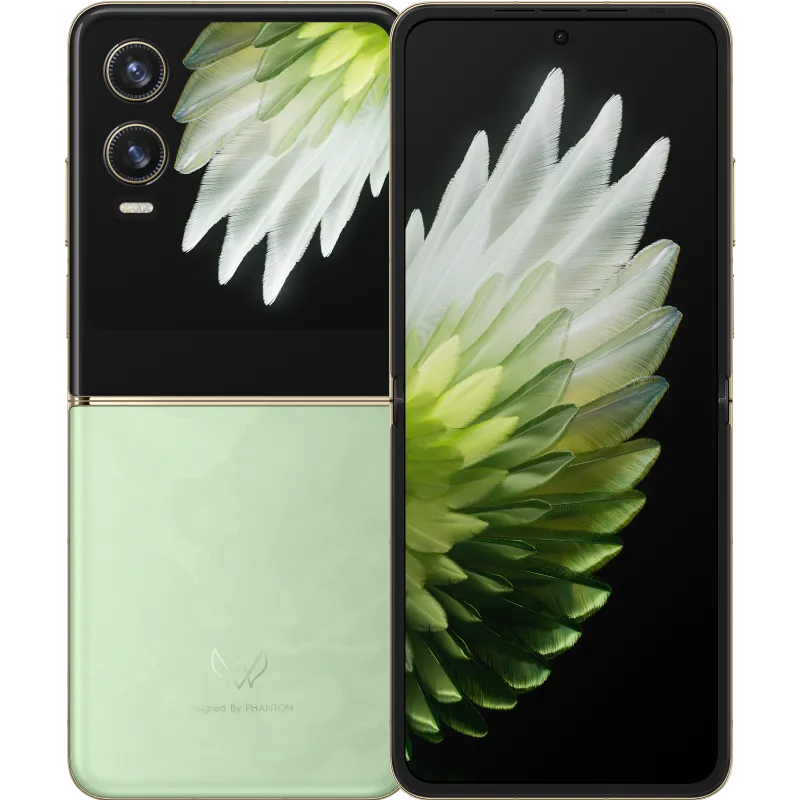
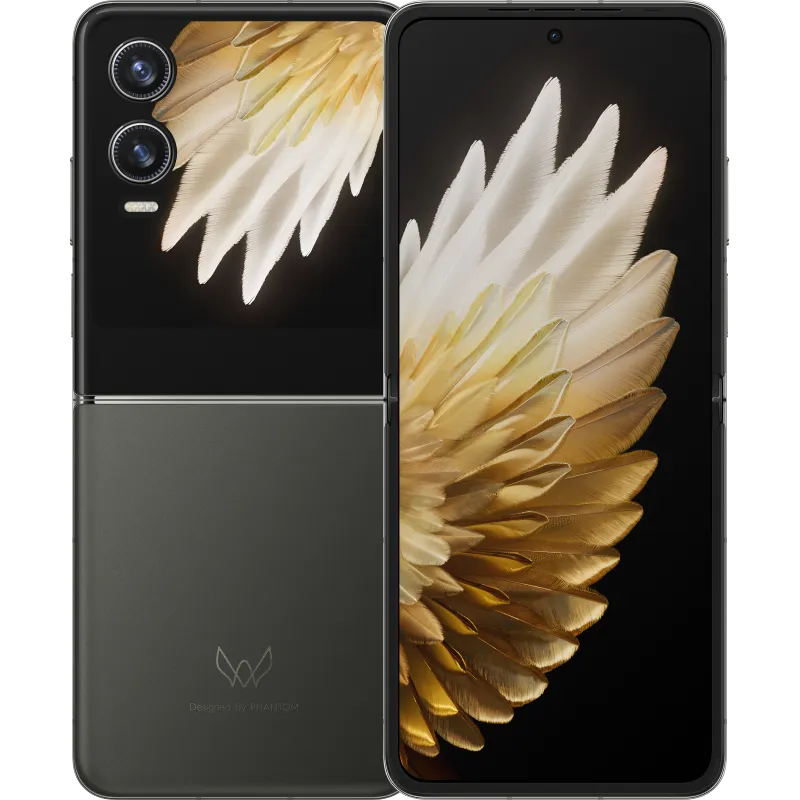
Tecno has unveiled the Phantom V Flip2, a clamshell foldable smartphone that aims to compete with the likes of the Motorola Razr 50 and offer a more affordable alternative to the Samsung Galaxy Z Flip 6. This new device offers several improvements over its predecessor, including a larger cover display, enhanced cameras, and a more powerful battery.
Tecno Phantom V Flip2 specs:
The Phantom V Flip2 boasts a customizable 3.64-inch cover screen that supports over 2,000 apps, allowing for quick access to essential functions without needing to unfold the phone. Inside, a 6.9-inch LTPO AMOLED display delivers stunning visuals with a 120Hz refresh rate and 2160Hz PWM dimming for eye comfort.
Durability is a key focus, with an aerospace-grade steel hinge designed to withstand 400,000 folds. The V Flip2 also supports folding angles between 30 and 150 degrees, providing flexibility for various usage scenarios.
Under the hood, the device is powered by a MediaTek Dimensity 8020 chip, paired with the Android 14-based HiOS, 8 GB RAM and 256 GB storage. The phone comes with a large 4,720mAh battery that supports 70W fast charging.
In terms of photography, the V Flip2 packs a triple camera setup, including a 50MP main camera, a 50MP ultra-wide lens with a 150-degree field of view, and a 32MP selfie camera. The cover screen has additional features like interactive pets, mini-games, and a full keyboard.
Pricing & availability
The PHANTOM V Flip2 will be available starting September 23, 2024, in Africa, with launches to follow in Southeast Asia, the Middle East, and Latin America. It is priced at USD 699. It is available in Travertine Green and Moondust Grey color options.
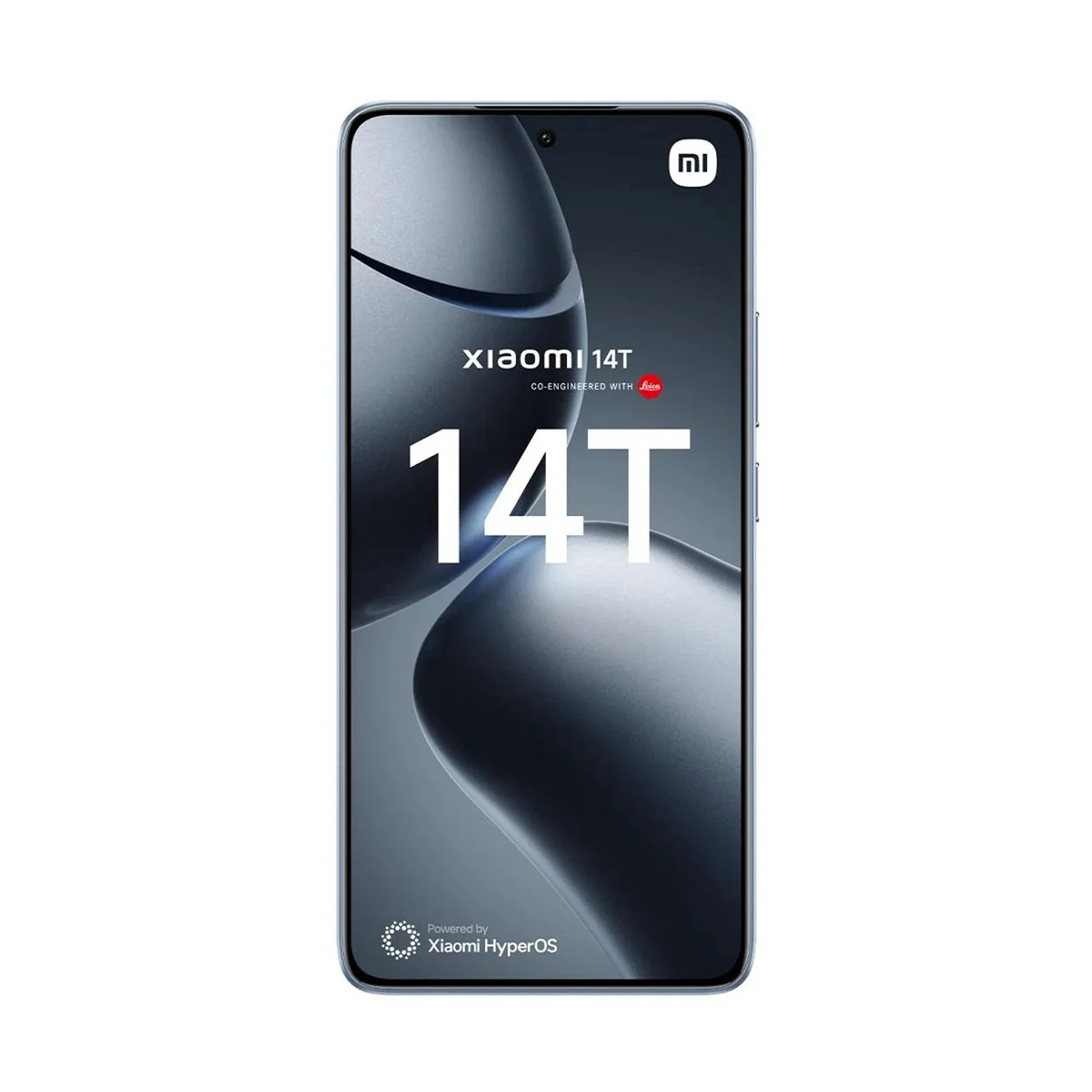
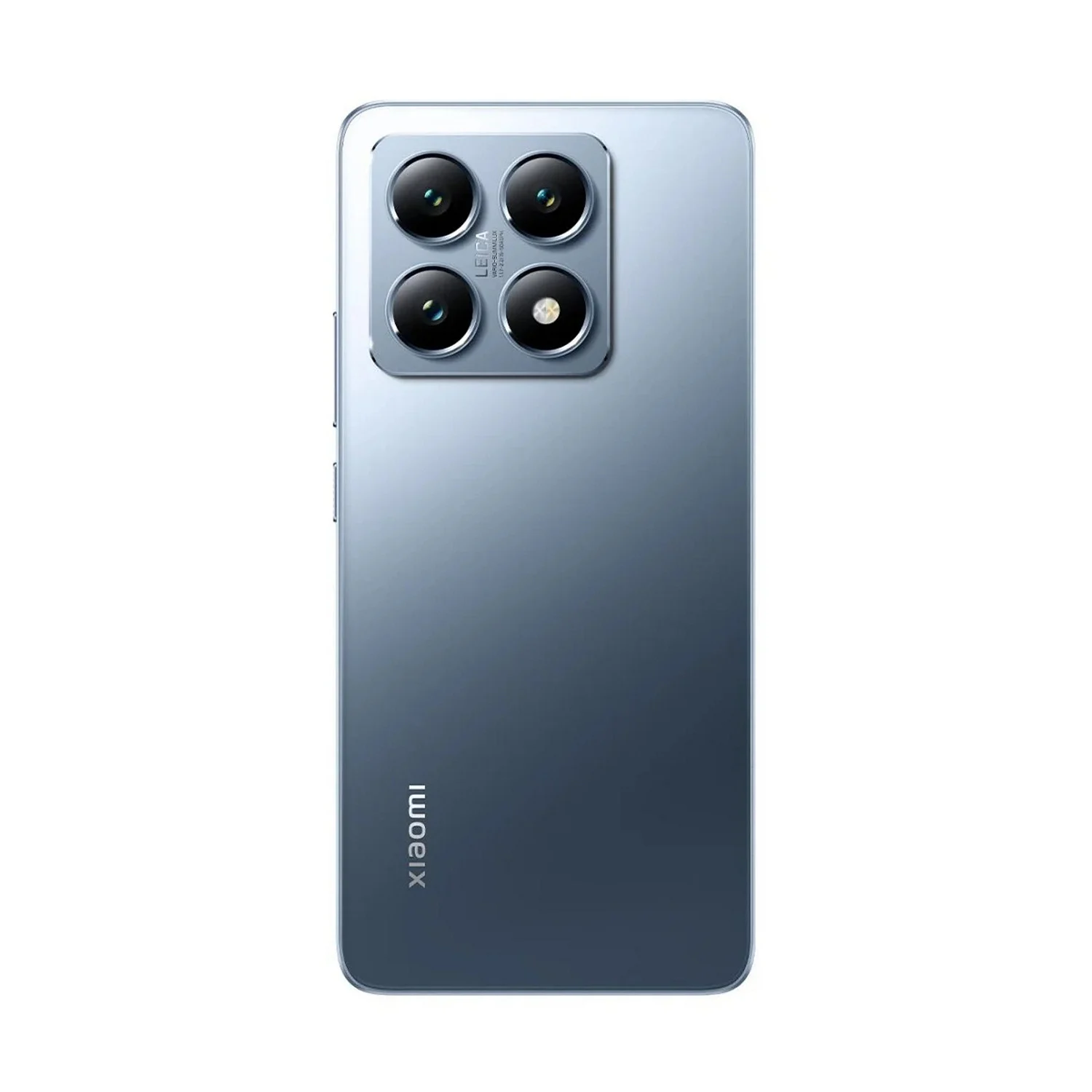
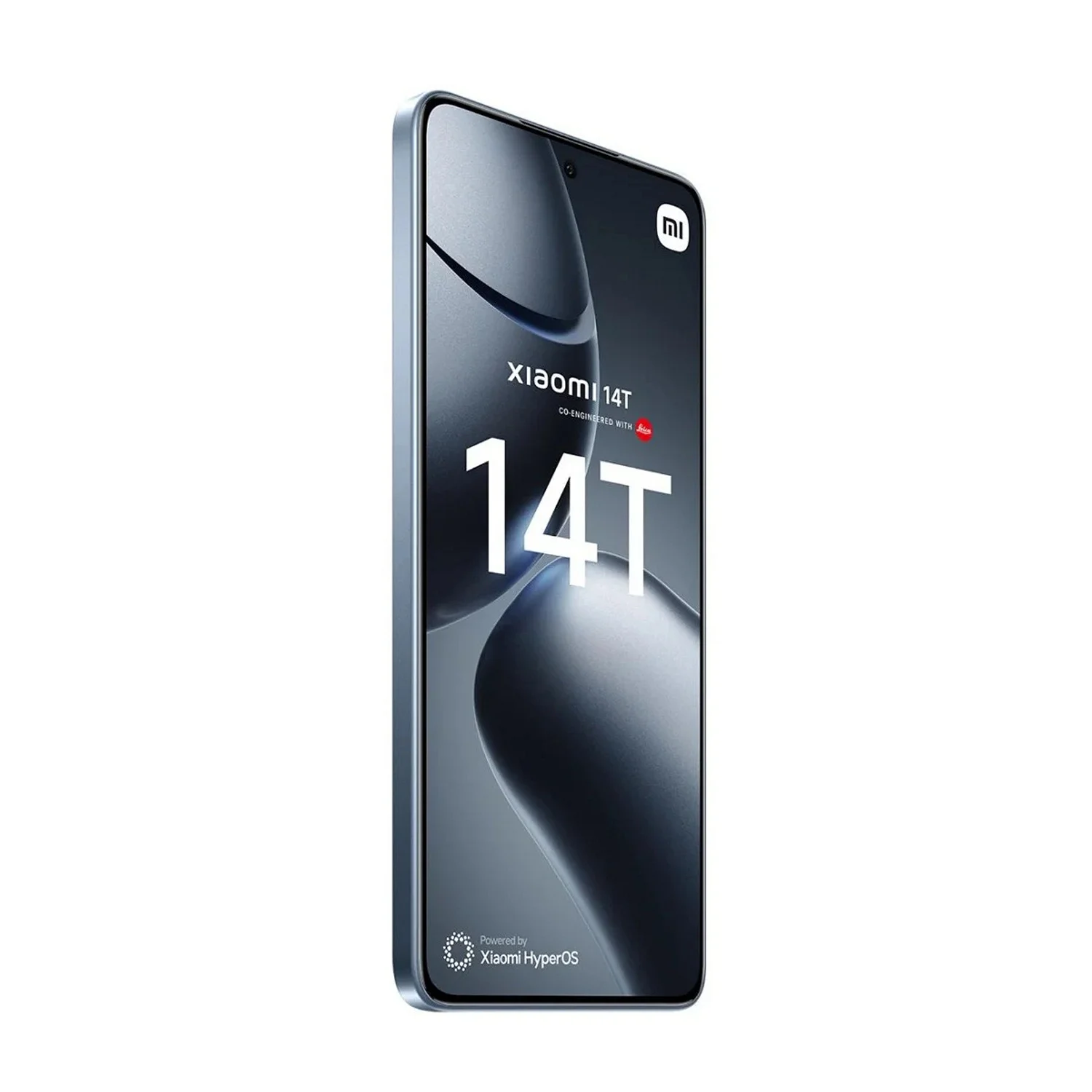
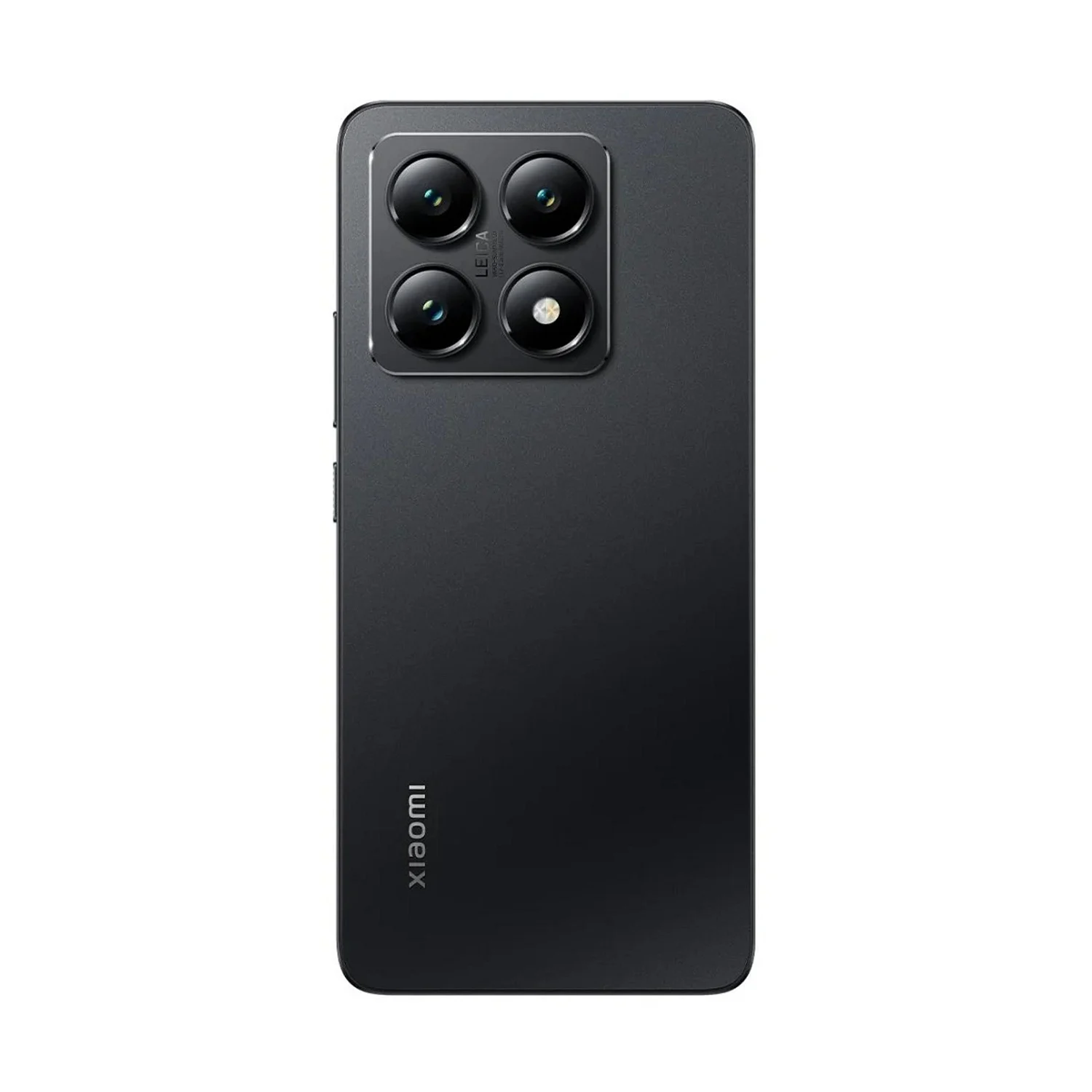
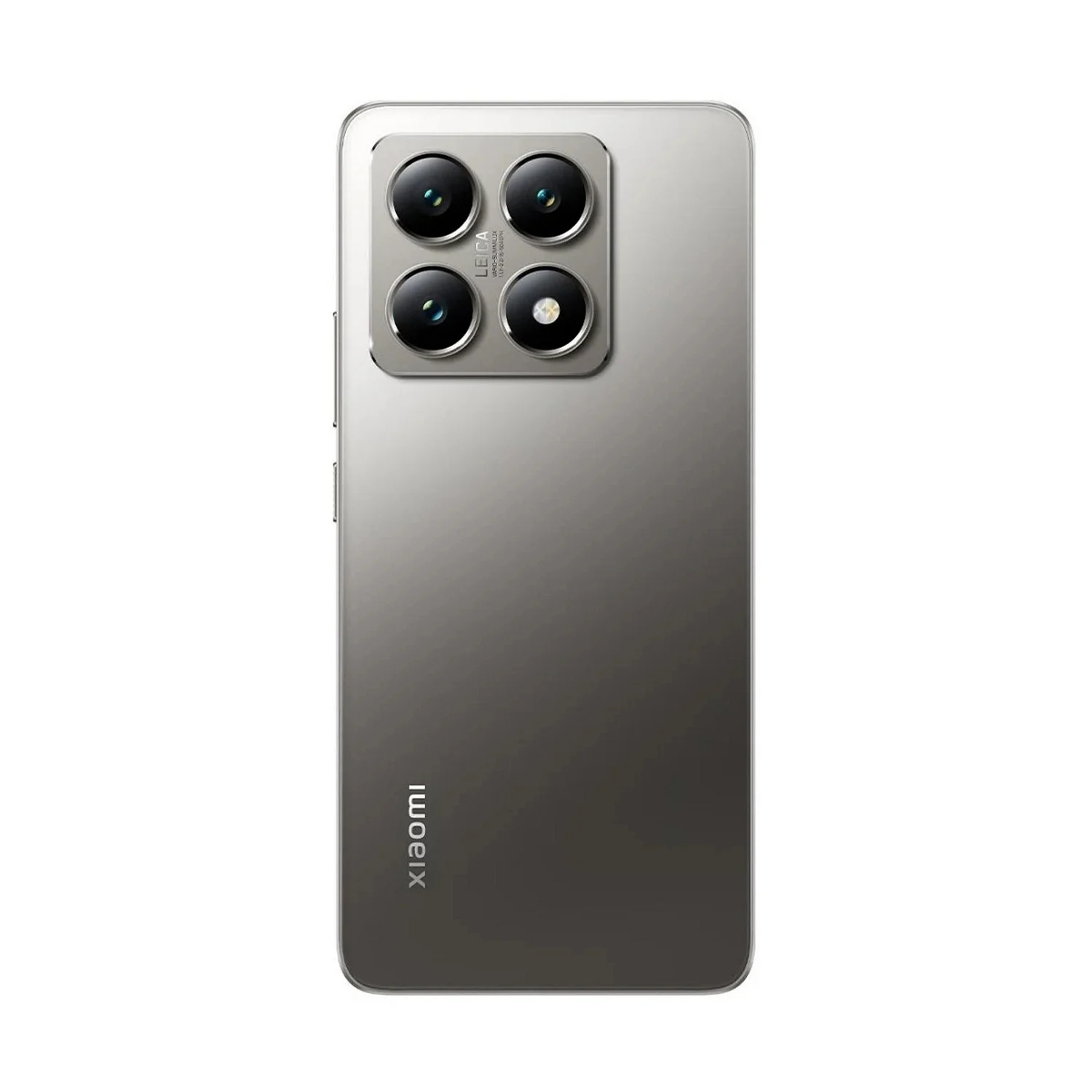
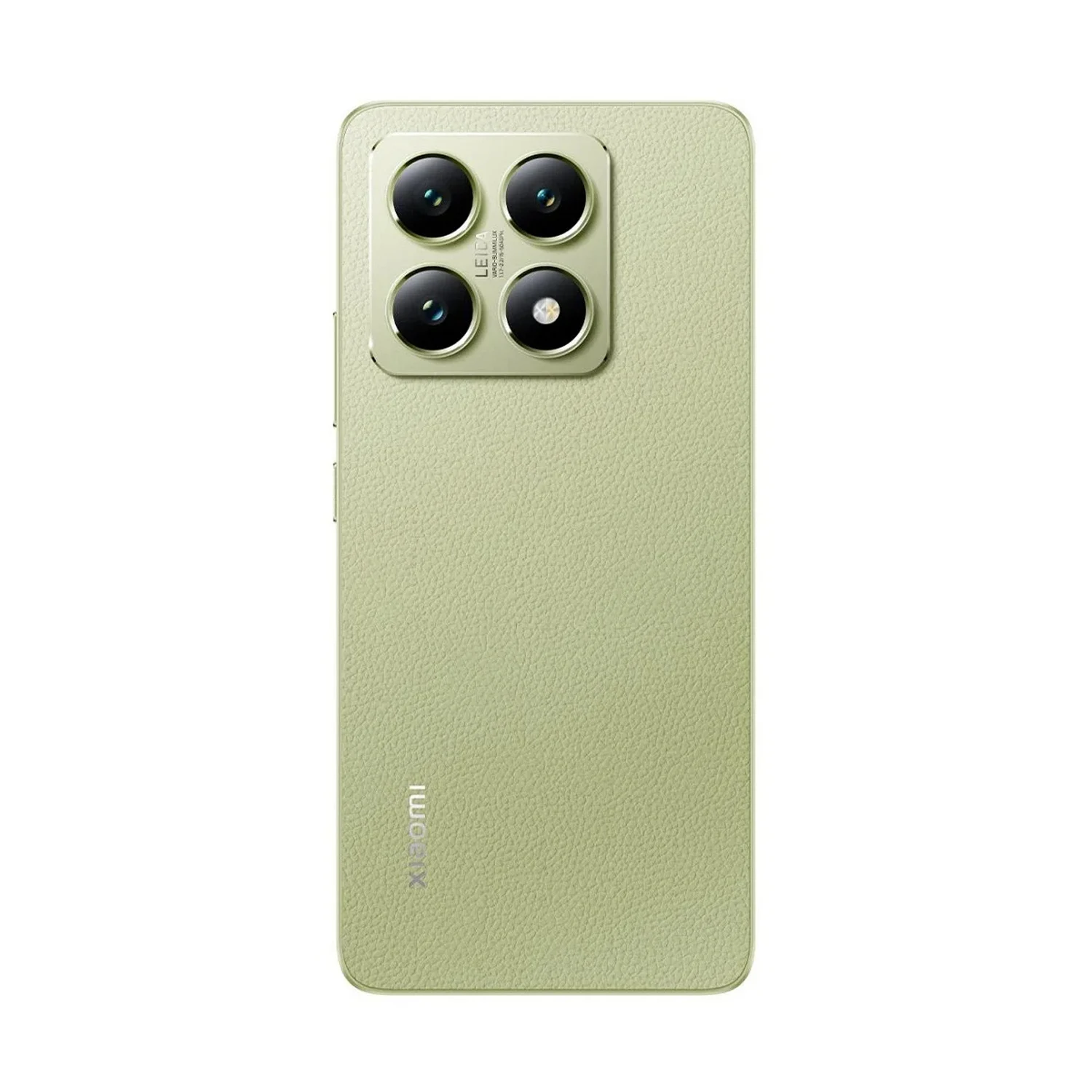
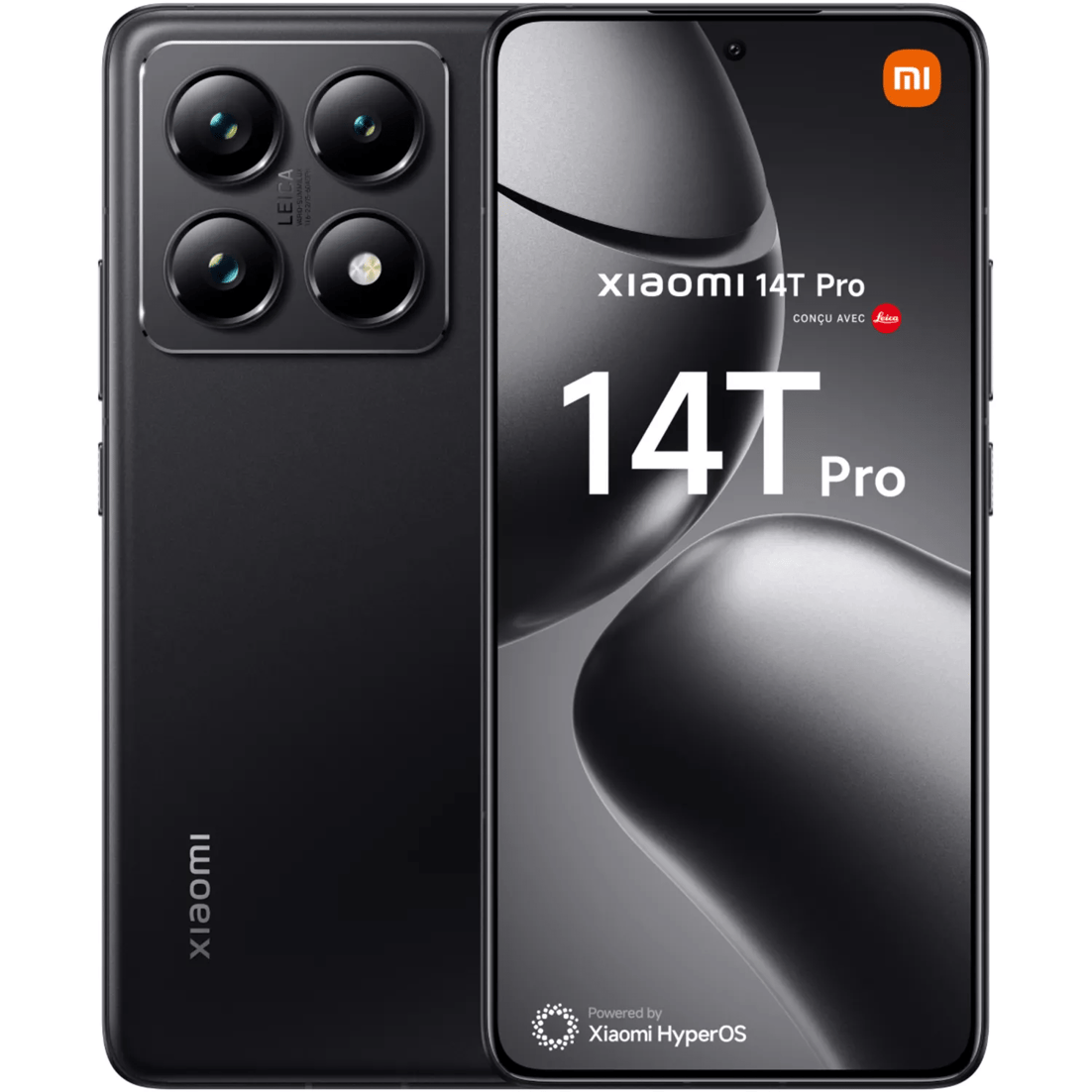
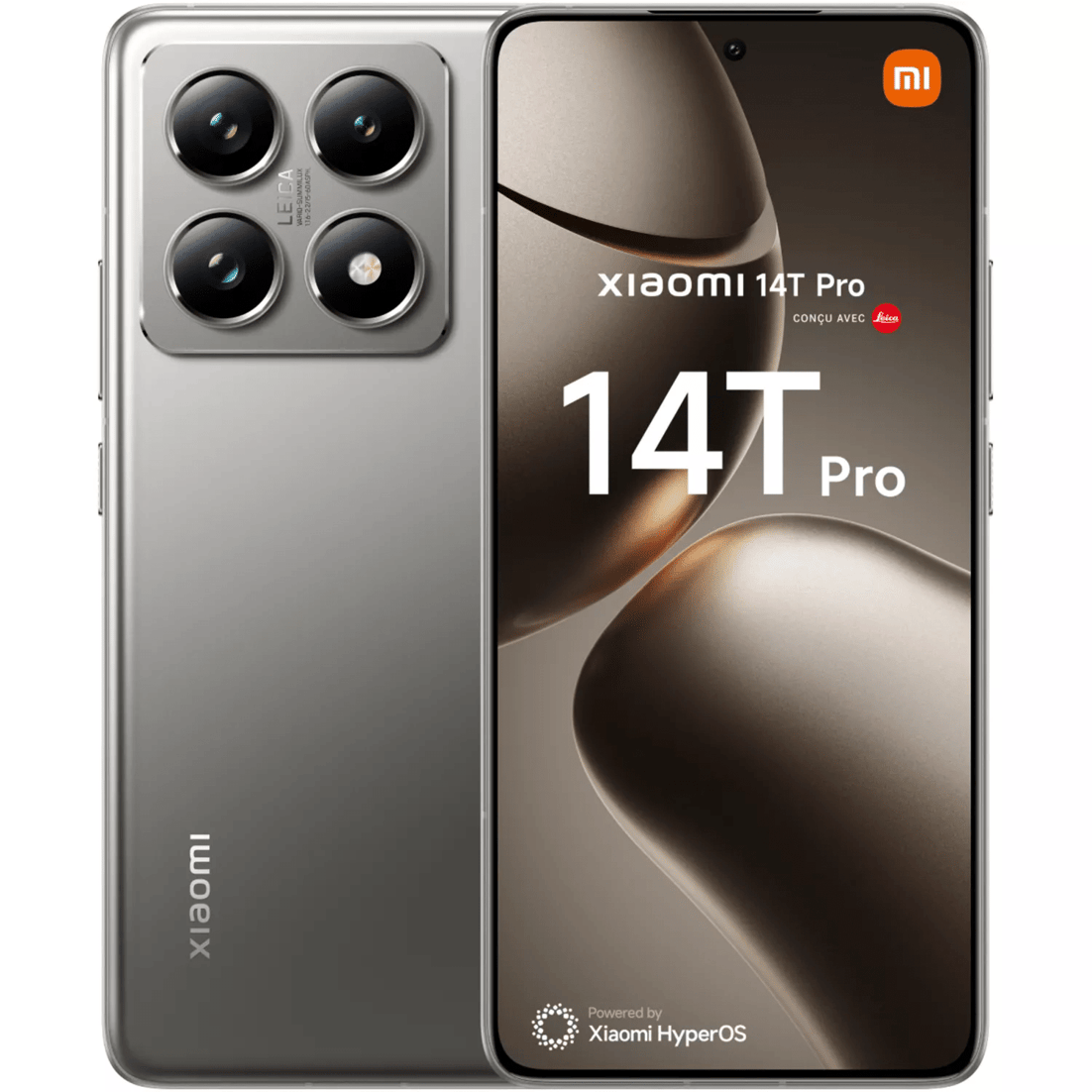
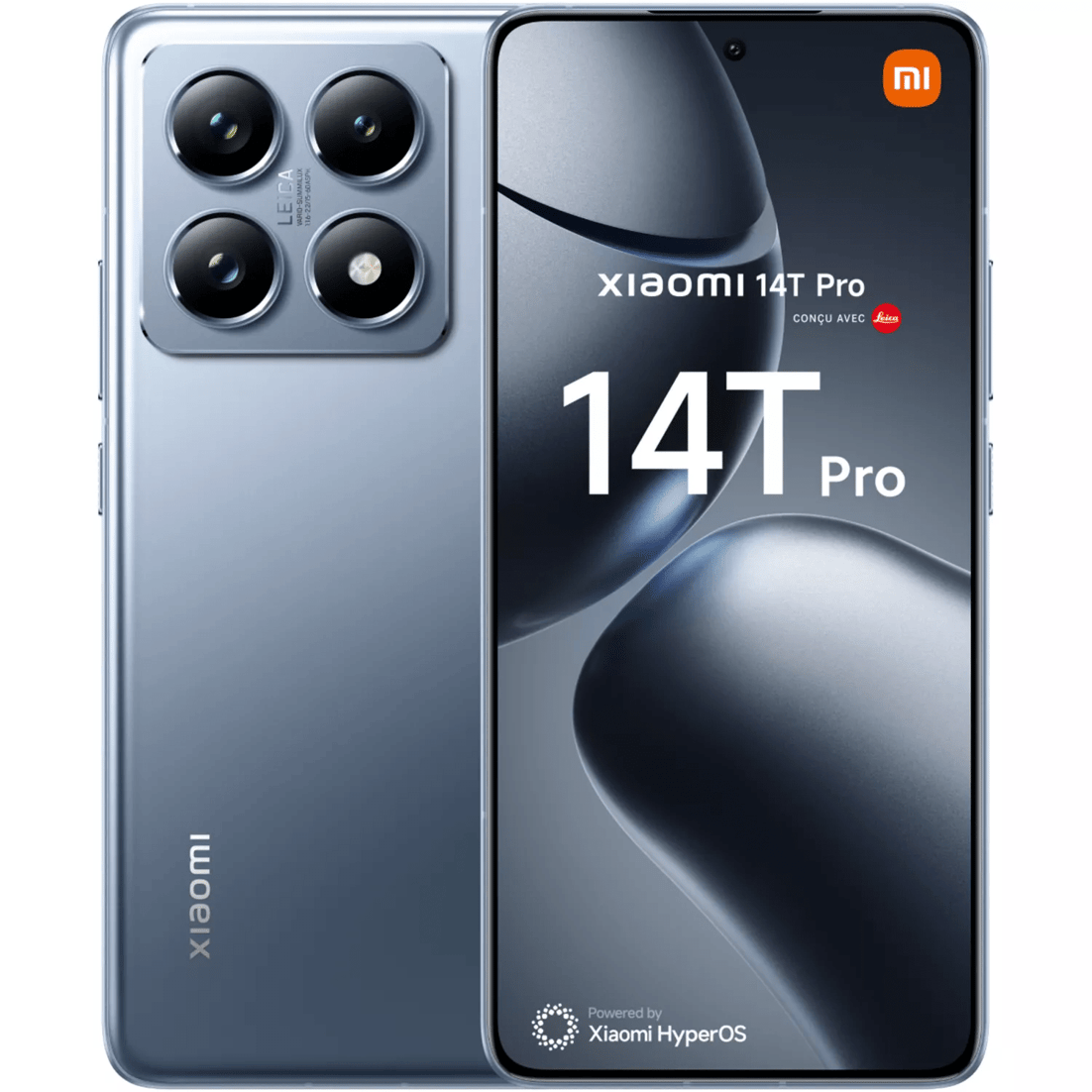
Xiaomi is set to unveil its latest flagship smartphones, the Xiaomi 14T and 14T Pro, in Europe on September 26. Tipster Paras Guglani recently gave us the first look at the Xiaomi 14T Pro, and now, German publication WinFuture has shared official-looking renders of both the 14T and 14T Pro models.
Xiaomi 14T Titan BlueTitan BlackTitan GreyLemon GreenXiaomi 14T color options
As far as specifications go, both the Xiaomi 14T and 14T Pro are said to boast a 6.67-inch AMOLED display with a 144Hz refresh rate and impressive peak brightness. Both devices will come with Leica-tuned triple camera setups, however, the Pro model will stand out with its superior camera setup, featuring a Light Fusion 900 sensor that was previously seen in the Xiaomi 14.
Titanium BlackTitanium GreyTitanium Blue
Under the hood, the Xiaomi 14T is powered by the MediaTek Dimensity 8300 Ultra SoC, while the 14T Pro is equipped with the more powerful MediaTek Dimensity 9300+. Both devices come with 12GB of RAM and ample storage options.
While the Xiaomi 14T offers fast charging up to 67W, the 14T Pro takes it a step further with 120W wired charging and 50W wireless charging. Both models pack a 5000mAh battery for long-lasting performance.
Despite their premium features, the Xiaomi 14T and 14T Pro are expected to be priced competitively, starting at 600 and 800 euros, respectively.
In other news, Vivo will launch the X200 series on October 14th in Beijing. The series includes the X200, X200+, and X200 Pro, all featuring the MediaTek Dimensity 9400 chipset. The X200 has a 6.3-inch flat OLED LTPO display, while the Pro model offers a 6.7/6.8-inch micro-curved display. The X200 features a 50MP main camera, while the Pro includes a 200MP periscope lens.
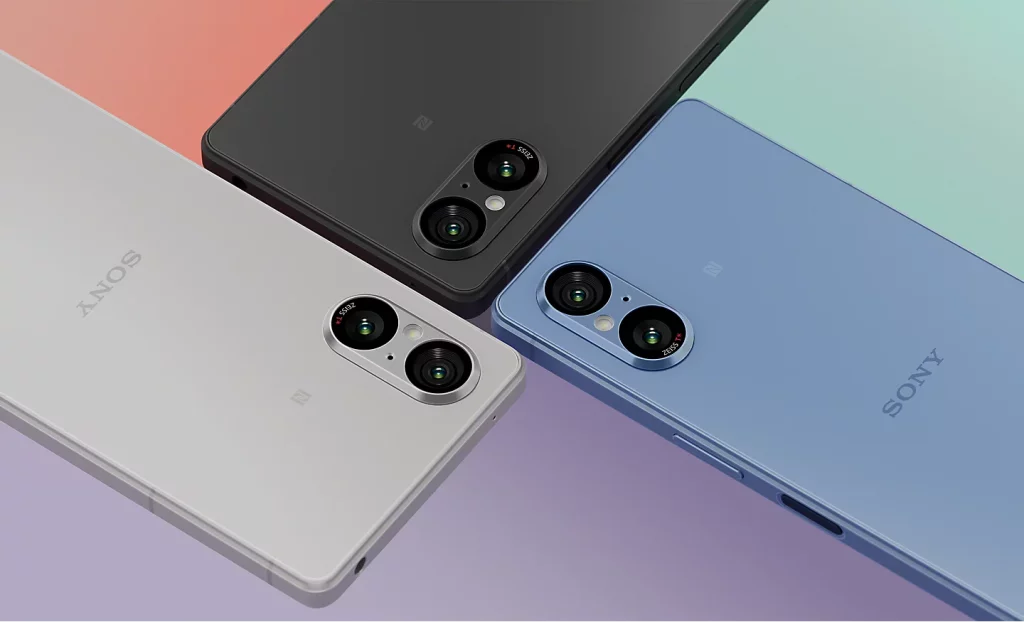
Earlier this year, Sony launched its Sony Xperia 1 VI flagship smartphone and the Xperia 10 VI mid-range smartphone in the global market. Like every year, fans of the brand were also expecting a premium mid-range device, likely called the Xperia 5 VI, however, the brand has now indefinitely postponed the launch of its Xperia 5 VI smartphone, according to Japanese media reports. The company’s decision comes amid shifting consumer preferences toward larger-screen devices, such as the Xperia 1 VI.
While case manufacturers previously hinted at the Xperia 5 VI’s development, Sony has opted to extend the lifespan of its current already available Xperia 5 V. This strategic move suggests that the company is reevaluating its product lineup to better align with market trends.
It is uncertain whether Sony will release a new Xperia 5 model or if it plans to streamline its smartphone lineup. The delay of the Xperia 5 VI suggests that the company may be navigating challenges faced by mid-range smartphone makers in an increasingly competitive market.
That said, we recently reported that Sony is working on three new smartphones, as revealed by model numbers PM-1502-BV, PM-1503-BV, and PM-1504-BV found in an IMEI database. Unfortunately, no technical details are available on these devices yet.
On a related note, early details of the Xperia 1 VII were tipped a couple of months back, stating that the next Sony flagship will come with a redesigned camera layout, allowing for a larger 1/2.3-inch telephoto sensor with a 70-200mm focal range, an upgrade from the Xperia 1 VI’s smaller sensor. The ultrawide cameras might also be upgraded to 1/2.3-inch sensors, while the primary camera is expected to retain its 1/1.3-inch sensor.
All that said, we don’t expect the Xperia 1 VII to launch anytime soon, since the Xperia 1 VI made its debut in May 2024.
Xiaomi has launched its 50W Car Wireless Charger Kit, which is currently available for purchase in Xiaomi Youpin for a price tag of 299 Yuan (~$42).
Xiaomi 50W Car Wireless Charger Kit specifications and features:
This 50W wireless charger from Xiaomi supports the following input configurations:
Input 1: (DC-jack) 12-24V 8A MAX
Input 2: (USB-C) 5-20V 3.25A MAX
As evident from the name of the product, it supports a maximum of 50W output. It is compatible with all Xiaomi smartphones that support 50W wireless charging such as the Xiaomi 14 Ultra (review).
The official information also notes that the charger comes with intelligent charging adjustment capabilities, which makes it compatible with ‘mainstream’ devices. It also equips an indicator that shows you the charging status, which is very useful.
It reportedly also equips an air duct for heat dissipation so that it can maintain the charging speed while you are traveling.
The charger supports multiple installation methods: universal hook, fixed clip, and adhesive base. Users can choose from the installation methods based on the car model and their specific requirements. The charger has a built-in infrared light sensor, and the electric clamp arm can automatically expand and contract based on the data from the sensor. The charger also has a built-in supercapacitor, so it can be opened normally even when the power is off. Xiaomi claims that the clamp arm can operate normally for 30 minutes after a power outage.
The charger also comes with overvoltage, undervoltage, overtemperature, and reverse connection protection. For those curious about the size, here’s the dimensions: 116 x 72.5 x 58mm. It weighs 183.3g.
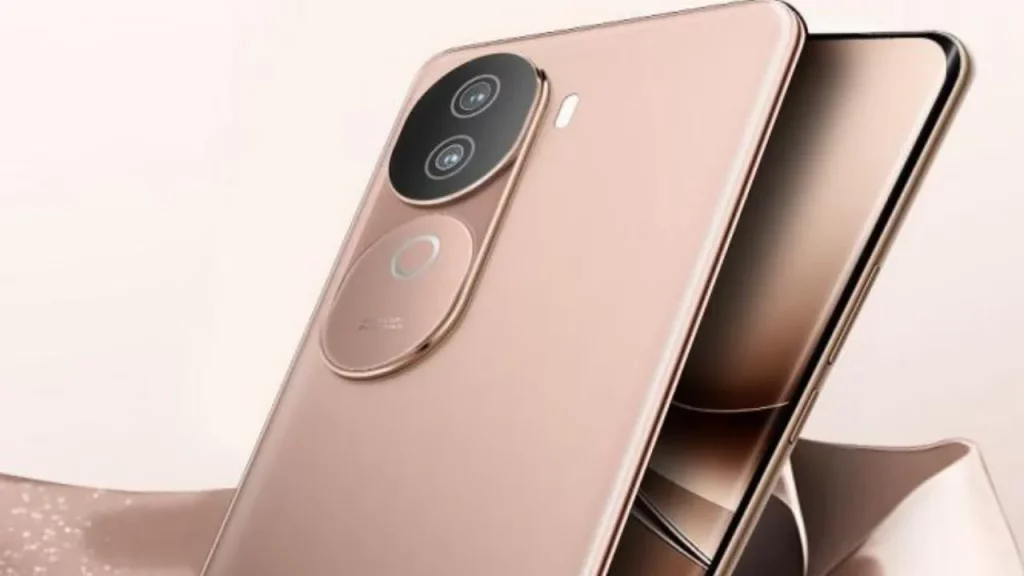
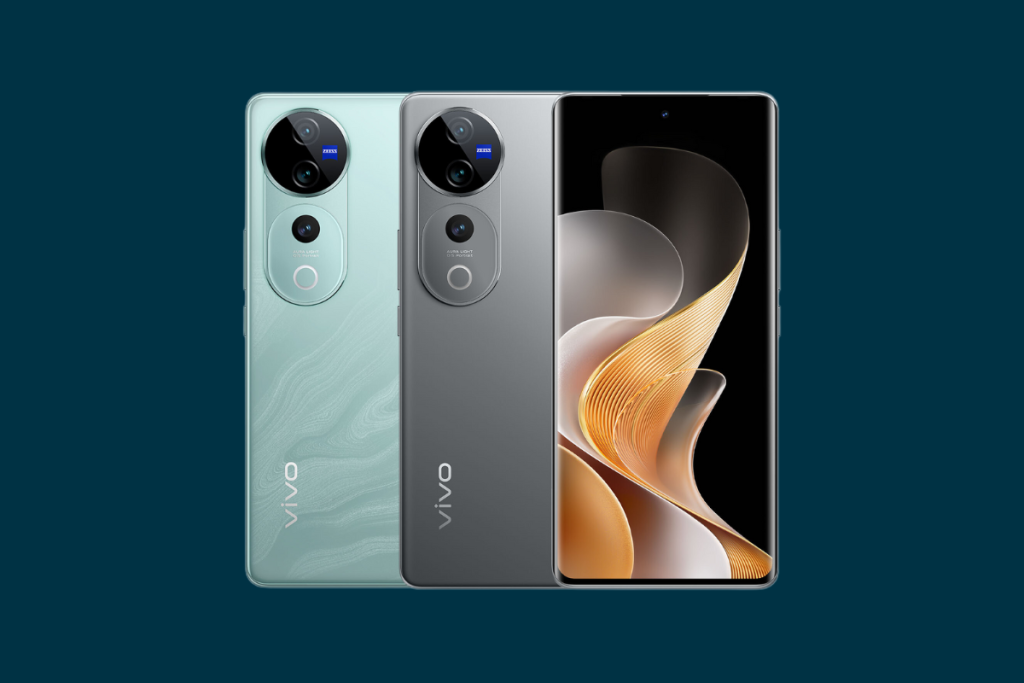
Vivo is gearing up to expand its V series lineup in India with the upcoming V40e. Following the footsteps of its predecessors, the V40 and V40 Pro, the V40e is expected to make its debut by the end of September. Ahead of its launch, MySmartPrice shared key details about the device.
As per the report, the Vivo V40e will come with a “Royal Bronze” color option. One of the standout features of the V40e will be its ultra-slim 3D curved design. This slim design will be combined with an OLED display with a peak brightness of 4500 nits. Despite its thin design, the V40e won’t compromise battery life, packing a 5,500mAh battery and 80W flash charging support.
Under the hood, the V40e is rumored to be powered by the MediaTek Dimensity 7300 SoC, paired with 8GB of RAM. This combination should provide ample performance for everyday tasks and light gaming. The device will also run on FunTouch OS 14, based on Android 14.
In other news, Vivo has launched the T3 Ultra in India, expanding its T3 series. The device has a 6.78-inch 3D curved AMOLED display with 1.5K resolution, 120Hz refresh rate, and 4,500 nits peak brightness. Powered by the MediaTek Dimensity 9200+ SoC, it offers up to 12GB RAM and 256GB storage. The phone has a 50MP main camera with OIS, an 8MP ultra-wide sensor, and a 50MP front camera. It includes a 5,500mAh battery with 80W fast charging, runs on Funtouch OS 14, and has an IP68 rating for water and dust protection.
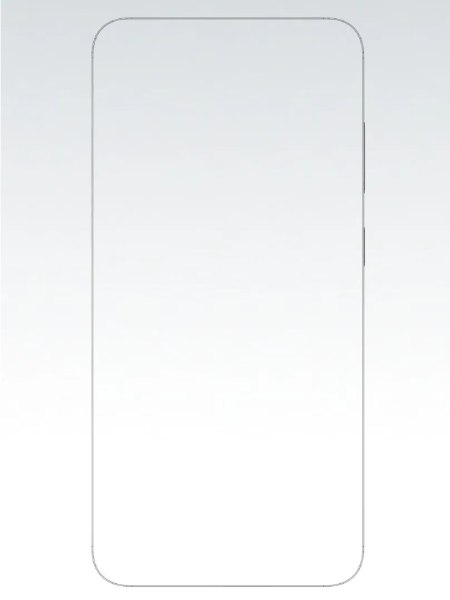
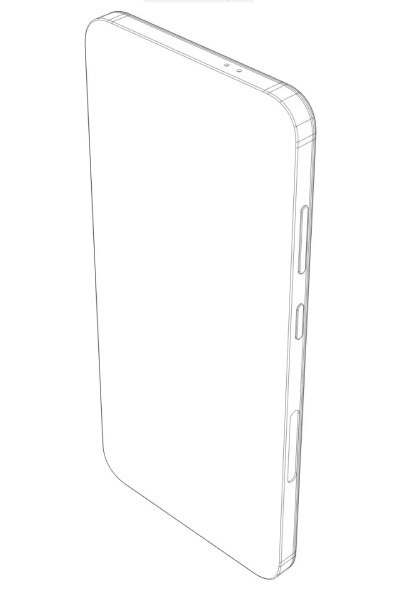
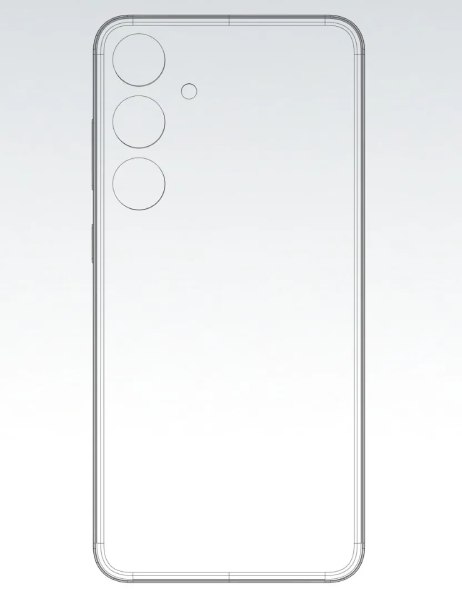
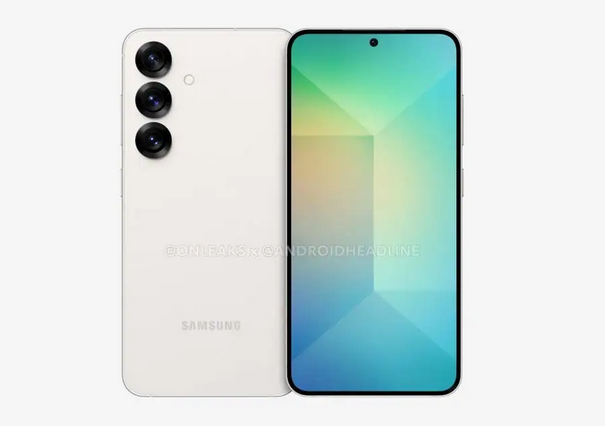
We recently got a glimpse of the upcoming Samsung Galaxy S25 and S25 Ultra through renders. However, a prominent source is casting doubt on the complete accuracy of these early depictions.
Ice Universe, a well-known tech leaker, used China’s Weibo platform to break down the details. They compared the renders to CAD files of the previous Galaxy S24 Plus to make it easier to understand.
According to Ice Universe, these CAD files mainly cover the phone’s dimensions and basic component layout but lack crucial details on design elements like bezels, the display, and the earpiece.
You can also see in the shared CAD file, the Galaxy S24 Plus is shown from the front, but there’s no mention of things like bezels or anything. The CAD file also shows the camera’s placement on the back, but it leaves out the texture details within the camera markings.
Now all the renders we’ve seen about upcoming Samsung flagships come from similar CAD files supplied to tipsters like OnLeaks by industry insiders. While these files give a rough idea of the phone’s design, they miss out on key details like bezels, colors, and finer design elements.
Ice Universe notes that fellow leaker OnLeaks uses information from past Samsung models to estimate the design of the new phone.
The tipster specifically calls out the Galaxy S25 Ultra renders co-created by Android Headlines and OnLeaks, suggesting that the camera ring design might be borrowed from the Galaxy Z Fold 6 and may not reflect the final version. They also hint that details like the antenna line placement and phone color are speculative.
Galaxy S25 render via Onleaks
To shows these discrepancies, Ice Universe even shared modified versions of the Galaxy S25 Ultra and S25 renders.
This is a version in which I modified some details on the basis of Onleaks rendering. This is my modified S25 Ultra rendering pic.twitter.com/vliPt83C48
Their adjustments include a more streamlined camera ring design, reduced display bezels, and a barely visible earpiece – details not readily apparent in the original leaks.
The actual bezel of Galaxy S25 is as shown in the Right picture, and the Left picture is wrong. pic.twitter.com/LFb8vMOlCf
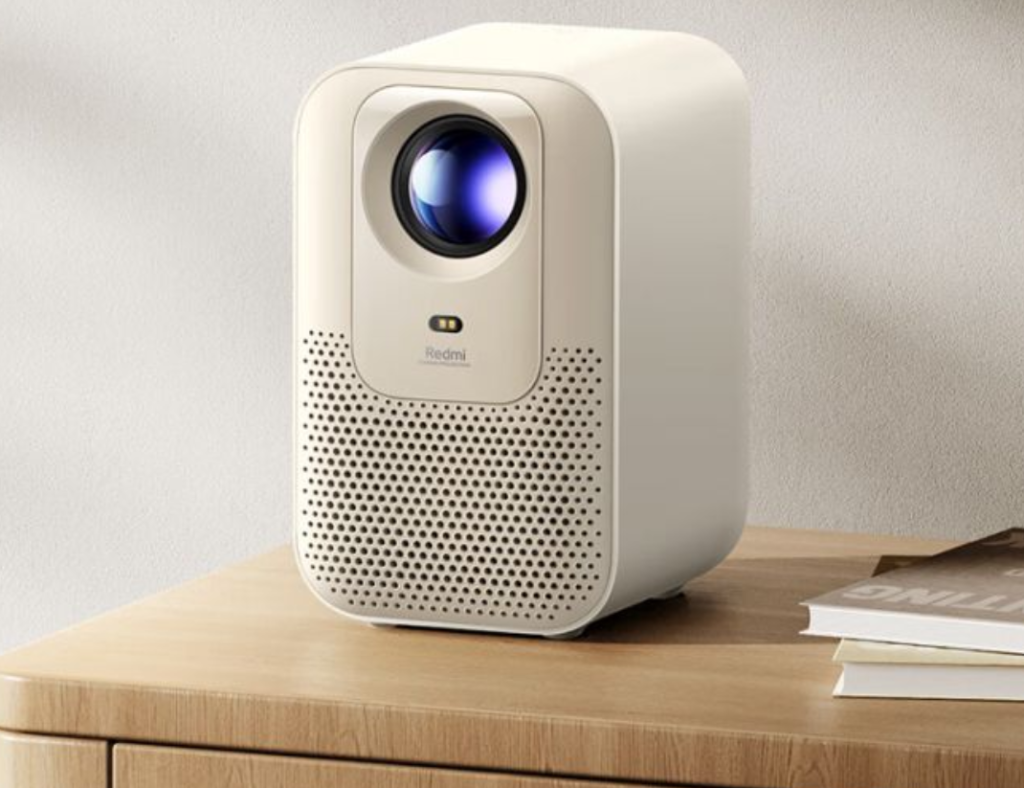
Xiaomi Redmi Projector 3 is designed to deliver high-quality visuals and versatile functionality in a compact form. With its advanced features and robust build, it provides a great solution for home entertainment, offering a clear, immersive viewing experience. You can now get Xiaomi Redmi Projector 3 for $199 only GeekWills.
Crystal Clear Visuals with 1080p Resolution
Equipped with a 1920 x 1080 pixel resolution and 260 CVIA lumens of brightness, the Redmi Projector 3 produces sharp, clear images, even in moderately lit environments. Its 1.2:1 throw ratio allows for flexible placement, projecting screen sizes from 55 inches up to 110 inches, making it ideal for small to medium-sized rooms. The projector is also SGS-certified for low blue light emission, reducing eye strain during long viewing sessions.
Seamless Performance and Ample Storage
At the heart of the Redmi Projector 3 is an Amlogic T950D4 quad-core processor, backed by 1.5GB of RAM and 32GB of internal storage. This setup ensures smooth performance for streaming, multimedia playback, and running apps. With Android TV built-in, users can access a variety of entertainment apps, games, and content with ease.
ToF Laser Sensing for Automatic Focus
One of the standout features of the Redmi Projector 3 is its ToF laser sensing module, paired with AI algorithms. This enables automatic focus and calibration, ensuring that images remain crisp and aligned without manual intervention. The feature enhances convenience by quickly adjusting the picture quality for an uninterrupted viewing experience.
Connectivity and Audio Features
The projector offers a range of connectivity options, including HDMI 2.0 with eARC support, USB 2.0, a 3.5mm headphone jack, and a USB-C port for power. Additionally, the dual-band WiFi and Bluetooth 5.0 connectivity ensure a stable connection for streaming and pairing with external devices.
For audio, the Redmi Projector 3 comes equipped with two 5W speakers, delivering clear and immersive sound. The projector also supports Xiaomi’s HyperOS Connect system, allowing it to sync with smart home devices like lights and curtains, further enhancing the home entertainment experience.
Compact Design with Big Features
The Xiaomi Redmi Projector 3 offers a great combination of performance, features, and convenience. Its compact design, coupled with powerful specifications, makes it a reliable option for users looking for a high-quality projector without taking up too much space. Whether for movie nights or presentations, this projector provides a versatile and easy-to-use solution for any environment.
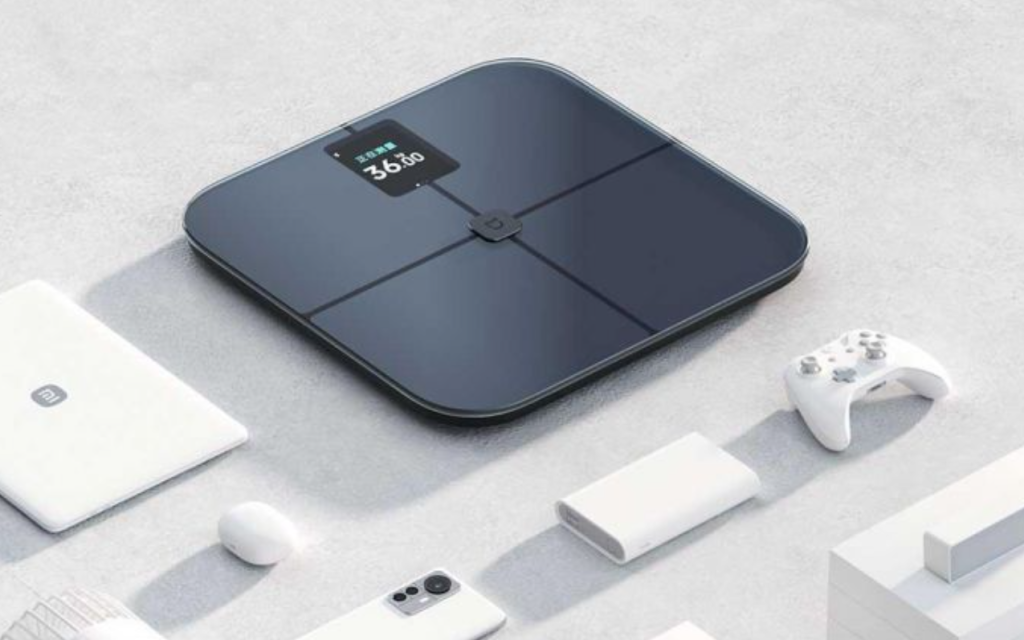
Xiaomi Mijia Body Fat Scale S400 Pro is more than just a scale; it’s a complete body composition analyzer designed to help you take charge of your health. Equipped with advanced technology, sleek design, and user-friendly features, this device is perfect for anyone who monitors their body metrics in detail.
You can now buy the Xiaomi Mijia Body Fat Scale S400 Pro for $69.90 at GeekWills. Please note that this is a pre-sale offer. The product will be shipped post-September 19.
3.5″ TFT Color Screen for Clear Data Display
One of the standout features of the S400 Pro is its 3.5-inch TFT color screen, which offers enhanced brightness and contrast compared to traditional LED screens. This display provides clear and personalized data, allowing users to view their body metrics and trend items with ease quickly. Whether you’re tracking your weight or body composition, the vibrant screen ensures you see everything clearly.
Slim and Elegant Design
The S400 Pro is designed with a minimalistic yet elegant aesthetic that easily fits into any home setting. Its ITO-coated tempered glass surface provides a premium touch, while the body is constructed from durable ABS engineering plastic, ensuring longevity. The slim design makes it convenient to store, and the materials ensure it can withstand everyday use.
Accurate Body Composition Analysis
The Xiaomi Mijia Body Fat Scale S400 Pro goes beyond basic weight measurements. It provides an in-depth 25-item body composition analysis, covering key metrics like body fat, muscle mass, water, protein, bone salt, and more. Dual-frequency bioimpedance technology (50kHz and 250kHz) measures intracellular and extracellular fluid impedance for highly accurate results. The correlation between core data such as body fat percentage and fat mass with DEXA, the gold standard, is impressively high at ≥ 0.932, ensuring reliable health insights.
Connectivity and App Integration
This scale is equipped with Wi-Fi and Bluetooth connectivity, allowing users to sync data to the Xiaomi Home app. This app integration lets you store and track body changes, customize settings like screen brightness, and access personalized health reports from the cloud. With this feature, tracking your health becomes seamless and easy.
Long Battery Life
The S400 Pro is powered by 4 AA batteries that offer an extended battery life of up to 150 days, assuming it’s used three times daily. This means you won’t have to worry about frequently changing batteries, adding convenience to your daily routine.
Key Features:
3.5-inch TFT color screen
ITO-coated tempered glass
25 body indicators
Weighing range: 0.1-150kg
Wi-Fi & Bluetooth 5.1 connectivity
Supports Android 8.0 or iOS 12.0 and above
Dual-frequency bioimpedance (50kHz and 250kHz)
DEXA correlation: ≥ 0.932
Dimension: 300x300x25.5mm
Net weight: 1.65kg
Powered by 4 AA batteries (150 days battery life)
Xiaomi Mijia Body Fat Scale S400 Pro offers a blend of style, accuracy, and smart connectivity, making it an excellent choice for individuals serious about their health. Its ability to generate detailed body composition reports and its sleek design makes it a valuable addition to any home. With its advanced technology and easy-to-use interface, staying on top of your health goals has never been easier.
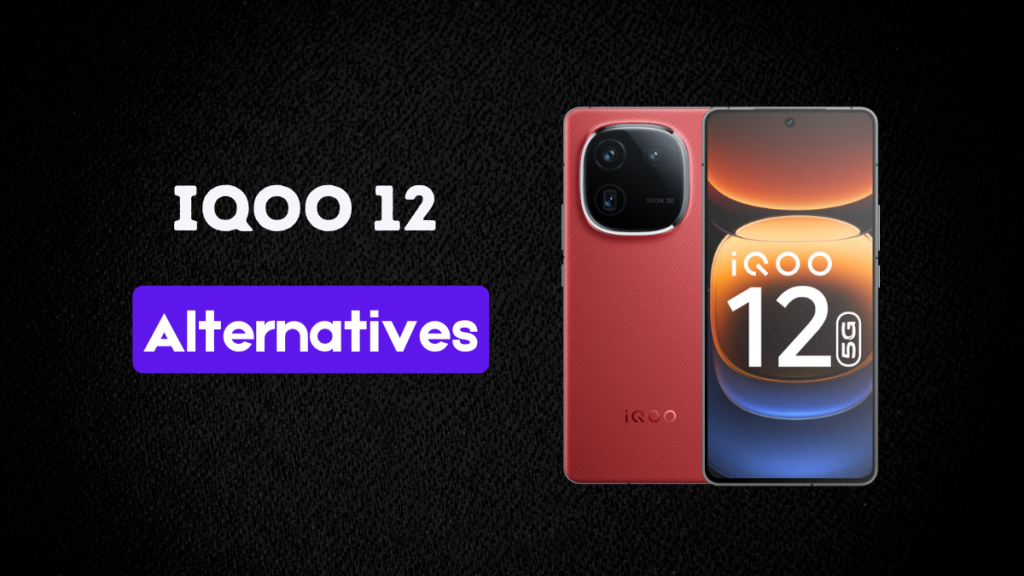
iQOO 12 was released in December 2023 as a flagship smartphone. Though many flagship phones launched in between, it’s still one of the best at the price points it’s currently available for.
The iQOO smartphone rocks Qualcomm’s most powerful mobile SoC, Snapdragon 8 Gen 3. It features a high-quality screen, a gigantic camera setup on the back, and a large battery with super-fast charging support, making it ideal for anyone looking for a high-end smartphone.
However, there are alternatives from other brands that are better than the iQOO 12 in one or many ways. Here, I’ll show you the six best alternatives you can consider.
Before that, let’s quickly take a look at the iQOO 12 spec sheet:
5G/4G/3G/2G Wi-Fi 6E Bluetooth 5.3 NFC (supported) USB Type-C 3.2 Gen 1
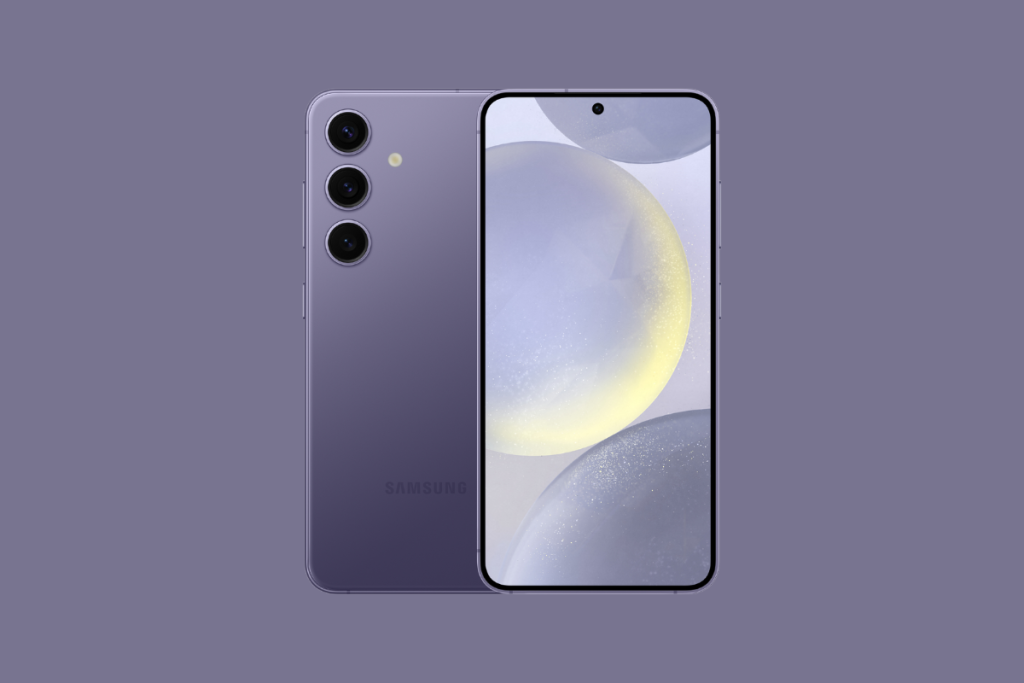
The Galaxy S24 comes with the Snapdragon 8 Gen 3 in the US, Canada, and China, while other regions get the Exynos 2400 variant. We recommend the Snapdragon variant as it offers better performance and power efficiency.
The Galaxy S24 is a compact flagship phone, around 30g lighter than the iQOO 12. It has a solid build quality and features Gorilla Glass Victus 2 protection on both sides, which the iQOO phone lacks. The Galaxy device also has better protection against dust and water as it’s IP68 certified (vs. IP64 on the iQOO 12).
The iQOO 12 boasts a slightly bigger screen and supports a higher refresh rate. The peak brightness is also higher on this phone, although the difference is not significant.
Both smartphones run the same chip. So, you’ll get a similar performance. However, the iQOO 12 may have a slight edge in gaming, as it’s primarily optimized for that and features a better cooling system.
The iQOO 12 and Galaxy S24 boot Android 14 out of the box, but there’s a significant gap in software support. The iQOO phone will get three Android updates, while Samsung has promised seven for the Galaxy S24. So, the Galaxy phone will run the latest Android features until January 2031.
The Galaxy S24 has a clean camera setup, whereas the iQOO 12 features a big rectangular camera module. Both have a 50MP primary sensor with OIS that takes excellent photos. The 3x telephoto camera in both phones also performs similarly, but in some scenes, the Galaxy S23 does better, and sometimes, the iQOO 12 does better. However, the 10X photos are better on the iQOO 12, with better details and sharpness.
In terms of video recording, both have similar performance with their 50MP main camera. However, the Galaxy S23 videos are slightly warmer and saturated. Both smartphones can record up to 8K videos using their rear cameras, but the selfie video quality on the iQOO 12 is limited up to 1080p, while the Galaxy S23 offers 4K recording, which looks much better.
The Galaxy S23 has a slightly lower battery capacity and does not charge as quickly as the iQOO 12. This may be a downside, but overall, it is a solid alternative to the iQOO 12.
5G/4G/3G/2G Wi-Fi 7/Wi-Fi 6E/Wi-Fi 6 Bluetooth 5.4 NFC (supported) USB Type-C 3.2
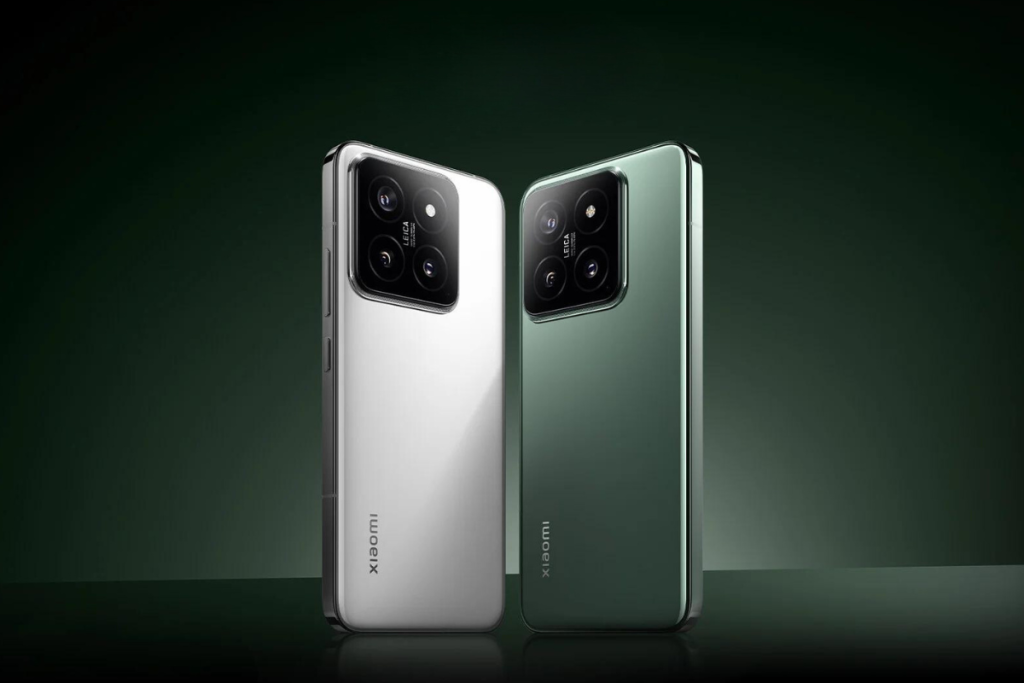
The Xiaomi 14 (review) is also a compact flagship phone. So, it has a slightly smaller screen size but can produce 68 times more colors and supports Dolby Vision. The screen refresh rate is higher on the iQOO phone, though. However, it lacks protection, while the Xiaomi 14 has Corning Gorilla Glass. Also, the Xiaomi phone has a better IP rating for protection against water and dust.
Both smartphones have the Snapdragon 8 Gen 3. So, you get a similar performance. They come with Android 14 out of the box with their version of custom skin at the top — HyperOS on Xiaomi and Funtouch OS on iQOO. However, the Xiaomi phone will get one additional Android upgrade.
The Xiaomi 14 boasts a rectangular camera module on the back. It houses a 50MP primary sensor with OIS, a 50MP telephoto lens with OIS and 3.2x optical zoom, and a 50MP ultrawide lens with 115-degree field of view. For selfies, there’s a 32MP sensor.
Both Xiaomi 14 and iQOO 12 can record up to 8K videos using their rear cameras. However, video recording using the selfie camera is limited to 1080p resolution on the iQOO 12, while the Xiaomi 14 can do 4K.
Both have similar connectivity features, except for a newer USB-C standard on the Xiaomi 14, which offers faster data transfer over a USB cable. The device packs a 4,610mAh battery and supports 90W wired charging, both of which are better on the iQOO 12. However, the Xiaomi phone also supports 50W wireless and 10W reverse wireless charging, which is lacking in the iQOO 12.
5G/4G/3G/2G Wi-Fi 7/Wi-Fi 6E Bluetooth 5.4 NFC (supported) USB Type-C 3.2 Gen 1
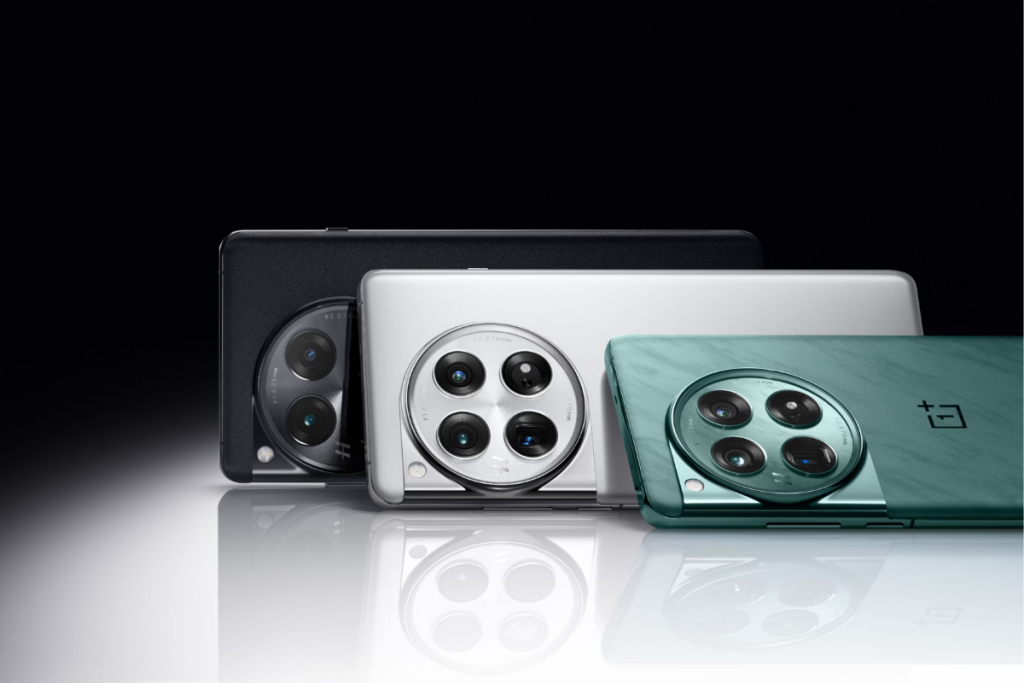
OnePlus 12 (review) is another solid alternative to the iQOO 12, featuring a slightly larger screen, higher resolutions, and peak brightness. It has Gorilla Glass Victus 2 on the front and Gorilla Glass Victus on the back for additional protection against accidental drops. iQOO 12, on the other hand, lacks any protection on either side.
Both smartphones have a similar performance as they are powered by the same Snapdragon 8 Gen 3 chip.
The OnePlus 12 has a circular camera module, whereas the iQOO 12 has a rectangular one. Both have triple cameras on the back. The OnePlus 12 has a 50MP primary sensor with OIS, a 64MP periscope telephoto lens with OIS and 3x optical zoom, and a 48MP ultrawide sensor with a 114-degree field of view. Like the iQOO 12, it can record up to 8K videos.
On the front, you get a 32MP selfie shooter, which can record up to 4K videos, while the iQOO 12 has a 16MP sensor limited to 1080p video recording.
Both phones have similar connectivity features, except for a newer USB-C standard on the OnePlus 12 for faster data transfer. The OnePlus phone has a bigger battery but relatively slower wired charging, though 100W is more than sufficient for most people. The OnePlus phone also supports 50W wireless and 10W reverse wireless charging.
5G/4G/3G/2G Wi-Fi 7/Wi-Fi 6 Bluetooth 5.4 NFC supported
The Vivo X100 shares many specs with the iQOO 12. Both have the same screen size, screen resolution, and peak brightness. However, the iQOO phone has a higher screen refresh rate. The Vivo X100, on the other hand, has better protection against dust and water.
The Vivo X100 is fueled by the MediaTek Dimensity 9300 chip, which has a similar performance to the Snapdragon 8 Gen 3. Both smartphones boot Android 14 out of the box and are promised three Android updates.
The iQOO 12 and Vivo X100 share the same rear camera specs. The Vivo X100’s rear camera setupX100 is made in collaboration with ZEISS to offer better quality and accurate colors.
The Vivo X100 features a 32MP selfie shooter (vs. 16MP on iQOO 12). Notably, the Vivo X100 doesn’t offer 8K recording, but it supports 4K through the selfie camera, which is limited to 1080p on the iQOO 12.
Both smartphones have the same connectivity features. In fact, the battery capacity and charging capacity are also unchanged.
The Vivo V40 Pro has the same screen size and resolution as the iQOO 12 but a higher peak brightness. Both smartphones come with Android 14 out of the box and will receive Android updates for three years.
The Vivo smartphone is driven by the MediaTek Dimensity 9200+ chip, which is not as powerful as the Snapdragon 8 Gen 3 inside the iQOO 12 but offers smoother performance. Vivo V40 Pro is more of a camera phone than a gaming phone, so if you’re into high-end gaming, iQOO 12 is a better option.
The Vivo V40 Pro features a vertical camera setup on the rear side, which is unique in itself. It includes a 50MP primary sensor with OIS, a 50MP telephoto lens with OIS and 2x optical zoom, and a 50MP ultrawide lens with a 119-degree field of view. The device can record up to 4K videos with its rear, as well as, selfie cameras.
The Vivo V40 Pro will give you more screen time on a single charge as it packs a higher battery capacity. However, refilling that battery takes more time because of a relatively slower wired charging — 90W (vs. 120W on iQOO 12).
Please Note: When you buy something using the links in our articles, we may earn a small commission at no cost to you.
So, these are the five best alternatives to iQOO 12. Would you still go for iQOO 12 or pick any of these alternatives? Share your thoughts in the comment section below.
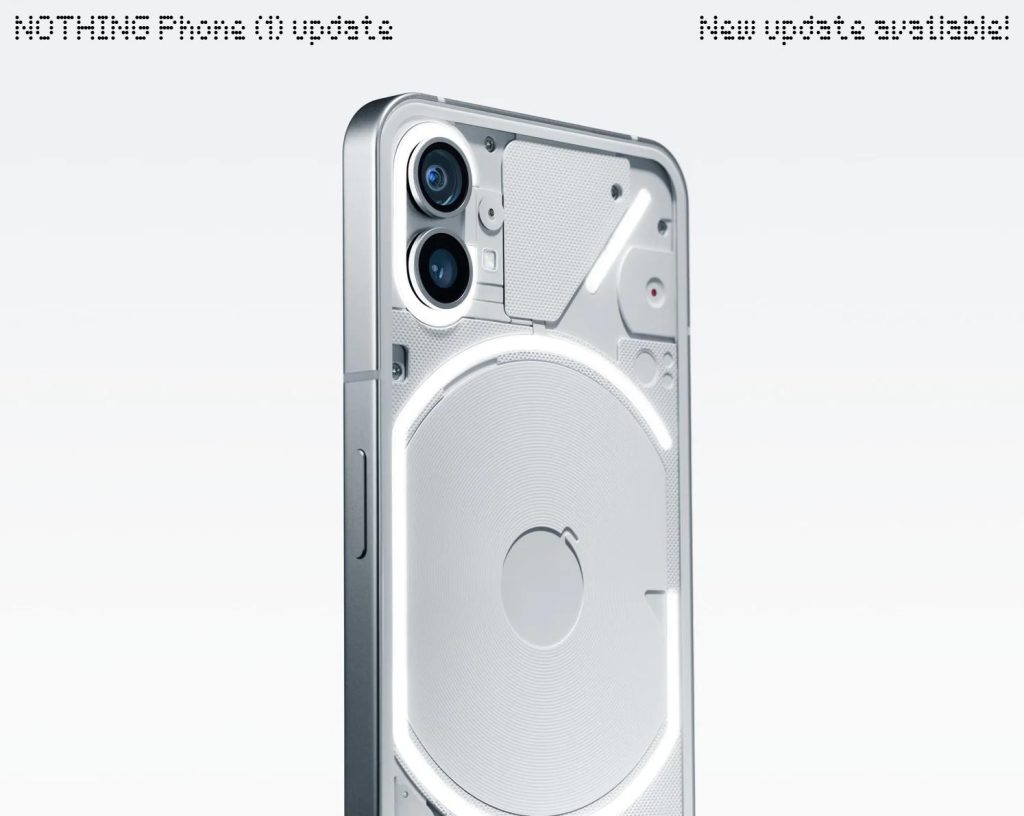
Nothing has officially released the Nothing OS 2.6 update for Nothing Phone (1) users. This update was earlier released for the Phone (2) and the Phone (2a), and brings the latest September 2024 Android security patch, along with new features, improvements, and bug fixes. You can check out the complete changelog below.
Nothing Phone (1) Nothing OS 2.6 update changelog:
New Features
Swipe down incoming notifications to enter pop-up view. For easy access to information without having to leave an app. Turn on via Settings>System>Pop-up view.
Enable vibration for third party apps during calls. Turn on via Settings>Sound and vibration> Vibration.
Battery And Pedometer Widgets can now be displayed on the lock screen and Always On Display
Bug Fixes And Improvements
Enhanced NFC stability for more reliable connections.
Improved the speed of the Bluetooth tile toggle in Quick settings.
Ensured Bluetooth tile reflects correct earbud information.
Fixed an issue where certain carriers were unable to send multimedia messages and failed to register for VoWiFi.
Resolved an issue where the flashlight tile was missing in Quick Settings.
Resolved the problem causing some cloned apps to auto-rotate despite being disabled.
Fixed an issue where the Media Player Widget could not play music when switching from guest to main user.
The Nothing OS 2.6 update is being rolled out gradually, so it may take a few days to reach your device. To check for availability, go to Settings > System > System Update.
In related news, the Nothing OS 3.0, based on Android 15, is set to launch in September 2024. Key features include revamped Quick Settings, enhanced lock screen customization, improved fingerprint unlock, gesture navigation, app archiving, and predictive back animations.
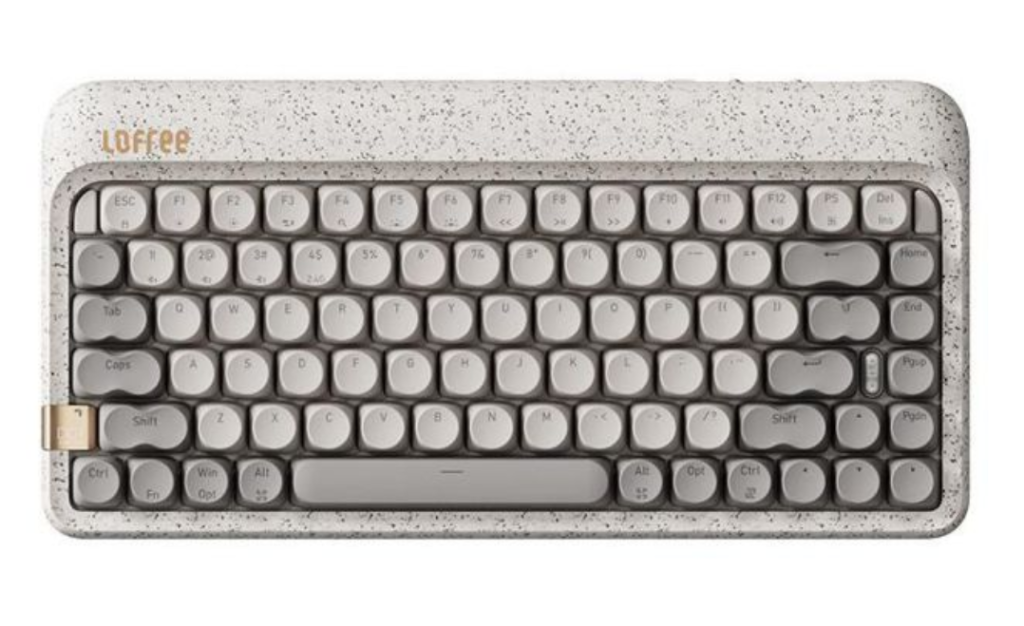
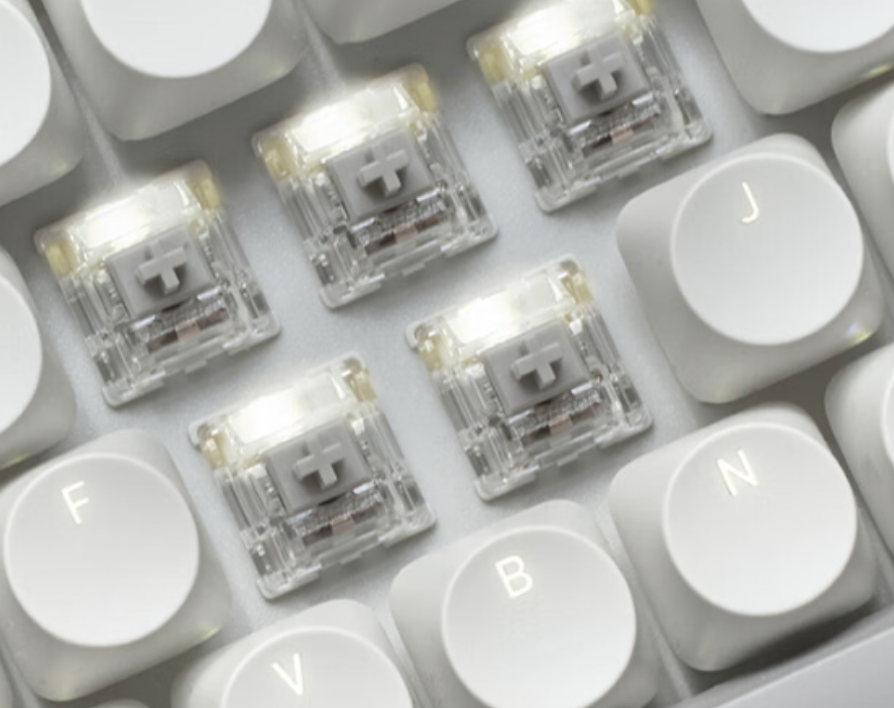
LOFREE Zero Artz Mechanical Keyboard is designed to offer both ergonomic comfort and customizable features, making it a perfect choice for professionals, gamers, and enthusiasts who value style and functionality. You can now get the LOFREE Zero Artz Mechanical Keyboard for $109.99 at GeekWills.
Ergonomic and Comfortable Design
With an ergonomic layout, the LOFREE Zero Artz reduces the risk of chronic strain and discomfort during long typing sessions. Its soft gasket mount adds to the typing experience by providing a smooth and responsive feel, while the four-layer sound filtering system reduces resonance for a quieter, more comfortable typing experience.
Customizable Features
The LOFREE Zero Artz Mechanical Keyboard features 84 keys in a compact layout, along with dual-color PBT keycaps that provide a stylish look and durable design. The keyboard also offers customized switches that can be easily swapped out without the need for soldering, giving users the freedom to personalize their setup.
Versatile Connectivity Options
Supporting triple-mode connectivity, the LOFREE Zero Artz allows users to connect via Bluetooth 5.3, wireless 2.4G, or wired USB Type-C, making it compatible with multiple operating systems, including MacOS, iOS, Windows, and Android.
Elegant Design with Unique Terrazzo Pattern
Inspired by the beauty of terrazzo, the LOFREE Zero Artz reimagines shape, texture, and color in a minimalist and elegant tone. Each keyboard features a unique terrazzo pattern, making every unit one of a kind.
Advanced Lighting and Long Battery Life
The keyboard is equipped with 7 distinct lighting effects, 4 brightness levels, and 4 blink frequencies, adding visual appeal to any workspace. Powered by a 4000mAh battery, the LOFREE Zero Artz offers up to 30 hours of use with the backlights on or 14 days with them off.
The LOFREE Zero Artz Mechanical Keyboard combines ergonomics, customizable features, and an elegant design, offering users a premium typing experience with unique aesthetics and versatile connectivity options.
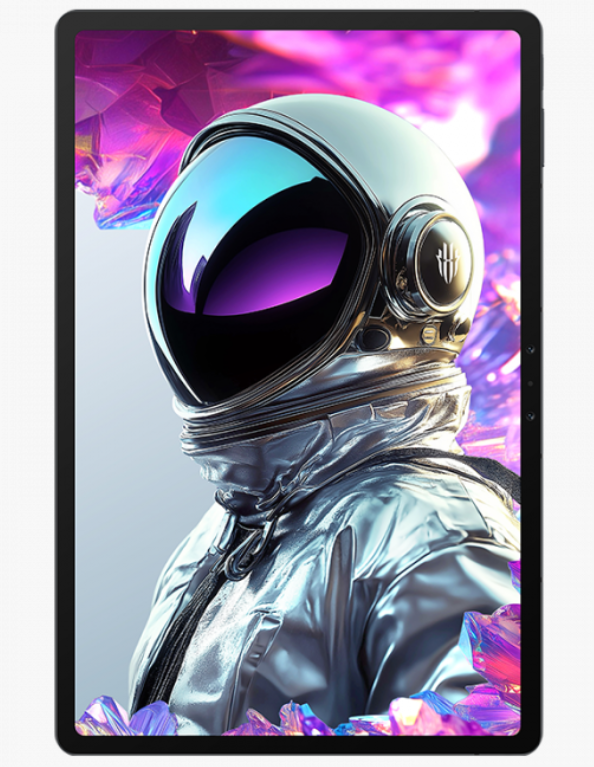
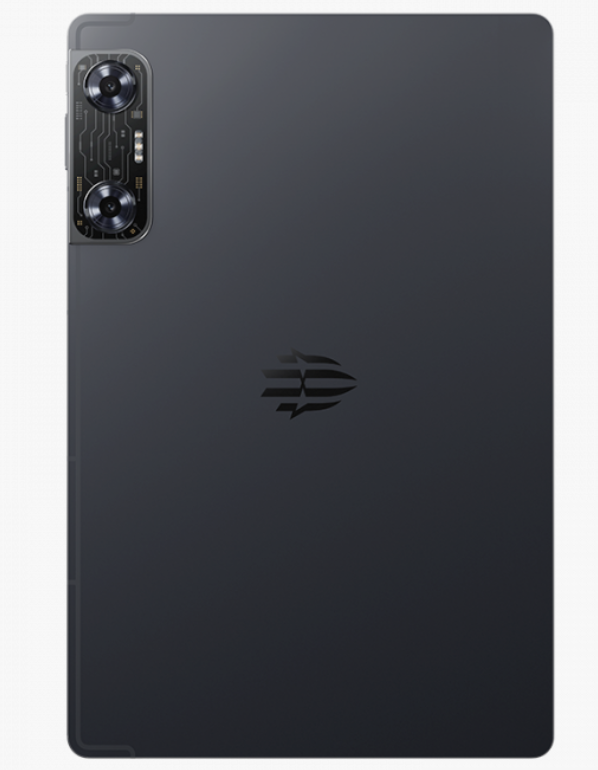
The Red Magic Tablet 3D Explorer Edition is a versatile tablet designed to meet the demands of gamers, professionals, and tech enthusiasts. With cutting-edge features and a sleek design, this tablet is built for superior performance and immersive experiences. You can now get the Red Magic Tablet 3D Explorer for $1149 at GeekWills.
Stunning Display for Immersive Viewing
Featuring a 12.1-inch 2.5K resolution display, the Red Magic Tablet 3D Explorer Edition delivers vibrant colors and sharp details. Whether you’re working on a presentation or watching movies, the IPS LCD panel ensures wide viewing angles and accurate color reproduction, making every moment visually rich.
Powerful Performance
Equipped with the Snapdragon 8 Gen 2 chipset and up to 16GB of RAM, this tablet is designed for lightning-fast performance. It handles multitasking and graphics-heavy applications with ease, while the 512GB of internal storage, expandable via microSD, provides ample space for all your files.
Exceptional Multimedia Capabilities
The Red Magic Tablet 3D Explorer Edition is packed with a quad-speaker system that creates a truly immersive audio experience. Its dual 13MP rear cameras and dual 8MP front cameras make it perfect for photography, videography, and video calls, ensuring clear visuals and sound quality.
Long-Lasting Battery Life
With a 10000mAh battery, the tablet provides all-day power for work and entertainment. The 66W fast charging support ensures you spend less time plugged in and more time being productive.
Versatile Connectivity and Accessories
Stay connected with Wi-Fi 6 and 5G support, offering fast internet speeds for downloads, streaming, and browsing. The Red Magic Tablet also supports a detachable keyboard and stylus, allowing for enhanced productivity and creativity.
Red Magic Tablet 3D Explorer Edition is the perfect device for those who need high performance, multimedia capabilities, and seamless connectivity in one sleek package.
Google‘s flagship smartphones typically introduce exclusive camera features, and this year is no exception. However, these features often make their way to older Pixel devices through software updates. According to a report from Android Authority, several exclusive features of the Google Pixel 9 series will soon be available on older Pixels including the Pixel 6, Pixel 7, and Pixel 8.
Pixel 9’s Reimagine and Auto Frame feature could be rolled out to those devices
In collaboration with Android Authority, Assemble Debug discovered evidence in the Google Photos app indicating that the Reimagine and Auto Frame features will be rolled out to the older Pixel models. Notably, it remains unclear whether the more affordable A-series Pixels will receive these updates or not.
For those unfamiliar, Reimagine allows users to modify textures, colors, or materials in photos. For example, Google AI can change the appearance of elements like trees or skies. Meanwhile, Auto Frame uses AI to automatically suggest improved photo composition by analyzing image content.
Currently, Google Photos has three versions with varying configurations. The basic version is available on all Android devices, while the other two are exclusive to Pixel devices. One caters to Pixels launched between 2021 and 2023 (Pixel 6 to Pixel 8), and the other serves the Pixel 9 series launched in 2024.
The Google Photos app on Pixel 9 series devices includes code related to the Reimagine and Auto Frame features. According to Assemble Debug, these features have now appeared in the latest Google Photos app version (6.99) for Pixel models launched between 2021 and 2023. This suggests that Google is planning to roll out these camera and editing features to older Pixels soon.
Unfortunately, the relevant code strings are not yet present in the Google Photos app for non-Pixel devices, which suggests that other Android devices won’t receive these updates anytime soon.
We use cookies on our website to give you the most relevant experience by remembering your preferences and repeat visits. By clicking “Accept”, you consent to the use of ALL the cookies.
This website uses cookies to improve your experience while you navigate through the website. Out of these, the cookies that are categorized as necessary are stored on your browser as they are essential for the working of basic functionalities of the website. We also use third-party cookies that help us analyze and understand how you use this website. These cookies will be stored in your browser only with your consent. You also have the option to opt-out of these cookies. But opting out of some of these cookies may affect your browsing experience.
Necessary cookies are absolutely essential for the website to function properly. This category only includes cookies that ensures basic functionalities and security features of the website. These cookies do not store any personal information.
Any cookies that may not be particularly necessary for the website to function and is used specifically to collect user personal data via analytics, ads, other embedded contents are termed as non-necessary cookies. It is mandatory to procure user consent prior to running these cookies on your website.