Advertisement

Oppo Find X7, Find X7 Ultra launch date, configurations, color options officially confirmed

Oppo has officially confirmed that it will unveil the Find X7 series of smartphones at 2:30 pm (local time) on Jan. 8, 2024, in China. In addition, the Find X7 and Find X7 Ultra smartphones are now listed on Oppo China’s online store for reservations. The official listings have confirmed the configurations and color options of both smartphones well ahead of the official announcement.

Oppo Find X7 series launch date-
Oppo Find X7 series launch date

Oppo Find X7

Reports have revealed that the Find X7 will come equipped with the Dimensity 9300 chipset. The official listing reveals that it will come in four configurations, such as 12 GB RAM + 256 GB storage, 16 GB RAM + 256 GB storage, 16 GB RAM + 512 GB storage, and 16 GB RAM + 1 TB storage.


The Find X7 will be available in four shades, such as Starry Sky Black, Sea and Sky, Desert Moon Silver, and Smokey Purple.

Oppo Find X7 Ultra

The Find X7 Ultra is expected to come equipped with the Snapdragon 8 Gen 3 SoC. It will be available in three variants, such as 12 GB RAM + 256 GB storage, 16 GB RAM + 256 GB storage, and 16 GB RAM + 512 GB storage.


When it comes to color options, the Find X7 Ultra will come in choices such as Pine Shadow Ink, Sea and Sky, and Desert Moon Silver.

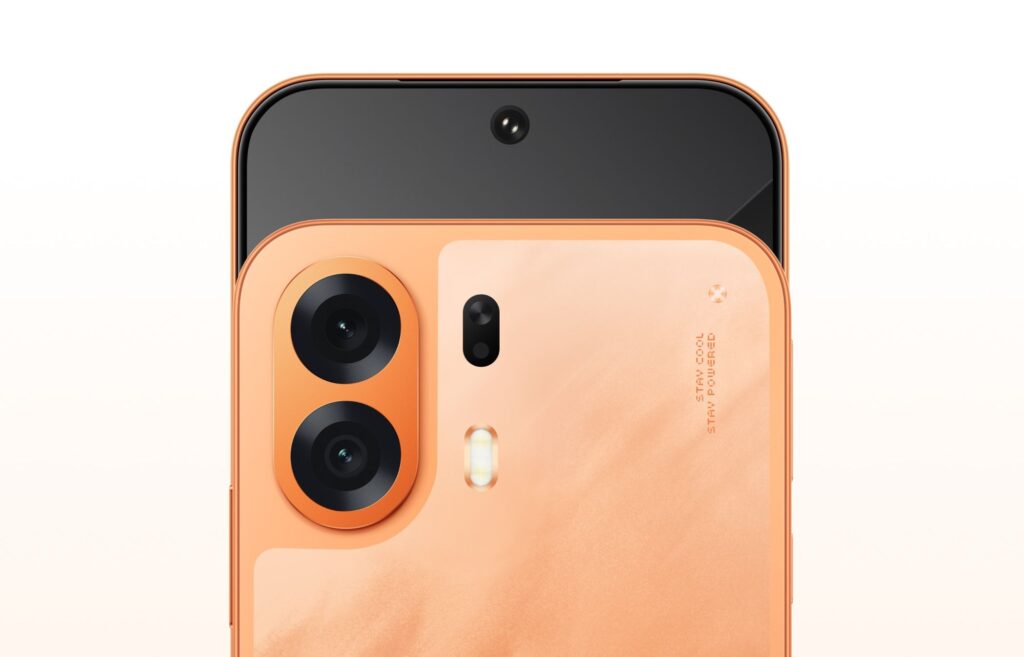
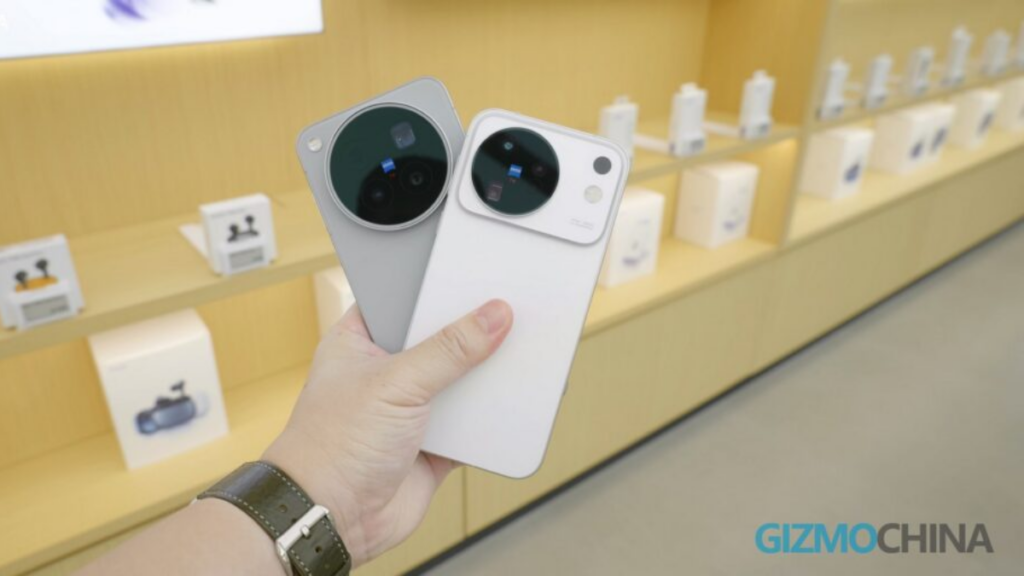
The Find X7 and Find X7 Ultra have a similar design, with the front featuring a punch-hole display with curved edges and a dual-tone back panel with a massive camera module. The Find X7 has a triple-camera unit, whereas the Find X7 Ultra has a quad-camera system. The Ultra variant will be the world’s first smartphone to feature dual periscope telephoto cameras. In addition, it will also be the first-ever phone to feature the one-inch Sony LYT-900 50-megapixel camera sensor as the primary snapper.

It is said that there will be a third device called the Oppo Find X7 Ultra Satellite Communication Version, which will come with support for two-way satellite communication. The rest of its specs will be identical to the Find X7 Ultra.

RELATED:

Huawei’s AI chips have overtaken Nvidia’s sales in China, a meaningful step toward building a homegrown alternative

Huawei is claiming a pretty big win on home turf. The company says its Ascend AI chips have now overtaken Nvidia’s sales inside China. That’s a bold statement, and it lines up with Beijing’s bigger push to reduce its reliance on foreign semiconductor tech while US export restrictions keep tightening.

Rotating chairman Eric Xu made the claim in a transcript released after the Huawei Connect conference. He didn’t sugarcoat the performance gap: Ascend chips still trail Nvidia on raw single-chip power. Analysts say the latest versions only deliver a fraction of what Nvidia’s top silicon can do.

Huawei’s answer? Volume and system-level scale. Xu’s argument is basically that having plenty of domestic chips available beats having the absolute fastest ones if those can be cut off by sanctions at any moment.

At the same event, Huawei showed off the Atlas 950 SuperPoD, which runs on its new Peerium architecture. Peerium drops the old master-slave setup. Instead, it treats CPUs, NPUs, memory, SSDs, network cards, and switches as equals and links them all through UnifiedBus interconnects.

Supply is still the real bottleneck. Xu admitted Huawei can’t even keep up with Chinese demand right now, so there’s no plan for big international exports. A few countries with urgent needs get limited volumes, but that’s about it.

On the manufacturing side, consumer chief Richard Yu was more blunt. Advanced EUV lithography machines are still off-limits, so China is stuck with DUV processes for now. Huawei’s workaround is something called LogicFolding, part of its Tau-law approach. It’s already in the Kirin 9050 chips that power the Mate 90 Pro Max. The company is shooting for transistor densities that could rival a 1.4 nm process by 2031, ambitious given where production actually stands today.


Software is the other half of the independence story. HarmonyOS now runs on phones, tablets, wearables, PCs, and cars. Huawei says it’s on more than 90 million devices, with 450,000 apps and services and 11 million developers. Yu hinted that a gradual global push is on the table, and they’re positioning HarmonyOS as a possible third major mobile ecosystem next to iOS and Android, even though earlier attempts like Windows Phone and Symbian didn’t exactly stick.

Don’t miss a thing! Join our Telegram community for instant updates and grab our free daily newsletter for the best tech stories!

For more daily updates, please visit our News Section.

(Source: Huawei)

Googlebook’s highlight features require Android 17 on phone, while Intel (x86) versions might struggle to run some apps

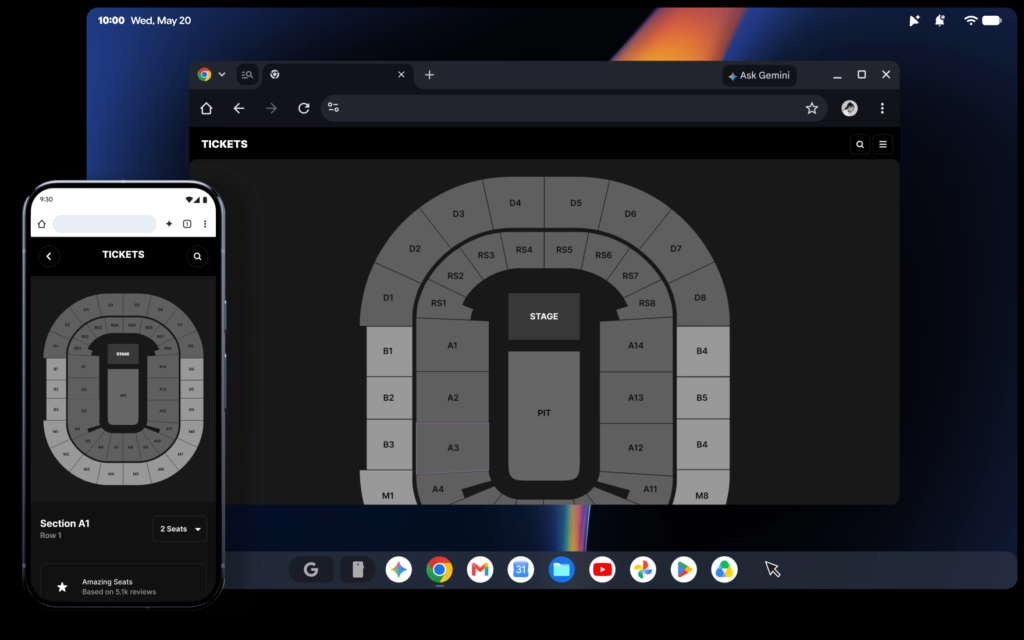
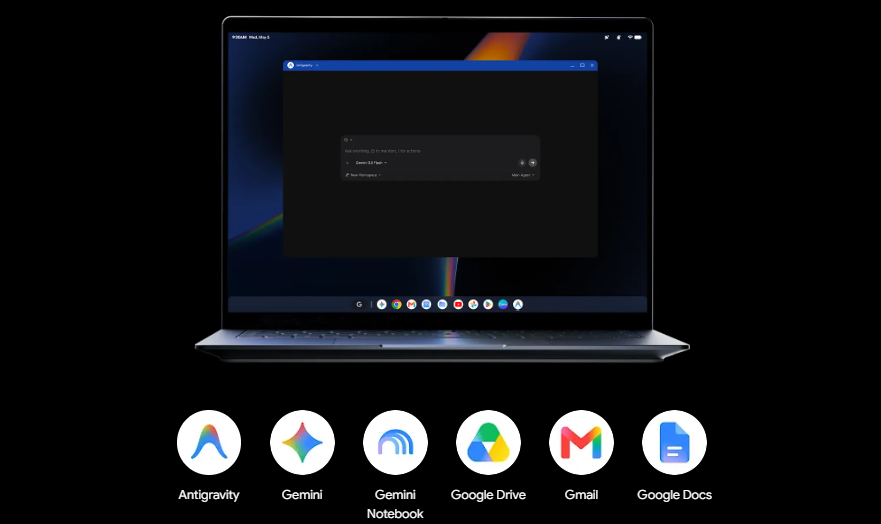
Google’s new Googlebook laptops are finally showing up in stores around the world. The pitch is pretty appealing: a more versatile laptop that sits somewhere between Android and ChromeOS, with deeper ties to your phone, native Android apps, and a bunch of AI tools baked in.

These machines run Googlebook OS, which is built mostly on Android tech but borrows some desktop foundations from ChromeOS. That means they can run regular Android apps natively instead of stuffing them in a container.

But not every Googlebook is created equal. Google confirmed to Android Authority that if you go for an Intel (x86) model instead of a Qualcomm Snapdragon (ARM) one, you’ll run into some limits. Most Android apps were built for the ARM chips that live in phones.

Google says 96.6% of the top 10,000-plus most-used apps still work fine on the Intel versions, but a handful of more complex apps and games need developer updates to run properly on Intel hardware. There’s no public list of which ones yet. Three of the five launch models use Intel chips; the Dell and HP ones are the ARM-powered Qualcomm versions.

The tight phone-to-laptop features also come with a requirement: Android 17. Things like browsing your phone’s files from the laptop, picking up tasks mid-flow with Continue On, syncing notifications, or streaming your phone’s screen and apps to the laptop just aren’t available on older Android versions. That’s a bit of a bummer, since the seamless continuity is one of the big selling points Google keeps highlighting, and Android 17 isn’t exactly everywhere yet.

Google is still supporting Chromebooks on their own track. Some newer ones might even get a path to Googlebook OS later. In the meantime, the company is leaning hard on the long software support (up to 10 years), the premium builds, and the AI focus.

If you’re deep in the Android ecosystem and want that tighter phone-laptop link, Googlebooks are an interesting step. Just be picky about the processor if you care about specific demanding apps or games, and make sure your phone is on Android 17 if you want the full continuity package.

Don’t miss a thing! Join our Telegram community for instant updates and grab our free daily newsletter for the best tech stories!

For more daily updates, please visit our News Section.

(Source; Android Authority)

Here’s when the Oppo Find X10, X10 Pro Max arrives worldwide

Oppo introduced the Find X10 series in China last month to strong reception. Following a few days of teasers from its international channels, the company has officially locked in the global launch schedule. Here is a breakdown of what the new flagships will bring to international markets.

Oppo Find X10 series global launch date revealed

Oppo Find X10 seriss global launch date

The company announced through its official channels that the global debut will take place on October 21 in Mallorca, Spain. Consumers can look forward to seeing the standard Find X10 alongside the higher-end Find X10 Pro Max step onto the international stage.

Rumors suggest additional hardware such as the Pad Mini tablet and Enco X4 wireless earbuds could make a surprise appearance at the event, though Oppo has not formally verified those companion accessories yet. Both premium handsets will run ColorOS 17 straight out of the retail packaging, following the software skin’s dedicated global unveiling scheduled for October 13.

Oppo Find X10 series: Specs at a glance

The standard Find X10 features a 6.59-inch 1.5K LTPO AMOLED screen with a 144Hz refresh rate and 2,000 nits peak brightness. Powering the phone is the 3nm MediaTek Dimensity 9600M processor paired with LPDDR5X RAM and UFS 4.1 storage. It houses an 8,000mAh battery that supports 80W wired and 50W wireless charging.

On the photography front, the base model sports a 200-megapixel primary camera with optical image stabilization, a 50-megapixel ultra-wide sensor, and a 200-megapixel periscope telephoto lens with 2.8x optical zoom. Selfies are handled by a 50-megapixel front-facing shooter.

The Find X10 Pro Max steps up to a 6.78-inch 1.5K 144Hz LTPO AMOLED panel and the 2nm MediaTek Dimensity 9600 Pro chipset. It carries triple IP ratings across IP66, IP68, and IP69 alongside the same 8,000mAh battery with 80W wired and 50W wireless speeds. Imaging is led by a Hasselblad-tuned triple 200-megapixel setup including a wide, ultra-wide, and 3x periscope telephoto lens.

For daily updates, please visit our News Section.

Stay ahead in tech! Join our Telegram community and sign up for our daily newsletter of top stories!

Oppo K14 Plus 5G goes on sale with 8,000mAh battery

At the end of September, Oppo unveiled the Oppo K14 Plus 5G in India, and the new phone is now available for purchase. The handset combines a high-refresh-rate AMOLED display with a large battery and a decent MediaTek chipset.

Oppo K14 Plus 5G variants and price

Oppo K14 Plus 5G
Oppo K14 Plus 5G

The Oppo K14 Plus 5G starts at Rs 29,999 (~$310) for the 6GB+128GB variant, while the 8GB+128GB model costs Rs 32,999 (~$341). The top-end 8GB+256GB version is priced at Rs 35,999 (~$372). Buyers can get an instant Rs 4,000 (~$41) bank discount, bringing the effective prices to Rs 25,999 (~$269), Rs 28,999 (~$300) and Rs 31,999 (~$331), respectively. A six-month no-cost EMI option is also available.

The phone is offered in Solar Orange and Star White colors and can be purchased through Oppo India e-store and Flipkart. This makes the K14 Plus 5G particularly interesting during the ongoing festive sale period, especially for buyers prioritizing battery life and display quality.

Where to buyOppo K14 Plus 5GLatest price on AmazonCheck price →

Oppo K14 Plus 5G key specifications

Oppo K14 Plus 5G

The K14 Plus features a 6.77-inch FHD+ AMOLED display with a 2,772 x 1,272-pixel resolution, adaptive 120Hz refresh rate and support for up to 144Hz. It is powered by the MediaTek Dimensity 7360 Max chipset, paired with up to 8GB LPDDR4X RAM and 256GB UFS 3.1 storage.

For photography, the phone has a 50MP primary camera with an f/1.8 aperture and 2-axis optical image stabilization, alongside a 2MP monochrome camera for depth mapping in Portrait mode. A 16MP front camera handles selfies and video calls.

The 8,000mAh battery supports 45W wired charging and 10W reverse wired charging. The phone runs ColorOS 16 based on Android 16 and features an in-display fingerprint sensor.

For daily updates, please visit our News Section.

Stay ahead in tech! Join our Telegram community and sign up for our daily newsletter of top stories!

Four Motorola phones get Android 17 in the US

Motorola phone with Android 17

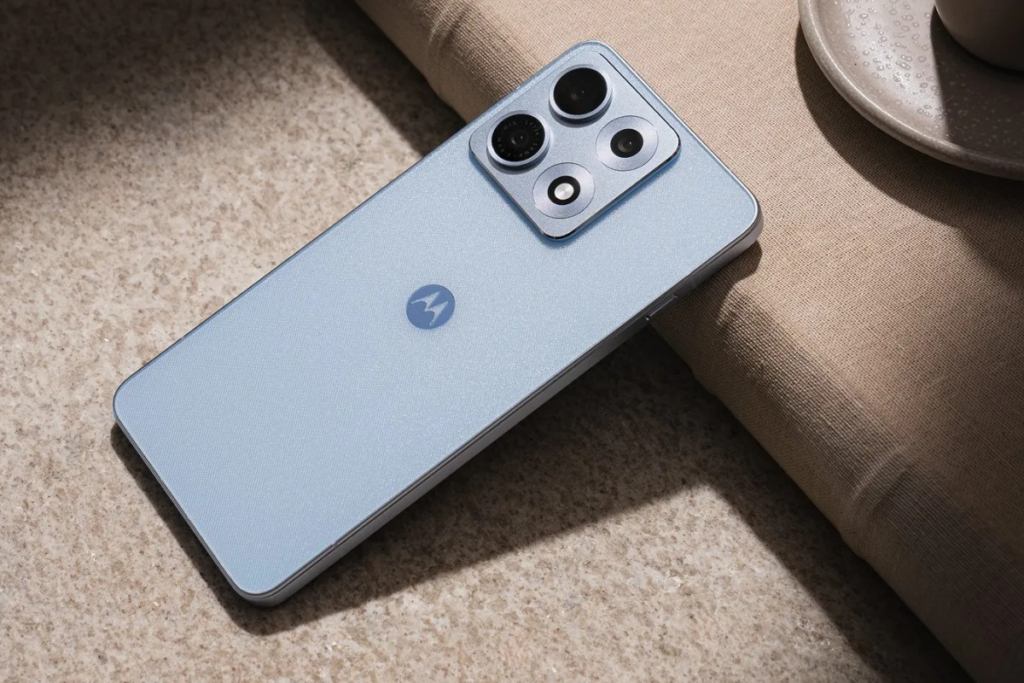
Motorola’s Android 17 rollout has started to look more promising. The company has brought the update to four devices in the US in just a couple of days, including the Razr Ultra (2026).

The Android 17 update for the Razr Ultra (2026) arrives over-the-air with a hefty download size of 4.17GB, so make sure you’re connected to a high-speed Wi-Fi before hitting download. Once updated, your device will run the firmware version A171WLH.38–19–5. The security patch level is stuck at September 2026.

The original Motorola Signature is also among the initial recipients of the Android 17 in the US. The device is receiving the update in India, too.

Some mid-range phones got lucky, too

Motorola Android 17

Some mid-range phones, including the Edge 60 Pro and Edge 60 Fusion, have got lucky to receive the update alongside premium models. In fact, they started picking up the update a few days earlier.

The update is rolling out in batches, and so, it may take a while to reach all the users. If you own any of these Motorola phones, you’ll soon be enjoying Android 17. To check for updates manually, go to Settings and tap System update.

The changelog for all the aforementioned devices are unfortunately very thin, as you saw in the screenshot above. However, there’s an official page that breaks down all the changes to Motorola’s Android 17 update. We’ve covered them in detail on this page.

Motorola looks more promising with the Android 17 rollout, but still, there’s no rollout schedule published yet. So, there’s hardly a way to predict when the update will reach your phone. There’s an official eligible devices list though you can have a look in case you aren’t sure about your device.

We’ll keep updating you when Motorola pushes the update to more devices. You can check the News section from time to time to get regular updates. Or, simply join our Telegram channel for instant alerts.

iQOO Neo 12 could get the world’s first mass-produced 2K 185Hz OLED display

iQOO unveiled the iQOO 16 as one of the first Snapdragon 8 Elite Extreme Gen 6-powered phones in October. Unlike last year, the company did not introduce the Neo 12 alongside its flagship, as it launched the iQOO 15 and Neo 11 separately. Now, the arrival of the Neo 12 appears to be getting closer, with tipster Digital Chat Station sharing key details about its display.

iQOO Neo 12 display details emerge

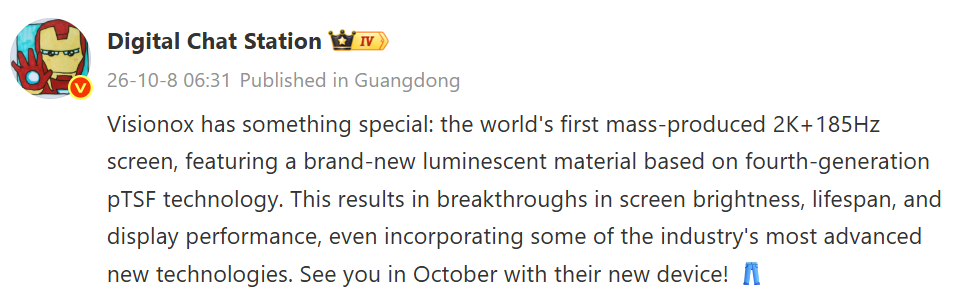
According to Digital Chat Station, a forthcoming iQOO phone, which appears to be the Neo 12, could feature a 2K display with an unusually high 185Hz refresh rate. The panel is reportedly being developed by Visionox and is said to be the world’s first mass-produced 2K display supporting 185Hz. It is based on the company’s fourth-generation pTSF light-emitting technology, which reportedly brings improvements in brightness, display quality, and panel lifespan.

The tipster also claims that the new panel has achieved lower power consumption than previous generation 2K displays. He also hinted that the device will go official this month in China.

Earlier reports suggested that the iQOO Neo 12 is being tested with a 6.83-inch flat display. The handset was also tipped to use the Snapdragon 8 Elite Gen 5 chipset alongside a dedicated display chip for improved gaming performance. The inclusion of the said chip suggests that it will be a good rival for the Redmi K100 Pro series. 

A prototype was previously reported to feature a battery exceeding 9,000mAh, with iQOO testing an even larger capacity while retaining 100W fast charging. An ultrasonic in-display fingerprint sensor and a high-level IP rating are also expected. Camera details remain unknown, although a 50-megapixel primary camera paired with an 8-megapixel secondary sensor and a 16-megapixel selfie camera have been speculated.

For daily updates, please visit our News Section.

Stay ahead in tech! Join our Telegram community and sign up for our daily newsletter of top stories!

Redmi Turbo 6 Max may pack Dimensity 9500s and 10,000mAh battery

Xiaomi has launched a new slew of phones in China, including the Xiaomi 18 Pro Max, Xiaomi 18 Pro, Redmi K100 Pro Max, and Redmi K100 Pro. Rumors suggest the new Xiaomi 18 and Redmi K100 series could be unveiled by the end of this year. Alongside these models, Redmi is also working on the Turbo 6 lineup, and a new leak has now revealed key details about one of its upcoming devices.

Redmi Turbo 6 Max’s chip revealed

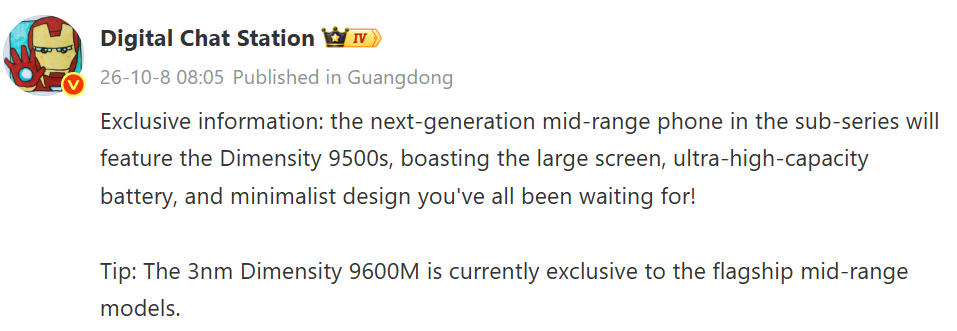
Tipster Digital Chat Station has revealed that Redmi’s next-generation mid-range performance-focused phone will feature MediaTek’s Dimensity 9500s chipset. While he did not explicitly name the device, the leak is believed to refer to the Redmi Turbo 6 series phone.

The tipster also revealed that the phone will feature a very large display and a battery with a capacity exceeding 10,000mAh, while maintaining a relatively simple design. Previous reports have suggested that the Redmi Turbo 6 Max will pack a 10,000mAh battery. Therefore, it appears that the new leak is about the Max variant.

The exact display size remains unclear, but a user asked whether the phone would feature a 6.9-inch or roughly 7-inch panel. DCS responded by suggesting that the device will indeed offer the larger size that users have been asking for.

DCS also clarified that MediaTek’s 3nm Dimensity 9600M is currently reserved for a flagship mid-sized model. This suggests that the Dimensity 9500s will serve as a different positioning for Redmi’s upcoming performance phone, although the exact specifications of the chipset have not yet been revealed.

The Redmi Turbo 6 series is expected to include the standard Turbo 6 and a more powerful Turbo 6 Max. As mentioned above, earlier reports claimed that the Turbo 6 Max is being tested with a 10,000mAh battery, while its rear design could feature a minimalist dual-camera setup. A horizontal camera arrangement has also been tipped.

Previous leaks have further suggested that the Turbo 6 Max could feature a 7-inch flat OLED display with 2K resolution, a 3nm Dimensity 9-series chipset, a metal middle frame, IP68/IP69-rated protection, and an ultrasonic in-display fingerprint sensor. The device is also expected to launch in January, although Redmi has yet to confirm its plans.

For daily updates, please visit our News Section.

Stay ahead in tech! Join our Telegram community and sign up for our daily newsletter of top stories!

Here’s when your Vivo phone gets Android 17 update with OriginOS 7

Vivo phone running OriginOS 7 and Android 17

The OriginOS 7 skin, based on Android 17, has finally gone official in India, detailing which Vivo phones will receive the update and when. Unlike custom interfaces from other Android brands, this one brings substantial upgrades across key areas and essential AI features. So, if you own a Vivo phone, you should really care about this upgrade.

Vivo has confirmed that it will start rolling out OriginOS 7 in India towards the end of October. And like most of the time, newer premium models will get priority access, which includes the Vivo X300 series and Vivo X Fold 5. The Vivo X200 series will follow in November, while V-series handsets are slated to receive the update in mid-December. The rollout will subsequently expand to other lineups, such as the Vivo T and Y series.

Take a look at the complete rollout timeline below to find out when it’s your turn.

Vivo OriginOS 7 update rollout timeline

Release windowModels
October endVivo X300, X300 Pro, X300 FE, X300 Ultra, X Fold 5
Mid NovemberVivo X200T, X200, X200 Pro, X200 FE
Mid DecemberVivo X100, X100 Pro, X Fold 3 Pro, V60e, V60, V70 FE, V70, V70 Elite
December endVivo V50, V50e
January endVivo T5 Pro, T5, T5x, T4 Ultra, T4 Pro, T4, T4R, T3 Ultra, Y51 Pro, V40, V40 Pro, S2 FE, S2
February endVivo V30e, V30, V30 Pro, T4x, Y31 Pro, Y400, Y400 Pro

Vivo hasn’t provided exact rollout dates, so you’ll want to watch for the update to arrive on your device. You should receive an update notification on your phone once it’s available. However, it’s best to check for updates manually from time to time to ensure you’re not missing out if notification arrives with some delay, which usually is the case.

OriginOS 7 is a fairly substantial upgrade clocking in at several gigabytes, depending on the model. So, it’s best that you keep at least 10GB of free storage space for a smoother upgrade. Also, ensure that there are no older pending updates left for installation.

We will provide further updates as the OriginOS 7 rollout commences in India. In the meantime, visit our News section or, join our Telegram channel for instant alerts on new stories.

Red Magic 12 Pro+ full design revealed ahead of October 15 launch

Red Magic 12 Pro+ full design revealed ahead of October 15 launch

Red Magic has officially revealed the full design of the upcoming Red Magic 12 Pro+ ahead of its Oct. 15 launch. The company has showcased the phone in three transparent-inspired color options while highlighting its flat rear design and uninterrupted display. The new flagship will also focus heavily on gaming performance and thermal management.

Red Magic 12 Pro+ color variants revealed

The Red Magic 12 Pro+ will be available in three finishes: Transparent Dark Night, Transparent Silver Wing, and Transparent Ice Blue. The phone retains the brand’s signature flat rear panel design, but the most notable change is the completely flush camera module. The rear cameras do not protrude from the body, giving the phone a cleaner appearance and a more uniform profile.

Red Magic is also continuing with its true full-screen design, using an under-display front camera instead of a punch-hole or notch. The company has introduced its ninth-generation under-display camera technology, while the black border around the display has been reduced from 1.25mm on the previous generation to just 0.96mm. This should provide a more immersive viewing area, particularly during gaming and video playback.

The phone will also feature an RGB liquid cooling system, with the transparent rear design allowing parts of the internal cooling structure to remain visible. This is complemented by an air-cooling system designed to help maintain performance during sustained workloads. Red Magic is positioning the combination as a major part of the phone’s gaming-focused hardware.

At the core, the Red Magic 12 Pro+ will feature Qualcomm’s Snapdragon 8 Elite Extreme Gen 6 mobile platform. The same device recently appeared on Geekbench 7 under the Nubia NX819J model number, recording 3,677 points in the single-core test and 12,679 points in the multi-core test. These results currently put it ahead of other smartphones tested with the same chipset.

Red Magic has previously indicated that the 12 Pro+ will be lighter, thinner, narrower, and more rounded than its predecessor. Leaks have also suggested an 8,400mAh battery with support for 120W wired and 80W wireless charging, although these specifications have not been officially confirmed.

The Red Magic 12 Pro+ will officially launch in China on October 15 at 2:30 PM local time. The company has already opened reservations through its official website and JD.com, although retail pricing has not yet been announced.

Chinese buyers can pay 100 yuan ($15) to reserve the phone and unlock promotional benefits valued at up to 4,300 Yuan ($641), including a Red Magic Cooler 8 Pro, gaming benefits, cashback, and trade-in incentives. Red Magic has not yet revealed global launch or availability details for the 12 Pro+.

For daily updates, please visit our News Section.

Stay ahead in tech! Join our Telegram community and sign up for our daily newsletter of top stories!

Microsoft Surface Laptop Ultra launches with RTX Spark and up to 128GB RAM

Microsoft has officially revealed the Surface Laptop Ultra, its most powerful Surface laptop yet. First unveiled earlier this year, the new machine is aimed at developers, creators and AI researchers who need workstation-class computing in a portable form factor.

Surface Laptop Ultra brings serious hardware for local AI

Microsoft Surface Laptop Ultra

The Surface Laptop Ultra features a 15-inch Mini-LED PixelSense Ultra touchscreen with a 3:2 aspect ratio and up to 2,000 nits of peak brightness. It also comes with a large haptic touchpad that Microsoft says is about 30% larger than those found on typical 15-inch Surface laptops.

Powering the laptop is Nvidia’s RTX Spark platform, with configurations built around an 18-core or 20-core CPU. The graphics side is based on Nvidia’s Blackwell architecture, with up to 6,144 GPU cores. The system supports up to 128GB of unified memory and can deliver up to one petaflop of FP4 AI compute.

Where to buyMicrosoft Surface Laptop UltraLatest price on AmazonCheck price →

Microsoft is positioning the laptop heavily around local AI workloads. The hardware is designed to run demanding AI models and agentic workloads directly on the device, reducing reliance on cloud processing. Storage configurations go up to 2TB, and the SSD can be replaced or upgraded by the user.

Microsoft Surface Laptop Ultra

The laptop is 18mm thick and weighs around 4.5 pounds. Connectivity includes USB-C, USB-A, HDMI, a 3.5mm audio jack and a full-size SD card reader. It also introduces Magnetic Connect, a new magnetic port that supports power, data and video while retaining the convenience of magnetic attachment. The Surface Laptop Ultra comes in Platinum and Nightfall finishes.

Surface Laptop Ultra pricing and availability

Microsoft has opened pre-orders for the Surface Laptop Ultra in the US, with shipments scheduled to begin October 16. The base configuration with 24GB of RAM and 512GB of storage costs $2,599.99. The 24GB+1TB model is priced at $2,999.99, while the 32GB+1TB configuration costs $3,299.99.

Higher-end configurations push the price significantly further, with the top model featuring 128GB of unified memory and 1TB of storage priced at $5,899.99. Microsoft is clearly targeting professionals who need substantial local computing power rather than everyday laptop users.

For daily updates, please visit our News Section.

Stay ahead in tech! Join our Telegram community and sign up for our daily newsletter of top stories!

Timex launches two Marlin Chatham Automatic watches with Japanese Miyota movements

Timex just released two new versions of its Marlin Chatham Automatic watch in the US. The new models bring a 36mm cushion case to the company’s entry-level mechanical lineup, leaning into the current industry shift back toward smaller, vintage-proportioned watches.

Timex Marlin Chatham Automatic watches

Design Details & Pricing

The release includes two distinct colorways. The silver-tone model (TW2Y84300) features a white dial and a black leather strap for $289. For $10 more, the gold-tone variant (TW2Y84500) pairs a black dial with a brown leather strap at $299.

Both share the exact same polished stainless steel case dimensions: a 36mm diameter, a 44.5mm lug-to-lug distance, and a 12mm thickness. It is a compact footprint that should wear comfortably on a wide variety of wrist sizes.

On the dial, Timex is using applied metallic Breguet numerals, which gives the watch a distinct, older-school typography. As is standard for Timex in this price bracket, the dial is covered by a mineral crystal rather than the more scratch-resistant sapphire you might find on slightly more expensive microbrand watches.

Where to buyTimex MarlinBrowse the range on AmazonShop now →

Inside, the watches are powered by the Miyota 8215. It is a ubiquitous, entry-level Japanese automatic movement that you will find in dozens of watches at this price point. It features 21 jewels, a 42-hour power reserve, and an accuracy rating of -20 to +40 seconds per day.

Timex Marlin Chatham Automatic watches

It also includes hacking seconds, meaning the second hand stops when you pull the crown out, allowing you to set the time more accurately. You can see the movement working through an exhibition window on the case back.

For the straps, Timex has opted for 20mm leather bands with quick-release spring bars, allowing wearers to easily swap them out for compatible aftermarket options without needing any tools.

The watches are rated for 50 meters of water resistance. That is enough to survive washing your hands or getting caught in the rain, but Timex explicitly says they are not meant for swimming or diving. Both models are available to purchase now directly from the Timex website.

In related news, Timex has recently launched two new Deepwater Arctic 200 watches in the US with ceramic bezels and sapphire crystal, alongside the Heritage 66 watch, a modern revival of its iconic 1966 Skin Diver.

For more daily updates, please visit our News Section.

Stay ahead in tech! Join our Telegram community and sign up for our daily newsletter of top stories!

(Timex 1,2)

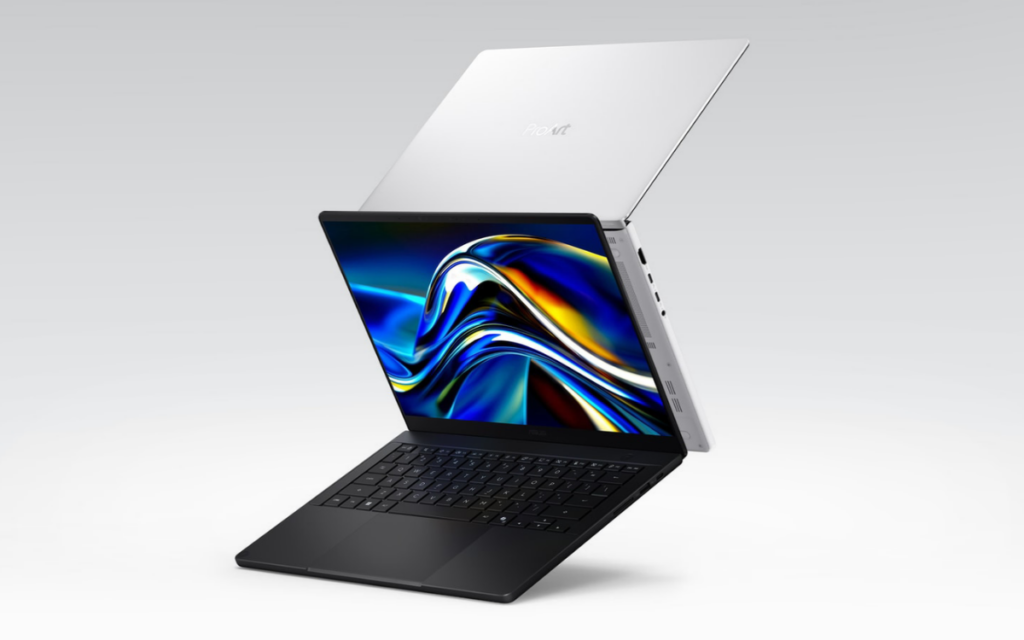
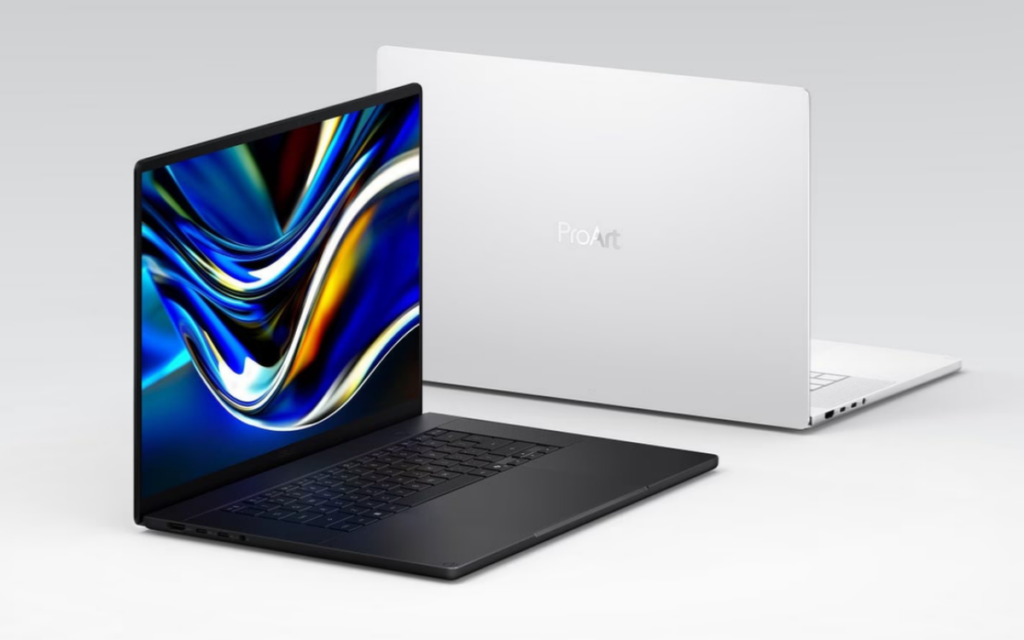
Asus launches ProArt P16 and P14 laptops with Nvidia RTX Spark & 120Hz OLED displays

Asus has finally launched the ProArt P16 and ProArt P14 laptops following their initial announcement at Computex 2026. These machines feature the all new Nvidia’s RTX Spark platform, which combines an Arm-based Grace CPU with a Blackwell RTX GPU to run massive AI models entirely on-device.

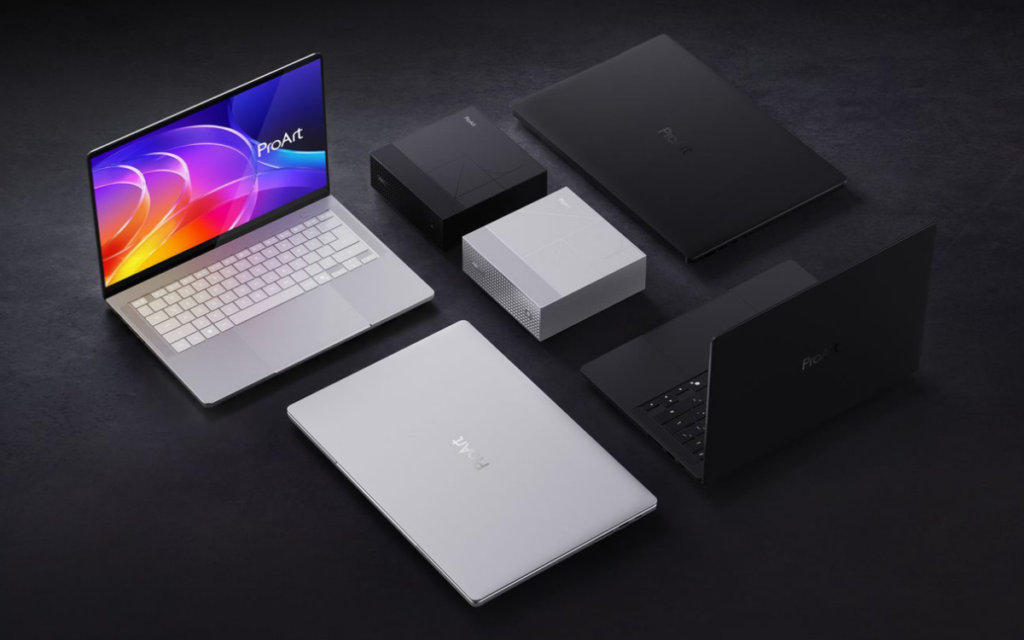
Asus ProArt P16 & ProArt P14

Asus ProArt P16 & ProArt P14 Specs

The RTX Spark architecture is designed to bypass the traditional memory bottlenecks of standard Windows PCs. By utilizing up to 128GB of unified memory, the Grace CPU (featuring up to 20 cores) and the Blackwell GPU (up to 6,144 CUDA cores) share the same memory pool.

According to Asus, this setup delivers up to 1 petaflop of FP4 AI performance and allows the laptops to run large language models with up to 120 billion parameters and a 1-million-token context window locally.

For creators and developers, this means the ability to render complex 3D scenes, edit 12K video, or run generative AI workflows without relying on cloud processing, avoiding pay-per-use API costs and keeping local files private.

Asus ProArt P16 & ProArt P14

Despite the heavy-duty internals, Asus has kept the hardware relatively portable. The 16-inch ProArt P16 is 12.9mm thick and weighs 1.77kg, while the 14-inch ProArt P14 measures 13.9mm and weighs 1.48kg.

Both laptops feature Asus Lumina Pro OLED displays with a 120Hz variable refresh rate, 100% DCI-P3 color gamut coverage, and up to 1,600 nits of peak HDR brightness. The P16 includes a 4K panel with Nvidia G-Sync support, while the P14 tops out at 3K. Both models include anti-reflection coatings, extensive I/O including Wi-Fi 7 and USB4, and large batteries, 99.9Wh for the P16 and 90Wh for the P14.

Asus ProArt P16 & ProArt P14

On the software side, Asus is bundling several tools to take advantage of the local hardware. The laptops come with MuseTree for local image generation using FLUX and WAN models, and StoryCube for AI-powered media organization

Asus has also partnered with Nous Research to integrate Hermes Agent, an open-source autonomous AI that can execute tasks across local apps and files. Additionally, the systems natively support ComfyUI, the popular node-based interface for visual AI workflows.

Pricing and Availability

The laptops are available for pre-order starting October 7, with shipments in the US scheduled to begin on October 16. In terms of pricing, the base models start at $2,599.99.

Where to buyAsus ProArt laptopsBrowse the range on AmazonShop now →

Configurations with 24GB to 48GB of memory will be available through Best Buy and the Asus eShop, while the higher-end variants with 64GB and 128GB of memory will be sold through the Asus eShop, Best Buy, and Micro Center.

In related news, Lenovo has recently launched the ThinkBook 14x laptop, featuring Intel Lunar Lake processors and a lightweight aluminum chassis weighing just 990 grams.

For more daily updates, please visit our News Section.

Stay ahead in tech! Join our Telegram community and sign up for our daily newsletter of top stories!

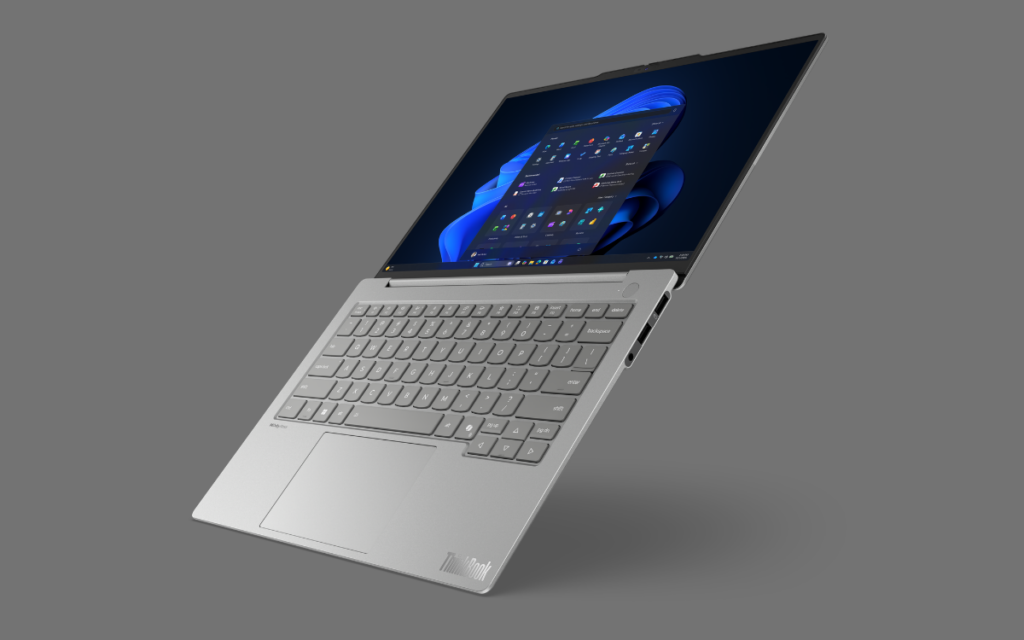
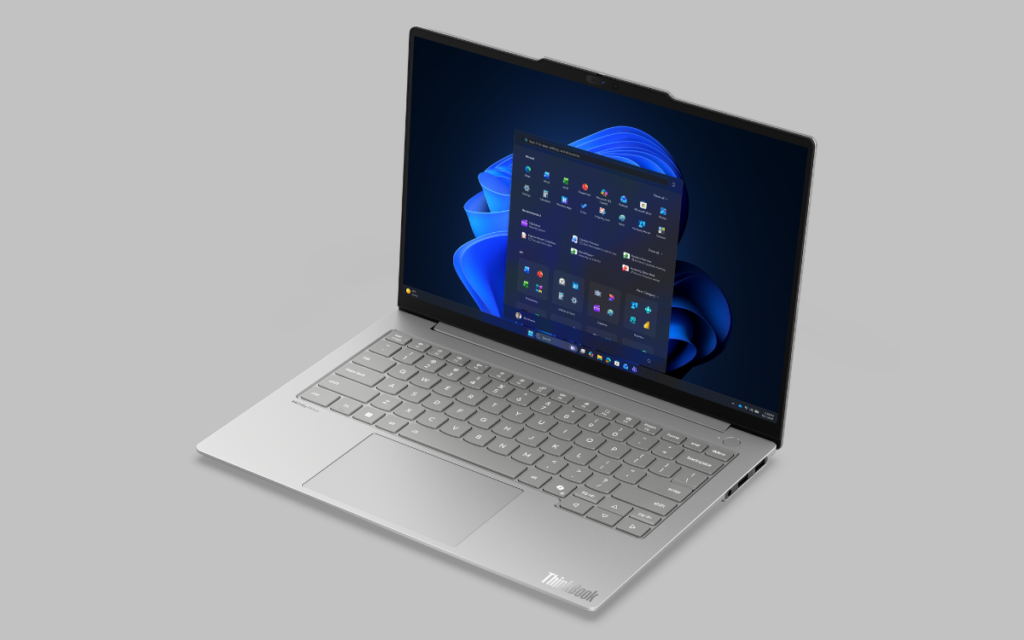
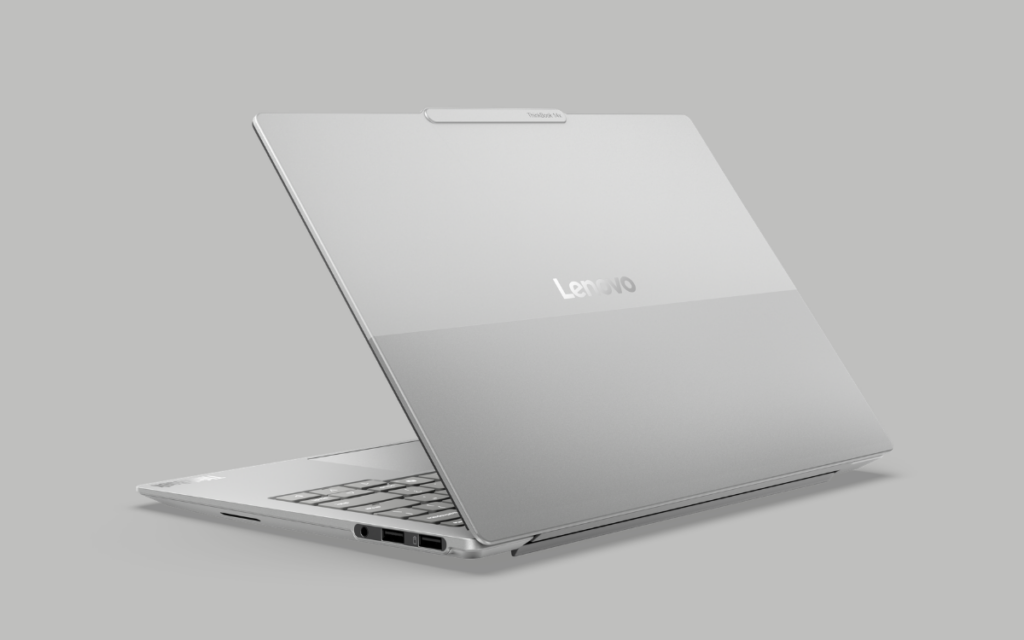
Lenovo launches ThinkBook 14x with 990g aluminum body & Intel Lunar Lake chips

Lenovo has launched the ThinkBook 14x in India, a lightweight 14-inch Windows laptop designed for everyday productivity. The laptop weighs just 990 grams and measures 12.9mm thick, making it easy to carry around for work or school. It features an aluminum chassis and maintains a practical selection of connectivity options despite its compact design. Pricing for the ThinkBook 14x starts at ₹1,08,990.

Lenovo ThinkBook 14x

Lenovo ThinkBook 14x Specifications

Inside, the laptop uses Intel’s Core Ultra Series 2 processors. You can choose between the Core Ultra 5 226V or the Core Ultra 7 256V. Because of how Intel designed these specific Lunar Lake chips, the 16GB of RAM is built directly into the processor package. This means you cannot add more memory later, locking you into 16GB for the life of the machine.

However, Lenovo did include two separate SSD slots. The laptop ships with either 512GB or 1TB of storage, and you can easily add a second drive if you need more space down the line. The system also meets Microsoft’s Copilot+ PC requirements for handling local AI tasks.

Lenovo ThinkBook 14x

Lenovo divides the laptop into three specific configuration tiers. The base model has a standard LED screen and a 54.7Wh battery. The middle tier uses the same battery but adds a touchscreen to the LED panel. The highest tier switches the display to a 14-inch 2.8K OLED screen with a 120Hz refresh rate and 500 nits of brightness, while also upgrading your battery to a larger 65Wh capacity.

Where to buyLenovo ThinkBook 14xLatest price on AmazonCheck price →

Thin laptops often drop ports to save space, but the ThinkBook 14x keeps a standard selection. It has two USB-C ports, two USB-A ports, and a full-size HDMI connection. This means you likely won’t need to carry dongles to connect an external monitor or older USB accessories. For wireless connections, all configurations support Wi-Fi 6E.

Lenovo ThinkBook 14x

The laptop carries a MIL-STD-810H rating, meaning it has passed standard durability tests for physical impacts and temperature changes. It also includes a glass touchpad, a backlit keyboard that adjusts to your room’s lighting, and privacy sensors that can blur the screen if someone is standing behind you. It runs Windows 11 Pro out of the box.

The ThinkBook 14x is available now on Lenovo’s website in India. You can use the custom-to-order tool to pick your specific processor, screen, and storage before checking out.

In related news, Lenovo has recently launched the Lecoo N27 Pro AIO with a 2.5K 100Hz display, Intel Core i5-13420H, and 16GB of RAM. The company also introduced a new budget office monitor featuring a 100Hz display for just $90.

For more daily updates, please visit our News Section.

Stay ahead in tech! Join our Telegram community and sign up for our daily newsletter of top stories!

Casio launches new Baby-G BGD-10KPM-7 Pop Mart watch that doubles as a bag charm

Casio is releasing a new addition to its Baby-G line that functions as both a digital watch and a collectible accessory. The BGD-10KPM-7, scheduled for launch in November 2026, is a direct collaboration with designer toy maker Pop Mart, focusing on the character Baby Molly. The watch is currently listed on Casio’s international and Japanese websites, with a retail price of ¥16,500 ($104) in Japan.

Casio Baby-G BGD-10KPM-7 watch

Design Details

The watch comes with a modular design based on Casio’s existing BABY-G+PLUS BGD-10K series. It can be worn as a regular wristwatch, while the central digital module can also be removed from the bezel and strap without using any tools.

The module can then be placed inside the included pink silicone holder, which features its own strap and turns the watch into a digital charm that can be attached to a backpack, bag, or belt loop. Casio also includes a set of original stickers for customizing the silicone holder.

Casio Baby-G BGD-10KPM-7 watch

The design is heavily customized to match the Pop Mart branding. The watch case is made of a bright yellow resin, chosen to match the Baby Molly character’s hair. When the LED backlight is activated, a graphic of the character’s blue eyes appears on the LCD screen.

The resin band features printed illustrations of Baby Molly and her companion, Baby Tabby cat. If you remove the pass-through band, there is a hidden graphic of a kindergarten name tag underneath the case. Additionally, the stainless steel case back is engraved with a Molly 20th-anniversary logo.

Casio Baby-G BGD-10KPM-7 watch
Edited

Underneath the character-themed exterior, the BGD-10KPM-7 operates like a standard digital Casio. The core module measures 42.8 x 39 x 14.7 mm and weighs 33 grams. It features Casio’s usual shock-resistant construction and is water-resistant up to 100 meters (10 bar). This durability applies whether the module is worn on the wrist or placed in the bag holder.

It runs on a standard CR1616 battery, which Casio estimates will last approximately three years. The software includes standard digital features: world time covering 29 time zones, a 1/100-second stopwatch, a 24-hour countdown timer, a full auto-calendar, and five daily alarms.

In related news, Casio has recently launched two affordable Vintage watches featuring green sunray dials and gold-tone bracelets, along with the limited-edition Oceanus OCW-SG1000MC-1A featuring a unique marble ceramic bezel.

For more daily updates, please visit our News Section.

Stay ahead in tech! Join our Telegram community and sign up for our daily newsletter of top stories!

(Casio)

Casio launches special-edition GM-5600 G-Shock inspired by Japanese rock legend Tomoyasu Hotei

Casio has announced a new addition to its G-Shock lineup for the Japanese market. The GM-5600HT26-1 is a digital watch designed in collaboration with Japanese guitarist Tomoyasu Hotei, released to mark his 45th year in the music industry. This is the fourth time Casio has partnered with the musician, and the new model applies his specific branding to one of the company’s standard metal-bezel watches.

Casio G-Shock GM-5600HT26-1 watch
Edited

Design Details

The watch is built around the GM-5600 series. If you aren’t familiar with it, this line takes the classic, recognizable square G-Shock shape and swaps the standard resin bezel for a stainless steel one. For this collaboration, Casio applied a black ion-plated (IP) finish to the metal bezel and the buckle, giving the hardware a darker, matte look.

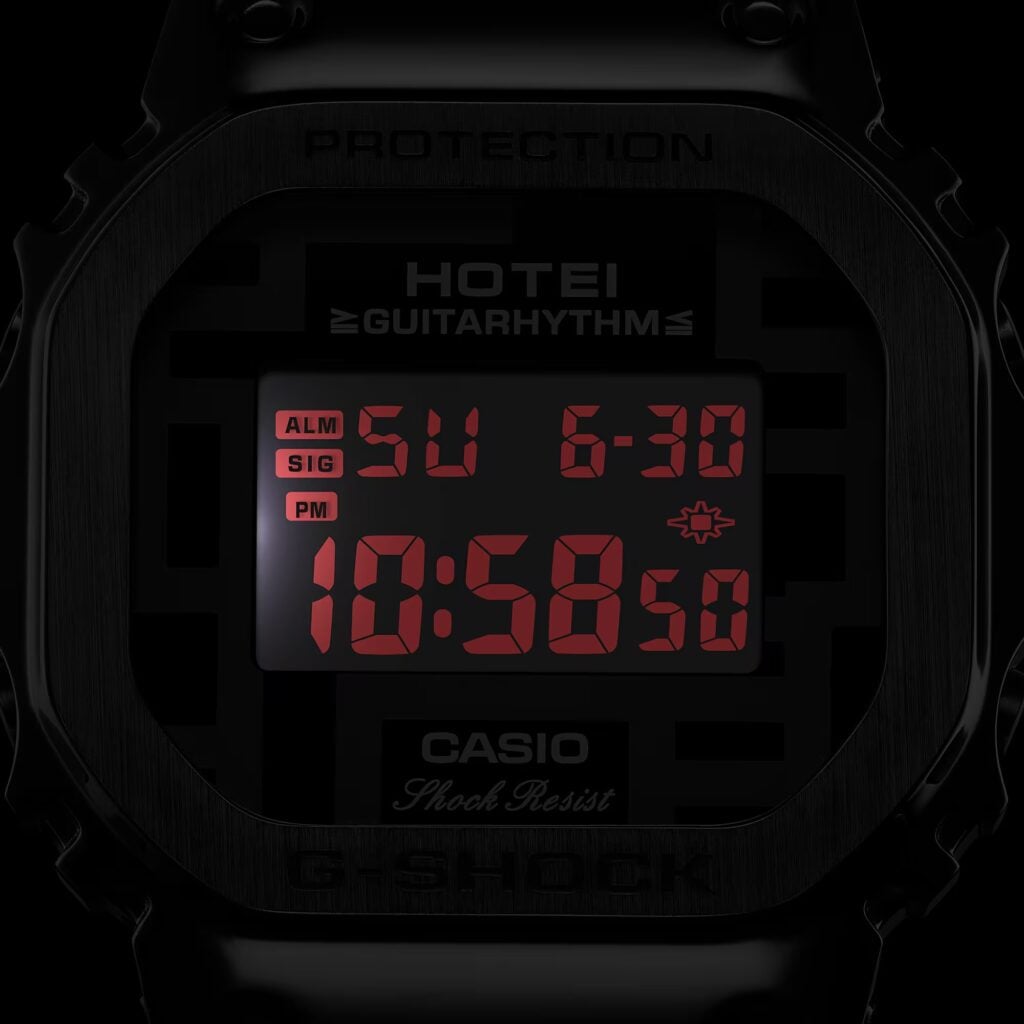
The primary design element is Hotei’s geometric GUITARHYTHM pattern, which is printed in grey across both the resin band and the watch face. Casio has included a few additional custom details for the anniversary release, including the GUITARHYTHM logo engraved on the case back and a 45TH commemorative print on the band keeper.

The watch features a red LED Super Illuminator backlight that contrasts sharply with the monochrome exterior. The device also ships in custom packaging covered entirely in the geometric pattern.

On the hardware side, the GM-5600HT26-1JR measures 49.6 x 43.2 x 12.9 mm and weighs 80 grams. It features the brand’s standard shock resistance and 200 meters of water resistance. The digital display is protected by mineral glass, and the watch runs on a battery rated for approximately five years of life.

Where to buyCasio GM-5600 G-ShockBrowse the range on AmazonShop now →

Functionally, it includes the standard digital toolkit: a 1/100-second stopwatch, a 24-hour countdown timer with auto-repeat, a multi-function alarm, and a full auto-calendar. It also utilizes a flash alert system, where the red backlight flashes in sync with alarms, hourly time signals, and timer notifications.

Pricing and Availability

The GM-5600HT26-1JR will go on sale in Japan this December. It will be available through standard retail channels, including physical G-Shock Stores and the Casio Online Store. Casio has not revealed the pricing for the limited-edition model yet.

In related news, Casio has recently launched two affordable Vintage watches with green sunray dials and gold-tone bracelets, alongside the limited-edition Oceanus OCW-SG1000MC-1A with a unique marble ceramic bezel.

For more daily updates, please visit our News Section.

Stay ahead in tech! Join our Telegram community and sign up for our daily newsletter of top stories!

(Casio)

Noise Master Buds Open with Sound by Bose launch in India at Rs 7,999

Noise has expanded its premium Master Series with the Master Buds Open, its first open-ear earbuds featuring Sound by Bose Technology. The earbuds are designed to deliver an immersive listening experience while keeping users aware of their surroundings. They are now available for pre-booking in India ahead of the official sale later this month.

Noise Master Buds Open specifications and features

Noise Master Buds Open

The Master Buds Open feature a 10.8mm custom dynamic driver paired with co-developed Dynamic EQ technology and six sound presets. Their open-ear C-bridge design keeps the ear canal unobstructed, making them suitable for extended listening during commutes, work sessions and outdoor activities.

For calls, the earbuds use a 4-mic ENC DNN system designed to reduce surrounding noise and improve voice pickup. Connectivity is handled by Bluetooth 5.4, with Dual Connectivity allowing users to pair the earbuds with two devices and switch between them. Android users also get Google Fast Pair for quicker setup.

Noise Master Buds Open

Battery life is rated at up to 28 hours with the charging case, and the earbuds support fast charging. An IPX4 rating provides protection against sweat and light splashes. Users can further customize the listening experience through the Noise Audio app, which offers touch controls, equalizer settings, Sound by Bose presets, Spatial Audio, an AI voice assistant and transcription features.

Noise Master Buds Open: Price and availability

The Noise Master Buds Open come in Carbon and Mercury metallic finishes. Pre-booking is currently live through Noise’s official website, while the earbuds will officially go on sale in India from October 23.

Where to buyNoise Master Buds OpenLatest price on AmazonCheck price →

The Master Buds Open are priced at Rs 7,999 as part of the introductory launch offer. They will be available through Noise’s website as well as Reliance Digital, Croma and Vijay Sales.

For daily updates, please visit our News Section.

Stay ahead in tech! Join our Telegram community and sign up for our daily newsletter of top stories!

Huawei’s LogicFolding chip tech lands in patent deal with Qualcomm, validating Huawei’s chip manufacturing capabilities

Huawei and Qualcomm have announced a broad patent license agreement that includes cross-licenses covering 5G, compute, AI, and networking tech. As part of the deal, Qualcomm is also buying some of Huawei’s US patents in those same areas. The whole thing still needs the usual regulatory green lights.

The corporate logos of Huawei and Qualcomm displayed side by side on white background.

Both sides are framing it as a win for intellectual property rights and FRAND licensing (that’s the fair, reasonable, and non-discriminatory standard everyone talks about in this space).

Huawei and Qualcomm announce a broad patent license agreement on a blue background.

According to Bloomberg, the agreement even covers patents related to Huawei’s LogicFolding chipmaking technique. LogicFolding is a new architecture that speeds up data transmission to help offset the fact that they can’t get their hands on the most advanced EUV lithography equipment.

It reduces the performance gap with the industry leaders. The deal is being viewed as a bit of validation for Huawei’s chip-making efforts and a boost for its push into overseas AI markets.

Huawei also noted that once everything closes, the total value of all its patent licensing agreements should top $6.9 billion. Their IP licensing business has been making money since 2021, which is notable given the heavy R&D spending and the US export restrictions that have limited their access to advanced chips and software since 2019. This is actually the first time Huawei and Qualcomm have done a patent licensing deal that covers 5G technologies.

Qualcomm’s stock popped more than 4% in pre-market trading right after the news. The exact financial terms of the cross-license are still confidential, and Qualcomm has pushed back on some of the ways the deal has been characterized. Still, it’s a clear signal that both companies recognize each other’s technical contributions in some pretty critical fields.

Don’t miss a thing! Join our Telegram community for instant updates and grab our free daily newsletter for the best tech stories!

For more daily updates, please visit our News Section.

(Sources: 1, 2)

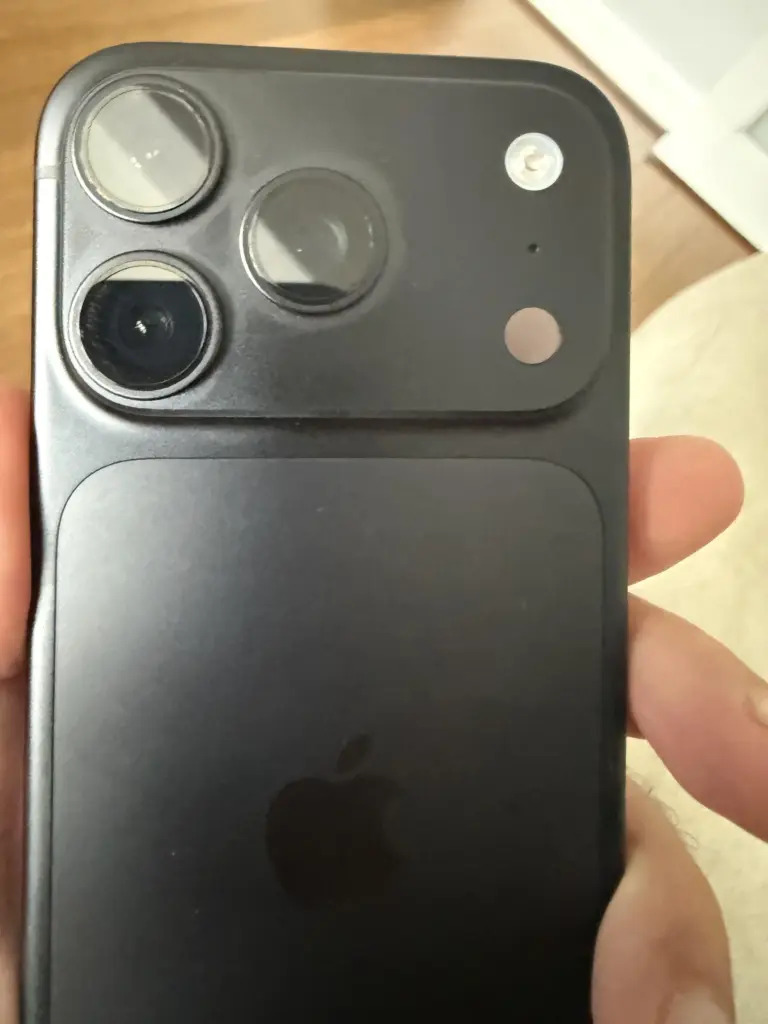
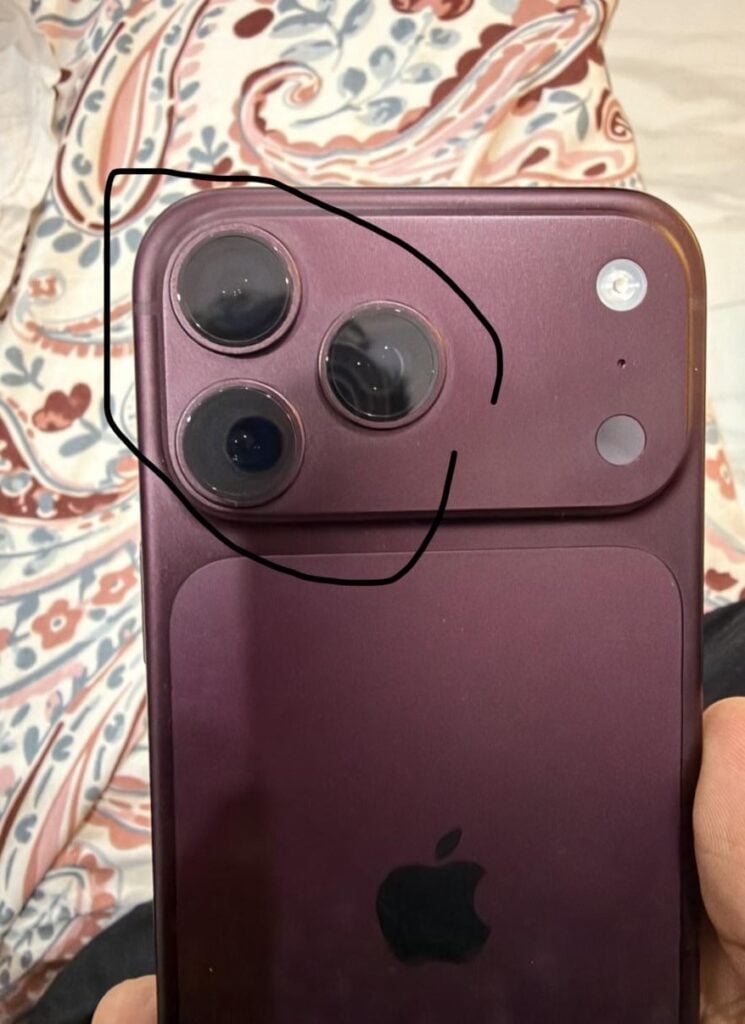
iPhone 18 Pro (Burgundy) owners are spotting weird discoloration around the camera

Just a few weeks after the iPhone 18 Pro and Pro Max started shipping, some owners started posting about what looked like weird color shifts around the rear camera module, especially on the new Burgundy models.

Dust and debris collect around the camera lenses of a burgundy iPhone 18 Pro.

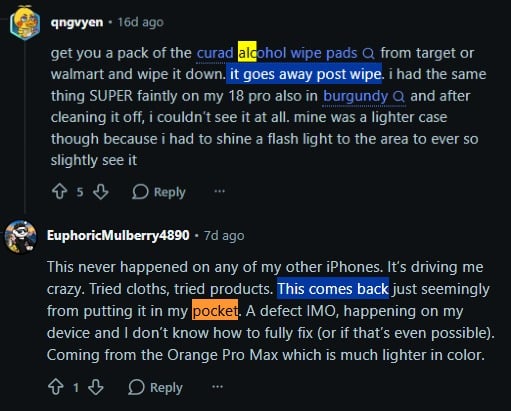
Turns out it’s not permanent discoloration or a finish defect. After digging through the Reddit threads and comments, it seems to be dust and fine debris collecting in the hard-to-reach spots between and around the camera lenses. Because the Burgundy finish is so deep and rich, that dust shows up much more clearly than it does on Silver or Glacier. A lot of people initially thought it was some kind of permanent mark because cleaning didn’t seem to fix it for good.

The reality is simpler: wipe it with a microfiber cloth or a bit of isopropyl alcohol and the marks disappear. But the second the phone goes back in a pocket or bag, the dust starts collecting again. That’s why it keeps coming back.

Constant wiping means you’re repeatedly rubbing any tiny grit that’s sitting there across the camera glass, which raises the risk of micro-scratches over time. And while alcohol works in a pinch, using it regularly could theoretically affect the adhesive holding the camera glass in place, and it’s probably not something you want to do if you’re worried about keeping the warranty clean.

Social media comments discussing discoloration issues on the Burgundy iPhone 18 Pro.

So the real takeaway isn’t that Apple has a manufacturing problem. It’s that the Burgundy color, combined with the camera module’s design, just makes everyday dust a lot more visible. If you’re thinking about getting that color, you’ll probably need to wipe the camera area more often than you’re used to. If you already have one and the “discoloration” is bothering you, a proper clean will clear it up; just know it’ll likely return until the next wipe.

Not a defect. Just a color that doesn’t hide the mess as well as the others.

Don’t miss a thing! Join our Telegram community for instant updates and grab our free daily newsletter for the best tech stories!

For more daily updates, please visit our News Section.

(Source: Reddit)

Oppo Find X10 Pro Max to launch later this month in India

Last month, Oppo unveiled the Find X10 series in China, and the lineup is scheduled to hit global markets later this month. Now, the brand’s Indian wing has confirmed that the Find X10 Pro Max is also headed to the country. The flagship will be among the first smartphones in India to feature MediaTek’s new Dimensity 9600 Pro chipset.

Dimensity 9600 Pro brings 2nm performance

Close-up view of the triple camera module on the Oppo Find X10 Pro Max.

Oppo India and MediaTek have confirmed that the Find X10 Pro Max will be among the first smartphones globally to feature the Dimensity 9600 Pro. The chipset uses a 2nm process and features an all-big-core 2+3+3 CPU configuration, with two C2-Ultra cores reaching 4.55GHz and six C2-Pro cores running at up to 4.35GHz. MediaTek claims up to 17% higher single-core performance and 15% higher multi-core performance over its previous generation, while multi-core power consumption is reduced by 61%.

AI processing gets a major focus through a dual-NPU architecture and the Dimensity Agentic AI Engine. The platform supports AI models with up to 30 billion parameters, while its second-generation Super-Efficient NPU is said to reduce always-on AI power consumption by 40%. The NPU 1090 also delivers up to 51% higher LLM prefill performance and 55% better token generation per watt.

Graphics are handled by the G2-Ultra NX GPU, which is claimed to offer up to 27% higher peak performance, 24% lower power consumption and 18% faster ray tracing. The chipset can support gaming at up to 185fps and brings MediaTek HyperEngine technologies for smoother gameplay.

Imaging capabilities include the Imagiq 1290 ISP and AI Imaging Fusion Architecture, with support for NPU-assisted 60fps motion capture, 4K recording at 240fps, 4K120 cinematic log recording and 17EV imaging. The Find X10 series will also debut Oppo’s Laminar Flow Engine, jointly developed with MediaTek to improve system responsiveness, power efficiency, app launches and content loading during demanding usage.

Oppo has not yet revealed the exact India launch date, but the Find X10 series is confirmed to arrive in the country in the coming weeks. The Find X10 Pro Max was already launched in China with a 6.78-inch AMOLED display featuring a 144Hz refresh rate, IP66, IP68 and IP69 ratings, a Hasselblad-tuned triple rear camera setup with a 200-megapixel main camera, and an 8,000mAh battery with 80W wired and 50W wireless charging.

For daily updates, please visit our News Section.

Stay ahead in tech! Join our Telegram community and sign up for our daily newsletter of top stories!

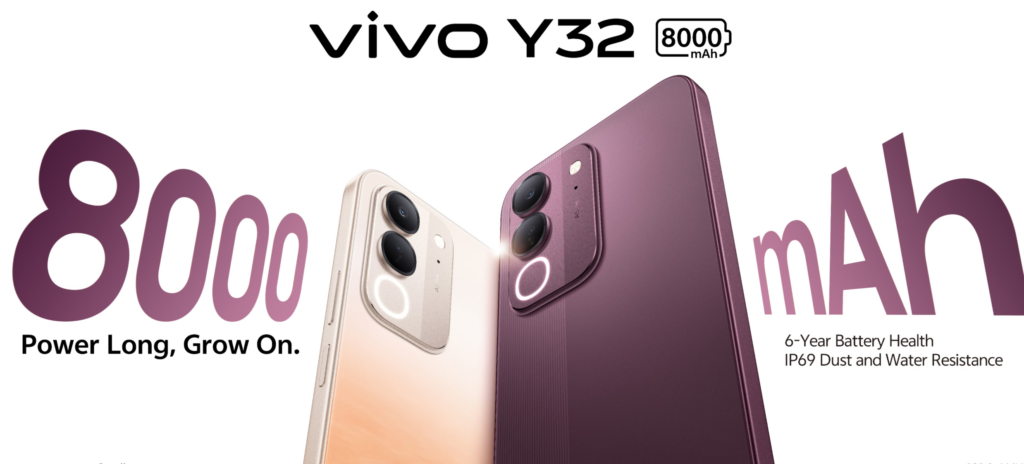
Vivo Y32 launches with an 8,000mAh battery, a120Hz display, and IP68/69 protection

Vivo has quietly unveiled the Y32 in select global markets, bringing a large battery and a high-refresh-rate display to its Y-series lineup. The phone is aimed at users looking for extended battery life without moving into a higher-end price segment. It also brings IP68 and IP69 ratings for added durability.

Vivo Y32 specifications and features

Vivo Y32
Vivo Y32

The Vivo Y32 features a 6.87-inch LCD display with a 1592 x 720-pixel resolution, a 120Hz refresh rate, and up to 1,300 nits of peak brightness. Under the hood, it uses the Unisoc T7300 chipset, paired with 4GB or 6GB of LPDDR4X RAM and 128GB of UFS 2.2 storage. A microSD card can expand the storage by up to 2TB.

Where to buyVivo Y32Latest price on AmazonCheck price →

The biggest highlight is the 8,000mAh battery, which supports 44W wired charging. For photography, the phone has a 50-megapixel primary rear camera accompanied by a 2-megapixel secondary sensor, while an 8-megapixel camera handles selfies and video calls. Stereo speakers and a side-mounted fingerprint scanner integrated into the power button are also included.

Vivo Y32
Vivo Y32

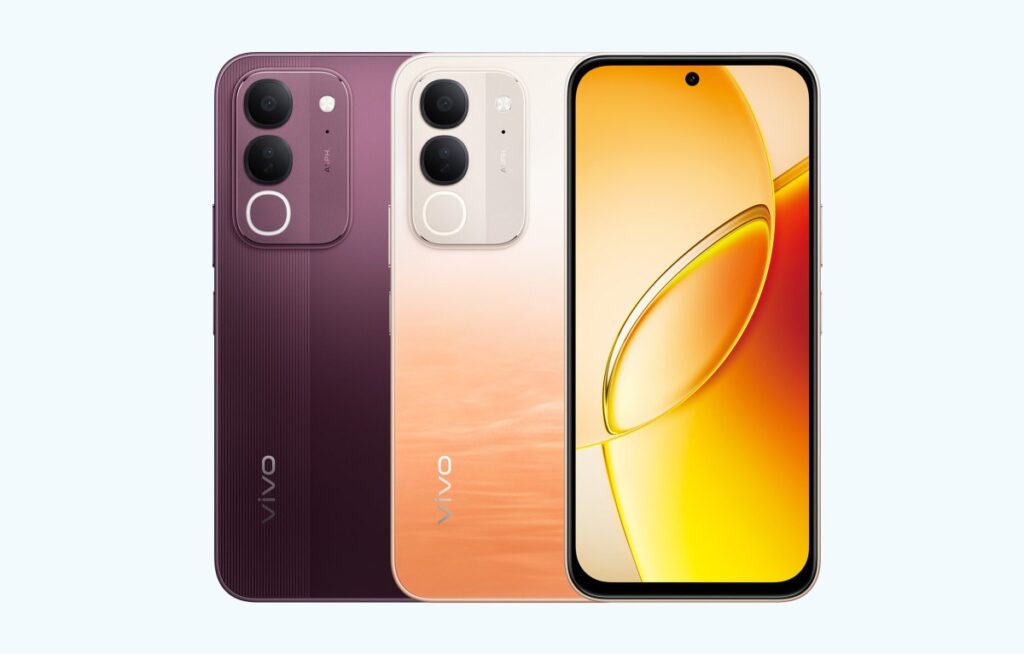
Vivo has given the Y32 a durable build with IP68 and IP69 ratings for dust and water resistance. The phone runs Android 16 with OriginOS 6 on top and supports 4G connectivity. The Twilight Red version measures 8.69mm thick and weighs 229g, while the Sunset Orange model is 8.79mm thick and weighs 230g.

Vivo Y32 price and availability

The Vivo Y32 is offered in Twilight Red and Sunset Orange color options. Vivo has listed the smartphone on its official websites in Bangladesh and Nepal, but the company has not yet announced its pricing.

For daily updates, please visit our News Section.

Stay ahead in tech! Join our Telegram community and sign up for our daily newsletter of top stories!