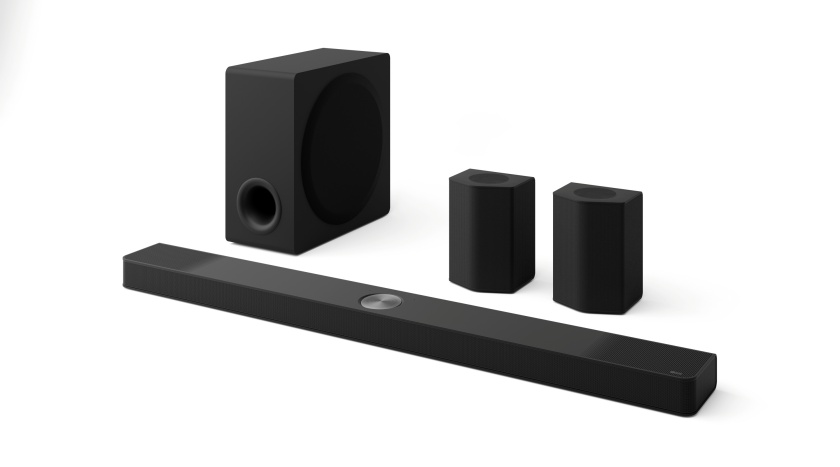
LG has just unveiled a new audio home product. The company has announced the LG S95TR Soundbar in its home market of South Korea. This hearable device was first unveiled back in December 2023 and was showcased in CES 2024 as well. So here are all the details.
LG S95TR Soundbar Specs
The LG S95TR Soundbar arrives with a three-firing speaker setup that offers a total of 15 channels. It is paired with a subwoofer for deep bass and rear speakers with a maximum output of 810W. This soundbar can connect wirelessly to your TV to enhance the audio experience. The brand also marketed the S95TR with AI, which helps deliver an immersive 3D sound.
LG Electronics also offers the WOW Orchestra feature as well. This function basically combines the soundbar and TV speakers. Another feature is the WOWCAST which brings support for Dolby Atmos for improved sounds even when the soundbar is connected to premium LG TVs. The device supports DTS:X and HDMI eARC for high quality audio playback. Users can control the soundbar using the TV remote control and this soundbar can connect to Google Chromecast and Apple AirPlay 2. There is also easy access to Spotify and Tidal via smartphones.
LG S95TR Soundbar Pricing and Availability
The new LG S95TR Soundbar will be released in the global market soon. It will be sold in the North American market by the end of this month, with South Korean and European launch following soon after. As of right now, the South Korean pricing has been revealed. The LG Soundbar S95TR has a 1,899,000 won (roughly 1448 US Dollars) price tag, while the LG S70TR soundbar costs 699,000 won (roughly 532 US Dollars). Buyers that pre-register for the first 100 units can avail a 300,000 won discount on the S95TR from the brand’s official website.
Earlier this week, Honor announced a launch event scheduled for March 18. While the primary focus is expected to be on new smartphone releases, the company has also confirmed the debut of the Honor Band 9 and a new Honor Watch during the event.
The company teased the wearable launch via the Honor Mall app. The teaser shows that the Honor Band 9’s design will resemble its predecessor. It has a rectangular dial that fuses with the strap. There’s not much detail the company has shared about it though.
However, the fitness tracker has recently been certified by the Bluetooth SIG (Special Interest Group) certification body. Band 9 is listed under model numbers RHE-B39 and RHE-B19 and the listing confirms the inclusion of Bluetooth 5.3 connectivity support.
Further, the Honor Band 9 has been listed on the device pairing page of the Honor Sports and Health App with the description “fashionable health bracelet.” Based on this, we can expect that the Honor Band 9 will likely emphasize design elements and advanced health monitoring capabilities.
Beyond the Honor Band 9, Honor has also teased the launch of a new Honor Watch at the March 18 event. Specific details about both wearables remain scarce.
The complete list of expected product launches on March 18 includes:
Honor Magic6 RSR|Porsche Design
Honor Magic6 Ultimate Edition
Honor MagicBook Pro 16
Honor Band 9
New Honor Watch
Additional details on the design, features, and pricing of the Honor Band 9 and the new Honor Watch will likely be revealed at the launch event.
Samsung recently released four Galaxy Book 4 models globally – the Galaxy Book 4 360, Galaxy Book 4 Ultra, Galaxy Book 4 Pro, and the Galaxy Book 4 Pro 360. Now Samsung is going to add another model to the lineup, the Galaxy Book 4 Edge, that will be one of the first adopters of Qualcomm’s new Snapdragon X Elite platform.
The upcoming device is positioned to compete head-to-head with Apple’s silicon-powered MacBooks, promising high performance and power efficiency. This Snapdragon X Elite powered laptop has recently surfaced on Geekbench surpassing Apple’s M1 and M2 powered devices.
Galaxy Book 4 Edge (with X Elite SoC) could offer much longer battery life
The Galaxy Book 4 Edge will leverage Qualcomm’s 12-core ARM CPU, boasting clock speeds of up to 4.3 gigahertz. Developed by a team of former Apple chip designers, this processor aims to narrow the performance gap between Windows and MacOS-based devices, challenging Apple’s M series processors.
Initial specifications reveal a 14-inch display, complemented by 16GB RAM and a 512GB SSD. While further details on storage and memory configurations remain undisclosed, the device is anticipated to offer premium features characteristic of high-end laptops.
Priced at around 1800 euros (~$1,968), the Galaxy Book 4 Edge is positioned in a similar range as Apple‘s latest MacBook Air. Despite the premium price tag, the Samsung laptop is expected to justify its value proposition through power-efficient operation, potentially offering significantly longer battery life compared to its counterparts.
Performance-wise, Qualcomm’s Snapdragon X Elite chip has showcased impressive capabilities. In tests conducted by XDA Developers, machines powered by the chip outperformed the MacBook Air with an M2 chip, exhibiting promising single and multi-core performance metrics.
While the exact launch date of the Galaxy Book 4 Edge remains undisclosed, Qualcomm’s new SoC is slated for a mid-2024 release. As such, consumers can anticipate the Snapdragon X Elite-powered laptop to hit the shelves in the latter half of the year, offering a compelling option for those seeking enhanced performance and power efficiency.
Infinix recently confirmed that it will hold a launch event on March 18 to announce the Note 40 series for the global market. The lineup is said to include four models, such as the Note 40, Note 40 Pro, Note 40 Pro 5G, and Note 40 Pro+ 5G. Ahead of the launch, the rumor mill is gradually revealing key details about these devices. In a new report, MobilTelefon has revealed the key specifications and prices of the Note 40 and 40 Pro.
Infinix Note 40, Note 40 Pro key specifications
Infinix Note 40 Pro 5G
According to the publication, the Infinix Note 40 will come in 8 GB RAM + 256 GB storage version, and it will be priced at RUB 26,990 (~$297) in Russia. There are reports that this device will be powered by the MediaTek Helio G91 chipset, which went official recently. Unfortunately, the report has no other information about the standard model.
The Infinix Note 40 Pro, on the other hand, is said to have a 6.78-inch display, which seems to be an AMOLED panel. It will feature the Helio G99 chipset, 8 GB of RAM, 256 GB of storage, and a 5,000mAh battery. For photography, the device will offer a 108-megapixel + 2-megapixel + 2-megapixel triple camera unit. The publication says that the Note 40 Pro will be priced at RUB 29,990 (~$330).
As per a recent report, the Note 40 will also have a 5,000mAh battery. The standard and Pro models are said to support 45W and 70W fast charging. Yesterday, the Note 40 Pro 5G was spotted on the Google Play Console with an FHD+ display, likely a Dimensity 7020 chipset, 8 GB of RAM, and Android 14.
The major attraction of the series will be the Note 40 Pro+ 5G, which may support 100W fast charging and debut as the first Android phone with wireless magnetic charging.
Samsung unveiled the Galaxy A35 and Galaxy A55 smartphones globally yesterday, with specifics regarding pricing and availability in various regions set to be revealed gradually. In the US market, it appears that Samsung will exclusively debut the Galaxy A35 this time. In other words, the A55 will not be landing in the US.
A statement released by the Samsung US representative to CNETreads, “We can confirm that Galaxy A35 5G will be coming to the US market and look forward to sharing more details in the coming weeks. We will not be carrying the Galaxy A55 5G at this time.” Here’s an overview of what the US market won’t have access to.
Samsung Galaxy A55
Samsung Galaxy A55 specifications
The Galaxy A55 has a 6.6-inch S-AMOLED FHD+ 120Hz display with up to 1000 nits of brightness. Under the hood, it has the Exynos 1480 chip, 8 GB / 12 GB of RAM, 128 GB / 256 GB of storage, and a 5,000mAh battery with 25W fast charging. For more storage, it has a microSD card slot. The device runs on One UI 6.1-based Android 14 and is confirmed to receive four Android OS upgrades and five years of security updates.
The Galaxy A55 has a 32-megapixel front camera, and its rear panel has an OIS-enabled 50-megapixel. The main camera is accompanied by a 12-megapixel ultra-wide lens and a 5-megapixel macro camera. The device offers an aluminum frame, Gorilla Glass Victus protection, dual speakers, 5G, eSIM, Wi-Fi 6, Bluetooth 5.3, NGC, and a USB-C port. It has an IP67-rated chassis that measures 8.2mm in thickness and weighs 213 grams.
The Exynos 1380-powered Galaxy A35, on the other hand, has a 13-megapixel front camera, and a 50-megapixel (main, with OIS) + 8-megapixel (ultra-wide) + 2-megapixel (macro) triple camera unit. It offers 6 GB / 8 GB of RAM, 128 GB / 256 GB of storage, and a plastic frame. The rest of the specs are almost the same as the A55.
Vivo is all set to unveil the Vivo T3 5G smartphone in India. The reason behind it is that its landing page is now available on Flipkart. Currently, the page has no information about the specifications of the device. However, the listing does carry the below image, which reveals the rear design of the Vivo T3 5G for the first time.
Vivo T3 5G design
Vivo T3 5G
The Vivo T3 5G’s image shows that it features a triple camera unit with an LED flash on the back. It is unclear whether the third camera ring is a camera sensor or a flicker sensor. The image also reveals that the device has flat edges, with the right side featuring a volume controller and a power key.
At present, the company hasn’t revealed the launch date of the device. However, it appears that it may debut before the end of this month.
Vivo T3 5G specifications (rumored)
According to recent reports, the Vivo T3 5G will have a 6.67-inch AMOLED display that offers a Full HD+ resolution and supports a 120Hz refresh rate. The screen is said to offer up to 1800 nits of brightness and features an in-screen fingerprint scanner. Under the hood, the device will feature the Dimensity 7200 chipset.
The T3 is expected to arrive with 8 GB of RAM and 128 GB / 256 GB of storage. The device will house a 5,000mAh battery with 44W fast charging. For audiophiles, it is said to be equipped with dual speakers.
On the front, the Vivo T3 may feature a 16-megapixel selfie camera. The back panel of the device is said to feature a 50-megapixel Sony IMX882 primary camera with OIS support and a 2-megapixel bokeh lens. When it comes to pricing, it is said to be priced at around Rs 20,000. It will come in two shades, such as Crystal Flake and Cosmic Blue.
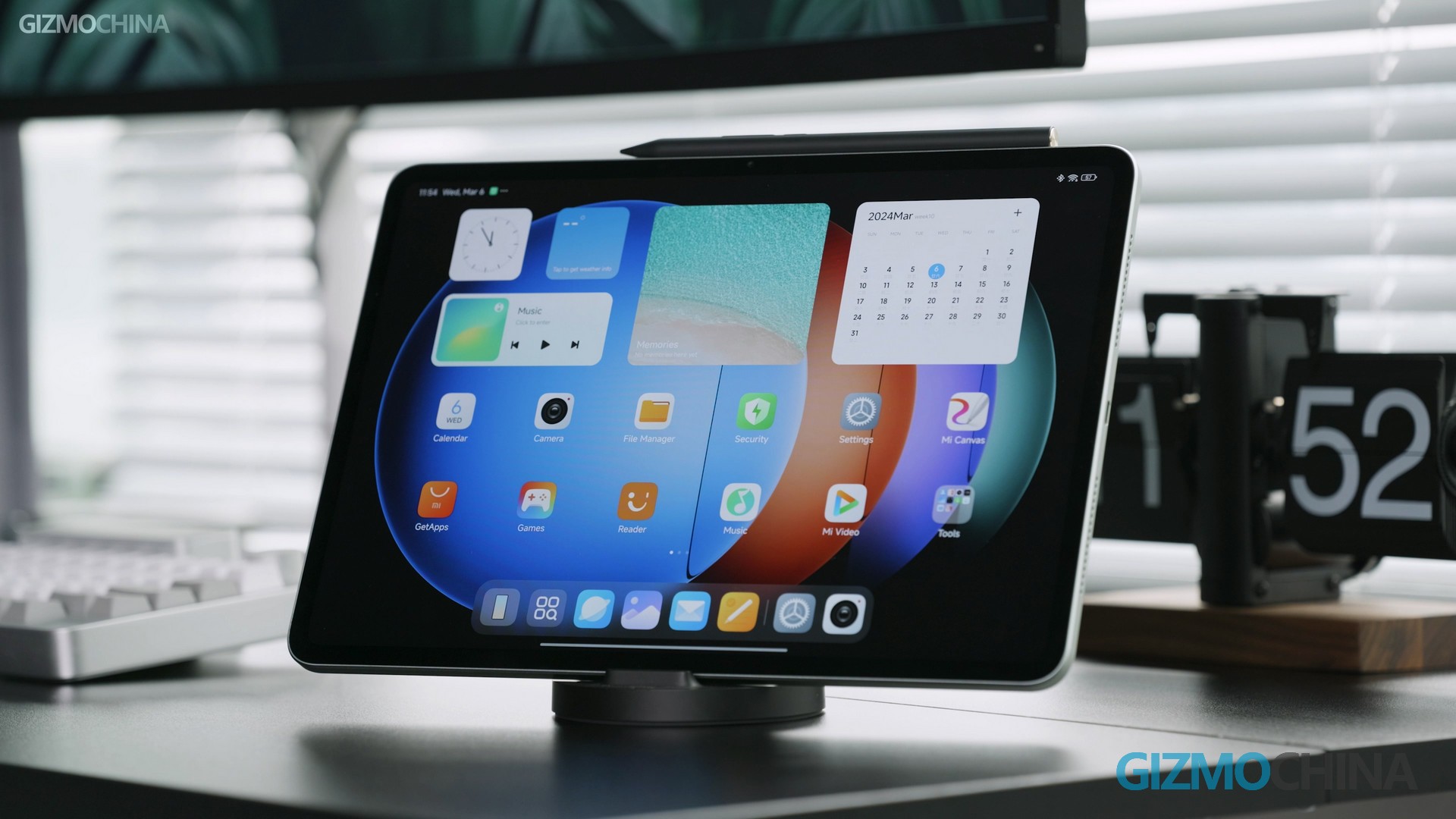
It’s been a long time since we reviewed a Xiaomi Pad, last time when we reviewed the Xiaomi Pad 6 Pro, it didn’t really surprise us much. After 10 months, we’re back to see how Xiaomi’s tablet has improved. This Xiaomi Pad 6S Pro 12.4 is also the first HyperOS tablet we got. I’m using a Xiaomi 14 right now, and it is HyperOS as well. So in a little while I’ll also test whether the Xiaomi Interconnectivity is any good or not.
The 6S Pro keeps up the design with the Xiaomi 14 series: a flat frame, equal-width bezels, and a camera module with four circles inside a rectangle. It’s not that I have any complaints about the design, it’s just that the 50 MP AI Camera is placed in a way that makes it look cheap to me. Speaking of the camera, the main camera is 50 MP, and there’s a 2 MP depth of field camera.
The front camera is 32MP. The image quality is like this. With a top spec of 1080p 30fps, it’s certainly good enough for online meetings. After all, you can’t expect an Android tablet to have a great front camera, right?
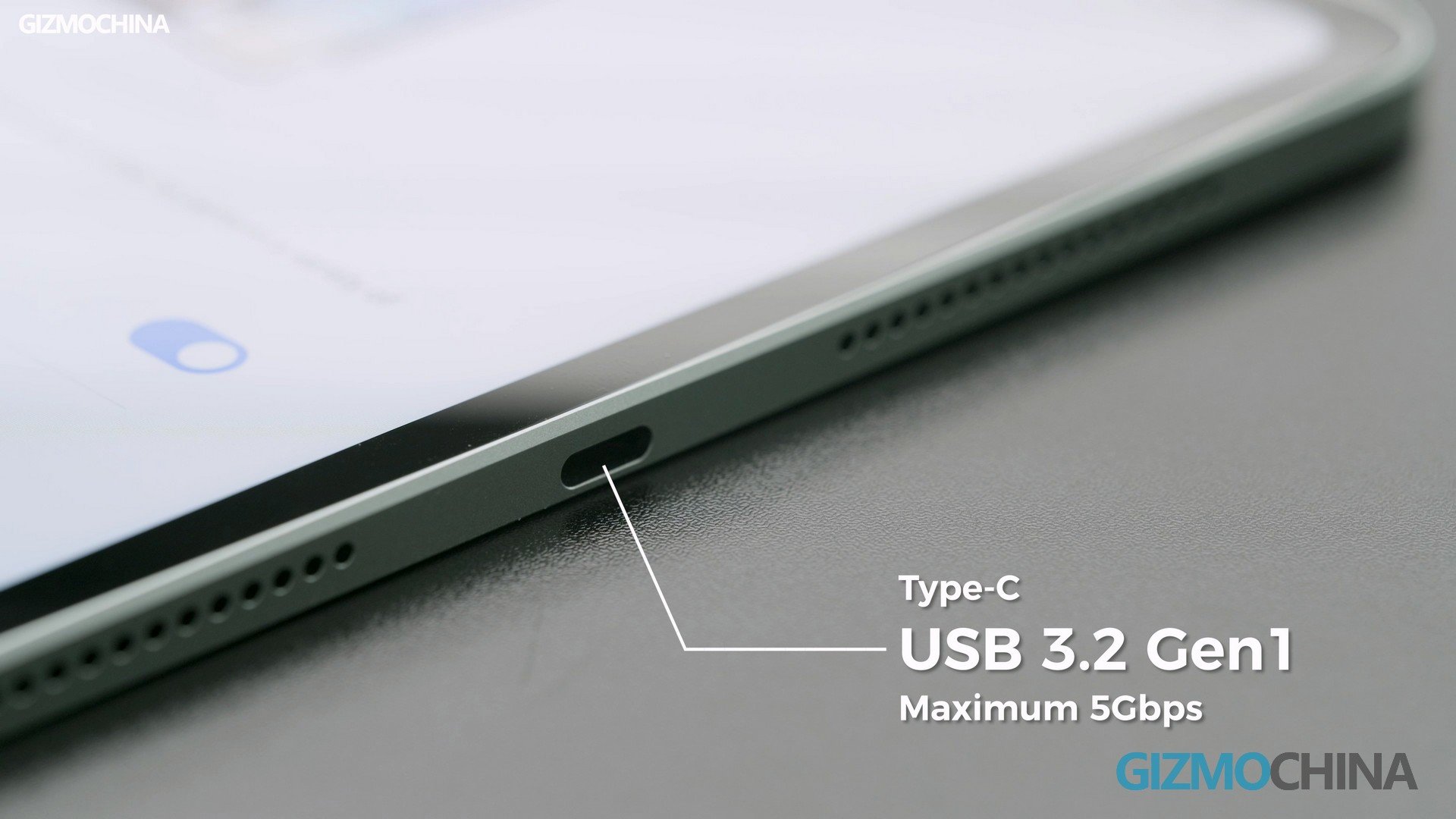
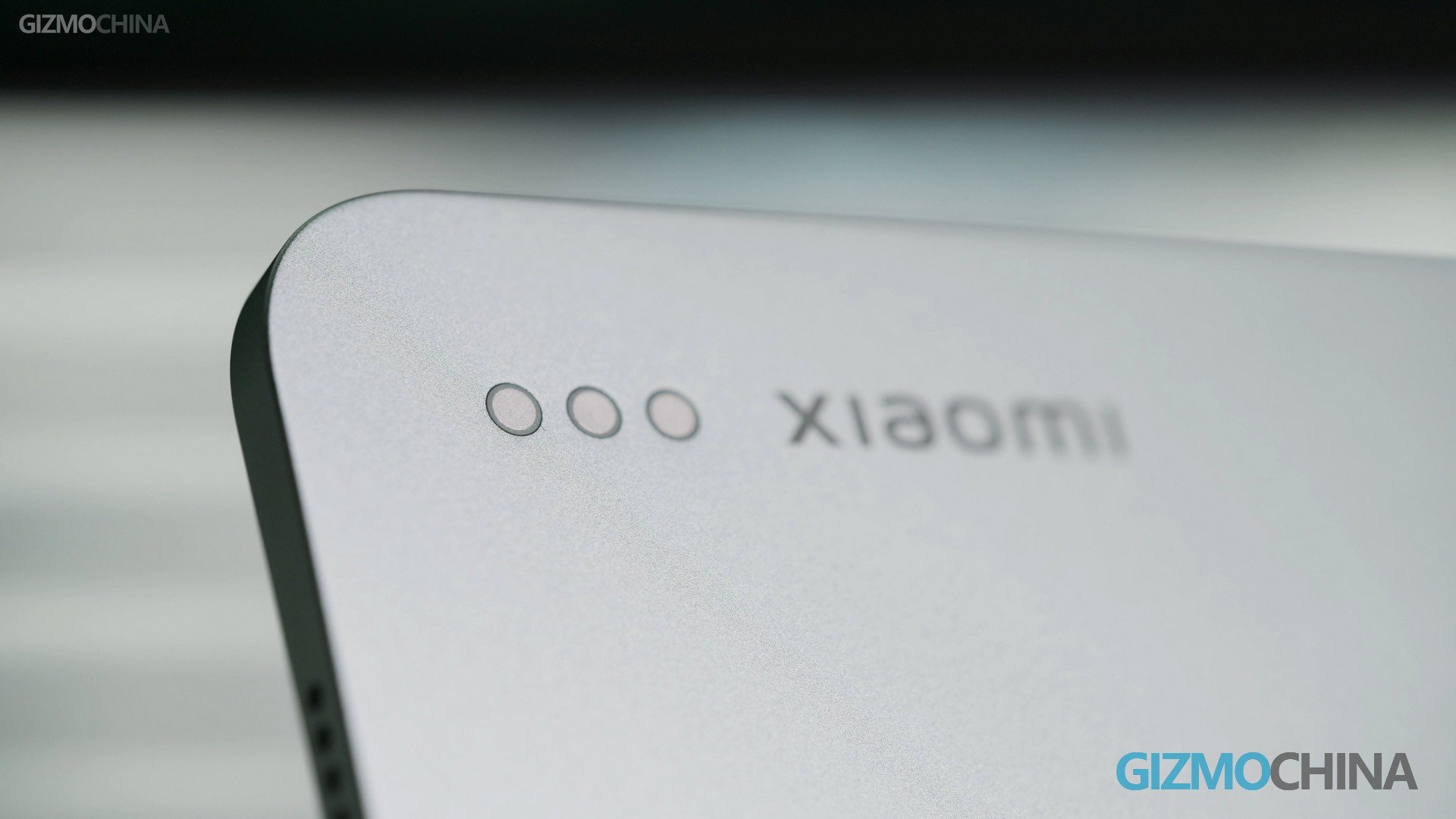
Other specs are no different from the 6 Pro. USB 3.2 Gen 1, supports video output. Fingerprint and power 2-in-1 button, metal unibody. Does not support TF card expansion. The three contacts at the back are used to connect the keyboard. But the difference is that the 6S Pro also can connect a big accessory: the Xiaomi SU7, which is also known as Xiaomi’s first electric car. In the future, you can put it in your car and use it as a part of the Center console.
Display
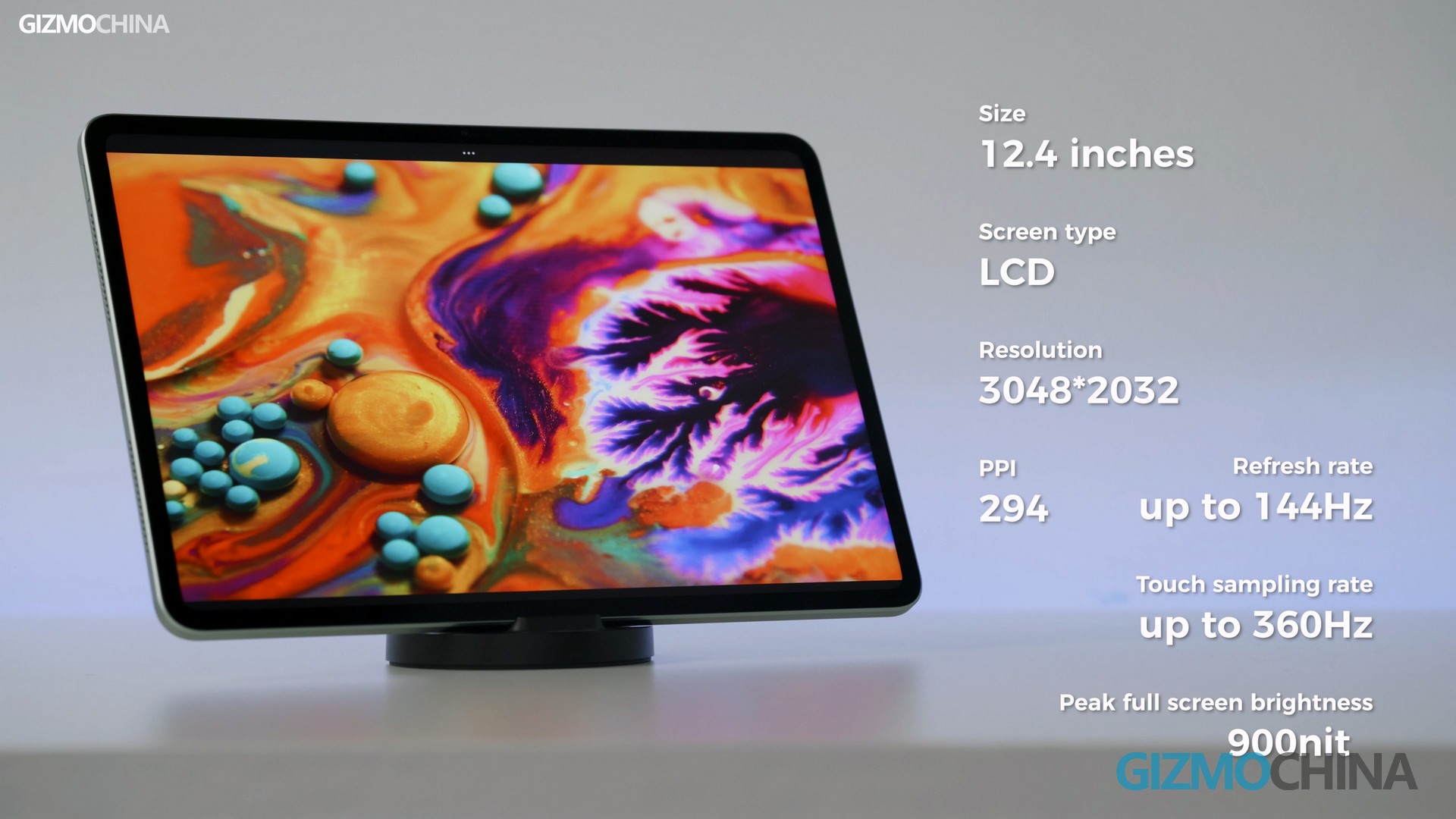
As you can tell from its name, 12.4 stands for the screen size. I’ll write the specs here.
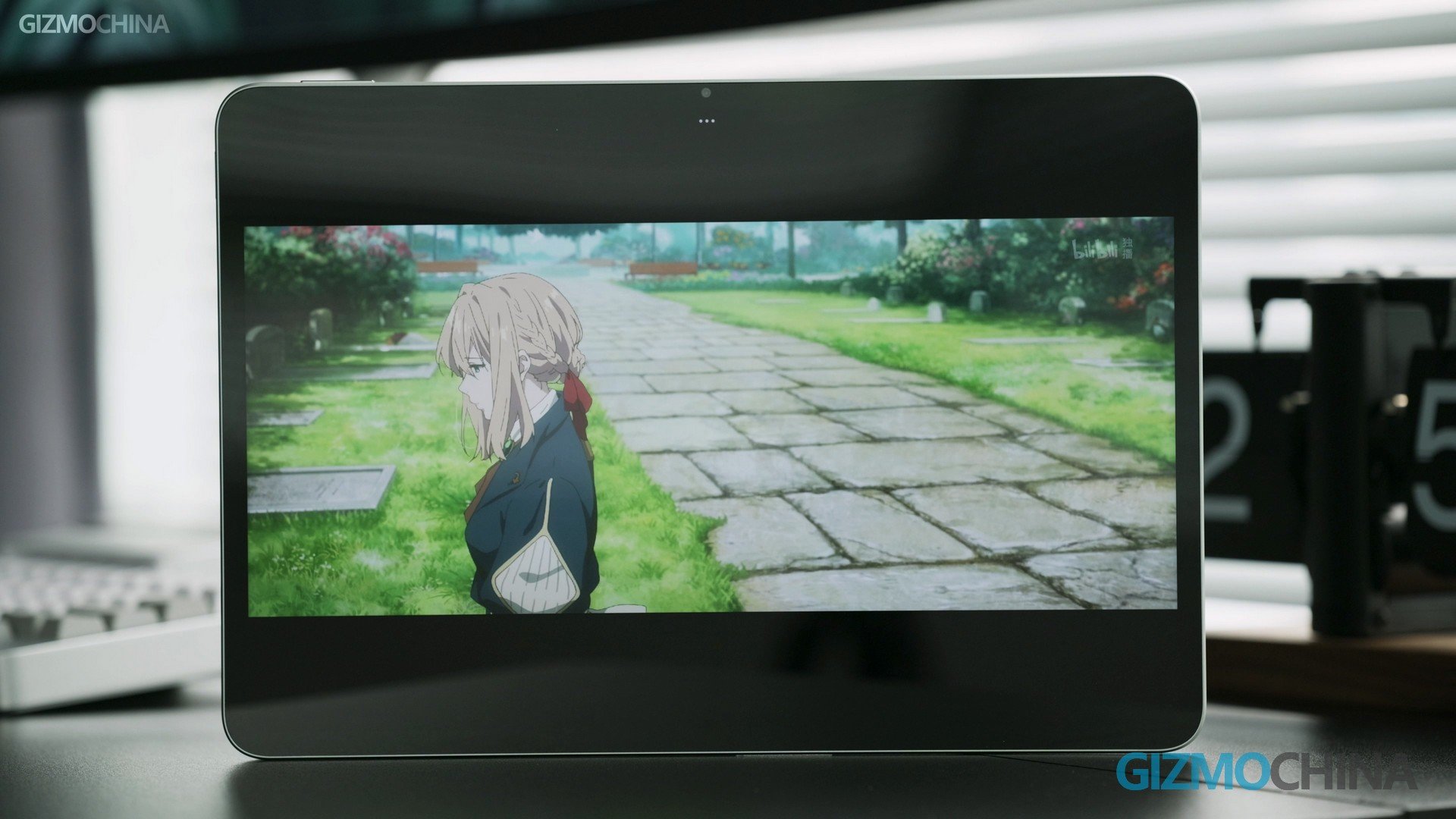
Aside from the bigger size, it’s also changed from a 16:9 ratio to a 3:2 ratio, which Xiaomi says is a more office-friendly size because you can see more content when editing Excel, PowerPoint, or viewing web pages. I don’t know how many people would use a tablet for office work though, but that’s what Xiaomi did. I do prefer the 16:9 ratio, as 3:2 will always leave black areas up and down when watching most online videos. Especially when watching movies, it can be very distracting.
Stylus
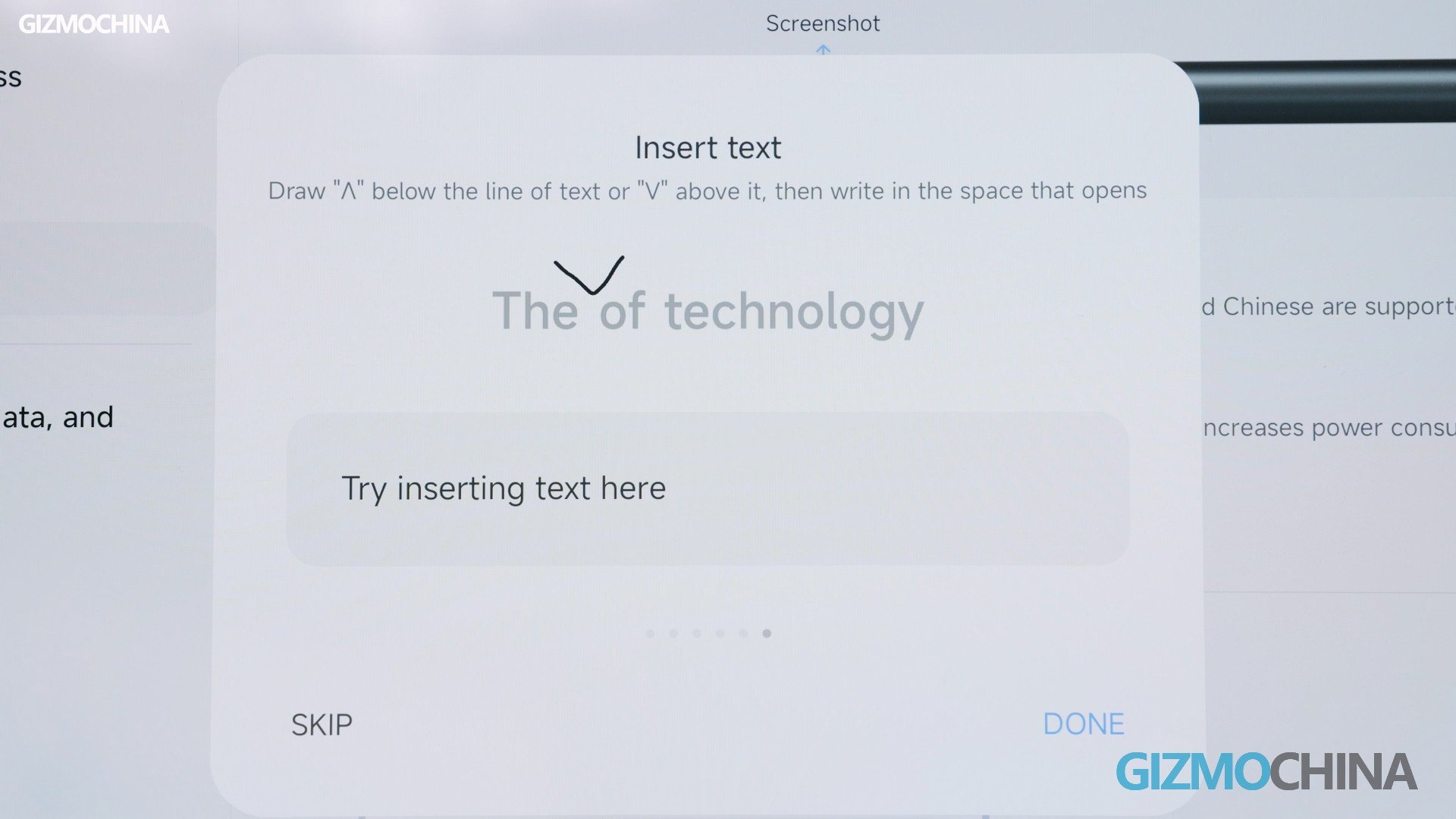
Although this stylus is not an exclusive accessory for the 6S Pro, I still want to brag a little about it. This stylus has a lot of features and a good number of them work better than the Apple Pencil. For example, when it comes to writing, in addition to converting both the Chinese and English you write into text, you can also insert text like this.
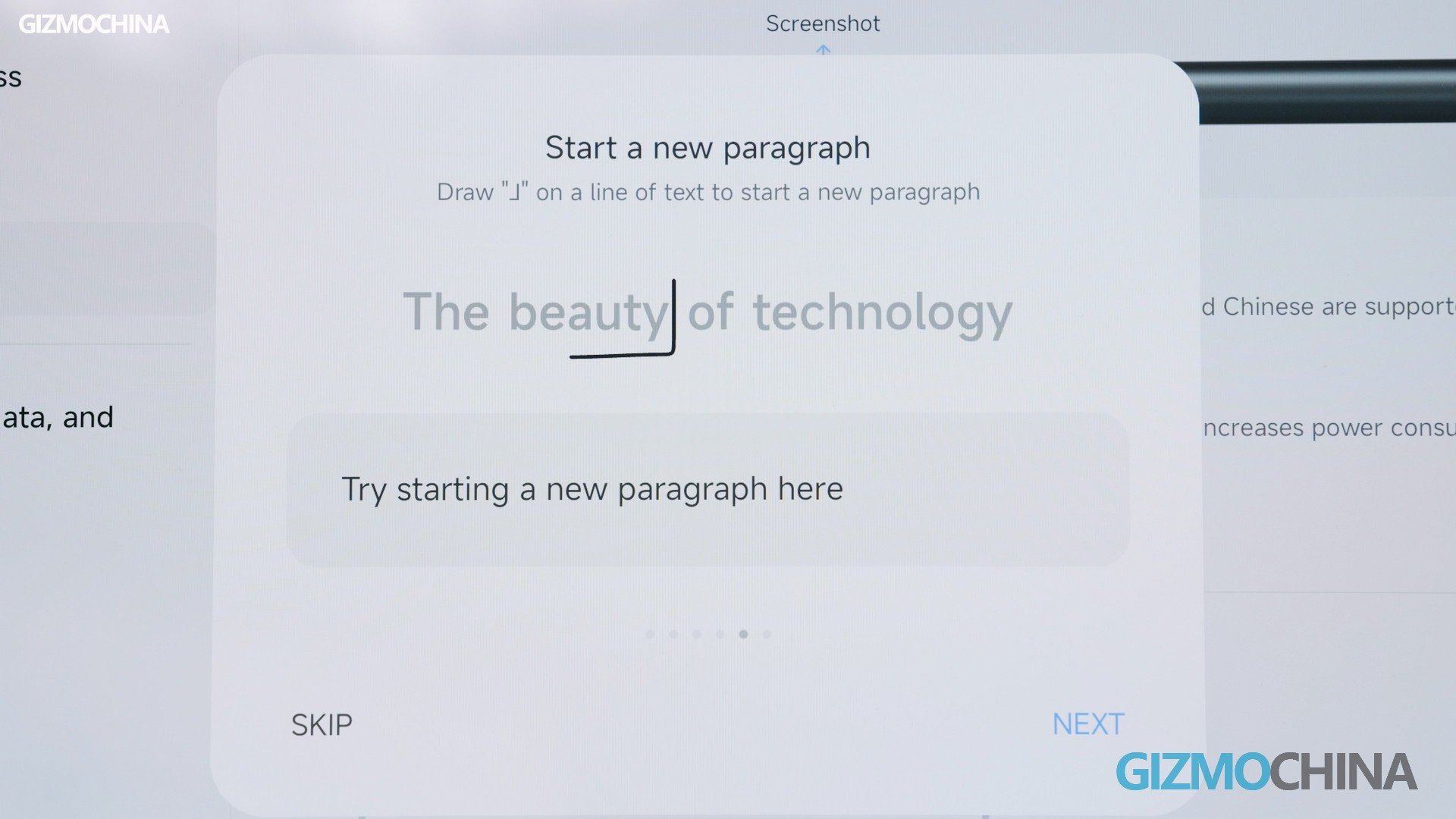
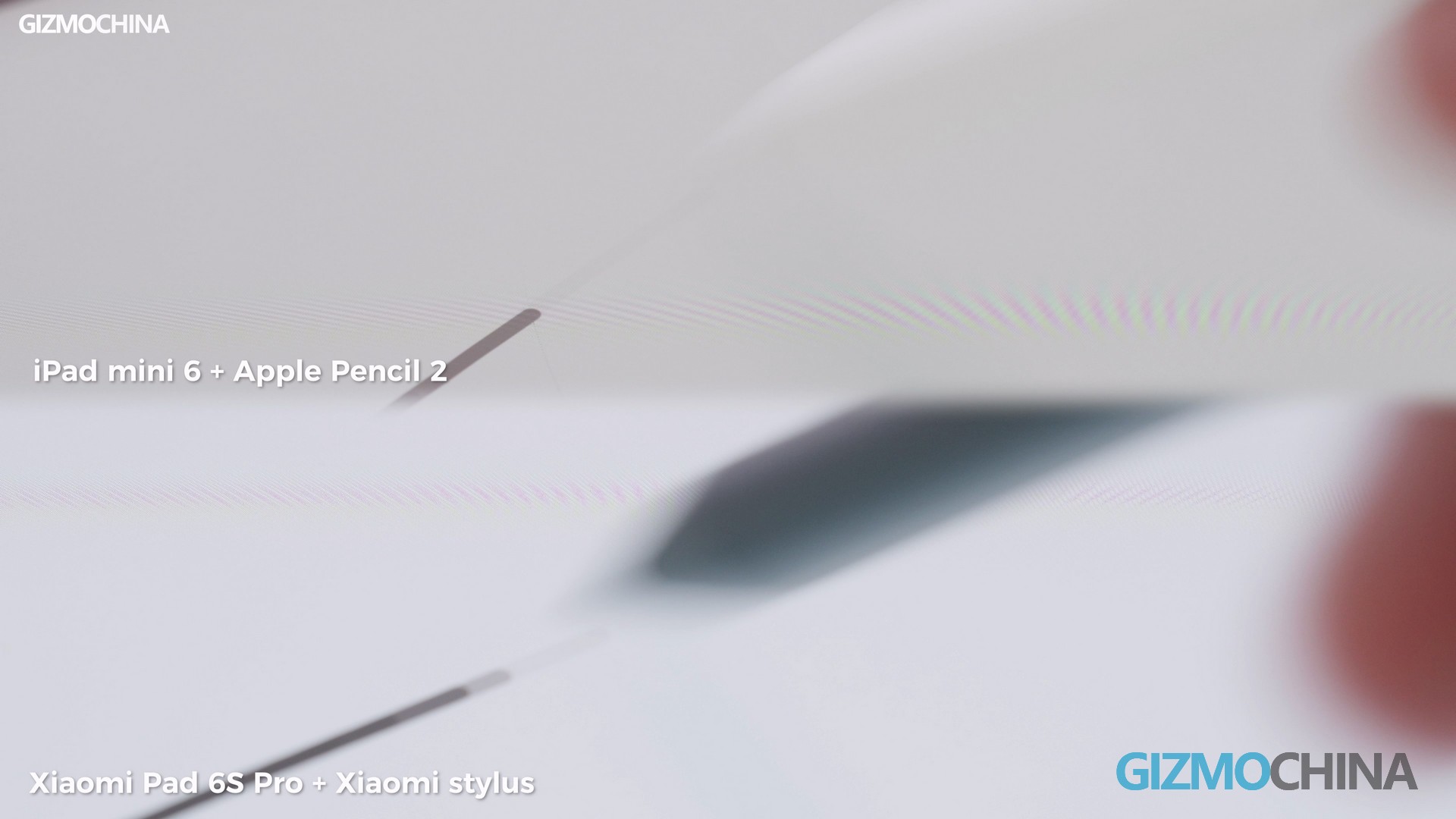
And you can also change lines like this. It even works as a Laser pointer, easily pointing out places on the tablet that you want someone to focus on. It also has low latency, I used the Apple Pencil and iPad Mini 6 to compare it to, and even I think the Xiaomi would have lower latency.
Benchmark, Gaming, Charging & Battery
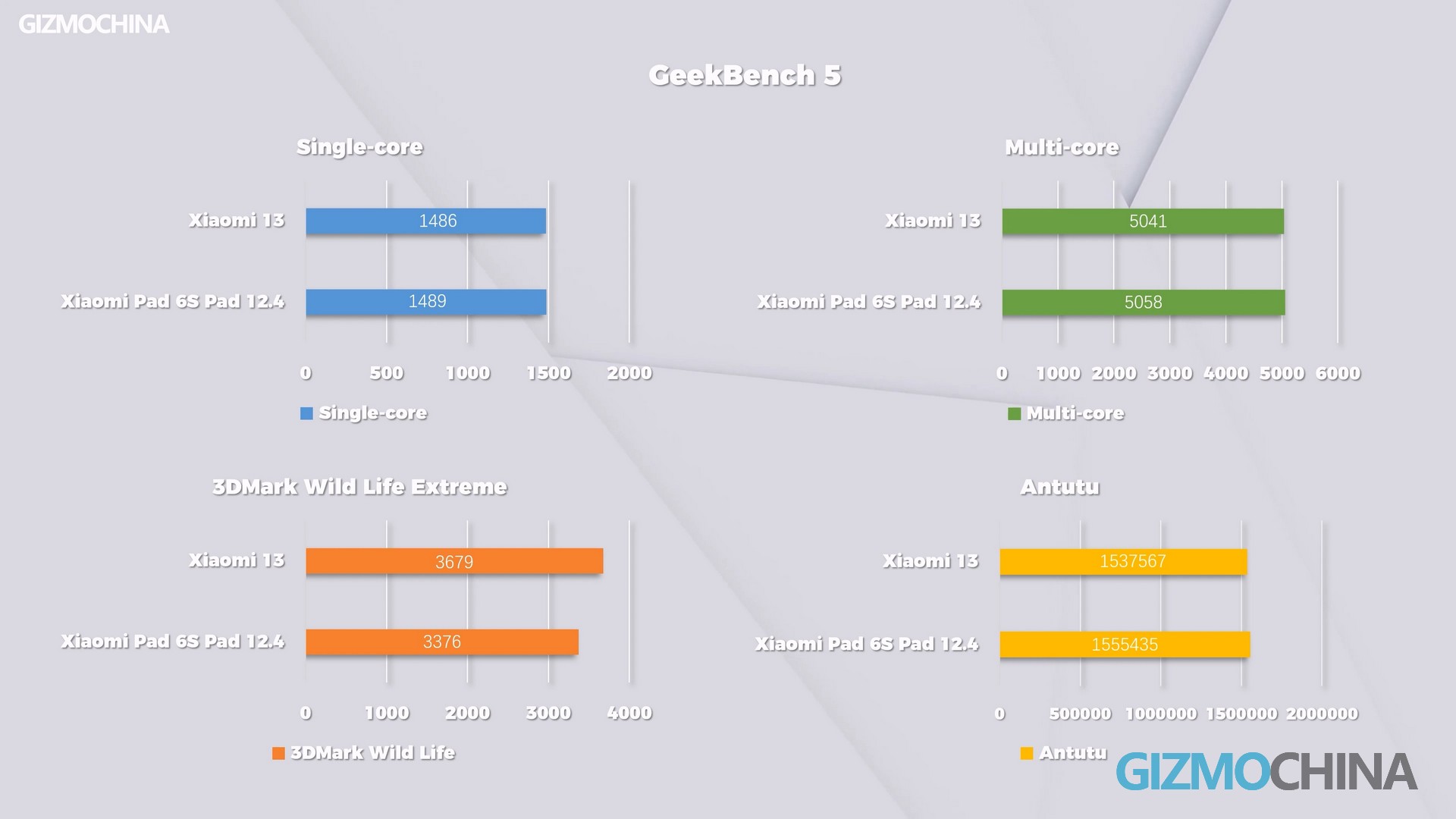
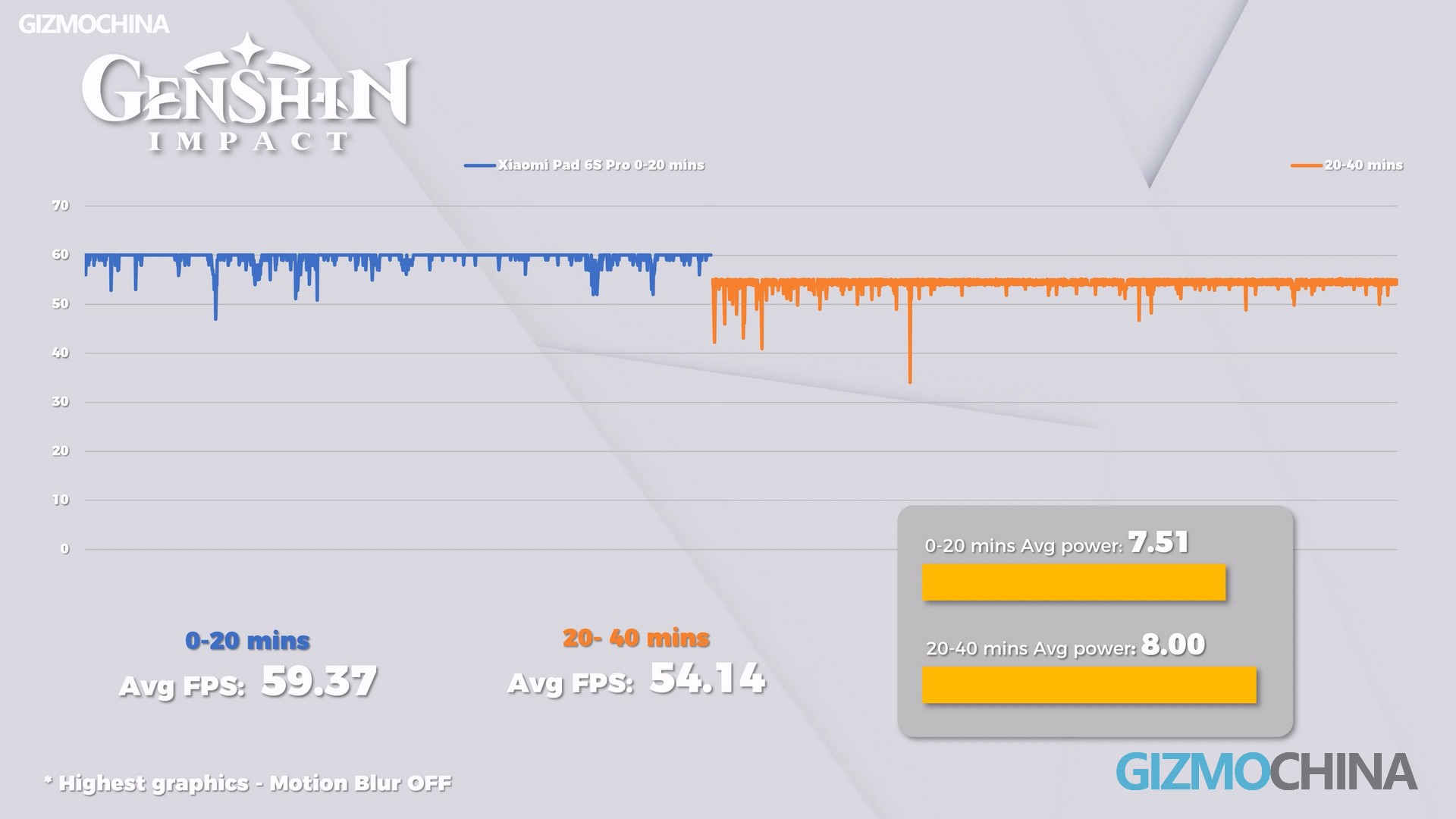
The 6S Pro has an upgraded processor from 8+ Gen 1 to Snapdragon 8 Gen 2. Even though the peak performance is not as good as the newest 8 Gen 3 phones, the extra large thermal area allows it to play games for long periods of time without downclocking. I played Genshin for 40 minutes without any problems at all. (Data collected from Perfdog)
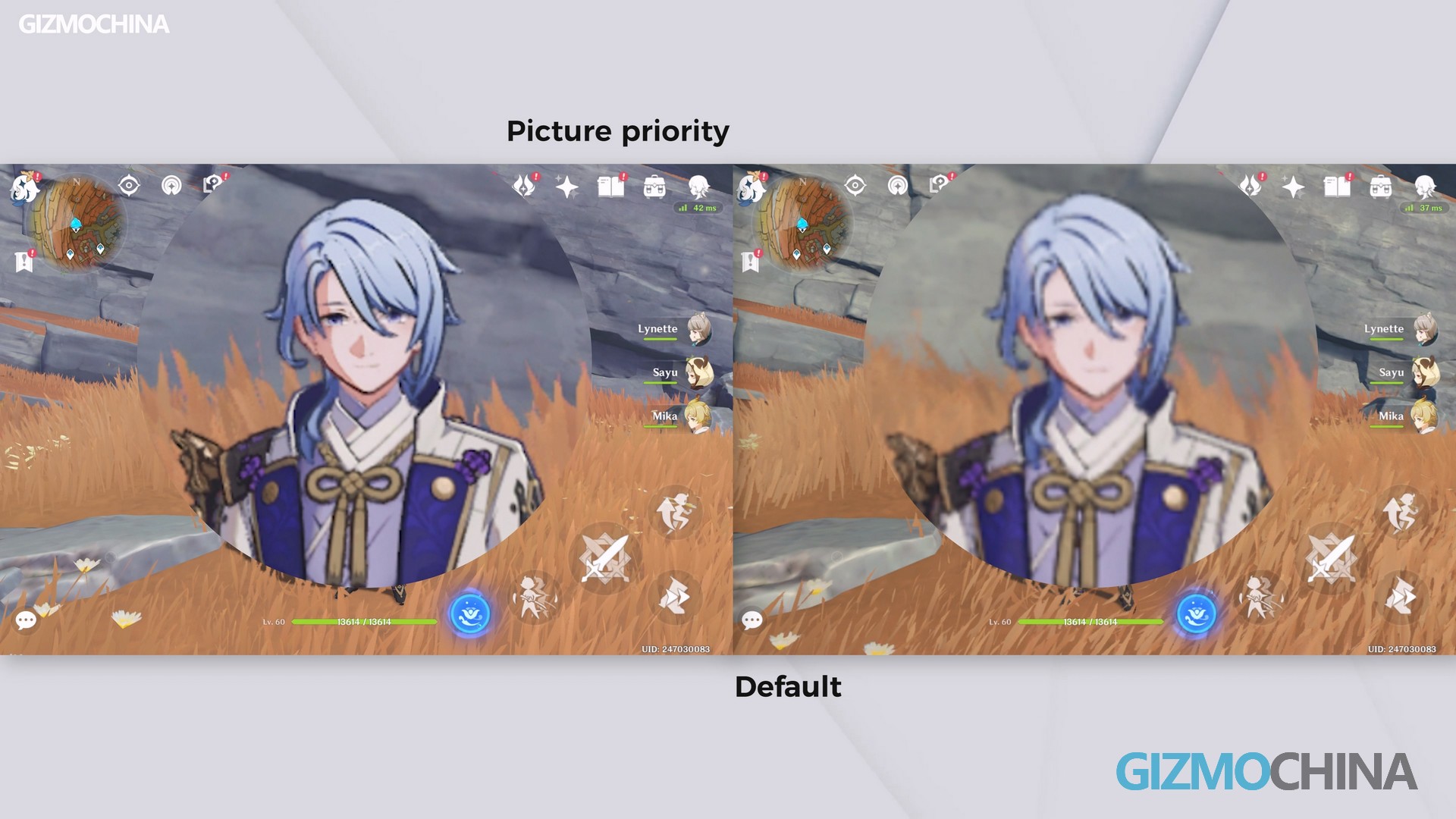
So why is the framerate locked at 55 after 20 minutes? It’s not because of a lack of performance, it’s because I have turned on Picture priority mode. The maximum frame rate in this mode is locked at 55. However, the image quality gets much better when it’s turned on, which is a huge improvement to the gaming experience, especially for a tablet with a big screen.
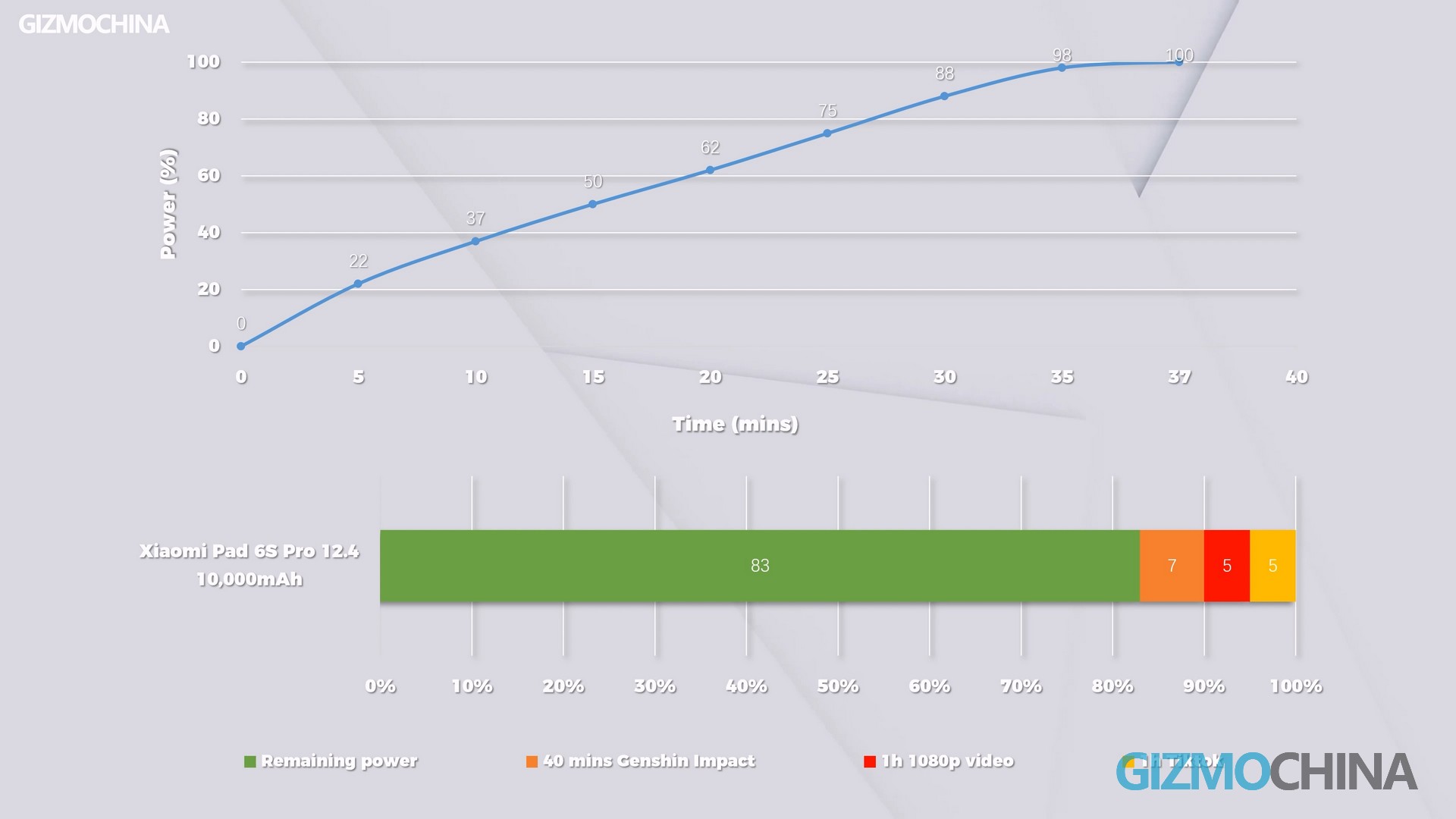
120W of charging power coupled with a 10,000mAh battery makes it the king of battery life and charging as a tablet. About its hardware, I have nothing to complain about.
New feature
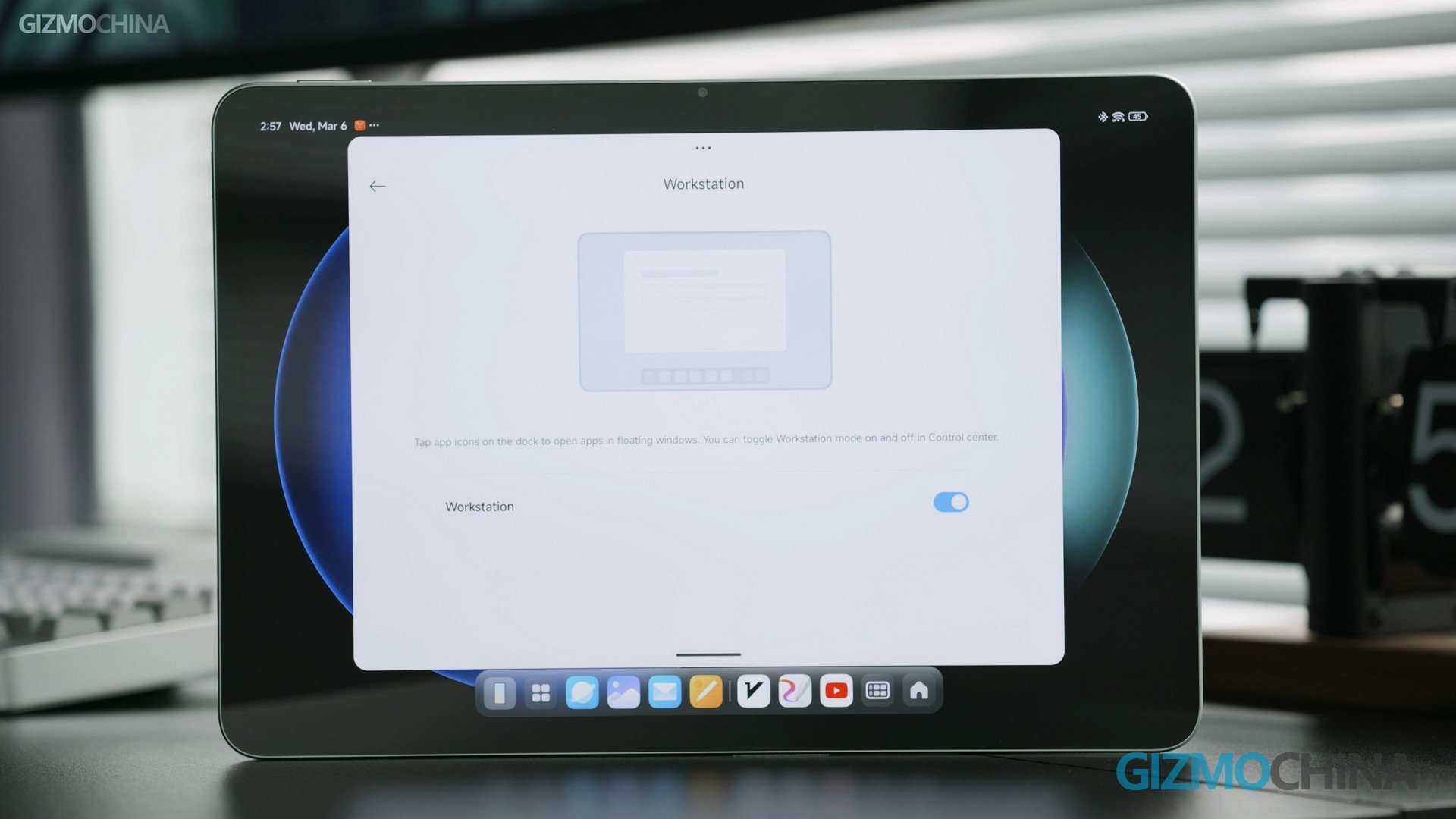
The 6S Pro software has been upgraded as well. It’s the previous PC mode that was missing for a while, now it’s back but with a different name. This new Workstation mode allows all apps to stay on the desktop as floating windows. Of course, you can change their size and position as you like, just like a PC.
There is one more fun feature, they finally updated the AI art feature. Yes, it’s a feature that has been very popular recently that can generate various images with AI. For example, if I draw a flower, it can help me generate a more beautiful flower.
At present, this function is still relatively basic, it can only generate 4 images at one time. And for complex images, such as a photo of our host, Will. The generated image is quite different from the original one. If you want to be an artist, 6S Pro can’t realize this dream for you at the moment.
HyperOS for tablet
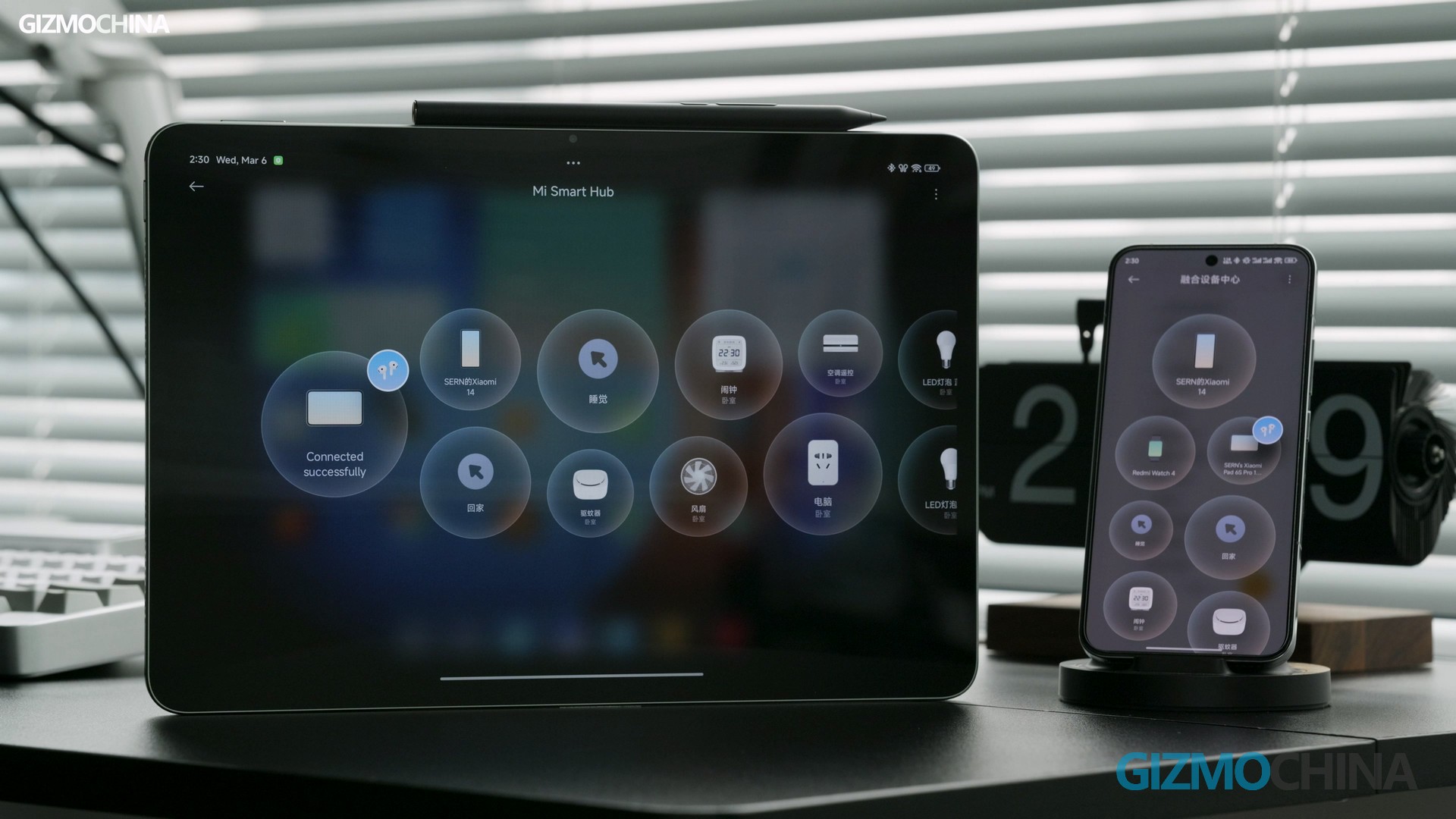
It’s time to talk about how it works with your phone. If you have a Xiaomi phone updated with HyperOS like I do, you’ll be able to do the following things: connect to your phone’s hotspot with a click when there’s no WiFi, no matter if the hotspot is on or not.
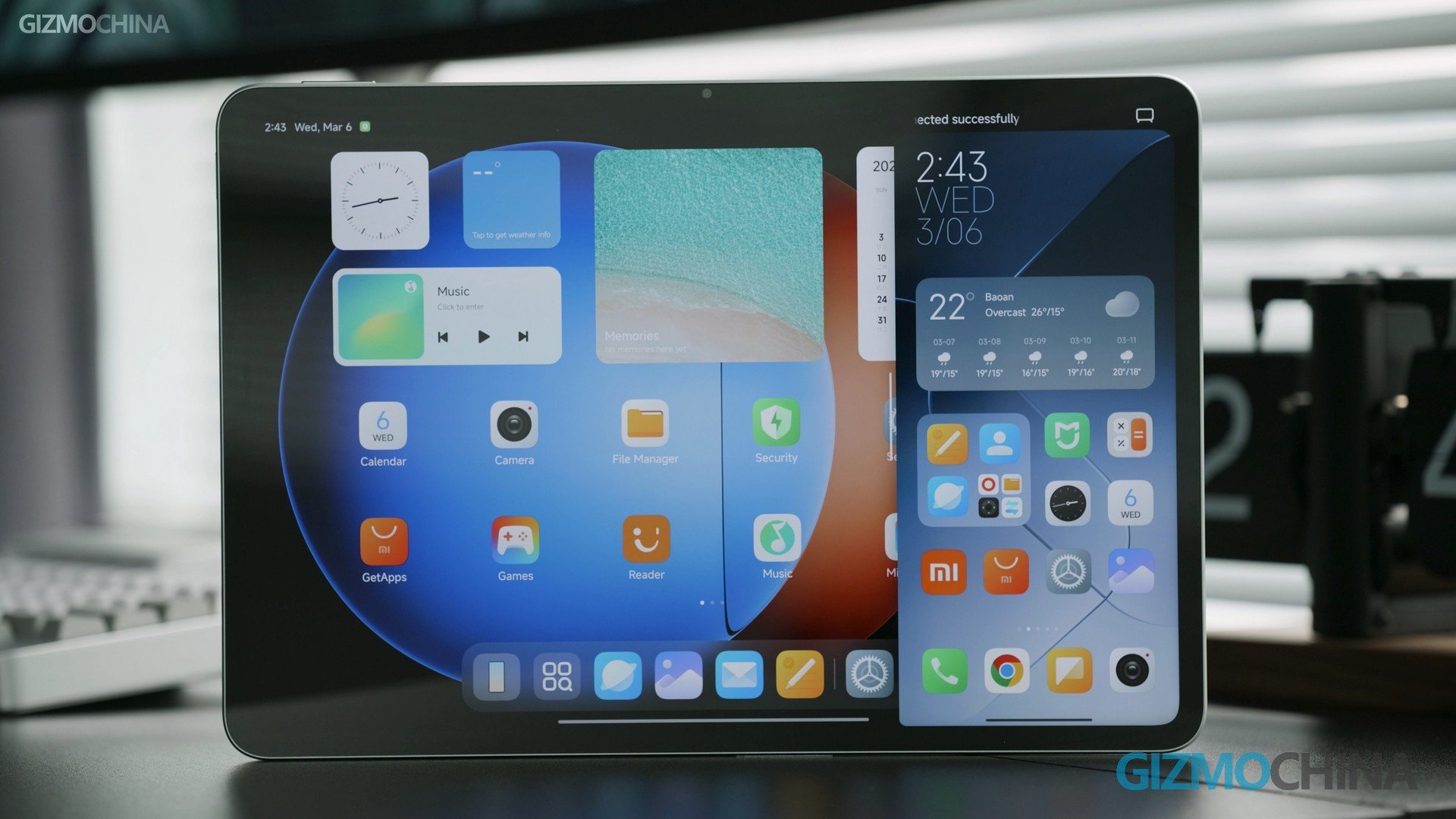
You can transfer pictures and files by touching the NFC area. You can also use this to cast your phone to the tablet. The phone can be controlled on the tablet, and transferring photos can be done by dragging the pictures over. Want to switch playback devices? Also just drag it over and the audio output device can be changed.
If you open an app on your phone, that app will also pop up in the Dock on the tablet. Click on it and the app will jump from the phone to the tablet. But this feature is currently available on very few apps, and most of the other apps don’t work.
All in all, Xiaomi Interconnectivity is all about combining your phone and tablet into one. If you own the 6S Pro, it’s a complete replacement for your phone at home, since your phone is also in this tablet.
Conclusion
The Xiaomi Pad 6S Pro 12.4 is a good tablet. If you need an 8 Gen 2 tablet with a big screen, this might just be your only option besides the expensive Samsung Galaxy Tab. With a really great stylus and HyperOS multi-device connectivity, I recommend it to everyone who owns a Xiaomi phone. But do think about whether you need a tablet that big or not, after all, a great tablet is a piece of wasted goods if you don’t use it.
OnePlus is expected to announce the OnePlus Ace 3V later this month in China. Multiple reports have claimed that it will debut as the first smartphone powered by the upcoming Snapdragon 7+ Gen 3 chipset. A Geekbench listing of the Ace 3V has emerged to not only showcase its key specifications but also the details of the new chip.
OnePlus Ace 3V Geekbench listing
Reports have revealed that the upcoming Ace 3V has the PJF110 model number. The said device was recently spotted at certification platforms, such as 3C and UCFS, in China. Now, the same device has appeared on Geekbench with 16 GB of RAM and Android 14. As far as the chipset is concerned, the listing reveals it includes one prime CPU core working at 2.80GHz, four CPU cores clocking at 2.61GHz, and three CPU cores running at 1.90GHz.
The source code of the listing reveals that the CPU features Adreno 732 graphics. In the single-core and multi-core tests, the device scored 1653 and 4596 points, respectively. The Geekbench listing is a good hint that the company could be internally testing the phone’s performance before its official announcement.
OnePlus Ace 3V specifications (rumored)
According to reports, the OnePlus Ace 3V will have an OLED panel that offers a 1.5K resolution and a 120Hz refresh rate. It will have a 16-megapixel front camera and a 50-megapixel main camera with OIS support on the back. The device will boot to ColorOS 14-based Android 14.
The Snapdragon 7+ Gen 3-powered device may offer 512 GB of storage and a 5,500mAh battery with 100W fast charging. It will come with other features, such as dual speakers, an IR blaster, and an in-screen fingerprint sensor. Globally, the device is likely to carry slightly modified specs and the OnePlus Nord 4 branding.
Apple, known for its walled-garden approach, is dipping its toes into the world of AI-powered advertising. According to a report from Business Insider, Apple is testing a new tool that leverages artificial intelligence to optimize ad placement within the App Store, similar to offerings from Google and Meta.
Apple will seemingly slowly expand its AI to other services like Maps and Books
This new system, currently being piloted with a select group of advertisers, aims to streamline the advertising process. Advertisers simply provide Apple with their budget, target audience details, and desired countries. The AI then takes the reins, automatically determining the most effective placement for their ads across the App Store’s existing ad slots. These include “Search Tags,” “Search Results,” “You Might Also Like” recommendations, and ads displayed on the App Store’s opening “Today” page.
This shift reflects Apple’s willingness to learn from industry leaders like Google and Meta, who have already established successful AI-powered ad platforms (Performance Max and Advantage+ respectively). Experts believe this is just the first step, with Apple potentially expanding its AI-driven advertising efforts to other services like Maps, Apple TV+, Books, and even their newly launched sports app.
“Any automated tool like PMax [Performance Max] will need a variety of placements to really generate value,” noted Eric Seufert, an analyst and investor specializing in mobile development. This aligns with the speculation from Bloomberg’s Mark Gurman, who previously suggested Apple’s advertising ambitions extend beyond the App Store.
Further bolstering this theory is Apple’s recent hiring of Joseph Cady, a veteran advertising executive with extensive experience in data-driven and targeted advertising. Cady’s background in building partnerships with major players like Amazon, Google, and TikTok suggests Apple might be preparing to enter a more competitive advertising landscape.
While Apple has yet to officially comment on the AI-powered ad placement tool, Business Insider anticipates a formal launch in the coming months. This move signifies a potential shift in Apple’s advertising strategy, one that could see them leverage AI to personalize user experiences while simultaneously generating new revenue streams.
The world of robot companions just got a little more crowded – and a little more legged. While Boston Dynamics‘ Spot has dominated the robot dog scene, Lenovo has entered the ring with the “Daystar Bot GS.”
The robot dog companion has an extra leg as compared to Boston Dynamics’ Spot
This robotic canine boasts a similar design to Spot, but with a crucial difference: an extra leg. This additional appendage could potentially enhance the Daystar Bot GS’s stability and maneuverability, particularly on uneven terrain.
According to reports, the Daystar Bot GS is built for tackling challenging environments. It boasts “advanced control systems” that likely translate to precise movements and navigation. “Cutting-edge perception algorithms” suggest the robot dog can interpret its surroundings and react accordingly, while “IP66 protection” indicates a level of dust and water resistance crucial for outdoor operation.
Beyond these technical details, the official website, as reported by IT Home, reveals the Daystar Bot GS’s intended applications. Lenovo seems to be targeting the “trade, industry and public sectors,” hinting at potential uses in fields like construction, inspection, and even search and rescue.
While specific details about the Daystar Bot GS’s functionalities remain under wraps, its launch marks an interesting development in the robot dog market. Whether the extra leg translates to a significant advantage over Spot and other competitors remains to be seen. However, Lenovo’s entry into this growing field promises to spark further innovation and exploration of the potential applications for robotic companions. The official release date set for later this year will hopefully bring more information about the Daystar Bot GS’s capabilities.
The world of surgical technology has taken another leap forward, thanks to Apple’s mixed-reality headset, Vision Pro. In a recent spinal fusion surgery performed in London, England, surgical assistant Suvi Verho swapped her usual Microsoft HoloLens 2 for the Vision Pro – and the results were nothing short of groundbreaking.
The assistant previously used the Microsoft HoloLens 2 headset for similar surgeries
Verho, who donned the Vision Pro headset during the operation, described it as a “game-changer.” Unlike traditional methods where assistants might need to physically locate tools, the Vision Pro eliminates the potential for human error. “Using the headset eliminates human error…it takes away the guesswork and gives you confidence in the surgery,” Verho explained in an interview.
This isn’t Verho’s first experience with augmented reality (AR) in the operating room. Previously, she used a HoloLens 2 headset for similar surgeries. However, Verho seems to suggest that the Vision Pro offers a significant upgrade.
The benefits extend beyond just eliminating human error. Dr. Syed Aftab, the surgeon who performed the operation, highlighted the potential for improved efficiency and knowledge transfer. “During the operation, nurses often need to work with unfamiliar equipment,” Dr. Aftab noted. “After using the Apple Vision headset, they can learn from some experience and reduce the running-in time.”
Verho’s experience and Dr. Aftab’s observations mark a promising step forward for AR integration in surgery. The ability to visualize and access tools seamlessly within the operating field holds the potential to enhance surgical precision, reduce errors, and improve overall efficiency.
While this is just a single case study, it paves the way for further exploration of how AR technology like Apple Vision Pro can revolutionize the operating room and ultimately improve patient care.
Huawei is inviting a limited number of users to participate in a closed beta program for the latest iteration of their Harmony OS operating system. This program offers a chance to experience new features designed to improve user experience, including easier navigation, enhanced security measures, and faster response times.
Only 2000 testers will be chosen for the program
There are a few important things to keep in mind:
Limited Spots: Only 2,000 testers will be selected for the program.
Upgrade Commitment: Upgrading to the beta version means you won’t be able to downgrade back to the stable version.
China-Only: Participation is currently restricted to users in China with devices running EMUI (Huawei’s previous OS).
If you’re a Huawei user in China with a compatible device (Mate or P60 series phones, Mate X3 foldable phones, MatePad Pro tablets, or select V and SE series TVs), you can participate in the program through the My Huawei app’s Upgrade section. The application window closes on March 30th, so be sure to apply before then.
By participating in this beta program, you’ll be among the first to experience the newest features of Harmony OS and help Huawei identify any potential issues before a wider rollout.
Apple has long resisted touchscreen features on their Mac computers. However, a recently updated patent application has sparked speculation about a potential shift in their stance.
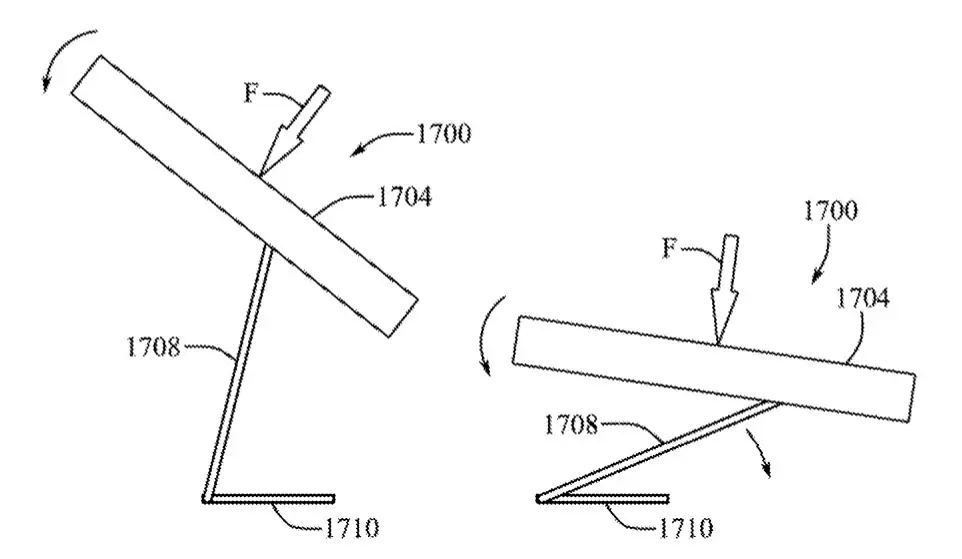
The focus of the patent is the stand’s adjustability and portability
The patent, originally filed in November 2023, details a design for an adjustable stand for desktop computers. Apple highlights the challenges of handling and transporting increasingly large and slim displays. Their proposed solution focuses on a stand that improves portability and reduces wasted space compared to traditional designs.
While some tech blogs interpret this as a hint towards a touchscreen iMac similar to Microsoft’s Surface Studio, the patent itself doesn’t mention touchscreen functionality. The focus lies on the stand’s adjustability and portability benefits.
It’s interesting to see Apple focusing on improving the physical design of the iMac. While a touchscreen iMac is a possibility, it feels more likely that Apple is prioritizing practicality with this patent. A more adjustable stand could enhance the user experience for artists, designers, and anyone who benefits from multiple viewing angles. Ultimately, any improvements that enhance functionality and user comfort would be welcome additions to the iMac lineup.
Whether this patent signifies a future touchscreen iMac or simply an improved stand design remains to be seen. Only time will tell if Apple embraces the touchscreen trend for their desktop computers.
TikTok, the reigning champion of short-form videos, appears to be exploring a new avenue: photo sharing. A tech researcher decompiling the latest TikTok update discovered hidden code hinting at a new app called “TikTok Photos.”
The code hints towards a design similar to TikTok’s app color scheme
This potential new app could address some limitations of the current system where users post pictures as slideshow-like videos. “TikTok Photos” suggests a dedicated platform for sharing photos, offering a more natural experience for users.
The leaked code also mentions features that could help users expand their audience and streamline the process. One possibility is a system for “reaching like-minded people who enjoy photos,” potentially connecting users with broader photo-focused communities. Additionally, the code suggests an optional feature to sync existing TikTok photos to the new app, eliminating the need to re-upload pictures.
Visually, leaked icons indicate a design consistent with the original TikTok app’s color scheme, suggesting a familiar look and feel for existing users.
While the exact launch date and regional availability remain unknown, the leaked code suggests “TikTok Photos” is “coming soon” for Android and iOS devices. Whether a web version will follow remains to be seen.
This potential foray into photo sharing marks an interesting development for TikTok. It will be interesting to see how “TikTok Photos” fits into the social media landscape and if it can challenge Instagram‘s dominance in the photo-sharing world.
Optibike has released a new electric mountain bike with an unrivaled 180-mile (290km) range. The Optibike RIOT eMTB is available in US and EU versions with 750W and 250W motors respectively. The Optibike RIOT is an all-terrain e-bike and the company says it is the most powerful of its kind. The US version of the e-bike has a maximum torque of 190Nm. The extended range of the RIOT eMTB is due to its large 1,620Wh battery.
Features
The new powerful Optibike e-bike is a class 1 bike in the US. Its powerful torque rating of 190Nm allows the bike to easily navigate inclines with up to 46% gradient. The top speed of the bike is limited to about 32km/h. The EU version of the RIOT eMTB has a top speed of 25km/h and this restriction is based on EU regulations. Both versions of the RIOT eMTB come with a dual-sided pedelec torque sensor and a 1,620Wh lithium-ion battery.
The Optibike RIOT has an LCD mounted on its handlebar and an optional 2,700 headlight for enhanced night visibility. The front of the bike features a RockShox ZEB Ultimate Suspension Fork, while a Fox 230 x 65 Float X Air Shock is present at the rear. Both front and rear suspensions offer 170mm of travel. An optional 14-speed Rohloff geared hub or cassette and derailleur can be utilized to personalize the bike. The RIOT eMTB has a carbon fiber frame and swingarm which makes it to be significantly light at about 31kg.
Pricing
The Optibike RIOT electric mountain bike is now available for pre-order at a starting price of $14,400. Optibike has not provided any clear details on when customers will start receiving their purchases. However, the company says there are limited quantities of the RIOT eMTB although the actual numbers were not stated.
Xiaomi has unveiled the MIJIA Air Conditioner Natural Wind 2HP in China. The new MIJIA air conditioner offers level 1 energy efficiency and a compact size. The air conditioner saves space and is suitable for domestic use. Despite the compact size, the Air Conditioner offers the same performance as a 2hp cabinet unit.
Features
The new MIJIA air conditioner with natural wind comes with a classic sun-patterned appearance. It is made of weather-resistant materials and can retain its original color for a much longer period. It is also a sturdy and durable standardized black screen while the diaphragm is upgraded to a color film. The temperature of the air conditioner can be adjusted to 0.5ºC. It is equipped with dual temperature and humidity control technology and can be paired with a humidifier for optimal performance.
The Xiaomi MIJIA Air Conditioner Natural Wind 2hp has an upgraded wind deflector structure, with the air outlet fully closed without gaps. It can stretch and rotate freely while several blowing options are available. The blowing methods include Surround Wind, Canopy Wind, and Carpet Wind. The fine pores are designed to break down strong wind and allow for a more benign and healthier blowing experience for kids, mothers, and the elderly.
The MIJIA Air Conditioner Natural Wind 2hp has an APF of up to 4.69 and it can save up to 70kWh of electricity in a year. The air conditioner is equipped with reliable variable frequency drive control technology and a wide temperature range function. It accommodates a wide range of cooling scenarios and Xiaomi says it allows the user to enjoy a warm winter and a cool summer. The defrost performance of the new Xiaomi MIJIA air conditioner is top-notch with a normal defrost and anti-quench defrost adaptive control algorithms.
Pricing
The Xiaomi MIJIA Air Conditioner Natural Wind 2hp is now available at a pre-sale price of 3,399 yuan ($473). A deposit of 100 yuan ($14) further reduces the price of the air conditioner to 2,899 yuan ($404).
Smart Ring is becoming a trending gadget in the tech sector. Recently, we have seen several products get launched. Even tech giants like Samsung and Apple have reportedly got their models in the works. Rollme has listed its new smart health ring, the Rollme R2 on its website and is now available to the global audience. The Rollme R2 smart health ring offers up to 10 days of battery life on typical usage and comes with an affordable price tag. The smart wearable features health tracking features like SpO2 level, heart rate, and sleep.
Features
The R2 smart health ring, according to the listing on the Rollme website will ship to countries globally. It has a close semblance with the Rollme R1 Health Smart Ring in terms of its features. You can view the health tracking data of the Rollme R2 using the companion mobile app.
One unclear aspect of the Rollme R2 is that the accuracy of the health monitoring measurements of the device has not been well ascertained. The R2 lacks temperature monitoring unlike its predecessor but it comes with remote camera control functionality. There are several sports modes on the R2 smart health ring and step counting is also featured. The battery life of the Rollme R2 can last up to 60 days in standby mode. You can wirelessly recharge the smart ring via its charging case.
Pricing & Availability
The Rollme R2 smart ring is available in six sizes (7 to 12) and weighs about 2.9g. Three color options are available – Champagne Gold, Pearl White, and Premium Black. You can order the Rollme R2 Health Smart Ring from the Rollme website for $89.99. The price tag of the R2 is significantly lower than most health smart rings currently in the market including the Ultrahuman Ring AIR which retails for $349 and the Rollme R1 launched last year and is currently offered for $229.
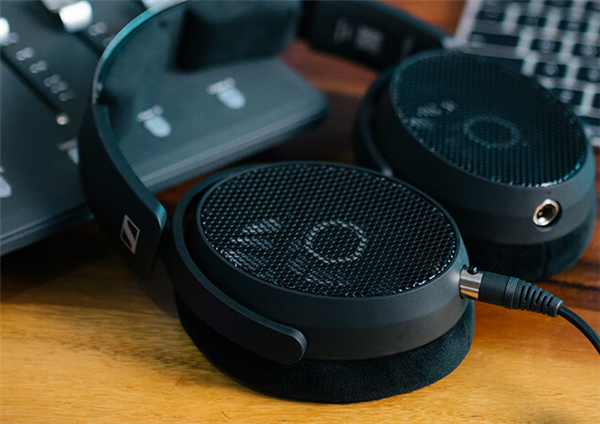
Sennheiser has launched the HD 490 PRO headphones in China. The new Sennheiser HD 490 PRO has a 38mm dynamic unit for a decent audio output. The China launch of the Sennheiser HD 490 PRO is coming on the heels of the launch of the product in India last month. The HD 490 PRO is viewed as a perfect mix of clarity, comfort, and reliability. The India launch also included the Sennheiser HD 490 PRO Plus.
The new Sennheiser headphones have an open architecture that delivers a wide, three-dimensional sound field and optimal sound output. The Sennheiser HD 499 PRO has an advanced neodymium magnetic core and innovative low-frequency cylinders. The model is equipped with a 38mm dynamic unit with a frequency response range of 5 to 36000Hz and an impedance of 1300. It has a maximum sound pressure level of 128dB and these features combine to deliver full, precise, and clear bass for mixing and mastering.
The Sennheiser HD 490 PRO has two sets of ear pads designed for mixing and production tasks. The left and right jacks have detachable cables and can be inserted on both sides of the XLR cable. Both ear cups provide Braille guidance and earpad support for enhanced ear hygiene. The headset also features Dear Reality’s DearVR MIX-SE plug-in and can transform your device into an ideal virtual mixing environment. This ensures that the user achieves balanced and consistent mix transition effects via the system.
Pricing & Availability
The Sennheiser HD 490 PRO professional headset is available from retail platforms in China including JD.com at an introductory price of 3,499 yuan ($487). In comparison, the introductory price of the Sennheiser HD 490 PRO in India last month was Rs. 27,590 ($333). Surprisingly, the device will retail at a higher price in China. The reverse used to be the case as Chinese models are usually cheaper than the global variant. Let us know what you think in the comments section.
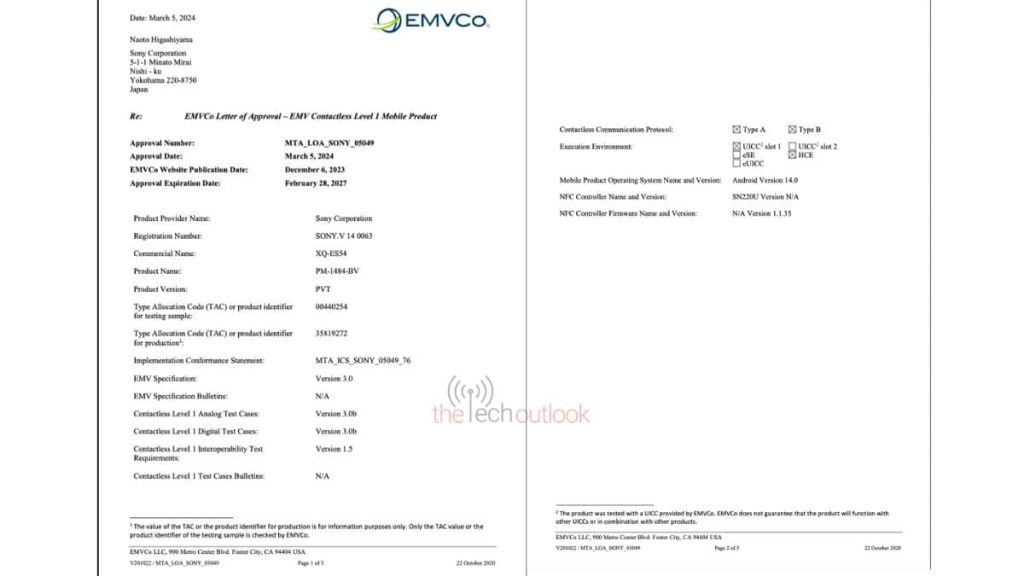
A recent leak revealed the memory options for Sony‘s upcoming line of Xperia devices, and now, a new EMVCO listing has surfaced online, which is believed to be the Xperia 1 VI.
Xperia 1 VI EMVCO via TheTechOutlook
The database listing for a Sony device with the model number “XQ-ES54” has emerged, which is believed to be the Xperia 1 VI. It shows that the device will run on the Android 14 operating system.
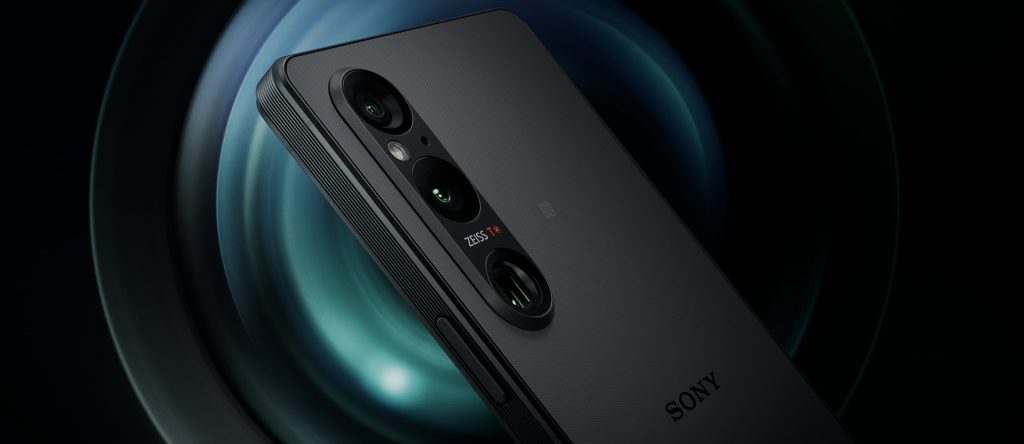
Aside from the latest Android OS, details about the device are scarce. However, if the rumors about it being the Xperia 1 VI are accurate, we can expect a powerful camera system. Leaked specifications suggest the device will boast three 48MP Exmor T sensors on the back, featuring a main camera with a large f/1.4 aperture, 2x optical zoom, and dual-phase detection autofocus. It is also likely to support 1080p video recording with electronic image stabilization (EIS), ensuring high-quality video capture.
The device’s ultra-wide camera is rumored to offer a focal length between 14-18mm, along with on-chip autofocus, broadening its photography capabilities. Additionally, the telephoto lens might provide a 6x zoom function, although this is expected to be achieved through sensor cropping, with the actual optical zoom capability being 3x. More details are expected to be revealed as we get closer to the launch, so stay tuned.
Xbox has teamed up with Boosteroid, a cloud gaming service, to make Xbox PC games available to more people. This partnership, announced last year, is now bringing a new set of PC games to Boosteroid, including titles like “Deathloop”, “Dishonored” series, “Gears 5”, “Ghostwire: Tokyo”, and “Pentiment”. This means gamers can play these games even on their smartphones and tablets.
To start playing these games on Boosteroid, players need to have the game through the Microsoft Store, which can be through a PC Game Pass, Xbox Game Pass Ultimate, or a direct purchase. With a Boosteroid subscription, players log in, select the Xbox game they want to play from the Boosteroid library and start playing. This allows for playing on different devices, like PCs, smartphones, and tablets, and includes features like cross-play and cross-save with Xbox consoles and Windows PCs.
Boosteroid lets you play games on various devices without needing a powerful PC or lots of storage. It uses remote servers to run the games and streams them to your device. This makes it possible to play demanding games on simpler devices. To use Boosteroid, you need a good internet connection and a subscription.
The partnership with Boosteroid is part of Xbox’s larger effort to make gaming more accessible and to offer more choices on where and how to play games. Xbox is also working with other cloud gaming services (EE, NVIDIA GeForce NOW, Nware, and Ubitus) around the world to allow the streaming of games from Xbox Game Studios, Bethesda, and Activision Blizzard.
We use cookies on our website to give you the most relevant experience by remembering your preferences and repeat visits. By clicking “Accept”, you consent to the use of ALL the cookies.
This website uses cookies to improve your experience while you navigate through the website. Out of these, the cookies that are categorized as necessary are stored on your browser as they are essential for the working of basic functionalities of the website. We also use third-party cookies that help us analyze and understand how you use this website. These cookies will be stored in your browser only with your consent. You also have the option to opt-out of these cookies. But opting out of some of these cookies may affect your browsing experience.
Necessary cookies are absolutely essential for the website to function properly. This category only includes cookies that ensures basic functionalities and security features of the website. These cookies do not store any personal information.
Any cookies that may not be particularly necessary for the website to function and is used specifically to collect user personal data via analytics, ads, other embedded contents are termed as non-necessary cookies. It is mandatory to procure user consent prior to running these cookies on your website.