Advertisement

Apple Could Lose World’s Valuable Company Title To NVIDIA If It Disappoints In GenAI

Generative AI has evolved rapidly over the last few years. It is slowly making its way into consumer tech devices. Samsung, Google, and Microsoft have been at the forefront of this whereas Apple is lagging quite behind in this space. Now, noted analyst Ming-Chi Kuo has made a grim prediction of the Cupertino-based tech giant should their big plans of AI fail.  

Apple may lose heavily if it fails in AI space

Currently, Apple holds the title of the ‘most valuable company in the world’. However, things don’t seem to be well for the company. Apple registered double-digit decline in shipments in the first six weeks of 2024. A lot depends on the Cupertino-based tech giant’s plans in the AI space that has been under wraps. Past reports have already revealed that this year’s iPhone 16 series will not see any major upgrades in the hardware department. Instead, iOS 18 loaded with generative AI features and perhaps touted to be the biggest update in the history of iOS is said to be the key USP of the iPhone 16 series. 

Should Apple’s plans of AI fail or if they do not meet expectations, the Cupertino-based tech giant could lose out on the valuable company status to NVIDIA. This is as per analyst Ming-Chi Kuo. He adds that Apple was expected to ship between 220-225 million units this year but the prediction has now started to fall. The company could ship close to 200 million at the end of this year. 

As to who could pip Apple to the world’s most valuable company tag, it’s NVIDIA which is the undisputed leader in AI computing chips. A soaring demand for AI technology made it the third-largest company last month. NVIDIA’s stock has risen 260 percent in the last year with the market cap hitting $2.06 trillion whereas Apple gained only 13 percent with the market cap at $2.77 trillion. 

Apple CEO Tim Cook at an earnings call last month revealed that the company has big opportunity in the GenAI space. Although details remain scarce, everything is expected to be unveiled at WWDC keynote later in June this year. 

Related:

Nikon’s Billion-Dollar Move: Acquiring RED for Cinematic Mastery

While many of us use our smartphones for capturing photos and video, professional photographers have different needs. They rely on brands like Sony, Canon, Nikon, and RED for superior image quality and specialized features. In a major development for these professionals, Nikon has just announced the acquisition of U.S. camera maker Here are the details…

Nikon to Acquire US Cinema Camera Manufacturer RED

For those unfamiliar, RED is a U.S. based manufacturer of professional cameras, especially sought-after in the film industry. You might also recognize the RED name from their Hydrogen One smartphone launched a while back, even if you’re not a camera enthusiast. Big news: Nikon is acquiring RED.

According to the agreement, Nikon will acquire all shares of RED. The official cost of the acquisition has not been disclosed, but it is estimated to be over $1 billion, according to some sources. The completion of the acquisition requires the completion of necessary legal procedures, which is stated to take several months.

The main reason for Nikon to make this acquisition is its desire to further strengthen its position in the rapidly growing professional digital cinema camera market. Meanwhile, RED aims to grow and develop further by leveraging Nikon’s resources and production capabilities.

RELATED:

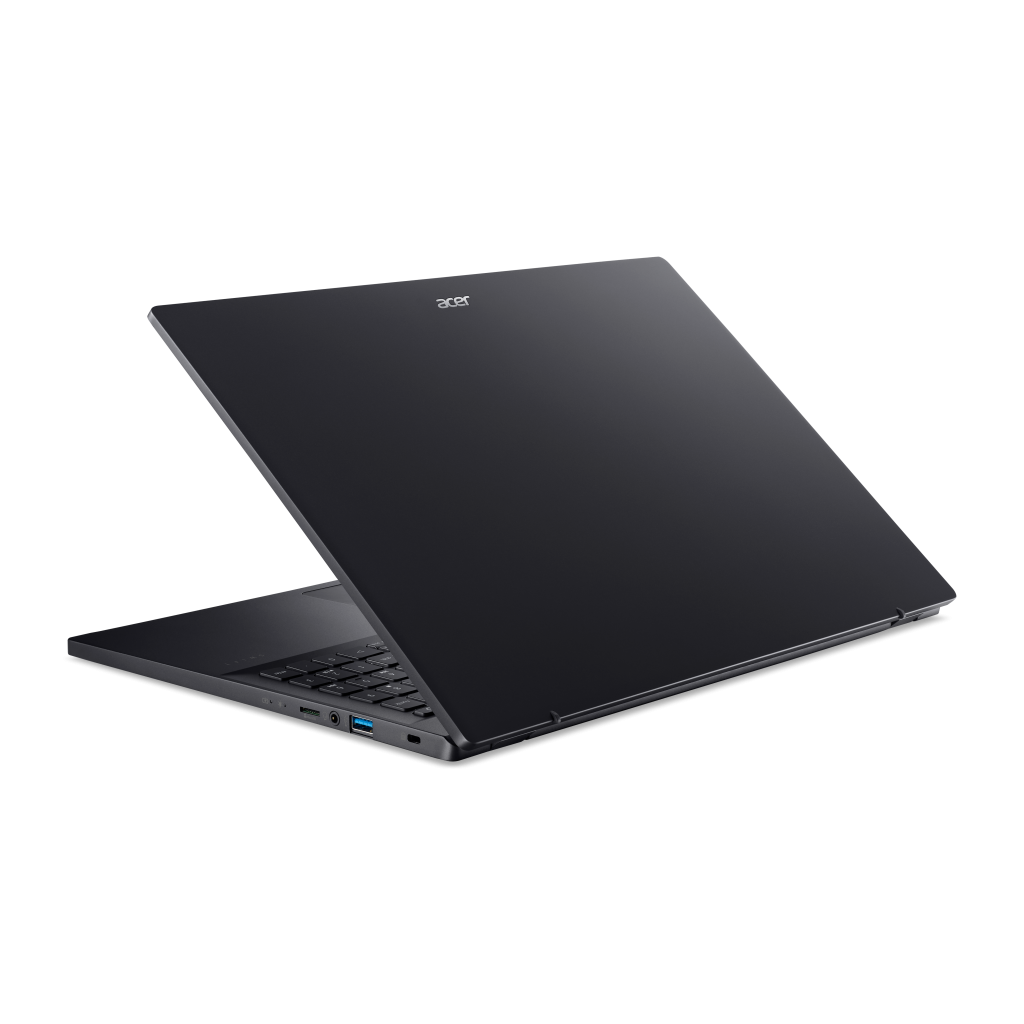
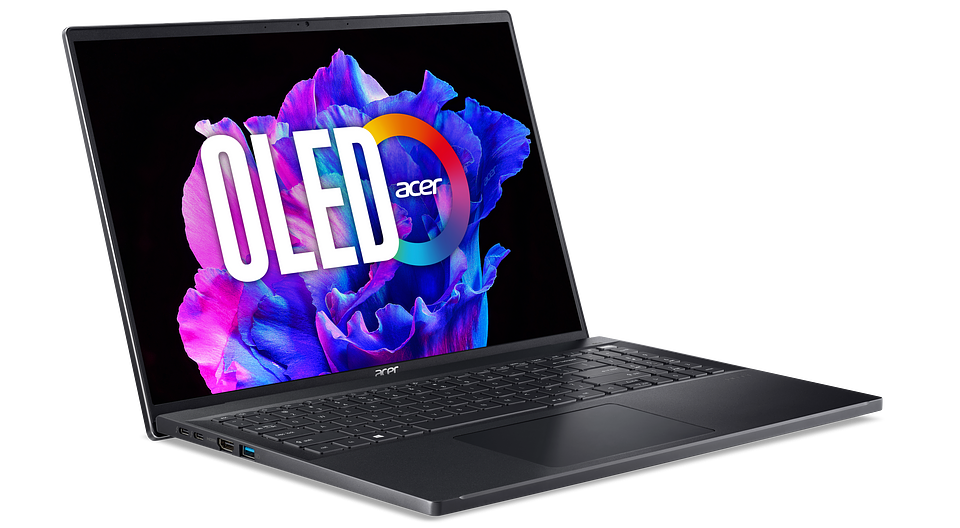
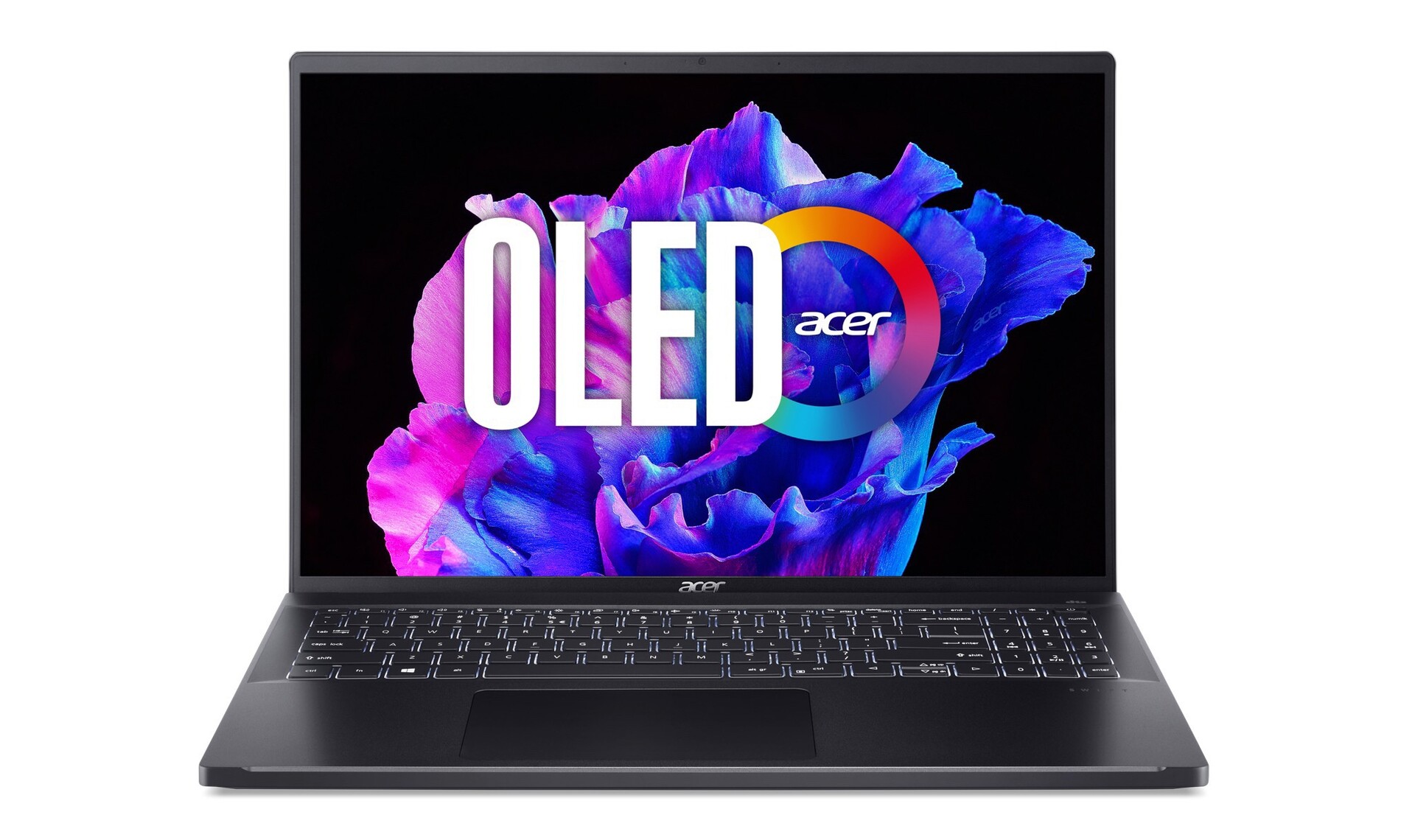
Acer Swift Go 16 Pro Black Edition laptop with 3.2K OLED display, 13th-Gen Intel processors unveiled

Acer has introduced the Swift Go 16 Pro Black Edition, a new model in its laptop range, set for release in early Q2 2024. This laptop, featuring a matt black aluminum unibody and a 16-inch OLED display, targets professionals looking for a combination of style, performance, and durability.

Acer Swift Go 16 Pro Black Edition

The Swift Go 16 Pro is equipped with 13th-generation Intel Core processors, available in two configurations. The first option includes an Intel Core i5-13420H processor paired with 16 GB of LPDDR5 memory, and the second, more powerful variant, features an Intel Core i7-13620H processor with 32 GB of LPDDR5 memory. Both versions offer 1 TB of PCIe Gen 4 SSD storage, expandable to 2 TB, catering to demanding storage and speed requirements.

One of the key highlights of these laptops is their display. They offer a 16-inch OLED screen with a 3.2K resolution, 120 Hz refresh rate, and peak brightness of 500 nits, ensuring sharp, fluid visuals with vibrant colors. This makes it suitable for both professional and creative tasks.

Connectivity options on the Swift Go 16 Pro include HDMI 2.1, a microSD card reader, and two USB Type-C ports with Thunderbolt 4, offering fast charging capabilities. The laptop also features a 1,440p webcam with temporal noise reduction and Acer PurifiedVoice technology with AI noise reduction for clear audio in video conferences.

Pricing & availability

The Acer Swift Go 16 Pro Black Edition with Intel Core i5-13420H is set to launch in early Q2 2024, priced at 1,099 euros. The i7-13620H variant, SFG16-71-782M, will also be available at the same time for 1,299 euros.

RELATED:

(Source, via)

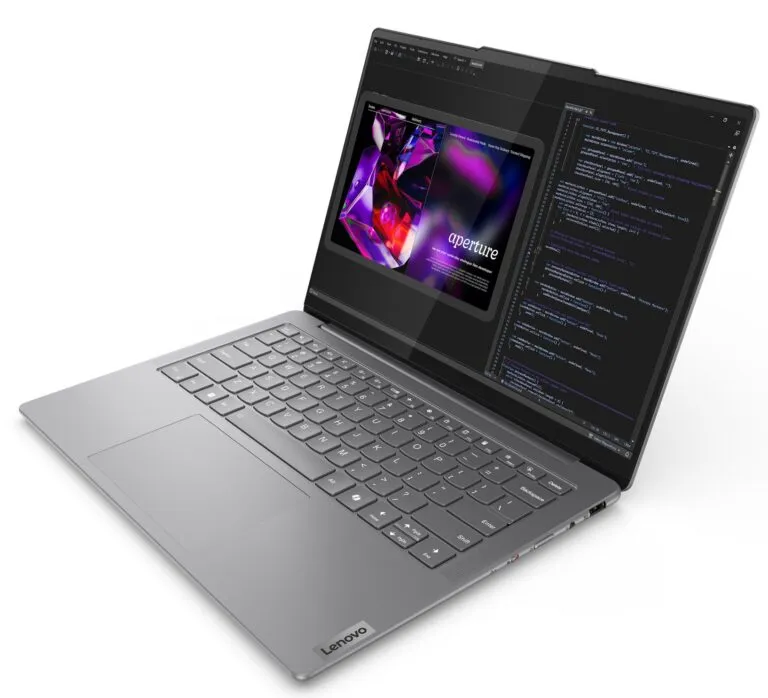
Lenovo Yoga Slim 7i With OLED Display, Core Ultra 7 SoC Launched In India

Lenovo has launched a new Yoga series laptop in India. It is the Lenovo Yoga Slim 7i that first debuted at CES earlier in January this year. The machine packs some of the latest and top-notch specifications. It is different from the Yoga Slim 7i Carbon (review) Read on to know what the newest offering has in store for us. 

Lenovo Yoga Slim 7i specs and features 

The Lenovo Yoga Slim 7i weighs just 1.39kg. It sports an aluminum chassis with MIL-STD 810H durability against damage. The laptop features a 14-inch OLED display bearing a WUXGA resolution, a 60Hz refresh rate, and 400 nits peak brightness. It is HDR500 VEGA certified. 

The Yoga Slim 7i has a full HD IR webcam with a privacy shutter. There are quad 2W speakers with Dolby Atmos. The laptop comes with a backlit keyboard. 

Under the hood, the Lenovo Yoga Slim 7i is equipped with the latest Intel Core Ultra 7 processor coupled with Intel Arc integrated graphics. The machine packs 32GB RAM which is not upgradeable. There is 1TB SSD storage. The laptop runs on Windows 11 OS out of the box. The Yoga Slim 7i draws its power from a four-cell 65WHr battery cell. 

Connectivity options on the device include WiFI-6E, Bluetooth 5.1, HDMI 2.1 port, two USB-C ports, USB-A port, and a headphone jack. 

The Lenovo Yoga Slim 7i costs Rs 1,04,999. It can be purchased from Lenovo’s official website, Lenovo Exclusive Stores, leading e-commerce websites, and other offline retail stores

Related:

Huawei to launch new magneto-electric disk (MED) storage device in 2025

Huawei is reportedly working on introducing its advanced data storage device, the OceanStor Arctic, in 2025.

The core of this new product is an innovative technology called “magneto-electric disk” or MED. However, specifics about this mysterious new type of storage are still under wraps. So the details behind the tech remain undisclosed for now.

Huawei MED OceanStor Arctic storage device

Reportedly, Huawei’s new MED technology will support rack capacities of over 10PB while consuming less than 2kW of power. Huawei also claims a 20% cost reduction over tape storage solutions and a remarkable 90% decrease in power consumption compared to traditional hard drives.

The numbers presented by Huawei are impressive. For instance, today, a typical 42U rack can house up to 288 HDDs, capable of storing up to 8.64PB of data. Such a setup would consume around 2.88kW of power.

There are also 4U storage servers available, like the ASRock Rack 4U100-C612, which can house 100 3.5-inch hard drives and store up to 3PB of data at 1kW. However, 10 such machines would consume a significant amount of power.

Therefore, the reduced power consumption of the Huawei OceanStor Arctic stands out as a key highlight. Yet, the exact methods by which Huawei achieves such drastic power reductions with what appears to be disk-based technology remain unclear.

Furthermore, there are no details available about Huawei’s new MED technology. A report by Tom’s Hardware suggests that the underlying principle of MED technology might be the magneto-electric effect, which creates a connection between the magnetic and electric properties of a material. 

However, this is just an educated guess, and we have to wait until Huawei shares the details and how it can achieve such remarkable efficiency and performance results.

Related:

Alibaba showed off its image-to-video model AtomoVideo achieving “superior results” compared to Gen-2 and Pika 1.0

Alibaba’s research team has unveiled a high-fidelity framework for image-to-video generation, named AtomoVideo. The team has shared papers and Image-to-Video examples of AtomoVideo along with samples from Runway’s Gen-2 and also Pika 1.0.

A simpler but less artifact-ridden video output

Keeping in mind that AtomoVideo is a first-generation product, the provided samples do look promising, although they are still far from looking realistic. Surprisingly, comparing it with Runway’s second generation model (Gen-1 was released on February 2023) reveals that this just-unveiled model does a better job of mitigating some weird transitions between frames.

For example, in a comparison sample of an astronaut in space, the reflective glass covering or the visor just vanished from the sample of Gen-2 as he was moving around. While AtomoVideo kept the movement relatively simpler, it didn’t generate such a result. In another comparison sample, Gen-2 depicted people vanishing while skying on the snow while Pika 1.0 showed some weird movement on the slope that is hard to define with physics. AtomoVideo, again, kept it relatively simple but managed to avoid such mistakes. Nonetheless, these comparison samples are most likely some of the curated samples instead of being randomly generated ones.

Key features of Alibaba’s AtomoVideo

Specialties of AtomoVideo include its ability to maintain high fidelity to the input image, ensure smooth motion transitions, and support the prediction of subsequent video frames. Moreover, the framework boasts compatibility with various existing T2I (Text to Image) models and offers high semantic controllability. It allows users to customize video content according to their specific preferences.

AtomoVideo achieves its remarkable performance by leveraging pre-trained T2I models as a foundation and enhancing them with one-dimensional spatiotemporal convolution and attention modules. These additional layers enable the framework to capture intricate details and styles while ensuring temporal consistency throughout the generated videos. By incorporating advanced image semantics through Cross-Attention mechanisms, AtomoVideo further enhances its ability to produce videos with precise semantic control.

Despite the impressive capabilities demonstrated by AtomoVideo, the research team has yet to provide an online platform for users to experience the technology firsthand. Nonetheless, Alibaba’s AtomoVideo framework represents a significant addition to the field of image-to-video synthesis.

Related:

(Source)

Google One plan now includes Fitbit Premium and Nest Aware at no extra cost, but only in the UK

Google One, the subscription-based cloud storage service, is offering a few extra perks for consumers residing in the UK. If you’re on the Premium plan, you can now enjoy extras like Fitbit Premium and Nest Aware for completely free. 

Google One provides a range of benefits and features alongside its core cloud storage options (starting at 100GB and scaling to 30TB). 

Existing perks of the subscription include a VPN across all plans, family sharing for up to five members, Google Photos editing features, and Google Play credits. The top-tier 2TB AI Premium Plan also offers Gemini Advanced access. 

Google One Fitbit Premium Nest Aware

Starting this week, the company has added two new services to the Google One subscribers in the UK. That is, if you’re on the Google One 2TB Premium Plan, you’ll now get Fitbit Premium and Nest Aware at no extra cost.

The search giant confirmed the news to the outlet 9to5google saying that “Fitbit Premium & Nest Aware are currently available with Google One Premium plans in the UK.”

It’s a significant value addition for users, considering that Fitbit Premium and Nest Aware usually cost $9.99 and $8 per month, respectively.

If you’re a Google One customer in the UK, you can also upgrade your Nest Aware to Nest Aware Plus for £5.99 per month, saving you over the standard $15 per month cost.

In case you’re not familiar, Fitbit Premium is a subscription service in the Fitbit app that offers personalized insights, your sleep score breakdown, your monthly sleep profile, and a wellness report based on your Fitbit stats.

Nest Aware is a subscription for your Nest products to help keep you informed about important events at your home. 

While UK users can now enjoy these benefits, it’s uncertain whether these extra Google One perks will be available in other countries.

Related:

OnePlus 12R on Sale with a $100 Gift Card

Following the OnePlus Watch 2 launch and availability in the US, the company is now offering a $100 gift card on the purchase of the OnePlus 12R. The user can grab the $100 gift coupon on Amazon once they purchase the smartphone for $499. In other words, it is a $100 discount on top of the retail price. The smartphone was made available in the US last month for the price of $599.

OnePlus 12R

OnePlus 12R Deal Details

OnePlus 12R is a good choice compared to other smartphones priced under $500. Being an unlocked phone, the user can use any carrier network without any expensive monthly plans. We suggest you grab it as soon as possible, as there’s information about when the offer is going to expire. The smartphone was initially launched at a price of $600, but it has come down to $500, and the present $100 gift card, precisely makes it to $400.

Get a OnePlus 12R with a $100 Gift Card

What are the OnePlus 12R benefits?

OnePlus launched the OnePlus 12R globally in January, bundling some good surprises. It features a large 6.78-inch AMOLED display with Gorilla Glass Vitus 2 protection. The display offers a 1.5K resolution, 4500 nits of brightness, and a 120Hz refresh rate for a smooth experience. It houses a Snapdragon 8 Gen 2 SoC featuring LPDDR5X RAM and UFS 3.1/UFS 4.0 storage. The smartphone is backed by high-end specifications and the latest software, i.e., OxygenOS 14 based on Android 14.

For $400, the OnePlus 12R offers a triple rear camera featuring a 5MP Sony IMX890 primary sensor, an 8MP ultra-wide sensor, and a 2MP macro triple camera unit. On the front, there’s a 16MP front camera for selfies. In terms of connectivity, the smartphone bundles an IR blaster, NFC, and an IP65-rated chassis.

Related:

Crossbeats Everest smartwatch with titanium frame, 1.43″ AMOLED display & BT calling launched

Crossbeats has recently launched the Everest Smartwatch, a durable and feature-packed device that combines a Titanium finish with an aluminum frame for enhanced durability against dust, shock, and moisture.

CrossBeats Everest

Crossbeats Everest Smartwatch specs & features

It features a 1.43-inch AMOLED display, providing clear and bright visuals with a resolution of 466×466 pixels and a brightness level of 850 nits. This smartwatch offers over 200 customizable watch faces, catering to personal style preferences.

CrossBeats Everest

Designed with fitness enthusiasts in mind, the Everest Smartwatch includes more than 100 sports modes. It incorporates an advanced biosensor chipset for accurate health monitoring. This includes tracking blood pressure, blood oxygen levels, sleep patterns, heart rate, and more.

CrossBeats Everest

Its 320mAh battery supports up to 7 days of continuous use and can last up to 30 days on standby. The smartwatch is equipped with Bluetooth v5.3, enabling features such as Bluetooth calling, remote camera control, and music playback control. It also boasts an IP68 rating, ensuring its resistance to water and dust. Additionally, the smartwatch supports smart functionalities like voice assistance, phone finding, etc.

Pricing & availability

Priced at Rs. 1,999 ($24), the Crossbeats Everest Smartwatch is available in black and green colors. It can be purchased from Crossbeats’ official website, Amazon.in, and Flipkart.com.

RELATED:

Apple may launch a 20-inch foldable MacBook as early as 2027

Apple may be exploring the foldable device market with a unique approach. According to analyst Ming-Chi Kuo,  the company could release a foldable MacBook with approximately a 20-inch screen as early as 2027. 

Kuo mentioned on X/Twitter that while there isn’t much information available about the device yet, it seems to be the only foldable product from Apple with a clear timeline for development.

He mentioned that mass production of this new MacBook is likely to start in 2027, indicating Apple’s cautious approach toward foldable technology.

Kuo’s statement aligns with prior mentions of this concept by display analyst Ross Young and the Korean website The Elec.  

Details about the device’s design are scarce, but it would surpass Apple’s current largest laptop, the 16-inch MacBook Pro, and potentially revive screen sizes similar to the discontinued 17-inch MacBook Pro.

While the exact form factor remains unknown, a foldable design could offer versatility. It might function as a traditional laptop when partially unfolded or offer an expansive display experience when completely open. 

Apple foldable MacBook

Kuo’s comments also indicate that Apple currently has no imminent plans for foldable iPhones or iPads, despite all the speculation we’ve been hearing.

If we look at the previous reports, Apple is reportedly exploring the foldable market with plans for a 7-inch to 8-inch device that could replace the iPad Mini. This foldable iPad of sorts is rumored to launch sometime between 2026 and 2027. However, considering Ming-Chi’s latest comment, it seems like foldable iPhones or iPads are still a distant possibility.

It’s important to remember that this foldable MacBook remains in the rumor stage. Apple is known for its extensive research and development, and projects can change or be canceled entirely.

Related:

Huawei P70 series launch has reportedly been delayed

Huawei‘s premium P70 series smartphones, originally rumored for a March release, have reportedly been delayed. According to industry insider Digital Chat Station, the launch timeline of the lineup has been pushed back, though the exact reasons remain undisclosed. 

Huawei P70 series launch delayed

However, local Chinese media sources suggest the delay is due to the broader product release strategies internally within Huawei rather than supply chain constraints.

The new expected launch window for the Huawei P70 series is now April. Despite this shift in schedule, the rumored specifications for the smartphones are likely to remain unchanged.

Rumored Specifications

The Huawei P70 series is expected to include at least three models: the standard version, a Pro edition, and an Art variant. These devices are expected to feature an upgraded Kirin 9xxx chipset, potentially offering performance gains over the Kirin 9000S used in the Mate60 series.  

Display-wise, users may have the option between a 6.58-inch or 6.8-inch 2.5D 1.5K LTPO panel with a refined “equal-depth four-micro-curve design.”

A highlight of the series is said to be the camera system. According to reports, the P70 series will feature either the OV50H or IMX989 sensor for the main camera with a physical variable aperture. The setup could also include a 50MP ultra-wide-angle lens and a 50MP 4x periscope telephoto lens. 

Recently, images of the Huawei P70 case have also surfaced, revealing a somewhat symmetrical triangle design for the camera module. Leaks also hint at the possibility of the P70 series debuting with satellite communication technology.

As mentioned earlier, the late March launch window for the P70 series remains uncertain at this time. Pricing details are still unknown, but the Huawei P60 Art was released last year with a starting price of 8,988 yuan (approximately $1,340), which may provide a reference point.

Related:

Ghost of Tsushima is no longer a PlayStation exclusive, PC release set for May

Sony has just made a massive announcement, which will bring one of its beloved console exclusive title to the PC. Ghost of Tsushima will finally be playable outside of the PlayStation as of this summer. So here are all the details.

Ghost of Tsushima Director’s Cut drops for PC on May 16

The company confirmed in a blogpost that the Ghost of Tsushima will be ported to PC by Nixxes, which is a studio owned by Sony. This announcement also revealed that the Director’s Cut of the game will be releasing for PCs on 16th May 2024. For those unaware, Ghost of Tsushima is a action-adventure experience that has players take the role of Jin Sakai, who is a samurai that is fighting to protect the Tsushima island during the first Mongol invasion of Japan.

Ghost of Tsushima PC Launch

This title was originally released back in 2020 and was a PlayStation exclusive till today. The announcement from Sony adds that the PC port will bring not just the campaign, but also the Iki Island expansion. In other words, the DLC that offers a new location, characters, and enemies is also making its way to PCs this summer. The multiplayer Legend mode is also in the works, and the Kurosawa Mode for a black and white film grain effect inspired by legendary filmmaker Akira Kurosawa will also be bundled at launch.

As of right now, Ghost of Tsushima is already up for pre-orders on Epic Game Store and Steam Store. It has a price tag of 3,999 INR (roughly 48 US Dollars). Early buyers will also get their hands on a bunch of early in-game items as well. This includes New Game+ Horse travel companion, Traveler’s Attire, and Broken Armor dyes from Baku’s shop. Gamers can also look forward to graphics settings, unlocked frame rates, and native mouse and keyboard support.

RELATED:

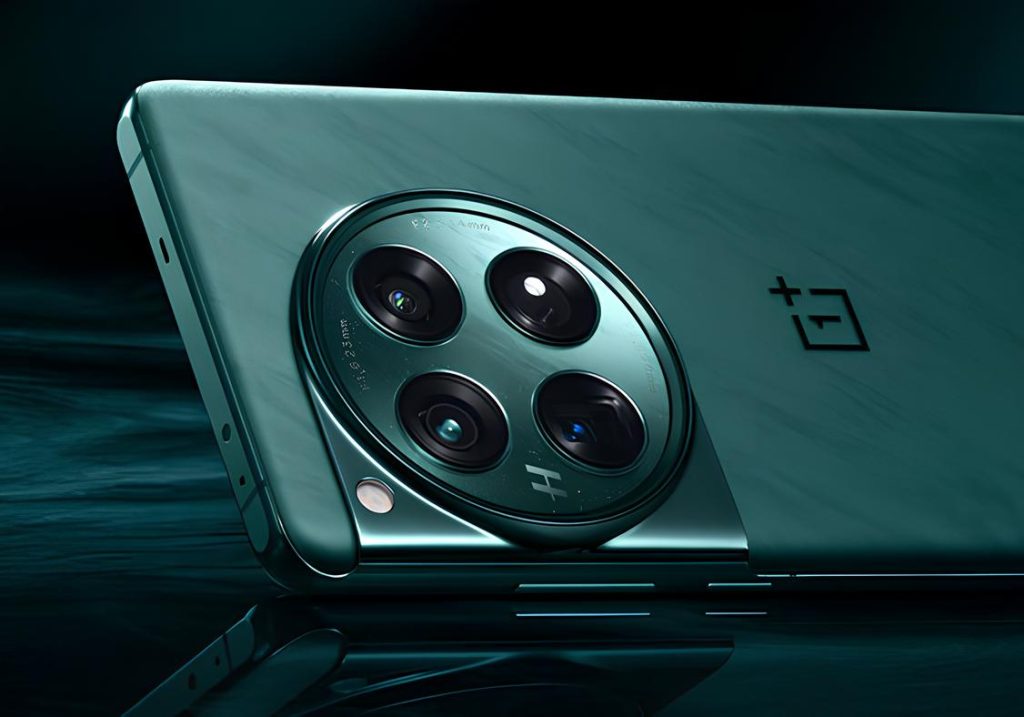
OnePlus 12 OxygenOS 14.0.0.602 update is live in India offering multiple camera improvements

OnePlus has begun the deployment of its latest OxygenOS update, version 14.0.0.602, for the OnePlus 12 users in India. This new update, delivered in incremental stages, aims to refine the user experience through various system, communication, and camera improvements.

Key Highlights of the Update:

  • System Stability: The update promises a smoother operating system experience.
  • Communication improvements: With improvements in NFC functionality and network connection stability, users can expect a more seamless connectivity experience.
  • Camera Upgrades: New features allow switching between different focal lengths easily. The update also improves photo clarity with 2X zoom in Portrait mode and enhances color accuracy for photos taken with the front camera in warm lighting.

The firmware version CPH2573_14.0.0.602(EX01) will initially be reaching a limited number of users. A broader rollout is expected to follow shortly.

OnePlus encourages feedback and bug reports from its users through a specialized menu accessible via the Google Dialer (*#800#), currently available only in India.

OnePlus 12 specs

The OnePlus 12 is equipped with a 6.82-inch 2K AMOLED display, Snapdragon 8 Gen 3 SoC, up to 16GB LPDDR5X RAM, and 512GB UFS 4.0 storage. Its camera setup includes a 50 MP main sensor, 64MP telephoto lens, and a 48 MP ultra-wide camera, alongside a 32 MP front camera. The device supports 100W SuperVOOC fast charging for its 5400 mAh battery.

RELATED:

(Source)

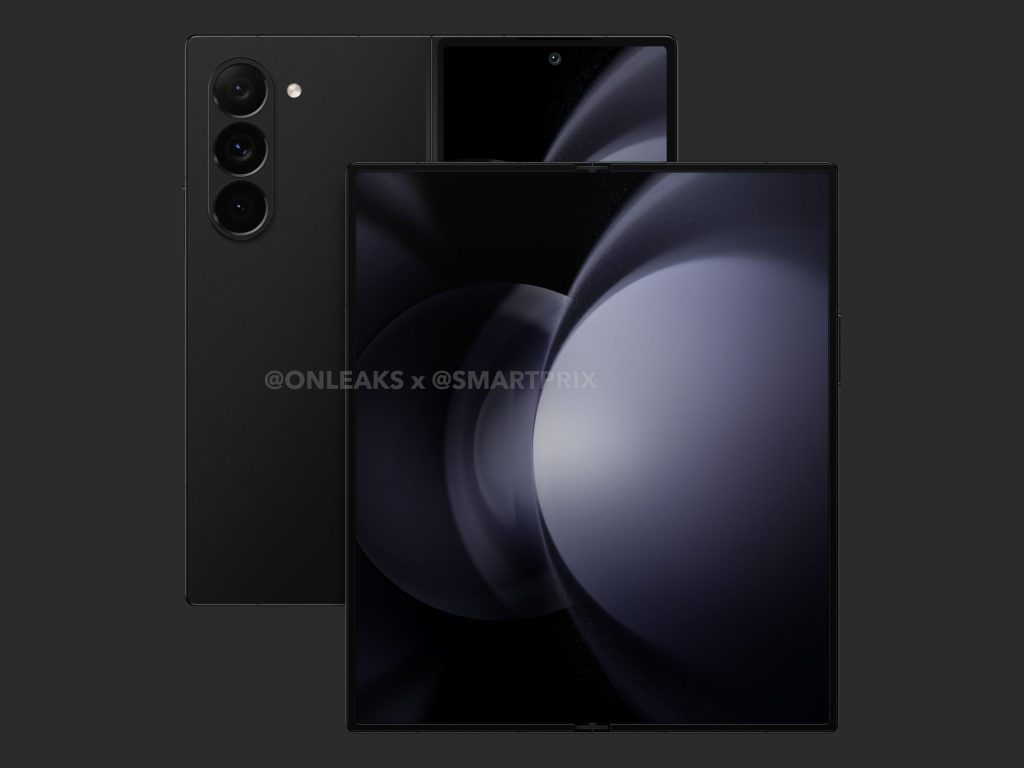
Samsung Galaxy Z Fold 6, Galaxy Z Flip 6 colors tipped

The next big launch from Samsung will be its new-gen foldables, namely Galaxy Z Fold 6 and Galaxy Z Flip 6. The company is expected to debut them in July.

Last week, the design of these products leaked via 3D CAD renders. Today, another source has revealed these phones.

Samsung Galaxy Z Fold 6

Ross Young, CEO of Display Supply Chain Consultants (DSCC), is known for sharing the colors of upcoming Samsung smartphones on X (formerly Twitter). He has been accurate so far, which is not surprising as he is an industry insider.

Earlier today, he disclosed that the Galaxy Z Fold 6 will be available in three colors, namely dark blue, light pink, and silver.

On the other hand, as per him, the Galaxy Z Flip 6 will be offered in four colors, such as light blue, light green, silver, and yellow.

He notes that these are early insights. Thus, the final colors may vary as we are still four months away from the launch.

Also, we believe that there could be additional Samsung.com-exclusive colors. The aforementioned shades are most likely standard colors.

As far as designs are concerned, the Galaxy Z Fold 6 will arrive with noteworthy changes, while the Galaxy Z Flip 6 will more or less remain the same.

The Fold 6 will adopt a boxy design and will look more like the Galaxy S24 Ultra. It won’t have a built-in S Pen but will be shorter as well as wider for better aspect ratios for the displays.

Whereas the Flip 6 will be thicker indicating a bump in battery size.

RELATED:

Vivo V30 series launched in India with 50MP triple cameras & 6.78″ curved AMOLED display

Vivo has officially unveiled the new Vivo V30 series of smartphones in India, which arrives nearly half a year after its predecessor. The latest V series phones were unveiled in other regions recently and are finally making their way to the Indian market. So here are all the details regarding its specs, pricing, and more.

Vivo V30 Pro

Talking about the higher end model first, the Pro variant sports a tall 6.78-inch curved AMOLED display that offers a 120Hz refresh rate, HDR10+, 1.5K resolution and 2800 nits of peak brightness. Under the hood, the Vivo V30 Pro is equipped with the MediaTek Dimensity 8200 SoC, which is paired with up to 12GB of RAM and up to 512GB of UFS 3.1 storage.

Vivo V30 Pro

On the rear, the new device packs a triple camera setup that consists of a 50-megapixel primary sensor with OIS (Optical Image Stabilization) and Zeiss imaging system, 50-megapixel telephoto shooter with 2x optical zoom, and a 50-megapixel ultra wide angle lens. Meanwhile, the front also pack 50-megapixel selfie camera. The three 50-megapixel sensors on the back is rare in this segment, since it is usually reserved for the flagship models.

A large 5,000mAh battery pack powers this device, which also supports 80W wired fast charging. Other notable features include, Android 14 OS based FunTouch 14 custom skin out of the box, IP54 water and dust resistance, an in-display fingerprint scanner, and LED ring lighting on the rear.

Vivo V30

The base V30 is quite similar to the Pro variant but with some minor downgrades. It retains the 6.78-inch curved AMOLED display with a 120Hz refresh rate and FHD+ resolution. Although, it features a Qualcomm Snapdragon 7 Gen 3 SoC under the hood. This model runs on FunTouch OS 14 as well as a 5,000mAh battery pack with 80W wired fast charging. Similar to the Pro version, the Vivo V30 will also receive two Android updates and three years of security updates.

Vivo V30

While the vanilla variant also offers a triple camera setup, the camera setup on the rear isn’t identical. It features a 50-megapixle primary camera with OIS support that is paired wit ha 50-megapixel ultrawide angle lens, and a 2-megapixel portrait sensor over a telephoto shooter. The front houses a 50-megapixel selfie shooter. Furthermore, the base model skips the Zeiss style portrait bokeh and image processing feature. Other notable features include the IP54 water and dust resistance rating, HDR10+, ring LED lighting, and an in-display fingerprint scanner.

Vivo V30 series Pricing and Availability

The Vivo V30 series has been offered in three color options in India, namely Andaman Blue, Peacock Green, and Classic Black. The Black option on the V30 Pro offers a Fluorite AG Glass finish for a more premium feel. Vivo has released the devices in multiple storage configurations as well, so here’s a list of their pricing:

Vivo V30

  • 8GB + 128GB – 33,999 INR (roughly 410 US Dollars)
  • 8GB + 256GB – 35,999 INR (roughly 435 US Dollars)
  • 12GB + 256GB – 37,999 INR (roughly 459 US Dollars)

Vivo V30 Pro

  • 8GB + 256GB – 41,999 INR (roughly 507 US Dollars)
  • 12GB + 512GB – 46,999 INR (roughly 568 US Dollars)

The Chinese brand is even offering 10 percent instant cash back to HDFC and SBI bank card holders on online purchases. An additional 4,000 INR discount can also be availed via exchange bonus. Pre-booking for the devices are already live, with first sale set to kick off on 14th March 2024.

RELATED:

Realme Narzo 70 Pro 5G rear design revealed, has glass back with attractive dual-tone finish

Realme has just launched the Realme 12 and Realme 12+ smartphones in India, and now it is teasing the arrival of the Narzo 70 Pro 5G. Usually, the company sells its numbered series through Flipkart in India, whereas the Narzo-branded phones are sold via Amazon. The company is yet to confirm the launch date of the Narzo 70 Pro 5G, but its landing page available on Amazon has revealed some of its key features. The updated page now reveals that the smartphone will sport a glass back with a dual-tone finish.

Realme Narzo 70 Pro 5G design

According to the brand, the Realme Narzo 70 Pro 5G will be the segment’s only smartphone to feature a glass design. As can be seen, the device sports an arc design with a dual-tone finish. While the top part that houses the round camera module has a glossy finish, the remaining part seems to have a matte finish.

The Narzo 70 Pro 5G is confirmed to feature an OIS-enabled 50-megapixel Sony IMX890 primary camera. The brand is yet to confirm the details of its other cameras. The company has also revealed that the device will have 65 percent less bloatware than before. In addition, the device will come with support for over ten air gestures.

On the front, the Narzo 70 Pro 5G sports a flat display. However, the company is yet to confirm the display size and resolution. However, it is speculated to feature a 6.67-inch AMOLED display that offers an FHD+ resolution and a 120Hz refresh rate.

On the front, it may feature a 16-megapixel selfie camera, and its rear may feature a 50-megapixel + 8-megapixel + 2-megapixel triple camera system. The device is expected to feature the Dimensity 7050 chipset and pack a 5,000mAh battery with 67W fast charging.

RELATED:

The Core Ultra 9 version of the Lenovo Xiaoxin Pro 14 (2024) laptop is expected to be launched this weekend

Lenovo has introduced a new configuration for its Xiaoxin Pro 14 2024 AI Core Edition notebook, featuring the optional Intel Core Ultra 9-185H processor. This version promises a maximum performance release of about 70W. Lenovo enthusiasts can anticipate the release of this upgraded model, with the company teasing its arrival over the weekend.

An official said, “see you this weekend, so stay tuned.”

The Intel Core Ultra 9-185H processor powering the Xiaoxin Pro 14 2024 AI Core Edition boasts 16 cores and 22 threads with a turbo frequency of 5.1GHz. This high-performance processor is set to enhance the overall computing experience, particularly for users engaged in demanding tasks such as gaming, content creation, and multitasking.

The Xiaoxin Pro 14 2024 Core Edition offers a comprehensive set of features to cater to diverse user needs. It includes integrated Intel ARC graphics, which promises a 2x performance jump and supports advanced technologies like ray tracing and XeSS. Additionally, the notebook is equipped with a new independent AI engine NPU, enhancing AI-related tasks such as background blurring in video meetings or noise reduction in calls.

Memory and storage options are abundant in the Xiaoxin Pro 14 2024 Core Edition, with configurations available for up to 32GB of LPDDR5x RAM and dual PCIe 4.0 M.2 2280 hard drive bays. The inclusion of a 1TB SSD ensures ample storage space for files, applications, and multimedia content.

Other notable features of the Xiaoxin Pro 14 2024 Core Edition include a high-resolution 2.8K 120Hz OLED display and, an advanced cooling system with Extreme Fengshen+ technology. The notebook also boasts a versatile selection of interfaces, including Thunderbolt 4, HDMI, and an SD card reader, providing seamless connectivity options for various peripherals.

Price

Notably, the company has already launched the Core Ultra 5 125H version of this laptop back in January this year with the same 2.8K display and a price tag of ¥5,799 (~$815) and ¥6,299 (~$885) for the 16GB and 32GB versions of the laptop. The exact pricing of this upcoming Core Ultra 9 version has not been revealed yet. However, it will fall within the price range of ¥6,000 to ¥7000 price bracket.

The Xiaoxin Pro 14/16 2024 laptops also have a Ryzen edition that is powered by the R7 8845H and offers a performance release of 63W.

Related:

BenQ X300G 4K projector for gamers goes on sale in India for Rs 152,490 ($1842)

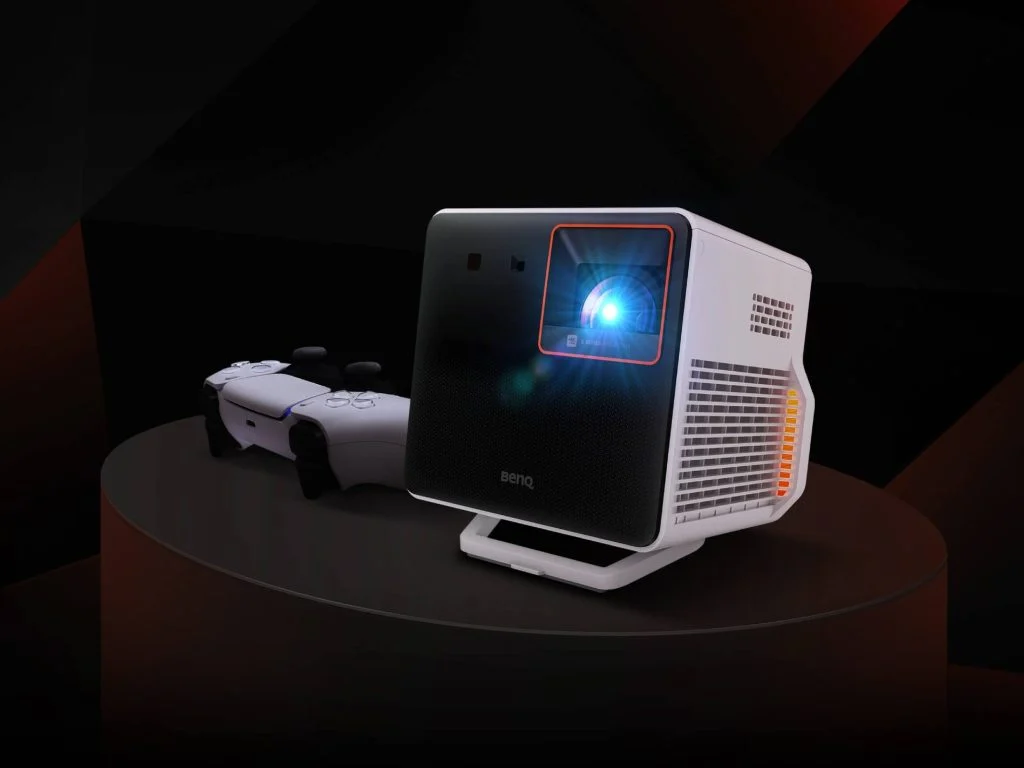
The BenQ X300G 4K projector has been officially released in India. The portable projector for gamers was first introduced earlier this week, and it has finally gone on sale in the region. So here’s its specs, features, and pricing.

BenQ X300G 4K Gaming Projector Pricing and Availability

The new BenQ X300G 4K HDR 3LED Gaming Projector is currently listed on major retailing platforms like Amazon India. It has officially gone on sale in the region for a special introductory price tag of 1,52,90 INR, which roughly translates to about 1,842 US Dollars.

BenQ X300G 4K Gaming Projector Specs

BenQ X300G 4K projector

As the name suggests, BenQ’s latest portable projector can output images at 4K UHD resolution at a 16:9 aspect ratio. The brightness from the projector can reach 2000 ANSI lumens and offer 1.07 billion colors. This device offers dedicated modes that offer improved visuals for 3D, Bright, Cinema, FPS, HDR FPS, HDR RPG, HDR10, RPG, and other content. It feature built in twin 8W speaker setup that support Dolby Atmos as well.

The BenQ X300G 4K gaming projector comes with Bluetooth 5.0, dual band WiFi, 2x HDMI, 2x USB Type A, and one USB Type-C port. It runs on the Android 11 based operating system and can wirelessly project AirPlay and Google Cast as well. All of these specs are packed in a lightweight 3 kilogram body that measures 212 x 180.9 x 194.8mm in dimensions.

RELATED:

OnePlus Ace 3V surfaces on certifications, fast charging and battery details emerge

A new OnePlus smartphone, speculated to be the upcoming OnePlus Ace 3V, has been spotted on both 3C and UFCS certifications. This follows an earlier leak revealing a redesigned camera layout for the device.

The phone showed up on both 3C and UFCS with the model number PJF110. However, they haven’t explicitly confirmed it as the OnePlus Ace 3V. But because its model number is similar to the Ace 3 (PJD110), it’s highly likely to be the Ace 3V.

The 3C certification reveals that the phone will support 100W wired fast charging. Additionally, the UFCS certification suggests it will have a 2680mAh dual-cell battery, totaling 5,360mAh in size. OnePlus can market it as a 5500mAh cell.

Besides this, neither of the certifications reveals much about the smartphone. So let’s take a quick recap of the rumored specifications of the smartphone. 

OnePlus Ace 3V Specifications (Rumored)

According to reports, the Ace 3V will have an OLED panel with a 1.5K resolution and a 120Hz refresh rate. 

The device is expected to be powered by Qualcomm’s upcoming 7+ Gen 3 chipset which is said to have exceptionally good raw performance. It will be paired with 16GB of RAM.

As for the cameras, the smartphone is said to feature a triple camera setup headlined by a 50MP main camera that will also get OIS (Optical Image Stabilization) support. For selfies, it may feature a 16-megapixel camera. 

The handset is expected to come with other features, such as ColorOS 14-based Android 14, an in-screen fingerprint scanner, and dual speakers.

Related:

Intel will reportedly launch the Core i9-14900KS processor on March 14, which may reach up to 6.2 GHz

Intel is set to release the Core i9-14900KS processor on March 14, according to reports from VideoCardz.

The Core i9-14900KS is expected to hit a boost clock of 6.2 GHz

Core i9-14900KS, source: pakhtunov/OCN

The Core i9-14900KS joins the lineup alongside its predecessors, the Core i9-12900KS and Core i9-13900KS, which were released on April 5, 2022, and January 12, 2023, respectively. Unlike its predecessors, the i9-14900KS reportedly boasts a higher clock speed of up to 6.2 GHz (instead of 6.0 GHz) on two cores, which was previously spotted in a leak in late February along with Lunar Lake Laptop CPUs. The Core i9-14900KS is also expected to reach up to 5.9 GHz on all P cores and 4.5 GHz on the E cores.

One notable aspect of the Intel Core i9-14900KS is its pricing, which is reported to be around $740, approximately 30% higher than the current flagship i9-14900K. Despite the higher price tag, the i9-14900KS promises significant performance improvements, making it an attractive option for enthusiasts and power users.

In terms of specifications, the i9-14900KS is based on the Raptor Lake Refresh architecture and features 8 performance cores (P) and 16 efficient cores (E), resulting in a total of 24 cores and 32 threads. It comes equipped with 36MB of L3 cache and 32MB of L2 cache, providing ample memory for demanding tasks and multitasking scenarios. Additionally, the maximum thermal design power (TDP) has likely been bumped up from the i9-14900K’s 125W to 150W for the upcoming i9-14900KS.

Notably, this processor will be the final addition to Intel’s LGA-1700 platform and marks the end of an era with the last CPU to utilize the old naming convention for Desktop CPUs. Going forward, it will be replaced by the LGA-1851 socket starting with the 15th-generation Arrow Lake CPUs by the end of this year.

Related:

(Source)