Advertisement

Infinix Smart 8 Plus specs confirmed ahead of March 1 Indian launch

Infinix is gearing up to introduce the Infinix Smart 8 Plus in India on March 1, with Flipkart hosting a dedicated page revealing its specifications and features. This upcoming device is aimed toward customers on a budget as the phone is projected to be below Rs 7,000 at launch.

Infinix Smart 8 Plus

Ahead of the launch, Infinix has confirmed a bunch of details about the Smart 8 Plus smartphone. As per the latest teasers, the Infinix Smart 8 Plus is set to feature a 6.6-inch HD+ LCD screen that supports a 90Hz refresh rate and 500nits of brightness. It has an Apple Dynamic Island-inspired Magic Ring feature, which uses a pop-up window around the front camera to show important notifications such as battery level and charge status.

Infinix Smart 8 Plus

Under the hood, the Smart 8 Plus will be powered by the MediaTek Helio G36 processor, coupled with 4GB of RAM and an additional 4GB of virtual RAM. The device offers 128GB of internal storage, expandable up to 2TB via a microSD card.

The phone will be running on XOS 13, based on the Android 13 (Go Edition), which is a smart choice considering the device only offers 4GB RAM. As for optics, it has a dual-camera setup on the back featuring a 50MP main sensor complemented by a quad-LED flash. An 8MP front camera caters to selfie and video call needs. For audio, the phone will offer DTS tuned speaker.

The phone has a 6000mAh battery with 18W USB Type-C fast charging support. Security features include a side-mounted fingerprint scanner and face unlock. Lastly, the phone will launch in four color options: Crystal Green, Shiny Gold, Timber Black, and Galaxy White.

RELATED:

(Source)

Oppo F25 Pro 5G first impressions: Stylish, feature-focused with an eye on value

Today, Oppo unveiled its latest mid-range smartphone offering in India, the F25 Pro 5G. This device arrives with an intriguing set of features, aiming to make its mark in the competitive Rs 20,000 (~$240) to Rs 25,000 (~$300) smartphone market. Last year, Oppo released only the F23, and there was no Pro model. This time it has launched the Pro version in the F25 series, hinting that there could be a standard F23 in the future. I have been using the F25 Pro 5G for the past few days, and here are my first impressions.

OPPO F25 Pro 5G design

The Oppo F25 Pro 5G’s design stands out as one of its most striking aspects. With a thickness of only 7.54mm and a weight of just 177 grams, the F25 Pro 5G is a slim and lightweight device that feels comfortable in the hand. The phone comes in two colors: Ocean Blue and Lava Red.

I have the latter, which has a textured feel and a distinctive shimmering effect when light hits it. The polycarbonate back showcases various shades of red, ranging from wine red to rich red to a blackish tint when viewed from different angles.

Adding to its appeal, the F25 Pro 5G boasts an IP65 rating for dust and water resistance. This level of protection is typically found in more expensive flagship devices, such as the OnePlus 12, making its inclusion here a welcome surprise. With thin bezels surrounding the screen, the device’s front side is equally attractive. The company claims that twice-reinforced Panda Glass protects the F25 Pro’s display.

Oppo F25 Pro 5G specifications and features

OPPO F25 Pro 5G

As compared to its predecessor, the F25 Pro seems to be a major improvement in the display department. The previous model featured an LCD panel, whereas the F25 Pro 5G features a 6.7-inch AMOLED display with a 120Hz refresh rate. With a peak brightness of 1100 nits and HDR10+, users can enjoy HDR content on streaming apps like Netflix. Stereo output is missing on the device as it has a single speaker. In its absence, the device offers “300% Ultra Volume mode” for a loud and clear sound output.

Oppo has opted to power the F25 Pro 5G with the Dimensity 7050, which is a decent chip for everyday tasks and smoothly running popular mobile games. It has 8 GB of LPDDR4x RAM and up to 8 GB of virtual RAM, and instead of the UFS 2.2 storage seen on the previous generation, the F25 Pro comes with 128 GB / 256 GB of UFS 3.1 storage.

The F25 Pro 5G has a 5,000mAh battery and its retail package includes a 67W SuperVOOC charger. The in-box charger takes around 50 minutes to completely juice up the F25 Pro from scratch. The phone comes preinstalled with Android 14, which is overlaid with ColorOS 14, and its Trinity Engine delivers a smooth experience while multitasking with up to 28 apps running in the background with no lag. To sum up, the F25 Pro feels smooth and snappy, as expected. The company has confirmed that it will receive three years of Android updates and four years of security updates.

According to Oppo, the Trinity Engine can also free up an additional 23 GB of storage on the 256GB variant and 11 GB on the 128 GB model. In addition, the device has a microSD card slot for more storage. ColorOS 14 brings new features like File Dock and AI Smart Image Matting. The latter allows users to isolate objects in an image with a simple long-press and create transparent PNGs. File Dock makes it easy to drag and drop files, images, or text between apps, enhancing multitasking.

On the front, the Oppo F25 Pro has a Sony IMX615 32-megapixel camera for selfies and video calls. The rear panel retains the flagship-grade OmniVision OV64B 64-megapixel primary camera with an f/1.7 aperture and a 25mm focal length, which was made available on the Oppo F23. However, it lacks support for optical image stabilization (OIS). An 8-megapixel Sony IMX355 8-megapixel ultra-wide camera and a 2-megapixel macro lens support the primary snapper. Here are some camera samples:

These camera sensors combined with Oppo’s photography algorithm, allow it to capture impressive regular shots and portraits, even in dim light conditions with sufficient artificial lighting. When it comes to video shooting, the front and rear cameras support up to 4K video shooting. However, EIS (Electronic Image Stabilization) is only available when capturing 60ps 1080p videos via the rear camera and 30fps 1080p videos from the front camera. The camera is also capable at shooting impressive portrait videos through the front and rear cameras.

As far as other features are concerned, the Oppo F25 Pro 5G brings 5G connectivity to the table. Additionally, OPPO has invested in its LinkBoost technology, which leverages AI and a 360-degree antenna design to maintain a strong connection in challenging scenarios, such as crowded spaces or rapidly changing locations. In addition, the device comes with support for NFC connectivity. However, it lacks a 3.5mm audio jack. Lastly, the retail package of the device includes the handset, charger, a USB-A to USB-C cable, a SIM ejector tool, a Quick Guide, a Safety Guide, and a protective case.

Oppo F25 Pro 5G first impressions: Conclusion

The Oppo F25 Pro 5G makes a strong first impression. Its attractive design, versatile camera system, decent processor, and generous feature set position it as a compelling choice within the mid-range smartphone segment.

Oppo F25 Pro 5G price, variants, and availability

The Oppo F25 Pro 5G comes in two options:

  • 8 GB RAM + 128 GB storage: Rs 23,999 (~$290)
  • 8 GB RAM + 256 GB storage: Rs 25,999 (~$315)
  • Colors: Ocean Blue and Lava Red
  • Sale date: March 5 in India via Oppo India’s website, Flipkart, Amazon, and offline stores

Customers can avail of the following offers for pre-orders of Oppo F25 Pro 5G:

  • Up to 10% instant cashback with SBI Cards and ICICI Bank
  • No-cost EMI for 9 months
  • Flexible EMI instalment and tenure options
  • Zero down payment schemes available
  • Low down payment options from top financiers
  • 180 days of screen damage protection included
WHERE TO BUY
Buy Oppo F25 Pro 5G @ OPPO India’s online store | Amazon |Flipkart in India

Disclaimer: All the opinions in this Oppo F25 Pro 5G first impressions post are mine and based on my own experiences. There has been no editorial input from Oppo.

RELATED:

Simple Guide to Unlock and Format a Write-Protected SD Card

Dealing with a write-protected SD card can be frustrating, but fear not, there are solutions. Encountering that error message, “The disk is write-protected,” can seem like hitting a dead end, especially if you’re not well-versed in computer troubleshooting. However, in this comprehensive guide, we will make the process easy for you.

We’ll walk you through five straightforward methods to remove that pesky write protection and format your SD card with ease. But that’s not all, we’ll also delve into the realm of data recovery, showing you how to effortlessly retrieve lost files from your now-accessible SD card. 

Preparing to Format a Write-Protected SD Card

Formatting a write-protected SD card requires a systematic approach, typically divided into two key steps. One must attempt various methods to eliminate the write protection barrier, followed by utilizing Windows’ built-in tools such as Command Prompt for formatting. However, before diving into these steps, it’s crucial to undertake some essential preparations. 

Firstly, conducting a thorough virus scan is highly recommended, as viruses and malware can often be the hidden culprits behind write protection issues, aiming to thwart users from modifying or deleting infected files. 

Additionally, anticipating data loss during the formatting process is prudent. To mitigate this risk, consider using a data recovery software like Tenorshare 4DDiG. Renowned for its high success rate and user-friendly interface, 4DDiG simplifies the retrieval process, making it accessible even to those less experienced with computers. By following a few straightforward steps within the tool, users can effortlessly recover lost files from their formatted SD card.

Disabling Write Protection on an SD Card

Turning Off the Physical Write Protection Switch

Removing write protection from an SD card is a simple task, especially if you’re familiar with the physical attributes of your storage device. Many SD cards are equipped with a small yet significant feature—a physical switch located on the side. This switch serves as a safeguard against inadvertent alterations or erasures of data stored on the card. Before attempting to format a write-protected SD card, it’s essential to ensure that this switch is set to the unlocked position. By doing so, you effectively disable the write protection mechanism and can now proceed with formatting or modifying the contents of the card as needed.

Remove Write Protection on SD Cards Using Diskpart

Removing write protection from an SD card can be done by using Diskpart tool, particularly suitable for those comfortable navigating a command-line interface. Here’s a step-by-step guide to assist you through the process:

Connect the SD Card: Connect the write-protected SD card to your computer.

Access Command Prompt (Admin): Press “Win + X” on your keyboard and select “Command Prompt (Admin)” from the options presented.

Launch Diskpart: Type the command “diskpart” and hit Enter to initiate the Diskpart tool.

List Disks: Continue by typing “list disk” and pressing Enter. This action will display a list of available disks on your system.

Select the SD Card: Identify your SD card from the list and note its corresponding number. Then, input “select disk #” (replace “#” with the appropriate number) and press Enter.

Clear Write Protection: Finally, to remove the write protection, type “attributes disk clear readonly” and press Enter.

By following these step-by-step instructions, you can effectively eliminate write protection from your SD card using the Diskpart tool, granting you the freedom to modify or format the card as needed.

Utilize Registry Editor to Disable Write Protection

While using the registry editor to remove write protection from an SD card is not recommended for those unfamiliar with technical intricacies, it can be accomplished with caution and precision. Here’s a step-by-step guide to navigating this process safely:

Access Registry Editor: Begin by pressing “Win + R” to open the Run dialog box. Type “regedit” and hit “Enter” to launch Registry Editor.

Navigate to the Key: Within Registry Editor, navigate to the following path: HKEY_LOCAL_MACHINE\SYSTEM\CurrentControlSet\Control\StorageDevicePolicies.

Note: If the StorageDevicePolicies key is absent, create it by right-clicking on “Control,” selecting “New,” then “Key,” and naming the new key “StorageDevicePolicies.”

Create DWORD Value: Inside the StorageDevicePolicies key, right-click in the right-hand pane, select “New,” then “DWORD (32-bit) Value.” Name the new value “WriteProtect.”

Modify Value Data: Double-click on the WriteProtect value and set its data to 0, effectively disabling write protection.

While these steps offer a method to remove write protection, exercise caution, as improper modifications within the registry editor could lead to system instability or failure. If unsure, it’s advisable to seek assistance from a professional to avoid potential complications. By following these instructions diligently, you can safely navigate the process of removing write protection from your SD card using the registry editor.

Consider Utilizing Third-Party Software

If conventional methods have failed to remove the write protection from your SD card, turning to third-party tools could offer a viable solution. Here’s a selection of popular options, ranging from free to paid, to consider exploring:

SD Memory Card Formatter: Specifically designed for formatting SD cards, this tool provides a straightforward approach to resolving write protection issues.

EaseUS Partition Master: Offering comprehensive partition management capabilities, this software includes features to address write protection on SD cards alongside other functionalities.

MiniTool Partition Wizard: Renowned for its user-friendly interface and robust partition management tools, this software offers solutions for various storage-related issues, including write protection on SD cards.

Rufus: While primarily known as a tool for creating bootable USB drives, Rufus also provides options for dealing with write protection on SD cards.

ChipGenius: With its focus on identifying flash drive controllers, ChipGenius can sometimes assist in diagnosing and potentially resolving write protection problems on SD cards.

Exploring these third-party tools presents an alternative avenue for tackling write protection issues on SD cards, offering a diverse range of options to suit different user preferences and needs.

Formatting a Write-Protected SD Card

Once the write protection has been removed from your SD card, you have three options for formatting it.

Format an SD Card Using File Explorer

Many users find formatting a write-protected SD card through File Explorer to be a preferred method due to its simplicity and user-friendly interface. Here’s a step-by-step guide to walk you through the process:

Insert the SD Card: Begin by inserting your SD card into the card reader slot on your computer.

Open File Explorer: Navigate to the File Explorer icon in the taskbar and click on it to open the application. Then, locate the SD card under “This PC” or “Computer” in the left sidebar.

Access Formatting Options: Right-click on the SD card icon and select “Format” from the menu options presented.

Configure Formatting Settings: In the formatting window, you can choose the desired file system (FAT32, exFAT, or NTFS), allocate unit size, and provide a volume label if desired.

Initiate Formatting: Once you’ve configured the settings to your preference, click on the “Start” button to initiate the formatting process.

By following these straightforward steps, you can easily format your write-protected SD card using File Explorer, ensuring it’s ready for use according to your specifications.

Format an SD Card Using Disk Management

Formatting a write-protected SD card is often necessary to address various issues such as file system errors or corrupted data. Disk Management provides a convenient method to accomplish this task efficiently. Here’s a step-by-step guide:

Access Disk Management: Begin by pressing “Win + X” on your keyboard and selecting “Disk Management” from the menu options presented.

Locate the SD Card: Within Disk Management, locate your SD card from the list of available drives.

Initiate Formatting: Right-click on the SD card and choose the “Format” option from the context menu.

Configure Formatting Settings: In the formatting dialogue box, select the desired file system for the SD card and click “OK” to proceed.

By following these steps, you can easily format your write-protected SD card using Disk Management, ensuring it’s prepared for use without any issues. Whether you’re resolving file system errors or clearing corrupted data, Disk Management offers a straightforward solution to effectively manage your storage devices.

Format an SD Card Using Diskpart

In addition to its capability to remove write protection, Diskpart proves to be a versatile tool for various operations, including formatting. Here’s a step-by-step guide on how to format a write-protected SD card using Diskpart:

Access Diskpart: Open the Diskpart tool as previously described in your system.

Identify the SD Card: Type “list disk” to display a list of available disks and their corresponding numbers. Identify your SD card’s disk number from the list.

Select the SD Card: Enter “select disk X” (replace X with your SD card’s disk number) to choose the SD card.

Clean the Disk: Execute the command “clean” to remove all existing partitions from the SD card.

Create a Primary Partition: Type “create partition primary” to initiate the creation of a primary partition on the SD card.

Format the Partition: Finally, execute the command “format fs=FAT32 quick” (replace FAT32 with exFAT or NTFS as needed) to format the partition swiftly with the desired file system.

By following these steps meticulously, users can effectively format a write-protected SD card using Diskpart, unlocking its full potential for storage and usage. Diskpart’s versatility makes it a valuable tool for managing various disk-related tasks, offering users a seamless and efficient solution for their storage management needs.

In this article, we have covered the process of removing write protection from an SD card and subsequently formatting it for optimal usage. Once the write protection hurdle is overcome, your SD card is poised for action. However, if the need arises to format a write-protected SD card, it’s prudent to take precautionary measures. 

We strongly advocate backing up crucial files beforehand to safeguard against any potential data loss during the formatting process. By adhering to these recommendations, users can navigate the journey of preparing their SD cards for use with confidence, ensuring their data remains secure and accessible.

Meizu launches PANDAER x IQUNIX Platinum Unicorn MOD mechanical keyboard in China

Meizu has just launched its latest high-end mechanical keyboard in collaboration with IQUNIX, named the PANDAER x IQUNIX Platinum Unicorn MOD. This keyboard comes with a premium price tag of 2799 Yuan ($389) and boasts a range of impressive features aimed at both gamers and professional users.

Meizu PANDAER IQUNIX Platinum Unicorn MOD Keyboard

Specifications

The Platinum Unicorn MOD features an 80% layout with 89 keys, utilizing a Gasket structure for enhanced typing comfort and sound dampening. Its construction is robust, with a CNC machined full aluminum body, and it includes a quadruple silencing structure to minimize noise during use. The keyboard supports app-based adjustments, allowing users to customize its settings according to their preferences.

One of the standout features of the Platinum Unicorn MOD is its aesthetic appeal, with a “Platinum Unicorn” theme that includes replicated coating and keycaps. It also features a PVD color-plated mirrored panel and a metal enamel nameplate, adding to its premium look and feel.

For backlighting, the keyboard offers 16 million color RGB lighting, providing users with extensive customization options to match their setup or mood. The switches used in this keyboard are PANDAER switches, which are based on the Jade axis, and known for their responsive and tactile feedback.

In terms of connectivity, the Platinum Unicorn MOD supports triple mode connection, including USB wired, Bluetooth 5.1, and 2.4G wireless, ensuring compatibility with a wide range of devices and operating systems such as Windows, MacOS, iOS, and Android. The keyboard also features a long-lasting 4000mAh battery, boasting up to 2000 hours of use on a single charge in its wireless modes.

Additional features include customizable keycaps with a sublimation process for durability and clarity, a hot-swappable design for easy switch replacement, and an original drive program for key, multimedia, lighting, and macro customization.

The PANDAER x IQUNIX Platinum Unicorn MOD mechanical keyboard is positioned as a flagship product, blending aesthetics with performance and customization, making it a compelling choice for users looking for a premium typing or gaming experience.

RELATED:

Apple CEO Tim Cook Points Towards Big Plans for AI Later this Year

Apple‘s big boss, Tim Cook, dropped a hint that they’re diving deeper into artificial intelligence (AI) this year. At their yearly meet-up with shareholders, he shared that Apple is all in on AI because it’s got the potential to change how we do things, from getting stuff done faster to solving problems in new ways.

Cook added that Apple’s products are already smart with AI without us knowing

While tech giants like Microsoft and Google have been quick to mix AI into their products, Apple’s taking its time to get it just right. Cook mentioned that Apple gadgets are already smart with AI without us even knowing, but they’re planning to show off more of this tech magic soon. He’s especially proud of how Apple’s computers are top-notch for AI stuff, saying there’s nothing better out there.

Apple

But not everyone’s on board with how secretive Apple is about its AI work. A group representing workers, the AFL-CIO, wanted Apple to spill the beans on how it uses AI and to make sure it’s doing it the right way. Even though a good chunk of shareholders liked the idea, it didn’t get enough votes to pass. This debate shines a light on a bigger chat about making sure AI is used in a fair and right way, especially when it comes to copyright and respecting creators.

Apple argues that keeping their AI plans under wraps is crucial for staying ahead in the tech race. The company also recently put its plans for an electric car on hold as it veers into the direction of Artificial Intelligence. As we wait to see what Apple’s AI jump will look like, the question of how tech companies balance innovation with ethical concerns remains hot. Only time will tell!

RELATED:

(Via)

310 Miles in 10 Minutes? This Chinese EV Minivan is Breaking Charging Speed Records

If you’re wondering just how far ahead China‘s electric vehicle (EV) game is, here’s something to think about. A recent video making rounds on Chinese social media, courtesy of CarNewsChina, has everyone talking about the Li Auto Mega minivan’s lightning-fast charging capabilities. This futuristic family car, offering three rows of seating, is hitting the Chinese market on March 1 with a price tag of about $83,000.

Li Auto’s Mega Minivan will be available in the Chinese EV Market on March 1

Li Auto, a name that’s becoming synonymous with premium EVs in China, is setting crazy benchmarks. The Mega minivan’s charging prowess is a case in point. In a demo at a fast-charging station, the Mega went from almost empty (just under 10%) to 80% charged in a mere 10 minutes and 36 seconds. That’s quicker than a coffee break and makes the charging times of U.S. EVs look downright leisurely.

Li Auto China

For a bit of perspective, the fastest fast-charging EVs in the States, like the Kia EV6, might get you from 10% to 80% in about 18 minutes if you’re lucky. Sure, most EV owners charge their rides overnight at home, but when you’re on the move, charging speed is king.

What’s even more impressive is how much juice the Mega gets in such a short time. Starting with just 68 kilometers left in the tank, it rocketed up to 568 kilometers of range after the charge. That’s about 310 miles added in just over 10 minutes. This feat is partly thanks to the Mega’s battery, supplied by CATL, one of China’s leading battery makers. The minivan can handle a peak charging rate of 521 kilowatts (kW), which is more than double the capacity of the best Teslas out there. Meanwhile, the U.S. is playing catch-up, with its top charging stations offering up to 350 kW and only a handful of cars that can fully utilize such power.

China’s not just leading in terms of vehicle capabilities; its charging infrastructure is also miles ahead, with stations ready to pump out 500 kW or more. This is quite impressive, and it’s only uphill from here. Let’s see what China plans to achieve with its EVs in the near future.

RELATED:

(Via)

PlayStation Plus Unveils March Games Lineup, with Something for Everyone

PlayStation Plus is dropping a hot lineup for March that’s got something for every gamer. Get ready to hit the racetrack, fight for honor, solve a mystery, and dive into a sci-fi saga. Here’s what’s on the menu for PlayStation Plus members starting Tuesday, March 5, until Monday, April 1.

Make sure to download February’s games before March 4

EA Sports F1 23
Jump into the driver’s seat with EA Sports F1 23. This game brings the official 2023 FIA Formula One World Championship to life. Experience the thrill of the race with new circuits in Las Vegas and Qatar, dive into a dramatic story in “Braking Point,” and get strategic with Red Flags and the 35% Race Distance feature. Plus, with updated cars, drivers, and teams, and even F2 content, racing fans are in for a treat.

F1 23 EA Sports

Sifu
Is mastering Kung Fu in one lifetime enough? Sifu challenges you to prove it. This beat-em-up game from the makers of Absolver is all about revenge. As a young student chasing the killers of his family, you’ll need all your martial arts skills to face countless enemies alone.

Hello Neighbor 2
The quiet town of Raven Brooks is full of secrets, and in Hello Neighbor 2, you’re the journalist trying to uncover them. This family-friendly stealth horror game takes you on a journey to solve the mystery of missing kids and the dark secrets of your neighbors. With AI that learns from every player, no two sneaking experiences are the same.

Destiny 2

Destiny 2: Witch Queen
Step into the world of Destiny 2: Witch Queen and uncover the mysteries of Savathûn’s Throne World. Craft weapons, master the new Glaive, and navigate a realm of corruption and splendor. This chapter adds depth and challenge to the Destiny 2 universe, requiring you to outwit and outfight to survive.

And a heads-up: You’ve got until March 4 to download February’s games, so don’t miss out!

RELATED:

(Via)

Skyworth unveils A4E series 4K 120Hz smart TVs in China

Skyworth has officially launched its latest A4E series of 4K TVs in the Chinese market, marking a significant addition to the affordable high-performance television market. The A4E series commenced its pre-sale today, with models boasting features that rival those of MiniLED technology, catering to the binge-watching needs of modern consumers.

Skyworth A4E Series

The A4E lineup offers a range of sizes, catering to various living spaces and budgets. Starting from a compact 55 inches priced at 2199 Yuan ($306), the options include 65 inches at 2799 Yuan ($389), 75 inches at 3599 Yuan ($500), and 85 inches at 5599 Yuan ($778).

Skyworth A4E Series Specifications:

Each model uses an LCD panel but stands out with its six-fold 120Hz high refresh rate for smoother motion, 400 nits of brightness, and a 130% sRGB color gamut for vibrant and accurate colors. With a Delta E of less than 0.99, the A4E promises monitor-level color accuracy, ensuring that viewers get the most lifelike images possible.

Under the hood, the A4E series is powered by a combination of dual-core A55 and A75 chips, accompanied by 4GB of RAM and 64GB of internal storage. This hardware suite enables the TV to deliver smooth operation and ample space for apps and downloads. The TVs operate on the Cool Open System 9.2. Audio is handled by HiFi-grade dual-band speakers and an independent subwoofer, totaling 50W of power for an immersive audio experience.

Skyworth has also packed the A4E series with features aimed at enhancing viewer comfort and convenience. This includes quadruple hardware eye protection to reduce eye strain during long viewing sessions, MEMC (Motion Estimation, Motion Compensation) for reducing motion blur, and support for dual-language voice input/output for easy control.

Connectivity options are comprehensive, with HDMI 2.1, USB 3.0, and dual-band WiFi ensuring the smart TV can handle the latest streaming, gaming, and internet browsing needs with ease.

The TVs are also equipped with the Youku ZREAL Frame Enjoyment Zone, offering a vast selection of content in high frame rates and 4K resolution. Additionally, the 85-inch model features an exclusive audiovisual matching system, providing personalized environmental calibration to ensure optimal picture and sound quality in any room setting.

RELATED:

Samsung Galaxy Unpacked Event Could Once Again Happen Earlier In July This Year

Samsung traditionally conducts two Galaxy Unpacked events every year. The first one happens in January or February and it is dedicated to the company’s flagship Galaxy S-series smartphones. The second event that happens in August focuses on the Galaxy Z foldables, the Galaxy Watch series, and the flagship Galaxy Tab S-lineup. Now a new report tips the timeline of the South Korean brand’s next Unpacked event this year. 

Next Galaxy Unpacked timeline tipped

Galaxy-Unpacked-Event-Logo

SamMobile reports that the next Galaxy Unpacked event will happen in early July 2024. Last year, the event was held in the last week of the same month. The publication notes that this year it could take place in the second week of July. The date for this year’s second event could potentially be July 1 since Samsung’s Galaxy Unpacked events usually happen on Wednesday.

If the report indeed turns out to be true, it could be the second time Samsung will move up the launch of this year’s Unpacked event. Additionally, the South Korean brand is also the main sponsor of the Olympics 2024 which will commence on July 26. The multi-sport athletics event will happen in Paris, France. Hence, there’s a possibility that Samsung’s Galaxy Unpacked event could also be held there. The publication says that the company could gift the upcoming Galaxy Ring and a Galaxy smartphone to all the participating athletes. 

The next Galaxy Unpacked event is expected to see the arrival of the Galaxy Ring, sixth-generation Galaxy Z foldables, Galaxy Watch Series 7, Galaxy Tab S10 lineup, and Galaxy Buds 3. 

Related:

Realme 12+ 5G & 12 Pro+ 5G smartphones launched in Indonesia; Here are all the details

Realme has launched the Realme 12+ 5G and Realme 12 Pro+ 5G smartphones in Indonesia. While the Realme 12 Pro+ 5G was previously launched in India, this is the first time the Realme 12+ 5G has broken cover. The Realme 12+ 5G is also set to launch in India on March 6. Here are all the details.

Realme 12+ 5G specs

Design-wise, the Realme 12+ 5G features luxurious watch-inspired golden fluted bezels and a polished sunburst dial, developed in collaboration with luxury watch designer Ollivier Savéo. The back panel is finished in vegan leather.

The Realme 12+ 5G boasts a 6.67-inch E4 AMOLED display with FHD+ resolution, a 120Hz refresh rate, and a peak brightness of 2000 nits. It is powered by the MediaTek Dimensity 7050 SoC, supported by 8GB RAM and 256GB internal storage, and runs on Realme UI 5.0 based on Android 14.

Realme 12+ 5G

For photography, the phone is equipped with a triple camera setup, including a 50MP main sensor with OIS, an 8MP ultra-wide camera, and a 2MP macro sensor, alongside a 16MP front camera for selfies. It also features a 5000mAh battery with 67W SuperVOOC charging for fast power-ups. The phone is available in two colors: Pioneer Green and Navigator Beige.

Realme 12 Pro+ 5G specs:

The Realme 12 Pro+ features a 6.7-inch AMOLED display with FHD+ resolution and a 120Hz refresh rate. Under the hood, it’s powered by the Snapdragon 7s Gen 2 chip, with LPDDR4x RAM, UFS 3.1 storage, and a 5,000mAh battery supporting 67W fast charging.

Realme 12 Pro+

For security, it incorporates an under-display fingerprint sensor and runs on Realme UI 5, which is built on Android 14. The device is set to receive two Android OS upgrades and three years of security updates. In the camera department, it offers a 50-megapixel Sony IMX890 main camera with OIS, an 8-megapixel ultra-wide lens, and an OIS-assisted 64-megapixel periscope telephoto camera with 3x optical zoom. For selfies, it features a 32-megapixel front-facing sensor.

Realme 12+ 5G: Price, Availability

The Realme 12+ 5G is available in a sole configuration, featuring 8GB RAM and 256GB storage, with a price tag of Rp 3,999,000 ($254). In contrast, the Realme 12 Pro+ 5G offers two storage options – the 8GB/256GB variant priced at Rp 5,599,000 ($356) and the 12GB/512GB version at Rp 6,599,000 ($419). The flash sale for these devices is scheduled to commence on March 3, while the open sale will kick off on March 8.

RELATED:

Huawei FIN-AL60a specs, live images leak via TENAA

Earlier this week, a mysterious Huawei smartphone was certified by TENAA. Based on its model number FIN-AL60a, this device is expected to be part of the Huawei Nova 12 series.

Now, the listing of the phone has been updated with its specs and images. At the same time, it has been also certified by 3C.

Huawei FIN-AL60a
Huawei FIN-AL60a | Source: TENAA

Based on the information so far, the upcoming Huawei FIN-AL60a could be a variant of the Huawei Nova 12 Lite, which has model number FIN-AL60. However, we are not sure of the product’s official name.

The live pictures of the handset on TENAA confirm that it will look identical to the Nova 12 Lite. Even the specs scream the same and 3C certification reveals that it will also support 66W wired charging,

The 4G-only smartphone will be powered by a chipset featuring an octa-core 2.4GHz CPU. For reference, the Nova 12 Lite houses a Qualcomm Snapdragon 778G SoC with the same CPU clock speed. So the phone could have the same chip.

Further, the device will sport a 6.7-inch centered punch-hole OLED display with a resolution of 2412 × 1084 pixels. It should offer a 120Hz refresh rate and a 1440Hz PWM dimming.

The handset will come with a 50MP primary camera paired with an 8MP ultrawide unit. On the front, it will feature a 60MP selfie camera.

Last but not least, the phone will boot HarmonyOS and will be backed by a 4,500mAh battery.

We have no info on the product’s launch date. However, it should go official soon.

RELATED:

Meizu 21 Pro With Snapdragon 8 Gen 3, LTPO Display Launched In China

Meizu has launched a new flagship smartphone in China. The latest offering is the Meizu 21 Pro. It joins the Meizu 21 (review) that was announced in November last year. The newly announced Pro variant packs some upgraded specifications compared to the standard version. Read on to know what the Meizu 21 Pro offers out of the box. 

Meizu 21 Pro specifications and features 

The Meizu 21 Pro has the same design as the standard variant with a flat frame and three vertically stacked camera sensors on the rear along with a RGB LED flash unit. It is IP68-certified dust and water-resistant. On the front, the device features a slightly larger 6.79-inch BOE screen with thin bezels and a centre-aligned punch-hole cutout. The display offers a 2K resolution, 1,250 nits peak brightness, and 120Hz LTPO refresh rate. It is also integrated with an ultra-sonic fingerprint scanner. 

On the optics front, the Meizu 21 Pro features triple rear cameras. The setup comprises of a 1/1.3-inch 50MP main sensor, a 13MP ultra-wide-angle lens with 122-degree FoV, and a 10MP telephoto unit with 3x optical and 30x digital zoom. Up front, there is a 32MP selfie snapper. The device supports OIS and EIS. It is capable of recording up to 8K videos. 

Under the hood, the Meizu 21 Pro houses the Snapdragon 8 Gen 3 processor. It packs up to 16GB RAM and 1TB onboard storage. There is a large VC liquid cooling area for heat dissipation. The smartphone draws its power from a 5,050mAh battery unit with support for 80W wired, 50W wireless, and 10W reverse wireless charging. The Meizu 21 Pro runs on Flyme OS with AI features. 

The Meizu 21 Pro comes with dual stereo speakers, a linear motor, Bluetooth 5.4, WiFi, NFC, etc. 

The Meizu 21 Pro is offered in Starry Night Black, Meizu White Laurel Green (Silicone), and Glacier Blue colors. It starts at CNY 4,999 for the 12GB + 256GB variant. The 16GB + 512GB and 16GB + 1TB configurations are priced at CNY 5,399 and CNY 5,899.

Related:

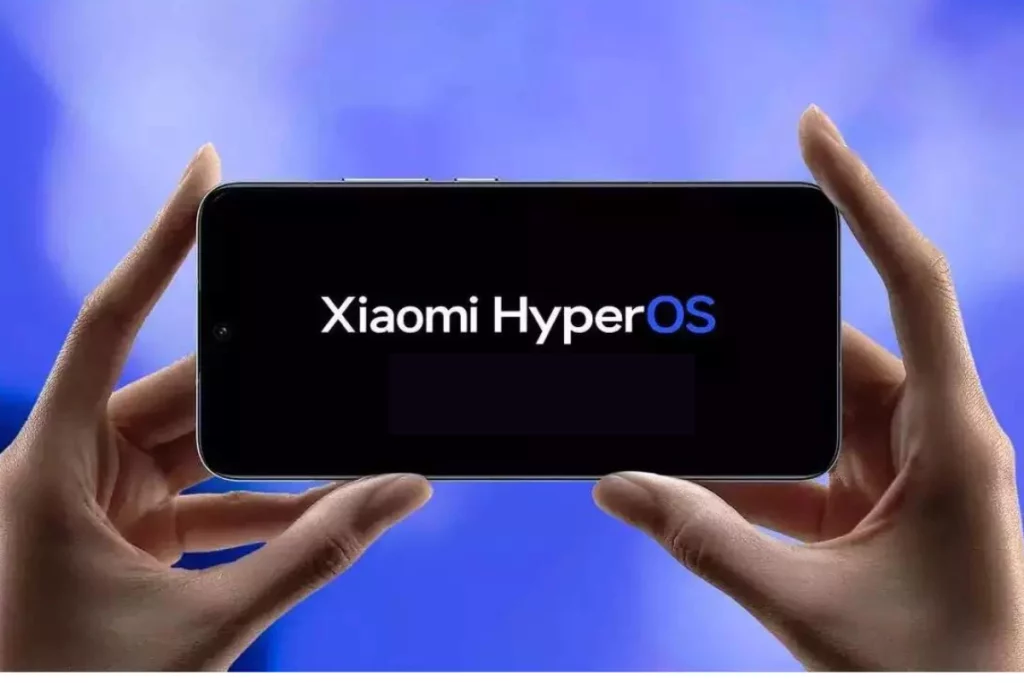
Xiaomi launches HyperOS in India: List of devices getting the update

As expected, Xiaomi has officially launched HyperOS in India. The company has also unveiled its availability and roll-out timeline for its smartphones and tablets.

HyperOS india

Last month, updates for HyperOS were rolled out to the following models:

  • Xiaomi 13 Pro
  • Xiaomi Pad 6
  • Redmi 12 5G
  • Redmi 12C
  • Redmi 11 Prime
  • Redmi Pad

The upcoming update schedule is as outlined:

March 2024

  • Xiaomi 12 Pro
  • Redmi Note 13 Pro+
  • Redmi Note 13 Pro
  • Redmi Note 13
  • Redmi Note 12 Pro+
  • Redmi Note 12 Pro
  • Redmi Note 12

Second Quarter of 2024

  • Xiaomi 11 Ultra
  • Xiaomi 11T Pro
  • Mi 11X
  • Xiaomi 11i HyperCharge
  • Xiaomi 11 Lite
  • Xiaomi 11i
  • Mi 10
  • Xiaomi Pad 5
  • Redmi 13C Series
  • Redmi 12
  • Redmi Note 11 Series
  • Redmi 11 Prime 5G
  • Redmi K50i

This timeline provides a detailed plan for Xiaomi and Redmi device owners awaiting the HyperOS update.

HyperOS aims to seamlessly connect personal devices, vehicles, and smart home products. It is built on five key pillars: System Level Optimization, Interconnectivity, Active Intelligence, Privacy & Security, and Open Platform, promising to efficiently meet user needs. HyperOS offers significant performance improvements, including reduced response, message delivery, and task switching delays, enhanced CPU load assessments, and improved scheduling latency. It also reduces system storage requirements and improves I/O performance and OTA updates.

HyperOS Lockscreen

HyperOS emphasizes personalization through its Alive Design Philosophy, offering customizable lock screens, a revamped Control Centre, a redesigned media player widget, system icons, and UI experiences. It supports a wide range of languages and glyphs with its system font, MiSans, and introduces an upgraded Floating Window and a new Workstation mode for tablets.

For interconnectivity, HyperOS includes features like Home Screen+, a shared clipboard, and a notes app for seamless device integration. It introduces Xiaomi Smart Hub for device management, Xiaomi HyperMind for proactive device collaboration, comprehensive security measures, and a unified smart ecosystem to connect various devices, leveraging the world’s largest consumer IoT platform for innovation.

RELATED:

Samsung Galaxy Z Flip 6 Leaked Renders Reveal No Major Changes

Yesterday we got a look at the Samsung Galaxy Z Fold 6. Now, renders of the Galaxy Z Flip 6 have also surfaced online. They have been shared by tipster Steve Hemmerstoffer (aka Onleaks). The images give us a good look at the device and it does not pack any major cosmetic changes. The sixth-generation foldables are expected to launch at the Galaxy Unpacked event in the second half of this year. 

Samsung Galaxy Z Flip 6 surfaces in leaked renders

The Samsung Galaxy Z Flip 6 will retain the same design as its predecessor. The leaked renders reveal the device in a Mint and Lavender color options. It has a flat frame and the hinge on the rear panel has a Samsung branding. The right side has a power button that doubles up as a fingerprint scanner and volume rocker keys. There is a SIM card tray on the left edge. Both sides have four antenna bands. 

The renders reveal two microphone cutouts at the top and bottom. The latter also has a USB-C port and a speaker grille. Dimension-wise, the Samsung Galaxy Z Flip 6 measures 165.0 x 71.7 x 7.4mm. The report adds that there are minor changes in the length and breadth of the device. The depth is increased from 6.9mm to 7.4mm indicating a larger battery size. The foldable phone also seems to have a tall aspect ratio and a 6.7-inch main display with a centre-aligned punch-hole cutout. 

Coming to the back panel, Samsung is keeping the same design. The dual camera sensors and an LED flash unit retain their positions at the top left corner. The Z Flip 6 also has the same folder icon-shaped cover display that is said to measure 3.4 inches. 

Related:

Source

Honor Magic 6 RSR Porsche Design spotted on TDRA certification, could launch soon globally

The Honor Magic 6 RSR Porsche Design smartphone is gearing up for its global release soon, having just secured its TDRA certification. This device, with the model number “BVL-N59,” is expected to launch in China in March 2024.

The certification does not reveal any details related to the specifications, however, it does reveal the brand’s intentions to release the Magic 6 RSR Porsche Design smartphone in the global market as well.

One of the key features of the Honor Magic 6 RSR is its 100x zoom capability, a detail that Honor has officially shared. There are also rumors about the phone being equipped with the new OV50K camera sensor from OmniVision, which could potentially compete with top-tier sensors like Sony’s LYT-900.

Honor Magic 6 RSR launch

The camera on the Honor Magic 6 RSR might offer a variable aperture from f/1.4 to f/2.0, giving users more flexibility in adjusting photo and video settings for better depth of field. The phone is expected to have a 6.8-inch curved-edge LTPO OLED display. Performance-wise, the device is expected to be powered by the Snapdragon 8 Gen 3 chip and might feature two-way satellite communication capabilities.

The Honor Magic 6 RSR has been confirmed through 3C certification to support up to 100W fast charging. This certification also hints at the phone’s support for satellite communication and 5G connectivity.

RELATED:

Redmi K70 series gets new memory variant and limited time discount

The Redmi K70 series made its debut in China at the end of November. The lineup consists of three models, namely Redmi K70, Redmi K70 Pro, and Redmi K70E

Three months after their release, the first two models have now received a new memory variant. At the same time, the company has discounted all the variants, including the new one, for a limited time.

Redmi K70
Redmi K70

The Redmi K70 and the Redmi K70 Pro now arrive in a 12GB + 512GB memory configuration. Up until now, the 12GB RAM version only came with 256GB storage.

The new version will go on sale starting March 1. It is priced at ¥2,799 (~$390) and ¥3,699 (~$515) for K70 and K70 Pro, respectively.

Additionally, the brand is offering a ¥100 (~$15) discount on all five memory variants of these phones. Thus, they will be available at the following prices for the next few days.

  • Redmi K70
    • 12GB + 256GB – ¥2,399 (~$335)
    • 16GB + 256GB – ¥2,599 (~$360)
    • 12GB + 512GB – ¥2,699 (~$375)
    • 16GB + 512GB – ¥2,899 (~$400)
    • 16GB + 1TB – ¥3,299 (~$460)
  • Redmi K70 Pro
    • 12GB + 256GB – ¥3,299 (~$460)
    • 16GB + 256GB – ¥3,499 (~$485)
    • 12GB + 512GB – ¥3,599 (~$500)
    • 16GB + 512GB – ¥3,799 (~$530)
    • 24GB + 1TB – ¥4,299 (~$600)

Unlike the Redmi K70E, which is sold as Poco X6 Pro in global markets, the aforementioned two devices are still exclusive to China. Thus, if you are interested in either of them, you will have to import them.

You can check out these handsets on Giztop from the links provided below.

RELATED:

Samsung Galaxy F15 5G Indian price tipped along with M14 4G

Samsung is set to launch the Galaxy F15 5G in India on March 4 at 12 PM. The brand recently teased the massive battery size of the upcoming smartphone, and now, it has teased its starting price as well.

Samsung Galaxy F15 5G teaser

The teaser has partially revealed the pricing details of the Galaxy F15, which suggests that the base model of the device could start at around Rs 11,999. The device is said to have two configurations: 4GB+128GB and 6GB+128GB.

Tipster Abhishek Yadav has also chimed in, suggesting that the F15 5G will have a price tag of Rs 13,499 for the 4GB+128GB model and Rs 14,999 for the 6GB+128GB model. Yadav also mentioned a potential Rs 1,500 discount through bank offers, which could effectively bring the starting price down to the teased sub-Rs 12,000 range. The tased pricing is likely inclusive of bank offers, which is the current trend in the Indian smartphone market.

The leak also mentions the Samsung Galaxy M14, another upcoming release, which is expected to launch in 4GB+64GB and 6GB+128GB versions, with prices at Rs 9,499 and Rs 12,499, respectively. While Samsung has not officially confirmed the launch date for the Galaxy M14 in India, the support page for this device has already appeared on Samsung’s website.

Based on official notes, Samsung’s Galaxy F15 arrives with a triple camera Official information indicates that the Galaxy F15 features a triple camera setup on the rear and is powered by the MediaTek Dimensity 6100+ SoC. Leaks also suggest that the phone will receive four major Android OS updates and support five years of security updates. The device is anticipated to showcase a waterdrop notch Infinity U Super AMOLED display with a possible 90Hz refresh rate.

RELATED:

(Source)

Apple Vision Pro demand sees a sharp fall in the US: Kuo

The highly anticipated Apple Vision Pro finally went on sale earlier this month. But just a month into its release, the latest wearable product from the brand is facing a sharp decline in its demand in the US market.

Apple Vision Pro demand slows

Just a week after its release, the Vision Pro users started returning their units. Many complained about different aspects of the device, which include motion sickness, discomfort in use, and more. But the bad news doesn’t end there, as known analyst Ming-Chi Kuo stated that shipments of the headset have fallen significantly. The Medium report states that the shipping time for the Vision Pro has improved to 3 to 5 days.

The initial release had the headset being sold out due to early adopted and active buyers. But, the demand dropped rapidly soon after. Kuo claims that unless the Cupertino based giant drops the price of the Vision Pro or brings more practical applications, shipments likely won’t grow in the US market. On the other hand, the improving supply of the headset would help Apple get ready for the global release of the Vision Pro.

The analyst believes that Apple will release a more affordable version of the headset but with lower specs as well as a new model with upgraded specs. However, Ming-Chi Kuo added that the brand has yet to officially launch these two projects. Early buyers are already second guessing their $3,500 purchase, so it remains to be seen how Apple makes the Vision Pro more attractive for the US and overseas markets.

RELATED:

boAt Stone Spinix Pro Bluetooth speaker unveiled featuring 20W RMS output & INR 2,999 price tag

The popular Indian audio and wearables brand boAt has just introduced Stone Spinix Pro Bluetooth speaker, scheduled for launch on March 8th. The speaker features a cylindrical design, with an LED light strip.

boAt Stone Spinix Pro

The boAt Stone Spinix Pro is engineered to deliver a powerful 20W RMS output, ensuring the brand’s signature sound quality. It also features dynamic RGB lights for adding a visual element to the audio playback. With up to 8 hours of battery life, users can enjoy extended listening sessions without frequent recharging.

This speaker supports True Wireless Stereo (TWS) technology, allowing users to connect two Stone Spinix Pro speakers simultaneously for a more immersive audio experience. It’s equipped with a variety of connectivity options, including Bluetooth 5.0, AUX, USB, TF Card, and FM radio, catering to different user preferences.

Although the speaker is not exactly waterproof, it does come with an IPX4 rating, making it resistant to splashes of water and light rain. This makes it suitable for a variety of settings, from indoor gatherings to outdoor adventures.

This exciting new product will be available for purchase at a special introductory price of Rs.2,999 ($36) on Amazon. A dedicated page for the boAt Stone Spinix Pro is already live on the platform, allowing potential buyers to explore its features ahead of the launch.

RELATED:

Itel Icon 2 smartwatch to launch in India soon via Amazon

Itel is preparing to launch a new smart wearable product in the Indian market. The company is set to unveil the new Itel Icon 2 smartwatch in the region soon, which was teased via an e-commerce microsite going live.

Itel Icon 2

The smartphone maker’s upcoming Icon 2 was spotted on Amazon India. It was listed as coming soon and appears to be the direct successor to the original Itel Icon smartwatch, which launched back in October 2023. The design of this model was also teased in the Amazon microsite, showing a square shaped display over the crucial screen of its predecessor.

Itel Icon 2

Furthermore, the device will come with a bigger display, black straps, and a functional crown on the side, as per the Amazon listing. To recall, the Itel Icon sported a 1.38-inch IPS LCD panel, offered Bluetooth Calling, and a 12 day standby battery life. So we can expect the next gen model to also support Bluetooth Calling with a bigger screen and maybe a similar battery life.

The Itel Icon also came with Bluetooth 5.3, over 100 watch faces, a 250mAh battery pack, and various health and fitness related trackers. Other notable features include music and camera controls, an integrated voice assistant, and IP68 water and dust resistance. Unfortunately, the finer details regarding the Itel Icon 2 is still at large at the moment. So stick around for more as we will be providing updates when additional information is available regarding this smartwatch.

RELATED: