Advertisement

iPhone Buying Guide 2026: Which iPhone Should You Buy?

Apple launched three new iPhones on September 9 and raised the price of the iPhone 17e, iPhone 17, and iPhone Air on the same day. The new arrivals are the iPhone 18 Pro, iPhone 18 Pro Max, and iPhone Duo, Apple’s first foldable phone. The price bumps reached the iPhone 17 series worldwide too.

With seven iPhones now available at Apple stores, including a foldable, choosing one is a little more complicated now. It is no longer simply a matter of picking the best iPhone. The bigger question is whether the features you get are worth the price Apple is asking.

A couple of things are worth keeping in mind before looking at the options. All prices below are US starting prices for the base storage variants, so the final cost will depend on the configuration you choose. Also, the standard iPhone 18 has not arrived yet.

According to reports, Apple could launch the iPhone 18, iPhone 18e, and iPhone Air 2 in spring 2027. Some early specifications and pricing leaks have already surfaced, but Apple has yet to confirm anything.

Here is how the lineup looks, from cheapest to most expensive.

Which iPhone should you buy?

1. iPhone 17e: Best for the lowest budget ($699)

iPhone-17e

The iPhone 17e is the cheapest way into Apple’s current lineup, although it is no longer quite as affordable as it was at launch. Apple introduced it in March for $599, but the price has since climbed to $699. The good news is that the base model comes with 256GB of storage.

It runs on the A19, the same chip as the standard iPhone 17. You also get a 48MP rear camera and MagSafe charging. However, Apple has made several cuts elsewhere. The 6.1-inch OLED display has a standard 60Hz refresh rate, and the front still has a notch instead of the Dynamic Island. There’s also a 12MP selfie camera, no Camera Control button, and a battery rated for up to 26 hours of video playback. The iPhone 17, by comparison, is rated for 30 hours.

These compromises were easier to accept when the phone cost $599. At $699, the iPhone 17e is much harder to recommend when the regular iPhone 17 is only $200 more. If you simply want the least expensive new iPhone, the 17e will do the job. But if you can stretch your budget, the standard model gives you considerably more for the extra money.

2. iPhone 17: Best for most people ($899)
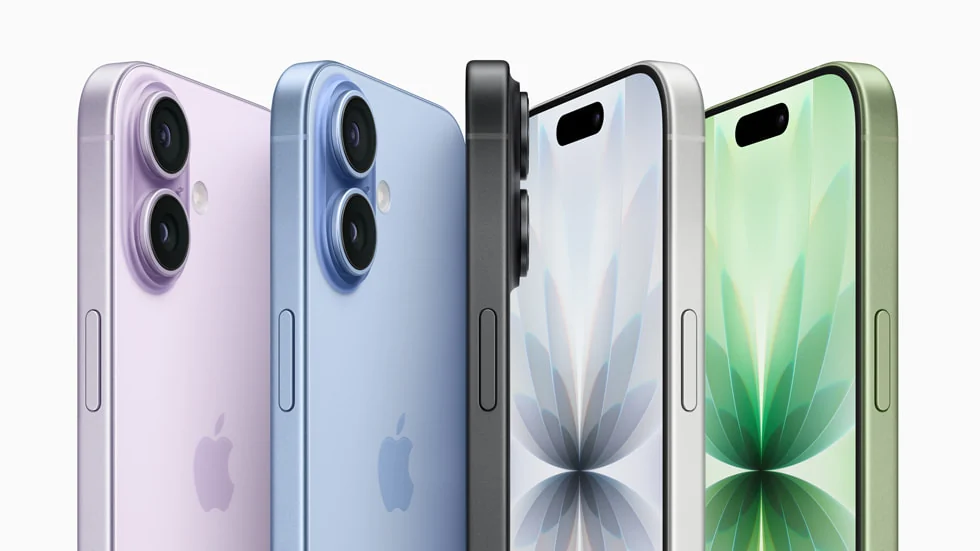
Several iPhone 17 models in various colors displayed in a row against white background.

For most buyers, the iPhone 17 is the safer choice. It starts with 256GB of storage and comes with a 6.3-inch display that supports refresh rates of up to 120Hz. Inside, there’s the same A19 chip, but the camera setup is considerably better with two 48MP rear cameras and an 18MP Center Stage selfie camera. The battery also runs a little longer, with Apple quoting up to 30 hours of video playback.

The price is not quite as appealing as it used to be. Apple previously sold the iPhone 17 for $799, but it now starts at $899 following the September price increase. Even so, it remains the most balanced option in the lineup.

Apple still sells the iPhone 16 for $799 with 128GB of storage, but saving $100 means giving up half the storage and the smoother 120Hz display. Unless you have a particular reason to buy the older model, the iPhone 17 makes more sense.

3. iPhone Air: Best for a thin and lightweight phone ($1,099)

iPhone Air

The iPhone Air is quite different from the rest of the lineup. At just 5.6mm thick and 165g, it is Apple’s thinnest and lightest option here. It also has a larger 6.5-inch display with a 120Hz refresh rate and runs on the more powerful A19 Pro chip.

The slim body, however, comes with a few compromises. The rear has just one 48MP camera, so there’s no ultra-wide option. Its battery is also smaller than the one inside the iPhone 17.

Apple originally priced the iPhone Air at $999, but it now costs $1,099. Reports also suggest sales have been disappointing, while early leaks about the iPhone Air 2 point to a second rear camera arriving in spring 2027. If you’re considering the Air mainly for its design, it might be worth seeing what Apple does with the next model.

For now, the iPhone Air makes sense if having a thin, lightweight phone matters more than camera flexibility or battery life. Otherwise, the iPhone 17 costs $200 less and gives you more camera options along with better battery endurance.

4. iPhone 18 Pro: Best for photography and video ($1,199)

Burgundy iPhone 18 Pro shown from the front and back against a black background.

Moving into the Pro range gets you a more substantial camera upgrade. The iPhone 18 Pro is Apple’s new flagship, powered by the A20 Pro chip, which it shares with the larger Pro Max model. Both phones arrived as part of the iPhone 18 Pro and Pro Max launch.

The rear camera system includes three 48MP sensors for the main, ultra-wide, and telephoto cameras. The main camera also gets a variable aperture, allowing it to adjust how much light enters the lens depending on the shooting conditions. The Dynamic Island is smaller than before, while the front camera has been upgraded to 18MP.

Apple also claims the battery lasts up to three hours longer than the one in the iPhone 17 Pro. Buyers can choose between Black, Silver, Glacier, and Burgundy finishes, with storage configurations going up to 2TB.

The iPhone 18 Pro starts at $1,199, which is $100 more than its predecessor. If photography and video recording are high on your list, the iPhone 18 Pro is the model to consider. Its hardware should also make it a reasonable choice if you plan to keep your phone for four or five years.

5. iPhone 18 Pro Max: Best for battery life ($1,299)

Apple iPhone 18 Pro Max

The iPhone 18 Pro Max shares most of its hardware with the smaller Pro model, including the A20 Pro chip and triple 48MP rear camera system. The main reason to spend more is the larger display and longer battery life.

Apple rates the Pro Max for up to 45 hours of video playback, compared with 39 hours on the iPhone 17 Pro Max. That’s the longest battery life rating Apple has given an iPhone so far.

It starts at $1,299, another $100 increase over last year’s model. However, the larger size is something to consider before buying. The Pro Max is not the easiest phone to handle, particularly if you prefer using your phone with one hand.

If you’re deciding between the two Pro models, our iPhone 18 Pro vs iPhone 18 Pro Max comparison looks at whether the larger model justifies its extra $100.

The Pro Max makes more sense if you regularly watch videos, play games for extended periods, or simply want the longest battery life available on an iPhone. Otherwise, the regular iPhone 18 Pro should be enough.

6. iPhone Duo: Best for trying Apple’s first foldable ($1,999)
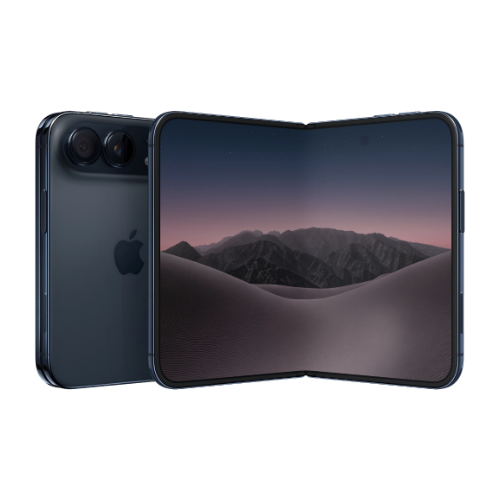
Apple iPhone Duo

At $1,999, the iPhone Duo sits well above every other model in Apple’s lineup. It is also the company’s first foldable iPhone, which makes it a rather different purchase from the other options.

The phone has a 5.4-inch outer display that opens into a much larger 7.6-inch inner screen. It runs on the A20 Pro chip and supports Apple Pencil. There’s also an IP68 rating and a dual-camera system with two 48MP sensors for the main and ultra-wide cameras. Unlike the other iPhones, it supports dual eSIM only.

As with every foldable, its battery life depends on which screen you’re using. Apple says the Duo can run for up to 44 hours of video playback on the outer display and 31 hours on the larger inner screen.

The base model comes with 256GB of storage and costs $1,999, making it $800 more expensive than the iPhone 18 Pro. Despite the much higher price, its camera setup is actually simpler than the one on Apple’s regular Pro models.

Getting hold of one has also become difficult. Pre-orders opened on October 16, but the iPhone Duo sold out within minutes. Apple’s website now lists January 2027 delivery for new orders. CEO John Ternus has also said the supply shortage is unlikely to end anytime soon.

There have been a few other concerns since its release. Apple has acknowledged an inner display problem affecting some units, although it says only a small number have been returned. A separate report also claims the iPhone Duo is already receiving discounts in parts of China amid software and display issues.

The iPhone Duo is an expensive first-generation product, and the current supply situation doesn’t make it any easier to buy. Unless you particularly want Apple’s foldable experience, waiting for a later batch or a second-generation model seems like the sensible move.

7. Should you wait for spring 2027?

If you’re interested in the standard iPhone 18 or the cheaper iPhone 18e, waiting could be worthwhile. Current reports suggest both phones will use the A20 chip, although the upgrades beyond that are expected to be relatively minor. The iPhone 18e is also rumored to retain a 60Hz display.

Apple hasn’t confirmed the launch date or specifications, so there’s still plenty we don’t know. The iPhone Air 2 is also expected to arrive around the same time.

For anyone who needs a new phone now, though, waiting doesn’t necessarily make sense. Apple typically reduces the price of older models when new ones arrive, but rising memory costs could make that less predictable this time.

One other thing worth checking before buying is your carrier’s trade-in offer. Depending on the deal, you could save a considerable amount compared with paying Apple’s full retail price. You can also check our guide to the best iPhone models to consider in 2026 for a wider look at the available options.
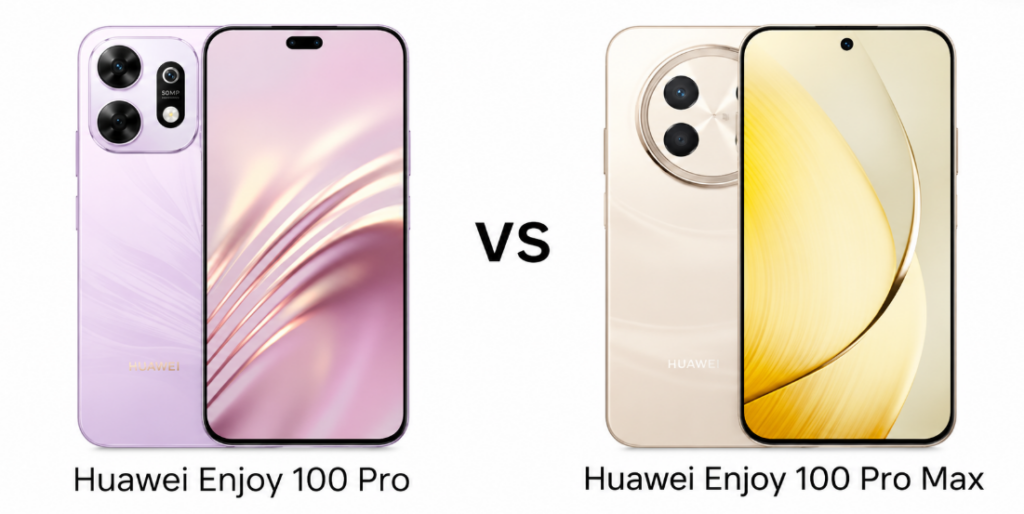
Huawei Enjoy 100 Pro vs 100 Pro Max: Is the Upgrade Worth It?

Huawei Enjoy 100 Pro and Enjoy 100 Pro Max share the same family identity, but they take different approaches to the smartphone experience. While both feature OLED displays, 120Hz refresh rates and the Kirin 8020-series platform, the Pro Max brings several meaningful upgrades, particularly in battery capacity, display resolution, and durability. Interestingly, the standard Pro also retains a few advantages, especially for selfie enthusiasts. The comparison comes down to whether the Max upgrades justify its higher asking price or whether the Pro already delivers the more balanced experience.

Huawei Enjoy 100 Pro vs Huawei Enjoy 100 Pro Max

1. Major Upgrades:

CategoryHuawei Enjoy 100 ProHuawei Enjoy 100 Pro MaxUpgrades
Dimensions161.4 x 74.8 x 7.9 mm163.3 x 78 x 8 mmLarger overall build
Weight192 g228 g—
BuildGlass front, aluminium back, plastic frameGlass front, aluminium back, plastic frameNo change
Water ResistanceIP64IP65Better water resistance
Drop ResistanceNot specifiedUp to 1.8mAdded drop protection
Display TypeOLED, 1B coloursOLED, 1B coloursNo change
Display Size6.7 inches6.84 inches0.14-inch larger display
Refresh Rate120Hz120HzNo change
Resolution1080 x 2412 pixels1272 x 2756 pixelsHigher resolution
Pixel Density~394 ppi~444 ppiSharper display
Brightness1300 nits (HBM)8000 nits (peak, isolated spot)Higher advertised peak brightness
Screen ProtectionAluminosilicate glass (2x tougher)Aluminosilicate glassNo specified upgrade
Operating SystemHarmonyOS 7.0HarmonyOS 7.0No change
ChipsetKirin 8020AKirin 8020A / Kirin 8020Possible chipset variant
RAM6GB8GB2GB more RAM
Storage128GB / 256GB / 512GB128GB / 256GB / 512GBNo change
Card SlotNoNoNo change
Rear Camera50MP, f/1.8, PDAF50MP, f/1.8, PDAFNo change
Rear Camera FeaturesLED flash, HDR, panoramaLED flash, HDR, panoramaNo change
Rear Video4K, 1080p@120fps4K, 1080p, gyro-EISAdds gyro-EIS; Pro retains 120fps
Front Camera32MP, f/2.28MP, f/2.0Lower-resolution selfie camera
Front Video4K, 1080p4K, 1080p, gyro-EISAdds gyro-EIS
LoudspeakerYesYes, stereo speakersStereo speakers added
3.5mm JackNoNoNo change
Wi-FiWi-Fi 7, dual-bandWi-Fi 7, dual-bandNo change
Bluetooth6.06.0No change
PositioningGPS, GLONASS, GALILEO, BDS, QZSSGPS, GLONASS, GALILEO, BDS, QZSS, NavICAdds NavIC
NFCYesYesNo change
Infrared PortYesYesNo change
USBUSB Type-C 2.0, OTGUSB Type-C 2.0, OTGNo change
Fingerprint SensorSide-mountedSide-mountedNo change
Additional SensorsAccelerometer, compassAccelerometer, gyro, compassAdds gyroscope
Satellite Messaging—BDS satellite messaging (China only)Adds satellite messaging
Battery6100mAh8800mAh2700mAh larger battery
Wired Charging40W40WNo change
Reverse Wired Charging5W5WNo change
Price$250 / ₹25,000$280 / ₹28,000$30 / ₹3,000 higher

2. Design and Display

Build and Feel

Both smartphones feature glass fronts, aluminium rear panels and plastic frames, giving them a similar premium design direction. However, the Enjoy 100 Pro Max offers better durability with an IP65 rating compared to the Pro’s IP64 certification. It also carries a claimed 1.8m drop resistance, making it the more reassuring choice for buyers concerned about everyday accidents. The standard Pro, meanwhile, keeps things simpler with splash resistance.

The Pro Max also gets a more substantial build, while both devices retain dual Nano-SIM support. Neither phone includes a headphone jack, so wireless audio or USB-C accessories remain the practical options. The Max’s improved protection makes it a more confidence-inspiring option for rougher everyday use, although the standard Pro still offers respectable protection for typical handling.

Display Quality

The Enjoy 100 Pro features a 6.7-inch OLED panel with Full HD+ resolution, a 120Hz refresh rate and 1300 nits of HBM brightness. The Pro Max upgrades to a larger 6.84-inch OLED display with a sharper 1272 x 2756 resolution and approximately 444ppi pixel density. Both support 1 billion colours and 120Hz refresh rates.

Huawei features 8000-nit peak brightness for the Pro Max, measured at an isolated spot during video playback. This should not be confused with sustained full-screen brightness. The Pro additionally lists 2160Hz PWM dimming.

Verdict

The Pro Max delivers a larger, sharper display and stronger durability. However, the Pro’s PWM dimming advantage makes it worth considering for buyers sensitive to screen flicker.

3. Specifications Including Battery

Performance

Both smartphones run HarmonyOS 7.0 and use the Kirin 8020A platform, although the Pro Max is also listed with a possible Kirin 8020 variant. The standard Pro comes with 6GB RAM, while the Max upgrades to 8GB RAM across its storage configurations. Both offer 128GB, 256GB and 512GB storage options, without microSD expansion.

This gives the Pro Max an advantage in memory capacity, particularly for users who multitask frequently or keep several applications running. However, the shared chipset family means the Max should not automatically be considered a major processing-performance upgrade. Both also offer Wi-Fi 7, Bluetooth 6.0, NFC, infrared and USB-C 2.0 connectivity, keeping their everyday feature sets closely matched.

Battery and Charging

Battery capacity is one of the biggest differences between these smartphones. The Enjoy 100 Pro packs a 6100mAh silicon-carbon battery, while the Pro Max takes a substantial step up with an 8800mAh unit. Both support 40W wired charging and 5W reverse wired charging, so charging speeds remain identical despite the larger battery.

The additional 2700mAh capacity gives the Pro Max considerably more potential endurance, making it particularly appealing to heavy users, travellers and people who prefer fewer charging interruptions. However, its larger battery will naturally require more charging time at the same rated charging speed.

Verdict

The Pro Max is the clear endurance upgrade, while the shared chipset family and charging speeds keep performance and charging differences relatively limited.

4. Camera

Main and Secondary Lenses

Both smartphones feature a 50MP f/1.8 primary camera with PDAF, LED flash, HDR and panorama support. This means the core photography hardware remains consistent across the lineup rather than receiving a significant sensor upgrade on the Max. Both also support 4K video recording, making their primary camera specifications closely matched.

The difference appears in video capabilities. The standard Pro supports 1080p recording at up to 120fps, while the Pro Max lists gyro-EIS for more stable footage. This makes the Max potentially more appealing to users who regularly record handheld videos. However, the Pro’s higher slow-motion recording frame rate gives it a specific advantage for capturing faster action.

Selfie Camera

Interestingly, the standard Enjoy 100 Pro has the stronger selfie camera on paper. It features a 32MP f/2.2 front camera with HDR, panorama and 4K video recording. The Pro Max switches to an 8MP f/2.0 sensor, which is a substantial reduction in resolution despite being the more expensive model.

The Max does retain 4K and 1080p video recording with gyro-EIS, potentially helping with front-camera video stability. However, buyers who prioritise detailed selfies, video calls and front-camera photography may find the standard Pro more appealing. The Max’s front-camera stabilisation is a useful addition, but it does not compensate for its lower-resolution sensor in every situation.

Verdict

The rear cameras are closely matched, but the standard Pro has a clear selfie-resolution advantage. The Pro Max makes more sense for users prioritising stabilised video.

5. Pricing

The Huawei Enjoy 100 Pro is priced around $250 / ₹25,000, while the Enjoy 100 Pro Max is priced around $280 / ₹28,000. This puts the Max at a $30 / ₹3,000 premium, representing approximately a 12% increase over the standard model. Both retain the same 40W charging, 50MP primary camera and storage options, making the additional cost primarily about the additional upgrades.

Verdict

The Pro Max offers more hardware for the additional cost, but the standard Pro delivers better value for buyers who prioritise selfies and everyday essentials.

6. Conclusion

The Huawei Enjoy 100 Pro and Pro Max cater to slightly different priorities despite sharing much of their hardware foundation. The Pro Max stands out with its 8800mAh battery, 8GB RAM, higher-resolution OLED display, IP65 protection, 1.8m drop resistance and gyro-EIS video stabilisation. Its BDS satellite messaging support, exclusive to China, is another notable addition.

The standard Pro, however, has its own advantages. Its 32MP selfie camera is considerably higher in resolution than the Max’s 8MP front sensor, while its 2160Hz PWM dimming adds another distinction. Both offer a 50MP primary camera, 40W wired charging, 5W reverse wired charging and the same broad connectivity features. Ultimately, the choice depends on whether battery endurance and durability matter more than selfie photography and saving money.

Verdict

Overall winner: Huawei Enjoy 100 Pro Max. Its significantly larger battery, sharper display, additional RAM and improved durability make the premium worthwhile. The standard Pro remains the smarter alternative for selfie-focused buyers.

Read More:

Xiaomi HyperOS 4 (Android 17) rollout plan: Here’s when your phone gets the update

Xiaomi HyperOS 4

Xiaomi’s HyperOS 4 is a significant upgrade that’s built on top of Android 17. It brings plenty of upgrades across the system, including Soft Light Glass effect, a more powerful AI assistant, redesigned lock screen, performance gains, and deeper integration with iOS.

The new features were limited to a few models globally as a part of beta program, but not anymore. A wider rollout is already live, and more importantly, Xiaomi has unveiled the complete rollout roadmap. So, you can now find out if your device will get the update and when.

HyperOS 4 global rollout schedule for Xiaomi, Redmi, and POCO devices

The first wave of the rollout begins early November (already live), which includes high-end phones and tablets from Xiaomi as well as numerous Redmi and POCO phones.

The next phase begins the mid of November, delivering the update to more devices, while the remaining eligible devices will receive the update in December 2026.

Starting early November 2026

BrandDevices
XiaomiXiaomi 17 Ultra, Xiaomi 17, Xiaomi 17T Pro, Xiaomi 17
Leica Leitzphone powered by Xiaomi
Xiaomi 15 Ultra, Xiaomi 15
Xiaomi Pad 8 Pro, Xiaomi Pad 8
RedmiRedmi Note 17 Pro Max 5G, Redmi Note 17 Pro 5G, Redmi Note 17 5G, Redmi Note 17
Redmi Note 15 Pro+ 5G, Redmi Note 15 Pro 5G, Redmi Note 15 Pro, Redmi Note 15 5G, Redmi Note 15
Redmi 17 5G, Redmi 17, Redmi 17C 5G
Redmi 15C 5G, Redmi 15C
POCOPOCO F8 Ultra, POCO F8 Pro
POCO X8 Pro Max, POCO X8 Pro, POCO X8 Pro Iron Man Edition, POCO X8
POCO M8 Pro, POCO M8
POCO C95 Pro, POCO C85

Starting mid-November 2026

BrandDevices
XiaomiXiaomi 15T Pro, Xiaomi 15T
Xiaomi Pad 7 Pro, Xiaomi Pad 7
Xiaomi Pad Mini
RedmiRedmi Pad 2 Pro 5G, Redmi Pad 2 Pro
POCOPOCO F9 Ultra, POCO F9 Pro
POCO F7 Ultra, POCO F7 Pro, POCO F7
POCO X7 Pro, POCO X7 Iron Man Edition
POCO Pad X1
POCO Pad M1

Starting December 2026

BrandDevices
XiaomiXiaomi MIX Flip
Xiaomi 14 Ultra, Xiaomi 14
Xiaomi 13 Ultra, Xiaomi 13 Pro, Xiaomi 13
Xiaomi 14T Pro, Xiaomi 14T
Xiaom 13T Pro, Xiaomi 13T
Xiaomi Pad 6S Pro 12.4
RedmiRedmi Note 14 Pro+ 5G, Redmi Note 14 Pro 5G, Redmi Note 14 Pro, Redmi Note 14 5G, Redmi Note 14
Redmi 15 5G, Redmi 15
Redmi Note 14S
Redmi A7 Pro
Redmi Pad 2 9.7, Redmi Pad 2 9.7 4G, Redmi Pad 2, Redmi Pad 2 4G
POCOPOCO F6 Pro, POCO F6
POCO X8s
POCO X7
POCO X6 Pro
POCO M8s 5G
POCO M7
POCO C81 Pro
POCO Pad C1

The overall schedule looks quite promising. In just two months, Xiaomi plans to upgrade a massive list of eligible devices to Android 17-based HyperOS 4.

Still, the timeline lacks exact rollout dates. So, we’ll be closely tracking the rollout and update you with the latest details in our News section.

Realme 17 Pro specs leak: 1.5K AMOLED, 10,000mAh battery, and more

Realme is lining up a return of its numbered series after months of mostly budget launches, and the Pro model in that lineup is already taking shape. Following recent confirmation that the brand will resume those phones soon, and after a Realme 17T 5G unit surfaced in real life, new industry tips point to a Realme 17 Pro as well. Here’s a look at the leaked specs of the device.

Realme 17 Pro leaked specifications

Realme 16 Pro
Realme 16 Pro

As per the report, the Realme 17 Pro will use a 1.5K AMOLED panel with a 120Hz refresh rate. Under the hood, it is expected to run MediaTek’s Dimensity 7300. Under the hood, it will house a huge 10,000mAh battery.

On cameras, the rear setup is tipped as a 50-megapixel main paired with an 8-megapixel ultra-wide. The front camera will support 4K recording at 30fps, though the tip does not yet confirm whether the selfie sensor is 32-megapixel or 50-megapixel.

Other details in the tip include an in-display fingerprint sensor and an IP68/IP69 dust- and water-resistant body. On software, the phone is expected to ship with ColorOS 17 based on Android 17 rather than Realme UI, matching Realme’s recent shift toward Oppo’s skin after the group restructuring.

Separately, earlier reporting on the higher-end sibling sketched a different camera story. A previous Realme 17 Pro+ tip pointed to a 200MP triple-camera setup and a 1.5K flat OLED, so the Pro and Pro+ could land with quite different imaging stacks if both rumors hold. Being a Pro Plus edition, it may pack a more powerful chip as compared the to Pro edition.

(source)

Vivo’s wide-screen phone with a sub 6.5-inch display in works

Vivo is reportedly preparing a wide-screen candybar flagship for 2027, and early work is said to lean toward a compact panel instead of another oversized slab. Tipster Digital Chat Station shared the forward-looking tip on Weibo, and the brand cue in that post is widely read in the community as Vivo. Continue reading ahead to know the first details about this phone.

Vivo’s wide candybar may stay under 6.5 inches

Digital Chat Station Weibo post discussing a future compact wide-screen smartphone release.

According to Digital Chat Station, a wide-screen candybar phone is highly likely to arrive in 2027. Early development is leaning toward a smaller size, most likely under 6.5 inches, which would put the phone in a more pocketable class than many expect from a wide slab.

The Huawei Pura X View that kicked off the non-folding wide candybar trend uses a 6.39-inch 16:9.5 OLED screen. A sub-6.5-inch Vivo take would sit close to that size band while still chasing a broader aspect ratio than today’s tall flagships. Reports have revealed that other brands like Honor, Oppo, and Xiaomi are also working on wide-screen smartphones, which are also expected to break cover in 2027.

Fans have already floated a Vivo X Note sequel name for Vivo’s wide-screen offering. To recall, the original X Note launched in 2022 with a huge 7-inch LTPO AMOLED and Snapdragon 8 Gen 1 hardware, then never received a direct follow-up. A compact wide candybar would be a very different size class from that 7-inch Note, so any X Note 2 talk remains fan speculation for now.

Beyond the 2027 timing and the under-6.5-inch lean, Digital Chat Station has not shared silicon, imaging, or charging details. Treat the brand reading as tipster shorthand rather than a company confirmation, and wait for clearer prototypes or an official roadmap before locking in a final name or lineup slot next to phones such as the Vivo X500.

Would you rather see Vivo ship a compact wide candybar under 6.5 inches, or bring back a larger X Note-style slab? Let us know in the comments below.

OnePlus announces exact Android 17 release dates for more devices

OnePlus 12

OnePlus has been pretty clear with its Android 17 release plans, and the rollout pace has also been impressive so far. Last month, the update went out to a few devices a week ahead of the schedule, and now we’ve the exact rollout dates for all update releases set for this month.

The latest rollout calendar shared by Oppo on X narrows down the original timeline to exact dates for some devices, including the OnePlus 12, OnePlus Pad 3, OnePlus Open, and two Nord phones.

Here’s exactly when OnePlus devices will get the Android 17 update in November

  • November 5: OnePlus 13R
  • November 17: OnePlus 12
  • November 18: OnePlus Pad 3
  • November 24: OnePlus Open
  • November 26: OnePlus Nord 6 and Nord CE 6

Owners of these OnePlus devices finally have a clear answer of when to hit the update button. Once the update is released for your device, go to Settings > System & Updates > Software update to get the update.

Next month, more older OnePlus flagships and affordable phones will receive the ColorOS 17 update, alongside a few tablets. The final phase of devices are set to be upgraded in the first quarter of 2027. You can check the complete rollout schedule on this page.

OnePlus will likely reveal the exact rollout dates for other devices as we get closer to the rollout. We’ll let you know when that happens. Stay tuned with us.

Oppo Find X10 Ultra reportedly shelved despite its recent Dimensity 9600 Pro leak

Oppo’s Find X10 and Find X10 Pro Max flagships are now widely available across multiple markets. The company is expected to shift its attention to the Reno 17 series, which is tipped to debut in China in November before reaching global markets in early 2027. The first half of 2027 was also expected to bring the Find X10 Ultra, but a new post from a prominent tipster suggests that the project may have encountered trouble.

Oppo Find X10 Ultra project reportedly shelved?

A screenshot of a Weibo social media thread discussing smartphone project cancellations.

In a new Weibo post, tipster Digital Chat Station mentioned that another super-sized flagship project has changed, suggesting that the project is currently facing a change in direction or may have been discontinued. Although the post does not explicitly mention Oppo or the Find X10 Ultra, the reference to a super-sized flagship has raised questions about the phone’s development.

In the comments, a user suggested that the next-generation model had been discontinued, to which DCS replied, “This generation.” The exchange adds to speculation that the Find X10 Ultra could be affected, although the exact meaning of the tipster’s post remains unclear.

The development comes after several reports detailed the phone’s ambitious hardware. The Find X10 Ultra was expected to sit above the Find X10 Pro Max in Oppo’s flagship portfolio, offering a more advanced camera system and additional zoom capabilities.

Oppo Find X10 Ultra specifications: What was expected?

According to earlier leaks, the Find X10 Ultra could feature a 200-megapixel primary camera with a large 1/1.12-inch sensor and LOFIC technology, accompanied by a 200-megapixel periscope telephoto camera and a 50-megapixel periscope lens offering 10x optical zoom. A 200-megapixel Samsung HP5 ultra-wide camera and a 100-megapixel square selfie camera were also reportedly under consideration.

Like the Find X9 Ultra, the Find X10 Ultra was initially expected to feature a flagship Snapdragon processor, with the Snapdragon 8 Elite Extreme Gen 6 mentioned in earlier reports. However, more recent leaks suggest that Oppo may have tested the phone with MediaTek’s Dimensity 9600 Pro instead. The Dimensity-powered variant was reportedly being evaluated with chip-level imaging algorithms, while another report pointed to an 8,000mAh-class battery and a 6.89-inch 2K 144Hz display.

Meanwhile, Xiaomi’s next-generation Ultra flagship, the Xiaomi 18 Ultra, has also reportedly been cancelled, with the company expected to focus on its Pro Max model instead. Oppo’s Find X10 Ultra and Vivo’s X500 Ultra have previously been tipped to face changes to their global release plans, although Vivo’s Ultra model was still reportedly in development for a 2027 debut. It remains to be seen whether the Vivo X500 Ultra will continue progressing as planned or face a similar setback.

iQOO Z-series midranger to pack 7-inh display, 10,000mAh battery

A couple of Z-series iQOO phones are reportedly in the works. While the Chinese market is expected to receive the iQOO Z12 Turbo soon, the brand also appears to be developing mid-range models like the iQOO Z12x and iQOO Z12 Lite for the global market. Now, a new leak from tipster Digital Chat Station has revealed details about what appears to be another Z12-series phone.

iQOO Z12S with a 10,000mAh battery could be in the works

Social media post from Digital Chat Station regarding a new smartphone with large battery.

According to the tipster, a mid-range iQOO phone has entered the mould stage, meaning its size and shape are largely locked in. While the tipster did not specify the device’s name, it appears that he could be referring to a Z12-series phone.

Tentatively scheduled to reach the Chinese market by mid-2027, the mysterious Z12-series phone is said to have a battery capacity exceeding 10,000mAh. It is also tipped to feature a huge 7-inch display.

Apart from the iQOO Z11 Turbo, which featured a flagship-grade chipset, the Z11 family includes two phones with large batteries: the iQOO Z11 with a 9,020mAh battery and the iQOO Z11S with a 10,000mAh battery.

IQOO Z11S

Therefore, the iQOO Z12S could be an ideal candidate that fits the details shared in the latest leak by DCS. However, it is advisable to wait for further reports to learn the device’s final marketing name.

Motorola Signature 27 ranks second, over iPhone 18 Pro in DXOMARK camera test

Motorola launched the Motorola Signature 27 yesterday, and its camera has already landed near the top of DXOMARK’s global rankings. The phone scored 173 points in the 6th Edition image benchmark, putting it in second place, ahead of the Apple iPhone 18 Pro, which scored 172 points. Only the Huawei Pura 80 Ultra scored higher, at 175 points.

That’s a nine-point improvement over the original Motorola Signature, which scored 164 points in the same benchmark. DXOMARK previously compared the first Signature with the iPhone 17 Pro and Vivo X300 Pro, but the new model is much closer to the top of the rankings.

Motorola Signature 27 Camera DXOMARK

The review describes the Signature 27 as a well-balanced camera phone, with reliable results in both photos and videos. Portraits are where it does particularly well. According to DXOMARK, faces come out with natural skin tones, accurate exposure, and plenty of detail. Even group shots are handled nicely, as the camera keeps people in focus when they stand at different distances from it.

Its telephoto camera is another strong part of the setup. The 3x optical zoom is said to work well for close-up shots, and image quality remains good up to around 6x.

The same consistency carries over to video recording. DXOMARK says footage generally has accurate exposure and natural-looking colours, while noise remains under control when filming static scenes.

Where the Motorola Signature 27 falls short

Per DXOMARK, there are still a few situations where the cameras struggle. Zooming in on distant subjects can result in a noticeable loss of detail, while extremely dark scenes may produce colour shifts and leave parts of the image looking less detailed. Fast-moving subjects can also appear blurry, so capturing action shots won’t always give you the result you want.

Two Motorola Signature 27 smartphones shown from the back in green and black colors.

These problems extend to video as well. Recording moving subjects or scenes with plenty of activity in very dark conditions can introduce more visible noise. It’s one area where the Signature 27 could use some improvement.

Even with those limitations, a score of 173 puts Motorola’s new flagship just two points behind the Huawei Pura 80 Ultra. It also gives the phone a one-point lead over the iPhone 18 Pro in DXOMARK’s latest camera rankings.

Oppo, Realme ColorOS 17 rollout schedule for November: 25 devices set for major upgrade

Last month, Oppo officially announced ColorOS 17, and the update has already reached a handful of flagship offerings from Oppo and OnePlus. Starting this month, the rollout is set to reach several more smartphones. Here is the complete list of Oppo and Realme devices scheduled to receive the update in November 2026.

Oppo phones getting ColorOS 17 in November 2026

OnePlus ColorOS 17

According to Oppo’s official rollout schedule, several Reno series smartphones, along with its foldable offerings, are scheduled to receive the update. The rollout will begin on November 18 and continue through November 24.

  • November 18: Oppo Reno15 Pro Max 5G, Reno15 Pro 5G, Reno15 Pro Mini 5G and Reno15 5G.
  • November 19: Oppo Reno15c 5G.
  • November 23: Oppo Reno15 F 5G.
  • November 24: Oppo Find N3, Find N3 Flip, Reno14 Pro 5G, Reno14 5G, Reno14 5G Diwali Edition and Reno14 F 5G.

Realme phones getting ColorOS 17 in November 2026

Realme has also shared its November rollout schedule, covering several GT, Number and Narzo series smartphones. The rollout started on November 5 and will continue with additional devices receiving the update on November 18 and 19.

  • November 5: Realme GT 7 and GT 7 Dream Edition.
  • November 18: Realme GT 7T.
  • November 19: Realme 16 5G, Realme 15 Pro 5G, Realme 15 Pro 5G Game of Thrones Limited Edition, Realme 15 5G, Realme 15x 5G, Realme 15T 5G, Realme P4 Pro 5G, Realme P4 5G, Realme Narzo 90 5G and Narzo 90x 5G.

Both brands have clarified in the rollout schedule’s footnotes that the dates are approximate and subject to changes depending on device models, regions and carriers. Updates will be released gradually in batches, so not all eligible users will receive them simultaneously. Some features may also depend on hardware capabilities, while carrier-exclusive models will follow their respective carrier update schedules.

iQOO 16s incoming! Could peck Snapdragon 8 Gen 6 and 10,000mAh battery

The iQOO 16 family for the global market is gradually growing. There are rumours that the iQOO 16 will be announced in India by next month. At the same time, the brand is said to be working on the iQOO 16R, which will be positioned below the more powerful iQOO 16. Now, a new report reveals the existence of the iQOO 16s.

iQOO 16s is a new but familiar phone

iQOO 16s SIRIM
iQOO 16s SIRIM listing

According to a report by AndroidTreasure, an upcoming iQOO phone with the model number I2606 has appeared in the Malaysian SIRIM certification database. The listing confirms that it will be called the iQOO 16s when it arrives in the Malaysian market.

Although it appears to be a new phone, the I2606 has already been spotted on multiple platforms, including the TKDN and EEC certification databases, as well as the IMEI database. The latter revealed that it will carry the iQOO 16R marketing name. Hence, it appears that the I2606 will carry different names depending on the market.

iQOO 16s key specifications

The iQOO 16s SIRIM listing does not reveal any information about its specifications. However, it is likely to carry the same specifications expected on the iQOO 16R, which itself is expected to be a rebranded version of the upcoming China-bound iQOO Z12 Turbo.

Therefore, the iQOO 16s is expected to feature a 6.59-inch OLED panel with 1.5K resolution and a high refresh rate. Under the hood, it could feature the upcoming Snapdragon 8 Gen 6 chipset and a massive 10,000mAh battery.

For photography, it is likely to feature a 32-megapixel front camera and a 50-megapixel dual-camera setup, similar to the previous generation.

Oppo Reno 17 series design officially teased with a cat-like glowing effect

On Nov. 9, Oppo will announce the launch date of its Reno 17 series for China. Ahead of the announcement, the company has released a teaser video offering an early look at the phones, although their complete designs remain concealed. According to reports, the upcoming lineup will comprise two models, the Reno 17 and Reno 17 Pro.

Oppo Reno 17 series design officially teased

Oppo Reno 17 series
Oppo Reno 17 series

The teaser reveals a familiar design language, with the camera module retaining a layout similar to the previous generation. Rather than introducing a complete visual overhaul, Oppo appears to be focusing on smaller refinements. However, one particular detail stands out: a cat-like glowing effect on the rear panel that creates an illuminated appearance under blue lighting. This could be associated with the rumored Encounter Cat Edition, which is expected to be one of the more distinctive finishes in the lineup.

The Reno 17 series is expected to arrive in multiple colour options, including Snow White, Ice Moon White, Cocoa Brown, Starlight Pink and Encounter Cat. These finishes could give buyers more variety, particularly if the illuminated rear treatment is exclusive to the special edition. The previous Reno 16 series also offered distinct colour choices across its models.

Oppo Reno 17 series specifications and launch expectations

According to leaked specifications, the standard Reno 17 could feature a 6.59-inch OLED display with 1.5K resolution, a Snapdragon 7 Gen 4 chipset and an 8,000mAh battery. The Reno 17 Pro is tipped to feature a smaller 6.32-inch 1.5K OLED panel, a Dimensity 8550 Super processor and a 7,200mAh battery. Memory configurations are expected to include 8GB+256GB, 12GB+256GB and 12GB+512GB.

Camera hardware could be another major attraction, with both phones tipped to feature a 200-megapixel primary camera, a 50-megapixel ultra-wide lens and a 50-megapixel periscope telephoto camera. They are also expected to run Android 17-based ColorOS 17.

Oppo is expected to introduce the series in China later this month, with a global release reportedly planned for the first quarter of 2027. The company has already confirmed its November launch plans, while global certifications suggest that international availability is also being prepared. What do you think of the Reno 17’s cat-like glowing rear design? Share your thoughts in the comments.

Honor 700 Pro, 700, 700S officially revealed with rear display ahead of launch

Honor has officially revealed the Honor 700 series in China, confirming the Honor 700, Honor 700 Pro, and Honor 700S with a built-in rear display across the lineup. The company has opened multi-channel pre-orders, and China store deposit listings already show color and memory options for each model. A launch date has not been announced yet.

Honor 700 series pre-orders begin

Honor says the series is a full redesign of its Number lineup, with a focus on performance and everyday experience upgrades. Pre-orders are live across official channels in China, including the Honor mall deposit pages for all three phones and early reservation slots on major retailers. Buyers who purchase during the campaign are promised 365-day replace-not-repair coverage, plus one-year front-screen and rear-screen insurance.

Official product pages list the same four colors on every model, while memory configs differ by phone:

  • Colors (all models): Cold White, Clear Sky, Blue Tone, and Pink Mist
  • Honor 700: 12GB+256GB, 12GB+512GB, 16GB+256GB, and 16GB+512GB
  • Honor 700 Pro: 12GB+256GB, 12GB+512GB, and 16GB+512GB
  • Honor 700S: 12GB+256GB and 12GB+512GB

Official renders put a square secondary screen inside the large rear camera island, next to a dual-lens setup. Honor’s reveal posters show the rear panel handling time widgets, playful animations, and a live preview for selfies taken with the main cameras. Final sale prices are still hidden on the deposit pages, though some retailer reservations are running with a 9.9 yuan (~$1.40) early booking fee.

Honor 700 series specifications (rumored)

Full hardware specs are still unofficial. Earlier reporting pointed to a mid-size 6.57-inch 1.5K flat OLED main display with ultra-narrow equal bezels on the Honor 700 and Honor 700 Pro, matching camera and battery leaks that also flagged a built-in rear screen. That secondary panel is tipped to measure about 1.72 inches and sit inside the camera module, covering time, weather, notifications, music controls, and rear-camera selfie framing.

On imaging, the series is rumored to use a 200-megapixel main camera. The Honor 700 Pro is also tipped to add a 50-megapixel periscope telephoto lens, while the Honor 700 and Honor 700 Pro may support a clip-on 200mm telephoto extender, as outlined in our telephoto extender coverage. Battery capacity for the lineup is said to reach around 9,000mAh. All three models cleared 3C certification with adapters rated for up to 80W wired charging, and the Pro is rumored to add 50W wireless charging plus reverse wireless charging.

Chipset rumors place Snapdragon 8s Gen 4 in the standard Honor 700 and Snapdragon 8 Gen 5 in the Honor 700 Pro, matching a recent Snapdragon 8 Gen 5 tip. Detailed silicon and camera specs for the Honor 700S have not been confirmed. Until Honor holds its launch event, treat the figures above as tipster-led rather than final.

Which Honor 700 series model are you waiting for – the Pro, the standard 700, or the 700S? Let us know in the comments below.

For daily updates, please visit our News Section.

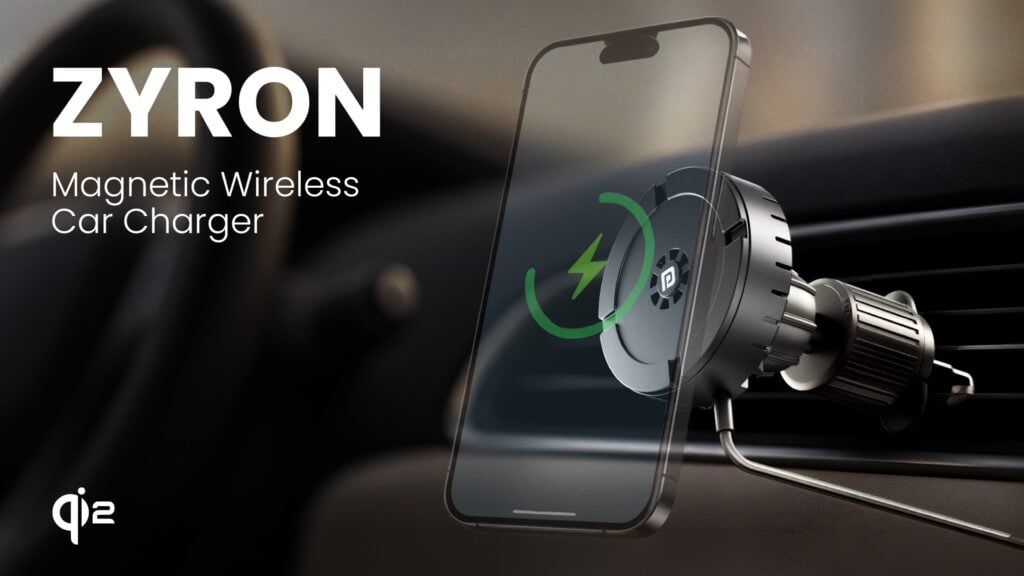
Portronics launches Zyron 3-in-1 Qi2 charger that works as both a car mount and desk stand

Portronics has released a new magnetic wireless charger in India called the Zyron. It is a Qi2-certified charger designed to work as both a car mount and a desktop charging stand. The device has an MRP of Rs. 3,499 ($37), but it is currently selling for a promotional price of Rs. 1,549 ($16).

Portronics Zyron

Portronics Zyron Specifications

The Zyron is essentially a compact, black circular charging pad that attaches magnetically to the back of a phone. For use in a car, it comes with an air vent mount. The mounting hardware uses a hook mechanism that latches onto the slats of a standard car AC vent.

You assemble it by fitting a nut over the vent hook, pushing the charger onto a ball joint, and tightening it to lock the angle in place. This ball joint lets you adjust the phone’s position for GPS navigation or music controls while driving.

Portronics Zyron

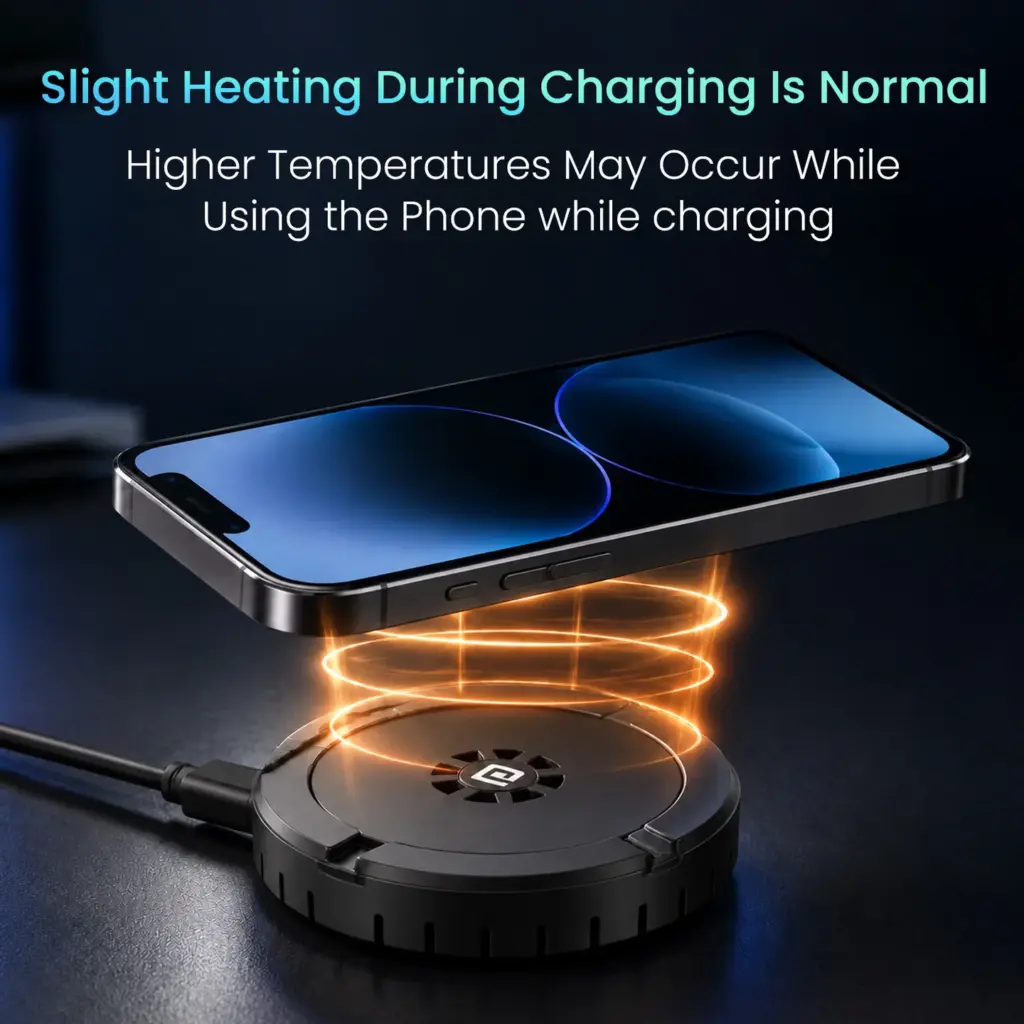
Instead of just being a car mount, the Zyron also comes with a separate stand attachment in the box. If you don’t want to leave the charger in the car, you can detach the magnetic pad from the vent mount and slot it into this desk stand. This props the phone up vertically on a desk or table so you can see the screen while it charges at the office or at home.

On the technical side, the charger uses the Qi2 standard and supports up to 25W of wireless power output. However, Portronics specifies that the Zyron is only compatible with Apple devices, specifically the iPhone 12 through the iPhone 17 series. The company explicitly says on the packaging that it is not recommended for other phones that support wireless charging.

Portronics Zyron

To get the maximum charging speed, you need to plug the charger into a 30W or higher USB-C power adapter. Portronics includes a one-meter USB-C to USB-C cable in the box, but you have to provide your own power brick.

Availability

The Portronics Zyron is available now on the company’s website, Amazon India, Flipkart, and in physical retail stores, and it includes a one-year warranty.

Caviar launches ultra-luxury iPhone Duo collection with 12 zodiac-inspired designs

Caviar, the company that modifies consumer electronics with high-end materials, has announced a new customization option for the foldable iPhone Duo.

The new lineup, called the Zodiac collection, relies on an online configurator that allows buyers to select specific materials and finishes for their device based on the 12 astrological signs.

Caviar iPhone Duo Zodiac collection

Design Details and Pricing

Rather than selling a fixed set of modified phones, Caviar is focusing on user selection. The online configurator starts by asking the customer to pick a zodiac sign, which loads a default base design. From there, users can alter the materials for several parts of the phone’s exterior, including the frame, the back plate, the zodiac circle, and the central medallion.

The material options cover a wide range of standard luxury modifications. For the frame, buyers can choose between silver, gold plating, and titanium with a black PVD coating. The back plates can be fitted with forged carbon or various leathers, such as calfskin, python, and crocodile, available in several colors.

Caviar iPhone Duo Zodiac collection

The decorative elements, which include the zodiac constellation and background panels, can be customized with Swarovski crystals, jewelry enamel, or meteorite inlays. Caviar also offers textured metal finishes like clous de Paris and chevron patterns.

Because the materials vary significantly, the pricing fluctuates based on the user’s selections. Looking at the default configurations, the starting prices sit well above standard retail hardware. The base Capricorn model, which uses a black titanium frame and a forged carbon back plate, is estimated at $14,800.

The Aquarius model, which swaps the titanium and carbon for silver and navy crocodile leather, pushes the estimated price to $18,615. All base models listed in the configurator include 256GB of internal storage.

The purchasing process differs from standard e-commerce. Once a user completes their design in the configurator, the website generates a specific alphanumeric code.

Caviar iPhone Duo Zodiac collection

To actually buy the phone, the customer must send this code to a Caviar sales manager. The manager then confirms the final price based on the selected materials and initiates the custom order.

In related news, Caviar has recently launched a $90,000 iPhone Duo collection featuring 18K gold, platinum, and diamonds, alongside ultra-luxury Black Edition iPhone 18 Pro and iPhone Duo models without cameras.

(Caviar)

Timex launches new Peanuts Christmas Weekender watch with a festive dial and blue strap

Timex has released a new holiday-themed version of its Weekender watch in the US. The Peanuts x Timex Weekender Charlie Brown Christmas edition is available now on the company’s website for $99.

It is a straightforward update to the standard Weekender, swapping the usual plain dial for one featuring the classic Charles M. Schulz characters.

Timex Peanuts Weekender Christmas watch

Design Details

The dial itself is white with full blue Arabic numerals marking the hours. At the bottom center, there is a small graphic of Charlie Brown and Snoopy standing next to a decorated Christmas tree.

The hour and minute hands are standard, but Timex added a red second hand to break up the mostly blue and white color scheme.

Timex Peanuts Weekender Christmas watch

Aside from the holiday dial, this is the exact same 38mm Weekender the company has sold for years. The case is made of polished silver-tone low-lead brass and measures 8.5mm thick with a 46mm lug-to-lug distance. It weighs just over 49 grams.

Inside, it uses a standard quartz analog movement powered by an SR626SW battery. The glass covering the dial is a basic mineral crystal, which is typical for watches in this price range and provides standard scratch resistance for daily use.

Timex Peanuts Weekender Christmas watch

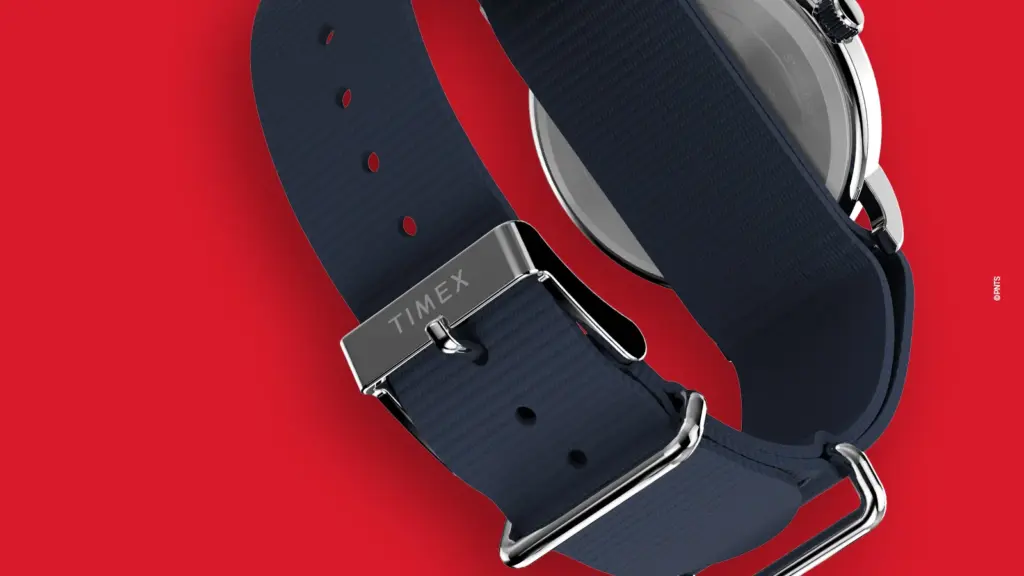
The watch comes with a 20mm blue fabric slip-through strap. Because of the slip-through design, you can pull the strap out and replace it with any other 20mm single-pass band without needing a spring bar tool. Timex says that the included strap fits wrists between 5.6 and 8.1 inches.

Water resistance is minimal, rated at 30 meters. In practical terms, this means the watch will survive washing your hands or getting caught in light rain, but it is not sealed for showering, swimming, or diving.

In related news, Timex has recently launched a Peanuts Weekender watch featuring Snoopy in a winter coat and an Indiglo backlight surprise, alongside two Peanuts Snoopy Ski T80 digital watches with winter-themed artwork.

(Timex)

Motorola has a new premium phone, and it comes with a 7,000mAh battery

Motorola has officially unveiled the Signature 27, the successor to the original Motorola Signature, which launched in January. The company first announced the new model in September and has been teasing it since. Now, it has revealed the complete specifications, pricing, and availability details.

The Motorola Signature 27 is priced at $1,599 or €1,899, although select retailers and partners in some countries will sell it for €1,399. Sales begin on November 16 across Europe, the Middle East, and Africa. Buyers can choose between Pantone Coal Smoke with a tactical weave finish and Pantone Capulet Olive with a textile-style finish.

A hand slides an olive green Motorola Signature 27 smartphone into a pants pocket.

Motorola Signature 27 specs and features

You get a Snapdragon 8 Elite Extreme Gen 6 chip, which Qualcomm announced in September. It comes with either 12GB or 16GB of RAM and 256GB or 512GB of storage.

Motorola has also upgraded the cooling system. Called ArcticMesh, it combines thermal gel mixed with tiny diamond particles and an 8,384 mm² vapor chamber. The vapor chamber is 40% larger than the one found in the original Signature.

Motorola Signature 27 displays a vibrant aurora borealis scene above a digital particle visualization.

On the front, the phone has a 6.78-inch 1.5K tandem OLED display, marketed as Extreme AMOLED Duo. The panel has two emissive layers and supports a 120Hz refresh rate. Motorola claims peak brightness of 12,000 nits at a 1% average pixel level. It also says the display is up to 34% more energy efficient than the original Signature’s OLED panel, with a lifespan up to 121% longer.

The rear camera setup includes three sensors, starting with a 50MP Sony LYTIA 910 main camera with LOFIC, an f/1.6 aperture, and optical image stabilization (OIS). It sits alongside a 200MP periscope telephoto camera with 3x optical zoom and up to 100x zoom through Super Zoom Pro mode. The third camera is a 50MP ultrawide shooter with autofocus and a 122-degree field of view.

As for video, it tops out at 8K at 30fps or 4K at 120fps, with Dolby Vision support. There’s also a 50MP front camera with autofocus and 4K video recording.

Powering everything is a 7,000mAh silicon-carbon battery that is 35% bigger than the 5,200mAh cell in the original Signature. And it supports 90W wired and 50W wireless charging. You also get 5W reverse wireless charging and 4.5W reverse wired charging.

Two Motorola Signature 27 smartphones in olive green and coal smoke color options.

The larger battery comes with a bigger and heavier body. The Signature 27 measures 162.01 x 77.04 x 7.99mm and weighs 227g, compared with the original model’s 7mm thickness and 186g weight.

Its frame is made of aluminum, while the back combines ceramic and glass with Gorilla Glass Ceramic 3 protection. The phone carries IP68 and IP69 water and dust resistance ratings, along with MIL-STD-810H compliance. Other features include stereo speakers with Dolby Atmos support and a six-antenna system with Wi-Fi 8 connectivity.

On the software side, the Signature 27 ships with Android 17 and comes with a promise of seven major Android OS updates. It will also support Google’s Gemini Intelligence features as they roll out over the coming months. Motorola’s own Qira assistant is included as well.

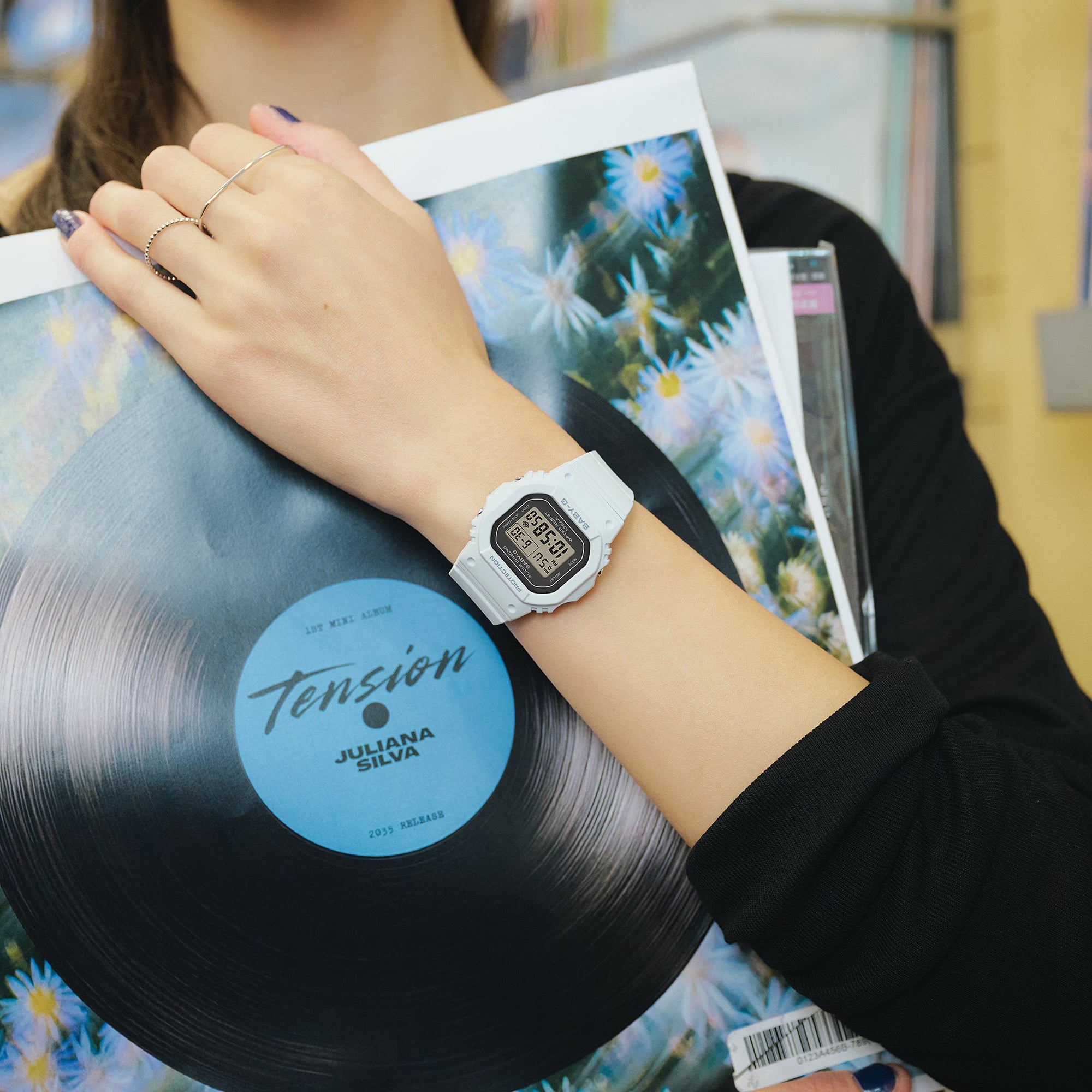
Casio launches three Baby-G BGD-565FG watches that bring back the 90s faded denim look

Casio is expanding its Baby-G lineup in Japan this month with the introduction of the BGD-565FG series. The new collection includes three models, the BGD-565FG-2B, BGD-565FG-2C, and BGD-565FG-5, which are currently available for pre-order and are priced at ¥10,450 ($66).

Casio Baby-G BGD-565FG watches

Design Details

The design of these new watches is heavily focused on current retro fashion trends, specifically drawing from 1990s grunge and early 2000s Y2K aesthetics. Instead of the bright, high-contrast colors sometimes seen in the Baby-G line, Casio opted for muted, grayish tones intended to resemble faded denim and washed-out fabrics.

The BGD-565FG-2B is a cool blue-gray, the 2C is a lighter blue, and the BGD-565FG-5 is a smoky light brown. To contrast the matte resin bands, the watch dials feature metallic accents, which is where the Y2K influence comes in. It is a specific, casual look that clearly targets buyers interested in vintage-inspired streetwear.

On the hardware side, the BGD-565FG series sticks to the familiar, reliable specifications of the broader 565 line. The watches are quite compact, measuring 42.1 x 37.9 x 11.3 mm, and they weigh only 30 grams. The case and band are made of standard resin, and the display is covered by mineral glass.

The watches also feature the company’s standard shock-resistant construction and offer up to 100 meters (10 bar) of water resistance, making them suitable for swimming and daily wear.

Casio Baby-G BGD-565FG watches

Internally, the watches run on a standard CR1616 battery, which Casio says should last for about three years before needing a replacement. The feature set includes the standard tools expected from a basic digital Casio: a 1/100-second stopwatch, a 24-hour countdown timer, a multi-function alarm, and an hourly time signal.

It also includes a flash alert function that links a buzzer and a flashing light to the alarms and timers. For visibility in the dark, there is a white LED backlight with an afterglow effect.

In related news, Casio recently launched premium titanium watches with mother-of-pearl dials and solar charging, along with the new G-Shock GBM-2100LXB-1A2 featuring a blacked-out steel bezel and solar charging.

Ugreen launches Dark Cherry MagFlow Qi2.2 slim power bank for iPhone 18 Pro with 10,000mAh capacity

Ugreen launched its thin 10,000mAh MagFlow Qi2.2 power bank back in September 2026, and now they’ve brought out a Dark Cherry version. The new finish is designed to pair with the Burgundy color of the iPhone 18 Pro series, so it actually looks like it belongs with the phone instead of just sitting next to it.

Ugreen Dark Cherry MagFlow Qi2.2 slim power bank

The hardware itself hasn’t changed. At 13.9 mm thick, it’s easy to carry in your pocket. It supports Qi2.2 magnetic wireless charging at up to 25W. Ugreen claims that’ll get an iPhone 18 Pro from empty to about 42% in 30 minutes. There’s also a built-in USB-C cable that can push up to 45W for wired charging and works with the usual standards like PD 3.0, PPS, and QC 4.0.

UGREEN MagFlow Qi2.2 compatibility

The power bank itself recharges at up to 30W. It has a low-power mode for smaller stuff like AirPods, and the built-in cable can double as a carry strap. There’s an extra Type-C port too, so you can charge up to three devices at once: wirelessly, through the built-in cable, and via the extra port. Standard protection features are included for safety.

Beyond the headline numbers, the MagFlow is also pretty light at around 7.6 ounces (~215 grams). Ugreen says a full recharge of the power bank itself takes roughly two hours with a capable charger, and the built-in cable means you don’t have to dig around for a separate one every time you want to top something up.

It’s launching at $79.99 and is already up on Amazon. If you were already interested in a slim MagSafe-compatible battery pack that can keep up with modern fast charging, the Dark Cherry option just gives you a more matching look without changing what made the original appealing.

(Source: Amazon)

Read more

For the latest stories, visit our News section.

New: Gizmochina is now on WhatsApp. Follow our WhatsApp Channel for the day’s top stories.

You can also join our Telegram community or get Gizmochina Daily, our morning newsletter with our take on the day’s news.

Motorola launches Moto Buds Ultra 27 and Watch Fit 27 with Bose ANC, 12-day battery

Motorola has unveiled the much anticipated Signature 27 flagship phone as one of the first Snapdragon 8 Elite Extreme Gen 6 chip-powered phones to hit the global market. Alongside the phone, the brand also unveiled the Moto Buds Ultra 27 and the Moto Watch Fit 27. The new earbuds and smartwatch round out Motorola’s premium ecosystem for the Signature 27 era, with both headed to the United States in the coming months.

Moto Buds Ultra 27 and Watch Fit 27 specifications and features

Moto Buds Ultra 27
Moto Buds Ultra 27

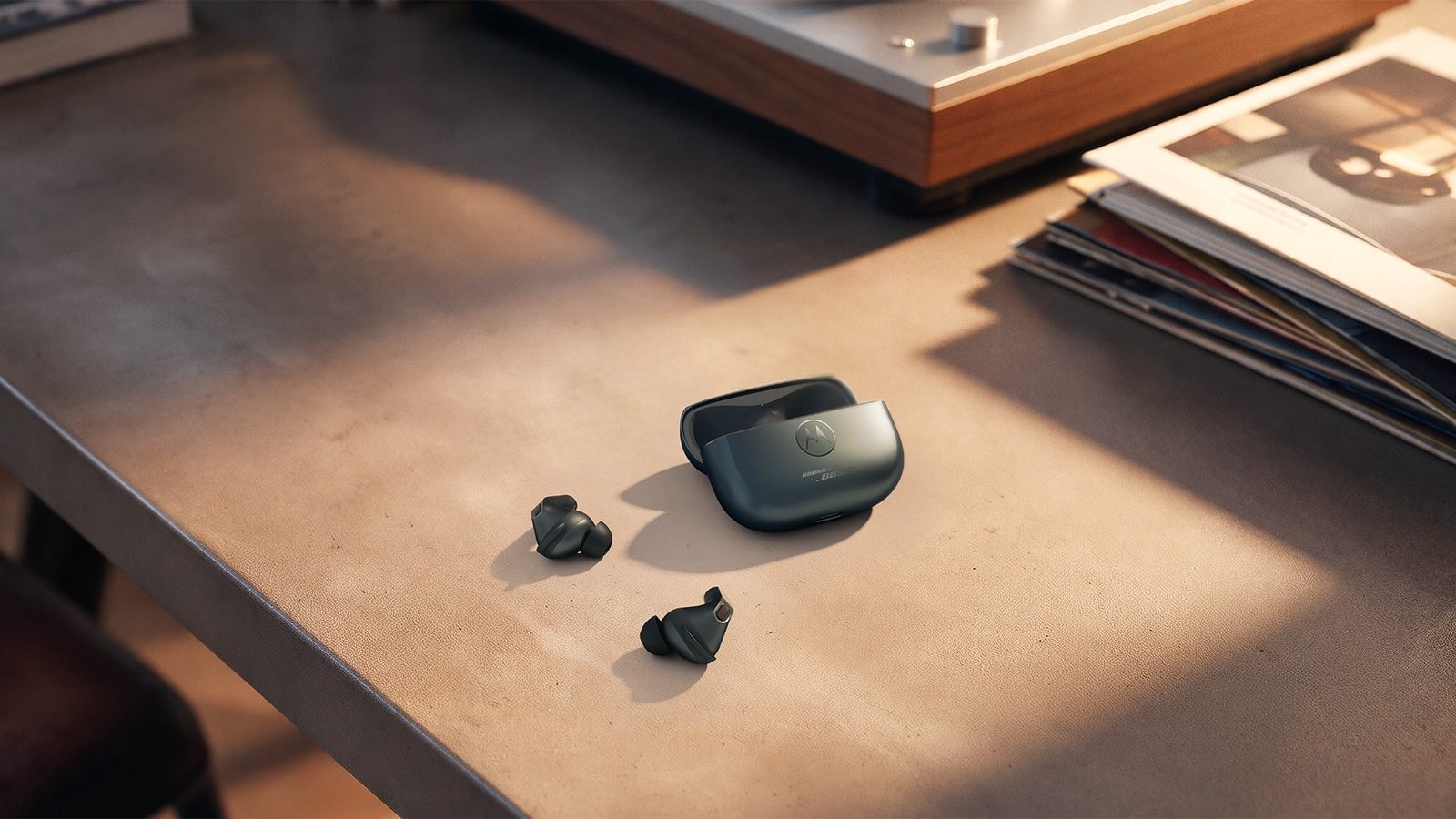
The Moto Buds Ultra 27 are Motorola’s most feature-packed earbuds yet, tuned with Bose SoundDesign and Bose QuietControl ANC. Each bud pairs an 11mm dynamic driver with a dedicated balanced armature for clearer highs and richer detail, and Hi-Res Audio support keeps fine nuances intact over Bluetooth. When paired with compatible Motorola phones, the buds also unlock Dolby Atmos listening with Dolby Head Tracking.

Call quality leans on three high-SNR microphones plus a Voice Pickup Unit in each bud, which Motorola pitches for content creation as well as everyday calls. Smart extras include AI Live Translate on supported Motorola phones, head gestures to answer or decline calls, wear detection that pauses playback, dual connection, and Audio Share for two pairs on one device.

Battery life is rated at up to 8 hours on a charge and up to 37 hours with the case, with IP57 protection, wireless charging, Google Find Hub support, and Motorola Qira access from the buds. Color options are Pantone Reflecting Pond and Pantone Temple Gray.

Moto Watch Fit 27
Moto Watch Fit 27

The Moto Watch Fit 27 takes a more everyday fitness approach than the recent Watch Ultra. It uses a 1.85-inch gOLED display with up to 1,500 nits peak brightness, 2mm bezels, Gorilla Glass 3, and a lightweight aluminum frame with a rotating crown and a customizable button. Health and workout tracking is Powered by Polar, covering heart rate, SpO2, stress insights, menstrual cycle tracking, sleep stages, Nightly Recharge, Running Index, and automatic detection for more than 100 workouts, plus dual-frequency GPS.

Battery life is rated at up to 12 days with the always-on display off, or about a week with it on. The watch is IP68 and 5ATM rated, supports Bluetooth calling with a mic and speaker, and includes Motorola Qira. Strap colors include Pantone Stratified Sea, Pantone Pigeon, and Pantone Ballerina.

Moto Buds Ultra 27 and Watch Fit 27 price and availability

Motorola has not announced US pricing or exact on-sale dates for either accessory yet. In the UK, the Moto Watch Fit 27 is listed at £99.99 and the Moto Buds Ultra 27 at £179.99, while the watch is priced at €99 in Europe. Both are due in the United States in the coming months.

Would you pair the new buds and watch with a Signature 27, or wait for pricing first? Let us know in the comments below.

For daily updates, please visit our News Section.

Stay ahead in tech! Join our Telegram community and sign up for our daily newsletter of top stories!