Tecno is apparently working on the Camon 30 series already, which is the successor to the Camon 20 lineup. But ahead of any official announcement, the latest generation of mid range smartphones surfaced on two certification platforms, revealing some of its specs. So here are all the details.
The Camon 30 was spotted in UAE’s TDRA certification. It appears to entry level 4G LTE smartphone from the lineup and carries the CL6 model number. This same device was spotted on the FCC platform as well, which confirmed its support for 4G LTE. The certification also listed it with a large 5,000mAh battery pack.
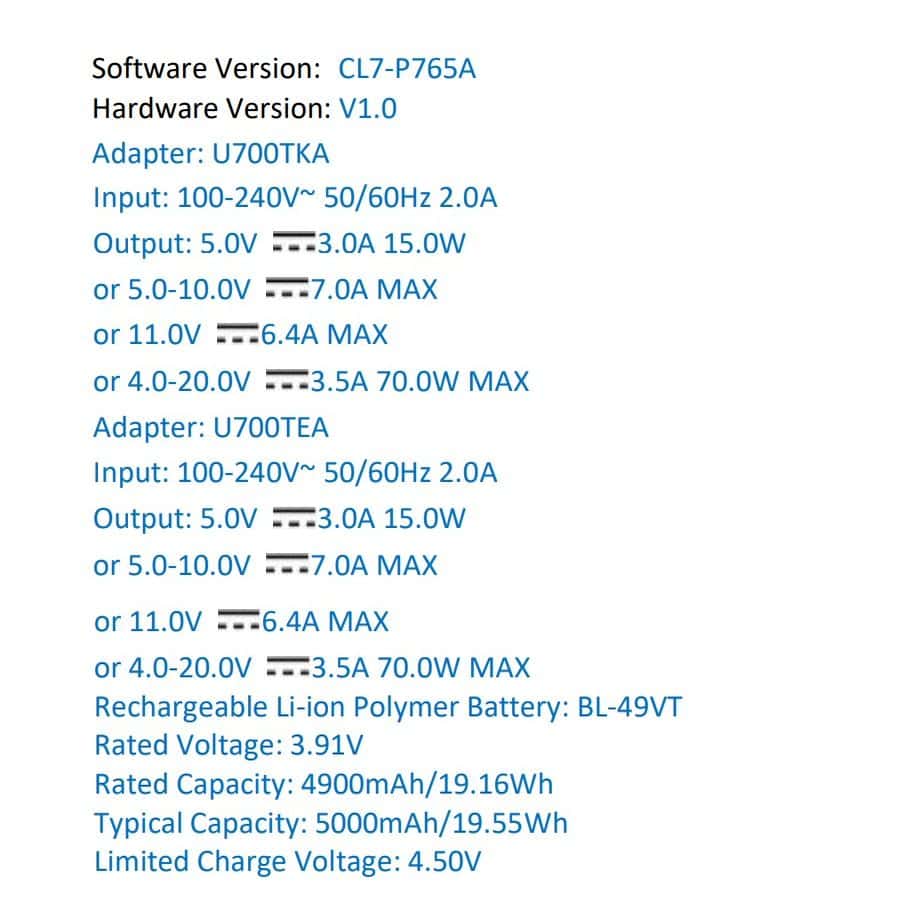
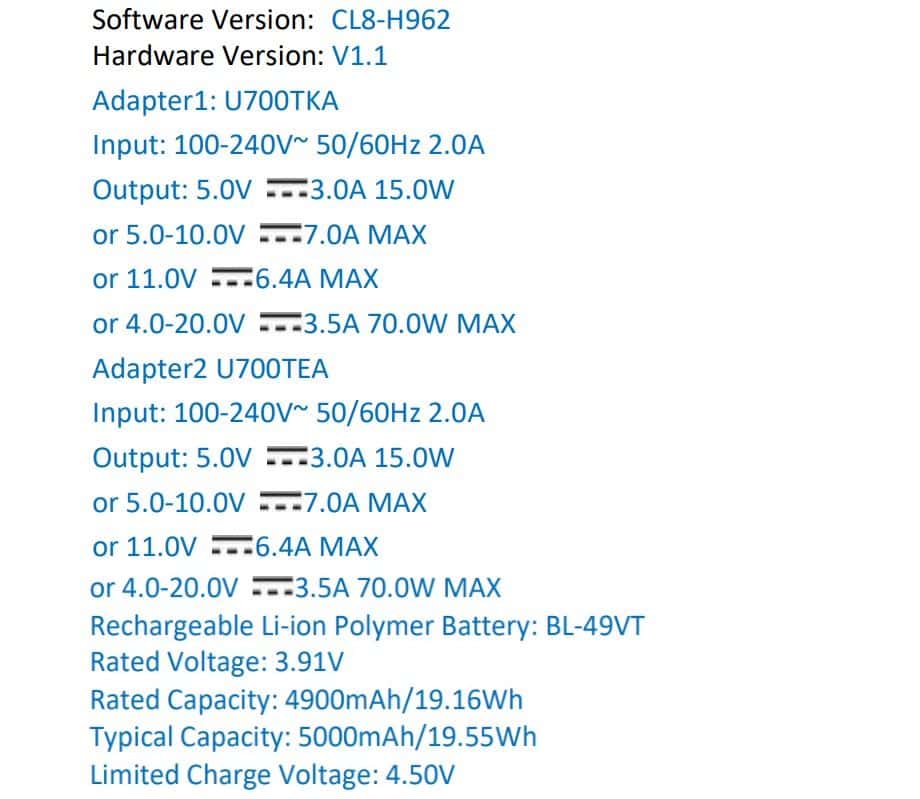
Furthermore, the Declaration of Conformity listing on Tecno’s website (Via TechOutook) has revealed the battery specs and charging speeds of the other Camon 30 series models as well. For those unaware, the series consists of the Camon 30, Camon 30 5G, Camon 30 Pro 5G, and the Camon 30 Premier 5G, which have the CL6, CL7, CL8, and CL9 model numbers respectively. The Declaration of Conformity listing confirmed that the Camon 30 5G and Camon 30 Pro 5G will also be powered by a large 5,000mAh battery pack.
Notably, the devices will ship with a U700TKA power adapter that reveals support for 70W wired fast charging. Just last month, the Tecno Camon 30 Premier secured TUV certification. Back in December 2023, the Camon 30 Premier surfaced on the EEC, Bluetooth SIG, and GeekBench as well. Meaning, the official announcement shouldn’t be too far off. So stick around for more updates.
Honor unveiled the Magic 6 and Magic 6 Pro smartphones in January in China. Before the launch, the rumor mill speculated that the lineup would also have an RSR Porsche Design variant. However, the company did not announce it at the January event. It is speculated that the device would break cover in March in China. While the official moniker of the device is not known, it is tentatively called the Honor Magic 6 RSR Porsche Design. It appears that the launch is indeed close at hand, as the 3C certification platform of China has approved it.
Honor Magic 6 RSR Porsche Design 3C certified
Honor Magic 6 Pro 3C certified
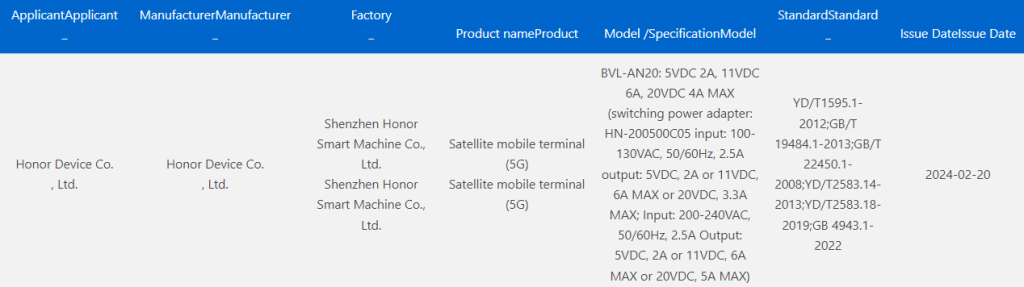
The Honor Magic 6 and Magic 6 Pro available in the Chinese market have BVL-AN00 and BVL-AN16 model numbers, respectively. Earlier this month, a new variant from the series bearing the model number BVL-AN20 received approval from the MIIT authority in China. This device is believed to be the Magic 6 RSR Porsche Design.
Now the Magic 6 RSR Porsche Design has appeared in the 3C database, revealing its possible fast charging capabilities. The listing reveals that the device may come equipped with a charger that bears the HN-200500C05 model number. The said charger offers maximum charging speeds of up to 100W.
While the Magic 6 RSR has been spotted with a 100W charger, the device may likely support only 80W charging like the Magic 6 Pro. Unfortunately, there is no new information about the other specs of the device.
The Find X7 Ultra has the latest one-inch Sony LYT-900 50-megapixel camera sensor. Similarly, upcoming flagship phones like the Xiaomi 14 Ultra and the Vivo X100 Ultra are expected to feature the same primary snapper.
Speculation suggests that the Magic 6 RSR will rival these phones in the photography department by incorporating the all-new one-inch OmniVision OV50K 50-megapixel primary camera. The remaining specifications of the device are likely to align with the existing Magic 6 models.
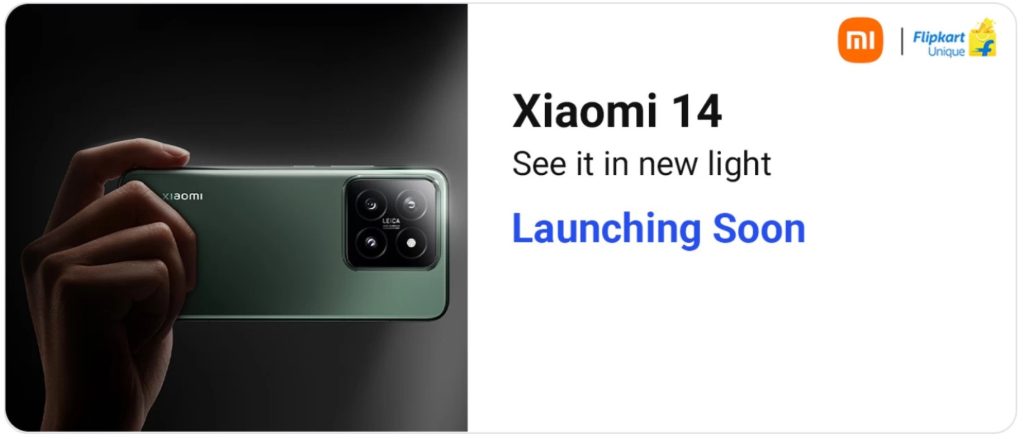
Xiaomi is gearing up to launch its latest flagship smartphone, the Xiaomi 14, in India next month. But prior to its official release, the availability of this device has been confirmed on popular e-retail platforms in the region. So here are all the details.
Xiaomi 14 Amazon & Flipkart Availability
To recall, the Chinese tech giant recently confirmed that the Xiaomi 14 will be launched in India on 7th March 2024. Now, the official microsites for the premium grade smartphone have gone on Amazon and Flipkart, which has confirmed the availability of this device ahead of the announcement. This model will also be sold via the brand’s official Indian website alongside the popular e-commerce platforms.
For those unaware, the Xiaomi 14 sports a 6.36-inch LTPO AMOLED display that has a 120Hz refresh rate, 1.5K resolution, and Dolby Vision support. Under the hood, it is equipped with the Qualcomm Snapdragon 8 Gen 3 SoC and is powered by a 4,610mAh battery pack that supports 90W wired fast charging, 50W wireless fast charging, and 10W reverse wireless charging.
The rear packs a 50-megapixel triple camera setup, while the front offers a 32-megapixel selfie shooter. Other notable features include Bluetooth 5.4, an under-display optical fingerprint scanner, and an IP68 rating for water and dust resistance. Xiaomi had first unveiled the Xiaomi 14 in China back in 2023, and the Indian release is right around the corner. So stick around for more, as we will be covering the launch event next month.
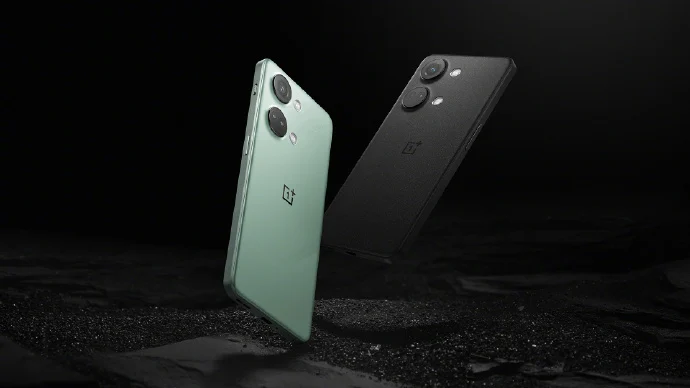
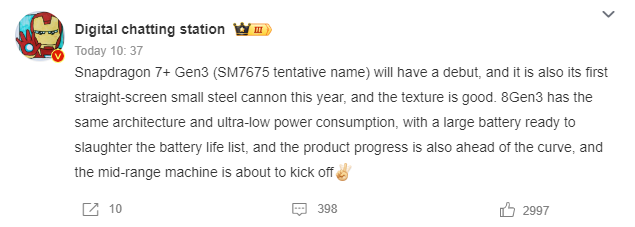
Previously, it was reported that the OnePlus Ace 3V would be powered by the Snapdragon 7 Gen 3 chipset. However, according to Weibo tipster DCS, the phone will now boast the successor Snapdragon 7+ Gen 3 chip (SM7675).
Snapdragon 7+ Gen 3 reportedly boasts the same architecture as the Snapdragon 8 Gen 3
OnePlus Ace 2V
This new chipset reportedly boasts the same core architecture as the flagship Snapdragon 8 Gen 3 SoC, with the Cortex-X4 large core reaching speeds of up to 2.8GHz. For reference, the Snapdragon 7 Gen 3 chip has a 1+3+4 configuration. The primary core operates at up to 2.63 GHz, while three performance cores run at 2.4 GHz, and four efficiency cores operate at 1.8 GHz. Notably, the OnePlus Ace 3V is positioned as a mid-range device.
Additionally, reports indicate that this upcoming mid-range device, powered by the Snapdragon 7+ Gen 3 processor, will feature a high-resolution 1.5K 8T LTPO screen and a generous 5500mAh battery. This suggests a strong emphasis on display quality and battery life, further solidifying the Snapdragon 7+ Gen 3’s reputation as a versatile chipset capable of meeting diverse user needs.
Furthermore, industry insiders have hinted at Qualcomm’s plans to unveil the SM7675 and SM8635 chips in March, which are essentially different frequency versions of the same chip. Referred to under the development code name “Cliffs,” both chips inherit the architecture of the Snapdragon 8 Gen 3, promising exceptional performance and efficiency across the board.
With its 4nm process technology and innovative 1+5+2 CPU architecture, the Snapdragon 8 Gen 3 sets a high standard for mobile processors. Featuring a combination of large and small cores, as well as a powerful GPU, this chipset delivers impressive performance while optimizing power consumption for extended battery life. As Qualcomm continues to expand its lineup with the Snapdragon 7+ Gen 3, users can look forward to an improvement in the performance and power efficiency that is offered by the equipped with cutting-edge technology and enhanced capabilities.
Tomorrow (Feb. 22), Xiaomi will hold a major launch event in China to announce the Xiaomi 14 Ultra and the Xiaomi Pad 6S Pro. The 14 Ultra will arrive with several upgrades as compared to the Xiaomi 13 Ultra that was released last year. New updates shared by the brand over its Weibo account confirm that the device will offer better durability and a larger battery as compared to the predecessor.
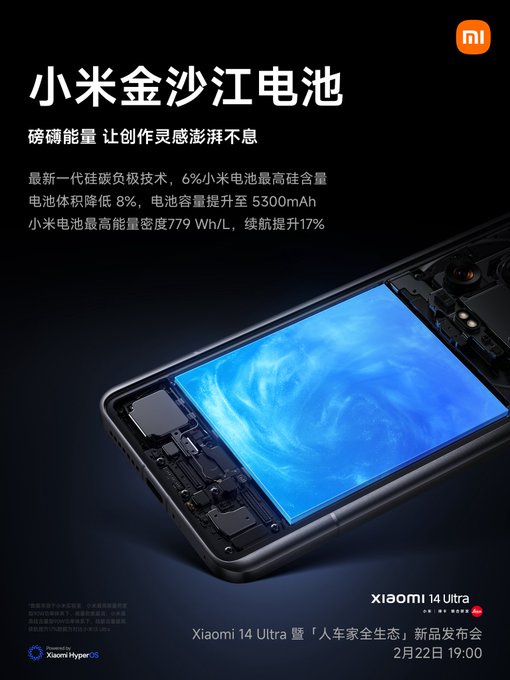
Xiaomi 14 Ultra durability, battery size
\The Xiaomi 14 Ultra features a 5,300mAh battery, resulting in a 17 percent increase in battery life compared to its predecessor. While the battery capacity has been increased, its volume has been reduced by 8 percent. With the latest silicon carbon anode technology, Xiaomi’s battery achieves a maximum silicon content of 6 percent. Notably, the battery offers the highest energy density at 779Wh/L among its counterparts.
The company is yet to confirm the fast-charging capabilities of the 14 Ultra. However, leaks have claimed that the device will offer 90W wired charging, 50W wireless charging, and reverse wireless charging.
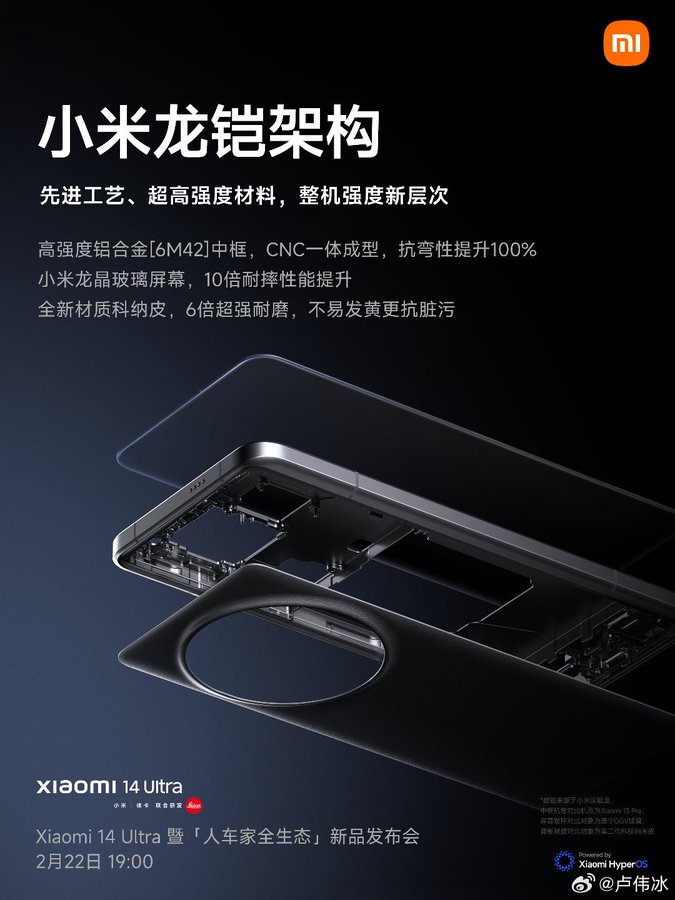
When it comes to durability, the company claims that the middle frame of the Xiaomi 14 Ultra is twice as resistant to bending, the screen is ten times more resistant to drops, and the back panel, which is made up of Kona leather, is six times more resistant to wear compared to the 13 Ultra model. The brand confirmed that the device has received SGS five-star durability certification.
The 14 Ultra will be arriving in shades, such as black and white. The official images suggest that these variants will have a leather back. On the other hand, the rumored blue variant is said to have a ceramic back. It is speculated that the topmost configuration of the device will also come in a special titanium frame option.
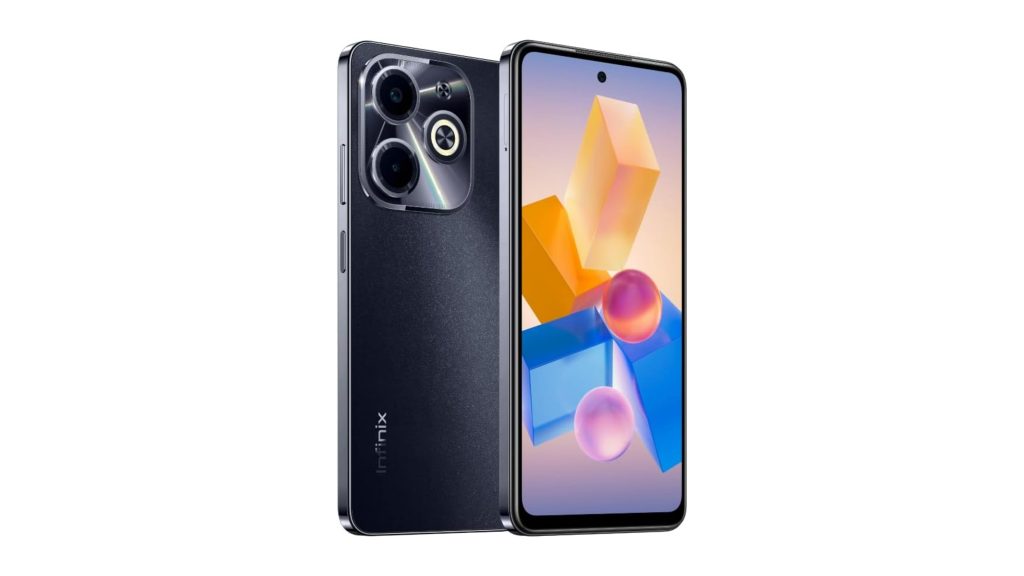
Infinix will be kicking off the first sale of its new Infinix Hot 40i smartphone in the Indian market. The device is its latest budget grade model, which was recently announced in the region. So here’s everything you need to know regarding its specs, pricing, availability, and offers.
Infinix Hot 40i Price, Offers, & Availability
The first sale of the Hot 40i is set to go live at 12 PM IST today (21st February 2024). It arrives in a lone storage configuration (8GB + 256GB) and has an official price tag of 9,999 INR. The brand is offering the smartphone with a special launch offer that includes a flat 1,000 INR instant discount on Axis, ICICI, SBI, and HDFC credit and debit card transactions. It will be listed for purchase exclusively via Flipkart.
Infinix Hot 40i Specs
The Infinix Hot 40i sports a Tal 6.6-inch IPS LCD panel that offers HD+ resolution and 90Hz refresh rate. The front also houses a punch hole cutout that houses a 32-megapixel selfie shooter with a dual LED flash module. Meanwhile, the rear packs a 50-megapixel dual camera setup.
Under the hood, it is equipped with the UNISOC T606 SoC and is powered by a large 5,000mAh battery pack with 18W fast charging support. Other notable features include Android 13 OS base XOS 13 custom skin out of the box, a microSD card slot for storage expansion, side mounted fingerprint scanner, and Infinix’s Magic Ring feature that functions similarly to Apple’s Dynamic Island.
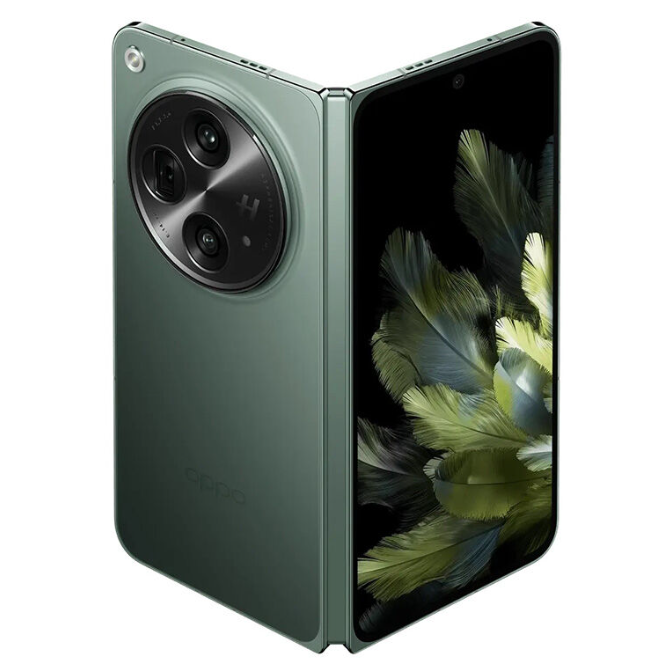
Recent reports suggest that a couple of Chinese brands may halt the launch of new foldable phones this year. It is speculated that one of these brands could be Oppo, not necessarily due to poor sales, but because of the high costs associated with repairing these devices. However, an official statement released by Oppo has confirmed to GSMArena that it will continue to launch foldable phones.
Oppo to continue launching new foldable
Oppo Find N3
According to the publication, an Oppo spokesperson said, “Oppo’s dedication to the continuous development of foldable smartphone technology remains unchanged. Please stay tuned for our official updates and announcements.”
Last year, OnePlus released the OnePlus Open as its first foldable phone. It was released in markets like the US, Europe, and India. In other markets, including China, the same device was rebranded as the Oppo Find N3. In 2023, Oppo also released the Find N3 Flip, a vertically foldable phone.
With the brand confirming that it will continue to launch new foldables as usual, fans can expect the brand to launch the Oppo Find N4, N4 Flip, and the OnePlus Open 2.
At the beginning of this year, Oppo unveiled the Find X7 and Find X7 Ultra in China. It is speculated that the brand may announce a two-way satellite connectivity variant of the X7 Ultra in March in China. The brand is also said to be powered on the Snapdragon 7 Gen 3-powered Oppo K12 and the Reno 12 series for the Chinese market. For India, the brand has just confirmed that it will launch the Oppo F25 Pro 5G on Feb. 29. It will be the second phone of the year after the Reno 11 series, which debuted in January.
Amidst the noise of technological advancements, 5G connectivity stands as a beacon of promise, lauded as a transformative force in the digital realm. However, beneath the gloss of its allure, lies the pressing question: Is 5G truly a revolution or merely a cleverly marketed gimmick? In this discourse, we embark on a journey to dissect the intricacies of 5G technology, exploring its potential, challenges, and implications on everyday life.
Understanding 5G
At its core, 5G represents the fifth generation of wireless technology, poised to deliver unparalleled speeds and seamless connectivity. Unlike its predecessors, 5G harnesses higher-frequency radio waves, facilitating swift data transmission and unlocking new frontiers in digital communication.
Speed and Reliability
The hallmark of 5G lies in its ability to propel data at lightning-fast speeds, heralding an era of instantaneous downloads and lag-free video calls. The utilization of higher-frequency radio waves empowers 5G networks to transcend the constraints of their predecessors, promising a paradigm shift in connectivity.
Promise and Potential
Proponents champion 5G as a catalyst for innovation, foreseeing its capacity to revolutionize industries ranging from healthcare to manufacturing. Envisioned applications include remote surgery facilitated by ultra-low latency, autonomous vehicles navigating with unprecedented precision, and augmented reality blurring the lines between the physical and digital realms.
However, skeptics raise valid concerns regarding the practicality and societal impact of widespread 5G adoption. Questions loom over the accessibility of 5G infrastructure, particularly in rural or underserved areas, and the potential worsening of the digital divide.
Infrastructure Challenges
Indeed, realizing 5G’s potential hinges upon robust infrastructure deployment. Current limitations, such as substandard infrastructure and spectrum availability, pose formidable challenges to the universal rollout of 5G networks.
With its fiber-powered connection, Windstream stands as a testament to the pivotal role of infrastructure in shaping the 5G landscape. By leveraging cutting-edge technology, Windstream exemplifies the superior speeds and reliability essential for unlocking the full potential of 5G.
5G in Everyday Life
The impact of 5G extends far beyond mere technological advancements, permeating every facet of modern life. In the realm of remote work, stable high-speed internet emerges as a necessity rather than a luxury, with 5G bridging the gap for seamless virtual collaboration.
Similarly, in education, 5G holds the promise of democratizing access to knowledge on a global scale. By enhancing online learning experiences through robust connectivity, 5G has the potential to empower learners regardless of geographic or socioeconomic barriers.
Infrastructure, Security, and Accessibility
The path to realizing the transformative potential of 5G is fraught with challenges. Significant investment and collaborative efforts are imperative to address infrastructure gaps and ensure equitable access to 5G networks.
Moreover, as connectivity proliferates, concerns surrounding privacy and security loom large. The interconnected nature of 5G networks amplifies vulnerabilities, necessitating stringent measures to safeguard sensitive data and mitigate cyber threats.
Indeed, realizing 5G’s potential hinges upon robust infrastructure deployment. Current limitations, such as substandard infrastructure and spectrum availability, pose formidable challenges to the universal rollout of 5G networks.
Enterprises like Windstream, with their fiber-powered connection, exemplify the critical role of infrastructure in shaping the 5G landscape. By harnessing cutting-edge technology, Windstream showcases superior speeds and reliability essential for unlocking the full potential of 5G.
Windstream Services:Empowering Connectivity
Windstream is known for reliability and innovation in the realm of telecommunications, offering a plethora of services tailored to meet the evolving needs of consumers. From high-speed internet to comprehensive customer support, Windstream offers connectivity excellence.
Features and Benefits
Windstream’s portfolio boasts a diverse array of features designed to enhance the customer experience. With lightning-fast internet speeds, seamless connectivity, and robust security measures, Windstream ensures a seamless digital experience for users.
Customer Support
At the heart of Windstream’s ethos lies a commitment to customer satisfaction. With a dedicated team of support representatives available 24/7, Windstream ensures prompt resolution of queries and concerns, fostering a culture of trust and reliability.
Navigating the Winds of Change
In the grand scheme of technological progress, 5G emerges not as a mere gimmick but as a catalyst for transformative change. Its success lies not only in technical prowess but also in the collaborative efforts of industry stakeholders. As we navigate the winds of change, enterprises like Windstream stand as steadfast partners, empowering connectivity and driving innovation.
5G represents a double-edged sword, wielding the power to reshape how we live, work, and communicate. Its success hinges not only on technical prowess but also on our ability to navigate the intricate web of challenges surrounding its implementation.
As we stand at the edge of a digital revolution, the true measure of 5G’s impact lies not in its technical capabilities alone but in its capacity to enrich the human experience. It is incumbent upon stakeholders to tread cautiously, fostering innovation while safeguarding against potential pitfalls.
In the grand tapestry of technological progress, 5G emerges not as a mere gimmick but as a beacon of hope, ushering in a new era of connectivity defined by inclusivity, accessibility, and opportunity. Let us embark on this journey with eyes wide open, mindful of the challenges that lie ahead, and the boundless potential that awaits.
Gone are the days when farming solely depended on the hard work of cattle and humans. A revolution is unfolding in rural Shanghai, where agricultural robots are taking over tasks that were once the epitome of manual labor. At the heart of this transformation is Diantian Farm, a place where technology and tradition are blending together.
These robots can handle multiple farming tasks, from planting to harvesting
Engineers, not cattle, are the new workforce here, with over 70 professionals, including Li Wei, steering these technological marvels through fields of rice. These robots, over 60 types developed through diligent research over seven years, are redefining what it means to work the land. From planting to harvesting, these machines do it all, navigating the terrain with crawler feet and making decisions with their advanced AI brains.
The simplicity of operating these robots is astonishing. Farmers, using just their smartphones, can awaken these mechanical helpers to start their day. Wang Jinyue, who leads the Diantian cooperative, shares a personal connection to this innovation, having experienced the grueling reality of farm work firsthand. Today, robots line the fields, working efficiently and without the need for rest, embodying the advancements in technology such as 5G, image recognition, and big data.
These robots are not just laborers; they’re smart workers. Weeding robots, for instance, can distinguish between crops and unwanted plants, targeting weeds with precision, all thanks to a system that operates on China’s own BeiDou Navigation Satellite System. This high-tech approach is not limited to Diantian Farm. Across China, in places like Hanzhong, Shaanxi province, intelligent equipment is making vegetable cultivation not only more efficient but also less labor-intensive.
Acer recently announced two new laptops, the Swift Edge 16 and Swift Go 14, powered by the latest AMD Ryzen 8040 series. These devices are built to handle AI tasks efficiently, thanks to their dedicated neural processing units. With features aimed at improving online communication, such as noise reduction and background blurring during video calls, they’re designed to make virtual meetings smoother.
The dedicated AI Button activates Microsoft Copilot
Both laptops come with high-quality OLED screens, Radeon 780M graphics, and can be equipped with up to 32GB of RAM. The heart of these machines, the Ryzen 8040 chip, is especially popular for its AI capabilities, promising faster performance in AI tasks compared to previous models.
An interesting addition to these laptops is a button that activates Microsoft Copilot, allowing users to ask AI-powered questions directly. This feature uses cloud services to provide answers, meaning the laptop’s AI doesn’t work in isolation.
Security hasn’t been overlooked, with the inclusion of the Pluton security processor from Microsoft, aimed at keeping sensitive information safe from cyber threats.
The Swift Edge 16 focuses on balancing power with portability. Its 16-inch screen offers clear and vibrant visuals without making the laptop too heavy to carry around. The Swift Go 14, though smaller, doesn’t skimp on performance or screen quality and aims to be just as portable, despite being slightly heavier.
Acer plans to launch the Swift Edge 16 in March at a starting price of $1,300, with the Swift Go 14 following in April, starting at $700. These laptops are Acer’s answer to AI products by its competitors, offering advanced features in a user-friendly package.
A team of engineers at Penn has just unveiled a technology that might just set a new course for the future of computing. Their creation, a chip that leverages light for artificial intelligence (AI) computations, stands to dramatically boost processing speeds while slashing energy use.
The new chip also promises enhanced privacy for the users
At the heart of this innovation is the field of silicon-photonics (SiPh), a domain where silicon, the abundant and cost-effective material at the core of traditional computer chips, meets the extraordinary capacity to manipulate light. This union draws upon the pioneering work of Penn Professor Nader Engheta, who has explored how materials can be fine-tuned at the nanoscale to carry out complex mathematical operations using light waves.
This chip isn’t just another step in technology’s march forward; it represents a potential paradigm shift. Traditional computing chips, despite their advancements, still hew closely to concepts established in the 1960s. The new chip, however, operates on an entirely different principle, performing calculations at the unparalleled speed of light.
The development of this chip was a collaborative effort, with significant contributions from Firooz Aflatouni, Associate Professor in Electrical and Systems Engineering at Penn. The team focused on enabling the chip to execute vector-matrix multiplication—a key process underpinning neural networks, which are vital for the AI applications that increasingly influence our daily lives.
One of the chip’s ingenious features is its design, which achieves computational magic by altering the height of the silicon wafer in certain areas. This allows light to scatter in precise patterns, facilitating the rapid execution of mathematical operations.
Beyond its potential for blazing-fast computation and reduced power consumption, the chip also promises enhanced privacy. Its capacity to perform numerous calculations simultaneously—without needing to store data in a computer’s working memory—could make future computers using this technology nearly impossible to hack. Now, all we can do is wait to see when this chip will start being incorporated in our daily devices, and one thing is for sure, that can take a lot of time.
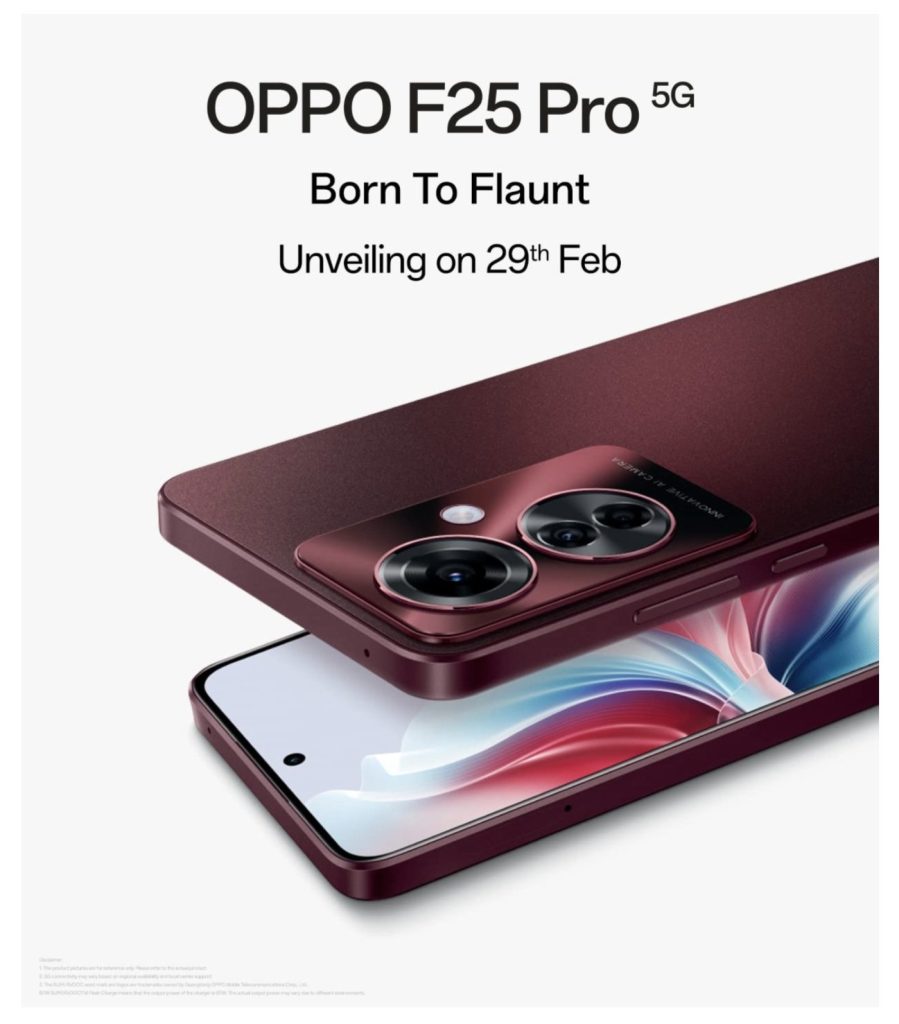
For the past few weeks, the rumor mill has been speculating that India will soon receive an F-series Oppo phone. Today, the brand officially confirmed that the Oppo F25 Pro 5G will be unveiled on Feb. 29 in India. Its microsite available on Amazon has revealed its design and color options.
Oppo F25 Pro 5G design
OPPO F25 Pro 5G launch date
The official images available on the microsite confirm that the Oppo F25 Pro 5G will feature a punch-hole display, which seems to be integrated with a fingerprint sensor. The back panel of the device has a triple-camera unit and an LED flash. It will be sold in two shades, maroon and light blue. The final marketing shades of these variants are not known yet.
Oppo F25 Pro 5G specifications (rumored)
OPPO F25 Pro 5G color options
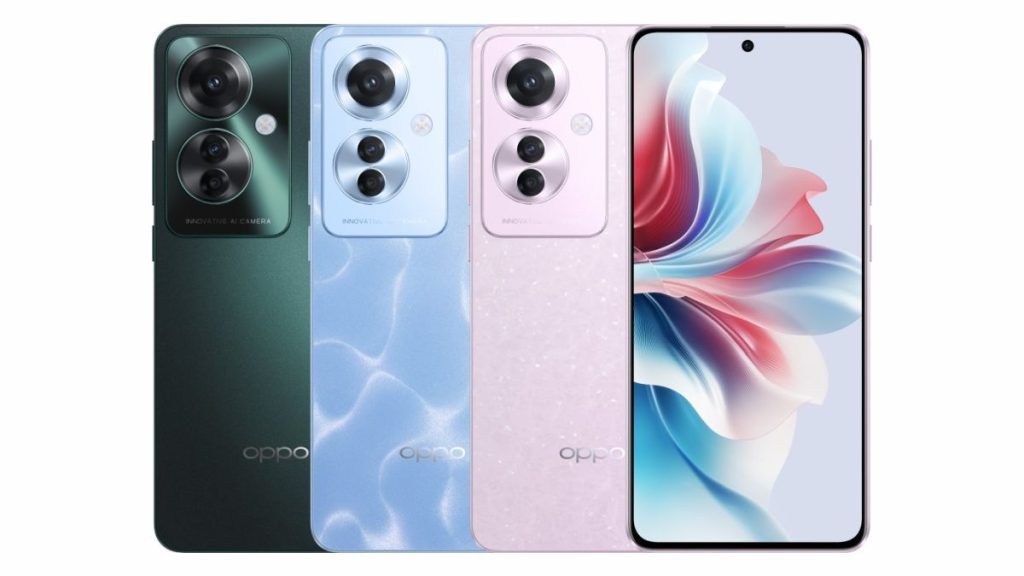
Oppo is yet to reveal any information about the specifications of the Oppo F25 Pro 5G. Rumors surrounding the device claim that it could be a tweaked or rebranded version of the Oppo Reno 11F 5G, which is available in some Southeast Asian markets.
The Reno 11F 5G has a 6.7-inch Amole display that offers an FHD+ resolution, a 120Hz refresh rate, and Panda glass protection. The device runs on the Dimensity 7050 chipset and ColorOS 14-based Android 14.
Oppo Reno 11F 5G
The Reno 11F 5G ships with 8 GB of LPDDR4x RAM, 256 GB of UFS 3.1 storage, and a 5,000mAh battery with 67W fast charging. It has a 32-megapixel camera on the front, and its back panel has a 64-megapixel primary camera, an 8-megapixel ultra-wide lens, and a 2-megapixel macro camera.
At present, there is no word on the price of the Oppo F25 Pro 5G. Considering that the Oppo F23 5G was priced at Rs 24,999 (~$301) in India last year, it is likely that the F25 Pro could be priced under Rs 30,000 (~$360). It is also unclear whether the brand plans to launch a non-Pro version of the F25.
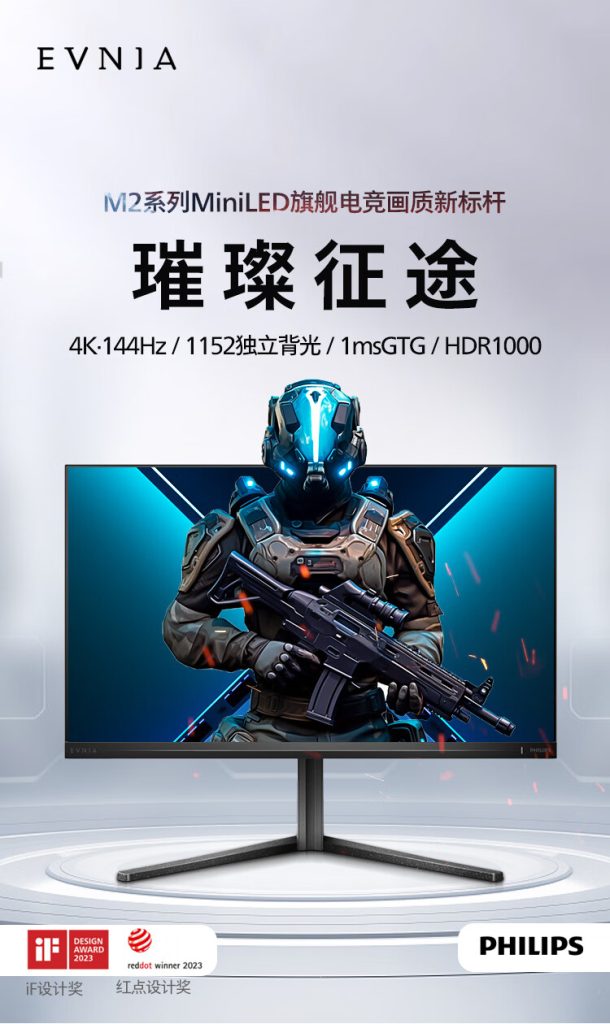
Philips has unveiled a new gaming monitor, the Evnia 32M2N6800M in the Chinese market. The monitor is now listed on JD.com, priced at 4999 Yuan ($695). Let’s check out the key specs.
Philips Evnia 32M2N6800M Specifications:
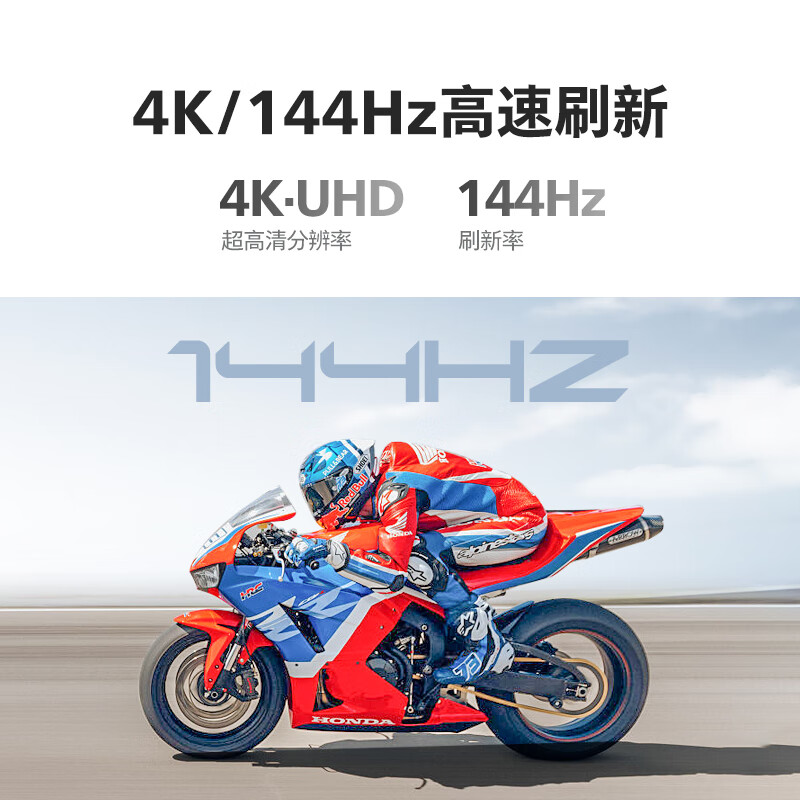
The gaming monitor features a 31.5-inch display offering 4K resolution (3840×2160) at a 144Hz refresh rate, powered by Mini-LED technology. It uses a BOE UHD panel that boasts a rapid 1ms GTG response time to minimize input lag, providing gamers with the critical edge to react quickly and dominate the competition.
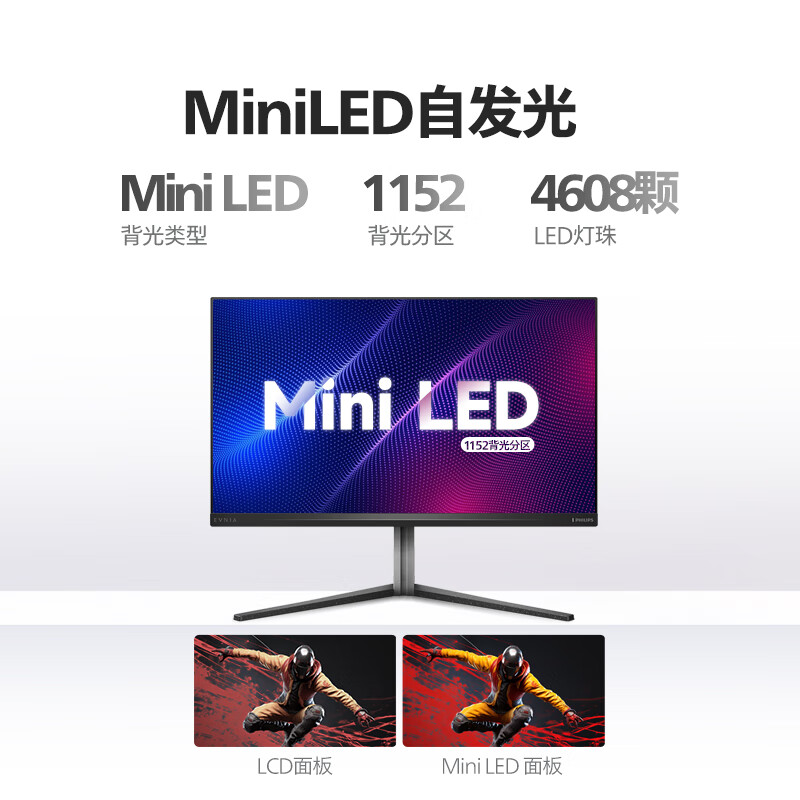
The monitor features a Mini-LED panel with 1152 independent backlight zones, delivering an outstanding peak brightness of 1250 nits and a typical brightness of 700 nits. This ensures vibrant colors and deep blacks across the screen. With VESA DisplayHDR 1000 certification, gamers can expect exceptional HDR performance, while a wide 99.5% DCI-P3 color gamut and 10-bit color depth ensure remarkable color accuracy and lifelike visuals.
The Evnia 32M2N6800M is packed with features aimed at enhancing the gaming experience. It includes Zero Sense Sync Acceleration Technology to reduce input lag, Ambiglow technology for immersive lighting effects synchronized with on-screen visuals, variable refresh rate (VRR), and PIP/PBP functionality for multitasking by connecting two sources simultaneously.
Connectivity is versatile, including two HDMI 2.1 ports, one DP1.4 port, a USB-B upstream port, and three USB-A ports, with one offering fast charging capabilities.
Philips Evnia 32M2N6800M features an ergonomic design with an adjustable bracket for lifting, rotating, and tilting, ensuring comfort during extended gaming sessions. Its classic rock black design, complemented by a delicate texture, includes a non-detachable headphone hook for added convenience and aesthetics. Philips also backs this product with a comprehensive after-sales service, though details remain unspecified.
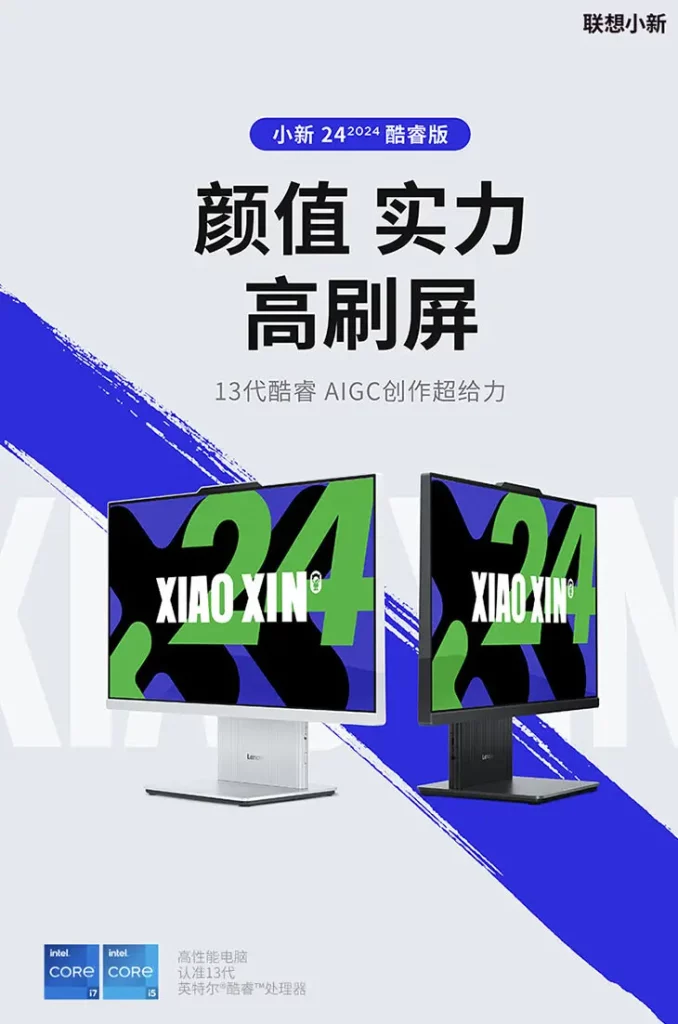
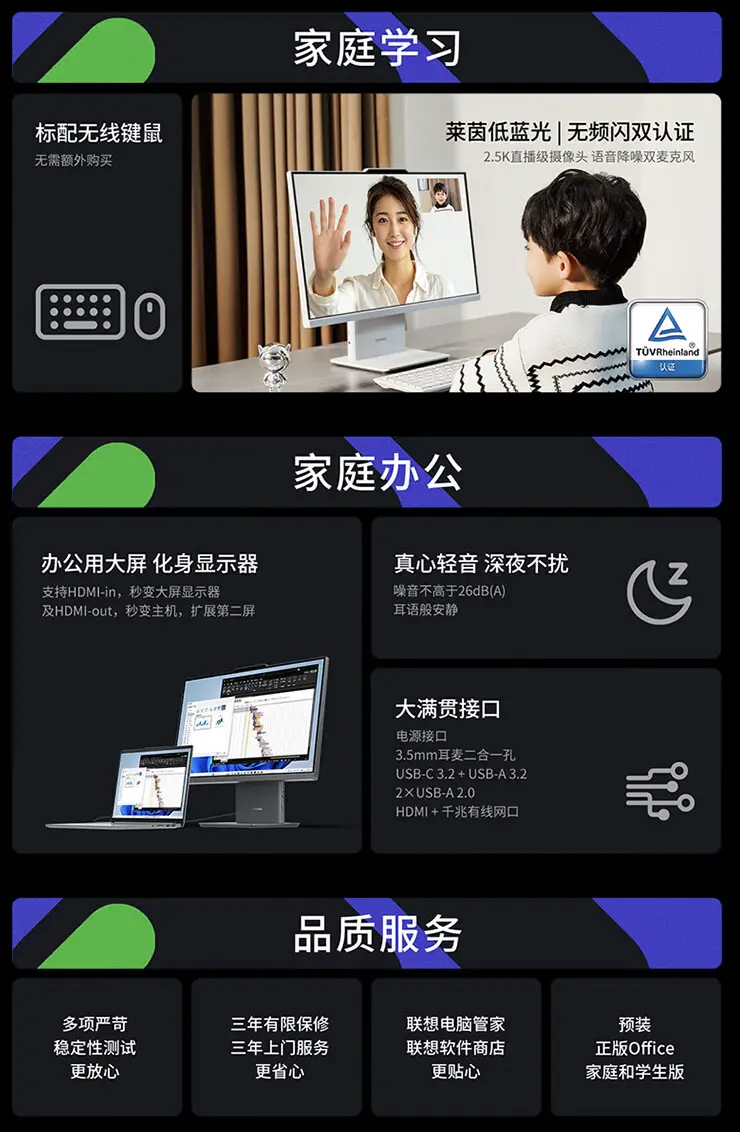
Lenovo has expanded its computer lineup with the introduction of the Xiaoxin 23.8-inch and Xiaoxin Pro 24 all-in-one (AIO) PCs, designed to cater to both professional and personal computing needs.
The Xiaoxin 23.8-inch model, priced at 4,499 yuan ($626), features an i5-13420H processor, 16GB RAM, and 512GB storage. It includes a 23.8-inch 1080p 100Hz display covering 99% sRGB, certified for low blue light and flicker-free to reduce eye strain.
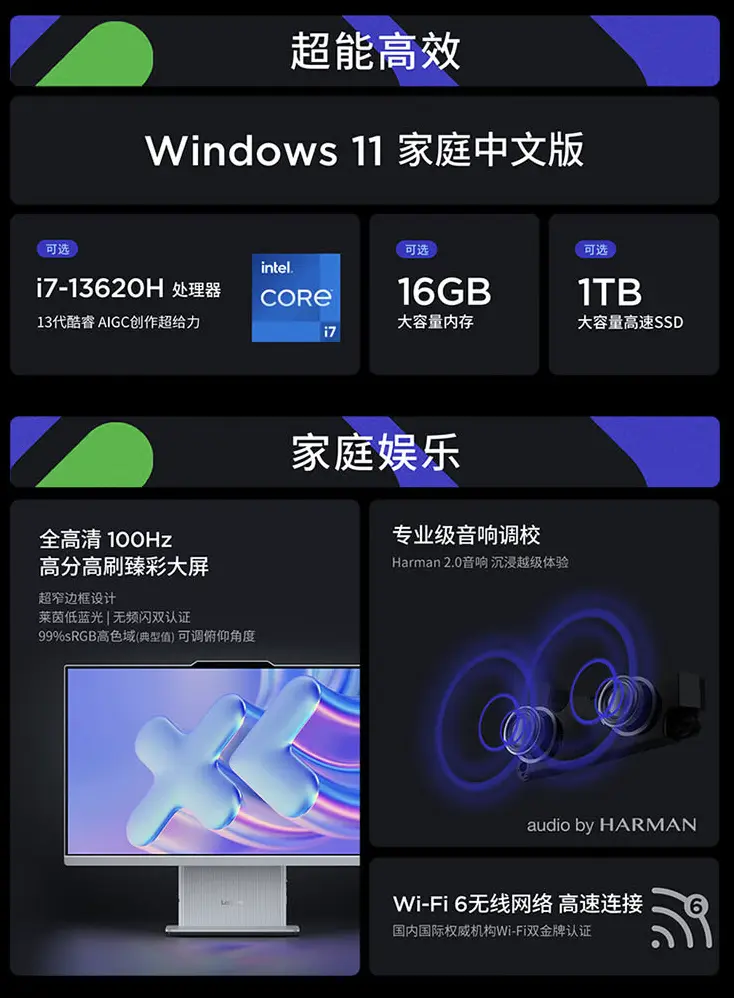
The AIO stands out with its slim 13.82mm profile, incorporating a 2.5K camera for clear video calls, Harman 2.0 stereo speakers for superior sound, and a 20% improvement in Wi-Fi performance over its predecessors. Connectivity options are ample, with USB-C, HDMI, and more.
The Xiaoxin Pro 24 2024 edition mirrors the Pro 27’s hardware but in a smaller package. It runs on a Core i7-13620H processor, supported by 16GB of DDR5 RAM and a 1TB NVMe PCIe 4.0 SSD, ensuring swift and efficient performance. The AIO also features a 5MP webcam for high-quality video chats. Despite its compact size, the Pro 24 maintains a strong performance profile, suitable for demanding applications.
In related news, Lenovo’s YOGA Book 9i (2024) dual-screen OLED laptop recently went on sale. The laptop features a two-part display, each measuring 13.3-inch. It features a 2.8K resolution with an Intel Core Ultra 7-155U processor on the inside.
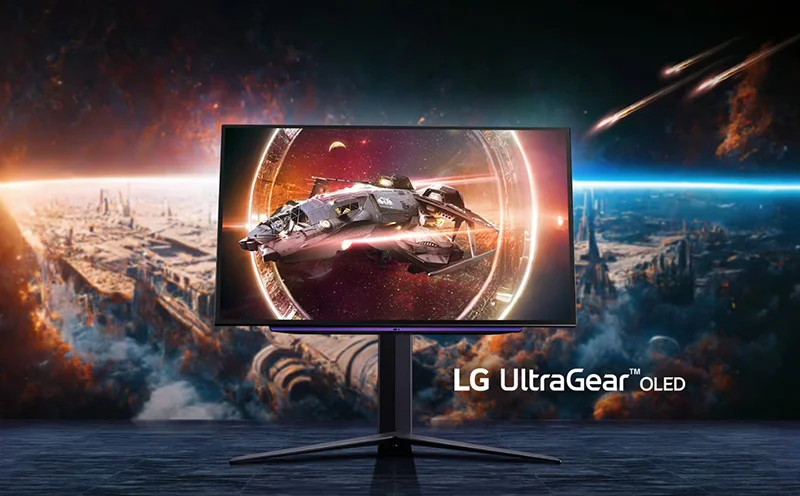
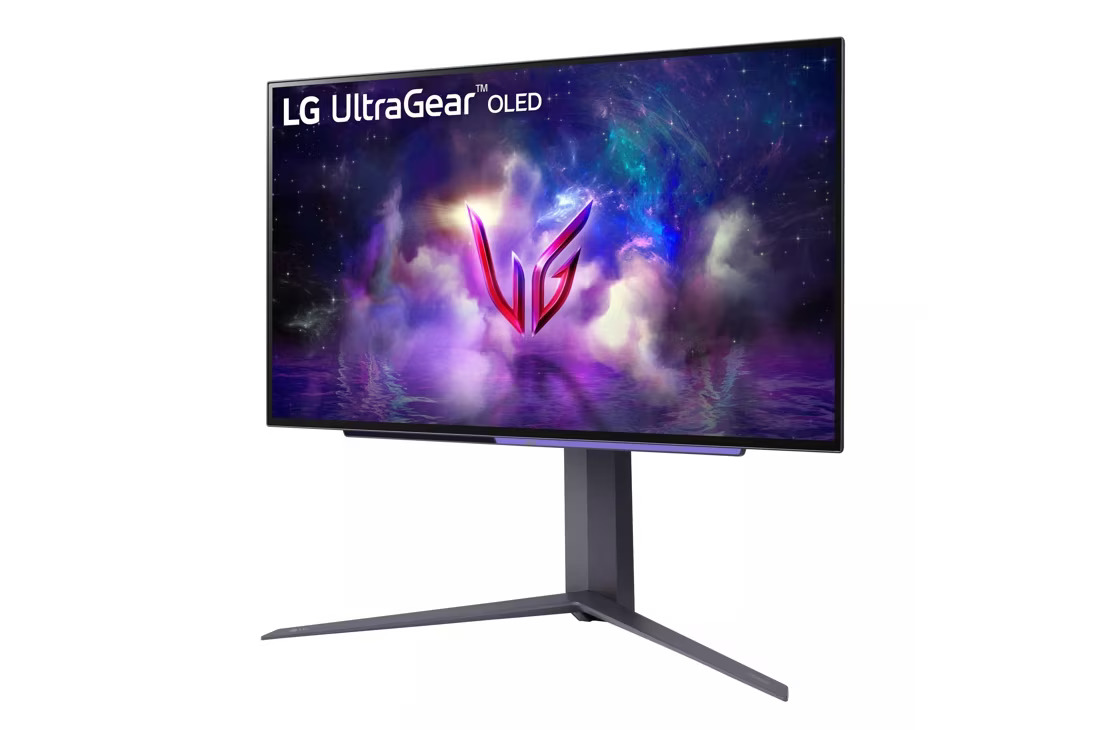
The UltraGear OLED 27GS95QE, tailored for gaming, features a 26.5-inch screen with 2K resolution. It supports a high refresh rate of 240Hz, ensuring smooth gameplay. The monitor’s standout feature is its quick 0.03ms GtG response time, reducing motion blur and input lag significantly.
With DisplayHDR True Black 400 certification, the monitor can achieve peak brightness up to 1000 nits, offering deep blacks and vibrant colors for an enhanced HDR experience. It maintains a typical brightness of 275 nits, covering 98.5% of the DCI-P3 color space, making it ideal for both gaming and content creation.
Compatibility with AMD FreeSync Premium and NVIDIA G-Sync allows for a tear-free gaming experience across different devices. Connectivity options include HDMI 2.1 and a headphone jack. The monitor also incorporates AGLR anti-glare and LG Live Color Low Blue Light technologies, aiming to reduce eye strain during extended use.
The iPhone 15 and iPhone 15 Pro Max might not showcase significant improvements in battery performance compared to their predecessors in the iPhone 14 series. However, Apple is actively addressing this concern by delving into the development of a specialized battery. Recent reports shed light on Apple’s pursuit of an in-house battery design. Here are the details…
Apple’s Exclusive Battery Project: Turbocharging iPhone Battery Life
The company is engaged in researching alternative cathode materials to elevate the overall performance of the battery module, with the ambitious goal of extending the battery life of its forthcoming products slated for release after 2025. Apple is contemplating a departure from the conventional use of graphite as the anode material in lithium-ion batteries and is exploring the possibility of increasing the silicon content within the battery.
Graphite has been favored for its unique properties, efficiently storing and releasing electrical energy, ensuring reliable and enduring battery performance in mobile devices. However, Apple’s potential shift towards a silicon-based approach carries promise in terms of enhancing overall battery capacity and reducing charging times. Nevertheless, it poses a challenge, as silicon tends to expand during the charging process. Notably, Apple appears to have made strides in addressing this expansion issue, suggesting a potential breakthrough.
Rumors surrounding Apple’s exploration of its own next-generation batteries have been circulating since 2019, showcasing the company’s ongoing commitment to innovation. Apple has previously collaborated with suppliers to introduce groundbreaking battery solutions, such as the space-saving L-shaped battery featured in the iPhone XS.
In a recent corporate commitment, Apple has set the target of incorporating 100% recycled cobalt in all ‘Apple-designed’ batteries by the year 2025, signaling a dedication to environmentally sustainable practices. Despite these advancements and commitments, it remains uncertain whether the speculated Apple proprietary battery will indeed materialize and whether the company will successfully adhere to its ambitious goals amid the evolving landscape of technology and battery development.
Asus has expanded its gaming monitor lineup with the launch of the ROG Strix XG27ACS, now open for pre-orders in the Chinese market at a price of 1999 Yuan ($278). Let’s delve into its key specs.
ROG Strix XG27ACS Specifications:
The monitor features a 27-inch Fast IPS display boasting a 2560×1440 (2K) resolution and an impressive 180Hz refresh rate for smooth gameplay. It leverages BOE’s advanced ADS Pro display technology to ensure vibrant visuals and wide viewing angles.
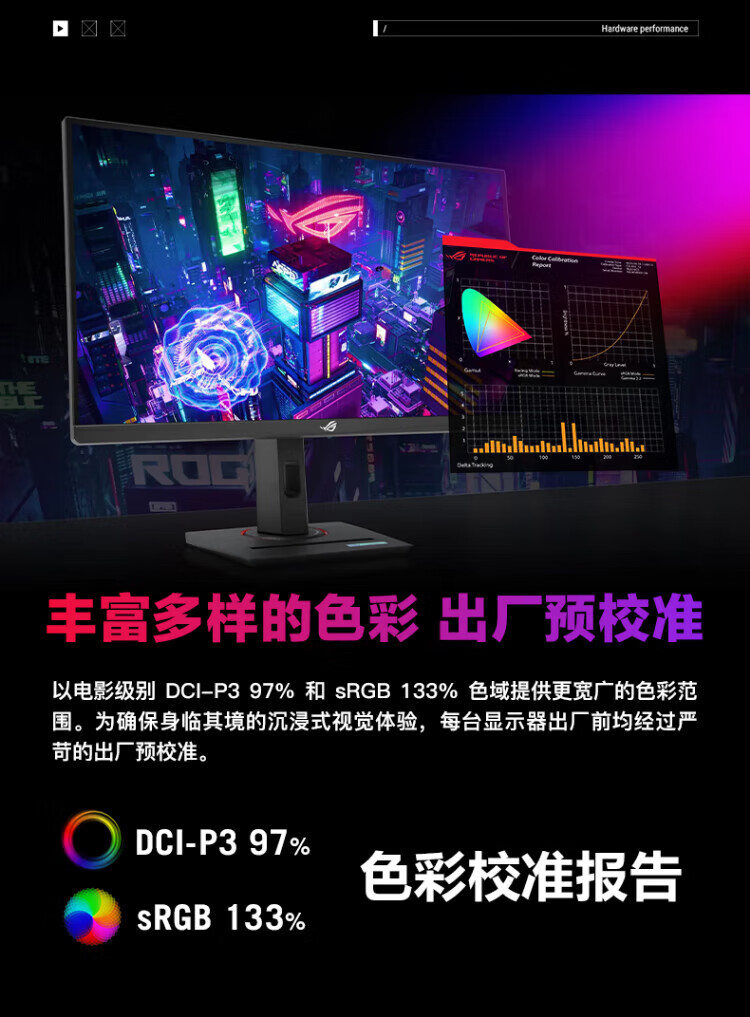
ROG Strix XG27ACS monitor targets both professional and enthusiast gamers, offering 97% DCI-P3 and 133% sRGB color gamuts for vivid and precise color reproduction. Its color accuracy, certified by VESA DisplayHDR 400 with a ΔE<2, makes it suitable for gaming and content creation needs.
Asus has incorporated several proprietary technologies to enhance gaming performance. The monitor supports G-SYNC and FreeSync, aiming to provide a tear-free gaming experience across a wide range of graphics cards. It also features 1ms GTG (gray to gray) pixel response time along with ELMB SYNC technology to reduce motion blur, ensuring clarity in fast-paced games.
For competitive gamers, the inclusion of AI-driven Game Plus technology offers real-time scene analysis and crosshair adjustments, improving shooting accuracy. The Dynamic Shadow Boost and Variable Acceleration Drive 2.0 further refine visual clarity and response to in-game actions.
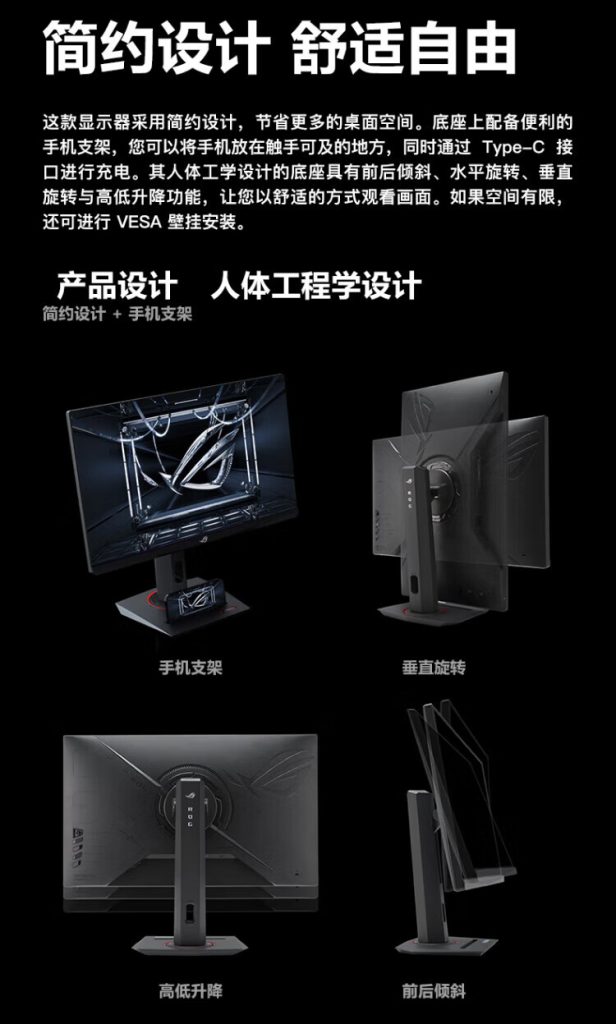
The monitor features a practical and ergonomic design, with a square base that saves desk space and includes a built-in phone stand. The ergonomic base offers forward and backward tilt, horizontal and vertical rotation, and height adjustment for comfortable viewing. Additionally, it offers versatility with a 1/4-inch tripod socket on the monitor stand, enabling users to attach cameras or secondary screens.
Moreover, it supports VESA wall mounting for limited spaces. Users can easily adjust settings via the DisplayWidget Center application, eliminating the need for physical buttons on the monitor and allowing customization for different games and applications.
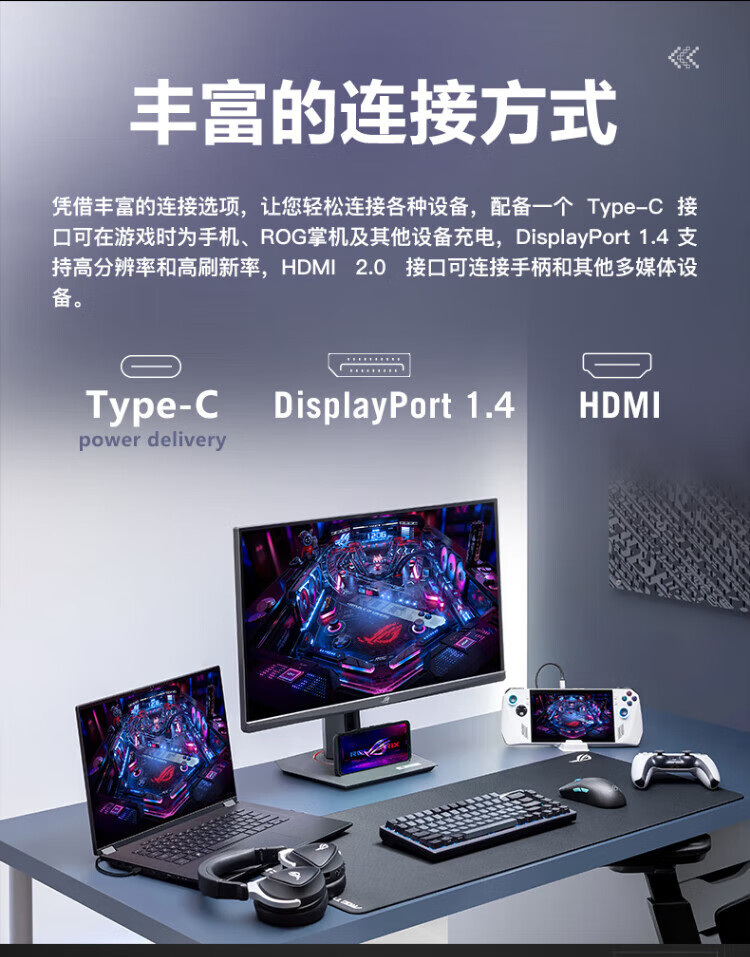
In terms of interfaces, the monitor is equipped with DP 1.4, an Earphone jack, and HDMI 2.0 display interfaces alongside a Type-C interface, which can charge phones, ROG handhelds, or other devices during gaming. Asus also ensures customer satisfaction with a three-year on-site service guarantee.
Asus continues to expand its product lineup and grow its investments in India. In addition to recently introducing three new desktop models, the company has opened its first hybrid retail store in the city of Nashik. This location offers both Pegasus and Republic of Gamers (ROG) products. Here are the details…
Asus Opens First Hybrid Retail Store in India
Asus has opened its first hybrid retail store in the city of Nashik, India. The store, spanning 568 square meters, holds the distinction of being the first to offer both Pegasus and Republic of Gamers products. The store offers customers a wide range of products, including the company’s laptops, tablets, smartphones, monitors, and other electronic devices. Additionally, the store features a dedicated space for gamers, where they can try out the latest ROG products.
Asus aims to expand its retail presence in India through this store. The company even plans to open more stores in the coming year. Certainly, Asus’s strategy of opening stores in India is not in vain. The company holds a leading position in the PC market in the country, with a market share of 24.8%, according to recent reports. This makes the Taiwanese manufacturer the largest PC seller in India. Additionally, Asus has a significant presence in markets such as monitors and gaming smartphones.
When the situation is like this, it makes more sense for Asus to establish direct contact with customers by eliminating intermediary stores. If you also live in India and wish to visit this store, the address is: San Infotech, Shop no 5, Ravi Chambers, Sarswat Bank, Sharanapur Road, Canada Corner, Nashik-422005.
Google Chrome remains the world’s most popular web browser, dominating with a market share of nearly 70%. Even many users prefer it over operating systems’ default browsers like those found on Mac, Windows, and iOS. et, this popularity makes Chrome a prime target for cyberattacks. Google recognizes the risks and constantly works to improve Chrome’s security. The company is now investing heavily in privacy and security enhancements to protect your online experience. Here are the details…
Chrome’s “Private Network Access Checks for Navigation Requests” Explained
Not every website is safe. A simple click on a link can make you a target for hackers. Google knows this and is releasing a new feature to help protect devices connected to your home network through Chrome. This feature will watch for websites trying to access your private network and will only allow those it knows are safe.
The name of this feature will be “Custom Network Access Controls for Browsing Requests,” and it will verify where the request to communicate with your private network is coming from and whether it is secure. On the other end, it will check with your device to ensure that it has permission to access your private network. Currently, Google is assisting developers in accrediting websites as secure sources.
The new feature has not been rolled out in any Chrome version yet, but it is expected to be included in Chrome 123 or 124 for desktop computers and Android devices. Particularly, in today’s environment where the smart home concept is becoming increasingly prevalent, and various objects, including door locks, are becoming targets, Google’s move is poised to enhance your security.
The fourth quarter shipment alone was 2.771 million units. New products from Huawei, Oppo, and Honor contributed to the growth.
The Chinese foldable mobile phone market grew more than 100% YoY over the last four years since the first device hit the market in 2019. As the category is now more mature, its performance is forecasted to further improve in the coming years.
The share of foldables priced above $1000 dropped to 66.5% from 81%. This was due to the increase in affordable foldables in the $400-$600 segment.
However, Chinese consumers preferred the book-style horizontal foldables more than the cheaper clamshell vertical foldables. The adoption rate of this type was high among wealthy business people.
For such premium consumers, price is not an issue. Thus, they opted for horizontal foldables which offer the maximum set of features on a foldable phone.
Coming to the brands, Huawei led the market with a 37.4% share. The Mate X5 continues to be in more demand than supply since its launch.
The global top player Samsung only came fourth with an 11% share. While second, third, and fifth places were occupied by Oppo (18.3%), Honor (17.7%), and Vivo (9.7%), respectively. The Find N3 Flip was the most popular clamshell foldable.
Finally, Xiaomi obtained sixth position with a 4.6% share and Lenovo at seventh place had a mere 1.4% share.
We use cookies on our website to give you the most relevant experience by remembering your preferences and repeat visits. By clicking “Accept”, you consent to the use of ALL the cookies.
This website uses cookies to improve your experience while you navigate through the website. Out of these, the cookies that are categorized as necessary are stored on your browser as they are essential for the working of basic functionalities of the website. We also use third-party cookies that help us analyze and understand how you use this website. These cookies will be stored in your browser only with your consent. You also have the option to opt-out of these cookies. But opting out of some of these cookies may affect your browsing experience.
Necessary cookies are absolutely essential for the website to function properly. This category only includes cookies that ensures basic functionalities and security features of the website. These cookies do not store any personal information.
Any cookies that may not be particularly necessary for the website to function and is used specifically to collect user personal data via analytics, ads, other embedded contents are termed as non-necessary cookies. It is mandatory to procure user consent prior to running these cookies on your website.