Advertisement

Samsung Galaxy F55 5G spotted on BIS India, Could Launch Soon

The Korean giant is not stopping by after launching the Galaxy S24 Series; it is set to launch some new mid-range smartphones very soon. If we go with the recent reports and public certifications spotted, Samsung could launch the Galaxy F55 5G, Galaxy M55 5G, and Galaxy C55 5G. Among these smartphones, the Galaxy F55 5G has been spotted on BIS India with model code SM-E556B.

As verified plenty of times ago, the BIS listing hardly confirms any smartphone specifications. However, it does confirm the Galaxy F55 5G launch in India soon. We have to wait for some more details before concluding on the device’s specifications.

Samsung Galaxy F55 5G Detailed

Additionally, the Galaxy F55 5G was spotted last week on WiFi Alliance along with some other smartphones, including the Galaxy M55 5G and the Galaxy C55 5G.

Samsung Galaxy F54 5G

Surprisingly, among the three devices, only the Galaxy M55 5G appeared on the Geekbench a while ago. It was spotted running the Adreno 644 GPU and a CPU with a maximum clocking speed of 2.40 GHz, which roughly means the Snapdragon 7 Gen 1 SoC.

The smartphone will succeed the Galaxy M54 5G, which was launched early last year. Similarly, the Galaxy F55 5G will succeed the Galaxy F54, which was launched last year with a 6.7-inch Super AMOLED Plus display with a 120Hz refresh rate. It comes with an Exynos 1380 SoC, up to 256GB of storage, and 8GB of RAM. The smartphone houses a triple rear camera with a 108 MP primary sensor, an 8 MP ultrawide camera, and a 2 MP macro lens. There’s a 32MP front camera for selfies and video calling.

We expect certain hardware upgrades and software improvements in the upcoming Galaxy F55 5G. More information is expected to leak via leaks and rumors in the coming days.

Related:

OnePlus Buds 3 listed on Amazon India ahead of July 23 launch

On January 23rd, OnePlus will introduce its latest OnePlus 12 series globally, including in India. Simultaneously, the company will debut the OnePlus Buds 3 in the Indian market alongside the flagship series.

OnePlus Buds 3

Ahead of the launch, the OnePlus Buds 3 has been listed on Amazon India confirming some key specifications. The listing reveals that the Buds 3 will feature a touch volume control, enabling users to adjust the volume by swiping on the earbuds. Previously, it was teased that these earbuds will offer a battery life of up to 44 hours, and a quick charge of 10 minutes provides 7 hours of playback.

As the launch date nears, more details about these earbuds are expected to emerge. However, since the earbuds are already available in China, we expect the same specs as the Chinese model to carry over to the global variant.

Key specs of the OnePlus Buds 3:

The OnePlus Buds 3 are designed with a lightweight in-ear stem design, each bud weighing 4.8 grams. They have a 10.4mm composite diaphragm bass unit for clear highs and deep bass. Thanks to a three-microphone AI system, the buds offer 49dB active noise cancellation, reducing background noise by 99.6%.

OnePlus Buds 3

With LHDC 5.0 Hi-Res support, these buds ensure high-quality audio transmission at a 96kHz sampling rate and a wireless speed of 1Mbps. For gaming, they come with custom game sound effects, a new sound field expansion, 3D spatial sound effects, and a low 94ms latency for better in-game sounds.

The OnePlus Buds 3 provide an impressive 44 hours of usage without noise cancellation, and a quick 10-minute charge gives 7 hours of music playback. They’re IP55-rated for dust and water resistance and use Bluetooth 5.3 for connectivity.

RELATED:

OneXPlayer X1 handheld gaming console’s global pricing & availability revealed

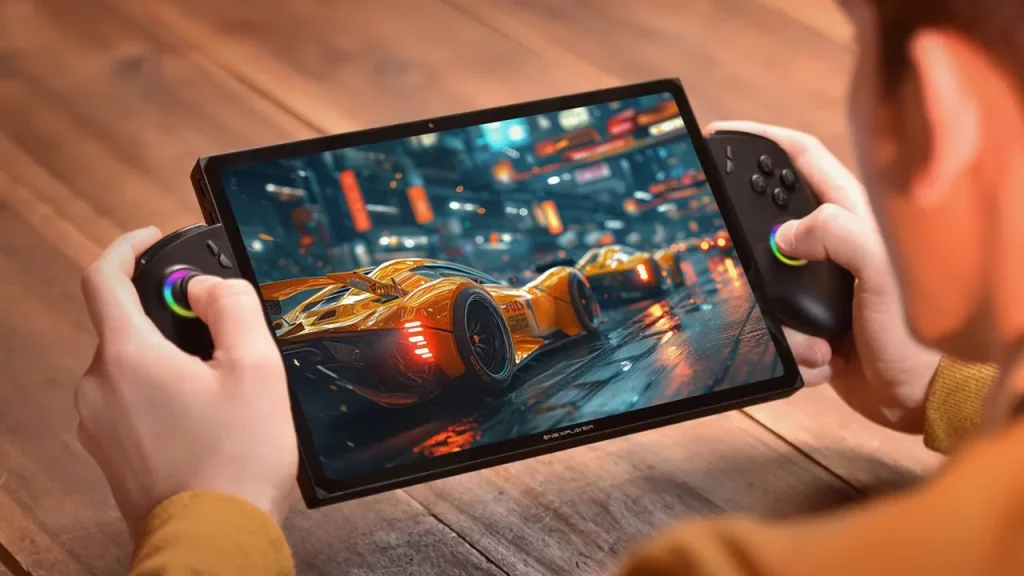
One-Netbook recently launched the OneXPlayer X1 handheld gaming console in China. This console stands out from the rest as it features a massive screen and comes with the latest Intel Core Ultra processors. The brand has now unveiled the configurations for the global variants it plans to launch in the coming days, as well as global pricing.

OneXPlayer X1

OneXPlayer X1 specs:

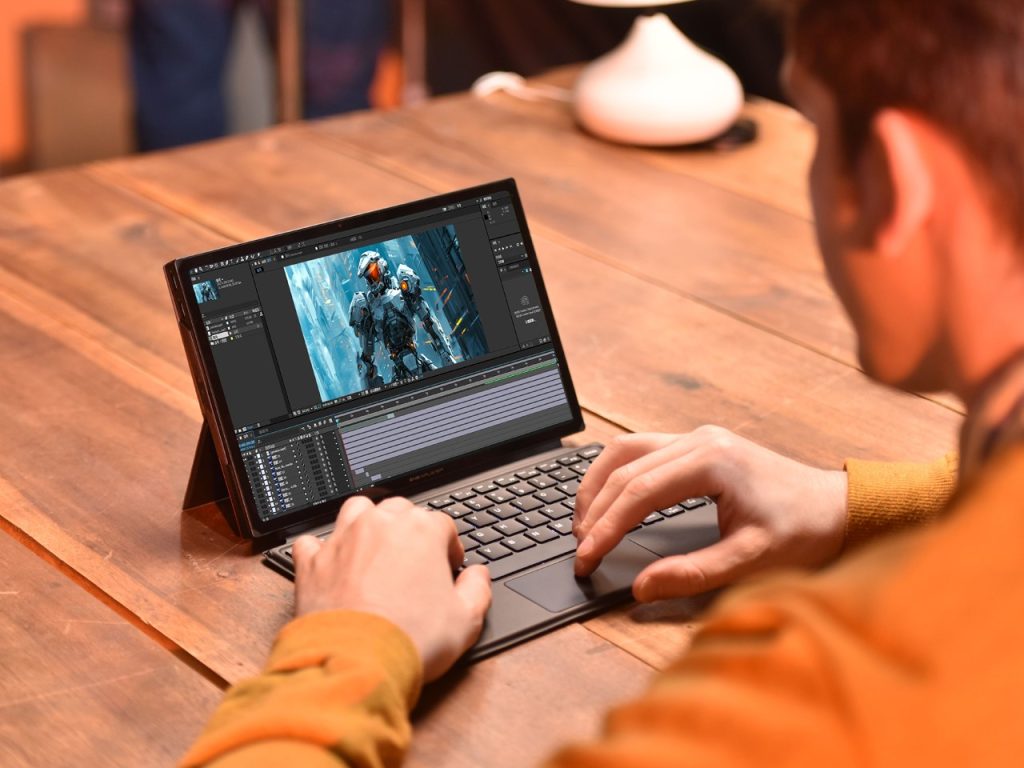
The OneXPlayer X1 features a 10.95-inch display with 2.5K resolution, 120Hz refresh rate, 540nit brightness, and a 16:10 aspect ratio. It offers detachable controllers, resembling a Nintendo Switch and it also includes a magnetic backlit keyboard.

OneXPlayer X1

Powered by Intel Core Ultra mobile processors, the X1 offers two versions: Ultra 5 125H and Ultra 7 155H, both with Intel Xe graphics. It has speedy memory options (16GB, 32GB, or 64GB) and storage choices (1TB, 2TB, or 4TB). For cooling, it has Honeywell phase-change thermal paste and graphene heat sinks.

OneXPlayer X1

The device boasts Harman-certified dual speakers, and connectivity includes dual USB 4.0 ports, TF card slot, USB-A 3.2, dual USB-C 4.0, 3.5mm audio jack, and an Oculink interface for external graphics docks.

With a 16890mAh battery, it offers up to 169 minutes of “Genshin Impact” gameplay, 8 hours of office work, or 11 hours of video playback. The 100W gallium nitride charger ensures quick recharging.

Global pricing & availability

Starting from January 23 at 16:00 UTC, the OneXPlayer X1 will be available on Indiegogo. Prices begin at $859, offering a configuration with a Core Ultra 5 125H processor, 16 GB of RAM, and a 1 TB SSD. The prices go up to $2,409 for the top-tier model, featuring a Core Ultra 7 155H processor, 64 GB of RAM, a 4 TB SSD, and a ONEXGPU.

  1. Core Ultra 5 125H, 16 GB RAM, 1 TB SSD – $859
  2. Core Ultra 7 155H, 32 GB RAM, 1 TB SSD – $999
  3. Core Ultra 7 155H, 32 GB RAM, 2 TB SSD – $1,069
  4. Core Ultra 7 155H, 32 GB RAM, 4 TB SSD – $1,399
  5. Core Ultra 5 125H, 16 GB RAM, 1 TB SSD, ONEXGPU – $1,509
  6. Core Ultra 7 155H, 32 GB RAM, 1 TB SSD, ONEXGPU – $1,649
  7. Core Ultra 7 155H, 32 GB RAM, 2 TB SSD, ONEXGPU – $1,719
  8. Core Ultra 7 155H, 32 GB RAM, 4 TB SSD, ONEXGPU – $2,049

RELATED:

(via)

Microsoft reveals standards for AI PCs; 8GB RAM won’t cut it

Earlier this month at CES, major laptop and PC OEMs unveiled their new line of machines that will soon launch in the market. A majority of these were laptops boasting the latest AMD or Intel chip, claiming to have AI features onboard. Before these laptops hit the market, Microsoft revealed the guidelines of what qualifies as an AI laptop.

According to TrendForce, Microsoft now says that laptops with AI features should have at least 16 GB of RAM. This move is expected to make people want more DRAM and make devices with 8 GB RAM less popular.

This is part of a wider trend where AI applications are getting closer to where we use our devices, not just on big servers. The global market for AI servers is supposed to grow a lot, with more than 1.6 million units, and a 40% growth rate.

For these AI PCs, they need to do at least 40 trillion operations per second (TOPS) to be good enough. This has started a big competition between companies that make computer chips. Right now, Qualcomm’s Snapdragon X Elite is the only chip that does 45 TOPS, meeting the requirement. Intel’s Meteor Lake and AMD’s Ryzen 8040 are a bit short, but the new AMD Ryzen 8050 and Intel’s Lunar Lake, which will be launching by the second half of 2024 should be good enough.

Because Qualcomm followed the rules early, it’s in a good position to sell its products. The first “Windows AI Ultrabooks” will use the Snapdragon X Elite, and big companies like Dell, Lenovo, and HP are planning to make products with Qualcomm’s technology. This is a problem for Intel and AMD, who usually have a strong position in the PC market.

Microsoft’s rules will also affect the kind of memory technology we use. We’ll start using LPDDR5x instead of the current DDR SO-DIMM modules because it can send data faster, which is important for AI. TrendForce thinks that about 30-35% of the demand for PC DRAM will be for LPDDR, and this will go up as AI PC requirements get more demanding.

RELATED:

(Source)

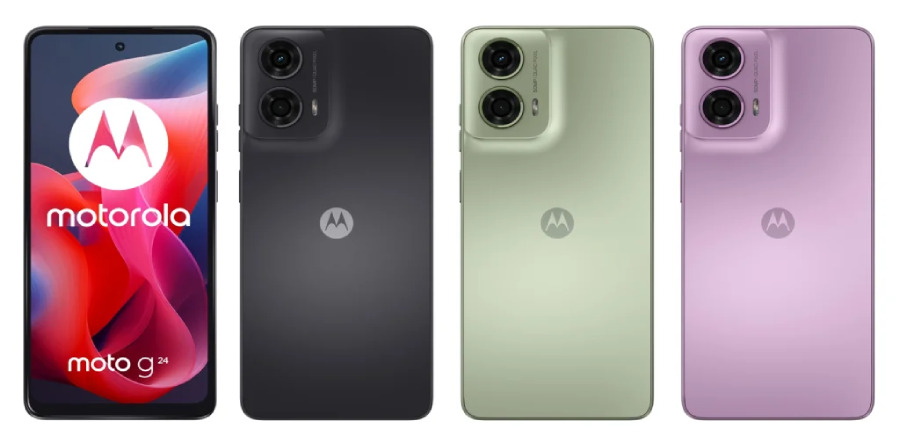
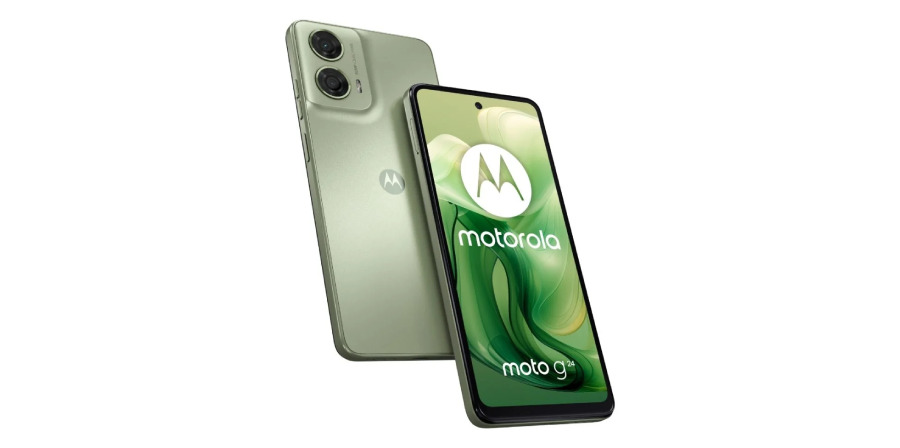
Moto G24 renders, specs, and price revealed in a new leak

Several new smartphones from Motorola‘s Moto G-series have been making the rounds online, appearing in leaks, renders, and certifications. The Moto G24 is one of these phones. Now, Appuals has revealed the details about the Moto G24, including what it looks like, its features, and how much it might cost.

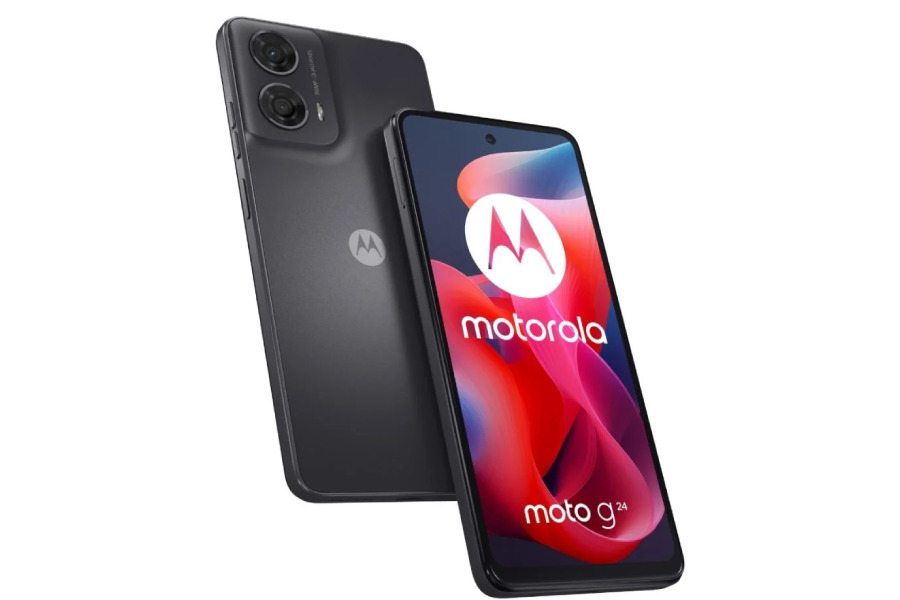
Motorola Moto G24 renders specs price

Moto G24 specs and price (rumored)

As you can see, the Moto G24 will sport a design similar to the recently launched Moto G34 with a dual-camera setup on the back. 

The setup will include a 50MP main camera and a 2MP macro camera. On the front, the phone is said to have a 6.56-inch IPS LCD screen with a resolution of 1612 x 720 (HD+), a 90Hz refresh rate, and 269 PPI, along with an 8MP selfie camera.

Under the hood, the Moto G24 will be powered by a MediaTek Helio G85 processor and will be coupled with 4GB of RAM and 128GB of internal storage. Keeping the lights on will be a 5000mAh battery that will support 20W fast charging via a USB-C port.

The phone’s dimensions are said to measure 163 x 75 x 7.99 mm, and it weighs around 180 grams. It will offer several connectivity options, including a 3.5mm headphone jack, Wi-Fi 5, dual Nano-SIM support, Bluetooth 5.0, and a microSD card slot. 

Likewise, the phone appears to have all the necessary sensors, including ambient light, proximity, compass, accelerometer, and gyroscope. As for the software, it will run on the latest Android 14 and the phone will have a side-mounted fingerprint scanner for biometrics. 

Regarding the price, the 4GB of RAM and 128GB storage version of Moto G24 is expected to cost around EUR 169 in Europe.

Related:

(Source)

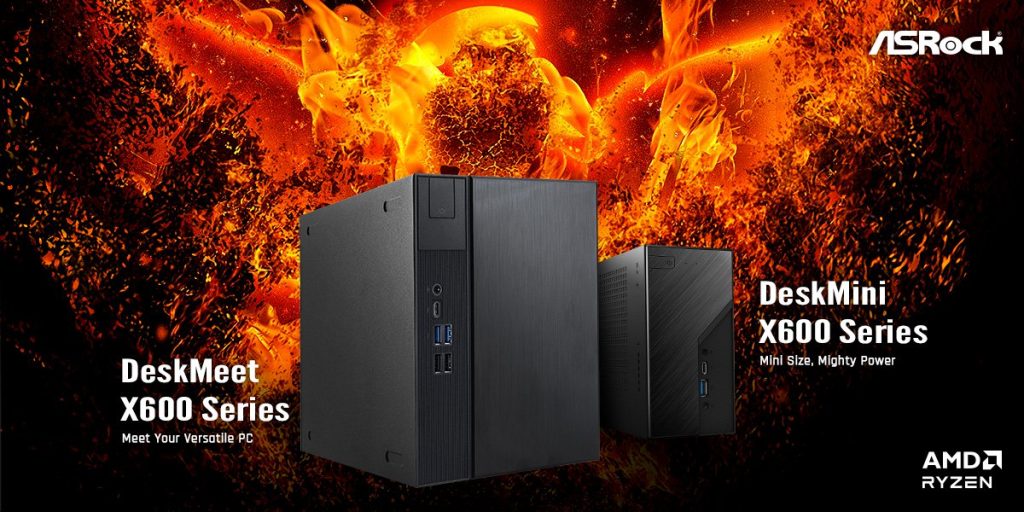
ASRock DeskMeet X600 & DeskMini X600 PCs with Ryzen 8000 CPU support unveiled

ASRock has recently unveiled their DeskMeet X600 and DeskMini X600 series PCs, designed to support AMD AM5 Ryzen (Ryzen 7000 and Ryzen 8000 series) processors with a power consumption of up to 65 watts. These models offer a balance of performance and advanced features at an affordable price point ensuring compatibility with AMD AM5 CPUs, DDR5 memory, PCIe 5.0 M.2 SSDs, and 2.5G LAN.

The DeskMeet X600 series stands out for its ability to accommodate up to four DDR5 memory modules allowing users to enjoy a memory capacity of 256GB. It incorporates PCIe 5.0 technology for M.2 SSDs and Dragon 2.5G Ethernet for data transfer speeds and internet connectivity. Equipped with an upgraded 500W ATX Power supply for improved performance, this system is compatible with PCIe 4.0 graphics cards, making it well-suited for content creation and the development of AI systems.

On the other hand, the DeskMini X600 series claims the title of being the world’s first AMD AM5 Mini STX Platform. It is specifically designed to support AMD AM5 65W CPUs and comes equipped with two DDR5 SO DIMMs catering to users seeking both computing capabilities and impressive graphics performance in a form factor. The DeskMini X600 series prioritizes expandability and functionality despite its size by offering two ports two M.2 slots (including one for M.2 Gen5 SSD) 2.5G LAN connectivity, as well, as three video outputs.

Currently, there is no word on the configurations, pricing, or availability. However, we expect these PCs to start launching in various global regions soon. In the meantime, check out what’s new with the recently launched Ryzen 8000 series CPUs.

RELATED:

(Source)

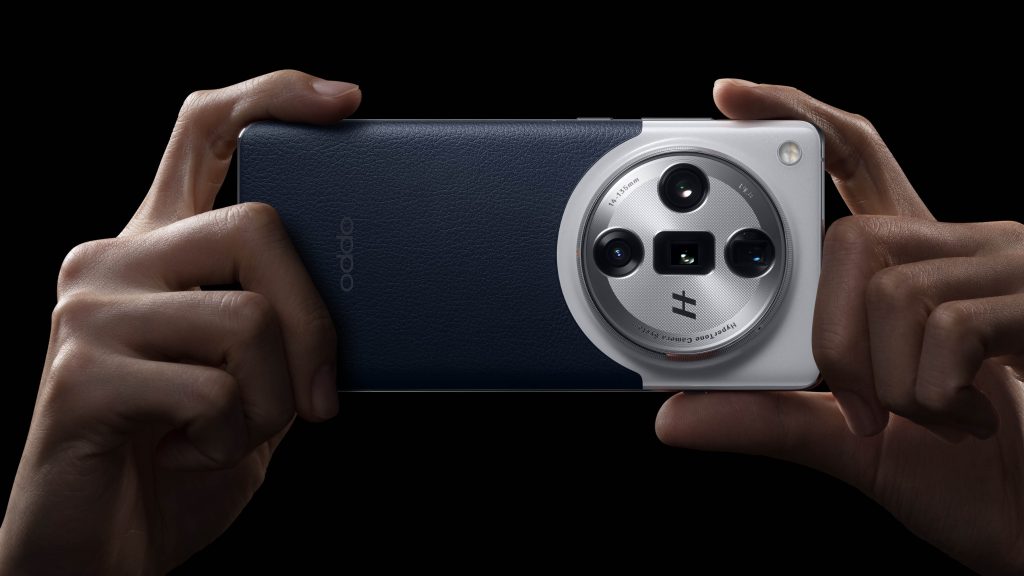
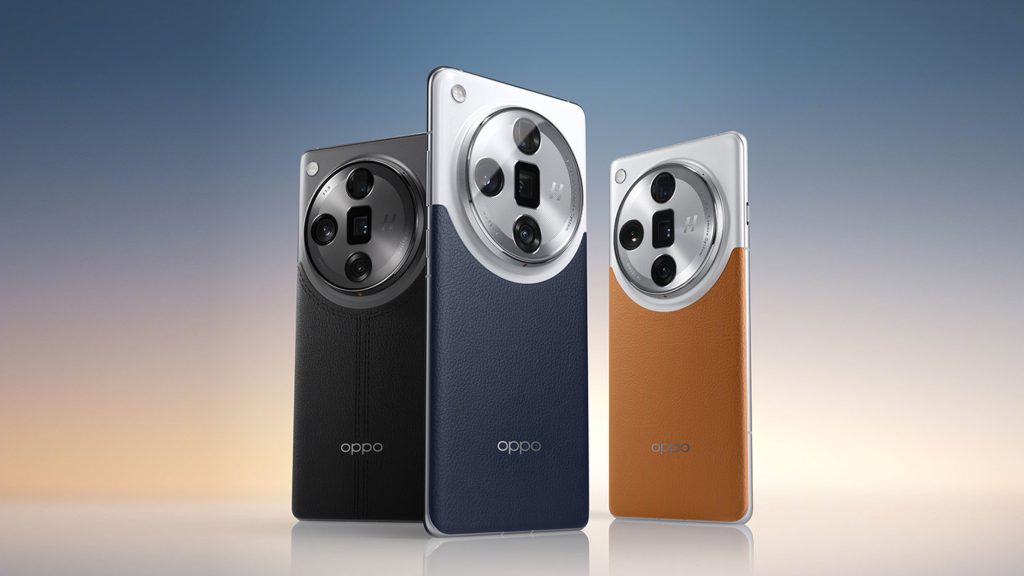
Oppo Find X7 Ultra tipped to be the only smartphone with dual-periscope camera in 2024

Oppo recently launched its Find X7 series of smartphones, which includes the vanilla X7 model and top-of-the-line X7 Ultra. The X7 Ultra stands out as the world’s first smartphone to have two periscope lenses.

This phone features a 65mm 3x periscope camera with a large Sony IMX890 sensor and a bright f/2.6 aperture. It has Optical Image Stabilization (OIS) and can focus on objects as close as 25cm.

dual-periscope Xiaomi Oppo Vivo

Additionally, the X7 Ultra includes a 135mm 6x telephoto camera with a Sony IMX858 sensor, also equipped with OIS, capable of focusing on subjects 35cm away. Oppo claims that its four-camera setup can smoothly zoom from 14mm to 270mm without losing image quality, which is quite impressive.

Amidst speculation that Xiaomi and Vivo might release their own Ultra models with dual-periscope lenses this year, a well-known tipster, Digital Chat Station, suggests otherwise. 

According to a recent post on Weibo, DCS, after gathering information from the supply chain, notes that while other companies are considering dual periscope technology, only Oppo will have such a feature in 2023. This is because, in addition to the necessary hardware, effective post-processing algorithms are essential to achieve good results.

For a quick round-up, besides two telephoto lenses, the X7 Ultra comes with a 1-inch primary sensor and a 50MP ultrawide lens. There is a 6.82-inch QHD+ curved screen on the front with 120Hz LTPO refresh rate, 2160Hz PWM Dimming, and HDR support. 

It is powered by a Snapdragon 8 Gen 3 processor and comes with up to 16GB of LPDDR5X RAM and up to 512GB of UFS 4.0 storage. A 5000mAh battery keeps the lights on which is supported by 100W charging.

Related:

Google Pixel 8 series to get new Minty Fresh color next week

Google debuted the Pixel 8 series back in October 2023, with the vanilla model getting Obsidian, Hazel, and Rose color options, while the Pro model launched in Obsidian, Porcelain, and Bay colors. Now, Google has announced that the series will be getting a new color option soon.

The announcement was made through the company’s official Twitter account, featuring a binary sequence teasing the arrival of a “Fresh year, fresh drop.” The accompanying link directs users to the Google Store and a teaser video showcasing the phrase “itsaliving” in Mint Green, offering a glimpse of the upcoming color option.

On January 25, 2024, the same day as the color reveal, Google is hosting a mural painting event in downtown NYC with the artist @itsaliving.

The Pixel 8 series, introduced in October 2023, currently consists of two smartphones, with a third model (Pixel 8a) anticipated later in 2024. The specific model getting the Minty Fresh color is still a secret until next week.

Pixel 8 series

For those unfamiliar with the Pixel 8 series, the Pro variant boasts a 6.7-inch LTPO OLED display, Google Tensor G3 chip, 12GB RAM, and 128GB storage. The camera setup includes a 50MP primary rear camera, a 48MP ultra-wide-angle lens, and a 48MP telephoto lens with 5x optical zoom. The device features a 5050mAh battery with 30W fast charging and various security features, including an in-display fingerprint scanner and face unlock.

Meanwhile, the standard Pixel 8 features a 6.2-inch OLED display, 8GB RAM, and a choice of 128GB or 256GB storage. Its camera setup includes a 50MP primary rear camera and a 12MP ultra-wide-angle lens. The device is equipped with a 4575mAh battery and shares similar security features with its Pro counterpart. Both models are IP68 dust and water-resistant and are available in various color options.

RELATED:

Xiaomi’s new tablet, possibly Pad 7 Pro, receives 3C certification with 120W charging

Xiaomi‘s tablet portfolio might be expanding soon, with rumors swirling about the upcoming Pad 7 lineup. This new series is expected to include two models: the base Pad 7 and the more feature-packed Pad 7 Pro.

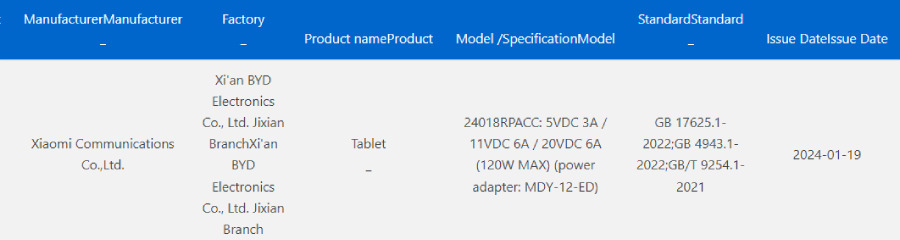
Following the speculation, a Xiaomi tablet bearing the model number 24018RPACC surfaced on China’s 3C certification platform. This certification hints at a 120W fast charging capability, aligning with previous leaks about the Pad 7 Pro.

Interestingly, the same device, along with a potential global variant (model number 24018RPACG), has also bagged the HDR Vivid certification. This suggests the tablet could boast a display with high dynamic range (HDR) support, promising richer and more vibrant visuals.

Xiaomi Pad 7 Pro specs (rumored)

The upcoming Xiaomi Pad 7 Pro is rumored to have a 10-inch LCD screen with a high resolution of 1480 x 2367 pixels and a fast 144Hz refresh rate. It’s expected to be powered by the powerful Snapdragon 8 Gen 2 chipset. Similar to its predecessor, this model might offer up to 12 GB of RAM and a maximum of 512 GB of storage.

The tablet is likely to run on Android 14, enhanced with HyperOS. It might feature an impressive 50-megapixel dual-camera setup on the back. Likewise, for audio, it may come with a quad-speaker setup. A large 10000mAh battery is expected to keep the device running.

Xiaomi is planning to unveil the Xiaomi Pad 7 and Pad 7 Pro at a launch event in April 2024. These tablets are expected to debut alongside the Xiaomi 14 Ultra.

Related:

Microsoft Expands Copilot Access, Bringing AI-powered Learning to More Students and Teachers

Microsoft Education has introduced new AI tools for schools, including an expanded Copilot for Microsoft 365, a collaboration app called Loop, and an AI-powered Reading Coach. These tools aim to improve learning experiences for students.

Starting January 1, 2024, more people, including students and teachers using free Microsoft services, can use Copilot. Institutions like The University of Hong Kong and The University of Manchester are already using it. Microsoft also made it easier for different schools to get Copilot.

Loop, an AI-powered app, will be part of Microsoft 365 plans from March 2024. It’s designed to help students and teachers work together on projects in a new way.

The Reading Coach is a tool that uses generative AI to help people become better readers. It adjusts to each person’s level, provides dynamic story creation, and gives feedback on how well someone is reading.

Teachers using Microsoft Teams for Education and Microsoft Reflect will also get new AI features. These features, coming later this year, will help teachers save time and teach in a way that suits each student.

Microsoft is also making sure that teachers and students learn how to use these AI tools safely. They’ve created the AI for Educators Learning Path on Microsoft Learn to guide them.

RELATED:

Google Tensor G5 likely to be manufactured by TSMC

Google appears to be taking steps towards independent chip development as it’s said to be testing a “self-developed” Tensor chip in collaboration with Taiwanese company KYEC. 

KYEC provides testing services for new chips headed to manufacturing in Taiwan. Google is reportedly buying equipment for testing these chips at KYEC, with tests starting around the middle of this year and increasing over time (via 9to5Google).

This development could mean Google is moving away from using Samsung’s processors for its Pixel phones.

Google Tensor G5 chip TSMC

Sources suggest the chip in question is likely the Tensor G5, codenamed “Laguna.” And it is slated for a potential 2025 release. Likely to be manufactured on TSMC’s 3nm process, this chip is expected to prioritize artificial intelligence (AI) capabilities, aligning with Google’s focus on AI-powered features in its Pixel devices.

The switch would mark Google’s first fully custom chipset design, as the company has thus far been relying heavily on a foundation provided by Samsung’s Exynos chips.

Shifting production to TSMC could offer Google several advantages. Bypassing Samsung’s Exynos chip base, which currently lags behind Qualcomm’s Snapdragon series in terms of performance and efficiency, could give Google more control over its chip design and potentially lead to more powerful and efficient Pixel phones in the future.

However, in the immediate future, Google’s partnership with Samsung will continue. The Tensor G4, destined for the upcoming Pixel 9 series, will be built using Samsung’s 4nm process and will likely offer minor improvements over the G3 found in the Pixel 8 series.

The technology Google is using for its Tensor G4 is said to be similar to what Samsung employs in its Exynos 2400 SoC. So we can expect a decent amount of improvements in CPU and GPU gains. 

Related:

(Source)

Xiaomi 14 picks up NBTC certification signaling imminent global launch

Back in October 2023, Xiaomi took the curtain off the Xiaomi 14 series smartphones in China, consisting of two models: Xiaomi 14 and Xiaomi 14 Pro. Reports claim that only the vanilla Xiaomi 14 model will be making its way to the global market, and we can expect the official announcement to happen at Mobile World Congress 2024.

Xiaomi 14 NBTC

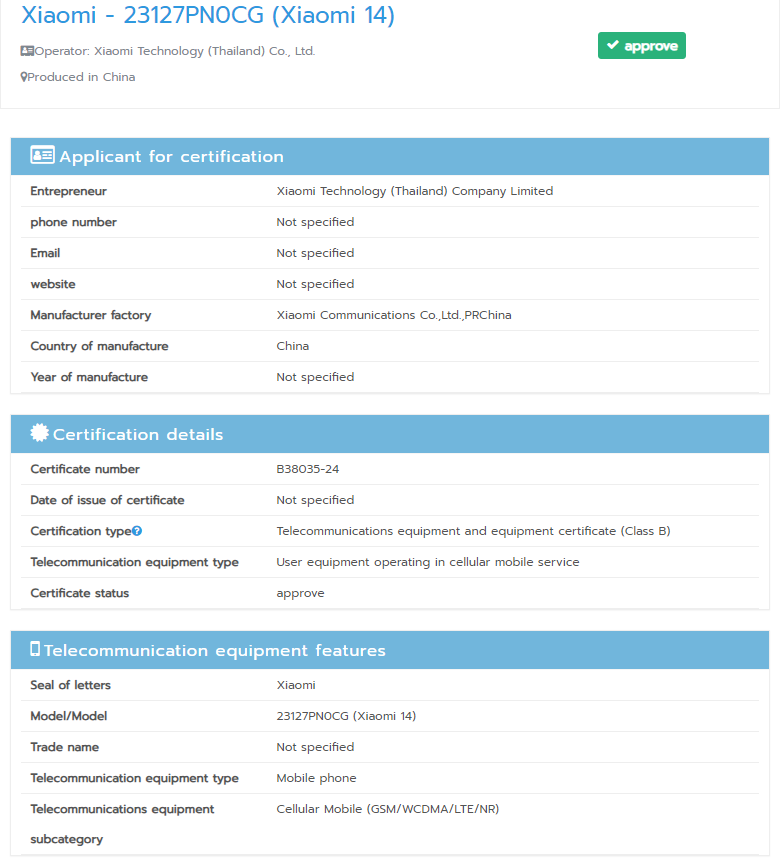
That being said, the Xiaomi 14 global variant has now picked up the NBTC certification, hinting at an imminent launch in Thailand. The device has been spotted on the NBTC database with model number 23127PN0CG. The certification does not reveal any specifications of the smartphone. But since the smartphone is already available in China, we know its specifications.

Xiaomi 14 (Chinese variant) specs:

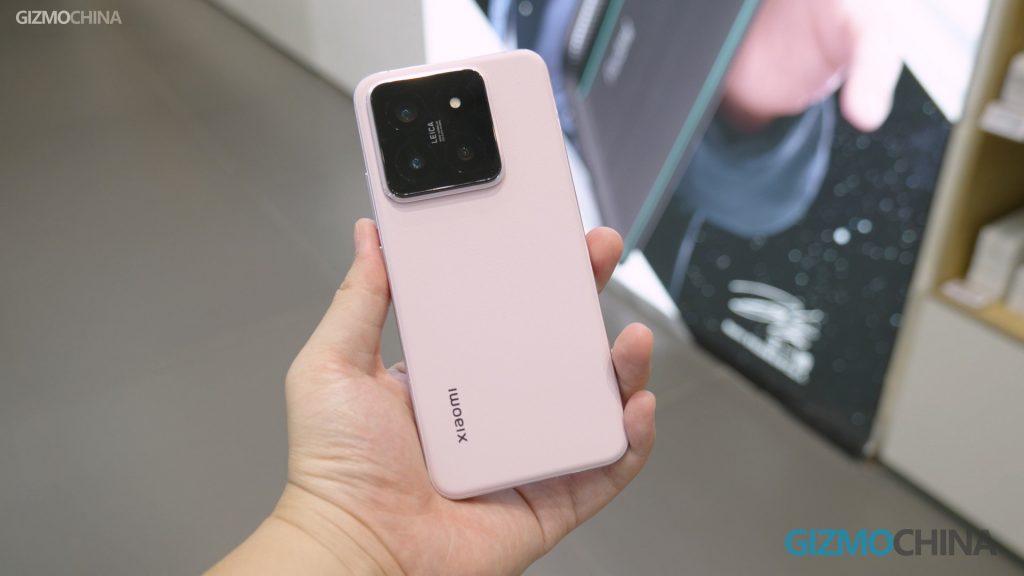
The Xiaomi 14 (review) smartphone features a 6.36-inch 1.5K OLED LTPO display, with a 120 Hz refresh rate and an impressive peak brightness of 3000 nits. It is protected by Corning Glass Victus. Under the hood, the device is powered by the Snapdragon 8 Gen 3 SoC, coupled with LPDDR5x RAM and UFS 4.0 storage. It operates on HyperOS, based on Android 14 straight out of the box.

In the camera department, the Xiaomi 14 has a triple camera setup on the rear, comprising a 50 MP Light Hunter 900 OIS primary camera sensor, a 50 MP JN1 ultrawide camera, and an additional 50 MP telephoto JN1 camera. On the front side, the smartphone features a 32 MP OV32B selfie camera.

It offers a 4610 mAh battery paired with 90W wired charging through a USB 3.2 Gen 1 port, and 50W wireless charging.

RELATED:

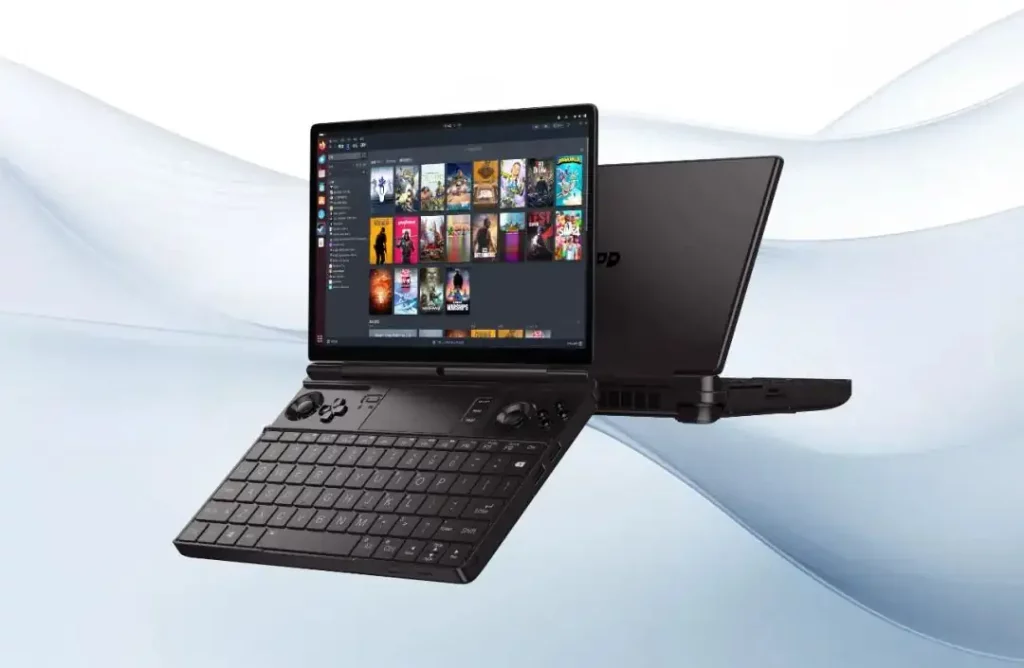
GPD Win Max 2 mini laptop cum handheld gaming console featuring AMD Ryzen 7 8840U APU unveiled

GPD has announced the upcoming release of its WIN Max 2 handheld, now powered by AMD’s latest R7 8840U processor. This new model aims to deliver improved AI capabilities, as reported by IT Home.

GPD WIN Max 2 handheld console

Featuring 32GB of memory, the new handheld meets the rising standards for AI-focused PCs, exceeding the 16GB minimum specified for such devices. It will operate on the Windows 11 22H2 version, with expectations to support the upcoming 23H2 version, signaling a commitment to leveraging the latest in AI technology.

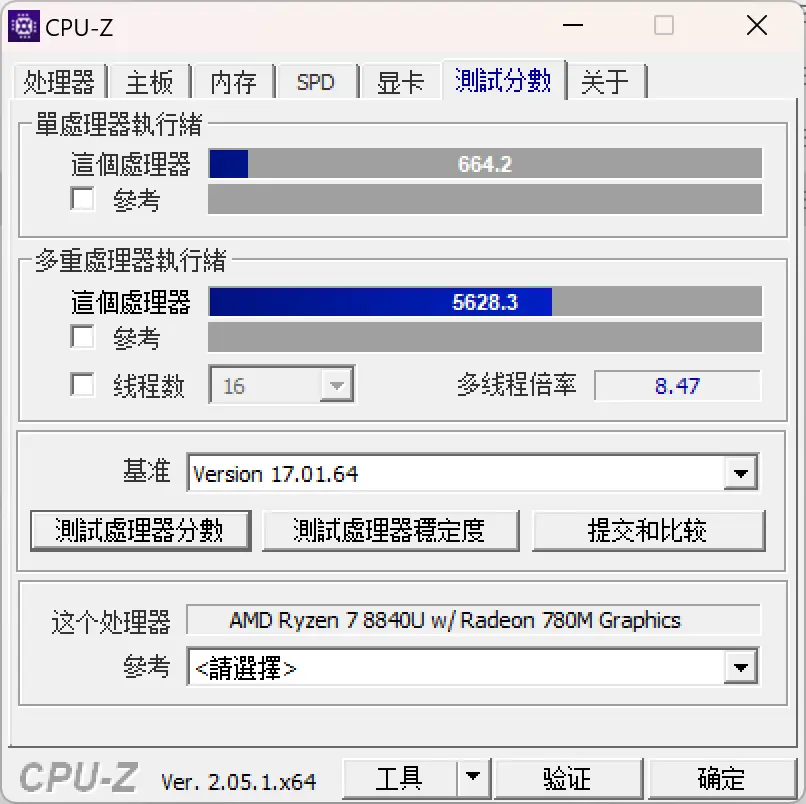
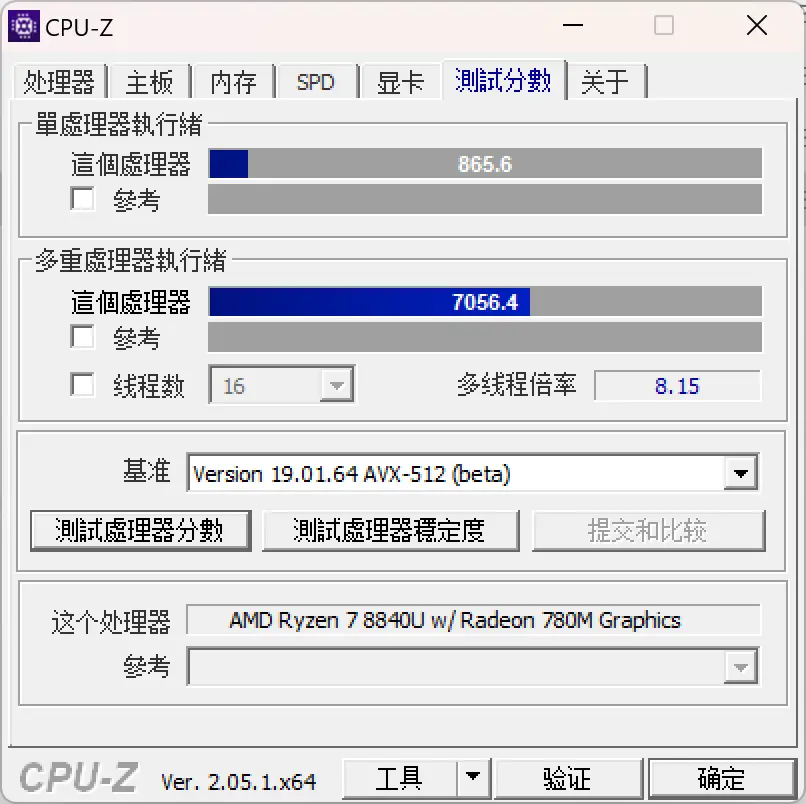
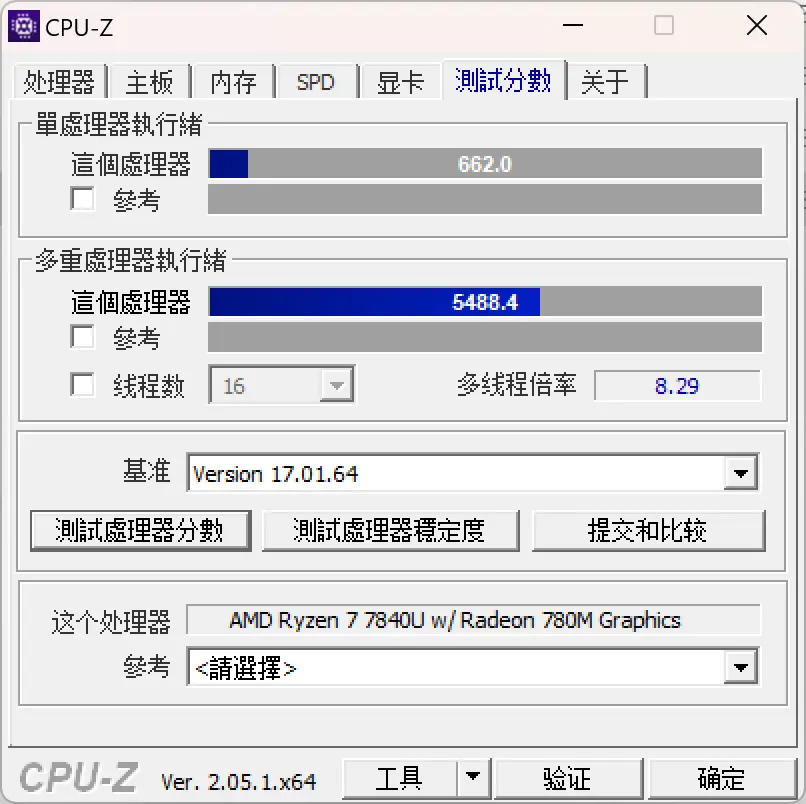
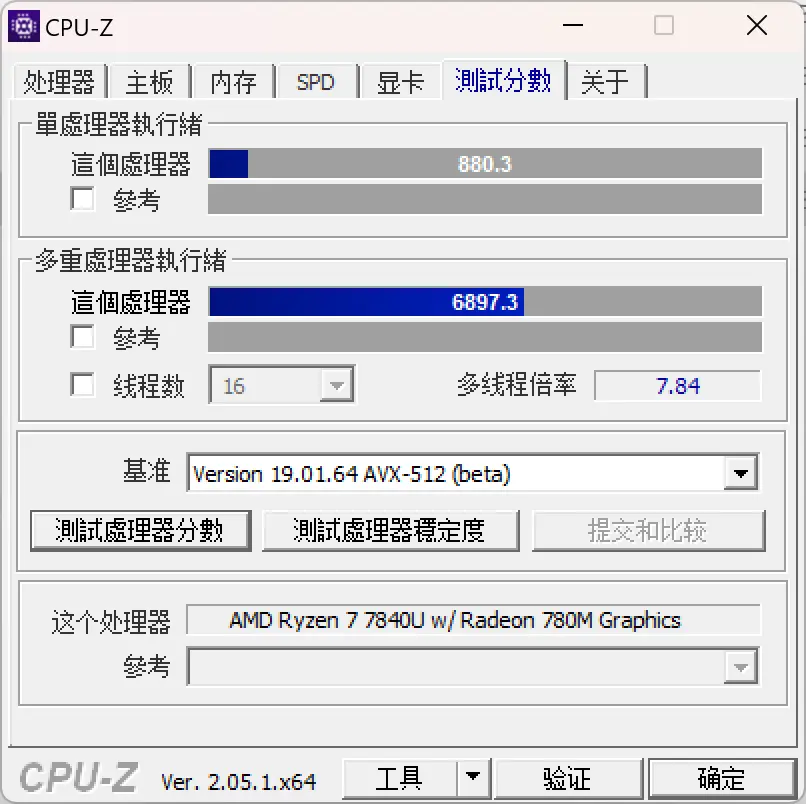
The core of this update is AMD’s Ryzen 8040 series CPU, introduced last month. The R7 8840U is characterized by its 8 cores and 16 threads, a turbo frequency of 5.1GHz, and an enhanced Radeon 780M core display. Its AI performance, primarily driven by an improved NPU, is a step up from its predecessor, the R7 7840U.

However, GPD’s testing, as shown by CPU-Z scores, reveals that the performance of the 8840U is comparable to that of the 7840U in handheld versions. This suggests that the new model’s advantage lies more in AI processing enhancements rather than a significant increase in general computing power.

While details regarding the price and availability of the new WIN Max 2 model have not been released, it is expected to be priced slightly higher than the current R7 7840U model, which is priced at $1,370.

RELATED:

(via)

Samsung Galaxy XCover 7 Indian launch imminent, support page goes live

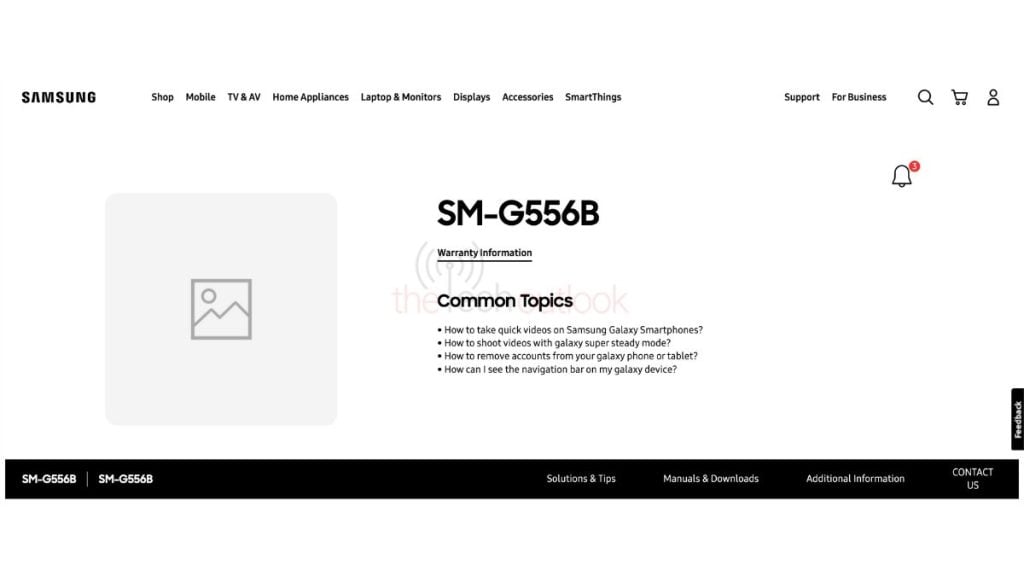
Samsung is set to introduce the Galaxy XCover 7, a rugged smartphone, to the Indian market. After its recent unveiling on the world stage, the device’s support page is now listed on Samsung’s official Indian website, signaling an imminent launch.

Samsung-Galaxy-XCover-7-Support-Page-India

The Galaxy XCover 7, with the model number “SM-G556B,” received BIS certification in November 2023. This certification hinted at the smartphone’s upcoming availability in India. Other than that, the smartphone has also picked up certifications in Malaysia and Thailand. With the support page live, an official announcement from Samsung is expected soon in India.

Samsung Galaxy XCover 7 spec:

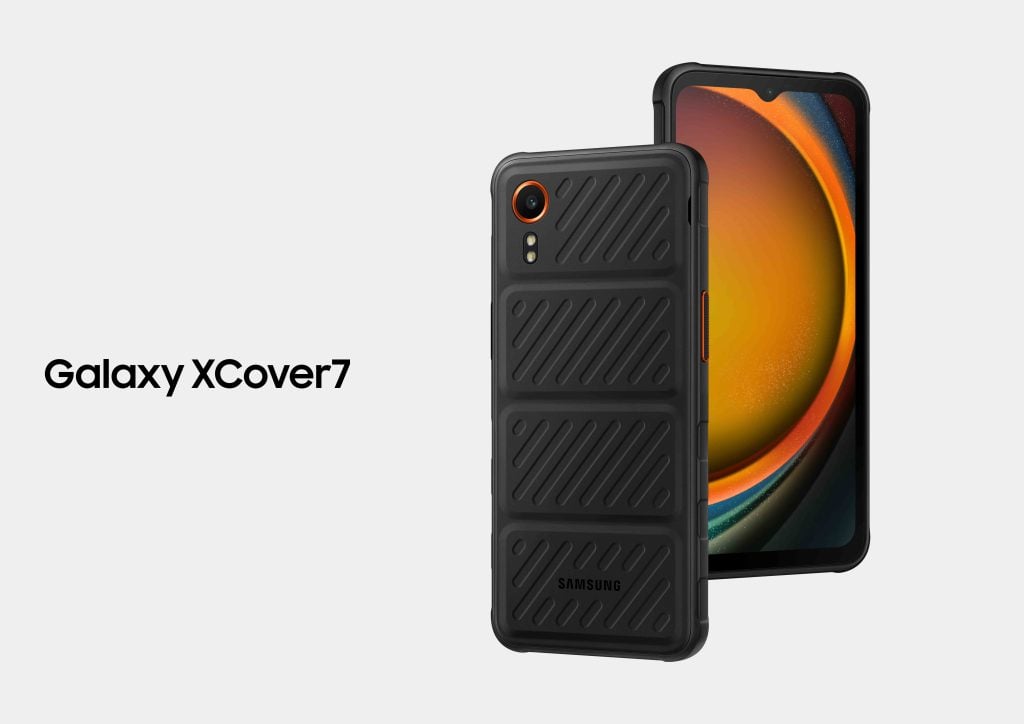
The Galaxy XCover 7 is designed for durability, featuring an IP68 water-resistant rating and complying with MIL-STD-810H standards. Its display is protected by Gorilla Glass Victus+, enhancing resistance to damage.

Samsung Galaxy XCover 7

The smartphone features a 6.6-inch FHD+ TFT display with enhanced touch sensitivity for use with gloves. It is powered by a 6nm octa-core processor, believed to be the Dimensity 6100+. The device includes 6GB of RAM and 128GB of internal storage, expandable to 1TB via a microSD card.

For photography, the Galaxy XCover 7 is equipped with a 50MP main camera and a 5MP front camera. Additional features include a customizable XCover key, barcode scanning with Knox Capture, and Dolby Atmos audio support.

The phone has a user-replaceable 4,050mAh battery, weighs 240g, and measures 169 x 80.1 x 10.2 mm. It also includes a 3.5mm audio jack, POGO pins, and a USB-C port. The Galaxy XCover 7 will operate on Android 14 and One UI 6.

RELATED:

(via)

Baseus Portable Charger Power Bank 22.5W with a 20,000mAh capacity and built-in cables launched

Baseus has unveiled its latest portable power bank with a capacity of 20,000mAh. The new Baseus Portable Charger Power Bank 22.5W is now available in the EU, beginning with Germany.

Baseus Portable Charger Power Bank 22.5W

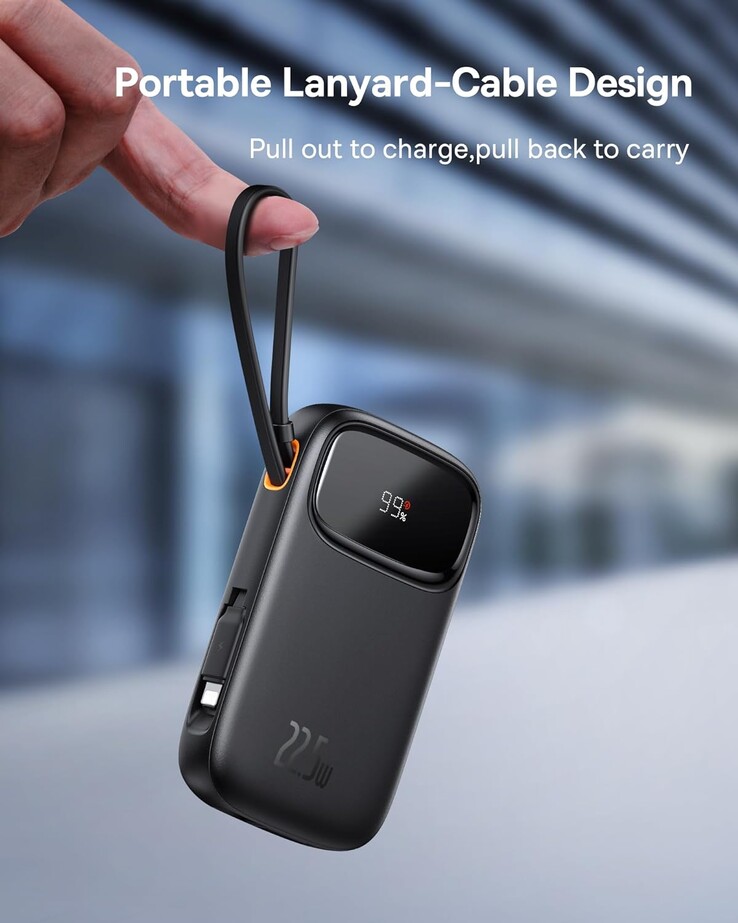
The new Baseus Portable Charger Power Bank 22.5W comes with built-in charging cables for greater versatility. It allows the user to charge four devices simultaneously using the integrated 22.5W USB-C, 20W USB-C, 12W USB-A, and 20W lightning cables. The USB-C cable does not support iOS devices, it has to be stated. The power bank is similar to some models already in the market including the Baseus Qpow2 Power Bank 22.5W with a 10,000mAh capacity. The portable power bank can fully charge a Samsung Galaxy S23 2.5 times or an iPhone 15 Pro 3.7 times. The power bank can be fully recharged via its USB-C port in just 150 minutes.

The Baseus Portable Charger Power Bank 22.5W has a built-in LED display that shows the remaining battery status. The power bank comes with safety features to safeguard the device and also protect the devices being charged. It protects against overcurrent, over-voltage, overheating, and other tangential issues. The power bank has dimensions of 115 x 72 x 20mm and weights 245g. The Baseus Portable Charger Power Bank 22.5W is available in Germany for €45.99 ($). There are indications that the compact power bank will be subsequently available in countries like the Netherlands and France, as it has appeared in product listings in those markets.

Baseus Portable Charger Power Bank 22.5W

Pricing & Availability

The Baseus Portable Power Bank 22.5W is not currently available in the US, although customers can get the smaller-capacity Baseus Qpow2 Power Bank 22.5W 10000mAh at a discounted (50%) price of $24.99. There are no indications at this time whether the 20000mAh Baseus Portable Power Bank 22.5W will also be available in the US subsequently. In addition, Baseus has not released any global availability and pricing information for the new power bank yet.


RELATED:

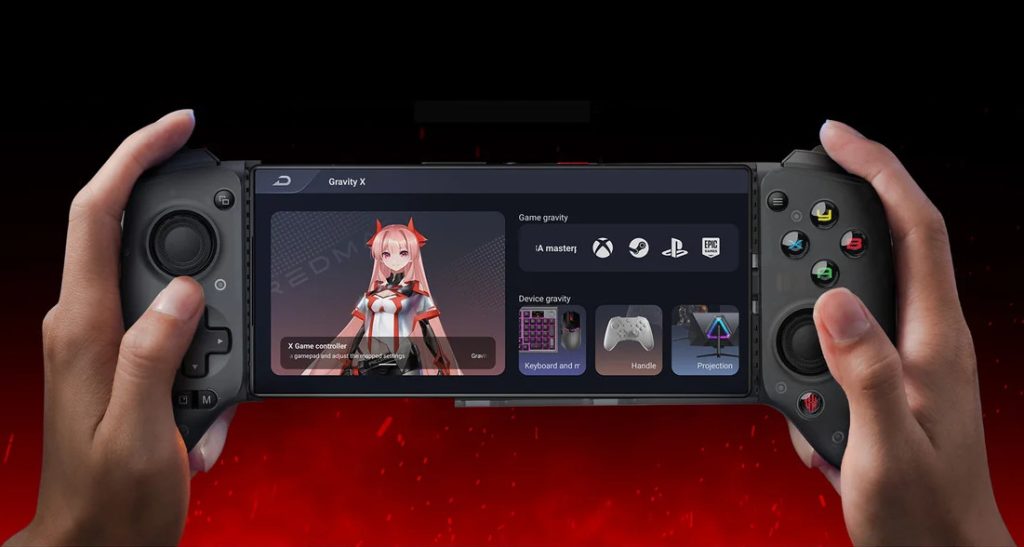
RedMagic Shadow Blade GamePad 2 gaming controller with zero latency and an upgraded grip design announced

RedMagic has announced the Shadow Blade GamePad 2 gaming controller. The new RedMagic gaming controller offers zero latency while gaming and also features an upgraded grip design. The Shadow Blade GamePad 2 is designed for mobile gamers and features two custom back triggers.

RedMagic Shadow Blade GamePad 2 gaming controller

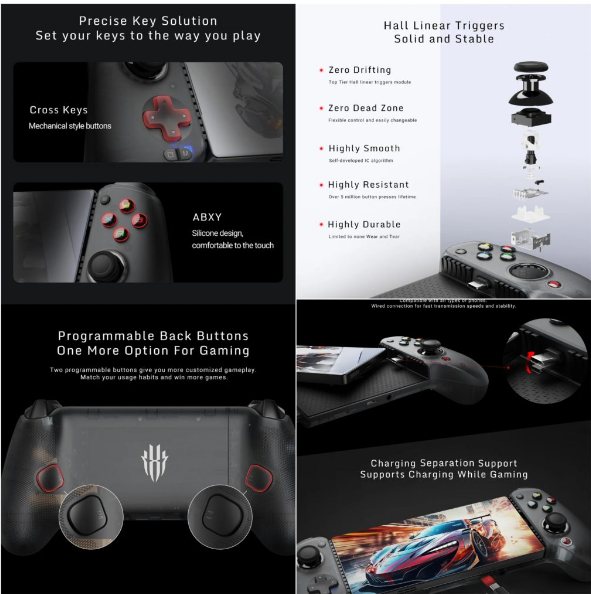
The RedMagic Shadow Blade GamePad 2 has an adjustable Type-C port that supports smartphones between 110 and 185mm in height. The expanded height coverage is an increase of 3.3% over its predecessors and accommodates virtually all smartphones. The two custom triggers of the game controller can be mapped with a combination of 20 key positions. The charging port available in the controller can be used by gamers while playing games to deliver uninterrupted gaming. The triggers are flexible and easy to control, using a self-developed IC algorithm to deliver a highly smooth response.

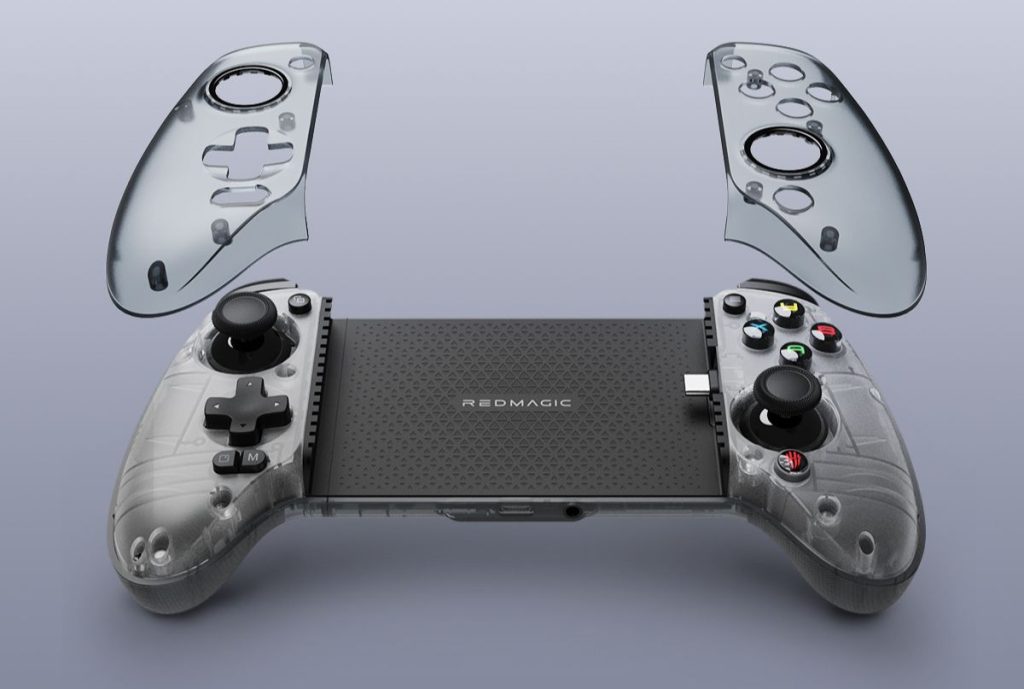
RedMagic Shadow Blade GamePad 2 gaming controller

The game controller comes with replaceable left and right gamepad shells. The front of the gamepad features ALPS left stick, cross buttons, screenshot key, REDMAGIC button, ALPS right stick, ABX, and RT keys. The rear of the controller features hall linear triggers with 256 layers of change and a minimal response interval of less than 0.1mm.

RedMagic Shadow Blade GamePad 2 gaming controller

Pricing & Availability

The new RedMagic game controller is available in the US, Canada, Singapore, Mexico, EU, and the UK. It is priced at $94.90 in the US/ Canada, €94.90 ($103) in the EU, and £79.90 ($101) in the UK. In Singapore, the game controller is priced at SGD 129.90 ($94), while it retails in Mexico for 1,969 Pesos ($114). The RedMagic Shadow Blade GamePad 2 is available in a single color of black for now. There are no full global availability and pricing details from RedMagic on the new Shadow Blade GamePad 2.

RELATED:

Deruiz Lapis SUV electric bike with full suspension and maximum torque of 110Nm released

The Deruiz Lapis SUV e-bike has berthed in several European markets. The new Deruiz Lapis SUV e-bike has a full suspension system and a 110Nm motor. The SUV e-bike is well-suited for mountain trails and bumpy city roads.

Deruiz Lapis SUV electric bike

Features

The Deruiz Lapis e-bike can climb steep hills with its sufficient torque, making the ride a seamless AMANDA electric motor that delivers a top speed of 28km/h. The e-bike’s 664Wh lithium battery gives it a range of up to 145km on a single charge. The bike’s RockShox Judy Silver Solo Air fork with 100mm of travel at the front and RockShox Monarch RL Air at the rear combine for a comfortable ride. The Deruiz Lapis also sports an LCD screen between its handlebars and provides information on the trip parameters and battery status in real time. The system is compatible with Bluetooth and allows the rider to connect with his smartphone.

The new Deruiz Lapis SUV e-bike has a 10-speed Shimano derailleur gear setup from 27.5-inch Schwalbe Hurricane MTB tires and Tektro M535 hydraulic disc brakes. Buyers of the e-bike have an array of accessories to choose from to further enhance the e-bike. These include fenders, a kickstand, spanner, and a rear rack. The e-bike weighs 28.4kg and is available in a single Cumbrian green colorway.

Deruiz Lapis SUV electric bike

Pricing & Availability

The Deruiz Lapis e-bike is available from dealers across Europe and is priced at €3,299 ($). A free shipment of the bike is available for customers in Germany while customers from other EU markets will pay a small shipping fee. The SUV e-bike is priced at £2,499 in the UK from third-party sellers. There are no indications yet whether the Deruiz Lapis SUV e-bike will be available in other markets outside Europe at this time.

RELATED:

Images of Philips Hue smart floor lamp surface ahead of launch

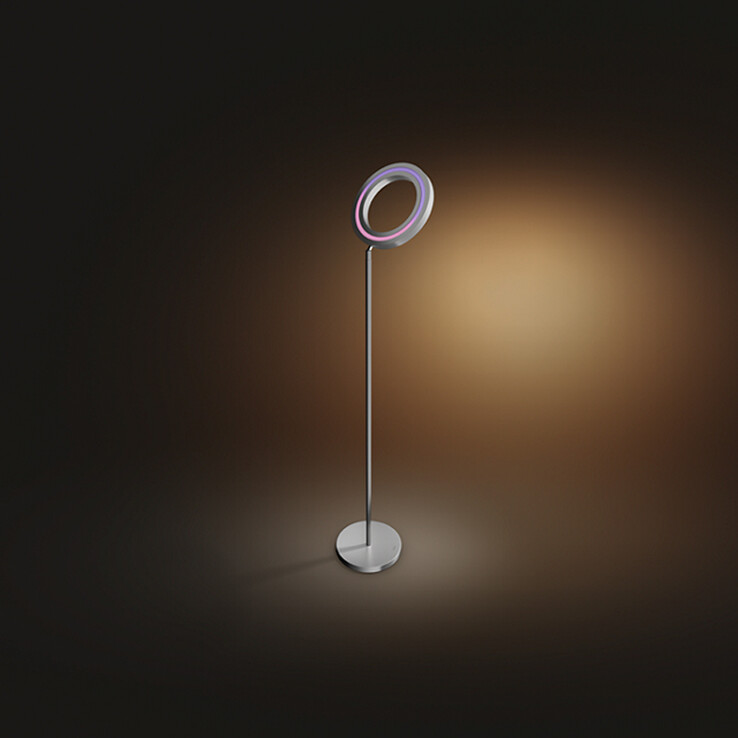
The Italian Instagram official page of Philips Hue has shared an image of an unreleased Philips smart floor lamp. The image was spotted by Hueblog and highlights some features of the smart floor lamp. The reason behind posting an unreleased image of the product on the official social media of Philips Hue Italia is unclear yet. The post was however advertising the brand’s New Year sales.

Philips Hue smart floor lamp

The Philips Hue smart floor lamp has front and rear lighting controls and features a ring at the top. The picture also shows that the front of the smart floor lamp has colored lighting, with warm lighting shining from the rear. The image points to a manually operated device with a footpress switch. However, it can also be remotely controlled via the Philips Hue app. The unreleased product is most probably the White Ambiance Semeru Floor Lamp which was first shown in 2019. The product however did not transit to a commercial product and did not go on sale at the time. Philips Hue did not provide any explanation for the decision not to sell the White Ambiance Semeru Floor Lamp.

Philips Hue smart floor lamp

Details of the smart floor lamp at that time indicated that it had an LED light that was dimmable and had a maximum brightness of 350 lumens. The LED light has an estimated life cycle of 25,000 hours. The white temperature range was between 2,200K and 6,00K and accommodates warmer tones, cooler, and daylight-mimicking light. Philips Hue may want to resurrect the White Ambiance Semeru Floor Lamp or its variant for release this year. It is also a possibility that the product image upload was simply a mistake since it has now been pulled down.


RELATED:

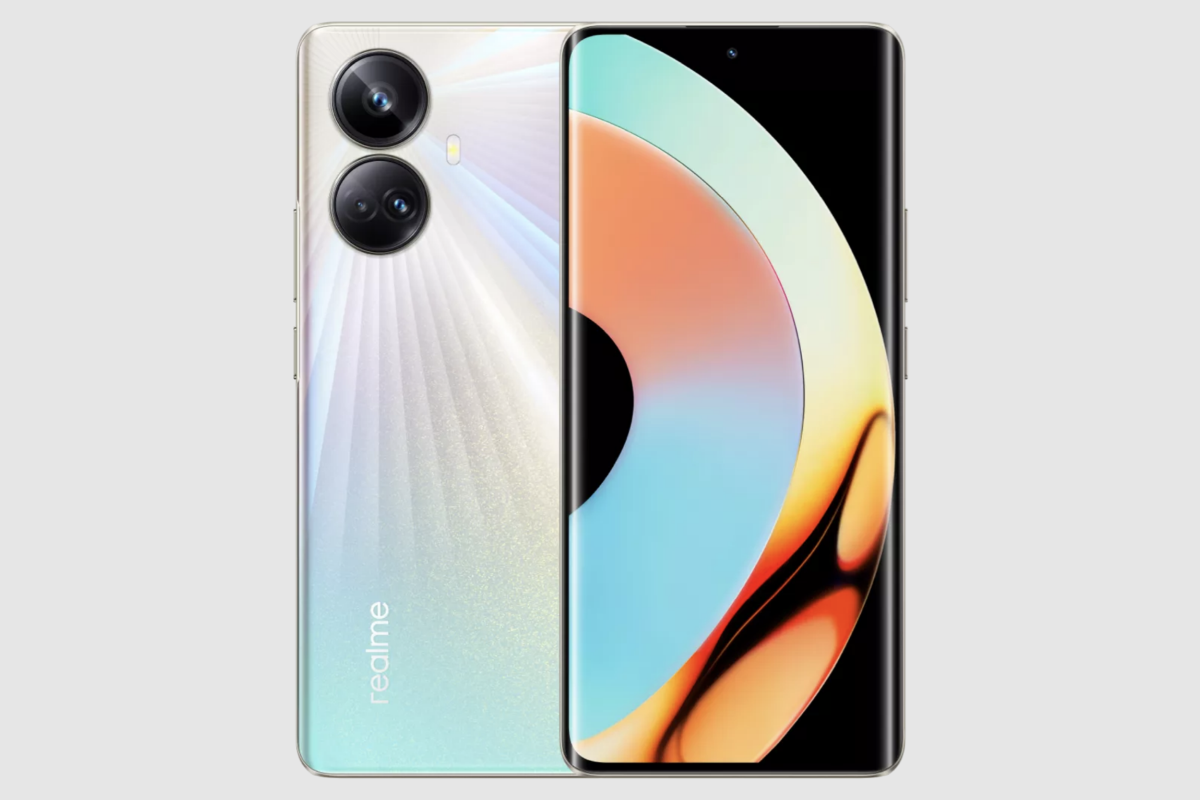
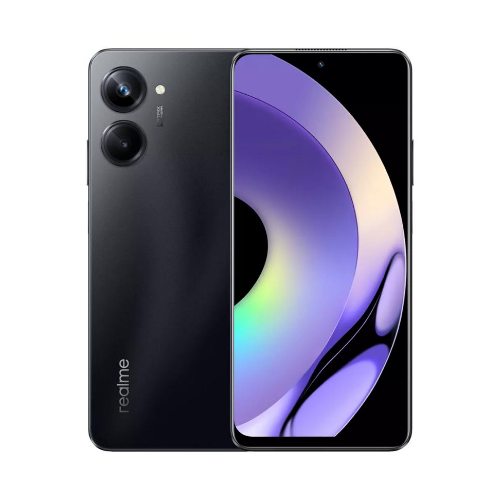
Realme 10 Pro 5G & 10 Pro+ 5G get Realme UI 5.0 Open Beta update in India

Realme has officially launched the Open Beta version of its realme UI 5.0, based on Android 14, for its realme 10 Pro 5G and realme 10 Pro+ 5G models. This new update introduces several features and design improvements.

Key Features and Design Improvements

The realme UI 5.0 Open Beta introduces the Fluid Cloud feature, which allows users to interact with morphing forms for quick access to updated information. Additionally, the update includes a File Dock for easier content transfer between apps and devices.

The update also focuses on cross-device connectivity with an improved Shelf that offers additional widget recommendations. For security, there’s enhanced management of photo and video permissions to ensure safer app access.

The aesthetic aspect of the interface has been upgraded with an Aquamorphic Design, featuring a natural and clear color style. This design extends to new aquamorphic-themed ringtones and system notification sounds. System animations have also been made smoother.

Notable Additions and Existing Issues

A notable addition in the update is the carbon tracking AOD, which displays the carbon emissions saved by opting to walk instead of drive. Users should note some current issues with the Beta version, such as the non-functionality of desktop sliding when using floating windows and the temporary unavailability of the Glance Lock-screen.

Open Beta Program Details

The Open Beta program for realme UI 5.0 starts on 17th January for the realme 10 Pro 5G and on 18th January for the realme 10 Pro+ 5G. This program allows users to experience the new features before the official release. However, it’s important to recognize that this is early-release software, which might contain bugs, and some apps may not perform optimally. Realme advises against installing this Beta on primary devices.

RELATED:

(Source 1, 2)

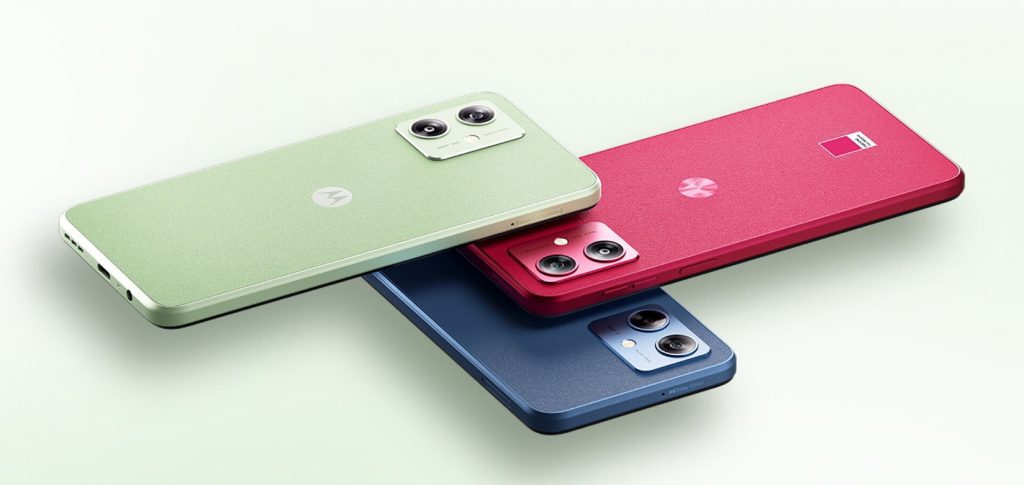
Moto G54 5G gets Android 14 beta update in India

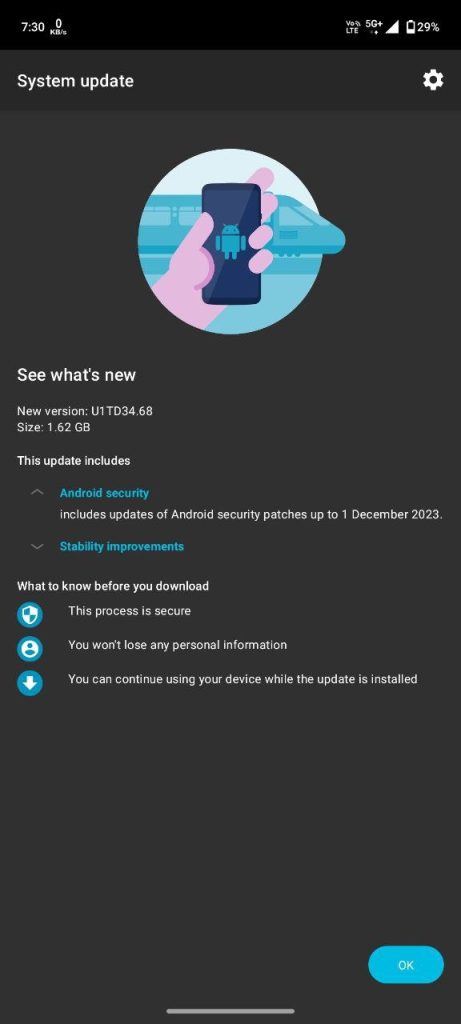
Motorola‘s Moto G54 5G smartphone users in India are now receiving the Android 14 beta update. This development was reported after a user, known as MotoFanboy, posted an image online with the caption “A14 MFN on G54 India.” The image indicates that the Moto G54 5G has begun receiving the Android 14 beta version, including security updates until December 1, 2023.

Moto G54 update

The update, with a size of 1.62 GB comes with firmware version U1TD34.68. Since Motorola likes to keep things clean and pretty close to stock Android, we can expect a majority of features that launched on the stock Android 14 to be onboard the Moto G54 5G beta build.

Moto G54

Android 14 changelog:

Personalization:

  • Deeper Material You theming: You can now customize even more elements of your phone’s look and feel, like lock screen clock styles, app icons, and notification bubbles.
  • Custom lock screen shortcuts: Add quick access to your most used features like QR reader or Google Home directly on your lock screen.
  • Curated lock screen themes: Choose from a selection of pre-made themes that adapt to your wallpaper and preferences.

Accessibility:

  • Larger fonts: Scale text up to 200% for improved readability.
  • Non-linear font scaling: This ensures that only the text you need gets bigger, preventing layout issues.
  • Improved hearing aid support: Fine-tune your hearing aid settings directly from your phone.

Security and privacy:

  • Advanced memory protection: This helps shield your device from exploits on Armv9 silicon.
  • Granular app permissions: Control exactly what data each app can access.
  • Disable insecure connections: Opt for only encrypted cellular connections for better security.

Other cool features:

  • Ultra HDR photos: Capture stunning photos with more vibrant colors and deeper contrast.
  • Improved camera extensions: Apps can now handle longer processing times for better image quality.
  • Better multitasking on foldables and tablets: Take advantage of the larger screen with improved window resizing and app compatibility.
  • Automatic URL pairing with screenshots: Share screenshots with embedded links to the webpage they came from.

Currently, there is no information available regarding when the Moto G54 will receive the stable version of Android 14.

RELATED:

(Via)