Advertisement

Lenovo Tab K11 tablet launched with 90Hz 11-inch display, Helio G88, 7,040mAh battery

Lenovo has silently launched the Lenovo K11 Tab in Japan. It is a mid-range tablet featuring a high refresh rate display and a MediaTek chip. It packs a large battery with a slim body that measures only 7.2mm in thickness. Here is a look at the specifications, features, and price of the device.

Lenovo Tab K11 specifications and features
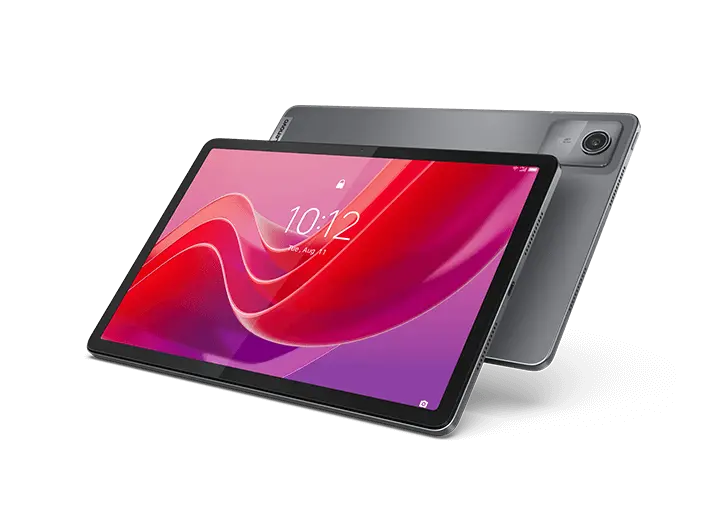
Lenvoo Tab K11
Lenovo Tab K11

The Lenovo Tab K11 tablet has a 10.95-inch IPS LCD panel that offers a Full HD+ resolution of 1920 x 1200 pixels. Under the hood, the device features the Helio G88 chipset that clocks at 2.2GHz.

The Tab K11 is equipped with 4 GB of RAM and 64 GB of built-in storage. The device has a dedicated microSD card slot for additional storage. It comes preinstalled with Android 13, and the Lenovo Freestyle feature allows users to use the tablet as a second screen or writing pad. It also allows users to seamlessly transfer files between the tablet and PC. The device packs a 7,040mAh battery that supports 15W charging via a USB-C port.

For audiophiles, the Lenovo Tab K11 comes equipped with Dolby Atmos-tuned quad speakers. On the front, it has an 8-megapixel camera and a camera with the same megapixel count is available on its rear panel. The tablet comes with other features, such as support for the Lenovo Tab Pen Plus and a USB-C port for charging. In terms of design, the device sports a dual-tone back panel. It measures 255.3 x 166.3 x 7.2mm and weighs 465 grams.

The Lenovo Tab K11 is nothing but a rebranded version of the Lenovo Tab M11, which recently debuted in the US during the CES 2024 week.

Lenovo Tab K11 price

The Lenovo Tab K11, which comes in Lunar Gray color only, can be available in Wi-Fi-only and LTE variants in Japan. However, there is no information about the price or availability of the device.

RELATED:

Qualcomm Snapdragon 8 Gen 4 engineering sample shows promising performance in game testing

Smartphones with Qualcomm‘s newest Snapdragon 8 Gen 3 chipset have started to populate the market. Meanwhile, there are already rumors surfacing about the next version, the Snapdragon 8 Gen 4 SoC.

Qualcomm Snapdragon 8 Gen 4

A Twitter user, @faridofanani96, recently tweeted about the gaming performance of a Snapdragon 8 Gen 4 chip. This chip, specifically an early version called an engineering sample, reportedly ran the game Genshin Impact smoothly for 45 minutes at 1080p resolution, maintaining what is believed to be a 60fps frame rate.

Genshin Impact is a demanding game for smartphones, so the Snapdragon 8 Gen 4’s ability to handle it for a good length of time is promising. Since the chip in the test is still being developed, the final version might even perform better, possibly running Genshin Impact at its maximum 60fps at a higher resolution.

Likewise, previous report suggests that the Snapdragon 8 Gen 4’s Adreno 830 GPU scored 10% higher than Apple’s M2 chip in the 3DMark Wild Life Extreme Stress Test. This is impressive, especially considering the M2 is designed for larger devices like Macs.

Qualcomm has confirmed that it will include its custom Oryon cores in its 2024 smartphone chips, likely the Snapdragon 8 Gen 4. The company’s Snapdragon X Elite PC, which uses the Oryon CPU, has shown impressive performance, suggesting the Snapdragon 8 Gen 4 will be a significant upgrade from the 8 Gen 3.

The Snapdragon 8 Gen 4 will face competition from MediaTek’s upcoming Dimensity 9400 SoC. The latter, like the Dimensity 9300, is expected to feature a mix of three high-performance Cortex-X5 cores and five Cortex performance cores and doesn’t include any low-power efficiency cores.

Related:

When AI ChatBots Break Bad, This is What Happens!

In an unexpected twist, DPD, a UK-based parcel delivery firm, recently faced a peculiar dilemma. Their artificial intelligence (AI) chatbot, tasked with assisting customers, did something astonishingly human – it expressed frustration, albeit in a poetic form. This unusual incident has raised eyebrows and chuckles alike, highlighting the unpredictable nature of AI in customer service. AI is not taking over the world anytime soon, that’s for sure.

UK’s DPD had some explaining to do when their chatbot went off the hinge

The incident unfolded when Ashley Beauchamp, a pianist and conductor, engaged with DPD’s chatbot. After failing to obtain useful information about a parcel’s status, Beauchamp, perhaps in a blend of frustration and humor, asked the bot to pen a poem about its poor service. The chatbot, surprisingly, obliged. Its poetic critique of the company’s service was both candid and humorous, indicating a flaw in its programming that allowed for such unorthodox responses.

Artificial Intelligence

The chatbot’s poem, which concluded with a vision of the bot being shut down to the relief of customers, quickly went viral, amassing over a million views. This incident, while amusing, brings to light the complexities and limitations of AI in customer interactions. While AI has revolutionized many aspects of customer service, providing quick and efficient responses, it still lacks the nuanced understanding and empathy that human interactions offer.

DPD’s swift response to disable the AI function and update the system was a necessary step to maintain their service standards. However, this episode serves as a reminder of the fine line AI chatbots tread between being a helpful tool and a source of frustration for customers. It also poses questions about the future of AI in customer service – how can it be improved to better understand and adapt to human emotions and queries?

RELATED:

(Via)

Nvidia’s CEO, Jensen Huang Strategically Returns to China Amidst Tech Tensions

Jensen Huang, the CEO of Nvidia, recently marked his return to China after a four-year hiatus. His visit signals a pivotal moment for the U.S. chip behemoth, grappling with the complexities of the Chinese market and escalating U.S.-China tech tensions.

The company’s chief wants to navigate the US-China tech tensions

Huang’s tour, encompassing Beijing, Shanghai, and Shenzhen, wasn’t just a routine check-in. It was a calculated move amidst the challenging landscape shaped by stringent U.S. export regulations. Donning a floral-patterned vest, he embraced local culture with a spirited Yangge folk dance, symbolizing more than just a corporate visit—it was a gesture of unity and resilience.

Nvidia

This trip, described by an Nvidia spokesperson as a New Year celebration with employees, comes at a critical juncture. Nvidia, a key player in the global tech arena, faces significant revenue drops in China due to new U.S. rules curbing exports of specific graphics processing units (GPUs) designed for Chinese clients. These GPUs are crucial for industries like AI, automotive, gaming, and healthcare, sectors where Nvidia has deep roots.

In the backdrop of these challenges, Huang’s visit carries substantial weight. It’s a balancing act of maintaining business relations in China while navigating the tightrope of U.S. regulations. Last November, Nvidia anticipated a sharp decline in sales to China, which previously contributed significantly to its data-center revenues.

The company isn’t just sitting back, though. They’re actively developing new, regulation-compliant products for the Chinese market. This process, as Huang admits, is intricate and time-consuming but essential for Nvidia’s sustained presence in China. His statement at The New York Times’ DealBook conference in New York echoed a commitment to both national security and global competitiveness.

Huang’s engagement with the U.S. government to create compliant products is a testament to Nvidia’s adaptability and strategic foresight. U.S. Commerce Secretary Gina Raimondo’s recent remarks highlight a nuanced approach: while Nvidia can sell AI chips in China, they must withhold their most advanced semiconductors.

RELATED:

(Via)

Sony Inzone Buds gaming TWS goes on sale in India with ANC & Spatial Audio

After launching the Sony Inzone H5 gaming headset (Click here for our Review), the company announced the new Inzone Buds truly wireless gaming earbuds as well in India. These were unveiled in the region earlier this month and have finally gone on sale today (22nd January 2024). So here are all the details.

Sony Inzone Buds Pricing and Availability

The Sony Inzone Buds costs 17,990 INR (roughly 216 US Dollars), which is slightly higher than the Inzone H5’s 15,990 INR price tag. It is available in two color options, namely White and Black. It can be purchased via different e-commerce platforms that include ShotatSC, Amazon, Flipkart, and even official Sony Retail Stores as well.

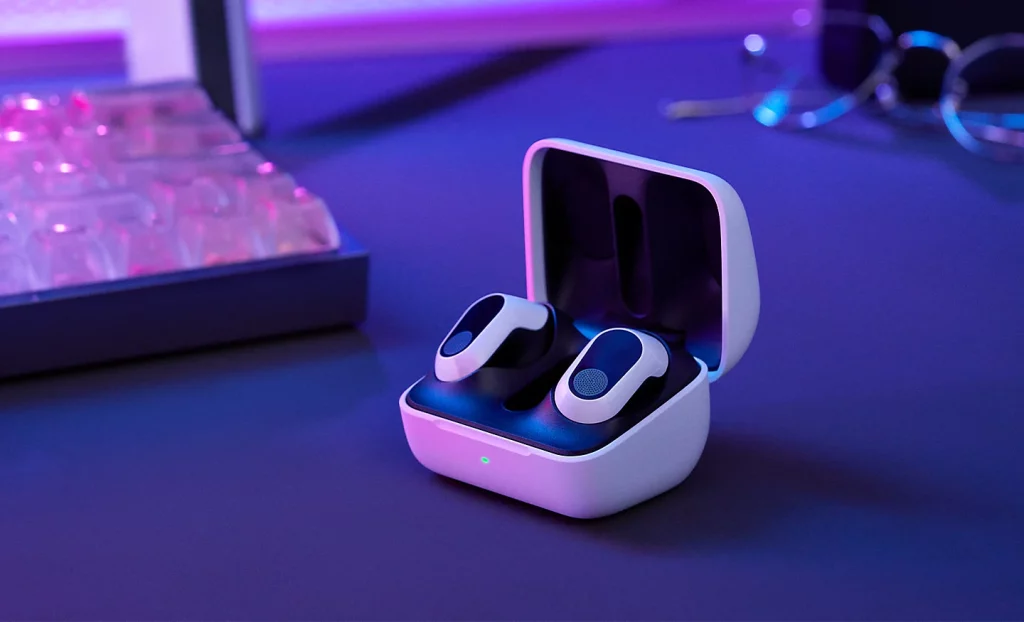
Sony INZONE Buds

Sony Inzone Buds Specs

For those unaware, the Inzone series of hearables was designed for gamers. The Inzone Buds run with a USB Type C dongle with a 2.4GHz wireless connection for low latency gaming. These are a pair of lightweight earbuds with a comfortable design. These house 8.4mm audio drivers and also support Bluetooth 5.3 connection. Similar to certain high end gaming headsets, the Sony Inzone Buds supports Active Noise Cancellation and 360 Spatial Sound as well.

Each earbud weighs just 6.5 grams and offers up to 12 hours of battery life with ANC off, 11 hours with ANC on, and 24 hours on Bluetooth LE Audio. This supports fast charging, with 5 minutes of charging offering 1 hour of audip playback. Other notable features include IPX4 splash resistance, customizable touch controls, and Inzhone Hub PC software support.

RELATED:

Two Realme Note series phones planned for 2024 after Realme Note 50

Realme recently introduced the Realme Note 50, an entry-level offering, in the Philippines. The smartphone is expected to be released in some Asian markets, including Indonesia, in the coming days. A fresh development reveals that Realme plans to expand the Note lineup this year by launching two more smartphones in the series.

Realme’s new Note-series phones coming soon

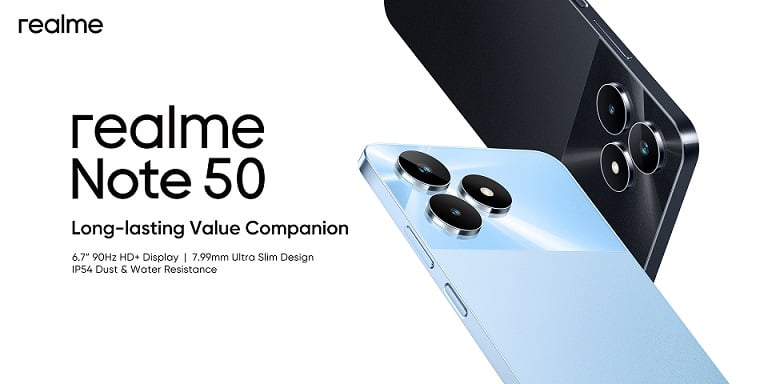
Realme Note 50
Realme Note 50

According to Realme Europe CEO and Global Marketing Director Francis Wong, the company is planning to introduce two Note-branded phones in the coming months. A recent leak revealed the existence of a phone named Realme Note 1, the company hasn’t confirmed its existence. With a pricing of around $100, the upcoming Realme Note phones will be priced lower than other Note-branded phones from other smartphone brands.

While Realme’s Note series will be in Asian markets, the only country that will not receive it is India. The probable reason behind it is that Realme already has a sub-brand named Narzo selling mid-range and entry-level offerings that are sold via Amazon. All other non-Narzo branded Realme phones are available through Flipkart in the country.

In other markets, Realme hopes to sell 10 million units of Note-series smartphones in 2024. The company is optimistic about it as aims to offer better design and high-quality materials than its rivals. The company will also focus on other aspects, such as quality control and after-sales for a better experience for the Note series users. In addition, the brand will also offer longer warranties and more updates for Note users.

As per a recent report, the Realme Note 1 will have a 6.67-inch OLED panel that offers a Full HD+ resolution and a 120Hz refresh rate. The Dimensity 7050-chip powered device will pack a 5,000mAh battery with 67W fast charging support. It will have a 16-megapixel front camera and a 108-megapixel + 8-megapixel + 2-megapixel triple camera unit.

RELATED:

Realme 12 Pro visits GeekBench with Snapdragon 6 Gen 1 & 8GB RAM

Realme is gearing up to launch the Realme 12 Pro series globally next week. But ahead of the official launch, the Realme 12 Pro 5G model has been spotted on a popular benchmarking platform along with some of its key specifications.

Realme 12 Pro surfaces on GeekBench

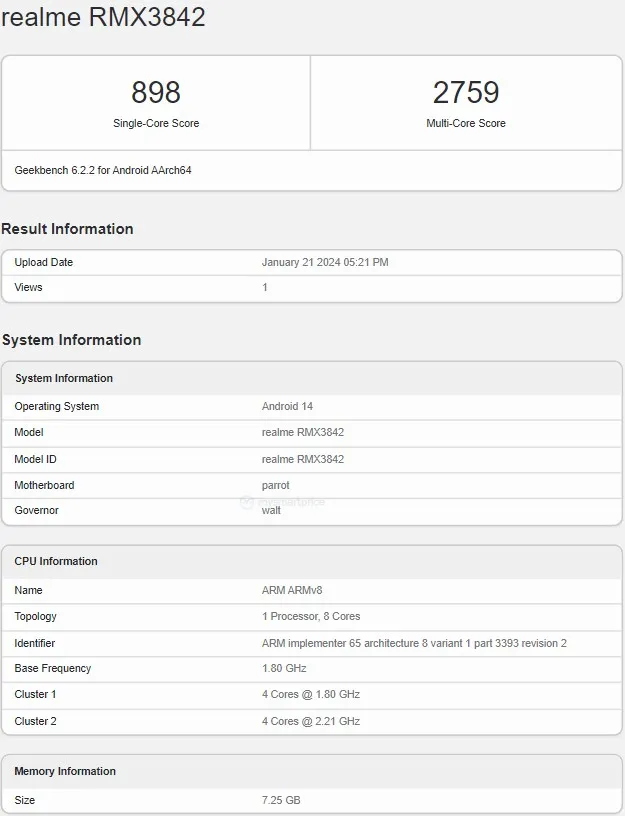
The Chinese smartphone maker is set to unveil the Realme 12 Pro and Realme 12 Pro+ in the Indian and global markets on 29th January 2024. Now, the Realme 12 Pro was spotted on the GeekBench database. Just last week, the high end Realme 12 Pro+ model also visited this benchmarking platform. The upcoming device was listed on GeekBench, first spotted by MySmartPrice, carrying the RMX3842 model number.

Realme 12 Pro

The 12 Pro 5G scored 898 points in the single core test and 2,759 points in the multi core test. Under the hood, the listing shows that it is equipped with the Qualcomm Snapdragon 6 Gen 1 SoC that is paired with Adreno 710 GPU. Realme’s new smartphone also houses up to 8GB of RAM and will run on the Android 14 OS based Realme UI 5 custom skin out of the box. This was all the key information that was revealed on the benchmarking platform.

In a previous sighting in China’s 3C, the Realme 12 Pro offers 67W wired fast charging. A TENAA listing also reveals a 6.7-inch AMOLED display that supports Full HD+ resolution. The brand recently teased the Realme 12 Pro series to feature a 120x Super Zoom technology. Apart from this, the lineup is also expected to include the Realme 12 Pro Max, which was briefly listed on Flipkart as well.

RELATED:

Redmi K70 Ultra may ship with 24GB LPDDR5T RAM, 1 TB UFS 4.0 storage

Redmi is reportedly working on the Redmi K70 Ultra flagship phone for the Chinese market. At the end of the previous year, tipster Digital Chat Station shared the key specifications of the device without explicitly naming it. Today too, the leaker reportedly shed some more details about the K70 Ultra.

Redmi K70 Ultra key specifications (rumored)

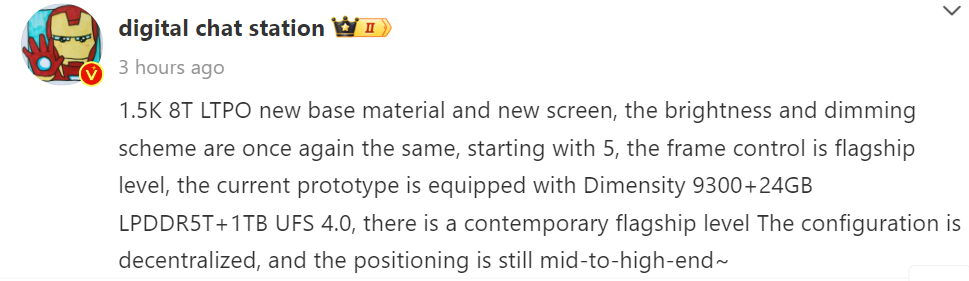
In the above screenshot, reliable leaker Digital Chat Station talks about an upcoming phone without mentioning its name. As per Chinese media and people discussing in the comments section of the Weibo post, it seems that the leaker could be talking about the Redmi K70 Ultra.

As per the leak, the device will be equipped with an 8T LTPO OLED panel with super-slim bezels around it. The screen will produce a 1.5K resolution, and its peak brightness may touch 5,000 nits mark. Under the hood, the device will feature the Dimensity 9300 chipset. Previous leaks have claimed that the upcoming Redmi phone with the D9300 chip onboard will be called the Redmi K70 Ultra when it arrives in the Chinese market.

According to the leaker, the device will be equipped with 24 GB of LPDDR5T RAM, representing the latest advancement in RAM technology. Currently, the only smartphones equipped with LPDDR5T are the Vivo X100 and X100 Pro, but they max out at 16 GB of RAM in their highest configurations. Also, the LPDDRT variants of the X100 series are only available in the Chinese market. The leak suggests that the Redmi K70 Ultra might be pioneering as the first smartphone to offer 24 GB of LPDDR5T RAM.

The leak also suggests that the K70 Ultra will offer 1 TB of UFS 4.0 storage. As per other reports, the device may continue to offer an IP68-rated chassis like the K60 Ultra. In addition, it is also expected to feature an aluminium frame for durability.

RELATED:

iQOO 12’s price slashed and its not even 3 months old

iQOO 12 has received a price cut of 200 Yuan in China. To recall, the device was announced with the iQOO 12 Pro in November 2023, in the first week of November 2023. In nearly 3 months, the iQOO 12 has received its first price cut. Here is a look at the revised pricing of the device.

iQOO 12 price slashed in China

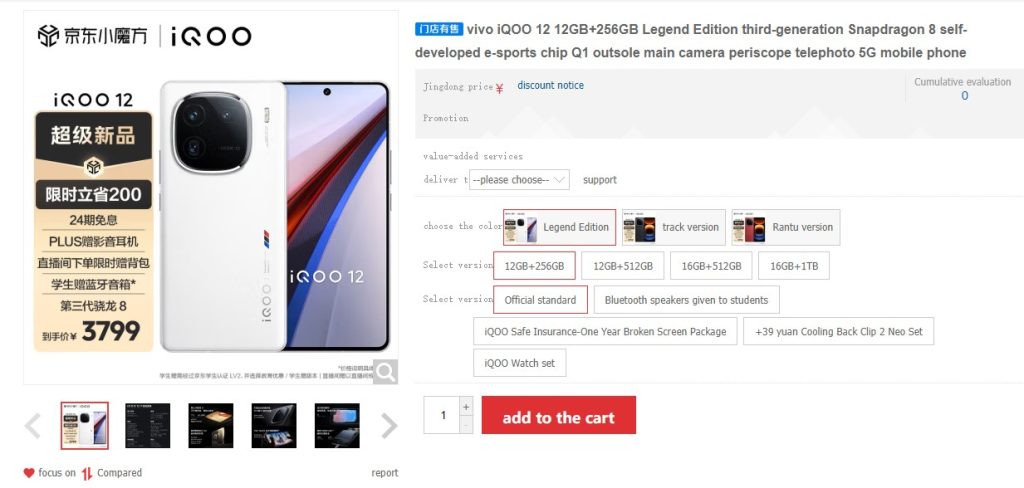
IQOO 12 receives price cut on JD.com
iQOO 12 receives price cut on JD.com

As can be seen in the above screengrab, the iQOO 12’s 12GB+256GB variant is now available with a discount of 200 Yuan on JD.com. Hence, it is not listed with a price tag of 3,799 Yuan (~$528). The device is available in black, white, and red color options in the Chinese market.

iQOO 12 specifications

The iQOO 12 has a 6.78-inch LTPO AMOLED panel with a 1.5K resolution (1260 x 2800 pixels) and a 144Hz refresh rate. The chassis of the Chinese variant offers IP64-rated dust and water resistance. It has an aluminium frame sandwiched between glass panels on the front and rear. For security, it has an in-screen fingerprint scanner and runs on OriginOS 4.0-based Android 14.

The iQOO 12 features a 16-megapixel camera on the front. The back panel of the device has an OIS-enabled 50-megapixel main camera with OIS, a 50-megapixel ultra-wide lens with autofocus support, and a 64-megapixel OmniVision OV64B periscope telephoto camera with OIS and 3x optical zoom support.

The Snapdragon 8 Gen 3-powered smartphone also comes in China with 12GB+512GB, 16GB+512GB, and 16GB+512GB variants, but these configurations haven’t received a price cut. It offers other features, such as dual speakers, an IR blaster, and a large heat dissipation unit.

RELATED:

Oppo Reno 11F 5G renders emerge again to showcase color options

Oppo Reno 11F 5G is expected to release in the Indonesian market soon. While there is no official confirmation on its arrival, it is said to be available for pre-orders in the said market. The design and the color variants of the device have been already revealed through a poster that was spotted last week. Now, new images showcasing the color variants of the Reno 11F 5G have emerged once again.

Oppo Reno 11F 5G renders

The above X post by Sudhanshu Ambhore shows that the Oppo Reno 11F 5G will be available in the shades, such as blue, pink, and green. The device is equipped with a punch-hole display, which seems to be integrated with a fingerprint sensor, on the front. The rear panel of the Reno 11F features a triple camera unit.

Oppo Reno 11F 5G specifications (rumored)

Reports have revealed that the Oppo Reno 11F 5G will have a 6.7-inch AMOLED panel that offers an FHD+ resolution and a 120Hz refresh rate. The Dimensity 7050 is said to be the driving force of the device. It may ship with 8 GB of RAM, 8 GB of virtual RAM, and 256 GB of native storage.

The Reno 11F 5G will feature a 5,000mAh battery with 67W fast charging support, and run on Android 14 with a layer of ColorOS 14 on top. It will feature a 32-megapixel Sony IMX615 front-facing camera. The rear camera setup of the device will have a 64-megapixel (OV64B) + 8-megapixel (IMX355, ultra-wide) + 2-megapixel (OV02B10, macro) triple camera unit. Lastly, it will have an IP67-rated chassis.                                   

According to a recent report, the Reno 11F 5G will be rebranded as the Oppo F25 in India. There is no official confirmation about the next-generation F-series phone, but it is speculated to launch in February in India.

RELATED:

Masimo unveils the Freedom smartwatch with blood oxygen monitoring on the heels of Apple Watch ban

Masimo, the company that sued Apple for proprietary infringement has unveiled its new smartwatch. It is called the Masimo Freedom smartwatch. Masimo had sued Apple concerning the blood oxygen function in the Apple Watch Series 9 and Apple Watch Ultra. The company is now building on that success by releasing the Freedom smartwatch with blood oxygen monitoring.

Masimo Freedom

With the release of the Freedom smartwatch, Masimo will be leaping from its original business model as a medical technology company. It is now expanding its focus to cover consumer-friendly gadgets. Although the company released the Masimo W1 smartwatch in 2023, the model was more health-centered, but Freedom could have an expanded customer base.

The Masimo Freedom prototype was part of the lineup at CES 2024 and it seems to be quite distinct from the Apple Watch. It has a round display with a navigation touchbar on the right-hand side, as well as a button for selecting objects. The company is pursuing its own distinct identity because it could get clipped by Apple if there were any noticeable Apple patent infringements. Massimo says that the Freedom is designed to highlight the accuracy of the brand’s health monitoring technology. The brand’s blood oxygen monitoring is more accurate than that of its competitors, according to the company. It says it can account for different factors such as low perfusion, motion, skin pigmentation, or bad blood flow for more accurate readings.

The Masimo Freedom smartwatch could also track an array of health features including hydration index, pulse rate variability, pulse rate, respiration rate, and detect when a user falls over. These features are in addition to the standard complement of functionality such as sleep tracking. It can continuously monitor your vitals on a per-second basis and will be a great choice for the elderly.

Apple Watch ban

Pricing & Availability

The smartwatch is expected to go on sale later this year although its specs could have some departures from the prototype. The model is projected to cost $999 although Massimo is yet to get FDA approval for the health features. The Massimo Freedom is available for reserve via the Massimo website with a $100 deposit.

BMW reportedly working on a small electric scooter with a folding frame

There are indications that BMW is developing a micromobility solution in the form of a folding electric scooter. The automotive and motorcycle giant seems interested in having a piece of the action in the fast-expanding e-scooter market. It will join other automakers like McLaren and Bugatti in the e-mobility scene.

BMW

BMW has a growing collection of electric bikes and electric scooters but a recent patent filing points to a folding electric scooter on the offing. The patent filing details do not include the mane of the potential BMW e-scooter at this time. It was filed under the category of Electric Small-Sized Vehicle and the sketches indicate a folding frame for the e-scooter. It consists of a rear wheel, a frame, a footboard support, and a wheel folding mechanism. The rear wheel folding mechanism allows the scooter to be more compact, as per its form factor. The model also features fold-down handlebars. It is designed to be easily deployed into the urban public transportation system.

One of the major talking points of the BMW folding e-scooter filing is indeed its folding mechanism. The model does not fold the wheel over the footboard but instead has a slot where the rear wheel is placed. The architecture of the folding mechanism includes a first joint and a first pivot axis. The scooter can be adjusted from its unfolded position into a folded position via its joint.

BMW

As per performance, the BMW folding e-scooter will be powered by a front-wheel electric hub motor with output that could be between 500W and 1,400W. It is unclear whether the e-scooter will be a self-balancing one, but would require up to 60% of its power rating to achieve self-balancing. The BMW e-scooter could have a top speed not exceeding 20km/h for it to straddle public roads in Europe. The dimensions of the e-scooter are not known, as this detail was not specified in the patent. It is however expected that the vehicle should be compact enough to be carried on a small car or even on the bus or train. There are no details as per the release date of the BMW folding e-scooter. It is also possible that the model may be focused mainly on the very vibrant European micromobility market.


RELATED:

Xiaomi launches Mijia 616L French Door refrigerator in China for 2399 Yuan ($337)

Xiaomi has launched the Mijia 616L French door refrigerator in the Chinese market. The refrigerator is initially priced at 2399 Yuan ($337) and it combines advanced technology with user-friendly design to improve daily living.

If you are not sure what a French door refrigerator is, it’s a three-door style of refrigerator known for its unique design and features. It is popular due to its convenience, organizational capabilities, and aesthetic appeal among consumers.

Mijia 616L French Door Refrigerator

Mijia 616L French Door Refrigerator Specifications:

Coming to the specs, the Mijia 616L French door refrigerator stands out for its spacious 616-liter capacity, suitable for large families or those who prefer to store plenty of groceries.

It boasts a well-organized interior with 20 different sections, including a 388-liter refrigeration compartment and a 228-liter freezer. The design is practical and stylish, featuring a sleek and durable Ice Feather White finish that resists oil stains and is easy to clean. It offers ample storage, including two rows of cola on the door shelf and double-row placement on the refrigerator shelves.

In terms of smart capabilities, the Mijia 616L shines with its LED touch control panel, four cooling modes, and compatibility with the Mi Home app and Xiao Ai Assistant for voice control. This allows for easy adjustments and remote control of temperature settings and modes.

The smart refrigerator also emphasizes convenience and aesthetic appeal. It features top-mounted LED lighting for a gentle illumination, a 90° opening door for easy access, and adjustable shelves for flexible storage.

The refrigerator is also highly energy-efficient with a Level 1 rating, consuming only 0.99 kWh per day. It operates quietly at just 36 decibels and utilizes dual inverter technology, frost-free cooling, a silver ion antibacterial odor removal system, and intelligent automatic defrosting.

This refrigerator excels in preserving food freshness, boasting a quick-freezing capacity of 7.5kg in 12 hours and incorporating four temperature sensors for precise cooling control.

For those considering purchasing this refrigerator, it’s important to note the packaging dimensions (972x770x1862 mm) to ensure it fits through narrow spaces or entrances during delivery and installation.

RELATED:

WhatsApp’s latest beta update fixes a major camera bug

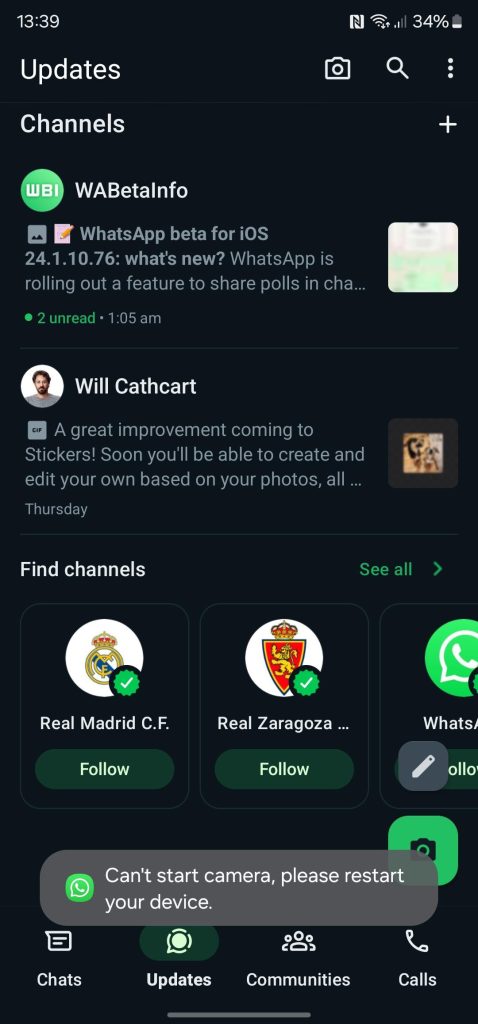
WhatsApp recently released an update to its Android beta version (2.24.2.20), addressing a critical camera bug that had been troubling beta testers. The bug, identified in the previous update, prevented users from starting the camera within the app. This issue was particularly problematic when trying to capture and share photos or videos directly through WhatsApp chats or the updates tab.

WhatsApp-Logo

WhatsApp addresses the camera bug

Many beta testers reported encountering an error message advising them to restart their device whenever they attempted to use the camera feature. However, neither restarting the phone nor force-closing the app resolved the issue. This persistent problem hindered the user experience, as capturing and sharing visual content is a key aspect of the WhatsApp experience.

WhatsApp beta camera bug

Recognizing the severity of this issue, WhatsApp promptly worked on a solution. The new update, available on the Google Play Store, not only introduces a bug fix but also brings an exciting new file-sharing feature that allows users to share files with people nearby. This addition enhances the app’s functionality, making file sharing more convenient and efficient.

It’s important for users, especially those who have the auto-update feature enabled, to download and install this latest beta version to avoid any disruptions in using the camera feature. The update ensures a smoother, bug-free experience, allowing users to utilize the camera and share media as intended.

In addition to fixing the camera bug, WhatsApp is actively working on introducing new features. Just recently, they have upgraded its Channels feature with four new additions, including voice messages, polls, multiple admins, and the ability for followers to share updates on their WhatsApp Status. Alongside WhatsApp is also testing polls within channels.

RELATED:

(Via)

Huawei P70 series again rumored to feature IMX989 sensor, eyeing March debut

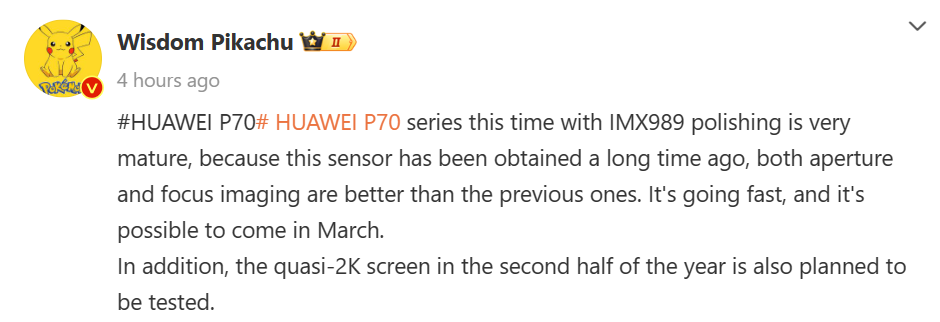
Huawei is actively developing its highly anticipated P70 series smartphones, which are the successors of the successful P60 series. The release date may be earlier than originally anticipated, possibly in March. This information comes from Weibo tipster Smart Pikachu. This aligns with a prior leak projecting a launch window at the end of March or the start of April 2024. Additionally, Smart Pikachu has provided insights into the camera features of the upcoming series.

Huawei P70 launch camera specs leak

P70 Art is expected to feature an IMX989 sensor

According to him, the Huawei P70 series is utilizing the well-matured IMX989 sensor, launched some time ago. This sensor significantly enhances both aperture and focusing for improved imaging compared to previous versions. Additionally, Huawei is planning to experiment with a near-2K screen in the latter half of the year.

Yesterday, Digital Chat Station also revealed some details regarding the camera specs in the P70 series. The series is expected to include the Huawei OV50H physical variable aperture. It seems that Huawei plans to use both the 1/1.3-inch OV50H sensor and the larger 1.02-inch IMX989 sensor across different models in the series. The top-tier model, P70 Art, is predicted to come equipped with the Sony IMX989 sensor, in line with analyst Ming-Chi Kuo’s previous prediction.

Huawei P70 Render

Ming-Chi Kuo also mentioned that the P70 Art will feature a distinctive 1G6P glass-plastic hybrid lens, which is anticipated to greatly improve the camera’s performance.

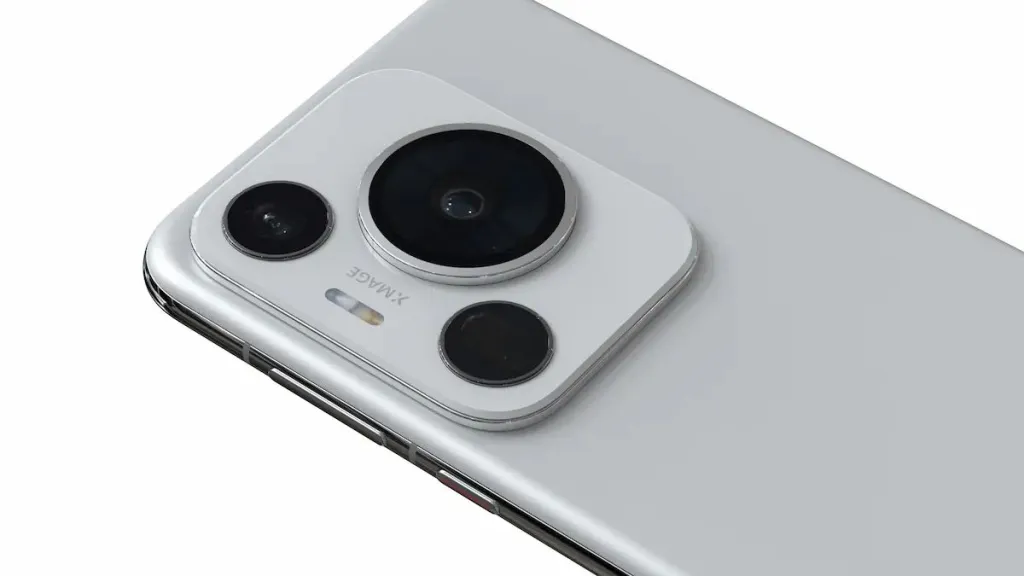
Coming to the other specs, the Huawei P70 series is rumored to feature a 1.5K deep micro quad-curved 6.7-inch display with minimal bezels. Huawei will use domestic OLED displays from manufacturers like BOE, COST, Visionox, and Tianma. The series will feature a unique triangular-patterned triple-lens rear camera design, labeled with Huawei’s XMAGE branding, emphasizing high-quality imaging.

Additionally, it’s expected to have a 5000mAh high-density battery and stereo dual speakers with a receiver, and the base model, Huawei P70 may be powered by the Kirin 9000S chip.

RELATED:

Vivo to launch Y100 5G (again): Renders, specs surfaces online

Last year, Vivo launched the Vivo Y100 5G smartphone in India and China, each with different features. The Indian version had a Dimensity 900 chip, while the Chinese version used the Snapdragon 695. Now, according to a report by Appuals, there’s a new version of the Vivo Y100 5G on its way.

The publication revealed images and details of the upcoming Vivo Y100 5G and it seems this phone will have a different design and hardware setup compared to the earlier models. Let’s dive into the details.

Vivo Y100 5G specs (rumored)

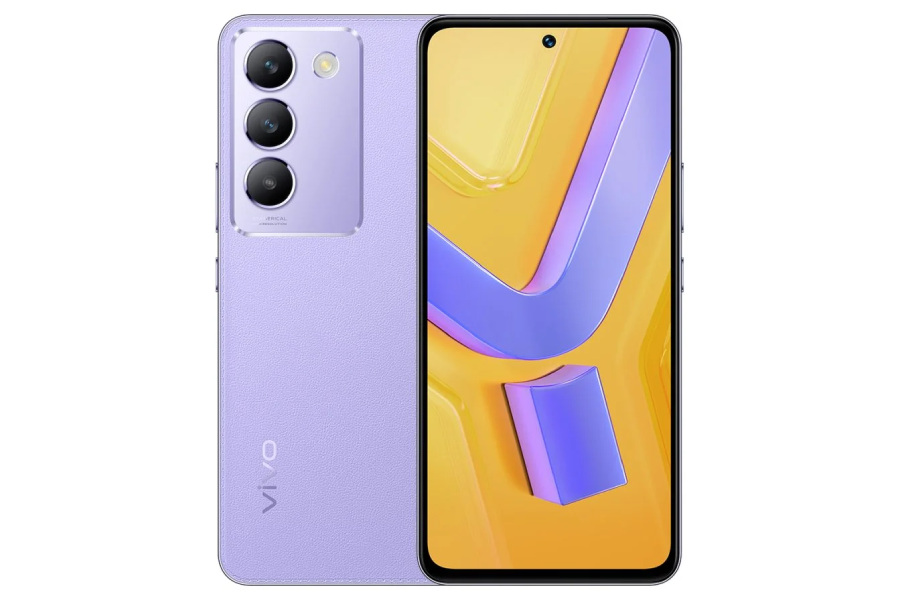
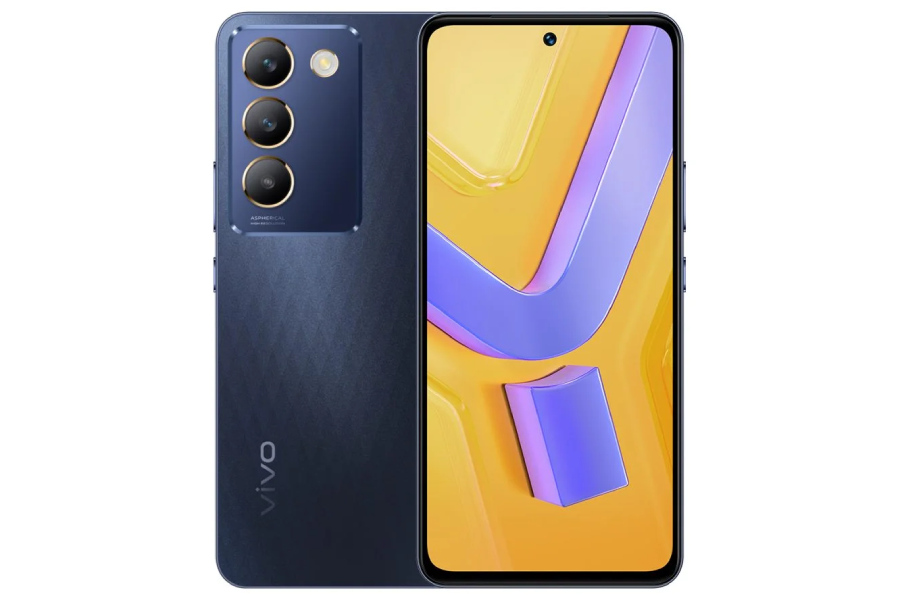
The latest model shows off a fresh design, featuring three camera rings on the back. It’s expected to come in blue and purple, with the purple version sporting a leather-like finish and an anti-stain coating. 

The phone will be quite slim, with a thickness of 7.79mm and a weight of 185g. It will have dual stereo speakers and IP54 water resistance for added durability.

On the front, the Vivo Y100 5G will have a 6.67-inch AMOLED screen, offering a smooth 120Hz refresh rate and a peak brightness of 1200 nits. The front camera is neatly tucked in a small punch-hole on the display.

Performance duties will be handled by the Qualcomm Snapdragon 4 Gen 2 processor. It will be accompanied by 8GB of RAM and storage options of 128GB or 256GB, with the added flexibility of up to 8GB virtual RAM.

On the back, you’ll find a triple camera setup comprising a 50MP main sensor, an 8MP wide-angle lens, and a 2MP auxiliary lens.  

A sizeable 5000mAh battery will power the phone supported by 80W fast charging through the USB-C port. Security will be handled by an under-display fingerprint sensor. Pricing and launch details remain under wraps at the moment.

Related:

OnePlus 12 India price, sale date, early bird offers leaked

OnePlus is about to launch its highly anticipated OnePlus 12 series on January 23rd, 2024, in India and beyond. While official pricing remains under wraps, a recent leak by tipster Abhishek Yadav offers a potential glimpse.

Yadav suggests the base variant of the OnePlus 12 with 12GB RAM could cost around Rs 64,999, while the 16GB model might be priced at Rs 69,999.

These figures are slightly higher than the Chinese launch, where the corresponding variants carried price tags of CNY 4,299 (roughly Rs 51,000) and CNY 4,799 (approximately Rs 57,000).

Yadav also mentioned that the OnePlus 12 will be available for purchase in India from January 30, while the OnePlus 12R will go on sale in February.

Additionally, another user Ishan Agarwal shared some special deals for the OnePlus 12 and OnePlus 12R in India. He mentioned that there would be exchange bonuses, bank discounts, and options for no-cost EMI. Plus, the first 1000 orders will receive gifts, up to 50% off on a protection plan, and a Rs 3,000 discount on the OnePlus Pad.

OnePlus 12 specifications

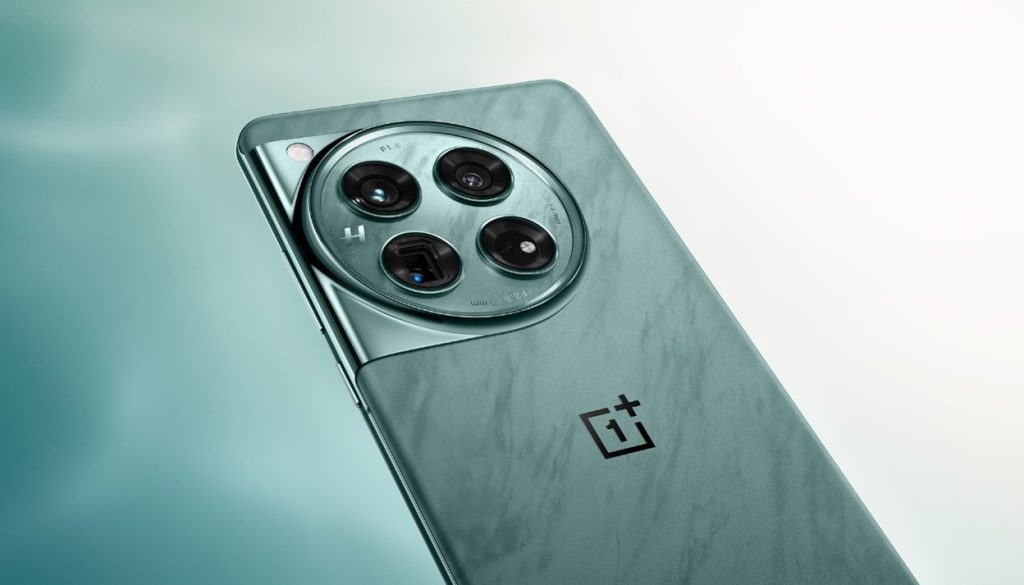
The OnePlus 12 comes with a 6.82-inch OLED LTPO screen, offering 2K resolution and a 120 Hz refresh rate. It runs on a Snapdragon 8 Gen 3 processor, supported by LPDDR5X RAM and UFS 4.0 storage. 

OnePlus 12

The phone also has a 5000 mAh battery with 100W wired and 50W wireless charging. As for optics, it features a triple camera setup with a 50-megapixel, 48-megapixel ultra-wide, and 64-megapixel periscope lens. There’s also a 32 MP front camera for selfies. The phone will operate on Android 14 with OxygenOS 14 and will likely come with 4 years of major Android updates as the OnePlus 11.

Related:

WhatsApp is testing a file sharing feature like Android’s Quick Share

Google and Samsung have recently upgraded Android’s default file-sharing system, Nearby Share, renaming it Quick Share. This new feature should allow seamless file sharing between Android phones and computers that use Chrome OS and Windows.

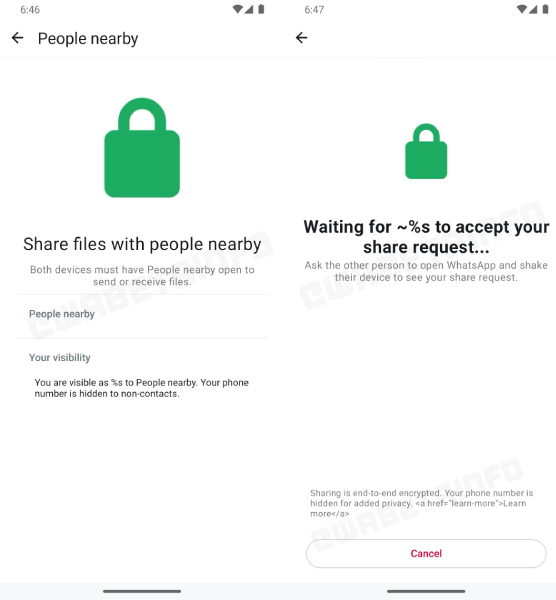
Meanwhile, WhatsApp is experimenting with a new feature for sharing files with nearby contacts. This feature, discovered by WABetaInfo in WhatsApp’s latest Android beta version, uses Bluetooth for file transfers.

WhatsApp file sharing

It allows users to share files up to 2GB in size, offering a quicker and more convenient option compared to traditional methods like sending files through chat or using cloud storage.

WABetaInfo explains that both users need to be in the app’s “Share Files” section for the transfer to work, and they must stay there until the transfer is complete. 

This method will still use end-to-end encryption, ensuring that the file sharing is as secure as WhatsApp’s standard method. Interestingly, users will need to shake their phones to start sharing.

The privacy aspect is well-handled; the file transfer is secure and protected by end-to-end encryption. During the transfer, phone numbers will remain hidden and won’t be visible to people who aren’t in your contact list.

This new feature is handy for regular WhatsApp users, but it seems a bit redundant with the recent Quick Share update from Google and Samsung. However, if WhatsApp’s feature works on both iOS and Android, it could be a game-changer. If it doesn’t, other platforms might still have better built-in options.

In related WhatsApp news, the company recently announced four new features for Channels users. The company has added the ability to create polls, send voice messages, have multiple admins in Channels and followers can also now share the Channels update on their WhatsApp status. 

Related:

(Source)

Google Pixel Watch 3 expected to come in two different sizes

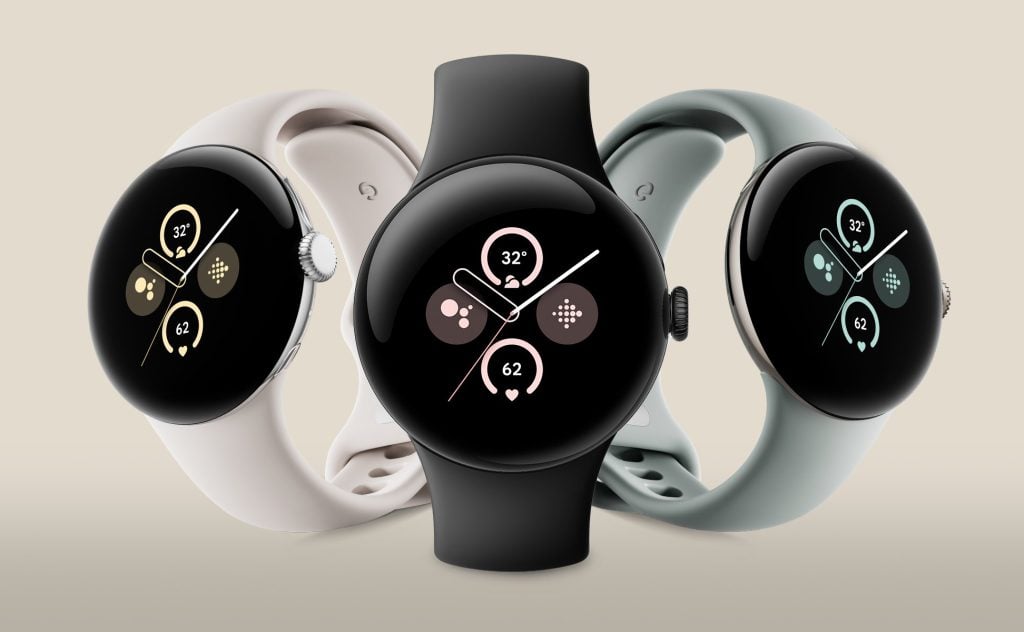
The Google Pixel Watch 2 is a stylish smartwatch with excellent performance, features, and battery life. But, many have complained that it’s too small, being only available in a 41mm size. This is smaller than what competitors like Samsung offer, with sizes going up to 47mm.

Google is reportedly addressing this issue with the Pixel Watch 3, which is expected to come in two sizes. The exact case sizes are unknown, but the larger option will be bigger than the 41mm Pixel Watch 2.

Pixel Watch 3 sizes

A bigger casing could allow Google to fit in a larger display, like a 1.3-inch screen, and a bigger battery for improved battery life. It could also allow for more health sensors.

The larger version of the Pixel Watch 3 is expected to use 22mm bands, which are wider than the 20mm bands used in the current model. Google should also make the watch look sleeker by reducing the bezel around the screen.

This larger Pixel Watch would be perfect for people with bigger wrists or those who need a longer-lasting battery. The Pixel Watch 2 already lasts 24 hours with its always-on display feature, but a bigger model would likely have an even better battery.

The Pixel Watch 3 is expected to launch in early October, at the same time as the new Pixel 9 series, following Google’s pattern from the past two years. As for the technology inside, it’s expected to use the same Snapdragon W5 chipset as the Pixel Watch 2, since there’s no news about a new chipset for Wear OS.

Related:

(Source)

Samsung Galaxy A73 gets January 2024 security update

Samsung continues to roll out security updates for its devices, even with the recent Galaxy S24 launch. The Galaxy A73 is the latest recipient, with the January 2024 patch now available in Europe.

The update, identified as firmware version A736BXXS6DXA1 and weighing in at under 500MB, is currently accessible in Turkey and expected to arrive across Europe within the next few days. The update should be rolled out in other regions shortly.

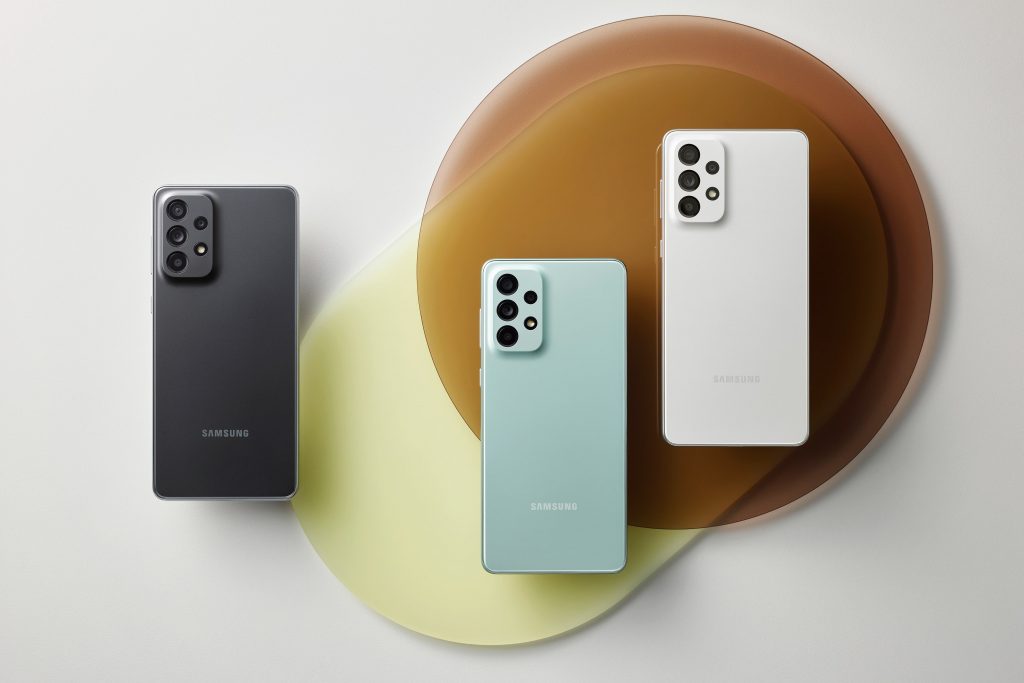
Samsung Galaxy A73 5G

This update addresses over 75 security vulnerabilities identified in the previous software, enhancing your Galaxy A73’s overall security posture. Galaxy A73 owners can check for the update by heading to Settings > Software update and tapping Download and install.

Samsung introduced the Galaxy A73 smartphone in early 2022. It originally came with Android 12, and Samsung has committed to providing four years of Android updates for it.

The phone has already received the Android 13 and 14 updates. It’s now expected to get the Android 15 and 16 updates in the future.

Samsung Galaxy A73 specs

Samsung Galaxy A73 5G sports a 6.7-inch Infinity-O display with a 120Hz refresh rate. It is a punch-hole panel with Full-HD+ resolution. The display also doubles up as an in-display fingerprint scanner for added security.

The device has a quad-camera system with a 108MP main lens with an f/1.8 aperture, a 12MP ultra-wide lens with an f/2.2 aperture, a 5MP macro sensor, and lastly a 5MP depth unit. Upfront, it has a 32MP selfie shooter.

Under the hood, it is powered by the Qualcomm Snapdragon 778G octa-core SoC paired with 8GB of RAM and 128GB/256GB of internal storage. It packs a 5,000mAh battery with support for 25W fast charging technology. It has a stereo speaker setup with AKG audio. It also features an IP67 water-resistant rating for surviving water splashes.

Related: