Realme is gearing up to add a new device in the GT Neo lineup with the GT Neo 6 SE. While Realme has shared some details about the smartphone, there’s still more to come, including its design.
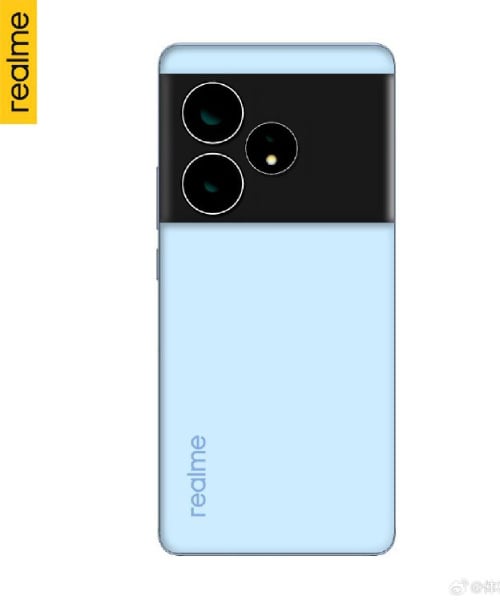
Last week, we caught a glimpse of its schematics through a leak. But we’re still waiting for the full renders. However, a leaked image on Weibo has now revealed the real-life image of the GT Neo 6 SE, along with a render.
As you can see, there are three circular cutouts on the back likely housing three cameras and a flashlight. The camera module extends to the sides of the device, which is a departure from its predecessor, although the Neo 5 SE also featured a sizable camera island.
For a closer look at the design, you can check out the render below. However, it may not be entirely accurate, so it’s wise to take it with a grain of salt.
Realme has officially confirmed that the GT Neo 6 SE will be equipped with the latest Snapdragon 7+ Gen 3 chipset. It’s Qualcomm’s latest mid-range SoC with performance levels comparable to the Snapdragon 8-series SoCs.
The silicon features a prime Cortex-X4 core clocked at 2.8 GHz, along with four performance cores (A720) at 2.6 GHz and three efficiency units (Cortex-A520) at 1.9 GHz. OnePlus Ace 3V is the first smartphone to launch with the Snapdragon 7+ Gen 3.
Despite the leaks and confirmations, there’s still much left to uncover about the Realme GT Neo 6 SE. Realme hasn’t even confirmed the official release date yet, but the increasing frequency of leaks suggests a launch in China soon.
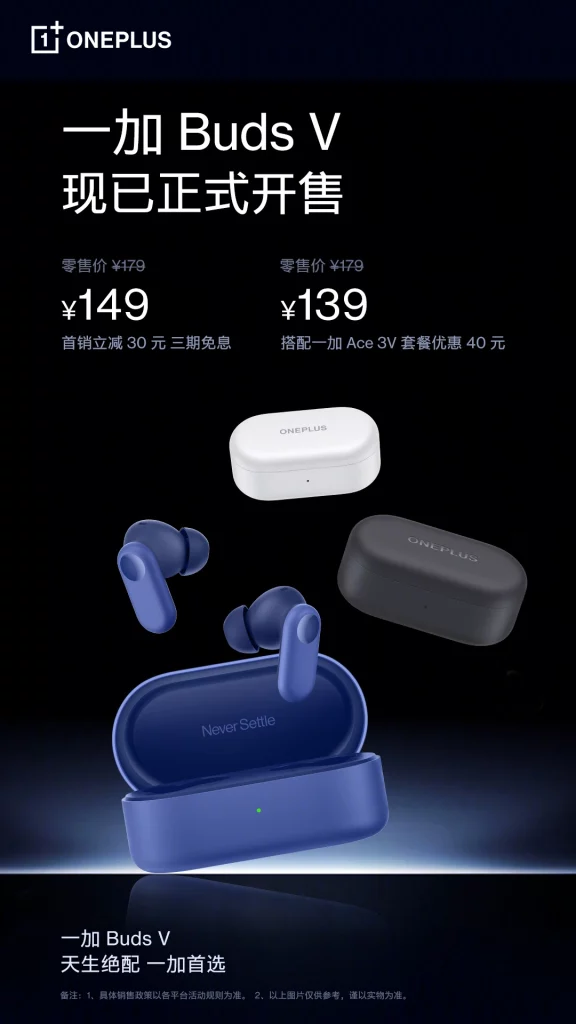
OnePlus launched the OnePlus Buds V TWS alongside the OnePlus Ace 3V in the Chinese market on March 21. Starting today, both products are available for sale in the home country. Speaking of the OnePlus Buds V, it is now available for 149 Yuan (~$20). And if you purchase this audio product along with the OnePlus Ace 3V, the price is 139 Yuan (around $19).
Oppo Enco Buds2 Pro with refreshed colors and a lower price tag
The OnePlus Buds V is available in three different colors – Sandstone White, Interstellar Blue, and Shadow Black. For reference, it comes with a very similar design to the Oppo Enco Buds2 Pro, which offers a semi-in-rat design for the earbuds and a boxy looking design for the case.
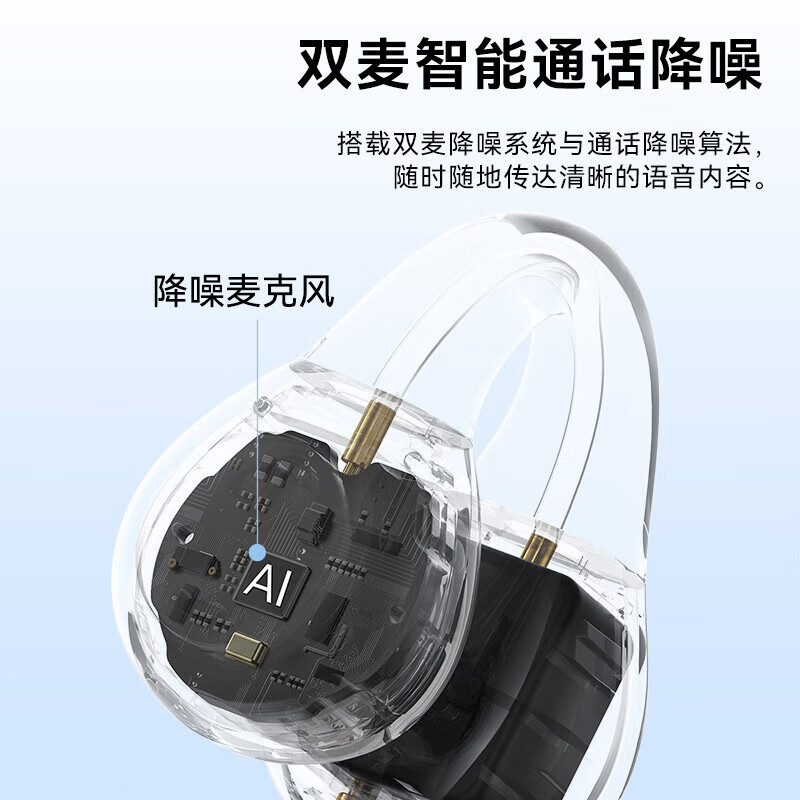
These new earbuds from OnePlus come with 12.4mm titanium-plated dynamic drivers. It supports Dolby Atmos and dual-mic noise cancellation for calls. For the gamers out there, it comes with a 94ms latency, which is the same as the same as the Oppo Enco Buds2 Pro from January (priced around 169 Yuan).
For connectivity, it equips Bluetooth 5.3. Just as the product from Oppo, it also offers 8 hours of playback on a single charge and a total of 38 hours including the charging case.
Speaking of the in-ear experience, the earbuds are quite lightweight at 4.3 grams each, which also fits snugly in place. This product also equips an IP55 dust and water resistance rating which theoretically means protection against little splashes of water drops. So you won’t have to worry about sweat during your workout sessions.
Nubia launched the Red Magic 9 Pro in China in November last year. The device debuted in the global markets a month later in December. The brand also announced the smartphone in a White Special Edition earlier in January this year. Now, Red Magic on its official Weibo handle has teased the arrival of a new special edition variant of the Red Magic 9 Pro.
Red Magic 9 Pro Bumblebee Transformers Edition confirmed
The Red Magic 9 Pro is confirmed to come in Bumblebee Transformers edition. It is set to debut on March 29 at 10 am local time. The brand is tight-lipped about the details of the upcoming offering. For those unaware, Bumblebee is a fictional robot character appearing in the Transformers franchise.
This isn’t the first time Red Magic is announcing a Bumblebee Transformers Edition. The brand is continuing the tradition as it has launched a similar variant with the Red Magic 7S Pro and 8S Pro in the last two years. The last two phones have featured a design inspired by Transformer’s Bumblebee character in Yellow colour. Hence, we can expect the same on the Red Magic 9 Pro.
Additionally, the Red Magic 9 Pro Bumblebee Transformers Edition should come with a customised box. We can expect bundled goodies like a Bumblebee-themed charger, cable, protective case, badge, pins, and also an external attachable fan.
The limited edition phone is very much expected to retain the same specifications as the standard variant. This means a 6.8-inch 120Hz AMOLED display, a Snapdragon 8 Gen 3 SoC, a large heat dissipation system, and a massive 6,500mAh battery cell with support for 80W fast charging.
As planned, Xiaomi has launched its latest Mijia Smart Audio Glasses in China today. These smart glasses seamlessly combine audio capabilities with stylish eyewear, offering a unique blend of technology and fashion.
Design and Features
The Mijia Smart Audio Glasses come with a customizable design with six interchangeable frame options. If you need, you can tailor the glasses to your specific vision requirements as well.
As the name suggests, audio is the main focus of these glasses. They use air conduction technology to deliver audio to the ear canals. Inside the glasses are ultrasonic speakers which utilize a fusion sound cavity structure algorithm to offer a clear and immersive audio experience.
Additionally, there’s dual anti-sound leakage technology to prevent leakage during calls while its call noise reduction ensures optimal communication quality.
The glasses offer impressive battery life, supporting up to 10 hours of music playback, 7 hours of phone calls, 24 hours of basic use, and a standby time of over 11 days. They charge conveniently via a magnetic contact point on the temple of the glasses.
The Mijia Smart Audio glasses are also quite lightweight at 37.7g and come with ergonomic features like independently adjustable nose pads and a detachable hinge for comfort and practicality.
There’s also intelligent wear detection technology that allows for automatic music pausing when the glasses are removed.
Additionally, the temple supports intuitive gesture controls, allowing users to perform actions like playing/pausing music, adjusting volume, changing tracks, and more. Users can also interact with the glasses through compatible voice assistants.
Price and Availability
The Xiaomi Mijia Smart Audio Glasses will be available for crowdfunding in China through Xiaomi Youpin starting from March 27th to April 10th. The price is set at 459 yuan (~ $63) for the crowdfunding period while it will retail at CNY 599 (~ $83) after that. Xiaomi will announce its availability details after the successful crowdfunding.
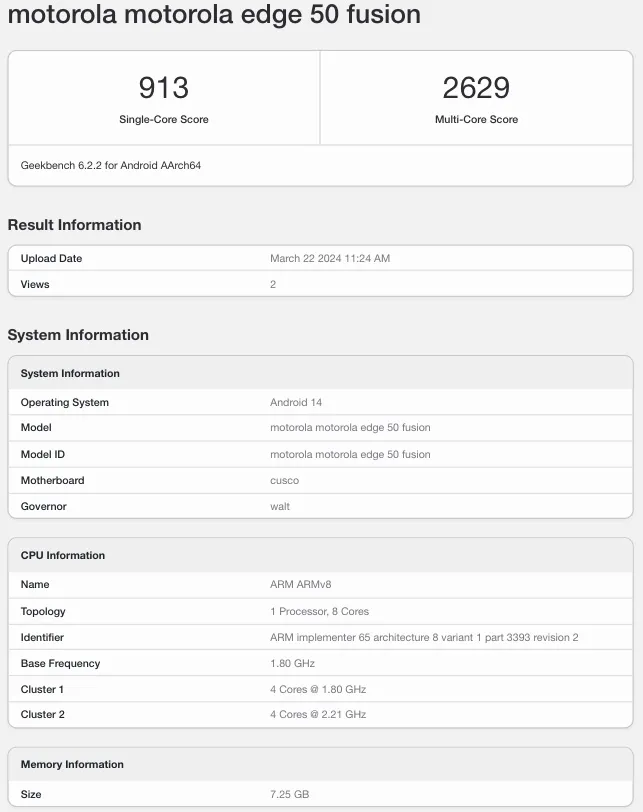
Motorola will be launching the Edge 50 Pro smartphone featuring the Snapdragon 7 Gen 3 processor on April 3rd in India. Other than that, the brand seems to be working on another Edge 50 series device called the Edge 50 Fusion. Some key specification of the device were leaked in an earlier report. Now, it has emerged on Geekbench revealing it performance.
The listing is marked as “motorola motorola edge 50 fusion”, and was logged on March 22, 2024. It reveals that the Edge 50 Fusion features an octa-core CPU with a base clock speed of 1.8GHz (four cores), and a peak clock speed of 2.21GHz (four cores). This is most likely the Snapdragon 6 Gen 1 SoC, a processor unveiled back in September of 2022. Since its debut, it has powered multiple devices, like the Realme 12 Pro 5G, iQOO Z8x and Honor X9B.
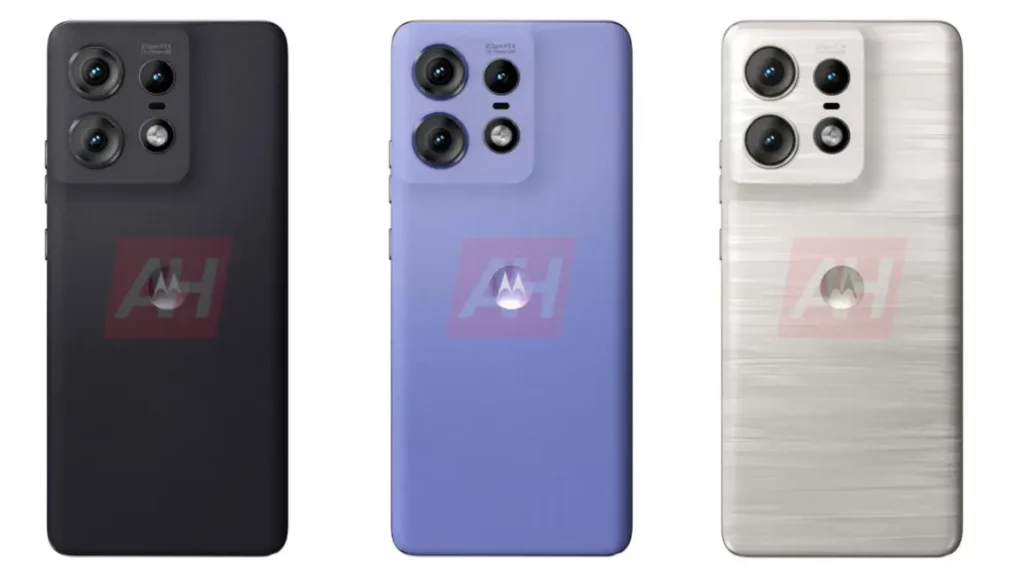
Motorola Edge 50 Pro leaked render by AndroidHeadlines
The listing also reveals that the device has 8GB RAM onboard, as well as an Android 14-based operating system. As for its performance, the device has scored 913 points and 2629 points on the single core and multi core tests, respectively.
While Geekbench does not reveal any further details, previous reports mention that the phone will offer up to 256GB storage, as well as support for 68W fast charging for its 5,000mAh battery. It is expected to have a 50-megapixel primary camera, and a 32-megapixel selfie snapper. As for pricing, the device is expected to land around the ~$300 (~Rs 25,000) mark. More details are expected to be revealed in the coming days. In the meantime, you can checkout our coverage of the leaked Motorola Edge 50 Pro Indian pricing.
We’ve been hearing about the Samsung Galaxy Watch 7 series for some time now, with leaks and rumors swirling around. Just last week, a leak surfaced revealing that the smartwatch could be equipped with the Exynos W940 processor.
Now, a fresh report from SamMobile suggests that Samsung is making significant changes to its upcoming smartwatch lineup.
According to the report, Samsung is broadening its Galaxy Watch 7 offerings to include three models. The company has only launched two models in the Galaxy Watch line thus far, so this is an interesting shift in strategy.
The expansion could also mean a change in the usual naming pattern for the smartwatches, though the exact naming scheme for these variants remains unknown.
Rumors also indicate that Samsung is tweaking the model number scheme for the Galaxy Watch 7 line. The first variant carries model numbers SM-L300 and SM-L305, while the mid-tier variant is said to have model numbers SM-L310 and SM-L315.
The highest-end variant of the Galaxy Watch 7 bears model numbers SM-L700 and SM-L705. It’s rumored that variants with model numbers ending with the number 5 will have cellular connectivity and eSIM capabilities.
Furthermore, it’s reported that Samsung is doubling the internal storage on the Galaxy Watch 7 to 32GB, up from 16GB on previous models. The increase in storage will be noteworthy for users as it will offer them more flexibility to download apps, watch faces, and offline music playlists.
Apart from this, the Galaxy Watch 7 line is expected to come with Wear OS 5 based on Android 14. The smartwatch along with Samsung’s new foldable, Galaxy Ring, and Galaxy Buds 3 are expected to launch at the rumored July 2024 Unpacked event.
OnePlus launched the Ace 3V smartphone a few days back in China. It’s the first device to be powered by the Snapdragon 7+ Gen 3 chip. Now, the device is available for purchase in China, offering some impressive specifications and pricing.
Price and Availability
The base model of the OnePlus Ace 3V comes with 12GB of RAM and 256GB of storage, priced at 1999 yuan (~ $277). For those who require more storage, there’s a variant with 12GB RAM + 512GB storage available for 2299 yuan (~ $319). Additionally, the top-tier model with 16GB of RAM and 512GB of storage is priced at 2599 yuan (~ $361).
For color options, customers can choose between Titanium Gray and Magic Purple Silver variants. The latter has a notable metallic sand glass finish.
Specifications
The OnePlus Ace 3V has a revamped design with a flat frame, a three-stage alert slider, and a vertically stacked camera module on the rear. It boasts IP65 dust and splash resistance for added durability.
The phone is built around a 6.7-inch flat OLED display with a center-aligned punch-hole cutout and an integrated fingerprint scanner. The screen delivers 1.5K resolution, 2160Hz PWM dimming, a 120Hz refresh rate, and an impressive 2150 nits peak brightness.
The phone also has a Rain Touch technology feature that lets you use the phone even with wet hands.
Internally, the Ace 3V has a Snapdragon 7+ Gen 3 processor paired with up to 16GB of LPDDR5x RAM, 512GB UFS 4.0 storage, and advanced cooling technology. A 5,500mAh battery with 100W fast charging powers the device. It runs on Android 14-based ColorOS 14 and OnePlus is promising three OS updates and four years of security patches.
Moreover, the Ace 3V includes a dual rear camera setup with a 50MP OIS-equipped primary sensor and an 8MP ultrawide lens, along with a 16MP front camera. Connectivity features include dual gaming antennas, WiFi, NFC, IR control, and more.
A piece of Apple history has fetched a hefty price tag. A business card signed by Steve Jobs sold for a staggering $181,183 (roughly 1.312 million yuan) at RR Auctions on March 24th. This “ultra-rare, immaculate” card, estimated to be from around 1983, sold for a whopping 14 times the price of an unsigned Apple business card previously sold at the same auction house.
The card is one of the only five known certified Steve Jobs business cards
While not entirely flawless – the card shows some fading, a minor stain on the front, and faint tape marks on the back – its exceptional condition for a 40-year-old item is a key factor in its value. Signed memorabilia is even more desirable when its authenticity can be verified. This particular business card boasts certification from the prestigious Professional Sports Memorabilia Authentication Agency (PSA) with a coveted “Gem Mint Level 10” rating.
The card offers a glimpse into a key time for Apple. Signed during Jobs’ tenure as chairman of the board, it predates the launch of the iconic Macintosh computer. Apple’s main product at the time was the Apple Lisa, the world’s first commercial PC with a graphical user interface (GUI), even more advanced than the Macintosh but ultimately less commercially successful.
According to RR Auction House, this is one of only five known Steve Jobs business cards to have successfully passed PSA/DNA authentication. The signature itself is described as “neatly positioned and very clear.” It won’t be too long before another piece of Apple’s history shows up and sets a huge new record in the auction scene. Who knows? We’ll have to wait and watch.
China has taken a significant step towards cleaner urban transportation with the successful test run of its first domestically developed hydrogen-powered train. The historic run took place on Thursday morning in Changchun, Jilin province. Developed by CRRC Changchun Railway Vehicles, the train achieved a speed of 160 kilometers per hour while fully loaded. This successful test marks a major breakthrough in the application of hydrogen energy technology for rail transportation.
The average energy consumption is merely 5 kilowatt-hours per kilometer
Unlike traditional trains that rely on fossil fuels or overhead electrical lines, this innovative train boasts a hydrogen energy propulsion system. This system offers a powerful and long-lasting power source, with test data indicating an average energy consumption of just 5 kilowatt-hours per kilometer. This figure meets all design requirements and positions the train at the forefront of energy efficiency on a global scale.
The train boasts an impressive driving range exceeding 1,000 kilometers, significantly reducing the need for refueling stops. Prior to the test run, the hydrogen power system underwent rigorous testing for durability, performance in extreme temperatures (ranging from -25°C to 35°C), vibration resistance, electromagnetic compatibility, and fire safety. This comprehensive testing ensures the safe and reliable operation of the train.
This successful trial operation signifies a major milestone for China’s rail transit industry, paving the way for wider adoption of hydrogen energy technology. It also contributes to achieving key technological independence and control in the development of high-end transportation equipment. Hopefully, the trend spreads to more countries where energy balance can be achieved in due time.
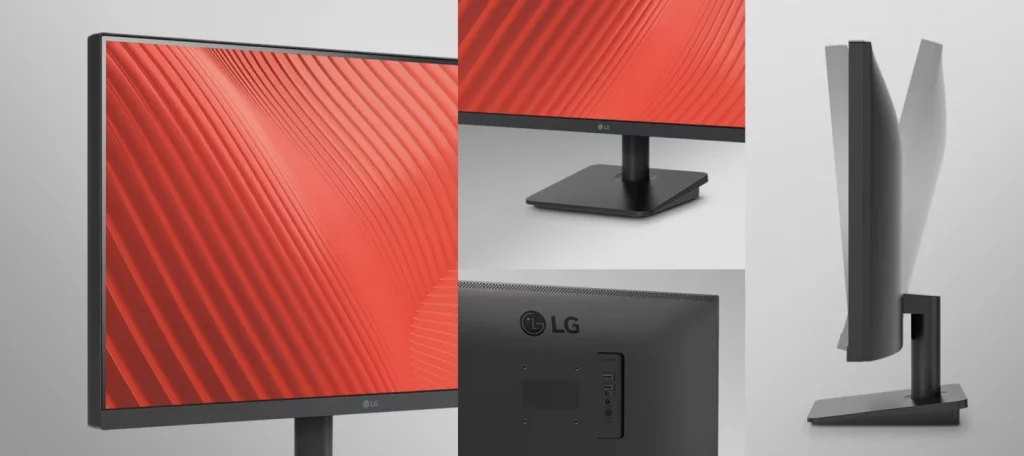
LG has unveiled a new monitor targeting budget-conscious users who prioritize high refresh rates. The 24.5-inch 25MS500 model, launched on JD.com for a starting price of 629 yuan (roughly 87 USD), boasts a Full HD (1920 x 1080) resolution and an impressive 100Hz refresh rate.
The monitor offers a brightness of 250 nits and a 5ms response time
This combination of features makes the 25MS500 a compelling option for gamers and general users alike. The 100Hz refresh rate translates to smoother visuals and reduced motion blur, particularly beneficial in fast-paced games or while scrolling through content.
Beyond the core resolution and refresh rate specifications, the 25MS500 offers a brightness of 250 nits, a 1000:1 contrast ratio, and a 5ms response time (GtG). These specifications ensure decent image quality and performance for everyday tasks and multimedia entertainment. The monitor utilizes an IPS panel, known for providing wide viewing angles and good color reproduction. While the specific color gamut coverage isn’t explicitly stated, the monitor is advertised to cover 72% of the NTSC color gamut, which is sufficient for most everyday uses.
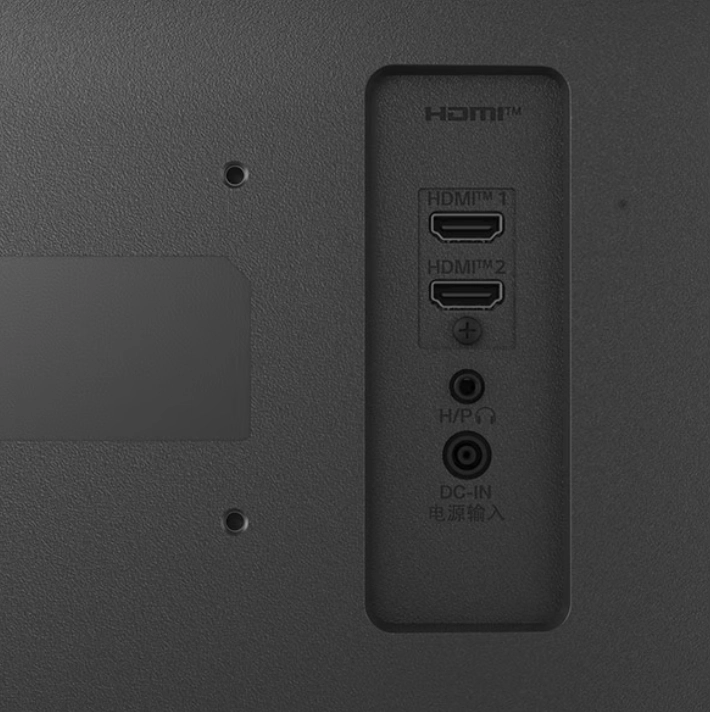
The 25MS500 prioritizes functionality over frills. It features a tilt-adjustable stand for ergonomic positioning and includes two HDMI 1.4 ports for connecting your PC or other devices. A 3.5mm headphone jack allows for easy headphone connectivity.
For users seeking a no-frills, high-refresh rate monitor at an affordable price point, the LG 25MS500 appears to be a solid option. While it may not cater to professional content creators with its more basic color gamut coverage, it offers a great feature set for casual users and gamers on a budget.
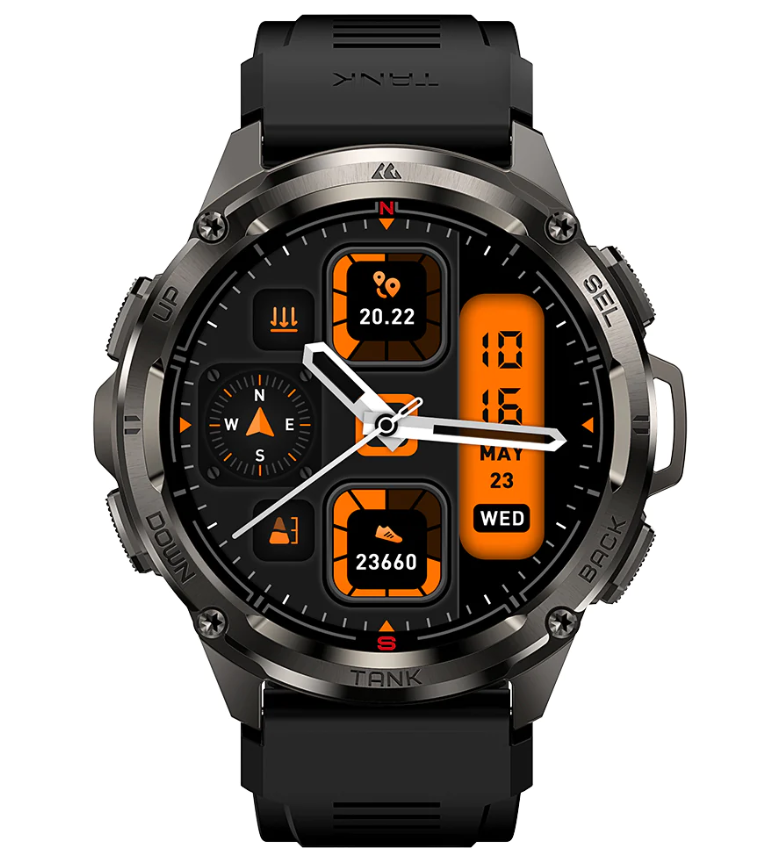
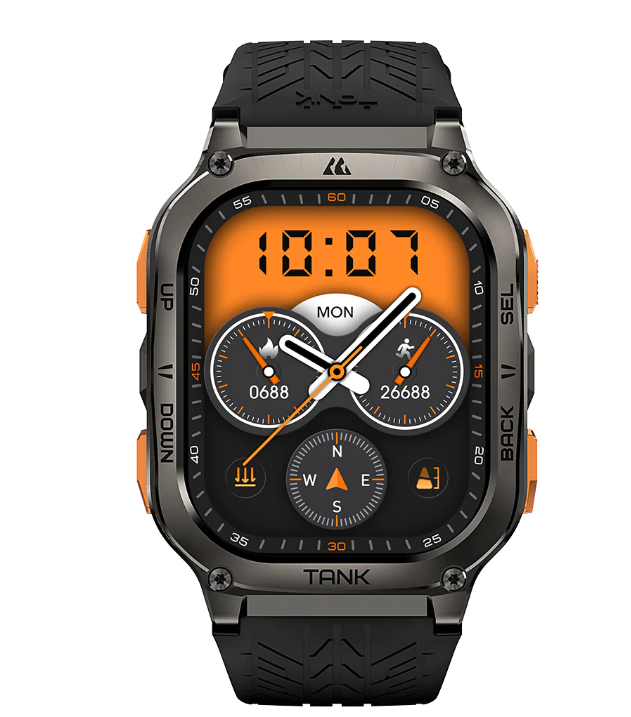
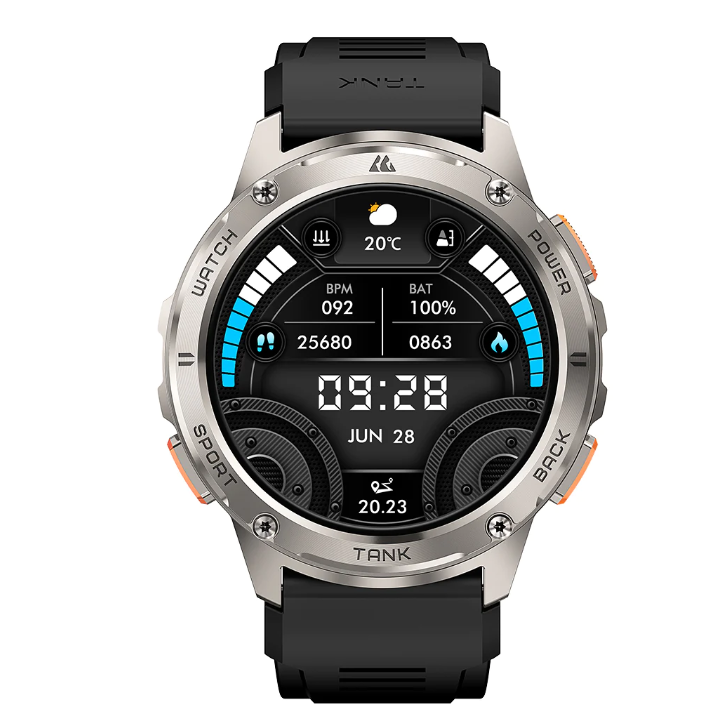
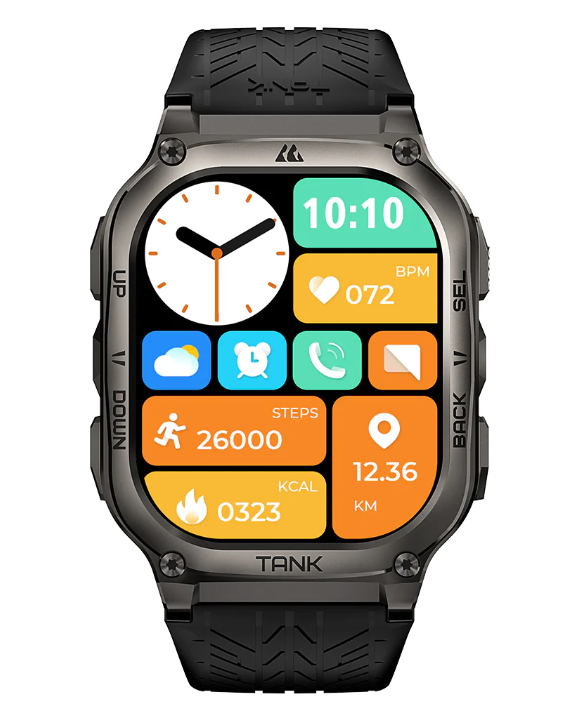
KOSPET TANK T3 ULTRA and KOSPET TANK M3 ULTRA stand as pinnacle examples of durability, functionality, and innovation. Crafted to withstand the rigors of the great outdoors while providing cutting-edge features for fitness enthusiasts and adventurers alike, these timepieces redefine what it means to be a rugged GPS smartwatch. Please note: The KOSPET TANK T3 ULTRA features a round dial, while the KOSPET TANK M3 ULTRA sports a square dial.
Precision Positioning for the Adventurous Soul
Equipped with Dual-band & 6 Satellite Positioning Systems, including GPS, GLONASS, Beidou, Galileo, QZSS, and NAVIC, both the TANK T3 ULTRA and TANK M3 ULTRA ensure unparalleled accuracy in location tracking. The dual-frequency L1+L5 system optimizes positioning in various environments, from open wilderness terrains to bustling urban landscapes. This combination facilitates faster and more precise location acquisition, ensuring you never lose your way.
Military-Grade Durability for Any Challenge
The TANK series has been fortified to meet the stringent standards of 15 U.S.MIL-STD-810H Certifications and has successfully passed 28 reliable internal tests. A full metal body crafted with stainless steel material, coupled with Corning Gorilla Glass protection, ensures exceptional strength, scratch resistance, and durability against the elements. With a 5ATM & IP69K waterproof rating, these watches are ready to accompany you through any outdoor adventure, no matter the conditions.
Power to Endure, Battery to Last
Both the TANK T3 ULTRA and TANK M3 ULTRA boast substantial battery capacities, with the T3 ULTRA housing a 470mAh battery and the M3 ULTRA a 480mAh battery. Offering extended usage times, ranging from 10-14 days for daily usage to 18-24 hours of continuous GPS usage, these watches keep pace with your active lifestyle. Innovative power-saving features, such as AOD mode and efficient processor utilization, ensure optimal battery performance, making them reliable companions for extended expeditions.
Versatile Fitness Companion
With over 170 sports modes and 6 Smart Recognitions, these smartwatches cater to every fitness enthusiast’s needs. From walking and running to cycling and rowing, the newly designed UI interface allows for seamless navigation and customization of frequently used sports modes. Setting sports goals based on exercise time, distance, and calories is made effortless, while rich sports data provides valuable insights into your performance. Moreover, the specialized swimming mode, complete with SWOLF swimming efficiency monitoring, ensures accurate tracking even in water, with an automatic screen touch lock to prevent disruptions during aquatic activities.
KOSPET TANK T3 ULTRA and TANK M3 ULTRA redefine the boundaries of rugged GPS smartwatches. With their precision positioning, military-grade durability, long-lasting battery life, and versatile fitness features, they are the ultimate companions for outdoor enthusiasts, athletes, and adventurers alike.
KOSPET TANK T3 and KOSPET TANK M3 stand out as formidable choices for those seeking durability, reliability, and advanced functionality. Designed to withstand the harshest environments while offering a plethora of features tailored to outdoor enthusiasts and fitness aficionados, these timepieces embody the essence of ruggedness and innovation.
Built to Last: Certified by MIL-STD-810H
Both the KOSPET TANK T3 and TANK M3 are certified by MIL-STD-810H, ensuring their resilience against extreme conditions. Featuring a full metal body with a stainless steel back cover, along with Corning Gorilla Glass protection for the screen and heart rate lens, these watches are built to withstand the toughest challenges. With a 5ATM & IP69K waterproof rating, they are suitable companions for outdoor water-related activities, offering peace of mind in any environment.
Power That Endures: Extra-large Battery Capacity
With an extra-large battery capacity of 500mAh for the T3 and 480mAh for the M3, these smartwatches boast impressive longevity. Offering up to 10-14 days of daily usage and 5-7 days of heavy usage, they ensure uninterrupted performance throughout your adventures. The inclusion of AOD mode further extends battery life, providing 2-3 days of usage with the display always on. Utilizing a new Actions processor and AMOLED screen, these watches optimize power consumption, making them efficient companions for extended expeditions.
Versatile Fitness Tracking: 170+ Sports Modes
Equipped with over 170 sports modes and supporting automatic recognition of 6 types of activities, the TANK series caters to diverse fitness routines. The newly designed UI interface allows for seamless customization of favorite sports modes, while sport goal setting enables users to track exercise time, distance, calories, and more. Each sport mode provides comprehensive data insights, empowering users to optimize their performance. The dedicated swimming mode, complete with SWOLF swimming efficiency monitoring and automatic screen touch lock, ensures accurate tracking even during aquatic activities.
Crystal-clear Display: AMOLED Screen
Featuring AMOLED screens these smartwatches offer unparalleled clarity and brightness. With an overall maximum brightness of 600nit and peak local maximum brightness of 1000nit, the AMOLED display ensures clear visibility for outdoor sports while providing better eye protection for daily use. Unlike Garmin’s reflective screens, which may struggle in varying lighting conditions, the AMOLED screens of the TANK series offer consistent performance indoors and outdoors, making them the ideal choice for all-day wear.
KOSPET TANK T3 and TANK M3 epitomize the fusion of ruggedness and advanced technology. With their military-grade durability, long-lasting battery life, versatile fitness tracking capabilities, and crystal-clear AMOLED displays, they are the ultimate companions for outdoor adventurers and fitness enthusiasts alike.
Price, Discount, and Availability:
The KOSPET TANK T3 ULTRA and KOSPET TANK M3 ULTRA, initially priced at $149.99 feature cutting-edge features for outdoor and fitness enthusiasts. During the promotional period from March 21st to April 28th, customers can purchase the T3 and M3 ULTRA at $109.99 from March 21st to March 27th and for $119.99 thereafter till 28 April.
The TANK T3 and TANK M3, priced at $129.99, are available at a discounted rate of $89.99 from March 21st to March 27th and thereafter $99.99 until April 28th.
You can use the promotion codes KOLNPUT for the Ultra versions and KOLNPN3 for the standard versions to avail of these discounts. Availability is assured throughout the promotion, offering customers ample time to make their purchase decisions.
For AliExpress purchases, promotion codes are available on the page for further discounts. Act quickly to secure these feature-packed smartwatches at reduced prices, ideal for enhancing outdoor adventures and fitness routines.
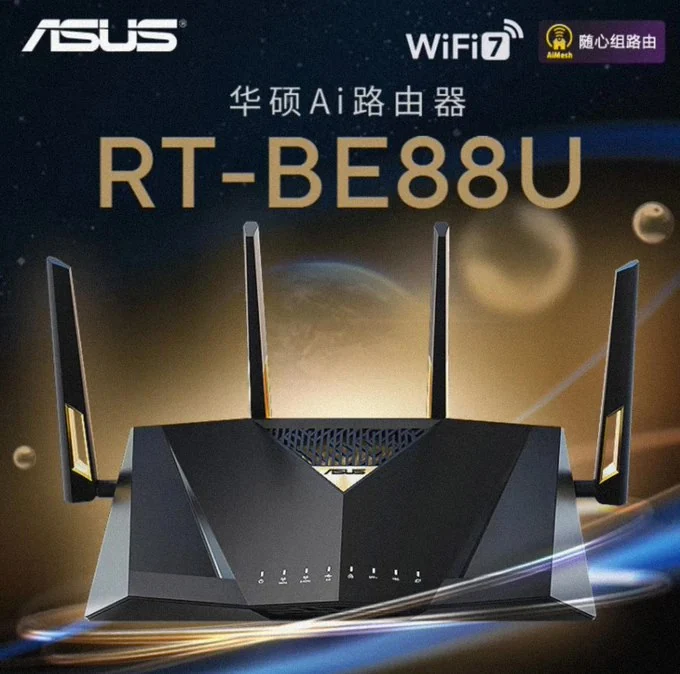
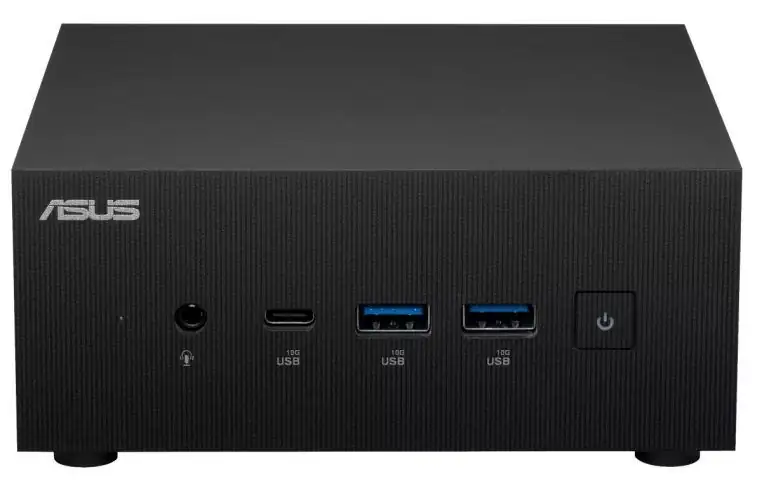
Alongside availing the Intel Core Ultra powered ExpertCenter PN65 mini-PC, ASUS is also preparing to launch a new dual-band WiFi router with model number RT-BE88U, which is scheduled for launch on March 27 in China. Notably, ASUS has included some AI features in this product category too, and is marketing this router as “ASUS AI routing” (machine translated from Chinese).
This router has already passed the FCC certification and the quick start guide has been leaked revealing information about the device ahead of its launch. With WiFi 7, this device supports 1376Mbps speed with 2.4Hz and 5765Mbps with 5GHz band.
Ports and buttons:
The I/O port overview in the quick start guide reveals support for a 10G WAN/LAN port and 10G SFP+ electrical port, a 2.5G WAN/LAN port, 3 x 2.5G LAN ports, and 4 x Gigabit LAN ports. This device also offers a USB 3.2 Gen 1 port that supports 4K QAM (1.2x speed increase as compared to predecessor) and MLO (Multi-Link Operation), a DCIN port, a WPS port, and a reset button.
This machine runs on a 2.6GHz quad-core processor, and equips 256GB flash memory and 2GB DDR4 memory. Notably, this device supports up to 34GB WAN/LAN bandwidth.
Some spatial features
Speaking of the special features, this router reportedly comes with ASUS’s RangeBoost+ technology. Additionally, it offers some AI functions – an improved network protection with AI, AI sense acceleration, AI WAN port detection, and game acceleration. The AI sense acceleration feature enables the router to identify the packets and optimize data packets based on that.
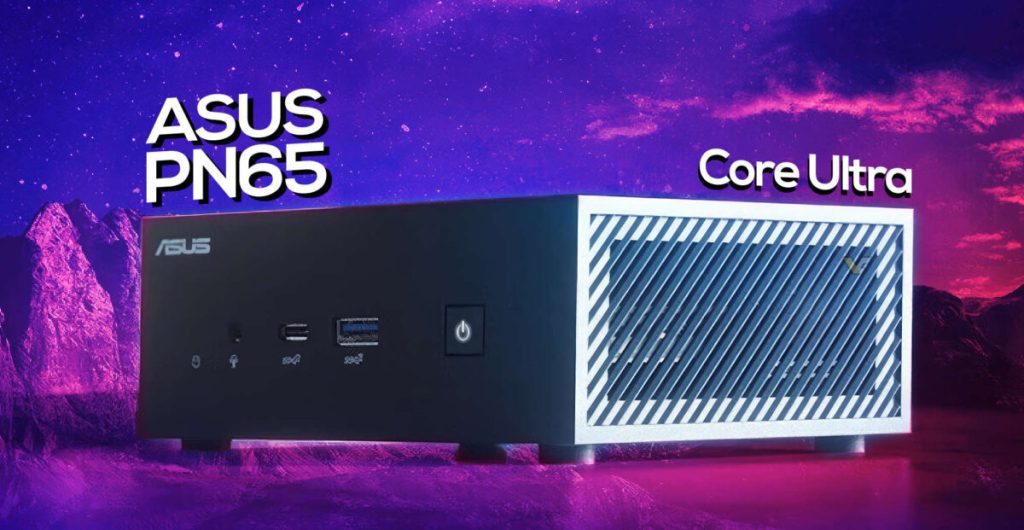
After unveiling the ExpertCenter PN65 mini-PC earlier this year at CES, Asus has now released these machines in China. For those unaware, Asus ExpertCenter is a line of desktop computers designed for businesses, with reliability and security being the key selling points.
The ExpertCenter PN65 is a new mini PC in the ExpertCenter line, equipped with Intel’s latest Core Ultra processors. This compact desktop comes in two configurations: one with the Intel Core Ultra 5 125H processor, priced at CNY 5,199 ($719), and another with the Core Ultra 7 155H processor, available for CNY 6,199 ($857).
The PN65 upgrades include more powerful processors and Intel Arc Graphics, boosting its performance and making it more suitable for AI-driven applications. It also supports an impressive amount of memory—up to 96 GB of DDR5-5600.
On the connectivity front, the PN65 stands out with its variety of ports, including USB, HDMI, DisplayPort, COM, and VGA, and the capability to connect up to four 4K displays at once at 60Hz.
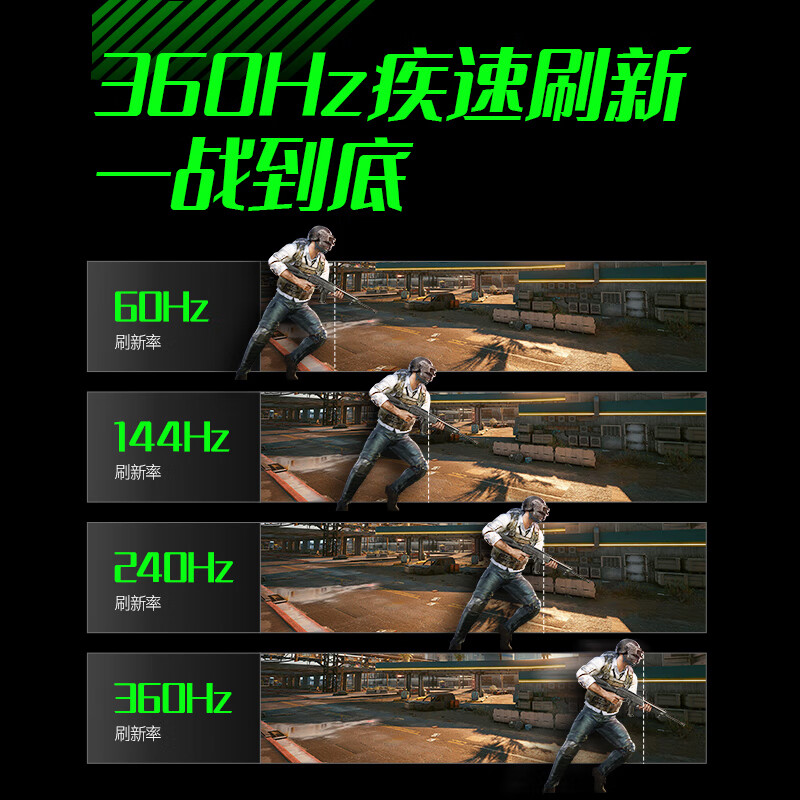
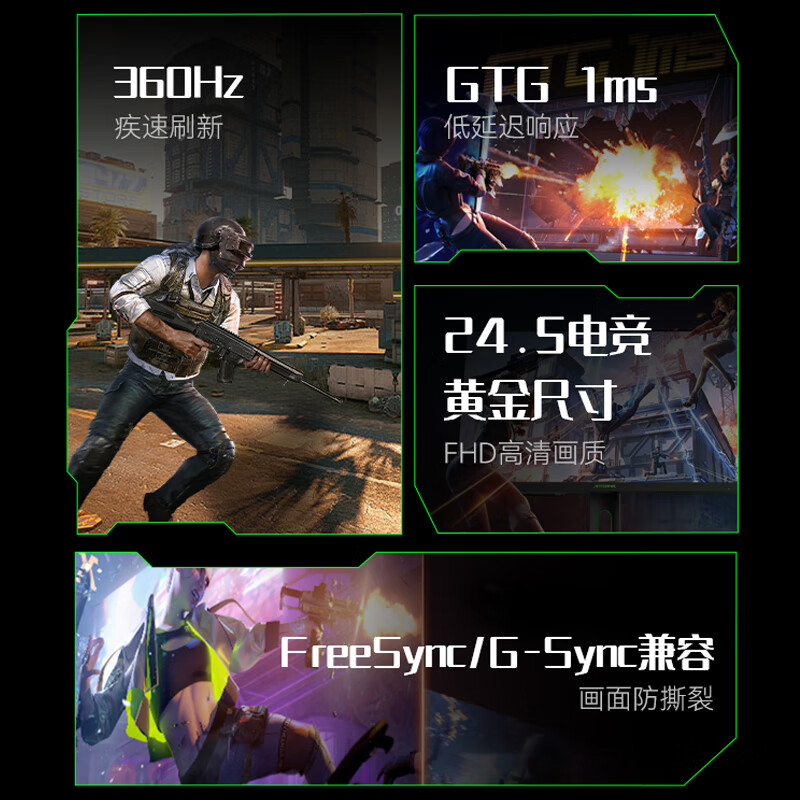
HKC has unveiled a new gaming monitor under its ANTGAMER lineup, the ANT253VF. The key feature of this monitor is its blazing-fast 360Hz refresh rate, designed to deliver an ultra-smooth gaming experience for competitive players. The monitor is now listed on JD.com in the Chinese market for a price of 2499 yuan (around $350). Let’s check out the key specs.
HKC ANTGAMER ANT253VF Specifications:
The ANT253VF boasts a 24.5-inch Fast IPS panel with a 1920×1080 resolution and 16:9 aspect ratio. The IPS panel technology ensures wide viewing angles and good color reproduction, while the 1ms GTG response time minimizes ghosting and blurring during fast-paced action.
The ANT253VF gaming monitor boasts a color gamut covering 99% of the sRGB spectrum, ensuring a wide range of accurately represented colors. With HDR 400 certification, it offers enhanced brightness and contrast, leading to more realistic and vivid images.
With a 360Hz refresh rate, the ANT253VF offers significantly smoother visuals compared to traditional 60Hz or even 144Hz monitors. This can give gamers a competitive edge by allowing them to react to in-game events more quickly and accurately.
The ANT253VF is compatible with AMD FreeSync and NVIDIA G-Sync variable refresh rate technologies for additional smoothness. These technologies eliminate screen tearing and stuttering that can occur when the monitor’s refresh rate is not synchronized with the graphics card’s frame rate.
The gaming monitor features versatile connectivity options, including two HDMI 2.0 ports for up to 240Hz gameplay and one DisplayPort 1.4 port that supports the full 360Hz refresh rate. Additionally, it features a 3.5mm audio jack, allowing gamers to connect headphones or speakers directly to the monitor for an immersive audio experience.
The ANT253VF is equipped with a variety of features that cater to gamers. It has a built-in aiming crosshair and dark field brightening mode, which can be helpful in first-person shooter games. The monitor also offers multiple scene modes that allow gamers to customize the display settings for different game genres.
The ergonomic stand of the ANT253VF allows for height adjustment, and swivel, tilt, and pivot functionality, ensuring a comfortable viewing position during long gaming sessions. Earlier this week, HKC also launched another gaming monitor with very similar specs.
Alongside the ongoing Amazon Global’s Spring Sale, Amazon India is also hosting the Holi Festival sale extravaganza. Some really good offers on smartphones and tablets from iQOO, Honor, Motorola, and other smartphone brands are up for grabs. We have listed some exciting deals that could help you save a dime. Let’s look at the list of these exciting deals:
Apart from that, interested users can gran the Samsung Galaxy Tab S9 FE for the price of Rs 35000 which includes a Rs 10000 discount. Apart from the inclusive discount, the users can enjoy card discounts too. It is available in 128/256GB Storage and WiFi and 5G connectivity too.
Poco M6 Pro 5G features a 6.79-inch LCD display with a 90Hz refresh rate. It bundles a 50MP primary rear camera and an 8MP front sensor. The smartphone houses a 5000 mAh battery that supports 18W fast charging.
The tablet seems to feature a 10.9-inch display with a 90Hz refresh rate and an Exynos 1380 SoC. It features a magnanimous 8000 mAh battery that supports 45W fast charging. It is available in two different storage options: 128GB and 256 GB. There’s a discount of Rs 14000, and it is retailing for Rs 26000.
Coming to Xiaomi, there are plenty of discounts on the Xiaomi Pad 6, and its sub-brand device Poco M6 Pro 5G and Poco C55. Talking about the Poco M6 Pro 5G, the smartphone couples a 6.71-inch IPS LCD, and a 60Hz refresh rate. There’s a 3.5mm headphone jack and packs a 5000 mAh battery with 10W fast charging tech. It is coupled with helio G85 SoC.
It is available at a Rs 9000 discount that reduces the price to Rs 31000. The smartphone features a 6.78-inch OLED panel featuring 120Hz refresh rate and 10-bit colors. The iQOO Neo7 Pro smartphone runs the Snapdragon 8+ Gen 1 SoC. Further, there’s a 50 MP primary sensor and a 16 MP selfie camera.
Another 5G smartphone from iQOO features a 6.58-inch LCD display with a 120Hz refresh rate. The camera has a 50MP primary sensor. There’s a 5000mAh battery that offers 18W fast charging. There’s around an Rs 8,500 discount and is retailing for Rs 11,500.
It is a high-end smartphone that features the Snapdragon 8 Gen 2 SoC and is available in the price segment of Rs 20–40K. Further, there’s a 6.78-inch LTPO display that offers a 144Hz refresh rate with a display resolution of 1260 x 2800 pixels. There’s a 50MP primary camera sensor and an 8MP ultra-wide sensor. Moreover, the smartphone features a 5160 mAh battery, which bundles 120W fast charging.
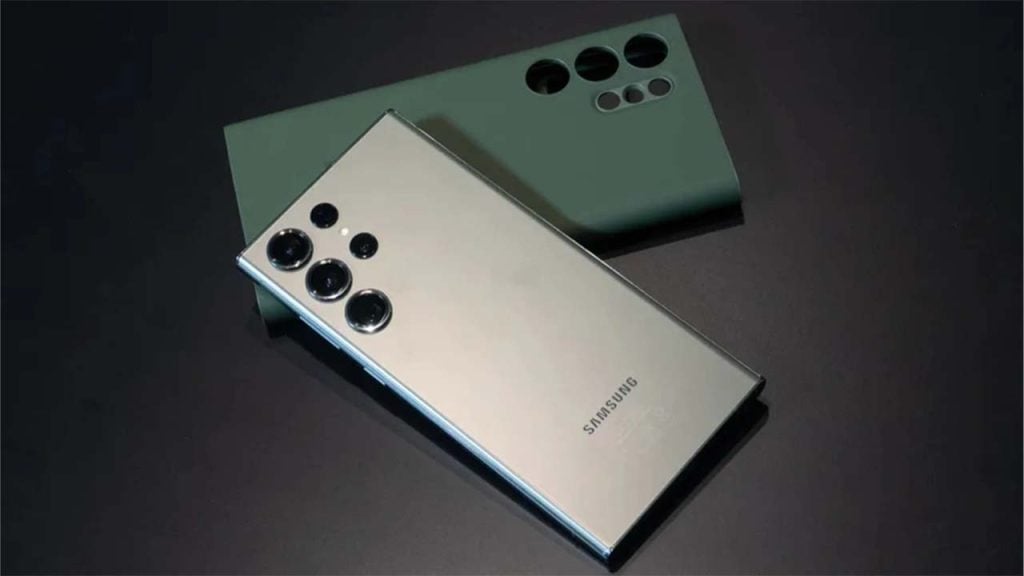
Samsung‘s Galaxy S24 Ultra offers all the latest features you’d expect from a 2024 smartphone. However, it’s gaining attention for an unusual issue: the S Pen stylus has an unpleasant burnt plastic smell.
The discussion around this unexpected quirk began on Reddit, where user LatifYil noted in a post that the S Pen on their Samsung Galaxy S24 Ultra “absolutely reeks.” Comments quickly poured in, with many confirming the issue.
Some comments added a touch of humor to the discussion, with one user amusingly stating, “Can confirm it’s a stinky boi.” Others described the smell as akin to “burnt plastic,” with a few even likening it to the distinct odor of a “cybertruck.”
Some users suggested that the smell on the S-Pen could be due to potential chemical coatings. However, Samsung’s EU community forum moderator provided a more mundane explanation.
Apparently, the S Pen’s close proximity to internal components causes it to heat up while stored. This, in turn, results in a “hot plastic” smell, similar to a car that’s been in the sun, says the moderator.
Interestingly, this odor isn’t limited to the S24 Ultra model. Previous generations like the Galaxy S23 Ultra and S22 Ultra also exhibit this trait, as reported by 9to5Google.
Curious about the issue, I checked my own Galaxy S22 Ultra and yes there was a faint odor in the S Pen. However, it wasn’t as strong as described.
Surprisingly, 9to5Google’s report highlighted that the older Note S20 Ultra stylus was odorless. It could be due to its glossy finish compared to the rubberized coating of newer models.
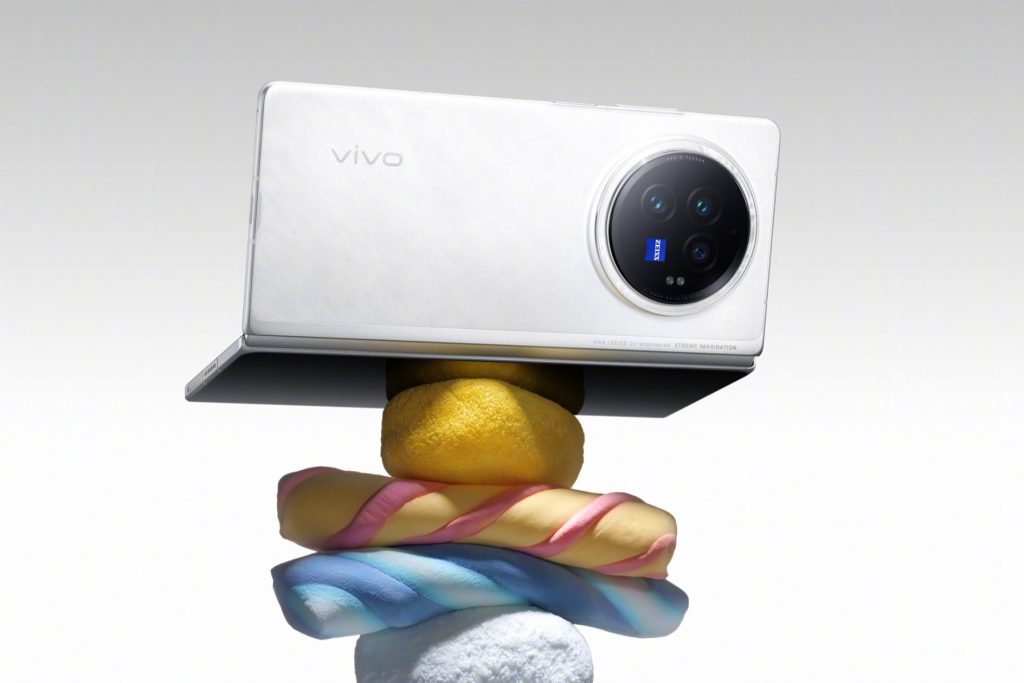
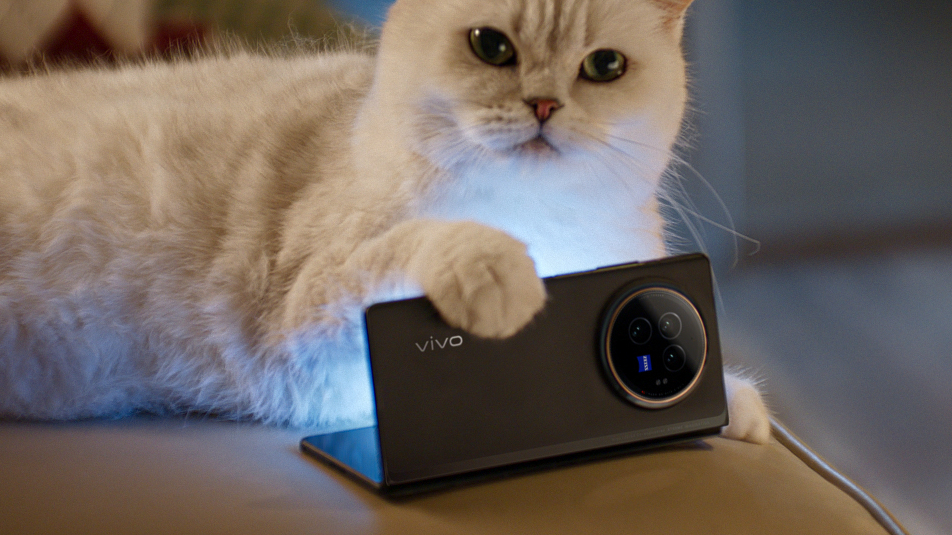
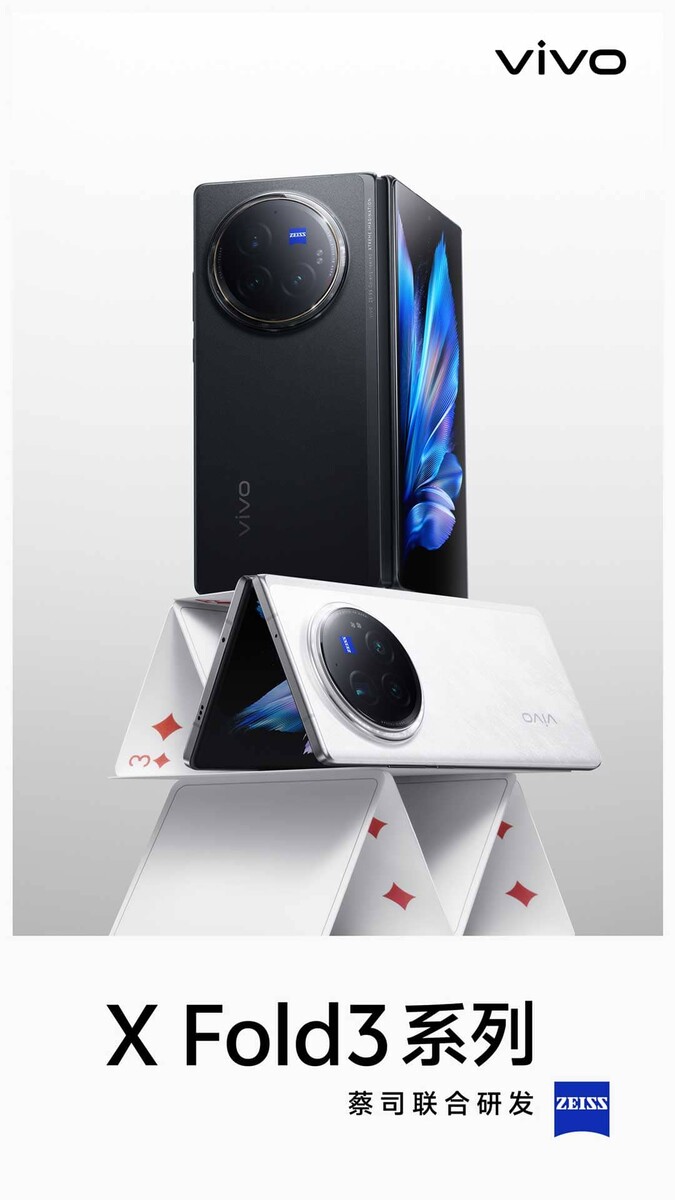
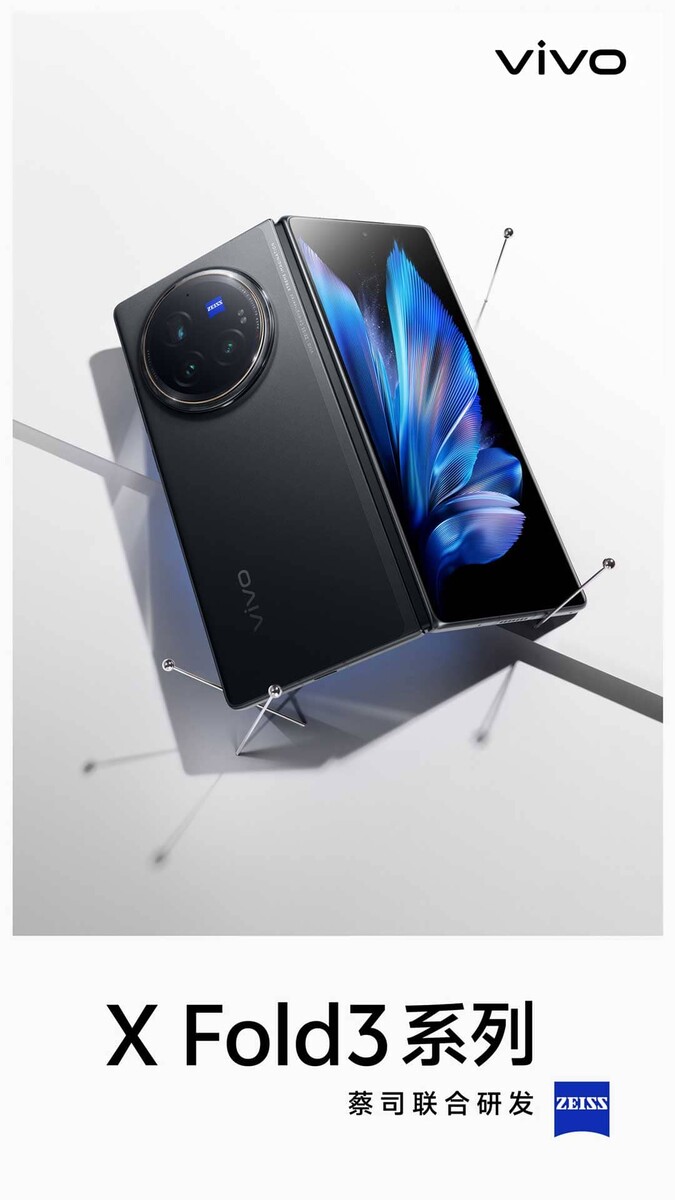
On March 26, Vivo will hold a launch event in China. At this launch event, the brand plans to debut a bunch of new products like the Vivo TWS 4 and the Pad 3 Pro. However, the star of the show will be Vivo’s latest foldable smartphone called the Vivo X Fold 3 series. The series will consist of a standard and a Pro model. Many details of both these smartphones are already available, so here’s everything that we can expect from the Vivo X Fold 3 series.
Design and display
While the overall visual design of the Vivo X Fold 3 series will remain quite similar to its predecessors, the brand has used “Armor Feather” body structure in the upcoming foldables that will make them quite tough, making them the world’s first foldable SGS five-star anti-drop certification. The hinge has also been improved to provide a longer life while causing less creasing of the foldable display.
The X Fold 3 Pro will measure 11.2mm when folded and 5.2mm when unfolded while weighing 236 grams. On the flip side, the standard model will weigh just 219 grams, making it lighter than the iPhone 15 Pro Max (221 grams), while measuring around 4.65mm when unfolded.
Leaks have revealed that both the X Fold 3 and the X Fold 3 Pro models will come with an 8.03-inch foldable OLED panel and a 6.53-inch OLED cover display. Both screens will support resolutions of 2748 x 1172 pixels and 2480 x 2200 pixels, respectively, and feature ultrasonic in-display fingerprint scanners. Both the inner and outer displays of these devices will offer 120Hz refresh rate and a peak brightness of 3000nits.
Performance
While Vivo has confirmed that the Pro model will feature a Snapdragon 8 Gen 3 SoC, there is no official word on the standard model. That being said, leaks indicate that it will debut with last year’s Snapdragon 8 Gen 2 chip. The phones feature LPDDR5x RAM and UFS 4.0 storage. Both of these foldables will come with up to 16GB RAM, while the Pro model has been leaked to offer two storage options: 512GB and 1TB. They will operate on Android 14-based OriginOS 4. As for the battery, the vanilla model is said to house a 5,600mAh or 5,700mAh battery with 80W fast charging, while the Pro model will have a 5,800mAh battery that supports 120W wired fast charging and 50W wireless charging.
If we talk about the performance, the Vivo X Fold 3 was recently spotted on Geekbench with an octa-core processor with a peak clock speed of 3.19GHz. It scored 2,008 points on the single-core test and 5,490 points on the multi-core test of Geekbench 6, which is quite impressive. On the other hand, the Vivo X Fold 3 Pro was spotted on the AnTuTu benchmark with a score of over 2.1 million points, which will make it the most powerful foldable on the market when it debuts.
Camera
The X Fold 3 Pro is said to feature an OV50H OmniVision 50-megapixel primary camera, boasting an f/1.68 aperture. It will be accompanied by an OV64B 64-megapixel periscope telephoto camera, offering 3x optical zoom, a 70mm focal length, and support for telephoto macro photography. A 50-megapixel ultra-wide camera is also expected to be onboard, along with a 32-megapixel front-facing camera and a 32-megapixel camera on the internal screen. The brand has already shared a bunch of camera samples of the X Fold Pro.
Vivo X Fold 3 Pro image samplesVivo X Fold 3 Pro image samples
The standard model is said to have a 32-megapixel on both the external and internal displays. While its rear camera setup could include a 50-megapixel OV50H main camera with Optical Image Stabilization (OIS), alongside a 50-megapixel ultra-wide lens and a 50-megapixel telephoto camera supporting up to 40X digital zoom.
Pricing
While no details about the standard model have surfaced regarding the pricing, a leaked promo poster has revealed that the Pro model will come in two variants: 16GB + 512GB and 16GB + 1TB, priced at 13,999 Yuan ($1,945) and 14,999 Yuan ($2,085) respectively.
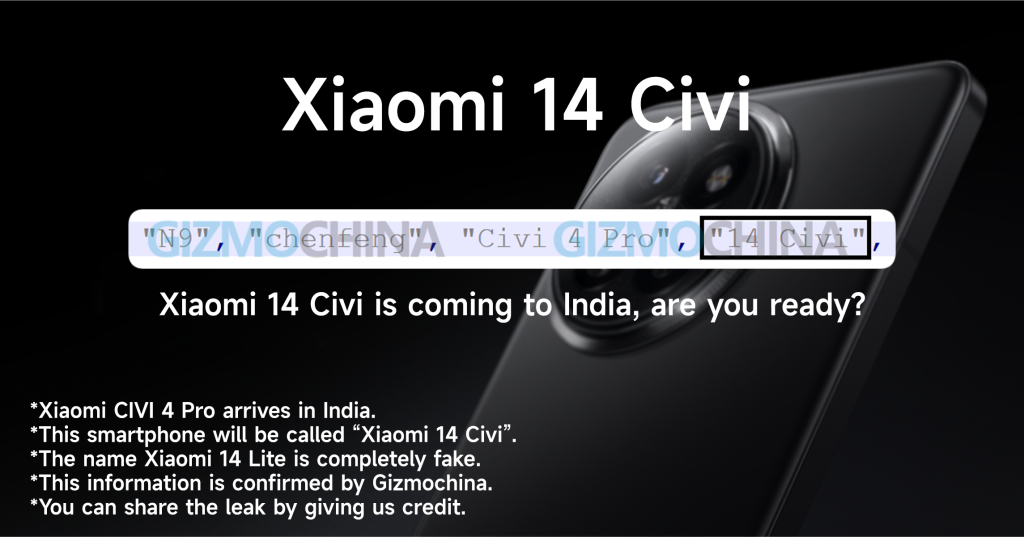
Just 2 days ago Xiaomi officially announced the CIVI 4 Pro and there were some rumors that this model would be sold in the global market. But GSMChina has confirmed that these rumors are not true. The CIVI 4 Pro will be available in China and India. When a smartphone manufacturer launches its devices, it changes the name depending on the markets.
The new CIVI 4 Pro will be introduced with a different name in India. Here is the new Xiaomi 14 Civi! In fact, this is a rebranded CIVI 4 Pro and many features are almost identical. We don’t know the exact differences between the Xiaomi 14 Civi and the CIVI 4 Pro, but most features should be the same. We at Gizmochina team can now confirm that the new model will come as the Xiaomi 14 Civi.
Xiaomi 14 Civi
The Xiaomi CIVI series stands out with its stylish design. They also feature quality camera sensors. The Chinese manufacturer surprises everyone with the recently announced CIVI 4 Pro. Because this smartphone offers some world-first features. The first of these is the Qualcomm Snapdragon 8S Gen 3 SOC.
This high-performance SOC is a Snapdragon 8 Gen 3 with low clock speeds. The new 8S Gen 3 chip offers similar performance to last year’s flagship processor 8 Gen 2. In addition, the CIVI 4 Pro comes with a new Leica-powered camera system and is set to usher in a new era of mobile photography. For those waiting for the CIVI 4 Pro to come to India, we have a surprise for you! Xiaomi will launch this model with a name change.
Xiaomi 14 Civi
Gizmochina spotted the Xiaomi 14 Civi in Mi Code. This information is therefore reliable. Xiaomi CIVI 4 Pro is being rebranded under the name Xiaomi 14 Civi. The device has the codename “chenfeng” and the internal model number “N9“. Xiaomi had mentioned the similarities of this model with the Xiaomi 14 Pro at the launch. That’s why the CIVI 4 Pro, which is called Pro in China, will now come to India. Unfortunately, we do not know the sales price in India.
It is expected to be cheaper compared to the Xiaomi 14. Meanwhile, it has been fully confirmed that the name Xiaomi 14 Lite mentioned by DCS (Digital Chat Station) is fake. A model under the name Xiaomi 14 Lite will not be introduced. In addition, the Xiaomi 14 Civi will remain exclusive to the Indian market. It will not be introduced in the global market. What do you think about the new Xiaomi 14 Civi? Let us know what you think in the comments section!
Baseus has launched a new pair of clip-on earphones, the AirGo 1 Ring, featuring an open-ear design and a total battery life of 25 hours. The earphones are priced at 138 yuan (around $20) and are available on JD.com.
Baseus AirGo 1 Ring Specifications:
The AirGo 1 Ring boasts a unique selling proposition: “360-degree surround sound effects” achieved through 12mm dynamic drivers and spatial audio technology. This technology aims to create a more realistic and immersive listening experience for open-ear headphones.
Despite being open-ear, Baseus claims the AirGo 1 Ring utilizes directional audio transmission and a precise 20-degree ear angle to minimize sound leakage and maintain high-definition audio quality.
For battery life, the AirGo 1 Ring offers up to 6 hours of playback on a single charge, with the charging case extending that total to 25 hours. The case also supports fast charging, providing 2 hours of listening time with just a 10-minute charge.
The earbuds are lightweight at only 4.5 grams each and feature a transparent, double-layer ear hook design for a secure and comfortable fit throughout the day.
Beyond comfort, the earbuds pack a punch in terms of features. The earphones come equipped with Bluetooth 5.3 for a stable connection and low power consumption. They also support Baseus Smart Dual Connect technology, allowing users to connect to two devices simultaneously, perfect for juggling work calls and personal music listening.
For gaming, the earbuds come with ultra-low latency of 0.06 seconds, ensuring audio and visuals stay in sync during gameplay. The Baseus app further enhances the experience, offering customizable buttons, headphone positioning adjustments, and a selection of 12 EQ sound effects.
Touch controls on the earphones allow users to play/pause music, answer/end calls, switch between sound modes, and even activate their voice assistant. All gesture controls can be customized through the Baseus app.
The Baseus AirGo 1 Ring comes in two colors: Starlight White and Star Yao Black. The earphones weigh 42.8 grams (excluding packaging) and offer a communication distance of approximately 10 meters. They utilize a Type-C charging interface for the case, which takes about 1.5 hours to fully charge.
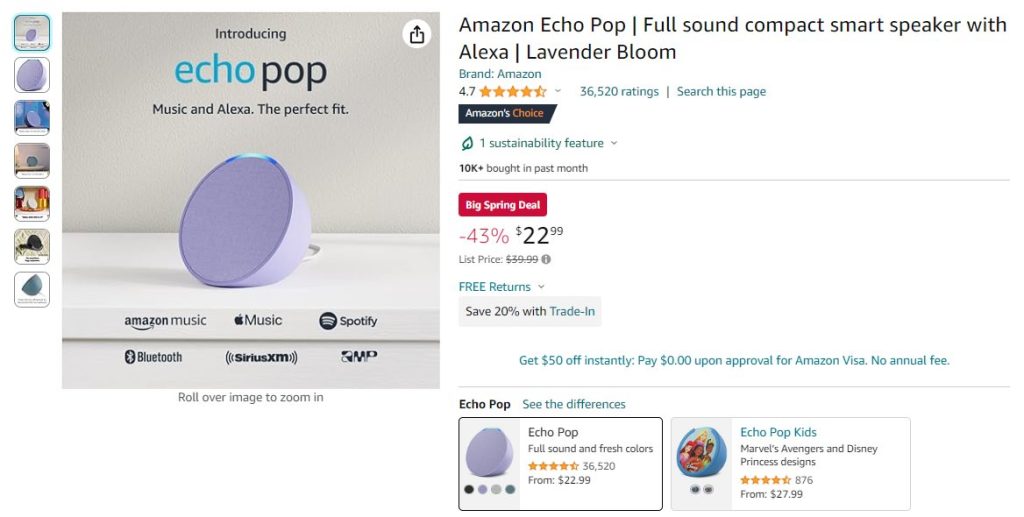
At the Amazon Spring Sale, there are good discounts on Amazon’s home-made products. Meanwhile, the small Amazon electronic devices are well known for their interconnectivity, affordability, accessibility, and the presence of Alexa voice assistants. The Amazon Echo Pop is the smallest iteration of Amazon’s vast electronic product brochure. The tiny speaker is on sale with a massive discount of $23.
Without worrying about the connectivity, the Amazon Echo Pop can be your perfect bedside or cabinet top speaker. The speaker consisting of an LED car, microphones, and support for a 3.5mm audio jack are some prominent physical points visible on the speaker. Further, there’s no USB connectivity, and the support to act as an extender for Eero’s mesh WiFi network.
It can be used as an intercom for other speakers connected and could help you do work at a single command.
It could be the perfect purchase at the price of $23, as there’s nothing to regret after buying.
We use cookies on our website to give you the most relevant experience by remembering your preferences and repeat visits. By clicking “Accept”, you consent to the use of ALL the cookies.
This website uses cookies to improve your experience while you navigate through the website. Out of these, the cookies that are categorized as necessary are stored on your browser as they are essential for the working of basic functionalities of the website. We also use third-party cookies that help us analyze and understand how you use this website. These cookies will be stored in your browser only with your consent. You also have the option to opt-out of these cookies. But opting out of some of these cookies may affect your browsing experience.
Necessary cookies are absolutely essential for the website to function properly. This category only includes cookies that ensures basic functionalities and security features of the website. These cookies do not store any personal information.
Any cookies that may not be particularly necessary for the website to function and is used specifically to collect user personal data via analytics, ads, other embedded contents are termed as non-necessary cookies. It is mandatory to procure user consent prior to running these cookies on your website.