Advertisement

Google Pixel Watch 3 expected to come in two different sizes

The Google Pixel Watch 2 is a stylish smartwatch with excellent performance, features, and battery life. But, many have complained that it’s too small, being only available in a 41mm size. This is smaller than what competitors like Samsung offer, with sizes going up to 47mm.

Google is reportedly addressing this issue with the Pixel Watch 3, which is expected to come in two sizes. The exact case sizes are unknown, but the larger option will be bigger than the 41mm Pixel Watch 2.
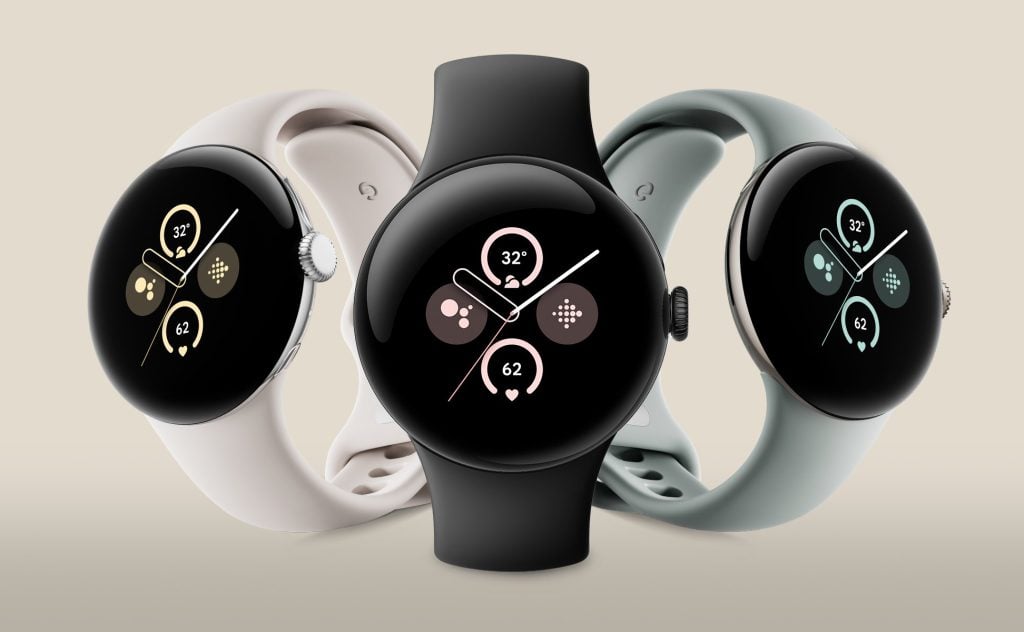
Pixel Watch 3 sizes

A bigger casing could allow Google to fit in a larger display, like a 1.3-inch screen, and a bigger battery for improved battery life. It could also allow for more health sensors.

The larger version of the Pixel Watch 3 is expected to use 22mm bands, which are wider than the 20mm bands used in the current model. Google should also make the watch look sleeker by reducing the bezel around the screen.

This larger Pixel Watch would be perfect for people with bigger wrists or those who need a longer-lasting battery. The Pixel Watch 2 already lasts 24 hours with its always-on display feature, but a bigger model would likely have an even better battery.

The Pixel Watch 3 is expected to launch in early October, at the same time as the new Pixel 9 series, following Google’s pattern from the past two years. As for the technology inside, it’s expected to use the same Snapdragon W5 chipset as the Pixel Watch 2, since there’s no news about a new chipset for Wear OS.

Related:

(Source)

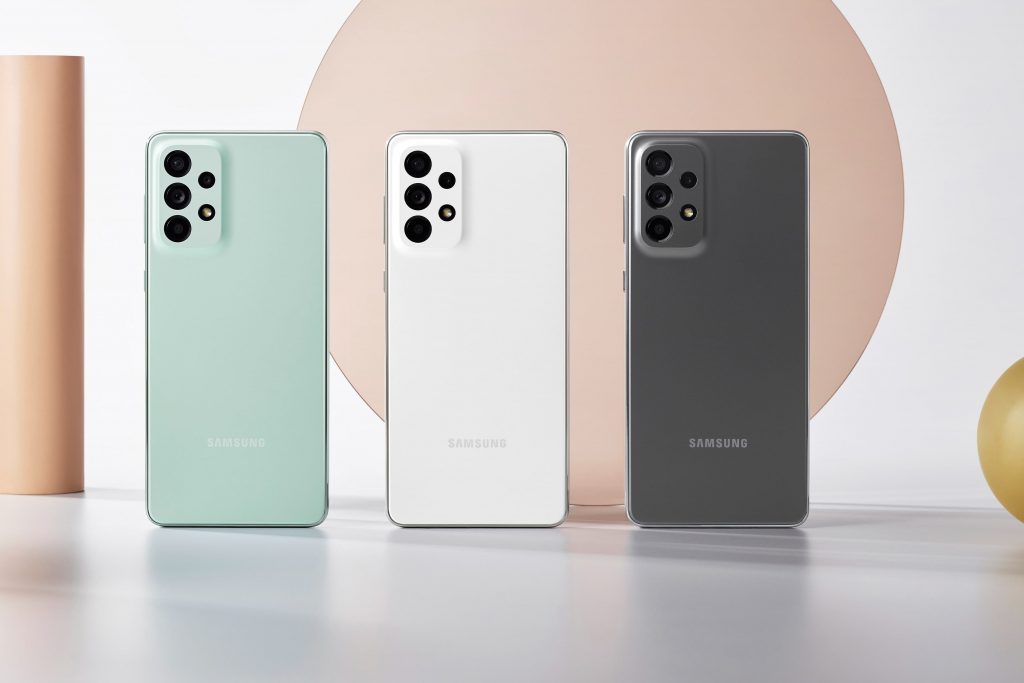
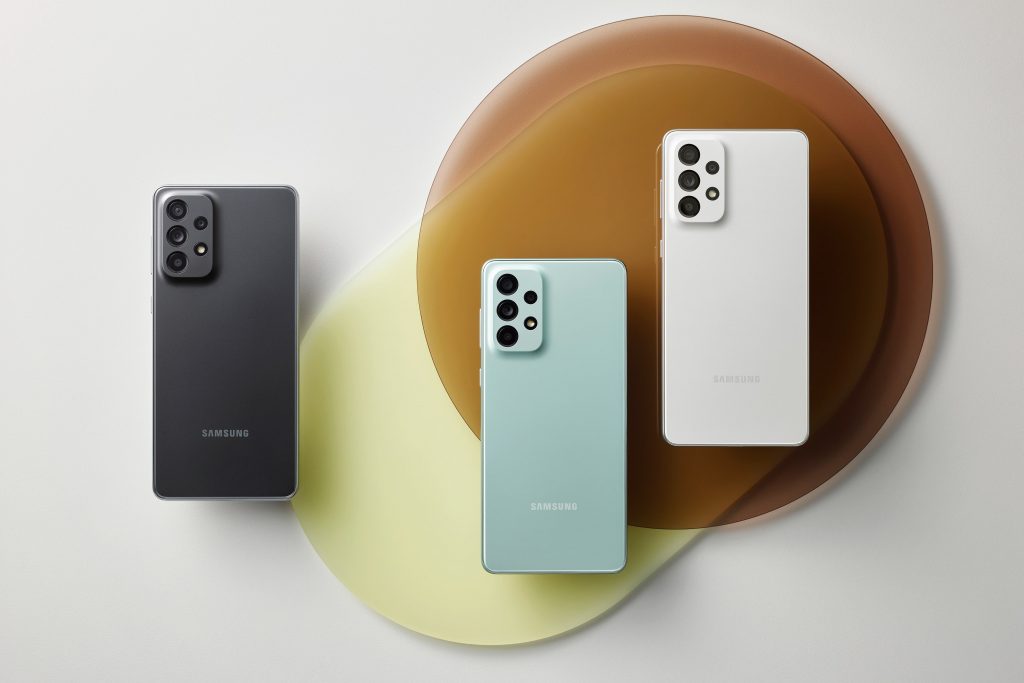
Samsung Galaxy A73 gets January 2024 security update

Samsung continues to roll out security updates for its devices, even with the recent Galaxy S24 launch. The Galaxy A73 is the latest recipient, with the January 2024 patch now available in Europe.

The update, identified as firmware version A736BXXS6DXA1 and weighing in at under 500MB, is currently accessible in Turkey and expected to arrive across Europe within the next few days. The update should be rolled out in other regions shortly.

Samsung Galaxy A73 5G

This update addresses over 75 security vulnerabilities identified in the previous software, enhancing your Galaxy A73’s overall security posture. Galaxy A73 owners can check for the update by heading to Settings > Software update and tapping Download and install.

Samsung introduced the Galaxy A73 smartphone in early 2022. It originally came with Android 12, and Samsung has committed to providing four years of Android updates for it.

The phone has already received the Android 13 and 14 updates. It’s now expected to get the Android 15 and 16 updates in the future.

Samsung Galaxy A73 specs

Samsung Galaxy A73 5G sports a 6.7-inch Infinity-O display with a 120Hz refresh rate. It is a punch-hole panel with Full-HD+ resolution. The display also doubles up as an in-display fingerprint scanner for added security.

The device has a quad-camera system with a 108MP main lens with an f/1.8 aperture, a 12MP ultra-wide lens with an f/2.2 aperture, a 5MP macro sensor, and lastly a 5MP depth unit. Upfront, it has a 32MP selfie shooter.

Under the hood, it is powered by the Qualcomm Snapdragon 778G octa-core SoC paired with 8GB of RAM and 128GB/256GB of internal storage. It packs a 5,000mAh battery with support for 25W fast charging technology. It has a stereo speaker setup with AKG audio. It also features an IP67 water-resistant rating for surviving water splashes.

Related:

Here’s when your Samsung Galaxy phone or tablet will get the One UI 6.1 update

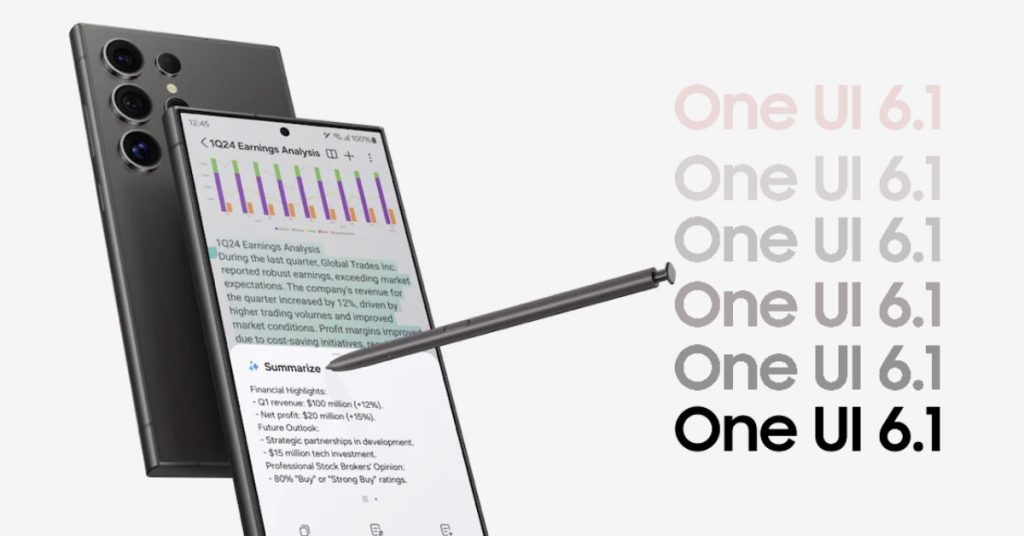
Samsung‘s latest software update, One UI 6.1, debuted on the Galaxy S24 series and boasts several AI-powered features. While the update brings minimal visual tweaks to Samsung’s interface, the software within brings some new functionalities.

Samsung Galaxy One UI 6.1 update

One UI 6.1 introduces new AI-powered features like “Live Translate” for real-time phone call translation, “Generative Edit” for advanced photo manipulation, and “Generative Wallpapers” for AI-designed customizable backgrounds. These additions aren’t revolutionary, but they offer practical functionality, with Live Translate potentially proving particularly useful for bridging communication gaps.

Which Galaxy devices are getting One UI 6.1 next?

Additionally, the One UI 6.1 update won’t be exclusive to the Galaxy S24 series. Samsung has already confirmed a rollout for several other devices, including:

  • Galaxy S23
  • Galaxy S23+
  • Galaxy S23 Ultra
  • Galaxy S23 FE
  • Galaxy Tab S9
  • Galaxy Tab S9+
  • Galaxy Tab S9 Ultra
  • Galaxy Z Fold 5
  • Galaxy Z Flip 5

The One UI 6.1 update on these devices will be rolled out in the first half of 2024. Similarly, One UI 6.1 test builds have also been spotted for these devices so far (via Android Authority):

  • Galaxy S22 series
  • Galaxy S21 series
  • Galaxy Z Fold 4 and Galaxy Z Flip 4
  • Galaxy S21 FE
  • Galaxy A54
  • Galaxy A34

It’s worth noting that on older devices the more complex AI features may not function as smoothly due to less powerful processors. They might require an internet connection for processing, unlike the Galaxy S24’s partial on-device capabilities. Furthermore, not every feature might be available on all devices receiving the update.

Also, some of Samsung’s latest AI features will be free only “until the end of 2025.” After that, they might require a subscription, but Samsung hasn’t provided details on this yet. This means that even the new Galaxy S24 series could lose access to some AI features after 2025.

Related:

Render of Motorola Razr Plus 2024 leaks with familiar design

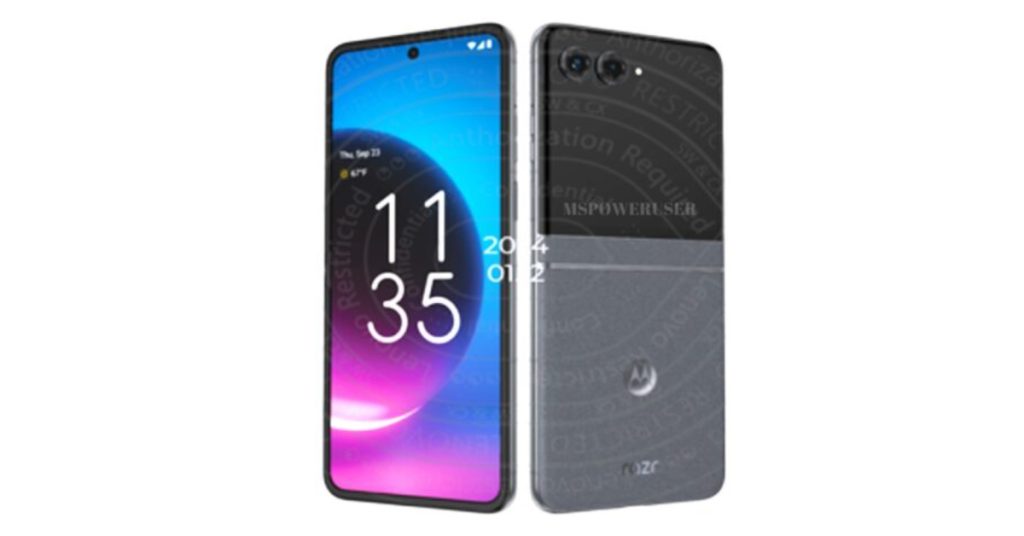
Motorola might soon release a new version of its flip-style phone, as reported by MSPowerUser. The publication recently shared a render of the upcoming Moto Razr phone, which keeps the familiar look we know, both front and back.

This new model, possibly called the Razr Plus 2024 and codenamed Glory (model number XT-2453-3), is set to follow the Razr 40 Ultra/Plus. It’s expected to be sold exclusively through Verizon Wireless in the US.

Motorola Razr Plus 2024

The design includes a cover display on one half, with two camera rings on the top-right, similar to previous Razr models. Likewise, the Razr+ will likely have a contemporary classic grey finish. When you flip it open, it looks similar to the previous models, with a punch-hole camera in the center for selfies.

The Razr+ is expected to perform better and have a longer battery life, thanks to a new Qualcomm Snapdragon processor. The exact model of the chipset isn’t confirmed yet. The current Motorola Razr uses the Snapdragon 8 Gen 1 chipset.

Motorola’s journey in foldable phones started with the Razr 40 in 2020, followed by the Razr 40 Ultra and Razr 40 Plus in 2021. The brand is competing in the growing foldable phone market against big names like Samsung, Huawei, and Xiaomi. Motorola aims to stand out with its unique design and user experience.

The official release date and price of the Razr+ haven’t been announced yet, but it might launch in the first half of 2024. We will keep you updated on any new developments regarding the foldable.

Related:

India’s smartphone market sees minor 2% drop in 2023, with robust Q4 growth: Canalys

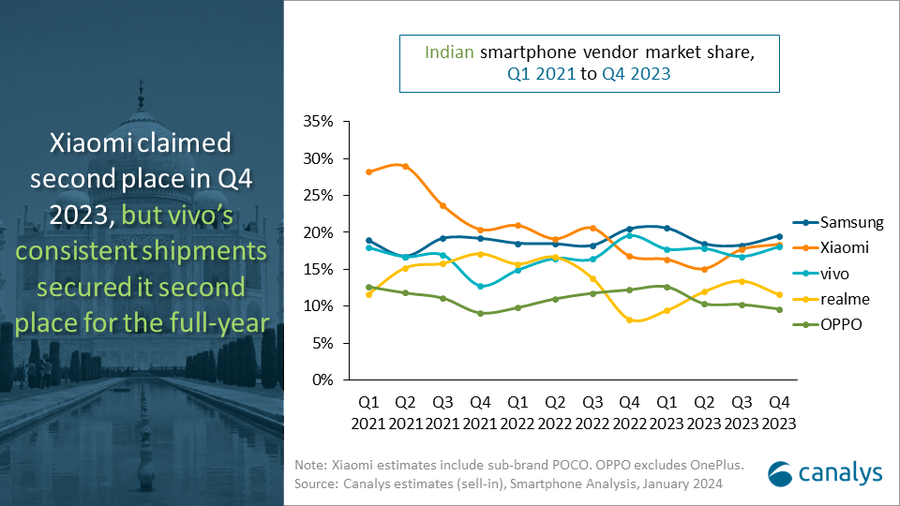
In 2023, India’s smartphone market experienced a slight decrease in shipments, totaling 148.6 million units, a 2% drop from the previous year. However, the final quarter showed a promising 20% year-on-year growth with 38.9 million units shipped. This overall stability was attributed to strong demand during the festive season.

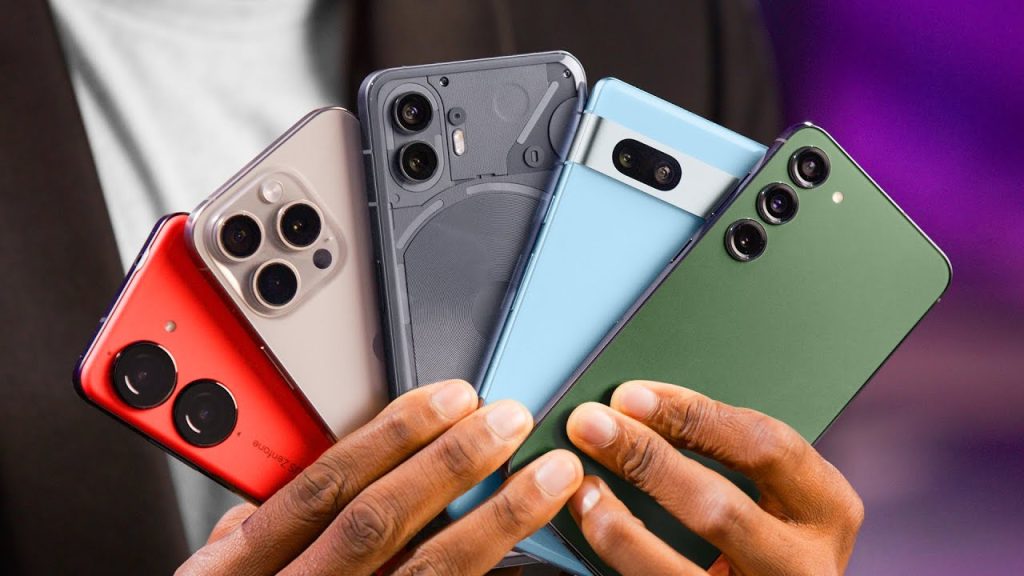
2023 smartphones
Credit: MKBHD

India’s Smartphone Market Overcomes Obstacles in 2023

Samsung led the market in the fourth quarter with a 20% share, shipping 7.6 million units, followed by Xiaomi with 7.2 million units. Vivo, Realme, and OPPO were also among the top five brands. For the entire year, Samsung remained at the top, although its market share slightly declined by 1%. Vivo and Xiaomi followed, with Vivo showing a small growth and Xiaomi experiencing a decline. Realme and OPPO completed the top five, both seeing a decrease in their shipments.

Indian smartphone market

The market’s resilience in 2023 was bolstered by improved consumer confidence and strong performance during the festive season, despite facing challenges like inventory issues and inflation. A noteworthy trend was the significant growth in the premium smartphone segment, driven by brands like Apple and Samsung offering new models and attractive financing options.

Canalys Senior Analyst Sanyam Chaurasia highlighted the success of brands like Xiaomi and Realme in expanding their offline presence and balancing their shipment channels. The market saw a rise in offline shipments for these brands, contributing significantly to their overall sales.

5G smartphones played a crucial role in the market, with affordable models driving growth. Canalys anticipates that the Indian smartphone market will continue to grow in 2024, fueled by reasonably priced 5G phones and a replacement cycle from the pandemic period. However, rising material costs pose a challenge for manufacturers.

RELATED:

New Electric E-Skis Aim to Revolutionize Off-Season Skiing

Skiing enthusiasts often find their passion bound by the seasons, but a groundbreaking invention is set to change the game. Skwheel’s innovative ‘E-Skis’ promise a thrilling experience not limited by snow or season.

They are called Skwheel One and can hit 15 miles per hour

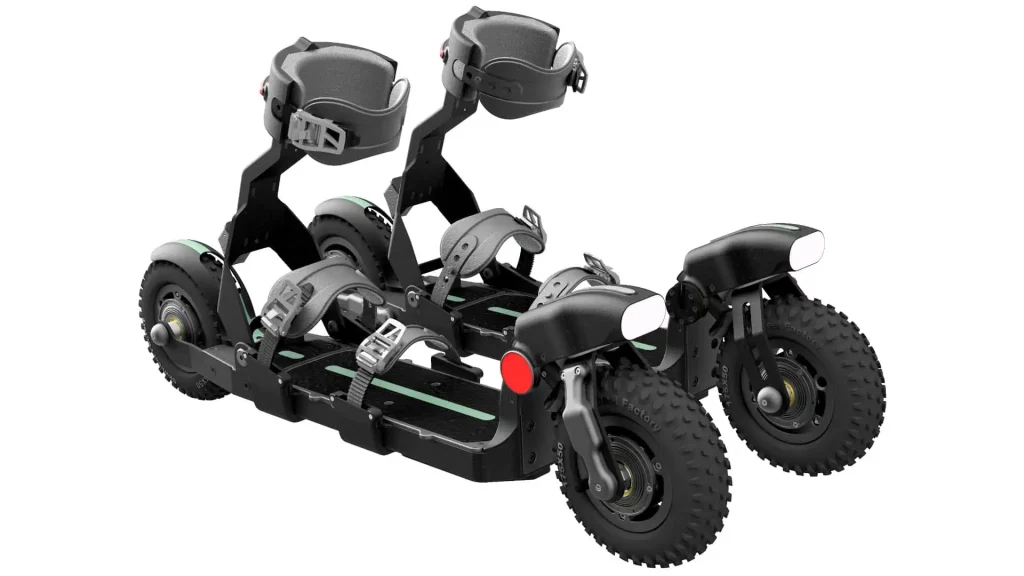
These electric-powered skis, aptly named Skwheel One, redefine traditional skiing. Imagine strapping a pair of agile electric scooters to your feet, and you’re close to understanding the thrill they offer. They merge the excitement of skiing with the accessibility of in-line skating, yet are far more exhilarating. The Skwheel One, propelled by four robust 600-watt motors, can reach speeds of 50 miles per hour, though for safety, they’re capped at a more manageable 15 miles per hour.

Electric

Ingeniously designed, these ‘E-Skis’ feature a tire pivot system that mimics the genuine feel of gliding down snowy slopes. The use of carbon composite materials ensures both flexibility and durability, essential for navigating uneven terrain and even attempting jumps. The built-in suspension system adds to the smoothness of the ride, absorbing the roughness of the terrain.

These skis aren’t just about speed and agility; they’re also about accessibility. Skwheel’s creation opens up skiing to regions where snow is a rarity, transforming local parks and dry hills into potential skiing spots. The idea of skiing in summer, once a fantasy, is now within reach. A 20-minute tutorial is all it takes for beginners to get going, making it an inclusive sport for all.

However, as with any crowdfunded innovation, caution is advised. The Skwheel One, priced at around $1,851, is still a prototype with its market launch anticipated in June 2024. Potential backers should do their homework before investing in this new adventure on wheels.

RELATED:

(Via)

Honor Choice Earbuds X5 Officially Teased To Launch In India Soon

Recently, Htech started teasing the arrival of it next smartphone in India. It is expected to be the Honor X9b that debuted in global markets last year. Now, the Htech CEO Madhav Sheth has dropped a teaser of the Honor Choice Earbuds X5 on his X (formerly Twitter) handle. It confirms the launch of the TWS earphones in the country. Similar to the X9b smartphone, the audio device also launched in China last year. 

Honor Choice Earbuds X5 officially teased

The teaser shared by Sheth does not divulge in to the core specifications of the Honor Choice Earbuds X5. It focuses on unboxing and reveals the same design as the variant available in China. The TWS earphones come in a pebble-shaped storage case and feature a stem and silicone ear tips. There is a USB-C port on the case. The audio device will come with two different sizes of earbuds and a manual. On the back side of the retail box, we were also able to spot active noise cancellation and 35 hours long battery life on the Choice Earbuds X5. 

It’s likely that the Honor Choice Earbuds X5 and the Honor X9b will debut at the same time. We can expect the brand to drop more teasers and reveal the launch date in the coming weeks. 

Notably, the Honor Choice Earbuds X5 seems to be different compared to the China variant. In the brand’s home country, the TWS earphones are equipped with a 13.4mm driver. There are dual microphones with ENC. The audio device features Bluetooth 5.3 and can connect to two devices simultaneously. 

Related:

Japan’s SLIM Lunar Lander Touches Down on the Moon, But There’s a Snag

Japan‘s latest space venture, the “moon sniper” lander, named SLIM, has hit a snag right after its historic landing on the Moon. The Smart Lander for Investigating Moon, as it’s officially known, is now in a race against time due to a technical glitch with its solar cells.

The spacecraft was aiming for a precision landing at the Shioli Crater edge

Launched in September 2023, SLIM’s main goal was a precision landing like no other – to hit a target within 100 meters on the lunar surface. This spot, at the edge of the Shioli crater, was not chosen at random. Scientists believe it might hold keys to understanding the Moon’s origins, possibly containing ancient matter from deep within the Moon’s mantle.

Japan Lunar Lander

But space exploration is full of unexpected challenges. As SLIM descended towards its target, something went amiss. Although it managed to deploy two rovers, its solar cells, vital for powering the spacecraft, encountered an issue. This has left the SLIM lander with limited battery life – a few hours at most.

This situation puts pressure on the Japanese space agency, JAXA, to gather as much data as possible before the power runs out. There’s hope, though. The lander might revive after the lunar night, thanks to a change in sunlight angle recharging its batteries.

Meanwhile, the two rovers on the lunar surface, equipped with their own communication systems, might continue the mission. This setback, however, doesn’t overshadow Japan’s achievement. SLIM’s landing places Japan among a handful of nations to have achieved a soft landing on the Moon – a club that includes former Soviet Union, the USA, China, and India.

Despite the current predicament, SLIM’s journey represents a significant stride in space exploration, reflecting the relentless pursuit of knowledge and the inherent challenges of venturing into the unknown. As JAXA works to solve this hiccup, the world watches, hoping for a successful continuation of this ambitious lunar mission.

RELATED:

(Via)

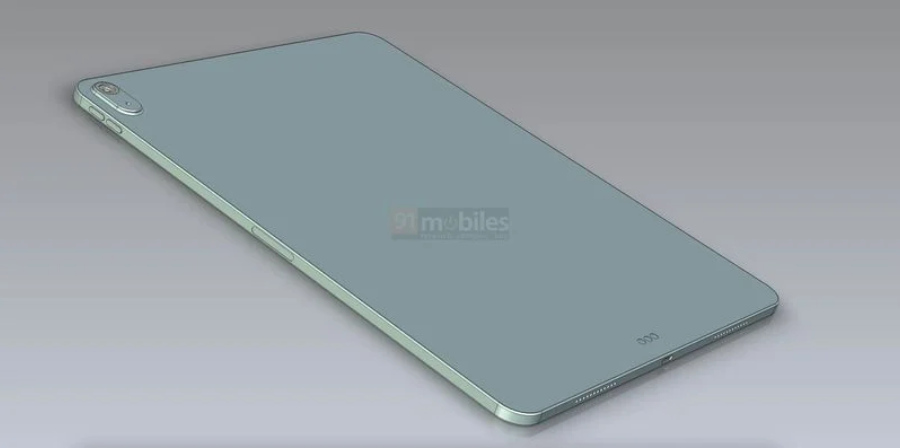
Leaked CAD renders suggest a 12.9-inch iPad Air redesign

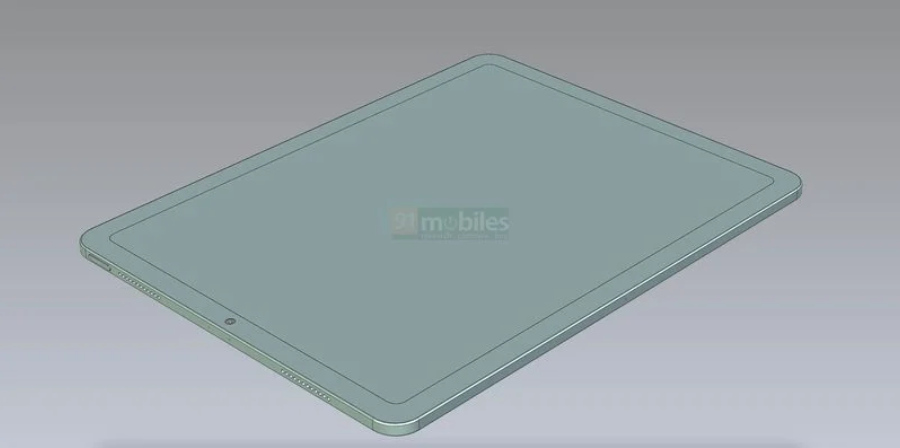
Apple’s popular iPad Air might be getting a design update if leaked renders are to be believed. 91Mobiles shared a set of CAD renders of the upcoming iPad Air and they show some interesting notable changes.

Firstly, the new iPad Air seems to keep the look of the 4th and 5th generation models but will be bigger. This is to fit a larger 12.9-inch screen. So from the front, it looks kinda like the 12.9-inch iPad Pro, but it has thicker bezels, similar to the 10.9-inch iPad Air.

Besides the screen, another big change is at the back. The new model might swap its single, round camera for a longer, pill-shaped one, like what we’ve seen on the iPhone X and XS.

Further speculation suggests the next iPad Air might pack the M2 chip, an upgrade from the current M1. Production is rumored to begin in early 2024, with a potential launch in March.

Just to recap, the last iPad Air was released in 2022. Interestingly, 2023 marked the first year Apple didn’t release a new tablet. So, there’s speculation that in 2024, Apple might update its entire iPad range, as previous reports have suggested.

The 2022 iPad Air comes with a 10.9-inches Liquid Retina IPS LCD display with 500 nits of brightness. It’s powered by an M1 chip and is paired with up to 256GB of storage. 

There is a single 12MP wide camera on the back and a 12MP ultra-wide camera on the front for selfies and video calls. It comes with a 28.6Wh battery.

Related:

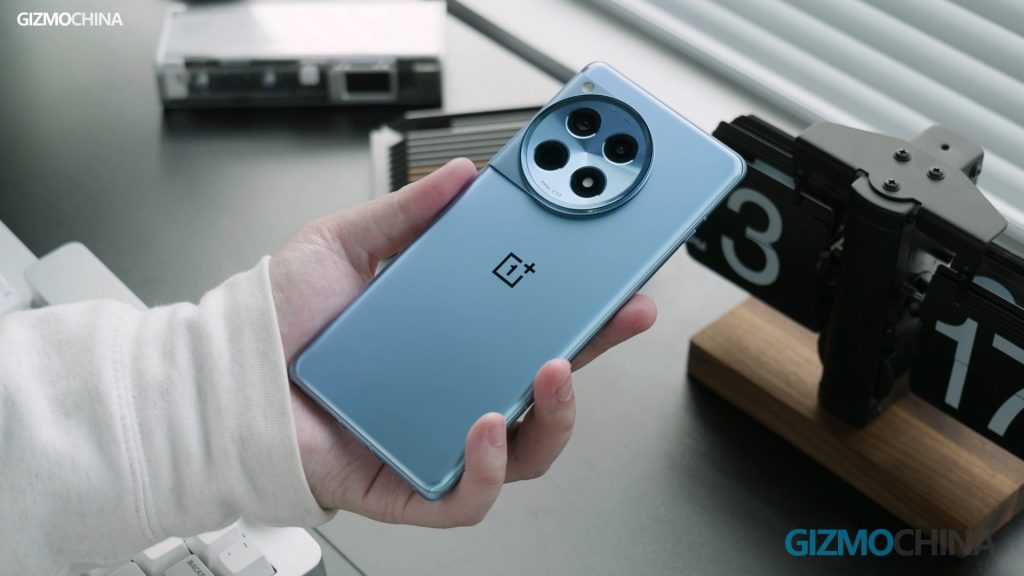
OnePlus Ace 3 Genshin Impact Custom Edition will launch on February 28

OnePlus is set to launch a unique version of their smartphone, the OnePlus Ace 3 Genshin Impact Custom Edition, on February 28 as announced officially on their Weibo handle.

OnePlus Ace 3 Genshin Impact Custom Edition

OnePlus Ace 3 Genshin Impact Edition will feature the character Keqing

This custom edition will integrate elements from the popular game Genshin Impact, specifically featuring the character Keqing. This collaboration goes beyond aesthetic changes, as OnePlus promises to deliver both a major customization upgrade and improved technical features specifically optimized for playing Genshin Impact.

In the past, OnePlus has teamed up with Genshin Impact to release limited edition gift boxes, but this new custom edition suggests a more in-depth redesign of the phone itself.

OnePlus Ace 3, announced earlier this month, boasts a 6.78-inch BOE X1 LTPO AMOLED display with a high resolution of 2780×1264 pixels, supporting adaptive refresh rate from 1Hz to 120Hz and up to 4500 nits peak brightness.

It features a Snapdragon 8 Gen 2 chipset with an Adreno 740 GPU, coupled with either 12GB or 16GB of LPDDR5X RAM and storage options of 256GB, 512GB, or 1TB UFS 4.0.

Running on Android 14 with ColorOS 14, the device offers dual SIM support and a versatile camera setup, including a 50MP primary camera, 8MP ultra-wide camera, and 2MP macro camera on the rear, as well as a 16MP front-facing camera. It incorporates an in-display fingerprint sensor and an infrared sensor for added security.

The OnePlus Ace 3 features USB Type-C audio, and stereo speakers with Dolby Atmos support, and offers advanced connectivity options such as 5G, Wi-Fi 7, Bluetooth 5.3, and NFC. It is powered by a substantial 5500mAh battery with 100W SuperVOOC fast charging, ensuring long-lasting usage and rapid recharging.

OnePlus Ace 3 (Check out our full review on OnePlus Ace 3) will also launch in India on January 23rd as the OnePlus 12R alongside the OnePlus 12.

RELATED:

Apple’s Vision Pro weighs heavily, literally and figuratively

The long-awaited Apple Vision Pro is now up for pre-order, with early orders set to be delivered on February 2. Although Apple revealed details about the headset last year, they’ve only recently started sharing more specific information about the product.

Apple Vision Pro

The Vision Pro will come with only 15 pre-installed apps, mainly from Apple, as expected. However, it’s surprising to learn that it won’t support popular apps like Netflix, YouTube, and Spotify. Users will need to find alternative methods to access these services, with the most efficient way now looking is through a browser.

Apple Vision Pro is heavy!

Apple has now confirmed a detail something that many have suspected — the Vision Pro is quite heavy. It clocks in at 1.3 pounds (601 grams) to 1.4 pounds (648.6 grams), depending on configuration. To give you an idea, that’s about the same as three iPhone 15 Pro Max or a 12.9-inch iPad Pro.

Popular tech reviewer MKBHD also mentioned on X/Twitter that the headset is quite heavy.  Additionally, there’s a separate battery accessory that needs to be connected with a dongle, weighing another 0.77 pounds (353 grams), which is heavier than an iPhone.

To make it more comfortable to wear, Apple is including an optional double-loop band with the Vision Pro. However, it’s still unclear how effective this will be in reducing the discomfort caused by the weight.

So, while the Vision Pro boasts impressive specs and futuristic features, its practical application might be hindered by its physical demands and software shortcomings. Time will tell if Apple can address these concerns and deliver on the immersive VR experience it promises.

Related:

(Via)

Huawei P70 series rumored to feature 6.7″ 1.5K quad-curved display, OV50H variable aperture

Huawei, following the success of its P60 series, is now concentrating on the development of its highly anticipated P70 series. Known for pushing the boundaries of smartphone innovation, Huawei aims to maintain this reputation with the P70 series, as suggested by insights from tipster Digital Chat Station.

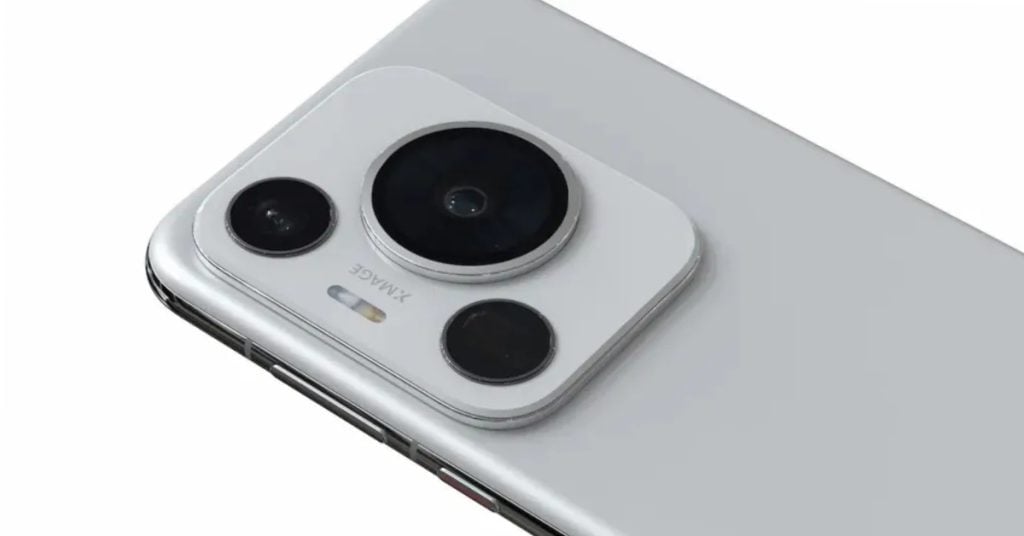
Huawei P70 renders

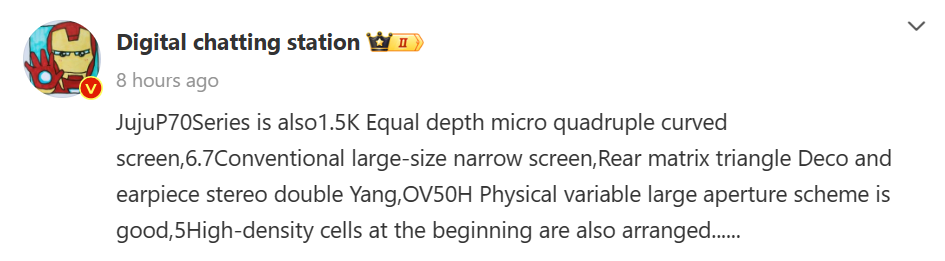
Huawei P70 Rumored Specifications (DCS Leak)

According to DCS, the Huawei P70 series is rumored to offer a 1.5K deep micro quad-curved screen measuring around 6.7 inches. This advanced screen is designed to provide a comfortable hold and improved visual quality.

Huawei P70 specs leak DCS

Its quad-curved design and minimal bezels promise an immersive and vibrant display with precise colors and responsive touch sensitivity. As per a previous leak, the series will opt for domestic OLED displays from Chinese manufacturers like BOE, COST, Visionox, and Tianma.

The camera system of the Huawei P70 series is set to see significant improvements as well. It is expected to feature the Omnivision OV50H variable physical aperture, a major upgrade over previous models. Initially, it was reported that the company was testing both Sony IMX989 and OV50H.

Omnivision OV50H sensor, released in January 2023, boasts a high-resolution 50MP capacity and is designed for premium models. With a 1/1.3-inch optical format and 1.2-micron pixel size, it enhances light intake for excellent low-light photography. The sensor supports multiple HDR modes, high frame rates, and advanced features like 8K video recording and 4K video with electronic image stabilization.

Adding to its allure, the Huawei P70 series is said to have a unique rear camera design with a triple-lens setup arranged in a triangular pattern. The device also features Huawei’s XMAGE branding, indicating a focus on high-quality imaging.

Alongside these camera improvements, the series is expected to pack a high-density battery 5000mAh battery along with stereo dual speakers with a receiver. The base model is expected to be powered by the Kirin 9000S chip as per a previous leak. The release date is rumored to be in late March or early April 2024.

RELATED:

OpenAI CEO Sam Altman seeks billions to build a global AI chip factory network

Sam Altman, CEO of OpenAI, is actively seeking to raise billions of dollars to establish a global network of Artificial Intelligence (AI) chip factories. This ambitious venture aims to manufacture semiconductors, essential for AI applications. Bloomberg reports that Altman has engaged in preliminary discussions with major potential investors, including Abu Dhabi-based G42 and Japan’s SoftBank Group, though these talks are still in their early stages.

OpenAI CEO Sam Altman

OpenAI’s Bold Leap into Chip Manufacturing: Seeking Billions for Global AI Chip Fabs Network

This move is driven by Altman’s belief that the growing AI industry will soon face a shortage of necessary chips. Current production forecasts for AI-related semiconductors are not meeting the anticipated demand. Altman’s concern is that without sufficient chip supply, the widespread deployment of AI could be hindered.

OpenAI, known for developing ChatGPT, has seen its annual revenue reach $1.6 billion in 2023. The company is now looking to raise new funding at an estimated valuation of around $100 billion. Altman’s venture into chip manufacturing diverges from the strategy of other major players in the AI industry, like Google, Amazon, and Microsoft (OpenAI’s largest investor), who typically design their own chips and outsource the manufacturing.

The construction and maintenance of chip fabrication plants (fabs) are notably costly and resource-intensive. Setting up a single state-of-the-art fabrication plant can require tens of billions of dollars, and creating a network of such facilities would take years. Altman’s discussions with G42 alone have been about raising between $8 billion and $10 billion.

This venture is crucial for OpenAI’s future growth, as Altman has noted the company’s increasing need for chips. Major chip fabrication market leaders like Intel Corp., Taiwan Semiconductor Manufacturing Co., and Samsung Electronics Co. are potential partners in this endeavor.

The plans for these fabs come after Altman’s brief departure and subsequent return as CEO of OpenAI. He has also approached Microsoft regarding this plan, with the software giant showing interest. However, the specifics of these partnerships and funding are still not fully determined, as the talks are ongoing.

Back in September last year, OpenAI also initiated a collaborative project with former Apple designer Jony Ive seeking up to $1 billion in Softbank funding for their AI Device Project, aiming to create an innovative consumer device focused on OpenAI technology. The project, still in its early stages, aimed to revolutionize computer interactions and potentially challenge smartphones’ dominance in the consumer electronics market.

RELATED:

(Source)

Exynos 2400 surprises in gaming, beats Snapdragon 8 Gen 3 in some game titles

Early benchmarks suggested the Exynos 2400 in the Galaxy S24 series might lag behind the Snapdragon 8 Gen 3 in raw processing power. However, when it comes to real-world gaming performance, the Exynos 2400 has put up a surprising fight, even outperforming its rival in some titles.

Exynos 2400 performs better than expected!

A YouTuber individually tested the Exynos 2400 in the Galaxy S24+ and the Snapdragon in the Galaxy S24 Ultra by playing several demanding games. And the test was done with Samsung’s Game Booster and an “Alternate game performance management” setting on, which improves performance at the expense of heating. 

So this is a summary of these two tests compiled in a single story. Here’s what they found:

Genshin Impact: Both chips managed a mostly steady 60 FPS, proving their ability to handle even demanding titles. However, there was some thermal throttling which isn’t surprising considering Genshin Impact is the most demanding smartphone game.

PUBG Mobile: Both the Exynos and Snapdragon chips in the Galaxy S24 series managed to reach a consistent 90 FPS. But this was only on the Smooth graphics settings. When changing the settings, the highest frame rate option available was Extreme (60 FPS) for both the Snapdragon-powered S24 Ultra and Exynos-powered S24 Plus. This means that Samsung still needs to fine-tune these chips for better performance with PUBG Mobile.

PUBG New State: For New State, both phones support 90 FPS in Ultra graphics settings. There is an Extreme graphics option, but it’s not enabled on either phone, which means there’s still room for improvement via software updates.

Call of Duty: Mobile: The Galaxy S24 Ultra, with its Snapdragon chip and Super Resolution feature, achieved a smooth 120 FPS, while the Exynos-powered S24+ was stuck at 60 FPS.

Mobile Legends: Not a demanding game, so both phones ran it at a steady 60 FPS.

Fortnite: Both chips dropped to the low 70s in combat, but otherwise ran at a decent 90 FPS.

War Thunder: Surprisingly, the Exynos S24+ outperformed the Snapdragon S24 Ultra in this ray tracing-enabled game. Both started at around 100 FPS, but the Snapdragon chip quickly throttled down to 40 FPS in urban areas.

For a more detailed look, you can check out both the tests below:

Overall, the Exynos 2400 pleasantly surprised in gaming performance. It not only keeps up with the Snapdragon 8 Gen 3 but even managed to beat it in War Thunder. This means Galaxy S24 owners worldwide can rest assured they’re not missing out on top-notch gaming performance.

Also, it’s worth noting that these tests were done on pre-production hardware, so things could get even better once Samsung releases further optimizations. With FSR support potentially boosting performance even further, the Exynos 2400 could become a real-good device for gaming.

Related:

(Via)

Samsung Galaxy F55 5G spotted on BIS India, Could Launch Soon

The Korean giant is not stopping by after launching the Galaxy S24 Series; it is set to launch some new mid-range smartphones very soon. If we go with the recent reports and public certifications spotted, Samsung could launch the Galaxy F55 5G, Galaxy M55 5G, and Galaxy C55 5G. Among these smartphones, the Galaxy F55 5G has been spotted on BIS India with model code SM-E556B.

As verified plenty of times ago, the BIS listing hardly confirms any smartphone specifications. However, it does confirm the Galaxy F55 5G launch in India soon. We have to wait for some more details before concluding on the device’s specifications.

Samsung Galaxy F55 5G Detailed

Additionally, the Galaxy F55 5G was spotted last week on WiFi Alliance along with some other smartphones, including the Galaxy M55 5G and the Galaxy C55 5G.

Samsung Galaxy F54 5G

Surprisingly, among the three devices, only the Galaxy M55 5G appeared on the Geekbench a while ago. It was spotted running the Adreno 644 GPU and a CPU with a maximum clocking speed of 2.40 GHz, which roughly means the Snapdragon 7 Gen 1 SoC.

The smartphone will succeed the Galaxy M54 5G, which was launched early last year. Similarly, the Galaxy F55 5G will succeed the Galaxy F54, which was launched last year with a 6.7-inch Super AMOLED Plus display with a 120Hz refresh rate. It comes with an Exynos 1380 SoC, up to 256GB of storage, and 8GB of RAM. The smartphone houses a triple rear camera with a 108 MP primary sensor, an 8 MP ultrawide camera, and a 2 MP macro lens. There’s a 32MP front camera for selfies and video calling.

We expect certain hardware upgrades and software improvements in the upcoming Galaxy F55 5G. More information is expected to leak via leaks and rumors in the coming days.

Related:

OnePlus Buds 3 listed on Amazon India ahead of July 23 launch

On January 23rd, OnePlus will introduce its latest OnePlus 12 series globally, including in India. Simultaneously, the company will debut the OnePlus Buds 3 in the Indian market alongside the flagship series.

OnePlus Buds 3

Ahead of the launch, the OnePlus Buds 3 has been listed on Amazon India confirming some key specifications. The listing reveals that the Buds 3 will feature a touch volume control, enabling users to adjust the volume by swiping on the earbuds. Previously, it was teased that these earbuds will offer a battery life of up to 44 hours, and a quick charge of 10 minutes provides 7 hours of playback.

As the launch date nears, more details about these earbuds are expected to emerge. However, since the earbuds are already available in China, we expect the same specs as the Chinese model to carry over to the global variant.

Key specs of the OnePlus Buds 3:

The OnePlus Buds 3 are designed with a lightweight in-ear stem design, each bud weighing 4.8 grams. They have a 10.4mm composite diaphragm bass unit for clear highs and deep bass. Thanks to a three-microphone AI system, the buds offer 49dB active noise cancellation, reducing background noise by 99.6%.

OnePlus Buds 3

With LHDC 5.0 Hi-Res support, these buds ensure high-quality audio transmission at a 96kHz sampling rate and a wireless speed of 1Mbps. For gaming, they come with custom game sound effects, a new sound field expansion, 3D spatial sound effects, and a low 94ms latency for better in-game sounds.

The OnePlus Buds 3 provide an impressive 44 hours of usage without noise cancellation, and a quick 10-minute charge gives 7 hours of music playback. They’re IP55-rated for dust and water resistance and use Bluetooth 5.3 for connectivity.

RELATED:

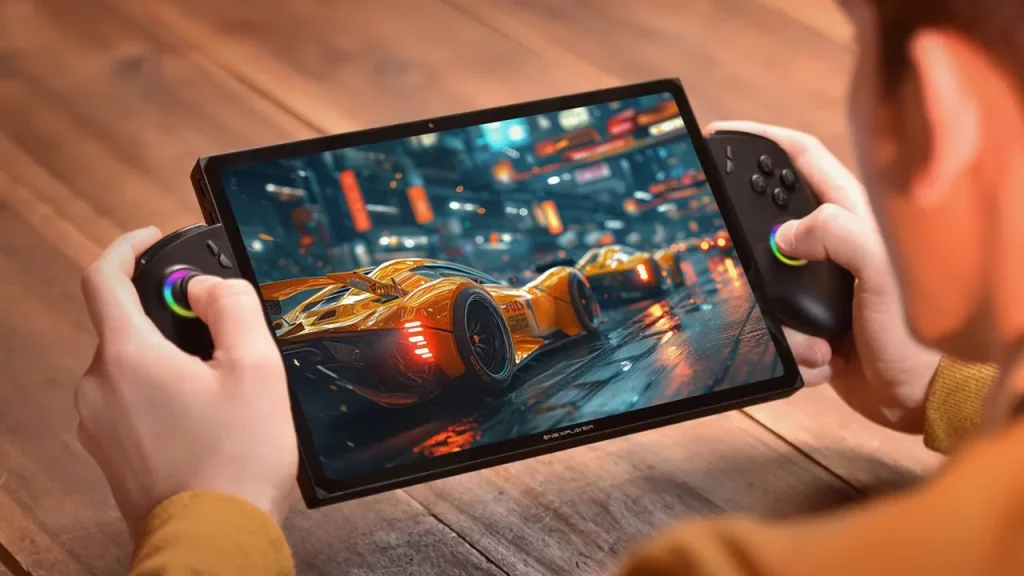
OneXPlayer X1 handheld gaming console’s global pricing & availability revealed

One-Netbook recently launched the OneXPlayer X1 handheld gaming console in China. This console stands out from the rest as it features a massive screen and comes with the latest Intel Core Ultra processors. The brand has now unveiled the configurations for the global variants it plans to launch in the coming days, as well as global pricing.

OneXPlayer X1

OneXPlayer X1 specs:

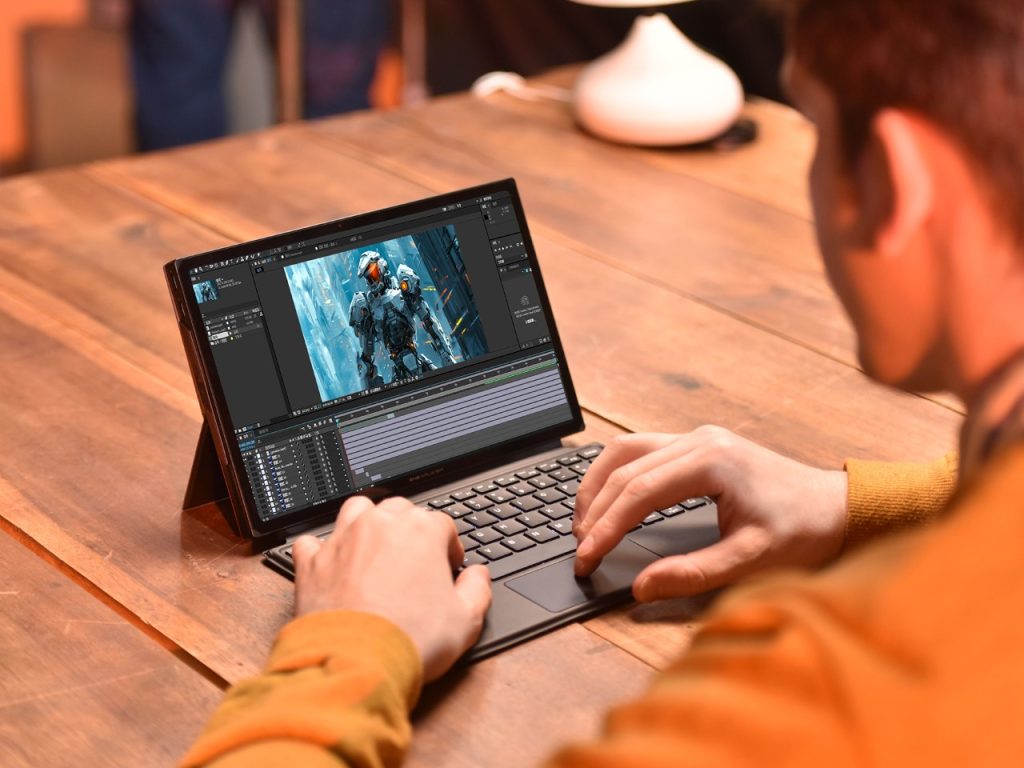
The OneXPlayer X1 features a 10.95-inch display with 2.5K resolution, 120Hz refresh rate, 540nit brightness, and a 16:10 aspect ratio. It offers detachable controllers, resembling a Nintendo Switch and it also includes a magnetic backlit keyboard.

OneXPlayer X1

Powered by Intel Core Ultra mobile processors, the X1 offers two versions: Ultra 5 125H and Ultra 7 155H, both with Intel Xe graphics. It has speedy memory options (16GB, 32GB, or 64GB) and storage choices (1TB, 2TB, or 4TB). For cooling, it has Honeywell phase-change thermal paste and graphene heat sinks.

OneXPlayer X1

The device boasts Harman-certified dual speakers, and connectivity includes dual USB 4.0 ports, TF card slot, USB-A 3.2, dual USB-C 4.0, 3.5mm audio jack, and an Oculink interface for external graphics docks.

With a 16890mAh battery, it offers up to 169 minutes of “Genshin Impact” gameplay, 8 hours of office work, or 11 hours of video playback. The 100W gallium nitride charger ensures quick recharging.

Global pricing & availability

Starting from January 23 at 16:00 UTC, the OneXPlayer X1 will be available on Indiegogo. Prices begin at $859, offering a configuration with a Core Ultra 5 125H processor, 16 GB of RAM, and a 1 TB SSD. The prices go up to $2,409 for the top-tier model, featuring a Core Ultra 7 155H processor, 64 GB of RAM, a 4 TB SSD, and a ONEXGPU.

  1. Core Ultra 5 125H, 16 GB RAM, 1 TB SSD – $859
  2. Core Ultra 7 155H, 32 GB RAM, 1 TB SSD – $999
  3. Core Ultra 7 155H, 32 GB RAM, 2 TB SSD – $1,069
  4. Core Ultra 7 155H, 32 GB RAM, 4 TB SSD – $1,399
  5. Core Ultra 5 125H, 16 GB RAM, 1 TB SSD, ONEXGPU – $1,509
  6. Core Ultra 7 155H, 32 GB RAM, 1 TB SSD, ONEXGPU – $1,649
  7. Core Ultra 7 155H, 32 GB RAM, 2 TB SSD, ONEXGPU – $1,719
  8. Core Ultra 7 155H, 32 GB RAM, 4 TB SSD, ONEXGPU – $2,049

RELATED:

(via)

Microsoft reveals standards for AI PCs; 8GB RAM won’t cut it

Earlier this month at CES, major laptop and PC OEMs unveiled their new line of machines that will soon launch in the market. A majority of these were laptops boasting the latest AMD or Intel chip, claiming to have AI features onboard. Before these laptops hit the market, Microsoft revealed the guidelines of what qualifies as an AI laptop.

According to TrendForce, Microsoft now says that laptops with AI features should have at least 16 GB of RAM. This move is expected to make people want more DRAM and make devices with 8 GB RAM less popular.

This is part of a wider trend where AI applications are getting closer to where we use our devices, not just on big servers. The global market for AI servers is supposed to grow a lot, with more than 1.6 million units, and a 40% growth rate.

For these AI PCs, they need to do at least 40 trillion operations per second (TOPS) to be good enough. This has started a big competition between companies that make computer chips. Right now, Qualcomm’s Snapdragon X Elite is the only chip that does 45 TOPS, meeting the requirement. Intel’s Meteor Lake and AMD’s Ryzen 8040 are a bit short, but the new AMD Ryzen 8050 and Intel’s Lunar Lake, which will be launching by the second half of 2024 should be good enough.

Because Qualcomm followed the rules early, it’s in a good position to sell its products. The first “Windows AI Ultrabooks” will use the Snapdragon X Elite, and big companies like Dell, Lenovo, and HP are planning to make products with Qualcomm’s technology. This is a problem for Intel and AMD, who usually have a strong position in the PC market.

Microsoft’s rules will also affect the kind of memory technology we use. We’ll start using LPDDR5x instead of the current DDR SO-DIMM modules because it can send data faster, which is important for AI. TrendForce thinks that about 30-35% of the demand for PC DRAM will be for LPDDR, and this will go up as AI PC requirements get more demanding.

RELATED:

(Source)

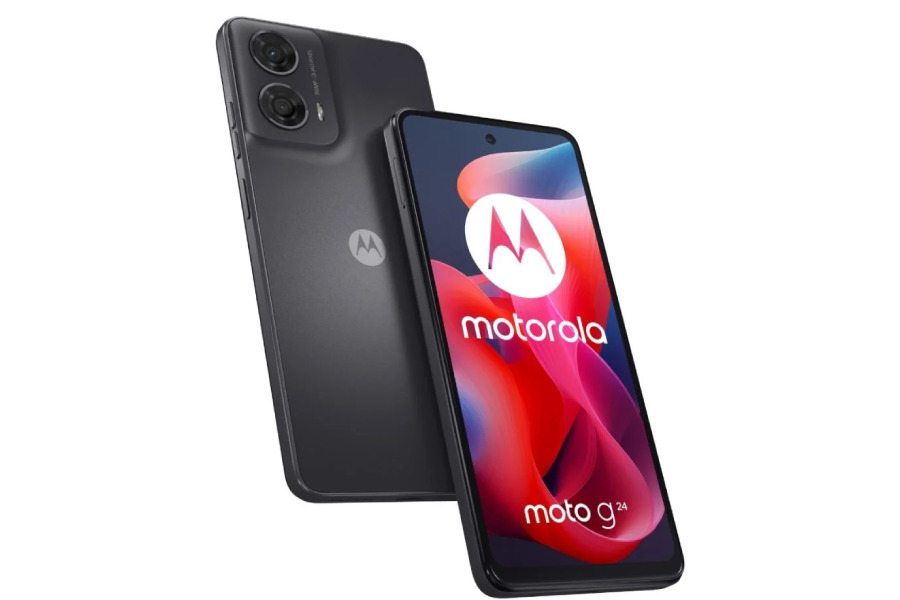
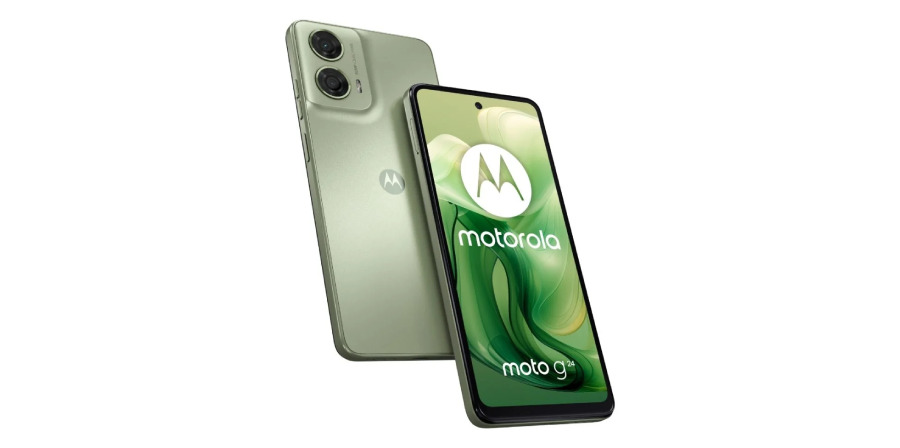
Moto G24 renders, specs, and price revealed in a new leak

Several new smartphones from Motorola‘s Moto G-series have been making the rounds online, appearing in leaks, renders, and certifications. The Moto G24 is one of these phones. Now, Appuals has revealed the details about the Moto G24, including what it looks like, its features, and how much it might cost.

Motorola Moto G24 renders specs price

Moto G24 specs and price (rumored)

As you can see, the Moto G24 will sport a design similar to the recently launched Moto G34 with a dual-camera setup on the back. 

The setup will include a 50MP main camera and a 2MP macro camera. On the front, the phone is said to have a 6.56-inch IPS LCD screen with a resolution of 1612 x 720 (HD+), a 90Hz refresh rate, and 269 PPI, along with an 8MP selfie camera.

Under the hood, the Moto G24 will be powered by a MediaTek Helio G85 processor and will be coupled with 4GB of RAM and 128GB of internal storage. Keeping the lights on will be a 5000mAh battery that will support 20W fast charging via a USB-C port.

The phone’s dimensions are said to measure 163 x 75 x 7.99 mm, and it weighs around 180 grams. It will offer several connectivity options, including a 3.5mm headphone jack, Wi-Fi 5, dual Nano-SIM support, Bluetooth 5.0, and a microSD card slot. 

Likewise, the phone appears to have all the necessary sensors, including ambient light, proximity, compass, accelerometer, and gyroscope. As for the software, it will run on the latest Android 14 and the phone will have a side-mounted fingerprint scanner for biometrics. 

Regarding the price, the 4GB of RAM and 128GB storage version of Moto G24 is expected to cost around EUR 169 in Europe.

Related:

(Source)

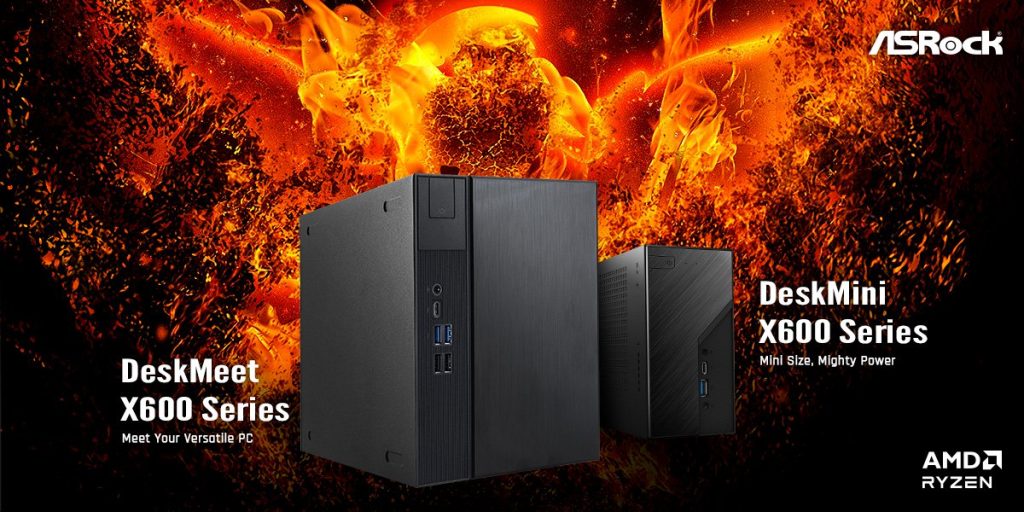
ASRock DeskMeet X600 & DeskMini X600 PCs with Ryzen 8000 CPU support unveiled

ASRock has recently unveiled their DeskMeet X600 and DeskMini X600 series PCs, designed to support AMD AM5 Ryzen (Ryzen 7000 and Ryzen 8000 series) processors with a power consumption of up to 65 watts. These models offer a balance of performance and advanced features at an affordable price point ensuring compatibility with AMD AM5 CPUs, DDR5 memory, PCIe 5.0 M.2 SSDs, and 2.5G LAN.

The DeskMeet X600 series stands out for its ability to accommodate up to four DDR5 memory modules allowing users to enjoy a memory capacity of 256GB. It incorporates PCIe 5.0 technology for M.2 SSDs and Dragon 2.5G Ethernet for data transfer speeds and internet connectivity. Equipped with an upgraded 500W ATX Power supply for improved performance, this system is compatible with PCIe 4.0 graphics cards, making it well-suited for content creation and the development of AI systems.

On the other hand, the DeskMini X600 series claims the title of being the world’s first AMD AM5 Mini STX Platform. It is specifically designed to support AMD AM5 65W CPUs and comes equipped with two DDR5 SO DIMMs catering to users seeking both computing capabilities and impressive graphics performance in a form factor. The DeskMini X600 series prioritizes expandability and functionality despite its size by offering two ports two M.2 slots (including one for M.2 Gen5 SSD) 2.5G LAN connectivity, as well, as three video outputs.

Currently, there is no word on the configurations, pricing, or availability. However, we expect these PCs to start launching in various global regions soon. In the meantime, check out what’s new with the recently launched Ryzen 8000 series CPUs.

RELATED:

(Source)