Advertisement

Steam Gamers Confused by Spontaneous Achievement, or a Possible Bug in ‘The Universim’ Game

Steam, the popular gaming platform, recently witnessed a peculiar glitch involving the game “The Universim.” This incident has sparked discussions and theories within the gaming community, highlighting the intricacies of game development and the unexpected surprises in digital platforms.

The achievement showed 0/0 instead of 0/1

“The Universim,” a city builder game with God Game elements, developed by Crytivo, is known for offering players control to evolve civilizations through different ages. However, a strange occurrence has left some players baffled. Despite not playing the game, several Steam users found the “Genesis” achievement unlocked in their accounts. This achievement, which normally requires building the first civilization in the game, appeared without any gameplay recorded.
Steam

This oddity was first reported by a Reddit user, DjuncleMC, who noticed the unlocked achievement despite never having played “The Universim.” The revelation led to a flurry of speculation. While some theorized it could be an anti-piracy measure, others suggested a bug in the achievement’s conditions.

Further investigation by the community revealed an intriguing detail: the achievement’s condition was set incorrectly at 0/0 instead of the typical 0/1, leading Steam to register it as completed. This minor glitch, albeit seemingly insignificant, has stirred up considerable attention, emphasizing the complexities of game programming and the vigilant nature of the gaming community. The game, which has been in development since 2014, is set for its version 1.0 launch this month. Crytivo, while concentrating on enhancing the gameplay experience, now also faces the task of addressing this quirky anomaly.

This episode also highlights the power of community-driven problem-solving in the digital age. Steam has always relied on its user base to point out bugs and glitches, which is kind of humourous too. The collective effort of Steam users not only identified the glitch but also proposed explanations, indicating that there definitely exists some form of collaborative spirit in the gaming sector.

RELATED:

(Via)

Samsung Galaxy S24 series launch date officially confirmed, pre-reservations begin

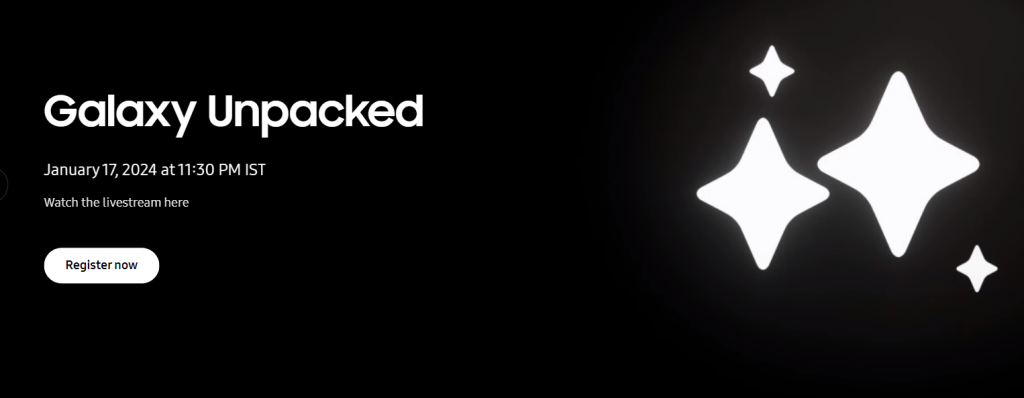
Samsung has finally confirmed that its next Galaxy Unpacked event will be held on January 17 in multiple markets. The event will see the arrival of the Galaxy S24 series of flagship phones and the Galaxy AI. The landing page for the Galaxy Unpacked event confirming the pre-reservation details is now live on Samsung’s website.

Samsung Galaxy S24 series preservation benefits confirmed

Samsung Galaxy Unpacked event for Galalaxy S24 series to be held on January 17

Samsung has confirmed pre-reservation benefits for the upcoming Galaxy S24 series in India. Customers can pay a fee of Rs 1,999 (~$24, refundable amount) to pre-reserve the Galaxy S24 series and unlock extra benefits worth Rs 5000 (~$60). By doing so, individuals can be among the first to own the Galaxy S24 series and may also receive early delivery through Samsung Live.

The benefits include an upgrade program for old phones with the best exchange value, getting devices in special colors, and a Smart Club membership offering a Rs 5,000 welcome voucher and 2 percent loyalty points via the Samsung Shop App. Additionally, there’s a “Buy More, Save More” promotion, providing a 5 precent discount on the total purchase when two or more eligible products are bought together.

As per reports, the Galaxy S24 and Galaxy S24 Plus will be available with either the Exynos 2400 or the Snapdragon 8 Gen 3 chip, depending on the market. On the other hand, the Galaxy S24 Ultra is expected to feature the Snapdragon 8 Gen 3 in all markets.

The Galaxy S24 series will run on One UI 6.1-based Android 14, which will bring support for Samsung’s generative AI feature, dubbed Galaxy AI. Some of the features that will be offered by the Galaxy AI include real-time language translation during voice calls, dynamic weather effects for the lock screen wallpaper, a Generative AI-powered wallpaper generator, summarization of notes within Samsung Notes, voice tagging and transliteration for up to ten individuals from voice recordings, and the use of Generative AI to fill in images.

RELATED:

Controversial gaming policies result in high-level firing in China

China’s recent gaming regulations that sparked an $80 billion selloff might be getting reworked, following the removal of a key official and public outcry. The proposed laws, aimed at limiting gaming addiction and microtransactions, sent shockwaves through the industry and the government itself.

Chinese Gamer

China Loosens Grip on Gaming Industry After Market Meltdown

Feng Shixin, head of the publishing unit within the Communist Party’s Publicity Department – a crucial body overseeing gaming regulation – has been removed from his position. While the government remains tight-lipped on the reason, sources link it directly to the controversial gaming laws.

The proposed regulations, unveiled in December, triggered a massive selloff in Chinese gaming stocks. Tencent, the country’s gaming giant, saw its shares plummet by 16%, and NetEase, another major player, dropped by 25%. This financial earthquake appears to have shaken the resolve of policymakers.

Amidst the industry turmoil and potential economic repercussions, China seems to be softening its stance. Just five days after the laws were announced, the National Press and Publication Administration (NPPA) expressed willingness to modify them based on public feedback. This signals a potential shift towards less extreme measures.

In August 2021, strict regulations were first implemented to address video game addiction among minors, restricting their gaming hours. Additionally, new game licenses were put on hold, resulting in a substantial decline in industry revenue in 2022.

While curbing gaming addiction remains a concern, China‘s recent economic slowdown has shifted priorities. The government, aiming to boost private sector investment, might be wary of stifling a thriving industry like gaming.

As things stand, the future of these gaming laws remains uncertain. The removal of Feng Shixin and the government’s more conciliatory approach signal a possible change in direction. However, it is yet to be seen how the revised regulations, if any, will be received by the gaming industry and the broader public.

RELATED:

(Via)

Latest sales data of TV boxes in China places Tencent at the top with Xiaomi and Huawei among the top five

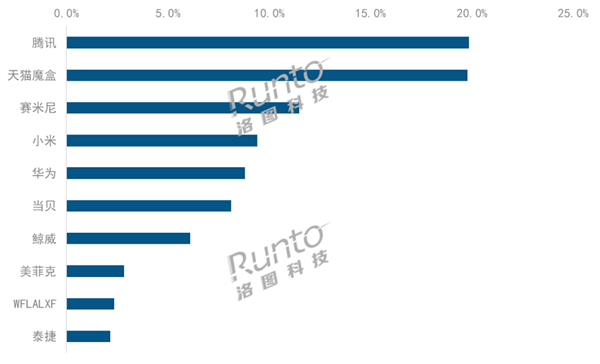
The latest RUNTO report indicates that Tencent was the leading smart TV box retailer in China as of November 2023. The online retail sales of smart boxes were 113,000 units with an average online sales price of 201 yuan ($). The results indicate a 44.6% decline year-on-year and comes amidst greater regulation of the online streaming apps, amongst other factors.

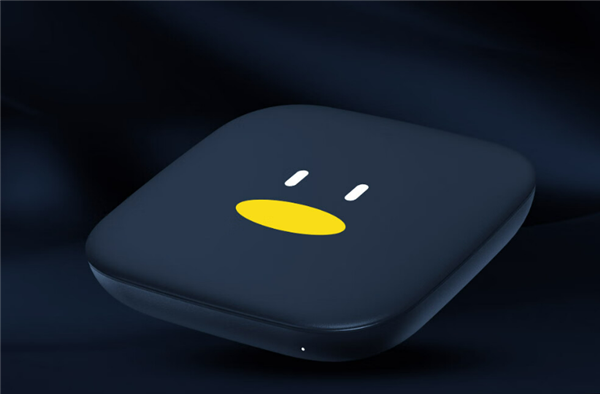
TV box

Several policies have been introduced that placed restrictions on startups that may have negatively affected sales of smart boxes. The RUNTO report indicates that Tencent remains the market leader with a share of about 20% and a slight increase year-on-year. The other leading brands in the smart box sales arena in China were Tmall Magic Box (19.8%), Saimini (11.5%), Xiaomi (9.4%), and Huawei making the top five.

The various smart box brands experienced a mixed bag of fortunes according to the RUNTO data. Tmall Magic Box had a 2.4 percentage points increase from the previous year, with the 7C Youth Edition driving the sales. The 7C Youth Edition has been the best-seller for several consecutive months and accounts for 30% of the market share in the sub-100 yuan category. The third-best brand Saimini has re-engineered its price regime with the average price of its models decreasing to 60 yuan, which translated to a greater volume of units sold within the period. Xiaomi accounts for up to 30% of the market share in the 200-499 yuan mid-range category, placing it in the fourth position overall.

http://gizmochina.com/tag/tv-box

The market outlook of smart box sales in China could continue in the same trajectory as highlighted by the RUNTO data. There are however still some strong players in the market that may continue to hold the aces even with declining demand for TV boxes in the country.

RELATED:

AI PCs will dominate China’s PC market in 2024: IDC forecasts 3.8% growth amidst global recovery

Analyst firm IDC anticipates a 3.8% year-on-year increase in PC shipments in China’s mainland market for 2024. This growth is attributed to two significant trends: the increasing popularity of AI-powered PCs and a surge in cost-conscious buyers, indicating a recovery from pandemic-related setbacks.

AI-PC

Emerging Trends and Growth Dynamics in China’s PC Market

AI Takes Center Stage: IDC expects AI PCs to claim a staggering 55% market share in 2024, ballooning to a dominant 85% by 2027. This surge aligns with China’s ambitious AI development plans, driving a “diversification trend” in consumer ecosystems as users embrace hardware designed for AI applications.

According to a previous IDC report, prominent manufacturers such as Lenovo, HP, and Acer have plans to introduce AI-powered PCs in 2024. Lenovo has already announced the release of some AI PCs. Intel also aims to integrate AI into over 100 million PCs by 2025, collaborating with Lenovo Group and iQiyi. This shift is significant for China’s PC market and has competitive implications for tech giants like AMD, Intel, HP, Microsoft, NVIDIA, and Qualcomm, all announcing their AI PC and chipset plans.

IDC Tracker China's AI PC market 2024

System Upgrade Cycle: In 2024, a significant PC refresh cycle is expected due to a large number of aging commercial PCs reaching or surpassing the four-year mark. This refresh aligns with the growing need to migrate to Windows 11. As a result, the total global PC market in 2024 is projected to experience a 3.4% growth compared to the previous year.

Budget Savvy Reigns Supreme: “Savvy and independent” users seeking value will prioritize “cost-effective products” that deliver optimal performance at attractive prices. This trend will be further amplified by government and education sectors adopting “centralized procurement” of business and budget-friendly PCs, leading to lower average product prices across the market.

K-Shaped Recovery: However, the growth won’t be uniform. High-performance PCs and slim notebooks are predicted to see stronger gains, creating a “K-shaped trend” where premium segments outperform basic ones. For the first half of 2024, IDC expects a 1.5% increase in PC shipments, with a more robust growth of 5.6% forecasted for the latter half of the year.

Overall, the IDC report paints a picture of a dynamic and evolving Chinese PC market, marked by technological advancements, shifting consumer preferences, and an increasing focus on value-for-money products.

RELATED:

Huawei Watch Ultimate Design gold smartwatch headlines elite fashion magazines Esquire & ELLEMEN

The Huawei Watch Ultimate Design is a premium gold smartwatch that has continued to get rave reviews. The gold Huawei smartwatch has surfaced in elite men’s fashion magazine Esquire, as a very popular luxury smartwatch. The specs and materials used in the manufacturing of the Huawei Watch Ultimate Design are said to be extremely luxurious.

Huawei Watch Ultimate Design gold smartwatch

Huawei’s gold smartwatch has been frequently featured in a few first-line men’s fashion magazines. The watch is listed in Esquire’s inventory of “old money style” items, as a must-have item, which is quite an impressive achievement for the Huawei Watch Ultimate Design. The old money class refers to the upper-class gentlemen and families with a reputation, heritage, and taste that goes with their inherited wealth.

The Esquire article highlighted that the Watch Ultimate Design is the pinnacle of Huawei’s fashion technology aesthetics. The smartwatch comes in 18-karat gold with a gold bezel, a gold rotating crown, a gold PVD bezel scale, and gold PVD between gold and titanium. The strap of the smartwatch refreshes its decorative value and also greatly increases its collection value. Esquire says the Huawei’s gold watch can be described as an upgraded version of the “old money style” item.

Huawei Watch Ultimate Design gold smartwatch

Apart from Esquire, men’s lifestyle magazine ELLEMEN has also situated the Huawei Watch Ultimate Design as the choice of elite businessmen. The ELLEMEN article listed the gold smartwatch in its “Elite Men’s Tool of Accent”. It highlights that the meaning of a watch is much more than just being a timepiece. It is a kind of decoration and the Huawei Watch Ultimate Design is an extraordinary masterpiece. It is made with luxurious materials reflects exquisite craftsmanship and allows a smartwatch to compete with traditional premium watches for the first time.

Huawei Watch Ultimate Design gold smartwatch

The fashion value of the Huawei Watch Ultimate Design has been underscored by its mention in first-line men’s fashion magazines. Both the Esquire and ELLEMEN articles showcased Huawei’s gold smartwatch in their models dressed in luxury fashion items.

Pricing & Availability

The marriage between tech and a traditional premium design with luxurious materials makes the Huawei Watch Ultimate Design a significant elite timepiece. The Huawei Watch Ultimate Design was announced in September 2023 and is priced up to $3,000 currently.

RELATED:

Xiaomi crowdfunds the Arkfish Smart Room Door Lock S5 with indoor fingerprint locks on the Youpin platform

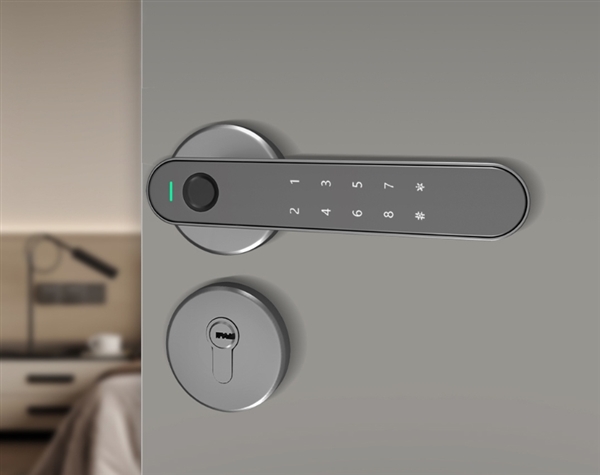
Xiaomi has opened a crowdfunding campaign for the Arkfish Smart Room Door Lock S5. The campaign is being hosted on Xiaomi Youpin and the door lock comes with fingerprint technology. The password input button and fingerprint recognition are present on the door handle.

Arkfish Smart Room Door Lock S5

Features

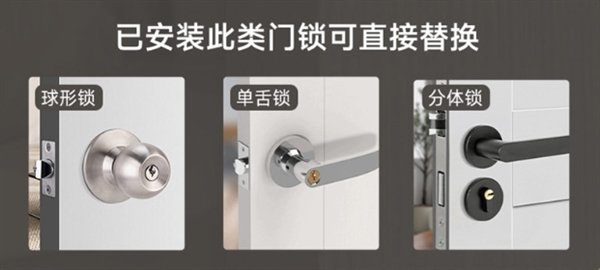
The Xiaomi Arkfish Smart Room Door Lock S5 can be disassembled and reassembled in seconds to transform into a smart door lock. Xiaomi says it is suitable for virtually all wooden door types and supports direct replacement of ball locks, single tongue locks, and split locks. The smart door lock has an easy DIY installation using a screwdriver.

Xiaomi Arkfish Smart room door lock s5

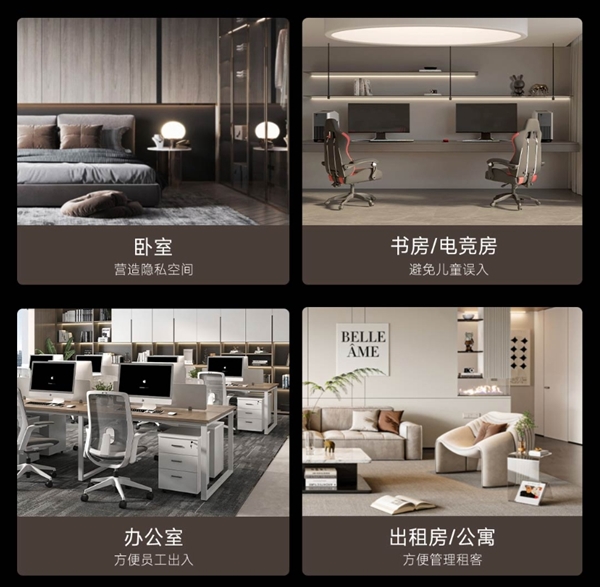
There are a variety of options to unlock the Arkfish Smart Door Lock S5. These are fingerprint, long-term password, periodic password, Bluetooth, and using a physical key. The smart door lock is equipped with a one-button lock normally open mode. This allows the smart door lock to be used in different scenarios, as the mode can be switched anytime depending on your privacy considerations. The smart door lock will be well-suited for shared apartments where multiple persons are supposed to have access to the house. The smart door lock supports MIJIA smart linkage, allowing it to be integrated into the MIJIA ecosystem. It can be managed via the MIJIA app.

Xiaomi Arkfish Smart room door lock s5

The upcoming Arkfish Smart Door Lock S5 is powered by four AA batteries that are claimed to last for up to 300 days. It also supports a USB-C emergency power supply if needed.

Pricing & Availability

The smart door lock is offered on Youpin in three versions – Standard, Customized, and Upgraded. The Standard version is priced at 199 yuan ($28) and is suitable for in-situ replacement. The Customized version is offered at 249 yuan ($35), while the Upgraded version has a 249 yuan ($35) price tag and comes with an upgraded magnetic single tongue lock body suitable for new door installation. More details about the crowdfunding campaign can be obtained from the brand’s website.

RELATED:

OnePlus 12 is AnTuTu’s performance champion for December 2023

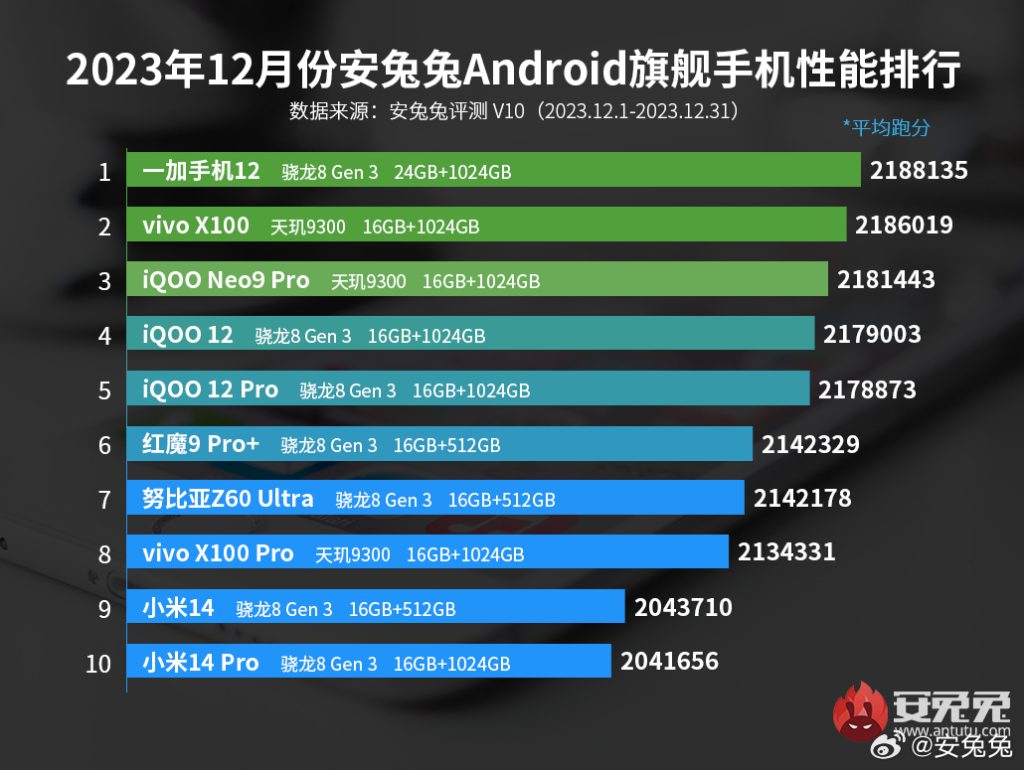
AnTuTu recently unveiled its final top 10 performance rankings for 2023, and there have been significant changes compared to the November list. A notable observation is that, in December, none of the devices scored below 2 million points, which is quite surprising because these are the average scores for each phone calculated based on data from all over the world. Without further ado, here are the December rankings for the top 10 flagship Android smartphones based on their performance.

AnTuTu Top 10 (by performance) in December 2023:

AnTuTu Top 10 smartphones December 2023
  • Rank 1: OnePlus 12, Snapdragon 8 Gen 3, 24GB+1TB – 2,188,135 points
  • Rank 2: Vivo X100, Dimensity 9300, 16GB+1TB – 2,186,019 points
  • Rank 3: iQOO Neo 9 Pro, Dimensity 9300, 16GB+1TB – 2,181,443 points
  • Rank 4: iQOO 12, Snapdragon 8 Gen 3, 16GB+1TB – 2,179,003 points
  • Rank 5: iQOO 12 Pro, Snapdragon 8 Gen 3, 16GB+1TB – 2,178,873 points
  • Rank 6: Red Magic 9 Pro+, Snapdragon 8 Gen 3, 16GB+512GB – 2,142,329 points
  • Rank 7: Nubia Z60 Ultra, Snapdragon 8 Gen 3, 16GB+512GB – 2,142,178 points
  • Rank 8: Vivo X100 Pro, Dimensity 9300, 16GB+1TB – 2,134,331 points
  • Rank 9: Xiaomi 14, Snapdragon 8 Gen 3, 16GB+512GB – 2,043,710 points
  • Rank 10: Xiaomi 14 Pro, Snapdragon 8 Gen 3, 16GB+1TB – 2,041,656 points

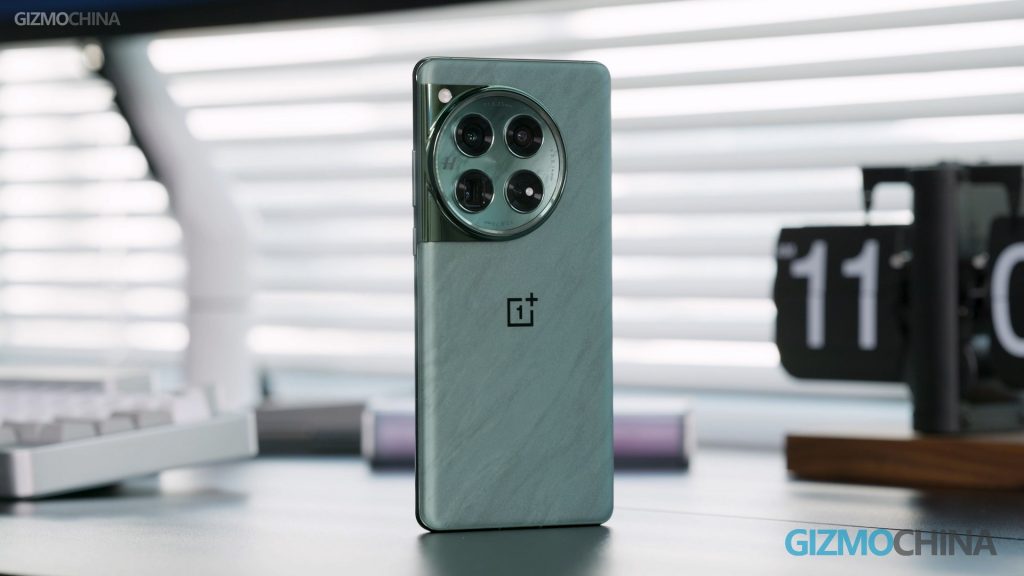
OnePlus 12, which launched in the first week of December has taken the first spot with 2,188,135 points. While the Snapdragon 8 Gen 3 chip is the reason for its amazing performance, it is also worth mentioning that the smartphone has a massive 9,140mm² vapor chamber cooling system built into it to keep the temperatures in check, giving the CPU more headroom to push harder.

Trailing by just 2116 points is the Vivo X100, which was in the same position last month as well against the Red Magic 9 Pro+. This Dimensity 9300-powered smartphone is a fresh breath of air for many as it signifies that the two major players in the smartphone SoC arena are almost neck and neck when it comes to performance. We expect to see more MediaTek Dimensity-powered flagships to launch in the future.

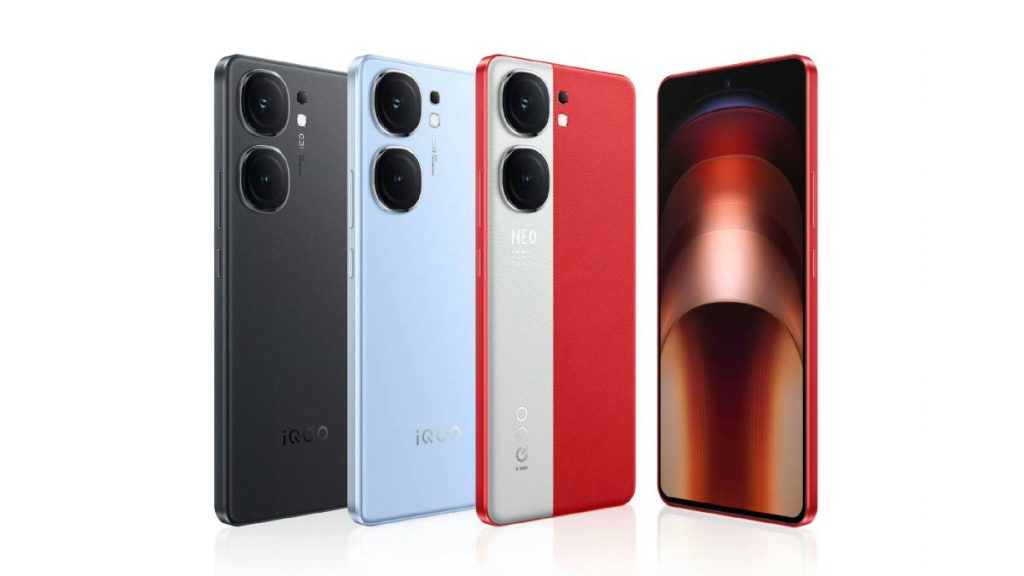
iQOO Neo 9 Pro

A standout on the list is the iQOO Neo 9 Pro at number 3, not being a flagship with its $419 price tag. Still, it holds its ground with an average score of 2,181,443 points, courtesy of the Diemsnity 9300 chip. This device is likely to attract customers seeking a budget-friendly gaming option.

Speaking of gaming, the gaming flagship Red Magic 9 Pro+ which was number 1 last month has slid down to number 6. This is likely because its performance has dipped by around 40,000 points compared to last month.

The OnePlus 12 and the iQOO Neo 9 Pro are heading to the global market soon. However, it looks like the global market will be getting a different chip inside of its iQOO Neo 9 Pro.

RELATED:

TSMC retreats from election debates amidst controversy over Overseas investments

In the lead-up to Taiwan’s presidential and parliamentary elections on January 13, TSMC (Taiwan Semiconductor Manufacturing Co) finds itself at the center of a heated vice presidential debate. The world’s largest contract chipmaker has withdrawn from the election campaign discussions amidst clashes between candidates regarding the company’s overseas investments and concerns about the safety of investing in Taiwan.

The withdrawal comes against the backdrop of heightened tensions between Taiwan and China, which claims Taiwan as its territory. The presidential campaigns have seen increased focus on issues affecting the semiconductor industry, such as power grid stability and water shortages, with occasional mentions of TSMC’s role in Taiwan.

Jaw Shaw-kong, the vice presidential candidate for Taiwan’s largest opposition party, Kuomintang (KMT), took center stage by expressing concerns raised by Wall Street financiers about the potential impact of a war on investment in Taiwan. He placed blame on the ruling Democratic Progressive Party (DPP) for the tensions with China, accusing them of creating an unfavorable investment climate.

Jaw Shaw-kong proposed the “Taiwan plus one” strategy, advocating for one factory in Taiwan and another overseas. He specifically targeted TSMC, suggesting the company’s desire to relocate overseas, potentially undermining Taiwan’s economic stability.

In response, Hsiao Bi-khim, the DPP’s vice presidential candidate and former de facto ambassador to the United States, refuted Jaw’s claims. She highlighted that foreign investment in Taiwan has reached record levels under the DPP administration and emphasized TSMC’s significance as a cornerstone of Taiwan’s economy. Hsiao urged against using the company for political competition and described TSMC as a “sacred mountain protecting the country.”

TSMC, currently expanding its global footprint with factories in Japan, the U.S. state of Arizona, and plans for another in Germany, remained silent in response to the debate. However, both the company and the government consistently asserted their commitment to keeping the majority of manufacturing, especially advanced chip production, in Taiwan.

As the election date draws near, the withdrawal of TSMC from the campaign discussions adds a new layer of complexity to the political landscape, raising questions about the company’s future trajectory and its impact on Taiwan’s economic resilience in the face of external pressures.

Related:

(via)

Redmi K70E takes AnTuTu’s mid-range performance crown thanks to Dimensity 8300

AnTuTu has unveiled the top-performing smartphones for December 2023, and there’s a new leader in the mix. Securing the first position is Xiaomi‘s Redmi K70E, a mid-range offering introduced just a month ago. What distinguishes it from its competitors is the inclusion of the powerful Dimensity 8300 chip, delivering performance on par with certain flagship models, and bringing a fresh vibe to the otherwise dull mid-range market. That being said, here are the top 10 best-performing mid-range smartphones of December 2023.

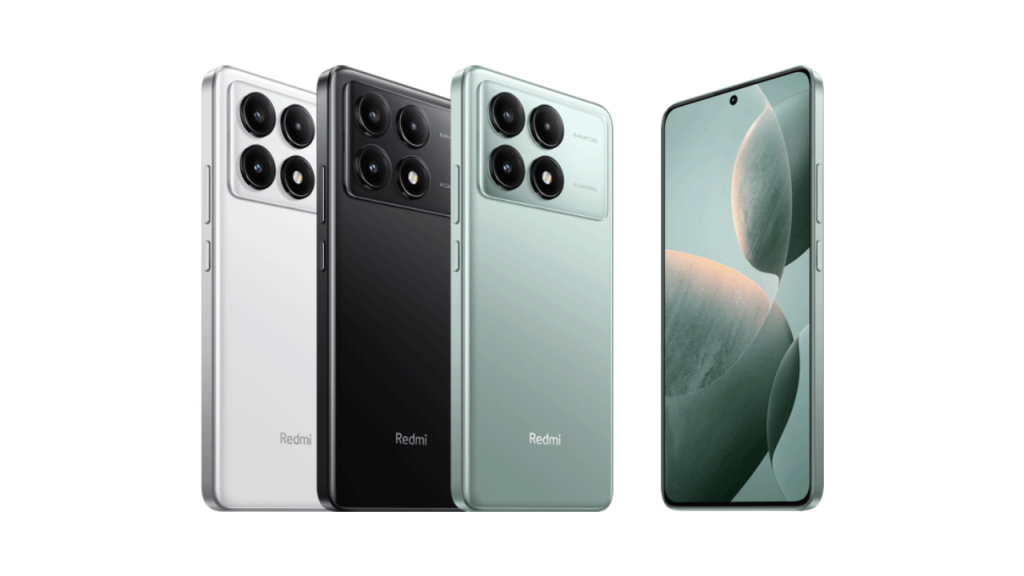
Redmi K70E

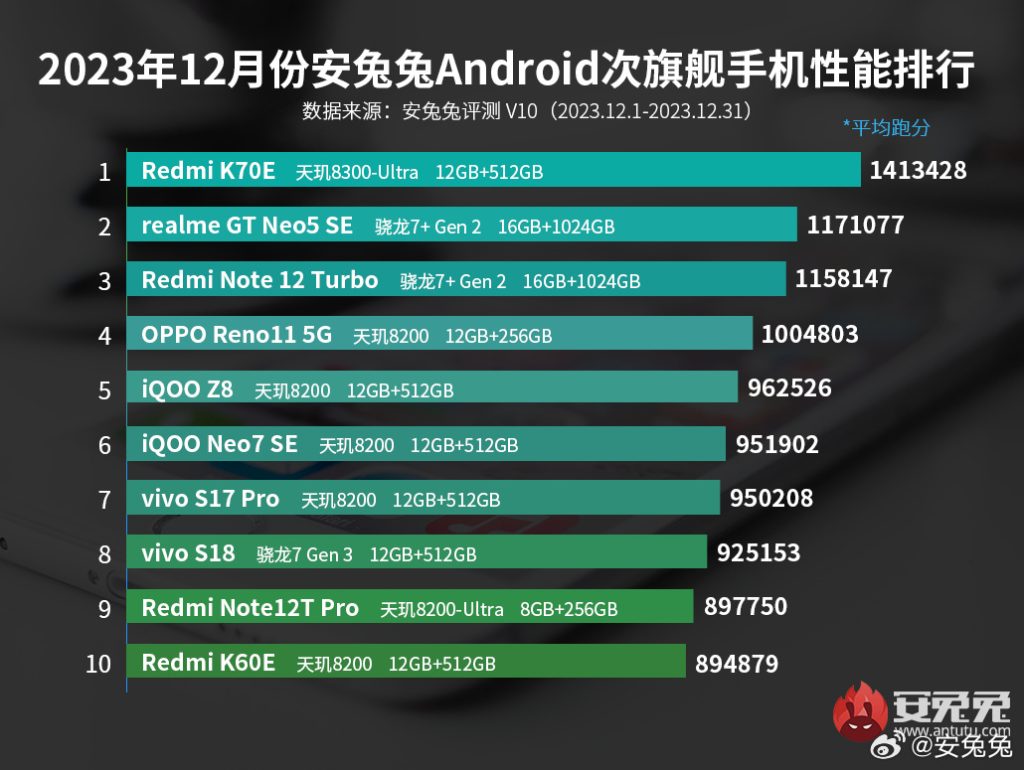
AnTuTu Top 10 mid-range smartphones (December 2023):

AnTuTu Top 10 mid-range smartphones December 2023
  1. Redmi K70E with MediaTek Dimensity 8300-Ultra 12GB+512GB – 1,413,428
  2. Realme GT Neo 5 SE with Qualcomm Snapdragon 7+ Gen 2 16GB+1TB – 1,171,077
  3. Redmi Note 12 Turbo with Qualcomm Snapdragon 7+ Gen 2 16GB+1tb – 1,158,147
  4. OPPO Reno 11 5G with MediaTek Dimensity 8200 12GB+256GB – 1,004,803
  5. iQOO Z8 with MediaTek Dimensity 8200 12GB+512GB – 962,526
  6. iQOO Neo 7SE with MediaTek Dimensity 8200 12GB+512GB – 951,902
  7. Vivo S17 Pro with MediaTek Dimensity 8200 12GB+512GB – 950,208
  8. Vivo S18 with Qualcomm Snapdragon 7 Gen 3 12GB+512GB – 925,153
  9. Redmi Note 12T Pro with MediaTek Dimensity 8200-Ultra 8GB+256GB – 897,750
  10. Redmi K60E with MediaTek Dimensity 8200 12GB+512GB – 894,879

(The list is based on AnTuTu benchmark scores for Android mid-range smartphones as of December 2023. The average score for each phone is calculated based on data from all over the world.)

The recently released Redmi K70E has secured the top spot on the leaderboard, boasting an impressive score of 1,413,428 points. It maintains a comfortable lead of approximately 250,000 points over the second-ranked Realme GT Neo 5 SE. Despite the seemingly lackluster performance of the Realme GT Neo 5 SE and Redmi Note 12 Turbo, both powered by the Snapdragon 7+ Gen 2, these devices have consistently dominated the mid-range AnTuTu listings for several months.

This highlights the significant performance jump offered by the Dimensity 8300. With upcoming launches of other Dimensity 8300 smartphones like the Xiaomi Civi 4 and POCO X6 Pro, we can anticipate seeing many new contenders on the leaderboard in the months to come.

RELATED:

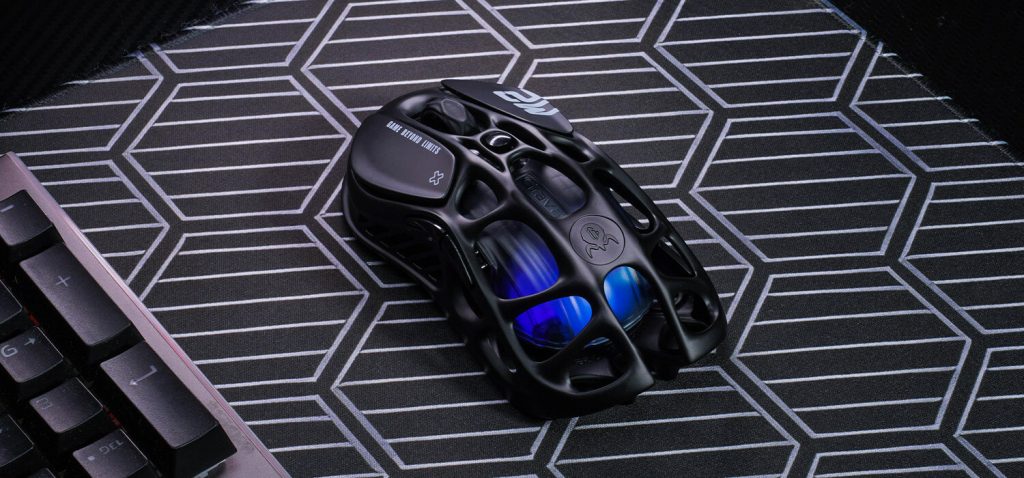
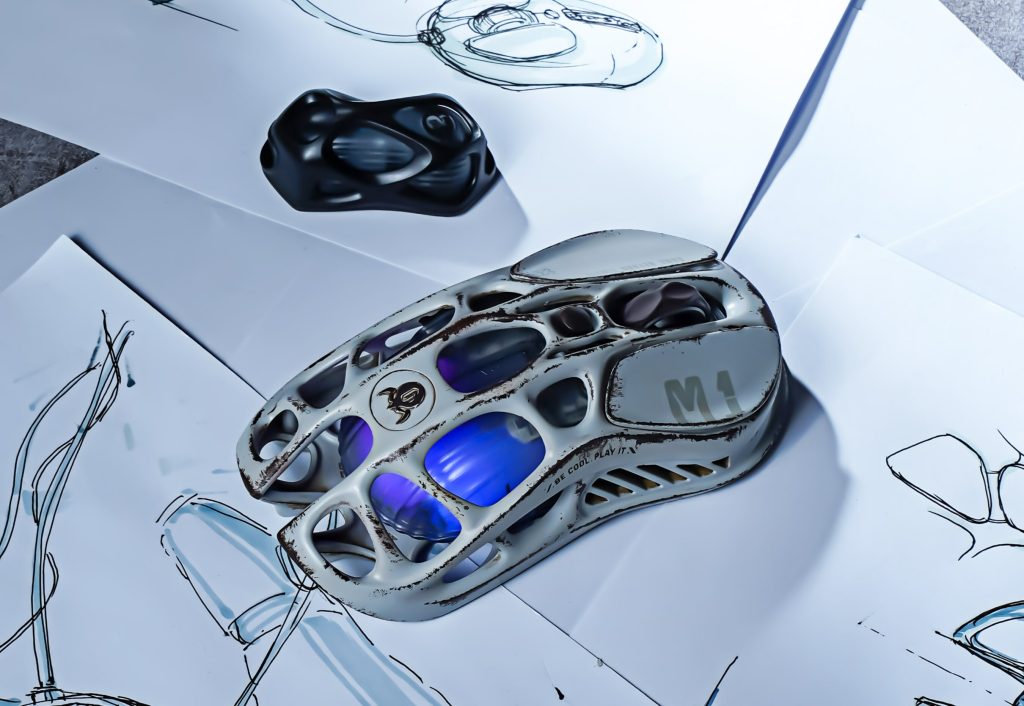
GravaStar Unveils New Mercury M1 Pro and M2 Gaming Mice with hollowed out design

GravaStar recently unveiled its latest gaming peripherals – the Mercury M1 Pro and Mercury M2 Gaming Mice. Yong Huang, GravaStar’s Founder, highlights the bio-inspired design of the Mercury series, focusing on looks and comfort to make the mouse an extension of the gamer’s style.

GravaStar Mercury M2 Mouse
GravaStar Mercury M2 Gaming Mouse

The Mercury M1 Pro, available in Battle-Worn Silver Mist and Gunmetal Gray editions, features a magnesium alloy body, renowned for its strength-to-weight ratio. This material ensures durability for intense gaming sessions while maintaining a lightweight frame for swift movements. The Battle-Worn Silver Mist variant boasts a handcrafted magnesium alloy body with a unique hollowed-out design for enhanced grip and airflow, accompanied by both 1K and 4K dongles. The Gunmetal Gray version includes a 1K dongle, upholding GravaStar’s performance standards. Technical specifications include a 26,000 DPI sensor, TUROSPEED Wireless Technology, and customizable GLOWSYNC RGB lighting.

GravaStar Mercury M1 Pro Gaming Mouse

The Mercury M2 Gaming Mouse introduces an innovative hollowed-out design, weighing only 79g. This design aims to provide optimal airflow, keeping gamers’ hands cool during extended gaming sessions. Key features include a 26,000 DPI sensor, 1K Hz polling rate, and versatile connectivity options such as ultra-fast 2.4G, Bluetooth, and wired modes. The mouse also offers five dynamic LIGHTSYNC RGB modes and programmable buttons for customized gaming strategies.

Pricing & availability

Both the Mercury M1 Pro and M2 gaming mice are up for pre-order from January 1, 2024. The M1 Pro in Silver Mist is priced at $129.95, while the Gunmetal Gray variant is priced at $99.95. The M2 is priced at $79.95.

RELATED:

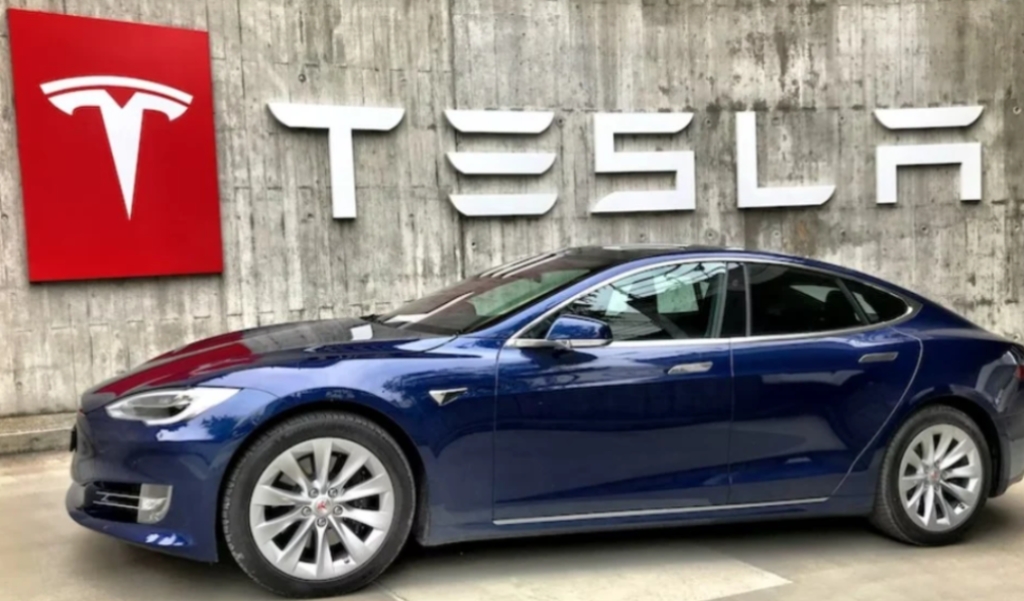
Tesla achieves record deliveries in 2023, surpassing targets despite challenges

Tesla reported a stellar performance in 2023, with deliveries reaching an impressive 1.81 million electric vehicles (EVs), slightly exceeding its initial goal of 1.8 million set at the beginning of the year. The success was underscored by a robust fourth quarter, during which Tesla handed over nearly 483,200 vehicles, contributing to the global deliveries of 484,507 units. This strong finish was crucial, considering a temporary dip in deliveries in the third quarter due to factory shutdowns.

Tesla’s success in 2023 can be attributed to a combination of factors, including a dedicated fan base, tech-savvy early adopters, and strategic moves by the company’s leadership. CEO Elon Musk, a key figure in the company’s success, has been instrumental in creating a fervent following. However, recognizing the need for sustained growth, Tesla is now eyeing broader appeal to everyday buyers for its next phase of expansion.

The company set an ambitious goal of delivering 1.8 million cars in 2023, marking an all-time high but still lagging behind competitors like Toyota and General Motors. Challenges surfaced in reaching everyday buyers who prioritize factors such as price and ease of use. Concerns about inflation, high-interest rates, safety, and charging infrastructure added complexity to Tesla’s expansion strategy.

One notable change in the market landscape came on January 1, as some Tesla models were expected to lose the full $7,500 federal EV tax credit due to stricter battery-component sourcing rules from China. Despite this, Tesla took significant steps to enter the mass market by slashing prices across its lineup, particularly in China, where competition is intense.

The introduction of the Cybertruck, Tesla’s newest vehicle, faced delays in reaching volume production, and profitability is anticipated to be at least a year away. However, CFO Vaibhav Taneja emphasized the need to target the next set of EV adopters, signaling a commitment to long-term growth.

Analysts have raised concerns about Tesla’s aged product lineup and increased competition in the EV space, potentially challenging future sales growth. Nonetheless, experts believe that Tesla remains well-positioned in the global EV market alongside BYD.

In terms of financial performance, Tesla’s production for the year amounted to around 1.85 million vehicles, reflecting a 35% year-over-year growth. Model 3 and Model Y deliveries in Q4 reached 461,538 units, with production numbers for these models standing at 476,777.

As Tesla prepares to report Q4 automotive margins on January 24, all eyes are on the company’s 2024 outlook. The consensus for 2024 deliveries is 2.17 million units, representing a 20% increase compared to the reported 2023 figures. With potential sales boosters such as the revamped Model 3, a new Model Y version, and expanded marketing efforts, Tesla seems poised to continue its trajectory as a major player in the global electric vehicle market.

Related:

(via)

Elon Musk’s Twitter (X) Now Worth 71% Less Than His Purchase Price

Elon Musk is undoubtedly one of the richest and most successful individuals in the world. As a billionaire who essentially created the electric vehicle market with Tesla, he’s also conquering space with SpaceX and Starlink. However, despite all these successful ventures, Musk is recently primarily associated with Twitter (X), which he acquired for $44 billion. Unfortunately, the platform, which is losing money left and right, is now worth 71% less than what Elon Musk bought it for. Here are the details…

X Now Valued at $12 Billion, Down 71% from Acquisition

If we were to say that Elon Musk hasn’t had a good night’s sleep since he took over Twitter, probably it wouldn’t be a lie. He’s constantly working on solving the platform’s biggest issue of monetizing. Of course, there are some mistakes happening in this process, and Musk isn’t responding very carefully to criticisms.

Elon Musk Twitter

For example, recently the platform was accused of antisemitism. When asked about his thoughts on the matter, Musk used the expression “go f**k yourselves” regarding the advertisers. Of course, these responses have caused the new problems instead of resolving the current ones.

Many companies, including Apple, have terminated their advertising agreements with Twitter. Under Musk’s leadership, th company took some steps to prevent such issues and avoid dependence on advertising. For instance, Grok AI introduced features such as ad-free streaming and curated sharing through the X Premium subscription. However, this doesn’t seem to have worked, as the value of X continues to decline.

Fidelity, a mutual fund that initially supported Elon Musk’s purchase the X, reduced the platform’s value by 71.5%. This drop led to the platform being worth only 28.5% of its $44 billion acquisition value in 2022. Meanwhile, competitors like Meta and Snap experienced increased stock values, positioning themselves as safer advertising options compared to X.

RELATED:

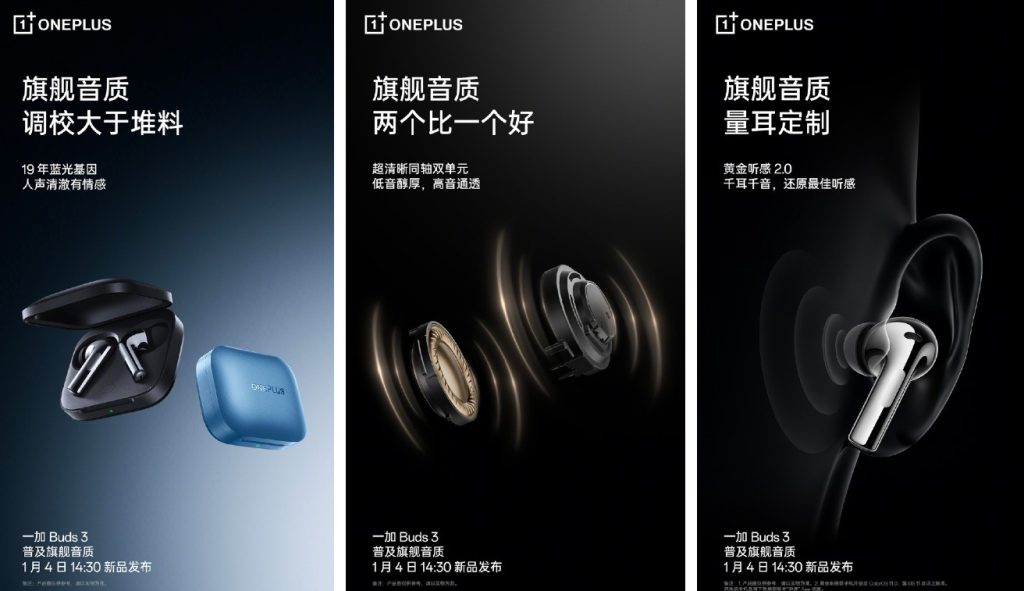
OnePlus Buds 3 European price leaks out ahead of launch

The OnePlus Buds 3 are confirmed to arrive on January 4 alongside the OnePlus Ace 3 smartphone in China. The brand recently confirmed a bunch of key details of the Buds 3 TWS earbuds, and now, a new report has emerged with the European pricing.

OnePlus Buds 3

According to a report by Allround-PC, the expected price for the OnePlus Buds 3 is set at 99 euros. The design of the Buds 3 closely resembles that of the OnePlus Buds Pro 2. However, there’s uncertainty regarding the global market name for these earbuds. Notably, the previously launched OnePlus Buds Pro 2 and Buds Pro 2R were priced at 179 euros and 149 euros, respectively. If the leaked pricing information holds true, the upcoming OnePlus Buds 3 could gain popularity for offering a compelling combination of premium features and affordability.

OnePlus Buds 3 features:

As per the leaks and teasers so far, the Buds 3 maintains a sleek in-ear style with shiny stems and frosted silicone ear tips. They come with frosted silicone ear tips. The OnePlus Buds 3 boasts a 10.4-millimeter woofer and a 6-millimeter tweeter promising users an audio experience with 48 decibels of noise cancellation. Some notable features include Google Fast Pair and dual connectivity.

The OnePlus Buds 3 has an IP55 rating ensuring durability and making them suitable for activities like sports or even being exposed to rain. Leaked details from Digital Chat Station suggest that there may be features such as surround sound, LHDC 5.0 support, and an impressive battery life of, up to 44 hours. More details are expected to be revealed at the January 4 launch, so stay tuned.

RELATED:

(Source)

China’s Semiconductor Landscape in 2023: Breakthroughs, Challenges, and Global Implications as the Industry Forges Ahead into 2024

In 2023, China’s semiconductor sector faced formidable challenges as escalating US tech sanctions tightened restrictions on access to advanced chip-making tools and AI processors. The US, in October, extended export controls on semiconductor wafer fabrication equipment, strategically limiting China’s access to less advanced Nvidia data center chips. This move was part of a broader effort to curb China’s technological advancement, with the successful persuasion of Japan and the Netherlands to join in restricting exports of advanced semiconductor tools.

These sanctions exposed vulnerabilities in China’s chip supply chain, prompting the country to intensify efforts toward self-sufficiency in semiconductors. State funding supported initiatives for domestic production of less-advanced tools and parts, leading to notable progress. However, challenges persisted in developing high-end lithography systems crucial for advanced integrated circuits.

In a breakthrough, Shanghai Micro Electronics Equipment (SMEE), backed by state-owned Shanghai Zhangjiang Group, announced China’s first 28-nm lithography system. Though not on par with leading-edge EUV lithography systems, this milestone marked a crucial development for China’s focus on mature chip technology.

With Western restrictions on purchasing advanced tools, China is expected to continue investing in mature process nodes, particularly those at 28 nm and older technologies. By the end of 2024, the capacity for mature chip production is set to expand at 32 Chinese fabs, leading to a significant increase in China’s global share of mature capacity. TrendForce predicts China’s global share of mature capacity to reach 39% by 2027, triggering concerns from the EU and US.

However, the semiconductor market faced headwinds globally in 2023, impacting Chinese chip makers. SMIC experienced a 15% year-on-year decline in third-quarter revenue, while Hua Hong Semiconductor reported a 9.7% decline in revenue. The challenging market conditions were attributed to softening chip demand and elevated inventory of consumer and mobile devices.

In response to these challenges, the US Department of Commerce initiated a Semiconductor Supply Chain Review to address national security concerns linked to Chinese-sourced chips. The survey aims to identify how U.S. companies source legacy chips and is part of a broader plan to allocate nearly $40 billion in subsidies for semiconductor chip manufacturing. Commerce Secretary Gina Raimondo expressed concerns about China’s expansion of legacy chip production, framing it as a matter of national security.

China’s embassy in Washington accused the US of stretching the concept of national security and engaging in discriminatory treatment. The Commerce Department’s report revealed China’s substantial semiconductor subsidies, creating an “unlevel global playing field.” Raimondo anticipates significant semiconductor funding awards within the next year to reshape the US chip production landscape, emphasizing the importance of addressing non-market actions threatening the US legacy chip supply chain.

As China continues to navigate these challenges and the US aims to secure its semiconductor supply chain, the semiconductor industry is transforming, shaped by geopolitical factors, market conditions, and the pursuit of technological self-sufficiency.

Related:

(via)

Experience the Magic of Vintage Sound with LG’s Upcoming DukeBox

One of the most exciting times of the year, CES 2024 is gearing up to be a thrilling event for tech enthusiasts, and LG is set to be a showstopper (yet again) with its blend of vintage and modern technologies. Among their lineup, the DukeBox by LG Labs stands out as a unique fusion of old-school charm and cutting-edge tech. This is a nod to the past while embracing the future. At least that’s what a lot of modern brands are trying to achieve at the moment.

The retro-futuristic piece of tech will be unveiled at CES 2024

Imagine stepping into a room and feeling the warmth of music as if the band were playing right there. That’s the magic of vacuum tube audio, a century-old technology known for its rich, live sound. LG’s DukeBox brings this experience into the modern era. With its transparent OLED panel, the DukeBox isn’t just about hearing music; it’s about experiencing it. The visible vacuum tubes add a retro flair, reminiscent of classic jukeboxes, yet the adjustable transparency of the OLED display adds a sleek, contemporary touch.

LG Dukebox

But the DukeBox is more than a music player. It’s a multi-faceted entertainment device. Want to watch a movie? The DukeBox has got you covered. Fancy a cozy night in? Turn on the ‘fireplace’ feature and watch as the flames dance alongside the glowing tubes. It’s an all-in-one solution for those who appreciate the aesthetics of the past but want the functionality of today.

Meanwhile, LG’s CineBeam Qube projector is another star waiting to shine at CES. This portable device projects stunning 4K images up to 120 inches, promising an immersive viewing experience whether you’re watching movies or presenting. Its compact design, complete with an intriguing handle, adds to its charm and practicality.

While LG hasn’t announced release dates or pricing for these products yet, their showcase at CES 2024 is bound to attract attention. This event will give us a chance to see these gadgets in action and evaluate their performance firsthand. For those who appreciate a blend of retro and modern, LG’s upcoming lineup at CES is a perfect blend of the two worlds.

RELATED:

(Via)

BYD Shatters Electric Car Sales Record, Challenges Global EV Market Dominance

At this point, BYD is a household name when the conversation turns towards electric vehicles. The company, which is a major player in China‘s electric vehicle market, achieved a remarkable milestone in December 2023, selling a record 340,178 plug-in cars. This impressive figure not only marks an annual increase of 45% but also signifies the company’s consistent growth, with eight consecutive monthly records. Interestingly, 70% of these sales were all-electric vehicles, a clear sign of the shifting consumer preference towards pure electric models over plug-in hybrids.

BYD might overturn Tesla as the top EV Manufacturer at any point now

The increase in electric vehicle (EV) sales is not just a win for BYD but a significant moment for the electric car industry. This surge reflects a growing global interest in cleaner, more sustainable modes of transportation. BYD’s success is indicative of the broader market trend where electric vehicles are becoming increasingly mainstream.

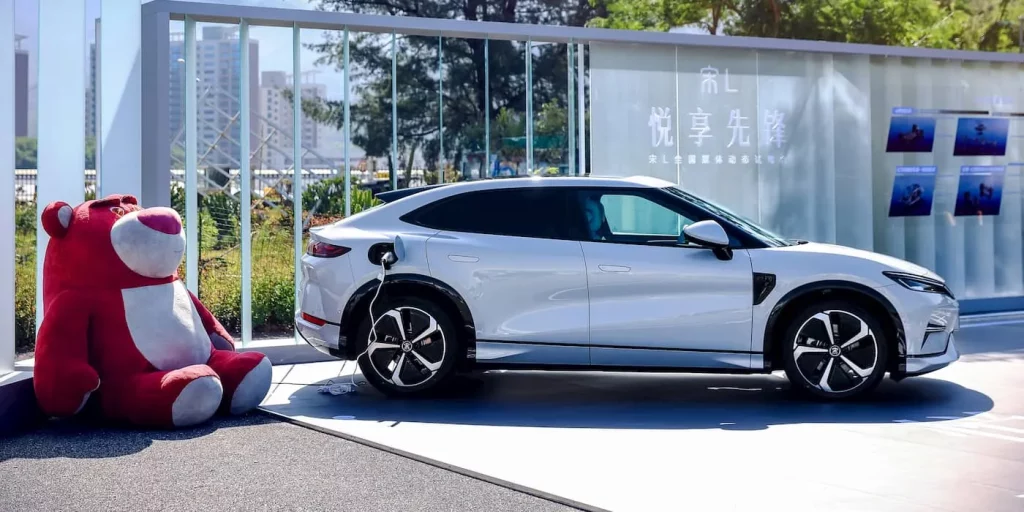
BYD Song L electric SUV

What makes BYD’s achievement even more notable is its potential to outpace Tesla, the current leader in the EV market. With Tesla’s latest numbers pending, BYD’s record sales might position it as the world’s top EV seller for the first time. This shift highlights the competitive nature of the electric vehicle market and the rapid advancements being made by companies outside the traditional automotive powerhouses.

Moreover, BYD’s focus on both all-electric vehicles and plug-in hybrids caters to a diverse range of consumer needs and preferences. While all-electric vehicles are gaining popularity, plug-in hybrids offer a practical middle ground for consumers not yet ready to transition fully to electric.

RELATED:

(Via)

Valve’s Steam drops support for Windows 7 & 8.1

Effective January 1, 2024, Steam has officially ended support for Windows 7, Windows 8, and Windows 8.1, impacting users still running the client on these outdated operating systems. As a result, Steam Client installations on these platforms will no longer receive any updates, including crucial security patches. Steam Support will also no longer provide technical support for issues related to these operating systems.

Valve Steam

While Valve expects Steam games and the client to continue running on these older operating systems for some time after the cutoff date, they cannot guarantee full functionality beyond January 1, 2024. This move is attributed to core features in Steam relying on an embedded version of Google Chrome, which is no longer compatible with the outdated Windows versions. Additionally, future versions of Steam will necessitate Windows features and security updates exclusive to Windows 10 and above.

Valve strongly urges users to update to a more recent version of Windows to ensure continued access to Steam and any purchased products. The decision aligns with Microsoft’s own termination of support for Windows 7 in January 2020 and Windows 8.1 in January 2023.

Valve’s official Hardware & Software Survey from December 2023 indicates that a minimal percentage of users are still on Windows 7 and Windows 8.1, with 0.06% and 0.15%, respectively. In contrast, a significant majority, 53.45%, have migrated to Windows 10, and 41.95% are using Windows 11.

RELATED:

(Source, via)

Huawei Pushes Ahead with $98 Billion Revenue, Defying Global Pressures

Huawei, a global technology giant, seems to have weathered its recent storms and is moving forward with renewed strength and optimism. This was the sentiment expressed by Ken Hu, Huawei’s rotating chair, in his New Year message as 2024 dawned. In 2023, despite ongoing challenges, Huawei has shown remarkable resilience, expecting to report a revenue of about $98 billion, a significant increase from the previous year. This achievement reflects Huawei’s persistent efforts and strategic focus on long-term, steady growth.

Huawei is boosting the app development for HarmonyOS too

Huawei’s journey has not been easy, especially given the sanctions imposed by the US. However, the company has managed to maintain its momentum, particularly in the realms of devices, cloud computing, and ICT infrastructure. This progress underscores Huawei’s ability to adapt and innovate in a rapidly evolving tech landscape.

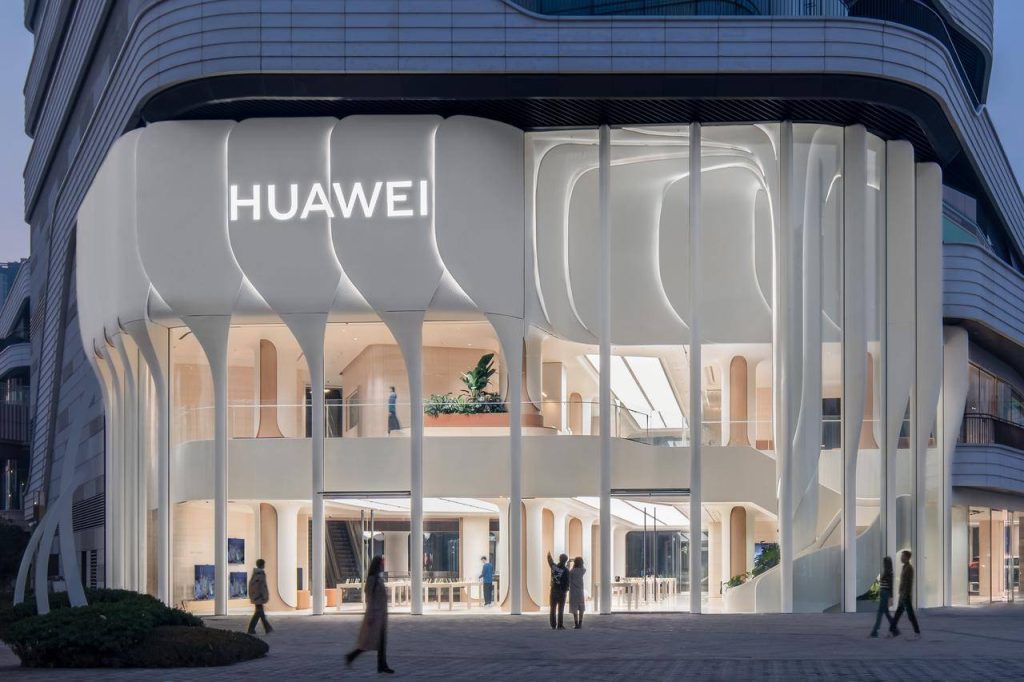
Huawei Flagship Store

A key area of Huawei’s future growth lies in aiding digital transformation across industries. With its carrier business, Huawei aims to support its customers more effectively, enhancing data traffic, introducing new services, and evolving network capabilities.

The devices segment of Huawei also made headlines in 2023, particularly with the launch of handsets rumoured to have 5G-like features. This buzz underlines the company’s commitment to technological advancement. Additionally, Huawei plans to boost the development of apps for its HarmonyOS through strategic collaborations, signaling a move towards creating a more integrated ecosystem.

Huawei’s cloud business, termed as the company’s digital backbone, is another focal point. This emphasis on cloud computing reflects a broader industry trend where cloud services play a pivotal role in digital transformation. Ken Hu acknowledges the past challenges but emphasizes the importance of staying grounded. His words suggest that for Huawei, the path forward is about steady progress and not getting swayed by either pressures or praises. For Huawei, the future seems to be about balancing resilience with innovation, ensuring steady progress even amidst global challenges.

RELATED:

(Via)

iQOO Neo 9 Pro Officially Confirmed To Launch In India

Last week, iQOO launched the Neo 9 series smartphones in China. The lineup comprises a standard and pro model. Both phones pack premium specifications. Now, the Vivo sub-brand’s India branch has officially confirmed the existence of the Neo 9 Pro in India. iQOO took to X (formerly Twitter) to tease the arrival of the device in the country. 

iQOO Neo 9 Pro officially confirmed to launch in India

iOQO has not explicitly revealed the arrival of the Neo 9 Pro in India. However, the teaser image reveals the smartphone’s schematic and its design resembling the Neo 9 Pro. The back panel has two camera rings at the top left corner. There is an engraved text that reads ‘Neo, Power to Win’. The brand says that the big drop is coming soon to redefine possibilities. Hence we can expect iQOO to share more details about the upcoming Neo 9 Pro in the coming days. 

The iQOO Neo 9 Pro will arrive as the successor to the Neo 7 Pro that debuted in India last year. The Neo 8 Pro did not launch in the country. We can expect the upcoming offering to retain the same specifications as its Chinese counterpart. 

The iQOO Neo 9 Pro features a 6.78-inch 1.5K OLED display with a 144Hz refresh rate and an integrated fingerprint scanner. It has a 50MP OIS primary camera along with a 50MP ultra-wide-angle lens. Internally, the smartphone is powered by a Dimensity 9300 SoC with up to 16GB RAM and 1TB storage. It is backed by a 5,160mAh battery unit with support for 120W fast charging. 

Related: