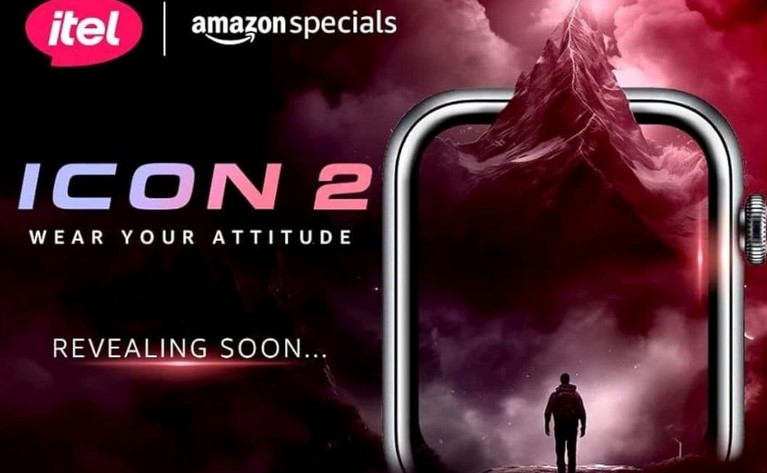
Itel is preparing to launch a new smart wearable product in the Indian market. The company is set to unveil the new Itel Icon 2 smartwatch in the region soon, which was teased via an e-commerce microsite going live.
Itel Icon 2
The smartphone maker’s upcoming Icon 2 was spotted on Amazon India. It was listed as coming soon and appears to be the direct successor to the original Itel Icon smartwatch, which launched back in October 2023. The design of this model was also teased in the Amazon microsite, showing a square shaped display over the crucial screen of its predecessor.
Furthermore, the device will come with a bigger display, black straps, and a functional crown on the side, as per the Amazon listing. To recall, the Itel Icon sported a 1.38-inch IPS LCD panel, offered Bluetooth Calling, and a 12 day standby battery life. So we can expect the next gen model to also support Bluetooth Calling with a bigger screen and maybe a similar battery life.
The Itel Icon also came with Bluetooth 5.3, over 100 watch faces, a 250mAh battery pack, and various health and fitness related trackers. Other notable features include music and camera controls, an integrated voice assistant, and IP68 water and dust resistance. Unfortunately, the finer details regarding the Itel Icon 2 is still at large at the moment. So stick around for more as we will be providing updates when additional information is available regarding this smartwatch.
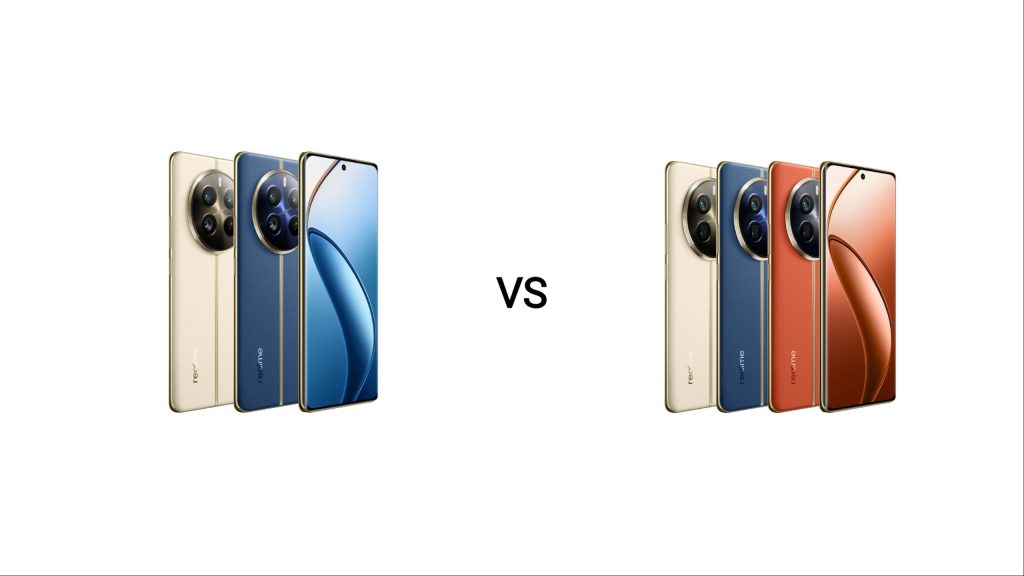
The Realme 12 Pro series is here and buyers around the old are considering which to get for themselves. In this article we put the 12 Pro and 12 Pro Plus from this series up against one another to find out which option is the best for you today. Many might naturally go for the Realme 12 PPro Plus since it is the more beefed up version of the 12 Pro but is that really the best pick for you?
Are there other things that you need to take into consideration before picking which of these devices is the best for you? In this article we’ll talk about the features and specifications of these two devices to help you make a more informed decision. Now let’s head into the business for the day and learn more about the devices in the new Realme 12 Pro series.
Realme 12 pro vs Realme 12 Pro Plus: Price
Realme 12 pro:
All storage variants available retail starts at $286
Realme 12 pro plus:
All storage variants available retail start at $361
Please Note: When you buy something using the links in our articles, we may earn a small commission at no cost to you.
Realme 12 pro vs Realme 12 pro plus: Design and colours
Realme 12 pro:
In terms of design this is a good looking device with an interesting design pattern. For a more premium feel this device features a curved screen that most flagship devices seem to be dropping off. It’s great to see a curved screen on this affordable device but its curved 6.7-inch AMOLED screen is not the main selling point of this device in terms of design.
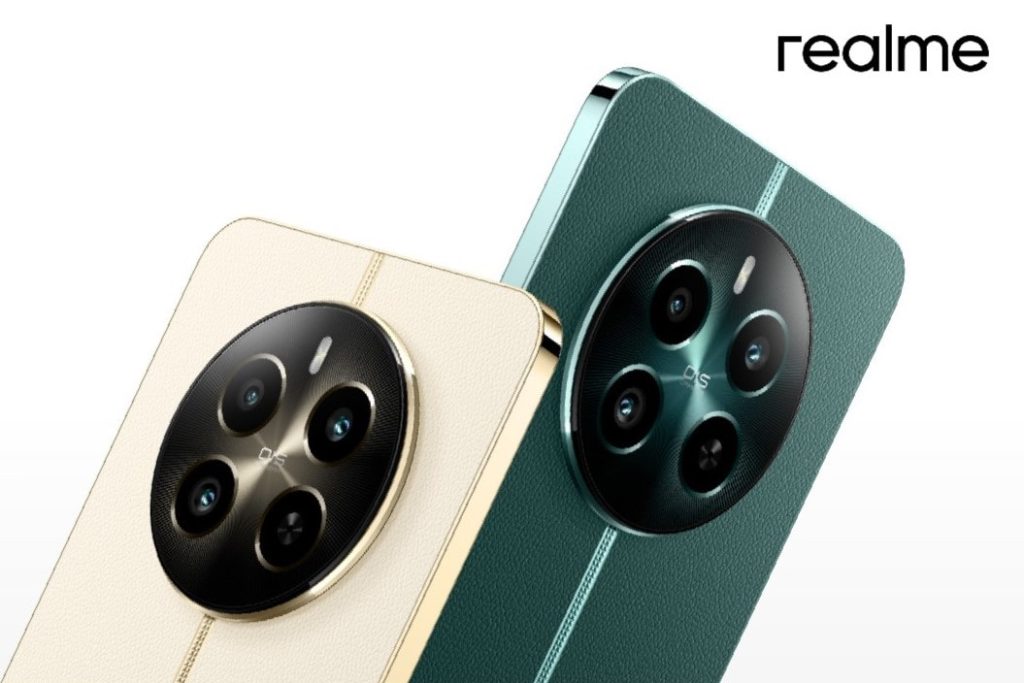
On the rear this device features a circular rear camera cutout that has gold patterns around it and they also run from the top to the bottom through the centre of the device. This gold colour is also available along the sides of this device giving it a premium feel regardless of its affordable pricing. The colour options here are Submarine Blue and Navigator Beige with the first featuring a leather-ish texture.
Realme 12 pro plus:
The design on the Pro Plus model is very similar to that on the Pro model with no changes at all. If you are out for the changes on these devices it is available under the hood. However, there is a minute area where Realme steps up the design of this device to make it stand out from its sibling the 12 Pro.
Realme adds an extra colour to the Pro Plus lineup to help buyers stand out from the less powerful Pro model. The colour options on this Pro Plus model are Submarine Blue, Navigator Beige, Explorer Red with the latter being exclusive to the Pro Plus model. It also features a leather-ish feel to it for that premium usage experience.
Major differences:
Exclusive Explorer Red colour options on the Pro Plus model.
Realme 12 pro vs Realme 12 pro plus: Display
Realme 12 pro:
This midrange device comes with a 6.7-inch AMOLED display that supports 120Hz refresh rate as well as 950 nits peak brightness. Under this display sits an optical fingerprint sensor which is up to par with the competition from other brands. The screen on this device is curved giving it a more premium look and feel overall. It also has a very low screen-to-body ratio with sleek bezels on the top and bottom as the side bezels fall off to the side of the device.
Realme 12 pro plus:
The Pro Plus model features the exact same screen that you find on the Pro model with no changes at all. When it comes to the displays of these devices there’s nothing much to compare as it’s a tie.
Major differences:
Nil.
Realme 12 pro vs Realme 12 pro plus: Cameras
Realme 12 pro:
The Realme 12 Pro comes with a triple rear camera setup as well as a good processor. Pairing these two together will ensure that users get great results per shot in both well lit areas and low light areas. The rear camera setup this device uses is a 50MP, 32MP, and 8MP entry.
Up front the Realme 12 Pro features a 16MP sensor for taking selfies. When it comes to video recording the rear cameras on this device can record at 4K resolution. All together these are great stats for this device and can assure users of stable photography on the go.
Realme 12 pro plus:
Cameras are one area where we start to see the differences between these two devices. The new Realme 12 Pro Plus comes with a triple rear camera setup housing a 50MP, 64MP (periscope telephoto), and 8MP sensor. On the front this device features a 32MP selfie camera ensuring users of better photography than the Pro model.
Another big advantage to the photography ability of this device is that it features a more powerful processor. So image processing will be faster and better on this device than on the 12 Pro entry. Just like on the 12 Pro the 12 Pro Plus supports 4K video recording on the rear cameras.
Major differences:
Better periscope telephoto lens on the 12 Pro Plus.
Better selfie camera on the 12 Pro Plus.
Realme 12 pro vs Realme 12 pro plus: Performance
Realme 12 pro:
When it comes to performance this device is fuelled by the Snapdragon 6 Gen 1 processor. Joining this processor is 8GB worth of RAM capacity as standard there are no more RAM options on this device. Storage maxes out at 256GB which is great for the average user but some might need some more storage boost.
Realme 12 pro plus:
In performance the 12 Pro Plus once again outshines the 12 Pro as it features the Snapdragon 7s Gen 2 processor which is more powerful. With this processor users get a maximum of 12GB RAM and an optional 8GB for those that don’t want as much power. Just like the 12 Pro storage on the 12 Pro Plus maxes out at 256GB which might not be enough for some users.
Major upgrades & differences:
Snapdragon 7s Gen 2 on the Realme 12 Pro Plus.
More RAM on the Realme 12 Pro Plus.
Realme 12 pro vs Realme 12 pro plus: Software
Realme 12 pro and Realme 12 pro plus:
Both devices run on Android 14 and the Realme UI 5.0 software with 3 years of OS upgrade.
Major differences:
Nil.
Realme 12 pro vs Realme 12 pro plus: Battery life and charging
Realme 12 pro and Realme 12 pro plus:
Same battery capacity at 5000mAh and charging speed at 67W both devices don’t offer wireless charging.
Major differences:
Nil.
Realme 12 pro vs Realme 12 pro plus: Final Verdict
The major differences in these devices are in their camera setup and the performance. So if you are looking out to purchase an affordable device with good performance the Realme 12 Pro is a great pick for you. But if you want to step things up in performance and camera abilities or you want an extra colour option for a little more cash then the Realme 12 Pro Plus is the way to go.
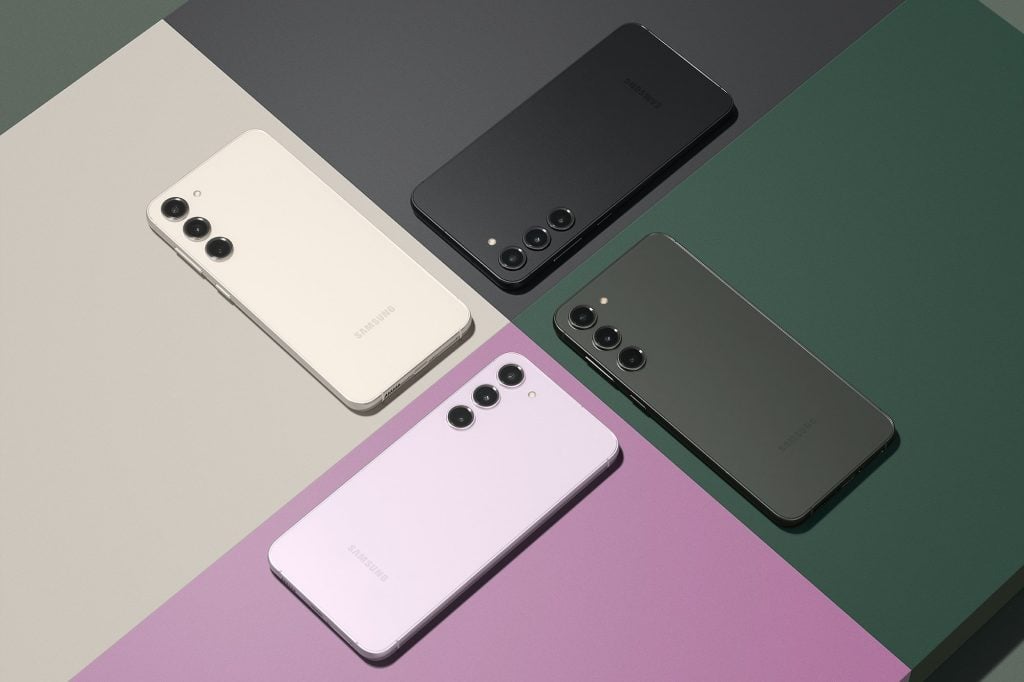
It’s been a year since the Galaxy S23 5G launch, but still, the smartphone is quite in demand due to its polished finish and refined software based on One UI 6.1. In India, the smartphone is now retailing at a discounted price of Rs 45,147. It is the lowest since launch, and could help you save some bucks if you’re looking to grab a flagship smartphone under Rs 50000.
Price break-down of Samsung Galaxy S23 5G (128 GB)
Samsung Galaxy S23 8GB RAM and 128 GB storage variant is on sale for Rs 64,999. The retailer is offering a Rs 10,000 discount when you add it to your cart and proceed to buy. Further, using HDFC Bank Credit and Debit Card, you can avail of an additional Rs 10,000 discount, and the total will revert to Rs 45,147.
Samsung’s previous flagship combined powerful hardware with a sleek design. It comprises a 6.1-inch dynamic AMOLED 2X display that offers 1080 x 2340 pixels of resolution and a 120 Hz refresh rate. It reaches a peak brightness of 1750 in the outdoors for an immersive viewing experience. Samsung Galaxy S23 5G features the Snapdragon 8 Gen 2 SoC, paired with 8GB of RAM and an outstanding GPU.
In the camera section, the smartphone features a triple-camera setup on the rear, which includes a 50MP main lens, a 10MP telephoto lens with 3x optical zoom, and a 12MP ultrawide lens (with a 120˚ field of view). The front-facing 12MP camera ensures crisp selfies and supports 4K video recording.
Samsung Galaxy S23 5G bundles a 3900 mAh battery with 25W fast charging and 15W wireless charging. There’s support for Wi-Fi 6e, Bluetooth 5.3, NFC, and USB Type-C 3.2 in connectivity. More details can be found here, and users can compare it with other devices.
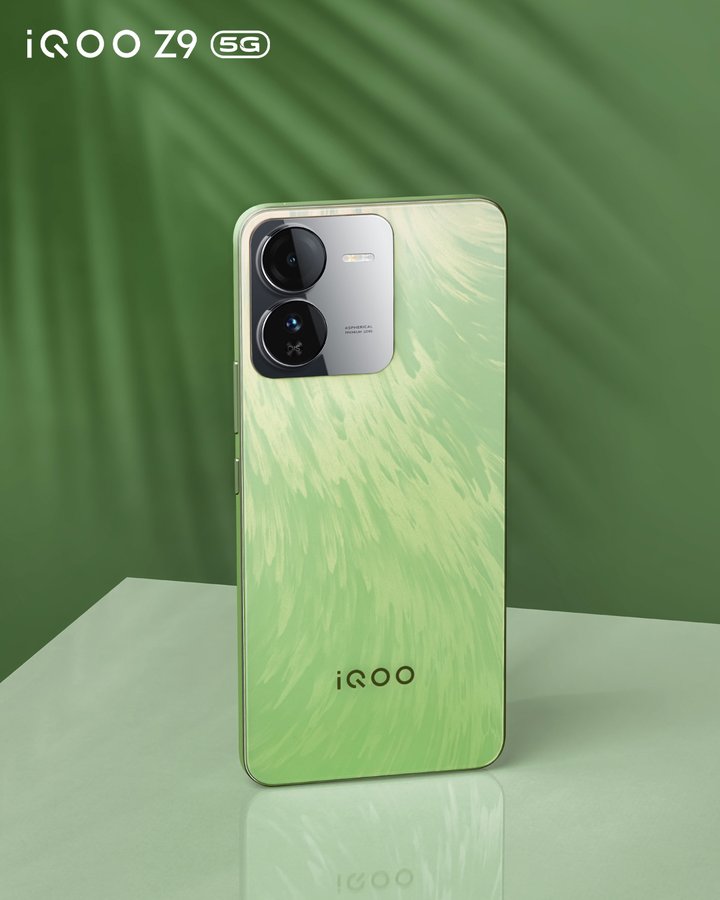
With the iQOO Z9 launch being right around the corner, the company has officially shared new teasers of the upcoming smartphone. One of these teaser of the upcoming smartphone claims that it is the fastest phone in its segment thanks to the MediaTek Dimensity chipset under the hood.
iQOO Z9 Teaser
In a tweet, the CEO of iQOO India shared an image poster that claimed that the iQOO Z9 5G is the fastest smartphone in the segment thanks to its MediaTek Dimensity 7200 SoC. For those unaware, the Z9 is expected to be priced around the 20,000 INR (roughly 240 US Dollars). So the upcoming smartphone is easily one of the more powerful devices in this price range.
To recall, this is the same chipset that is featured on the Redmi Note 13 Pro+, iQOO Z7 Pro, Vivo V27, Vivo T2 Pro 5G, and more. Apart from this, the official iQOO India X handle (formerly Twitter) also shared another teaser image that showcased the iQOO Z9 in a green color option. As of right now, the Amazon landing page for this device is already live.
Based on what we know so far, the Z9 5G sports a tall OLED display with FHD+ resolution and a 120Hz refresh rate. It is expected to be powered by a large 5,000mAh battery pack that supports 44W fast charging. The smartphone will run on the Android 14 OS based FunTouch OS 14 custom skin out of the box and offer an under display fingerprint scanner for security. The Chinese brand will unveil the handset on March 12.
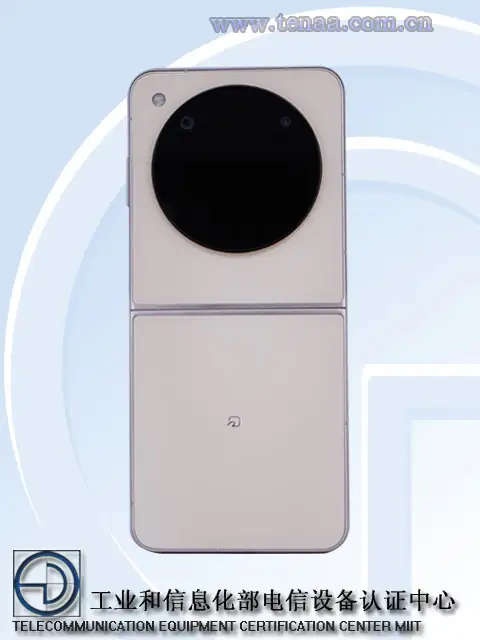
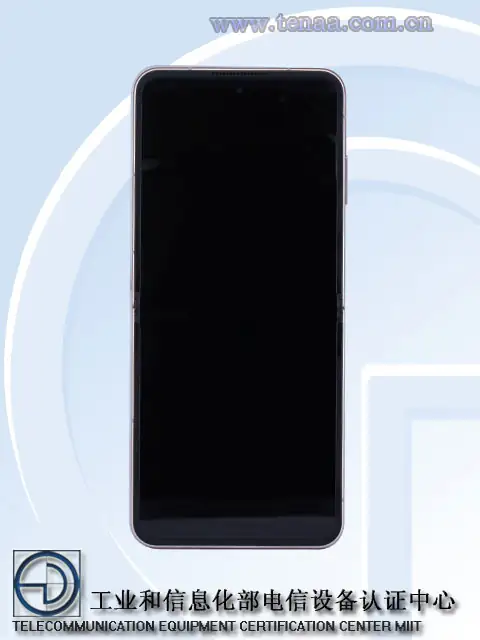
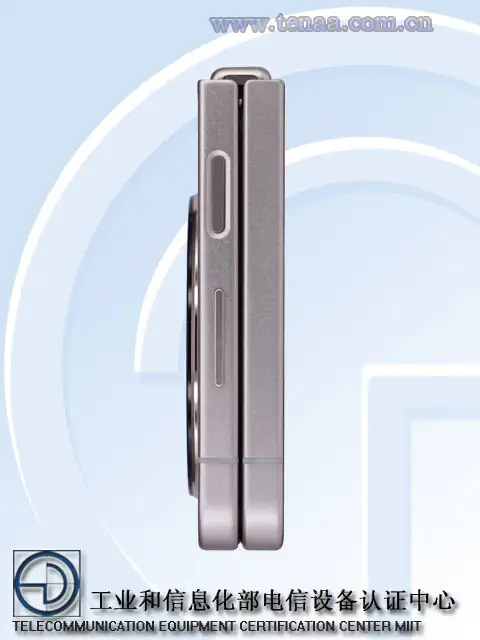
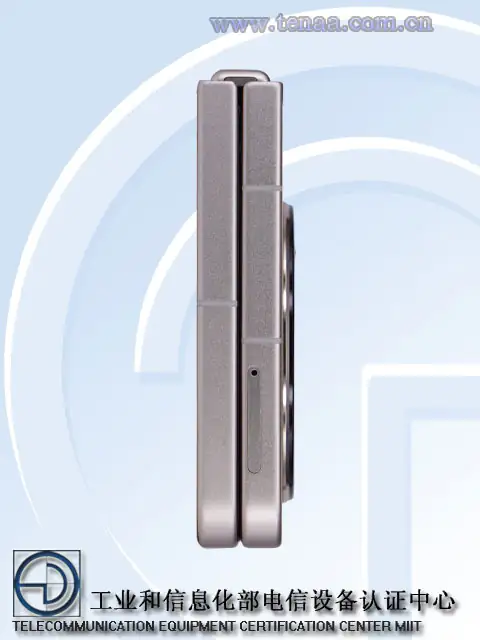
The Nubia Flip 5G‘s official photos revealed by the Ministry of Industry and Information Technology (MIIT) provides a closer look at what this innovative device has to offer. Introduced at the MWC 2024 event on February 27 for a competitive US$599, roughly 4,319 yuan, this vertical folding mobile phone introduces a sleek design and promising features to the market. The latest revelation from MIIT signals an imminent release of the Nubia Flip 5G on the Chinese market. Let’s take a look at the images.
The first glance at the Nubia Flip 5G reveals a seamless design, mirroring its overseas counterpart, the ZTE Libero Flip, the brand’s first vertically foldable device, that launched just a few days ago. With a flat frame and no discernible gap upon folding, the Nubia Flip 5G boasts a sophisticated aesthetic. As you can see, it incorporates a round secondary screen, adding both functionality and style to the device.
Delving deeper into its specifications, this phone impresses with a 6.9-inch main screen featuring a 120Hz refresh rate and 2160Hz PWM high-frequency dimming. This ensures smooth visuals and enhanced brightness control for an immersive viewing experience. Additionally, the circular 1.43-inch external screen on the back supports various utility functions, from selfies to step tracking and music control.
Under the hood, the device is powered by the Snapdragon 7 Gen 1 processor, ensuring robust performance for multitasking and gaming. Coupled with a sizable 4310mAh battery and 33W charging support, users can expect prolonged usage without compromising on speed. The camera setup further elevates the device’s appeal, with a 50-megapixel main camera, 2-megapixel depth-of-field lens, and a 16-megapixel front-facing camera equipped with hover photography capabilities.
Furthermore, the Nubia Flip 5G offers versatility in terms of memory and storage configurations, with options ranging from 8GB to 12GB of RAM and 256GB to 512GB of storage space. With its appealing design, decent specification, and competitive pricing, it’s poised to make a significant impact in the realm of foldable smartphones.
The Oppo F25 Pro 5G is now official in India as scheduled. The device succeeds the Oppo F21 Pro 5G from 2022 since there was no F23 Pro 5G in 2023.
Like its predecessors, the smartphone features an eye-catching design, budget-level specs, and mid-range price. It comes with a MediaTek chip, an AMOLED display with minimal bezels, fast charging support, and more.
Oppo F25 Pro 5G Specifications
The phone features a flat frame design with an IP65 rating for dust and water resistance. The camera island is rectangular and the sensors are placed inside circles. The front of the device is dominated by a display with a whopping 93.4% screen-to-body ratio.
The 6.7-inch screen is a centered punch-hole AMOLED panel with a resolution of 2412 x 1080 pixels (FHD+), 394 PPI, a 120Hz refresh rate, and 10-bit color depth. The display supports HDR10+ content and up to 1100 nits local peak brightness level,
Under the hood, the handset houses a MediaTek Dimensity 7050 SoC. The chip is paired with LPDDR4x RAM and UFS 3.1 storage. As for software, the phone boots ColorOS 14 based on Android 14.
The back of the device sports a triple camera system comprising a 64MP primary sensor, an 8MP ultrawide unit, and a 2MP macro snapper. On the front, it has a 32MP shooter.
The handset arrives with all the essential connectivity options, such as dual SIM, 5G, WiFi 6, Bluetooth 5.2, GNSS, and USB Type-C. For biometrics, it uses an in-screen fingerprint sensor.
Last but not least, the phone draws energy from a 5,000mAh battery and supports 67W SuperVOOC fast charging standard.
Oppo F25 Pro 5G Price in India
The Oppo F25 Pro 5G comes in 8GB + 128GB and 8GB + 256GB memory configurations in India. They are priced at ₹23,999 (~$290) and ₹25,999 (~$315), respectively.
The product can be availed in either Lava Red or Ocean Blue color options. It is up for pre-order and starts shipping from March 5.
AVI files, a staple in the world of digital media, are susceptible to corruption, which can be a source of frustration for users. However, with the right approach, repairing corrupted AVI files is entirely feasible. In this comprehensive guide, we will explore common scenarios of AVI file corruption, the reasons behind such issues, and six effective solutions to restore them to their optimal state.
Understanding AVI File Corruption
Understanding AVI file corruption is essential for anyone working with digital media. Signs of corruption can manifest in various ways, from visual distortions like fuzziness or pixelation to audio irregularities such as unclear sound or synchronization problems. These issues can disrupt the playback experience, causing interruptions like freezing or stuttering, or even rendering the file unplayable altogether.
Furthermore, attempts to open or edit corrupted AVI files may result in error messages, frustrating users and hindering their workflow. Recognizing these signs empowers users to take proactive measures to address corruption and preserve their valuable digital assets. Whether it’s for personal memories or professional projects, staying vigilant to these indicators ensures smoother multimedia experiences and efficient file management.
Causes of AVI File Corruption
Understanding the root causes of AVI file corruption is paramount for both prevention and effective troubleshooting in the digital realm. From user errors such as accidental deletions or sudden interruptions during file transfers to insidious malware infections targeting and corrupting AVI files, the spectrum of threats is vast. Fragmented files on disks can sow the seeds of data corruption, while outdated codecs lurking in the shadows may trigger playback issues and even file corruption.
Hardware or software errors, ranging from HDD malfunctions to compatibility snags, can swiftly turn digital treasures into digital nightmares. Moreover, factors like incomplete downloads, the specter of bad sectors, or the curse of incompatible players add layers to the complexity of AVI file corruption. One critical culprit often overlooked is damage to the file header, disrupting the very fabric of proper AVI file functionality. In navigating this digital minefield, arming oneself with knowledge of these root causes becomes not just beneficial, but essential.
Effective Solutions for AVI File Repair
When dealing with corrupted AVI files, it’s essential to approach solutions strategically. Thankfully, there are six dependable options to consider. First and foremost, dedicated AVI repair software emerges as a hero, armed with the tools to detect and mend various file issues with precision. On the other hand, converting the corrupted AVI file into a different format using reputable video conversion tools can often revive seemingly irreparable footage.
For the tech-savvy, VLC Media Player offers a built-in repair feature, presenting a convenient and accessible avenue for automatic recovery attempts. When all else fails, the tried-and-tested method of restoring from backups emerges as a beacon of hope, ensuring data integrity and minimizing loss.
Exploring more advanced options, skilled users may find themselves drawn to manual intervention, where they can adjust the AVI file header using specialized software or hex editors. For those entangled in the web of complex or severe corruption, enlisting the aid of professional data recovery services stands as a beacon of last resort, offering expertise and tailored solutions to salvage precious digital assets.
The Easiest Way to Fix Corrupted AVI Files
When confronted with the daunting task of repairing severely corrupted AVI files, there’s a simple yet powerful solution at your disposal: 4DDiG Video Repair. This professional tool is a lifesaver, effortlessly tackling a myriad of video playback issues that plague AVI files, from error codes to choppy or fuzzy playback, and even audio-video sync problems. With just three straightforward steps, 4DDiG Video Repair works its magic, restoring your AVI files to their former glory. Its impressive array of features includes the ability to fix playback problems, missing sound, damaged headers, and more, ensuring that no AVI file remains beyond redemption.
Not stopping there, this versatile tool extends its capabilities to repair various video formats beyond AVI, including MP4, MOV, MKV, M4V, 3G2, 3GP, SWF, and beyond. Whether your videos reside on internal drives, or external storage devices like SD cards or USBs, 4DDiG Video Repair is up to the task, seamlessly recovering precious footage with ease.
What’s more, it doesn’t just stop at repairs; it also enhances video quality and resolution, offering a visual treat for your viewing pleasure. With features like batch repair, preview before saving, and Quick and Advanced Repair modes, 4DDiG Video Repair stands tall as the ultimate solution for repairing corrupted AVI files swiftly and effortlessly.
Here’s a guide on utilizing this AVI repair tool to mend corrupted AVI files:
Repairing corrupted AVI files has never been simpler with the user-friendly interface of the AVI repair tool. In just three straightforward steps, you can breathe new life into your damaged footage.
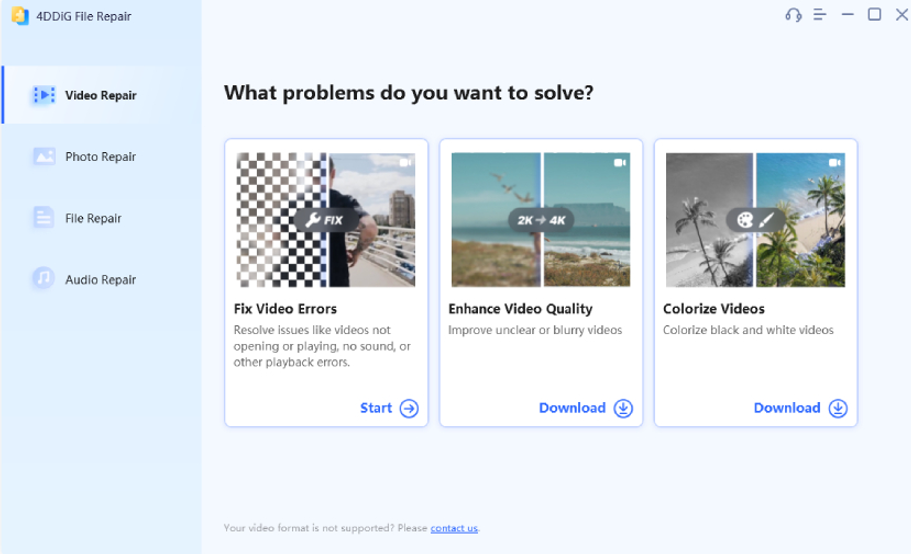
Step 1: Begin by downloading the software onto your computer. Once downloaded, follow the installation instructions. After installation, launch the software and look for the option labeled “Video Repair.” Click on it to initiate the repair process.
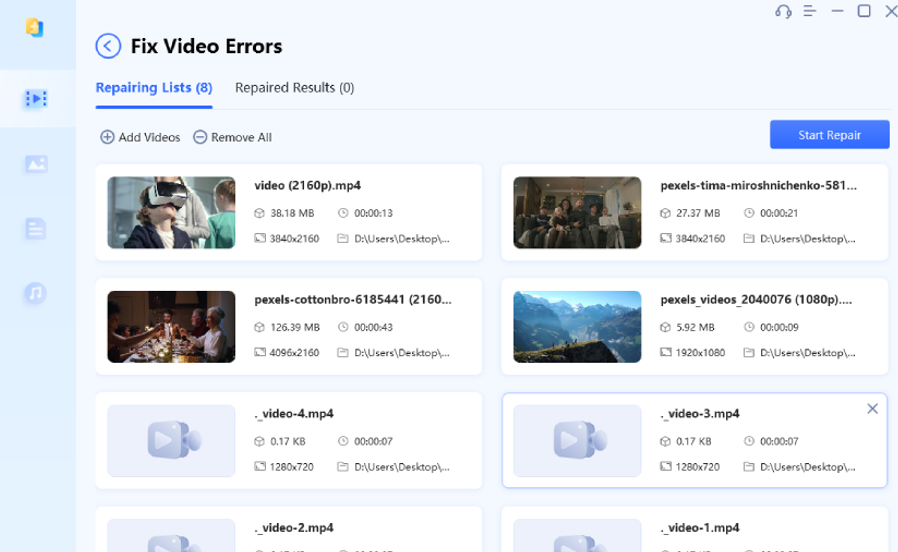
Step 2: Once inside the software, you’ll typically find an option like “Fix Video Errors” or something similar. Click on this option, and then you’ll be prompted to select the corrupted AVI files that you want to repair. Navigate to the location of your corrupted files and select them. After selecting the files, start the repair process by clicking on the appropriate button or command within the software.
Step 3: Now, wait for the software to work its magic. The repair process may take some time depending on the size and extent of corruption in your AVI files. Once the repair process is complete, the software will usually provide you with a notification or indication that it has finished.
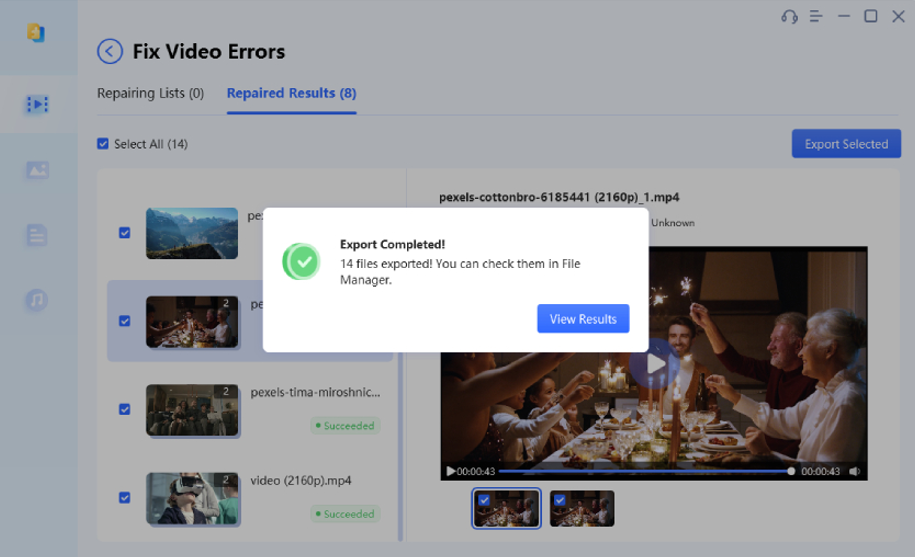
Step 4: With the repair completed, it’s time to check the results. Most software tools will allow you to preview the repaired AVI files within the program itself. Take this opportunity to play through the repaired files and ensure that the quality has been restored satisfactorily. Pay attention to any visual or audio anomalies that were present before to see if they have been fixed.
Step 5: Once you’re satisfied with the repair job, it’s essential to save the repaired AVI files in a safe location on your computer. Choose a partition or directory where the files won’t be at risk of further corruption or accidental deletion. This step ensures that your digital memories are preserved for the long term.
Following these detailed steps should help you effectively repair your corrupted AVI files and recover your precious videos with ease.
Alternative Ways to Repair AVI Files
Solution 1: Convert the AVI File to a Different Format
In tackling the challenge of repairing minorly corrupted AVI files, alternative methods offer viable solutions beyond dedicated repair software like 4DDiG Video Repair. One such approach involves strategically converting AVI files to a different format, effectively sidestepping codec-related playback issues that may stem from corruption.
Here’s how you can utilize a VLC media player to repair corrupted AVI files by converting them.
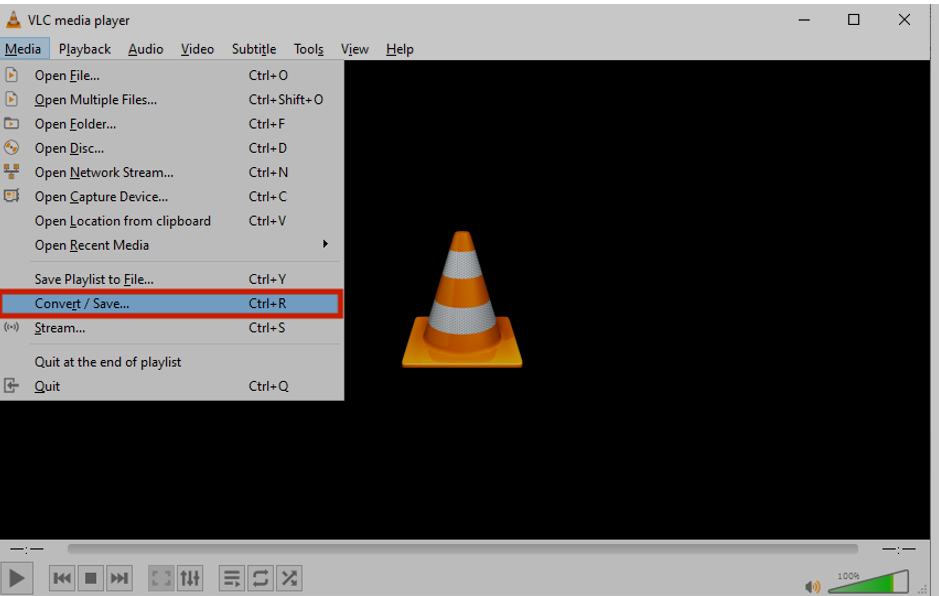
Step 1: Firstly, open the VLC player and navigate to the “Media” tab, then select “Convert/Save” from the dropdown menu.
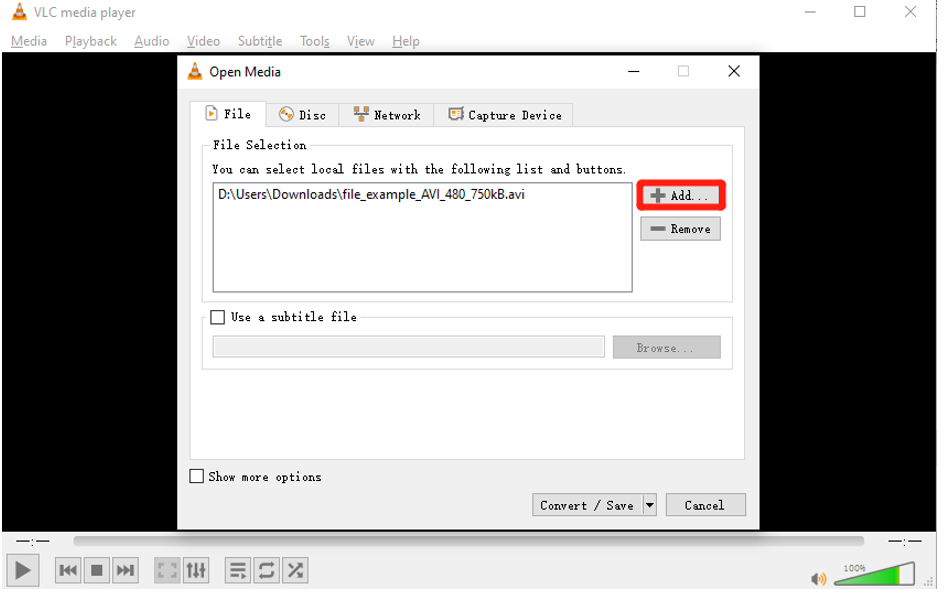
Step 2: Next, add your corrupted AVI file by clicking on the “+Add” button. Once added, proceed by clicking on the “Convert/Save” button.
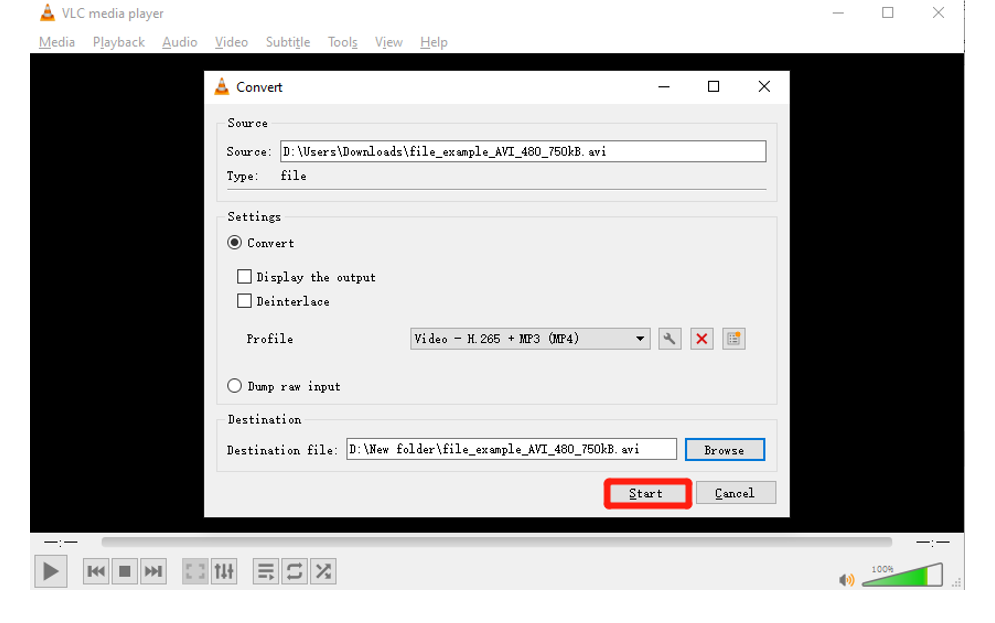
Step 3: Now, in the Convert window, select your desired output format, such as MP4 or MKV, from the dropdown menu next to “Profile”. After selecting the output format, click on the “Browse” button to designate the destination for the newly converted file.
Step 4: Finally, initiate the conversion process by clicking on the “Start” button, allowing the VLC media player to work its magic. With these steps, you can potentially repair minor corruption in AVI files and breathe new life into your digital assets.
Solution 2: Repairing AVI Files Online
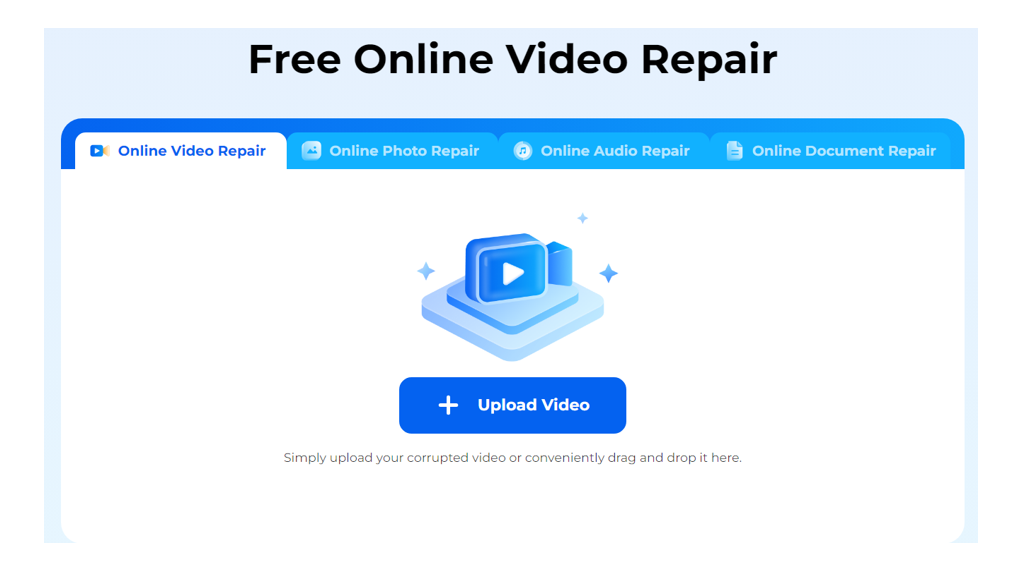
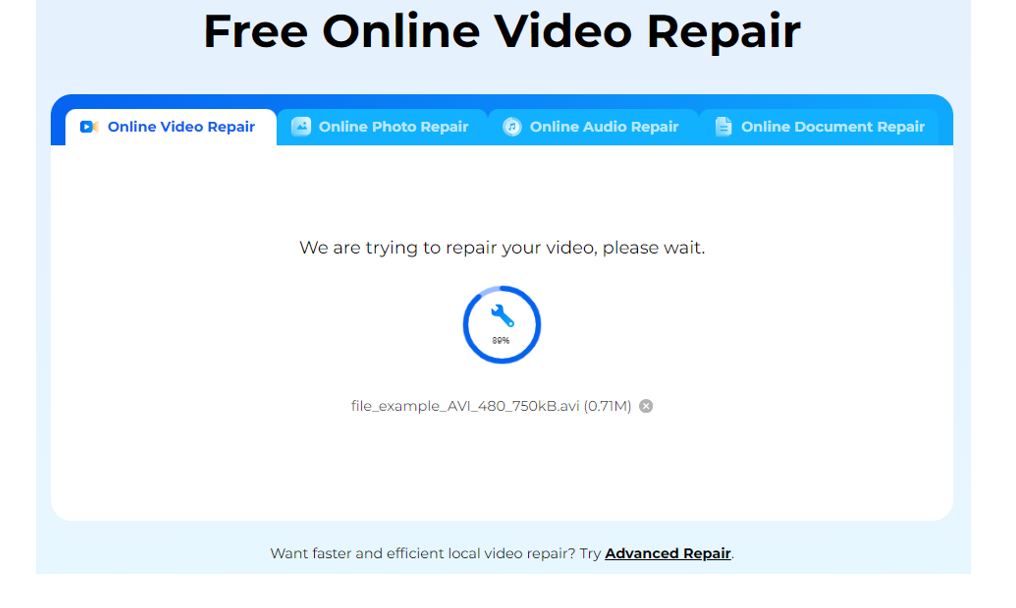
For a swift and effortless solution to repair AVI files, look no further than 4DDiG Free Online Video Repair. This online tool offers a quick and automatic way to mend minor corruptions in AVI files, all without costing a penny. What’s more, there’s no need for any installation hassle, as this web-based service allows users to upload AVI files of up to 300 MB directly.
Here’s how it works:
Step 1: Begin by visiting the 4DDiG Free Online Video Repair website and simply hit “Upload Video” to add your corrupted AVI file. From there, the tool works its magic, automatically repairing the AVI video with impressive speed and efficiency.
Step 2: Once repaired, users have the convenience of previewing the fixed AVI file before downloading it, ensuring satisfaction with the results.
With 4DDiG Free Online Video Repair, the frustration of encountering non-playing AVI files becomes a thing of the past, offering a seamless and accessible solution for all.
Solution 3: Employ the DivFix++ Repair Tool
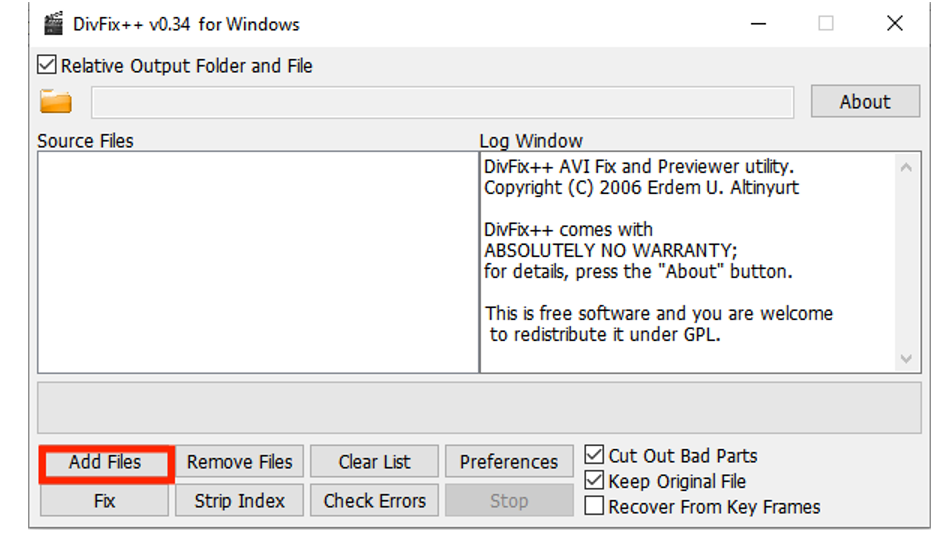
When grappling with corrupted AVI files stemming from damaged headers or incomplete downloads, DivFix++ is one of the best options. This free AVI repair tool specializes in rebuilding the index of video files, offering a remedy to the woes of corruption. Utilizing DivFix++ is a straightforward process, requiring just a few simple steps to repair your damaged AVI files.
Step 1: Start by downloading and opening DivFix++, then select “Add Files” to choose the corrupted AVI videos in need of fixing. It’s crucial to ensure that “Cut Out Bad Parts” and “Keep Original File” are ticked to remove damaged segments while preserving the integrity of the original file.
Step 2: Click on “Strip Index” to eliminate the old index, and optionally select “Check Errors” to scan for any underlying issues. While the process may require some time, the outcome is well worth the wait.
Step 3: With a final click on “Fix,” DivFix++ initiates the repair process, paving the way for restored AVI files free from corruption.
With DivFix++ in your arsenal, conquering corrupted AVI files becomes a manageable task, ensuring your cherished videos remain intact and accessible for years to come.
Solution 4: Update Your Drivers
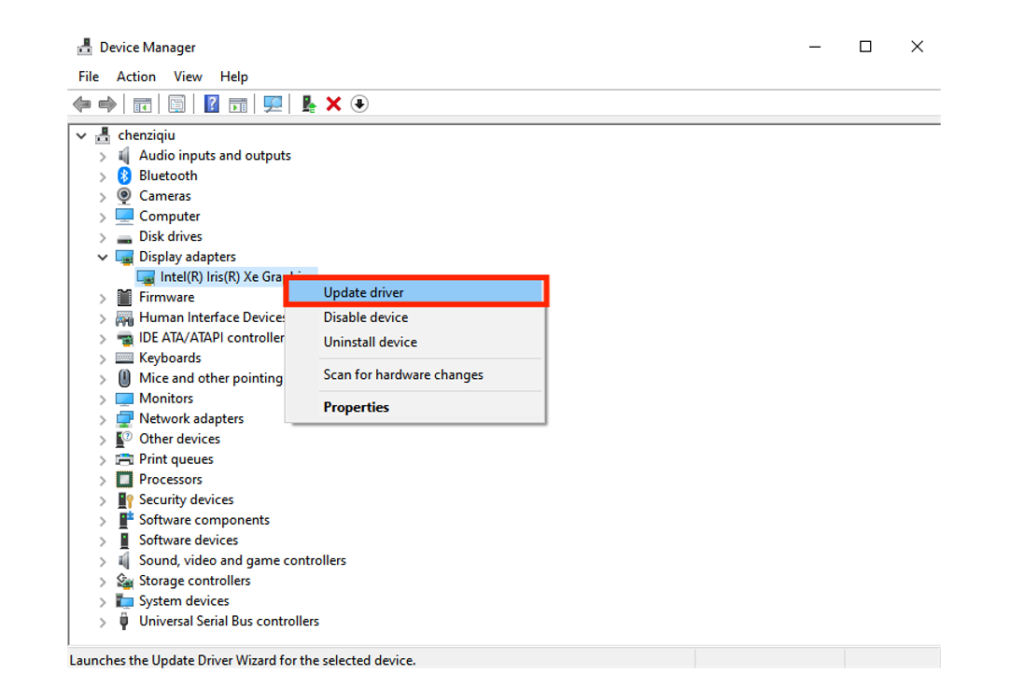
When encountering the frustration of AVI files refusing to play, the culprit might lie in outdated or faulty display or audio drivers. These essential components can harbor hardware or software issues, hindering the seamless playback of videos. Fortunately, a simple solution exists: updating your drivers. By ensuring that your drivers are up to date, you can effectively resolve issues that prevent AVI files from playing correctly.
Here’s how to update your drivers:
Step 1: Start by typing “Device Manager” into the Windows search bar and right-clicking to open it. From there, locate the graphic or audio driver that requires updating, right-click on it, and select “Update Driver.”
Step 2: Follow the on-screen prompts to obtain the latest version of the driver, and upon completion, restart your computer to implement the changes.
With this straightforward process, you can swiftly tackle AVI playback issues caused by outdated or faulty drivers, ensuring a smoother and more enjoyable viewing experience.
Solution 5: Repair Using VLC Player
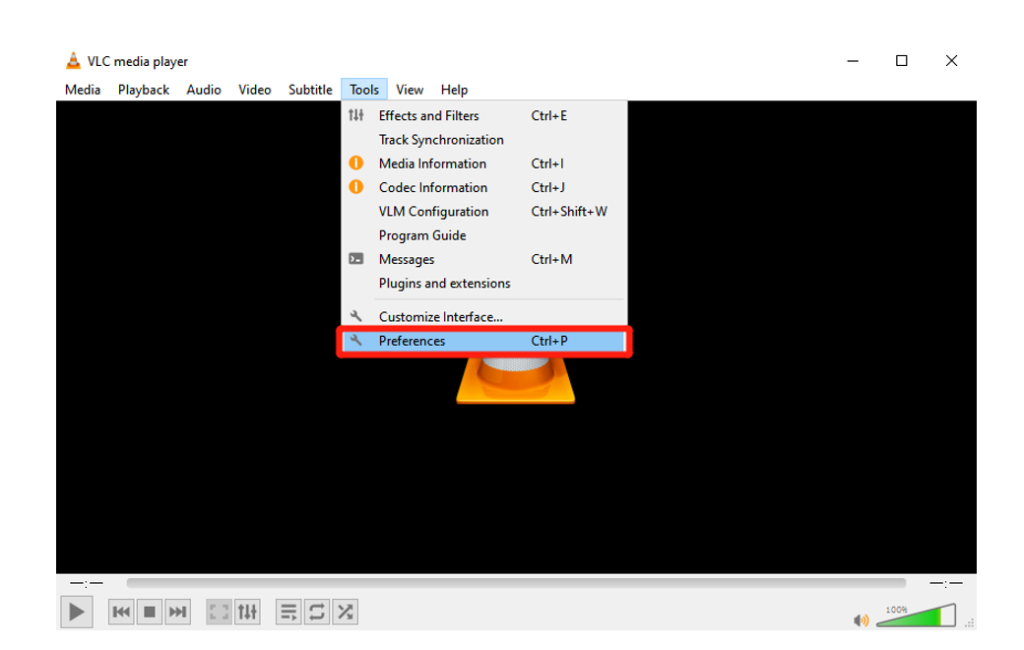
An alternative avenue for rectifying corrupted AVI files lies within the realm of the VLC media player’s “Always Fix” feature. This unique functionality offers a solution even for AVI files marred by corruption during the download process. However, it’s essential to note that this fix generates a temporary index tailored solely for VLC playback. Should you opt to switch to another media player, you may encounter the same AVI file issues.
To access this feature, follow these simple instructions:
Step 1: Start by navigating to the “Tools” menu within the VLC media player and select “Preferences.”
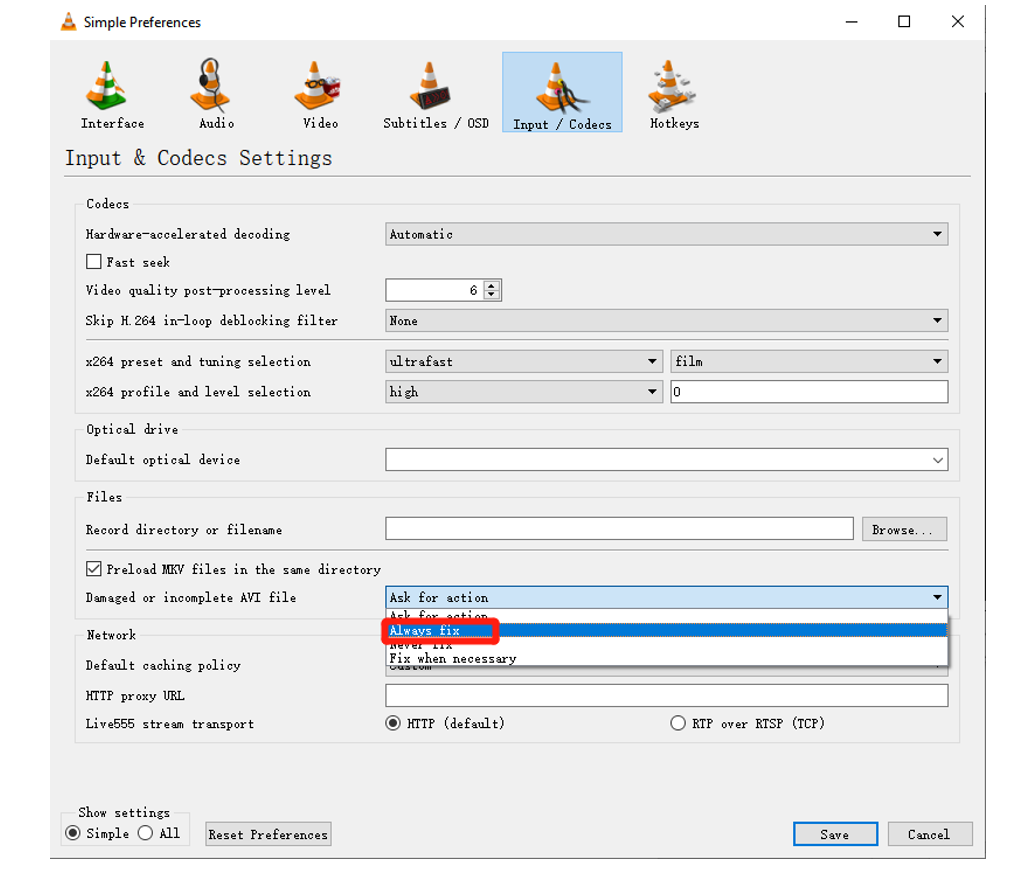
Step 2: From there, click on “Inputs/Codecs” and then “Files.” Next, opt for “Always fix” from the dropdown menu adjacent to “Damaged or incomplete AVI files,” and remember to hit “Save” to implement the changes.
While this method may offer a quick fix within VLC, users should be mindful of its limitations when venturing beyond VLC’s ecosystem.
Strategies for Safeguarding AVI Files from Corruption
Protecting your AVI files from corruption is crucial for digital preservation. While repairing corrupted AVI files provides a safety net, prevention is key. By taking proactive measures, you can greatly reduce the risk of facing the frustrating “AVI not playing” problem in the future.
When implementing these safety measures, it’s crucial to give priority to the following:
Regular Backups: Back up your important data regularly to cloud storage or an external drive.
Antivirus Software: Use up-to-date antivirus software to fend off malware threats.
Safe Ejection: Always eject external drives safely to prevent AVI corruption from sudden removal.
Trustworthy Sources: Stick to trustworthy sources for downloading, transferring, and storing AVI videos.
Complete Downloads: Ensure files are downloaded completely to avoid any corruption.
Power Source Reliability: Avoid sudden power cuts during transfers with a reliable power source or UPS.
Hardware Maintenance: Keep your computer’s hardware in good shape with regular maintenance practices.
Minimal Editing: Don’t go overboard with editing AVI files to prevent potential corruption.
Software Updates: Keep your media player, system drivers, and codecs updated and compatible with AVI files.
By incorporating these proactive measures into your digital habits, you can stop worrying about AVI file corruption, and enjoy uninterrupted playback for your cherished videos.
Common Questions About Repairing Corrupted AVI Files
Can corrupted AVI files be fixed?
Yes, corrupted AVI files can be fixed, especially if it’s a software-related issue. Tools like VLC or DivFix++ can effectively address minor glitches. For more severe corruption, professional tools like 4DDiG Video Repair offer comprehensive solutions.
How do I repair corrupt AVI files on my Mac?
Repairing corrupt AVI files on a Mac is feasible with tools like 4DDiG Video Repair, which is compatible with both Windows and Mac operating systems. Alternatively, for minor corruption, DivFix++ can also be a handy solution.
When repairing AVI files, a multitude of solutions are available to tackle issues spanning from minor hiccups to severe corruption. For the ultimate fix, 4DDiG Video Repair stands out as a comprehensive tool capable of resolving a wide range of AVI file problems, ensuring seamless video playback and resolution enhancement.
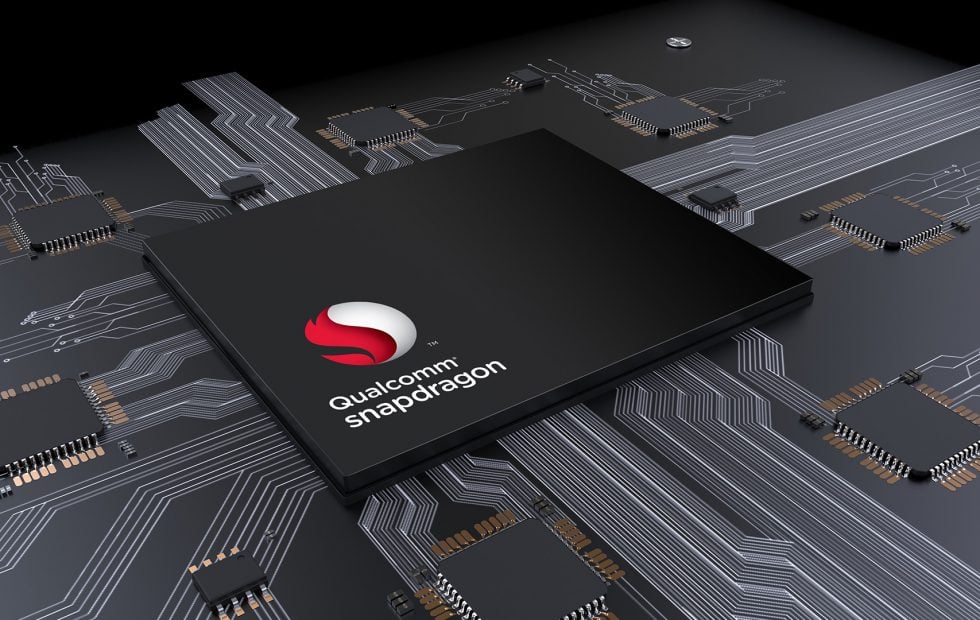
Qualcomm has confirmed plans to launch its next-generation flagship system-on-a-chip (SoC), the Snapdragon 8 Gen 4, at the Snapdragon Summit this October.
Don McGuire, Qualcomm’s Chief Marketing Officer (CMO), revealed the news during the Mobile World Congress via an X/Twitter post, mentioning that the Snapdragon 8 Gen 4 will feature the company’s custom Oryon CPU. He also hinted that the chip will see improved NPU performance “as an evolution of their NPU story.”
Although the video doesn’t provide many specifics about the chip, details about the upcoming SoC have already started circulating in the rumor mill.
A leak previously revealed the performance of an engineering sample of the alleged Snapdragon 8 Gen 4 chip. The chip purportedly smoothly ran the game Genshin Impact for 45 minutes at 1080p resolution, maintaining a 60fps frame rate.
Since the chip in the test is still being developed, the final version might even perform better, possibly running Genshin Impact at its maximum 60fps at a higher resolution.
Moreover, another report suggests that the Snapdragon 8 Gen 4’s Adreno 830 GPU scored 10% higher than Apple’s M2 chip in the 3DMark Wild Life Extreme Stress Test. This is impressive, especially considering the M2 is designed for larger devices like Macs.
Before the Snapdragon 8 Gen 4’s fall debut, Qualcomm is anticipated to release an additional Snapdragon 8 Gen series chip. This interim chip, codenamed SM8635, is rumored to feature a powerful Cortex-X4 core and an Adreno 735 GPU.
The chip is expected to slot between the Snapdragon 8 Gen 2 and Gen 3 in terms of performance. It may be released as the Snapdragon 8s Gen 2 or Snapdragon 8 Gen 3 Lite.
Realme is gearing up to unveil the new Realme 12 series in India soon. But just ahead of the official announcement, the company will be putting up the Realme 12 and Realme 12+ 5G for pre-orders. So here are all the details.
Realme 12 Series Pre-Orders
To recall, the Realme 12 and Realme 12+ models will be announced in India on 6th March 2024 at 12 PM IST. However, both of these devices will also be available for pre-orders starting today (29th February 2024) at 2 PM IST. For those interested, you can head to the brand’s official website to pre-order a Realme 12 series smartphone.
Just yesterday, the camera and chipset details regarding the Realme 12+ 5G model were confirmed. The device will pack a Sony LYT600 primary sensor on the rear, which is paired with an ultra wide angle lens and a portrait shooter with 2x zoom. Under the hood, this model is equipped with the MediaTek Dimensity 7050 SoC that is paired with 12GB of RAM. On the front, the Realme 12+ sports an AMOLED display that offers 120Hz refresh rate. A large 5,000mAh battery pack powers this device, which supports 67W wired fast charging.
On the other hand, the base Realme 12 was recently spotted on the GeekBench database. This listing revealed that the smartphone is equipped with the MediaTek Dimensity 6100+ SOC, which is paired with 8GB of RAM. Based on what we know so far, the vanilla version also offers a 5,000mAh battery pack and features a 108-megapixel primary sensor on the back. Other notable features include Android 14 OS, side mounted fingerprint scanner, a 6.72-inch IPS LCD panel with a 120hz refresh rate, and more.
Samsung is rumored to be adding a new foldable smartphone to its lineup in 2024. Initially, there were rumors of a budget-friendly option alongside the standard Z Fold 6 and Z Flip 6 models. However, a recent leak from a reliable source suggests a different plan.
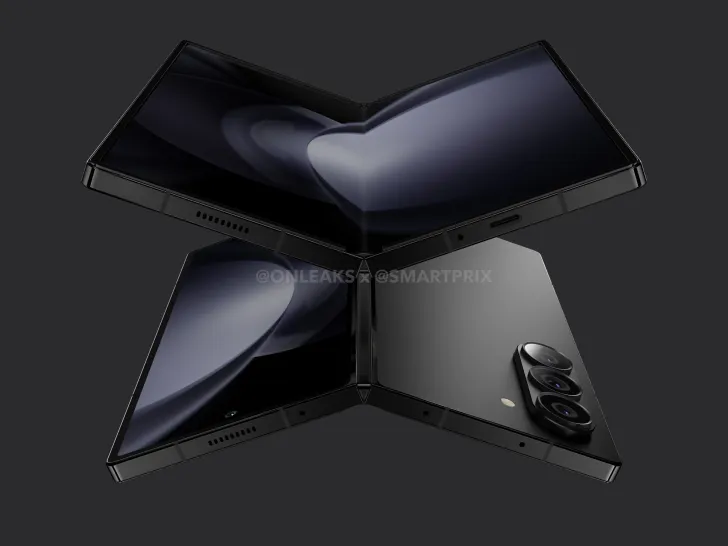
According to a report by WinFuture, Samsung is actually working on introducing a premium Galaxy Z Fold 6 Ultra alongside the regular Z Fold 6. This would create a similar divide in Samsung’s foldable lineup as there is currently in the flagship S-series.
Galaxy Z Fold 6 render.
In other words, there will be a standard model of the device, along with a souped-up version under the Ultra branding.
Details about how exactly the Galaxy Z Fold 6 Ultra differs from the regular Z Fold 6 remain unclear at the moment. The report however suggests there could be potential differences in display size, memory configuration, stylus integration, camera setup, and battery options.
Industry insider Ross Young also corroborated differences between the two models regarding stylus support. So it’s likely that the Ultra model might support the S Pen, while the standard Fold 6 may not.
One with pen input and one without. Those are the primary differences I have heard of. Have you heard of any others?
While previous speculation hinted at a budget model lacking S Pen support, this new leak suggests a shift, with the Ultra possibly becoming the S Pen-compatible device.
Currently, there’s no concrete information on the finer details of this potential “Ultra” model. However, it’s clear that Samsung is exploring ways to expand its foldable offerings and cater to a more demanding consumer segment.
It’ll be interesting to find out the strategies Samsung intends to employ with the rumored Ultra model to make it stand out from the regular one. Plus, considering the Ultra model will probably have upgraded specifications, it’s reasonable to expect a higher price tag too.
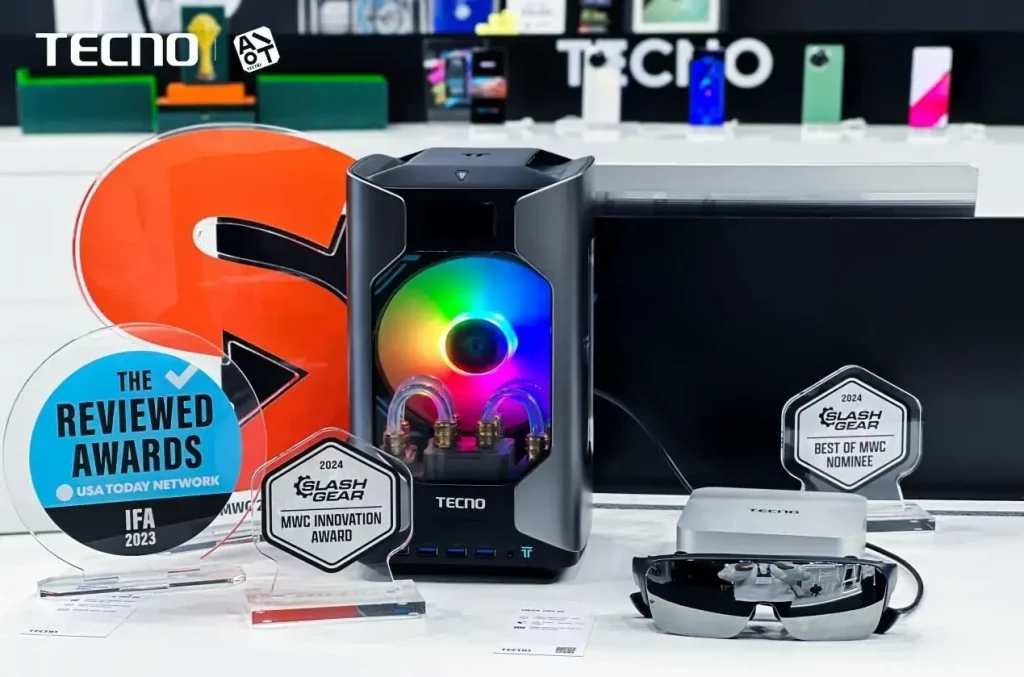
Gaming PCs not only lead the charts in performance benchmarks but also in the space they occupy and the noise generated by their cooling fans. However, at the MWC 2024 event yesterday, two gaming PCs emerged that seem to target solving at least some of the issues associated with a bulky setup.
TECNO, a brand under Transsion, made waves at the MWC 2024 exhibition with the launch of “world’s smallest water-cooled gaming mini PC,” awarded ‘Best of MWC’ alongside another “Pocket-Sized Desktops Solution” – the MEGA MINI M1. These mini PCs offer compact solutions for gaming enthusiasts and users seeking powerful computing within a compact form factor. Both devices can be paired with TECNO’s AR glasses to deliver an immersive gaming experience.
The MEGA MINI Gaming G1:
This one boasts an independent graphics card and a visual water-cooling system to effectively manage heat and optimize performance. Users have the option to equip the Gaming G1 with either an Intel Core Ultra processor or the 13th generation i9-13900H gaming processor with turbo frequencies up to 5.2GHz.
With up to 32 GB DDR5 memory, 1 TB SSD storage, WiFi6E support, and Thunderbolt 4 connectivity, the Gaming G1 promises high-speed performance paired with seamless connectivity. Additionally, its metal body design with vibrant colorful lights enhances its appeal to gaming enthusiasts. Unfortunately, the exact dimension of this mini PC isn’t revealed.
TECNO MEGA MINI M1: a “Pocket-Sized Desktops Solution”
This one comes with a volume of only 0.38L and a weight of 445 grams. Despite its compact size, the M1 packs a punch with support for Intel Core 13th generation processors, capable of decoding multiple 4K video streams simultaneously. It features 16 GB DDR4 memory, with the option to expand up to 32 GB through dual SO-DIMM slots. The M1’s lightweight yet durable aluminum metal body ensures portability without compromising on build quality.
Both the MEGA MINI Gaming G1 and MEGA MINI M1 showcase TECNO’s commitment to innovation and providing versatile computing solutions for diverse user needs.
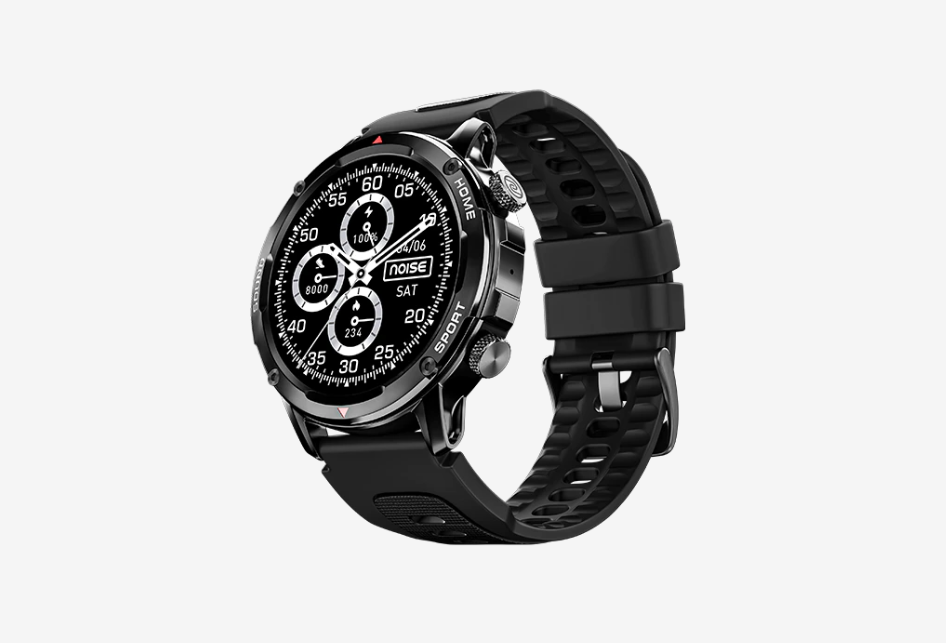
Noise has just launched a new smartwatch called the NoiseFit Venture, following up on their earlier release of the NoiseFit Twist Go. This new gadget sports a round dial with a tough and sporty design, aiming to stand out in the crowded smartwatch market.
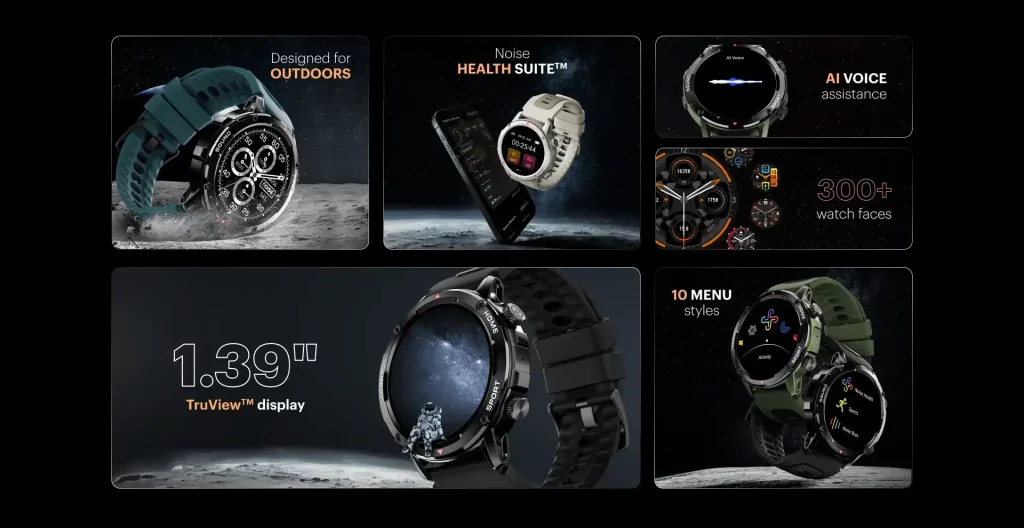
The NoiseFit Venture features a 1.39-inch screen and offers over 300 different watch faces from the cloud. It uses Noise Tru Sync technology for Bluetooth calls, promising fast connections and saving battery life.
Apart from its catchy looks, the NoiseFit Venture is packed with health-focused features. It monitors your heart rate and blood oxygen levels 24/7, tracks your sleep, manages stress, and even has a variety of sports modes. It works with the NoiseFit App, making it easy to keep an eye on your health and fitness data.
The Venture also brings plenty of everyday convenience features. It supports voice commands, allows for QR payments, and comes with security features like password protection. You can get notifications, weather updates, set reminders, control your camera and music, and even use a calculator. With up to a week of battery life, it’s designed to keep up with your busy life.
It comes in four colors: Black, Blue, Green, and Grey, and is available now at an introductory price of Rs. 1,499 on the Noise website and Flipkart.
In related news, Noise has also launched the Lunar Ring in new Rose Gold & Sunlit Gold color variants. This smart ring was launched back in July 2023, offering over 70 health metrics tracking including heart rate, blood, sleep, and body temperature.
Earlier this week, Xiaomi unveiled a pair of new Bluetooth speakers in its home market of China. Now, the smaller Bluetooth Speaker Mini model has officially gone on sale in the region. So here are all the details regarding its specs and pricing.
Xiaomi Bluetooth Speaker Mini Pricing
The Chinese tech giant’s new Xiaomi Bluetooth Speaker Mini was previously listed for pre-orders but it is now available for purchase. It comes in a lone black color option and has a starting price tag of 229 Yuan (roughly 32 US Dollars). Buyers can purchase this speaker on JD.com, a popular e-commerce platform in China.
Xiaomi Bluetooth Speaker Mini Specs
To recall, the Xiaomi Bluetooth Speaker Mini has a compact size, which makes it quite portable. But despite its size, it can offer an audio output of 3W. It even offers 360 degree sound and supports an IP67 rating for water and dust resistance. A 2,000mAh battery pack powers this speaker and promises to offer up to 11 hours of audio playback on a single full charge. This makes it a great audio product for on-the-go use.
Simply tapping on the top of your phone enables instant connection with NFC. It supports Bluetooth 5.3 which should bring a stable connection and supports HyperOS connectivity as well. This can even connect with 2 smartphones at the same time. The Xiaomi Bluetooth Speaker Mini has a short cylindrical shape and features RGB lighting as well. Users can even personalize the listening experience via the Xiaomi Audio ID feature. The device can also be paired and used via the MIJIA app.
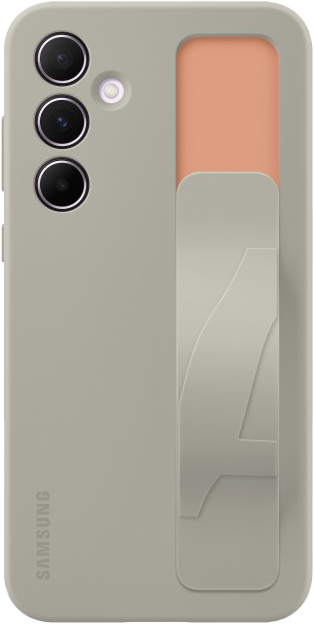
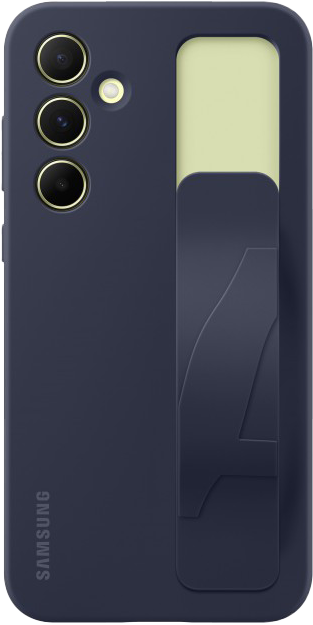
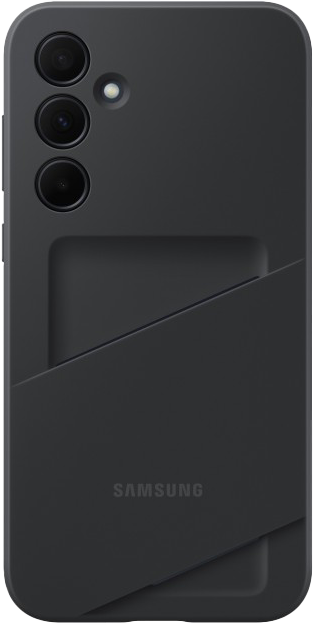
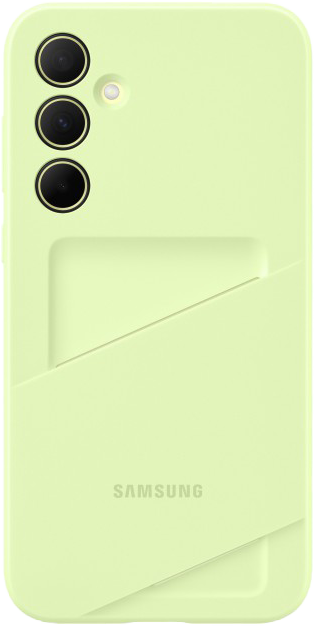
Samsung is preparing to release two new smartphones, the Galaxy A55 5G and A35 5G. Expected next month, these phones have already been approved by certification bodies in Malaysia, Thailand, and China, hinting they’re almost ready to launch.
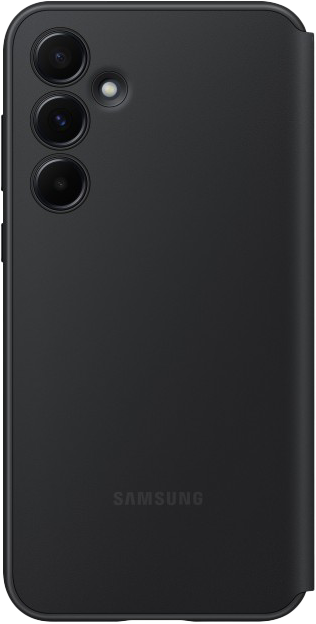
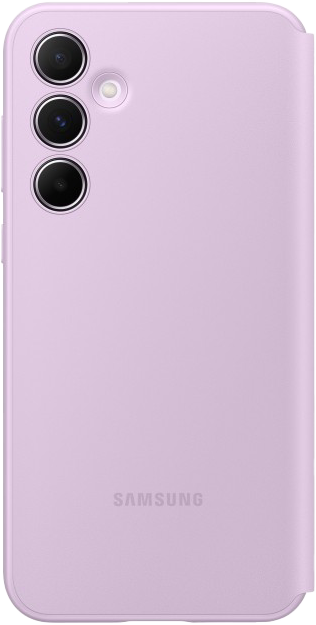
Evan Blass, a known figure for tech leaks, shared images of what is believed to be the back covers for these models on X (formerly Twitter). It looks like Samsung is planning to offer two types of cases for these smartphones. Both the Galaxy A55 5G and A35 5G could come with a choice of a screen protector case, a strap case or one with a card slot, also known as a Smart View Wallet case.
From the renders, it’s clear that the Smart View Wallet case for these Galaxy A series devices features a card slot on the back of the cover rather than on the inside of the screen protector, as seen on the Galaxy S24 Ultra’s cases.
Details on the phones’ specs suggest the Galaxy A35 5G will run on an Exynos 1380 chip with up to 8GB RAM, Android 14, and feature a 1080×2340 pixel display. The device is also said to have a microSD card slot for storage expansion. On the optics front, it will likely bring a 50MP + 8MP+5MP triple rear camera system, paired with a 13MP selfie snapper. Leaks also suggest that it will have a 5,000mAh battery capacity with 25W fast charging. The Galaxy A55 5G on the other hand seems to be getting a 6.5-inch display, an Exynos 1480 processor, a 5000 mAh battery with fast charging, and a similar triple camera setup.
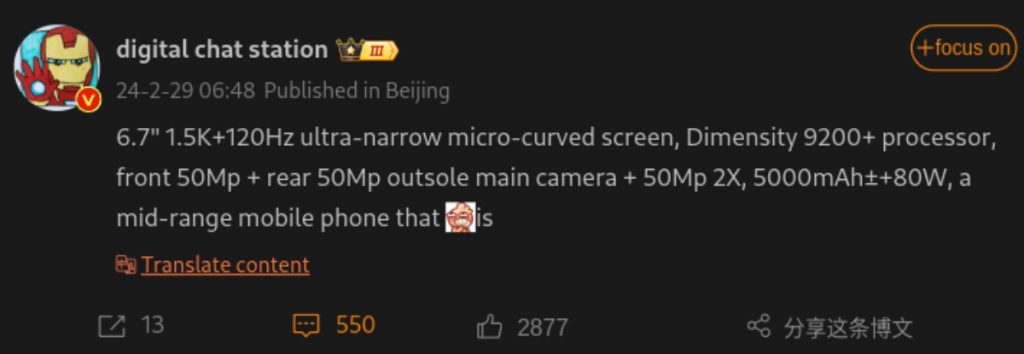
Not long ago, Oppo introduced the Reno 11 series smartphone globally. However, rumors about the Reno 12 series have already started surfacing online. Adding to this, tipster Digital Chat Station has revealed the specifications of an upcoming smartphone, though without specifying its name.
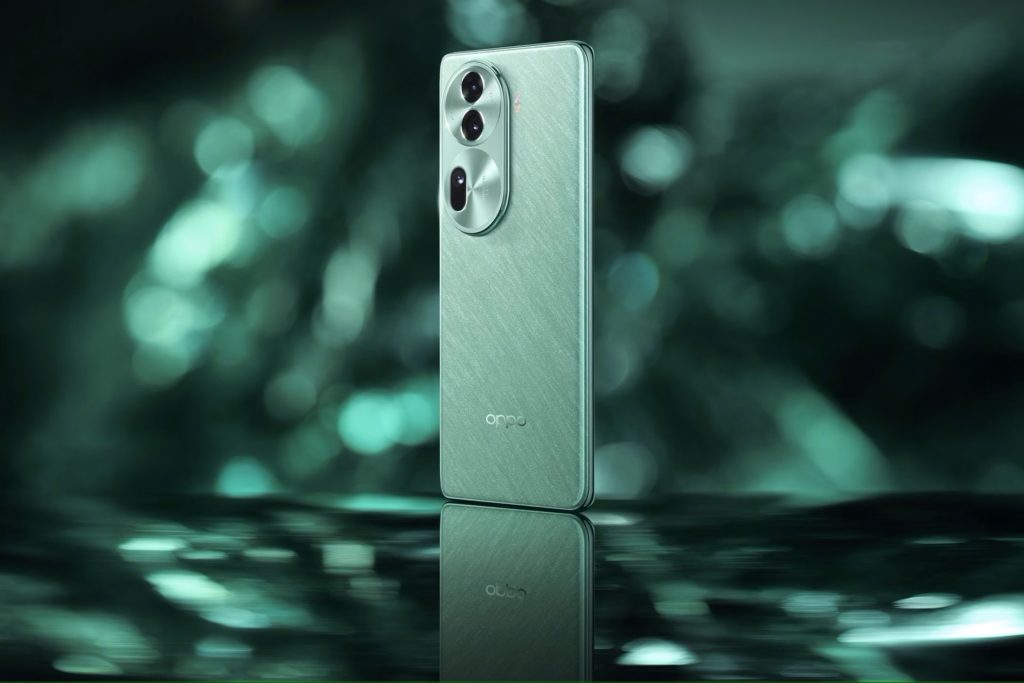
The leaked specs are in line with previous leaks about the Oppo Reno 12 Pro, leading us to believe it might be the same device.
According to the tipster, the smartphone will sport a 6.7-inch display, retaining the curved screen design of its Reno 11 counterpart, along with the same 1.5K resolution and 120Hz refresh rate.
Furthermore, the device is expected to be powered by the Diemnsity 9200 chipset and will boast a 5,000mAh battery supporting 80W charging.
Camera-wise, the leak mentions a 50-megapixel front-facing camera and a rear triple camera system. The primary sensor is expected to be 50 megapixels, accompanied by a 50-megapixel telephoto camera offering 2x optical zoom.
While the leak closely aligns with previous information, there are slight discrepancies, particularly in charging specifications. Previous leaks hinted at 67W charging for the Reno 12 Pro, while this one suggests 80W. However, as these are early details about the device, it’s wise to approach them with caution.
Additionally, a previous leak suggests that the vanilla Oppo Reno 12 will feature a MediaTek MTK 24M processor, although the exact name of the processor remains unknown. It is expected to offer 12GB of RAM and storage options of up to 256GB, along with the same display specifications as the Reno 12 Pro.
Regarding the launch, it’s expected that the Reno 12 smartphones will debut in June 2024. We’ll keep you updated on any new information about the device as it becomes available.
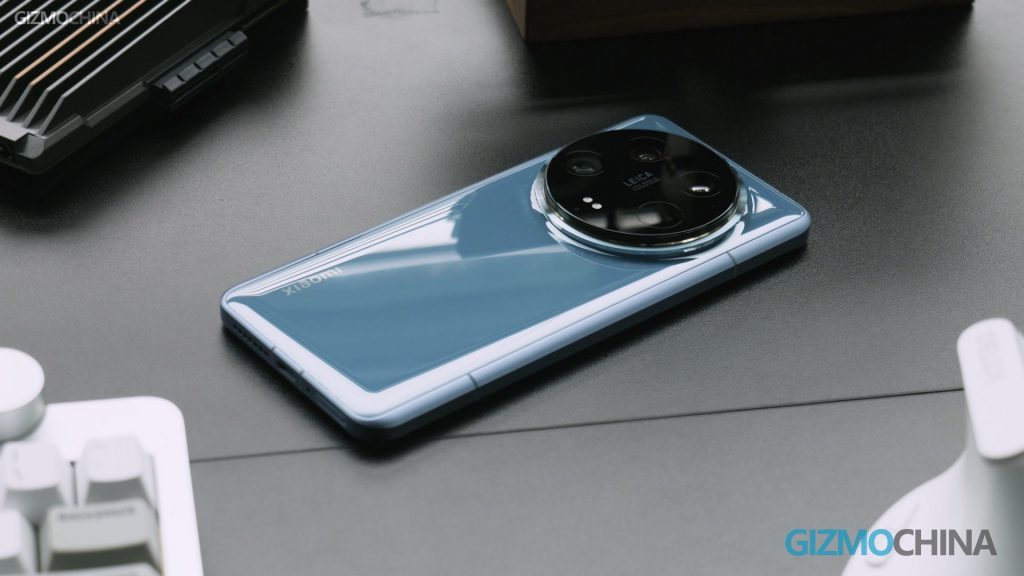
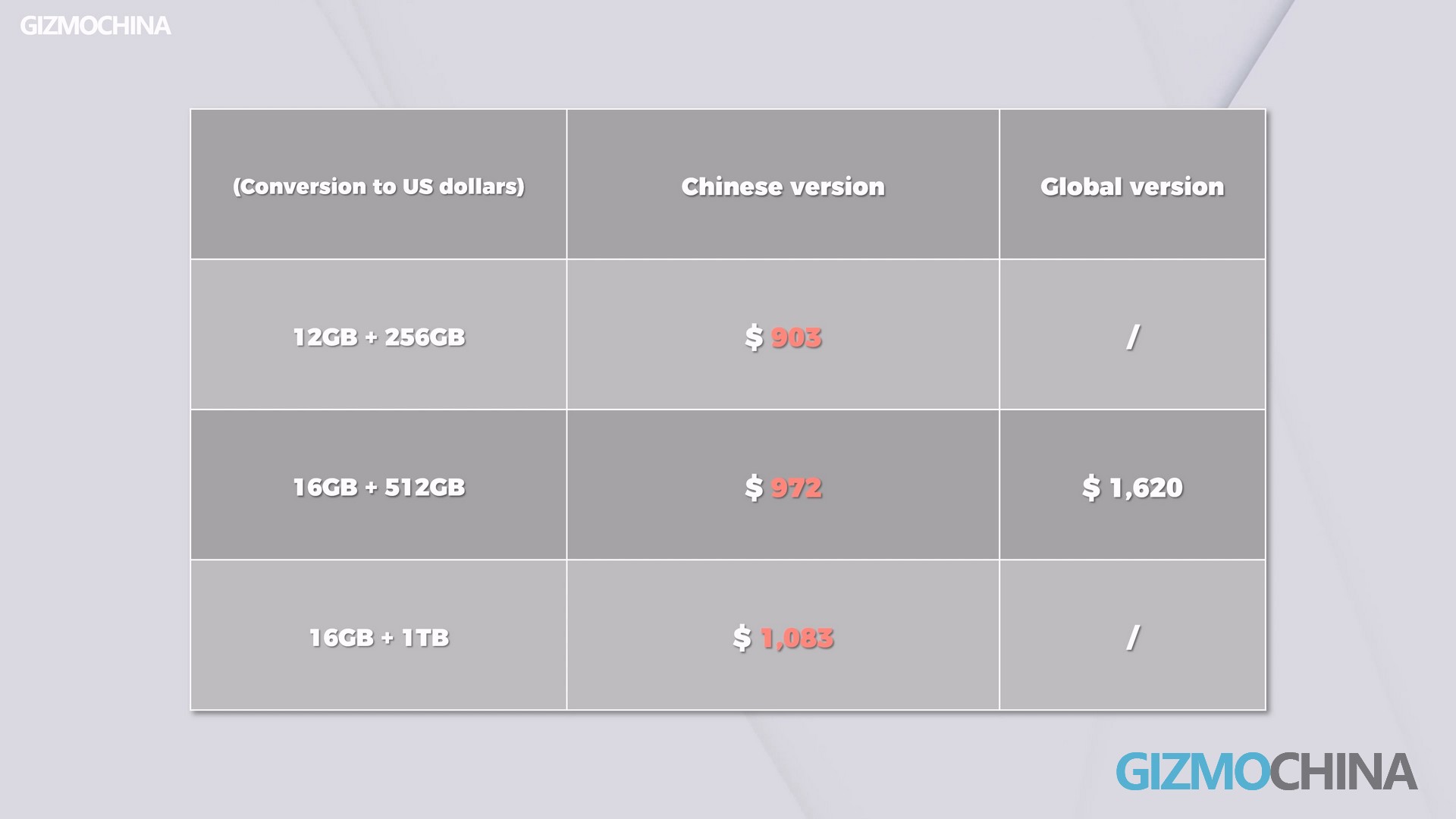
Xiaomi has officially launched its latest flagship smartphone, the Xiaomi 14 Ultra, with various configurations catering to different user needs. This latest flagship from Xiaomi offers three variants: the 12GB+256GB, 16GB+512GB, and the 16GB+1TBGB version for 6,499 yuan (~$900), 6,999 yuan(~$972), and 7,799 yuan (~$1083) respectively. Alongside the launch, Xiaomi has also disclosed the pricing for repair spare parts, providing transparency for potential maintenance costs.
The repair spare parts pricing for the Xiaomi 14 Ultra includes various components essential for device functionality. Notably, the rear camera (wide angle) stands out with a price tag of 1,000 yuan, where the front camera costs only 60 yuan to replace. It reflects the device’s emphasis on photography capabilities and use of premium components. Prices for other components such as the screen, battery, back cover are also revealed and are listed below.
Rear camera (ultra wide angle): 490 yuan (~$69) Rear camera (wide angle): 1,000 yuan (~$139)
Rear camera (telephoto): 180 yuan (~$25)
Front camera: 60 yuan (~$8) Speaker: 30 yuan (~$4)
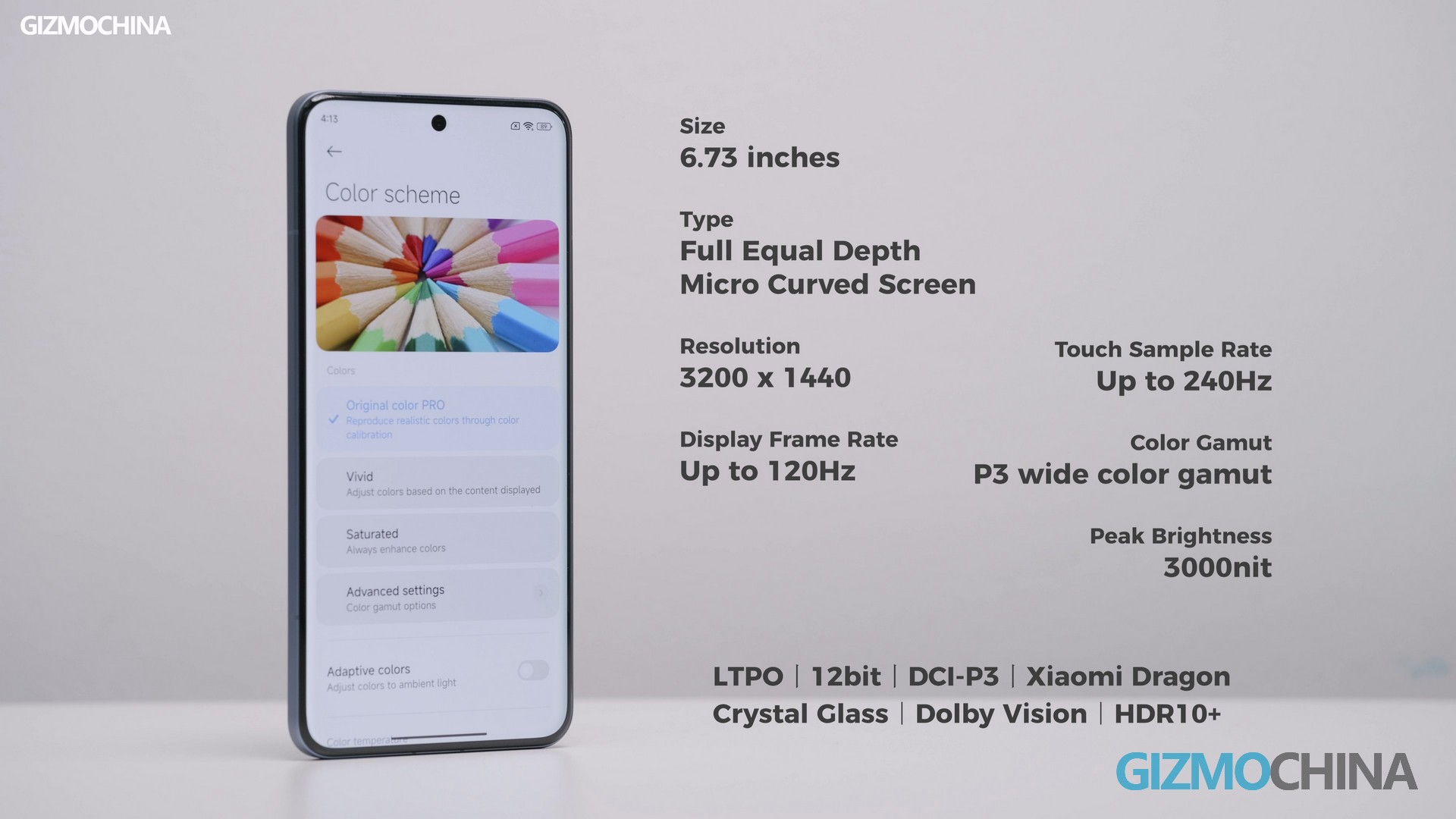
Under the hood, the Xiaomi 14 Ultra boasts top-of-the-line specifications, featuring the Qualcomm Snapdragon 8 Gen 3 mobile processing platform, LPDDR5X memory, and UFS 4.0 flash memory. Notably, it supports direct connection to Tiantong satellites, enhancing connectivity options for users. The device sports a stunning 6.73-inch OLED deep four-curved screen with a resolution of 3200×1440, offering immersive visuals with a local peak brightness of 3000nit.
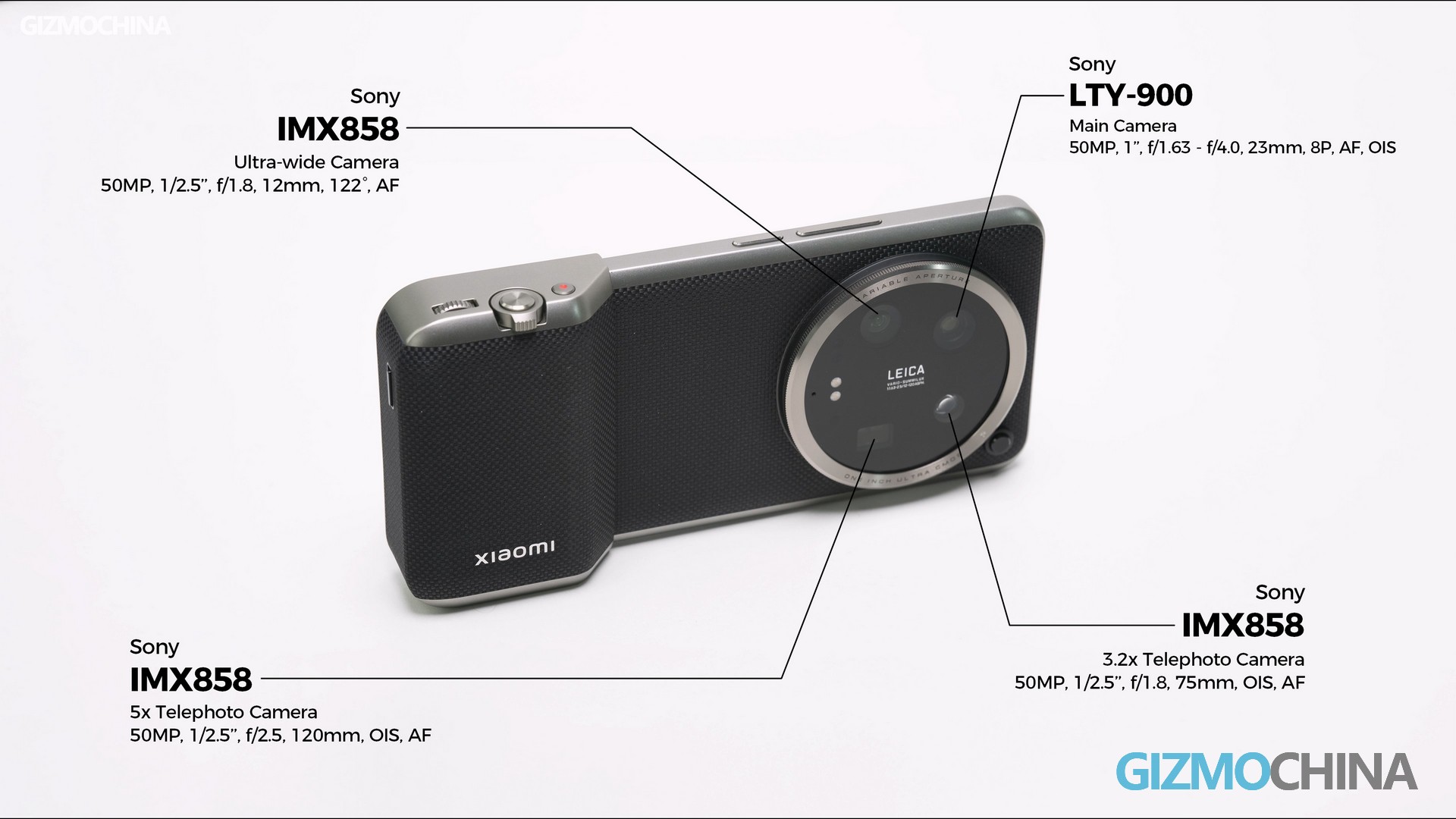
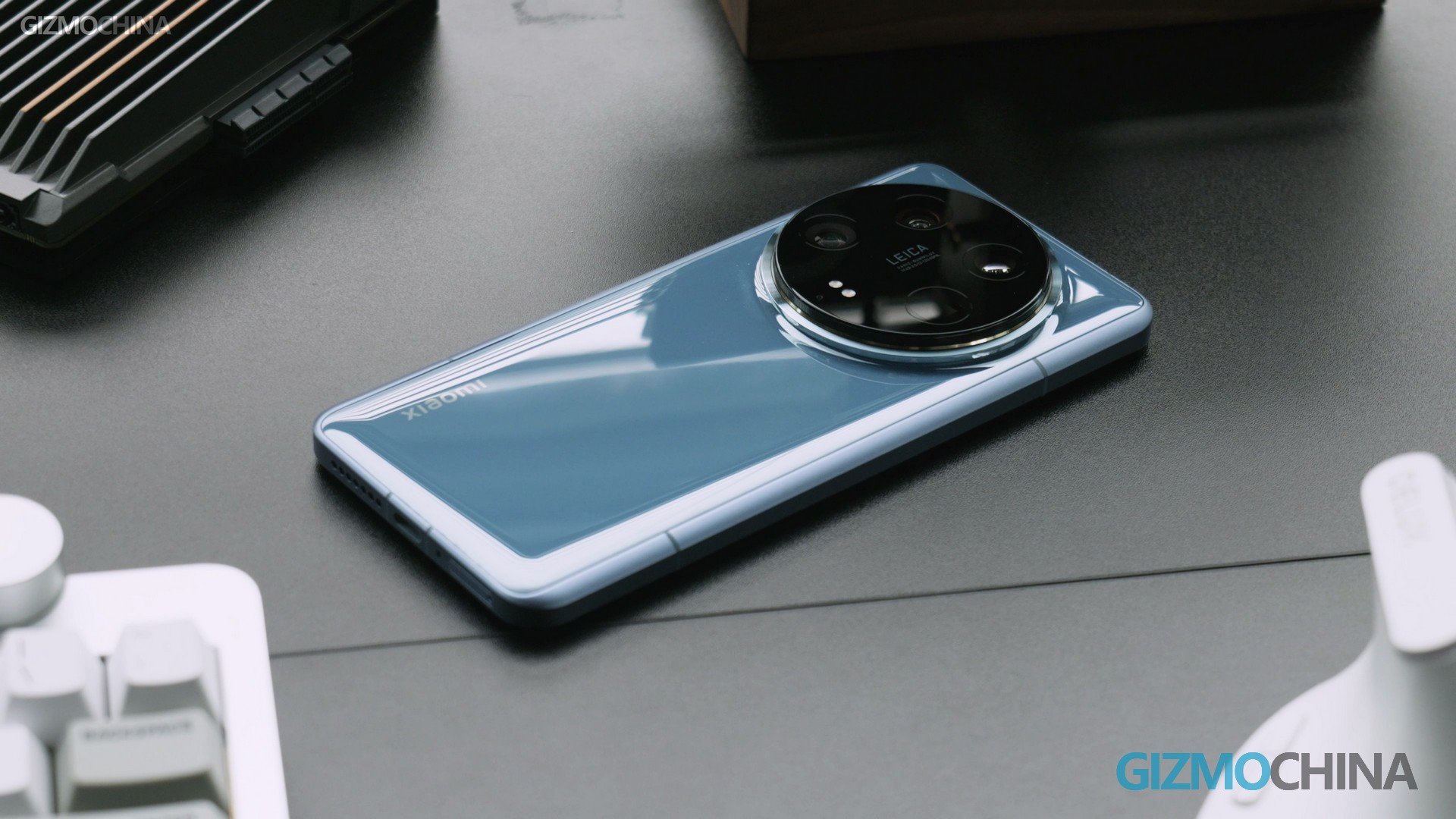
In the photography department, Xiaomi has partnered with Leica to equip the Mi 14 Ultra with the Summilux quad camera setup. This setup includes a 50MP Sony LYT-900 main camera with OIS, featuring a one-inch f/1.63-f/4.0 1024-stop variable aperture and ALD ultra-low reflection coating. Additionally, the device incorporates Sony IMX858 sensors for both ultra-wide-angle and telephoto lenses, ensuring versatility and exceptional image quality.
Vivo is said to be working on its new foldable smartphones as part of the X Fold 3 series. The lineup will likely include the X Fold 3 and X Fold 3 Pro.
There have been leaks and rumors circulating about these devices, suggesting some interesting features such as possible integration with Mac systems.
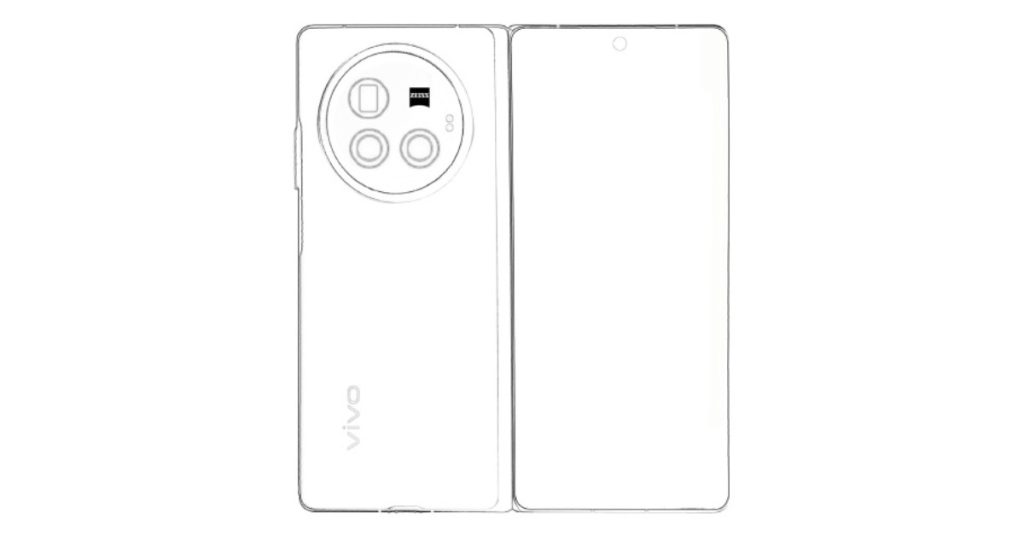
Moreover, a schematic purportedly showing the Vivo X Fold 3 Pro has recently surfaced on Weibo, courtesy of the reliable tipster Digital Chat Station.
The schematic reveals the phone’s design which appears similar to that of the Vivo X Fold 2. Notably, it includes a circular camera island housing three sensors, one of which is a telephoto lens, and features Zeiss branding.
According to the tipster, the Pro model is expected to feature a 50-megapixel primary lens, a 50-megapixel ultrawide lens, and a 64-megapixel periscope telephoto camera with Optical Image Stabilization (OIS).
Additionally, there will be a V3 imaging chip supporting camera processing and the device is said to have video recording support up to 4K 60fps.
Previous leaks suggest that the X Fold 3 and X Fold 3 Pro will use the OmniVision OV50H as their main camera. And it seems the Pro model might use the OmniVision OV64B sensor for its telephoto capabilities.
While the foldable’s design looks relatively similar, the tipster suggests that the X Fold 3 series will be the lightest foldable phone in the industry. Furthermore, it’s hinted that the foldable will be powered by the Snapdragon 8 Gen 3 chipset.
Apart from these details, there is limited information we know about the Vivo X Fold 3 Pro smartphone at the moment. We will provide updates as more information becomes available.
When I saw the pricing of the Xiaomi 14 Ultra Global version, I admired Xiaomi’s courage. You’re selling it for that much, so that means you’re ready to fight with Samsung and Apple, right? So I’ve been searching for the reason why it’s so expensive for the past few days. Then I found the answer now: the camera is its best weapon.
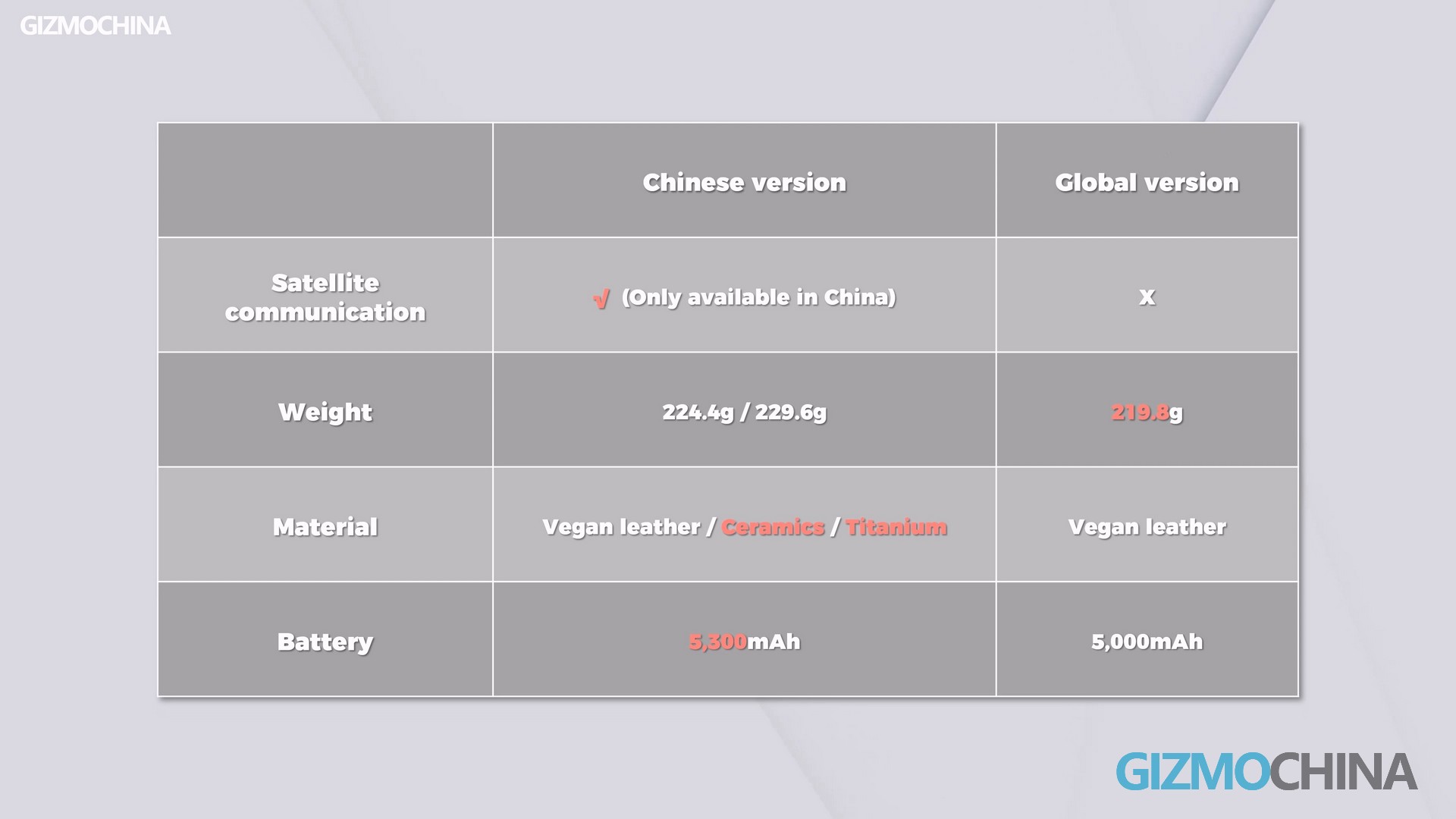
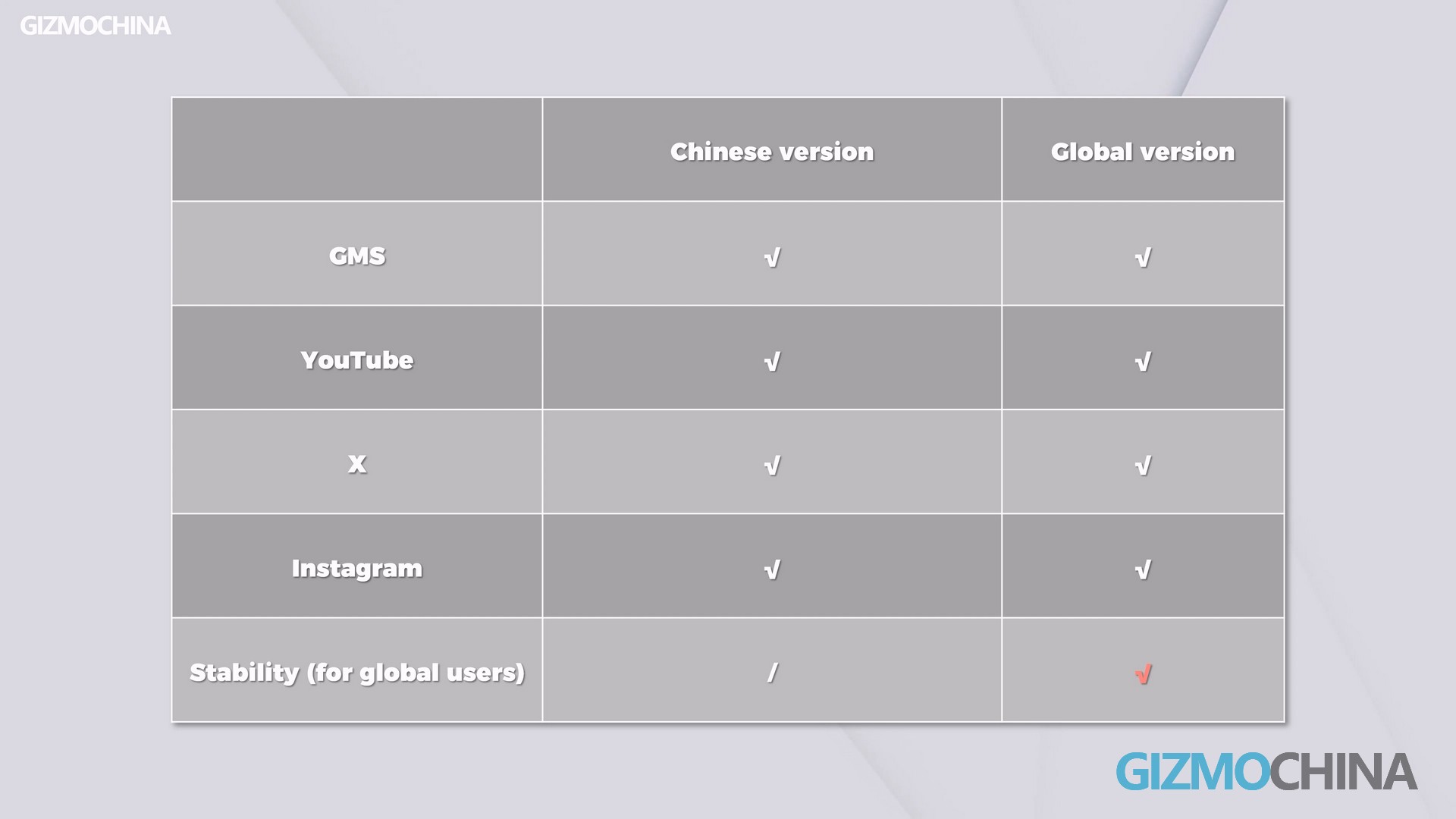
Before I start the review, I want to make one thing clear. This Xiaomi 14 Ultra we have is the Chinese version. Compared to the global version, it still has quite a few changes. Like a bigger battery and more version options. If you can live with the Chinese ROM, which is that compatibility with non-Chinese apps might not be as good. But Google Mobile Services is working fine. Even with shipping and customs, buying the Chinese version is the cheaper option. So for those interested in the Chinese version, check out the link here.
Camera specs
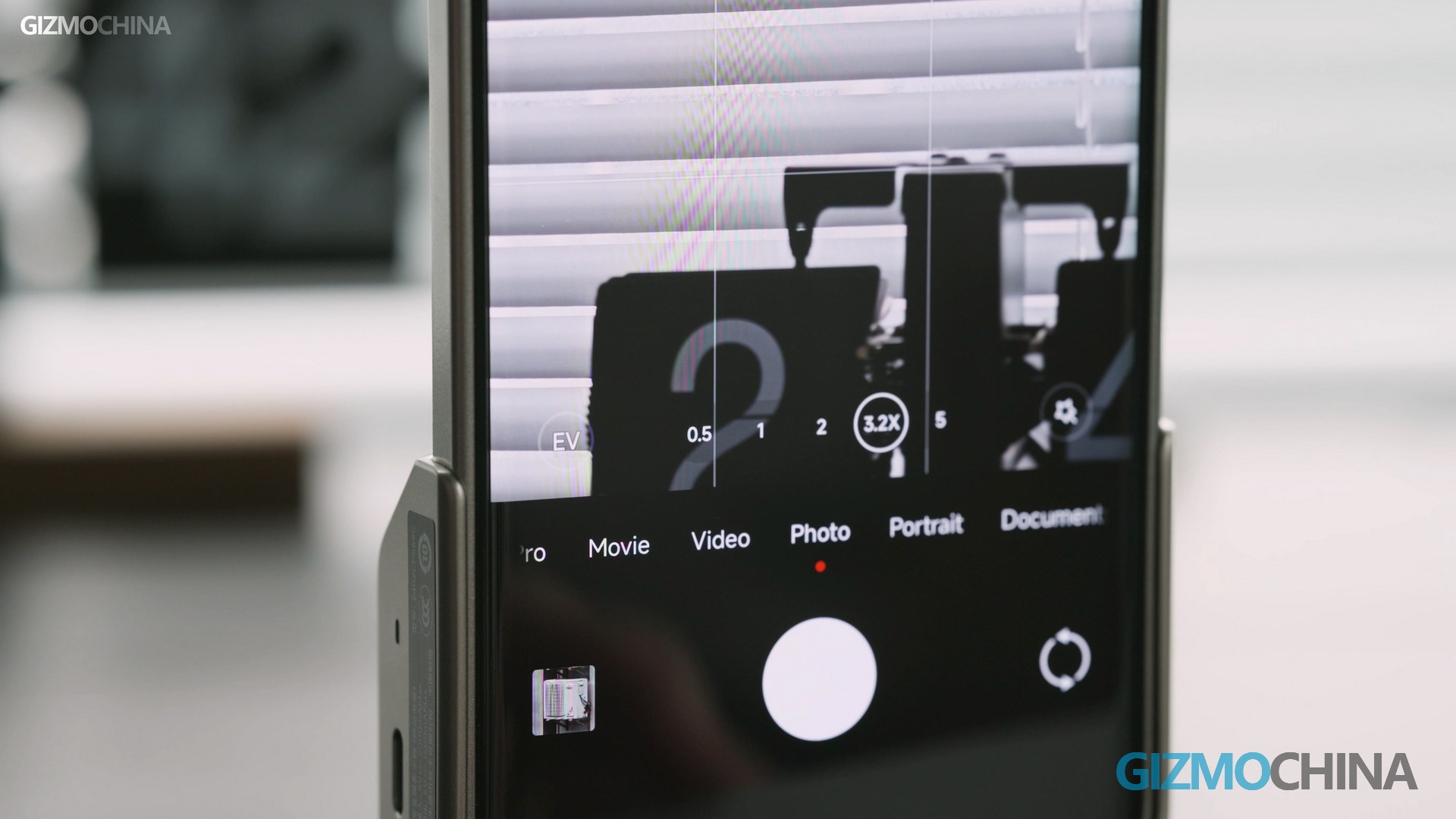
Okay, let’s start with the hardware of the Xiaomi 14 Ultra camera system. As it is written on the screen, it’s not a big upgrade from the 13 Ultra. The main camera’s sensor has been replaced, and the aperture is bigger, though still 1-inch in size. the 5x telephoto camera’s aperture is also bigger. There’s also the 3.2x camera that finally has no crop. It’s a true physical focal length 75mm lens. The ultra-wide camera has not changed at all, so we’ll focus mainly on the other three cameras.
13 Ultra VS 14 Ultra
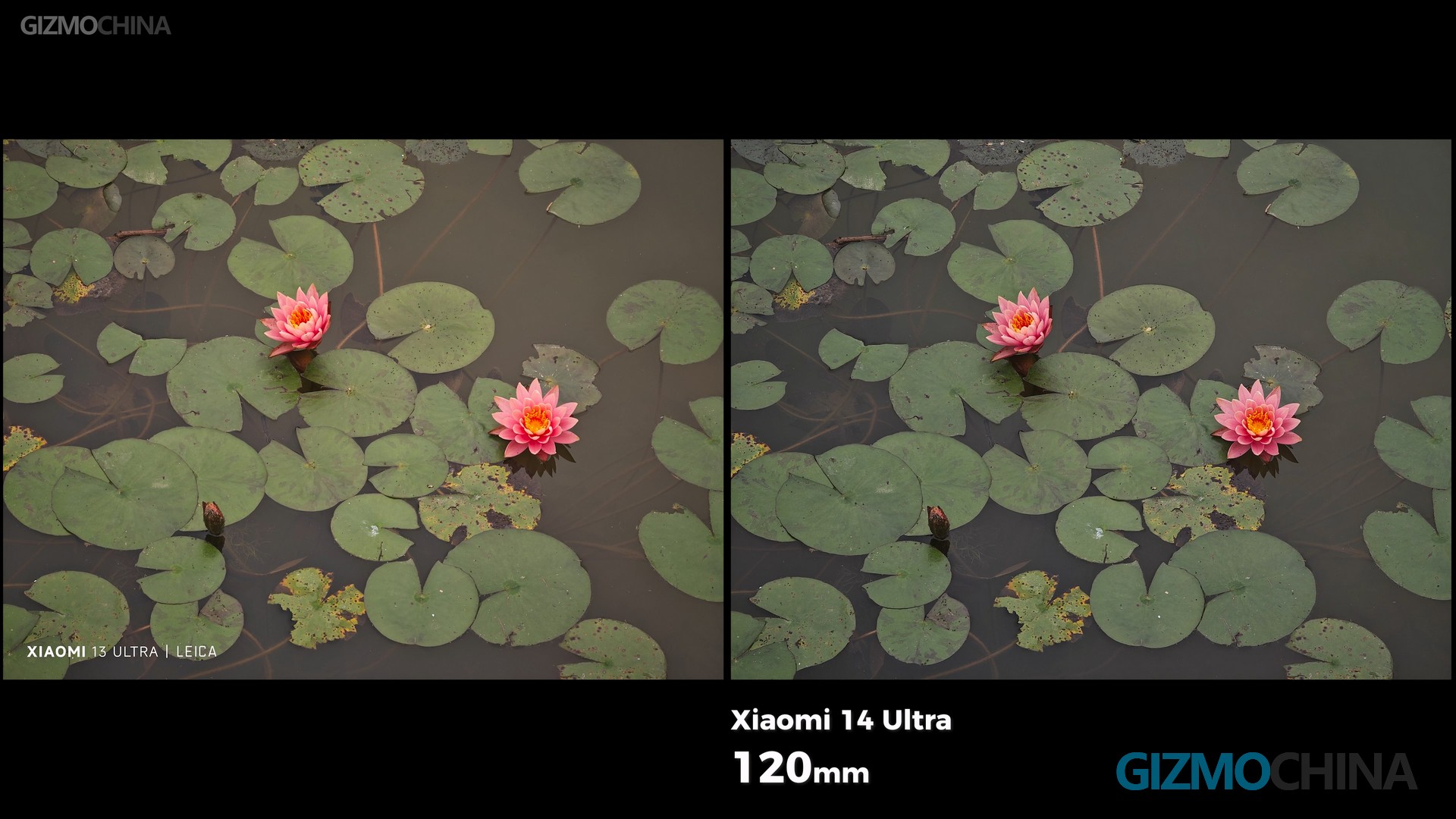
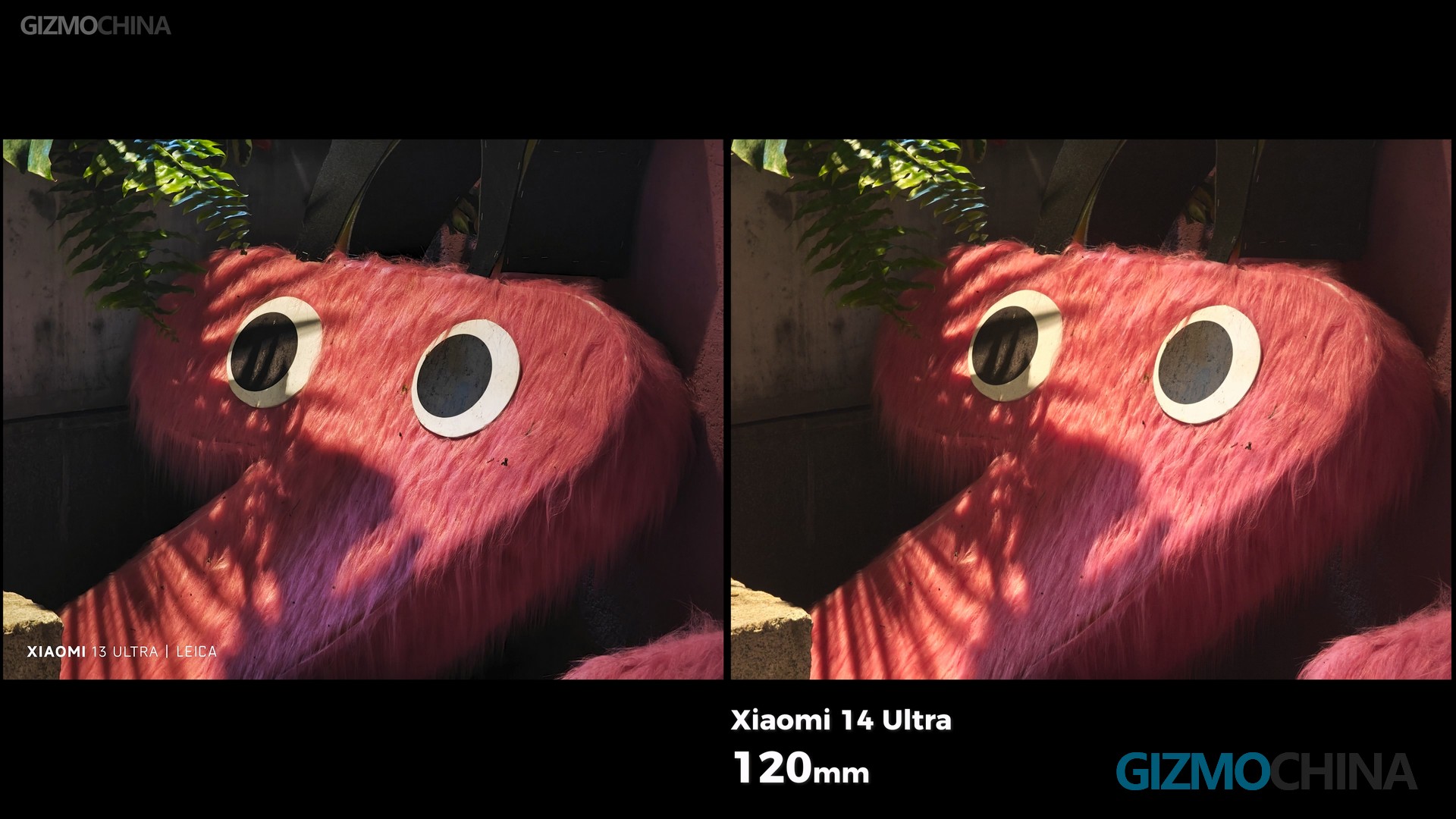
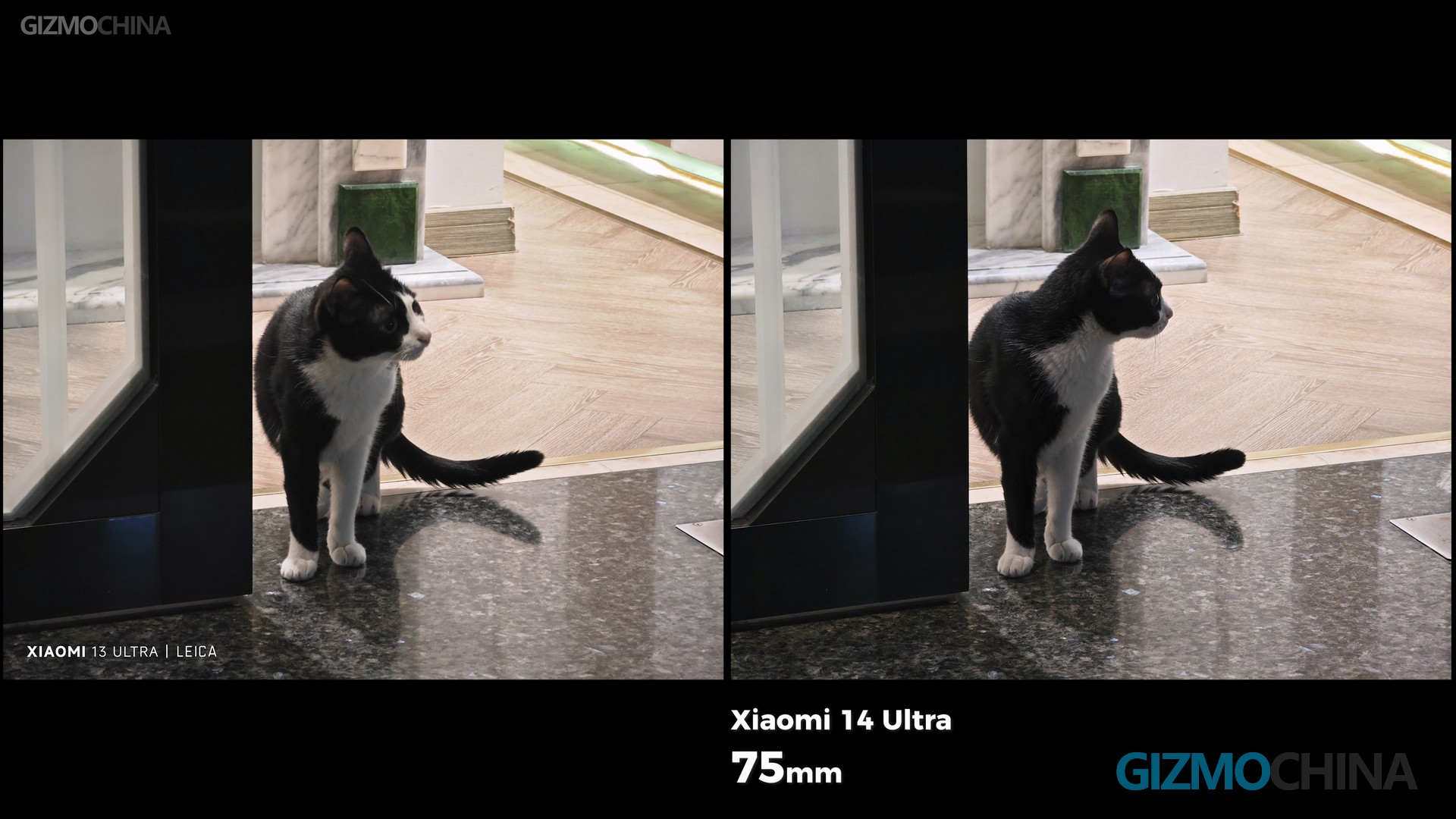
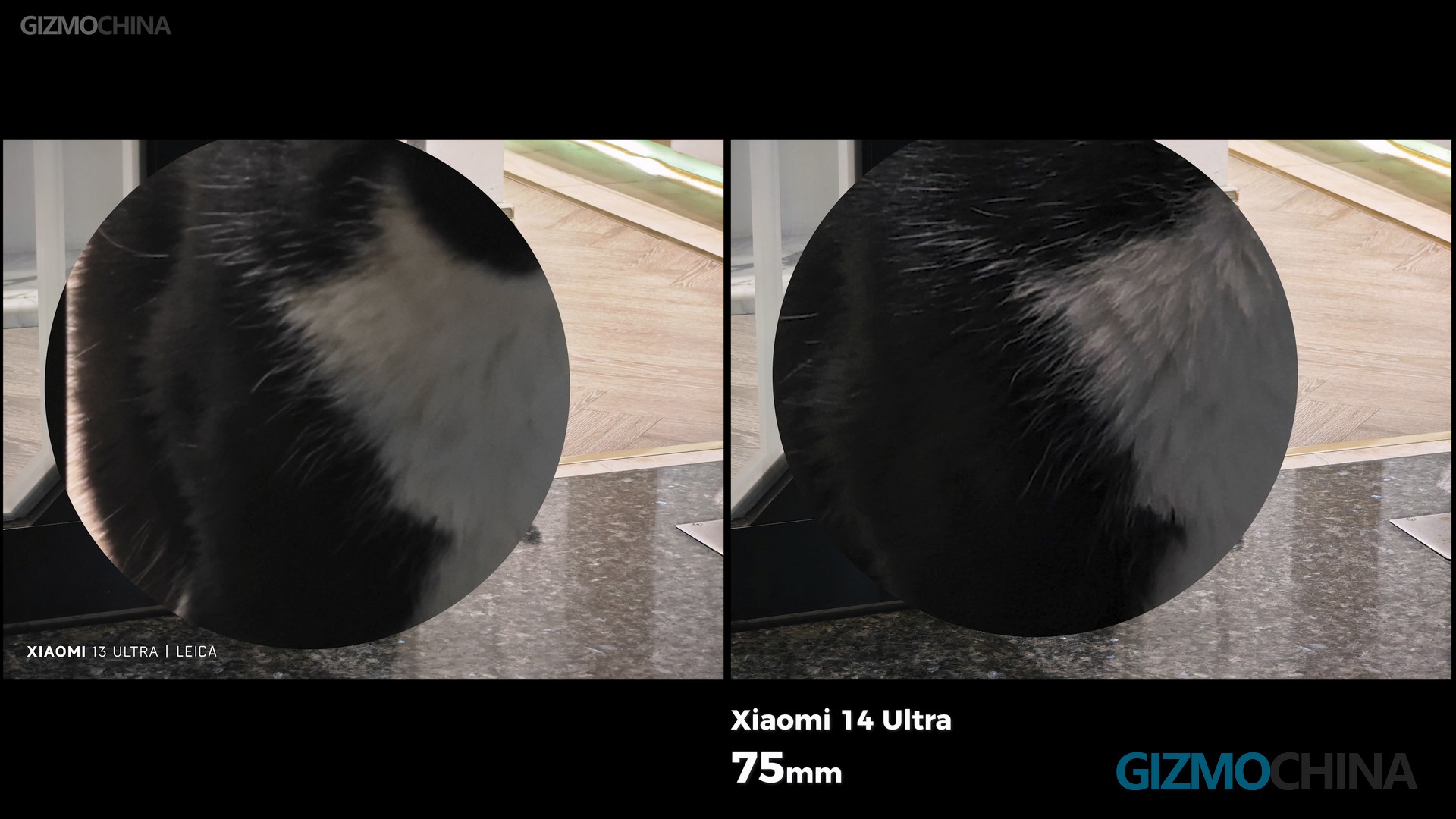
Let’s be honest, whether it’s an increased aperture or a longer physical focal length, it’s all about having sharper, or shallower depth of field photos in low light. Does the Xiaomi 14 Ultra do it? It did. But is it a big improvement? Not really. If I told you there was a huge difference in these photos, you’d be scolding me that you’re blind. In terms of sharpness and depth of field, I’d be hard-pressed to say it’s much of an improvement.
Of course, if I zoom in on the photos to compare, then I can definitely see that the 14 Ultra will be a little better in every way. But really very few people will zoom in a few times to see the details like I did. So if you bought the Xiaomi 13 Ultra, congratulations, you can use it for another year. I don’t mean that the 14 Ultra sucks, but because the 13 Ultra is already great, it seems like the 14 Ultra is a little bit sorry for its price.
Oh, and for its Leica colors, you can check out my Xiaomi 13 Ultra Camera Test from last year. since the 14 Ultra hasn’t changed much, I won’t repeat it again. You can also view the full-res image of the 14 Ultra here.
New feature
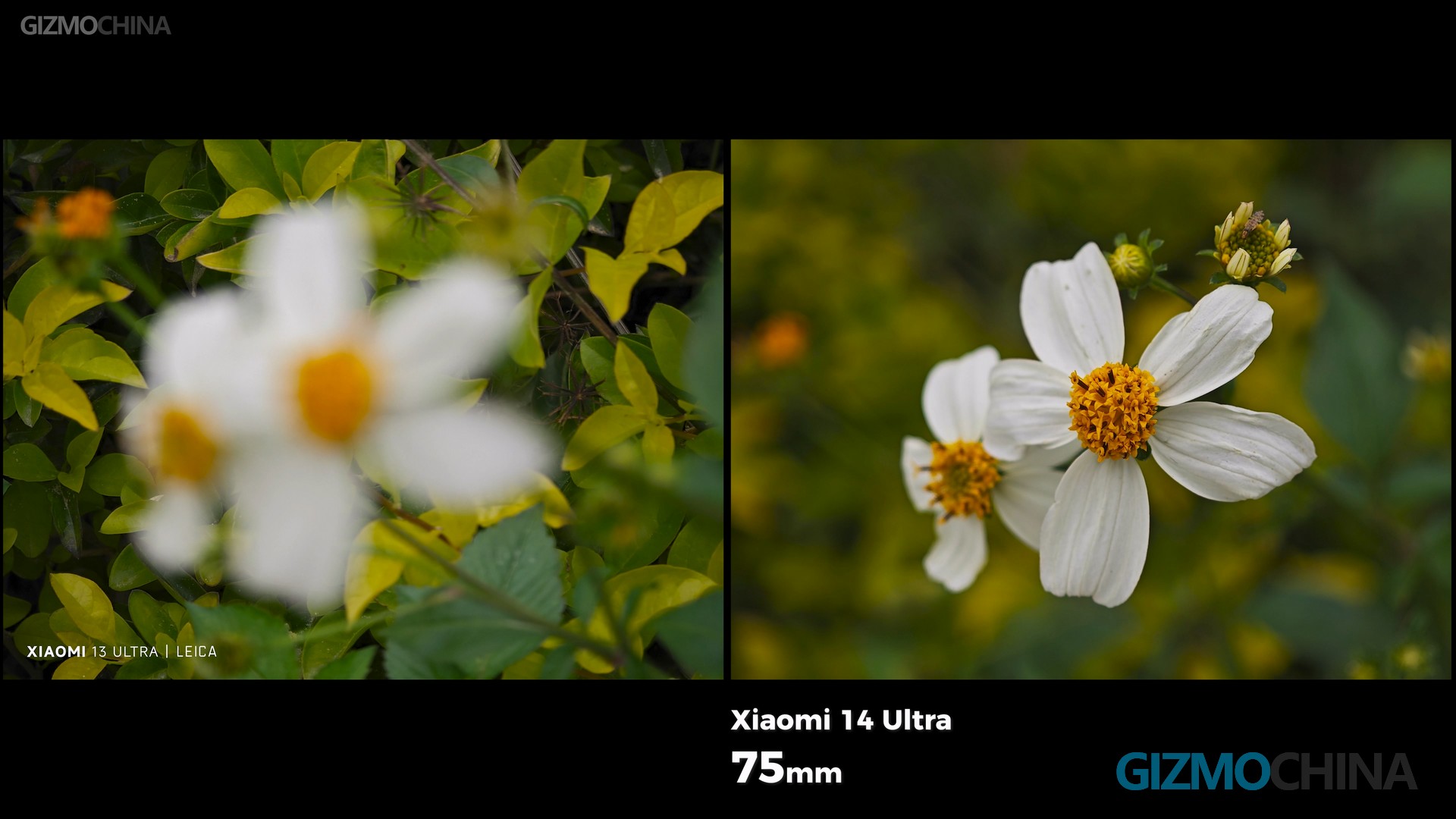
Compared to that small improvement in image quality, I like three new features of the 14 Ultra. One is the macro mode. This time both telephoto cameras support a super close focusing distance, making it possible to take so many unique photos. If you take a photo with the 13 Ultra at the same distance, you’ll just get a blurry photo.
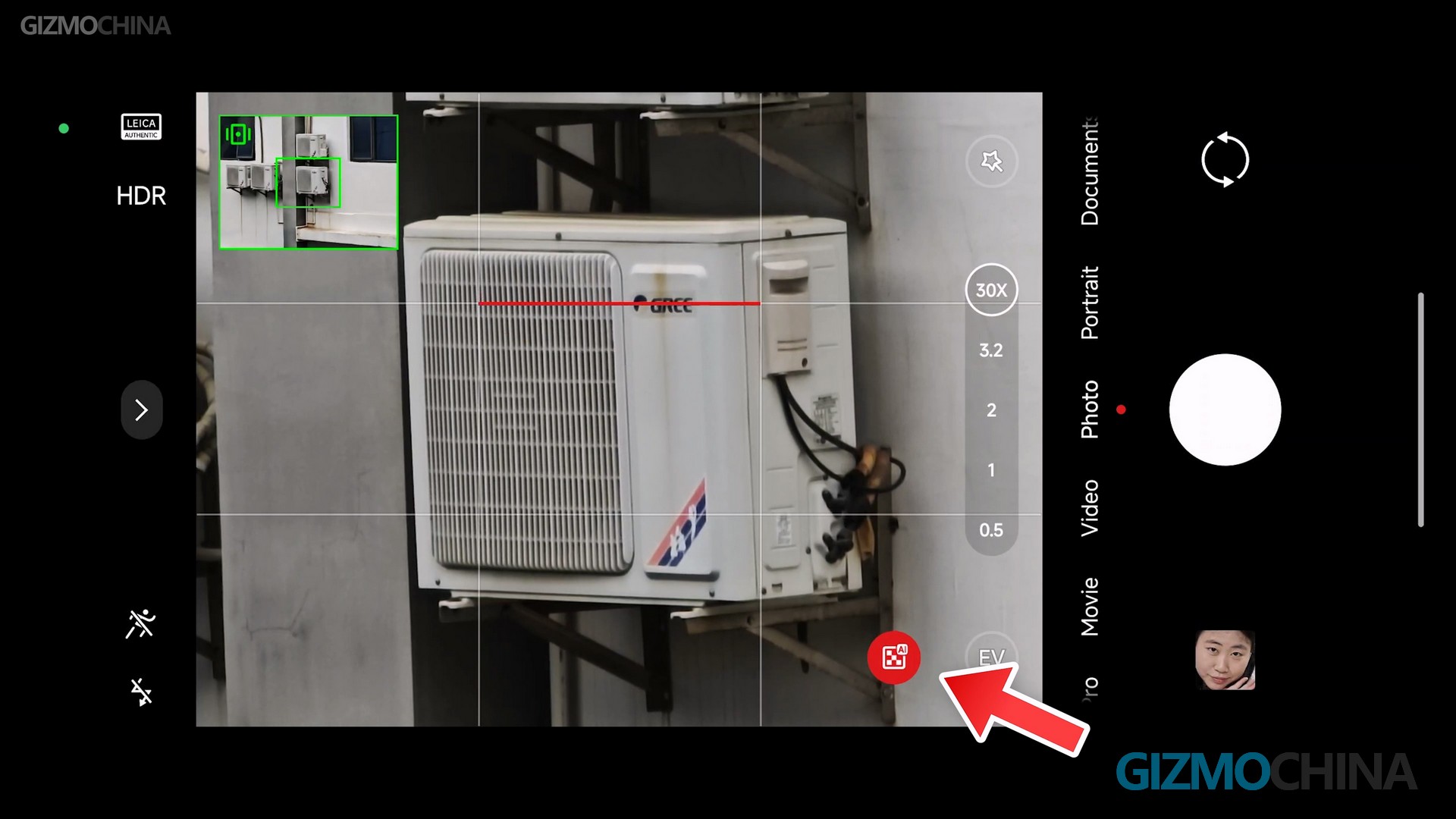
The second feature is Ultra Zoom, which is the use of AI to enhance the image quality. This feature has appeared on phones from HUAWEI and HONOR and has received mixed reviews. Some people feel that the AI will make the photography unrealistic, and others think it’s fine as long as the image quality gets better.
The good news is that the Xiaomi 14 Ultra activates this feature only when the zoom exceeds 30x. A switch is provided to let you choose for yourself whether to activate this feature or not. This feature is still in Beta and sometimes it won’t help. It also doesn’t activate in low light, so don’t shoot objects too far away to solve the problem at all.
The last feature is Extended depth-of-focus, which makes the depth of field deeper. This allows you to get a sharp photo without having to shrink the aperture. Because it is a multi-frame composite, it will also have a stronger HDR effect. This is very helpful for taking pictures of food.
Xiaomi also knows that its portrait mode hasn’t been working well, so it has developed a new mode: the Master Portrait mode. In this mode, the contrast of the portrait is reduced. Too much contrast in Leica Portrait mode can bring out a lot of flaws. I’m sure your girl will like the new Master Portrait much better.
Video record
While the Xiaomi 13 Ultra already supports 4 cameras to record 4k 60fps videos, you still have to stop recording if you want to switch footage.14 The Ultra solves this problem this time around by switching between the four cameras as you please in a recording.
Thanks to the more power-efficient sensor, you can also record 4k 120fps videos. Unfortunately, unlike the Nubia Z60 Ultra, all cameras can record this spec, only the main camera can do it. Cinematic mode still only supports 1080p 30fps. Even though the new MasterCinema mode can record 4K 10bit HLG video, it can only be recorded with the main camera and is locked at 30fps. So Like Cinematic mode, I don’t really like using it.
To compete with Samsung and the iPhone, the 14 Ultra’s selfie camera now supports 4k 60fps video recording as well. There’s no autofocus yet, but that’s a good start.
For samples, watch the video at the beginning of the article.
Professional Features
I am a big fan of using Pro mode when using the Xiaomi 13 Ultra. Because auto mode has one bad thing: the default exposure is too high. If you need to lower the exposure, you need to click and slide down later like this, which is too troublesome. the 14 Ultra’s new Ev Adjustment button is one of my favorite features this time around, so you don’t need to switch to Pro Mode to take cinematic photos.
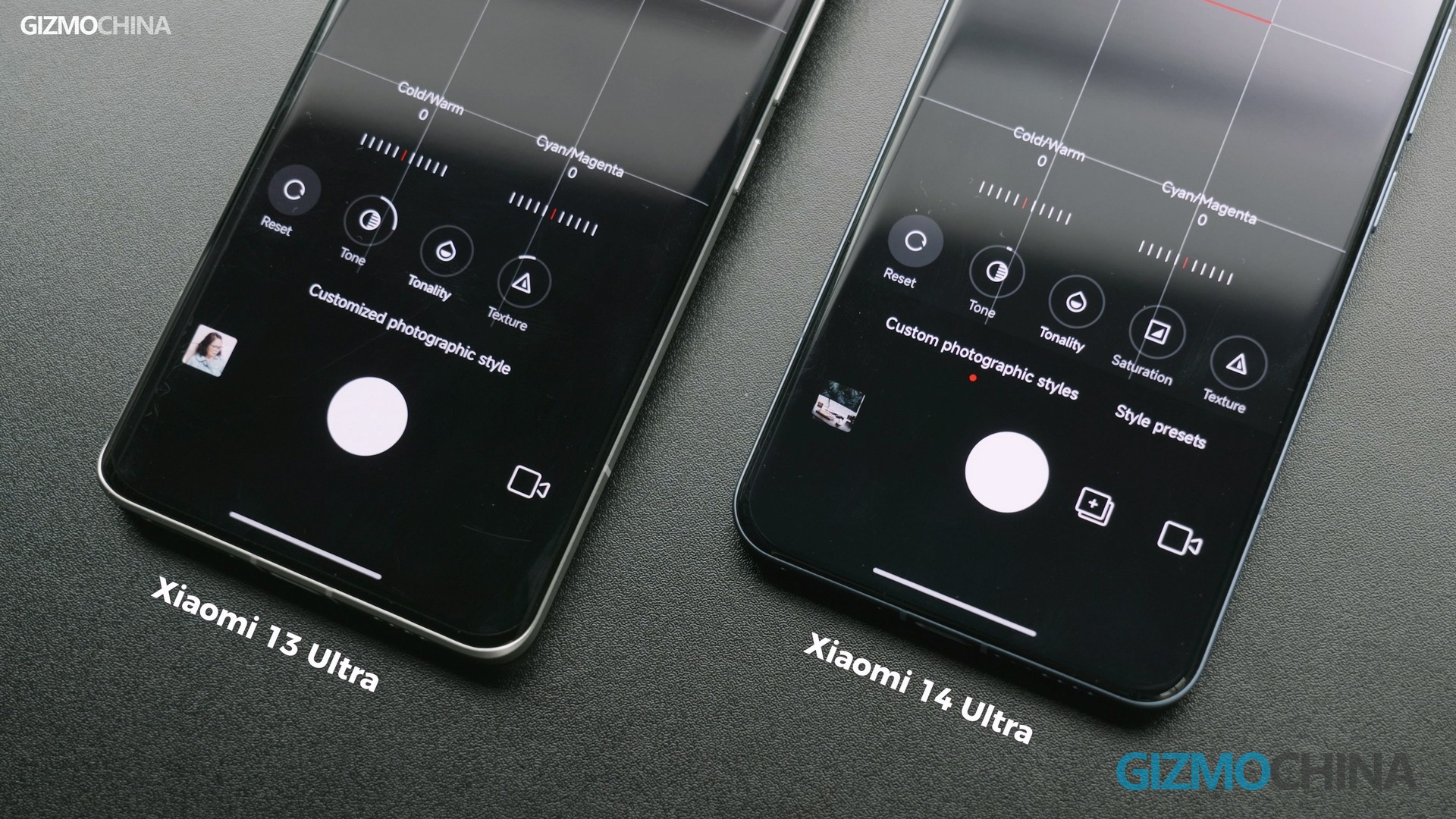
The Pro mode has also been upgraded for the more professional user. In addition to the custom Tonality, tones, and sharpening that the 13 Ultra already has, it also allows users to save presets. So you can quickly change your photography parameters depending on the scene.
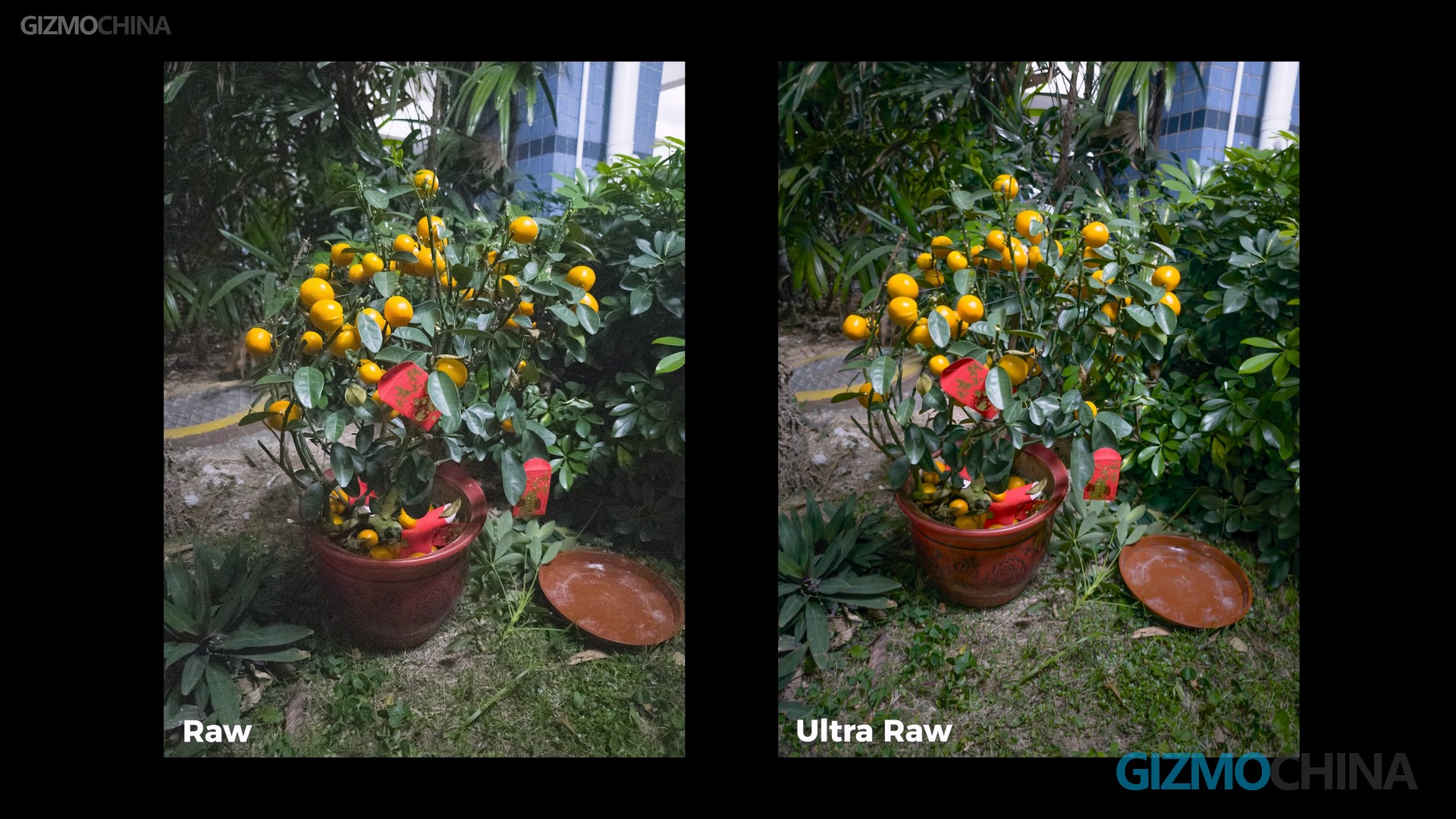
Xiaomi has also teamed up with Adobe to enable the 14 Ultra to be able to take 16-bit Raw photos and recognize them in Photoshop and Lightroom. I can’t show you a 16-bit photo in an 8-bit video, but it’s like a RAW photo that’s been composited over multiple images, and at a glance, you can see which one is the better choice.
Photography Kit
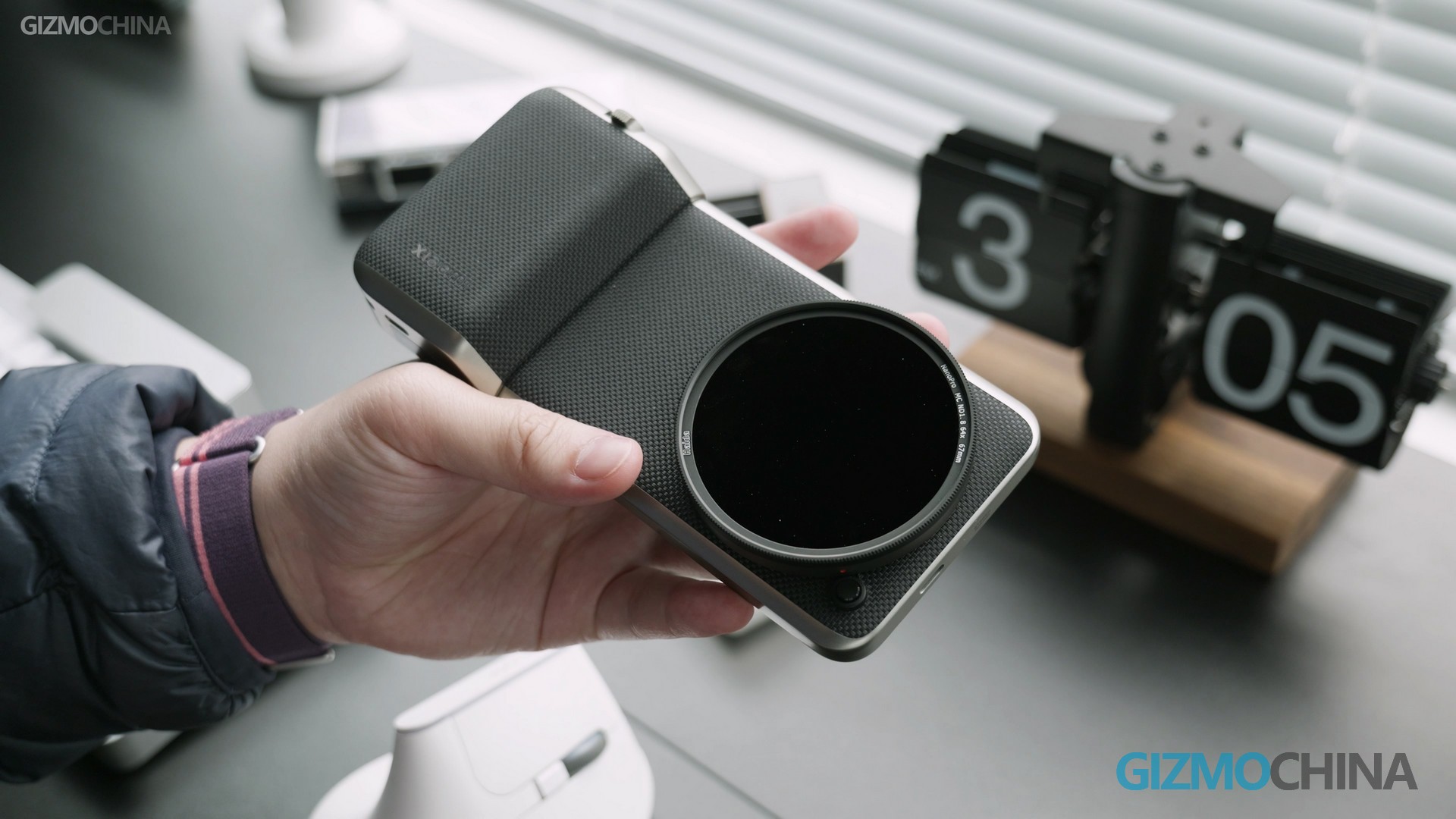
In China, you just have to pay an extra $97 when you buy the phone, then you will get this photography kit. Just like the old model, the new photography kit allows you to install a 67mm filter. The way to fix the filter has been upgraded, removing the filter requires you to press a button, the same way you change the lens on a professional camera.
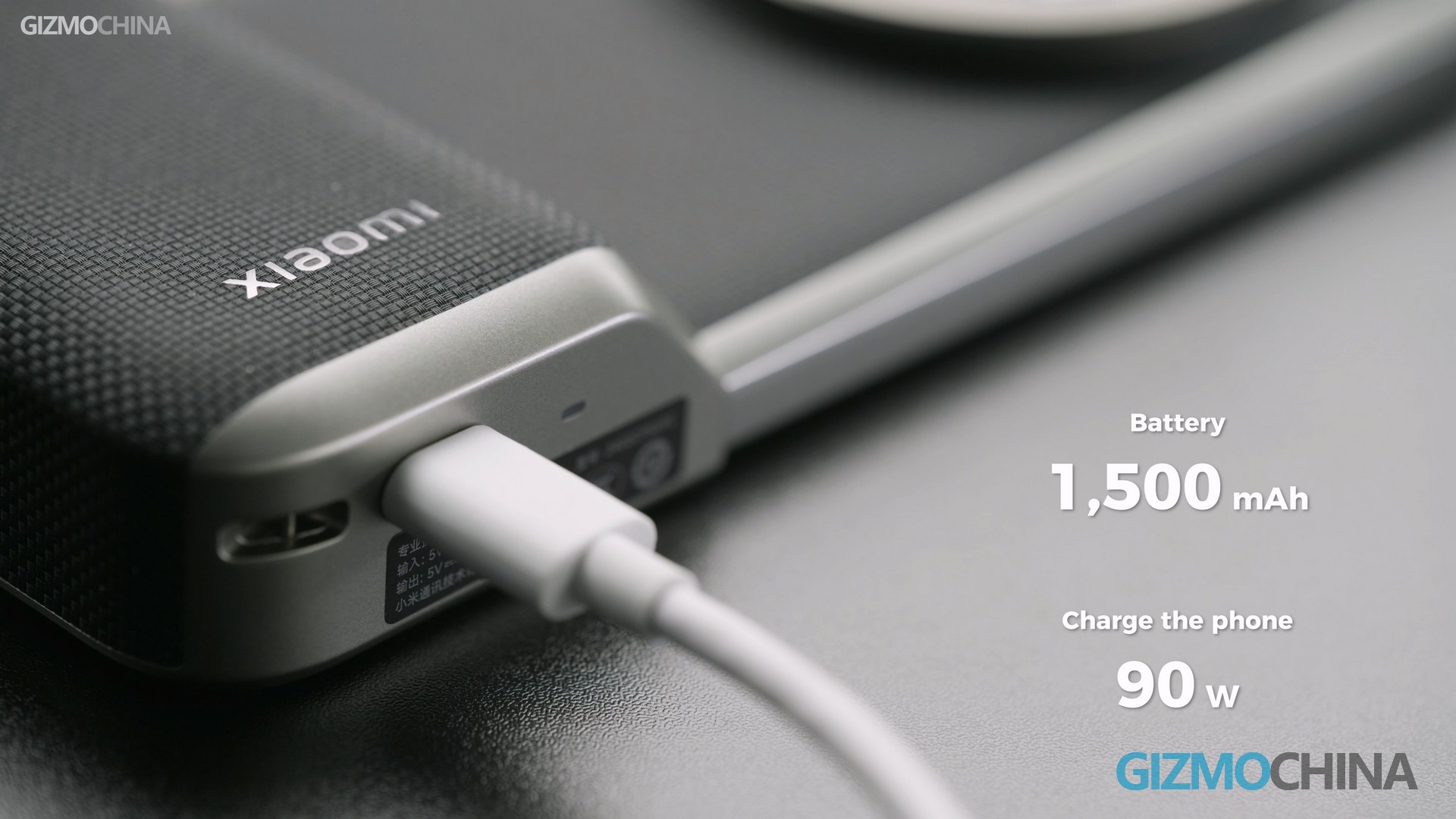
This new grip has also been changed from a Bluetooth link to a Type C link, which will make its shutter lag much smaller. What’s even more interesting is the addition of a new battery in the grip, which makes it a power bank for your cell phone, and allows you to charge your phone at full power without removing it. Now that makes this camera kit even more worth buying.
Xiaomi is a company that is happy to listen to its users. So this time, as we’ve come to expect, there’s the ability to customize the grip buttons and the bobber. What I complained about last time, was that there was no way to quickly switch between the various cameras with a single click, this time they added that feature. This is why I love Xiaomi.
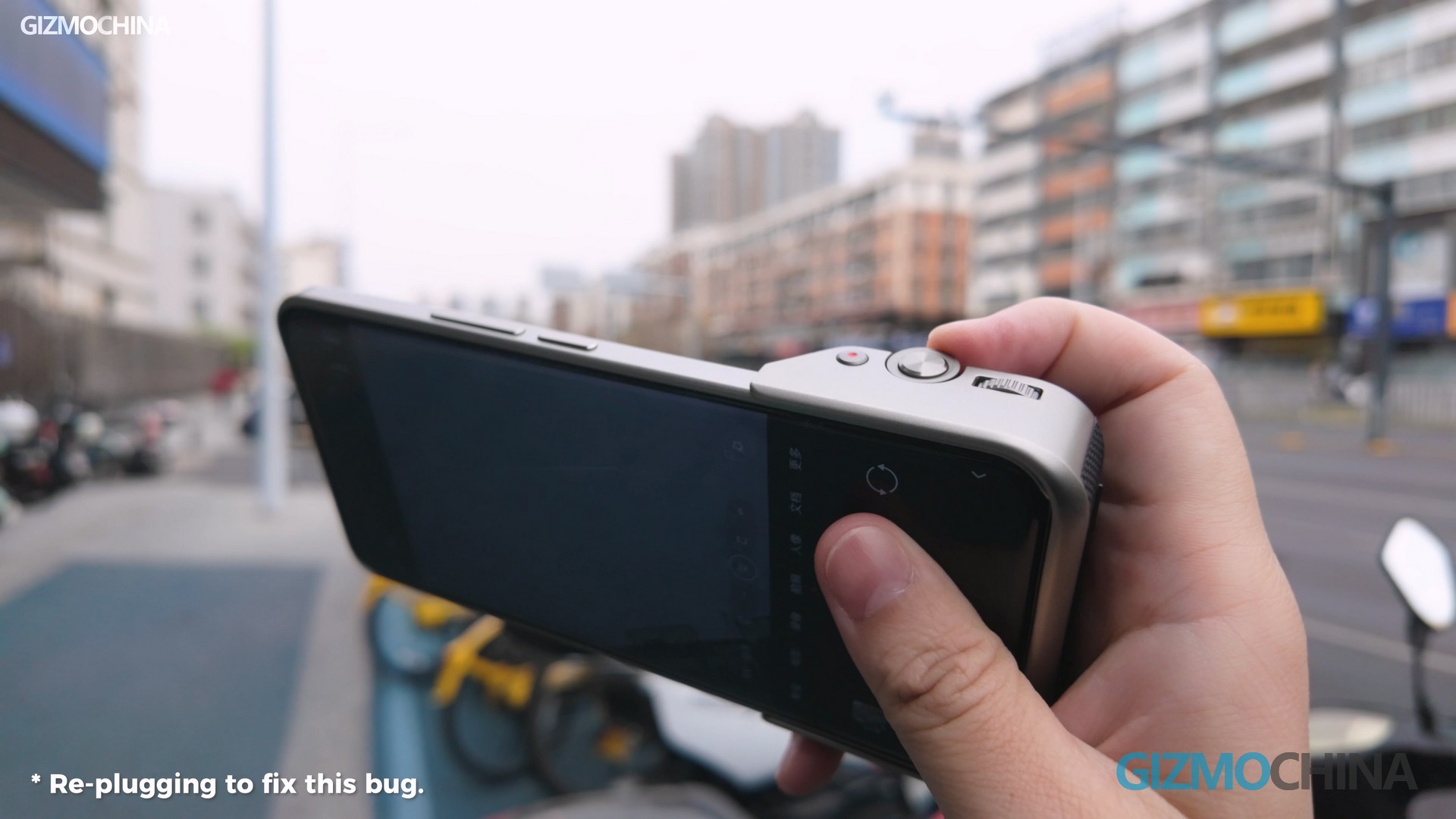
The photography kit isn’t always perfect though, for example, there’s still no way to switch lenses via the grip in Pro mode. Sometimes the unresponsive bug can also make you miss some great moments. But all in all, it is an excellent photography accessory and I would recommend all photography enthusiasts to buy it.
Unresponsive BUG
Display
In theory, the screen on the Xiaomi 14 Ultra is the same as the 14 Pro, with a C8 panel from TCL. There’s a boost in brightness, though, which is about the same as the S24 Ultra. If you want to say what’s good about this screen from Xiaomi, it has to be the dimming. The DC-like and 1920Hz PWM dimming is something Samsung and iPhone never had.
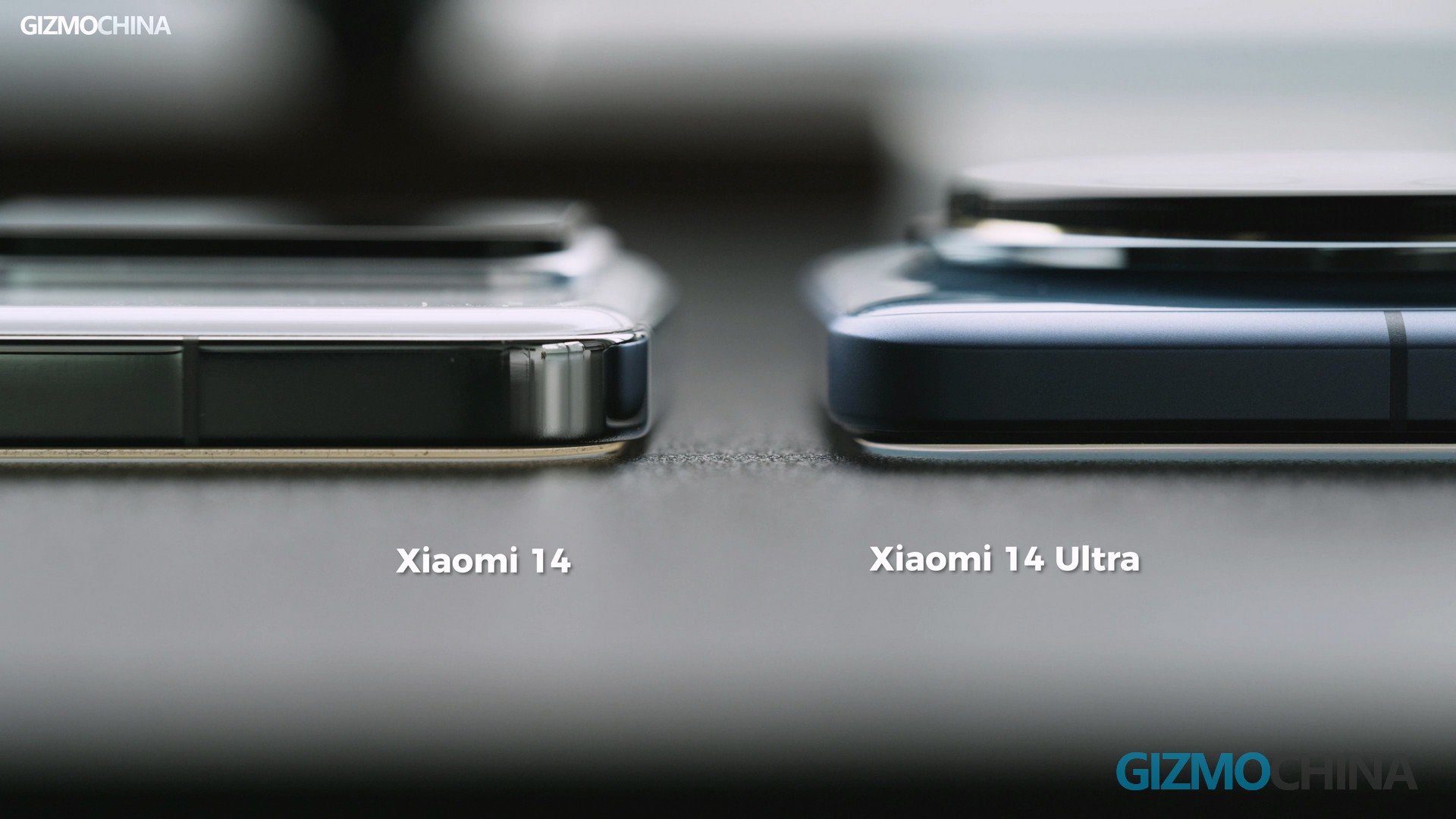
A lot of people hate curved screens, but the curved side of the 14 Ultra’s screen is so small that you can’t think of it as a curved screen. The display area is almost flat, plus the four sides are almost equal in width. I think it’s just the perfect phone screen. The only downside I can think of is that it’s hard to put a tempered film on it.
Benchmark & Gaming
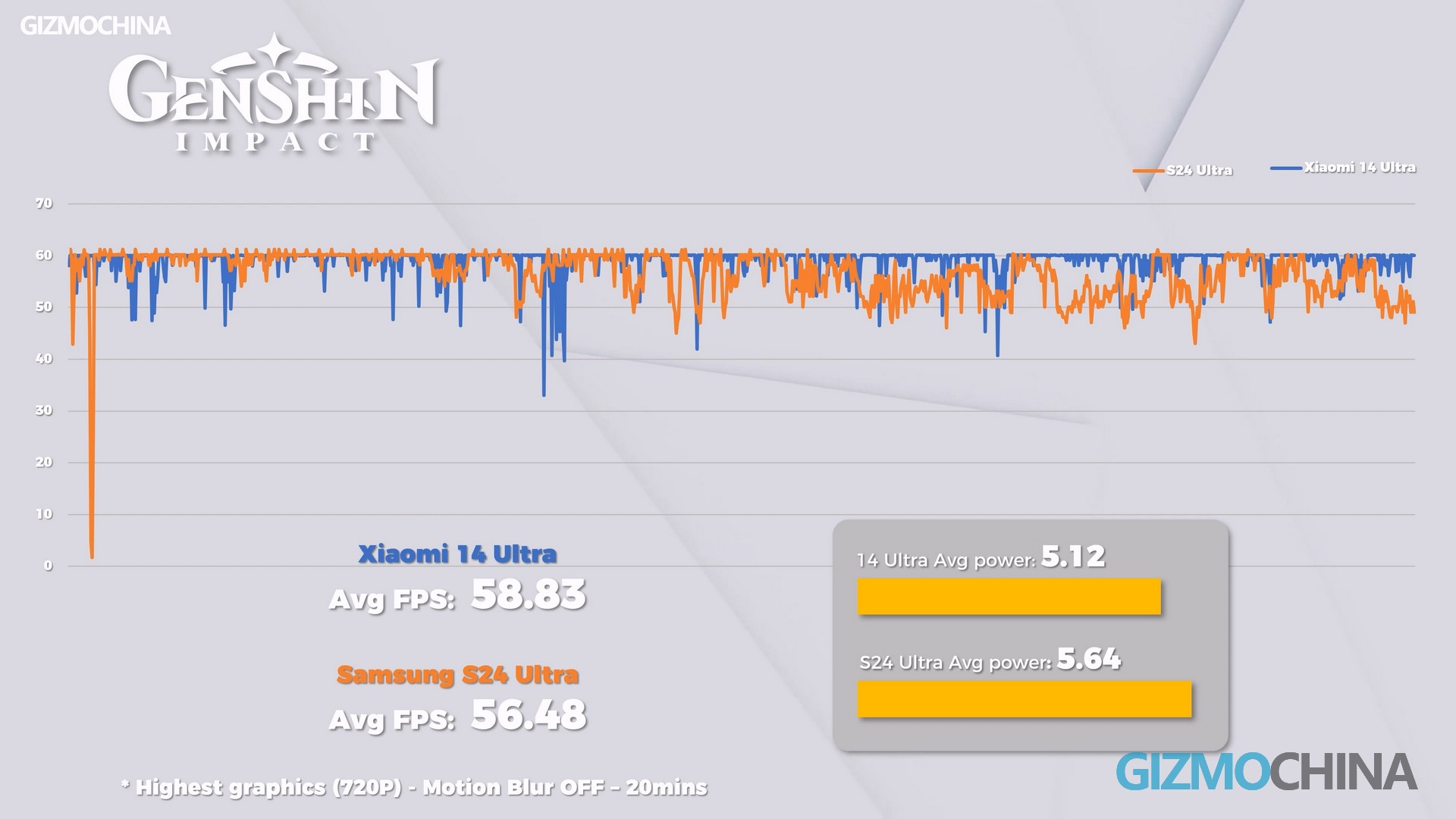
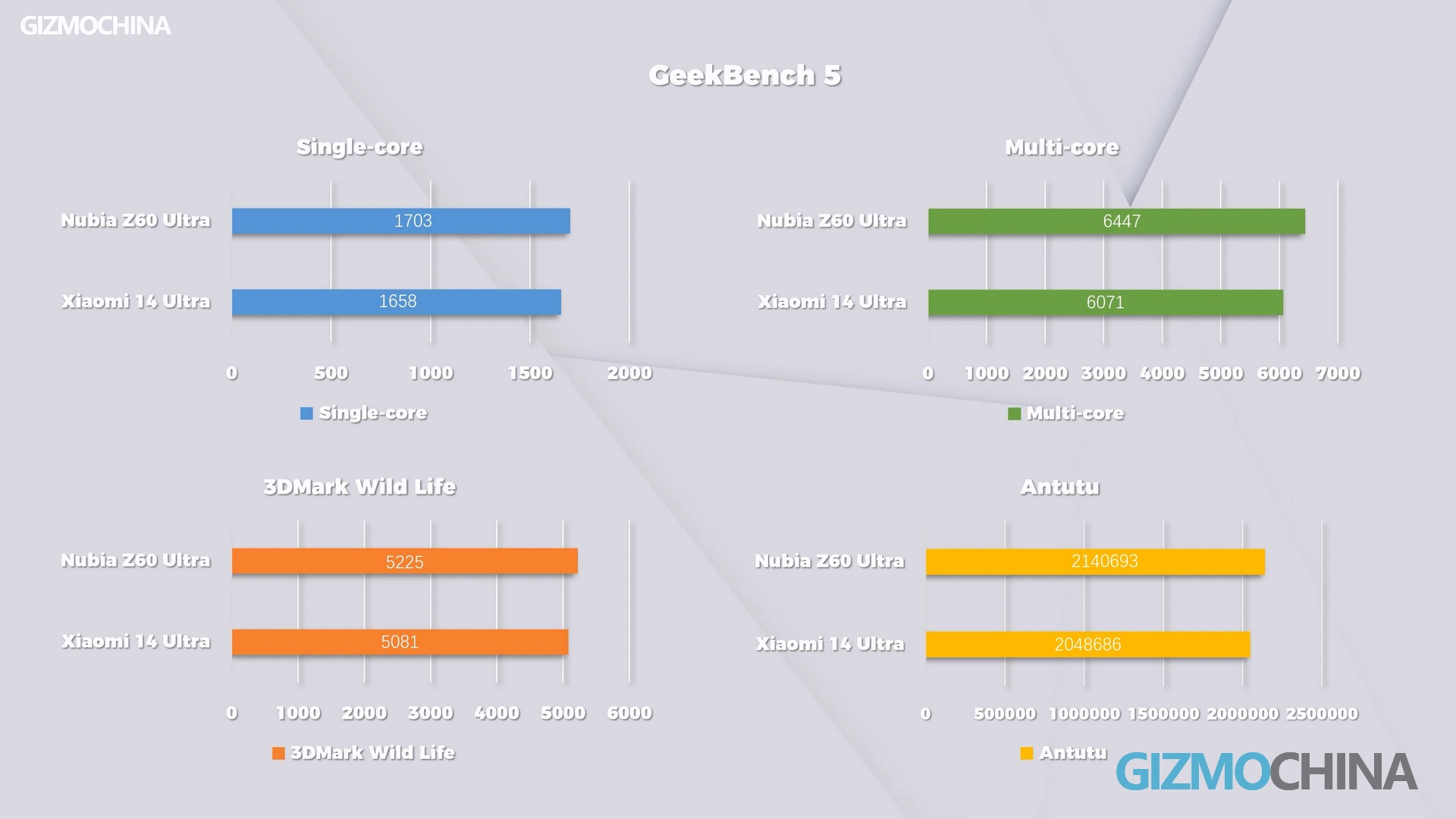
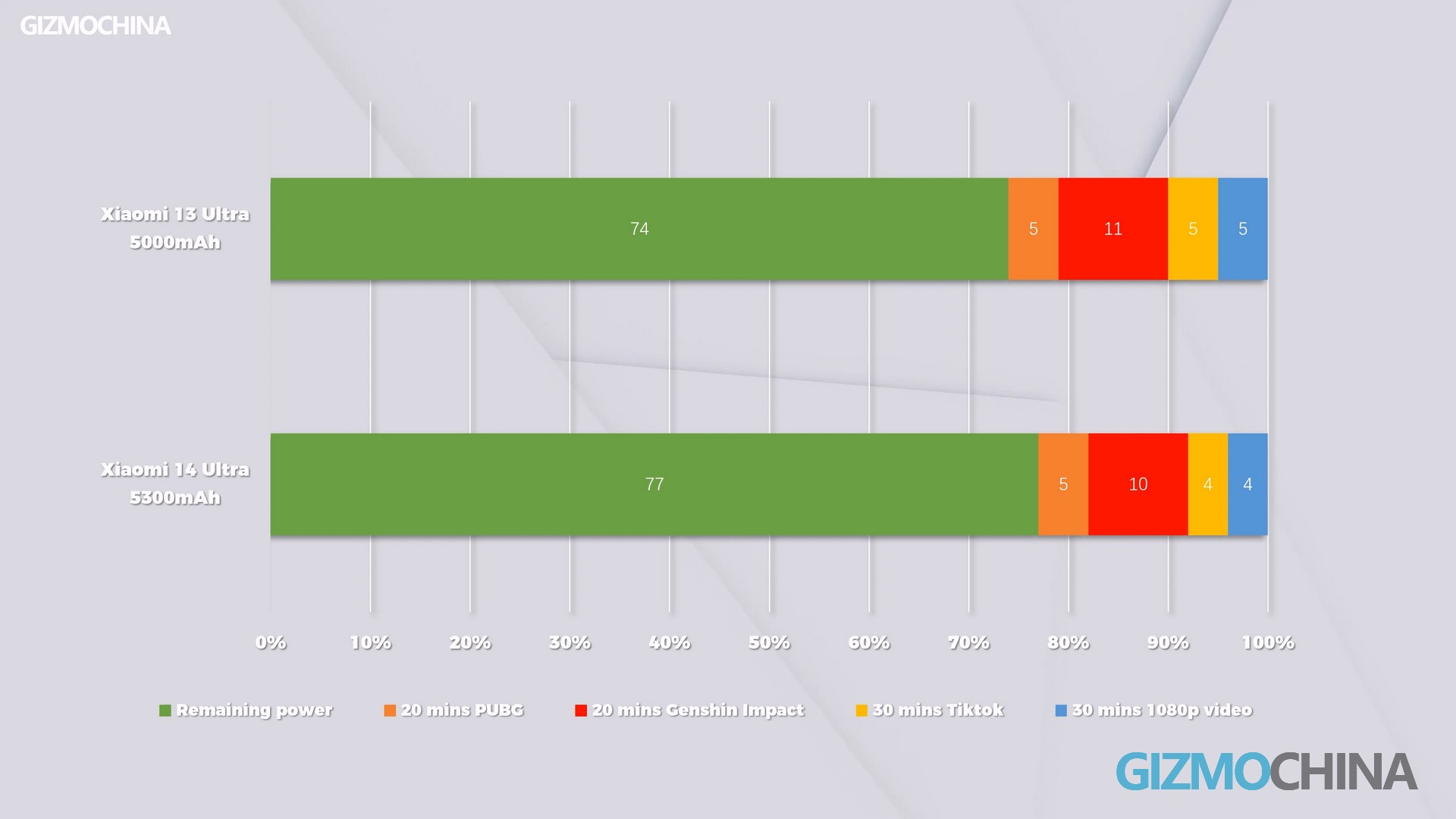
Like other image-focused phones, the 14 Ultra’s performance isn’t exactly top-notch. The benchmark scores are average, no surprises there. The gaming experience was better than expected. Even with some lag, overall smoothness and power consumption were excellent. At least much better than the S24 Ultra performance. This should be the second phone besides the Nubia Z60 Ultra that manages to top both the photography and gaming experience.
Based on data collected @Perfdog Performance test tool
Charging & Battery
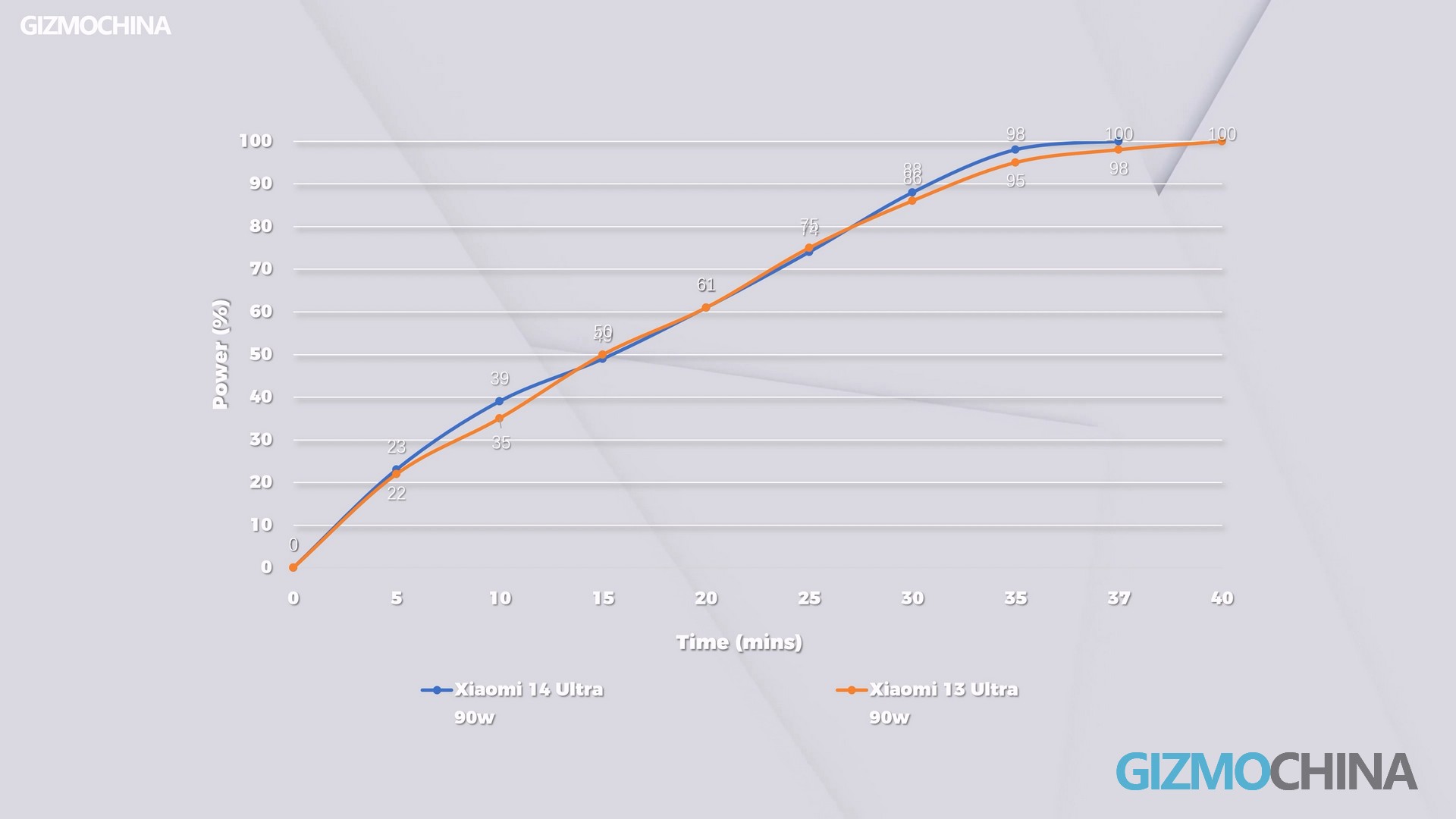
When I saw this 90W charger while Unboxing, I knew it hadn’t upgraded its wired charging power. Well, looking at the two phones next to me that don’t have chargers, I don’t have any complaints anymore. Thanks to a policy change in China, wireless charging power for Xiaomi phones has finally gone back to 80 W. But there’s bad news, because of a change in the location of the wireless charging coils, it may not be compatible with all charging docks. For perfect charging at 80W, you’ll have to buy their latest charging dock.
This time the Xiaomi 14 Ultra also comes with a 5300mAh Jinsha River battery. Not to mention the gimmicky name, Xiaomi has brought a bigger battery with new materials. That’s just good for consumers.
Conclusion
What about it? Do you think the Xiaomi 14 Ultra is worth 1500 euros? To be honest, I do think it’s still a bit expensive. Because of its most proud camera system, there are not many upgrade points compared to the 13 Ultra. But if you buy it in China, I think it’s worth it. the Xiaomi 14 Ultra is definitely a phone that can compete with the S24 Ultra or the iPhone 15 Pro Max. It’s just that Xiaomi still needs some time to prove that it’s the best one. After all, Samsung is 86 years old man, and Apple is also 48 years old. And Xiaomi is just a 14-year-old kid.
Tecno showcased its vision for the future at MWC 2024 with several innovative prototypes, including the highly anticipated Phantom Ultimate. Remember last year, when the company unveiled a rollable phone concept? This concept isn’t just a dream anymore – it’s a real, functioning device.
The screen transition takes only 1.3 seconds, which is commendable
Imagine a phone that transforms at your fingertips. The Phantom Ultimate starts compact, with a 6.55-inch display. But with a simple button press, it expands to a larger 7.11-inch screen, perfect for watching videos or gaming. This ingenious design takes just 1.3 seconds, making it seamless and convenient.
But Tecno’s thinking doesn’t stop there. They’ve even incorporated a “second display” on the back. This is actually the main screen cleverly wrapped around, visible through a protective window. This eliminates the need for a separate screen, maximizing efficiency.
The rise of foldable phones has challenged software, and Tecno seems like it’s doing pretty well in that sector. Their user interface and apps adapt effortlessly as the Phantom Ultimate expands or shrinks, ensuring a smooth user experience regardless of the screen size.
While the Phantom Ultimate is still under development, Tecno already boasts two successful foldable phones: the Phantom V Fold and V Flip. But their engineers aren’t resting. They’ve developed the Borderless Foldable Main Screen, a technique that minimizes bezels for an immersive viewing experience.
Remember that color-changing phone Tecno unveiled last year? The Chameleon Color Technology is back, and this time, it’s integrated into a foldable phone. This technology uses tiny prisms that shift with a magnetic field, offering thousands of color options with minimal power consumption.
Tecno’s innovations extend beyond these concepts. The Tecno Pocket Go is a projector phone, and the Tecno Dynamic 1 boasts a transparent display. These ideas, though not yet ready for consumers, showcase Tecno’s commitment to pushing boundaries and shaping the future of mobile technology. And let’s be honest, they all look pretty cool.
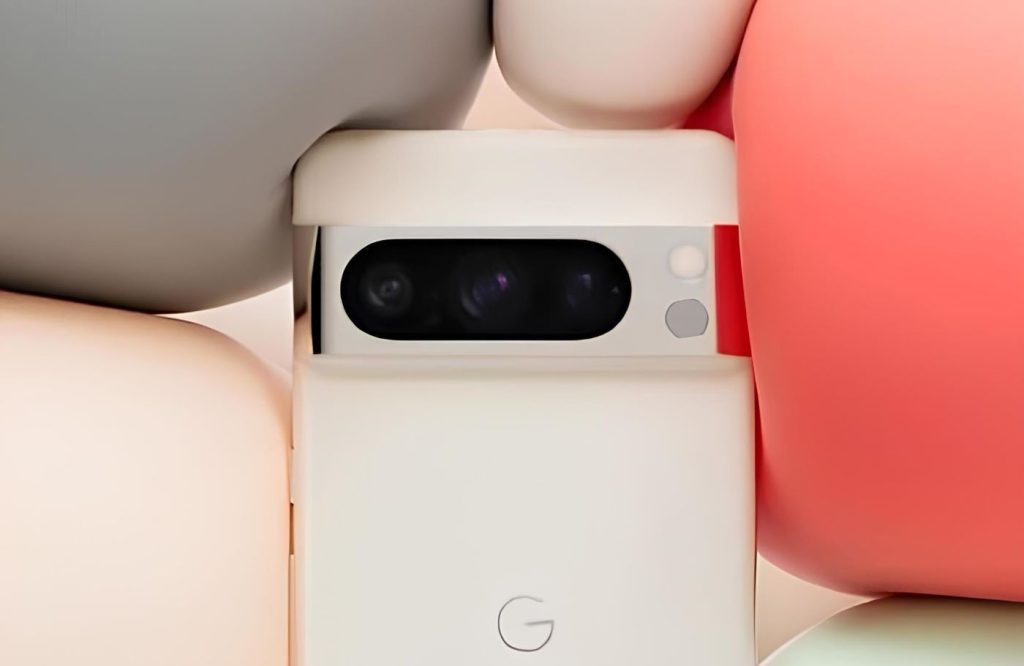
The Google Pixel 8 series has been crowned the “Best Smartphone” at the Mobile World Congress (MWC) 2024. This prestigious award recognizes the phone’s innovative features and impressive overall performance. But what exactly makes the Pixel 8 stand out? Let’s take a closer look at its key specifications.
It will be interesting to see what Google does for the upcoming Pixel 9 series
The Pixel 8 retains the familiar design language of previous Pixel phones, but with slightly rounded corners and a smaller footprint. It features a 6.17-inch OLED display with a 120Hz refresh rate, 2,000 nits peak brightness, and HDR support. The phone packs a 50MP main camera paired with a 12MP ultrawide sensor, both capable of capturing stunning photos and videos. The Pixel 8 is powered by Google’s Tensor G3 chip, 8GB of RAM, and up to 256GB of storage. It boasts a 4,485mAh battery with support for fast charging and runs Android 14 out of the box.
The Pixel 8 Pro sports a more modern design with a larger 6.7-inch LTPO OLED display offering a higher resolution and brighter peak brightness compared to the Pixel 8. It also boasts a triple-camera system featuring a 50MP main sensor, a 48MP ultrawide lens, and a 48MP telephoto lens with 5x optical zoom. The Pixel 8 Pro is powered by the same Tensor G3 chip but comes with 12GB of RAM and offers up to 1TB of storage (in the US). It packs a larger 5,050mAh battery but settles for slightly slower wired and wireless charging speeds compared to its smaller sibling.
Both phones share some key features, including the latest Tensor G3 chip, a promise of 7 years of software updates and security patches, and a Titan M2 security chip. It’s clear why Google’s latest flagships have been praised so much. The step up from the previous iterations is noticeable, and more so, huge. Now, all that remains is to see if Google can replicate, or even exceed its success with the Pixel 9 lineup this year.
We use cookies on our website to give you the most relevant experience by remembering your preferences and repeat visits. By clicking “Accept”, you consent to the use of ALL the cookies.
This website uses cookies to improve your experience while you navigate through the website. Out of these, the cookies that are categorized as necessary are stored on your browser as they are essential for the working of basic functionalities of the website. We also use third-party cookies that help us analyze and understand how you use this website. These cookies will be stored in your browser only with your consent. You also have the option to opt-out of these cookies. But opting out of some of these cookies may affect your browsing experience.
Necessary cookies are absolutely essential for the website to function properly. This category only includes cookies that ensures basic functionalities and security features of the website. These cookies do not store any personal information.
Any cookies that may not be particularly necessary for the website to function and is used specifically to collect user personal data via analytics, ads, other embedded contents are termed as non-necessary cookies. It is mandatory to procure user consent prior to running these cookies on your website.