Advertisement

Nothing Phone (2) Available At A Discounted Price Across Partner Stores In India

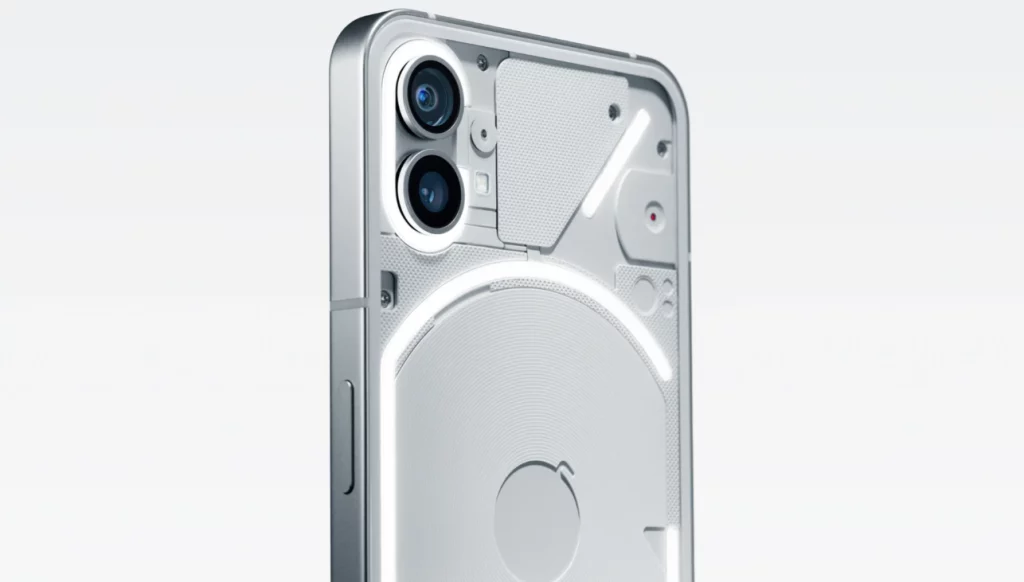
Nothing recently announced a permanent price cut on the Phone (2) in India. The phone starts at Rs 39,999 for the base variant. Now, the London-based brand has announced an early Christmas offer with a discounted price on the Nothing Phone (2) across its partner stores in the country. If you have been waiting to buy the Phone (2), now is a very good time to grab it. Read on to know all the details below. 

Nothing Phone (2) discounted in India 

The Nothing Phone (2) after the recent price cut is priced at Rs 39,999, Rs 44,999, and Rs 49,999 for the 8GB + 128GB, 12GB + 256GB, and 12GB + 512GB RAM and storage configurations. The base variant has not received any discounted price. 

As a part of the Christmas offer, the 12GB + 256GB and 12GB + 512GB are now cheaper for purchase on Flipkart, Croma, and Vijay sales. The discounted price tags on both variants are different on Flipkart and partner retail stores. Additionally, It’s worth noting that the Nothing Phone (2) is offered in White and Dark Grey color options. The revised prices mentioned in the table are for the White color variant whereas the Dark Grey is available at a higher price. 

Nothing Phone (2)Sale PriceRegular Price
Flipkart
Nothing Phone (2) 12GB + 256GBRs 41,999Rs 44,999
Nothing Phone (2) 12GB + 512GBRs 44,999Rs 49,999
Croma and Vijay Sales
Nothing Phone (2) 12GB + 256GBRs 37,999Rs 44,999
Nothing Phone (2) 12GB + 512GBRs 40,999Rs 49,999

The Nothing Phone (2) 12GB + 256GB and 12GB + 512GB are discounted by Rs 3,000 and Rs 5,000 respectively on Flipkart. There are bank offers for PNB and Bank of Baroda cardholders, free Spotify Premium, and exchange offer on the e-commerce platform. Meanwhile, the prices of the same configurations on Vijay Sales and Croma are reduced by Rs 7,000 and Rs 9,999 respectively. Only Vijay sales is offering various bank offers that can make the purchase price cheaper. 

It’s unclear how long the Christmas offer will last. It’s worth noting that the discounted prices could change as well.

Related:

Vivo confirms December 14 Global Launch for X100 Series

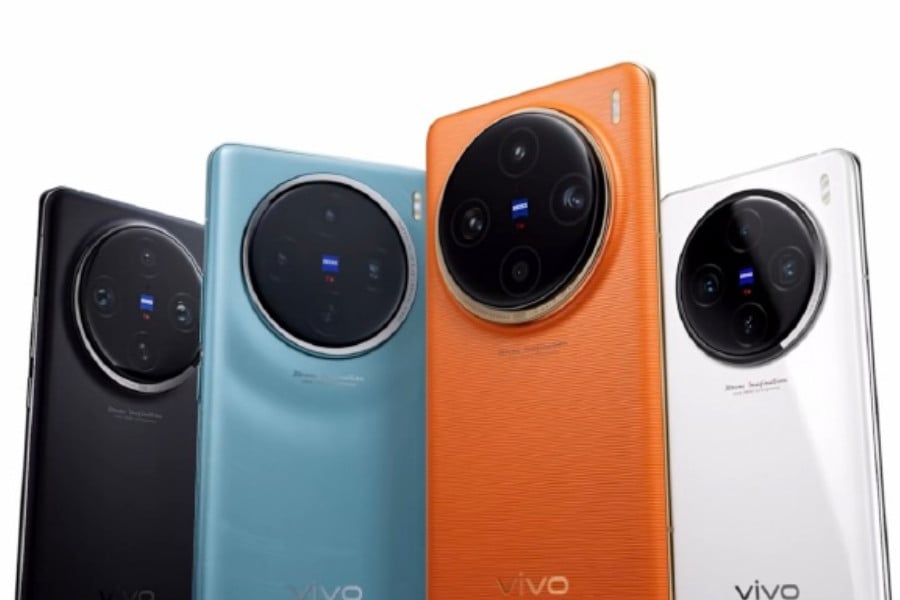
Vivo was the first to launch their X100 series smartphone with the powerful MediaTek Dimensity 9300 chip. Back in November, they released two models — the Vivo X100 and X100 Pro — both of which are impressive in performance and camera. But the big question was: when would they launch globally?

Global Vivo X100 series launch date revealed

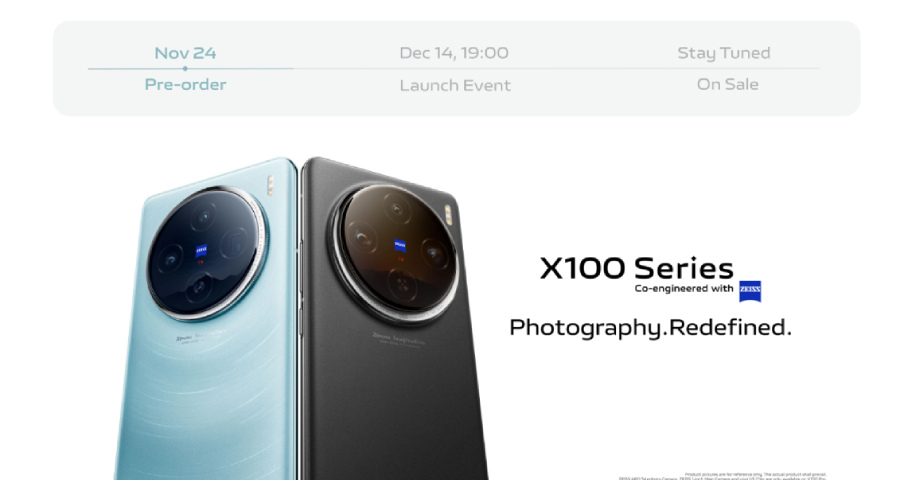
It seems we might have the answer, thanks to a slip-up on Vivo’s global website. A webpage is now live on their website featuring the Vivo X100 series with a “coming soon” message. Clicking it leads to a page mentioning a global launch date of December 14th. We expect both X100 models to be available then.

However, the website also mentions a pre-order date of November 24th. This seems inaccurate, as that date has already passed and Vivo hasn’t announced any pre-orders yet. Additionally, no details about the sale date have been revealed.

Specifications

To recap, both the Vivo X100 and Vivo X100 Pro sports a 6.78-inch AMOLED screen with 1.5K resolution, 120Hz refresh rate, HDR10+ support, and an in-screen fingerprint scanner. They are also IP68-certified dust and water-resistant.

Both phones have a 50MP main sensor and a 50MP ultra-wide-angle unit. The regular version also has a 64MP telephoto lens, while the Pro version has a 50MP telephoto lens, both featuring 3x optical zoom and 100x digital zoom. Moreover, they come with a 32MP selfie snapper and Vivo’s proprietary V3 imaging chip.

As aforementioned, the Vivo X100 series is powered by MediaTek’s Dimensity 9300 SoC, paired with up to 16GB LPDDR5T RAM and 1TB UFS 4 storage. The standard and pro models have 5,000 and 5,400mAh batteries with 120W and 100W wired charging respectively. The X100 Pro also supports 50W wireless charging. Likewise, they ship with OriginOS 4-based Android 14.

Related:

(Source)

Samsung Galaxy Tab Active 5 picks up TDRA certification

Samsung is preparing to launch a new rugged tablet, the Galaxy Tab Active 5. The tablet has already received certifications from various authorities, including the FCC and Safety Korea. Now the device has reached the TDRA database.

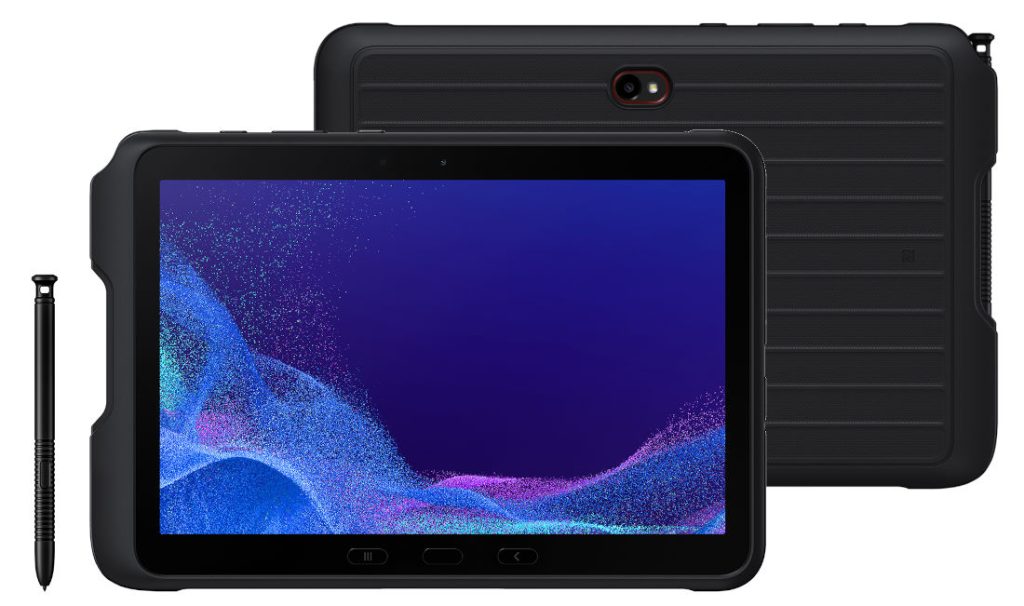
Galaxy Tab Active 4 Pro

The Samsung Galaxy Tab Active series is primarily designed for rugged industrial use, boasting robust features like water and dust resistance (IP68), drop protection, and resilience against extreme conditions like altitude, temperature, vibration, and humidity. These tablets are tailored for reliability in challenging environments, making them a top choice for industries like construction, field service, and healthcare.

Galaxy Tab Active 5 TDRA Certification

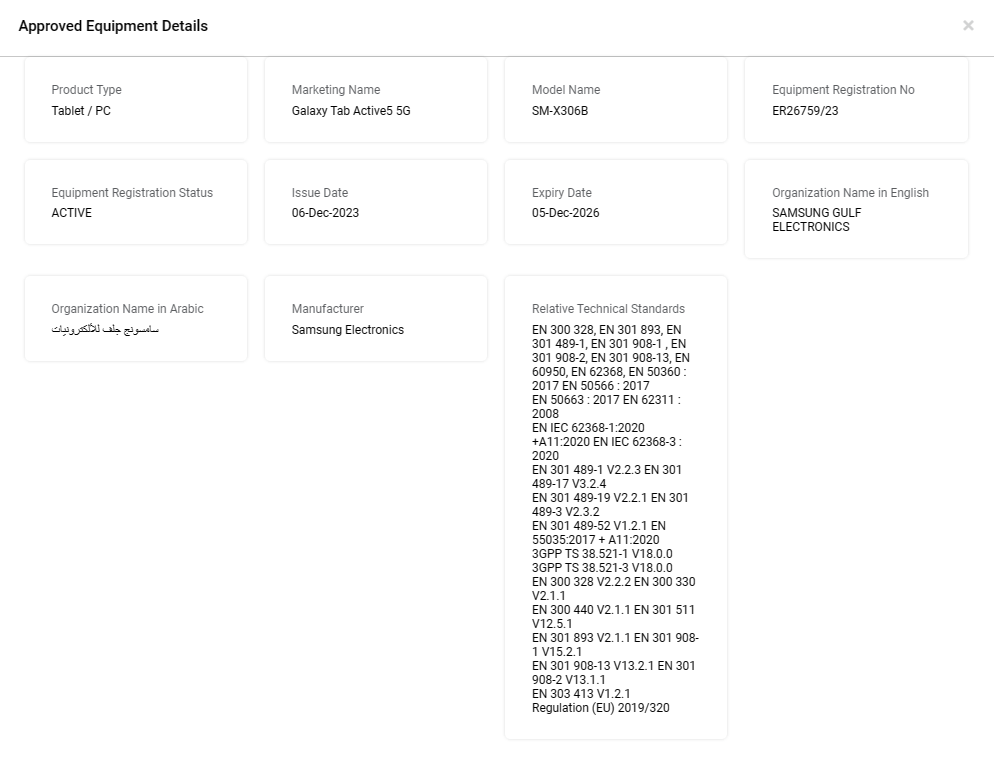
Coming to the specific details of the Galaxy Tab Active 5, it is reported to come in two models: the Wi-Fi-only variant (SM-X300) and the 5G model (SM-X306B). The 5G model has been certified by the TDRA with the registration number ER26759/23.

Previously, there was some confusion regarding the naming of the new tablet, given the previous releases of the Galaxy Tab Active 3 and Galaxy Tab Active 4 Pro. However, the TDRA certification clarifies that the new device will be named the Galaxy Tab Active 5. The issue date of the certification is 6th December 2023 and it is valid until December 5, 2026. Earlier, the Safety Korea certification also provided a real-life image of the device (SM-X306N).

Samsung-Galaxy-Tab-Active-5-SM-X306N-SafetyKorea

Regarding the device’s specifications, some details have been disclosed through the certification process, while others remain based on rumors and speculations. The Galaxy Tab Active 5 is expected to feature the Exynos 1380 chipset, run on Android 14 OS, and offer 6GB RAM with 128GB internal storage, expandable up to 64GB. It will support an S-Pen and under the hood, it will boast a 4,900mAh battery with 15W charging capability. Additionally, it is speculated to have a user-replaceable battery.

Last year’s model, Galaxy Tab Active 4 Pro, included a 10.1-inch TFT LCD FHD panel, a Snapdragon 778G chipset, a 13-megapixel rear camera, an 8-megapixel front camera, and a 7,600mAh battery.

RELATED:

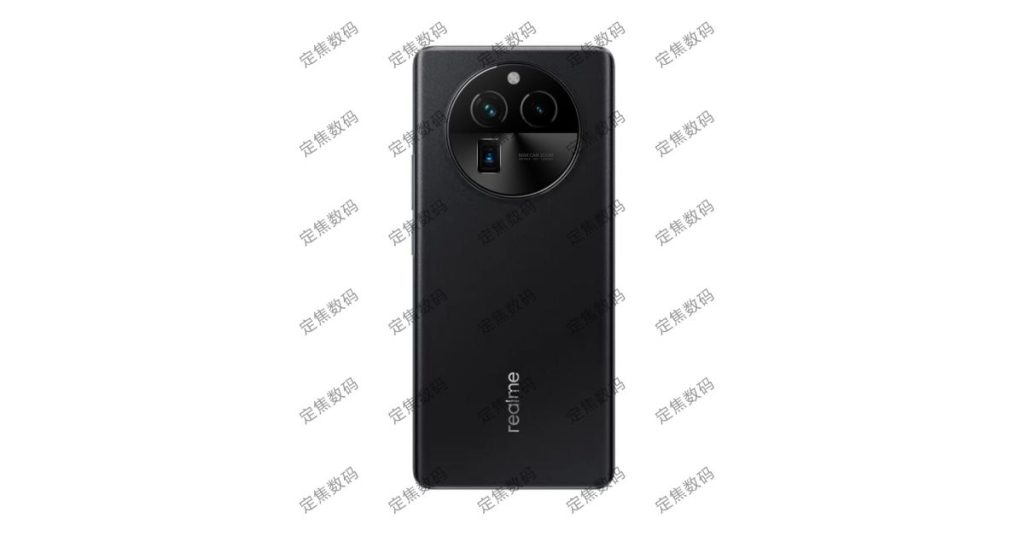
Realme 12 Pro and Realme 12 Pro+ could launch soon, spotted on BIS certification platform

Realme‘s flagship GT 5 Pro smartphone is now official, and the company might be turning its attention to the Realme 12 series next. While details about the series are still scarce, two new phones — Realme 12 Pro and 12 Pro+ — have recently been certified by the BIS in India. A vanilla Realme 12 is also expected to be in the works.

Realme 12 Pro, 12 Pro+ BIS certification

Both the Realme 12 Pro and Realme 12 Pro+ received the BIS certification on December 8th, 2023 with model numbers “RMX3842” and “RMX3840” respectively. 

The model number “RMX3840” is purportedly the Realme 12 Pro+, and it has also appeared on Indonesia’s SDPPI certification platform. While the model number “RMX3842” is expected to be the Realme 12 Pro. Unfortunately, the certifications don’t reveal much else about the devices.

Previous reports suggest that the Realme 12 Pro Plus will be powered by the Snapdragon 7 Gen 3 processor and sport a 64MP OmniVision OV64B 3x periscope telephoto camera as its primary shooter. Meanwhile, the Realme 12 Pro is expected to be equipped with a 32MP Sony IMX709 2x telephoto lens.

The Realme number series has a history of directly competing with the Redmi Note lineup. This time, the Realme 12 series will likely go head-to-head with the Redmi Note 13 series, which has already launched in China and is expected to make its global debut soon.

More information about the Realme 12 series is expected to come out in the coming days. With the launch of the Realme GT 5 Pro out of the way, we can also expect the Realme 12 series to be launched by the end of this month. We’ll keep you updated as more information becomes available.

Related:

Honor Magic 6 Pro spotted on 3C certification with 100W charging, satellite connectivity

Looks like Honor has been a busy bee lately! We’re seeing leaks and rumors about two new GT-series phones, the X50 GT and the 90 GT. But that’s not all – Honor is also gearing up to launch its flagship Magic 6 series, and the Pro model just popped up on a 3C certification listing.

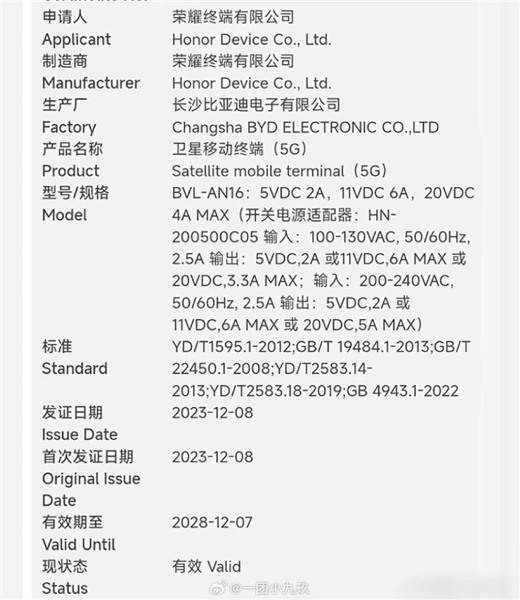
Honor Magic 6 Pro 3C certification

The 3C listing confirms that the Honor Magic 6 Pro (model number BVL-AN16) will support 5G networks. However, the most interesting detail is its label as a “Satellite mobile terminal 5G.”

This confirms the presence of advanced satellite connectivity, aligning with earlier statements from Honor’s general manager, Li Kun, about the company’s development of satellite-based communication solutions.

While the standard Honor Magic 6 (model number BVL-AN00) also appeared on the 3C last month, it only boasts support for 66W charging. No mention of satellite connectivity was found, suggesting this feature will be exclusive to the Pro model.

Honor Magic 6 Pro Specifications

The upcoming Honor Magic 6 Pro is expected to feature a high-resolution OLED display with a pill-shaped cutout for dual front-facing cameras and advanced sensors. It will run on the all-new Magic OS 8.0, which is based on Android 14. The device will be powered by the Snapdragon 8 Gen 3 chipset and will boast a dedicated graphics chip, a built-in security chip, and a substantial AI model. 

Alleged Honor Magic 6 / 6 Pro live shot

It is also expected to feature a second-generation Qinghai Lake battery and a rear shell made of nano-ceramic glass. Likewise, reports hint that the smartphone will be equipped with a one-inch, 50-megapixel OmniVision OV50k primary camera with variable aperture support.

Honor hasn’t announced the launch date for the Magic 6 series yet, but we’ll keep you updated.

Related:

(Via)

OnePlus 12 global launch confirmed for January 23, including the OnePlus 12R

The OnePlus 12 has finally been confirmed for a global launch on January 23rd, 2024. This news was officially announced at the Never Settle Summit held in Antwerp, Belgium. 

The summit was held to celebrate ten years since the launch of the OnePlus brand and brought together the company’s community. Alexander Vanderhaeghe, Country Manager for OnePlus Benelux, confirmed the launch date for the OnePlus 12 as January 23 and announced that it will be joined by the OnePlus 12R in Europe.

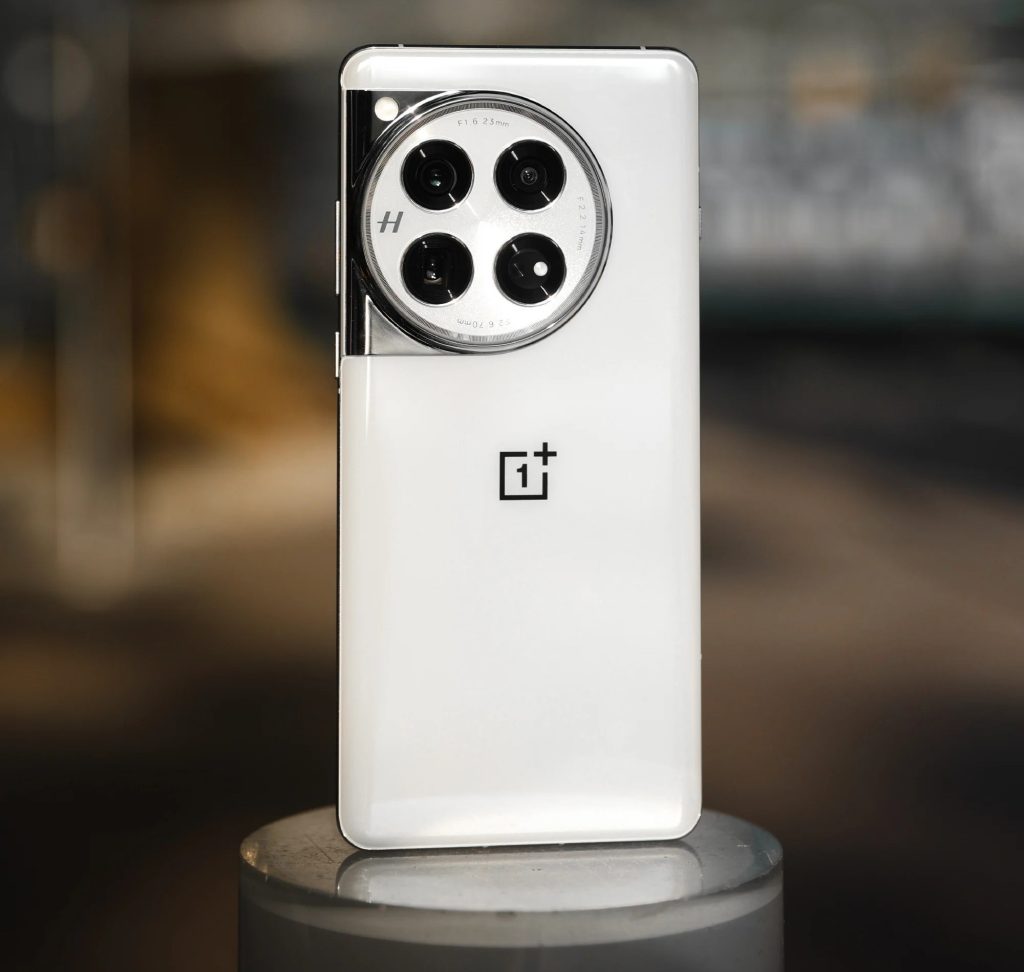
OnePlus-12-real-life-images

Previously, leaks suggested that the OnePlus 12R would be powered by the Snapdragon 8 Gen 2 chipset, rather than the newer Snapdragon 8 Gen 3 found in the OnePlus 12. The 12R is expected to be launched as the OnePlus Ace 3 in China. 

In addition to the smartphone announcements, OnePlus also confirmed its plans to expand into the Internet of Things (IoT) market. The company did not provide any specific details about the products it plans to launch. 

But we can expect the launch of the OnePlus Buds 3 since the wearable has appeared on multiple certification sites. OnePlus also announced the arrival of the black OnePlus Open in early 2024. 

To recap, OnePlus 12 specifications, it boast a familiar design with glass and metal construction and IP65-rated protection. It’s powered by the latest Snapdragon 8 Gen 3 chipset, paired with fast LPDDR5x RAM and UFS 4.0 storage, kept cool by a large VC cooling system. 

On the front, it sports a 6.82-inch curved OLED display with QHD+ resolution and 120Hz refresh rate. The camera setup is identical to the OnePlus Open, featuring a triple rear camera system with a 50MP primary sensor and Hasselblad image processing. 

Connectivity options include 5G, WiFi 7, Bluetooth 5.4, and more. The phone runs ColorOS 14 based on Android 14 and packs a 5,400mAh battery with 100W wired and 50W wireless charging.

Related:

(Via)

Honor 90 GT: First leaked images show sleek design with flat sides

Following the launch of the Honor 100 series last month, the company is reportedly turning its attention to the Honor 90 GT. Rumors also suggest another GT-series phone, the Honor X50 GT, is in the works. Both devices are expected to be performance-centric phones, competing against the likes of Redmi’s K70 and K70e. A recent leak on Weibo has now revealed the possible design of the Honor 90 GT.

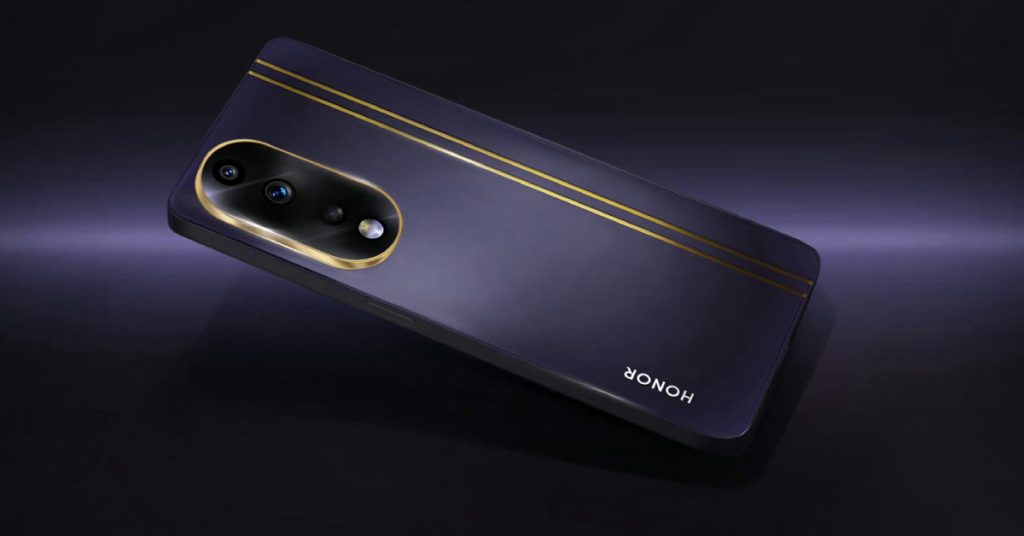
Honor 90 GT Design

The leaked image showcases a design that’s a significant departure from the Honor 80 GT. The phone appears in a striking purple-ish and gold color scheme with a matte finish. 

The back panel features a rectangular camera module housing three cameras and an LED flash. The module itself is slightly raised, and the camera rim has a stylish golden accent. The phone also has flat sides, and the right side is adorned with stylish golden stripes, adding a touch of aesthetics. 

While the leak offers a good look at the phone’s back, it doesn’t reveal the front.

Specifications (Rumored)

Previous reports suggest that the Honor 90 GT is expected to pack a punch with the latest Snapdragon 8 Gen 2 processor. A recent leak even hints at a possible “Honor 90 GT+” variant with a whopping 24GB of RAM, a first for Honor phones.

Furthermore, the Honor 90 GT, rumored to have the model number MAG-AN00, has also surfaced in the database of the 3C certification platform. This listing reveals that the smartphone may support 100W charging. 

While other specifications of the Honor 90 GT remain under wraps, we can expect competitive pricing, considering its expected positioning as a rival to the Redmi K70. The K70 starts at 2,499 Yuan in China.

As far as launch is concerned, it is rumored that the Honor X50 GT and the Honor 90 GT will be announced together. Reports suggest that it will debut in the last week of this year.

Related:

A Digital Milestone is Achieved as EU Achieves a Deal for an AI Regulatory Framework

Europe is making headlines with a groundbreaking deal on artificial intelligence (AI) regulations. This isn’t just any agreement; it’s a first-of-its-kind effort to bring legal oversight to AI technologies, including popular generative AI services like ChatGPT. These technologies are more than just buzzwords; they’re changing our lives, but not without raising some serious concerns.

Europe will be the first continent to draft and pass legislations around AI

After some intense negotiations, the European Union has achieved a tentative political agreement for the Artificial Intelligence Act. This act is a big deal because it’s going to set clear rules for using AI, making the EU the first continent to do so. The agreement was hard-won, with discussions lasting hours and tackling hot-button issues like generative AI and the use of facial recognition by the police.

Artificial Intelligence
Credit: Markus Winkler

What’s interesting is that the details of the law are still a bit hazy. It won’t take effect until 2025 at the earliest, and there’s still some fine-tuning to be done. It looks like Europe is trying to set a global standard with this act, having already taken an early lead in 2021. But with the rapid growth of generative AI, they’ve had to update their plans.

This act isn’t just about making rules; it’s about addressing the risks AI poses, like job loss, privacy invasion, and even threats to human life. The EU is setting a precedent for the world, and other major players like the US, UK, and China are also getting in on the action with their own AI regulation proposals.

One key aspect of the EU’s AI Act is its focus on foundation models, which are the sophisticated systems behind services like ChatGPT. These models, which are based on vast amounts of internet data, can create new content, unlike traditional AI. The act aims to place extra scrutiny on the most advanced models, especially those that pose significant risks.

The debate over AI-powered facial recognition was particularly tricky. European lawmakers wanted a full ban on public use due to privacy concerns, while member countries sought exceptions for serious crimes. A compromise was eventually found, balancing privacy with security needs.

RELATED:

(Via)

Volkswagen is Planning to Cut 20% of its Administrative Staff Costs

This might be a pretty bold move to navigate through challenging times, but Volkswagen has announced a significant shift in its strategy. The German automotive giant is now on a mission to streamline its operations and reduce costs as part of a comprehensive $10.8 billion savings plan.

Instead of layoffs, the company will provide partial and early retirements

Central to this strategy is a 20% reduction in administrative staff costs, a decision that reflects the company’s commitment to efficiency and financial prudence. Notably, Volkswagen has chosen a humane approach to achieving this goal. Instead of layoffs, the reduction will primarily occur through partial and early retirements. This depicts the company’s respect for its workforce and its desire to minimize the impact on employees’ lives.

Volkswagen

Volkswagen’s strategy also includes a revamp of its product cycles. The company plans to shorten the cycle from 50 months to just 36 months. This change means consumers can expect to see new and facelifted models more frequently, keeping the brand fresh and competitive in a rapidly evolving market.

Another significant development is the cancellation of a planned $862 million research and development site in Wolfsburg, Germany. This decision reflects a shift in priorities, with Volkswagen focusing more on immediate operational efficiencies rather than long-term capital projects.

These changes come at a time when Volkswagen’s production numbers are reflecting a noticeable dip. The company’s Wolfsburg plant, which once churned out an average of 780,000 cars annually, is now aiming for 500,000 units this year, a stark contrast to its past performance.

Volkswagen’s brand boss, Thomas Schaefer, put it succinctly: “We will need to operate with fewer people in many areas at Volkswagen in the future.” This statement encapsulates the essence of Volkswagen’s new direction – a leaner, more efficient operation that is ready to face the challenges of the modern automotive industry, especially electric vehicles.

RELATED:

(Via)

iPhone Maker Foxconn Commits $1.5 Billion Investment, Creating Thousands of New Jobs in India

India is making steady progress in becoming a global hub for technology production. Particularly after the pandemic, companies are investing heavily, and this is crucial for Apple. The company aims to move some of its production from China to avoid potential future issues. In this regard, Foxconn, the Taiwanese company producing iPhones for Apple, is gearing up to invest $1.5 billion in India for diversifying its production locations. Here are the details…

Foxconn Pours $1.5 Billion into India for Apple’s Expansion Strategy

Foxconn is continuing its investment efforts in India. We previously mentioned the company’s commitment to invest $600 million in the region, creating job opportunities for 13,000 individuals. Now, Foxconn, through its subsidiary “Hon Hai Technology,” has announced a plan to invest over $1.5 billion in India for an undisclosed building project to meet its operational needs. However, no further details were provided in the securities filings, and a spokesperson from Foxconn did not respond to inquiries.

Foxconn India

Unfortunately, as of now, these are the only details we have on the subject. However, we can make some educated guesses and engage in a bit of speculation. As you may be aware, $1.5 billion is a significant amount, even for Foxconn. Using this as a starting point, it seems likely that the mentioned building could be intended for use as a factory.

Moreover, part of Apple’s plans involves ramping up production in the region. Therefore, the Taiwanese company must meet these demands to avoid losing a crucial customer. Of course, there’s also a political aspect to consider. As you probably know, China and Taiwan aren’t exactly the best of friends. Despite shared business interests preventing major conflicts, it’s unclear how long this cooperation will last.

Foxconn

Consequently, for Foxconn, keeping a substantial part of production in China may not be the most prudent decision. These are purely personal thoughts and may not align with the goals of the companies involved. For now, all we can do is wait and see the intended purpose of the facility. Leakages will, undoubtedly, provide us with more information on this matter.

RELATED:

(via)

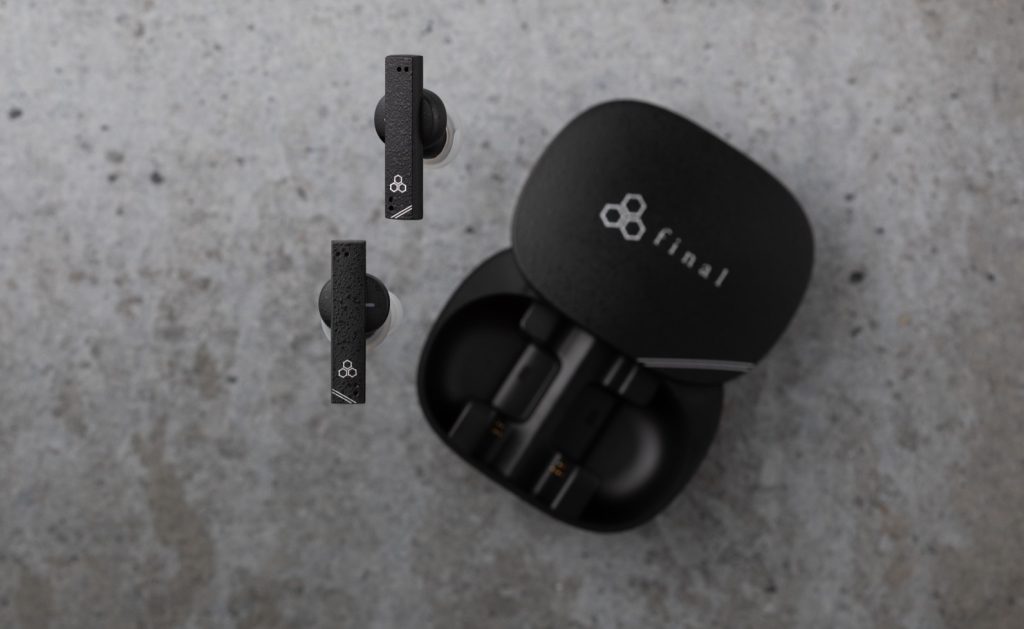
Final Audio ZE8000 MK2 earbuds with Bluetooth Multipoint and Qualcomm aptX Adaptive connectivity launched

Final Audio has released a refreshed and premium version of the ZE8000 earbuds. The new ZE8000 MK2 earbuds feature Bluetooth Multipoint and Qualcomm aptX connectivity. The new earbuds are coming just a few months after the release of the ZE800 earbuds.

Final Audio ZE8000 MK2 earbuds

Final Audio announced the original model back in February 2023 but the new version comes with significant improvements. Final Audio says the ZE8000 MK2 is an evolution of 8K sound but retains the same drivers as its predecessor. It has a slightly higher sound threshold than the original model by up to 5 dB. The maximum volume rating of the new pair of Final Audio earbuds has not been specified, however. The model comes with an improved sound quality using signal processing and an optimized design.

In terms of noise cancellation, the ZE8000 is about 32% more efficient than its predecessor. In addition, Bluetooth Multipoint connectivity is featured in the new earbuds, while the aptX Adaptive audio is retained as with the ZE8000. The new pair of Final Audio earbuds come with a battery life of five hours on typical usage. The earbuds are fully charged in about 80 minutes. The Qualcomm aptX Adaptive offers 24-bit audio at 96kHz compressed to 420 kbit/s which is similar to its predecessor.

Final Audio ZE8000 MK2 earbuds

Pricing & Availability

The Final Audio ZE8000 MK2 earbuds are priced from €329 (~$354) in the EU. It is priced at $399.99 in the US and £289 (~$363) in the UK. To put the price in perspective, the original ZE8000 currently selling on Amazon for $236. There are no exact release dates yet for the earbuds but it is expected to be soon. Final Audio has also not specified whether the ZE8000 MK2 will also berth in other markets.

RELATED:

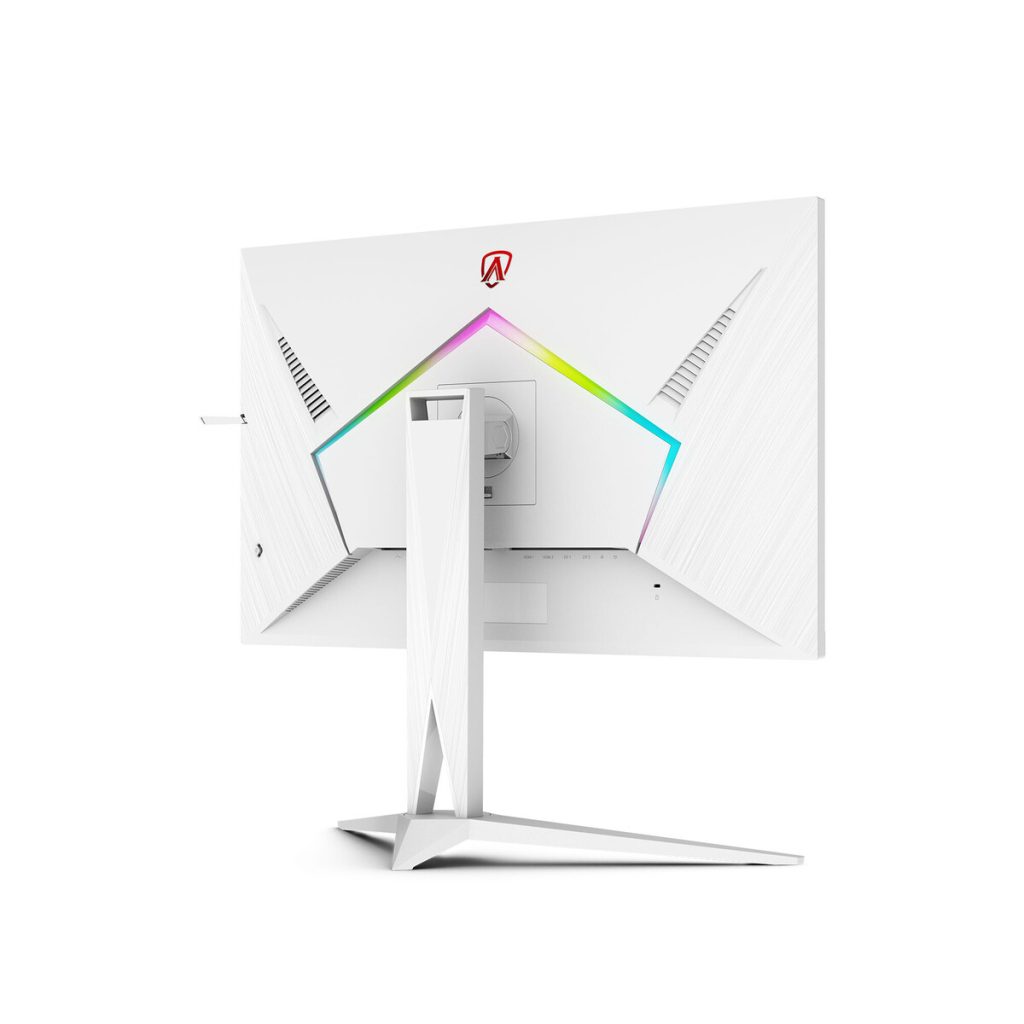
AOC AGON AG275QZW and AG275QZE 27-inch gaming monitors with 260Hz refresh rate and 1440p resolution announced

AOC has announced two new gaming monitors with premium features. They are the AOC AGON AG275QZW and AG275QZE 27-inch monitors. They come with a high display refresh rate of 260Hz and 1440p resolution.

AOC AGON AG275QZW gaming monitor

The two new AOC gaming monitors are the successors of the AOC AG275QZ and AG275QZN AGON 5 series monitors. Both models were launched in November 2022 and their successors have now been showcased in China. Although the full details of the new AOC gaming monitors are not available, it seems both come with many similar features. The AG275QZW and AG275QZE have white and black cases respectively.

The core specifications of both models are the same although AOC has only updated the AG275QZW on its website. The model has a 27-inch IPS panel and offers 0.5ms MPRT and 1ms GtG response times.

AOC AGON AG275QZW gaming monitor

The AG275QZW has a slightly higher native refresh rate than the AG275QZ and AG275QZN but may not achieve overclocking to 270Hz as with the AG275QZ. The model offers 99% sRGB and 92% DCI-P3 color gamut coverage. The new AOC gaming monitors have a peak brightness of 450 nits and up to 178º viewing angle.

The monitors are rated VESA DisplayHDR 400 and are equipped with DisplayPort 1.4, HDMI 2.0, and USB 3.2 Gen 1 connections. There is also a VESA mount as part of the accessories to enable the use of third-party stands. The four video outputs consist of two HDMI and DP 1.4 ports on the monitors.

AOC AGON AG275QZW gaming monitor

Pricing & Availability

There are no pricing and release details yet for the upcoming AOC AG275QZW and AG275QZE gaming monitors. AOC has also not specified whether the new monitors will be available in overseas markets and how much they could be priced. However, these optics are expected to be released shortly by AOC.

RELATED:

Canon unveils a sleek lamp with Bluetooth speaker in China for 2,680 yuan ($374)

Camera manufacturer Canon has launched a new product that provides both audio and lighting functionality in China. The Canon new light speaker is a two-in-one gadget that can meet both audio and lighting needs. The top of the speaker features an LED light that is DC-controlled. The LED light can swivel in different directions to provide lighting.

The Canon light speaker is designed to look like a traditional lamp with the speaker compartment sitting below while the light segment is at the top. It can be used primarily for lighting and its different light modes and levels provide sufficient options for use in different scenarios.

The lighting system of the new Canon light speaker supports two options – white or warm. It also supports three-level dimming options namely weak, medium, and strong. The full-range speaker can deliver sound across the entire frequency range of low, medium, and high. There is a passive radiator at the bottom of the light speaker and this delivers a deeper brass output. The cylindrical aluminum body is capable of suppressing noise and also offers 360-degree sound diffusion.

The new Canon light speaker can be paired to an input device via Bluetooth. It has a battery life of about 5 hours and can be recharged via USB-C. The lamp, arm, and body of the light speaker can be moved independently and the lighting angle can be easily adjusted with one hand. It uses a free stop structure and can be stopped easily within the movable range.

The new Canon light speaker is now available in China for 2,680 yuan (~$374). There are no indications yet whether Canon will ship the new light speaker to other markets. The new Canon light speaker is available from e-commerce platforms in China.


RELATED:

Nothing Phone (1) gets Android 14 x Nothing OS 2.5 Closed Beta Update

Nothing‘s latest smartphone, the Nothing Phone (2) is currently on the second Open Beta test for its Android 14-based Nothing OS 2.5. The brand has now turned its attention to its predecessor.

Nothing-Phone-1 (1)

The brand has started the Nothing OS 2.5 Closed Beta program for the Nothing Phone (1). The sad news is that participants have already been selected and the program is currently full. If you are one of the users who was selected for the program, you will soon receive the update which measures 1.22GB. As for the features coming with the update, you can check the changelog below.

Nothing OS 2.5 Closed Beta 1 Update changelog

Customization:

  • Redesigned joint Home Screen and Lock Screen customization page.
  • Improved edit wallpaper flow for a comprehensive view of options.
  • Introduced new “Atmosphere” wallpaper effect for dynamic, color-motion backgrounds.
  • Added new “Glass” wallpaper effect with a unique and special appearance.
  • Solid color wallpapers introduced for a cleaner Home Screen look.
  • Added a monochrome color theme in the basic color section.

Glyph Interface:

  • Integrated Glyph Progress for Google Calendar with a 5-minute countdown.
  • Glyph Timer now supports time presets for quick duration settings.
  • Direct access to Glyph Timer from the lock screen without unlocking the device.
  • Option to open Glyph Timer popup with a tap instead of holding.
  • New Glyph animation when NFC is used.
  • Improved logic of Flip to Glyph.

Gesture:

  • Customizable double-press power button for quick access to chosen features.
  • Additional Lock Screen shortcut options, including Do Not Disturb, Mute, QR code scanner, and video camera.
  • Three-finger swipe gesture for quick screenshot capture.
  • New screenshot editor and menu for advanced editing features and quick deletions.

More Improvements:

  • Optimized Weather app experience with improved weather alert notifications.
  • Predictive back animation and refreshed back gesture arrow visual in line with Nothing’s style.
  • Separate settings for ringtone and notification sound volumes with an updated control interface.
  • Updated Quick Settings layout with support for more device icons.
  • Improved stability of the Camera.
  • Enhanced overall system stability for a reliable and smooth experience.

If you were not selected for the beta program this time around, worry not, the Closed Beta 2 is expected to take place in late December or early January, so keep a lookout for that.

RELATED:

(Source)

Xiaomi Unveils the CW300 Outdoor Camera launched for 239 yuan ($33)

Innovative Chinese company Xiaomi has once again pushed the boundaries with the official release of the Xiaomi outdoor camera CW300. Packed with cutting-edge features, this outdoor surveillance solution is set to redefine the standards of home security.

Features

At the heart of the CW300 is a powerful 4-megapixel F1.6 large aperture lens, delivering stunning 2.5K ultra-clear images that remain sharp even when zoomed in. Whether it’s monitoring your property or capturing intricate details, the CW300 ensures clarity and precision.

Nighttime security is elevated to new heights with the combination of 2 infrared lights and 2 white light lights. This dynamic duo guarantees clear and bright vision in the darkest environments, offering peace of mind around the clock.

The CW300 introduces a revolutionary vertical and horizontal dual pan-tilt design, allowing users to control the lens remotely—rotating it up, down, left, and right. This unparalleled flexibility ensures comprehensive coverage, adapting to the ever-changing dynamics of any outdoor space.

Designed to withstand the elements, the CW300 boasts an IP66 dustproof and waterproof rating, ensuring stable operation in wind, frost, rain, and snow. It’s not just a camera; it’s a reliable guardian in all weather conditions.

Xiaomi outdoor camera CW300

Security is paramount, and the CW300 delivers on all fronts. With sound and light warning functions, it alerts you to potential threats by emitting an alarm sound and high-frequency flash when an intrusion is detected. The added AI humanoid tracking function enhances security by intelligently monitoring and tracking movement.

In terms of connectivity, the CW300 offers versatility with support for both network cable and Wi-Fi connections. Cabling is made more flexible, catering to various installation preferences.

Pricing & Availability

Priced at just 239 yuan ($33) and bundled with a 32GB memory card, the Xiaomi outdoor camera CW300 stands as an affordable yet powerful solution for those seeking uncompromising outdoor surveillance.

Related:

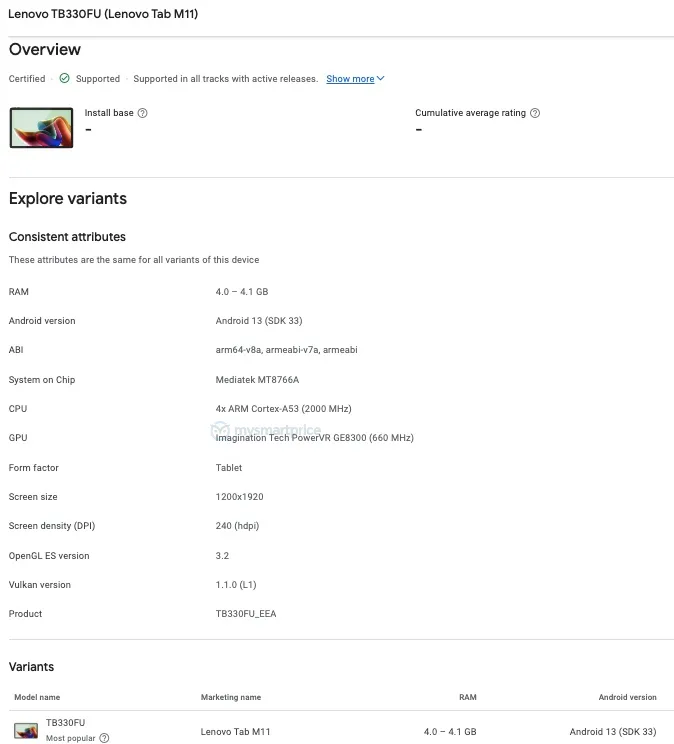
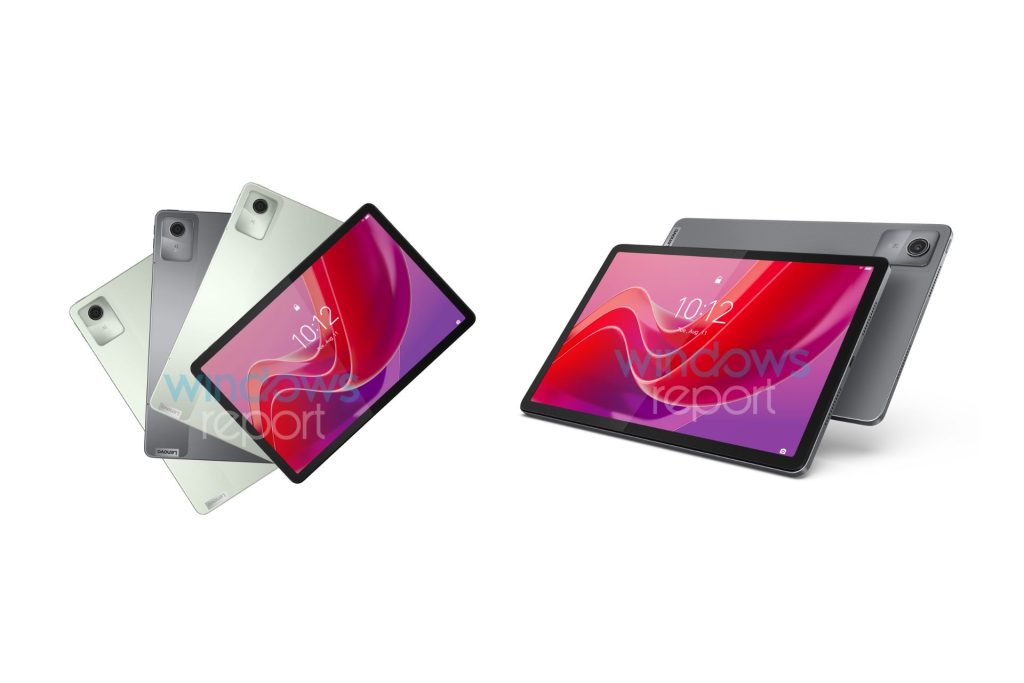
Lenovo Tab M11 spotted on Google Play Console confirming key specs

Lenovo is preparing for the imminent launch of the follow-up to the Tab M10. The upcoming mid-range tablet, named Lenovo Tab M11, has successfully passed certifications from FCC and TDRA. Its presence on the Google Play Console database has now validated key crucial specifications.

The Lenovo Tab M11, as observed on the Google Play Console with the model TB330FU, reveals the front design of the tablet. In addition to that, the database reveals that the device is equipped with 4GB of RAM, operating on Android 13 featuring ZUI, and boasting a 1200×1920 pixel resolution. Driving its performance is the MediaTek Helio G88 chipset.

Lenovo Tab M11

Certification listings further confirm a robust 6,820mAh battery and provide insights into three configurations: 4GB RAM/64GB, 4GB RAM/128GB, and a top-tier variant with 8GB RAM and 128GB storage. The last details revealed by the listing confirm the tablet’s support for both 2.4GHz and 5GHz Wi-Fi frequencies, running on ZUI 15.1.028 straight out of the box.

Lenovo Tab M11

This listing corroborates a leak from before that hinted at details like the Helio G88 SoC, and 11-inch LCD with a resolution of 1920×1200. It also hinted at two color options: Luna Grey and Seafoam Green. Additional features may include a microSD card slot accommodating up to 1TB for storage expansion, along with pre-installed apps like YouTube Music and Google News. The 2020 Tab M10 costs around $180, so we can expect its successor to also come with a price tag under $200.

RELATED:

(via)

Unraveling the Mystery: Clues Point to Nintendo Switch 2’s Strategic Launch Date

The much-anticipated Nintendo Switch 2 is set to be revealed soon. Although we’ve been featuring a similar sentence in our news for some time, and we’re aware that Nintendo has nearly finished getting ready for the eagerly awaited handheld device, we previously lacked a specific release date. However, that has changed. A Japanese video game developer has hinted at a potential release date window for the Nintendo Switch 2. Here are the details…

Level-5 Teases Nintendo Switch 2 Launch Window

Firstly, it’s important to note that an official release date for the Nintendo Switch 2 hasn’t been announced. The Japanese developer has been effective in maintaining secrecy among both employees and business partners. Nevertheless, as Nintendo has experienced, keeping information under wraps on the internet is quite challenging. A while ago, a game studio called Level-5 started developing a Switch game titled “Fantasy Life i: The Girl Who Steals Time.”

Nintendo Switch Mario Red Edition OLED model

Originally planned for a 2023 release, the game has been postponed to 2024 to ensure a “higher quality” gaming experience and “strategic reasons”. Instead of providing an exact date, Level-5 has opted to mention “summer” as the release timeframe for the new Fantasy Life game. The crucial aspect here is “strategic reasons.” Given Level-5’s longstanding partnership with Nintendo, gamers speculating from this connection believe that the developer is aware of the console’s summer release and intends to launch both the Nintendo Switch 2 and Fantasy Life i: The Girl Who Steals Time simultaneously to enhance game sales.

Certainly, all of this goes beyond mere speculation. Unfortunately, the increasing number of leaks surrounding the release date of Nintendo Switch 2 only deepens the mystery. People eagerly anticipating the successor to the successful handheld from 2017 are enthusiastically examining every available clue.

RELATED:

(via)

Xiaomi Mijia Electric Kettle P1 Light Edition launched with Digital Display for 179 Yuan (~$25)

Xiaomi pulled off the wraps from the Mijia Electric Kettle P1 Light Edition while featuring some advancements. The new Kettle offers four-step temperature control, a real-time digital display, and some other exciting features. It features a noise-reduction system when something boils in it. It looks quite minimalist and resembles the previous Electric kettles from Xiaomi.

The Kettle claims to have 47 decibels of noise when boiling water. However, there’s a 304-grade stainless steel inner tank which is quite suitable for food. It comes with a real-time digital display that shows the inner temperature. It offers different modes for different water quality. If you opt for the Tap water then the Kettle will heat water until it boils, otherwise, with the Purified water, it will keep the temperature low and will save energy.

There are four different temperature presets – 45°C, 60°C, 70°C, and 85°C that the user can set as per requirement. Xiaomi Mijia Electric Kettle draws 1800W power and packs boiling turn-off and overheating protection. Further, it brings a two-stage lid-opening process that eliminates the issue of instant steam release. It has a 1.5-liter water capacity.

Xiaomi Mijia Electric Kettle P1 Light Edition is up for grabs from JD.com and Youpin for 179 Yuan, which roughly translates to $25. Information about its global launch is not yet available.

If the user wants a bigger electric kettle, then they could check out the Xiaomi Mijia Smart Electric Kettle 5L, which is available for $36 in China.

Xiaomi keeps bringing useful home appliances and smart products that help users in their day-to-day work. Xiaomi recently introduced the Xiaomi Mijia Smart Steam Baking Stove P1 which is now retailing for $1200. There’s also a smart curtain from Xiaomi Mijia. Interestingly, Xiaomi recently introduced the Mijia Portable Electric Heating Cup which is available for $20 in China.

Such smart products are a boon for users, as they ease a lot of daily tasks.

Related:

Beyond ‘Tears of the Kingdom’: What’s Next for Zelda?

The world of gaming eagerly anticipates each new chapter in the iconic ‘Legend of Zelda’ series, renowned for its engrossing storytelling and innovative gameplay. However, fans expecting a direct sequel to ‘Breath of the Wild’ and ‘Tears of the Kingdom’ might need to adjust their expectations. In a revealing interview, game director Hidemaro Fujibayashi and producer Eiji Aonuma shed light on the future direction of this beloved series.

The devs have stated that their new game won’t have any DLC either

The ‘Zelda‘ team, known for their creativity, is keen on exploring fresh ideas rather than treading the same path. When asked about the possibility of the Ultrahand – a notable feature in ‘Tears of the Kingdom’ – making a comeback, both Aonuma and Fujibayashi expressed a desire to innovate. Fujibayashi emphasized the importance of newness in game creation, suggesting that repeating elements like the Ultrahand could stifle creativity. This mindset is a testament to the team’s commitment to delivering unique experiences to players.

Zelda

Aonuma’s insights on the development process offer a glimpse into the meticulous care taken in crafting ‘Tears of the Kingdom’. The absence of downloadable content (DLC) for this title is not an oversight but a conscious choice, reflecting the team’s belief in the game’s completeness. This approach resonates with the broader philosophy of the ‘Zelda’ franchise: to continually evolve and surprise its audience.

While the future of the series might not include a direct sequel to ‘Tears of the Kingdom’, this doesn’t diminish the excitement for what’s next. The development team acknowledges the fans’ enthusiasm for the series’ timeline and lore, yet they wisely balance this with the freedom to innovate. This ensures that each new installment not only respects the series’ heritage but also pushes boundaries in storytelling and gameplay.

As the ‘Zelda’ series moves forward, it promises to retain the magic that has captivated players for decades while venturing into uncharted territories. The commitment to freshness and creativity by its creators hints at exciting adventures ahead, keeping the spirit of exploration and wonder alive in the hearts of gamers around the world. Who knows, their next game might be a bestseller too!

RELATED:

(Via)

China’s Semiconductor Comeback Amid U.S. Restrictions

In a remarkable move, China has significantly ramped up its imports of semiconductor-manufacturing equipment, a direct consequence of the United States tightening its tech export controls. October saw a near 80% surge in the value of these imports compared to the same time last year. This increase isn’t just a number; it’s a telling sign of China’s strategic maneuvering in the global tech landscape.

Chinese companies are stockpiling chip-making tools to prepare for new regulations

Semiconductor-manufacturing equipment, a key player in the production of everything from silicon wafers to integrated circuits (ICs), saw a leap from US$2.4 billion to US$4.3 billion in just one year. This jump points to a broader strategy by Chinese companies: they’re stockpiling chip-making tools in anticipation of the U.S.’s new trade controls.

China chip

The U.S. Bureau of Industry and Security’s latest restrictions aim to curb China’s access to advanced chip-making equipment. This includes lithography equipment for semiconductors on a 45-nanometre node and more mature processes. The move is an extension of earlier efforts to hinder China’s development in artificial intelligence chips and other advanced ICs.

Despite these restrictions, China’s semiconductor imports are showing signs of recovery. After a 26.5% decline in early 2023, there’s been a gradual improvement. The total value of chip imports from January to November, although lower than last year, shows a slow but steady comeback, especially in the consumer electronics sector.

The story here is not just about numbers and policies. It’s about resilience and adaptation. Faced with stringent export controls, China is not just playing defense; it’s strategically bolstering its capabilities. This development is more than an economic maneuver; it’s a testament to the dynamic and ever-evolving nature of the global tech race.

China’s response to the U.S. export controls is not merely about survival; it’s about asserting its role in the global technology narrative. This surge in semiconductor-manufacturing equipment imports may well be a stepping stone for China in its quest to become a self-reliant tech powerhouse.

RELATED:

(Via)