Advertisement

Honor Magic 6 Pro key specifications emerge ahead of expected January launch

Honor is reportedly working on the Honor Magic 6 series of flagship phones. The brand has already confirmed that it will feature the Snapdragon 8 Gen 3 chipset. Rumors surrounding the series claim that it may debut in January 2024 in China. A poster highlighting the rumored specs of the Magic 6 Pro is now doing the rounds on Weibo. Here is all the information that has surfaced through it.

Honor Magic 6 Pro key specifications (rumored)

Honor-Magic-6-live-shot-1-
Alleged Honor Magic 6 / 6 Pro live shot

The leak reveals that the upcoming Honor Magic 6 Pro will arrive with an “Oasis” OLED display, offering a resolution close to 2K. It will have a pill-shaped cutout, dual front-facing cameras, and advanced sensors for 3D face unlock, gesture operation, and eye tracking. 

The Magic 6 Pro will operate on the all-new Magic OS 8.0, running on Android 14, and feature the innovative Smart Island notifications feature. The Snapdragon 8 Gen 3-powered device will feature a dedicated graphic chip and a built-in security chip. Notably, the Magic 6 Pro will incorporate a substantial AI model with an impressive 7 billion parameters, enhancing its capabilities in artificial intelligence applications.

The Magic 6 Pro will be equipped with a second-generation Qinghai Lake battery, but the specific size remains undisclosed. It will arrive with support for satellite communication. In terms of design, the Magic 6 Pro’s rear shell will be made from sleek nano-ceramic glass, contributing to its premium aesthetic, while an IP68 rating ensures resistance against dust and water. In terms of photography, the Magic 6 Pro will feature the one-inch 50-megapixel OmniVision OV50k primary camera with support for variable aperture.

The Honor Magic 6 Pro is set to make its debut in late January 2024, initially launching in China. The alleged Magic 6 phone bearing the BVL-AN00 model number was recently seen in the 3C certification platform with a 66W fast charger. Probably, it may arrive in the global market by late Q1 or Q2 2024. 

RELATED:

(source)

Xiaomi Watch H with HyperOS tipped to launch soon

Just like any other smartphone brand, Xiaomi also sells smartwatches. Currently, the company has two series of watches, namely Xiaomi Watch and Xiaomi Watch S.

According to a source, the firm will debut a new lineup of smartwatches. This will bring the total count to three, excluding watches from Redmi and Poco.

Let’s check out what the leak has to say about the upcoming Xiaomi smartwatch.

Xiaomi Watch S3
Xiaomi Watch S3

The details about the new series of smartwatches from Xiaomi come from tech influencer Mukul Sharma. He claims that this new product lineup will officially be called Xiaomi Watch H.

He doesn’t say what the ‘H’ in the name stands for. It probably denotes nothing, just like the ‘S’ in the existing Xiaomi Watch S series. 

Anyway, he does mention that the wearable will boot HyperOS and will likely launch in the first quarter of 2024. It is worth noting that it won’t be the first HyperOS smartwatch from the company. That’s because the recently released Xiaomi Watch S3 and Redmi Watch 4 already ship with the new software.

At present, it is not known whether the Xiaomi Watch H series will be sold exclusively in some regions or will be available widely across multiple countries. We are looking forward to learning more about it via certifications and other sources.

On the other hand, the latest Xiaomi Watch S3 and Redmi Watch 4 are also yet to make their way to the global markets. These wearables are currently only sold in China. However, going by their predecessors, they should also be released in other regions.

RELATED:

Get $300 OFF on Vivo X Fold 2 Premium Foldable Phone

Giztop is giving a whopping $300 discount on Vivo X Fold 2 premium foldable smartphone. The phone which retails for $1599 is now available for $1299 only. This price applies to the base variant. Please note that this is a limited-time offer.

WHERE TO BUY
Vivo X Fold 2 at $1299 @Giztop

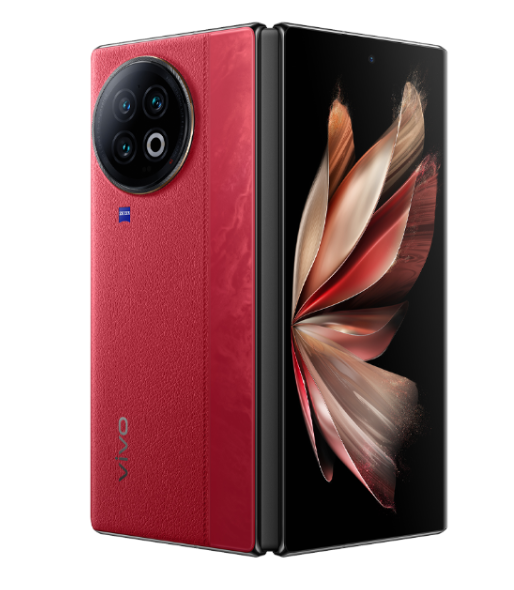
Vivo X Fold 2 features an 8.03-inch 2K+ E6 LTPO AMOLED inner display and a 6.53-inch E6 AMOLED outer display. Powered by the latest Snapdragon 8 Gen 2 octa-core processor it comes in multiple memory variants viz. 12GB LPDDR5 RAM and 256GB / 512GB internal storage options. 

Vivo X Fold 2 has a triple rear camera setup with a 50MP main camera and 12MP + 12MP secondary sensors. The camera comes with the V2 chip onboard for enhancing imaging capabilities. For your selfies, you have a 16MP front camera. 

Fueled with a 4800mAh battery, Vivo X Fold 2 supports 120W fast charging and 50W fast wireless charging. This is a Chinese edition phone but comes with pre-installed Google Mobile Service, and Google Play Store and is available in Black, Red, and Blue color variants. 

You can now get the latest Vivo X Fold 2 foldable smartphone for a discounted price of $1299 only at Giztop. 

Asus ROG Ally update: Gyro controls, joystick Response Curve, bug fixes & more

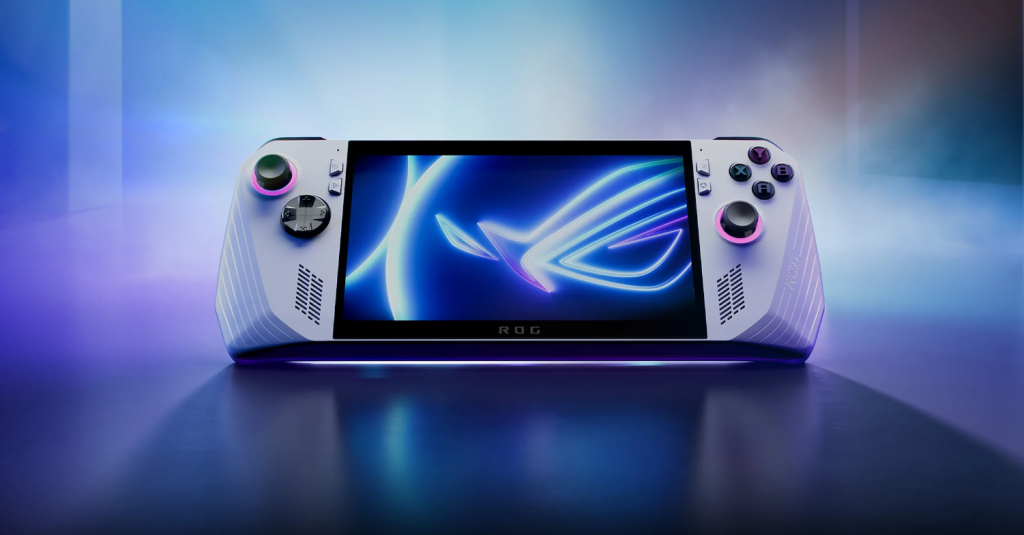
ASUS isn’t wasting any time fine-tuning the ROG Ally. The latest update, ACSE 1.4.5, unleashed on November 30th via Armoury Crate SE, packs in some serious firepower.

Asus

First up, gyroscope controls. ASUS didn’t just add them; they threw in calibration settings too. To activate this feature, head to the Game Profile in ACSE and flip the Control Mode to Auto. Just keep in mind that the gyroscope controls require MCU 316, a simultaneous drop that ensures everything runs smoothly.

No slouch in the customization department either, the update brings a new joystick “Response Curve.” It’s tied to MCU 316 as well, giving you more control over your gaming experience. Toggling CPU turbo boost in Eco Assist settings is now an option too, adding another layer of control to your device’s performance.

On the practicality front, ASUS heard you loud and clear. Now, you can customize keyboard shortcuts to open ACSE and Command Center, making your life easier. The “Feedback Hub” finds a new home in the Help Center, streamlining user support.

Beyond the gaming features, social media enthusiasts will appreciate the update’s integration, allowing for seamless sharing of captured images and videos on platforms such as Discord and TikTok. Additionally, ASUS has refined the aesthetics with multiple Real-Time Monitor layouts, including Off, Minimal, Row, and Square options catering to users’ preferences.

Just a quick rewind to November 22nd when ASUS rolled out BIOS 334. What’s the deal? Bug squashing. Specifically, it fixed an issue where ACSE’s Real-Time Monitor displayed wonky battery wattage readings.

RELATED:

(Source 1, 2)

OnePlus 12 hands-on video leaked, 5,400mAh battery, 50W wireless charging confirmed

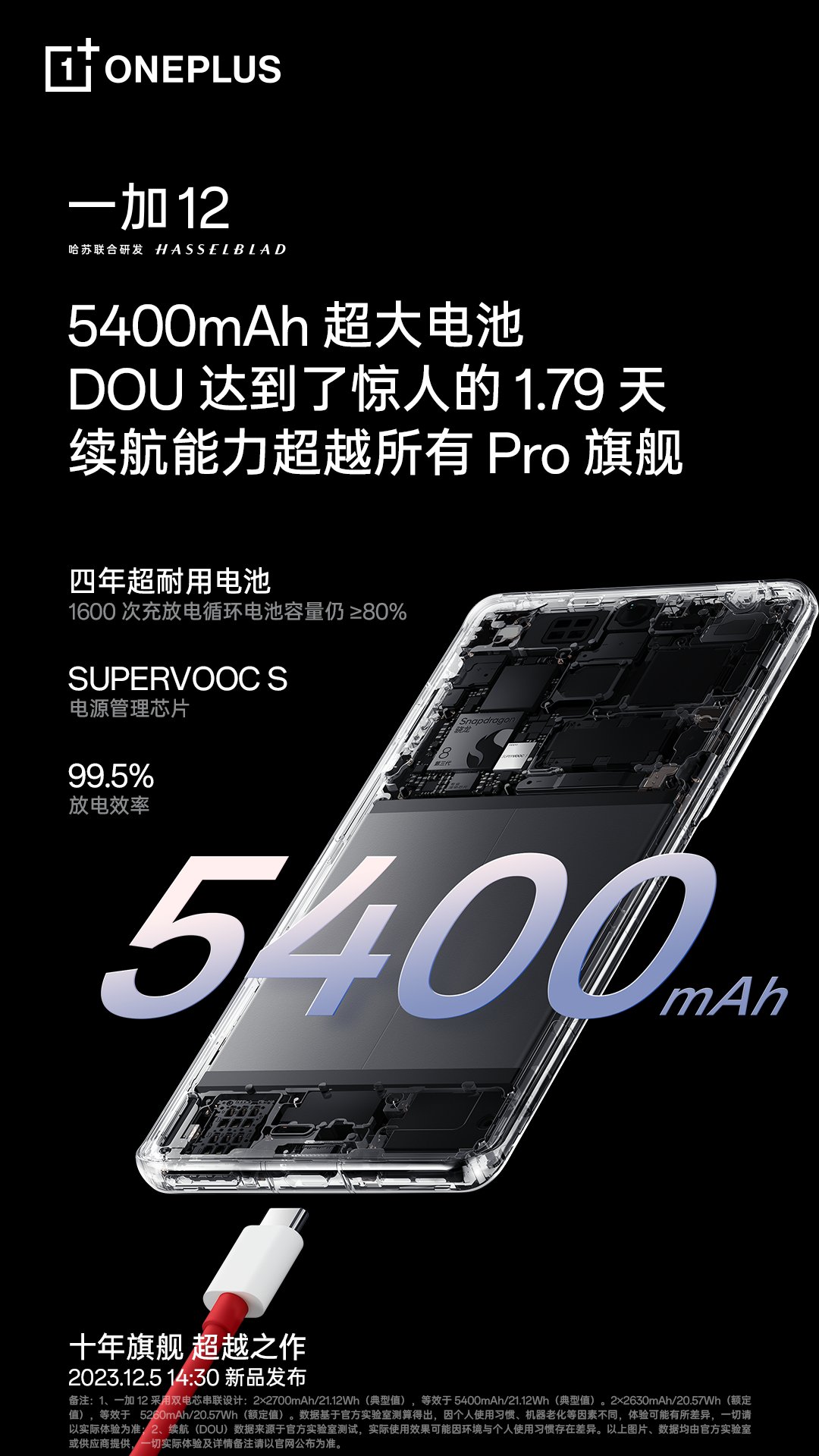
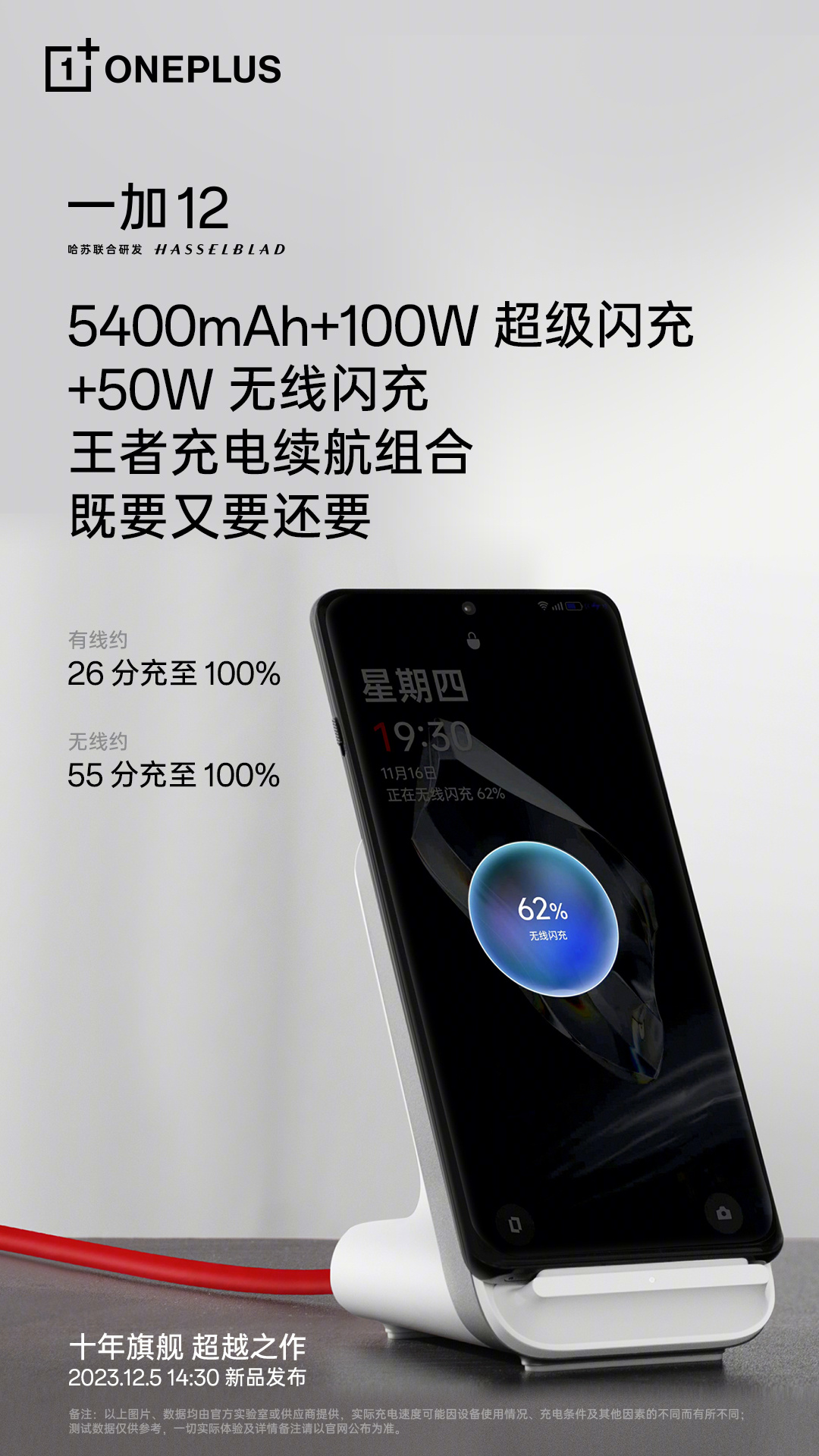
Tomorrow (Dec. 5), OnePlus will introduce the OnePlus 12 to the Chinese market. Continuing their recent trend of unveiling key details through posters, the brand has once again released promotional images today. These latest posters specifically disclose information about the device’s battery size and charging capabilities. In addition, a leaked hands-on video has emerged on Weibo that gives a glimpse of the front and rear design of the phone in real life. Here is a look at the video:

OnePlus 12 battery size, charging details

OnePlus has confirmed that the OnePlus 12 features a 5,400mAh battery designed for extended usage, lasting approximately 1.79 days. The battery is engineered to withstand up to four years of regular cycles, maintaining a capacity of at least 80 percent after 1600 charge and discharge cycles and demonstrating a discharge efficiency of 99.5%.

The OnePlus 12 supports 100W SuperVOOC wired fast charging, enabling a full charge in just 25 minutes, and introduces 50W wireless charging, completing a full charge in 55 minutes, marking a first for OnePlus phones. It also incorporates reverse wireless charging functionality. Additionally, it is equipped with the SuperVOOC S power management chip to optimize power consumption.

The OnePlus 12, which will arrive as the company’s 10th anniversary flagship phone, will be a major upgrade from last year’s OnePlus 11 in several departments. To recall, the OP11 packs a smaller 5,000mAh battery with 100W charging. It has a 6.7-inch screen, whereas the OP12 is confirmed to pack a larger 6.82-inch display that not only offers a wider aspect ratio but also boasts up to 4,500 nits of peak brightness. The third poster above confirms that the OP12 will offer IP65-rated dust and water resistance, whereas the OP11 is an IP64-certified device.

The OP12 is expected to arrive with up to 24 GB of LPDDR5x RAM and up to 1 TB of storage. In addition, it will have the same camera setup that’s available on the OnePlus Open foldable phone. It goes without saying that the OP12 will have the Snapdragon 8 Gen 3 chipset, which also fuels other flagships such as the Xiaomi 14 series, iQOO 12 series, Meizu 21, and Realme GT 5 Pro.

RELATED:

OnePlus 12 Roundup: Design, Specs, Performance & everything else known so far

OnePlus 12 to feature industry’s first 9140mm² vapor chamber cooling

OnePlus 12 Connectivity Features Officially Teased Via New Posters

6 Ideal AI Background Changer Applications for iPhone and Android

OPPO ColorOS 14 Review: Updated With Better Design And AI Power

Vivo S18e, S18, S18 Pro, TWS 3e launch date, key specifications confirmed, camera samples released

Vivo has confirmed that it will announce the Vivo S18 series of smartphones at 2 pm on Dec. 14 in China. The lineup will comprise three models: the Vivo S18e, S18, and S18 Pro. In addition, the brand will also announce the Vivo TWS 3e TWS earbuds alongside the S18 series. Here is a look at all the details of these devices that have been officially confirmed.

Vivo S18e

Vivo S18e

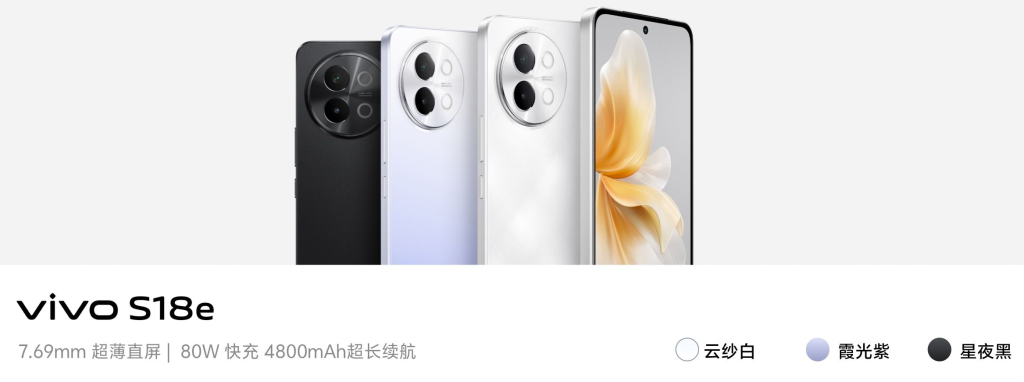
The Vivo S18e will be the starting variant in the S18 series, which will come equipped with a flat display and a round camera module featuring an OIS-enabled dual-camera setup with an Aura LED flash. The above image confirms that it will have a 4,800mAh battery and support 80W charging. It has a thickness of 7.69mm and is confirmed to come in shades such as Cloud Gauze White, Glow Purple, and Starry Night Black.

Vivo S18, S18 Pro

Vivo S18

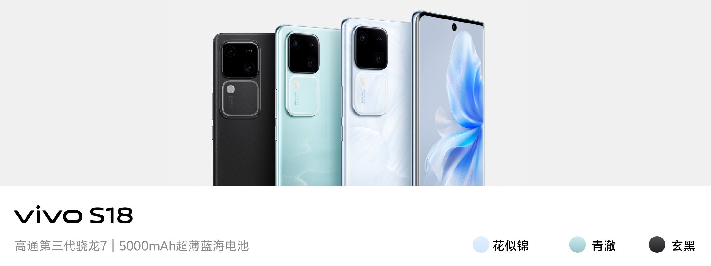
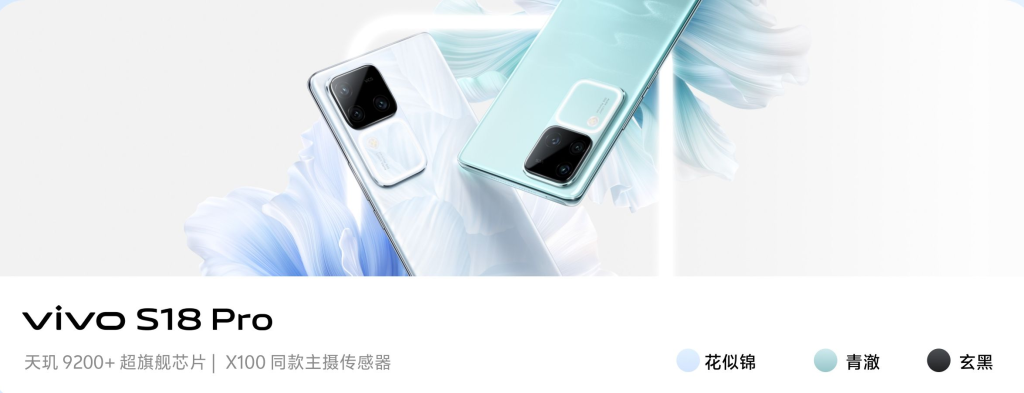
Vivo’s President and General Manager of Brand and Product Strategy, Jia Jingdong has confirmed that the Vivo S18 has the Snapdragon 7 Gen 3 chip. In contrast, the S18 Pro is equipped with the more powerful Dimensity 9200 Plus. He also revealed that both phones will come in shades, such as Huaxia Red, Black, Purple, and Sea Green.

Vivo S18 Pro

Shown below are some sample shots of the Vivo S18. While he did not mention the camera specifications of the S18, he revealed that the S18 Pro has a 50-megapixel front camera with dual soft LED flash and a 50-megapixel (Sony IMX920, main) + 50-megapixel (Samsung JN1, ultra-wide) + 12-megapixel (Sony IMX663, portrait) triple camera unit on the back. In addition, the Vivo S18 series will come equipped with the company’s Blue Heart AI model with six billion parameters that can enhance the portrait photography experience, among other features.

The Vivo S18 and S18 Pro look different when compared to the S18e. The standard and Pro variants have a curved-edge OLED display that supports a 120Hz refresh rate. Both devices are also expected to pack with 80W charging. Some reports have claimed that the Pro model may offer 100W charging.

Vivo S18e

While the company has revealed the design of the Vivo TWS 3e earbuds, it hasn’t confirmed any of its key features.

RELATED:

The India-based Orxa Mantis Electric Bike can Hit a Top Speed of 133 Kmph

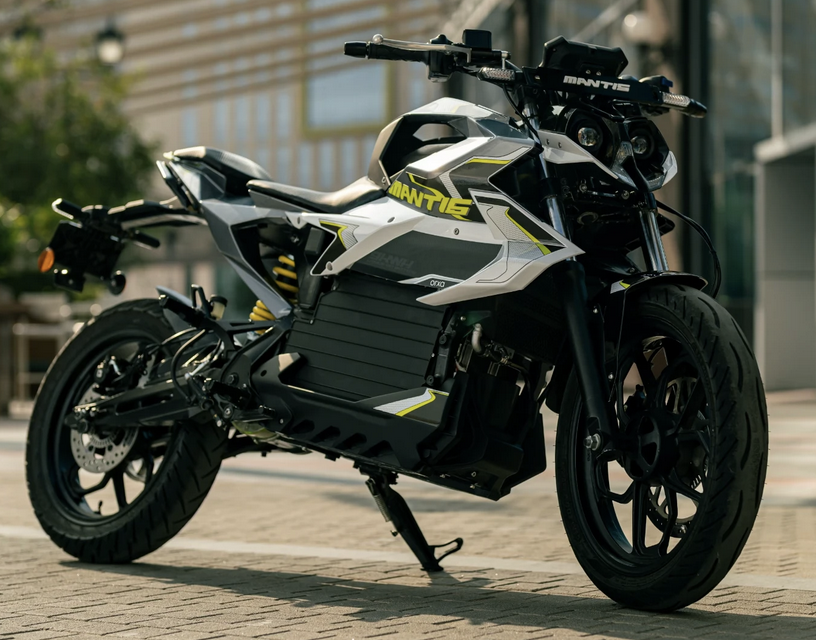
The Orxa Mantis is a freshly-introduced, innovative electric motorcycle from Indian startup Orxa Energies. It was supposed to be out earlier, but it ended up getting delayed due to global disruptions. One can even say that this bike symbolizes resilience and technological advancement.

The Orxa Mantis has a liquid-cooled electric motor

Basically a blend of power and practicality, the Mantis is powered by a liquid-cooled electric motor offering a 27 horsepower. It stands out not for record-breaking speed, but for its balance of performance and efficiency, achieving a top speed of 83 miles per hour and accelerating from zero to 60 in 8.9 seconds. This approach reflects a shift in the electric vehicle market, prioritizing usability and accessibility over extreme performance metrics.

Electric Bike

The bike’s 8.9 kilowatt-hour battery pack, promising a range of 137 miles, addresses one of the primary concerns with electric vehicles: range anxiety. It’s a commendable range for urban and semi-urban commuting. Charging options include the fast “Blitz” charger and a standard charger, catering to different user needs.

Tech-wise, the Mantis is equipped with a full-color display, smartphone pairing, navigation, and a full-LED lighting system, ensuring a blend of functionality and style. The integration of regenerative braking and ABS demonstrates a commitment to safety and sustainability.

Orxa’s choice of aerospace-grade aluminum for the frame signifies a thoughtful approach to design, focusing on weight reduction without compromising strength. The suspension system and braking mechanism further enhance the riding experience, striking a balance between comfort and control.

Priced competitively, the Mantis is more than just a vehicle; it represents a shift towards more sustainable, efficient, and accessible modes of transportation. Its warranty offering underscores a commitment to reliability and customer satisfaction.

RELATED:

(Via)

OpenAI has Applied for GPT-6 and 7 Trademarks in China

OpenAI, the renowned U.S.-based artificial intelligence company, recently made headlines by applying for trademarks for GPT-6 and GPT-7 in China. The company is trying its best to evolve its generative AI technology. Despite not offering its services in China, including Hong Kong, the company’s proactive approach in securing trademarks in the country underlines its global outlook and foresight in the fast-paced AI industry.

GPT-4 boasts over 1 trillion parameters, so GPT-6 and 7 will definitely be groundbreaking

The applications for GPT-6 and GPT-7 are still under review, depicting OpenAI‘s strong commitment to improving its large language models (LLMs). These models, including the revolutionary ChatGPT, are at the forefront of AI, capable of understanding and generating human-like language. The previous version, GPT-3.5, had already set a high bar with 175 billion parameters, while GPT-4 reportedly boasts over 1 trillion parameters, although OpenAI has not confirmed this figure.

OpenAI

The company’s chief executive, Sam Altman, mentioned ongoing work on GPT-5 and the pursuit of additional funding from Microsoft for research development. This reflects OpenAI’s relentless push for innovation in AI, despite challenges such as the temporary ousting and return of Altman as CEO. The controversy around Altman’s brief removal points to internal debates on the ethical implications and potential risks of powerful AI developments.

Altman’s reinstatement and subsequent emphasis on advancing research while investing in safety measures indicate OpenAI’s awareness of the responsibilities that come with developing cutting-edge AI technologies. The quest for artificial general intelligence (AGI) remains a significant but cautious goal for the company, balancing innovation with ethical considerations.

RELATED:

(Via)

XPeng’s Record-Breaking Month is A Sign of China’s Accelerating EV Growth

XPeng, a Chinese electric vehicle (EV) startup, has set a new sales record in November 2023, marking a significant milestone in the global EV landscape. This achievement not only highlights XPeng‘s growing prominence but also points at China‘s accelerating move towards electric mobility.

The company recently delivered over 20,000 electric vehicles in a single month

XPeng’s journey, often seen as following Tesla‘s footsteps, has taken a unique turn. The company’s commitment to innovation is evident in its latest achievement – delivering over 20,000 all-electric vehicles in a single month, a staggering 245% increase from the previous year. This success is predominantly driven by the Chinese market, reflecting the country’s rapidly growing appetite for sustainable transportation.

Xpeng

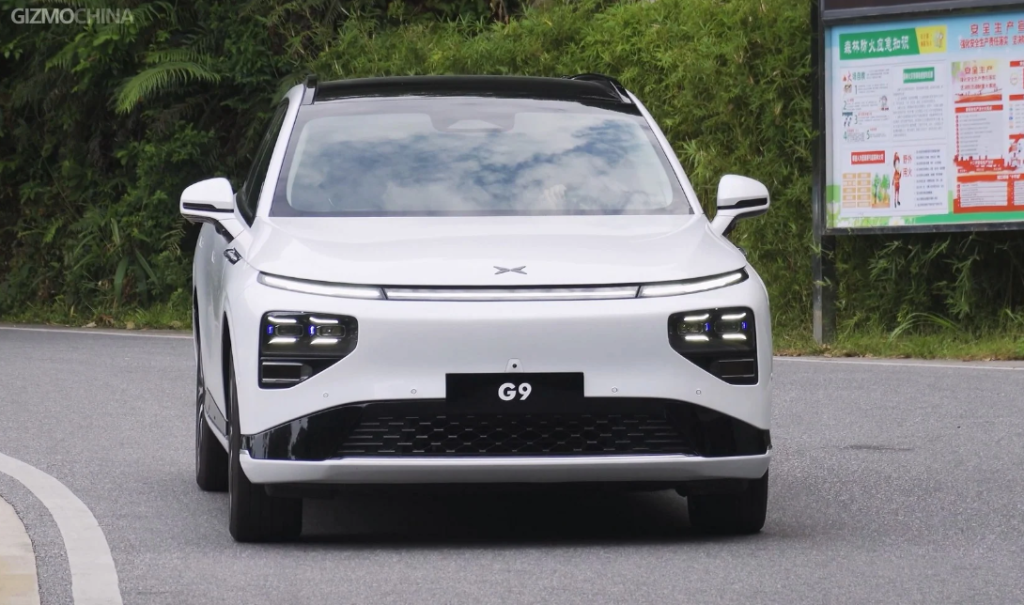
The standout in XPeng’s lineup is the G6, which competes directly with Tesla’s Model Y. With 8,750 units sold, it dominates the affordable segment of the market, a critical factor in its widespread acceptance. However, XPeng’s other models, like the G3/G3i, G9, and P7/P7i, are also gaining traction, with combined sales witnessing a 94% year-over-year increase.

This surge in sales brings XPeng closer to profitability – a crucial benchmark for any automotive company, especially in the competitive EV sector. As of now, XPeng’s year-to-date deliveries have surpassed 120,000 units, an 11% increase over the previous year, reflecting steady growth and resilience in a challenging market.

Adding to its impressive portfolio, XPeng plans to introduce the X9, a large 7-seater MPV, expanding its reach in the family vehicle segment. This move signifies XPeng’s strategy to cater to a diverse range of consumers, further solidifying its position in the EV market.

RELATED:

(Via)

Report: Samsung may launch Galaxy Book 4 series on December 15

Intel is scheduled to unveil its Meteor Lake processors on December 14th. Following closely, Samsung is reportedly planning to launch its Galaxy Book 4 series on December 15th. This reported launch, according to Korean media outlet Yonhap News, is a month earlier than its predecessor, in a bid to claim the title of “first AI laptop.”

The Meteor Lake processors boast Intel’s first integrated neural processing unit (NPU), enabling them to handle a range of AI-related tasks. Samsung is expected to utilize silicon capability to power its own AI model, Samsung Gauss, to implement on-device AI in the Galaxy Book 4 series.

As the name suggests, on-device AI refers to devices that can run artificial intelligence capabilities locally, meaning all AI processing happens on the device itself, rather than in the cloud. This eliminates the need to upload data or maintain an internet connection.

The outlet also confirms that the upcoming Galaxy Book 4 lineup will feature Intel Core Ultra processors, the new Meteor Lake CPUs that no longer carry the ‘i’ branding.

Current Galaxy Book 3 devices offer up to a Core i7 processor. With the new naming scheme, we expect Samsung to primarily utilize Core Ultra 7 chips, such as the Core Ultra 7 155H, in the Galaxy Book 4 series. However, considering the Galaxy Book 3 Ultra’s Core i9 option, Samsung may also introduce the Core Ultra 9 185H or another high-end chip in the Galaxy Book 4 lineup.

Likewise, leaked renders suggest that the Galaxy Book 4 series will retain a similar design to its predecessors, with notable internal upgrades such as an AMOLED display and Nvidia 40-series GPUs.

Yonhap News also reports that LG and HP are also working on Meteor Lake laptops, but they are “weighing the timing.” This suggests they may not be as quick to market as Samsung and may only announce or launch their own devices in 2024.

Related:

(Source)

Mysterious 9:25 Alarm Haunts iPhone for Years, Defying All Attempts to Silence

Smartphones have become an essential part of our lives. This miraculous technology plays a crucial role in many daily tasks, including waking us up in the morning. For many people, their phones are equipped with one or more alarms to ensure they wake up at the exact time needed. But what if your phone decided to wake you up on its own? This exact scenario happened to Sofia, a woman living in the United States. For five years, the ghost alarm on her iPhone has been ringing daily at 9:25 am, and she cannot turn it off. Here are the details…

iPhone’s Uncontrollable 9:25 Alarm Rings Daily, Tormenting User

Social media has been buzzing lately with posts from a woman named Sofia. This is because the Apple user is dealing with an unusual bug. According to the video she shared on TikTok, Sofia’s iPhone has been sounding a daily alarm at precisely 9:25 for the past 4-5 years. So far, everything seems normal, doesn’t it? However, the intriguing part is that there is no set alarm for 9:25 on Sofia’s phone, and there never has been.

Furthermore, this glitch has persisted with each new generation of iPhones alongside Sofia. Naturally, the initial reaction of us tech enthusiasts is to check the Calendar and Reminders. However, there’s nothing in there causing an alarm to go off every day at 9:25. Moreover, the peculiarity on the phone doesn’t end there.

As you may know, alarms are not affected by whether the phone is on silent or not. This holds true for iPhones as well. However, in Sofia’s case, when the phone is on silent, instead of sounding an alarm, it merely appears as a notification. Unfortunately, even after attempting all available methods, the young woman hasn’t found a solution other than resetting her phone. However, this problem doesn’t bother her significantly to resort to restoring it to factory settings. If you’re interested and want to follow the ongoing saga of Sofia, here’s how her adventure has unfolded thus far:

@angelegsofia

I think this may be the last day unless anyone has any wonderful ideas 😖 #help #foryou #foryoupage #apple #helpme #tech

♬ original sound – AngeleSofia

RELATED:

(via)

itel gets a new revamped logo with a modern & vibrant design

Budding smartphone brand itel has released a new logo for its brand identity. The changes to the itel brand coincide with its eighth year of operation in India and 16 years of existence. It marks a pivotal moment in its evolution as a global smartphone brand. The new itel logo embodies the brand’s commitment to innovation, accessibility, and customer-centered philosophy.

iTel

The new itel logo adopts a modern and vibrant design that aligns with smart living and youthfulness. It encapsulates the brand’s promise to “Enjoy Better Living”. It reflects itel’s dedication to innovation and its solid understanding of its customers’ evolving needs. The color choice for the logo – magenta symbolizes youthfulness and positivity and underscores itel’s commitment to remain relevant in the dynamic tech landscape.

The consistent forward slant of the new logo underpins itel’s focus on empowering communities through innovation for future development. The logo unveiling was accompanied by an enthralling sand art display by Sudarshan Patnaik, the Padma Shri Awardee.

The logo unveiling opens a new era in itel India’s operations. It signifies ongoing growth and expansion and the brand will continue to churn out affordable and innovative devices. It aims to solidify its grasp of the Indian market by empowering users to enjoy a smarter life through its lineup of tech products. These include smartphones, accessories, TVs and more.

itel

itel India says it has had a fulfilling 8 years of reshaping the Indian tech landscape. The lively pinkish-red shade and contemporary design of the logo symbolize love, passion, and energy. This embodies the essence of modern Bharat. The evolution of the itel brand identity is a daring move that itel says, reaffirms its steadfastness, innovation, and dedication with the customer being the center of its philosophy.

Related:

(source)

AOC U27N3RB professional monitor with 4K output and an affordable price tag unveiled in China

Chinese electronics manufacturer AOC has launched the U27N3RB 4K professional monitor in its home market. The U27N3RB has a 4K IPS panel and VESA DisplayHDR 400 certification aside from its competitive price. The monitor is designed to cater to the needs of professionals and content creators. The U27N3RB professional monitor has a native display refresh rate of 60Hz. The size of the new AOC professional monitor is 27 inches.

AOC U27N3RB professional monitor

Features

The AOC U27N3RB has an ultra-clear 4K resolution display, 100% sRGB, and a 1200:1 static contrast ratio. The new monitor has a 91% DCI-P3 color gamut coverage and 10-bit color depth, in addition to high dynamic resolution. The monitor can be used by video and photo editing professionals with its creator-focused display.

AOC U27N3RB professional monitor

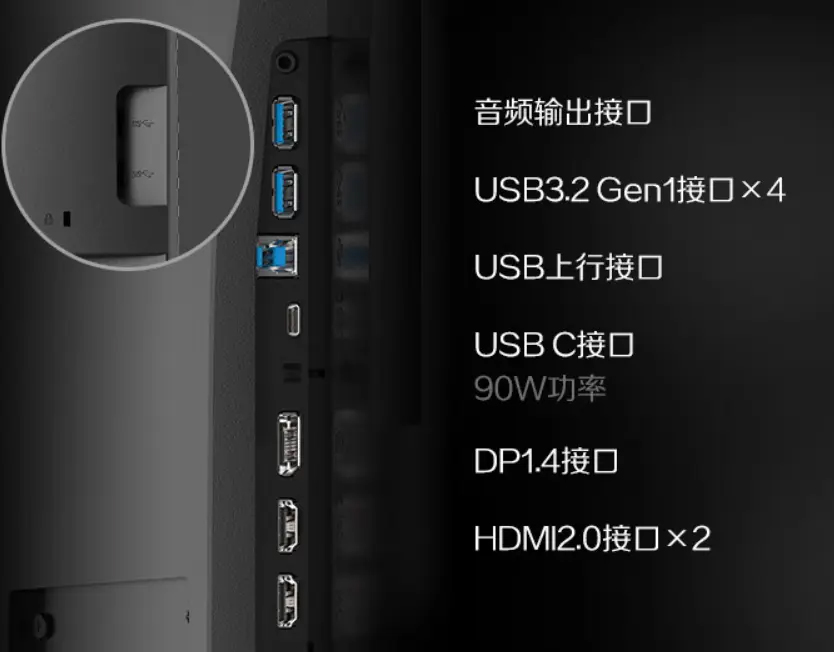
The AOC U27N3RB 4K monitor can be used as a gaming monitor. It features Adaptive-Sync technology which ensures that the display and GPU can be simultaneously refreshed. Adaptive-sync technology substantially eliminates screen stuttering or screen tearing. The monitor has a multi-functional USB architecture. This allows the gadget to be connected to multiple peripherals. The ports in the monitor include DP1.4, HDMI 2.0 (x 2), USB 3.2 Gen 1 (x 4), USB Type-A, and USB Type-C. It also supports 90W reverse charging and the design helps to keep the workspace uncluttered.

AOC U27N3RB professional monitor

Pricing & Availability

The U27N3RB supports the PIP/ PBP split-screen function for dual-screen operations. AOC is offering the U27N3RB 4K professional monitor in China for 1,999 yuan (~$282). Its native display refresh rate of 60Hz is however dwarfed by the KOORUI 27-inch QHD monitor with a 170Hz refresh rate. The price of the KOORUI monitor is about $220 which is much lower than the new monitor.

There is no global availability and pricing information yet for the AOC U27N3RB monitor. It is expected however to debut in a sprinkling of overseas markets subsequently.

RELATED:

Samsung reportedly ditching GN3 camera sensor for Galaxy S25/S25+

Samsung is gearing up for the release of the Galaxy S24 lineup. While an official launch date is yet to be announced, the smartphone has begun popping up on various certification platforms, including the FCC, hinting at imminent launch.

Samsung Galaxy S24 Series(1)
Galaxy S24 series

Despite the anticipated mid-January 2024 release of the S24 series, leaks surrounding the successor, the Galaxy S25 series, have already started appearing online.

Galaxy S25/S25+ may ditch Samsung GN3 in favor of a Sony camera sensor

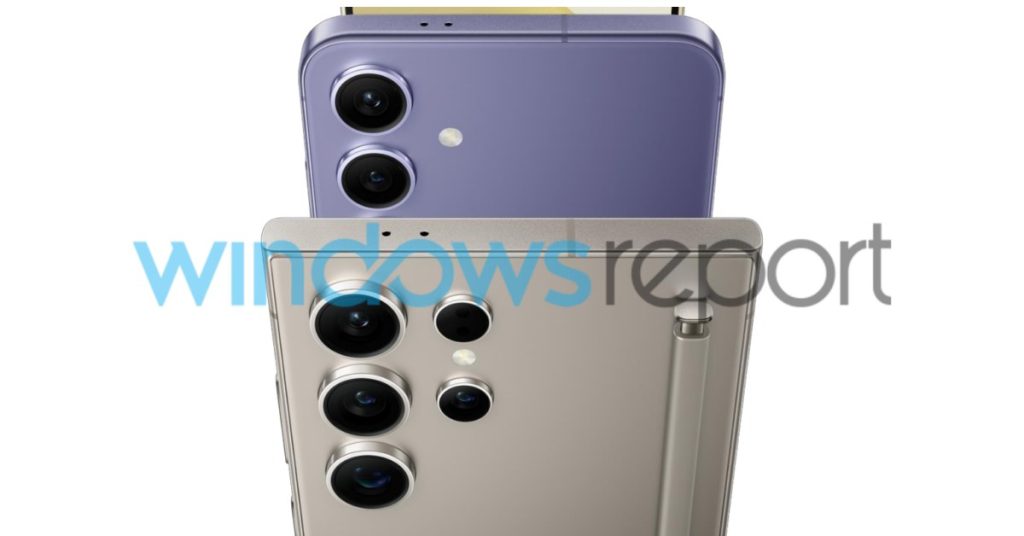
Tipster Revengus on X/Twitter has divulged new information regarding the cameras of the Galaxy S25 and S25+. As per the tipster’s claims, Samsung will abandon the Samsung GN3 sensor in favor of Sony’s image sensor for the Galaxy S25 and S25+.

The ISOCELL GN3 sensor has been used in a range of Samsung smartphones over the past three years, including the Galaxy S22, S22+, S23, S23+, Fold 4, and Fold 5. It is a 50MP sensor with an f/1.8 aperture, 1.0-micron pixels, and support for Dual Pixel PDAF and OIS. 

But things could change from the Galaxy S25 series, as hinted by the tipster. This change could be significant for Samsung, as the GN3 sensor has been a reliable workhorse for the company’s flagship devices.

Of course, this is just a rumor at this point, and there is no guarantee that Samsung will make the switch to a Sony sensor. However, it is certainly an interesting development to follow.

Meanwhile, the upcoming Galaxy S24 and S24+ are expected to retain the same 50MP Samsung GN3 sensor as their main camera. This will be complemented by a 12MP ultra-wide and a 10MP telephoto unit. For more details on the Galaxy S24 and S24+, check out the full story here.

Related:

(Via)

Baseus CM10 single-ear wireless headset with solar charging & up to 50hrs of battery life now on sale

The Baseus CM10 single-ear wireless headset has been launched in China. The new Baseus CM10 headset uses a split charging box and base design with support for solar charging. The battery of the headset can deliver up to 50 hours of playback on a typical full charge. The base design of the headset means that it can be attached to the car’s windscreen to access solar charging.

Baseus CM10

Features

The Baseus CM10 can be used to receive calls while driving and is available in white or black colorways. The headset has a semi-in-ear design and supports Bluetooth 5.3 connectivity with dual microphone noise reduction. The headset also supports vibration sensing connection and its built-in sensor can automatically connect back to the user after detecting door-opening vibration. The headset’s 50 hours of total battery life together with the charging case is decent enough. It takes just 90 minutes to fully recharge the headset, which is impressive.

Baseus CM10

The Baseus CM10 single-ear wireless headset weighs 50g and it comes with a 30mAh battery in addition to its 400mAh charging case. The wireless headset is made from ABS-PC material and it is unclear whether it can attach to either the left or right ear.

Baseus CM10

Pricing & Availability

The headset is charged via USB-C and is priced at 199 yuan (~$28) in China. It is available from leading retail platforms in China including JD.com. The Baseus CM10 offers greater clarity and width via its Bluetooth 5.3 connectivity. The support for solar charging is another highlight of the model in addition to its affordable launch price. There are no indications yet whether Baseus will ship the CM10 to overseas markets. These optics could be released subsequently by Baseus.

Related:

AMD opens its largest global design center in India

In a significant move to bolster its presence in India, AMD has inaugurated its largest global design center, the Technostar research and development campus, in Bengaluru. 

This state-of-the-art facility marks a cornerstone of AMD’s $400 million investment in India over the next five years, announced at Semicon 2023.

The Technostar campus, spanning an impressive 500,000 square feet, will house approximately 3,000 engineers dedicated to developing cutting-edge CPUs, GPUs, adaptive SoCs, and FPGAs for both personal computers and data centers. 

This aligns with India’s semiconductor program, which emphasizes fostering a supportive ecosystem for semiconductor design and talent development.

The facility boasts a modern research and development lab, a dedicated visitor demo center, and collaborative huddle spaces, fostering an environment conducive to innovation and collaboration. 

With a quarter of AMD’s global workforce already based in India, the new design center is poised to play a pivotal role in advancing semiconductor technologies.

The R&D center was inaugurated by Ashwini Vaishnaw, Union Cabinet Minister for Railways, Telecommunications, Electronics and Information Technology, Government of India. 

Many high-level officials from AMD were also present at the inauguration event, including Mark Papermaster, Chief Technology Officer (CTO), and David Wang, Senior Vice President (SVP) of Radeon Technologies Group. The site will be led by Deepak Agarwal.

Ashwini Vaishnaw, Minister for Railways, Communications & Electronics and Information Technology, Government of India, emphasized the significance of AMD’s investment in India’s semiconductor ecosystem.

Mark Papermaster, Executive Vice President and Chief Technology Officer, AMD, also expressed AMD’s commitment to India and its confidence in the country’s engineering talent.

Related:

(Source)

OnePlus 12 Connectivity Features Officially Teased Via New Posters

OnePlus 12 launch is near and is expected to bring an extensive set of features and hardware specifications. The company is teasing its prominent features daily via Weibo, and today it unwrapped some connectivity features of the device. Just a couple of days ahead of its launch on December 5 in China, most of the details about the smartphone are already out. Amid rising interest among users, some details about the Pro variant also surfaced.

Must See: OnePlus has worked with Oppo Find series’ imaging team for OnePlus 12’s camera system

OnePlus is set to offer ultra-fast connectivity with USB Type-C 3.2 Gen1, which offers transfer speeds of up to 5Gbps. Further, it will house the latest Bluetooth 5.4 that enables “connectionless, bidirectional, secure communication with thousands of very low-power end nodes in the star topology.”

For wireless payments via different gateways, the OnePlus 12 will render NFC support. There’s also an IR sensor to control non-smart devices, which lack an RF sensor too. It becomes quite useful in times when there’s no other option to control a device.

OnePlus 12 Specifications (Expected)

Recently, some new live photos of the OnePlus 12 were leaked in white and green color options, giving us a glimpse of the device’s actual look and feel. OnePlus 12 will launch with 16GB RAM with 512GB storage, 16GB RAM with 1TB storage, and 24GB RAM with 1TB storage. There will be a 6.82-inch 8T LTPO OLED display that offers a 1,440 x 3,168px resolution and a fantastic 1-120Hz refresh rate. The curved display brings an industry-leading 4,500 nits peak brightness and 2,160 Hz PWM DC dimming. The rear-triple camera has a 50MP main lens, a 48MP ultrawide lens, and a 64MP 3x telephoto lens. The OnePlus 12 has a 32MP selfie camera and a 5,400 mAh battery.

In comparison with its predecessor, i.e., the OnePlus 11, the smartphone will have a 6.8-inch display instead of a 6.7-inch, and it will be slightly broader. Further, a whole new chipset – the Snapdragon 8 Gen 3 will surely uplift the overall performance and enhance the device’s efficiency.

The global launch of the smartphone is tipped for January 23 but has not been officially confirmed yet.

Related:

(source)

Fire-Boltt launches Rise Luxe Bluetooth calling smartwatch

Following the recent release of the Fire-Boltt Lumos smartwatch, the popular Indian smartwatch brand Fire-Boltt has unveiled another new product, the Fire-Boltt Rise Luxe. Let’s delve into the details of the Fire-Boltt Rise Luxe in this article.

Fire-Boltt Rise Luxe Specifications

The smartwatch boasts a square-dial design with a stainless steel body and metallic strap. The Fire-Boltt Rise Luxe sports a large 1.85-inch HD display with a resolution of 240 x 280 pixels, ensuring crystal-clear visuals and effortless navigation. 

Furthermore, the smartwatch is equipped with an in-built microphone and speaker, enabling users to take Bluetooth calls directly from their wrist.

The Fire-Boltt Rise Luxe prioritizes health and wellness, offering a comprehensive suite of health monitoring features. Users can track their heart rate, SpO2 levels, and sleep patterns, gaining valuable insights into their overall health. Additionally, the smartwatch supports 123 sports modes, making it an ideal companion for fitness enthusiasts.

The Fire-Boltt Rise Luxe seamlessly integrates with smartphones, providing users with smart notifications for calls, messages, and other apps. Moreover, the smartwatch comes with in-built games, offering a touch of entertainment when needed.

As for the battery, the company claims a battery life of up to 7 days. Likewise, it comes with 100+ watch-face options and you can get the smartwatch in Black, Gold, Silver, and Rose Gold color options. 

Pricing and Availability

The Fire-Boltt Rise Luxe is available at an introductory price of Rs. 1,499 and can be purchased from the company’s official site and e-commerce platform, Flipkart.

Related:

New images of Huawei Enjoy 70 leak online

Real-life images and a poster hinting at the launch of the Huawei Enjoy 70 surfaced online a few days ago. The leak suggested that Huawei might unveil the Enjoy 70 on December 5th, but the company has yet to officially confirm the launch date.

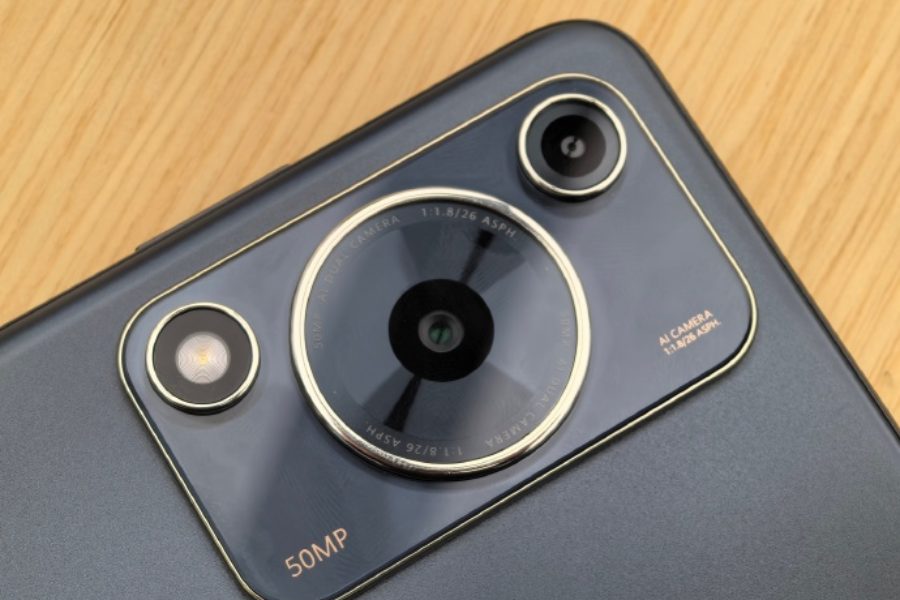
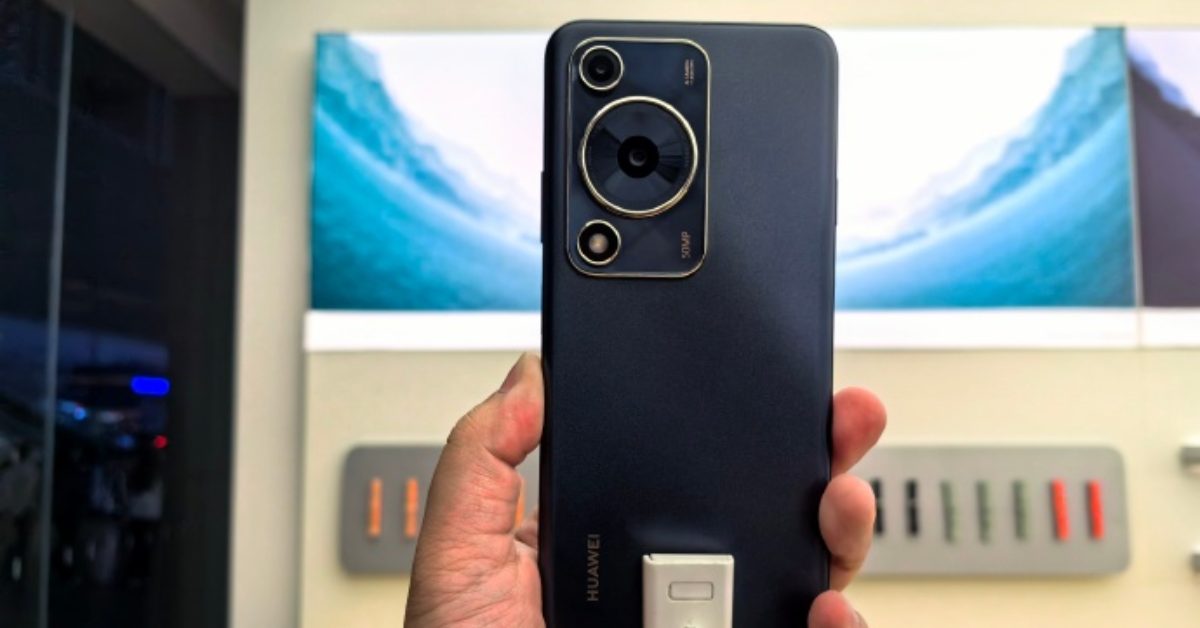
Now, a Weibo account named WhyLab has shared a set of new real-life photos of the Huawei Enjoy 70 taken at the Huawei offline stores. The photos show the phone’s Golden Black model with a rectangular camera module with camera rings accented in gold.

The phone appears to have a dual-camera setup led by a 50MP primary sensor. It will also be available in Snowy White and Emerald Green colors. It appears to have three storage configurations: 128GB, 256GB, and 512GB, all paired with 8GB of RAM.

Likewise, the Enjoy 70 will pack a 6.75-inch waterdrop display, a massive 6000mAh battery with 22.5W fast charging support, and Huawei’s HarmonyOS 4 operating system. The phone also features an Enjoy X key.

Powering the Enjoy 70 is the Kirin 710A chip, built on a 14nm process. The CPU has eight cores, with four Cortex-A73 cores running at 2.0GHz and four Cortex-A53 cores running at 1.7GHz. The GPU is a Mali G51-MP4.

There will also be another device in the lineup, the Enjoy 70 Pro. Details about the Enjoy 70 Pro are still scarce, but rumors suggest that it will have a more powerful Snapdragon 680 chipset and a 100-megapixel main camera.

As the rumored launch date approaches, more information about the Huawei Enjoy 70 and Enjoy 70 Pro are expected to come out.

Related:

(Source)
OnePlus 12R spotted on IMDA certification platform

OnePlus is gearing up for the launch of its next flagship smartphone, the OnePlus 12. However, that’s not the only device on the company’s radar. The OnePlus 12R, a more affordable variant of the OnePlus 12, is also in the works and is expected to launch in India in late January.

OnePlus 12R IMDA certification

The OnePlus 12R has been spotted on the IMDA certification platform of Singapore, revealing its model number (CPH2609) and confirming its support for 5G, WiFi, Bluetooth, and NFC connectivity. While the listing doesn’t reveal much else, it does hint at an imminent global launch.

A recent global marketing campaign has inadvertently leaked the launch date of the OnePlus 12R, suggesting a January 23rd release in India. While this date is not officially confirmed, tipster Max Jambor also indicates a launch in the latter half of January.

Details about the OnePlus 12R’s specifications are still scarce, but it’s expected to be a rebranded version of the OnePlus Ace 3. Design-wise, it should resemble the OnePlus 11R with some notable improvements.

Under the hood, the OnePlus 12R is rumored to pack a Snapdragon 8 Gen 2 processor and run Android 14-based OxygenOS 14 out of the box. It is also expected to feature a 6.7-inch AMOLED display with a 1.5K resolution and a 120Hz refresh rate.

The rear camera setup is likely to include a 50MP OIS main sensor, an 8MP ultrawide sensor, and a 32MP telephoto sensor. A 16MP front camera is also expected for selfies.

Rounding off the package is a 5400mAh battery with support for 100W wired fast charging.

Related:

(Via)