Advertisement

Tecno Spark 20 with 90Hz display, Helio G85, 50MP dual cameras launched

Tecno has unveiled the Spark 20 as the first of the Spark 20 series of smartphones. While the company is yet to confirm its price, it is now listed on Tecno’s official website, revealing its entire specifications and design. Here is a look at what to expect from the Spark 20.

Tecno Spark 20 specifications and features

Tecno Spark 20
Tecno Spark 20

The Tecno Spark 20 has a 6.56-inch LCD panel that offers an HD+ resolution of 720 x 1612 pixels and a 90Hz refresh rate. It runs on Android 13, which is overlaid with the HiOS 13 UI. The OS comes equipped with Dynamic Port features that show notifications around the display punch-hole.

The Spark 20 is powered by the MediaTek Helio G85 chipset, 8 GB of RAM, and a 5,000mAh battery. The device comes with 256 GB of built-in storage and a microSD card slot for additional storage.

The Spark 20 has a 32-megapixel front-facing selfie camera with an LED flash that offers three different light modes. On the rear, the device is outfitted with a 50-megapixel primary camera, an AI lens, and an LED flash unit.

Tecno Spark 20
Tecno Spark 20

The device comes with other features, such as dual SIM support, 4G VoLTE, Wi-Fi, Bluetooth, GPS, a USB-C port, and a side-facing fingerprint sensor. In addition, it comes with dual stereo speakers and a 3.5mm jack for audiophiles. The Spark 20 comes in four colors, such as Gravity Black, Cyber White, Neon Gold, and Magic Skin 2.0. The latter is a blue variant featuring a leather back.  

The company has yet to confirm the price and availability of the Spark 20. The Spark 20 series includes multiple models, such as the Spark 20C, Spark 20 5G, Spark 20 Pro, and Spark 20 Pro+. The 20C, featuring a 90Hz LCD display and a 50-megapixel camera, was announced earlier this week.

RELATED:

Temu Takes Bold Legal Action Against Phishing Sites to Protect Consumers

In the fast-paced world of e-commerce, Temu, a branch of Shanghai-based PDD Holdings, has recently made a strong statement against online fraud by winning preliminary injunctions from a US court against numerous phishing websites. These imposter sites, mimicking Temu, highlight a growing concern in online shopping: the threat of fraud and deception. This legal victory for Temu is not just about protecting its brand; it’s a robust effort to shield consumers from the risks of shopping online.

Temu has carved out a small yet important niche for itself in the Chinese market

Temu’s entry into the US market in September of the previous year marked the beginning of a remarkable journey. In a short span, Temu has carved out a significant niche, challenging the dominance of e-commerce stalwarts like Alibaba and Amazon. This success is partly due to its focus on offering budget-friendly options without compromising on the authenticity and safety of the shopping experience. This strategy has particularly resonated with the US audience, contributing to 60% of Temu’s sales.

Temu

The lawsuit against over 50 websites is a critical step in Temu’s broader strategy to create a safer e-commerce environment. It goes beyond the typical corporate legal battle, addressing a fundamental issue in the online shopping world: the safety and security of consumers. Temu’s legal action showcases its dedication to protecting its brand and its customers from the prevalent risks of online scams and counterfeit goods.

Temu’s growth in the global e-commerce arena has been nothing short of impressive. Its quick rise to prominence, marked by high download rates and sales figures, shows a keen understanding of what today’s consumers seek in online shopping. The company’s significant impact, especially in the US market, reflects its ability to not only meet but exceed customer expectations in terms of pricing, quality, and reliability.

RELATED:

(Via)

Judge Overturns Montana’s TikTok Ban: Upholding Free Speech Amidst Data Privacy Concerns

In quite another landmark decision, US district judge Donald Molloy halted Montana’s unique ban on TikTok, the popular short-video sharing app, citing a breach of free speech rights. This move, coming into effect on January 1, marks a significant moment in the ongoing tussle between individual freedoms and national security concerns.

TikTok has been under fire recently by the US officials

TikTok, a platform owned by China‘s ByteDance, has been under scrutiny for its alleged data privacy issues. Critics, including the Montana state legislature, argue that the app could potentially enable Chinese espionage by misusing the personal data of its American users. However, TikTok firmly denies these allegations, assuring that user data is secure and not shared with the Chinese government.

TikTok-Ban

Judge Molloy’s decision reflects a crucial aspect of American values: the protection of free speech. By blocking the ban, he underscores the importance of individual rights in the digital age. The judge’s skepticism about Montana’s lone stance in banning TikTok further points to a need for uniformity in handling tech-related security issues at a national level.

Interestingly, this isn’t TikTok’s first rodeo with legal challenges in the US. The Trump administration’s 2020 attempt to ban new downloads of the app was met with similar judicial pushbacks. These events highlight a broader debate: how can nations safeguard their security without impinging on the freedoms of digital expression?

As global digital platforms like TikTok become ingrained in daily life, balancing user rights with national security becomes more complex. Montana’s case exemplifies this struggle, bringing to the fore the challenge of navigating the thin line between ensuring privacy and upholding freedom of expression.

RELATED:

(Via)

Redmi K70 series hits record: 600K+ units sold in 5 minutes, doubles K60 series sales

Redmi recently introduced the Redmi K70 series in China, comprising three models: the Redmi K70e, K70, and K70 Pro. In its inaugural sale today, the series witnessed remarkable success, with over 600,000 units sold within an impressive five-minute timeframe.

Redmi K70 sreies first sale

During the initial sales period, the K70 series not only surpassed the noteworthy milestone of selling over 600,000 units within the first five minutes, but it also demonstrated exceptional growth by doubling the sales volume of the Redmi K60 series, which was announced in December 2022. Wang Teng, Redmi’s Marketing General Manager, expressed that this accomplishment undoubtedly establishes the strongest sales record in the history of the K series.

Redmi K70 series price

The Redmi K70e, touted as the first phone featuring the Dimensity 8300-Ultra, comes with a base price of 1,999 Yuan ($282) for the 12 GB RAM + 256 GB storage variant. Additional configurations, such as 12 GB RAM + 512 GB storage and 16 GB RAM + 1 TB storage, are available at 2,199 Yuan ($310) and 2,599 Yuan ($366), respectively.

The Redmi K70, positioned as a sub-flagship phone featuring the Snapdragon 8 Gen 2 chipset, offers multiple configurations. Prices range from 2,499 Yuan (~$352) for the 12 GB RAM + 256 GB storage variant to 3,399 Yuan (~$465) for the 16 GB RAM + 1 TB storage model.

The Redmi K70 Pro stands out as the most affordable Snapdragon 8 Gen 3 phone, starting at 3,299 Yuan (~$465) for the 12 GB RAM + 256 GB storage edition. Additional variants, including 16 GB RAM + 256 GB storage, 16 GB RAM + 512 GB storage, and 24 GB RAM + 1 TB storage, are priced at 3,599 Yuan (~$508), 3,899 Yuan (~$550), and 4,399 Yuan (~$620), respectively.

The Redmi K70e is available in Black, Glacier Silver, and Pale Green color options. Color choices for the K70 and K70 Pro encompass Black, Glacier Silver, Bamboo Moon Blue, with the K70 also available in Eggplant Light Purple.

According to reports, the upcoming Poco X6 Pro 5G will be a rebranded version of the Redmi K70e for the global market. The K70 Pro is anticipated to be rebranded as the Poco F6 Pro 5G in the global market. There are reports that claim that the Poco F6 5G could be equipped with the Dimensity 9200 Plus chipset.

RELATED:

The New Mag Bike E.T.1. is an Austrian E-Bike with an Advanced Suspension Setup

The Mag Bike ET.1. is a brand-new E-bike crafted by Austrian e-bike specialists, and one look at this bike suggests that it is a dream come true for performance enthusiasts. What sets the ET.1 apart is its unique blend of a magnesium frame and a powerful motor, marking a notable shift in e-MTB design.

The bike is about 30% lighter than its aluminum counterparts

The ET.1’s magnesium frame is a game changer. Magnesium, not as common in bike frames as other materials, offers a significant weight reduction—about 30% lighter compared to its aluminum counterparts. This reduction brings the bike’s weight to 22 kilograms (48.5 pounds). While not exactly light, this weight supports robust features such as long suspension travel and durable wheels and tires, making the ET.1 a resilient choice for adventurous trails.

e-bike

Mag Bike has not just focused on the frame; the suspension is equally impressive. With a Cane Creek Helm MKII fork and a Cane Creek Kitsuma Coil rear shock, the bike boasts 160 millimeters of suspension travel on both the front and rear. This advanced suspension setup ensures that the ET.1 can gracefully handle the rigors of off-road terrain.

For gearheads, the ET.1’s 12-speed Sram drivetrain and RockShox Reverb AXS dropper seatpost offer quick adjustments and smooth performance. Adding to this is a set of Hope Tech4 brakes and Maxxis Rekon tires, ensuring reliable stopping power and grip.

Powering the ET.1 is the compact yet potent Brose S Mag motor, delivering 90 newton-meters of torque and an assisted top speed of 25 kilometers per hour (15.5 miles per hour). The bike’s 725-watt-hour battery’s range is yet to be announced, but with the Brose Allround display, riders can easily track their battery level and other essential ride statistics.

While the pricing and availability of the Mag Bike ET.1 are still under wraps, its high-end features suggest a premium price tag. This e-MTB is not just a bike; it’s a statement in the evolving world of electric mountain biking, combining innovative materials with top-notch performance features. As the e-bike market grows, the ET.1 stands out as a remarkable example of what modern technology and design can bring to the adventurous rider.

RELATED:

(Via)

ViewSonic M10 Portable RGB Laser Projector with Harman Kardon Speakers unveiled

ViewSonic Corp. recently introduced the M10 portable RGB laser projector, aiming to bring innovation to the home entertainment landscape. The M10 stands out with its use of advanced RGB laser technology, departing from the typical single blue laser beam approach. This RGB laser tech produces red, green, and blue rays, expanding the color gamut to meet the BT.2020 standard.

ViewSonic M10 Portable RGB Laser Projector

Beyond its visual capabilities, the M10 prioritizes a user-friendly setup with instant autofocus using Time of Flight (ToF) technology and auto horizontal/vertical keystone correction. This flexibility caters to various usage scenarios, including wireless screen mirroring and direct connections to smartphones. It even supports ceiling projection without requiring a tripod.

In addition to its technical features, the M10 doubles as a Bluetooth speaker, equipped with a built-in Harman Kardon speaker. This dual functionality makes it suitable for outdoor gatherings or personal entertainment. With a throw range of 1.06m to 4.78m, a native resolution of 1080p, and a maximum brightness of 2,200 lumens, the M10 aims to deliver a versatile visual experience.

Regarding the price, ViewSonic has not disclosed this information yet, leaving potential consumers curious about the affordability of this portable projector.

In related news, ViewSonic also recently unveiled the LX700-4K projector that can be paired with an Xbox console. It has 3,500 ANSI lumens brightness, and the ability to project games at 1440p and 1080p resolutions, with 120Hz and 240Hz refresh rates respectively. Unlike the M10, the LX700-4K projector is already on sale in the market.

RELATED:

(Source, via)

Acer Predator XB283K V3 monitor with 4K resolution, 150Hz refresh rate launched in the US

Earlier this month, we saw the debut of the Acer Predator X45 curved OLED monitor with 240Hz refresh rate in China. While over in the West, the brand has launched a new flat-screen Predator XB283K V3 monitor that comes with UHD resolution and a high refresh rate.

Acer Predator XB283K V3

Acer Predator XB283K V3 monitor specs:

The Acer Predator XB283K V3 features a larger 28-inch IPS-type panel with 3840 x 2160 “4K” resolution. It boasts a 1ms G2G response time, 1000:1 contrast ratio, and 400 cd/m2 brightness. With 10-bit color depth and 90% DCI-P3 color space coverage, it delivers high-quality visuals. The monitor supports a 150Hz refresh rate and Adaptive-sync for VRR, holding certifications for both AMD FreeSync Premium and NVIDIA G-sync compatibility.

It offers full ergonomic adjustments and has connectivity options such as 1x DisplayPort 1.4 (with DSC), 2x HDMI 2.1, and a headphone jack. Integrated 2x 2W speakers contribute to the audio experience. Overall, the Acer Predator XB283K V3 combines advanced display technology with ergonomic design.

Pricing & availability

While the official price for the Predator XB283K V3 is set at US$499.99, Acer is currently providing a discounted rate of $439.99 on Amazon. This reduction appears to be a lasting adjustment rather than a temporary promotion tied to Amazon’s Holiday Deals.

In related news, the brand has also launched the Acer VG272K V3 gaming monitor with a 4K, 160Hz screen in China for 2,188 yuan (~$305). It is expected to arrive in the global market soon.

RELATED:

(Source, via)

Samsung Internet browser launched for Windows PCs

Samsung incorporates its in-house Samsung Internet browser in every Galaxy smartphone. Given the substantial volume of devices they distribute, one might assume they hold a significant share of the browser market. Contrary to expectations, a Statcounter report reveals that Samsung Internet constitutes only about 3% of the market share. To address this, the brand seems poised for a shift, introducing a PC version of the browser designed for Windows-based computers, available on the Microsoft Store.

Samsung Internet

Samsung Internet on Windows is interesting because it can make using different devices easier. You can sync your browsing data like history, bookmarks, and open tabs between your phone and PC. This helps bridge a gap that stopped many from using Samsung Internet on their phones before.

Samsung Internet

Right now, the Windows version of Samsung Internet is still new. You can sign in with your Samsung account, but syncing is a bit limited. Important things like syncing passwords are missing for now.

Samsung Internet on Windows has some features from its Android version, like an ad-blocker and anti-tracking. But if you’re used to the Android version, you might miss some features, like the translator tool for foreign languages.

The good thing is that Samsung Internet for Windows lets you add extensions from the Chrome Web Store. This means you can customize your browsing experience. Still, the Windows version is more basic compared to the Android one.

RELATED:

(Source 1, 2)

Alienware gaming laptop lineup for CES leaks: Three models heading

The upcoming CES (Consumer Electronics Show), the largest consumer tech exhibition globally, is slated to take place from January 9 to January 12. Traditionally, renowned brands unveil their latest and most innovative technologies at this event. Even though it’s still two months away, Windowsreport has shared details of what Alienware has in store for CES 2024.

Alienware m16 R2
Image via Windows Report

As per the report, Alienware will be unveiling three gaming laptops at CES 2024, namely the Alienware m16 R2, x16 R2, and m18 R2. According to leaked information, the Alienware m16 R2 is in for a significant overhaul. Boasting Intel Core Ultra H processors and Nvidia graphics, it aims to be a gaming workhorse. A notable feature highlighted in the leaks is the introduction of Stealth Mode. This function allegedly allows users to seamlessly switch between gaming and productivity, adjusting specific gaming features with a quick shortcut. Positioned for versatility, especially for students or users blending work and play, the expected release date is January 11th.

Alienware m16 R2
Image via Windows Report

Shifting focus, the Alienware x16 R2 is reported to present a high-end aesthetic featuring an all-metal chassis. It comes equipped with the latest Intel Core Ultra CPUs and dedicated graphics. No gaming laptop is truly complete without RGB, and the x16 R2 seems to boast Alien FX lighting, offering users extensive control and customization options for various light effects.

Closing the trio, the Alienware m18 R2 is reported to be a powerhouse. Fueled by 14th-gen Intel Core processors and Nvidia RTX 40 Series graphics, it aims to offer a blend of power and portability. Leaked reports suggest it caters to gamers seeking a balance between a sizable screen and mobility. While finer details are currently unavailable, we expect to learn more about these machines as we get closer to launch.

RELATED:

(Source)

Two Chinese EVs become finalists for European Car of the Year 2024

The BYD Seal and Volvo EX30 are in line to possibly win the coveted title of European car of the year 2024. The two EVs are from Chinese automakers BYD and Volvo and are listed among Europe’s leading cars for 2024. The winner of the competition will be announced at the Geneva Motor Show in February 2024. The BYD Seal and Volvo EX30 will contest for the honor with five other vehicles.

Chinese EV

The initial shortlist for Europe’s car of the year was 28 vehicles and 7 of them are Chinese cars. The five Chinese cars that did not make the final cut were the BYD Atto 3 (Yuan Plus), BYD Han, BYD Dolphin, Smart #1, and Nio ET7. The Smart #1 and Volvo EX30 models are based on the SEA architecture and are mass-produced by Geely Group, a Chinese company. The impressive performance of Chinese models in the European Car of the Year initial and final shortlist is evidence of the progress of Chinese cars in Europe. The other cars are made by Korean, German, French, and Japanese manufacturers. China and France each account for 28.5% of the final shortlist, while the trio of South Korea, Germany, and Japan each have 14.3%.

The seven cars that are finalists for the European Car of the Year 2024 are the BMW 5-Series, BYD Seal, Kia EV9, Peugeot E-3008/3008, Renault Scenic, Toyota C-HR, and Volvo EX30. All the finalists have excellent performance metrics and features. The BYD Seal is a mid-sized sedan with a 15.6-inch rotatable screen, a 10.25-inch LCD instrument cluster, and a 12-speaker Dynaudio sound system. It is available in Europe in two powertrain options with the top model having 530hp capacity. The RWD version of the Seal has a range of 570km. The Volvo EX30 SUV is based on the SEA platform and it has a portrait screen setup. The twin motor version of the Volvo EX30 has 422hp with a 69kWh battery pack delivering a range of 460km.

RELATED:

Xbox Game Pass December lineup revealed: Far Cry 6, Remnant 2 & many more!

No frills, just thrills – Xbox Game Pass is serving up a December feast of gaming goodness. Whether you’re into post-apocalyptic survival or sandbox chaos, here’s your guide to what’s hot on Game Pass this month.

Xbox Game Pass: December Extravaganza

Remnant: From the Ashes returns, setting the stage for an action-packed December on Xbox Game Pass. Survive a post-apocalyptic nightmare, either solo or with friends. But that’s just the beginning.

Remnant II

The Sequel Saga: Remnant II

Dive deeper into the abyss with Remnant II. New deadly creatures and god-like bosses await across terrifying worlds. It’s survival at its finest, and you’re at the helm.

Upcoming Adventures: Prepare for a Gaming Odyssey!

Far Cry 6
  1. Spirit of the North (December 1): Embark on a journey inspired by Icelandic landscapes. Solve puzzles guided by the Guardian of the Northern Lights and uncover the secrets of a fallen civilization.
  2. SteamWorld Build (December 1): On day one, dive into this survival challenge. Excavate spacefaring tech, ensuring the survival of your community in a dying world.
  3. Clone Drone in the Danger Zone (December 5): Slice and dice in this robot gladiator arena. Lose a limb, survive trials, and take on up to 15 players or team up for co-op.
  4. Rise of the Tomb Raider (December 5): Join Lara Croft on her first tomb raiding expedition. High-octane action awaits in beautifully hostile environments.
  5. While the Iron’s Hot (December 5): Step into the boots of a journeyman blacksmith. Forge your destiny with wits and crafting moxie on the mysterious isle of Ellian.
  6. World War Z: Aftermath (December 5): Face swarms of zombies in this co-op third-person shooter. Fast-paced gameplay and new storylines based on the Paramount Pictures film.
  7. Goat Simulator 3 (December 7): Pilgor’s back! Experience a totally realistic sandbox farmyard with a chaos-loving goat.
  8. Against the Storm (December 8): Rebuild civilization in this dark fantasy city builder, overcoming apocalyptic rains with a diverse group of creatures.
  9. Tin Hearts (December 12): Solve Lemmings-like puzzles and uncover the emotional story of genius inventor Albert Butterworth.
  10. Far Cry 6 (December 14): Dive into Yara, a tropical paradise frozen in time. Join the revolution and liberate the nation in this open-world first-person action adventure.

Game Pass Core Update (December 6):

Chivalry 2

To our Core members, rejoice! Expect updates 2-3 times a year. New additions include:

  1. Chivalry 2 (December 6): A multiplayer, first-person slasher inspired by epic medieval battles.
  2. Totally Reliable Delivery Service (December 6): Buckle up and deliver with friends in an interactive sandbox world.

DLC and Game Updates: Keeping it Fresh!

  1. Teamfight Tactics: Remix Rumble: Recruit champions from Riot Music groups and build the ultimate band with new portals and augments.
  2. Fallout 76: Atlantic City – Boardwalk Paradise (December 5): Face overgrown threats in Atlantic City with new missions, factions, and casino-themed rewards.

Xbox Game Pass Ultimate Perks: Extra Goodies!

  1. KartRider: Drift – Lucci Loot Pack: Claim 14,000 Lucci for your KartRider journey.
  2. 3 Months of Discord Nitro: Enjoy enhanced Discord perks for three months.

Farewell (December 15): Save Up to 20%!

While the following games bid farewell on December 15, players can save up to 20% to keep these titles in their library and continue the gaming journey.

  • Chained Echoes (Cloud, Console, and PC)
  • Opus Magnum (PC)
  • Potion Craft: Alchemist Simulator (Cloud, Console, and PC)
  • Rubber Bandits (Cloud, Console, and PC)

RELATED:

(Source)

OnePlus 10 Pro Starts Receiving ColorOS 14.0 Stable Version in China

After bringing the stable OxygenOS 14 update to the Global OnePlus 10 Pro, the smartphone in China also started receiving the Android 14-based ColorOS 14.0 update. The latest firmware is now rolling out to the OnePlus 10 Pro units in China. It may take some time to reach each device.

Must See: OnePlus 10 Pro and OnePlus 10T taste OxygenOS 14 Open Beta 2 Update in India

The update is currently rolling out for only beta users and may reach non-beta users soon. There are many new changes and feature enhancements that are part of ColorOS 14.0. To get the update, the OnePlus 10 Pro must be running the latest ColorOS 14 Beta update. Then, the user should head over to Device Settings > About > Check for Updates to manually check for updates.

OnePlus advised giving the smartphone a couple of days to adjust to the new update. It may heat up and consume more power for a few days. Moreover, a few apps are currently not compatible with Android 14, so you may proceed considering that in mind.

Related:

(source)

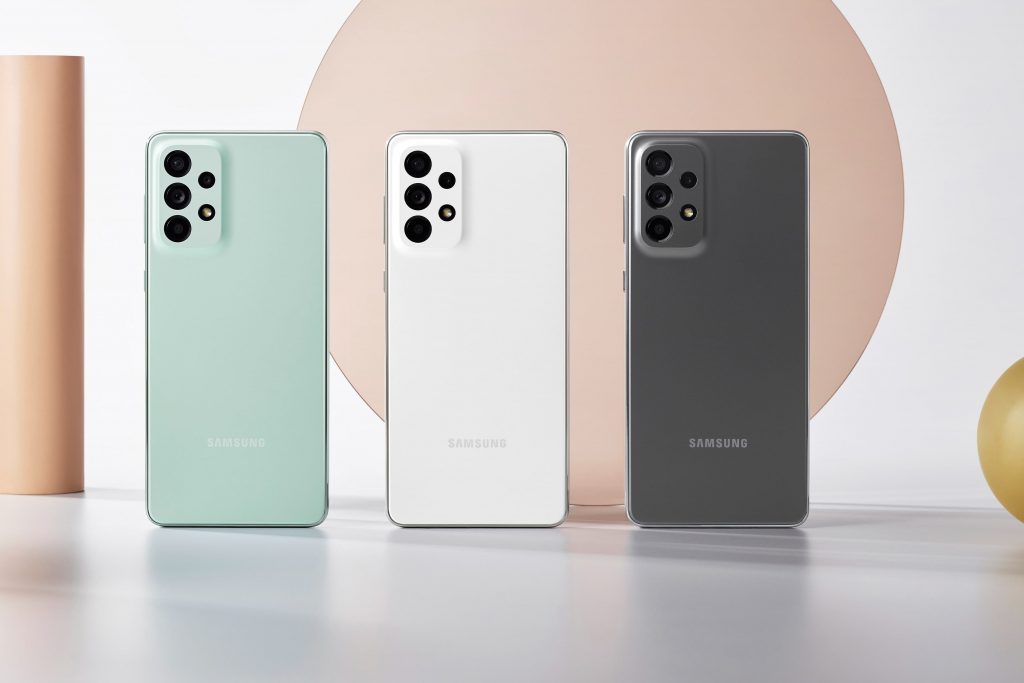
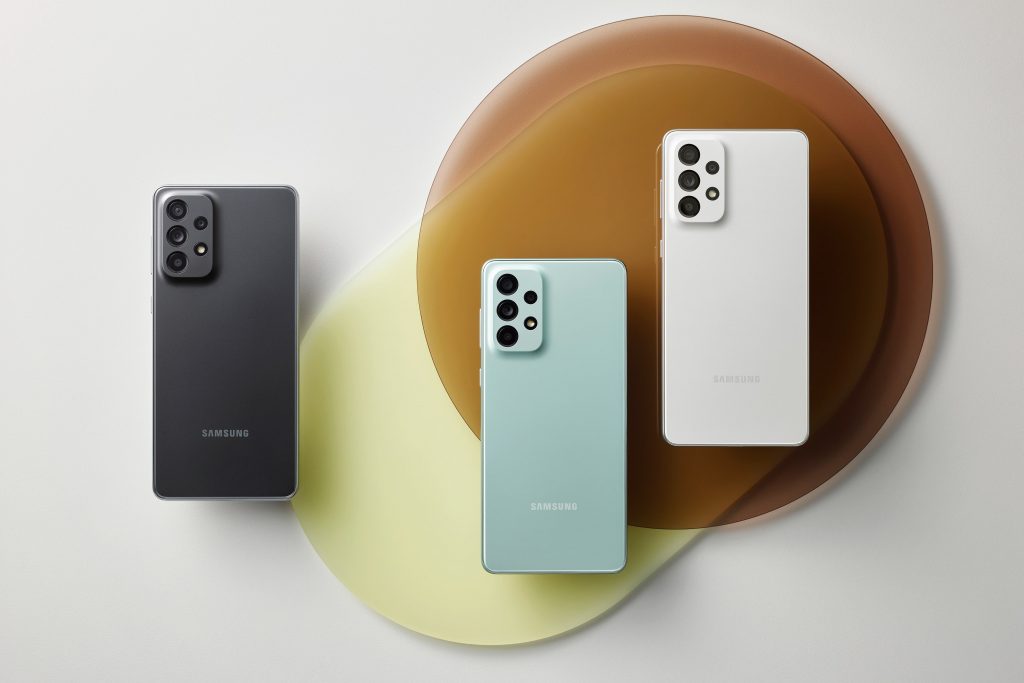
Samsung Galaxy A24 Receives Android 14-Based One UI 6 Update

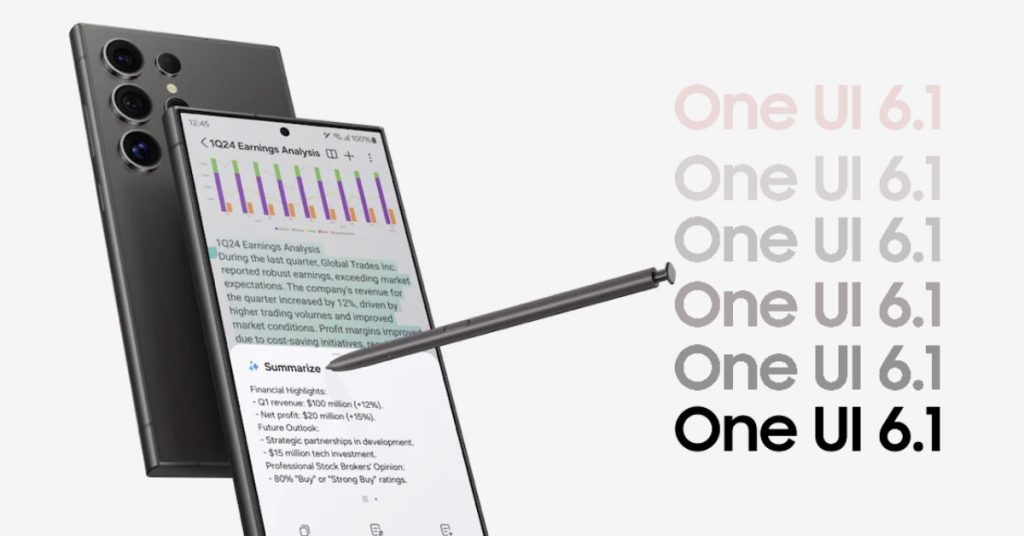
Samsung has begun rolling out the Android 14-based One UI 6.0 update for the Galaxy A24 smartphone. The update is currently available in the Middle East and North Africa regions, with a broader rollout expected in the coming weeks.

The new update is currently sedding with build version A245FXXU3BWK3. The One UI 6.0 update brings a host of new features and improvements to the Galaxy A24, including a revamped interface, enhanced privacy and security features, and improved performance.

For a more comprehensive overview of the updates and features included in One UI 6, please refer to our detailed story.

Additionally, the update includes the November 2023 Android security patch to keep your device protected from the latest threats. To download the One UI 6.0 update on your Galaxy A24, you can follow these steps:

Go to Settings > Software update.
Tap Download and install.
Wait for the update to download and install.

Another way to update the phone is to use a USB-C connector and a Windows PC to flash the Android 14 firmware.

Once the update is installed, you will be prompted to restart your device. After your device restarts, you will be running the latest version of One UI 6.0.

Samsung is progressively rolling out the One UI 6.0 stable update to a vast array of compatible smartphones, including those from the Galaxy A series. For instance, the Galaxy A73 5G and Galaxy A14 5G have also recently started receiving the One UI 6 update.

Related:

(Via)

Xiaomi 14 Ultra to pack four 50MP cameras with wider variable aperture

Xiaomi recently launched its latest flagship smartphones, the 14 and 14 Pro in China. But the company is not done yet. According to a new report, Xiaomi is preparing to launch the 14 Ultra, an even more powerful smartphone with a quad-camera system and a faster variable aperture.

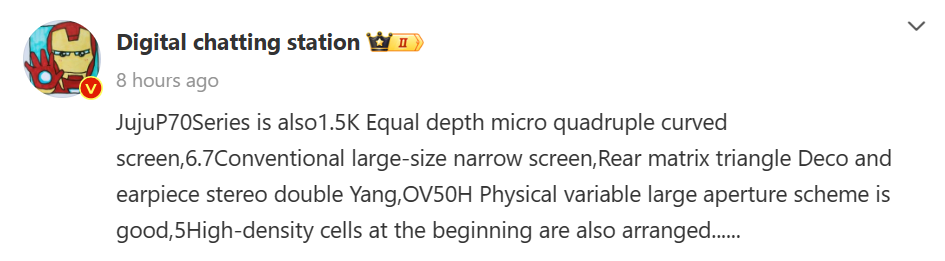
A new leak by tipster Digital Chat Station suggests that the Xiaomi 14 Ultra is expected to feature four 50 MP cameras, including a main sensor with a wider f/1.6-f/4.0 variable aperture.

Xiaomi 14 Ultra Cameras

This would be a significant upgrade over the previous model, which had a dual aperture of f/1.9 to f/4.0. A wider aperture allows more light to enter the camera sensor, which can result in better photos and videos in low-light conditions. The tipster also suggests that the Xiaomi 14 Ultra will have native focal lengths of 0.5x, 1x, 3.2x, and 5x.

Moreover, the Xiaomi 14 Ultra is expected to feature a new Sony LYT-900 sensor. This is Sony’s new Lytia-series flagship sensor which is especially said to improve the camera’s low-light performance.

Additionally, the phone is also expected to feature a new feature that allows the lens to change during the video, depending on how much light is getting onto the sensor. This should help to reduce noise and improve the overall quality of video recordings.

Xiaomi has yet to make any official announcements regarding the 14 Ultra, but rumors suggest a launch around April 2024.

Related:

(Source | Via)

Nvidia CEO comments on Semiconductor challenges: Will take US 10 to 20 years to attain semiconductor independence

Nvidia’s CEO, Jensen Huang, delivered crucial insights at The New York Times’ DealBook conference in New York, shedding light on the challenging path towards achieving semiconductor supply chain independence for the United States. According to Huang, the nation faces a formidable 10 to 20-year timeline due to the intricate nature of the task and the global interconnectivity of chip production.

Huang underscored the complexity by revealing that Nvidia’s products heavily rely on components sourced globally, dispelling the notion of exclusive dependency on Taiwan, where critical elements are manufactured. This revelation poses a potential hurdle for the Biden administration’s objective of reshoring chip-making industries to the US, despite bipartisan efforts and legislative initiatives.

Addressing concerns on national security, Huang acknowledged the US government’s export restrictions on Nvidia, emphasizing the delicate balance between business operations and security imperatives. Despite these challenges, major players in the semiconductor industry, including Taiwan Semiconductor Manufacturing Co (TSMC), Samsung Electronics, and Intel, are actively planning expansions in the US. Europe, too, is working towards bolstering local semiconductor manufacturing to reduce reliance on global supply chains.

Interestingly, despite export restrictions imposed by the US government, Huang reiterated Nvidia’s commitment to China. The company is actively developing products for the Chinese market that comply with US regulations, aiming to navigate the regulatory landscape without triggering restrictions.

However, Huang warned of unintended consequences arising from export restrictions, noting that approximately 50 Chinese companies are now developing technology to compete with Nvidia’s offerings. To address regulatory challenges, Nvidia is adapting by working on new chips that comply with the latest export restriction rules, with plans to resume business in China once regulatory compliance is achieved.

In navigating this intricate landscape, Huang emphasized the importance of striking a balance between conducting business with various entities and addressing national security concerns. 

Related:

(via)

Huawei Nova 12 Ultra spotted on 3C Certification with 100W charging support

Huawei introduced its Nova 11 series smartphones in April of this year. According to reports, Huawei is now developing the next-generation models of its Nova lineup. One of the devices in the Nova 12 series has been revealed in a 3C certification, revealing a few key details about the smartphone.

Huawei Nova 12 Ultra 3C Certification

The device from Huawei carries the model number “ADA-AL00U” has surfaced on the 3C Certification. The sources claim this device to be Huawei’s all-new Nova 12 Ultra. The listing reveals that the device will support 100W charging, just like its predecessor.

The 3C Certification also confirms that the Nova 12 Ultra will use Huawei’s 100W Super Charger, which carries the model number “HW-200500C00”. The charger supports charging in the following modes: 10W (5V/2A), 40W (10V/4A), 66W (11V/6A) and 100W (20V/5A).

No other information about the Nova 12 Ultra is available from the 3C Certification listing. However, previous leaks have suggested that the phone will have a similar camera module design to the Nova 11 Ultra, but with a different arrangement of lenses. 

Moreover, tipster Digital Chat Station suggests that the Nova 12 Ultra will be powered by the Kirin 9000S chipset, making it a 5G handset. The chipset is also present on the newly launched Huawei MatePad Pro 11 (2024). 

With one of the Nova 12 Ultra devices having passed through the certification process, we can anticipate more information about the Nova 12 series soon.

Related:

(Via)

Xiaomi CEO Lei Jun makes historic 1.3 Billion Yuan donation to Wuhan University

In a groundbreaking philanthropic move, Lei Jun, co-founder, and CEO of Xiaomi has bestowed a record-breaking donation of 1.3 billion yuan (US$183 million) upon his alma mater, Wuhan University. This marks the single largest individual contribution ever made to a Chinese university, a testament to Lei Jun’s commitment to fostering education and innovation.

The generous donation, announced on Wuhan University’s 130th anniversary, is designed to propel advancements in key academic disciplines. The funds will be strategically allocated to support basic research in six major fields: mathematics, physics, chemistry, literature, history, and philosophy. Additionally, a substantial portion will be directed towards scientific and technological innovation in the realm of computer science, reflecting Lei Jun’s roots as a 1991 graduate with a bachelor’s degree in computer science.

Source: Wuhan University

Lei Jun’s motivation for this monumental gift is deeply personal. He described the donation as a “birthday gift” to his alma mater, emphasizing his desire to contribute to the cultivation of exceptional engineers, scientists, and technology entrepreneurs in China. This sentiment harkens back to Lei Jun’s own student days when he received a scholarship, instilling in him a commitment to give back in the future.

The utilization of funds extends beyond academic disciplines, encompassing a crucial focus on student development. The donation will play a pivotal role in nurturing the next generation of talent, aligning with Lei Jun’s vision for the emergence of outstanding individuals in the tech industry.

Lei Jun’s historical connection to Wuhan University is significant. The spark of his entrepreneurial passion was ignited within the university’s library in 1987 when he stumbled upon the book “Fire in the Valley,” which chronicled the origins of personal computing, with a focus on Apple and Microsoft. This history shapes Lei Jun’s commitment to supporting Wuhan University as a cornerstone in his journey.

Amidst a challenging period for the tech industry in China, marked by government crackdowns since 2020, Lei Jun’s donation stands out. Notably, he joins a cadre of tech entrepreneurs, including Jack Ma, Pony Ma Huateng, Richard Liu, and Zhang Yiming, who have made substantial contributions, aligning with President Xi Jinping’s ‘common prosperity’ drive.

Xiaomi, under Lei Jun’s leadership, has weathered challenges in the smartphone market, posting its first year-on-year revenue growth in six quarters. The donation reflects not only a commitment to education but also a broader perspective on the role of technology in shaping the future.

Related:

(via)

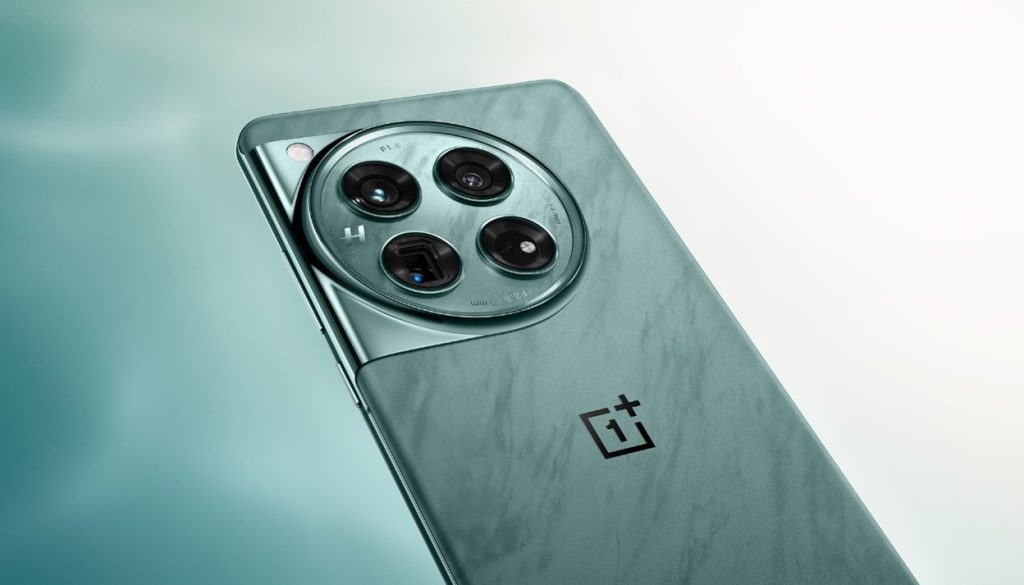
OnePlus Buds 3 launch seems near, certified in Canada

OnePlus is believed to be working on its next generation of premium truly wireless earbuds. The hearables in question are the OnePlus Buds 3 and these could be launching soon as it was just spotted in another certification platform.

OnePlus Buds 3 visits Canadian certification

The upcoming OnePlus Buds 3 was recently seen getting certified on Canada’s REL authority. The earbuds were listed carrying the E509A model number. While the database mentions “wireless earbuds”, no other finer details were shared regarding the gadget. Similarly, the device was recently spotted on BIS, confirming the Indian availability. On the other hand, the FCC certification revealed its design schematics and battery capacity.

OnePlus Buds 3

Back in September 2023, we had even covered a leak which shed light on some of the key specifications as well as design renders of the OnePlus Buds 3. Based on what we know so far, the premium TWS earbuds will feature a 520mAh battery pack, with each earbud housing a 58mAh cell. It also features IP55 water and dust resistance, Google Fast Pair, dual connection, and Bluetooth 5.3 support.

Similar to its predecessor (OnePlus Buds 2), the earbuds will reportedly feature a dual driver setup. This may consist of a 10.4mm woofer and a 6mm tweeter. These could offer up to 48 decibels of ANC (Active Noise Cancellation) as well. We can expects its batter life to be around 6 to 9 hours if ANC is enabled or disabled, and a total battery life upwards of 33 hours.

RELATED:

(Via)

Amazon unveils Amazon Q: A Game-Changing Generative AI-powered Workplace Assistant

Amazon Web Services (AWS) has launched Amazon Q, a cutting-edge generative artificial intelligence (AI) assistant designed to revolutionize the corporate landscape. This move signals Amazon’s strategic foray into the competitive AI chatbot space, challenging established players like Microsoft and Google.

Purpose and Innovation:

Amazon Q is a sophisticated assistant meticulously crafted to cater to the unique needs of corporate customers. Boasting capabilities such as conversational Q&A, error troubleshooting, and network issue resolution, Amazon Q sets itself apart by seamlessly integrating into the AWS console. The purpose is to infuse generative AI into various products, enhancing workplace efficiency,  and addressing specific business requirements.

AWS Response to Competition:

Facing stiff competition from Microsoft and Google, AWS is leaving no stone unturned in its efforts to dominate the generative AI space. While previous initiatives, such as Bedrock, received mixed reviews, AWS has responded robustly by releasing new products and strengthening partnerships. The collaboration with Nvidia, a leader in AI chips, and the backing of AI startup Anthropic with a substantial investment showcase Amazon’s determination to stay ahead in the rapidly evolving AI landscape.

Amazon Q Features:

Amazon Q comes loaded with a plethora of features aimed at simplifying tasks for developers and business users alike. From personalized recommendations for Amazon EC2 instance selection to troubleshooting errors and network connectivity issues, Amazon Q seamlessly integrates into the workflow. The assistant’s integration with supported Integrated Development Environments (IDEs) allows developers to seek help and invoke actions effortlessly, fostering a dynamic and interactive development environment.

Market Position and Criticisms:

Despite AWS’s massive corporate client base, some industry observers have expressed skepticism. Critics argue that Amazon lacks the name recognition of competitors like Microsoft and Google, emphasizing the need for a clearer generative AI strategy. Customer feedback suggests a desire for more transparency and a refined approach to competing in this rapidly evolving space.

AWS Executive Insights:

In response to competitors, AWS executives have criticized Microsoft’s reliance on OpenAI, underscoring the importance of providing users with a choice of models and providers. Describing the current state of the generative AI field as “early days,” AWS executives acknowledge the rapid pace of experimentation and learning within the industry.

Getting Started with Amazon Q:

Users eager to harness the power of Amazon Q can seamlessly engage with the assistant for myriad tasks, including answering questions, writing code, troubleshooting, workload optimization, and feature development. The integration with AWS Support ensures a comprehensive customer support experience, aligning with the entitlements of the AWS Support plan.

Amazon Q represents a significant leap forward in generative AI, with its tailored features catering to the diverse needs of corporate users. As AWS intensifies its efforts to compete in the AI chatbot space, Amazon Q emerges as a powerful tool poised to reshape how businesses operate. The integration of generative AI into everyday workflows is set to redefine workplace efficiency, solidifying Amazon’s position as a formidable player in the AI landscape.

Related:

(via)

The Long Road to US Chip Independence: An Overview

In a world increasingly reliant on technology, the production and control of semiconductor chips have become vital. Jensen Huang, CEO of Nvidia, a leading player in the semiconductor industry, recently highlighted the considerable time the United States may need to achieve independence in chip manufacturing. According to Huang, the US could be a decade or two away from self-reliance in this crucial sector.

Semiconductors are a globally valued product right now, and it shows

The semiconductor industry is a complex and globally interconnected web, with significant components originating from various parts of the world, notably Taiwan. The current geopolitical climate, marked by tensions in US-China relations, has intensified the focus on semiconductor production. The US government’s efforts to bolster domestic manufacturing capabilities, as evidenced by President Biden’s visit to a new Taiwanese chip-making plant in Arizona, reflect a growing desire to mitigate reliance on foreign production.

Chip

However, this shift towards domestic production is not just a U.S. trend. Europe, too, is striving to localize semiconductor manufacturing. This global movement signifies a departure from decades of globalization that distributed production across the world, creating vulnerability through concentrated production hubs in places like Taiwan and South Korea.

The semiconductor industry’s strategic importance goes beyond economic factors; it’s also a matter of national security. This is evident in the US government’s recent export restrictions on high-end artificial intelligence processors to China, impacting companies like Nvidia. These restrictions are part of broader efforts to safeguard national security and maintain technological competitiveness.

Huang’s comments also reflect the delicate balance companies like Nvidia must maintain. While adhering to US regulations, they also need to sustain their market presence in China, the world’s largest chip market. Adapting to regulatory changes and developing new, compliant products is crucial for these companies to continue their global operations.

RELATED:

(Via)