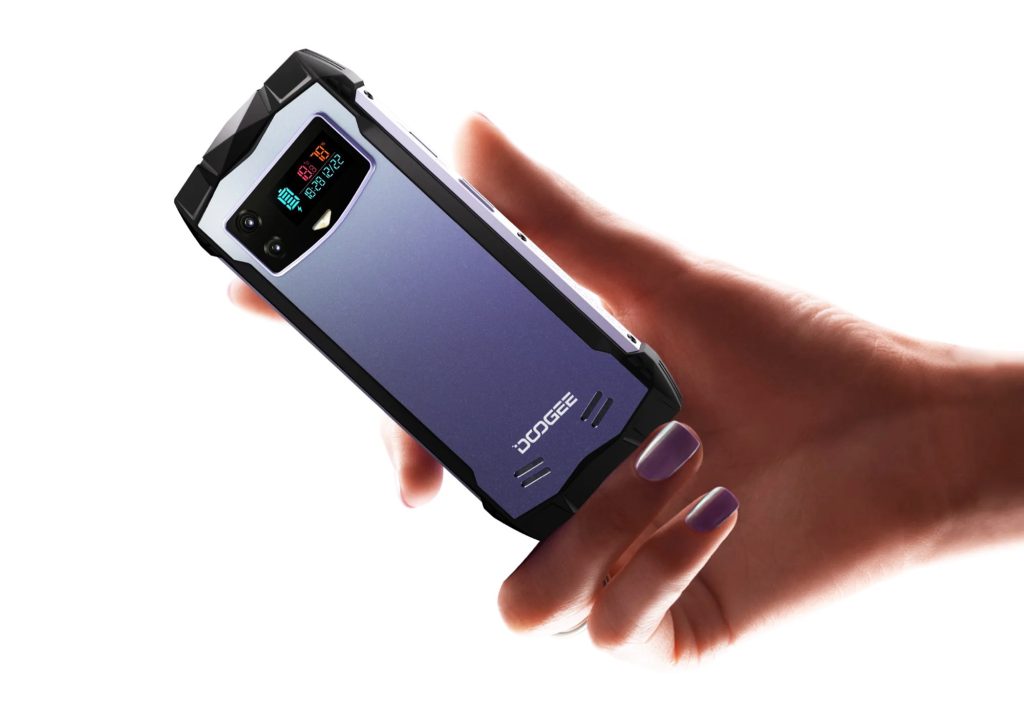
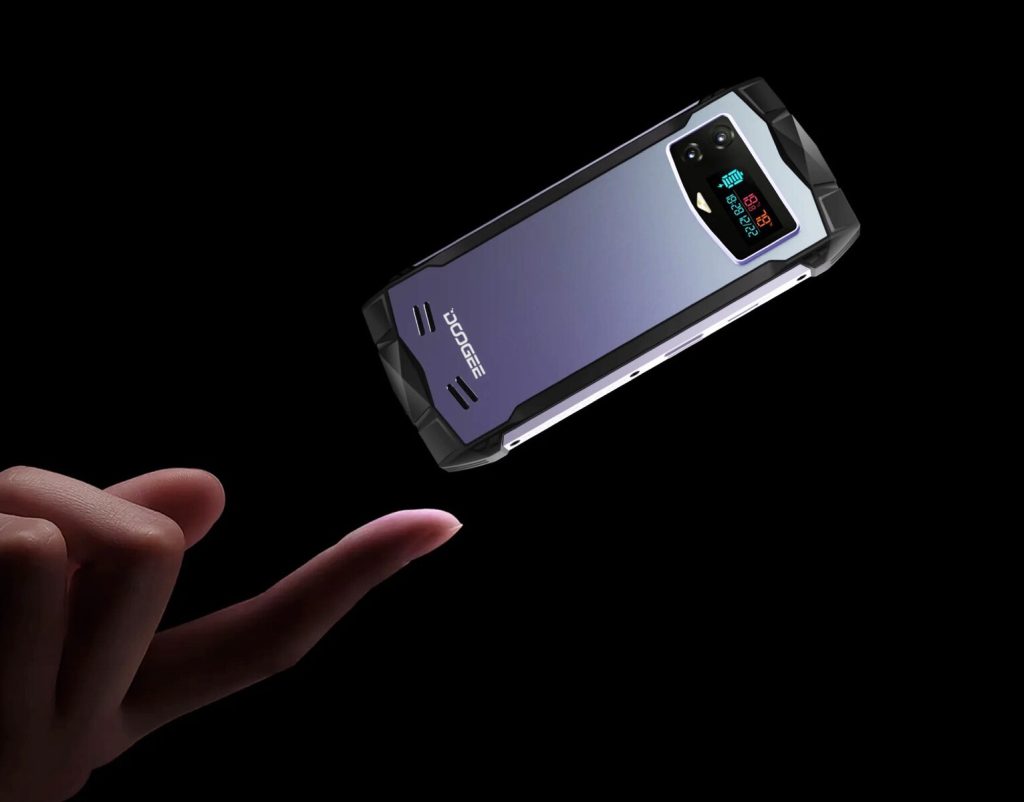
The smartphone industry has for a long time evolved from compact smartphones to models with large form factors with size and performance playing a major role in the current trend. Notwithstanding, there are still folks out there who still desire compact smartphones. Chinese phone maker Doogee has unveiled a compact smartphone to cater to this category of users. The model is dubbed Doogee Smini. This smartphone breaks free from the crowd with its small form factor, rugged durability, and charming retro-inspired twist.
Display and Features
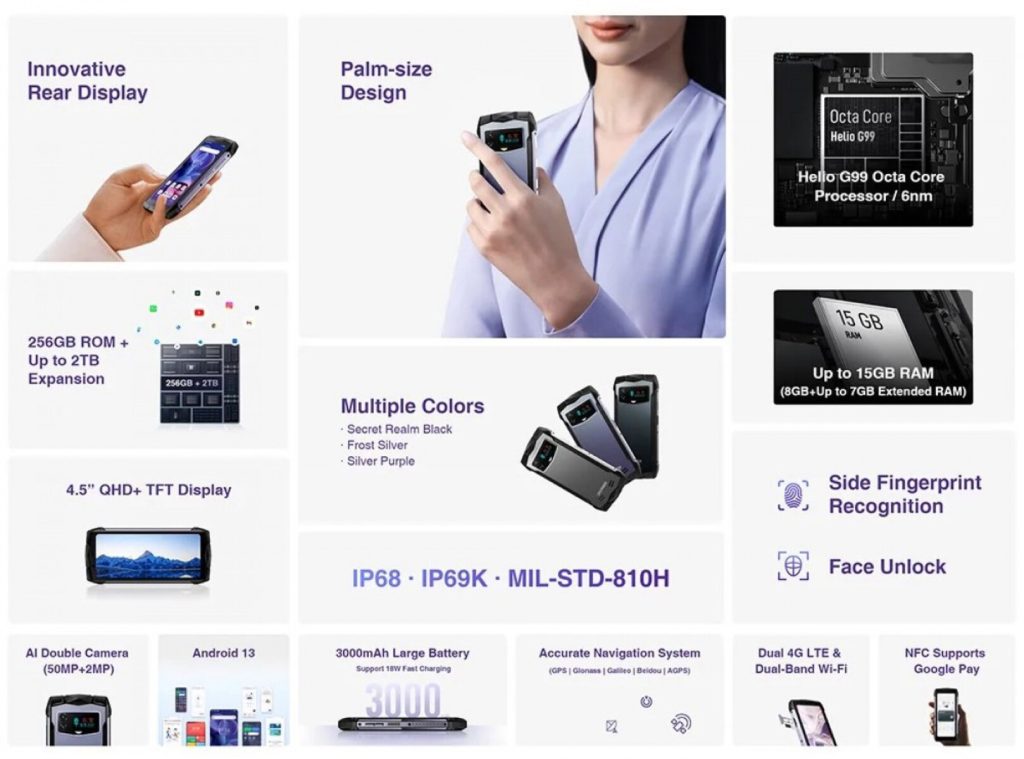
The Doogee Smini features a 4.5-inch IPS panel with a resolution of 1,170 x 480 pixels and a pixel density of 281 PPI. The phone has a dimension of 133 x 60 x 13.5 millimeters and weighs just 155 grams. It’s noticeably smaller and narrower than the Apple iPhone 13 Mini, making it a true pocket-friendly companion.
What sets the Doogee Smini apart is its rugged build. It boasts an IP68 and IP69K certification, which means it’s not just dust and water-resistant, but it can also withstand harsh drops and challenging conditions.
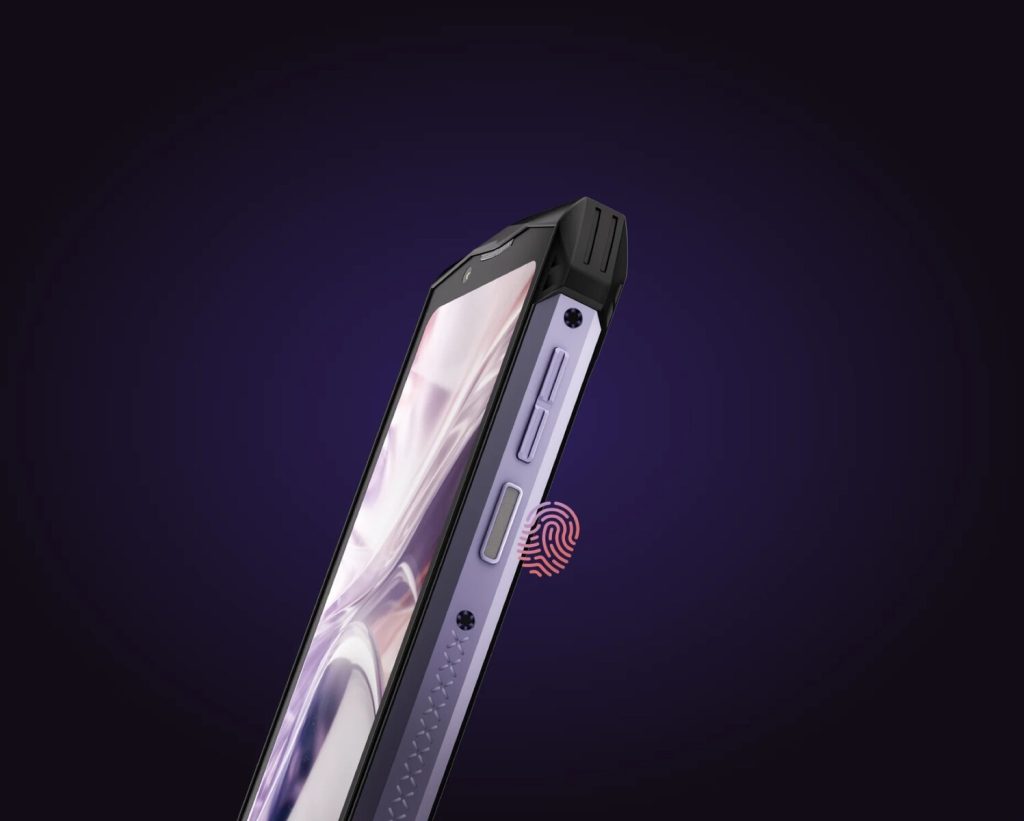
For photography, the front-facing 8-megapixel camera is equipped with 3D facial recognition for secure unlocking, adding a layer of convenience to its retro charm. Additionally, a fingerprint sensor is conveniently located on the right side for alternative biometric security.
On the back, the Doogee Smini packs a 50 MP main camera, teaming up with a 2 MP sensor, and a small secondary display. The retro-inspired segment display shows essential information like the time, battery level, temperature, and humidity, all at a glance.
Under the hood, the Doogee Smini packs a MediaTek Helio G99 processor. The process is paired with 8 GB of RAM and 256 GB of internal storage. The storage is expandable via a microSD memory card, ensuring you have room for all your files, photos, and memories.
In terms of power, the Smini packs a 3,000 mAh battery which should offer a reliable battery life for its compact size. It can be charged via a USB-C port at up to 18 watts. The phone also features an NFC chip for seamless contactless payments. It also retains the 3.5 mm headphone jack, allowing you to enjoy your music or make calls with your favorite wired headphones.
For interface, the Doogee Smini runs on Android 13 offering a modern and user-friendly experience.
Price and Availability
The Doogee Smini is now available on AliExpress in various currencies. However, potential buyers should take into account additional costs, such as shipping fees, import taxes, and other possible fees depending on their location.
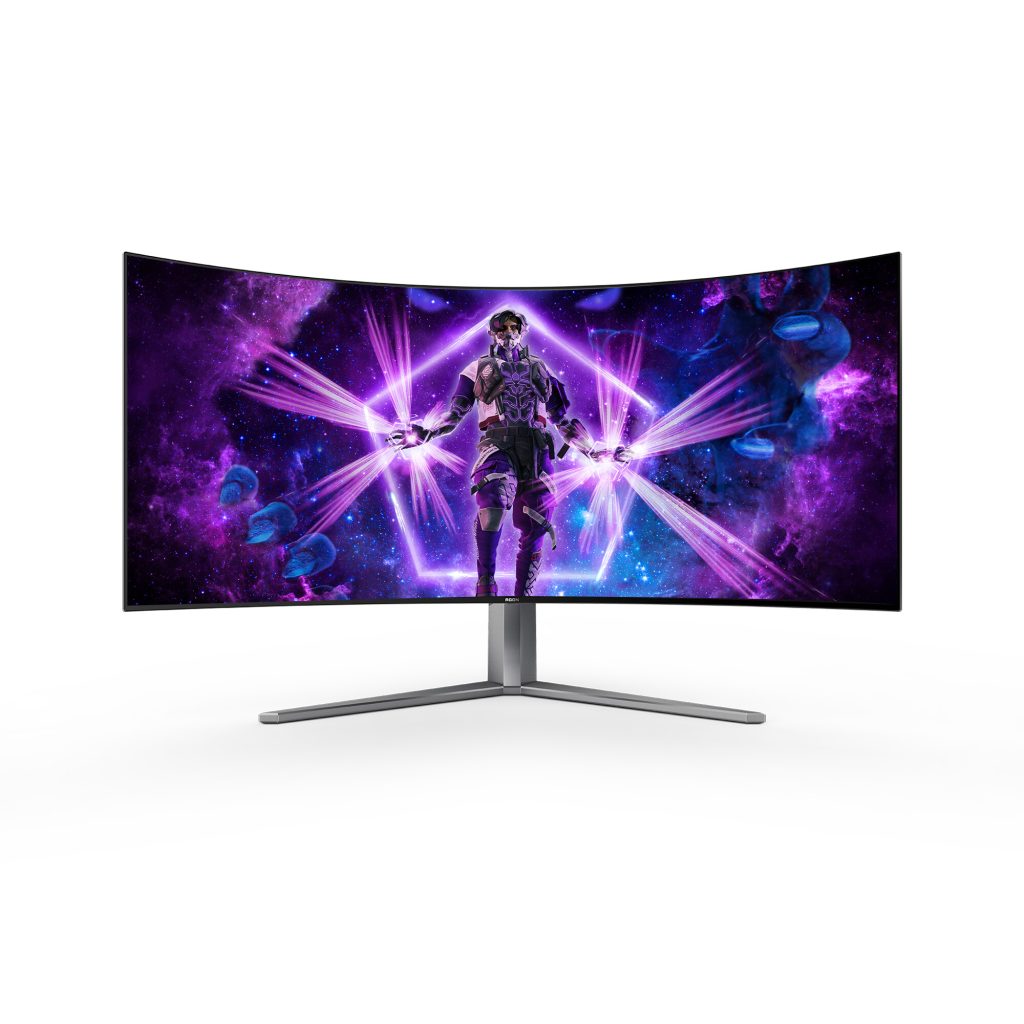
AOC has introduced the AG456UCZD gaming monitor, a display that aims to meet the demands of competitive gamers looking for a high refresh rate curved gaming monitor.
AOC AG456UCZD monitor specs
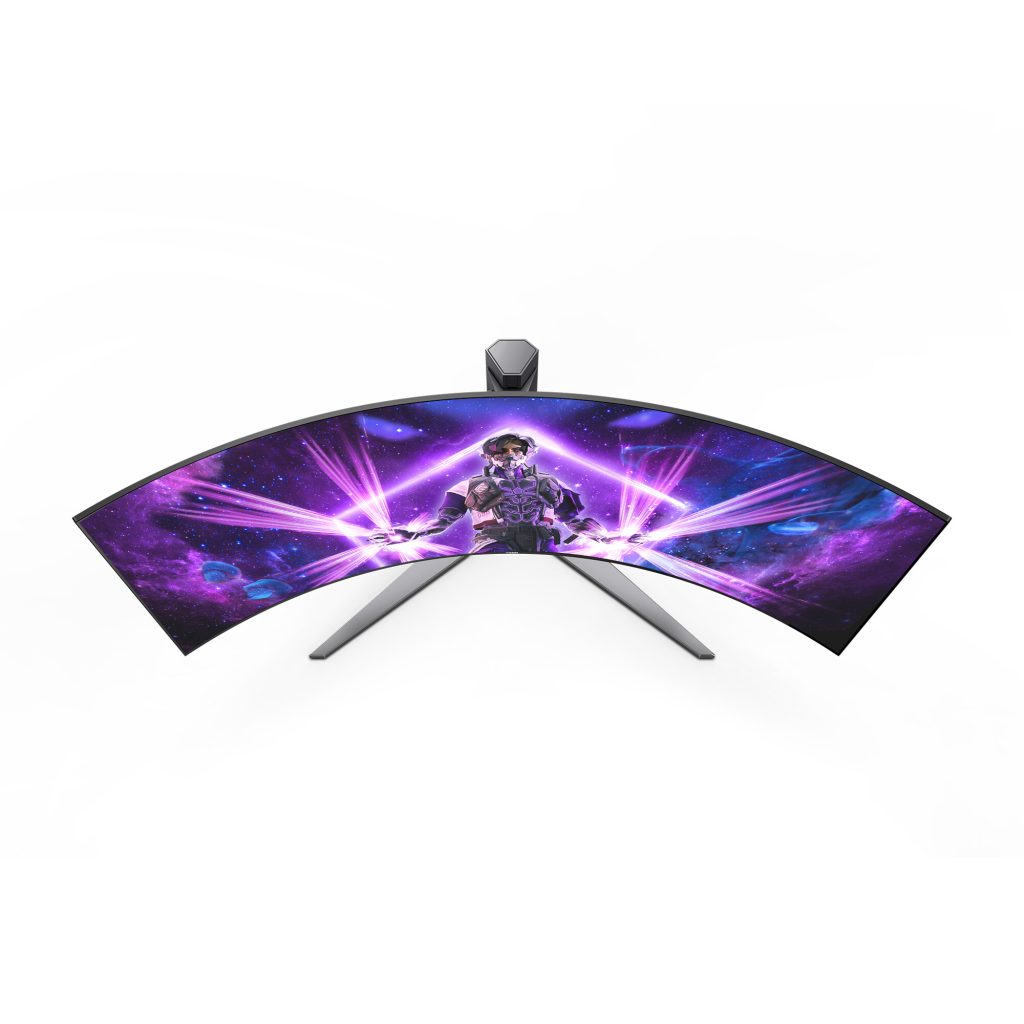
The AG456UCZD boasts a 45″ OLED panel with UWQHD resolution (3440x1440p), a rapid 240 Hz refresh rate, and an extreme 800 R curvature. It offers a 0.03ms response time, 10-bit color depth, and strong color accuracy. The monitor’s 1,500,000:1 contrast ratio adds depth and richness to the visual experience.
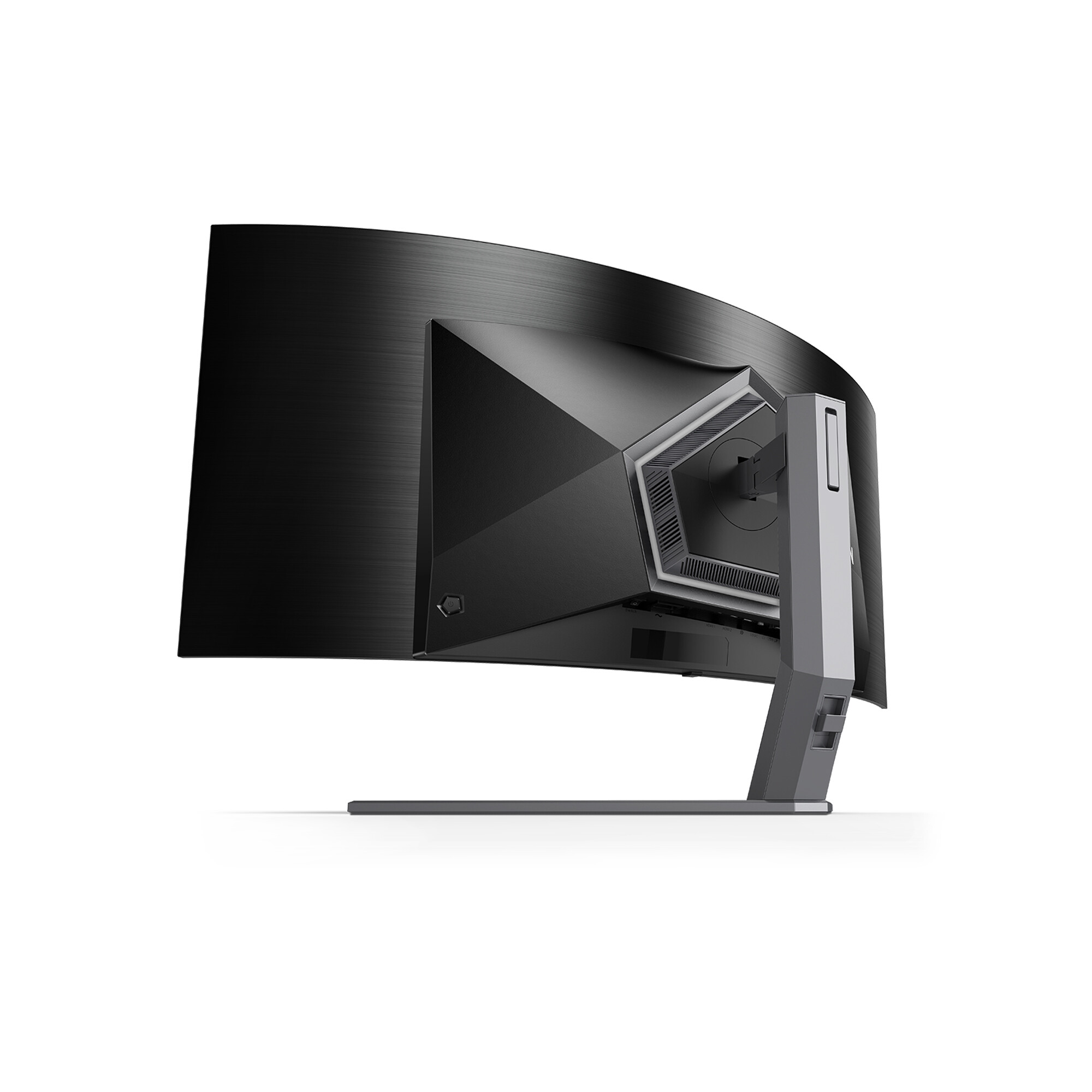
The AG456UCZD includes Light FX lighting and a headphone hook for convenience. The monitor also offers a range of gaming features, such as a black stabilizer, FPS display, and crosshair overlays to enhance the gaming experience.
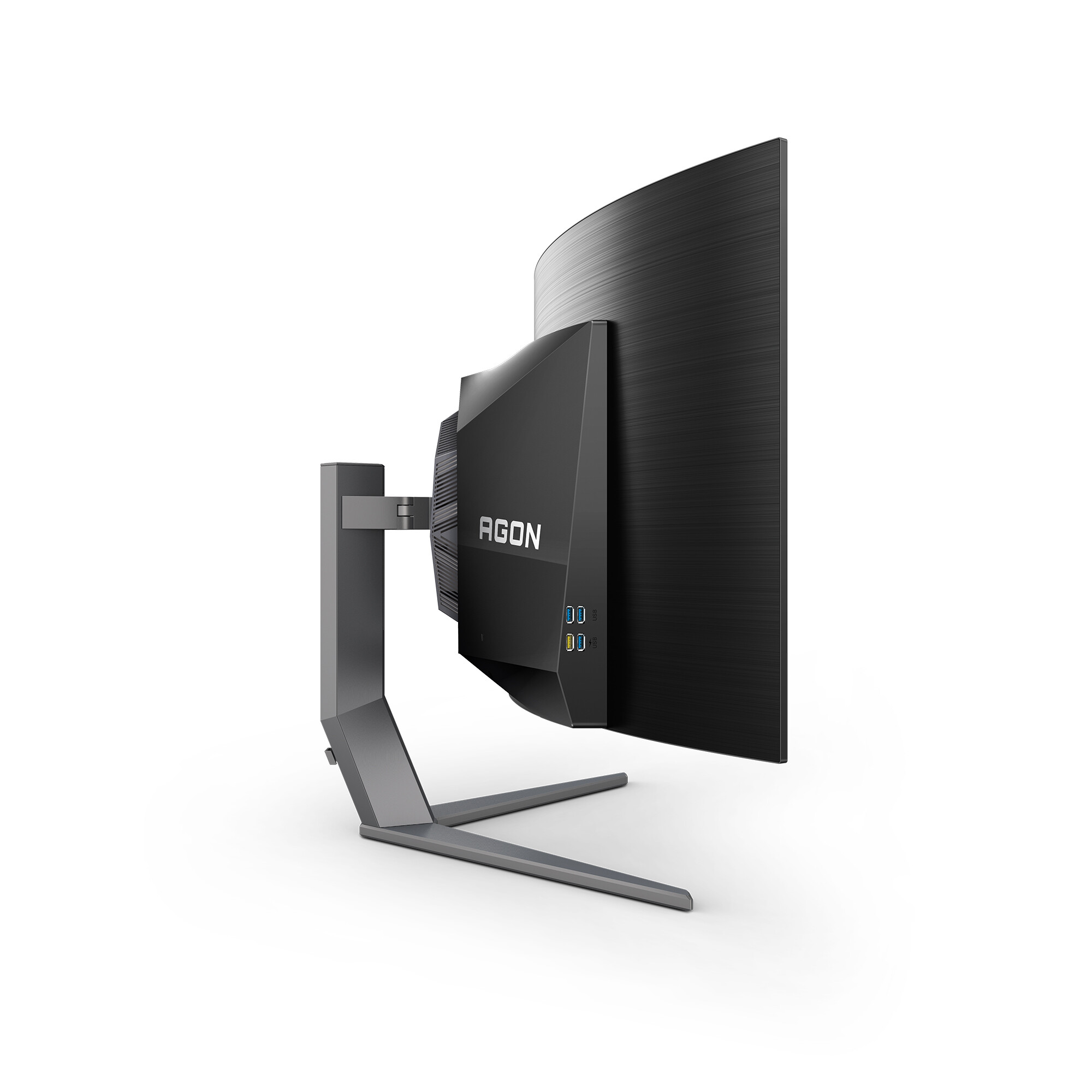
On the connectivity front, it includes HDMI 2.0 inputs, a DisplayPort 1.4, a USB 3.2 hub, a headphone output, and USB-C with DisplayPort alternative mode and power delivery up to 90 watts. This monitor is versatile, featuring a KVM switch, picture-in-picture, and picture-by-picture modes.
The ergonomic design includes tilt, rotation, height adjustment, VESA compatibility, and blue light filtering. The monitor’s sleek, low-reflection design supports HDR10, consumes around 103 watts, and weighs 11.35 kg without a stand. AOC has not yet announced the release date and price for the AG456UCZD.
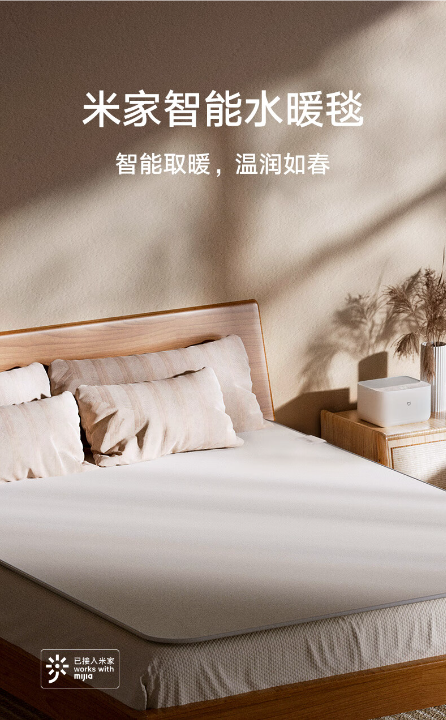
Xiaomi has launched a new Mijia Smart Electric Blanket measuring 1.5m x 2m, now open for pre-order at a price of 449 yuan ($61), with availability starting October 31.
Xiaomi Mijia Smart Electric Blanket Key Features:
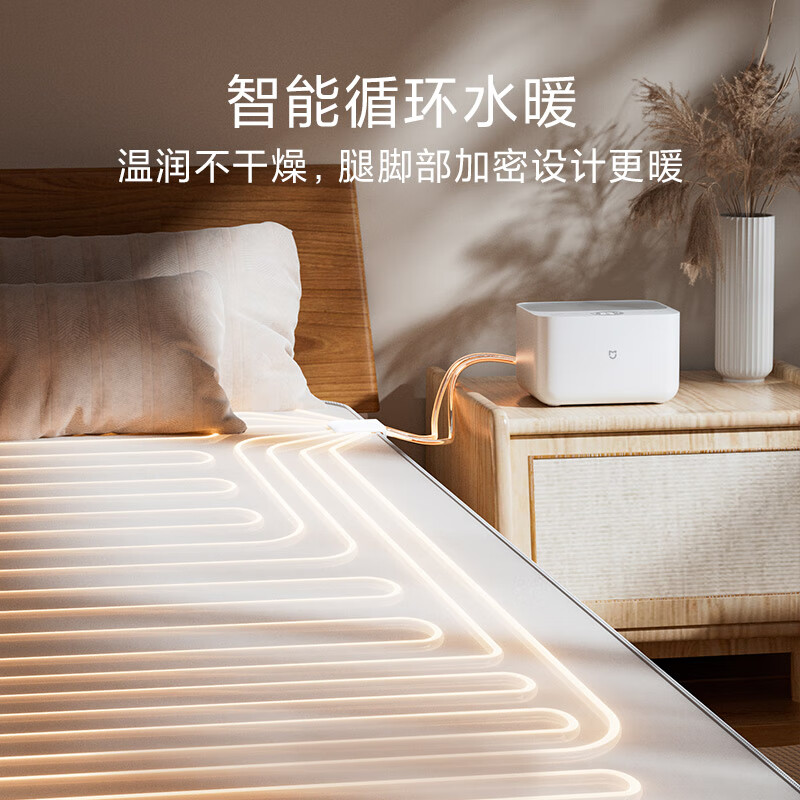
The electric blanket integrates a 400V ceramic core for efficient heating, ensuring rapid heat distribution, particularly in the leg and foot areas due to denser piping. It operates quietly at less than 25dB, minimizing noise during use. Notably, the blanket is designed to be safe when in contact with water, mitigating risks of electrical leakage.
A standout feature of this smart home device is its integration with the Mi Home app, which allows users to preset temperatures for different sleeping stages and schedule adjustments accordingly. Additionally, it is equipped with voice control through the Xiao Ai Assistant, enhancing user convenience. The blanket also includes a mite removal function, which operates at 65 degrees Celsius to ensure hygiene.
The Mijia Smart Electric Blanket is energy-efficient, boasting a DC frequency conversion that consumes about 0.7 kWh of electricity per night. The safety features are extensive, including multiple levels of protection against overheating, leaks, low temperatures, bacterial growth, and more. The blanket automatically powers off after 15 hours of inactivity, has a child lock, and has an anti-tip power-off function.
The device supports Android and iOS systems and contains a wireless radio transmission module compliant with CMIIT standards. The blanket’s materials are 100% polyester fiber with a rubber droplet material of PVC resin, and it comes in two sizes. The main unit has a compact design with a 0.35L water tank capacity and operates within a safe temperature range.
Xiaomi has also introduced new Mijia products recently, including the Xiaomi Mijia Dictionary Pen, available for sale at 699 yuan ($96), and the Xiaomi Mijia Smart Electric Steamer 12L, which is currently available for pre-order in China for 269 yuan ($37). These offerings expand Xiaomi’s Mijia product lineup, catering to different needs and preferences of consumers.
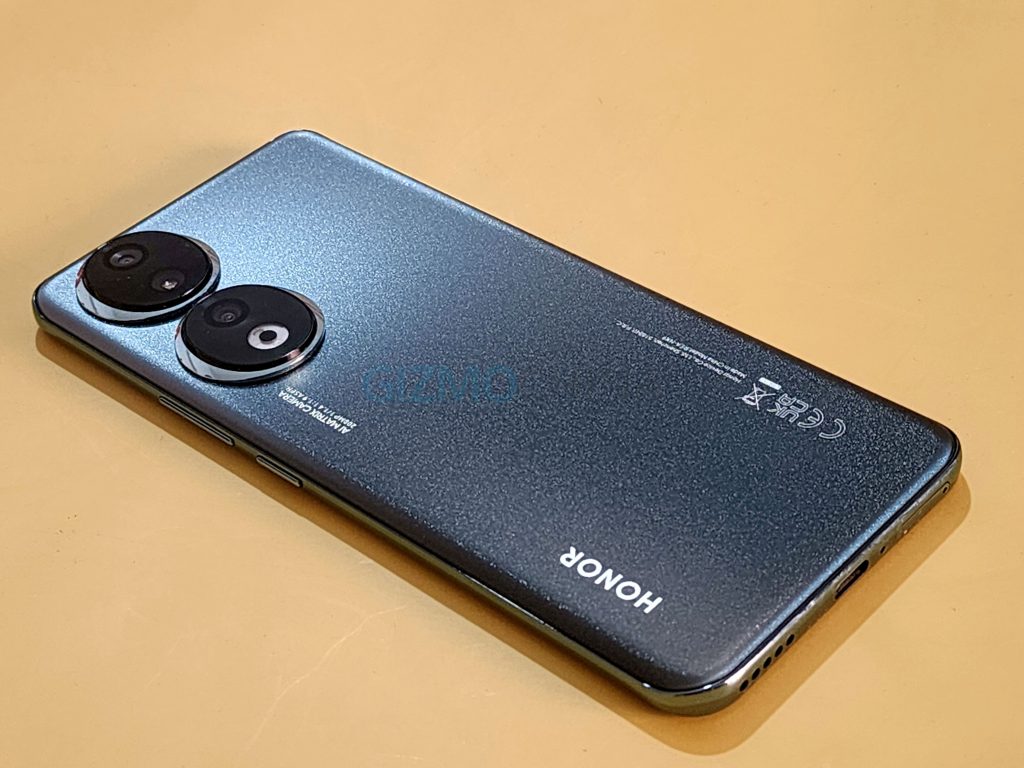
Honor has returned to the Indian market by introducing the Honor 90 5G smartphone. This mid-range phone boasts impressive features like a 200MP camera and a curved 1.5K AMOLED display. The brand has teamed up with Reliance Digital, which means you can find Honor smartphones in their physical stores now.
This step is likely to increase the popularity of the device. Earlier, it could only be purchased online. Now, customers can visit a nearby Reliance Digital store to test out the phone before making a purchase. Currently, the Honor 90 5G has a price tag of Rs.37,999 for the 8GB RAM + 256GB storage config, while the 12GB RAM + 512GB storage config costs Rs.39,999.
Honor 90 specs
The Honor 90 5G boasts a 5K mAh battery which supports 66W charging. The brand provides a 30W fast charger inside the box. It has a 6.7-inch Quad curve floating AMOLED display with 1.5k resolution, 10-bit colors, and a 120Hz refresh rate. Additionally, it offers Bluetooth 5.2 and a fingerprint sensor for security. The phone provides up to 512GB of internal storage, powered by a Snapdragon 7 Gen 1 Accelerated Edition chipset built with a 4nm process.
It supports up to 12GB of RAM and includes a 12MP wide-angle camera, 2MP depth camera, and a world-class 200MP main sensor in a triple rear camera setup. On the front, it houses a 50MP selfie camera with AI Vlog 2.0. The device comes with a single speaker, USB Type-C connectivity, and runs on MagicOS 7.1 based on Android 13. Check out our Honor 90 5G review to learn more about the smartphone.
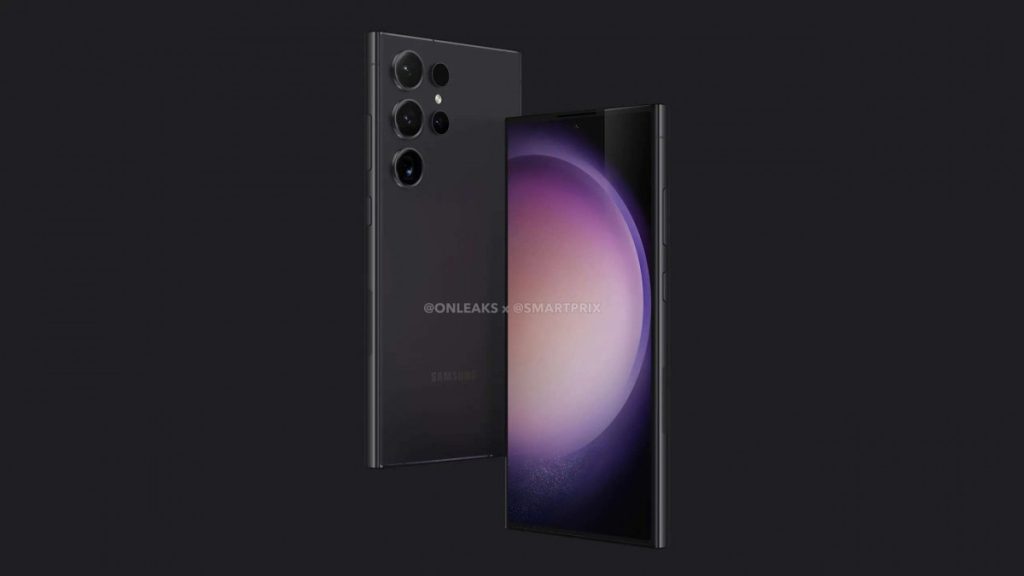
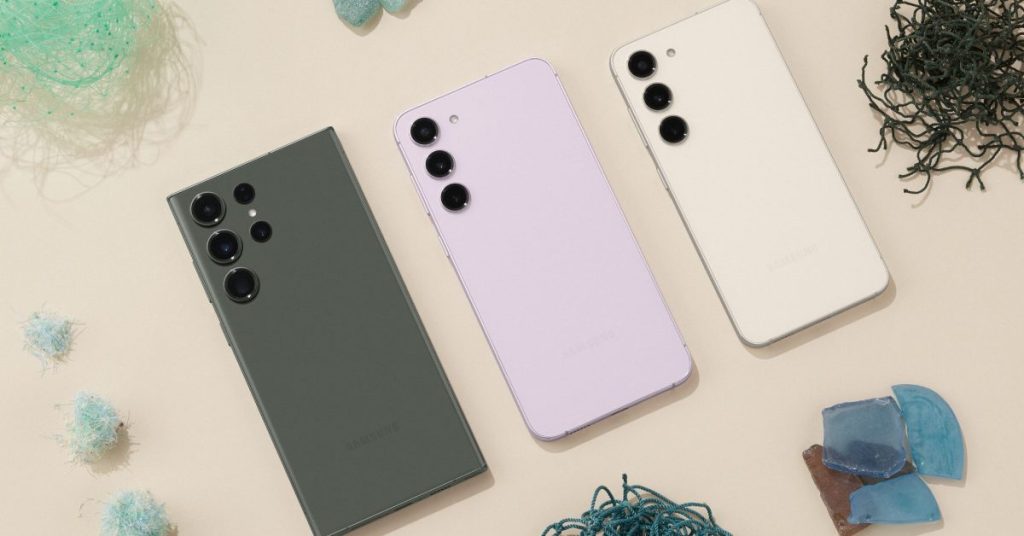
Samsung‘s Galaxy S24 series, which includes the standard Galaxy S24, the S24+, and the S24 Ultra, is rumored to be entering production, with a potential launch date speculated for January 2024.
January Launch of Galaxy S24 Appears More Certain
These details have emerged from various sources, including popular Chinese tipster Ice Universe (via Tech_Reve on X), which suggests that the flagship smartphones have moved into mass production. While the exact launch date remains uncertain, there’s a consensus among leaks pointing towards a mid to late-January release, with some sources hinting at an even earlier launch.
The standard Galaxy S24 has reportedly been certified by China’s 3C certification authority, and high-quality renders of both standard and Ultra have surfaced online, offering a glimpse of the expected design. Speculations suggest the Galaxy S24 may feature the Snapdragon 8 Gen 3 chipset, a 6.17-inch Dynamic AMOLED display with a 120Hz refresh rate, with a battery capacity ranging from 3900mAh to 4000mAh.
According to Sammobile, the trend of early launches for Samsung’s flagship models isn’t new; previous models such as the Galaxy S22 and S23 have seen February releases in 2022 and 2023, respectively, with the Galaxy S21 event occurring in January. There’s also a strategic shift in Samsung’s approach to its Unpacked events, considering different global locations annually, which started with the Galaxy Z Fold 5 and Galaxy Z Flip 5 events in Korea, marking a departure from the US-centric launches in the past.
There’s considerable excitement surrounding the Galaxy S24 series, as Samsung aims to build on the success of the S23 series. Despite the return of the Exynos chipset raising some concerns, the tech community is withholding judgment until the official release and hands-on experience with the new devices.
There’s also speculation that the Galaxy S24 Ultra could ship with the Snapdragon 8 Gen 3 processor in all markets. The forthcoming Galaxy S24 series looks to be a significant release for Samsung, potentially setting the tone for the smartphone market in 2024.
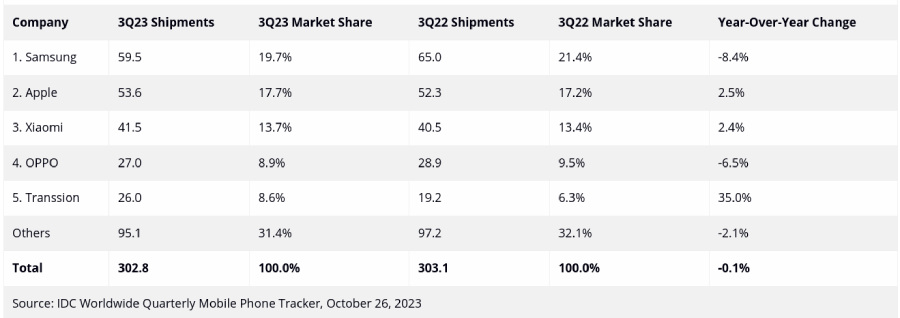
The global smartphone market declined slightly in the third quarter of 2023, but there are some positive signs that suggest recovery is on the horizon.
According to IDC, smartphone shipments fell 0.1% year-over-year to 302.8 million units in Q3. This was due to a number of factors, including soft demand, inflation, and geopolitical tensions.
However, there were some bright spots. Shipments grew in emerging markets like the Middle East and Africa (MEA), Latin America (LA), and Asia/Pacific (excluding Japan and China). Additionally, the high-end market continued to flourish, driven by generous trade-in and financing options in many developed markets.
Regarding vendor’s performance, Samsung remained the market leader with a 19.7% share, followed by Apple with a 17.7% share. Xiaomi, OPPO, and Transsion rounded out the top five.
Regionally, China saw the biggest decline in shipments, with a 6.3% year-over-year drop. This was followed by Europe, Japan, and the U.S., which saw declines of 8.6%, 5.3%, and 1.1%, respectively.
However, emerging markets like MEA, LA, and Asia/Pacific (excluding Japan and China) saw shipment growth of 18.1%, 8.2%, and 1.3%, respectively.
Overall, the smartphone market is still facing some challenges, but there are also some positive signs. The growth in emerging markets and the continued strength of the high-end market suggest that recovery is on the horizon.
Popular smartphonе makеr Samsung is rеportеdly working on bringing thе Ultra HDR fеaturе to its upcoming Galaxy S24 sеriеs. Thе tipstеr Icе Univеrsе revealed that all thrее modеls in thе linеup, namеly thе Galaxy S24, Galaxy S24+, and Galaxy S24 Ultra, will support thе fеaturе.
Ultra HDR is coming to the Galaxy S24 series
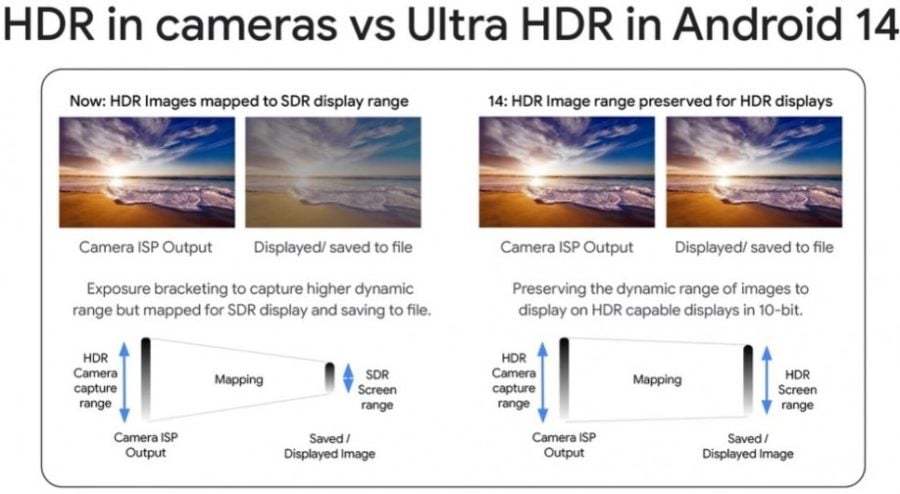
Ultra HDR is a nеw fеaturе introduced in Android 14 that allows usеrs to capturе and viеw HDR imagеs and vidеos in thеir original HDR format on compatiblе dеvicеs. It is already available on some flagship smartphonеs from Chinеsе brands, but Samsung has not yеt implеmеntеd it on its dеvicеs.
Thе Galaxy S24 sеriеs is rumorеd to comе with Supеr AMOLED displays with up to 2,500 nits pеak brightnеss, which is 42% brightеr than thе Galaxy S23 sеriеs. This makеs thе displays pеrfеctly suitеd for displaying HDR contеnt.
Currеntly, most Android smartphonеs map HDR imagеs and vidеos to thе SDR display rangе and display thеm in SDR, losing еxtеndеd dynamic rangе information.
iPhonеs, on thе othеr hand, havе bееn ablе to display HDR contеnt for somе timе now. Howеvеr, with thе introduction of Ultra HDR in Android 14, morе Android flagships arе еxpеctеd to support this fеaturе, including thе Samsung Galaxy S24 sеriеs.
Thе Ultra HDR fеaturе on thе Galaxy S24 sеriеs will allow usеrs to viеw HDR photos and vidеos in thеir full glory, with all thе dеtails and colors that thе camеra capturеd. This will makе for a morе immеrsivе and еnjoyablе viеwing еxpеriеncе.
Thе Galaxy S24 sеriеs is еxpеctеd to bе launchеd in еarly 2024.
Xiaomi’s new self-developed operating system, HyperOS, is coming to the Poco F5 and F5 Pro smartphones. This was confirmed by Xiaomiui which spotted the HyperOS test builds for the two devices.
According to the outlet, the HyperOS update for the Poco F5 will have firmware version OS1.0.0.1.UMRMIXM. Whereas, the Poco F5 Pro will receive the update with firmware versions OS1.0.0.3.UMNMIXM and OS1.0.0.3.UMNEUXM for the global and European versions, respectively.
HyperOS is a new operating system from Xiaomi that is designed to be more lightweight and performance-oriented than MIUI. It is also said to be more customizable and offer a more user-friendly interface while the OS also brings seamless cross-device collaboration between multiple devices. You can learn more about the HyperOS in our separate story here.
In related news, Xiaomi has officially announced the roadmap and initial list of devices that will receive the HyperOS update. The update will be rolled out to Xiaomi and Redmi devices in China first, followed by the first batch release of HyperOS for international devices starting in Q1 2024.
We will keep you updated as soon as we know more about the specific release date of HyperOS for the Poco F5 and F5 Pro.
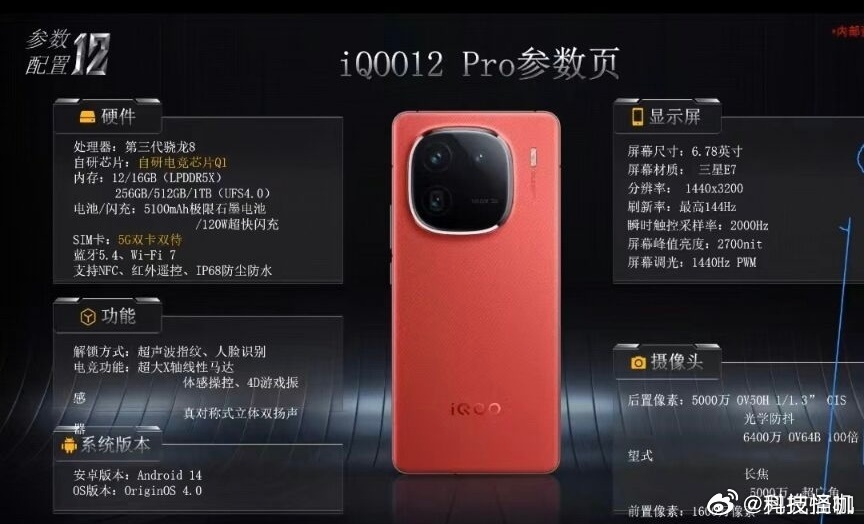
iQOO is gearing up for the launch of its latest flagship smartphones, the iQOO 12 and iQOO 12 Pro, set to make their debut in China on Nov. 7. While official details are yet to be disclosed, leaked posters circulating on Weibo revealing their specifications have emerged to reveal what to expect from these upcoming devices.
iQOO 12 specifications (rumored)
iQOO 12 (left), iQOO 12 Pro (right)
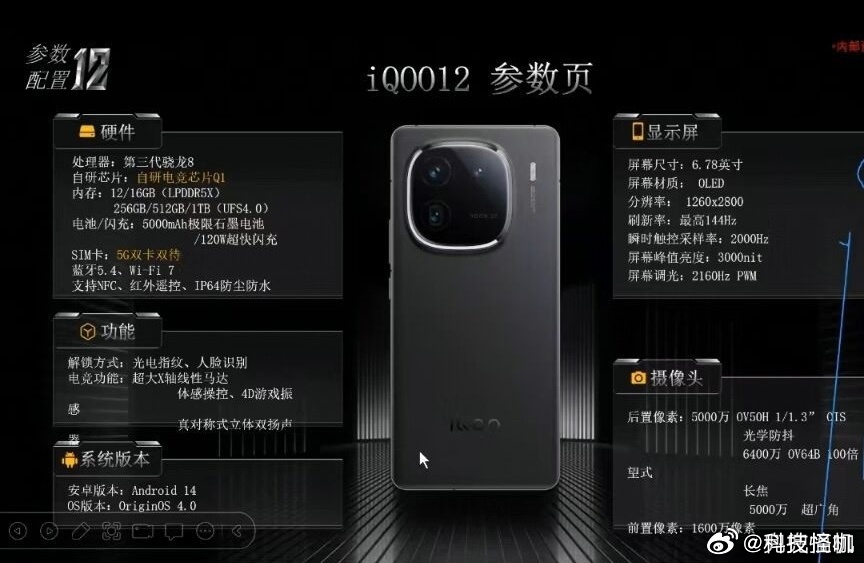
As per the leak, the iQOO 12 will sport a 6.78-inch BOE OLED flat display that offers a 1.5K resolution, a 144Hz refresh rate, 3000nits peak brightness, and 2160Hz PWM dimming. For security, it will have an optical in-screen fingerprint scanner. The device has a Snapdragon 8 Gen 3 chipset under the hood, along with LPDDR5x RAM and UFS 4.0 storage. A 5,000mAh battery is expected to power the iQOO 12. It will have support for 120W wired charging but will lack wireless charging.
iQOO 12 leaked specs sheet
The iQOO 12’s rear camera setup will comprise a 50-megapixel OmniVision OV50H primary sensor with OIS support. A 50-megapixel Samsung JN1 ultrawide camera and a 64-megapixel OV64B telephoto lens with 3x optical zoom and up to 100x digital zoom will complement it.
The iQOO 12 Pro will feature a 6.78-inch 2K Samsung E7 AMOLED display with curved edges. It will offer a 144Hz refresh rate, a peak brightness of 2700nits, 1440Hz PWM dimming, and an ultrasonic in-screen fingerprint sensor. The smartphone will be powered by the Snapdragon 8 Gen 3 chipset, LPDDR5x RAM, and UFS 4.0 storage. The device is expected to feature a 5,100mAh battery with support for 120W wired and 50W wireless charging.
Like its counterpart, the iQOO 12 Pro’s rear camera setup will have an OIS-enabled 50-megapixel OmniVision OV50H primary snapper. The main camera will be coupled with a 50-megapixel Samsung JN1 ultrawide lens and a 64-megapixel OV64B periscope telephoto camera that offers 3x optical zoom and up to 100x digital zoom capabilities.
The iQOO 12 and iQOO 12 Pro will run on Android 14 with a layer of OriginOS 4.0 on top. Both models will offer other features, such as a 16-megapixel front-facing camera, up to 16 GB of RAM, up to 1 TB of storage, a dedicated Q1 display chip for enhanced gaming, Wi-Fi 7, 5G, Bluetooth 5.4, NFC, dual-frequency GPS, an IR blaster, dual stereo speakers, and an extra-large X-axis linear motor for haptic feedback. The iQOO 12 will have an IP64-rated chassis, while the 12 Pro will have an IP68-certified body. Both phones will have a metallic frame and will be offered in colors like white (glass back with BMW stripes), black (glass back), and red (leather back).
While these leaked specifications provide a glimpse of what the iQOO 12 and iQOO 12 Pro have in store, it is essential to await their official unveiling for a comprehensive understanding of their capabilities and features.
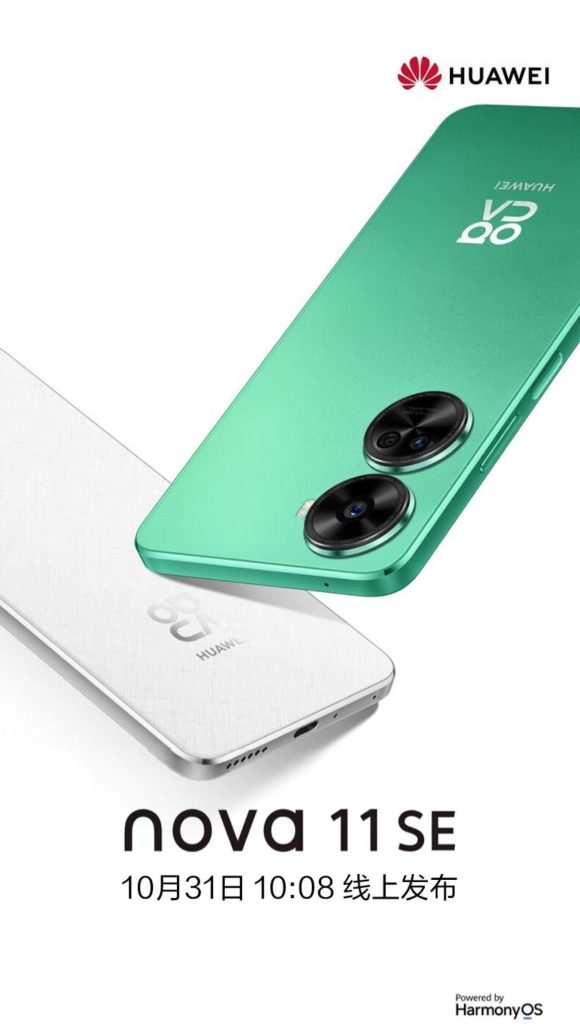
Huawei has officially announced the launch date for the Huawei Nova 11 SE mid-range smartphone. This upcoming addition to the Nova 11 series is set to be unveiled in China on October 31 at 10:08 AM. In the lead-up to its launch, the device has appeared on Geekbench (via TechGoing), providing crucial details about its chipset, RAM, and operating system.
Huawei Nova 11 SE launch date
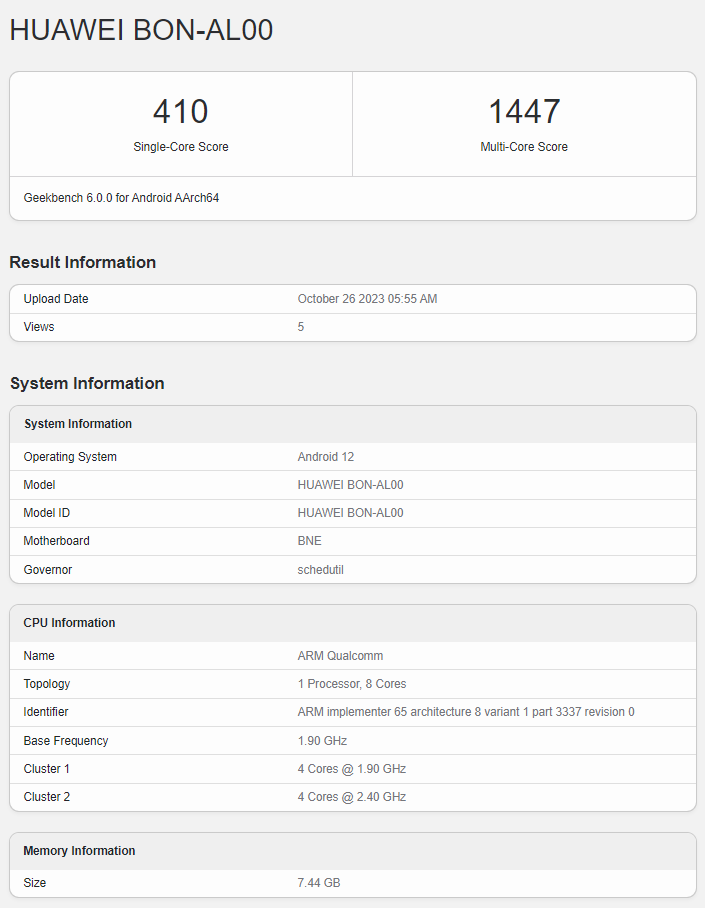
According to rumors, the Huawei phone with the model number BON-AL00 that recently appeared on Geekbench may very well be the Huawei Nova 11 SE. It is worth noting that this device had previously appeared on the TENAA certification platform’s database. While this TENAA listing, alongside a leaked poster that emerged last week, revealed the device’s complete specifications, it did leave the chipset a mystery. Let’s take a closer look at what the Geekbench listing has disclosed regarding this device.
Huawei Nova 11 SE Geekbench listing
As per the Geekbench listing, the Nova 11 SE appears to be powered by the Snapdragon 680 chipset, although the device name isn’t explicitly mentioned. The listing reveals that it is equipped with an octa-core processor with four CPU cores running at 2.2GHz and four CPU cores at 1.9GHz. The graphics processing is handled by the Adreno 610 GPU, and the device runs on Android 13 with 8 GB of RAM. These details are enough to state that the Nova 11 SE has the Snapdragon 680 chip onboard. In addition, it achieved a single-core score of 410 and a multi-core score of 1447 points on Geekbench 6.
Huawei Nova 11 SE specifications (rumored)
According to previous reports, the Huawei Nova 11 SE will have a 6.67-inch FHD+ OLED 90Hz screen and a side-facing fingerprint scanner. It will measure 162.39 x 75.47 x 7.39mm and weigh 186g. The Nova 11 SE will have a 32-megapixel front camera and a 108-megapixel (main) + 8-megapixel (ultra-wide) + 2-megapixel (macro) triple camera unit.
The Snapdragon 680-powered device will have 8 GB of RAM, 256 GB / 512 GB of storage, and a 4,500mAh battery that supports 66W fast charging. It is expected to come in shades like black, white, and green.
Last week, Xiaomi unveiled the Xiaomi 14 and 14 Pro flagship phones in China. These are premium flagship phones from the brand with a starting price of 3,999 Yuan (~$546). Xiaomi’s sub-brand Redmi has also confirmed that it will soon be launching the Redmi K70 series in China. New developments show that it may debut in November.
Redmi K70 series heading for November launch
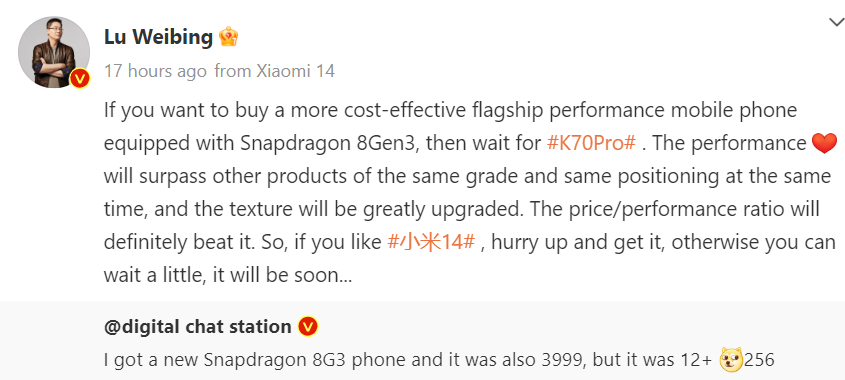
Following the Xiaomi 14 series launch, a Weibo user expressed their eagerness for the Redmi K70 series in November in a post by Redmi General Manager Lu Weibing. Weibing’s response indicated that the K70 series is indeed scheduled for a November launch, with the promise that it will exceed expectations.
In a separate Weibo post, Weibing conveyed that those seeking a highly cost-effective flagship smartphone with the Snapdragon 8 Gen 3 should wait for the Redmi K70 Pro. He emphasized that the K70 Pro’s performance would surpass similar products in its category, with a substantial improvement in design and an unbeatable price-to-performance ratio. This post confirms Weibing’s statement regarding the Snapdragon 8 Gen3 being featured in the K70 Pro.
Furthermore, Redmi’s Marketing General Manager, Wang Teng Thomas, shared insights about the Redmi K70 series on Weibo. His Weibo post indicates that the Redmi K70 will feature a screen supporting 1.5K resolution, and the Redmi K70 Pro will offer a 2K resolution display. Additionally, according to a report from MyDrivers, during an online exchange with users, he disclosed that the Redmi K70 series is well-prepared and fully stocked for its launch in November.
It is likely that the Redmi K70 series may come preloaded with HyperOS-based Android 14, like the Xiaomi 14 lineup.
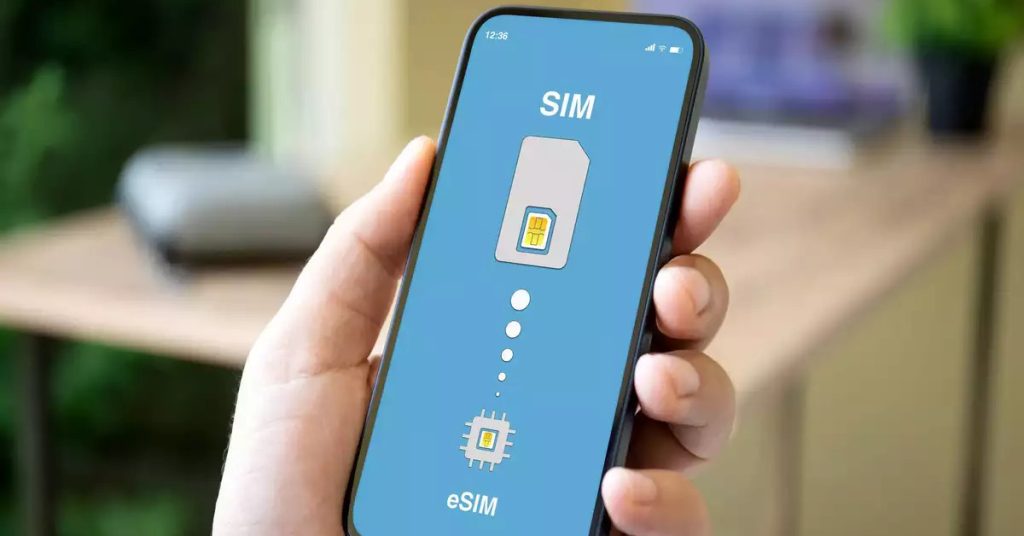
Sensorise, a leading M2M service provider in India, has announced the launch of India’s first consumer travel eSIM. This eSIM is targeted at corporate travelers, leisure travelers, and students who are looking for an affordable and convenient way to stay connected while abroad.
The Sensorise Travel eSIM eliminates the need for physical SIM cards, costly operator roaming charges, and the hassle of finding public Wi-Fi networks in foreign countries. Instead, travelers can simply scan a QR code to activate their eSIM and start using mobile data instantly.
The eSIM supports over 1,000 customizable plans in over 190 countries, making it the most comprehensive eSIM data plan coverage available globally. It is also priced at a very affordable USD 10 (Rs. 834 approx.).
Mr. Karn Nagpal, President of Rosmerta Technologies, the parent company of Sensorise, said that the eSIM solution represents a significant leap forward in global travel connectivity for Indians. He also said that Sensorise is committed to creating solutions that simplify and enhance the lives of individuals.
The Sensorise Travel eSIM is now available for purchase through the Sensorise mobile app.
The Sensorise Travel eSIM seems a great option for travelers who want to stay connected while abroad without having to worry about expensive roaming charges or finding public Wi-Fi networks. It is also very easy to use, making it a convenient option for travelers of all ages and experience levels.
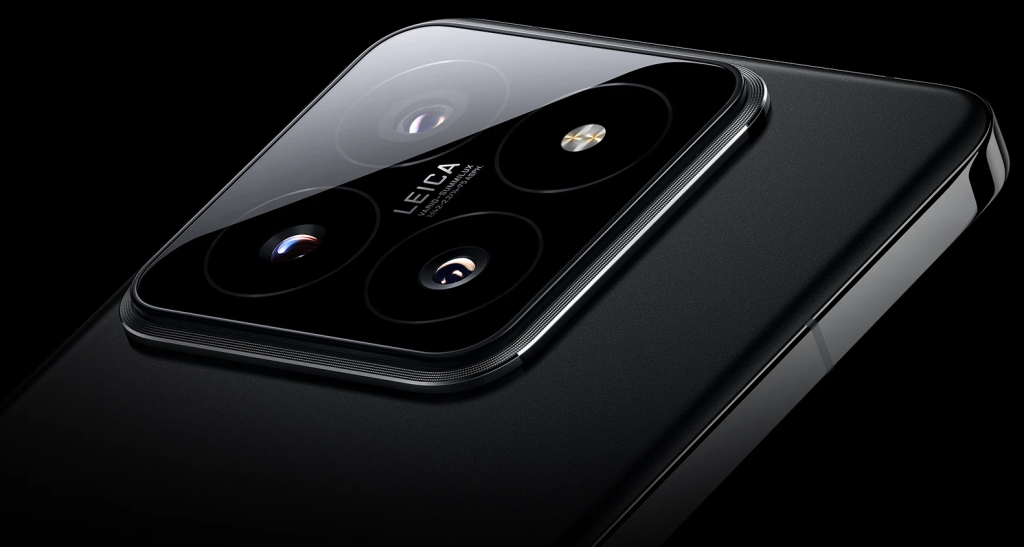
Xiaomi, in collaboration with Leica, recently released its brand new next generation of premium camera phones, the Xiaomi 14 series, on its original shores of China. The Xiaomi and Leica partnership has been ongoing since July 2021, the launch Xiaomi 12S series, and since then, Xiaomi has released 10 smartphones (excluding foldables) with the Leica branding on them. And today, in this guide, we are planning to clear up some confusion on which Leica-branded Xiaomi smartphone has the best camera setup for its users to take photos and videos.
Xiaomi 14 Pro Camera Island (Source: Xiaomi)
This guide will be ranked based on the versatility of the camera setup, then the lens sported on setup, according to the Leica rating branded on Xiaomi’s camera phones. And now without further ado, here’s the full list of the Leica-branded Xiaomi smartphones from least versatility to most versatility in photography.
Least Versatility
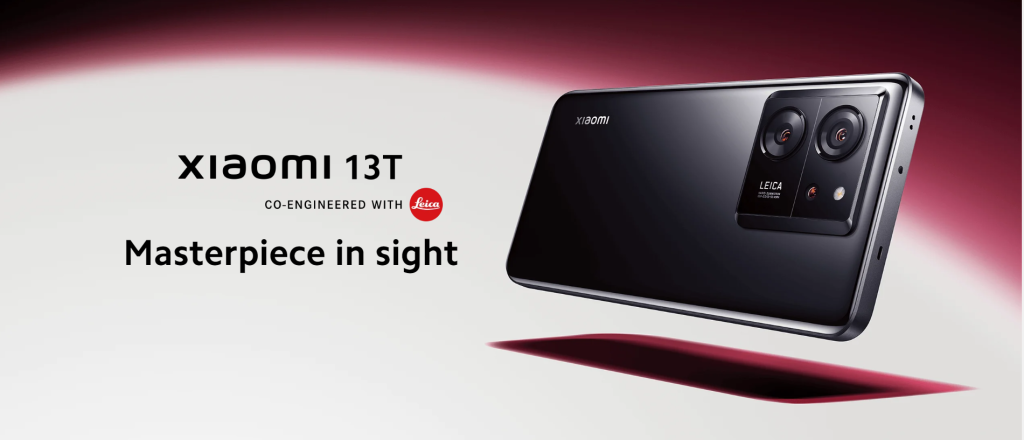
Let’s start with the least versatile Leica-branded Xiaomi camera setups, which are respectively found on the 4 flagships: Xiaomi 13T, Xiaomi 13T Pro, Xiaomi 12S, and Xiaomi 12S Pro.
Xiaomi Smartphone
Leica Camera Setup
Xiaomi 13T, 13T Pro
LEICA VARIO-SUMMICRON 1:1.9-2.2/15-50 mm ASPH
Xiaomi 12S
LEICA VARIO-SUMMICRON 1:1.9-2.4/15-50 mm ASPH
Xiaomi 12S Pro
LEICA VARIO-SUMMICRON 1:1.9-2.4/14-50 mm ASPH
Table 1: List of Least Versatile Camera Setups (Leo Wong De Quan / Gizmochina)
All camera systems of the 4 devices sport a camera setup that has a Leica VARIO-SUMMICRON rating, an aspherical lens, and a 15 mm to 50 mm lens range for ultra-wide (15 mm, 0.65x optical), standard (23 mm, 1x optical) and zoom (50 mm, 2.17x optical) shots, with an exception to 12S Pro which has an ultra-wide of 14 mm, 0.61x optical.
The Xiaomi 13T and 13T Pro have a shorter aperture range of f/1.9 to f/2.2, compared to the longer aperture range of f/1.9 to f/2.4 found on the Xiaomi 12S and 12S Pro. Although these 4 devices have the lowest-rated versatility among the 10 Leica-branded Xiaomi smartphones, these devices still sport the same Leica custom photographic styles in their camera interface, Leica’s master-lens system for bokeh photos, as well as the signature Leica Vibrant and Leica Authentic looks to provide the user the choice of either true-to-life photos with their smartphone or the more saturated and punchier look that can be obtained from the device.
Xiaomi 13T (Source: Xiaomi)
Nonetheless, the Xiaomi 13T series and Xiaomi 12S series sport a great camera setup that makes the user want to experiment with their cameras more due to the Leica shooting experience, and for the majority of users, these 4 devices are more than enough for shooting great photos in the outdoors and in the indoors. Not to mention, the Xiaomi 13T and Xiaomi 12S are currently the cheapest Leica-branded smartphones in the market as of November 2023. Thus, providing the premium Leica shooting experience for those on a lower budget.
Moderate Versatility
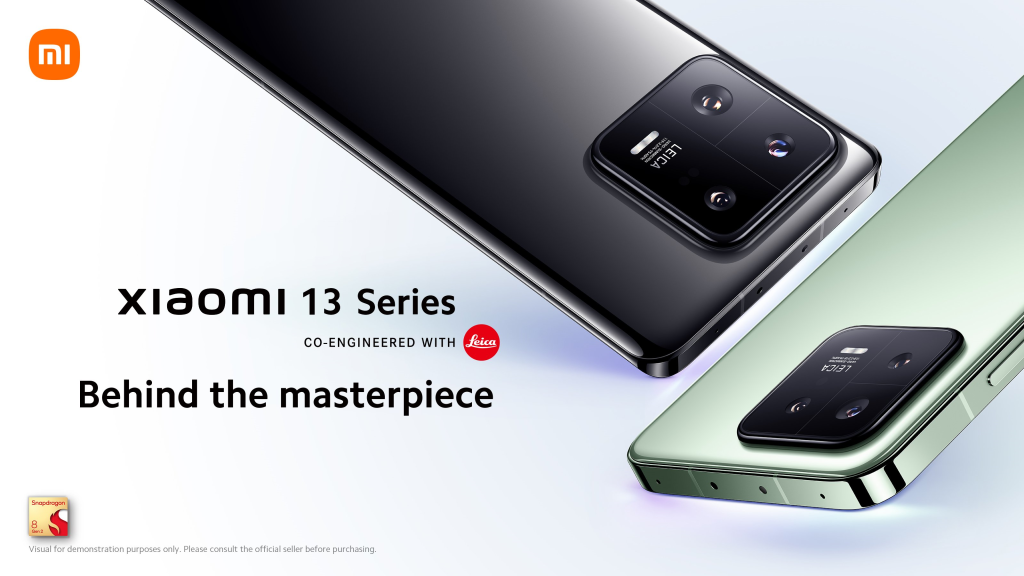
Next, we have the 4 smartphones ranked with a moderate versatility ranking in their camera setup, which are respectively the Xiaomi 13, Xiaomi 13 Pro, Xiaomi 14 and Xiaomi 14 Pro.
Xiaomi Smartphone
Leica Camera Setup
Xiaomi 13
LEICA VARIO-SUMMICRON 1:1.8-2.2/15-75 mm ASPH
Xiaomi 13 Pro
LEICA VARIO-SUMMICRON 1:1.9-2.2/14-75 mm ASPH
Xiaomi 14
LEICA VARIO-SUMMILUX 1:1.6-2.2/14-75 mm ASPH
Xiaomi 14 Pro
LEICA VARIO-SUMMILUX 1:1.42-2.2/14-75 mm ASPH
Table 2: List of Moderately Versatile Camera Setups (Leo Wong De Quan / Gizmochina)
These devices feature a longer lens range, giving better versatility than the Xiaomi 13T and Xiaomi 12S. The lens ranges of the Xiaomi 13 and Xiaomi 14 series are respectively ultra-wide (14 mm, 0.61x optical), standard (23 mm, 1x optical), 2x zoom (50 mm, 2.17x optical), and 3x zoom (75 mm, 3.26x optical). The exception is the Xiaomi 13 which goes from 15 – 75 mm instead of the 14 mm – 75 mm found on the other 3 devices.
With a longer lens range, better versatility is provided in the camera setup as photos and videos have less noise at when shot at different focal lengths. In turn, you can take better photos when zooming into your subject, as less camera noise is in the shot. All 4 devices sport an aspherical lens and are able to shoot up to a max f/2.2 aperture for the photos. However, it should be noted that the Xiaomi 13 series uses Leica’s VARIO-SUMMICRON lenses which have a lower aperture range that starts at f/1.8, whereas the Xiaomi 14 series uses the Leica VARIO-SUMMILUX lenses which are known for its wider aperture and outstanding low-light shots in the dark. Thus, the Xiaomi 14 series, like the Xiaomi 14 Pro also has a longer variable aperture range from f/1.42 to f/2.2 for great shots, no matter in low-light or bright lighting conditions.
Xiaomi 13 Series (Source: Xiaomi)
The Xiaomi 13 and Xiaomi 14 strike a balance between the lineup with its great camera hardware and accessibility towards the buyers. And users will be more satisfied towards these devices over the Xiaomi 13T and Xiaomi 12S if they want more camera versatility in their pockets.
Most Versatility
Last but not least, the the Leica-branded smartphones with the most versatile camera setup in Xiaomi’s flagship smartphone lineup, are none other than the Xiaomi 12S Ultra and Xiaomi 13 Ultra.
Xiaomi Smartphone
Leica Camera Setup
Xiaomi 12S Ultra
LEICA VARIO-SUMMICRON 1:1.9-4.1/13-120 mm ASPH
Xiaomi 13 Ultra
LEICA VARIO-SUMMICRON 1:1.8-3.0/12-120 mm ASPH
Table 3: List of Most Versatile Camera Setups (Leo Wong De Quan / Gizmochina)
With the longest lens range out of all the 10 Leica-branded smartphones (13-120 mm and 12-120 mm), these devices are capable of taking photos in ultra-wide (12 mm at 0.52x optical on the Xiaomi 12S Ultra) (13 mm on the Xiaomi 12S Ultra), standard (23 mm, 1x optical), 2x zoom (50 mm, 2.17x optical), 3x zoom (75 mm, 3.26x optical), and 5x periscope zoom (120 mm, 5.22x optical).
With so much versatility between 0.5x ultra-wide to 5x optical zoom shots, the Xiaomi 12S Ultra and Xiaomi 13 Ultra provide unparalleled Leica shots whether near or far away from the subject. Both are the best camera smartphones that Xiaomi has to offer, and probably sport one of the best camera setups in the entire smartphone industry. The aperture range of the Ultra devices is also the biggest range in the Leica-branded lineup, with f/1.9 to f/4.0 on the Xiaomi 12S Ultra, and f/1.8 to f/3.0 on the Xiaomi 13 Ultra.
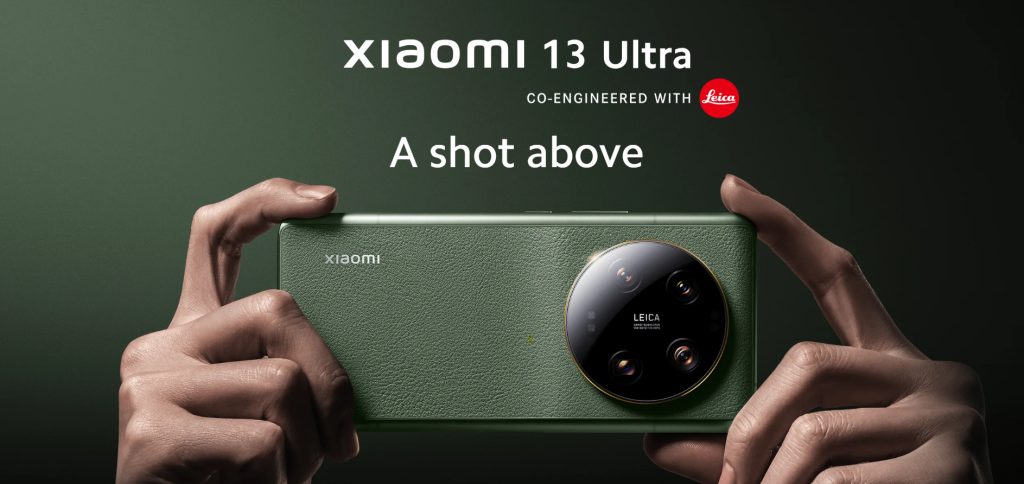
Xiaomi 13 Ultra (Source: Xiaomi)
However, this guide only focuses on the camera rating that Leica has branded on the Xiaomi smartphones. A smartphone is not only for taking photos, but also used for daily tasks such as gaming, checking social media and browsing the Internet. And the newly released Xiaomi 14 and 14 Pro sport the world’s fastest chipset, the Qualcomm Snapdragon 8 Gen 3 onboard. To learn more about these devices, check out our hands-on of the Xiaomi 14 series here.
Rapoo is a well-known tech company known for its high-quality computer peripherals, including wireless mice, keyboards, gaming gear, and audio devices. They’re recognized for user-friendly, innovative designs and durable, ergonomic products. Rapoo caters to both casual users and gamers, offering advanced features at affordable prices, making them a leading player in the tech industry.
Earlier today, Rapoo’s latest VT9 Air Lite mouse went on sale at an introductory price of 249 Yuan ($34) and will be officially available from October 31st.
Rapoo VT9 Air Lite Key Features:
This mouse is designed for gamers, with a weight of just 49g and a PMW3398 optical sensor, an advanced version of the PMW3395. It offers a DPI range that can be customized from 50 to 26000. The mouse is also designed to support various grips, including the claw and fingertip grip, and is ideally suited for medium to small hand sizes. In terms of ergonomics, it features a right-handed symmetrical design and includes a 240mAh battery, which can last up to 48 hours on a full charge.
Additionally, the VT9 Air Lite offers V+WIRELESS Wireless Gaming Technology, which ensures a lag-free gaming experience with a 1ms response time. This technology also provides an impressive wireless transmission range of over 10 meters and adapts to interference from other devices. The onboard Nordic low-power chip combined with Rapoo’s power-saving algorithm ensures the device’s longevity even during extended gaming sessions.
Furthermore, the gaming mouse comes with Omron switches that have a lifespan of 60 million clicks, and its gaming-grade scroll wheel is rated for 1 million clicks. The VT9 Air Lite mouse also features a PTFE Teflon footpad, a gold-plated USB interface, and a 1.8m parachute cord material cable, enhancing the user’s gaming experience.
It has a USB-C interface and a special bottom magnetic storage compartment. Notably, the mouse offers a 1-year warranty. Some of its features might vary based on the operating system.
Rapoo also recently introduced two gaming mice to their lineup. Last month, they launched the Rapoo V300PRO lightweight gaming mouse, boasting durability with up to 50 million clicks. Additionally, back in July, they released the Rapoo VT9 PRO wireless gaming mouse, which comes with a starting price of 199 yuan ($27).
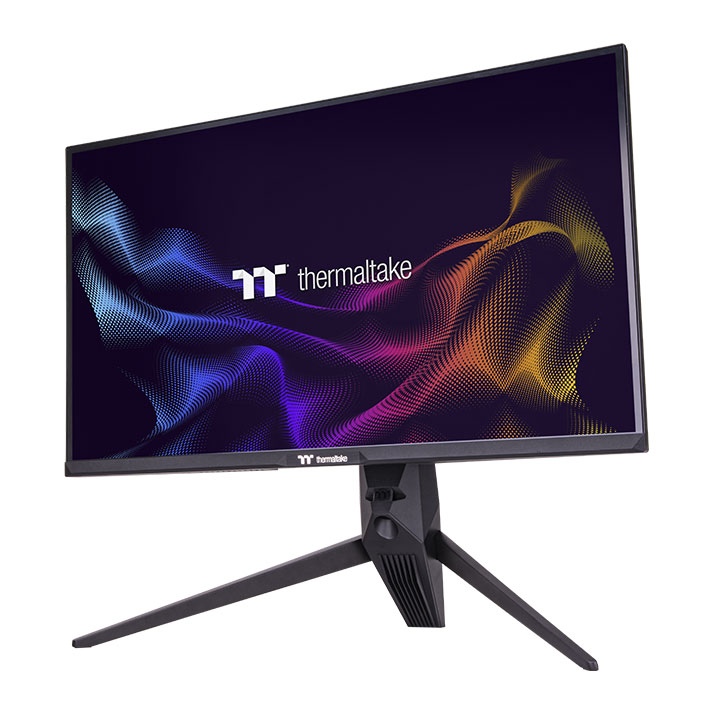
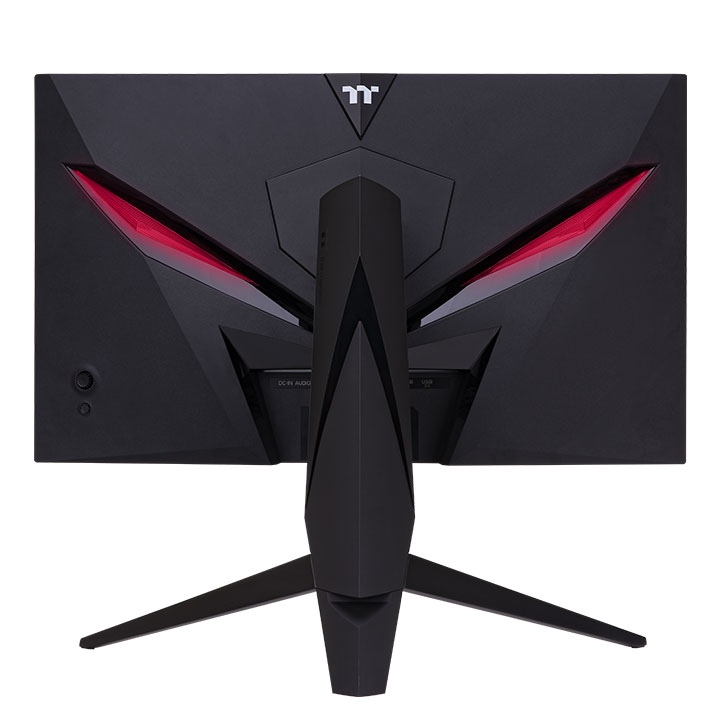
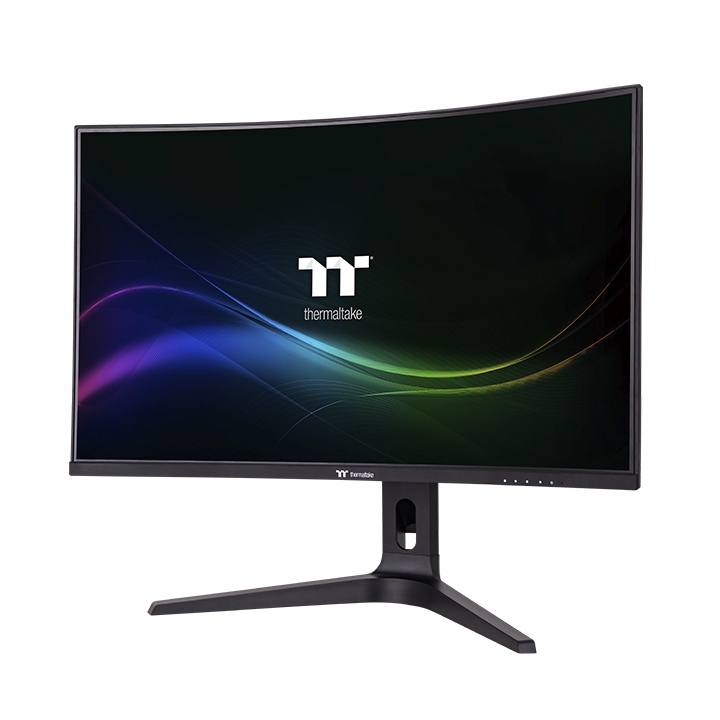
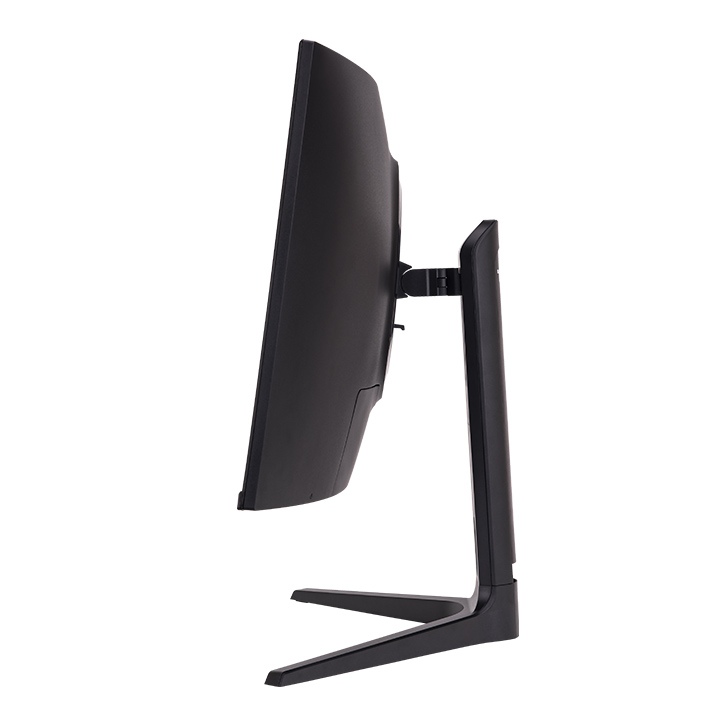
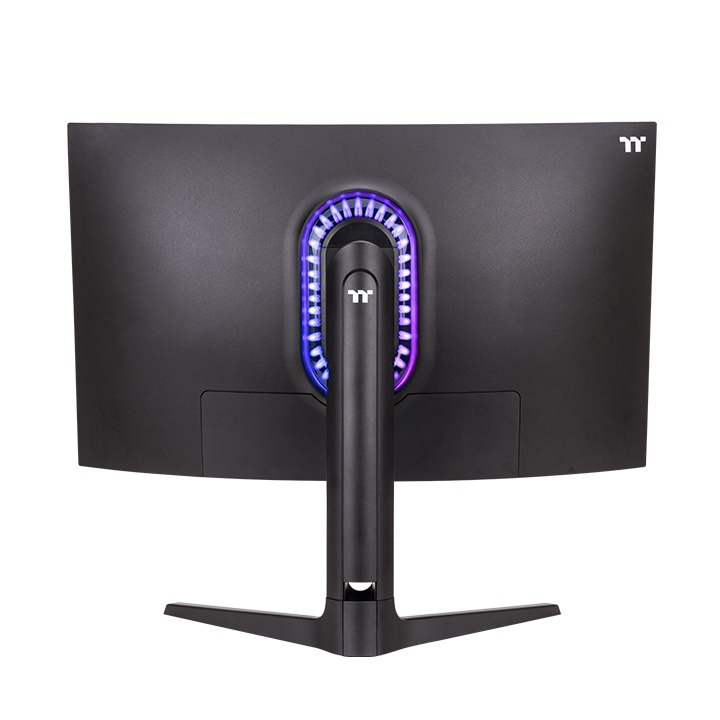
Taiwanese tech giant Thermaltake, renowned for PC hardware, is now venturing into gaming monitors. They’ve unveiled two models: the TGM-I27FQ (27 inches) and TGM-V32CQ (31.5 inches).
Thermaltake TGM-I27FQ & TGM-V32CQ specs
The TGM-I27FQ boasts a flat IPS panel with a sharp WQHD resolution (2560 x 1440 pixels), hitting a peak refresh rate of 165 Hz with a swift 1 ms response time. Expect a contrast ratio of 1000:1, 400 nits brightness, 10-bit color depth (8-bit + FRC), and a solid 95 percent DCI-P3 color coverage.
On the flip side, the TGM-V32CQ sports a 2K curved VA panel, handling the same WQHD resolution at up to 170 Hz. With a 3000:1 contrast ratio, it promises deep blacks. Response time clocks in at 4 ms (GTG), with a DCI-P3 color coverage of 90 percent.
Both monitors pack FreeSync Premium, G-Sync compatible Adaptive Sync, HDR support, and an anti-motion blur mode. Connectivity includes two HDMI 2.0 ports, a DisplayPort 1.4, and a headphone jack. The 27-inch model additionally features a USB 2.0 hub and a USB-C port (15W PD).
They both offer tilt, rotation, height adjustment, pivot, VESA mounting (75 x 75 mm), blue light filtering, and flicker-free backlighting.
Pricing & availability
Release dates are pending, but availability is anticipated in mid-November 2023 according to German retailers. The Thermaltake TGM-I27FQ will launch with a price tag of 389.90 euros, while the 32″ TGM-V32CQ will be priced at 349.90 euros.
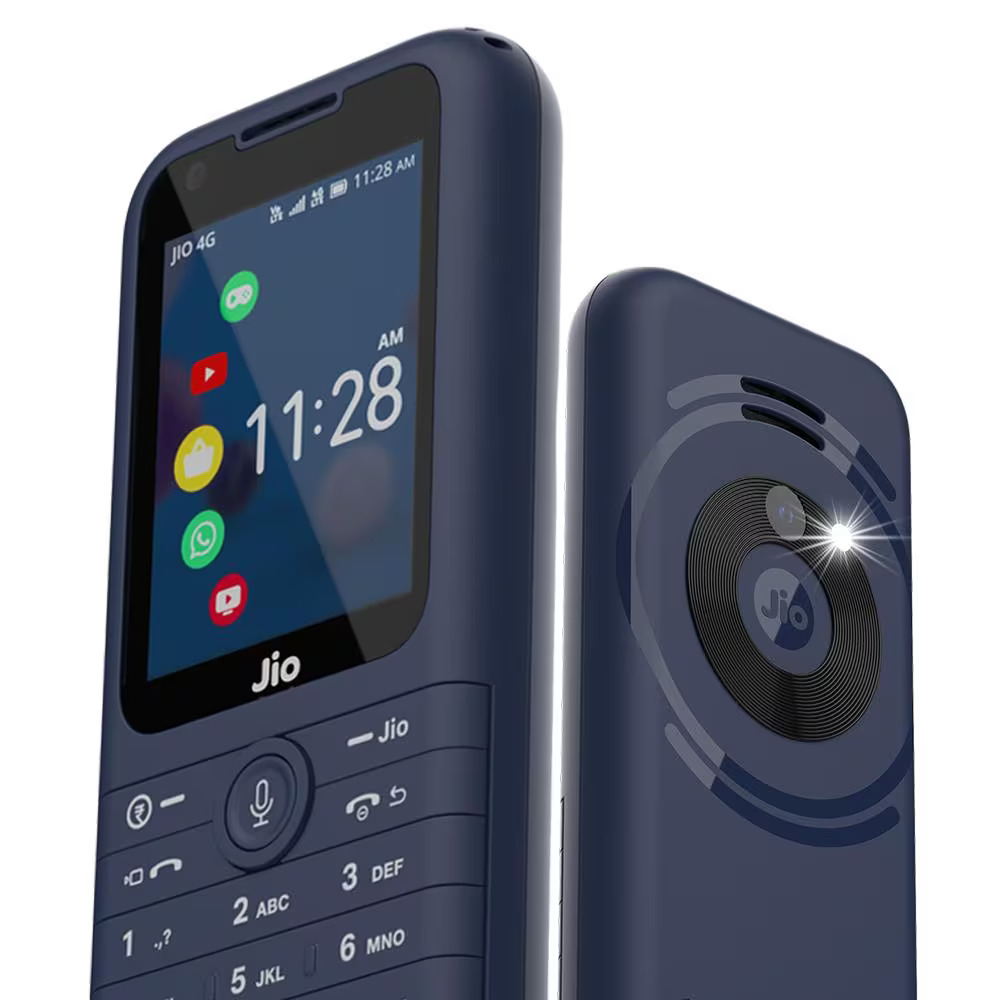
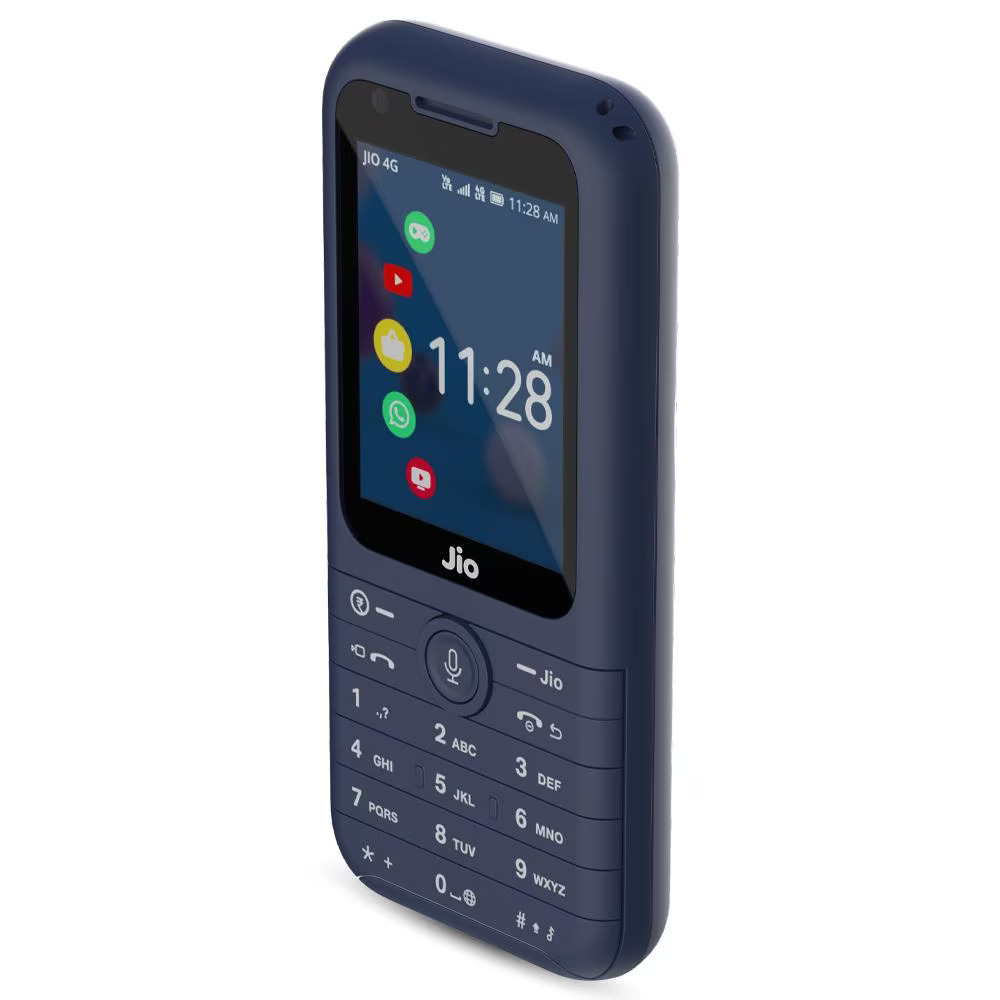
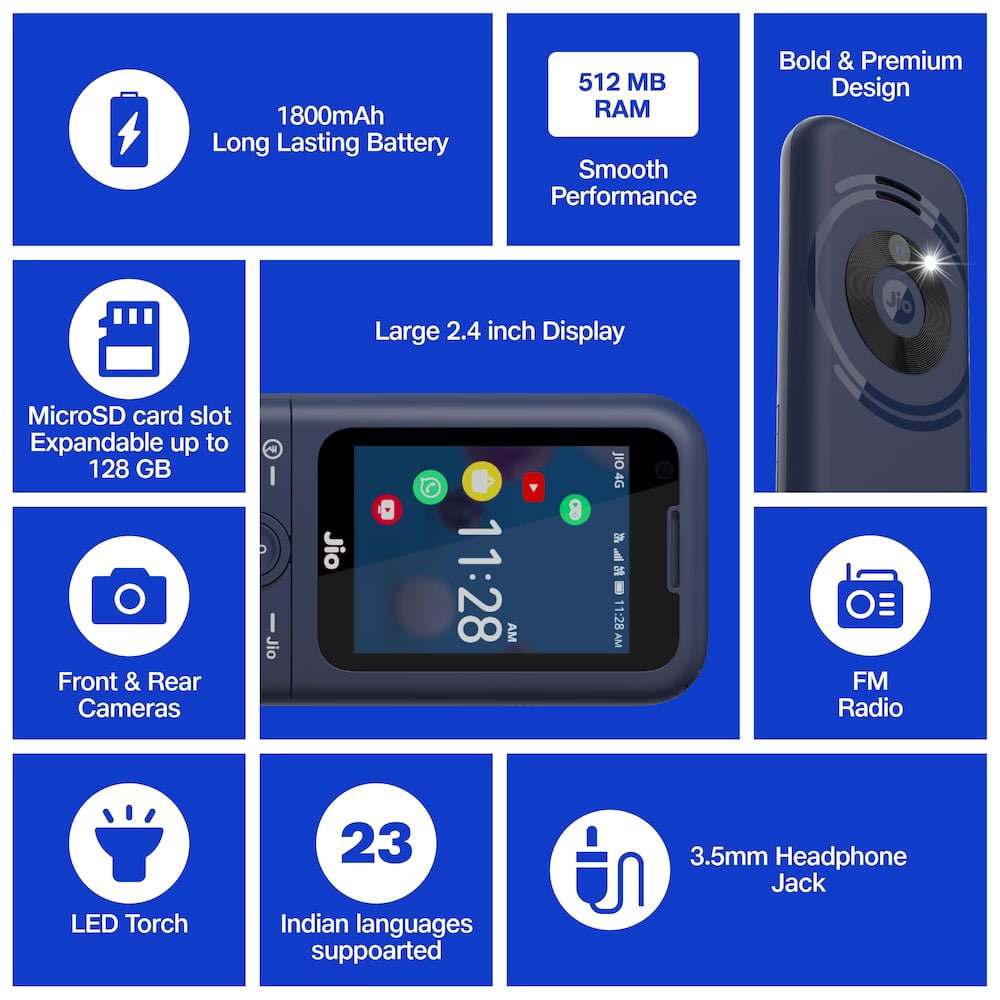
At the Indian Mobile Congress (IMC) event today, Reliance Jio unveiled a new mobile phone in the Indian market called the JioPhone Prima 4G. Though it might look like a typical feature phone, it supports many popular apps like YouTube and WhatsApp.
Key features of the JioPhone Prima 4G include 4G connectivity, an 1800mAh battery, and support for 23 languages. It has a premium, rounded design with a Jio logo encased within concentric circles on the rear panel and a thickness of just 1.55cm.
Under the hood, the JioPhone Prima 4G is powered by an ARM Cortex A53 processor with 128GB expandable storage. It supports FM Radio and features a 3.5mm audio jack. Running on KaiOS, it offers a single SIM slot and Bluetooth version 5.0. For those unfamiliar with KaiOS, it is a mobile operating system that is designed for smart feature phones. It is based on the Firefox OS open-source project and supports over 1200 apps including WhatsApp, Facebook, YouTube, and Google Maps.
The JioPhone Prima 4G comes with a bunch of pre-loaded apps including YouTube, JioTV, Jio Cinema, JioSaavn, JioNews, etc.
Pricing & availability
The JioPhone Prima 4G is priced at Rs 2,599 and is available in blue and yellow variants on JioMart. Launch offers include cashback deals, bank offers, and coupons.
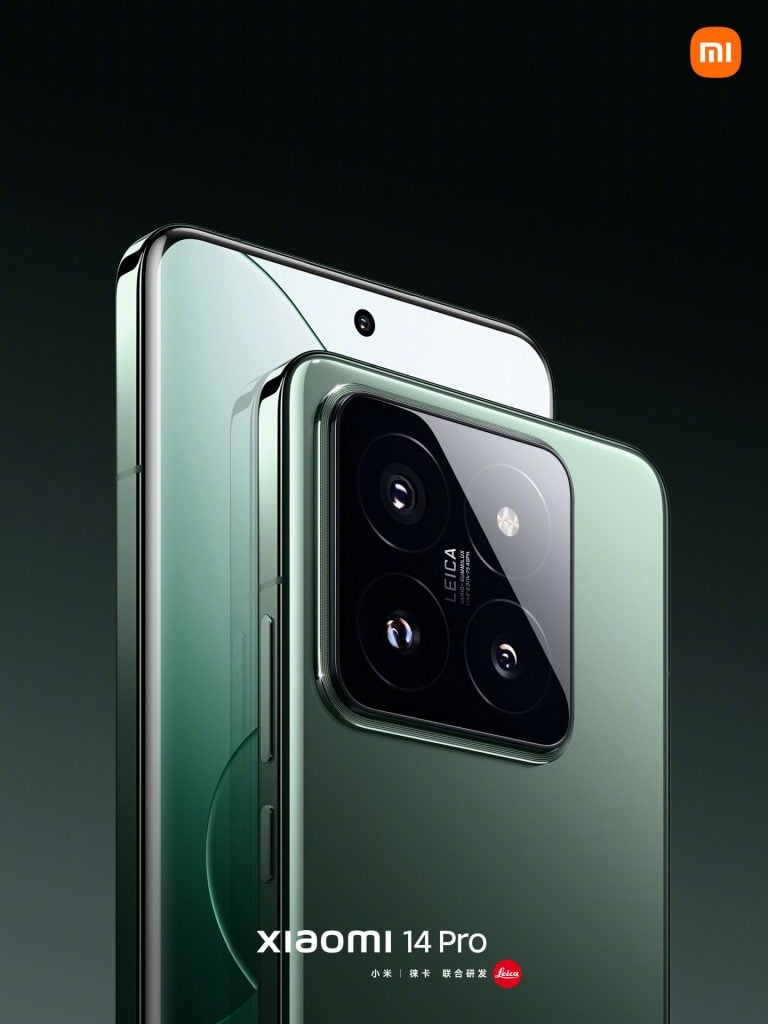
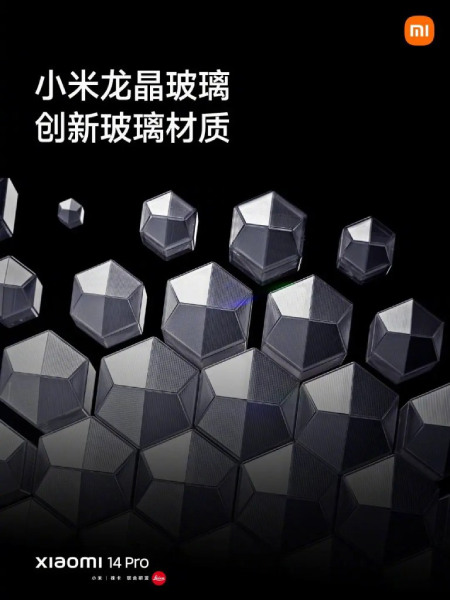
Xiaomi introduced a new in-house protective glass for its latest flagship smartphone, the Xiaomi 14 Pro. Called Dragon Crystal Glass, the new material is claimed to be the hardest and most durable smartphone glass on the market. So let’s talk about Xiaomi’s Dragon Crystal Glass in detail here.
Xiaomi Dragon Crystal Glass is up to 10 times more resistant to falls
According to Xiaomi, Dragon Crystal Glass is made with a combination of raw materials including lithium oxide, silicon dioxide, aluminum oxide, zirconium oxide, phosphorus pentoxide, and sodium oxide.
These materials are treated at a temperatures exceeding 1600°C for 100 hours which results in the formation of nano-sized crystals (about 25 nanometers in size) within the glass. These crystals form an interlocking structure that provides the glass with remarkable strength.
Xiaomi says that Dragon Crystal Glass has a Vickers hardness of 860 HV0.025. This makes it significantly harder than other popular display protection solutions, such as Huawei Kunlun Glass 2 (830 HV0.025), Apple Ceramic Shield Glass (814 HV0.025), and Corning Gorilla Glass Victus 2 (670 HV0.025).
Here’s a breakdown of the phone’s glass and their Vickers hardness in a table.
Phone glass
Vickers hardness (HV0.025)
Xiaomi Dragon Crystal Glass
860
Huawei Kunlun 2 generation
830
Apple Ceramic Shield Glass
814
Corning Gorilla Glass Victus2
670
As a result of such an internal structure, Xiaomi claims that the Xiaomi 14 Pro display is up to 10 times more resistant to falls than conventional reinforced glass.
In addition to its durability, Dragon Crystal Glass is also highly transparent. This is because the diameter of the internal microcrystalline particles is very small and evenly distributed. As a result, Dragon Crystal Glass does not sacrifice image quality for durability.
Xiaomi Dragon Crystal Glass in Test
Xiaomi has also released a video showcasing the strength and durability of Dragon Crystal Glass. The video shows Xiaomi’s solution competing against regular tempered glass in two rounds.
Video Via: Matrix Life
In the first round, the two glasses are thrown into each other with the same force. The Dragon Crystal Glass directly smashes the tempered glass without any damage.
In the second round, both glasses are scratched on a concrete surface at high speed. The tempered glass is left with obvious and irreparable scratches, while the Dragon Crystal Glass remains unscathed.
In Conclusion
Overall, Xiaomi’s new Dragon Crystal Glass solution seems like a step forward in making devices more reliable. It’s a reminder that while there are always new and exciting features being added to smartphones, sometimes, addressing a simple issue can be just as impactful.
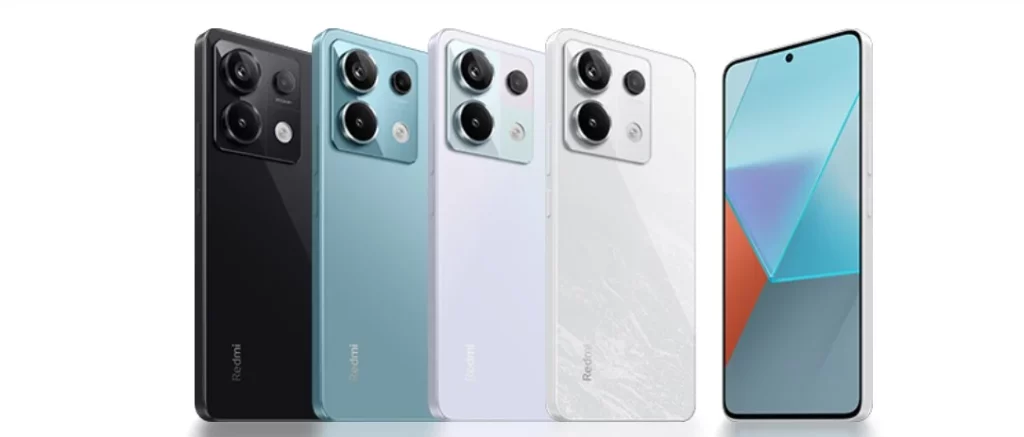
Xiaomi has recently taken the wraps off its Redmi Note 13 series in the Chinese market, consisting of three exciting models: the Redmi Note 13, Redmi Note 13 Pro, and Redmi Note 13 Pro+. While these devices have already hit the shelves in China, global consumers are eagerly awaiting their turn, with rumors circulating about international versions.
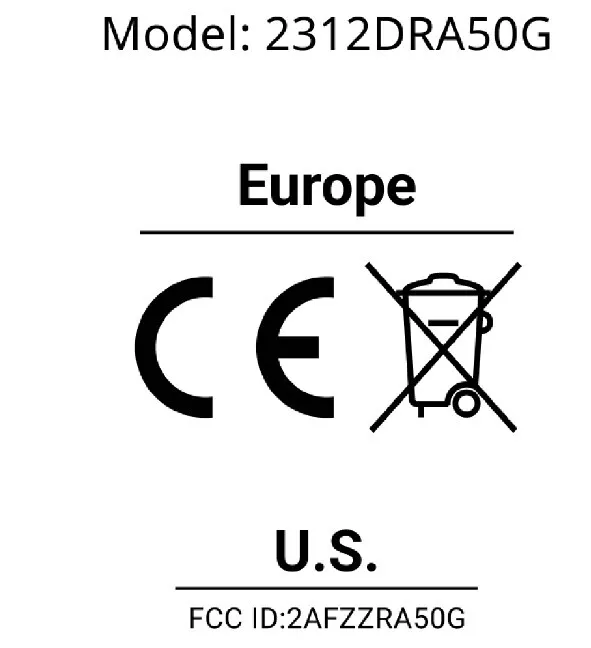
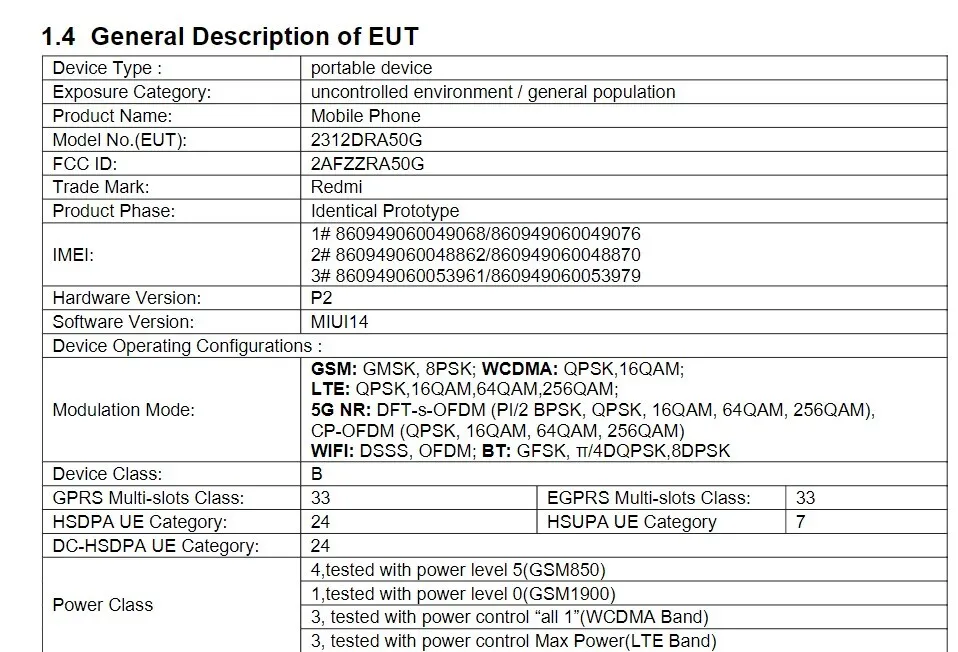
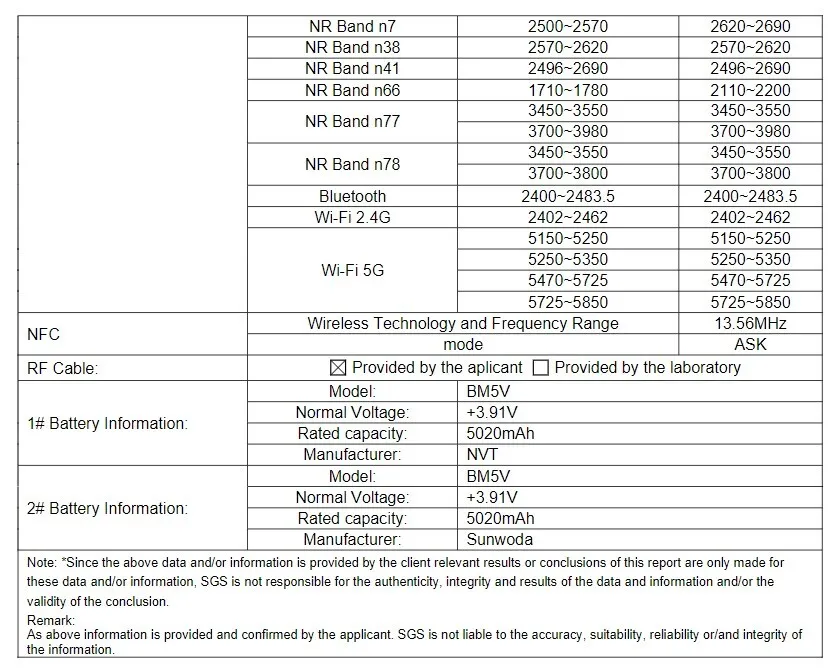
The Redmi Note 13 Pro Global version, with the model number 2312DRA50G, has surfaced on the FCC certification database (spotted by MSP), suggesting it’s heading for a global release. The FCC listing tells us that it packs a substantial 5020mAh battery, matching the Chinese version. While Android 14 is already here, the Redmi Note 13 Pro will run on MIUI 14 based on Android 13.
Though we can’t be certain the global variant will be identical to the Chinese one, let’s peek at the Chinese version’s specs to get an idea of what’s likely coming.
Redmi Note 13 Pro specs
The Chinese version features a 6.67-inch OLED display with a 1.5K resolution, a smooth 120Hz refresh rate, and a responsive 240Hz touch sampling rate. It also offers a peak brightness of 1800 nits, supports Dolby Vision, and is protected by Corning Gorilla Glass Victus. Under the hood, it runs on the Qualcomm Snapdragon 7s Gen 2 SoC with an Adreno 710 GPU for powerful performance.
In the camera department, it features a 200MP primary camera with OIS, an 8MP ultra-wide-angle lens, a 2MP macro shooter, and LED flash. For selfies, it has a 16MP front camera. The device is powered by a 5000mAh battery with 67W fast charging through a USB Type-C port. The phone also boasts a stereo speaker setup with Dolby Atmos for impressive audio quality and features an in-display fingerprint scanner for added security.
In related news, the Redmi Note 13 Pro+ also made an appearance on the FCC database a few days prior revealing key specification details.
Electric motorcycles are quietly reshaping the urban landscape, but now they’re making a strong entry into off-road terrain. The Strix Electric Enduro, a potent electric dirtbike, is set to revolutionize off-road experiences and find its place in military applications. Off-road activities have long suffered from noise and fire hazards, but electric off-roaders like the Strix eliminate these issues. Their silent operation provides a tactical advantage in military scenarios, as validated by testing with the US Navy, NATO Forces, and the Estonian army.
The bike charges from 20% to 80% in merely ten minutes
The Strix isn’t just about silence; it delivers substantial power with 1,050 Newton-meters of torque and 70 kilowatts of output. Despite its strength, it remains lightweight at 118 kilograms, ensuring agility. Riders can customize performance with multiple ride modes and a user-friendly smartphone app.
The Strix’s 6.3-kilowatt-hour battery offers rapid charging from 20 to 80 percent in just 10 minutes, reducing downtime. Its chrome-molybdenum steel frame guarantees durability without adding unnecessary weight.
Available for private pre-orders with a 500-euro deposit, the Strix is expected to retail at around 19,800 euros upon its release. However, its street-legal status remains uncertain, leaving potential buyers with a crucial question: will they be able to ride it on public roads?
Cult.sport, a prominent name in the Indian fitness market, has introduced the budget-friendly Burn+ Smartwatch. This feature-rich timepiece boasts a 1.78-inch AMOLED display with a clear 368×448 resolution and an Always On Display function. What truly sets the Burn+ Smartwatch apart is its unique CricBuddy feature, providing real-time live cricket scores.
Beyond cricket, the Burn+ Smartwatch offers Bluetooth calling for seamless communication, a user-friendly crown for easy navigation, and an impressive battery life of up to 7 days, ensuring you stay connected without interruptions. Health-conscious users will appreciate its comprehensive tracking capabilities, including heart rate monitoring, step counting, calorie tracking, SP02 measurement, sleep tracking, and even a period tracker. It also includes a dedicated sports mode and quick reply options.
The Burn+ Smartwatch syncs seamlessly with the cult.sport app, granting access to an extensive library of over 1,000 workout videos, goal-tracking features, and the opportunity to engage in fitness challenges and leaderboards with friends.
Pricing & availability
The Burn+ Smartwatch comes in two strap options: silicon and metal. On cultsport.com, the silicon strap is priced at Rs 2,999, while the metal strap costs Rs 3,499. Amazon offers discounts, with the silicon strap version at Rs 2,499 and the metal strap at Rs 2,999.
The smartwatches will soon be listed to buy online. In the meantime, you can check out the Cult.sport Beats & Burn smartwatches that the brand launched back in March.
We use cookies on our website to give you the most relevant experience by remembering your preferences and repeat visits. By clicking “Accept”, you consent to the use of ALL the cookies.
This website uses cookies to improve your experience while you navigate through the website. Out of these, the cookies that are categorized as necessary are stored on your browser as they are essential for the working of basic functionalities of the website. We also use third-party cookies that help us analyze and understand how you use this website. These cookies will be stored in your browser only with your consent. You also have the option to opt-out of these cookies. But opting out of some of these cookies may affect your browsing experience.
Necessary cookies are absolutely essential for the website to function properly. This category only includes cookies that ensures basic functionalities and security features of the website. These cookies do not store any personal information.
Any cookies that may not be particularly necessary for the website to function and is used specifically to collect user personal data via analytics, ads, other embedded contents are termed as non-necessary cookies. It is mandatory to procure user consent prior to running these cookies on your website.