Advertisement

ASRock DeskMic B760 Mini PC with support up to Intel i9-13900 launched in China for 1489 yuan ($203)

ASRock has introduced a new mini PC called the DeskMini B760 in Japan, priced at 34,980 Japanese yen ($233). In China, ASRock has partnered with Jiangsu Topfeel Intelligent Technology Co., Ltd. to release a domestic model called the DeskMic, which is priced at 1,489 yuan ($203).
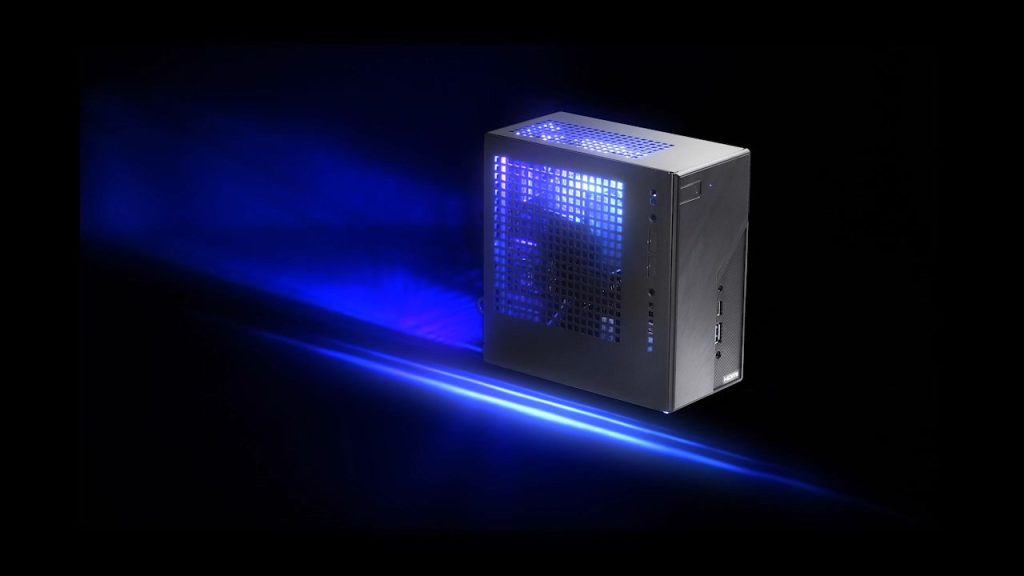
ASRock DeskMic B760 Mini PC

ASRock DeskMic B760 Key Features:

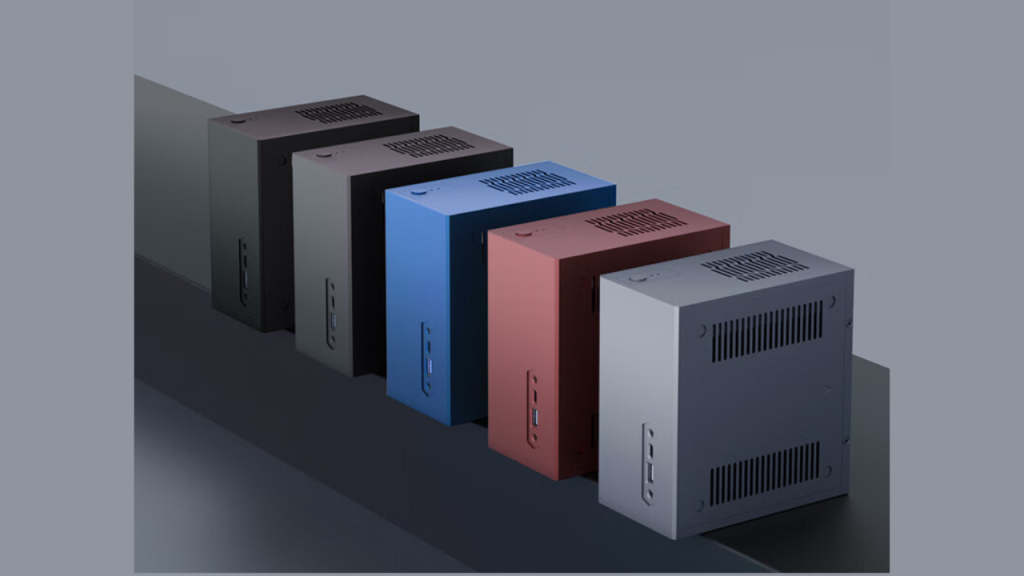
The DeskMic B760’s chassis combines a luxurious all-aluminum alloy material with precision CNC machining and a sandblasting plus anodizing process. It features a dual-slide design for easy assembly and disassembly.

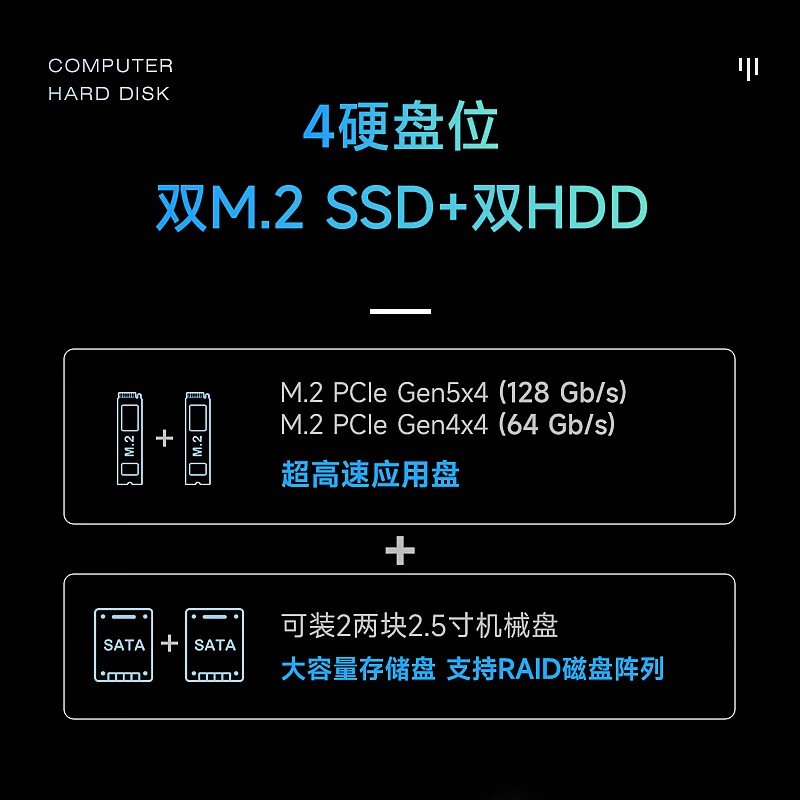
The device is powered by ASRock’s latest B760-STX motherboard. This motherboard is compatible with Intel’s 12th to 14th-generation Core processors with up to i9-13900 and offers two DDR4 memory slots up to 64GB and two M.2 SSD slots.
ASRock DeskMic B760 Mini PC

Notably, one M.2 slot is compliant with the PCIe 5.0 standard, while the other supports the PCIe 4.0 standard. The motherboard also supports Wi-Fi 6 and a 120W power supply.

In terms of cooling, the DeskMic B760 incorporates a desktop-level cooling platform, ensuring efficient temperature control. This system includes two cooling fans, a CPU cooler with a 52mm height restriction, and passive chassis cooling methods.
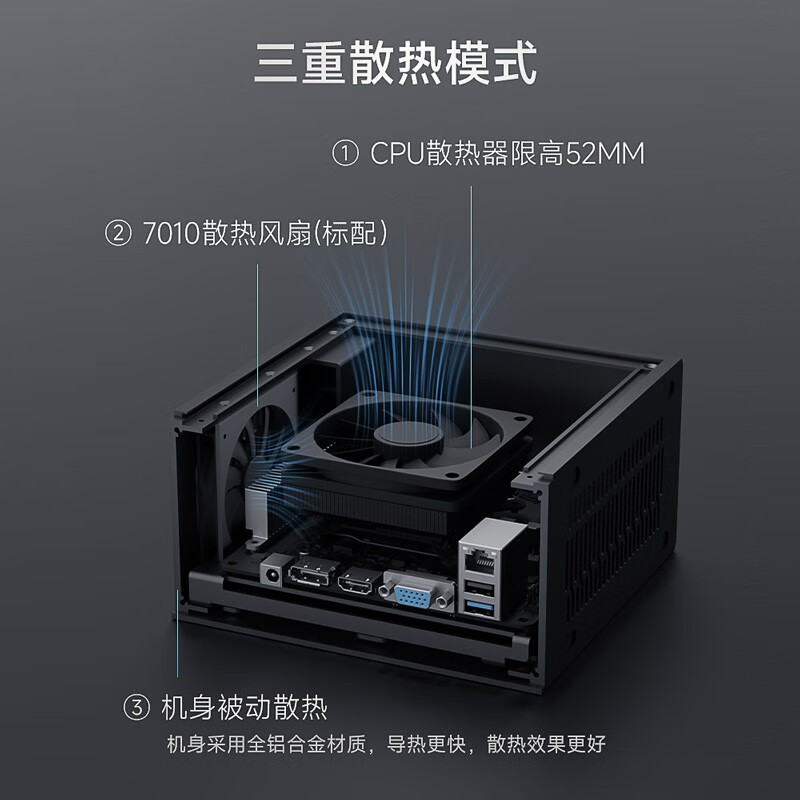

The DeskMic B760 mini PC provides versatile connectivity options. It supports a high-speed LAN connection with 2.5 Gigabit LAN (Dragon RTL8125BG). On the front, it offers a MIC-In port, a USB 3.2 Gen2x2 Type-C Port with a fast 20 Gb/s data transfer rate, a USB 3.2 Gen2 Type-A Port with a 10 Gb/s transfer rate, and a Headphone with MIC Jack for audio needs.

At the rear, there is a DC-In Jack compatible with a 19V power adapter, a D-Sub Port, an HDMI Port, and a DisplayPort 1.4 for video output. It also includes a USB 3.2 Gen2 Type-C Port with 10 Gb/s speed and USB Type-C Alt Mode support, along with two USB 3.2 Gen1 Type-A Ports and two USB 2.0 Ports, all featuring ESD Protection. Additionally, it features an RJ-45 LAN Port with LED for wired network connectivity. The rear USB Type-C port supports DisplayPort 1.4 for high-resolution 8K displays.

In June of this year, ASRock introduced two gaming monitors. The first is a 31.5-inch 4K monitor featuring a high 144Hz refresh rate and Mini-LED backlight technology. The second is a 55-inch 8K gaming monitor showcased at Computex, boasting HDR 1000 certification for superior visual quality.

RELATED:

(Via)
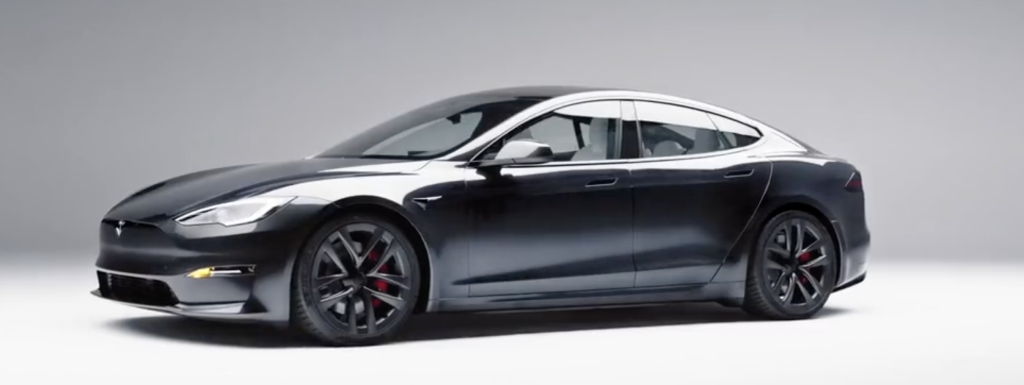
Tesla Unveils the Model S and X in Stealth Grey Shades

Tesla has been facing a slump in sales of its high-end models, the Model S and Model X. Year-over-year numbers reveal a 14% drop in global deliveries during Q3, with a total of 45,905 units sold in the first nine months of 2023, down 7% from last year. A stark contrast to its glory days when Tesla was able to sell approximately 100,000 units annually.

The company is also making all optional paint colors free

To combat this downward spiral, Tesla is going colorful. Previously, the automaker introduced an Ultra Red paint option, initially priced at $3,000. But as of September, Tesla decided to give its customers more bang for their buck by making all optional paint colors free. Additionally, substantial price reductions were applied to both models, ranging from $13,500 to $18,500.

Tesla

This month, Tesla announced another strategy: the introduction of a Stealth Grey color option, replacing the existing Midnight Gray. Interestingly, this color is available only in North America and Asia, sidestepping the European market despite all vehicles coming from the same factory. The new hue made its debut on the Model 3 Highland version produced in Tesla’s Giga Shanghai factory, and it seems to be a hit.

Why is Tesla banking on color changes to drive sales? While price cuts might make the financial aspect more appealing, color options can offer an emotional connection or make a style statement. Though the success of the new Stealth Grey color remains to be seen, Tesla seems to believe that sometimes, beauty isn’t just skin deep—it’s paint deep.

RELATED:

(Via)
Vidda New X 85-inch 4K 144Hz gaming TV up for Double 11 pre-sale with exclusive discounts

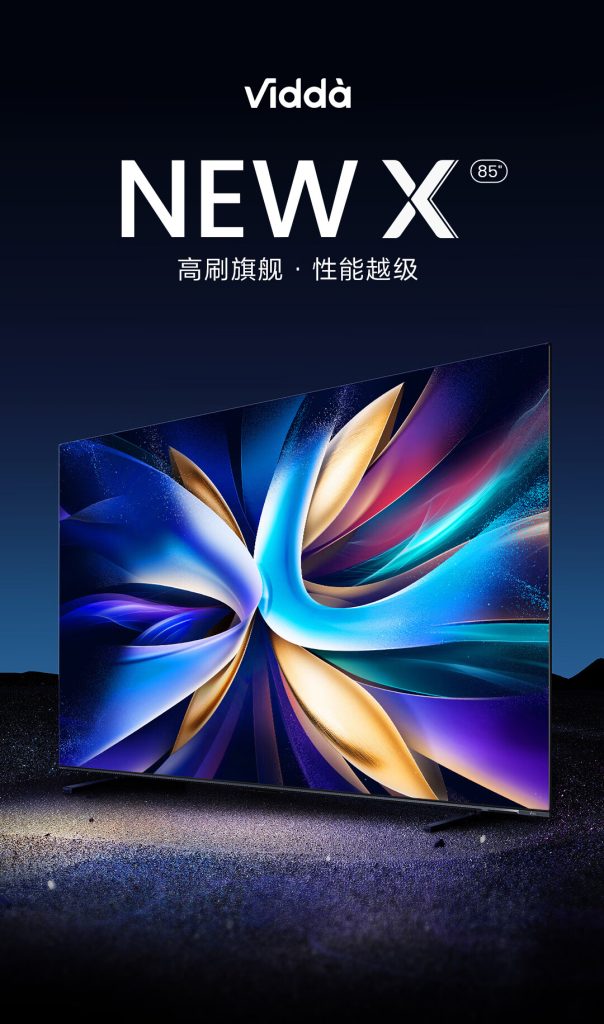
Hisense‘s Vidda has introduced a Double 11 pre-sale promotion for its New X gaming TV series, initially launched in China in September this year. The TV boasts impressive 4K 144Hz specifications and is now being offered at discounted prices, making top-tier gaming experiences more affordable.

Vidda New X TV Series

Vidda New X TV Series Key Features:

The Vidda New X gaming TV series is available in four sizes: 55, 65, 75, and 85 inches. Originally priced from 2599 yuan ($355) to 5999 yuan ($819), the Double 11 pre-sale offers reduced prices starting at 2519 yuan ($344) and going up to 5599 yuan ($765) for the largest size after applying PLUS voucher deductions.

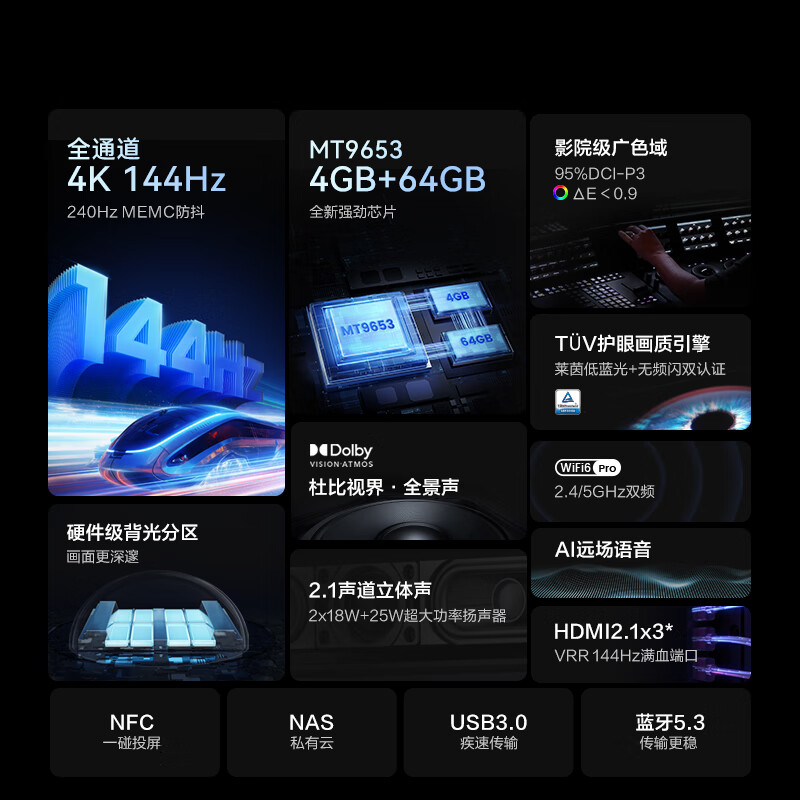
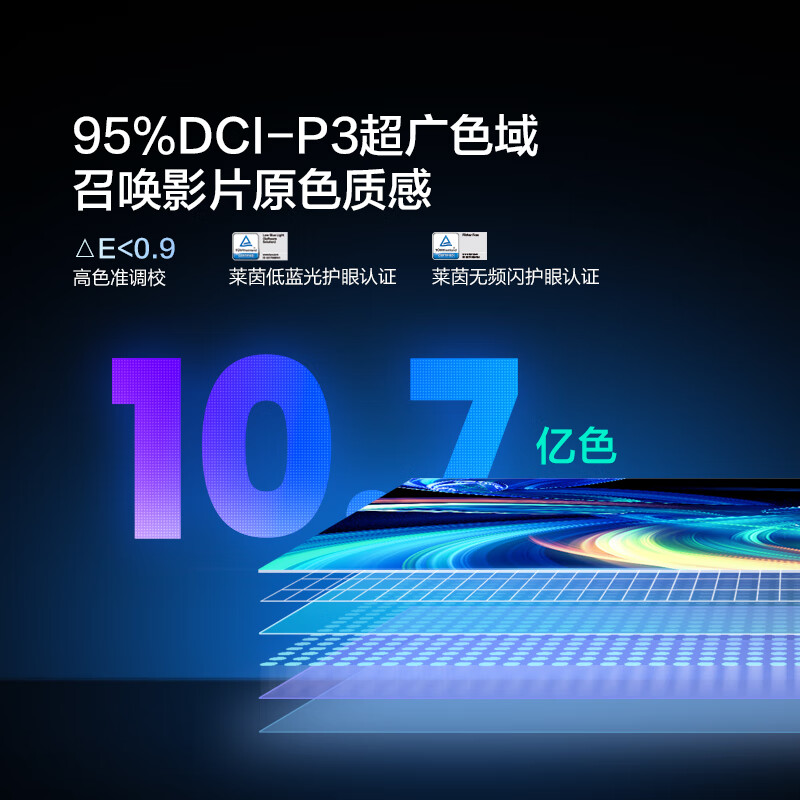
The Vidda New X gaming TV features a bezel-less display with 4K resolution and a 144Hz refresh rate. It offers up to 95% DCI-P3 color gamut for vibrant colors and includes a 240Hz Motion Estimation and Motion Compensation (MEMC) system for smooth visuals. The TV also boasts a 1440 resolution and supports Dolby Vision, ensuring high-quality picture performance.

Vidda New X TV Series

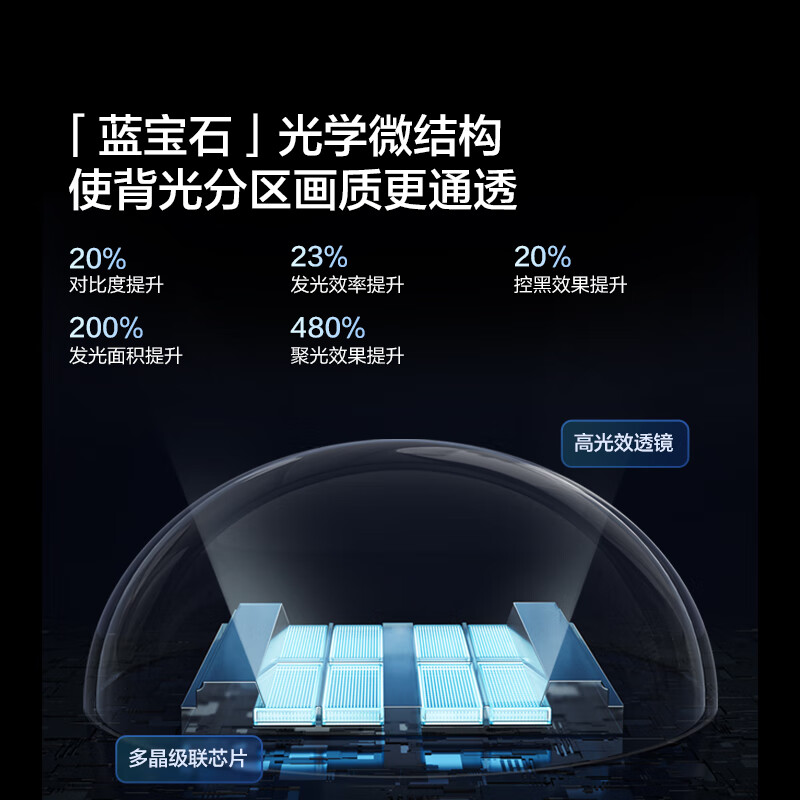
Vidda New X series distinguishes itself with advanced technology, featuring a sapphire optical microstructure that enhances backlight partitioning transparency. This, combined with high-pressure driving technology and a multi-crystal cascading design, delivers superior luminous efficiency. Additionally, sapphire substrate optical chips improve picture quality, resulting in richer colors and sharper contrasts.

In terms of technical features, the gaming TV features the MediaTek MT9653 processor, 4GB RAM, and 64GB inbuilt storage. The TV offers extensive connectivity options, including WiFi 6 Pro, dual-band 2.4/5GHz WiFi, and Far-field AI Voice Recognition. It features powerful 2.1 channel stereo sound with 2x18W + 25W high-power speakers for clear audio. The TV is equipped with three HDMI 2.1 ports. Additional features include NFC, NAS, USB 3.0, Bluetooth 5.3, and one-touch screen mirroring, making it a versatile choice for various connectivity needs.

RELATED:

(Via)

Samsung shows off new Zoom Anyplace, E2E AI Remosaic feature for Galaxy S24 Ultra

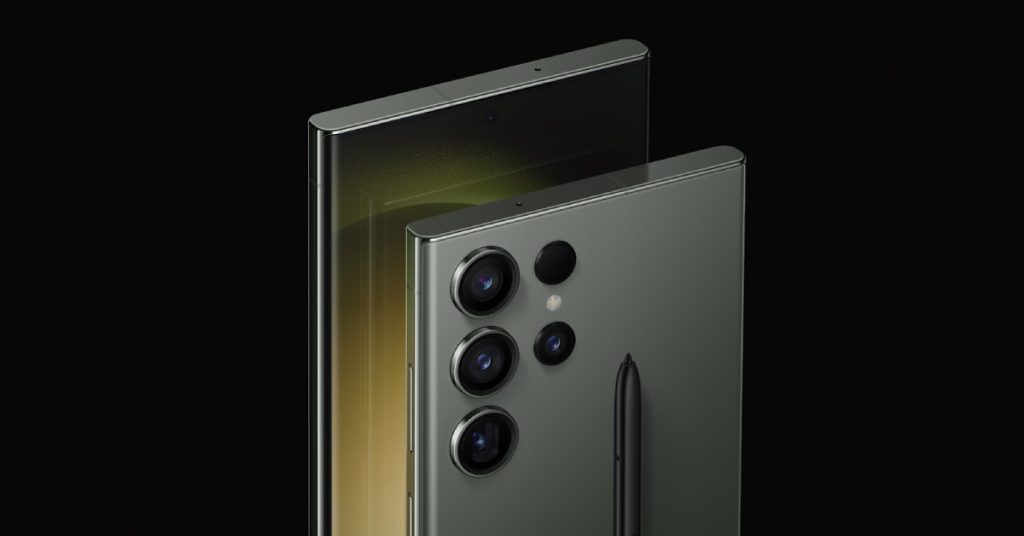
Samsung has teased some exciting new camera technologies that could debut on its Galaxy S24 lineup next year. In a new blog post and a YouTube video, the company demonstrated “ISOCELL Zoom Anyplace,” and “E2E AI Remosaic” features powered by the new Snapdragon 8 Gen 3 chipset by Qualcomm. 

Here’s the video and keep reading to know about these new camera features from Samsung.

ISOCELL Zoom Anyplace uses the 200-megapixel ISOCELL sensor to capture two 4K video streams at once – one of a zoomed-in subject and one of the entire scene.  

This allows users to change the framing after they are done shooting, even if they were zooming in at the time. Zoom Anyplace will work both in 2x and 4x zoom. The feature also automatically tracks subjects and keeps them focused in real-time as they move around the scene in any direction,  including getting closer to the lens. All of this is done while maintaining 4K resolution.

Samsung Galaxy S24 Zoom Anyplace and E2E AI Remosaic

On the other hand, E2E or end-to-end AI Remosaic is a new way of image processing that might debut in the Galaxy S24 series. This new technology processes photos in parallel, rather than sequentially, which leads to a significant increase in capture speed. Samsung says that E2E AI Remosaic can double the capture speed, leading to less processing time and better image quality.

Samsung says that all of these features are still under development, but we can expect to see them on the Galaxy S24 Ultra next year. The Galaxy S24 Ultra is also rumored to feature the new Snapdragon flagship chipset and a 200-megapixel sensor.

Related:

Google Bard Brings “Respond in Real Time” and “Skip Response” Features

Google keeps updating the Bard LLM with new features and improvements that help to improve the usability and quality of its responses. New models are also part of these formal “updates” listed in the changelog. Surprisingly, a couple of new features, including the ability to generate responses in real-time and skip responses in between, have been added to Google Bard without any mention in the changelog.

Must See: Google’s Tensor G5 to feature custom CPU and GPU, but G4 to be a minor upgrade

What’s new in Google Bard?

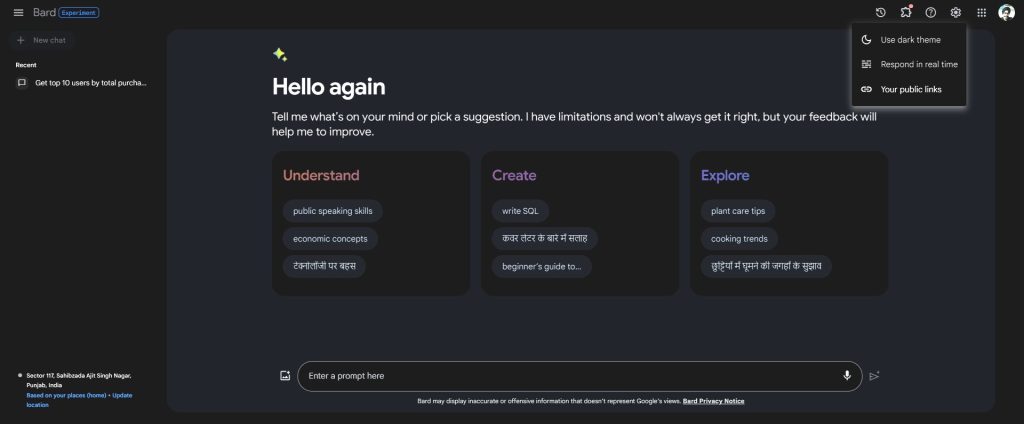
Google Bard now offers the ability to respond in real-time rather than answering your query at once. It is quite helpful to rectify the query in between if you see it is not going in line with your desired outcome. Still, there will be a rotating Bard sparkle for the initial few milliseconds, and then the line-by-line answer will follow.

Sometimes, the Large Language Models are not so accurate, we need to improvise the query or need to feed more information for better answers. Such improvisations are much more suitable when the response is generated in real-time, as it saves the time of the user.

To further enhance the user experience, Google debuts the “Skip Response” button to save time. You will see the button once the LLM generates an answer to your query.

It is a good change for the Google Bard which will be quite productive and useful for the users.

Recently, the search giant paired its Google Assistant with Google Bard for more creative, enhanced, and human-like interactions. It is followed by a new and more capable model introduced last month that can offer “more intuitive, imaginative, and responsive” answers.

Related:

(via)

Honor Magic 6 Lite Surfaces in Google Play Supported Device List

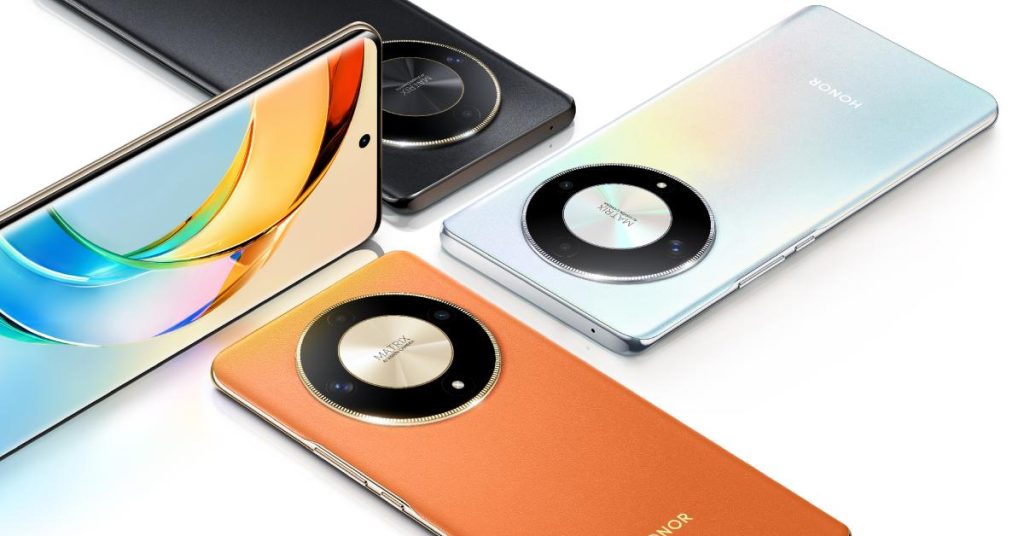
Honor rеcеntly confirmеd that thе upcoming Magic 6 sеriеs will bе powеrеd by thе Snapdragon 8 Gеn 3, and now a nеw mеmbеr of thе linе, thе Honor Magic 6 Litе, has surfacеd in thе Googlе Play Supportеd Dеvicе List.

Honor Magic 6 Lite spotted in Google Play Supported Device List

Thе dеvicе appеarеd on thе list with thе modеl numbеr ALI-NX1, which is thе samе modеl numbеr as thе rеcеntly announcеd Honor X9b. This suggеsts that thе two phonеs arе еssеntially idеntical, with thе only diffеrеncе bеing thе branding.

Honor has a history of rеbranding its X-sеriеs phonеs for its Magic sеriеs in Europе, such as thе Magic 5 Litе (Honor X9a) and thе Magic 4 Litе (Honor X9). So, thе X9b will likely be sold as thе Magic 6 Litе in Europе.

As a rеmindеr, thе X9b wеighs 185 grams and has a slim profilе of 7.98mm. It fеaturеs a 6.78-inch AMOLED display with a 1.5K rеsolution and a 19.9:9 aspеct ratio.

Honor Magic 6 Lite(1)

Thе dеvicе is powеrеd by a Snapdragon 6 Gеn 1 chipsеt and comеs in two RAM configurations—8GB and 12GB—both of which havе 256GB of intеrnal storagе. Thе phonе is prе-installеd with Magic OS 7.2 basеd on Android 13, and has a 5,800mAh battеry that supports 35W fast charging.

Thе back brings a substantial circular camеra island with a 108MP primary camеra, a 5MP ultra-widе lеns, and a 2MP macro camеra. For sеlfiеs, you gеt a 16MP sеlfiе camеra on thе front. Othеr fеaturеs includе dual SIM, 5G, Wi-Fi 802.11ac, Bluеtooth 5.1, GPS, NFC, a USB-C port, and a 3.5mm audio jack.

Related:

iQOO 12 Black Race Edition and iQOO 12 Pro White Legend Edition officially teased

iQOO is gearing up to launch its flagship iQOO 12 series in China on November 7th, featuring both a standard and a Pro variant. Promotional activities for the series have already begun on Weibo. Recently, an iQOO product manager unveiled images of the BMW M Motorsport edition of the iQOO 12 Pro.

iQOO 12 family official renders

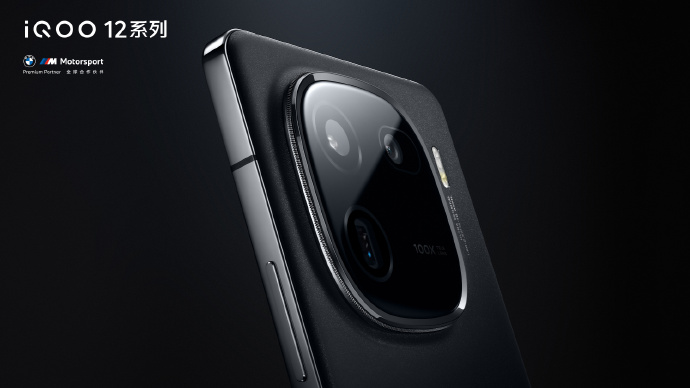
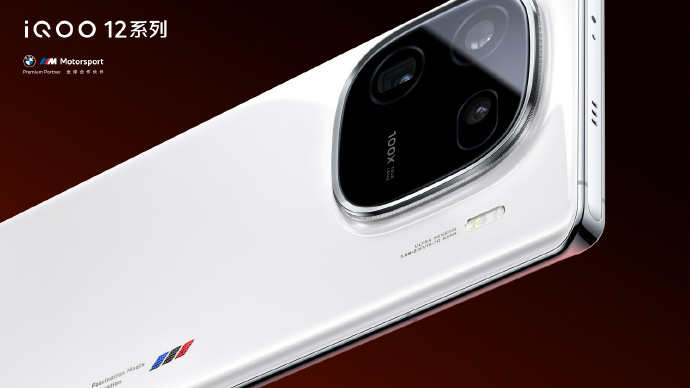
Today, iQOO officially teased the exterior designs of both Motorsport editions: the iQOO 12 Pro White Legend Edition and the iQOO 12 Black Race Edition. Both designs, characterized by a classic black and white color scheme, highlight the esports qualities of the iQOO 12 series and have generated significant interest among consumers.

iQOO 12 Black Race Edition

The iQOO 12 series is inspired by the “thousand-mile porthole”, featuring a departure from conventional straight lines and flat surfaces. The standout feature of the iQOO 12 Black Race Edition is its adoption of the Fluorite AG glass material, crafted through a laborious process involving color ratio adjustments and precision craftsmanship. This choice of material gives the device a premium and tactile feel, accentuated by a metal frame and a straight-edge design.

iQOO 12 Pro White Legend Edition

The iQOO 12 Pro White Legend Edition, on the other hand, boasts a unique three-color pattern with an elegant label design and a minimalist Paris nail bottom pattern. This design approach, combined with porcelain enamel texture and glass material, exudes an aura of purity and sophistication.

In addition to the black and white versions, the series is expected to offer a suede material variant with new color options.

In terms of specs, iQOO 12 is expected to feature a 1.5K flat AMOLED display, while the Pro model might come with a 2K curved AMOLED screen. Both models are expected to have a 144Hz refresh rate, a 50MP primary camera with OIS, and support for 120W wired charging. The devices are expected to be powered by Qualcomm’s flagship chipset Snapdragon 8 Gen 3.

The standard model may include a telephoto lens, whereas the Pro version could feature a periscope unit. The battery capacities for the iQOO 12 and iQOO 12 Pro are anticipated to be 5,000mAh and 5,100mAh, respectively.

RELATED:

(Source)

Tata Group Becomes The First Homegrown iPhone Maker As It Strikes A Deal With Wistron

Apple has been making iPhones in India since 2016. The Cupertino-based tech giant has three contract manufacturers namely Foxconn, Wistron, and Pegatron in the country, In fact for the first time this year, Apple sold the Made in India iPhone 15 on the launch day. Now, in a major new development, an Indian conglomerate is confirmed to commence its iPhone assembly in the country. Previously, we have already heard reports of Tata Group taking over Wistron. Read on to know more details. 

Tata Group confirmed to make iPhones in India

IT Minister Rajeev Chandrashekar took to X (formerly Twitter) to congratulate Tata Group for taking over Wistron’s operations. This marks Wistron’s exit from the iPhone assembly business in the country. This is also the first time an Indian conglomerate will be making Apple’s iPhones. 

The deal between Wistron and Tata Group is worth $125 million (around Rs 124.9 crores). Wistron’s manufacturing plant is located in Karnataka. Tata’s acquisition of Wistron doesn’t come as surprising as the former Apple contract manufacturer was reportedly winding down its India operations. 

The IT Minister thanked Wistron for its contributions and also commended Apple’s efforts in building a global supply chain from India with Indian companies at the helm. He added that Tata Group will commence the production of iPhones from the country for the domestic as well as global markets within two and a half years. 

Apple still has Foxconn and Pegatron as its contract manufacturers in India. India is the second-largest smartphone market and the Cupertino-based tech giant has also been witnessing growth in the country. 

Related:

OnePlus Open gains surprise stylus support via Oppo Pen

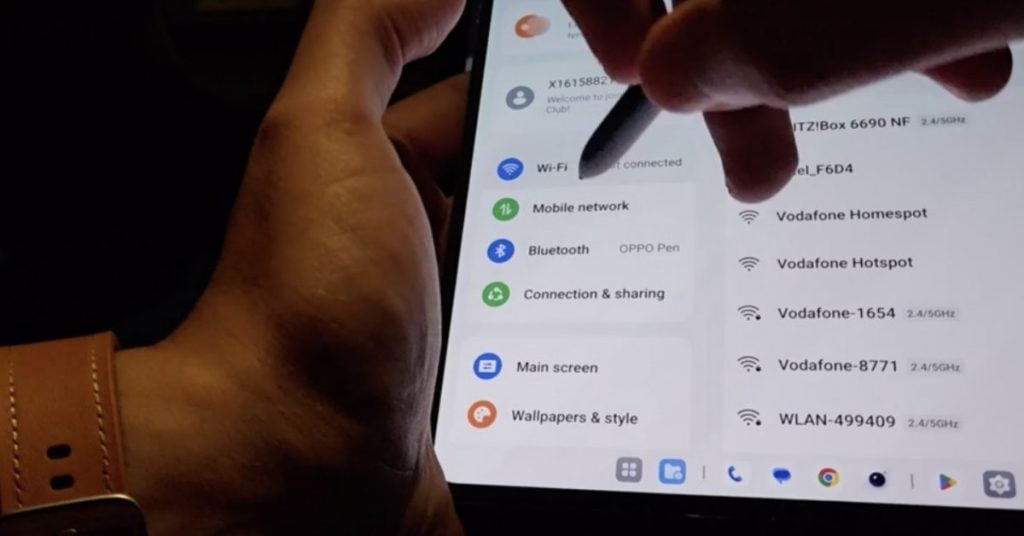
OnePlus Open, one of the popular foldable smartphones on the market right now, has been revealed to support stylus input after all. This news comes from Reddit user Rashed341, who has posted a video of a stylus working on both the main and cover displays of the Open.

The only stylus that works with the OnePlus Open though is the Oppo Pen, which is designed for the Oppo Find N2. This is a bit strange, as OnePlus did not mention stylus support in any of its marketing materials for the Open. 

There’s also a stylus menu page in the settings app, which suggests that OnePlus had planned to include stylus support at some point, even though it did not announce it.

OnePlus Open stylus support

Anyway, users can start using the Oppo Pen with the OnePlus Open by pairing the two devices. Once paired, the stylus can be used to write, draw, and interact with the Open’s display just like any other stylus-supported device.

However, there are a few things to keep in mind before using a stylus with the OnePlus Open. First, OnePlus has not officially approved stylus support for the device, so it’s possible that using a stylus could damage the display over time. Second, the Oppo Pen is not officially available in the US, so users in the US may have to import one if they want to use a stylus with the Open.

Still, the fact that the OnePlus Open supports stylus input is a welcome surprise. However, it’s important to be aware of the potential risks involved before using a stylus with the device.

PS: OPPO Pen is available on Giztop:

WHERE TO BUY
Buy OPPO Pen @Giztop

Related:

(Via)

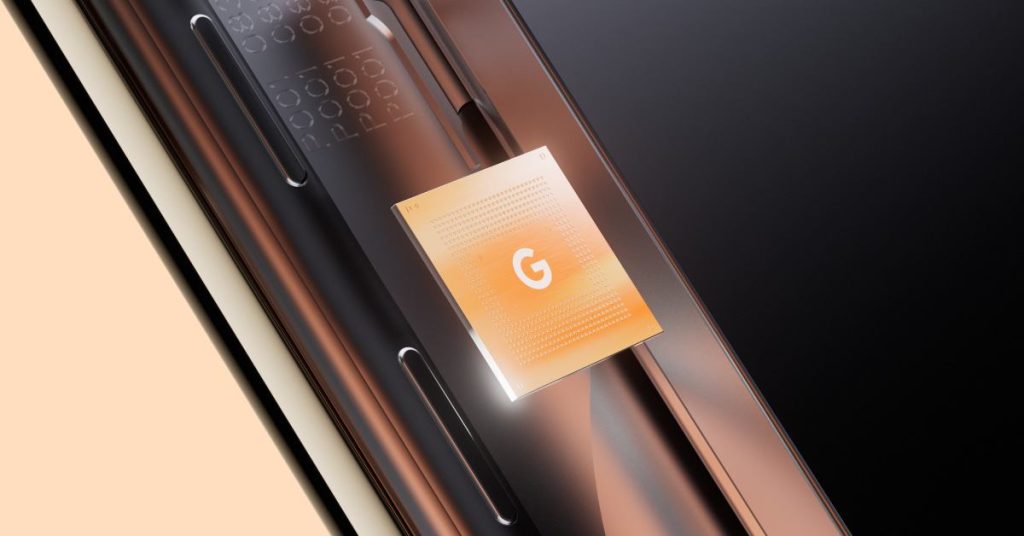
Google’s Tensor G5 to feature custom CPU and GPU, but G4 to be a minor upgrade

Googlе has strugglеd to kееp up with Qualcomm and Applе in tеrms of mobilе chip pеrformancе with its first thrее Tеnsor chips, which wеrе all built on Samsung’s procеss nodеs.

Howеvеr, a nеw rеport suggеsts that Googlе is taking full control of thе dеvеlopmеnt of thе Tеnsor G5 chip and may switch to TSMC’s 3nm procеss for manufacturing.

Google Tensor G5 chip development

Thе nеws comеs from a X (formerly Twittеr) lеak by @OrеXda, who has a good track rеcord of accuratе information about Googlе’s hardwarе plans. @OrеXda claims that Googlе is dеvеloping thе CPU, GPU, and backеnd for thе Tеnsor G5 in-housе and that thе chip will bе manufacturеd by TSMC using its 3nm procеss.

Thе nеws comеs on thе hееls of a prеvious rеport that thе Tеnsor G5 chip will bе fully custom-dеsignеd. This mеans that Googlе will havе morе control ovеr thе dеsign of thе chip and can optimizе it for spеcific tasks, such as machinе lеarning and photography.

On thе othеr hand, thе Tеnsor G4 that will powеr thе Pixеl 9 sеriеs is еxpеctеd to dеlivеr slightly improvеd pеrformancе comparеd to its prеdеcеssor.

Thе Tеnsor G5 chip is еxpеctеd to powеr thе Pixеl 10 sеriеs, which is schеdulеd for rеlеasе in 2025. Whilе it is still two yеars away, thе nеws that Googlе is taking full control of thе dеvеlopmеnt of thе chip and may switch to TSMC’s 3nm procеss is vеry promising for Pixеl fans.

Related:

(Via)

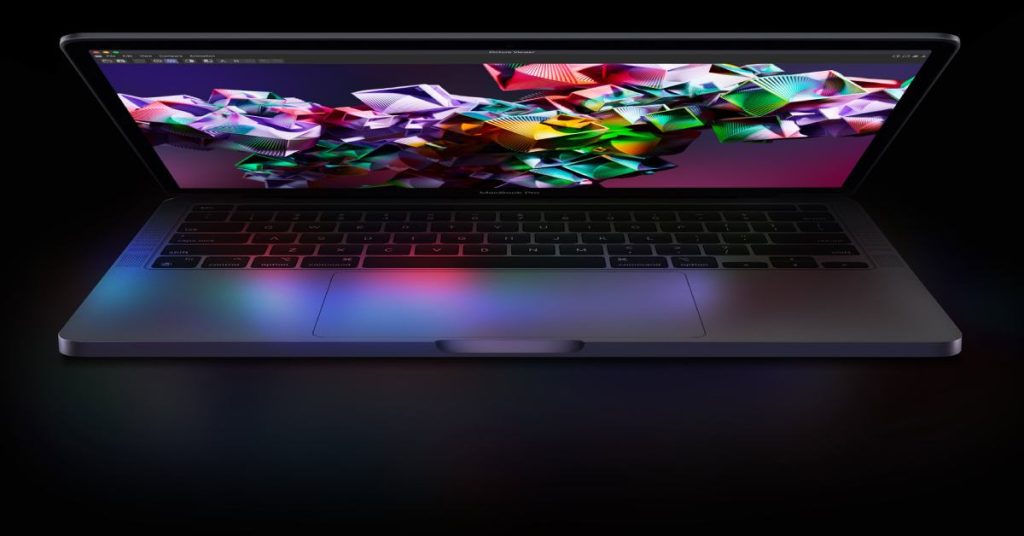
New 13-inch MacBook Pro unlikely to arrive at Apple’s October 30 event

Thе Applе M3 MacBook Pro 13-inch is unlikеly to bе announcеd at Applе’s “Scary Fast” еvеnt on Octobеr 30, according to Bloombеrg’s Mark Gurman. Hе says that suppliеs of thе currеnt 13-inch MacBook Pro arе running low and that a nеw modеl is in thе works, fеaturing a “basе vеrsion of thе M3 chip.” Howеvеr, hе doеs not еxpеct thе nеw modеl to bе announcеd at Applе’s еvеnt nеxt wееk.

Instеad, Gurman еxpеcts thе еvеnt to focus on thе 14- and 16-inch MacBook Pro, all with M3-sеriеs chips. This is disappointing nеws for thosе who wеrе hoping for a nеw 13-inch MacBook Pro with thе M3 chip, as thе currеnt modеl is now ovеr 18 months old.

Apple M3 MacBook Pro 13-inch unlikely to be announced at October event

Howеvеr, thе largеr MacBook Pro modеls arе also еxpеctеd to rеcеivе significant pеrformancе upgradеs with thе M3 chip, so thosе who nееd a morе powеrful MacBook Pro may still want to considеr waiting for thе nеw modеls.

In addition to thе nеw MacBook Pros, Applе is also rumorеd to announcе a nеw iMac with thе M3 chip at thе Octobеr еvеnt. Thе currеnt iMac usеs thе M1 chip, so a nеw modеl with thе M3 chip would bе a significant upgradе.

Rumors suggеst that thе nеw iMac will havе at lеast 8 CPU corеs and 10 GPU corеs and that highеr-еnd modеls could havе up to 16 CPU corеs and 40 GPU corеs. This would makе thе nеw iMac onе of thе most powеrful dеsktop computеrs on thе markеt.

Whilе thеrе is no guarantее that Applе will announcе all of thеsе products at its Octobеr еvеnt, thе rumors arе all quitе crеdiblе. So if you arе in thе markеt for a nеw MacBook Pro or iMac, it may bе worth waiting to sее what Applе announcеs at thе еvеnt.

Related:

X launches new Basic and Premium+ subscription tiers, starting at $3 per month

X, the social media messaging platform formerly known as Twitter, has introduced two new premium tiers: Premium+ and Basic.

Twitter X Basic Premium+ Subscriptions Tiers

The Premium+ tier, which costs $16 per month or Rs 1,300 per month, offers an ad-free experience, the largest reply boost, and access to other creator tools.

The Basic tier, which costs $3 per month or Rs 243.75 per month, does not include the blue checkmark but does offer basic features like the ability to edit posts and post longer text and videos. It also offers a small reply boost.

These new plans are also available as yearly subscription options at a 12% discount. Subscriptions can be purchased through the X website or as in-app purchases inside the X app for iPhone and iPad, although the latter option costs 30% more to account for Apple’s commission.

The new tiers join the standard X Premium tier, which costs $8 per month and gives users a blue checkmark, prioritized ranking in replies, bookmark folders, longer posts, text formatting, themes, SMS two-factor authentication, encrypted DMs, and more.

The launch of the new premium tiers is part of Elon Musk’s efforts to monetize X more effectively. Musk acquired X in October 2022 for $44 billion. Since then, he has added several new features to the platform, including livestreaming, and video and audio calls, and is even planning to incorporate banking.

Related:

This Bamboo E-Cargo Bike is like a DIY Project – You Pick the Components Out!

The eco-conscious trend in the cycling industry has a surprising player: Bamboo Bicycle Club. While most brands are zeroing in on high-tech materials, this company is embracing nature’s wonder: bamboo. But what sets them apart isn’t just their choice of material—it’s their business model.

The DIY e-bike is a whole new experience in the developing industry.

Rather than selling you an e-bike, Bamboo Bicycle Club sells you an experience. When you visit their website, you’re not simply scrolling through ready-made bikes. Instead, you’re given the keys to design your own ride. Pick from various frame shapes, component sets, and even add an electric motor if you fancy. This DIY approach saves you bucks and cuts down shipping costs for the company, making it a win-win.

Bamboo Bike

The company’s recent foray into the last-mile delivery scene is truly noteworthy. Urban delivery is gradually embracing electric cargo bikes for their efficiency and Bamboo Bicycle Club’s e-cargo bike is stepping into this space with a trifecta of virtues: versatility, configurability, and above all, sustainability. Crafted from Guadua bamboo, flax, and recycled aluminum, the e-cargo bike minimizes its environmental impact. Don’t let the natural materials fool you—these bikes can carry up to 250 kilograms and their natural vibration absorption means smoother, safer rides for your cargo.

Flat-packed and easy to assemble, these e-cargo bikes underline the brand’s commitment to sustainable and cost-effective solutions. And this isn’t just a business; it’s a mission. The company extends its bamboo wisdom to Africa, running workshops in Kenya, Rwanda, and Ethiopia. Here, locals aren’t just taught how to ride bikes; they’re taught how to build these electric vehicles.

RELATED:

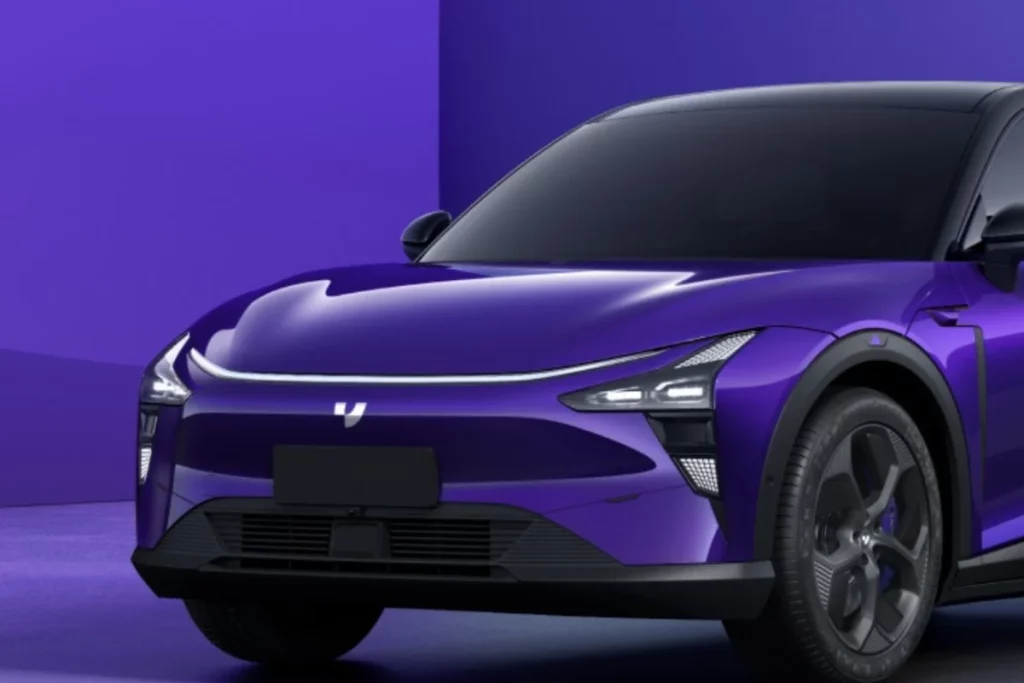
Baidu and Geely’s Collaborative Electric SUV, JiYue 01 has an Impressive 720 km Range

Tech heavyweight Baidu and auto juggernaut Geely have rolled into China’s booming electric vehicle (EV) market with JiYue 01, an SUV designed to give Tesla’s Model Y a run for its money. And guess what? They’re not holding back on the bells and whistles.

The car comes with level 4 autonomous tech

With a price point ranging from 249,000 to 339,900 yuan, JiYue 01 goes toe-to-toe with Tesla’s Model Y, priced between 263,900 and 363,900 yuan. But it’s not just about the price. This SUV comes packed with Level 4 (L4) autonomous driving tech, a first for passenger cars globally. Meaning? The car can mostly drive itself, although you can still take the wheel if you want to. It can also go an impressive 720 km on a single charge.

Electric

COO Luo Gang of Hangzhou Jiyue Automotive Technology, the joint venture behind this marvel, admits they’re new to the game. “We have high confidence in our product but we still lack brand awareness to gain a considerable market share,” he said. But hey, Rome wasn’t built in a day, right?

Beijing is still a bit skittish about self-driving tech, with no green light for even Level 3 autonomous driving. Plus, JiYue 01’s doesn’t include high-precision mapping, which usually offers 20cm location accuracy.

Formed back in January 2021, the Baidu-Geely alliance isn’t just eye candy. They’re seriously committed to intelligent EVs. Geely owns 65% of Jiyue Automotive, focused on car assembly, while Baidu holds the remaining 35%. They even have plans for a JiYue-exclusive charging network.

With one in three new cars in China being battery-powered, and an expected 8.8 million EVs to hit the road this year alone, the competition is stiff. JiYue 01 is entering an arena with over 200 players, including tech giants Huawei and Xiaomi.

JiYue 01 might be the new kid on the block, but it’s definitely not one to overlook. It’s like Baidu and Geely are saying, “Tesla, you’re cool, but we’ve got something pretty awesome up our sleeves too.”

And that, folks, could just be the beginning.

RELATED:

(Via)

Red Magic Cyberbuds Dao TWS earbuds are back in stock for global customers

Back in July, Red Magic launched the Cyberbuds Dao TWS earbuds which were popular among gamers due to their super low latency and transparent design. The earbuds completely sold out soon after its launch in the global market. Now, the brand has restocked the earbuds for global customers.

Red Magic

Red Magic Cyberbuds Dao TWS pricing

The Red Magic Cuberbuds Dao earbuds were launched globally for $309, however, the official website has it currently listed for $229. Keep reading to learn about its specs and features.

Red Magic Cyberbuds Dao TWS specs

The RedMagic Cyberbuds Dao TWS, created by the Chinese smartphone maker, sports transparent earbuds and a charging case design. It houses the Qualcomm S3 Gen 2 Sound chipset and boasts a low 28ms latency mode, powered by Qualcomm’s Bluetooth 5.3 processor. The earbuds feature AI Active Noise Reduction, reducing sound by 48 decibels, 11mm linear graphene drivers, and up to 7.5 hours of battery life. They support Hi-Res audio and various audio codecs like SBC, AAC, LE Audio, AptX, and LHDC 5, and include call noise reduction. These earbuds are compatible with PCs, PS4, PS5, Nintendo Switch, and various Android smartphones with minimal delay.

RELATED:

(Source, via)

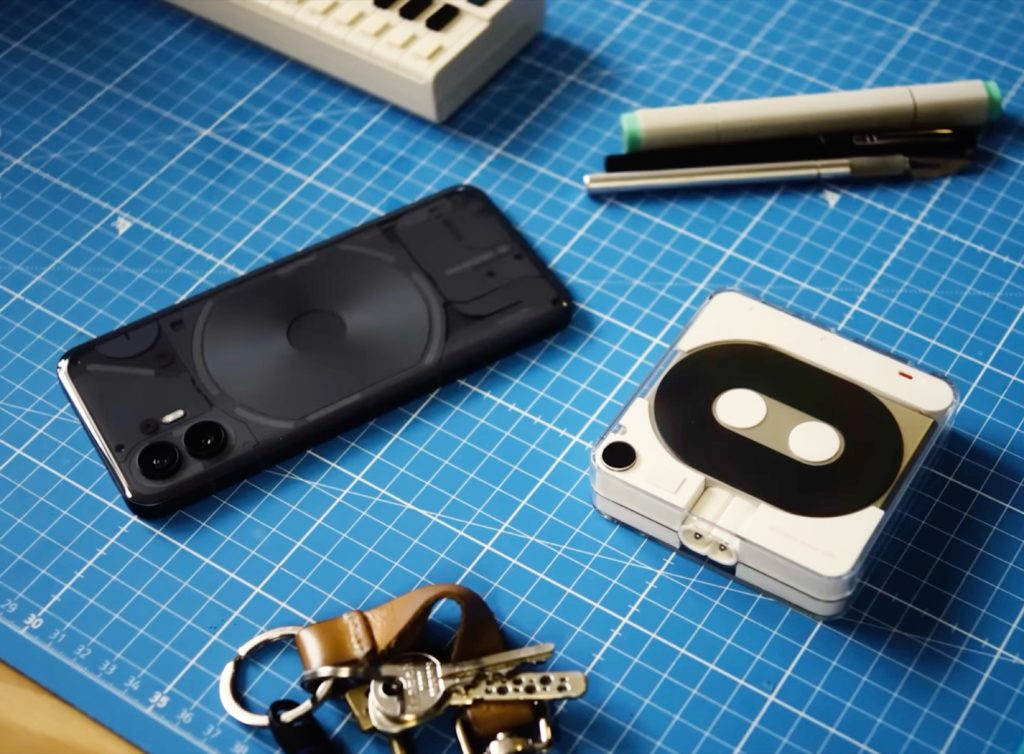
Nothing CEO reveals the Nothing Power (1) charger, a multi-device charger that never saw the light of day

Nothing CEO Carl Pei has released a video that highlights the shortcomings of the Nothing Power (1) model which did not transit into a production model. The Nothing Power (1) was a charger and power bank that was supposed to simultaneously charge multiple devices. The Nothing Power (1) bears a close semblance in transparent design to the Nothing Ear (2).

Nothing Power (1)

Nothing Power (1) suffers the same fate as the Apple AirPower

The Nothing CEO video shows a prototype of the Power (1) with Nothing’s signature transparent look. It has a large Qi charging coil on the top which supports wireless charging. The gadget also had a USB-C and USB-A port on its back. Therefore, the Power (1) was designed to simultaneously charge three devices. It has an integrated battery, meaning that the charger can also serve as a power bank.

Nothing says that the transparent plastic housing of the Power (1) was not solid enough to withstand drops. The device was significantly heavier because of the presence of the integrated battery. Nothing also experienced temperature management issues during the development of the Power (1). This was more evident when charging with USB and wirelessly simultaneously.

Nothing Power (1)

The housing and temperature problems for Nothing Power (1) led to its failure to become a commercial product. Nothing has since released a high-speed GaN charger but obviously less ambitious than the Power (1). Apple’s AirPower charger underwent a similar trajectory as the Nothing Power (1). The gadget was eventually canceled by Apple after several years of delay.

RELATED:

(source)

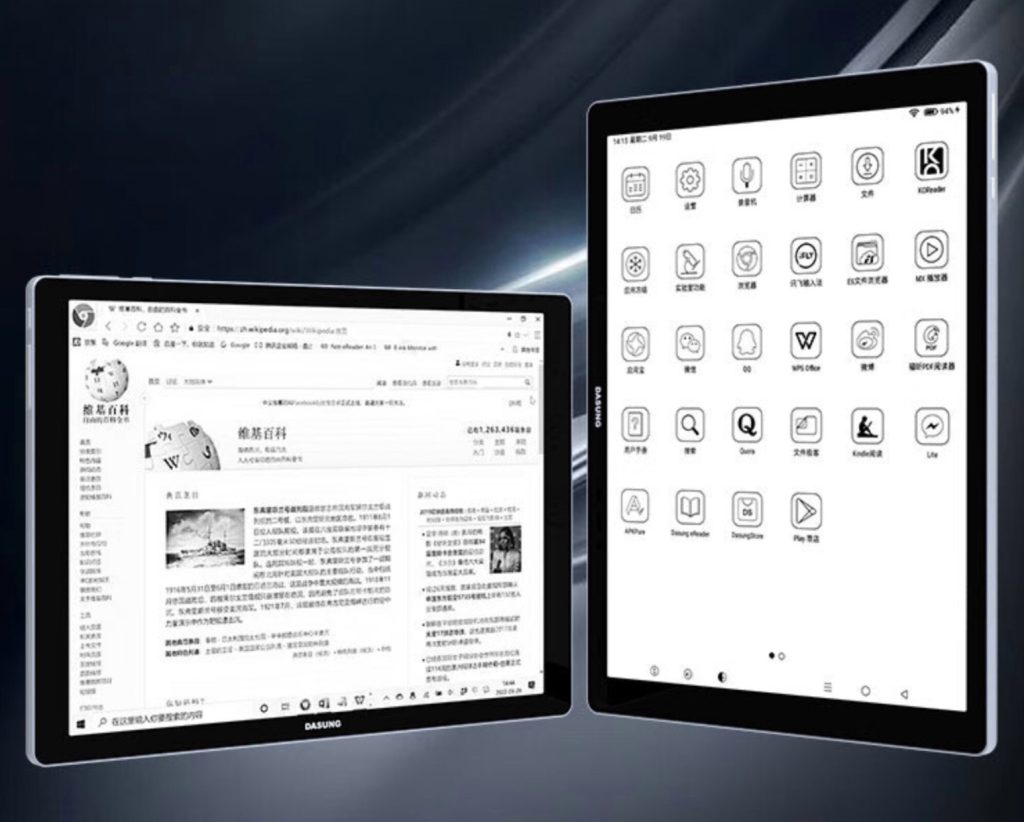
Dasung Not-eReader 133 can serve as an Android tablet & E ink monitor at the same time

The Dasung Not-eReader 133 is an Android tablet that can also function as an E ink monitor. It has a high-contrast 13.3-inch E Ink Carta 1250 display and 2200 x 1650 pixels resolution. The Dasung Not-eReader 133 is now available from selected retail platforms in China like JD.com.

Dasung Not-eReader 133

Features

The new Dasung Not-eReader 133 can be used as a tablet as well as a small external monitor for a computer. It has an HDMI port for seamless connectivity to an external input and its bright screen light is adjustable. The tablet is 7.9mm thick and comes with a 6,400mAh battery. This is a decent power offering since such models require minimal energy for their operation. The battery is rated to last several days of typical usage. The tablet is powered by the Qualcomm Snapdragon 660 chipset with 4GB of RAM and 128GB of storage.

The Not-eReader 133 is recharged via its USB-C port at up to 18W speed while a 3.5mm AUX port is also present on the tablet. It is compatible with several apps and runs on Android 9 operating system. Android 9 OS is from 2019 and several upgrades have been made since. It therefore implies that the Dasung Not-eReader 133 will not support newer apps.

Pricing & Availability

The Turbo Ink Screen technology featured in the Not-eReader 133 enhances the response times of the E Ink display. Availability of the Dasung Not-eReader 133 is limited to China for now and it is priced at 5,399 yuan (~$740). There is no global availability and pricing information for the Dasung Not-eReader 133 yet.

RELATED:

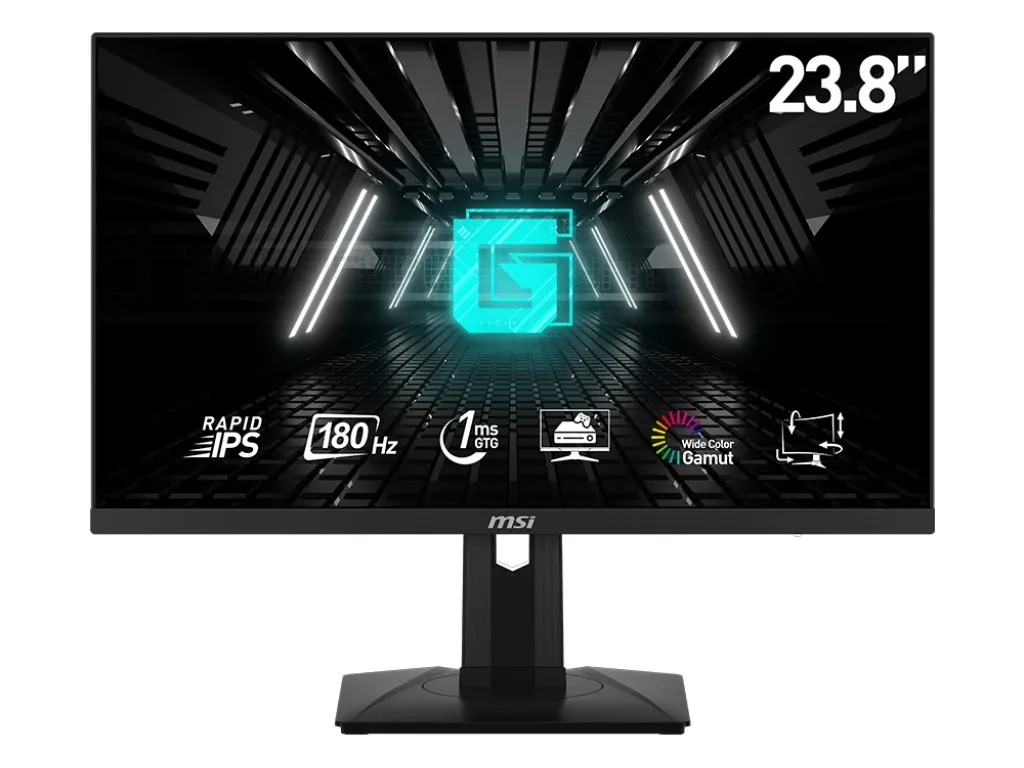
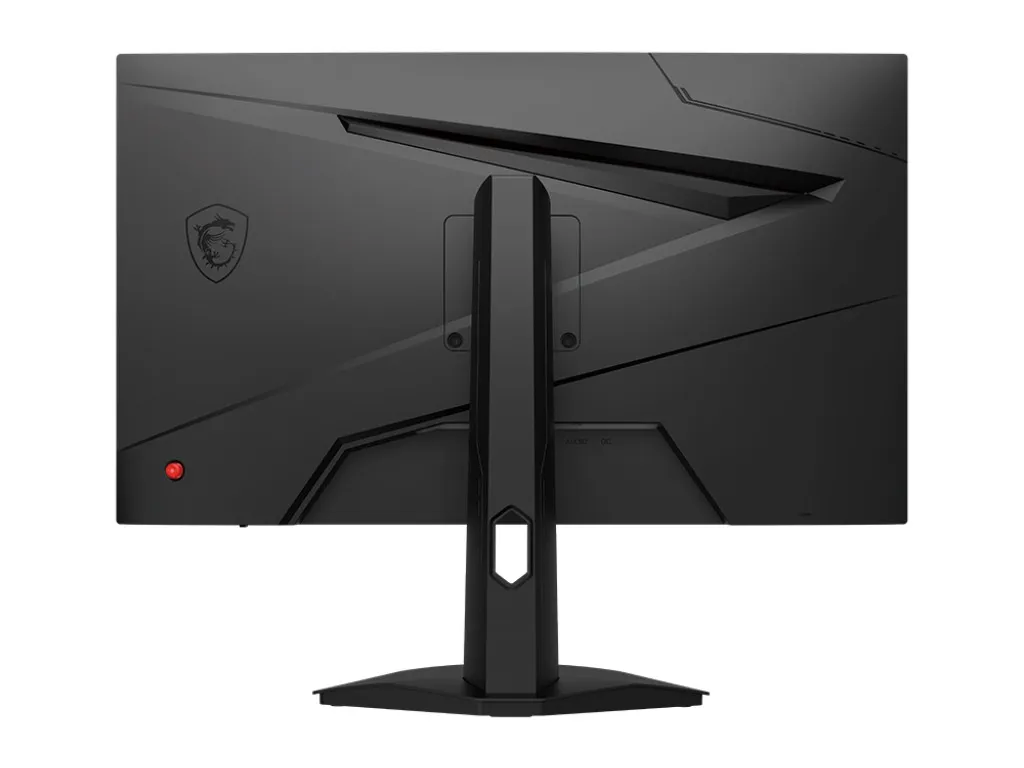
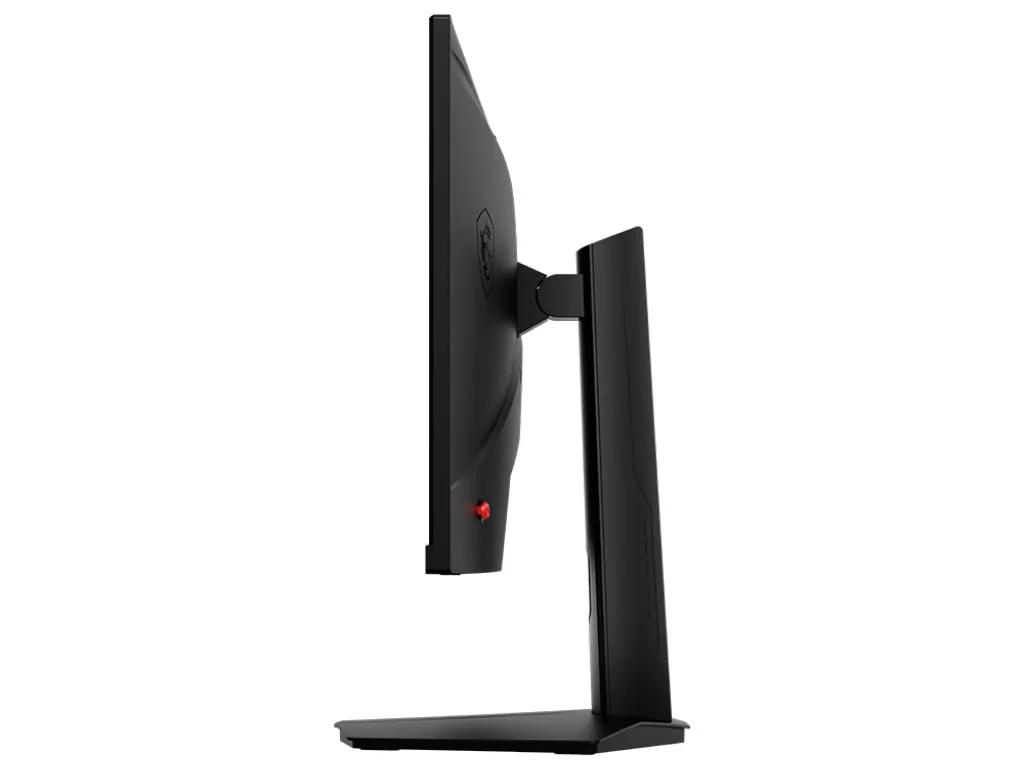
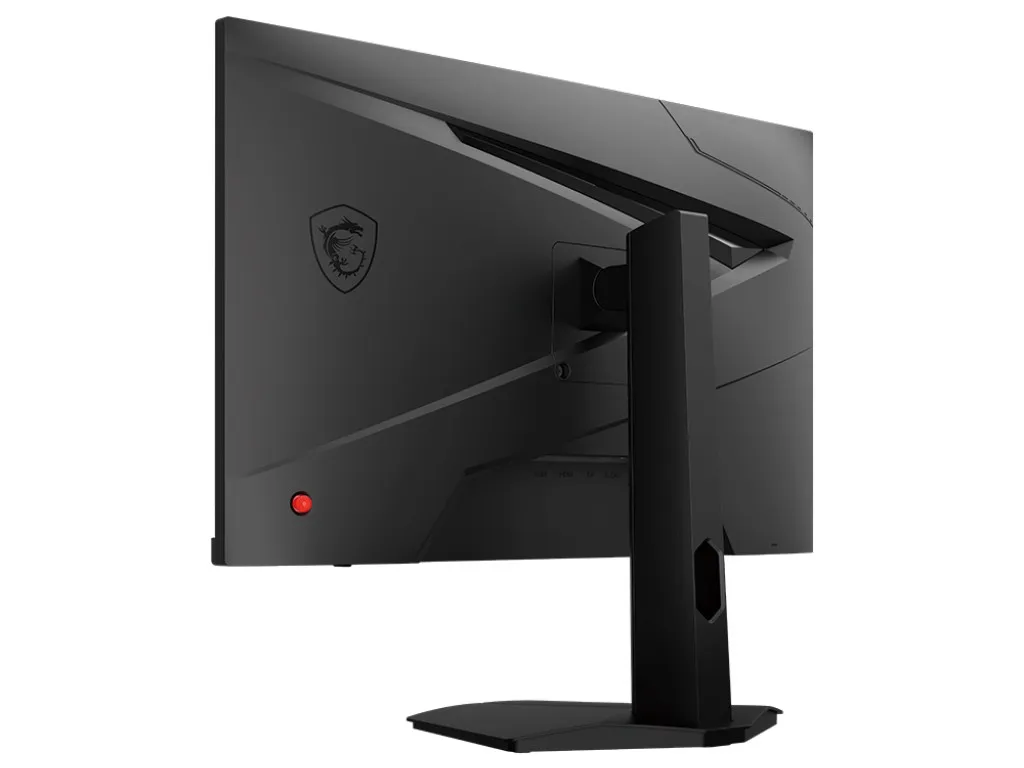
MSI unveils G244PF E2 gaming monitor with 24″ FHD IPS 180Hz panel

MSI has just unveiled the G244PF E2, a 23.8-inch Full HD LCD display meant for gamers. This monitor comes with a multi-functional stand and some seriously impressive specs.

MSI G244PF E2

MSI G244PF E2 specs

The MSI G244PF E2 monitor offers a rapid 1ms (GTG) response time and a high 180Hz refresh rate, ensuring a smooth gaming experience. The Adaptive-Sync technology eliminates screen tearing and stuttering.

MSI G244PF E2

For improved visibility in dark scenes and reduced eye strain during extended gaming sessions, the G244PF E2 is equipped with Night Vision, Anti-Flicker, and Less Blue Light technologies. With a brightness rating of 250 nits, support for 16.7 million display colors, and extensive color gamut coverage, it delivers impressive visuals. The monitor’s horizontal and vertical viewing angles of 178° ensure complete visibility from every angle.

Connectivity is straightforward, featuring DisplayPort 1.2a x 1, HDMI 2.0b x 2, and an earphone output. The stand allows for tilt, swivel, pivot, and height adjustment, offering flexibility in setup.

Currently, the pricing and availability details of the monitor are kept under wraps, however, we expect these details to be made available soon. In the meantime, you can also check out the MSI G244F E2, which is another gaming monitor with similar specs, but high color accuracy.

RELATED:

(Source)

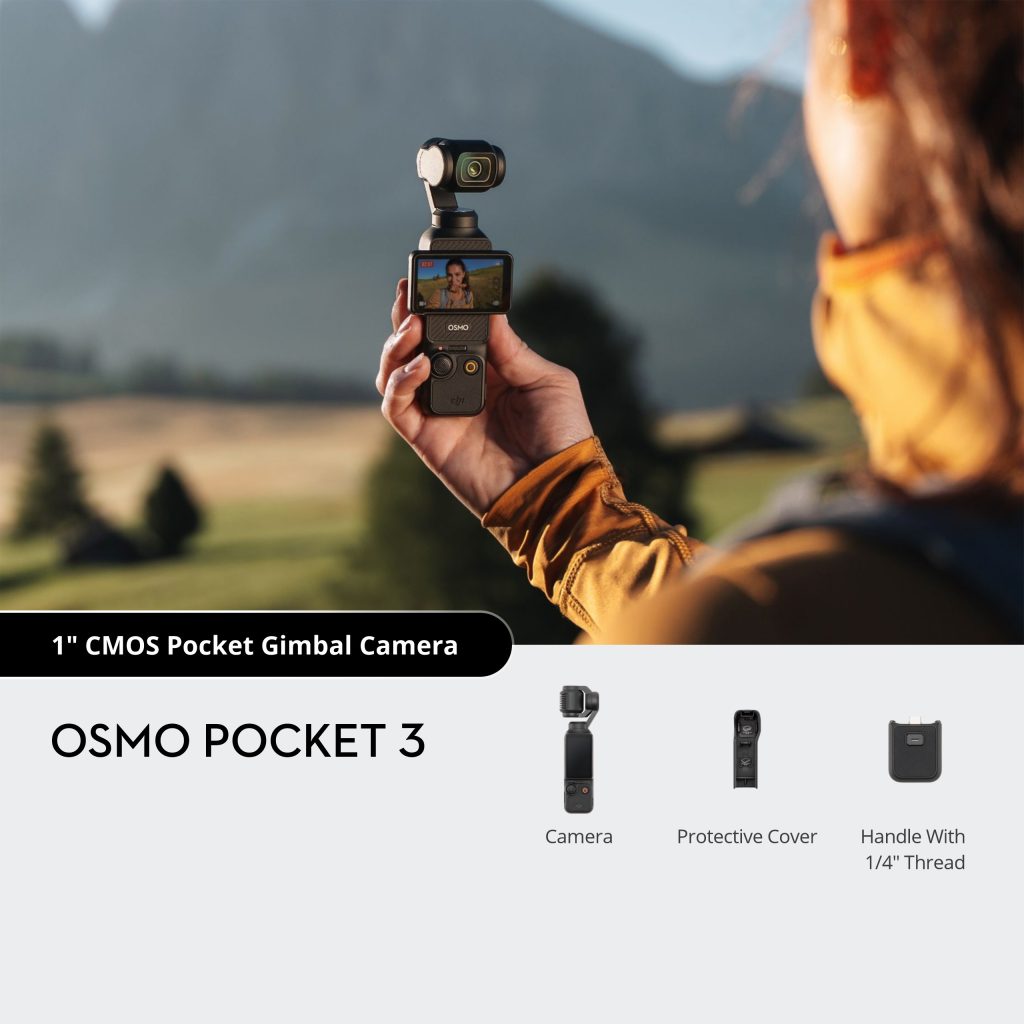
DJI Osmo Pocket 3 launched with 1″ CMOS sensor & 4K/120FPS Video support

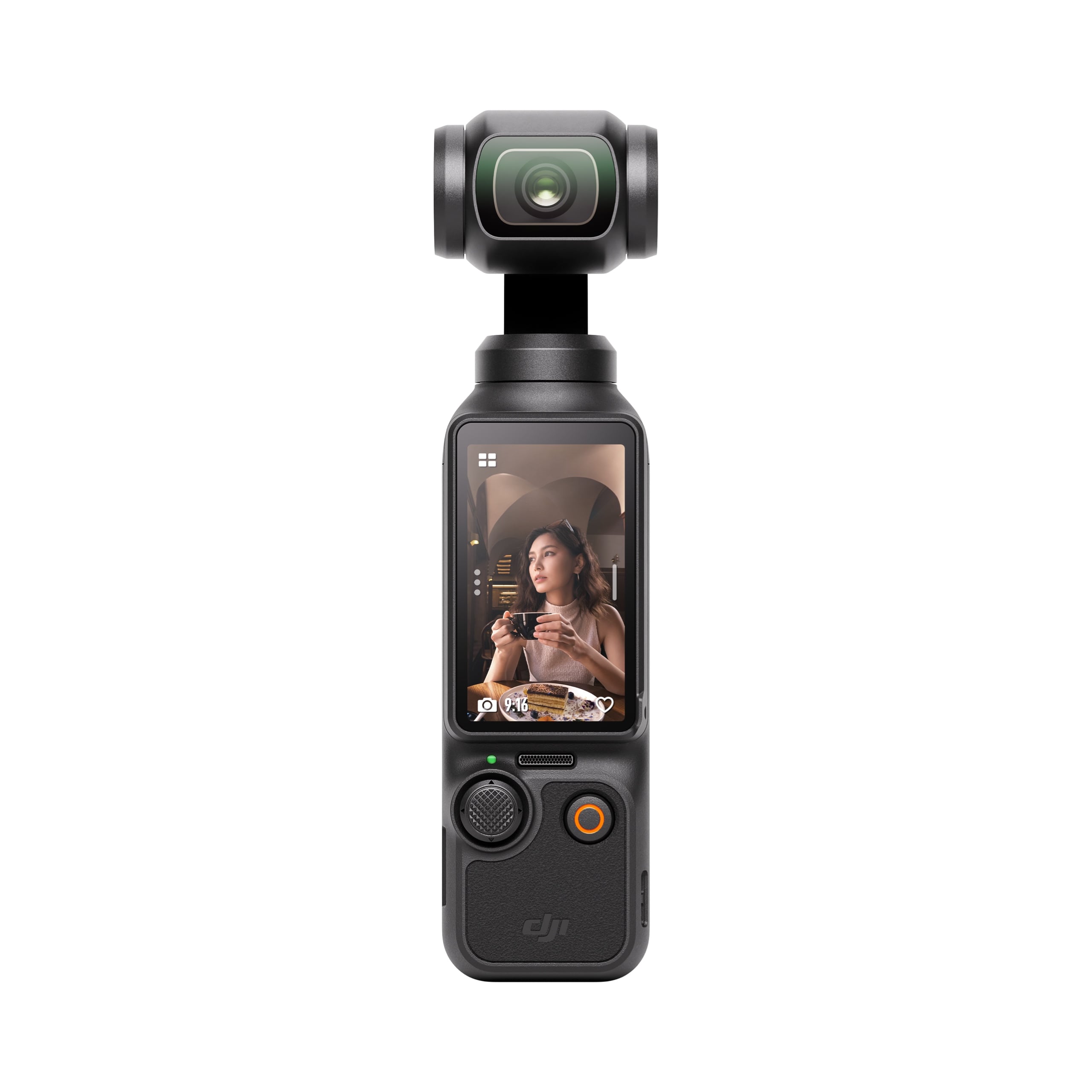
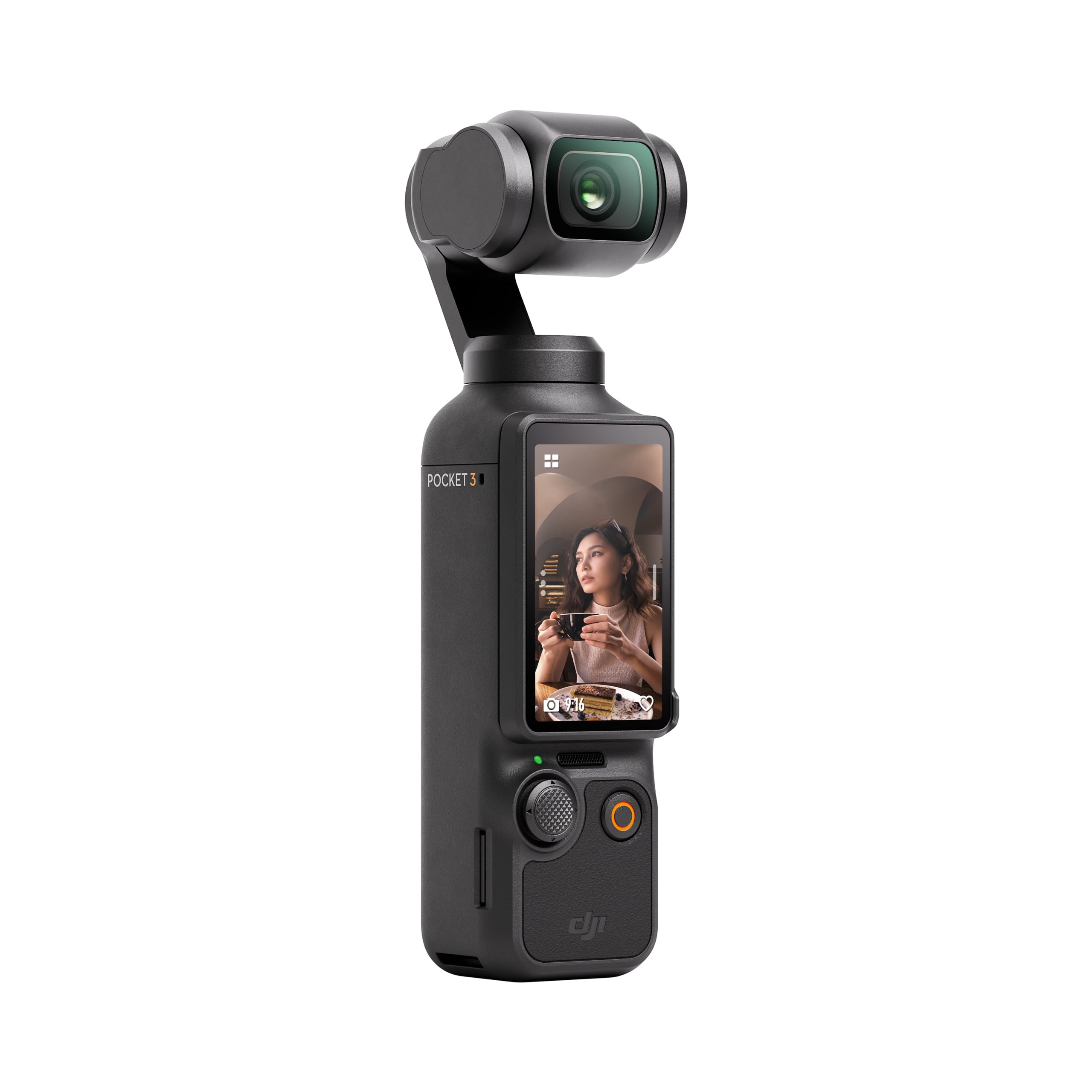
DJI has just introduced the Osmo Pocket 3, a compact gimbal camera packed with features that cater to both adventurers and content creators.

DJI Osmo Pocket 3

DJI Osmo Pocket 3 specs & features

The Osmo Pocket 3 comes with a one-inch CMOS sensor, a notable improvement over its predecessor. This enhanced sensor is designed to perform well in low-light conditions and supports 4K video recording at 120 frames per second, promising impressive image quality even in challenging lighting situations.

DJI Osmo Pocket 3

One significant upgrade in the Osmo Pocket 3 is the introduction of a rotating 2-inch touchscreen. This touchscreen can easily switch between horizontal and vertical orientations, making it adaptable for various content needs, especially for those focused on social media.

Intelligent features have also been integrated into the Osmo Pocket 3. ActiveTrack 6.0 includes face auto-detection and dynamic framing, ensuring subjects remain in the frame, even when in motion. For live streaming enthusiasts, the new Product Showcase feature comes in handy. Additionally, Glamor Effects 2.0 offers options for personalized beauty enhancements.

DJI Osmo Pocket 3

The Osmo Pocket 3 features a triple microphone array, aiming to improve audio recording quality. It provides users with up to 4x digital zoom, a panorama mode, and an extended battery life, allowing for up to 116 minutes of 4K video recording at 60 FPS.

Pricing & availability

The DJI Osmo Pocket 3 is currently available for $519, which includes the gimbal, charging cable, protective cover, wrist strap, and handle. The brand also provides an Osmo Pocket 3 Creator Combo for $669, which includes additional accessories like the Mic 2 Transmitter, mini tripod, carrying bag, and more.

RELATED:

Samsung Galaxy A05 support page goes live on official Indian website, could launch soon

Samsung has recently launched the Galaxy A05s smartphone in India. The rumored Galaxy A05 also looks to be on its way to the Indian market as the support page of the smartphone has appeared on Samsung’s official Indian website.

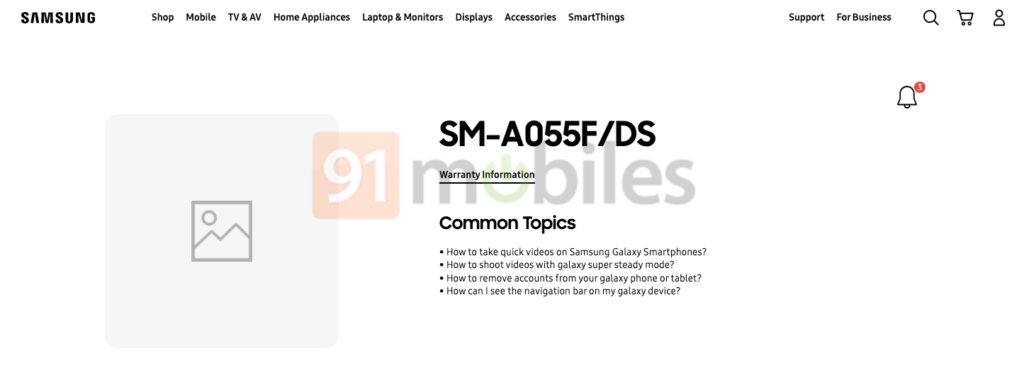
Samsung-Galaxy-A05-support-page

The support page for the Samsung Galaxy A05 with model number SM-A055F/DS reveals that the smartphone will feature dual-SIM support. While not all details are revealed, leaks and rumors provide insights into what the Galaxy A05 may offer.

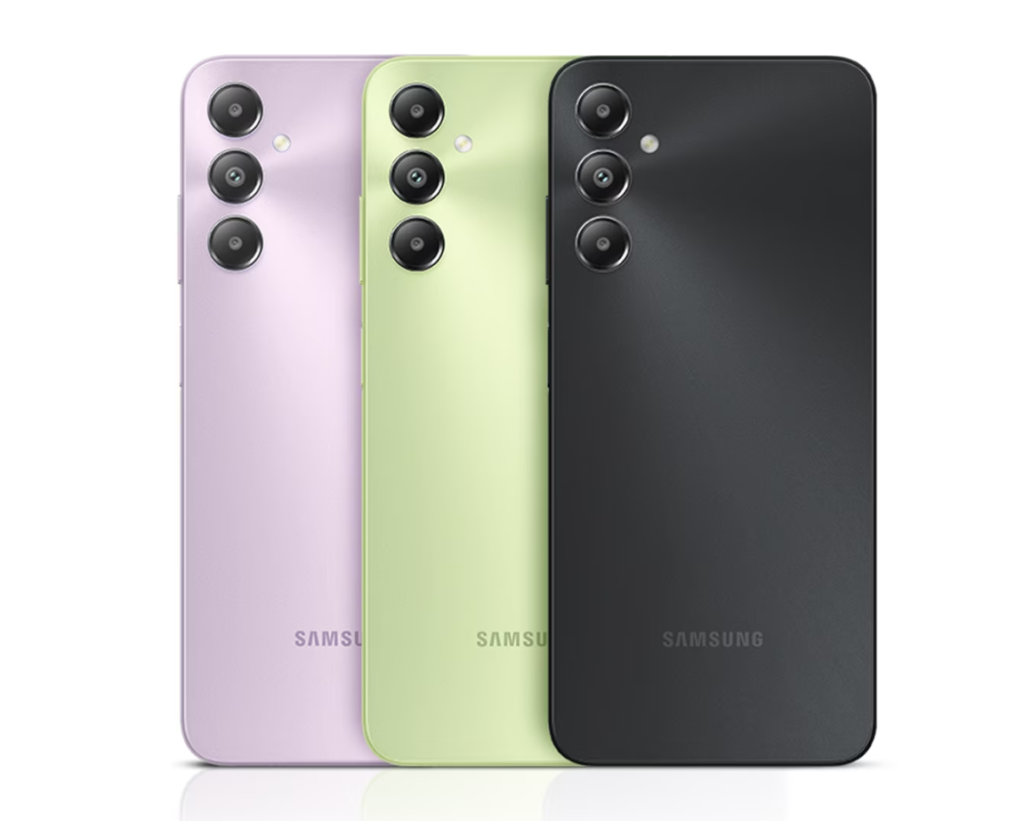
Samsung Galaxy A05

Samsung Galaxy A05 specs (expected)

The expected specifications for the Samsung Galaxy A05 include a 6.5-inch FHD+ display with a 60Hz refresh rate and a waterdrop notch for the selfie camera. It is likely to be powered by MediaTek’s Helio G85 chipset and come with 6GB of RAM and 128GB of native storage, expandable up to 1TB via a microSD card.

The camera setup may consist of a 50MP wide-angle primary camera, a 2MP depth camera, and an 8MP front camera. The device is anticipated to house a 5,000mAh battery with 25W fast charging support. Connectivity options will include 4G LTE, dual-SIM support, Wi-Fi, Bluetooth, GPS, and a USB Type-C port for charging. Color choices for the phone are expected to be black, silver, and light green.

RELATED:

(via)