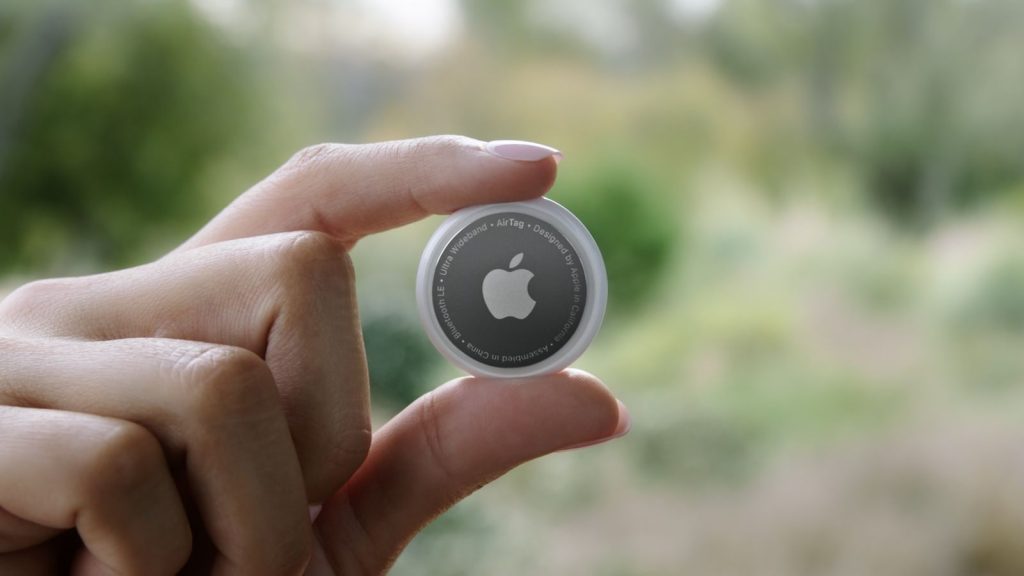
The Apple AirTag was first unveiled back in 2021 and was the company’s new compact smart tracker. This tiny gadget helped users keep track of precious possessions. A successor dubbed AirTag 2 was recently rumored to launch in 2024, but this release might have been delayed.
Apple AirTag 2 Launch Postponed
The Cupertino based giant was initially planned to announce the AirTag 2 smart tracker next year. But according to the latest report from analyst Ming-Chi Kuo, the release of the upcoming device has been delayed. In a post on X (formerly Twitter), the iPhone maker’s AirTag 2 mass production plans have been postponed. Kuo has claimed that the mass production will only begin by 2025.
Previously, Ming-Chi Kuo had claimed that the mass production of AirTag 2 would begin by the fourth and final quarter of 2024. The analyst added that Apple wants to build a new spatial computing ecosystem, with the Vision Pro at the center of other devices. This would include the AirTag 2 as well. Unfortunately, it is still unclear just how the smart tracker will function or integrate with the Vision Pro. Although there are speculations that the AirTag 2’s UWB chip could be used to share positional information with the headset.
The AirTag 2 is expected to launch with improvements over its predecessor, which could imply a higher battery life and wider range. However, this is still just a speculation so take this report with a pinch of salt. So stick around for more as we will be providing more updates when additional information is available regarding this device.
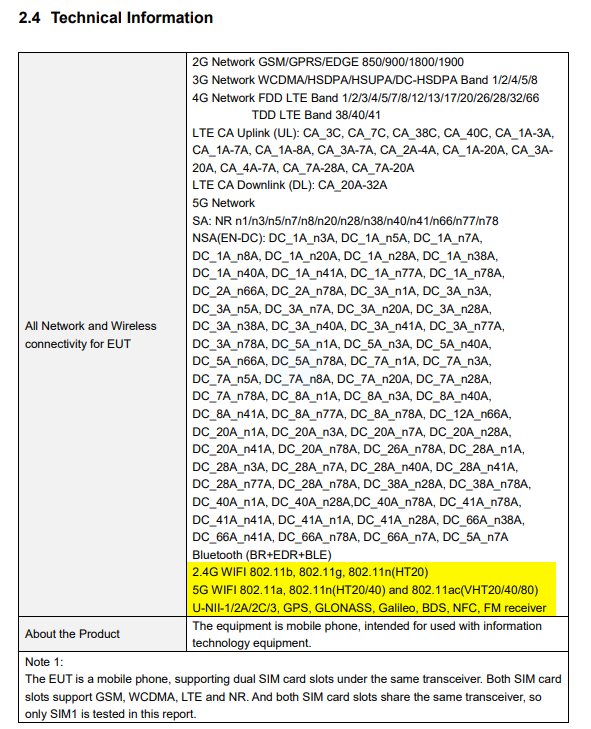
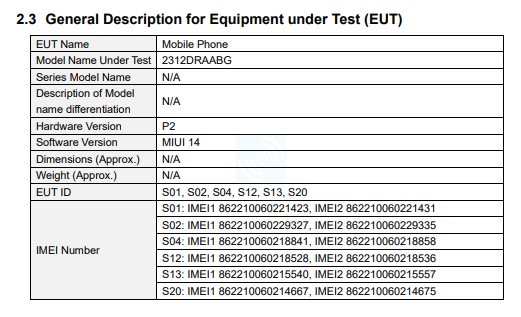
The Redmi Note 13 series global launch is not so far away if we consider the public certifications and leaks frequency. It has already been on Singapore’s IMDA, BIS India, and several other certifications. Today, just after the Redmi Note 13 Pro+ 5G listing on FCC, the standard Redmi Note 13 also made it to the certification confirming some details about specifications. Bearing model code 2312DRAABG, the listing duly confirms connectivity options, and the firmware version.
Redmi Note 13 aka model code 2312DRAABG smartphone appears to bundle support for 5G, 4G LTE, dual-band WiFi, GPS, GLONASS, Galileo, BDS, FM, and NFC. The smartphone is tested while running MIUI 14.
The listing does confirm the smartphone’s nearing launch. However, the smartphone is already out in China, and the global launch is expected by the end of this year.
Redmi Note 13 Specifications
The smartphone is already retailing in China featuring a 6.67-inch AMOLED display with 1080 x 2400 pixels Full HD+ resolution. The smartphone comes powered with MediaTek Dimensity 6080 SoC and Mali-G57 MC2 GPU.
There’s a 100 MP primary sensor along with a 2MP depth sensor present on the rear side of the phone. Meanwhile, a 16MP sensor sits on the front for selfies and video calling. The smartphone measures 161.1 x 75 x 7.6 mm in size and weighs 173.5g.
It bundles a 5000 mAh battery with 33W fast charging.
Xiaomi recently announced that it will be releasing a new Android-based operating system called HyperOS. The new OS is expected to debut globally with the Xiaomi 14 series smartphones, which are scheduled to launch at the end of this month.
HyperOS is said to be an all-in-one operating system that will offer an ecology for people, cars, and homes. It is expected to be more integrated with Xiaomi’s other products and services, such as its Mi Home ecosystem and its smart car platform.
Screenshots of the upcoming OS have already started appearing online, revealing some nitty-gritty details. Now, a leaked list of devices has revealed that Xiaomi plans to roll out the HyperOS update to a wide range of smartphones and tablets. Here is the complete list:
It is important to note that this is just a leaked list and Xiaomi has not yet officially confirmed which devices will be compatible with HyperOS. However, most of Xiaomi’s recent flagship and mid-range devices will likely be able to upgrade to the new OS.
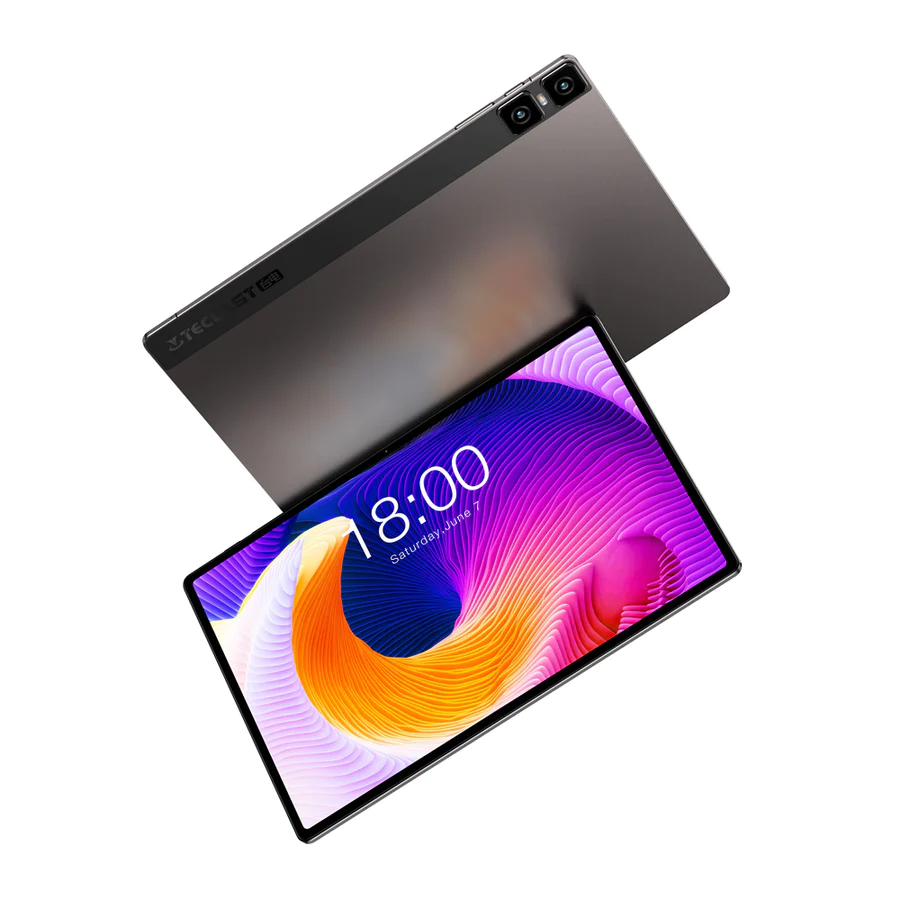
Teclast‘s latest addition, the Teclast T45HD tablet, is aimed squarely at budget-conscious consumers seeking a practical solution for their media needs without the premium price tag.
Teclast T45HD specs & features
This tablet boasts a 10.5-inch IPS panel with a 1,920 x 1,200 resolution, enhanced by Teclast’s T-Color 3.0 for vivid color reproduction. The screen features a touch sampling rate of 120 Hz, although the standard refresh rate remains at 60 Hz.
Running on Android 13, the Teclast T45HD promises an up-to-date operating system. It’s powered by a Unisoc Tiger T606 SoC, combining a powerful Cortex A75 with six efficient A55 cores, supported by a Mali-G57 GPU. The tablet offers 8GB of RAM, expandable to 16GB through a swap file, with 128GB of internal storage and a memory card slot. For photography, it features a 13-megapixel main camera and an 8-megapixel front camera, allowing for Face Unlock.
The tablet includes two built-in speakers and a 3.5mm headphone jack for audio playback. Its slim 7.5mm metal chassis houses a 7,200 mAh battery and a GNSS module supporting GPS, GLONASS, Galileo, and Beidou. Additionally, it comes with a cellular module, enabling 4G network connectivity and dual SIM card support.
Pricing & availability
Although currently priced at just under $240 on the Teclast website and Amazon US. The tablet is currently unavailable, but we expect it to be in stock soon.
*Please Note: When you buy something using the links in our articles, we may earn a small commission at no cost to you.
Xiaomi is gearing up to launch its next flagship smartphone series, the Xiaomi 14, later this month. The Xiaomi 14 series will be the first Xiaomi smartphone to use the company’s own HyperOS instead of the standard MIUI. Now, the company has confirmed that the upcoming smartphones will feature Leica Summilux lenses, which are known for their excellent image quality.
Leica Summilux lenses are better than the Leica Summicron lenses that Xiaomi has used on its previous flagship smartphones, including the Xiaomi 12/13 series and the Xiaomi 12S Ultra concept phone.
Leica’s own Leitz Phone 2 uses Summicron lenses, while Leica Summilux lenses have also been used in Huawei phones, which was one of the first smartphone partners for Leica.
Xiaomi says that the camera on the Xiaomi 14 series with Leica Summilux lens will offer the best mobile imaging to date. The Xiaomi 14 lineup will also bring a new image sensor, but we are yet to learn which phone in the series will have it.
Besides the camera improvements, the new Xiaomi 14 phones will come with the Snapdragon 8 Gen 3 chipset. The Xiaomi 14 series is expected to have at least two phones, the Xiaomi 14 and Xiaomi 14 Pro. Like past launches, Xiaomi is also expected to launch a Xiaomi 14 Ultra later next year.
We will keep you updated as more information about the Xiaomi 14 series becomes available.
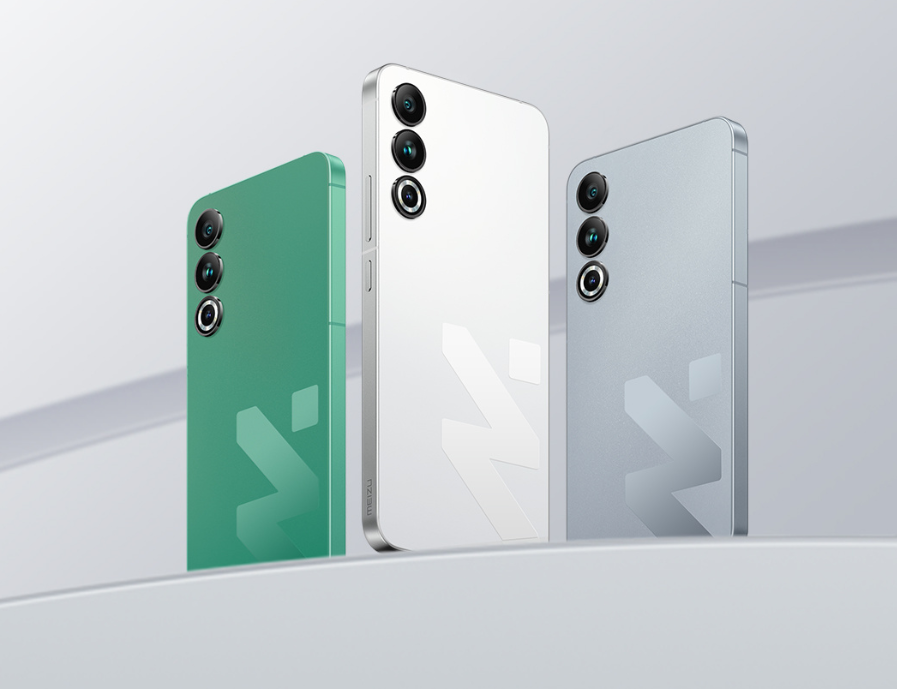
The Meizu 20 series, a lineup of smartphones from the Chinese manufacturer Meizu, has just been expanded with the introduction of the Meizu 20 Classic. This release follows the recent inclusion of a white version of the Meizu 20, boasting an impressive 12GB of RAM and a generous 256GB of storage, in their product range last month.
So what’s new with the Meizu 20 Classic that makes it stand out from the regular Meizu 20? Well, not much actually, the device comes with new colors and also adapts Meizu’s new logo. It is the same as a regular Meizu 20 on the specs front.
Meizu 20 Classic specs
The Meizu 20 Classic features a 6.55-inch FHD+ OLED display with a snappy 144Hz refresh rate for a clear and smooth experience. The device also boasts a 3D Sonic ultrasonic fingerprint sensor for quick and secure unlocking. It runs on the Octa-Core Snapdragon 8 Gen 2 SoC, 16GB of LPDDR5X RAM, and offers storage options of 256GB or 512GB using UFS 4.0.
In photography, the Meizu 20 Classic includes a 50MP main camera with OIS, a 16MP ultra-wide camera, a 5MP depth sensor, and a 32MP front camera. It is equipped with a 4700mAh battery and supports 67W Super mCharge fast charging to keep you powered up while on the move. For connectivity, the phone supports 5G, Dual 4G VoLTE, Wi-Fi 6E, Bluetooth 5.2, NFC, and more.
Price & availability
You can get the Meizu 20 Classic in Green, Iron Grey, or Yusheng White. It costs 3,099 yuan ($423) for the 16GB + 256GB version and 3,399 yuan ($464) for the 16GB + 512GB model. You can already order it in China.
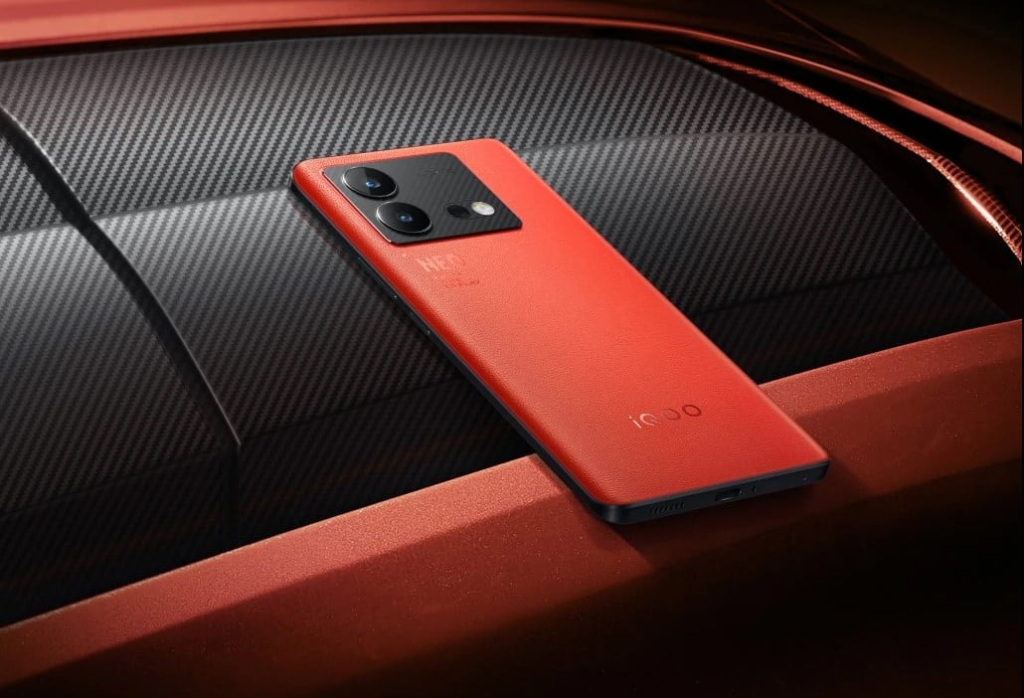
Xiaomi has just confirmed that it will announce the Xiaomi 14 series of smartphones this month (October) in China. The 14 and 14 Pro will be the first phones to feature the Snapdragon 8 Gen 3 chipset. It is speculated that iQOO 12 and iQOO 12 Pro will be the next SD8G3 phones to debut in the Chinese market. A new leak by tipster Panda is Bald has revealed the possible launch date of the iQOO 12 series.
iQOO 12 series launch date (rumored)
iQOO Neo 8 series
According to the tipster, the iQOO 12 series will be unveiled on Nov. 7. This means that the brand could be planning to make the 12 and 12 Pro available for purchase for the upcoming Double Eleven shopping festival in China, which is usually held on Nov. 11 each year. Here is a look at the expected specifications of both models.
iQOO 12, 12 Pro specifications (rumored)
The iQOO 12 and iQOO 12 Pro are expected to feature a metallic frame, with a vanilla model offering IP64 dust/water resistance and the Pro variant providing IP68 dust/water resistance. Both models are expected to come in shades, such as black, white, and red.
Both models are anticipated to sport a 6.78-inch E7 AMOLED display with a 144Hz refresh rate. The standard version will include a flat-screen with a 1.5K resolution and an optical in-screen fingerprint sensor, while the Pro model will feature a curved-edge display with a 2K resolution and an ultrasonic in-display fingerprint scanner. Both phones will run on Android 14 OS with a layer of OriginOS 4 on top.
The Snapdragon 8 Gen 3-powered iQOO 12 series will offer up to 24 GB of LPDDR5x RAM and up to 1 TB of UFS 4.0 storage. Both phones will have a 16-megapixel front camera. The iQOO 12 will have a 50-megapixel (OV50H, with OIS) + 50-megapixel (JN1, ultra-wide) + 64-megapixel (telephoto) triple camera unit and a 5,000mAh battery with 120W charging. On the other hand, the iQOO 12 Pro will have the same primary, ultra-wide snappers, and 64-megapixel OV64B periscope telephoto camera. It will pack a 5,100mAh battery with 120W wired and 50W wireless charging.
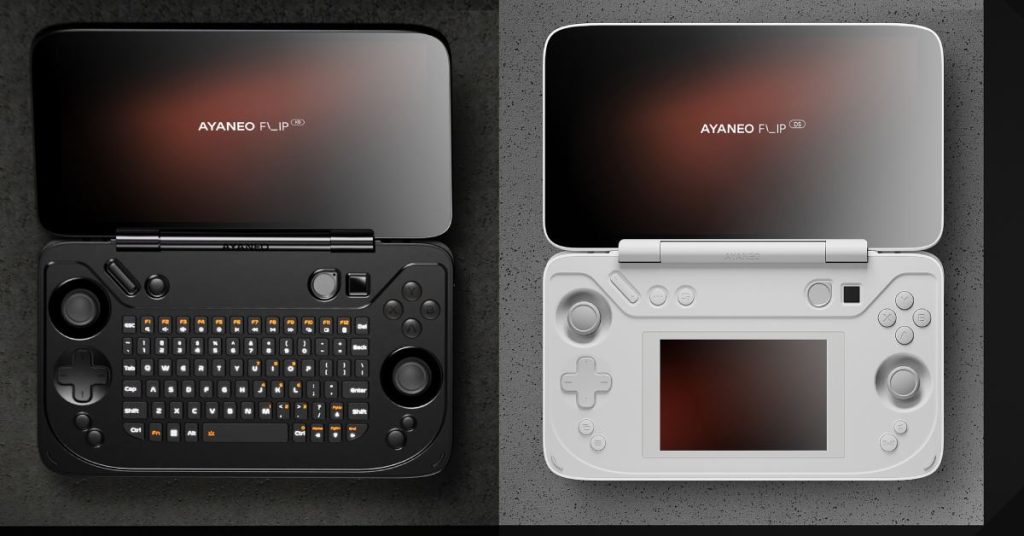
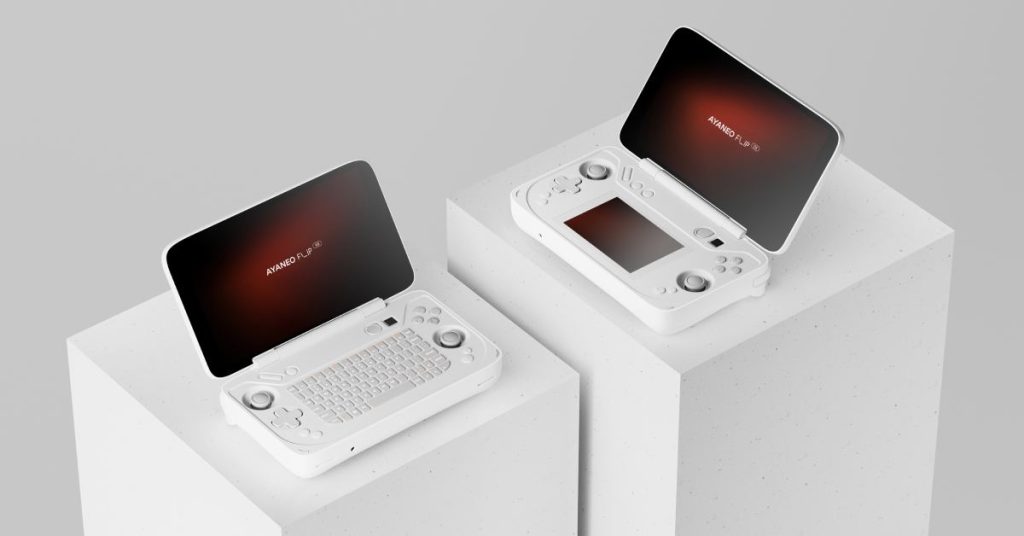
Gaming handheld manufacturer AYANEO is reportedly working on a clamshell design handheld called the AYANEO Flip. Now, we have new images of the handheld, which reveals two variants of the device—the Flip KB with a full keyboard and the Flip DS with a dual-screen design.
The AYANEO Flip KB with keyboard features a conventional design with a simple layout. It is the company’s first Windows gaming handheld featuring a flip-out full keyboard design. The AYANEO Flip DS, on the other hand, is more intriguing.
It swaps the six-row keyboard for a small secondary display, giving it a resemblance to the Nintendo 3DS. However, as expected, the Flip DS will be able to run Windows and play the best PC games as well as emulators.
The secondary display on the Flip DS could prove useful for emulating Nintendo games that take advantage of two displays. Alternatively, users should also be able to use its as a large trackpad. However, it remains to be seen how AYANEO will optimize the Flip DS for dual display usage.
Both variants of the AYANEO Flip are expected to be powered by the AMD Ryzen 7 7840U flagship processor, coupled with the Radeon 780M integrated graphics. This is the same hardware that powers the recent AYANEO 2S gaming handheld. Additionally, the screen will allegedly be 7 inches and will be AYANEO’s first gaming handheld to support a 120Hz refresh rate.
It is not yet clear when the AYANEO Flip and Flip DS will be released or how much they will cost. However, they are both worth keeping an eye on for gamers who are looking for a new handheld gaming PC.
Netflix announced today that it is increasing the prices of its Basic and Premium subscription plans in the United States, the United Kingdom, and France. The new prices will take effect immediately.
In the US, the Basic plan will now cost $11.99 per month, up from $9.99, and the Premium plan will cost $22.99 per month, up from $19.99. The price of Netflix’s $6.99 ad-supported plan and $15.49 Standard tier will remain the same.
To note, Netflix no longer offers the Basic plan to new subscribers in the US, but existing subscribers will be subject to the price increase.
Prices for the Basic and Premium plans in the UK and France are also increasing, while the ad-supported and Standard plans remain unchanged. In the UK, the Basic and Premium plans will now cost £7.99 and £17.99, respectively, and in France, the Basic and Premium plans will now cost €10.99 and €19.99, respectively.
Netflix announced the price hikes in its earnings call for the third quarter of 2023. The company said it added 8.8 million new subscribers, up from 2.4 million in the year-ago quarter. Its revenue came in at $8.54 billion, up from $7.9 billion last year.
Netflix says that the price increases will help it grow its content library, partner with the best creators, invest more in TV shows, movies, and games, and build an even more valuable business.
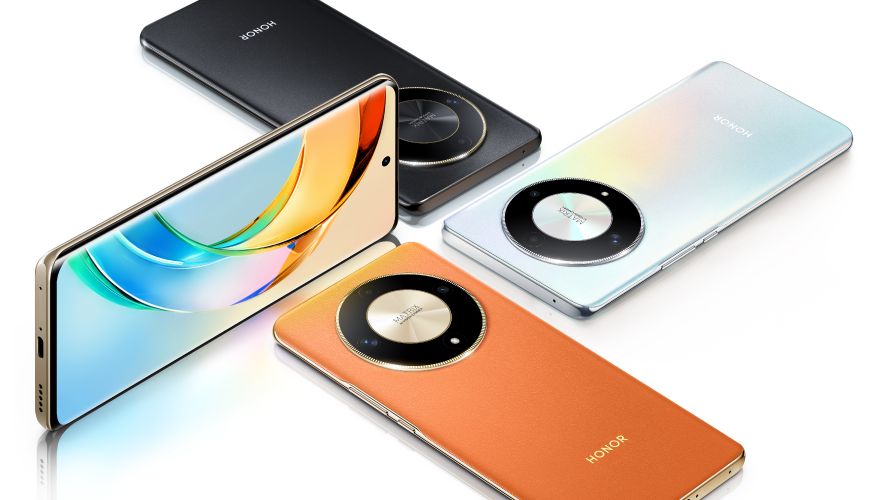
Honor’s Malaysian wing has confirmed that it will soon announce the Honor X9b mid-range phone. However, the handset is already listed on Honor’s UAE website. Here is a look at the specifications and features of the X9b, which has arrived as a successor to the existing Honor X9a.
Honor X9b specifications and features
The Honor X9b weighs 185 grams and has a slim profile of 7.98mm. According to Honor, its display offers 360-degree anti-drop protection, offering comprehensive safeguards for the screen. It features a new three-level protection system for the screen, frame, and internal components. Additionally, the Honor X9b incorporates a specialized cushioning material with micron-sized pores, capable of absorbing 1.2 times the impact of a drop. Coming to the display specs, it features a 6.78-inch AMOLED display that offers a 1.5K resolution of 1200 x 2652 pixels, a 19.9:9 aspect ratio, and 10-bit colors.
Honor X9b
The Honor X9b is equipped with the Snapdragon 6 Gen 1 chipset. It is available in two RAM configurations: 8 GB and 12 GB, both of which provide 256 GB of internal storage. The device comes pre-installed with Magic OS 7.2, which is based on Android 13. It has a 5,800mAh battery that supports 35W fast charging.
Honor X9b
On the front, the Honor X9b has a 16-megapixel selfie camera. Its rear shell has a 108-megapixel primary camera, a 5-megapixel ultra-wide lens, and a 2-megapixel macro camera. It offers other features, such as dual SIM, 5G, Wi-Fi 802.11ac, Bluetooth 5.1, GPS, NFC, a USB-C port, and a 3.5mm audio jack.
Honor X9b price, availability
Honor is yet to confirm the Honor X9b’s price. The device will be sold in shades such as Midnight Black, Emerald Green, and Sunrise Orange, featuring a vegan leather back. It is unclear which other markets will receive the device.
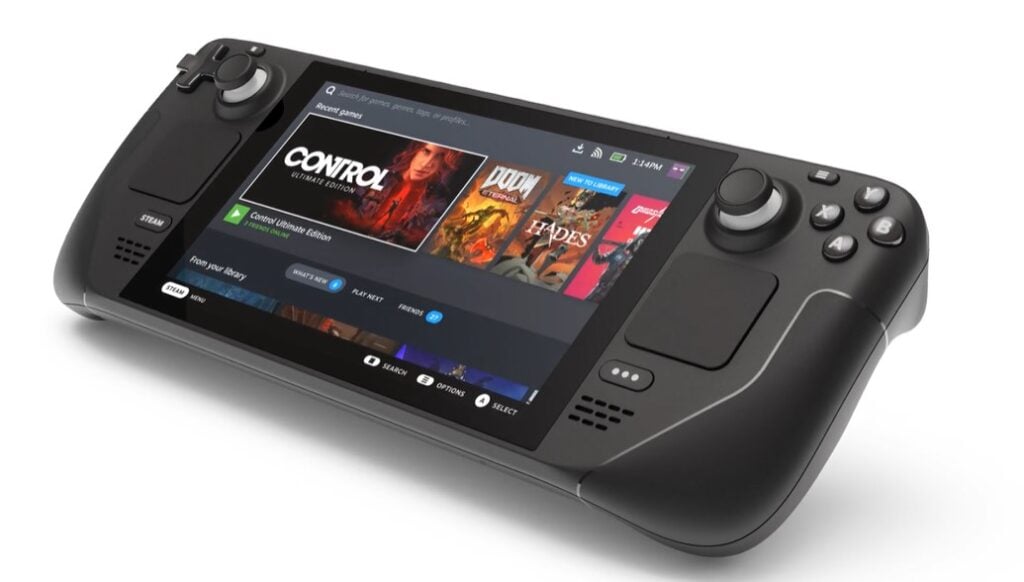
Valve has released a fresh update for the Steam Deck handheld gaming console, known as SteamOS 3.5.1, specifically designed for devices enrolled in its Preview channel. It’s important to keep in mind that beta software, including this update, may still have some issues that need to be resolved. Nevertheless, this update brings a variety of intriguing changes and fixes, which can be reviewed below.
One standout feature of this update is the introduction of undervolting controls. This means that the APU (Accelerated Processing Unit) can receive less voltage than its default specification, potentially reducing heat generation. For those who like to tinker, undervolting can enhance system stability, improve battery life, and potentially prevent performance throttling.
It’s worth noting that the effectiveness of undervolting can vary due to manufacturing variations. This happens because no two CPUs, or APUs in this case, are exactly the same, even if they are the same model. This is because the manufacturing process is not perfect. As a result, some CPUs may be able to handle lower voltages than others without becoming unstable.
The update addresses several issues and introduces various improvements, particularly related to external displays. Previously, HDR output wasn’t possible in 32-bit applications, but this has been resolved. An annoying bug that kept the internal display backlight on constantly has also been fixed. For users who utilize the desktop mode, problems like erroneous color displays during transitions to the Plasma Desktop have been addressed.
Additionally, the update resolves issues with memory cards that had problems with faulty file systems, offering a more seamless experience to Steam Deck users.
In related news, a new Steam Deck might be coming sooner than expected. Previously, Valve stated that it has no plans to release Stream Deck 2 before 2025, however, a recent certification has revealed a refreshed version under development with a better WiFi modem, better battery life, and more.
Introducing the Dreame D9 Max, the latest addition to the Indian market by Dreame Technology, a well-established Chinese household appliance manufacturer affiliated with the Xiaomi ecosystem. This innovative robot vacuum cleaner not only vacuums but also mops, thanks to its integrated water tank. Among its impressive features are a robust 4000Pa suction power, precise LiDAR navigation, intelligent mapping, convenient app control, and support for voice assistants. Let’s now dive into an in-depth review of the Dreame D9 Max to explore what makes it a standout choice for household cleaning. Let’s explore its distinctive features and functionalities to better understand its capabilities.
Dreame D9 Max: What’s in the box?
Dreame D9 Max
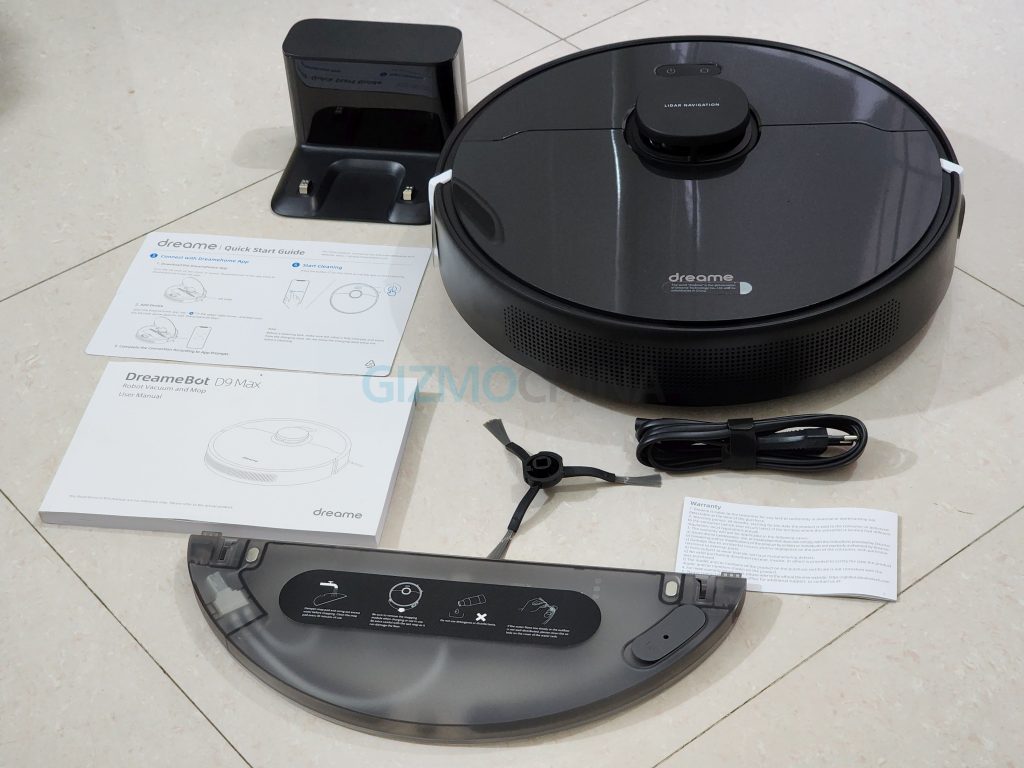
Here is a look at what’s inside the retail package of the Dreame D9 Max:
Dreame D9 Max robot vacuum cleaner
Charging dock
Dust tank (570 ml)
Water tank (270ml)
Mop Pad
Cleaning tool
Power cable
Rubber side brush
User manuals and instructions
Desing and Build
Dreame D9 Max
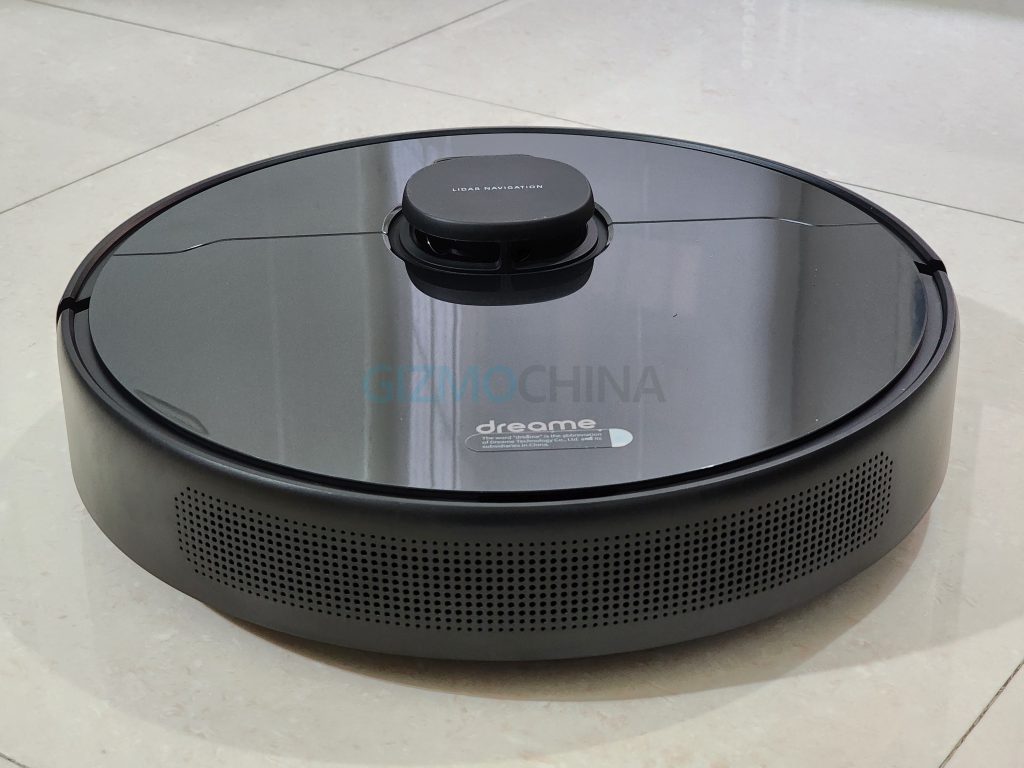
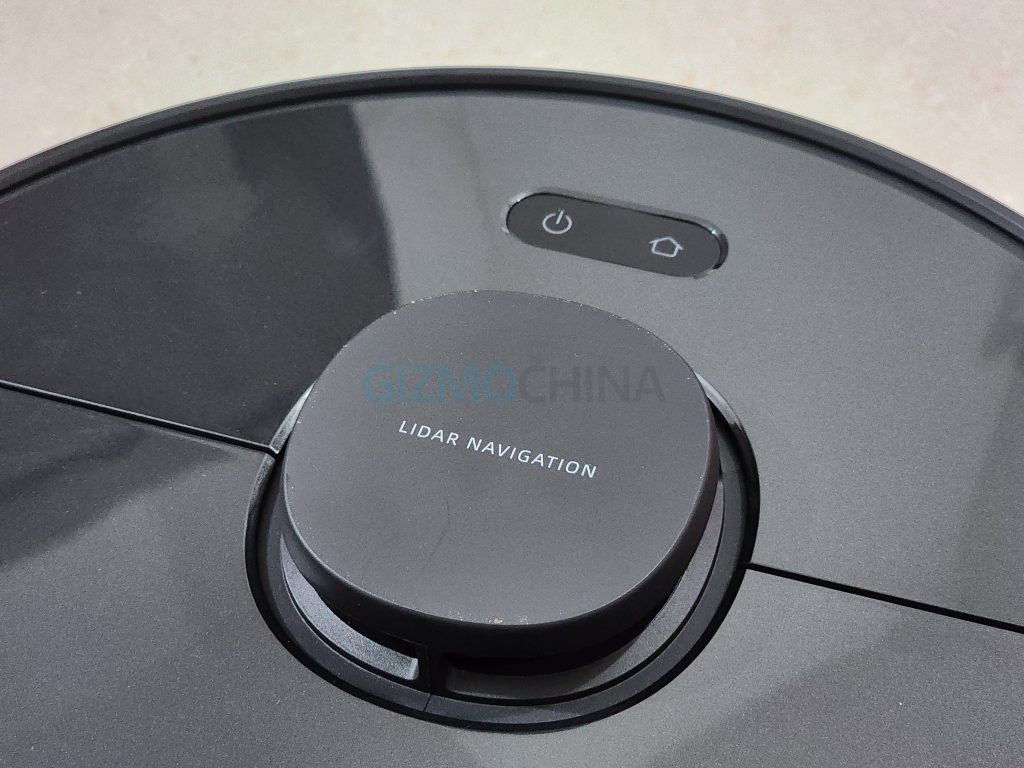
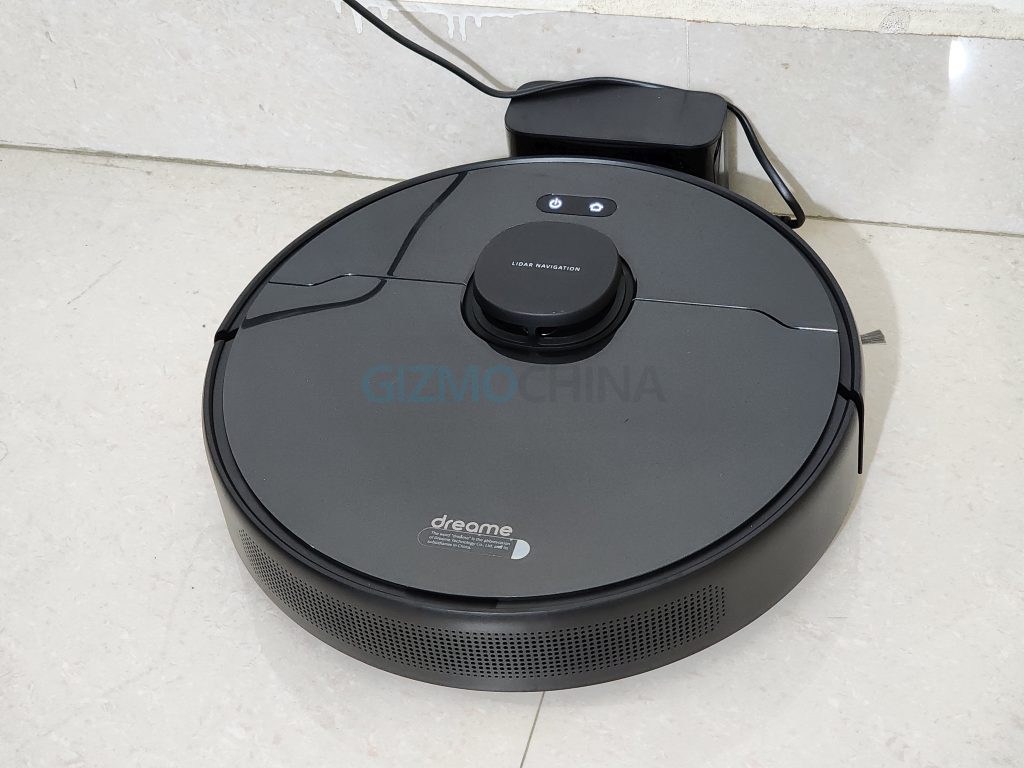
The Dreame D9 Max features a sleek and stylish design, offered in black for the Indian market. The robot’s build quality is good, with robust and high-quality plastics giving it a premium touch. At the top, there is a LiDAR sensor and user-friendly buttons for controlling the robot’s operation and docking.
Dreame D9 Max and its LiDAR sensor
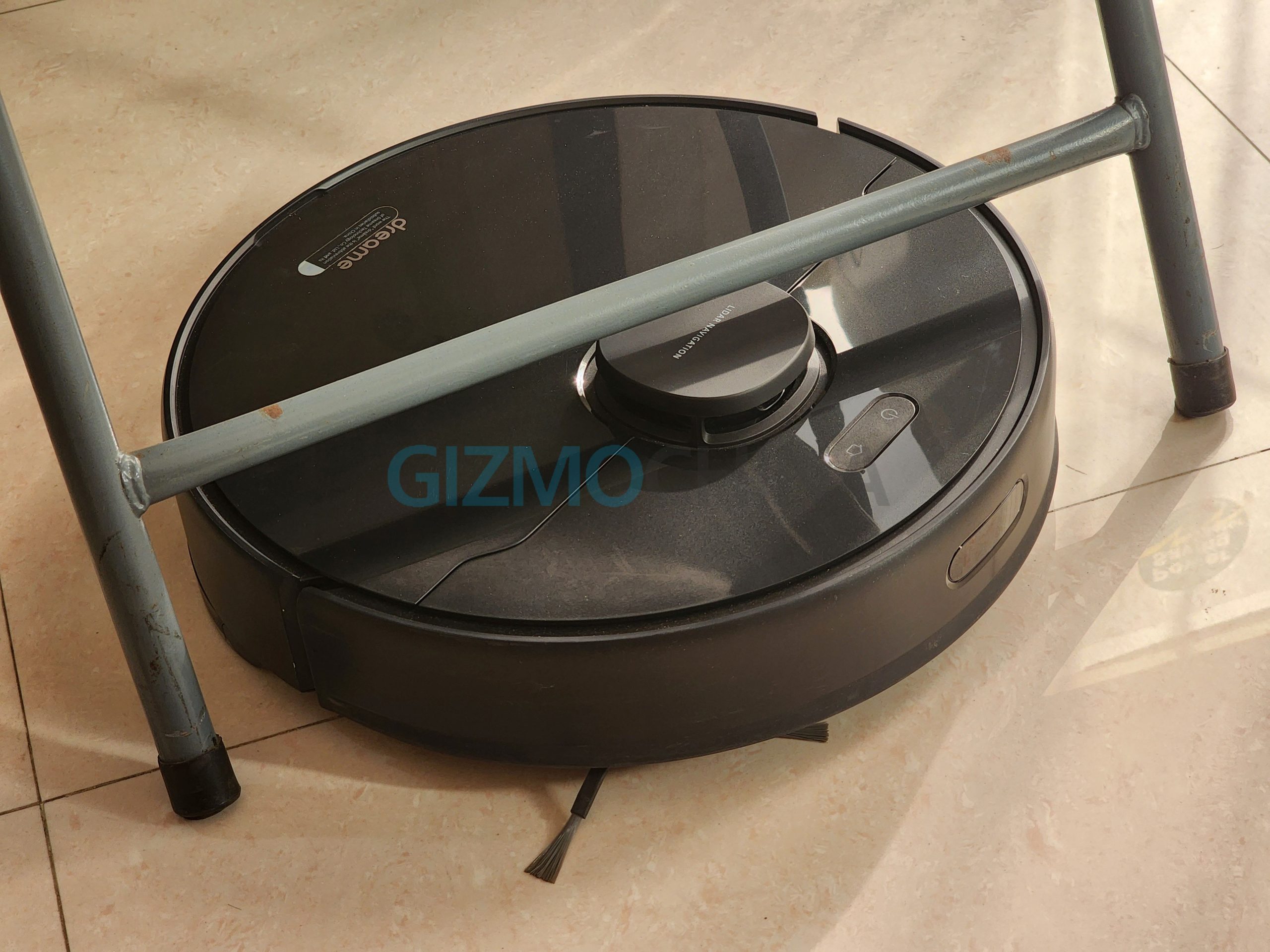
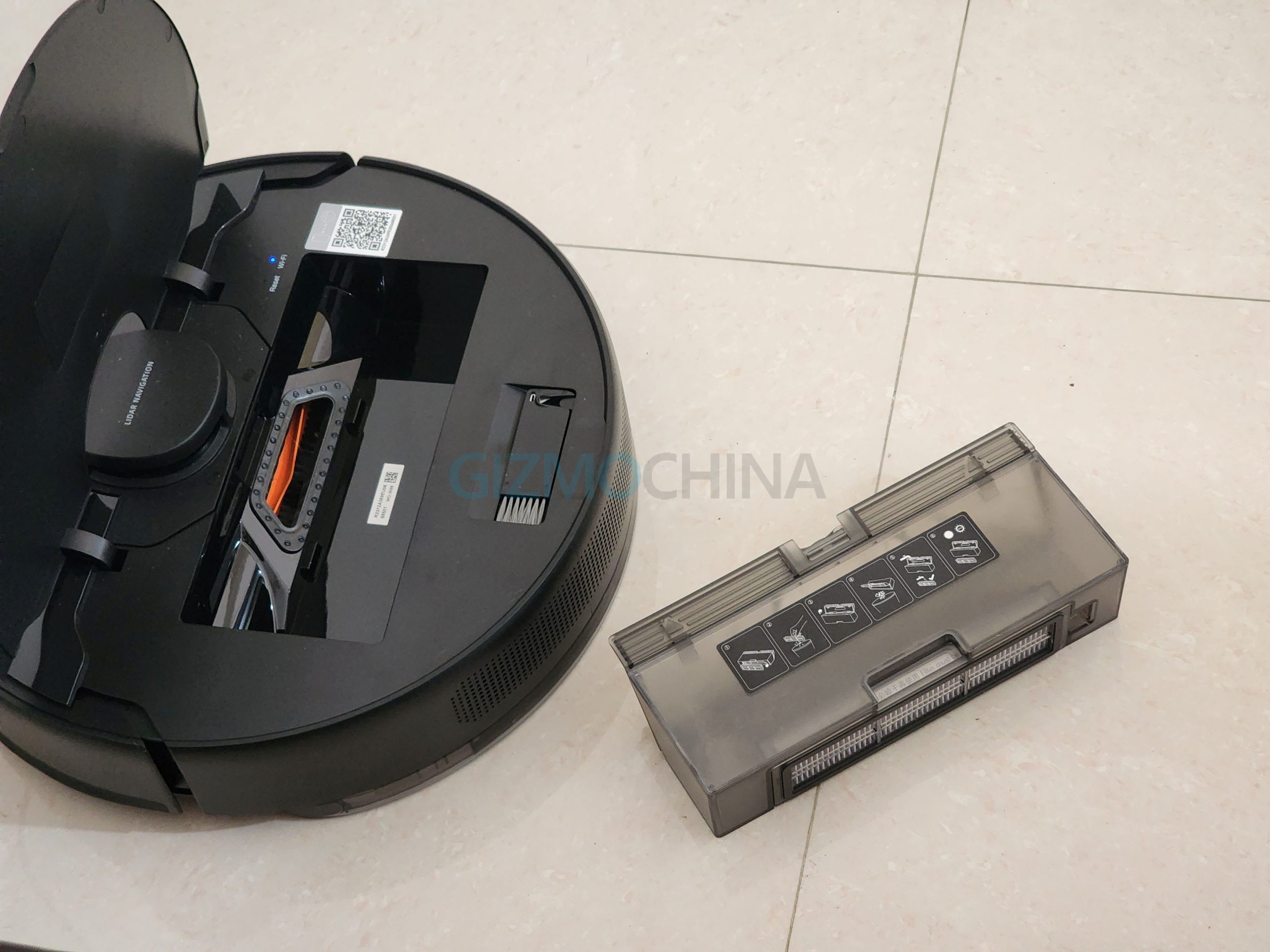
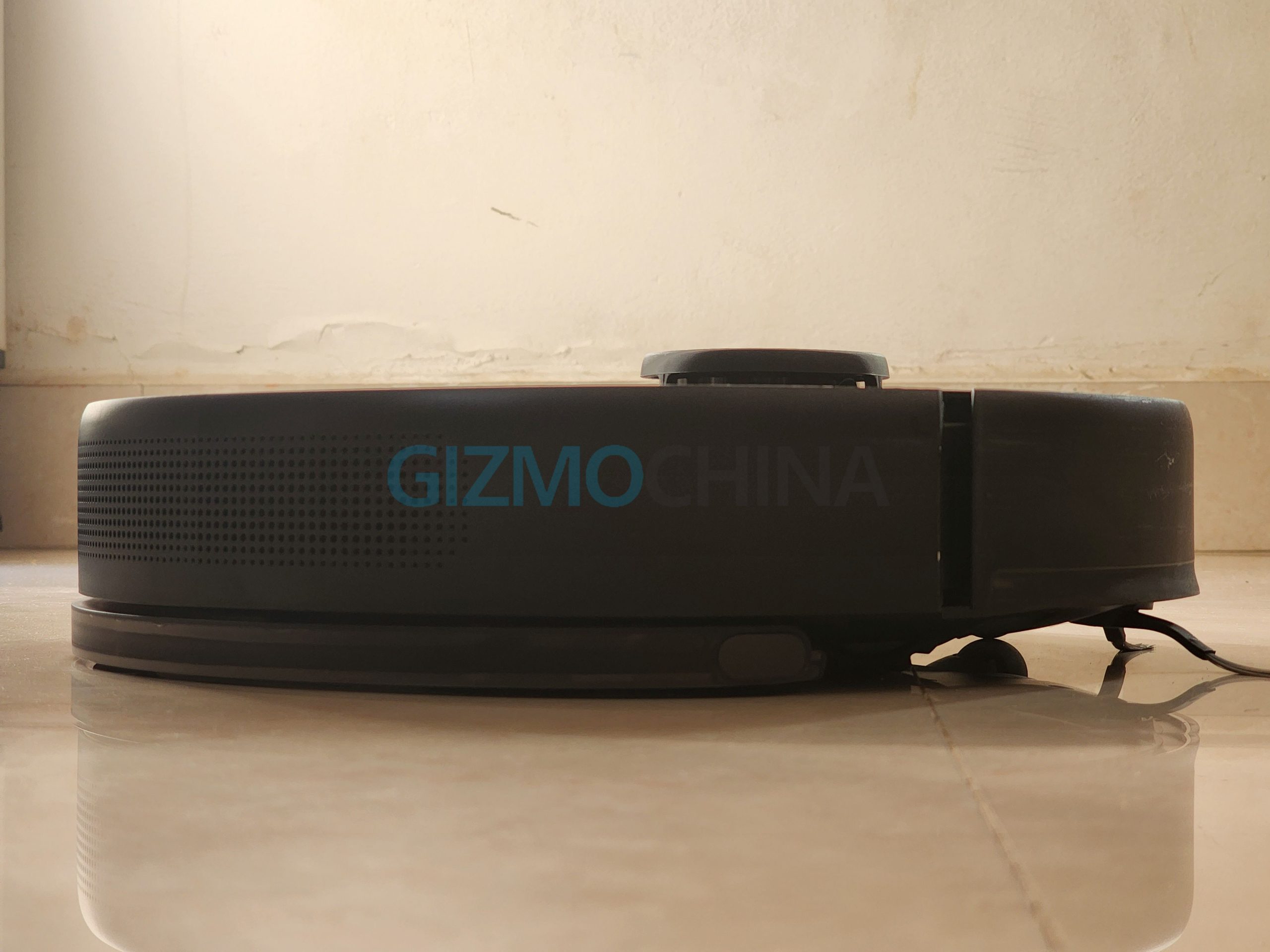
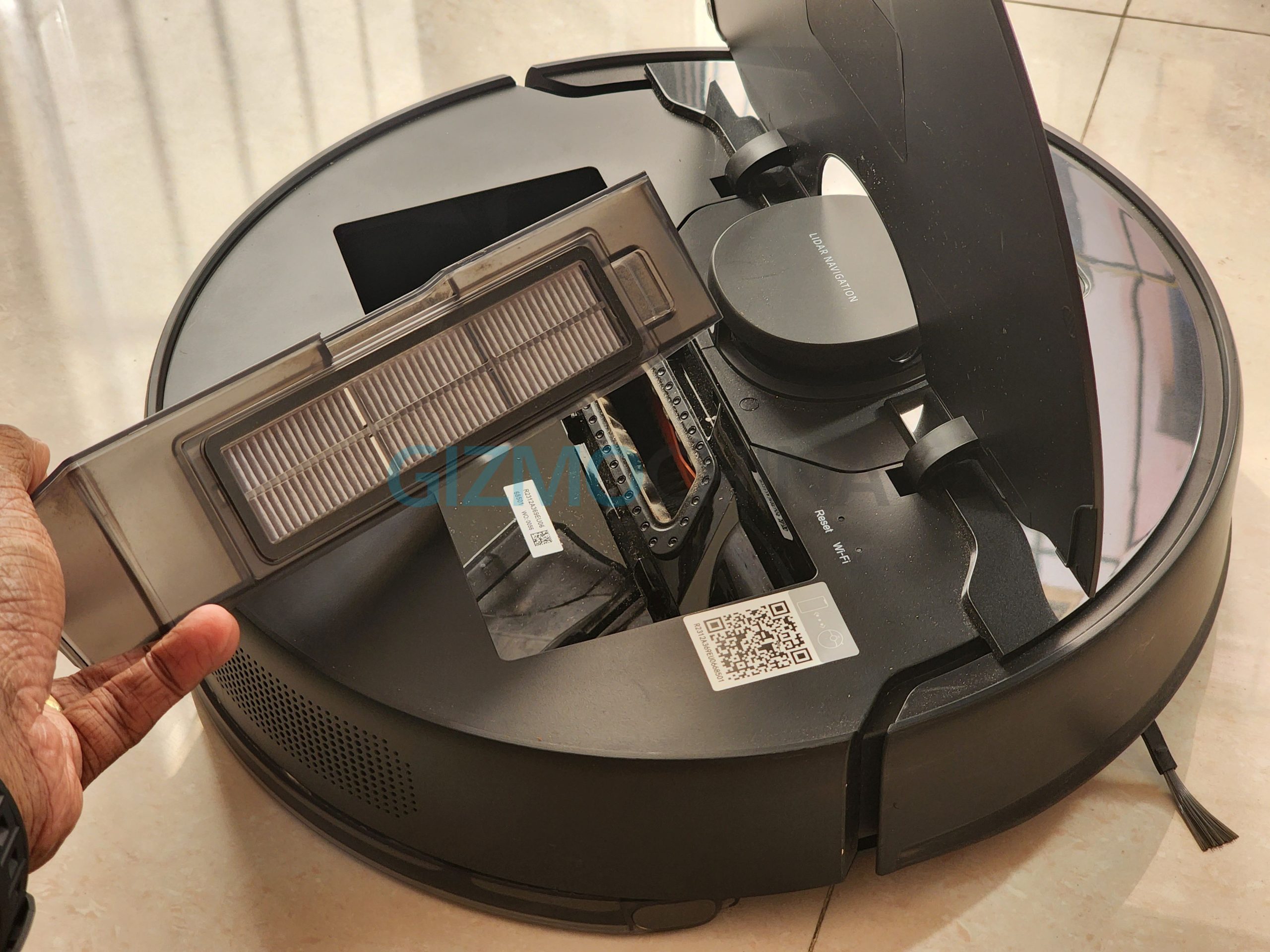
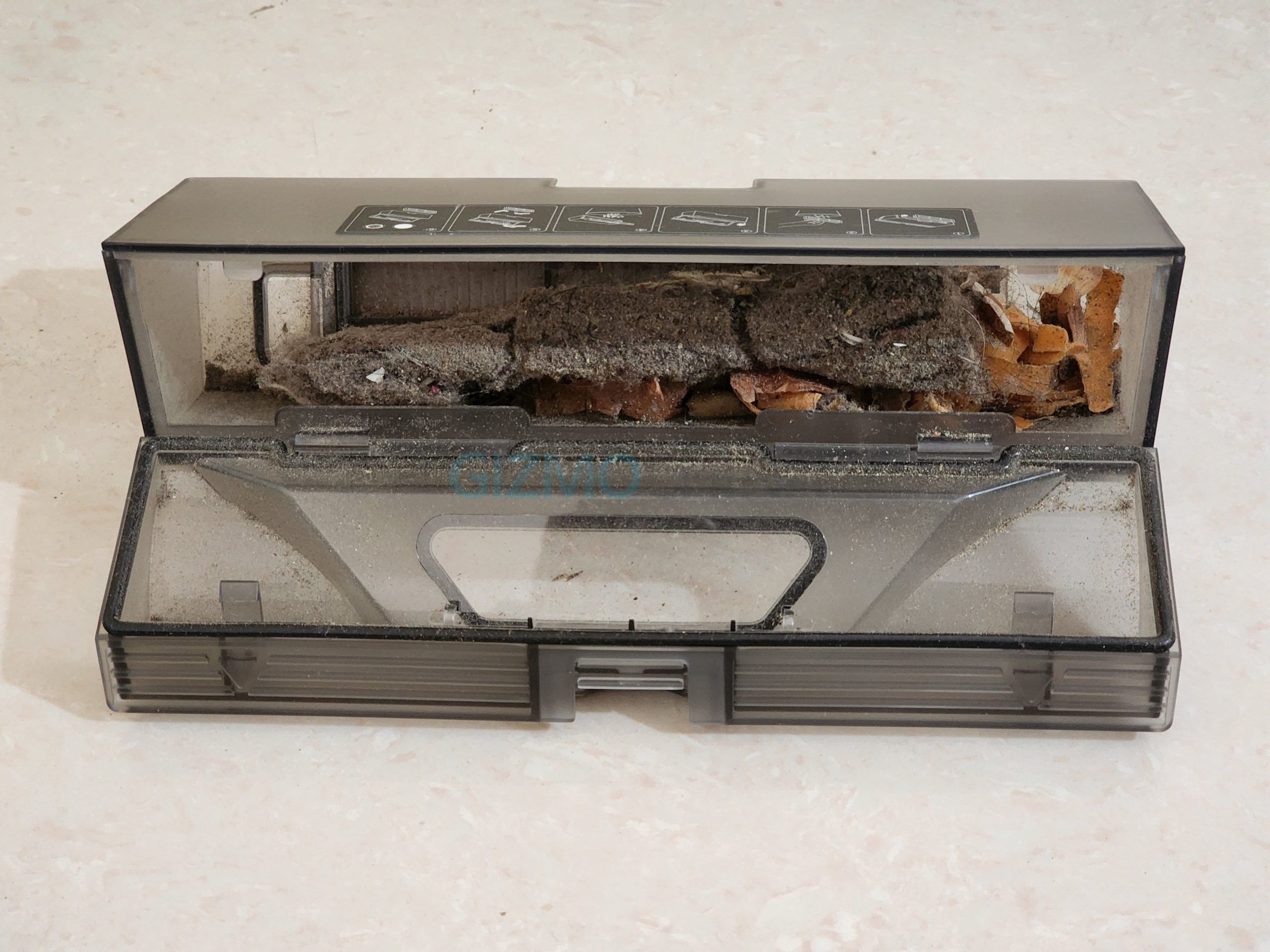
The top surface has a glossy finish, enhancing its overall appeal, but it may need occasional cleaning to maintain its pristine look as it can attract dust and fingerprint marks. The robot also comes with a practical flap on top, revealing a spacious 570ml dustbin and a compact cleaning brush for routine maintenance. It boasts robust wheels that can navigate obstacles up to 2–3 cm in height. Its design enables it to easily slip under furniture, such as a cot or a table stand, accessing those challenging-to-reach spots with its 4-inch height for thorough cleaning.
Dreame D9 Max going beneath a chairReplacble 570ml dustbin
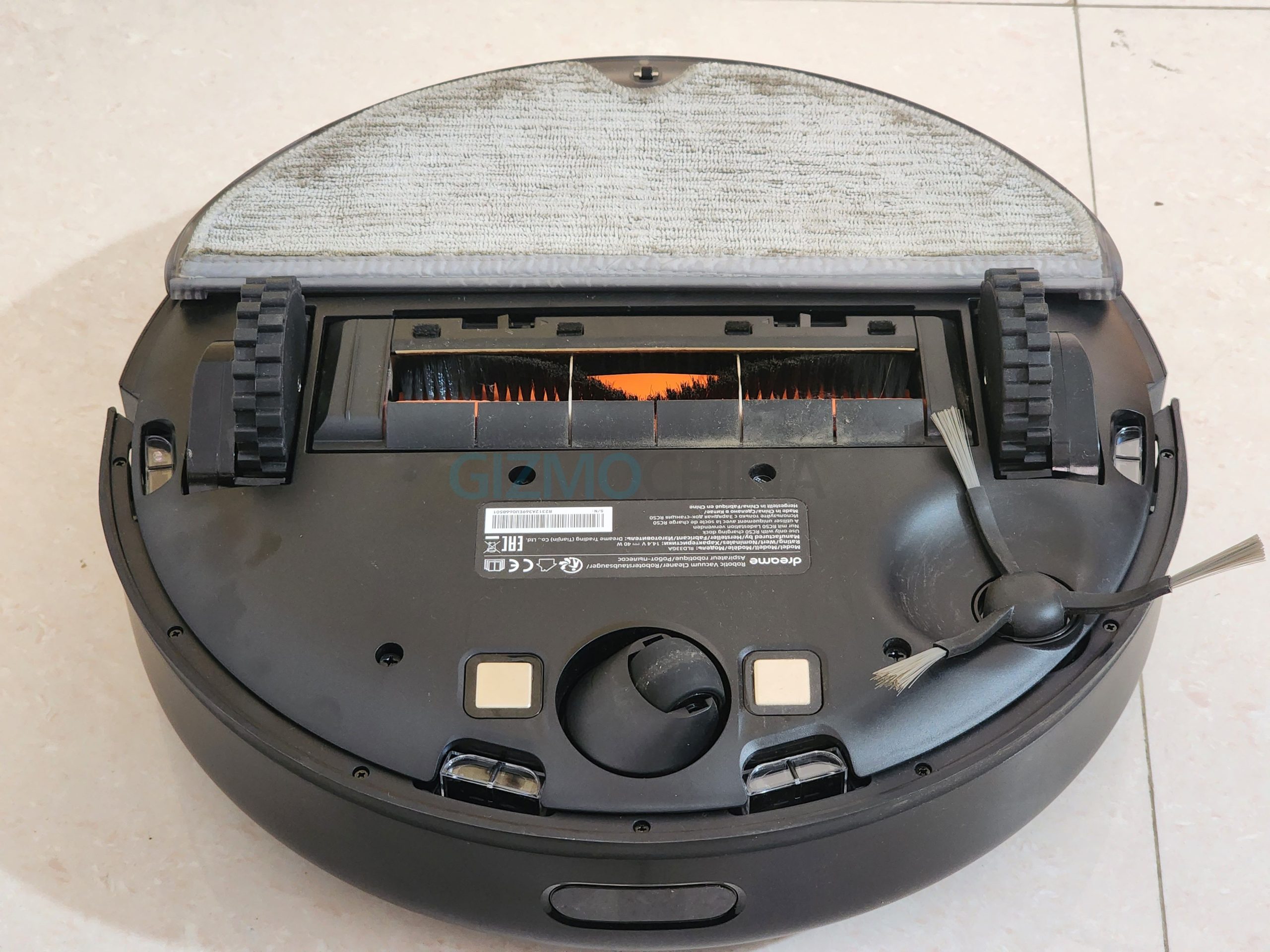
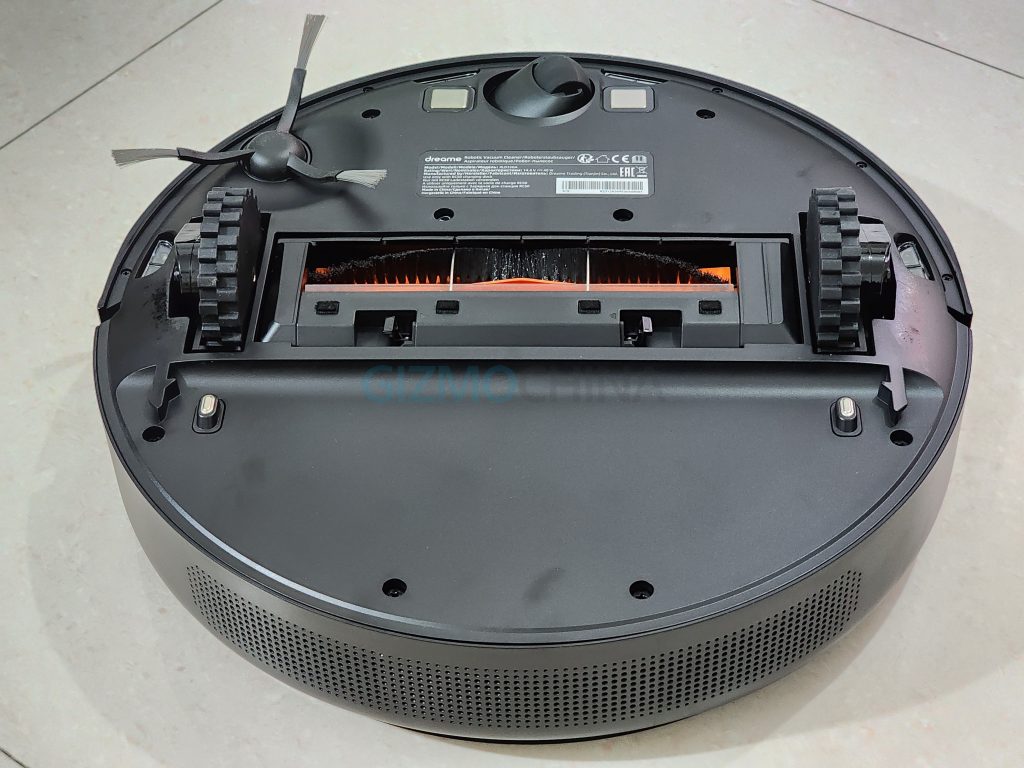
The D9 Max employs a single side-brush design with silicone bristles, known for their durability and ease of cleaning. The main brush features a tangle-free design for added convenience. The device comes with a 270ml water tank accessory that can be easily attached or removed from the bottom of the robot, eliminating the need to flip the device for installation.
Assembling the device does not take much time; it should be ready to use in around 10 minutes. The compact charging base is unobtrusive and can be placed conveniently, even under furniture, dedicated solely to charging the robot with no additional features.
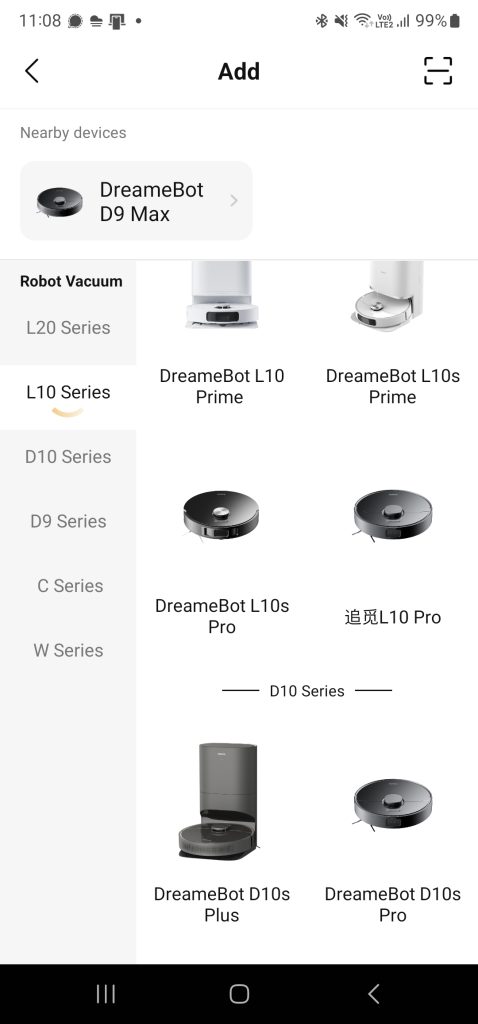
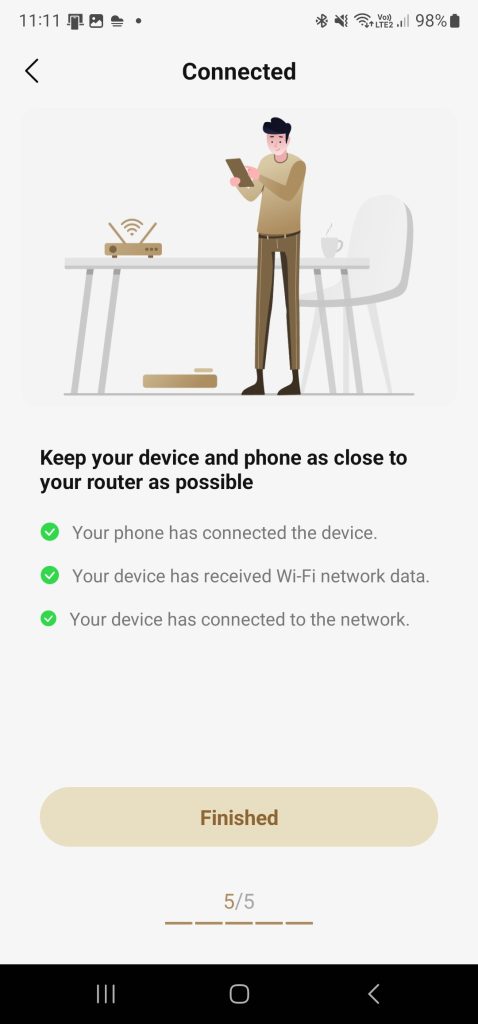
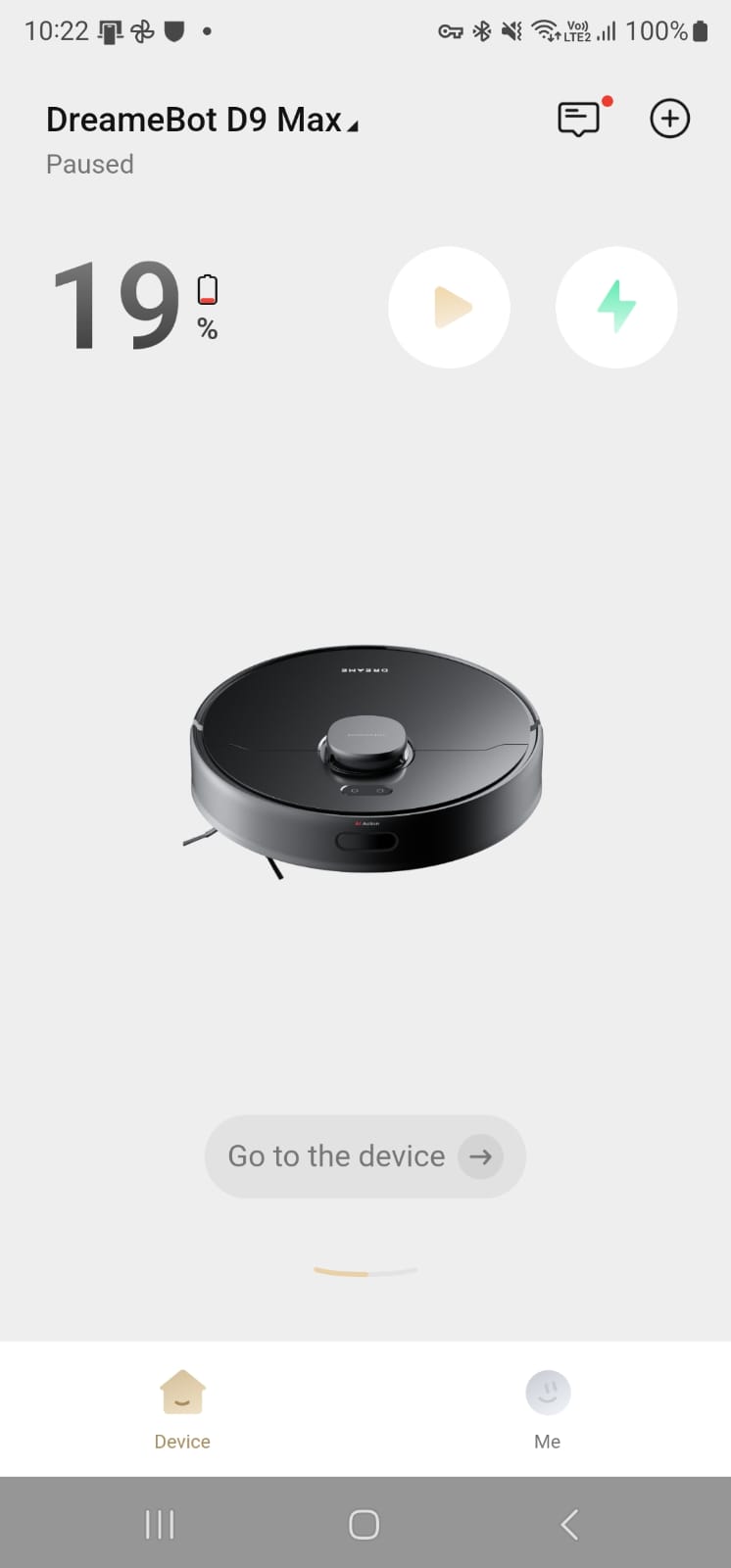
To get started with the Dreame D9 Max robot vacuum cleaner, begin by plugging the charging dock into a wall outlet. Next, place the D9 Max on the charging dock and turn it on using the power button. Next, download and install the Dreamehome app on your smartphone. The app will automatically identify the nearby Dreame D9 Max and guide you through the process of connecting it. This involves selecting your Wi-Fi network of choice and inputting the network’s password. Once this setup is complete, you can take control of the device via the Dreamehome app, allowing you to manage it conveniently.
Setup and Maintenance
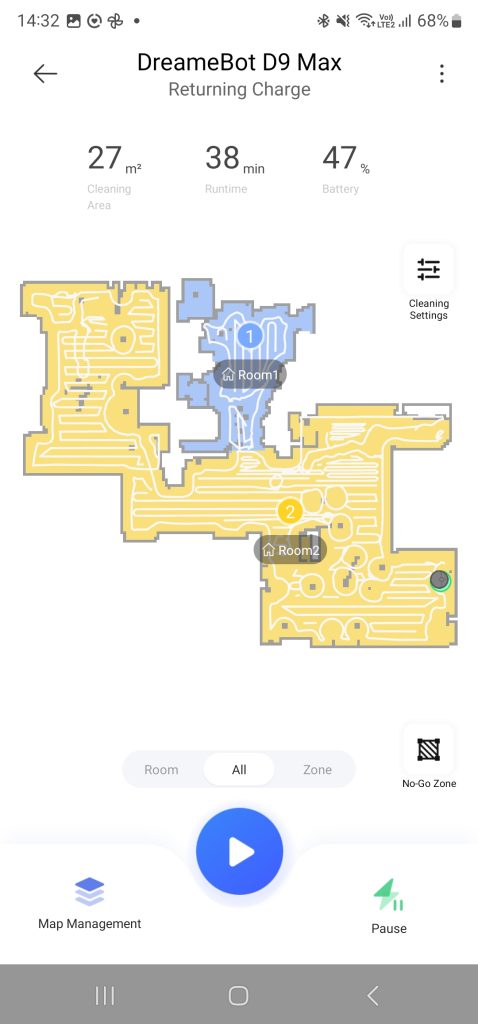
To use the Dreame D9 Max for cleaning, it first performs a comprehensive mapping of your home’s layout. This mapping process ensures systematic room-by-room cleaning. This can be easily managed through the Dreamehome app, which also allows users to create multiple maps for homes with multiple floors. Prior to initiating the mapping process, it is advisable to clear the room of any objects or obstacles that may be lying around for accurate mapping.
In my case, I reside in a 1BHK apartment consisting of a bedroom, hall, and kitchen. During the mapping process, the D9 Max identified the kitchen as “room 1” and the remaining areas as “room 2.” You have the flexibility to adjust this sequence using the app. While mapping, users can define virtual walls, no-go zones, and no-mop zones if there are specific areas they want to avoid.
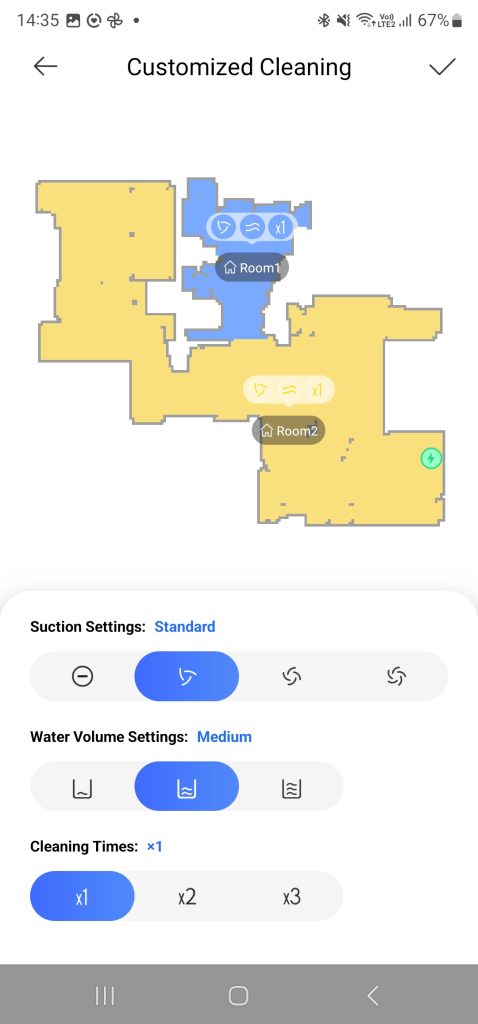
The app offers various cleaning settings, including:
Cleaning Mode: Choose from Only Sweeping, Only Mopping, or both Sweeping and Mopping.
Suction Settings: Select from Quiet, Standard, Strong, or Turbo
Water Volume Settings: Low, Medium, or High
I personally used the Customized Cleaning feature, selecting Standard suction, Medium water volume, and setting the cleaning cycle to run twice (up to three times is available). It also provides mopping patterns, including “Daily” and “Deep.” In the “Deep” mode, it follows a dense Z-shaped pattern, while in the “Daily” mode, it adopts a less dense Z-pattern.
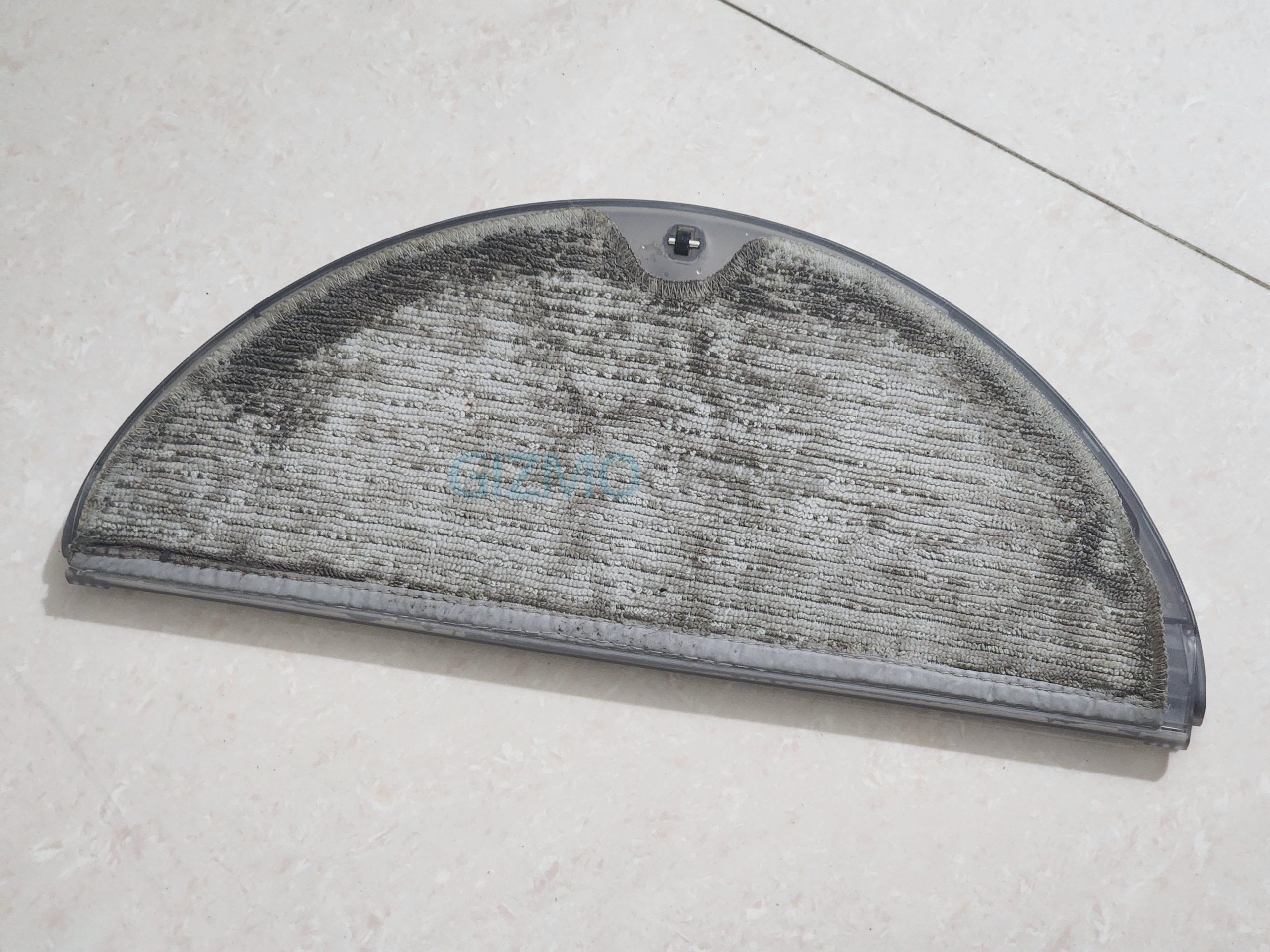
I set a daily schedule for the robot vacuum cleaner to run at 10 am and 7 pm. It efficiently cleaned both rooms within roughly 30 minutes, covering a combined area of 290 sq. ft. I found that the water I added to the tank was sufficient for two cleaning cycles each day, with some water remaining for the following day. After the D9 Max has finished its mopping job, it is advisable to wash it because it tends to get dirty and requires user attention for proper cleaning.
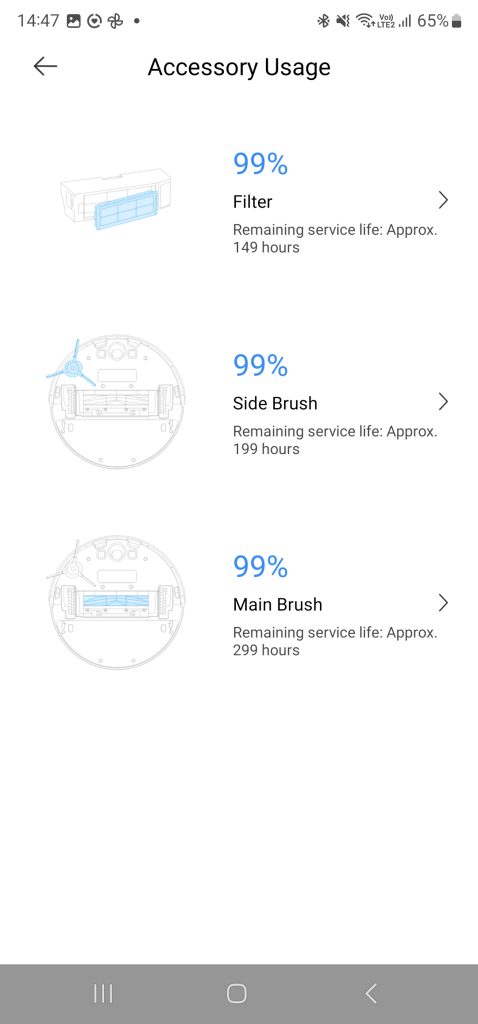
While the D9 Max is cleaning, you can track its progress in real-time through the app, showing its exact location and area already covered. To sum it up, the Dreamehome app is remarkably user-friendly and offers additional features, such as cleaning history, accessory usage, status for the filter, side brush, and main brush; locate robot; and remote control. The app also allows users to integrate the D9 Max with Google Assistant and Amazon Alexa, although Google Assistant didn’t respond to voice commands and Alexa only recognized commands like “start the vacuum” and “stop cleaning.”
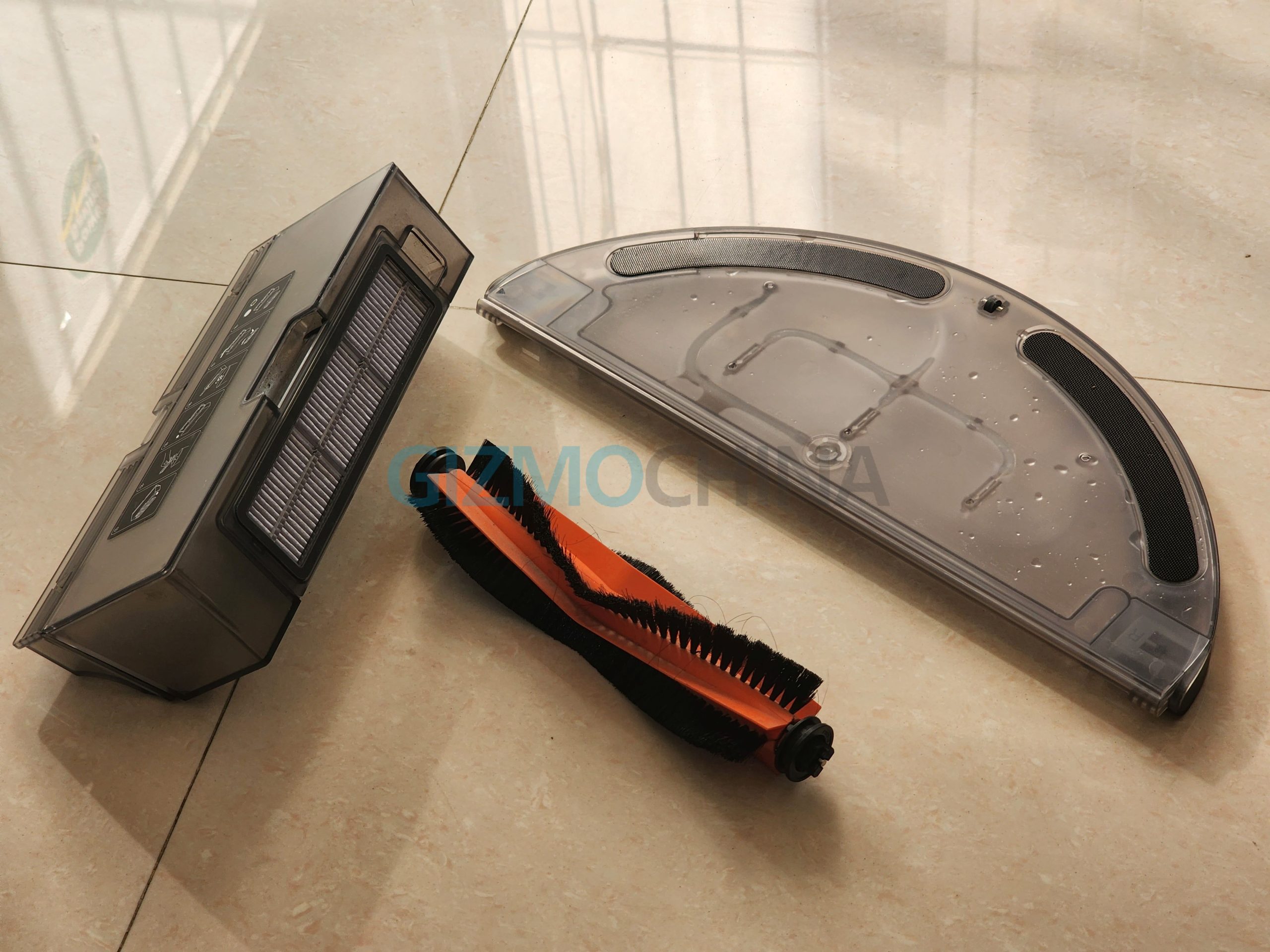
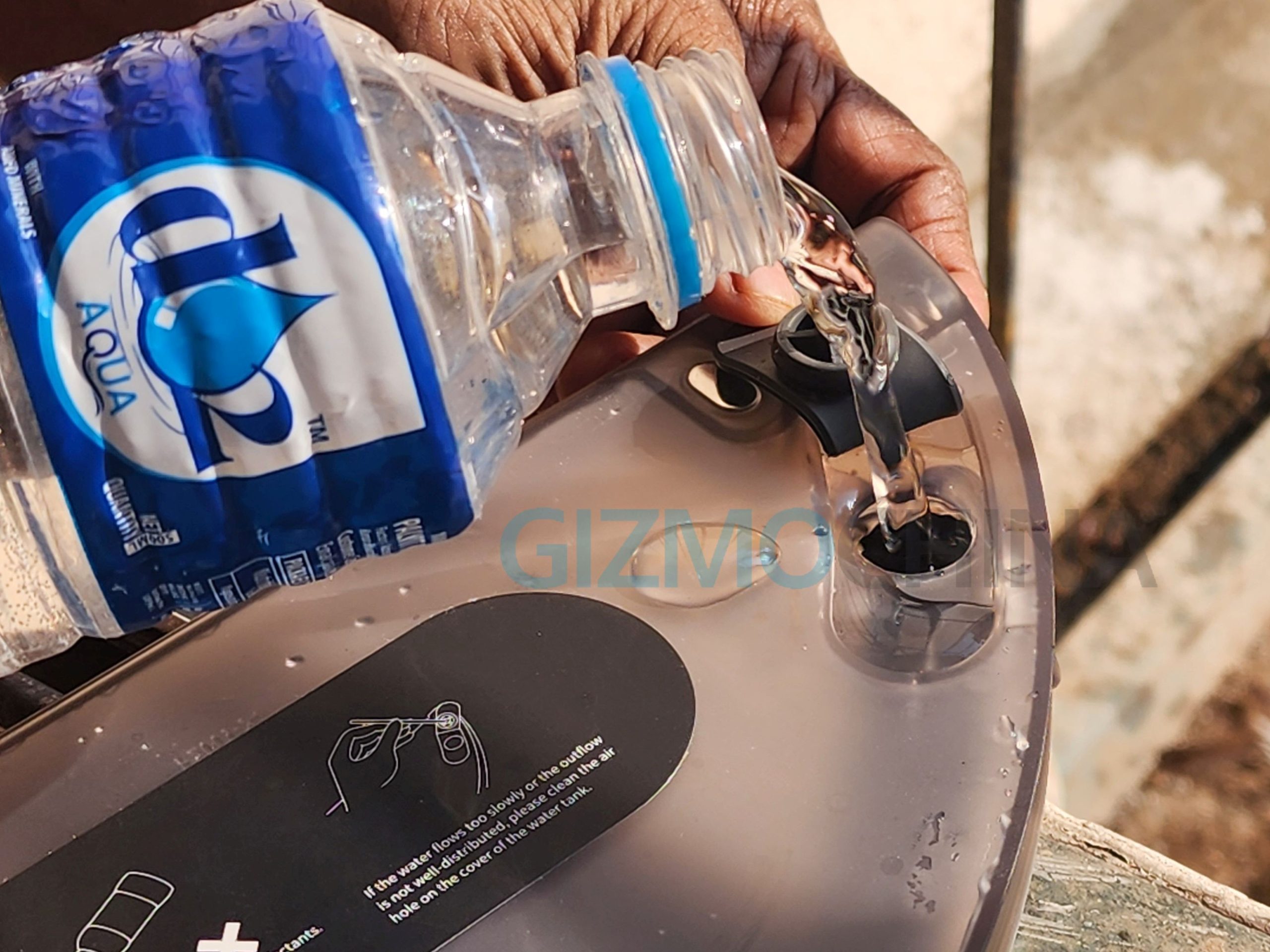
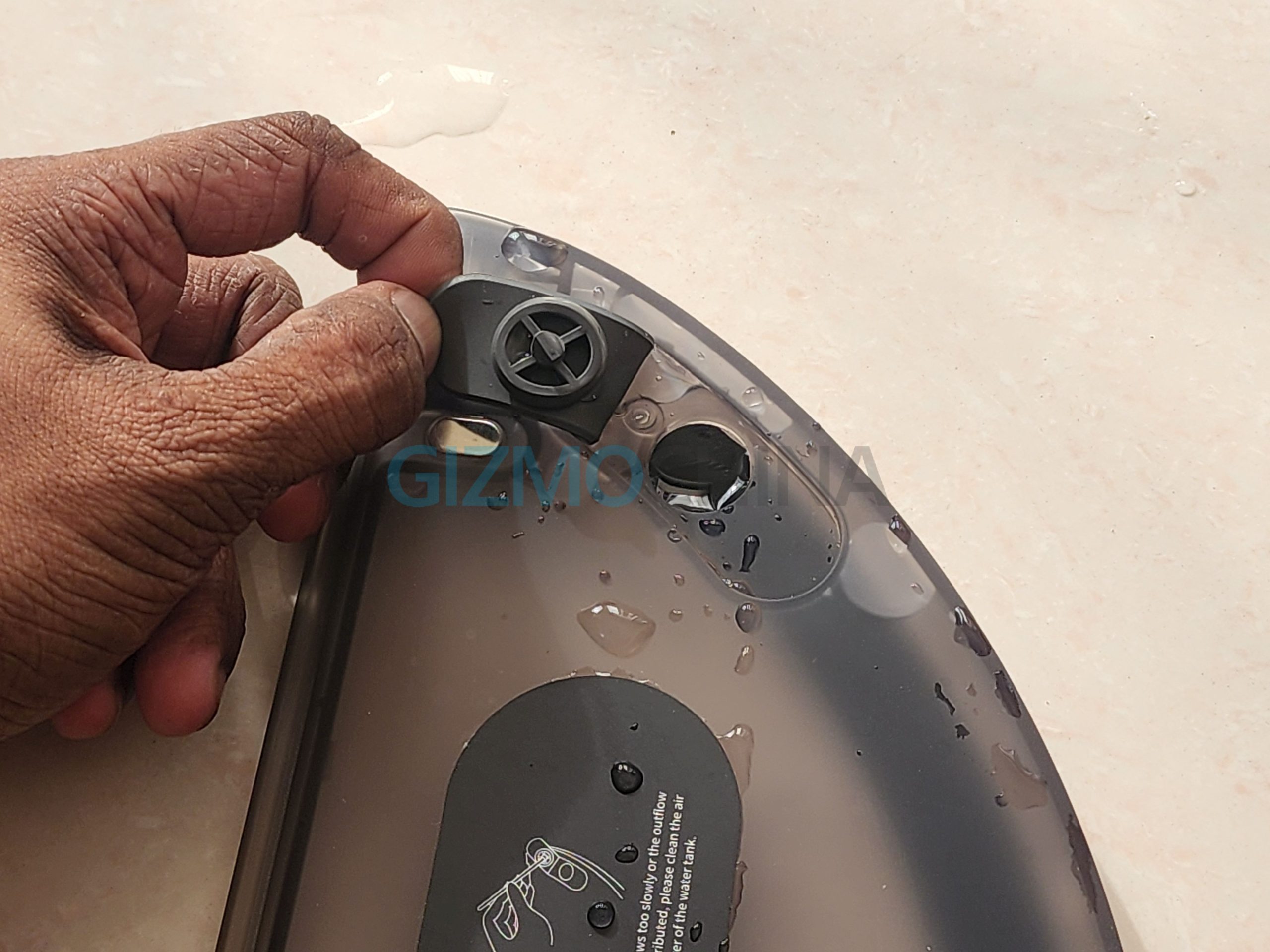
Dreame D9 MaxDustbin, main brush, water tankDustbin along with the filterFilling the water tankFilled water tank
Readers should note that the Dreame D9 Max is not a fully automatic product but requires manual intervention to take out the dustbin present inside to empty it, clean its main brush, fill the water tank, and wash its mop. Thanks to the large-sized dustbin, users will not have to empty it frequently. The mop, which can be taken off the water tank, requires being washed manually. The retail box does not include any accessories like extra brushes or mops, but the brand claims that those can be purchased through Amazon India.
Cleaning Performance
The Dreame D9 Max offers impressive 4,000Pa suction power across four adjustable levels, effortlessly handling tough dirt and debris. It maintains quiet operation during standard cleaning but increases suction and sound slightly when transitioning to hard areas such as carpets, returning to its quieter mode when leaving the carpet. It takes around 3 to 4 hours to fully charge the D9 Max and can last for around 150 minutes on a full charge. It weighs approximately 5 kg (which is acceptable, in my opinion), and there’s hardly any need to lift it.
Dreame D9 Max with water tank + mopDreame D9 Max’s mop after using it for 3 days without a washDreame D9 Max’s 570ml dustbinDreame D9 Max with water tank removed
The laser mapping and navigation system enhances efficient and intelligent cleaning. Customizable cleaning control prioritizes dirtier areas, and it navigates 20mm (0.8 inches) obstacles seamlessly. Anti-fall sensors ensure safety by preventing falls, while eight infrared sensors effectively detect furniture and objects, though they may not detect cables or thin dusters on the floors as obstacles. This guarantees the robot focuses on cleaning where it’s needed most. Even if it happens to bump into something, it adjusts its path slightly and resumes cleaning. Do not expect the mop to wipe off the tough stains from the floor, but multiple mopping rounds may help reduce their visibility.
One notable aspect is the tangle-free vacuuming design, which minimizes issues with hair getting wrapped around the robot. The high-speed 190rpm side brush effectively covers corners for a thorough cleaning process. Lastly, the dustbin and filtration system are designed to capture particles as small as 0.3 microns, making them effective at filtering out allergens and pollen. With its 570ml large dustbin, you’ll find yourself making fewer trips to empty it.
Once the cleaning is complete, the D9 Max returns to its dock for recharging. In the event that its battery level drops to 15 percent while cleaning, it automatically heads back to the dock for recharging. The cleaning resumes after charging up to 35 percent of the battery capacity. Throughout its cleaning cycle, it provides announcements for different stages, such as starting cleaning, completing the cleaning process, and returning to the dock. It packs a 5,200mAh battery with a promised running time of 180 minutes. It takes around 4 hours to achieve a full charge.
Verdict
Dreame D9 Max
In summary, the Dreame D9 Max exhibits remarkable cleaning efficiency, effectively managing dust, hair, and larger debris. It maintains a slight distance from obstacles, leaving certain areas partially uncovered. However, these are relatively minor points that don’t significantly impact its overall performance. The D9 Max is an excellent choice for pet owners, equipped with robust suction and effective cleaning capabilities to address common pet-related challenges like hair and dander.
In Indian urban homes, which often feature limited space, it’s a common misconception that the robot vacuum cleaner is more suitable for larger residences. Yet, it’s important to emphasize that they work just as effectively in smaller living spaces, especially when there’s sufficient open floor space and minimal clutter. This ensures efficient cleaning without any hindrances. The Dreame D9 Max is also suitable for those who live in multi-level houses because it can create a different map for every floor. If you are short on time for daily cleaning and seek automation, the Dreame D9 Max proves to be an ideal and dependable companion.
Comparable robot vacuum cleaners available in India within the same price range include the Xiaomi Robotic Mop 2 Pro and the Evovacs Deepbot N10. It is important to note that I haven’t had the opportunity to test these competing products, so I cannot provide an assessment of their quality.
Dreame D9 Max price, availability
The Dreame D9 Max is priced at Rs 24,499 (~$294) in India. It comes in black shade only and is available for purchase through Amazon. At the time of writing this post, I noticed that Amazon is offering a Rs 1,000 coupon for those interested in purchasing the D9 Max.
Disclaimer: All of the opinions in this Dreame D9 Max review are mine and based on my own experiences. There has been no editorial input from Dreame Technology.
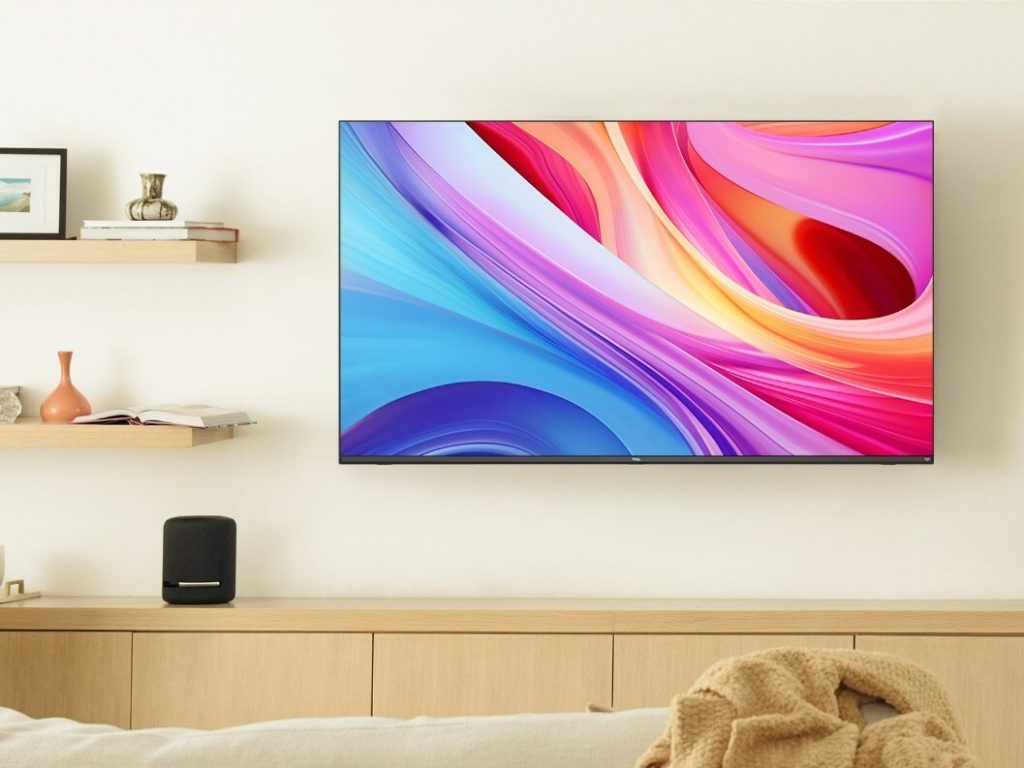
TCL Electronics has introduced the 2023 SF5 TV Series with Fire TV, presenting an affordable yet feature-packed entertainment option. This latest release follows closely behind the unveiling of the TCL X11G Max, which currently holds the title of the world’s largest QD-Mini LED TV.
TCL SF5 TV (2023) series specs & features
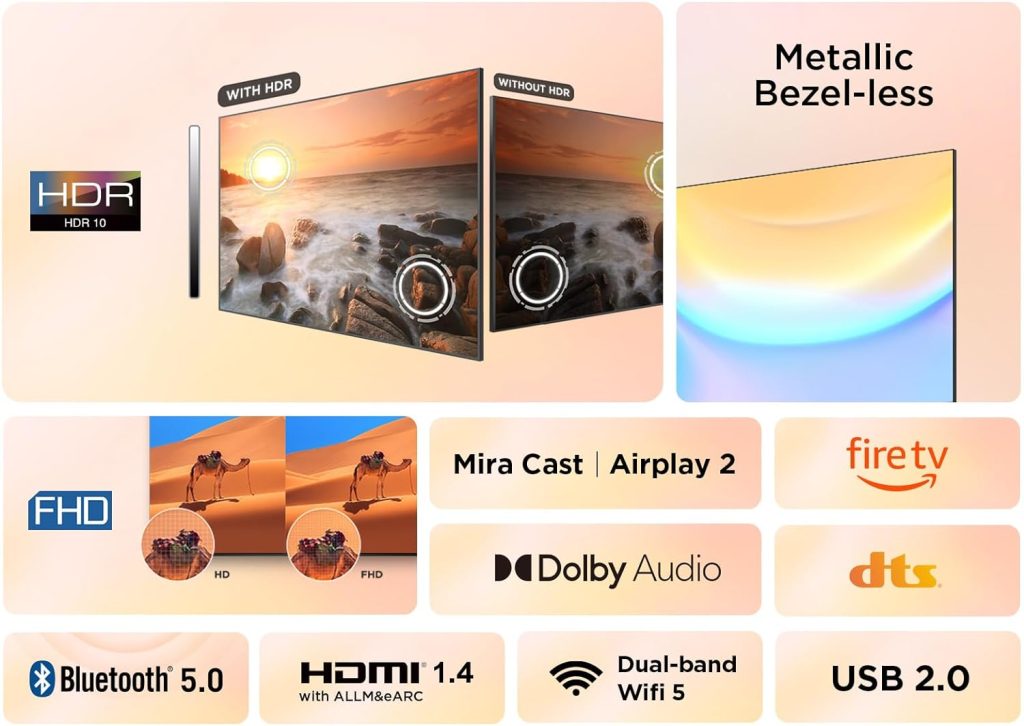
You can choose between 32-inch and 40-inch models, both delivering a Full HD 1080p resolution with a 60Hz refresh rate and support for HDR10 and HLG. The dynamic tone mapping feature intelligently enhances the image quality, providing better contrast and color accuracy.
The integration of Fire OS 7 means you can access popular streaming apps like Prime Video and Disney+. UK customers get an added bonus with Freeview Play, offering a vast library of free TV content and boxsets. You can also cast content from your mobile device via Miracast or Apple AirPlay. The Voice Remote with Amazon Alexa lets you control the TV with voice commands.
Other than their excellent visuals, these TVs also offer an immersive audio experience with Dolby Audio and DTS-HD technology.
Price & availability
Priced at €199 for the 32-inch and €259 for the 40-inch model in Spain, these TVs offer an excellent balance of affordability and performance. The 2023 TCL SF5 TV Series is also expected to arrive in the UK soon.
*Please Note: When you buy something using the links in our articles, we may earn a small commission at no cost to you.
Nubia is working on a couple of new flagship smartphones, including a foldable device such as the Nubia Z60, Z60 Ultra, and Z60 Fold. In a new report, GSMChina has revealed the model numbers of these upcoming Nubia flagship phones. Here is a look at all the details that have emerged so far.
Nubia Z60 Fold, Z60 Ultra, Z60: What to expect?
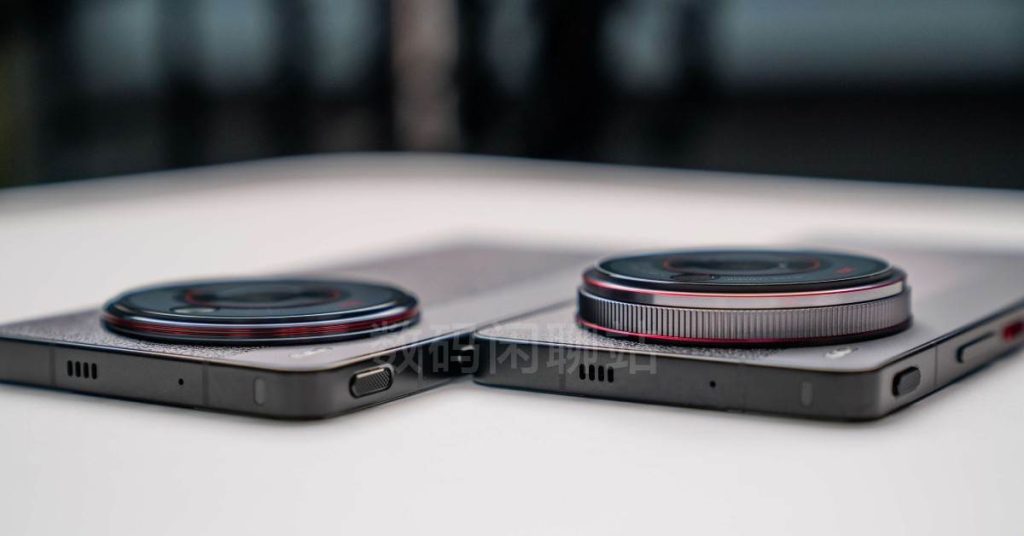
(Left) Nubia Z50S Pro | (Right) Upcoming Nubia Phone
In August, a Nubia device with model number NX769J was spotted with the Snapdragon 8 Gen 3 in the databases of Geekbench and Wi-Fi Alliance. This device is said to be the Red Magic 9 gaming smartphone.
The N721J device also appeared in the Wi-Fi Alliance alongside the Magic 9 gaming phone. As per the IMEI database listing, this device will be called the Nubia Z60 Ultra when it hits the market. It is expected to come preloaded with MyOS 14-based Android 14 and feature the Snapdragon 8 Gen 3 chip. It may come with a 35mm camera, a 1-inch sensor, and an under-display selfie camera.
The report further reveals that another Nubia phone with the NX801J has also appeared in the IMEI database. The listing reveals that it will be the company’s first foldable phone with the Nubia Z60 Fold moniker. The Z60 Fold may also feature the Snapdragon 8 Gen 3 and is likely to debut along with the Z60 Ultra.
There is another device with model number NX715J that has received radio and 3C certifications in China. This one seems to be the Nubia Z60, which may arrive with support for 80W charging.
The Nubia Z60 series is expected to launch in December of this year in China. However, it is unclear whether all three devices will debut at the same time.
The clock is ticking as Tesla prepares to roll out its long-anticipated Cybertruck, with deliveries slated to begin on November 30, 2023. But here’s the kicker—this isn’t just another pickup truck. Let’s recap one of the most anticipated EVs in the market right now.
Tesla might even use its own fleet of semis for initial deliveries
Manufactured at the Gigafactory Texas, the Cybertruck deliveries will initially be in limited numbers. An interesting twist from the Q3 2023 report shows a Tesla Semi loaded with three Cybertrucks, raising eyebrows over whether Tesla might use its own fleet of semis for initial deliveries. This shows Tesla’s complete control over its production line, right from manufacturing down to delivery—a testament to the company’s strategic depth.
The Cybertruck doesn’t just compete; it outperforms. With towing capabilities expected to exceed 14,000 pounds, it overshadows rivals like the Ford F-150 Lightning and the Rivian R1T, which max out at 10,000 and 11,000 pounds, respectively. And that’s not all. The payload capacity is said to be up to 3,500 pounds, and the Cybertruck promises to accelerate from 0-60 mph in just 2.9 seconds. It’s not just a truck; it’s a beast, albeit an electric one. It will feature an 800-volt powertrain and 4680-type cylindrical battery cells. Simply put, this truck is packing the latest in Tesla’s battery tech, positioning it for both longevity and exceptional performance.
The Cybertruck isn’t just a monumental step for Tesla; it’s a whole new landscape for the electric vehicle market. And with an estimated annual production capacity of 125,000 units, Tesla seems hell-bent not just to enter but dominate this new market. The future, it seems, is just six weeks away.
Oppo is ramping up its investment in artificial intelligence (AI) in an ambitious bid to bring the power of large language models (LLMs) directly to your smartphone. The game plan? Integrate its own homegrown language model, AndesGPT, into its devices, and make AI chat features more responsive and reliable by running them locally on the phone itself.
Oppo wants their phones to understand their customers’ worlds
Jason Liao, the head honcho at Oppo Research Institute, is all-in on the idea. At a recent media briefing in Singapore, he confirmed the company’s enthusiasm for AI and how it could reshape our smartphone experiences. But there’s a catch. Localizing AI services on a phone isn’t an easy task. Oppo has the significant challenge of figuring out how to give the phone enough computing muscle to run LLMs without relying on the cloud.
This move to localized AI could be a pivotal moment for Oppo, setting it apart in a market that’s chock-full of fierce competitors like Vivo, Huawei, and Xiaomi—all of whom are on their own AI journeys. Oppo’s vision involves not just AI chat but also delves into computer vision tech that could understand and interpret images and videos in real-time. Imagine your phone not just hearing you, but “seeing” and understanding your world as you do.
So why should we care? Oppo is already a major player, ranked as the world’s fourth-largest smartphone vendor. Its efforts to create an in-house, locally-run AI could help it carve out a unique niche. While other companies look for cloud-based solutions, Oppo’s local approach could mean faster, more reliable AI services for users, all without needing an internet connection.
In addition, Oppo’s active collaboration with tech startups through grants and competitions shows it’s keen on crowd-sourcing innovation. From 3D-tracking tech to contactless health monitoring, Oppo is clearly willing to bet on fresh ideas that align with its vision.
Kia‘s latest 2024 EV6 Light Long Range model is making news for being the value-for-money champion. Amidst a wide range of pricier electric vehicles (EVs), Kia wants to disrupt the market by focusing on both range and cost-efficiency.
The car is only a smidge cheaper than the Tesla Model 3
According to recent details confirmed by a Kia America spokesperson, the EV6 Light Long Range comes in two variants: rear-wheel drive (RWD) and all-wheel drive (e-AWD). The most compelling part? These new trims are outfitted with a 77.4-kWh battery but are up to $2,750 cheaper than their Wind variants that carry the same battery size. Specifically, the Light Long Range RWD starts at an MSRP of $45,950—making it less costly than the EV6 Wind, which starts at $48,700.
Price comparisons within the EV6 lineup further amplify the Light Long Range’s appeal. It is priced $3,350 more than the standard range EV6 Light model, which has a 58-kWh battery and a starting price of $42,600. So, for just a bit more cash, buyers could potentially get a substantial boost in range.
Although the range for the new Light Long Range RWD hasn’t been confirmed, if we go by the EV6 Wind RWD’s 310-mile range, it’s expected to be in the same ballpark. Moreover, an e-AWD Light Long Range variant is also in the offering with a starting price of $49,850, making it the most affordable dual-motor option in the EV6 range.
Besides competing within its own lineup, the EV6 Light Long Range also shakes up competition with other brands. It is a hair cheaper than the Tesla Model 3 Long Range, priced at $45,990, and just $250 more expensive than the 2024 Hyundai Ioniq 5 SE which starts at $45,700.
Last month, Xiaomi launched its first embedded air conditioner called the Mi Home Central Air Conditioning Duct Machine 3 HP. This air conditioner is designed for spaces ranging from 30 to 40 square meters and is currently available for purchase in China through various e-commerce platforms. It is being offered at an introductory price of 5,999 Yuan ($820). Let’s check out this product’s key features.
Mijia Central Air Conditioning Duct Machine 3HP Key Features:
The air conditioner features a sleek and slim design at just 200mm thickness, making it easy to blend into various home interiors. It comes equipped with Xiaomi’s advanced smart control engine, enabling seamless whole-house smart connectivity. Users can adjust settings through voice commands or the Mijia app, showcasing the potential of home automation. Additionally, it’s designed to be compatible with Xiaomi’s AIoT ecosystem and voice assistants like Xiao Ai.
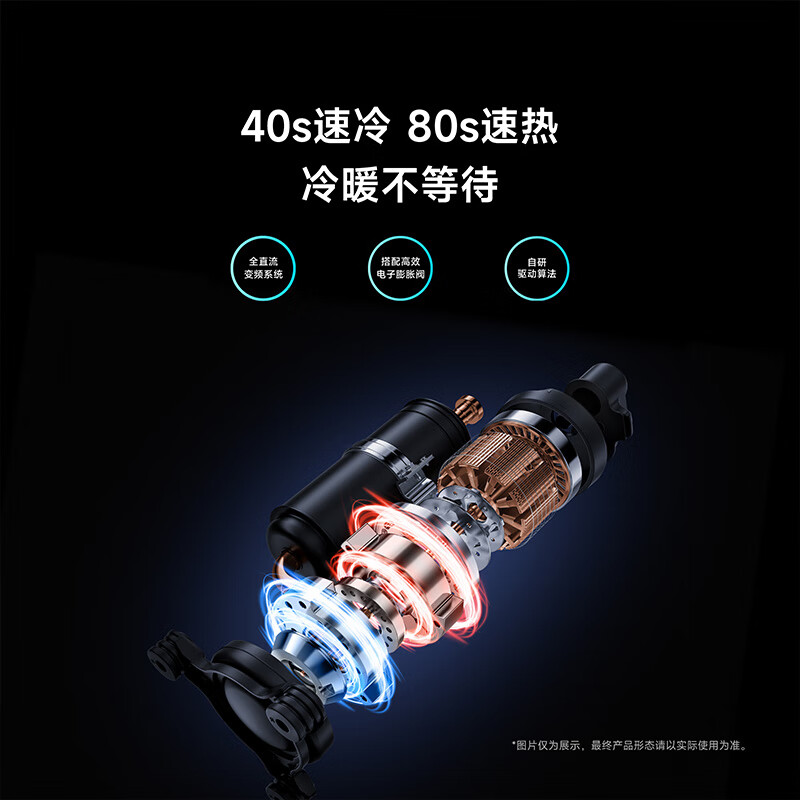
Functionality-wise, it comes with rapid temperature adjustments, cooling in 40 seconds and heating in 80 seconds. This quick performance is attributed to its large-diameter fan wheel and innovative DC inverter system. With 7-speed adjustable airflow, it provides both speed and even distribution of comfort throughout the room.
In today’s health-conscious world, hygiene is of paramount importance. Xiaomi’s central air conditioning machine addresses this concern with a high-temperature self-cleaning feature, reaching 56°C. This feature ensures an impressive 99% self-cleaning rate against common bacteria, guaranteeing cleaner and healthier air for users.
Perhaps the feature garnering the most attention is its first-class energy efficiency certification, reflected in its impressive APF (Annual Performance Factor) of 4.17. Such a high score not only guarantees reduced electricity bills but also a nod to a more sustainable future.
The Google Pixel 8 and 8 Pro were introduced recently. However, they haven’t been spared from the now seemingly traditional issues associated with Google’s new smartphones. For instance, we previously mentioned the problem with the Face Unlock feature in the Pixel 8 series and the issue of Android Auto not working. Even though many of these issues can be fixed with updates, the damage has already been done. It seems users may have already lost faith in these phones, as the Pixel 8 trade-in values have dropped dramatically after launch.
Pixel 8 trade-in values plummet after launch
The smartphone market is truly in its golden age. Almost every day, another major brand introduces a new model for users to enjoy. Especially the flagship models, which are high-end devices, attract a lot of attention from tech enthusiasts like us. However, this trend brings about another issue. Instead of using the same phone for a long time, users prefer to switch devices roughly once a year. But in an environment where a top-tier device costs over $1000, doing this can be quite challenging.
So, what’s the solution? Naturally, it’s to sell your current device in the second-hand market at a reasonable price or, if the company where you want to buy your new device offers a trade-in campaign, to trade it in, thus reducing the cost of the new device. Unfortunately, if you’re using a Pixel 8 or Pixel 8 Pro, these options might not be suitable for you.
The trade-in values for the Pixel 8 and Pixel 8 Pro have dropped dramatically since their launch in October 2023. For example, the trade-in value for a 128 GB Pixel 8 is now just $274 at the Google Store and Best Buy, down from $420 at launch. Unfortunately, this is quite a low price. Of course, you could try to sell your phone second-hand rather than trading it in.
However, many of us don’t have the energy or time to deal with that. Therefore, those who are going to purchase such devices should be prepared to use them for a long time or should not expect to get much value from them when buying their next phone. Of course, for a trade-in, the condition of the product needs to be good. Those curious can find the trade-in values based on the device’s condition in the table below.
The Maven cargo e-bike has been unveiled as the first female-centered cargo e-bike wholly designed by women. The Maven cargo e-bike is designed by Integral Electrics whose CEO and co-founder is Laura Belmar.
Features
The Maven cargo e-bike is inspired by a lack of female-centered mobility solutions that are designed by women. It comes amidst the rising popularity of electric bikes due to their utility and versatility. Female bikes are far-between as most e-bikes are designed as one-size-fits-all models. The Maven e-bike is a departure from such design ethos. Belmar, after visiting the Taipei Cycle Show, concluded that design and engineering choices for the bike industry predominantly come from a male perspective. This further impacts accessibility for the female folk to most of the e-bike offerings.
The Maven cargo e-bike is a vehicle designed by women and promises an exceptional riding experience for women. It breaks free from an industry traditionally tailored for men by men, according to Belmar. The Maven is designed so that women and shorter riders can conveniently carry cargo on the bike. It is also adaptable for taller riders and veteran cyclists. The bike can be used by riders between 5ft and 6ft 7-in. It has a dropper seat post that allows for the extension and adjustment of the seat height. The handlebars are also adjustable to enhance seamless use by different riders.
Integral Electrics notes that most female riders have reported being unstable in current cargo bikes and this is mainly due to a poor design. The female center of gravity is at waist height and any cargo above that level makes the bike feel unstable. The Maven cargo e-bike has remedied this design drawback with cargo placement well below the waist level. The cargo is placed just above the rear wheel, just about 24 inches above the ground. This aligns just above the knee and guarantees confident and effortless riding for everyone, according to the company.
The Maven cargo e-bike comes with dual batteries that deliver up to 130km of range. There are several cargo accessories that can be attached to the bike’s long rear rack. The bike has a 750W rear hub motor that is controlled via a pedal-assist or a hand throttle. It also comes with a large headlight and tail light for proper illumination at night. It also has front and rear turn signals, hydraulic disc brakes, as well as a dual crown fork suspension. A rear suspension is also present for some degree of comfort while on a bumpy ride.
Pricing & Availability
The Maven Cargo e-bike is priced at $1,999 via Kickstarter. The success of the crowdfunding campaign is tied to the trajectory of the Maven e-bike. The earliest deliveries are slated for February 2024.
We use cookies on our website to give you the most relevant experience by remembering your preferences and repeat visits. By clicking “Accept”, you consent to the use of ALL the cookies.
This website uses cookies to improve your experience while you navigate through the website. Out of these, the cookies that are categorized as necessary are stored on your browser as they are essential for the working of basic functionalities of the website. We also use third-party cookies that help us analyze and understand how you use this website. These cookies will be stored in your browser only with your consent. You also have the option to opt-out of these cookies. But opting out of some of these cookies may affect your browsing experience.
Necessary cookies are absolutely essential for the website to function properly. This category only includes cookies that ensures basic functionalities and security features of the website. These cookies do not store any personal information.
Any cookies that may not be particularly necessary for the website to function and is used specifically to collect user personal data via analytics, ads, other embedded contents are termed as non-necessary cookies. It is mandatory to procure user consent prior to running these cookies on your website.