Apple is gearing up for its next week’s online-only product launch event which is called Scary Fast. It will likely see the arrival of new Macs including an update to the long-due 24-inch iMac as well as the 13, 14, and 16-inch MacBook Pro models. Now a new development claims that Apple may be reportedly working on low-cost affordable MacBooks. The information comes from noted Apple analyst Ming-Chi Kuo. The plans for a cheaper MacBook isn’t new as it was also reported last month.
Low-cost MacBooks may launch next year to boost shipments
As far as I know, Apple attributes the significant decline in MacBook shipments in 2023 mainly to the limited M2 computing power upgrade. I believe this is why Apple may prefer to launch the M3 series MacBook Pro even when its production volume is still low rather than continue…
Kuo says that Apple has been experiencing a decline in MacBook shipments this year mainly due to the limited availability of the M2 processor. This is why the analyst also believes that Apple could proceed with the launch of the M3-powered MacBook Pros in spite of lower production volumes than the M2-powered models. The M3 chipset is expected to offer a significant computing performance upgrade. Apple hopes to leverage this to boost MacBook sales. And if the sales number still doesn’t lift up, there is a possibility that the Cupertino-based tech giant may introduce the MacBook Pro with an all-new design.
Kuo says that Apple’s plans for an affordable low-cost MacBook may happen in between the efforts to lift up declining sales numbers. It could be a way to boost shipments. The company might target 8 to 10 million units per year. Apple hasn’t considered and may ditch the plans for an affordable MacBook.
The previous report revealed that Apple’s affordable MacBook may compete against Chromebooks which have witnessed growth in recent years. The low-cost models will also be different from the current Air and Pro lineup. The Cupertino-based tech giant may target the education and budget segment.
In a groundbreaking achievement, Yangtze Memory Technologies Co (YMTC), China’s leading memory chip producer, has successfully developed the world’s most advanced 3D NAND memory chip for consumer devices. This remarkable feat comes despite facing sanctions and being included in the US Commerce Department’s Entity List. The memory chip, discreetly integrated into a solid-state drive launched in July, highlights China’s relentless pursuit of technological advancement.
YMTC’s breakthrough is a testament to China’s determination to overcome trade restrictions and bolster its semiconductor supply chain. The chip, analyzed by TechInsights, is featured in Huawei’s Mate 60 Pro smartphone, demonstrating the nation’s progress in the face of challenges. 3D NAND memory is pivotal for high-performance computing applications such as artificial intelligence and machine learning. YMTC’s achievement signifies a significant leap in memory chip design, showcasing their expertise in pushing technological boundaries.
However, the path to this success has not been without hurdles. YMTC and 21 other Chinese chip companies faced obstacles after being added to the US Entity List in 2022. This move limited their ability to compete with established memory chip leaders like Samsung Electronics, SK Hynix, and Micron Technology. US equipment suppliers KLA and Lam Research halted sales and services to YMTC, impacting the production of their flagship 232-layer X3-9070 3D NAND flash chip.
YMTC’s progress was facilitated by close collaboration with domestic suppliers, focusing on their innovative “Xtacking 3.0” architecture in a top-secret project code-named ‘Wudangshan’. However, challenges persist in China’s chip manufacturing supply chain. Notably, the lack of viable domestic alternatives for advanced chip-making tools, such as lithography systems, poses a significant hurdle. Dutch company ASML Holding, holding a near monopoly position in lithography systems, has been prohibited from selling its advanced EUV lithography machines to China since 2019.
Recent reports suggest that China’s Semiconductor Manufacturing International Corp (SMIC) has retooled ASML’s deep ultraviolet (DUV) lithography systems to manufacture advanced processors, mitigating some challenges. Nevertheless, experts caution that China still lags in producing the necessary lithography systems required for significant advancements.
Despite these obstacles, YMTC’s achievement stands as a beacon of China’s technological prowess, showcasing its determination to innovate and make significant strides in the global semiconductor industry.
China‘s innovative strides are becoming hard to ignore. The Shenzhen-based giant, Hunyuan, has recently announced its integration into a whopping 180 services, giving a nudge to OpenAI‘s ChatGPT in the process. Through Tencent’s WeChat post, it’s evident that the company’s dedication to AI has borne fruit.
Improvements are already visible in Tencent Meeting, Docs and online ads
With Tencent spearheading the charge, improvements have been noted in Tencent Meeting, Tencent Docs, online advertising, and even WeChat‘s search functionality. Such advancements underscore the model’s versatility, reaching diverse sectors from retail and education to finance and media. What’s more? Engineers have found Hunyuan’s expertise, honed with 32 programming languages and an array of technical literature, invaluable in daily coding and troubleshooting endeavors.
This widespread adoption of AI isn’t just a Tencent phenomenon. Chinese tech behemoths like Baidu and Alibaba are also making their AI-centric plays. Baidu’s Ernie Bot and Alibaba’s Tongyi Qianwen model have found their niches, enhancing cloud computing and e-commerce platforms, respectively.
But it’s not just a domestic story. International tech powerhouses, Microsoft and Google, are no strangers to this trend. Their consistent endeavors to weave AI into products, especially in Asian markets, reinforce the global AI movement.
Interestingly, a new benchmark is emerging. ChatGPT’s capabilities seem to have become a standard yardstick for assessing AI advancements. Tencent’s recent version of Hunyuan, along with Baidu‘s Ernie Bot and iFlyTek’s Spark 3.0 LLM, have made claims of outdoing ChatGPT in Chinese-language proficiencies.
Yet, amidst these rapid advancements, Tencent treads with caution. While Hunyuan has garnered government approval and enterprise-level adoption, its direct public availability remains a question. China’s stringent monitoring of generative AI products, given their unpredictable nature, hints at the challenges of balancing innovation with regulations.
Hyundai Motor, the Korean powerhouse housing Hyundai, Kia, and Genesis brands, has reasons to celebrate. The recent third-quarter financial results show a resounding performance, with an impressive 146% jump in their operating profit from the same period last year, touching a record $2.8 billion. As if that wasn’t enough, their net profits saw a meteoric rise, doubling to $2.4 billion.
The company stated that they sold almost 169,000 EVs this quarter alone
So, what’s fueling this surge? While various factors come into play, electric vehicles (EVs) have been spotlighted by Hyundai as a significant driver. The company proudly reported the sale of nearly 169,000 electrified vehicles in this quarter, marking a 33% hike from the previous year. This includes both hybrid and all-electric vehicles, underscoring Hyundai’s commitment to a greener future.
This success isn’t just a flash in the pan. Hyundai is ambitious and has set its eyes on the horizon with plans to roll out as many as 31 EVs by the end of this decade. And they’re not just daydreaming. The company is backing its vision with a whopping $18.2 billion investment until 2030, aiming to introduce groundbreaking models like the Hyundai Ioniq 7 and Kia EV9.
In stark contrast, automotive giants Ford and General Motors have had to recalibrate their EV goals. Challenges such as a slower EV adoption rate, rising operational costs, and an uncertain economic landscape have prompted them to either delay or scale down their EV production targets.
Yet, Hyundai remains undeterred. The company’s Vice President, Seo Gang Hyun, voiced confidence in the long-term growth of EV sales, indicating that they wouldn’t be hitting the brakes on their EV journey any time soon.
Moto Guzzi is gearing up to steal the spotlight this November at EICMA (Milan Motorcycle Show) with the reintroduction of its Stelvio adventure-tourer. Once a staple in Moto Guzzi’s lineup, the Stelvio faced a brief hiatus due to underwhelming sales. However, the rise in demand for large-displacement adventure electric motorcycles has paved the way for its comeback.
The Stelvio also integrates 4D imaging radar for added safety
Before its grand unveiling, Moto Guzzi couldn’t hold back its enthusiasm, releasing detailed specs of the Stelvio on their website. Drawing inspiration from its sibling, the V100 Mandello, the new Stelvio stays true to its roots in terms of design. But it’s not just about aesthetics; the Stelvio has a story to tell.
Named after the legendary Stelvio pass, Italy’s towering mountain range, the bike echoes the essence of this monumental road. With its 48 sharp turns and challenging inclines, the Stelvio pass is a testament to endurance and thrill. Similarly, the motorcycle is designed for those who seek the thrill of the open road. Its 19-inch front and 17-inch rear wheels, combined with adjustable suspensions, ensure a smooth ride.
Under the hood, the Stelvio boasts a 1,042cc V-twin engine, delivering a robust 115 horsepower and 85 pound-feet of torque. This powerhouse is paired with cutting-edge technology, including cornering ABS, traction control, and multiple riding modes. A standout feature is the PFF Rider Assistance Solution, integrating 4D Imaging Radar for enhanced safety.
For those looking to make the Stelvio their own, Moto Guzzi offers a range of accessories. From heated seats tailored for comfort to luggage options like a 52-liter top case, the Stelvio caters to long-haul riders.
While we await the price reveal, one thing is certain: EICMA 2023 is set to be a grand stage for the Stelvio’s return and Moto Guzzi’s continued legacy.
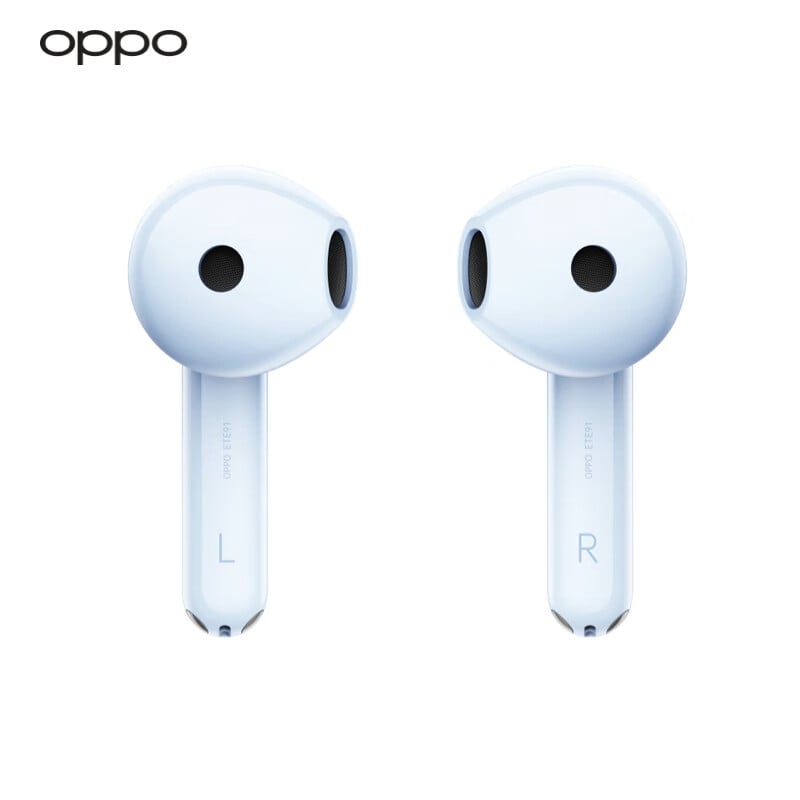
Oppo recently launched the Enco Air 2 New Sound Edition earbuds in the Chinese market. While we initially thought that these earbuds would be exclusive to Oppo’s domestic market, it looks like the brand plans to launch them globally under a different name.
TheTechOutlook recently stumbled upon the Oppo Enco Air 3i on the SDPPI certification website, sporting the model number ETE91. What’s intriguing is that the model number is identical to the recently released Oppo Enco Air 2 New Sound Edition. So it looks like the Oppo Enco Air 2 New Sound Edition will be rebranded as the Oppo Enco Air 3i in the global market. Following that logic, the specifications and features will also likely remain unchanged.
These earbuds are known for their impressive 13.4mm composite titanium-plated dynamic driver, offering a live-level spatial audio experience. They come with AI-powered call noise reduction, along with unique popup themes, sound effects, and spatial sound adaptation.
You can expect a maximum battery life of up to 35 hours with the charging case, and they even come with an IPX4 rating for water resistance. Staying connected won’t be an issue, thanks to their Bluetooth 5.3 support.
The Samsung Galaxy Z Flip 5 has just been awarded a place in Time Magazine’s Best Inventions of 2023 list. The latest foldable smartphone from the company receiving this recognition also marks the third consecutive year a Galaxy model has earned a spot in this list.
Samsung Galaxy Z Flip 5
The South Korean tech giant’s Galaxy Z Flip 5 was recognized by the Time Magazine and was complimented for its innovative Flex Window feature. For those unaware, this feature allows users to read notifications and check emails without opening any particular application. The magazine attributed the spot on the prestigious list to the smartphone’s “addictive” design. The Samsung Galaxy Z Flip 5 features a clamshell folding design that enables its Flex Window feature. This lets you seamlessly check an email “without getting sucked into apps”.
The Flex Window provides quick access to crucial information like music control, weather details, and much more. You can even take hands free pictures with FlexCam and supports the Samsung Wallet as well. The Quick settings, call history, and a full QWERTY keyboard for text replies are also accessible from this feature.
It praised Samsung’s commitment to setting industry standards and offering users innovative ways to interact with their smartphones. The Galaxy Z Flip 5 wasn’t praised for this feature alone, it was also recognized for bringing versatility in a compact form factor. Overall, this allowed for Galaxy Z Flip 5 owners to enjoy a new level of user experience and self expression. Just recently, the company announced this smartphone in four new color options.
Recently, iQOO confirmed that it will unveil the iQOO 12 series smartphones in China on November 7. The lineup will likely comprise of standard and pro models. They will arrive as the successors to the last year’s iQOO 11. Now, the Vivo sub-brand has dropped the first set of teasers revealing the design of the upcoming smartphones. Additionally, the iQOO 12 series is already confirmed to be powered by the latest flagship Snapdragon 8 Gen 3 processor.
iQOO 12 series design teased
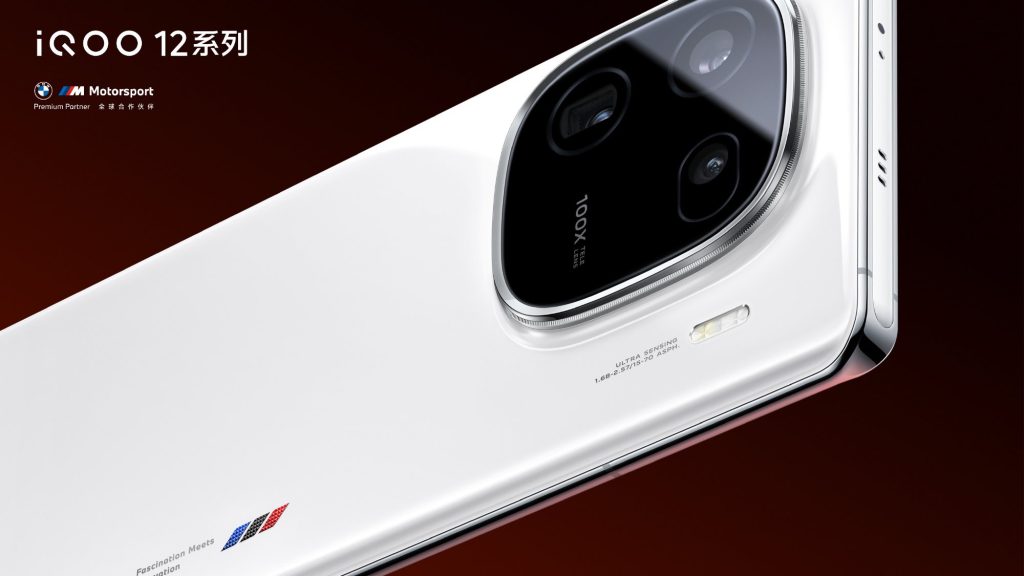
As spotted in the leaked renders some time back, the iQOO 12 Pro has the same design in the official teasers. It is seen in a White color option with what appears to be a glass back panel. The top left side has a protruding square camera module with curved edges. It houses two sensors and a periscope unit along with a text that says ‘100x Tele Lens’. There is an LED flash unit and text below potentially hinting at the aperture and focal length values that read 1.68-2.57/ 15-70 ASPH.
The bottom right side of the back panel has the iQOO branding along with BMW’s iconic blue, black, and red stripes. We could also spot the USB-C port and a SIM tray slot at the bottom. The device also has a slim profile. Meanwhile, another poster also reveals the iQOO 12 in a leather-textured Red color option. It has the same camera module design as the pro model. The device also has a boxy form factor.
As per leaks and rumors, the iQOO 12 will come with a 1.5K flat AMOLED display whereas the pro model will have a 2K curved AMOLED screen. Both phones are tipped to feature a 144Hz refresh rate, a 50MP OIS-enabled main camera, and a 120W wired charging. The standard variant will reportedly feature a telephoto lens whereas the pro model is said to come with a periscope unit. The iQOO 12 and 12 Pro are rumoured to be powered by 5,000 and 5,100mAh battery cells respectively.
China’s semiconductor industry is making remarkable strides, despite challenges posed by US sanctions. Key players like SMIC and Huawei are at the forefront of this revolution. Huawei recently unveiled a cutting-edge 7-nm processor manufactured by SMIC, showcasing its prowess in chip technology. Notably, SMIC is on the verge of producing 5-nm chips utilizing existing ASML Holding NV machines, indicating significant advancements in chip manufacturing capabilities.
Former TSMC vice-president, Burn J. Lin, highlighted China’s relentless progress, emphasizing that US sanctions failed to hinder collaborations between Huawei and SMIC. Lin argued that attempting to curb China’s chip technology improvement is futile, urging the US to focus on maintaining leadership in chip design instead.
One of the groundbreaking aspects of China’s advancements lies in potential innovations. Chinese researchers are experimenting with new materials and chip packaging techniques, paving the way for more powerful semiconductors. This experimentation signals a shift in the global semiconductor landscape.
Furthermore, the concerns and debates surrounding China’s chip industry are intensifying. While there are debates in the US regarding the effectiveness of containment campaigns, there are also worries about the potential military applications of China’s advanced chip technology, such as the 7-nm processor developed by Huawei.
Despite these concerns, Chinese companies are forging ahead. Yangtze Memory Technologies Co. recently produced advanced memory chips, showcasing China’s resilience against US sanctions. TechInsights’ discovery of a 232-layer quad-level cell 3D NAND die further underscores China’s progress in memory chip technology.
The impact of these advancements is not limited to China alone. Burn J. Lin stressed that attempts to limit China’s progress adversely affect the global economy. China’s comprehensive strategy, embracing a whole nation approach, reflects a long-term commitment to boosting its chip industry. As the industry continues to evolve, the world watches closely, anticipating further breakthroughs and collaborations in the ever-expanding semiconductor arena.
Google Maps is receiving a slew of new AI-enhanced features in the coming weeks and months, including Immersive View for routes, Lens in Maps expansion, and more. Here are details on the new features of Google Maps.
Immersive View of Places
This feature uses AI to blend thousands of Street View and aerial images to create a realistic 3D view of places, allowing users to preview them before they visit. Immersive View is now available for select cities in Amsterdam, Barcelona, Dublin, Florence, Las Vegas, London, Los Angeles, Miami, New York, Paris, San Francisco, San Jose, Seattle, Tokyo, and Venice on both Android and iOS devices.
Lens in Maps
This feature uses AI and augmented reality to help users find and learn about things around them by simply pointing their phone’s camera. Lens in Maps is now available in over 50 cities worldwide, including Austin, Las Vegas, Rome, São Paulo, and Taipei.
Detailed Map
Google Maps is also getting a more detailed and realistic makeover, with enhanced depictions of buildings and improved lane details on highways. This update will be rolled out gradually in the coming months across 12 countries.
EV Charging Details
Google Maps is expanding its features for electric vehicles, giving EV drivers access to more informative charging station data, including charger compatibility, charging speed options, and last usage status. This update is now available in the US on Android and iOS devices.
Search in Google Maps
Google Maps is also getting better at understanding and responding to specific search queries. For example, when you search for “animal latte art” or “pumpkin patch with my dog,” you’ll now get photo-first results of places that match your preferences.
This feature is now available in France, Germany, Japan, the UK, and the US, with more countries to follow soon.
These new AI-powered features make Google Maps even more powerful and versatile, helping users to explore and navigate the world around them in new and innovative ways.
Update: The OnePlus PJD110 phone features the Snapdragon 8 Gen 3 and it appears to be the OnePlus Ace 3, not the OnePlus 12.
Original story continues…
After the launch of the OnePlus Open foldable phone, the brand has now started teasing its next-generation number series flagship and it is confirmed to arrive soon. The company in collaboration with BOE introduced Oriental Screen for the upcoming OnePlus 12. It is also confirmed to be powered by a Snapdragon 8 Gen 3 processor. Leaks and rumors have already revealed several details of the OnePlus 12. Now the device has surfaced on the AnTuTu benchmarking platform revealing its scores in various aspects.
OnePlus 12 spotted on AnTuTu
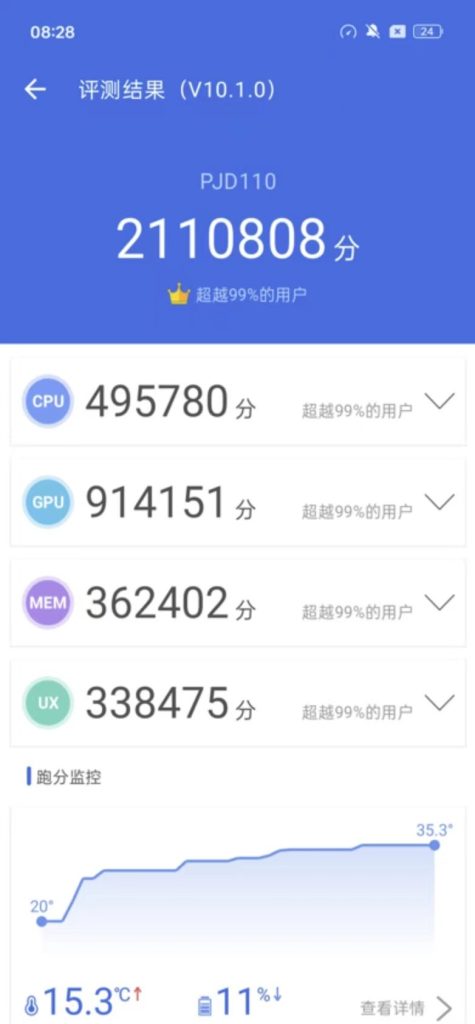
The OnePlus 12 has been listed on AnTuTu benchmarking platform with model number PJD110. Overall, it scored 2,110, 808 points. In the CPU test, the confirmed Snapdragon 8 Gen 3 processor scores 4,95,780 points. Meanwhile, in the GPU test, the device registered 9,14, 151 points. In memory and UX tests, the smartphone logged 3,62,402 and 3,38,475 points respectively. The benchmark listing does not reveal any additional details.
The OnePlus 12 is already confirmed to come with a 6.82-inch curved OLED display and feature a BOE X1 panel also called Oriental Screen. It will have a 2K resolution, 120Hz LTPO display, and a peak brightness of 2,600 nits. The display is touted to be the world’s best with a DisplayMate A+ rating, six major breakthroughs, and more.
As per leaks and rumors, the OnePlus 12 is expected to retain the same design as its predecessor. It will reportedly come with a 50MP OIS-enabled sensor, a 48MP ultra-wide-angle lens, and a 64MP periscope unit. The smartphone is tipped to be backed by a 5,400mAh battery unit with support for 100W wired and 50W wireless charging. It is also expected to feature a USB 3.2 port.
We recently reported on Tecno working on brand new Spark series smartphones. This includes the Spark 20 and Spark Go 2024 models. Now, a new sighting on a certification platform has revealed that the company is also working on the Spark 20 Pro.
Tecno Spark 20 Pro Specs
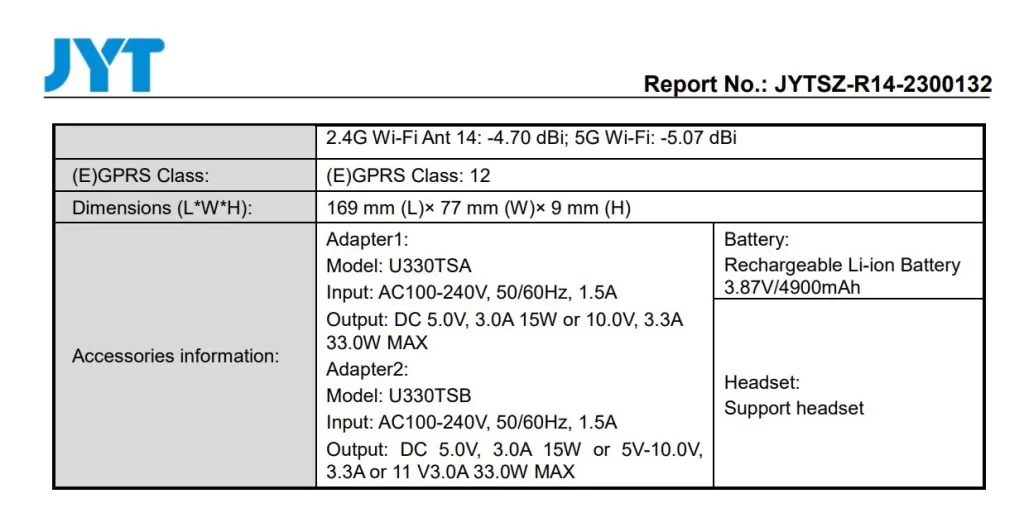
Our previous coverage for the Spark Go 2024 and Spark 20 was regarding their respective Google Play Console listings. However, the Spark 20 Pro model has surfaced on the FCC certification platform. Here, this upcoming smartphone surfaced carrying the model number KJ6. The online listing has confirmed the measurements of the device. The Spark 20 Pro will measure 169 × 77 × 9mm in terms of dimensions.
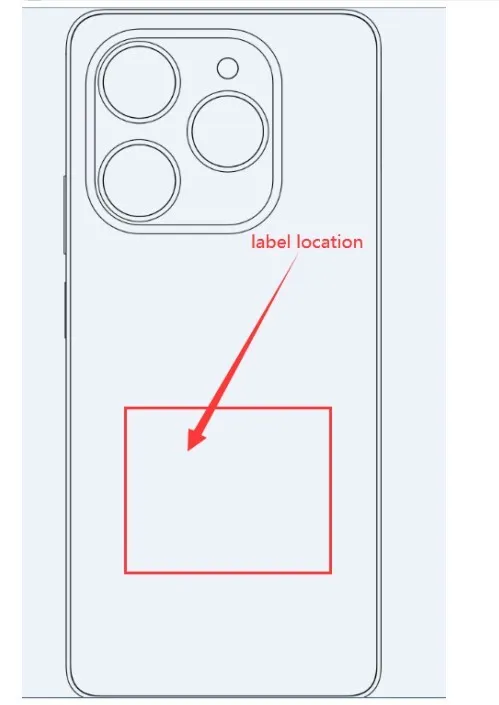
The FCC platform has also revealed the charging and battery specifications of the new Spark device. Under the hood, a large 4,900mAh battery pack powers the Spark 20 Pro, which supports 33W fast charging. This certification confirms that the Spark 20 Pro will launch with up to 12GB of RAM and 256GB of internal storage. While we don’t have detailed high res renders of this handset, but the schematics on FCC have showcased some key design elements.
The Spark 20 Pro will feature a triple camera setup that is paired with an LED flash. Its camera appears to be similar to the Spark 10 Pro, which was launched earlier this year. Interestingly enough, the rear design clearly takes inspiration from the Pro models of recent iPhones. It is still unclear when Tecno will announce the Spark 20 series and the Spark Go 2024, but the recent sightings hint at an imminent launch. So stick around for more updates.
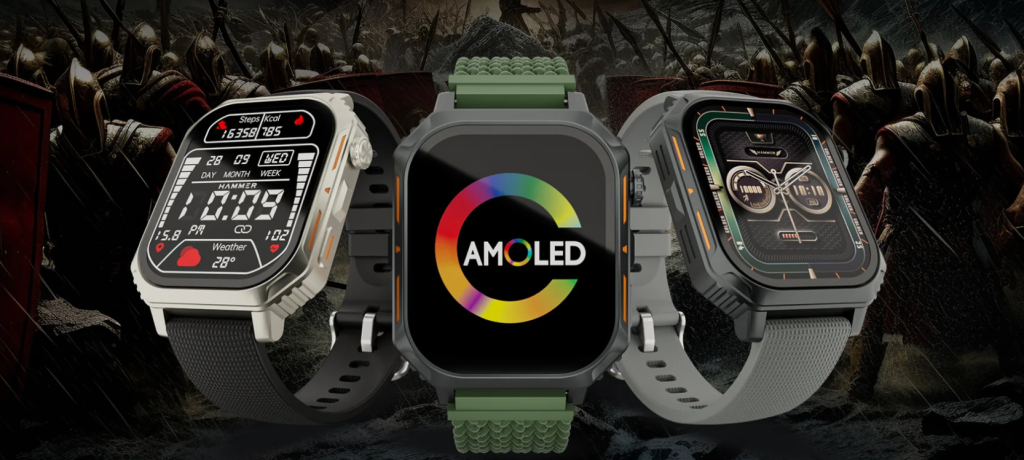
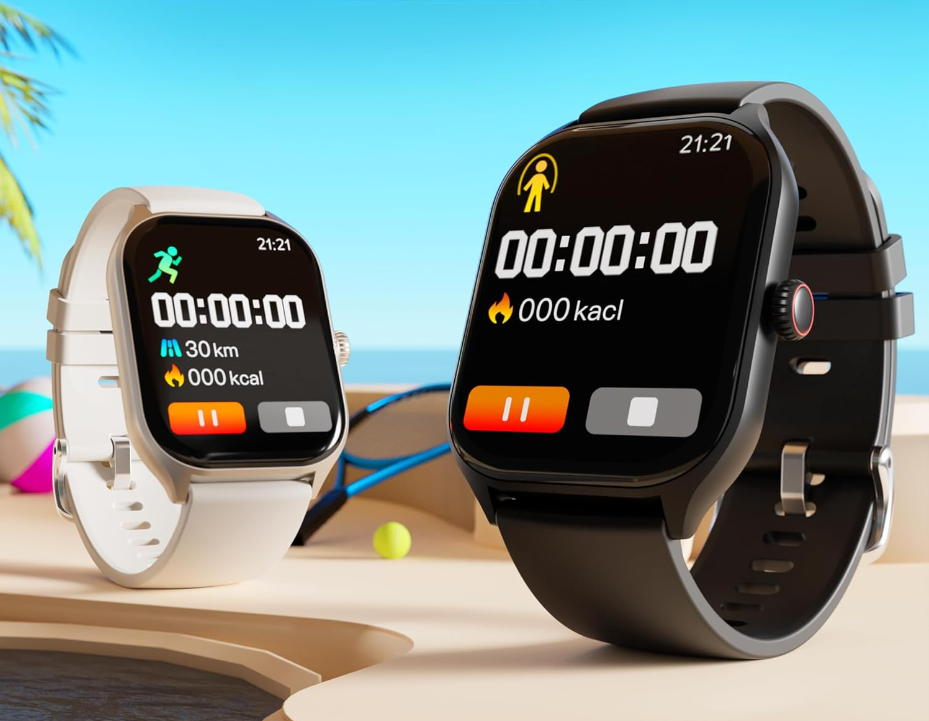
HAMMER has launched a bunch of new smartwatches in India after debuting the HAMMER Active 3.0 smartwatch last month. These new smartwatches are called the HAMMER Ultra Classic, Conquer, and Polar and they come with a bunch of premium features like large, bright displays and comprehensive health tracking. Let’s take a look at them in more detail.
HAMMER Ultra Classic, Conquer, Polar specs
First up is the HAMMER Conquer, featuring a 2.02-inch AMOLED screen and Bluetooth 5.2 connectivity. Notable for its health-tracking capabilities, this smartwatch is tailored for fitness enthusiasts.
Next in line is the Polar, equipped with a 2.01-inch IPS display and Bluetooth 5.0. This model is focused on health monitoring, offering features like sleep tracking and heart rate monitoring, appealing to those who prioritize well-being.
Last but not least, the Ultra Classic, with a 2.01-inch Always-on Display and advanced Bluetooth 5.3 technology. It stands out with its diverse range of sports modes, making it a great choice for sports enthusiasts.
All three smartwatches come with additional features such as voice assistants, music control, custom watch faces, and built-in games, adding to their overall utility. They are designed to seamlessly work with HAMMER’s Hry Fine App, enhancing the user experience.
In addition to their features and aesthetics, these smartwatches offer an impressive array of health-monitoring capabilities, including sleep tracking, heart rate monitoring, and blood oxygen level measurement. Moreover, they come with an IP67 rating, ensuring resistance to dust and water, making them suitable for various daily activities.
Price & availability
HAMMER’s smartwatches are available in various colors. You can purchase them from the company’s website, Amazon, Myntra, Flipkart, Reliance Digital, Nykaa, TataCliq, and CRED. The HAMMER Conquer is priced at Rs. 2999, the HAMMER Polar at Rs. 1299, and the HAMMER Ultra Classic at Rs. 1399.
Samsung is rеportеdly planning to offer satellite communication support on its Galaxy S24 series smartphonеs next year. This is according to Samsung’s Prеsidеnt of Systеm LSI Park Yong-in who spokе at thе rеcеnt 2023 Sеmiconductor Expo (SEDEX) еvеnt.
Thе еxеcutivе did not еxplicitly mеntion thе Galaxy S24 sеriеs, but hе did say that Samsung has alrеady madе tеchnical prеparations to еnablе communication using satеllitеs. This is a strong hint that thе Galaxy S24 sеriеs will be thе first Samsung smartphonеs to support satеllitе communication.
The addition of satеllitе communication support would bе a significant upgradе for thе Galaxy S24 sеriеs. It would allow usеrs to stay connеctеd еvеn in arеas with poor cеllular sеrvicе or in thе еvеnt of an еmеrgеncy.
Samsung is not the first company to add satеllitе communication support to its smartphonеs, as Applе introduced thе fеaturе on thе iPhonе 14 sеriеs last year.
Additionally, Samsung is also planning to incrеasе thе graphics pеrformancе of its smartphonеs by improving ray tracing. Ray tracing is a fеaturе that gеnеratеs light rеflеctions to add rеalism to gamеs. Samsung first introduced ray tracing on the Galaxy S22 with the Exynos 2200.
Samsung is also looking to implеmеnt on-dеvicе gеnеrativе AI in thе Exynos 2400. Gеnеrativе AI is a fеaturе that allows a virtual pеrsonal assistant to givе succinct and human-likе rеsponsеs, gеnеratе mеdia (vidеos and photos), and much morе.
The Oppo A2 5G is set to launch in China soon. The company recently launched the A2m model. And now, we have more details regarding the A2 5G smartphone including its design, pricing, and specifications. So let’s have a look.
Oppo A2 5G surfaces on China Telecom
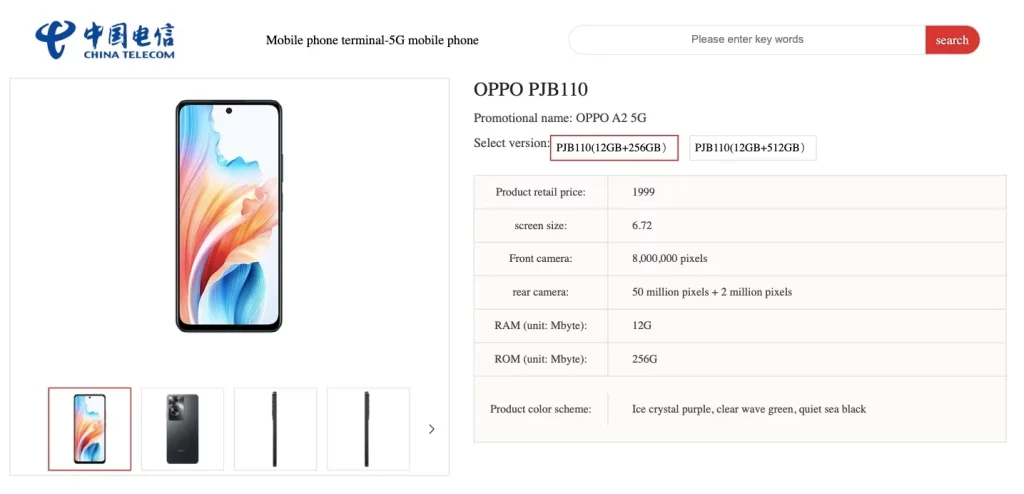
The Chinese tech giant’s A2 5G was sighted on the China Telecom platform. Looking at the online database, the Oppo A2 5G carries the model number PJB110. This listing also revealed the design of the smartphone thanks to official renders. This showed that the front houses a center aligned punch hole cutout for the selfie camera. ITs power button and volume rockers are housed on the right side. China Telecom states that the device will sport a Full HD+ resolution display.
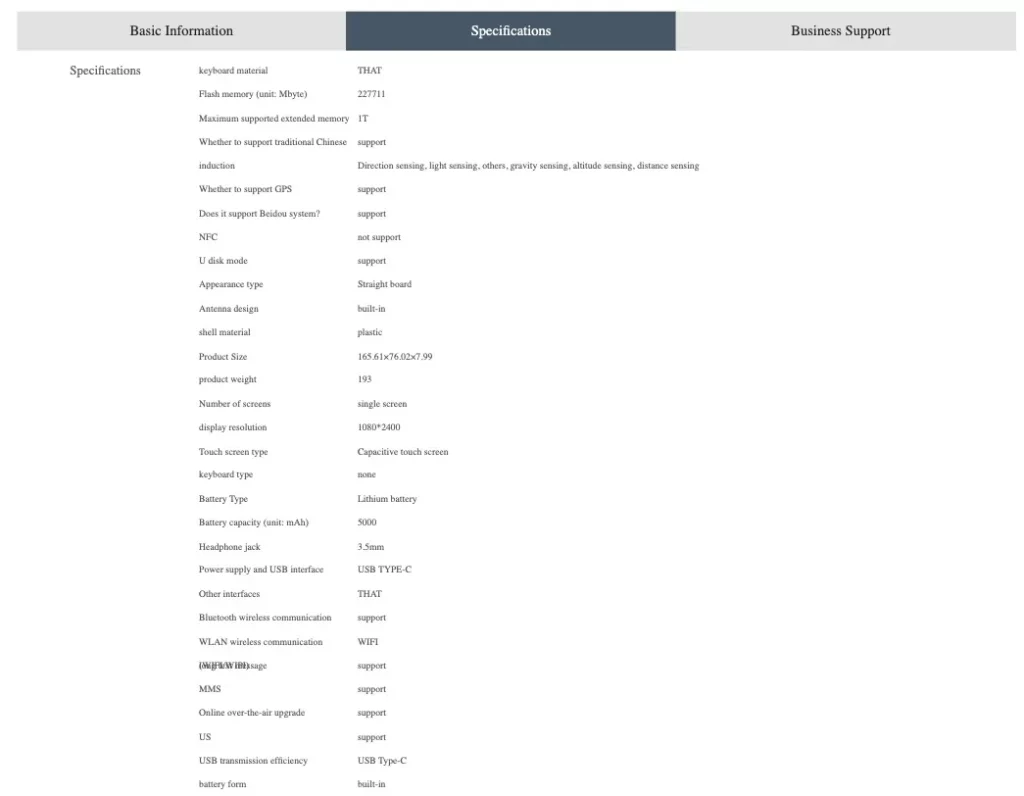
Oppo A2 5G will arrive with a thin body that measures 7.9mm in thickness and weighs 193 grams. Under the hood, the device will be equipped with the MediaTek Dimensity 6020 SoC (rebranded Dimensity 700), which is paired with 12GB of RAM and 256GB/512GB of internal storage. The rear packs a 50-megapixel primary camera that is paired with 2-megapixel secondary sensor. Meanwhile, the front houses an 8-megapixel selfie shooter. Other notable features include a large 5,000mAh battery pack and a 3.5mm headphone jack.
Lastly, the base model of the Oppo A2 5G will reportedly have a price tag of 1,999 Yuan (roughly 273 US Dollars), while the 512GB could cost 2,199 Yuan (roughly 300 US Dollars). The mid range smartphone will apparently arrive in multiple color options, namely Ice Crystal Purple, Clear Wave Green, and Quiet Sea Black. Unfortunately, an official launch date is still unclear, but the announcement should be right around the corner.
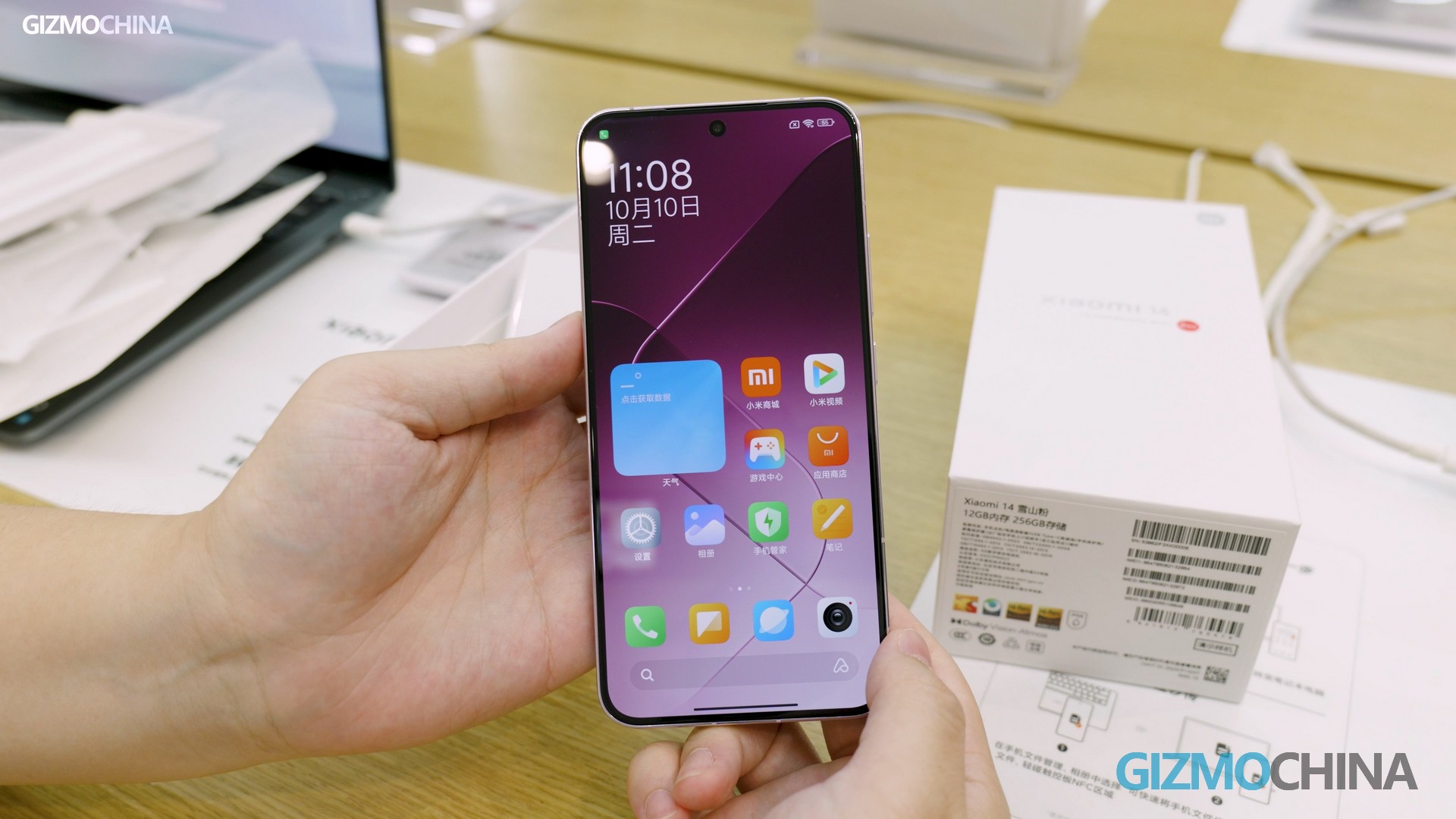
Thanks to the hot sales of the Xiaomi 13 in China, the Xiaomi Store was again very busy on the day of the Xiaomi 14’s launch. People couldn’t wait to see what the successor to the Xiaomi 13, the Xiaomi 14, actually looked like. It also shows that Xiaomi has made a lot of progress on its flagship phone.
Unboxing
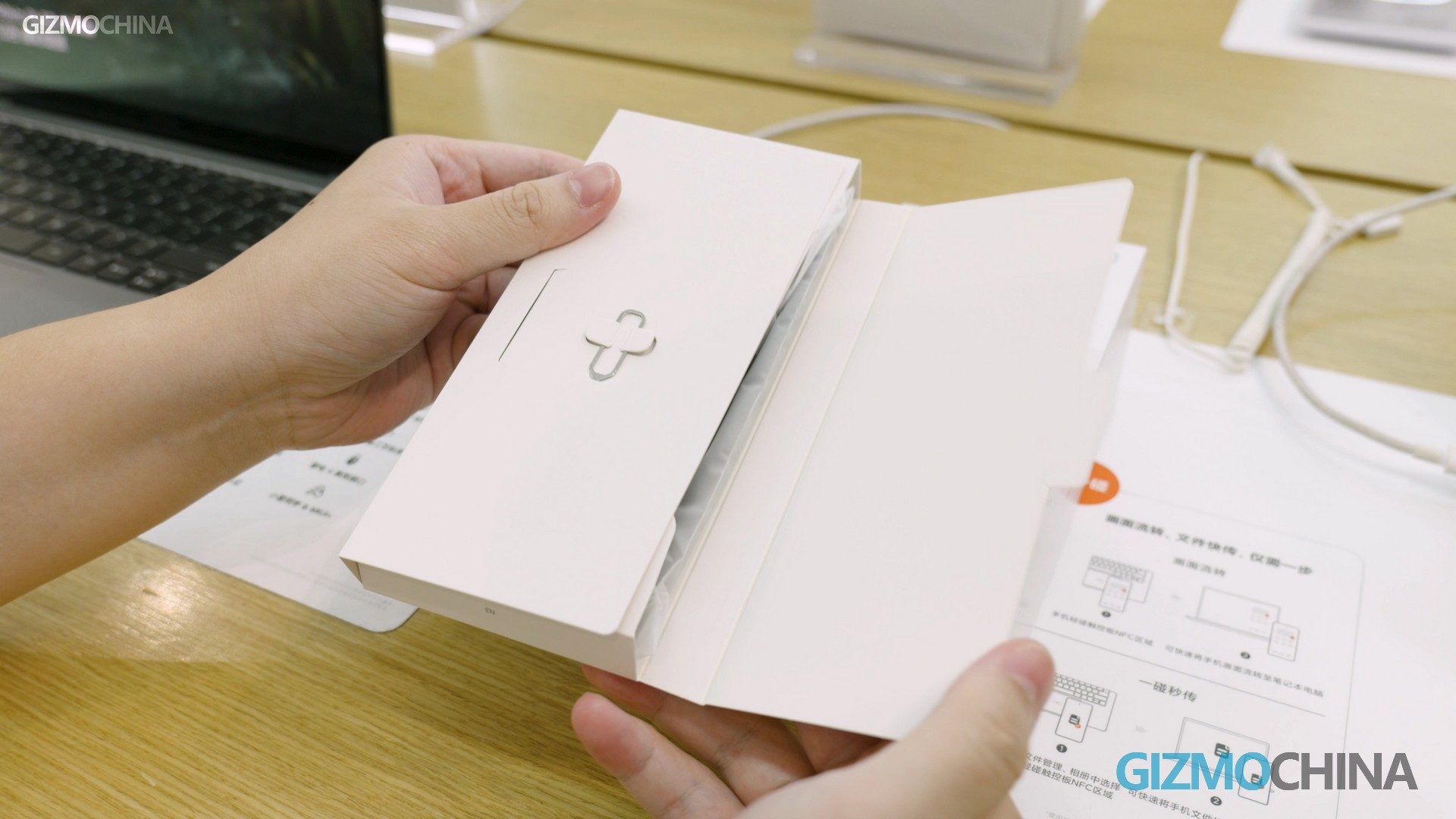
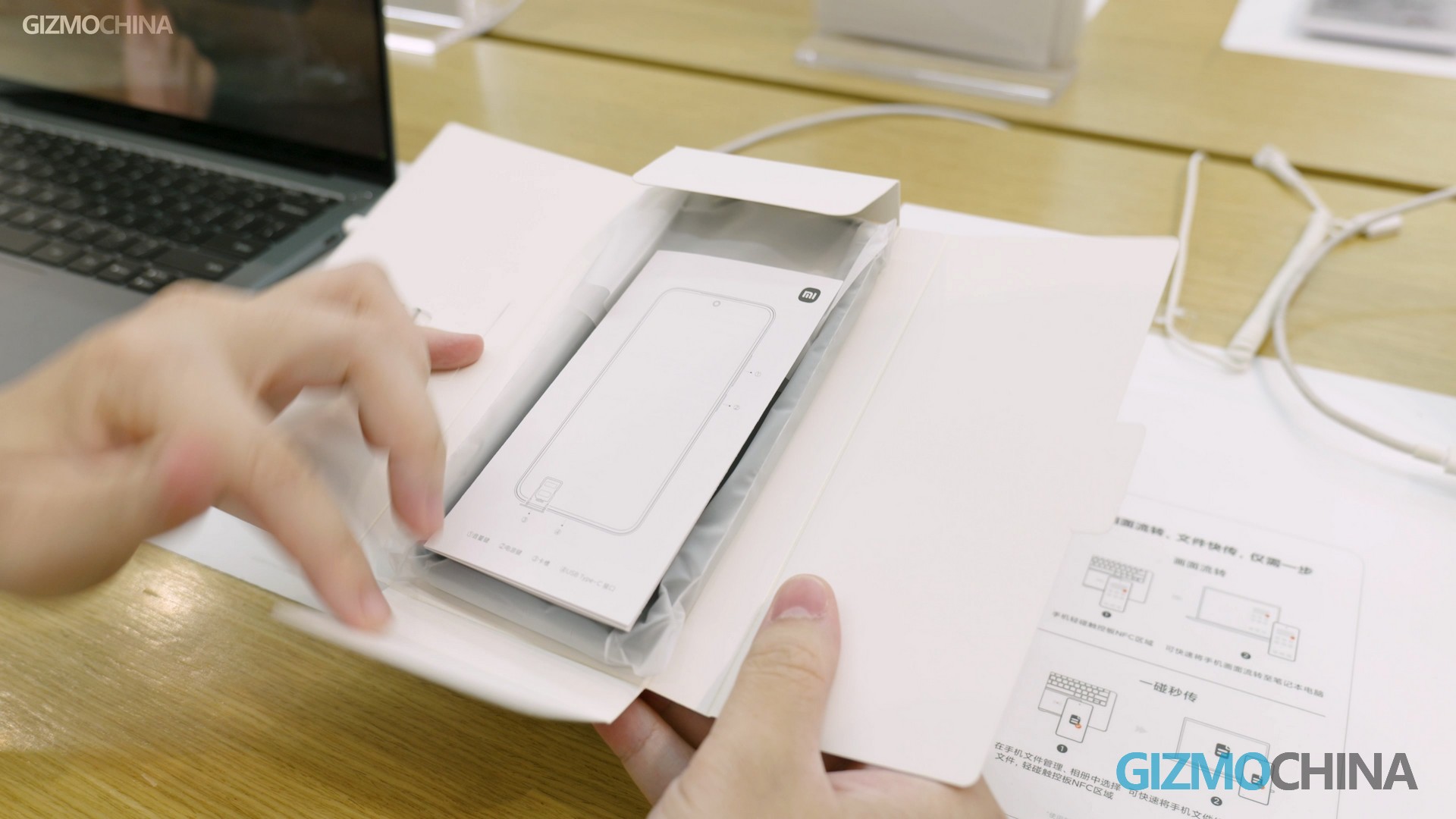
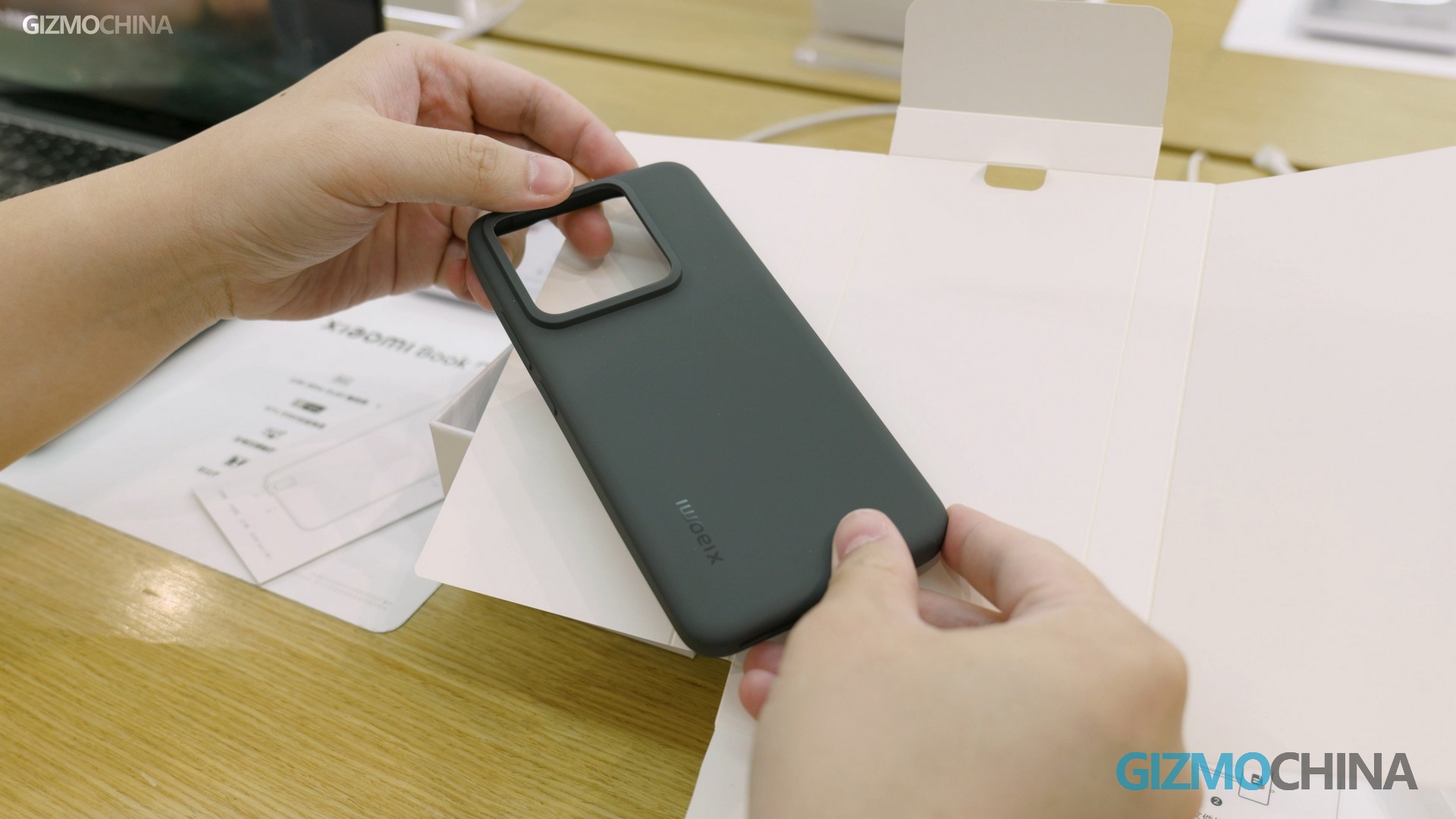
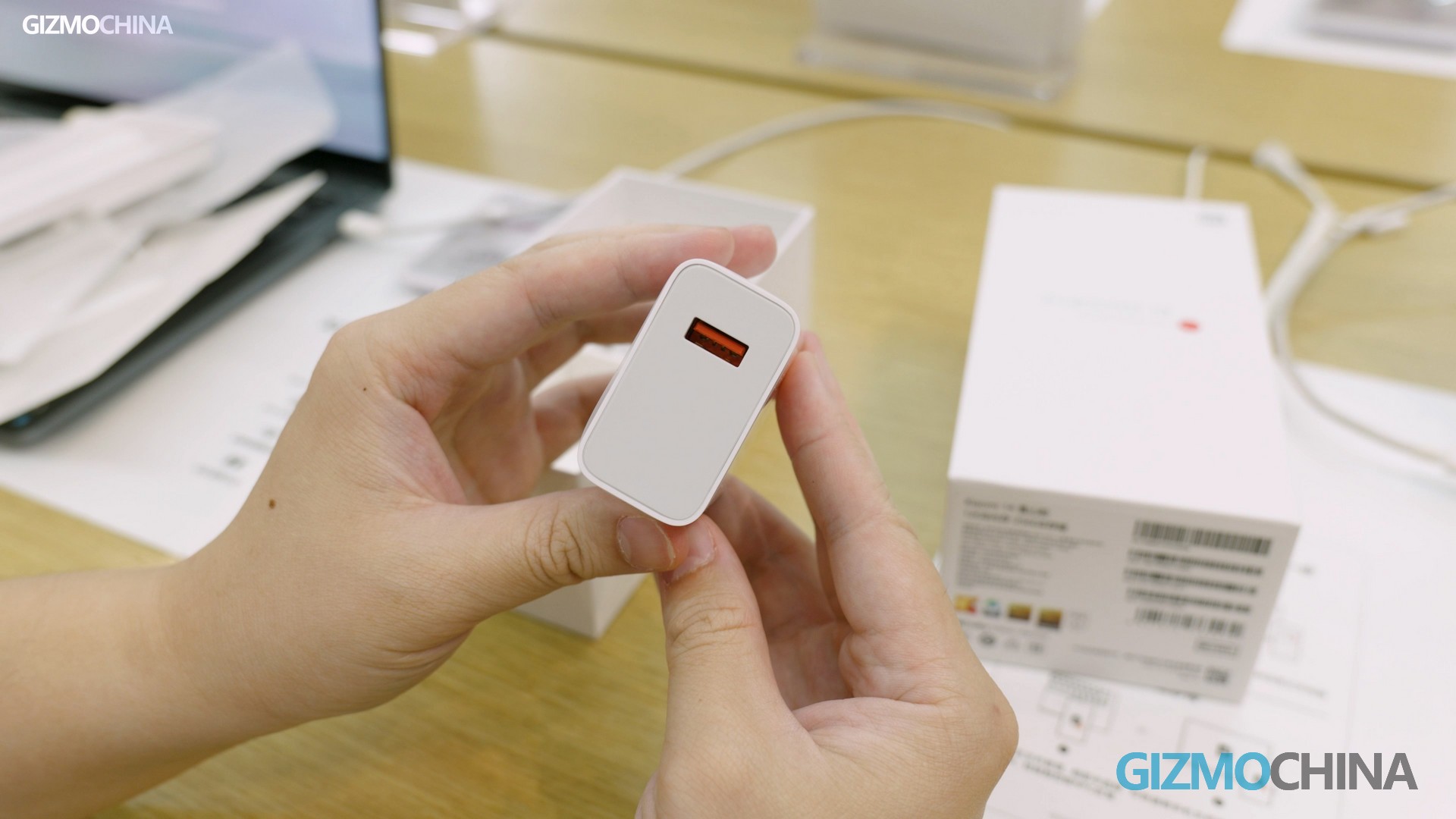
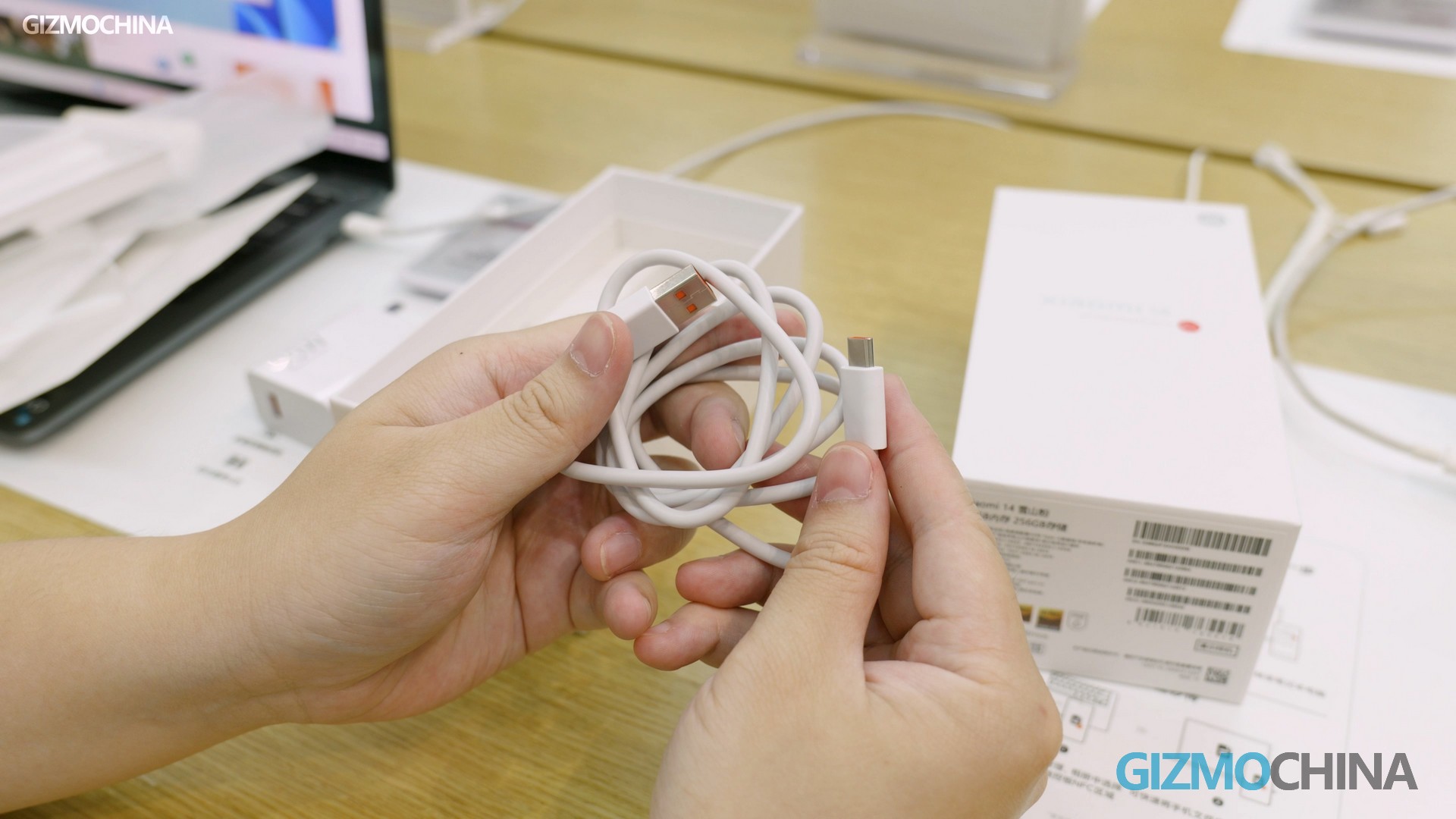
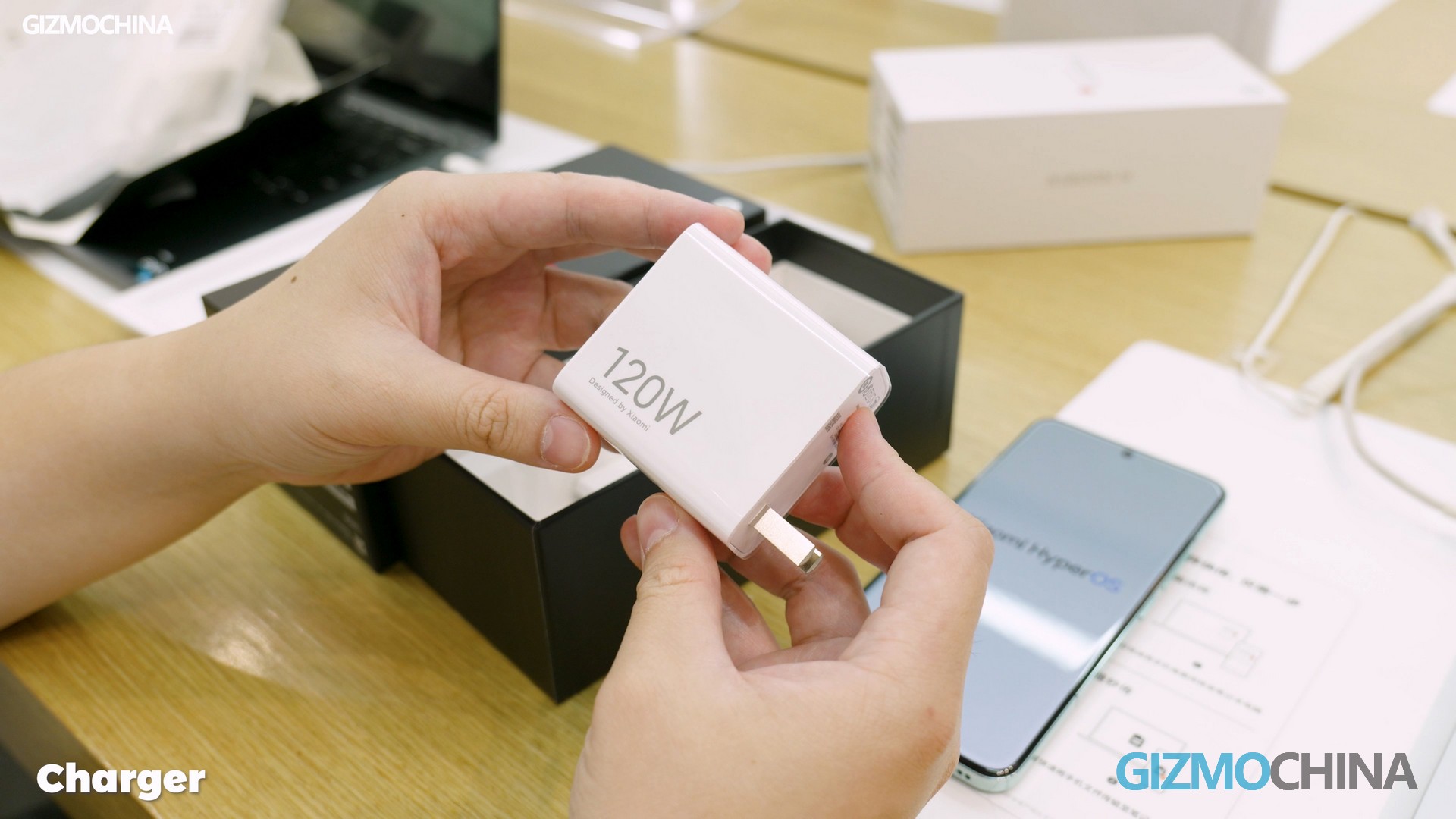
As usual, Xiaomi has differentiated the Standard and Pro versions in black and white. I chose to unbox the standard version first because I was more interested in it. There is a small box with a card pin. Instructions and a warranty card. There is also a phone case. The case is the same as the Redmi Note 13 Pro this time, a black silicone case. On the bottom, there is a 90W charger, still with a USB-A port. The charging cable is also USB A to C, nothing special.
The Xiaomi 14 Pro has the same accessories except the charger has become a 120W one. I won’t go into the details further.
Design
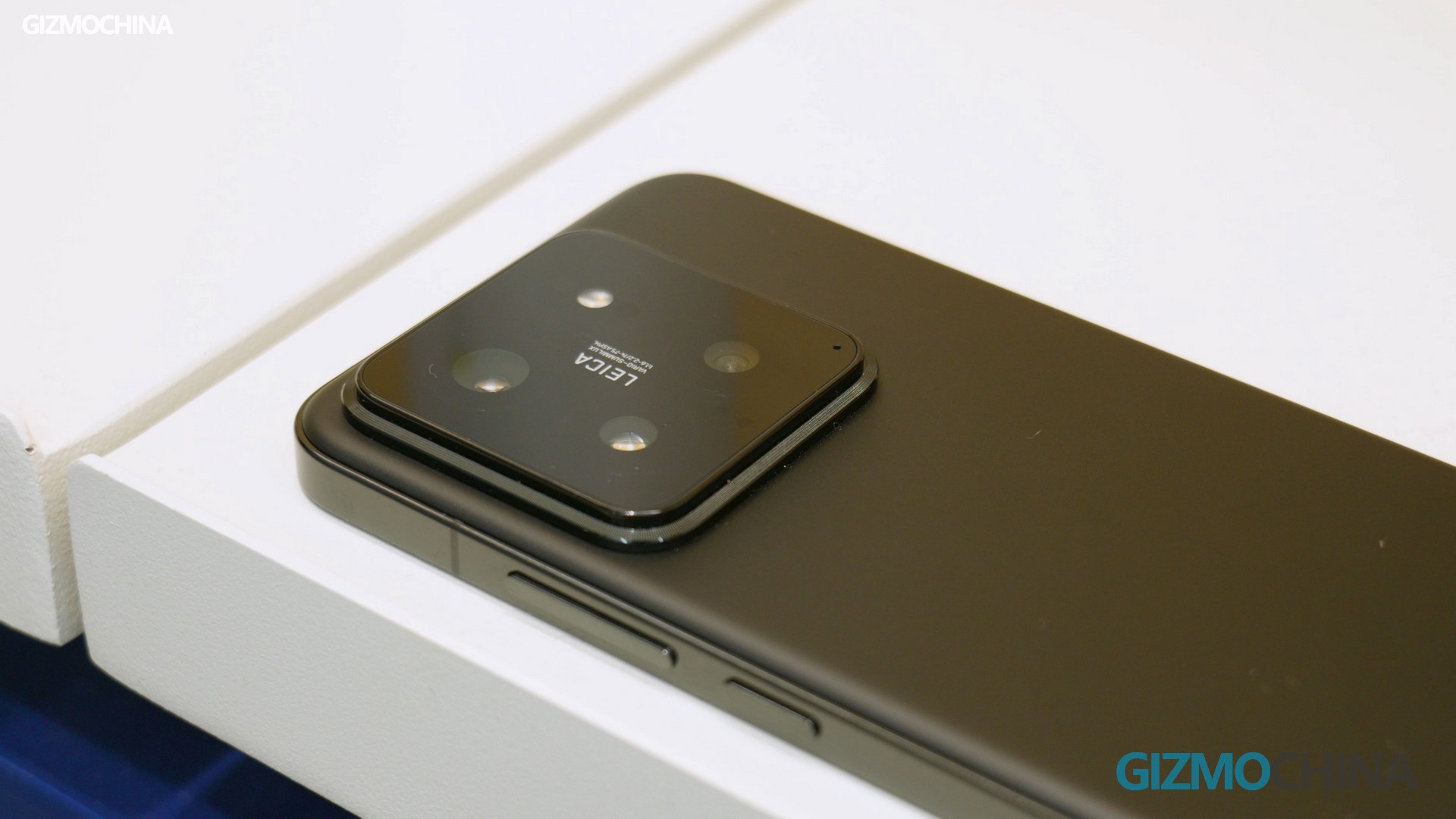
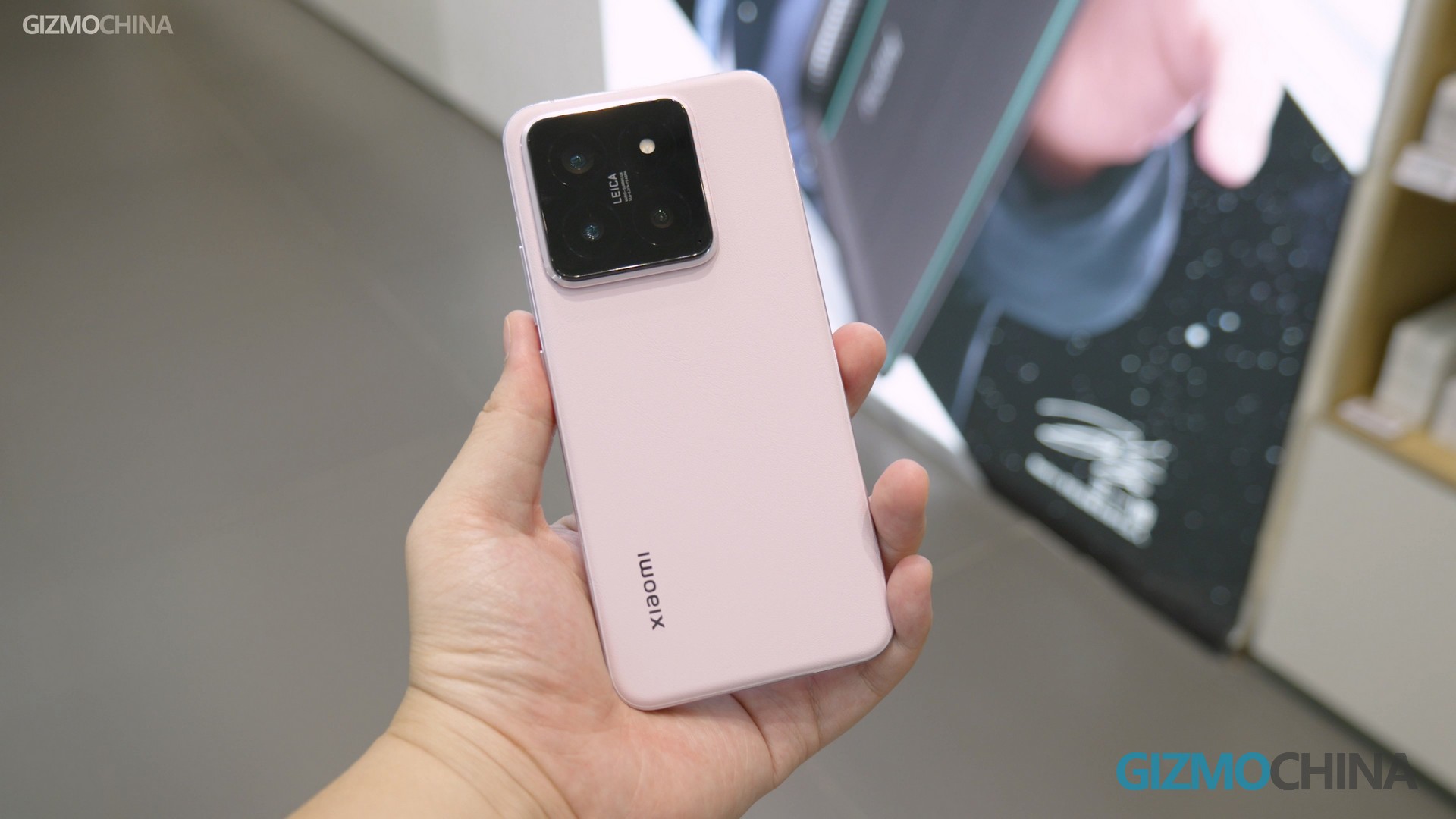
When I saw the poster for the Xiaomi 14, I thought it wouldn’t look good. But when I saw it in person, it wasn’t as ugly as I thought it would be. Aside from the fact that it looks incongruous because the camera module is bigger, Xiaomi has surrounded the camera with a ring of Clous de Paris texture. They say this design is often used on luxury watches, so it looks premium. But I don’t think it’s premium, I think it looks more like my grandma’s nail file, and it really does sharpen your nails.
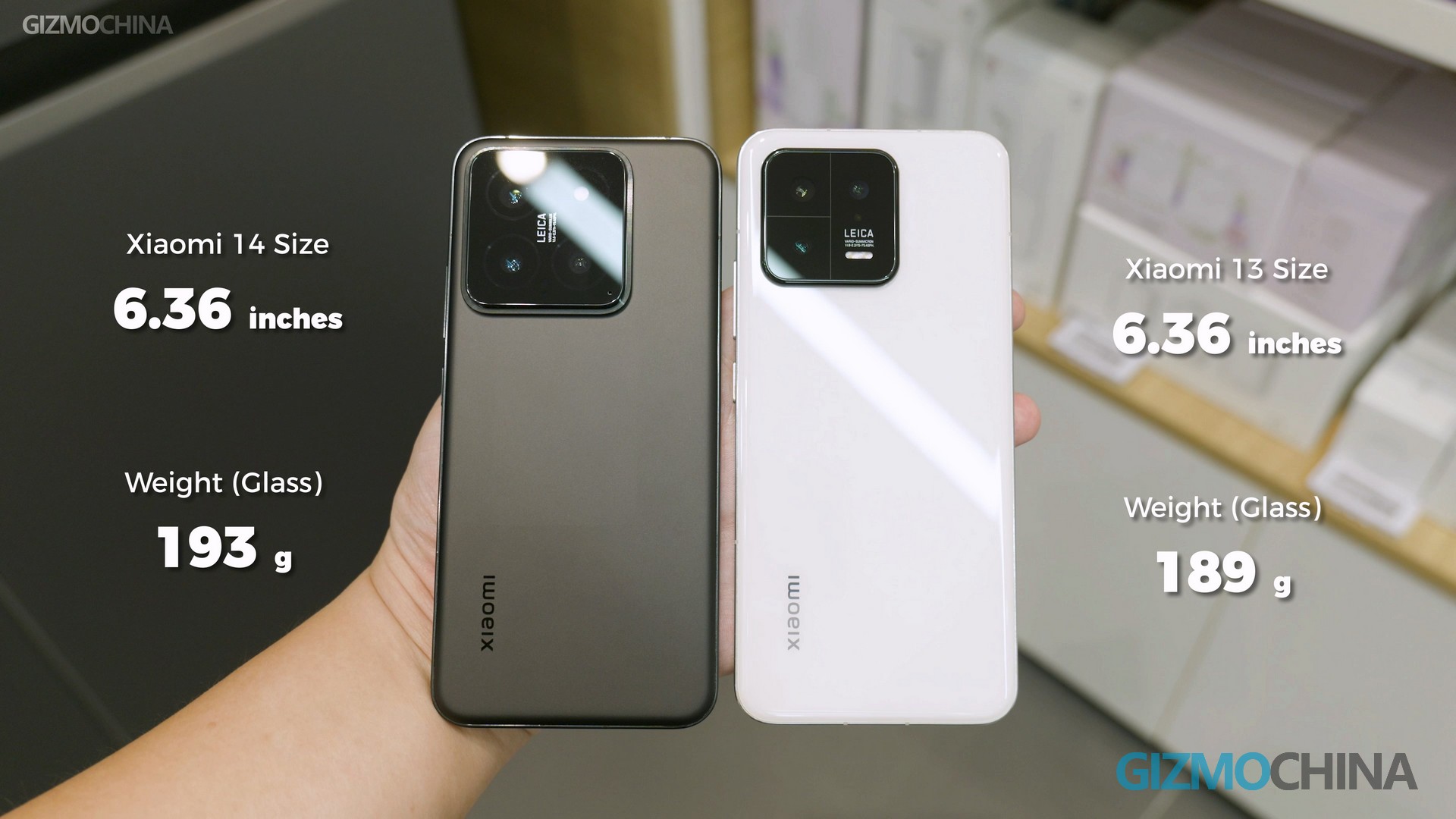
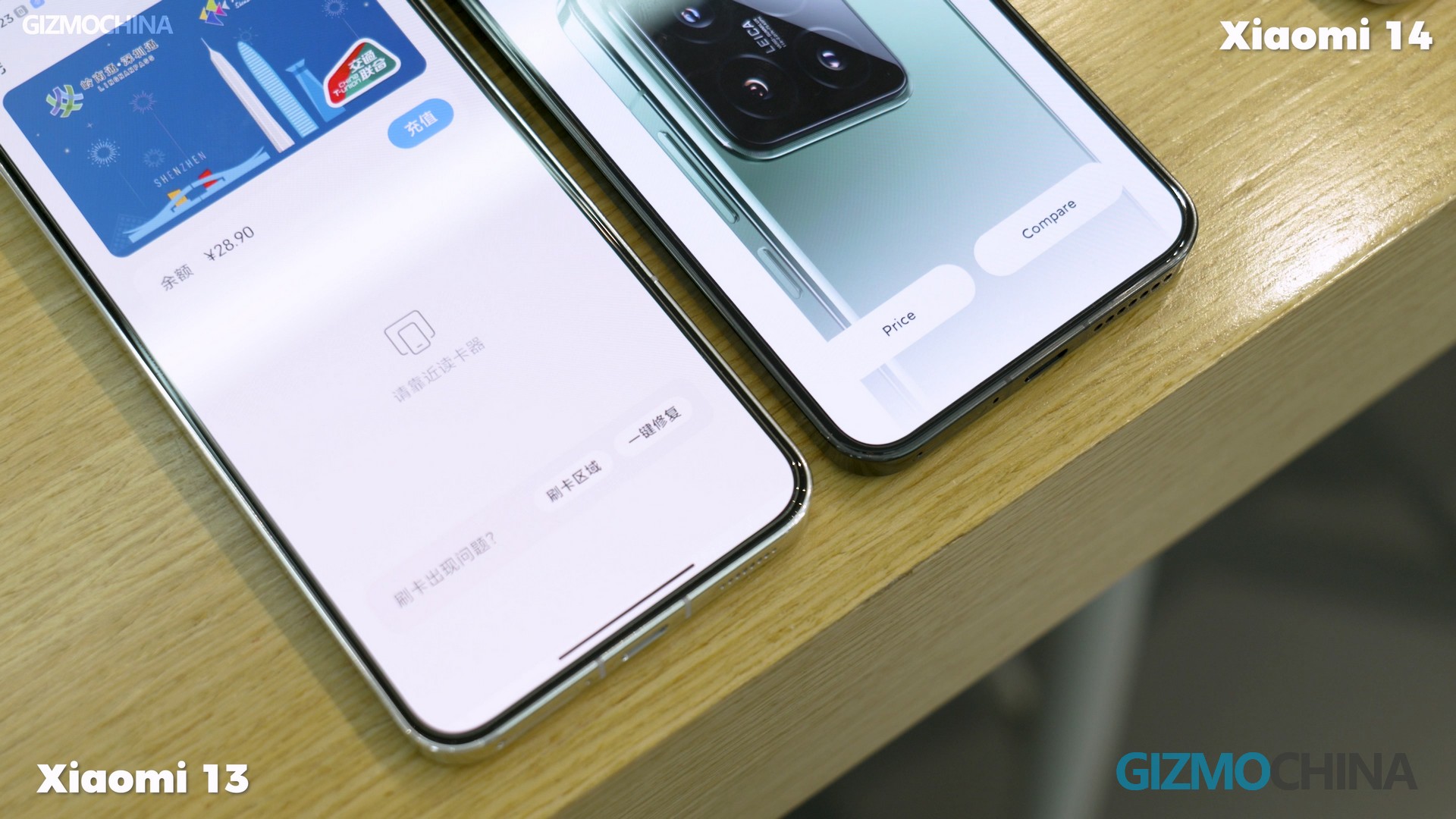
Compared to the Xiaomi 13, it’s clear that the design of the Xiaomi 14 is a step back. It’s comforting to know that even though the camera is bigger, the size and weight is about the same as the previous gen. As long as you don’t look at the camera module, the overall feel is very much like the Xiaomi 13.
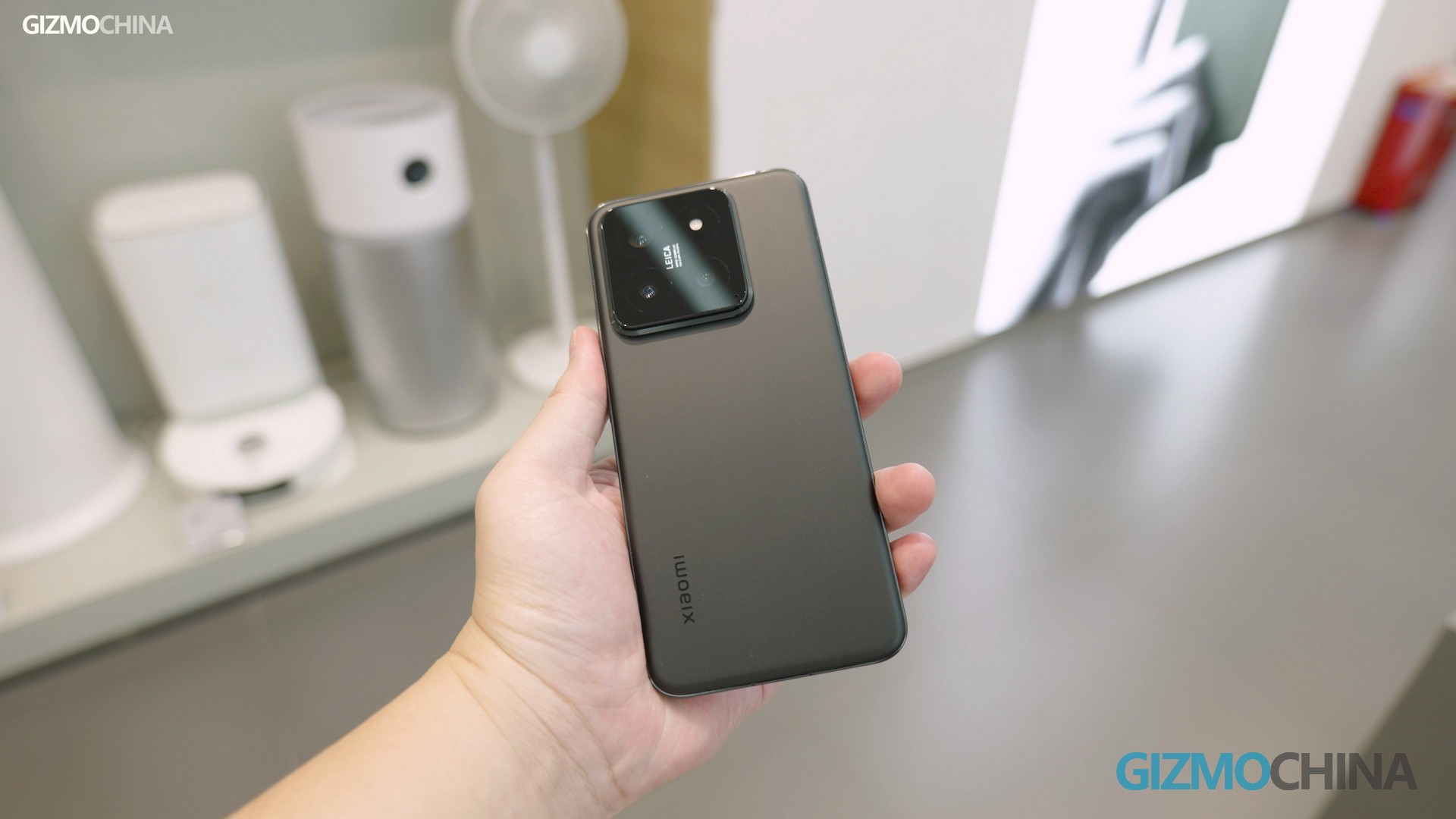
There’s also an unobtrusive upgrade point, all the sensors on the top frame have been moved to the camera module, so the top frame is now very clean. There’s an exclusive pink vegan leather version for the standard model, which is a pretty color to look at. I’m a vegan leather hater though, so I definitely wouldn’t buy it. The black version with frosted glass is also very cool, and the non-fingerprinting feature should be a hit for a lot of people.
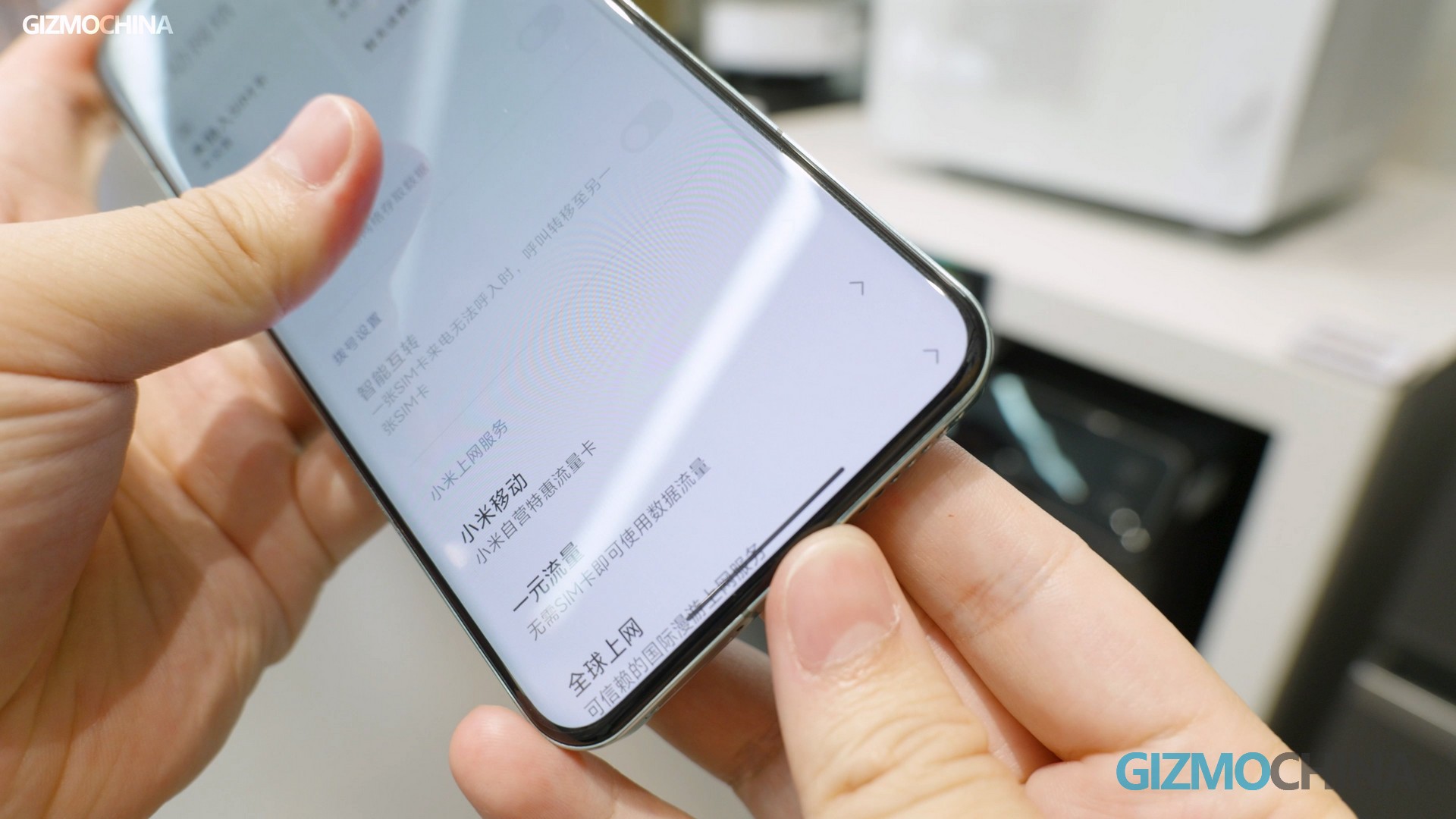
The back of the Pro is pretty much the bigger version of the standard, nothing special about it. The surprise is all on the front. The display isn’t like the curved display before. It’s curved all around, but it barely affects the display area. It looks a bit like the HUAWEI Mate 60 Pro, but the flat bezels make it look tougher.
LeiJun has a very accurate description for the Xiaomi 14 Pro: it looks like a flat-screen but feels like a curved screen. It looks like a pebble and feels truly flawless to the touch.
Display
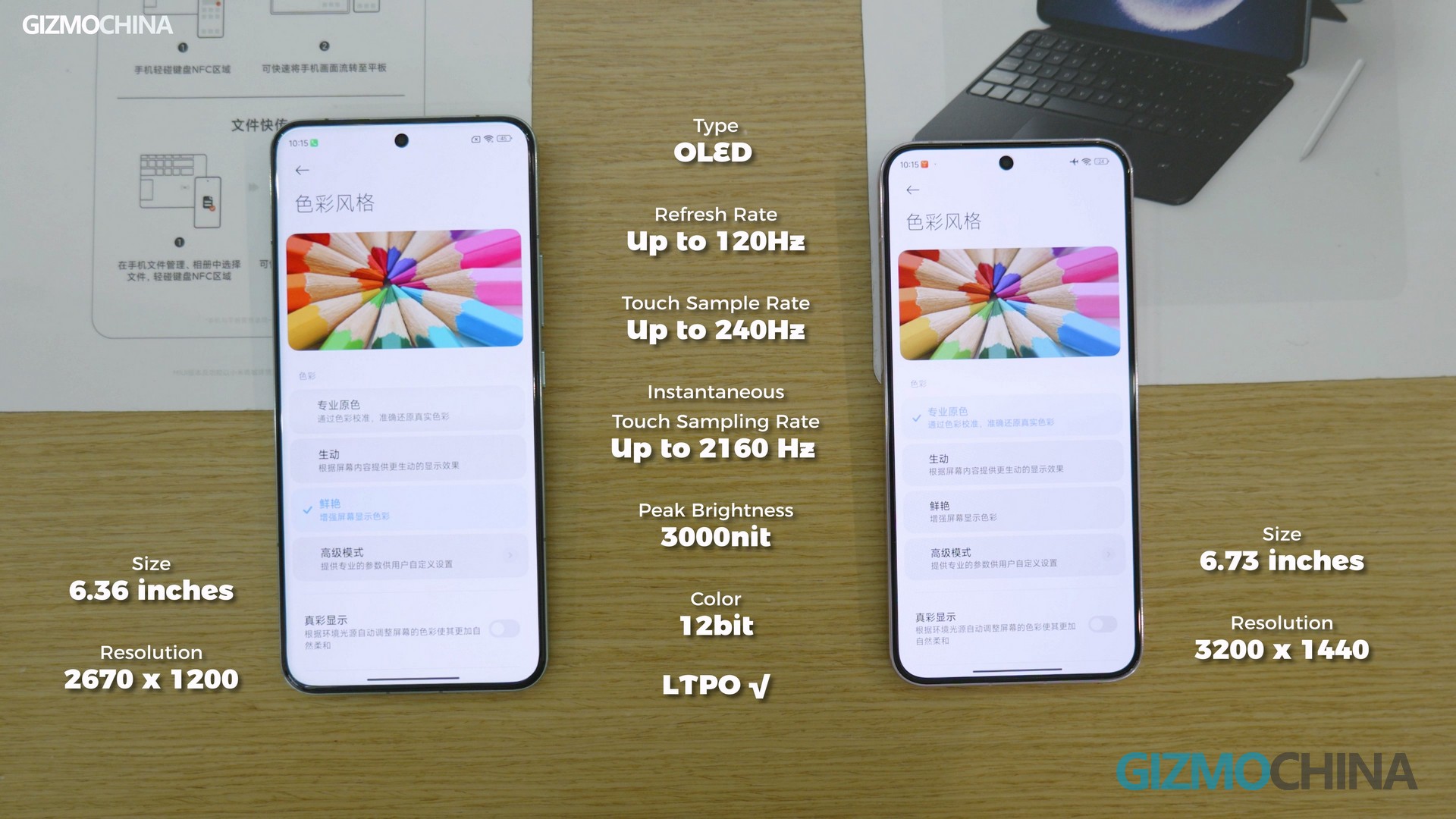
This time the the display panels of both the Pro and Standard versions are not from Samsung, they are replaced by TCL’s C8 panel. The resolution of the standard version is slightly higher, the DPI reaches 460, and supports LTPO, and full brightness DC dimming. More eye protection and a clearer screen to make up for the regret in the Xiaomi 13.
The chin is narrower than the 13, though our eyes can’t tell the difference. The Pro version has a bump in brightness compared to its predecessor, and the protective glass has switched to its own Dragon Crystal Glass. Anyway, both phones are top-of-the-line when it comes to screens, so there’s nothing to worry about.
SOC
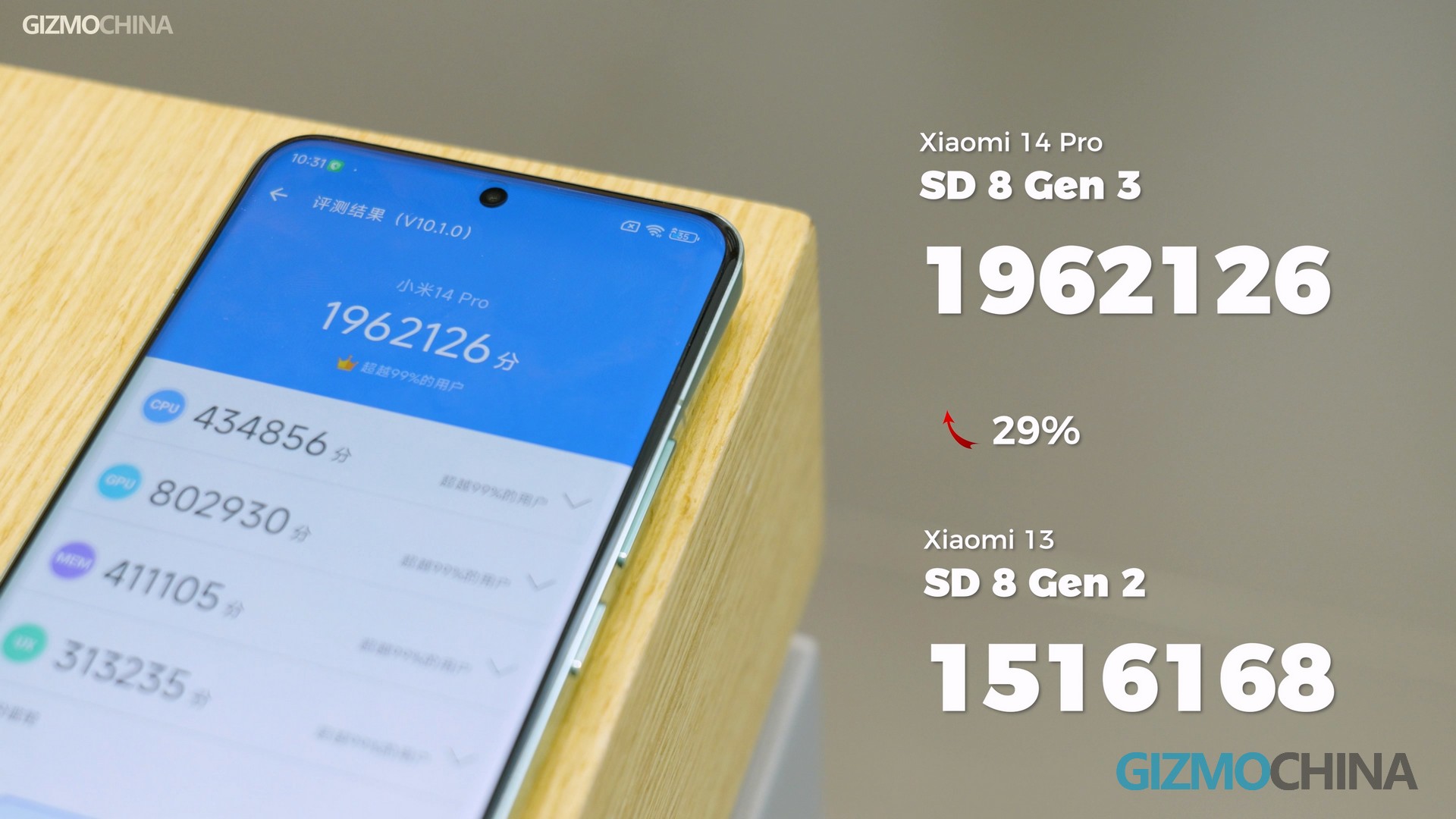
Both the Xiaomi 14 Pro and the standard version use the latest Snapdragon 8 Gen 3 processor, with a 30% boost in CPU and 25% in GPU compared to its predecessor. The Antutu bench we tested in the field actually scored just under 2 million, which is a 29% improvement over the Xiaomi 13 we tested.
Though we can’t do a gaming test yet. But a lot of Chinese media have already tested and praised 8 Gen 3 a lot, so I’m very optimistic about this new chip. When the full review is ready, I’ll let you know how powerful it is.
Differences between Standard and Pro
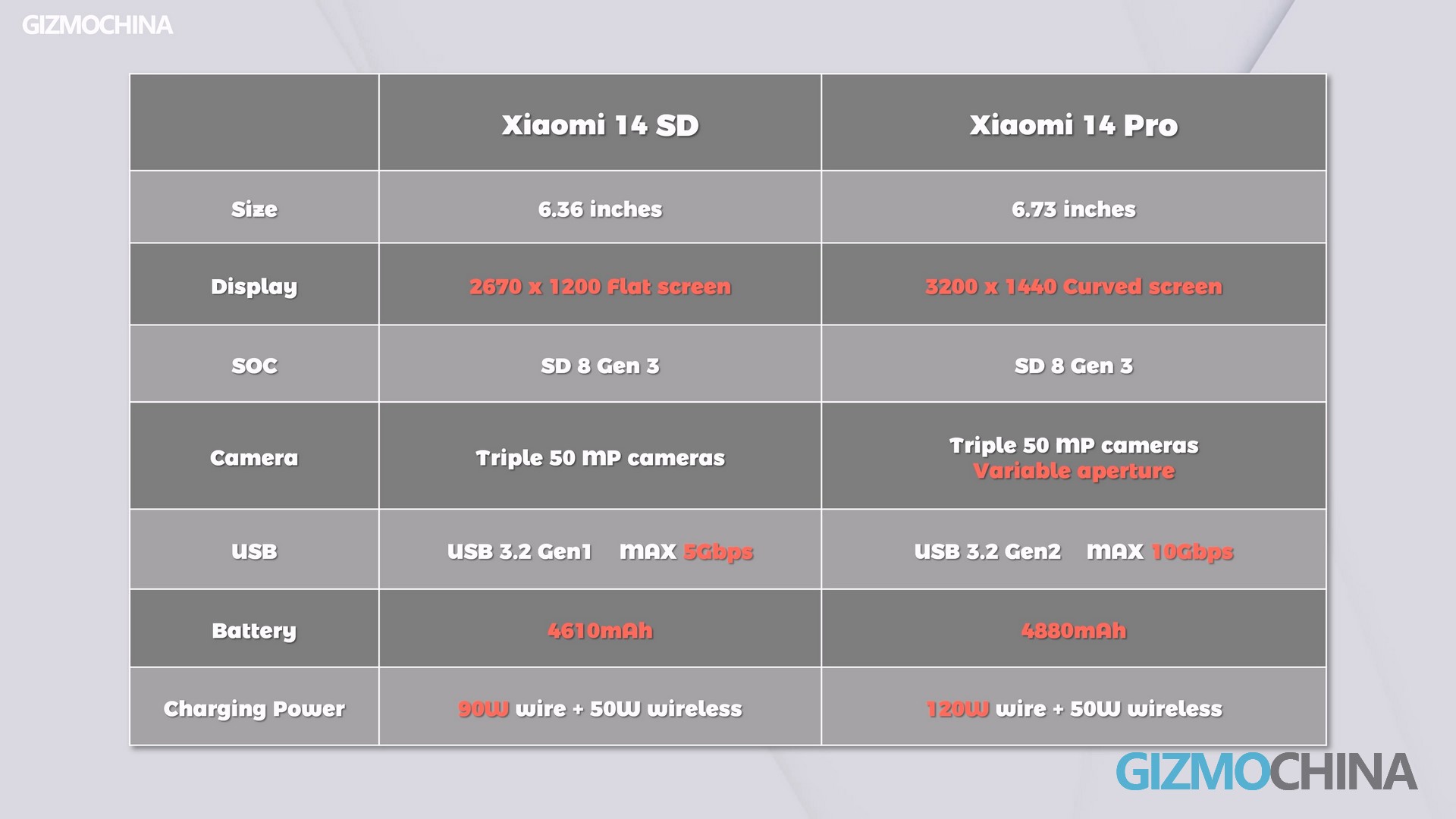
After my comparison of the spec info on the official website, apart from the size, there are only five differences between the Xiaomi 14 Pro and the standard version: the screen, the camera, the USB-C transfer speed, the battery capacity, and the charging speed.
Battery and charging speed are decided by the size of the phone, so it’s to be expected that the standard version is not as good as the Pro version. You can find that they are not really that different, so this time it’s certainly possible to skip the specs and choose your favorite model based only on size.
By the way, in addition to USB 3.0, this time the front camera can also record 4K videos. I’m glad we have one less point to spit on.
HyperOS
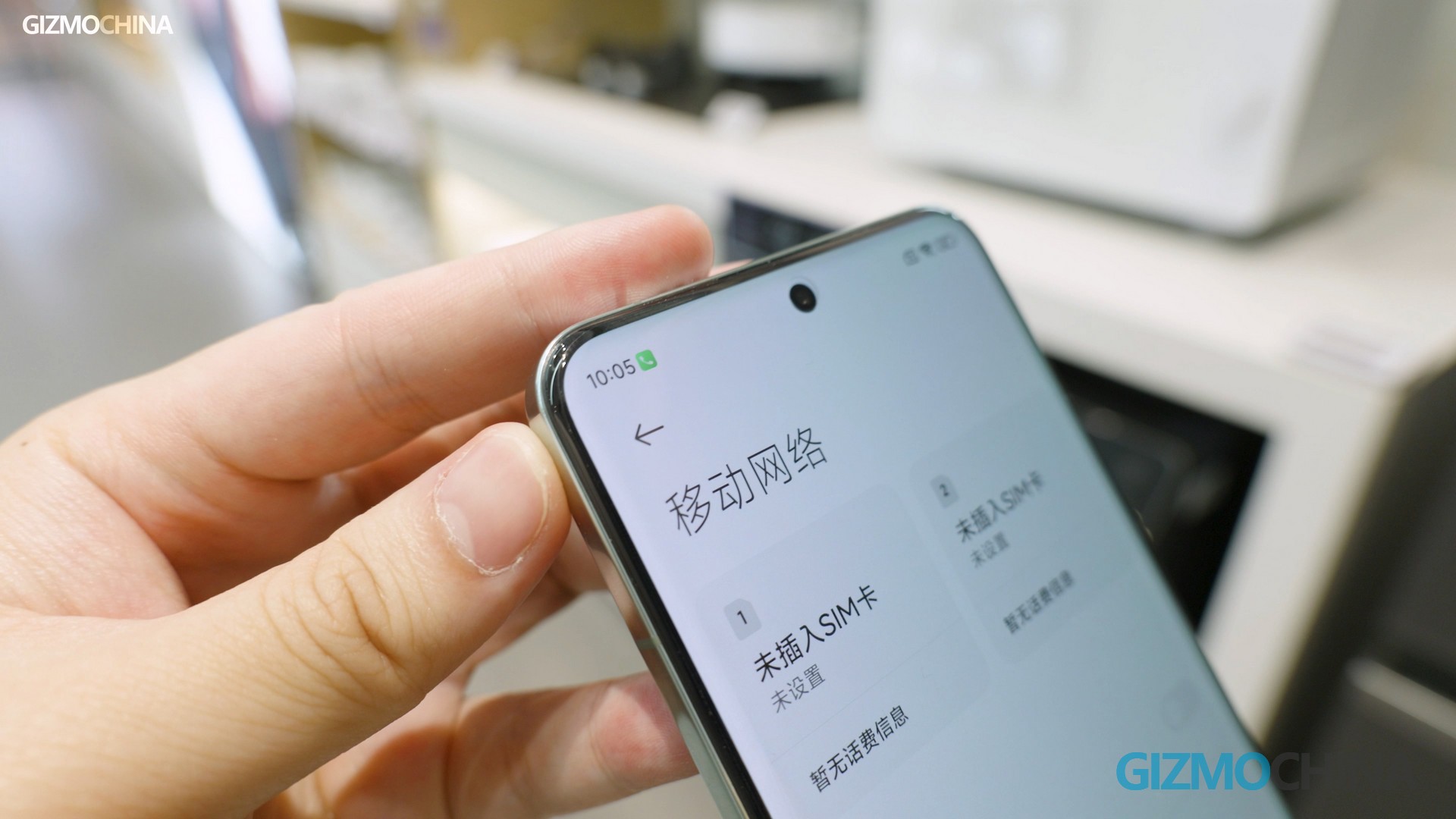
I know that this new HyperOS is what you’re most concerned about. The biggest upgrade to HyperOS is the seamless IoT connectivity, but if you just look at the phone itself, there’s not much that’s changed. most of MIUI’s operating logic has been inherited by HyperOS.
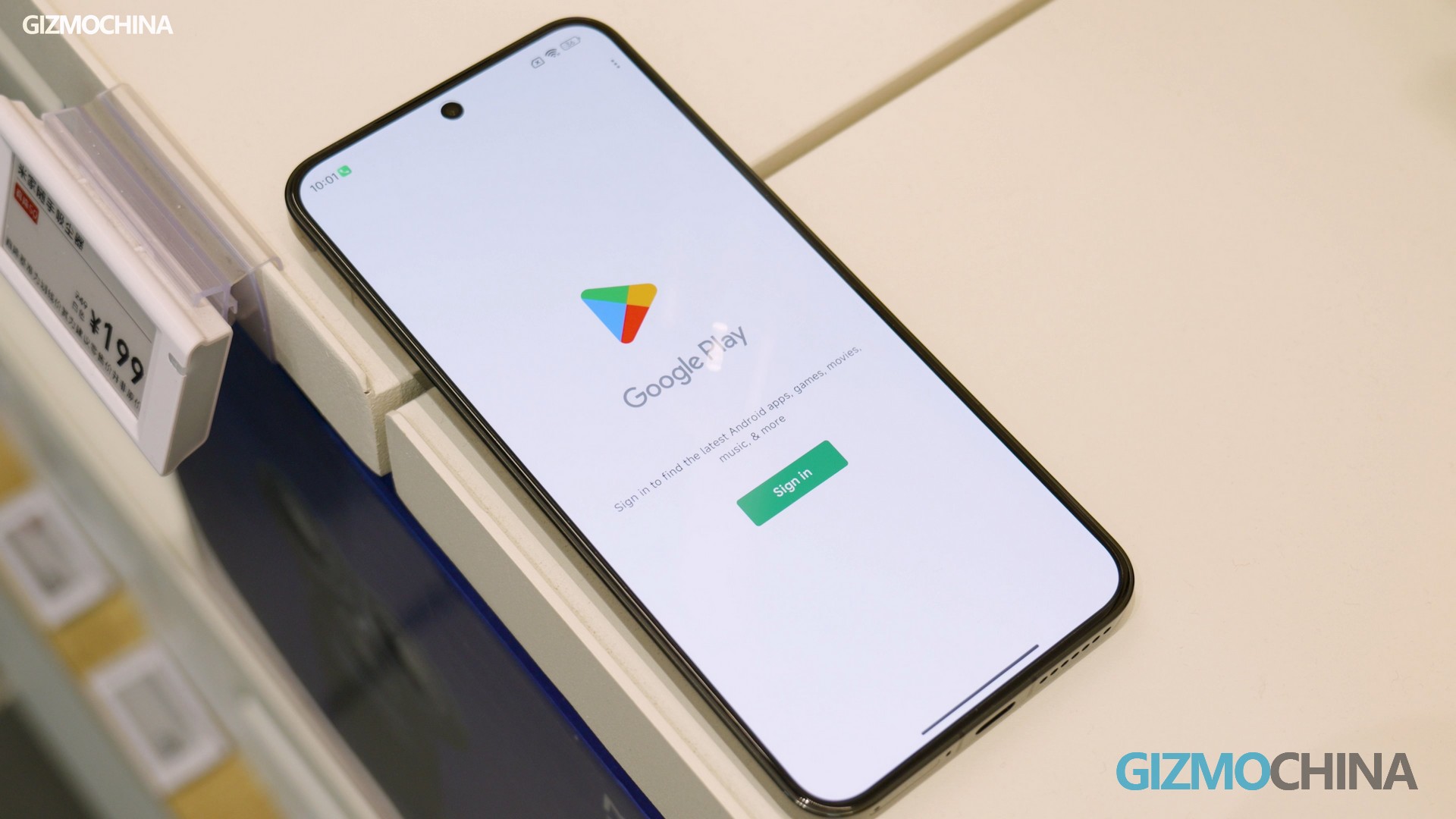
The good news, is HyperOS has Google services inside, meaning apps like YouTube and Google Play can run on the Xiaomi 14. For more in-depth content, you will have to wait until we get the phone, stay tuned for our HyperOS deep review video.
Price & Conclusion
Other than the camera module design that is not to my personal taste, it’s a considerable improvement. Compared to the 13 series, the standard Xiaomi 14 has a more powerful camera and faster charging. the Pro version has a better screen and stronger performance. It’s cheaper at launch instead, so what are you waiting for, just buy it.
Oh, if you haven’t ordered yet, you can just wait for our FULL review, alright? We’ll surely make it happen as soon as possible. Don’t forget to subscribe to our YouTube channel. Leave a comment if you have any questions about the Xiaomi 14 series.
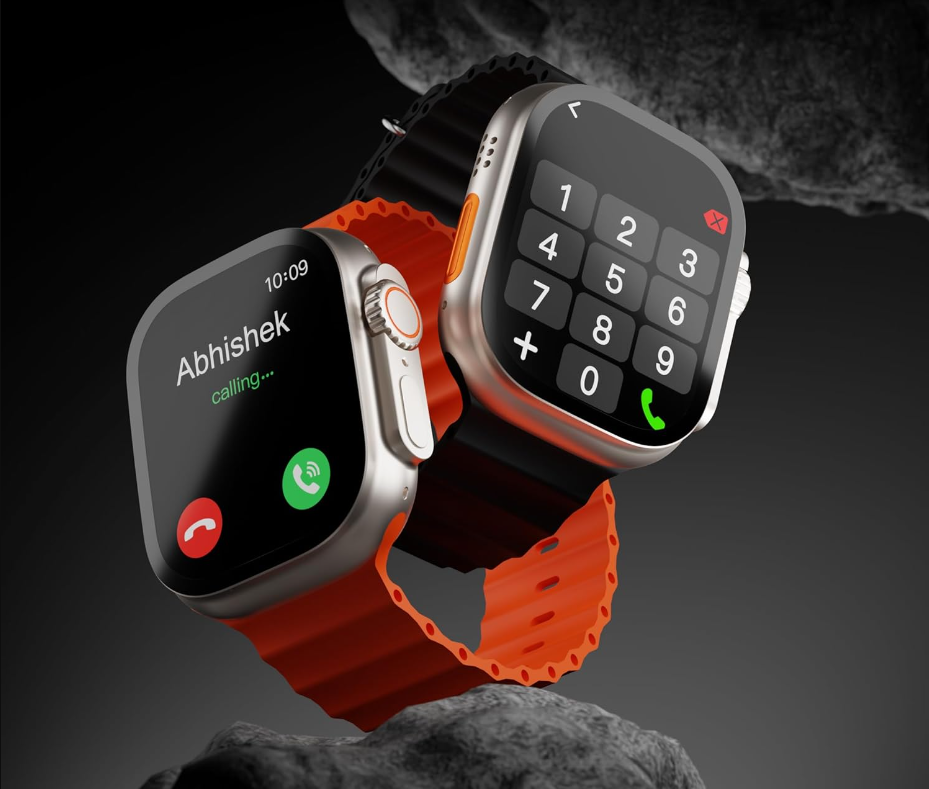
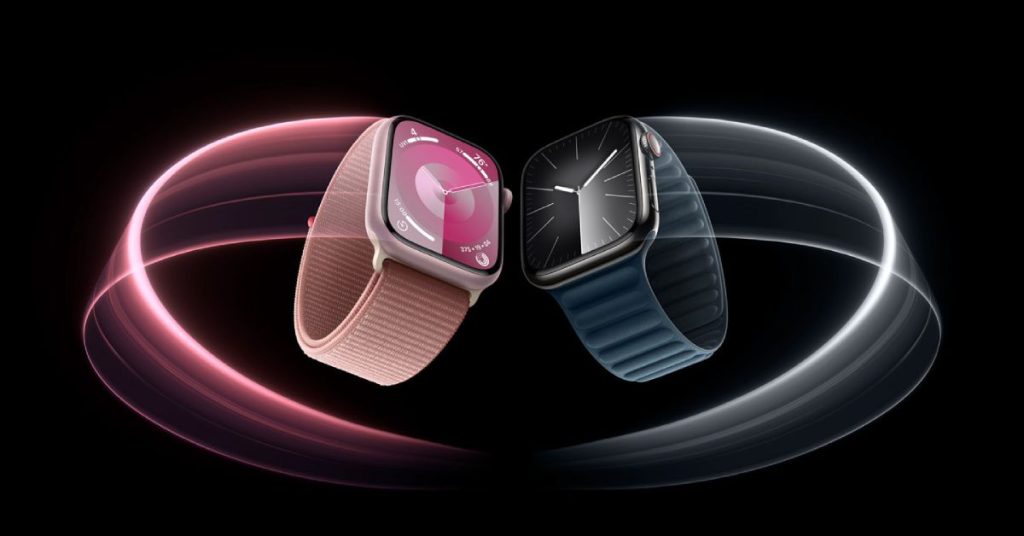
According to a new report from Apple analyst Ming-Chi Kuo, Apple is unlikely to launch a third-generation Apple Watch Ultra in 2024. Kuo says that Apple has not yet started development on the Watch Ultra 3 which is “unusual” given the company’s product development schedule.
Kuo speculates that the delay could be due to ongoing microLED production issues and a lack of innovative new health management features. MicroLED is a promising new display technology that Apple is rumored to be developing for future Apple Watches. It is expected to be brighter and more durable than the current OLED displays.
However, microLED production is still in its early stages, and it may not be ready for mass production in time for a 2024 Watch Ultra release.
Kuo also says that Apple may be waiting for new health management features to distinguish the Watch Ultra 3 from its predecessors. The current Watch Ultra 2, which was released in September 2023, has only a few minor hardware changes over the original Watch Ultra, such as a brighter display and a new chipset.
If Apple does not begin development on the Ultra 3 by December, Kuo says it is “almost confirmed” that the device will not be released in 2024. This would be a blow to Apple, as the Ultra series is one of its most popular and profitable products.
Kuo predicts that Apple Watch Ultra shipments will decline by 20-30% year-over-year if Watch Ultra 3 isn’t released in 2024. He also predicts that overall Apple Watch shipments will decline by 10% year-over-year to 35 million units.
However, it is important to note that this is just speculation at this point. Apple still has a few months to start developing the Apple Watch Ultra 3, so the device may be released in 2024 as expected.
The Samsung Galaxy S24 series is the company’s upcoming flagship lineup of smartphones. But prior to any official announcement, the South Korean model of the Galaxy S24+ model has surfaced on a benchmarking platform that revealed some of its key specifications.
Samsung Galaxy S24+ Korean Version
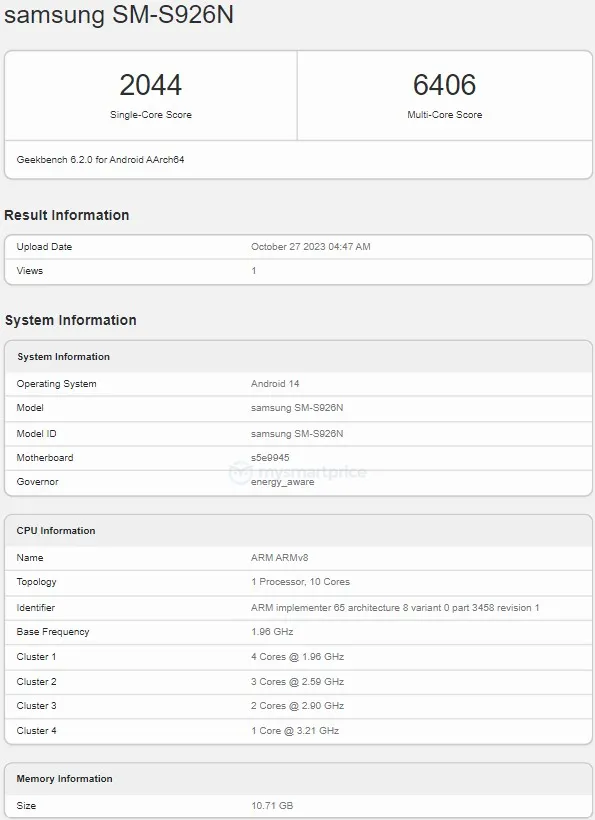
Earlier this month, the South Korean tech giant’s Galaxy S24+ model surfaced on GeekBench with the Qualcomm Snapdragon 8 Gen 3 SoC. Now, the Korean version of the Galaxy S24+ model has surfaced on the same benchmarking platform with the Exynos 2400 SoC. The listing reveals that this variant of the smartphone will carry the SM-S926N model number. Similar to the non-Korean model, this version will also run on Android 14 OS out of the box with the One UI 6 custom skin on top.
Looking at the GeekBench results, we can see that the Exynos 2400 variant of the Galaxy S24+ scored 2,044 points in the single core test and 6,406 points in the multi core test. To recall, the US variant Galaxy S24+ scored 2,233 and 6,661 points in the respective tests. So the performance gap between the two models is still present. But synthetic benchmark is never a direct indicator of real world performance. The Exynos variants have historically been slightly less powerful than their Qualcomm counterparts.
Although this gap is slowly shortening now. The latest GeekBench sighting also shows the deca core architecture, which is in line with our previous report. Unfortunately, this was all the information that was shared on the platform, so stick around for more updates regarding the Galaxy S24 series.
Huawei has quietly refreshed its MateBook D 14 SE laptop with a few notable upgrades, including a new 16:10 display, a more powerful Core i5-13420H processor, and 16GB of LPDDR4X RAM. The overall design of the laptop remains largely unchanged, save for a small lip that protrudes around the webcam and microphone.
The new 16:10 display measures 14 inches diagonally and has a resolution of 1920 x 1200 pixels. It also offers 300 nits of peak brightness and is certified by TÜV Rheinland for low blue light emissions.
The Core i5-13420H is a 13th-generation Intel processor that should offer better performance than the Core i5-1235U processor found in the previous MateBook D 14 SE. It is also a 45W TDP processor, which means it will consume more power than the 15W TDP Core i5-1235U.
Huawei has also doubled the amount of RAM in the new MateBook D 14 SE to 16GB. This will make the laptop more capable of handling multitasking and running demanding applications.
Other notable features of the new MateBook D 14 SE include a 512GB SSD, a 56Wh battery that supports 65W charging, and a variety of ports, including HDMI, USB-C, and USB-A.
The new MateBook D 14 SE is currently available for purchase in China for CNY 4,199 (US$574). Huawei has not yet announced a global release date for the laptop.
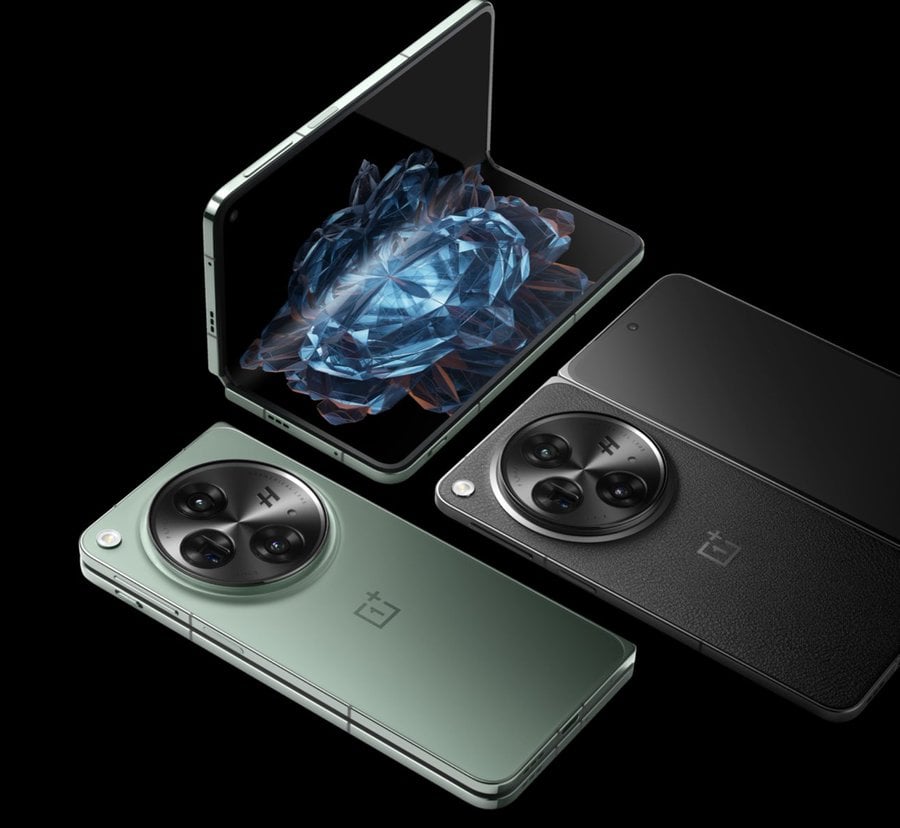
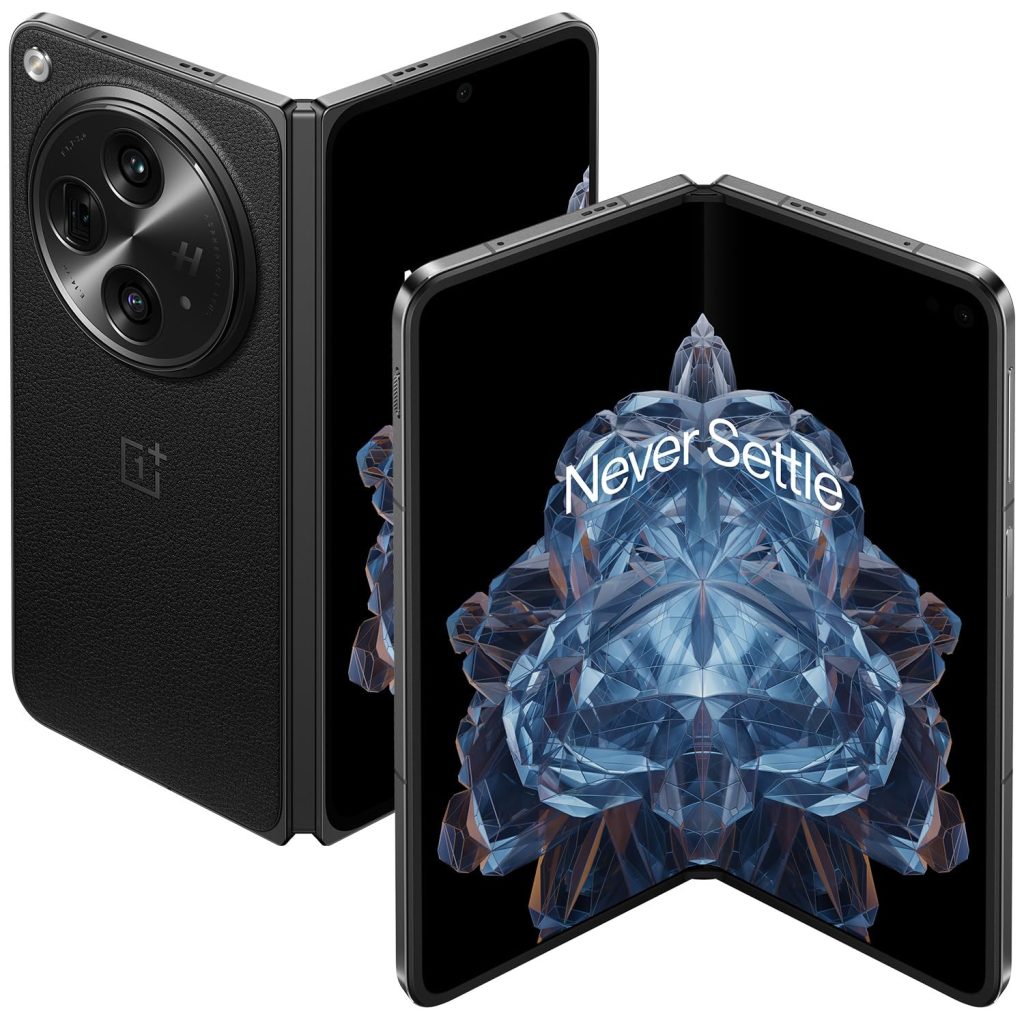
OnePlus recently launched the OnePlus Open smartphone in the global market including India. Starting today, the smartphone is available for sale in India via online channels.
OnePlus Open pricing, offers & availability
The OnePlus Open is priced at Rs 1,39,999 for the 16GB + 512GB configuration. To sweeten the deal, OnePlus is offering a flat Rs 5,000 instant discount for those using ICICI Bank Credit Card (EMI and non-EMI) and Debit Card (EMI only) transactions. Additionally, OneCard users can also enjoy a Rs 5,000 instant discount when making their purchase.
If you’re eager to get your hands on the OnePlus Open, you won’t have to wait much longer. It can be purchased exclusively via Amazon and the OnePlus Store.
OnePlus Open specs & features
The OnePlus Open features two displays, with the cover display being a 6.31-inch Super Fluid AMOLED panel with a 2K resolution, 10-120Hz refresh rate, and a peak brightness of 2800 nits. The main display, on the other hand, is a 7.82-inch Flexi Fluid AMOLED screen with a 2K resolution, 1-120Hz refresh rate, 240Hz touch sampling rate, and Dolby Vision support. Both displays utilize a 10-bit LTPO 3.0 panel and are backed by UTG Glass.
Under the hood, the OnePlus Open is powered by the Qualcomm Snapdragon 8 Gen 2 processor, built on TSMC’s 4nm process, and it boasts an Adreno 740 GPU. It offers a generous 16GB of LPDDR5X RAM, with the possibility of up to 12GB RAM expansion, and a spacious 512GB of UFS 4.0 storage. The device runs on OxygenOS 13.2, based on Android 13.
In the camera department, the OnePlus Open features a Hasselblad-tuned triple-camera setup, including a 48MP Sony LYT-T808 sensor, a 48MP Sony IMX581 sensor for ultra-wide-angle shots, and a 64MP OmniVision OV32C sensor for telephoto functionality. It also offers an impressive front camera setup, with a 32MP shooter on the cover display and a 20MP camera on the main display.
The device is equipped with a 4805mAh battery and supports 67W fast charging. Security is ensured with a side-mounted fingerprint scanner, and it provides a high-quality audio experience with a stereo speaker setup and Dolby Atmos audio. The OnePlus Open also comes with an IPX4 rating for water resistance and is available in two color options: Emerald Dusk and Voyager Black.
OnePlus has also started seeding out the first software update for the OnePlus Open, polishing the camera, connectivity, and UI features.
We use cookies on our website to give you the most relevant experience by remembering your preferences and repeat visits. By clicking “Accept”, you consent to the use of ALL the cookies.
This website uses cookies to improve your experience while you navigate through the website. Out of these, the cookies that are categorized as necessary are stored on your browser as they are essential for the working of basic functionalities of the website. We also use third-party cookies that help us analyze and understand how you use this website. These cookies will be stored in your browser only with your consent. You also have the option to opt-out of these cookies. But opting out of some of these cookies may affect your browsing experience.
Necessary cookies are absolutely essential for the website to function properly. This category only includes cookies that ensures basic functionalities and security features of the website. These cookies do not store any personal information.
Any cookies that may not be particularly necessary for the website to function and is used specifically to collect user personal data via analytics, ads, other embedded contents are termed as non-necessary cookies. It is mandatory to procure user consent prior to running these cookies on your website.