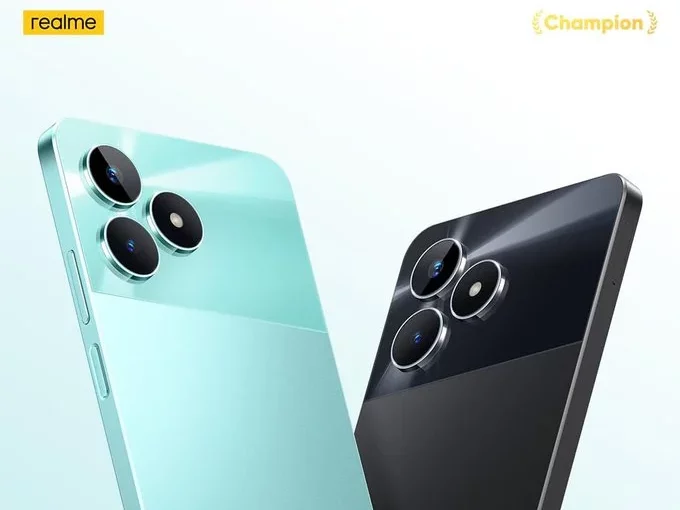
After launching the Realme C51 in multiple global markets, the brand has finally brought the device over to India. The new entry-level offering from the brand comes with many attractive features like a 50MP main camera, a large battery, and a high refresh rate display. Keep reading for more details.
Realme C51 specs
The Realme C51 boasts a spacious 6.7-inch screen with HD+ resolution and a smooth 90Hz refresh rate, ensuring a visually pleasing experience. It also impresses with its brightness, reaching up to 560 nits, and offers exceptional responsiveness thanks to its 180Hz touch sampling rate.
Under the hood, it is powered by the UNISOC T612 chip, accompanied by 4GB of standard RAM and 64GB of built-in storage. If that’s not enough, you have the flexibility to expand your storage capacity up to a whopping 2TB using a microSD card.
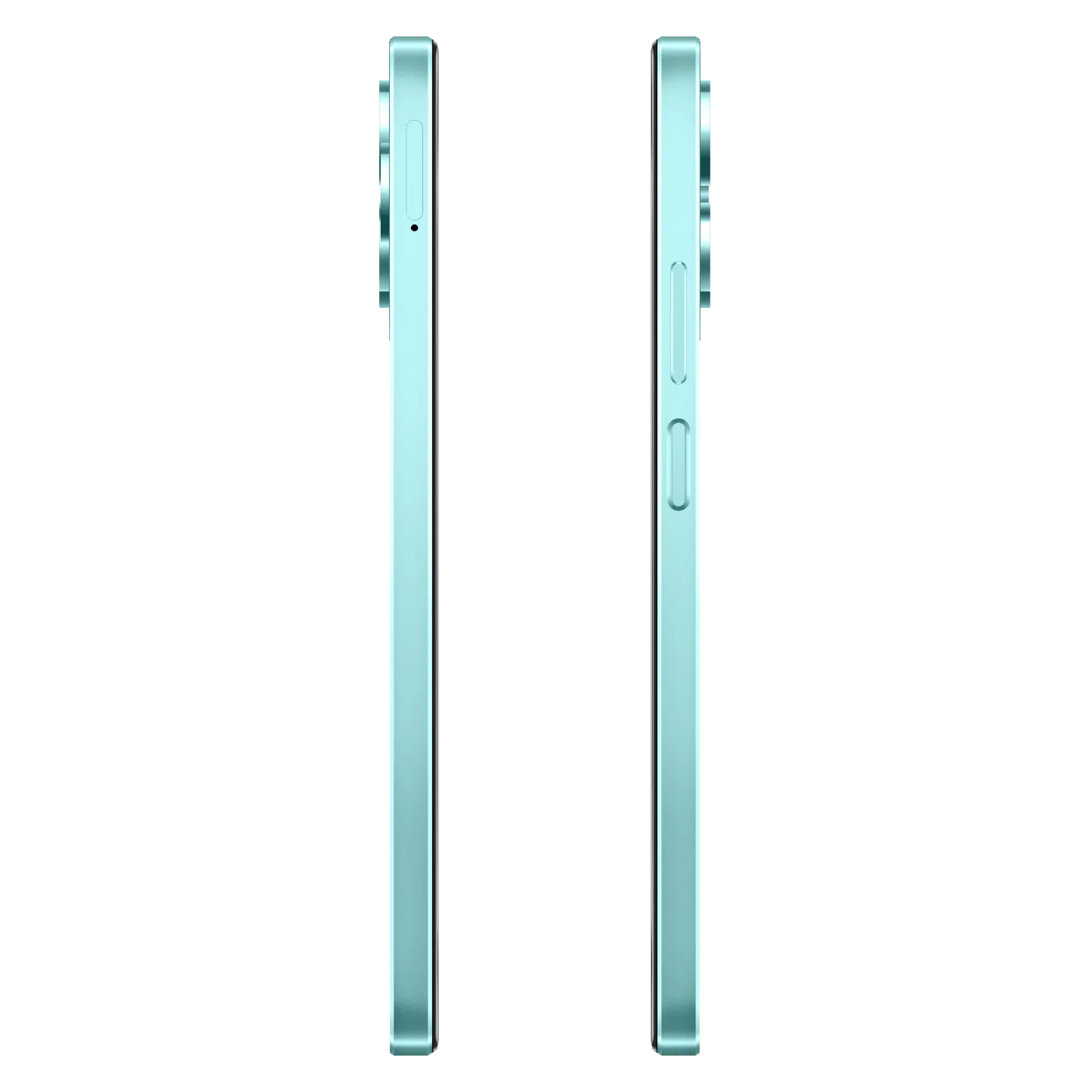
In the photography department, the C51 features a 50MP AI dual-camera setup on the rear and a 5MP AI front-facing camera. The phone is backed by a robust 5,000mAh battery that supports fast charging up to 33W. Notably, it includes convenient features like a headphone jack and a side-mounted fingerprint scanner. Out of the box, it runs on Android 13. Lastly, it maintains a slim profile at just 7.99mm thick and weighs a manageable 186 grams.
Price & availability
The realme C51 is priced at ₹8,999 for the single 4GB + 64GB version. It will be available in Mint Green and Carbon Black colors starting today, September 4th, at 6 PM through realme.com, Flipkart, and offline stores during an early bird sale.
A couple of years ago, I used to go to the gym at least three times a week, not aiming to have big muscle, but just to build a lifetime habit. I even hired a private coach to teach me all the basics before putting too much weight on my shoulders. Three things I learned in those years are, the routine, the focus, and the coach, which helped me a lot while working out. But it’s not easy to maintain such a habit after all, and it can be annoying to go to the gym after work every day. It is time to fix it as home gym products like the Speediance Gym Monster come in, building up a private workout space without road trips. So now let’s check out how this smart equipment can help you with your workout at home.
Unboxing & Setup
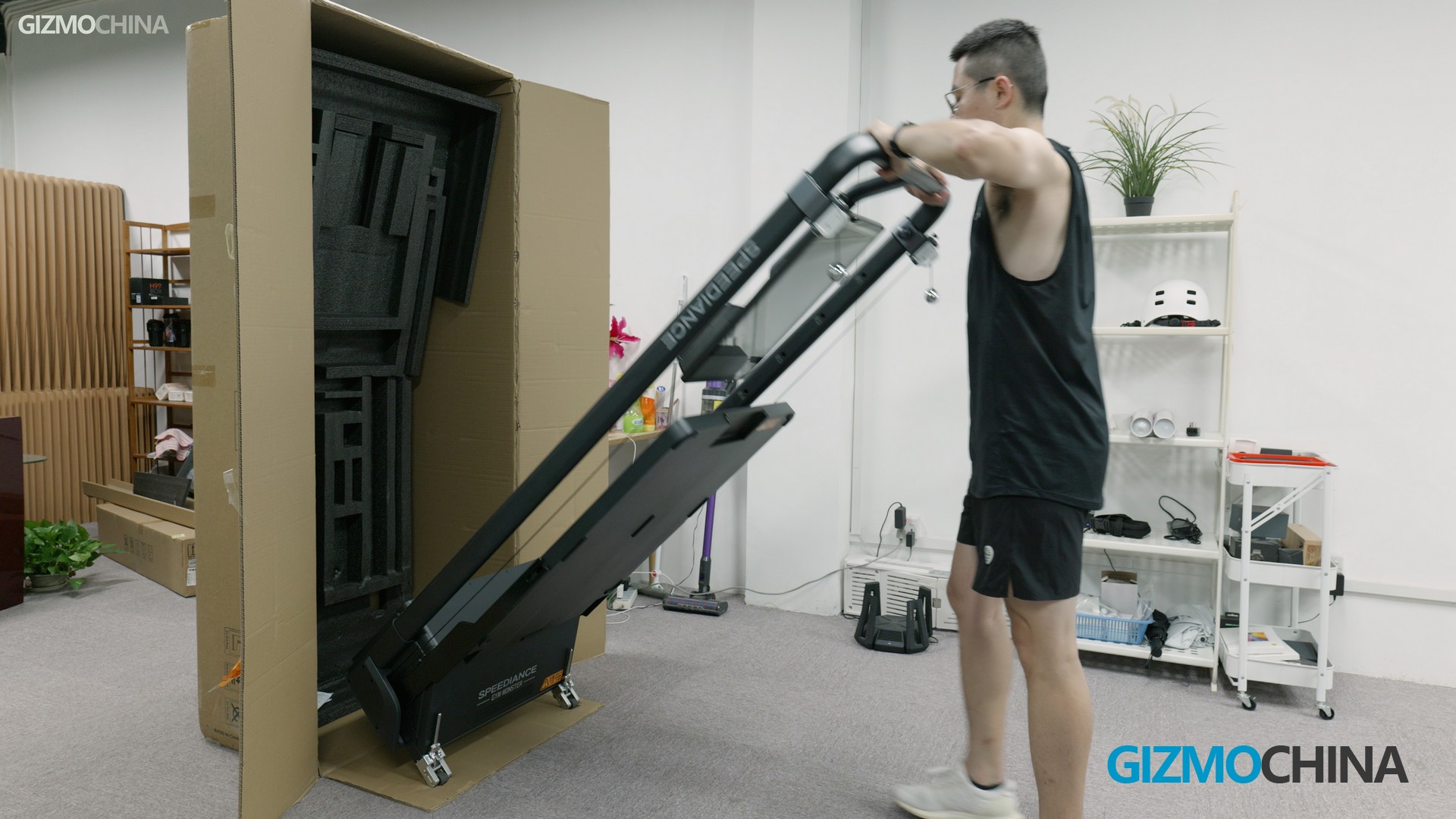
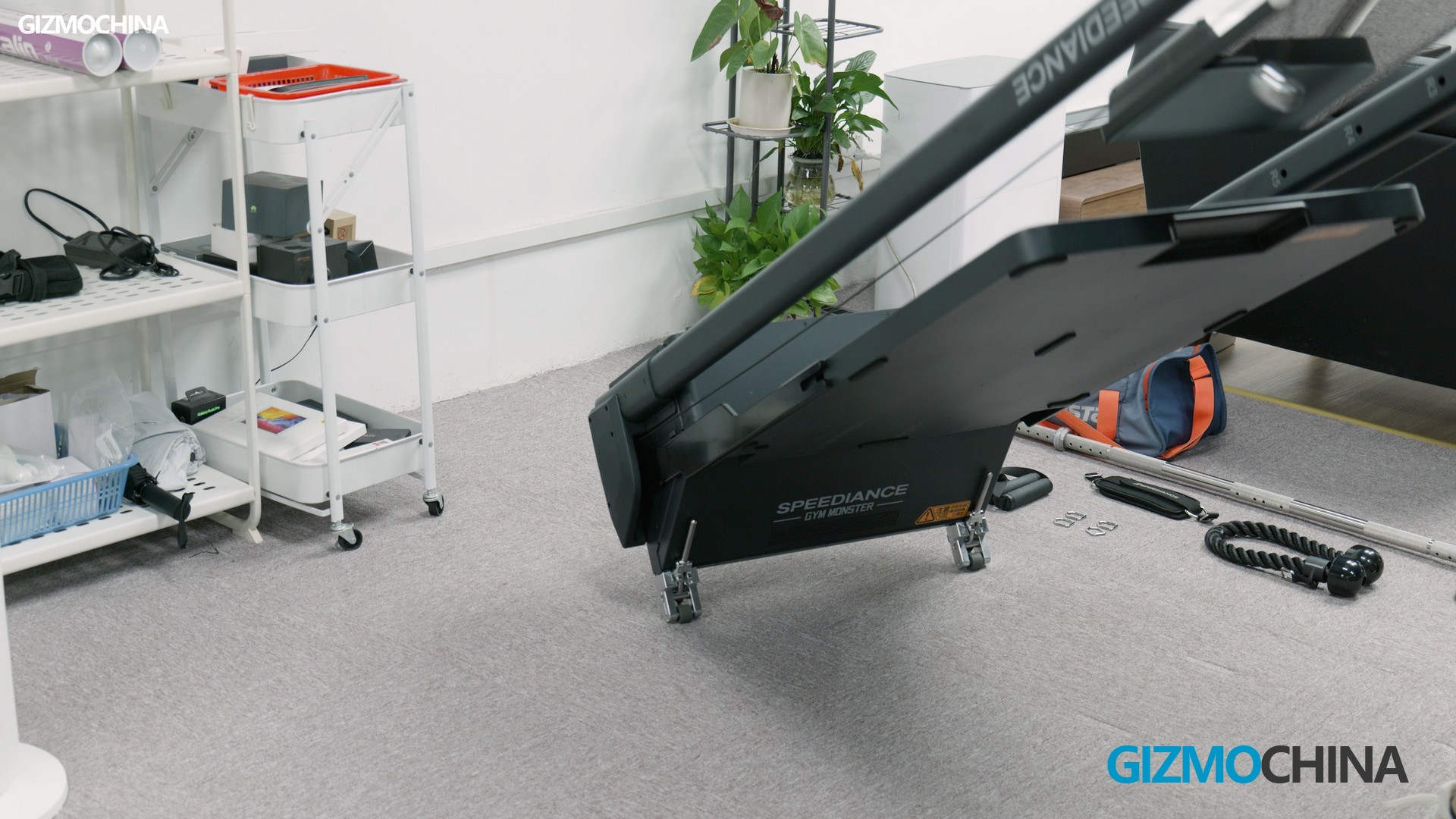
Although this is foldable equipment, the packages are actually very big, and unpacking them can be a bit overwhelming, so it’s better to either watch the instruction video on YouTube or get a helping hand. As you can see, the bottom of the rack and the pad have most of the weight, and there are two wheels here, so we tried to put it up vertically, and then roll it out – This is also the right way to move this unit around.
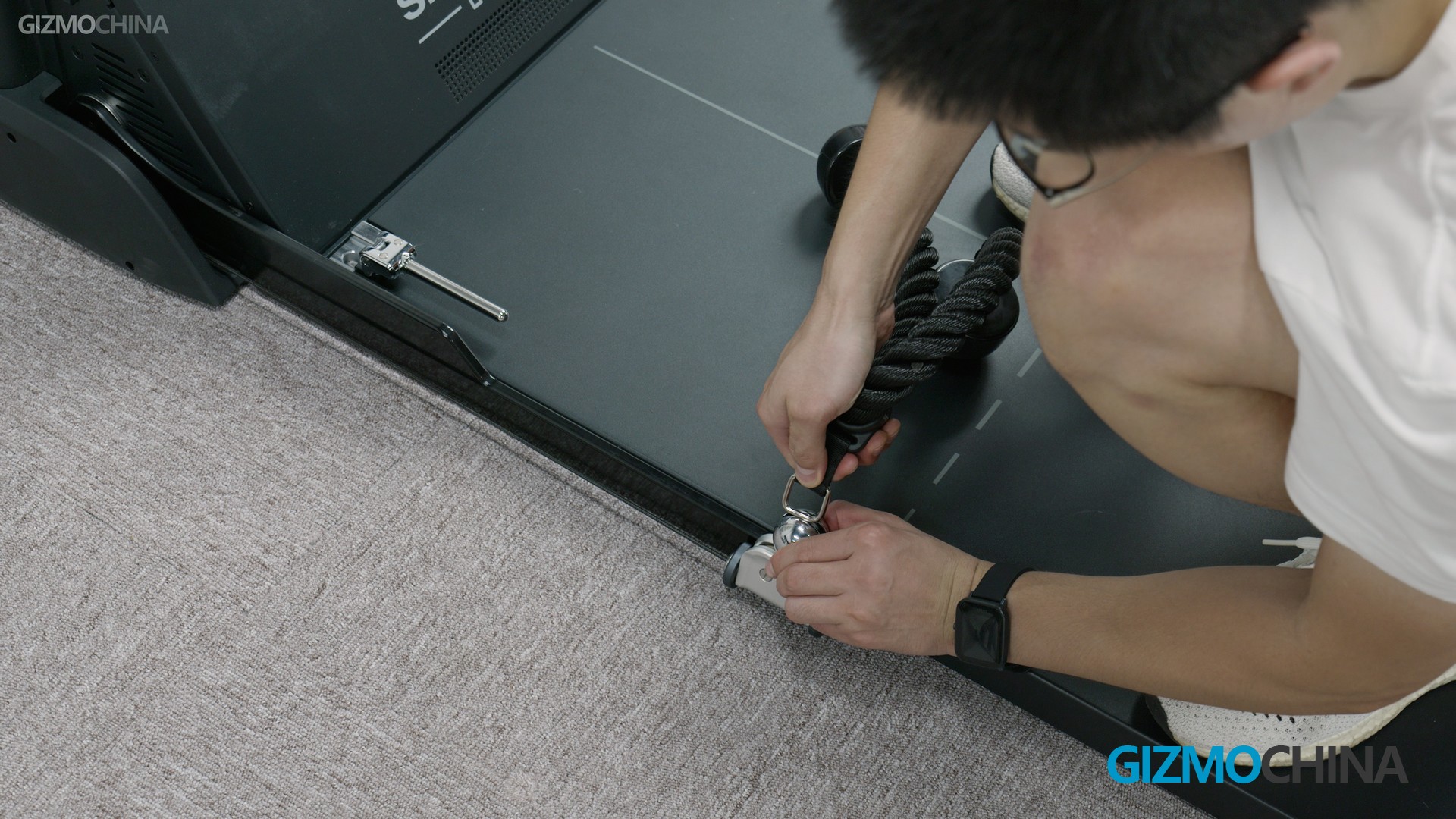
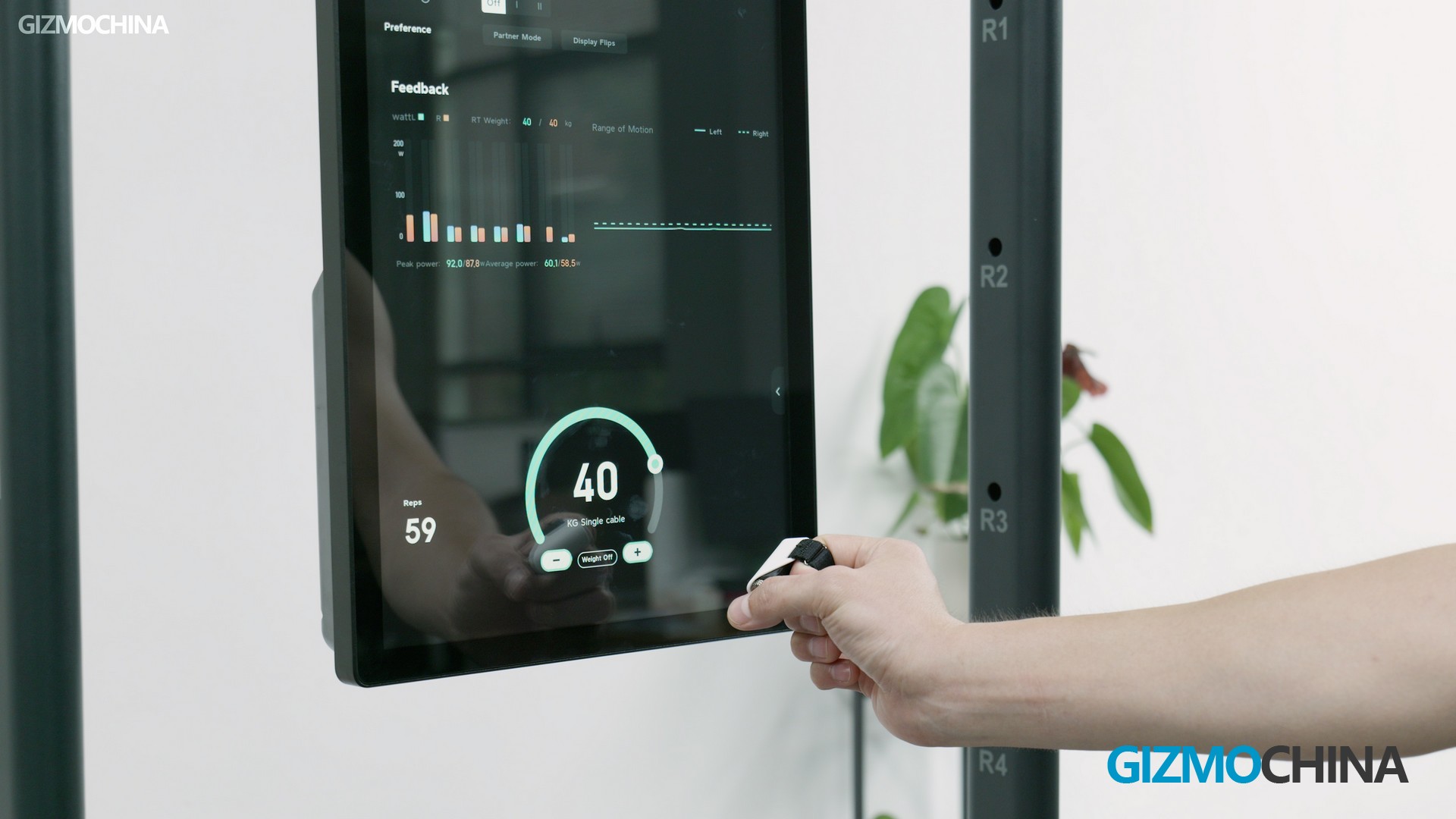
The setup process is pretty straightforward, I can easily figure out what these components are, and how to place them on the unit. The components, to my understanding, are separated into two categories, those for the workout, and those for the training courses. When it’s powered up, the motors will retract the ropes back to their original positions, which is a very smart setting. It’s like some long-time workout buddies would say, always put the dumbbells back on the rack after finishing your set. Before doing any workout sessions, it’s required to sign up for the app, or the rolling resistance will stop you from doing anything. The touch screen is very responsive, and I think it is one key feature that makes the workout pleasant, as you will be interacting with the virtual coaches a lot.
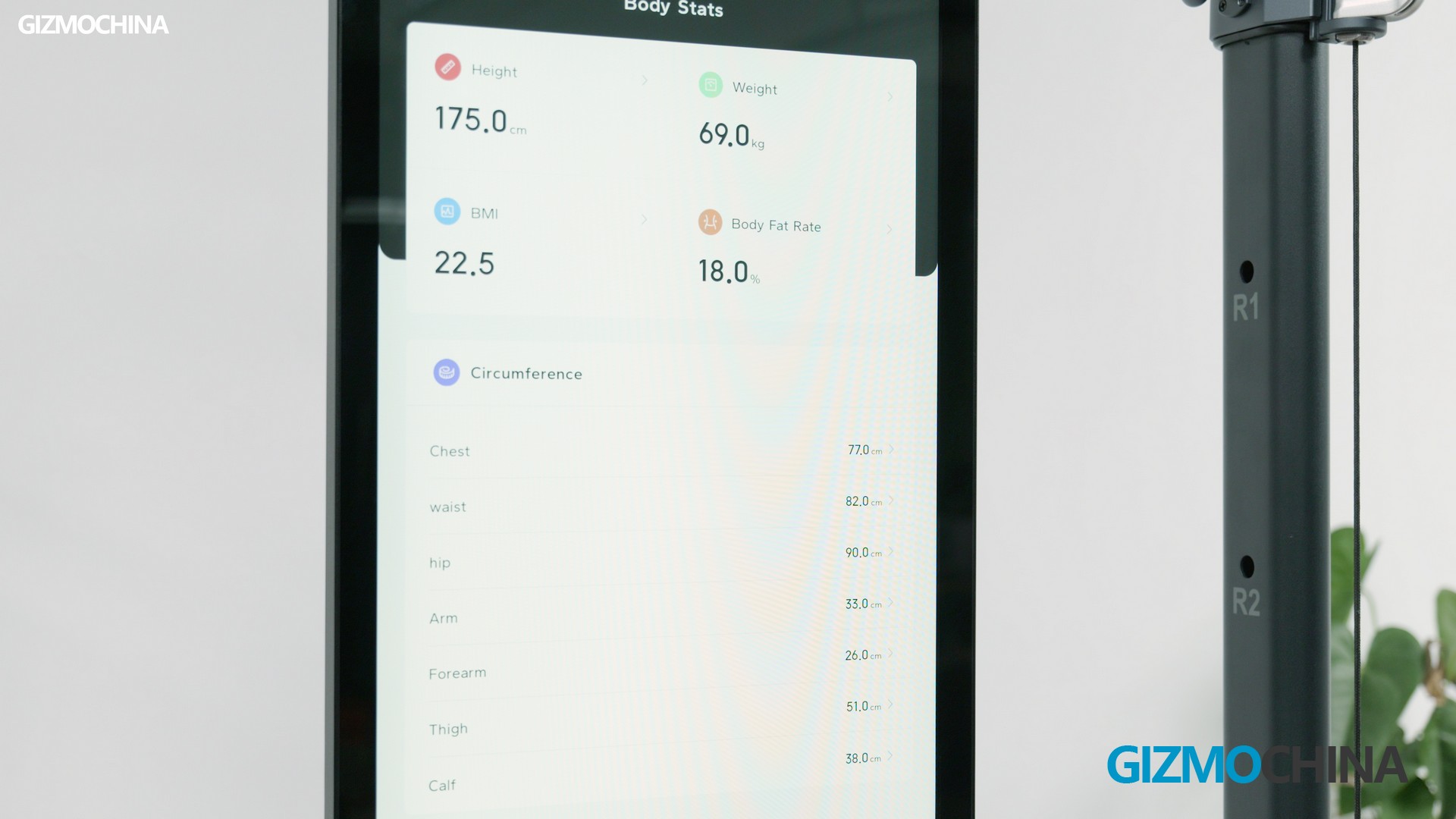
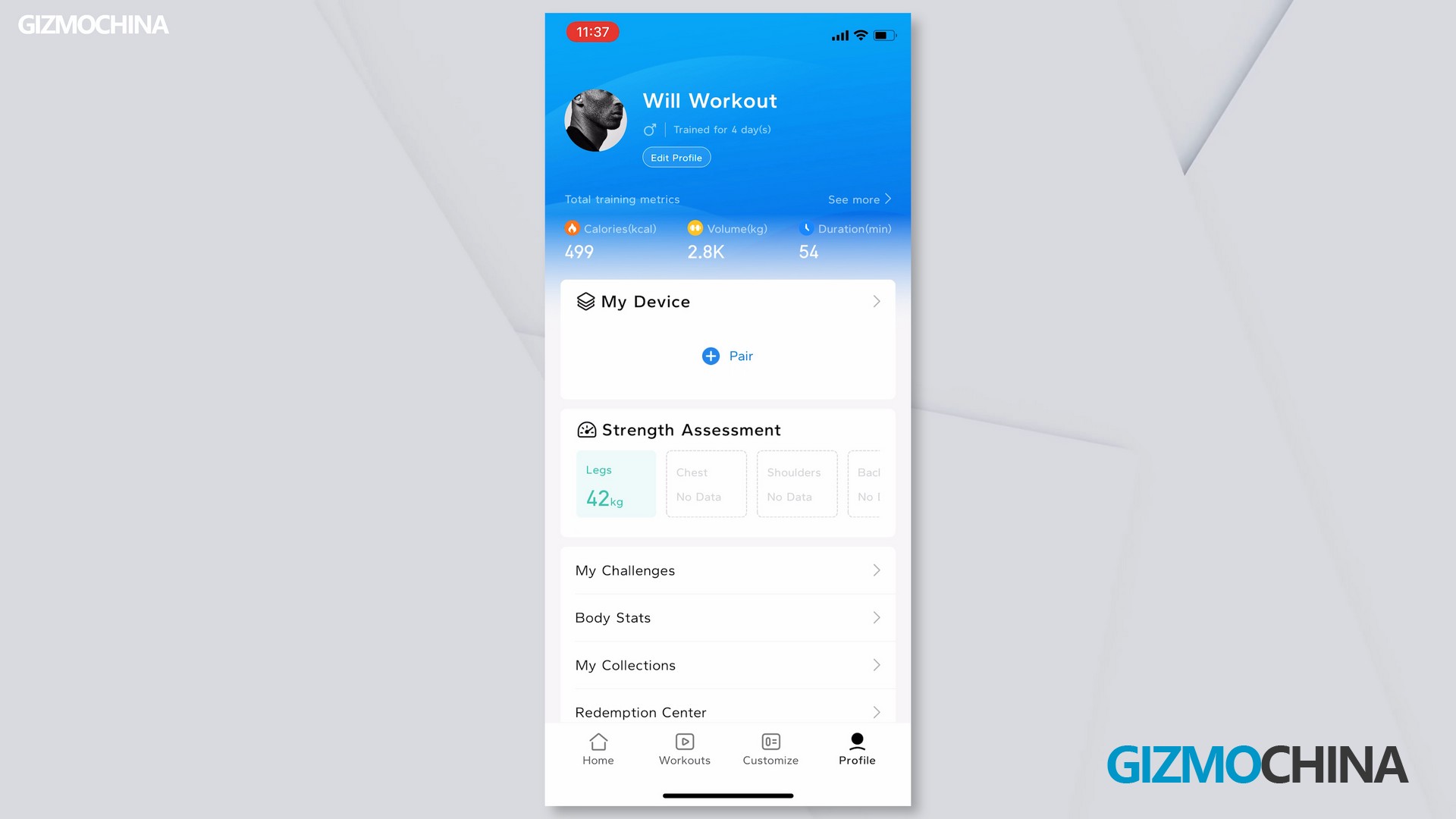
The best parts of going to a gym are the good equipment, the workout buddies, and the coach. Before trying any of the workouts, it’s highly recommended to do a strength assessment. Follow the steps then you will have a full understanding of your strength level, just like what you would get if you hire a private coach. However, there aren’t any sensors that can help you identify your muscle percentage, body fat, and some sort of metrics, so if you had those metrics, then you could train better with this machine. Then I tried to do some sessions as I normally would do, such as working on my chest and back, shoulders and arms, and lastly, the legs. By the way, never skip leg days! If you know what I mean.
Design & Build Quality
After that I tried both training by the courses and free workout. I wanted to replicate the moves and sets like I did in the gym, most of the time the experience is seamless and intuitive. Let me try to lay out some details for you.
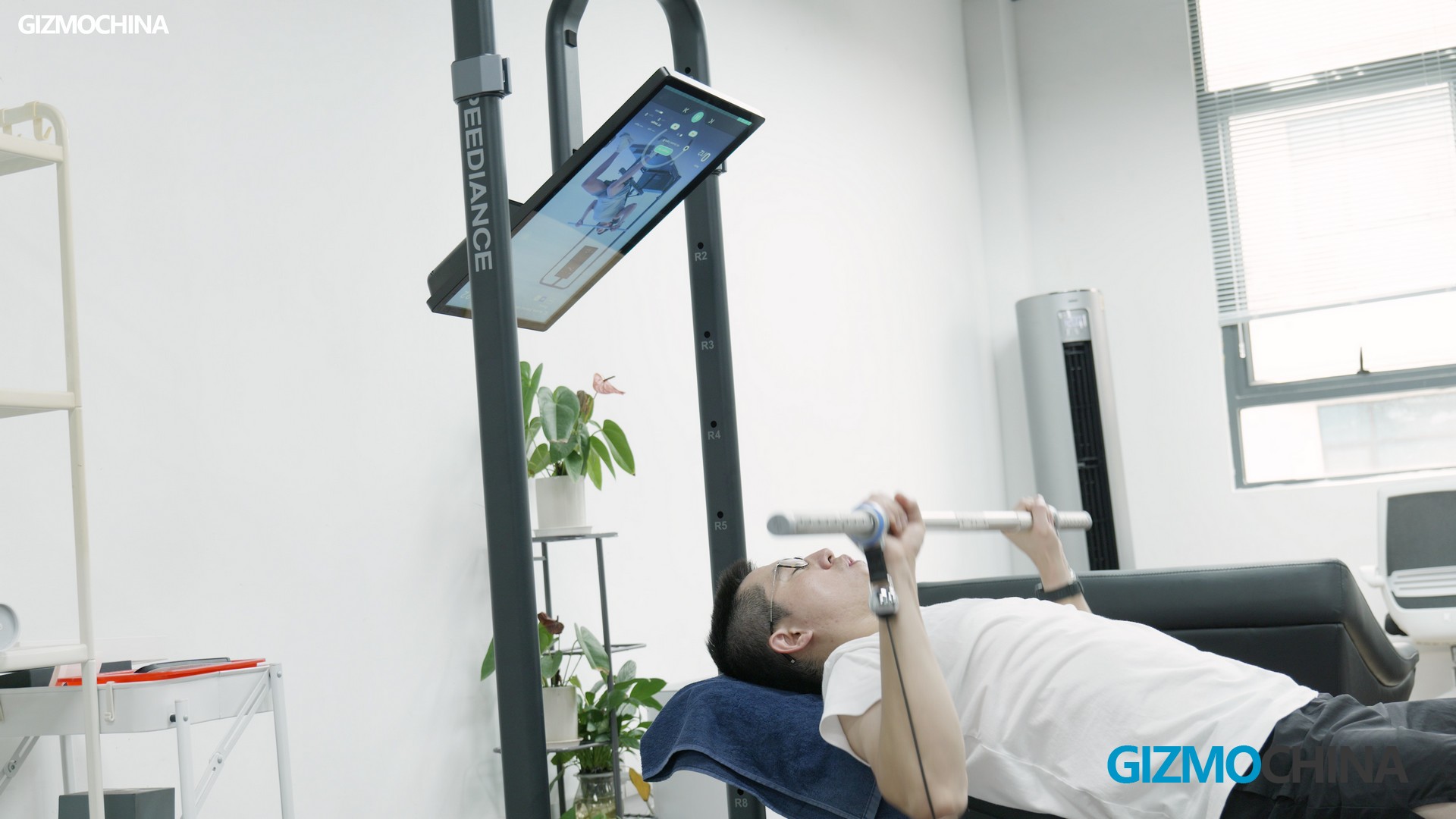
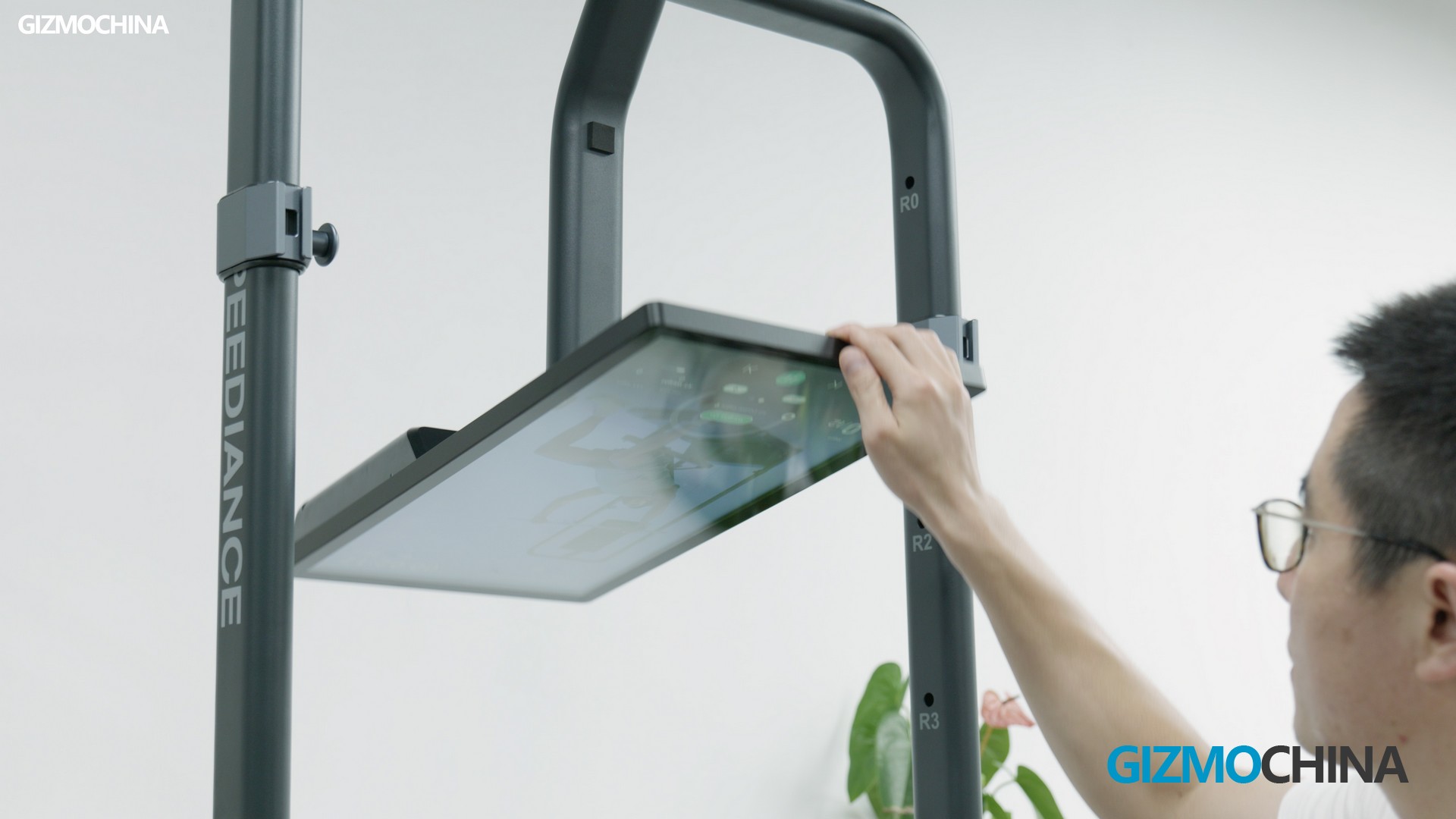
The overall design and build quality are truly great. Since it’s foldable equipment, you can basically put it anywhere you want. Whether it’s your garage or if you have a garden, you can put it there and workout while enjoying the sunshine. When you do all the moves, the rack and the pad will not shake or move anywhere, which feels really safe. The best part is the screen, it can be rotated horizontally, so when doing bench presses, you can still follow the coaches.
How it works
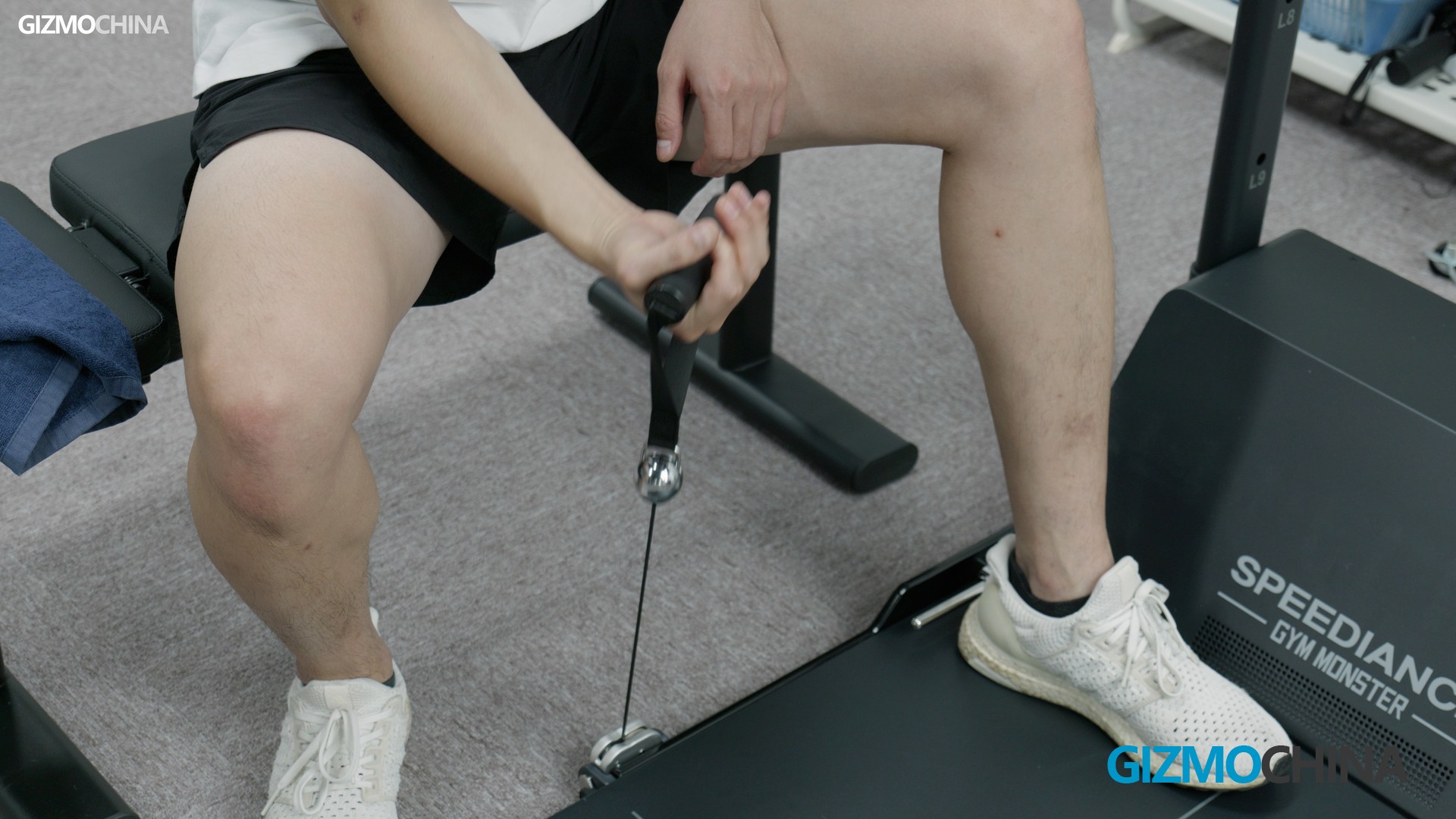
In an actual gym, you train with either the weight or the resistance, it feels different as the stress comes from different directions. For the Gym Monster, all the workout depends on the resistance created by the motors. In some ways, this is a good approach, because whenever you push out or re-position yourself, the resistance is always there, so it can activate the muscles deeper. And the resistance is not quite on your wrists, so it reduces the risk of hurting them. The level of resistance, unlike the dumbbells, you can actually set them from 0 to 220lbs based on your capabilities on this machine. And there are different modes to choose from, so it’s friendly for everyone, whether you are a professional bodybuilder or a novice.
Data collection
The next good thing about this machine is the collected data. It will not only record the frequency, and overall time on the training but also track the performance, such as the completion level, calories burned, and so on. It’s one more step forward than the smartwatches that are hard to accurately track your true fitness performance. And speaking of this part, you can sync all the data between the Gym Monster and Apple Watch, so you can still have a better understanding about how the workout impact your heart rates, calories and workout frequencies.
Courses
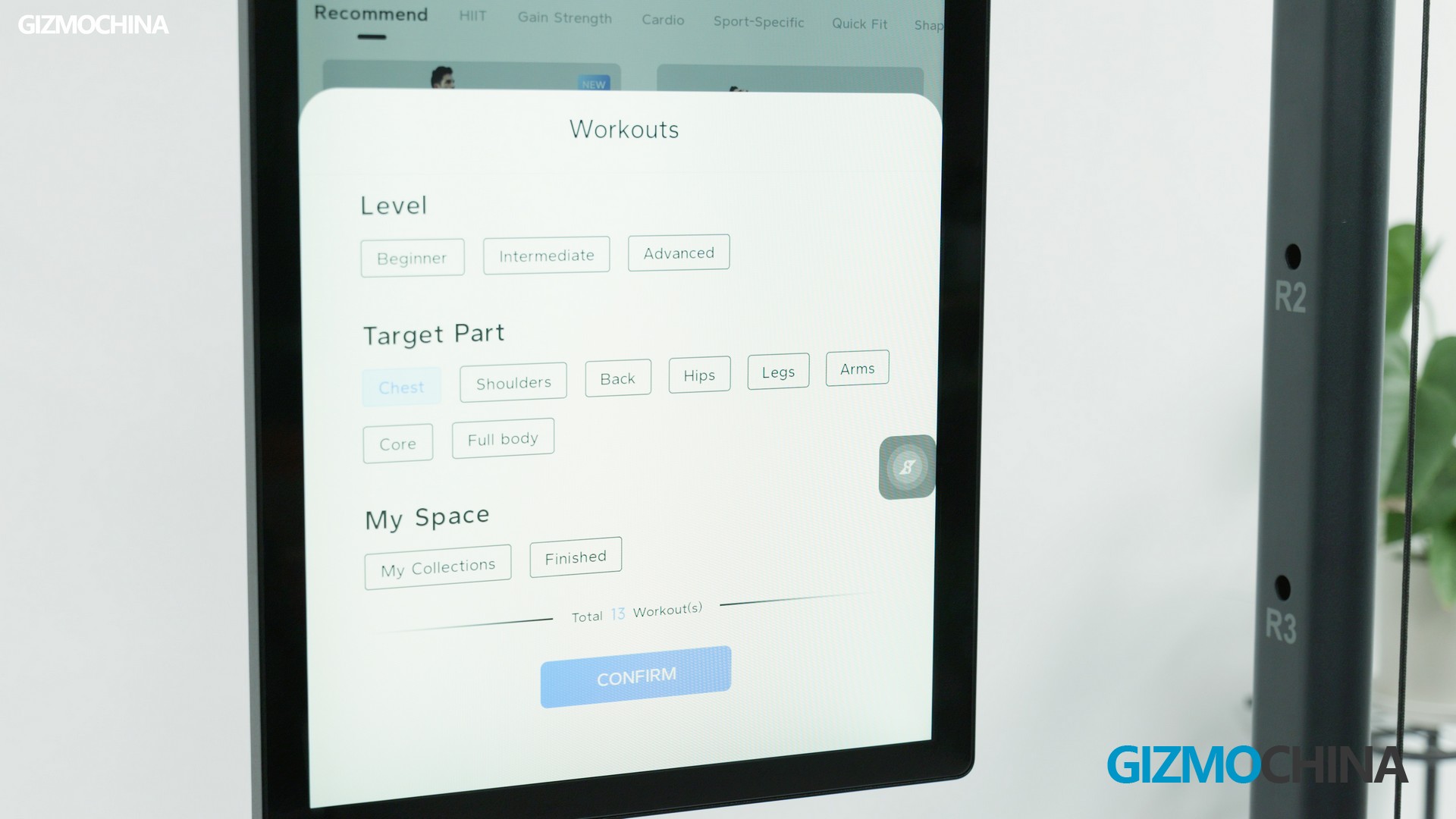
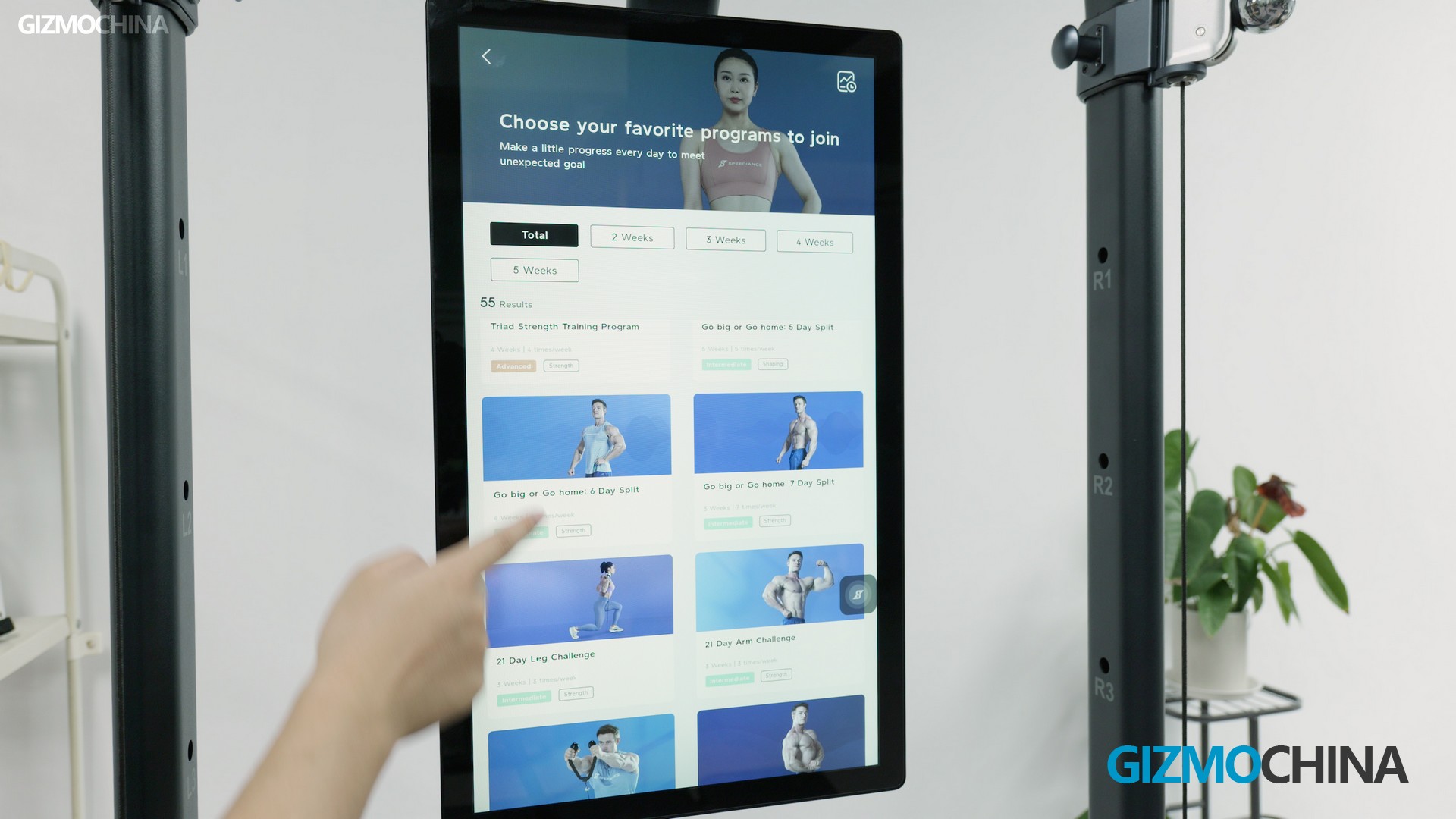
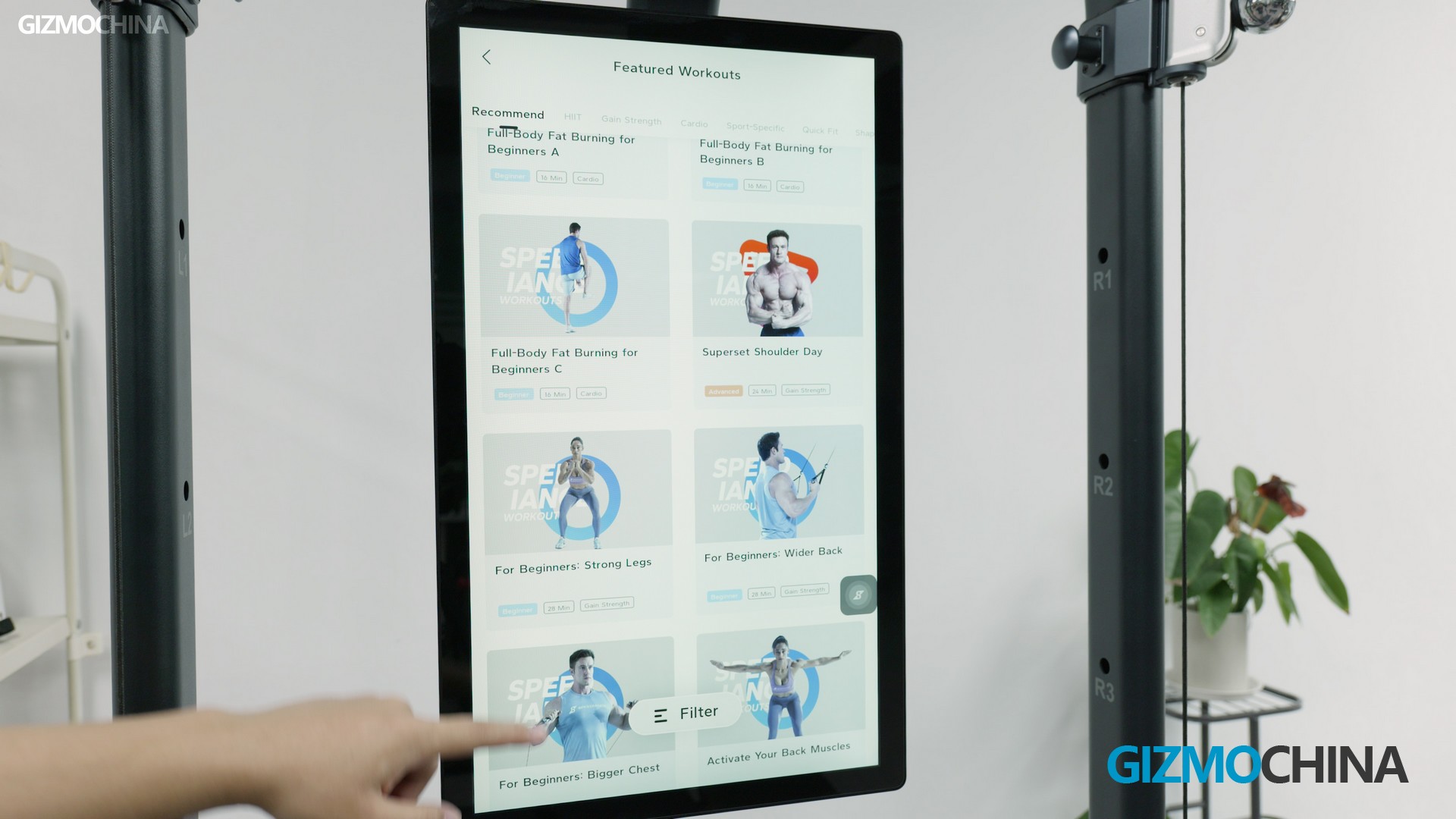
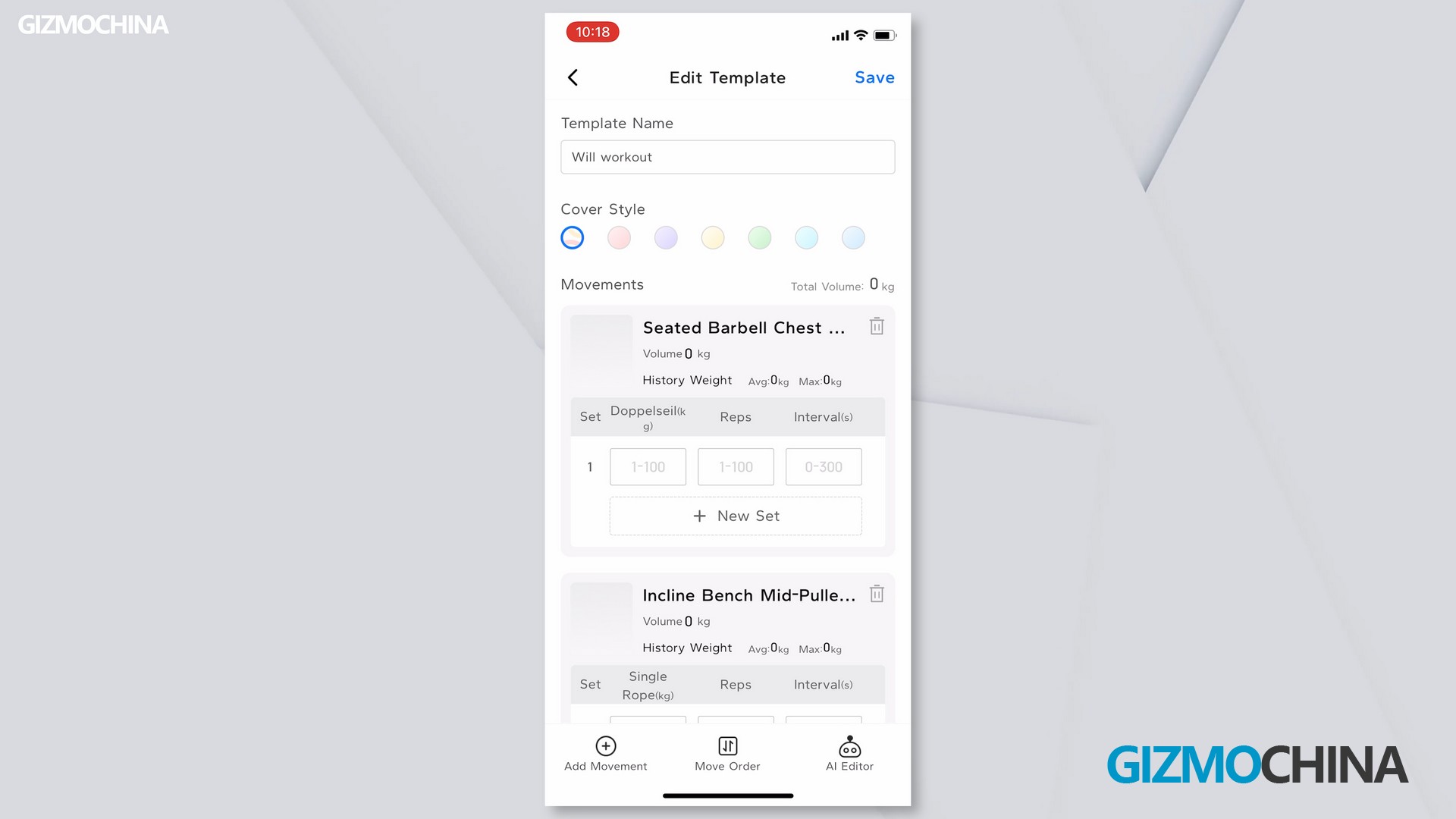
Now let’s talk about the courses it provides. There are 500 courses in total, unlike some other brands, if you purchase the Gym Monster, the courses will be free for a life time and there will be no subscription fee every month, which is a huge advantage if you really need them. However, some people may argue, nobody will feel the same during each session or get the same results from the courses. Well it’s true, and you can create your own training plan here, whether you want to split the weekly training into 3 or 5 days, and the modes provided will make sure you get the best result out of it.
Bluetooth Controller
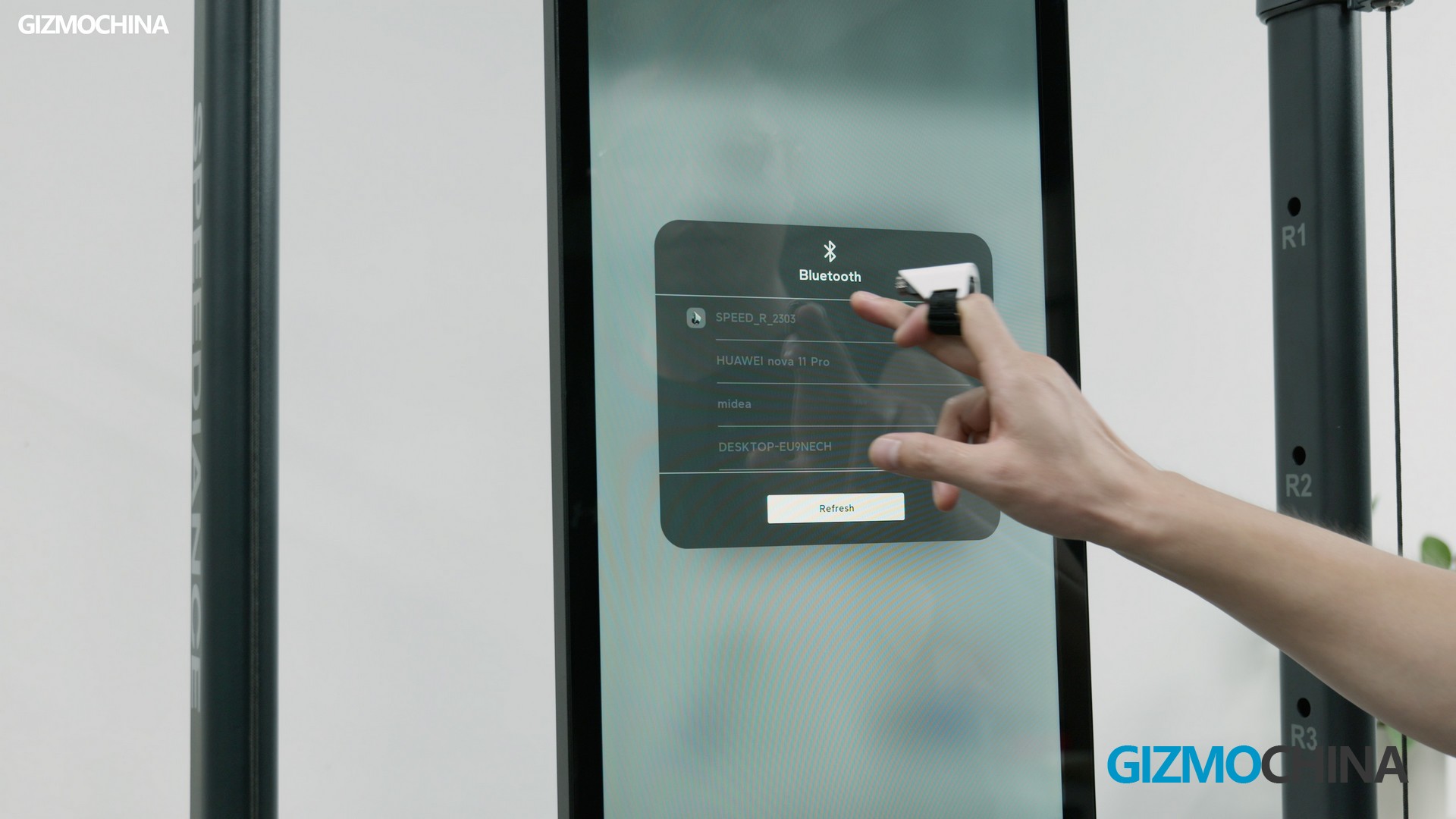
Lastly, please don’t forget this little Bluetooth controller here, it can be the most important component. With it, you can take the weight off with just one click before the workout, or when you feel the weight is unbearable during the session. I truly believe this is a must-to-use controller during each set, especially when you want to do bench press alone, you can’t take the weight off like throwing the dumbbells away or putting the barbell on the racket. Right? Also, you can add or reduce weight by rolling the nob, which is a very clever design.
APP
The app is designed in a very simple fashion, it can sync all the data from the workout, and also customize your own plan by choosing the courses in the program collection. The only two things I wish it should have are, health tracking metrics from the smart wearables, and the feature to sync the data to the equipment if you have used the app to train elsewhere.
Minor Tweaks
However, there are still two minor tweaks I would suggest for the Gym Monster, first being the rope retracting a bit faster than I expected after the workout, which can be a bit problematic sometimes. Another thing is that it doesn’t support smart wearables other than Apple Watches, Speediance confirmed with us that they are working on it, so let’s hope it will come soon.
Conclusion
To sum up my experience with the Gym Monster, it’s a great machine to have in the house or studio. As I said earlier, it can be annoying to go to the gym every time after work, and it is not that hygienic to take the equipment after others. And if you think about it, Gym Monster has the coaches and equipment for you, so if you are looking for a simple and smart machine to build your workout routine, and you don’t want to spend 4000 plus dollars on a machine like this, the Gym Monster is the best option so far.
If you are thinking of working out at home, just check out here to learn more about the power Gym Monster.
Realme started teasing the launch of Narzo 60x 5G in India last week. Over the weekend, a leaker disclosed the possible announcement date of the handset.
It turns out the date he suggested is far from the actual launch date of the phone revealed by the brand today. Let’s check out when this product is heading to the country.
Realme officially confirms in a press release that its next smartphone in India will be Realme Narzo 60x 5G. This device will be unveiled on September 6 (Wednesday) at 12 PM IST in the region.
The company also reveals that the handset will be accompanied by an audio accessory. This product is called Realme Buds T300.
Going by the name and leaks, the Realme Narzo 60x 5G is likely a rebranded Realme 11x 5G. It will be sold via Amazon instead of Flipkart.
So far, the brand has only disclosed that the phone will carry support for 33W SuperVOOC fast charging. We expect the device to arrive with a 6.72-inch FHD+ 120Hz display (LCD), a MediaTek Dimnesity 6000 Plus chip, a 64MP rear camera, a side-mounted fingerprint sensor, and a 5,000mAh battery.
On the other hand, the Realme Buds T300 wireless earbuds already went official in Southeast Asia at the end of August. The key features of these buds include 30dB ANC (Active Noise Cancellation), 360° spatial audio, and up to 40-hour battery life.
Last week was a whirlwind for tech enthusiasts worldwide. From unexpected launches to exciting leaks, the news cycle was buzzing with a lot of news.
Huawei stunned fans with the surprise unveiling of its Mate 60, signaling its strong comeback in the flagship arena. Meanwhile, gamers were treated to the Legion Go – a fresh entrant in the handheld gaming device category, promising immersive experiences on-the-go. The annual IFA event didn’t disappoint either, showcasing a range of innovative gadgets and gizmos like the Honor V Purse concept, offering a glimpse into the future of smartphones. Apple’s iPhone 15, though still under wraps, has made headlines with leaks and rumors that have left fans eagerly awaiting official confirmation.
So lets look at some of the best tech stories from last week.
AnTuTu ranked the top 10 best-performing Android phones in August 2023, focusing on CPU, GPU, RAM, Storage, and UX. The OnePlus Ace 2 Pro flagship killer overthrew everyone else with an impressive score of 1,648,735 points. Other top-performing phones include the RedMagic 8S Pro+, iQOO 11, Vivo X90 Pro+, OnePlus 11, Realme GT5, iQOO 11, Vivo X Fold 2, and Oppo Find X6 Pro.
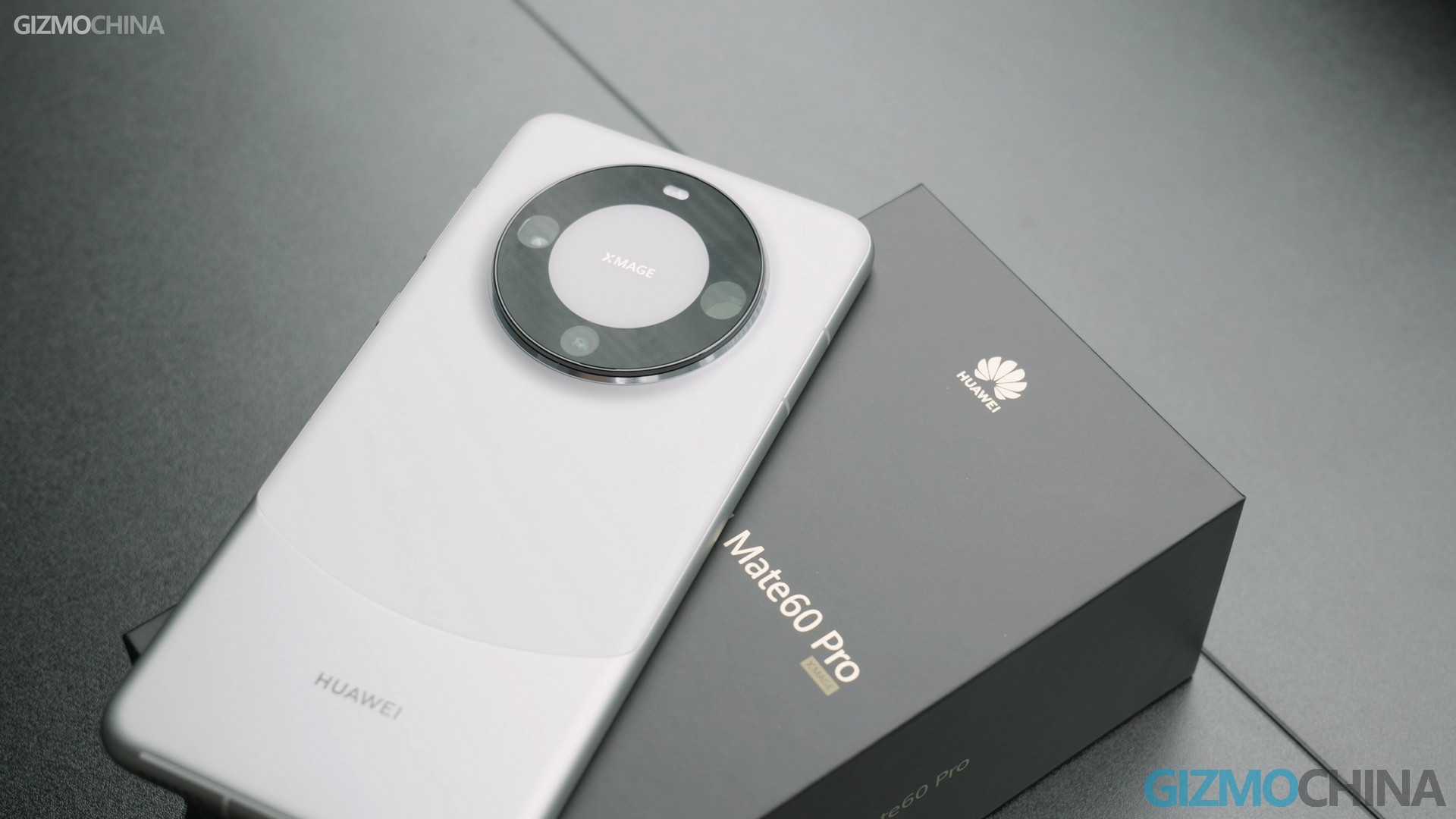
Huawei surprised everyone by announcing the Huawei Mate 60 Pro 5G in China last week, marking its first phone with 5G connectivity in the past few years. The device features a flat OLED panel, Full HD+ resolution, 120Hz refresh rate, 10-bit colors, and 1440Hz PWM dimming. It comes with 12 GB LPDDR5 RAM and up to 1 TB UFS 3.1 storage, and comes preloaded with Harmony OS 4.0.
The Mate 60 is available in three variants, with pricing starting at 5,499 Yuan (~$750) in China. But don’t expect it to come to the global markets.
By the way, don’t miss out our hands on with the Mate 60 here!
Lenovo’s Legion Go is its first gaming handheld, competing with the Steam Deck and ASUS ROG Ally. It features detachable controllers, hall effect sticks, and optical sensors for better precision. The device is powered by AMD Ryzen Z1 and Z1 Extreme processors, 16GB LPDDR5X RAM, and 256GB, 512GB, or 1TB PCIe 4.0 NVMe M.2 storage. It runs on Windows 11 and has a 49.2Wh battery pack, allowing for fast charging. The Legion Go will be available for purchase in late October 2023, with Ryzen Z1 Extreme expected to carry a higher price tag.
Apple is set to launch the iPhone 15 series in September, including the iPhone 15, 15 Plus, 15 Pro, and 15 Ultra or 15 Pro Max. Supply-chain issues have slowed production, with Haitong International Securities analyst Jeff Pu predicting a 77 million unit forecast. Mizuho Bank predicts 73 million units in 2023.
If you think Samsung’s five-year update policy is impressive, we have news for you. Fairphone has launched its newest smartphone— the Fairphone 5— with an absolutely crazy 10 years of software support and even 5 years of warranty. The handset is made out of 70% fair and recycled materials and can be easily repaired with just a Philips screwdriver.
Apple’s upcoming Wonderlust event, scheduled for September 12, will feature next-generation iPhones, Watch Series, iPads, and more. The event will be live-streamed on Apple’s website and YouTube channel. The event is expected to reveal new-generation smartwatches, iPad Pros, and iMacs.
The global smartphone market is fiercely competitive, with companies like Apple, Samsung, Xiaomi, Huawei, and Oppo vying for users. Omdia’s report for the first half of 2023 shows that Apple dominates the market, selling 79.5 million iPhones, with the iPhone 14 Pro Max being the most popular. Samsung’s Galaxy A14, which sold 12.4 million units, further highlights the gap between Android and iOS.
Xiaomi is entering China’s car manufacturing industry with electric car production, aiming to compete with established manufacturers like Apple and Sony. The factory is divided into two phases, with Phase 1 spanning 720,000 square meters and Phase 2 scheduled for 2024-2025. Xiaomi’s CEO, Lei Jun, is confident that cars will enter full production by early 2024, aligning with their goal to become one of the world’s top five car manufacturers.
Honor’s V Purse concept phone combines a foldable phone and a clutch bag, offering customizable appearances and interchangeable straps and chains. The device is an outward folding screen with interactive wallpapers, and is designed by top talent. Honor uses sustainable materials like vegan leather and is thin, measuring just 9mm thick. The hinge can withstand 400,000 folds.
Apple’s latest leak features live images of dummy iPhone 15 models, showcasing various color options and potential switch from lightning to USB-C ports. The iPhone 15 model also features a USB-C charging case, indicating a potential switch from lightning ports.
Tecno is developing the Tecno Phantom V Flip, its first clamshell phone with a foldable display. The leaked render shows a circular camera module with two cameras and an LED flash unit, a circular cover display, and a textured shell. The device will run on Android 13 and HiOS 13.
OnePlus has announced the existence of its second tablet, the OnePlus Pad Go. A report revealed that a tablet with model number OPD2304 is in development, possibly for Wi-Fi and cellular models. The BIS listing suggests the tablet could be released in India. The OnePlus Pad Go may be less powerful than the OnePlus Pad, with an 11.61-inch IPS LCD, Dimensity 9000 chips, and a 9,510mAh battery.
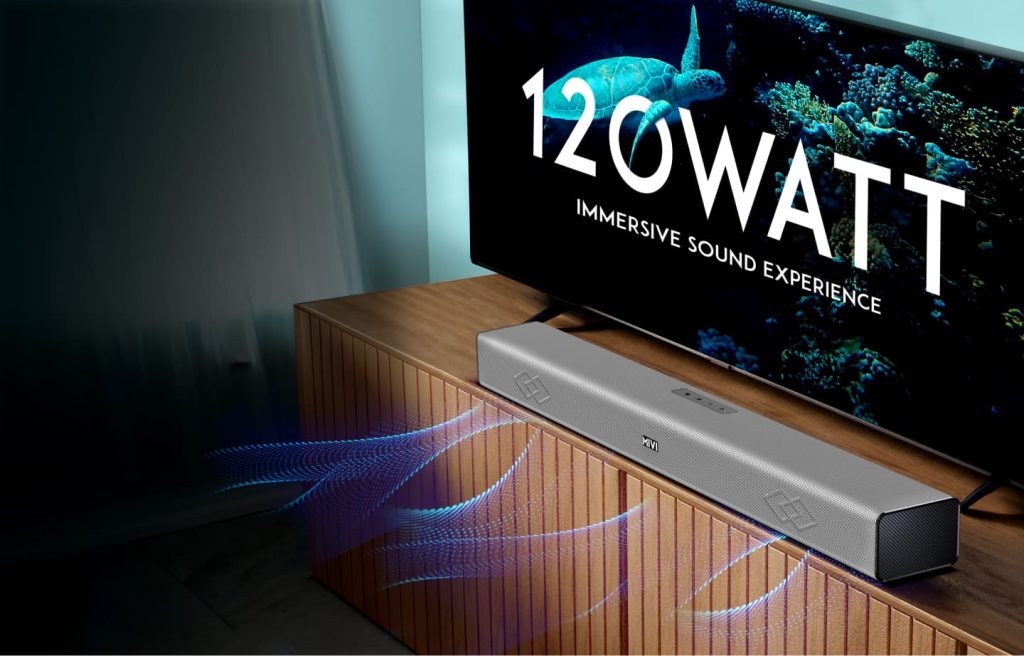
The Indian electronics brand Mivi, which specializes in audio products has launched two new soundbars in the country. These are called the Mivi Fort S80 and S120 soundbars and are exclusively available to buy through Flipkart. Check out the details below.
Mivi Fort S80 & S120 specs
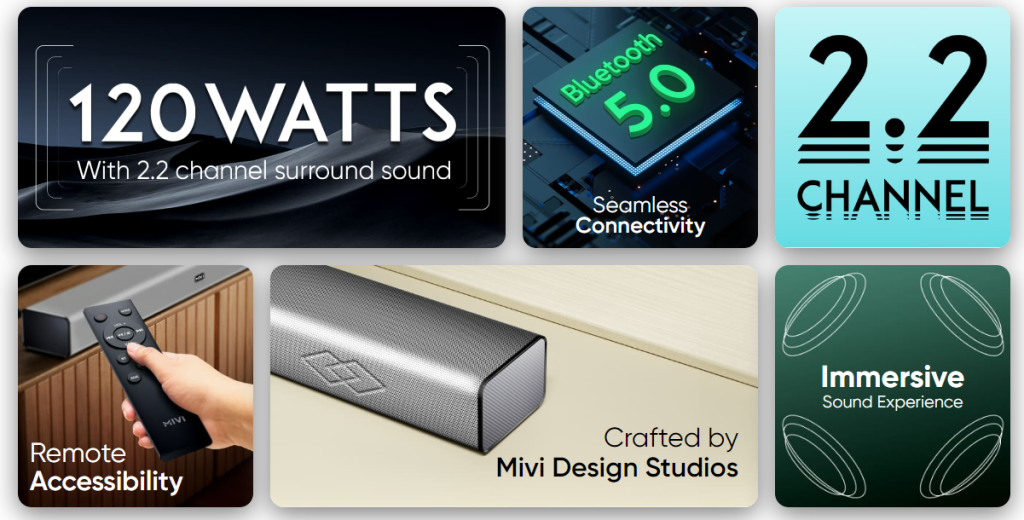
The Mivi Fort S80 Soundbar offers an RMS power output of 80W and comes equipped with Bluetooth version 5.1 for seamless wireless music streaming within a range of 10 meters. It boasts a 2.2 channel configuration, featuring 2 in-built full-range speakers and 2 external subwoofers. The soundbar provides multiple connectivity options, including USB, Bluetooth, Coaxial, and AUX inputs. Its premium metallic mesh front panel, matte casing, and carbon fiber-patterned side panels lend it a stylish appearance. Moreover, the soundbar comes with a remote for convenient control.
On the other hand, the Mivi Fort S120 Soundbar offers a higher RMS power output of 120W, maintaining the same Bluetooth version and wireless range as the S80. Like its counterpart, it features a 2.2 channel setup with 2 in-built full-range speakers and 2 external subwoofers. However, the S120 offers even more connectivity options, including USB, Bluetooth, Coaxial, HDMI, and AUX inputs. Like the S80, it also includes remote accessibility for easy control.
Pricing & availability
The Mivi Fort S80 Soundbar is priced at ₹4,999, whereas the Mivi Fort S120 Soundbar comes with a higher price tag of ₹6,499. Both models will be available in two color options: black and silver. You can find them for purchase on Flipkart.
Poco C51’s new variant has been launched in India. In April of this year, the company announced the Poco C51 as its most affordable smartphone. The device came equipped with 4 GB of RAM and 64 GB of storage. Now, the brand has announced a higher configuration of the device.
As can be seen in the screengrab below, the Poco C51 now comes in a version that offers 6 GB of RAM and 128 GB of storage. The new variant is priced at Rs 8,999 (~$109) and comes with 5 GB of virtual RAM. It comes in two shades: Power Black and Royal Blue. As can be seen in the above image, the device will be available for purchase on Sept. 6. With a 10 percent discount via SBI Bank credit / debit cards, the phone can be bought for as little as Rs 8,099 (~$98).
Poco C51’s new variant announced
The existing 4 GB RAM + 64 GB storage variant of the C51 continues to sell for Rs 6,499 (~$79). As it is known, the smartphone is only available for purchase through Flipkart when it comes to buying it online.
Poco C51 specifications
The Poco C51 is an entry-level smartphone featuring a 6.52-inch LCD HD+ display that offers a 60Hz refresh rate and a 20:9 aspect ratio. It has a 5-megapixel front camera and an 8-megapixel dual-camera setup with LED flash on the back.
The leather-textured back panel of the phone features a fingerprint scanner. It comes preloaded with Android 13 (Go edition) and packs a 5,000mAh battery with 10W charging.
Under the hood, the Poco C51 has the MediaTek Helio G36 chipset, LPDDR4x RAM, and eMMC storage. The other features that are available on the device include dual 4G VoLTE, Wi-Fi 5, Bluetooth 5.0, GPS, a microUSB port, and a 3.5mm audio jack. For those who don’t know, it is a rebranded version of the Redmi A2+, which is also available in India.
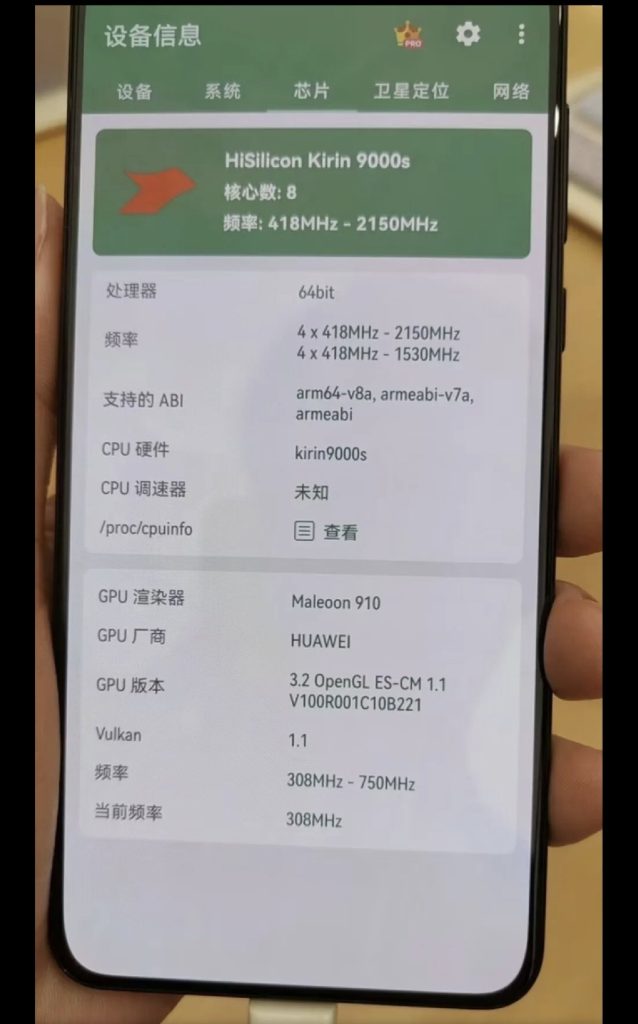
Huawei raised eyebrows when it launched the Mate 60 Pro with a Kirin chip. The Kirin 9000s inside the smartphone is said to have been manufactured by China-based SMIC using its second-generation 7nm-class fabrication process and stacking. Word on the grapevine suggests that the chip may be powering not only the Mate 60 Pro but also the Mate 60.
An X user has shared live images of the Mate 60’s device information page. The page reveals the specifications of the smartphone, confirming the Kirin 9000s chip. While Huawei has been mum about the details of the chipset,the immages shared by the user reveals it has a 8-core configuration with a 4+4 architecture. The frequency range of the cores is 418Mhz – 2150MHz, with the Maleoon 910 GPU clocked at between 308Mhz to 750Mhz.
All the details about the chipset are unofficial, with reports suggesting it packs a CPU and GPU featuring microarchitectures developed in-house. Considering the Mate 60 Pro is the top-notch flagship from the brand, offering satellite calling and other features, the benchmarking scores of the chip might not be very convincing.
The Kirin 9000s scored a total of 699,783 on AnTuTu, which is not very impressive when compared to Qualcomm flagships that often score well above 1 million points. However, it’s better to take this score with a pinch of salt, considering the secrecy surrounding the chipset.
Elsewhere, the Huawei Mate 60 brings a flat OLED panel with a Full HD+ resolution of 2688 x 1216 pixels, a 120Hz refresh rate, 10-bit colors, and 1440Hz PWM dimming. It has a 50MP main camera with support for OIS and is paired with a 12MP ultra-wide lens and a 12MP periscope telephoto camera. The phone packs a 4,750mAh battery that supports 66W wired charging.
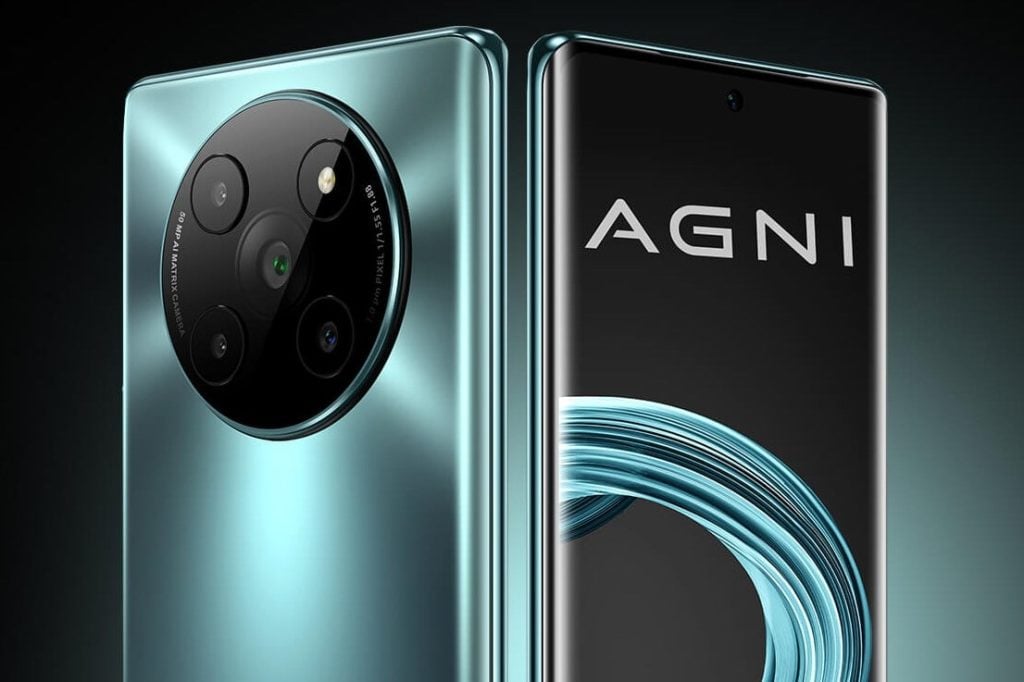
In May 2022, Indian smartphone brand Lava launched the Lava Agni 2 5G, a feature-rich phone devoid of bloatware and ads. It quickly gained popularity, frequently going out of stock due to high demand. Lava has now confirmed that the device will be back in stock starting tomorrow, September 5th.
The announcement comes through the brand’s official X (Twitter) handle so it can be trusted. As per the information, the device will go on sale starting at 10 AM on September 5. To make the deal more appealing, the brand has announced a limited period Rs 2,000 discount for HDFC and SBI Bank customers. The device has a retail price of Rs 21,999 for the 8GB + 256GB memory configuration. With the bank offer applied, it will cost Rs 19,999.
Lava Agni 2 5G specs
The Agni 2 5G features a 6.78-inch curved screen with FHD+ resolution, a high 120Hz refresh rate, and an in-display fingerprint sensor. Under the hood, it’s powered by a MediaTek Dimensity 7050 chip, with 8GB LPDDR4x RAM and 256GB UFS 2.2 storage. The phone also has a vapor chamber cooling system for thermal management.
In terms of cameras, it has a 50MP main rear camera, an 8MP ultra-wide camera, a 2MP macro camera, and a 2MP depth sensor. For selfies, there’s a 16MP front camera. The phone runs on Android 13, with updates guaranteed to Android 14 and 15, plus three years of quarterly security updates.
It packs a 4,700mAh battery with 66W fast charging support, and the charger is included in the box.
Audi is setting the bar high for electric vehicles (EVs) with its upcoming 2025 Q6 e-tron, offering a driving experience that feels more like lounging in a tech-laden living room than sitting in a traditional car. Here’s what you need to know about this game-changing model.
The car’s cabin looks like something straight out of a sci-fi movie
Audi’s Q6 e-tron is strategically sized to fit in the automaker’s lineup, slotting comfortably between the smaller Q4 and the larger Q8 e-tron models. This makes it a compelling option for both families and individuals who want a balanced blend of size and features.
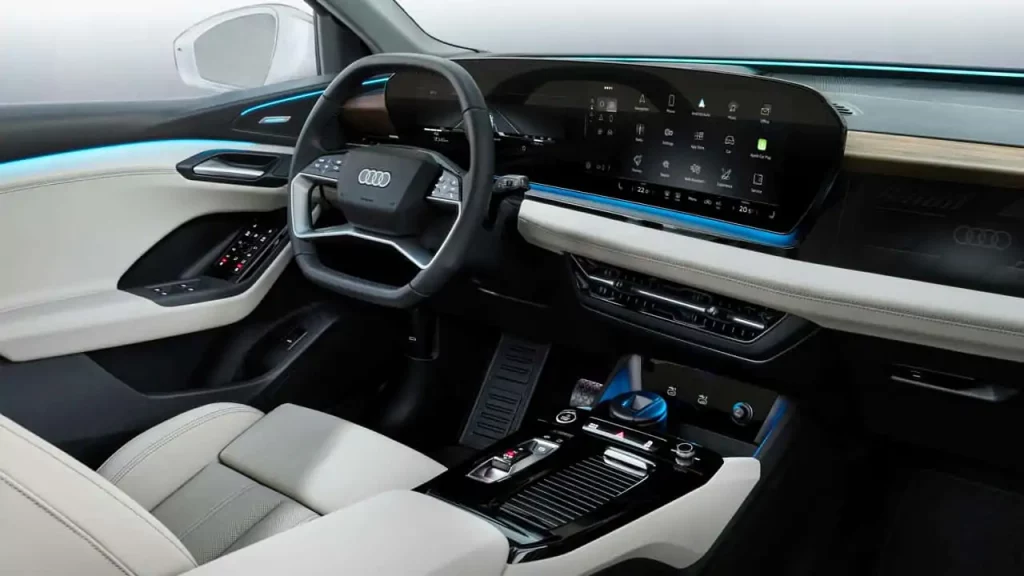
The vehicle is Audi’s first foray into the Premium Platform Electric (PPE), developed in partnership with Porsche, and the all-new E3 electronics architecture. The result? A futuristic cabin that seems straight out of a sci-fi movie.
Dubbed by Audi as the “digital stage,” the dashboard is a buffet of screens. It features a curved 11.9-inch virtual cockpit and a 14.5-inch MMI touch display for the driver. Not to be left out, the front passenger gets their own 10.9-inch display, with privacy settings to avoid distracting the driver. Need directions? Want to watch a movie? The choice is yours.
The Q6 e-tron also incorporates Audi’s self-learning voice assistant, activated by a simple “Hey Audi.” It learns from your behaviors and even gets an avatar, making it more of a digital companion than just a command system. Plus, if you opt for the augmented reality head-up display, relevant information overlays on your windshield, so you’re always in the loop.
The PPE platform brings more than just tech; it offers practicality. With 18.6 cubic feet of trunk space and various in-cabin storage options, this isn’t just a car—it’s a mobile utility room. And it does all this while maintaining sustainability, using recycled materials like Dinamica microfiber and Elastic Melange fabric in the interior.
Set to be fully unveiled in 2024, the Q6 e-tron is Audi’s attempt at redefining what an electric SUV can be. Tailored for modern tech-savvy consumers, it promises an experience that’s both sophisticated and functional. So, keep your eyes peeled for this smart, roomy, and tech-filled marvel.
Volkswagen seems to have hit the sweet spot between nostalgia and innovation with its latest reveal at IAA Mobility 2023—the ID. GTI Concept. This isn’t just another electric car; it’s VW’s attempt to recreate the glory of its 48-year-old GTI legacy in an electric avatar.
The concept might look a little far-fetched, but VW says the car is close to production
At first glance, the ID. GTI Concept echoes its sibling, the VW ID. 2all, which rolled out earlier this year. But look closer and you’ll find GTI DNA all over. The color scheme embraces the iconic black and red, while the wing at the back and darker taillights add a sporty touch. All of these elements draw inspiration from the original Mk1 GTI.
But what really sets this concept apart is its tech-driven user customization. While Volkswagen is tight-lipped about the specifics of its high-performance single-motor, they do reveal the car features an electronic differential lock and a unique “GTI Experience Control.” This system allows owners to tweak everything—from steering and suspension to even simulated shift points—recreating the driving experience of GTIs from yesteryears.
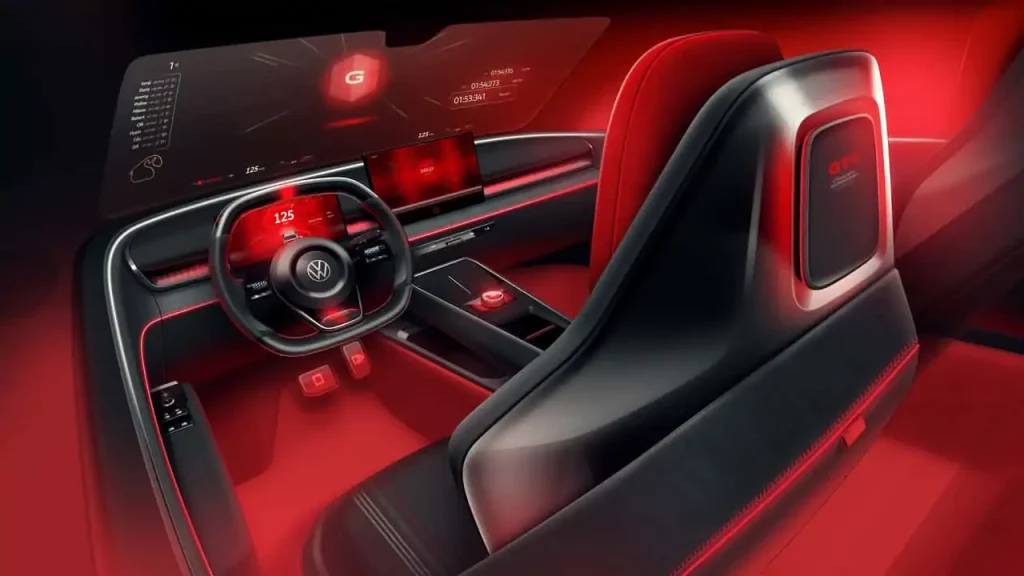
The inside of the car is no less fascinating. It retains the ID. 2all’s dual screens but adds a nostalgic touch with classic gauge displays. Want to feel like you’re driving a Mk2 GTI? You can set it up that way. If you find yourself on a racetrack, an augmented heads-up display will project a map layout directly onto the windshield.
Volkswagen assures us that many of these features are close to production-ready, including the 12.9-inch center screen and 10.9-inch driver screen. The car is practical, too, promising to accommodate five people and offering 17.3 cubic feet of cargo space.
While VW remains mum about when this electric vehicle will hit the roads, one thing is clear: the ID. GTI Concept is not just a concept. It’s a glimpse into an electrifying future where the past is honored but not mimicked.
You can catch this electric nostalgia machine at IAA Mobility 2023 starting September 5, where it’s sure to spark conversations and perhaps, reignite old passions.
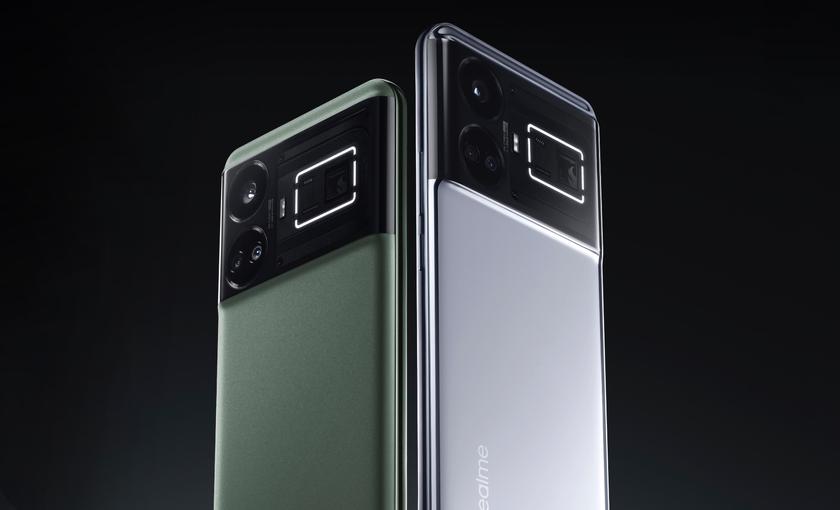
On Aug. 28, Realme unveiled the Realme GT 5 in China. The device was made available for purchase for a limited period of time, for two hours on the same day. The company confirmed that it sold 30,000 units of the GT 5 during the limited-time sale. The open sale of the device has begun in the home market starting today.
Realme GT 5 price
Realme GT 5
The Realme GT 5 is available in 150W and 240W charging variants. The 150W model comes in two options, such as 12 GB RAM + 256 GB storage and 16 GB RAM + 512 GB storage, which are priced at 2,999 Yuan (~$413) and 3,299 Yuan (~$454), respectively. The 240W edition is priced at 3,799 Yuan (~$523). It comes in two color variants: Starry Oasis and Flowing Silver.
Realme GT 5 specifications
The Realme GT 5 has a 6.74-inch OLED panel that offers a 1.5K resolution of 1240 x 2772 pixels and a 144Hz refresh rate. The device runs on the Realme UI 4.0-based Android 13 and features an under-display fingerprint scanner for security.
The GT 5 has a 16-megapixel front-facing camera. On the back, it has an OIS-enabled Sony IMX890 50-megapixel primary camera, an 8-megapixel ultra-wide lens, and a 2-megapixel macro camera. The 150W charging variant of the GT 5 packs a 5,240mAh battery, while the 240W edition is backed by a 4,600mAh battery.
The Snapdragon 8 Gen 2 chipset powers the Realme GT 5. The device comes with LPDDR5x RAM and UFS 4.0 storage. It comes with other features like 5G, Wi-Fi 7, Bluetooth 5.3, an IR blaster, and triple-frequency GPS.
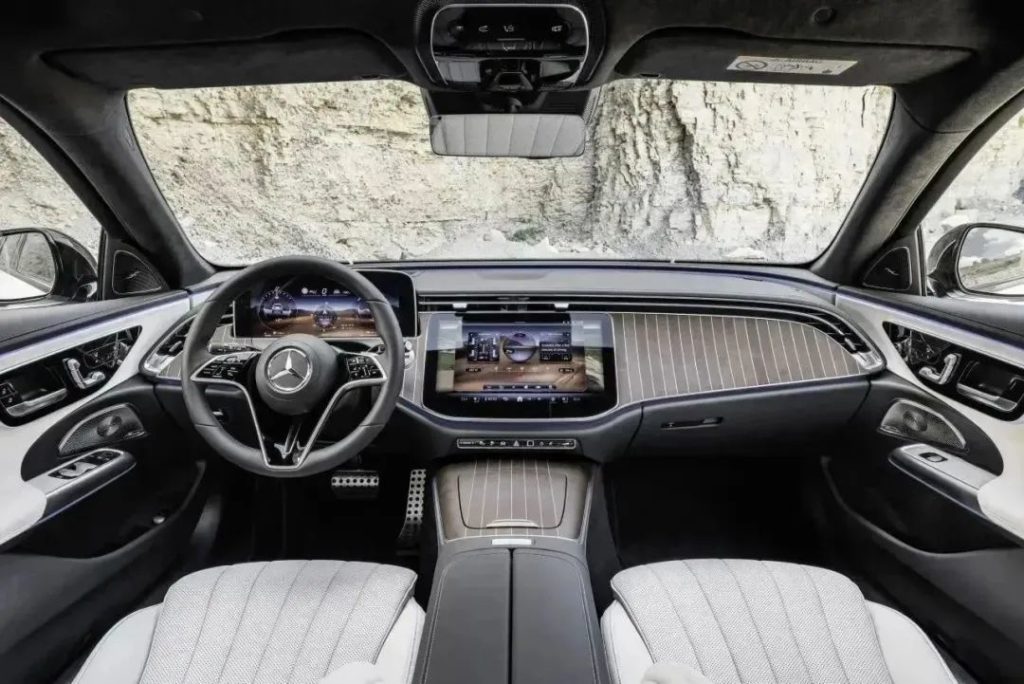
At this year’s German International Automobile and Smart Mobility Expo (IAA MOBILITY 2023), Mercedes-Benz didn’t just roll out a car; they launched a mobile tech hub on wheels. The new E-Class All-Terrain sedan goes beyond just a roomy interior and off-road capabilities; it’s a nod to the future of interconnected mobility.
The car is one of the earliest models to sport a 5G communication module
First off, it’s spacious. Compared to its sedan siblings, it’s got more room for passengers and a boot space ranging from 615 to 1,830 liters. But let’s talk tech. The car comes standard with 4MATIC four-wheel drive and AIRMATIC air suspension, all fine-tuned with an adaptive damping system. In plain terms, this car can adapt to any driving condition and make your ride smooth as silk.
Where it really stands out is in its interior tech features. The E-Class All-Terrain sedan features a MBUX super screen, essentially turning the dashboard into a sleek, user-friendly interface. Powered by the third-generation MBUX intelligent human-computer interaction system, the car incorporates a 5G communication module and supports more third-party apps than ever. Feeling queasy on a long drive? Switch on the new “motion sickness relief mode.”
The sedan doesn’t shy away from clean energy either, offering both petrol and plug-in hybrid versions. The hybrid variant boasts a peak torque of 440 N·m and can cruise for up to 100 kilometers purely on electric power.
Last but not least, forget fumbling for keys. The E-Class All-Terrain sedan offers a smart digital key system, allowing you to unlock and start the car via an iPhone or Apple Watch. Plus, you can share up to 16 sets of digital keys with family and friends.
Mercedes-Benz has yet to spill the beans on the car’s launch date, but this tech-loaded marvel is already turning heads and setting the pace for what a modern, interconnected vehicle should be. Keep an eye out; this one’s going to be a game-changer.
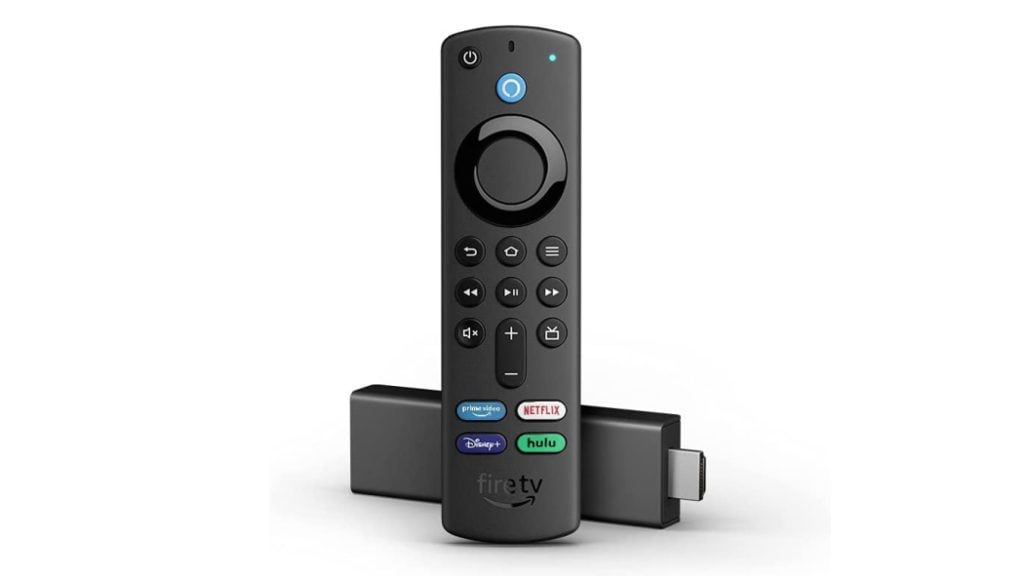
Amazon appears to be preparing to launch a new Fire TV Stick in the lineup that already has a few options to choose from. If it is indeed set to launch a new product, then it will be the first one to go official since 2021.
As per the report, two new devices from the brand have passed through the FCC website. While they aren’t labeled as Fire TV Stick, everything points towards the upcoming devices being part of the Fire TV Stick lineup.
Amazon Fire TV Stick 4K
The listing on the FCC website for these new products does not reveal any specifications but given that it’s already been over a couple of years since the company refreshed the lineup, we are looking forward to upgraded models.
The devices have model numbers M3N6RA and K3R6AT and have been labeled as Amazon-branded digital media receivers. It seems like the M3N6RA model supports Wi-Fi 6, while the K3R6AT supports Wi-Fi 6E.
Currently, none of the Fire TV Stick models come with support for Wi-Fi 6E, and the only media streaming device from Amazon to have Wi-Fi 6E support is the Fire TV Cube launched last year.
Amazon is currently selling four Fire TV Stick models in the market — Amazon Fire TV Stick 4K, Fire TV Stick, Fire TV Stick Lite, and Fire TV Stick 4K Max. The upcoming models could replace one of the existing models, and given the Wi-Fi 6E support, we expect them to be high-end 4K supporting models.
The e-commerce giant is hosting an event on 20th September to reveal its new 2023 devices, and we expect the company to officially announce these new Fire TV Stick models at the event.
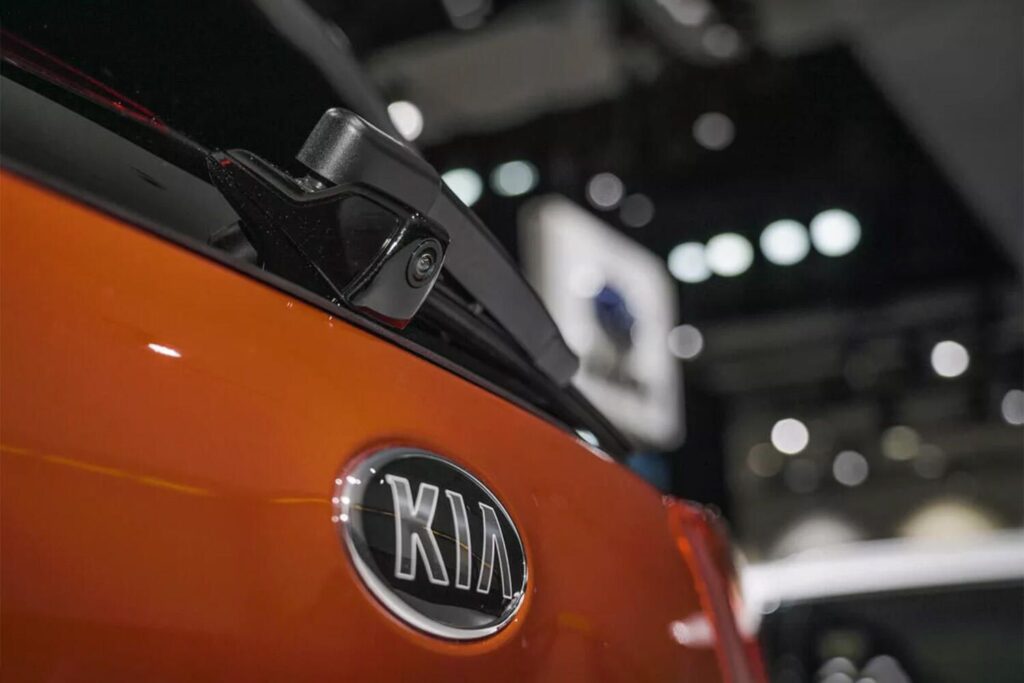
In the midst of a global climate crisis, electric vehicles (EVs) are viewed as the future of automotive technology. While other companies are struggling to build a market for their electric cars, Kia America seems to have cracked the code. The company recently reported selling 72,147 vehicles in the United States just for the month of August. This was not only a nine percent increase compared to last year but also its second-best monthly sales figure ever. More remarkably, Kia’s battery-electric vehicle sales have surged 100 percent year-over-year.
The EV9 model, to be released in Q4, will boost Kia’s sales even further
What caught our attention is the performance of the EV6 model. Kia sold 2,449 units of the EV6 in the U.S. in August, a 33 percent year-over-year increase. This is a stark contrast to the general decline in EV sales across various brands. Furthermore, despite not receiving the $7,500 federal tax credit—available to domestically produced electric vehicles—Kia’s EVs are defying odds and contributing to about 3.4 percent of the company’s total sales volume.
However, it’s not all smooth sailing. Even as sales of the EV6 rose, the year-to-date sales figures indicate a 21 percent decrease compared to the previous year. But before we rush to judgment, it’s crucial to consider the impending launch of the all-new EV9 model in Q4, which could bring a further boost to Kia’s electric vehicle lineup.
Eric Watson, Vice President of Sales Operations at Kia America, summed it up by saying, “Exceeding 70,000 units for four consecutive months and doubling year-over-year sales of our electrified offerings is proof that Kia is ahead of the competition.”
In a market where many are hesitant to adopt electric technology, Kia’s proactive strategy in developing attractive and efficient electric vehicles appears to be paying off. It may not be too far-fetched to say that Kia is quietly setting the standard for the EV industry.
Motorola is likely to soon announce the Motorola Edge 40 Neo for the European market. Lastly, a leak gave us a look at the black and light blue colour variants of the Edge 40 Neo. In a new leak, tipster Sudhanshu Ambhore has revealed the dark blue version of the device. The leak has also revealed the device’s price for the European market.
The leak reveals that the Edge 40 Neo will cost 399 euros in Europe. It will arrive as the successor to the Edge 30 Neo, which was priced at 370 euros at launch. In the leak renders, the Edge 40 Neo can be seen in three colors: Black Beauty, Soothing Sea, and Caneel Bay.
Motorola Edge 40 Neo
Motorola Edge 40 Neo specifications (rumored)
The upcoming Motorola Edge 40 Neo is expected to feature a 6.55-inch P-OLED screen with curved edges. It will support an FHD+ resolution and a high 144Hz refresh rate. On the camera front, the Edge 40 Neo will arrive with a 32-megapixel front camera and a dual-camera system consisting of an OIS-enabled 50-megapixel main camera and a 13-megapixel ultra-wide snapper.
The Edge 40 Neo will run on MyUX-based Android 13. It’s likely to be powered by a rebranded version of the Dimensity 1050 chipset, paired with 12 GB of RAM and 256 GB of internal storage. It will be equipped with a substantial 5,000mAh battery that supports 68W fast charging.
Additionally, the Motorola Edge 40 Neo will have an IP68-rated build for water and dust resistance and weigh around 170 grams. The leaked information suggests that the price of the Edge 40 Neo will be approximately £290 in the UK.
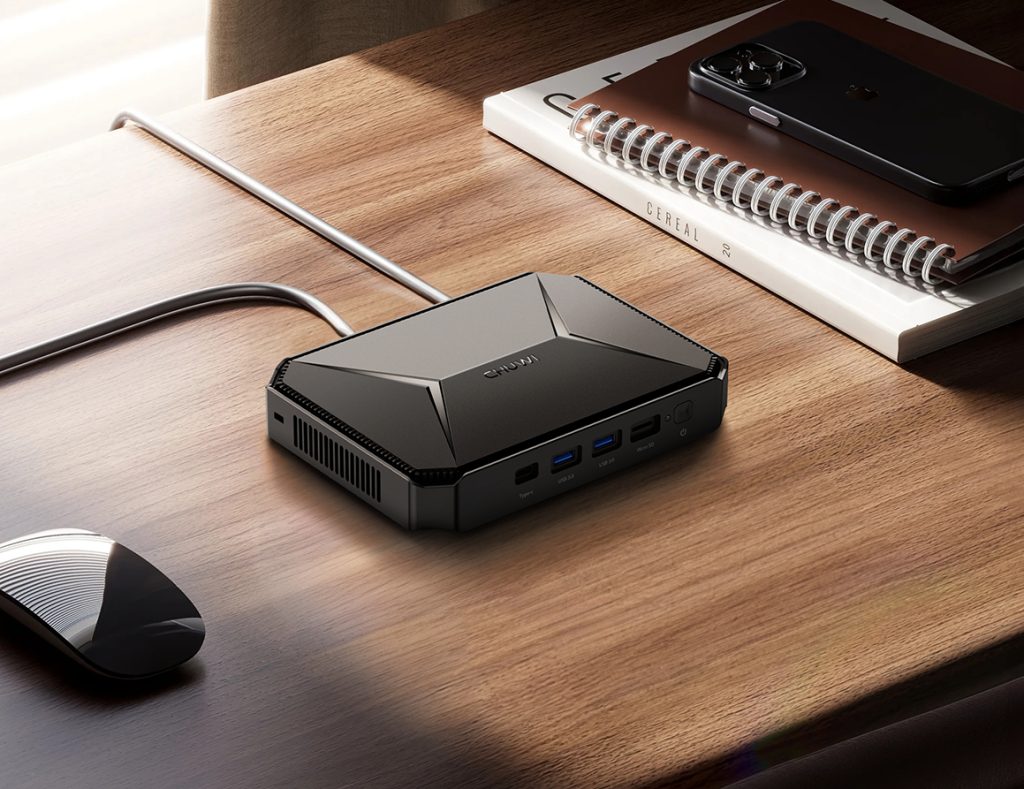
The Chuwi HeroBox 2023 has been released and it comes with the Intel Alder Lake-N architecture. The refreshed Chuwi HeroBox mini-PC has 8GB of RAM and 256GB of storage. It is the latest refresh of the HeroBox which debuted in 2020.
The Chuwi HeroBox 2023 comes with the same design as its predecessor but with improved internals. The name choice of the new model also reflects an unchanged design setup from previous models. The new mini-PC has a 0.97-litre magnesium alloy and polycarbonate housing. It has dimensions of 188 x 138 x 37 mm and a weight of 510g. It is compact and light enough to mount on external monitors. The model comes with VESA mounts for its integration with an external monitor.
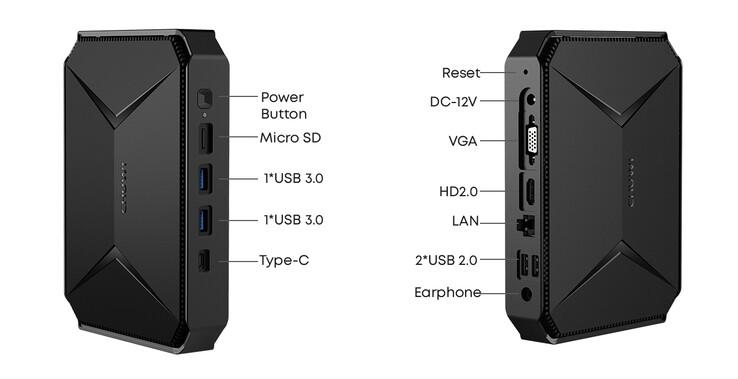
The HeroBox 2023 is equipped with several ports including USB 3.0 (x2), USB-C, USB 2.0 (x2), VGA, LAN, and an audio jack. It also has a microSD slot for expanding its storage capacity. The HeroBox 2023 is available in a single option based on the N100 Intel processor. The Processor N100 delivers up to 2.34x better performance than the Celeron processor in the original HeroBox. The new HeroBox 2023 processor is based on the 10nm process and has the Intel Alder Lake-N architecture.
The Chuwi HeroBox 2023 is priced at a discounted offer of $159. However, the original price of the mini-PC is $199. The Chuwi HeroBox 2023 mini-PC can be purchased directly via the company’s official website.
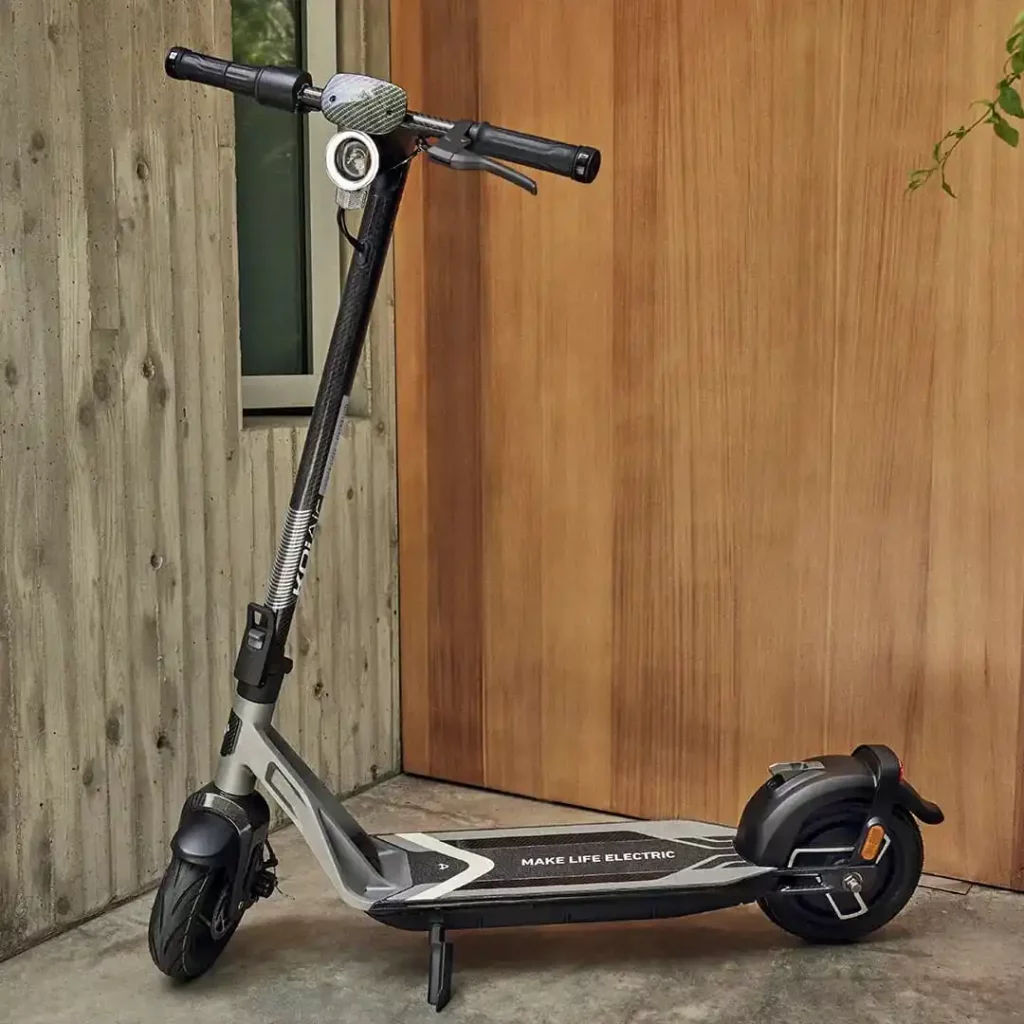
NIU has released two lightweight electric scooters with carbon fiber frames. The NIU KQi Air and KQi Air X e-scooters are a departure from the moped-style design that NIU has been known for. Both models are standing scooters and come with some decent specs.
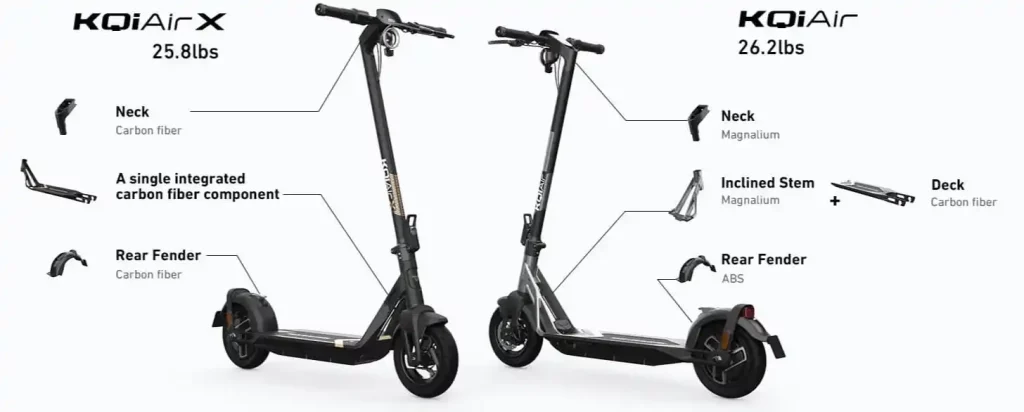
The NIU KQi Air X has a top speed of 32km/h but this could be pegged down by speed restrictions in some jurisdictions. The KQi Air is slightly heavier than the KQi Air X which weighs about 11.7kg. The Air X has a maximum range of 50km on a single charge and comes with a 451Wh LG battery. Both scooters are fully recharged in five hours, which is pretty high for versatility.
Both models feature a 350W electric motor that achieves a peak output of 700W. It can effectively climb inclines of up to 20% and the e-scooters have 9.5 x 2.3 inch tires. They also feature front disc brakes, rear regenerative braking, a half-twist throttle, and LED lighting. The front headlight of the KQi Air and KQi Air X is the NIU Halo light while turn signals are located on the handlebars.
The new NIU KQi standing e-scooters are supported by the NIU app. This affords riders additional support like NFC smart unlocking, Bluetooth connectivity, real-time access to ride data, and OTA updates. The NIU app is thus a slick and nifty addition to the functionality of the KQi Air and KQi Air X scooters.
The KQi Air X has a lighter carbon fiber frame while the KQi Air sports a carbon and magnesium/ aluminum frame. The non-X model is available in a red or white-on-black colorway while the Air X has a gold-on-black color. The prices of the NIU KQi Air and KQi Air X are $1,399 and $1,799 respectively. Pre-orders open for the new scooters on September 19 and NIU will offer some discounts for early buyers.
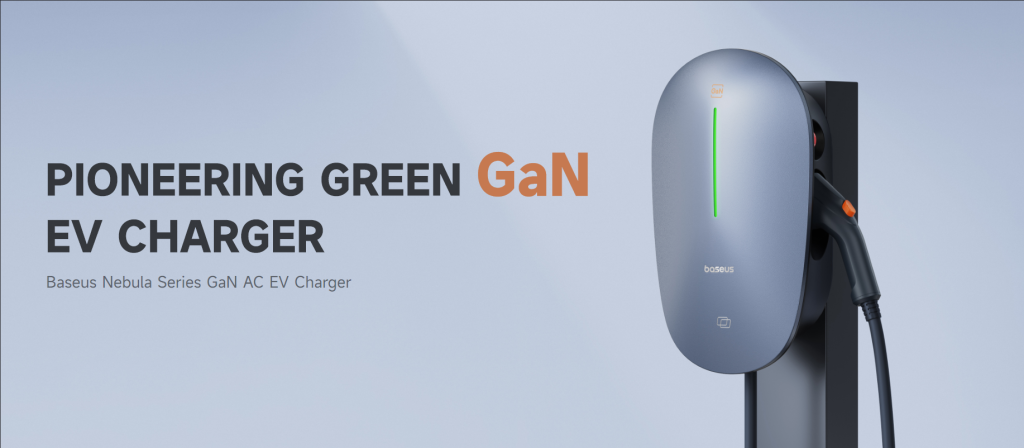
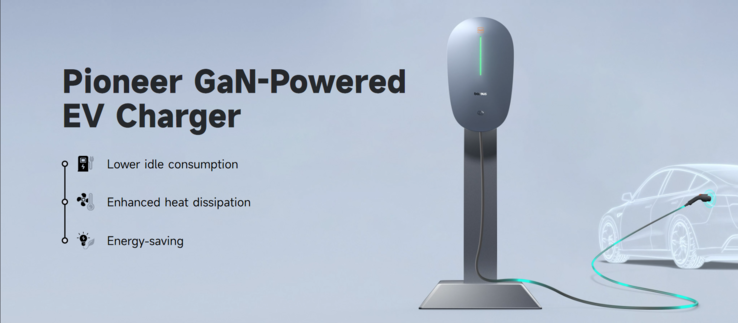
Power solutions provider Baseus has announced its entry into the EV charging market. The company has previewed its first EV charger at an event before the start of IFA 2023. Baseus’ support for electric vehicle (EV) charging is an important development in the trajectory of the company. The Nebula Series Green GaN EV Charger is one of the highlights of Baseus’s IFA 2023 Berlin portfolio.
The lineup of products scheduled to be showcased by Baseus during the ongoing IFA 2023 is both varied and impressive. From its traditional Blade series power banks to GaN chargers, ultra-fast desktop chargers, and more, the EV angle is quite outstanding. The lineup also includes the brand’s first-ever Eli Sport 1 Series open earbuds for youths.
Baseus has done pioneering work on the Nebula Series Green GaN EV Charger. The EV charger is claimed capable of retaining idle power efficiently while optimizing its thermal management and safety. It comes with an 11-layer self-regulatory mechanism and can be used outdoors. It is rated IP55 water resistant. The new Baseus EV charger supports remote 5G activation, real-time charging status, and plug-and-charge function with its companion app connected via Bluetooth.
Baseus has not provided any pricing and availability information about its exciting new Nebula Series Green GaN EV Charger. It is however listed among the brand’s Fall 2023 collection, meaning that those details could be released soon. IFA 2023 is a major tech industry conference and has kicked off in Berlin on September 1. It will end on September 6.
Xiaomi 13T series was rumored to launch in the EU on September 1, but, it looks like we’ll have to wait a bit more. That being said, tipster Paras Guglani has tweeted out the complete spec sheet of the Xiaomi 13T Pro, while also saying that the global launch is likely to happen on September 16. The tipster has also shared a bunch of images of the device in a separate tweet.
As per the leaked spec sheet, the Xiaom 13T Pro smartphone is equipped with the Dimensity 9200 processor. It offers a choice between 12GB or 16GB of RAM and diverse storage options, including 256GB, 512GB, or 1TB. Users will have two color choices: the Classic Black variant featuring a durable glass back, and the Light Blue option with a leather-like texture.
Image via Paras GuglaniImage via Paras Guglani
The device boasts an impressive 1.5K OLED display, with a 144Hz refresh rate, a 2600 nits peak brightness, and smooth 2880Hz PWM dimming. Additionally, it will feature HDR 10+ support.
Photography enthusiasts will appreciate the versatile camera setup, which includes a 50MP Sony IMX707 main camera (f/1.9) with optical image stabilization (OIS), a 13MP Omnivision OV138 ultra-wide lens with an aperture of f/2.2, and a 50MP Omnivision OVSOD telephoto sensor. For selfies, it will have a 20MP Sony IMX596 front camera.
In terms of durability, the Xiaom 13T Pro holds an IP68 certification, ensuring reliable protection against water and dust. Lastly, the device will feature houses a robust 5,000 mAh battery, with the added convenience of 120-watt fast charging support.
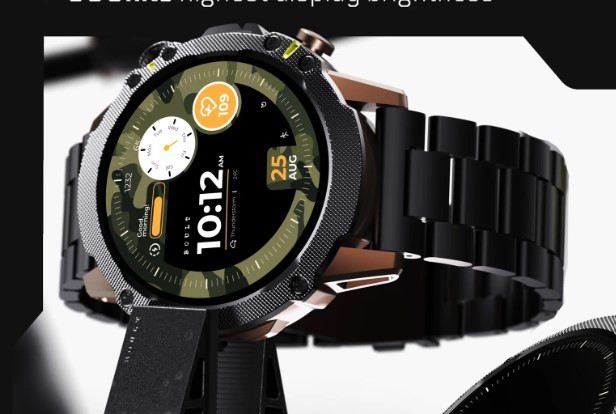
Last month, Boult Audio announced the Crown R and Drift Pro smartwatches in India. Now the homegrown brand has expanded its range of smartwatches with the latest offering called the Boult Sterling Pro. It offers a robust build quality. There is also a blood pressure monitor that is not commonly found on smartwatches even in the sub-Rs 10,000 price segment. Read on to know what the Sterling Pro offers out of the box.
Boult Sterling Pro specifications and features
The Boult Sterling Pro has a circular dial with a metallic unibody and strap ensuring durability. There is a rotating crown and physical button on the right side to help with navigating the UI. The device is IP68-certified water-resistant. The smartwatch features an AMOLED display measuring 1.43 inches with a resolution of 466 x 466 pixels and an 800 nits peak brightness.
Coming to the health-tracking features, the Boult Sterling Pro is equipped with a heart-rate monitor, SpO2 sensor, sleep and stress tracker, and menstrual cycle monitor for women. Additionally, the wearable device packs a blood pressure monitor which is quite a useful addition. It also comes with sedentary and hydration reminders. The smartwatch has support for more than 100 sports modes. It is compatible with Google Fit and Apple Health.
Like most smartwatches in the market, the Boult Sterling Pro has a built-in mic and speaker for Bluetooth calling function directly from the wrist. It comes with four UI themes and a variety of watch faces for customization. The smartwatch packs convenient features like find my phone, weather updates, AI assistant, and more.
The Boult Sterling Pro carries a price tag of Rs 2,499. It is offered in Black and Silver colors and is available for purchase from the brand’s official website and Flipkart.
We use cookies on our website to give you the most relevant experience by remembering your preferences and repeat visits. By clicking “Accept”, you consent to the use of ALL the cookies.
This website uses cookies to improve your experience while you navigate through the website. Out of these, the cookies that are categorized as necessary are stored on your browser as they are essential for the working of basic functionalities of the website. We also use third-party cookies that help us analyze and understand how you use this website. These cookies will be stored in your browser only with your consent. You also have the option to opt-out of these cookies. But opting out of some of these cookies may affect your browsing experience.
Necessary cookies are absolutely essential for the website to function properly. This category only includes cookies that ensures basic functionalities and security features of the website. These cookies do not store any personal information.
Any cookies that may not be particularly necessary for the website to function and is used specifically to collect user personal data via analytics, ads, other embedded contents are termed as non-necessary cookies. It is mandatory to procure user consent prior to running these cookies on your website.