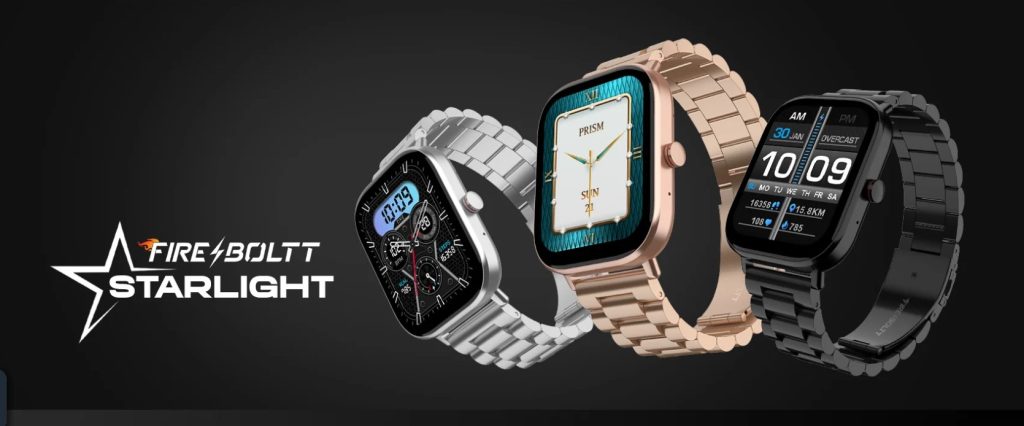
Fire-Boltt has announced a new smartwatch in India. The brand has expanded its range of smartwatches with the latest offering called Fire-Boltt Starlight. The wearable device has premium and stylish looks with a metal unibody making it ideal for those who want a fashionable watch with smart features. Read on to know what the Fire-Boltt Starlight offers out of the box.
Fire-Boltt Starlight specifications and features
The Fire-Boltt Starlight has a square dial with stainless steel chassis and strap material. It is IP68-rated making it resistant to dust and water. There is a physical button on the right side of the device for navigating the UI. The smartwatch features a 2.1-inch display bearing an HD resolution making it probably the largest in the segment. Users can customize the look of the device with various watch faces.
On the fitness front, the Fire-Boltt Starlight is equipped with a heart-rate monitor, SpO2 sensor (for measuring oxygen levels in the blood), and sleep tracker. The wearable device offers breathing training that guides the user to relax when they are stressed. It packs support for 123 sports modes.
The Fire-Boltt Starlight features an inbuilt mic and speaker for Bluetooth calling function directly from the wrist. Users also get the convenience of quickly accessing the dial pad, call history, and syncing contacts. There is also support for voice assistant. The smartwatch packs convenient features like a notification display, weather updates, camera and music control, and more.
The Fire-Boltt Starlight is offered in Gleaming Copper, Sterling Silver, and Pitch Black colors. The smartwatch is priced at Rs 1,999 and it can be purchased starting August 23 from the brand’s website.
The upcoming Gamescom 2023, one of the world’s biggest gaming events, is almost here. Scheduled from August 23rd to August 27th, this year’s Gamescom will be held in Cologne, Germany.
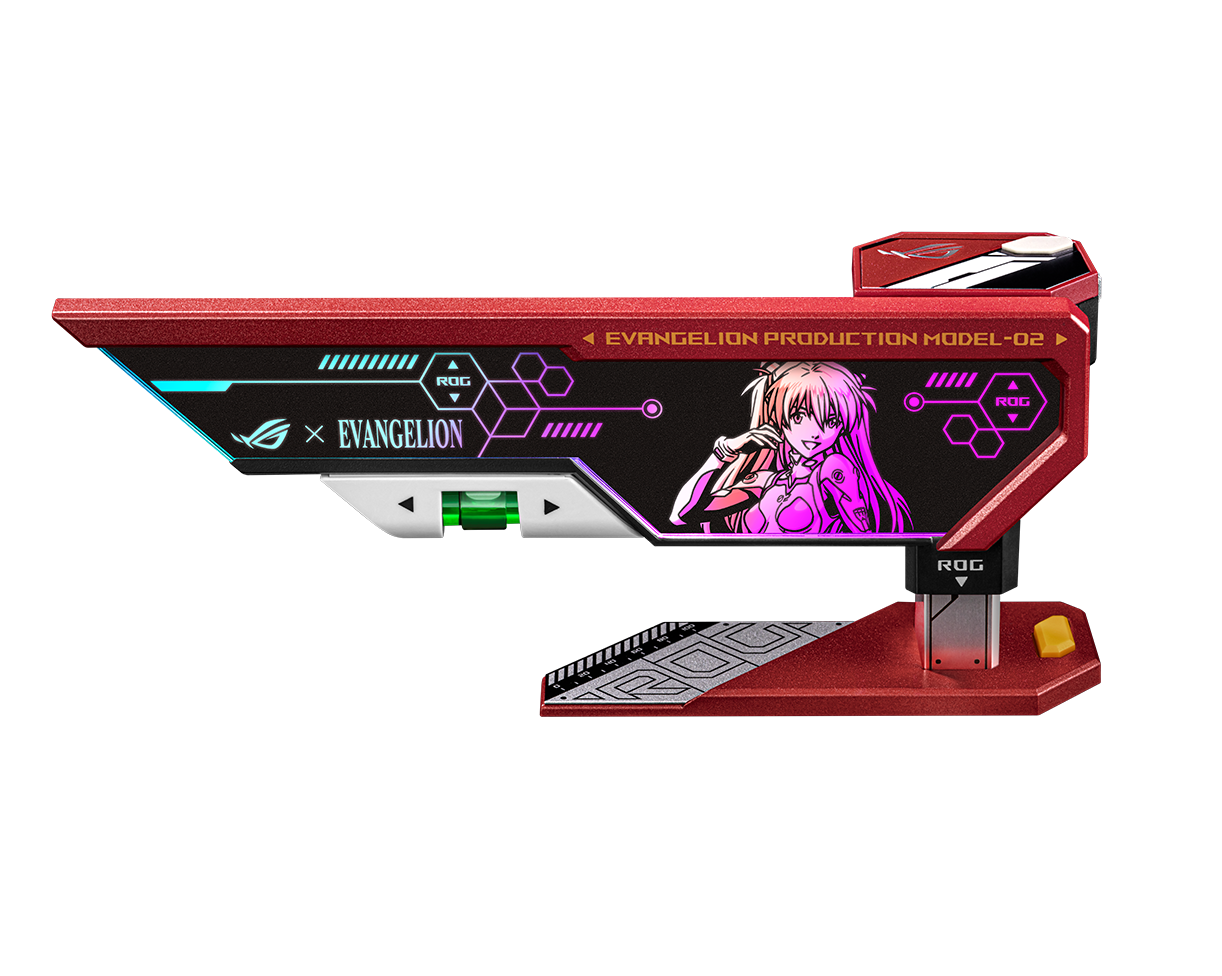
At this event, Asus will be launching a bunch of Neon Genesis Evangelion-themed ROG PC components and peripherals. The collection will be called ROG Evangelion 2. According to the image, this year’s Evangelion project is centered around EVA-02 and Asuka, fictional characters from the Neon Genesis Evangelion. You can check out more details about the collection below.
ROG Strix Geforce RTX 4090
Asus will introduce a ROG Strix Geforce RTX 4090 24GB GDDR6X OC EVA-02 Edition with DLSS 3 and chart-topping thermal performance. The RTX 4090 graphics card will be accompanied by a ROG Herculx GPU holder, designed to effectively support the card and prevent sagging, which can occur due to its heavy weight.
ROG Hyperion Cabinet
This cabinet will have 420mm dual radiator support, four 140mm fans, a metal GPU holder, component storage, an ARGB fan hub, and 60W fast charging. The fan hub and lightning panel supports Aura Sync for a more appealing look.
ROG Gladius III Wireless gaming mouse
The ROG Gladius III wireless gaming mouse comes with the 36k-dpi ROG AimPoint optical sensor, tri-mode connectivity, ROG SpeedNovav Wireless technology, Swappable mouse switches, and mouse grip tape. The mouse’s weight is only around 79g.
The collection will also include the ROG Maximus Z790 Motherboard, which supports Intel 12th Gen and 13th Gen processors. There will be a themed version of the ROG Strix Scope Rx mechanical keyboard with an additional set of keycaps.
Asus will provide fans with a chance to win these ROG products and merchandise by watching the events online or in person. You will need to answer questions related to the press event and ROG Talk to win the giveaway.
Recently, we reported that Threads will get a search functionality and a website soon, as hinted by CEO Mark Zuckerberg’s recent tweet. According to a recent report by The Wall Street Journal, the company will be launching the Web version of the application early next week.
For those unaware, Threads by Meta was an attempt to replace Twitter (now known as X). If you visit the official website of Threads, you will notice an interactive spinning galaxy and a QR code in the middle, which will take you to the Threads mobile app in your app store. However, this will not be the case in the coming days, as the CEO has hinted that Threads will soon receive a Web version of the mobile application. This might be an attempt by Meta to get the users’ attention, as it was covered in our previous report that the app had lost its daily users by nearly 39.4 million, or 82%, compared to its peak on July 7.
Now that Threads is getting ready to launch a web version, maybe it should also add a feature to allow users to permanently delete their accounts without losing their Instagram data. For those unaware, Threads does not allow users to delete their Threads accounts without affecting their Instagram accounts. As the account is linked to your Instagram account, permanently deleting your account will also delete your Instagram account.
However, according to a recent report by Techowize you can temporarily deactivate your account without losing your data permanently.
Realme is gearing up to launch its upcoming flagship phone, the Realme GT 5. Earlier, we reported that GT 5 will debut in China towards the end of August. According to a recent Weibo post, the official launch date of GT 5 has been confirmed. Let’s take a look at the post.
In the post, chuchu_jessie (Marketing Director of Realme China) mentioned that the upcoming mobile phone will be the world’s first “Miracle Glass” phone. This announcement has sparked curiosity regarding the differentiating factors of this glass in comparison to other phones. If this teaser refers to the backglass of the smartphone, then we could be getting a textured, color-changing, or tougher-than-usual backglass. The post also confirms that the phone will be launched on August 28th in China. For those wondering what the Realme GT 5 has to offer, here are the rumored smartphone specifications.
Realme GT 5 Key Specs
The Realme GT 5 is rumored to be powered by Snapdragon 8 Gen 2 SoC with 24GB of LPDDR5x RAM. It is said to have a 6.74-inch OLED panel with a 1.5K resolution and 144Hz refresh rate, accompanied by multiple available storage options starting from 128GB and up to 1TB. The device will come in two battery variants: 4600mAh with 240W charging and 5200mAh with 150W charging. Lastly, the phone will have a 16MP front camera and 50MP rear camera powered by the flagship grade Sony IMX890.
In addition, the company still needs to confirm whether the smartphone will be launched globally after the official launch in China. So stay tuned.
OPPO is expected to conduct an event in China later this month. The brand is tipped to announce the Find N3 foldables, Watch 4 Pro, and the Pad Air 2 tablet. The OPPO Find N3 has already bagged various certifications including IMDA, EEC, NBTC, TKDN, and more. Key specifications of the third-generation foldable phone from the brand have also surfaced online in the past. Now, reliable tipster Digital Chat Station has revealed more details about the upcoming Find N3.
OPPO Find N3 more specs leaked
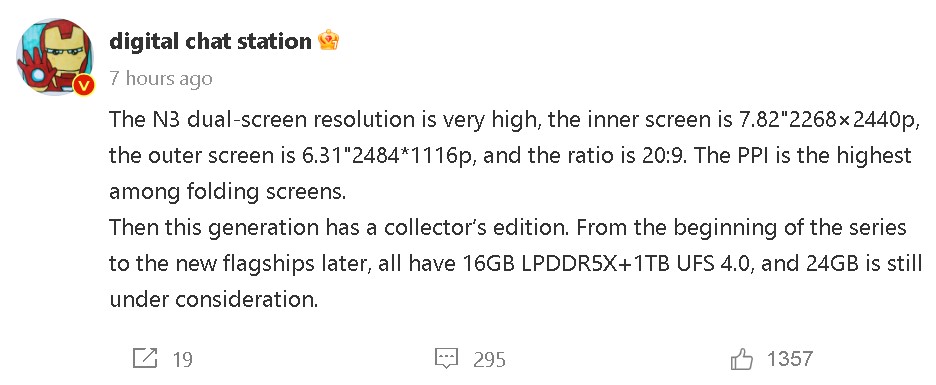
DCS says that both display panels of the OPPO Find N3 will feature high resolution. The inner screen which will measure 7.82 inches will have a QHD resolution of 2,268 x 2,440 pixels. On the other hand, the main exterior screen is tipped to be 6.31 inches and will offer a 2,484 x 1,116- resolution which is likely 1.5K pixels. The upcoming offering will reportedly have a 20:9 aspect ratio screen. The tipster adds that the Find N3 will have the highest level of pixel density (PPI) for the folding screen.
DCS reveals that the OPPO Find N3 will be available in a collector’s edition. OPPO’s subsequent new flagships are also said to pack 16GB LPPDR5X RAM and 1TB UFS 4.0 storage. Additionally, a 24GB RAM variant is also under consideration.
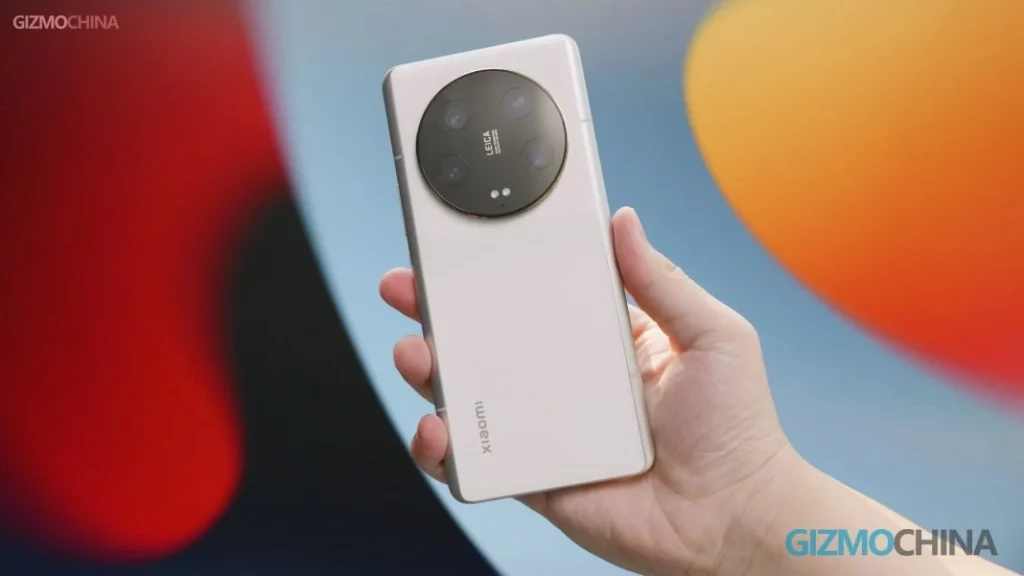
As per past reports, the OPPO Find N3 is rumored to feature a triple rear camera setup of two 48MP sensors and a 64MP lens although the engineering unit has a 50MP primary camera. On the front, the device is expected to have 32MP and 20MP selfie snappers. An alleged leaked schematic of the foldable phone from April this year revealed a redesigned circular camera module with a periscope lens and Hasselblad branding. Meanwhile, as per the 3C certification listing, the Find N3 will support 100W fast charging.
The much-anticipated Xiaomi 14 Ultra is projected for a March 2024 release, a tad earlier than its predecessor, the Xiaomi 13 Ultra, which debuted in April 2023.
The IMEI (International Mobile Equipment Identity) database recently listed two versions of the Xiaomi 14 Ultra, earmarked for Chinese and global markets with model numbers 24030PN60C and 24030PN60G, respectively. Notably, the “2403” numeric sequence has driven speculations about its March 2024 launch date.
Xiaomi 14 Ultra is likely to launch in March 2024
Xiaomi’s trend follows a triad of releases for its 14 series – the standard Xiaomi 14, the upgraded Xiaomi 14 Pro, and the top-tier Xiaomi 14 Ultra. Both the Xiaomi 14 and 14 Pro have made their appearance in the IMEI database, bearing model numbers 23127PN0CC/23127PN0CG and 23116PN5BC/23116PN5BG for the Chinese and global variants respectively. These two models are slated for a late 2023 launch probably in November or December.
Initial reports hint at the Xiaomi 14 Ultra being powered by Qualcomm’s Snapdragon 8 Gen 3 platform, with the device bearing the codename “Aurora” as spotted in MIUI codes. While official specifications remain under wraps, the smartphone is anticipated to sport cutting-edge design, powerful performance, and superior camera features.
For context, the Xiaomi 13 Ultra, the immediate predecessor, boasts a 6.73-inch LTPO AMOLED Quad HD+ display with a 120Hz refresh rate, and Gorilla Glass Victus. Powered by the Snapdragon 8 Gen 2 chip, it offers up to 16GB RAM and 1TB storage. Its impressive camera setup includes a 32MP front camera and a quad-rear camera system, each with a 50MP sensor. Furthermore, the device is backed by a 5,000mAh battery, supporting 90W fast and 50W wireless charging.
Realme has announced the launch date of its next-generation GT smartphone. The upcoming offering is confirmed to be the Realme GT 5 and it will likely arrive as the successor to the GT 3 that debuted earlier this year. The smartphone has been subject to a lot of leaks and rumors in recent times. Alongside the Realme GT 5, the brand is also confirmed to launch the Buds Air 5 at the event.
Realme GT 5 launch date revealed
Realme took to Chinese microblogging platform Weibo to announce the launch date of the GT 5. It will be unveiled at an event in the country on August 28, Monday as a part of the company’s 5th anniversary. The launch event will start at 2 pm local time.
Realme has also shared a poster of the GT 5 that subtly teases the design of the device. It is seen with a slim profile. The top portion of the back panel has a protruding module that stretches from the side frame. It appears to be quite similar to the design spotted in a leaked render last month that showed a rectangular camera bridge similar to the Pixel phones. This will give the smartphone a dual-tone look.
Previously, Realme confirmed that the GT 5 will support 240W fast charging which is already found on the GT Neo 5 and GT 3 240. The upcoming smartphone is teased to be powered by the flagship Snapdragon 8 Gen 2 processor. It is expected to be offered with up to 24GB RAM onboard.
We can expect Realme to share more teasers of the GT 5 leading up to the launch event next Monday. The device is rumored to feature a 6.7-inch AMOLED display with 144Hz refresh rate. It is tipped to have triple rear cameras and be backed by a 5,000mAh battery unit.
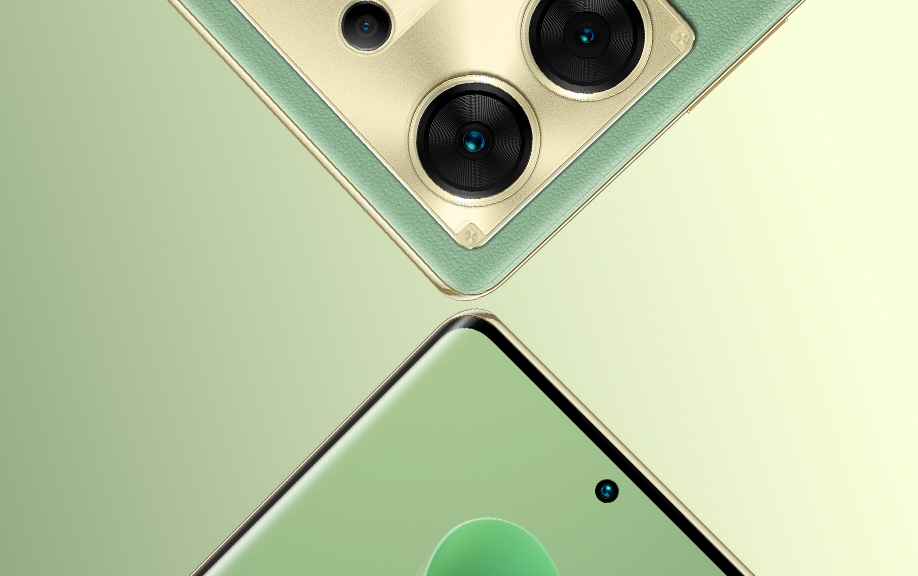
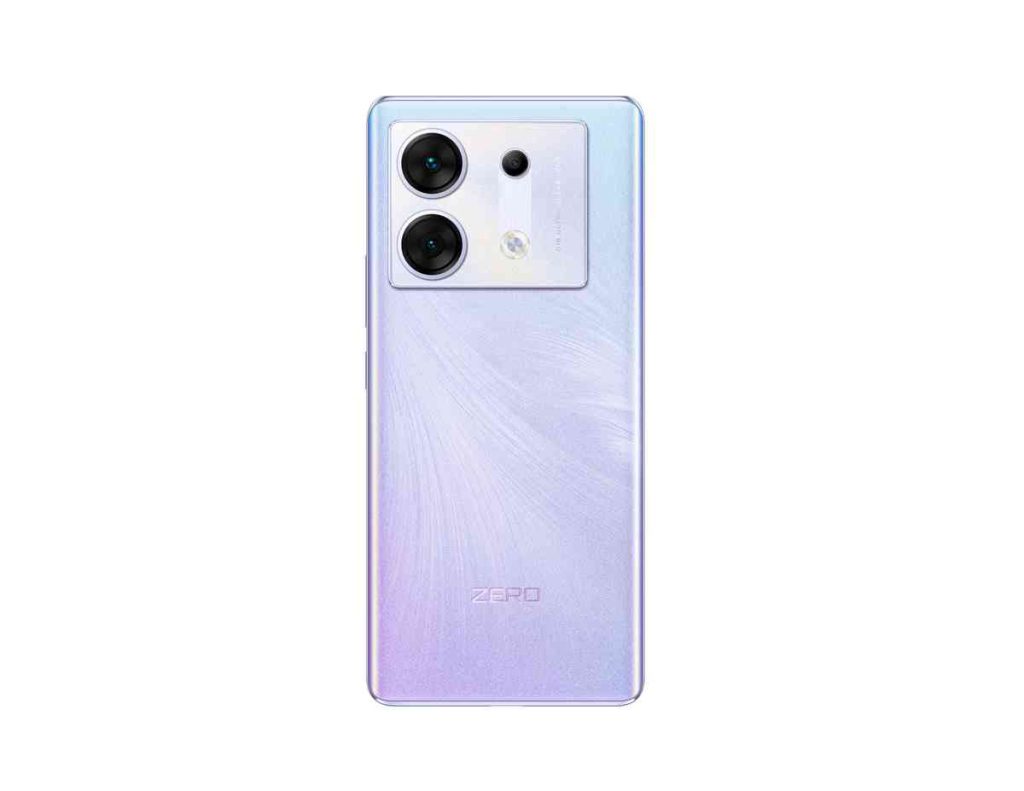
Infinix has a new 5G smartphone in the pipeline called the Infinix Zero 30 5G. The brand has already teased a green-colored vegan leather option for the device on its website, and now, more teasers have been posted on X (Twitter).
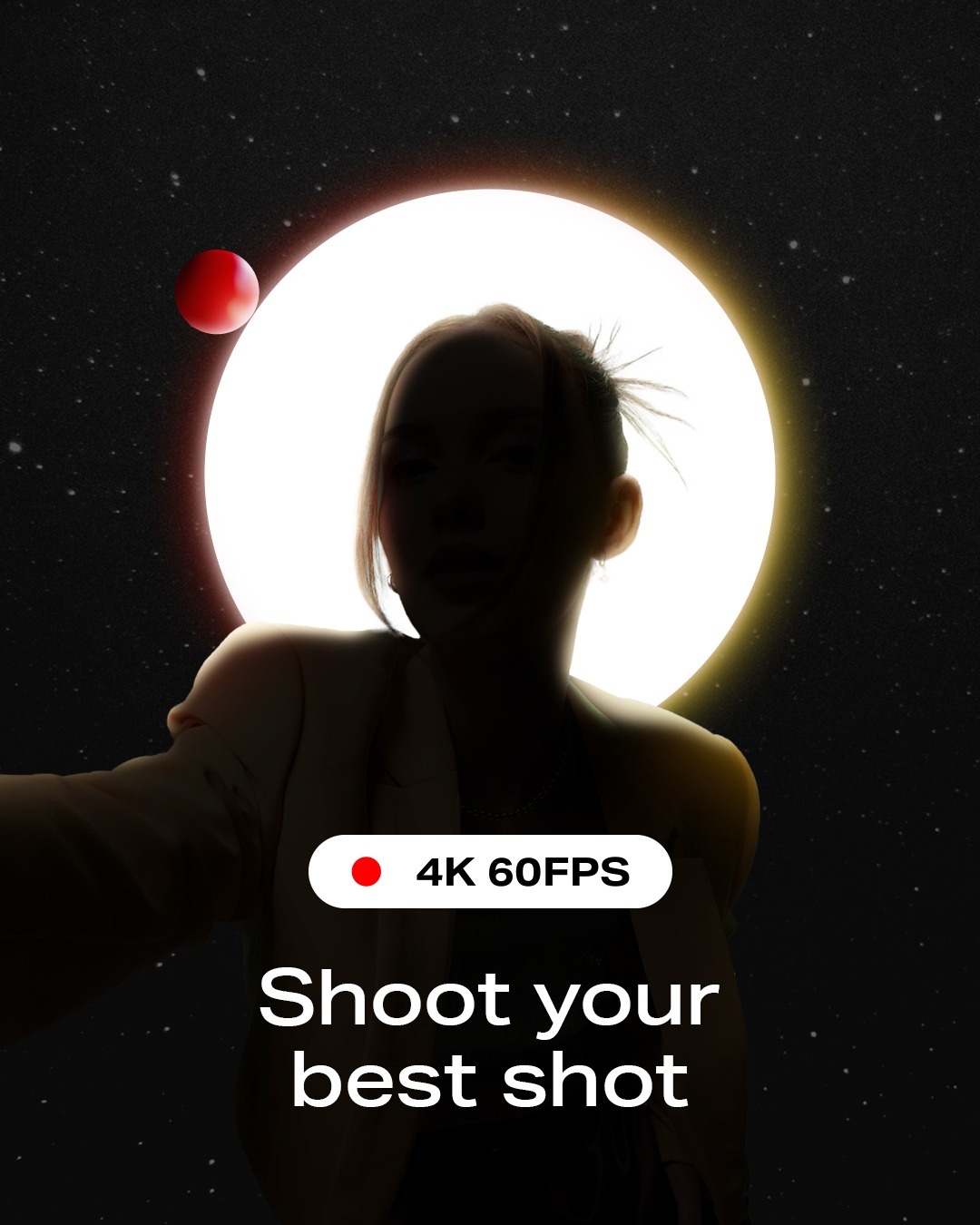
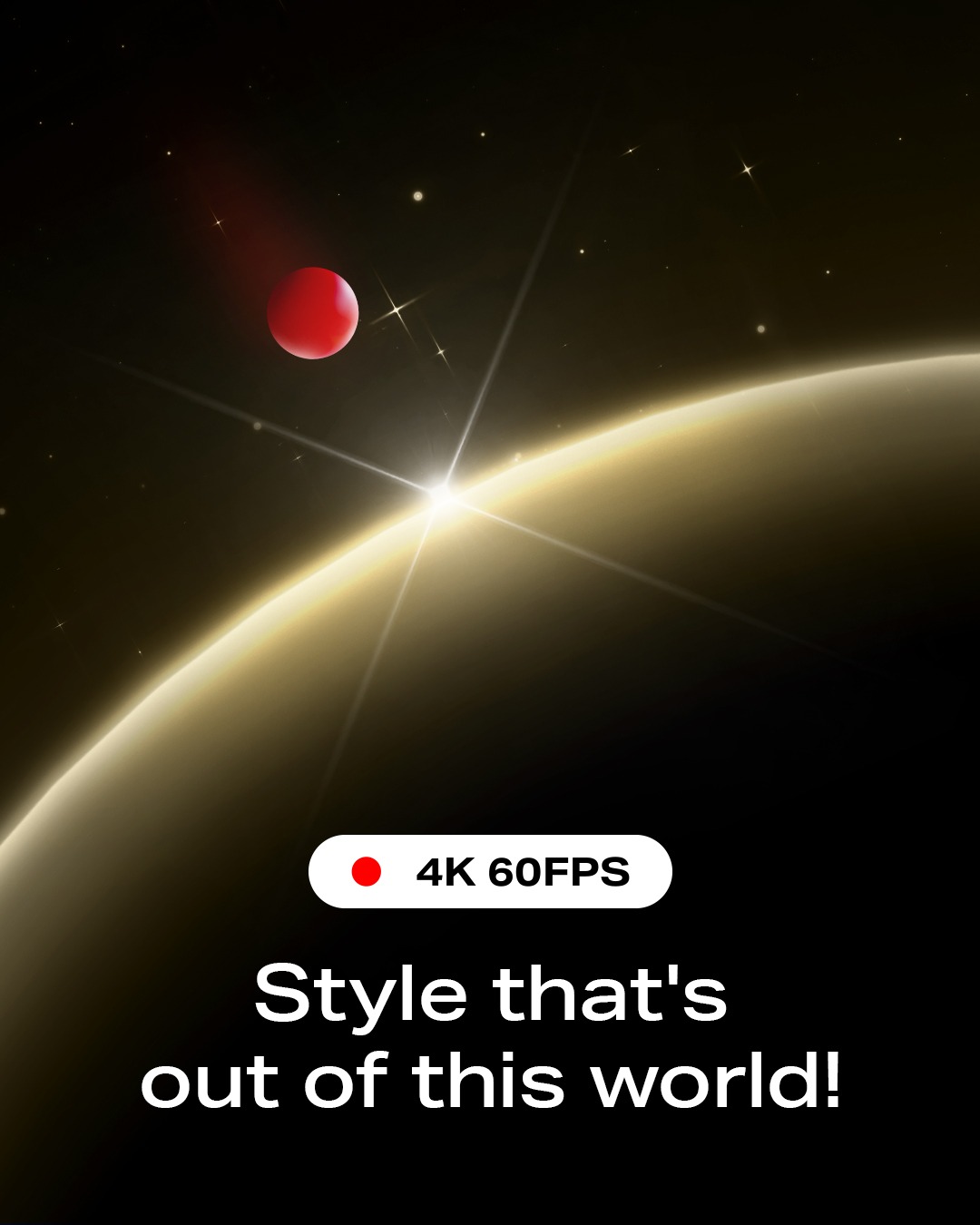
The latest teaser unveils that the Infinix Zero 30 5G is set to arrive with a curved display, along with a noteworthy feature – 4K video recording at 60FPS. While 4K at 40FPS might not sound groundbreaking on its own, what sets it apart is that this will mark the first instance of such an option within its particular segment.
Although the pricing of the smartphone is currently unclear. That being said, considering the fact that the Infinix Zero 5G 2023 Turbo with Dimensity 1080 launched for Rs 19,999 in India (8GB+256GB version), it is possible that the Zero 30 5G also lands around that price range.
Infinix Zero 30 5G specs
As per teasers and leaks so far, the Zero 30 5G will feature a 10-bit AMOLED 1,080 x 2,400p display with a 60-degree curvature. The rectangular camera module will have an LED flash, with Optical Image Stabilization. No details about the camera sensors have been revealed yet.
A Geekbench listing has revealed that the device could feature a MediaTek Dimensity 1100 SoC paired with 8GB RAM and Android 13-based operating system. The device is said to launch this month, so more details are expected to be unveiled soon. Stay tuned.
Briggs Automotive Company (BAC) is gearing up to unveil a brand-new model of the Mono. The company’s latest Mono iteration retains the single-seater design and is a road-ready race car. So here are all the details.
BAC Mono Announced
The UK-based automobile maker is gearing up to showcase the new Mono during the Monterey Car Week. For those unaware, the Mono race car model was first announced back in 2011 and based on the latest teasers, it appears that the company is sticking with its winning formula. Similar to the original Mono, the new model still remains light and clean, being developed with driver engagement as its focus.
Although, the latest BAC Mono race car does bring an updated design. These new styling changes basically fine-tunes the aerodynamics of the new single-seater. Under the hood, the lightweight vehicle is equipped with a 2.5-liter four-cylinder engine that is made by Ford. It is worth noting that BAC hasn’t simply used an existing Ford engine, rather, the company’s in-house team redesigned the engine specifically for this model. It even features various several modifications.
The changes include forged connecting rods, forged pistons, performance-focused camshafts, and a new induction system. Thanks to this, BAC is capable of outputting 311 horsepower and 31 lb-ft of torque, which can take the Mono from 0 to 97 km/h in just 2.7 seconds. This powerhouse of an engine is housed in a lightweight body of just 570 kilograms.
Caviar, a company known for its lavish customizations of mobile devices, has released a new collection called #Barbiecore, inspired by the live-action Barbie movie. The collection includes a custom-made Samsung Galaxy Z Flip5, as well as the unreleased Apple iPhone 15 Pro, Pro Max, and Watch Series 9. These phones and watches are decked out in Barbie’s signature pink colors, and feature gold and diamonds embellishments. Here’s what you can expect for each custom-made device.
Here, the Galaxy Z Flip5 features a 24K rose gold-covered body with 49 rubies encrusted around the back. The rear plate also has pink faux fur and features a Barbie Stiletto engraving. The phone is available in 256GB and 512GB storage options, and is priced at $8,560 and $8,920, respectively.
The iPhone 15 Pro models also feature a 24K rose gold-plated frame and camera housing decorated with 61 Swarovski crystals. The rear plate is made of a different material than the Flip 5, but it also has a Barbie Stiletto charm. The phones are available in 256GB, 512GB, 1TB, and 2TB storage options, and the price will range between US$7,990 and US$9,990 for these custom Apple phones.
Caviar has also customized an Apple Watch Series 9 for its Barbiecore collection. The watch has a 316L stainless steel case with a rose gold physical vapor deposition (PVD) coating. The tactile knob has been decorated with alloy steel bolts, also coated in rose gold. The watch strap is pink, matching the rest of the collection. The customized Apple Watch Series 9 costs $1,900.
The renders of customized smartphones and smartwatches from Apple are not the actual products, as they are yet to be commercially available. However, Caviar is accepting pre-orders for the Barbiecore collection. The collection is limited to 99 pieces per device type, so if you want one, you’ll need to act fast.
Samsung is partnering up with NEXON to unveil a brand-new project in gaming. The two companies are working together to unveil “The First Descendant”. The twist here is that it isn’t just a new game, but a title that utilizes the brand-new HDR10+ technology.
The First Descendant
The upcoming game from Samsung and Nexon is a third-person co-op action and RPG shooter that was recently teased and is set to be unveiled during Gamescom 2023 later this month. NEXON is planning on kicking off the crossplay open beta test of The First Descendant on September 19. For those unaware, HDR10+ GAMING technology (High Dynamic Range) promises to offer great picture quality thanks to improved colors, contrast, and brightness.
As per the South Korean tech giant’s official post, the game will bring darker shadows with bright highlights, to immerse you in the new world. HDR10+ Gaming features an optimized experience, so users won’t have to fiddle around with the settings. Furthermore, the new technology promises to offer near-instant responses through low latency and variable refresh rate support from all HDR10+ GAMING displays.
The First Descendant is the world’s first game that will leverage this tech to offer a superior gaming experience. As of right now, the HDR10+ ecosystem has over 150 partners and more than 7,000 certified devices that include TVs, monitors, projectors, and much more. HDR10+ GAMING standard is also arriving on Samsung’s newest gaming monitor and TV lineups as well.
It took a couple of years for a third-party developer to bring Google RCS Messages support to Apple iPhone. After several years of struggle with Apple, the RCS or Rich Communication Services has finally made it to the iPhone. It is evolved version of the SMS services which was limited to text. There are several improvements over the traditional Text Message services.
The RCS Messaging offers better data security with features like end-to-end encryption. The usability has improved with the read receipts, typing indicators, and support for Emoji that untapped a new way to express emotions. The new Messaging protocol is widely available across every Android device, but the Cupertino giant is reluctant on adopting it officially.
Even Google asked Apple about it on Social Media a couple of times, but all things went in vain. Finally, these efforts seem paid with unofficial support for RCS Messages via Beeper App.
iPhone RCS Messaging: Features Working and Not Working
The Beeper app is currently in beta, but most of the RCS functionality is working flawlessly. Some additional feedback feature such as showing tap backs is working on iPhone. However, being in the beta means there are going to be some bugs with some features. So, the message history has some bugs, the displayed avatar of users doesn’t work yet, there are some issues with read receipts, and the typing indicators need some workout. The developers are working on these features, and will soon be available once the stable app arrives.
The Beeper Desktop 3.70.17 is currently available for the users, but it may take some time before you through the waitlist.
Steps to get RCS Support on iPhone
Note: The process requires an Android phone with an active mobile number to enable RCS on Beeper.
Sign up for the waitlist by heading to the official website. The user needs to Enter Name, Email ID and preferred Chat network, and some other details.
Once the wait is over, the user will receive the Beeper download link for the desktop app.
Install the App and follow the on-screen instruction.
Select Google Messages as a chat network from the list.
After all the setup, the user can connect to Android connects and start a chat.
Beeper development is quite active, as it is receiving new features with updates. However, it is a workaround to get RCS Message on iPhone, not the official support from Apple.
Xiaomi has an EOS (End of Support) smartphone list on its website. The company updates this list with newer devices in a timely fashion.
Recently, the company updated this list with three popular budget phones from 2020. These handsets will no longer receive software updates going forward.
Redmi Note 9
The below-listed are the latest Xiaomi smartphones to reach their end of life.
All of these products were released in 2020. They debuted with MIUI 11 based on Android 10.
Throughout their life, these devices received two major MIUI and Android updates. Therefore, they currently boot MIUI 13 based on Android 12.
This means the software on board these handsets is about 2 years old now. However, they are able to perform normally as they can run almost all Android applications without any issues.
So users need not worry about upgrading to a newer phone unless they want better hardware or 5G connectivity. However, they should keep in mind that there won’t be any security updates, except for something critical (very rare).
The aforementioned smartphones are some of the best of their time. Xiaomi sold millions of them across the world. So you will probably continue seeing them in public despite them reaching their end of support.
Do you own any of these devices? If so, share your experience with us in the comment section below or on our official social media handles.
The global launch of the Xiaomi 13T series is on the horizon as the brand is rumored to debut two smartphones on September 1. That being said, the brand is also cooking up the next generation of its flagship smartphones called the Xiaomi 14 series. A new report has now revealed some interesting details about the Xiaomi 14 Pro.
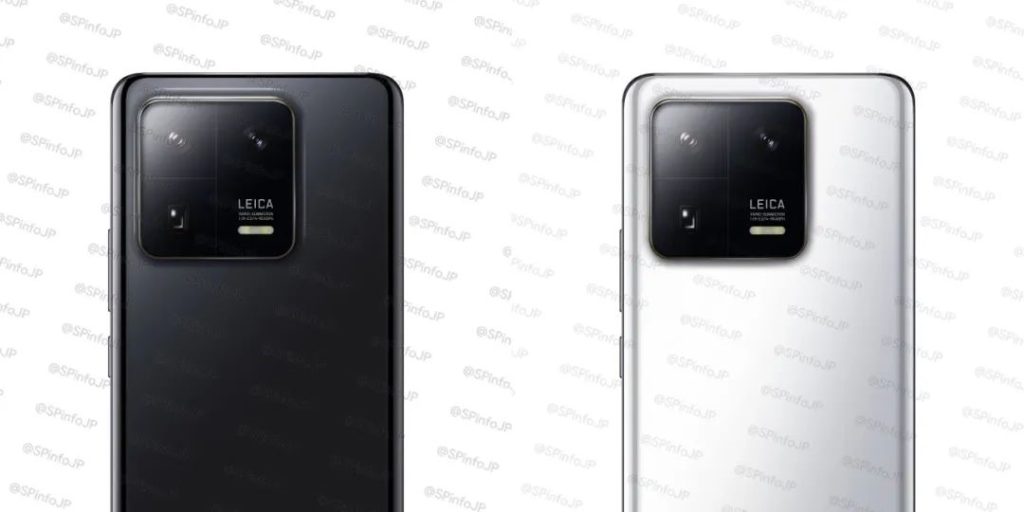
In an intriguing twist, it appears that Xiaomi is aligning its strategy with Apple in terms of features for its upcoming flagship Pro smartphone. Renowned tipster DCS has shared insights about the Xiaomi 14 Pro variant, possibly the anticipated special edition. This variant is expected to sport a protective nano-ceramic glass cover for its display, a sturdy titanium alloy middle frame, and a ceramic rear panel. Additionally, the tipster disclosed that the device will feature support for satellite communication technology.
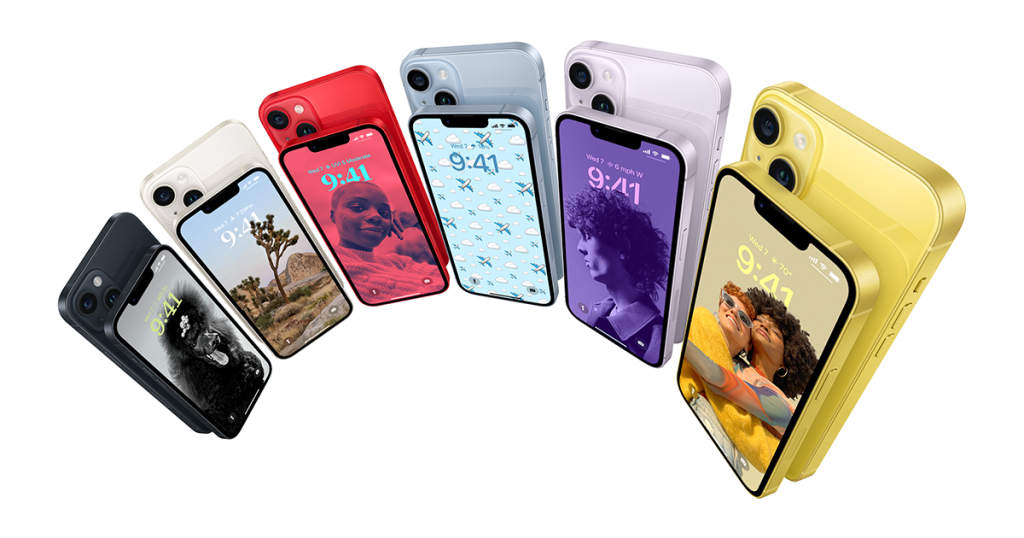
Apple is also said to feature a Titanium alloy frame in the iPhone 15 Pro series which could launch in September. As we already know, the current iPhone 14 series already has the emergency SOS feature that uses Satellite Connectivity. Currently, it is unknown what kind of satellite connectivity Xiaomi will provide on the Xiaomi 14 Pro.
Apart from that, DCS also confirms that the Xiaomi 14 Pro will feature a SM8650 chip, which is the upcoming Snapdragon 8 Gen 3 SoC. In a recent report, key specifications of an alleged Xiaomi 14 Pro+ were also tipped, and you can read more about it by clicking here.
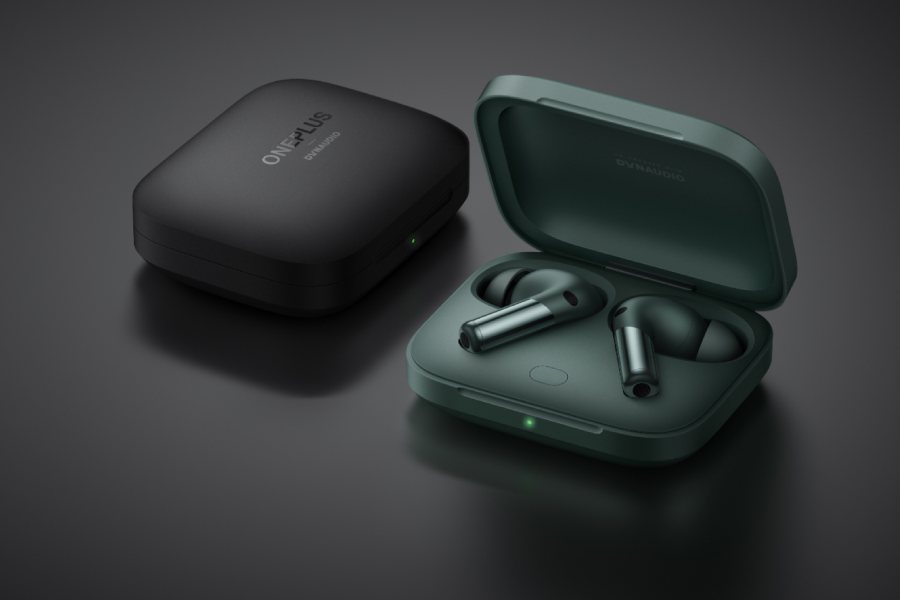
OnePlus Buds Pro 2 were one of the first earbuds to support Android 13’s Spatial Audio feature. At first, only a few OnePlus devices could support Spatial Audio, but the list is growing. Recently, the OnePlus Buds Pro 2 were updated to support Spatial Audio on the OnePlus Ace 2 Pro smartphone.
As of the end of August 2023, the OnePlus Buds Pro 2’s Spatial Audio has been adapted to the following devices:
For those unaware, Spatial Audio is a surround sound technology that creates an immersive listening experience by tracking the movement of your head. It was first popularized by Apple with the AirPods Pro, and now it’s gradually finding its path into the realm of Android. Taking the lead in this journey are the OnePlus Buds Pro 2, marking the first earbuds to embrace Spatial Audio on this platform.
The OnePlus Buds Pro 2 uses six-axis motion sensors to track your head movement. This allows the earbuds to adjust the sound source so that it always seems to be coming from the same direction, even as you turn your head. This creates a more realistic and immersive listening experience.
Likewise, the earbuds come in two colors: Arbor Green and Obsidian Black. They feature an 11mm driver and a 6mm tweeter and are jointly tuned with Dynaudio. They also offer active noise cancellation (ANC) of up to 48dB, with a noise reduction bandwidth of 4000Hz.
When Redmi said the K60 Ultra was only sold at $360 at the launch event, I thought OnePlus would also surprise us by telling us the Ace 2 Pro is cheaper than the K60 Ultra! As we know, it’s still a bit more expensive. But you can get the Snapdragon 8 Gen 2 phone for just an extra $55, which is one more nice option for those on a budget.
https://youtu.be/QhK0Jw0tR4U
Unboxing
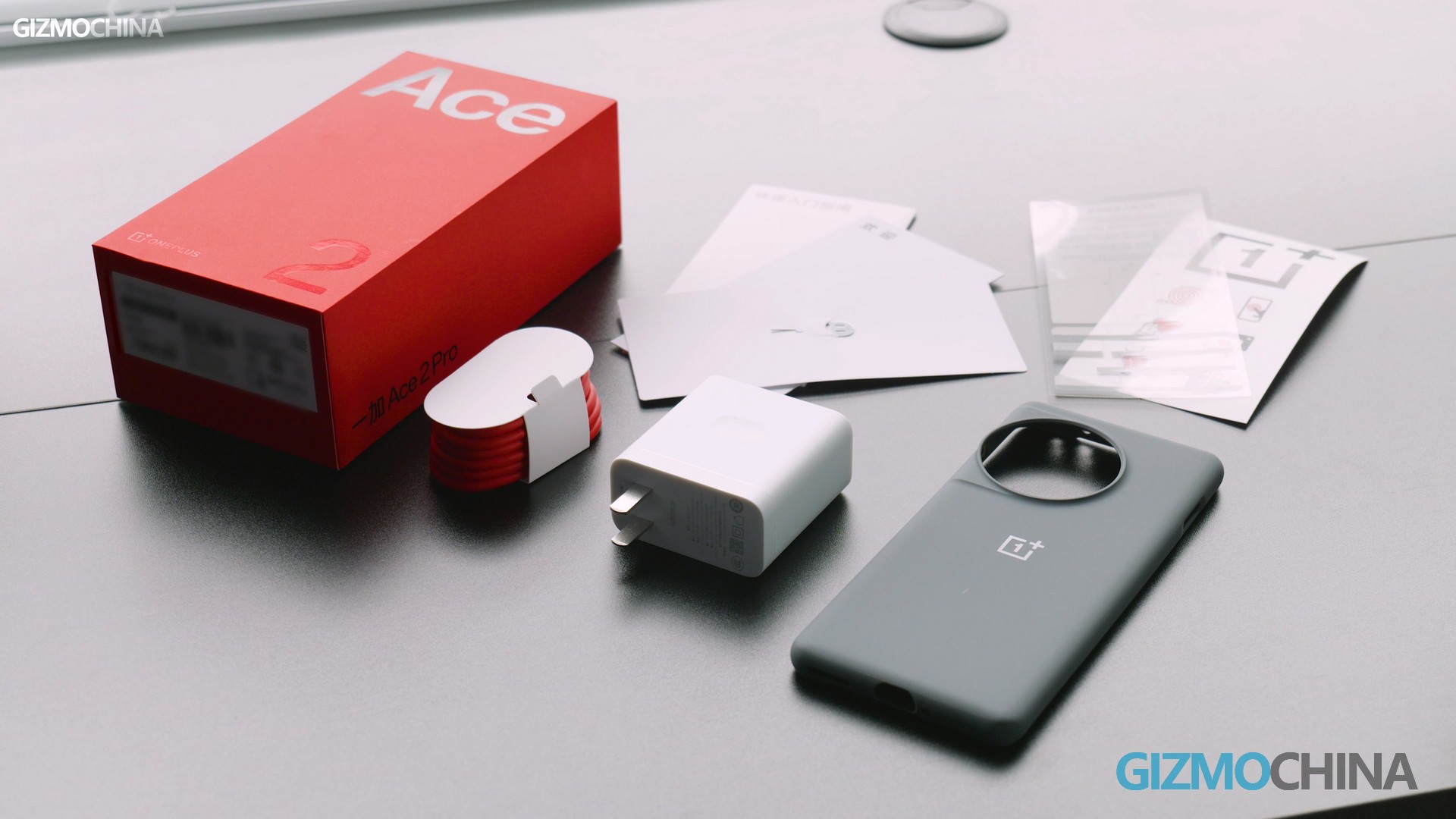
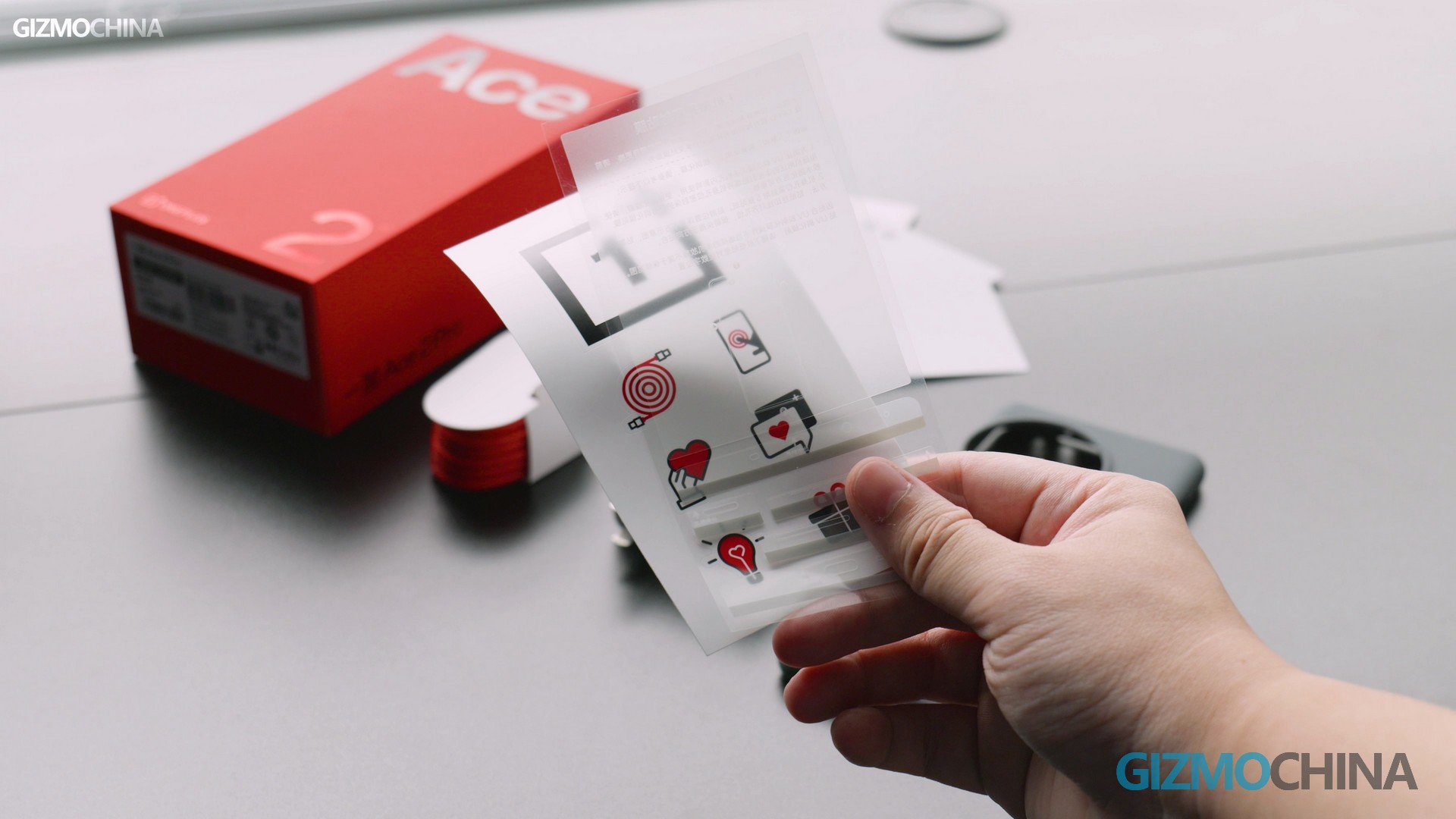
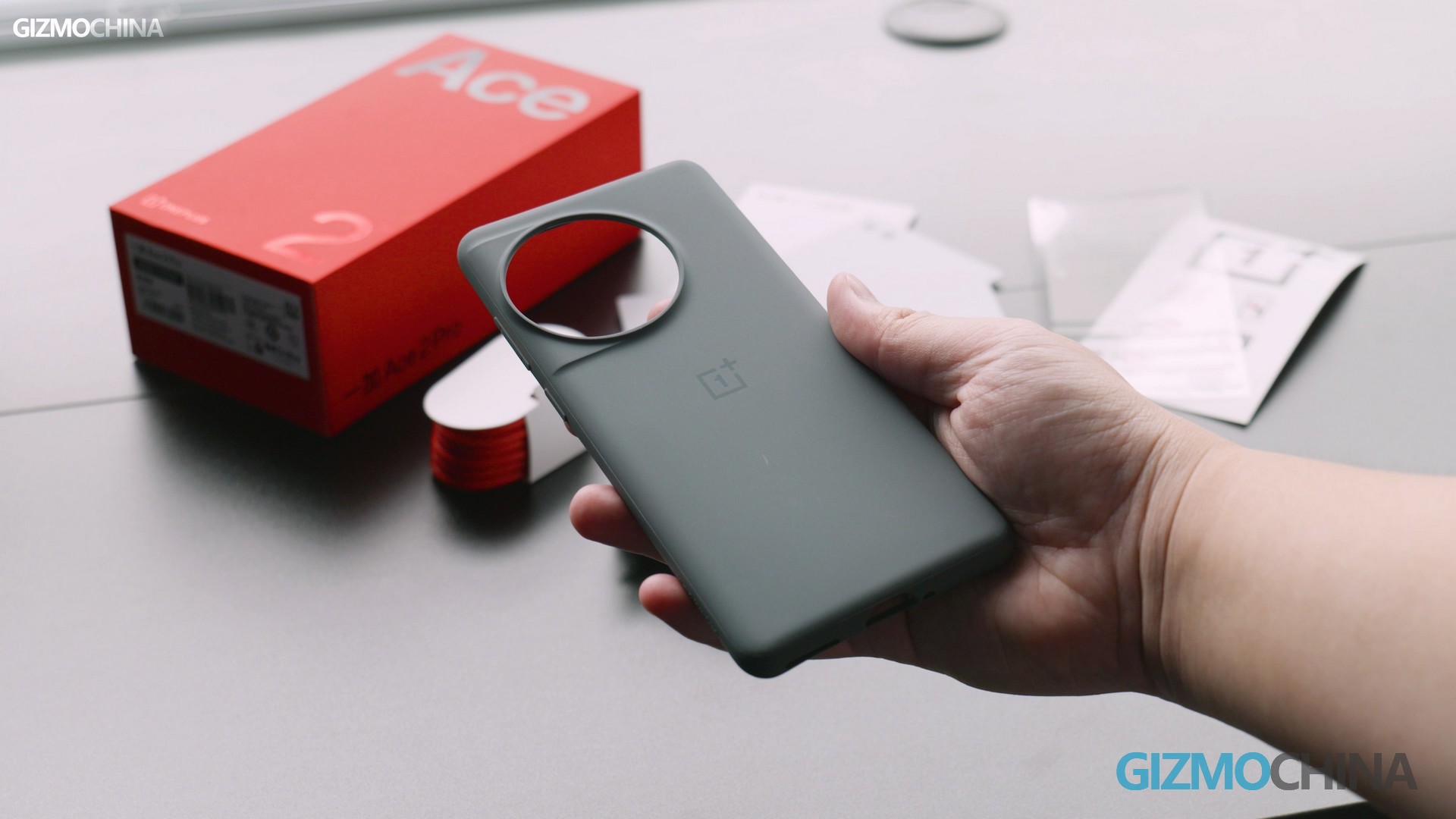
The accessories in the box are pretty good. Apart from the basics like the card pin, charging cable, and manual, the OnePlus stickers are still there, and so are the UV-activated glue protection stickers. My favorite is the silicone case that comes with it, the build quality is great. Much better than the case for the K60 Ultra.
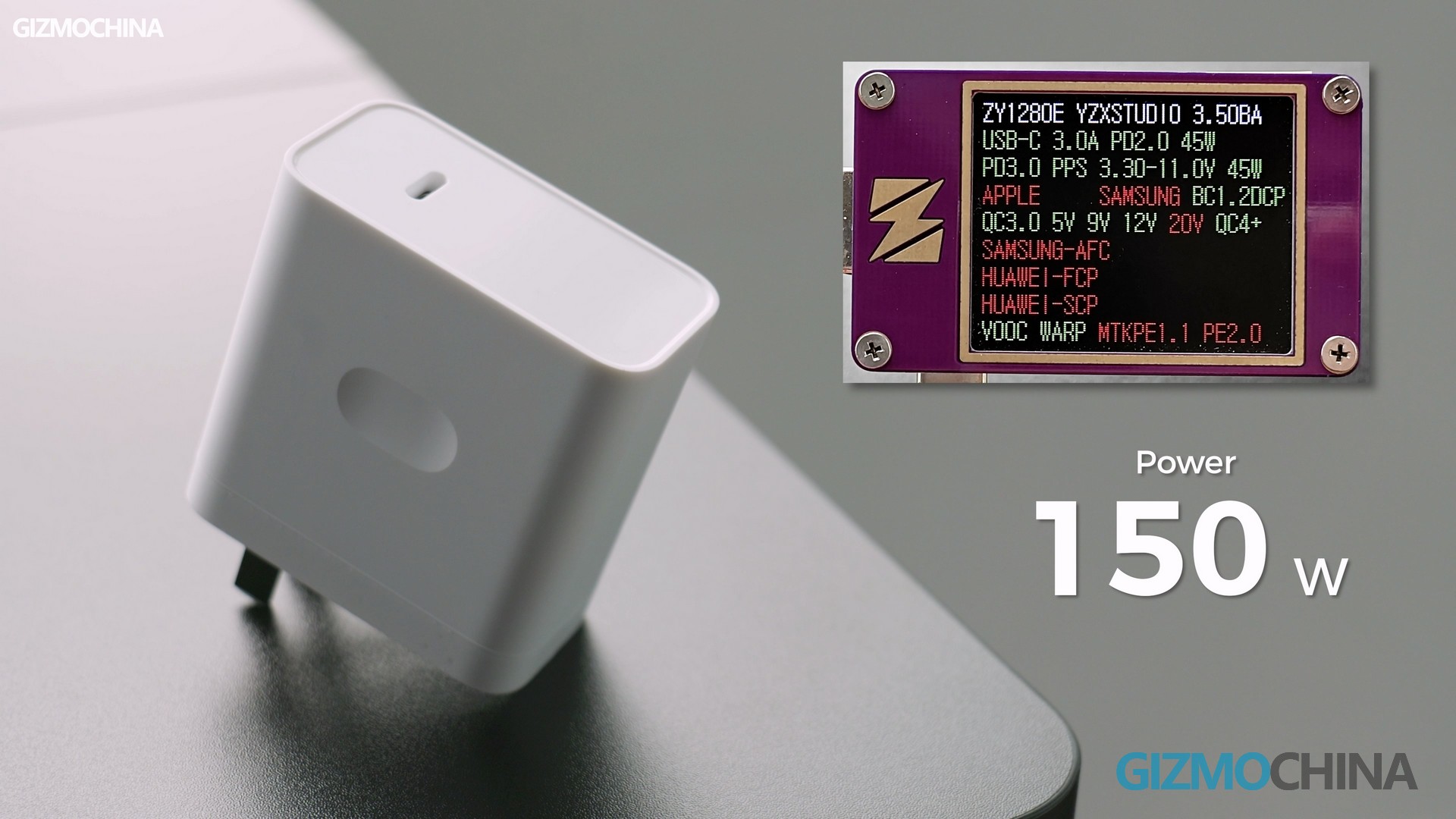
The charger is also a surprise, not only with a Type-C port but supports 45W PD, QC, and BC 1.2.
Design
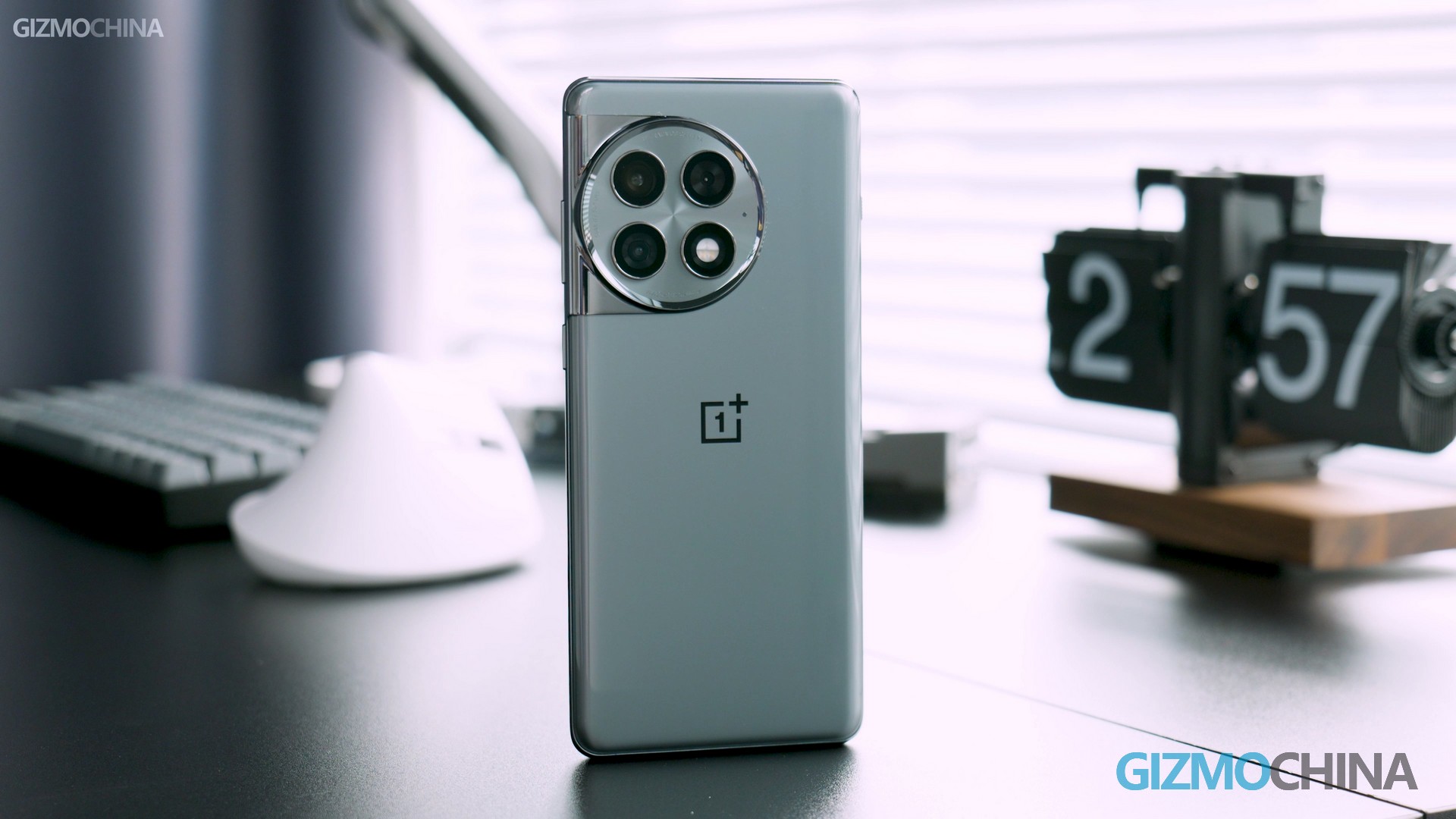
I honestly don’t have many words for the design of the Ace 2 Pro, not because it’s ugly but tired. You can recognize it as a OnePlus phone from a long way, but you’d never guess which model it is. It looks almost exactly the same and feels almost the same as previous models.
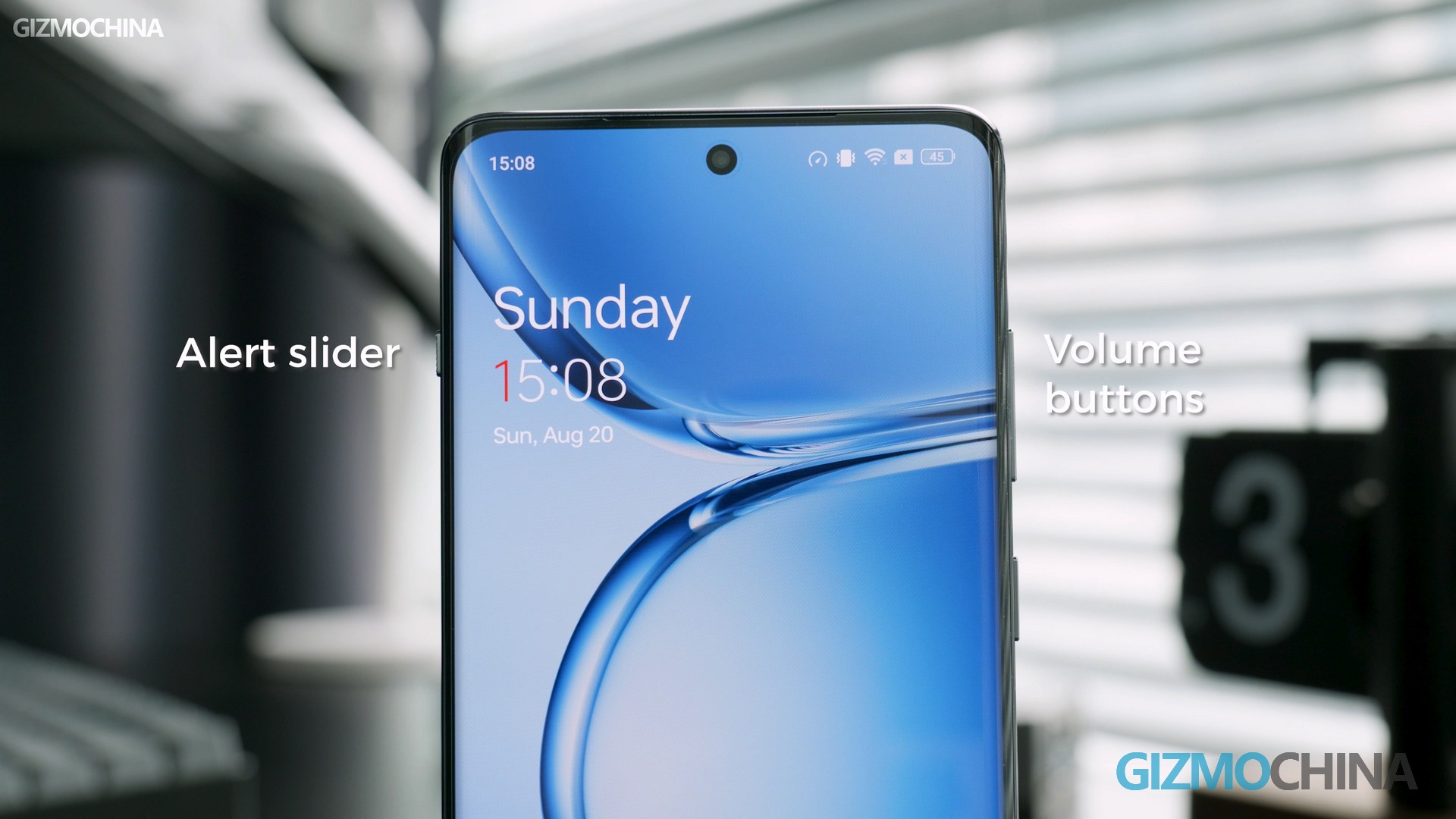
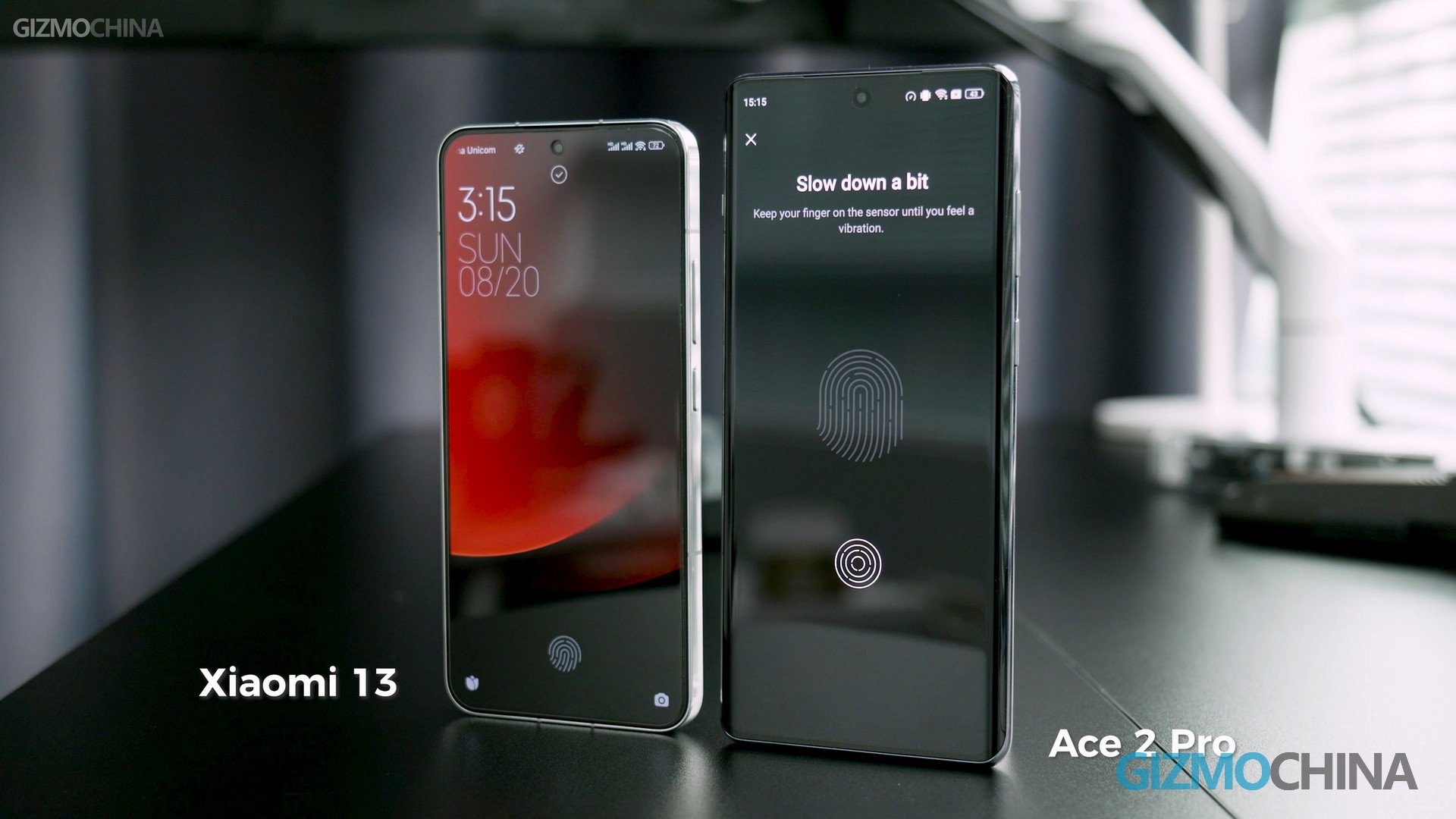
The plastic bezel doesn’t make it any lighter and it’s nearly 9mm thick. And this time, the volume buttons and alert slider have swapped places, so users who are used to OnePlus phones may not be able to get used to it soon. While there are no surprises in the design, the good news is that the daily experience has been improved. The fingerprint recognition has been moved upwards, which is a huge upgrade for a 6.7-inch phone.
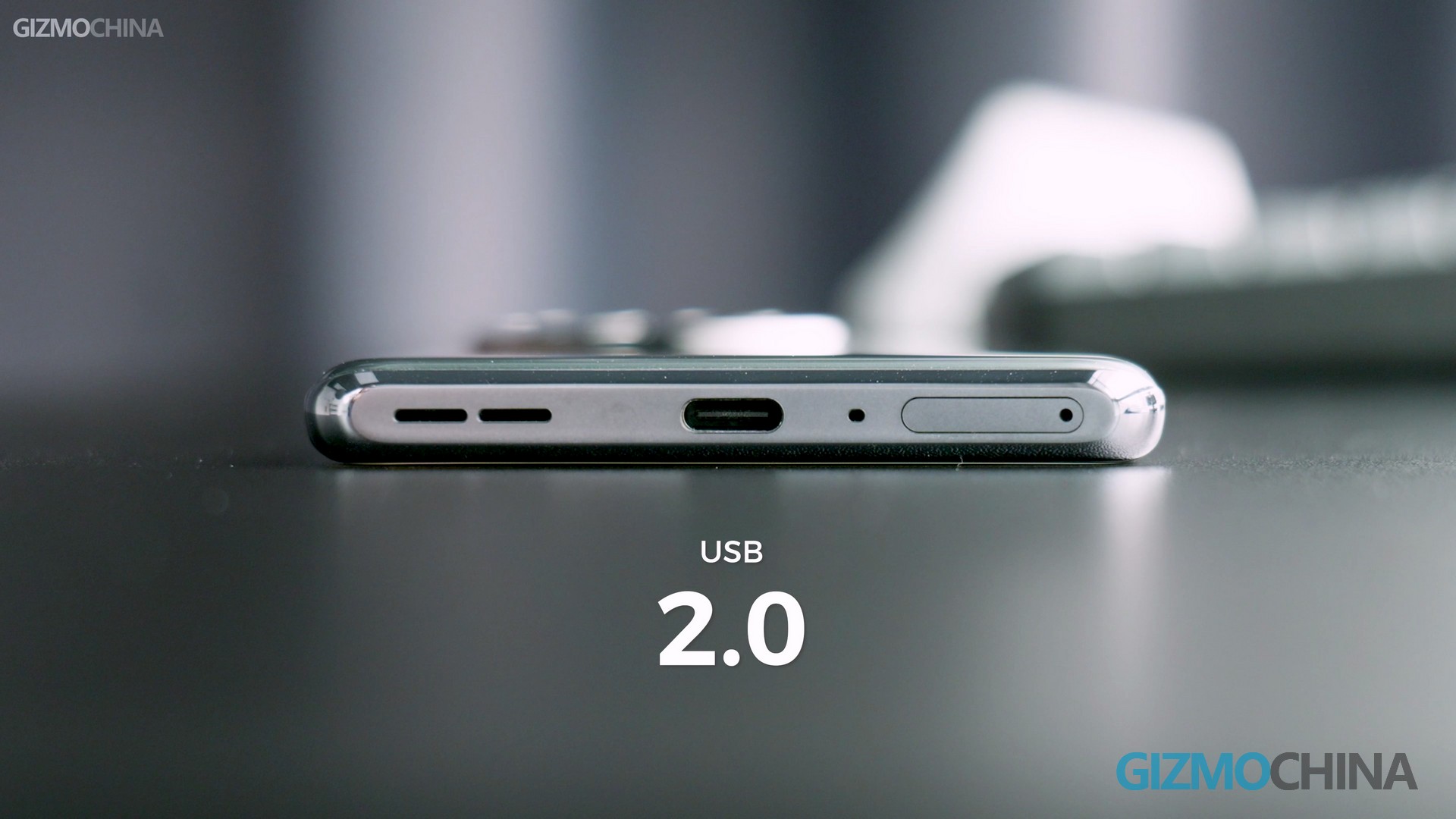
There’s also the Android largest vibration motor on this phone, which is pretty close to an iPhone kind of feel. There’s bad news as well, and that’s USB 2.0. if you’ve bought the 1TB storage version and use USB transfers a lot, you’ll understand what a pain-in-the-butt USB 2.0 can be.
Display
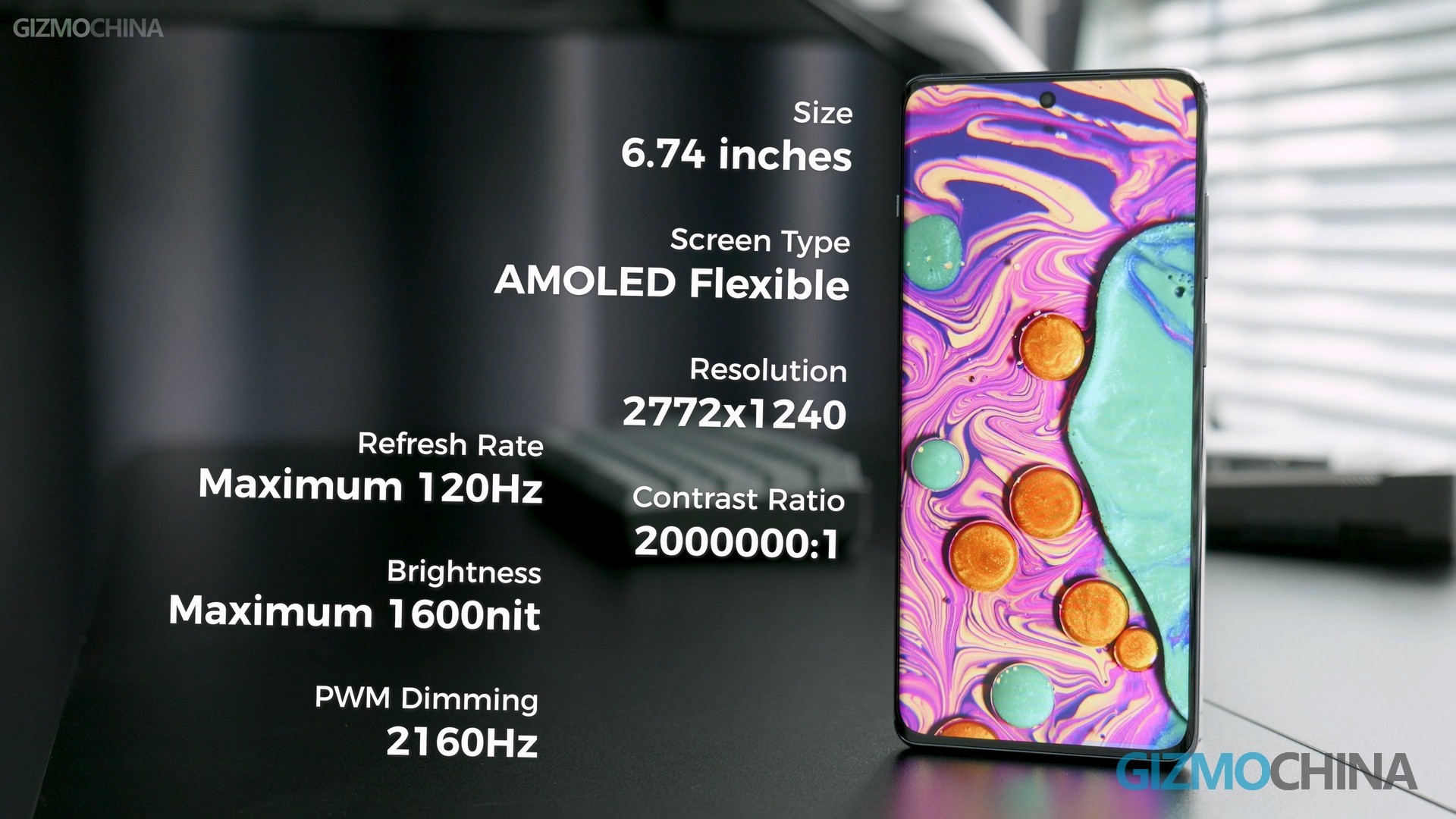
The screen on the Ace 2 Pro is from BOE and is their latest Q9+ panel. The resolution is 1240P, which will be a bit sharper than the FHD+ screen. It also supports high-frequency PWM dimming and looks like it’s a better screen.
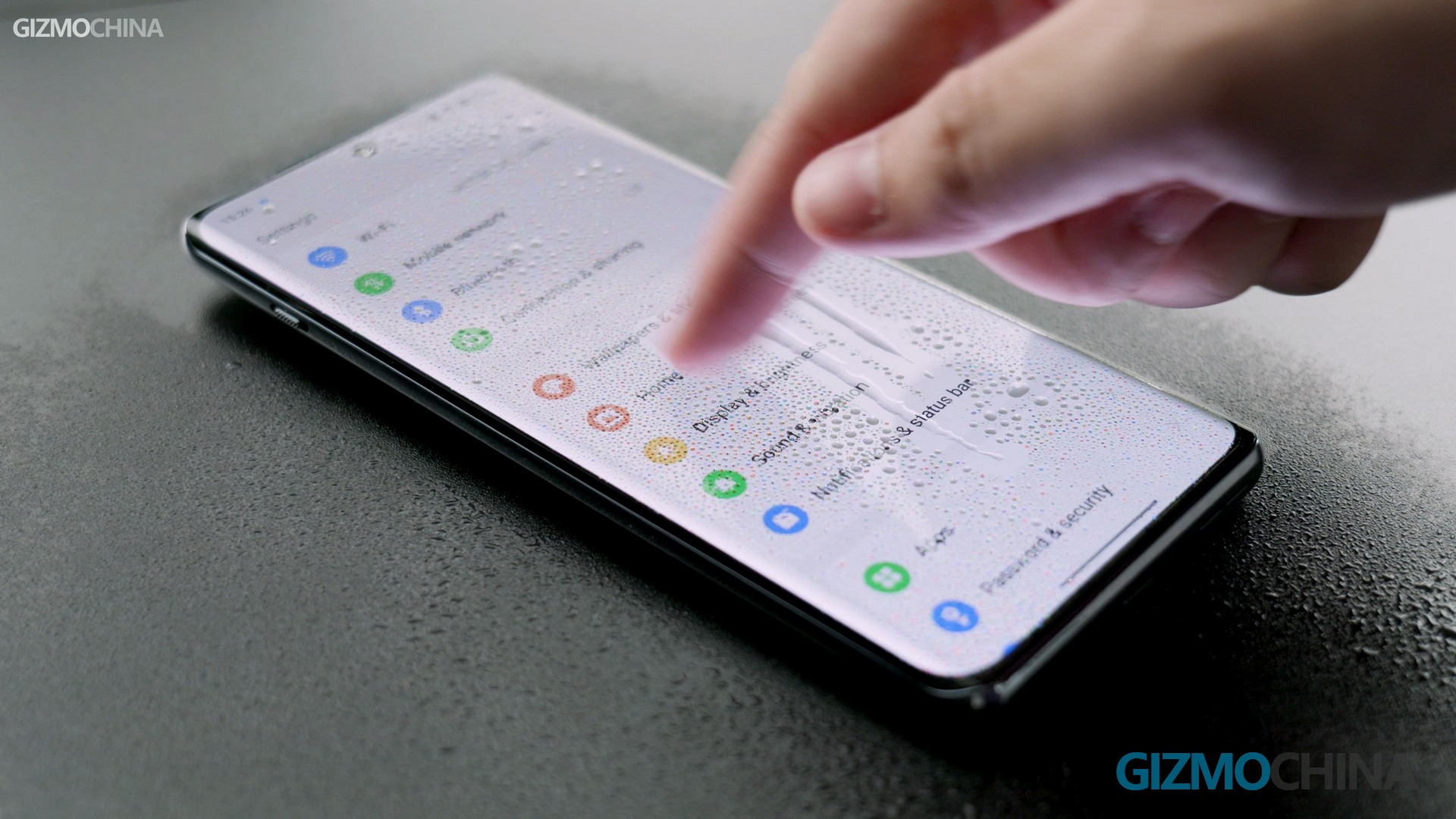
One more feature here, the phone is operatable even when there is water on the screen. But don’t think that it supports IP68, OnePlus didn’t say that. You’ll still have to pay out of your own pocket if the phone breaks in the water.
Performance & Gaming
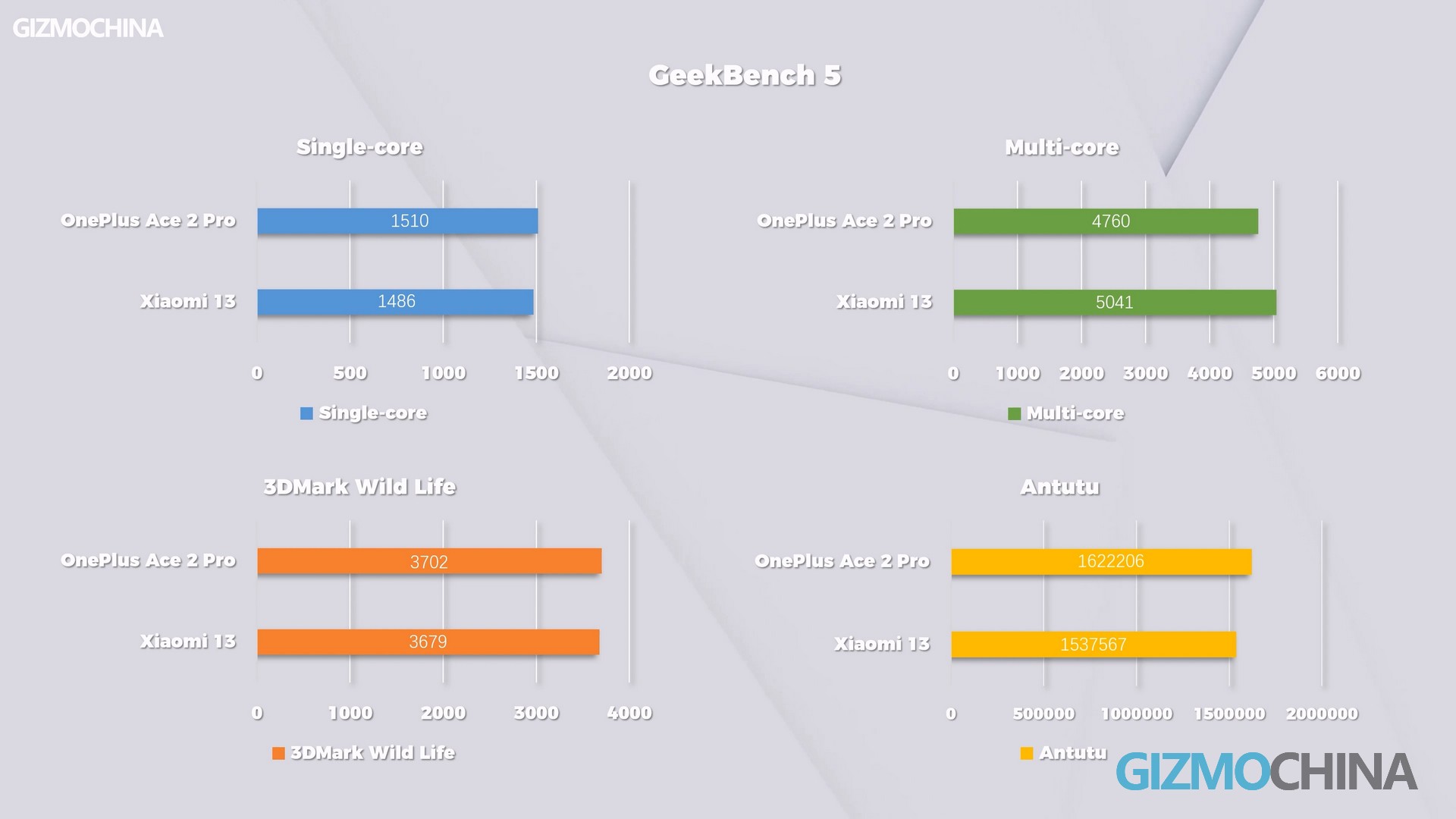
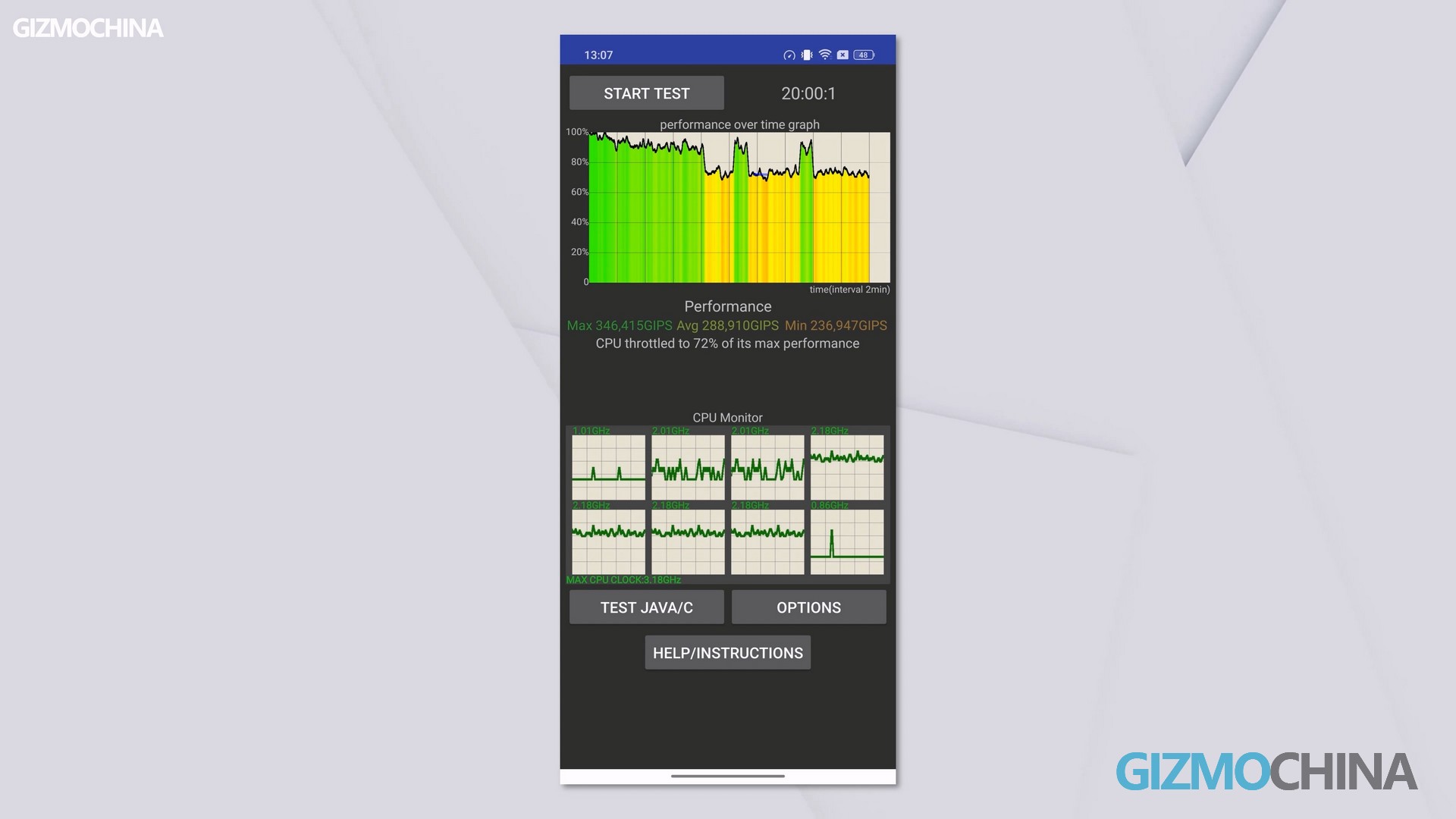
As you all know, the main reason why the Ace 2 Pro is more expensive than the K60 Ultra is this processor. Snapdragon 8 Gen 2 is still the strongest processor for Android, so the Ace 2 Pro chose it to get the strongest performance as well. There are no anomalies in any of the Benchmark scores. Stress test performance is average and still suffers from overheating and downclocking.
Genshin Impact was recently updated with an underwater area, so let’s go underwater for this playtest. By the way, there’s a Paimon version of the Ace 2 Pro coming in the future, and we’ll be sure to do an unboxing video for you guys. So remember to subscribe to our YouTube channel.
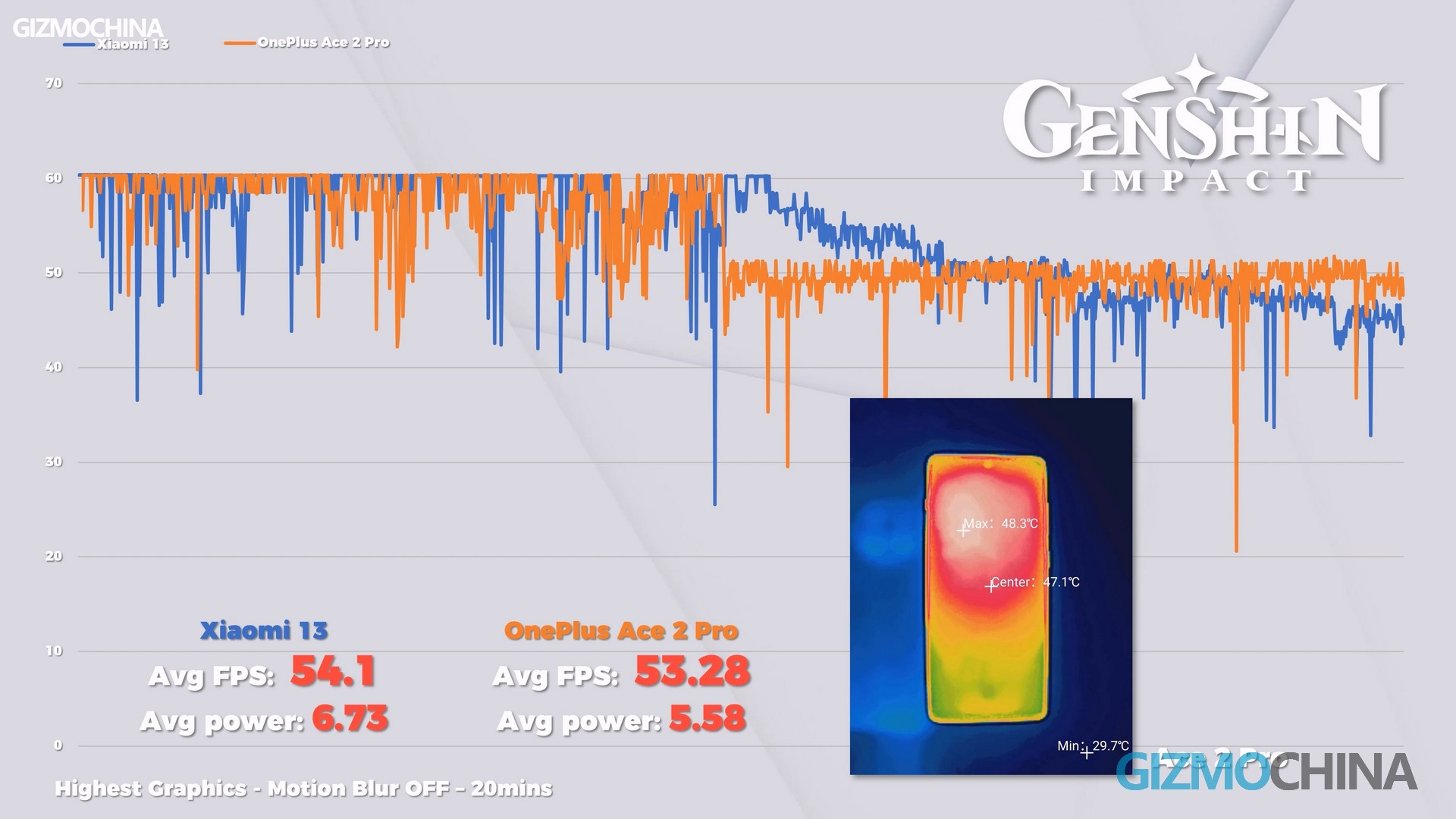
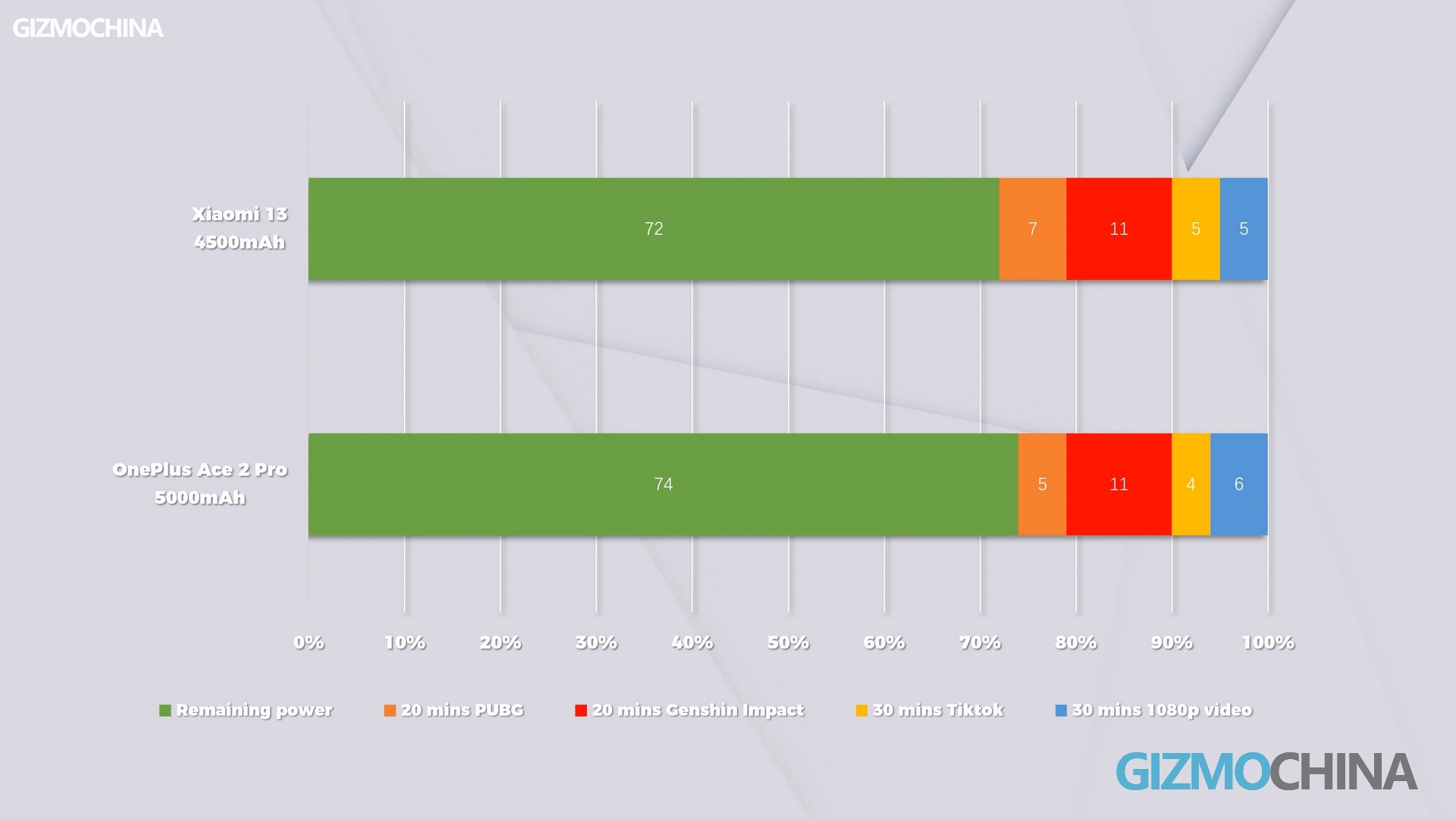
Compared to the Xiaomi 13, which had an excellent gaming experience last year, the Ace 2 Pro is pretty much the same. The Xiaomi has a bit higher resolution though, so the power consumption will be a bit higher as well. In Long time gaming sessions, the Ace 2 Pro can also maintain the frame rate at around 50fps, which still provides a smooth gaming experience.
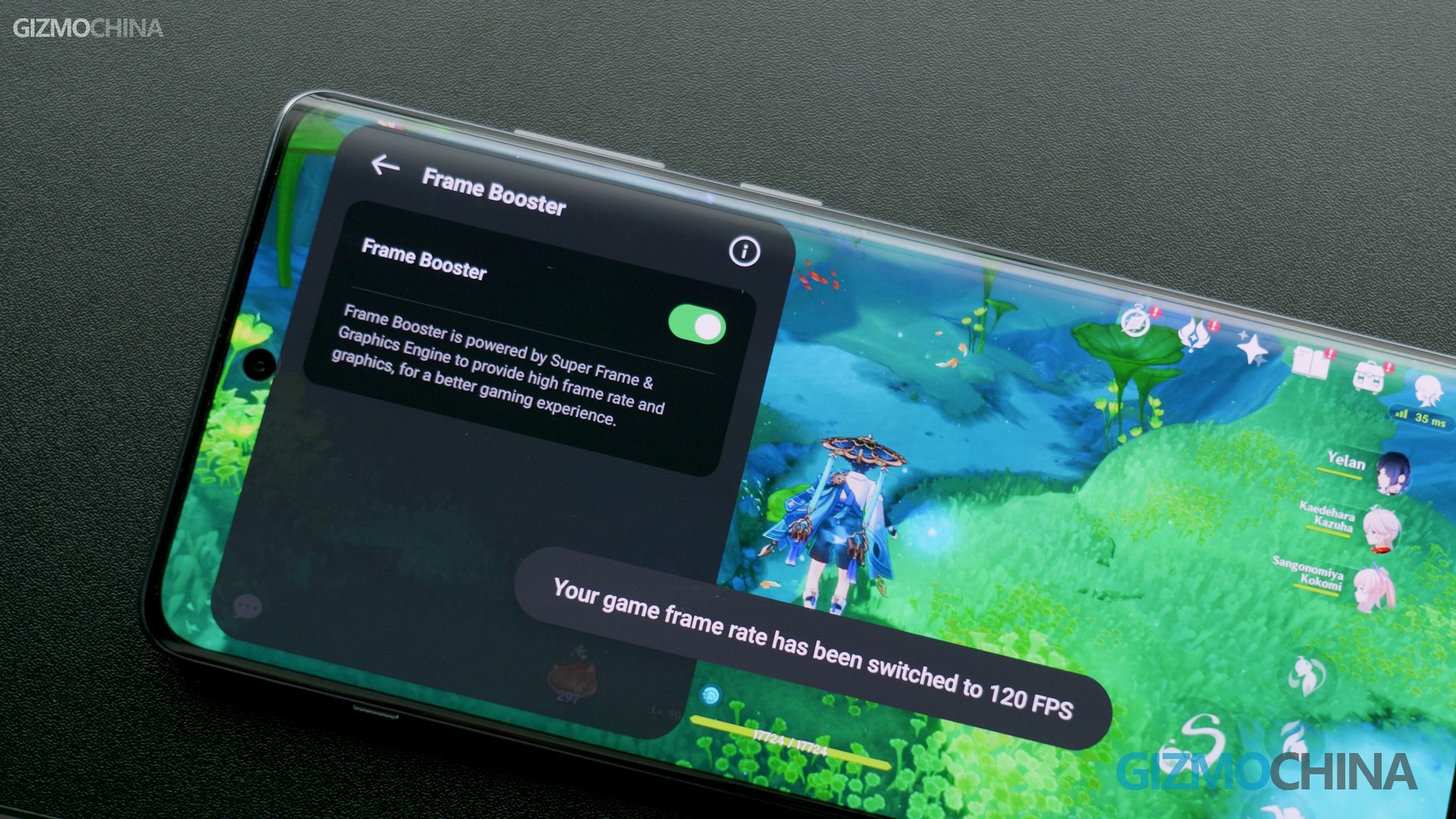
The Ace 2 Pro still has Frame Booster, which means you can boost the game’s frame rate up to 120 by frame interpolating. Of course, it also increases latency and doesn’t always apply to any games you play. You also can’t turn this feature on if your phone gets too hot. There’s no significant improvement over previous OnePlus phones, so I won’t go into details.
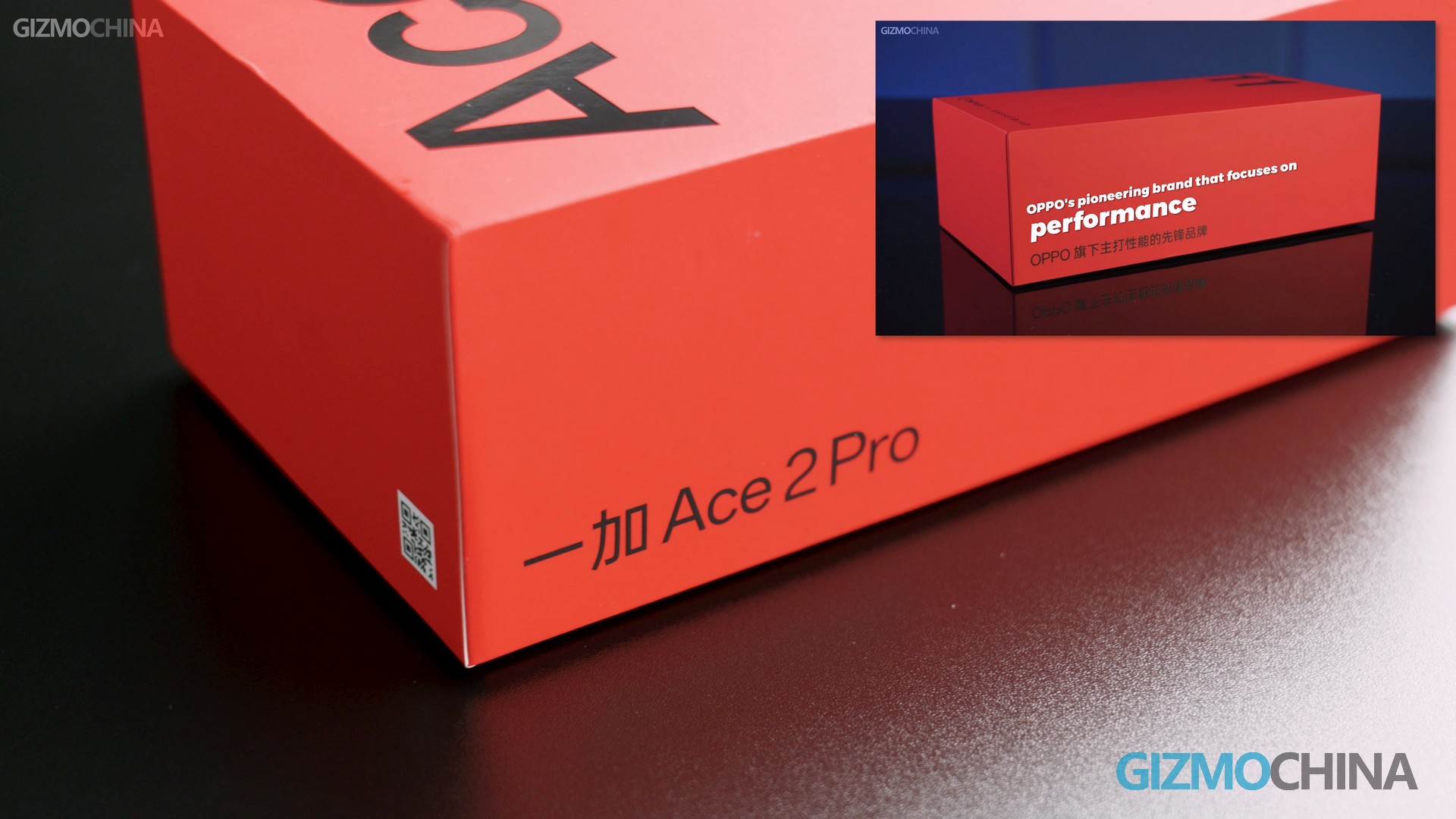
Overall, the gaming experience is better than I expected. I used to mock OnePlus for their “Focuses on Performance” written on the box, but it’s not on the Ace 2 Pro box. So this time, they can finally say that with pride.
Camera
Mid-range phones that focus on performance generally don’t have very powerful cameras. The Ace 2 Pro’s camera is pretty much identical to the Ace 2. If you want to know more about the camera, check out our Ace 2 Review video, and I’ll just talk briefly about my experience with the Ace 2 Pro.
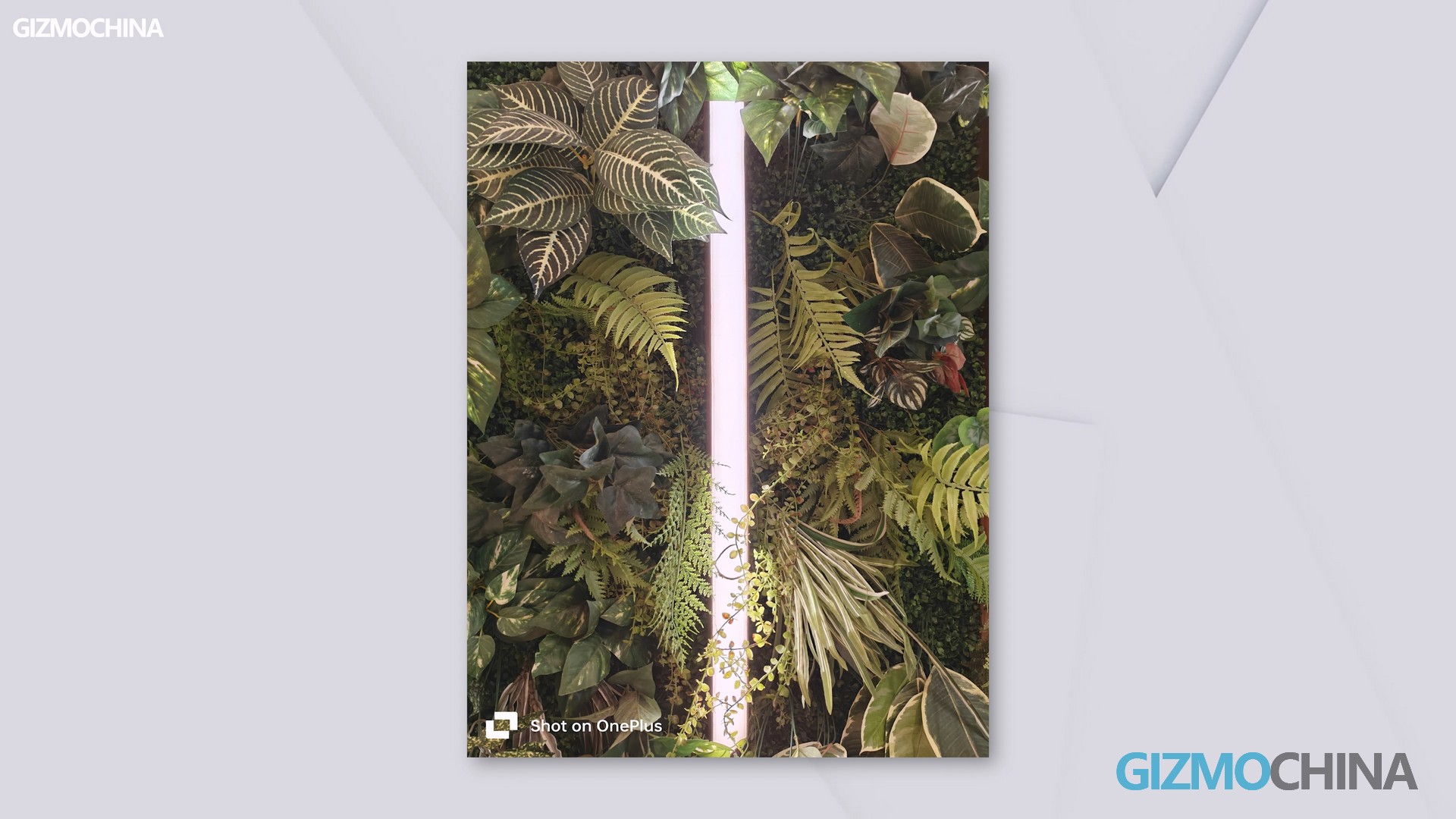
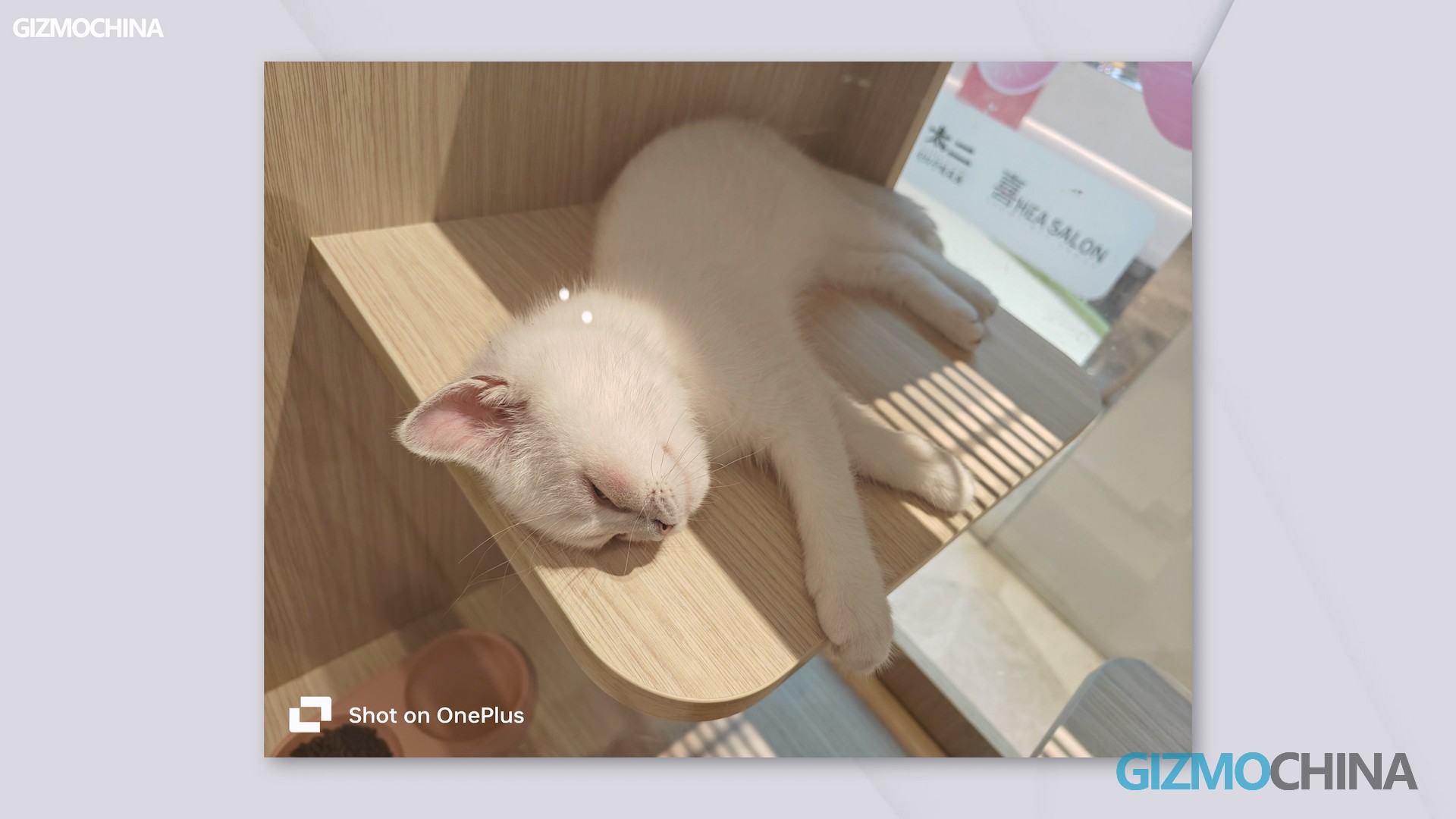
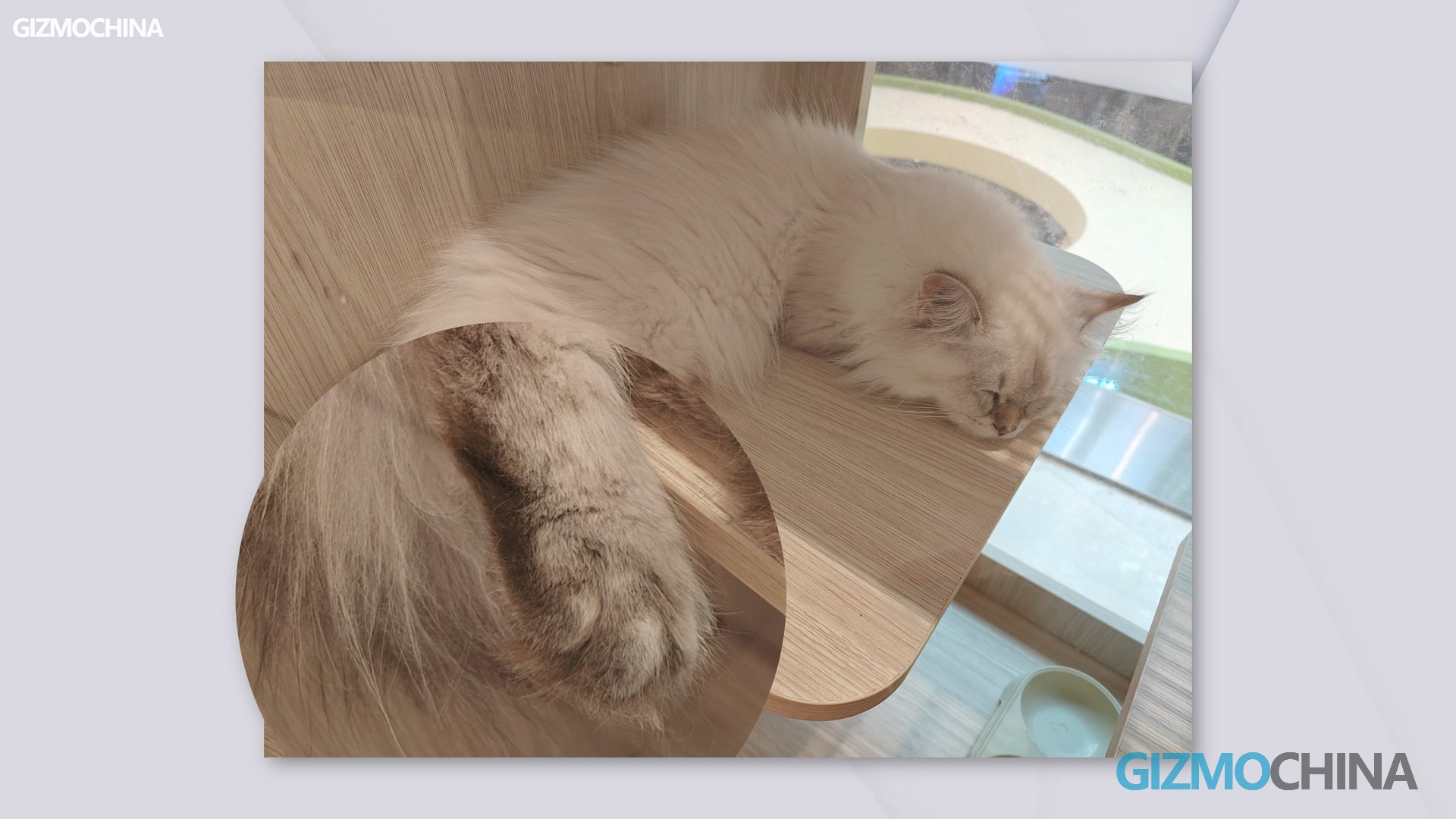
The Ace 2 Pro’s main camera performs well, and I can hardly pick out any unacceptable flaws in it. The dynamic range is excellent and the colors aren’t overly bright. The heavy sharpening effect problem on previous OnePlus phones has also been solved, the details of the cat hair are very natural.
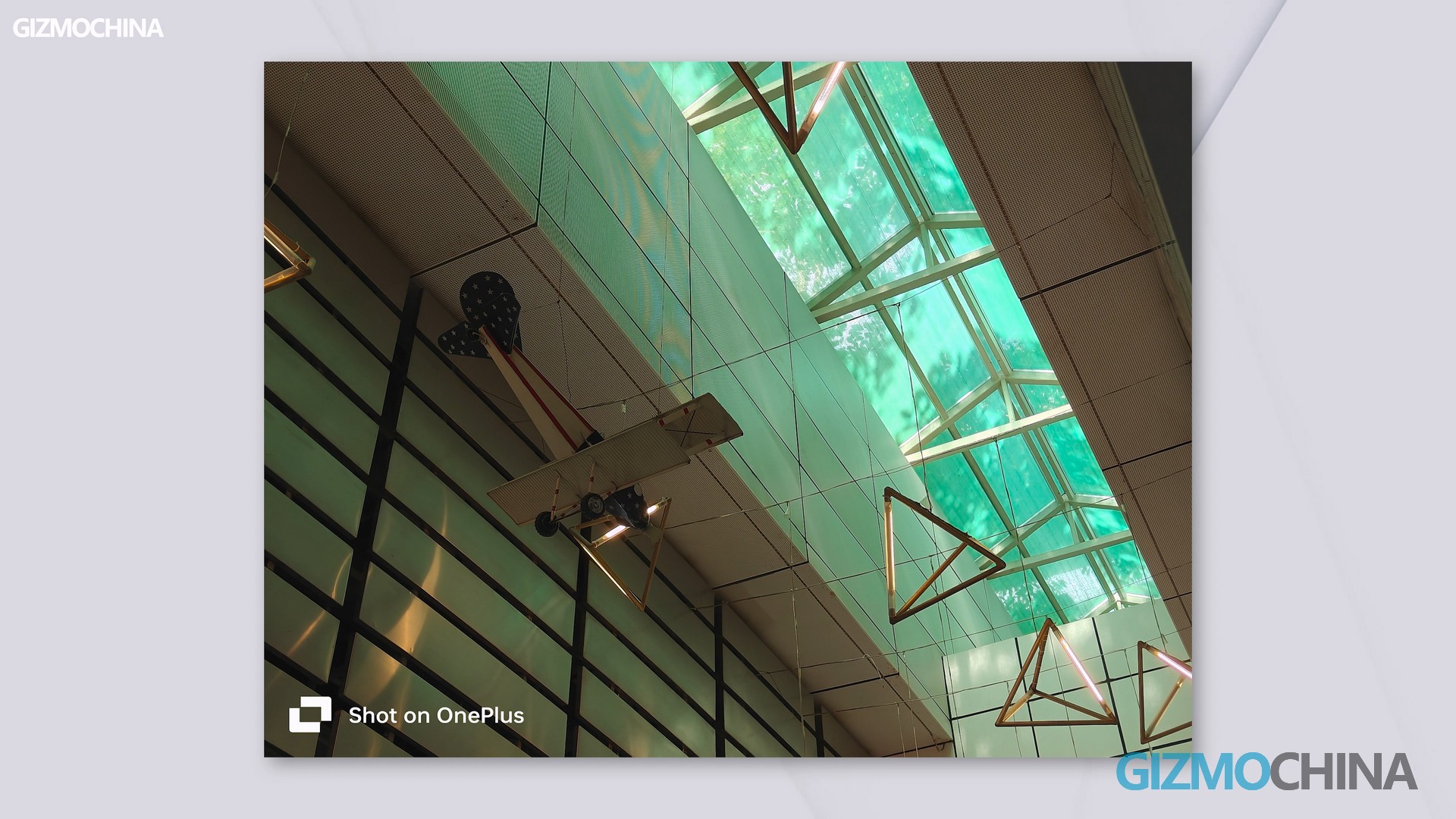
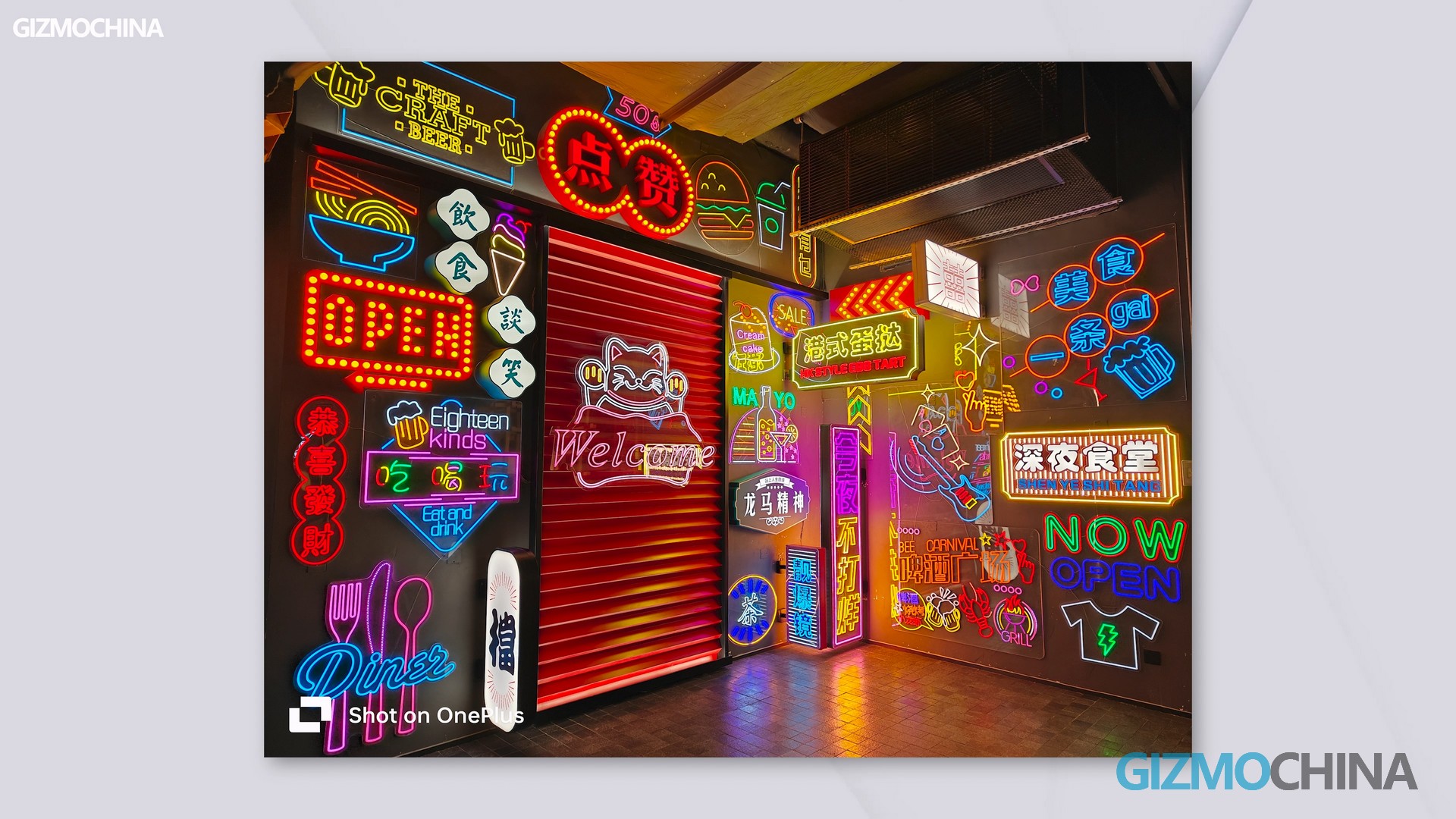
2x zoom sharpness is also acceptable, even at night in various dark light scenes, it is similar to the daytime photos, which is considered to be excellent at this price point. Just the 8MP ultra-wide camera that’s a little short in terms of clarity.
All in all, the previous OnePlus phone may not have had a very good camera performance, but since it’s back in OPPO’s family, the camera’s algorithm has been significantly improved, so most of the time you can take a decent photo with Ace 2 pro.
Battery & Charging
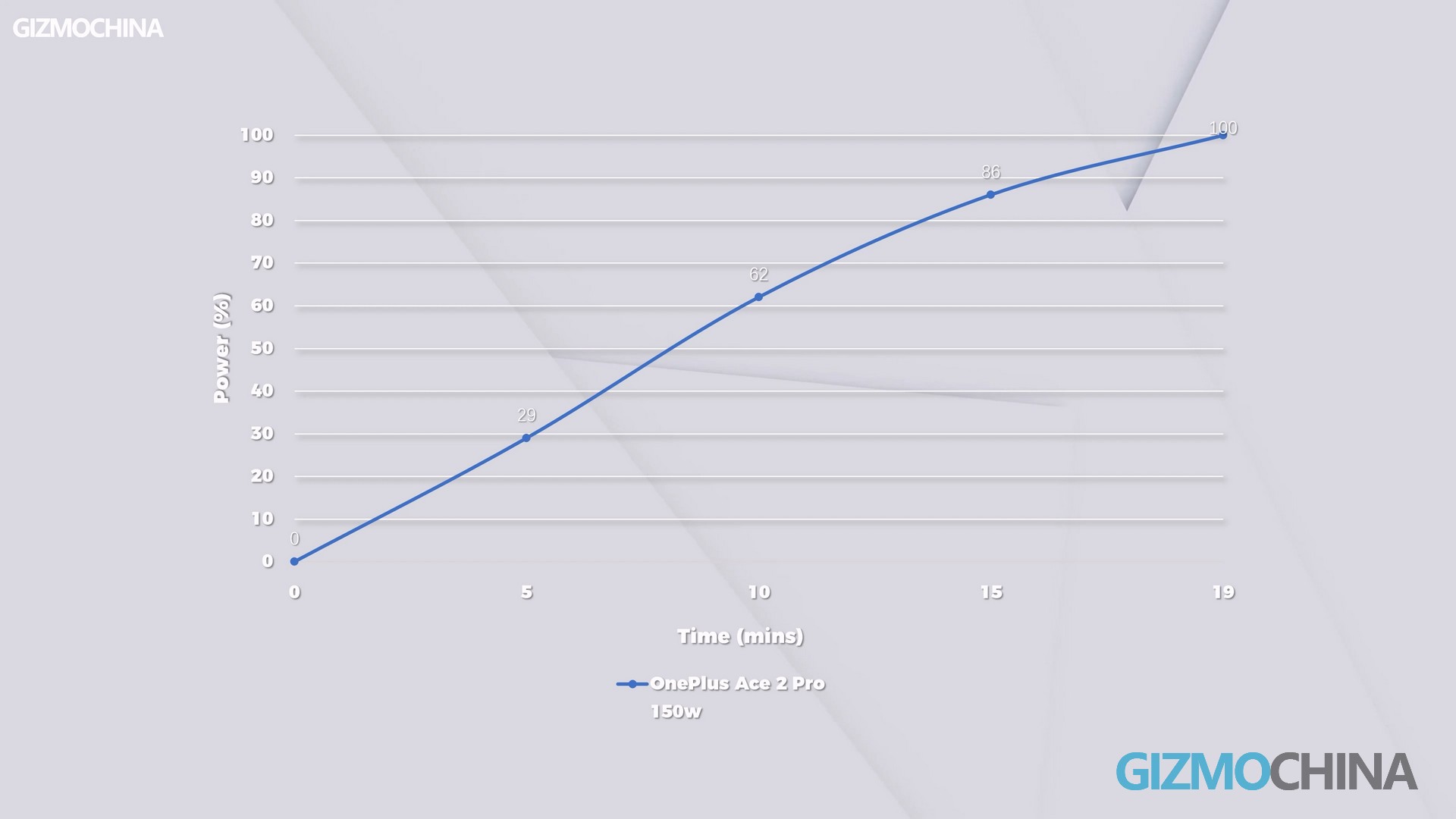
The Ace 2 Pro’s charging power has also been upgraded from 100W to 150W, less than 20 minutes for a full charge is shockingly fast even by now. The battery capacity is 5000mAh. The battery life is pretty good, about the same level as a regular 8 Gen 2 phone, so normally It only needs to be charged once a day.
Conclusion
The Ace 2 Pro actually performs well in all aspects, my only complaint is that there is no telephoto camera and the ultra-wide camera is weak. But it doesn’t matter because the main focus is still on the performance and the price is pretty good. I know, a lot of people want to know who is better when compared to Redmi K60 Ultra. So remember to follow our channel, the K60 Ultra review video will have the answer you want to know.
Samsung recently unveiled its latest generation of foldable smartphones, which included the new Galaxy Z Flip 5 and Galaxy Z Fold 5. However, it appears that work on a successor to the Flip model has already begun and there are some major upgrades.
Samsung Galaxy Z Flip 6 Camera Improvements
The South Korean tech giant launched the Galaxy Z Flip 5 with the same camera as its predecessor, the Galaxy Z Flip 4, which is a 12-megapixel primary sensor. But it seems like the next-gen Flip model will feature some notable improvements, especially in the photography department. According to a new report from the GalaxyClub, the Galaxy Z Flip 6 will feature a major upgrade in camera technology.
Apparently, Samsung is currently testing the prototypes of the upcoming Galaxy Z Flip 6 with a 50-megapixel primary camera. If this news is true, the company’s next-gen foldable phone will bring a notable upgrade over the Galaxy Z Flip 5. Unfortunately, the report does not reveal any finer details regarding this camera sensor or its lenses. But based on what we know so far, the Samsung Galaxy Z Flip 6 will carry the codename B6, while the Galaxy Z Fold 6 will have the codename Q6.
The two 2024 foldable smartphones are still a year away from being announced so it is still too early to know for sure. Keep in mind that this is also just an unconfirmed report, so take this news with a pinch of salt and stick around for more updates regarding this matter.
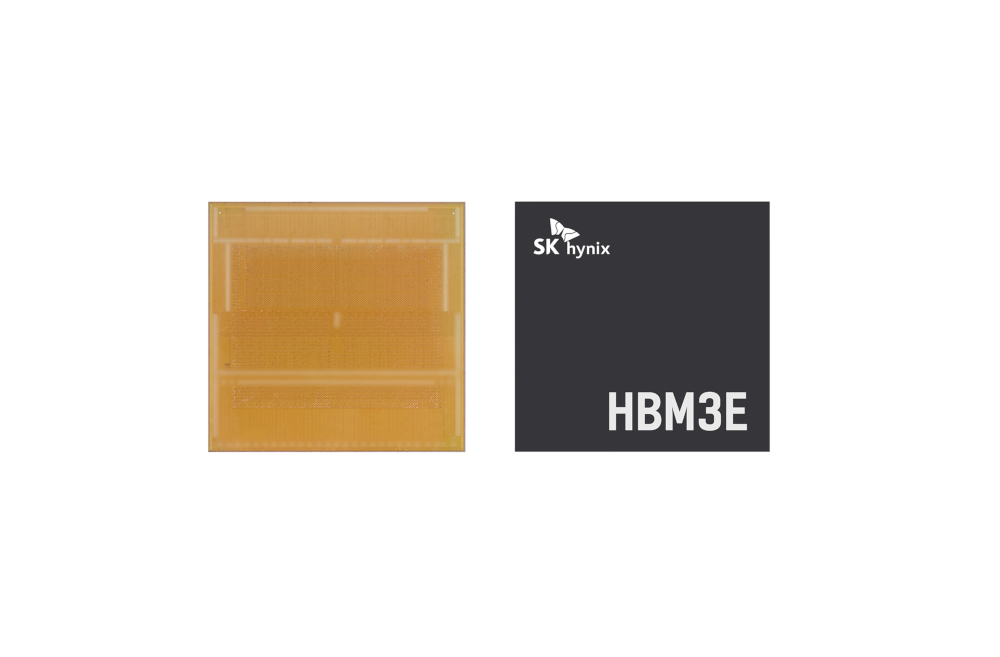
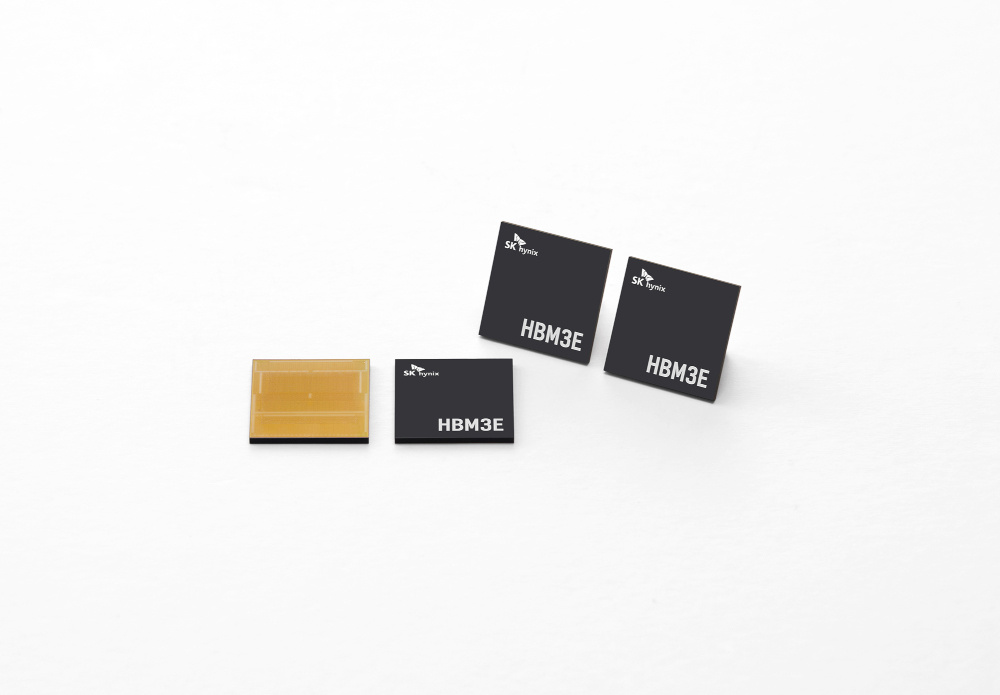
SK Hynix has unveiled its latest DRAM innovation, the HBM3E memory, a groundbreaking product specifically designed for AI applications. This announcement establishes the company’s dominance in the ultra-high-performance memory sector. Samples are already being distributed to customers for performance verification, and mass production starts in 1H24.
HBM3E Achieves an Astounding 1.15TB/s Data Processing Speed
HBM (High Bandwidth Memory) refers to a stack of multiple DRAM chips vertically arranged, which considerably amplifies data processing speeds. The evolution of HBM DRAM has seen its advancements from the first-generation HBM to the most recent, fifth-generation HBM3E. Notably, HBM3E is an enhancement of its predecessor, HBM3.
With their extensive history in HBM production, SK Hynix commented on the release, “As the exclusive manufacturer of HBM3, our development of the world’s most superior HBM3E showcases our deep expertise and commitment to leading the AI memory market.” The company has plans to commence mass production of this cutting-edge memory by the first half of the subsequent year.
The HBM3E boasts a staggering data processing speed of 1.15 terabytes per second. To put this in perspective, it’s capable of handling 230 full high-definition (FHD) movies, each 5 gigabytes in size, in just one second.
Beyond its sheer speed, the product incorporates the latest Advanced MR-MUF technology, enhancing heat dissipation by a notable 10% compared to its previous generation. Furthermore, the HBM3E is designed with backward compatibility. This feature enables a seamless transition for customers, allowing the integration of HBM3E into existing HBM3-based systems without necessitating any design alterations.
The longstanding partnership between NVIDIA and SK Hynix further solidifies the promise of HBM3E. Ian Buck, VP of NVIDIA’s Hyperscale and HPC Division, expressed enthusiasm about the collaboration’s future, emphasizing the potential of the new HBM3E in revolutionizing AI computing.
Samsung is also set to start mass production of HBM chips tailored for AI in the latter half of 2023, competing directly with SK Hynix. In 2022, SK Hynix held a 50% share of the HBM market, Samsung had 40%, and Micron accounted for the remaining 10%. The HBM market constitutes just 1% of the overall DRAM segment.
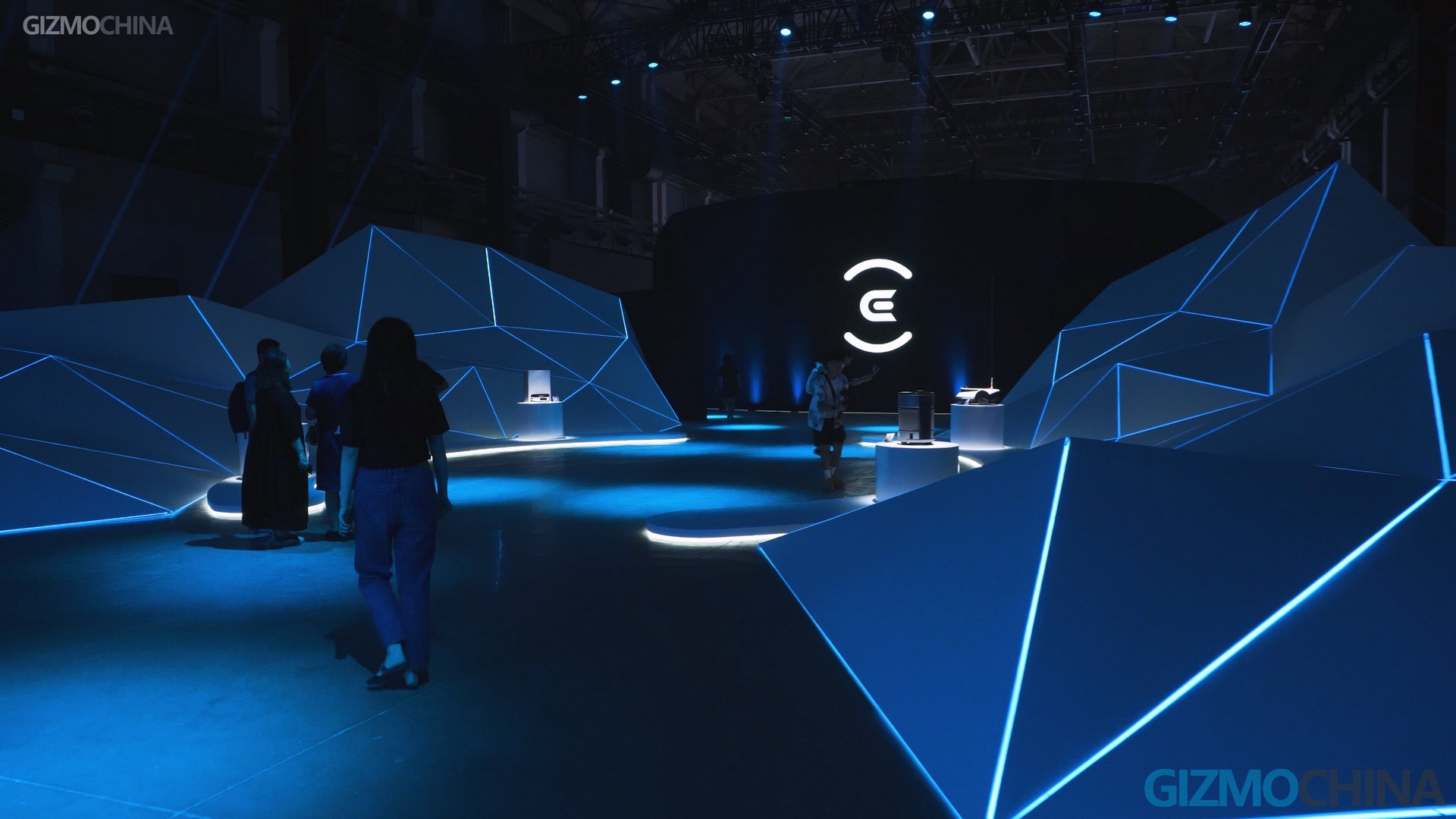
ECOVACS ROBOTICS recently showcased a new range of cutting-edge products during its 2023 Global Launch Event. This introduction represents the brand’s ongoing commitment to addressing diverse home service needs and reinforcing its “Robotics for All” ethos. We were excited to be there and take a closer look at the three of the newly released robots. You can check out the video about the event tour.
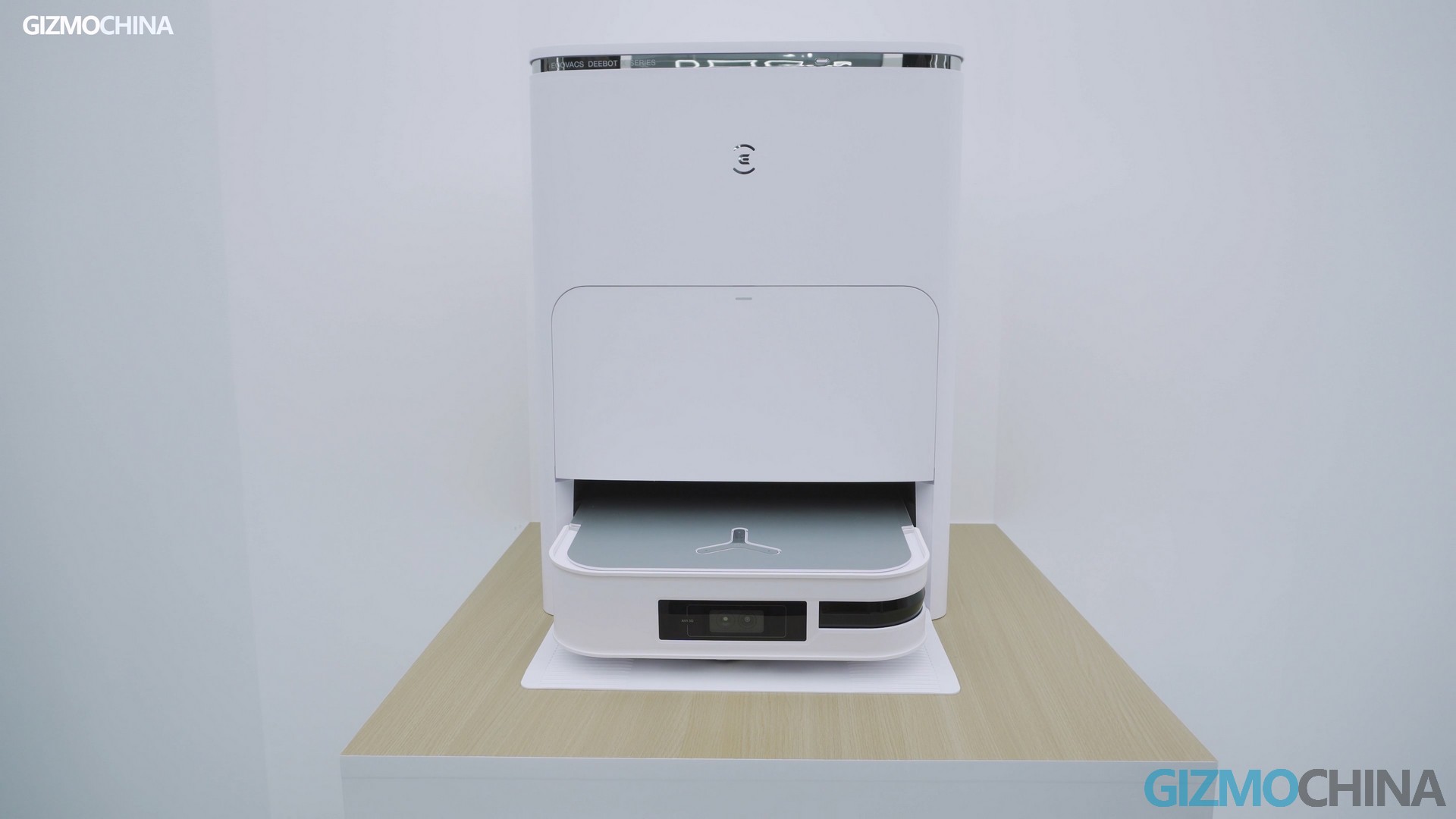
ECOVACS Deebot X2 OMNI
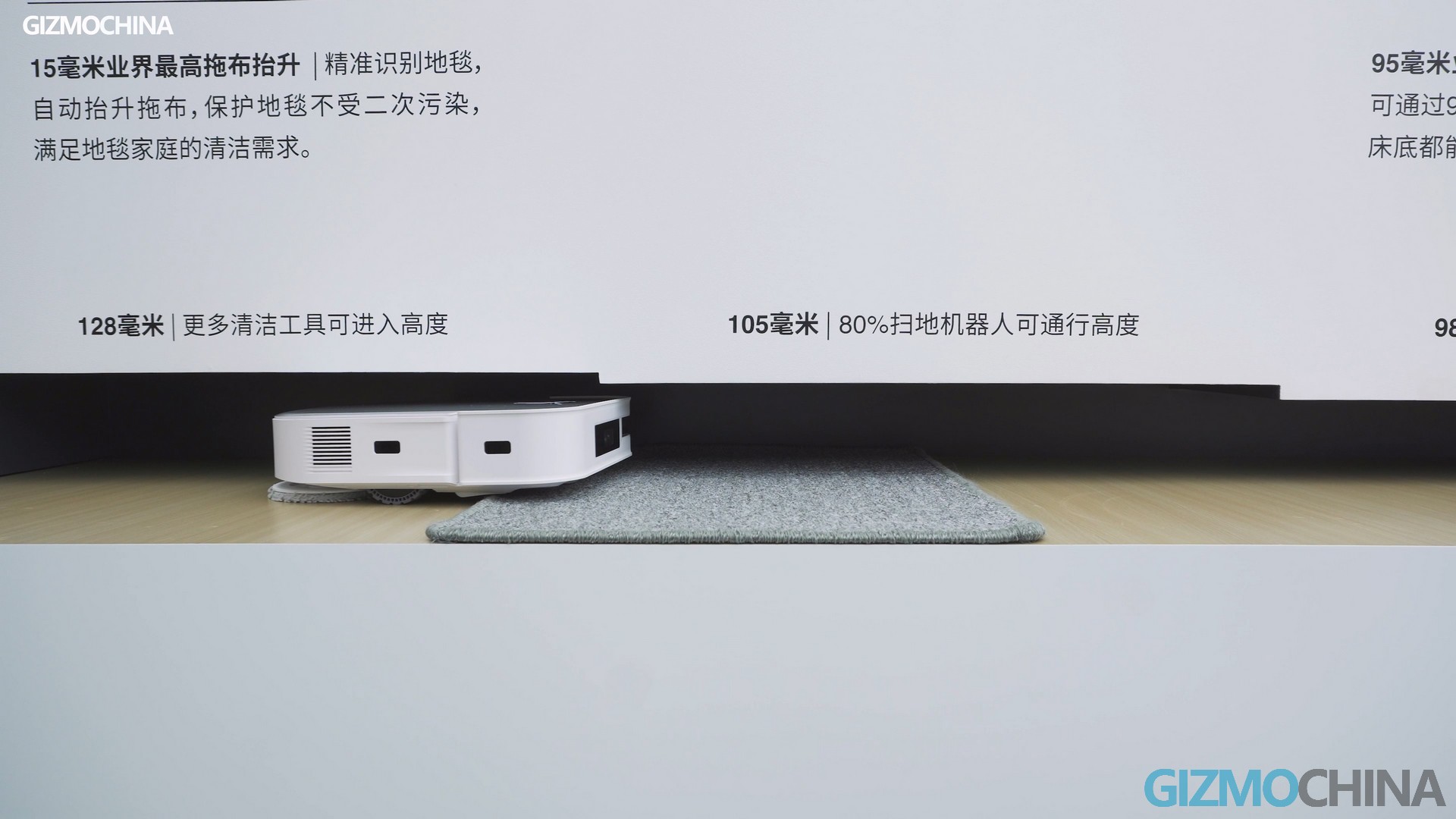
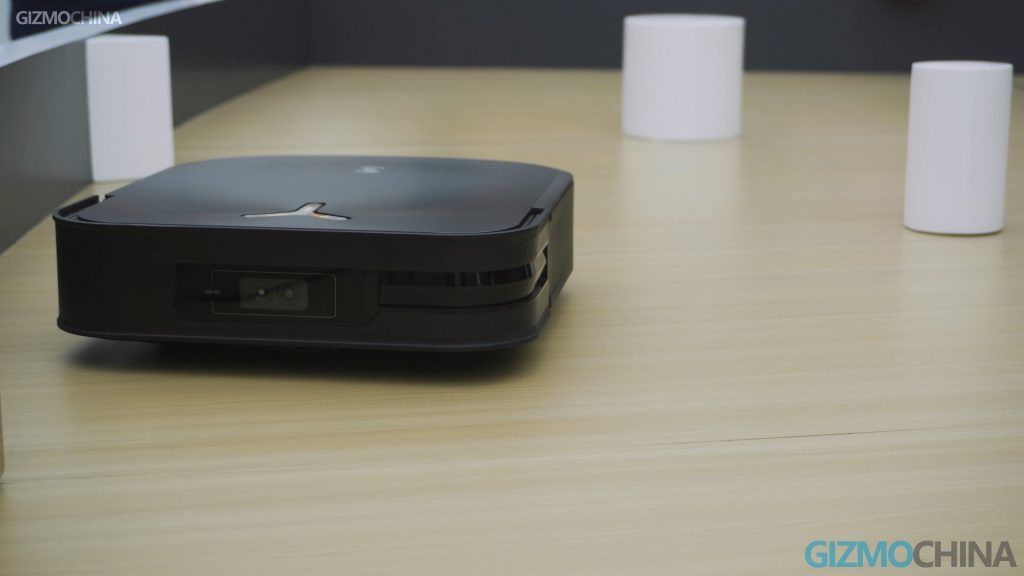
The first one is the Deebot X2 OMNI robot vacuum. The biggest changes noticeable to the eyes are the shape and size. The front of the robot has been designed in a square body, with 32cm wide and 95mm high, and the mop underneath is 200mm wide, which is pretty large.
If you have followed up on the robot vacuum products in this market, you will understand that, unlike all the rounded robot vacuums out there, such shape and dimension changes, we’ve seen before in the market, can again largely improve the capability of cleaning some hard-to-reach places, like 90-degree corners, areas under or around the sofa, and we will definitely notice the differences it makes. Meanwhile, the mop lift is improved to 15mm high now and the suction power is upgraded to 7500-8000pa, this will enable the robot to climb up taller carpets and will not leave any dirt behind. Ecovas claims that the X2 OMNI can clean up to 99.77% of the whole house, which is much like a figure that we haven’t seen before.
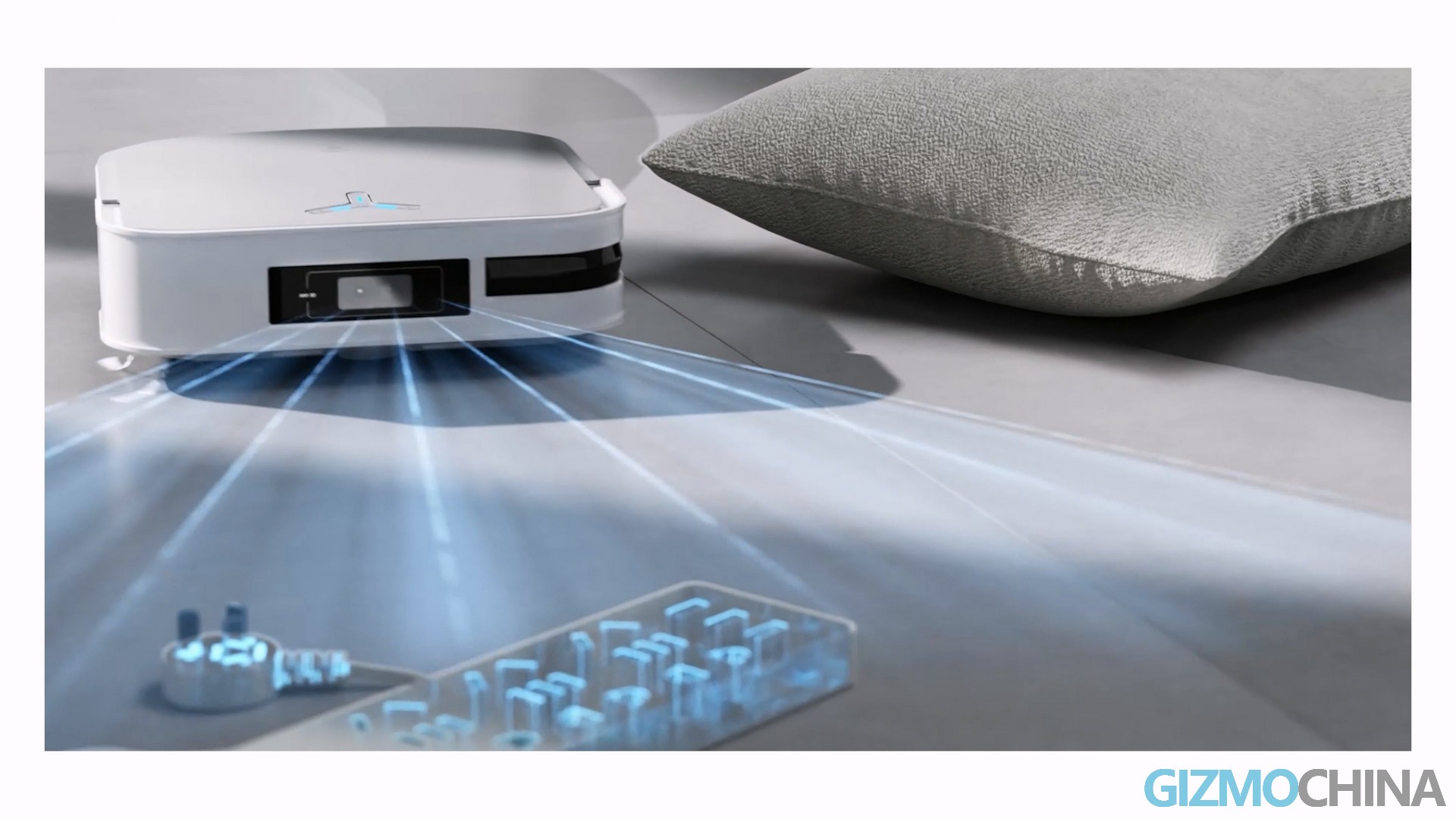
In order to fulfill a vacuum’s destiny, the brain of the robot has also been upgraded. The AIVI 3D 2.0 system has a “Dual-laser Lidar”, which not only significantly reduced the height of the robot, but also can detect everything much quicker and more precisely within a wide 210-degree field of view.
The benefit of the upgrades enables the robot to have a better computing ability, you can see how it maps out the more squared-off corners and accurate tiny objects. In reality, it can determine the size and position of the objects in front of it, not just one, but all of them, so it can decide the best route to go ahead without any trials. The AI machine learning ability has really helped the robot to select the best navigation strategy, to put it into comparison here, some models from other brands will just stuck and can’t decide which way to go, but the X2 OMNI is doing an excellent job here. The mobility is incredible. By the way, this tech is also used in some electric cars, so the reliability and response are second to none for sure.
Some other features worth mentioning are auto dirty-water detection, auto detergent filling, and YIKO intelligent voice assistant 2.0. Which also helps a lot to improve the overall experience.
After this, would you say it can help you better with household cleaning? let us know your thought down below, and we will try to do a more in-depth review of this later on.
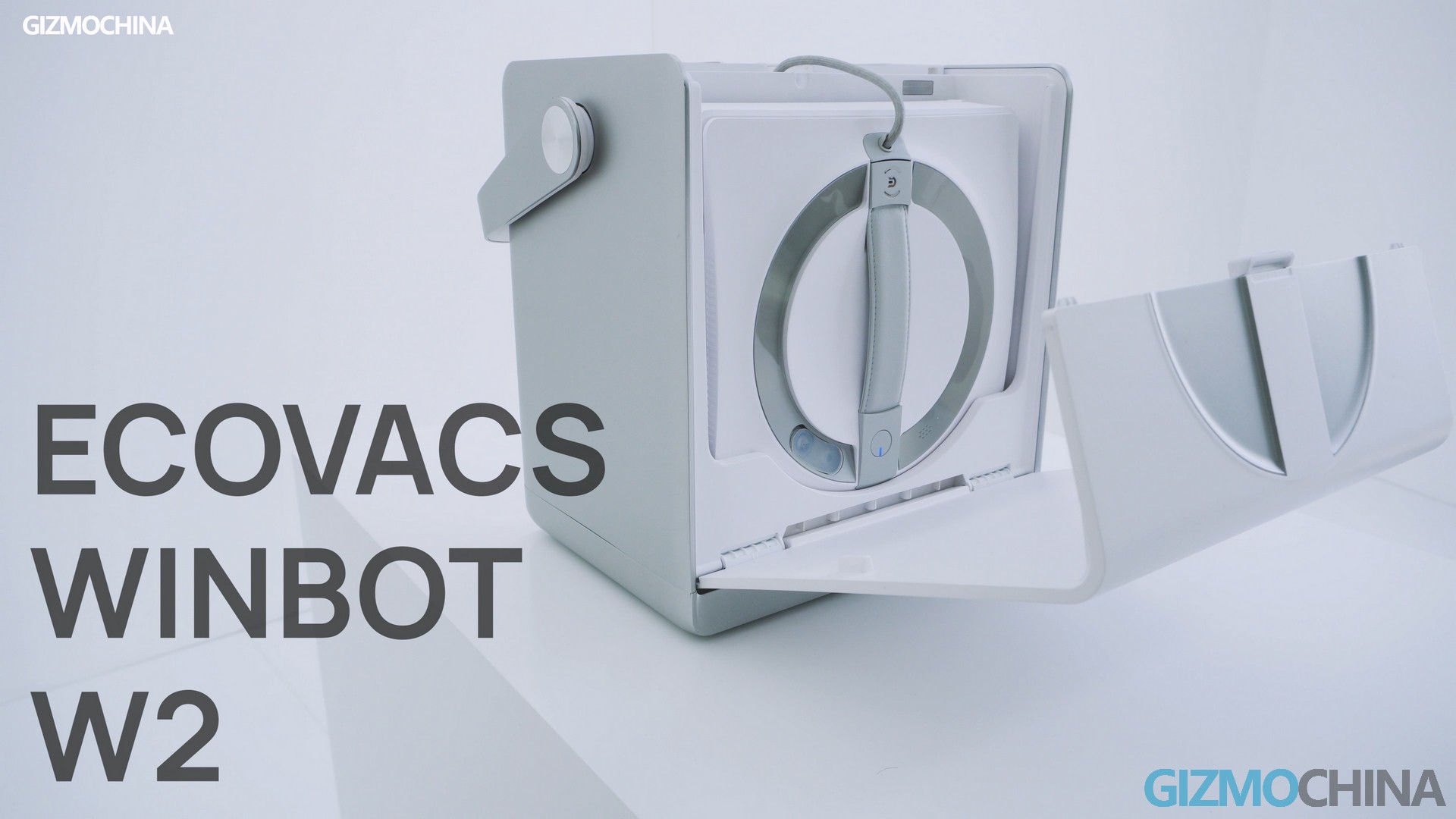
ECOVACS WINBOT W2
Next one is the Winbot W2. Living in the concrete jungle is something we are all familiar with, and the glass window is the portal for us to know the outside world, well keeping it clean can be an essential task we all need to do. The Winbot, a window cleaning robot from Ecovacs solves the problems perfectly, and the W2, got some improvements over the first gen.
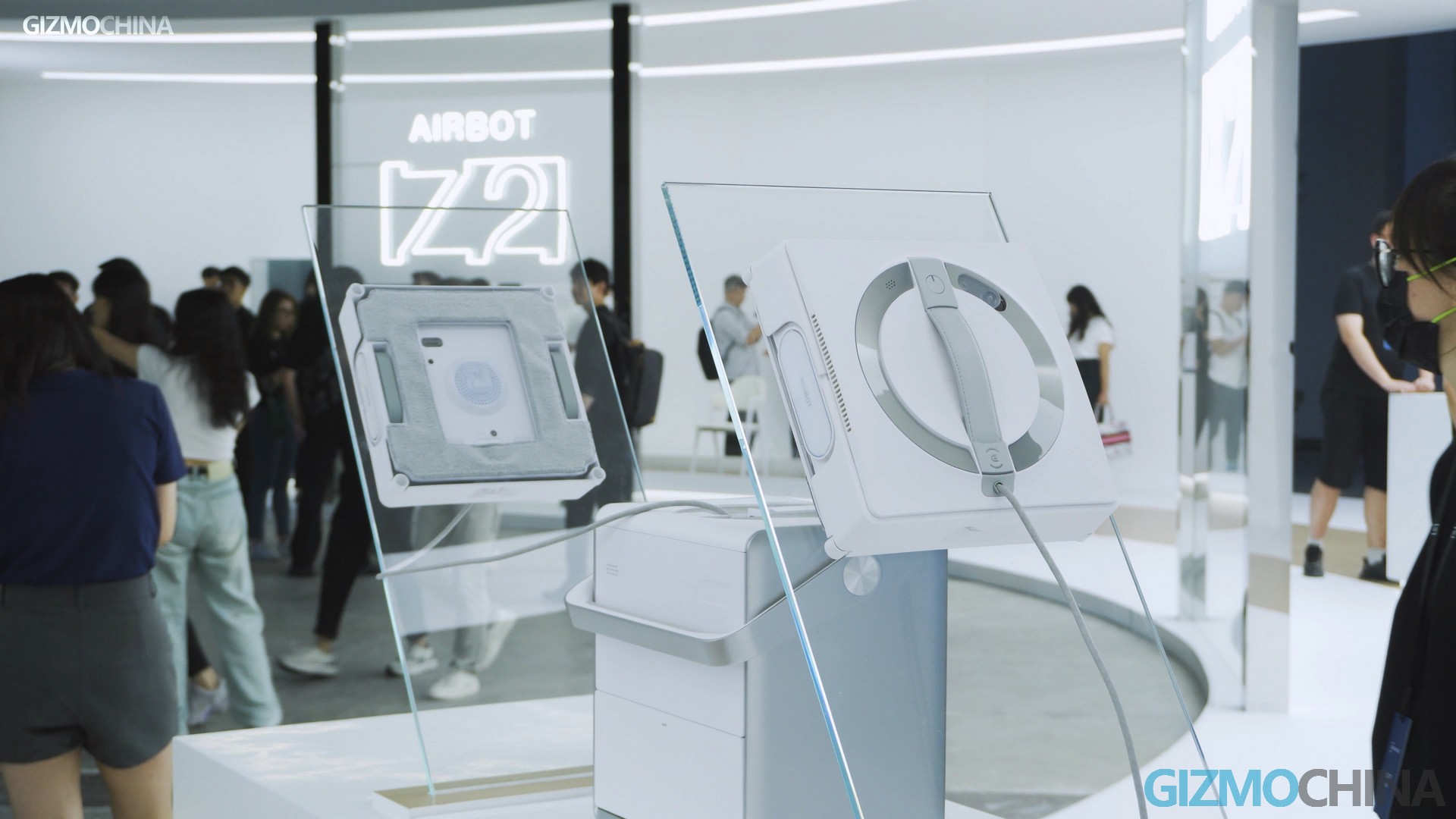
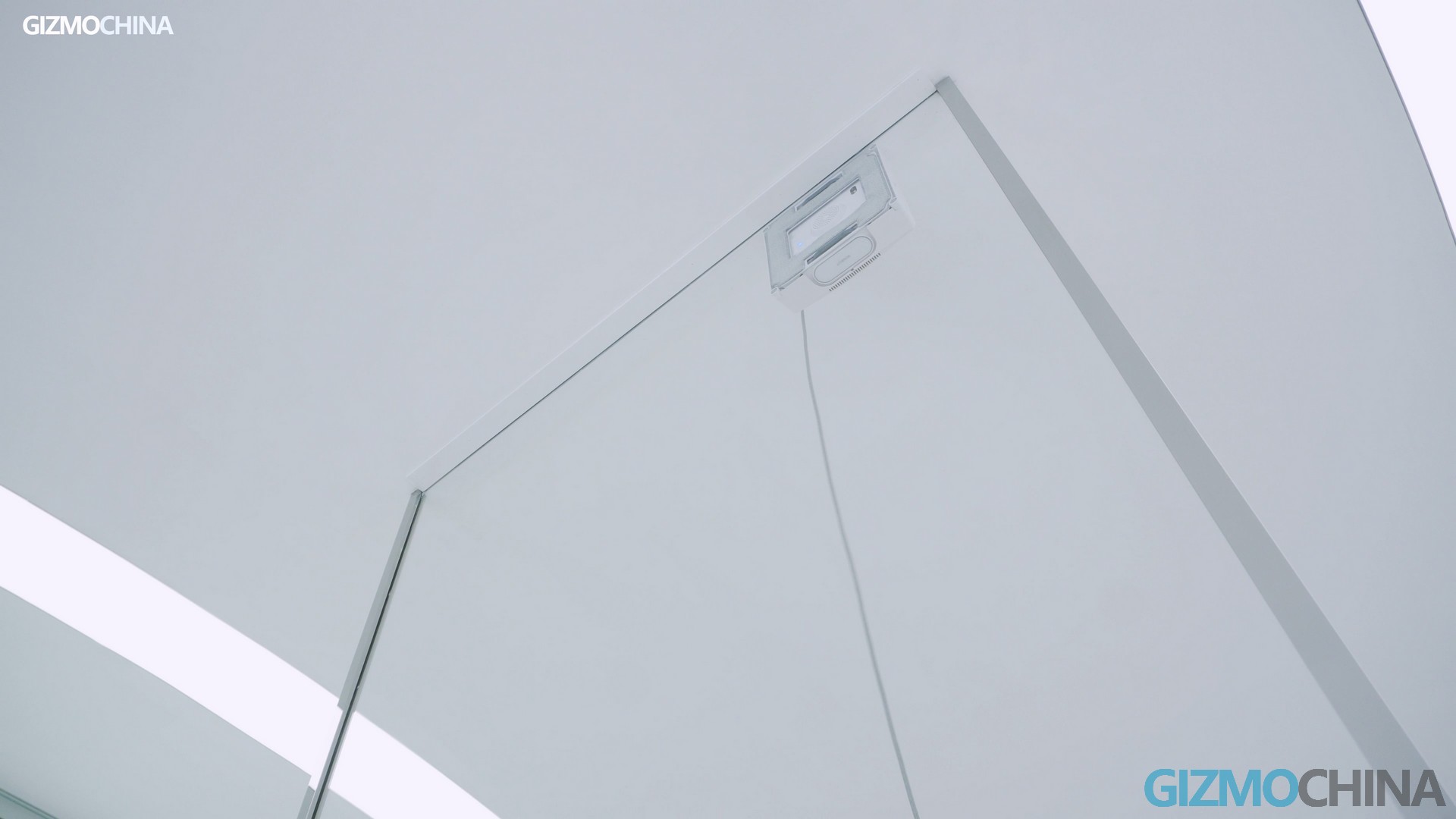
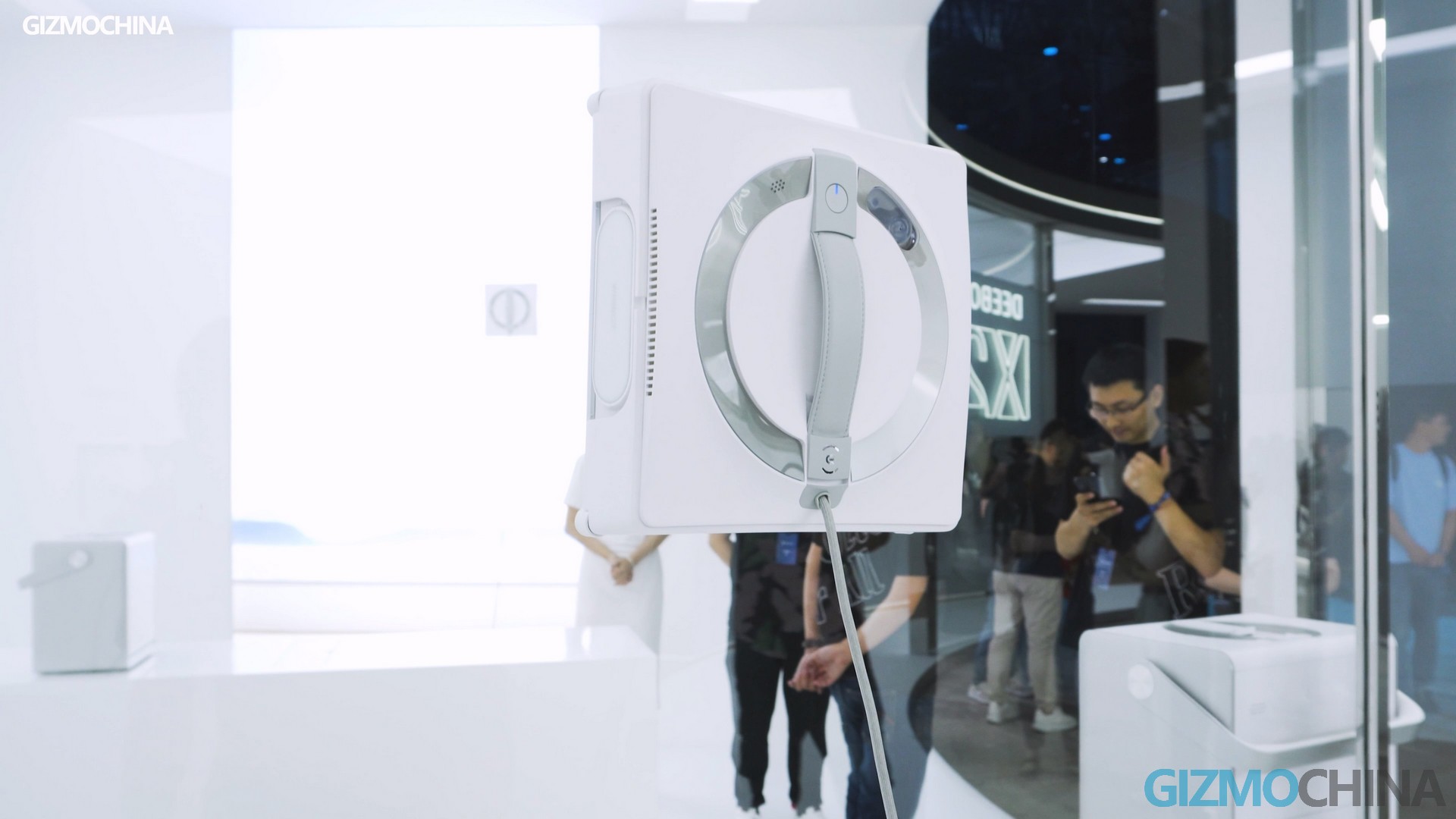
The best part is that it has a station for the robot, this station is multi-fuctional, it plays the role of taking the robot anywhere it should be, providing power when the robot is working, automatically retracting the cables, and also it can stick to the floor. In case the robot falls from the window, the station will make sure it does not fall further down, this is a very thoughtful design. With this station, the robot can work for 80mins, it can definitely clean many windows in the house. But just to remind you, the station can not suck on the window like the robot, it’s better to put it on the ground it should be.
A common problem with window-mopping robots is that, when it’s working, the cables will easily tangle together, resulting in malfunction or falling. The W2 solves this problem by utilizing only one strong cable on it, the cable is made of composite materials, and won’t easily bind to anything, and even if it falls, W2 will react within 0.02 seconds, and the cable will hold the robot from falling.
Lastly, the cleaning ability. In hot weather or the glass is in extremely dirty condition, cleaning will be harder. So the W2 can solve this by adapting 2800Pa suction power, and the three nozzles on the robot will spray the water out evenly and continuously, keeping the area wet all the time, as you can imagine, this will help with the cleaning a lot.
ECOVACS AIRBOT Z2
Well these are the main upgrades for the W2, let’s jump to the last one, the Airbot Z2.
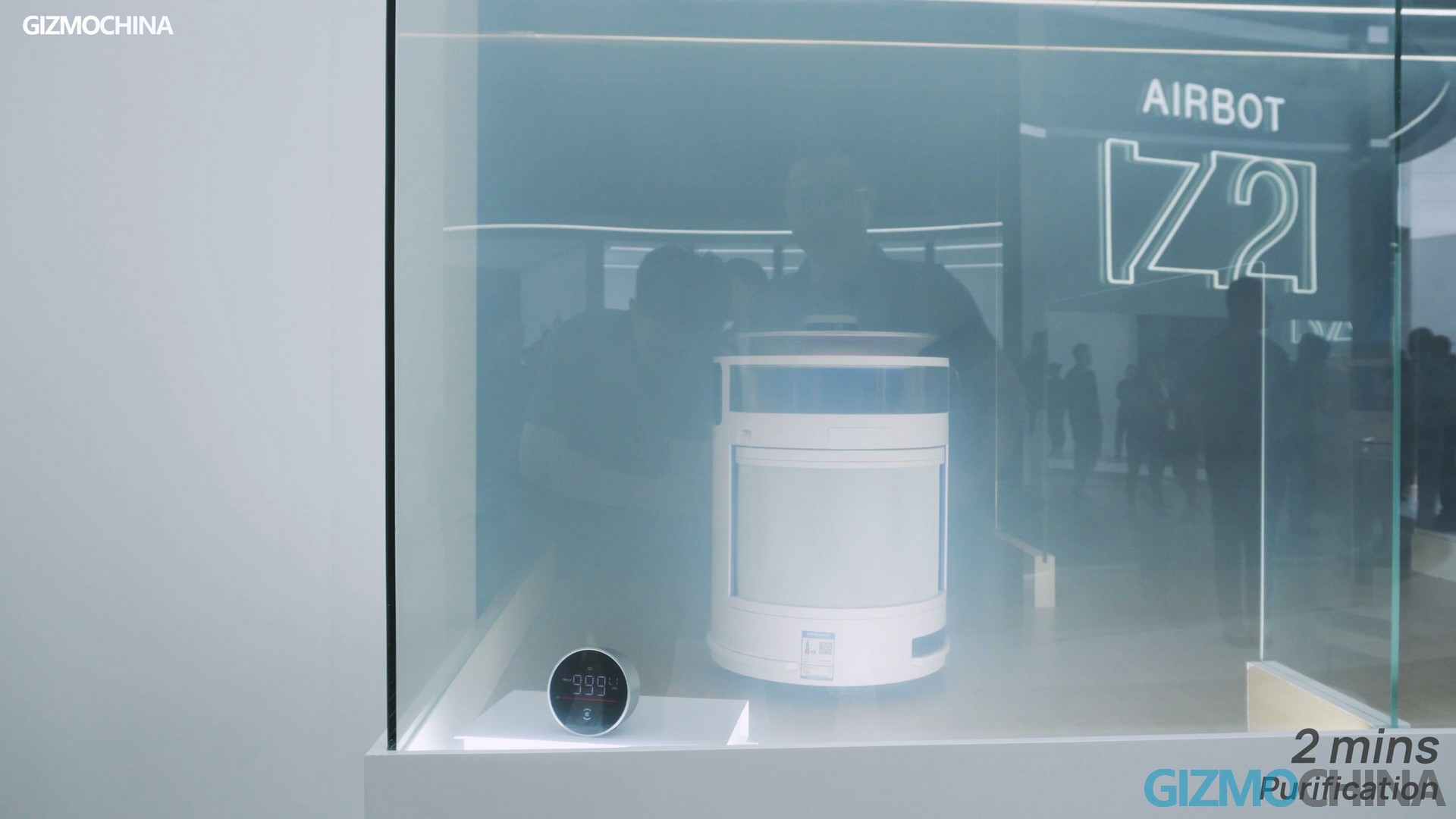
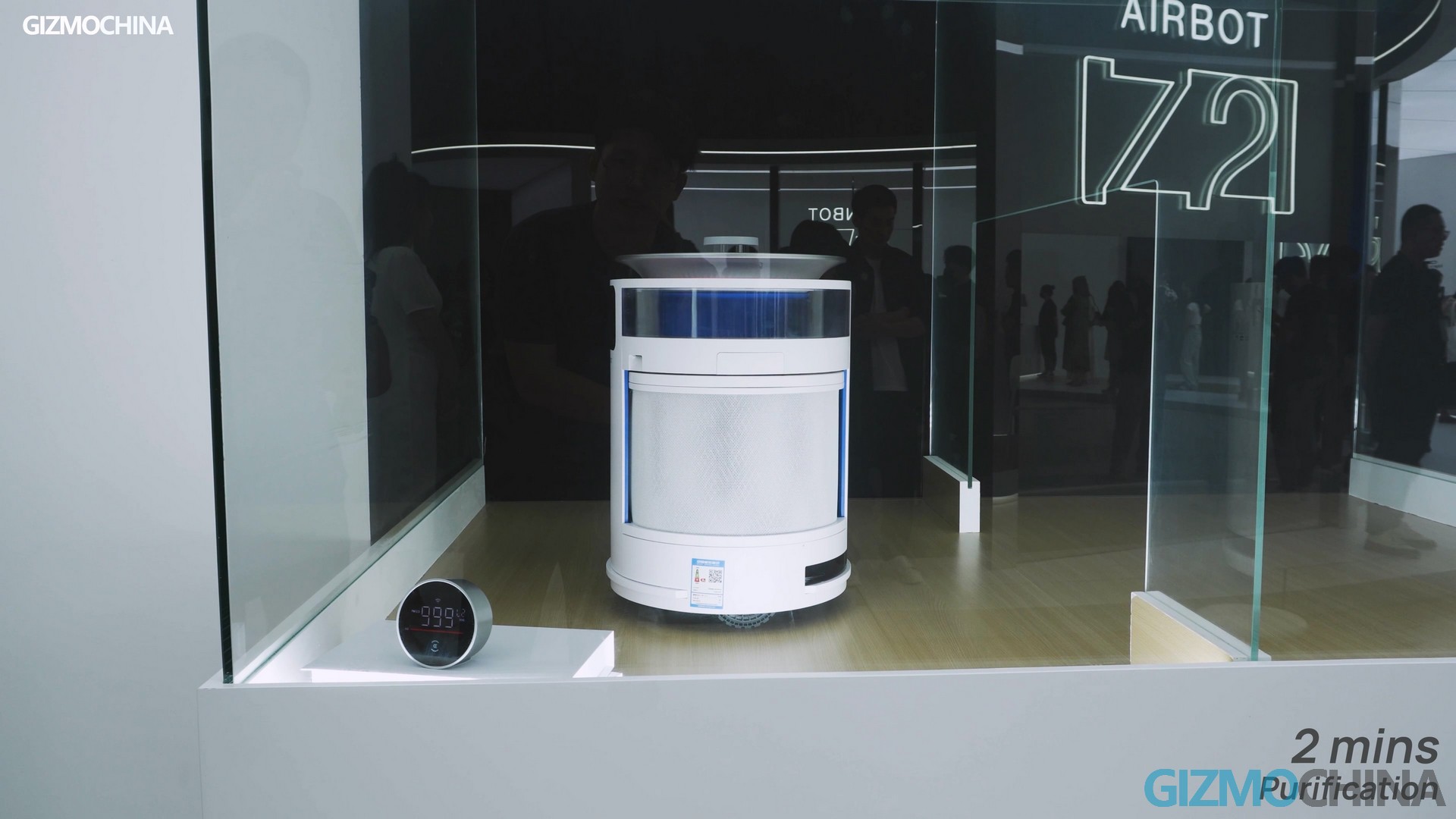
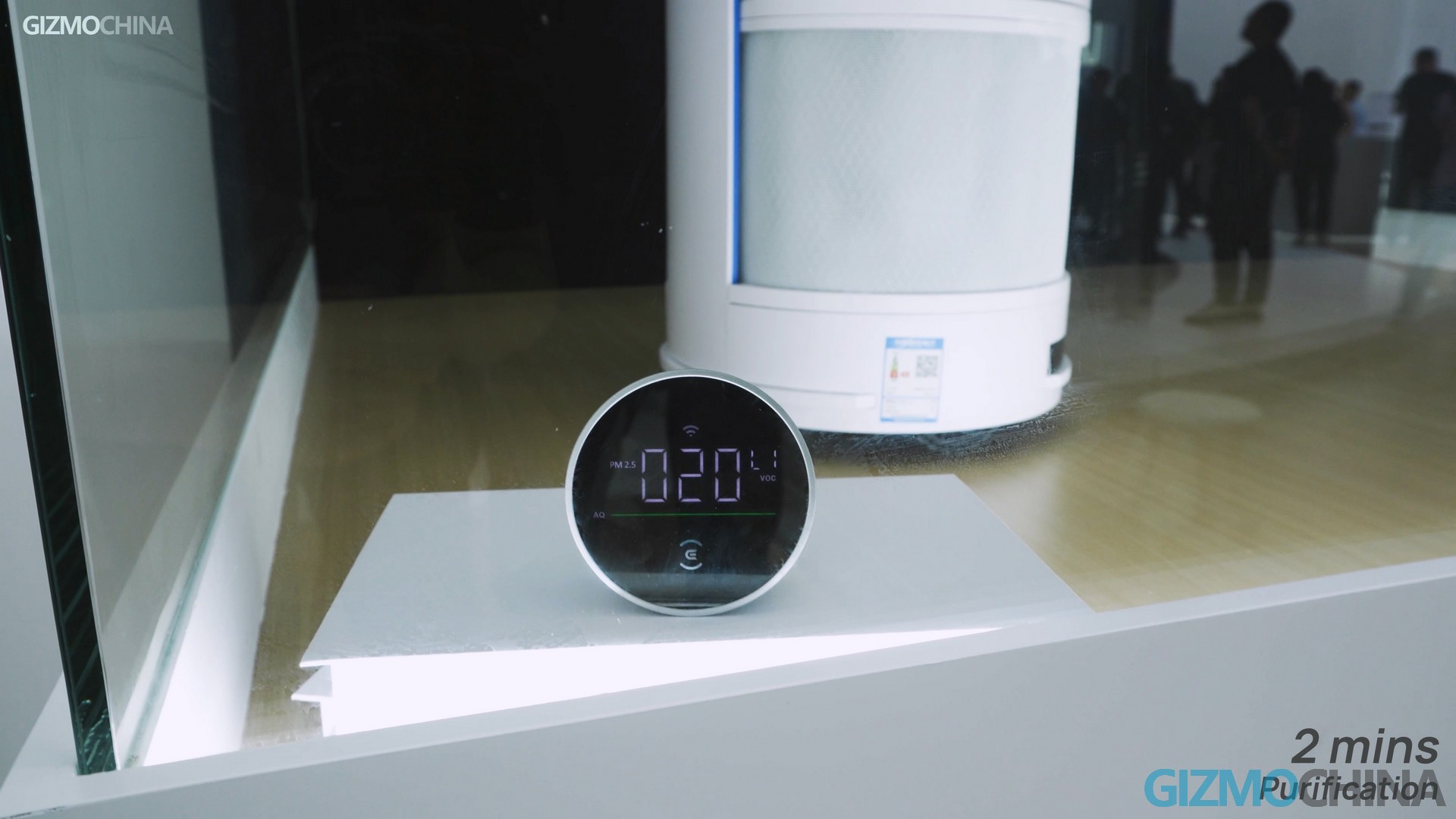
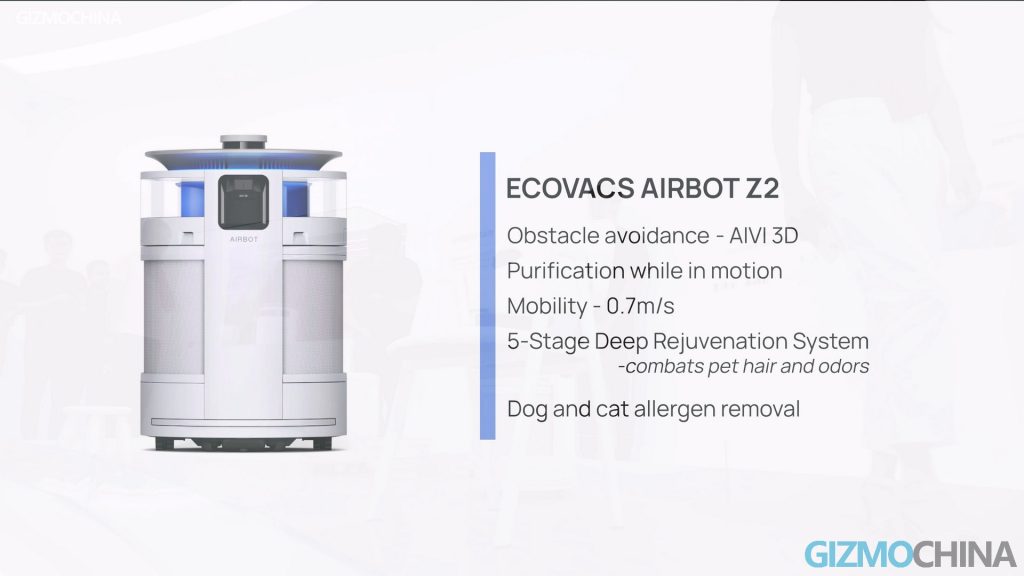
The Airbot Z2 is a mobile air purifier. It has the same AIVI 3D system like the X2 OMNI, so it has the same AI mapping and accurate navigation ability, and with all the sensors in each room, it will navigate its own way to find the spaces that need air purification. I must say this is a much more advanced solution than the traditional air purifiers that just sit there and work hard trying to do their job. In a typical experiment, the Z2 can bring the PM2.5 figure down to 25 with half of the time a normal air purifier needs. Another benefit of this AIVI 3D system is that, it can follow the house owner anywhere around providing clean air, sort of like a robotic pet.
The Z2 has 5 layers of filters, each to filter out certain types of odors. The most appealing one to some people is the pet hair filter, it can get rid of 97.5% of the pet hair that might cause allergies, which is quite impressive.
To create a more pleasant environment for the household, Ecovacs works with a well-known perfume brand to bring some essential oil to the Z2, so you have both clean and refreshing air.
Impression
Ecovacs, as the leader in the cleaning robot industry, has expanded its product line to every corner of the household. The event really refreshes our imagination about where a smart home can go. So if you are interested in Ecovacs, please check out the link down below, to learn more about the brand story and products, we will also be working on the review of them after this. Please stay tuned to our YouTube channel.
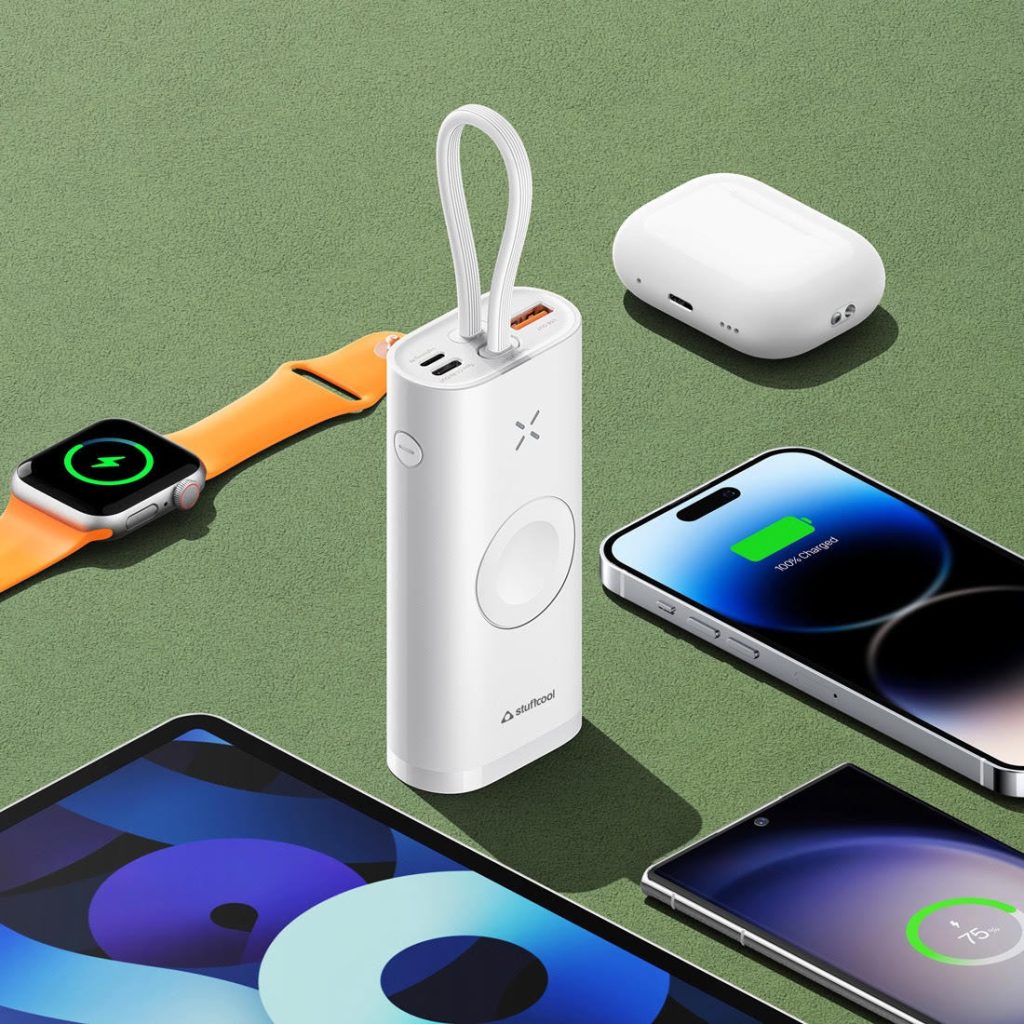
Stuffcool has just unveiled a new powerbank for the Indian market. It is the new Ally model, which features some notable specs and features. So here are all the details regarding the new accessory.
Stuffcool Ally Specs
The known accessories maker’s latest powerbank features a massive 10,000mAh battery pack. This will enable it to charge up multiple products. It is a new pocket-friendly powerbank that can charge all of your iOS devices. The device supports an output of up to 22.5W. Stuffcool’s Ally is capable of charging an iPhone to 50 percent in just 30 minutes at 20W PD charging speeds. It supports Lightning to Type C cable which can help it charge an iPhone, iPad, AirPods, and even Ally as well.
Notably, the powerbank measures just 11cm in length and 5cm in width, while also housing a built-in charger for the Apple Watch. So while the iPhone charges at 20W speeds, the Apple Watch can be charged at 2.5W simultaneously. On a single full charge, the device can power an iPhone 14 Pro about 2.2 times. Apart from Apple products, you can even charge compatible Android and other devices like truly wireless earbuds, neckbands, and smartwatches as well.
Stuffcool Ally Pricing & Availability
The Stuffcool Ally 10,000mAh Compact Powerbank is currently listed on the company’s website for a price tag of 4,490 INR. Although, the device is available for a special introductory price tag of 3,490 INR. Interestingly enough, the Ally powerbank is Made in India and is also approved by the BIS (Bureau of Indian Standards).
We use cookies on our website to give you the most relevant experience by remembering your preferences and repeat visits. By clicking “Accept”, you consent to the use of ALL the cookies.
This website uses cookies to improve your experience while you navigate through the website. Out of these, the cookies that are categorized as necessary are stored on your browser as they are essential for the working of basic functionalities of the website. We also use third-party cookies that help us analyze and understand how you use this website. These cookies will be stored in your browser only with your consent. You also have the option to opt-out of these cookies. But opting out of some of these cookies may affect your browsing experience.
Necessary cookies are absolutely essential for the website to function properly. This category only includes cookies that ensures basic functionalities and security features of the website. These cookies do not store any personal information.
Any cookies that may not be particularly necessary for the website to function and is used specifically to collect user personal data via analytics, ads, other embedded contents are termed as non-necessary cookies. It is mandatory to procure user consent prior to running these cookies on your website.