Honor recently gave us a sneak peek, teasing the upcoming launch of the MagicBook X Pro 2023 in a brand new Ryzen Edition. Today, the company officially confirmed the AMD Ryzen-powered laptop will hit the Chinese market on August 8. So far, Honor has released the MagicBook X Pro laptops in two screen sizes, 14-inch and 16-inch, with Intel Core i5-13500H processors.
Honor MagicBook X Pro 2023 Ryzen Edition Features
According to the official announcement, Honor is set to host a product launch event on August 8, during which it will unveil the MagicBook X Pro 2023 Ryzen Edition notebook along with some exciting new features. The poster reveals the laptop will support an AI subtitle function, allowing users to switch between multiple languages as they please.
The new notebook will be powered by an R7 7840HS series chipset based on Zen 4 architecture. For the unknown, AMD Zen 4 is the codename for a CPU microarchitecture designed by AMD. It’s possible the rest of its specifications will be the same as the Intel Core edition.
To recall, the Honor MagicBook X 14 Pro Intel edition is a sleek and lightweight laptop that was released in March 2023. It is powered by a Core i5-13500H processor and features a 14-inch 2.2K screen. The laptop also has an integrated metal hinge, supports e-book mode, and has received the Rheinland eye protection certification.
The Honor MagicBook X Pro series supports the MagicOS smart interconnection. The laptop is available in China with a starting price of 4,499 yuan (~$649).
Introducing the BMAX B7 Power Mini PC – the latest innovation from BMAX that combines exceptional performance, stunning visuals, and cutting-edge technology at an unbeatable price. At its core is the powerful Intel Core i7-11390H processor, boasting 4 cores and 8 threads with a base frequency of 3.4GHz and a burst frequency of up to 5.0GHz. The B7 Power effortlessly handles even the most demanding tasks, ensuring seamless multitasking and lag-free experiences.
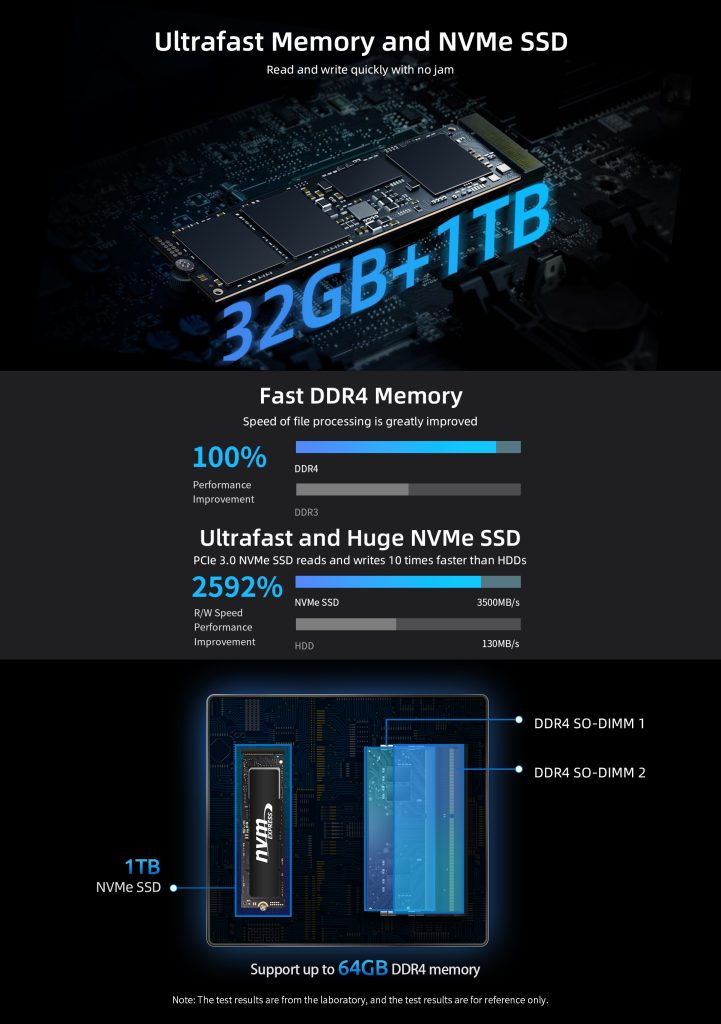
Choose from configurations of 16GB DDR4 RAM and 1TB SSD or go higher with 32GB DDR4 RAM and 1TB SSD, providing all the speed and storage needed for projects and media files. The B7 Power offers stunning visual excellence with Intel Iris Xe Graphics, supporting 4K resolution at 60Hz on three monitors simultaneously. Whether you’re a content creator, gamer, or someone who appreciates beautiful visuals, this mini PC will captivate your senses.
This mini PC embraces the latest technology trends, supporting fast and reliable WiFi 6 connectivity, ensuring smooth streaming and online activities without buffering or lag. The B7 Power is equipped with a smart fan and two copper pipes, ensuring efficient heat dissipation and optimal performance even during intensive usage. The dual-mode feature allows you to balance between performance and energy efficiency, providing the best of both worlds.
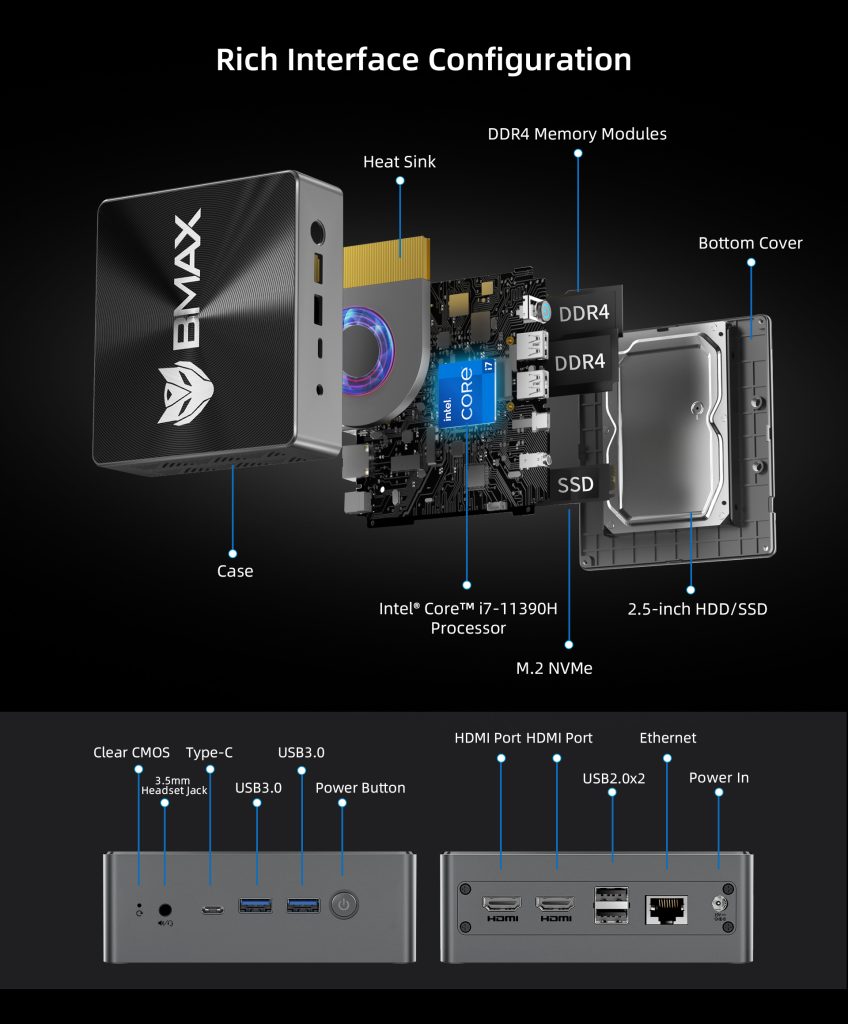
Connectivity options are abundant, featuring USB 3.0 ports, USB 2.0 ports, HDMI 2.0b ports, a Type-C port, an RJ45 port, a DC19V/2.5A port, and a 3.5-mm Stereo Headset Jack, catering to all your peripheral and device needs. The B7 Power is the first mini PC to support the Linux operating system, offering even more versatility in your computing experience.
With its compact form factor and powerful internals, the B7 Power is perfect for professionals, creatives, and gamers alike. Its Intel Core i7 processor ensures smooth multitasking, while Intel Iris Xe Graphics provides a stunning visual experience for content creators working on 4K content.
Gamers will delight in the B7 Power’s ability to handle modern titles with ease, thanks to its powerful combination of the i7 processor and Intel Iris Xe Graphics. In addition to performance, connectivity is prioritized with HDMI 2.0b ports and support for 4K resolution at 60Hz, enabling a versatile and efficient workstation setup. USB 3.0 and USB 2.0 ports ensure speedy data transfers.
The B7 Power’s support for WiFi 6 and Gigabit LAN ensures a reliable and secure internet connection, enhancing browsing, streaming, and online collaboration experiences. The mini PC’s portability and sleek design make it an excellent space-saving solution, blending seamlessly into any environment. Beyond hardware performance, BMAX also values customer satisfaction by equipping the B7 Power with Windows 11 Pro, maximizing the mini PC’s capabilities with advanced features and security measures, ideal for professional environments.
In conclusion, the BMAX B7 Power Mini PC delivers on its promises of exceptional performance, stunning visuals, and cutting-edge technology. Whether you’re a professional seeking a powerful workstation, a content creator desiring a visual masterpiece, or a gamer in search of immersive gameplay, the B7 Power has you covered.
At just $399, the B7 Power Mini PC is a steal. However, you can get a limited-time $120 coupon on Amazon which takes the price as low as $329. With limited-time offers, now is the perfect time to seize this opportunity and redefine how you work, create, and play. Experience the possibilities with this feature-packed mini PC and unlock new doors for customization and experimentation with the Linux operating system.
Today, Redmi hosted a launch event in India, unveiling several new products, including the Redmi 12 5G smartphone, the Redmi Watch 3 Active, and the Xiaomi X Series Smart TVs. Additionally, the brand introduced the Redmi Sonicbass 2, its latest neckband earbuds offering in the market.
Redmi Sonicbass 2 specs
The Redmi Sonicbass 2 wireless earphones boast a 9.2mm Superbass driver, providing rich and immersive sound quality. They offer Bluetooth 5.2 connectivity with a range of up to 10 meters. The earphones feature a dual mic and Environment Noise Cancellation, delivering clear and distortion-free call quality.
The in-ear design ensures a comfortable fit, and you can conveniently store them using their magnetic earbud feature. With multipoint connection support, you can connect to two devices simultaneously. They also support SBC codec for better audio quality.
The Redmi Sonicbass 2 wireless earphones deliver impressive sound with their 9.2mm Superbass driver. You can easily connect them to your devices using Bluetooth 5.2, and they have a range of up to 10 meters. These earphones come with dual microphones and Environment Noise Cancellation, making your calls clear and free from background noise.
The in-ear design ensures a comfortable fit, and you can conveniently store them using their magnetic earbud feature. With multipoint connection support, you can connect to two devices simultaneously. They also support SBC codec for better audio quality.
You’ll enjoy a long playback time of 16 hours and a standby time of 230 hours. Plus, with just 10 minutes of fast charging, you get around 143 minutes of playback. The earphones charge through a USB Type-C port.
Controlling the earphones is easy with voice assistance, volume control, music control, and call controls. They support voice assistants like Google Assistant and Siri, and you can use simple gestures like double-tapping to play/pause music or answer/hang up calls. They are splash and sweat-proof (IPX5), making them suitable for workouts and outdoor activities.
The Redmi Sonicbass 2 earphones are available in black and blue colors. Each earphone weighs 4.5 grams, and the charging case weighs 42 grams.
Pricing & availability
Priced at Rs 1,199, the earbuds come in Black and Blue color choices. Customers can purchase the device from both Flipkart and Mi.com. The open sale for this product is set to begin on August 2.
The competition in the handheld gaming console market is increasing day by day. This technology, which saw its golden age with the PSP and was thought to never return to its former glory, has been on the rise since the introduction of the Nintendo Switch in 2018. also the recent success of the Steam Deck has encouraged other companies as well.
For instance, we have seen products like the Asus ROG Ally recently, and it’s known that PlayStation is also working on a similar product. Now, according to the latest reports, Lenovo is developing a Windows PC gaming handheld named ‘Legion Go’. Here are the details…
Will the Legion Go Be the Best Handheld Gaming Computer on the Market?
Lenovo continues to attract attention with its products aimed at gamers under the Legion brand. The company once successfully drew attention especially with its gaming smartphones. However, failing to achieve what it wanted in the market, Lenovo recently stopped producing gaming phones. Nevertheless, according to emerging information, the company does not want to discard its experience in mobility.
Lenovo Legion Go concept
Right now, there isn’t a lot of information about the Lenovo Legion. It’s known that, like the Rog Ally, it will be a device focused on performance. The power for this handheld device will come from AMD’s Phoenix processor. The screen size will be about 8 inches.
A few years ago, Lenovo was working on a similar device called the Legion Play, but it was never released. However, the design of the Legion Play might give us an idea of what the Legion Go will look like. Right now, we’re not sure when this gaming computer will be ready for people to buy, or even if it will ever come out. Unfortunately we have no choice but to wait right now.
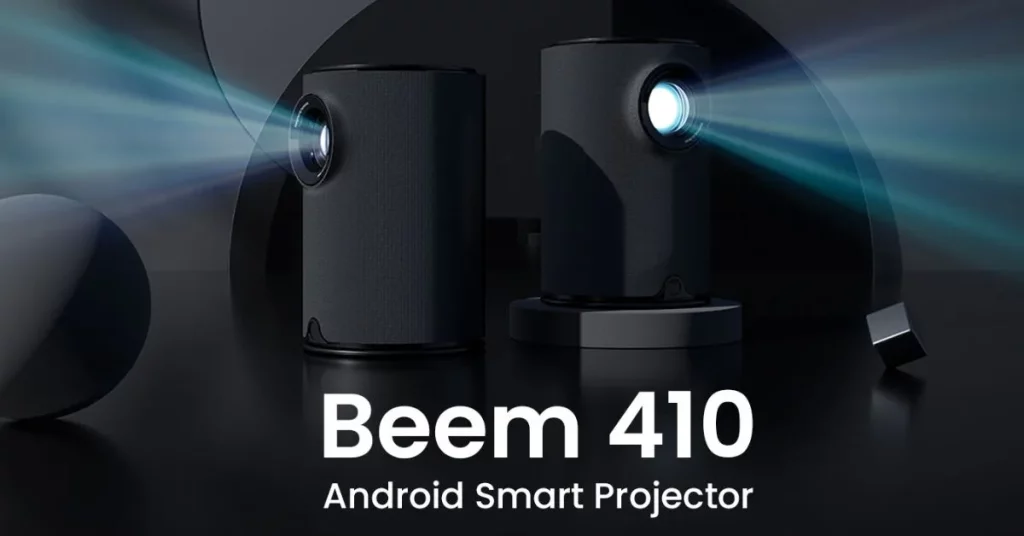
Portronics has unveiled its latest projector in India. It is the Portronics Beem 410 portable Android-powered projector. The new Beem 410 will project images on any white surface or wall.
The projector can also run popular OTT apps for streaming content such as Amazon, Netflix, and Prime Video. The Beem 410 smart projector delivers a cinematic experience and its mobility enhances its versatility. You can use the projector on the go and it works on any white surface. The projector runs on Android 9.0 with 1GB RAM and 8GB internal storage. The projector is also equipped with 6W speakers and can connect via Wi-Fi, HDMI, and USB. The projector also has a 3.5mm audio jack for connecting external speakers.
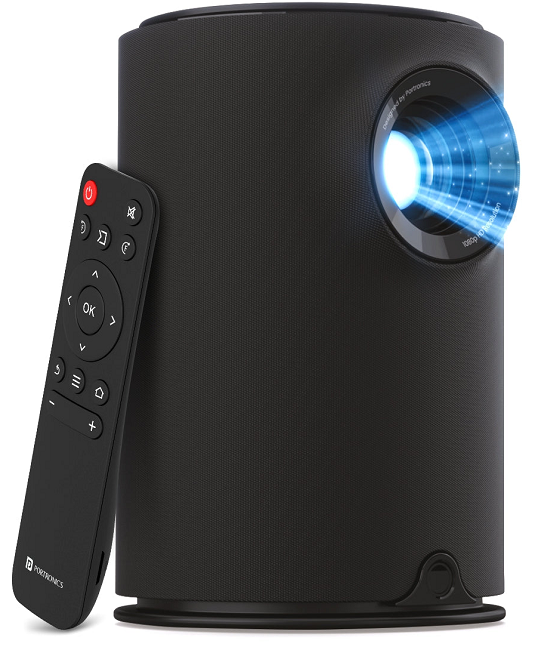
The Beem 410 has a light source that can last up to 30,000 hours and a maximum brightness of 250 ANSI Lumens brightness. An infrared remote is part of the package for controlling the device from a distance. The projector features 4D Keystone correction for delivering optimal projections. The 4D Keystone feature allows the projector to automatically adjust the visuals for the best screen ratio. It can accommodate angular placement of the projector up to 45 degrees.
The Portronics Beem 410 projector weighs 1.39kg and is priced at Rs. 16,999 (~$206) in India. Interested customers can purchase the projector from retail platforms in the subcontinent including Amazon India and Flipkart. You can also purchase the Beem 410 projector directly from Portronics.
With the Snapdragon 8 Gen 3 set to launch in October, rumors about Qualcomm’s next year’s flagship have started to swirl. The Snapdragon 8 Gen 4 SoC is expected to launch sometime in late 2024. While we’re still many months away, a well-known leaker has shared the chipset will be based on TSMC’s new 3nm process node. The chip is also rumored to pack Nuvia’s Phoenix cores. Here are the details.
Snapdragon 8 Gen 4 could launch late next year
Digital Chat Station has revealed key details about the upcoming Snapdragon 8 Gen 4 SoC. According to the tipster, the chipset will have two Phoenix cores and six Phoenix M cores. For those who are not familiar, Phoenix cores are a new generation of ARM-based CPU cores designed by Nuvia. However, the company has licensed its technology to Qualcomm, so the cores may be given a different name.
The tipster also claims that the Snapdragon 8 Gen 4 will be manufactured on TSMC’s N3E process. This is the second iteration of TSMC’s 3nm process node, which is said to offer a better yield, which means that more chips will be produced correctly, reducing production costs. Apple’s A17 chip is also rumored to be made on the 3nm process by TSMC, but on the first iteration, N3.
The upcoming Snapdragon 8 Gen 3 chip is still based on the 4nm process, but it is claimed to offer a major boost in performance without sacrificing efficiency. The Snapdragon 8 Gen 4, on the other hand, is also expected to deliver a significant performance leap.
We don’t yet know which phones will be powered by the new chipset, but Samsung, Oppo, and Xiaomi are likely candidates. These companies tend to use the latest Qualcomm chips in their flagships.
Xiaomi keeps expanding its product range. Many of us know the company for its smartphones, but thanks to its sub-brands, it has a wide range of products, from smart scales to water heaters. For instance, Xiaomi introduced us to its X Series smart TV models today. Now, Xiaomi’s sub-brand FIMI is introducing the “Manta” drone, which features vertical takeoff, an 85-minute flight time, and advanced GPS, all for a price of 999 CNY ($140). Here are the details…
The 999 yuan Xiaomi FIMI drone is here: support vertical take-off and landing
Xiaomi’s sub-brand, FIMI, has released a new fixed-wing drone called the Manta. The drone can take off and land vertically, and it has a wingspan of 700mm and a length of 445mm. It weighs 500g and can cruise at a speed of 43km/h. The drone can fly for up to 60 minutes with a 3000mAh battery, or up to 85 minutes with a 5000mAh battery.
The Manta has four serial ports, a GPS HD FPV, a CRSF protocol receiver, and two IIC interfaces. It can be equipped with an electronic compass and airspeed sensor, but these are not included in the factory package. convert price to usd: The Manta is priced at 999 CNY, which is much cheaper than FIMI’s previous drone, the FIMI X8 SE 2020, which was priced at 2,699 CNY.
The Manta is a great drone for people who want a versatile and affordable way to capture aerial footage. According to the companies statement, it is easy to fly and has a long flight time, making it perfect for beginners and experienced pilots alike.
Xiaomi has expanded its portfolio of home appliances with the launch of the Mijia All-in-One Sweep and Mop Robot 2, priced at 3499 yuan ($487). This new model boasts a variety of upgrades over its predecessor, specifically designed to streamline household cleaning operations and add to the user’s convenience. The standard variant of Sweep and Mop Robot 2 launched back in April this year.
Mijia All-in-One Sweep and Mop Robot 2 features
The standout feature of the Mijia Mop Robot 2 is its “Fully Automatic Water Supply 2.0” system, which eliminates the need for complex water operations. With an upgraded anti-overflow design, users can now fill the water tank without worrying about spills. The robot takes care of refilling the water tank after washing the mop cloth, ensuring seamless cleaning without interruptions.
With a 4L super-large capacity water tank, it can mop an area of up to 500m² without frequent water refills. The improved suction power of 6000Pa ensures thorough cleaning, and the “twist and wipe” function and four cleaning modes enable the robot to reach corners and edges effortlessly.
On the smart side, the Mijia Mop Robot 2 incorporates the S-CrossTM Broad Area Structured Light Obstacle Avoidance System and a new generation of LDS laser navigation. These features allow the robot to navigate efficiently, avoiding obstacles even in low-light conditions. It scans the indoor environment in 360°, plans a smart cleaning path, and ensures comprehensive cleaning throughout the entire home.
Moreover, the robot offers various intelligent functions, such as sweeping before mopping, self-cleaning and auto-drying of the mop cloth, automatic lifting of the mop cloth, and intelligent linkage with other smart home devices.
Mijia Mop Robot 2 boasts a dual-air duct circulation dust collection design, enabling the dust box to be emptied in just 10 seconds. With its built-in large-capacity dust bag, the robot can go up to 75 days without needing to be emptied.
The device comes with a special pre-sale price of 2799 yuan ($390) and is now available to purchase from JD.com in China.
Honor has been actively launching laptops and tablets in India. The brand recently announced the Pad X9 tablet in the country. Multiple reports in recent times have hinted at Honor’s comeback in the Indian market with the first smartphone expected to launch this month or the next. While we wait for the official development, a new Honor wearable has been listed on the brand’s India website.
Honor Watch 4 listed on the India website
The newly listed wearable device on Honor India website is the Honor Watch 4. This suggests an imminent launch of the smartwatch in the country. However, the listing does not reveal the exact launch date of the upcoming offering. The Honor Watch 4 debuted in China last month. The Indian variant is expected to miss out on some features compared to the China variant as per the product listing. These include eSIM, AFib, and sleep apnea detection. We can expect to learn the pricing and availability details of the Honor Watch 4 in the coming weeks.
As for the core specifications, the Honor Watch 4 has a 1.75-inch AMOLED display with a 60Hz refresh rate and a resolution of 390 x 450 pixels. It is equipped with a 6 series aluminum alloy casing ensuring durability. It is water-resistant up to 5 meters and there is a button on the right side of the device for navigation.
The Honor Watch 4 is equipped with an optical microlens array for accurate heart-rate measurement along with a SpO2 sensor, sleep, and stress tracker. There is also a breath training feature onboard. The wearable device packs support for various sports modes. It also has 4GB onboard storage. The smartwatch is confirmed to be backed by a 451mAh battery unit that is claimed to last up to 14 days under typical usage. The Honor Watch 4 also has a built-in GPS, a speaker, and a microphone for Bluetooth calling.
As expected, ZTE has launched its latest budget-oriented smartphone ZTE XiaoXian 50, at a product launch event. Let’s check out the specifications of the device.
ZTE XiaoXian 50 specifications
The ZTE XiaoXian 50 boasts a 6.52-inch 1600×720 LCD waterdrop display, supporting a 90Hz refresh rate, 180Hz touch sampling rate, and 83% NTSC color gamut.
The device is powered by the Purple Light Exhibition Sharp T760 5G mobile platform, which is manufactured using a 6nm EUV process. It features 4× 2.2GHz Cortex-A76 + 4× Cortex-A55 cores, coupled with a Mail G57 GPU. The chipset scores around 400,000 on AnTuTu, a performance level comparable to the Kirin 810. In terms of storage, the device comes in two variants: 4GB+128GB and 6GB+128GB. XiaoXian 50 runs on Android 13 with MyOS 13 on the top.
Coming to the optics, the phone has a 50-megapixel front-facing selfie camera and a 13-megapixel rear camera. The new phone has a built-in 4000mAh battery and supports 5W charging.
The phone supports both SA/NSA dual-mode 5G for faster connectivity. Apart from its 5G capabilities, the XiaoXian 50 supports dual SIM, dual standby, and dual-band Wi-Fi. Under the hood, the device has a 4000mAh battery with 5W charging.
The ZTE XiaoXian 50 also comes with a 3.5mm headphone jack and features the ZTE Lingxi performance engine, promising system stability for 48 months. The device provides up to 8GB of virtual RAM.
For the elderly population, the phone incorporates ten custom features, including large icons, large fonts, high volume, and other functions like WeChat Mini Program remote guardianship, application security, anti-fraud, and anti-harassment features.
ZTE XiaoXian 50 pricing and availability
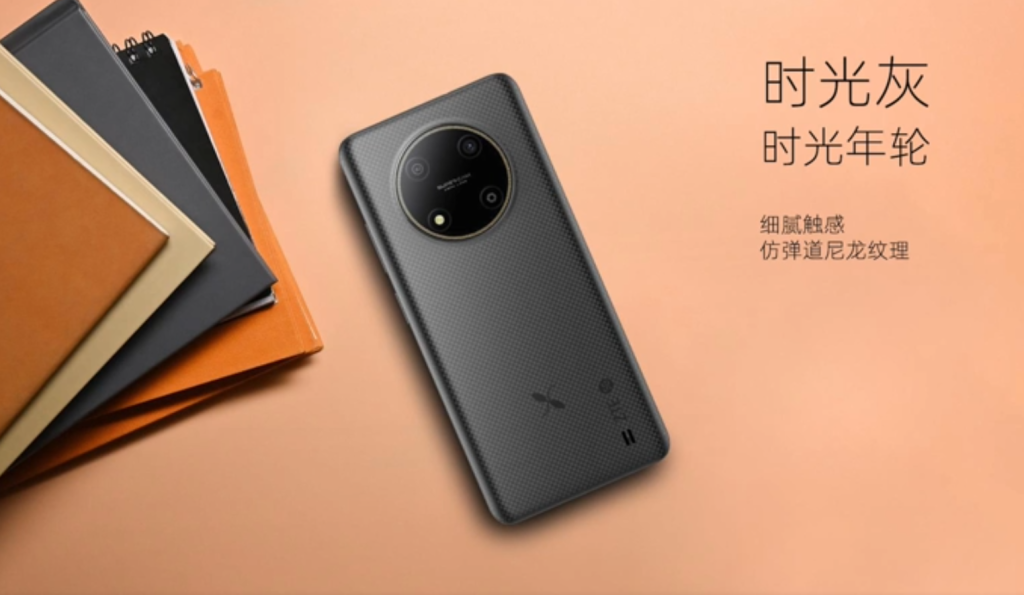
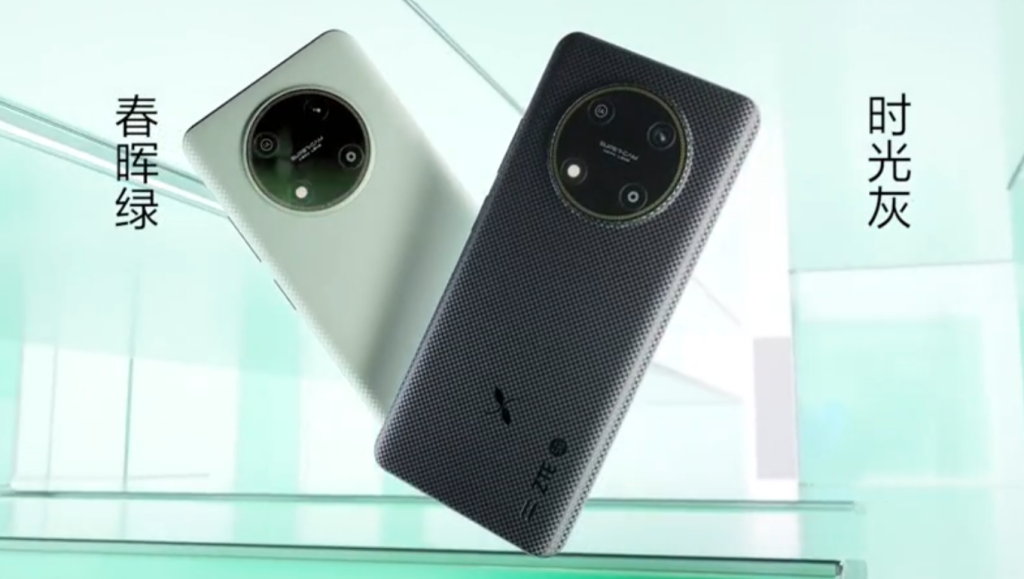
The ZTE XiaoXian 50 smartphone comes in two color options: Time Grey and Spring Sunlight Green. It is available in two configurations: 4GB+128GB for 699 yuan ($97) and 6GB+128GB for 799 yuan ($111). The phone’s design features imitation ballistic nylon texture, gold radiating lines, and obsidian CD lines. It will be sold through China Telecom channels.
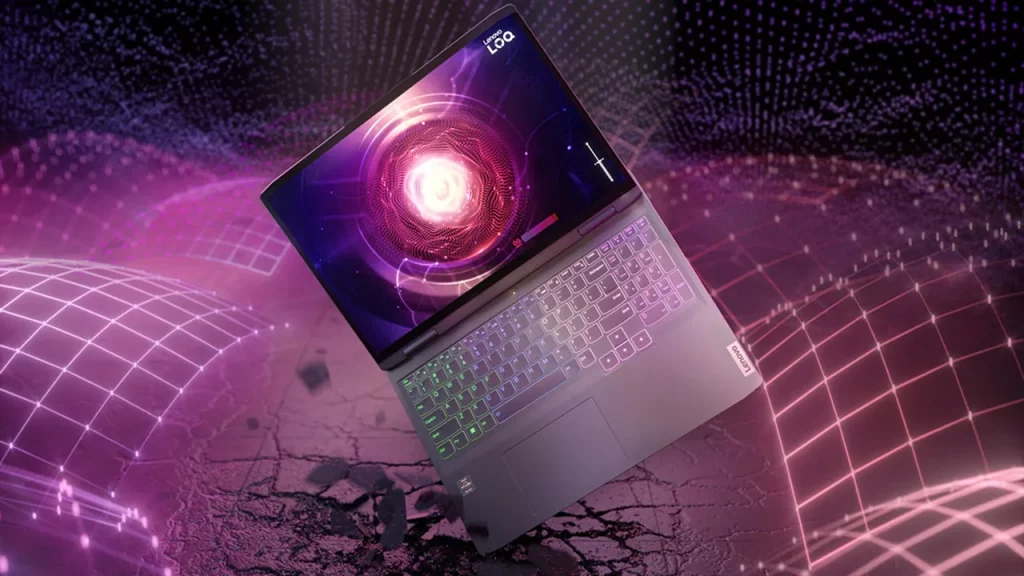
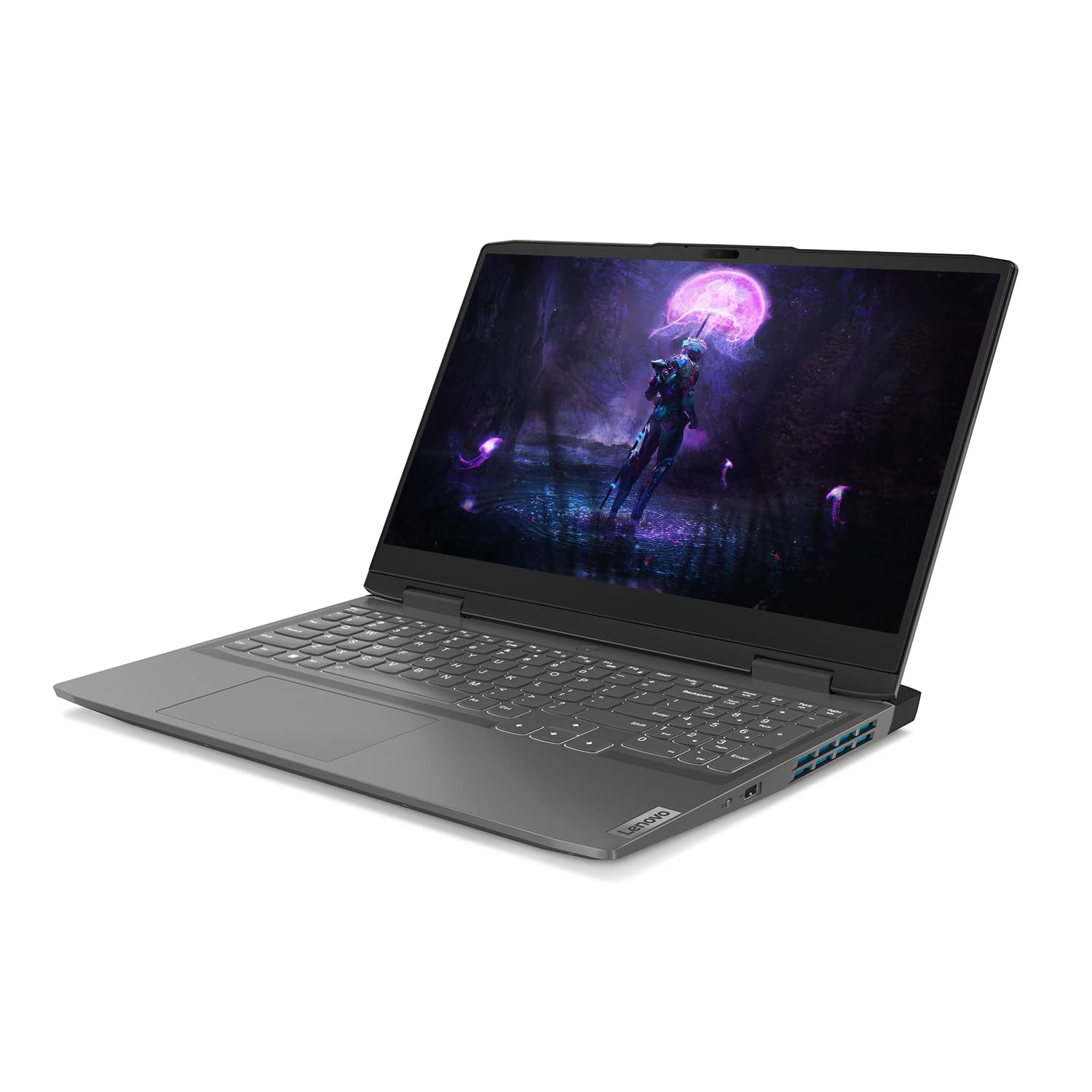
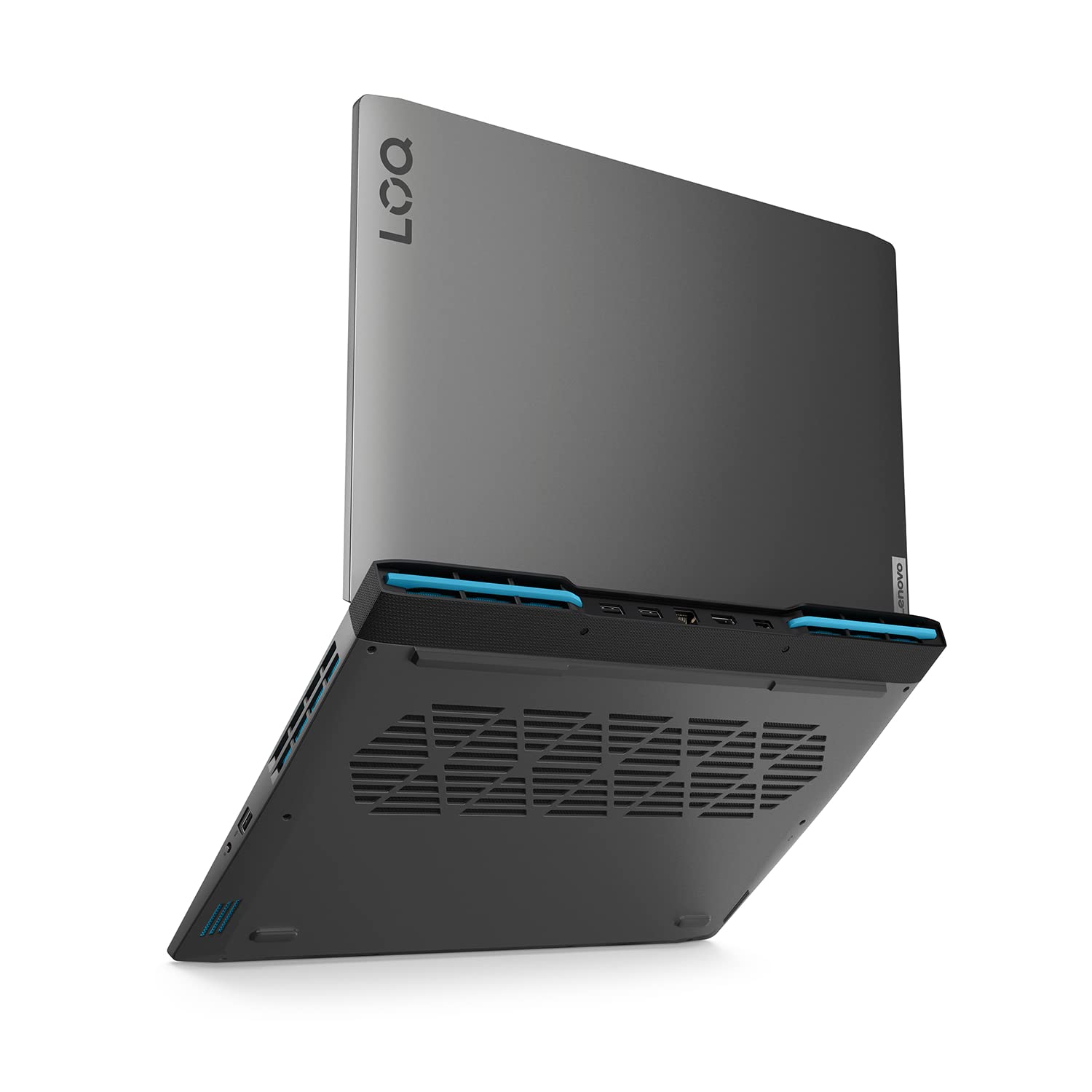
As scheduled, Lenovo has unveiled a new line of gaming laptops in India called the Lenovo LOQ. The lineup offers both Intel and AMD options paired with up to an RTX 4060 GPU. Let’s take a look at the details.
Lenovo LOQ gaming laptop specs
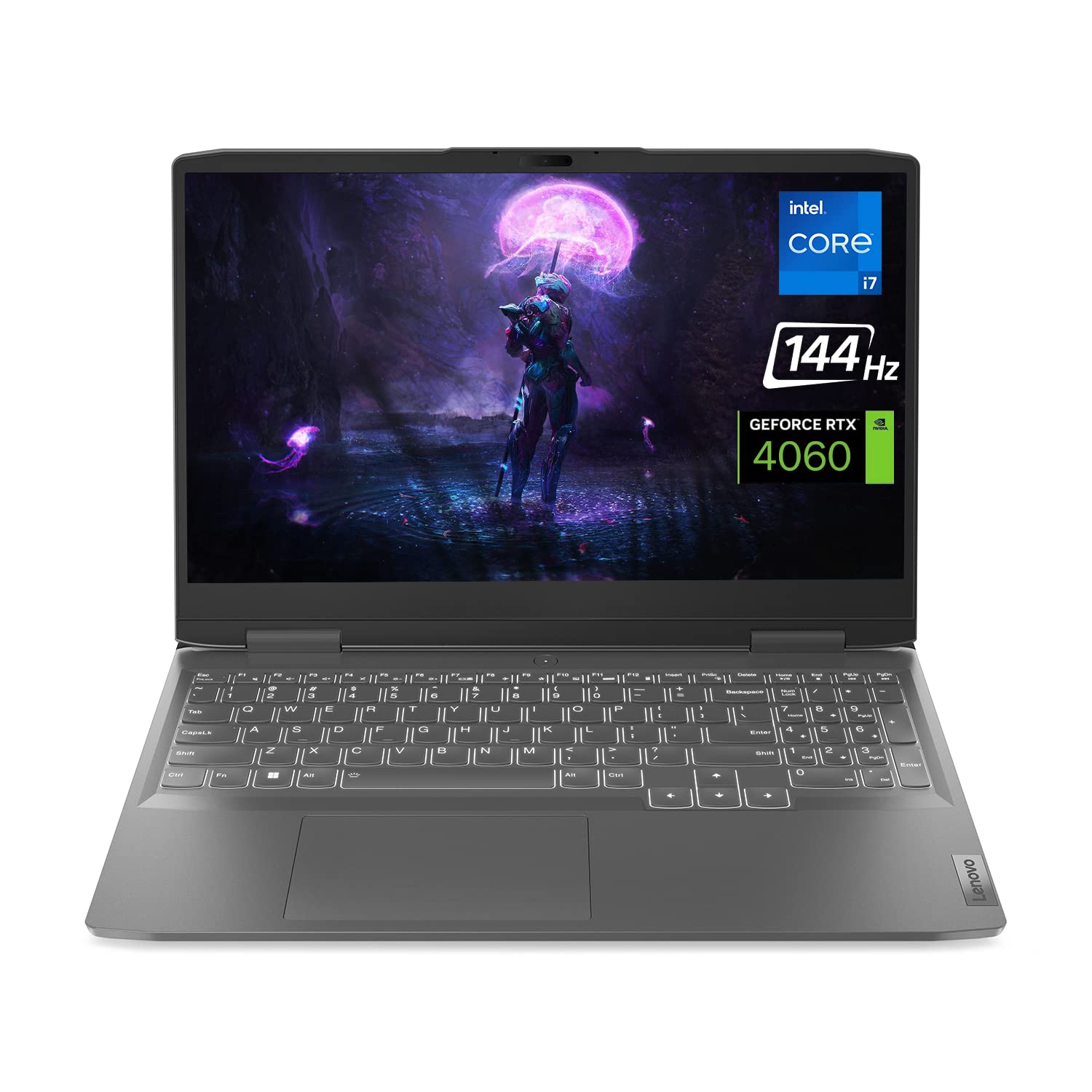
The Lenovo LOQ series gaming laptops pack a 15.6-inch FHD IPS display with a 144Hz refresh rate and 350 nits brightness. Under the hood, they are powered by powerful processors, with options for up to 4.4 GHz 12th Gen Core i5 (12450H), up to 4.9 GHz 13th Gen Core i7 (13620H), or up to 5.1 GHz Ryzen 7 Octa-Core 7840HS CPUs.
For gaming, the laptop features dedicated NVIDIA GeForce RTX graphics, including options for RTX 3050 (6GB), RTX 4050 (6GB), or RTX 4060 (8GB) with GDDR6 memory. The laptops come with 8GB or 16GB of DDR5 RAM and a speedy 512GB PCIe 4.0 NVMe SSD for quick loading times.
It operates on Windows 11 Home and features a 1080p webcam with an E-shutter for privacy. The keyboard comes with white backlighting to make it easy to locate keys even while using the laptop in dark environments. For audio, the laptop has 2 x 2W Stereo Speakers with Nahimic Gaming Audio tuning.
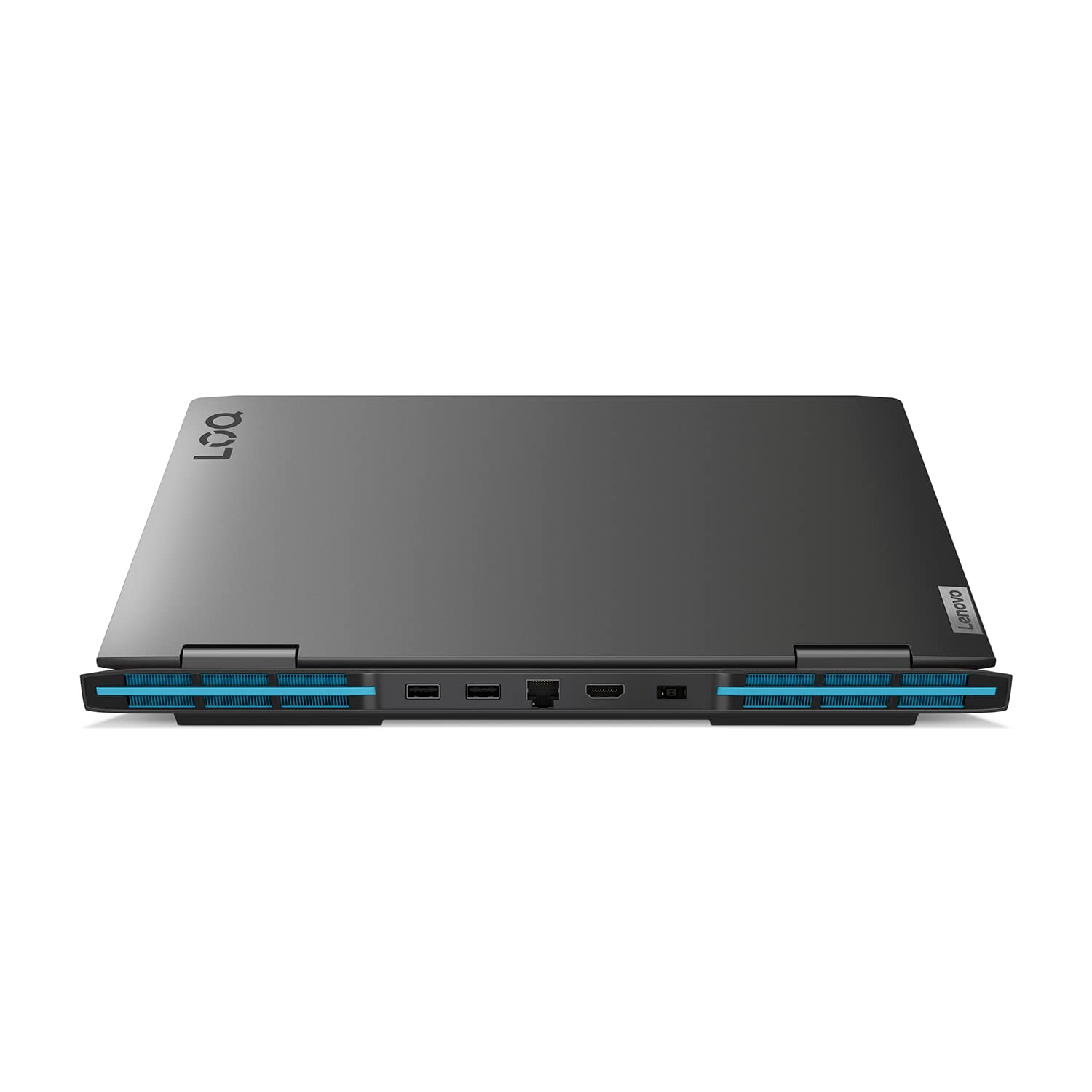
In terms of connectivity, the laptops offer a range of ports, including HDMI, USB, and USB-C with support for data transfer and power delivery. For wireless connectivity, there’s Bluetooth 5.1 and Wi-Fi 6.
The machine weighs 2.4KG with a 60Wh battery supporting Rapid Charging. These laptops are designed to deliver a powerful gaming performance and overall computing experience.
Pricing & availability
The Lenovo LOQ gaming laptops come in various configurations with different processors and graphics options. The prices are as follows: Rs. 99,990 for the 13th Gen Intel Core i7 with RTX 4050 and 16GB RAM + 512GB SSD, Rs. 1,14,990 for the 13th Gen Intel Core i7 with RTX 4060 and the same memory and storage, Rs. 92,990 for the 12th Gen Intel Core i5 with RTX 4050 and 16GB RAM + 512GB SSD, Rs. 97,990 for the 12th Gen Intel Core i5 with RTX 4060 and the same memory and storage, and Rs. 78,990 for the 12th Gen Intel Core i5 with RTX 3050 and 16GB RAM + 512GB SSD. There are also options with the Ryzen 7 Octa Core 7840HS processor, priced at Rs. 99,990 with RTX 4050 and Rs. 87,990 with RTX 3050, both with 16GB RAM + 512GB SSD.
The laptops will be available for purchase on Flipkart starting from tomorrow, August 2nd. They will also be available on Lenovo.com, Lenovo Exclusive Stores, and other offline retail stores.
Samsung has announced the launch date of the Galaxy F34 5G smartphone in India. It is set to debut in the country next week. The South Korean brand has already put up a microsite of the upcoming offering on its website and Flipkart revealing key specifications. The device is also confirmed to be available from the e-commerce platform.
Samsung Galaxy F34 5G India launch date confirmed, pricing teased
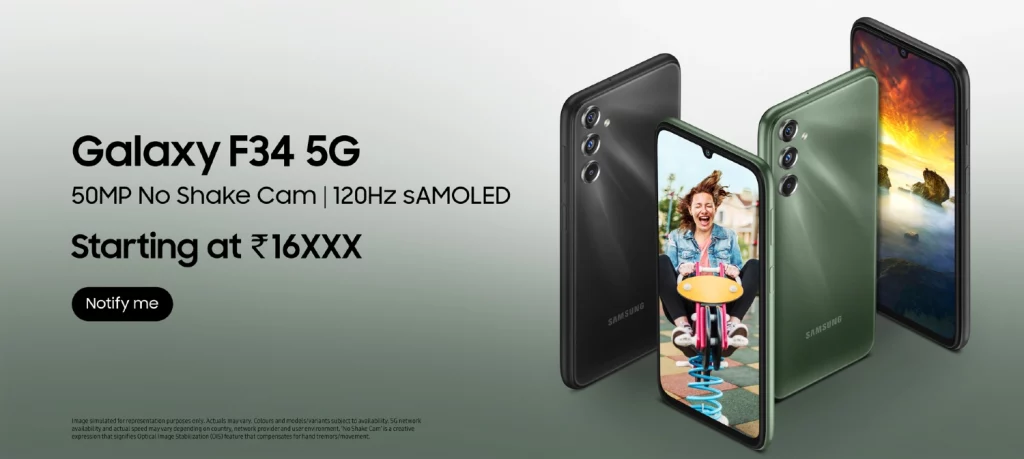
The Samsung Galaxy F34 5G is confirmed to launch in India on August 7 i.e. Monday. Additionally, the brand is also confirmed to launch the Crystal Vision 4K televisions in the country on the August 4. Samsung has also teased that the Galaxy F34 5G will be priced under Rs 17,000. We expect this to be for the base RAM and storage configuration.
As per the microsites, the Samsung Galaxy F34 5G is confirmed to feature a 6.5-inch sAMOLED display with a waterdrop notch and thick bottom chin. It will feature an FHD+ resolution, a 120Hz refresh rate, 1,000 nits peak brightness, and Gorilla Glass 5 protection. In terms of design, the smartphone has three vertically stacked camera sensors on the back panel. It will have a 50MP OIS-enabled main sensor. The upcoming offering will draw its power from a large 6,000mAh battery unit.
Samsung has also confirmed that the Galaxy F34 5G will get up to four generations of OS updates and five years of security patches.
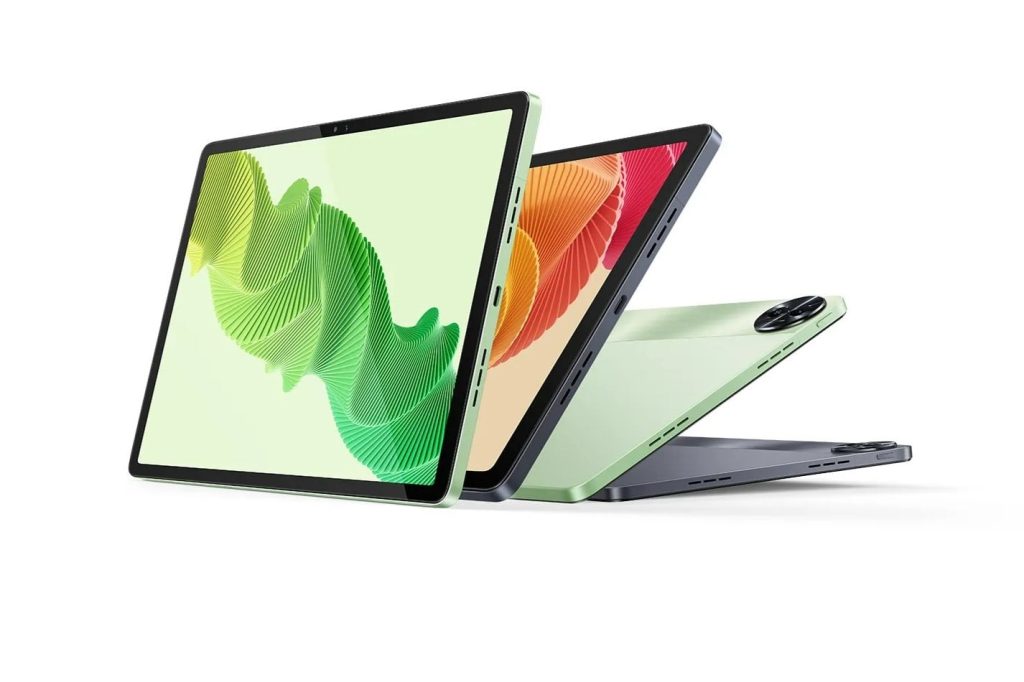
Realme launched the Realme Pad 2 in India last month. It was up for pre-orders since last week. Now, the tablet is officially available for purchase via open sale in the country. There are discounts and offers on the purchase of the device. The Realme Pad 2 is a sub-Rs 25,000 tablet that competes against the recently launched Honor Pad X9, OPPO Pad Air, and more in the market.
Realme Pad 2 sale details
The Realme Pad 2 is now on open sale and available for purchase through the brand’s official website and Flipkart. SBI, and HDFC Bank credit cardholders can avail Rs 1,500 discount on the purchase of the tablet from both platforms. ICICI Bank customers are also eligible for Rs 1,500 discount but only on the company’s website. There is six-month and nine-month no-cost EMI option on Realme.com and Flipkart respectively. Additionally, students can also avail Rs 500 off coupon on the purchase of the Realme Pad 2. It will be subject to a successful review where students have to upload their student card under the student program banner on the Realme store app.
Realme Pad 2 specifications and pricing
The Realme Pad 2 features an 11.5-inch LCD display with a 2K resolution and a 120Hz refresh rate. There is an 8MP rear camera and an 8MP selfie snapper. The tablet is powered by a MediaTek Heli0 G99 processor paired with up to 8GB RAM and 256GB storage. It is backed by an 8,360mAh battery unit with support for 33W fast charging.
The Realme Pad 2 costs Rs 19,999 for the base 6GB + 128GB option whereas the 8GB + 256GB model is priced at Rs 22,999.
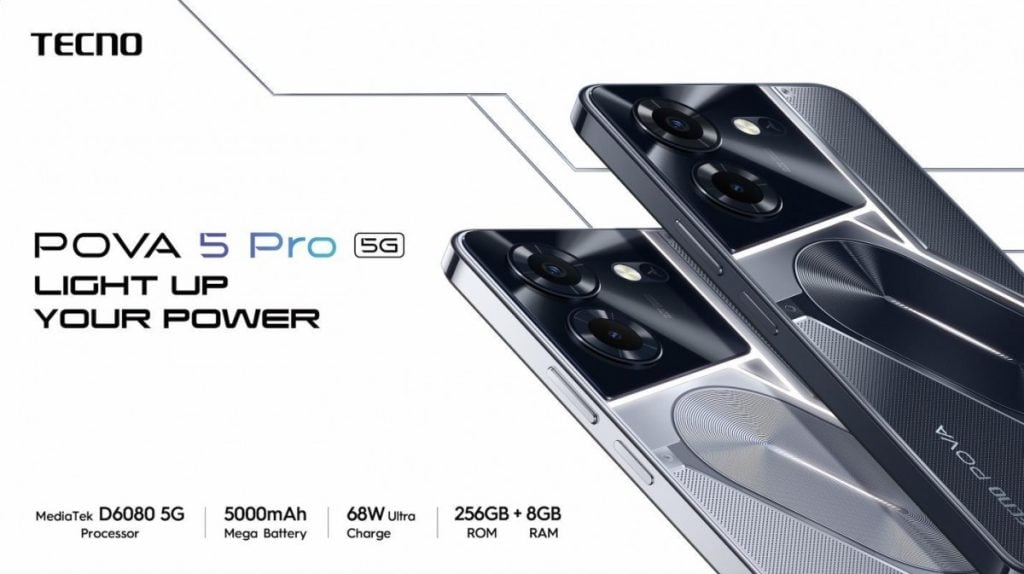
After teasing the Tecno Pova 5 Pro in India last week, the brand has now debuted the smartphone in Indonesia. The device has launched in the lower midrange and features an attractive LED strip on the back which can act like a notification LED. Let’s take a closer look at the spec sheet and pricing.
Tecno Pova 5 Pro specs
The Tecno Pova 5 Pro boasts a massive 6.78-inch FHD+ display with a smooth 120Hz refresh rate. For added security, there’s a side-facing fingerprint scanner. Photography is handled by a dual-camera unit on the back, consisting of a 50-megapixel main sensor and an AI lens.
Powering the device is the Dimensity 6080 processor, paired with a whopping 8GB of RAM and an additional 8GB of virtual RAM, providing seamless multitasking. Storage is generous, with 256GB of internal memory. The device comes equipped with a 5,000mAh battery, featuring 68W fast charging. It operates on Android 13-based HiOS 13 and also has a 2,820mm² vapor chamber with 12,979mm² heat dissipation area to keep the temperatures under control.
Its standout feature is the RGB lighting-enabled Arc Interface on the back panel, which glows in different colors during gaming, charging, and for notifications like incoming calls or messages.
Additionally, the device includes dual stereo speakers and a Z-axis linear motor that enhances the tactile feedback. Other features include dual SIM support, 5G connectivity, Wi-Fi 802.11ac, Bluetooth, GPS, a USB-C port for charging and data transfer, and a 3.5mm audio jack.
Price & availability
Pre-orders for the Tecno Pova 5 Pro and Pova 5 are now open in Indonesia until Aug. 20. The device is priced at IDR 2,949,000 (~$195) and is available in two color options: Dark Illusion and Silver Fantasy.
The ninth generation console war is in full swing. Right now, Sony, Microsoft, and Nintendo are fiercely competing to sell more consoles than their rivals. For now, PlayStation seems to be standing out the most among these three. Sony announced that they have managed to sell 40 million devices since 2020. However, the company is not content with its current users and continues to strive for more. Now, Sony unveils a substantial PlayStation 5 update, introducing new features like custom themes, improved accessibility, better audio, more social options, and an enhanced user interface, aiming to increase the immersive gaming experience. Here are the details…
PlayStation 5 Beta Update Rolls Out with New Features: Accessibility, 3D Audio, and More
Sony continues to work on the console. The company has recently announced a significant system update for the PlayStation 5. It’s important to note that this update is currently only available to beta users. While it will soon be available to all users, Sony is likely conducting necessary checks and testing the waters to ensure there are no problems before it’s released more broadly.
This latest update focuses on enhancing user accessibility, audio options, social features, user interface enhancements, and it even brings expanded support for M.2 SSDs, up to a whopping 8TB. As with any beta rollout, access will be limited to invited participants in selected countries, with a global update expected later this year.
New Accessibility Features
Sony has always placed a strong emphasis on inclusivity and ensuring gaming is accessible to all. As part of the new beta update, users can now assign a second controller to one account to assist in gameplay. This provides an opportunity for more interactive and collaborative gaming experiences, allowing a friend or family member to help navigate challenging game sequences.
Additionally, the beta update introduces system UI haptic feedback. This new feature allows gamers to experience physical feedback while navigating the PS5’s system with their controller. This enhancement is particularly beneficial for those with sight or hearing disabilities, providing an additional layer of sensory feedback.
Dolby Atmos Compatibility for 3D Audio
In an exciting development for audiophiles, the PS5 beta now supports 3D Audio on compatible Dolby Atmos-enabled HDMI devices. This includes sound bars, TVs, and home theater systems. Powered by Tempest 3D AudioTech, it delivers immersive, 3-dimensional sound, heightening the auditory gaming experience.
Social Feature Enhancements
The update also enhances social features to improve interaction between players. Users can now invite players to a closed party without automatically adding them to the group. Moreover, players can see a preview of a friend’s shared screen before joining the party, making multiplayer sessions more seamless than ever.
Moreover, Sony has made it easier for players to join friends’ game sessions, displaying a “Joinable” icon next to friends currently playing a joinable game. In the game hub, users can also see tournament achievements and upcoming tournament start times, facilitating an engaging competitive gaming experience.
Improved User Experience
The beta introduces several UI improvements, enabling users to search for games within their game library and even mute or adjust the volume of the PS5’s beep sound. Game Help cards have been enhanced, with additional in-progress, available, and completed activities. A new “Discover Tips” section has also been included, providing useful tips to maximize the PS5 experience.
Expanded Storage Support
Finally, one of the most anticipated features of the update is the expanded support for larger-capacity M.2 SSDs, increasing the limit from 4TB to 8TB. This ensures gamers have plenty of space to store their favorite games, a crucial requirement in the era of large AAA game file sizes.
This PS5 beta update reaffirms Sony’s commitment to continually evolve the gaming experience. With enhanced accessibility, improved audio capabilities, better social features, and expanded storage, PS5 users can look forward to a refined and inclusive gaming experience like never before.
Boult Audio has launched a new TWS earphone in India. The earbuds are called the Boult Z60. The newest audio device comes after the launch of the Striker Pro, Crown, and Striker Plus smartwatches last month. The Boult Z60 pack a long-lasting battery life and other features at an affordable price tag. Read on to know what the device offers out of the box.
Boult Z60 specifications and features
The Boult Z60 are in-ear TWS earphones with a dual-tone design. The stem has a matte finish with a lighter color shade whereas the silicon ear tips have a slightly darker hue. Users can perform various functions like triggering voice assistant, control music playback by tapping on the stem of the earbuds. The earphones feature IPX5-rating making them splash, rain, and sweatproof.
On the audio front, the Boult Z60 are equipped with a 13mm driver for a rich and deep bass. The earphones support SBC and AAC codecs. There are quad mics and environmental noise cancellation that are said to deliver crystal clear sound quality on calls in noisy environments. The audio device also features a low latency mode of 50ms.
The Boult Z60 is touted to offer 60 hours of battery life with the charging and storage case. Each earbud is claimed to deliver 8 hours of usage on a full charge. The earbuds also support fast charging via a USB-C port. There is Bluetooth 5.3 connectivity along with support for fast charging.
The Boult Z60 TWS earphones are priced at Rs 999. They are offered in Raven Black, Flamingo Pink, Spring Green, and Powder Blue color options. The TWS earphones can be purchased from Amazon and the brand’s official website.
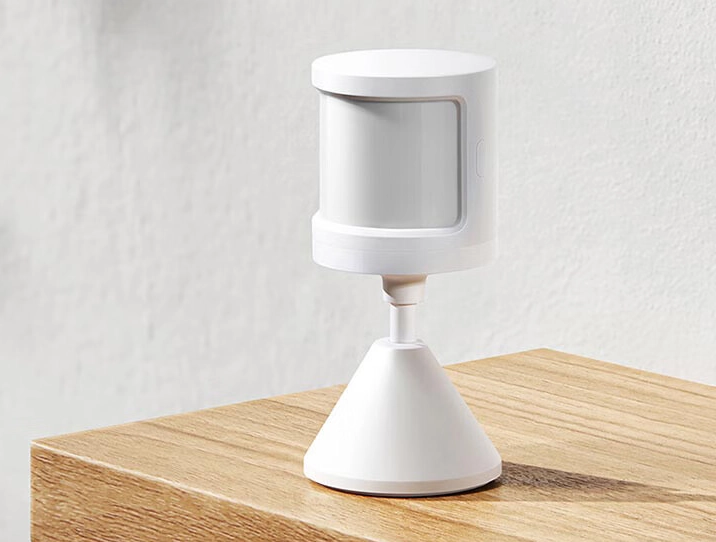
Xiaomi introduces the latest addition to its smart home devices, the Xiaomi Body Sensor 2S, now available at a reasonable price of 69 yuan ($10). One of the key highlights of this new sensor is its remarkable battery life, lasting up to an impressive 3 years, a significant improvement over its predecessor which had only 1-year battery life.
Xiaomi Body Sensor 2S features:
One of its standout features is the enhanced motion recognition capability, which goes beyond detecting basic movements. This smart sensor can recognize even minor motions like bending and waving. With a high-sensitivity mode, it can accurately detect people’s activity status and execute relevant commands accordingly. Users can also customize detection intervals, choosing between 10, 20, or 30 seconds to suit their specific needs.
The Body Sensor 2S’s light sensor has also been upgraded, now precisely detecting light levels from 0 to 1000 lux. This expanded light sensitivity enables a wide range of home automation tasks based on ambient light conditions when connected with other devices.
With an enlarged detection range of up to 7 meters in a fan-shaped area, the Body Sensor 2S is perfect for security applications, triggering immediate alerts when movement is detected.
The installation process of the Xiaomi Body Sensor 2S is designed to be convenient and flexible. It comes with an adhesive pad on the support bracket, supporting three different installation modes: flat placement, side attachment, and upside-down attachment. Additionally, the detection window can be adjusted within a 90° vertical and 360° horizontal range, allowing users to optimize its positioning according to their needs.
Operating on Bluetooth 5.0, the Body Sensor 2S can be easily integrated into the Mi Home app, making it a seamless addition to your smart home setup. For optimal performance, keep a Bluetooth Mesh gateway within a 10-meter range.
With its impressive battery life, enhanced features, and user-friendly installation, the Xiaomi Body Sensor 2S is set to offer a reliable and efficient solution for smart home monitoring needs. The device is now available to purchase from JD.com.
Xiaomi keeps adding more products to its product family. While many of us know the company for its smartphones, it also offers a wide range of products, from televisions to smart scales. Now, they have added X Series Smart TVs to their lineup. The company has released the eagerly awaited X Series Smart TVs in India. Here are the details…
Xiaomi’s X Series Smart TV Offers Unparalleled 4K Entertainment Experience
India is one of the most important markets for Xiaomi. The company has a significant market share here, not only with its smartphones but also with its other products. For example, when we look at the smart TV market in India, we see that Xiaomi is leading with 10.5%. The success of this tech giant is due to its advanced but affordable television models. Now, Xiaomi has added X Series Smart TVs to their lineup.
Taking feedback from its users and fans, Xiaomi has brought back the 65-inch model to the X Series after four years. The X Series also has models in 55-inch, 50-inch, and 43-inch sizes. Instead of focusing on apps, the new X Series Smart TVs from Xiaomi now use a ‘Content first UI system. This is powered by Google TV and PatchWall+, and it customizes what users see based on what they like to watch.
The X Series Smart TVs feature a number of upgrades over previous models, including a new content-first UI powered by Google TV and PatchWall+, Dolby Vision and Vivid Picture Engine technology, a 30W speaker with Dolby Audio, and a bezel-less design with full-screen experience with up to 98% screen-to-body ratio.
The latest Xiaomi Smart TV X Series can display images in Dolby Vision and HDR10. These technologies make colors look more real and improve the brightness and range of colors shown on the screen. This Xiaomi TV series has a special feature called Vivid Picture Engine (VPE), which Xiaomi built. It lets the TV show up to 94% of the DCI-P3 Color Range, giving the viewer access to over a billion different colors.
This greatly enhances what you see on the screen. On top of this, Xiaomi has its own technology, called Reality Flow, that makes sure moving images on the screen don’t blur and look smooth, even when they’re moving quickly. Besides the Dolby Audio and powerful 30 Watt speakers, the Xiaomi Smart TV X series support DTS:X and DTS: Virtual X Technology, allowing users to discover new levels of detail, clarity, and depth for a powerful room-filling surround sound that completes an immersive entertainment experience.
The latest Xiaomi X Series smart TVs have some really neat features. They come with Google Assistant so you can control them by speaking. They also have Chromecast built-in, and Miracast which lets you show stuff from your phones, tablets, or laptops on the TV. What’s more, these new TVs can connect with all the new video game consoles. They have 3 HDMI v2.1 ports, 2 USB ports, and a port for an audio/video cable and earphones. These TVs run on a 64-bit Quad Core A55 chip, and have dual band Wi-Fi for fast internet. The X Series also includes Bluetooth 5.0, making it easy to connect to any audio device.
Price and Availability
The 65-inch version of the Xiaomi Smart TV X Series will be ready to buy starting August 5th, 2023. The other versions of this Xiaomi Smart TV series start at a price of 28,999 Indian Rupees. You can start buying them a day earlier, on August 4th, 2023. You can find these TVs online on websites like Mi Store and Flipkart, or at retail stores.
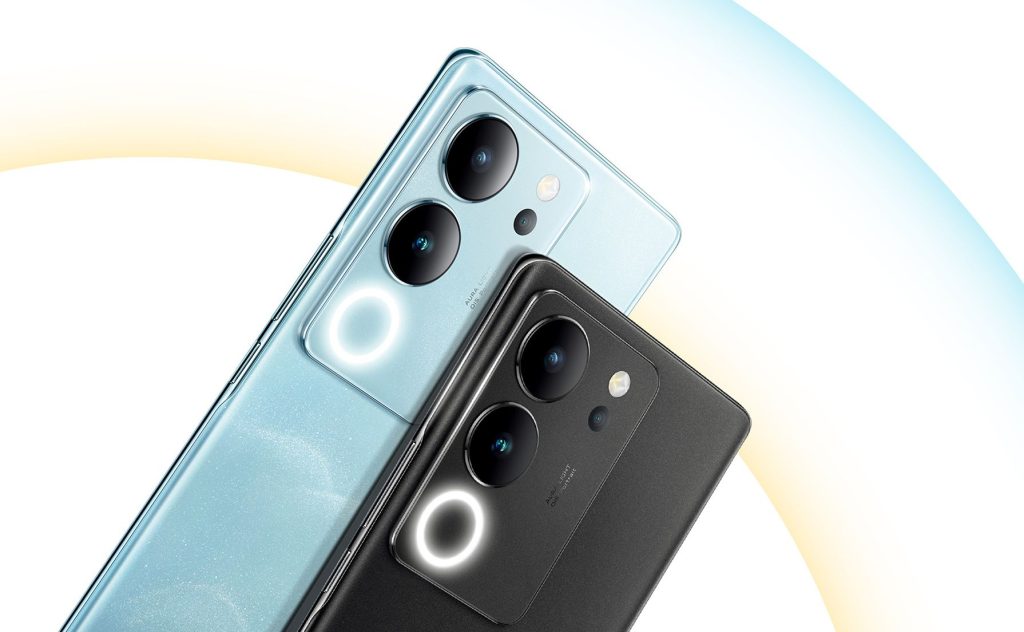
Vivo V29 5G has been launched in Czechia. The device is now up for pre-order and will be up for purchase starting Aug. 15. The V29 is positioned above the V29 Lite 5G, which debuted in June in the same country with a price tag of CZK 8,499 (~$389) Here is a look at the specifications, features, and price of the V29.
Vivo V29 5G specifications and features
Vivo V29 5G
The Vivo V29 5G has a 6.78-inch AMOLED display with a 55-degree curvature on the left and right edges It offers a resolution of 1260 x 2800 pixels, a 120Hz refresh rate, and an under-display fingering scanner. It has a slim and sleek body, measuring only 7.46mm in thickness and weighing 186g,
The Vivo V29 is powered by the Snapdragon 778G chipset, 8GB RAM and a 4,600mAh battery that supports 80W fast charging. 256GB of storage. The device runs on Android 13 with a layer of FunTouch OS 13 on top.
For selfies, the Vivo V29 5G is equipped with a 50-megapixel front camera with autofocus support. The rear camera setup of the device comprises a 50-megapixel main sensor with OIS, an 8-megapixel ultra-wide lens, a 2-megapixel depth sensor, and a ring LED flash.
On the connectivity front, the phone offers dual SIM (nano-SIM + eSIM), 5G, Wi-Fi 802.11ac, Bluetooth 5.3, GPS, NFC, and a USB Type-C port. In addition, it has an IP68 rating, which protects it from dust and water damage.
Vivo V29 5G price and availability
The Vivo V29 5G is priced at CZK 11,999 (~$526) in Czechia and comes in two shades, such as Peak Blue and Noble Black. It will be available for purchase starting Aug. 15. During the pre-order period, which starts today and ends on Aug. 14, buyers of the V29 will get Vivo TWS 2 ANC TWS earbuds worth CZK 2,999 (~$137) for free.
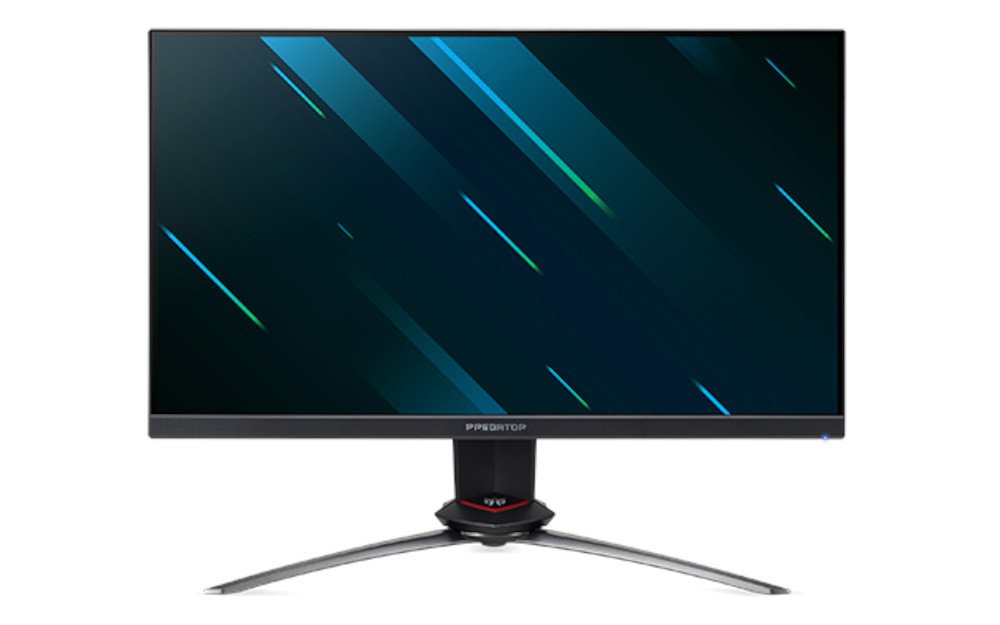
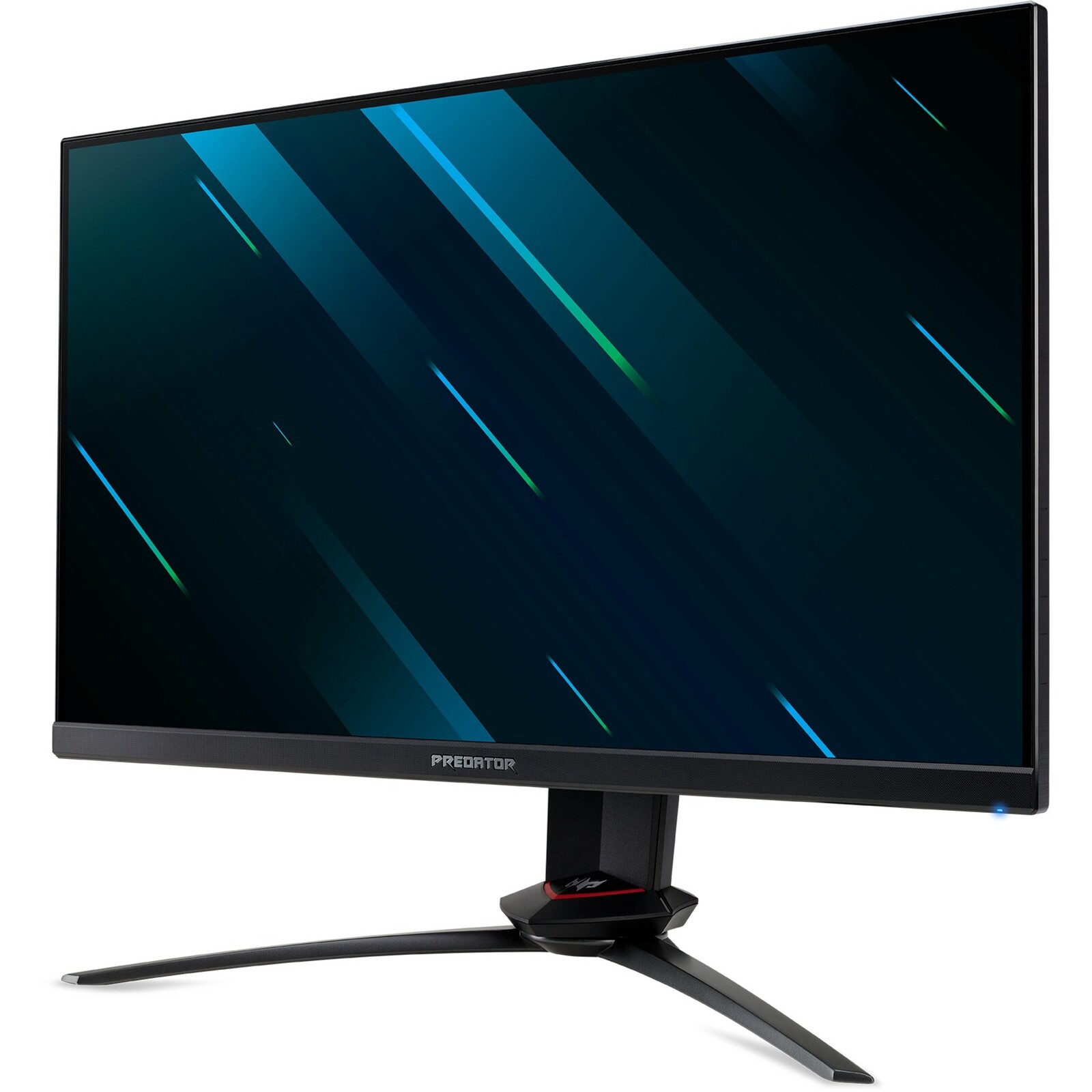
Acer recently launched the Nitro VG1 & VG0 series gaming monitors last week in Japan, the brand has now debuted the Acer Predator XB273UZ gaming monitor in Europe. This is a 27-inch 2K panel which comes with high refresh rate and multiple connectivity options. Let’s take a look at the details.
Acer Predator XB273UZ monitor specs
The Acer Predator XB273UZ monitor offers a 27-inch IP display that provides vibrant and sharp visuals. The monitor has a native brightness of 400 nits and a high contrast ratio of 100,000,000:1. With 178° viewing angles, you can comfortably see the screen from various positions.
The monitor boasts a fast 1 ms (G to G) response time, making it ideal for gaming and fast-paced content. The resolution options include 2560×1440 @144Hz, with an overclocking mode that can reach 270Hz through DP/Type-C connections. The Predator XB273UZ monitor comes with AMD FreeSync Premium and NVIDIA G-SYNC compatibility, ensuring a smooth gaming experience by reducing image tearing at high refresh rates.
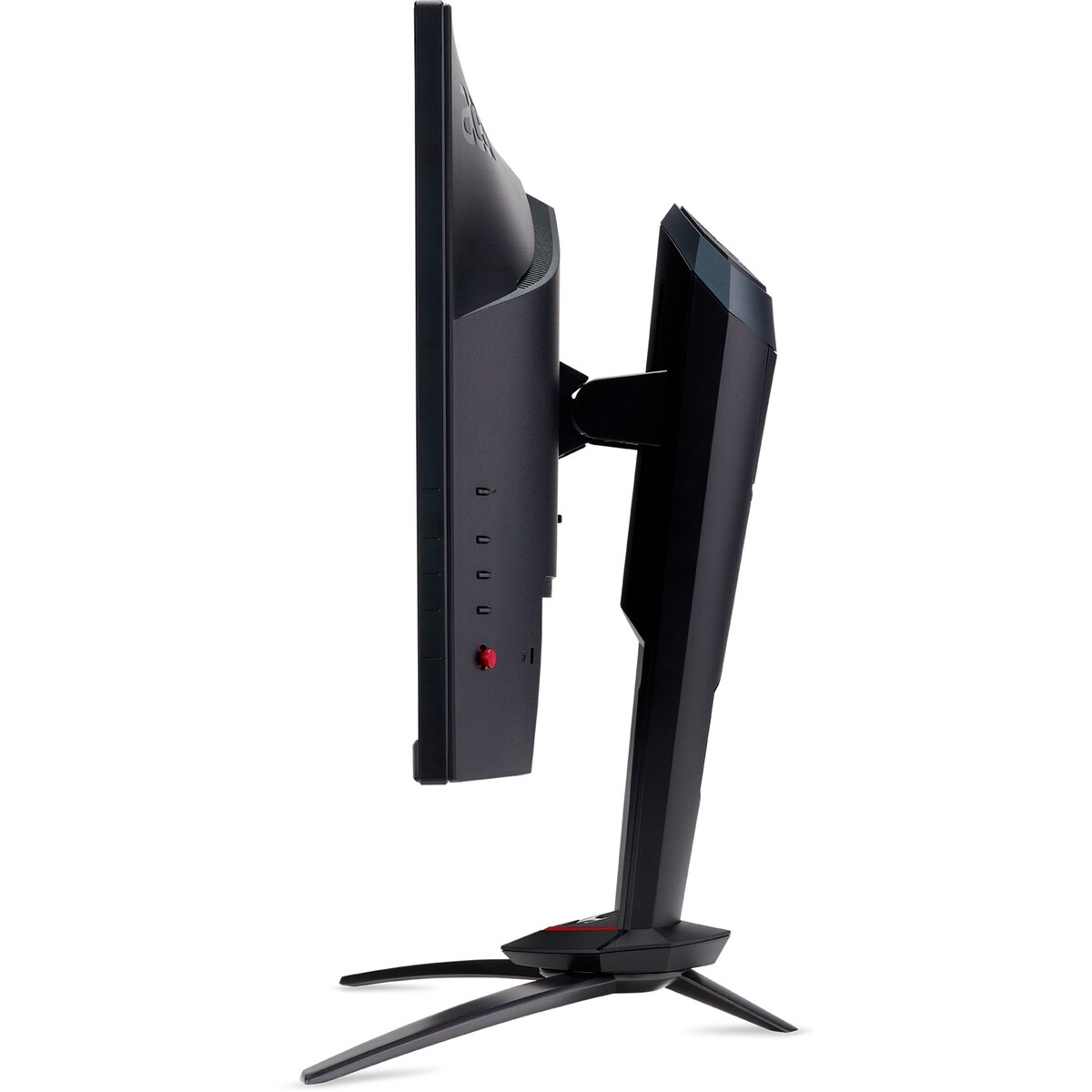
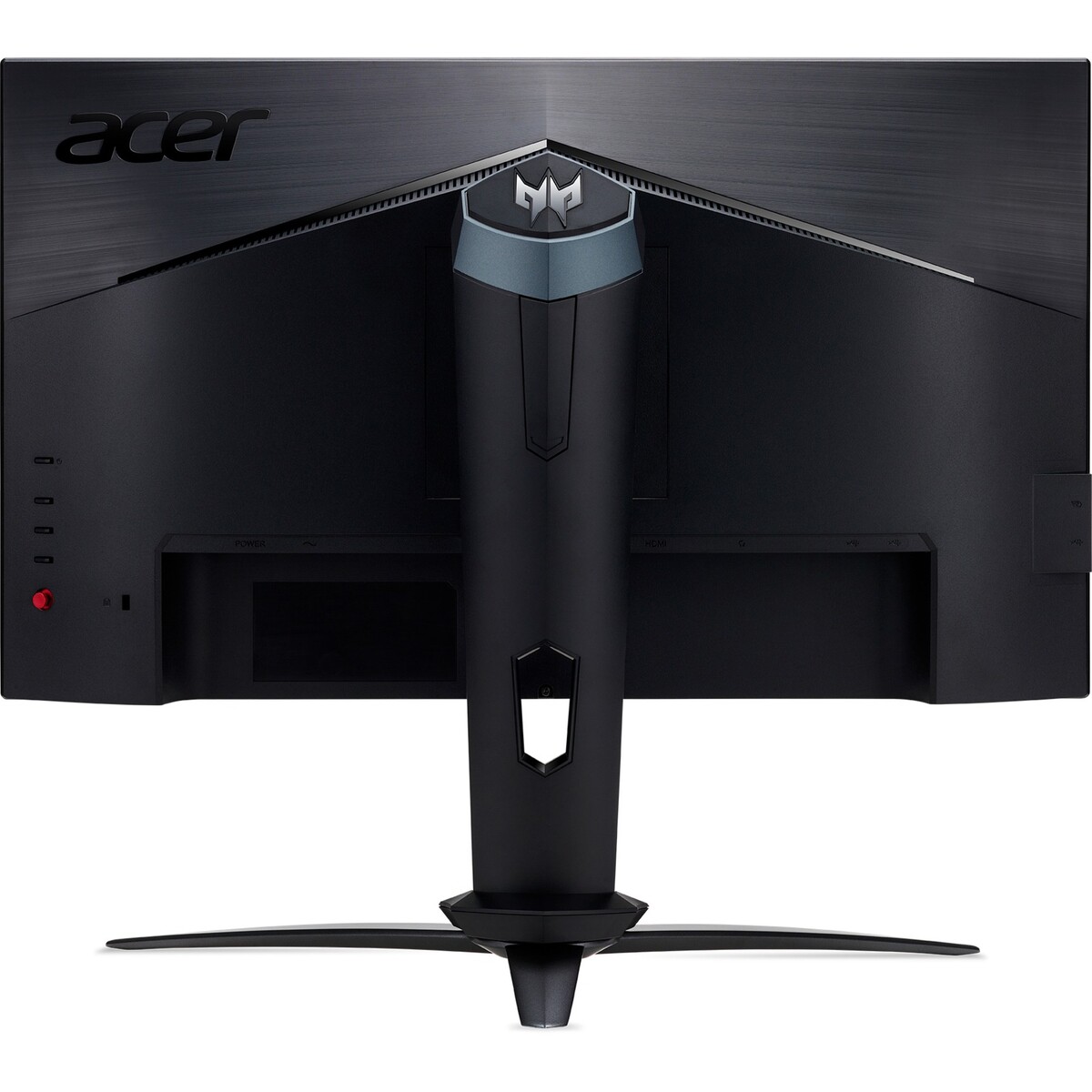
For connectivity, it offers DP, HDMI, USB Hub with four USB 3.0 ports, USB Type-C, and USB-B input connectors. It also features built-in 2W x 2 speakers, providing decent audio output. You can adjust the monitor’s position easily with tilt, swivel, height adjustment, and pivot options. The OSD (On-Screen Display) menu allows you to control various settings such as brightness, contrast, black boost, low blue light, and more.
The Acer Predator XB273UZ is designed to be energy-efficient, with 30W power consumption in ON mode and low standby and off mode power usage. Its overall dimensions are 614.4mm width, 415.0~530.0mm height, and 236.3mm depth, with a net weight of 6.05kg.
Pricing & availability
The current price for the Predator XB273UZ from Acer is €649. However, it is uncertain whether the gaming monitor will be made available in other markets like the UK or the US.
We use cookies on our website to give you the most relevant experience by remembering your preferences and repeat visits. By clicking “Accept”, you consent to the use of ALL the cookies.
This website uses cookies to improve your experience while you navigate through the website. Out of these, the cookies that are categorized as necessary are stored on your browser as they are essential for the working of basic functionalities of the website. We also use third-party cookies that help us analyze and understand how you use this website. These cookies will be stored in your browser only with your consent. You also have the option to opt-out of these cookies. But opting out of some of these cookies may affect your browsing experience.
Necessary cookies are absolutely essential for the website to function properly. This category only includes cookies that ensures basic functionalities and security features of the website. These cookies do not store any personal information.
Any cookies that may not be particularly necessary for the website to function and is used specifically to collect user personal data via analytics, ads, other embedded contents are termed as non-necessary cookies. It is mandatory to procure user consent prior to running these cookies on your website.