Samsung is gearing up to launch the Crystal Vision 4K TV series in India on August 4. The South Korean brand is also set to launch the Galaxy F34 5G on August 7. Now, the company has introduced a new Micro LED TV in the country. It is a flagship offering with a host of top-of-the-line features and also carries a whopping price tag. Read on to know about the television.
Samsung Micro LED TV specifications and features
As the name suggests, the Samsung Micro LED TV boasts a 110-inch display with 24.8 million micro LEDs made of sapphire glass. It offers an immersive viewing experience with a 4K resolution and features like Micro HDR, Multi-Intelligence AI Upscaling, Scene Adaptive Contrast, and Dynamic Range Expansion+. Due to micro LED technology, the television also packs features like micro contrast, micro color, and micro HDR powered by the Micro AI processor. There is a Multi-View feature that enables users to view four different types of content simultaneously on a single screen at up to 120fps.
The Samsung Micro LED TV has zero bezels on all four sides surrounding the display. It features a minimalistic monolithic design with no gap and slim edges. The television has an Art Mode and Ambient Mode+ that is capable of turning the TV in to a piece of art on the wall.
On the audio front, the Samsung Micro LED TV is equipped with 5.1ch speakers capable of producing a sound output of 100W. It has an Arena Sound feature that combines the power of OTS Pro, Dolby Atmos, and Samsung’s Q-Symphony for an immersive and enhanced sound output. There is also support for 3D surround sound for a cinematic experience.
The Samsung Micro LED TV runs on Tizen OS with support for Bixby and Google Assistant. Connectivity options on the TV include six HDMI ports, two USB ports, Ethernet, WiFi-6, Bluetooth 5.2, and more.
The Samsung Micro LED TV carries a mammoth price tag of Rs 1,14,99,000. It will be available for purchase from Samsung’s official website.
Red Magic 8S Pro Plus Bumblebee Limited Edition is now available on Giztop. You can buy this limited edition smartphone for $1199. Please note that this phone is Chinese Edition, and supports full GMS, Google Play Store, and OTA updating supported.
WHERE TO BUY
Red Magic 8S Pro Plus Bumblebee Limited Edition at $1199 @Giztop
The Red Magic 8S Pro Plus Bumblebee Limited Edition is a gaming powerhouse designed to deliver an unparalleled experience. The 6.8-inch 120Hz AMOLED FHD+ display offers ultra-smooth visuals, while the Snapdragon 8+ Gen 2 processor, 16GB RAM, and 512GB ROM ensure top-notch performance.
Capture stunning photos with the 50MP(Samsung GN5 ultra-sensitive)+2MP+8MP rear cameras and 16MP front camera. The 6000mAh battery with 165W fast charging keeps you gaming for hours. Running on RedMagic OS 8.0 based on Android 13 OS, the device offers a smooth and intuitive user experience, with gaming optimizations.
The Bumblebee-inspired design sets it apart, and the package includes Magnetic Back Clip, Red Magic Protective Case, Type-C Cable, and 165W GaN Charger, all with a Bumblebee Custom Version design. A Bumblebee Custom Version needle and Bumblebee Classic Genuine Authorization Badge accentuate the exclusivity.
The Red Magic 8S Pro Plus Bumblebee Limited Edition is perfect for gaming enthusiasts seeking top-tier performance and eye-catching aesthetics. Experience gaming like never before with this extraordinary limited-edition device. Whether you’re playing graphics-intensive games, streaming content, or running multiple apps simultaneously, this device handles it all with ease. Say goodbye to battery anxiety, and indulge in your favorite games for hours on end.
For more information on such exciting deals and offers, check out our deals hub.
There were multiple reports that Huawei is working on launching 5G smartphones. Now in response to recent rumors about the launch of Huawei’s high-end 5G phones after October, He Gang, the Chief Operating Officer of the Consumer Business Group, has denied the claims. The speculation originated from an article by Tencent Deep Web, which suggested that during a video conference with Huawei retailers in June, He Gang hinted at a major announcement happening after October, possibly related to 5G phones. However, He Gang has now clearly stated that such information is false and that he made no such assertions.
No Qualcomm-Huawei 5G Partnership, Claims Richard Yu
If you don’t know the reason why Huawei can’t use 5G in their smartphone it’s because of US sanctions. The company now uses 4G versions of Qualcomm chips in their flagship phones. Despite the denial, rumors about Huawei’s return to the 5G market have persisted, fueled by claims from supposed insiders and leaks from retailers. Although He Gang dismisses the rumors, he didn’t deny the possibility of a 5G phone launch either. Earlier, the Huawei Mate60 series and Mate X3 foldable were expected to support 5G, but recent information indicates changes to this plan. The potential first 5G phone from Huawei could be the Nova 12, as its development timeline aligns with Huawei’s 5G breakthrough.
Huawei’s Executive Director and CEO of the Consumer Business Group and Intelligent Automotive Solutions BU, Richard Yu, also addressed speculation about Qualcomm resuming 5G supply to Huawei later in the year. He clarified that Huawei should be able to source the necessary 5G chips domestically using advanced semiconductor design tools and chips produced by the Semiconductor Manufacturing International Corporation (SMIC).
However, there might be limitations in production capabilities due to a low yield of usable chips at less than 50%, potentially leading to a limited shipment of Huawei’s 5G phones. As a result, the release of the 5G versions of flagship models, such as the P60, might be pushed to 2024. A popular tipster claims that Kirin-branded processors will be launched later this year, but they are expected to have limited power.
Amidst the rumors, another claim suggests that Huawei will launch new smart homes and smart cars around the same time as the speculated smartphone launch. Nevertheless, Huawei will remain determined to launch 5G models as they have seen significant growth in smartphone sales, with a remarkable 58% surge reported in Q2 2023.
In the highly competitive realm of advanced chip packaging, Taiwan Semiconductor Manufacturing Company (TSMC) has emerged as the undeniable front-runner, according to recent data released by LexisNexis. The crucial technology of advanced chip packaging plays a pivotal role in extracting maximum performance from the latest chip designs, making it a significant factor for chip contract manufacturers vying for business.
The data, revealed last month, sheds light on the substantial investments made by TSMC and Samsung Electronics in advancing their packaging technologies over the years. On the other hand, Intel appears to have lagged behind in this domain, as evidenced by its comparatively lower number of filings.
TSMC’s dominance in the field is evident from its impressive cache of 2,946 advanced packaging patents, a figure that outshines its closest competitor. Moreover, TSMC’s patents are not only abundant but also boast the highest quality, as measured by the frequency of citations from other companies, according to LexisNexis.
Following closely behind TSMC is Samsung Electronics, with a noteworthy portfolio of 2,404 patents dedicated to advanced packaging. The South Korean tech giant’s consistent investments in this technology have secured its position as a formidable player in the industry. Contrarily, Intel, a prominent player in the chip manufacturing arena, finds itself in third place with 1,434 patents focused on advanced packaging. The data underscores Intel’s inability to keep pace with its rivals’ aggressive pursuit of advancements in this critical technology.
Industry experts have pointed out that advanced chip packaging is becoming increasingly essential in the semiconductor landscape, as it directly impacts the performance and efficiency of modern chip designs. Companies that excel in this domain have a competitive edge in securing contracts and partnerships with major chip manufacturers and technology companies.
TSMC’s unwavering commitment to research and development, coupled with its substantial investment in advanced packaging technology, has undoubtedly paid off. The company’s ability to innovate and produce high-quality patents that attract citations from other industry players reinforces its leading position in the field.
As the race for dominance in the semiconductor industry intensifies, TSMC’s stronghold in advanced chip packaging highlights the growing importance of this technology. Meanwhile, both Samsung Electronics and TSMC continue to push the boundaries of innovation, setting the bar higher for other chipmakers and posing a significant challenge to Intel’s attempts to catch up.
What is Advanced Chip Packaging?
Advanced chip packaging refers to technologies that enclose and connect semiconductor chips. It plays a crucial role in enhancing chip performance, power efficiency, and size. Features include miniaturization, high pin count, thermal management, 3D packaging, and heterogeneous integration. These advancements allow for smaller, more powerful, and energy-efficient electronic devices.
Advanced chip packaging has become increasingly important in the semiconductor industry as traditional transistor scaling faces challenges due to physical limitations. As a result, chip manufacturers have focused on innovations in packaging to continue improving chip performance and functionality. The development of advanced packaging technologies has paved the way for more powerful, energy-efficient, and compact electronic devices.
iQOO Z7 Pro is expected to launch soon in India as an upgrade over the already available iQOO Z7. Leaks suggest that it will debut in the first or second week of this month with a price tag under Rs. 30,000. Although there has been no official announcement yet, a tipster has shared the AnTuTu score of the device, pointing to a 4nm Dimensity 7200 SoC. Let’s delve into the details.
iQOO Z7 Pro could launch later this month
Tipster Mukul Sharma shared a poster on Twitter/X, which shows the alleged AnTuTu score of the iQOO Z7 Pro. The smartphone has managed to score over 700,000 points in the benchmarking test, which is quite impressive for a mid-range phone. The poster claims that this phone is the fastest in its segment, which is a bold statement.
While there’s no official confirmation regarding the processor, leaks suggest iQOO Z7 Pro will be powered by the MediaTek Dimensity 7200 SoC. It is the company’s first 4nm mid-range processor and has two ARM Cortex-A715 performance cores clocked at up to 2.8GHz and six Cortex-A510 efficiency cores.
As for other specifications, the iQOO Z7 Pro will reportedly get a large 6.78-inch AMOLED display with curved edges and a 120Hz refresh rate. It might offer a Full HD+ resolution and a 20:9 aspect ratio. The phone should run on Android 13 OS out of the box, with a Funtouch OS 13 custom skin.
The new iQOO handset could be fueled by a 4,600mAh battery pack that supports 66W fast charging. For photography, it will feature a dual camera setup on the rear with a 64MP primary sensor and a 2MP secondary shooter. The front may get a 16MP selfie camera.
Realme had teased the arrival of the Buds Air 5 Pro at the Realme 11 Pro 5G series launch in India in June. Now, the brand has officially started teasing the TWS earphones hinting at their imminent launch in the country. The Realme Buds Air 5 Pro had debuted in China earlier in May this year.
Realme Buds Air 5 Pro India launch teased
Carefully crafted with flagship-level features, the unbeatable is coming soon to deliver a moment of perfect harmony for every music lover. Stay tuned!#FeelTheUnbeatable
Realme has put up a dedicated microsite of the Buds Air 5 Pro on the official website. The TWS earphones are also listed on Amazon confirming their availability on the e-commerce platform. Both microsites are expected to reveal key features of the audio device in the coming weeks.
In a tweet, Realme says that the Buds Air 5 Pro are carefully crafted with flagship-grade features. They are teased to offer a perfect harmony for every music lover. The TWS earphones have an Apple AirPods Pro-like design with a stem and angled earbuds with silicon ear tips. The rest of the details of the audio device remains unknown for now.
In China, the Realme Buds Air 5 Pro have an 11mm woofer and 6mm planar drivers. They feature an active noise cancellation of up to 50 dB. The earphones support Hi-Res audio, LDAC codec, and Spatial sound effects. There are three built-in mics for AI noise cancellation on calls. The TWS earbuds are powered by a 460mAh battery unit that is claimed to last 40 hours and come with Bluetooth 5.3 technology. The Realme Buds Air 5 Pro are priced at CNY 499 (~Rs 5,750) in China.
POCO has announced the launch date of the POCO M6 Pro 5G smartphone in India. It is set to debut in the country on August 5. The brand had teased the upcoming smartphone yesterday. POCO did no launch a pro variant of the M5 and hence the M6 Pro 5G will arrive as the successor to the last year’s M4 Pro 5G. Additionally, ahead of the launch, the device has also been spotted on the Geekbench benchmarking platform.
POCO M6 Pro 5G launch date revealed, appears on Geekbench
🚀 Unleash the Speedverse with the #POCOM6PRO5G that takes you Beyond Limits 🚀, experience the next level of speed and performance. ⚡
The POCO M6 Pro 5G is set to debut on August 5, Saturday at 12 noon local time. Flipkart has put up a dedicated microsite of the upcoming offering confirming its availability on the E-commerce platform. The brand is teasing the device as the 5G disrupter.
As per the teaser image, the POCO M6 Pro 5G is seen in a Turquoise color option. It has an elongated Black color camera module housing two sensors and an LED flash on the left side and a POCO branding on the right. This gives the phone a dual-tone look. There is a power and volume rocker button on the right side. The SIM slot is on the left side of the device. Apart from this, the teasers do not reveal additional details of the upcoming smartphone.
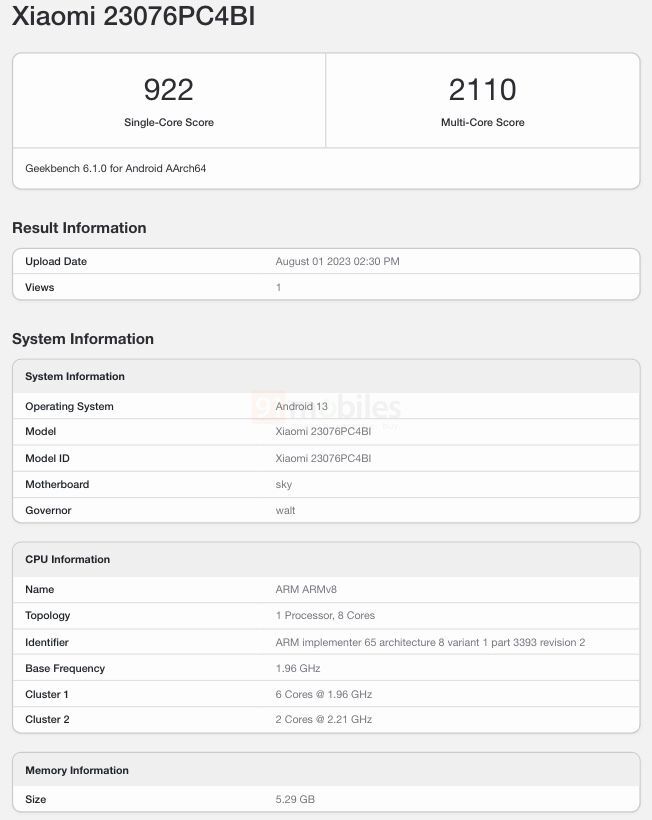
The POCO M6 Pro 5G has been spotted on Geekbench benchmarking platform (via). It is listed with a motherboard codenamed ‘sky’ and it comprises six cores at 1.96GHz and two cores ticking at 2.21GHz. This likely corresponds to the Snapdragon 4 Gen 2 chipset. The listing reveals 6GB RAM onboard and Android 13 OS out of the box. In the single-core and multi-core tests, the smartphone scores 922 and 2,110 points respectively. As per rumors, the POCO M6 Pro 5G is said to be a rebadged version of the Redmi Note 12R in China.
Xiaomi has unveiled its latest offering, the MIJIA Smart Oven 40L, designed to meet the needs of modern households. Priced at an introductory rate of 499 yuan ($70), this electric oven brings convenience and intelligence to the kitchen.
Xiaomi MIJIA Smart Oven 40L specifications:
In terms of design, the smart oven is equipped with a double-layer insulated glass door featuring explosion-proof tempered glass, ensuring safety during usage. Its six metal heating tubes and explosion-proof oven light enhance durability and performance. The appliance also comes with an independent heat-resistant handle, a multi-function knob, and an LED screen for ease of use.
With a generous 40L capacity and three baking levels, the MIJIA Smart Oven ensures ample space for various cooking needs. The dual NTC temperature sensors for the upper and lower sections allow users to set different temperatures without the risk of overcooking, burning, and uneven results or the need to flip the food.
The oven’s three heating tubes for both upper and lower sections ensure even temperature distribution, thanks to intelligent temperature control algorithms. This technology enables users to fine-tune the temperature by every 1°C and set precise timers by the minute. The MIJIA Smart Oven boasts a robust 2000W output with its PID intelligent temperature control chip.
The appliance supports a broad temperature range from 30 to 230°C, offering versatility in cooking tasks. The MIJIA Smart Oven 40L comes equipped with five pre-installed cooking modes: Grill, Bake, Fermentation, Professional, and Fruit Dehydration. For added convenience, users can connect the oven to the Mi Home App, granting access to over 40 professional recipes with just one touch. Additionally, hands-free cooking is made possible through voice control using Xiaomi’s Xiao AI smart speakers.
Overall, Xiaomi’s MIJIA Smart Oven 40L is a powerful, feature-packed appliance that brings intelligent cooking to households at an affordable price. Its compact size, wide range of functions, and smart connectivity options make it an excellent addition to any modern kitchen. Xiaomi has also launched a smaller smart oven, the MIJIA Microwave Oven 20L with 360° surrounding rapid heating.
The Indian variant of the handset comes with a 108MP rear camera. This makes it the most affordable smartphone with such a camera in the country, as it starts at only ₹9,999. In comparison, the Southeast Asian variant features a 50MP camera.
In addition to the device’s camera, the device’s design is also attractive. These two features make it stand out from other similarly priced smartphones in the region.
Realme India sent me a unit of the Realme C53 to try out. After a few days of using it, I have expressed my thoughts on it in this article.
Before I share my experience with the phone, I would like to clarify that the brand had no editorial input or early look.
Realme’s budget smartphone portfolio
The ₹10,000-₹15,000 price segment is considered the hottest category in India’s smartphone market. After a few quarters of decline in this segment, things are currently looking up. Brands have finally begun releasing interesting devices, like the Realme C53.
Let’s take a quick look at Realme’s budget smartphone portfolio to understand the positioning of its latest C and Narzo series phones.
The newly released Realme C53 is aggressively priced at ₹9,999 and ₹10,999 for 4GB + 128GB and 6GB + 64GB memory configurations, respectively.
It is placed below Realme Narzo N53, Realme Narzo N55, and Realme C55. For the unaware, the Narzo N53 is the original C53 sold in Southeast Asia.
Therefore, the Narzo N53 is almost identical to the C53, with a few changes. The Narzo model offers faster charging instead of a higher-megapixel camera, a slightly different design, and comes in a single 6GB + 128GB version priced at ₹10,999.
On the other hand, the Realme C55 and the Realme Narzo N55 are one and the same. Compared to the C53 and Narzo N53, they arrive with a faster chip and a better display. They also retain faster charging from the Narzo N53 and start at ₹10,999.
All in all, Realme is offering a total of four devices in the ₹10,000-₹15,000 price segment in India. Each one of them differs in one way or another, with not so much difference in price.
What makes Realme C53 special?
The pricing of the Realme C53 is perfect at ₹9,999 for the base 4GB + 128GB variant. If you are willing to buy this phone, then this is the version you should go for and not the 6GB + 64GB variant that costs ₹10,999.
Higher storage makes more sense than higher RAM for this handset. Because it is a budget smartphone powered by a Unisoc Tiger T612 SoC. This chipset can run all modern apps without any hiccups, but it is not meant for heavy multitasking, and therefore, going with more RAM is useless.
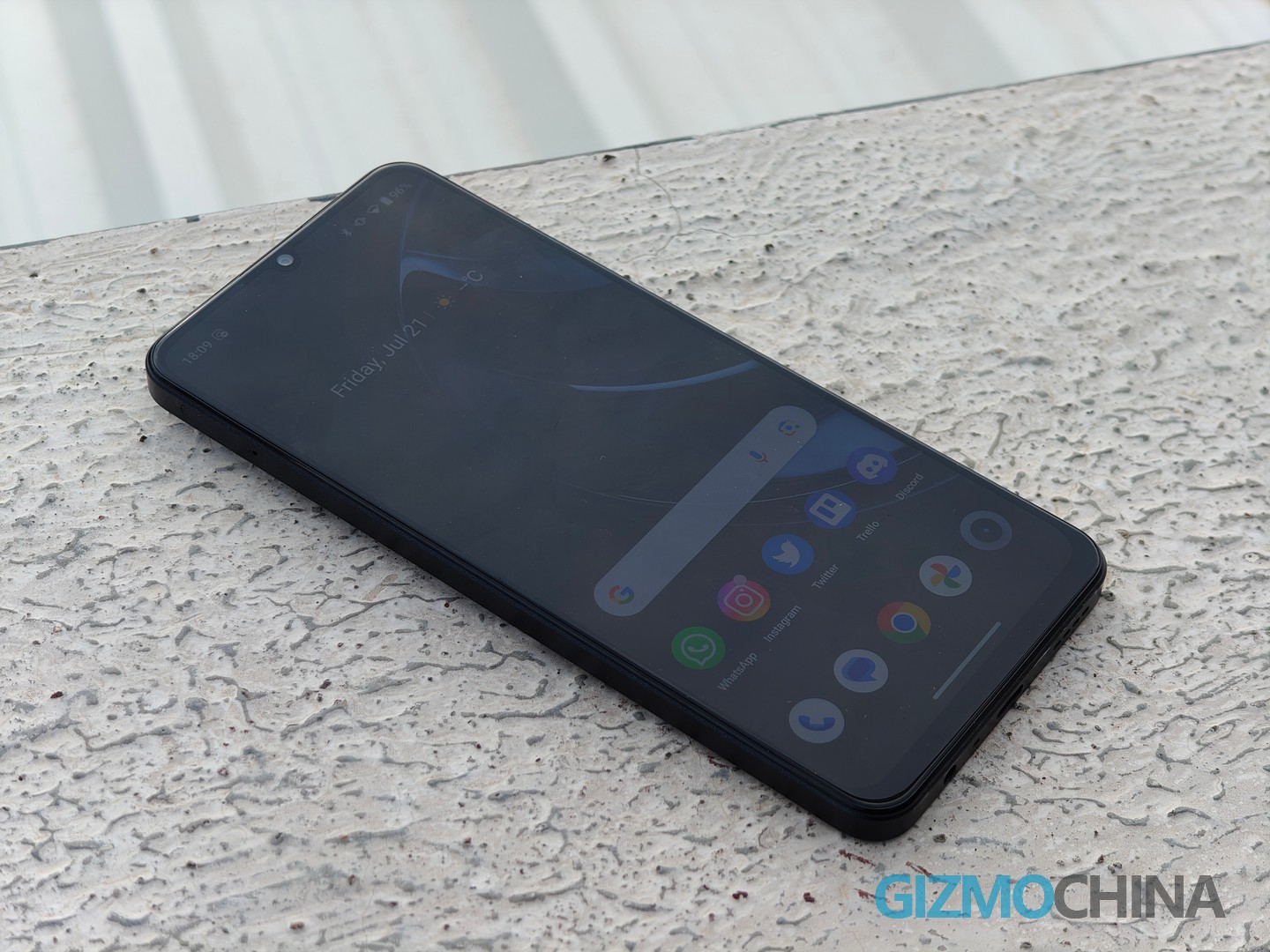
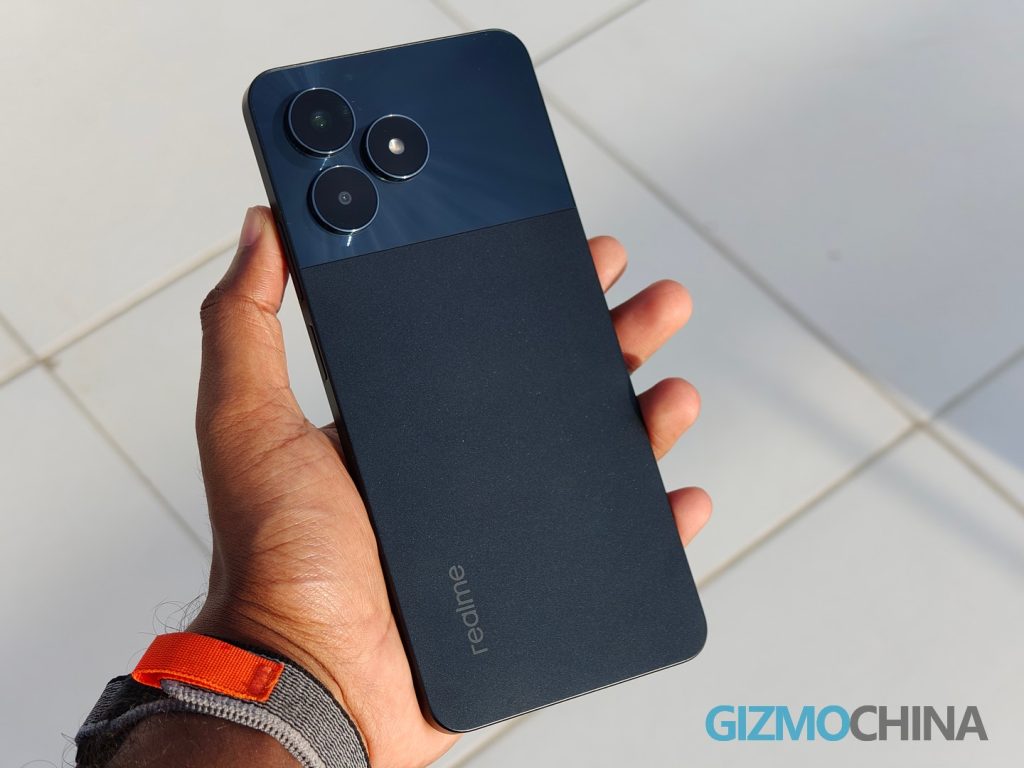
Despite oddly resembling iPhone Pro models, the Realme C53 is arguably one of the best-looking smartphones in the segment. The people I showed the device to were surprised that it costs just ₹10,000.
The phone’s body is entirely made of plastic, but it does not feel cheap at all. It is well-built and makes no creaking noise. I received the Champion Black color option, but you can purchase it in the Champion Gold hue as well.
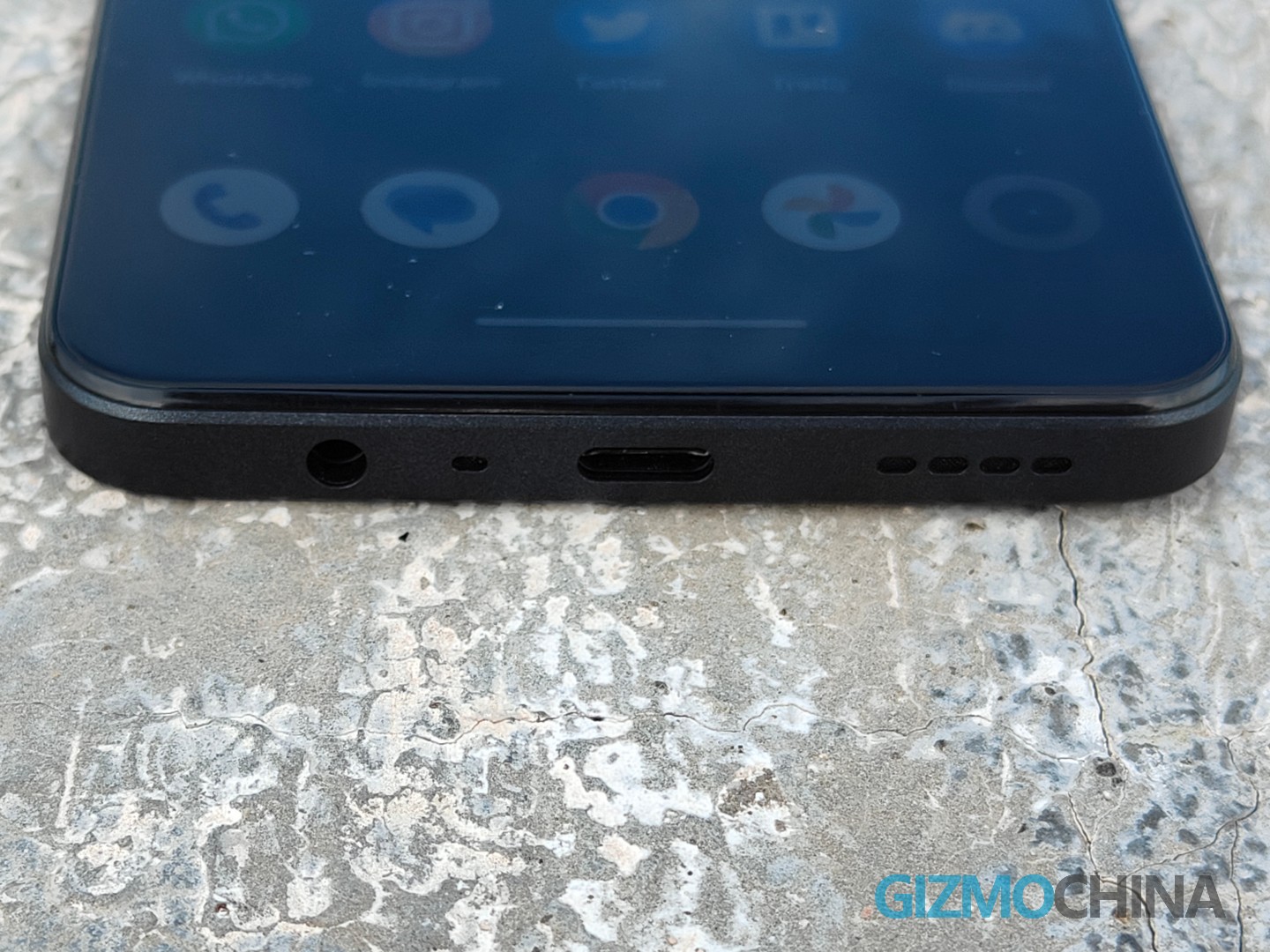
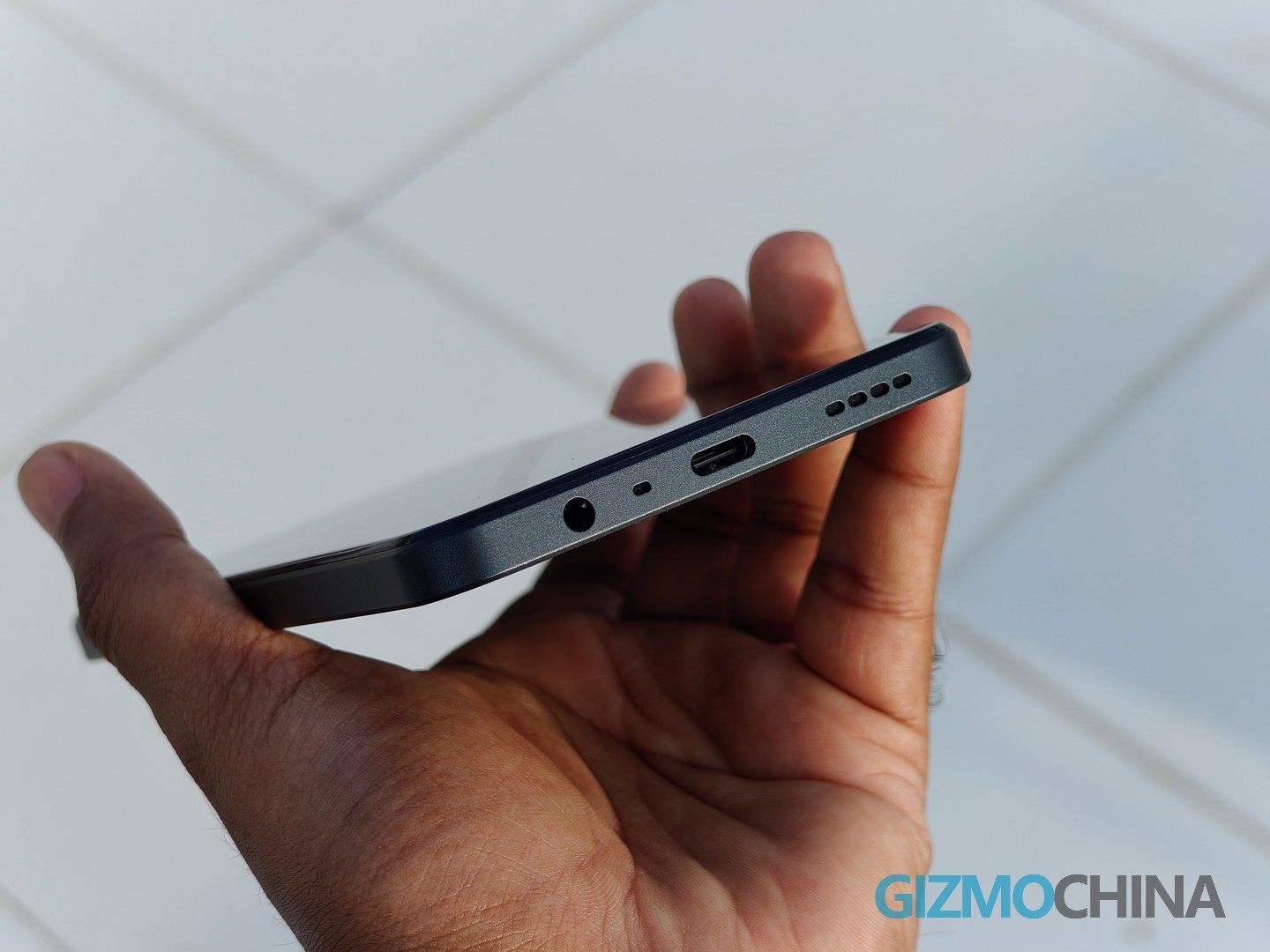
You not only get a 3.5mm headphone jack but also a dedicated MicroSD card slot. The handset ships with a translucent case featuring flaps for both the USB Type-C port and the audio jack.
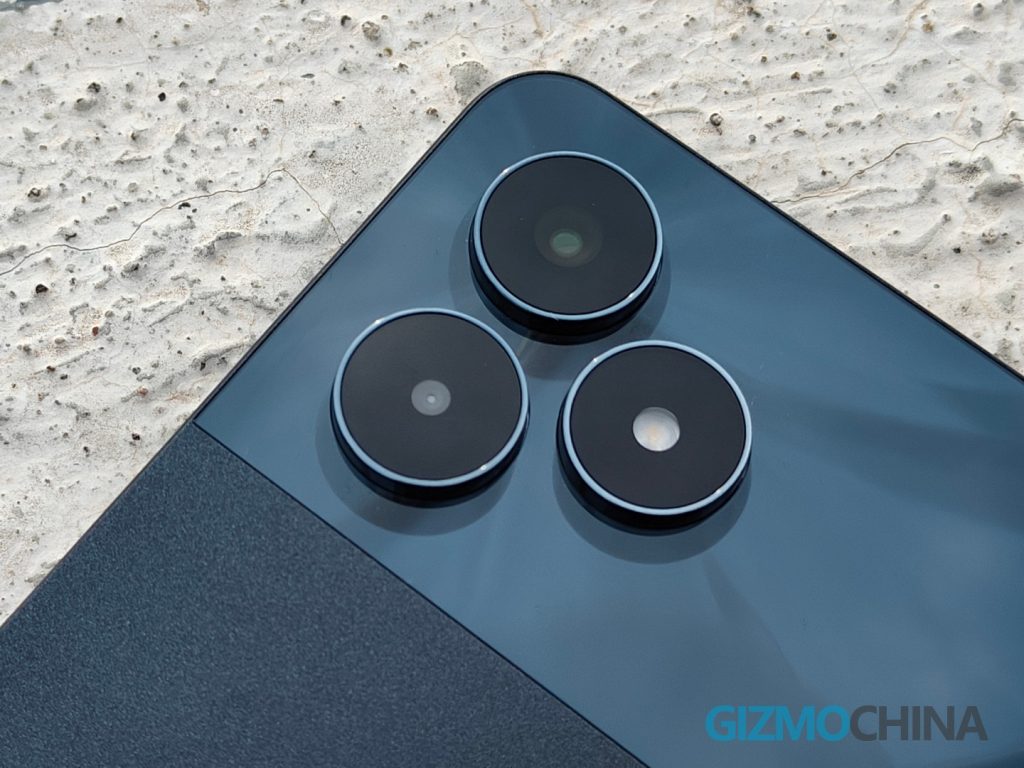
Though the Realme C53 has three circular islands on the rear, you only get one usable camera. The main camera is a 108MP Samsung HM6 sensor, and it is paired with a monochrome sensor. On the front, an 8MP shooter is located underneath the dewdrop notch.
To my surprise, the primary 108MP camera on the phone does perform very well for the product’s asking price. But you need good lighting to achieve better results.
The images are detailed with creamy natural bokeh. You get a 3x zoom option, which the brand claims to be lossless. The zoomed-in pictures are as good as the regular shots with a different perspective.
The image quality takes a major hit when the sun sets. Similarly, the video recording capability is just passable. Finally, the selfie camera delivers average pictures and makes dark-skinned people look fairer even when beautification is turned off.
Anyway, I cannot find a major complaint in the camera department given the pricing of the handset. It is adequate for the price.
The software on the Realme C53 is comparatively light when compared to what you find on more expensive devices from the brand. Because it boots Realme UI T Edition based on Android 13.
This version of Realme UI has multiple AOSP (stock Android) elements throughout the UI. The most notable ones are quick toggles and Settings. Thus, the smartphone runs smoother on the budget chip.
Finally, the Realme C53 can easily last more than a day with regular usage. The 5,000 mAh battery is difficult to drain in a single day unless you engage in excessive gaming or camera usage.
What could have been better in Realme C53?
Even though I love the way the Realme C53 looks, the phone’s design is not perfect. First and foremost, the flat sides are sharp. Hence, it is uncomfortable to hold for a longer time without the case.
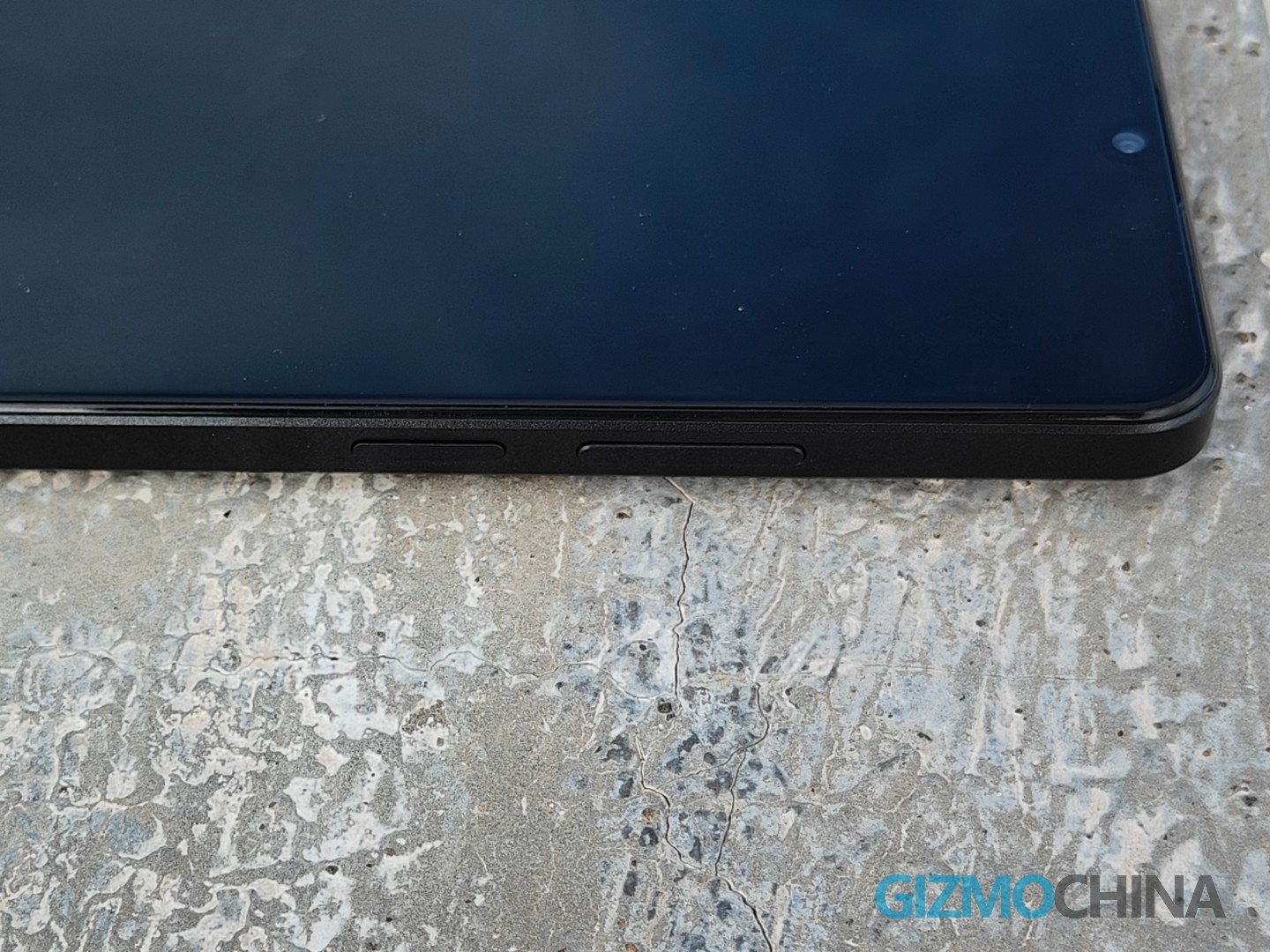
Secondly, the side-mounted fingerprint sensor is too small. I had to register my fingers multiple times to get it correct.
Further, the rear camera module collects dust around it very quickly. You may have to wipe it several times a day.
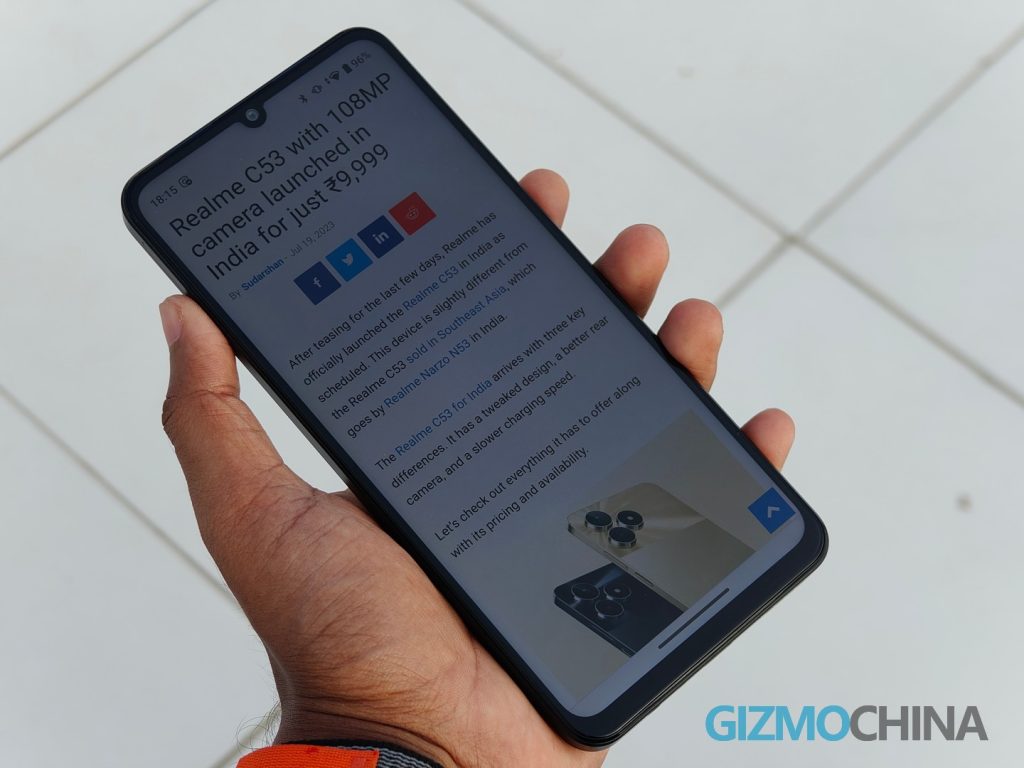
I also didn’t like the display on the Realme C53. Not because it is just an HD+ (1600 x 720 pixels) panel but due to its color reproduction.
I tried both ‘Vivid’ and ‘Gentle’ color profiles. Neither of them feels good to my eyes. The colors are so off that I felt the pictures from the camera were terrible. Only when I checked the same images on a better display I realized the true potential of the phone’s main camera.
General consumers will most likely like the oversaturated colors. But this screen is definitely not for me.
Though the software on the handset is light, it retains all the negative things that I found on the Realme 11 Pro. Companies follow this trend to offset the retail price, but it is not the right thing to do.
Last but not least, the Realme C53’s 18W charging is painfully slow. It takes about 2 hours and 30 minutes to fill the battery. Realme is known for fast charging, and hence, it feels so weird to experience a Realme smartphone with slow charging.
Should you buy Realme C53?
The Realme C53 is a good buy at ₹9,999 for 4GB RAM and 128GB storage. It is a well-rounded package with an eye catchy design and a surprisingly good primary camera. The 6GB + 64GB variant of the device at ₹10,999 is not recommended, as you have better alternatives from Realme itself.
If you don’t care about the camera but want faster charging, then you should opt for the Realme Narzo N53. If you want a better display and a faster chipset, then the Realme C55 or Realme Narzo N55 should be your pick.
Realme has got you covered in the ₹10,000-₹15,000 price segment with the aforementioned four products with slightly varying differences. It is truly a smart move by the brand.
However, it is worth noting that none of these handsets offer 5G support. I wouldn’t consider it a con. But if you are planning to use the phone for a longer period, you may want to look elsewhere, like the exceptionally priced Redmi 12 5G.
The competition in the handheld gaming console market is getting stronger every day. Almost every day, another manufacturer is moving into this space, trying to get a share of the market that is currently dominated by Nintendo Switch. For instance, we recently shared that Lenovo was working on a new handheld device called Legion Go. It seems the increasing competition has not just caught our attention but Nintendo’s as well.
According to emerging information, Nintendo is speeding up its work on the Switch 2 to stay strong in the competition, and plans to introduce the new generation handheld console in the second half of 2024. The new model, known to be backward compatible with older games, will be missing a key feature that the company had introduced a while ago. Here are the details…
Nintendo Switch 2: What We Know So Far
According to information obtained by Video Games Chronicle, Nintendo will introduce the Switch 2 in the second quarter of 2024. It’s said that the reason the company is waiting so long is because it doesn’t want to be affected by the chip crisis that occurred during the pandemic. As you know, both the PlayStation 5 and Xbox Series S/X were released during this time, and it became a real struggle for customers to buy these consoles. In fact, the market was dominated by “opportunists” for a long time, and scalping was very popular until recently.
However, not all developments may please users. As you know, Nintendo introduced the OLED version of the Switch in 2021. This version, which isn’t very different from the original product in terms of technical features, was preferred by many users due to its superior screen. But the latest information shows that the Nintendo Switch 2 may come with an LCD screen instead of OLED. Of course, the console will still be able to connect to other screens. Therefore, if you own a high-quality OLED monitor, you can always play games with a dock.
The good news is the backwards compatibility. The Nintendo Switch 2 will run your digital and physical games without any problems. This way, your library that you spent a fortune on will be accessible for you, and you can replay the games you played in low quality due to the inadequate hardware of the console that came out in 2018, but now in a smooth way.
It’s worth noting that there is no confirmed release date for the Nintendo Switch 2 in 2024 at the moment. The report by VGC is based on leaks from sources in the industry and estimates by experts like Dr. Serkan Toto. However, the fact that so many sources are saying similar things does make the claims stronger. Unfortunately, we don’t have detailed information about the price or other technical specifications yet. But more information on this topic is expected to emerge in the future.
In the fiercely competitive race to become the global leaders in artificial intelligence, tech giants Apple and Microsoft have made significant strides, leading them to maintain their positions as the world’s top two companies by market capitalization as of the end of July 2023.
During the month of July, Apple achieved a groundbreaking milestone by becoming the first company ever to reach a market value of $3 trillion. This unprecedented feat was driven by its expansion into new markets and optimistic expectations for more moderate U.S. interest rate hikes. Apple reached an all-time high with the company’s stock surging over 51% so far in 2023.
Not to be outdone, Microsoft showcased its prowess by exceeding Wall Street estimates for its fiscal fourth-quarter revenue. The stellar performance was attributed to the robust growth in its cloud computing and office software businesses. As a result, Microsoft’s market capitalization reached an impressive $2.49 trillion by the end of July.
Both companies’ strategic moves in product releases have played a crucial role in maintaining their dominance. Apple’s upcoming earnings announcement for the April-June quarter has garnered high anticipation and is expected to further solidify its position as the global market leader.
The broader market sentiment has also been buoyed by strong quarterly earnings from other tech giants, including Alphabet and Meta Platforms. These successes have contributed to overall market positivity.
As technology continues to reshape industries and drive innovation, Apple and Microsoft have proven to be frontrunners in the race for AI dominance. Their relentless pursuit of excellence and strategic business decisions have allowed them to maintain their top spots in the global market capitalization rankings, leaving investors and consumers eager to witness their next breakthroughs.
Amazfit continues to expand its product line. The company, which frequently introduces us to smart bands and smart watches, has now considered users who do not want to spend a fortune on wearable tech. Amazfit launches the affordable Bip 5 smartwatch with a 1.91-inch TFT display, 300 mAh battery, and health tracking features. It is now available for under $100. Here are the details…
Amazfit Bip 5: The Perfect Smartwatch for Those on a Budget
The affordable Amazfit Bip 5 comes with features that won’t make you miss premium products. The company’s new smartwatch has a 1.91-inch display, just like the Huawei Watch GT 2e and Amazfit Bip U Pro. The resolution of this TFT screen is 320 x 380 pixels. This panel, with approximately 260 PPI, is able to provide sufficient image quality and comes with 2.5D tempered glass that both protects the screen and reduces fingerprint smudges.
Of course, a smartwatch does much more than just tell the time. It has many features, including different sensors. The Bip 5 is one such smartwatch, and it includes a special sensor known as the BioTracker. This technology is used to check your heart rate, the amount of oxygen in your blood, and your stress levels. It does this through a method called photoplethysmography (PPG). This involves using light to measure how much is absorbed by the blood vessels in your wrist.
Amazfit Bip 5 also has 4-satellite positioning system. This is a system that is used to determine the location of the smartwatch. It uses four different satellite constellations: GPS, GLONASS, Galileo, and BeiDou. This allows the smartwatch to determine its location more accurately, even in areas where GPS reception is not strong.
The smartwatch connects to the phone using Bluetooth 5.2 technology. The Bip 5 communicates with a paired smartphone using the Zepp App, and it supports Android 7.0 and iOS 14 or higher. Thanks to its 300 mAh battery, it promises users up to 5 days of heavy use. If you don’t use the features we mentioned above much and generally use it to track notifications, this time can double.
Certainly, an integrated microphone and speaker are essentials for a modern smartwatch, and these features are indeed present in the Amazfit Bip 5. This means that users, if they wish, can not only listen to music but also make and receive calls. This feature can be a lifesaver for users who may not always have time to look at their phone. However, It’s important to note that the smartwatch does not accommodate a nano SIM card or an eSIM of its own, relying solely on a Bluetooth connection with a nearby smartphone.
Price and Availability
Currently available for order, the Bip 5 offers a palette of Cream White, Pastel Pink, and Soft Black color variants to choose from. The pricing is set uniformly across different regions – £89.90 for customers in the UK, €89.90 for those in the Eurozone, and US$89.99 for buyers in the United States.
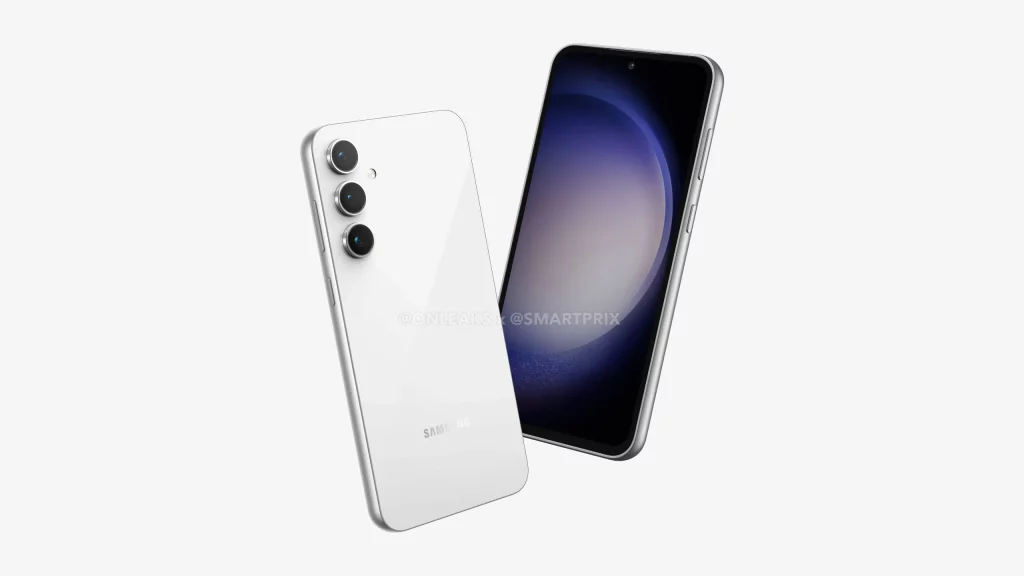
Samsung Galaxy S23 FE is expected to go official at some point in the ongoing quarter of this year. A recent report revealed that the device will be equipped with a new primary camera. Now, a new report by GalaxyClub has revealed information about the front and telephoto cameras of the S23 FE.
Samsung Galaxy S23 FE to feature 10MP front camera
Samsung Galaxy S23 FE CAD render
Samsung has been offering a 32-megapixel front-facing camera on its Fan Edition models since 2020. However, this year, the brand is expected to offer a new selfie snapper on the Galaxy S23 FE. As per the new leak, the device will be equipped with a 10-megapixel front camera. It could be the same camera sensor, which is available on the Galaxy S22 series.
Reports have already revealed that the Galaxy S23 FE’s rear camera setup will have a new 50-megapixel main camera with OIS support. As per the new report, the device will feature an 8-megapixel telephoto camera with 3x optical zoom, which means it could be the same sensor that’s available on the Galaxy S21 FE. At present, there is no information on the ultra-wide camera of the device.
Other reports have claimed that the Galaxy S23 FE will arrive with a 6.4-inch AMOLED display that offers Full HD+ resolution and a 120Hz refresh rate. The device is likely to come preloaded with One UI 5.1.1-based Android 13.
The S23 FE is likely to feature the Exynos 2200 chipset. It remains to be seen whether the company releases its Snapdragon 8 Gen 1 chipset version in some markets. It will come with 6GB / 8GB of LPDDR5 RAM, 128GB / 256GB of UFS 3.1 storage, and a 4,500mAh battery with 25W wired and 15W wireless charging.
Nokia is undoubtedly still one of the world’s most recognized brands. The company was very popular before the rise of smartphones and reached a peak market share of 41% in the global phone market in 2007. Although Nokia continues to exist today and comes up with new models, it’s quite far from its former glory. However, the legendary manufacturer hasn’t given up yet and has announced two new models. The not-so-smart Nokia 130 and Nokia 150 have been announced. Here are the details…
Nokia 130 and 150: The Phones for People Who Want to Disconnect
In today’s world, smartphones are much more than just a means of communication. We control almost all aspects of our lives through these devices, from managing our financial situation to storing precious memories. Yet, despite all these functions, some people still prefer older phones over smartphones. Aware of this situation, Nokia has introduced two new models, named 130 and 150.
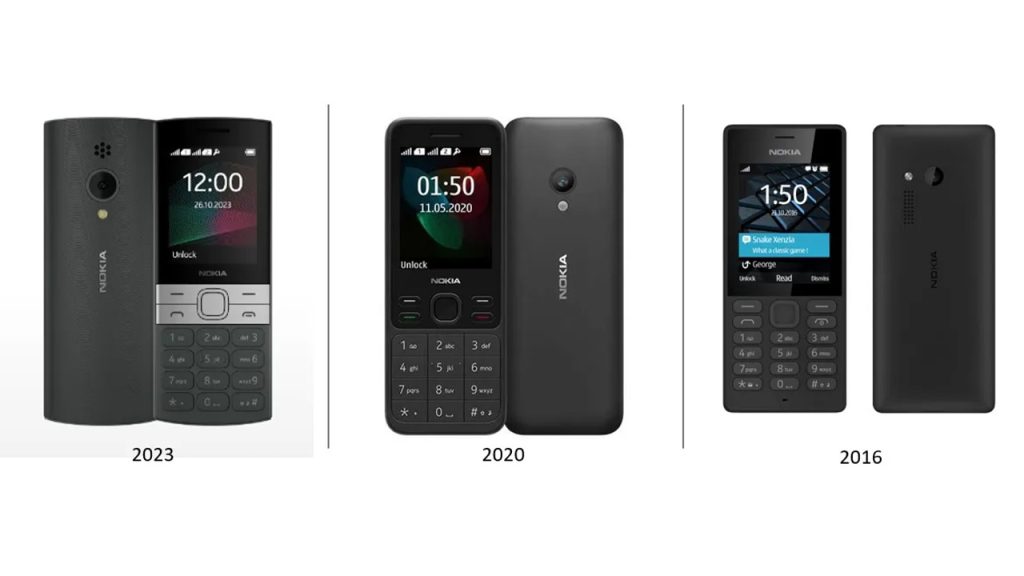
Nokia 150
The Nokia 150 isn’t actually a new phone. This model was first announced by Microsoft in 2016 and received another makeover in 2020. Now, it’s back in the spotlight, despite not being modern, due to its refreshed design and features. Unfortunately, this model doesn’t have any standout features apart from not being a smartphone.
Nokia 150
There’s no information about the processor of the Nokia 150, but it has a 1450 mAh battery capacity that can last a few days and a 0.3 Megapixel camera. There’s no front camera and the most notable feature seems to be its 3.5mm headphone jack. As for the operating system, it uses not Android, but an OS called S30+. Here are all its features:
Feature
Nokia 150
Standby time
30 days
Talk time
20 hours
Headphone type
3.5mm
USB connection
Micro-USB (1.1)
Battery
1450 mAh, removable
Memory & storage
microSD card support up to 32 GB
Operating system
S30+
Audio
MP3 player (requires microSD card), voice recorder (requires microSD card), FM radio receiver (wired & wireless dual mode), 1 microphone, 1 speaker
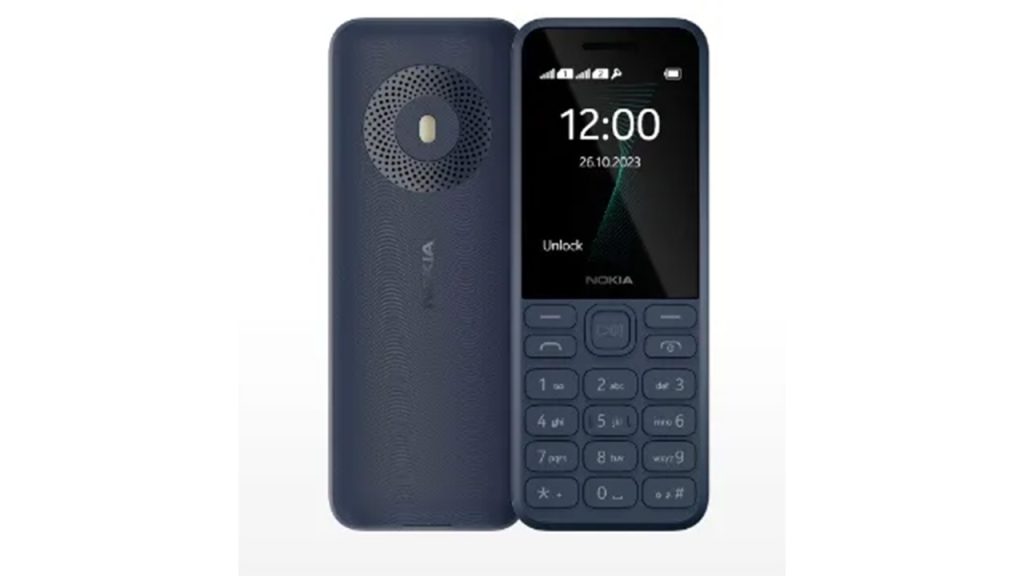
When we look at the Nokia 130, we don’t see much different, except for one significant missing feature. This model does not include a unique camera, taking us on a real journey back in time. Instead of a camera, we see a fairly large speaker grill on the back of the phone, which could be ideal for users who prefer listening to the radio rather than using Spotify or Apple Music.
Nokia 130
This model comes with a 2.4-inch screen with a resolution of 240 x 320 pixels and a long battery life provided by a 1450 mAh battery. Honestly, there isn’t much to say for both phones except that they target specific groups of people.
Feature
Nokia 130
Display
2.4 inches, QVGA (240 x 320 pixels)
Performance
Standby time: 30 days, Talk time: 20 hours
Design
Headphone jack: 3.5mm
Connectivity
USB connection: Micro-USB (1.1)
Battery & charging
Battery: 1450 mAh (removable)
Memory & storage
Internal storage: 4 MB, microSD card support up to 32 GB
Indian smartphone maker Lava has launched a new affordable offering in the country. The Lava Yuva 2 is a budget phone that comes with just the features you’d need. It gets a large 5,000mAh battery, a large HD display, and a dual camera setup. The phone also gets a decent-looking design with a glass back. Here’s a closer look at the pricing and specifications of the newly launched Yuva 2.
Lava Yuva 2 Specifications and Pricing
Lava Yuva 2 comes after the company launched its mid-range Agni 2 smartphone with a good-looking design and impressive features. The budget phone in question is offered in Blue, Glass Lavender, and Glass Green colors. The camera model looks reminiscent of the older iPhone vanilla models but only if we are being generous.
It gets a 6.5-inch display with a 1600 × 720 pixels (HD+) resolution and a 90Hz refresh rate. There are thick bezels on the front with waterdrop-notch enclosing the selfie camera. The handset is powered by the lower-end Unisoc T606 processor, paired with 3GB RAM, 64GB UFS 2.2 internal storage. You can expand the storage up to 512GB with a microSD card.
For photography, the Lava Yuva 2 gets a 13MP main camera on the rear with a secondary VGA camera and an LED flash. There’s a 5MP shooter for selfies and video calls. On the software front, the device runs Android 12, which the company claims comes with no bloatware or ads. Fueling the Lava Yuva 2 is a 5,000mAh battery that supports 10W charging.
Other notable features on the device include a Dual SIM, a side-mounted fingerprint scanner, a 3.5mm audio jack, FM Radio, 4G VoLTE, Wi-Fi 802.11 ac, and Bluetooth 5.0.
Lava Yuva 2 is available in India at the price of Rs. 6,999. You should be able to purchase the device from the company’s official website or from offline retail stores starting today.
Realme is working on the Realme GT 5 series for the Chinese market. The company is expected to launch the Realme GT 5 this month, whereas the Realme GT 5 Pro may break cover by the end of this year. In a recent Weibo, tipster Digital Chat Station leaked the camera specifications of the GT 5 Pro.
Realme GT 5 Pro camera details leaked
Realme GT 5 name spotted at ChinaJoy 2023 Realme booth
Previous reports have claimed the Realme GT 5 Pro could be Realme’s first phone equipped with a periscope zoom camera. In the latest leak, DCS revealed that the device would have the 64-megapixel OmniVision OV64B periscope telephoto camera with 3x optical zoom. The rear camera setup of the GT 5 Pro will also feature an ultra-wide snapper, but its details are not known yet.
As far as the primary snapper of the Realme GT 5 Pro is concerned, the leak claims it is equipped with an OIS-enabled Sony IMX9 series 1/1.4-inch sensor with OIS. It is speculated that the OnePlus 12 will also feature the same primary and periscope zoom cameras. However, the GT 5 Pro will lack the Hasselblad optimizations, which will be available on the OnePlus 12.
The Realme GT 5 Pro will feature the upcoming Snapdragon 8 Gen 3 chip. The rest of its specifications remain a mystery. On the other hand, almost everything is known about the GT 5.
According to reports, the Realme GT 5 will have two battery and charging variants, such as 4,600mAh + 240W and 5,200mAh + 150W. It will have a 6.74-inch OLED 144Hz display with a 1.5K resolution support, Snapdragon 8 Gen 2, up to 24 GB of LPDDR5x RAM, up to 1 TB of UFS 4.0 storage, a 16-megapixel front camera, and a 50-megapixel (Sony IMX890, with OIS) + 8-megapixel (ultra-wide) + 2-megapixel (macro) triple camera unit.
Noise has started off August with the release of their latest TWS earbud, the Noise Buds VS104 Max, following a series of successful launches last month. Despite featuring active noise cancellation, these earbuds are priced quite affordably. You can find out more about the earbuds below.
Noise Buds VS104 Max specs
The Noise Buds VS104 Max features 13mm drivers that deliver a premium audio experience. The earbuds have Bluetooth 5.3 onboard along with the Hyper Sync technology which pairs the earbuds to your smartphone as soon as you open the charging case lid.
It has Active Noise Cancellation technology that cuts down surrounding noise up to 25 dB to provide a pleasant and immersive listening experience. It also has a transparency mode which lets you hear the outside world without taking off your earbuds.
For crystal-clear communication during calls and virtual meetings, the earbuds come equipped with a Quad Mic and Environmental Noise Control (ENC). It also features a low-latency mode for gaming and watching videos, which ensures audio synchronization within up to 50ms.
The Buds VS104 Max offers a long 45-hour battery life (earbuds and charging case combined) and Instacharge technology, which lets you quickly top up the buds with three hours of battery life with a quick 10-minute charging time. Lastly, the earbuds feature IPX5 water resistance, making it a perfect workout companion.
Price & availability
The recently launched Noise Buds VS104 Max is now up for pre-order and will be available for purchase on Amazon India from August 3. These earbuds are offered at a discounted price of Rs 1,699 for a limited time.
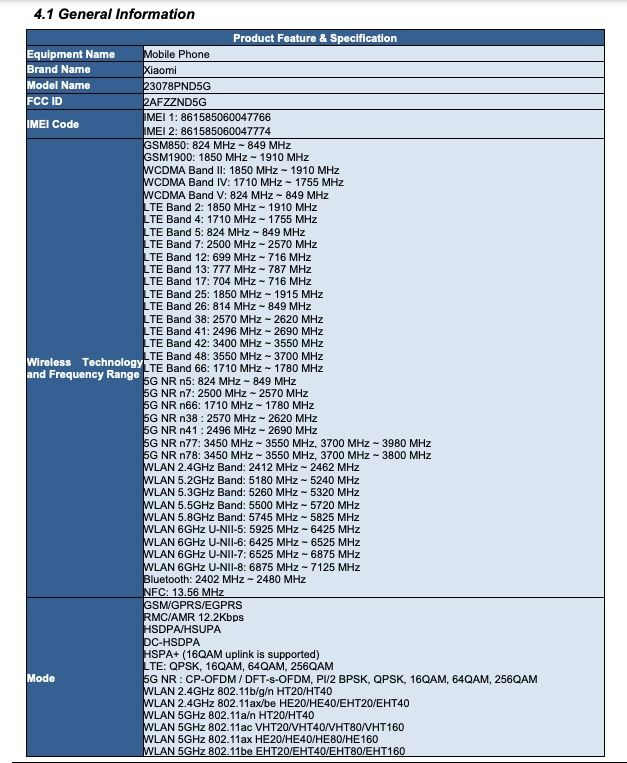
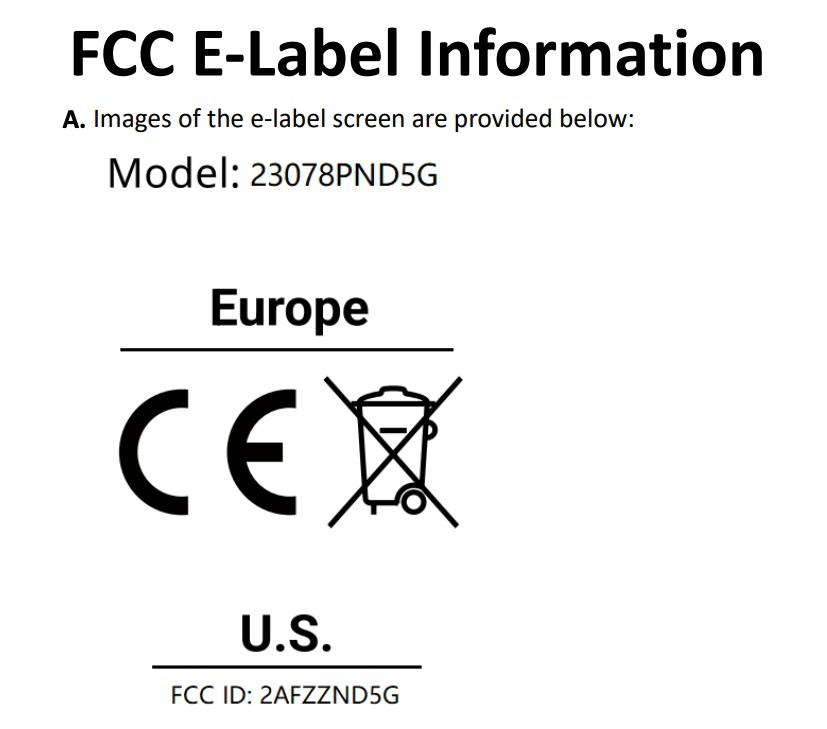
Last month, the upcoming Xiaomi 13T (model number: 2306EPN60G) was spotted in the database of the FCC certification platform. The Pro variant of the device (model number: 23078PND5G) has also bagged FCC certification recently. Continue reading to learn the details that have emerged through the Xiaomi 13T Pro’s FCC listing.
Xiaomi 13T Pro FCC certification
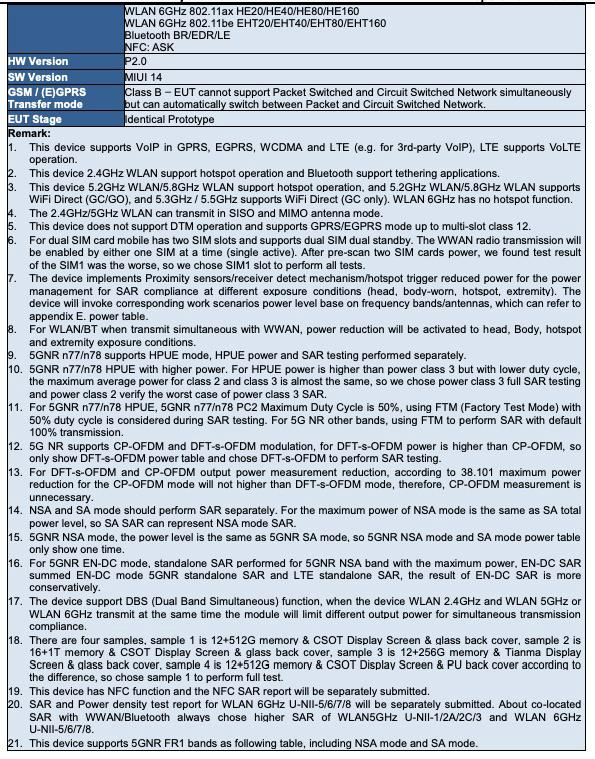
The Xiaomi 13T Pro’s FCC listing will offer connectivity features, such as dual SIM, 5G (n5, n7, n38, n41, n44, n66, n71, and n78 bands), Wi-Fi 6E, and NFC. The listing suggests that the 13T Pro may arrive in multiple configurations, such as 12 GB RAM + 256 GB storage, 12 GB RAM + 512 GB storage, 16 GB RAM + 1 TB storage.
The FCC document indicates that four samples of the Xiaomi 13T Pro are being considered for testing purposes. Sample 1 features 12+512GB memory, a CSOT screen, and an aluminium back cover. Sample 2 offers 16+1TB memory, a CSOT display, and a glass back cover. Sample 3 includes 12+256GB memory, a Tianma display, and an aluminium back cover. Lastly, Sample 4 comprises 12+512GB memory, a CSOT screen, and a PIJ back cover. It appears that Sample 1 will undergo comprehensive testing at the FCC.
As per other reports, the Xiaomi 13T Pro will arrive with a 6.67-inch OLED panel that offers a 1.5K resolution and a 144Hz refresh rate. It will have the Dimensity 9200 Plus chip, LPDDR5x RAM, UFS 4.0 storage, and a 5,000mAh battery with 120W fast charging support. The device is expected to launch on September 1st, 2023, in the global market. It is likely a rebranded version of the 13T Pro will debut as the Redmi K60 Ultra in the Chinese market this month.
Redmi has officially confirmed that a launch event is scheduled for tomorrow, August 3rd, at 2 pm (local time) in China. It seems that the new announcement will be related to the Redmi K60 Ultra, which is expected to debut soon in the country.
Redmi rolled out the above poster through its Weibo handle in China today. It reveals that Redmi’s upcoming announcement will revolve around MediaTek and Pixelworks. It appears that the focus will be on the Redmi K60 Ultra, which is anticipated to feature MediaTek’s Dimensity 9200 Plus chipset and Pixelworks’ display chip, promising an enhanced visual experience.
Redmi K60 Ultra launch date is likely to be confirmed on August 3
The K60 Ultra is expected to debut along with other products, such as the Xiaomi Mix Fold 3, Xiaomi Pad 6, and Redmi Pad 2 this month. Here is a look at the leaked specifications of the K60 Ultra.
Redmi K60 Ultra specifications (rumoured)
According to reports, the Redmi K60 Ultra suggests it will arrive with a 6.67-inch OLED panel with a 1.5K resolution and an impressive 144Hz refresh rate. For security, it will have an under-display fingerprint sensor.
The K60 Ultra is likely to be powered by the Dimensity 9200 Plus chipset. The device is expected to arrive in two LPDDR5x RAM + UFS 4.0 storage configurations: 12 GB RAM with 512 GB storage and 16 GB RAM with 1 TB storage. Notably, it’s projected to support rapid 120W charging and house a 5,000mAh or 5,500mAh battery.
Reports have revealed that a rebranded or a tweaked version of the K60 Ultra will be released with Xiaomi 13T Pro moniker in the global market. The company is expected to announce the 13T Pro as well as Xiaomi 13T on Sept. 1 globally.
Hyundai Motor America’s vehicle sales have surged, hitting 66,527 units in July, marking a 10% rise compared to last year. The automaker has managed to sell a total of 461,140 units from January to July, experiencing a 14% year-over-year boost. The highlight, however, is the exceptional performance of Hyundai’s electric vehicles, specifically, its E-GMP-based models. In July alone, sales skyrocketed to three times last year’s performance, setting a new record for the company.
Hyundai seems to be trying to take control of a rapidly-developing vehicle segment
Considering Hyundai is still developing The Ioniq 5 and Ioniq 6 were at the forefront of this surge, selling a combined total of 5,880 units, which represents a whopping 197% increase from last year and makes up 8.8% of Hyundai’s total vehicle sales in July. This record-setting performance marks a significant milestone for the South Korean auto brand as it solidifies its foothold in the competitive electric vehicle (EV) market.
Furthermore, both the Ioniq 5 and Ioniq 6 reached their own individual sales records in July, with 4,135 and 1,745 units sold, respectively. The Tucson PHEV also set a monthly sales record, underscoring Hyundai’s green revolution.
“Hyundai continues to impress with its eco-friendly product range, including the IONIQ 5, IONIQ 6, and our HEV and PHEV vehicles. Our green car sales have shown substantial growth month-to-month throughout 2023. We attribute this success to our effective marketing and dealer programs,” stated Randy Parker, CEO of Hyundai Motor America.
Despite the impressive performance of the Ioniq family, the sales results for other all-electric or plug-in hybrid models were not included in the official stats. Moreover, Hyundai Nexo, the hydrogen fuel cell model, saw a sales increase of 17% in July, albeit with lower total sales. The automaker seems well on its way to establishing a dominant presence in the US EV market, building on this current momentum.
We use cookies on our website to give you the most relevant experience by remembering your preferences and repeat visits. By clicking “Accept”, you consent to the use of ALL the cookies.
This website uses cookies to improve your experience while you navigate through the website. Out of these, the cookies that are categorized as necessary are stored on your browser as they are essential for the working of basic functionalities of the website. We also use third-party cookies that help us analyze and understand how you use this website. These cookies will be stored in your browser only with your consent. You also have the option to opt-out of these cookies. But opting out of some of these cookies may affect your browsing experience.
Necessary cookies are absolutely essential for the website to function properly. This category only includes cookies that ensures basic functionalities and security features of the website. These cookies do not store any personal information.
Any cookies that may not be particularly necessary for the website to function and is used specifically to collect user personal data via analytics, ads, other embedded contents are termed as non-necessary cookies. It is mandatory to procure user consent prior to running these cookies on your website.