Advertisement

Casio MRG-B2100D-2A is a Japanese pagoda-inspired timepiece with blue dial, titanium build

Casio is adding another option to its high-end G-Shock lineup with the MRG-B2100D-2A. It’s a luxury timepiece that builds on the familiar 2100-series design. 

The watch draws inspiration from the Five-Storied Pagoda on Mt. Haguro in Japan’s Yamagata Prefecture. Interestingly, the site is also close to Casio’s “mother factory,” where the MR-G series is made. 

The pagoda itself dates back to the 10th century and was designated a National Treasure in the 1960s. Casio says the dial’s deep indigo tone reflects the image of the pagoda surrounded by morning mist at dawn. Traditionally known as “hanada-iro,” this shade of blue subtly shifts depending on light and viewing angle. 

Like other MR-G models based on the 2100 design, the MRG-B2100D-2A keeps the distinctive octagonal shape and a dial pattern inspired by kigumi, a traditional Japanese wood-joining technique. The result is a layered, three-dimensional texture rather than a flat surface.

Casio MRG-B2100D-2A resembles classic MR-G models at the core

In terms of materials, this is very much a peak MR-G model. The case and bezel are made of Ti64 titanium alloy, while the top bezel is made from Cobarion, which is known for its hardness and shine. 

Meanwhile, the bracelet is crafted from DAT55G, and the entire watch is finished with a titanium carbide coating to improve scratch resistance. The case measures 49.5 x 44.4 x 13.6mm and weighs 122 grams.

Functionally, it includes what you would expect from Casio at this level. The watch has Tough Solar charging, Multi-Band 6 radio timekeeping, Bluetooth smartphone connectivity, a sapphire crystal with anti-reflective coating, a full auto calendar, date and day indicators, and an LED light.

In Japan, the MRG-B2100D-2AJR is listed as “coming soon” for January. It is priced at 572,000 yen, which translates to some $3,632. That puts it in line with the black-dial version already on sale.

For more daily updates, please visit our News Section.

Tech enthusiast? Get the latest news first! Follow our Telegram channel and subscribe to our free newsletter for your daily tech fix! ⚡

POCO M8 Pro vs OnePlus Nord CE5: POCO Costs Way Less, So Why Does It Feel So Complete?

Not all smartphone comparisons are about direct rivals, some are about choices buyers actually debate. The POCO M8 Pro and OnePlus Nord CE5 sit in different price brackets but often end up on the same shortlist. One focuses on delivering the maximum possible hardware at an aggressive price, while the other asks a premium for refinement, performance tuning, and brand polish. This comparison explores whether the higher-priced Nord CE5 truly earns its extra cost, or if the POCO M8 Pro already delivers everything most users need for much less.

Major Features:

FeaturePOCO M8 ProOnePlus Nord CE5Winner & Reason
DisplayAMOLED, 120Hz, Dolby Vision, very high brightnessFluid AMOLED, 120Hz, HDR10+POCO – brighter panel with Dolby Vision
PerformanceSnapdragon 7s Gen 4, stable and efficientDimensity 8350 Apex, higher peak outputOnePlus – faster peak performance
Battery & ChargingLarge battery, 100W fast charging, reverse chargingSmaller battery, 80W charging, bypass modePOCO – faster charging and better endurance
Main Camera50MP OIS, stronger low-light stills50MP OIS, better video featuresTie – stills favor POCO, video favors OnePlus
Selfie Camera32MP16MPPOCO – sharper selfies
PriceApprox. $300Approx. $500POCO – significantly better value

1. Design and Display 

Build and Feel

POCO M8 Pro prioritizes durability with a reinforced build, Gorilla Glass Victus 2, and higher-grade water resistance. It feels designed for rougher daily use and long-term reliability. The OnePlus Nord CE5 goes for a slimmer, cleaner look with a lighter, more lifestyle-focused feel. Its protection is adequate for daily use but clearly less robust. The Nord CE5 feels more refined in hand, while the POCO leans toward confidence and toughness.

Display Quality

POCO M8 Pro offers a more impactful display with higher brightness, Dolby Vision, and advanced PWM dimming that suits long viewing sessions. HDR content appears richer and more dramatic. The Nord CE5’s Fluid AMOLED panel remains smooth and sharp, but its lower brightness limits outdoor and HDR impact. The POCO display feels closer to a premium flagship experience.

Verdict

POCO M8 Pro delivers better durability and a more immersive display overall.

2. Specifications 

Performance

The Snapdragon 7s Gen 4 inside the POCO M8 Pro focuses on efficiency and stability, keeping performance consistent during long sessions. It feels well-balanced for everyday use and gaming. The Nord CE5’s Dimensity 8350 Apex delivers higher peak speeds and faster storage, making it feel quicker during app launches and multitasking. The Nord feels more aggressive, while the POCO feels more controlled and predictable.

Battery and Charging

POCO M8 Pro stands out with a large silicon-carbon battery and extremely fast charging, reaching full power quickly and even supporting reverse charging. The Nord CE5 offers fast charging and bypass charging, which gamers may appreciate, but its charging speed remains slower.

Verdict

POCO M8 Pro wins for battery endurance and charging speed; Nord CE5 favors performance bursts.

3. Camera 

Main and Secondary Lenses

Both phones feature a 50MP OIS main camera capable of reliable photos. POCO M8 Pro benefits from a larger sensor, producing stronger low-light shots and steadier HDR results. Its ultra-wide camera also covers more area, useful for landscapes. The Nord CE5 focuses on video flexibility, offering higher frame rates and advanced stabilization that content creators may prefer.

Selfie Camera

POCO M8 Pro’s higher-resolution front camera delivers sharper selfies and better detail. The Nord CE5’s selfie camera is consistent but simpler, prioritizing natural output over sharpness.

Verdict

POCO M8 Pro suits photography-focused users, while Nord CE5 appeals more to video creators.

4. Pricing 

POCO M8 Pro is priced at approximately $300, delivering premium-grade features like a high-end display, strong protection, a massive battery, and class-leading fast charging. At this price point, it feels aggressively positioned and offers exceptional value for users seeking maximum hardware benefits.

OnePlus Nord CE5 costs around $500, targeting buyers who prioritize faster storage, performance tuning, and OnePlus brand refinement. While it delivers a polished experience, the price difference becomes difficult to ignore when compared directly with POCO’s feature set.

Verdict 

POCO M8 Pro offers significantly better value for money, while Nord CE5 justifies its price mainly through performance polish.

Disclaimer:
Prices are approximate and may vary based on country, region, and applicable taxes.

5. Conclusion 

POCO M8 Pro stands out with its rugged protection, ultra-bright Dolby Vision display, large battery, and extremely fast charging. These strengths make it well-suited for heavy users, travelers, and media consumption. OnePlus Nord CE5 focuses on speed, smoother performance, bypass charging, and stronger video tools, appealing to users who value responsiveness and software refinement.

Verdict

POCO M8 Pro is the more complete choice for most buyers, offering stronger features at a much lower price. The Nord CE5 suits users who prefer performance smoothness and OnePlus’s ecosystem, but its higher cost limits its value appeal. Overall, POCO M8 Pro feels like the smarter and more future-ready purchase.

Read More:

Please Note: When you buy something using the links in our articles, we may earn a small commission at no cost to you.

Honor launches Magic 8 Pro & Magic 8 Lite in the UK

Honor has officially introduced two new smartphones in the UK. The Magic 8 Pro and Magic 8 Lite have just debuted in that region, offering the UK buyers a choice between flagship-level photography and a more affordable yet capable mid-range option. So let’s check them out.

1. Honor Magic 8 Pro: The Premium Flagship Phone

HONOR Magic 8 Pro
Honor Magic 8 Pro

The Honor Magic 8 Pro arrives in the UK as a top-tier smartphone focused on high-end photography, cutting edge performance performance, and impressive battery capacity. It sports a 6.71-inch LTPO OLED panel with up to 120Hz refresh rate, 1.5K resolution, and an impressive 6000 nits of peak brightness. Under the hood, this model is equipped with Qualcomm’s latest and greatest Snapdragon 8 Elite Gen 5 SoC, which is coupled with 12GB of RAM and 512GB of storage.

A large 6,270mAh battery pack powers the Magic 8 Pro, which supports 100W wired fast charging and 80W wireless fast charging. Photography is another strong aspect of this phone, thanks to its advanced camera system that consists of a 50MP main (1/1.3″, OIS, f/1,6) + 200MP telephoto (1/1.4″, f/2.6, OIS, 3.7x optical zoom) + 50MP ultra wide (f/2.0, 122 degree FOV, 2.5cm macro) on the rear.

Meanwhile, the front houses another 50MP shooter for selfies and video calls, along with a 3D depth sensor for 3D face unlock. Out of the box, Honor’s new flagship runs on the Android 16 OS based MagicOS 10 custom skin/ Other notable features include 4K@120fps recording, WiFi 6/6E, Bluetooth 6, an IR blaster, stereo speakers, dual SIM + eSIM support, and NFC.

2. Honor Magic 8 Lite: The Affordable Model with a Huge Battry

Honor Magic 8 Lite

The Honor Magic 8 Lite brings a more accessible option to the UK while retaining compelling features for everyday users. It skips the flagship level chip for a Snapdragon 6 Gen 4, which is paired with 8GB of RAM and 512GB of internal storage. This model sports a tall 6.79-inch OLED display with a 1.5K resolution, a 120Hz refresh rate, 1.3mm uniform bezels, up to 6000 nits of peak brightness, and 3840Hz PWM dimming. Moving to the rear, you get a 108MP primary shooter along with a 5MP ultra wide angle lens, with selfies being handled by a 16MP shooter.

The Honor Magic 8 Lite dwarfs even its more expensive sibling with the gigantic 7,500mAh battery pack with 66W wired fast charging. Other notable features include Android 15 OS based MagicOS 9, NFC, stereo speakers, dual SIM, WiFi 6, Bluetooth 5.2, and IP66 + IP68 + IP69K rating for water and dust resistance. Honor is emphasizing durability with an SGS triple resistant certification that can survive a 2.5 meters drop thanks to its six layer cushioning glass. The brand uses Aluminosilicate glass on this phone.

3. Pricing and Availability

Both Honor Magic 8 series were announced in the UK in multiple color options. The Magic 8 Lite arrives in Reddish Brown, Forest Green, and Midnight Black, while the Magic 8 Pro will be available in Sunrise Gold, Sky Cyan, and Black colorways. Honor’s Magic 8 Pro is going on sale in the UK for £1,099.99, with an official introductory offer bringing a £200 discount.

Early buyers are also getting an Honor Pad X9a as well for free, along with the Honor SuperCharge Power Adapter GaN charger, and Honor Choice Magic 8 Pro case. You also get a one time screen damage protection with Honor Care+. On the other hand, the Honor Magic 8 Lite was just launched for £399.99, with early bird offers including a £50 launch discount, free Honor Choice Watch 2 Pro and a free Honor SuperCharge Power Adapter 2.

For more daily updates, please visit our News Section.

Tech enthusiast? Get the latest news first! Follow our Telegram channel and subscribe to our free newsletter for your daily tech fix! ⚡

Why Snapdragon 8 Gen 5 makes 2026 phones a no-brainer upgrade over Gen 3, but an easy skip for Elite owners

Snapdragon 8 Gen 5 vs 8 Elite vs 8 Gen 3

The Snapdragon 8-series naming scheme has become increasingly confusing, and the Snapdragon 8 Gen 5’s arrival has only added to the chaos. Therefore, understanding the correct order of Qualcomm’s flagship chipsets is now more important than ever, as the naming alone can easily lead buyers to the wrong conclusion.

Take the Snapdragon 8 Gen 5, for example: at first glance, it may seem superior to both the original 8 Elite and 8 Gen 3, but that’s not entirely accurate. To make sense of where each 8-series chip truly stands, it’s necessary to understand Qualcomm’s recent naming decisions.

Qualcomm’s naming scheme explained

Until the Snapdragon 8 Gen 3, Qualcomm’s naming scheme for the Snapdragon 8-series was crystal clear. The 8 Gen 1 arrived, followed by the 8 Gen 2, and then the 8 Gen 3. However, the arrival of the Snapdragon 8 Elite in October 2024 created considerable confusion.

The tech community anticipated 8 Elite’s successor to be called “Snapdragon 8 Elite Gen 2,” but instead, Qualcomm labelled it as “Snapdragon 8 Elite Gen 5,” which made it appear as though several generations were skipped. Even folks in the tech industry were surprised by Qualcomm’s naming decisions. Then came the Snapdragon 8 Gen 5 in November, with no 8 Gen 4 already in the lineup.

Qualcomm anticipated the confusion and explained the naming scheme in a detailed blog post before even announcing the 8 Gen 5 chipset. The short takeaway: Snapdragon 8 Elite is actually the fourth generation of the premium 8-series platforms. The Snapdragon 8 Elite Gen 5 is the true fifth-generation chip, and just two months later, the 8 Gen 5 arrived as a slightly toned-down but still very much capable flagship-grade chipset.

With excellent performance and upgraded chip advancements, the 8 Gen 5 is almost a no-brainer upgrade for the 8 Gen 3 users, but pointless for the original Elite users. Let’s take a closer look at the benchmark scores and key differences to see how wide those gaps actually are.

Snapdragon 8 Gen 5Snapdragon 8 EliteSnapdragon 8 Gen 3
AnnouncedNovember 2025October 2024October 2023
Process nodeTSMC’s 3nm (N3P)TSMC’s 3nm (N3E)TSMC’s 4nm (N4P)
CPU2 x 3.8 GHz — Oryon (3rd gen)
6 x 3.32 GHz — Oryon (3rd gen)
2 x 4.32 GHz — Oryon (2rd gen)
6 x 3.53 GHz — Oryon (2rd gen)
1 x 3.3 GHz — Cortex-X4
3 x 3.15 GHz — Cortex-A720
2 x 2.96 GHz — Cortex-A720
2 x 2.27 GHz — Cortex-A520
GPUAdreno 829
ray tracing support
Snapdragon Elite Gaming features
Adreno 830
ray tracing support
Snapdragon Elite Gaming features
Adreno 750
ray tacing support
Snapdragon Elite Gaming features
NPUQualcomm Hexagon NPU
agentic AI support
Qualcomm Hexagon NPUQualcomm Hexagon NPU
MemoryLPDDR5x, up to 4.8 GHzLPDDR5x, up to 5.3 GHzLPDDR5x, up to 4.8 GHz
StorageUFS 4.1UFS 4.0UFS 4.0
CameraQualcomm Spectra triple AI ISP (20-bit)
up to 320MP single camera
up to 108MP single camera with zero shutter lag
up to 48MP triple cameras with zero shutter lag
real-time semantic segmentation (limitless)
4K/120fps video recording
1080p/480fps slow-mo video recording
Qualcomm Spectra triple AI ISP (18-bit)
up to 320MP single camera
up to 108MP single camera with zero shutter lag
up to 48MP triple cameras with zero shutter lag
real-time semantic segmentation (limitless)
8K/30fps video recording
1080p/480fps slow-mo video recording
Quacomm Spectra triple AI ISP (18-bit)
up to 200MP single camera
up to 108MP single camera with zero shutter lag
up to 36MP triple cameras with zero shutter lag
real-time semantic segmentation (up to 12 layers)
8K/30fps or 4K/120fps video recording
720p/960fps slow-mo video recording
ConnectivitySnapdragon X80 5G modem
download speed: 10 Gbps (peak)
upload speed: 3.5 Gbps (peak)
Wi-Fi 7 (peak speed: 5.8 Gbps)
Bluetooth 6.0
Snapdragon X80 5G modem
download speed: 10 Gbps (peak)
upload speed: 3.5 Gbps (peak)
Wi-Fi 7 (peak speed: 5.8 Gbps)
Bluetooth 6.0
Snapdragon X75 5G modem
Download speed: 10 Gbps (peak)
Upload speed: 3.5 Gbps (peak)
Wi-Fi 7 (peak speed: 5.8 Gbps)
Bluetooth 5.4

Snapdragon 8 Gen 5 vs 8 Elite vs 8 Gen 3: Benchmark score

Note: The benchmark tests were performed on the OnePlus 15R (Snapdragon 8 Gen 5), OnePlus 13 (Snapdragon 8 Elite), and OnePlus 13R (Snapdragon 8 Gen 3).

Geekbench score

Snapdragon 8 Gen 5 vs 8 Elite vs 8 Gen 3 - Geekbench score

The CPU test on Geekbench 6 yields surprising results for the Snapdragon 8 Elite, surpassing the 8 Gen 5 by a wide margin in single-core performance. The 8 Gen 5 makes a comeback in the multi-core performance, although the gap is very thin.

Unsurprisingly, the Snapdragon 8 Gen 3 sits at the bottom with significantly lower single-core and multi-core scores than the other two chips featuring Oryon CPU.

SD 8 Gen 5SD 8 EliteSD 8 Gen 3
Single core2,8373,0262,243
Multi core9,3529,3066,591

AnTuTu score

Snapdragon 8 Gen 5 vs 8 Elite vs 8 Gen 3 - AnTuTu score

AnTuTu also favors the Snapdragon 8 Elite over the Snapdragon 8 Gen 5. The breakdown, however, shows a 6% higher CPU score for the 8 Gen 5. However, the 8 Elite comes back strongly in the GPU performance with a 12% higher score.

The Snapdragon 8 Gen 3 sits at the bottom with a total AnTuTu score of 2.27 million, whereas the Snapdragon 8 Elite almost reaches the 3 million mark, and the Snapdragon 8 Gen 5 achieves a total score of 2.96 million.

SD 8 Gen 5SD 8 EliteSD 8 Gen 3
AnTuTu score2,961,2362,994,5632,274,520
CPU914,878862,692607,409
GPU974,4021,095,049796,782
Memory382,729393,623353,279
UX689,228643,199517,050

From the benchmarks, it’s clear that the Snapdragon 8 Elite outperforms the Snapdragon 8 Gen 5 in several key aspects, including CPU and graphics performance. This is the reason why Qualcomm chose to compare the Snapdragon 8 Gen 5 against the 8 Gen 3, not the Snapdragon 8 Elite.

Snapdragon 8 Gen 5 vs 8 Elite vs 8 Gen 3: What’s actually different?

Manufacturing:

All three Snapdragon chips have been manufactured by TSMC, but what separates them is the process node. The 8 Gen 5 uses the advanced 3nm (N3P) node, which is slightly improved over the 3nm (N3E) node used for the 8 Elite. Both offer substantially higher performance and power efficiency over the 4nm (N4P) node used for the 8 Gen 3.

CPU:

The 8 Gen 5 and 8 Elite feature the same (2 prime cores + 6 performance cores) CPU configuration, but the 8 Gen 3 uses third-generation Oryon cores, while the 8 Elite uses a generation older CPU cores. Despite that, the 8 Elite offers higher CPU performance, thanks to higher clock speeds across all eight cores.

The Snapdragon 8 Gen 3 features ARM cores (1 x Cortex-X4, 5 x Cortex-A720, and 2 x Cortex-A520), with a peak CPU frequency capped at 3.3GHz.

GPU:

As for the graphics performance, the 8 Gen 5 features Adreno 829, which is effectively a binned version of 8 Elite Gen 5’s Adreno 840. The 8 Elite with Adreno 830 achieves a higher GPU performance with better power efficiency. That’s because of higher processing cores in the sliced architecture and higher frequency. The 8 Elite also benefits from the presence of Adreno high-performance memory (HPM), which is absent on the other two chips.

Camera:

The chips also feature different ISPs, resulting in different capabilities. For instance, the 8 Gen 5 uses a triple 20-bit AI ISP with enhanced color depth and processing capability. The 8 Elite also features an AI-integrated ISP but uses 18-bit processing. The 8 Gen 3 also features an 18-bit ISP but doesn’t bear an AI branding.

Both newer chips feature limitless semantic segmentation at 4K resolution, but not the 8 Gen 3.  The latter supports this feature but can’t perform pixel-level semantic segmentation. The 8 Gen 3 also lacks advanced HDR features like the other two chips.

Connectivity:

The Snapdragon 8 Gen 5 and 8 Elite use the same Snapdragon X80 5G modem, whereas the 8 Gen 3 uses a generation older X75 5G modem. However, the maximum download and upload speeds over cellular and Wi-Fi connections remain unchanged.

The newer modems on the 8 Gen 5 and 8 Elite offer better power efficiency and reduced latency. They also get the latest Bluetooth 6.0, Snapdragon Audio Sense technology, satellite connectivity, and High Band Simultaneous (HBS) Multi-Link for simultaneous 5 GHz and 6 GHz connections. The 8 Gen 3, though still very capable, lacks these connectivity features.

Snapdragon 8 Gen 5 vs 8 Elite vs 8 Gen 3: Which is the right upgrade?

The Snapdragon 8 Gen 5 makes the most sense for buyers upgrading from the Snapdragon 8 Gen 3, offering a better ISP, improved connectivity features, and a clear performance uplift without stepping into Elite-tier territory. However, if you already own a Snapdragon 8 Elite device, the 8 Gen 5 doesn’t bring enough to the table to justify an upgrade.

Realme Neo 8 spotted on Geekbench ahead of expected launch

Realme has been teasing the upcoming Neo 8, an affordable flagship phone, in China for the past few days. This phone has now been spotted on the Geekbench benchmarking platform, offering an early look at its performance credentials. Here’s a look at the details that have emerged through the Geekbench listing.

Realme Neo 8 Geekbench listing

The Realme Neo 8 has appeared on Geekbench with the model number RMX8899. The listing confirms that the smartphone is powered by Qualcomm’s Snapdragon 8 Gen 5 chipset.

According to the benchmark data, the device is paired with 16GB of RAM and runs Android 16 out of the box. In terms of performance, the Neo 8 recorded a single-core score of 2,876 and a multi-core score of 9,245 on Geekbench 6.5, indicating flagship-grade processing capabilities.

Realme Neo 8 specifications (rumored)

Realem Neo 8 design revealed

As per leaks, the Realme Neo 8 is expected to feature a 6.78-inch Samsung AMOLED display with a 1.5K resolution and a 165Hz refresh rate. The phone is also tipped to include an ultrasonic in-screen fingerprint sensor. Alongside the Snapdragon 8 Gen 5 chipset, it is likely to come with LPDDR5x RAM and UFS 4.1 storage.

The Neo 8 is expected to feature a triple camera setup equipped with a periscope telephoto camera. For selfies, it may feature a 16-megapixel front-facing camera.

The device is said to house a large 8,000mAh battery with support for 80W fast charging. Build-wise, the Neo 8 could feature a metal frame paired with a glass back, along with IP68 and IP69 ratings for dust and water resistance.

Realme is expected to launch the Neo 8 later this month, although the exact launch date has not yet been confirmed. The device is likely to join a growing list of Snapdragon 8 Gen 5-powered smartphones expected to debut soon, including the iQOO Z11 Turbo, Moto X70 Pro Air, and the OnePlus Ace 6T (already launched).

For more daily updates, please visit our News Section.

Stay ahead in tech! Join our Telegram community and sign up for our daily newsletter of top stories.

(via)

Oppo Find N7 with wider foldable design in works, launch timeframe, key specs leaked

Oppo appears to be lining up multiple foldable smartphones for this year. While the Find N6 is expected to debut this month in China, a new report from SmartPrix suggests that the company is also working on the Oppo Find N7. Early information indicates that this second foldable could take a different design approach and may be timed to take on Apple’s first foldable phone.

Oppo Find N7 design and key details

OPPO Find N5
OPPO Find N5

According to the report, Oppo plans to position the Find N7 as a direct rival to Apple’s upcoming foldable, which is expected to launch alongside the iPhone 18 Pro and iPhone 18 Pro Max later this year. Unlike the Find N6, which is said to follow a conventional book-style foldable design, the Find N7 is tipped to feature a wider form factor.

When folded, the device is expected to resemble a passport, while unfolding into a tablet-like display with a landscape orientation, offering a broader viewing area than traditional horizontal foldables.

The Find N7 is also expected to borrow several core specifications from the Find N6. Reports suggest it could share the same camera hardware and battery setup, including a 200-megapixel primary camera, a 50-megapixel ultra-wide camera, and a 50-megapixel periscope telephoto lens. Powering the device could be a 6,000mAh battery with support for 80W wired and 50W wireless charging.

As far as the Find N6 is concerned, the Snapdragon 8 Elite Gen 5-powered device is tipped to feature an 8.12-inch internal foldable display and a 6.62-inch cover screen, with 20-megapixel cameras on both displays for selfies and video calls. It is expected to weigh around 225 grams and launch in Titanium, Deep Black, and Golden Orange colour options in China.

Oppo Find N7 launch timeframe (rumored)

The Find N7 is expected to launch a few months after the Find N6, with September being tipped as a likely window. Oppo has not officially confirmed the device yet, and more details are expected to surface closer to its launch.

In related news, Samsung is also said to be working on a wider foldable, tentatively called the Galaxy Wide Fold, which could debut alongside the Galaxy Z Fold 8 and Galaxy Z Flip 8 in July. This Wide Fold is also expected to have a design similar to the iPhone Fold.

For more daily updates, please visit our News Section.

Stay ahead in tech! Join our Telegram community and sign up for our daily newsletter of top stories.

(source)

The future of smartphone updates: Is five years the new normal?

For a long time, smartphone updates were something most people didn’t think about until it was already too late. You buy a phone, it works well for a year or two, and then updates slowly stop arriving. You might then decide to change the device entirely, rather than be frustrated about low update counts. 

However, smartphone hardware in 2026 is mature and durable enough that even a mid-range phone can last for years. As a result, consumers are now more attentive to the software updates a brand offers before buying the device. 

OnePlus three Android OS updates device list

As a result, five years of updates, once seen as generous, is now being discussed as the bare minimum—at least for phones that don’t come cheap.

And the question is no longer whether long update guarantees matter. It’s whether five years is becoming the new standard, and which companies are actually prepared to commit to it in a meaningful way.

1. Updates Used to Be a Side Note

Not that long ago, Android phones typically offered two years of major operating system updates and maybe another year of security patches. Some brands didn’t even make clear promises. You often had to rely on past behavior and hope your model wasn’t forgotten too quickly.

Apple, though, was apart from the beginning. iPhones have gained a reputation for getting updates for five years or more, and this is true even for their budget models. This became one of the quiet reasons people were willing to spend more on an iPhone and keep it longer.

Meanwhile, Android manufacturers focused more on hardware than software optimization and longevity. 

This is not the case anymore as update promises have now become a major part of new phone announcements. 

2. Why Update Length Suddenly Matters More

Vivo OriginOS 6 update rollout list

There are a few reasons people care more about update duration than ever.

First and foremost, phones have slightly climbed a price ladder that users now expect them to offer a premium experience for the cash they pay. And this includes software updates. 

Second, people are holding onto phones longer. As even the budget smartphones now offer a good hardware combo, annual upgrades are no longer the norm for most users. Many keep the same phone for four or five years, and short software support makes that harder. 

Third and most importantly, regulators are also paying attention in this regard. For instance, the European Union’s new rules now mandate smartphone makers to provide at least five years of operating system and security updates. This is a big deal as long-term support is not just a marketing choice, but a legal requirement.

Also, companies that sell phones globally are unlikely to create completely different update policies just for Europe. It’s simpler to raise the baseline everywhere, so this legal mandate could benefit global users too.

3. Five Years Is No Longer Impressive

Google and Samsung have already set a bare minimum bar for Android phones. Samsung, for example, offers 6 years of OS and security updates even on its most affordable Galaxy A07.

Apple also offers long-term iOS support for every iPhone, though it doesn’t mention a specific number for each model.

Then there are companies like Fairphone, which have taken a different approach altogether. Its latest devices focus heavily on repairability and longevity, paired with long software support and easily replaceable parts. It’s not a mainstream phone for everyone, but it shows what’s possible when long-term use is the primary goal for a company.

Efforts from such companies made people aware of and forced brands to adjust their software timeline. Motorola, for example, has historically had a mixed reputation for updates; however, newer high-end models now come with significantly longer support promises than before.

All of this reveals a new reality. Phone makers can promise longer updates, but they should be willing to do that. 

4. The Role of Chipmakers (and Why This Changed Things)

One of the quiet reasons update promises are getting longer is that chipmakers are finally supporting it.

In the past, phone manufacturers often blamed Qualcomm or other chip suppliers for limited update lifespans. And that was somewhat true. As the chip-level support ends, updating a phone becomes harder and more expensive for brands. 

However, this excuse is wearing thin. Newer Snapdragon platforms are designed to support many years of Android updates, in some cases up to eight years. Google’s closer involvement with Android development has also made long-term support easier to plan.

This doesn’t mean updates are free or effortless — they still require engineering work, testing, and coordination — but the technical ceiling is much higher than it used to be. 

5. Not All “Five Years” Mean the Same Thing

This is where things get slightly complicated.

When companies say “five years of updates,” they don’t always mean five major Android upgrades. Sometimes it’s three OS updates and two extra years of security patches. Other times, it could mean longer security support with fewer feature updates.

For most users, security updates are the most important part. They keep your phone safe and compatible with essential apps. Still, the lack of clear language can make comparisons difficult.

There’s also the question of delivery. Promising seven years of updates is one thing. Delivering them on time, globally, and without major bugs is another. Some manufacturers have strong track records here, while others have struggled, especially outside their home markets.

6. Who’s Leading, Who’s Catching Up

A few companies have clearly taken the lead here. 

Unsurprisingly, Google and Samsung sit at the top of the Android updates ladder. Apple, meanwhile, has a long-time record of offering updates as part of its ecosystem rather than an annual thing. 

The improving brands in this space are OnePlus, Xiaomi, Honor, Motorola, Oppo, and Vivo, all of which have started being clear on the kind and level of support their phones will get, depending on budget. 

As is obvious, budget phones get shorter support. But things have improved as pressure is building from both consumers and rival brands. 

7. So, Is Five Years the New Standard?

In practice, yes, at least for midrange and flagship phones.

At the very least, five years of updates is becoming the bare minimum for users. The bar is even higher for flagship phones, as brands are already committing to 7 years of updates. 

However, this is still not universal. Many budget phones still offer only two or three years of support, and even then, brands do not always push timely updates. What we can say for sure is that OS updates are now a legal requirement, chipmakers are enabling longer support, and competitors are raising the bar. So it’s hard to see things go backward from here.

For more daily updates, please visit our News Section.

Tech enthusiast? Get the latest news first! Follow our Telegram channel and subscribe to our free newsletter for your daily tech fix!

ASUS Unveils ROG Flow Z13-KJP Gaming 2-in-1 Tablet With Ryzen AI Max+ 395 Kojima Productions Styling

At CES 2026, ASUS Republic of Gamers announced a hardware collaboration with KOJIMA PRODUCTIONS that focuses on both design and performance. The partnership introduces the ROG Flow Z13-KJP, a limited-edition 2-in-1 gaming PC, along with a matching set of peripherals.

The Flow Z13-KJP is visually distinct from the standard Flow Z13. The design is based on the Ludens character and was developed with direct input from Yoji Shinkawa. The chassis uses CNC-milled aluminum with angular cutouts and carbon fiber elements. Custom typography is used across the device, packaging, and accessories. ASUS also includes a dedicated carrying case, custom packaging, a customized power adapter, and a unique Armoury Crate theme.

For a portable system, the Flow Z13-KJP packs some high end hardware. The Flow Z13-KJP runs Windows 11 Home and uses the AMD Ryzen AI Max+ 395 processor with Radeon 8060S graphics. The chip combines 16 Zen 5 CPU cores and 40 RDNA 3.5 GPU compute units on a single processor. Instead of separating system and graphics memory, the device uses a unified memory architecture with 128GB of LPDDR5X-8000 quad-channel onboard memory. Memory is allocated dynamically between CPU and GPU depending on workload. The processor also includes an NPU rated at 50 TOPS, allowing local AI tasks such as running large language models without cloud reliance.

The 13.4-inch display uses a 16:10 WQXGA panel with a 180Hz refresh rate, 3ms response time, and up to 500 nits brightness. It covers 100 percent of the DCI-P3 color space, is Pantone validated, and supports Dolby Vision. Storage is provided by a 1TB PCIe 4.0 NVMe M.2 SSD in the 2230 form factor.

Connectivity includes two USB4 ports with DisplayPort 2.1 and Power Delivery 3.0, one USB 3.2 Gen 2 Type-A port, HDMI 2.1 FRL, a microSD UHS-II card reader, a Command Center button, and a combined audio jack. Wireless connectivity consists of Wi-Fi 7 and Bluetooth 5.4. Audio hardware includes dual force-canceling speakers with Dolby Atmos, Smart Amp technology, AI noise cancellation, and Hi-Res Audio certification. The device uses a 70Wh battery and a 200W rectangular AC adapter. Physical dimensions are 302.77 × 204.47 × 14.48 to 14.99mm, and the weight is 1.72kg.

The collaboration also includes three peripherals. The ROG Delta II-KJP headset supports Bluetooth 5.2, USB-C 2.4GHz wireless, and 3.5mm wired connections. It uses 50mm titanium-plated drivers, has a 20Hz to 20kHz frequency response, 32-ohm impedance, and a super-wideband boom microphone with a 50Hz to 14kHz range. The headset weighs 325g.

The ROG Keris II Origin-KJP mouse supports wired, Bluetooth, and 2.4GHz RF modes. It uses the ROG AimPoint Pro sensor rated up to 42,000 DPI, with tracking speeds up to 750 IPS and 50G acceleration. Polling rates reach up to 8,000Hz when used with the ROG Polling Rate Booster. The mouse weighs 65g without the cable or dongle and uses 100-million-click ROG optical switches.

The lineup is completed by the ROG Scabbard II XXL-KJP mouse mat, which features Ludens artwork and the phrase “For Ludens Who Dare.”

For more daily updates, please visit our News Section.

Tech enthusiast? Get the latest news first! Follow our Telegram channel and subscribe to our free newsletter for your daily tech fix!

Honor Magic 8 Pro Air launch date confirmed, could it be the best compact slim phone?

Honor is preparing to expand its Magic 8 series lineup in China. The brand has been teasing the arrival of the Magic 8 Pro Air, a compact flagship, alongside the Magic 8 RSR, which is expected to be an enhanced version of the Magic 8 Pro. Today, Honor officially confirmed the launch timeline for the Magic 8 Pro Air, offering the first clear indication of when the slim phone will make its debut.

Honor Magic 8 Pro Air launch date, pre-orders

Honor Magic 8 Pro Air launch date

Honor has announced that the Magic 8 Pro Air will be launched in China on Jan. 19. The company positions the device as a balance between premium performance and a slim form factor, with senior executive Fang Fei reiterating Honor’s long-term commitment to the Air category despite industry hesitation around ultra-thin smartphones.

Honor Magic 8 Pro Air pre-orders begin on JD.com

As per recent teasers, the Magic 8 Pro Air measures just 6.3mm in thickness and weighs around 158 grams, placing it among the slimmest flagships expected this year. The phone is also confirmed to arrive in multiple color options, including black, white, purple, and orange. Honor has already opened pre-reservations in China, with storage variants such as 256GB, 512GB, and 1TB.

Honor Magic 8 Pro Air specifications (rumored)

Report have revealed that the Honor Magic 8 Pro Air will feature a 6.3-inch flat OLED display with a 1.5K resolution, targeting users who prefer compact phones without sacrificing screen clarity. The device is expected to run MagicOS 10 based on Android 16.

Powering the phone could be the Dimensity 9500 chipset, paired with a 5,500mAh battery that supports 90W fast charging, though wireless charging may be missing. Camera details are still limited, but reports indicate the presence of a telephoto camera, in line with Honor’s Magic series imaging standards.

Honor Magic 8 Pro Air

Honor has not yet revealed the launch date of the Magic 8 RSR. However, considering the company’s recent teasers, it is likely to debut alongside the Magic 8 Pro Air later this month.

For more daily updates, please visit our News Section.

Stay ahead in tech! Join our Telegram community and sign up for our daily newsletter of top stories.

Upcoming OnePlus phone with 165Hz display, cooling fan, Dimensity 9500 in works

In the past few months, OnePlus has launched a couple of new phones in China. In Q4 2025, the brand unveiled the OnePlus 15 and Ace 6T, and earlier this week, it announced the Turbo 6 and Turbo 6V. All these phones are powered by different Snapdragon chipsets. Now, tipster Digital Chat Station has revealed the existence of a new Dimensity-powered flagship. Previously, the brand has used Dimensity chips to power its Ace-series phones. Therefore, the new leak could be related to an upcoming Ace 6-series phone.

Could it be the OnePlus Ace 6 Ultra?

Alleged OnePlus Ace 6 Ultra specs leak

According to DCS, an upcoming sub-brand, performance-focused smartphone powered by the Dimensity 9500 is already in the engineering stage. The prototype features a 6.78-inch 1.5K LTPS flat OLED display with a 165Hz refresh rate, large, rounded corners, and an ultrasonic in-display fingerprint scanner. It is said to include custom performance tuning, and the battery being tested currently starts with an “8”, with internal expectations of pushing it to a 9,000mAh-class capacity.

No Dimensity 9500 Plus chip this year

DCS has also claimed that MediaTek has no plans to launch a Dimensity 9500 Plus chipset this year. For those who don’t know, the Plus edition was supposed to be an overclocked version of the existing Dimensity 9500. To recall, last year’s OnePlus Ace 5 Ultra was powered by the Dimensity 9400 Plus chipset.

Considering that the upcoming OnePlus phone will feature the Dimensity 9500 chip instead of the 9500+, it appears that he could be talking about the OnePlus Ace 6 Ultra. Since the Ace 5 Ultra was announced in May 2025, the Ace 6 Ultra may also debut around the same time this year.

For more daily updates, please visit our News Section.

Stay ahead in tech! Join our Telegram community and sign up for our daily newsletter of top stories.

Xiaomi launches Smart Camera 3 3K with 3K recording, AI tracking & dual-band Wi-Fi

Xiaomi has launched the Smart Camera 3 3K, an affordable indoor security camera equipped with a 5MP sensor and advanced low-light imaging. The product carries an official price of 199 yuan ($28) but is currently available at a discounted launch price of 169 yuan ($24) in China.

Xiaomi Smart Camera 3 3K

Xiaomi Smart Camera 3 3K Specifications

The Smart Camera 3 3K captures video at up to 2960 × 1666 resolution, offering nearly three times the detail of standard 1080p models. Xiaomi claims the higher resolution improves facial recognition and object visibility in security footage, especially during playback and zooming.

The device uses Xiaomi’s ultra-low-light full-color technology, allowing it to retain color footage in dim conditions longer than conventional models. In completely dark environments, it activates eight infrared fill lights that enable clear black-and-white night vision without emitting visible red light.

Xiaomi Smart Camera 3 3K

The camera includes a dual-motor pan-tilt system that supports 360-degree horizontal and 109-degree vertical rotation. It supports human motion tracking, allowing it to automatically follow a moving person while keeping them centered in the frame.

Xiaomi has placed strong emphasis on data protection. Each unit integrates a Mijia security chip with a unique private key and digital certificate. Video transmission is encrypted, and cloud storage is protected with AES-128 encryption. It also offers to set custom sleep schedules to temporarily disable the camera during specific hours.

The Smart Camera 3 3K performs on-device human detection using local AI, which improves response time by avoiding cloud processing. When paired with a Xiaomi cloud subscription, the camera enables AI-powered face recognition to differentiate between familiar and unfamiliar faces and send notifications accordingly.

Xiaomi Smart Camera 3 3K

Xiaomi has included two-way voice communication supported by a large-diameter speaker and an eight-meter pickup range microphone array with noise reduction. This allows remote communication with people in the room through the Xiaomi Home app.

The device supports both 2.4GHz and 5GHz Wi-Fi networks for flexible connectivity and uses H.265 encoding to reduce video file size and bandwidth usage by up to 50%.

The camera supports microSD cards (8GB to 256GB), cloud storage, and NAS backup. It integrates with the Mi Home ecosystem and works with devices like Xiaomi smart displays, TVs, and XiaoAi speakers to create a connected home security system.

For more daily updates, please visit our News Section.

Stay ahead in tech! Join our Telegram community and sign up for our daily newsletter of top stories!

(Xiaomi Youpin)

TCL unveils 5G Mobile WiFi P50 and BE36 Wi-Fi 7 Router at CES 2026

TCL has introduced two new connectivity products, the TCL 5G Mobile WiFi P50 and the TCL WiFi Router BE36, at CES 2026. The new devices expand the company’s mobile and home internet lineup, targeting users who need fast, reliable connectivity both on the move and across large, connected households.

TCL 5G Mobile WiFi P50 Specs

TCL 5G Mobile WiFi P50

The TCL 5G Mobile WiFi P50 is the first 5G mmWave mobile hotspot to support both fast wired charging and wireless charging. It supports full-spectrum 5G across mmWave and Sub-6GHz bands, delivering peak download speeds of up to 3.97Gbps.

The device supports Wi-Fi 7 with tri-band speeds up to 5.8Gbps and can connect up to 64 devices simultaneously. Its built-in 5,000mAh battery delivers up to 12 hours of usage.

TCL has also included a 2.4-inch touchscreen for monitoring data usage, connected devices, and network status, along with a built-in Gigabit Ethernet port for wired connectivity.

The P50 doubles as a portable power bank with support for wireless charging, making it useful during travel or outdoor activities. TCL is targeting professionals, commuters, and frequent travelers with this device.

TCL WiFi Router BE36 Specs

TCL WiFi Router BE36

The TCL WiFi Router BE36 focuses on home use. It supports dual-band Wi-Fi 7 with speeds up to 3.6Gbps. The router uses a 3T3R antenna setup to improve 5GHz signal coverage and supports up to 512 simultaneous device connections.

TCL has integrated EasyMesh R6 support, which allows users to build mesh networks using multiple BE36 routers for whole-home coverage.

The router includes a wide set of security features such as malware protection, anomaly detection, brute-force defense, and smart home security. It supports VPN protocols like PPTP, L2TP, and IPSec. TCL has also added a gaming acceleration feature to optimize bandwidth and reduce latency, along with a 2.5GE port for high-speed wired connectivity.

At CES 2026, TCL has also unveiled the RayNeo Air 4 Pro, billed as the world’s first HDR10-enabled AR glasses, alongside the NxtPaper 70 Pro with a NxtPaper 4.0 display, as well as the X11L SQD-Mini LED TVs with up to 20,000 dimming zones and 10,000-nit peak brightness.

You can follow our full CES 2026 coverage here.

For more daily updates, please visit our News Section.

Stay ahead in tech! Join our Telegram community and sign up for our daily newsletter of top stories!

(Via)

OnePlus Turbo 6 and Turbo 6V debuts in China with class leading 9000mAh battery

OnePlus has officially launched its Turbo 6 series in China, introducing two new smartphones. The OnePlus Turbo 6 and Turbo 6V just made their official debut with industry leading battery capacity that promises impressive endurance across a full day and beyond. So here’s what you need to know.

1. OnePlus Turbo 6

OnePlus Turbo 6

The OnePlus Turbo 6 leads the new series, combining robust hardware with a massive battery pack. It sports a tall 6.78-inch AMOLED display with a 1.5K resolution, a 165Hz variable refresh rate, a 330Hz touch sampling rate, PWM dimming, DC dimming, and Oppo’s Crystal Shield glass for protection. Under the hood, this model is equipped with the Qualcomm Snapdragon 8s Gen 4 SoC, which is coupled with up to 16GB of LPDDR5X RAM and 512GB of UFS 4.1 storage.

Powering this device is a gigantic 9,000mAh battery pack that supports 80W wired fast charging and 27W reverse wired charging. You also get bypass charging technology that helps users avoid heating when gaming. Photography is the one area where the brand cuts corners with a 50MP main camera and a 2MP monochrome sensor on the rear, while the front features a 16MP shooter for selfies and video calls.

Out of the box, the OnePlus Turbo 6 runs on the Android 16 OS based ColorOS 16 custom skin. Other notable features include an IP66 + IP68 + IP69 + IP69K rating for water and dust resistance, an in-display optical fingerprint sensor, an IR blaster, stereo speakers, dual nano SIM, NFC, WiFi 7, and Bluetooth 6.

2. OnePlus Turbo 6V

OnePlus Turbo 6V
OnePlus Turbo 6V

The OnePlus Turbo 6V sits alongside its sibling with a slightly cutdown performance and display specs. While it shares the same huge 9,000mAh battery and fast charging support as the Turbo 6, it is powered by the Qualcomm Snapdragon 7s Gen 4 chipset. This chip still offers efficient everyday performance and capable gaming performance, although it is still a step behind the Turbo 6. It is paired with up to 12GB of LPDDR4X RAM and 512GB of UFS 3.1 storage.

But like the more expensive model in the series, the Turbo 6V sports a tall 6.78-inch AMOLED display on the front with a 1.5K resolution, 144Hz variable refresh rate, PWM dimming, DC dimming, Oppo Crystal Shield glass for protection, and a 16MP selfie camera. Meanwhile, the rear has the same 50MP primary sensor along with a 2MP monochrome shooter.

OnePlus’ new Turbo 6V also runs on the ColorOS 16 and features an in-display optical fingerprint sensor, an IR blaster, stereo speakers, WiFi 7, Bluetooth 5.4, NFC, and an IP66 + IP68 + IP69 + IP69K rating for water and dust resistance.

3. Pricing and Availability

The OnePlus Turbo 6 just launched in China in three color options, namely Black, Green, and Silver, while the Turbo 6V arrives in Black, White, and Blue. Both devices come in multiple storage configurations, so here are the pricing details:

OnePlus Turbo 6

  • 12GB + 256GB – 2,299 Yuan
  • 16GB + 256GB – 2,599 Yuan
  • 12GB + 512GB – 2,799 Yuan
  • 16GB + 512GB – 3,099 Yuan

OnePlus Turbo 6V

  • 8GB + 256GB – 1,899 Yuan
  • 12GB + 256GB – 2,099 Yuan
  • 12GB + 512GB – 2,399 Yuan

First sale of the OnePlus Turbo 6 series is set to kick off on 9th January 2026, with special launch offers. Notably, the Turbo 6 is rumored to be released globally as the Nord 6 model, with the Turbo 6V reportedly arriving as a part of the budget Nord CE lineup.

For more daily updates, please visit our News Section.

With the CES 2026 underway, you can click here to see our entire coverage of this major event.

Don’t miss a thing! Join our Telegram community for instant updates and grab our free daily newsletter for the best tech stories!

Vivo X200T full specs leak reveals long software support, four 50MP cameras, and more

It appears that the Vivo X200T will be debuting soon in India, as it has been recently spotted on the Bluetooth SIG and India’s BIS certification platforms. Some reports suggest it may debut by the end of this month. A recent report revealed the color variants and expected pricing of the device. Now, a new leak, courtesy of tipster Abhishek Yadav, has reiterated the specs of the phone.

Vivo X200T specifications (rumored)

Vivo X200s
Vivo X200s

According to the tipster, the Vivo X200T will feature a 6.67-inch AMOLED display offering a 1.5K resolution and a 120Hz refresh rate. On the software front, it will ship with Android 16 out of the box, backed by an impressive promise of 5 major Android OS updates and 7 years of security patches, ensuring long-term support.

Powering the device is the flagship-grade MediaTek Dimensity 9400+ SoC, paired with ample RAM and storage options (up to 16GB RAM and 1TB storage in some variants). It houses a massive 6200mAh battery with support for 90W wired charging and 40W wireless charging, making it a powerhouse for heavy users.

The X200T’s triple camera setup will include a 50-megapixel Sony LYT-702 main sensor with OIS (Zeiss super photo sensitive), a 50-megapixel Samsung JN1 (ultra-wide), and a 50-megapixel LYT-600 periscope telephoto. Up front, there will be a 32-megapixel selfie camera for sharp portraits.

Vivo X200s
Vivo X200s

Other rumored features include Wi-Fi 7, Bluetooth 5.4, a USB-C port, an ultrasonic in-display fingerprint scanner, IP68/IP69 dust and water resistance, 4.5K Nanofluid VC cooling for sustained performance, and eSIM support.

Vivo X200T price (rumored)

Recent reports have claimed that it could be an online-only phone priced at around Rs 55,000 in India. It is expected to arrive in Black and Purple shades. To sum up, this phone appears to be a rebranded version of China’s Vivo X200s, which was announced in April 2025.

For more daily updates, please visit our News Section.

Stay ahead in tech! Join our Telegram community and sign up for our daily newsletter of top stories.

Acer launches Vero HL1820 4K gaming projector with 240Hz refresh rate and 4.2ms latency

Acer has launched its latest 4K UHD home projector, the Vero HL1820, expanding its eco-focused Vero lineup with a high-performance model aimed at both movie enthusiasts and gamers. The projector features advanced RGB laser technology and promises vivid colors, high brightness, and smooth gameplay.

Acer Vero HL1820

Acer Vero HL1820 Specifications

The Vero HL1820 delivers a native 4K UHD resolution (3840 x 2160) using a 0.65-inch DMD panel. It uses a pure RGB laser light source with independent red, green, and blue diodes, producing 5,500 RGB laser lumens and 2,000 ANSI lumens. Acer claims it can cover 106% of the BT.2020 color space, while offering a high 3,500,000:1 dynamic contrast ratio. The unit is also rated for 20,000 hours of operation in standard mode and up to 30,000 hours in ECO mode.

The projector supports 1080p at a 240Hz refresh rate with input latency as low as 4.2 ms. This makes it suitable for fast-paced games and responsive gameplay. The HL1820 includes a built-in 15-watt speaker and comes with dual HDMI 2.0 ports (with HDCP 2.2), USB-A power output ports, audio out, DC 12V trigger, and RS232 control support.

Acer Vero HL1820

The projector comes with a 1.6x optical zoom lens and supports ±30° vertical and horizontal keystone correction along with four-corner image adjustment. It also supports 360-degree projection for flexible placement and orientation. The throw ratio ranges from 1.4 to 2.24, making it capable of projecting a 60-inch image from a distance of 1.86 meters.

The Vero HL1820 is IP6X rated for dust protection and uses a chassis made from 50% post-consumer recycled materials.

Pricing and Availability

The Acer Vero HL1820 will go on sale in EMEA starting March 2026 with a price tag of €1,499.

In related news, Acer has introduced the Predator XB273U F6 with an eye-catching 1,000Hz refresh rate aimed at competitive gaming, while also unveiling the ProDesigner PE320QX, a 32-inch 6K monitor that focuses on professional use with extensive connectivity options.

You can follow our full CES 2026 coverage here.

For more daily updates, please visit our News Section.

Stay ahead in tech! Join our Telegram community and sign up for our daily newsletter of top stories!

POCO M8 vs M8 Pro: The $100 Upgrade That Changes Everything

POCO M8 and POCO M8 Pro may look similar on paper, but they target very different users. The M8 focuses on durability and value at around $200, while the M8 Pro raises the bar with better performance, cameras, battery, and charging at roughly $300. This comparison highlights where the real upgrades are and whether the Pro model is worth the extra cost.

Major Upgrades:

Feature CategoryPOCO M8POCO M8 Pro (Upgrade)Upgrade
ChipsetSnapdragon 6 Gen 3Snapdragon 7s Gen 4Faster CPU/GPU performance
Display Resolution1080 x 23921280 x 2772Higher detail and sharper visuals
Display TechHDR, 120HzHDR10+, Dolby Vision, 120HzBetter HDR support & cinematic view
Display ProtectionCorning Gorilla Glass Victus 2Stronger screen protection
Camera – Main50MP, wide50MP, wide with OISOptical image stabilization
Camera – Ultra-wide8MP ultrawideAdded wide-angle lens
Selfie Camera20MP32MPHigher resolution front camera
RAM/Storage OptionsUp to 8GB/512GBUp to 12GB/512GBMore memory option
Battery Capacity5520 mAh6500 mAhLarger battery for longer use
Charging Speed45W wired100W wiredMuch faster charging
Reverse Charging18W22.5WFaster reverse wired
Build ProtectionIP66IP68/IP69KBetter water/dust resistance
AudioHi-Res audioHi-Res + Hi-Res wirelessEnhanced wireless audio support
Bluetooth5.15.4Slightly newer Bluetooth
ConnectivityWi-Fi up to acWi-Fi up to 6/6EFaster/latest Wi-Fi
VerdictSolid valueClear Upgrade ValuePro offers stronger overall hardware

1. Design and Display

Build and Feel

POCO M8 is built with a clear focus on durability and daily practicality. Its strong dust and water resistance and drop protection make it suitable for users who prioritize reliability over premium materials. The overall feel is clean and straightforward, matching its value-driven positioning.

POCO M8 Pro moves toward a more premium experience with Gorilla Glass Victus 2 protection and higher IP ratings. It feels tougher and more refined, giving extra confidence for long-term use. The Pro variant feels better suited for users who want stronger protection without sacrificing style.

Display Quality

Both phones feature AMOLED panels with 120Hz refresh rates and high-frequency PWM dimming for comfortable viewing. The POCO M8 delivers strong brightness and vivid colors that feel impressive in its price range.

POCO M8 Pro improves the experience with higher resolution, Dolby Vision, HDR10+, and higher sustained brightness. Visuals look sharper and more cinematic, especially during video playback.

Verdict

POCO M8 Pro clearly offers a more advanced display and premium finish, while the POCO M8 remains solid and durable for everyday use.

2. Specifications 

Performance

POCO M8 runs on the Snapdragon 6 Gen 3, offering smooth performance for daily tasks and moderate multitasking. It feels efficient and well-balanced for regular use.

POCO M8 Pro steps up with the Snapdragon 7s Gen 4, delivering stronger CPU and GPU performance. Heavy apps and extended gaming sessions feel more stable, making the Pro better suited for power users.

Battery and Charging

POCO M8 packs a 5520mAh battery with 45W fast charging and reverse wired charging, easily covering a full day of use.

POCO M8 Pro raises expectations with a 6500mAh battery and 100W fast charging, reaching full charge in about 40 minutes. This significantly reduces downtime and feels more convenient in daily routines.

Verdict

POCO M8 Pro leads in raw performance and charging speed, while the POCO M8 remains efficient and dependable.

3. Camera

Main and Secondary Lenses

POCO M8 uses a 50MP main camera that delivers reliable results in good lighting, supported by basic camera features. It covers everyday photography needs without added versatility.

POCO M8 Pro upgrades to a 50MP main sensor with OIS and adds an 8MP ultra-wide camera. This brings better stability, improved low-light performance, and more shooting flexibility.

Selfie Camera

POCO M8’s 20MP front camera performs well for casual selfies and video calls.

POCO M8 Pro improves this with a 32MP selfie camera, producing sharper images and better detail, especially noticeable indoors.

Verdict

For users who value camera flexibility and stability, the POCO M8 Pro is a clear upgrade over the standard M8.

4. Pricing

POCO M8 is priced at approximately $200, offering an AMOLED display, solid performance, and strong durability at a competitive cost. It suits users who want maximum value without premium extras.

POCO M8 Pro costs around $300 and justifies the higher price with a stronger chipset, better cameras with OIS, a larger battery, and extremely fast charging. The price gap reflects meaningful hardware upgrades rather than minor improvements.

Disclaimer:
Prices are approximate and may vary based on country, region, and applicable taxes.

5. Conclusion

POCO M8 stands out for combining durability, AMOLED display quality, and balanced performance at a lower price. It feels designed for users who want reliability and modern features without overspending.

POCO M8 Pro focuses on power and refinement, offering faster charging, better cameras, and higher overall performance. These upgrades make it feel more future-ready and versatile for demanding users.

Verdict

Choose the POCO M8 for value and durability at a lower cost. The POCO M8 Pro is the better option for users who want stronger performance, faster charging, and a more advanced camera experience.

Read More:

HyperOS support is ending in 2026 for these Xiaomi and Poco phones

Xiaomi is getting ready to quietly retire software support for a large group of its phones in 2026. According to updated timelines from the company, software updates will end for 14 smartphones from all three Xiaomi, Redmi, and Poco brands.

Xiaomi HyperOS 3 (Android 15) update

The list includes a mix of flagship phones, midrange bestsellers, and budget devices that are still widely used in many markets. Once support ends, these phones will officially be classified as EoL, or end of life. That means no more Android updates, no new HyperOS versions, and no monthly security patches.

Here’s the complete list

Some of the biggest names on the list are the Poco F5 and Poco F5 Pro. Both phones are expected to receive HyperOS 3, which is based on Android 15, but that update will also be their last. After May 9, 2026, the Poco F5 will stop receiving any software updates. 

Xiaomi’s older flagships are also nearing the end. The Xiaomi 12 and Xiaomi 12 Pro will lose support in March 2026, while the Xiaomi 12T and 12T Pro will last a bit longer, until October 13, 2026. The Xiaomi 12 Lite will reach the end of support on July 1, 2026.

On the Redmi side, several budget and midrange phones will be affected. This includes the Redmi Note 12 Pro, Redmi Note 12 5G, Redmi 12C, Redmi 13C, and entry-level models like the Redmi A2 and A2+. Poco’s X-series isn’t spared either. The Poco X5 and X5 Pro 5G will reach EoL in February 2026.

Once updates stop, these phones will continue to work as usual. Apps won’t suddenly break, and the hardware won’t stop functioning. The bigger issue is security. Without patches, newly discovered vulnerabilities won’t be fixed, which can put personal data at risk over time.

If your Xiaomi, Redmi, or Poco phone appears on this list and you rely on it for sensitive information, upgrading to a newer model before support ends may be the safer choice.

For more daily updates, please visit our News Section.

Tech enthusiast? Get the latest news first! Follow our Telegram channel and subscribe to our free newsletter for your daily tech fix! ⚡

(Source)

POCO M8 Pro launches with HyperOS 2, 6500mAh battery, & budget pricing

While Xiaomi just announced the POCO M8 in India, the brand unveiled the higher end POCO M8 Pro in the global market. This model also brings an impressive battery capacity, decent specs, and a super smooth OLED display at an affordable price point. So here’s what you need to know.

POCO M8 Pro Specifications

The Chinese brand’s new POCO M8 Pro just debuted with a tall 6.83-inch OLED display with a 1.5K resolution, a 120Hz refresh rate, 3840Hz PWM dimming, DC Dimming, Dolby Vision, up to 3200 nits of peak brightness, and Corning’s Gorilla Glass Victus 2 protection. Under the hood, the device is equipped with the Snapdragon 7s Gen 4 SoC, which is coupled with up to 12GB of LPDDR4X RAM and 512GB of UFS 2.2 storage. Out of the box, this model runs on the Android 15 OS based HyperOS 2 custom skin.

POCO M8 Pro 5G
POCO M8 Pro

A huge 6,500mAh battery pack powers this model, which supports 100W wired fast charging. For photography, the rear has a 50MP Light Fusion 800 (1/1.55inch) main sensor along with an 8MP ultra wide angle lens. Meanwhile, the front houses a 32MP camera for selfies and video calls. Other notable features include an IP66 + IP68 + IP69 + IP69K rating for water and dust resistance, stereo speakers with Dolby Atmos support, an in-display fingerprint scanner, Bluetoth 5.4, WiFi 6, and dual nano SIM.

Xiaomi’s POCO M8 Pro just released in three color variants, namely Silver, Black, Green. The 8GB + 256GB base model is priced at 299 US Dollars, while the 12GB + 256GB version costs 359 US Dollars. The company is also offering a 20 US Dollars discount during the first sale, with the device rolling out in the UK and several European countries.

For more daily updates, please visit our News Section.

Tech enthusiast? Get the latest news first! Follow our Telegram channel and subscribe to our free newsletter for your daily tech fix! ⚡

Lenovo launches ThinkPlus GaN 150W desktop charging station with 3 AC, 3 USB-C & 1 USB-A ports

Lenovo ThinkPlus has launched a new desktop charging solution in China called the Fengxingzhe GaN 150W desktop charging station (machine translated). It is priced at 599 yuan ($86) and aims to replace multiple chargers and power strips with a compact, all-in-one device that supports simultaneous charging for up to seven devices.

Lenovo ThinkPlus GaN 150W Charging Station

Lenovo ThinkPlus GaN 150W Charging Station Specs

The charging station features a total of seven output interfaces, including three AC power sockets on the top, three USB-C ports, and one USB-A port. The AC outlets support up to 2500W output, making them compatible with desktop PCs and printers.

Lenovo ThinkPlus GaN 150W Charging Station

The station features a combined USB output of up to 150W. One USB-C port can deliver up to 140W, supporting 20V 7A and 28V 5A output for high-performance Windows laptops, along with PD 3.2 fast charging for MacBooks.

The remaining USB-C ports support up to 45W each, while the USB-A port delivers up to 30W. The charging station supports a wide range of fast-charging standards, including PD 3.2, PPS, QC 3.0, AFC, FCP, and other mainstream protocols.

Lenovo has integrated dynamic power distribution that automatically adjusts output based on the number of devices connected. This allows the charging station to efficiently charge multiple laptops, phones, and accessories without user intervention.

The product uses a new-generation GaN chipset to improve energy efficiency and reduce heat output. The system includes safety features such as over-temperature, over-current, over-voltage, short-circuit, surge, and lightning protection.

Lenovo ThinkPlus GaN 150W Charging Station

The design of the charging station follows a volcano-inspired form factor. The top section houses three circular AC outlets surrounded by RGB ambient lighting. The touch-controlled lighting system supports static colors and dynamic modes that also act as a visual indicator for power status. The vertical layout improves airflow and helps reduce desk clutter. The unit measures approximately 225.48 mm in height and 99 mm in width.

For more daily updates, please visit our News Section.

Stay ahead in tech! Join our Telegram community and sign up for our daily newsletter of top stories! 💡

(JD)
New Oppo Reno 15c launches as the Reno 15 series’ battery champion

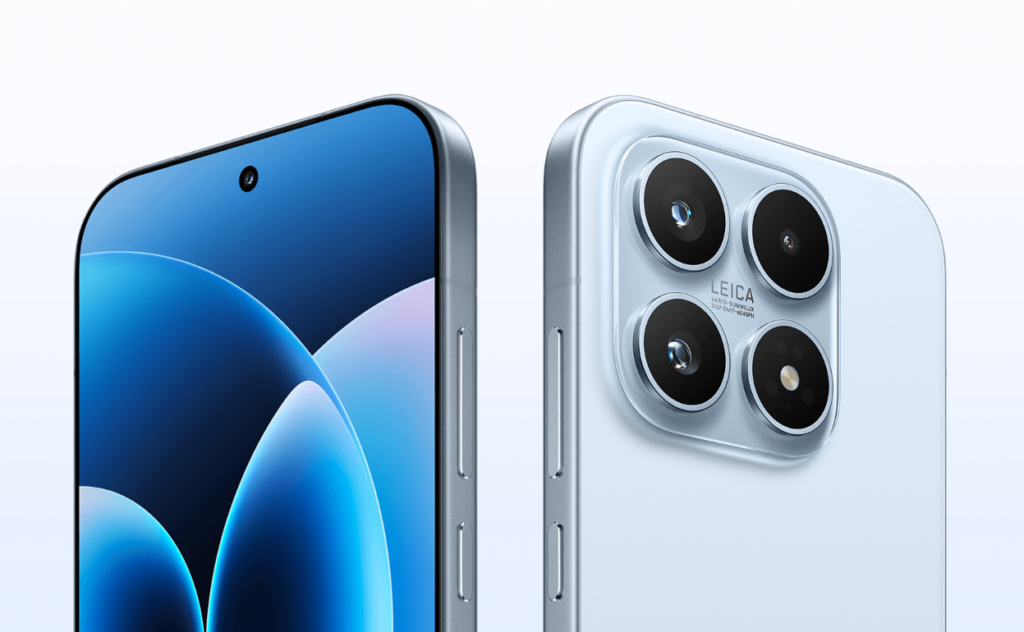
Oppo has introduced the Reno 15c in India as part of the anticipated Reno 15 series. The Reno 15, Reno 15 Pro, and Reno 15 Pro Mini just debuted with high end specs and features, while the Reno 15c drops as the most affordable model in the lineup. But it takes the crown for the biggest battery in the Reno 15 family. So here are all the details.

Oppo Reno 15c Specifications

The Chinese tech giant has announced the Reno 15c with a 6.57-inch FHD+ AMOLED panel with a 120Hz refresh rate, an FHD+ resolution, and 1400 nits of peak brightness. Under the hood, this model is equipped with the Snapdragon 6 Gen 1 SoC that is coupled with 8GB of LPDDR4X RAM and up to 256GB of UFS 3.1 storage. A huge 7,000mAh battery pack powers this model, which is larger than even the top end Reno 15 Pro. You also get 80W wired fast charging.

Oppo Reno 15c
Oppo Reno 15c

For photography, the back has a 50MP main camera, an 8MP ultra wide angle lens, and a 2MP macro shooter, while the front houses a 50MP selfie shooter. Oppo’s latest mid range Reno 15c runs on the Android 16 OS based ColorOS 16 custom skin. Other notable features include an IP66 + IP68 + IP69 rating for water and dust resistance, an in-display fingerprint scanner, and Bluetooth 5.4 support.

Pricing and Availability

The Oppo Reno 15c debuted in India in two color options, namely Afterglow Pink and Twilight Blue. It has a starting price tag of Rs 34,999 for the 8GB + 256GB model, while the 12GB + 256GB variant costs Rs 37,999. This model will go on sale via Amazon India, Flipkart, the brand’s official website, and offline stores sometime next month.

For more daily updates, please visit our News Section.

Don’t miss a thing! Join our Telegram community for instant updates and grab our free daily newsletter for the best tech stories!