Apple products are known for their great user experience, but they can also be expensive. If something goes wrong with your Apple product, it can be costly to repair, especially if the damage is due to user error. To help address this issue, Apple has expanded its self-repair program to cover the iPhone 14 and newer MacBooks. Here are the details…
Apple Expands Self-Repair Program to Cover iPhone 14 and Newer MacBooks
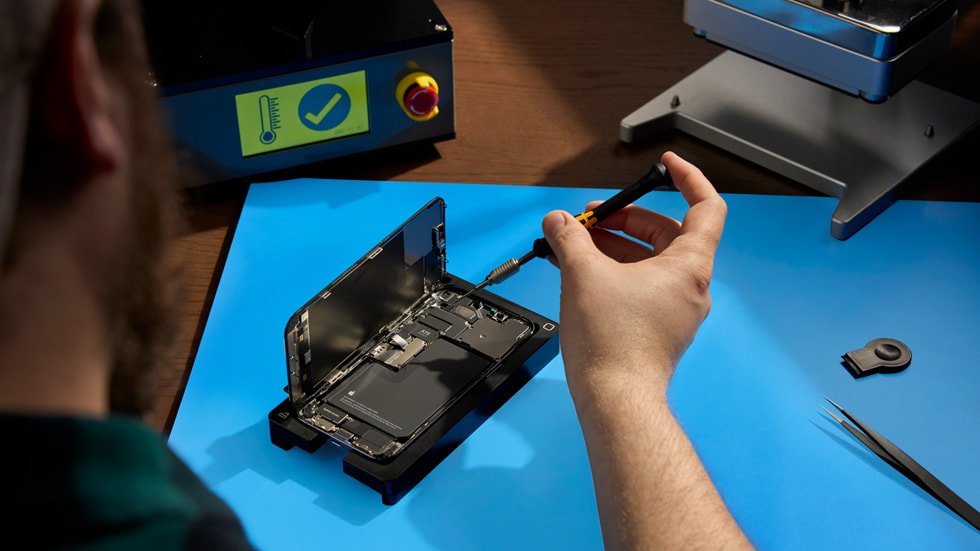
The “Apple self-repair” is a program that allows users to purchase genuine Apple parts and tools to repair their own devices. The program is currently available for the iPhone 12 and iPhone 13, as well as select MacBook models. Now, the company has expanded its self-repairprogram to cover its more recent devices, including the iPhone 14 range and the M2-based versions of the 13-inch MacBook Air and MacBook Pro.
The self repair program also has been updated so that you no longer need to call Apple to finish your repairs. You can now use the System Configuration tool to verify and authenticate your repairs yourself. To do this, simply put your device into Diagnostics mode and follow the instructions. This makes it much easier to complete repairs yourself, without having to rely on Apple’s technicians.
Of course, self-repair isn’t for everyone. It can be time-consuming and difficult, and it’s not always clear what parts you need or how to fix a particular problem. However, for people who are comfortable with DIY repairs, the Self Service Repair program can be a great way to save money and get your device back up and running quickly.
You can check if your device is eligible by visiting the Apple Self Service Repair website. As Right to Repair laws and regulations become more common, we can expect to see even more companies offer self-repair options.
Instagram, one of the biggest social media platforms in the world has unveiled a feature that is sure to please its user base. After years of requests, Instagram has finally answered the call by allowing users to download and share Reels posted by others outside of the app. This move is a clear response to TikTok doing the same (and successfully so since the TikTok watermark provides further marketing of the platform when content is shared across platforms).
Similar to downloaded videos from TikTok, Instagram Reels will also bear an icon or watermark
Adam Mosseri, the head of Instagram, took to his Instagram broadcast channel on Tuesday to make the announcement. He revealed that users in the United States would now have the ability to download Reels directly to their camera roll with a simple tap on the share icon and selection of the Download option. This new feature grants users greater control over the content they create and enjoy on Instagram. It does raise a question, if companies can let users download videos onto their devices that easily, should that option be present across all platforms?
It’s important to note that the ability to download Reels is limited to content posted by public accounts. Furthermore, public accounts hold the power to disable the download option for their Reels if they prefer to maintain tighter control over their content distribution. While it remains unclear whether downloaded Reels will bear a watermark, Mosseri’s accompanying image hints at the inclusion of an Instagram logo alongside the account name. This follows a similar approach taken by TikTok in attaching a watermark to downloaded videos. It’s worth noting that Instagram has previously allowed users to download their own Reels from drafts without any watermark, so this would be a new change.
The introduction of Reels has already proved impactful for Instagram, as Mark Zuckerberg revealed during the Q1 2023 earnings call that time spent on the platform increased by an impressive 24%. It follows a similar format to that of TikTok, the viral video platform. Instagram’s decision to enable Reels downloads undoubtedly marks a significant milestone in the platform’s evolution.
Games are a big part of our lives. We play them to relax, relieve stress, and have fun. But for some people, gaming is more than just a hobby. It’s a way to compete and be the best. For these competitive gamers, it’s important to have the best hardware possible. This includes having a great screen. Recently, BOE, a company known for its Apple displays, has partnered with ThundeRobot to develop gaming displays for competitive gamers. Here are the details…
The Future of E-Sports Display is Bright with BOE and ThundeRobot
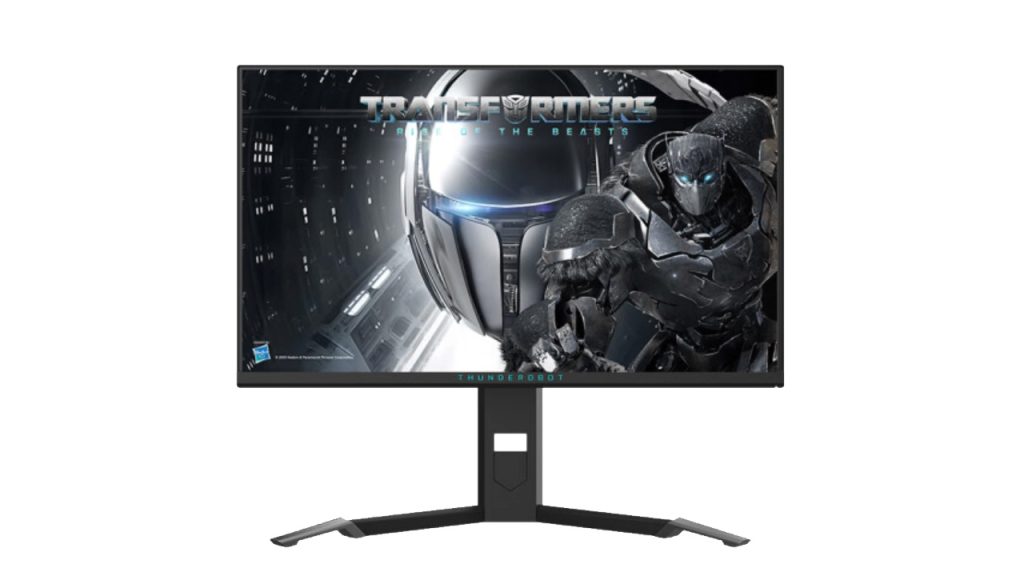
ThundeRobot and BOE have entered into a strategic partnership, jointly establishing the “Jing-Lei” joint innovation laboratory. This collaboration will strengthen the integration of technologies and product designs in the e-sports display domain, aiming to create high-end display solutions. As you might know, the company, has extensive experience and capability in display panel development.
ThundeRobot, on the other hand, is known for its advanced gaming devices and technology. The collaboration between these two industry giants will likely propel innovation and enhance the overall gaming experience for users.The joint lab will bring together BOE and ThundeRobot to collaborate on all aspects of e-sports display technology, from research and development to product design. The goal is to create high-quality, immersive gaming experiences that take advantage of the latest display technologies.
Prior to this, BOE and ThundeRobot had engaged in multiple collaborations, launching eight first-ever global products and five original technologies that span various categories, including notebooks and monitors. This history of successful collaborations gives promise to the future projects to be undertaken by the “Jing-Lei” joint lab.
Technology giant Microsoft has announced that the company will be increasing the pricing of its latest gaming console Xbox Series X as well as its gaming subscription service Xbox Game Pass.
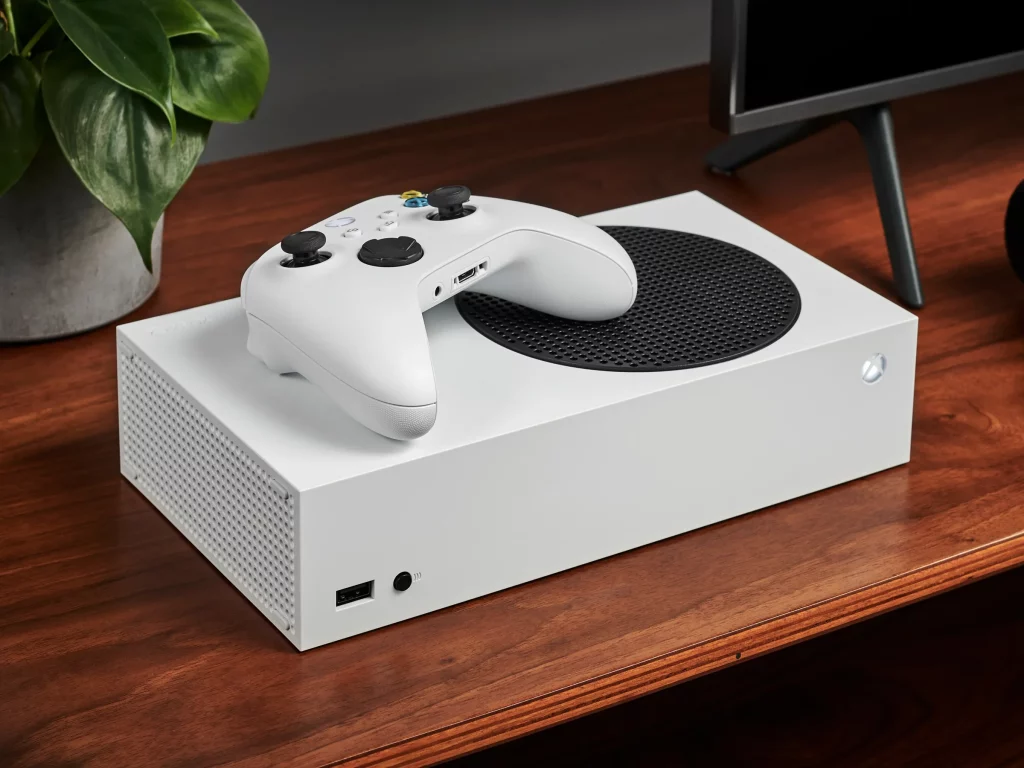
The Xbox Series X will increase its pricing by $50, from $499 to $549, but the Xbox Series S pricing remains the same in all markets. The company has recently introduced a new black model of Xbox Series S with 1TB storage for $349.
Along with the increase in pricing for the new generation of gaming consoles from Microsoft, the Redmond-based tech company is also increasing the price of the Xbox Game Pass from $10 per month to $12 per month for the standard plan while the price of the Ultimate plan will rise from $15 per month to $18 per month.
Commenting about this, the company has said that the price increase is a necessary step to continue investment in the “best gaming experiences.” Further, it adds that the company would be offering several ways for customers to save money on Xbox Game Pass, including a yearly subscription option and a family plan.
The price change will go into effect from 6th July for new customers, but those who are already monthly subscribers won’t be impacted by the change until 13th August. Those who are on the yearly subscription of Xbox Game Pass will continue to use the service without any impact until they renew the subscription.
This development isn’t surprising given that the company was expected to increase pricing for the Xbox lineup as Sony did the same with its PlayStation 5 last year.
Foxconn is a company that many of us know for producing Apple products. However, it also invests in a wide range of other industries, including electric vehicles. In fact, the company recently announced that it would be establishing an electric vehicle factory in India and investing a billion dollars into the country. Now, Foxconn has announced a joint venture called SiliconAuto with Stellantis to design and sell semiconductors for the automotive industry. Here are the details…
SiliconAuto to Develop Semiconductors for the Automotive Industry
Stellantis and Foxconn are creating a joint venture to design and sell semiconductors for the automotive industry. The joint venture, called SiliconAuto, will be based in the Netherlands and will be equally owned by the two companies. SiliconAuto will focus on developing semiconductors for the growing number of computer-controlled features and modules in vehicles, especially those needed for electric vehicles.
The joint venture will also provide a robust supply of essential components to Stellantis, which will help the automaker to meet its goal of becoming a software-defined company. “This joint venture with Foxconn is a major step forward in our ambition to become a leader in the software-defined vehicle era,” said Ned Curic, chief technology officer of Stellantis. “SiliconAuto will provide us with a secure and sustainable source of semiconductors, which is essential to our ability to deliver on our product roadmap.”
“We are excited to partner with Stellantis to create SiliconAuto,” said Young Liu, chairman of Foxconn. “This joint venture will combine our strengths in semiconductor design and manufacturing to create a new global leader in automotive semiconductors.” SiliconAuto is expected to begin operations in 2026. The joint venture will create new jobs in the Netherlands and other countries.
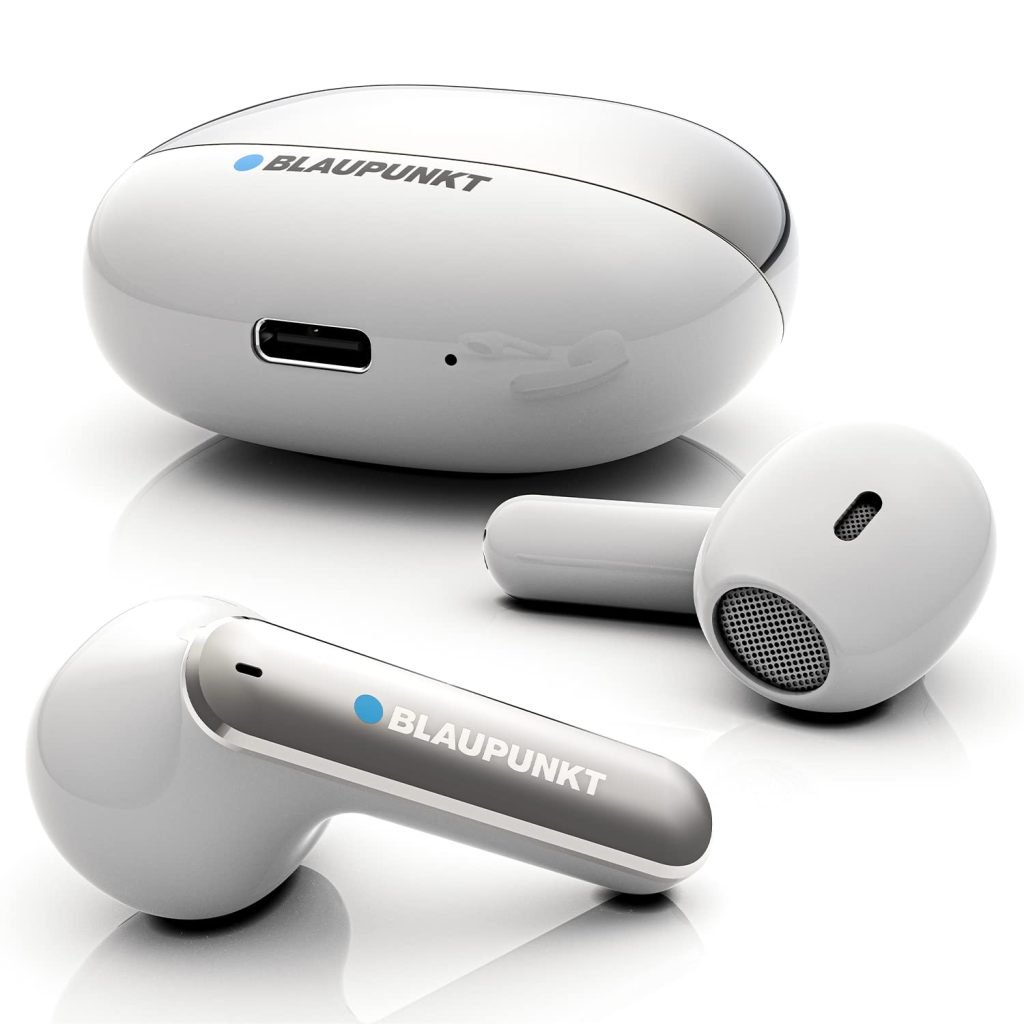
Blaupunkt has unveiled its cutting-edge BTW100 KHROME earbuds in India. The new premium earbuds were announced on June 21. The Blaupunkt press release indicated that the new BTW100 KHROME earbuds offer up to 20 hours of playtime on a single charge. It also features TrueVolt technology charging capabilities and excellent audio quality. The company says the new pair of earbuds is a perfect blend of style and superior sound.
The Blaupunkt KHROME comes with a unique chrome finish and the German audio accessories maker says it offers a revolutionary audio experience. The BTW100 KHROME earbuds avoid frequent recharging with its 20-hour playback time. The TrueVolt tech on the new Blaupunkt earbuds enhances the remarkable user experience with quick charging anytime and anywhere. The earbuds come with a sleek and ergonomic design and allow for comfortable use for an extended period.
The Blaupunkt BTW100 KHROME earbuds are available in the subcontinent in two colors – white chrome and black chrome. The earbuds retail in India for Rs. 1,199 (~$15) and are available via Amazon India and other retail outlets. The affordability and premium features of the model indicate that it will have a good reception in the Indian market. There are a few key specs of the new BTW100 KHROME earbuds that are also lacking at this time. These details include its driver architecture and the earbuds’ environmental noise-cancellation capabilities.
The competition in the electric vehicle market is heating up. Young companies like Tesla and BYD are leading the way, while traditional automakers like Volkswagen and Ford are catching up. All of these companies are vying for market dominance, and the competition is only going to get fiercer. Fisker, one of the young upstarts, is gearing up to enter the Chinese market. This is a major move, as China is the world’s largest electric vehicle market. Here are the details…
Fisker Enters China’s EV Market with Ambitious Plans
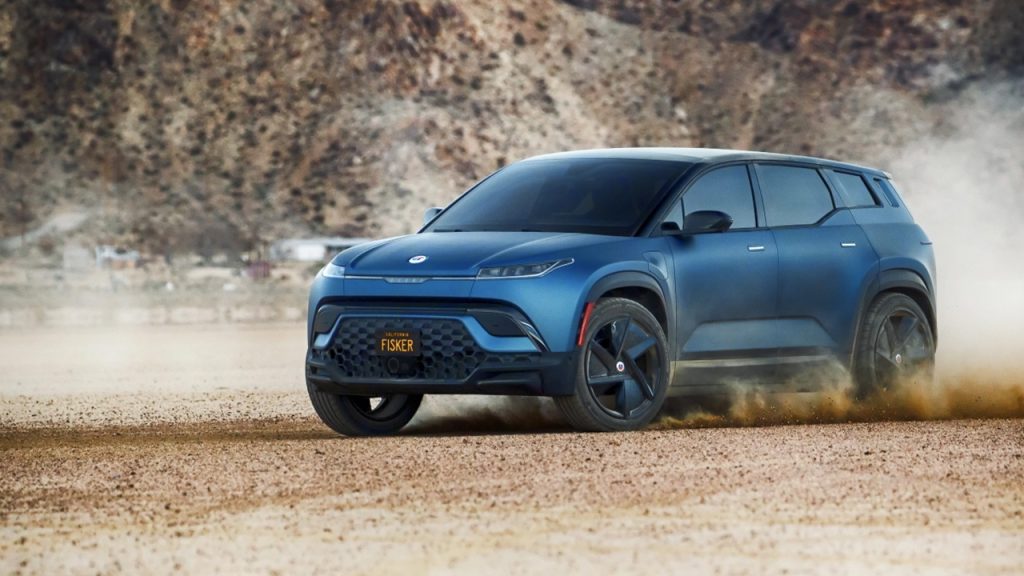
China is a major player in the global electric vehicle market. Many companies already operate there, and new ones are joining the competition all the time. The latest entrant is Fisker, which plans to open a delivery center in China this year and start delivering its first all-electric model, the Ocean SUV, in the first quarter of 2024. But Fisker’s plans don’t stop there.
Fisker plans to start production in China as early as next year, which could increase its manufacturing capacity by 75,000 Ocean SUVs. The company also wants to establish a network of charging stations across China to help mitigate one of the main obstacles to EV adoption in the country. Fisker has already started building relationships with the Chinese government, which is essential for doing business in China.
Fisker will face tough competition from established Chinese electric vehicle brands like BYD and Nio. Tesla will also be popular in China, so Fisker will have its work cut out for it. However, Fisker is confident that its unique design and features will appeal to Chinese consumers. The company will also offer a variety of customization options for the Ocean SUV, which it hopes will help the vehicle stand out from its competitors.
The anticipation surrounding the release of the Sony WF-1000XM5 earbuds has reached new heights as UK retailer Argos has listed the highly anticipated wireless earbuds on its support website. Although an official release date is yet to be announced, this listing has sparked speculation among tech enthusiasts and Sony fans alike.
The listing on the Argos Support website provides some intriguing details about the design of the WF-1000XM5, suggesting a few notable improvements over its predecessor, the WF-1000XM4. According to the listing, the WF-1000XM5 boasts a slightly lighter construction while offering larger drivers, promising an enhanced audio experience. Moreover, comparable battery life ensures extended usage before needing a recharge.
While the purchase link mentioned on the support website currently leads to an error page, it’s worth noting that Argos has a history of listing products ahead of their official release. This adds credibility to the notion that the Sony WF-1000XM5 earbuds may be just around the corner. However, it’s important to exercise caution and await an official announcement from Sony for confirmation.
Sony is known for teasing product releases a few days in advance, typically leaving a week-long gap between the teaser and the actual launch. Based on this pattern, it is unlikely that the WF-1000XM5 will make its debut before July unless Sony surprises consumers with a teaser within the next few days.
For those eagerly awaiting the arrival of the WF-1000XM5, this recent development at Argos provides a glimmer of hope that the release is drawing near. Sony’s previous iterations of the WF and WH series have garnered widespread acclaim for their exceptional audio quality and noise-canceling capabilities, making the WF-1000XM5 a highly anticipated addition to the company’s audio lineup.
Only time will tell when these sought-after earbuds will finally hit the market, and until then, enthusiasts can eagerly await the official unveiling of Sony’s next audio masterpiece.
Nubia is gearing up to launch their next gaming-centric Red Magic 8S Pro. Tipster Digital Chat Station has recently revealed the existence of this device. According to reports, Red Magic 8S Pro is expected to be the first phone to incorporate the highly anticipated Snapdragon 8 Plus Gen 2 chipset. Fresh information now suggests that the Red Magic 8S Pro will make its official debut in China on July 5.
Red Magic 8S Pro specifications (expected)
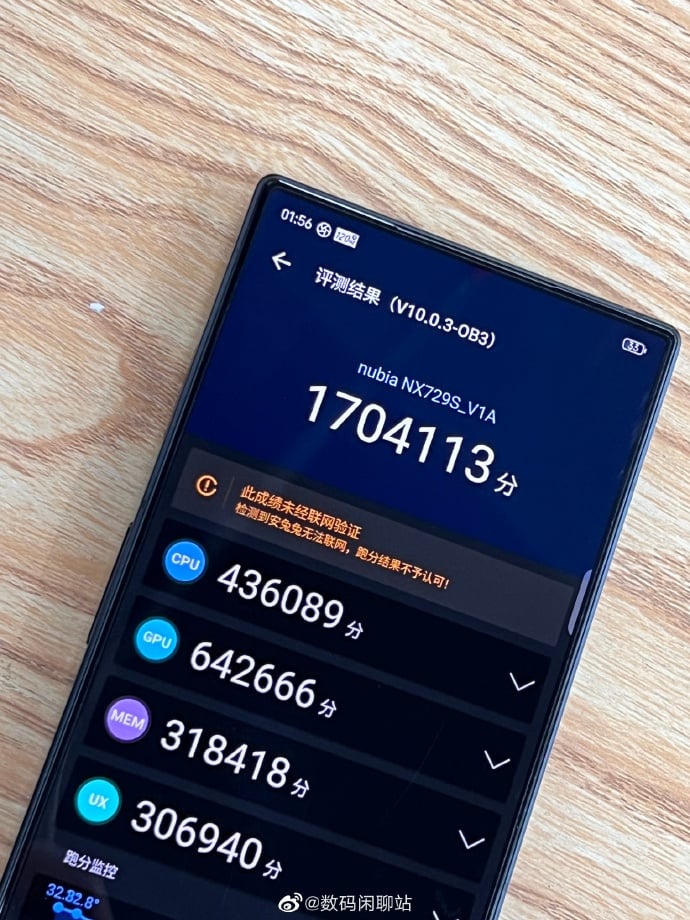
While specific details about the Red Magic 8S Pro’s specifications remain scarce, it is expected to inherit most of its features from the previously launched Red Magic 8 Pro. Earlier reports revealed that the device achieved an impressive AnTuTu benchmark score of 1,704,113, raising anticipation for its upcoming release. Furthermore, Qualcomm is rumored to announce the new chipset in the coming week. The upcoming Red Magic, along with devices such as the iQOO 11s, Redmi K60 Ultra, Realme GT Neo 6, and OnePlus Ace 2 Pro, is anticipated to feature the new chipset.
According to these early reports, the Red Magic 8S Pro is likely to boast a 6.8-inch AMOLED display, offering a Full HD+ resolution of 1116×2480 pixels and a smooth 120Hz refresh rate. Running on the Red Magic OS 6-based Android 13 OS, the phone is expected to offer a seamless gaming experience.
Memory-wise, the device may offer up to 16 GB of LPDDR5x RAM and up to 1 TB of UFS 4.0 storage. Additionally, a robust 6,000mAh battery is speculated to power the device, featuring 80W fast charging support.
In terms of photography, the Red Magic 8S Pro is rumored to feature a 16-megapixel front camera for capturing selfies. On the rear, it may house a triple camera setup, including a 50-megapixel main camera, an 8-megapixel ultra-wide-angle lens, and a 2-megapixel macro lens.
Excitingly, it appears that the Red Magic 8S Pro won’t be the only gaming-oriented device released by Nubia. Speculations are circulating that the company might also unveil a gaming-focused tablet. Unfortunately, no further details regarding the specifications of this tablet are currently available.
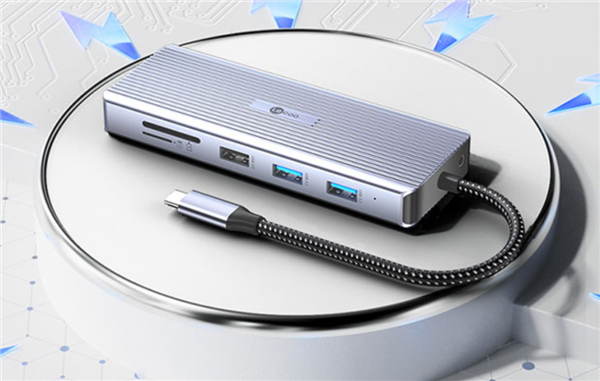
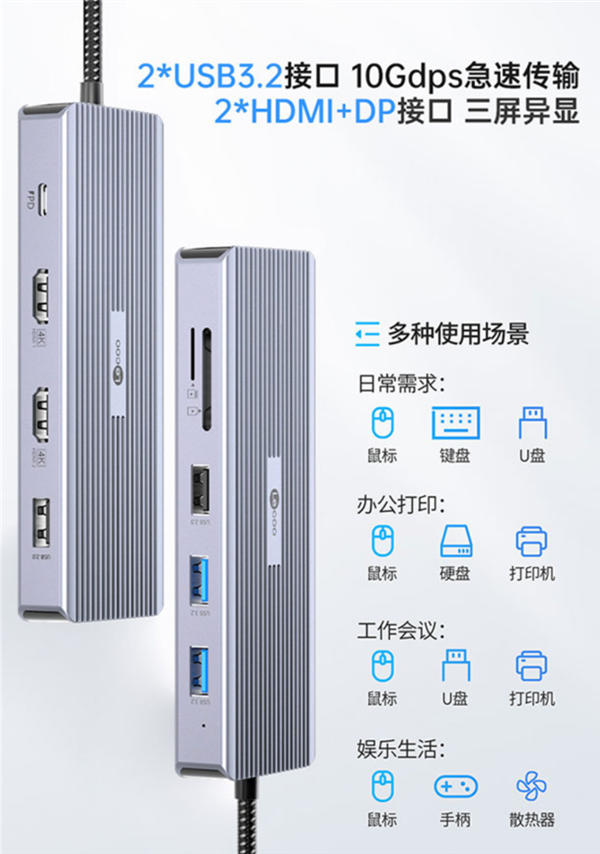
Lenovo has unveiled its latest docking station featuring 12-in-1 multifunctionality in China. The Lenovo Type-C 12-in-1 Docking Station has 12 connectivity interfaces including USB 3.2, USB 2.0, HDMI, SD card slot, DisplayPort, and PD interfaces. It also has a 3.5mm headphone jack and a Gigabit Ethernet port.
Lenovo Type-C 12-in-1 Docking Station Design & Features
The new Lenovo docking station is designed with aluminum alloy and sports a space gray color scheme. It has dimensions of 140 x 56 x 16.8mm and its cable is 15cm long. Using its two HDMI and one DP interface, the new Lenovo docking station can connect to three different displays. It also supports expansion/ mirror mode while its transfer rate can reach 10Gbps. This makes the transfer of even large files to be super-fast and seamless. The docking station delivers 100W PD output for fast charging of your notebooks and other compatible devices.
Lenovo Type-C 12-in-1 Docking Station Price
The Lenovo Laikuzhi Life Type-C 12-in-1 Docking Station has been released via a crowdfunding scheme. The crowdfunding price of the gadget is 269 yuan (~$37) but more details are lacking at this time. The original price of the device is also not known, as well as its eventual global availability. It is expected that more optics about the new Lenovo multi-functional docking station will be released by the company shortly.
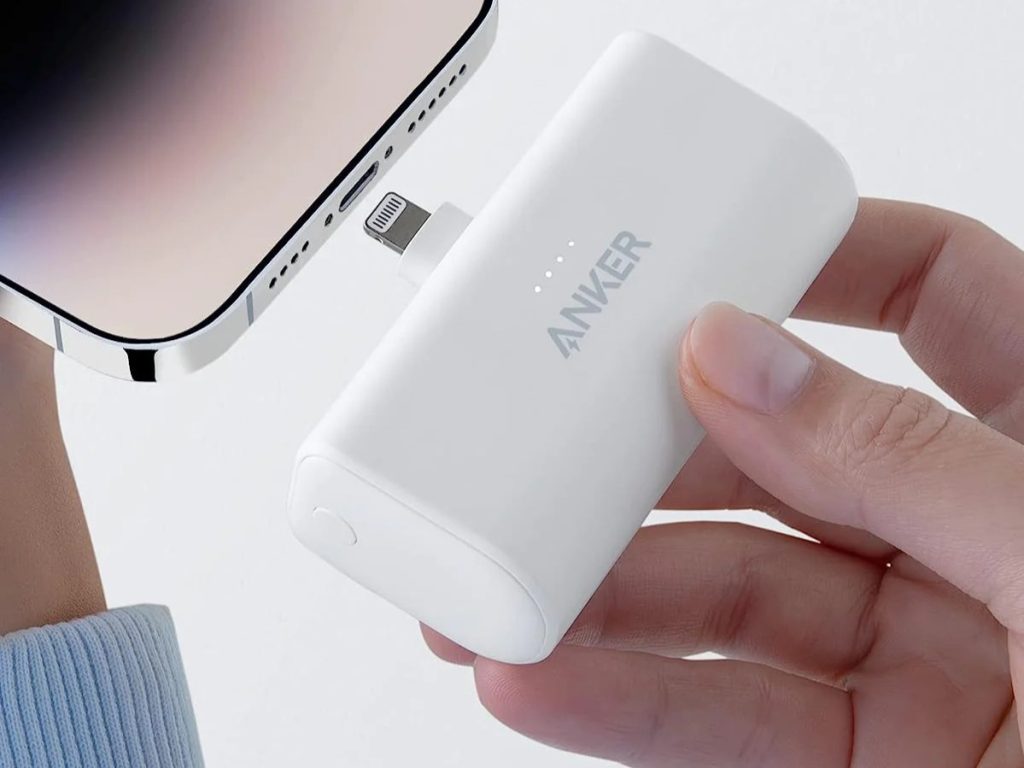
The Anker 621 Power Bank equipped with a built-in Lightning connector and 12W power output has gone official in the United States and the UK. The power bank comes with a foldable built-in lightning connector for easier movement. It has a 5,000mAh capacity and can be used to recharge a variety of gadgets.
The Anker 621 Power Bank was designed to provide seamless and fast charging of Apple and other compatible devices. It removes the requirement for a separate charging cable and provides 12W fast charging for an iPhone, iPad, or iPod. The Anker 621 has the MFi certification and provides up to 20 hours of extra playtime for an iPhone 14 Pro Max. The power bank is a great accessory to provide power to your devices on the go. It features the ActiveShield technology that intelligently monitors and prevents overheating of the device.
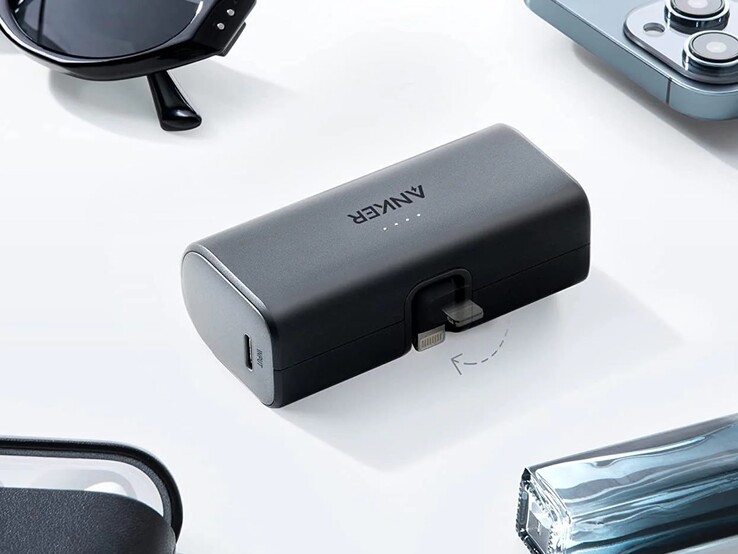
The Anker 621 Power Bank (Built-in Lightning Connector, 12W) has an integrated LED panel to indicate the battery level. The pocket-sized device can be made more compact by folding the lightning connector. It weighs about 96g and has dimensions of 5.1 x 3.9 x 1.2 inches. You can recharge the device via USB and it comes with a USB-A to USB-C connector.
Anker 621 Power Bank Pricing & Availability
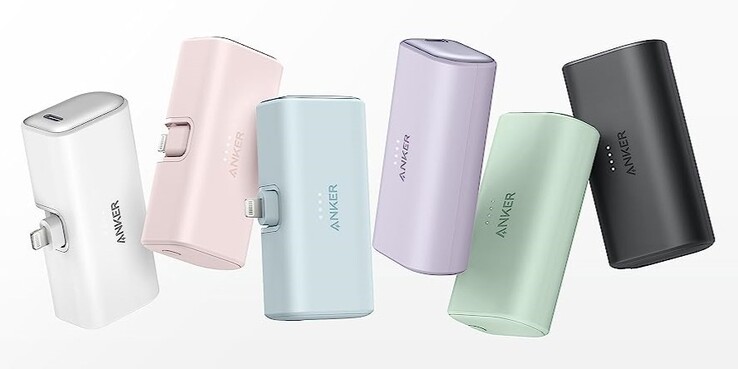
Several color variants are available for the power bank including green, blue, pink, purple, and white. The gadget retails in the US for $31.99 while in the UK it sells for £35.99 (~$46). However, a discount of up to 17% is available for UK customers. The model can thus be purchased in the UK via Amazon for £29.99 (~$38).
In today’s rapidly evolving technological landscape, augmented reality (AR), virtual reality (VR) and Mixed Reality (MR) have emerged as groundbreaking technologies with the potential to revolutionize the way we interact with the digital world. AR, VR, and MR are all immersive technologies that offer interactive experiences to users. Though they share similarities, each technology has its unique features and applications.
Augmented Reality (AR)
Augmented reality is a technology that overlays digital information onto the real world, enhancing our perception and interaction with our surroundings. By blending computer-generated elements with the physical environment, AR provides users with an enriched experience that seamlessly integrates virtual elements into their real-world context.
AR can be implemented through various devices, such as smartphones, tablets, smart glasses, and headsets.
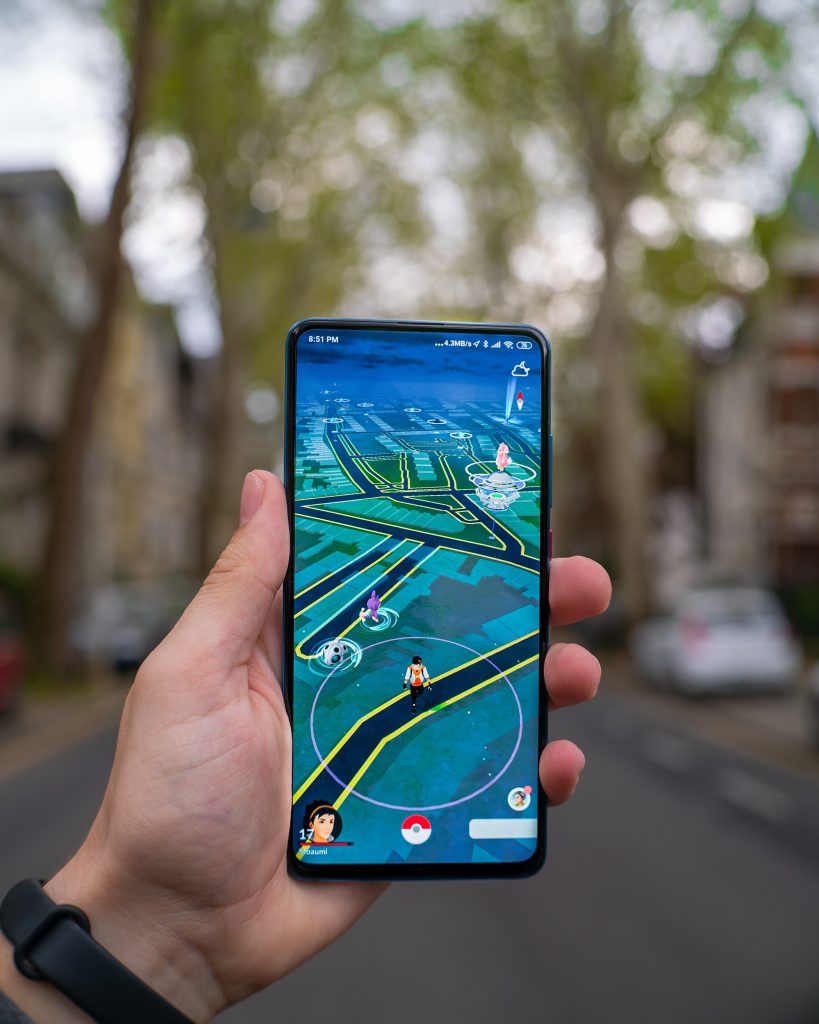
One of the prime examples of AR is the widely popular mobile game, Pokémon Go. Players use their smartphones to view their surroundings through the device’s camera, while virtual Pokémon characters are superimposed onto the real world. This game exemplifies how AR can seamlessly merge the virtual and physical worlds, enabling users to interact with virtual objects within their actual environment.
Another notable example of AR is the Ikea Place app. This application allows users to virtually place furniture items in their homes using their smartphones. By leveraging AR, users can visualize how a specific piece of furniture will look in their space before making a purchase.
AR also finds applications in various industries, including education, healthcare, and marketing. For instance, in education, AR can be used to create interactive learning experiences by overlaying educational content onto textbooks or real-life objects. In healthcare, AR can assist surgeons during complex procedures by displaying critical patient information in their field of view. In marketing, AR can enhance product demonstrations by allowing customers to see virtual representations of products in real-time.
Virtual Reality (VR)
In contrast to augmented reality, virtual reality immerses users in a completely simulated environment, separating them from the physical world.
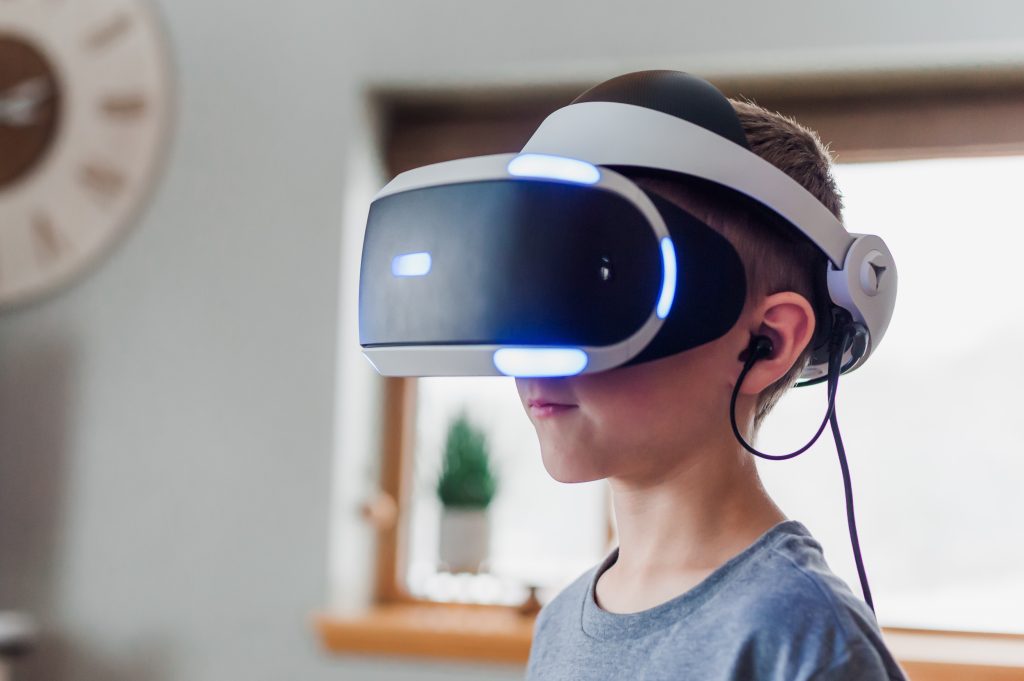
Virtual Reality (VR) is a simulated experience that can be similar to or completely different from the real world. It typically involves the use of a headset with a screen, which provides a 3D visual and audio experience. VR aims to create a sense of presence, allowing the user to feel like they are truly immersed in a virtual environment.
VR can be used in various applications, such as gaming, training simulations, virtual tours, and even therapy.
For example, in gaming, VR allows players to fully immerse themselves in the game world, providing a more immersive and engaging experience. In training simulations, VR can recreate real-world scenarios for training purposes, such as flight simulations for pilots or surgical simulations for doctors. Pilots can practice flying in a virtual cockpit, soldiers can train in virtual war zones, and doctors can perform virtual surgeries to improve their skills. VR also allows users to take virtual tours of famous landmarks, museums, and cities from the comfort of their homes. This technology has made it possible for people to explore destinations they may never visit in person. Another VR usage is in therapy to treat phobias, anxiety disorders, and PTSD. By exposing patients to virtual environments that trigger their fears or traumas, therapists can help them confront and overcome their anxieties in a controlled setting.
Mixed Reality (MR)
Mixed Reality (MR) is a technology that combines elements of both Augmented Reality (AR) and Virtual Reality (VR) to create a new and immersive experience. Unlike AR and VR, which are often used interchangeably, MR aims to create a seamless blend of virtual and real-world environments.
In Mixed Reality, virtual objects are not just overlaid onto the real world (AR), nor are users completely immersed in a virtual environment (VR). Instead, MR allows virtual objects to interact with the physical surroundings and enables users to interact with them in a natural and intuitive way. This is achieved by using advanced sensors, cameras, and algorithms to map and understand the real-world environment in real-time.
One example of Mixed Reality can be seen in Microsoft’s HoloLens. The HoloLens is a head-mounted display that allows users to see and interact with virtual objects in their real-world environment. Users can wear the HoloLens and experience holographic content seamlessly integrated into their surroundings. For instance, users can place virtual furniture in their living room to see how it would look in real life, or they can interact with virtual characters that appear to be present in their physical space.
Another example of Mixed Reality is Magic Leap’s Magic Leap One. Similar to the HoloLens, the Magic Leap One is a wearable device that combines virtual and real-world elements. With the Magic Leap One, users can experience interactive and lifelike digital content integrated into their environment. For instance, users can play a virtual game that takes place on their coffee table or create 3D sculptures that appear to be physically present in their workspace.
Screengrab from Microsoft’s Hololens demo video
Mixed Reality has the potential to revolutionize various industries. In healthcare, for example, MR can be used to assist surgeons during operations by overlaying vital patient information directly onto their field of view. This can enhance precision and reduce the risk of errors.
Now that we’ve explained each of these technologies, let’s take a look at how they differ from each other for better understanding.
AR vs VR vs MR: Differences
Here are the differences between Augmented Reality (AR), Virtual Reality (VR), and Mixed Reality (MR) technologies:
Integration with the Real World:
AR: Adds digital content on top of the real-world environment.
VR: Completely replaces the real-world environment with a virtual one.
MR: Combines digital content with the real world, allowing them to interact with each other.
User’s Awareness of the Real World:
AR: Users remain aware of and can interact with the real world.
VR: Users are isolated from the real world and fully immersed in the virtual environment.
MR: Users can interact with both the real world and virtual objects.
Hardware:
AR: Typically requires hardware like a camera and display (e.g. smartphone, tablet, AR glasses).
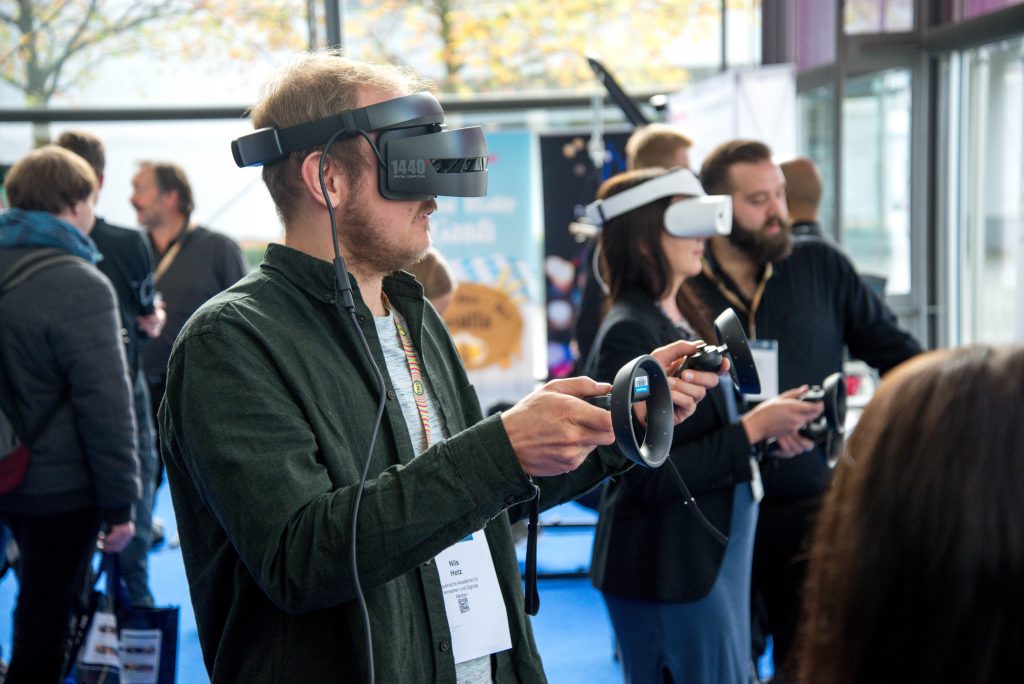
VR: Requires a VR headset that blocks out the real-world view and often handheld controllers.
MR: Requires specialized headsets (e.g. Microsoft HoloLens) that blend real-world and digital content.
Interactivity:
AR: Digital content is static and does not interact with the real-world environment.
VR: Allows interaction within the virtual environment but not with the real world.
MR: Digital content can interact with the real world in a contextually aware manner.
Use Cases:
AR: Often used for information overlay, gaming, navigation, and educational apps.
VR: Mainly used for gaming, simulations, virtual tours, and therapy.
MR: Used for applications requiring interaction between real and virtual objects, such as collaborative 3D design, advanced training, and simulations.
Level of Immersion:
AR: Provides a low level of immersion as it simply overlays digital content on the real world.
VR: Provides a high level of immersion by placing the user in a fully simulated environment.
MR: Offers a medium to high level of immersion by blending real and virtual objects in a contextually aware manner.
Future of AR, VR, and MR
The future of Augmented Reality (AR), Virtual Reality (VR), and Mixed Reality (MR) holds immense potential for various industries. These emerging technologies are revolutionizing the way we interact with digital content and are set to transform industries such as gaming, healthcare, education, tourism, and manufacturing.
AR, VR, and MR have already made significant advancements in the gaming industry. With the introduction of immersive virtual environments, gamers can now experience a whole new level of realism and interaction. The technology allows users to be fully engrossed in the game, giving them a sense of presence and enhancing the overall gaming experience. As these technologies continue to evolve, we can expect to see more advanced gameplay, realistic simulations, and even greater integration with other forms of entertainment media.
The potential impact on the healthcare industry is also immense. Surgeons are using augmented reality to visualize 3D models of patients’ organs during surgeries, enabling them to perform complex procedures with greater precision. Virtual reality is also being used for pain management and therapy, creating immersive environments to distract patients from their discomfort. Additionally, medical students can benefit from virtual reality simulations that allow them to practice procedures in a safe and controlled environment.
Education is another industry that stands to benefit greatly from these technologies. Virtual reality can provide students with immersive and interactive learning experiences, enabling them to explore historical sites, travel to different countries, or even delve into complex scientific concepts. Augmented reality can enhance traditional textbooks by overlaying digital content such as videos, images, and interactive elements, making learning more engaging and interactive.
With products like the Apple Vision Pro making these technologies mainstream, it is clear that these three technologies will enhance the way we interact with a lot of industries in the near future.
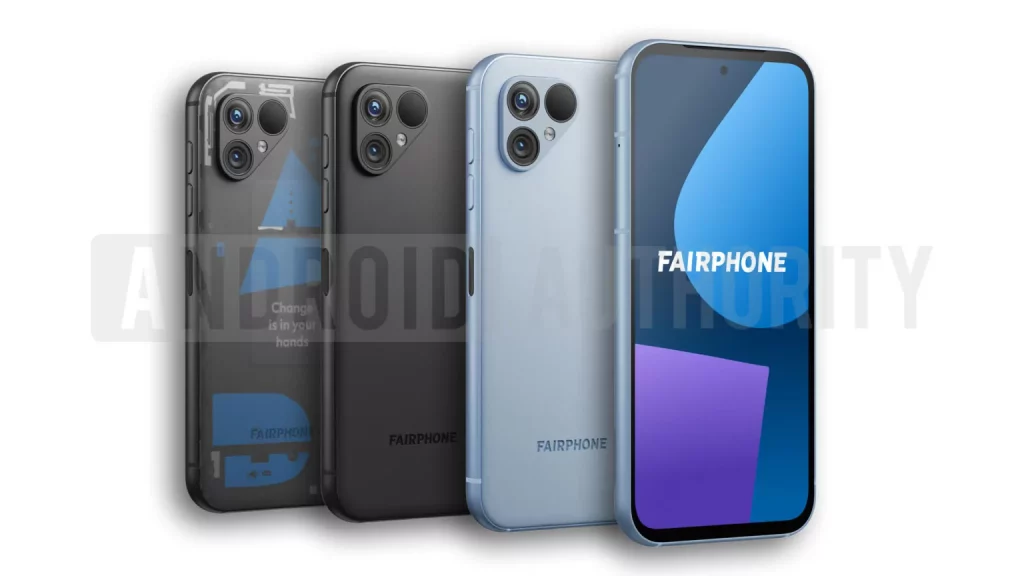
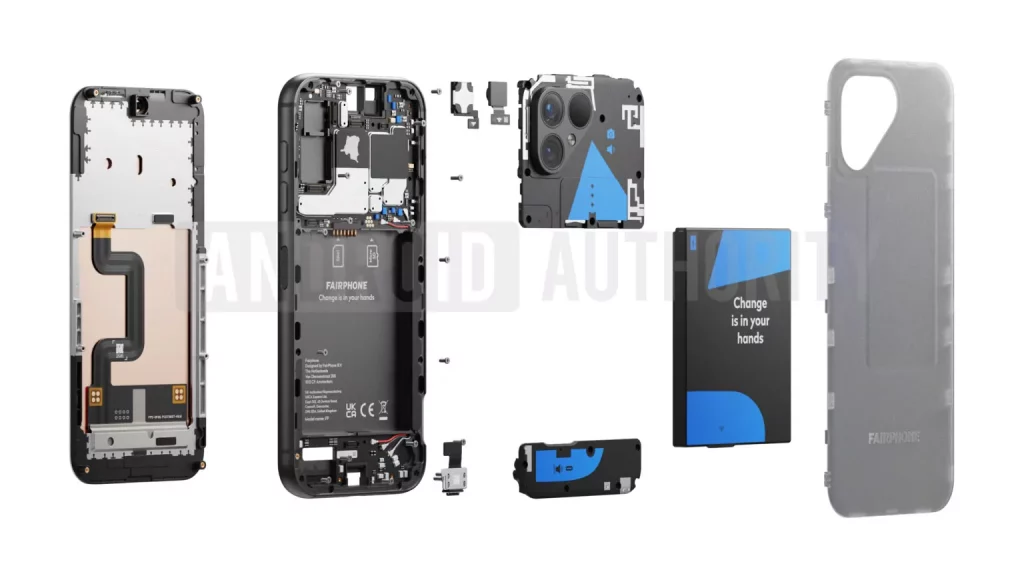
Fairphone, a company renowned for its commitment to sustainability and ethical production, is gearing up to launch its latest offering, the Fairphone 5. The upcoming smartphone looks to build on the success of its predecessor, the Fairphone 4 going by official-looking renders first published by Android Authority. It promises to be a game-changer in the world of smartphones while retaining the modular design and user-replaceable parts the brand is known for.
One of the standout features of the Fairphone 5 is its commitment to sustainability. Fairphone has stayed true to its values by retaining a user-replaceable battery, allowing users to easily replace the battery themselves, and extending the lifespan of the device. In addition, the inclusion of MicroSD and SIM card trays ensures expandable storage and the ability to switch SIM cards hassle-free. Fairphone also intends to offer spare parts for other components, such as the modular USB Type-C port, reducing e-waste and promoting longevity.
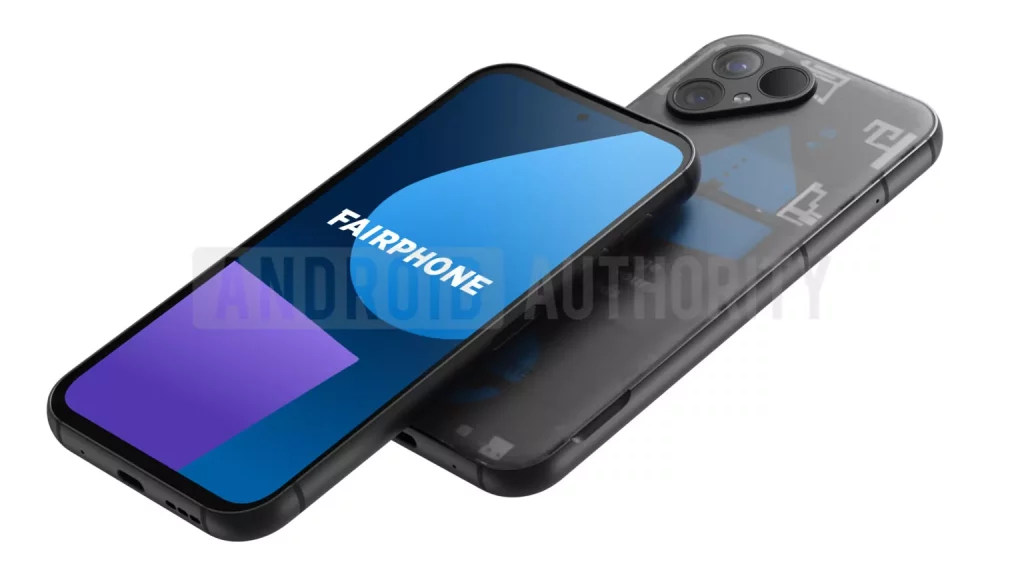
While maintaining the iconic triangular camera housing from its predecessor, the Fairphone 5 introduces a few visual changes. Gone is the waterdrop notch, replaced by a small cut-out for the front-facing camera, allowing for a more immersive display experience. Leaked renders also suggest that the Fairphone 5 will feature thinner display bezels, enhancing the device’s aesthetic appeal.
Although specific technical details, release dates, and pricing information are not yet available, industry experts speculate that the Fairphone 5 could debut within the next few months. Fairphone’s commitment to sustainability, coupled with its emphasis on ethical production, has garnered widespread appreciation, and fans eagerly await the official announcement.
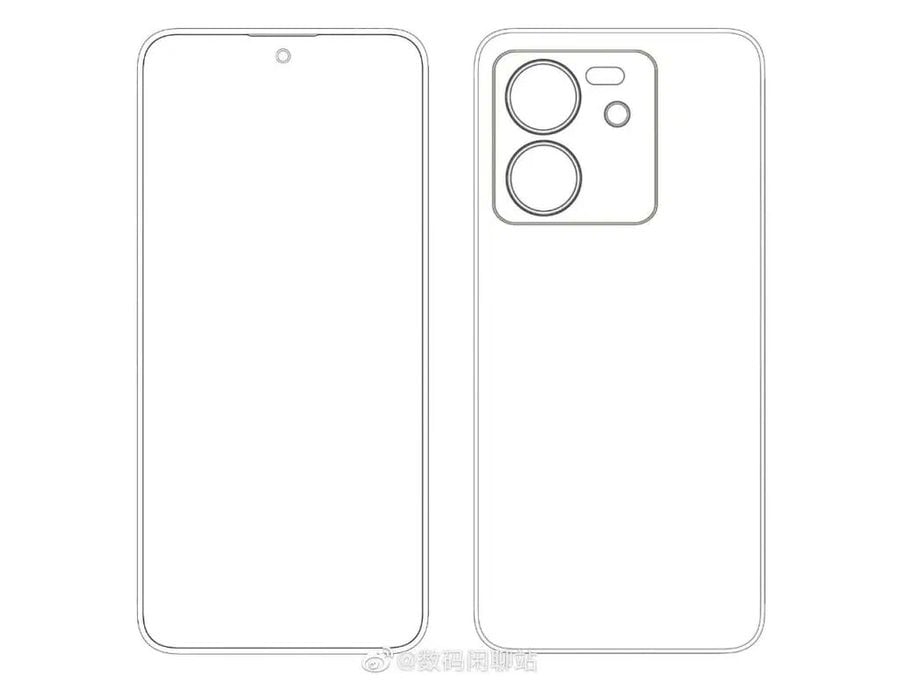
The upcoming release of the Redmi K60 Ultra by Xiaomi is just around the corner. This smartphone will join the existing K60 lineup, which already includes the K60, K60 Pro, and K60E models. Key specifications and a render sketch of the smartphone have already made their way online, building excitement among tech enthusiasts. Furthermore, the device has recently appeared on the 3C certification website, providing insights into its fast charging capabilities.
Based on the information from the 3C listing, the upcoming Redmi K60 Ultra (model number 23078RKD5C) is expected to include 120W fast charging, which matches the capabilities of the current K60 Pro. There is a possibility that the K60 Ultra may also come equipped with a 5,000mAh battery, supporting 30W wireless charging, similar to the K60 Pro variant. The listing does not reveal any further details, so let’s take a look at the available information.
Redmi K60 Ultra specs (rumored)
Reports suggest that the Redmi K60 Ultra is anticipated to showcase an OLED display boasting a 1.5K resolution and a high 144Hz refresh rate. Powering the device is expected to be the Dimensity 9200+ chipset. Leaked design sketches have unveiled a rear camera setup consisting of three cameras, with two located in large cutouts and one in a smaller cutout. On the front, the device is likely to sport a punch-hole display with slim bezels. Additionally, rumors suggest that the K60 Ultra might feature an aluminum body composition.
U.S. Secretary of State Antony Blinken called upon China to closely monitor and investigate the involvement of private entities within its jurisdiction that could potentially contribute to Russia’s military capabilities, in the midst of the ongoing Ukraine conflict.
The Secretary of State, while recognizing the complexity of the situation, highlighted the significance of preventing the flow of technology that could be utilized in an adversarial manner against Ukraine.
Although Secretary Blinken did not provide specific details regarding the nature of the technology or the identities of the private companies involved, his request reflects the growing apprehension within the international community regarding the possibility of third-party contributions fueling the conflict.
In a statement issued on Monday, Secretary Blinken underscored his concerns while clarifying that he has not come across any evidence indicating that Beijing is directly providing lethal aid to Moscow.
Since Russia’s invasion of Ukraine in February 2022, Western powers have provided Ukraine with substantial military assistance, including billions of dollars worth of support. During this time, China has faced allegations, which it vehemently denies, of supplying lethal weapons to Russia. It is worth noting that China and Russia had previously announced a “no-limits” partnership shortly before the invasion of Ukraine.
Addressing the issue of lethal aid to Russia in the context of the Ukraine conflict, Secretary Blinken clarified that the United States and other countries have received assurances from China that it is not and will not provide lethal assistance to Russia for use in Ukraine. This statement aims to dispel concerns regarding China’s alleged involvement in supplying weapons that could escalate the conflict further.
While the visit to Beijing did not yield any major breakthroughs, it served as an important platform for reaffirming diplomatic channels and clarifying positions between the United States and China. Both sides acknowledged the significance of maintaining stability and averting the risk of armed conflict. The discussions highlighted China’s stated commitment to refrain from providing lethal assistance to Russia for use in Ukraine, as confirmed by Secretary Blinken.
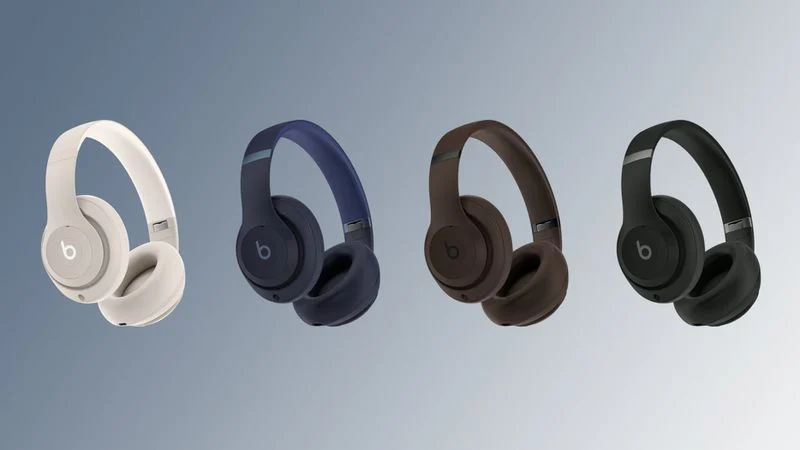
Apple’s highly anticipated Beats Studio Pro headphones have recently obtained certification from the IMDA authority in Singapore. The certification confirms that the upcoming headphones, identified by the model number A2924, will be a low-power device equipped with Bluetooth connectivity. Apple Beats Studio Pro headphones have also appeared in the Federal Communications Commission (FCC).
Credit: macrumors
Earlier this year, a tech enthusiast uncovered references to a device called “Beats Headset” with the model number “A2924” and ID “BeatsStudioPro1,1” in the macOS Ventura 13.4 code. It is widely believed that these references correspond to the upcoming Beats Studio Pro headphones.
Advanced Noise Reduction and Transparency Mode
Rumors suggest that the Beats Studio Pro could serve as the successor to the Beats Studio 3 headphones, which were introduced in 2017. The new model is believed to be a collaborative effort between Apple and Samuel Ross, the renowned product and fashion designer from A-Cold-Wall, who has recently joined Beats as the “Chief Design Advisor. While the Beats Studio Pro’s design is expected to resemble its predecessor, notable enhancements are anticipated in terms of internal specifications.
Apple is likely to replace the W1 chip found in the Beats Studio 3 with its own custom-designed chipset. Additionally, the Beats Studio Pro is speculated to feature improved active noise reduction capabilities and may introduce a transparency mode, enabling users to remain aware of their surroundings. Furthermore, users can expect the convenience of “Hey Siri” functionality.
These headphones are expected to be available in four color options: Black, Brown, Navy, and Ivory. Apple also unveiled its Beats Studio Buds+ earbuds last month, boasting an appealing transparent design and offering two color choices: Black and White.
In late September 2019, Xiaomi unveiled an interesting concept smartphone called Mi Mix Alpha. This device had a surround display offering the highest screen-to-body ratio on a phone.
In fact, the company even produced some units and sent them out to a select few media houses. Unfortunately, it was never mass-produced for consumers.
Almost four years later, Xiaomi patents a new smartphone design similar to the Mi Mix Alpha. Let’s go through the details.
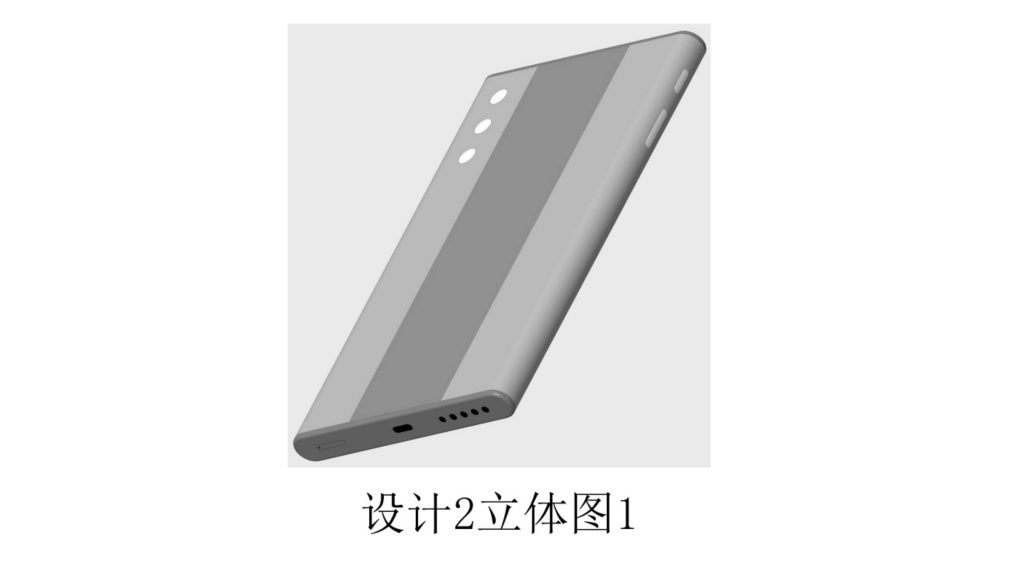
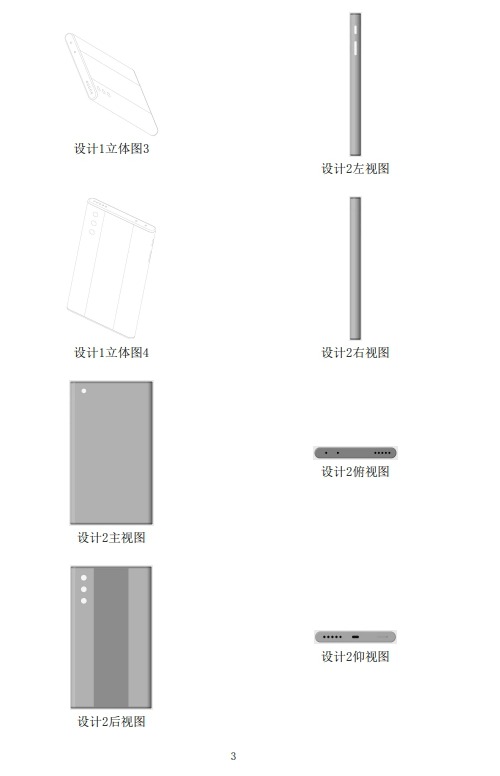
According to IThome, Xiaomi has filed a design patent with CNIPA (China National Intellectual Property Administration). This design somewhat resembles the Mi Mix Alpha from 2019.
The new surround screen smartphone design by Xiaomi is a bit different from Mi Mix Alpha. The rear part has a larger non-display area and it is located at the center rather than the left.
Further, all the cameras are located underneath the screen. It has got a single front-facing camera in the top left corner. Whereas, the triple rear cameras are vertically aligned on the left-sided back display.
A SIM card slot, a USB Type-C port, and a speaker grille are present at the bottom side. Whereas, the top consists of another speaker grille and two holes that are probably meant for microphones. Finally, the capacitive power and volume keys can be found on the left edge.
Xiaomi is known to unveil interesting products during its anniversary events in August. Perhaps, the company may announce this design concept at this year’s conference or we may never see it officially like several other design patents.
In a major move to bolster the development of new energy vehicles (NEVs) and cater to the increasing demand for public transport charging facilities, China’s State Council, the country’s cabinet and chief administrative authority, has released a comprehensive document outlining its plans to extend NEV charging infrastructure nationwide by 2030.
The document highlights the need to expedite the resolution of shortcomings in the road network charging infrastructure while encouraging the participation of various stakeholders and promoting innovative financing support from development financial institutions.
The aim of the proposed system is to provide extensive NEV charging coverage, with a moderate scale, a reasonable structure, and complete functionality. Such a robust infrastructure will serve as a strong foundation to support the rapid growth of the new energy vehicle industry. Moreover, it will effectively address the charging needs of the population, ensuring convenient and reliable charging options for electric vehicle owners across the country.
The council document states that efforts will be directed toward establishing an effective charging network in rural areas. The construction of public DC fast charging stations in urban areas of county-level cities will be actively promoted. The planning and layout of charging networks in large villages, towns, relocation areas, and key rural tourism spots will be accelerated. Additionally, the deployment of charging networks in township agencies, enterprises, institutions, commercial buildings, transportation hubs, stations, public parking lots, and logistics bases will be vigorously promoted.
The council has planned for the establishment of a well-structured urban charging network in China. It will rely on the existing urban road traffic system, prioritizing two districts (residential and office areas) and three centers (commercial, industrial, and leisure centers). The objective is to expand the network from the central city to the outskirts, gradually covering priority development areas and other regions. Integrated planning, construction, and management of charging infrastructure and parking facilities will be actively promoted to achieve comprehensive coverage across various city parking scenes.
The document, which lays out the roadmap for this ambitious endeavor, highlights the significance of expanding the charging infrastructure to meet the evolving needs of both private and public transportation. By providing convenient and accessible charging facilities, China intends to encourage the widespread adoption of NEVs, thereby contributing to a greener and more environmentally friendly transport system.
To facilitate the expansion of the charging infrastructure, local authorities will be encouraged to allocate space for construction projects and provide subsidies. This proactive approach aims to incentivize public and private entities to actively participate in the development of charging facilities. In line with this, companies will be welcomed to contribute by introducing innovative business models, such as shared charging and mobile charging services, which can further enhance the utilization of the charging network.
The ambitious charging infrastructure plan represents China’s commitment to sustainable transportation and reducing reliance on fossil fuel-powered vehicles. By addressing the challenge of limited charging availability, the government aims to propel the widespread adoption of NEVs, playing a crucial role in the country’s efforts to achieve greener and more environmentally friendly mobility.
Nothing is gearing up to launch the Phone (2) on July 11. Now ahead of the announcement, a new device from the brand has appeared on a certification website. The brand currently has products in the smartphone and TWS segment and it could expand its product portfolio by entering into a new segment. The certification listing was spotted by tipster Mukul Sharma. Read on to know more below.
Nothing smartwatch reportedly in the works, gets BIS-certified
While the #NothingPhone2 is right around the corner, if you remember, I spotted this trademark, dubbed CMF By Nothing a couple of months ago.
Well, turns out it's a smartwatch. Have also spotted the Nothing D395 in the smartwatches category on the Indian BIS certification 😀… pic.twitter.com/0npHX0Zy0r
Mukul spotted a Nothing device with the model number D395 on Bureau of India Standards (BIS) certification website. It has been listed under the smartwatches category. This suggests that the brand might foray into the wearables segment. The smartwatch could also debut under a sub-brand called CMF by Nothing. Previously, Sharma had also spotted a trademark filing dubbed ‘CMF by Nothing’
Apart from the aforementioned information, the BIS listing does not reveal any additional details about the Nothing smartwatch. We can expect the brand to launch it in the near future.
A few months ago, Nothing founder Carl Pei purchased the Galaxy Watch 5 Pro and found it useless. In a user query about Nothing’s plan to enter into the smartwatch category, he said that he picked it up to learn about the category. The latest BIS listing indicates that a Nothing smartwatch could very well be on the way.
We should expect to learn more details about Nothing’s next product after the Phone (2) in the near future.
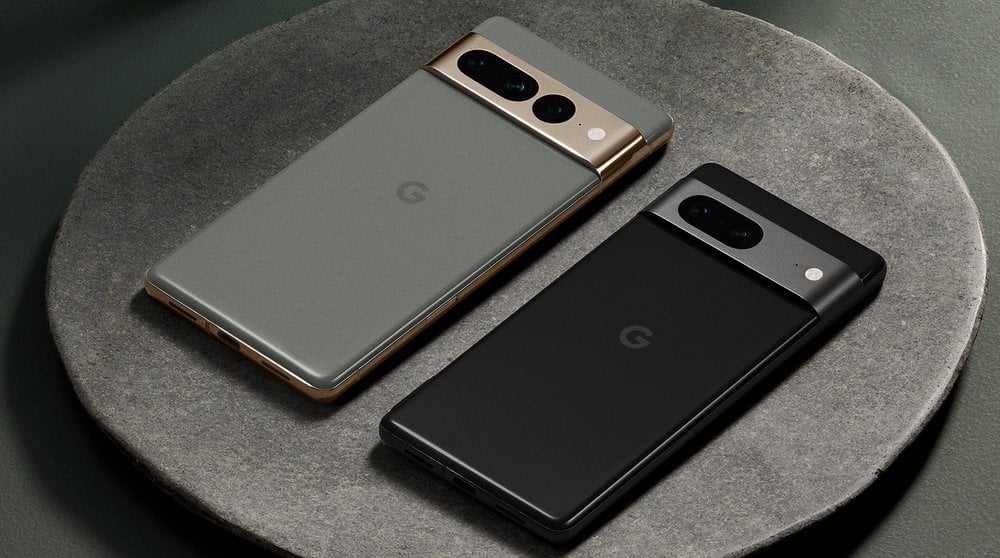
Google is expected to follow in Apple’s footsteps of diversifying its production beyond China. In September last year, there were reports of the search giant planning to shift some Pixel production to India. Now, a new report by Bloomberg reveals some more details about Google’s plans. Read on to know more below.
Google plans to move Pixel production to India
The report citing people familiar with the matter adds that Google is in talks with Foxconn’s India branch – Bharat FIH, Dixon Technologies, and Lava International. These are seen as potential partners for producing Pixel smartphones in India. Bharat FIH, Dixon, and Lava have also won the Indian Prime Minister’s product-linked financial incentives to boost local manufacturing. Cupertino-based tech giant Apple has been a part of this program for several years.
Bloomberg adds that last month, India’s Technology Minister Ashwini Vaishnaw met Google CEO Sundar Pichai for a conversation around India Stack and the government’s Make in India push. The reports of Google’s plans to manufacture Pixel phones in India come after days after the company’s top executives arrived in the country for partnership talks.
As per Counterpoint Research, Google made about 9 million Pixel smartphones last year. Local production of Pixel phones could also drive up sales in India. Additionally, the search giant could be looking to leverage the lucrative PLI scheme offered by the Indian government.
Apple has been rapidly expanding its iPhone production in India. Google could also aim to reduce its dependency on China for manufacturing its devices. People familiar with the matter warn that there is no certainty whether Google’s talks with partners will result in a deal to make Pixel phones in India.
We use cookies on our website to give you the most relevant experience by remembering your preferences and repeat visits. By clicking “Accept”, you consent to the use of ALL the cookies.
This website uses cookies to improve your experience while you navigate through the website. Out of these, the cookies that are categorized as necessary are stored on your browser as they are essential for the working of basic functionalities of the website. We also use third-party cookies that help us analyze and understand how you use this website. These cookies will be stored in your browser only with your consent. You also have the option to opt-out of these cookies. But opting out of some of these cookies may affect your browsing experience.
Necessary cookies are absolutely essential for the website to function properly. This category only includes cookies that ensures basic functionalities and security features of the website. These cookies do not store any personal information.
Any cookies that may not be particularly necessary for the website to function and is used specifically to collect user personal data via analytics, ads, other embedded contents are termed as non-necessary cookies. It is mandatory to procure user consent prior to running these cookies on your website.