Advertisement

Vivo Pad 2 live images & specs emerge in recent leak

According to reports, Vivo is set to release a new tablet named the Vivo Pad 2 this month, which will serve as a follow-up to the original Vivo Pad launched in April 2022. However, it appears that the device may only be available in China at first. Recently, live photos of the Vivo Pad 2 have surfaced on the internet alongside some specifications of the tablet.

Vivo

Live images of the upcoming Vivo Pad 2, sourced from Digital Chat Station, indicate that the tablet will have a dual rear camera setup with an LED flash, as well as the Vivo logo situated in the middle of the back panel. The display is surrounded by substantial bezels. Additionally, Vivo will be releasing official accessories, such as the Vivo Pencil and Vivo Keyboard, to go with the tablet. The photos also disclose the primary specifications of the device.

The recently leaked image has effectively confirmed the presence of MediaTek’s Dimensity 9000 chipset within the upcoming Vivo Pad 2. With a cutting-edge 4nm process, this octa-core chipset incorporates an ultra-core Arm Cortex-X2, clocked at 3.05GHz, three super-cores Arm Cortex-A710 at 2.85GHz, four efficiency cores Arm Cortex-A510, and a Mali-G710 MC10 GPU. For memory, the device is equipped with up to 8GB of LPDDR5 RAM and 128GB of UFS 3.1 storage, which can be virtually expanded to an additional 8GB. In addition, it has been disclosed that the tablet will run OriginOS 3, based on Android 13, straight out of the box.

Previous leaks have revealed that the tablet will feature a 12-inch IPS LCD display with 144Hz refresh rate and 2.5K resolution. The tablet is said to have a larger battery than its predecessor. For those unaware, the Vivo Pad features an 8040 mAh battery with support for 44W fast charging.

RELATED:

(Source)

Leaks Hint Towards AMOLED iPad Pro Prototypes for 2024 Release

AMOLED (Active Matrix Organic Light Emitting Diode) displays are known for their vivid and bright colors, deep blacks, and energy efficiency. However, Apple has yet to incorporate this type of display technology into their iPad lineup, as they have opted for their proprietary Retina Display instead. While the Retina Display has a high pixel density and offers excellent color reproduction, some users may prefer the enhanced color and contrast offered by AMOLED displays. However, it seems that Apple might be onto something here. A recent leak from a tipster has suggested that the company has AMOLED prototypes of the iPad Pro, hinting towards a possible 2024 release.

As per said leak, Apple is reportedly deviating from their standard use of flexible OLED technology on their iPhones, opting instead for rigid OLED screens. Although the latter is used by other high-end smartphones, such as Google’s Pixel 6 and Pixel 7 lineups, users have reported poor viewing angles. To avoid the ‘wrinkled’ appearance associated with some OLED displays, Apple is rumoured to incorporate hybrid OLED technology on the iPad Pro models. This technology will be mass-produced by Samsung and will consist of two-stack tandem OLED panels that will make the devices more expensive but offer a longer lifespan and better viewing angles.

There is some confusion around ShrimpApplePro’s tweet (since the tweet was originally posted on April Fools Day), but it is clear that the next iPad Pro releases will see a significant price increase of 80% compared to the latest flagship tablets. Additionally, the ongoing global chip shortage has resulted in increased component costs for many electronic devices, including iPads. Apple’s choice of display technology remains to be seen, and we can expect further details to emerge in the coming year.

RELATED:

(Via)

Upcoming WatchOS 10 Update to Spell Big Changes for Apple Watch

WatchOS is a specialized operating system developed by Apple Inc. specifically for their smartwatch line, the Apple Watch. The operating system offers a variety of features that allow users to stay connected, track fitness activities, and control other Apple devices. WatchOS supports a wide range of apps, including social media, productivity tools, and health and wellness applications. Additionally, it features the company’s digital assistant, Siri, and provides notifications for incoming calls, texts, and emails.

Apple Watch

Apple’s highly anticipated WWDC Developers Conference is just around the corner, scheduled to commence on June 5th at Apple Park. Aside from showcasing their much-anticipated mixed reality headset “Reality Pro“, Apple is also expected to provide a sneak peek into the upcoming updates of their operating systems, including iOS 17 and watchOS 10. Notably, according to Bloomberg’s Mark Gurman, watchOS 10 is expected to feature significant UI changes. These changes may include an interface overhaul, new watch faces, gesture control, an array of new shortcuts or even new applications that may contribute to the user experience of the Apple Watch user overall.

Despite no significant hardware changes being expected following the launch of the Apple Watch Ultra, Gurman predicts larger displays for the Apple Watch Series 10 models to be launched next year. Watch enthusiasts can expect a more significant watchOS 10 upgrade compared to iOS 17, which will be coordinated with the release of the latest Apple Watch models in September. Being the best-selling smartwatches in the world, it is apparent that the company has to go above and beyond with its R&D for new features and integrations for the same. Who knows, Apple might introduce another big health-tracking feature with the new update that is purely software oriented. Regardless, fans of the product will have to wait just a couple of more months to see what Apple has in store for them.

RELATED:

(Via)

Meizu 20 and 20 Pro now available for purchase in China; pricing starts at 2,999 yuan ($435)

A few days ago, Chinese smartphone manufacturer Meizu launched its latest flagship smartphones — Meizu 20 and Meizu 20 Pro. Now, starting today, both smartphones are available for purchase in the Chinese market.

The Meizu 20 starts at 2,999 yuan (~$435) for the base model with 12GB RAM and 128GB storage, while the 12GB + 256GB model is priced at 3,399 yuan (~$494). There’s also a 12GB + 512GB model which is available for 3,799 yuan (~$552).

Meizu 20 Series

On the other hand, the Meizu 20 Pro starts at 3,999 yuan (~$581) for the 12GB + 128GB model, and the 12GB + 256GB model costs 4,399 yuan (~$639). The top-end model in the lineup with 12GB RAM and 512GB storage is priced at 4,799 yuan (~$697).

Coming to the specifications, the standard model features a 6.5-inch display with a 144Hz refresh rate, whereas the Pro model boasts a 6.81-inch display with 2K resolution, 120Hz adaptive refresh rate, 100 percent DCI-P3 color gamut, up to 1,800 nits peak brightness, and HDR10 support. There is an in-screen fingerprint scanner and Gorilla Glass Victus protection on both devices.

Under the hood, the devices come powered by the Qualcomm Snapdragon 8 Gen 2 processor, coupled with LPDDR5 RAM and UFS 4.0 storage. The smartphones also come with a vapor cooling chamber for heat dissipation. 

In the camera department, the Meizu 20 has a 50MP primary sensor, 5MP macro unit, and a 16MP ultra-wide-angle lens, while the Meizu 20 Pro features a 50MP primary sensor, a 50MP ultra-wide-angle lens, and a 50MP telephoto unit. There’s a 32MP front-facing camera on both devices.

Both the phones run the Android 13 operating system out-of-the-box with Flyme OS on top. The Meizu 20 is powered by a 4,700mAh battery with support for 67W fast charging, while the Pro model is powered by a 5,000mAh cell with support for 80W fast charging and 50W wireless charging.

RELATED:

Western Digital to soon launch cheaper Xbox storage expansion cards

Microsoft’s Xbox gaming consoles support expandable storage and right now, if you are in the market for expandable storage, then the only option available is from Seagate.

But that is about to change soon as Microsoft appears to be ready to offer expandable storage options for the Xbox lineup from other manufacturers or at least one other company — Western Digital.

Western Digital Xbox Storage Expansion Card

A new 1TB expansion card for the Xbox Series X and Series S consoles, manufactured by Western Digital, has been spotted on the website of online retailer Best Buy, carrying a price tag of $179.99.

The company hasn’t officially announced the product yet, meaning that it is not yet available for purchase. Soon after the reports started surfacing online about the listing on Best Buy, the online retailer took the listing offline.

Microsoft first launched the Xbox expandable storage cards about three years ago in multiple storage capacities, ranging from 512GB to 2TB, exclusively from Seagate. The pricing for the product didn’t go down even after these many years, while pricing for similar products for Sony PS5 dropped significantly.

With the new options coming from Western Digital, there will finally be an expandable storage card for the Xbox Series X/S that is not manufactured by Seagate, and that too at a lower cost than what they are currently selling for. Given that it was listed on Best Buy with a price tag, we expect them to get launched soon, within a few days, if not weeks.

RELATED:

Via

Realme 11 Pro, 11 Pro+ chipset tipped, likely to launch in May

The upcoming Realme 11 Pro series of smartphones have appeared on TENAA recently. It is believed the Realme smartphone with model number RMX3770 will debut as the Realme 11 Pro, whereas the RMX3740 smartphone will be called the Realme 11 Pro+ when it arrives in the Chinese market. The TENAA certification of both smartphones has revealed that these phones have identical specs and mainly differ in the camera department.

The TENAA certification of the Realme 11 Pro and 11 Pro+ has revealed that they are powered by a 2.6GHz octa-core processor. According to tipster Abhishek Yadav, both smartphones are equipped with the Dimensity 1080 chipset. He added that both smartphones will debut in the Chinese market in May.

Realme 11 Pro
Realme 11 Pro

The Realme 11 Pro will arrive with a 100-megapixel + 2-megapixel dual-camera system, whereas the 11 Pro+ will come with a 200-megapixel + 8-megapixel + 2-megapixel triple camera unit. The vanilla model will have a 16-megapixel camera on the front for selfies, whereas the 11 Pro+ will have a 32-megapixel front-facing camera.

Both smartphones will arrive with a 6.7-inch AMOLED display with curved edges. The 11 Pro duo is expected to support a Full HD+ resolution and a high refresh rate. Both smartphones will arrive with up to 16 GB of RAM and up to 1 TB of storage.

The Realme 11 Pro and 11 Pro+ will lack support for external storage. On the security front, they will feature an under-display fingerprint scanner. The 11 Pro will house a 4,870mAh (rated value) battery, whereas the 11 Pro+ has a 2,340mAh dual-cell battery, which may offer a combined typical value of 5,000mAh.

In related news, Realme will launch the Snapdragon 7 Gen 2-powered Realme GT Neo 5 SE in the Chinese market. It will arrive as a toned-down version of the Realme GT Neo 5.

RELATED:

(source)

Gogoro unveils a slew of electric bikes at the 2023 Seoul Mobility Show
Taiwanese electric bike brand Gogoro has been making waves in the electric mobility sector since it was founded in 2011. One of the brand’s biggest innovations is its battery-swapping system, which allows users to easily swap out their depleted battery for a fully charged one at a network of convenient stations. This system has helped to address the issue of limited range that often plagues electric vehicles, and has helped to make Gogoro’s scooters a popular choice for commuters in Taiwan and other Asian markets.

Gogoro Electric Bikes

At the 2023 Seoul Mobility Show, Gogoro showcased some of its most popular models, as well as a few new ones that are worth mentioning. The EV-C1, in particular, stood out due to its maxi-scooter styling and longer range. This model is likely to appeal to Korean consumers who are looking for a more powerful and capable electric scooter, and could help to further expand Gogoro’s presence in the country.
In recent years, Gogoro has been expanding its reach outside of Taiwan, with a particular focus on other Asian markets. The brand’s strategy has been to partner with local companies in each market, in order to better understand the needs and preferences of consumers in each country. This approach has proven successful so far, with partnerships formed in Singapore, India, the Philippines, and now, Korea.

Gogoro Electric Bikes

One of the advantages of Gogoro’s battery-swapping system is that it can be easily adapted for use in different types of vehicles, including motorcycles and cars. This opens up a range of possibilities for the brand, and could help it to further differentiate itself from other players in the electric mobility sector.

Related:

(source)

iQOO 11s key specifications, variants, launch timeline tipped

iQOO unveiled the iQOO 11 and 11 Pro flagship phones in China in December 2022. While the Pro model has remained exclusive to the Chinese market, the vanilla model has been released in several markets outside of China. Now tipster Paras Guglani has teamed up with a publication to leak the key specifications of the iQOO 11s.

As per the leak, the iQOO 11s will have the model number V2304 for China. The smartphone will release in the global market, but its international variant will have a different model number. The device is expected to be released in the third quarter of 2023. There is a possibility that it may debut around July or August this year.

iQOO 11s specifications (rumored)

iQOO 11 5G
iQOO 11 5G

According to the report, the iQOO 11s will be powered by the world’s first Dimensity 9300 chipset, or the Dimensity 9000-series chipset. The device is expected to arrive in two variants, such as 8 GB RAM + 256 GB storage and 12 GB RAM + 256 GB storage.

The iQOO 11s will come equipped with a 6.78-inch E6 AMOLED display that offers a Quad HD+ resolution of 1440 x 3200 pixels. The leak has no information on the cameras, battery, or fast charging capabilities of the iQOO 11s.

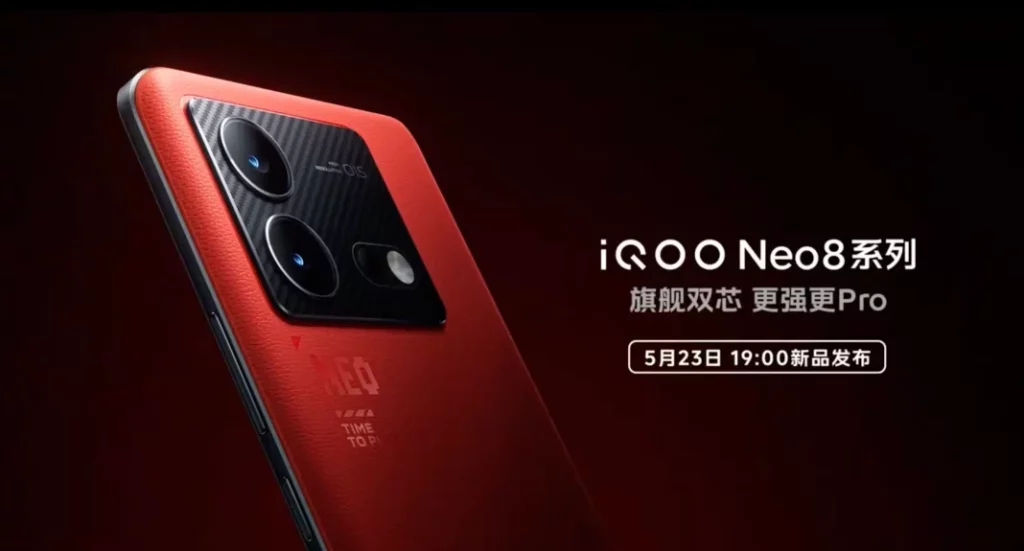
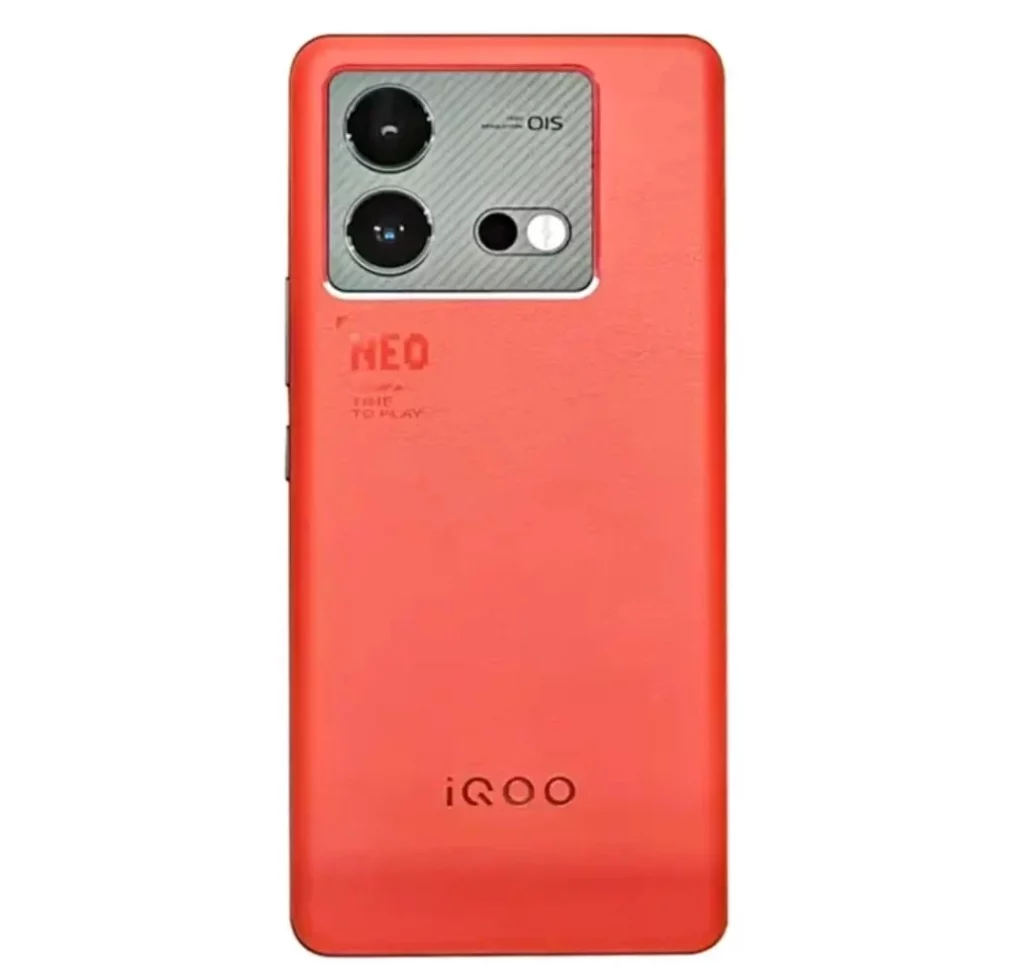
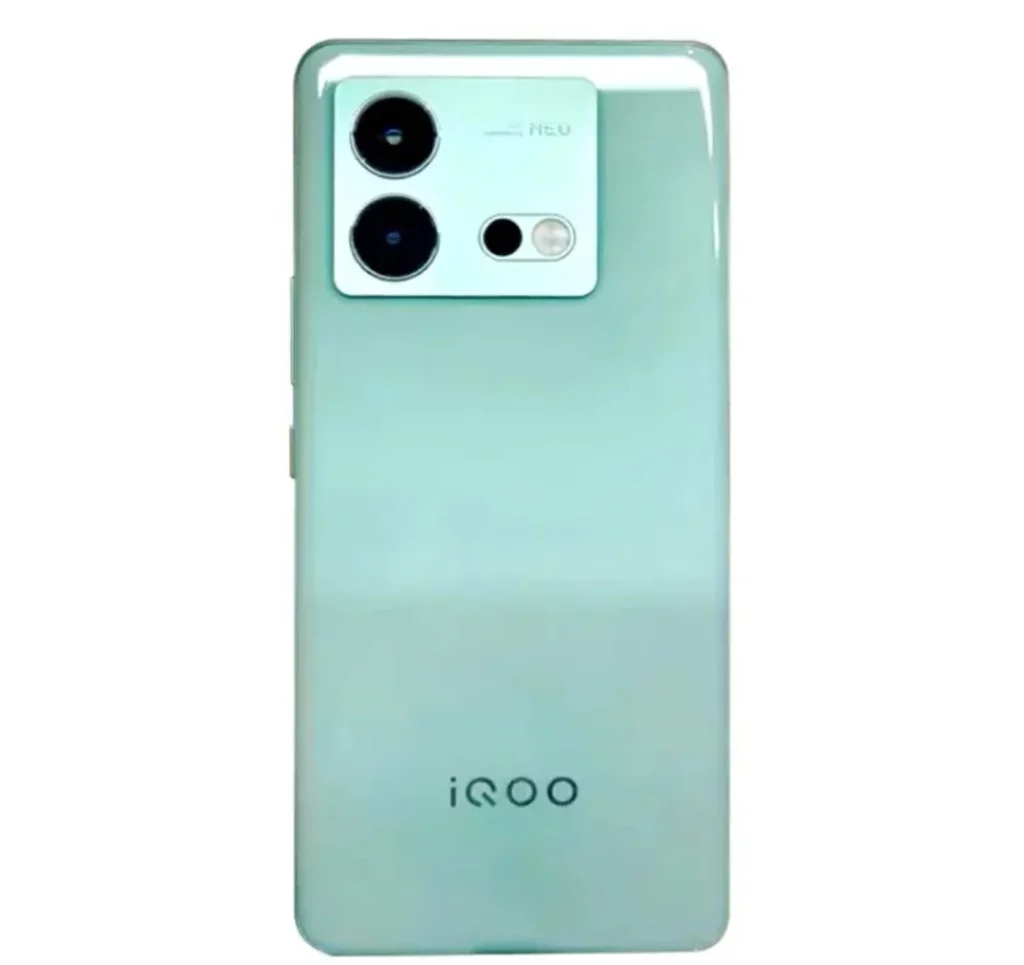
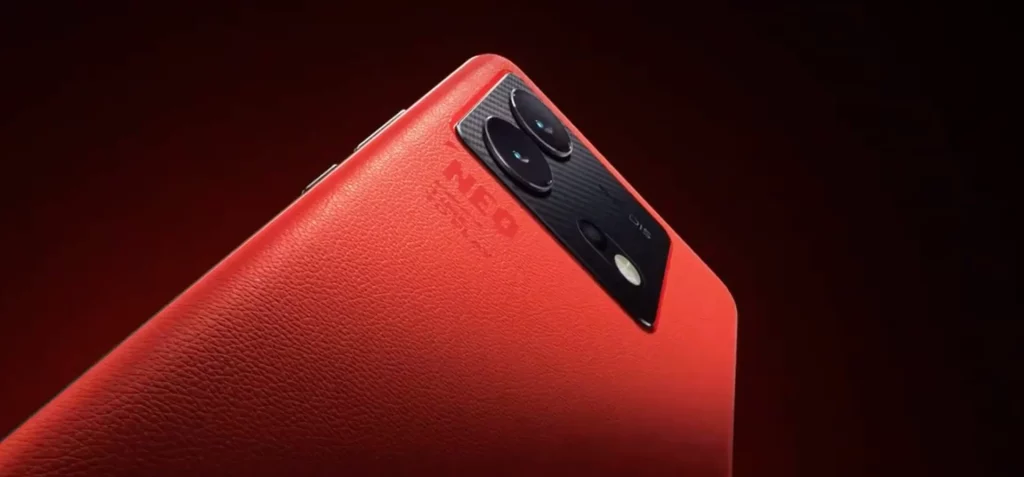
In related news, iQOO has recently launched the iQOO Z7, iQOO Z7x, and iQOO Z7i smartphones in the Chinese market. Reports have revealed that iQOO will unveil the iQOO Neo 8 and Neo 8 Pro smartphones in May for the home market. The vanilla model is likely to feature the Snapdragon 8 Plus Gen 1 chipset, whereas the Pro variant will be powered by the upcoming Dimensity 9200 Plus chipset.

RELATED:

(source)

Redmi Note 12 Pro 4G specifications officially confirmed; 120Hz AMOLED display, Snapdragon 732G, 108MP camera, & more

Xiaomi Indonesia has confirmed the key specifications of the Redmi Note 12 Pro 4G. It will be the fifth smartphone in the Note 12 series after the Note 12 4G, Note 12 5G, Note 12 Pro 5G, Note 12 Pro+ 5G. The new smartphone bears similarities with the global version of the Redmi Note 10 Pro, which debuted in March 2021. It appears that the device will be soon available for purchase in the Indonesian market.

Redmi Note 12 Pro 4G specifications and features

The Redmi Note 12 Pro 4G has a 6.67-inch AMOLED display with a centred punch-hole. The screen produces a Full HD+ resolution of 1080 x 2400 pixels and a refresh rate of 120Hz like other Note 12 series smartphones.

Redmi Note 12 Pro 4G key specs

The Snapdragon 732G is the chipset that powers the Redmi Note 12 Pro 4G. The SoC is equipped with 8 GB of RAM and 256 GB of storage. For additional storage, the device is equipped with a microSD card slot. The smartphone runs on MIUI 13-based Android 12 OS.  

On the front, the Redmi Note 12 Pro has a 16-megapixel selfie camera. The back panel of the device has a 108-megapixel primary camera, an 8-megapixel ultra-wide lens, a 5-megapixel macro, and a 2-megapixel depth sensor. The phone carries support for 4K video recording.

The Redmi Note 12 Pro has a 5,000mAh battery with 67W fast charging support. The device comes with other features, such as dual SIM, 4G VoLTE, Wi-Fi 802.11ac, Bluetooth 5.1, GPS, NFC, an IR blaster, a side-facing fingerprint scanner, Dolby Atmos-powered stereo speakers, and a 3.5mm audio jack.

Redmi Note 12 Pro price and availability

While the Redmi Note 12 Pro has been announced in Indonesia, there is no word on its price or availability yet. The above poster suggests that it will be available for purchase in May.

RELATED:

(source)

Vivo Y02A launched with Helio P35, 5,000mAh battery

Back in December 2022, Vivo unveiled the Vivo Y02 entry-level smartphone in India. Now, the Chinese manufacturer has unveiled the Vivo Y02A in Bangladesh. Like the Y02, the Y02A packs similar specifications and an identical design. Continue reading ahead to learn about the specifications, features, and price of the Y02A.

Vivo Y02A specifications and features

Vivo Y02A
Vivo Y02A

The Vivo Y02A has a 6.51-inch IPS LCD screen with a teardrop notch. It delivers an HD+ resolution of 720 x 1600 pixels and a 60Hz refresh rate. On the front, it features a 5-megapixel selfie camera, whereas its back panel has an 8-megapixel camera with LED flash.

Under the hood, the Vivo Y02A features the Helio P35 chipset. To recall, the Y02 has the Helio P22 SoC. The Y02A comes equipped with 3 GB of RAM, 32 GB of internal storage, and a microSD card slot for more storage.

The Vivo Y02A houses a 5,000mAh battery with 10W charging. On the connectivity front, the device offers dual SIM, 4G VoLTE, dual-band Wi-Fi, Bluetooth 5.0, GPS, a microUSB port, and a 3.5mm audio jack. The smartphone ships with FunTouch OS 12 based on Android 12 (Go edition). Lastly, the Y02A measures 163.99 x 75.63 x 8.49mm and weighs 186 grams.

Vivo Y02A price and availability

The Vivo Y02A is priced at BDT 12,499 (~$117) in Bangladesh. It comes in shades like Cosmic Grey and Orchid Blue. It is unclear which other markets will receive the Y02A.

In related news, Vivo is expected to launch the Vivo T2 5G and Vivo T2x 5G smartphones in India. According to reports, the Dimensity 700 and Snapdragon 695 chipsets respectively power these devices. Both devices are expected to be sold through Flipkart for under Rs 20,000 (~$243).

RELATED:

IKEA SAMMANLANKAD solar LED lamps announced in partnership with Little Sun

IKEA has collaborated with Little Sun to develop two new solar LED lamps under the SAMMANLANKAD moniker. The table and ceiling solar LED lamps will enable Little Sun to scale up the coverage of its energy solutions. Little Sun is a non-profit organization that produces alternative energy solutions with affordability as a driving factor. It continues to pursue its goal of providing clean energy solutions to a wider audience globally.

IKEA SAMMANLANKAD solar LED lamps

The new solar LED lamps were designed to mimic the sun and the earth’s orbit. The lamp has a 23.5-degree angled central light source fixed on a mirrored surface with metal rings surrounding it. It is available as a table lamp with a base stand or a ceiling-mounted pendant model.

The inner solar-powered light of the lamp is detachable and it is half-sphere-shaped with a yellow strap. You can carry the smaller device around or hang it. The lamp is powered by solar panels and rechargeable batteries. You can also charge the lamp via USB-A or USB-C if needed. The ports can also be used to charge your smartphone or other mobile devices.

IKEA SAMMANLANKAD solar LED lamps

The brightness capacity of the IKEA SAMMANLANKAD solar LED lamps has not been specified. The company however says that they have a relatively high light output because of the size of the LED bulbs.The two lamps will be released this month in selected markets. Pricing details and other parameters are not known at this time.

RELATED

ASUS Chromebox 5 mini host with Intel Core U series processors now on sale

The Asus Chromebox 5 mini host has now entered the market after its release in January. The new Asus mini host comes with the Core U series 12th-gen processors up to Intel Core i7 with 32GB DDR4 memory. The Asus Chromebox 5 offers outstanding performance and instantaneous response for improved productivity. It also enables seamless multi-tasking without any slowdowns.

ASUS Chromebox 5 mini host

The Asus Chromebox 5 runs on ChromeOS and supports single-channel DDR4-3200 memory and up to PCIe Gen 4×4 SSD. It is equipped with two HDMI ports, a DisplayPort, Ethernet with 2.5Gbps, four USB-A and a 3.5mm audio jack. There are also rear Thunderbolt 4 and USB-C ports. Wireless support via Wi-Fi 6E is also available in the mini host. The mini host is equipped with Intel Iris Xe graphics to deliver stunning visuals.

ASUS Chromebox 5 mini host

The mini host supports up to four 4K displays and the Thunderbolt 4 provides fast and versatile connectivity. The system enjoys automatic software and security updates to protect it from viruses and malware. The built-in Google Play support allows the user to access the full complement of applications. The Chromebox 5 also supports Zero-Touch-Enrolment and IT management is easier by Chrome Enterprise.

ASUS Chromebox 5 mini host

The Chromebox 5 mini host can support up to 15W wireless charging and the i5-1240P model is priced at $660. Asus says the Chromebox 5 mini host offers an immersive user experience that combines superior performance with cutting-edge functionality. It also offers aesthetic appeal with its sleek, stylish, and eco-friendly design. The Chromebox 5 has a scratch-resistant finish.

RELATED:

Google’s Virtual Assistant Team Shifts Gears for Bard

Artificial intelligence is becoming more and more important every day. The situation is so critical that even Google, a long-standing leader in Silicon Valley, is at risk of its future. ChatGPT has even managed to outdo most search engines and make many websites unnecessary (NOT Gizmochina) . However, the technology giant is aware of the danger and is taking steps to address it. According to recent reports, the company is restructuring its virtual assistant unit to focus on its AI chatbot, Bard. Here are the details…

Google restructures virtual assistant team to focus more on Bard

Google is restructuring its virtual assistant team to Bard. This move was announced by Sissie Hsiao, the vice president and lead of Google Assistant’s business unit. One of the primary reasons behind this reshuffling is the company’s focus on Bard. This AI chatbot is Google’s answer to ChatGPT, and the company has big plans for its development. To achieve this goal, it is enlisting the help of its virtual assistant unit.

OpenAI ChatGPT and Google Bard

The company wants to integrate Bard into all of its products, including Nest smart speakers, Pixel phones, and Android Auto. This suggests that Google may have significant plans for Bard and Google Assistant in the future. As part of the reshuffling, Jianchang Mao, vice president of engineering for Google Assistant, who reported directly to Hsiao, is leaving the company for “personal reasons”.

He will be replaced by Peeyush Ranjan, the former vice president of Google’s commerce organization. Meanwhile, Amar Subramanya, Google Assistant engineering vice president, is now leading the engineering efforts for the Bard team. Trevor Strohman, who was previously in charge of leading these engineering efforts, will continue as an “Area Tech Lead” for Bard.

The restructuring and increased focus on Bard underscore the growing importance of AI and chatbots in today’s technology landscape. As Google continues to push the boundaries of AI, it is clear that the company sees Bard as a key part of its future.

RELATED:

(via)

Google Bard Gets a Major Upgrade to Compete with ChatGPT and GPT-4

Artificial Intelligence is becoming more and more popular on the internet, and we hear about new AI advancements almost every day. However, most of the news we hear about AI developments is related to ChatGPT. This might come as a surprise to some, as even trillion-dollar tech companies are still lagging behind OpenAI when it comes to AI technology. However, Google is now looking to change this. The CEO Sundar Pichai recently announced that they will be upgrading Bard AI to more capable models next week. Here are the details…

Bard AI will be upgraded to more capable models next week, reveals Google CEO

Google unveiled their AI chatbot named Bard a while ago, which was supposed to compete with ChatGPT. However, the chatbot gave an wrong response which was an embarrassing moment for the company. This caused a loss of $100 billion in market value for the tech giant. In response to critiques of Bard’s failed demo in February, the CEO of Google has recently addressed the issue.

CEO Sundar Pichai “assured” listeners in an interview for The New York Times’ Hard Fork podcast on Friday that Bard would soon be upgraded to a more capable Pathways Language Model (PaLM). Pichai explained that PaLM is a more current language model that is larger in scale and better suited to handle tasks such as logical reasoning and coding issues. Bard is currently operating on a lightweight and efficient version of LaMDA. The upgrade to PaLM will bring more capabilities, such as better math problem-solving and reasoning skills.

Pichai acknowledged that the company’s conservative approach to AI development had contributed to Bard’s limitations. He revealed that he had discussed the project with Google co-founders Larry Page and Sergey Brin and that it was important not to release a more capable model before they could handle it well. Despite the setbacks, Pichai is optimistic about the future of AI and its potential benefits. However, he also emphasized the importance of anticipating the risks associated with AI’s rapid growth and evolving to meet those challenges.

Bard was released to the general public in the U.S. and U.K. on March 21 but has failed to generate as much attention as Microsoft’s Bing AI chatbot and OpenAI’s ChatGPT. With the upcoming upgrade, Google hopes to catch up to its rivals in the AI chatbot space.

RELATED:

(via)

Huawei CEO claims Apple iPhone’s failure rate is higher than Huawei

Huawei’s CEO, Richard Yu, recently revealed at the China EV100 Forum that Huawei’s failure rate is only a fraction of Apple’s, marking a significant turnaround for the company’s quality management system. When Yu first took over the business, Huawei’s failure rate was much higher than Apple’s, but the situation has now reversed.

Huawei CEO

Huawei’s continuous investment in research and development, amounting to 25.1% of their annual revenue in 2022, has enabled the company to achieve high-quality smartphones and a better consumer experience. The company’s focus on quality and consumers has been emphasized by Yu Chengdong, CEO of Huawei Consumer Business Group, who stated that quality is the highest priority for Huawei, above cost and profit.

The latest flagship devices from Huawei, the P60 series and Mate X3 foldable phone, are a testament to the company’s commitment to providing the best customer user experience. These devices come with HarmonyOS-powered software, providing a bug-free and smoother user experience.

In contrast, Apple’s recent releases have been plagued by bugs that have disrupted iOS, highlighting the challenges of adding new features to smartphones. While Apple may be low-key in its innovations, it is crucial for the company to address these bugs to maintain its market position.

Overall, Huawei’s success in improving its failure rate and providing a better customer experience demonstrates the importance of continuous improvement and investment in research and development. As the smartphone market continues to evolve, it will be interesting to see how companies like Huawei and Apple adapt and innovate to meet future challenges.

RELATED:

(Source)

Xiaomi Mi 10 gets MIUI 14 stable update in China

Xiaomi Mi 10 smartphone users have reason to cheer as the company has officially rolled out the MIUI 14 update in China. The latest stable version, with build number 14.0.2.0.TJBCNXM has been pushed to the devices and brings a range of exciting features and upgrades. The 4.1GB update is based on Android 13 and includes the March security patch, making the Mi 10 even more secure.

One of the key upgrades in this update is the Photon engine architecture, which accelerates both system and third-party applications. This means that users can experience faster app loading times and smoother performance. The new personalized visuals bring a fresh look to the interface, making it more appealing and easier to use.

Another significant feature of MIUI 14 is the on-device privacy capabilities. This includes on-device image and text recognition, which enhances privacy by processing images and text locally on the device without the need to send them to the cloud. This feature also helps in reducing the risk of data breaches.

Moreover, Xiaomi has upgraded its voice assistant to a personal intelligent assistant called Xiao Ai. It now includes a range of intelligent products, such as Xiao Ai Voice, Xiao Ai Vision, Xiao Ai Translator, and Xiao Ai Calls. These features make the device more user-friendly and convenient, providing a personalized touch to the user experience.

The system settings have also been improved, and they can now retain search records and display search results in groups. Xiaomi smart card support has also been expanded, with the addition of more types, including multi-brand digital car keys and university campus cards.

Overall, the MIUI 14 update for Mi 10 brings a range of exciting features and upgrades, making the device more powerful, user-friendly, and secure. Users are recommended to download the update as soon as possible to experience the latest advancements.

RELATED:

Google Pixel 7a rumored to launch with 256GB storage and five color options

Google is gearing up to launch the Pixel 7a, a mid-range smartphone, at its I/O 2023 event on May 10. As per the latest leak by tipster Paras Guglani, the phone is expected to launch in five different color options, which is a first for the A-series Pixel phones. These colors include Dinuguan Black, Crispy Kale, Mayo Cream, Tide Orange, and Vibrant Ube. Additionally, the Pixel 7a is also tipped to come with a 256GB storage option, which is double the storage of its predecessor, the Pixel 6a.
Google Pixel 7a

Apart from the increased storage, the Pixel 7a is rumored to have 8GB of RAM, which is a bump up from the 6GB RAM on the Pixel 6a. The phone is expected to have a dual-camera setup on the back, with a 64MP Sony IMX787 main camera sensor and a 12MP ultra-wide camera sensor. For selfies, the phone is said to feature a 10.8MP front camera, which is the same as the one found in the more premium Pixel 7 and Pixel 7 Pro.

The Pixel 7a will come with a 6.1-inch OLED display with a 90Hz refresh rate and a Full HD+ resolution. The phone will have a punch-hole cutout at the top center of the screen. Under the hood, the phone is likely to feature the Tensor G2 SoC, which is Google’s custom-designed chipset.

The phone’s design renders reveal a metallic visor-like camera module on the back, and it is said to support 5W wireless charging. However, the battery and charging speed details are currently unknown. The Pixel 7a will run Android 13 out of the box, and it is expected to launch in India soon after the I/O 2023 debut. The phone was also leaked in real-life images. More information on availability and pricing is expected to be announced by Google soon.

RELATED:

(Source)

Italy Bans ChatGPT Over Privacy Concerns

The ban on ChatGPT in Italy has raised concerns over data privacy and the regulation of AI technology. ChatGPT, an AI-powered chatbot developed by OpenAI, has become increasingly popular worldwide since its launch in November 2022. The chatbot’s impressive abilities have been utilized by users for various purposes, including writing essays, generating ideas for video content, and composing poetry. However, the ban in Italy marks the first time that a country has taken action against the use of an AI chatbot.

ChatGPT ban

The Italian government’s data protection authority has accused OpenAI of unlawfully collecting personal data from users and failing to have adequate age-verification measures in place to prevent minors from being exposed to illicit material. The ban comes after a data breach was reported on March 20, which OpenAI CEO Sam Altman acknowledged. The ban has prompted OpenAI to provide additional information and possible remedies before the Italian government makes a final decision on the future of ChatGPT in the country.

The ban in Italy has caused concern among ChatGPT users and the wider tech community. As AI technology continues to advance and become more integrated into our daily lives, it is likely that more countries will implement stricter regulations to ensure the protection of user data and privacy. OpenAI’s response to the ban highlights the need for AI regulation, which has been a topic of discussion among tech experts for some time.

In a recent interview with podcast host Lex Friedman, Sam Altman talked about the possibility of AI replacing some human jobs, including customer service. He acknowledged that he was worried about how quickly this change would come, but also stated that human creativity is limitless and we find new jobs to do eventually.

The ban on ChatGPT in Italy serves as a reminder of the importance of protecting user data and privacy in the age of AI. As AI technology continues to evolve, it is essential that governments and tech companies work together to develop ethical and responsible practices that ensure the safe and secure use of AI technology.

RELATED:

OnePlus Nord CE 3 Lite Roundup: Specs, Pricing, and everything else
The first Nord smartphone debuted in 2020 and if you keep up with the industry, you might remember the kind of hype OnePlus built around it. The PR team was clearly doing overtime, and truth be told, the smartphone largely lived up to the hype. After the original Nord, the company launched a bunch of other phones in the series— some were pretty great, while others not so much.

Soon, the Chinese company will be launching another Nord-branded smartphone, called OnePlus Nord CE 3 Lite. It is scheduled to debut on April 4 and is expected to target the lower mid-range segment with decent specifications. OnePlus has been teasing the handset extensively and there’s a considerable amount of information available out there. So, here we have gathered everything about the upcoming OnePlus Nord CE 3 Lite.

OnePlus Nord CE 3 Lite

Design and Display

OnePlus Nord CE 3 Lite 5G (well, the name is indeed a mouthful) will debut with a pretty standard design. The phone will have a slightly curved back panel featuring two rings positioned at the top right corner. One of the rings will contain the primary camera, while the other will house the depth and macro shooters. OnePlus has been teasing the phone in a striking pastel lime color, but there might be other color options as well.

The front is business as usual. You get a flat display with a punch-hole cutout on the top center. There are thin bezels on the sides. However, the chin is comparatively thicker. All in all, the Nord CE 3 Lite looks premium for an entry-level smartphone.

OnePlus-Nord-CE-3-Lite-5G-1

As per the company, the smartphone’s display will measure 6.72 inches and offer a 120Hz refresh rate. It is currently unclear whether the handset will feature an AMOLED panel, as it is equipped with a side-mounted fingerprint reader which suggests otherwise. In any case, the Nord CE 3 lite’s display is considerably better than its predecessor, which debuted with a 6.52-inch panel supporting only a 90Hz refresh rate.

Specifications

As mentioned, the OnePlus Nord CE 3 Lite will arrive as a mid-range smartphone and sit right below the higher-end Nord phones. OnePlus markets the phone as a gaming device, but its processor suggests that it may not be entirely performance-oriented and instead, geared toward everyday tasks. In any case, it should still be capable of handling most tasks efficiently.

The Snapdragon 695 SoC on the smartphone will be paired with 8GB of RAM plus up to 8 extra gigs of virtual RAM, along with 128GB storage. To remind you, this is the same processor as the OnePlus Nord CE 2 Lite and features an octa-core architecture with a fast cluster of two cores with up to 2.2 GHz. The smartphone will be powered by a 5,000mAh battery and will support 67W charging, which is significantly faster than what most phones in this segment offer.

OnePlus-Nord-CE-3-Lite-2

According to reports, the device will receive two years of major OS updates and three years of security updates, which is consistent with what other manufacturers typically provide, with the exception of Samsung. The Korean company offers a minimum of three major updates even for its budget-friendly phones.

For photography, the Nord CE 3 Lite will feature a triple camera unit, headlined by a 108MP primary camera with support for optical image stabilization (OIS). This is a first for a Nord-branded smartphone. OnePlus says the main sensor will offer 3x lossless zoom. It will be accompanied by a 2MP macro lens and a 2MP depth shooter on the back. The handset may feature a 16MP front-facing camera for selfies and video calls.

Expected Pricing

As per a report, the OnePlus Nord CE 3 Lite will be available in a sole 8GB + 128GB memory configuration in India, with an MRP (Maximum Retail Price) of ₹27,999. However, it is widely known that products are not sold at MRP in India, so the actual cost is likely to be lower, possibly below ₹25,000. Despite this, the device will still be more expensive than its predecessor, the OnePlus Nord CE 2 Lite.

RELATED:

Samsung Galaxy S23 FE tipped to launch in Q4 2023, key specifications leaked

There have been mixed reports about the existence of the Samsung Galaxy S23 FE. While some of the recent reports claimed that it does not exist, a new report courtesy of Sammobile has revealed that it will debut in the fourth quarter of 2023. It has also tipped the key specifications of the device.

The Snapdragon 8 Gen 2 chipset is used to power the Galaxy S23, the Galaxy S23+, and the Galaxy S23 Ultra. However, as per the new report, the Galaxy S23 FE will be equipped with an Exynos 2200 chipset.

Samsung Galaxy S21 FE

The Exynos 2200 is Samsung’s first chipset to feature an AMD GPU. It is the same chipset that powers the Galaxy S22 lineup in the European market.

The report further states that the Galaxy S23 FE will have a 50-megapixel primary camera, which will be a major upgrade since the S20 FE and S21 FE have had a 12-megapixel main camera.

The Galaxy S23 FE will arrive in 128 GB and 256 GB storage versions and 6 GB and 8 GB RAM variants. It will pack a 4,500mAh battery with 25W fast charging support. The S23 FE will have the SM-S711x model number. The other details of the smartphone are yet to be revealed.

In related news, Samsung has reportedly started working on the Galaxy S24 series. Some reports have claimed that the lineup will not have the S24+ model. Another report revealed that the Galaxy S24 Ultra will have a 144Hz AMOLED display and will be powered by the upcoming Snapdragon 8 Gen 3 chipset. It will be equipped with an improved 200-megapixel primary camera. The S24 series is expected to launch in the first quarter of 2024.

RELATED:

(source)