Advertisement

US District Court Orders Github to Identify Suspect who Leaked Twitter Source Code

Quite recently, portions of Twitter’s source code were leaked online on Github. This incident has caused significant embarrassment for the company’s new owner. Court filings indicate that Twitter claimed copyright infringement and requested that the code be taken down from Github. The code was removed on the same day, but details regarding how long it had been available online were not disclosed. Twitter also requested the US District Court to order Github to reveal the identity of the user who posted the code and those who accessed and downloaded it. That request is now a subpoena: the US District Court for the Northern District of California has issued a subpoena to Github demanding that it identify GitHub user “FreeSpeech Enthusiast,” along with any “name(s), address(es), telephone number(s), email address(es), social media profile data, and IP address(es)” associated with the user.

Twitter

A data leak of any sort is quite serious for an organization because it represents a failure to protect sensitive information and maintain the trust of stakeholders. Furthermore, Twitter being one of the most active social media platforms in the world, it becomes increasingly important to secure the credentials and data of tons of users. It highlights a lack of proper security protocols and can have serious consequences for the organization’s financial and reputational well-being. This step by Twitter will ensure that any future threats are at least subdued since taking absolutely no action in a source code leak such as this can solidify the company’s image in a bad light not only for stakeholders but also for its user base.

Sources within Twitter suspect that a disgruntled former employee may be behind the leak, and the company hopes that the information provided by Github will help them determine if the source code was posted by one of the thousands of workers laid off following Elon Musk’s acquisition of the company last year. The deadline to produce the data of the suspect is April 3.

RELATED:

(Via)

High Retail Prices, Low Production Costs for the iPhone 15 Pro Max

iPhones frequently make headlines not only for their features but also for their prices. These top-selling flagship phones in the world are anything but cheap. Naturally, this is expected, as you’d be ready to pay a premium for high-end features like a powerful processor, a high-quality OLED screen, and an impressive camera. However, while users may face these high costs, Apple seems to have a different experience. In fact, the periscope lens for the upcoming iPhone 15 Pro Max costs Apple a mere $4, thanks to successful negotiations. Here are the details…

iPhone 15 Pro Max periscope lens costs Apple just $4

The iPhone 15 Pro Max is set to feature a groundbreaking periscope lens, allowing a much greater optical zoom for the telephoto lens. With the potential for at least 10x zoom, it will far surpass the 3x maximum available on the iPhone 14 Pro and Pro Max. This advanced lens design solves the depth limitations of smartphone cameras by utilizing a prism to bend light 90 degrees, enabling a horizontal lens assembly within the camera body.

Kuo’s report suggests that Apple has negotiated a deal with Largan to supply the periscope lens for only $4, a price that barely allows the supplier any profit margin at all. This contrasts with the market consensus of $4.5 to $5 or higher for the component. Despite the razor-thin margins, Largan is expected to be the sole lens supplier for the iPhone 15 Pro Max periscope camera.

In previous years, Apple has strategically split its orders for iPhone camera lenses between Largan and Genius, pitting the two suppliers against each other to secure the best pricing. This year, Largan has managed to secure all orders for the periscope lens, albeit at a heavily discounted price. Kuo’s report also indicates that Genius will supply the periscope lens for the iPhone 16 next year, potentially driving component costs even lower.

This tag price serves as a reminder that Apple’s ability to maintain its profit margins and provide cutting-edge technology to customers is not only dependent on its engineering prowess, but also on its negotiating skills with suppliers.

RELATED:

(via)

Google Accused of Stealing ChatGPT: Is There Truth Behind the Claims?

The AI wars are in full swing as companies scramble to respond to the success of OpenAI’s ChatGPT. Google has recently introduced its AI chatbot, Bard, as a competitor in the field. However, allegations of intellectual theft have emerged, with claims that Google copied the technology from Microsoft-owned OpenAI’s ChatGPT. Google has now responded to these allegations. Here are the details…

Google denies it copied ChatGPT to train its own AI chatbot Bard

The allegations were sparked by a report in The Information, which claimed that ChatGPT’s success has prompted two AI research teams within Alphabet, Google’s parent company, to set aside their intense rivalry and collaborate. The report stated that engineers from Google’s Brain AI group are working alongside employees at DeepMind, a sibling company within Alphabet, on a joint effort called Gemini. This collaboration reportedly began after Google’s initial attempt to compete with OpenAI’s chatbot through Bard stumbled.

Google Bard vs OpenAI chatGPT

In a conversation with The Verge, a Google spokesperson refuted these allegations, stating, “Bard is not trained on any data from ShareGPT or ChatGPT.” Google has also announced the early access release of Bard as an experimental collaboration with generative AI for users. Bard’s early access is currently available in the United States and the United Kingdom, with plans to expand its availability to more countries and languages. Like its competitors OpenAI’s ChatGPT and Microsoft’s Bing chatbot, Bard is based on a large language model (LLM). It employs a lightweight and optimized version of LaMDA, which Google has confirmed will be updated with newer, more capable models in the future.

Users can interact with Bard by asking questions and refining their responses through follow-up questions. This interactive approach will allow users to explore the capabilities of Google’s AI chatbot and provide valuable feedback for future development. Despite allegations of copying ChatGPT, Google remains committed to its independent development and providing a unique AI chatbot experience for its users. The company has taken a firm stance against the accusations and continues to invest in the evolution of its own AI technology.

RELATED:

(via)

Makita MW001G portable microwave with USB charging unveiled in Japan

Makita has released the MW001G portable microwave with up to a 500W output in Japan. The new Makita microwave is powered by 40V 8Ah lithium-ion batteries and can heat up to 11 dishes on a full charge. The Makita MW001G has adjustable settings via some buttons and dials atop the gadget.

Makita MW001G portable microwave

Makita has established itself as a manufacturer of power tools and the MW001G is part of the 40Vmax Series. The microwave was announced earlier this year and provides quick heating solutions even on the go. There are two power output options namely 350W and 500W. The 500W option can only last for 8 minutes resulting from its higher energy consumption profile. The buttons and dials on the top of the microwave are used to start the gadget, set a timer for up to 20 minutes, or switch between power modes.

The Makita MW001G has an integrated display that shows information about the microwave’s operation. The gadget can charge devices via its 2.4 A 5V USB-A port. The oven measures 13.50 x 12.52 x 13.31 inches and weighs about 8.8kg. It has a built-in handle for easy transportation and an optional detachable shoulder strap is also available for about $8.

The gadget will debut in Japan for 110,000 Yen (~$840) but could also be available in other markets subsequently. However, there are no concrete release and pricing details for the Makita MW001G outside Japan. Initial feelers indicate New Zealand could be the first overseas market to get the device.

RELATED:

Man claims ChatGPT saved his dog’s life after vets couldn’t make proper diagnosis

ChatGPT continues to amaze us with its artificial intelligence as people continue to find different use cases every day. You might have already used the chatbot to write articles, do your homework, or even take relationship advice (not recommended). However, in a surprising turn of events, OpenAI ChatGPT’s newest version GPT-4 AI managed to save a dog’s life by providing a correct diagnosis for her medical condition when even vets could not.

A Twitter user Cooper (@peakcooper) claimed that ChatGPT has saved his dog’s life by diagnosing a blood condition that even vets failed to diagnose. The user said that his Border Collie Sassy was suffering from a tick-borne disease and was under treatment for the same. Her condition seemed to be improving relatively well but symptoms started to get worse after some time despite taking the prescribed treatment.

chatgpt

Cooper noticed that Sassy’s gums were pale, and when he took her back to the vet, her anemia was worse than before. However, the results for co-infections associated with a tick-borne disease came negative. The dog’s health kept on getting worse but the vet couldn’t figure out what was wrong.

The pet owner was advised to wait and see how his furry friend’s condition progressed. However, Cooper decided to take matters into his own hands and decided to take help from OpenAI’s chatbot. He described Sassy’s medical diagnostics to GPT-4 in great detail.

The chatbot suggested that Sassy’s blood work and test results could be due to various underlying conditions, including immune-mediated hemolytic anemia (IMHA). Cooper took this information to a second vet, and after several tests, the doctor confirmed that ChatGPT4’s suggestion was correct. With the right treatment, Sassy began to recover, and now, she is almost back to her normal self.

RELATED:

(Source)

IKEA SYMFONISK Speaker lamp with WiFi, Bamboo shade launched in partnership with Sonos

IKEA has been partnering with Sonos since 2017 to produce a range of SYMFONISK products that combine furniture with sound systems. The new SYMFONISK Wi-Fi speaker lamp with a bamboo shade is the latest addition to this lineup, offering an elegant and functional piece of furniture that can also play music wirelessly.

IKEA SYMFONISK Speaker lamp

The speaker lamp is compatible with Spotify Connect, which allows users to stream music directly from the Spotify app to the lamp speaker without any additional setup. It also supports Apple AirPlay 2, which lets users stream music from Apple devices, including iPhones, iPads, and Macs, directly to the speaker.

One of the key features of the SYMFONISK range is the ability to synchronize music across multiple Sonos speakers. The new speaker lamp is no exception, as it can be used alone to create a 180° audio experience or paired with another SYMFONISK speaker to produce stereo sound. This means that users can enjoy high-quality sound throughout their home, with the ability to control the volume and music selection from their smartphone or tablet.

The SYMFONISK speaker lamp can also be integrated into IKEA’s smart home ecosystem via the DIRIGERA hub. This allows users to control the lamp speaker using the IKEA Home Smart app, which can be used to control other IKEA smart home gadgets, such as smart lights and blinds.

The lamp base measures 16 cm (~6.3-in) wide and is compatible with an E27 LED bulb, making it easy to replace the bulb when needed. The bamboo shade measures 25 x 20 cm (~9.8 x 7.9-in) and is available in white or black, with other shade options available in glass and fabric.

The SYMFONISK Wi-Fi speaker lamp with a bamboo shade is currently available in the UK for £185 (~US$228) and in the EU for €179 to €189 (~US$195 to US$206). Ikea is selling the bamboo shade separately for £26 (~US$32).

RELATED

Logitech Zone Learn headset with swappable ear pads launched for kids

Logitech has launched its kids-centered Zone Learn headset with swappable ear pads. The audio drivers of the Zone Learn are tuned for voice clarity and are well-suited for digital learning applications. The Logitech Zone Learn is designed to be durable and comes with a chew-resistant body. The parts of the headset are also easily replaceable and you can swap the ear pads and cables.

Logitech Zone Learn headset

Customers can choose between over-ear and on-ear pads, as well as 3.5mm aux, USB-A, and USB-C cables for the Zone Learn. While the over-ear pads offer greater noise isolation, the on-ear pads provide environmental awareness. The versatility of the Logitech Zone Learn means that the headset can be used with various types of devices. The headset is optimized for students having lessons on speech and a boom mic with a 120-degree swivel is also included for seamless interaction. Indeed the Zone Learn can be used in several learning applications both in school and at home.

Logitech Zone Learn headset-3

The Logitech Zone Learn headset will be available in the spring globally starting at $35. Logitech also plans to release another variant of the model with over-ear pads, 3.5mm aux, and USB-C cable for $40. The second model is expected to enter the market in the summer. More details about the new kids-focused Logitech Zone Learn headset are expected as the launch date draws closer. No specifics though on the exact release date of the headset in the spring.

RELATED:

(source)

Apple Supplier BOE to Open New OLED Display Plant in Vietnam by 2025

A recent supply chain report from Korea reveals that Chinese BOE will establish a new display module factory in Vietnam, in response to Apple’s growing demand for small and medium-sized OLED and LCD displays. This news comes after Reuters initially reported on BOE’s plans for a factory in northern Vietnam earlier this year. Here are the details…

Apple Supplier BOE to Open New OLED Display Plant in Northern Vietnam by 2025

The display module factory in Bac Ninh will focus on the production of various small and medium-sized display modules, such as organic light-emitting diodes (OLEDs) and liquid crystal displays (LCDs). These modules will be supplied primarily to Apple, with the factory expected to be fully operational by 2025.

The module process, which involves combining individual parts to create a functional panel, is a key part of the display manufacturing process. Once the module process is completed on a panel half-finished product, a display module that can be combined with the finished product is created.

BOE’s decision to establish a display module factory in Bac Ninh is reportedly at the request of Apple. This move will facilitate Apple’s panel supplier factory audits, as the tech giant will no longer need to visit both Vietnam and China to verify the iPhone OLED post-processing module line. Moreover, suppliers of inspection equipment required for post-processing will be able to respond more quickly if BOE builds its factory in Bac Ninh.

In the short term, BOE will primarily supply OLED displays for the iPhone SE4, which is anticipated to implement OLED technology for the first time next year. The 6.1-inch OLED display for the iPhone SE4 is projected to be offered at a competitive price of around $40, providing BOE with an opportunity to increase panel production.

The establishment of BOE’s new factory in Bac Ninh will not only streamline Apple’s panel supplier factory audits but also strengthen the supply chain for Apple’s small and medium-sized display products. As a result, both companies stand to benefit from this collaboration, which will likely contribute to the growth and advancement of display technology in the years to come.

By expanding its presence in northern Vietnam, BOE will further solidify its position as a key supplier for Apple, while simultaneously boosting the region’s economy and technological capabilities. As the factory is set to begin operations in 2025, it marks a significant milestone in the ongoing partnership between BOE and Apple, as they continue to innovate and develop cutting-edge display technologies for consumers worldwide.

RELATED:

(via)

Intel Gears Up to Launch Power-Efficient Sierra Forest Chip in 2024

Intel plans to release its first energy-efficient data center chip, Sierra Forest, in early 2024. The company has faced a challenging period marked by product delays but still holds over 70% market share in the PC and server processing chips sector, down from 90% in 2017. Here are the details…

Intel Gears Up to Launch Power-Efficient Sierra Forest Chip in 2024

Sandra Rivera, head of Intel’s Data Center and AI Group, admitted the company’s recent struggles but affirmed that Intel is now on track, hitting key engineering milestones. The fourth-generation Xeon processor, Sapphire Rapids, faced delays, allowing AMD to narrow the gap. Rivera confirmed that the fifth-generation Xeon processor, Emerald Rapids, will be delivered by 2023’s end. The next-generation Granite Rapids processor is set for a 2024 release, followed by Sierra Forest. Clearwater Forest, another energy-efficient chip, is planned for a 2025 launch.

Intel sierra forest

Intel is also developing the Intel Developer Cloud, featuring 256 Xeon chips and 512 Gaudi chips for AI applications. AI startups Hugging Face and Stable Diffusion are already using Intel chips. With a robust lineup of upcoming products, Intel aims to strengthen its data center market presence and focus on power efficiency and innovation. The company’s commitment to improving its product portfolio and meeting crucial engineering milestones highlights a renewed emphasis on addressing data center customers’ needs and maintaining a competitive edge in the rapidly evolving tech landscape.

Intel’s upcoming releases, including the power-efficient Sierra Forest and Clearwater Forest chips, demonstrate the company’s dedication to creating innovative, eco-friendly solutions for data centers. By offering energy-efficient options, Intel can cater to the growing demand for sustainable technology and attract environmentally conscious clients.

The Intel Developer Cloud, which offers AI developers access to powerful Xeon and Gaudi chips, exemplifies Intel’s commitment to advancing artificial intelligence. By collaborating with AI startups like Hugging Face and Stable Diffusion, Intel is supporting the growth of the AI industry and ensuring its products remain relevant in this dynamic sector.

RELATED:

(via)

Rotwild R.X275 ultra-light electric mountain bike revealed starting at 9,500 Euros ($10,368)

Rotwild has added another electric mountain bike to its lineup. The Rotwild R.X275 is an ultra-light bike that weighs 33.7 lbs. The two models are the Rotwild R.X275 Pro and R.X275 Ultra. The new Rotwild mountain bikes come at a five-figure price tag and a solid design. The new Rotwild R.X275 is a light trail bike with eAssist which means you can set your power and let your cadence push you forward. When the trail becomes difficult, you intuitively get riding support from the e-bike.

Rotwild R.X275 e-bike

The Rotwild R.X275 has a very light carbon fiber frame that weighs about 1.9kg. The bike uses the TQ HPR50 drivetrain to achieve up to 250W of power and 50Nm of torque. The bikes also feature a manual boost mode that helps to ramp the power up to 300W for up to 30 seconds. The 250Wh battery of the R.X275 is also very light at 1.4kg. The R.X275 Pro is the base model and uses the Shimano XT groupset, combined with a Fox 34 Float Performance Elite fork.

The Rotwild R.X275 Ultra is the more expensive model by up to €3,000 (~$3,274). It comes with the Shimano XTR groupset and a Fox 34 Float Factory Kashima and damper. The Rotwild R.X275 Pro has a starting price of €9,500 (~$10,368) while the Ultra version starts at €12,500 (~$13,643). Buyers in Germany can purchase the Rotwild R.X275 Pro and Ultra directly from the Rotwild website.

RELATED:

Oppo Find N3 leaked Specs point to a Larger Display, Snapdragon 8 Gen 2 SoC

Oppo’s foldable smartphones have been nothing but impressive so far with a nearly imperceptible crease and impressive form factor. The brand released its latest Find N2 and Find N2 Flip foldables towards the end of last year and the flip phone also made it to the global market recently. Although there is still time before the next-generation foldables debut, some of the specifications of the upcoming Find N3 have already surfaced. Here are the details.

Noted tipster Digital Chat Station claims the upcoming Oppo Find N3 foldable smartphone is expected to feature a significantly larger 8-inch primary display, boasting a resolution of 2268 x 2440 pixels and a 120Hz refresh rate. In comparison, the previous Find N and Find N2 models sported identical 7.1-inch screens with a lower resolution of 1792 x 1920 pixels. Leaked schematics of the device have hinted it could share its design with the recently launched Find X6 series, which could include a circular camera module on the back.

OPPO-Find-n2

Earlier, the tipster revealed the Oppo Find N3 foldable phone will sport dual selfie cameras – a 20MP lens on the outer cover display and a 32MP sensor on the main inner screen. On the rear, the device may feature a 50MP Sony IMX890 primary sensor with optical image stabilization (OIS), accompanied by a 48MP IMX581 ultra-wide lens, and a 32MP telephoto module with the identifier L07D1W22.

Under the hood, the foldable is expected to be powered by Qualcomm’s latest Snapdragon 8 Gen 2 chipset and a 4,805mAh battery. The handset could have a thinner design and an improved hinge. Finer details about the folding phone are yet to be revealed.

RELATED:

(Source) (Via)

Realme GT Neo 5 SE to Offer 48 Hours of Battery Life on a Single Charge, Launch Event April 3rd

Realme will be launching its highly awaited flagship killer, the Realme GT Neo 5 SE in China next Tuesday, April 3rd. And it looks like the brand is much confident in the battery endurance of its upcoming smartphone because, in the latest teaser shared by an executive of the company, the Realme GT Neo 5 SE is claimed to offer 48 hours of battery life for its users.

Realme GT Neo 5 SE, captioned with “48-Hour Battery Life”, Gizmochina: Leo Wong DQ

Chase Xu, CEO of Realme China, posted on his social media this week, teasing that the upcoming Realme GT Neo 5 SE is challenging for a new record in the flagship smartphone market – 48 hours of continuous smartphone use on a full charge. Chase shared that Realme has developed and integrated 3 “black magic technologies” in-house to achieve the record.

The first ingredient is a large 5500mAh battery. Chase shared that the company wanted to fit the biggest battery possible into the phone whilst still keeping the phone relatively lightweight and slim, and its engineers decided that 5500 mAh was the best balance of both worlds. 

The second ingredient is the company’s industry-leading “SUPERVOOC S” power management silicon chip. The new silicon enables power efficiency numbers of near 100%, specifically 99.5%, meaning little power loss to its surroundings. The new silicon also enables 100W SUPERVOOC charging, alongside better charging heat dissipation and improved charging safety features.

The last ingredient is Realme’s AI-powered smart power-saving software algorithm. The software algorithm adapts to the user’s usage pattern, to improve upon the power efficiency of each task the user performs. To illustrate, Chase likens the battery to a large water tank, and that to ensure a longer continuous supply of water from the tank, one must control the tap of the water tank.

On a closing note, Chase mentions that the Realme GT Neo 5 SE is a lightweight smartphone built for users who want their phone to last longer with its 5500 mAh and 100W SUPERVOOC charging that fully charges the smartphone in under an hour.

As per official teasers, the Realme GT Neo 5 SE is already confirmed to be powered by the highly acclaimed premium-grade SoC – the Snapdragon 7+ Gen 2 by Qualcomm.

For news on the pricing of the Realme GT Neo 5 SE, stay tuned to our coverage here on Gizmochina on April 3rd.

RELATED:

(Source, Source 2)

Meizu’s new Flyme Auto Software brings mobile Apps to your Car

Last year, Meizu was acquired by Geely, China’s largest private automaker and Volvo’s parent company. Following the acquisition, there were rumors that Meizu was planning to develop software that could enable effortless connectivity between smartphones and cars. Turns out the rumors were true after all as the company today unveiled the Flyme Auto in-vehicle software, which indeed boasts several features for seamless connectivity. Here are the details.

Flyme Auto is claimed to feature many desktop and seamless connection features. For one, it supports the transfer of mobile apps to the car and can be automatically connected once you pair your phone with your vehicle. It supports seamless relay, mobile phone-assisted updates, mobile phone-car hardware interoperability, and shared hardware capabilities. It comes with a search feature, which allows you to locate your car in a parking lot or on the street through your phone.

Flyme Auto Meizu

Further, Flyme Auto includes many car-specific apps that may be helpful for users. Additionally, it supports Alipay payment and features an upgraded virtual assistant called “Aicy.” This assistant can perform a variety of tasks through voice commands and supports offline voice recognition, and wake-up-free activation for frequently-used functions. Notably, the assistant can remember previous conversations and use that information to understand the current conversation better.

Flyme Auto has an intuitive interface and a design inspired by nature. According to Meizu, cars that use Flyme Auto will have access to a wider range of software and bring sustainable improvements to multi-terminal, full-scenario, and immersive experiences.

Meizu unveiled the new Flyme Auto software alongside its latest flagship series, the Meizu 20. This new lineup not only marks Meizu’s return to the smartphone market but also boasts cutting-edge specifications. If you’re interested, you can find more details about the Meizu 20 here.

Related:

HP Omen Transcend 16 gaming laptop with mini-LED screen, slim and lightweight design unveiled

The HP Omen Transcend 16 gaming laptops have been announced. The models are among the slimmest and lightest 16-inch gaming laptops and a mini-LED screen option is also available. The models are equipped with the Intel i9-13900HX processor with 24 cores and 32 threads and 5.4GHz clock speeds. An Intel i7 processor option will be released at a later date.

HP Omen Transcend 16

The mini-LED screen option of the HP Omen Transcend 16 has a resolution of 2560 x 1600 pixels and 1,180 nits of maximum brightness. It offers 100% DCI-P3 color gamut coverage and a 240Hz refresh rate. The other screen option with an IPS panel offers a 1,600p resolution and 240Hz display refresh rate. The lowest screen option is the FHD+ model with a refresh rate of 165Hz.

The Omen Transcend 16 slim gaming laptops have a maximum RAM capacity of 32GB DDR5-5600 and up to 2TB PCIe 4.0 NVMe SSD. The RTX 4070 mobile GPU with 130W TGP is featured to match its slim architecture. Other graphics options are the RTX 4050 and RTX 4060, both less expensive than the RTX 4070.

HP Omen Transcend 16

The connectivity options for the HP Omen Transcend include 2 Thunderbolt 4 connectors, 1 USB-A 3.2 for data connection, and a USB-A 3.2 for charging the device. The laptop also gets an HDMI 2.1 video out port and a combo audio jack. Wireless connectivity options for the laptop are Wi-Fi 6E and Bluetooth 5.3. There are possibly additional ports at the back of the laptop. The HP Omen Transcend 16 weighs about 2.1kg and is available in Shadow Black and Ceramic White color options. Battery options are 97Wh and 70Wh.

HP Omen Transcend 16

The new HP Omen Transcend 16 is expected to be released in April 2023 (early spring). The ultra-slim gaming laptop starts at $1,700. There are speculations that AMD processor options could be thrown into the mix for the Omen Transcend 16 later. Global availability information for the models is lacking at this time.

RELATED:

Qualcomm Snapdragon 8cx Gen 4 processor appears on Geekbench, Could rival New Apple M series

Last year, it was revealed that Qualcomm is readying a powerful desktop CPU, codenamed “Hamoa”. It is said to debut in 2024 with 12 CPU cores in an 8+4 configuration. The upcoming CPU should be called Snapdragon 8cx Gen 4 and while we wait for its official launch, the chipset has appeared in Geekbench’s online result browser. The listing confirms the chipset’s codename, its CPU core arrangement, as well as some other interesting details. Let’s have a look.

Spotted by Windows on Arm (WoA) developer Gustave Monce, the Geekbench listing of the Snapdragon 8cx Gen 4 confirms it has two CPU clusters totaling 12 cores with a cluster arrangement of 8+4. This is in line with Kuba Wojciechowski’s earlier report on the Snapdragon 8cx Gen 4. Additionally, Geekbench suggests the second cluster is clocked at 2.38 GHz and the first cluster at 3.0 GHz. However, final CPU clock speeds should reach up to 2.5 GHz and 3.4 GHz, respectively.

Qualcomm Hamoa Geekbench

The Snapdragon 8cx Gen 4’s second cluster is believed to comprise efficiency cores, while the other 8 cores are expected to be the performance cores. The listing mentions an Adreno GPU, but it doesn’t provide any new information, as earlier reports already suggested that the Snapdragon 8cx Gen 4 would come equipped with an integrated Adreno 740 GPU, the same one used in the Snapdragon 8 Gen 2.

Although the recent Geekbench listing of the Snapdragon 8cx Gen 4 doesn’t give us a clear idea of its performance, rumors suggest that this chip is expected to rival Apple’s M series SoCs in terms of power and efficiency. Qualcomm is not exactly known for its desktop CPUs so it will be interesting to see how this new chipset plays out.

RELATED:

(Source)

Meizu 20 Series With Snapdragon 8 Gen 2 SoC, 12GB RAM Launched

Meizu 20 series has launched in China today. The lineup includes a standard and pro variant. The latest offerings arrive as the successor to the Meizu 18 series that debuted way back in 2021. The smartphones borrow design cues from Apple’s iPhone 14 and Samsung’s Galaxy S23 series. The regular and pro models are slightly different from each other. Read on to know what the Meizu 20 series offers out of the box. 

The Meizu 20 series features an E6 AMOLED display with a center-aligned punch-hole cutout and thin bezels. The regular variant has a 6.5-inch screen with a 144Hz refresh rate whereas the pro model boasts a 6.81-inch display with 2K resolution, 120Hz adaptive refresh rate, 100 percent DCI-P3 color gamut, up to 1,800 nits peak brightness, and HDR10 support. There is an in-screen fingerprint scanner and Gorilla Glass Victus protection on both devices. The Meizu 20 duo sport a boxy form factor and there are three vertically stacked camera rings along with an LED flash unit on the back panel. 

In the photography department, the triple camera setup on the Meizu 20 Pro comprises a 50MP main sensor, a 50MP ultra-wide-angle lens, and a 50MP telephoto unit. On the other hand, the Meizu 20 has a 50MP primary sensor, 5MP macro unit, and a 16MP ultra-wide-angle lens. There is a 32MP front-facing selfie camera on both devices.

Under the hood, the Meizu 20 series is equipped with a Snapdragon 8 Gen 2 processor. The devices are coupled with 12GB LPDDR5 RAM and up to 512GB UFS 4.0 storage. There is a vapor cooling chamber for heat dissipation. The Meizu 20 is backed by a 4,700mAh battery with support for 67W fast charging whereas the pro model is powered by a 5,000mAh cell with support for 80W and 50W wired and wireless charging respectively. The smartphones run on Flyme 10 OS out of the box.

The Meizu 20 series comes with dual 5G, WiFi-7, Bluetooth, NFC, and stereo speakers. 

The Meizu 20 is offered in Dingshengqing, Pioneer Grey, Joyful Yellow, and Love Powder colors whereas the pro model is available in Dawn Grey, Dawn Silver, and Sunrise Gold hues. The regular model starts at RMM 2,999 for the base 128GB storage option whereas the 256GB and 512GB variants are priced at RMB 3,399 and RMB 3,799. The same storage configurations of the Pro model cost RMB 3,999, RMB 4,399, and RMB 4,799 respectively. 

Related:

BYD will reveal its brand new automobile technology ‘Yun Nian’ next month

BYD will reveal its latest self-developed technology ‘Yunnian’ on April 10. The Chinese multinational technology company that primarily operates in the automobile industry is on a roll as it is releasing new technologies one after the other. 

This year in January, BYD released the e⁴ technology and now has issued the invitation for launching another new tech. As per the invitation, the company will be launching a new system called “Yunnian” (云辇) on April 10th, during an event taking place at their global headquarters in Shenzhen from 7:00 PM to 8:30 PM local time.

The company has not provided any information on the upcoming technology but just stated that the technology will play a vital role in the intelligent integration of NEVs in the vertical direction.

BYD applied for the ‘Yunian’ trademark in January itself and this month in a Weibo post, the company hinted that the new technology would help to increase stability and on-road driving comfort.  The Invitation poster also hints at the application of the new technology.  It’s worth noting that the upcoming system to be launched by BYD on April 10th is named “Yunnian” (云辇) and includes the Chinese characters.”辇” which is uncommon and typically denotes the vehicle that was historically used by emperors and the character “云” which means cloud. This means the new technology will convert your vehicle into an emperor’s chariot. 

About BYD:

BYD, which stands for “Build Your Dreams,” is a multinational tech company that primarily operates in the automobile industry, but also produces rechargeable batteries, photovoltaic panels, and other energy products. It was founded in 1995 in Shenzhen, China, and has since become one of the world’s largest electric vehicle manufacturers.

The company is one of the largest EV sellers in the world and the number one EV seller in China. Considered a top competitor of global players like Tesla, BYD produces a wide range of electric and hybrid vehicles, including passenger cars, buses, and trucks, as well as electric forklifts and other industrial vehicles. The company is known for its use of advanced battery technologies, such as lithium-ion phosphate batteries, which provide high energy density, long life, and enhanced safety compared to traditional batteries.

In recent times, the company has launched many self-developed technologies, especially in the field of automobiles such as DM (dual mode) hybrid, e-Platform, blade battery, CTB (cell to body) technology, and Yisifang architecture. 

Related:

(via)

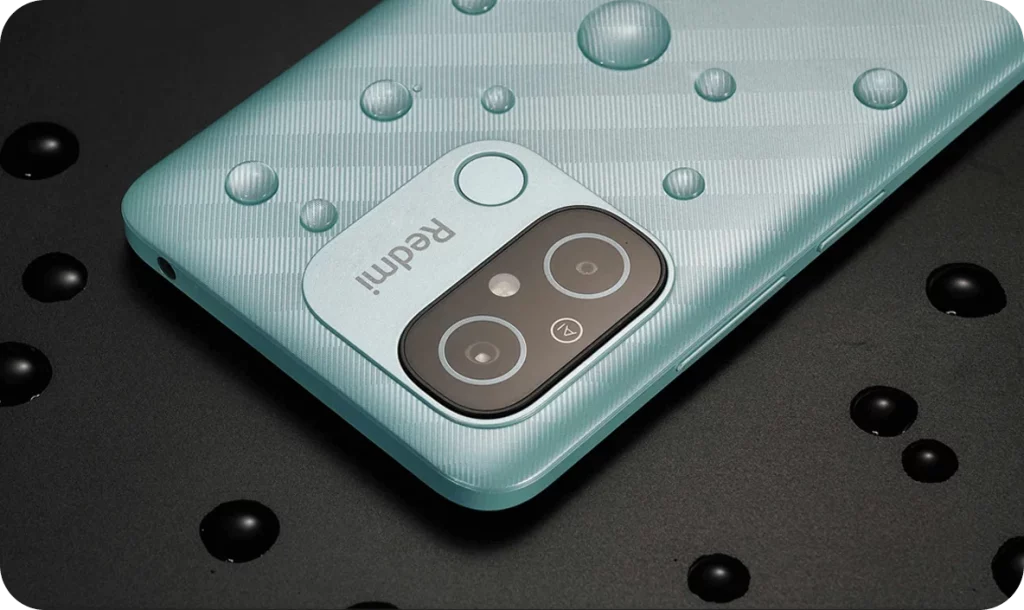
Redmi Note 12 5G Gets 8GB + 256GB RAM and Storage Variant In India

Xiaomi launched the Redmi Note 12 4G and Redmi 12C smartphones in India today. At the same event, the Xiaomi sub-brand also announced a new variant of the Redmi Note 12 5G model. The smartphone was launched earlier in January this year. It was available in 4GB + 128GB and 6GB + 128GB RAM and storage configurations. Now, the device comes in a higher option. 

Redmi Note 12 5G

The Redmi Note 12 5G new variant packs 8GB RAM and 256GB onboard storage. The core specifications of the device remain the same as the other models. The 8GB + 256GB variant carries a price tag of Rs 21,999. It can be purchased starting April 6th from Amazon, Mi.com, and offline stores. The Redmi Note 12 5G is offered in Matte Black, Mystique Blue, and Frosted Green colors. ICICI Bank cardholders can avail Rs 1,000 off on the purchase of the smartphone. Existing Xiaomi and Redmi phone users will be eligible for Rs 1,500 exchange bonus. 

The Redmi Note 12 5G has a 6.7-inch center-aligned punch-hole AMOLED display bearing an FHD+ resolution and a 120Hz refresh rate. There is a side-mounted fingerprint scanner and a squarish rear camera module accommodating a 48MP main sensor, an 8MP ultra-wide-angle lens, and a 2MP macro unit. The device has a 16MP front-facing selfie snapper.

The Redmi Note 12 5G is powered by a Snapdragon 4 Gen 1 processor. It packs up to 8GB RAM and 256GB internal storage expandable up to 1TB via a microSD card slot. The smartphone is backed by a 5,000mAh battery unit with support for 33W fast charging. 

Related:

Motorola Razr Plus 2023 stops by FCC

Motorola was the first brand to release a commercial foldable smartphone. However, it did not keep up with the competition. Since 2019, the company has only released three clamshell foldables. Out of these, last year’s Razr 2022 was limited to a select few users.

Back in February, we got to see the renders of this year’s new Razr. A couple of weeks back, a report even revealed its official marketing along with a few features. Now, the device has been certified by FCC.

Motorola
Motorola Razr Plus 2023

As per FCC, the upcoming Motorola Razr Plus 2023 with model number XT2321 will come with support for multiple 5G band support. Further, it will be backed by a 3,640mAh battery. For comparison, the Razr 2022 has a 3,500mAh cell.

An earlier report said that the handset will carry support for 30W fast wired charging. However, the FCC documentation says that it will ship with a 33W charger.

The same report also disclosed some of the key features of the smartphone. It is said to arrive with a 3.7-inch cover display, which is even larger than Oppo Find N2 Flip’s 3.26-inch cover screen.

Unfortunately, that’s all the information we have on the device right now. We are looking forward to learning more about it in the coming days.

RELATED:

OnePlus Nord CE 3 Lite Confirmed To Feature 120Hz Display and Snapdragon 695 SoC

OnePlus is gearing up to launch the Nord CE 3 Lite along with the Nord Buds 2 on April 4th. The brand has been teasing key specifications of the upcoming devices leading up to the launch event. Yesterday it was confirmed that the Nord CE 3 Lite will be the first in the Nord lineup to feature a 108MP main camera with 3x lossless zoom. Today the brand teased that it will pack up to 8GB virtual RAM technology. 

OnePlus-Nord-CE-3-Lite-5G

Additionally, OnePlus President and COO Kinder Liu has revealed some key specifications of the Nord CE 3 Lite in an interview with TechRadar. He stated that the upcoming offering will feature a 6.72-inch large display with a 120Hz refresh rate. It’s unclear whether the panel will be AMOLED, however, it doesn’t seem like a possibility since we can spot a side-mounted fingerprint scanner on the device. 

Liu added that the OnePlus Nord CE 3 Lite will be equipped with a Qualcomm Snapdragon 695 processor under the hood. This is the same chipset that powered the Nord CE 2 Lite. The upcoming offering will ship with OxygenOS 13.1 based on Android 13 out of the box. The executive also stated that  “with the powerful and outstanding specifications, the price of OnePlus Nord CE 3 Lite 5G will also be satisfying“. 

The OnePlus Nord CE 3 Lite will be available in Pastel Lime and Chromatic Grey colors. Going by the confirmed specifications, it appears that the upcoming offering will pack incremental upgrades over its predecessor. We will learn about the smartphone’s pricing and availability next week.

Related:

Via