Advertisement

Korea’s Growth Strategy Involves 6G, AI, Nuclear Energy, Supercomputers & More

The Korean government laid out its new strategy, dubbed the “new growth 4.0 strategy,” details of which were released Monday. The primary goals highlighted in the plan are listed as follows:

  • Flying taxis by 2025. 
  • Spacecraft on the moon in 2032. 
  • A 30 percent share in the 6G market by 2030. 
  • Robot delivery in 2025. 
  • Drone delivery in 2027.
Korea Government

Apart from these aforementioned goals,15 other areas have been targeted by the government. They include future mobility, space exploration, quantum technology, future medical technology; energy technology, AI and 6G communication networks, logistics, carbon-neutral cities, smart farms, smart grids, semiconductors, batteries, carbon-free and autonomous ships, bioscience innovation, K-culture and tourism; Korean content development; and huge overseas deals,v including construction, defense exports, and nuclear power plant contracts. 

Additionally, the Korean government is also heavily focusing on commercializing flying cars. Very recently, Japan’s first manned taxi took to the skies in a first-of-its-kind trip. With their ability to cover shorter distances in a shorter amount of time, flying cars hold the promise of freeing up the roads for pedestrians, cyclists, and long-distance travelers. The Korean government is also planning to open an Urban Air Mobility test bed in Goheung, South Jeolla, in the month of August this year. Further reports also state that Hyundai Motor and Korean Air are just some of the biggest private organizations involved in the design and development of flying vehicles. In-city testing is expected to begin in 2024.

As per the government’s proposition of a precision digital map, fully autonomous vehicles will be commercialized and regulated by the year 2027. As a part of its long-term plan, the government is also aiming towards popularizing self-driving vehicles by 2035. For the space program, the launch of the third iteration of their rocket, Nuri-Ho will be held in the first half of this year itself, with yearly launches planned down the line until 2027.

Another big part of Korea’s government plans is to open Korea’s very own Disney by the year 2025. The massive project, estimated at 6.3 billion won (~$48.5 Million), will be a key project to integrate the country’s culture and entertainment interests. The whole project will be located in Goyang at the time of its completion. 

Apart from the development of a 50-Qubit quantum computer by the year 2026, the Korean government is also advocating for the R&D of next-generation nuclear reactors. A lot of major Korean organizations are keen on investing in the nuclear future of the country. A new, more specific AI application plan will be implemented by the government to make day-to-day life easy for the country’s residents. The applications will range from childcare to education and medical services to 6G technology. The country already ranks second worldwide in terms of 5G network share. Lastly, micro fulfillment centers will be permitted by the government in order to deliver drones and robots for military applications.

Finance Minister Choo Kyung-ho stated that their economic slowdown is attributed to reducing exports and investments pertaining to the global economy. Such a detailed, step-by-step plan will help boost the country’s economic vitality over a long period. Of course, technological innovation will be the key method to achieving these long-term goals.

RELATED:

(Via)

Xiaomi 13 Global Variant Appears on Geekbench ahead of MWC 2023 launch

Xiaomi is gearing up to launch the Xiaomi 13 series of smartphones globally. Three devices are expected to debut at Mobile World Congress scheduled for February 27. These are the Xiaomi 13, the 13 Pro, and the 13 Lite.

Details about the pricing of the 13 and 13 Pro appeared in a recent report. The Xiaomi 13 Pro was also spotted on Geekbench. Now, the vanilla Xiaomi 13 global model has also emerged on Geekbench.

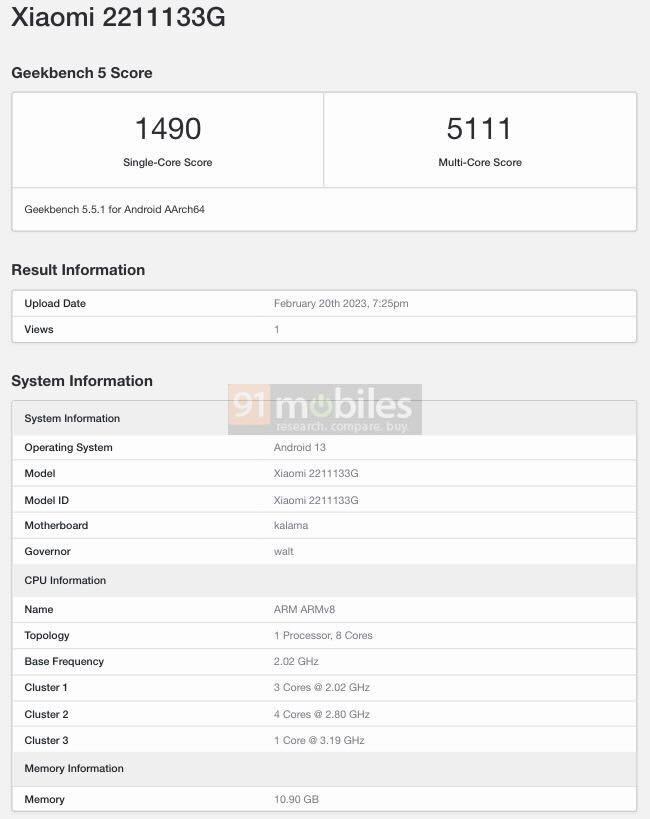
The global version of Xiaomi 13, bearing the model number Xiaomi 2211133G, has achieved impressive scores of 1,490 and 5,111 in the single-core and multi-core tests, respectively, as per the Geekbench database listing. The device will be available in a 12GB RAM variant and will run on Android 13 upon release. The Snapdragon 8 Gen 2 processor, the latest from Qualcomm, will power both the Xiaomi 13 and the Xiaomi 13 Pro.

Xiaomi 13 specs

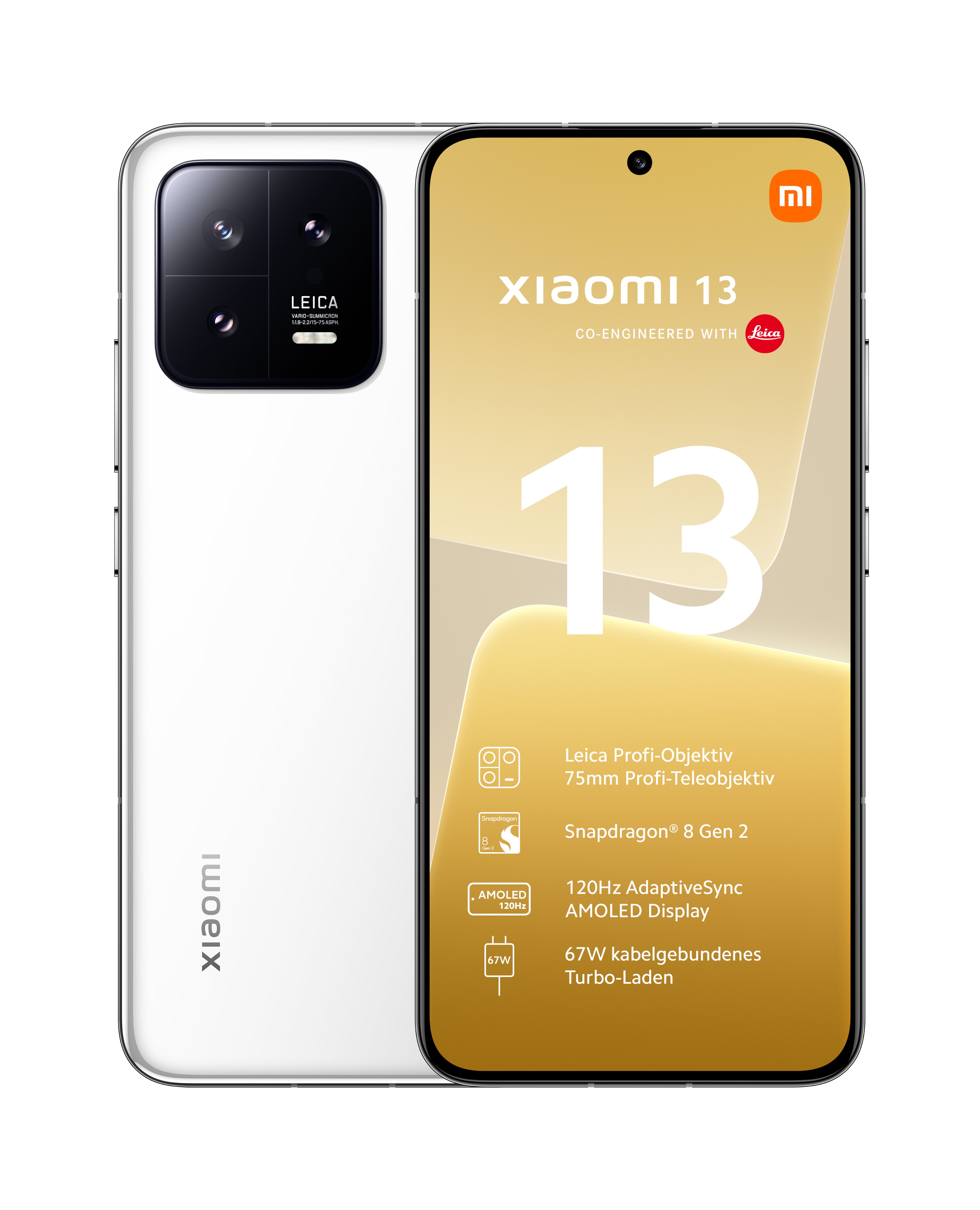
The Xiaomi 13 is a smartphone that’s designed to impress. It boasts a 6.36-inch FHD+ AMOLED display that can reach peak brightness levels of up to 1,900 nits. With a refresh rate of 120Hz and support for HDR10+ and Dolby Vision, this device is perfect for those who demand a visually stunning experience.

Image

It has a Leica-branded triple rear camera setup. The 50MP main sensor comes with OIS, while the 12MP ultra-wide-angle lens and 10MP telephoto unit provide additional versatility. The result is a camera that can capture stunning images in a variety of settings.

Under the hood, the Xiaomi 13 is powered by the Qualcomm Snapdragon 8 Gen 2 processor, which is complemented by up to 12GB of LPDDR5 RAM and 256GB of UFS 4.0 storage. To ensure that the device stays cool during heavy usage, it comes equipped with a liquid cooling heat dissipation system.

The Xiaomi 13’s 4,500mAh battery is another feature that sets it apart from the competition. It supports 67W wired charging, 50W wireless charging, and 10W reverse wireless charging, allowing you to quickly and easily recharge the device no matter where you are.

RELATED:

(via 91mobiles)

Apple First Gen iPhone That Is Still in the Box Sees an Auction Bid Cross $63,000

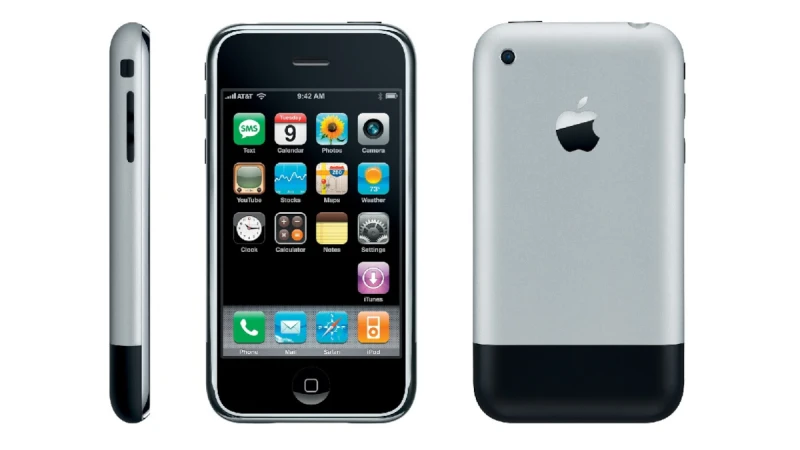
We already know that an iPhone from Apple holds its value for far longer than any other smartphone from its Android counterpart. This apparently holds true for even its first even iPhone model, which is apparently worth more than 60,000 US Dollars now.

For those unaware, the first gen iPhone was originally announced back in 2007. Typically, the value of consumer electronic products like smartphones usually drops over the years. However, this doesn’t apply to collector items or iconic products like the first iPhone which has been selling for prices higher than its original retail price more than a decade ago. But now, an unopened iPhone that is still in the original packaging saw an online auction bid that hit a whopping 63,356.40 US Dollars.

Apple

In other words, it has a value that is more than 100 times the phone’s original price tag of 599 US Dollars. The bidding had originally started at 2,500 US Dollars and was initially believed to max out around the 50,000 US Dollars mark. But the iPhone that is still in its original box managed to blow past this figure as well. The former Apple CEO Steve Jobs had unveiled the iPhone back in 2007, and the device has in many ways shaped the industry since then.

Interestingly enough, this particular iPhone that is being auctioned right now was also featured on a television show called the “The Doctor & The Diva” in the US. The program held weekly “Treasure Hunt Tuesday” events and the owner of this model was Karen Green. When asked why she never opened this box, she said that “I didn’t want to get rid of my new phone and I figured it was an iPhone so it will never go out of date.”

RELATED:

(Via)

Lava Yuva 2 Pro Launched in India with Helio G37, 5,000mAh Battery

Lava has quietly announced the Lava Yuva 2 Pro as the successor to the original Lava Yuva Pro, which debuted last year. Like last year’s model, the Yuva 2 Pro is packed with entry-level specs. What’s interesting about the device is that Lava has teamed up with the EdTech platform Doubtnut to provide educational material worth up to Rs 12,000 (~$145) for students in 9th to 12th classes for free.

Lava Yuva 2 Pro specifications and features

The Lava Yuva 2 Pro has a 6.5-inch LCD panel that offers an HD+ resolution, 269 ppi pixel density, and a 60Hz refresh rate. Under the hood, the device features the Helio G37 chipset and 4GB of RAM. It is powered by a 5,000mAh battery that supports 10W charging via the USB-C port.

Lava Yuva 2 Pro
Lava Yuva 2 Pro

The Yuva 2 Pro comes with 3 GB of virtual RAM, which is taken out of the 64 GB built-in storage. The phone runs on a near-stock version of the Android 12 OS and comes with support for anonymous call recording.

On the front, the Yuva 2 Pro has a 5-megapixel selfie camera. The back panel of the device has a 13-megapixel main camera, which is accompanied by a pair of VGA cameras.

The device offers other features like dual SIM support, 4G VoLTE, Wi-Fi 802.11ac, Bluetooth 5.1, GPS, a side-facing fingerprint scanner, and a 3.5mm headphone jack. Last but not least, the device features a glass back.

Lava Yuva 2 Pro price in India

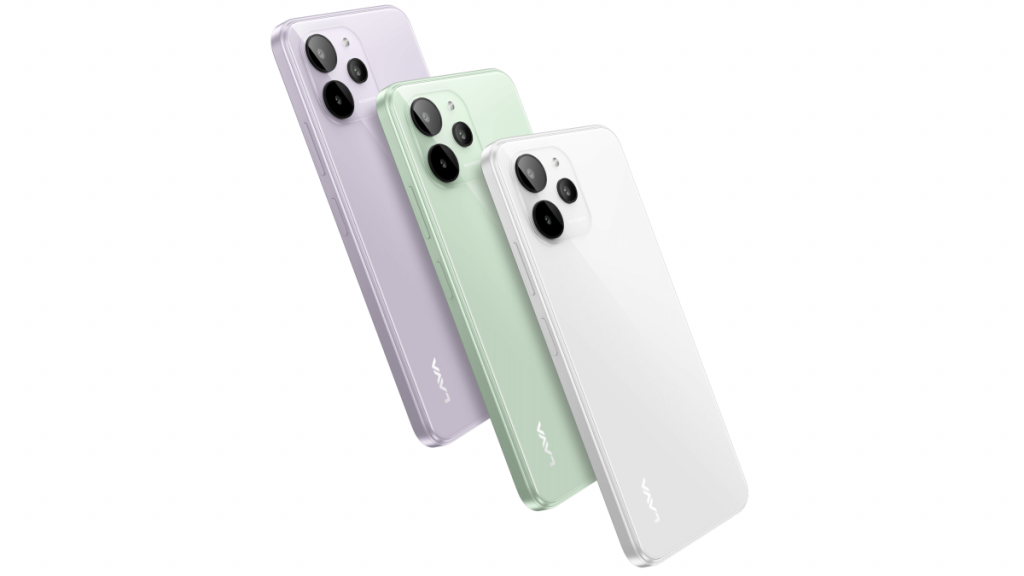
The Lava Yuva 2 Pro is priced at Rs 7,999 (~$96) in India. It comes in three colors: Glass White, Glass Green, and Glass Lavender. It can now be bought from Lava India’s online store, its retail stores, and its e-commerce platforms. The handset can also be purchased through offline stores.

RELATED:

Xiaomi’s Compact & Affordable K100 Laser Printer Goes on Sale Today in China

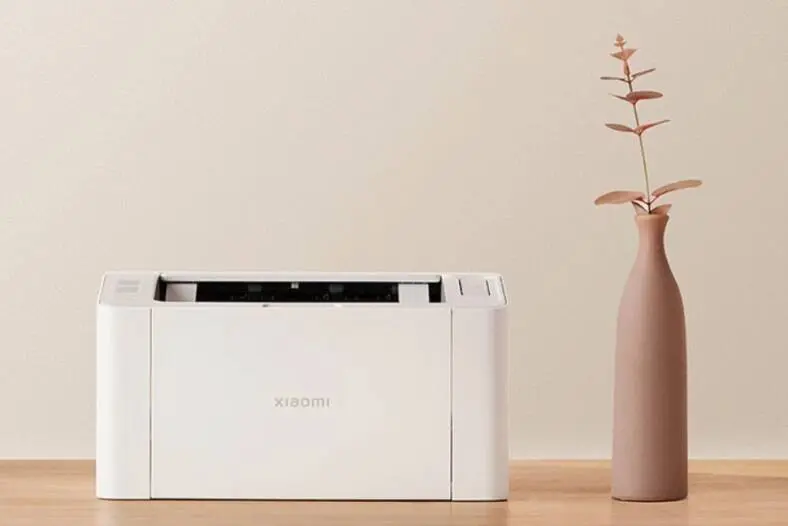
Xiaomi, the Chinese tech giant, recently released Xiaomi Laser Printer K100. The printer goes on sale today in China, with a special price of 849 yuan or $123, after which it will be sold at its list price of 899 yuan or $130.

Xiaomi Laser Printer K100

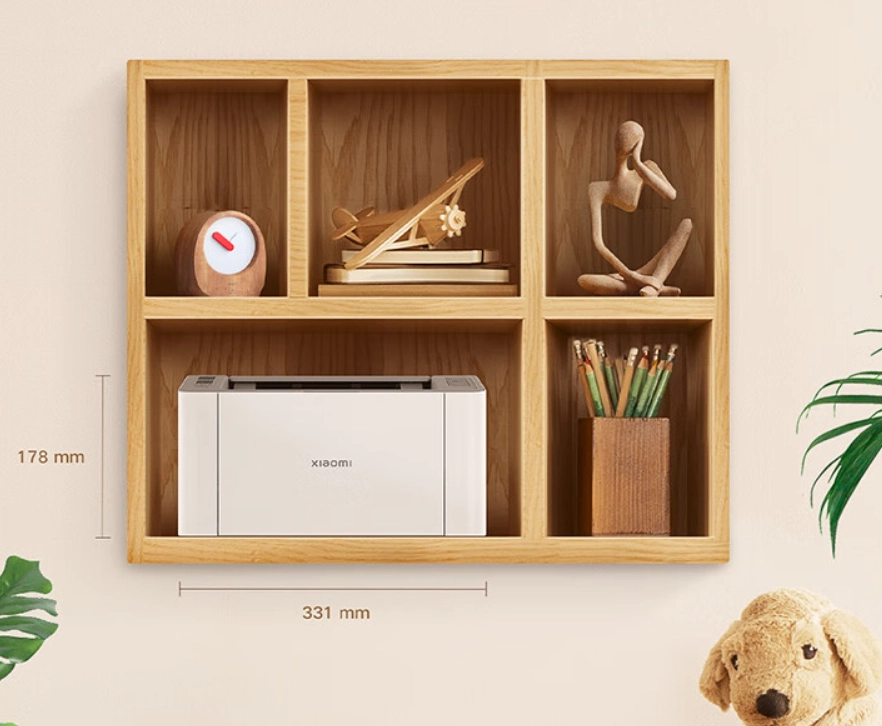
The Xiaomi Laser Printer K100 boasts a compact and sleek design, with a size of 331 x 178 mm. Its small form factor makes it an excellent option for a variety of printing scenarios, whether it be at home, in the studio, or in the office. Its size also means it takes up very little desk space, making it an efficient and practical choice for those with limited space.

Xiaomi Laser Printer K100

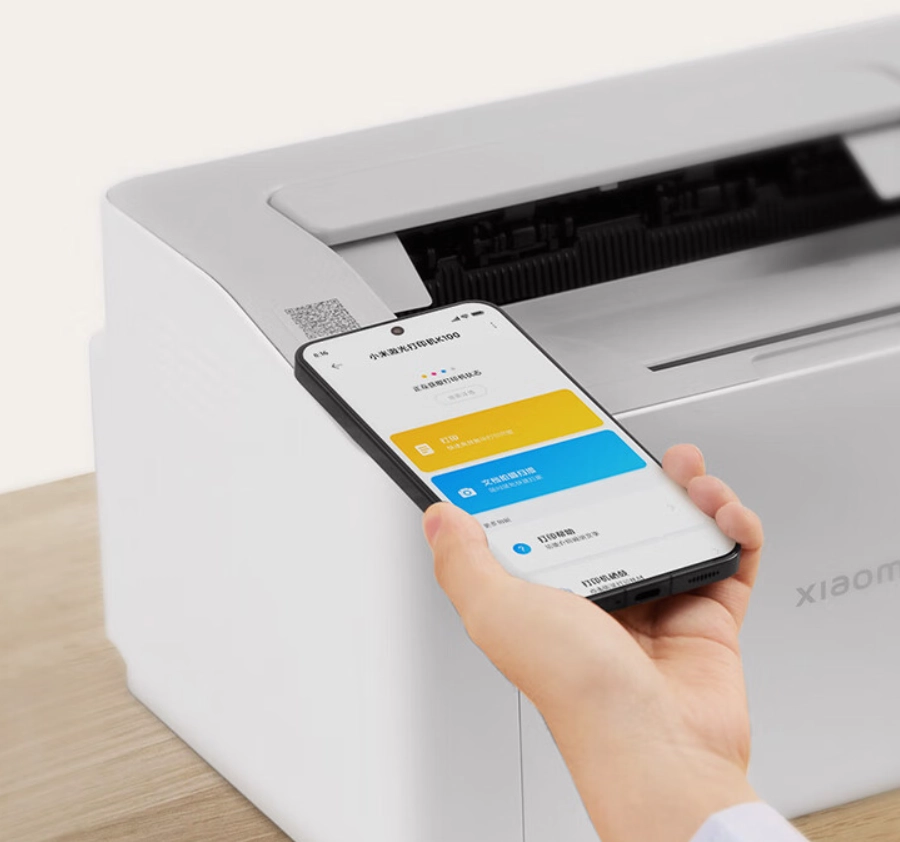
Xiaomi Laser Printer K100 supports both USB and wireless printing. With its NFC chip, it enables soft touch and easy access to the printer application page, making it hassle-free to print WPS documents on a smartphone with a single touch.

Xiaomi Laser Printer K100

The printer supports smartphone capture, scan feature, automatic edge recognition, manual optimization, and adjustment. Multi-page files can also be directly captured and archived as PDF files. The printer can produce up to 20 pages per minute, with sharp text edges, clear prints, and smudge-free outlines, thanks to its high-quality original toner.

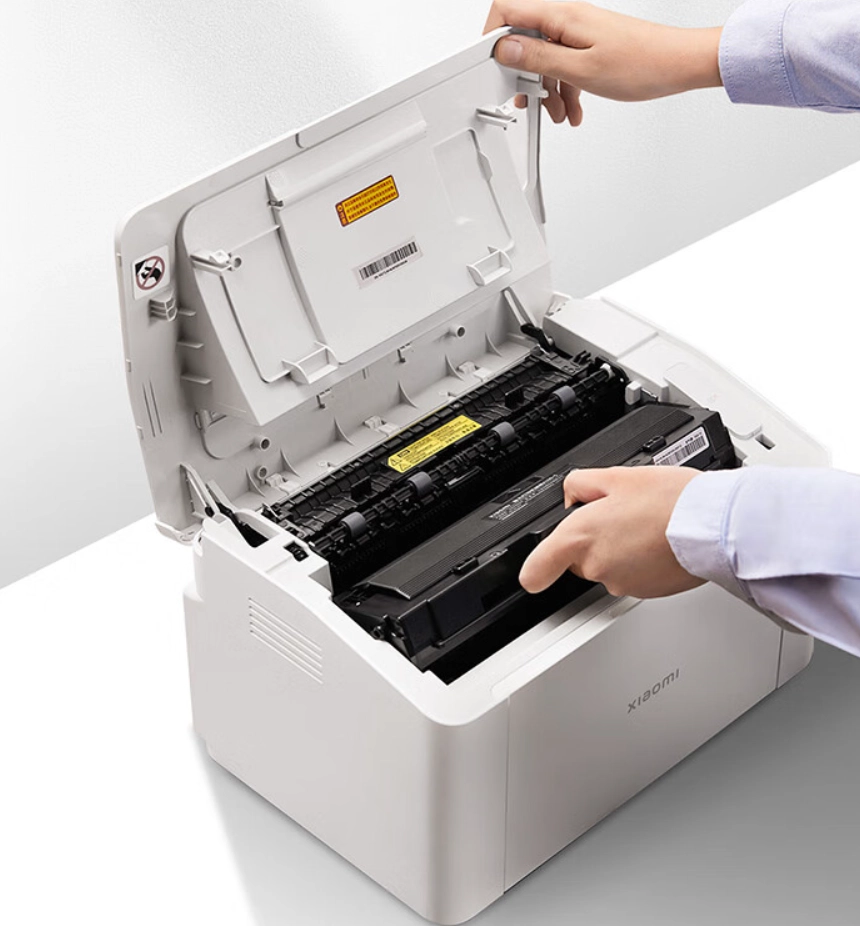
The Xiaomi Laser Printer K100 is designed with a replaceable toner cartridge, which costs 249 yuan or $36 and can print up to 1500 pages, equating to about 0.16 yuan or $0.02 per page. This makes it a cost-effective printer that provides excellent value for its users.

Xiaomi Laser Printer K100

Compared to its predecessor, the AIO K200 printer, the Xiaomi Laser Printer K100 is a more affordable option. While the K200 printer offers higher specifications and features, the K100 printer is a more practical and efficient choice for everyday printing needs.

Overall, the Xiaomi Laser Printer K100 is an excellent choice for those seeking a compact, versatile, and cost-effective printing solution.

RELATED:

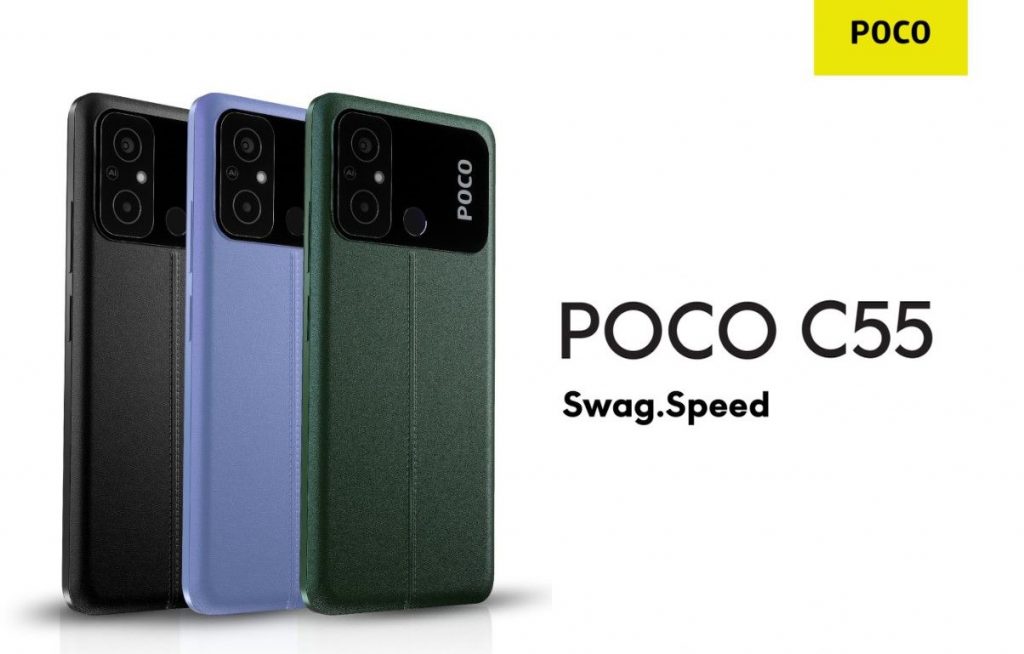
Poco C55 Launched in India with 6.71-inch HD+ display, Helio G85, 5,000mAh Battery and More

The Poco C55 is the second C-series Poco phone to launch in India this year. In January, the company unveiled the POCO C50 with entry-level specs. The C55, with a better chipset onboard, is a more powerful device. It features a waterdrop notch screen with a tall aspect ratio on the front, and its back panel has an attractive leather-like stitch design. Here is a look at all the specifications of the C55.

Poco C55 specifications and features

Starting from the front, the Poco C55 houses a 6.71-inch LCD screen that produces an HD+ resolution, a 60Hz refresh rate, a 120Hz touch sampling rate, a 20:9 aspect ratio, and a 1500:1 contrast ratio. The display comes with Panda Glass protection and an oleophobic coating.

POCO C55
POCO C55

The C55 has a 5-megapixel front camera. On the back, it has a 50-megapixel main camera with an f/1.8 aperture, which is assisted by a depth sensor and an LED flash. The C55 offers photography features like portrait mode, night mode, time-lapse, and HDR. The device comes preloaded with an MIUI 13-based Android 12 OS, which includes MIUI Dialer instead of Google Dialer.

Under the hood, the Poco C55 has the Helio G85 chipset, 4 GB / 6 GB of RAM, up to 5 GB of virtual RAM, and 64 GB / 128 GB of storage. The device has a 5,000mAh battery that supports 10W charging via the microUSB port. The device also offers dual SIM support, 4G VoLTE, dual-band Wi-Fi, Bluetooth 5.1, GPS, and a 3.5mm audio slot.

Poco C55 price in India

In India, the Poco C55 has arrived in two configurations. The C55 4 GB RAM + 64 GB edition costs Rs 9,499 (~$115), while the 6 GB RAM + 128 GB storage version costs Rs 10,999 (~$133). On the first sale date (Feb. 28), both variants will be available for Rs 8,499 (~$103) and Rs 9,999 (~$121). The discounted prices include up to Rs 1,000 in bank discounts made available by HDFC, SBI, and ICICI Banks. The C55 can be purchased in three shades: Power Black, Cool Blue, and Forest Green.

RELATED:

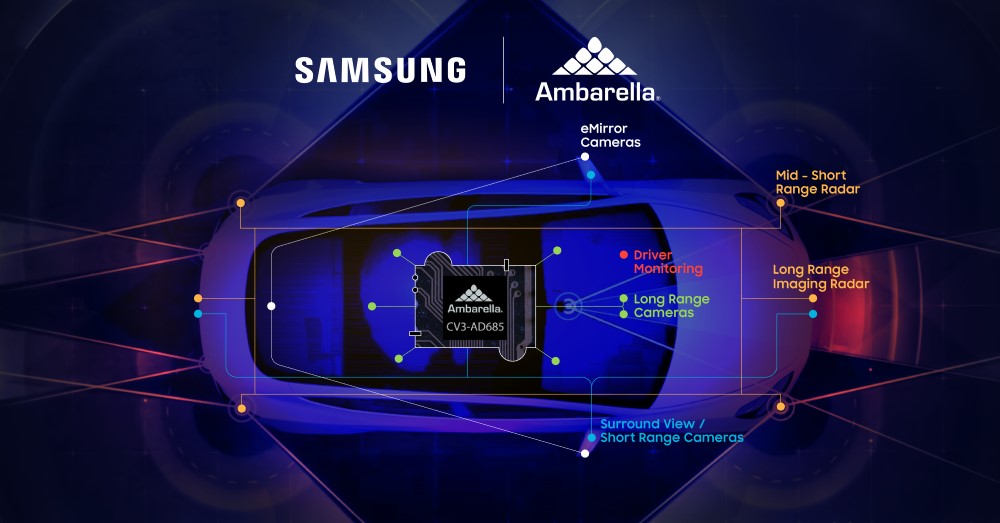
Samsung is Designing Low Power 5nm Chips for Ambarella’s Autonomous Car Driving Systems

With self-driving vehicles becoming increasingly common on everyday roads, automobile manufacturers are looking to collaborate with leading chip manufacturers that can synchronize effectively with their ADAS, or advanced driver assistance systems. Samsung has recently announced that it will be utilizing its cutting-edge 5-nanometer (nm) node to manufacture Ambarella’s latest SoC for self-driving cars. The Ambarella CV3-AD685 SoC is equipped with the latest AI engine called Cvflow, which is designed specifically for ADAS in autonomous cars.

Samsung Ambarella

This new chip family is built for ADAS and features a high-performance, power-efficient, and scalable design, complementing a wide range of solutions for assisted driving while advancing vehicle automation. The integrated CV3-AD685 SoC fuses information from various sensors for robust L2+ to L4 autonomous driving, and can interpret data from cameras and radars to determine driving scenarios. For reference, L2 autonomous driving refers to partial automation, while Level 4 Automation refers to high-level automation, where a car can pull over using guided sensors even without human intervention.

Samsung Foundry, with its industry-leading process technology and advanced 3D-packaging solutions, is powering many of the latest mobile, HPC, and automotive solutions. Samsung will be applying its automotive IPs, latest processes, and packaging technologies on top of its 5nm node to make the chip high-performance and low-power, and the company credits the application of its 5nm node for the chip’s performance jump, which is almost equivalent to 20 times its original performance scale. Additionally, Samsung plans to start offering its 4nm node for automotive applications in the near future.

Samsung has set an ambitious goal to have non-mobile products account for over 50% of the revenue generated from its foundry business by 2027. Although the majority of the revenue of Samsung Foundry comes from contract-producing mobile application processors for smartphones designed by Samsung and Qualcomm, the company has been growing significantly during the pandemic from the chip shortage, culminating in its highest annual revenue to date in 2022.

While the global economic downturn has caused demand for chips to drop, Samsung remains committed to its innovative technology and is determined to stay at the forefront of the semiconductor industry. With the collaboration between Samsung and Ambarella, we can expect to see more advanced technology being utilized in autonomous vehicles in the near future.

RELATED:

(Source, Via)

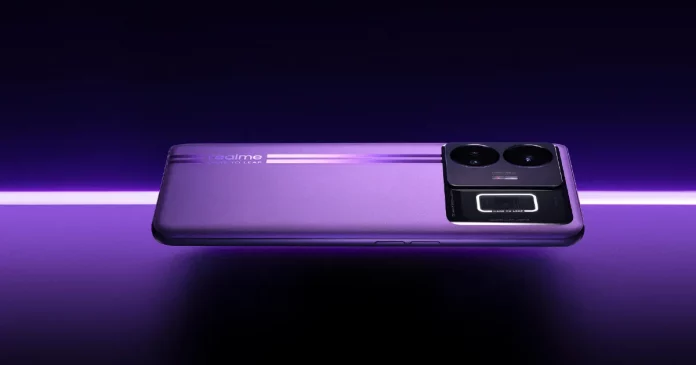
Realme GT 3 to Disrupt Smartphone Industry with 240W Fast Charging: Exec

The Realme GT 3 launch is just around the corner for the global market. But prior to its official announcement, there have already been a number of teasers regarding this phone. Now, the latest one talks about its most highlighting aspect, the 240W fast charging tech.

Realme

As per a new tweet from Realme India CEO Madhav Sheth, “Our 240W fast charging technology is about to disrupt the industry. Get ready to experience.” He also shared an image in this tweet that compared the device to the fastest charging rates offered to by other brands. This graph was compiled by a Counterpoint Research report that had stated that the Chinese smartphone maker is keeping to its motto of “Dare to leap” with the GT 3 model.

The brand had recently shared a video teaser in which it showcased the device being fast charged. In the video, we can see the 4,600mAh battery pack on this device get charged from 1 to 20 percent in just 80 seconds, 50 percent in just 4 minutes, and a full charge in 9 minutes and 30 seconds. This is quite impressive to say the least. The Counterpoint Research also found that Realme is the only brand that offers 65W fast charging rate on smartphone under the 150 US Dollar price mark.

Madhav Sheth also added that “realme has always been at the forefront of bringing out of the box innovations and leap forward technology to the users. With the 240W fast charging smartphone, realme proves that we can do more than that by being top player in industry in terms of fast-charging technology and penetration rate in all segments.”

RELATED:

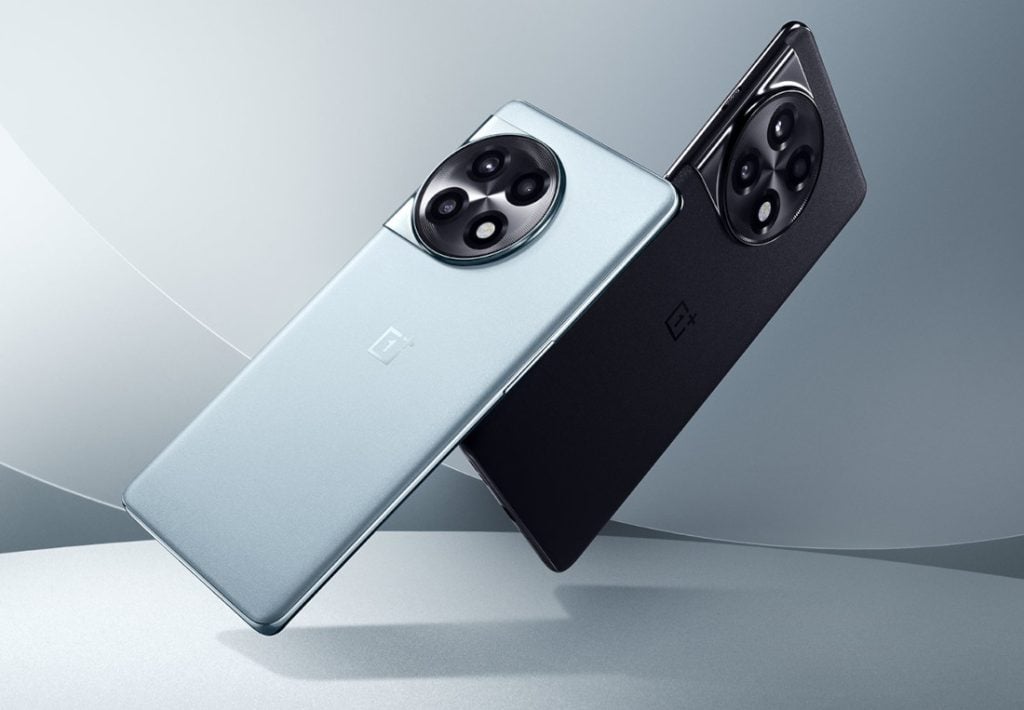
OnePlus 11 Concept Teased With Blue Light Strips Ahead of Launch

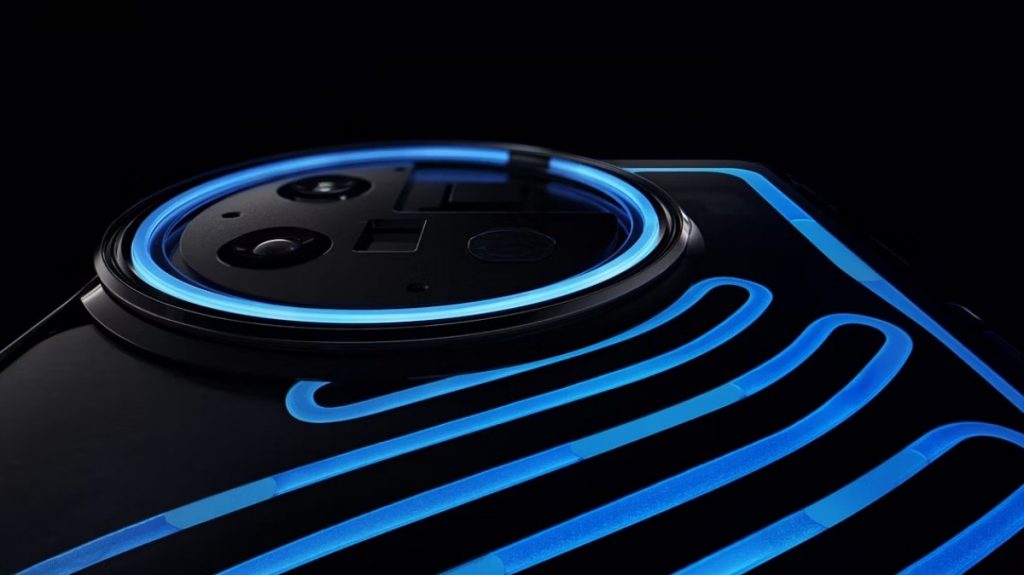
OnePlus has teased its latest concept smartphone, the OnePlus 11 Concept, ahead of its official launch at the Mobile World Congress (MWC) on February 27. As the name suggests, the smartphone will be a special iteration of the Snapdragon 8 Gen 2 SoC-powered OnePlus 11, and will mainly focus on the exterior design, according to the company.

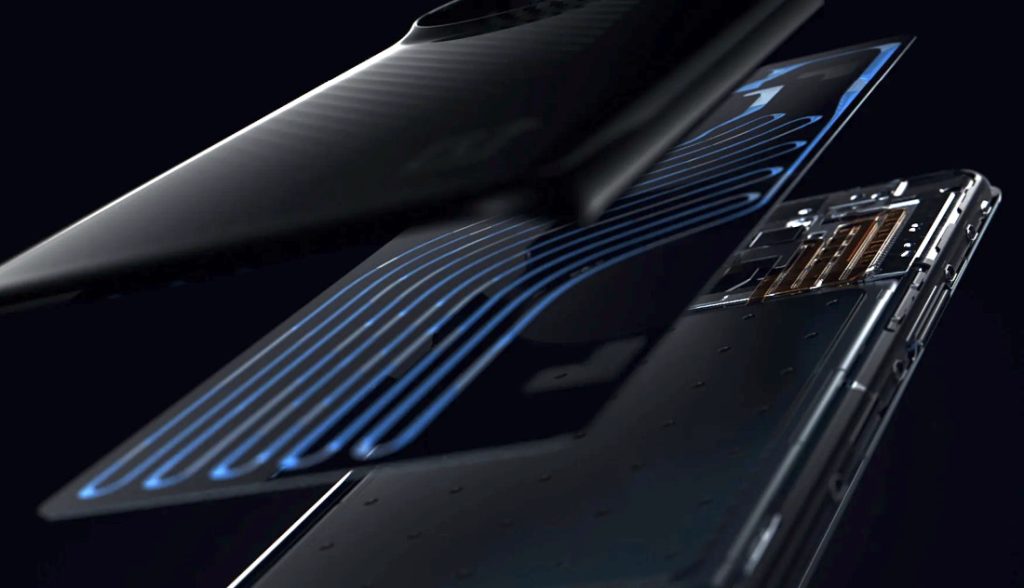
One unique feature is the blue pipelines on the back of the phone that give it the appearance of having its own series of blood vessels, which could likely change color, similar to the LED lights on the back of Nothing Phone (1). The teaser suggests that the OnePlus 11 Concept will use a carbon fiber exterior, offering increased durability without increasing the overall weight.

OnePlus 11 Concept teaser

OnePlus CEO Pete Lau has been promoting the OnePlus 11 Concept video on Twitter, where the video suggests that the phone may have a quad curve display, with the screen curving at all four edges, including the top and bottom edges, in addition to the left and right edges. This is a more advanced version of the curved display that is already being used in several entry-level mid-budget phones, such as Realme 10 Pro+.

The camera bump on the OnePlus 11 Concept appears to be quite prominent compared to the one on the regular version, suggesting that OnePlus is tweaking the camera department on this smartphone. For the regular version, OnePlus partnered with Hasselblad to tune the rear camera system.

OnePlus 11 Concept teaser

OnePlus is also offering five lucky community members the chance to see the concept smartphone in person and share their findings with global users.

The regular OnePlus 11 is already available in two variants and colors, making it the most affordable Snapdragon 8 Gen 2 SoC-powered smartphone globally. The base variant costs $699 and the top model with 16GB of RAM and 256GB of storage carries a price tag of $799. The phone supports 100W fast charging, and the charger is included in the box.

The OnePlus 11 (review here) also comes with a 120Hz 6.7-inch display and triple cameras on the back, including a 50-megapixel primary camera, a 48-megapixel ultra-wide camera, and a 32-megapixel telephoto camera. Overall, the OnePlus 11 has proven to be a popular smartphone, and the upcoming OnePlus 11 Concept is expected to generate even more interest and anticipation among tech enthusiasts.

RELATED:

Source

Xiaomi 13 & 13 Pro Price, Specs & Color Options Revealed Through Retail Listing

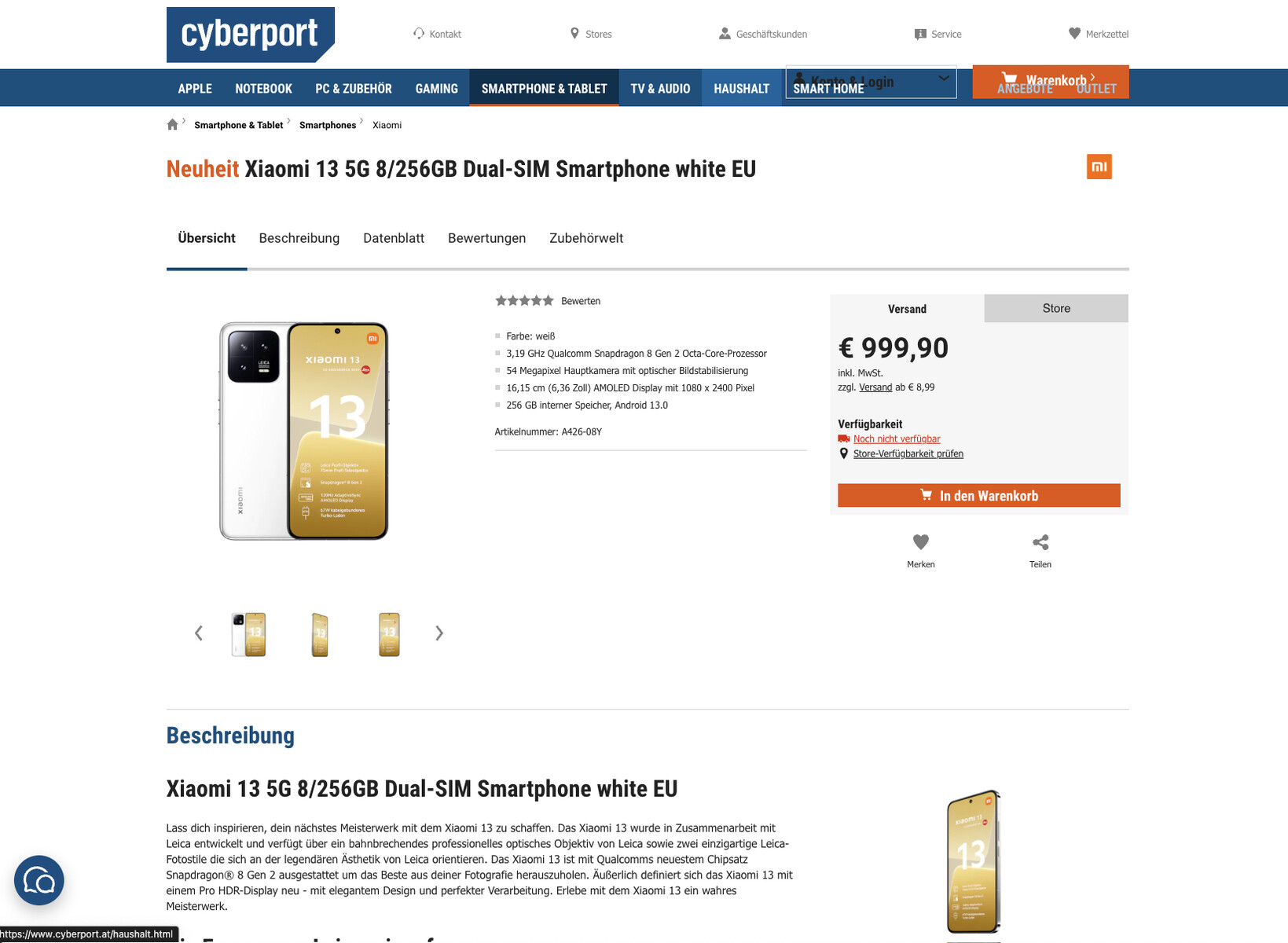
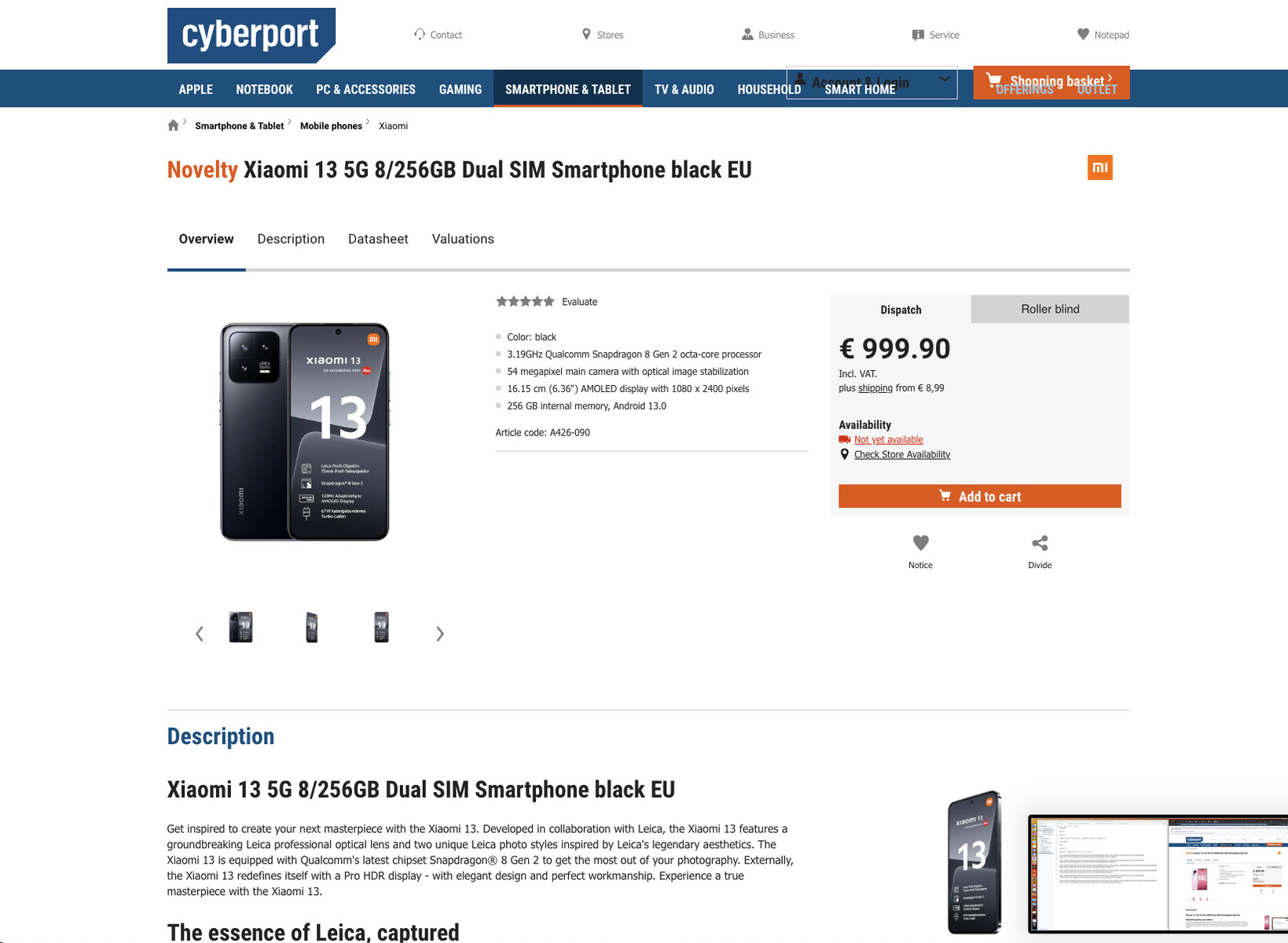
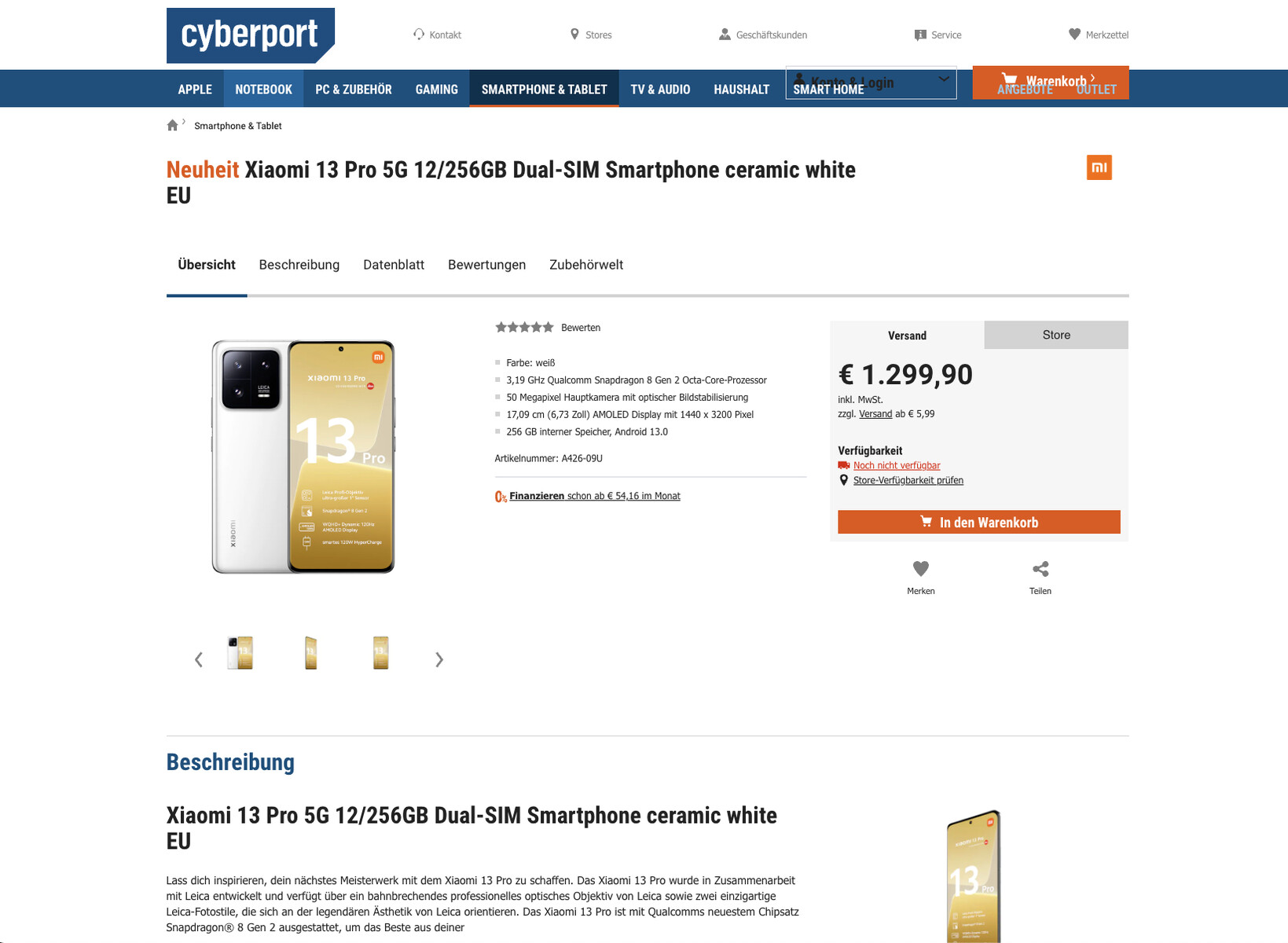
The global launch of the Xiaomi 13 series flagship smartphone is fast approaching as we get closer to Mobile World Congress 2023. Ahead of the launch, we have seen a bunch of leaks about the Xiaomi 13 and 13 Pro. Now, a European retailer has listed the Xiaomi 13 and 13 Pro on its website ahead of launch.

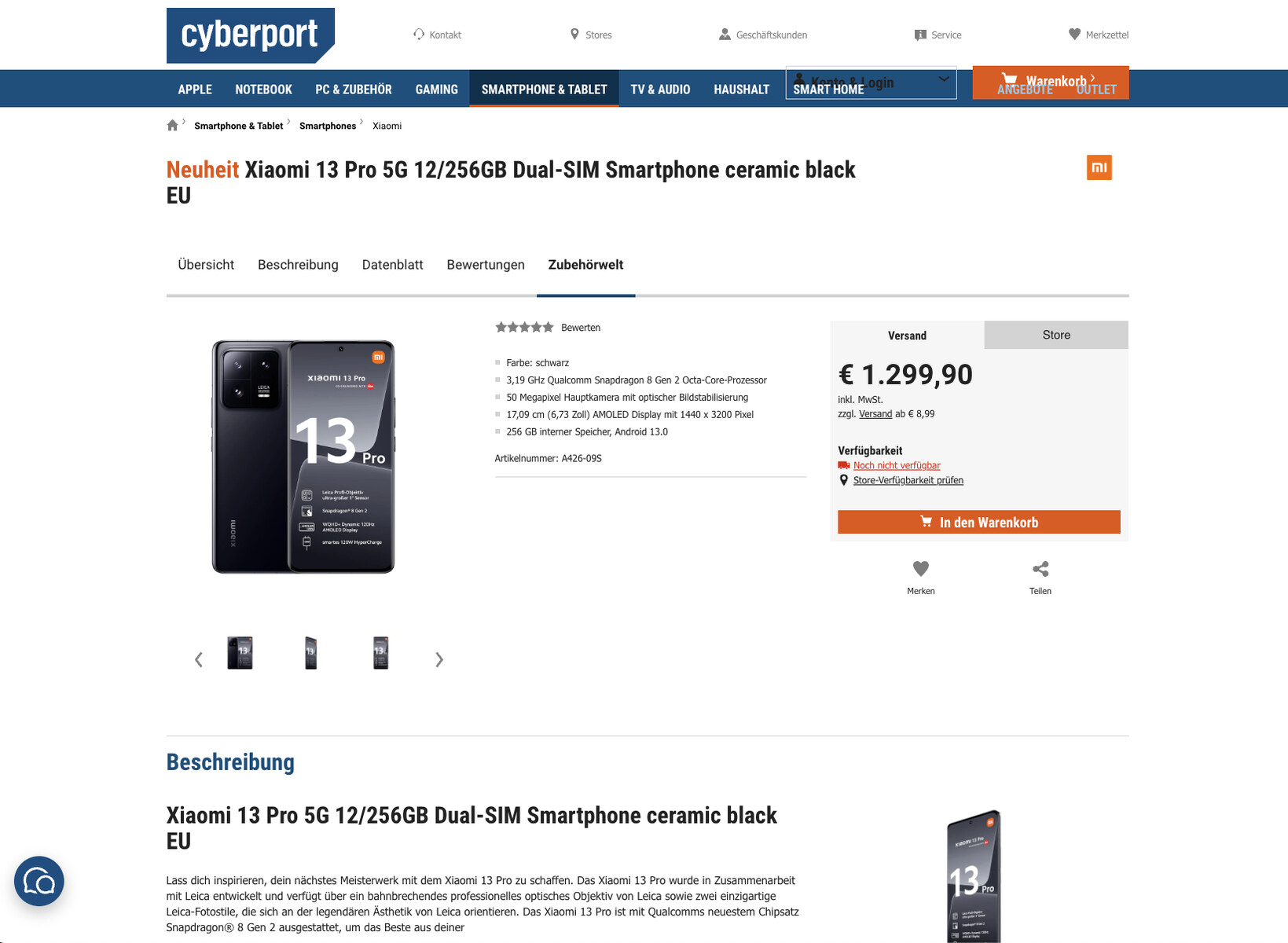
The highly anticipated Xiaomi 13 and Xiaomi 13 Pro have been listed on European retailer Cyberport’s website, revealing their starting prices and color options. The Xiaomi 13 will be available for €999.90 with 8 GB of RAM and 256 GB of storage, with the possibility of a 128 GB variant yet to be confirmed. However, those hoping for a flashy color scheme will be disappointed as only black and white models have been listed.

Similarly, the Xiaomi 13 Pro will also be limited to black and white color options and will be priced at €1,299.90. However, the listings for both models have since been taken down from Cyberport’s website.

Xiaomi 13 Pro

The Xiaomi 13 Pro has already been released in China, revealing its impressive specifications. The smartphone boasts a large 6.73-inch LTPO E6 AMOLED display with Quad HD+ resolution, 120Hz refresh rate, and 240Hz touch sampling rate, as well as a peak brightness of 1900 nits. The screen also includes Corning Gorilla Glass Victus protection and supports Dolby Vision.

Xiaomi 13 Pro featured

Under the hood, the device is powered by the latest Qualcomm Snapdragon 8 Gen 2 processor and can be configured with up to 12GB LPDDR5X RAM and up to 512GB UFS 4.0 storage. The rear camera setup features a 50MP Sony IMX989 primary sensor with OIS and a 1-inch sensor size, along with a 50MP ultra-wide-angle lens and a 50MP telephoto camera. Selfies are taken care of by a 32MP front-facing camera.

The Xiaomi 13 Pro packs a 4820mAh battery that supports 120W fast wired charging, 50W wireless charging, and 10W reverse wireless charging. The device is also rated IP68 for water and dust resistance and runs MIUI 14 based on Android 13 straight out of the box.

Xiaomi 13 specs

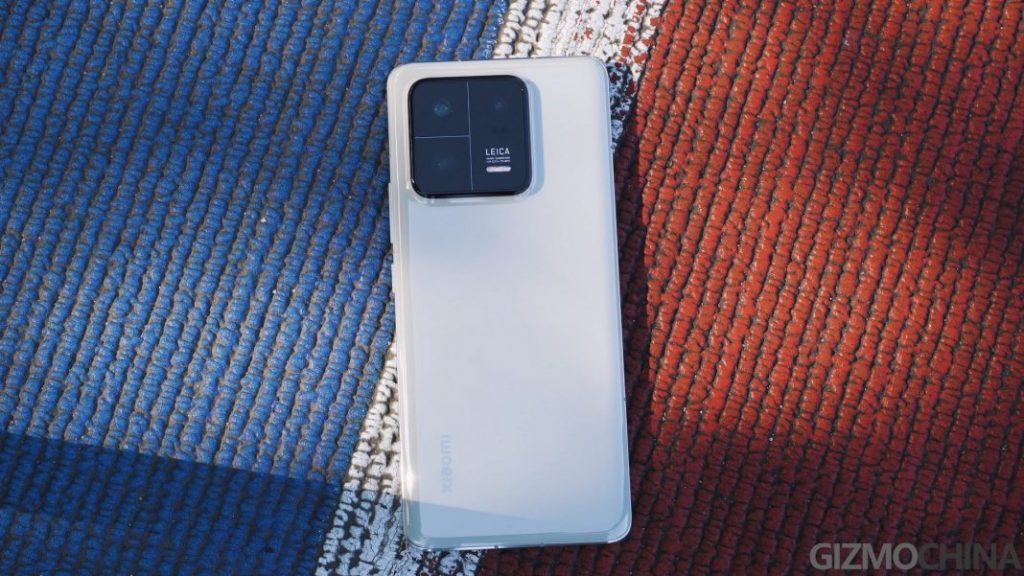
The Xiaomi 13 features a 6.36-inch FHD+ AMOLED display with a peak brightness of 1,900 nits, a 120Hz refresh rate, and support for HDR10+ and Dolby Vision. Additionally, the device is IP68 certified for water and dust resistance and has a sleek, boxy form factor. The Leica-branded triple rear camera setup comprises a 50MP main sensor with OIS, a 12MP ultra-wide-angle lens, and a 10MP telephoto unit.

Image

At the heart of the device is the powerful Qualcomm Snapdragon 8 Gen 2 processor, which is paired with up to 12GB of LPDDR5 RAM and 256GB of UFS 4.0 storage. To keep things cool during intensive use, the Xiaomi 13 also features a liquid cooling heat dissipation system.

Powering the device is a 4,500mAh battery that supports 67W wired charging, 50W wireless charging, and 10W reverse wireless charging. With these capabilities, the Xiaomi 13 is a top-of-the-line smartphone that delivers impressive performance and features to its users.

RELATED:

(via Notebookcheck)

Redmi 12C Review Appears Before Global Launch

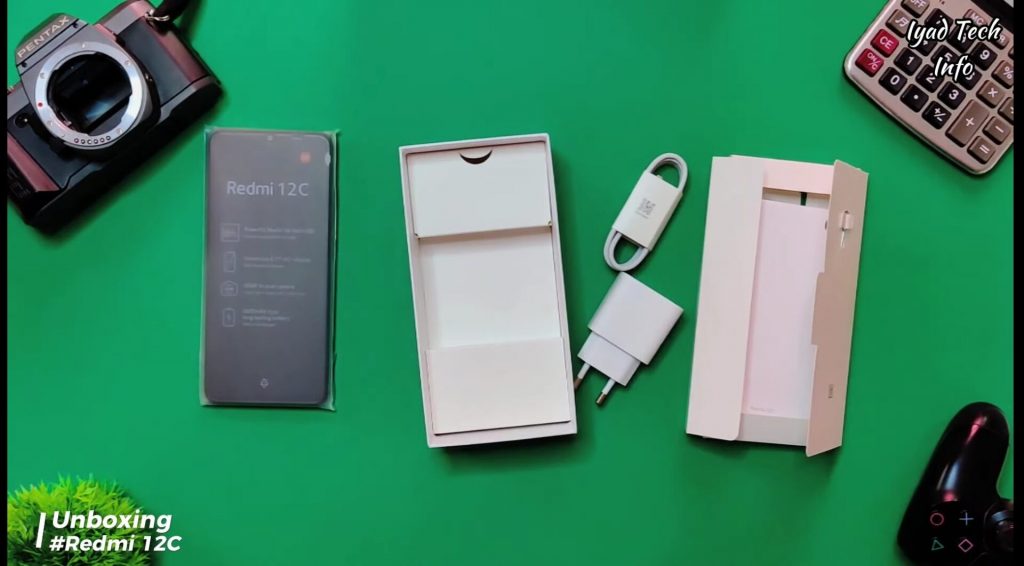
Redmi is rumored to be launching a slew of new phones in the global market. One of them is the Redmi 12C, which debuted in December 2022 in China. Even before the official announcement, the YouTube channel Iyad Tech Info posted its review of the Redmi 12C’s global edition.

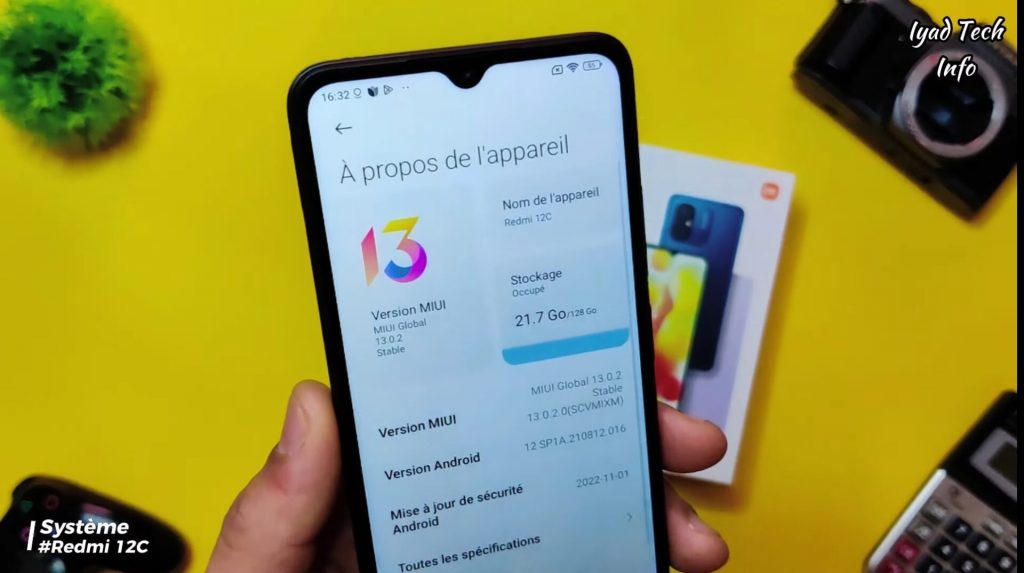
In the review video below, the Redmi 12C can be seen running on Android 12 and MIUI 13 with Google apps and services onboard. Also, model number 22120RN86G is listed on the About Device page, which proves that it is the global edition and not the Chinese edition.

Redmi 12C

The Redmi 12C review unit has 4 GB of RAM and 128 GB of storage. A recent leak by Snoopy Tech revealed that the device will also be available in other configurations, such as 3 GB RAM + 32 GB storage and 3 GB RAM + 64 GB storage. These variants are said to be priced at 199 euros, 179 euros, and 149 euros, respectively. Apart from the graphite version shown in the review video, the Redmi 12C is also expected to release in other shades like green, blue, and purple.

Redmi 12C

When it comes to design, the Redmi 12C has a waterdrop notch display on the front. The back panel of the device has a dual camera setup, an LED flash, and a fingerprint scanner. Its bottom edge has a microphone, a microUSB port, and a speaker grille. The left side of the phone features a SIM slot, while its right side is fitted with a volume rocker and a power key.

In terms of specifications, the Redmi 12C heading to the global market is identical to its Chinese variant. It has a 6.71-inch HD+ display, a Helio G85 chipset, LPDDR4x RAM, eMMC 5.1 storage, a 5,000mAh battery, a 5-megapixel front camera, and 50-megapixel dual rear cameras.

RELATED:

(via)

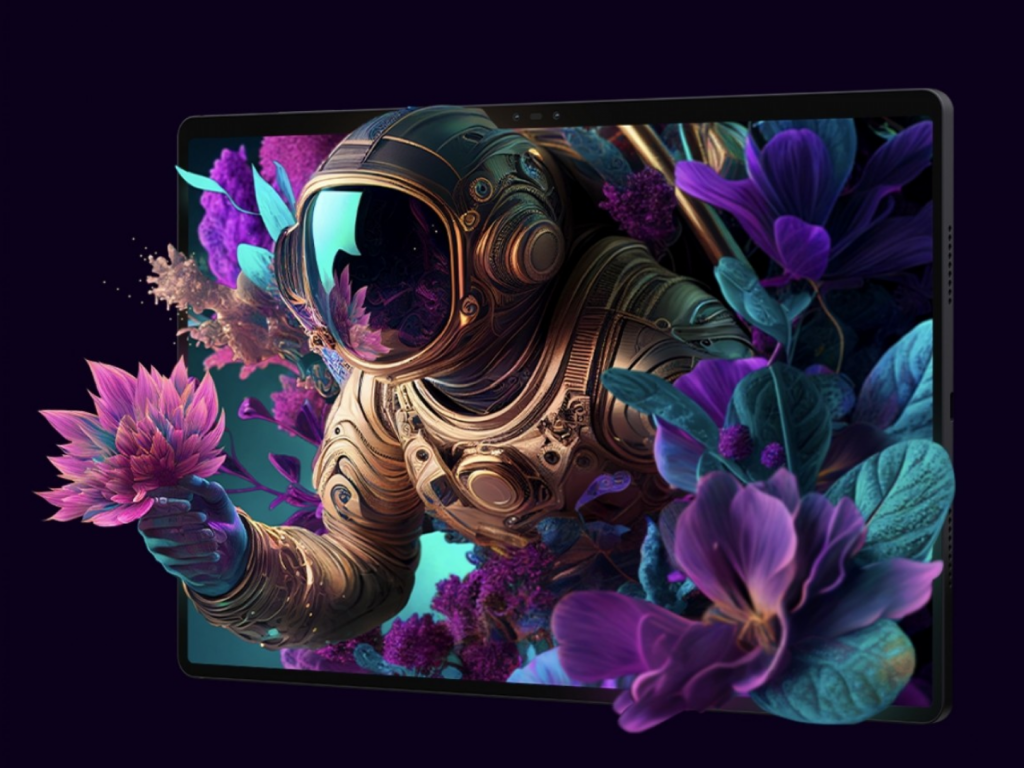
Nubia will Unveil the World’s First 3D Tablet at MWC 2023

On February 21st, Nubia mobile made a groundbreaking announcement: they will be introducing the world’s first AI engine-driven 3D tablet at this year’s MWC 2023 conference in Barcelona. The device was previously teased in a post by the company. This new tablet, the nubia Pad 3D, is set to revolutionize the way users interact with their devices.

Nubia 3D Tablet

According to the official statement, the nubia Pad 3D is the world’s first 3D tablet that is powered by an AI engine, enabling full-scene 3D applications. The promotional poster suggests that the tablet will be able to deliver an incredible range of features, including 3D video, 3D video recording, 3D streaming media, 3D games, and 3D AI creation. Users can expect an immersive and visually stunning experience that is sure to stimulate their senses and inspire their imaginations. The engine will track your eyes and simulate the three-dimensional image without the aid of special glasses. It also does not require a special parallax barrier display for the 3D images.

The Nubia Pad 3D’s design is also noteworthy, featuring a sleek right-angle middle frame design with four narrow frames that offer a high screen ratio. There are also two cameras at the top that are expected to use eye recognition to form a 3D image. The combination of advanced hardware and software promises to deliver an unparalleled user experience.

This new tablet is the result of a collaboration between Nubia and Leia Inc, a leading provider of light field hardware and content services based in Silicon Valley. Leveraging breakthroughs in nanotechnology design, manufacturing, and intelligent software, Leia is creating the future of digital interaction. The joint effort between the two companies is a significant step forward in the development of next-generation devices that push the boundaries of what is possible.

RELATED:

(Via)

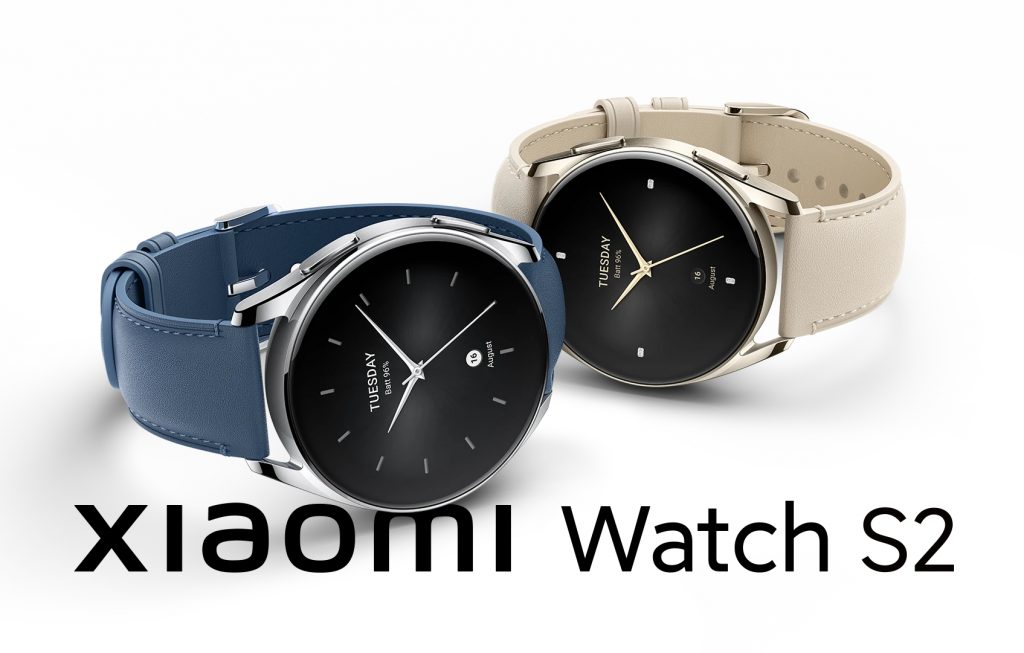
Xiaomi Watch S2 Spotted on Sirim Database Ahead of Global Launch

Xiaomi will be launching a bunch of devices at the upcoming Mobile World Congress event. This includes the Xiaomi 13 Pro, Xiaomi 13, and Xiaomi 13 Lite smartphones. Other gadgets like the Smartband 8 and the Watch S2 could also make their global debut at this event.

Xiaomi Watch S2

The Xiaomi Watch S2, which debuted back in December for the Chinese market is rumored to launch soon globally. It had previously appeared on the TRDA certification website, and now, the wearable has made an appearance on the SIRIM database.

The SIRIM database has certified the Xiaomi Watch S2 bearing model number M2207W1. The listing does not reveal any details on the specifications and features, however, it does confirm the moniker. The watch was previously spotted on TRDA certification with the same model number. As the watch is already available in China, we already know about its hardware and features.

Xiaomi Watch S2 specs & features

The Xiaomi Watch S2 is available in China in two sizes: 42mm and 46mm, with a circular dial and two physical buttons on the right side. The device has a stainless steel middle frame and sapphire glass, and both models feature an AMOLED panel with a resolution of 466 x 466 pixels. The watch is water-resistant up to 5 meters.

xiaomi-watch-s2

In terms of health and fitness, the Xiaomi Watch S2 has a heart rate and SpO2 sensor, as well as a body composition measurement that can track fat percentage, skeletal muscle mass, protein volume, and more. To use this feature, users simply place two fingers on the side buttons. The device also includes a sleep and stress tracker, a menstrual cycle monitor for women, and breathing exercises. With over 100 sports modes, the watch can track a wide range of physical activities.

The Xiaomi Watch S2 comes with a built-in microphone and speaker for Bluetooth calling, as well as a safety tracking feature that can alert pre-set contacts for help. The watch also includes GPS, Bluetooth 5.2, and NFC support. The 46mm model has a 500mAh battery that can last up to 12 days, while the 42mm model has a 305mAh battery that can last up to 7 days. The device comes with a variety of apps for added functionality.

RELATED:

(via)

Google Pixel 7 5G Doesn’t Support Newer 5G Standard

The IT industry has recently been buzzing with the news that Google’s latest flagship smartphone, Pixel 7, does not support the latest 5G standard. This is a huge letdown for people who were expected to enjoy the lightning-fast speeds of 5G networks on their devices. While this may appear not to be a major setback at the moment, there is some optimism in sight: Android 14 may provide compatibility for this new 5G standard to Pixel 7 owners.

The 3GPP is in charge of creating mobile broadband standards, with 5G being the most recent focus. Standards are made available in the form of “releases,” with the Pixel 7 running on the older 3GPP Release 15 compared to other phones on the market today. Release 15 became the first 5G standard in June 2018. It was followed in July 2020 by Release 16, which Qualcomm supported with the Snapdragon X65 in 2021 and the X70 modem last year. Release 17 was announced in the month of June 2022.

According to Qualcomm, Release 16 includes a “slew of advancements to the core components of the 5G system, including coverage, capacity, latency, power, mobility, dependability, simplicity of deployment, and more.” There is, however, some good news for Pixel enthusiasts who are upset by this announcement. According to recent speculations, with the introduction of Android 14, the Pixel 7 may be upgraded to the current 5G standard. This would put the Pixel 7 on par with other flagship products and allow it to use the most recent 5G networks.

According to Google, “3GPP Release 16 will be planned in the Android U release.” According to one interpretation, the Pixel 7 will be updated to Release 16 in the fall. The Pixel 8 is said to employ the same 5300 modems as the Tensor G3, with the chance that only the newer phone will support it. The likelihood of a 5G update with Android 14 is a fascinating prospect that Pixel lovers will be following intently in the coming months. Thanks a lot for reading the post till the end.

RELATED

Source/Via

Lenovo Launches New Gen Xiaoxin Notebooks with 1TB SSD & RTX 40 Series Graphics

IT House reported on February 20th that Lenovo has released a new generation of Xiaoxin notebooks with many models equipped with 1TB SSD as standard, marking a significant advancement towards the popularization of 1TB large-capacity SSDs. This announcement comes just one day after Lenovo’s unveiling of the latest update for the XiaoXin Pad Pro 2022.

Lenovo Legion

Lenovo’s latest updates reveal that the Savior 2023 series will also feature 1TB SSD in gaming notebooks, making this capacity more accessible and commonplace. The Savior 2023 series boasts a mainstream configuration equipped with a 1TB SSD and an additional M.2 slot for expansion.

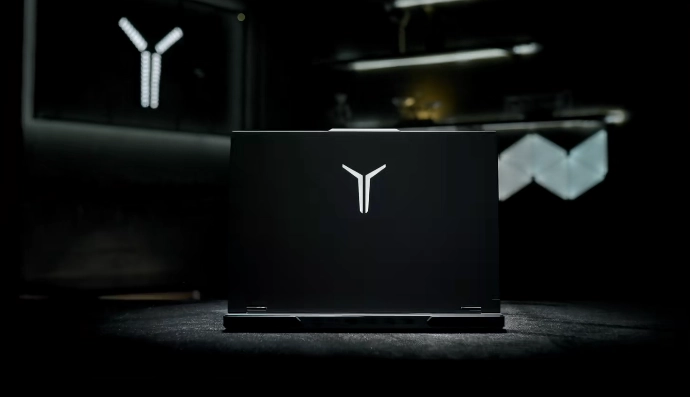
The Lenovo Savior 2023 series is expected to launch soon, with the Y9000P featuring Intel Core 13th-generation processors and 140W fast charging. Reports suggest that the device will also feature a new big Y logo. Official data indicates that the new generation of Y9000P professional gaming notebooks can output up to 250W of performance.

This series of notebooks is expected to be comparable to the Legion Pro 7i series notebooks, as previously reported by IT House. They feature the latest 13th-generation Core CPUs and RTX 40-series graphics, with an optional i9 + RTX 4090 flagship configuration. The notebook’s display features a 16-inch 2560×1600 IPS panel with a refresh rate of 240 Hz.

In summary, Lenovo has released a new generation of Xiaoxin notebooks that feature 1TB SSDs as standard, while also announcing the Savior 2023 series with similar capabilities. The Lenovo Savior 2023 series is expected to launch soon, with the Y9000P featuring Intel Core 13th-generation processors and 140W fast charging. This series of notebooks is expected to go toe-to-toe with the company’s very own Legion Pro 7i series notebooks with the latest 13th-generation Core CPUs and RTX 40-series graphics.

RELATED:

(Via)

OnePlus 11R Pre-Order in India Starts Today at 12PM with Free Budz Z2 Earbuds

Earlier this month, OnePlus launched the OnePlus 11R smartphone in India and other global markets. The brand appears to be returning to its flagship-killer roots with this new device. It features the same primary camera as the flagship OnePlus 11 and comes with the flagship-grade Snapdragon 8+ Gen 1 chipset.

OnePlus

Two weeks after the official unveiling, the device will finally be made available for pre-order in India later today. The brand will also be pitching in a free pair of OnePlus Buds Z2 earbuds worth ₹5,999 for free with every purchase. Check out the bank offers and availability below.

OnePlus 11R price, availability & offers

The OnePlus 11R 8GB + 128GB model is priced at ₹39,999, while the 16GB + 256GB model will cost ₹44,999. It will be available for pre-order starting from 12 PM today (Feb 21) via OnePlus.in, OnePlus Store App, OnePlus Experience Stores, and Amazon.in

Citibank users can avail an instant discount of ₹1,000 on the OnePlus 11R through Citibank Credit Cards and EMI transactions. Similarly, ICICI bank users will also get ₹1,000 off on  Credit Cards, Debit Cards, and EMI transactions.

OnePlus

Additionally, OnePlus Buds Z2 will tag along as a freebie with every purchase. It is worth mentioning that this offer is only valid till stock lasts.

OnePlus 11R specs

The OnePlus 11R boasts a 6.74-inch Fluid AMOLED display with a curved design, packing a resolution of 1.5K and 120Hz refresh rate. This display panel features 10-bit color depth, HDR10+ certification, an in-display fingerprint scanner, and a centered punch-hole notch that houses the front camera.

OnePlus

Under the hood, the phone is powered by an octa-core Qualcomm Snapdragon 8+ Gen 1 processor and an Adreno 730 GPU. It offers up to 16GB LPDDR5X RAM and up to 256GB of UFS 3.1 storage. The device runs OxygenOS 13, based on the latest Android 13.

In terms of camera performance, the OnePlus 11R features a triple-rear camera system that includes a 50MP primary shooter with optical image stabilization, an 8MP ultra-wide-angle lens, and a 2MP macro camera. The front-facing camera offers a 16MP shooter for selfies and video calls.

The OnePlus 11R packs a 5000mAh battery with 100W SuperVOOC charging technology, similar to the OnePlus 11. It also comes with a USB 2.0 Type-C port for charging and data transfers, stereo speakers with Dolby Atmos audio, and a choice of two colors: Sonic Black and Galactic Silver. You can check out our in-depth review of the OnePlus 11R to help you decide if this is the right phone for you.

RELATED:

Samsung Galaxy Z Flip 5 May Sport the Largest Cover Display On a Flip Phone

Samsung is working on its next-generation foldable phones, such as the Galaxy Z Fold 5 and the Galaxy Z Flip 5 (tentative names). It can be said based on previous release patterns that both devices may arrive in the third quarter of this year. The rumor mill has already leaked a lot of information about the Galaxy Z Fold 5. Now, tipster Ice Universe has leaked one of the first details of the Z Flip 5.

The Galaxy Z Flip 4 features a 1.9-inch cover display. In December 2022, display analyst Ross Young claimed that the Galaxy Z Flip 5’s cover display will measure over three inches. Fresh information shared by leaker Ice Universe reveals that the cover screen of the Galaxy Z Flip 5 will be bigger than the OPPO Find N2 Flip’s external screen, which measures 3.26 inches diagonally. The exact size of the Z Flip 5’s external screen is yet to be revealed.

Samsung Galaxy Z Flip 4

The cover display available on the Galaxy Z Flip 4 has limited capabilities. It can show notifications and function as a photo viewfinder. There is a possibility that the South Korean tech giant may add support for some other native apps for the external screen on the Z Flip 5.

Young had also revealed that the Galaxy Z Flip 5 will have a new hinge design. This could be an attempt to reduce the display crease on the device.

The other details of the Galaxy Z Flip 5 are yet to be revealed. The Galaxy S23 series, which went official recently in multiple markets, features the Snapdragon 8 Gen 2 mobile platform for Galaxy. The custom chip in the Galaxy S23 lineup has a processing speed of up to 3.36 GHz. The regular SD8G2 clocks at up to 3.2GHz. There is a possibility that the Z Flip 5 and Z Fold 5 may feature the same custom version of the SD8G2.

RELATED:

(source)

Samsung Galaxy S23 Ultra Display Defect is Not a Major Issue

There have been numerous reports of screen faults on the recently released Samsung Galaxy S23 Ultra smartphone from users. They recorded part of it with their cameras and published the images and videos on social media. The bubbling up of the screen at corners is the users’ biggest worry. The following issue, however, was addressed by several specialists who claimed that “it is nothing more than a non-issue.” It turns out that this is not a brand-new problem exclusive to the Galaxy S23 Ultra nor a genuine issue or production flaw.

The little “bubble” that could be seen in the lower-right corner of the Galaxy S23 Ultra was also seen on the Galaxy S22 Ultra. Last year, around the time the Galaxy S22 Ultra began delivering to customers, Samsung addressed concerns regarding the screen. The business noted on the Taiwanese portal’s help page that this is “a normal event” that has no effect on the operation or longevity of the product, and that consumers should feel free to use their devices without concern.

Samsung Galaxy S23 Ultra

According to the business, Samsung displays are made up of a variety of components, including surface tempered glass, a dustproof layer, and a waterproof layer, to mention a few. This bubbling effect appears to be a light refraction phenomenon observed at specific angles. So, according to Samsung. We’re not sure why it happens at the factory level, and other Galaxy device customers claim their phones don’t exhibit this behaviour, but whatever the case may be, Samsung has already stated that it’s absolutely acceptable, so it most likely is.

If this minor quirk doesn’t put you off Samsung’s new flagship phone, the pre-order period is over, but you may purchase the Galaxy S23 Ultra directly from the company’s website. If you open the box and can’t get past that minor light refraction flaw, you can always try contacting the company’s support channels. So that was all we had to cover up regarding the display issue highlighted by many users. However, officials confirmed that it’s nothing to worry about. With that said, do let us know your thoughts on this by dropping a comment down below. Thanks a lot for reading the post till the end.

RELATED

Source/Via

Smartphone Shipments in China Decline by 22.6% Year-on-Year in 2022

The mobile phone, also known as the wireless phone or cell phone, was initially developed as a communication tool and colloquially referred to as “Big Brother.” The first mobile phone was created by Bell Laboratories in the United States in 1940, and it has since evolved into a portable phone terminal that is used extensively throughout the world. The number of devices is especially high in countries like India and China owing to the population of these countries. According to the latest data from the China Business Industry Institute, China’s mobile phone shipments have been on the decline in the previous year, 2022.

Xiaomi Smartphone

The China Business Industry Research Institute is a valuable resource for industrial big data, industry intelligence, industry research reports, industry white papers, business plans, feasibility study reports, park industrial planning, industrial chain investment maps, industrial investment guidance, industrial chain investment inspection, and promotion meetings.

In recent years, the Chinese mobile phone market has exhibited a downward trend, with the market nearing saturation, and consumers’ demand for mobile phones gradually weakening. In December 2022, the total mobile phone shipments in the domestic market stood at 27.86 million units, down by 16.6% YoY. In 2022 as a whole, the total shipments amounted to 272 million units, a YoY decrease of 22.6%. 

The current market is primarily dominated by 5G mobile phones. In December 2022, there were 23.234 million 5G mobile phones, down by 14.4% YoY, accounting for 78.8% of the total market. Similar to the trend in other countries, this may be due to the fact that more users are purchasing high-end devices than ever before, leading to a decrease in overall shipments. Furthermore, the popularity of more expensive foldable devices is gradually increasing, with brands like Xiaomi and Oppo being strong contenders in the market. This might point towards a shifting trend in the Chinese smartphone market.

RELATED:

(Via)

Samsung Leads Global TV Market for 17 Consecutive Years

Samsung TVs are known for providing high-quality hardware and an amazing user experience. Even though their TVs are priced a little higher when compared to other OEMs, they are still worth the bucks. Now, an official statement released from Samsung Newsroom confirms that Samsung has been leading the global TV market for the last 17 years.

According to market research group Omdia, Samsung once again led the world’s TV market in 2022, making it the company’s 17th consecutive year at the top of the TV market. The company’s dedication to high-quality viewing experiences and user-centred design is responsible for its success. The South Korean electronics giant has continued to raise its market share year after year, maintaining its dominance as the world’s top TV manufacturer.

Image credit – Samsung Newsroom

The business’s success may be due to its ongoing innovations, state-of-the-art technology, and client-centred philosophy. Samsung puts its consumers’ demands first in addition to its technological advancements. The design of the company’s goods, which is both visually beautiful and practical, reflects its customer-centric philosophy. With features like voice control and smart home integration, Samsung TVs are made to be simple to use and intuitive.

Additionally, Samsung’s global distribution network contributes to the company’s dominance in the TV industry. The organisation can access a wide range of customers because of its strong presence in both developed and growing areas. More than 200 countries sell Samsung TVs, and the corporation has a substantial retail presence in nations including the US, China, and India.

Samsung’s advanced technologies, which enable it to produce new and high-quality goods, are one of its greatest strengths. The business makes significant investments in R&D, and its engineers are constantly looking for ways to enhance the watching experience. This emphasis on innovation has produced a number of ground-breaking goods, including the first QLED TV in the world, which uses quantum dot technology to provide unparalleled picture quality. So that’s all for this post. Thanks a lot for reading the post till the end.

RELATED