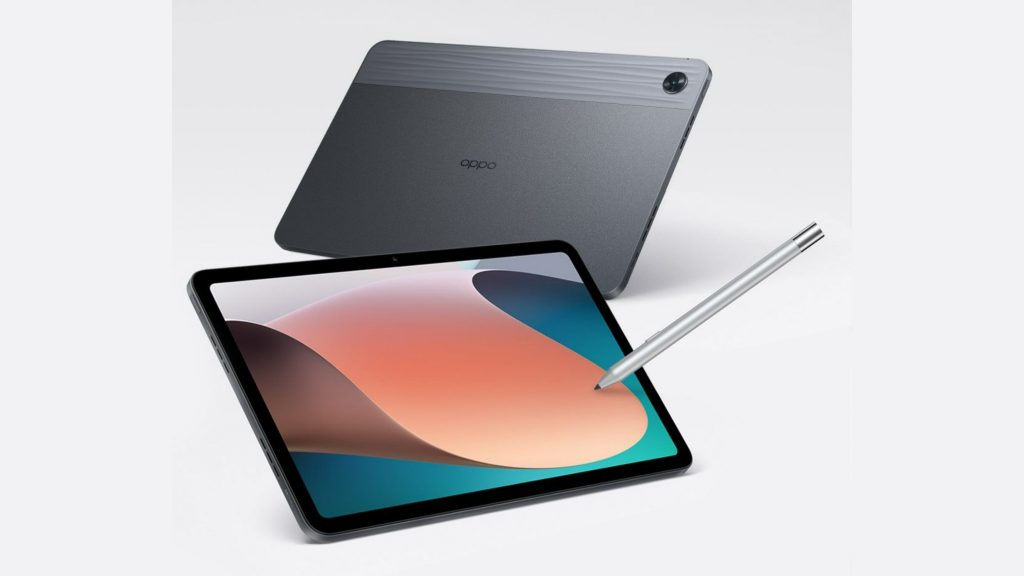
The Oppo Pad Air is the brand’s second tablet. Unlike the original Oppo Pad, it is a budget model.
The device debuted with ColorOS 12 based on Android 12. It got access to the Android 13-based ColorOS 13 beta in early December.
Now, more than two months later, the tablet finally gets the ColorOS 13 stable update.
The Android 13 stable update for the Oppo Pad Air is currently live in China. It is only available for a select few users as part of the batched rollout.
It should reach all users in the coming days in the brand’s home country. Unfortunately, we don’t have any info on global rollout since the device is not even listed in the Q1 2023 rollout plan. Therefore, the beta release outside mainland China may begin in April at the earliest.
Officially, Oppo hasn’t revealed the software update policy for the Oppo Pad Air. But we believe that the tablet will likely receive at least one more Android update.
The Oppo Pad Air is an inexpensive Android tablet powered by a Qualcomm Snapdragon 680 chipset. It is built around a 10.36-inch display (LCD) with a resolution of 2000 x 1200 pixels, 10-bit color depth, and stylus input support.
The product comes with an 8MP rear camera, a 5MP front-facing camera, quad speakers, dual-band WiFi, Bluetooth 5.1, a 7,100mAh battery, and 18W wired charging support.
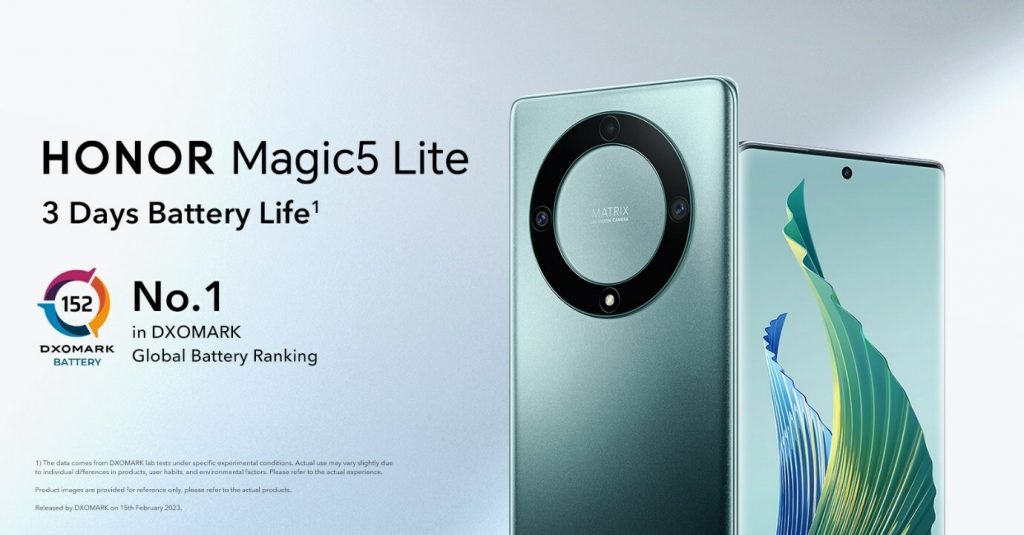
HONOR recently launched the HONOR Magic5 Lite in the European market, a versatile smartphone from the HONOR Magic series that features a 120Hz OLED display, 5G capabilities, and strong performance, all at an affordable price. However, what truly sets the HONOR Magic5 Lite apart from its competitors is its exceptional battery performance, which has earned it the top spot in the DXOMARK global battery ranking with a score of 152.
According to DXOMARK‘s review, the HONOR Magic5 Lite excelled in all areas of battery performance, including autonomy, charging, and efficiency. Its autonomy was particularly impressive, lasting over 3 days with moderate use, and nearly 2 full days with intense usage, making it one of the best-performing smartphones in terms of battery life. In addition, the HONOR Magic5 Lite’s efficiency and discharge currents were consistently low across different use cases, showcasing the device’s optimization and power-saving capabilities.
The HONOR Magic5 Lite’s ultra-large 5100mAh battery enables up to 24 hours of YouTube streaming, 19 hours of TikTok browsing, or 11 hours of gaming on a single charge. Additionally, the HONOR Magic5 Lite’s 40W HONOR SuperCharge technology allows for a 12.5-hour video streaming time with just 30 minutes of charging, providing users with peace of mind and convenience on-the-go.
It’s important to note DXOMARK doesn’t test every single smartphone that hits the market. As a result, the top spot on their rankings may not necessarily reflect the absolute best battery performance currently available. In fact, the first-place ranking may simply be because many of the latest smartphones have not yet been tested by DXOMARK. Nevertheless, their rankings remain a valuable resource for consumers looking for a quick and reliable reference to compare different devices.
HONOR Magic5 Lite boasts a 6.67-inch FHD+ OLED screen with a 120Hz refresh rate and 1920Hz PWM dimming. It is powered by the Snapdragon 695 Mobile Platform and comes with 6GB of RAM and 128GB of storage. The phone features a triple camera setup with a 64MP main camera, a 5MP ultra-wide camera, and a 2MP macro camera. It also has a 16MP front-facing camera and an in-display fingerprint sensor. The Magic5 Lite runs on Android 12 with Magic UI 6.1 and is powered by a 5100mAh battery with 40W fast charging.
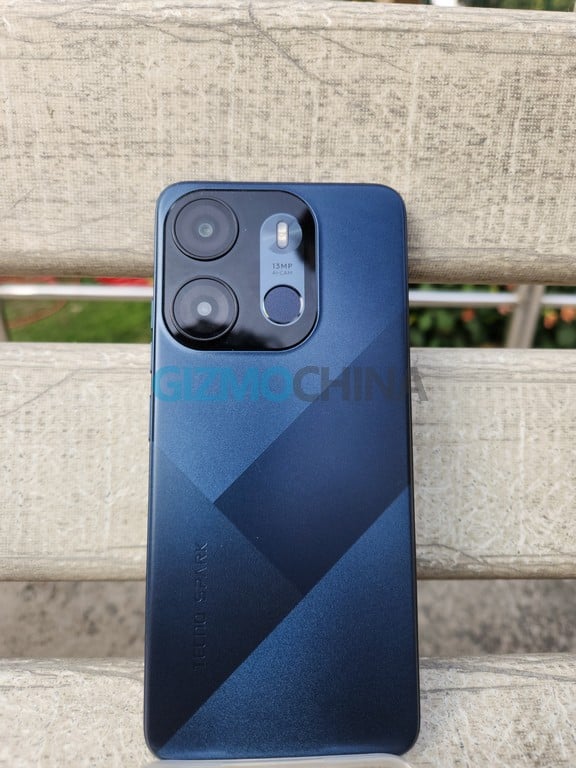
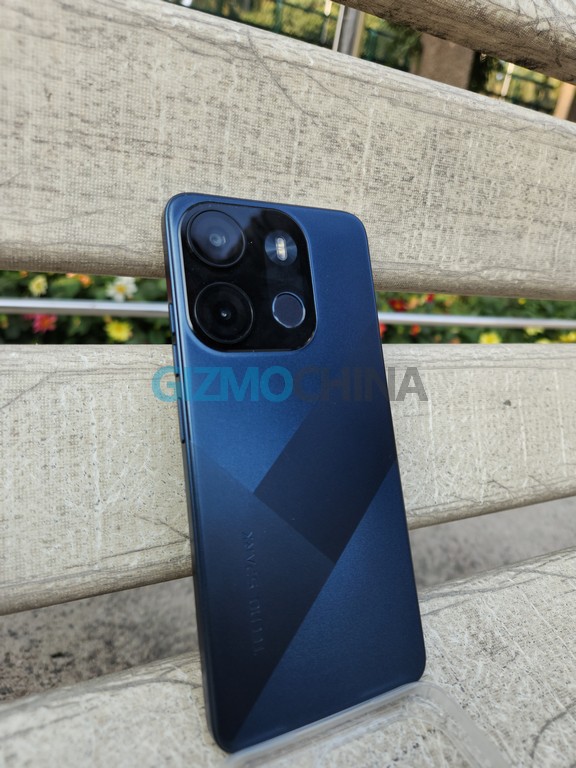
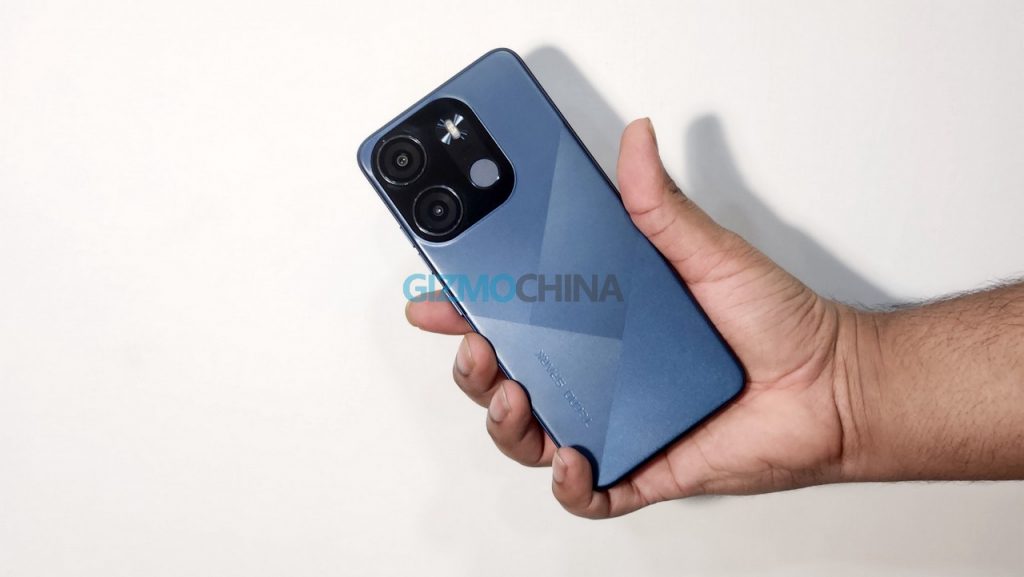
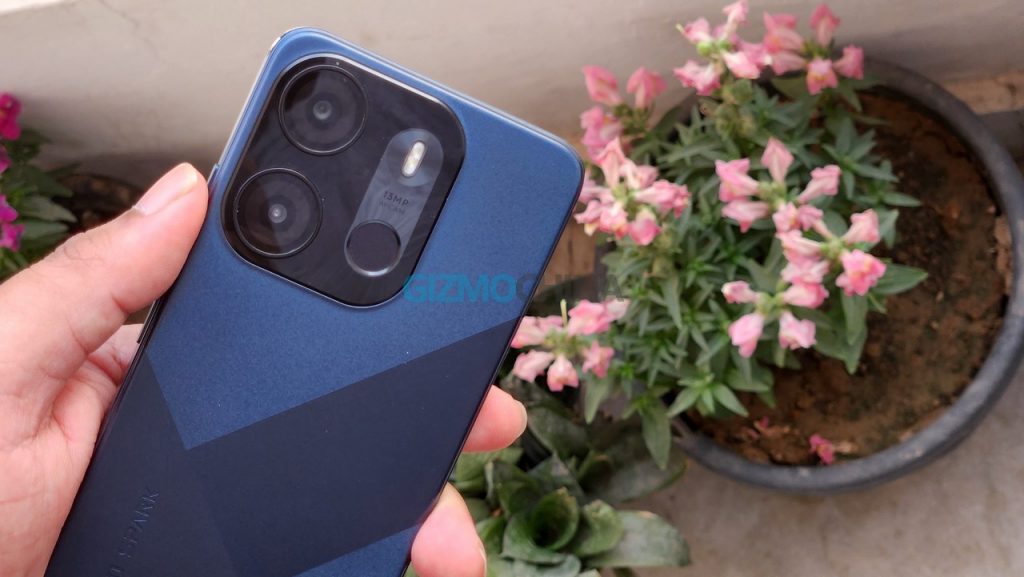
Tecno recently refreshed its budget-range Spark Go series in India with the new model named Tecno Spark Go 2023. The smartphone features a sharp-looking back panel with a textured design and a large camera module. The in-fashion flat edges are also present, along with a notched IPS LCD display.
Under the hood, the phone features a MediaTek Helio A22 chipset backed by a big 5,000mAh battery. Optics are covered by a 13MP dual camera setup and a 5MP selfie cam. What truly sets this device apart from most of its competition is the presence of a fingerprint sensor. The spec sheet looks quite impressive for a phone that starts at just ₹7,000 ($85). To find out if this device was actually impressive or not, I used it as my daily driver for nearly two weeks. Here’s my review of the Tecno Spark Go 2023.
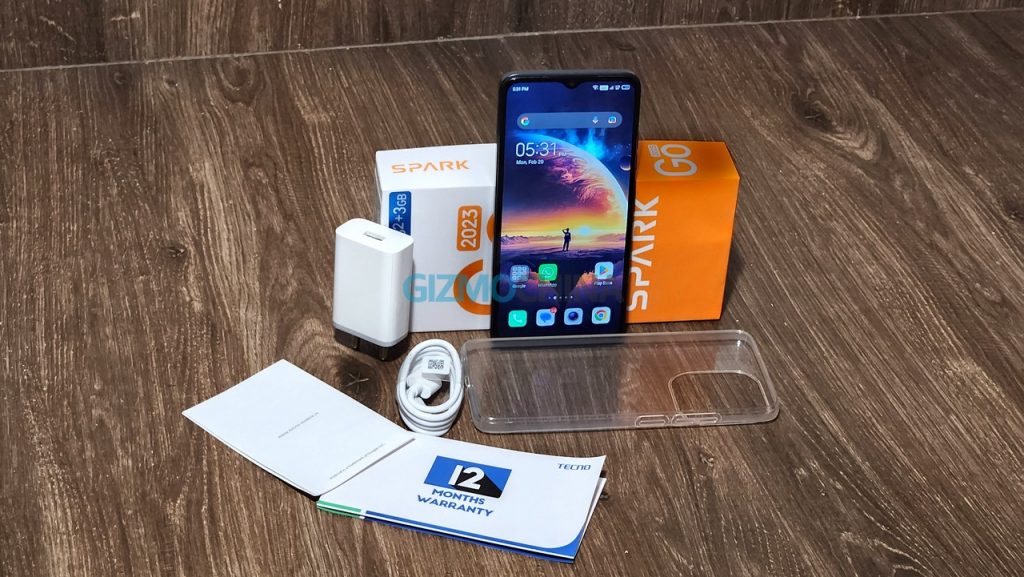
Tecno Spark Go 2023 Box Contents
The smartphone has the following items inside the box:
Phone
Type-C cable
10W Adaptor
Transparent TPU case
SIM card ejector
Documentation
Design & Display
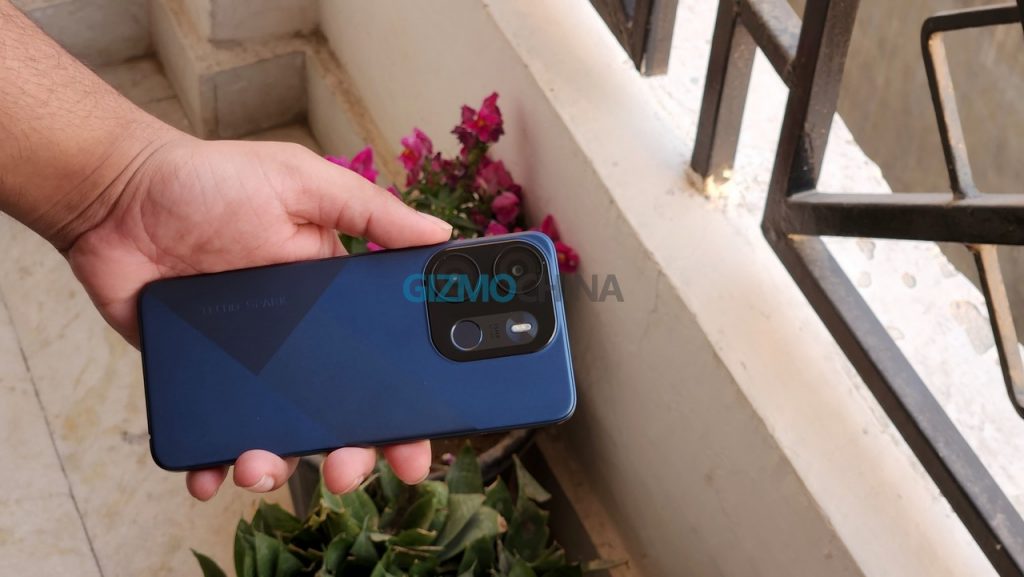
The Tecno Spark Go 2023 has a plastic build with an eye-catching design. Its textured back and flat frame make the device quite grip-able and comfortable to hold. The weight of the device also feels light and well-distributed. Thanks to its textured back, you don’t have to worry about fingerprint stains, either. The fingerprint sensor, which is placed on the camera module does take a bit to get used to, however, it is quite easy to reach with either hand as it’s placed above the center line.
The phone is 8.9mm thick but doesn’t feel too bulky in the hand. However, I used the device with the included clear case provided in the box, and the thickness became much more apparent. The flat power button and volume rockers on the right are side very responsive. The left side has the SIM card slot while the bottom houses the type-C port, loudspeaker, 3.5mm audio jack, and mic.
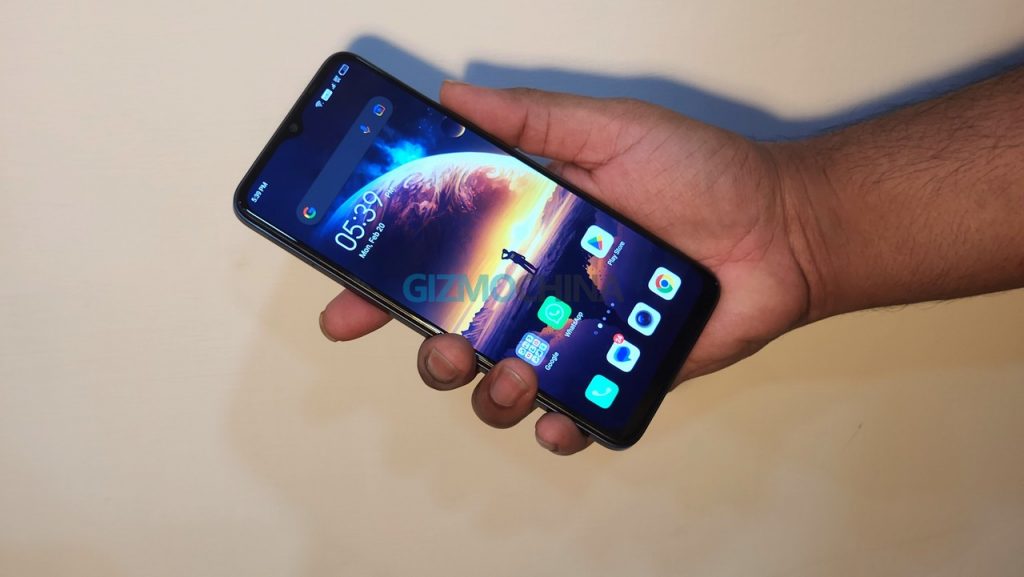
Coming to the display, the Spark Go 2023 offers a 6.56-inch IPS LCD panel with a 60Hz refresh rate and 480 nits peak brightness. The display produces good colors and is overall alright for consuming video content. Since it’s an IPS display, the viewing angles are quite good. At 480 nits, the brightness is enough for indoor viewing, however, it struggles in outdoor settings.
For example, when taking pictures in the sun, the display was not good enough to show that my finger was partially blocking the camera, thereby ruining some shots. So basically, you will be able to clearly see who’s texting /calling you when you are outdoors, but don’t expect to make out details in a video if you are under direct sunlight.
While talking about the display, let’s also talk about the audio performance. The phone comes with a single speaker unit located at the bottom. It actually has better quality than what I’d expected from a device at this price, however, it falls short in the loudness and fullness of the sound department.
Performance & Software
Inside the Tecno Spark Go 2023 is a MediaTek Helio A22 chipset, and the device comes in three different configurations – 3GB + 32GB, 3GB + 64GB, and 4GB + 64GB. The unit I’m reviewing has 3GB RAM and 32GB storage. Despite the processor being a bit aged, it never gave me any issues while executing day-to-day tasks like texting on WhatsApp, watching YouTube videos, listening to music on Spotify, and carrying out transactions using UPI and banking apps.
The connectivity is also quite good as calls were clear and the device was getting strong signals outdoors. It is also worth mentioning that the calling experience over Wi-Fi was better than what I was expecting, as I never dropped a call even on zero bars (my room is a cave).
The performance is not always spotless, as I did encounter some touch input delays and lag here and there. Games like PUBG and COD do lag, even on low settings. I got around 20 FPS on the lowest settings while playing PUBG, as well as in Call of Duty: Mobile sessions.
Lighter games like Subway Surfers, Candy Crush & Clash of Clans run without any hiccups. I also ran the device through a couple of benchmarks to give you a better idea of what to expect in terms of performance.
[envira-gallery id=’517066′]
Overall, this is an acceptable performance for a device in this price range. Now, let’s talk about the operating system. The device runs Android 12-based HiOS V12 skin. It is a letdown that the brand doesn’t bundle the device with the latest Android software, however, it is worth mentioning that this is a full-fledged custom Android 12 build and doesn’t skimp on any features. This means that users get features like dual apps, a smart panel, game mode, and more.
The UI is overall simple and clean. The part I didn’t like was the amount of bloatware. The smartphone is full of pre-installed apps. It took me around 10 minutes to get rid of most of them. And I say most, as I wasn’t able to uninstall some, and had to settle at disabling them.
Camera
The Spark Go 2023 features a 13MP main camera and a 2MP secondary sensor. As for the front, it has a 5MP selfie snapper. The camera quality on the device is pretty basic, with the primary camera struggling to capture details in indoor environments. In outdoor settings, the camera tends to overexpose quite a lot on a regular basis. I constantly found myself tapping on the subjects or manually adjusting the brightness to compensate for the overbearing exposure.
[envira-gallery id=’516393′]
Given enough light and time to focus, I did manage to click some good pictures with the primary camera.
[envira-gallery id=’516400′]
The bokeh shots were also a hit-or-miss with the viewfinder having trouble detecting edges. You can see this in the first picture below where my cheeks, ears, shoulders, and hair are quite blurry. However, in the second image, it managed to capture me perfectly.
[envira-gallery id=’516404′]
The selfies on the other hand turned out quite well with the smartphone capturing a good amount of detail in daylight conditions. I also tried on the AI beauty filter (image on the right) which was quite good and did not overdo the smoothing.
[envira-gallery id=’516407′]
Overall, the camera system is justified for the price range and takes good selfies in well-lit-up environments. The same goes for the video quality, however, due to no stabilization onboard (a given for this price range), the videos do tend to be shaky.
Battery
The smartphone has a large 5,000mAh battery that easily got me through the day. Even with moderate use, it lasted around a day and a half. I was constantly getting around 6–7 hours of screen on time, which is quite good even for heavy use cases. It is worth pointing out that these results were obtained in daily day-to-day use cases of light apps. If you try playing demanding games on it, your mileage may vary.
The 10W charging is quite slow and fills up the battery from 0 to 100 percent in around 2 hours. However, it is to be expected with a budget device such as this.
Verdict
The Tecno Spark Go 2023 is a decent offering at the asking price of ₹7,000 ($85). Regular apps like WhatsApp, YouTube, etc. operate without any hiccups. The camera is capable of clicking some nice shots given enough light, and the battery is big enough to last more than a day. The textured back and overall aesthetics of the phone add style points that much of the competition lacks. So if you are looking for a budget phone to access daily-use apps, and taking selfies under the sun, the Spark Go 2023 might be the phone for you.
Disclaimer: The opinions expressed in this Tecno Spark Go 2023 review are solely mine based on my experience, and there has been no editorial input from Tecno.
Apple is growing its laptop market withApple continues its growth in the laptop market with M series processors and setting new performance standards. However, MacBooks have weaknesses. Traditional processors outperform M-series silicon in terms of software support. Nevertheless, Apple is quickly catching up with its competitors. Lastly, the release of the Linux 6.2 kernel brought a significant milestone for new Mac users. Here are the details…
Linux 6.2: The First Mainstream Linux Kernel for Apple M1 Chips Arrives
The release of the Linux 6.2 kernel brought with it a significant milestone for Apple Mac users. With upstream support for the Apple M1 Pro, M1 Max, and M1 Ultra chips, users with newer Macs can now run Linux on their machines. This is particularly exciting news for tech enthusiasts who have been eagerly waiting for Linux to run on the M1-powered machines.
The release of the Linux 6.2 kernel brought with it a significant milestone for Mac users. With upstream support for the Apple M1 Pro, M1 Max, and M1 Ultra chips, users with newer Macs can now run Linux on their machines. This is particularly exciting news for tech enthusiasts who have been eagerly waiting for Linux to run on the M1-powered machines.
Fortunately, the Asahi Linux team, led by software engineer Alyssa Rosenzweig, was up to the challenge. By July 2022, Linux on ARM and the M1 became a reality. Today, this support is finally ready for mainline Linux users. The inclusion of M1 support in the Linux 6.2 kernel is expected to be a game-changer for Linux Mac users. While the support is still experimental at this point, it is expected to become the default kernel for Ubuntu 23.04 and to be included in Fedora 38 before the late April release of Linux 6.3.
However, M1 support is not the only notable addition to the Linux 6.2 kernel. Contributions from companies such as Intel, AMD, Google, and Red Hat have resulted in numerous features being added to the kernel. For example, the kernel now includes stable support for Intel Arc Graphics and initial support for Nvidia GeForce RTX 30 series “Ampere” accelerated graphics with Nouveau open-source code.
Updated drivers have also been included, such as support for Sony DualShock 4 gamepads, sensors, and fans in the OneXPlayer gaming handheld, Habana Labs’ Gaudi2 AI accelerator, and Asus motherboards. Moreover, the Linux 6.2 kernel includes Call Depth Tracking to help improve performance on older Intel Skylake-era PCs, along with various file-system driver enhancements and security improvements. The NTFS3 file kernel driver has also been improved and updated with new mount options. Overall, the Linux 6.2 kernel provides significant new hardware enablement and features for Linux users.
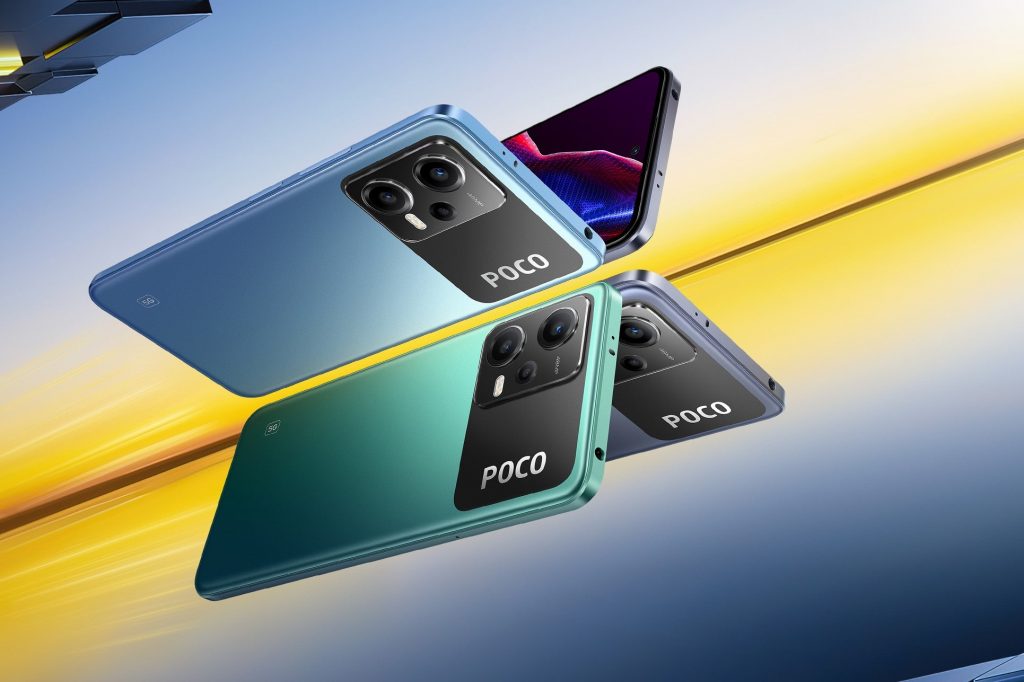
Earlier this month, Poco unveiled the Poco X5 series. The lineup consists of two models, namely Poco X5 and Poco X5 Pro. Only the latter device was made available in most markets soon after the announcement.
On the other hand, the vanilla variant is being rolled out gradually. The smartphone just went official in Indonesia. Let’s take a look at its price and availability.
The Poco X5 arrives in two memory configurations in Indonesia. It is priced at IDR 3,399,000 (~$225) and IDR 3,899,000 (~2$60) for 6GB + 128GB and 8GB + 256GB variants, respectively.
The handset can be availed in either black, green, or blue color options. It can be purchased from Poco Indonesia’s official website, Shopee, and Erafone.
Talking about features, the Poco X5 is almost the same as the Redmi Note 12. The only difference is that is powered by a Snapdragon 695 chipset instead of a Snapdragon 4 Gen 1 SoC.
The phone sports a 6.67-inch centered punch-hole 120Hz AMOLED display with a resolution of 2400 x 1080 pixels (FHD+) and up to 1200 nits peak brightness. It boots MIUI 13 for Poco based on Android 12 and comes with LPDDR4x RAM and UFS 2.2 storage.
The device houses a triple-camera system on the rear consisting of a 48MP primary sensor, an 8MP ultra-wide unit, and a 2MP macro snapper. On the front, it has a 13MP shooter for selfies and video calls.
The smartphone offers multiple connectivity options, such as dual-SIM, 5G, dual-band WiFi, Bluetooth 5.1, GNSS, and USB Type-C. Other features include a 3.5mm headphone jack, a shared MicroSD card slot, and a side-mounted fingerprint sensor.
The Poco X5 draws energy from a 5,000mAh battery. Finally, it carries support for 33W fast wired charging.
Counterpoint Research has released a new report on the truly wireless stereo earphones segment in India for the year 2022. The segment recorded a whopping 85 percent year-on-year growth. As per the research firm, the growth is cited to local manufacturing, attractive sale events, frequent affordable offerings, and new players in the market.
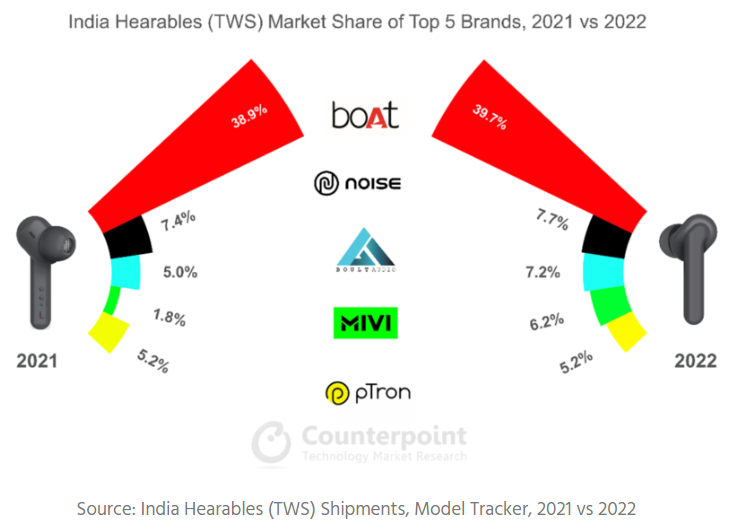
As per Counterpoint’s IoT Service data, Indian brands dominated the TWS segment in 2022. This was led by boAt, Boult Audio, Mivi, pTron, and Noise. They accounted for two/thirds of the total shipments and captured 80 percent of the market share. Chinese brands had a decreased market share with 13 percent last year. This was supported by the OnePlus Nord Buds, Buds CE, as well as, OPPO and Realme. Global brands led by Apple, JBL, and Samsung took a 8 percent share in the TWS segment.
As for the brand statistics, boAt led the TWS segment in India for the third consecutive year with a 89 percent year-on-year growth. The Airdopes 131 was the top-selling model for the second straight year. Noise rose to the second spot with 2x YoY. Boult Audio came in third with a 7 percent share. Mivi took the fourth position whereas the pTron bagged the fifth spot with a 5 percent share.
India’s TWS shipments saw a 44 percent YoY growth in the fourth quarter of 2022. The Rs 1,000 – Rs 2,000 price band had a 75 percent share during the period with boAt leading with a 45 percent share. The premium TWS segment captured 4 percent during the quarter driven by Samsung followed by Apple and JBL.
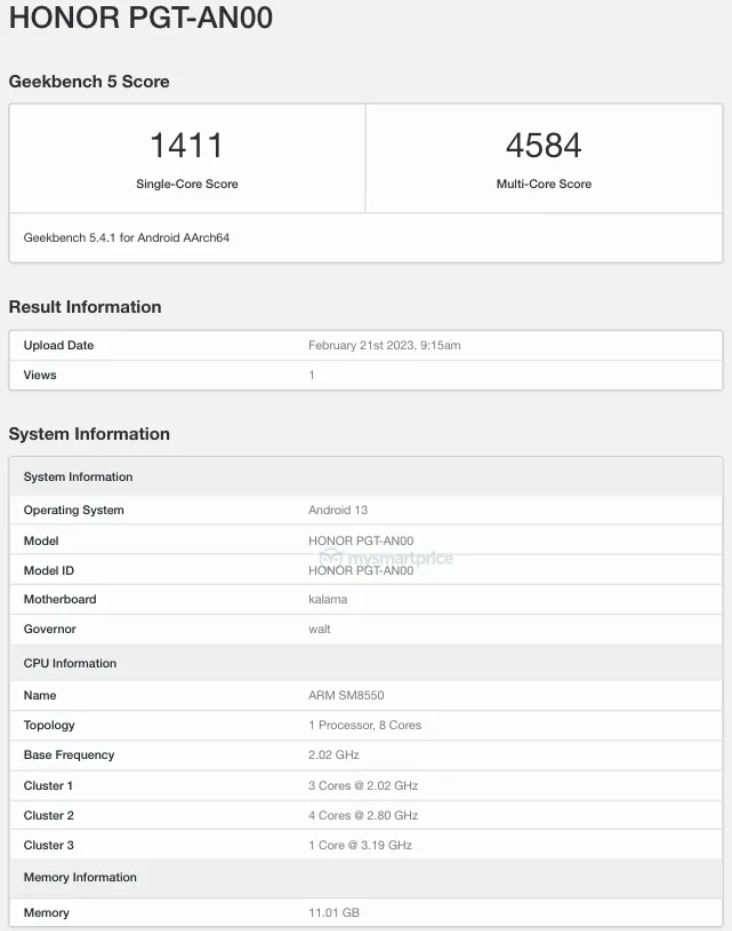
Honor recently confirmed the launch of the Honor Magic 5 smartphone for the global market. The brand will launch the smartphone via MWC Barcelona 2023 event. The devices will be unveiled on February 27th, 2023. Anyway, the smartphone has now been listed on the Geekbench certification website, ahead of the official launch. The certification confirms that the smartphone will be powered by the Qualcomm Snapdragon 8 Gen2 SoC.
The Honor Magic 5 has been confirmed as PGT-AN00 on the Geekbench website. The listing reveals that the forthcoming Honor flagship, set to debut at MWC 2023, would be powered by a Qualcomm Snapdragon 8 Gen 2 Chipset. The Kalama (codename) chipset contains a primary CPU core clocked at 3.19GHz. It also includes four 2.8GHz performance cores and three 2.02GHz efficiency cores. The Magic 5 model featured on Geekbench has 12GB of RAM. However, there could be other RAM variants as well.
The phone will come pre-installed with Android 13. According to the listing, the phone scored 1411 on the single-core test and 4584 points on the multi-core test on Geekbench, which are some of the highest scores we have seen from a smartphone. This suggests that the Honor Magic 5 will be a powerful and fast smartphone that should be able to handle even the most demanding apps and games with ease.
While the Geekbench listing for the Honor Magic 5 has provided us with some insight into the phone’s performance, we still do not know much about its other features. The Honor Magic 5 may include a 6.8-inch OLED LPTO panel with a refresh rate of 1Hz-120Hz, 2160Hz PWM dimming, 480Hz touch sampling rate, HDR10+, and up to 1100 units of brightness. The Honor Magic 5’s previously leaked renders confirm that the gadget will continue to use the centre-aligned circular camera module with three camera sensors positioned in a triangle configuration. A periscope telephoto lens is one of the sensors in the arrangement, and the module also includes an LED flash.
Microsoft has just announced that it is entering into an agreement with Nintendo. Thanks to this new deal, we can soon expect to see the latter’s gaming devices to run Xbox titles like the massively popular franchise, the Call of Duty. So here are all of the details.
As per the official announcement, the American tech giant signed a binding 10 year legal agreement to bring Call of Duty to Nintendo players. For those unaware, the latter is a Japanese giant for both its gaming hardware like the Switch and software like the Mario and Legend of Zelda series. The announcement also added that “We are committed to providing long term equal access to Call of Duty to other gaming platforms.”
Microsoft had also offered a similar deal to Sony in the recent past. Now, the company is signing a new deal with the Switch handheld console maker. So now, Activision Blizzard’s Call of Duty franchise will be making its way Nintendo consoles soon. Notably, the new deal with the Japanese company could also be to ease regulators of its acquisition of Activision Blizzard.
Following the acquisition, Microsoft had faced a lot of opposition after buying the gaming studio behind the COD. This lead to the company facing backlash from its rivals like Sony, since it reportedly posed a threat to the industry.
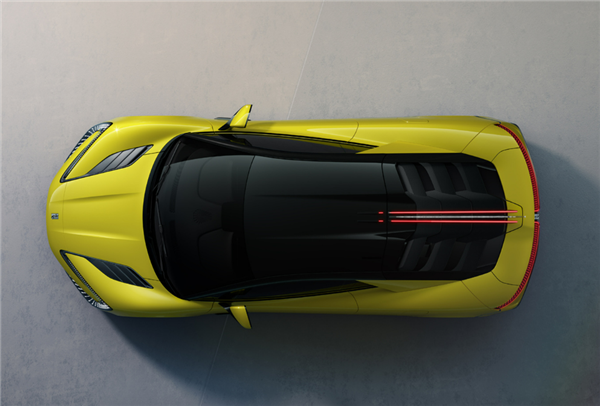
The electric vehicle market is growing, leading to the emergence of new models across different segments. Recently, the world’s largest EV manufacturer BYD unveiled its latest luxury offering at a press conference, U8. Lastly, the company showcased its new million-level supercar, the U9. This new vehicle is the latest addition to BYD’s high-end vehicle lineup, and it has already garnered significant attention. Here are the details…
BYDU9 Boasts 0-100km/h in 2 Seconds and Blade Battery
The U9 is designed using BYD’s signature “Gate of Time and Space” design language, which takes inspiration from outer space. The vehicle features unique headlights and a front light group, including a special-shaped dot matrix light strip that looks surprisingly harmonious, thanks to the camouflage stickers that are currently covering it. The U9 is positioned as a supercar, with a low profile, a large “aspect ratio,” and several notable features, including frameless windows, butterfly doors, through-type tail lights, electric lift spoilers, and an exaggerated shape diffuser. It is clear that the designers have focused on creating a visually striking and distinctive car that stands out from the crowd.
In terms of performance, the U9 is equipped with Yisifang technology, which is based on four independent motor drives and has innovated the power structure of the car. According to BYD, this technology is 100% independently developed and is suitable for pure electric and hybrid platforms, covering off-road vehicles, supercars, and more.
The U9 features a four-wheel four-motor configuration and can reach an impressive 0-100km/h acceleration time of just 2 seconds. It is also equipped with a blade battery, which provides an excellent balance of power and range. Despite limited information currently available about the U9, it is clear that BYD has worked hard to create an impressive luxury vehicle that will appeal to car enthusiasts and collectors. With its striking design and impressive performance, the U9 is poised to make a significant impact in the high-end car market.
The recent release of road test spy photos has only increased anticipation for the official launch of the U9. Car enthusiasts and industry experts alike are eagerly awaiting more information about this exciting new vehicle, and it will be interesting to see how it performs in the competitive supercar market. For now, it seems that the U9 is well-positioned to become one of BYD’s most popular and coveted vehicles.
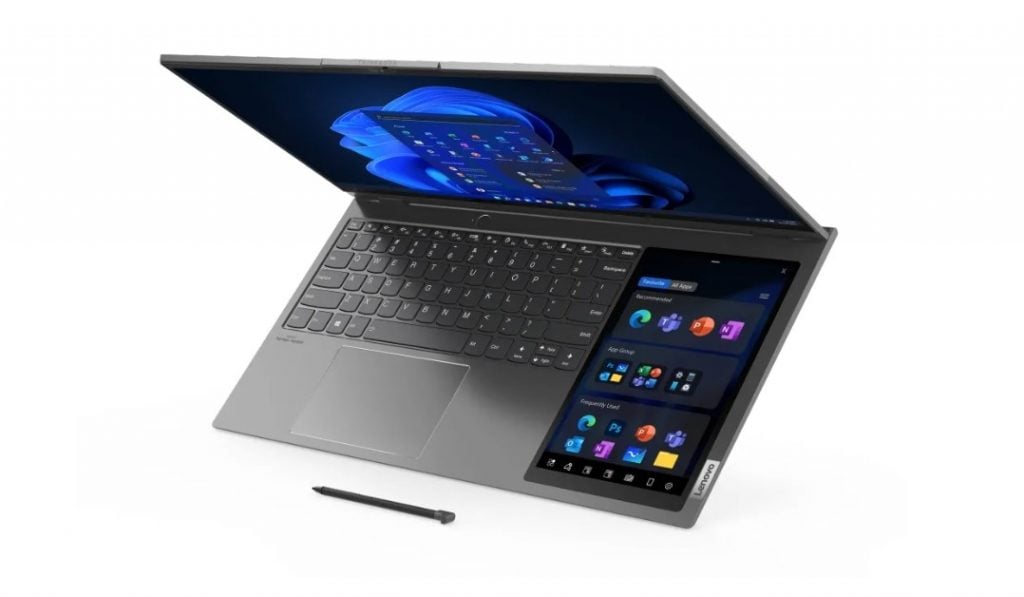
Lenovo launched the ThinkBook Plus Gen 3 at the Consumer Electronics Show (CES) last year. Now, the brand has brought the device to the Indian market. It is a high-end laptop aimed at creative and enterprise users. The machine comes with a secondary display making it similar to ASUS’s ZenBook Duo lineup of dual-screen laptops. Read on to know what it offers out of the box.
The Lenovo ThinkBook Plus Gen 3 is an industry-first laptop featuring a 17.3-inch display with a 21:10 ultra-wide ratio. It offers a 3K resolution, a 120Hz refresh rate, 99 percent DCI-P3, and 400 nits brightness. The device also supports touch input and Dolby Vision. Additionally, the ThinkBook Plus Gen 3 has a secondary screen on the right side of the keyboard which looks like an embedded tablet within the laptop base. The secondary display measures 8-inches in size bearing an HD+ resolution, a 60Hz refresh rate, 350 nits peak brightness, 60 percent NTSC colour gamut, and touch support. It can be used for productivity apps, phone syncing, content mirroring, and more.
On the audio front, the Lenovo ThinkBook Plus Gen 3 is equipped with dual 2W Harman Kardon-powered stereo speakers with support for Dolby Atmos. There is a backlit keyboard and an FHD infrared webcam with shutter privacy,
Under the hood, the Lenovo ThinkBook Plus Gen 3 is equipped with a 12th-generation Intel Core i7 processor. It is coupled with integrated Iris Xe graphics onboard. The machine packs 16GB LPDDR5 RAM and 1TB SSD storage, with both having the option to upgrade up to 32GB and 2TB respectively. The laptop is backed by a 70Wh battery with support for 100W rapid charging.
The Lenovo ThinkBook Plus Gen 3 comes with connectivity options like USB-C Thunderbolt 4 port, a USB-C port, a USB-A port, an HDMI port, a 3.5mm jack, Wi-Fi 6E and Bluetooth version 5.2. The laptop runs on Windows 11 Pro OS out of the box.
The Lenovo ThinkBook Plus Gen 3 starts at Rs 1,94,990 and can be brought via the company’s website and retail outlets across the country.
Samsung appears to be switching things up with its upcoming Galaxy Z Fold5. Although the gadget is likely to include a number of remarkable features, it will not include built-in S Pen functionality. The forthcoming foldable smartphone will soon be available thanks to the Korean tech giant. The device will be released as a successor to the Samsung Galaxy Z Fold5.
Some fans were dissatisfied with this choice because they expected the same level of stylus support as on prior versions. The pen input feature was implemented starting with the Galaxy Z Fold3 which was released in 2021. It was not built-in like the Galaxy Note, but instead required the purchase and use of a separate S-pen. It is convenient to write or draw on the screen with a pen, but because you must carry it separately, requests for a built-in device have been persistent.
The technical barriers are said to be still high. The built-in is feasible, but when the pen is inserted, the foldable smartphone becomes thicker. That clashes with the need for a foldable phone to be slim when folded. There is also a method for making the pen thinner, which lessens the writing sensation. The cost burden, such as the rise in product pricing, was recognised to be significant when the pen was built in. These are the primary reasons why Samsung has dropped the plan to introduce a built-in S Pen to the upcoming Samsung Z Fold5.
Samsung Electronics is working on a solution that increases writing comfort while also making the pen slimmer. As the demand for S-Pens embedded inside foldable smartphones grows, the business intends to further develop and release the technology. According to an industry source familiar with the situation, “the hinge structure of the new foldable device has evolved, as has the internal space structure, making mounting the S Pen difficult.”
So that was all we had to cover up regarding the recent news of the Samsung Galaxy Z Fold5. What are your thoughts on this? Do let us know by dropping a comment in your words down below. Thanks a lot for reading the post till the end.
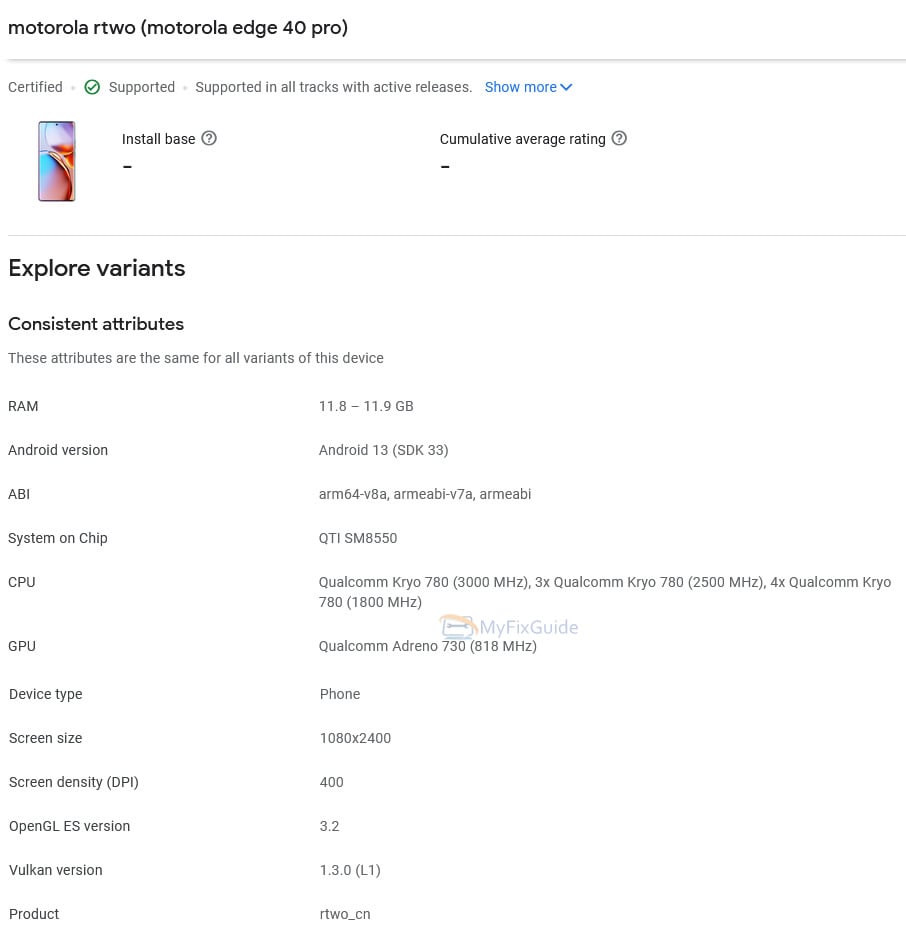
Earlier this month, the Moto Edge 40 Pro appeared on the Geekbench database. Now it has been spotted on Google Play Console. The recent listings suggest that the smartphone may launch soon in the near future. The Play Console listing reveals the same specifications as the Geekbench database. The Edge 40 Pro is expected to debut as the rebranded version of the X40 in the Chinese market.
The rendered image of the Moto Edge 40 Pro on the Google Play Console listing reveals a curved display with a centre-aligned punch-hole cutout and very thin bezels. The device bears a resolution of 1,080 x 2,400 pixels and a 400 DPI screen density.
As per the listing, the Moto Edge 40 Pro will be equipped with a Qualcomm SM8550 processor that corresponds to the Snapdragon 8 Gen 2. It will be paired with Adreno 730 GPU onboard. The upcoming offering will pack 12GB RAM and ship with Android 13 OS out of the box.
Apart from the aforementioned information, there are no additional details about the Moto Edge 40 Pro. We expect to learn more about the smartphone in the coming weeks.
Since the Moto Edge 40 Pro is expected to be the rebadged version of the X40, we can expect the device to feature a 6.6-inch curved OLED display bearing an FHD+ resolution and a 165Hz refresh rate. It will be backed by a 4,600mAh battery unit with support for 125W fast charging and 15W wireless charging. The smartphone has a 50MP OIS-enabled primary camera paired with a 50MP ultra-wide-angle unit and a 12MP telephoto lens. There is a 60MP selfie snapper.
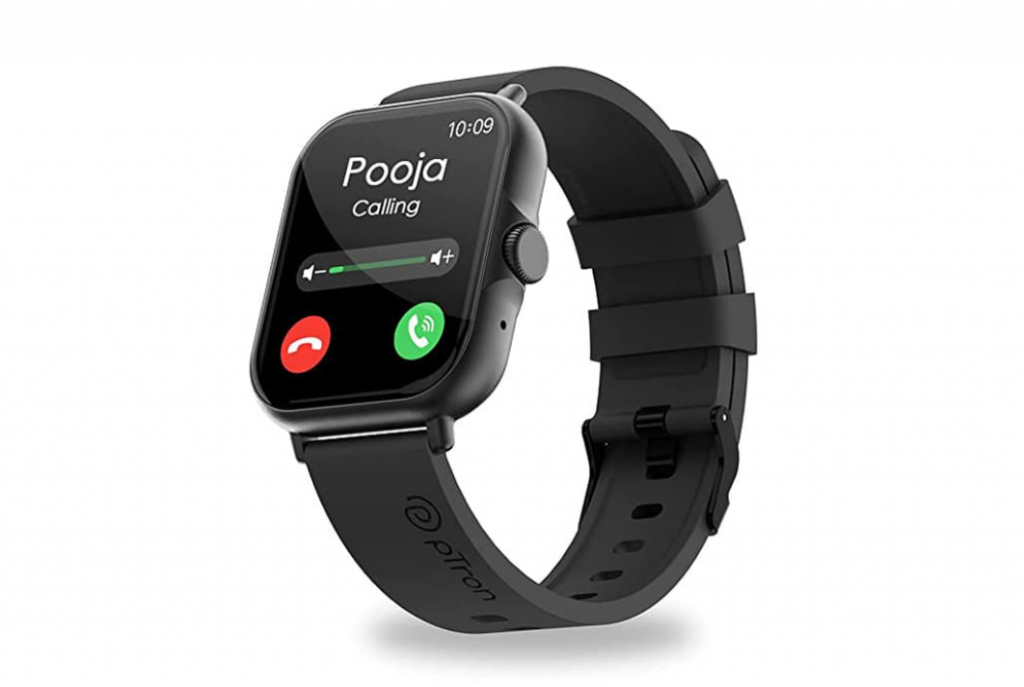
Today, pTron released a new smartwatch in India. The pTron Force X12N includes a slew of capabilities, including Bluetooth calling, crown control, sports monitoring, and much more. Despite having a plethora of features, the new gadget is extremely affordable. To begin with, the smartwatch has a 1.85-inch colour touchscreen display with HD quality. The display is housed in a high alloy metal case.
The company has added support for up to 130+ cloud-based watch faces, which are accessible via the companion app. Also, it supports crown control, which is uncommon in this price range. The overall design is similar to Apple’s watch, making it a very cheap entry for customers who like Apple watch’s design.
Furthermore, the wristwatch includes all of the basic health monitoring features, like heart rate mentoring, blood oxygen level measurement, auto sleep tracking, daily activity tracker, Sp02 blood oxygen level measurement, and much more. It also includes guided breathing techniques to help the user keep his or her stress under control.
It supports a variety of sports modes, including indoor and outdoor walking, running, jogging, hiking, and yoga. In terms of connectivity, the watch includes Bluetooth 5.0 capability to keep you connected while you’re on the go. Bluetooth calling, message alerts, social media alerts, and alarm reminders have also been introduced. You may also add up to eight different contacts on the watch so that you can call them without touching your smartphone.
That concludes the specifications of the pTron Force X12 smartwatch. In terms of pricing and availability, the watch is priced at INR 1,499 ($18). The watch will be offered in four colour options: Carbon Black, Gold Black, Blazing Blue, and Champagne Blue. Starting February 21st, 2023, the watch will be available for purchase on Amazon India. During initial sales, the watch will also be available at an introductory price of INR 1199 ($14). During the introductory price deal, you can get a discount of INR 300 (about $3.5).
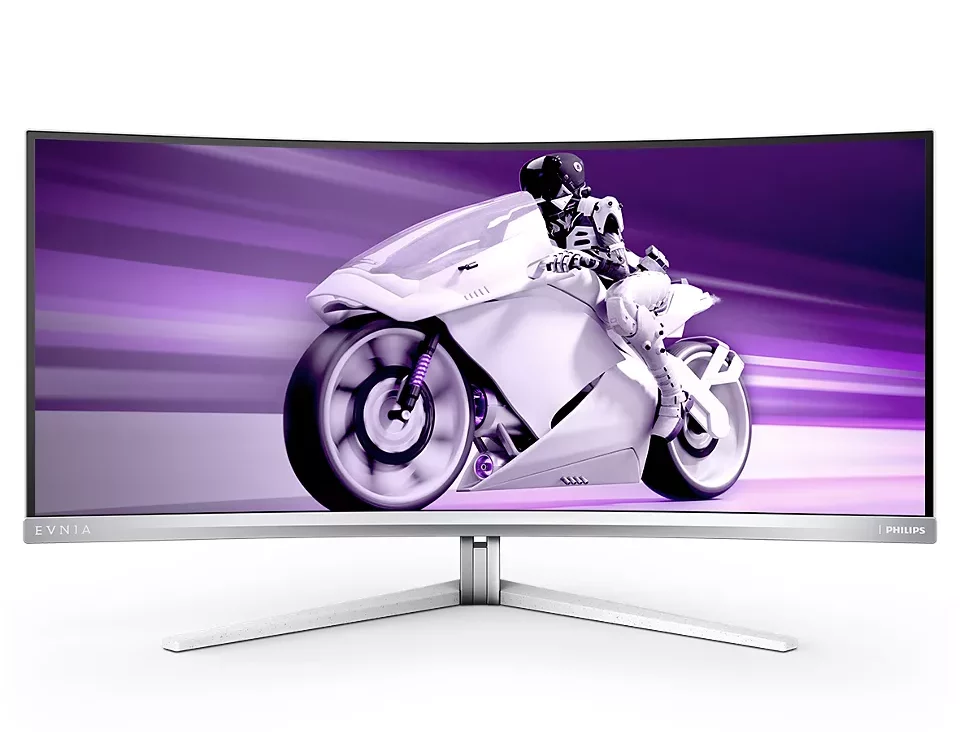
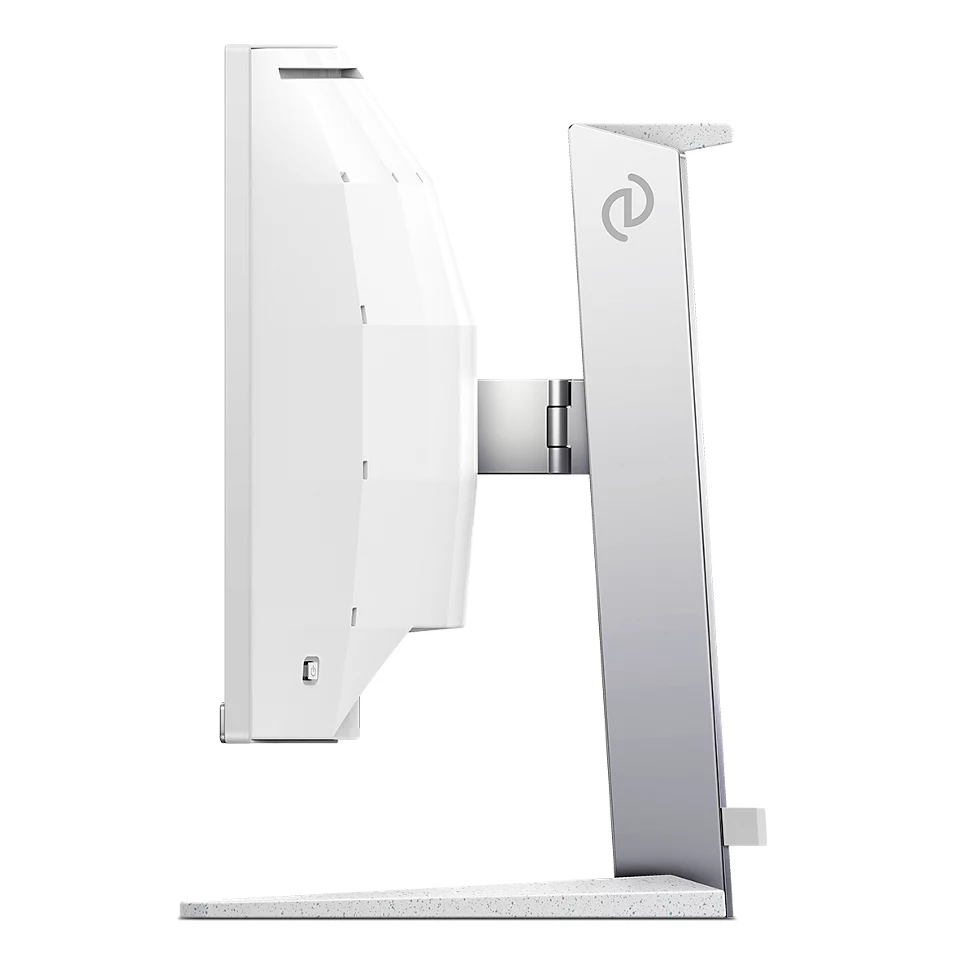
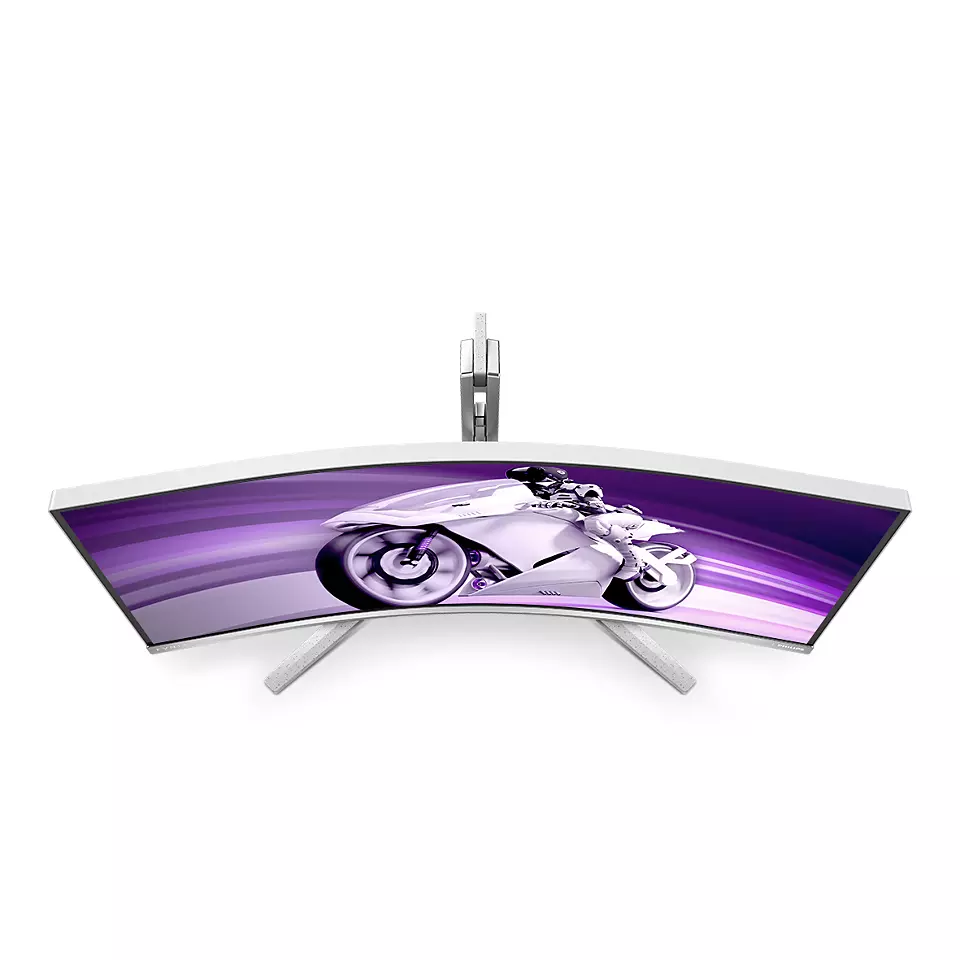
In October 2022, Philips unveiled the Evnia 34M2C8600 34-inch gaming monitor in the global market. The company decided not to reveal too many details initially but did reveal that it had a 34-inch QD-OLED panel.
The brand has now made the monitors available on store shelves across the Eurozone. Additionally, Philips is actually selling it at a lot lower price than previously announced. Those interested in the Evnia 34M2C8600 can now order it for £1,149 or €1,419 in the Eurozone, which is lower than the previously announced price of £1,479.99 and €1,849.
Regarding specs and features, the Evnia 34M2C8600 boasts a 34-inch QD-OLED panel that delivers a stunning resolution of 3,440 x 1,440 pixels and a 21:9 aspect ratio. Its 1800R curvature and DisplayHDR True Black 400 certification offer an immersive viewing experience, while it’s 97.8% AdobeRGB color space coverage ensures accurate and vivid color reproduction. With 0.1 ms response times and a peak brightness of 450 nits when viewing HDR content, the Evnia 34M2C8600 provides smooth and vibrant visuals.
In terms of refresh rates, the monitor achieves an impressive 100 Hz over HDMI and 175 Hz via DisplayPort or USB Type-C. The inclusion of two HDMI 2.0 ports, a DisplayPort 1.4 connection, and a USB Type-C port that supports 90 W Power Delivery and DisplayPort Alt Mode make it a versatile choice for a range of devices. Additionally, the monitor features a USB Type-A hub with six connections, stereo 5 W speakers, and a KVM switch.
Chinese smartphone maker Oppo is looking to shake up the industry with reports indicating that the company has built its own in-house chipset. The move could make Oppo self-sufficient and competitive in the market in terms of both performance and pricing.
The first report of Oppo’s in-house chipset came from a MediaTek executive at a foreign investment meeting in Hsinchu, Taiwan. The executive revealed that Oppo is interested in acquiring a genuine chipset to maintain its position in the industry. An insider also claimed that the Guangdong maker has already started working on its chip, and it would hit the market in 2024.
Recently, @CellPhoneChipExpert, a reputable Weibo insider, revealed Oppo’s first-ever smartphone chipset is in the works. The chipset, expected to be manufactured by TSMC using a 4nm manufacturing process, would reportedly be compatible with 5G networks. Industry experts predict that Oppo’s in-house built processor will enter tape out in the second half of 2023, with the final product being released in 2024.
Oppo has reportedly invested over $1.4 billion in research and development to create its own SoC. In 2020, when US restrictions on Huawei goods became clear, Oppo began to adjust its approach. The company’s first custom-designed processor, MariSilicon X, was released in 2021. The MariSilicon X was a specialized 6nm imaging chip that showed that the company was not planning to rely on processors and parts made by current partners like MediaTek and Qualcomm. Oppo also has a connectivity chip called MariSilicon Y.
While Oppo has not confirmed the news of its in-house chipset, reports suggest that the announcement will be made soon. Acquiring its own genuine chipset could help Oppo maintain its position at the forefront of the industry, as companies like Google, Apple, and Samsung have already developed their own proprietary chipsets. With companies becoming self-sufficient, the industry could see a shift towards greater independence, keeping in mind the recent silicon shortages.
Overall, Oppo’s move towards building its own chipset is exciting news for the smartphone industry. As more information becomes available, we will make sure to keep you updated.
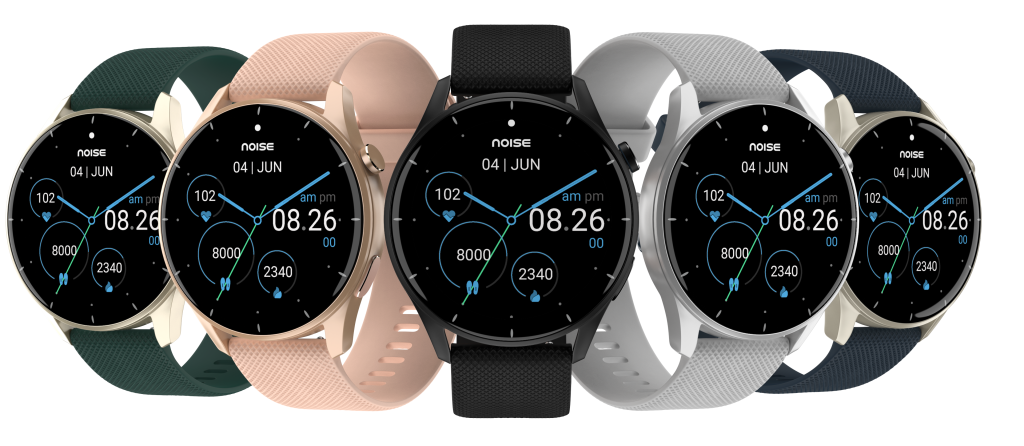
NoiseFit Crew has launched in India today. With the latest offering, the brand has expanded its range of smartwatches in the country. It is an affordable offering and competes against other smartwatches from brands like boAt, Fire-Boltt, and more in the market. Read on to know what the NoiseFit Crew offers out of the box.
The NoiseFit Crew is a circular smartwatch. It features a 1.38-inch TFT display bearing a resolution of 240 x 240 pixels and a 500 nits peak brightness. There are more than 100 customisable watch faces. The device has a metallic finish and is IP68-certified dust and water-resistant. There is a rotational crown and a physical button on the right side.
In terms of fitness, the NoiseFit Crew is equipped with a heart-rate monitor, a SpO2 sensor, a sleep tracker, and a menstrual cycle monitor for females. The wearable device also comes with breathing sessions and the ability to track 122 sports modes.
The NoiseFit Crew features single-chip Bluetooth 5.3 support for seamless pairing and an advanced calling experience. It also provides access to recent calls and saves up to 10 contacts. The smartwatch is claimed to offer a battery life up to 7 days on a single charge. The wearable device offers convenient features like notifications, reminders, calculator, stocks, and weather updates.
The NoiseFit Crew carries a price tag of Rs 1,499. It is offered in Jet Black, Midnight Blue, Silver Grey, Forest Green, and Rose Pink colours. The smartwatch can be purchased from Flipkart and the brand’s official website.
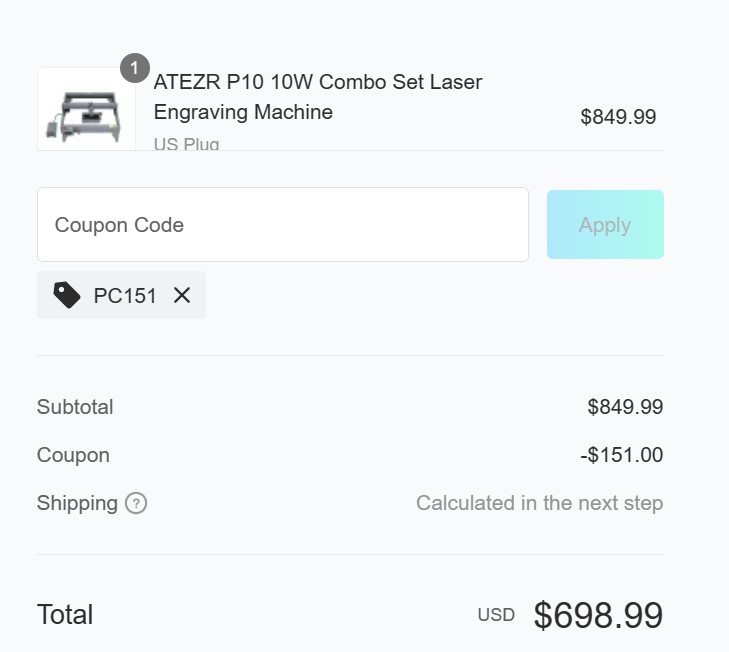
ATEZR is giving a $151 discount on its P10 10W Laser Engraving Machine combo set. The engraver cum laser cutter which generally retails for $850 is now available for a heavily discounted price of $698.99 only. Please note that this is a limited-time offer. The $151 coupon is available on the official website.
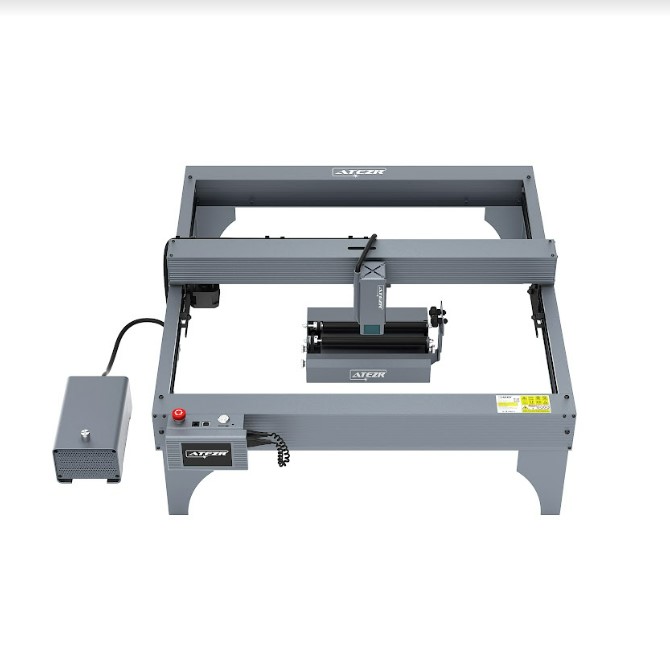
ATEZR P10 is a laser cutter cum engraver that can be used for engraving your favorite designs, quotes, and images. The powerful device comes with dual laser module tech that gives 12W output power and reduces the total engraving time by 50%.
The device comes with an advanced laser cutter that supports Air assist. The air assist blows away the high-temperature smoke generated during laser operation through the unique air duct built into the laser module, which in turn helps to engrave more delicate models.
ATEZR P10 can be used on 100-plus materials including wood and acrylic. The device uses an advanced physical optics-based spot compression technology and an innovative laser coupling method that can penetrate 100+ materials, cut 10mm solid wood, up to 15mm black acrylic, and 15mm wood.
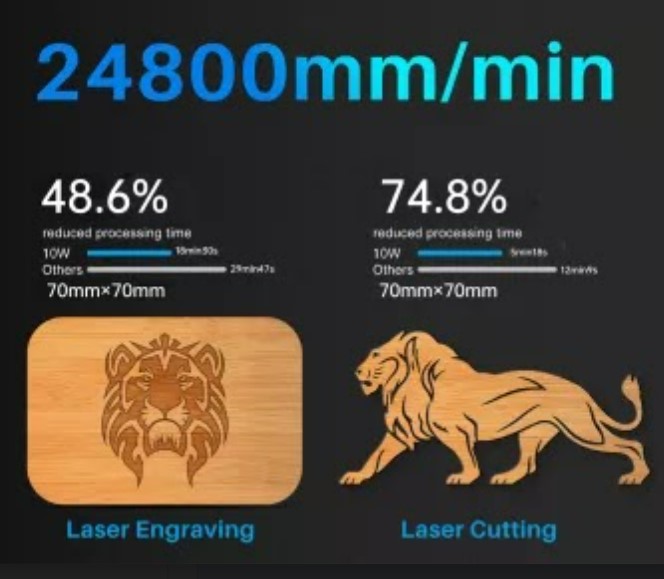
The device comes with fine engraving precision. The spot area reaches 0.08*0.06mm. 529 DPI can automatically identify the grayscale of the picture material which helps to reduce distortion without compromising on speed and quality. The machine is made of high-density industrial-grade aluminum alloy. It can ensure engraving accuracy and stability even at a high speed of 24,800mm/min and save nearly 40%-80% of working time. It comes with a working area of 17” x 17” (430mmz) which means you can engrave large images.
ATEZR P10 comes with a strong fuselage structure. It features a stable machine frame that can bare 200 to 300 kgs and a high-precision laser head that does not shake or move even under high-speed printing. The attached metal sliding gears improve work efficiency and reduce the machine’s wear and tear. The machine provides 30000 plus working hours and supports metal color engraving. You can engrave any design and text of your choice by using the ATEZR app. To ensure your safety and security, the device comes with flame-retardant filter glass that blocks 97% of ultraviolet rays and protects your eyes. It also comes with a limit switch, precise anti-collision positioning, and an emergency stop button.
Generally retailing for $850, you can now buy the ATEZR P10 10W Laser Cutter cum Engraver for a discounted price of $698.99 only. This is a limited-time offer. So place your order before the coupon expires.
For more information on such exciting deals and offers check out our deals hub.
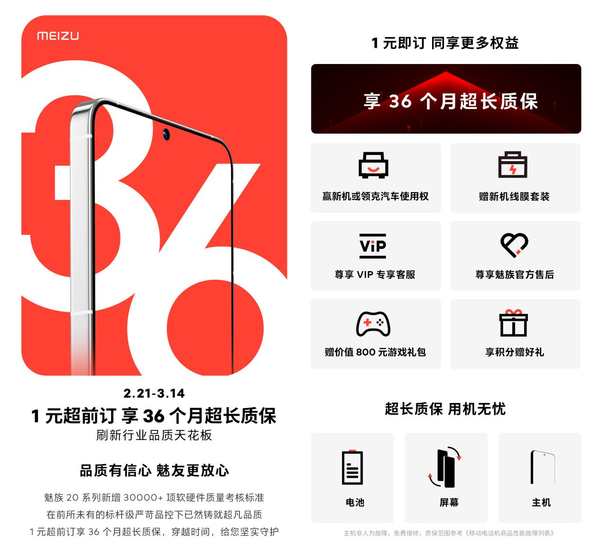
Meizu has just started taking advanced bookings for its upcoming Meizu 20 series of smartphones. However, this isn’t your typical reservation for a phone since it also offers a notable benefit.
According to the Chinese smartphone maker, prospective buyers that book the phone in advance will also receive an extended warranty period for their new Meizu 20 series smartphone. The brand plans on offering an impressive 36 month long warranty for buyers that book the smartphones right now. This 3 year long warranty will be available by making a booking/reservation that costs just 1 Yuan (0.15 US Dollars). In other words, the value offered from the booking cost is quite high.
Based on what we know so far, the brand is planning on keeping the booking period open starting from today (21st Feb 2023) to the 14th of March 2023. So for those interested, you can head to major e-commerce platforms in China like JD.com, Tmall, and others. With a 3 year long warranty period, this basically means that the company is providing warranty for the whole life cycle of this smartphone.
Around this 36 months warranty, the company is also offering its users an improved and expansive customer service since 2022. For those unaware, Meizu is a flagship grade handset that will be equipped with a Qualcomm Snapdragon 8 Gen 2 SoC. An interesting new feature that the brand is introducing an IR blaster on this series as well. It is unclear when the Meizu 20 series will be unveiled, so stick around for more updates regarding this matter.
Earlier today (21st February 2023), Oppo officially announced that it will be participating in the upcoming MWC 2023 event. The Mobile World Congress is a major event in the tech industry and will be held in Barcelona.
The Chinese smartphone maker will be hosting the event with a new theme of “Inspire to Believe”. Here, the brand will be unveiling its highly anticipated flagship grade devices like the Oppo Find N2 Flip, along with a bunch of new connectivity products and IoT technology. Apart from just showcasing new gadgets, the company will also take to the stage to highlight its latest breakthroughs in technology from its research and development team.
These breakthroughs will include areas like chip technology, smart health, AR, and fast charging as well. Oppo will also be talking about its future plans and sustainability goals during this event. Some of the upcoming products that will be announced at MWC will be related to smart entertainment, smart productivity, smart learning, and smart health. The Find N2 Flip will undoubtedly be the key announcement, although, there will also be some other notable reveals.
The company will include products like the Air Glass 2, which is an Assisted Reality enabled smart glasses. Furthermore, the brand will even unveil its second generation of proprietary chipset dubbed the MariSilicon Y, and the OHealth H1 family health monitor concept. Interestingly, Oppo has also announced that it is an official partner of the UEFA Champions League, with the company also inviting UEFA Champions League Ambassador, Michael Owen and Luis Garcia to its booth at MWC.
The Korean government laid out its new strategy, dubbed the “new growth 4.0 strategy,” details of which were released Monday. The primary goals highlighted in the plan are listed as follows:
Flying taxis by 2025.
Spacecraft on the moon in 2032.
A 30 percent share in the 6G market by 2030.
Robot delivery in 2025.
Drone delivery in 2027.
Apart from these aforementioned goals,15 other areas have been targeted by the government. They include future mobility, space exploration, quantum technology, future medical technology; energy technology, AI and 6G communication networks, logistics, carbon-neutral cities, smart farms, smart grids, semiconductors, batteries, carbon-free and autonomous ships, bioscience innovation, K-culture and tourism; Korean content development; and huge overseas deals,v including construction, defense exports, and nuclear power plant contracts.
Additionally, the Korean government is also heavily focusing on commercializing flying cars. Very recently, Japan’s first manned taxi took to the skies in a first-of-its-kind trip. With their ability to cover shorter distances in a shorter amount of time, flying cars hold the promise of freeing up the roads for pedestrians, cyclists, and long-distance travelers. The Korean government is also planning to open an Urban Air Mobility test bed in Goheung, South Jeolla, in the month of August this year. Further reports also state that Hyundai Motor and Korean Air are just some of the biggest private organizations involved in the design and development of flying vehicles. In-city testing is expected to begin in 2024.
As per the government’s proposition of a precision digital map, fully autonomous vehicles will be commercialized and regulated by the year 2027. As a part of its long-term plan, the government is also aiming towards popularizing self-driving vehicles by 2035. For the space program, the launch of the third iteration of their rocket, Nuri-Ho will be held in the first half of this year itself, with yearly launches planned down the line until 2027.
Another big part of Korea’s government plans is to open Korea’s very own Disney by the year 2025. The massive project, estimated at 6.3 billion won (~$48.5 Million), will be a key project to integrate the country’s culture and entertainment interests. The whole project will be located in Goyang at the time of its completion.
Apart from the development of a 50-Qubit quantum computer by the year 2026, the Korean government is also advocating for the R&D of next-generation nuclear reactors. A lot of major Korean organizations are keen on investing in the nuclear future of the country. A new, more specific AI application plan will be implemented by the government to make day-to-day life easy for the country’s residents. The applications will range from childcare to education and medical services to 6G technology. The country already ranks second worldwide in terms of 5G network share. Lastly, micro fulfillment centers will be permitted by the government in order to deliver drones and robots for military applications.
Finance Minister Choo Kyung-ho stated that their economic slowdown is attributed to reducing exports and investments pertaining to the global economy. Such a detailed, step-by-step plan will help boost the country’s economic vitality over a long period. Of course, technological innovation will be the key method to achieving these long-term goals.
We use cookies on our website to give you the most relevant experience by remembering your preferences and repeat visits. By clicking “Accept”, you consent to the use of ALL the cookies.
This website uses cookies to improve your experience while you navigate through the website. Out of these, the cookies that are categorized as necessary are stored on your browser as they are essential for the working of basic functionalities of the website. We also use third-party cookies that help us analyze and understand how you use this website. These cookies will be stored in your browser only with your consent. You also have the option to opt-out of these cookies. But opting out of some of these cookies may affect your browsing experience.
Necessary cookies are absolutely essential for the website to function properly. This category only includes cookies that ensures basic functionalities and security features of the website. These cookies do not store any personal information.
Any cookies that may not be particularly necessary for the website to function and is used specifically to collect user personal data via analytics, ads, other embedded contents are termed as non-necessary cookies. It is mandatory to procure user consent prior to running these cookies on your website.