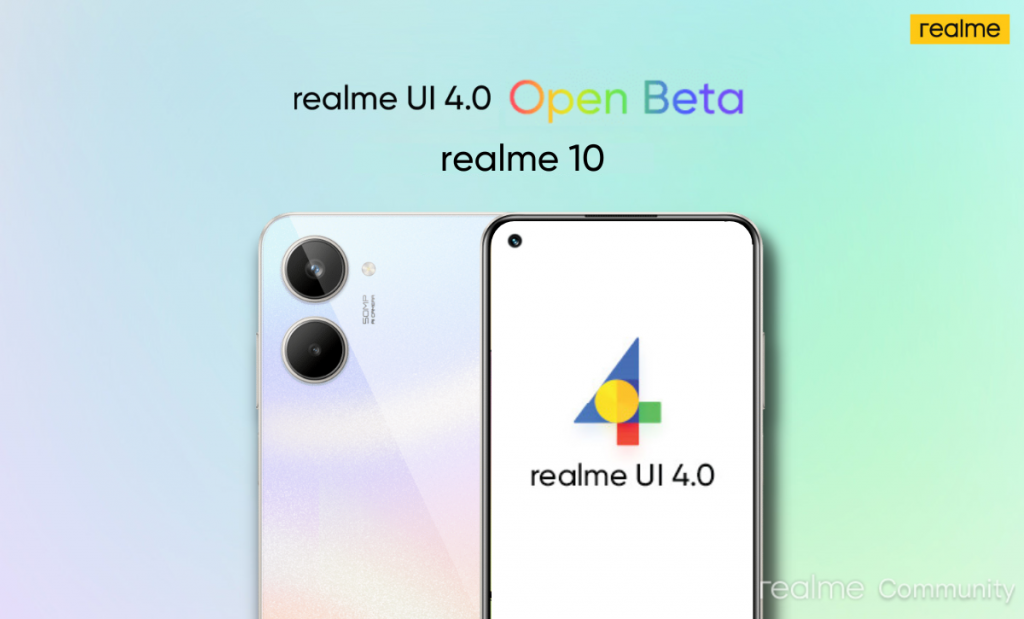
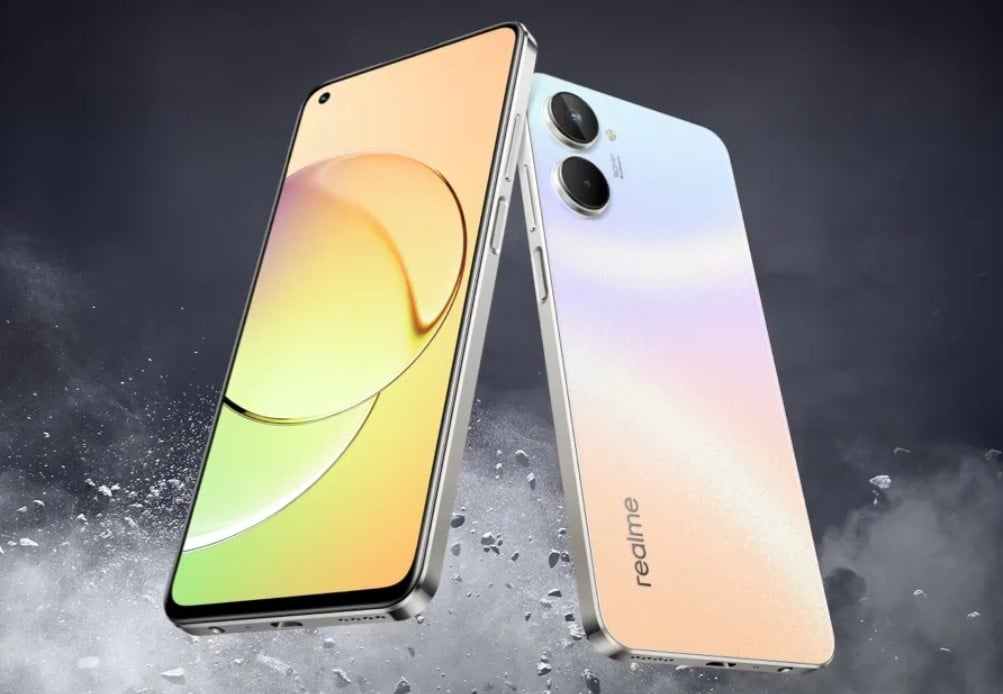
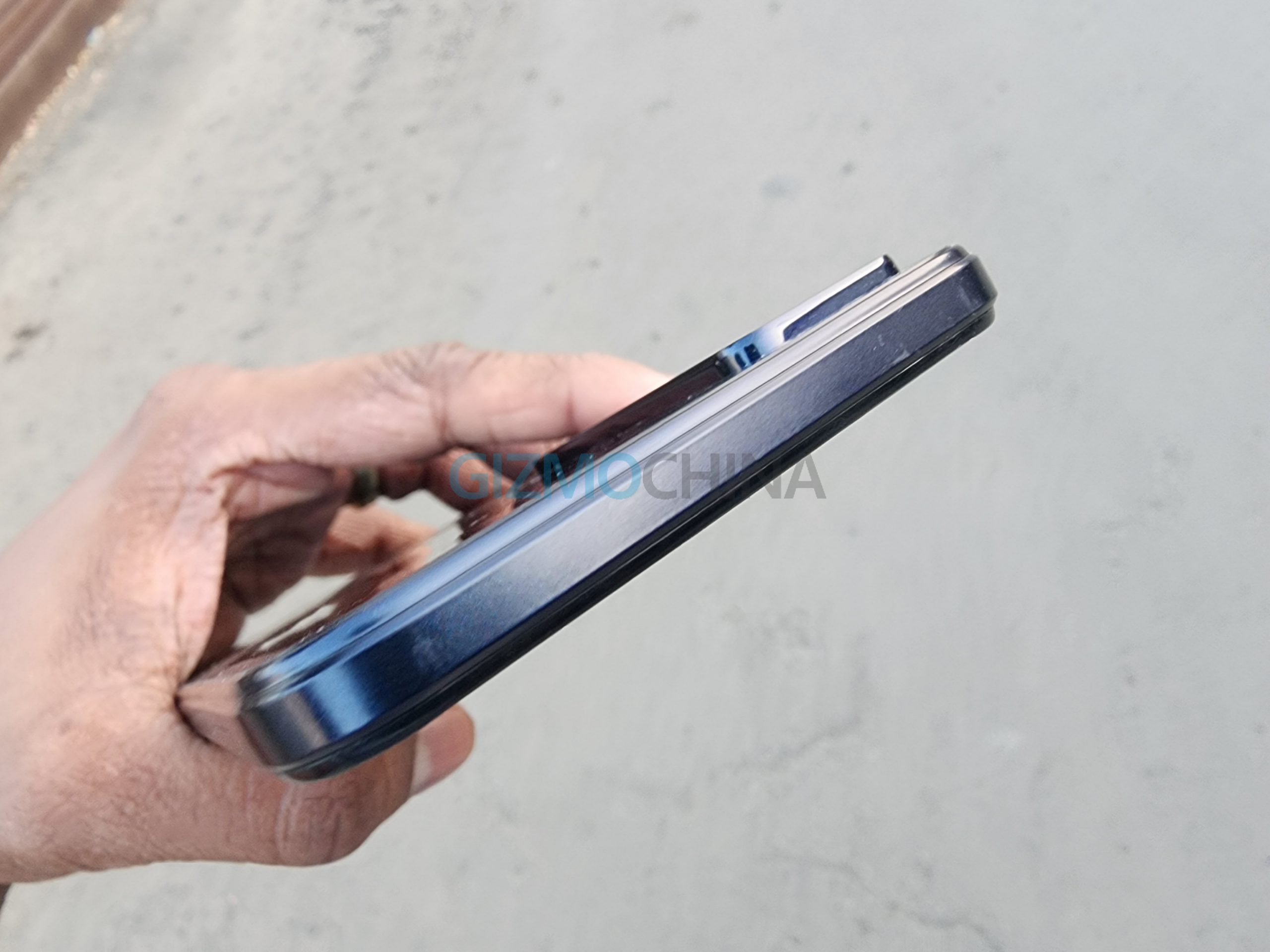
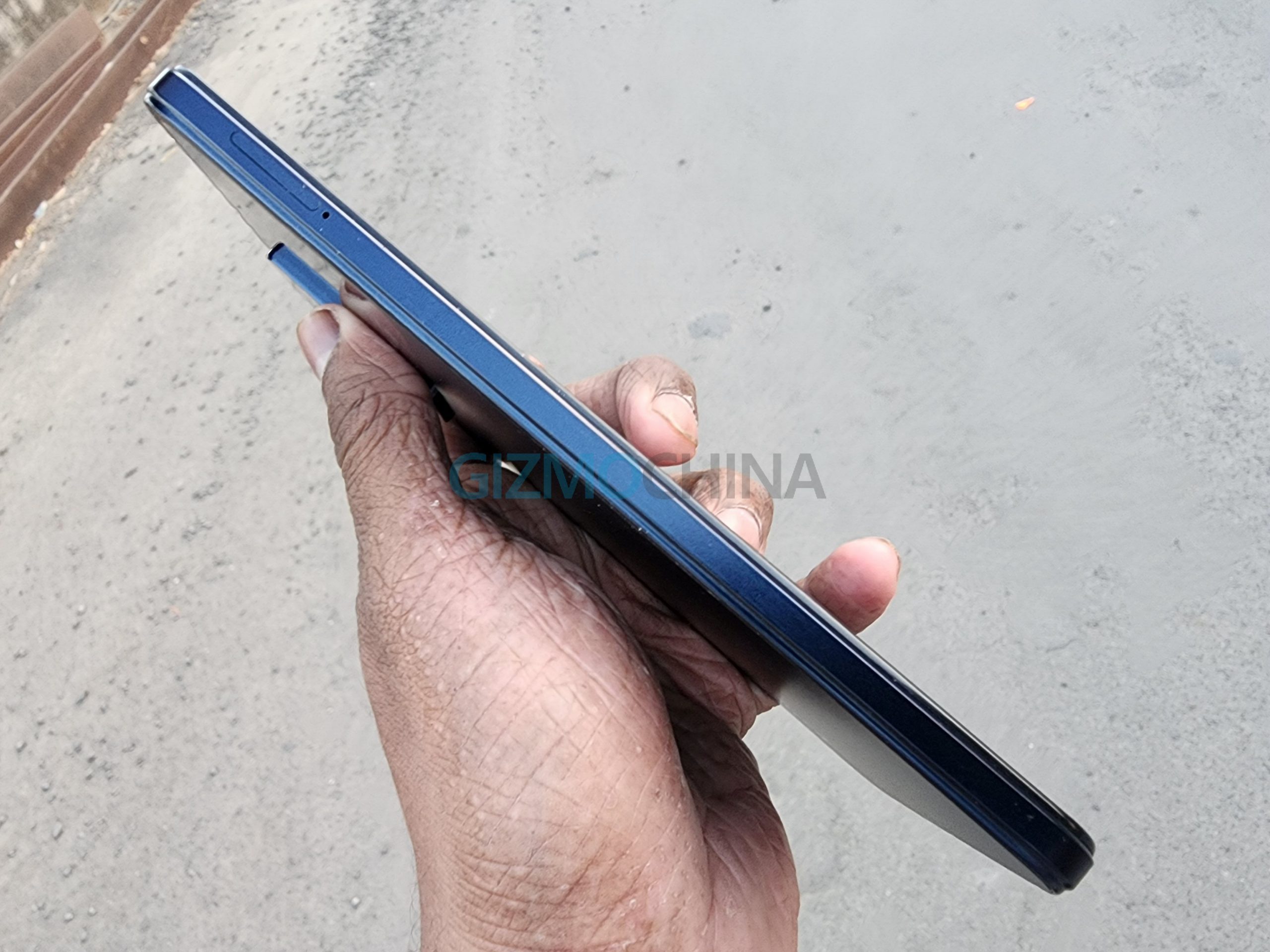
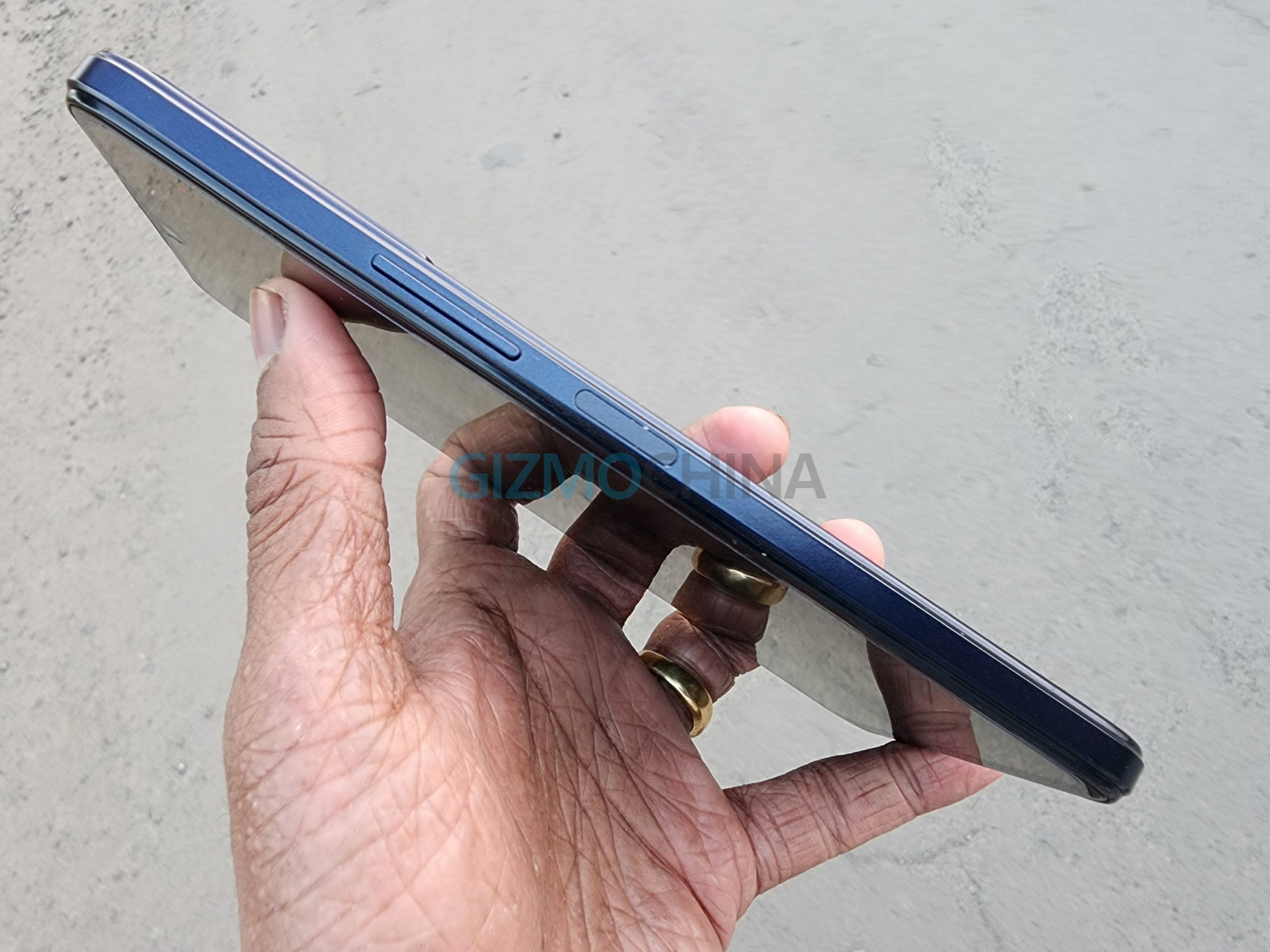
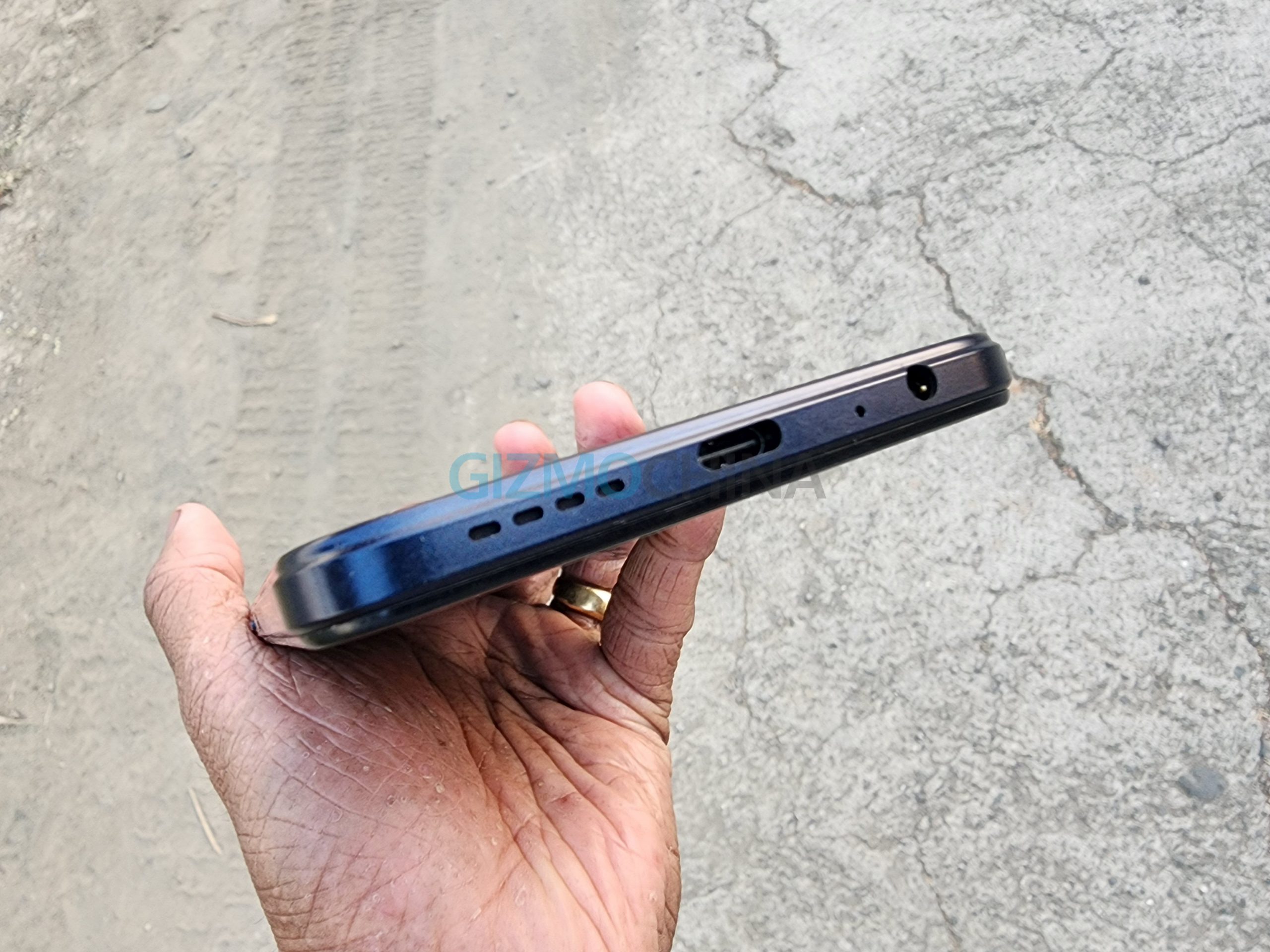
Realme launched a 4G smartphone in its latest number series called the Realme 10 4G. The device made its global debut in November and came to Indian markets in January. The specs and features made sense for the price range, however, the operating system out of the box is Android 12. The brand will soon be updating it to Android 13 as the Open Beta testing of Realme UI 4.0 for the device has commenced.
The update comes with many changes including the Aquamorphic UI design inspired by Oppo and other new features. Users of the Realme 10 4G interested in trying out the Android 13 build before its released to the public can apply by navigating to Settings → Software Update → Tap on the settings icon in the top right corner → Trial Version → Apply Now → Submit your details and finish the quiz.
You’ll need to make sure that your device is on the required UI version RMX3630_11.A.23 / RMX3630_11.A.27. If selected, you will get the new Realme UI update soon. Before installing the update, make sure that your device has at least 60% update. It’s crucial to acknowledge that the recently released beta update may contain bugs and underlying problems. Thus, it’s recommended to refrain from installing it on your primary mobile phone. However, if you still decide to proceed with the update, it’s highly advisable to back up your device’s data before initiating the installation of the new software.
The company has already started accepting applications in batches from February 21. You can expect the update to bring along changes in four key areas – design, interaction, fluidity, and security. functionality and customizability will also be improving thanks to new features and tools. You can find out more about the update via the official community post.
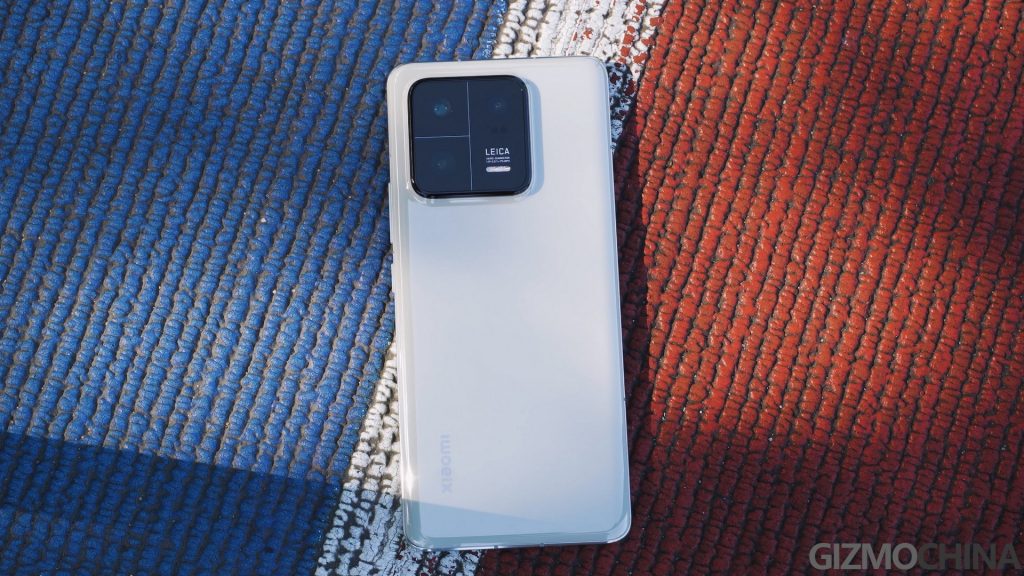
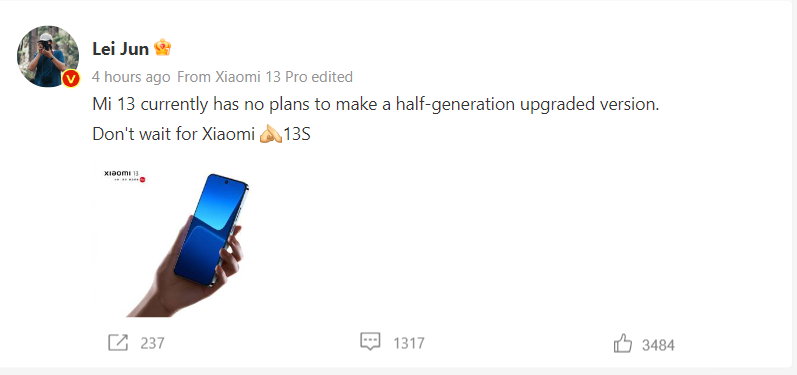
Earlier today, Lei Jun officially confirmed that there won’t be Xiaomi 13S series later this year. Followed by the announcement, a reliable leaker revealed that the company will not be releasing a MediaTek Dimensity version of Xiaomi 13 phones as well.
For the uninitiated, Xiaomi released the Xiaomi 12S series last year with Leica-tuned cameras and a better chip than in the original models. These handsets were accompanied by Xiaomi 12S Ultra. At the same time, the brand had also debuted a Dimensity variant of Xiaomi 12 Pro.
There were rumors of a Dimensity model of the Xiaomi 13 series a few months back. However, just as the lineup went official, the leaks about this other version of the handset subdued.
Now, Digital Chat Station discloses that the Dimenisty variant of the Xiaomi 13 series was canceled at the end of 2022. However, he hints at the launch of the Redmi K60 Ultra with a Dimensity chipset in the second half of 2023.
Historically, the Redmi K Ultra models have mostly featured MediaTek’s flagship chips. Hence, this rumored device could be an alternative for those waiting for the canceled Xiaomi 13 Dimensity version.
Last year’s Xiaomi 12 Pro Dimensity Edition debuted at a cheaper price than the original Xiaomi 12 Pro. That’s because it not only comes with a less-expensive Dimensity 9000 Plus chipset but also downgraded cameras and slower charging speed.
A tipster has just revealed some of the key specifications regarding the Black Shark 6 series of high end gaming smartphones. The device is the successor to the Black Shark 5 series, so let’s have a look at the rumored features.
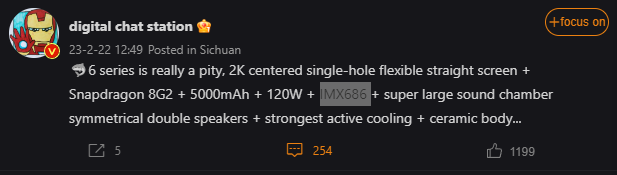
The latest information regarding the Black Shark 6 series arrives from known tipster Digital Chat Station on Weibo (a Chinese microblogging website). These upcoming premium gaming handsets will reportedly sport displays that features 2K resolution and a center aligned punch hole cutout for the selfie camera. This panel is likely be a straight OLED panel that offers high refresh rate. According to the tipster, the Chinese smartphone maker’s upcoming flagship phones will also features a ceramic body.
Digital Chat Station also added that the Black Shark 6 and Black Shark 6 Pro will be equipped with Qualcomm’s latest and greatest Snapdragon 8 Gen 2 SoC. Furthermore, the new devices will be powered by a large 5,000mAh battery pack that will also support an impressive 120W fast charging rate. Finer details regarding the camera is still at large, but at least one of the image sensors on the rear will be a Sony IMX686 sensor, which is a 64 megapixel shooter.
Other notable features revealed by the tipster is a large sound chamber for the symmetrical dual stereo speakers as well as a robust cooling system. The thermal management system on the new device will apparently be the strongest active cooling tech offered by the brand so far, which is not surprising since the Black Shark 6 series will be gaming centric and feature top notch hardware. This is all the information we have so far regarding these upcoming phones, so stick around for more updates.
The latest smartphone to get deconstructed by Zack for his YouTube channel, JerryRigEverything was the Nubia Red Magic 8 Pro. It has a host of top-of-the-line features at a fraction of the ‘flagship smartphone price’. Surprisingly, it fared quite well during its teardown.
Upon removing the back cover using heat and suction, the transparent glass was removed, revealing a very interesting design. The phone has an array of RGB LEDs for aesthetic purposes. Interestingly, the phone has T3 screws instead of regular Philips Head screws for aesthetic reasons. The lower loudspeaker is attached to the bottom plastic section of the phone. The upper segment has two parts, the portion containing the upper loudspeaker and the other containing the air duct channel. The metal-air duct channel acts as a heatsink and gets cooled by the air on top of it, thanks to the 2000 RPM cooling fan. The casing is somewhat meshed in order to prevent dust and debris from entering the device, however, it’s definitely not built to keep water out.
The phone has a dual-cell battery. It was removed without any fuss, with one battery connector unplugged. Zack pointed out that the unplugged connector might be for the China-only variant of the smartphone, which charges at 80W instead of the standard 65W. The camera was still plugged into the motherboard when it was removed, which was interesting. The back of the phone was rich with copious amounts of thermal paste, and a massive copper vapor chamber to regulate the heat. The 2MP macro camera was a little separated from the rest of the camera unit. Apart from the headphone jack at the top, the bottom half housed another vibration motor, making it clear that the device has two vibration motors, possibly for gaming.
The fins on the fan blade are made of translucent plastic. The square contact pads rest on the motherboard of the device. Lastly, the edge-to-edge OLED display was pretty interesting. When the light was shone through the camera unit and light sensors that sit underneath the pixels, the camera sensors were able to compensate for the yellow shift from the lens. When Zack put the phone back together after an intense teardown, the Nubia Red Magic 8 Pro still turned on and functioned perfectly in spite of the destroyed cooling system.
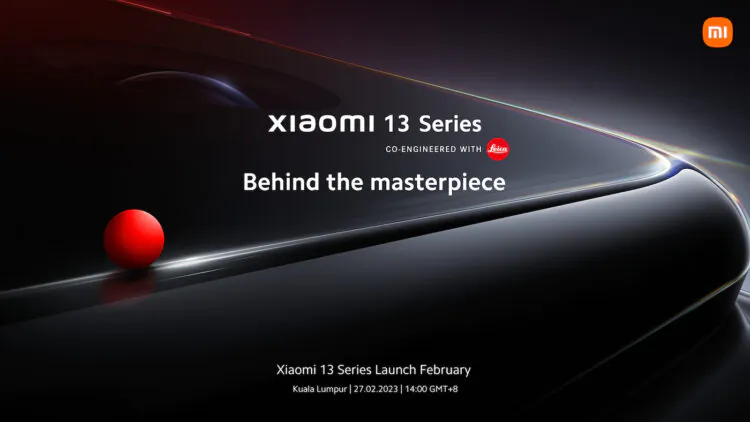
Xiaomi has just announced the official launch date for the Xiaomi 13 series in the Malaysian market. The company is planning on releasing its latest generation of flagship smartphones around the end of this month.
As per official notes, the 13 series launch in Malaysia will be set ahead of its global release. Furthermore, the premium handset lineup will also be releasing on 27th February 2023 in the Southeast Asian region, which is just a day after the brand begins its global live stream in MWC 2023 event in Barcelona. For those unaware, the series consists of Xiaomi 13 and the higher end Xiaomi 13 Pro, both of which feature the Leica branding on the camera.
Although, there are also rumors that the Chinese tech giant is planning on introducing the Xiaomi 13 Lite model as well during the major event in Barcelona. For those unaware, the 13 Lite model in question is believed to be a rebranded version of the Civi 2. Keep in mind that the brand has yet to officially confirm that they are working on such a budget friendly handset. But this model will likely miss out on a number of high end specifications and features that it more expensive siblings offer.
The Xiaomi 13 series will be officially launching globally on 26 February 2023 at 11PM (local time) and will be released in the Malaysian market on 27 February 2023 around 2PM. Unfortunately, the pricing for the device has yet to be announced, so stick around for more as we will be providing updates when additional information is available regarding this matter.
ChatGPT has become the world’s fastest-growing technology, as the service has reached over 100 million users in 2 months. Whilst other countries such as France and Australia aim to restrict ChatGPT for educational use in their respective regions, the wealthy Asian city-state of Singapore has taken on a rather different approach. On February 12th, 2023, the Singaporean government expressed progressive plans to integrate ChatGPT use into the teaching and learning in the country’s schools and institutes of higher education.
Singapore planning to teach ChatGPT
According to a local newspaper The Strait Times, Singaporean Education Minister Chan Chun Sing told the country’s Parliament that there are also professional discussion groups among educators to explore the use of AI tools to enhance learning among students. The Singaporean Ministry of Education (MOE) is guiding teachers in classrooms on how to use artificial intelligence (AI) tools such as ChatGPT to enhance learning, given that these tools are likely to become pervasive over time.
The minister likens ChatGPT to a calculator for learning mathematics but said that ChatGPT can be a useful tool for learning only when students have mastered basic concepts and thinking skills. This is why the Singaporean MOE will also equip students with the skills to use AI tools responsibly, he added.
When asked what measures were put in place to prevent cheating using AI, the Education Minister said that the country’s institutes of higher learning have varied modes of assessment – such as examinations, presentations, and projects – which require analysis, field notes and observational details that cannot be generated easily by AI technology.
Mr Chan also added that there are skills such as self-directed and collaborative learning and inventive thinking that are not easily replaced by technological tools, but are acquired through leadership roles, interdisciplinary project work and experiential learning.
As of publishing, Singapore is currently the first country globally to express its policymaking vocally in favour of implementing AI tools such as ChatGPT into its education system. Since 2015, the country is ranked academically first place in both Maths and Science subjects in the Trends in International Mathematics and Science Study(TIMSS), administered by the International Association for the Evaluation of Educational Achievement, a non-profit research cooperative based in Amsterdam. The National University of Singapore is also the highest-ranked university in Asia, ranking 11th globally, according to QS World University Rankings 2023.
The OPPO family has been going crazy recently. OnePlus has released the 11R and realme has released the GT Neo 5. Both are great value Snapdragon 8+ Gen 1 budget phones. If you don’t like the curved screen of 11R and the crap camera of K60, then GT Neo 5 is a very suitable choice. Plus the super cheap price and super fast charging makes it one of my most recommended phones to buy these days. If you’re looking to buy a mid-range phone, then you should check it out.
Design
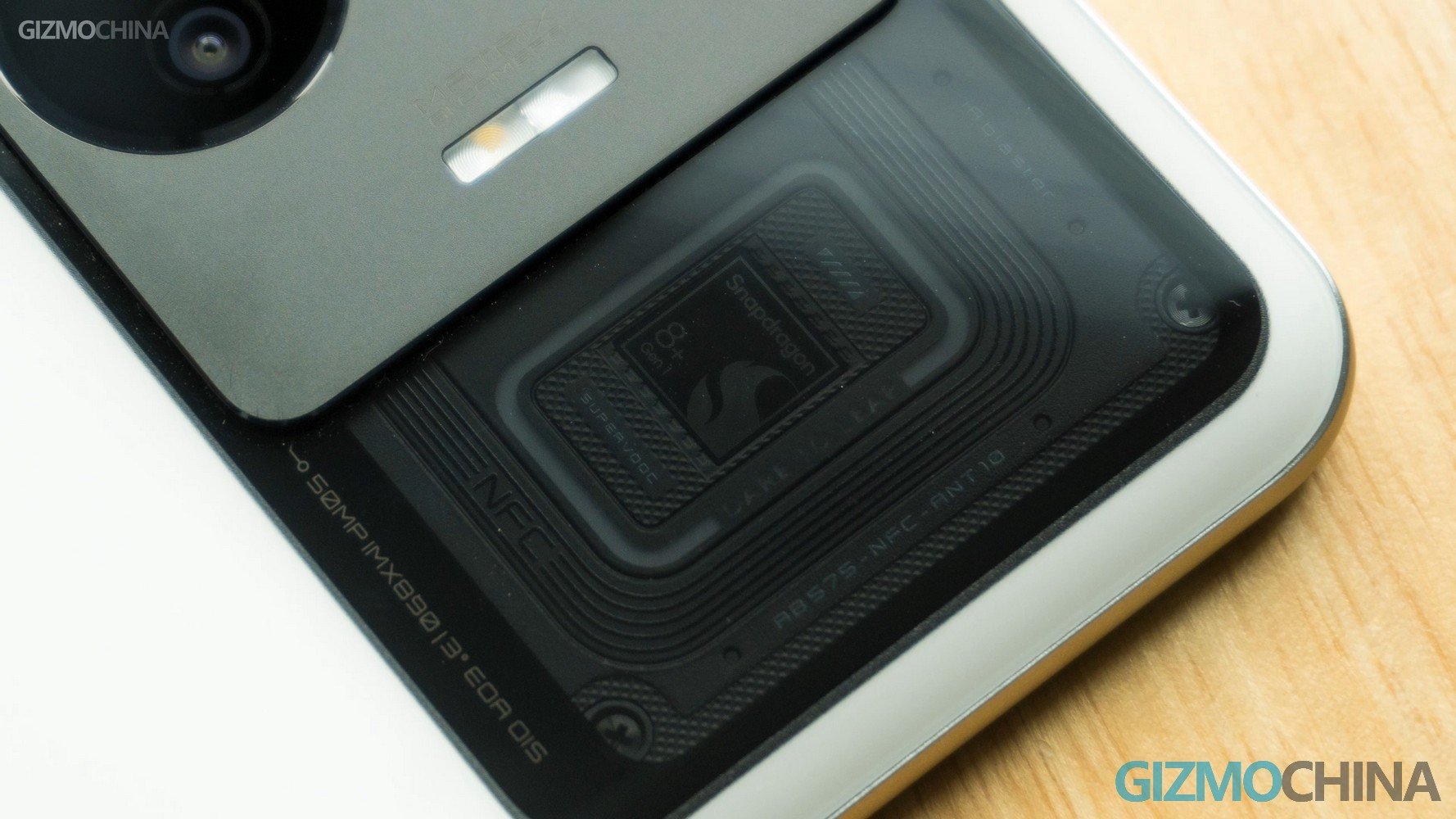
I like the design of the GT Neo 5 a lot in its price range. It has a lot of design that other phones don’t have, such as the transparent area to the right of the camera module. You can faintly see the Snapdragon 8+ Gen 1 chip inside. Although this is just a decoration element, the real chip is not here. But it shows that realme is very confident in the chip performance of this phone.
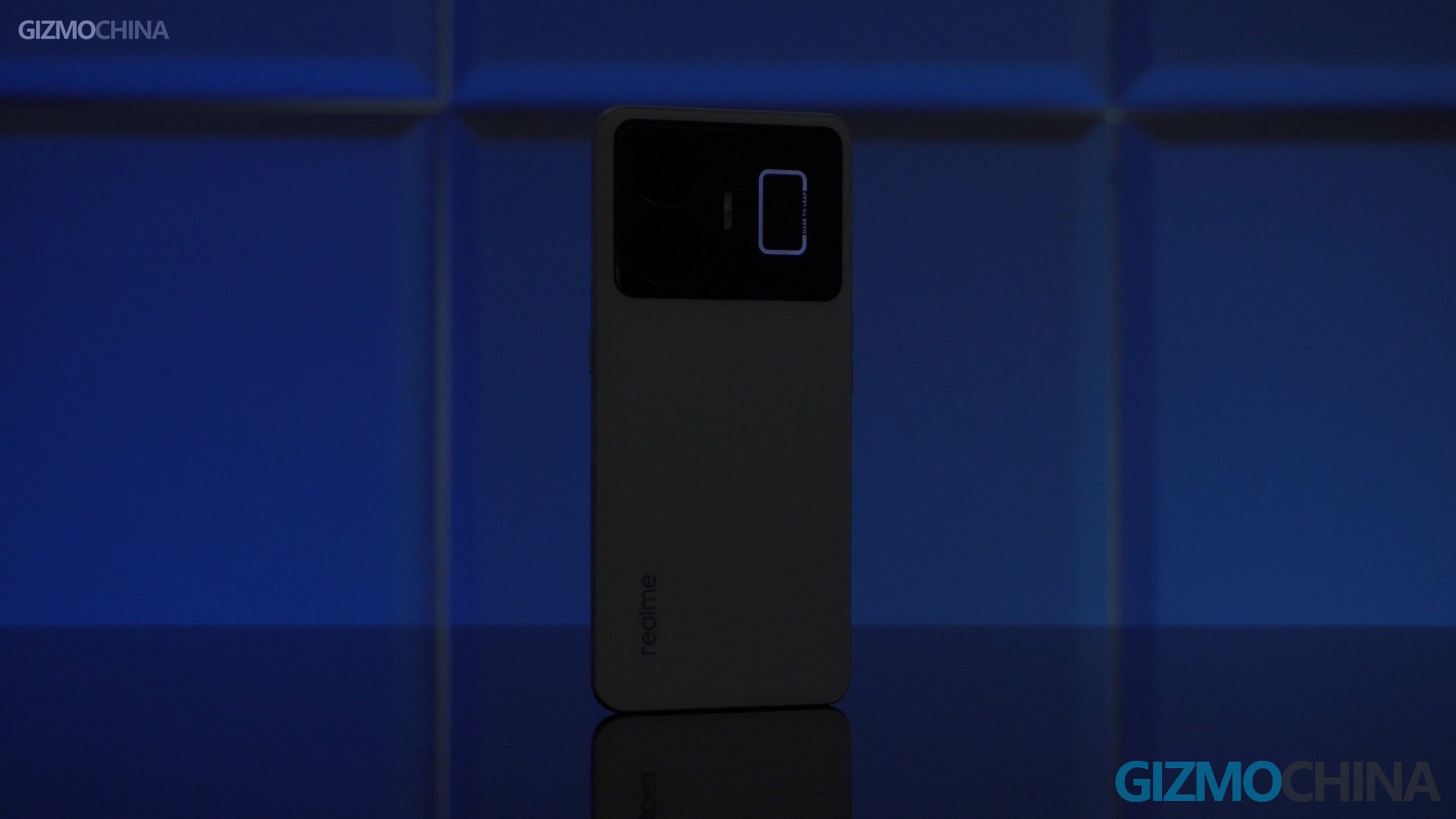
This area is made transparent for another reason: this 25-color RGB light ring. It acts as a notification light and lights up in various states. Although I am not the kind of person who likes to put the phone screen down on the table, but from the design point of view it still looks good. By the way, the Neo 5 also adds an infrared emitter this time.
Display
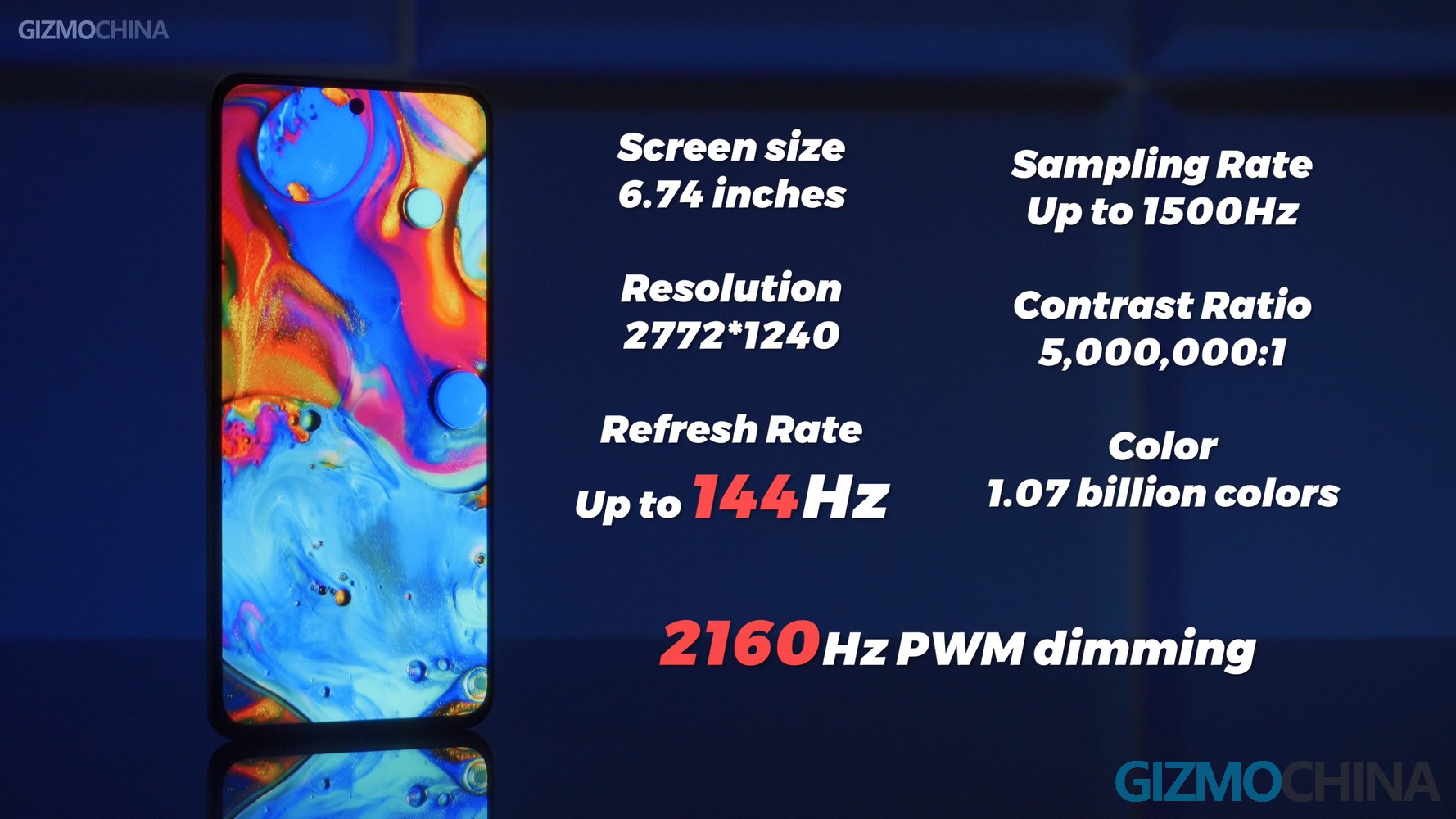
While the Neo 5’s screen is theoretically the same panel as the OnePlus 11R, both are 1240P screens from Tianma. While both are excellent and bright, there are a few things the Neo 5 clearly does better. The most obvious is the refresh rate, which is clearly higher at 144Hz than 120Hz. And you can freely set the refresh rate for each application, with 4 refresh rates to choose from.
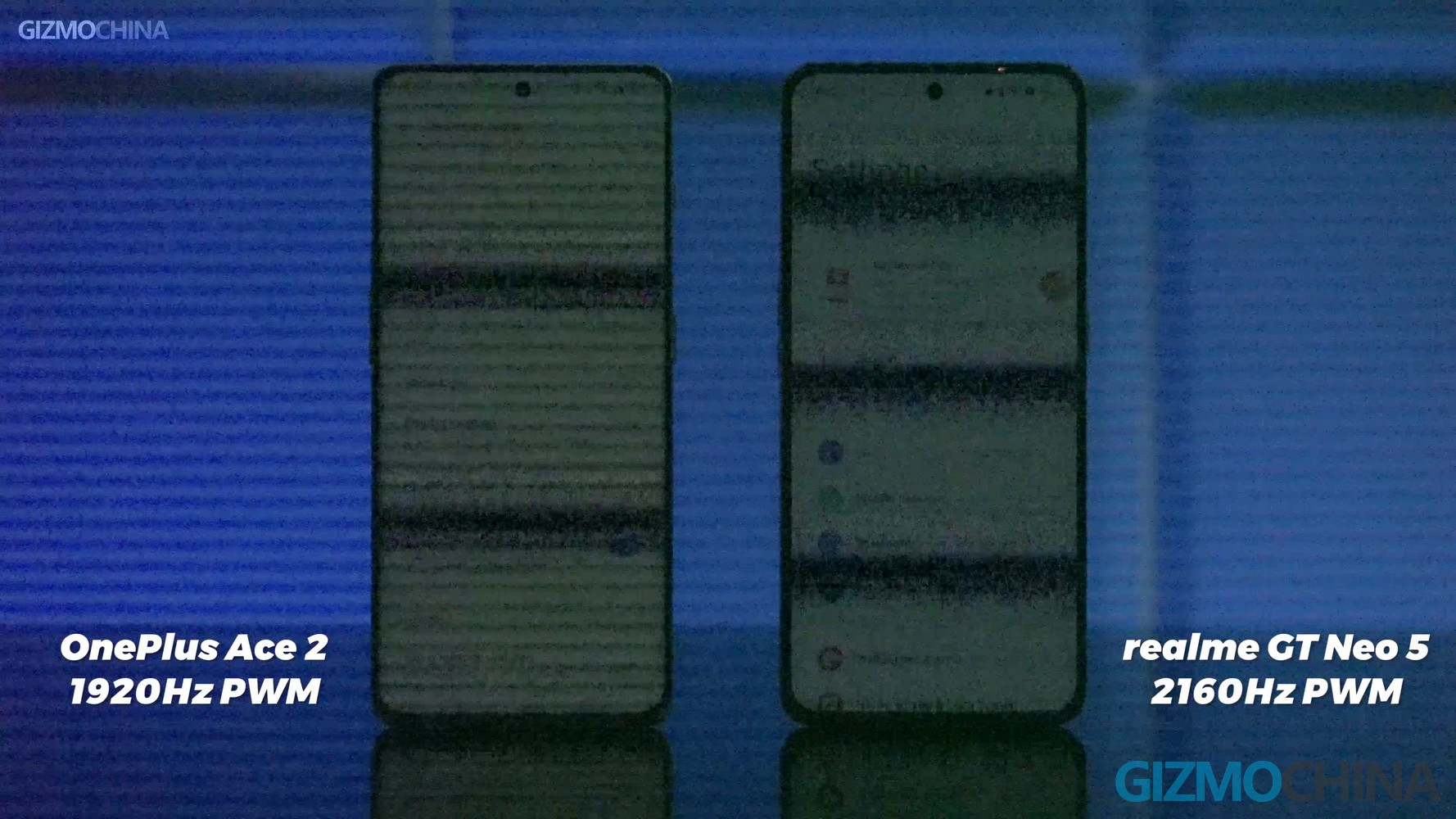
When you set the refresh rate to 90 or 144Hz, PWM dimming can reach 2160Hz. Since display manufacturers like BOE, TCL and Tianma have developed better and better screens, many budget phones can also use screens comparable to Samsung panels. I think this is the consumer like us should be happy about this.
Performance
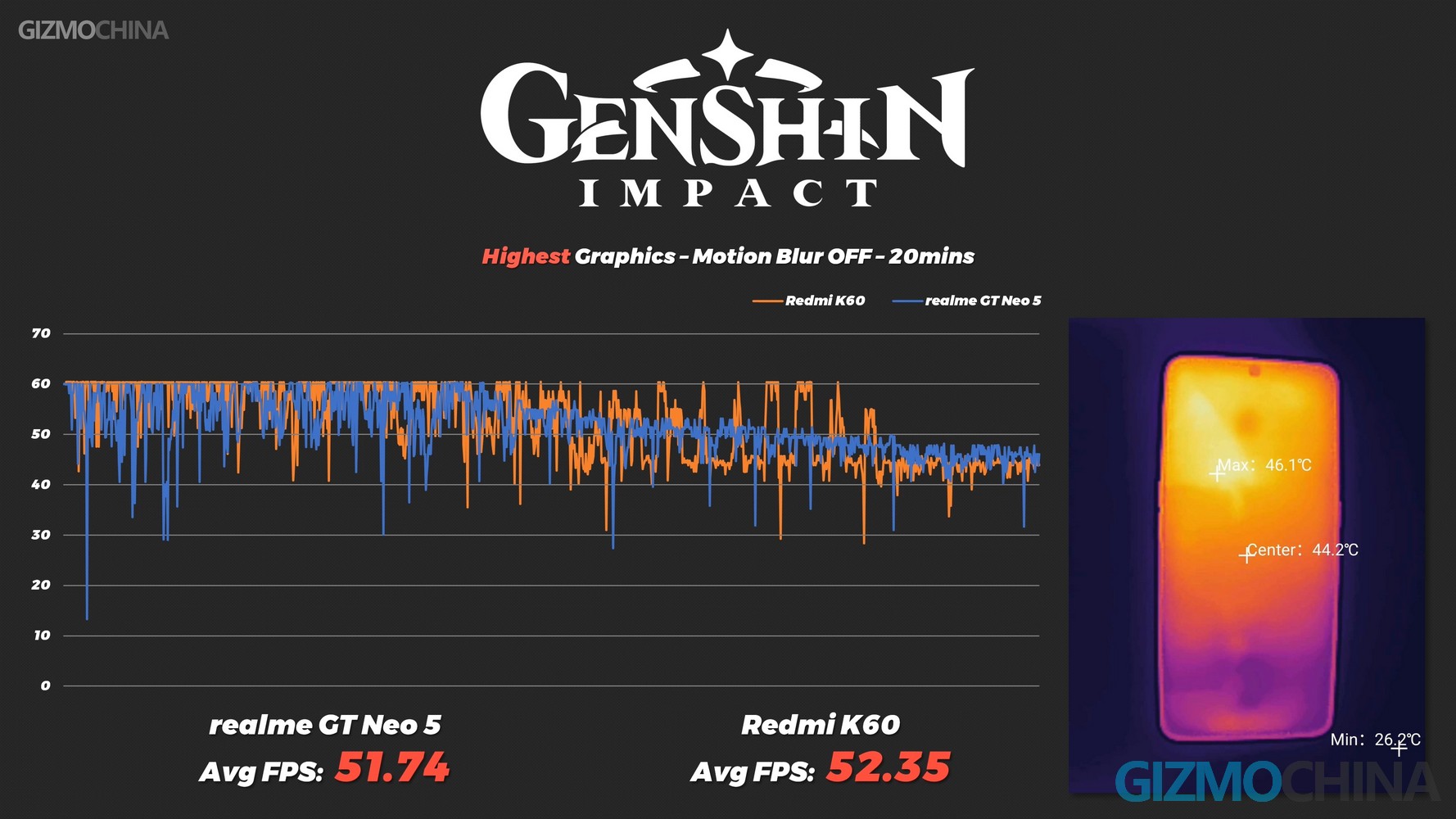
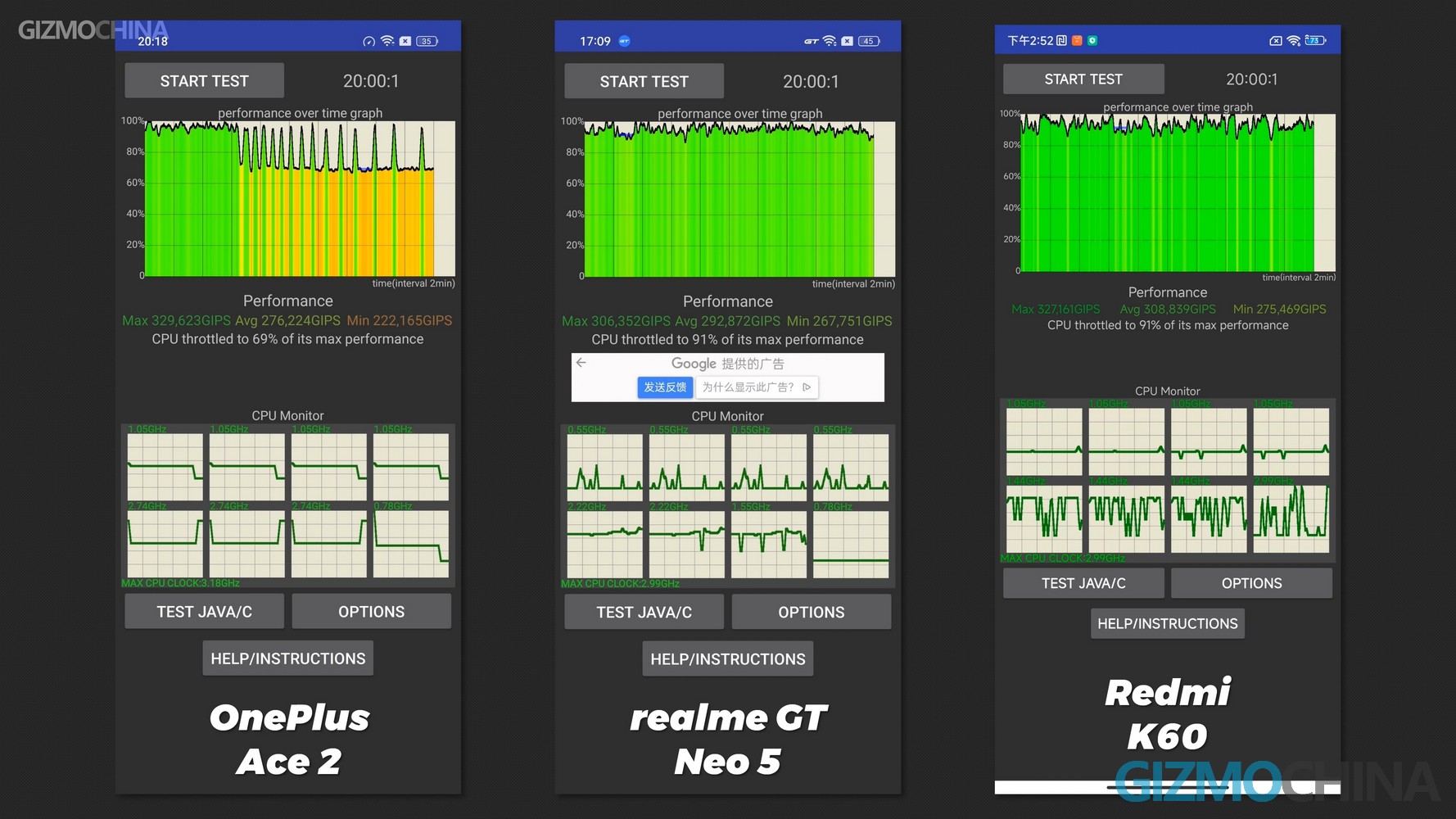
Next I want to give a good shout out to the Neo 5’s performance. Even though it’s using a downclocked version of Snapdragon 8+ Gen 1, the game performance is surprisingly good. The first half of the K60, which is also a downclocked version of the chip, is the same as the Neo 5, trying to stick to the highest power to keep the game running at 60fps, but the second half of the Neo 5’s strategy is significantly more reasonable.
Unlike the K60 where the frame rate suddenly drops to down, the Neo 5 comes down to around 45fps at a slow pace.Although the average frame rate is about the same, the Neo 5 gaming experience is significantly better than the K60. The temperature is also not particularly high. Plus it also has the same game interpolation and Ultra-steady frames mode as Ace 2. That’s why I’m most satisfied with the Neo 5’s gaming experience among the recent 8+ Gen 1 phones.
Camera
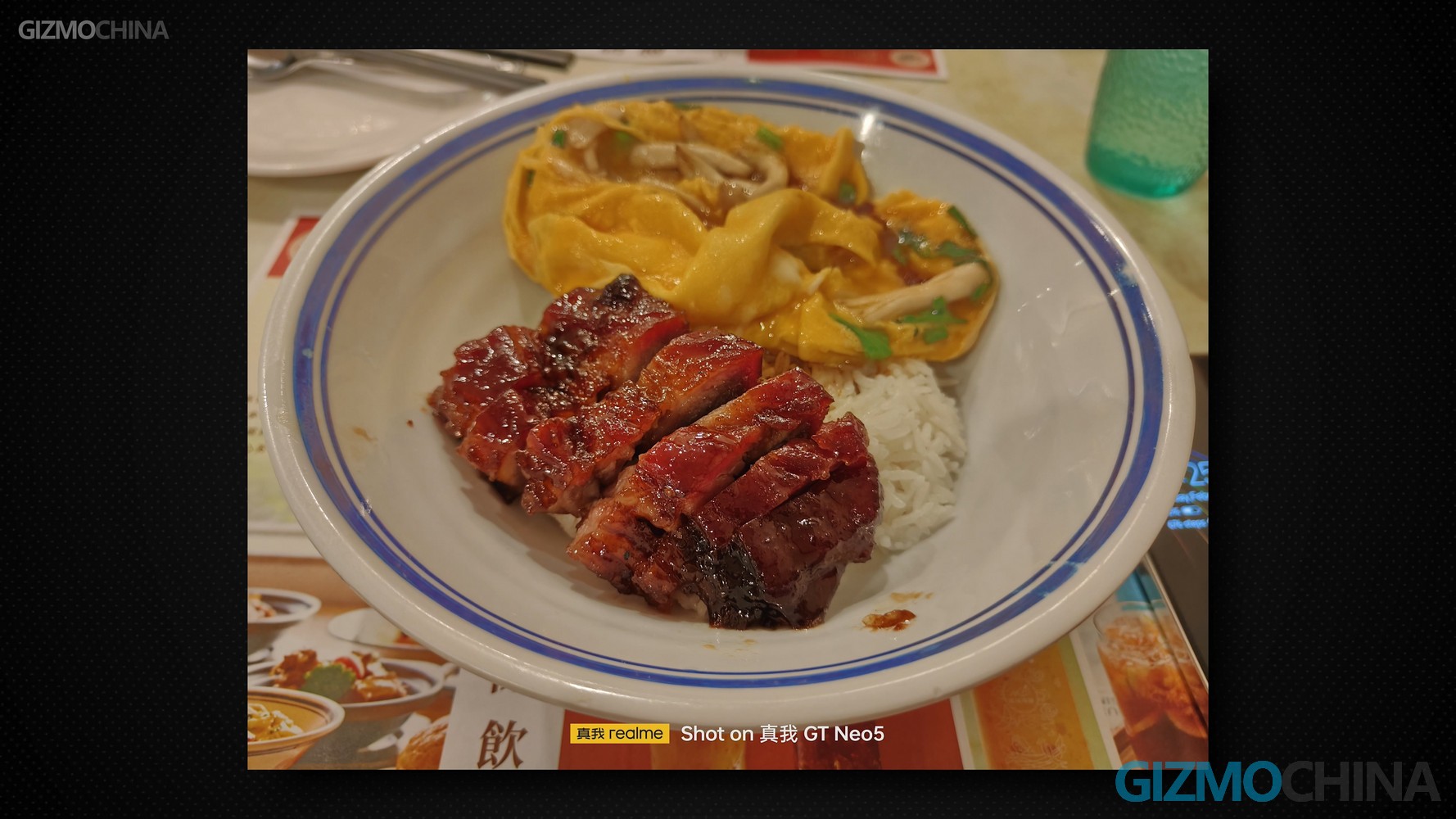
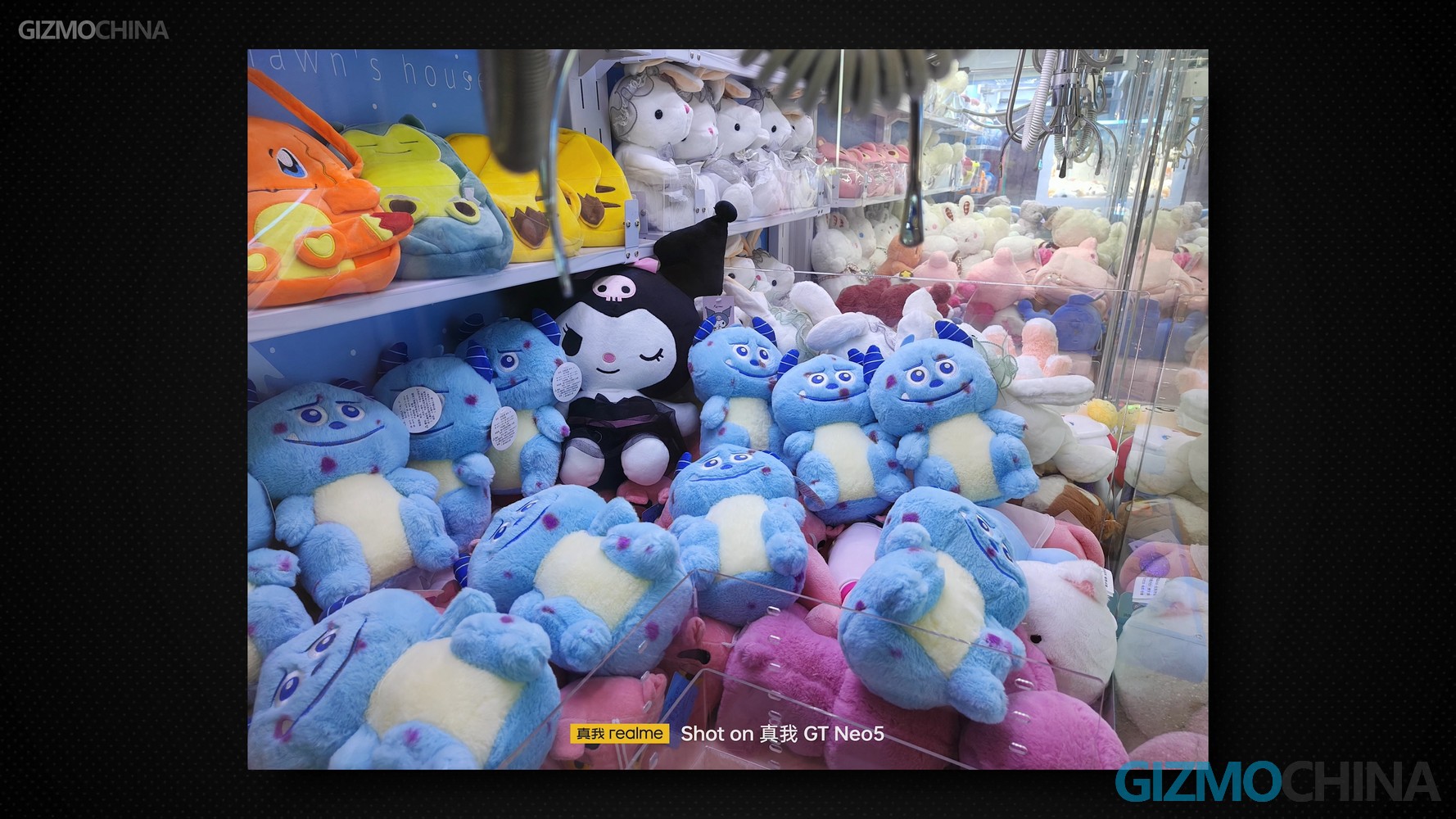
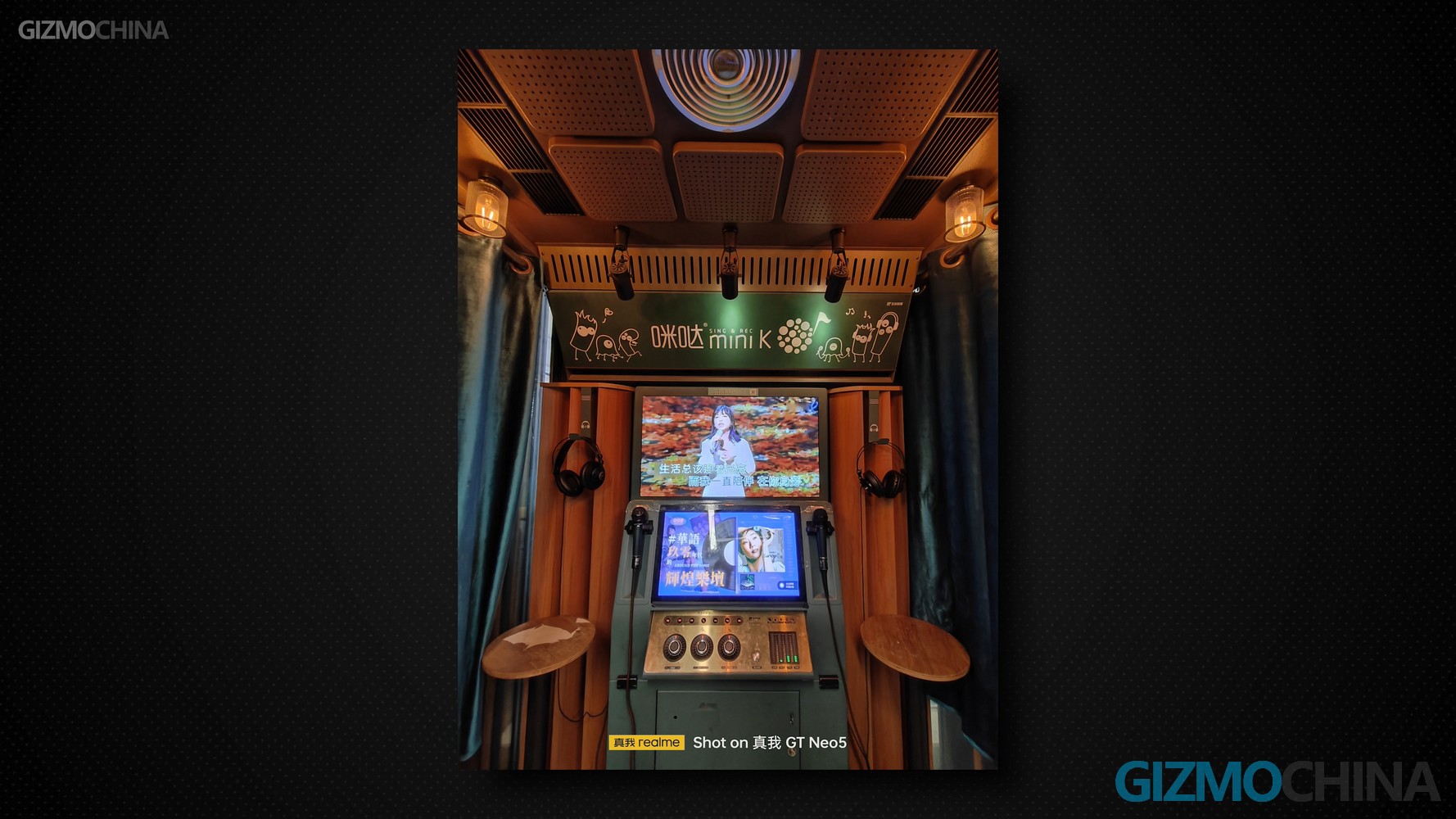
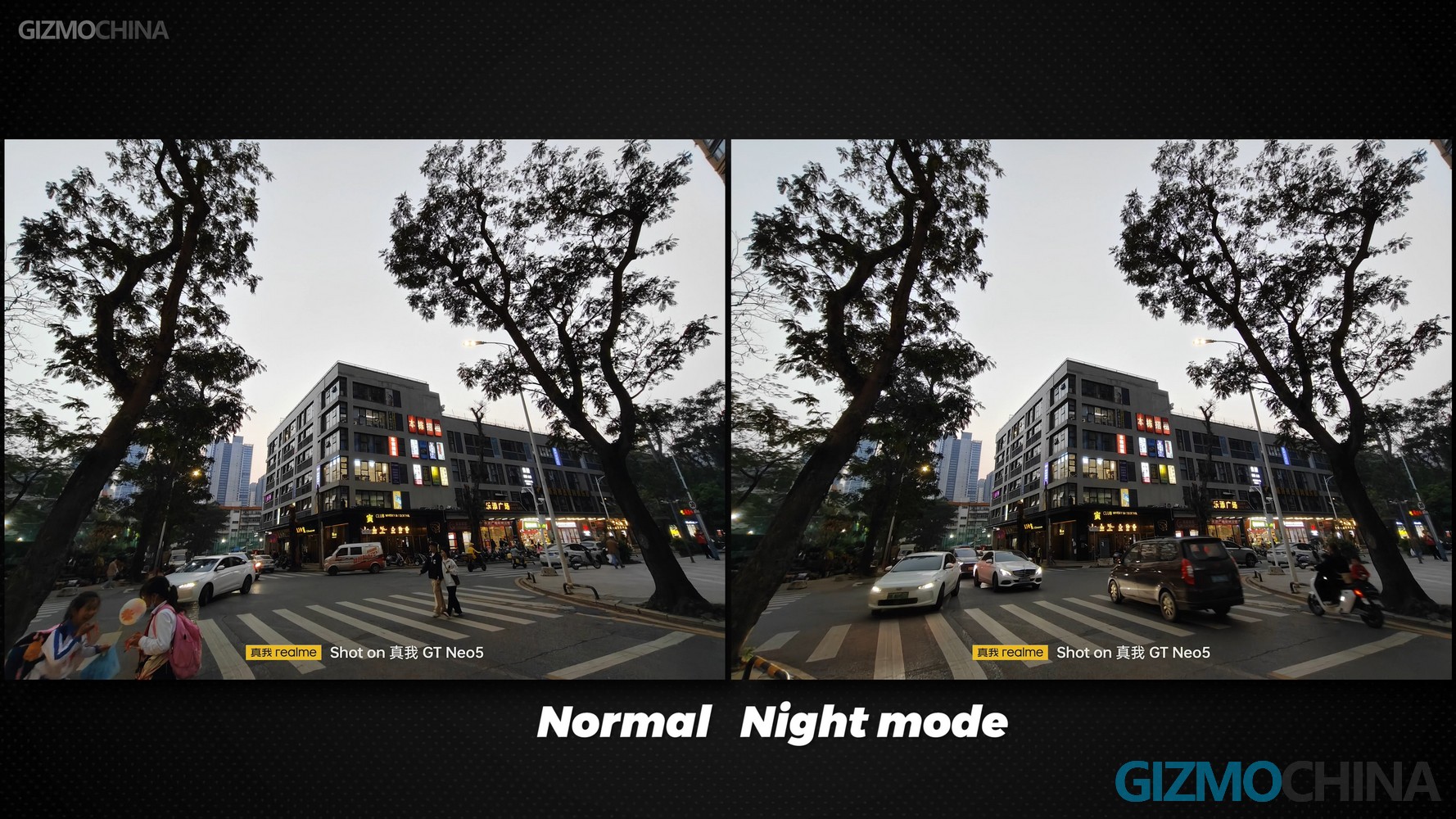
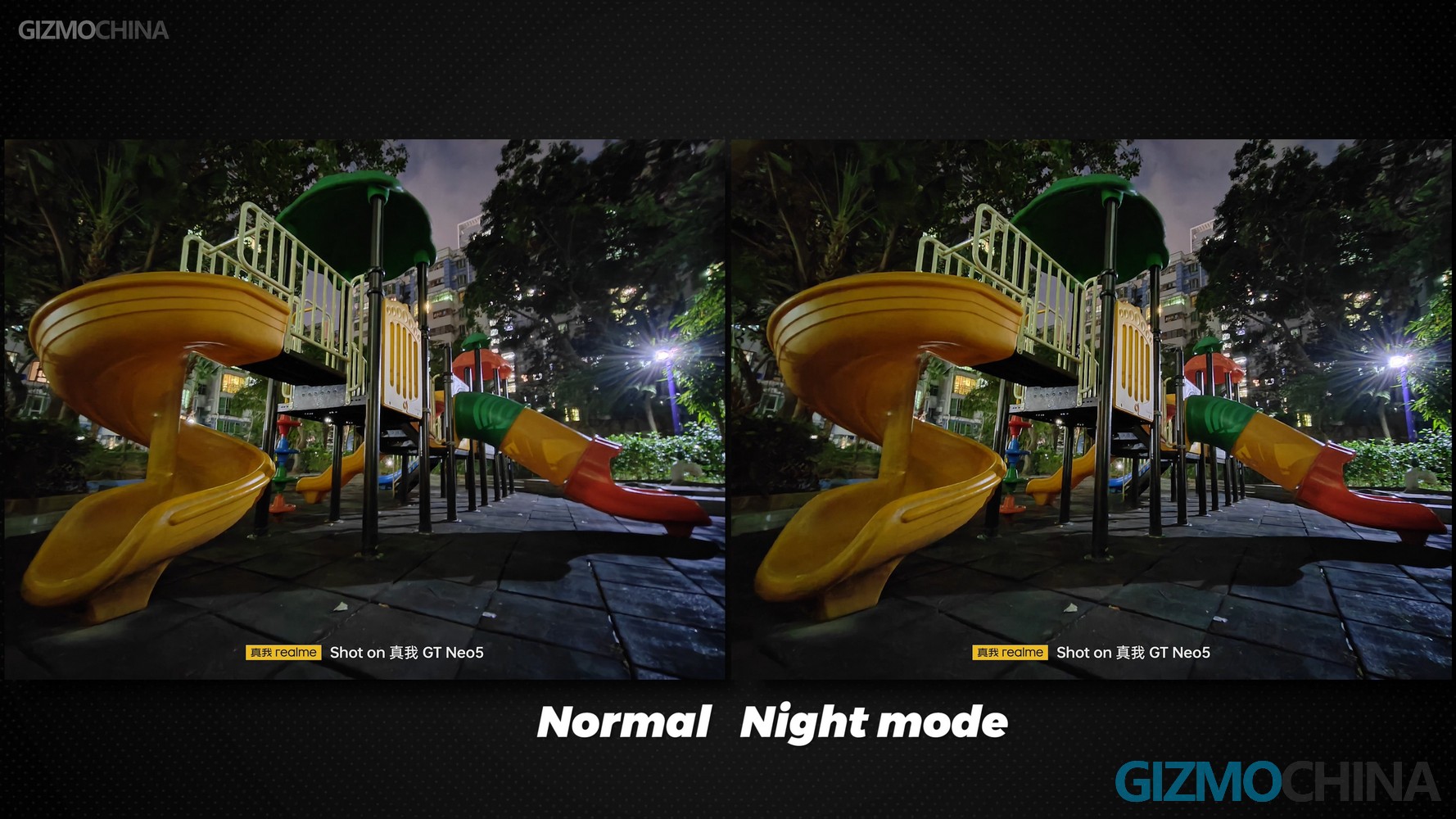
The iconic IMX 766 main camera of the OPPO family phones has become the IMX 890 this year. The sensor is just as good as the 766, and I’d be difficult to pick out any obvious flaws. Although there is no help from Hasselblad or other traditional camera brands, but most scenes can still take good pictures.
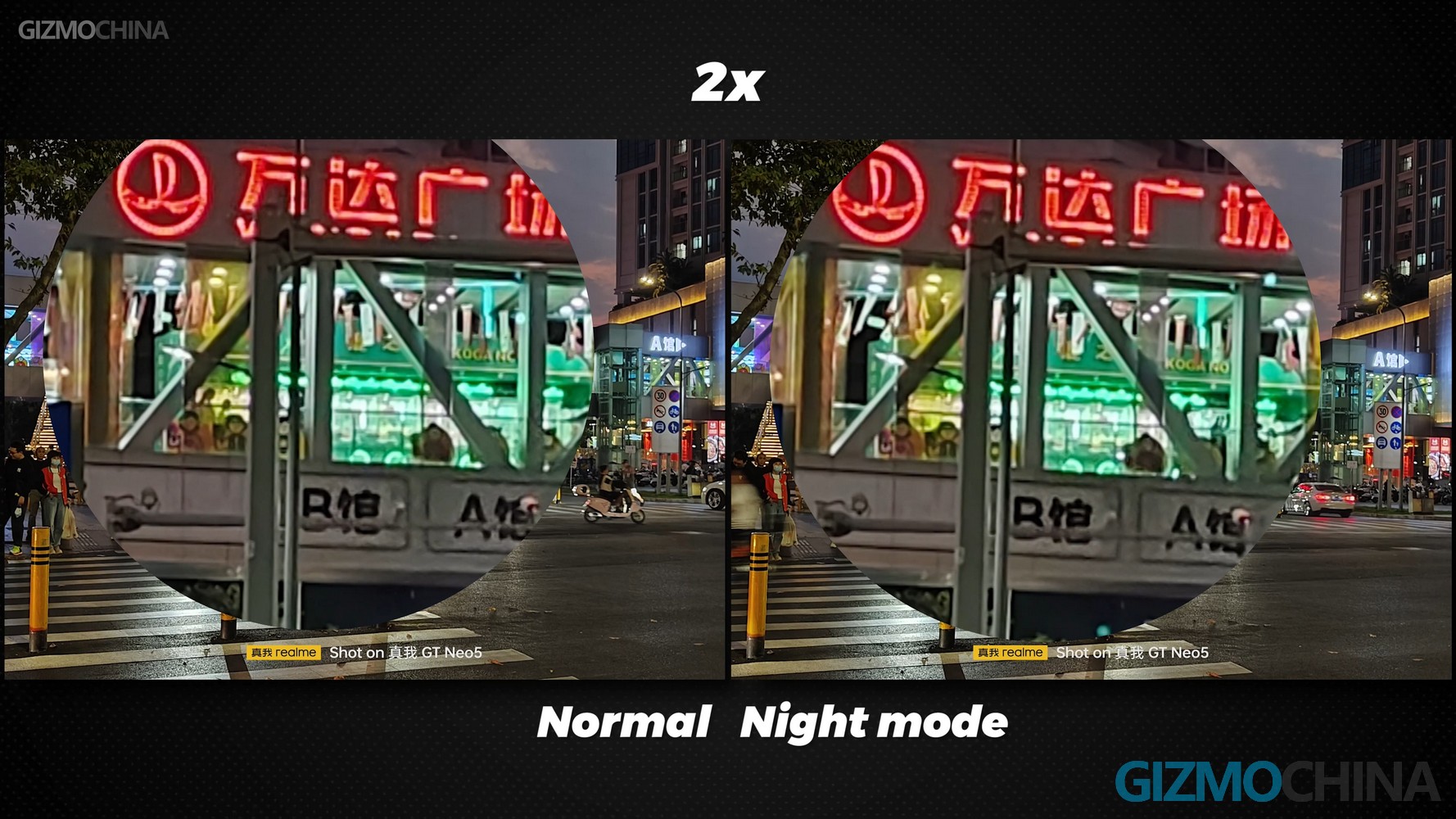
At night I don’t recommend that you zoom in to take pictures two times or more, otherwise the pictures will become blurry.
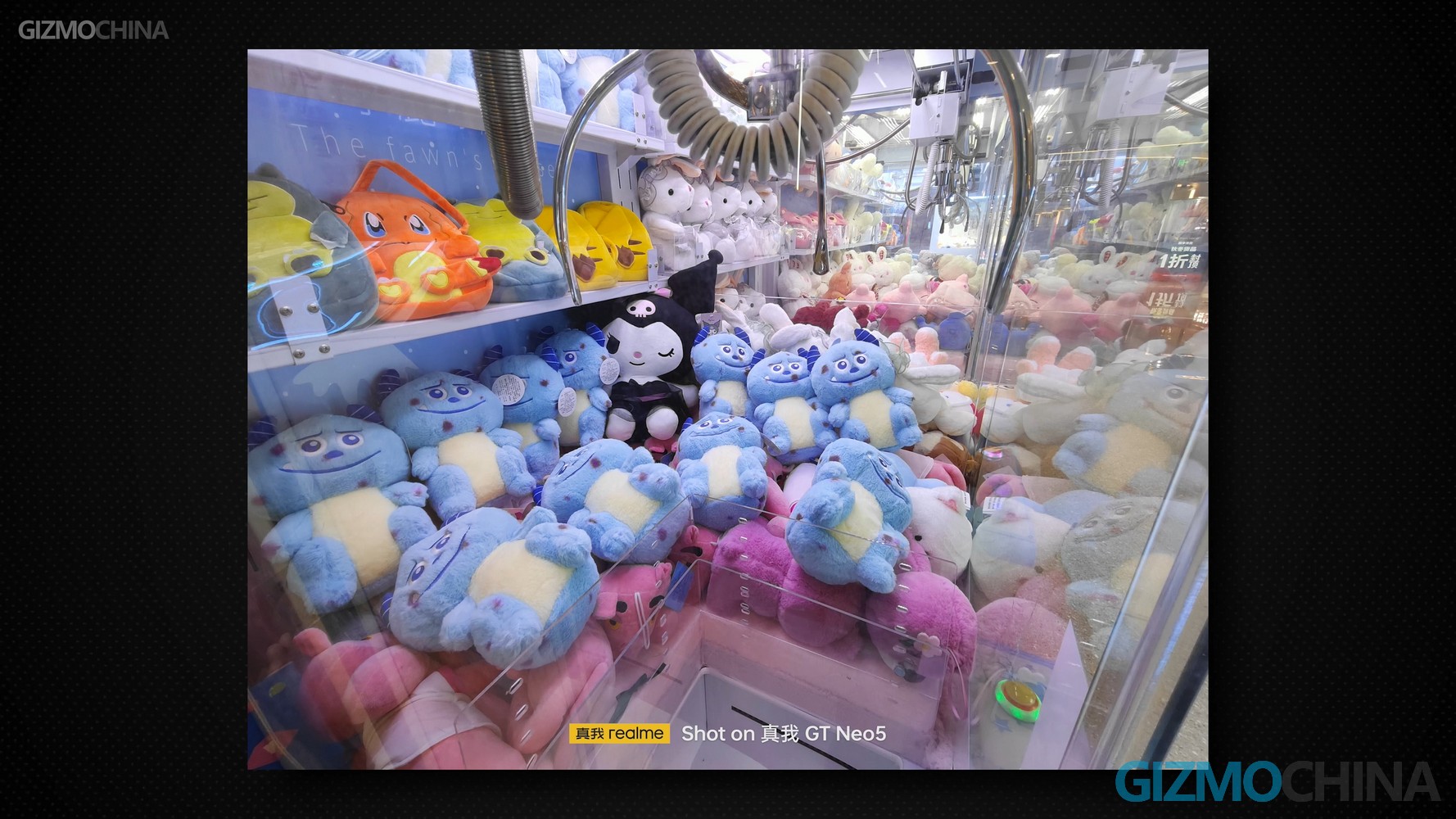
There’s not much to say about the ultra-wide camera either, as it does have a very average performance. Like most budget phones, it’s not bad during the day, but it’s blurry at night.
The Neo 5’s macro camera is more interesting because it is a true macro lens. You can use it as a microscope to take all kinds of interesting photos. Although we won’t use this lens often, it’s a lot more useful than the useless macro camera that many phones have. When recording video with this camera, the footage will be more shaky because there is no image stabilization.
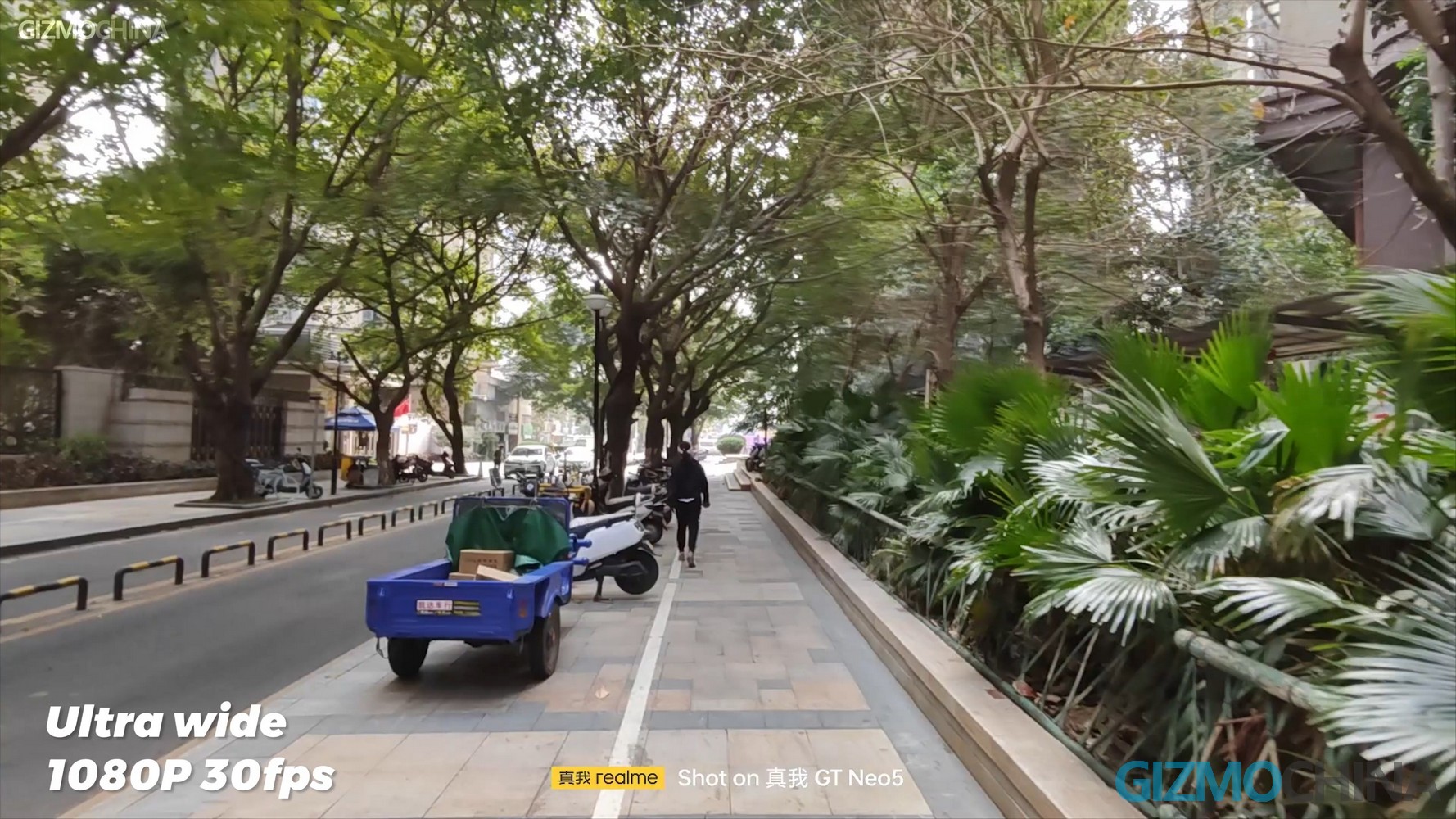
Video recording like Ace 2, does not support 8K, up to 4K 60fps. the ultra-wide camera only 1080P 30fps. the main camera performance as good as when taking pictures, but the ultra-wide camera is not only very poor image quality, and there is a bug.
This ghosting bug is not an occasional problem, as long as you use the ultra-wide camera to take video, there will be this problem. Anyway, even without this bug, because the image quality is really bad, Neo 5 ultra-wide camera can completely say goodbye to the video recording.
Video samples can click on the video at the beginning of the article to view.
Charging
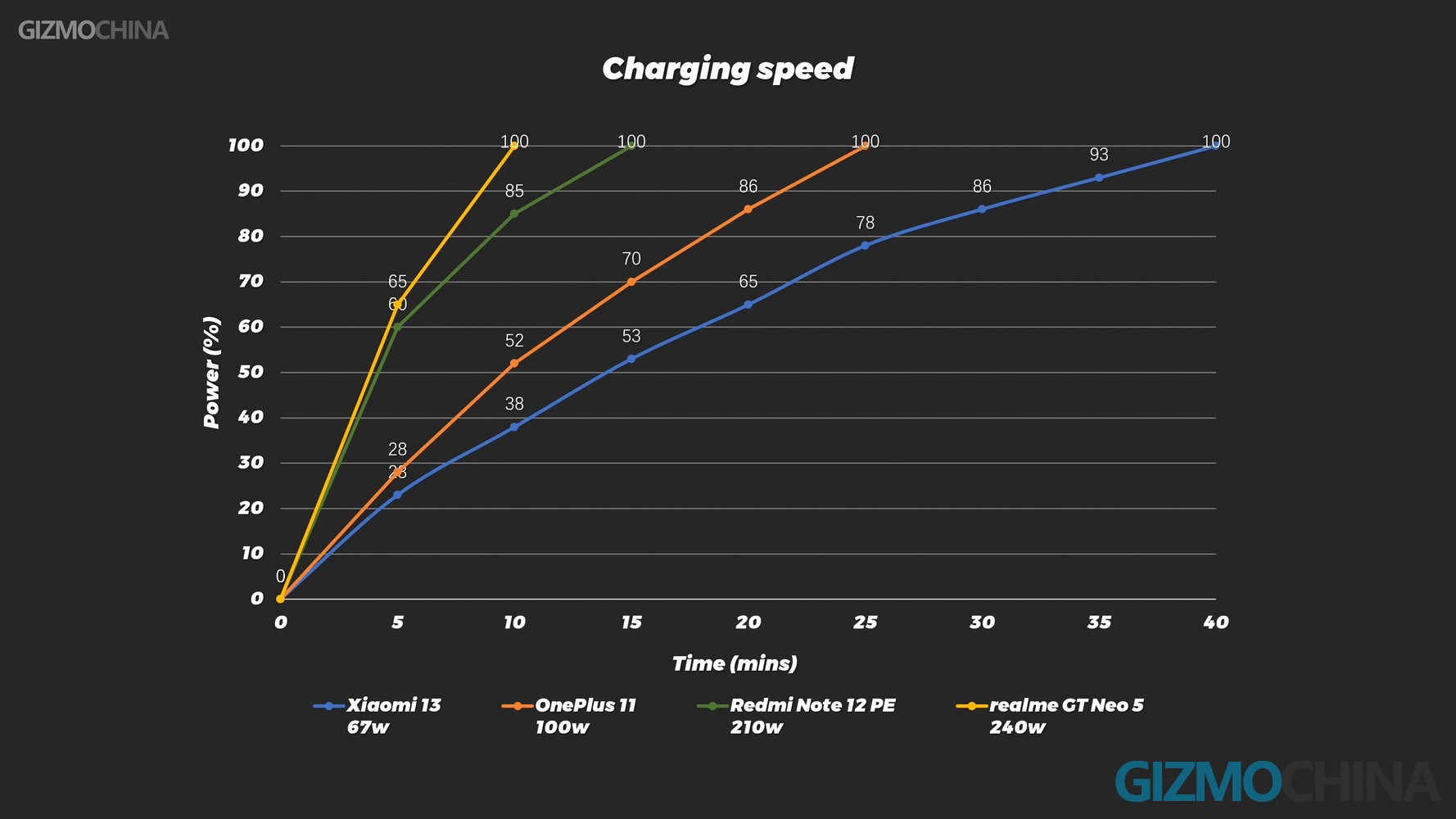
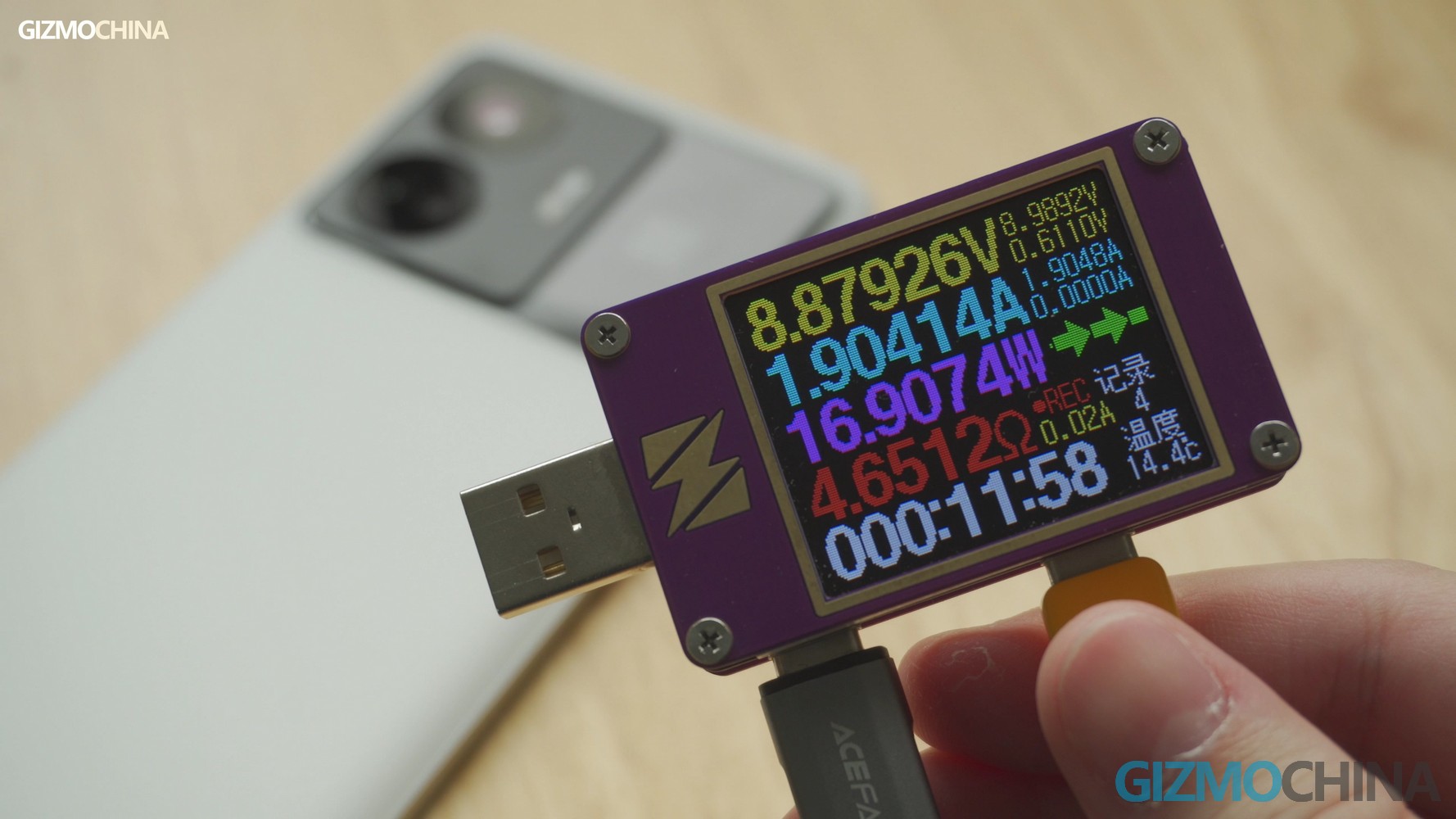
Charging is definitely the biggest highlight of the Neo 5. We purchased the 240w charging version of it, which is by far the most powerful phone for charging. We’ve listed a few phones we’ve tested for comparison. This Neo 5, by far, is the fastest charging phone, with nine minutes to get it fully charged.Although they don’t have the same battery capacity, you can roughly see how big the difference is in their charging speed.
If you use another charger then only support up to 18w charging, so this 240w charger you have to be careful to keep well.
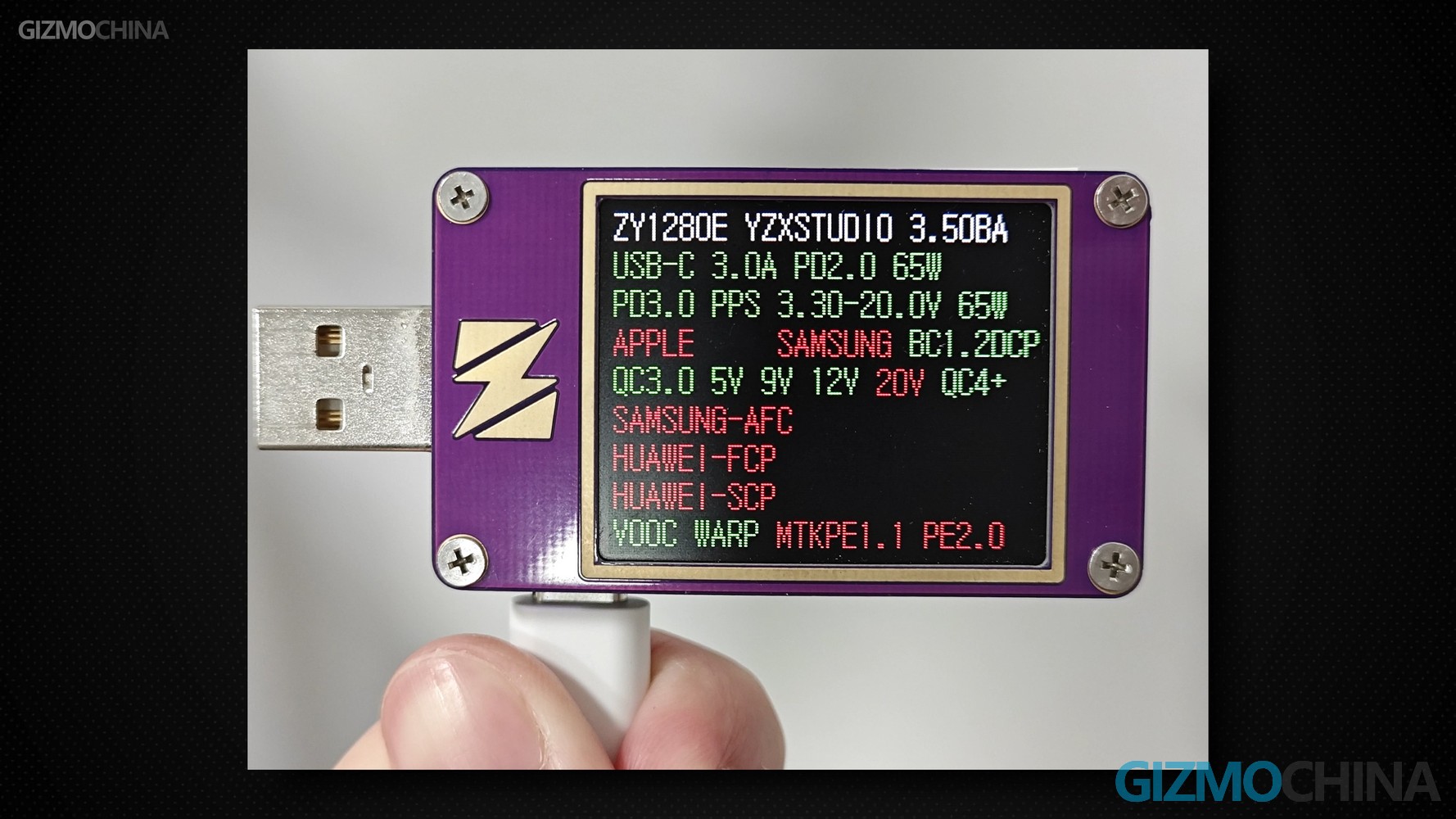
Let’s talk about this charger. Although it is much smaller than we expected, it is not light, weighing about the same as a phone. Charging protocols are not that much, in addition to SuperVOOC 240w, it also supports 65w of PD and QC 3.0 protocols, which is the regular level of the charger in the box.
Battery
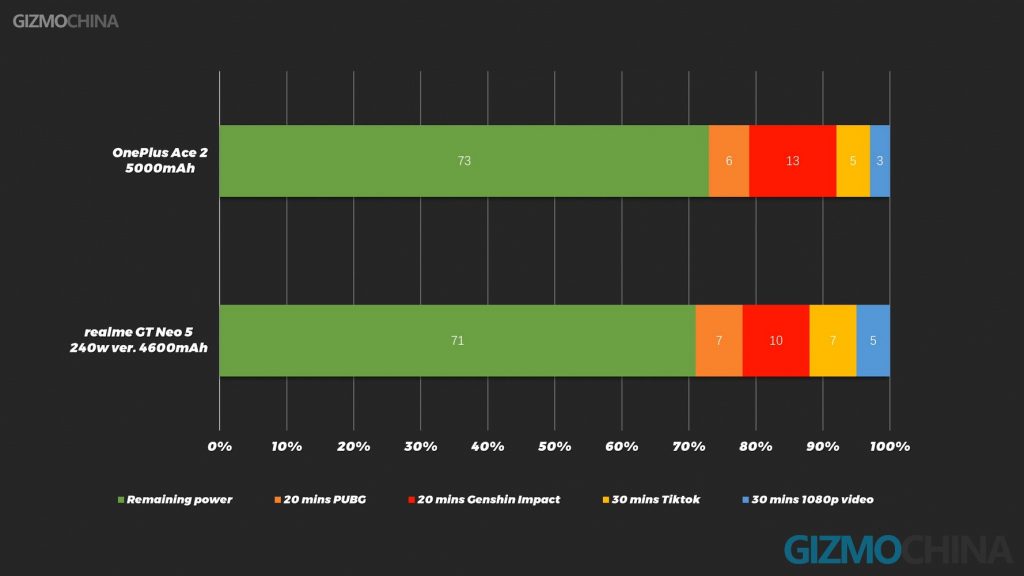
Of course, charging faster comes at a price, the battery will be smaller than the 150w version. This 240w version will last a little less than the normal 5000mAh 8+ Gen 1 phone. For me, I prefer the 150w version. As a mobile device, the battery capacity is what is more important than the charging speed.
Of the recently released 8+ Gen 1 phones, if I had to pick a favorite, it would be the GT Neo 5. Not only does it have very unique selling points, such as the world’s fastest charging speed, and the best gaming experience in its price range, but it’s also very cheap. In addition to the ultra-wide camera recording is worse, there are no other disadvantages. I do recommend buying it.
Infinix has officially released the new Smart 7 smartphone in the Indian market. The latest device from the company is a budget grade handset and features some notable specs. So here are all the details.
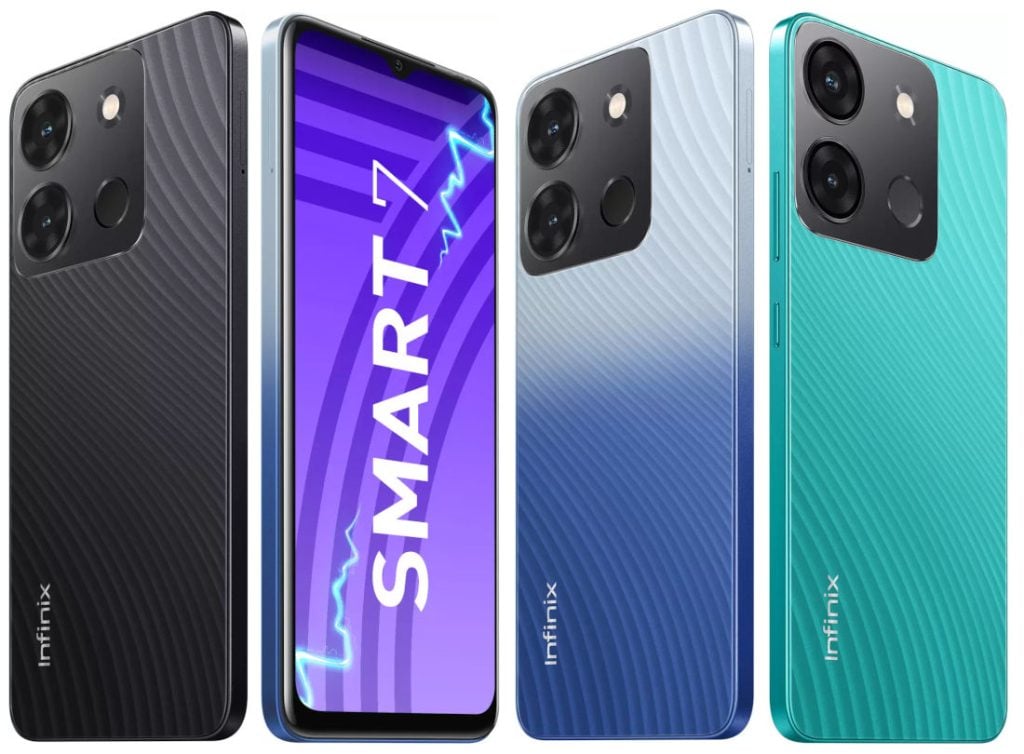
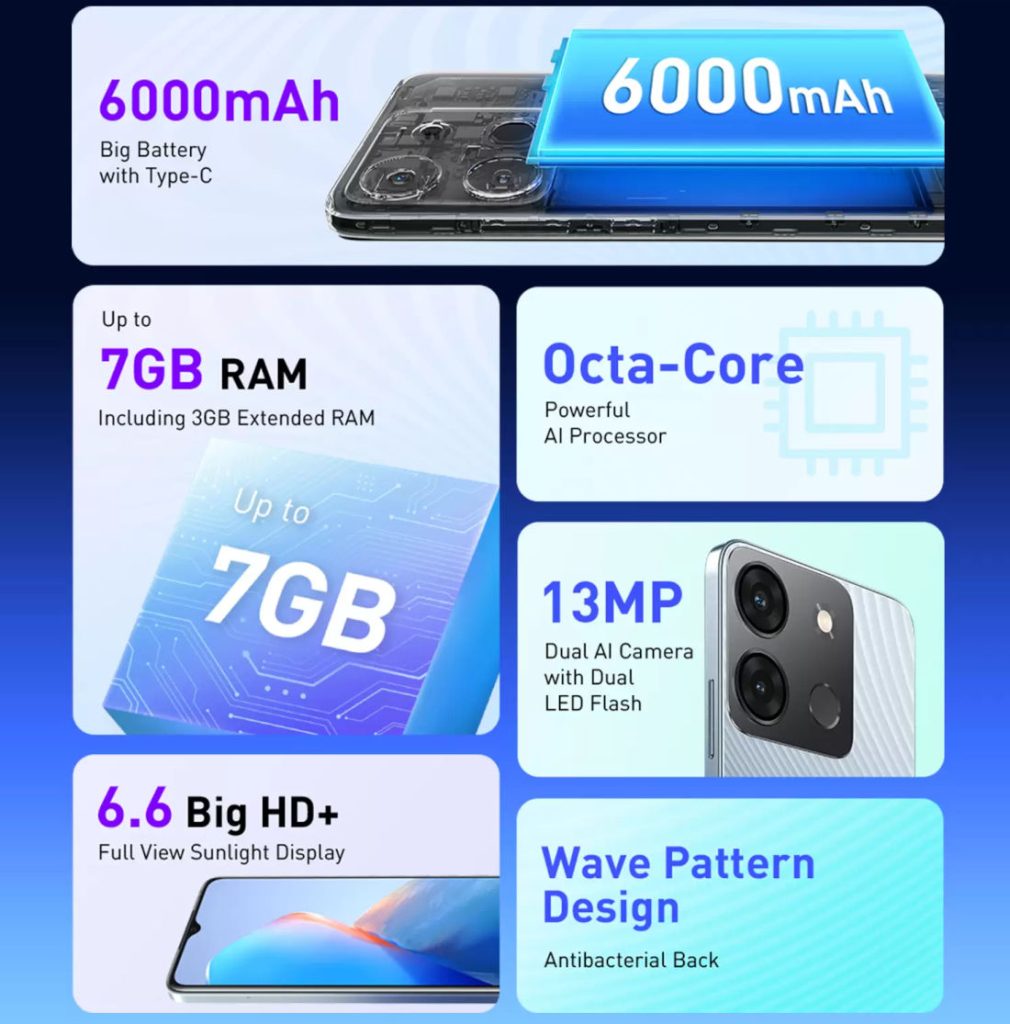
The smartphone maker clearly built this phone to make it seems premium despite its affordable price tag. It features a unique wave pattern design on the back that is coated with Silver ion spray for a more premium feel and a 99 percent antibacterial rate. The rear also houses a large camera module, which also houses the rear mounted fingerprint scanner. Meanwhile, the front sports a 6.6 inch HD+ display that has 500 nits of peak brightness and a water drop notch.
Under the hood, the device is equipped with the Unisoc SC9863A SoC that is paired with up to 4GB of RAM and 64GB of internal storage. Although, the device can virtually expand its memory by up to 3GB through RAM expansion. Infinix Smart 7 is powered by a humongous 6,000mAh battery pack (no fast charging unfortunately), which is around 20 percent higher than most budget phones within this category, as per official notes. On the rear, it features a 13 megapixel camera and an AI lens, while the front houses a 5 megapixel selfie shooter.
Other features include, Android 12 OS based XOS 12 out of the box, dual SIM and a microSD card slot, USB-Type C port, dual 4G VoLTE, and Bluetooth 4.2. The new budget phone will be available in multiple color options like Azure Blue, Emerald Green, and Night Black variants. It will go on sale starting from 27 February 2023 for an introductory price tag of just 7,299 INR (roughly 88 US Dollars).
Last year Galaxy S21 FE failed to make a significant impact in the market. However, recent rumours suggest that Samsung has not given up on its FE lineup just yet, and the Galaxy S23 FE may be in the works, with Twitter leaker OreXDA providing some juicy details.
Samsung Galaxy S21 FE lineup
According to OreXDA, the Galaxy S23 FE will run on the Snapdragon 8+ Gen 1 chipset, last year’s model, to “adjust the unit price.” While this may seem like a step back, the Snapdragon 8+ Gen 1 is still a high-end chip and should offer a flagship-tier experience even a year after its launch. The use of an older chip also allows OEMs to purchase it at a lower price, which could make the Galaxy S23 FE more affordable for consumers.
In addition to the chipset, it is expected that the Galaxy S23 FE will feature a 120 Hz AMOLED screen and some, if not all, of the Galaxy S23 series’ camera sensors. While it is still too early to make any concrete assumptions, these leaks offer a glimpse into what Samsung may have in store for its FE lineup.
The fate of Samsung‘s FE lineup has been uncertain, but the return of the Galaxy S23 FE with a high-end chip from Qualcomm may signal a renewed commitment from the tech giant to its budget-friendly offerings. OreXDA has been a reliable source of leaks in the past, so there may be some truth to these speculations.
If the Galaxy S23 FE does make its way to the market in Q3 or Q4, it will face stiff competition from other mid-range offerings from rival brands. Still, Samsung’s brand recognition and loyal fan base may give it an edge. Only time will tell if the Galaxy S23 FE will be a hit or a miss, but for now, fans of Samsung’s FE lineup can rest assured that it is not dead just yet.
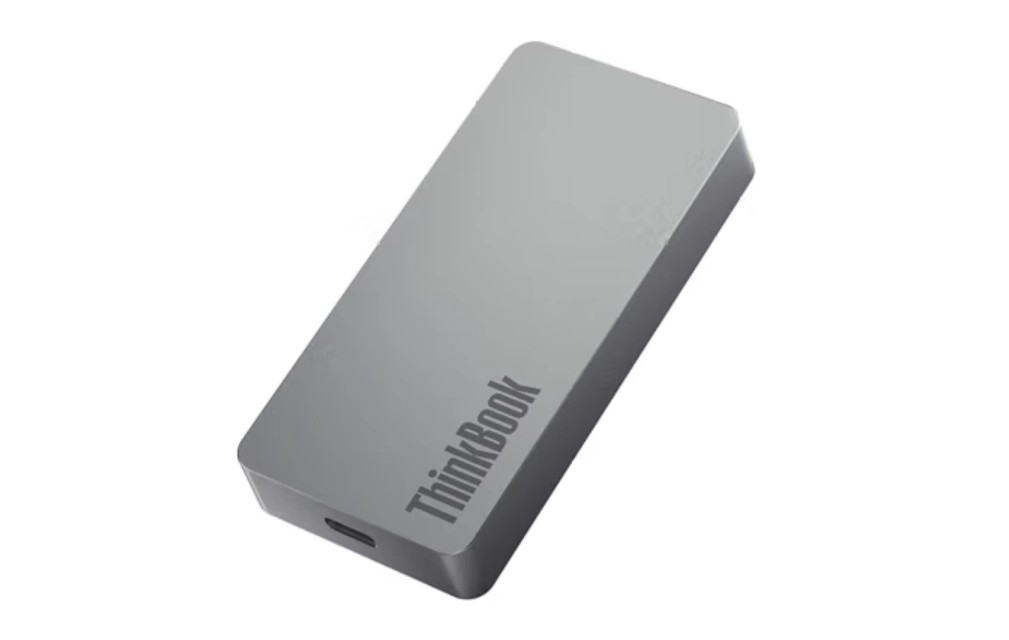
Flagship laptops with high-end specifications usually have high power requirements. For this reason, charging bricks for such notebooks are bulky and heavy. In such cases, having a portable mini-adapter can really help, since they can help with charging multiple devices. On February 22, IT House released news that Lenovo’s new mini-adapter, the Thinkplus Lipstick Power Supply, is now available for pre-sale. This mini adapter is about half the height of a standard lipstick and supports 65W USB-C.
Lenovo’s design for this power adapter is unique, compressing the shape of the charger into a biscuit-shaped form with an ultra-thin and flat design. The Thinkplus Lipstick power brick has a thickness of only 12.7mm and a volume of 46.4cc, with overall dimensions of 87×42×12.7mm ± 0.5mm. Its small size is extremely beneficial for frequent travelers who require a portable charger to carry in their purses or bags. Furthermore, the foldable pin design helps to reduce the size of the adapter even further.
The Lenovo Lipstick Power Supply is highly compatible, supporting various charging protocols, including PD 3.0, QC 3.0, and PPS. The PPS protocol offers a maximum output of 65W, allowing the adapter to power 65W notebook computers and provide fast charging for high-end mobile devices such as smartphones and tablets.
This power adapter utilizes 3D stacking technology, built-in third-generation GaN gallium nitride chips, and has a power density of 1.4W/cc. Additionally, it features a 1.8-meter high-elastic detachable wire and a V0-level flame-retardant TPE sheath material. The mini-adapter’s texture is similar to that of human skin, offering a unique and pleasant tactile experience.
Lenovo’s Thinkplus Lipstick Power Supply is a unique and highly functional mini-adapter that provides a portable and efficient charging solution for high-end devices. It is priced at 199 yuan (~$28.86) at the time of its pre-sale.
Rovio Entertainment, the Finnish game development company behind the popular mobile game franchise Angry Birds, has announced plans to remove the original Angry Birds game from both the Google Play Store and the Apple App Store. The decision comes as the game approaches its 12th anniversary and follows Rovio’s recent pivot towards other games and services.
Despite the fact that the first Angry Birds game was created in 2009, it swiftly became a cultural phenomenon, with over 4.5 billion downloads across all platforms. The game’s basic yet addictive gameplay, endearing characters, and catchy theme tune established the mobile gaming industry as a major force in the entertainment world.
However, Rovio has produced numerous sequels and spin-offs of the original game over the years, which have mostly eclipsed it in terms of popularity and profit. The company has also expanded its operations, entering new markets such as film and television production, merchandise, and mobile game development.
This information was provided by the game’s developer, Rovio Entertainment, who took to Twitter to announce the game’s removal from the Google Play Store. While the game will be withdrawn from the Google Play Store on Thursday, it will be renamed “Red’s First Flight” in the Apple App Store awaiting further review.
Rovio explained in a statement that the decision to delist the game was part of a larger effort to focus on newer games and services, saying: “To keep our game portfolio fresh and up to date, we have decided to withdraw the original Angry Birds game from app stores. It’s been an incredible adventure, and we’re grateful to all of our fans for their support over the years.”
Overall, the removal of the original Angry Birds game marks the end of an era in mobile gaming, but it also serves as a reminder of the game’s long-lasting impact on the industry and its followers. While Rovio is expanding into new areas, the original Angry Birds game will always have a special place in the hearts of people who played and enjoyed it. That concludes our post. Thank you for sticking with me until the end.
A new Poco phone that will end up as an F-series flagship phone has been spotted in the IMEI database by Xiaomiui. Last month, a device with model number 23013PC75G was spotted with the POCO F5 Pro moniker in the IMEI database. It was later seen at other certification sites such as the FCC and IMDA. The new device that has appeared in the IMEI database has the model number 23049PCD8G and the moniker “POCO F5”. The same device was spotted at IMDA certification last week.
According to the publication, the “marble” codename is associated with the 23049PCD8G device. There is a Chinese variant of the device with model number 23049RAD8C. This device is expected to launch with the Redmi Note 12 Turbo (or Note 12T) moniker in China. Reports have claimed that the device may get rebranded as the POCO X5 GT in the global market. However, it now appears that it will be rebadged as the POCO F5 and not the X5 GT globally.
POCO F5 IMEI database listing
Redmi Note 12 Turbo / POCO F5 specifications (rumored)
According to reports, the Redmi Note 12 Turbo will be equipped with a 6.67-inch Full HD+ OLED display that offers a Full HD+ resolution and a 120Hz refresh rate. The screen will also offer an eye protection dimming feature as well as a fingerprint scanner.
The next-generation Snapdragon 7-series chip, which is likely to be called the Snapdragon 7 Plus Gen 1, will power the Redmi Note 12T Turbo. It may ship with up to 12 GB of RAM and 512 GB of internal storage.
The device could be backed by a 5,500mAh battery that supports 67W fast charging. Its other rumored features include an IR blaster and a linear motor. Since the Note 12 Turbo is likely to be rebranded as the POCO F5 globally, both phones are likely to come with identical specs.
Meizu is gearing up to launch its next-generation flagship smartphones, Meizu 20 series in its home country, and the company recently announced that it would open pre-booking for the devices for just 1 yuan in China.
Now, the company has yet again teased the upcoming Meizu 20 lineup with a poster and revealed some of the key details about the focus areas for the smartphones.
In the teaser poster, the company claims that it has invested more than 100 million yuan in the Meizu 20 series to make the device fast, stable, and optimized. It further adds that the optimization and the system stability have increased by 10 times in this upcoming smartphone.
Moving ahead with the concept of “unbounded” that the company had previously showcased, Meizu seems determined to create a multi-terminal, full scenario, immersive fusion experience and bring better quality products for an enjoyable experience to the users.
Based on the leaked images, the upcoming Meizu 20 smartphone will come with a punch-hole cutout at the top-center position on the display, with a right-angle frame design. The company’s CMO, Wan Zhiqiang has revealed on Weibo that all the sides of the upcoming smartphone are equal in width, which hints at narrow bezels around the display.
The Meizu 20 series smartphones feature a flexible straight screen and will be equipped with Ultrasonic Fingerprint 2.0. The devices will be powered by the Qualcomm Snapdragon 8 Gen 2 processor, coupled with LPDDR5X RAM and UFS 4.0 internal storage. It will be running the next-gen Flyme 10 custom interface based on the Android operating system.
While the exact launch date for the upcoming Meizu 20 series flagship smartphones remains unknown, based on the leaks and rumors, we expect the devices to go official next month, i.e., in March 2023.
Xiaomi is all set to launch the Xiaomi 13 lineup of smartphones globally. The devices will be launched through the MWC Barcelona 2023 event. However, quite a long time has passed since the official launch of the Xiaomi 13 series in the Chinese market and users were eagerly waiting for the Chinese launch of the Xiaomi 13S series. However, a company official has confirmed that they don’t have any plan to launch the Xiaomi 13S series. The market will directly see the launch of the Xiaomi 14 lineup.
Xiaomi CEO Lei Jun recently stated on Weibo that the business has no plans for a half-generation upgrade for the Xiaomi 13, implying that there would be no Xiaomi 13s series. To keep up with the newest trends and deliver new features to consumers, Xiaomi often releases a half-generation upgrade to their devices. These upgrades are typically denoted by an “s” following the original model number, such as Xiaomi 12S. However, Xiaomi has opted to break from this trend in order to provide a more stable and consistent user experience.
According to Lei Jun, the Xiaomi 13 has already gotten positive feedback, and the company feels it is still relevant in the market. Instead of introducing a half-generation upgrade, Xiaomi will concentrate on upgrading the current model and giving users a better experience.
Furthermore, Xiaomi’s approach could signal a wider shift in the smartphone business. With the cost of flagship gadgets rising year after year, many users are looking for devices that can meet their demands for several years. Xiaomi may be setting the standard for this new trend by focusing on giving a better user experience through software updates. While some Xiaomi fans may be disappointed by this announcement, it’s important to remember that this move will boost the Xiaomi 13’s overall user experience. Instead of debating whether to switch to the most recent model, customers can be confident that their current gadget will continue to receive software updates.
Lastly, some fans may be disappointed by Xiaomi’s decision not to provide a half-generation upgrade for the Xiaomi 13 and the absence of a Xiaomi 13s series. That is, however, a wise move that will help the organization in providing a more stable and consistent user experience. That concludes this post. Thank you for sticking with me until the end.
Have you ever wondered about the potential of AI technology like ChatGPT and GPT2? We know it can be used to write research-based essays, theses, short stories, and even design website copy from scratch. Well, brace yourself, because a new creation has just been announced that will allow users to generate classic Super Mario levels using nothing but text prompts. As crazy as that might sound, the developers of “MarioGPT” have harnessed the power of GPT2, trained on the original Super Mario Bros and The Lost Levels, to create a whole new world of Mario levels.
However, don’t expect to jump right into using MarioGPT, as it requires a fair amount of technical and game development knowledge in order to get everything set up and generate functional levels. But, for those curious and capable enough to give it a go, the developers have shared detailed instructions on GitHub for the same.
The instructions even include text prompt samples to give users a better idea of what generates what. For example, “many pipes, many enemies, little blocks, low elevation” will create a significantly more complicated level, while a prompt such as “no pipes, no enemies, many blocks” will result in a whole different kind of level. The developers have also shared an image that breaks down how MarioGPT works, with additional notes on how it is a “fine-tuned version of the distilled GPT2 language model.”
If you’re itching to try out MarioGPT for yourself, be sure to check out the full instructions and setup process as provided by the developers on GitHub. AI is making waves these days, with applications of the same varying from search engines to personal uses. The possibilities are truly mind-boggling, and we can’t wait to see what other amazing creations will be made in the future.
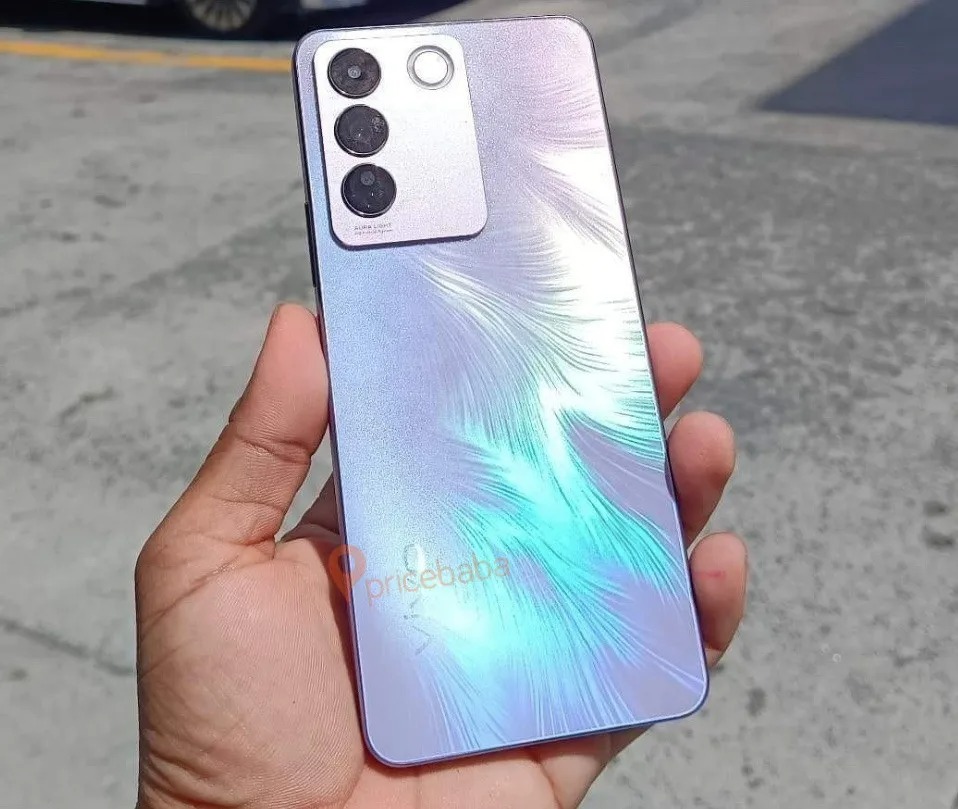
Vivo will announce the Vivo V27e, Vivo V27, and Vivo V27 Pro on March 1 for the global market. The entire specification of the V27e appeared yesterday, which revealed that it will be a solid mid-range phone. Now, Pricebaba has published a couple of images of the V27e in a new report.
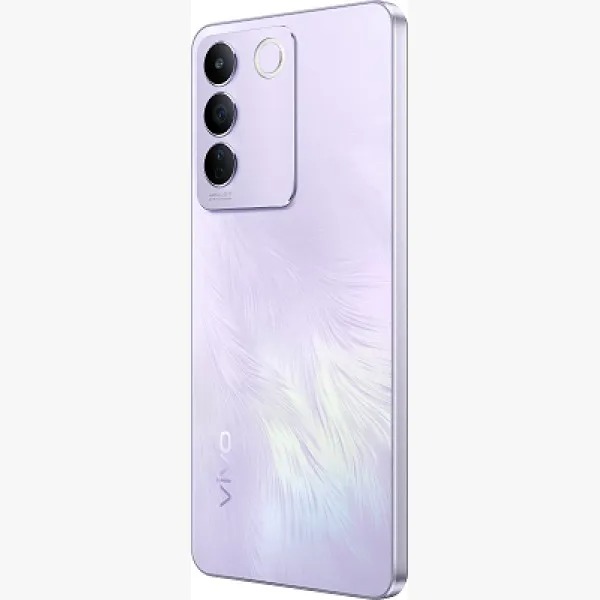
In the hands-on image below, the Vivo V27e can be seen in the attractive Lavender Purple color. While it does not appear to have a color-shfiting back panel like the Vivo V27 and V27 Pro, the feathery design that exhibits shades of blue, purple, and white makes it appear all the more irresistible.
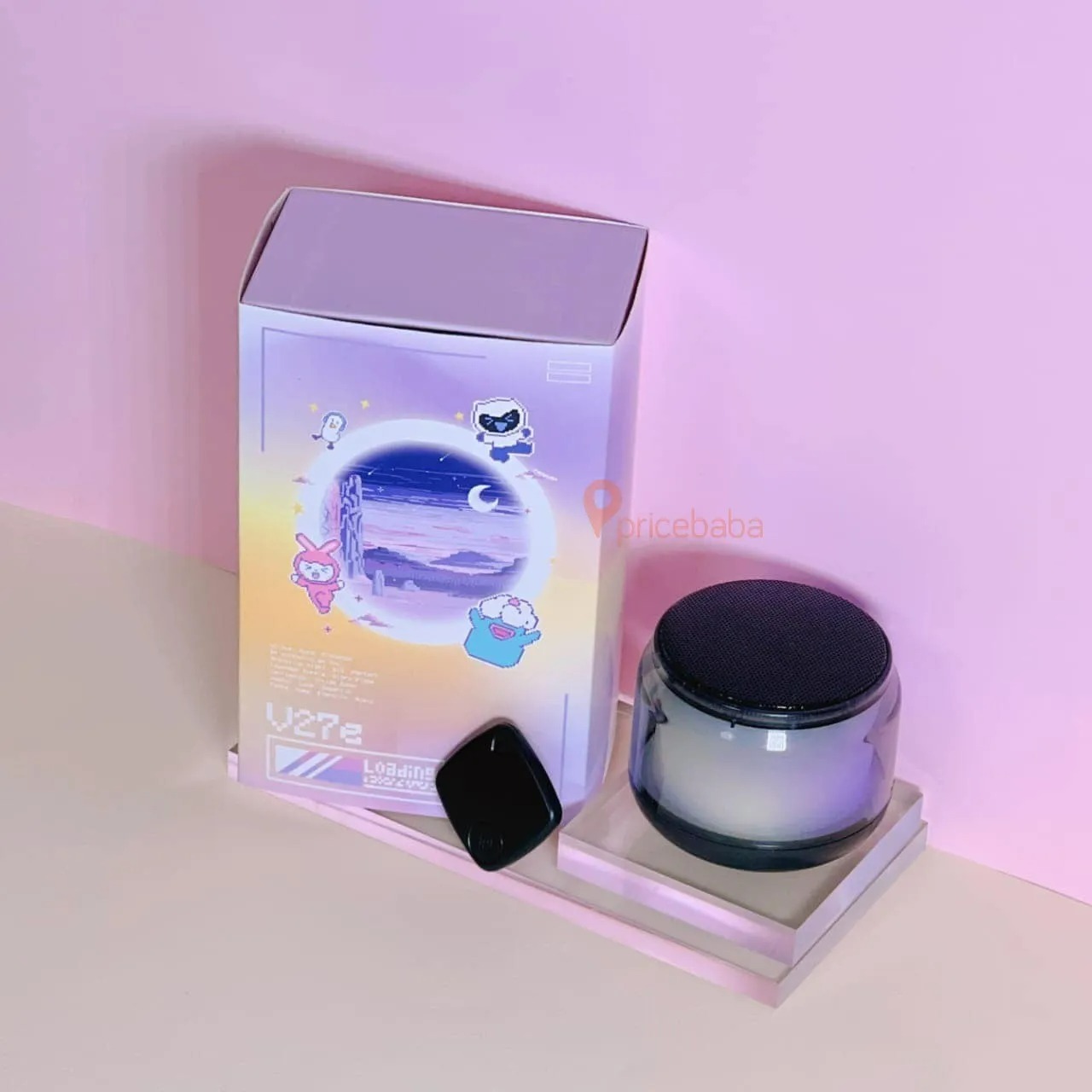
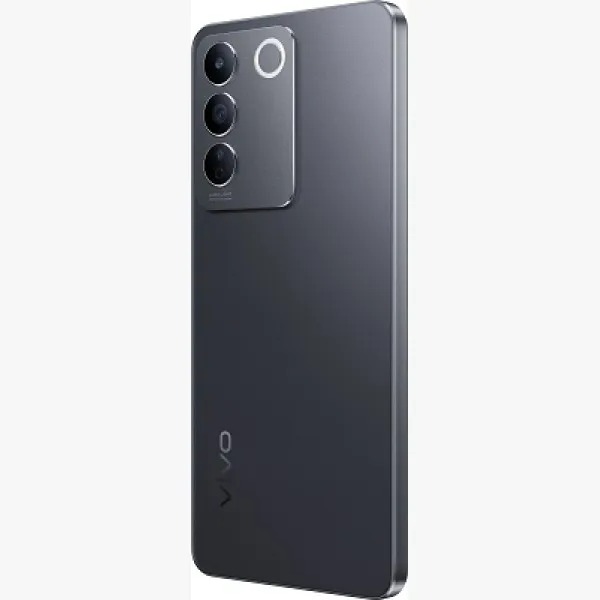
The Glory Black is the other color variant of the V27e, which can be seen in the press renders below. The handset is already up for pre-order in Malaysia through offline channels. Those who pre-order it will get a smart tracker and a Bluetooth speaker for free. Here is a look at the specifications of the V27e.
Vivo V27e specifications
Reports have revealed that the Vivo V27e will measure 162.51 x 75.81 x 7.7 / 7.8mm and weigh 185 / 186 grams. It will feature a 6.62-inch E4 AMOLED FHD+ 120Hz display and run on FunTouch OS 13-based on Android 13 OS. The screen will be integrated with a fingerprint sensor.
The V27e will have a 32-megapixel front-facing camera. The back panel of the device will feature a 64-megapixel main camera with OIS support. It will be paired with a 2-megapixel depth camera, a 2-megapixel macro snapper, and a triple LED flash. It will pack a 4,600mAh battery with 66W fast charging support.
The V27e will be powered by the Helio G99 chipset and 8 GB of RAM. It also has a water-resistant body with an IP54 rating, a hybrid microSD card slot, 8 GB of RAM, and up to 8 GB of additional RAM. At present, there is no word on the price of the device.
Sony, which is still one of the top picks when it comes to audio products, has announced new over-ear headphones in the market, dubbed Sony WH-CH720N.
The newly announced headphones from the brand shares some of the key features with the company’s WH-1000XM5 flagship wireless headphones.
As the name indicates, the WH-CN720N has been launched as a direct successor to the Sony WH-CN710N. It comes with support for Bluetooth 5.2 as well as Multipoint Connectivity, enabling users to pair the device with more than one device simultaneously.
The headphones also comes with voice control for playback and volume adjustments. Interestingly, despite being an affordable offering from the company, the headphones come powered by the V1 Integrated processor, which is the same one that powers the flagship WH-1000XM5.
The chip is the one that plays a key role in the class-leading noise canceling and DSEE upscaling on the WH-1000XM5, which means that the new budget offering should have a much better performance, especially for a mid-range offering. The headphones are touted as the lightest over-the-ear wireless headphones to feature Active Noise Cancellation.
There are two mics in each earcup, used in conjunction with Sony’s Dual Noise Sensor algorithms to block out ambient sound, with 20 levels of noise canceling available to the user. It also comes with an Adaptive Sound Control feature for different ANC settings for different locations or activities.
As for the battery, Sony claims a battery life of 35 hours with a noise-canceling feature enabled. The Sony WH-CN720N headphones will be available for purchase from next month in four color options — Black, Blue, White, and Beige, for the price of $150.
Nintendo Switch is one of the bestselling handheld gaming consoles in the world, and with good reason. Frequent updates, new game releases, and ever-evolving accessories have kept the console alive and popular. Now, Nintendo Switch gamers may have a new cause for excitement. A recent leak from the UK’s Competition and Markets Authority suggests that the upcoming system will feature content available through the current Switch Online service. Despite the Nintendo Switch being nearly six years old and no successor announcement made, it is almost certain that Nintendo will release a new system in the not-so-distant future, considering the enormous success of the Switch.
It remains unclear whether the new console will be named Switch 2 or adopt a new naming convention entirely. Nintendo’s console naming conventions have varied, with names like the Nintendo Entertainment System, the Super Nintendo Entertainment System, the Nintendo 64, GameCube, Wii, Wii U, and Switch. This makes it pretty hard to accurately guess what the next iteration of the Switch will be branded as.
As for the Nintendo Switch’s online functionality, the company will potentially offer retro games through the Switch Online service and its Expansion Pack(s). This news would be welcomed by fans who have been critical of Nintendo’s approach to online multiplayer and party chat. Although it’s unclear whether the Switch 2 console will have cloud gaming available through Switch Online or a separate service, the new console will certainly offer continuity of Nintendo accounts and value-added services.
Recently, the Nintendo Switch became the third best-selling console of all time, trumping the Sony Playstation 4, which is a huge achievement on its own. Although the news of the Switch Online service carrying over to the new console may encourage current Switch owners to purchase games digitally and sign up for the Switch Online Expansion Pack, there is no guarantee that this will be the case. Nintendo is known for its unpredictability, and fans eagerly await the official announcement of the next Nintendo console for concrete details.
Infinix Note 12i is the latest addition to the Note 12 family, which already includes multiple smartphones, such as the Note 12 Pro 4G, Note 12 Pro 5G, Note 12 5G, Note 12, and Note 12 Turbo. The Note 12i is an entry-level model, that is positioned lower than the Note 12 that costs Rs 11,999 (~$146) in the Indian market.
It should be noted that the Note 12i is the same device that has been available in African markets under the Infinix Note 12i 2022 name since September 2022. This device is different from the Note 12i with an LCD panel that debuted in May 2022 in Africa.
The Note 12i is priced at Rs 9,999 (~$121) in India, and like the other members of the series, it also features an AMOLED display. Hence, it is one of the most affordable phones with an AMOLED screen in the Indian market. Some of its other key features include a large battery with 33W fast charging, a 50-megapixel triple camera unit, and an Helio G85 chipset. I used the device for a couple of weeks, and here is what I think of it.
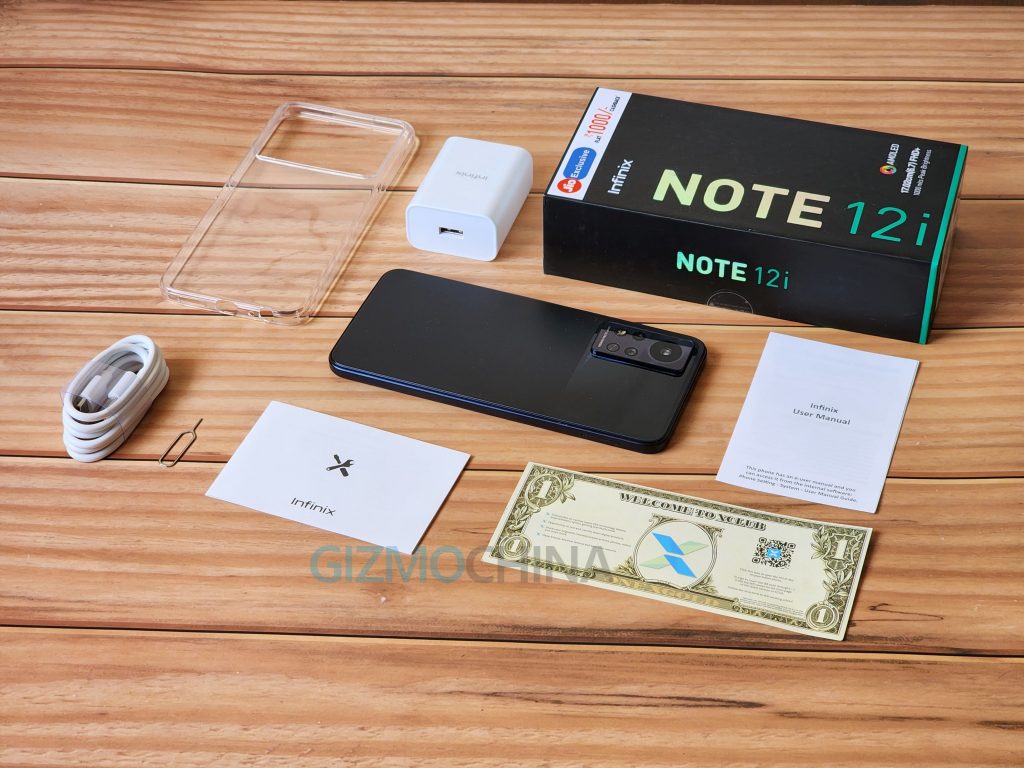
Infinix Note 12i: What’s in the box?
Infinix Note 12i
Here are the contents of the Infinix Note 12i’s retail box
Infinix Note 12i handset
Silicone case
SIM ejector tool
33W charger
USB-C to USB-A cable
User manual
Warranty card
XClub document
Design and Display
Dimensions
Display
Size – 164.47 x 76.7 x 7.8mm
6.7-inch AMOLED display
10000:1 contrast ratio
Weight – 188 grams
1080 x 2400 pixels (FHD+)
Widevine L1 support
IPX4 rating
60Hz refresh rate
Gorilla Glass 3
180Hz touch sampling rate
Color variants
Up to 1000 nits of brightness
Force Black
92% screen-to-body ratio
Metaverse Blue
100% DCI-P3 wide color gamut
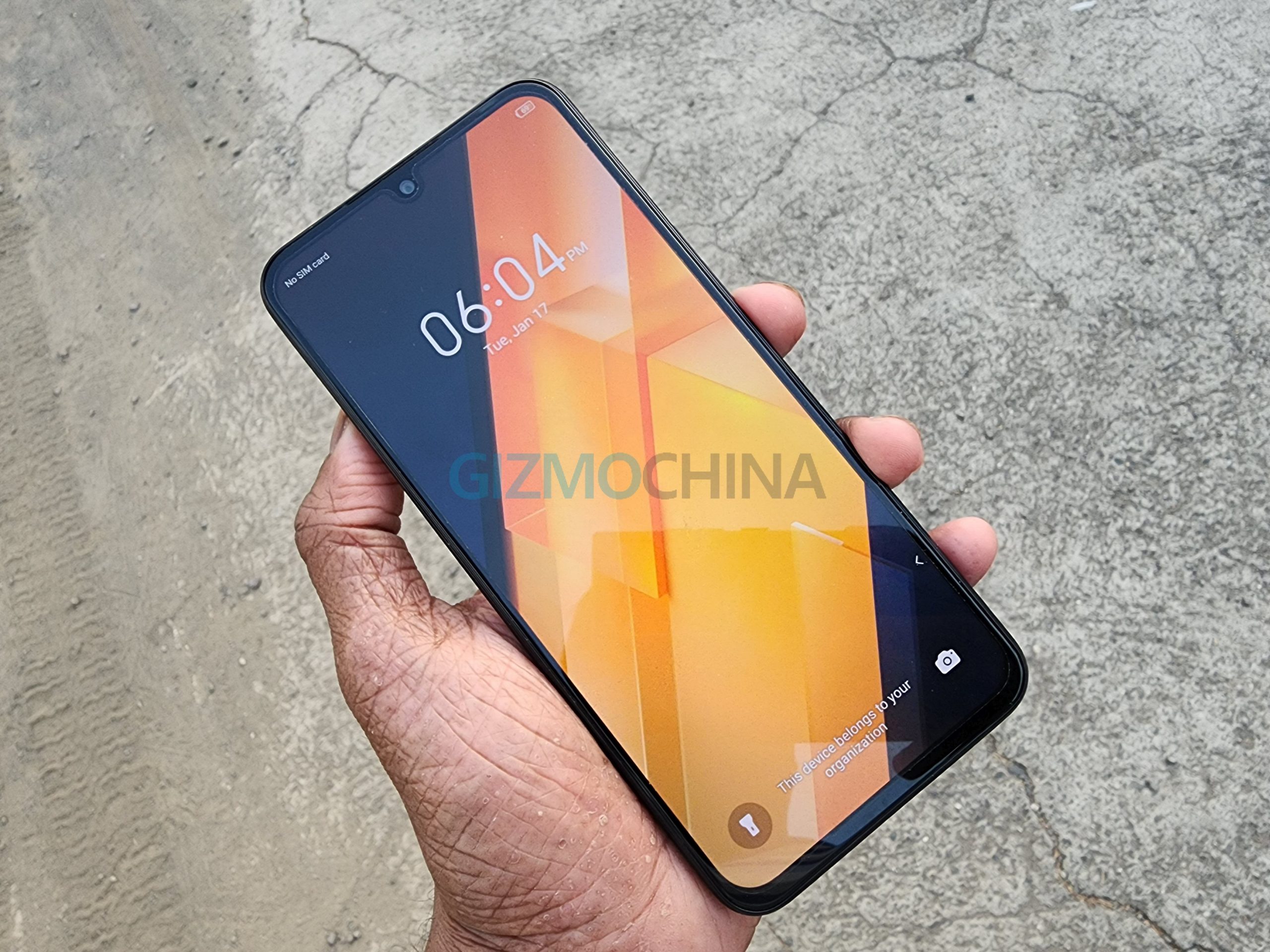
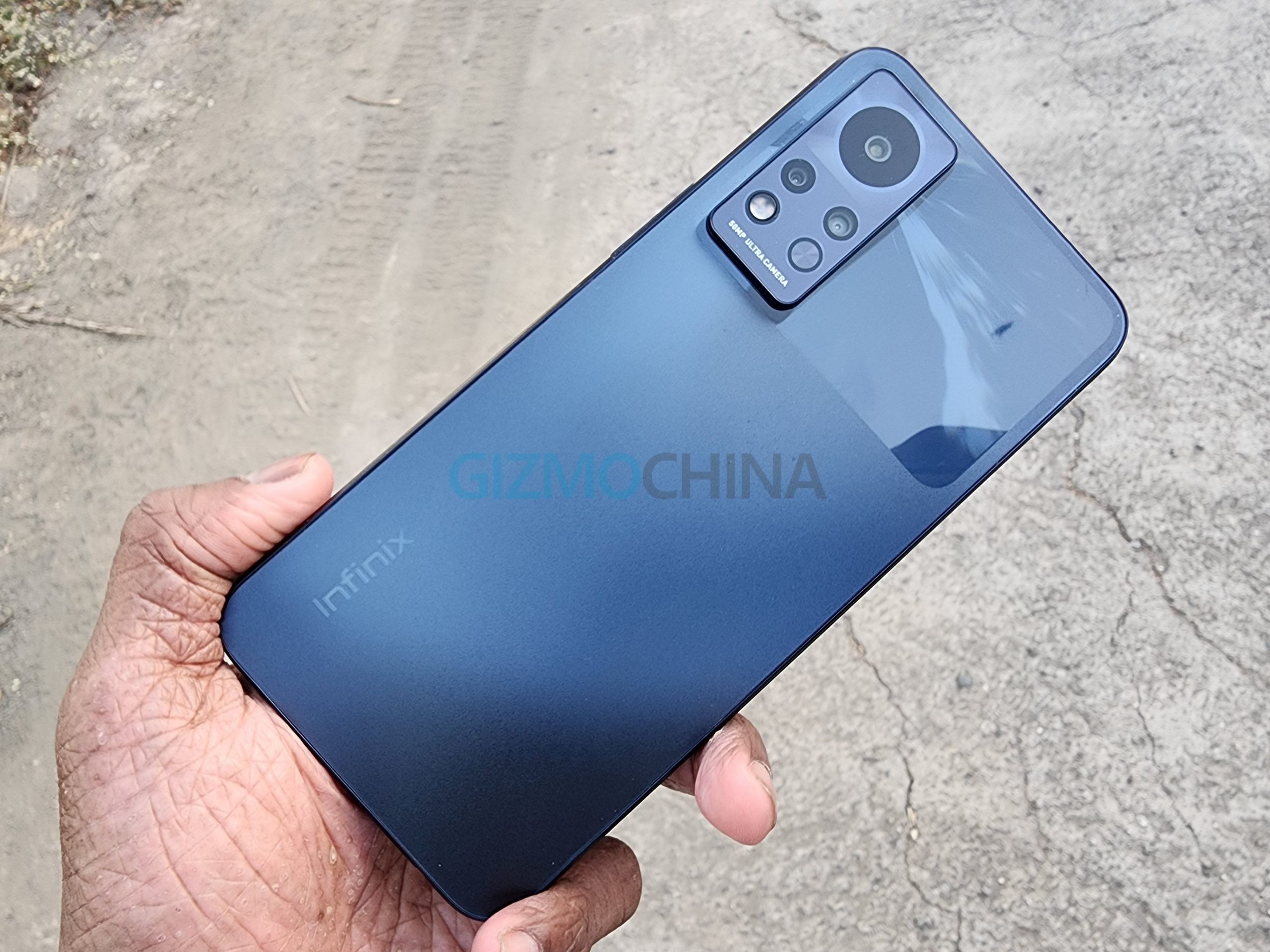
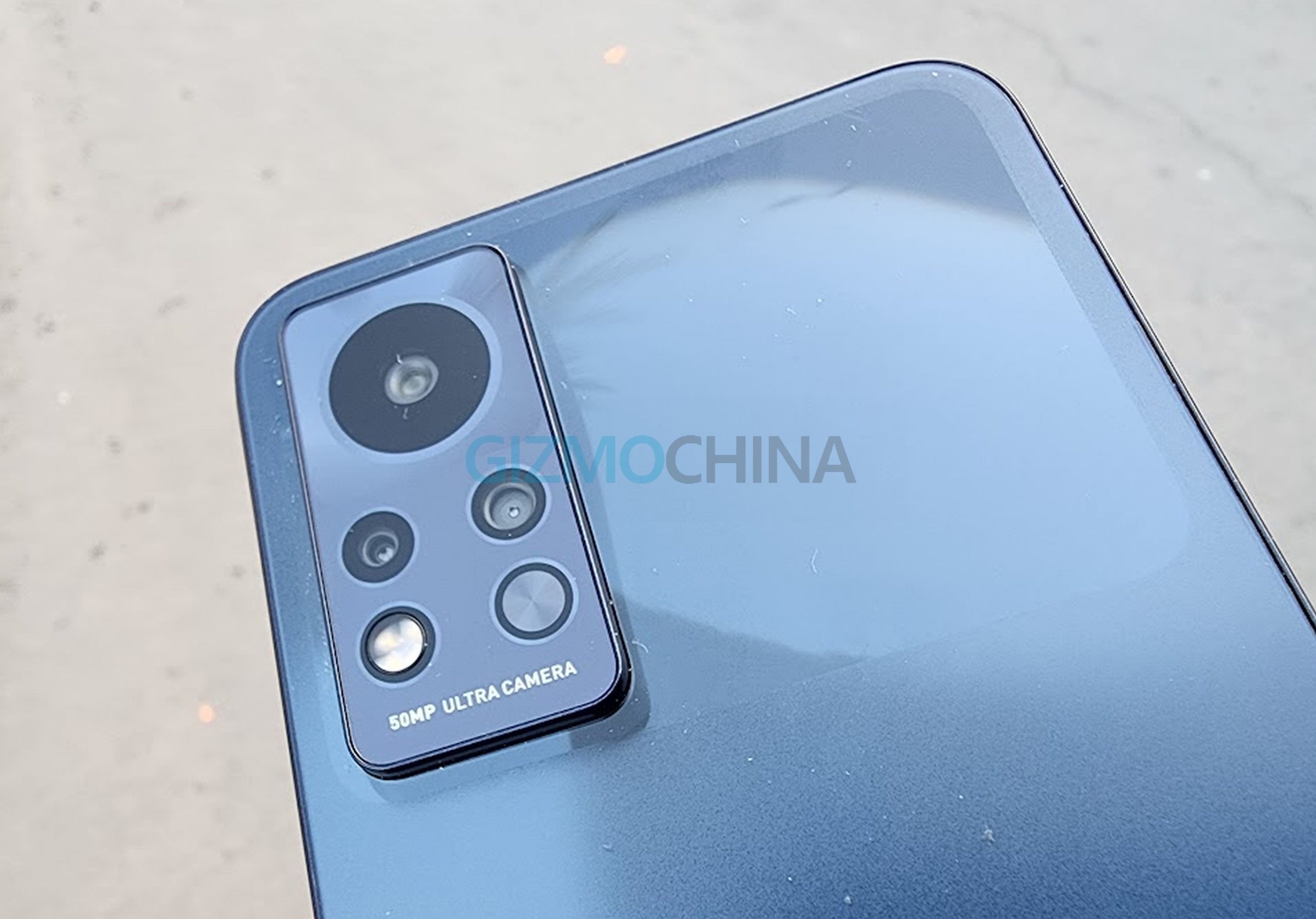
Some smartphone brands in India are doing an excellent job of providing better build and design for phones priced at around Rs 10,000. The same can be seen on the Note 12i. While it is priced at Rs 9,999, it certainly looks like a phone priced at around Rs 15,000. The Force Black edition that Infinix sent me for review has flat edges, and its polycarbonate rear shell has a glittery yet matte finish. There is a glossy block at the top that houses a protruding camera module on the left. While it appears that the device has four cameras, it actually has three cameras and an LED flash.
The right side of the Note 12i has a volume rocker and a power button, which is integrated with a fingerprint sensor. On the bottom, it has a 3.5mm headphone jack, a microphone, a USB-C port, and a speaker grille. There is a SIM card slot on the left. The top edge of the phone is barren, as it is missing a secondary microphone. The device flaunts a slim profile of 7.8mm.
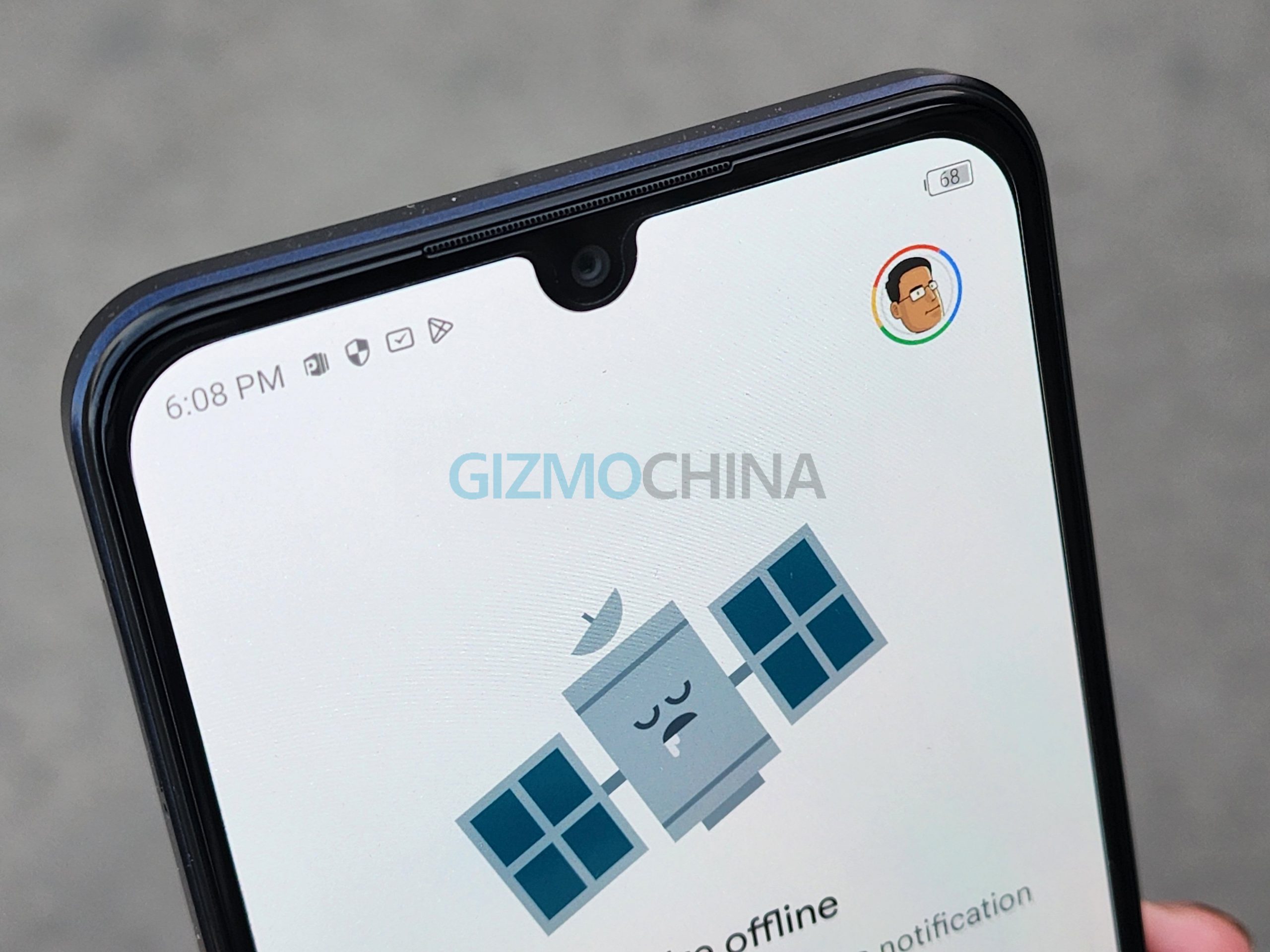
The Note 12i’s large display has a u-shaped notch and a moderately thick chin. It goes without saying that the AMOLED display is one of the major selling points of the device. In fact, it is the only new phone under Rs 10,000 with an AMOLED screen, which produces deeper blacks and richer colours than an LCD display. All the other phones in this price range have LCD panels.
The 6.72-inch AMOLED display available on Note 12i offers a peak brightness of up to 1,000 nits, according to the brand. The quality of the AMOLED panel does not seem mediocre. The screen is quite bright, and there was no issue using it in bright sunlight.
Infinix Note 12iInfinix Note 12i
Even if the phone is used at its highest brightness setting, it does not deplete the battery quickly. The screen supports a 100 percent DCI-P3 color gamut, the company claims. However, I could not find any option to alter the display profile on the Note 12i. However, it offers options like classic, colorful, soft, and realistic options for a better gaming experience in the “enhancement mode” in Settings.
The Note 12i’s screen is shielded by Gorilla Glass 3. Light/Dark mode, adaptive brightness, and eye care mode are among the display-related features available on the device. The top bezel of the phone has an earpiece, which doubles up as a speaker. The impressive display, Widevine L1 support, and dual stereo speakers make the Note 12i a good device for content consumption.
Performance and Software
MediaTek Helio G85
5,000Ah battery
4GB of RAM
33W charging
64GB of storage
Android 12 OS with XOS 12
4GB of virtual RAM
The MediaTek Helio G85 is intended for casual gaming and performs admirably on the Note 12i. While it can run high-end games like Garena Free Fire Max, the experience may not be smooth if it is played at higher graphic settings. Like other Infinix phones, it also features Game Mode. The Helio G85 chip is assisted by 4 GB of LPDDR4x RAM and up to 4 GB of virtual RAM onboard, so the overall experience is smooth on the device. For storage, it has 64 GB of eMMC 5.1 storage.
The XOS 12.0-based Android 12 skin available on the Note 12i has a slew of features not found on other popular Android skins. I compared the Note 12i with the Infinix Hot 20 5G, which I reviewed earlier, and found the company has reduced the number of unneeded preloaded apps on the new Note. At present, there is no official word on the next Android OS upgrade for the device.
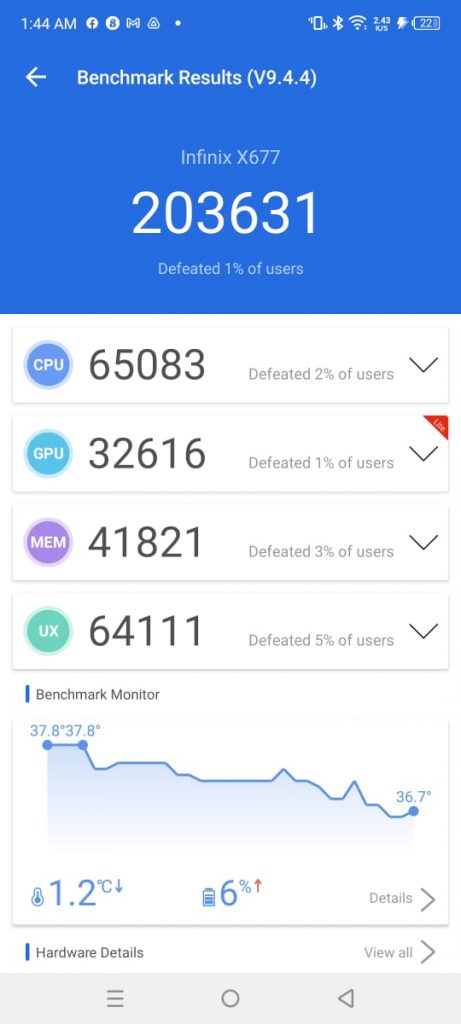
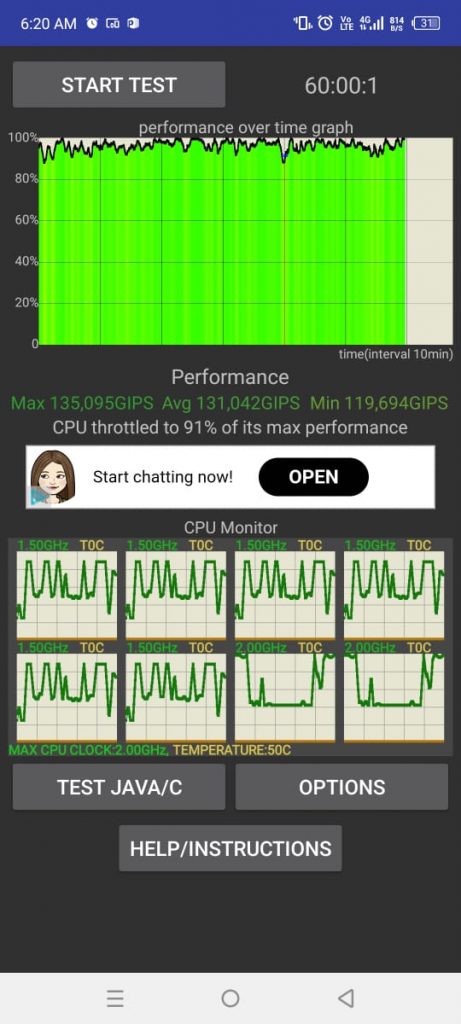
The Note 12i’s 5,000 mAh battery can last for up to 2 days on a full charge. The in-box 33W fast charger can fully charge the device in 1 hour and 30 minutes. Here is how the Note 12i performed on benchmarking apps.
Photography and Other Features
Rear Camera
Other features
50MP Samsung SK5JN1 camera
Side-facing fingerprint scanner
2MP depth camera
Face unlock
QVGA AI lens
Dedicated microSD card slot
Quad-LED flash
Wi-Fi 802.11ac
Bluetooth 5.0
Front Camera
Dual stereo speakers with DTS
8MP front camera
3.5mm audio jack
Dual-LED flash
The back panel of the phone has a 50-megapixel camera with an f/1.6 aperture, which performs well in daylight. It can also shoot decently indoors and at night when there is enough light. The images capture good details in daylight, but they appear soft in low light. A 2-megapixel depth sensor, a QVGA lens, and a quad-LED unit are all present in addition to the primary snapper.
portrait mode2x zoomWIthout night modeSuper night modeWithout Super Night modeWith Super Night modeWithout Super Night modeWith Super Night mode
The default camera app uses the AI Cam feature, which is capable of recognizing the subject accurately. It also offers other key features, such as filters, short video mode, time-lapse, and more. While the Super Night mode is present to enhance low-light shots, I felt that the quality of regular and Super Night shots was almost the same when there was sufficient light.
The Note 12i can capture up to Full HD videos at 30fps. The video quality is fine when videos are captured with enough light. Videos with a bokeh effect or in beauty mode can only be shot in 720p quality. The bokeh effect is okay for a low-budget phone. The Note 12i supports 240 fps slow-motion video shooting.
There is a dual-LED flash unit to assist the front-facing 8-megapixel camera. The front camera can capture selfies with blurred backgrounds. The overall quality of the selfie samples is just passable when the lighting is good.
While the haptic feedback of the Note 12i functions fine, there are no options to increase or decrease its strength. While the device supports 4G VoLTE, it does not seem to have 4G+. For biometrics, the Note 12i has a side-mounted fingerprint sensor and face unlock, both of which perform fine.
Verdict
I feel that the Infinix Note 12i will receive a good reception in India as it offers a combination of features such as an AMOLED display, a 50-megapixel camera, and 33W fast charging at a very low price. The only thing that is lacking on this device is 5G connectivity. In India, 5G-ready AMOLED display phones start around Rs 15,000 (~$182) for those who are unaware. The only other phones that offer similar features are the Redmi Note 10S and the Moto G31, which debuted in 2021.
The Note 12i is selling for Rs 9,999 (~$121) on Flipkart, but the Jio cashback offer available for buyers brings a cashback of Rs 1,000 (~$12), which further sweetens the deal. As a result, buyers can get it for as low as Rs 8,999 (~$109). Jio SIM owners can take advantage of this offer within 30 days of purchasing the Note 12i. Once the cashback is received, the device will be locked to the Jio network for 30 months.
In other words, once the offer is taken advantage of, users will not be able to use another SIM on the device for data connectivity. Because it is a dual-SIM phone, users will be able to use both a Jio SIM and a SIM from another network even after availing of the Jio Exclusive offer. Readers can read about the terms and conditions of the Jio Exclusive offer by visiting this page.
Disclaimer: All of the opinions in this Infinix Note 12i review are mine and based on my own experiences. There has been no editorial input from Infinix.
Chinese PC maker Chuwi is known for producing budget-friendly laptops, one of which is the GemiBook series. The company has now introduced the GemiBook xPro, a new GemiBook series laptop boasting current-generation hardware.
The GemiBook xPro is powered by an Intel Processor N100 which is an entry-level Quad-core processor from the new Alder Lake-N series. Unlike some of the older processors that Chuwi tends to use in its laptops, the Processor N100 is a current-generation processor that can provide better performance. Sadly, the Processor N100 does not support Intel Hyper-Threading and this could limit its multitasking capabilities.
The Intel Processor N100 has a clock speed ranging from 1.0 to 3.4 GHz on a 6 W TDP and uses a 10 nm manufacturing process. It also has a UHD Graphics Xe iGPU with 24 Execution Units (EUs) that can boost to 750 MHz. The Processor N100 contains 4 of a possible 8 E-cores, which could affect its performance in demanding applications.
In terms of design, the new Chuwi GemiBook xPro packs a 14.1-inch IPS display with a resolution of 1,920 x 1,080 pixels. The laptop’s display also utilizes a 16:9 aspect ratio. The display should provide clear and vibrant visuals, making it suitable for a range of applications. The GemiBook xPro weighs around 1.4 kg, making it a portable laptop that can be easily carried around. It also has a 180-degree hinge, which makes it possible to use in tablet mode.
The laptop has a six-row chiclet keyboard with full-sized arrow keys, which should make typing comfortable and easy. Chuwi has also equipped the GemiBook xPro with a relatively large trackpad, although its accuracy remains to be seen at this stage. The laptop also features Bluetooth 5.2 and WiFi 6 connectivity.
Chuwi has not revealed many details about the GemiBook xPro’s battery capacity and port selection. However, it is expected to come with 8 GB of RAM and a 256 GB SSD and should retail for around US$300.
We use cookies on our website to give you the most relevant experience by remembering your preferences and repeat visits. By clicking “Accept”, you consent to the use of ALL the cookies.
This website uses cookies to improve your experience while you navigate through the website. Out of these, the cookies that are categorized as necessary are stored on your browser as they are essential for the working of basic functionalities of the website. We also use third-party cookies that help us analyze and understand how you use this website. These cookies will be stored in your browser only with your consent. You also have the option to opt-out of these cookies. But opting out of some of these cookies may affect your browsing experience.
Necessary cookies are absolutely essential for the website to function properly. This category only includes cookies that ensures basic functionalities and security features of the website. These cookies do not store any personal information.
Any cookies that may not be particularly necessary for the website to function and is used specifically to collect user personal data via analytics, ads, other embedded contents are termed as non-necessary cookies. It is mandatory to procure user consent prior to running these cookies on your website.