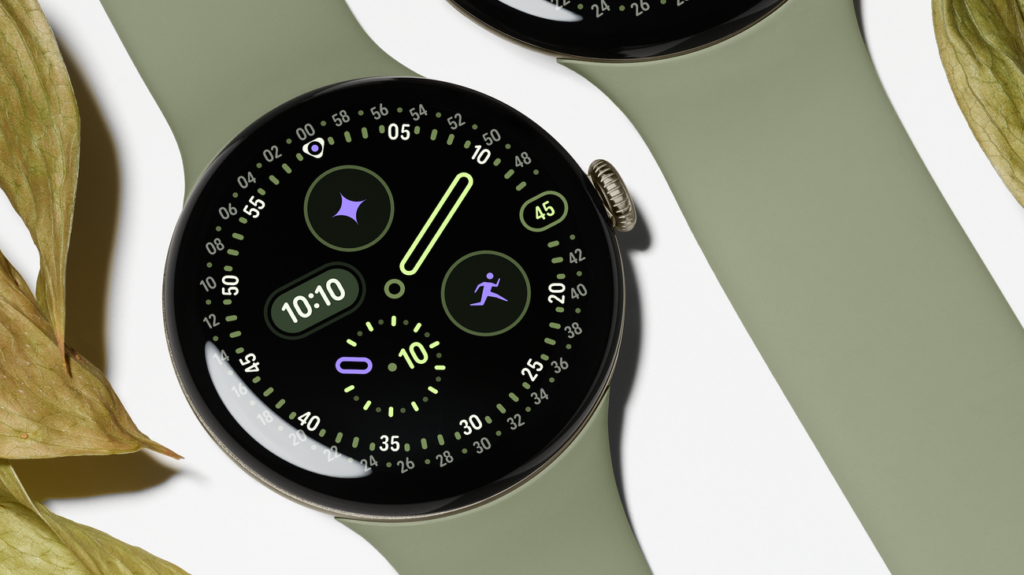
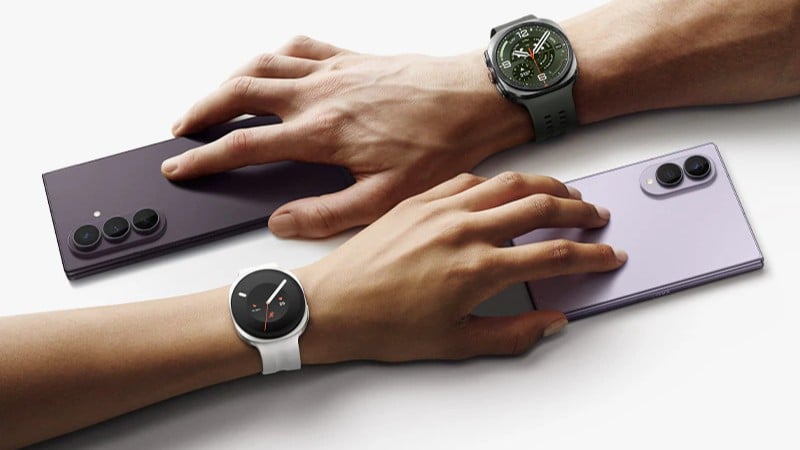
Google has started pushing out a software fix after some Pixel Watch owners noticed their batteries draining way faster than usual over the past week.
According to Android Authority, a bunch of users reported that their watches were dying much quicker than normal. In some cases, devices that usually last a full day (or more) were dropping to around 12 hours even when barely used. The issue showed up across multiple Pixel Watch generations, which points to a software problem rather than a hardware one.
Google has confirmed a fix is rolling out. In a statement, the company said:
“The fix for the battery drain issue, affecting a small number of Pixel Watch users has begun rolling-out and will be complete over the next couple of days. To implement the fix, please update your Pixel Watch apps by pressing the crown on your Pixel Watch, opening the Play Store app, and tapping Manage apps > Update all.“
The update is coming through regular app updates instead of a full system firmware patch, which lines up with it being a software issue. Google hasn’t publicly explained exactly what was causing the drain.
If you’re seeing the problem, just check for updates on your watch the way Google described. Restarting the watch after the updates install can also help make sure everything takes effect. Because the rollout is phased, the updates might not show up right away for everyone, so it’s worth checking again later in the day or the next day if nothing appears at first.
The issue only seems to have hit a relatively small number of users, but Google’s quick response should get battery life back to normal for those affected. If you’re still seeing heavy drain after updating, you can reach out to Google support for more help.
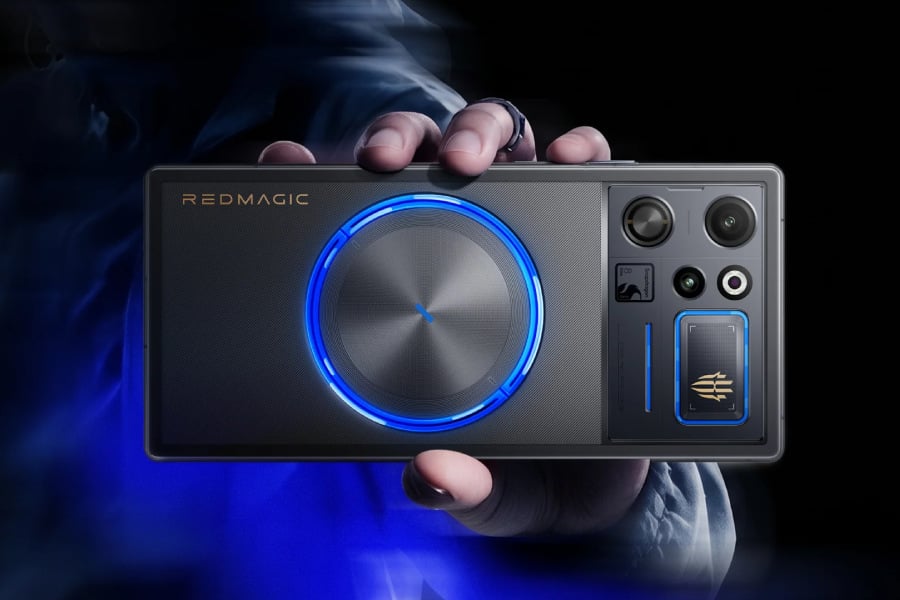
Three weeks after the RedMagic 12 Pro+ launched in China, RedMagic has officially introduced the global version, called the RedMagic 12 Pro. Most of the hardware remains unchanged, but the global model comes with slower charging and a higher price than last year’s phone.
In the US, the 12GB RAM and 256GB storage model costs $949, while the 16GB and 512GB version is priced at $1,049. The top-end model with 1TB of storage costs $1,199. In Europe, the three configurations cost €899, €999, and €1,199, respectively.
That’s a considerable increase over the RedMagic 11 Pro, which started at €699 last year. The new model costs €200 more across all three configurations, and RedMagic has also dropped the 24GB RAM option.
There are two color options to choose from: Nightfreeze with a transparent black finish, and Subzero, which is a transparent silver version.
The biggest differences between the global model and its Chinese counterpart are charging speed and shoulder trigger response. The global RedMagic 12 Pro supports 80W wired charging, down from 120W on the Chinese version. Its shoulder triggers are also rated at 520Hz instead of 700Hz. Wireless charging and bypass charging are still included.
The battery capacity remains unchanged at 8,400mAh, which is a 12% increase over the 7,500mAh battery in the RedMagic 11 Pro. Despite the larger battery, the new phone is slightly thinner, measuring 8.5mm compared to 8.9mm on its predecessor.
Under the hood, the phone runs on Qualcomm’s Snapdragon 8 Elite Extreme Gen 6 chipset, paired with RedMagic’s own RedCore R5 gaming chip and a G1 display chip. On the software side, it runs RedMagic OS 12 based on Android 17, with built-in Gemini support, PC game emulation, and Steam access through the X-Gravity gaming center.
Keeping all that hardware cool is the AquaCore Cooling System 3.0. The dual-loop liquid cooling system now features RGB lighting, while a new micro-pump delivers up to 130kPa of pressure. RedMagic says this is 85% higher than the previous pump, despite consuming as little as 20mW of power. The cooling setup also includes a fan that reaches speeds of up to 25,500 RPM, a vapor chamber with 15% more coverage, and Liquid Metal 4.0.
On the front, the RedMagic 12 Pro has a 6.85-inch 1.5K OLED display supplied by BOE. It supports a refresh rate of up to 185Hz, with 0.96mm bezels and no visible camera cutout. RedMagic claims no other phone combines this refresh rate with a full-screen design and an under-display camera. The screen’s brightness peaks at 5000 nits, while touch sampling can go as high as 5,000Hz.
The selfie camera is a 16MP ninth-generation under-display unit developed with BOE. There’s also a 3D ultrasonic fingerprint reader built into the display.
Around the back, the phone has a 50MP main camera with optical image stabilization and a 50MP ultrawide camera. It also carries IP68 and IP69 ratings for water and dust resistance, while the fan opening has a separate IPX8 rating.
Other hardware includes stereo speakers with Dolby Atmos, an X-axis linear motor, an IR blaster, NFC, Wi-Fi 7, and a USB 3.2 Gen 2 port.
ZTE is reportedly considering a major restructuring of its smartphone business through a new joint venture. The proposed arrangement could bring in an internet technology giant and Shanghai state-owned capital. Negotiations are said to have progressed significantly, although several financial and ownership details remain unsettled.
ZTE smartphone business joint venture reportedly in the works
According to a report citing people familiar with the discussions, ZTE plans to transfer its consumer smartphone operations into a jointly owned company involving ZTE, a major Chinese internet company, and Shanghai state-owned investors. The proposed business is valued at around 40 billion yuan (approximately $5.6 billion), while the internet company is reportedly prepared to contribute around 8 billion yuan (approximately $1.1 billion). The final valuation, equity distribution and transaction structure are still being negotiated.
Discussions reportedly began in April 2026 before gaining momentum again in July. Both sides are said to have settled on a broad cooperation model in September, with an announcement initially planned for late October. However, the disclosure has apparently been delayed. The proposed arrangement would cover ZTE’s consumer smartphone operations across domestic and international markets rather than represent an outright sale of the entire company.
What’s included in ZTE’s proposed smartphone business deal?
Notably, the proposed transfer will not cover every product handled by ZTE’s existing mobile division. Router products and home terminal devices are expected to return to the parent company’s operations, while the RedMagic gaming smartphone business will remain outside the transaction. This means the proposed joint venture would primarily focus on ZTE’s mainstream consumer smartphone operations, including its international business.
ZTE has reportedly already taken steps to prepare for the restructuring. In April 2025, it established Shanghai Shenqi Jiyuan Intelligent Terminal Co., Ltd., a wholly owned subsidiary, with Wang Xiyu as chairman and Ni Fei as a director. According to ZTE’s 2025 interim report, the company was established in April and remained fully owned by ZTE. Smartphone business employees have reportedly been transferred to this subsidiary, which could serve as the vehicle for the proposed joint venture.
The arrangement could give ZTE additional financial and strategic support for its consumer smartphone operations while allowing the parent company to concentrate on other businesses. However, neither the identity of the internet company nor the final ownership structure has been officially confirmed.
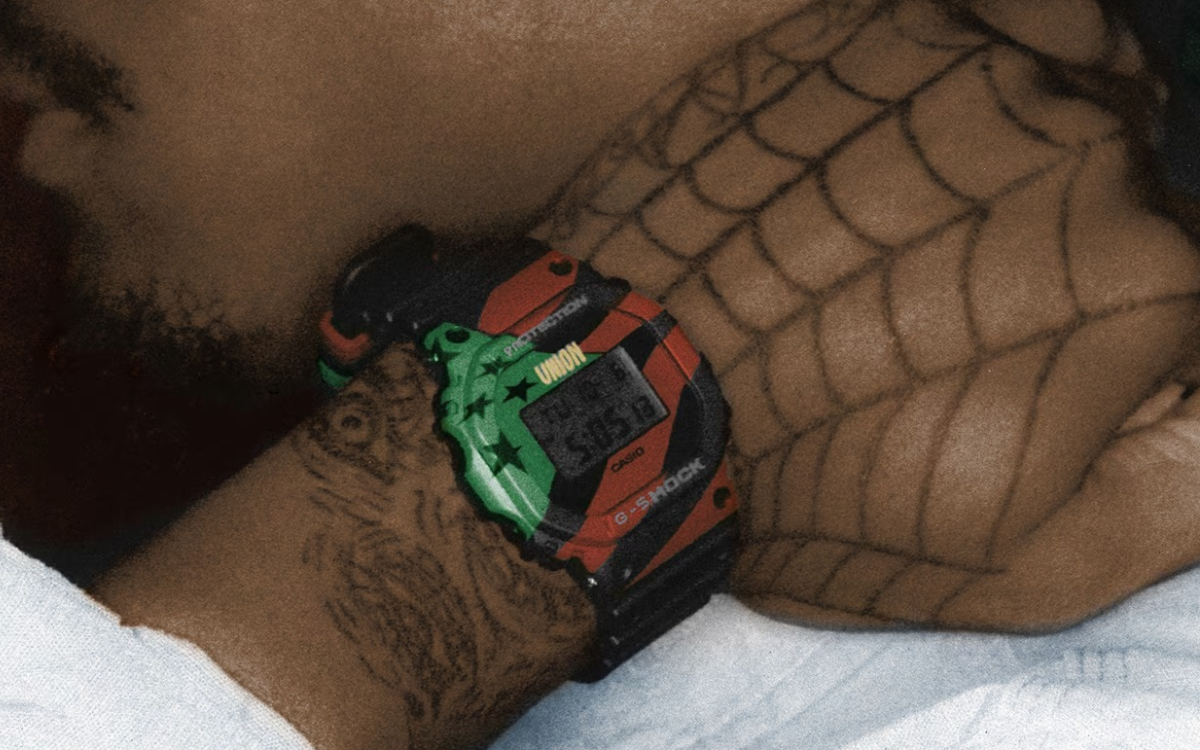
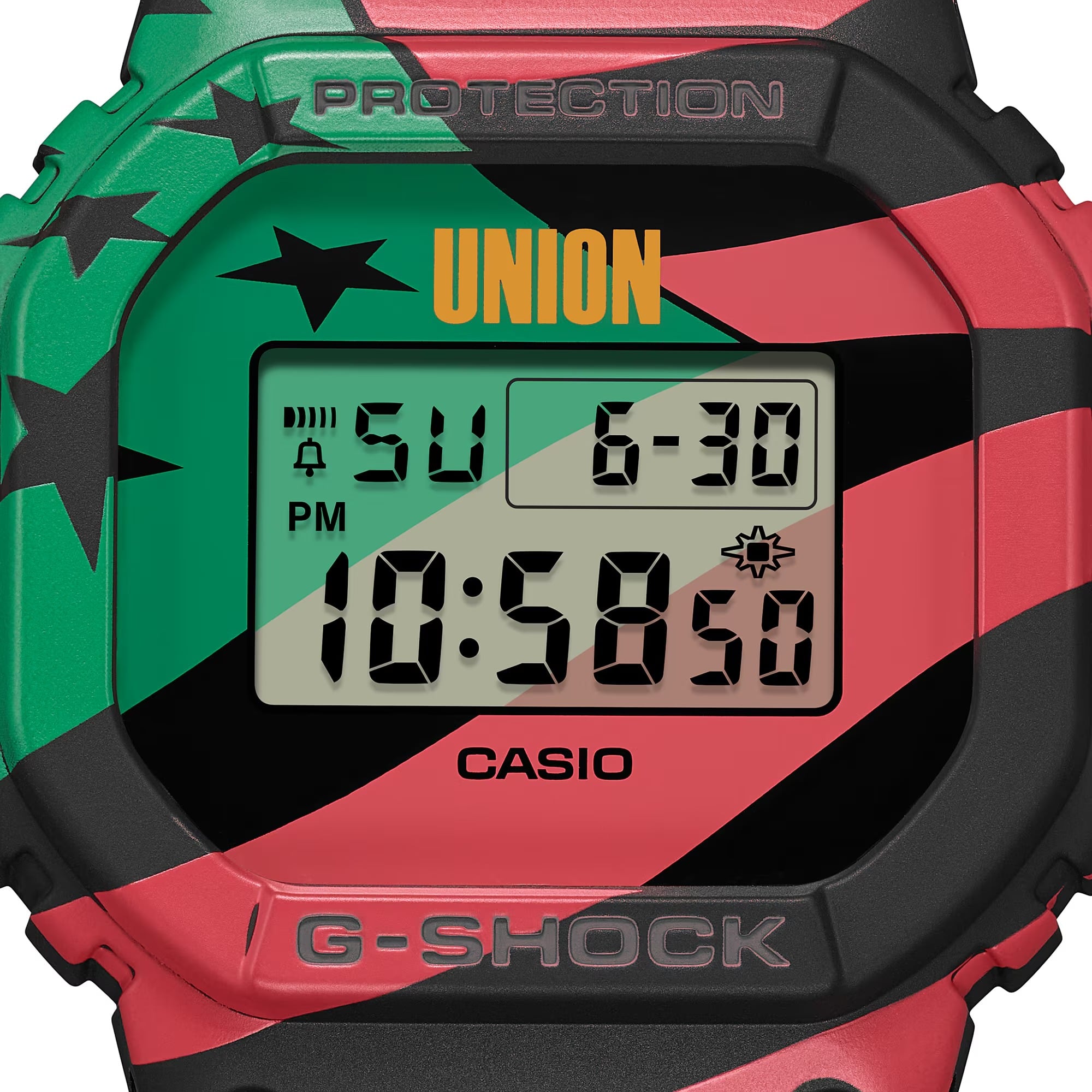
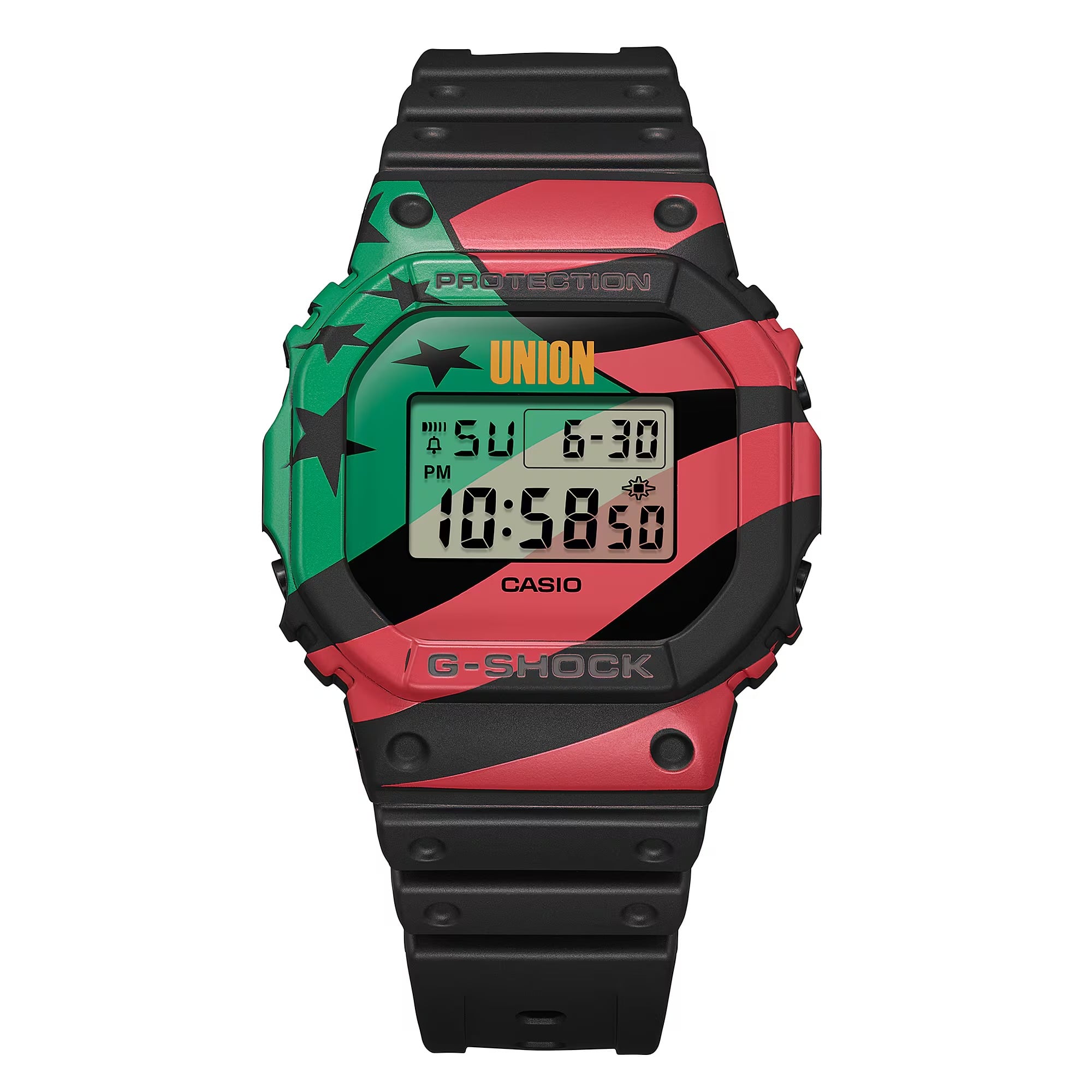
Casio has partnered with the streetwear retailer Union to release a new iteration of the standard G-Shock DW-5600. The collaboration, officially designated as the DW-5600RBG-1 in the US and DW-5600RBG-1JR in Japan, updates the familiar digital watch with a new color scheme and subtle branding changes.
Design Details
The design of this specific model utilizes a Pan-African color palette. While the primary case and band are matte black, Casio and Union have integrated red and green accents across the watch face and the LCD panel.
The standard single band loop has been replaced with three separate retaining loops, which are individually colored red, black, and green. For branding, the Union Frontman logo is engraved directly onto the metal case back. The same logo is also built into the digital display, appearing when the user activates the white LED backlight.
In terms of physical construction, the watch uses Casio’s bio-based resin for both the case and the band.
The watch maintains the exact dimensions of a standard DW-5600, measuring 48.9 x 42.8 x 13.4 mm and weighing 52 grams. The digital display is covered by standard mineral glass.
Internally, the hardware capabilities remain identical to the base DW-5600 model. It features Casio’s standard shock-resistant build and is rated for 200 meters of water resistance. The digital module is powered by a single CR2016 battery, which Casio estimates will last for five years.
The feature set includes a 1/100-second stopwatch, a 24-hour countdown timer, a multi-function alarm, and a full auto-calendar. It also includes a flash alert function, which blinks the backlight in sync with alarms and hourly time signals.
The DW-5600RBG-1 will launch in the United States on November 6, 2026, for $165. It will be sold through Union’s online store and its physical retail location in Los Angeles.
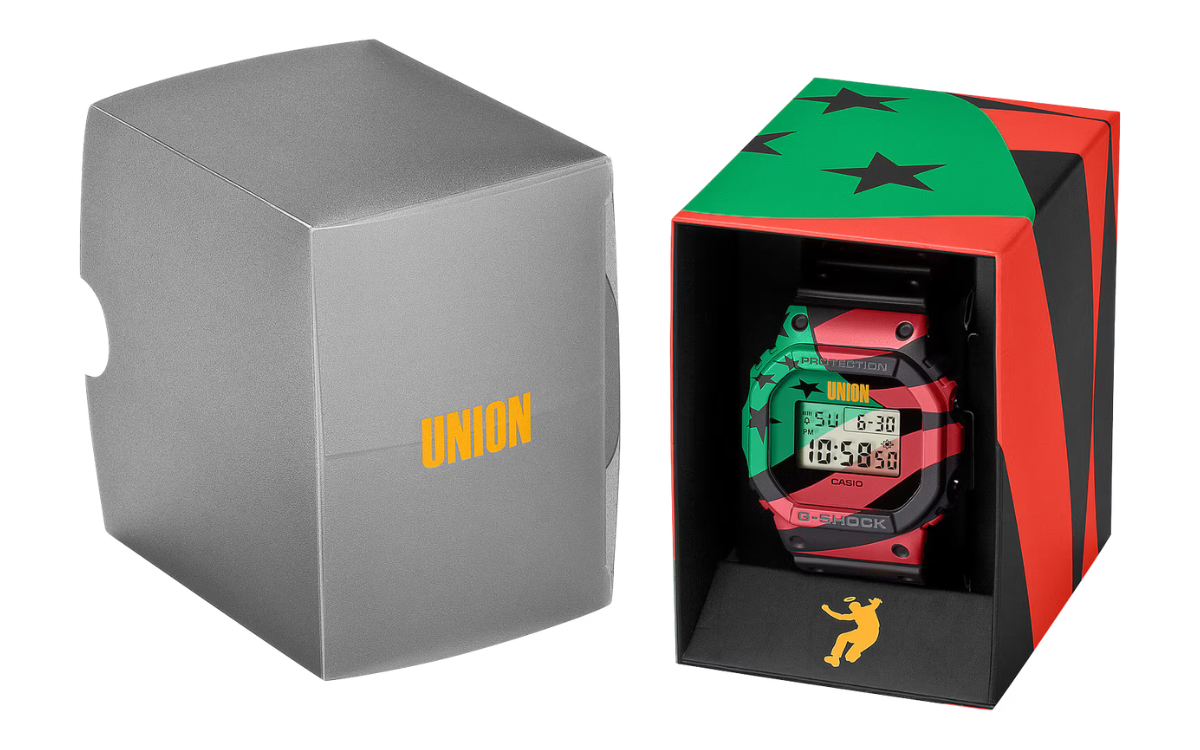
The Japanese variant will be released the following day, November 7, at Union’s physical stores in Tokyo and Osaka for ¥19,800. The watch will ship in custom packaging that matches the color scheme of the hardware.
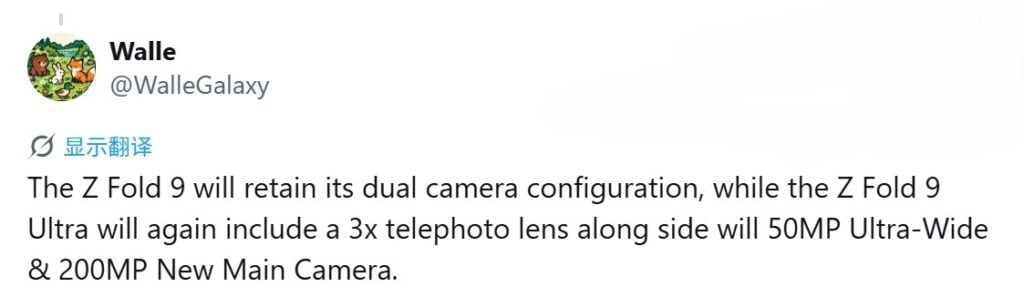
We’ve got our first proper look at what Samsung might be doing with the cameras on the next Galaxy Z Fold 9 series.
Tipster @WalleGalaxy replied to a question on X and dropped the first specific claims about both the regular Z Fold 9 and the higher-end Z Fold 9 Ultra.
According to the tip, the standard Z Fold 9 is sticking with the same dual-camera setup as the Z Fold 8: a 50 MP main camera paired with a 50 MP ultra-wide, and no dedicated telephoto. We still don’t know the exact sensor details yet.
The Z Fold 9 Ultra, on the other hand, looks like it’s carrying over the triple-camera layout from the Fold 8 Ultra. That means a 200 MP main camera (the tipster specifically called it a “200 MP New Main Camera”), a 50 MP ultra-wide, and a telephoto with 3x optical zoom. The “new” label on the main sensor suggests Samsung might be refreshing the primary unit while keeping the overall setup familiar.
This fits the pattern we’ve seen lately: the Ultra model gets the stronger camera system. The current Fold 8 Ultra already runs a 200 MP main, 50 MP ultra-wide, and 10 MP 3x telephoto. Whether the telephoto resolution stays the same or gets a small bump isn’t clear yet.
Of course, this is still early and should be taken with a pinch of salt until Samsung confirms anything. The Z Fold 9 series is months away, and camera plans can change. For now, though, this is the clearest signal we’ve had that Samsung plans to keep the regular Fold more basic on cameras while giving the Ultra the higher-resolution and zoom treatment again.
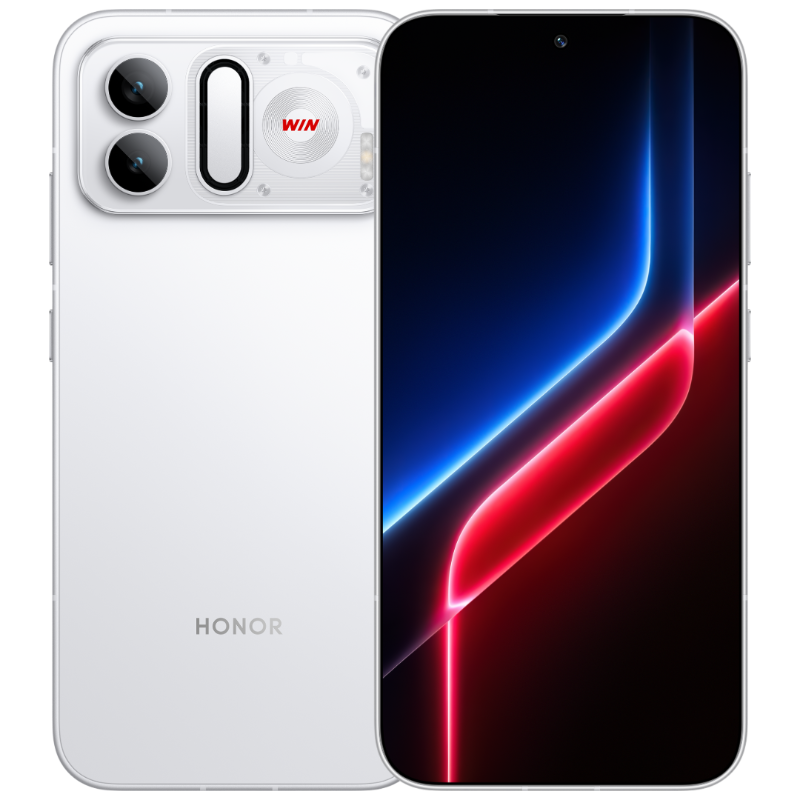
Honor is reportedly testing phone batteries with capacities between 14,000mAh and 15,000mAh. Words for this come from tipster Digital Chat Station,who says the main goal of that bonkers of a battery is a phone that lasts a full week on a single charge.
A week-long battery would change how you carry your phone. Many people keep a power bank in their bag for long days out. A phone that lasts several days could make that habit unnecessary. Delivery riders, outdoor workers and frequent travelers would notice it first. They often charge a phone two or three times a day.
Honor keeps raising the battery ceiling
Honor’s Win line started in December 2025 with 10,000mAh batteries. In June, the Honor X80 Pro Max went on sale with an 11,000mAh battery. Honor says the phone earned a Guinness World Record for the longest live stream battery test. It ran for 26 hours, 8 minutes, and 34 seconds.
The Honor Win 2 series is the latest step. It launched in China on October 21. Both the Honor Win RT 2 and the Honor Win Turbo 2 carry 12,070mAh batteries. The Honor Win RT 2 charges at 90W over a wire. Honor went from 10,000mAh to more than 12,000mAh in under a year.
Honor Win RT 2
The tipster has been accurate about Honor’s battery plans in the past. The tipster previously reported that the company had started trial production of a 12,000mAh battery pack, before Honor introduced the 12,070mAh battery in the Win RT 2.
However, fitting a 14,000mAh or 15,000mAh battery into a phone won’t be easy. Larger batteries generally add weight and thickness, while also creating additional challenges for heat management. Honor hasn’t shared any details about how it plans to handle these issues or when a phone with such a large battery could arrive.
Fresh mockups of Samsung’s next Ultra flagship have just dropped, and they’re giving us an early sense of what could be a pretty noticeable redesign, especially on the camera side.
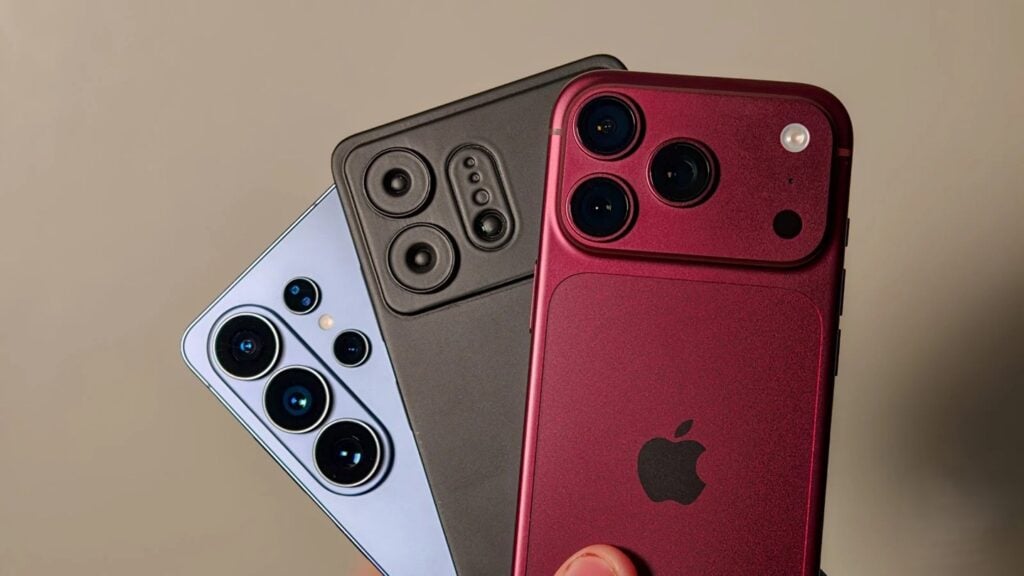
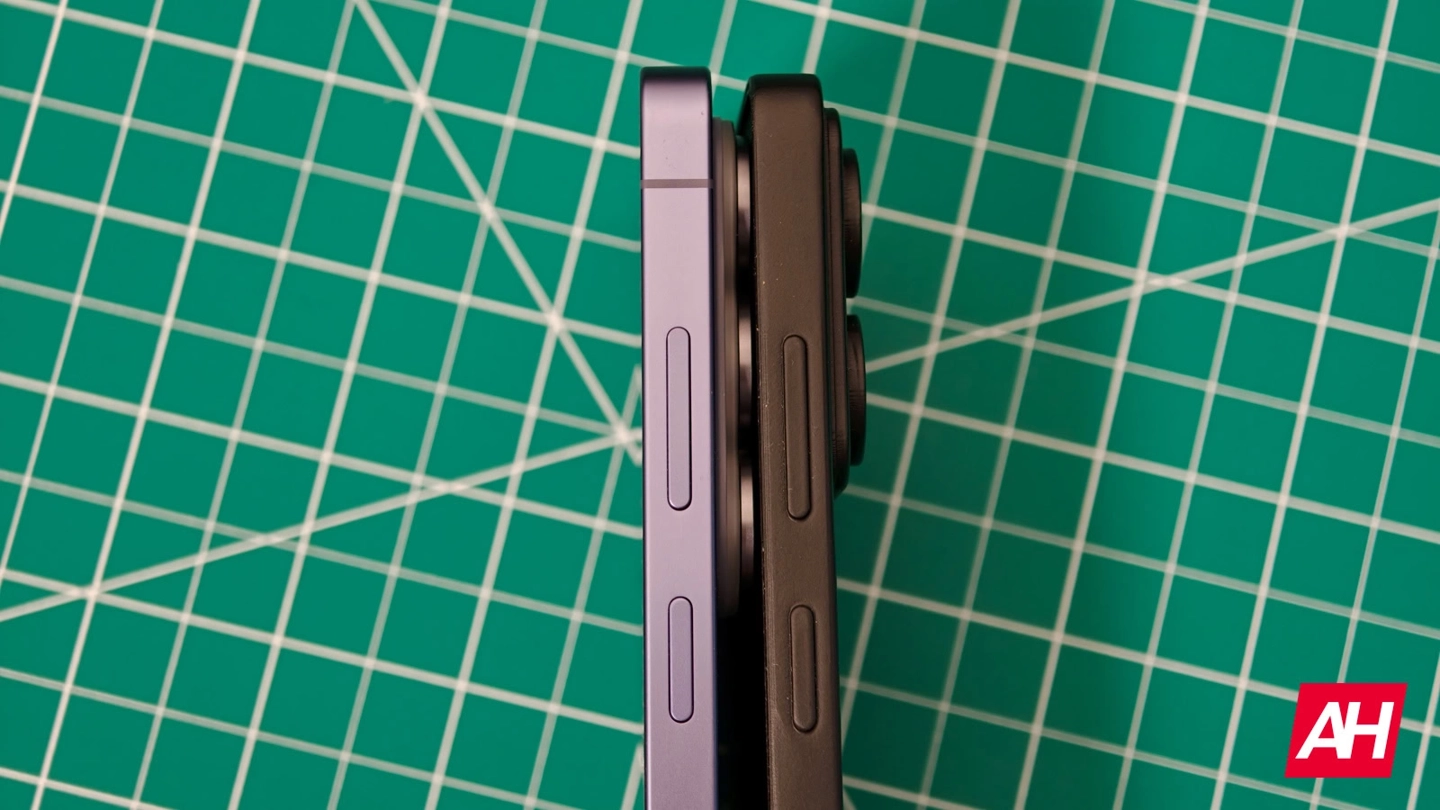
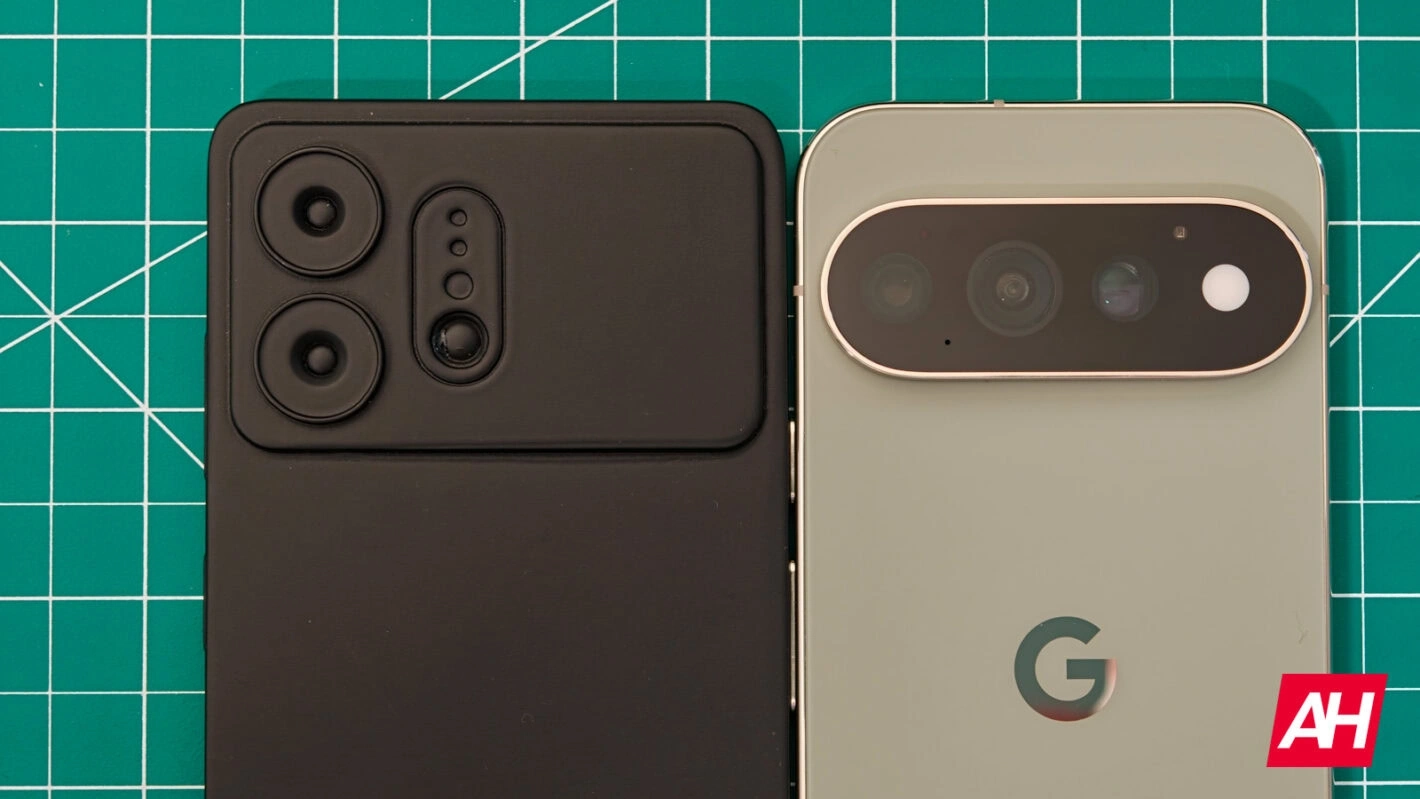
Android Headline recently put together physical mockups of the Galaxy S27 Ultra based on previously leaked CAD renderings. They lined them up next to the Apple iPhone 18 Pro, Google Pixel 11 Pro, and the current Galaxy S26 Ultra so you can see the differences more clearly.
The biggest change is on the back. The S27 Ultra switches to a horizontal matrix camera module sitting higher up than what we’ve seen on recent Ultras. The lenses might stick out a bit more, but the new layout could free up space underneath the camera plateau.
Size-wise, it’s said to be almost identical to the S26 Ultra at 163.76 × 78.25 × 7.97 mm, and the S Pen still slots in at the bottom. Because of the redesigned camera area, though, most existing S26 Ultra cases probably won’t fit.
Camera specs are still up in the air. Some of the rumors floating around suggest Samsung might drop the 3x telephoto and stick with a 200 MP main sensor, a 50 MP ultra-wide, and a 50 MP 5x telephoto. The Galaxy S27 series is expected to launch sometime in January or February 2027.
These mockups follow earlier CAD-based renders that already pointed to a horizontal camera plateau instead of the vertical stack Samsung has been using for a few generations. Dummy units and renders are useful for getting a feel for the shape, but they don’t confirm the dimensions. More information such as the final materials, exact sensors, and the rest of the details will likely surface as we inch closer to the big reveal.
After weeks of testing, Vivo is finally rolling out the Android 17-based OriginOS 7 update to the Vivo X300 series phones, including the X300 FE. It’s a pretty significant upgrade with tons of upgrades, more powerful AI features, and stronger cross-ecosystem connectivity. We’ve a complete changelog later in this post.
Initially, the update for Vivo X300, X300 Pro, and X300 FE is rolling out in India to a limited set of users through the trial program (also known as release candidate build). The company should soon begin a wider rollout, provided the build doesn’t have any critical bugs.
As spotted by Ytechb, the OriginOS 7 update carries the following firmware version:
OriginOS 7 is a big upgrade, and therefore has a hefty download size of over 5GB. So, it’s best that you ensure the device has sufficient storage and is connected to a reliable Wi-Fi connection beforehand. Also, charge the device to at least 40% before hitting the install button.
Here’s the complete changelog for OriginOS 7:
[Origin workbench] – Added Origin workbench for seamless multitasking, supporting up to five apps at once
[Origin animation] – Added new Fluid motion – Optimized Spring animation to adapt to gesture intensity and swipe speed for more natural motion – Optimized One-shot animation – Optimized Blur transition
[Origin smooth engine] – Added interruptible interactions in select scenarios, allowing animations and interfaces to respond instantly during fast, continuous operations for a more responsive experience – Upgraded Ultra-core computing. Our optimized proprietary scheduler algorithms and revamped computing resource management framework deliver faster app launches, smoother swiping, and more responsive app switching – Optimized Snap-up engine for more scenarios
[Personalized intelligence] (Super screenshot) – Added Smart screenshot recognition. When a flight, train, bus, event, sports, or movie ticket is recognized, Origin island will suggest creating a reminder and adding it to Google Calendar (Al Cross-App Drag) – Added support for extracting editable text from images by dragging and dropping them into select apps – Added support for translating foreign-language text or images by dragging and dropping them into select apps, allowing you to instantly insert the translated text (Phone) – Added Call overview to display brief summaries in call logs for reference. Go to Call settings > Smart call assistant > Call overview to enable it – Added Al Call Answering, which lets Al answer incoming calls on your behalf. Go to Call settings > Smart call assistant > Al Call Answering to enable it (Recorder) – Added capabilities for visualizing recordings. Key points are highlighted on the timeline. Speaker insights and speaking proportions are shown by role. Topic transitions and the overall structure are displayed in the outline – Optimized the Recorder with enhanced materials and design details, introducing spatial blur and optical design elements, along with an updated layout and typography for a more refined, layered look – Added Al Insights to evaluate conversation tone, and provide meeting insights, conclusions, and risks, as well as analyze team communication and collaboration issues – Added Multi-template summary. Some templates support filtering content by role to generate more focused, structured summaries – Added Transcript outline to quickly find key paragraphs – Added Transcript refinement to automatically clean up and organize transcripts, making them clearer and ready to use (Al Creation) – Optimized prompt recommendations in Al Creation to suggest relevant prompts based on the app or page, helping you write more efficiently – Added One-tap writing. Simply tap the button in supported apps to recognize on-screen content and generate text. View supported apps in Al Creation > More > Settings > Smart recommendation bubbles (vivo Docs) – Added Reader mode to intelligently format long documents such as papers and professional literature, adjusting text and image sizes for a more comfortable reading experience (Scan) – Added Handwriting scan to accurately recognize whiteboard content and handwritten notes, preserve the structure of text, tables, and charts, and generate editable documents
[Light & shadow aesthetics] (System) – Added gradient and dynamic glow effects to some Symbols icons for a more refined visual experience – Optimized Al System Glow to provide consistent, natural lighting feedback across new Al features – Added a responsive light effect when tapping floating dynamic controls (Premium textures) – Added new material effects across additional system interfaces for a more translucent, refined visual experience. Go to Settings > Home screen, lock screen & wallpaper > Visual texture to switch between multiple material effects – Added Responsive light, providing light feedback during certain touch interactions for clearer responses and more natural-looking materials
[Origin Sticklt] – Added Sticklt, allowing you to identify subjects in images and save them as stickers. Tap and hold the Home screen, tap Add > Stickers to open Sticklt and add stickers
[Themes] – Added multiple personalized combinations and tricks. Go to Settings > Home screen, lock screen & wallpaper > More themes to explore – Added Pet pals theme, featuring multiple fun, interactive pet themes. Go to Themes > Pet pals theme to explore
[Lock screen] – Added multiple personalized lock screen clock styles – Added new fonts for select personalized clock styles, with adjustable font weight and size – Optimized the material effects and layout of the lock screen shortcuts at the bottom, with swipe-up and tap-and-hold gestures for easier access – Added a tap-and-hold gesture on the lock screen to enter “Edit lock screen” and easily manage “My combination”
[Home screen] – Optimized system default icons with updated designs and colors for an enhanced visual experience on the home screen – Optimized dynamic icons for a more engaging, refined user experience – Added Dark icons for a more comfortable, cohesive visual experience in Dark mode. Go to Settings > Display, brightness & eye protection > Dark mode settings > Icon effects to set theme up – Optimized the movement and repositioning of icons and folders for a more flexible home screen organization – Optimized System and app Ul color to support applying colors to all app icons – Added the Time-based lighting effect, which changes icon lighting with local sunrise and sunset times for a more immersive home screen experience. Go to Settings > Home screen, lock screen & wallpaper > Icons > Time-based lighting to enable it
[Control Center] – Optimized customization for separate and combined Control centers, with flexible layout and content options
[Dark Mode] – Added customization for Dark mode in select third-party apps. Go to Display & brightness > Dark mode to customize it
[Seamless connection across ecosystems] (Office Kit) – Added support for quickly accessing your phone’s camera from desktop apps for work, live streaming, and more – Added Call handoff, allowing you to answer phone calls on your computer (Connection center) – Optimized device display in Connection center with support for 1×1, 1×2, 1×4, and 2×2 card sizes (Notification center) – Optimized lock screen notifications for more responsive swiping and smoother expansion and collapse – Added Temporary notification muting, allowing you to swipe left on a notification to mute the app’s notifications for 1 hour or 1 day – Added One-tap clearing for notification groups, making it easier to manage
[More] (Albums) – Optimized the Albums tab, allowing you to customize the sort order and hide album groups – Optimized Albums layout, streamlining it and merging the “Recommended” tab into the “Albums” tab (Global search) – Optimized the global search box by moving it from the top of the page to above the keyboard for a more focused look (Notes) – Export as Markdown”>Added Markdown document import and export. To import, drag an MD document into Notes in Origin island, or select Notes from “Open with” in the share panel. To export, go to Note details > Export as Markdown (Settings) – Optimized the storage compression algorithm to improve compression ratios and free up storage space (Simple Mode) – Added a default-on option for call blocking to block advertising and telemarketing calls – Optimized battery display and Lockscreen Poster interactions in Simple Mode, while reducing some system and app ads, extending the default auto-lock time, and enabling Haptic feedback by default (Security & Privacy) – Added Security shield to block installations of unknown apps, prevent automatic connections to malicious Wi-Fi networks, and perform daily security scans – Added Device security scan to automatically check the protection status of Find Hub for easier security management – Added Permission suggestions to detect unusual app permission access and help you revoke unnecessary permissions. Go to Settings > Security & privacy > More privacy activity logs > Permission suggestions to try it out (BlueVolt system) – Added heterogeneous computing space, adding support for heterogeneous computing in select system apps to improve battery life – Added Adaptive battery management to automatically adjust system strategies when power consumption is higher than usual, improving battery life (Display, brightness & eye protection) – Optimized brightness adjustment for Nighttime eye protection in low-light environments, delivering softer light tones and clearer dark details (Sound and vibration) – Added music-synced vibrations for custom call, message, and notification ringtones – Optimized Audio redirect, allowing your phone’s speaker and Bluetooth devices to play audio from different apps simultaneously. Go to Settings > Sounds & vibration > Sound quality & effects > Audio redirect to try it out
If you have a Vivo X300 series phone, you can now upgrade to OriginOS 7. If the update notification hasn’t arrived yet, go to Settings > About Phone > System updates > version Trial > Trial version and then install the new version.
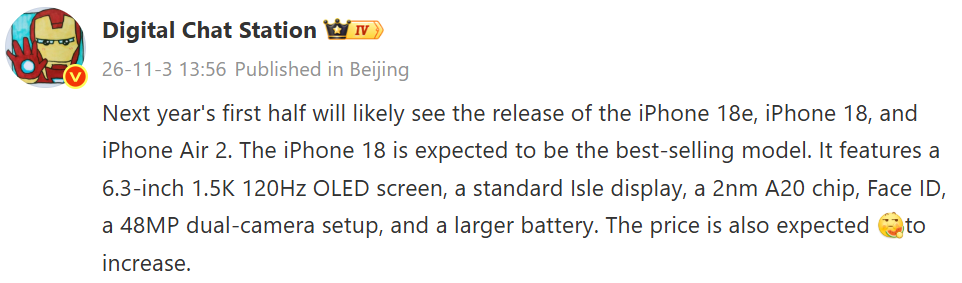
Apple is preparing another iPhone launch for early next year, following its unusual release schedule in 2026. In September, the company introduced the iPhone 18 Pro, iPhone 18 Pro Max and its first foldable, the iPhone Duo, instead of the standard iPhone 18. Now, a new leak has revealed what to expect from the remaining models, including their launch timeframe.
iPhone 18 key specifications tipped
According to DCS, Apple plans to launch the iPhone 18 alongside the iPhone 18e and iPhone Air 2 in the first half of 2027. The standard iPhone 18 is tipped to feature a 6.3-inch OLED display with 1.5K resolution and a 120Hz refresh rate. It will reportedly retain the standard Dynamic Island design and use a 2nm A20 chipset. Other expected features include Face ID, a 48-megapixel dual rear camera system and a larger battery.
The leak also hints at a price increase, although it does not mention the expected pricing. For context, Apple’s current US starting prices include $699 for the iPhone 17e, $899 for the iPhone 17 and $1,099 for the iPhone Air. The iPhone 17 Pro and Pro Max have been discontinued following the arrival of their successors. Apple previously increased the prices of its existing models by $100 in September, making another hike a possibility for the upcoming standard model.
iPhone 18e and iPhone Air 2: What’s known so far
As per recent reports, the iPhone 18e is expected to retain a 6.12-inch OLED display with a 60Hz refresh rate and a single 48-megapixel rear camera. It could also receive the 2nm A20 chipset, while its front camera may get a resolution upgrade to 24 megapixels. These details suggest that Apple will focus more on internal improvements than major design changes.
Meanwhile, the iPhone Air 2 is tipped to feature a 6.55-inch 1.5K OLED display with a 120Hz refresh rate. It could also receive dual 48-megapixel rear cameras, a larger battery and a slimmer 5.2mm profile. Other expected upgrades include the A20 Pro chipset, Apple’s N2 wireless chip and C2 modem.
Apple is reportedly targeting March or April 2027 for the three models, although an official launch date remains unavailable. Which of these upcoming iPhones are you most excited about? Let us know in the comments.
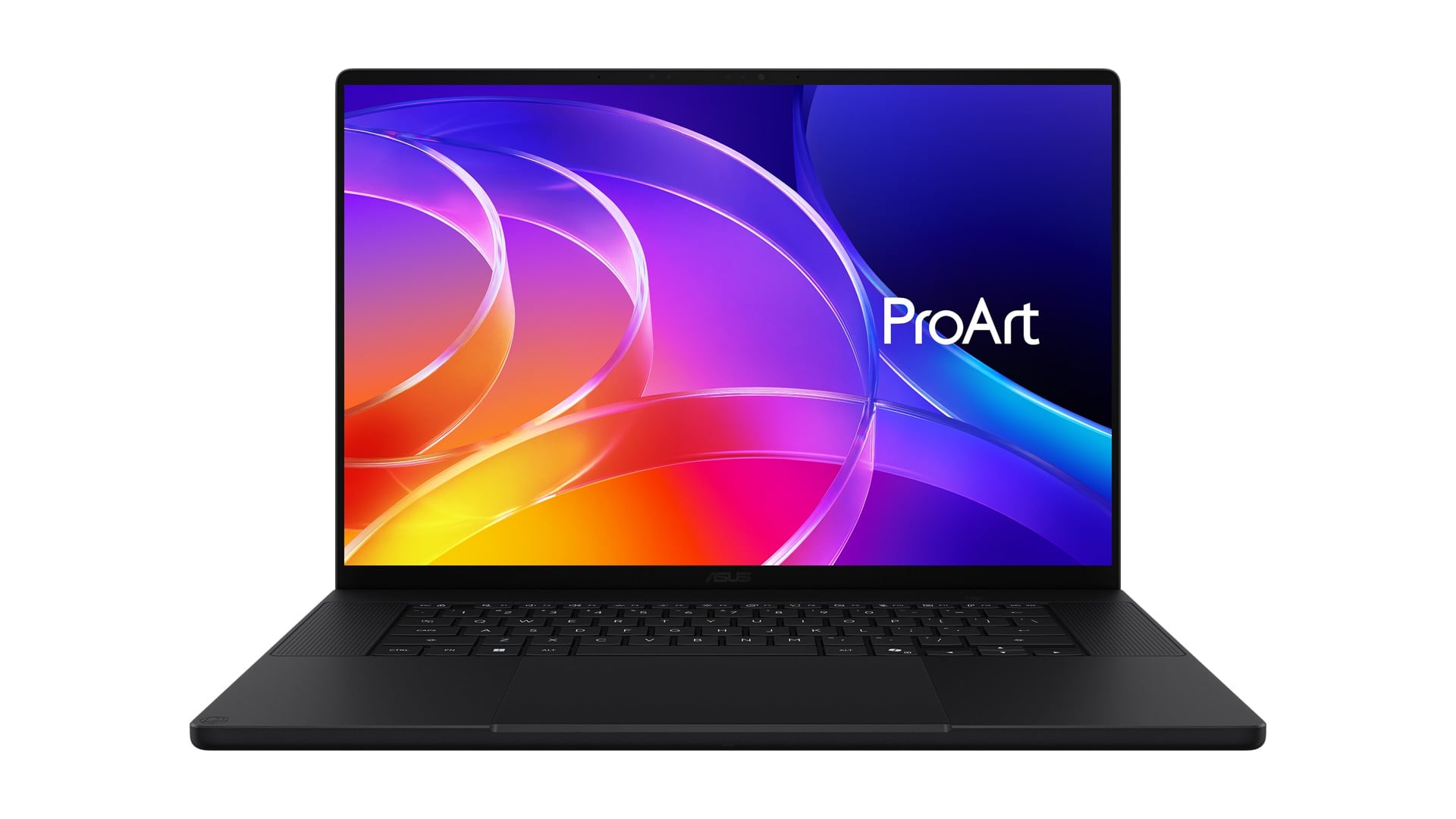
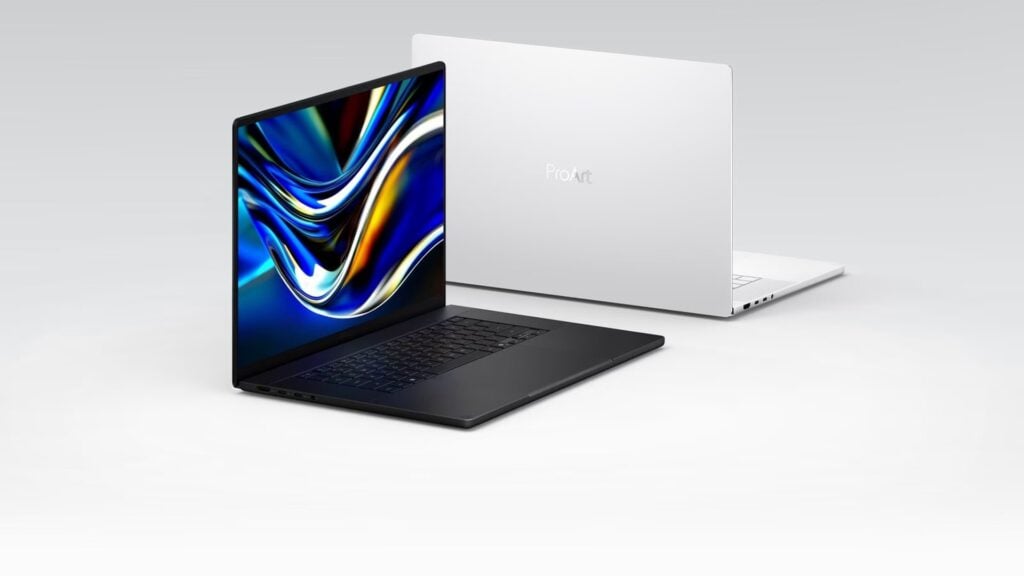
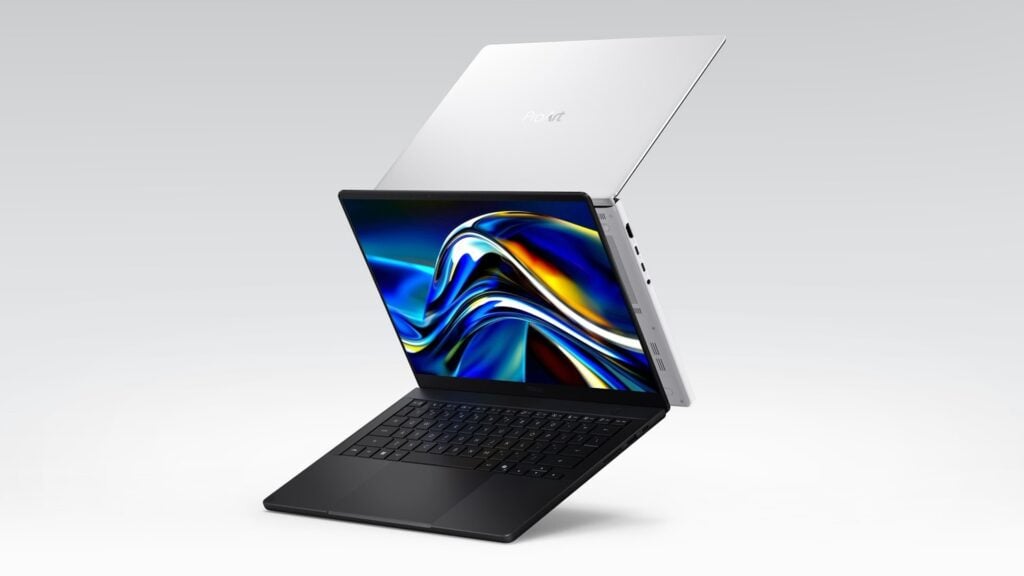
Asus has launched the ProArt P16 and ProArt P14 laptops in India, bringing its Nvidia RTX Spark-powered creator lineup to the country. The two machines target AI developers, content creators and creative professionals with Pantone Validated Lumina Pro OLED touchscreens and local AI capabilities. Alongside them, the company has also introduced the ProArt Mouse MD301 and ProArt Keyboard KD300.
Asus ProArt P16 and P14 specifications and features
Asus ProArt P16
The ProArt P16 is powered by the Nvidia RTX Spark N1X with up to a 6,144-core GPU and a 20-core CPU, paired with up to 128GB of unified memory. It features a 16-inch 4K Lumina Pro OLED touchscreen with a 120Hz refresh rate. The laptop weighs about 1.77kg, measures 1.29cm at its thinnest point and packs a 99.9Wh battery.
Asus ProArt P16
The ProArt P14 uses the same RTX Spark N1X platform, but with a 5,120-core GPU and an 18-core CPU. It gets a 14-inch 3K Lumina Pro OLED touchscreen, also with a 120Hz refresh rate. The P14 weighs around 1.48kg, is 1.39cm thin and houses a 90Wh battery.
Both laptops support over 1,000 AI-accelerated applications, including Adobe apps, Blender and ComfyUI. They also come with the Asus HapticPad and the ProArt Creator Hub app for managing creative workflows. The ProArt Mouse MD301 offers an 8,000 DPI sensor, six programmable buttons and a SmartShift wheel, while the ProArt Keyboard KD300 brings a compact 65% layout with low-profile optical switches and a multifunctional touch panel.
Asus ProArt P16 and P14 price and availability
Asus ProArt P14
In India, the ProArt P16 with 128GB of memory and a 1TB SSD costs Rs 6,49,990 (~$6,847), while the 64GB variant is priced at Rs 4,99,990 (~$5,267). A 48GB version will be available soon. The ProArt P14 with 24GB of memory and a 1TB SSD is priced at Rs 3,29,990 (~$3,476) in Nano Black, while a Neo White model is coming later.
Both laptops go on sale starting today, November 3, through Asus Exclusive Stores, Croma, Reliance Digital, Flipkart, Amazon and the Asus eShop. Launch offers include no-cost EMI starting at Rs 13,750 (~$145) per month, plus a two-year warranty extension and three years of damage protection for Rs 99 (~$1), worth Rs 6,599 (~$70). The offer is valid until November 30, 2026.
The ProArt Mouse MD301 is priced at Rs 8,499 (~$90), while the ProArt Keyboard KD300 costs Rs 14,999 (~$158) and goes on sale on November 14.
With up to 128GB of memory and local AI chops, the new ProArt laptops are clearly aimed at serious creators. Would you consider the ProArt P16 or the more portable P14? Let us know in the comments below.
For a long time, portable chargers served a single, straightforward purpose: providing extra battery life for your phone or tablet when you were away from a wall outlet. You bought a battery pack, plugged in your device, and that was the extent of its functionality. However, the power banks released in 2026 show a shift in how manufacturers are approaching these accessories.
Instead of just increasing battery capacity or charging speeds, companies are integrating secondary features to make these devices more useful in everyday situations. From built-in internet hotspots to location tracking, here is a look at eight recent power banks that combine standard charging capabilities with practical additional tools.
Wireless charging naturally generates heat, which can slow down charging speeds and affect battery health over time. Ugreen’s MagFlow Pro, priced at $149.99, attempts to manage this issue by integrating a liquid-cooled micro-pump system into a 10,000mAh power bank.
The device uses a phase-change thermal storage material to absorb heat. When temperatures rise, an internal micro-pump circulates coolant to draw heat away from the warmest areas of the phone and the battery pack.
It supports 25W Qi2 magnetic wireless charging and includes two 45W USB-C options (one built-in cable and one port). There is also a transparent section on the casing that allows you to see the coolant system in operation.
2. Baseus EnerGeek GX11
Aimed at frequent travelers and remote workers, the Baseus EnerGeek GX11 combines a 20,000mAh battery with an integrated 4G hotspot. Available for $129.99, the device uses CloudSIM technology to connect to local cellular networks in over 150 countries, removing the need for a physical SIM card.
It can support up to 10 device connections simultaneously, offering download speeds up to 150 Mbps.
On the charging side, it provides a maximum output of 67W, which is sufficient for charging most standard laptops, and features a built-in USB-C cable that doubles as a carrying lanyard.
3. Belkin 10,000mAh 45W Night Light
Belkin has taken a practical approach with its latest 10,000mAh battery pack, currently available in China for around $49. Alongside standard charging features, this 45W power bank includes a pop-out LED light.
The light features a built-in motion sensor and touch controls to adjust brightness. It can be used as a simple bedside night light, a small fill light for video calls, or an emergency light using its SOS flashing mode.
Because LED lights require very little power, using the light function does not significantly drain the 10,000mAh battery. It also includes a built-in braided USB-C cable and a digital display for battery percentage.
4. Nimble Sharepower Portable Charger
The Nimble Sharepower, priced at $79.95, offers a modular design that allows the power bank to be physically split into two separate units. When connected via its magnetic pogo-pin system, it functions as a single 10,000mAh power bank with a total output of 35W, capable of charging up to three devices.
When pulled apart, it becomes two independent 5,000mAh chargers, each providing up to 20W of power. One half features a built-in braided USB-C cable and an extra port, while the other half includes a foldable USB-C connector that plugs directly into the bottom of a smartphone.
This design is particularly useful if you need to share a charger with someone else without sharing the same physical space.
5. Cuktech Modular Fan Plus
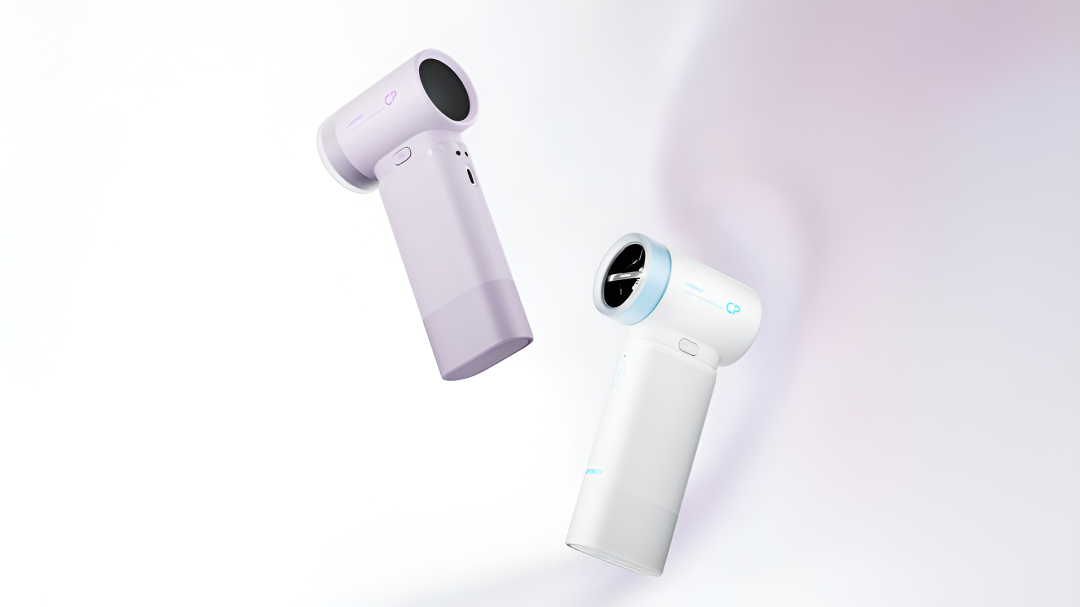
Cuktech’s CP Modular Fan Plus is a portable cooling device that doubles as a fast-charging power bank. Using a proprietary magnetic interface, the fan connects to a 10,000mAh battery base.
The fan utilizes a high-speed three-phase brushless motor to deliver wind speeds up to 11 m/s, and it operates relatively quietly due to acoustic tuning (ranging from 50dB to 66dB depending on the setting).
When you need to charge a device, the base functions as a power bank with 33W output and 27W input. It also supports pass-through charging, so you can run the fan while the battery itself is plugged into a wall outlet.
6. Portronics Power Shutter Air 20K
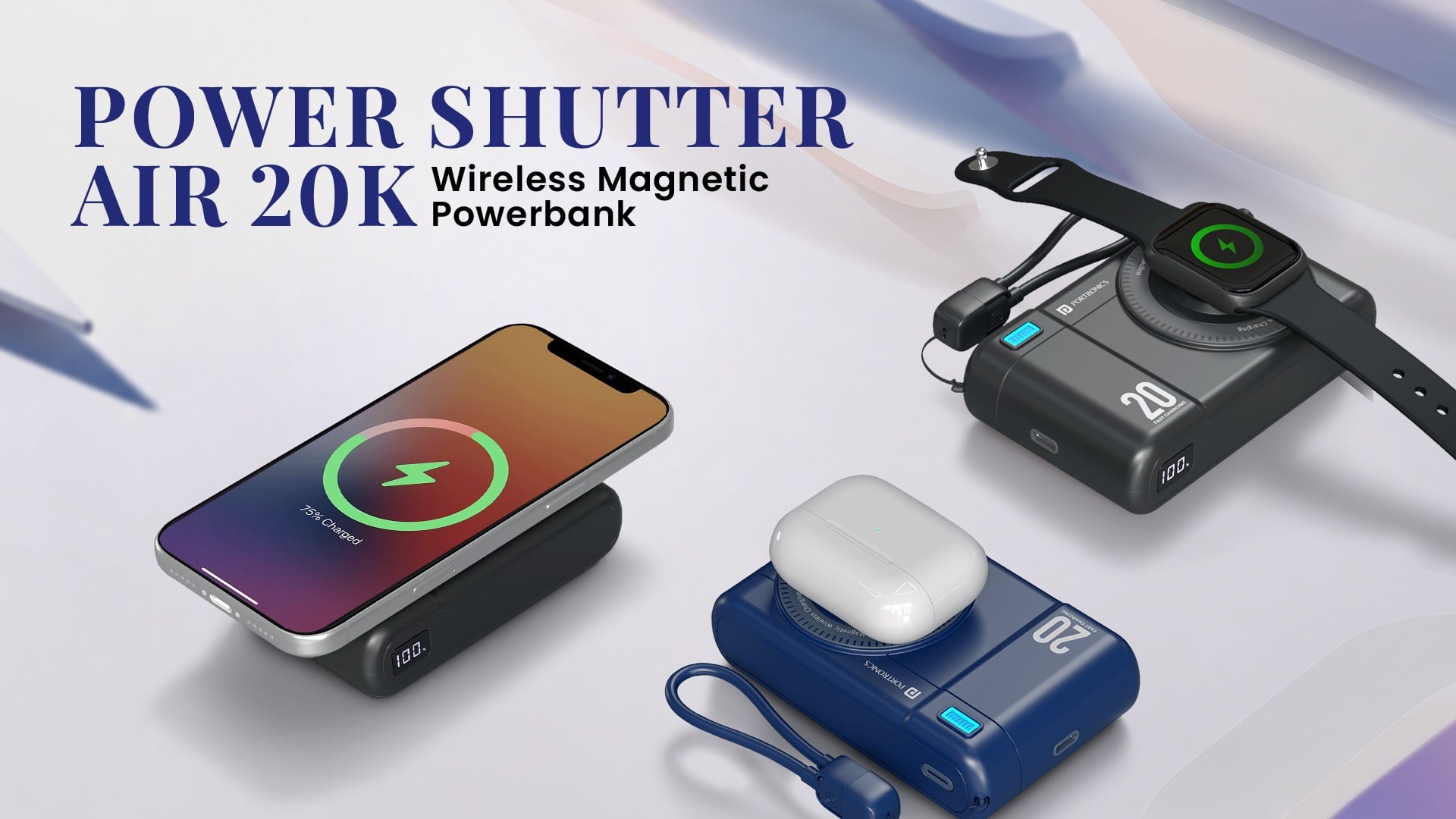
The Portronics Power Shutter Air 20K is a 20,000mAh power bank that consolidates several charging standards into one device. Priced at around $26 (Rs. 2,499), it features a camera-lens-style magnetic pad that supports 15W Qi2 wireless charging.
For wired connections, it offers a 20W USB-C Power Delivery output and includes a built-in, detachable USB-C cable. Additionally, it allocates a specific 2.5W output for charging an Apple Watch and 5W for wireless earbuds.
If you have multiple devices with different charging requirements, this power bank reduces the need to carry separate cables and adapters.
7. Huawei 12,000mAh 100W Power Bank
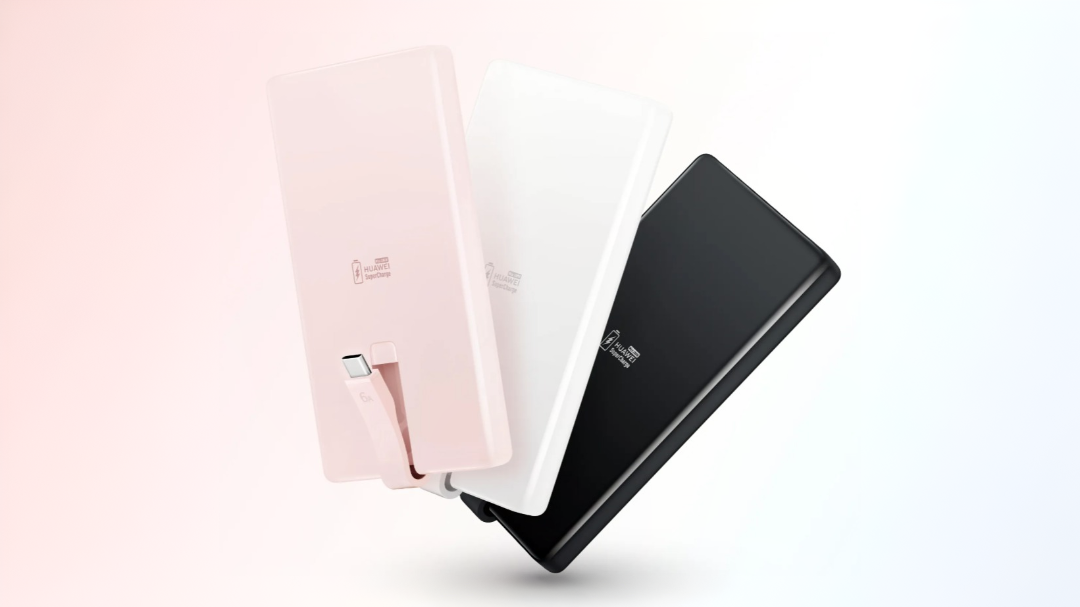
Misplacing a power bank is a common issue, which Huawei addresses by integrating Bluetooth tracking into its new 12,000mAh All-in-One Power Bank (priced around $59). Working within Huawei’s HarmonyOS ecosystem, the power bank communicates with your smartphone.
If you leave the battery behind, your phone will send an alert, and you can view its last known location on a map, including floor-level positioning. Beyond tracking, it supports 100W bidirectional fast charging, meaning it can charge a compatible laptop quickly and be recharged just as fast.
It also features a durable built-in liquid silicone cable and ceramic insulation for thermal management.
8. Portronics Vayu 7.0
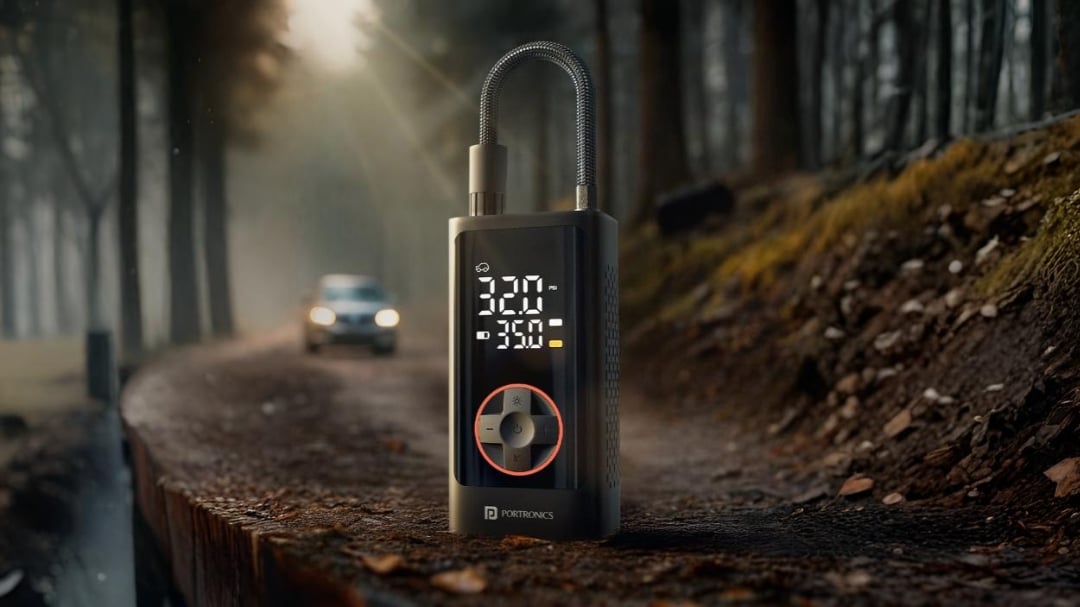
The Portronics Vayu 7.0 (around $22) is primarily a portable tire inflator, but it includes power bank functionality for emergencies. It features a 150 PSI compressor with preset inflation modes for cars, motorcycles, bicycles, and sports balls, automatically stopping when the target pressure is reached.
Inside the compact frame are dual 2,000mAh batteries (4,000mAh total) that power the compressor. However, the device also includes a 5V/1A USB output, allowing it to charge a smartphone if you are stranded without another power source.
It is rounded out by an integrated LED flashlight with an SOS mode, making it a highly practical tool to keep in a vehicle.
For more daily updates, please visit ourNews Section.
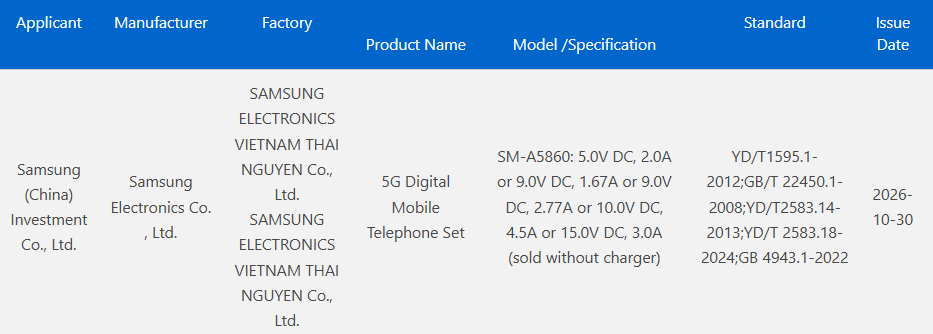
Back in August, the upcoming Samsung Galaxy A58 surfaced in the GSMA IMEI database, while a leak last month revealed its camera specifications. Now, the device has passed China’s 3C certification, indicating that its launch preparations are progressing. The latest listing also offers an early look at its charging capabilities.
Galaxy A58 3C certified
The 3C certification database has listed the Samsung Galaxy A58 with the model number SM-A5860. Identified as a 5G smartphone, the device supports up to 45W wired charging (15V/3A). This matches the charging speed offered by its predecessor, the Galaxy A57, meaning Samsung may not introduce an upgrade in this department. The certification also mentions that the phone will be sold without a charging adapter, so buyers will have to purchase one separately.
Samsung has yet to announce an official launch date. However, the Galaxy A57 debuted on March 25 this year, suggesting that its successor could follow a similar schedule. The Galaxy A58 is therefore expected to arrive around March 2027, potentially following the Galaxy S27 series. Its earlier GSMA database appearance and recent certification suggest that development is progressing.
Galaxy A58 specs: What’s known so far
According to an earlier report from GalaxyClub, the Galaxy A58 will retain the same camera resolutions as the A57. The setup reportedly includes a 50-megapixel primary camera, a 12-megapixel ultrawide sensor and a 5-megapixel macro camera. On the front, the handset is expected to feature a 12-megapixel selfie camera. However, whether Samsung will introduce newer camera sensors remains unclear.
The upcoming phone is also tipped to run Android 17 with One UI 9.5. A firmware build carrying version A586BXXU0AZI5 was spotted on Samsung’s servers in October, indicating that software development is underway. The firmware sighting does not confirm the final software version, though.
For reference, the Galaxy A57 features a 6.7-inch FHD+ Super AMOLED+ display with a 120Hz refresh rate, an Exynos 1680 chipset, up to 12GB of RAM and a 5,000mAh battery. It also supports 45W charging and carries an IP68 rating. Samsung could introduce a newer chipset and other incremental improvements with the A58, although its remaining specifications are still unknown.
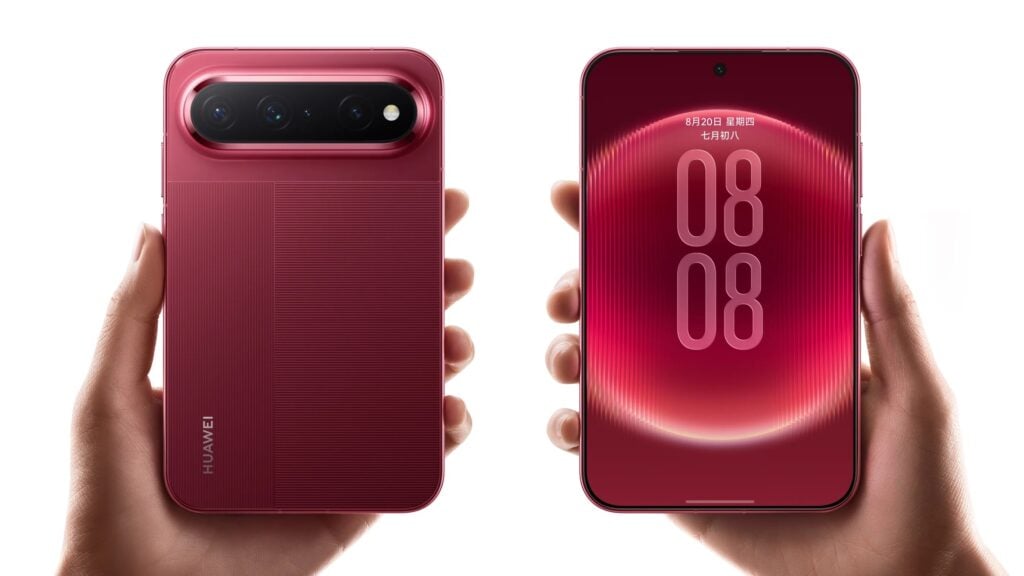
Huawei’s wide-screen Pura X View has turned into one of this year’s biggest domestic flagship success stories, and demand has been so strong that official channels only recently stopped restricting purchases.
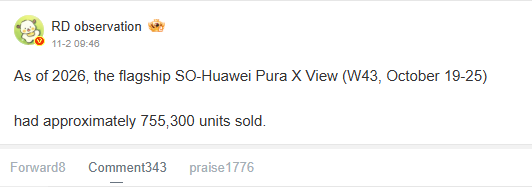
According to digital blogger @RDObservation, who tracks Chinese smartphone market share, the Pura X View had sold roughly 755,300 units by the 43rd week of 2026 (October 19–25). That’s solid ongoing momentum for a phone that launched on September 9 and has been hard to get hold of ever since.
Shortages have been a constant issue. Some third-party sellers were even charging premiums for units that were actually in stock. Tipster @DigitalChatStation has called it the year’s most popular domestic flagship, noting an average selling price of around 7,000 yuan and estimating that about 30 percent of buyers previously used Apple phones. Huawei tried to manage the demand by running a 60-day pre-order and reservation campaign starting October 20. The phone is now available for direct purchase on Huawei’s official website, with interest-free installments for up to 12 months.
What makes the Pura X View stand out is its form factor. It’s a non-folding “wide candybar” phone with a 6.39-inch display that uses a 16:9.5 aspect ratio and 2232 × 1320 resolution. The screen runs at 120 Hz, supports 2160 Hz high-frequency PWM dimming, and hits a peak brightness of 6500 nits. Ultra-narrow 1.05 mm bezels on all four sides give it a 96.1 percent screen-to-body ratio, so the relatively compact body still feels roomy for media, reading, and multitasking. Inside is the Kirin 9030S processor, and the phone starts at 5,999 yuan.
The unusual wide design, strong display specs, and competitive pricing in the premium segment have kept interest high weeks after launch. Exact weekly numbers and long-term stock levels will keep shifting, but the latest sales figure and the move to open online availability show that the Pura X View has real commercial traction in China’s tough flagship market.
Real photos of the still-unreleased Oppo Watch 5 have started circulating after I-DLE member Song Yuqi was spotted wearing one at a recent concert. The square-faced watch looks sleek and minimal, and once people clocked it, the internet did what it does best: zoomed in and started piecing things together.
What we know so far points to a watch that’s going hard on being light and thin. Tipsters and Oppo’s own ecosystem product director Qiao Jiadong have both talked about an ultra-slim design. The Watch 5 is said to weigh under 27 grams and come in at around 9.2 mm thick. That’s impressively thin for the price range it’s expected to sit in.
It’s built with an aerospace-grade aluminum alloy frame and has an ultra-narrow bezel on all four sides so the square display gets as much real estate as possible. There’s also a rotary crown up in the top-right corner.
Beyond the looks, Oppo seems to be focusing on everyday usefulness: solid battery life, a bright screen, and health features that lean into sports and wellness. There’s talk of fat-burning tracking alongside the usual heart rate, blood oxygen, sleep, and activity metrics. The idea is a watch that works just as well for daily wear as it does for workouts.
Pre-orders are already live on Oppo’s official channels, and the Watch 5 is expected to land in the roughly 1,000-yuan range. That’s noticeably more approachable than the Watch 4 Pro from 2023, which started at 2,299 yuan with its stainless-steel case and Snapdragon W5 dual-core chipset.
The Watch 5 is lined up to launch alongside the Oppo Reno 17 series and the Oppo Pad Air 6 tablet at a November 2026 event. It’s also a bit of a return to form for Oppo: the brand moved toward the more rounded Watch S series in recent years, so bringing back a square dial feels like a deliberate shift. Certification listings (including Indonesia’s SDPPI under the model OVWE266) suggest the device is getting close to ready.
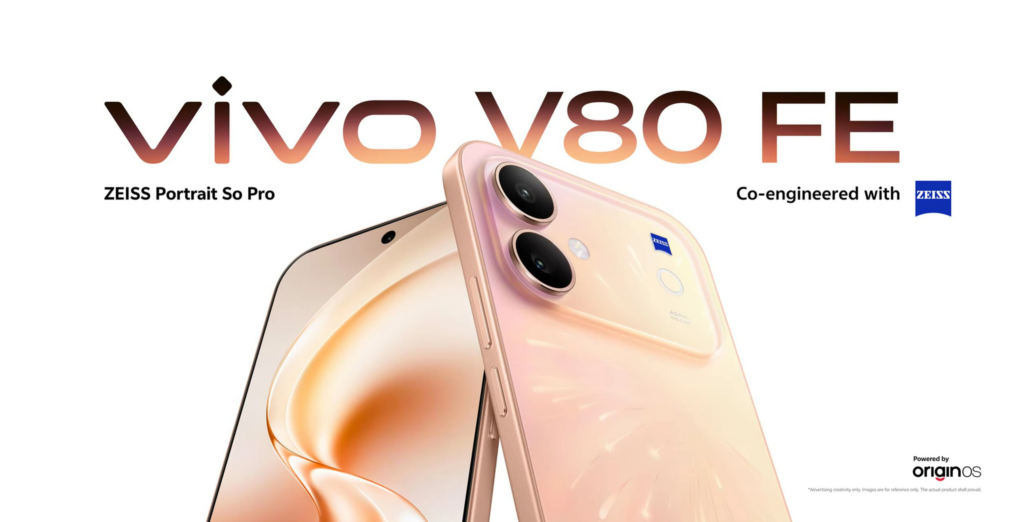
Vivo has already launched the Vivo V80 and Vivo V80 Lite in select markets, and the lineup is now getting another addition. The brand appears to be preparing the Vivo V80 FE for its next market debut. Its specifications have now surfaced on Vivo’s Philippines website, leaving little to the imagination.
Vivo V80 FE specifications and features
Vivo V80 FE
First spotted by AndroidTreasure, the V80 FE’s official page reveals that it features a 6.59-inch AMOLED display with a 1.5K resolution of 2750 × 1260 pixels and a 120Hz refresh rate. The panel supports 1.07 billion colors, 1,800 nits of HBM brightness and up to 3,000 nits of local peak brightness. It can also drop to just 1 nit in dark environments. The phone runs on the 4nm MediaTek Dimensity 7400-Turbo chipset, paired with 8GB of RAM and up to 16GB of extended RAM.
Photography is a major focus, with three 50-megapixel ZEISS cameras. The rear setup includes a 50-megapixel primary sensor with optical image stabilization and a 50-megapixel autofocus ultra-wide camera with a 120-degree field of view. A 50-megapixel autofocus selfie camera with a 92-degree field of view handles group selfies. The camera package includes ZEISS Multifocal Portrait, Style Bokeh and AI Aura Light Portrait 2.0 features. Both front and rear cameras support 4K video recording.
Vivo V80 FE – Chill Green
A 7,000mAh BlueVolt battery powers the device, with support for 90W FlashCharge. Vivo claims that the phone can reach 50% charge in 29 minutes. It also supports reverse charging and bypass charging. The battery uses second-generation semi-solid technology and a silicon-carbon anode, while the handset gets IP68 and IP69 dust and water resistance. Other highlights include a 4,666mm² vapor chamber, an optical in-display fingerprint sensor, NFC, Bluetooth 5.4 and an infrared blaster. It runs OriginOS 7.0 based on Android 17.
Vivo V80 FE memory variants, color options
Vivo V80 FE – Sparkling Gold
Vivo will offer the V80 FE in 8GB+128GB and 8GB+256GB configurations, with LPDDR4X RAM and UFS 3.1 storage. The handset will be available in Sparkling Gold and Chill Green finishes. It measures 157.78 × 74.53mm, with thickness ranging from 7.76mm to 7.84mm depending on the color, and weighs around 201g to 202g.
Update: The Vivo X500 FE (V2563) has also been approved by the SDPPI in Indonesia.
Original post follows:
Vivo has been rolling out both V-series and X-series phones in recent weeks. The Vivo V80 went official in India earlier this month, while the Vivo X500 series has already debuted in China, started its Europe rollout, and is lined up for India by the end of November. Fresh certifications now point to two more FE models still on the way: the Vivo X500 FE and the Vivo V80 FE.
Vivo X500 FE and Vivo V80 FE certification details
Vivo X500 FE
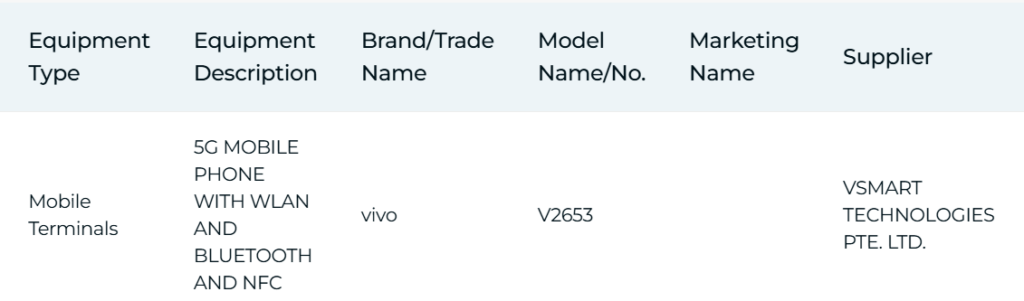
The Vivo X500 FE has cleared Singapore’s IMDA equipment register as model V2653 under registration number SER/26/0337. The listing describes it as a 5G mobile phone with WLAN, Bluetooth, and NFC, but it does not reveal any other hardware specs. The same FE model has already picked up Indonesia’s TKDN approval and an EEC listing earlier. Türkiye IMEI database listings confirm that both model numbers V2653 and V2654 belong to the X500 FE.
Vivo X500 FE
Vivo X500 FE
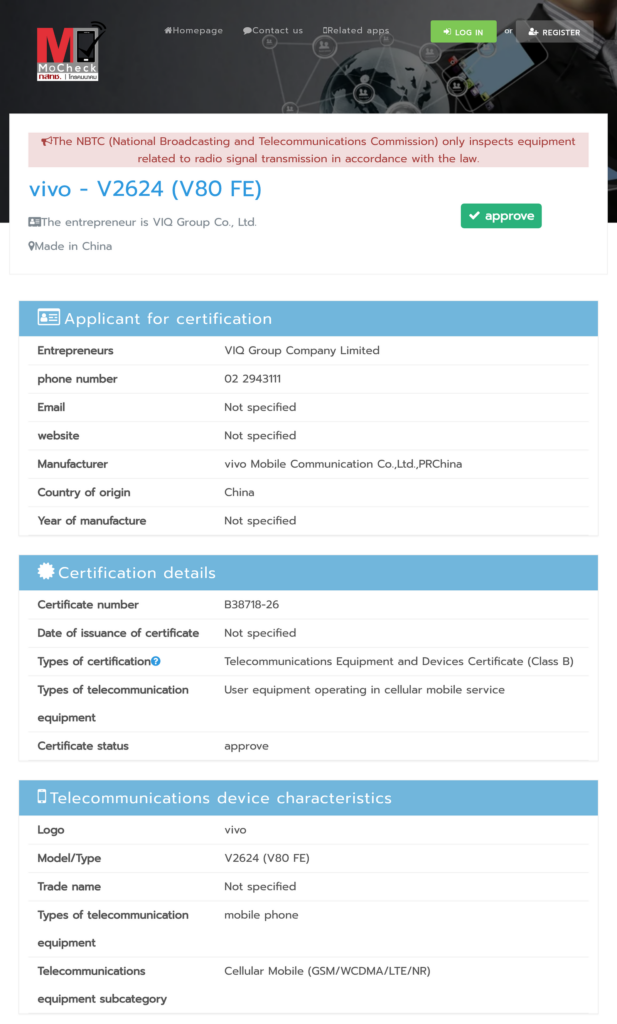
Meanwhile, the Vivo V80 FE with model numebr V2624 has been approved by Thailand’s NBTC regulatory body. The entry is marked approved and confirms cellular support, including 5G NR, again without listing camera, battery, or chipset details. The V80 FE has also cleared Malaysia’s SIRIM type approval and a Bluetooth SIG listing, along with BIS in India and SDPPI and TKDN in Indonesia. These certifications show that it will break cover soon.
Vivo V80 FE
Those filings suggest both phones are moving closer to wider availability, even though Vivo has not shared a fresh sale date for either model in these new listings. Listed specs for the X500 FE point to a compact flagship-style package: a 6.31-inch LTPO AMOLED display with 1216 x 2640 resolution and a 120Hz refresh rate, a Snapdragon 8 Gen 5 chipset with 12GB of RAM and 256GB of storage, and a 6,500mAh battery with 90W wired, 40W wireless, and 5W reverse charging.
The same listing puts the rear cameras at 50-megapixel (Sony IMX921 with OIS) + 50-megapixel (IMX882 periscope telephoto with OIS) + 8-megapixel (ultra-wide). Up front sits a 50-megapixel selfie camera, with 4K video at 60fps support. The phone is also listed at about 7.99mm thick and 191g, with an ultrasonic in-display fingerprint sensor, Bluetooth 6.0, NFC, and an IR blaster.
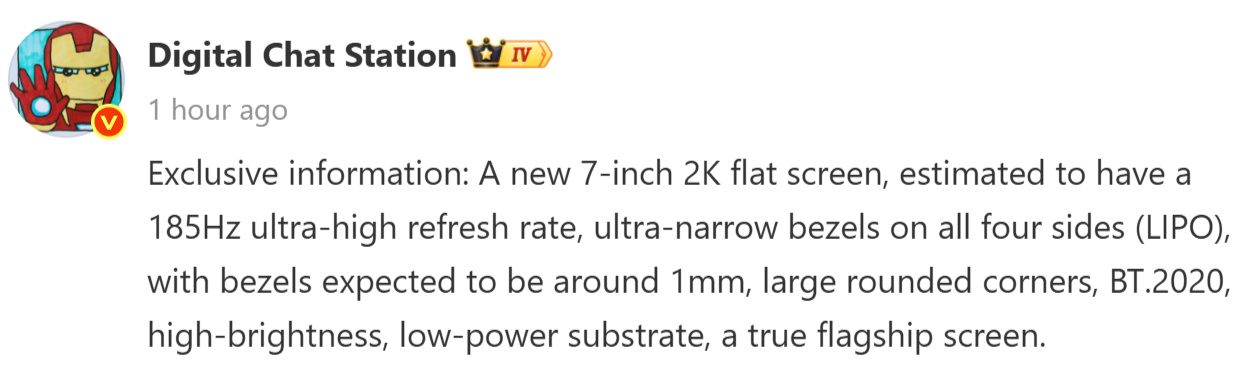
Redmi has just launched the Redmi K100 series phones, starting with the Redmi K100 Pro and Redmi K100 Pro Max in August and the Redmi K100 in October. Now, the brand is expected to shift focus to the Turbo series, which may launch before the end of this year in China. Weeks before the launch, reliable tipster Digital Chat Station has shared fresh exclusive details about a large flat flagship-class display believed to be headed for the Redmi Turbo 6 Max.
Redmi Turbo 6 Max display leak details
Redmi Turbo 6 Max
According to the exclusive, the phone is expected to use a roughly 7-inch 2K flat screen with an estimated 185Hz ultra-high refresh rate. Digital Chat Station also tipped LIPO packaging for ultra-narrow bezels on all four sides, with those bezels expected to sit around 1mm. Large rounded corners, BT.2020 color support, and a high-brightness, low-power substrate round out the tip, which the leaker called a true flagship screen.
LIPO packaging is a premium screen process that helps shrink the bottom bezel so all four sides look more even. It has mostly shown up on higher-end flagships so far, so seeing it on a Turbo phone would be a clear step up for the series. A 185Hz refresh rate would also be a big jump from the current Max model, which tops out at 120Hz.
For context, the Redmi Turbo 5 Max launched in China earlier this year with a 6.83-inch 1.5K AMOLED panel and a 120Hz refresh rate, alongside the Dimensity 9500s chipset, a 9,000mAh battery, and 100W wired charging. Stack those screen specs against the tipped 7-inch 2K flat LIPO panel with an estimated 185Hz refresh and roughly 1mm bezels, and the Redmi Turbo 6 Max would be a clear display upgrade over the Turbo 5 Max if the leak holds.
Earlier tips already painted a similar picture on size and resolution. Digital Chat Station had previously pointed to a 7-inch flat 2K OLED for this performance phone, along with a battery above 10,000mAh and MediaTek’s Dimensity 9500s. Other reports have also mentioned a metal middle frame, IP68 and IP69 ratings, an ultrasonic in-display fingerprint sensor, and a simple dual-camera rear layout. Charging speeds and camera sensors are still under wraps.
Redmi has not confirmed the Turbo 6 Max or any of these specs yet. A China launch around January would match the Turbo 5 Max timing, though that schedule remains a rumor for now. Until official details arrive, treat the 7-inch 2K 185Hz LIPO tip as early display intel rather than a final spec sheet.
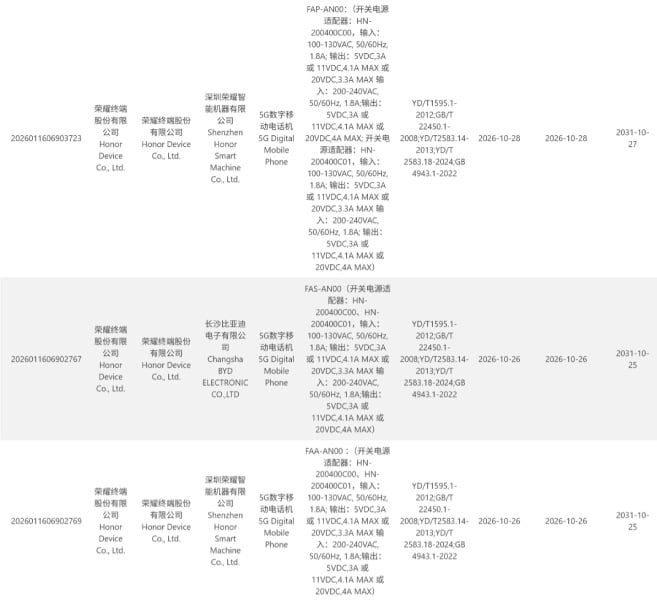
Honor’s 700 series has cleared another hurdle. All three phones passed 3C certification, making the lineup close to an official launch. Honor is expected to release them this month.
The certified phones are the Honor 700 Vitality Edition, the Honor 700 Standard Edition, and the Honor 700 Pro Edition (via MyDrivers) . All three support 5G. Honor also got two tablets and one laptop through 3C in October.
The listings carry the model numbers FAA-AN00, FAP-AN00 and FAS-AN00, and each phone ships with an adapter that supports up to 80W wired charging at 20V and 4A.
As usual with 3C, the certification records don’t list specs. However, previous leaks fill in the blanks.
The Honor 700 and Honor 700 Pro are said to have a 6.57-inch 1.5K OLED flat display. The bezels are equal on all four sides. The two phones are also said to have a 1.72-inch rear display in the camera module area. It will likely support basic functionalities like checking the time and weather, reading messages and notifications, controlling music, among other things. In comparison, the Honor 600 series comes with a snap-on magnetic mini display.
All three phones are expected to have a 200MP main camera. The Honor 700 Pro Edition adds a 50MP periscope telephoto lens, while the Honor 700 and 700 Pro will reportedly support a 200mm telephoto extender.
The phones are said to have a 9000mAh battery, roughly 400mAh more than the 8,600mAh cell in the Chinese Honor 600 Super. The Pro Edition may also support 50W wireless charging and reverse wireless charging. All three phones could share Cool White, Sky Blue, Azure, and Pink Mist shades.
Amazon US has the Sony WH-1000XM6 at $378, which is a good $71.99 off its $449.99 launch price. It’s a fair deal on headphones; most reviews rate near the top for noise cancelling, best suited to commuters, flyers, and Android users who want LDAC.
Is this a good price?
Sony launched the WH-1000XM6 in the US on May 15, 2025, at $449.99, $50 more than the WH-1000XM5. At $378, Amazon is $71.99 under that list price and clearly under the launch price too.
The saving is modest, not dramatic. If you were waiting for the XM6 to cost less than launch, this is a reasonable moment.
Price now
$378
Usual price
$449.99
You save
$71.99 (18%)
Price as of
3 Nov 2026
Product prices and availability are accurate as of the date/time indicated and are subject to change.
What you get
Noise cancelling: A QN3 processor drives 12 microphones and an optimizer keeps adjusting to your surroundings and fit. This is the main reason to buy these over cheaper pairs.
Battery: Sony rates it at up to 30 hours with ANC on and 40 hours with it off. A 3-minute charge gets you 3 hours of playback, which can be pretty useful.
Connectivity: Bluetooth 5.3 supports SBC, AAC, LDAC and LC3, and it pairs with two devices at once. Android users get LDAC for higher-quality streaming.
Folding design: At about 254 g, it’s light for a flagship (great on portability), and the headband folds again. There’s a 1.2 m cable for passive wired listening, but no audio over USB-C.
What people usually like and what they don’t
Like:
Noise cancelling is widely called excellent, often class-leading.
Sound is detailed and balanced, with a 10-band EQ to tweak it.
Calls sound clear thanks to strong microphone performance.
It’s light and comfortable for most people.
The return of the folding hinge and the touch controls both get praise.
Don’t like:
It launched at a higher price than the XM5.
There’s no audio over USB-C.
It has no water or dust resistance rating.
The carrying case is large, and the headphones don’t fold into it neatly.
Some reviewers find the all-plastic build bulky or bland.
How it compares
Bose New QuietComfort Ultra Bluetooth Headphones (2nd Gen): Comfort is your top priority? Bose’s QuietComfort Ultra (2nd Gen) is the closest flagship rival, and people praise it highest for comfort and noise blocking.
Apple AirPods Max 2 Wireless Over-Ear Headphones ($508.99 on Amazon US): iPhone and Mac owners who live in Apple’s ecosystem may prefer AirPods Max 2. It weighs about 385 g against the XM6’s 254g, so expect a heavier feel.
Bose QuietComfort Headphones ($169 on Amazon US): For a tighter budget, the Bose QuietComfort Headphones are a step down in price from the XM6 and still give you capable noise cancelling.
Rival prices on Amazon US as of 3 Nov 2026. Product prices and availability are accurate as of the date/time indicated and are subject to change.
Should you buy it?
Buy it now if you commute or fly often, love’s Sony’s headphone tuning, and want some of the best noise cancelling around, plus LDAC and multipoint, for less than the launch price. Skip it if you need USB-C audio, water resistance, or a premium metal build. If you can wait, earlier promotions suggest this price will come back, so there’s no rush.
Or else, get the QuietComfort from Bose, which is at a significant discount right now.
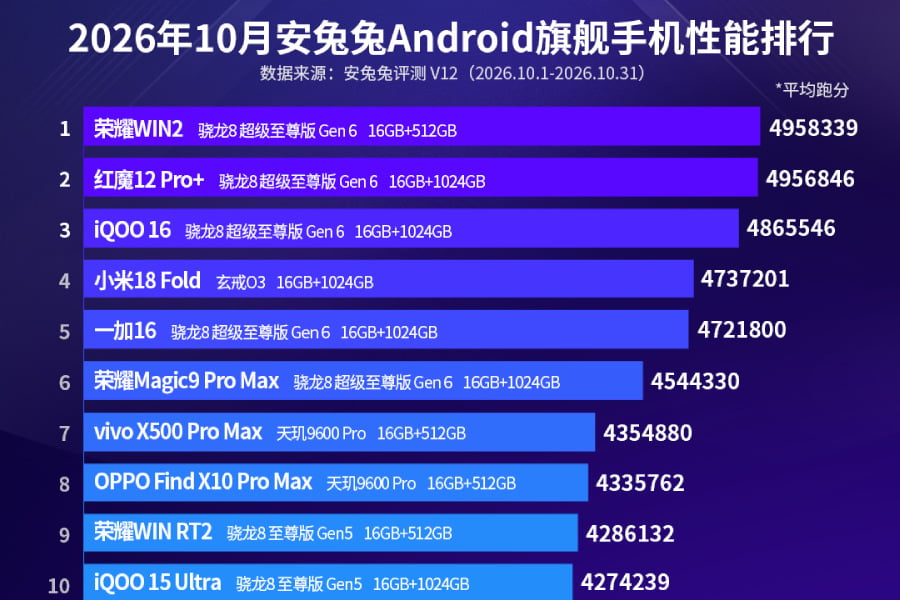
The Xiaomi 18 Fold is no longer at the top of AnTuTu’s Android flagship ranking. The benchmark platform released its October rankings, where the foldable now ranks fourth after three Snapdragon 8 Elite Extreme Gen 6 phones scored higher.
Notably, the Honor Win 2 takes the top spot with an average score of 4,958,339 points in its 16GB + 512GB configuration. The phone has a Snapdragon 8 Elite Extreme Gen 6 chip and a whopping 10,100mAh battery.
The Red Magic 12 Pro+ comes in second with 4,956,846 points with the same chip. Its tested configuration has 16GB of RAM and 1TB of storage. The gap between it and the Honor Win 2 is just 1,493 points. The iQOO 16 takes third place with 4,865,546 points, also in a 16GB + 1TB configuration.
The Xiaomi 18 Fold follows in fourth place with 4,737,201 points. It runs Xiaomi’s in-house XRING O3 chip and topped the September ranking. Despite the fall, its score remains among the highest on the list, although the newer Snapdragon phones have now moved ahead.
The remaining top ten
The OnePlus 16 and Honor Magic 9 Pro Max take fifth and sixth place, respectively. Both use the Snapdragon 8 Elite Extreme Gen 6, meaning five of the top six phones now run the same chip.
The first two phones with MediaTek’s Dimensity 9600 Pro are further down the list. The Vivo X500 Pro Max ranks seventh with 4,354,880 points, followed by the Oppo Find X10 Pro Max at 4,335,762 points. Both fall noticeably behind the Snapdragon 8 Elite Extreme Gen 6 group.
Rounding out the top 10 are the Honor Win RT 2 in ninth place and the iQOO 15 Ultra in tenth. Both use the previous-generation Snapdragon 8 Elite Gen 5 and scored between 4.27 million and 4.28 million points.
For more daily updates, please visit ourNews Section.
We use cookies on our website to give you the most relevant experience by remembering your preferences and repeat visits. By clicking “Accept”, you consent to the use of ALL the cookies.
This website uses cookies to improve your experience while you navigate through the website. Out of these, the cookies that are categorized as necessary are stored on your browser as they are essential for the working of basic functionalities of the website. We also use third-party cookies that help us analyze and understand how you use this website. These cookies will be stored in your browser only with your consent. You also have the option to opt-out of these cookies. But opting out of some of these cookies may affect your browsing experience.
Necessary cookies are absolutely essential for the website to function properly. This category only includes cookies that ensures basic functionalities and security features of the website. These cookies do not store any personal information.
Any cookies that may not be particularly necessary for the website to function and is used specifically to collect user personal data via analytics, ads, other embedded contents are termed as non-necessary cookies. It is mandatory to procure user consent prior to running these cookies on your website.