Xiaomi has launched and has started taking pre-orders for the Mijia Air Purifier 6C, a more compact model aimed at people living in smaller apartments. It’s currently listed at 1099 yuan (around €142) and puts a lot of emphasis on formaldehyde detection and multi-stage purification.
It’s designed for small to medium spaces, covering up to 68 m². Official numbers show a particulate CADR of 603 m³/h and a fresh air volume of 9,500 L/min. The unit itself only takes up about 0.063 m² of floor space, roughly the size of an A4 sheet, so it shouldn’t feel bulky in most homes while still moving a good amount of clean air.
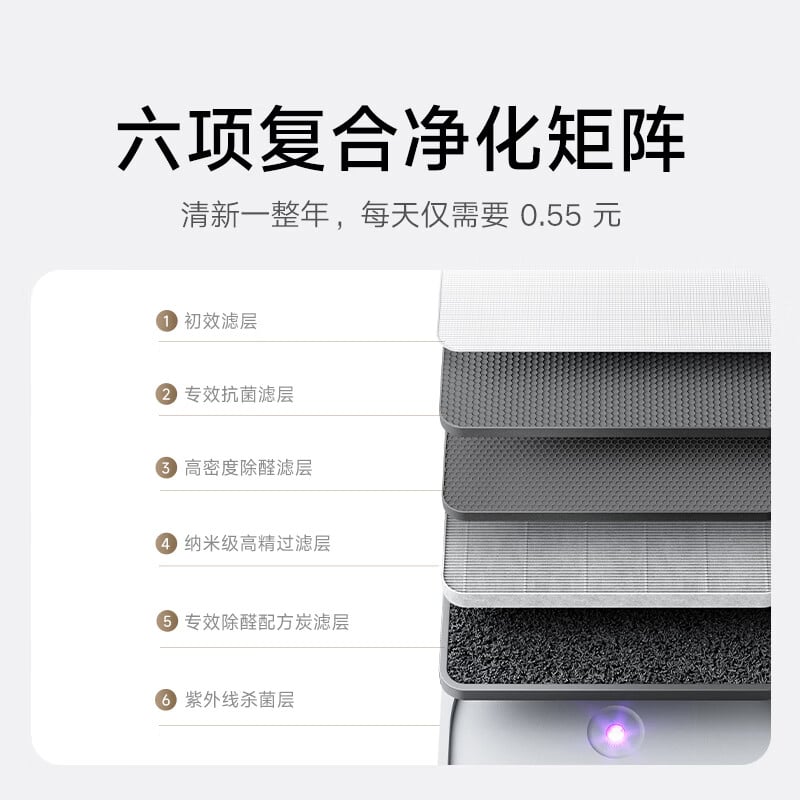
Purification is handled by a six-stage composite filter setup. There’s a pre-filter for bigger debris and hair, an antibacterial layer, a high-density formaldehyde-removing filter, a nano-level high-precision particle filter, a specialized carbon layer for odors and TVOCs, and an ultraviolet sterilization layer. Xiaomi says the filter typically lasts 6 to 12 months, costs about 0.55 yuan per day to run, and replacements are 199 yuan.
Formaldehyde removal performance is one of the main selling points. It has a measured CADR of 381 m³/h and claims a 99% removal rate within two hours. It uses ammonia-reaction technology to break down formaldehyde molecules and lock in odors so they don’t get released again, which makes it useful for newly renovated or rented places.
A standout feature is the real-time digital display of formaldehyde levels with 0.1% (per-thousandth) precision, shown as a curve on an LCD circular screen. It also tracks PM2.5, temperature, and humidity so you get a fuller picture of the air quality.
On the allergen side, it filters 98% of cedar pollen, 98% of dust mites, 99% of cat dander, 98% of dog dander, and 99.99% of PM2.5. Dual antibacterial coating plus UV disinfection is said to remove over 99.9% of eight common bacteria and viruses (including 99.99% for H1N1) within one hour. In sleep mode the noise drops as low as 30.4 dB(A).
You can control it through the Mi Home app via Xiaomi’s Surge Smart Connect, and it also works with Xiao Ai voice commands. The split design makes filter changes easier, some parts are washable, and the app shows real-time filter lifespan.
Xiaomi kicked off its fall flagship season on September 7 with the Xiaomi 18 Fold. The mid-fold phone uses Xiaomi’s own Xring O3 chip, a 3nm processor paired with LPDDR6 memory. That made it the first phone to ship with the newer memory standard.
The Fold also comes with a 200MP Leica main camera, a 50MP periscope telephoto camera, and a 6,000mAh battery. Despite the large battery, the phone is only 10.68mm thick when folded.
The launch marked the start of the Xiaomi 18 series, but the rest of the lineup will not feature the in-house chip. The Xiaomi 18 Pro, Xiaomi 18 Pro Max, and standard Xiaomi 18 are expected to use Qualcomm’s Snapdragon 8 Elite Gen 6 platform instead. The new phones will be introduced around Qualcomm’s Snapdragon Summit, which runs from September 22 to 24.
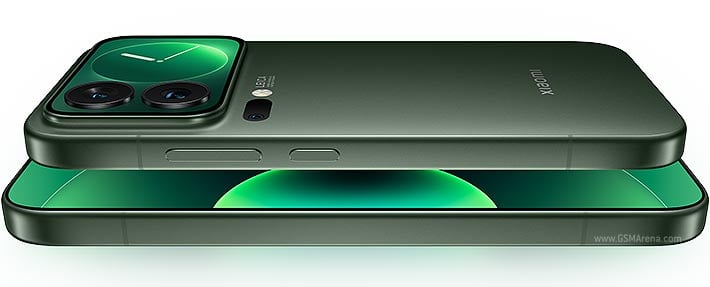
Here’s everything we know so far about the Xiaomi 18 series.
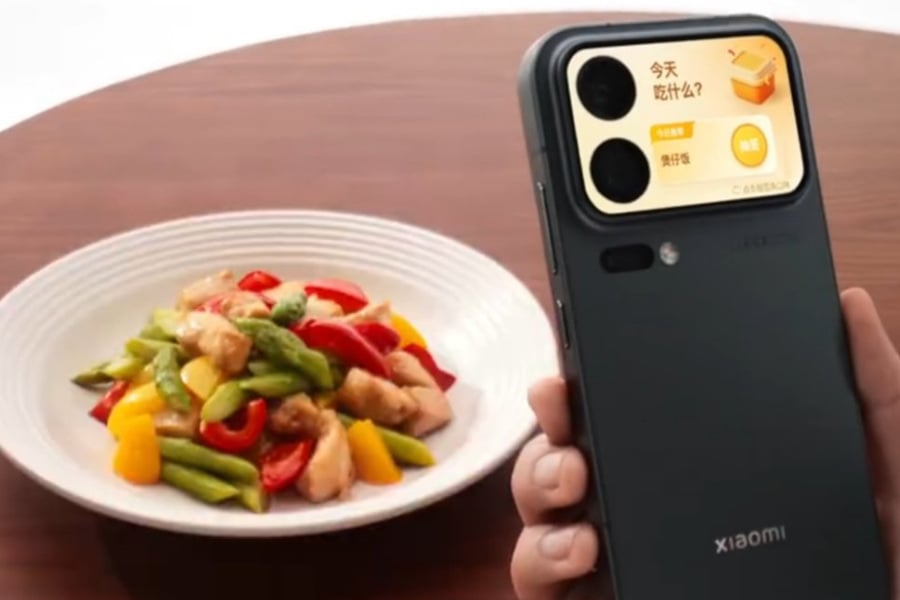
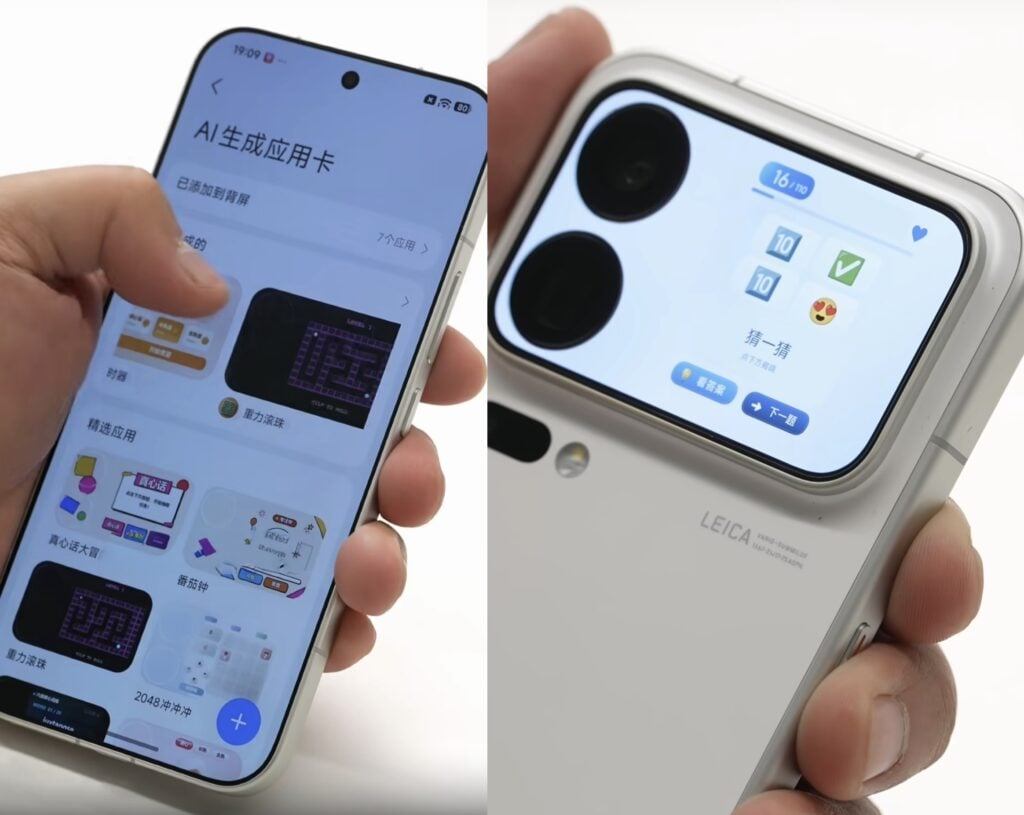
In its teaser, Xiaomi has now confirmed the rear screen will be able to generate its own apps with the help of AI. These aren’t full-fledged apps; rather that are useful for day-to-day activities like an egg-cooking timer, a water-drinking reminder, and a Pomodoro timer.
According to previous leaks, this rear screen could measure around 4 inches. Big upgrade from the 2.7-inch screen on the Xiaomi 17 Pro, if true. The company is also expected to bring a privacy mode, similar to the feature Samsung introduced with the Galaxy S26 Ultra.
The main display is expected to remain relatively compact and flat, with a resolution around 1.5K. The phone could also get a physical AI button on the frame for quick access to AI features and could be customized to work with Xiaomi’s smart home and EV ecosystem.
The camera setup could also see a major upgrade. The Xiaomi 18 Pro is expected to use two 200MP sensors for the main and telephoto cameras. Last year’s model has a single 200MP lens in comparison. It will still have a triple-camera setup with Leica tuning.
2. Xiaomi 18 Pro Max
The Xiaomi 18 Pro Max is expected to be the biggest phone in the lineup and could also bring the most advanced camera setup. Like the Pro model, it has a rear display with the same set of features.
The front screen could be 6.9 inches and use a flat panel. The camera system is also expected to get a major upgrade. According to a recent leak, the phone could use a 200MP SmartSens main camera alongside a 200MP telephoto camera with LOFIC support for improved dynamic range. A 50MP ultra-wide camera is also in the cards. If the leak is true, this would be the first time SmartSens provides a 200MP sensor for a Xiaomi flagship.
Moreover, the Xiaomi 18 Pro Max is tipped to have an 8,500mAh battery, up from the 7,500mAh battery used by last year’s Pro Max. It is also expected to support 100W wired charging and 50W wireless charging.
The phone should use a Snapdragon 8 Elite Extreme Gen 6 chip, and a Geekbench listing for the M1544F reportedly showed the chip running at up to 5.11GHz, while an AnTuTu listing reportedly recorded around 485,000 points.
Xiaomi Group partner Lu Weibing says that this generation is the biggest upgrade in the history of the company’s flagship digital series.
3. Xiaomi 18
The standard Xiaomi 18 could arrive much later than the Pro models. Instead of launching alongside the Pro and Pro Max, the base model is expected to arrive in December 2026 or January 2027.
One of the biggest upgrades could be the camera. According to leaks, it will feature a 200MP periscope telephoto camera, which would be a first for the non-Pro model in the series. The standard Xiaomi 18 is also expected to use the Snapdragon 8 Elite Gen 6, although its RAM and storage options have not been revealed yet.
For the Indian market, Xiaomi is reportedly planning to launch the Pro and Pro Max models, while the standard Xiaomi 18 may not be released there.
4. What’s still unclear
Xiaomi has not revealed pricing for the Xiaomi 18 Pro or Pro Max yet, neither their has been any rumors about it. The company has also only confirmed that the phones will launch later this month.
The global launch plans are also still unclear. The Pro and Pro Max are expected to reach markets outside China, including India, while the standard Xiaomi 18 could have a more limited release when it arrives later.
On the software side, the entire lineup is expected to run HyperOS 4 based on Android 17. Xiaomi has not yet shared many details about the new software, although AI features are likely to be a major part of the experience, especially on the phones with rear displays.
For more daily updates, please visit our News Section.
Smart rings have settled into a predictable routine: they track your sleep, monitor your heart rate, and sit quietly on your finger while you check your phone or smartwatch for actual notifications. Rogbid is trying to change that dynamic slightly with the ZenRing, a new wearable that attempts to squeeze a few active smart features, namely haptic feedback and touch controls, into a standard ring form factor.
Rogbid ZenRing Specifications
Physically, the ZenRing follows a familiar smart ring design. It features a microcrystal nano-ceramic exterior paired with a 316 stainless steel inner band. It measures 7.5mm wide and 2.5mm thick, while weighing about 5 grams. The ring also carries a 5ATM water resistance rating, making it suitable for showers, swimming, and everyday exposure to water.
For health tracking, the ZenRing comes with sensors that monitor heart rate, blood oxygen (SpO2), heart rate variability (HRV), and skin temperature. The collected data is used by Rogbid’s companion app to provide sleep insights, stress tracking, menstrual cycle monitoring, and daily activity records. It also supports data syncing with Apple Health and Google Health Connect, allowing users to keep their health and fitness information in one place.
The ring features a built-in low-power vibration motor that provides haptic alerts directly on the finger. It can vibrate for incoming calls, text messages, alarms, and notifications from apps such as WhatsApp and Instagram. It can also send vibration alerts when it detects unusual health readings, including sudden changes in heart rate or low blood oxygen levels.
In addition to the motor, the ZenRing includes touch and gesture controls. You can tap or swipe the ring to control music playback, scroll through short-form videos, navigate presentation slides, or trigger your phone’s camera shutter remotely. There is also an SOS function; shaking your hand up and down 10 times will prompt your connected smartphone to call a pre-set emergency contact.
Battery life is rated at four to six days of regular use from the internal 20mAh battery. It ships with a charging case (400mAh) to top it up on the go.
Pricing and Availability
The ZenRing is available now on Rogbid’s website for $129.99. It currently comes in one color, Obsidian Black, and is offered in standard sizes 8 through 13.
In related news, Rogbid has recently launched the Model R3T smartwatch with full Android, 4G LTE, a pop-up camera, and a 1,100mAh battery, alongside the VisionW smart glasses with open-ear audio, interchangeable frames, and AI support.
For more daily updates, please visit our News Section.
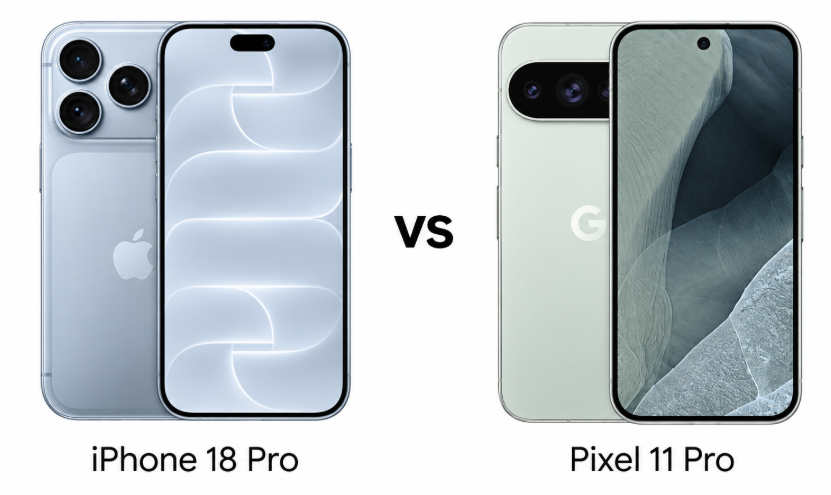
iPhone 18 Pro and Google Pixel 11 Pro take very different approaches to the premium smartphone experience. Apple focuses on its A20 Pro chip, advanced video tools and a refined display, while Google pushes computational photography, a high-resolution selfie camera and long-term Android support. With both phones targeting the same flagship audience, the choice comes down to performance, cameras, battery, and overall value.
The iPhone 18 Pro combines a Ceramic Shield 2 front with an aluminum frame and Ceramic Shield rear construction, plus IP68 protection rated for immersion up to 6 meters. Its design feels particularly focused on durability and premium materials, while Face ID provides secure biometric authentication. The overall hardware package remains distinctly Apple.
The Pixel 11 Pro uses Gorilla Glass Victus 2 on both sides with an aluminum frame and IP68 protection rated for immersion up to 1.5 meters. Its under-display ultrasonic fingerprint scanner adds flexibility that the iPhone lacks. The Pixel’s biometric approach is arguably more convenient for users who prefer fingerprint unlocking alongside face recognition.
Display Quality
Both phones use 6.3-inch LTPO OLED panels with 120Hz refresh rates, HDR support and adaptive refresh technology. The iPhone reaches 3,000 nits peak brightness and adds Dolby Vision, while Ceramic Shield 2 and an anti-reflective coating strengthen its outdoor usability and protection.
The Pixel 11 Pro counters with a sharper 1280 x 2856 resolution, 497ppi density and up to 3,600 nits peak brightness. Its 2,400-nit HBM rating is also higher than the iPhone’s 1,600 nits. For pure specifications, Google’s panel has the edge, although Apple’s display remains exceptionally polished.
Verdict
Apple feels better for premium build refinement and display protection, while Google offers higher brightness and sharper resolution. The Pixel wins on display specifications; the iPhone delivers the more balanced overall package.
2. Specifications Including Battery
Performance
The iPhone 18 Pro is powered by Apple’s A20 Pro, built on a 2nm process, paired with 12GB RAM and NVMe storage. Its six-core CPU and seven-core GPU are designed for demanding apps, gaming and Apple’s increasingly sophisticated on-device workloads. The combination should appeal strongly to performance-focused users seeking sustained flagship-class capability.
The Pixel 11 Pro runs Google’s Tensor G6 on a 3nm process, with 12GB RAM on the 256GB model and 16GB on higher storage configurations. Android 17 and Google’s promise of seven major OS updates add substantial long-term appeal. Tensor emphasizes Google’s AI ecosystem, making the Pixel particularly interesting for software-driven features.
Battery and Charging
The Pixel 11 Pro packs a larger 4,850mAh battery and supports 30W wired charging, reaching 55% in 30 minutes. It also offers 25W magnetic wireless charging, Qi2.2, reverse wired charging and bypass charging. That combination makes the Pixel more flexible for heavy users and gamers who value charging control.
The iPhone 18 Pro uses a market-dependent 4,056mAh or 4,288mAh battery and supports wired charging to 50% in 15 minutes. Its 25W MagSafe/Qi2 wireless charging is similarly competitive, while reverse wired charging adds another practical feature. Apple’s smaller battery capacity does not necessarily indicate weaker real-world endurance.
Verdict
Apple takes the performance-focused approach with the A20 Pro, while Google offers the larger battery and more flexible charging tools. For raw performance, Apple is the stronger choice; for battery capacity and charging versatility, Google stands out.
3. Camera
Main and Secondary Lenses
The iPhone 18 Pro features a 48MP main camera, 48MP 4x periscope telephoto and 48MP ultrawide, backed by sensor-shift stabilization and LiDAR. Its video capabilities are especially extensive, including 4K recording at up to 120fps, Dolby Vision, ProRes RAW and Apple Log 2. It remains exceptionally well-equipped for serious mobile video.
The Pixel 11 Pro combines a 50MP main sensor with a 48MP 5x periscope telephoto and 48MP ultrawide. Google adds Pixel Shift, Ultra HDR, Best Take and Zoom Enhance, while 8K video recording gives it a notable headline feature. Its computational photography approach makes the camera system particularly versatile for still photography.
Selfie Camera
Apple’s 18MP ultrawide selfie camera includes PDAF, Face ID’s SL 3D sensor and advanced video features such as Dolby Vision, ProRes RAW and Apple Log 2. The multi-aspect design also adds flexibility for framing selfies and video. For creators, Apple’s front-camera toolkit is unusually comprehensive.
The Pixel 11 Pro uses a substantially higher-resolution 42MP ultrawide selfie camera with PDAF and a 103-degree field of view. It supports 4K video at 60fps, giving Google a strong advantage for high-resolution front-facing video and group selfies. The Pixel is more specification-heavy, while Apple’s implementation is more creator-oriented.
Verdict
Apple is the stronger choice for professional-grade video and recording tools, while Google offers powerful computational photography and a higher-resolution selfie camera. For overall camera versatility, the iPhone’s video ecosystem gives it the advantage.
4. Pricing
The iPhone 18 Pro is priced around $1,200 / ₹164,900, placing it firmly in the ultra-premium segment. Its starting configuration includes 256GB storage and 12GB RAM, with options extending to 2TB. Apple’s higher Indian pricing reflects its premium positioning and substantial storage ceiling.
The Pixel 11 Pro is priced around $1,100 / ₹120,000, making it noticeably less expensive in both markets. Google also offers 12GB RAM with 256GB storage, while 16GB RAM becomes available with higher-capacity versions. That makes the Pixel particularly interesting for buyers comparing flagship specifications against upfront cost.
Is the price justified?
The iPhone’s premium can be justified by its A20 Pro platform, extensive professional video capabilities, Ceramic Shield 2, Face ID and mature ecosystem. However, buyers paying the premium are primarily choosing Apple’s platform and specialized features rather than simply getting more hardware for every dollar.
The Pixel 11 Pro delivers a larger battery, brighter display, higher-resolution cameras and seven major Android updates while costing substantially less. On specification-led value, Google’s approach is difficult to overlook. The Pixel therefore makes a more practical proposition for buyers who want flagship hardware without stretching toward Apple’s pricing.
Verdict
Google offers stronger value for money thanks to its lower pricing and competitive flagship specifications. Apple justifies its premium through performance, ecosystem integration and advanced video capabilities.
Disclaimer: Prices are approximate and may vary based on country, region, launch timing, and applicable taxes. Always check whether the listed price is for a China unit or a global/international variant when purchasing.
5. Conclusion
iPhone 18 Pro distinguishes itself with the A20 Pro 2nm chipset, Face ID, LiDAR, Ceramic Shield 2, MagSafe/Qi2 charging and an unusually advanced video recording suite. ProRes RAW, Apple Log 2, Dolby Vision and 4K 120fps recording make it especially compelling for creators. Its 2TB storage option also suits demanding professional workflows.
Pixel 11 Pro counters with Tensor G6, seven major Android updates, a 5x periscope camera, 8K video, a 42MP ultrawide selfie camera and Google’s computational photography features. Its 4,850mAh battery, 3,600-nit display and bypass charging add further practical advantages. The lower price also significantly changes the value equation between these flagships.
Verdict
iPhone 18 Pro is the overall winner for its superior performance, professional video capabilities and polished ecosystem. Google Pixel 11 Pro remains the better value choice, especially for photography, battery capacity and long-term Android support.
FAQs
1. Which phone has better gaming performance? The iPhone 18 Pro should deliver stronger gaming performance thanks to the A20 Pro chipset and Apple’s optimized gaming ecosystem.
2. Which phone takes better zoom photos? The Pixel 11 Pro offers a 5x optical telephoto lens, while the iPhone 18 Pro provides 4x optical zoom.
3. Which phone charges faster? The iPhone 18 Pro reaches 50% wired charge in 15 minutes, compared with 55% in 30 minutes for the Pixel 11 Pro.
4. Which phone is cheaper to buy? The Pixel 11 Pro is significantly cheaper, making it the more affordable entry into this flagship class.
5. Which phone should you buy overall? The iPhone 18 Pro suits performance and video-focused buyers, while the Pixel 11 Pro makes more sense for value-focused users.
Disclaimer: Prices, specifications, and availability may vary by region and retailer. Recommendations in this article are based on editorial opinion, feature-based value, and market positioning at the time of writing. Readers are advised to do their own research before making a purchase.
Oppo has officially unveiled its new skin for Android devices, ColorOS 17, at its developer conference in China, highlighting new AI capabilities, performance upgrades, and a host of other major changes. The brand has also announced the rollout schedule for Oppo, OnePlus, and Realme devices.
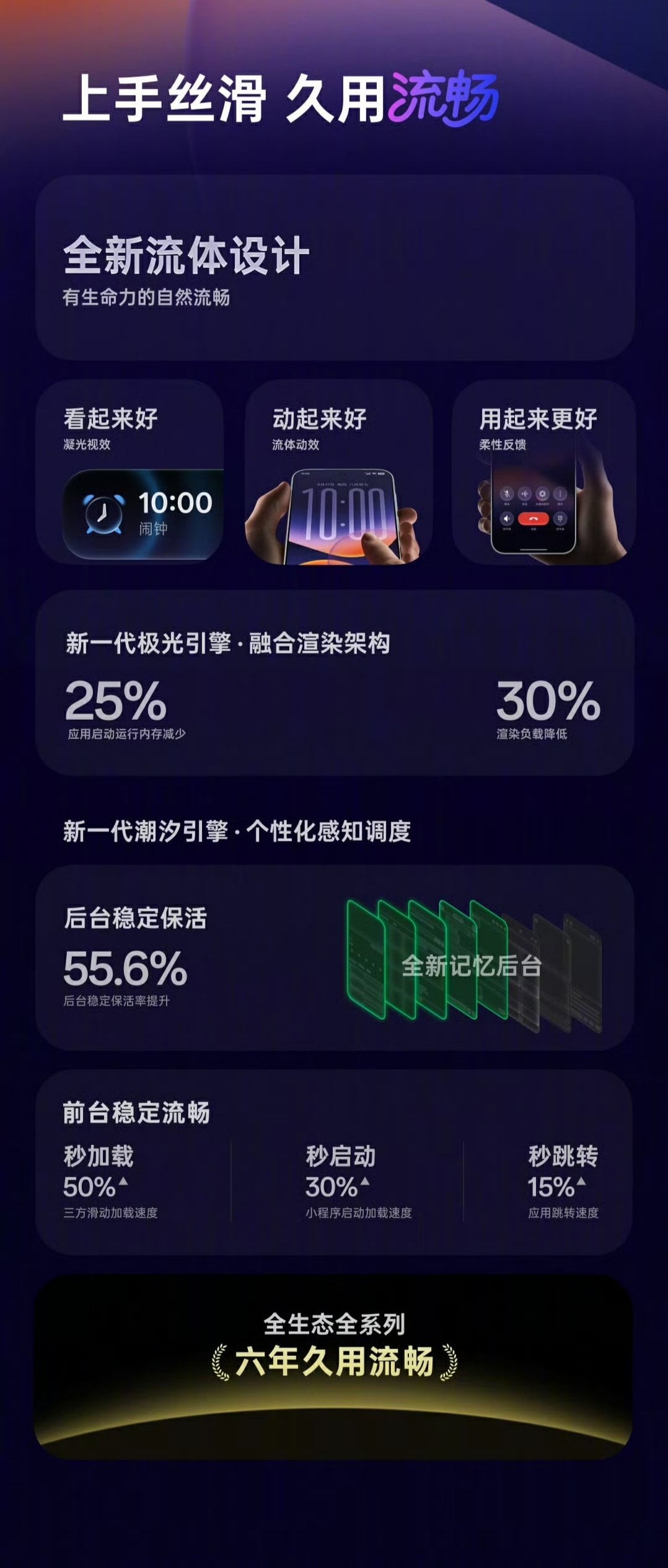
Oppo introduces Fluid Design with ColorOS 17, promising consistent visuals, animations, and touch feedback across the system. The Aurora Engine integrates with the rendering architecture, while Fluid Animation manages transitions across interfaces.
The new software introduces Polar Light Engine, promising a 25% reduction in app start-up and runtime memory. It can also reduce the rendering workload by up to 30%.
The Tidal Engine in ColorOS 17 further improves the software experience. It learns app usage frequency, preferences, duration, and intent to schedule system resources. It features memory-retention capabilities, which keep background apps available when users return to activities such as scrolling feeds or filling out forms.
The Tidal Engine is claimed to deliver:
55.6% improved background app retention
35% improved all launch stability
50% faster scrolling and loading in third-party photo gallery
30% jump in mini-program launch load
15% app jump speed
Oppo AI gets major upgrades
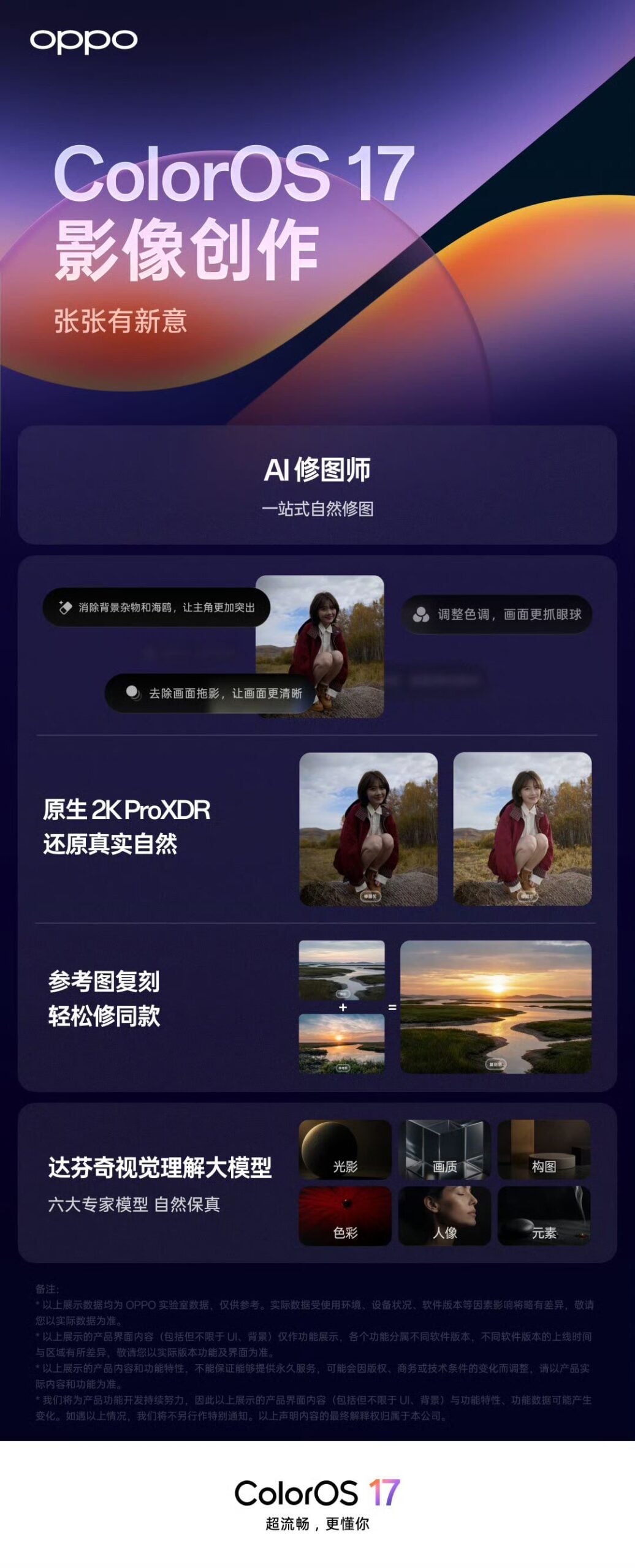
ColorOS 17 introduces AI Photo Editor, letting users remove unwanted objects, reduce motion blur, and adjust image colors and tones. It can also recommend photo editing commands and templates. The AI Photo Editor includes a Reference Image Replication feature to apply colors, lighting, or skin tone from a referenced image onto another.
The AI Memory Gallery uses smart photo compilation and AI copywriting to turn your random pictures into structured, storytelling photo blogs (Plogs). Oppo also highlighted seamless Album Direct Connection links third-party cameras and NAS devices, allowing users to view the latest footage without occupying the local phone storage.
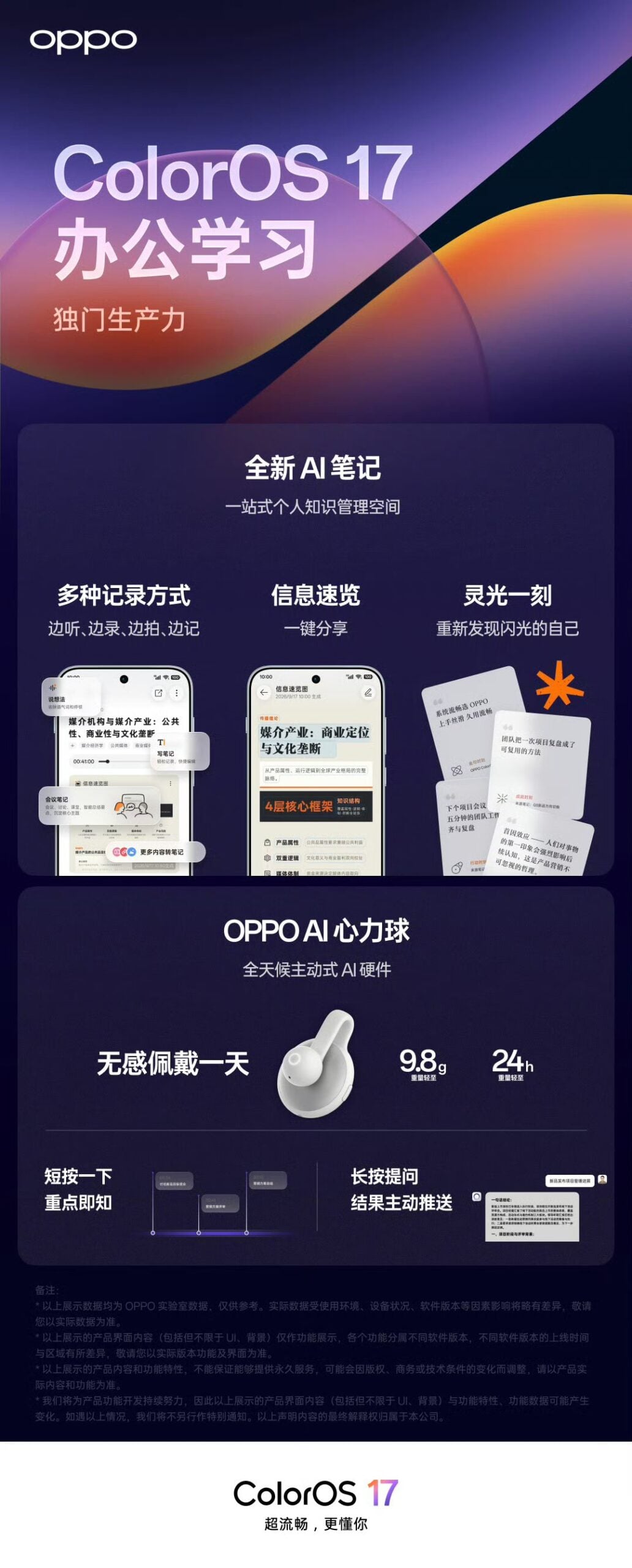
The upgraded AI Notes allows users to listen and take notes simultaneously during meetings. Users can also import books, videos, and ideas with a single click and build structured knowledge notes. The AI Notes also supports creating an editable information overview diagram with sharing formats, identifying viewpoints, and helps users recognize their thoughts and blind spots.
Oppo AI now works with Oppo earphones to translate the other person’s language into the user’s ear in real time, while broadcasting the user’s expression through the phone speaker.
The Heytap assistant (also known as Breeno or Xiao Bu Assistant) manages personal affairs through Xiao Bu Space. It can identify urgent matters and provide access to relevant service portals. The AI can also track to-dos and priorities, such as overdue bill payments or forgotten reservations.
For travel, Xiao Bu can generate a detailed graphic itinerary with a single sentence and import it into the Xiao Bu Space. The AI breaks the plan into to-dos, transportation, accommodation information, and precautions, while also providing ticket, check-in, and car rental help.
AI Fluid Cloud combines navigation with active reminders for walking, buses, and subways, showing the nearest subway entrance, upcoming transfers ad the station where the user needs to get off. The AI One-Touch Flash Note supports saving courier pickup codes, contact information, and setting alarms to grab your tickets.
AI Snap-and-Shoot (or AI Pai-Yi-Pai) helps users understand objects instantly, make documents clearer, get calorie information, and connect to Wi-Fi.
Connectivity and health-related upgrades
ColorOS 17 adds Car+ connectivity to link your Oppo smartphone directly to your car. It includes Walking-Navigation Handover to seamlessly transfer the map from your phone to your car’s large display the moment you start driving. The latest update also includes support for third-party cameras and NAS devices.
Earphones now support AI conversation interpretation, and smartwatches can share exercise details with phones and tablets. ColorOS 17 also features FatMax fat-burning mode and customizable modular watch faces.
Sports Fluid Cloud synchronizes heart rate and calorie consumption across supported products, including phones, tablets, and watches. Oppo has also added gestures to allow users to control a connected phone using their watch. Double pinch for switching songs/videos, flip wrist or double-tap for skip backward, and remote shutter for controlling the phone’s camera shutter.
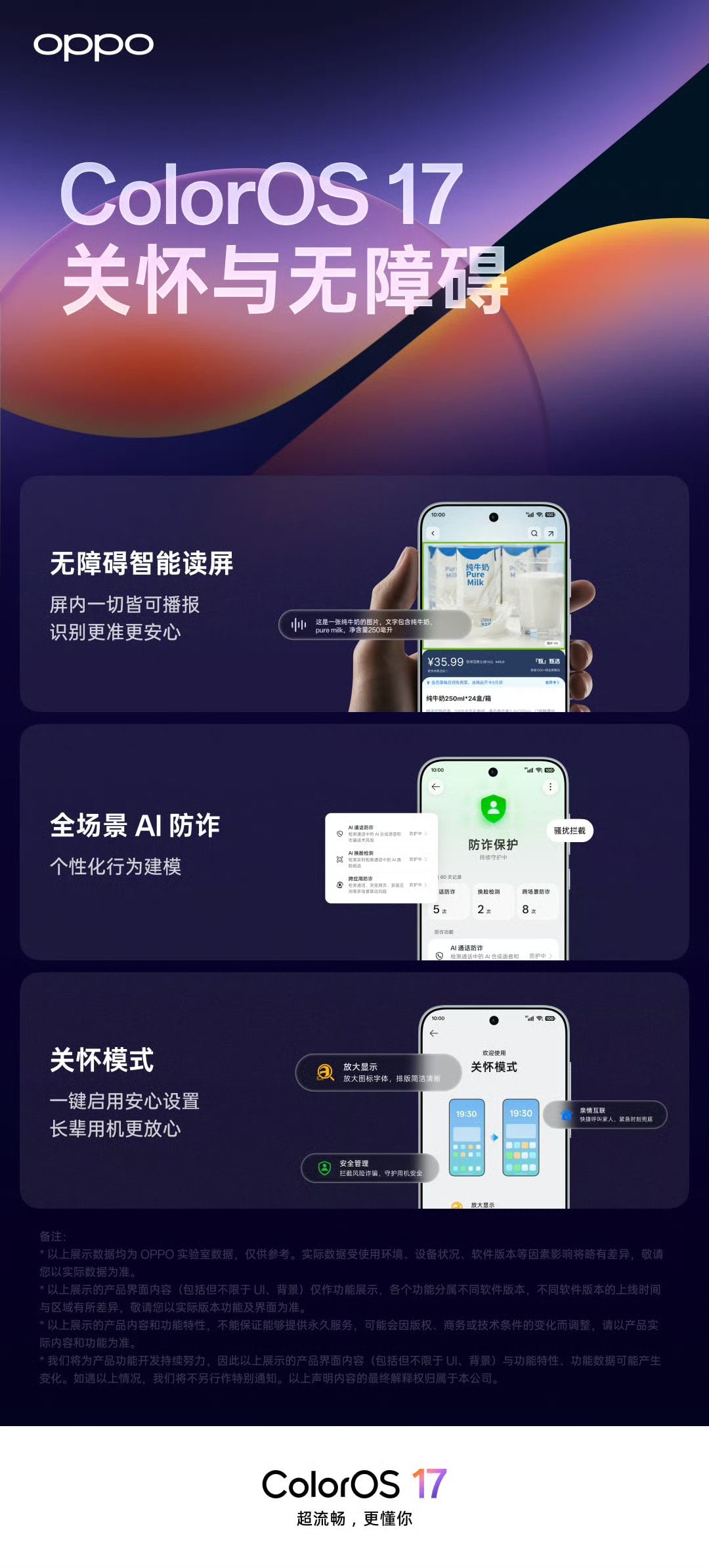
The security part has also been upgraded with new features, such as AI Cross-App Anti-Fraud, AI Face-Swapping Detection, and AI Call Anti-Fraud. The Accessibility uses AI to describe touched text, buttons, and images through voices for scenarios including hailing a ride, traveling, shopping, and entertainment. The AI also provides voice guidance for shooting angles and describes objects with more refined language.
ColorOS 17 rollout plan for Oppo, OnePlus, and Realme devices
Oppo has announced the ColorOS 17 rollout schedule for Oppo, OnePlus, and China devices in China. It hasn’t announced a global or India-specific rollout timeline.
Apple’s entry into the foldable smartphone market was expected to put some pressure on Samsung, but the early signs suggest the opposite may be happening. According to the latest sales data from South Korea, Galaxy Z Fold 8 sales increased by 10% week over week in the period following Apple’s unveiling of the iPhone Duo.
The increase is particularly interesting because the iPhone Duo is Samsung’s most direct new competitor in the foldable segment. Instead of immediately slowing Galaxy Z Fold 8 demand, Apple’s announcement may have encouraged some undecided buyers to take another look at Samsung’s offering.
Price Gives Samsung a Clear Advantage
One major reason could be the significant difference in pricing. The Galaxy Z Fold 8 starts at around 2.28 million won ($1,550) in South Korea, while the iPhone Duo starts at 3.29 million won ($2,390). That makes Apple’s device roughly 1.01 million won, or about $840, more expensive.
For buyers comparing two premium foldables, that is a substantial gap. The Galaxy Z Fold 8 also has an advantage in South Korea because it is already available, while the iPhone Duo is scheduled to launch there on October 16.
The Fold 8 is also reported to be thinner and lighter than the iPhone Duo, giving Samsung another talking point for consumers who care about portability.
Apple May Have Helped Samsung
The 10% increase does not prove that former iPhone Duo buyers switched to Samsung. However, the timing is certainly notable. Apple’s announcement gave consumers a detailed look at its foldable-style phone, including its price and launch schedule, and some buyers may have decided that Samsung offered a more practical deal.
Apple entering a category does not automatically mean Samsung loses customers. It can actually make the entire category more visible while pushing consumers to compare products more closely.
The South Korean figures are only one market, so they should not be treated as evidence of a global trend yet. Still, they suggest that the Galaxy Z Fold 8 has enough momentum to withstand Apple’s arrival, particularly while Samsung continues offering discounts.
If both devices perform strongly worldwide, Apple’s entry could ultimately expand the foldable market rather than simply taking sales away from Samsung
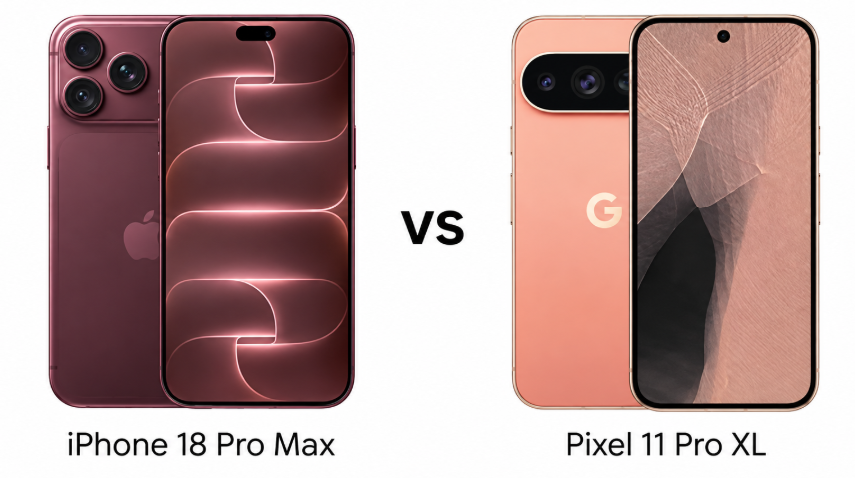
iPhone 18 Pro Max and Google Pixel 11 Pro XL represent two very different approaches to premium smartphones. Apple focuses on performance, video, ecosystem integration and pro-grade hardware, while Google pushes computational photography, AI features and a more flexible Android experience. With both priced around the $1,300 mark, the differences matter when choosing a long-term flagship.
Major Features:
Category
iPhone 18 Pro Max
Pixel 11 Pro XL
Winner
Build
Ceramic Shield 2, aluminum frame, IP68
Gorilla Glass Victus 2, aluminum frame, IP68
Apple – Stronger protection
Display
6.9-inch LTPO OLED, 120Hz, Dolby Vision
6.8-inch LTPO OLED, 120Hz, HDR10+
Apple – Dolby Vision support
Peak Brightness
Up to 3000 nits
Up to 3600 nits
Google – Higher peak brightness
Processor
A20 Pro, 2nm
Tensor G6, 3nm
Apple – Performance-focused chip
RAM
12GB
Up to 16GB
Google – More RAM available
Storage
Up to 2TB
Up to 1TB
Apple – Higher maximum capacity
Main Camera
48MP triple camera
50MP triple camera
Google – Larger main sensor
Telephoto
48MP, 4x optical zoom
48MP, 5x optical zoom
Google – Longer optical reach
Ultrawide
48MP, 120°
48MP, 123°
Google – Slightly wider field
Video
Up to 4K 120fps, ProRes RAW, Dolby Vision
Up to 8K 30fps
Apple – More professional video tools
Selfie Camera
18MP ultrawide, PDAF
42MP ultrawide, PDAF
Google – Higher resolution
Battery
Up to 5567mAh, market dependent
5115mAh
Apple – Larger stated capacity
Wired Charging
50% in 15 minutes
75% in 30 minutes
Apple – Faster initial charging
Wireless Charging
25W MagSafe/Qi2
25W magnetic Qi2.2
Tie – Similar rated speeds
Software
iOS 27
Android 17, 7 major OS updates
Google – Longer stated update commitment
Price
Approx. $1,300 / ₹180,000
Approx. $1,300 / ₹135,000
Google – Lower Indian price
Value
Premium performance and video
Strong cameras, AI and lower price
Google – More affordable package
Overall
Performance and creator-focused flagship
AI and photography-focused flagship
Apple – Stronger overall package
Disclaimer: Specs are based on available data. Actual performance may vary. Verify details from official sources before buying.
The iPhone 18 Pro Max combines a Ceramic Shield 2 front with an aluminum frame and Ceramic Shield rear construction, plus IP68 protection rated for deeper water immersion. Pixel 11 Pro XL uses Gorilla Glass Victus 2 on both sides with an aluminum frame and also carries IP68 protection. Apple’s construction feels more purpose-built for demanding everyday use, particularly with its upgraded front protection.
Both phones deliver a premium flagship feel, but their design philosophies differ. The iPhone emphasizes durability and a refined hardware ecosystem, while Pixel retains Google’s distinctive styling and familiar Android flagship identity. Ceramic Shield 2 and the stronger water-resistance specification give the iPhone a practical edge for users who prioritize physical protection and longevity.
Display Quality
The iPhone features a 6.9-inch LTPO Super Retina XDR OLED with 120Hz refresh rate, HDR10 and Dolby Vision. Pixel counters with a 6.8-inch LTPO OLED, 120Hz refresh rate and HDR10+, while reaching higher claimed peak brightness. Google’s panel therefore looks particularly compelling for outdoor visibility and HDR content.
Verdict
Apple delivers stronger protection and Dolby Vision support, while Google offers higher claimed peak brightness. The iPhone feels more refined overall, but Pixel remains highly competitive for users prioritizing display brightness.
2. Specifications Including Battery
Performance
The iPhone 18 Pro Max runs Apple’s A20 Pro built on a 2nm process, paired with 12GB RAM and NVMe storage. Pixel 11 Pro XL uses Google’s Tensor G6 on 3nm, with up to 16GB RAM and UFS 4.x storage. Apple’s silicon remains the more performance-focused approach, while Google emphasizes AI-driven workloads and software integration.
For demanding gaming, sustained performance and professional workloads, the A20 Pro specification suggests a stronger performance-oriented package. Pixel’s Tensor G6 instead makes more sense for users who value Google’s computational photography, AI processing and deeply integrated Android features. The higher RAM options are attractive, but RAM capacity alone does not determine real-world speed.
Battery and Charging
The iPhone offers market-dependent battery capacities, with wired charging reaching 50% in 15 minutes and 25W MagSafe/Qi2 wireless charging. Pixel packs a 5115mAh battery with 45W wired charging, reaching 75% in 30 minutes, alongside 25W magnetic wireless charging, reverse charging and bypass charging.
Verdict
The iPhone targets peak performance and fast charging, while Pixel provides more flexible charging features. For performance-heavy users, Apple has the stronger package; Pixel is more versatile for charging-focused use.
3. Camera
Main and Secondary Lenses
The iPhone uses a triple 48MP setup comprising wide, 4x periscope telephoto and ultrawide cameras. Pixel combines a 50MP main camera with 48MP 5x periscope and 48MP ultrawide lenses. Pixel offers longer native optical reach and a wider ultrawide field, while the iPhone adds LiDAR for depth sensing and advanced imaging workflows.
Video is a major iPhone strength, supporting 4K recording up to 120fps, Dolby Vision, ProRes, ProRes RAW and Apple Log 2. Pixel counters with 8K recording, Ultra-HDR, Pixel Shift, Best Take and Zoom Enhance. For creators prioritizing professional video controls, the iPhone’s toolset is notably more comprehensive and mature.
Selfie Camera
The iPhone uses an 18MP ultrawide selfie camera with PDAF and SL 3D depth sensing, while Pixel offers a 42MP ultrawide camera with PDAF. Both support 4K video, but Apple adds Dolby Vision, ProRes RAW and Apple Log 2 capabilities to its front-camera workflow.
Verdict
Pixel offers stronger native zoom and a higher-resolution selfie camera, but Apple’s video capabilities are significantly broader. The iPhone is the more creator-focused camera package, especially for professional video.
4. Pricing
The iPhone 18 Pro Max is priced around $1,300 or ₹180,000, while the Pixel 11 Pro XL is priced around $1,300 or ₹135,000. The similar US pricing creates a different value equation in India, where Google’s flagship carries a substantially lower listed price in the supplied figures.
The iPhone’s higher Indian pricing reflects the premium associated with Apple’s flagship positioning, ecosystem and professional-grade capabilities. Pixel’s lower Indian pricing makes its combination of 16GB RAM options, 5x optical zoom, bright display and charging flexibility considerably more accessible. For buyers comparing specifications against upfront cost, Google presents the less expensive proposition.
Is the price justified?
At roughly the same US price, both phones justify their positioning through different strengths. The iPhone targets users who value performance, video production and Apple’s ecosystem, while Pixel prioritizes AI, photography and Android flexibility.
Pixel offers stronger value at the supplied Indian pricing, while iPhone justifies its premium through performance and professional video capabilities. The better value depends heavily on ecosystem and usage priorities.
Disclaimer: Prices are approximate and may vary based on country, region, launch timing, and applicable taxes. Always check whether the listed price is for a China unit or a global/international variant when purchasing.
5. Conclusion
The iPhone 18 Pro Max stands out with the A20 Pro chip, LiDAR, ProRes RAW, Apple Log 2, Dolby Vision video and extensive professional recording options. Pixel 11 Pro XL counters with Tensor G6, up to 16GB RAM, 5x optical zoom, 8K video, Zoom Enhance, Best Take, bypass charging and a 42MP ultrawide selfie camera.
Apple therefore targets users who want maximum performance and a highly capable video-production tool, while Google offers a broader computational photography and AI-focused experience. Pixel also has an important pricing advantage in the supplied Indian figures, making the decision less straightforward than the specifications alone suggest.
Overall winner: iPhone 18 Pro Max. Its A20 Pro performance, professional video capabilities, LiDAR and polished flagship ecosystem give it the more complete premium package, despite Pixel’s stronger value proposition.
FAQs
1. Which phone has the better camera zoom? The Pixel 11 Pro XL offers 5x optical zoom, compared with 4x on the iPhone 18 Pro Max.
2. Which phone is better for gaming? The iPhone 18 Pro Max is better suited to demanding gaming thanks to its A20 Pro chipset.
3. Which phone charges faster? The Pixel 11 Pro XL reaches 75% in 30 minutes, while the iPhone reaches 50% in 15 minutes.
4. Which phone offers more RAM? The Pixel 11 Pro XL offers up to 16GB RAM, while the iPhone 18 Pro Max comes with 12GB.
5. Which phone is cheaper in India? The Pixel 11 Pro XL is priced around ₹135,000, making it considerably cheaper than the iPhone 18 Pro Max.
Disclaimer: Prices, specifications, and availability may vary by region and retailer. Recommendations in this article are based on editorial opinion, feature-based value, and market positioning at the time of writing. Readers are advised to do their own research before making a purchase.
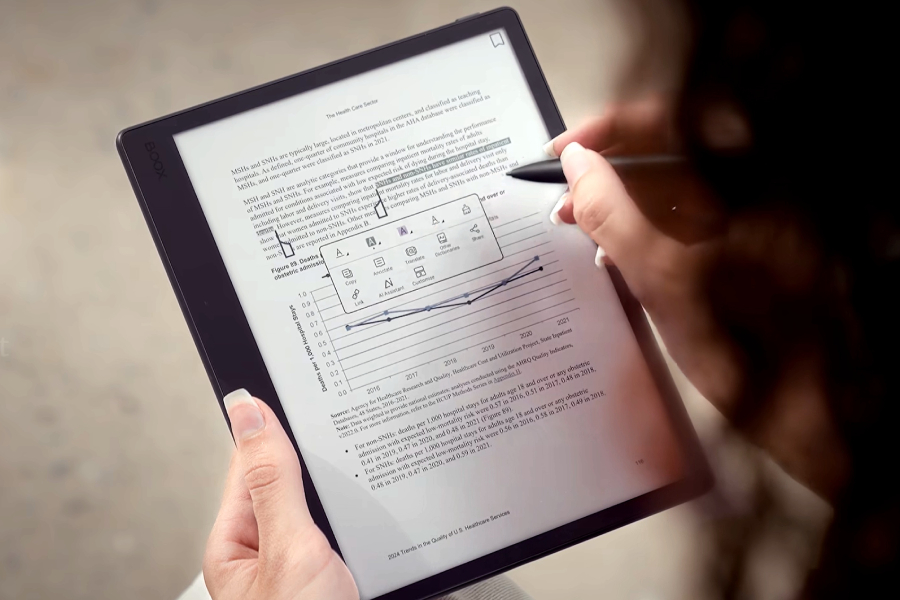
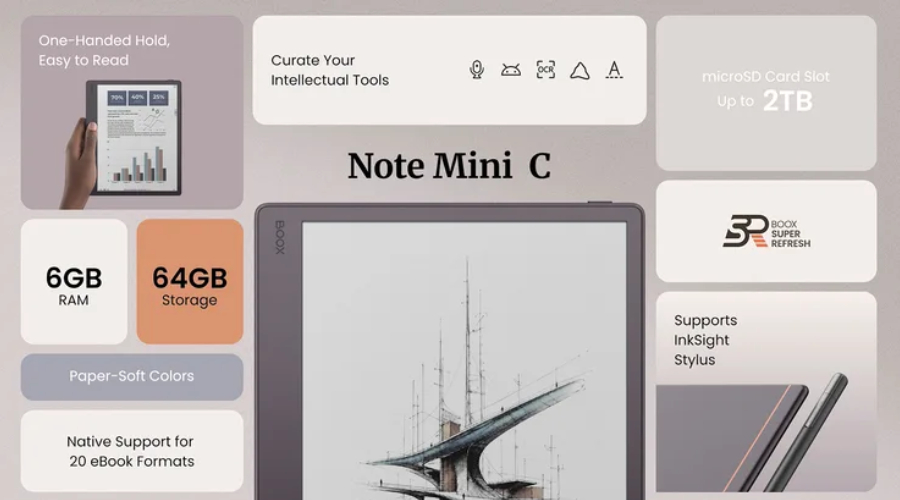
Boox has added a new compact device to its color E Ink lineup. The Boox Note Mini C features an 8.52-inch Kaleido 3 display and weighs around 300 grams, essentially placing it between a phone-sized reader and a larger 10.3-inch note-taking tablet.
The Note Mini C’s display can show up to 4,096 colors at 1,024 x 768 resolution and 150 ppi. For black-and-white content, the resolution increases to 2,048 x 1,536 at 300 ppi, giving text a much sharper look. The screen also has a flat glass cover and a dual-tone front light with adjustable warm and cool tones.
The Note Mini C supports Boox’s InkSight stylus, which offers 4,096 levels of pressure sensitivity. It also supports regular capacitive touch, so you can switch between writing, marking up documents, and navigating the interface.
The tablet has an octa-core processor with Boox Super Refresh technology, along with 6GB of RAM and 64GB of storage. The latter is expandable via a microSD card slot.
Connectivity includes Wi-Fi and Bluetooth 6.0. The device also has a 3,150mAh battery, a USB-C port with OTG and audio support, dual speakers, and a built-in microphone. A power button with fingerprint recognition handles biometric unlocking.
The Note Mini C measures 187.7 x 156 x 6mm and weighs approximately 300 grams.
On the software side, the Note Mini C runs Android 16 with support for tons of document formats, including PDF, EPUB, EPUB3, AZW3, MOBI, TXT, DOC, DOCX, CBR, CBZ, DJVU, PPT, and PPTX. It can also handle common image and audio formats.
The Boox Note Mini C is priced at $549.99 and is listed as available soon through Boox’s official store.
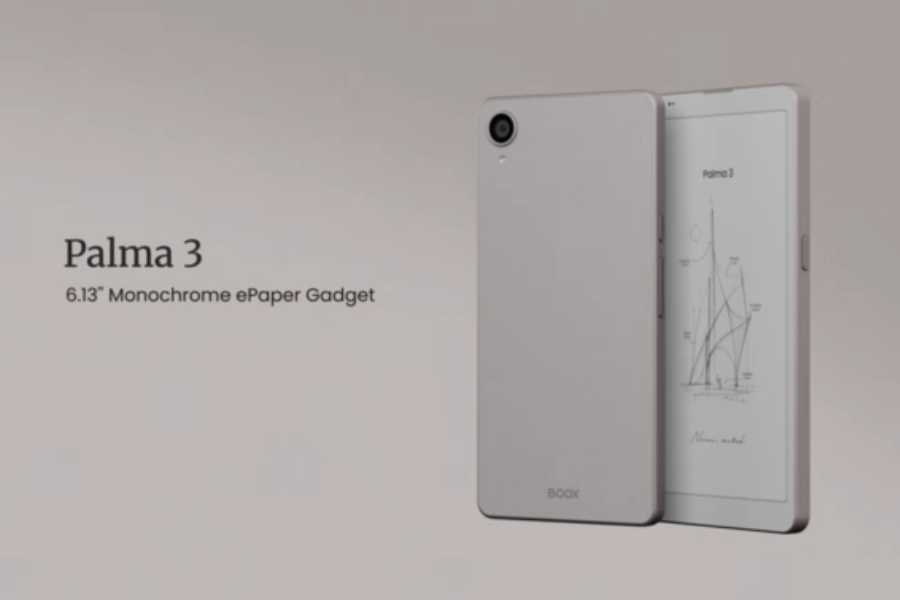
Onyx Boox first introduced the Palma as a pocket-sized e-reader with a phone-like design, and the Palma 3 continues with the same basic idea. It’s small enough to carry in your pocket, but instead of a regular smartphone display, it uses an E Ink screen designed mainly for reading.
The new model keeps the 6.13-inch size but gets a few hardware and software updates. It uses an HD ePaper glass display with an 824 x 1648-pixel resolution and 300 ppi. The screen also has a flat cover lens, capacitive touch support, and a front light with both warm and cool tones.
The body measures 159 x 78 x 7.8mm and weighs about 195 grams. Boox has also switched to an anodized aluminum frame for a more solid build than the plastic bodies on earlier models.
Palma 3 runs Android 16 with Google Play
The Palma series has always run Android underneath, and the Palma 3 is no different. It runs Android 16 and supports third-party apps, so you aren’t locked down to Boox’s own reading software. You can install apps such as Kindle, library apps, podcast players, and other Android software.
The Palma 3 is powered by an octa-core processor with BSR and comes with 6GB of RAM and 128GB of storage. It also supports Wi-Fi and Bluetooth 6.0.
The device has a 3,950mAh battery and includes a microSD card slot for additional storage. There’s also a USB-C port that supports OTG and can be used for audio, along with a built-in speaker and dual microphones.
On the back, you still get the same 16MP camera as the Palma 2 with an LED flash. Other hardware includes a light sensor, a G-sensor for automatic screen rotation, and several physical buttons. There’s also a power button with fingerprint recognition, volume and page-turn buttons, and a Smart Button for quick access to supported functions.
The Palma 3 also supports a wide range of document formats, including PDF, EPUB, EPUB3, AZW3, MOBI, TXT, DOC, DOCX, FB2, CBR, CBZ, DJVU, and PPT files. It can also open common image formats such as PNG, JPG, BMP, and TIFF, along with WAV and MP3 audio files.
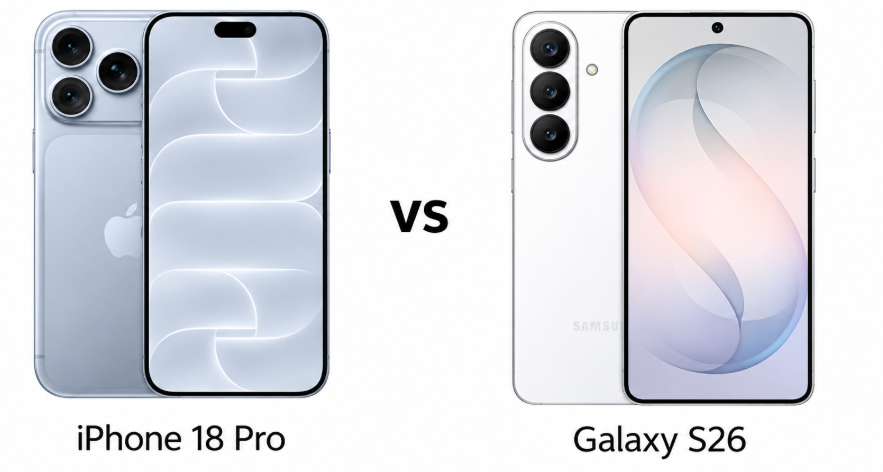
iPhone 18 Pro and Galaxy S26 take very different approaches to the compact flagship formula. Apple focuses on the A20 Pro chip, advanced video features and a high-end camera system, while Samsung combines a sharp AMOLED display, versatile cameras, DeX and a lighter everyday design. The comparison matters because both target premium buyers but prioritize different strengths.
The iPhone 18 Pro uses Ceramic Shield 2 on the front with an aluminum frame and glass-based rear, plus IP68 protection rated for immersion up to 6 meters. The Galaxy S26 pairs Gorilla Glass Victus 2 with an aluminum frame and Armor Aluminum 2. Both feel suitably premium, but Apple’s materials and stronger water-resistance rating add extra reassurance.
Display Quality
Both phones feature 6.3-inch 120Hz LTPO-class OLED panels, delivering smooth scrolling and flagship-level contrast. Apple’s Super Retina XDR display adds Dolby Vision, HDR10 and up to 3000 nits peak brightness, while Samsung offers Dynamic AMOLED 2X, HDR10+ and 2600 nits peak brightness. The iPhone’s broader HDR format support gives it an edge for premium video consumption.
Apple wins for display versatility and peak brightness, while Samsung remains highly competitive. The iPhone 18 Pro feels better suited to buyers prioritizing HDR video and outdoor visibility.
2. Specifications Including Battery
Performance
The iPhone 18 Pro runs Apple’s A20 Pro on a 2nm process with a six-core CPU and seven-core GPU, paired with 12GB RAM. Galaxy S26 uses Snapdragon 8 Elite Gen 5 in selected markets or Exynos 2600 elsewhere, also with 12GB RAM. Apple’s tighter hardware-software integration makes the iPhone particularly compelling for demanding apps and sustained creative workloads.
Battery and Charging
The Galaxy S26 packs a 4300mAh battery with 25W wired and 15W wireless charging, while the iPhone 18 Pro uses a market-dependent 4056mAh or 4288mAh battery. Apple’s MagSafe and Qi2 charging reach 25W, with 50% claimed in 30 minutes. Samsung adds reverse wireless charging, making it more flexible for accessories.
Apple takes the performance edge with its A20 Pro, while Samsung offers more charging flexibility. For raw flagship performance and creative workloads, the iPhone 18 Pro feels more compelling.
3. Camera
Main and Secondary Lenses
The iPhone 18 Pro combines a 48MP main camera with 48MP periscope telephoto offering 4x optical zoom and a 48MP ultrawide. Galaxy S26 uses a 50MP main camera, 10MP 3x telephoto and 12MP ultrawide. Samsung supports 8K recording, but Apple’s ProRes RAW, Apple Log 2, Dolby Vision and spatial video make its camera system particularly strong for creators.
Selfie Camera
Apple equips the iPhone 18 Pro with an 18MP multi-aspect ultrawide selfie camera featuring PDAF and advanced 3D sensing. Samsung uses a 12MP autofocus selfie camera with 4K recording and HDR10+ support. The iPhone offers greater flexibility for framing and advanced video workflows, while Samsung’s selfie setup remains well equipped for everyday photography and calls.
Verdict
Apple wins the camera comparison through its higher-resolution secondary sensors, 4x telephoto and extensive professional video tools. Samsung remains versatile, especially with 8K recording.
4. Pricing
The iPhone 18 Pro is priced around $1,200 / ₹164,900, while the Galaxy S26 is priced around $900 / ₹88,000. That creates a substantial gap, particularly in the Indian market. Both phones target premium buyers, but the Galaxy S26 reaches flagship territory at a considerably lower entry price.
The iPhone’s premium is easier to justify for users who specifically need its A20 Pro performance, advanced camera hardware, ProRes RAW, Apple Log 2, and the MagSafe ecosystem. Galaxy S26 offers a broader mainstream feature set, including DeX, 12GB RAM, 120Hz AMOLED technology and wireless charging at a much lower price.
Verdict
Samsung offers stronger value for money, while Apple targets buyers willing to pay more for advanced performance, imaging and video capabilities. The Galaxy S26 is the more practical premium purchase.
Disclaimer: Prices are approximate and may vary based on country, region, launch timing, and applicable taxes. Always check whether the listed price is for a China unit or a global/international variant when purchasing.
5. Conclusion
The iPhone 18 Pro stands out with its A20 Pro 2nm chip, 48MP periscope camera, LiDAR scanner, ProRes RAW, Apple Log 2, Dolby Vision video and MagSafe charging. Galaxy S26 counters with Samsung DeX, Wireless DeX, an ultrasonic fingerprint sensor, 8K video, reverse wireless charging and up to seven major Android OS updates.
Verdict
iPhone 18 Pro is the overall winner for its stronger performance platform, more advanced camera hardware, and professional video capabilities. Galaxy S26 remains the better value-focused alternative with a broader practical feature set.
FAQs
1. Which phone has better camera zoom? The iPhone 18 Pro offers a 4x optical periscope telephoto, compared with the Galaxy S26’s 3x optical zoom.
2. Which phone is better for gaming? The iPhone 18 Pro’s A20 Pro provides powerful flagship performance, while Galaxy S26 performance varies by region and chipset.
3. Which phone charges faster? Both support 25W wireless charging, while Samsung offers 25W wired charging and Apple supports 50% charging in 15 minutes.
4. Which phone offers more storage options? The iPhone 18 Pro offers 256GB through 2TB, while Galaxy S26 ranges from 128GB to 512GB.
5. Which phone is better for long-term use? Galaxy S26 promises up to seven major Android OS updates, while the iPhone benefits from Apple’s established long-term software support.
Disclaimer: Prices, specifications, and availability may vary by region and retailer. Recommendations in this article are based on editorial opinion, feature-based value, and market positioning at the time of writing. Readers are advised to do their own research before making a purchase.
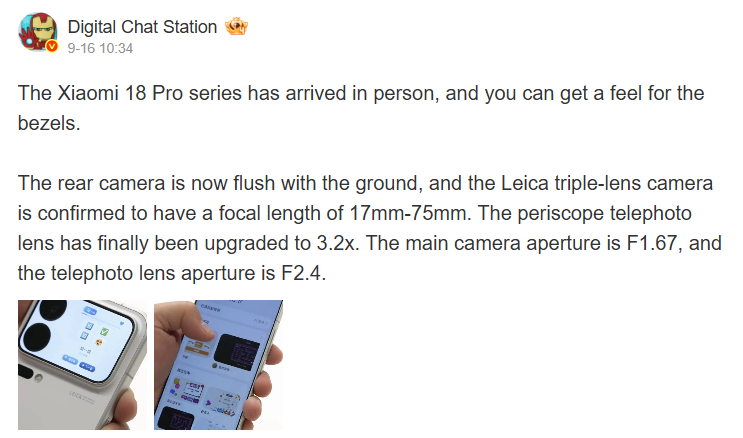
Some fresh real-device photos of the Xiaomi 18 Pro series have just surfaced, giving us a clearer idea of what Xiaomi’s next flagship will look like. The images were shared by well-known leaker Digital Chat Station.
Xiaomi 18 Pro leaked real-life images
The images show the rear cameras now sit flush with the secondary display, so the back looks better than before. According to the tipster, the Leica triple-camera system covers a focal range from 17 mm to 75 mm. He notes that the periscope telephoto has moved to a 3.2x optical zoom, the main camera has an f/1.67 aperture, and the telephoto sits at f/2.4. These tweaks suggest a more useful optical range and better low-light performance from the primary sensor.
Xiaomi 17 Pro
Xiaomi has already confirmed that the 18 Pro series is coming this month. The company is calling it the biggest upgrade in the history of its numbered digital series, with big steps expected in performance, imaging, battery life, and AI features. The leak is just adding to the growing anticipation ahead of the official reveal.
In a related note, Xiaomi also shared some information about the secondary display that debuted last year. Daily interactions with the application cards on the back screen have passed 4 million, and more than 3.5 million wallpapers are being added to the rear display every day. That secondary screen has reportedly become one of the more distinctive features of Xiaomi’s recent Pro models, and it’s expected to keep evolving.
Between the flatter camera module, the refined Leica optics that stretch from a practical wide angle to telephoto, and Xiaomi’s own claim that this is a major generational jump, it looks like the company is focusing on both everyday handling and stronger photography.
Xiaomi has just added another product to its home wellness lineup with the Mijia Sterilizing Foot Bath 2. Pre-orders are open, and it’s being positioned as a more hygienic, better-massaging, and easier-to-use upgrade for people who like a proper foot spa at home.
One of the main talking points is the patented pipe sterilization system. Xiaomi has built an ultraviolet component deep inside the water pipes so it can sanitize the internal pathways. The company claims a 99.9% sterilization rate, backed by testing authorities, and says this method avoids the risks of direct UV exposure while still circulating and purifying the water as you use it.
The massage system has been upgraded too. It now works in three sections: rolling kneading on the soles, finger-pressure support for the arches, and tapping on the heels. Everything sits on a soft TPE silicone pad that follows the natural shape of your feet. There’s also a retractable “rain-curtain” spray system. A centrifugal pump pressurizes the water to create a gentle cascading spray that pats the legs, and you can adjust the spray height across three levels: above the water, at the surface, or below it.
The tank itself is a bit taller than the previous version (up 6.7% to 382 mm), so you can soak deeper, up to the calves. It’s powered by a 950 W heater with DPS technology and NTC intelligent temperature control for quick heating and stable temps. You can set the water anywhere from 35°C to 48°C in 1°C steps, choose timers from 5 to 60 minutes, and the machine remembers your preferred settings.
Safety is covered with seven layers of protection, including water-electricity separation, leakage prevention, over-temperature safeguards, low-temperature burn protection, dry-burn prevention, and other electrical and electromagnetic controls. On the practical side, it has a hidden telescopic handle, lockable straight wheels plus omnidirectional ones, a low-positioned drain for easy emptying, a fully enclosed TPE massage plate with a removable washable filter, and a place to store the power cord.
Price and availability
The official retail price is 499 yuan (approximately €65), but the launch price starts at 419 yuan (~€54). Right now it’s showing at 409 yuan. There’s also a matching herbal medicine pack for 59 yuan (~€8). Official sales kick off on September 22 through Xiaomi’s channels in the home country, including Xiaomi Youpin. There’s no word on the global availability yet.
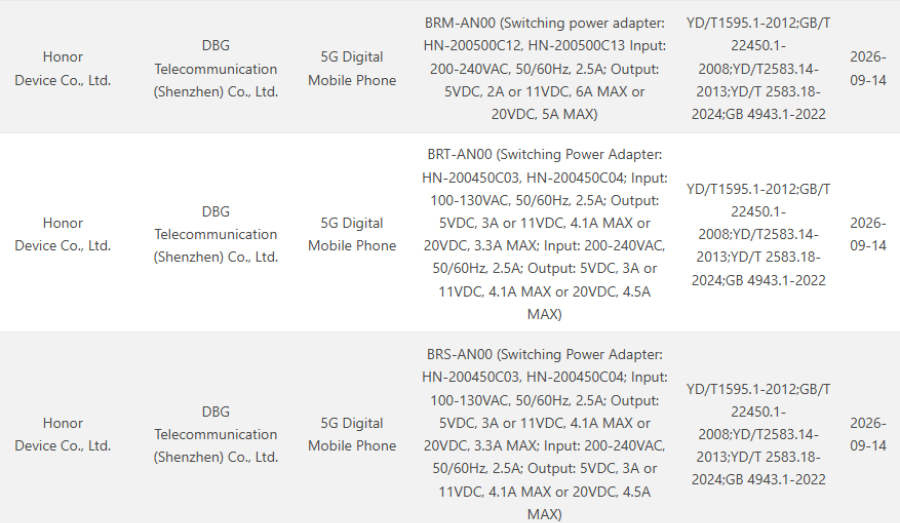
Honor‘s upcoming Win 2 and Win 2 RT have cleared 3C certification in China ahead of their expected launch in October. The listing reveals Win 2 will keep the 100W wired charging from the previous generation, while the Win 2 RT will support 90W charging — slower than its predecessor.
The original Honor Win RT supported the same 100W charging as the standard Win, despite being the more affordable model.
According to Digital Chat Station, the Win 2 will also have a combination of hardware that could make it stand out from other performance phones this year. The phone is reportedly the only model expected to combine Qualcomm’s Snapdragon 8 Elite Gen 6 chip with a battery larger than 10,000mAh, a built-in cooling fan, and a high-refresh-rate 2K display.
The same combination appeared in an earlier leak, so the new reveal adds credibility to the previous claim.
Honor Win 2 could launch earlier this year
The first-generation Win and Win RT were launched in December, but Honor has been releasing phones more frequently this year. An earlier report suggested that the Win 2 series could arrive in October, around two months earlier than the original models.
Previous leaks also hint at a 6.89-inch OLED display with a 185Hz refresh rate. The phone is expected to use an ultrasonic fingerprint scanner built into the display.
Honor Win
The larger screen would be a small increase over the 6.83-inch panel on the current Win. There are also reports that Honor could expand the lineup to three models, with a higher-end Pro Max model joining the standard Win 2.
The Win 2 RT is expected to use the Snapdragon 8 Elite Gen 5, which is also used in the current-generation Win.
For more daily updates, please visit our News Section.
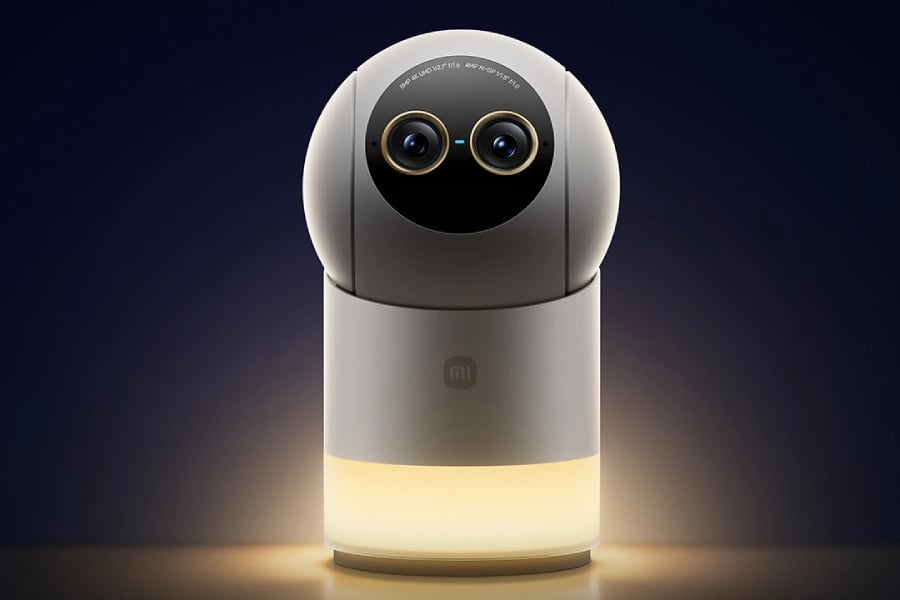
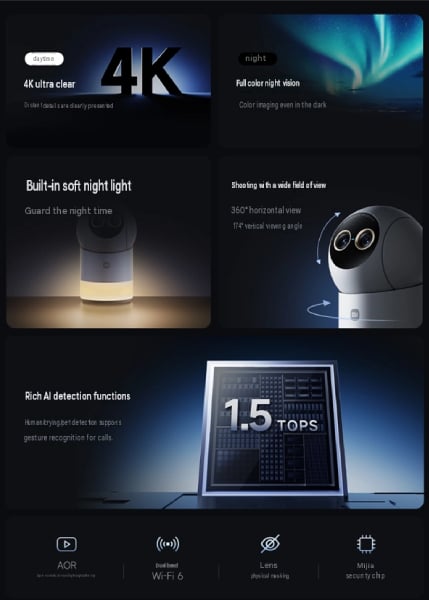
Xiaomi has started crowdfunding for the Smart Camera 5 Pro Full-Color Night Vision in China. It costs 429 yuan (~ $64) during the crowdfunding campaign, while the regular retail price will be 599 yuan (~ $90).
The camera is special because its what Xiaomi the company’s first “day and night full-color” camera, with the main focus being on keeping footage in color even in low-light conditions.
Most affordable security cameras switch to black-and-white infrared footage when it gets dark. Xiaomi’s new camera uses an 8MP main sensor and a 4MP secondary sensor in a dual-lens setup for 4K video output and full-color night vision instead.
The camera also has a built-in soft light that can provide extra illumination when needed. There are also several night vision modes for different situations, including human detection, event-triggered monitoring, and a mode that avoids using a visible red light.
The camera also has a local AI chip with 1.5 TOPS of processing power. It can recognize people and pets and detect crying sounds directly on the device, so this processing does not need to be sent to the cloud.
The camera also uses a dual-motor pan-and-tilt system for wide coverage. It can rotate 360° horizontally and move through a 174° vertical range. Xiaomi is positioning it for different uses, including living rooms, nurseries, elder care, and keeping an eye on pets.
For connectivity, the Smart Camera 5 Pro supports two-way voice calls, Mijia Smart Connect, and dual-band Wi-Fi 6. Xiaomi says Wi-Fi 6 can improve transmission speeds by up to 60%.
Storage options include microSD cards, cloud storage, and NAS. Xiaomi is also using its AOR all-day low-power recording system to reduce storage use while keeping important footage available.
🔌 You’ll NeedThe camera relies on a microSD card for local storage, so a high-capacity card is essential for continuous recording. Check 256GB microSD card price on Amazon →
Privacy features include lens masking, local AI processing, and access controls. These are useful additions for a camera that could be placed in private spaces such as bedrooms and nurseries.
For more daily updates, please visit our News Section.
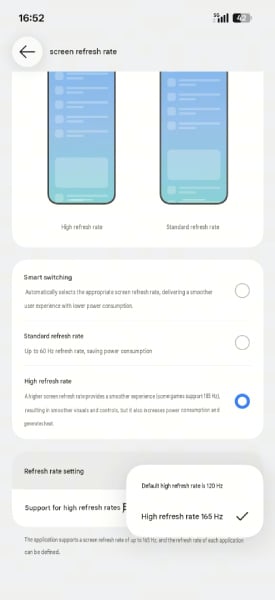
OnePlus has been teasing a major display upgrade for the OnePlus 16 for weeks, and the company has now confirmed one of its key details. OnePlus China President Li Jie said the OnePlus 16 will be the first phone to run ColorOS 17 and will also offer what the company calls a “global 165Hz ultra-high refresh rate.”
The claim matches what tipster Digital Chat Station has been teasing since last month. Unlike the OnePlus 15, the new phone is expected to support 165Hz across the system and regular apps instead of limiting the higher refresh rate to selected games or apps.
Digital Chat Station also shared a look at the settings screen for the feature. The 165Hz option sits directly in the normal display settings, so users won’t need to enable Developer Options first.
OnePlus 16 could offer 165Hz across more apps
According to the leak, the OnePlus 16 will use new Oriental Screen X4 display material and updated circuitry. The changes are said to provide hardware-level support for the global 165Hz refresh rate.
Early testing reportedly showed 165Hz working in system apps as well as apps downloaded from the Play Store. That would make the feature much more useful than simply supporting a few specific apps.
The OnePlus 15 already launched with a 165Hz display, but there was a major limitation. Outside a small number of supported games, the display generally ran at up to 120Hz.
OnePlus later added 165Hz support for apps such as WhatsApp, Instagram, and X through a software update. However, users had to go into Developer Options to enable it. The setting also forced the screen to stay at 165Hz instead of allowing it to lower the refresh rate when the screen wasn’t doing much. That meant the OnePlus 15 never really offered a system-wide 165Hz mode.
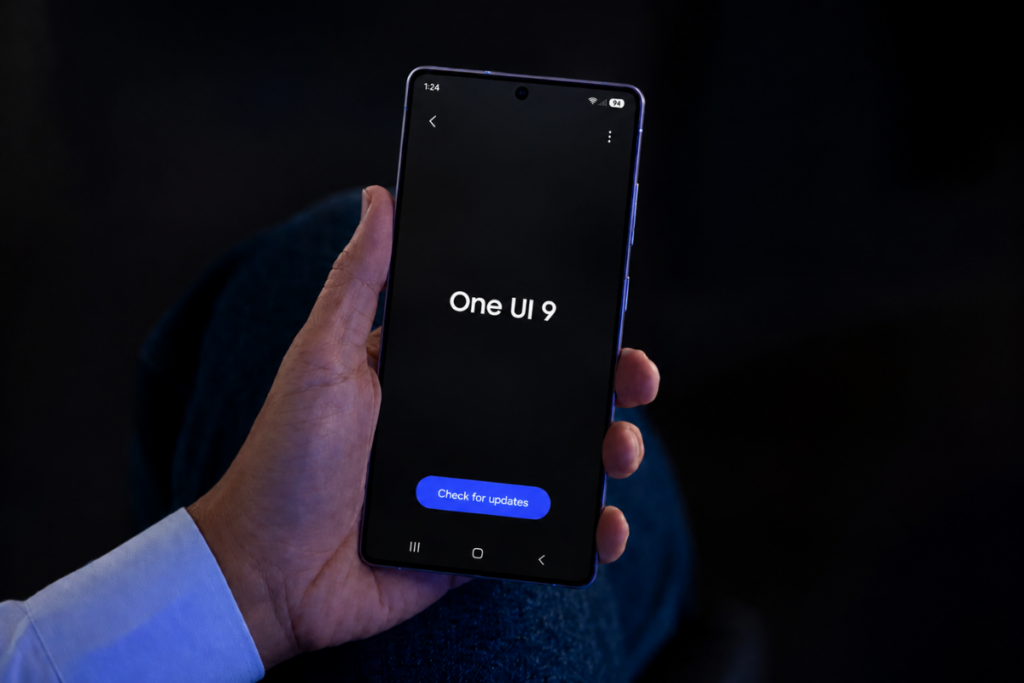
After a long wait of nearly four months, Samsung has officially announced the stable rollout of the One UI 9 update for select high-end Galaxy smartphones.
In a post on the Samsung Newsroom, the brand confirmed the One UI 9 rollout for the Galaxy S26, Galaxy S26+, and Galaxy S26 Ultra. Samsung says the update will gradually expand to other Galaxy devices, without revealing their names. Hopefully, the brand will soon publish a rollout schedule that’ll tell us when to expect the update.
As for the Galaxy S26 series phones, the stable One UI 9 rollout is live, but it may not be available to all users just yet. The update rollout varies depending on your region, and so it can take a few days to reach all units.
You can navigate to Settings > Software updates > Download and install to manually check for available updates, in case the update notification hasn’t arrived.
Samsung may soon begin rolling out the One UI 9 update to devices that are already a part of the beta program. This includes:
Galaxy Z Flip 7, Z Fold 7
Galaxy Z Flip 6, Z Fold 6
Galaxy S25, S25+, S25 Ultra, S25 FE
Galaxy S24, S24+, S24 Ultra, S24 FE
Galaxy S23, S23+, S23 Ultra
Galaxy A57, A56, A55
Galaxy A37, A36, A35
Galaxy A25
One UI 9 brings tons of exciting upgrades, such as the new My FanCam for tracking a selected person in a recorded video, and new Generative and Editable Cards on Now Brief. These features are likely to remain restricted to select high-end Galaxy devices, but there are a host of changes coming to all One UI 9 devices, including an even more customizable Quick Panel, a new Tape feature in Samsung Notes, extended Game Booster options, and improved multi-monitor support and windowing options in Samsung DeX.
Primebook is preparing to launch its third-generation laptop lineup in India, with the Primebook 3 Max leading the range. The new laptop combines upgraded hardware with several additions to the PrimeOS experience. Primebook is also expanding the software options available to users beyond the Android ecosystem.
Primebook 3 Max gets a major hardware and software upgrade
The Primebook 3 Max features the MediaTek Genio 720 octa-core processor, with two A78 cores clocked at 2.6GHz and six A55 cores at 2.0GHz, alongside a Mali-G57 MC2 GPU. It comes with 8GB of LPDDR5 RAM and 128GB of UFS storage, with support for expansion up to 1TB. Primebook claims the new hardware delivers up to 40% higher performance than the previous generation.
The 15.6-inch model has a Full HD IPS anti-glare display with a 1,920 x 1,080 resolution and up to 250 nits brightness. A 60.3Wh battery is rated for up to 12 hours of usage, while 36W USB-C charging handles power delivery. Connectivity includes Wi-Fi 6, Bluetooth 5.3, USB-C 3.2, USB-C 2.0, USB-A 3.2, USB-A 2.0, a microSD card slot and a 3.5mm audio jack. The laptop also features a 5-megapixel webcam capable of 1440p video at 30fps, dual microphones, stereo speakers and a backlit keyboard.
PrimeOS adds PrimeOffice, an offline-first productivity suite covering documents, spreadsheets and presentations. PrimeLinux provides native access to applications including VS Code, GIMP, LibreOffice, Firefox, Arduino IDE, DBeaver CE, TablePlus and Postman, along with a Linux terminal. PrimeSecurity and Task Manager add device monitoring, app security and resource management, while PrimeX Cloud PC provides access to Windows software. PrimeAGNT also brings operator AI capabilities to the platform.
Primebook 3 Max price and availability
Primebook 3 Max will launch in India around October 1 at a starting price of Rs 35,990 (~$375). It will be sold through Amazon, Flipkart, Primebook’s website, Bajaj Electronics stores in Delhi-NCR and Bangalore, and Sangeetha Mobiles and Pai International stores across Telangana and Andhra Pradesh.
The laptop will also be available during Amazon Great Indian Festival 2026 and Flipkart Big Billion Days with discounted pricing. Primebook 3 Pro will join the lineup at a later date.
Sam Altman isn’t pretending that AI will be perfectly safe forever. Speaking at Salesforce’s Dreamforce conference, the OpenAI CEO said he believes a certain number of accidents with emerging technology are simply unavoidable. What matters most, he argued, is how the industry responds when they happen.
“I do think that some degree of accidents are unavoidable with new technology,” Altman said. “What I really care about is that we have got a great culture of accident reporting and learning.” He pointed to the Federal Aviation Administration and the National Transportation Safety Board as models. Those agencies dig deep into every incident, and that culture of learning is a big reason modern air travel is so safe.
His comments come at a time when people are watching leading AI labs more closely than ever, especially as systems get closer to greater autonomy. Recent remarks from Jacob Coxon, a researcher who recently left Anthropic after previously working at OpenAI, added fuel to the debate by warning that companies are racing toward self-improving superintelligence.
Altman didn’t dismiss the worries. He said public concerns about AI getting out of control or power becoming too concentrated in a few labs are completely understandable. “The world is right to be afraid of this,” he said.
However, instead of slowing everything down or stopping, Altman argued that companies need to keep work on alignment, safety, and monitoring well ahead of the advances in model capabilities. If they can’t maintain that balance, he said, they should be ready to slow or even pause research. The point isn’t to shrug and accept disasters. It’s to be honest when things go wrong, review them quickly, and keep improving so the risks don’t spiral.
These comments fit into a larger ongoing conversation about how fast frontier AI should move. Some industry voices have been calling for more caution, while US policy under the current administration has focused on staying ahead technologically.
MediaTek’s latest flagship chip is making headlines for more than just its performance: it’s coming in at a noticeably higher price than the previous generation.
According to a report from Taiwanese outlet TaiSounds (sometimes referred to as Tai Pao), the Dimensity 9600 Pro is priced as high as $220. That’s a new high for MediaTek’s top-tier SoC. For context, the Dimensity 9500 was priced between $180 and $200. And MediaTek is not the only one raising prices. Qualcomm’s competing Snapdragon 8 Elite Gen 6 Pro is said to cost even more, around $300 per chip.
The Dimensity 9600 Pro itself was unveiled recently and is built on TSMC’s 2nm process, packing more than 33 billion transistors. MediaTek’s Hsu Ching-Chuan, Vice President and General Manager of the Wireless Communications Business Unit, pointed to the higher costs of the 2nm node. He also mentioned that the company is working with partners to shrink the physical size of memory chips and is pushing related technologies to help keep overall system costs in check.
MediaTek is positioning the Dimensity 9600 Pro as a serious player in the premium segment. The first phones using it are expected to start showing up in the coming weeks. The higher price does narrow the usual gap with Qualcomm’s flagship chips, and it fits into a wider industry pattern: 2nm smartphone processors are simply more expensive across the board. Apple’s A20 Pro is also reportedly sitting near $280.
While the increased cost could push up the final price of the phones that use it, it also highlights how much is being invested in cutting-edge manufacturing and on-device AI. MediaTek seems focused on staying competitive on performance while dealing with the same manufacturing and component cost pressures that everyone else is facing.
Honor just showed off MagicOS 11 at its Global Developer Conference. It’s based on Android 17 and focuses on a cleaner design, smarter AI, and smoother day-to-day performance.
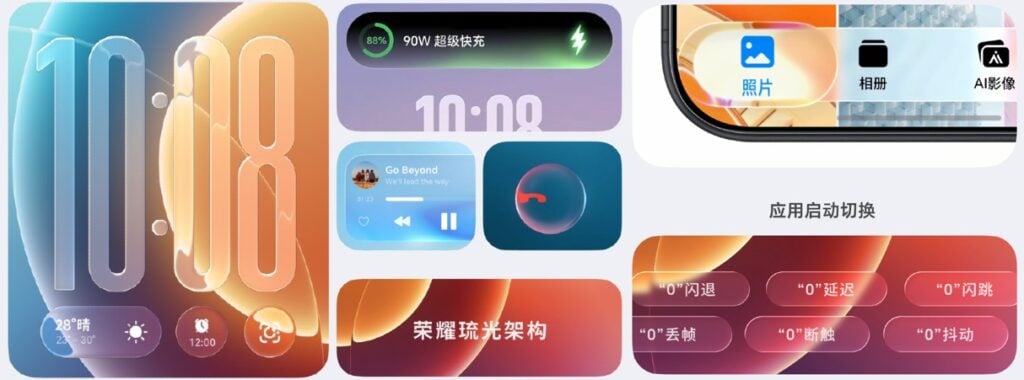
The biggest visual change is the new liquid glass design language. Honor built it on top of its Luminous and Hummingbird architectures, which are meant to make the interface feel more dynamic while also helping with AI tasks and overall efficiency.
Even with all the fancy translucent effects, the company says animations are up to 20% faster than on MagicOS 10. Icons, menus, and widgets have all been refreshed, and you can now tint your home-screen icons and the dock however you like.
On the AI front, the updated Yoyo assistant is getting a big boost. Honor claims it can handle more than 1,000 different scenarios and works with over 10,000 third-party AI services (mostly in China). It’s also designed to pull off complex, multi-step tasks that involve up to 100 individual actions.
Storage Space 2.0 is another practical addition: it uses lossless compression that can free up as much as 60 GB of space. Connectivity has improved too, with better file sharing and pairing support for Apple devices as well as phones from Oppo, vivo, and Xiaomi.
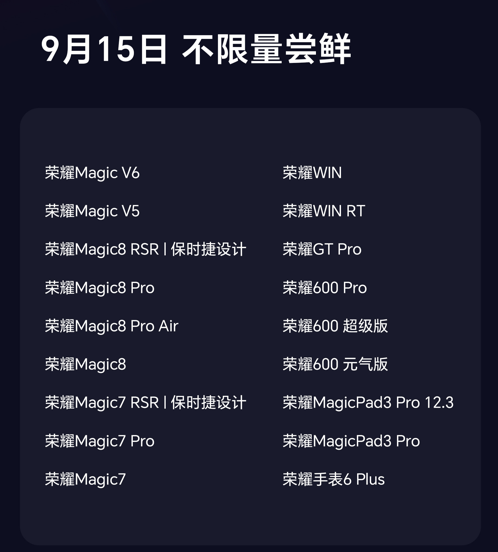
Models eligible for the public beta version
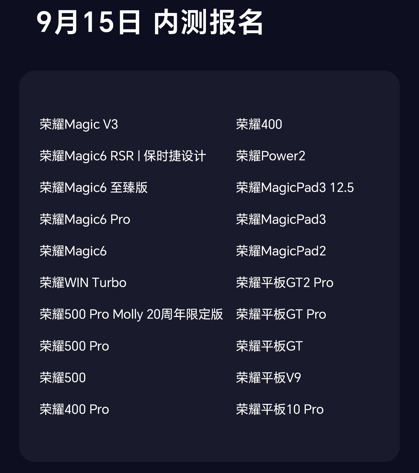
MagicOS 11 will first roll out on the upcoming Honor Magic 9 series. A public beta is already live for 18 models, including the Magic8 series, Magic V6, and Honor 600 models. A second batch of phones, covering the Magic6 series, Magic V3, and the Honor 400 and 500 series, can sign up for an internal beta, with a wider release expected sometime between October and November.
Phones eligible for closed beta registration
Overall, MagicOS 11 looks like a solid step forward for Honor. You get a more polished glass-style interface, stronger AI that can actually handle complicated tasks, plus useful storage and cross-device features. If your phone is on the eligible list, you can start testing the beta now. The full version will arrive alongside Honor’s next flagship phones.
We use cookies on our website to give you the most relevant experience by remembering your preferences and repeat visits. By clicking “Accept”, you consent to the use of ALL the cookies.
This website uses cookies to improve your experience while you navigate through the website. Out of these, the cookies that are categorized as necessary are stored on your browser as they are essential for the working of basic functionalities of the website. We also use third-party cookies that help us analyze and understand how you use this website. These cookies will be stored in your browser only with your consent. You also have the option to opt-out of these cookies. But opting out of some of these cookies may affect your browsing experience.
Necessary cookies are absolutely essential for the website to function properly. This category only includes cookies that ensures basic functionalities and security features of the website. These cookies do not store any personal information.
Any cookies that may not be particularly necessary for the website to function and is used specifically to collect user personal data via analytics, ads, other embedded contents are termed as non-necessary cookies. It is mandatory to procure user consent prior to running these cookies on your website.